Living Our Values at Greenspring Montessori School

Living Our Values at Greenspring Montessori School

At Greenspring Montessori School, our values are not separate from learning — they are woven into daily life. From the youngest children in our toddler classrooms to our adolescents preparing for adulthood, students experience what it means to live with purpose, responsibility, compassion, and courage.

Creating Classroom Values

At the beginning of each school year, our Children’s House, Elementary, and Adolescent students create classroom charters together. These charters serve as ongoing reminders of the values that shape their classroom communities.

Students reflect on questions such as:

  • What kind of community do we want to create?
  • How do we want to treat one another?
  • What responsibilities do we share?

Because the students help define these values together, they also learn how to hold themselves and one another accountable with empathy and respect.

We believe children learn values best by practicing them within a caring community. Throughout the school experience, we strive to provide opportunities for children to grow into values such as:

Independence & Responsibility

From an early age, children at Greenspring Montessori School learn that they are capable of doing meaningful and challenging things for themselves.

In our classrooms, even the youngest children practice caring for their own needs — zipping coats, preparing snacks, washing dishes, watering plants, cleaning up spills, and helping care for their environment. These everyday moments build far more than practical skills. They nurture confidence, resilience, concentration, and self-trust.

As children grow, their independence grows with them. Elementary and adolescent students learn to manage their time, organize their work, advocate for themselves, collaborate with others, and contribute thoughtfully to their communities.

Rather than relying on adults to solve every problem, children learn that they have both the ability and responsibility to participate fully in the world around them. Over time, this develops into a strong sense of personal agency — the belief that their choices and actions matter.

Embracing Worthy Challenges

At Greenspring Montessori School, we believe children thrive when they are engaged in meaningful work that challenges them appropriately.

We do not believe in busy work or one-size-fits-all learning. Instead, our Guides and Partners carefully observe each child to understand their developmental readiness, interests, strengths, and areas for growth. Lessons and materials are intentionally matched to meet children at just the right level — challenging enough to inspire growth, but not so difficult that they create discouragement.

This individualized approach allows children to experience the satisfaction of genuine accomplishment. They learn that struggle is a natural and valuable part of learning, not something to avoid.

Over time, children begin to seek out worthy challenges for themselves. They become more willing to take risks, persist through difficulty, and approach unfamiliar situations with curiosity and confidence. These habits build a strong foundation not only for academic success, but for life.

Making a Meaningful Contribution

Children flourish when they know they are needed.

At Greenspring Montessori School, students experience themselves as active contributors to their classroom communities from the very beginning. They are not passive participants waiting for adults to do everything for them. Instead, they learn that communities are built through shared care, responsibility, and service.

Children help prepare food for celebrations, pour tea for classmates and guests, fold laundry, sweep floors, care for classroom materials, tend gardens, and support younger peers. These contributions may seem small, but they carry deep meaning. Through these experiences, children develop empathy, competence, and pride in caring for others.

In a world where many opportunities for meaningful contribution have disappeared from childhood, these experiences matter deeply. Children begin to understand that they belong to something larger than themselves and that their actions can positively impact the people around them.

This sense of contribution helps cultivate confidence, purpose, and connection — qualities that strengthen both individuals and communities.

Education for Peace

Peace education is at the heart of Montessori philosophy.

At Greenspring Montessori School, children learn that conflict is a normal part of human relationships and that disagreements can be approached with honesty, empathy, and respect. Rather than immediately turning to adult intervention, students are guided in learning how to communicate their feelings, listen to one another, and work collaboratively toward resolution.

These skills are practiced daily in both small and significant ways. Children learn how to repair relationships, include others, and navigate challenges within a community setting.

As students grow older, their understanding of peace expands beyond the classroom. They explore real-world problems, social responsibility, environmental stewardship, and the interconnectedness of humanity. Importantly, they approach these topics not with fear or hopelessness, but with compassion, critical thinking, and a belief that positive change is possible.

Education for peace is not simply about avoiding conflict. It is about preparing children to become thoughtful, capable people who can contribute to a more just, compassionate, and connected world.

These values are woven into daily classroom life, outdoor experiences, collaborative work, and community relationships. Values are not something we teach through lectures. Children learn values by living them — at home, at school, and within the communities that surround them.

When families and schools work together to lead with intention, children gain something deeply important: a strong sense of who they are and how they want to move through the world.


Leading with Your Values: Creating a Family Culture with Intention

Leading with Your Values: Creating a Family Culture with Intention

In a fast-paced world filled with endless choices, distractions, and outside influences, many families are asking an important question: What really matters to us?

At home and at school, values help us answer that question. They shape how we spend our time, how we treat one another, and how we make decisions when life becomes complicated. When we lead with our values, we create a stronger sense of purpose, connection, and belonging for our children.

What Are Values?

Values are emotionally meaningful beliefs that guide our attitudes, behaviors, and decisions. They help us determine how we want to show up in the world and what kind of life we hope to create together. In many ways, values become our internal compass. They influence everything from how we respond to conflict to how we spend our weekends, celebrate milestones, and support one another through challenges.

When families identify and live by shared values, they create a culture rooted in intention rather than reaction.

“Integrity is choosing courage over comfort; choosing what is right over what is fun, fast, or easy; and choosing to practice our values rather than simply professing them.” — Brené Brown

Why Family Values Matter

Creating shared family values is not about becoming perfect. It is about creating clarity and consistency around what matters most.

Family values can:

Strengthen Connection

When everyone in the family understands what you stand for together, it creates a deeper sense of belonging and unity.

Guide Decision-Making

From screen time to extracurricular activities to friendships, values simplify choices. Instead of reacting to every outside pressure, families can ask: Does this align with who we are and what we believe?

Model Authenticity

Children learn far more from what we do than from what we say. When parents and grandparents align their actions with their values, children see integrity in practice.

Build Resilience

Children who grow up with a strong sense of family identity often feel more secure and confident. Knowing “what our family believes” provides stability in an uncertain world.

How to Create Your Family Values

Creating family values can be a meaningful conversation to revisit over time as children grow.

As a family, you might begin by asking:

  • What qualities do we hope our children carry into adulthood?
  • What do we want our home to feel like?
  • What matters most when life gets difficult?
  • What kind of relationships do we want to build with one another?

Many families discover that a handful of core values — perhaps courage, kindness, responsibility, curiosity, peace, or authenticity — become the foundation for daily life.

One helpful place to begin is with the values list created by Brené Brown or the Personal Values Card Sort developed by the University of New Mexico. Both encourage individuals to narrow a long list of values down to the few that feel most essential.

Cultivating Core Values at Home

Once you identify your values, the next step is living them consistently in small, everyday ways.

Share Stories and Family History

Your values show up in the stories you tell. Children absorb what matters through family conversations, memories, and examples. These narratives become part of your family identity.

For example:

  • f you want your children to value perseverance, tell stories about times you faced difficulty and kept going.
  • If you value generosity, share stories of people helping one another in meaningful ways.

Create Rituals and Traditions

Family rituals help values come alive. For example:

  • A weekly nature walk may reflect a value of presence or wonder.
  • Shared meals may reinforce connection and gratitude.
  • Volunteering together may nurture compassion and service.

Children remember repeated experiences far more than lectures.

Offer Your Full Presence

One of the greatest gifts we can give children is our attention. Slowing down to truly listen communicates that relationships matter. In a culture of constant distraction, presence itself becomes a powerful family value.

Cultivate Awe and Wonder

Children naturally experience wonder — in nature, art, music, meaningful work, and human connection. Creating space for awe helps children develop gratitude, curiosity, and reverence for the world around them.

Whether it is gardening together, watching the stars, hiking in the woods, or simply noticing seasonal changes, these experiences help children feel connected to something larger than themselves.

Aligning School and Home

Children thrive when the important adults in their lives are working toward a shared vision of childhood, learning, and human development. While no school or family will agree on every detail, alignment in core values can create a powerful sense of consistency and security for children.

When families choose a school that reflects their values, children receive a clearer message about what matters. If a family values curiosity, independence, kindness, responsibility, creativity, community, or peace, it is meaningful for children to experience those same values both at home and at school.

Choosing a school is about far more than academics alone. It is also about finding a community that reflects the kind of human beings you hope your children will become.

The Skills That Will Matter Most: How Montessori Classrooms Support Executive Functioning

The Skills That Will Matter Most: How Montessori Classrooms Support Executive Functioning

Think about the jobs that existed ten years ago that don’t exist today. Now think about the jobs your child might hold that don’t exist yet. The world is changing faster than most school curriculums can keep up with and that raises a real question for every parent: what are we actually preparing our children for?

As educators it is imperative for us to look towards the future to ensure that our children have the skills to think, build, and lead. Fortunately, Dr. Montessori created a model over 100 years ago that provides a strong foundation for executive functioning skills that will help our children do just that.

The answer isn’t solely in academics or test scores. It’s something deeper: the ability to think flexibly, manage yourself, solve problems, and keep going when things get hard. These are what researchers call executive functioning skills, and they may be the most important thing a child can develop.

What Are Executive Functioning Skills?

Executive functioning refers to a set of cognitive processes, primarily working memory, inhibitory control, and cognitive flexibility, that help us coordinate thoughts and actions to reach our goals.[1] These skills also support the ability to plan, organize, emotionally regulate, and take initiative.

Unlike specific facts or formulas, these skills transfer. Research has repeatedly shown that executive functioning predicts educational outcomes above and beyond measures of intelligence or prior academic ability.[2] A child who can regulate their frustration, think through a problem from multiple angles, and manage their time doesn’t just do well in school — they’re equipped for life’s challenges and opportunities.

Why Starting Early Matters

Executive functioning skills develop rapidly in early childhood and continue maturing throughout adolescence.[3] The brain’s prefrontal cortex — the hub of executive functioning — is highly responsive to environment and experience during these years, which means the conditions we create for children genuinely matter.

Notably, research has found that working memory at age 5 is a stronger predictor of later academic performance than IQ.[4] This looks different at each level here at Greenspring. For instance, toddlers begin to count and set out plates for their peers. In Children’s House, students are building on their foundation, following complex, multi-step sequences that require them to retain detailed information. In Elementary and Adolescence, our students manage their own work journals, keeping track of where they excel and where they have room for growth. They are all, in very real ways, building new neural pathways and skills that will last a lifetime.

Scaffolding these skills early doesn’t mean pushing children before they are ready — it means creating the right environments with meaningful choice, appropriate challenges, and the freedom to learn from their mistakes.

How Montessori Builds Executive Functioning Skills

A study published in Science found that children in Montessori programs showed significantly greater gains in executive function, reading, math, vocabulary, and social problem-solving compared to peers in conventional schools.[5] A 2023 systematic review of 32 rigorous studies confirmed these findings, reporting that Montessori students showed higher executive functioning than peers in traditional schools.[6] Most recently, a national randomized controlled trial of 588 children across 24 public Montessori programs found that Montessori students scored significantly higher in executive function, reading, memory, and social understanding by the end of kindergarten.[7]

Our Guides thoughtfully look at Dr. Montessori’s curriculum to ensure that children at all levels are developing executive functioning skills such as:

  • Working Memory
  • Cognitive Flexibility
  • Sustained Attention
  • Inhibitory Control
  • Task Initiation
  • Planning
  • Prioritizing
  • Organization
  • Time Management
  • Self- awareness
  • Emotional Regulation

This is no small undertaking! A Young Toddler learning to return a material to its place is practicing order and self-regulation. A Lower Elementary student choosing how to spend their work cycle is practicing planning and prioritization. An Adolescent navigating a multi-week research project is practicing every executive functioning skill at once. The work looks different at every level — but the intentionality is the same.

Preparing Children for a World We Can’t Predict

Researchers have identified creativity, flexibility, self-control, and discipline as the four qualities children will most need to thrive in the future — all of which are rooted in strong executive functioning.[8] We can’t know exactly what challenges our students will face in 10, 20, or 30 years, but we can give them the inner tools to meet those challenges with confidence.


References

[1] Diamond, A. (2013). Executive functions. Annual Review of Psychology, 64, 135–168. https://doi.org/10.1146/annurev-psych-113011-143750

[2] Blair, C. (2018). Executive function and early childhood education. Current Opinion in Behavioral Sciences, 21, 31–36. https://pmc.ncbi.nlm.nih.gov/articles/PMC6051751/

[3] Garon, N., Bryson, S. E., & Smith, I. M. (2008). Executive function in preschoolers: A review using an integrative framework. Psychological Bulletin, 134(1), 31–60.

[4] Alloway, T. P., & Alloway, R. G. (2010). Investigating the predictive roles of working memory and IQ in academic attainment. Journal of Experimental Child Psychology, 106(1), 20–29. Cited in: Promoting Executive Function Skills in Preschoolers. Frontiers in Psychology (2021). https://doi.org/10.3389/fpsyg.2021.720225

[5] Lillard, A. S., & Else-Quest, N. (2006). Evaluating Montessori education. Science, 313(5795), 1893–1894. https://doi.org/10.1126/science.1132362

[6] Randolph, J. J., Bryson, A., Menon, L., Henderson, D. K., Kureethara Manuel, A., Michaels, S., Rosenstein, D. L. W., McPherson, W., O’Grady, R., & Lillard, A. S. (2023). Montessori education’s impact on academic and nonacademic outcomes: A systematic review. Campbell Systematic Reviews, 19, e1330. https://doi.org/10.1002/cl2.1330

[7] Lillard, A. S., et al. (2025). A national randomized controlled trial of the impact of public Montessori preschool at the end of kindergarten. Proceedings of the National Academy of Sciences. https://doi.org/10.1073/pnas.2506130122

[8] Diamond, A., & Lee, K. (2011). Interventions shown to aid executive function development in children 4–12 years old. Science, 333(6045), 959–964. https://pmc.ncbi.nlm.nih.gov/articles/PMC3159917/

Why We Hold High Expectations for Our Children

Why We Hold High Expectations for Our Children

Seeing a two year old preparing a snack for their classmates in the classroom or an Elementary student initiating a trip to a local university can be inspiring, but it also leads some families to question whether it is too much to expect of them. When families share this, we listen closely. Parenting and educating children is deeply personal, and alignment between home and school matters deeply. This is why it is important to clearly name why our expectations are what they are—and what we mean when we say we believe in children.

In Montessori education, our expectations are rooted not in pressure or perfection, but in trust.

We trust that children are capable of more than society often gives them credit for. We trust their ability to problem-solve, to care for themselves and their community, to regulate their bodies and emotions. None of this happens right away! We begin working on these skills with our youngest children at just 18 months because we know these skills take guidance and time. And we trust that when given meaningful responsibility, children rise—not because they are forced to, but because they are developmentally ready.

Dr. Maria Montessori’s philosophy from over a hundred years ago is backed by modern neuroscience. In her book How to Raise a Child with a High EQ, Dr. JoAnn Deak shares:

“We build confidence not by removing struggle, but by walking with children through it. Protecting children from every failure makes them fragile. Letting them try, fail, and try again makes them strong. Children develop resilience and self-worth not by always succeeding, but by learning they can survive setbacks.”

We know that it is often easier to have the adults initiate and lead while children fully devote themselves to play. We rush to do things for them rather than alongside them. We lower expectations in the name of kindness, yet unintentionally send the message: “You can’t.” Over time, this can quietly erode confidence and independence.

Montessori asks something different.

We ask children to:

  • Care for their environment
  • Practice independence
  • Engage deeply with meaningful work
  • Be accountable to their community
  • Try, struggle – even fail – and try again

These worthy challenges are not arbitrary. They are carefully aligned with children’s developmental capacity. They respect the learner’s capacity for growth and encourage resilience, creativity, and independence—especially when supported by patient adults, thoughtfully prepared environments, and time.

Our role as adults is to notice their abilities, believe in their potential, and meet each child where they are. In the classrooms, we step back, observe carefully, and offer guidance, repetition, and understanding rather than control. This gives children the opportunity to grow their independence, confidence, and sense of responsibility at a young age. We scaffold these experiences in a loving, nurturing environment that gives children the change to fail – and learn from those experiences so that they have the confidence to take on the next big thing, knowing that they matter.

Our children are capable. And believing in their capacity is one of the greatest gifts we can offer.

Native Tree Planting on Campus with the Alliance for the Chesapeake Bay

Native Tree Planting on Campus with the Alliance for the Chesapeake Bay

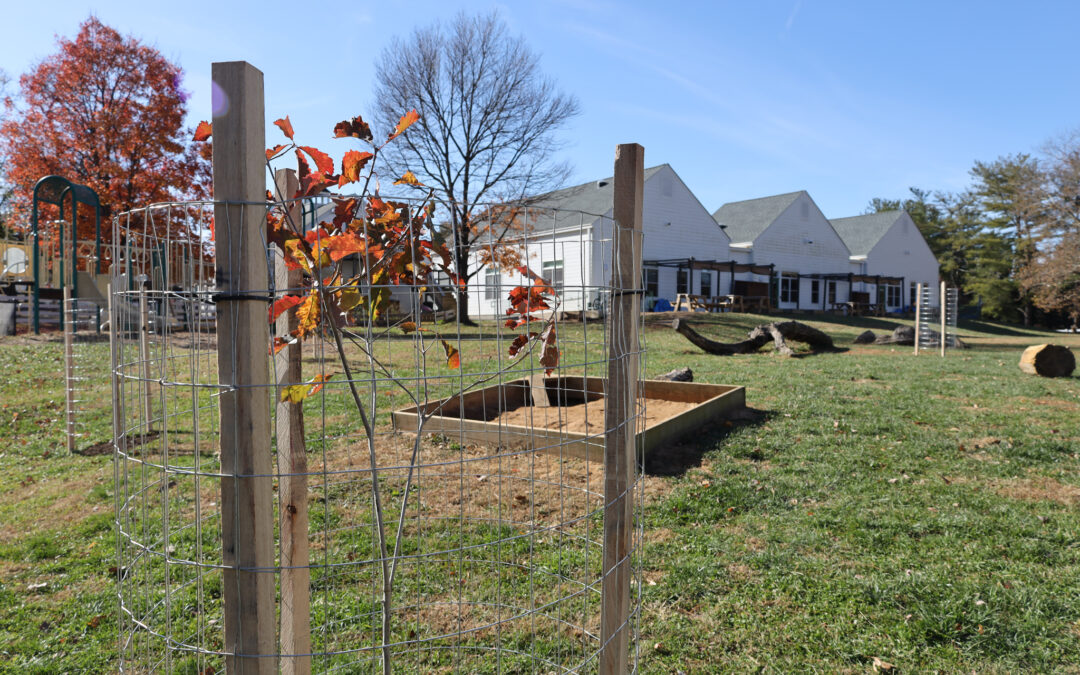
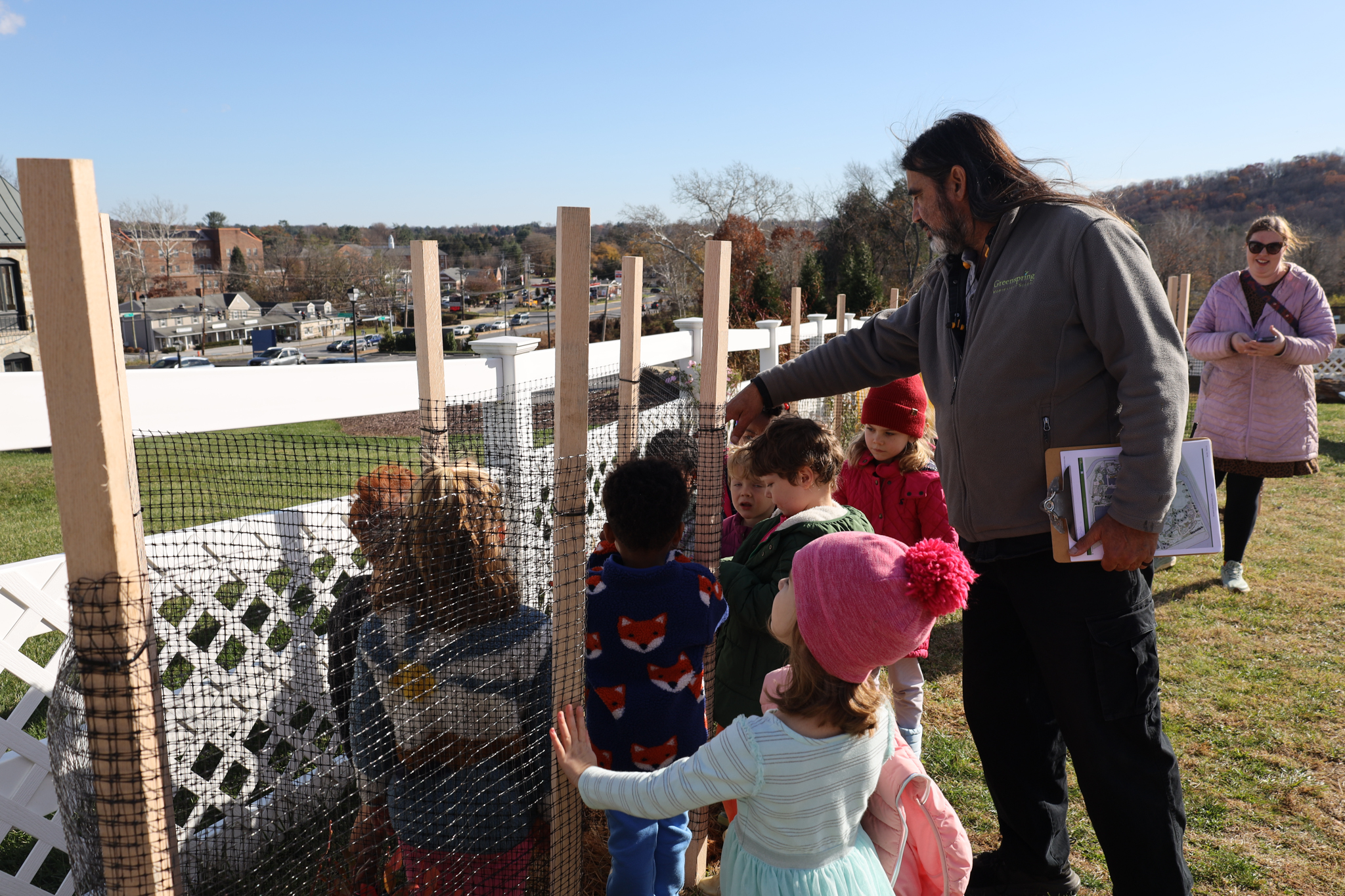
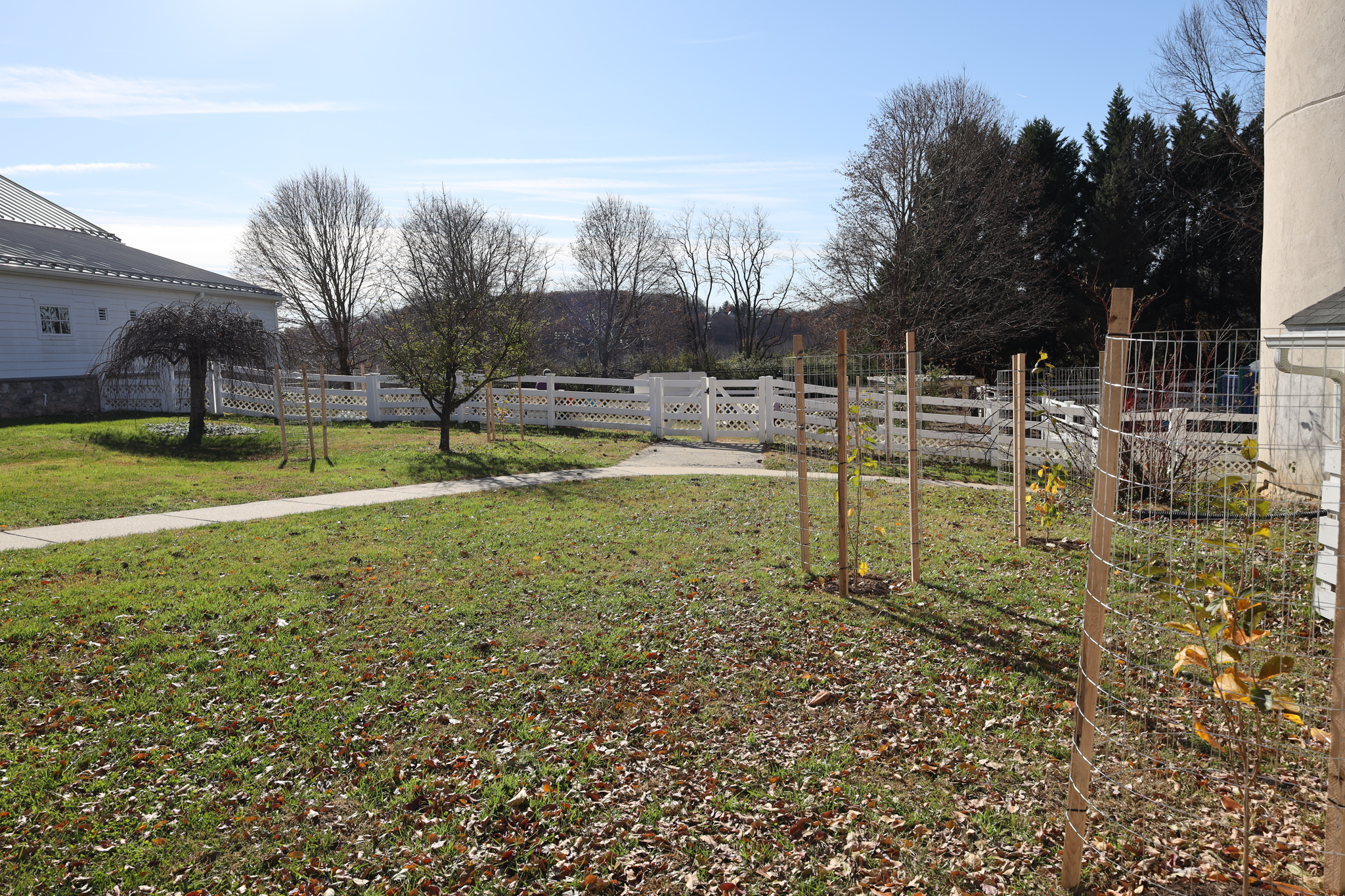
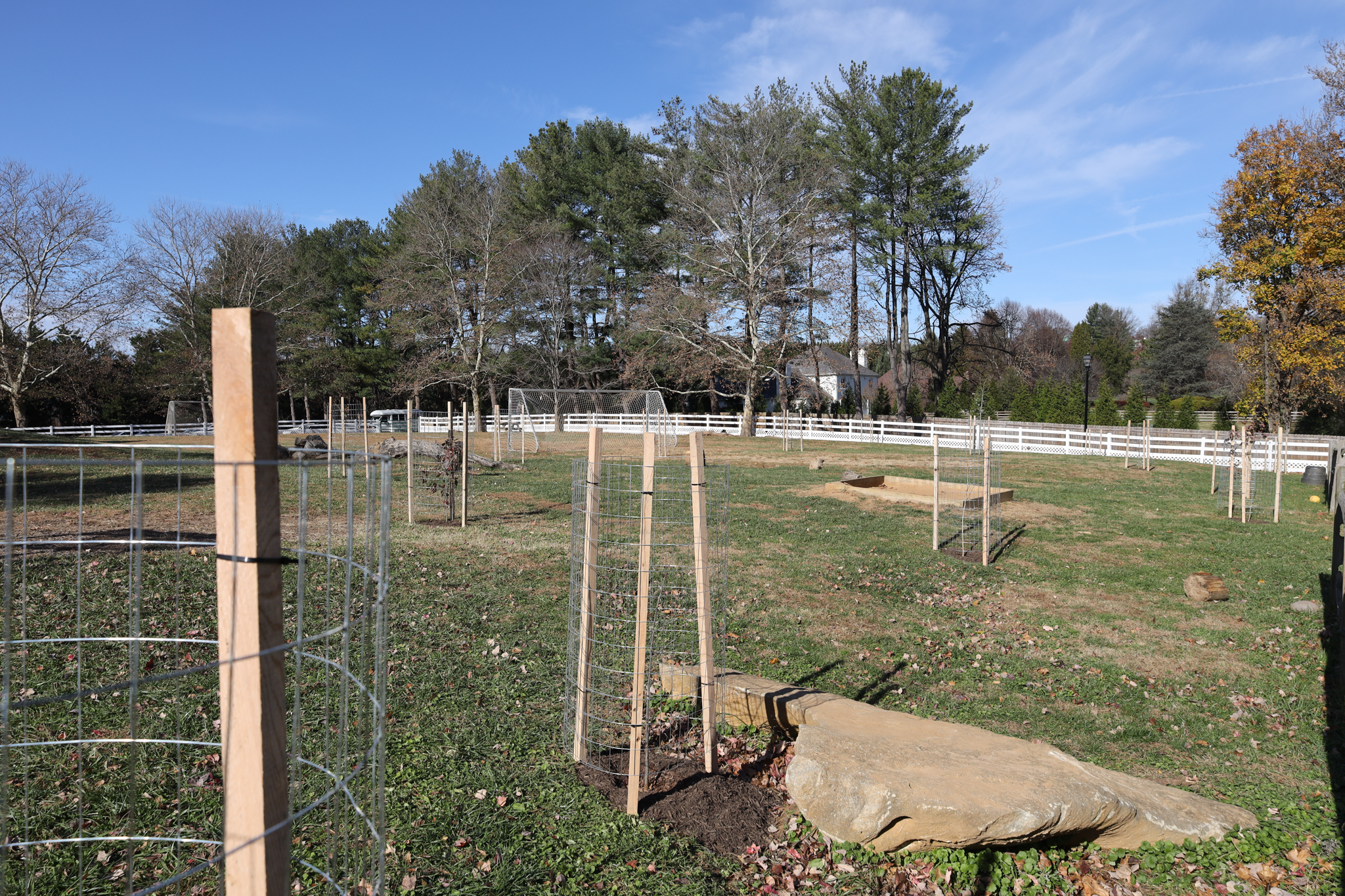
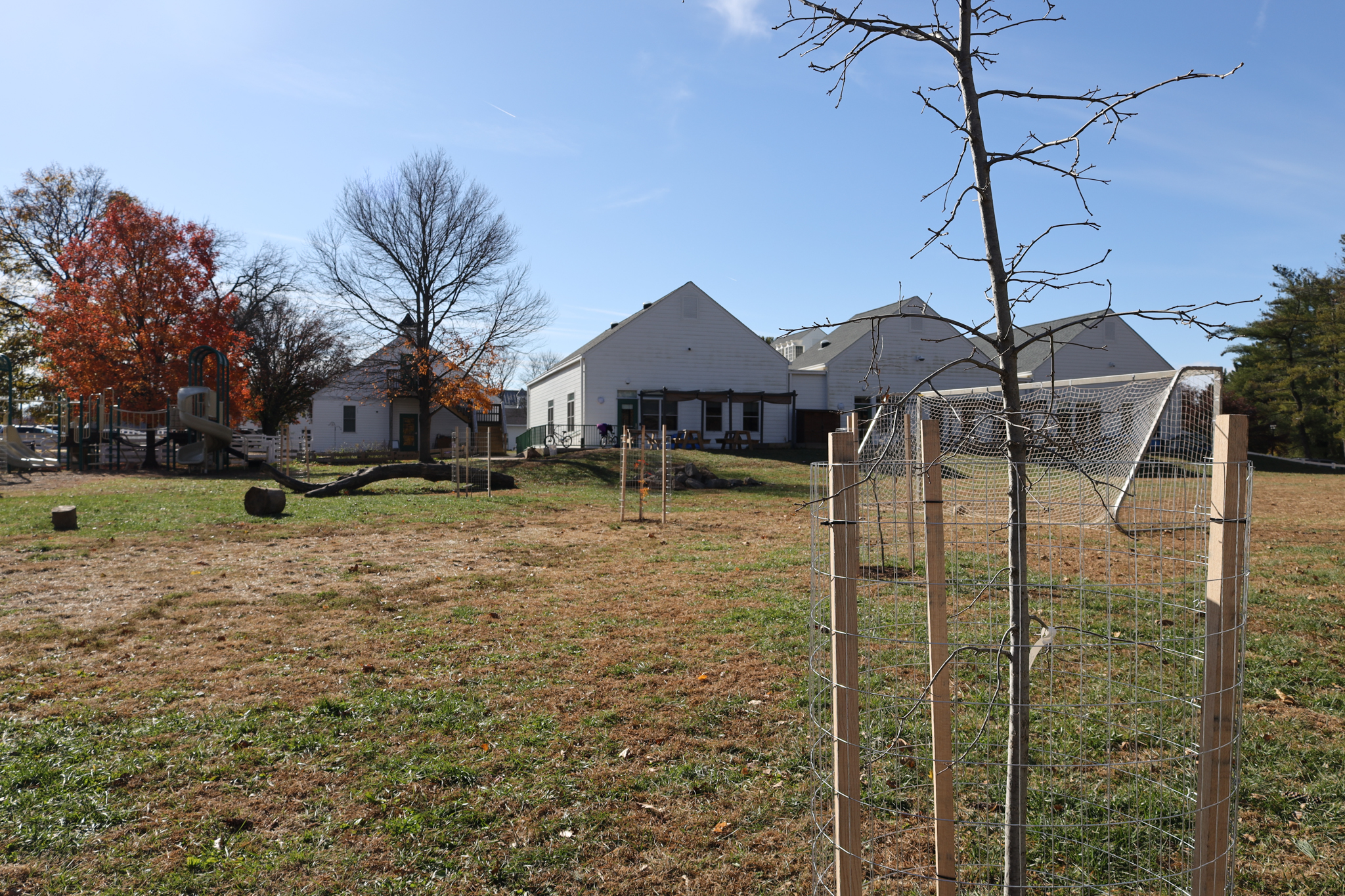
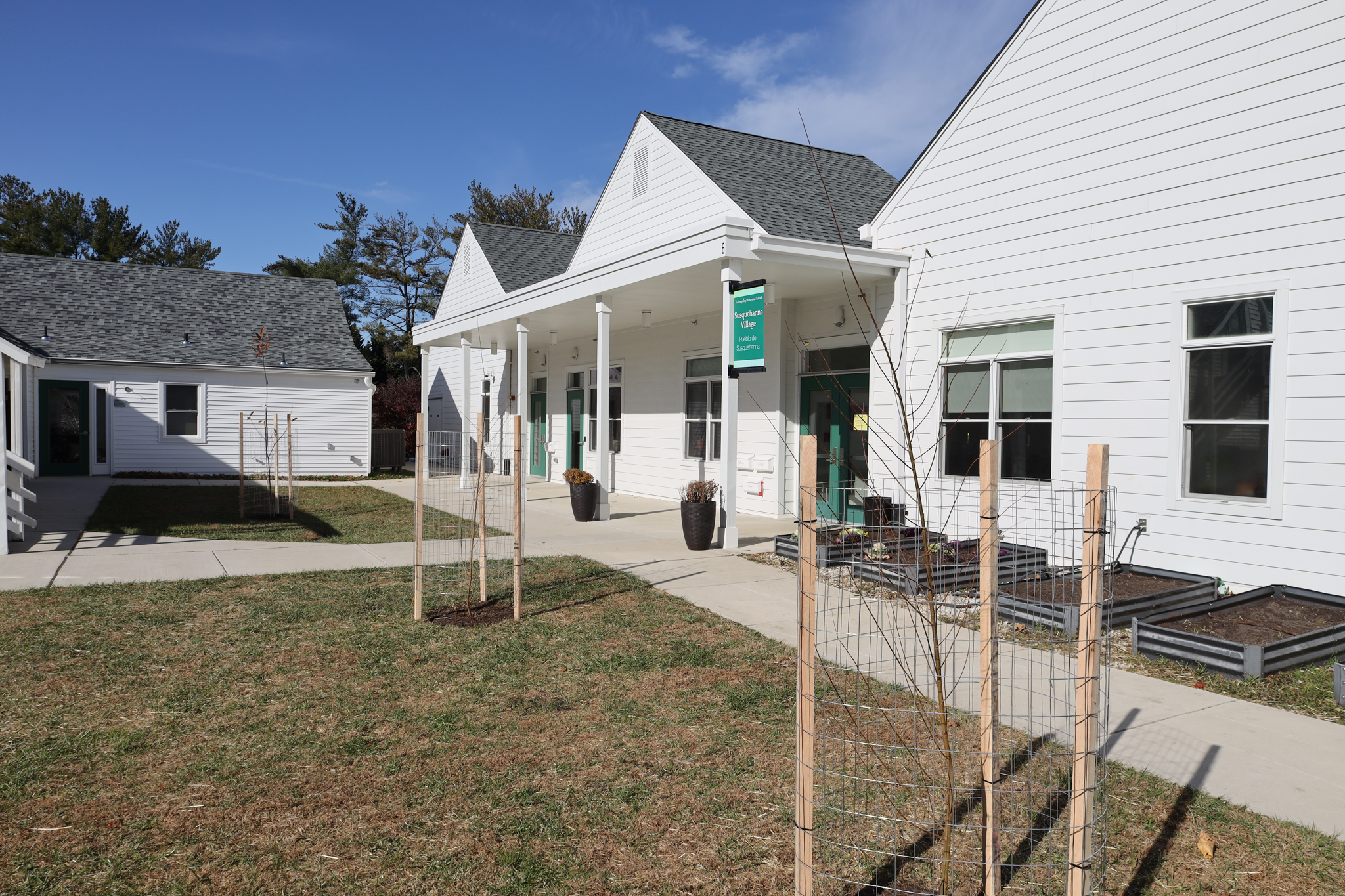
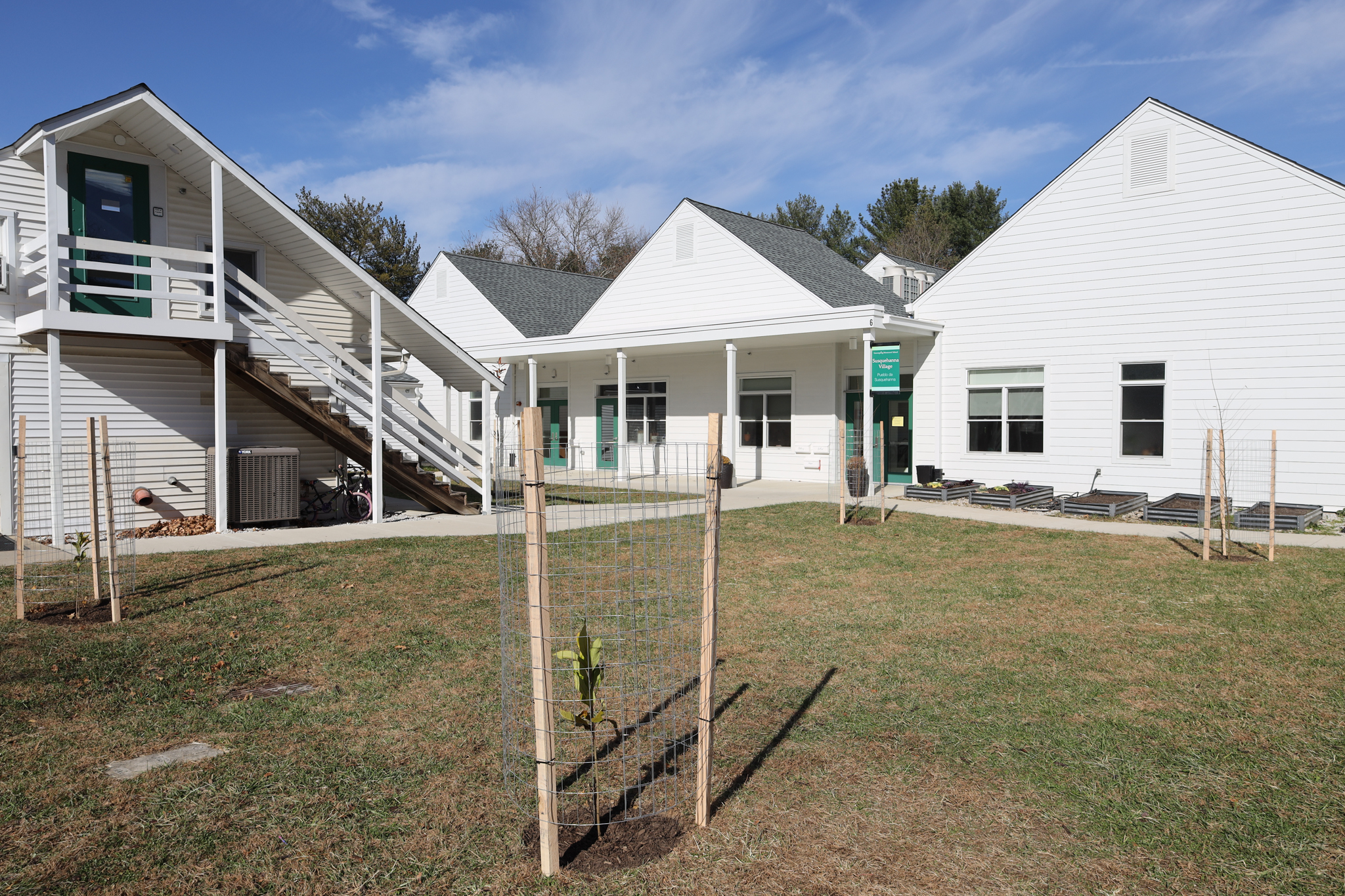
This week the Alliance for the Chesapeake Bay planted 69 native trees and shrubs across campus. This opportunity is funded by a grant from the Chesapeake Bay Trust to support the Maryland Five Million Trees initiative.

We have a variety of native species, including several fruiting trees and shrubs. Varieties planted include:

  • Sugar maple
  • Witch Hazel
  • White Fringe Trees
  • Black WIllow
  • Pawpaw
  • Persimmon
  • Sycamore
  • Serviceberry
  • Southern Red Oak
  • Northern Red Oak
  • Swamp White Oak
  • Scarlet Oak
  • Overcup Oak
  • Shingle Oak
  • Bur Oak
  • Pin Oak
  • Chinkapin Oak
  • Willow Oak
  • River Birch
  • Spicebush
  • Highbush Blueberry
  • Sweebay Magnolia
  • Bald Cypress

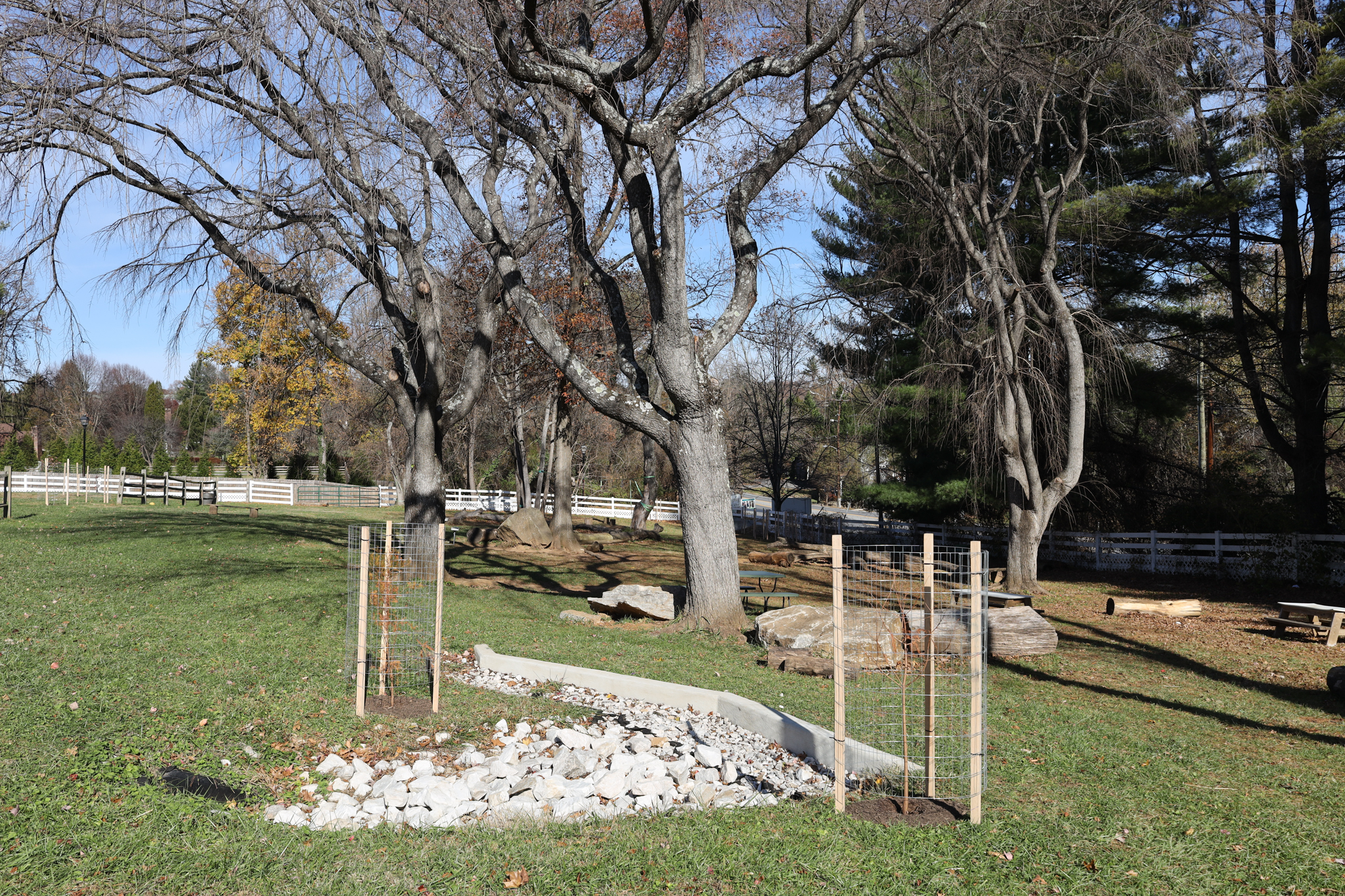
One of our favorite areas of the planting is our Heart of Campus – a grove of ten different types of native oak trees at the edge of our soccer field. We are looking forward to gathering in this space throughout the seasons for many years to come.  

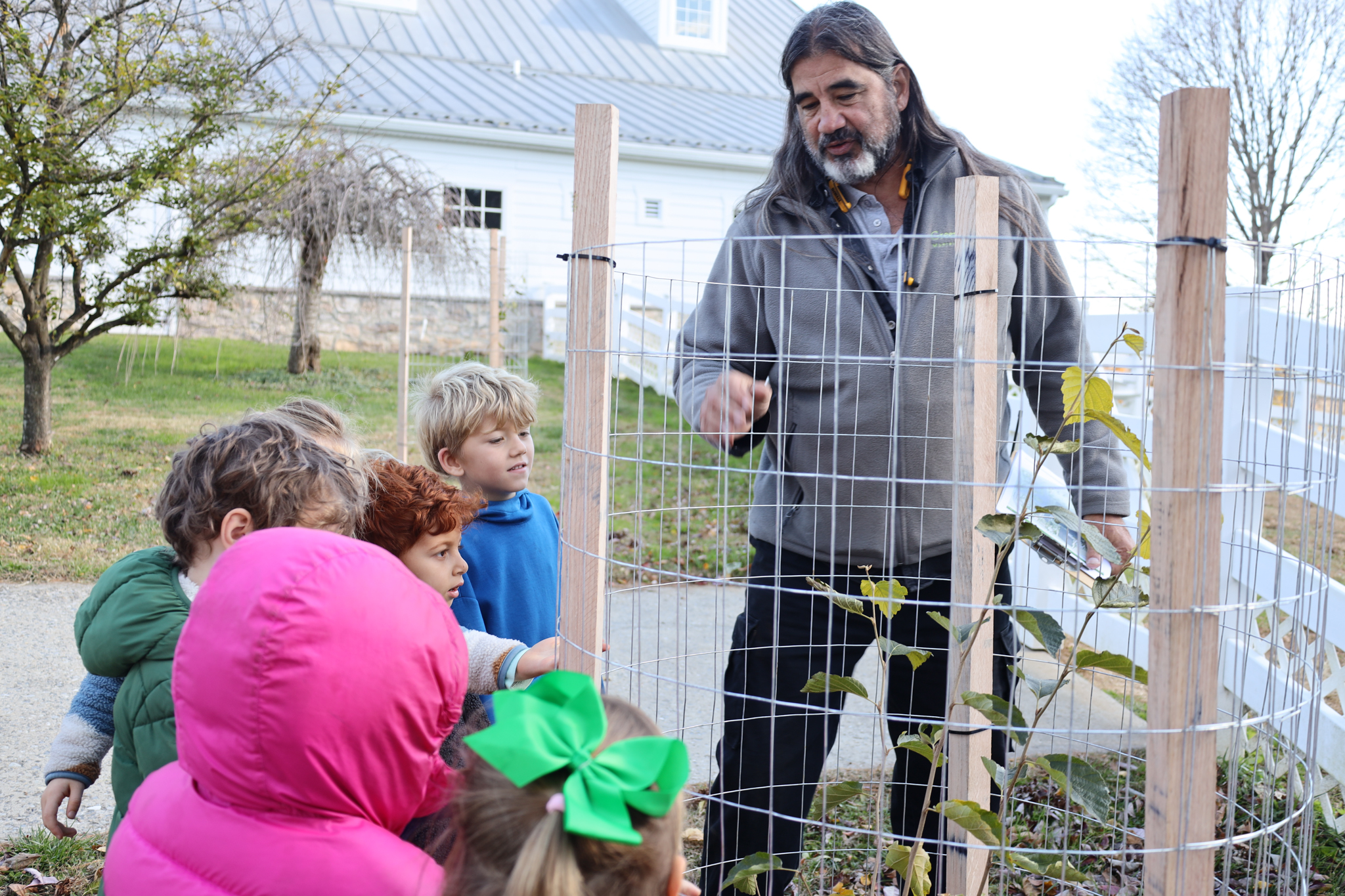
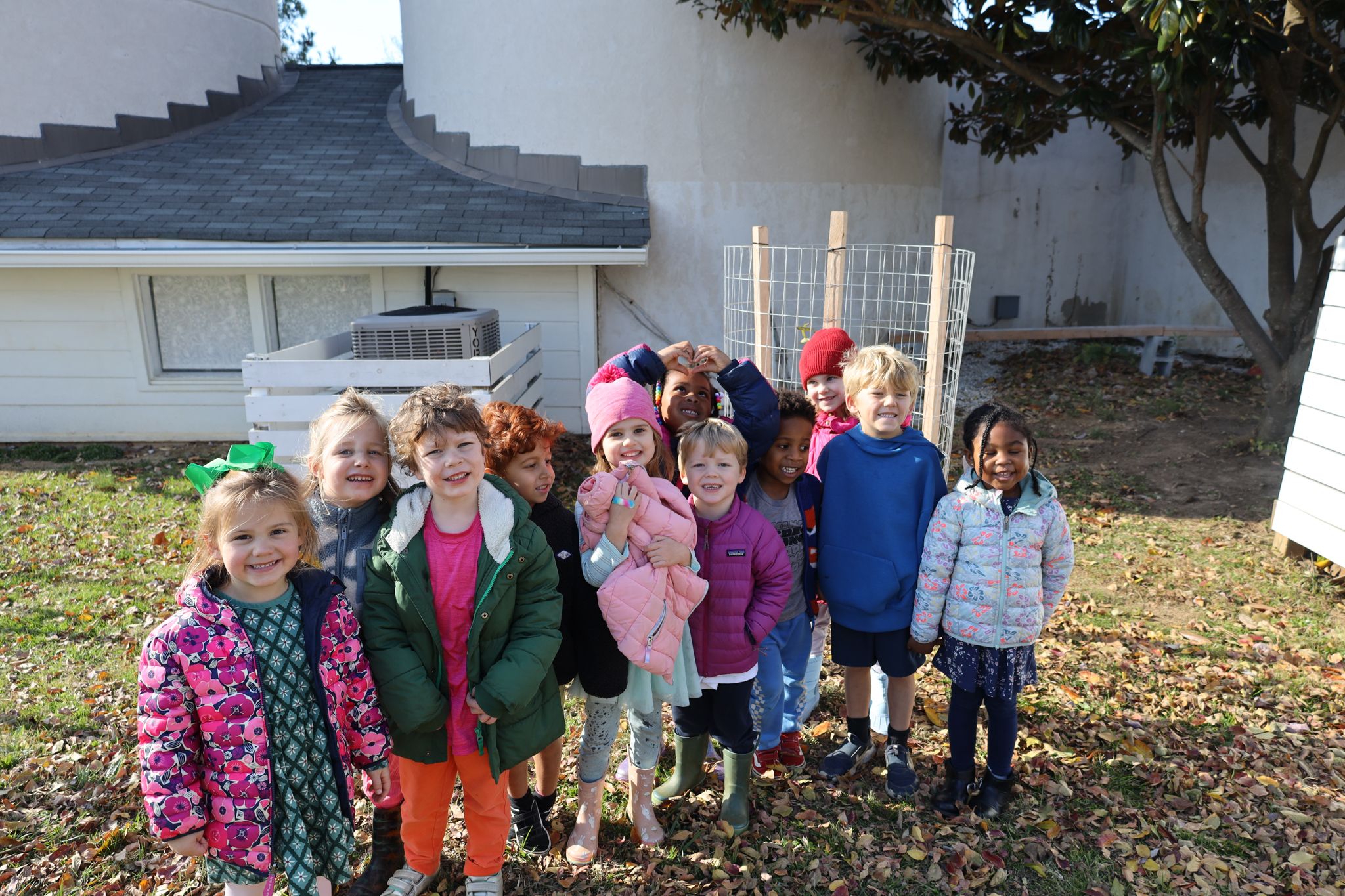
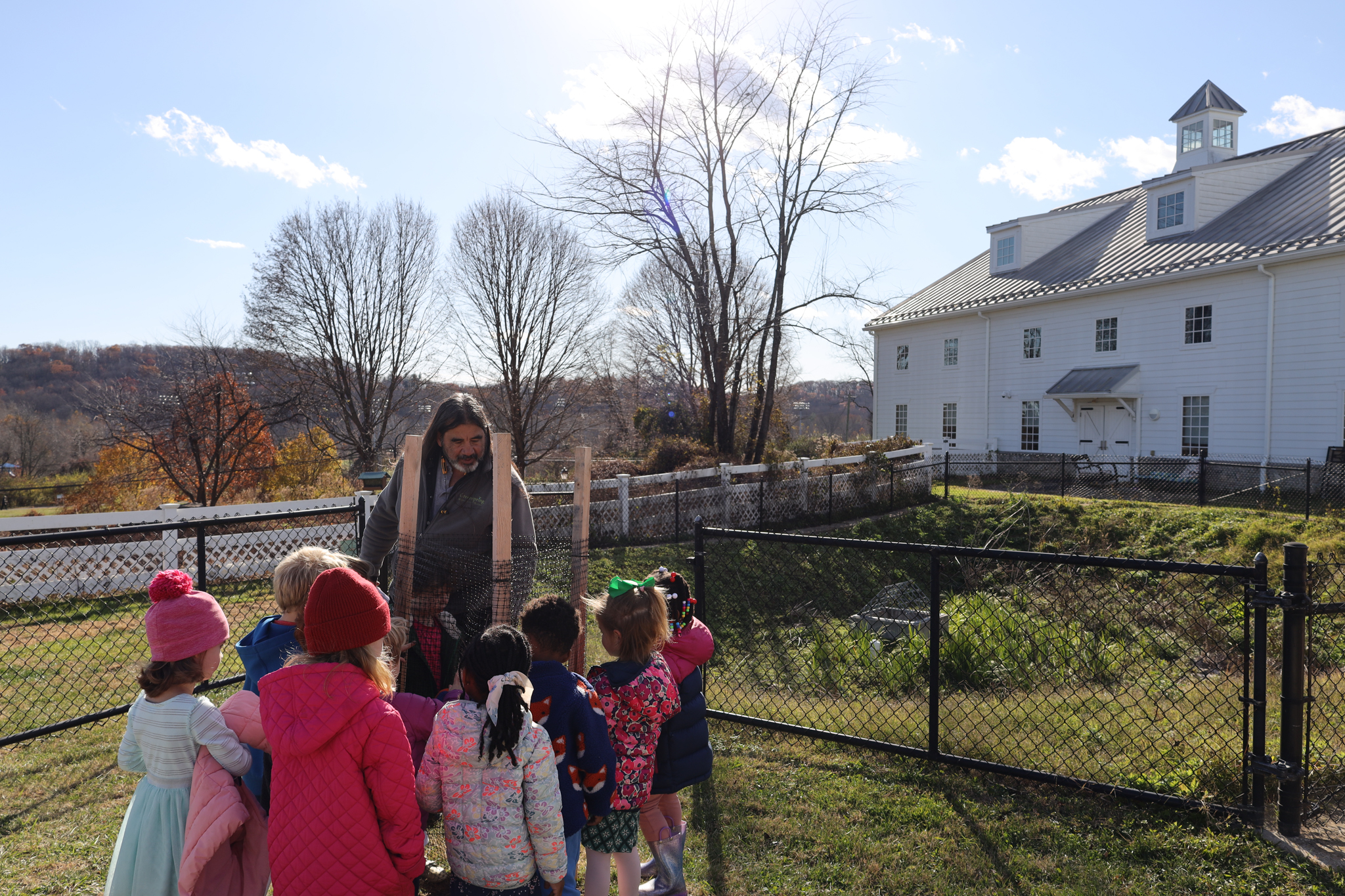
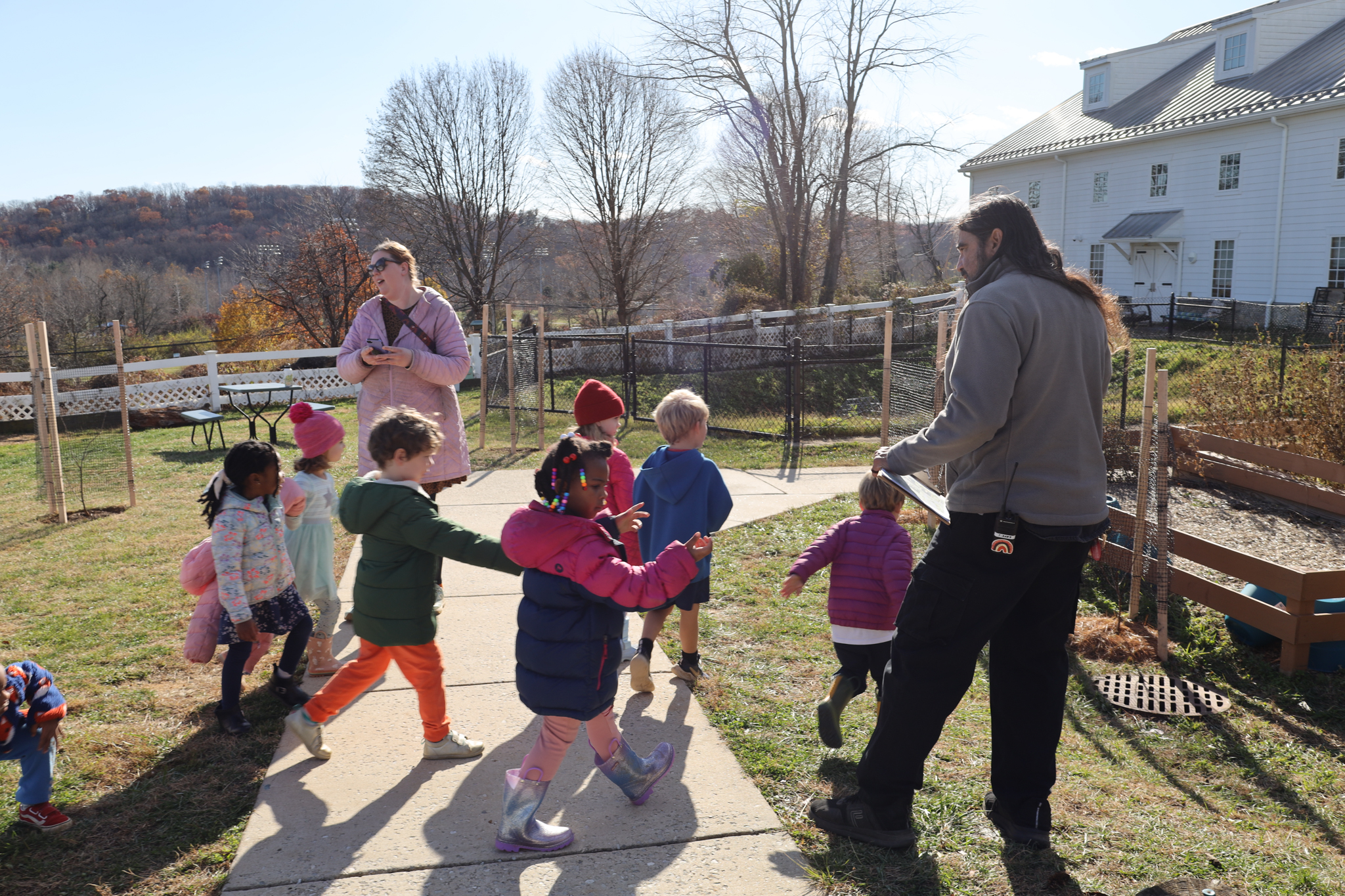
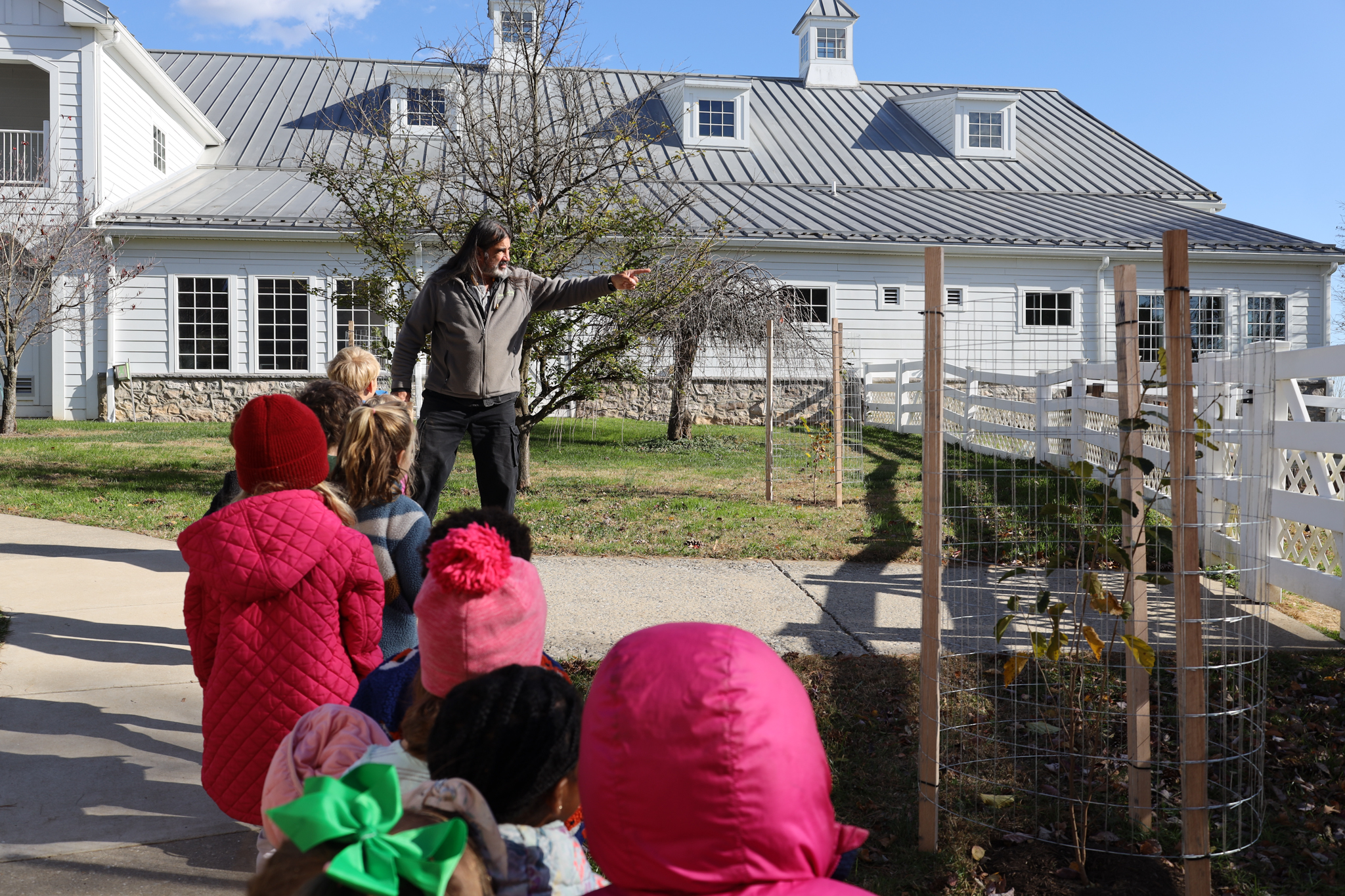
The children have been eagerly watching the new trees being planted and Mr. Dave led a few groups around campus to learn how to identify each type of tree.

We are eager to watch the trees grow up with our children. This project helps support our many outdoor initiatives!