The Importance of the Three-Year Cycle in Children’s House

The Importance of the Three-Year Cycle in Children’s House

Montessori classrooms are designed as a three-year cycle; the mixed-age grouping is very intentional. Dr. Montessori studied how children move through cycles of development, building upon that which came before.

The Children’s House years can be broken down into the following structure for many children:
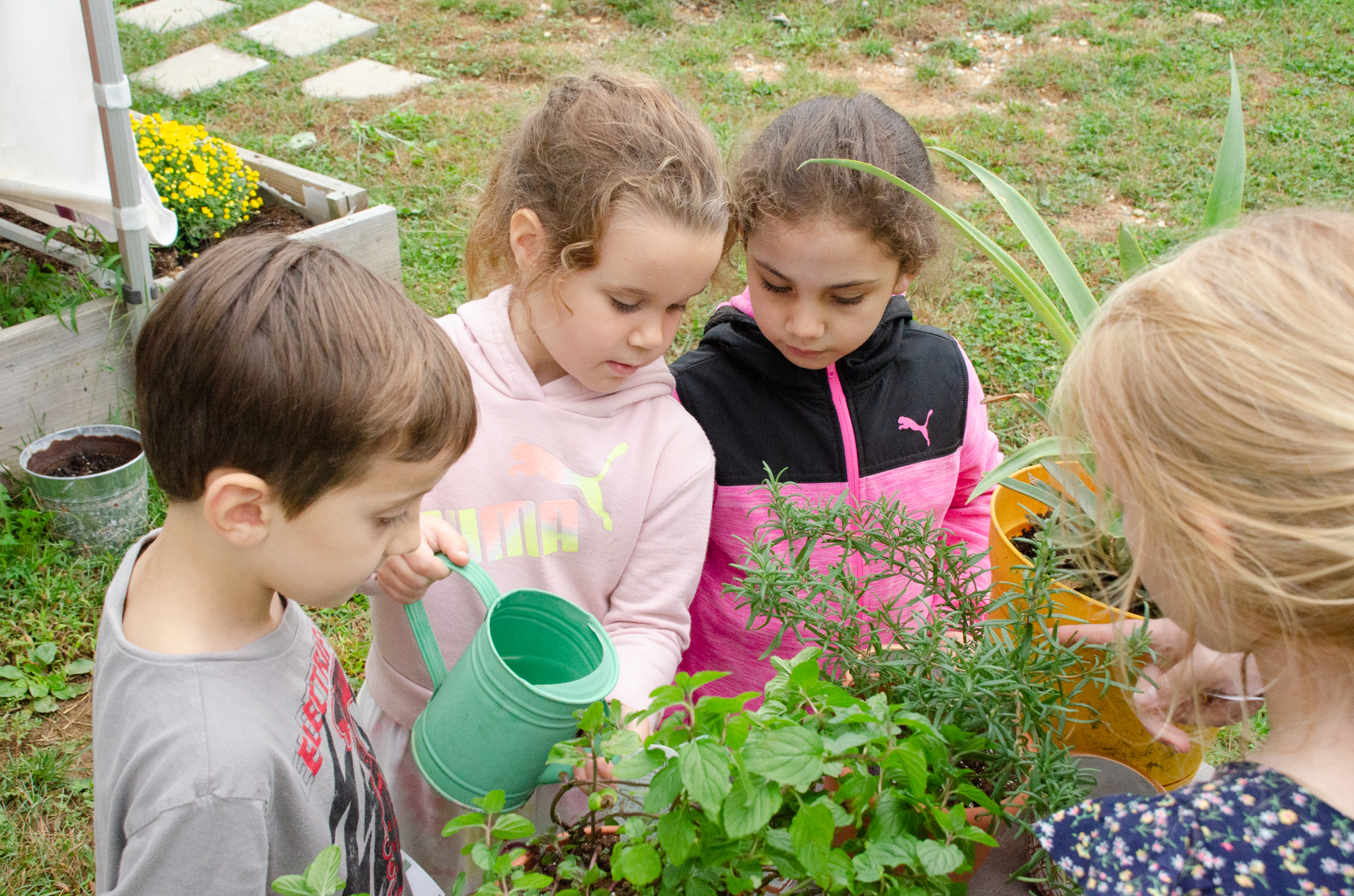
First Year of Children’s House – from age 3 to 4

  • Learning routines; learning to be part of a community
  • Building a work cycle; growing in concentration; increasing in independence
  • Attention is largely inward; self-focused
  • Looking up to older peers, as one would an older sibling
  • Learning through hands-on experiences and observation

Second Year of Children’s House – from age 4 to 5

  • Building foundational skills; period of academic rigor
  • Learning to organize and create order
  • Strengthening bonds with peers; can both serve as a mentor and receive guidance
  • Learning through experimentation and observation
  • Building confidence

Third Year of Children’s House (kindergarten) – from age 5 to 6

  • Practicing, refining, and mastering; skills are put to use with “big work”
  • Leading in the classroom and among peers
  • Managing work choices and self-reflecting
  • Developing strong peer bonds, relating comfortably to teachers and adults
  • Turning outwards, confidence soars!
  • Developing interest in and begins to understand larger matters relating to our world
  • Learning through teaching, experiencing, reflecting, and talking — lots of talking!
Strong Foundations
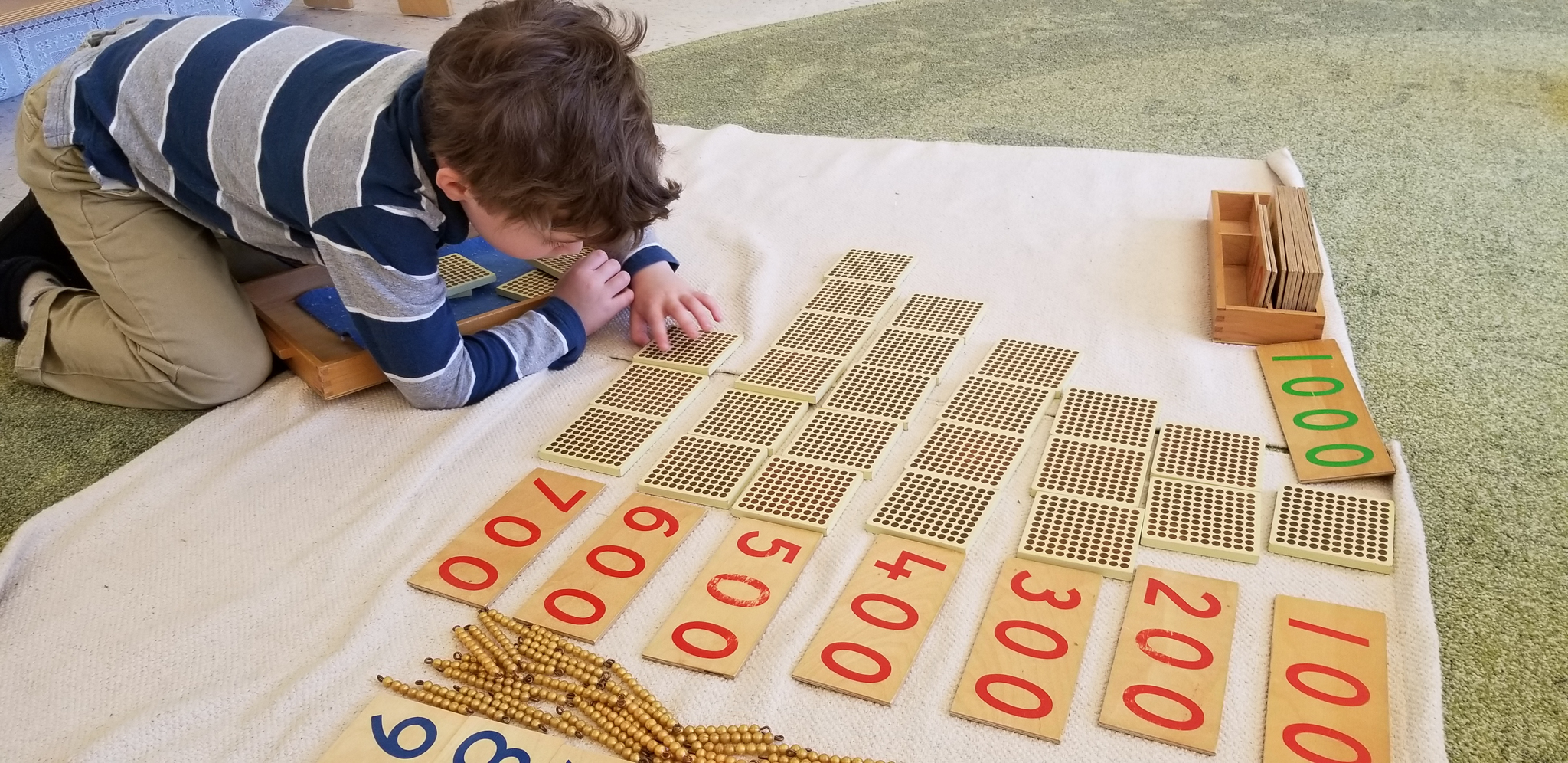
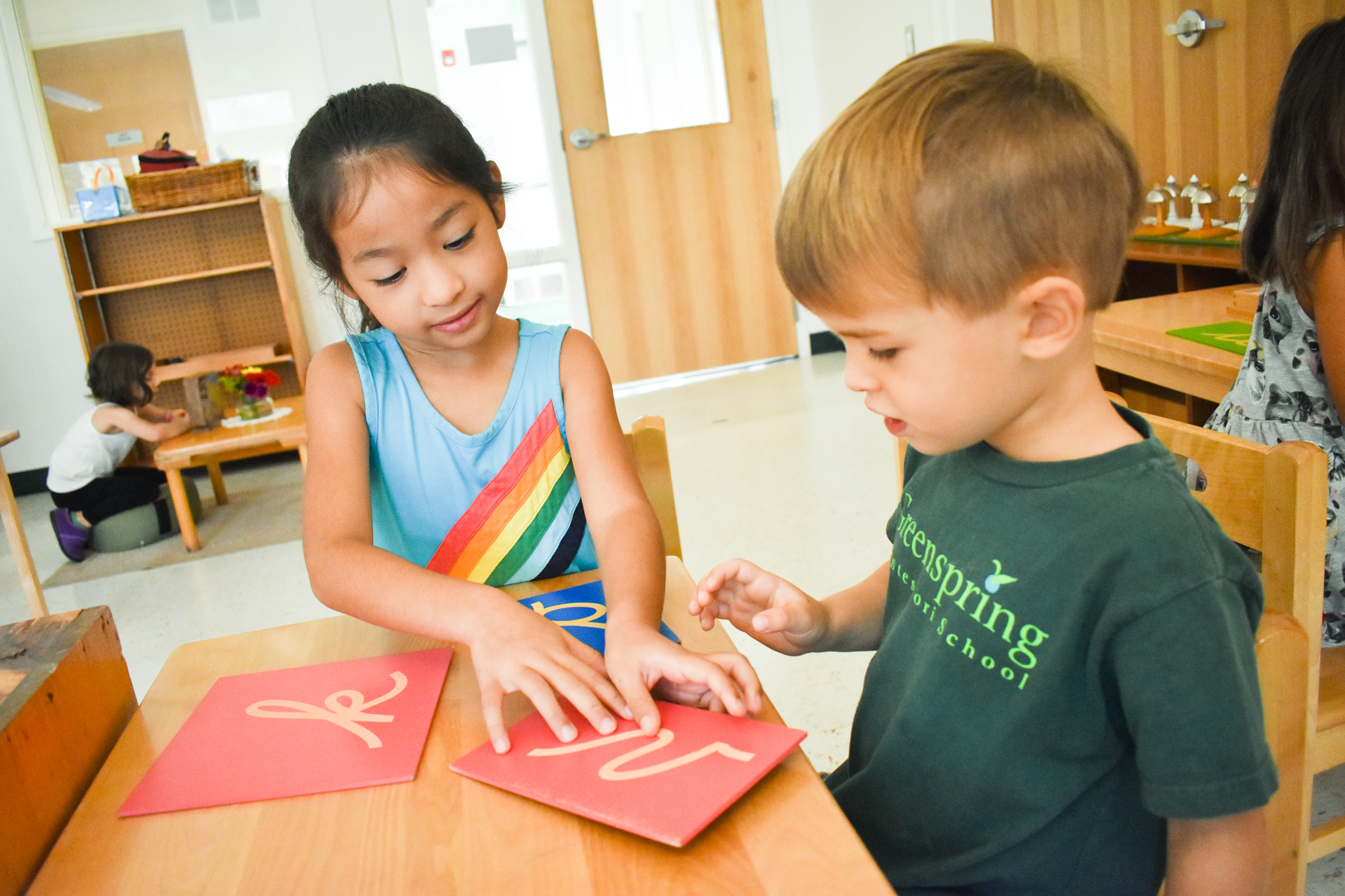
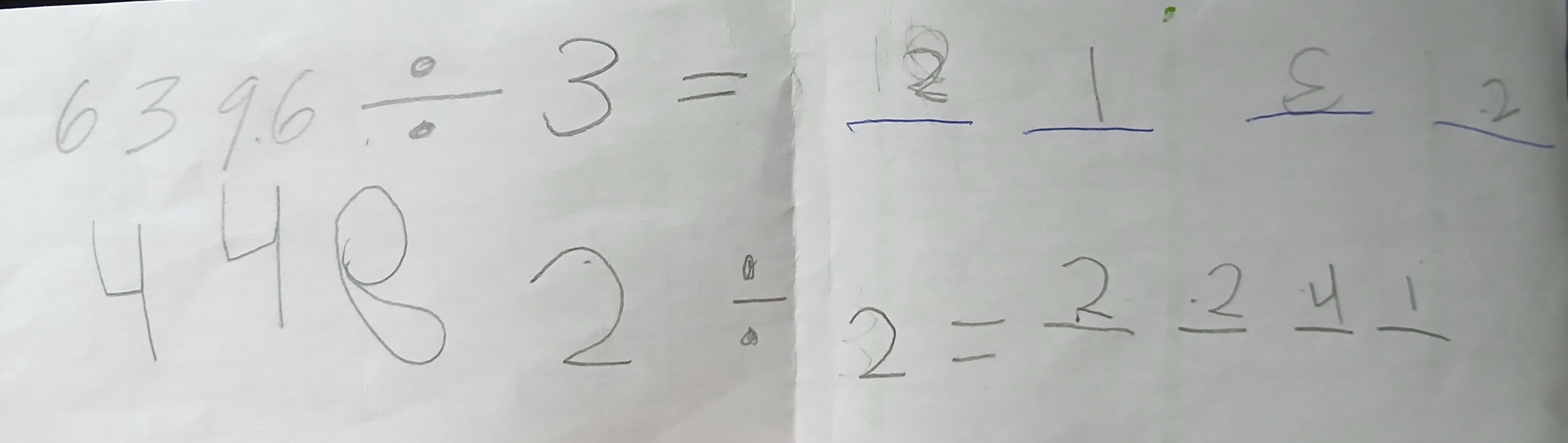
Much of the exercises in the beginning not only help the child achieve a direct, immediate goal, but also serve an indirect purpose of laying the foundation for future work and learning. For example, the math material is a series of exercises that guides the child starting with the most concrete and basic introduction to numbers and quantity. Over the following three years, the lessons build upon themselves, adding layers and moving toward abstraction. This concrete understanding of mathematical concepts builds until the child is eventually able to add, subtract, multiply, and divide — with a deeply ingrained understanding of what those operations mean — using only pencil, paper, and their internal processing.
Social Development
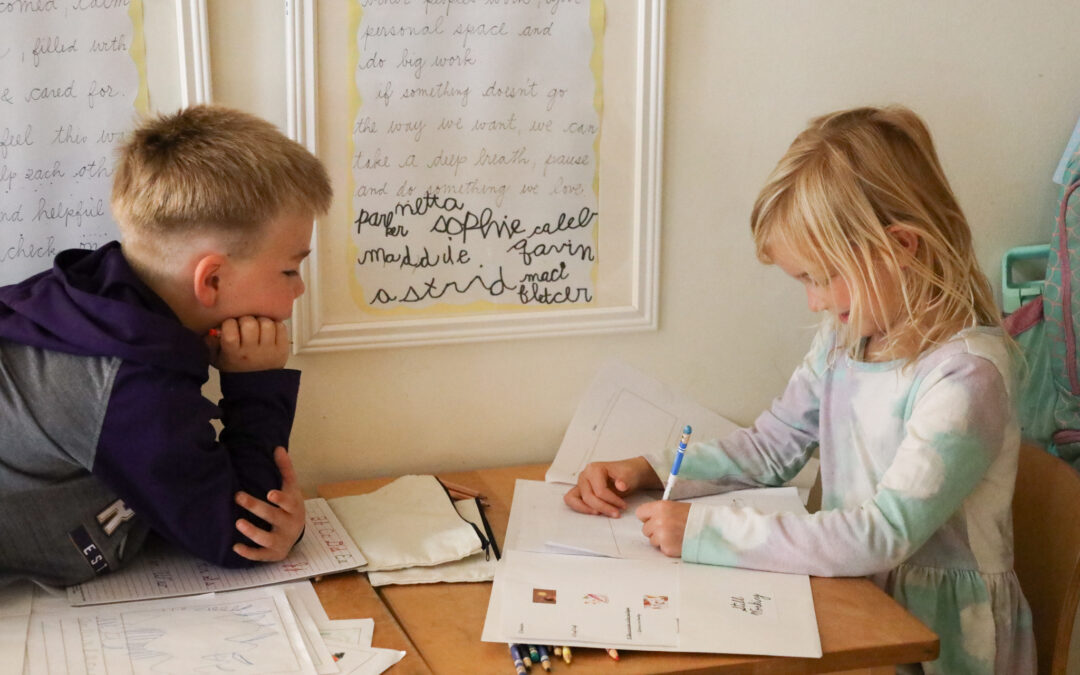
Each child benefits from being exposed to those who are older, and younger, than they are. Younger children quickly learn how to behave from watching the older children as role models. They also see the older children working on the more advanced material, which piques their interest and curiosity. The older children, in turn, benefit from being mentors to the younger ones. One of the best ways to internalize knowledge is to explain it to others, and often an older child will help teach certain concepts to a younger child. These opportunities help the child build confidence and self-esteem.

It All Comes Together
Montessori is a sequential program that moves from concrete to abstract; from simple to complex. This can most easily be seen in the math and language materials, where a foundation is rst laid and then built upon, but it exists throughout the classroom. By the end of the third year of Children’s House (Kindergarten), it is not uncommon for children to be reading and doing complex math operations. They laid the foundation for this development with two years of counting, sorting, and hands-on experience with math: numerals, quantities, thousands, hundreds, tens, units, and more! Not to mention two years of sounds, letters, tracking from left to right (the entire classroom and all lessons are organized this way), and a language-rich environment. Practical Life activities (scrubbing, polishing, pouring, sewing) have instilled the importance of organization, completing multi-step activities, and attention to detail. And the Sensorial materials that have trained their eyes to discern slight variances in shape, color, size, texture, and even smell and sound. Science and Geography lessons and materials that provided a foundational understanding of our Earth and our natural world. Kindergarteners are enthusiastic writers, readers, animal lovers, passionate recyclers, math lovers, and budding scientists! They are ready to launch into the Elementary years with confidence and drive.
What’s New in Writers’ Workshop?

What’s New in Writers’ Workshop?

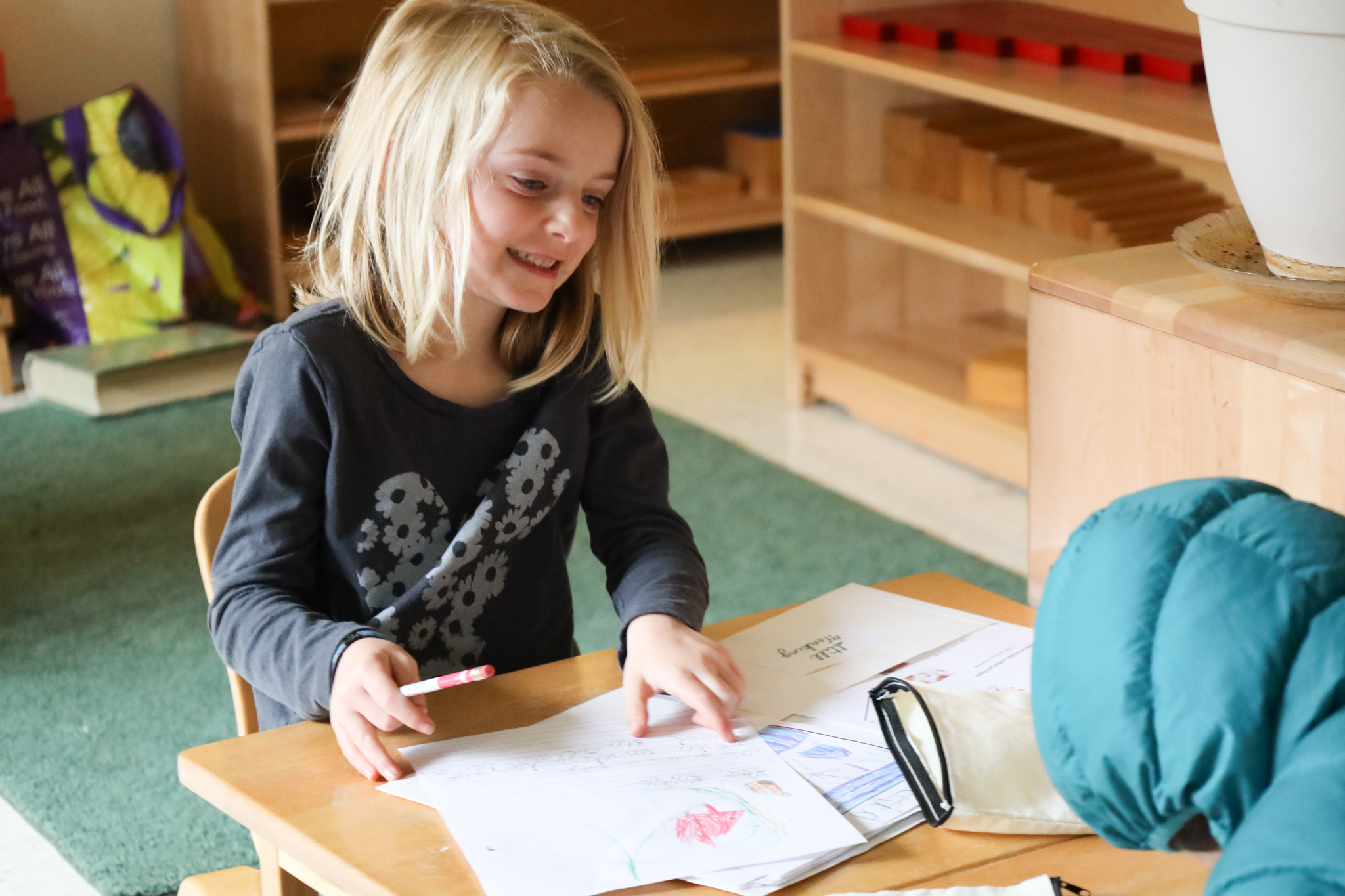
Writers’ Workshop is a program for our Children’s House Elders, and our Lower and Upper Elementary students, that supports their writing development. During weekly meetings, children receive lessons on the strategies of good writing. They practice writing narrative, persuasive, and informational pieces in real contexts, including nonfiction chapter books, persuasive letters, stories, poems, and more.

Children share and celebrate their written pieces with each other during each session. Children become familiar with and practice engaging in every step of the writing process: brainstorming, drafting, revising, editing, and publishing. They learn to give and receive peer feedback, as well as receive feedback from their Guide. The goal of Writers’ Workshop is to inspire, support, and enhance our young writers.

The model we are using is based on the work of Lucy Calkins and Columbia University’s Teachers College Reading and Writing Project.

Children’s House Writers’ Workshop

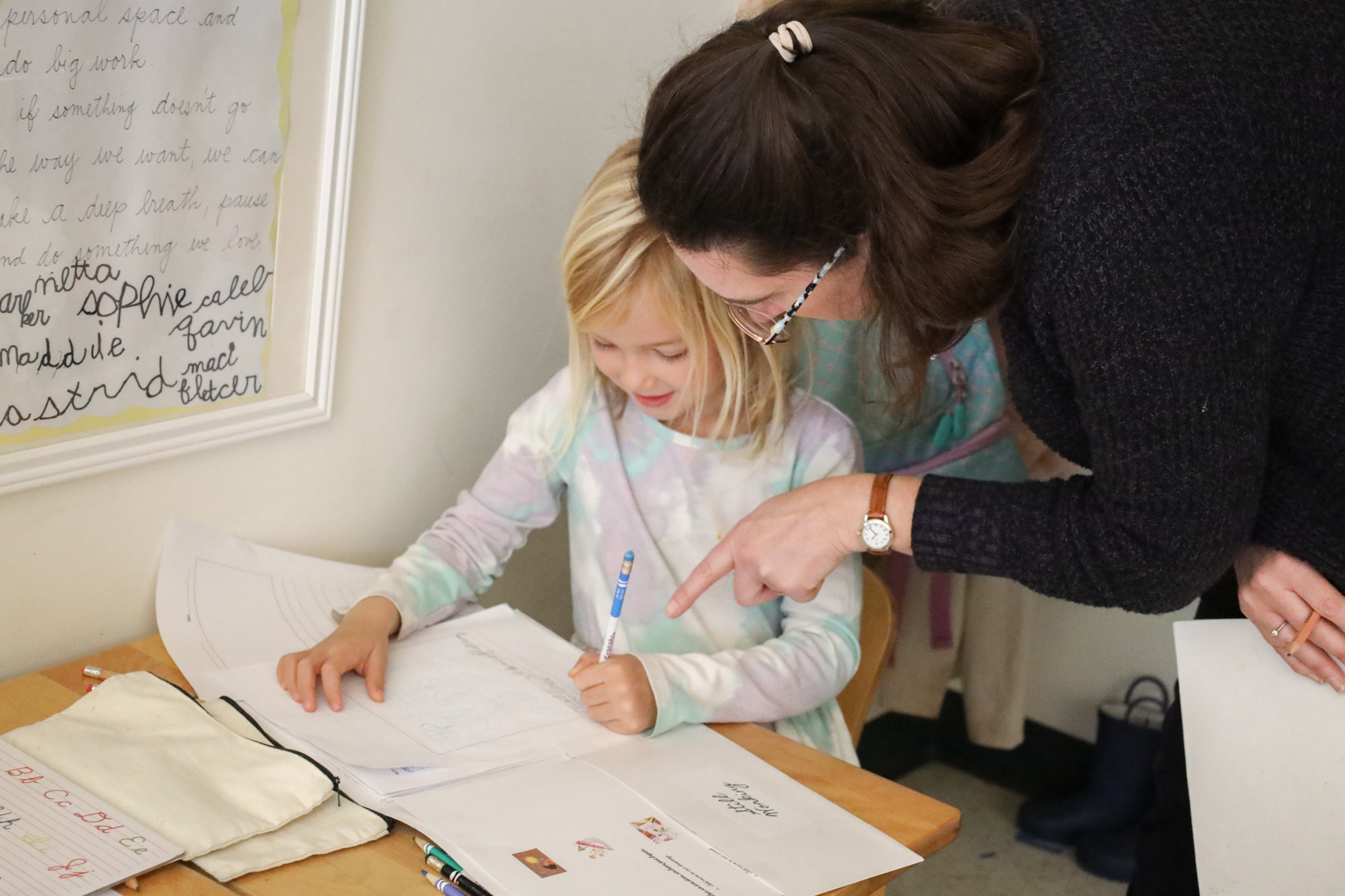
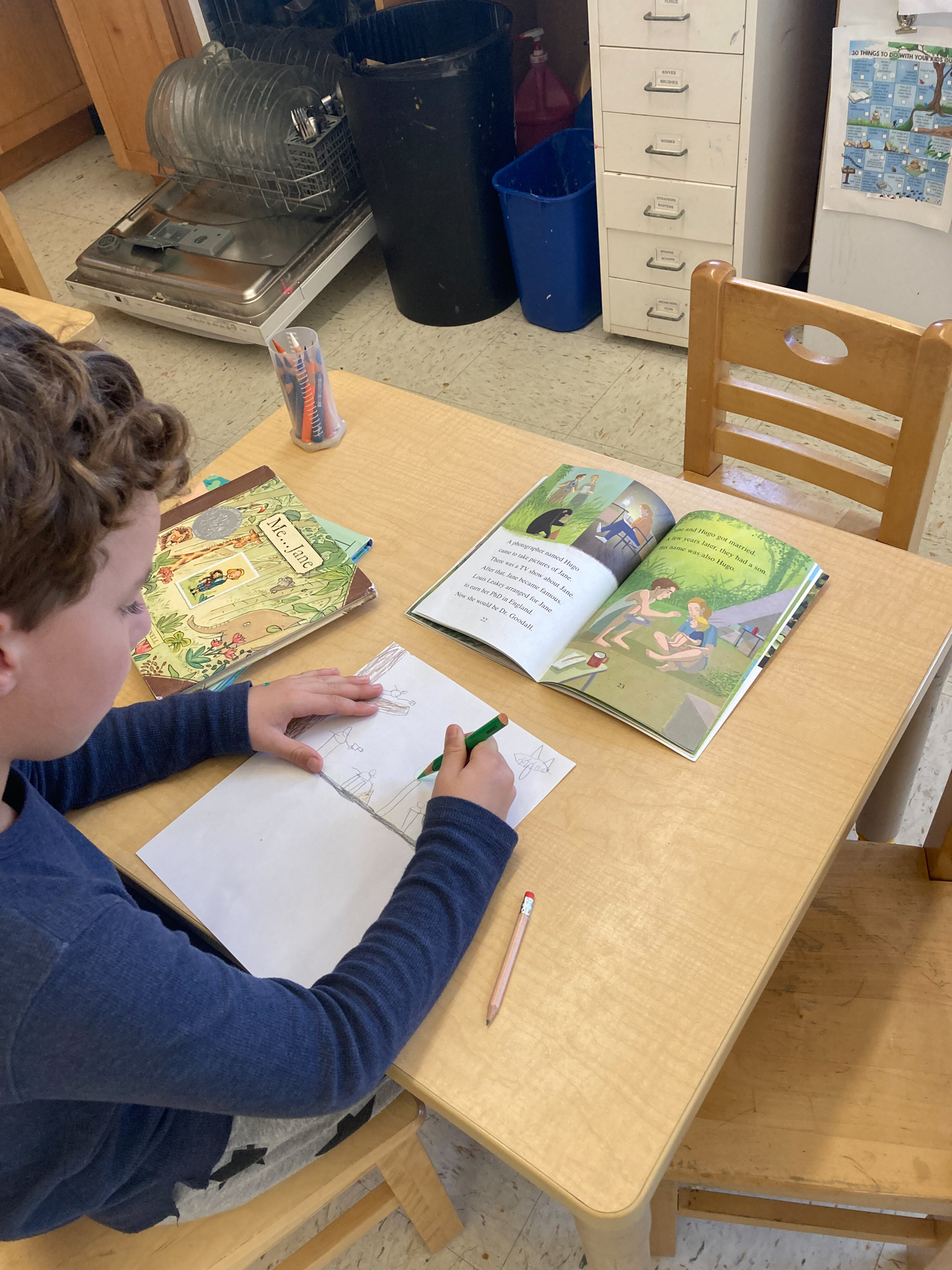
In Children’s House, our youngest writers are beginning to learn the foundations of writing practice. They have been focusing on adopting the identity and mindset of a writer and the students are excited as they prepare for an amazing milestone—publishing their own books! This rewarding experience will celebrate all their hard work, dedication, and creativity. Each student will take home their bound “published” book as Winter Break approaches. It’s a special keepsake highlighting their unique talents and will surely be a source of pride for them!

We have identified the following key  lessons and Steps of the Writing Process:

  • “We are all writers!” This is such a powerful message considering writing is very powerful and we are all capable!  
  • “Stories are everywhere”. This helps children to understand that 
  • “Envision” or “Mind’s eye”. This is the concept that we can see things in our mind’s eye even if the object is not in front of us.  We will practice this by envisioning one of the playgrounds in our mind’s eye and drawing a sketch of what that looks like to us and labeling specific things and people.
  • “Once we are done, we have just begun.” This process requires great patience, perseverance, and determination, which can be acquired through practicing this motto. 

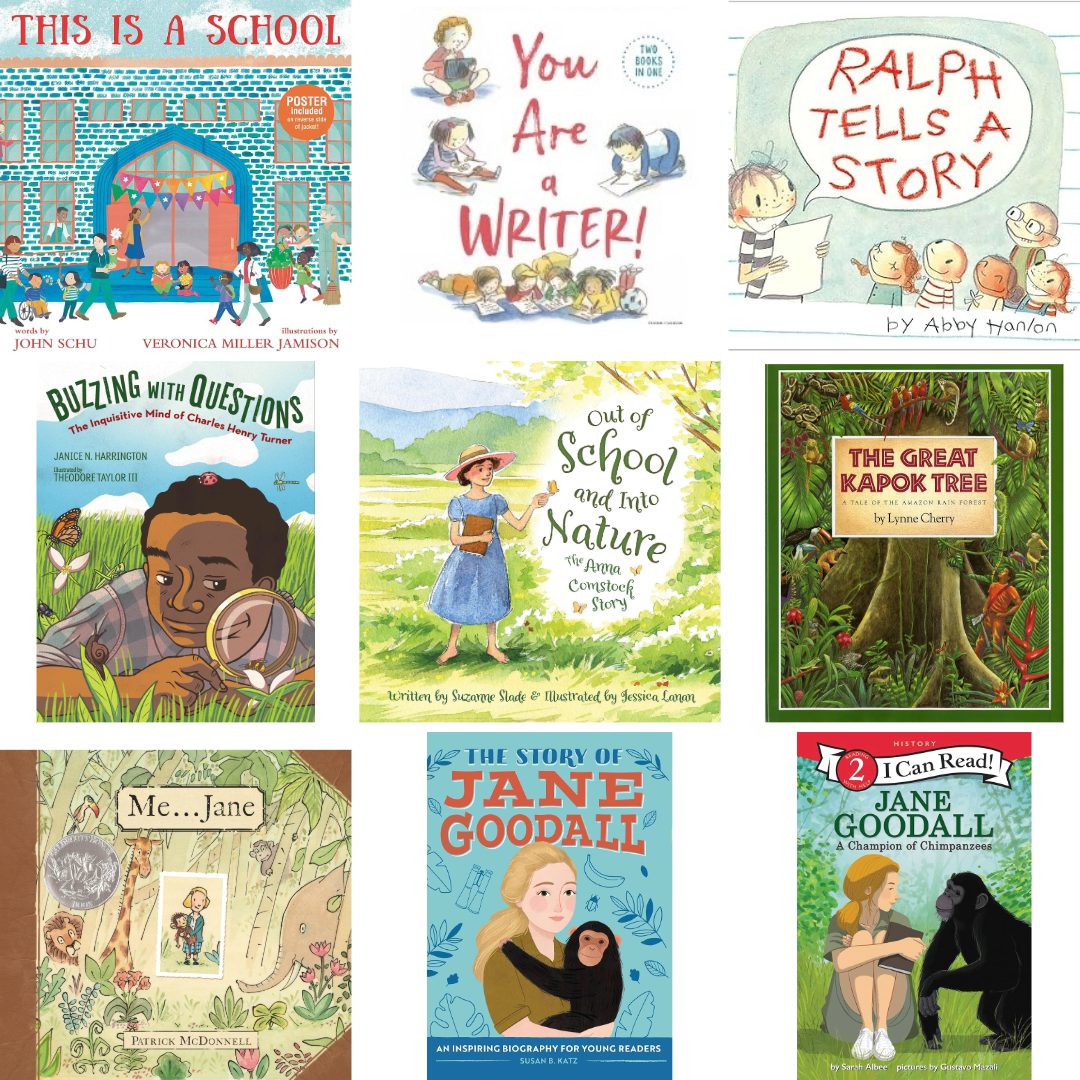
A few of the books the students have enjoyed this year include:

Lower Elementary Writers’ Workshop

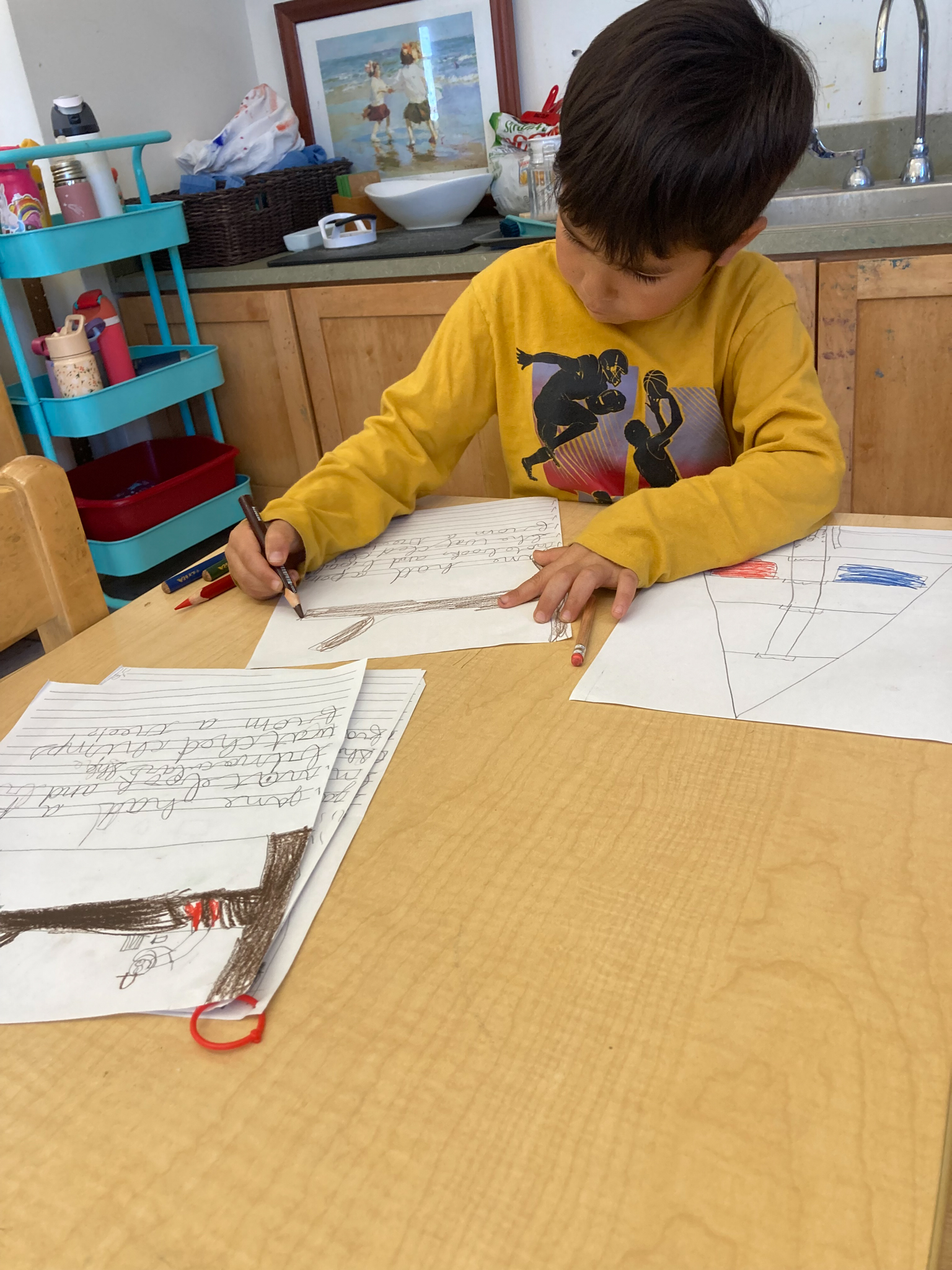
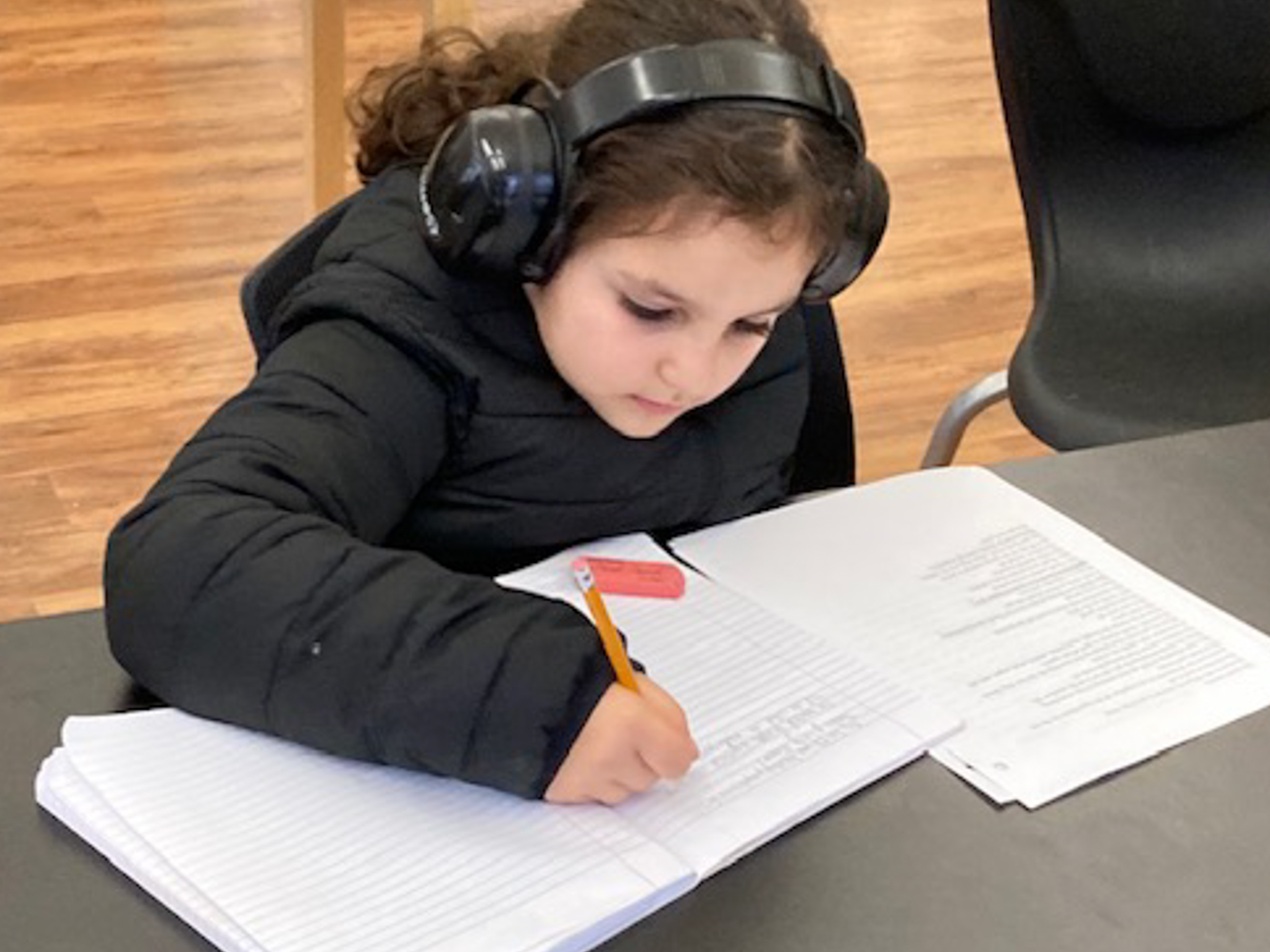
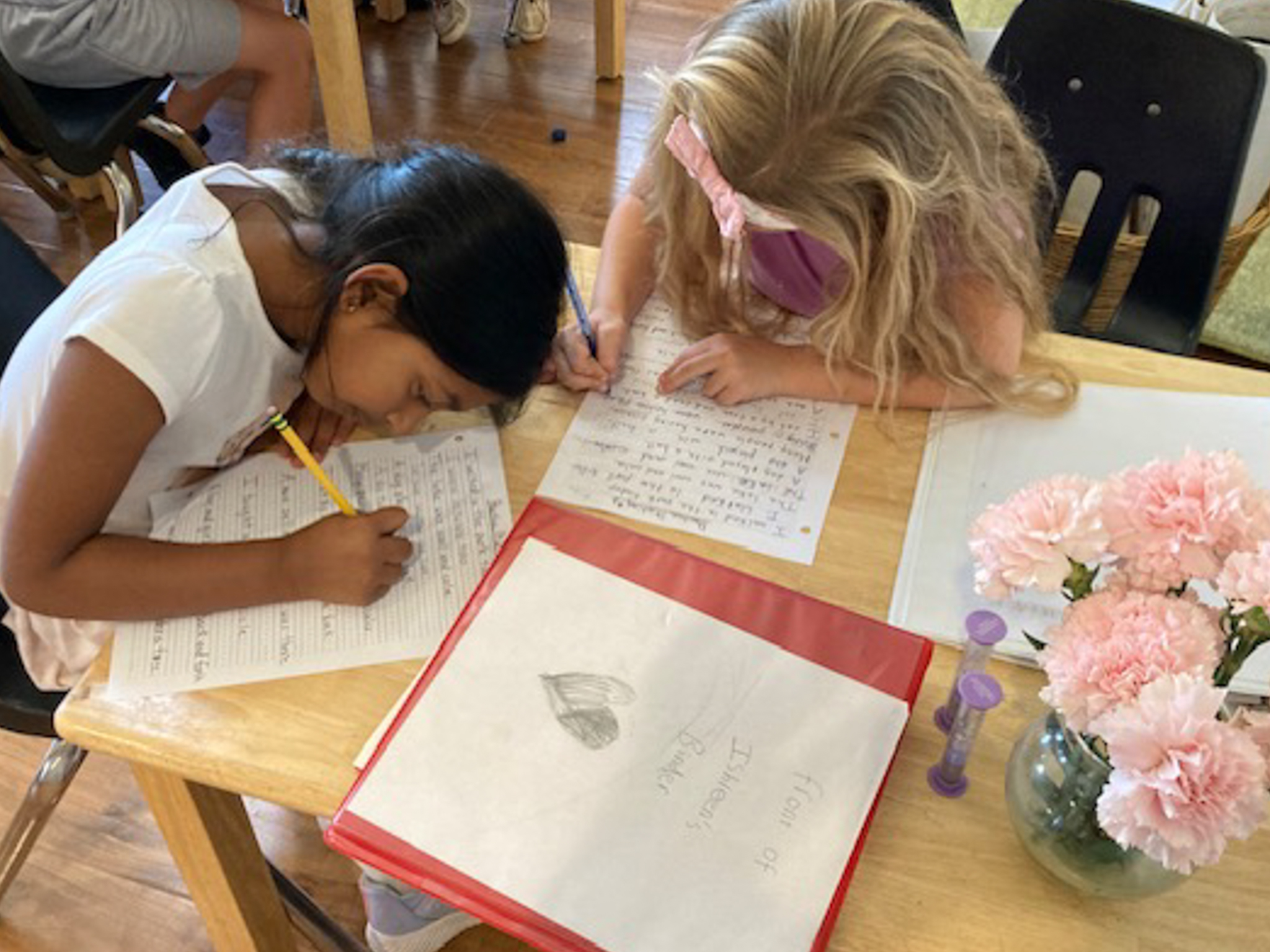
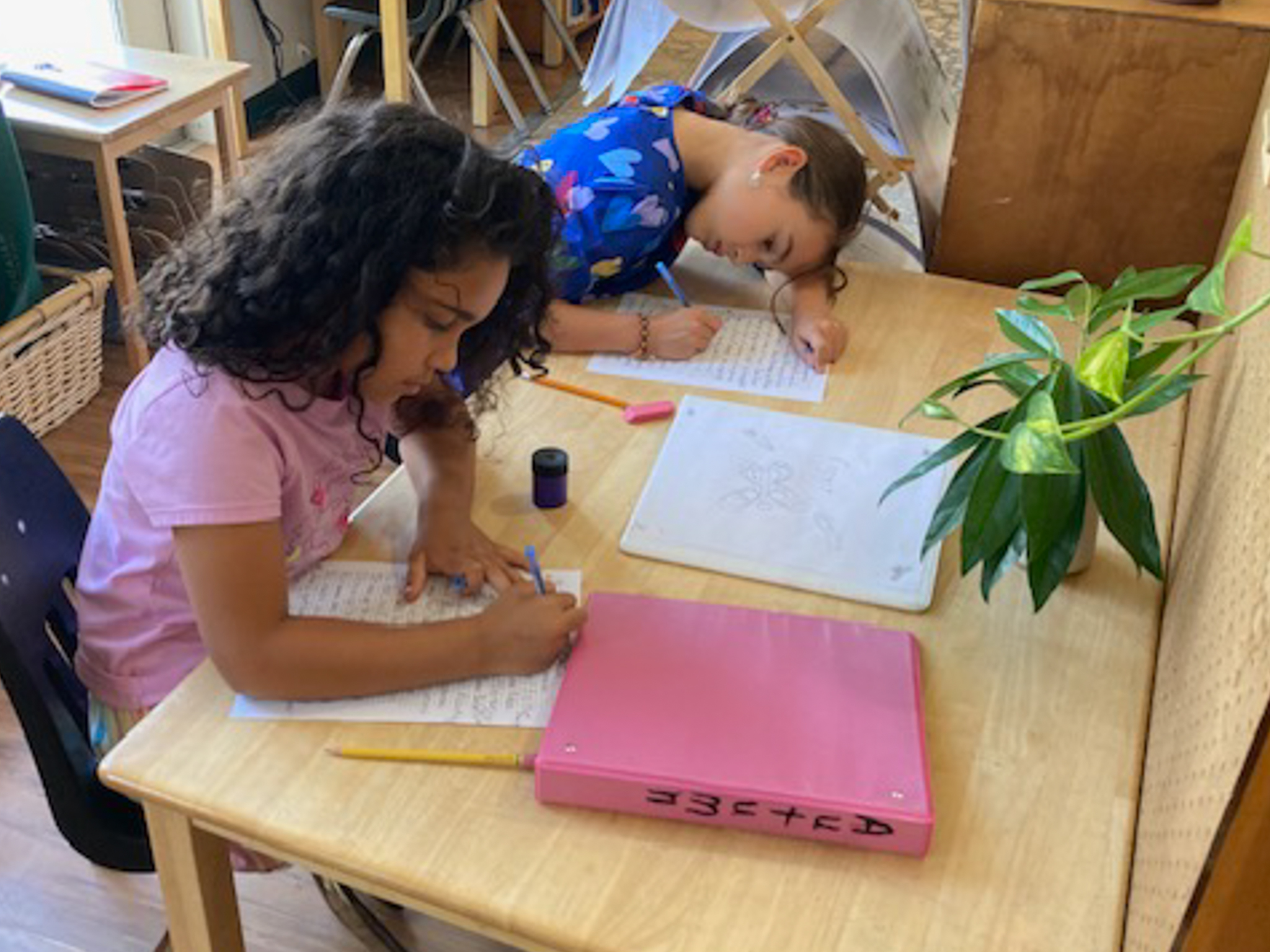
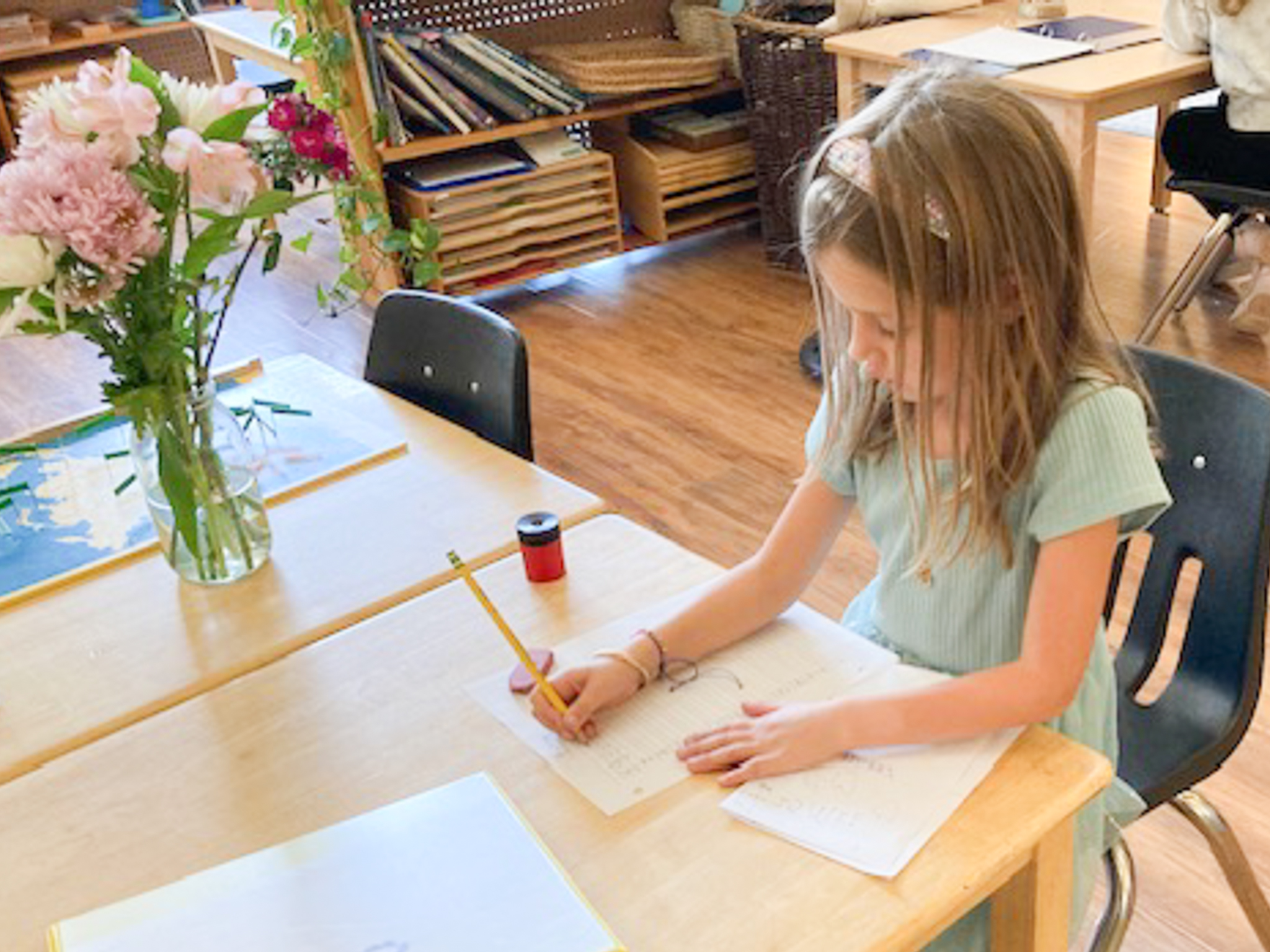
Writer’s Workshop is an additional opportunity for children to develop independent writing skills. Each Writing Workshop begins with a short mini-lesson, after this the children all work on their independent writing. Conferences with individual children or small groups are held in order to offer support and guidance. Writing Workshop typically ends with a time for the children to share their written work with their peers.

This month in Writers’ Workshop, the Lower Elementary students have continued to work earnestly on their penmanship, both in print and cursive. They are also writing acrostic poems in honor of the season, which we hope will be completed in time to send home before the holiday.  And recently we learned about portmanteaus; be sure to ask your child about it!
Upper Elementary Writers’ Workshop

This month in Upper Elementary Writers’ Workshop, the students finished editing the Buffalo Bob story (a Mr. John original) to help them understand that every character who speaks in a story deserves their own line on the page (no more dense blocks of dialogue for us!).They also learned how to summarize text with a story about cows (Did you know that cow dung is an efficient producer of fuel and biogas?). Finally, they moved on to Word Stories, where each child was provided with five random words or phrases to incorporate into a fictional story (talking snake, knight, jewels, robbers, Walt Disney World, hot air balloon, rollercoaster, shark….you get the idea).   
Comfy Dinner Student Fundraiser to Benefit Montessori Model United Nations

Comfy Dinner Student Fundraiser to Benefit Montessori Model United Nations

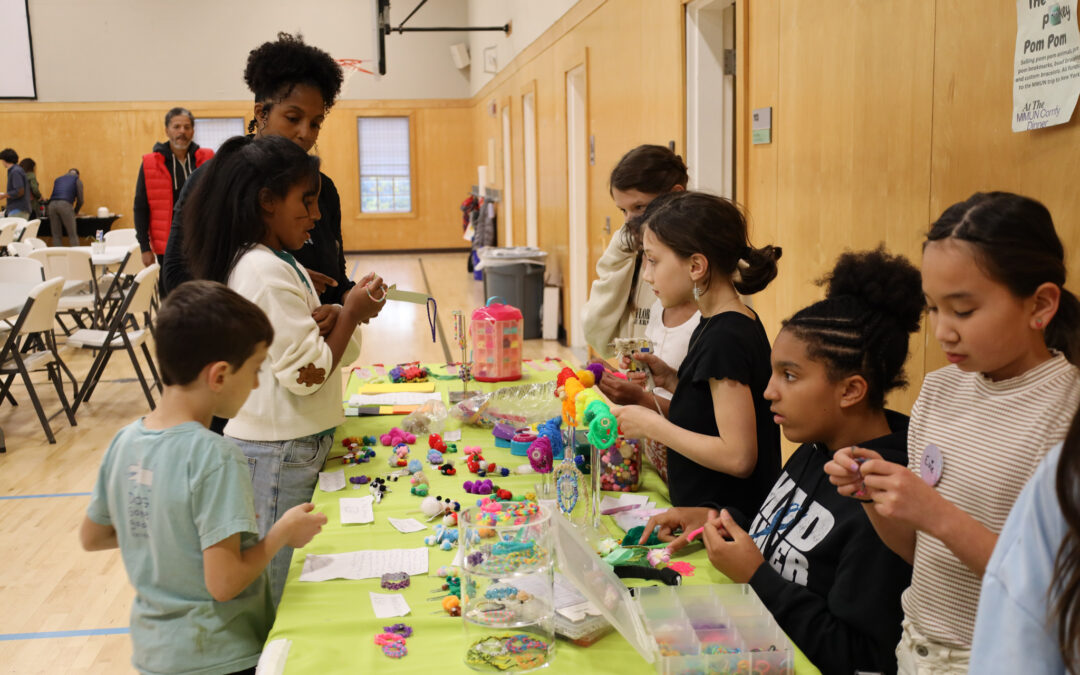
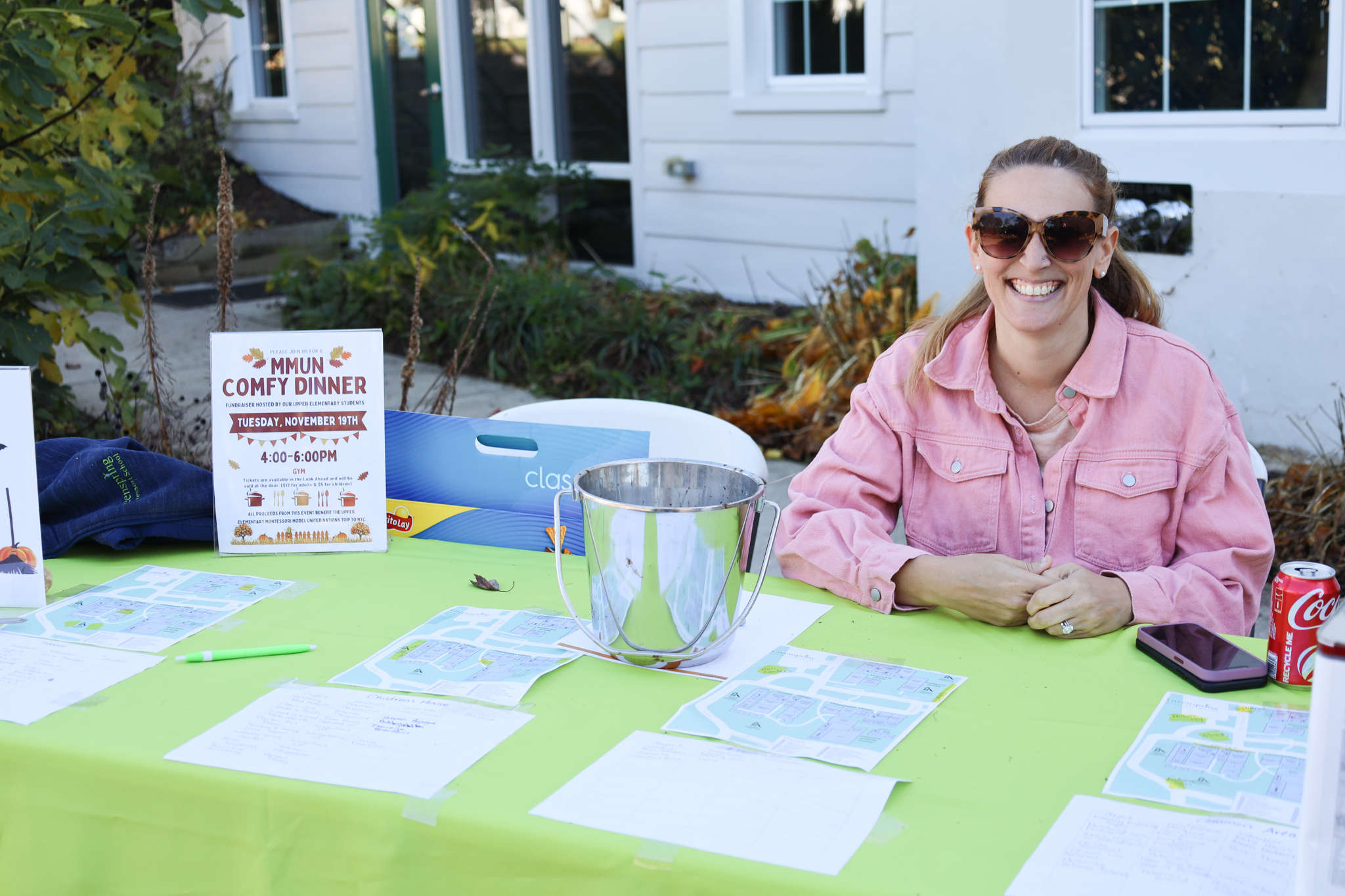
Thank you to everyone who joined us this week for our MMUN Comfy Dinner to benefit the Upper Elementary trip to the Montessori Model United Nations Conference in New York. We are happy to share that the students raised $2,033!⁠

To those of you who supported the students in planning, cooking, baking, and marketing this event, we thank you so much.

Grounds Day Fall 2024

Grounds Day Fall 2024

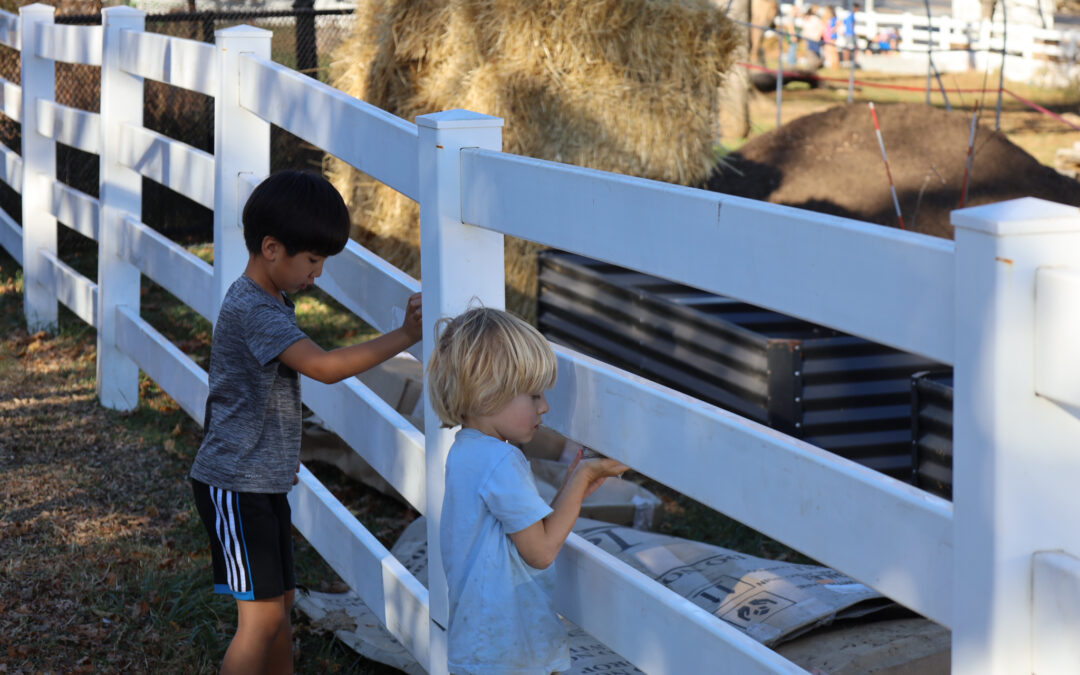
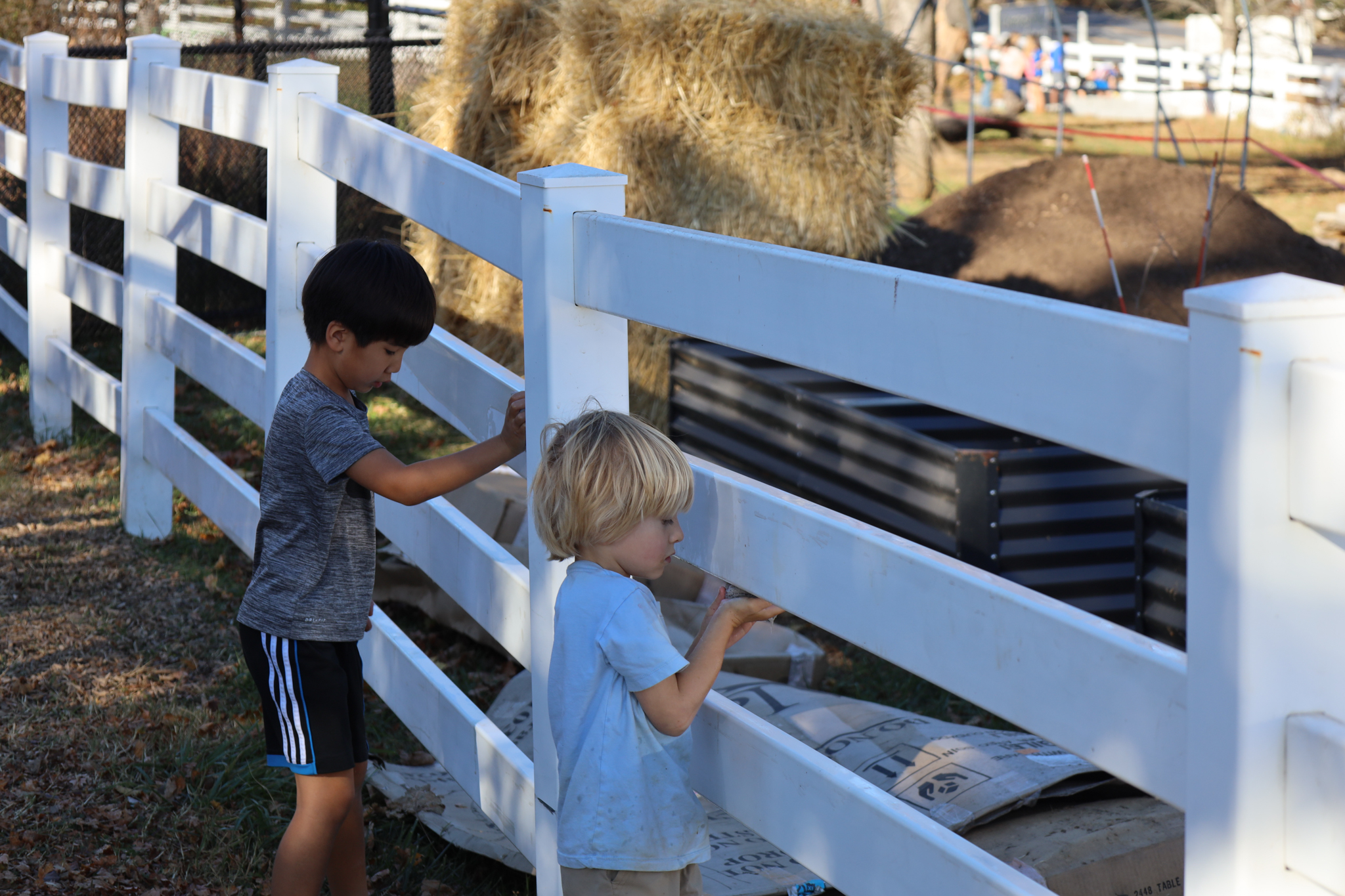
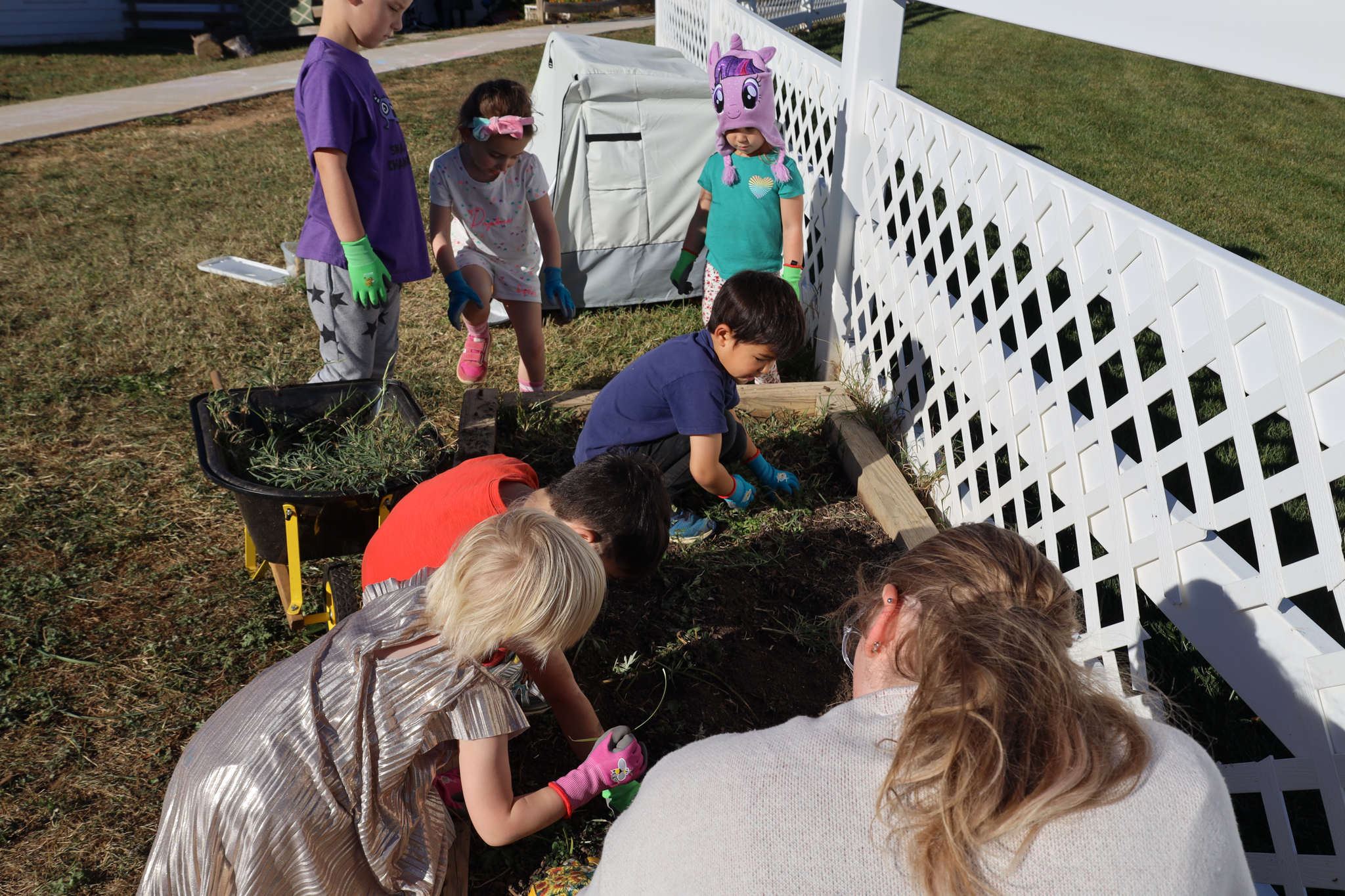
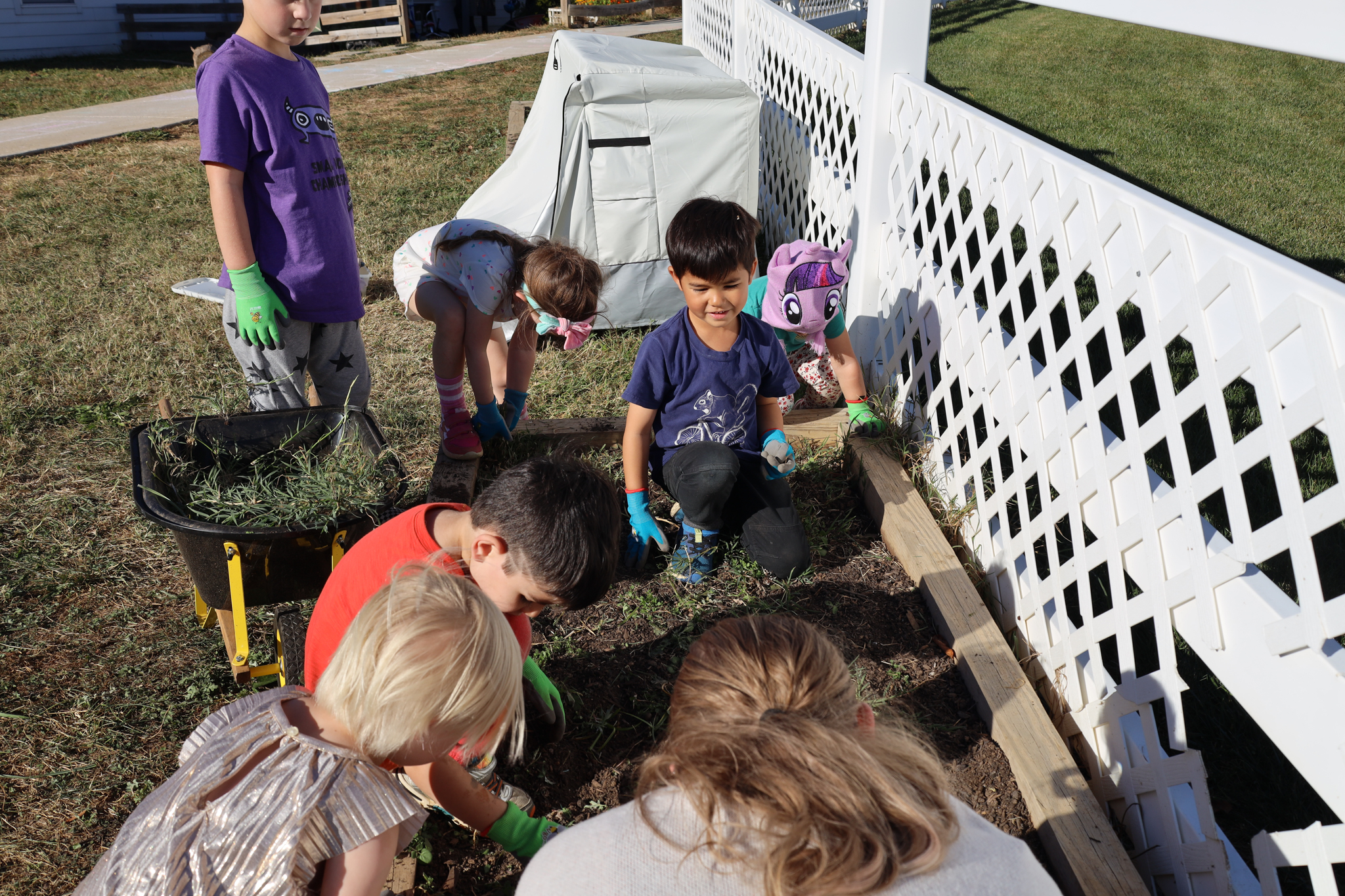
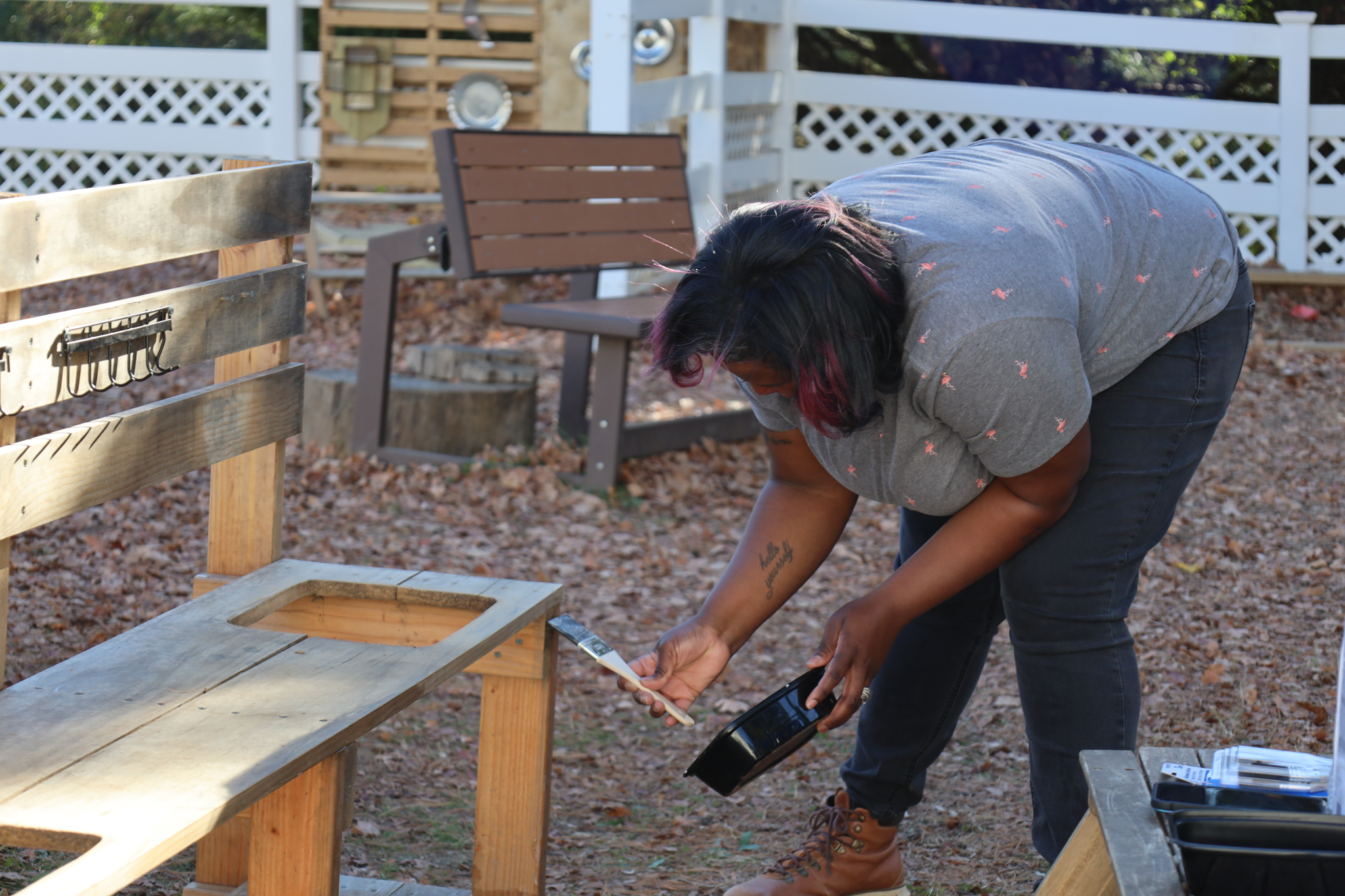
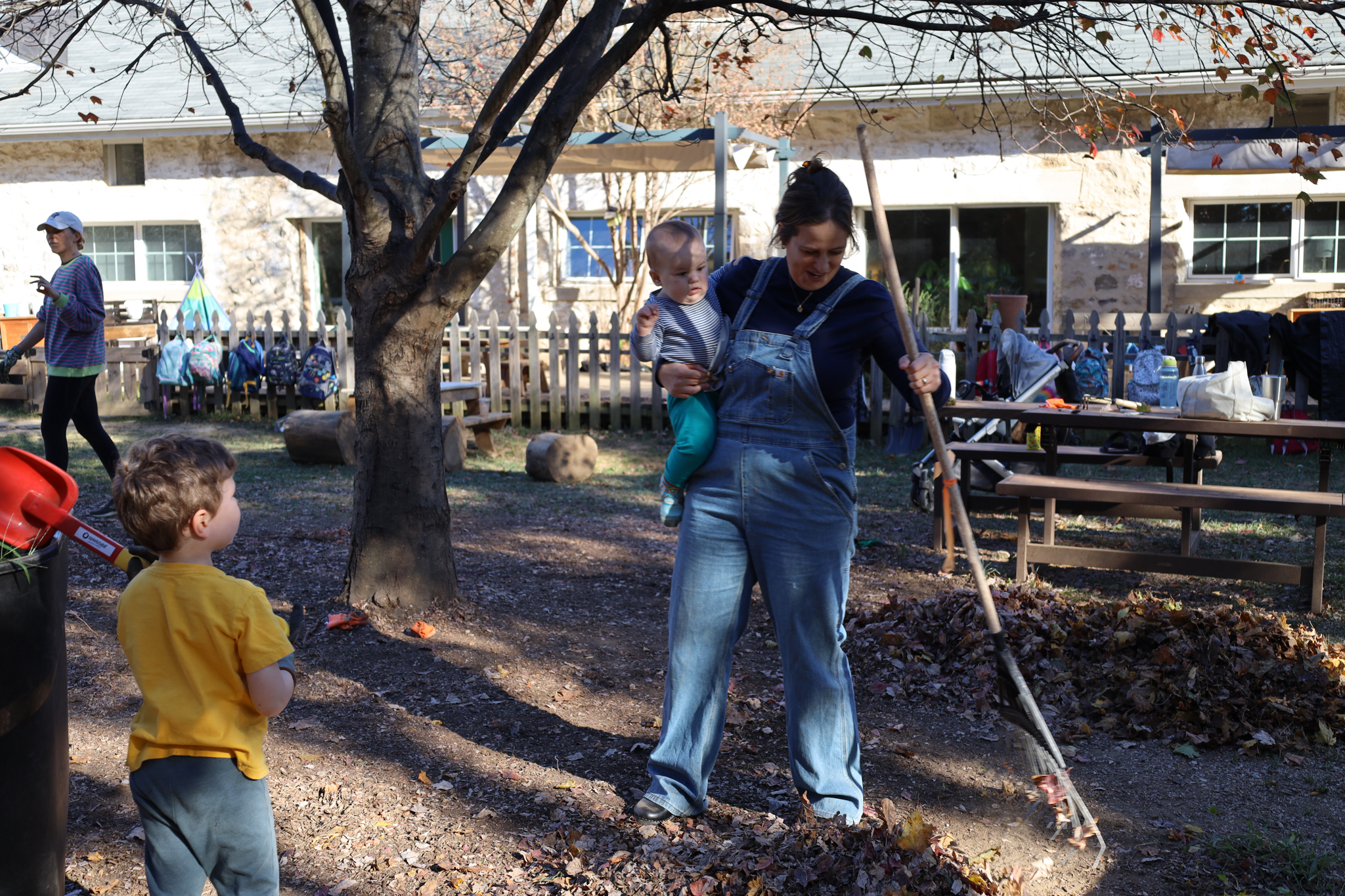
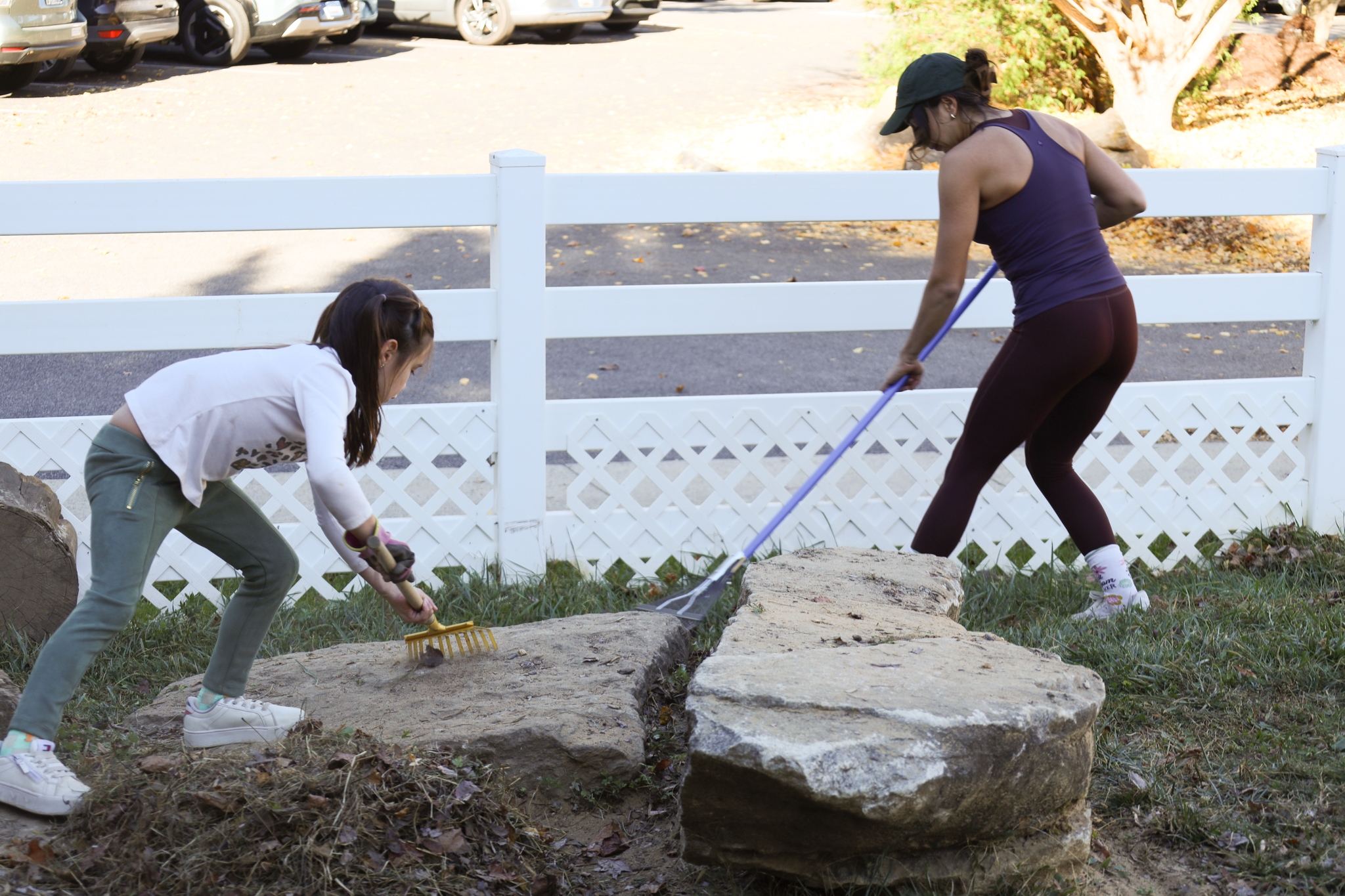
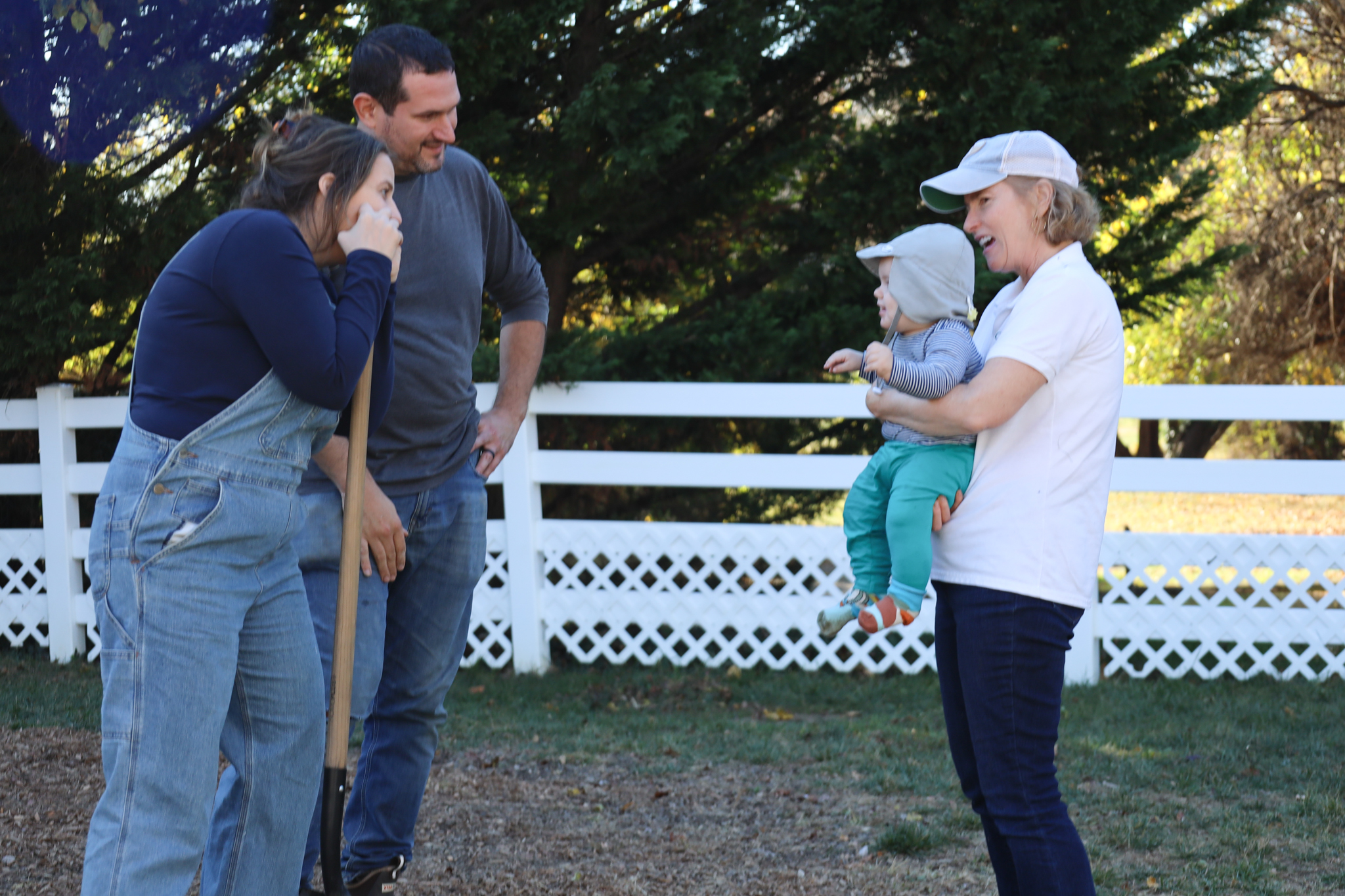
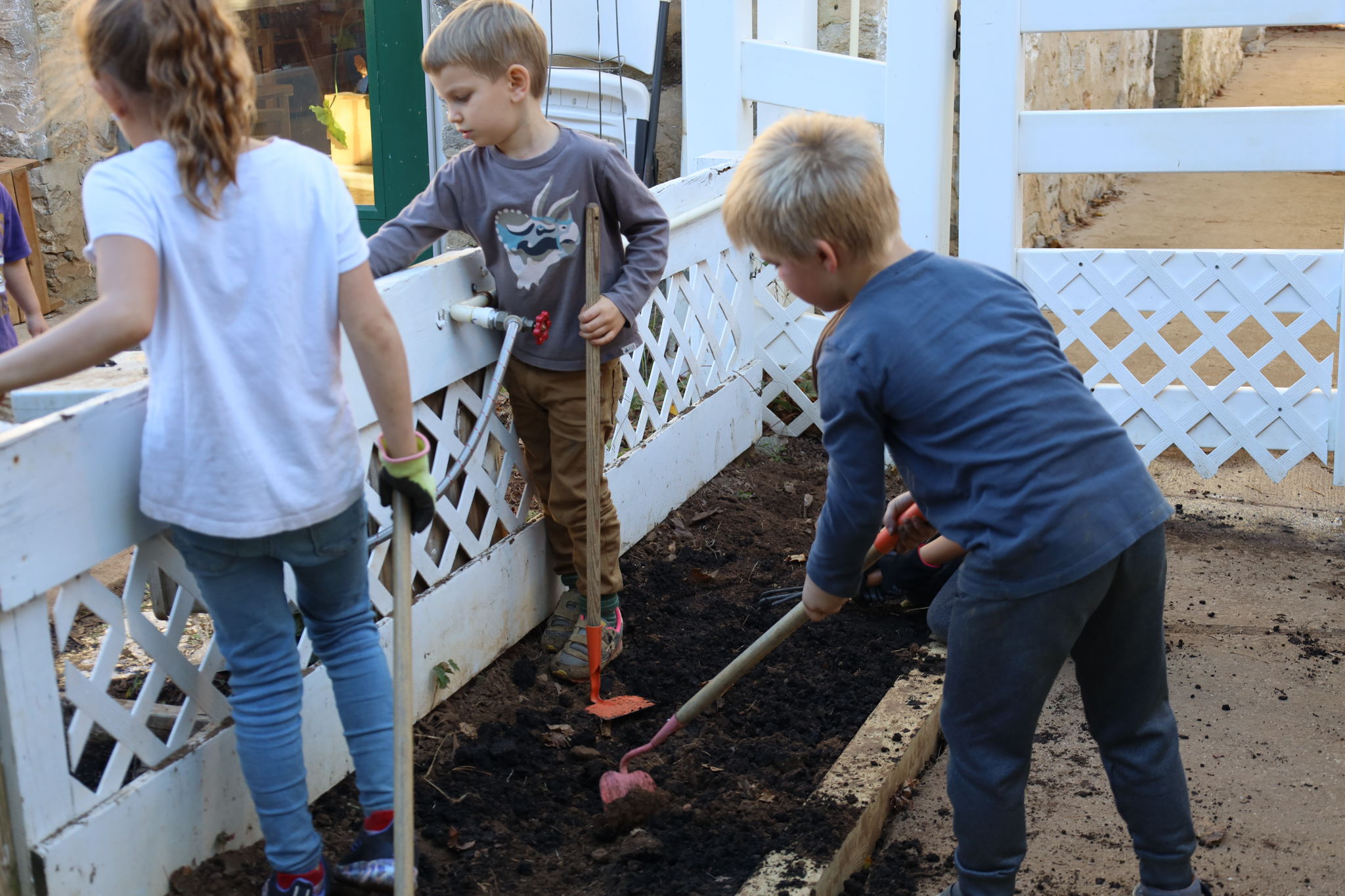
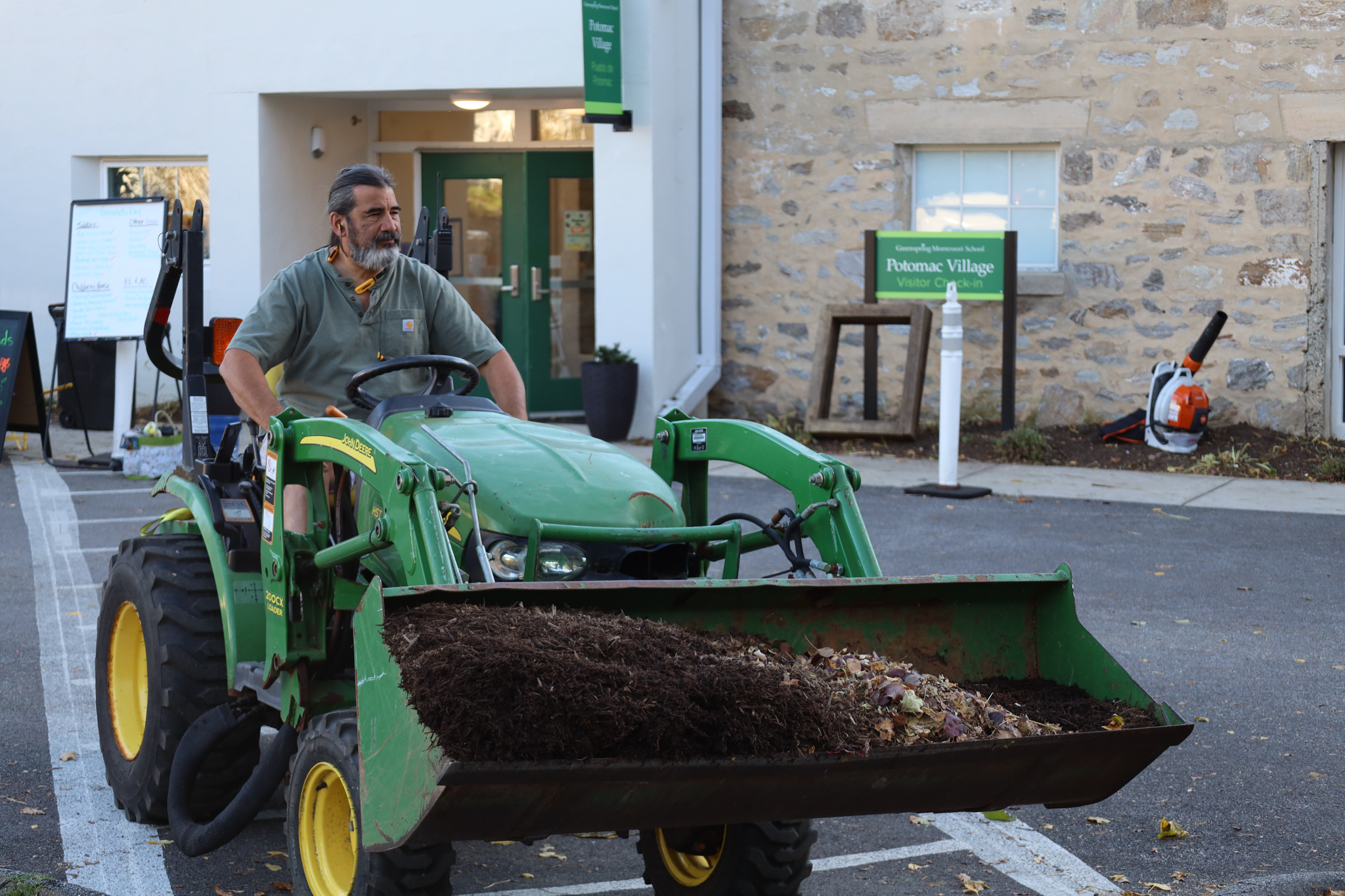
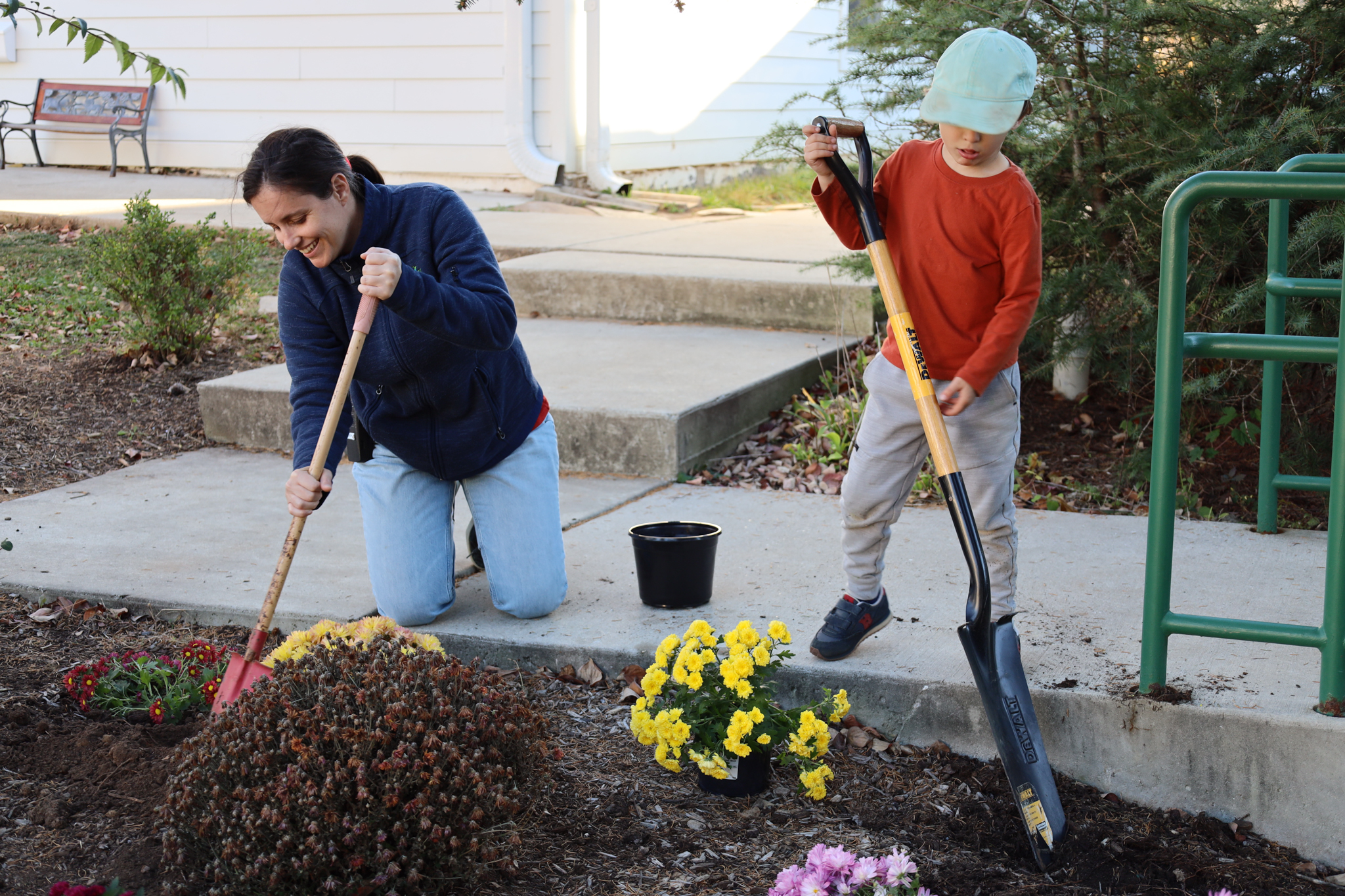
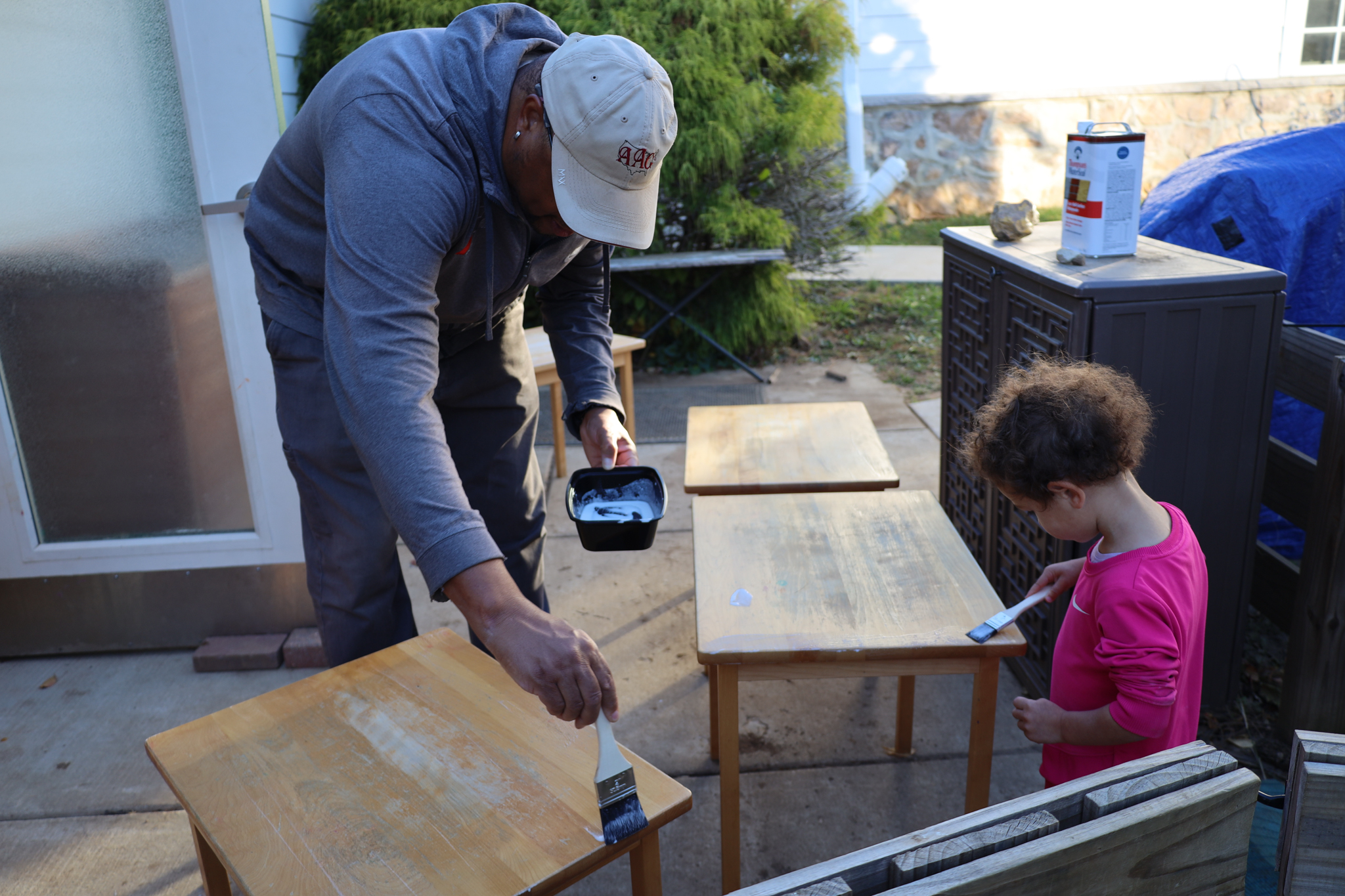
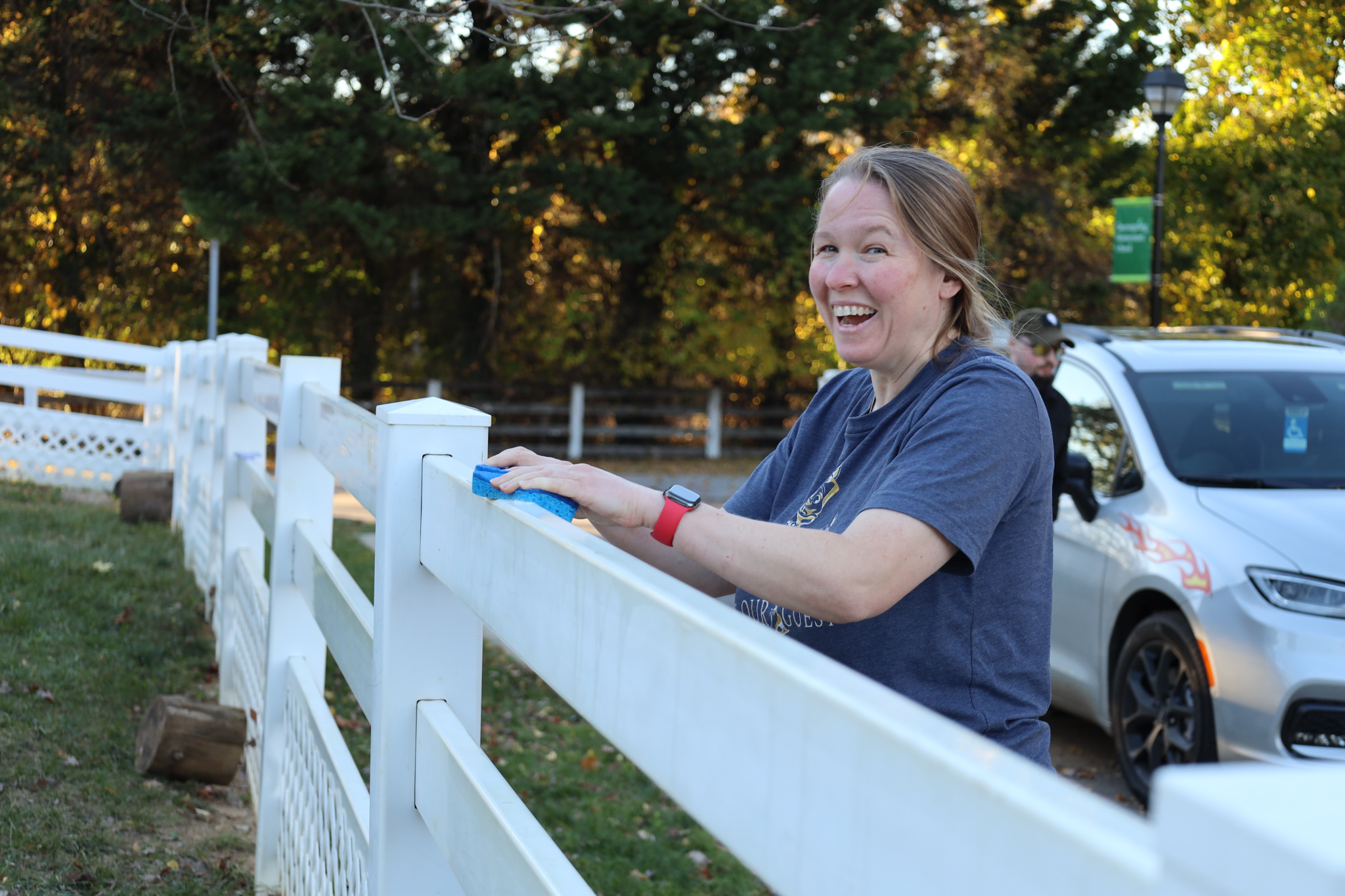
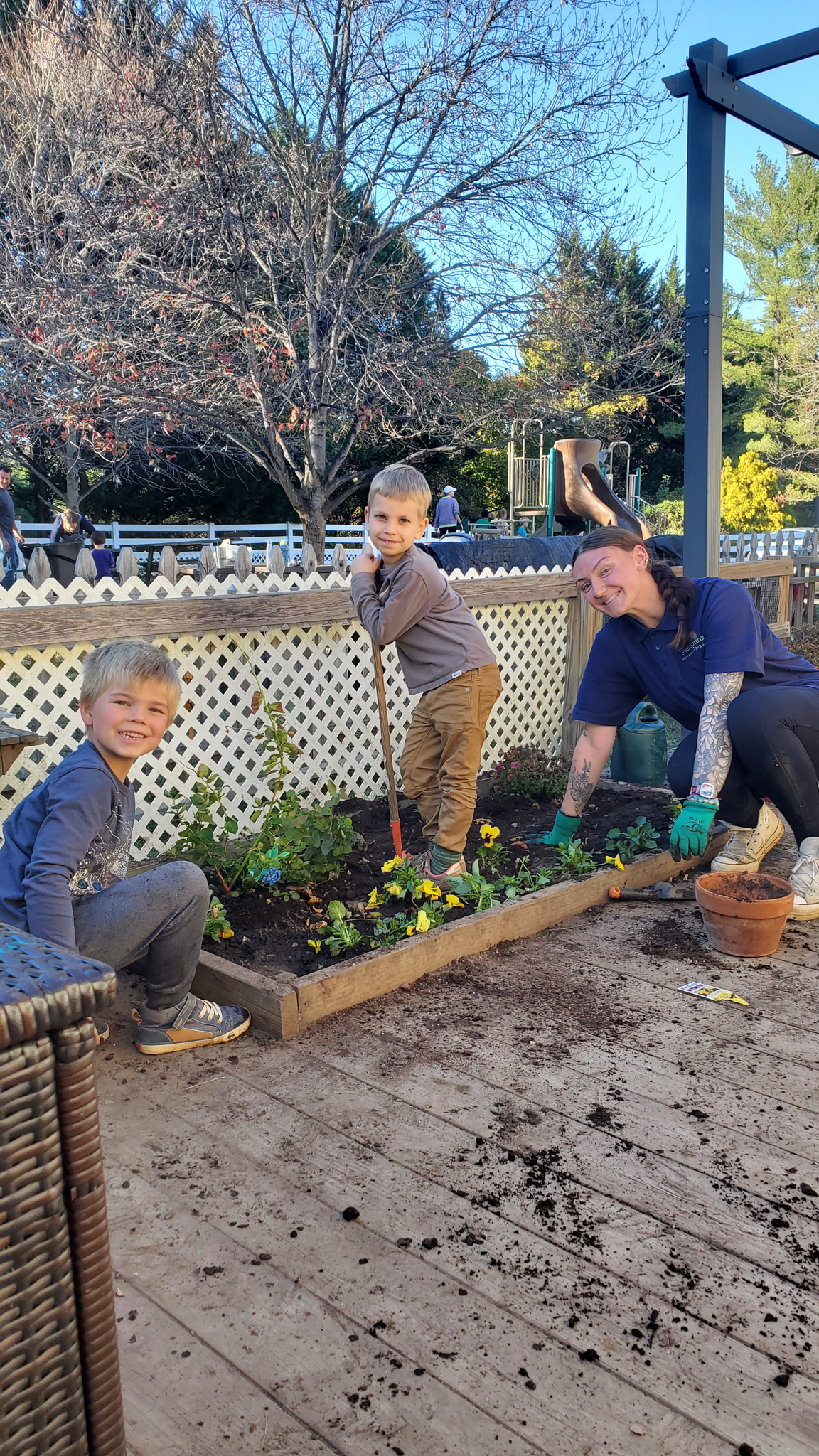
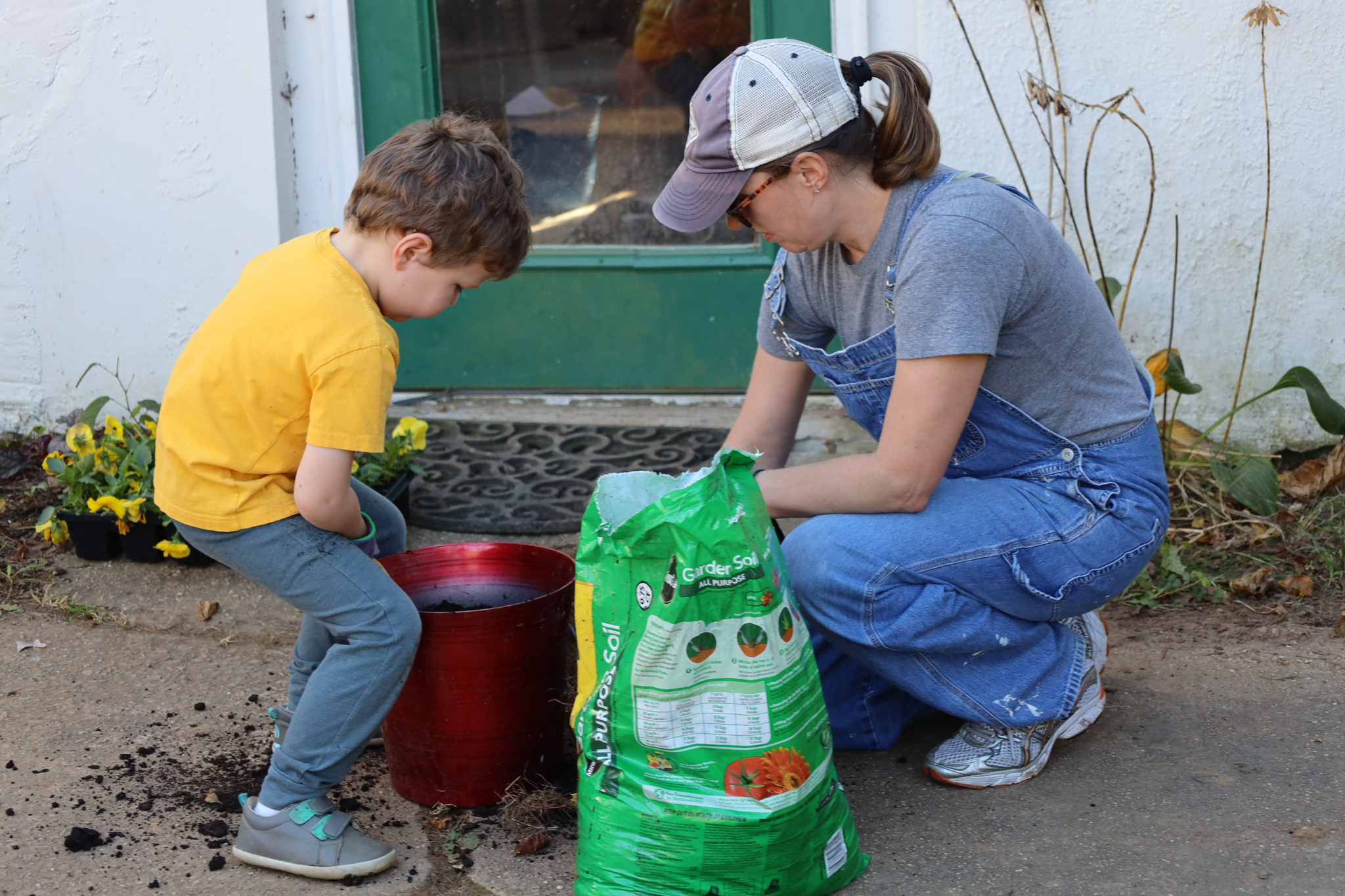
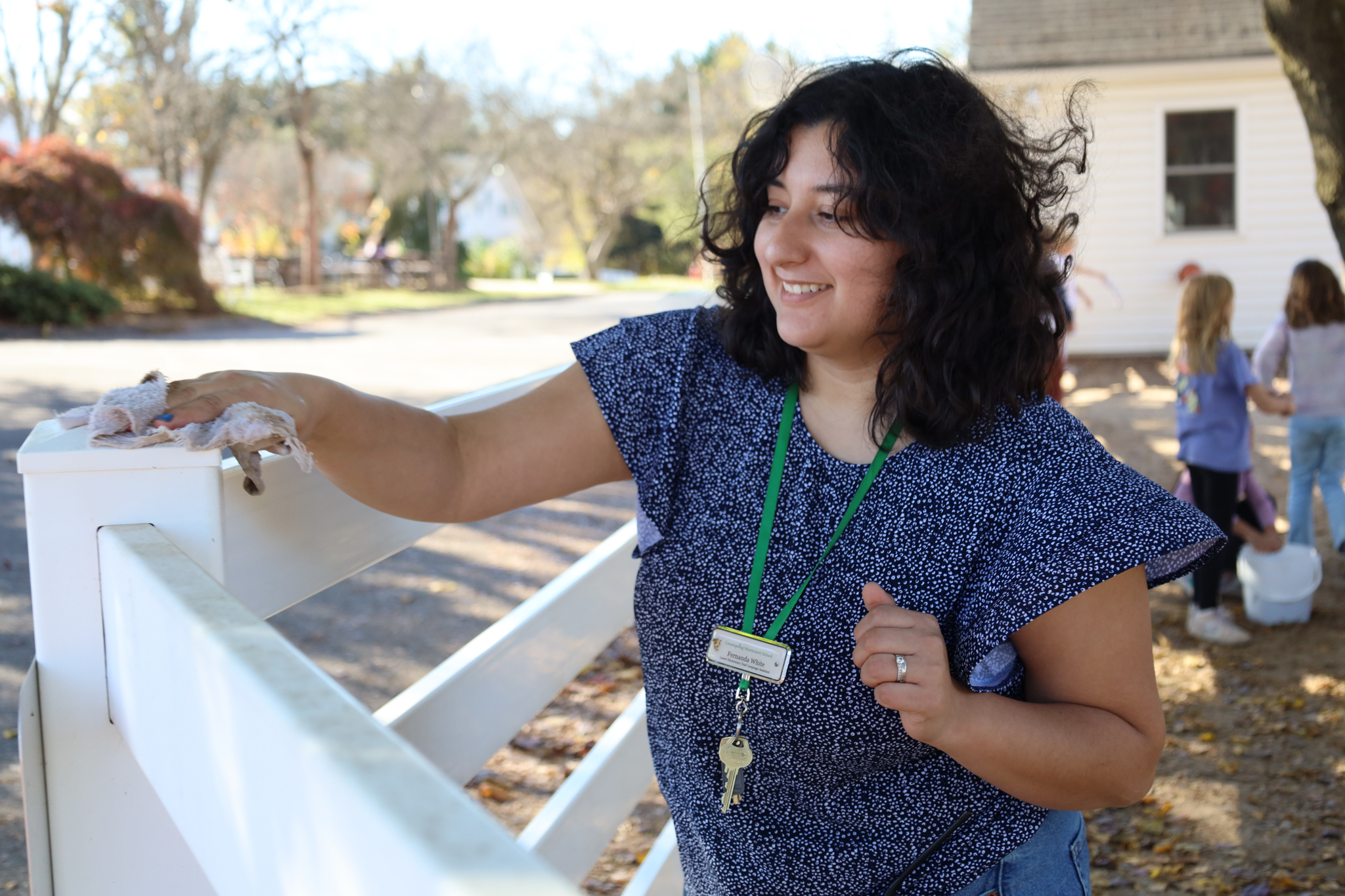
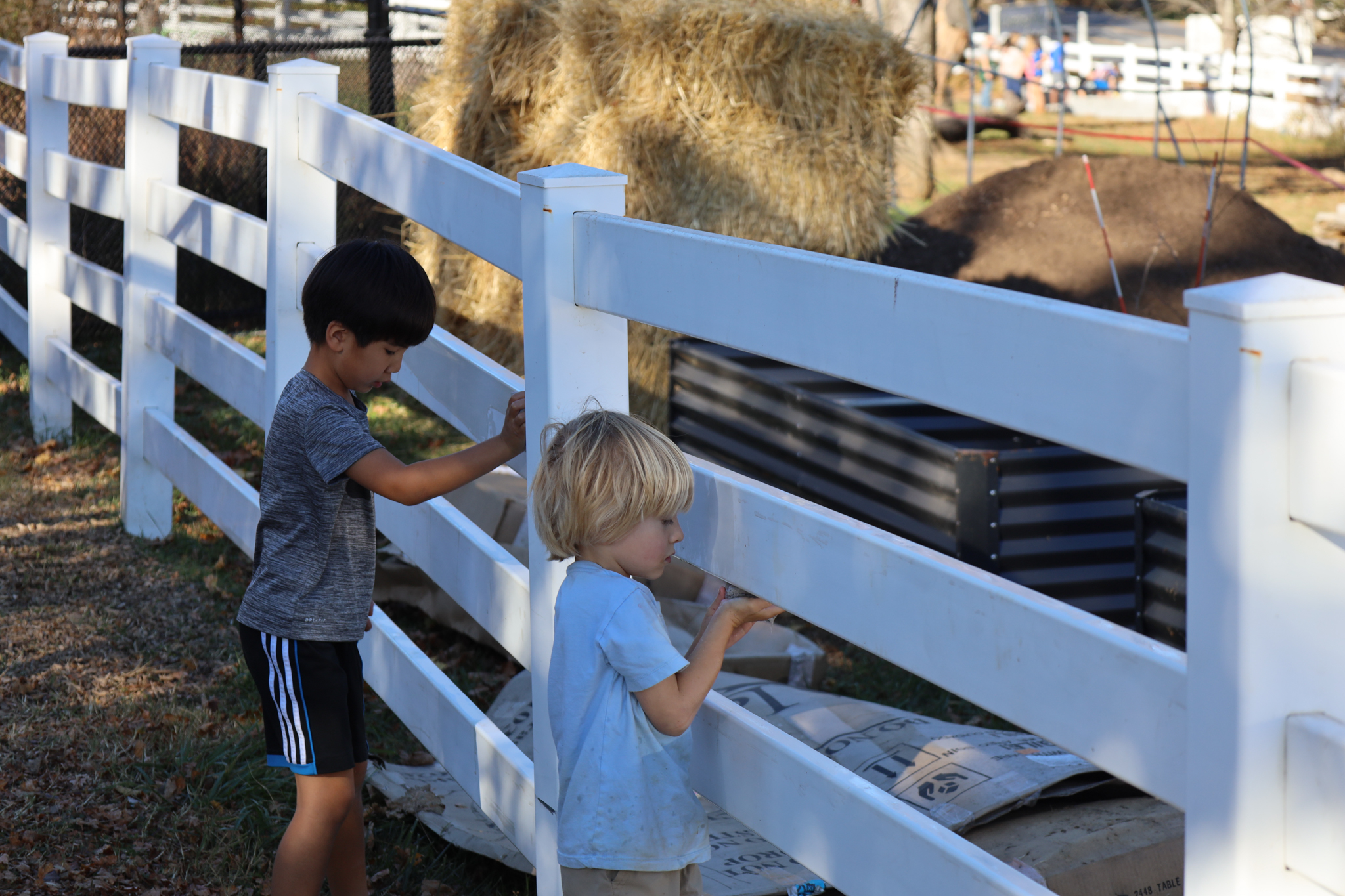
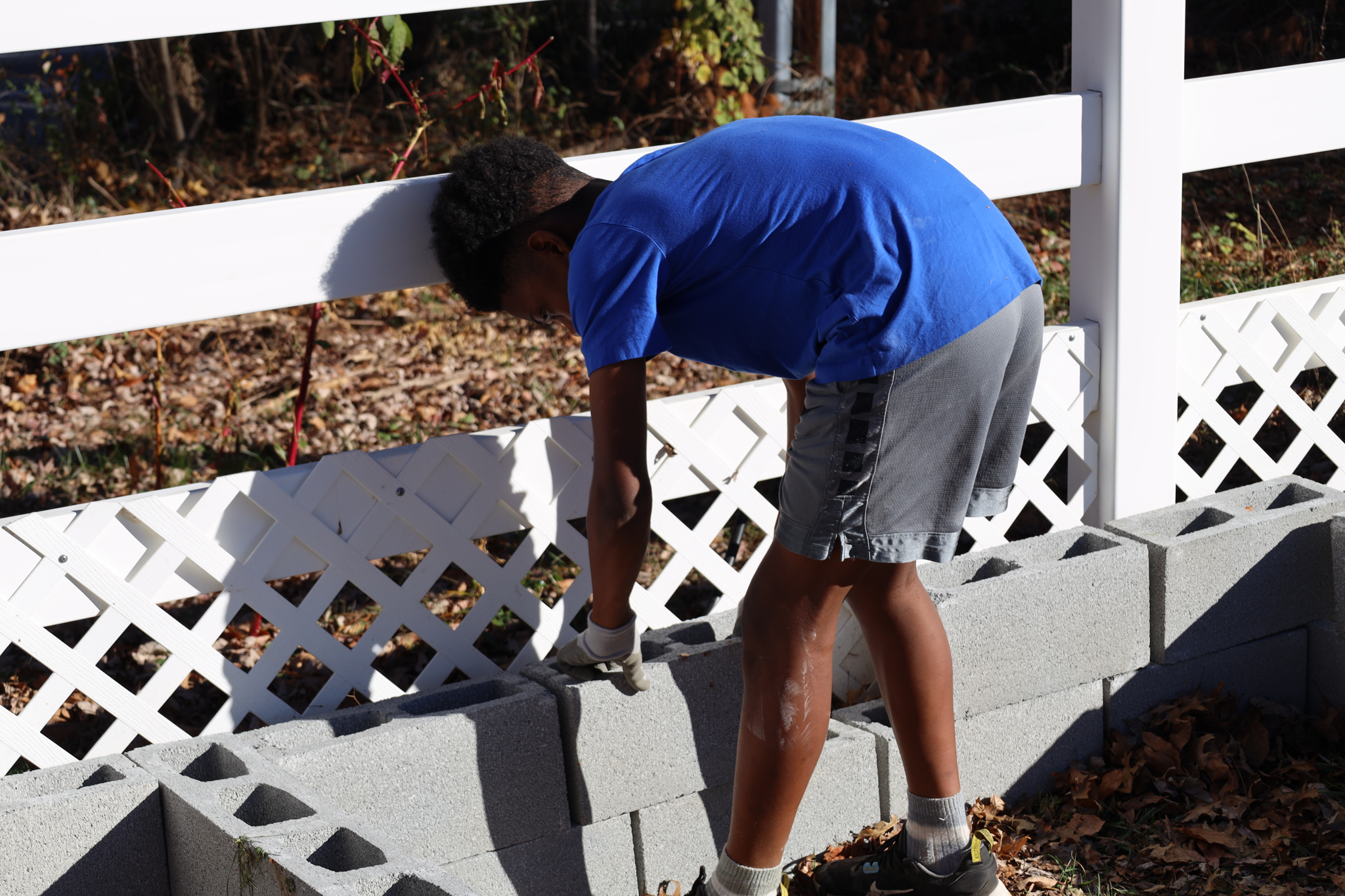
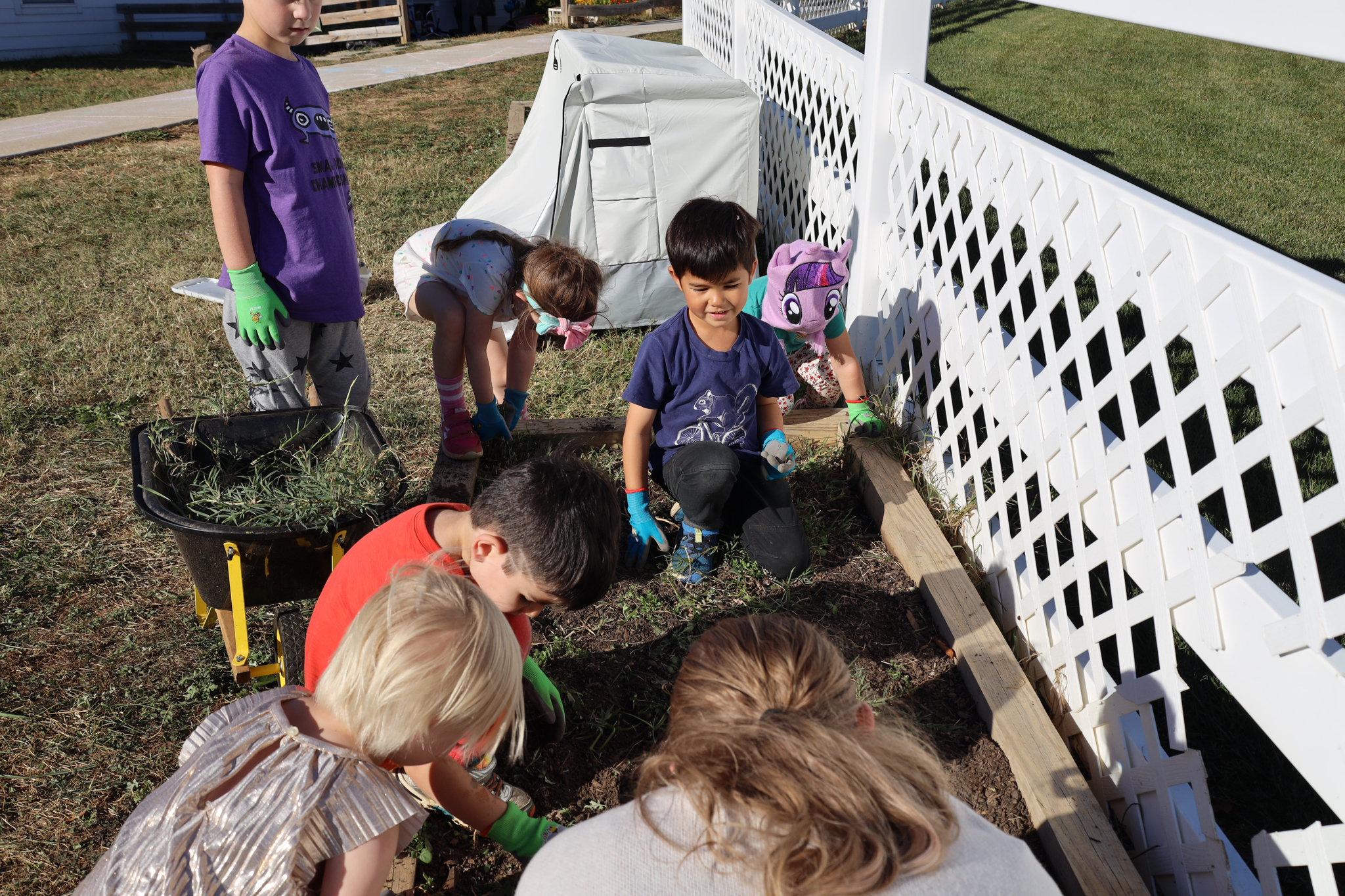
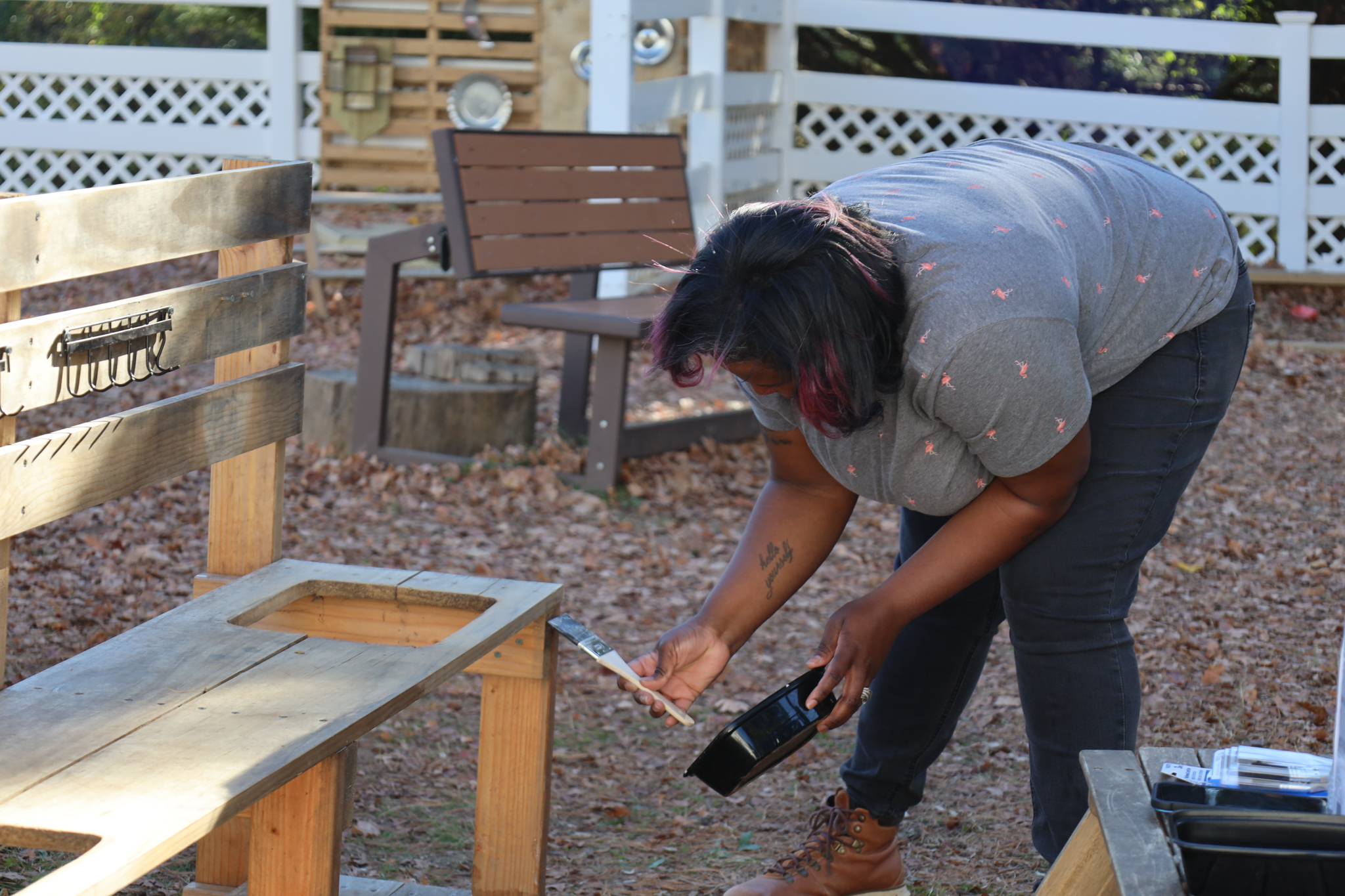
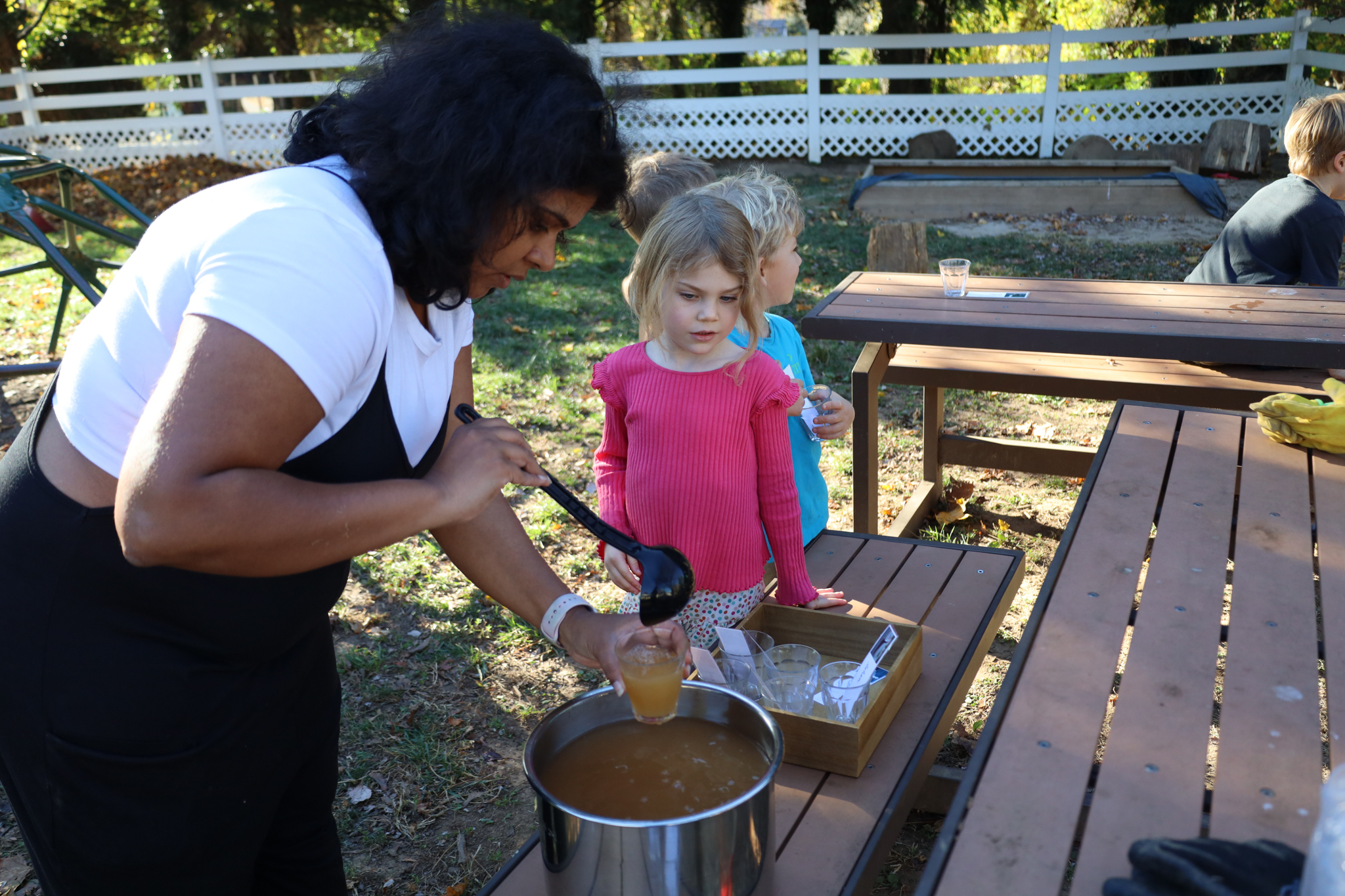
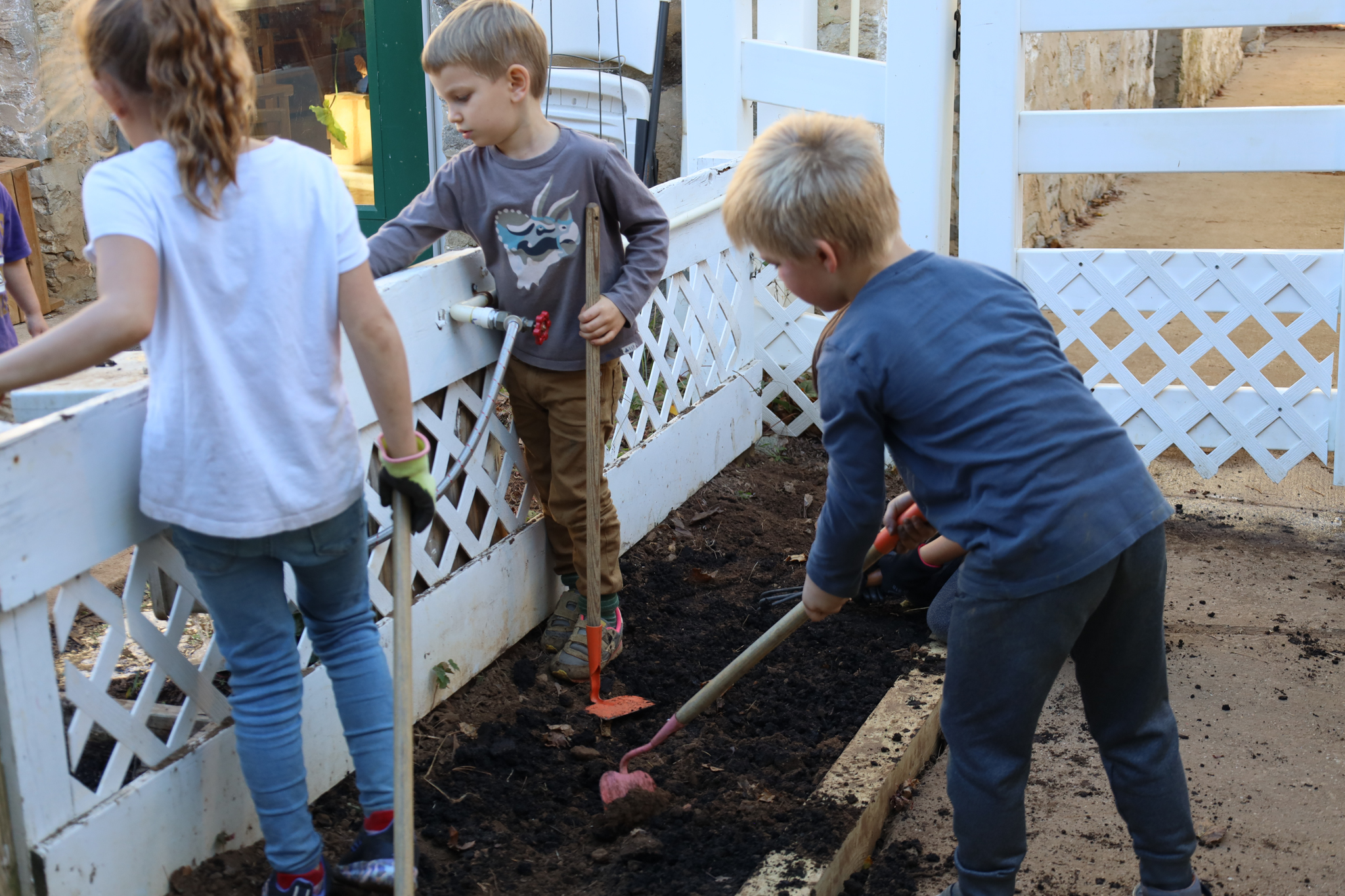
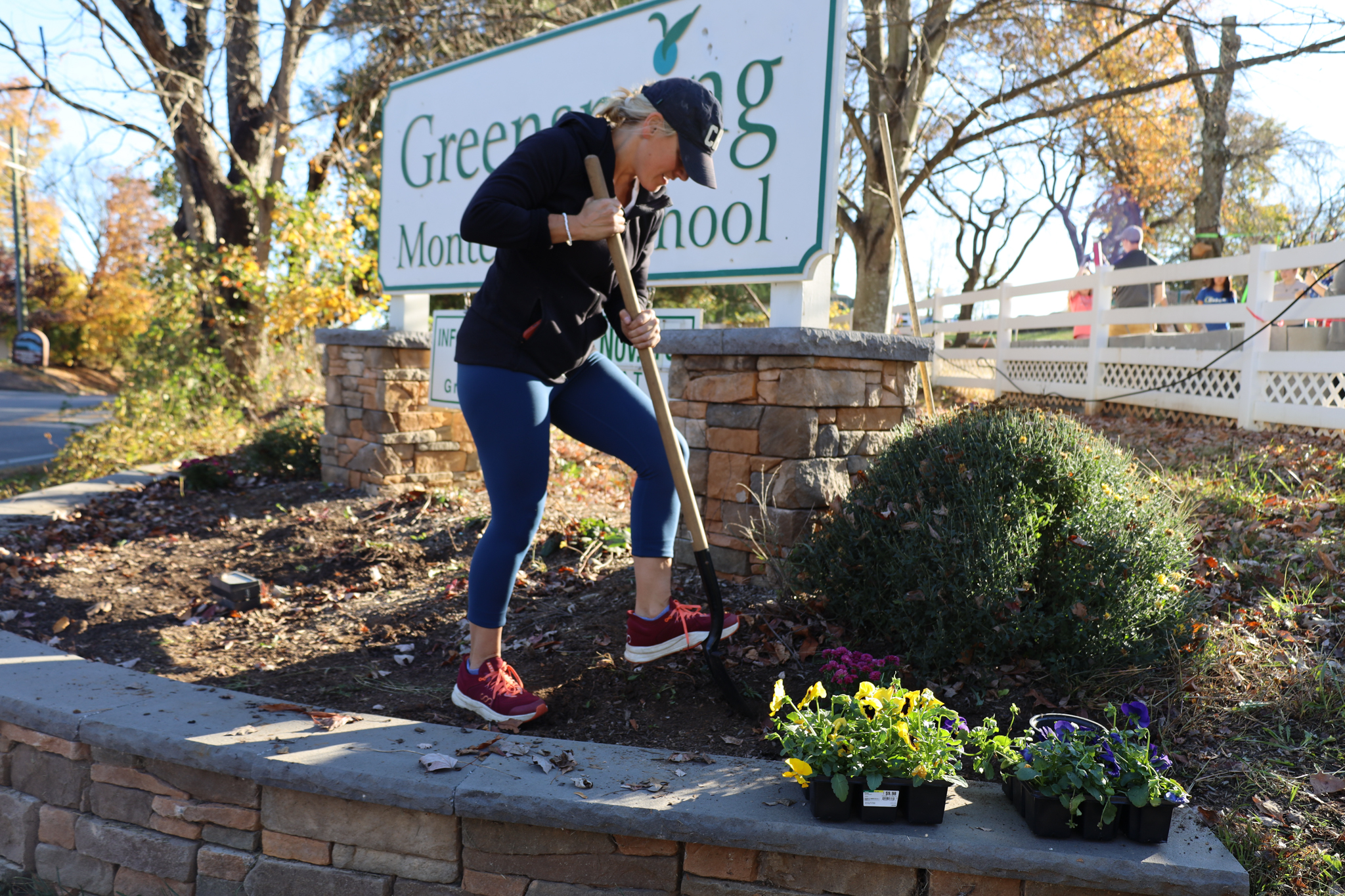
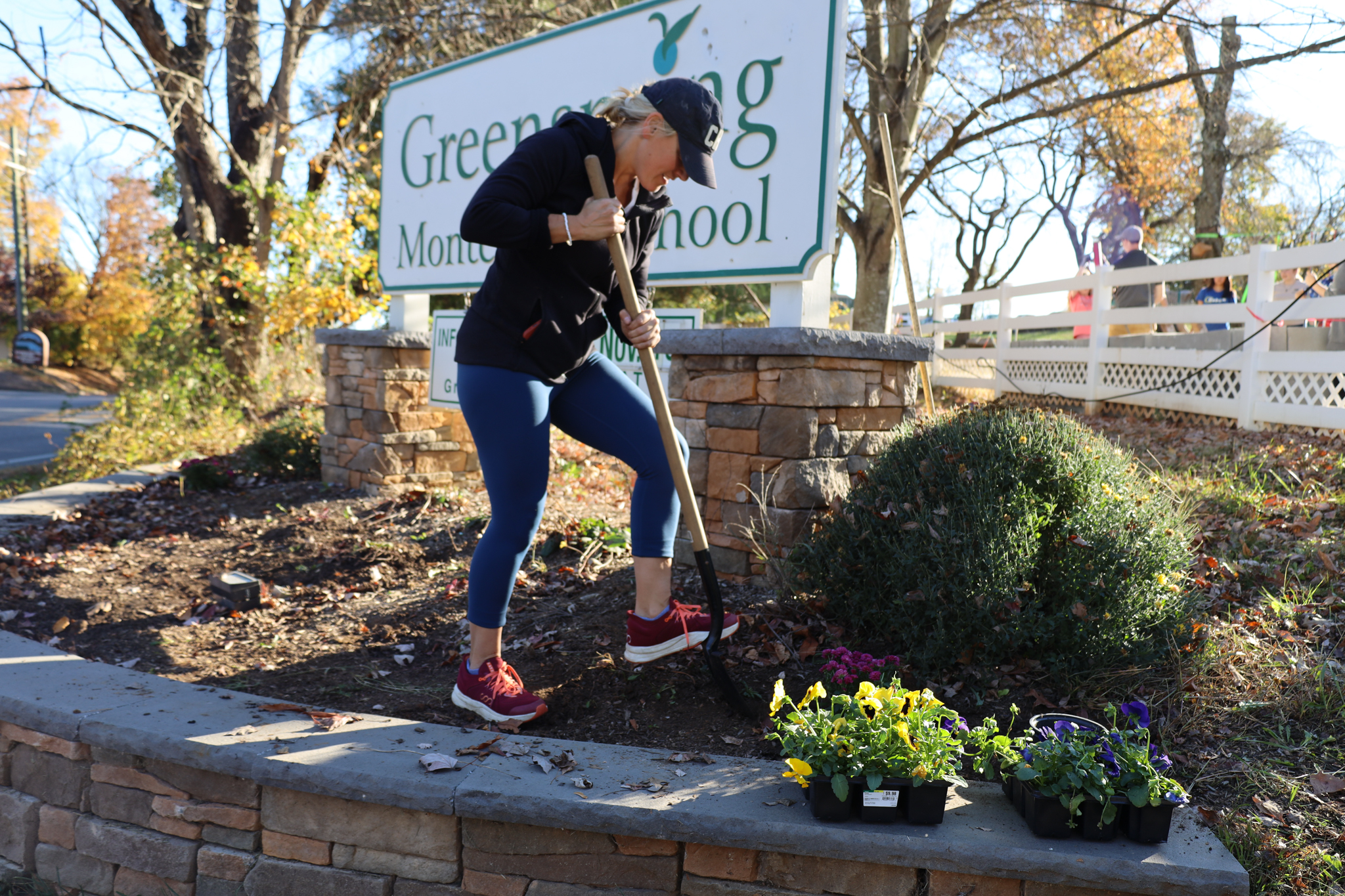
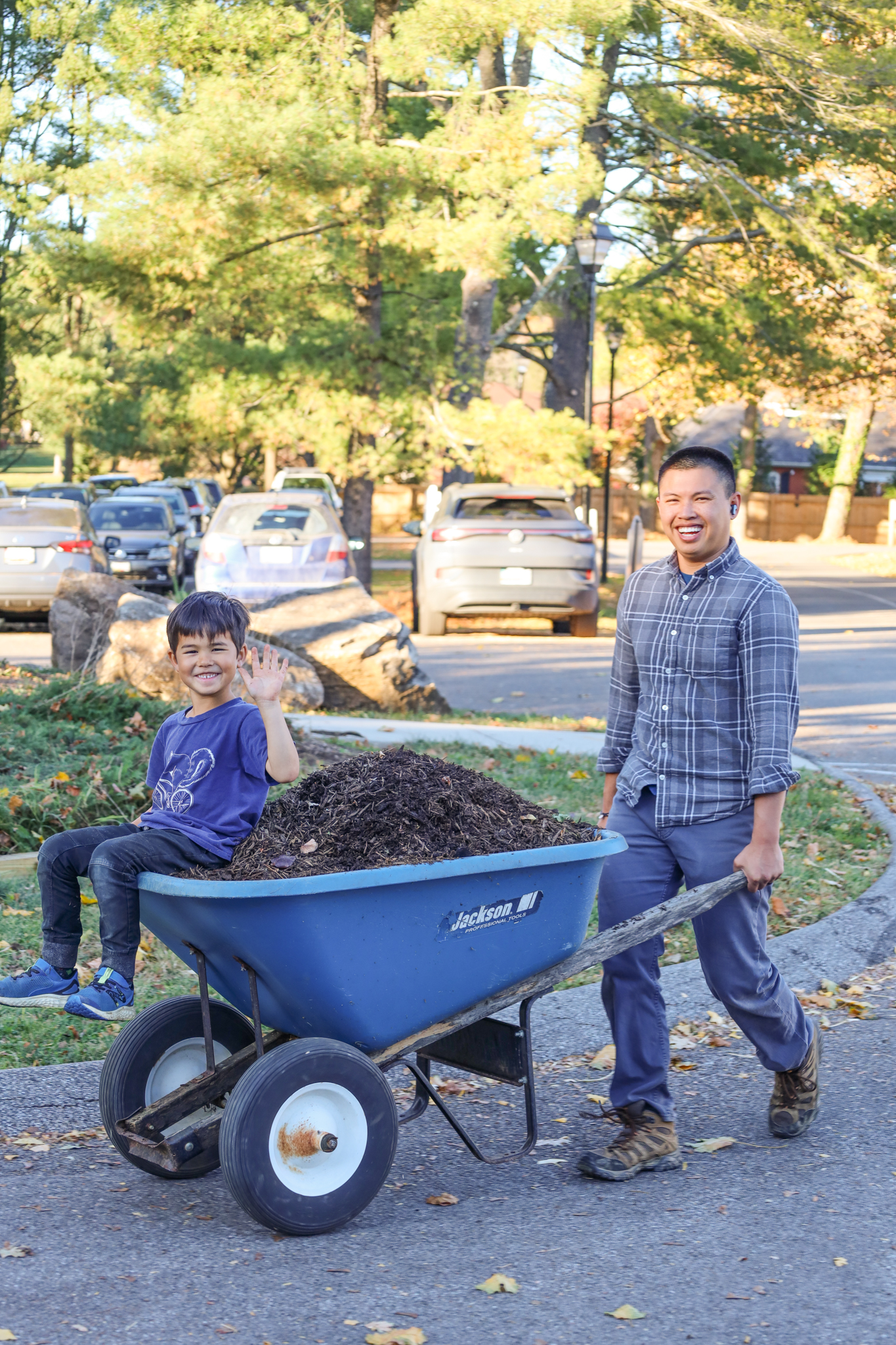
As part of our Allegiance to Nature at Greenspring Montessori School, our faculty and staff organized our annual Grounds Day event for our children and families.

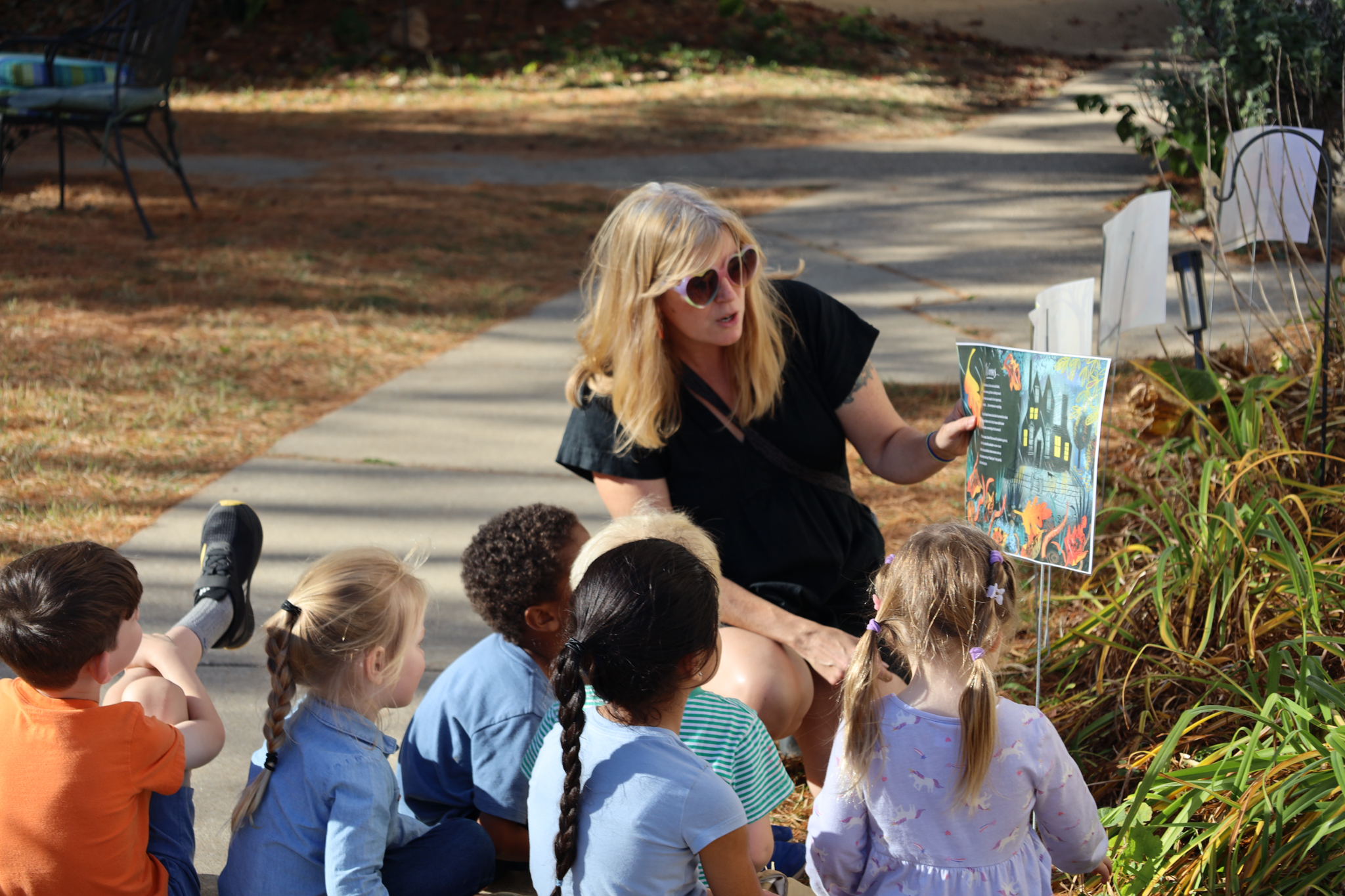
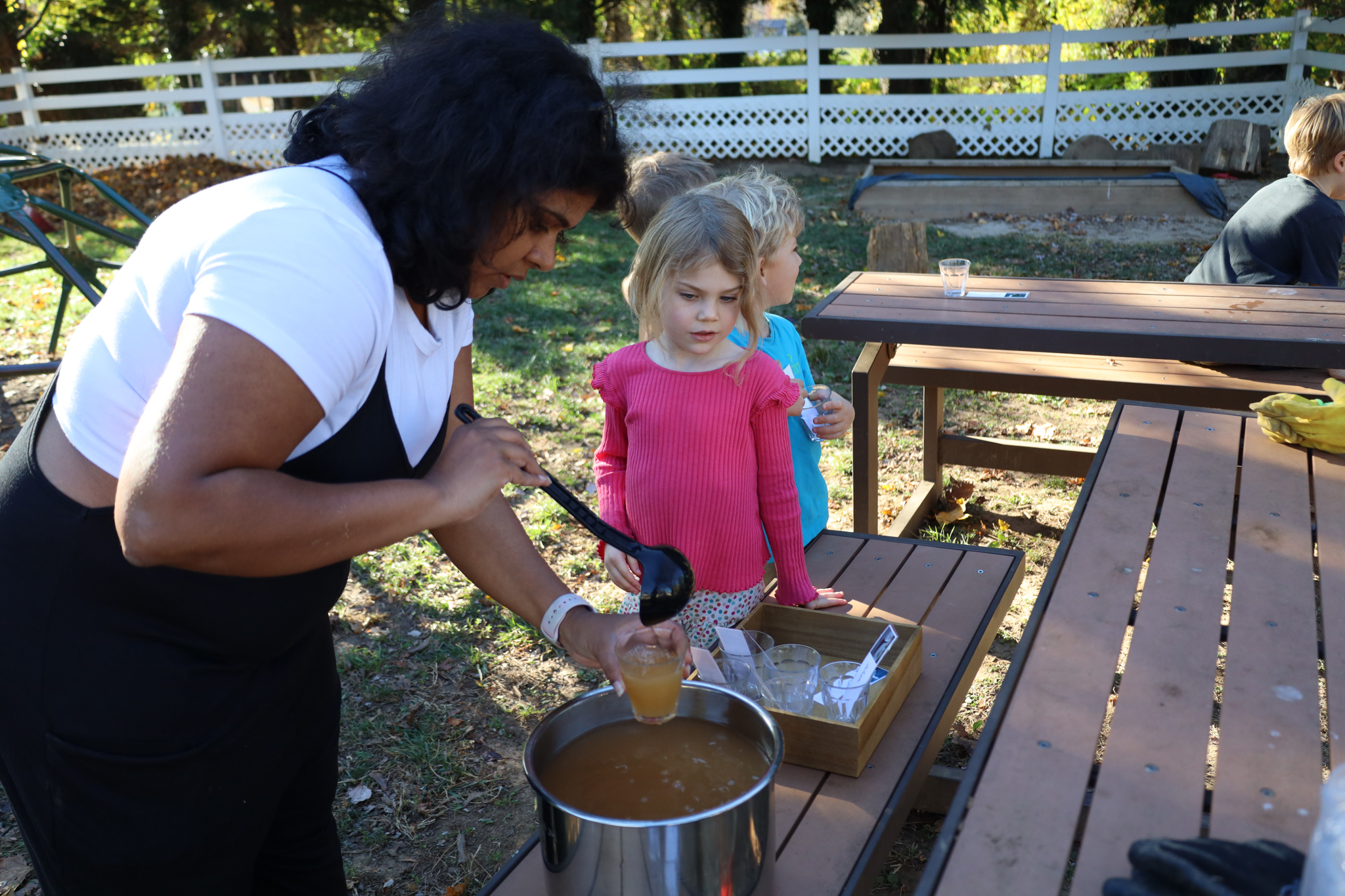
Our Toddler, Children’s House, Elementary, and Adolescent classes took on various projects around our campus including cleaning, planting, and building a new compost collection bin, along with a special nature-based story walk.

Many families also worked to restore natural spaces on campus and make improvements to the outdoor environments. Thank you all for your dedication and support!

The Passage to Abstraction in Montessori: How Elementary Children Transition to Abstract Thought

The Passage to Abstraction in Montessori: How Elementary Children Transition to Abstract Thought

How Elementary Children Transition to Abstract Thought

The journey through Elementary education is a transformative experience. During the Elementary years, students begin a fascinating cognitive shift known as the “passage to abstraction.” This is when they move from learning with hands-on, concrete materials to making the leap to abstract understanding of concepts. Elementary students also develop the ability to think about abstract concepts, such as fairness, values, and beliefs.
The Foundation: Concrete Materials in Early Montessori Education

In the early years in a Montessori school, children work extensively with concrete materials that help them grasp fundamental concepts in subjects like math, language, and science. These materials—such as golden beads for place value or fraction insets for mathematical operations—provide a visual and tactile experience that makes abstract ideas tangible and relatable. Montessori wrote, “What the hand does, the mind remembers”. This concrete learning foundation is essential for students to later build a deep understanding of abstract concepts.

For example, a Montessori Lower Elementary student will first learn the concept of square root by making squares out of pegs on a pegboard. The square root is simply the length of each side of the square! Students practice finding the square root of numbers into the tens, hundreds, and thousands place, and how to record this on paper.  At some point along the way, the student will have a solid understanding of the concept of square root and no longer needs the material. They have made the “leap to abstraction” with the concept of square root. But because of their foundation with the concrete materials, they truly understand the concept – can visualize it and explain it to others – in a way that isn’t possible when merely memorizing a formula or series of steps.

Transitioning to Abstract Thinking

By the time students reach Upper Elementary (4th to 6th grade), they are ready to start thinking more abstractly. Their minds are primed to go beyond the “how” to ask “why,” considering questions about purpose, meaning, and connections between different areas of knowledge. This shift happens naturally, and Montessori Guides encourage it by integrating hands-on materials with more discussion-based, reflective, and inquiry-driven activities.

During this stage, students begin exploring big questions: What is fairness? How do my beliefs shape who I am? What values do I want to uphold in my life? These questions arise organically as children study history, geography, and literature, and encounter real-world events that spark curiosity about the human experience. Montessori education supports this progression, blending academic study with moral and philosophical exploration.

Exploring Fairness, Values, and Beliefs

The concepts of fairness, justice, and moral values become particularly significant at this age. For example, a lesson on world geography might prompt students to consider how natural resources impact different communities or how access to education varies across the globe. These topics lead them to ask questions about fairness, equality, and responsibility, sparking discussions on values and ethics.

By studying the impact of historical events, such as the American Civil Rights Movements or the work of influential figures like Mahatma Gandhi or Dr. Martin Luther King Jr., students begin to reflect on their own beliefs. This exploration is vital for understanding the diversity of human values and the importance of empathy, respect, and justice.

Abstract Thinking in Mathematics and Science

The passage to abstraction also becomes evident in subjects like math and science. While younger children may have relied on concrete materials to understand operations, older students begin to comprehend complex ideas without them. For instance, they might grasp mathematical concepts like prime numbers, probability, or algebraic equations through mental calculations and logical reasoning, applying these ideas to solve real-world problems.

In the sciences, they start exploring abstract concepts like the interdependence of ecosystems, the properties of elements, or even theoretical ideas in astronomy and physics. Their growing capacity for abstract thought allows them to understand not just what happens but why—fueling curiosity and fostering a deep love for exploration and discovery.

Being in Community

A core part of this developmental stage is the internalization of personal beliefs and values as they relate to their communities. Students learn to navigate the complexities of fairness, cooperation, and shared responsibility. They experience the power of compromise and the need to balance personal interests with the well-being of the group. Community Meetings are an essential part of the Elementary classroom where the students can engage in a democratic process, sharing their feelings, challenges, and accomplishments with the group. This setting offers a safe space for students to explore ideas and share their evolving beliefs, reinforcing a supportive learning environment where all perspectives are respected. Field trips and Going Outs also contribute to their moral and ethical development, as students begin to understand their role within the broader community.

The Guide’s Role in Fostering Abstract Thought

By blending concrete learning tools with open-ended questions, complex discussions, and real-world connections, the Guide in the classroom helps students develop a strong intellectual and moral foundation. In this way, Montessori education nurtures not only academically capable learners but also thoughtful, compassionate leaders.

At Greenspring Montessori School, we’re proud to be part of this journey, watching students blossom as they bridge the gap from concrete to abstract, from understanding how things work to contemplating why things matter. The passage to abstraction is an extraordinary developmental milestone, and Montessori provides an environment to meet the evolving developmental needs of students during this transition.