
The Child’s Absorbent Mind
Written by Shannon Brown, Children’s House Guide
“Our work is not to teach, but to help the absorbent mind in its work of development. How marvelous it would be if by our help, if by an intelligent treatment of the child, if by understanding the needs of [their] physical life and by feeding [their] intellect, we could prolong the period of functioning of the absorbent mind!” – Dr. Maria Montessori, The Absorbent Mind
From birth to age six, the child is endowed with a highly impressionable and absorbent mind. The very young child does not decide what to focus his attention on or when to tune things out, as the adult’s conscious, reasoning mind can do. Instead, their mind acts as a camera, taking in everything in their surroundings.

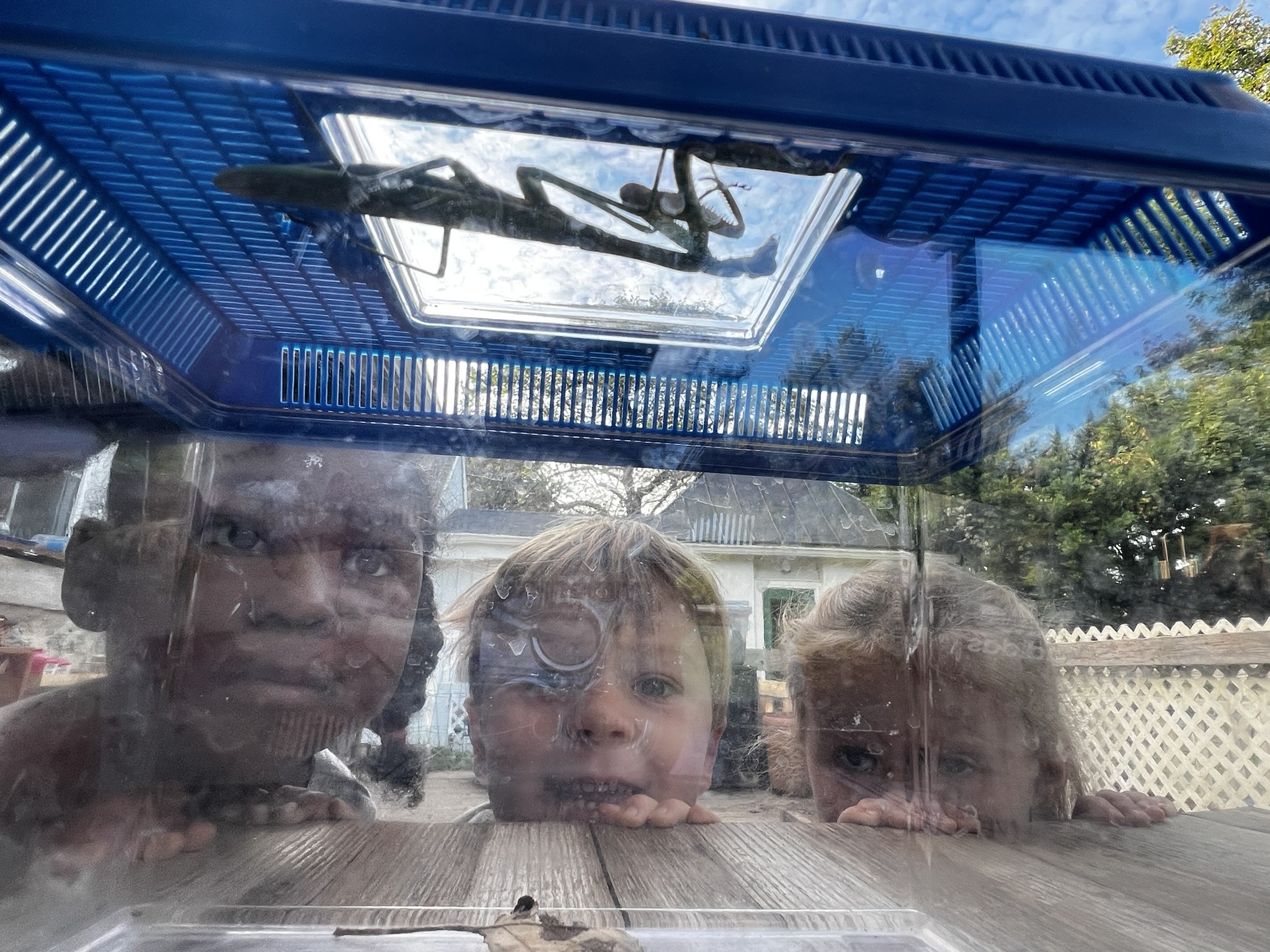
A trip to the symphony for a father and his young son, for example, yields very different experiences for each of them. Adults have the capacity to focus selectively on an object of their attention and tune out distractions. The child has not yet developed this ability and will have a difficult time keeping their interest on the symphony itself. They are likely to remember lots of details about the experience – what the building was like, who was there, what they were wearing, etc. The child absorbs these impressions without any effort on their part. Although they takes in a great number of impressions, they are not always able to access these memories, because they haven’t learned to classify what they are receiving. Dr. Montessori likened this to a closet with no order. Memories are contained within the child’s storehouse of impressions, but they are all jumbled together and cannot yet be useful to the child.
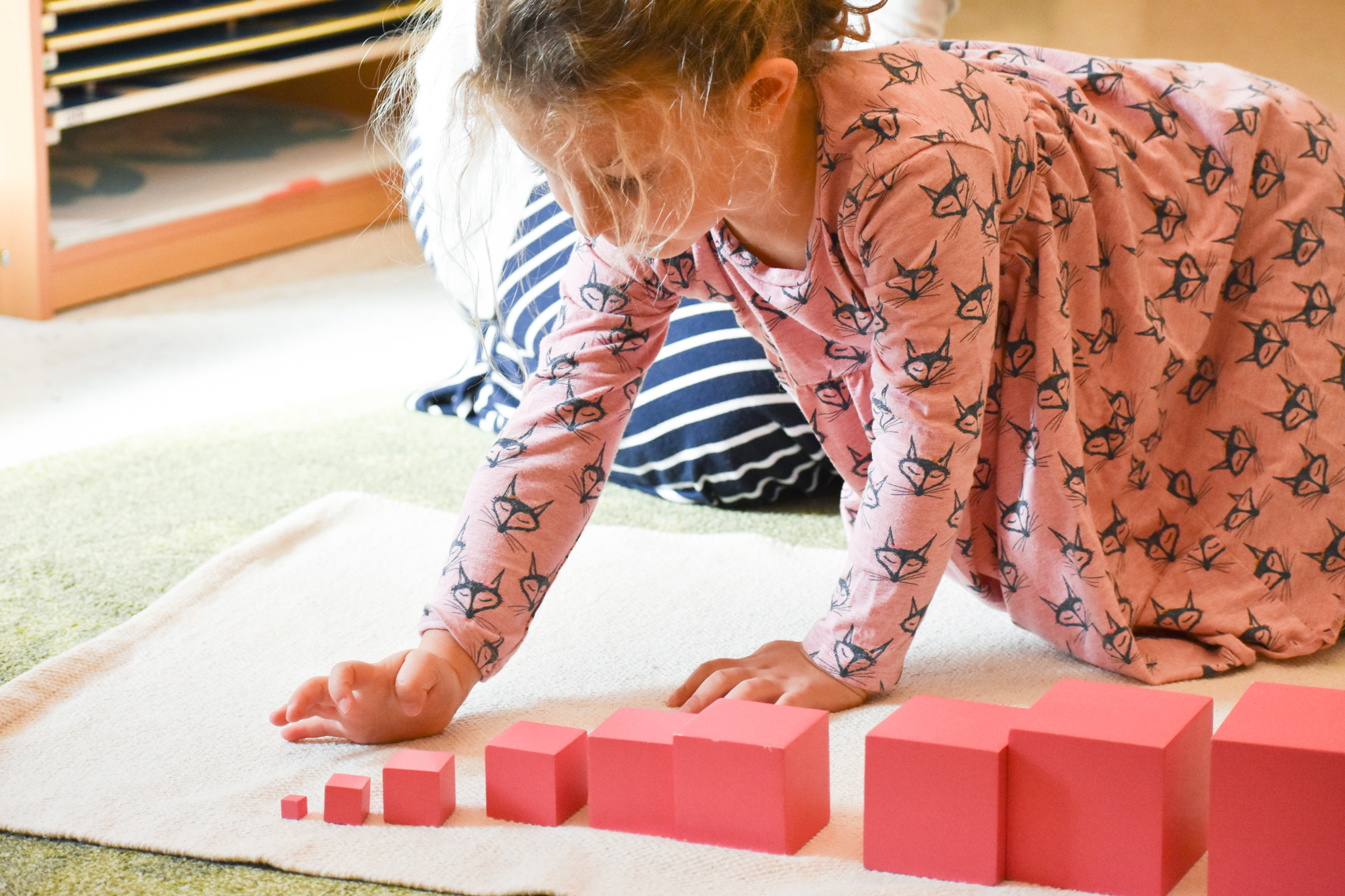
The Sensorial curriculum was developed to support the child in revisiting these early impressions that are collected, and begin to crystallize and refine their thinking about them. The materials themselves appeal to the universal tendencies for work and precision and help the child in achieving these goals. Through their work with the Sensorial materials, they will learn to classify their impressions, and as their consciousness develops, they will begin to build their intelligence. “Our sensorial material provides a kind of guide to observation for it classifies the impressions that each sense can receive: the colors, notes, noises, forms and sizes, touch-sensations, odors and tastes. This undoubtedly is also a form of culture, for it leads us to pay attention both to ourselves and to our surroundings. No less than speech and writing, it is one of the forms of culture which brings perfection to the personality and enrich its natural powers.” (Maria Montessori: Her Life and Work by E.M. Standing, p.183)

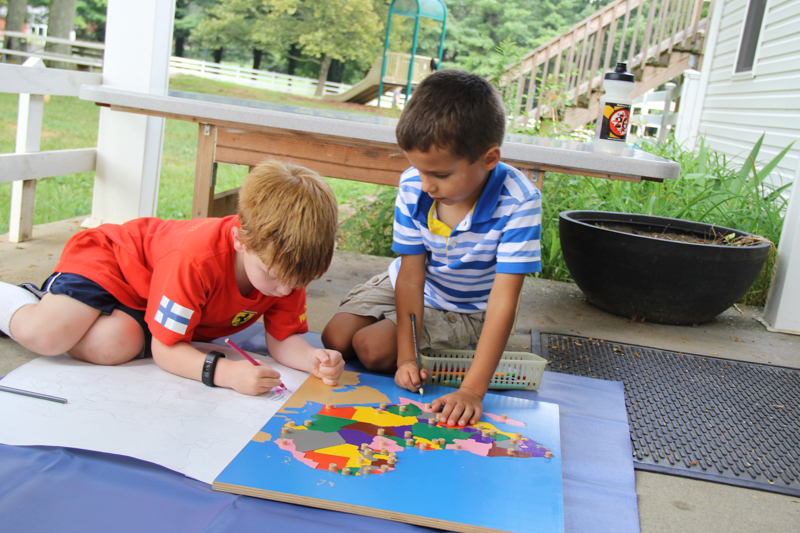
A child of three to six is also a sensory-motor learner. Their mind continues to collect impressions, but they are now greatly influenced by their active experience in the environment. Their hands become the tool of his mind, and his need to manipulate and learn is very powerful.
Dr. Montessori talked a lot about the universal tendencies of men and how exploration and orientation are two of the most powerful drives for a young child. She designed the prepared environment of the classroom to invite exploration and discovery. Through the child’s exploration, they become better oriented to their surroundings and begin to be able to navigate it more independently.
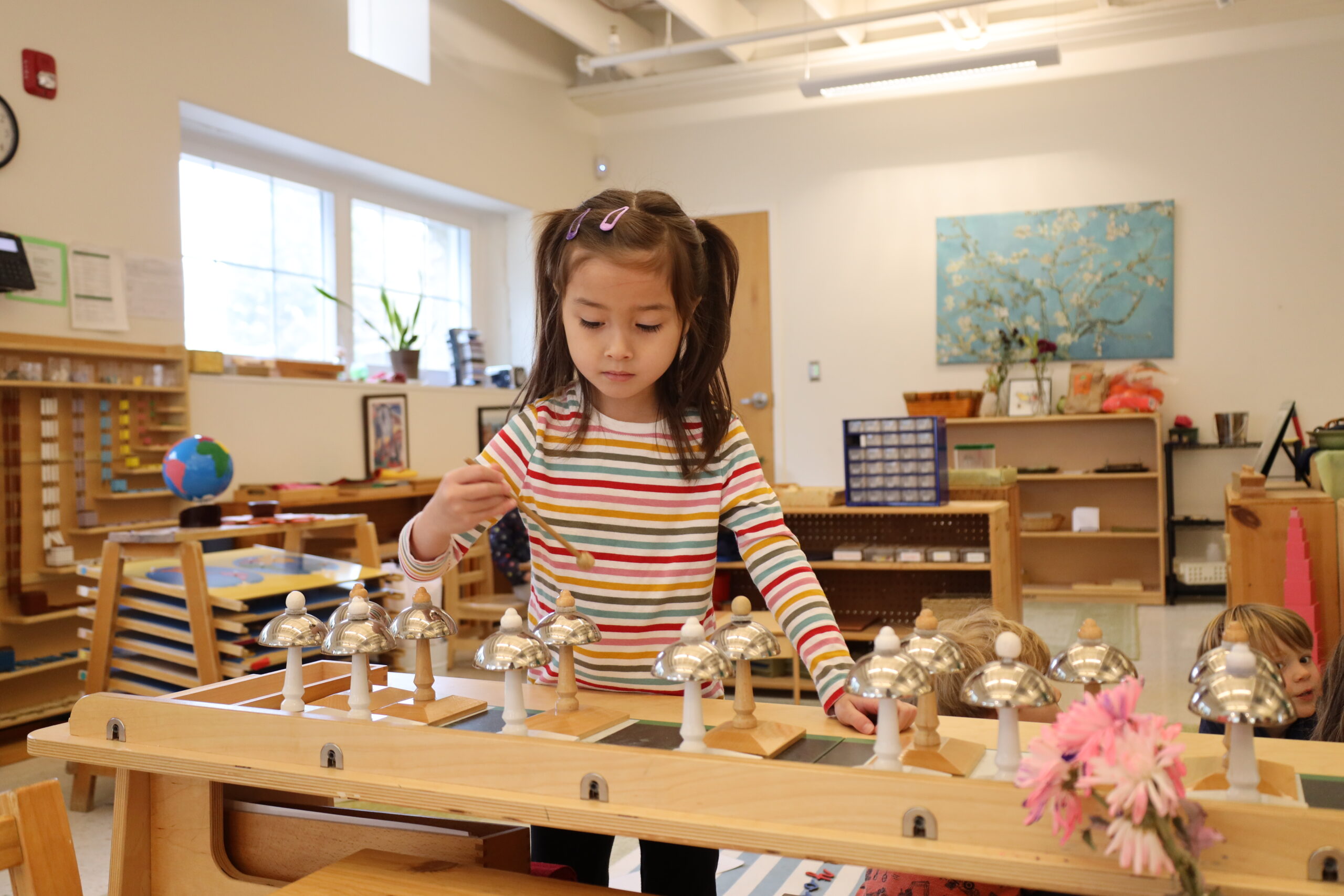
One of the most important lessons that a Guide introduces on a child’s first day in the classroom are listening games that will help the child orient himself to the environment and develop their auditory memory. “The little child’s first movements were instinctive. Now, [they act] consciously and voluntarily, and with this comes an awakening of [their] spirit…. Conscious will is a power which develops with use and activity. We must aim at cultivating the will…. Its development is a slow process that evolves through a continuous activity in relationship with the environment.” (Maria Montessori, The Absorbent Mind, p. 231)
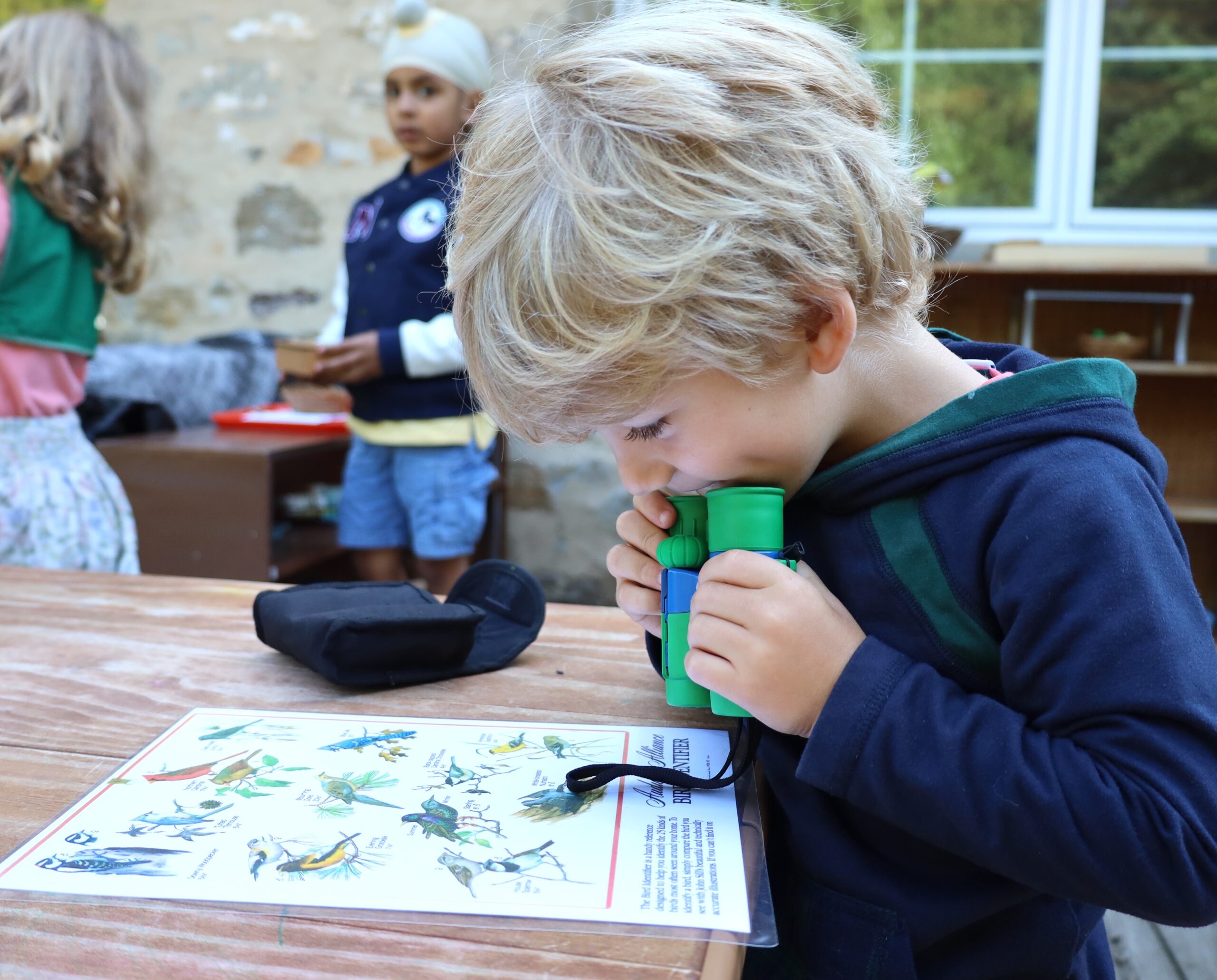
We must take advantage of the child’s tremendous ability to absorb aspects of his environment and their desire to have hands-on experiences in the world around them. For example, we have all seen for ourselves how children from ages three to six have an almost effortless ability to learn new vocabulary. In the Children’s House program, we utilize this sensitivity for language by offering materials to help our children begin to learn more about the world around them. We start by teaching the child how to distinguish between Living and Non-living. From there we teach them how to classify living things into plants or animals. Next, they will learn about the five classes of vertebrates: Bird, Reptile, Amphibian, Mammal and Fish. If a child shows a particular interest in learning about sharks, turtles, or ocean animals, we make sure to include these on our Language shelf. All of these activities are introduced orally through conversations initiated by the Guide. By adding a label to the same Language picture cards, we can also appeal to the older children in the class, who are becoming strong readers.
The role of the Montessori guide is to spark the child’s interest and make sure to provide relevant and factual information to help feed their growing and very impressionable mind.
Learn more about Greenspring Montessori’s Children’s House program.