Developing Rich Language with our Toddlers

Developing Rich Language with our Toddlers

Developing Oral Language - Greenspring Montessori School

Rich oral language is a building block for strong literacy

Learning to be – this is every toddler’s goal. It is both simple and richly complex. Between the ages of 2 and 3, the child is newly aware of possessing their own identity separate from their family, and they are ready to truly be that person, with full independence.

A critical element of this self-realization is the ability to communicate. The toddler is beginning to understand conversational language and they are working to express their own thoughts, experiences, and feelings. They are yearning to label every object in their environment and know every detail of the work they find in the classroom. They are reaching for the words to seek help effectively in moments of struggle. In the Montessori method, we approach the toddler’s sensitive period for learning oral language strategically to help ignite their understanding of language and the world.


Developing Skills in the Toddler Classrooms:

  • Attention
  • Auditory memory
  • Indirect preparation for written language
  • Self-confidence with increased vocabulary
Developing Oral Language - Greenspring Montessori School

Early conversation is essential for child development

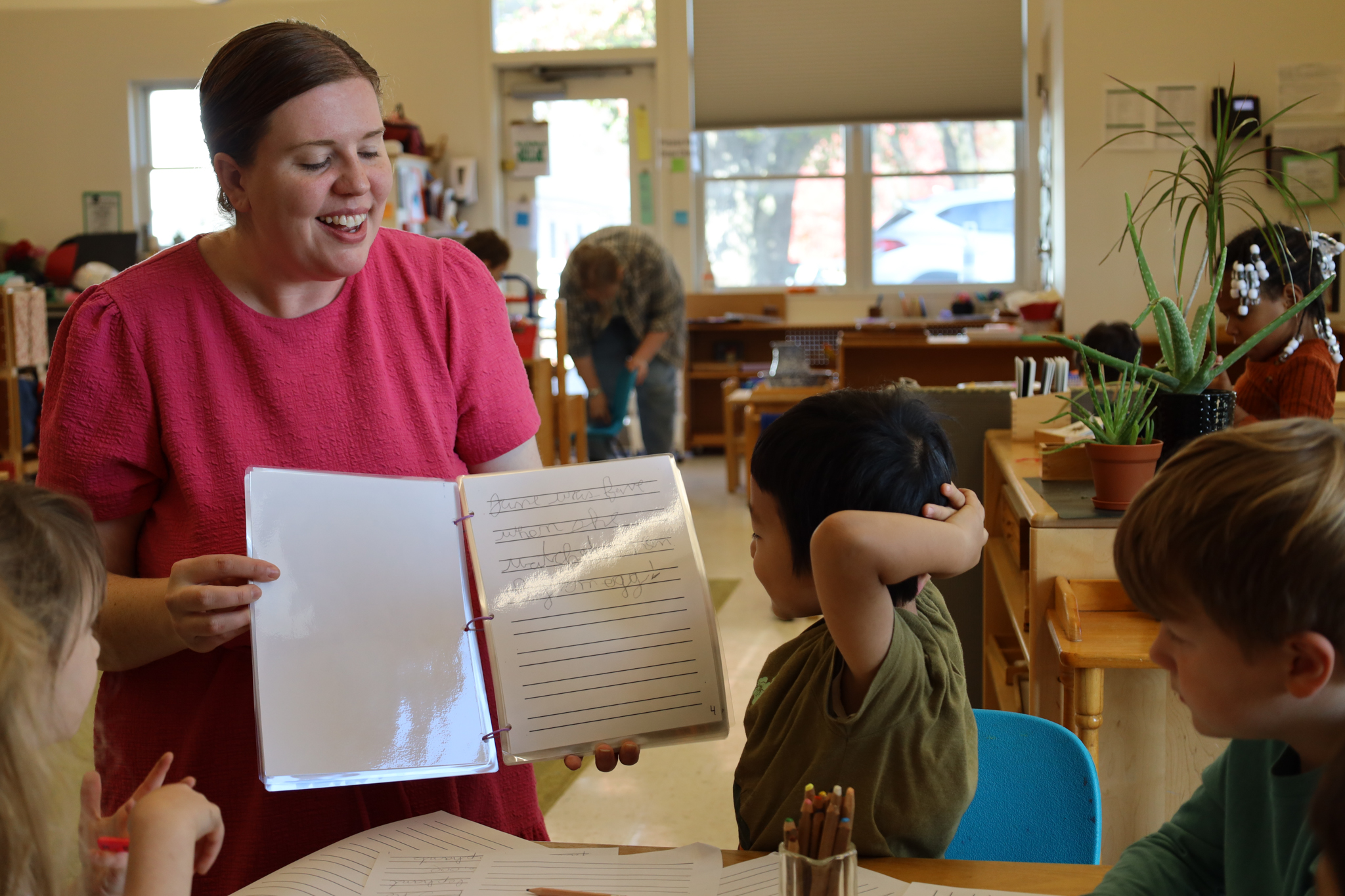
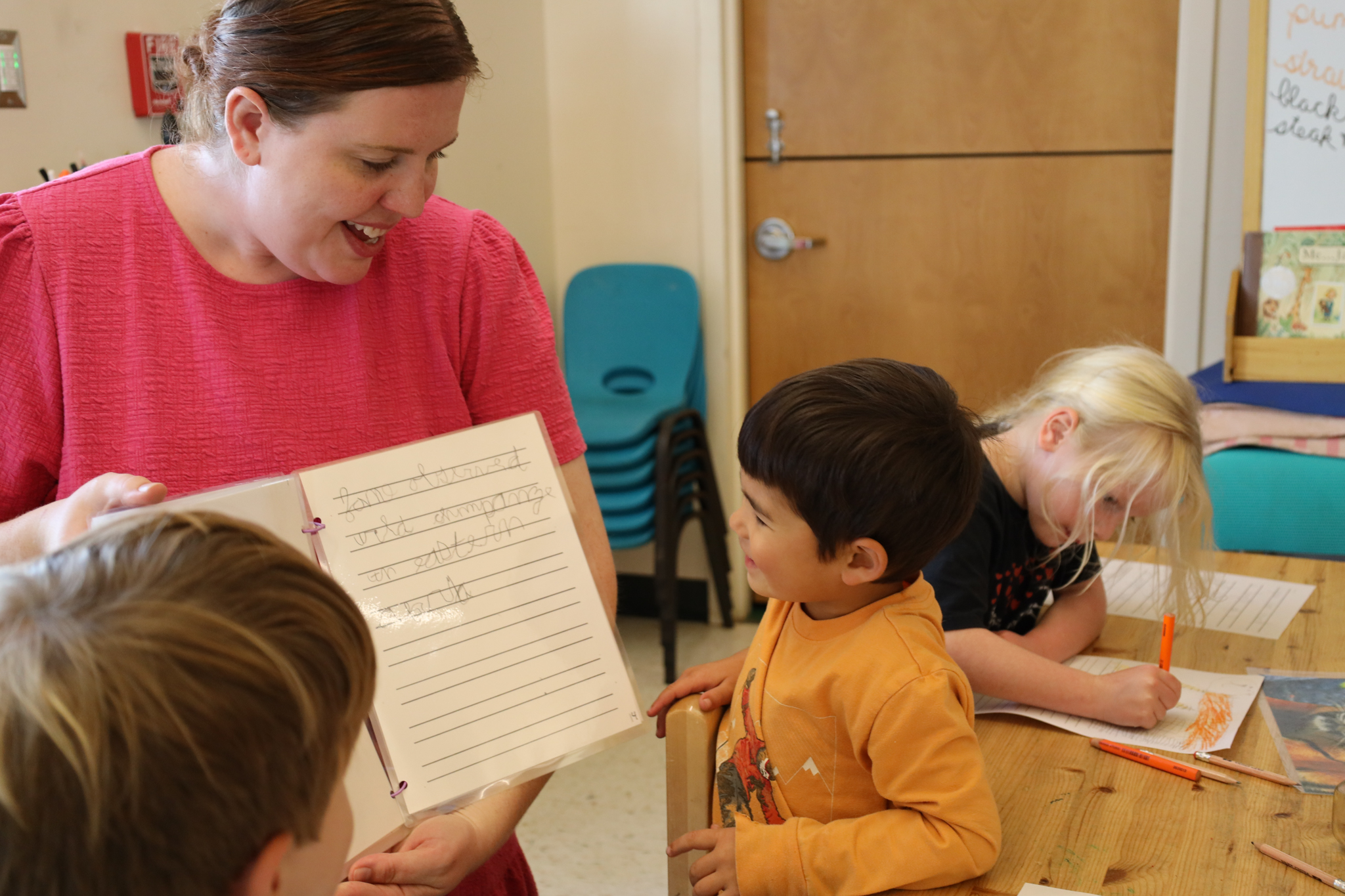
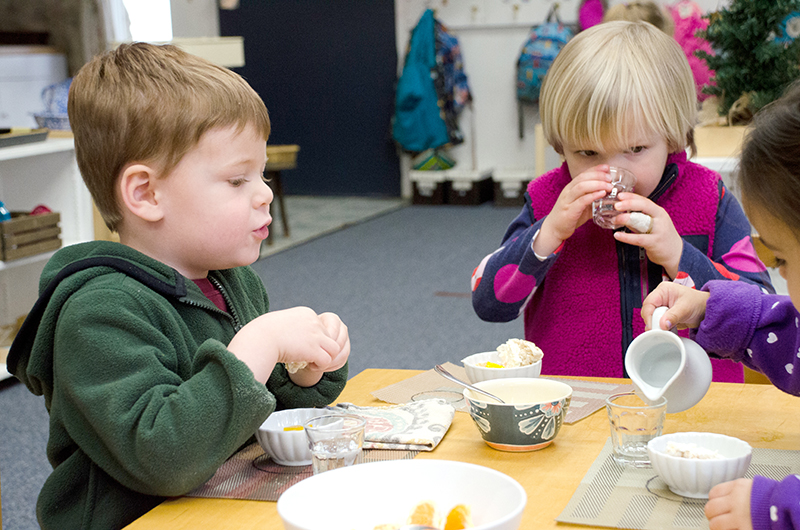
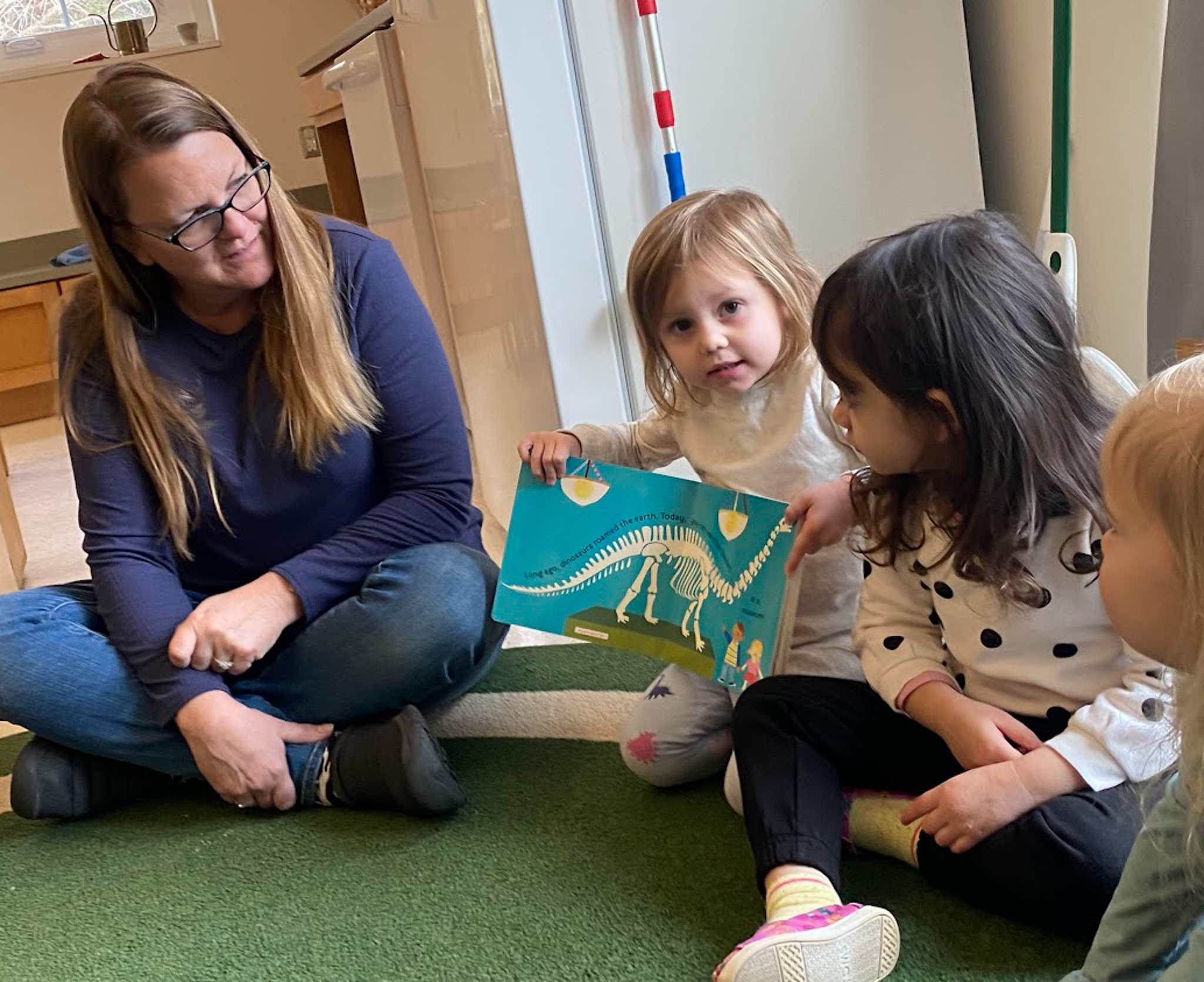
One of the most crucial elements of a toddler’s journey in language is conversation. In Montessori, we believe that the most powerful way to learn a skill is through practice, and conversations provide the ultimate “learning by doing” experience. The conversations that toddlers have with adults in the classroom provide them with richness – the knowledge that they are respected and seen, they feel valued for their opinions and feelings, and an opportunity to practice articulation with someone who can echo words back to them with exact pronunciation. These conversations provide them with a model of conversational etiquette and flow. It is through conversation that the young child learns the confidence to express their heart. Through this process, toddlers learn the functions of conversation—conflict resolution, self-expression, storytelling, clarification, and so on. In the Montessori classroom, we aim to converse with children throughout the morning—upon arrival, between a child’s tasks in the work cycle, and especially at the snack table. Any item in the room, event in our day, or thought from a child becomes a worthy and captivating topic.

Directive vs Expressive Language

Conversations between adults and children are spontaneous and natural in our Toddler classrooms, with the adults focusing on receptive and expressive language. Receptive language refers to what children can understand, such as following directions. Expressive language refers to what they can communicate with words and/or gestures. Adults minimize directive language (e.g., “Put your shoes here. Sit down. Wipe your nose.”) to provide space for meaningful, rich conversation.

Toddler Language Development - Greenspring Montessori School

The gift of music

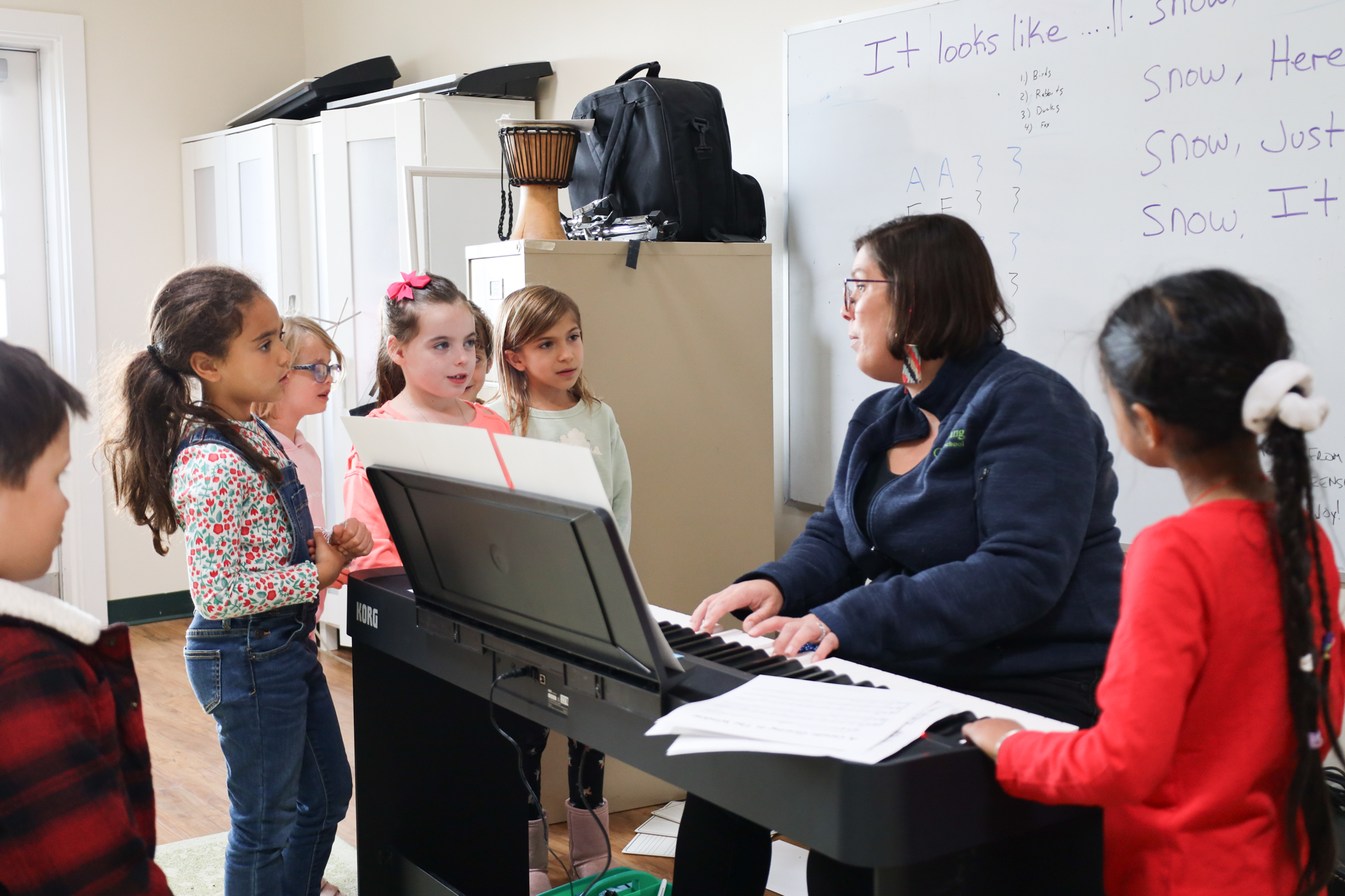
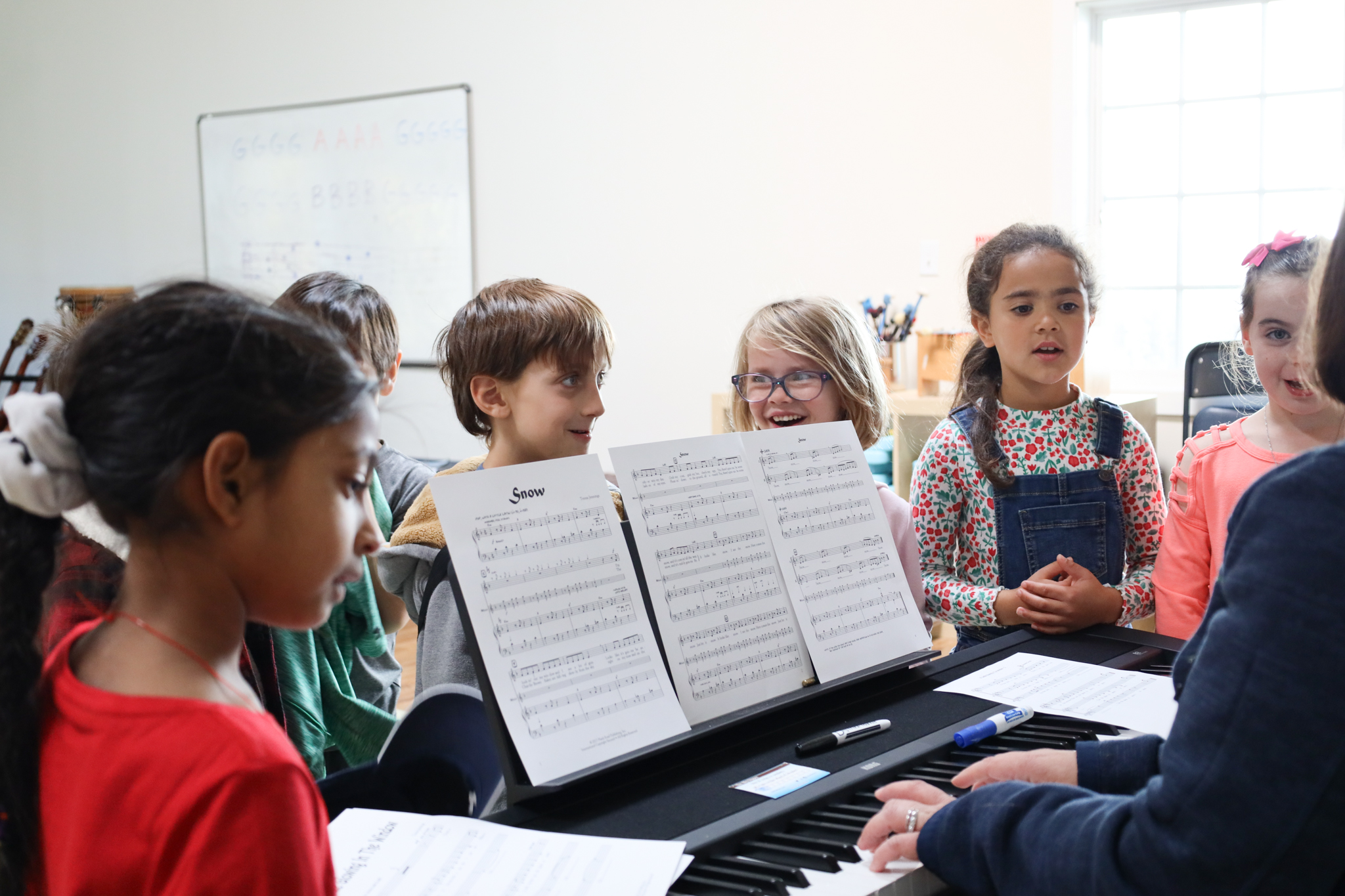
We also use poems and songs to introduce new language to children. Rhythm and cadence can help children hear words more clearly. Poetry and music can also bring concepts to the child’s mind in a manner that connects them with his heart. We often give toddlers the option to sing or review poetry as a group, and these activities are available in the classroom for individual work or lessons.

With all these language tools in his belt, the toddler is ready to take on the world and build himself into the world citizen that he was meant to be. He will take with him all his accurate knowledge, confident self-expression, and the songs in his heart, and will approach the world with compassion and curiosity.

Developing Oral Language - Greenspring Montessori School

Speak clearly and truthfully to the child

Accurate language is another crucial tool for building a toddler into an effective communicator. Children create themselves from the tools they are given, so it is fundamentally important to communicate with children clearly and accurately. As we model speech, we enunciate as precisely as possible, and echo back correct pronunciation of the child’s mispronounced words in natural conversation. Beyond enunciation, we strive to give the child exact names for the elements of his environment and a detailed understanding of his world. In our Montessori environments, we provide children with exact names for every item in our environment, and for each of its parts. Baskets on the shelfs contain unique pictures and objects, exposing the children to new and interesting things.

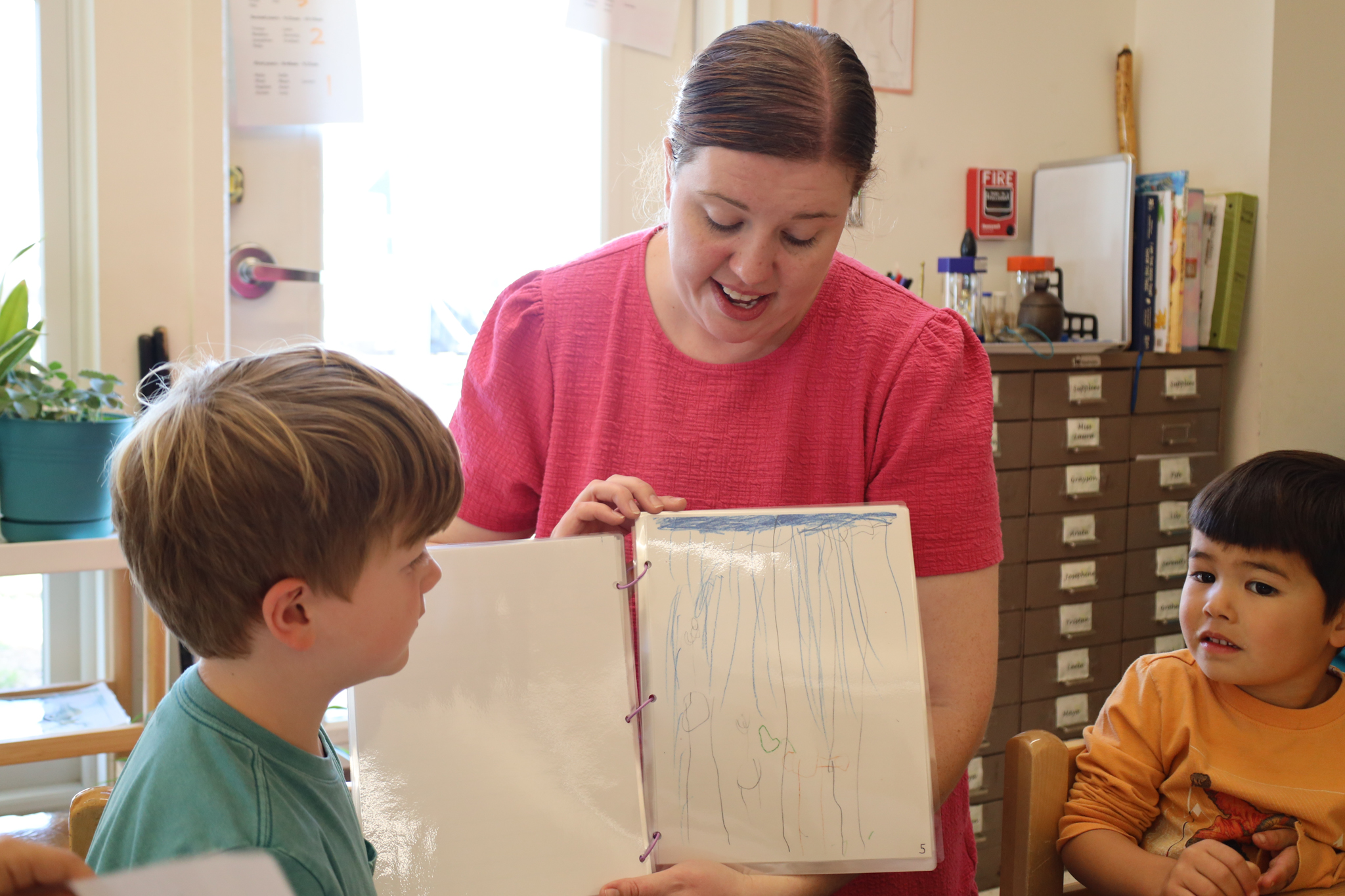
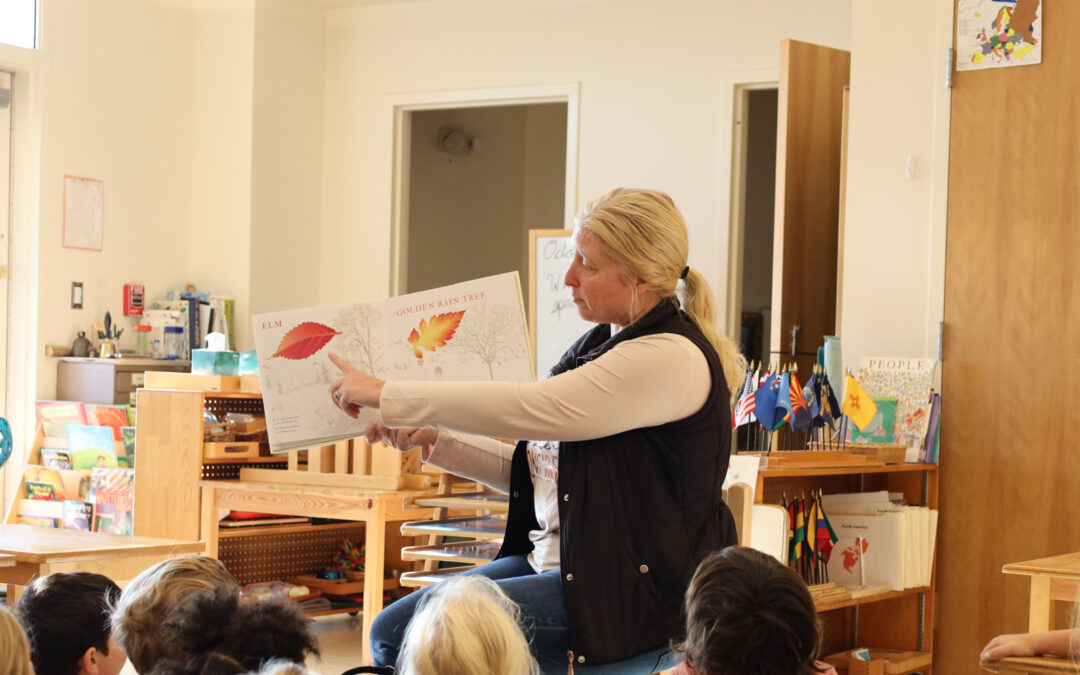
Additionally, true stories give toddlers a unique learning opportunity. They provide details about the world the child would not otherwise have, as well as an understanding of the concepts of beginning, middle, and end. These stories help children understand how life happens in the real world – an understanding that they desperately crave. We also gift children with the opportunity to tell their own stories. Nothing is more beautiful than hearing the story about his baby sister that he is bouncing in to tell us. Storytelling is a daily part of our community life, and anything can serve as inspiration, from our family and friends to our breakfast.

Toddlers have a need to understand the world, and part of that is learning to differentiate between facts and opinions. In our classroom, we introduce both concepts on a daily basis. We let the child know that the details provided in lessons are facts, and ask them what they think of pictures in books. We help them understand the difference between those true details learned in lessons and the opinions that are expressed.

Developing Oral Language - Greenspring Montessori School

Learn more about our Toddler Program

Our Toddler Montessori Program serves children ages 18 months to 3 years at Greenspring Montessori School. Click here to learn more.

New Books in our Library – Fall 2023

New Books in our Library – Fall 2023

We are happy to share some of our newest books in the Library! Did you know that the school purchases hundreds of new books each year to grow and refresh our collection? These books are funded by generous contributions to our Birthday Book Club, Fund-a-Need, and proceeds from our Scholastic Book Fair! Thank you to all who support the Greenspring Library.

A Planet Like Ours by Frank Murphy

Our planet Earth is as individual and special as each one of us. It’s ability to sustain and nurture life is unique in our solar system–and beyond. In this book, celebrate all the wonderful, miraculous, astounding qualities of our Earth while learning how to protect her for future generations. Afterall, “If not us, then who?” From award-winning author Frank Murphy and Here Wee Read blogger, Charnaie Gordon.

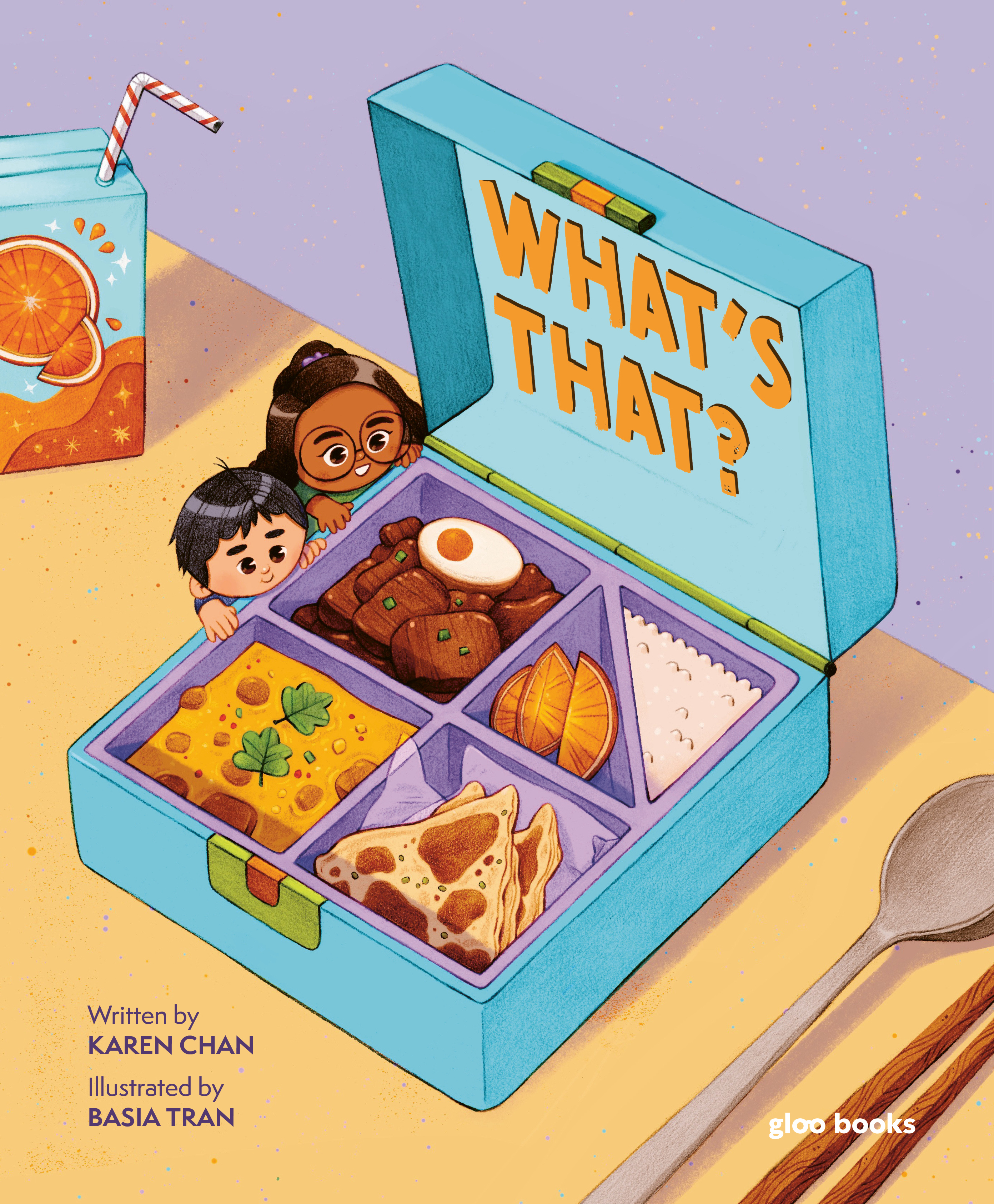
What’s That? By Karen Chan

Jax loves the food his family cooks. But when his grandmother packs his favorite Chinese dishes for his first day of school, Jax discovers his lunch looks very different from what the rest of his classmates are eating. Embarrassed to eat his food, Jax finds himself sitting alone. When Meena sits next to him, the two strike an unexpected friendship over their lunches, sharing a mutual joy of time spent in the kitchen and the delicious meals they eat with their families. What’s That? is a heartwarming story about the foods that make up who we are and how the meals we eat can bring us together.

Silence by Nivola Uya

Silence visits me at the riverside. Then he hides. What if I can spot him between the waves of cool water? Or does he rest in the high mountains? Maybe inside the trees? What if I could go find him?

A quiet river, a special girl’s gaze and the wise natural world invite us to listen soundlessly to what cannot be heard. The illustrations with paper cutouts and candy lighting create a symbolic adventure between dream and reality.

Making Happy by Sheetal Sheth

When Leila’s mother gets sick, lots of things change for her family. But one important thing stays the same: they still have each other, and they know how to find joy and laughter when they need it most! The poetic, uplifting story and hopeful ending are based on the author’s own experience battling cancer as the parent of young children.

Together with You by Patricia Toht

For one grandmother and grandchild, keeping dry in spring showers is easy when dashing through the drops side by side. In summer they stay cool with a squirt of the hose, then savor frozen treats in the shade. In autumn, snug in sweaters, they fly a kite while leaning into each other against the wind. And winter finds them nestling under blankets, sipping cocoa and watching the snow quietly fall. Narrated as a kind of love letter from a young child to a grandparent, this picture book pairs Patricia Toht’s safe, tender text with gentle art from Jarvis that meets it at every turn. An ideal gift from grandparent to grandchild (or the other way around), this charming story makes it clear that “no matter the weather, whatever we do, every day’s better together with you.”

Pond by Jim La Marche

When Matt is out for a late winter hike he sees a trickle of water in the old deserted and junk-filled dirt pit at the edge of his neighborhood. With quiet appreciation, Matt can imagine the pond that must once have been there, shining in the early spring light, freezing in the winter for skating, and the perfect place for swimming in the summer.

Can Matt’s discovery transform a forgotten pond into its natural wonder? With his idea of making the pond whole again, Matt rallies his friends, Katie and Pablo, and together they work through the spring, clearing debris, moving rocks to hold the water, and looking for leaks. But would there be enough water to fill the pond? Can they bring the pond back?

The Book About Turtles by Sy Montgomery

Everyone loves turtles. And no wonder: long-lived, unhurried, and ancient, these shelled reptiles are fascinating.

Turtles are also endlessly surprising. There are turtles with soft shells, turtles with googly eyes, turtles with necks longer than their bodies, and turtles whose shells glow in the dark!

And each turtle, of each of the more than 300 kinds, is an individual. You’ll meet some of them here: Lonesome George, the last of his kind on Earth. And Myrtle, the 90-year-old green sea turtle, who has more than 7,000 followers on Facebook.        

What questions might you ask a turtle? You’ll find many of the answers in this gorgeous compendium—and perhaps be inspired to help at a time that these reptiles, who evolved at the same time as the dinosaurs, face the deadliest dangers of their more than 380-million-year history.

Wild Colt by Lois Szymanski

Join a wild colt as he follows his herd through long summer days in the wetlands of Assateague Island. Light, rhyming verses and beautiful oil paintings carry the reader along, sharing the sights and sounds these famous ponies experience daily. See the colt run along the ocean, buck and kick, chase mosquitoes, and eye turtles and deer at the water hole. This picture book introduces the reader to the life of a Chincoteague pony colt in his coastal habitat beginnings until he is rounded up during the famous wild pony auction and Pony Penning on Chincoteague Island. Educators can bring the wild colt experience into the classroom with the included wildlife identification guide, discussion topics, and facts about wetlands.
2023 Harvest Festival at Greenspring

2023 Harvest Festival at Greenspring

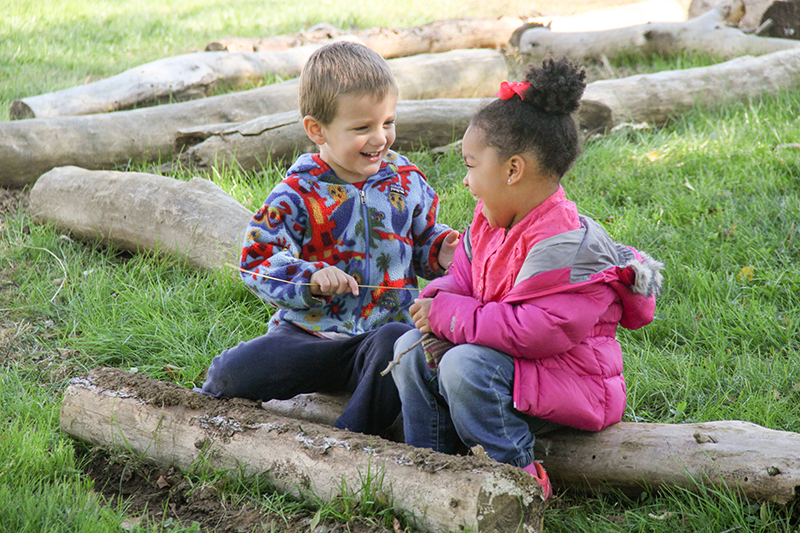
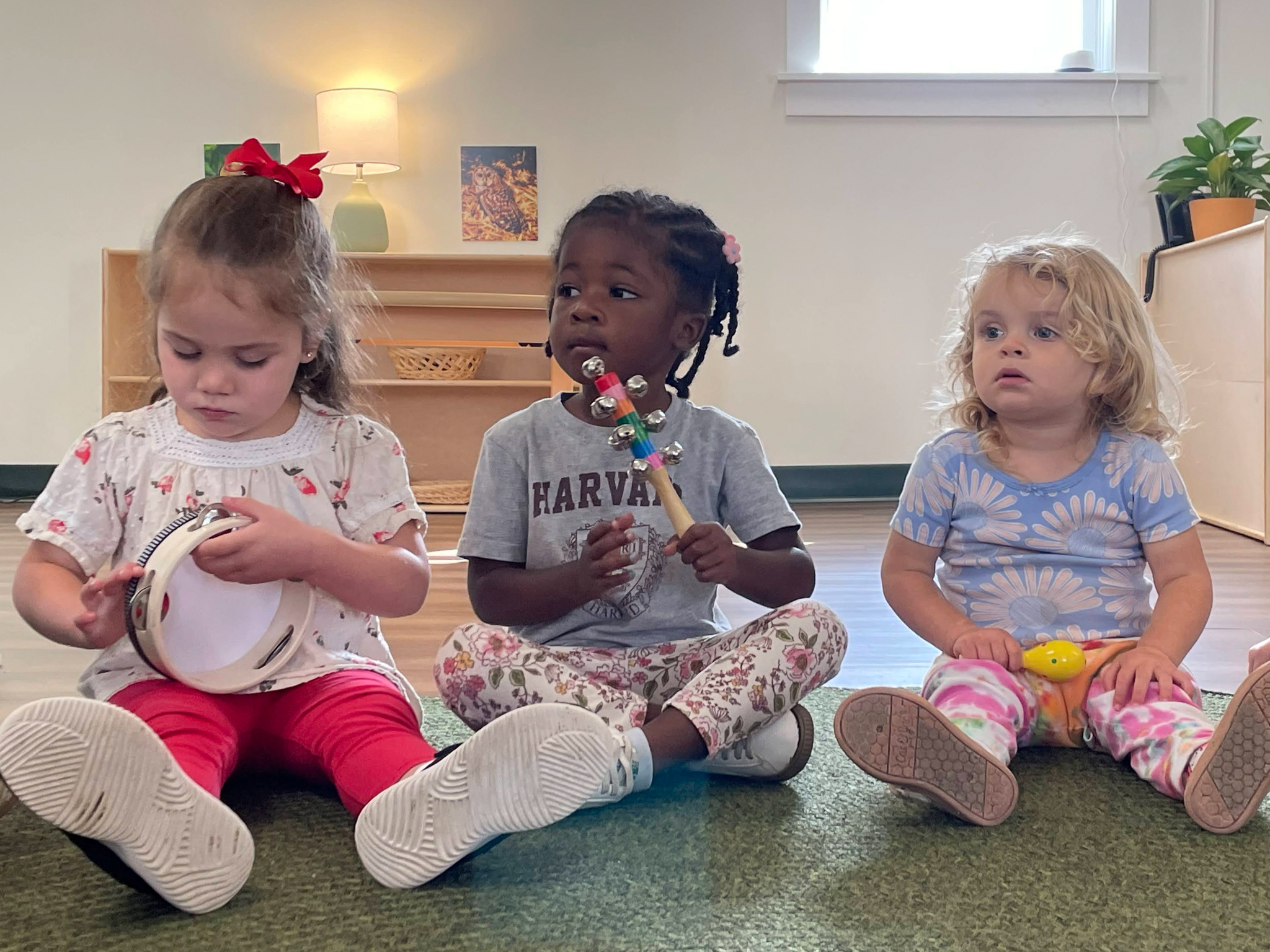
Thank you to everyone who attended our Harvest Festival this weekend! We hope you had a wonderful time. Children and families enjoyed a haunted house, bounce house, fire trucks, games, crafts, face painting, music, and more! Enjoy photos from the Harvest Festival below. 

Events such as the Harvest Festival are made possible because of our amazing parent and staff volunteers. Thank you to everyone who donated your time to set up this event, prepare food, and donate to our many events this week!

Centering the Spirit of the Child

Centering the Spirit of the Child

Dr. Maria Montessori dedicated her life to nurturing and supporting the child’s understanding and love of themselves, their community, and the Universe. Her mandate calls on us as parents and educators to provide rich and meaningful opportunities for each child to come to deeply know and understand themselves, providing them a meaningful connection to their spirit and to their own unique path and contribution to our world. She shared compelling words on the importance of love in understanding our own humanity:

“Love is more than the electricity which lightens our darkness, more than the etheric waves that transmit our voices across space, more than any of the energies that [one] has discovered and learned to use. Of all things love is the most potent. All that [one] can do with their discoveries depends on the conscience of [the one] who uses them. This energy of love is given to us so that each shall have it in [themself].” 

Yes, love is the most potent, and what better way for us to support our children and families in experiencing and expressing love than to center the spirituality of the child? Spirituality provides the window for our souls to connect deeply with ourselves, others, and the Universe at large. Spirituality requires introspection, gratitude, self-awareness, and reflection, providing us access to the deepest part of ourselves and each other. Spirituality is a pathway to love.

The terms spirit and spirituality are often associated with religious practice. Our endeavor is not a religious one. Instead, this is about centering the child’s spirit – the life force within themself that connects them deeply to others and the Universe as a whole – as part of their whole being. We can not fully serve or know the child without acknowledging and fostering their spiritual self as a critical and foundational element of their being.

Breaking it Down
Our work is guiding the child through the exploration and practice that provides them the opportunity to nurture, develop, and honor their spirit. Needless to say, this is no small undertaking. As we venture more deeply into this work, we will be focusing on four areas:

Spiritual Preparation of the Adult

This may be the most important component of centering the spirit of the child. Each adult in the child’s life is a powerful role model. Establishing daily habits that support an inner harmony and understanding of ourselves provides adults a greater capacity to nurture peace for our children. Our own cultivation of a peaceful inner life provides a strong foundation for bringing kindness and respect to each interaction with the children, and elevates and inspires our own spirits, as well.

In the weeks leading up to the start of school, our staff community focused on their own spirituality and began stepping into their own spiritual preparation as adults. This work will continue throughout the year. Please click here for a list of recommendations that we have shared with our staff that also can support families and children.

Self-Awareness and Mindfulness

Science shows that mindfulness is a gateway to spiritual discovery for children and adults alike (Lisa Miller). Watching infants and young children, we see that they are inherently mindful: bringing their full attention to each moment and being alert to the life around them. Yet often as we age, our focus on the future can prevent many of us from experiencing the fullness of the present – and really the fullness of life overall. At the same time, when we dwell on our past we also struggle with being present. Being fully present must be a priority for faculty, students, and families – and requires focused attention and daily practice.

Social Emotional Learning (SEL)

Social Emotional Learning are the skills and tools which allow us to be able to develop healthy relationships with others. This skill development begins at birth and continues over our whole lives. If children are given opportunities to learn to identify and understand their own emotions as well as recognize and empathize with the emotions of others, their ability to connect and have healthy, vital relationships is fueled for their lifetime.

When we can connect deeply with ourselves and the Universe through our spirit, we care to elevate the world and all its living things. Spirituality gives us a means to learn our purpose and SEL provides us with the ability to share that purpose with the world.

Meaningful Connection with Nature and Appreciation for Life’s Interconnectedness

What an amazing and awe-inspiring revelation that we are all a part of a magnificent web of life; you and I are connected to every bacterium, every spider, every tree, every star, and every human. Cosmologist Brian Swimme wrote, “Our ancestry stretches back through the life forms and into the stars, back into the beginnings of the primeval fireball. This Universe is a single multiform energetic unfolding of matter, mind, intelligence and life.” Dr. Swimme reminds us that we are not the rightful rulers of the Universe, rather we are in an energetic community with all.

This is what Dr. Montessori asked us to teach to our children and what is amazing is now science is showing us over and over that humanity needs nature – and the profound impact nature has on our young people. It shows that nature regulates and grounds us — and lifts our spirits, nurturing our sense of awe and wonder.

Our commitment at Greenspring is that each child and adolescent has the opportunity to connect deeply with nature and understand the interconnectedness of all living things. How can we awaken and nurture each child’s profound connection to all the Universe’s creatures and creations– supporting them in their love of nature and gratitude for all its gifts?

Research coming out now points to the desperate need for this work for our children, our adolescents, our families, and our planet. I am linking a thought-provoking video of Lisa Miller, PhD, a psychologist and professor at Columbia University Teachers College, here for you. Dr. Miller helps us understand the current research around spirituality, the brain, and our overall mental health. Definitely worth your time! Dr. Miller also wrote The Awakened Brain: The New Science of Spirituality and Our Quest for an Inspired Life, which I referenced in this email, and The Spiritual Child: The New Science on Parenting for Health and Lifelong Thriving – which I highly recommend for all parents. In this email, I also referenced the book Barefoot and Balanced: How Unrestricted Outdoor Play Makes for Strong, Confident, and Capable Children by Angela Hanscom.

In Closing
Much of this work is inherent in the Montessori method of education and has already been in place at Greenspring. Yet now we are digging in more deeply, supporting the staff in their own spiritual preparation and integrating training in these four key areas to meaningfully support this important work with our staff, children, and families.

We welcome your partnership in this important work. We are, as ever, better together!

Outdoor Education this September

Outdoor Education this September

Our children and adolescents have been deeply immersed in nature during the first month of school. From our youngest children working and exploring the outdoor environments to our Elementary and Adolescent students venturing off campus for field trips and overnight trips, there is so much happening at Greenspring!

Our focus this year is the Spiritual Nature of the Child and we are supporting our children with beautifully prepared outdoor environments and opportunities to engage with nature. Click through the photo galleries below to see photos and learn more about this big work!

Toddlers

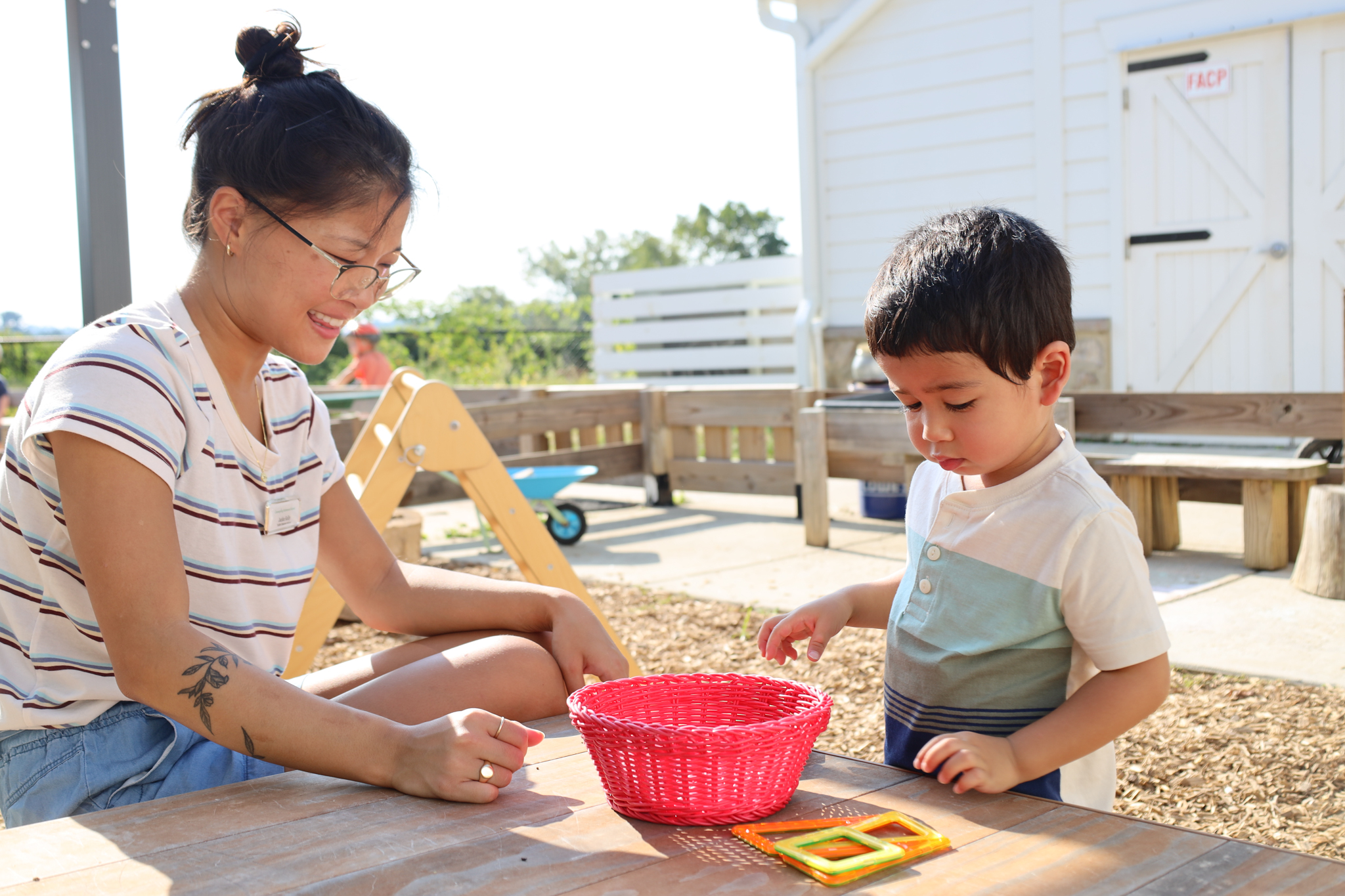
Our Toddlers have been exploring their classrooms and outdoor environments with all of their senses. Guides and Assistants carefully model how to use the materials and the children eagerly soak in new experiences.


Children’s House

In Children’s House, our students have been enjoying the gifts of the outdoors. This year, our Children’s House Naturalists introduced sit spots – a place where the child can sit for five minutes away from distractions to observe nature and enjoy time in quiet reflection. Sit spots are a way for our children to try out a new way to enjoy the world around them – observing the sights, sounds, smells, and touch of the natural world. 

In addition, our children have enjoyed the classic activities of the outdoor environments – working with manipulatives, gardening, reading stories, and fine and gross motor play.

Elementary and Adolescents

Our Elementary and Adolescent students have been exploring the natural world of the greater Chesapeake Bay watershed. Along with their work in the outdoor environments, Lower Elementary students recently traveled to Marshy Point Nature Center for a field trip to hike and explore. The children loved seeing and learning more about the creatures who live in the Bay watershed. Seeing the Monarch caterpillars and chrysalis was certainly a highlight!

In Upper Elementary, the students visited Echo Hill Outdoor School for an immersive three day trip. They had the opportunity to explore the Chester River by boat, complete a ropes course, and enjoy many team-building activities. See photos and learn more about their trip here

Our Adolescents have been working on campus to prepare the new rain garden and sensory trail for our younger students. They have also been harvesting tomatoes from our gardens to create various dishes before the end of the season. In Art and Physical Education enrichment, they also have ventured off campus to visit Sherwood Gardens to sketch and Oregon Ridge Nature Center to hike.

What’s Next?

We look forward to sharing the many ways that our children and adolescents explore the outdoors this year. Stay tuned for more updates this fall. 

Celebrating the International Day of Peace with our Dual Language Community

Celebrating the International Day of Peace with our Dual Language Community

On September 21, 2023 children and staff at Greenspring Montessori School celebrated the International Day of Peace. Established in 1981 by a unanimous United Nations resolution, Peace Day provides a globally shared date for all humanity to commit to Peace above all differences and to contribute to building a Culture of Peace.

Peace is what every human being is craving for, and it can be brought about by humanity through the child.”

– Dr. Maria Montessori

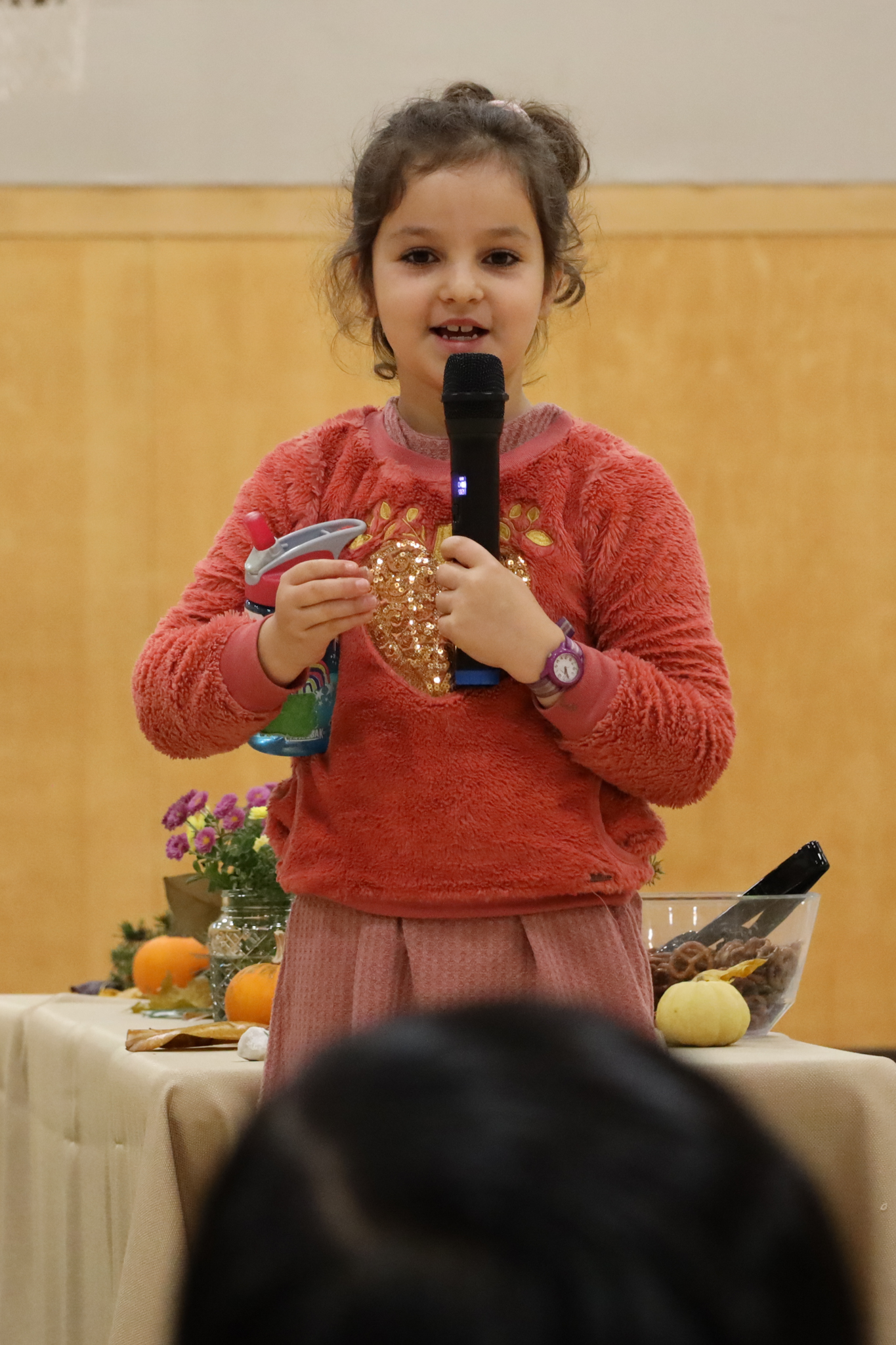
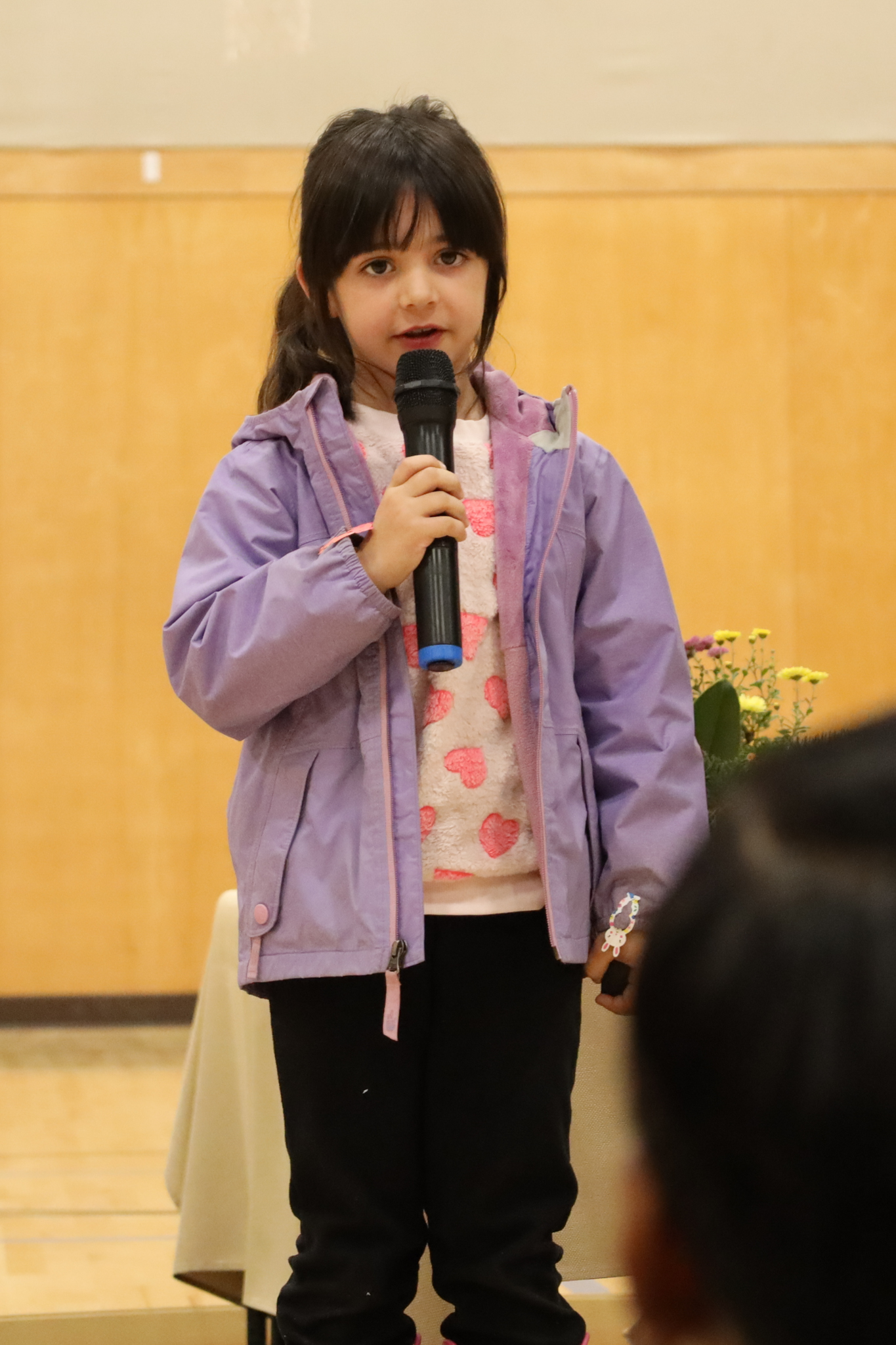
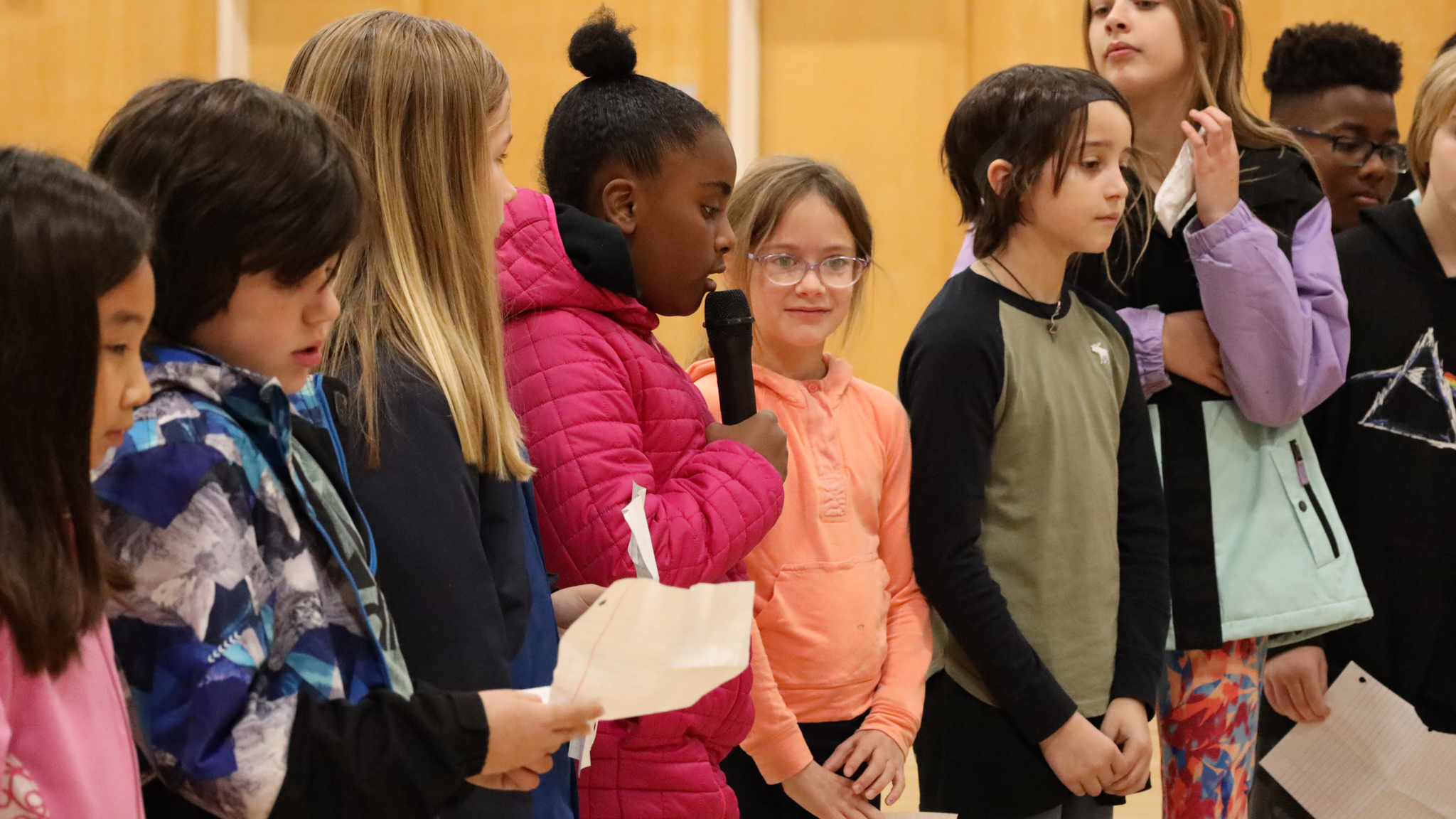
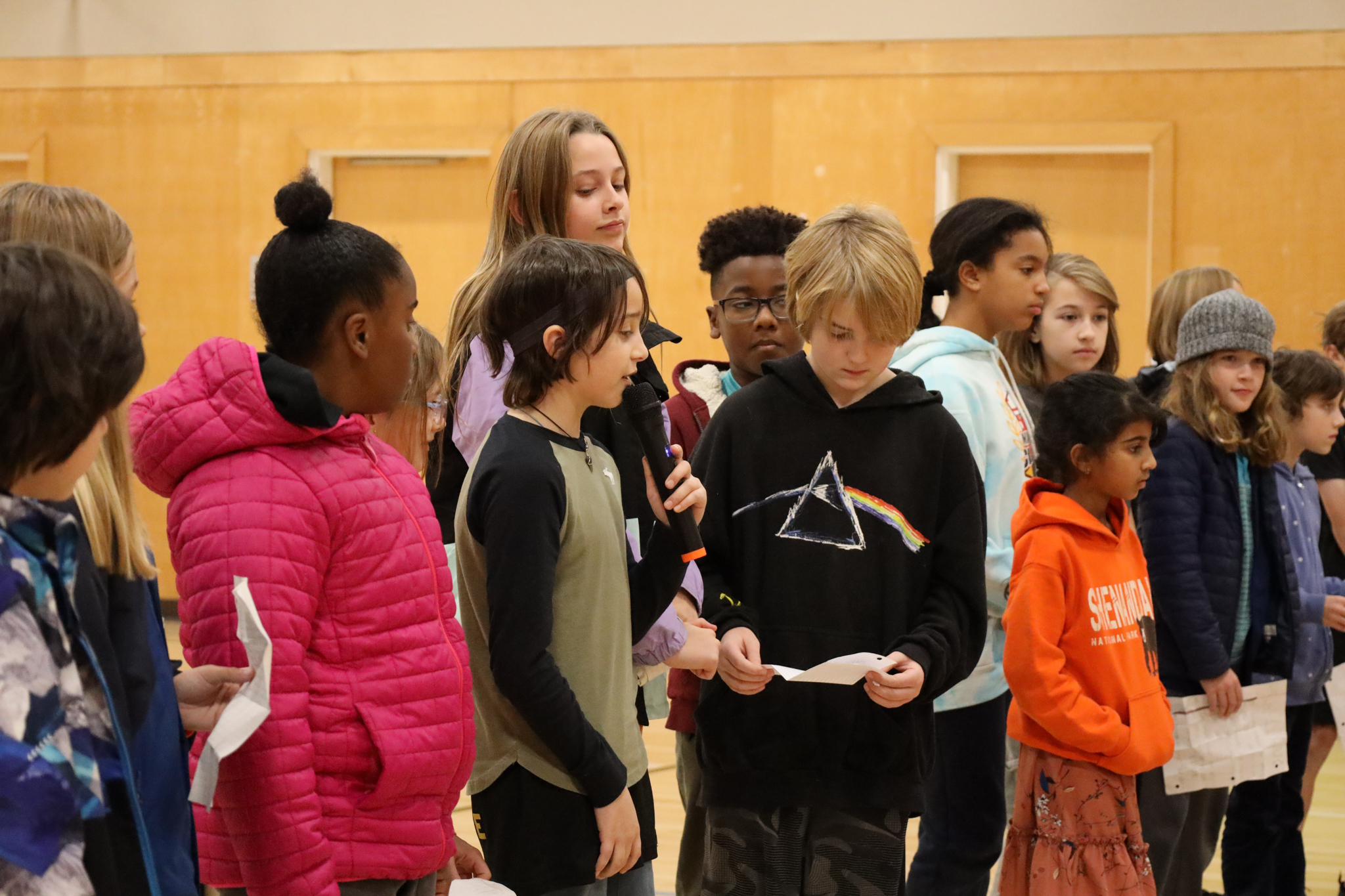
Together we celebrate the International Day of Peace, or el Día Internacional de la Paz as we refer to it in our Spanish Dual Language classes. Children joined together to celebrate this special day with music and wishes for peace. They sang songs including “Paz Como Río/Peace Like a River” and “Paz y Libertad/Peace and Liberty”. Our Toddler, Children’s House, and Lower Elementary classrooms made peace doves and pinwheels that they displayed on a parade around campus. Lower Elementary students also reflected about the meaning of peace. Enjoy photos of this special day below.

As Dr. Montessori so eloquently wrote, “…an education capable of saving humanity is no small undertaking.” Needless to say, this undertaking requires an unwavering commitment to children and their development into their full potential and self-understanding. Thank you to each and every one of you for your deep dedication to our children, our families, each other, and our school community – and to the creation of a better world. YOU are making the world a better place!