The Peaceful Gift of our Montessori Classrooms

The Peaceful Gift of our Montessori Classrooms

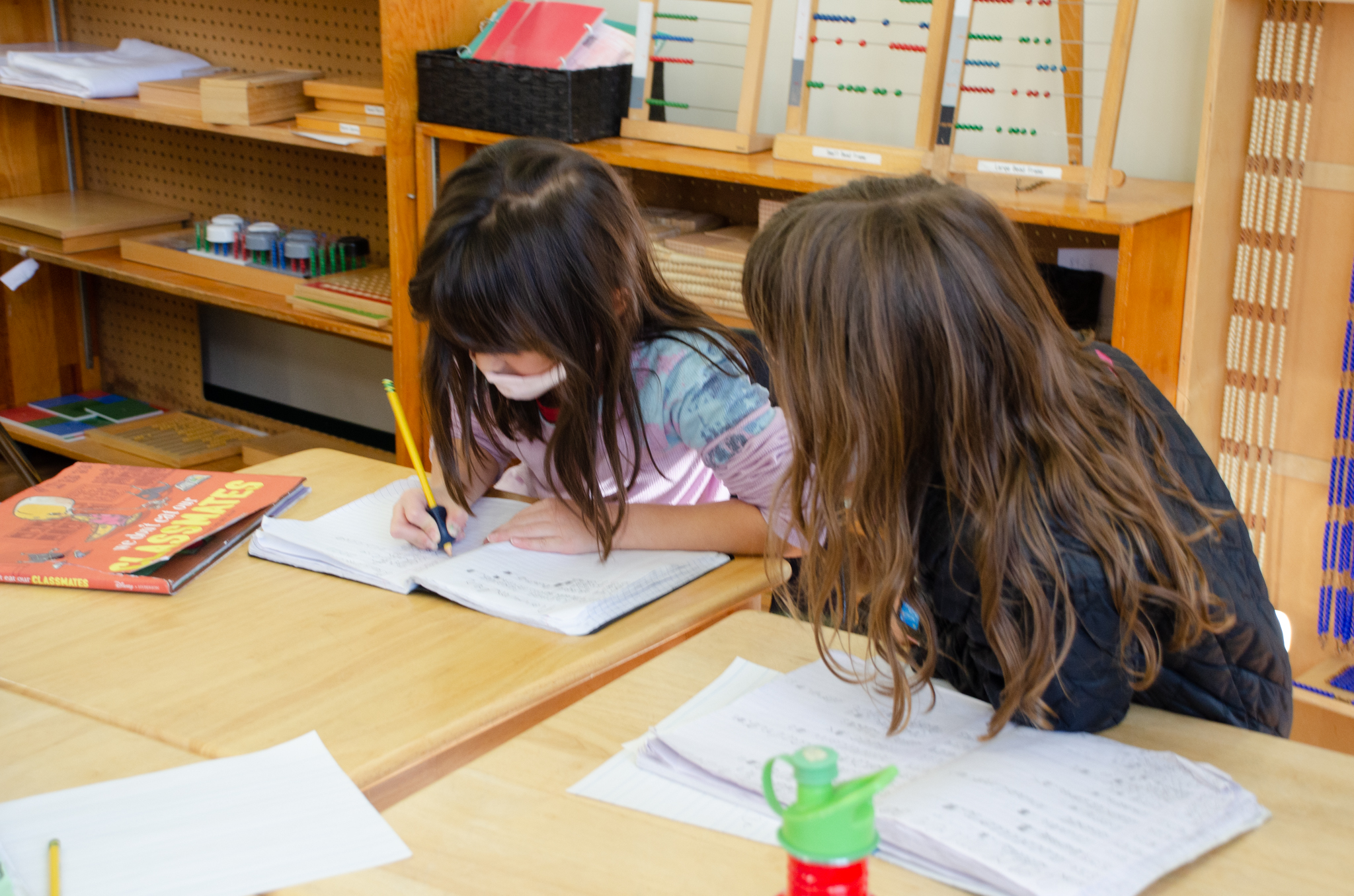
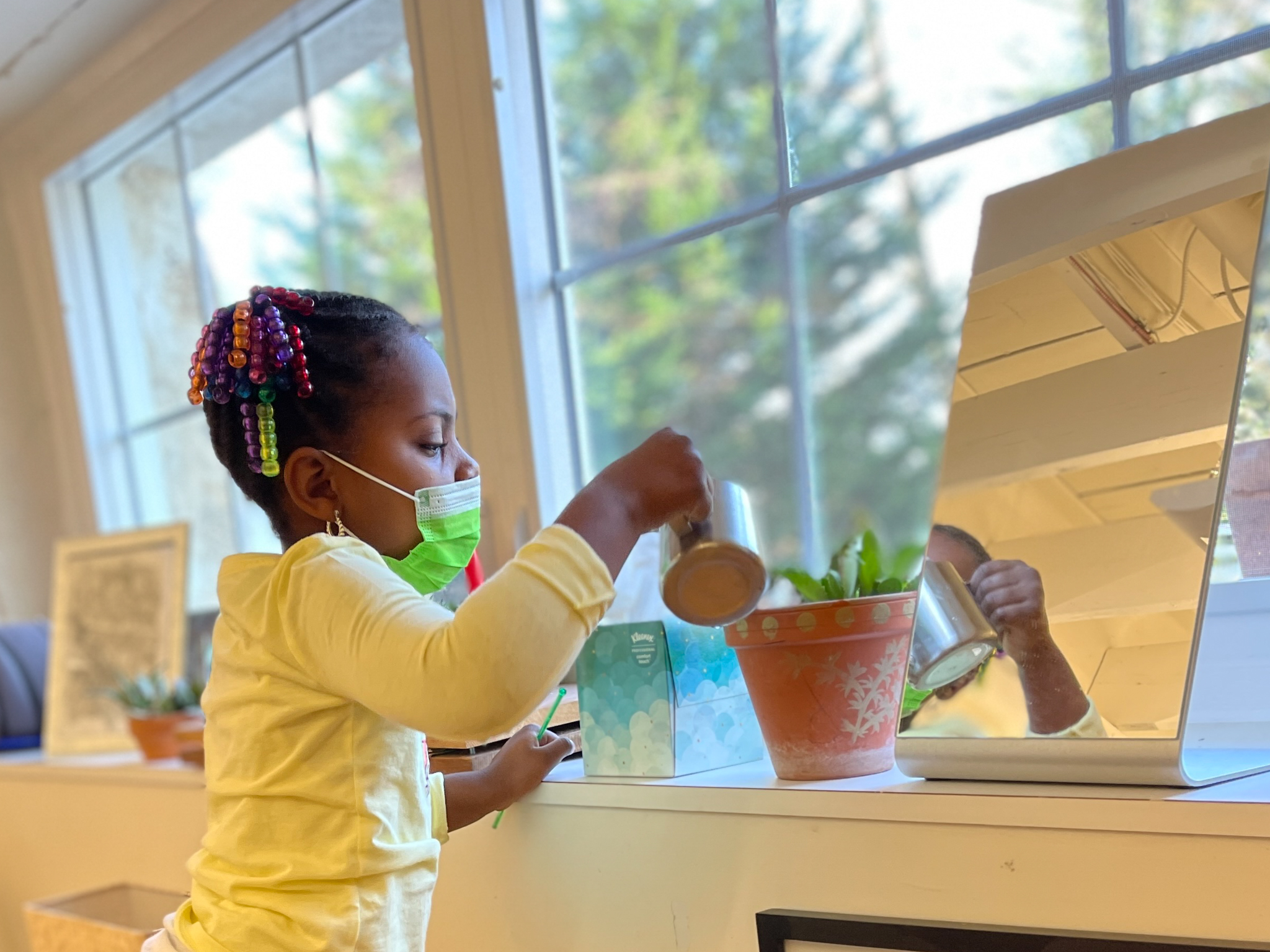
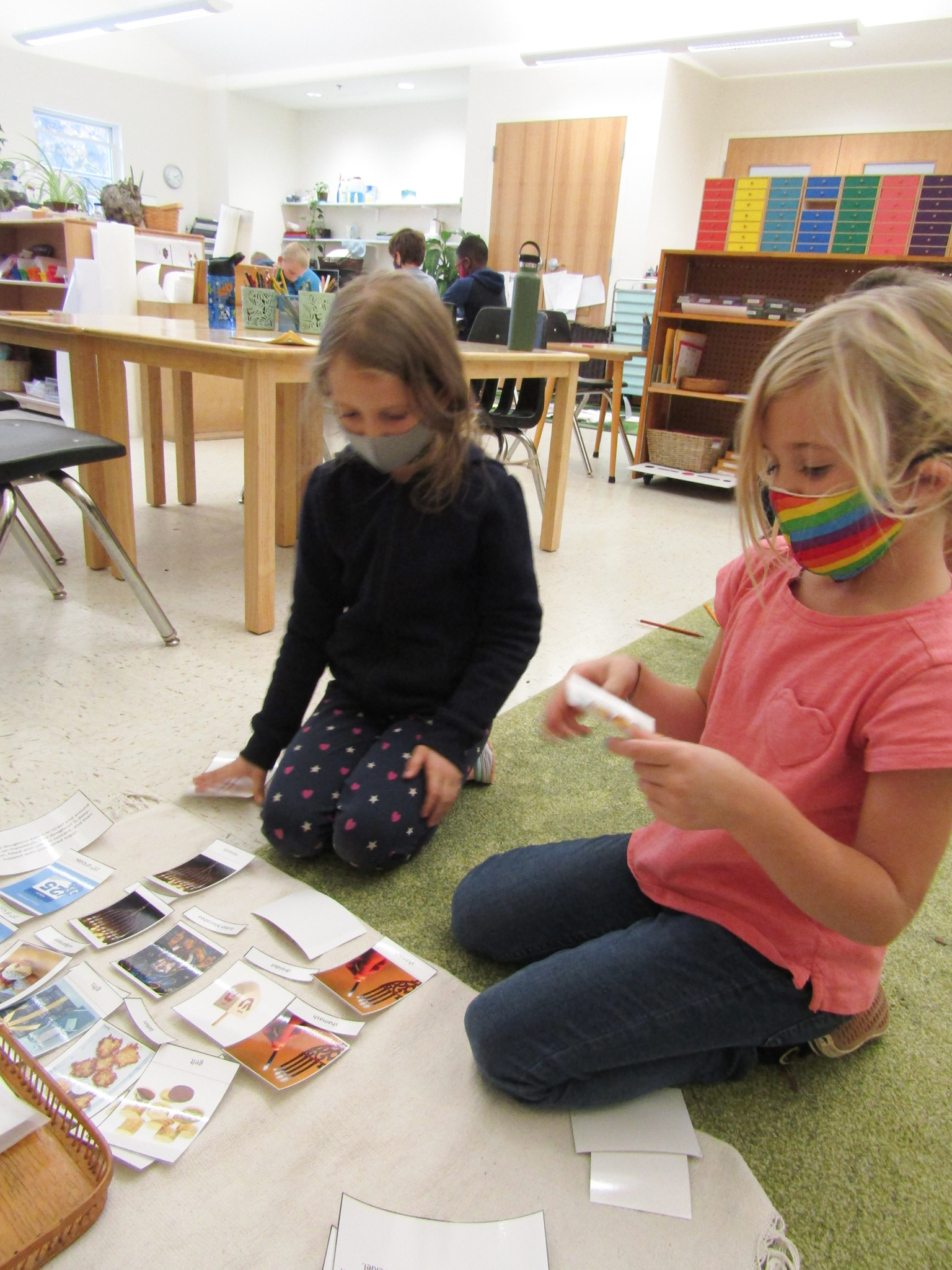
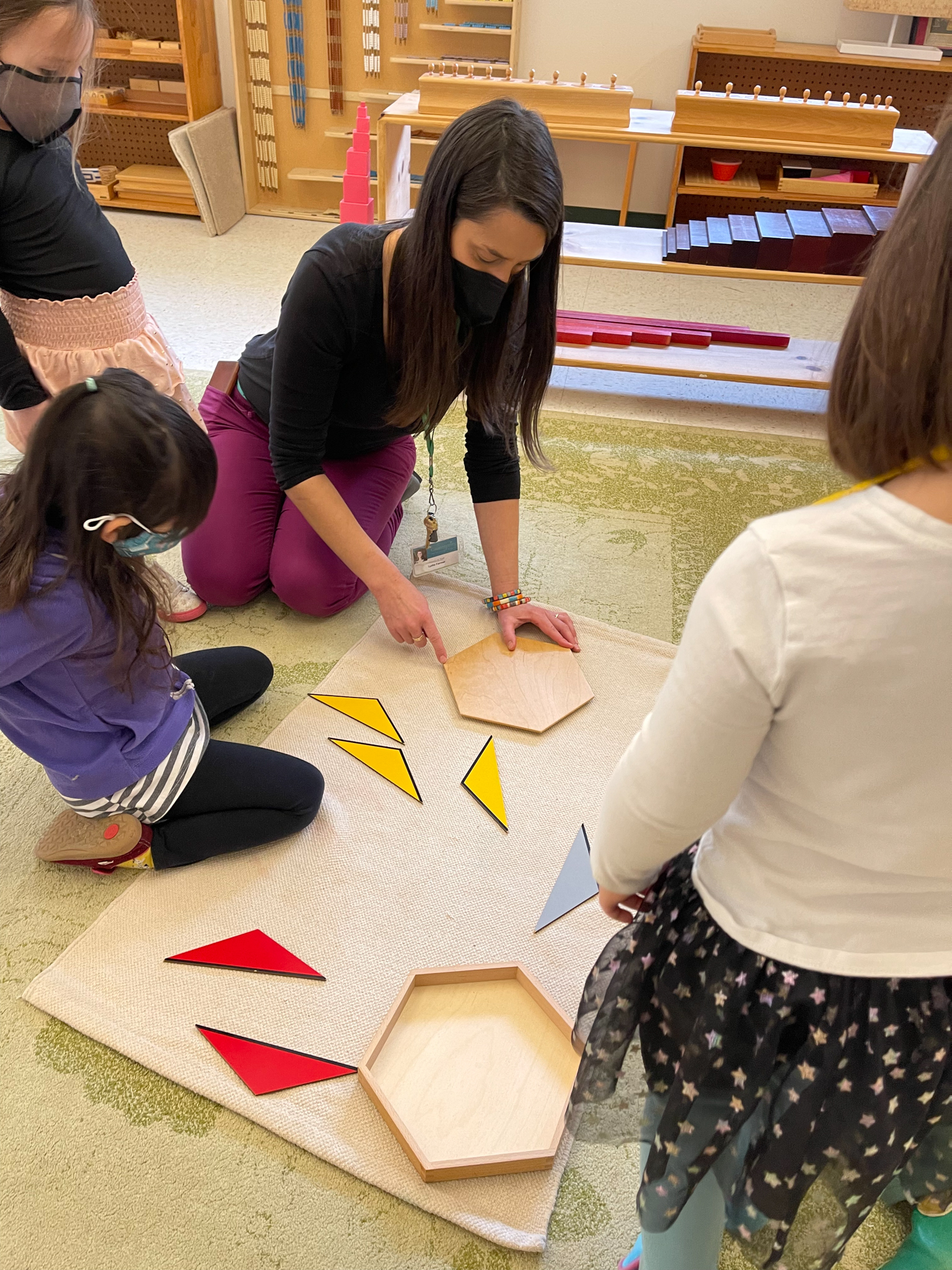
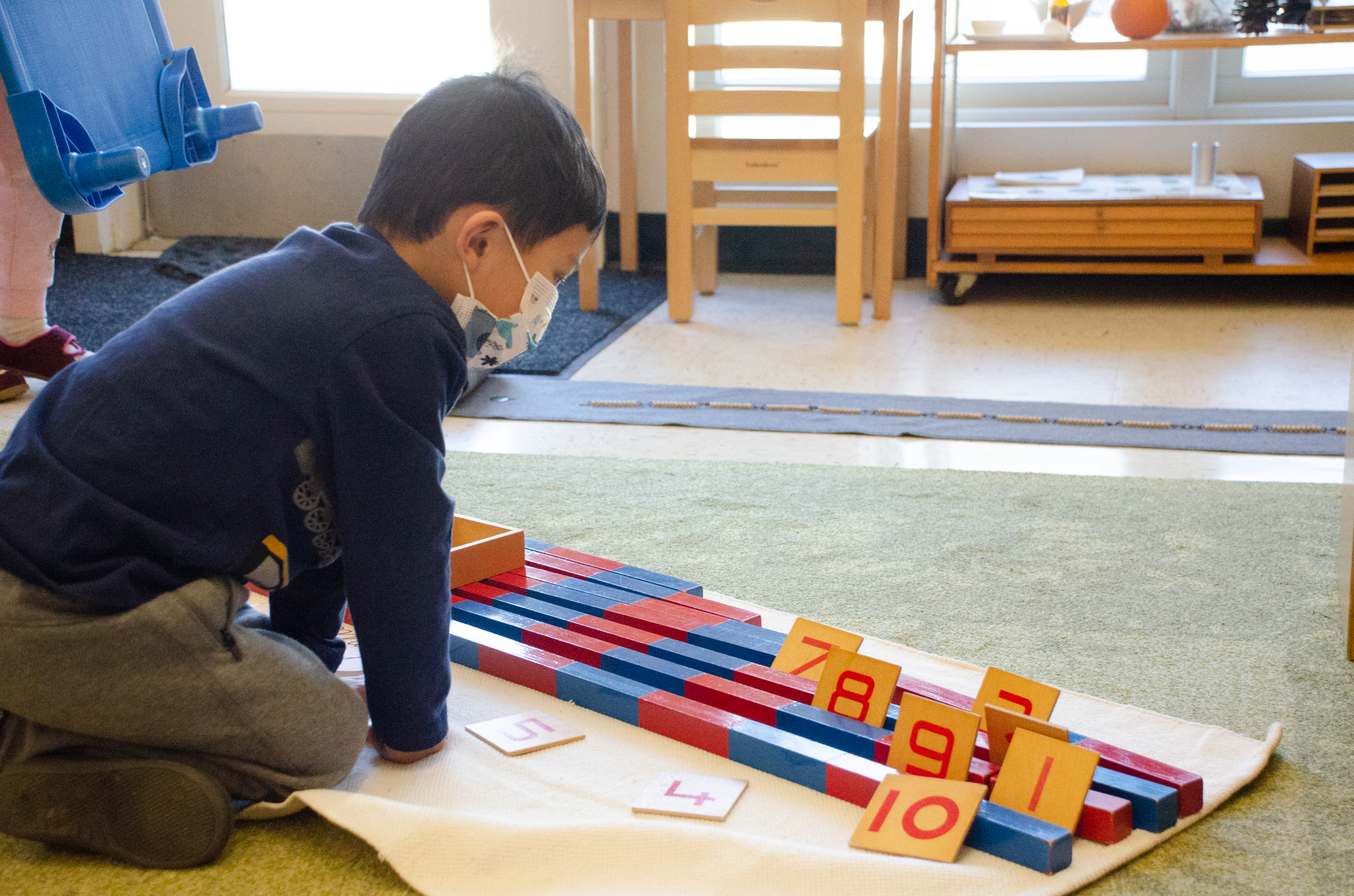
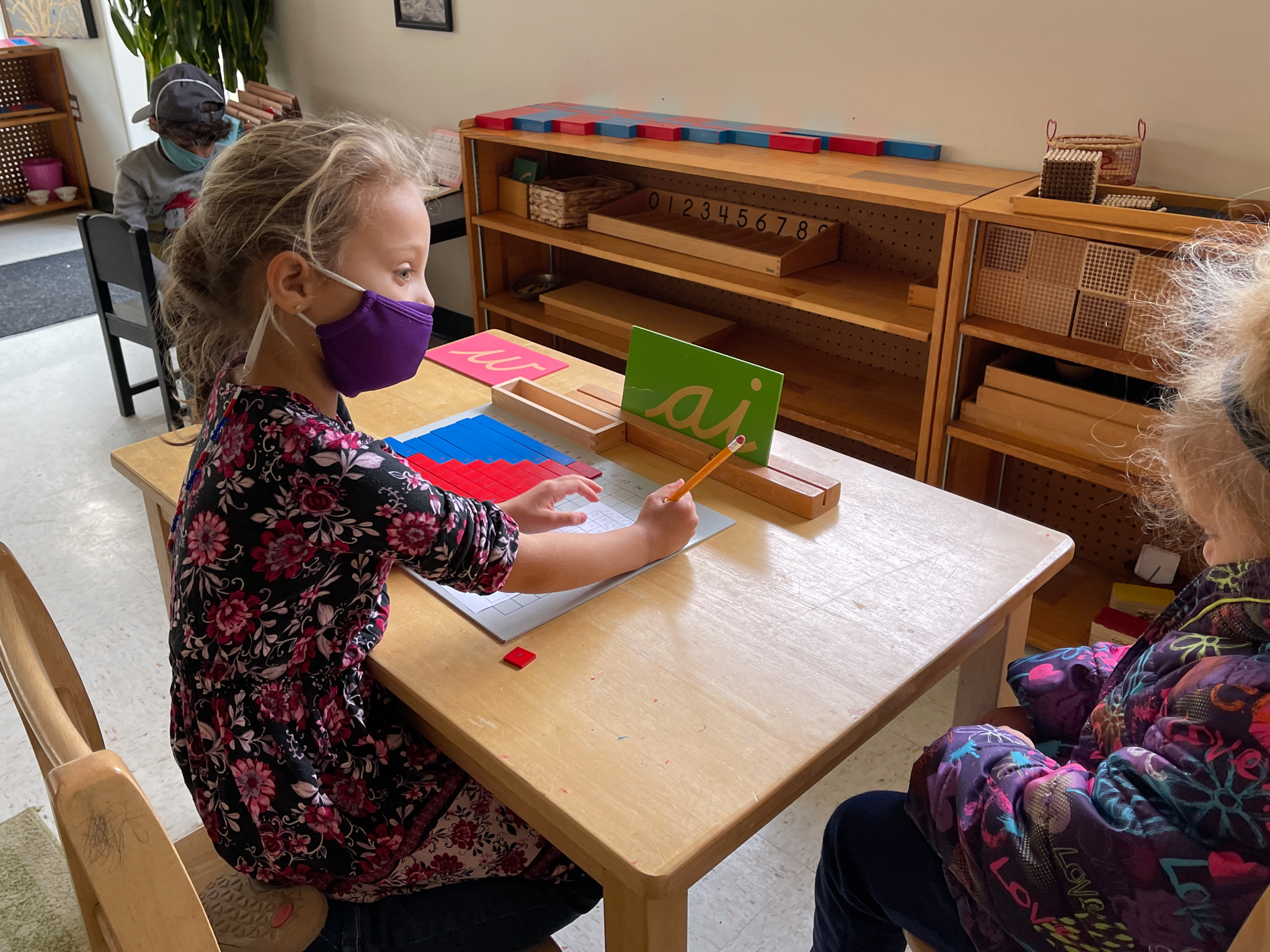
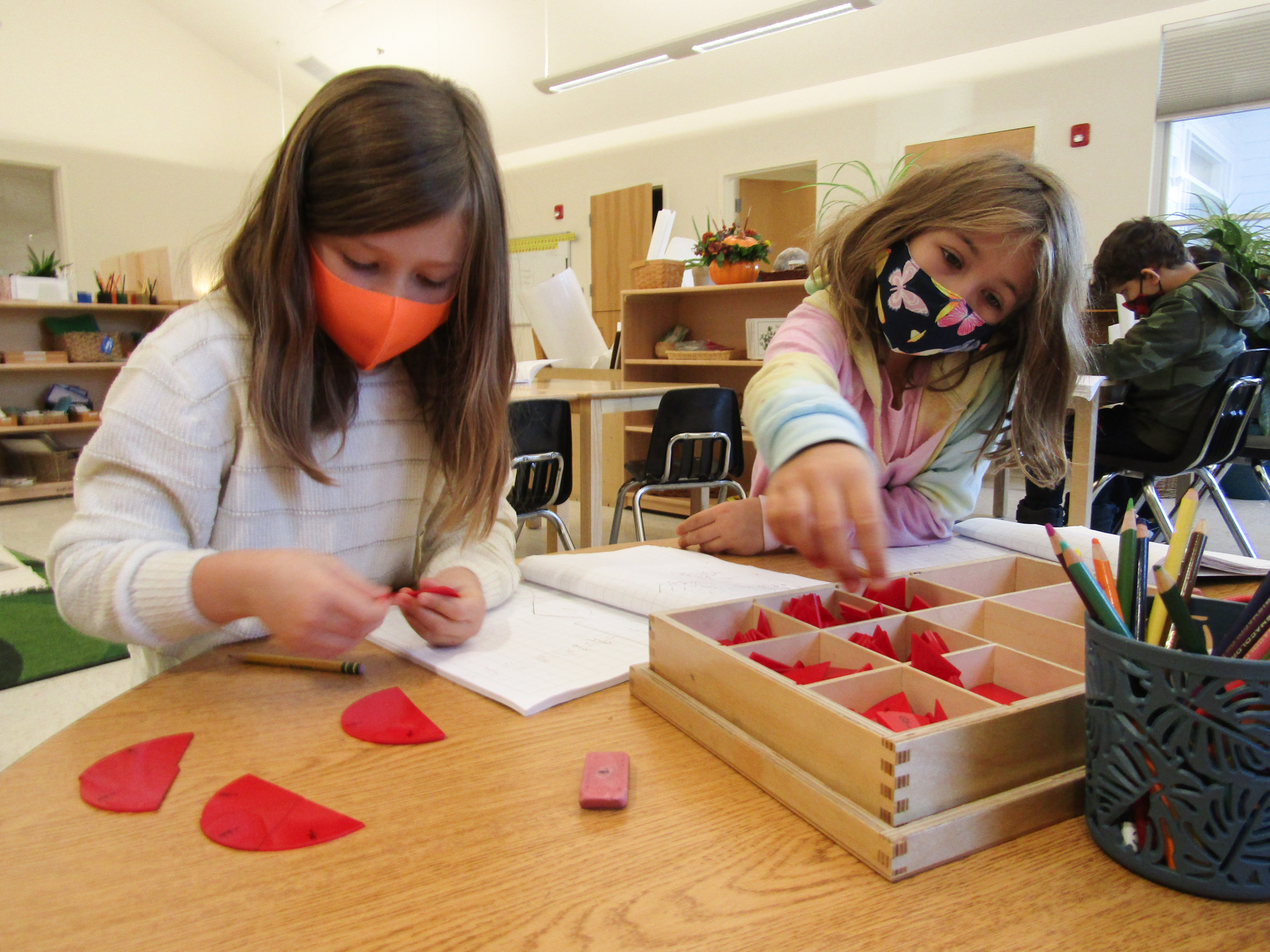
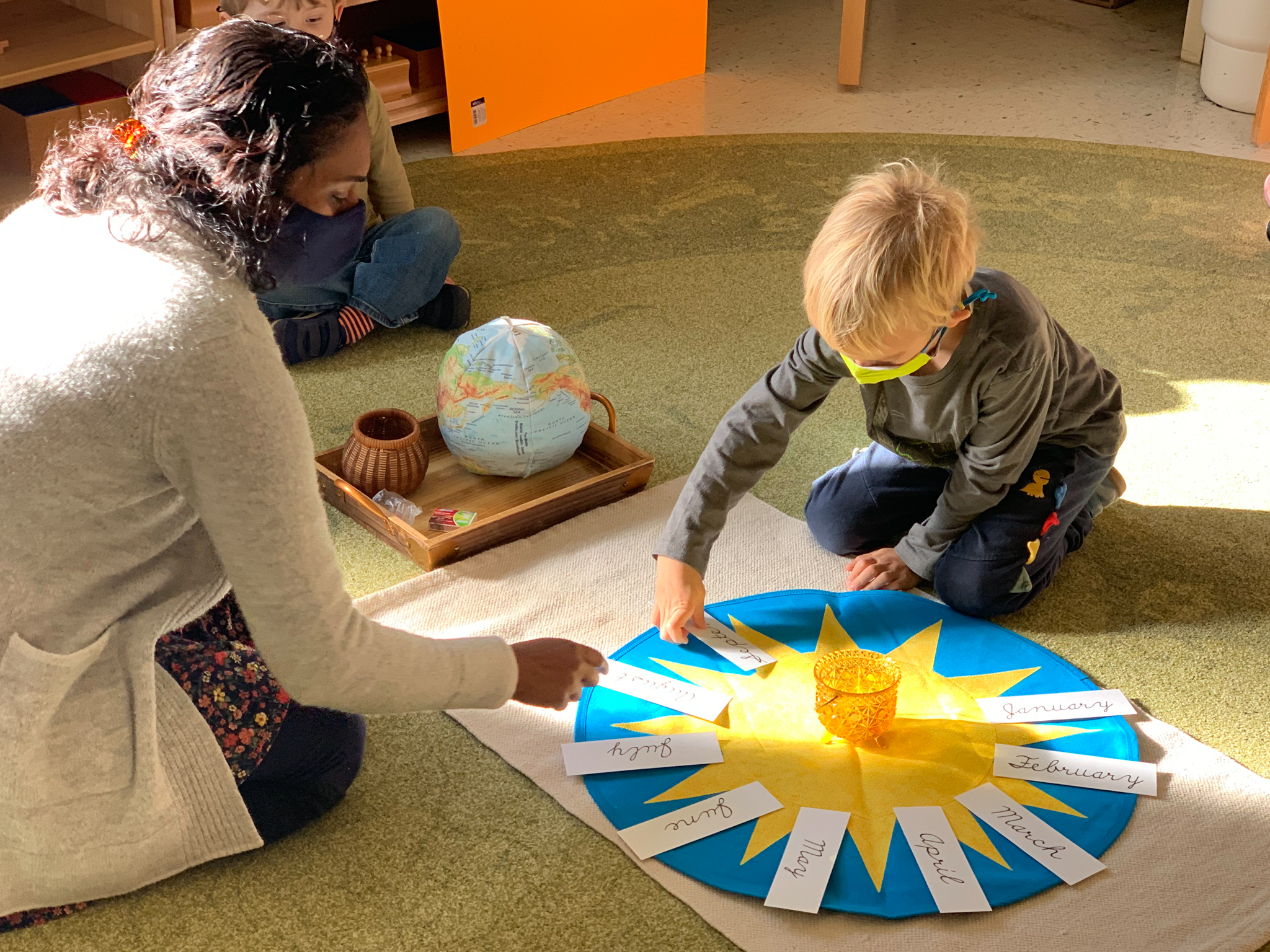
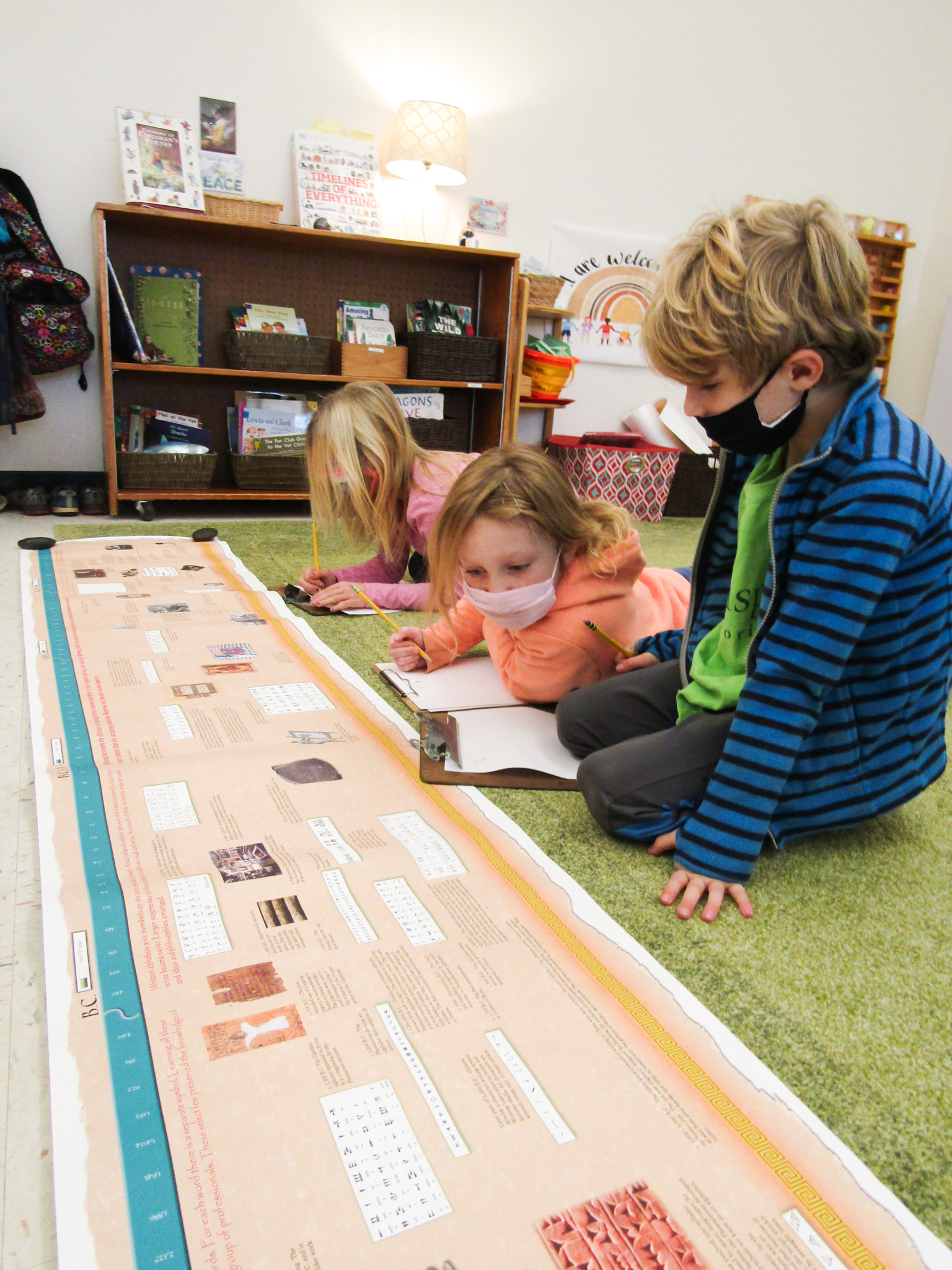
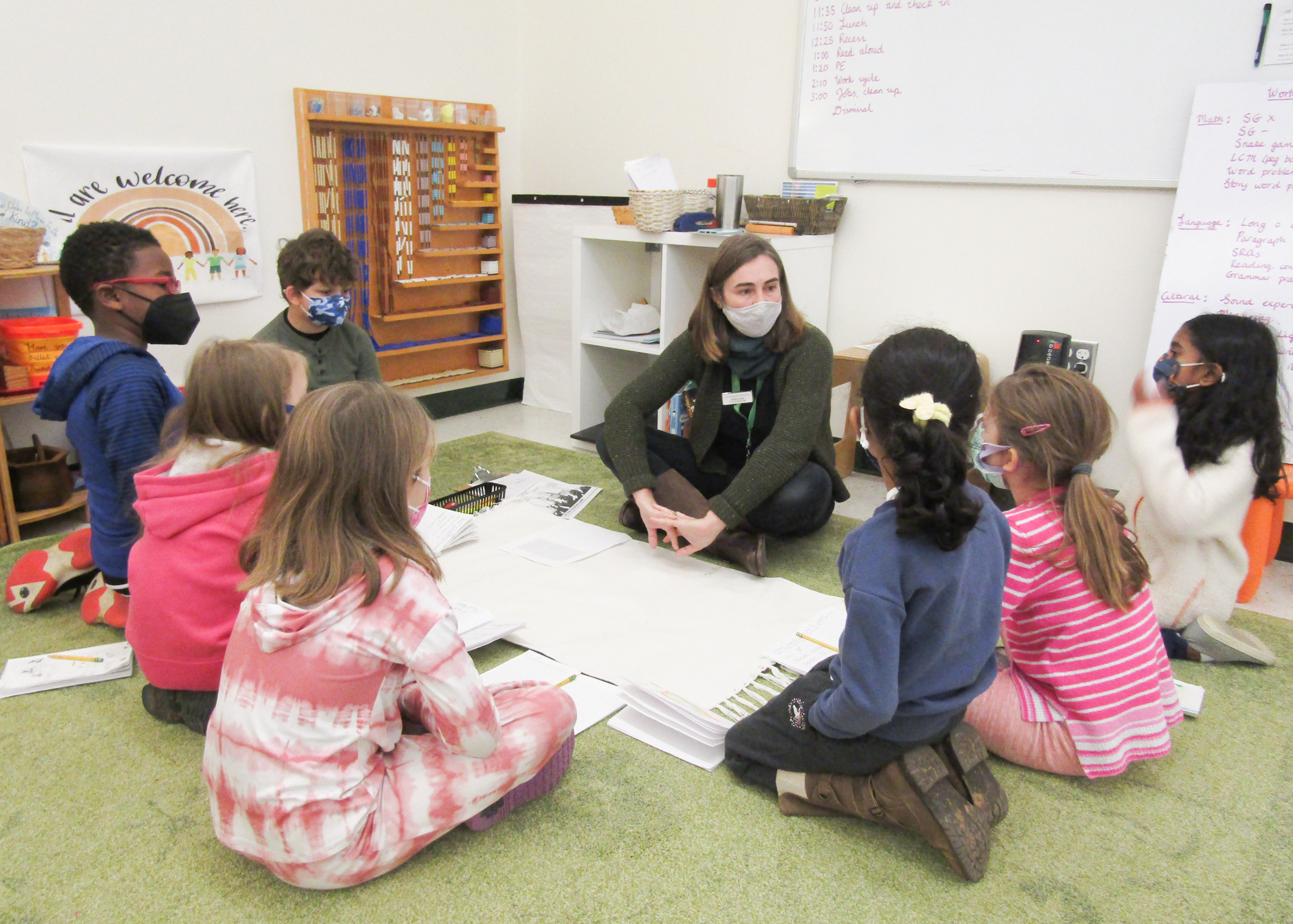
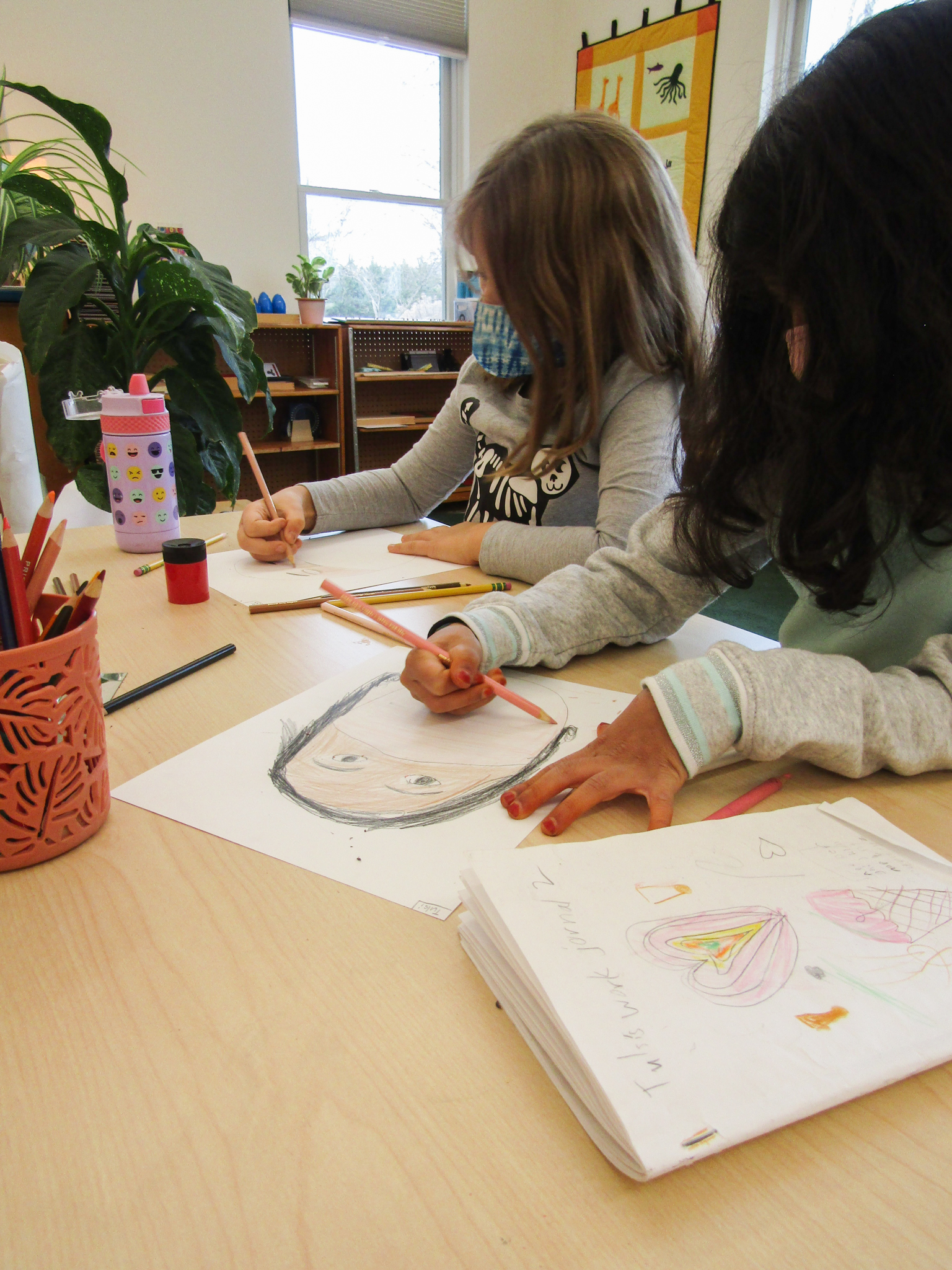
When walking around campus and observing our classrooms, it is striking how the children are driven by purposeful work and relationships in their small community, peacefully unphased by the trials of the world around them. While our children will all grow up knowing the impact of the COVID-19 pandemic, it is heartening to see their resilience and adaptability, as well as the ways that a Montessori classroom intentionally makes space for peace, calm, and a sense of normalcy – what a gift!

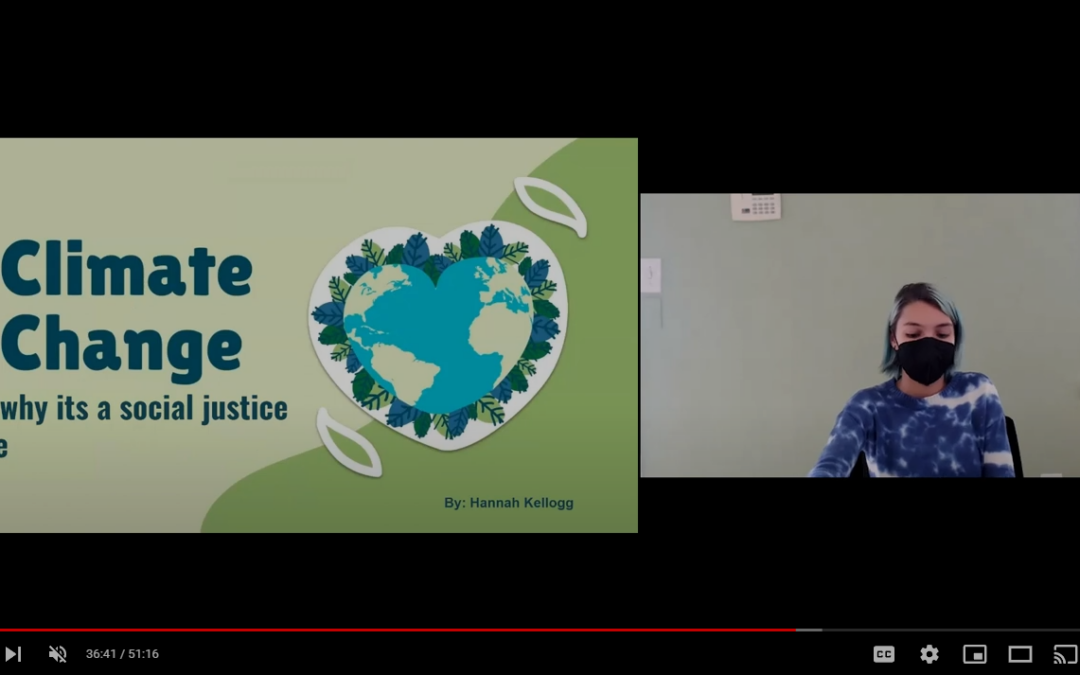
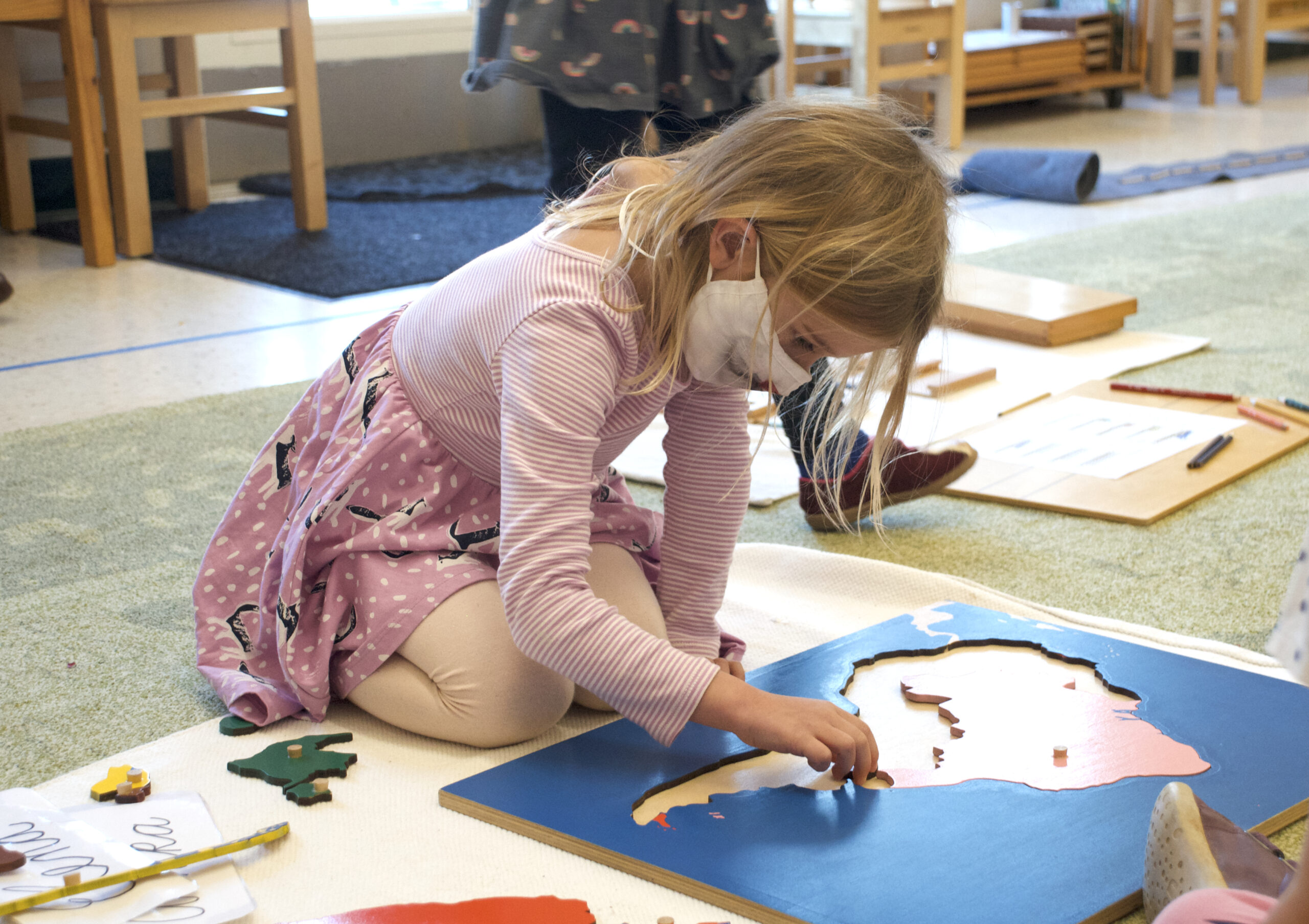
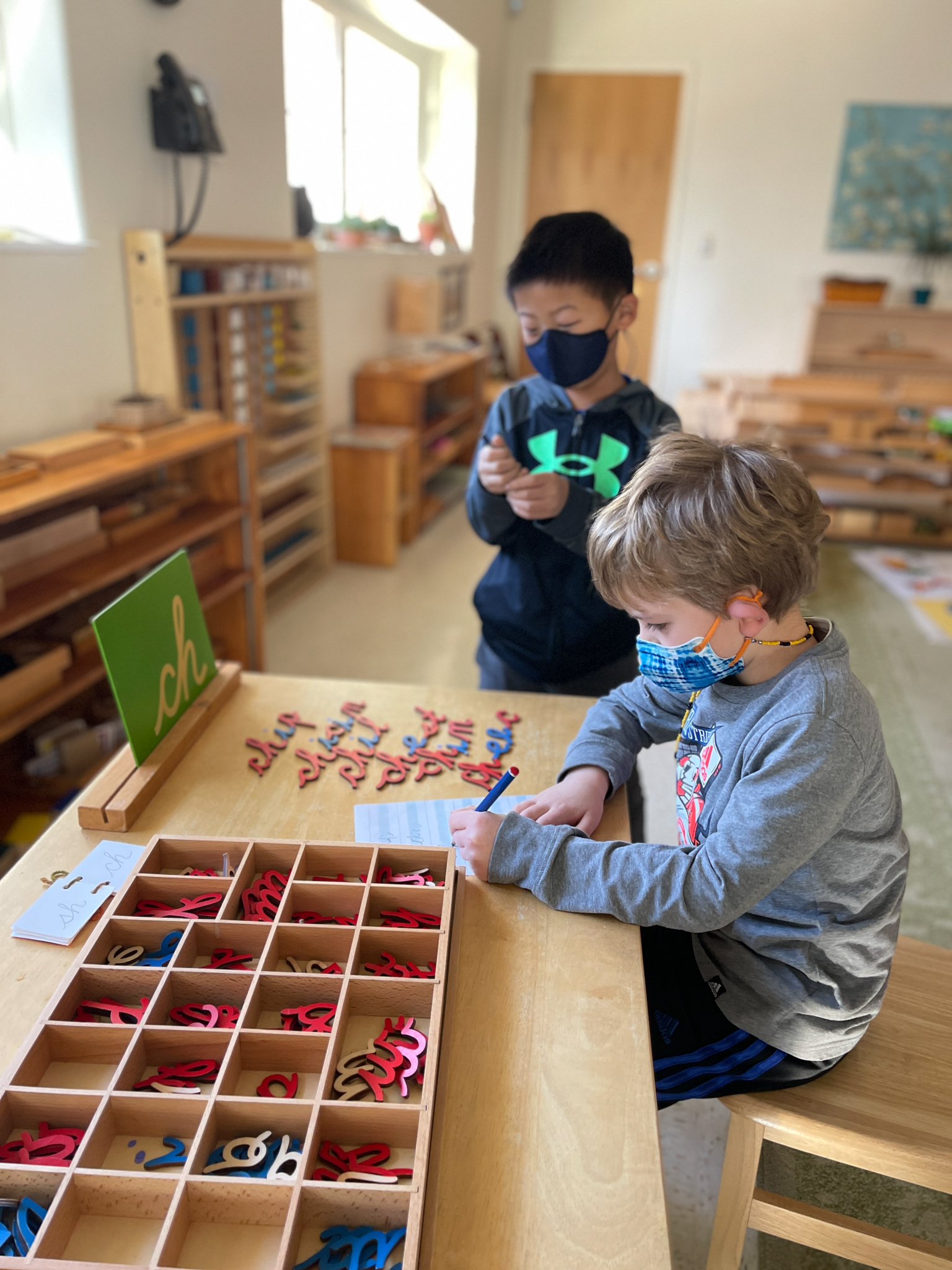
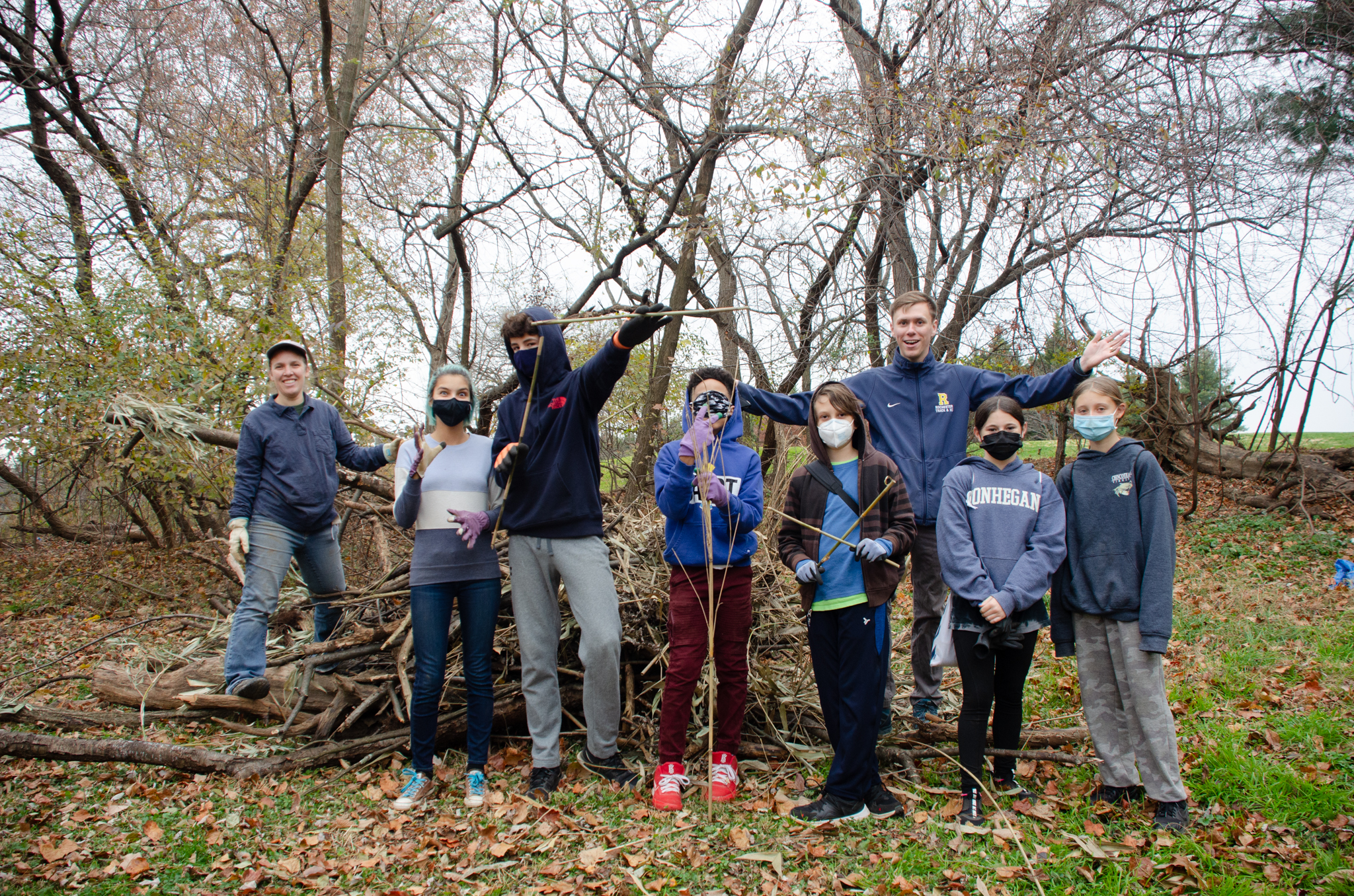
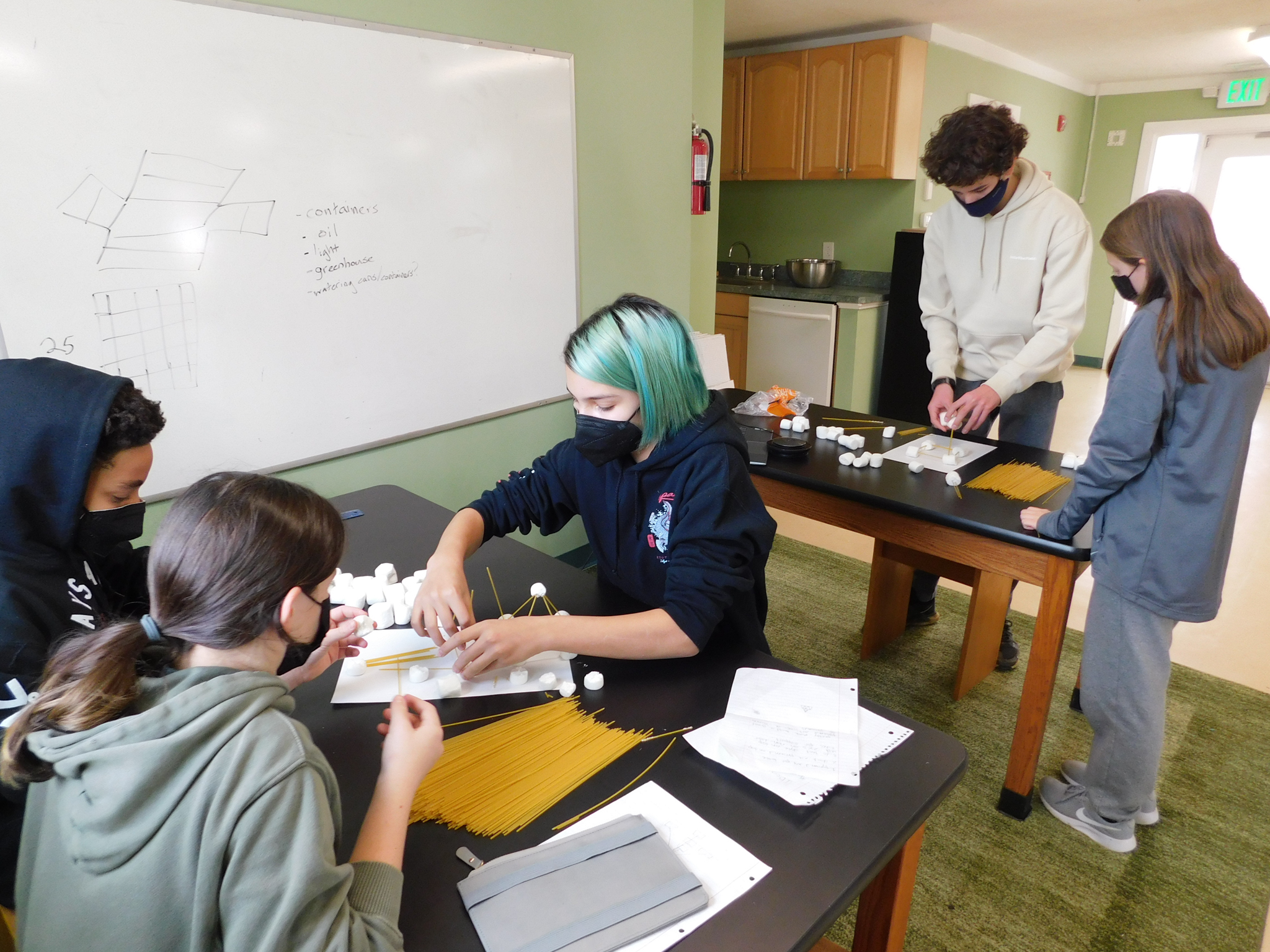
Our Toddlers are learning how to be in community with one another – some for the very first time! They are absorbing language through early conversations, storytelling, and songs, as well as beginning to understand Grace and Courtesy when interacting with one another. In our Children’s House classrooms, the students are eager to make sense of the world around them, learning about everything from the traditions of Chinese New Year to the different types of leaves on trees native to Maryland. Lessons tie back to childrens’ identities and give them an understanding of their place in the world. In our Elementary communities, creative writing has been a special focus over the past month, with children eagerly thinking up new stories to write and share with one another. Our Adolescents boldly explore the current events in the world with a social justice lens and a passion to change things for the better.

We are inspired by each of them every day!

2022 Winter Enrichment Update

2022 Winter Enrichment Update

January was a busy month for our enrichment classes. At the beginning of the month, several of our enrichment classes moved to a virtual model in order to avoid cross-contamination between classes as the COVID rates went up nationwide. We are excited to be returning to our in-person learning in February.

Scroll through this post to see what our students have been up to in our Enrichment classes this winter.

Art Enrichment

Mr. Beven Barnhart

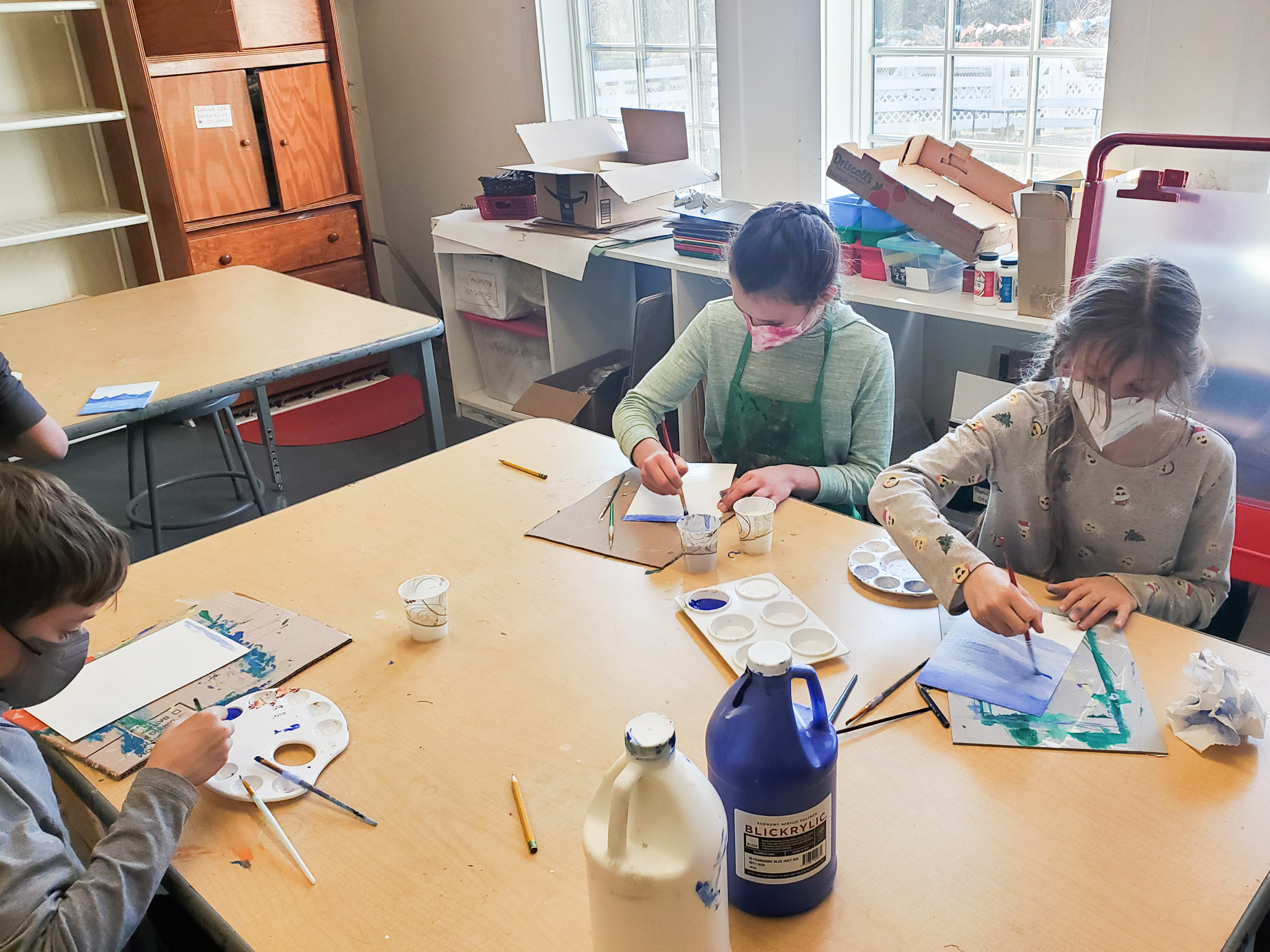
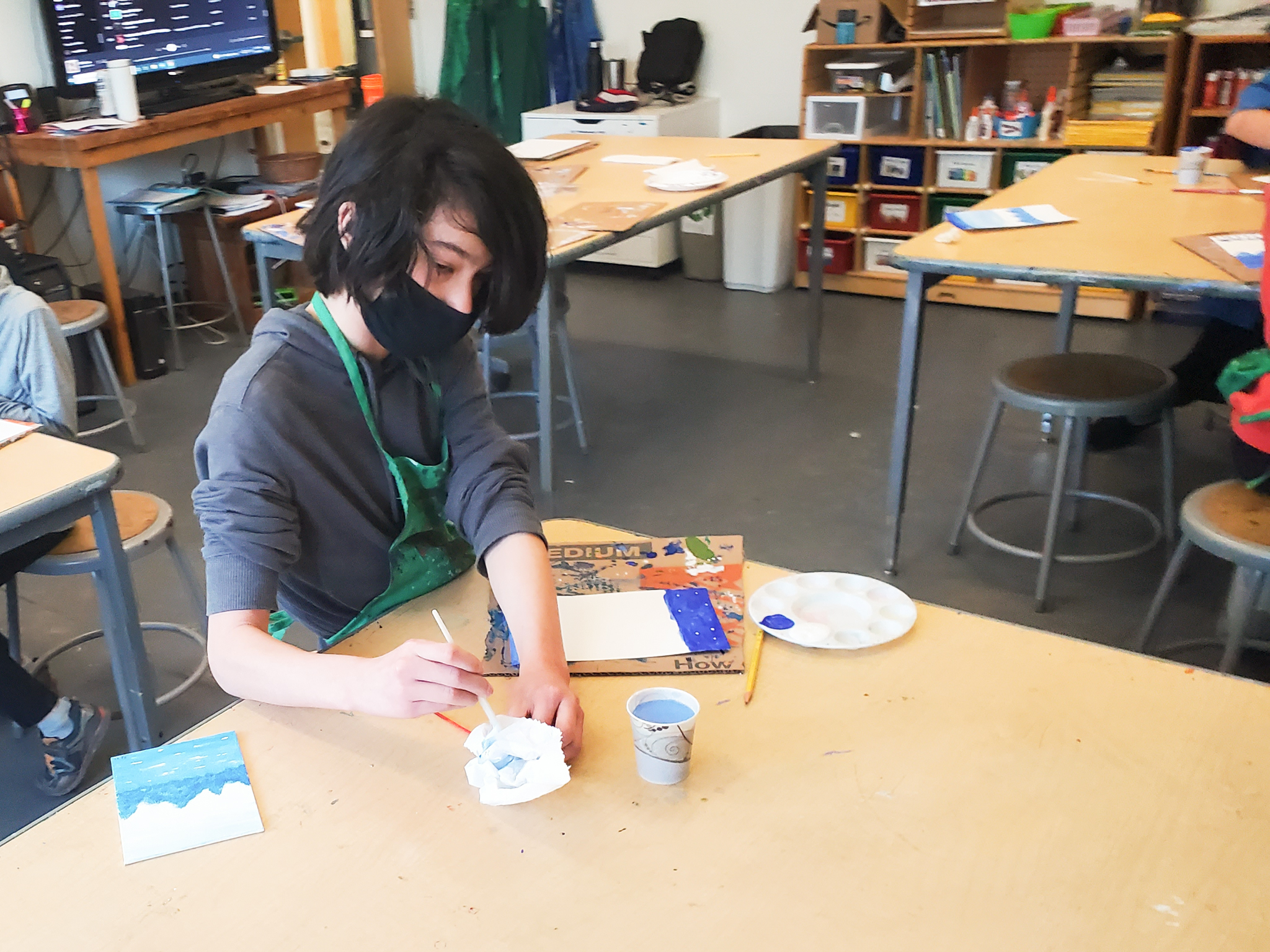
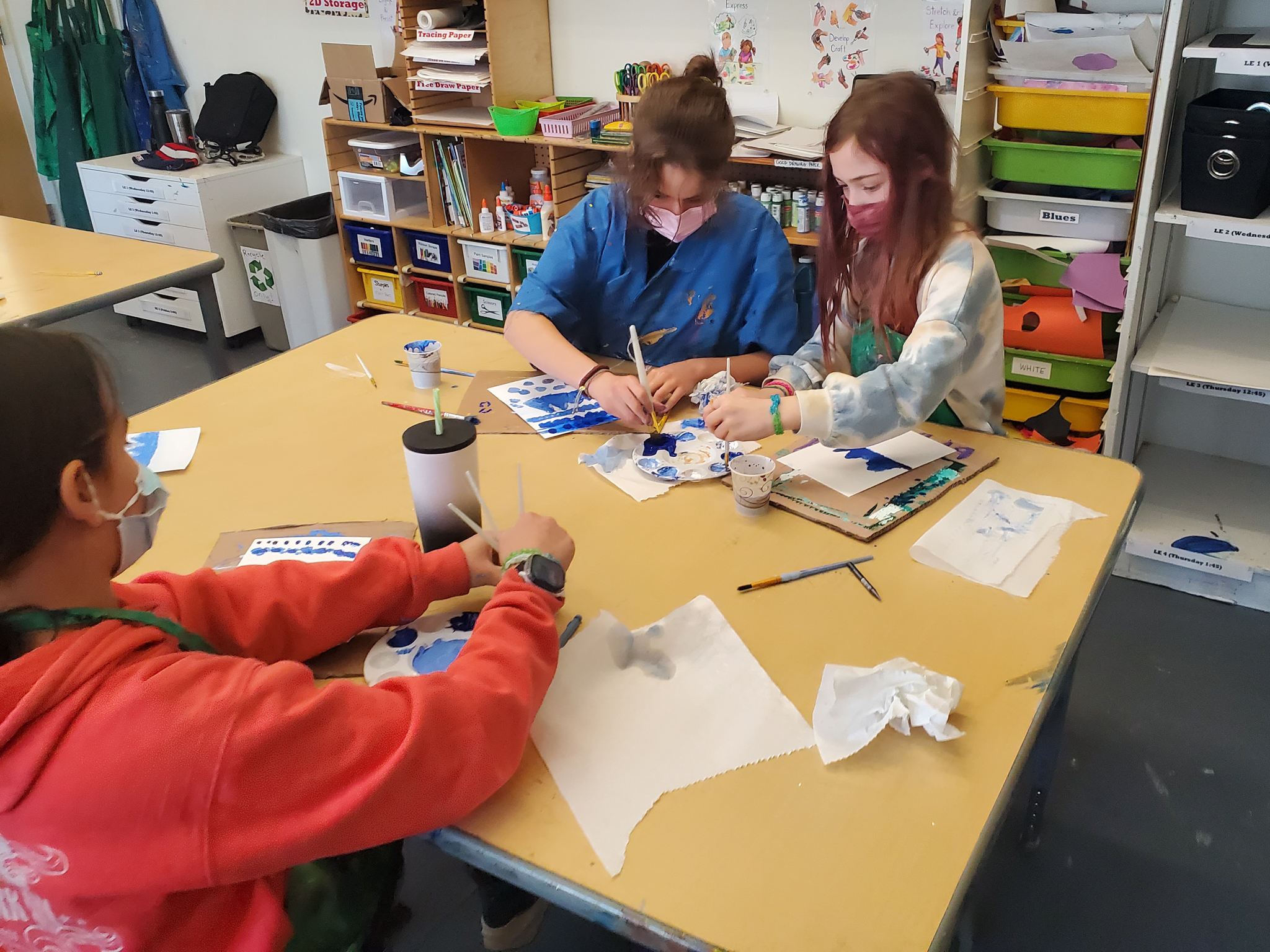
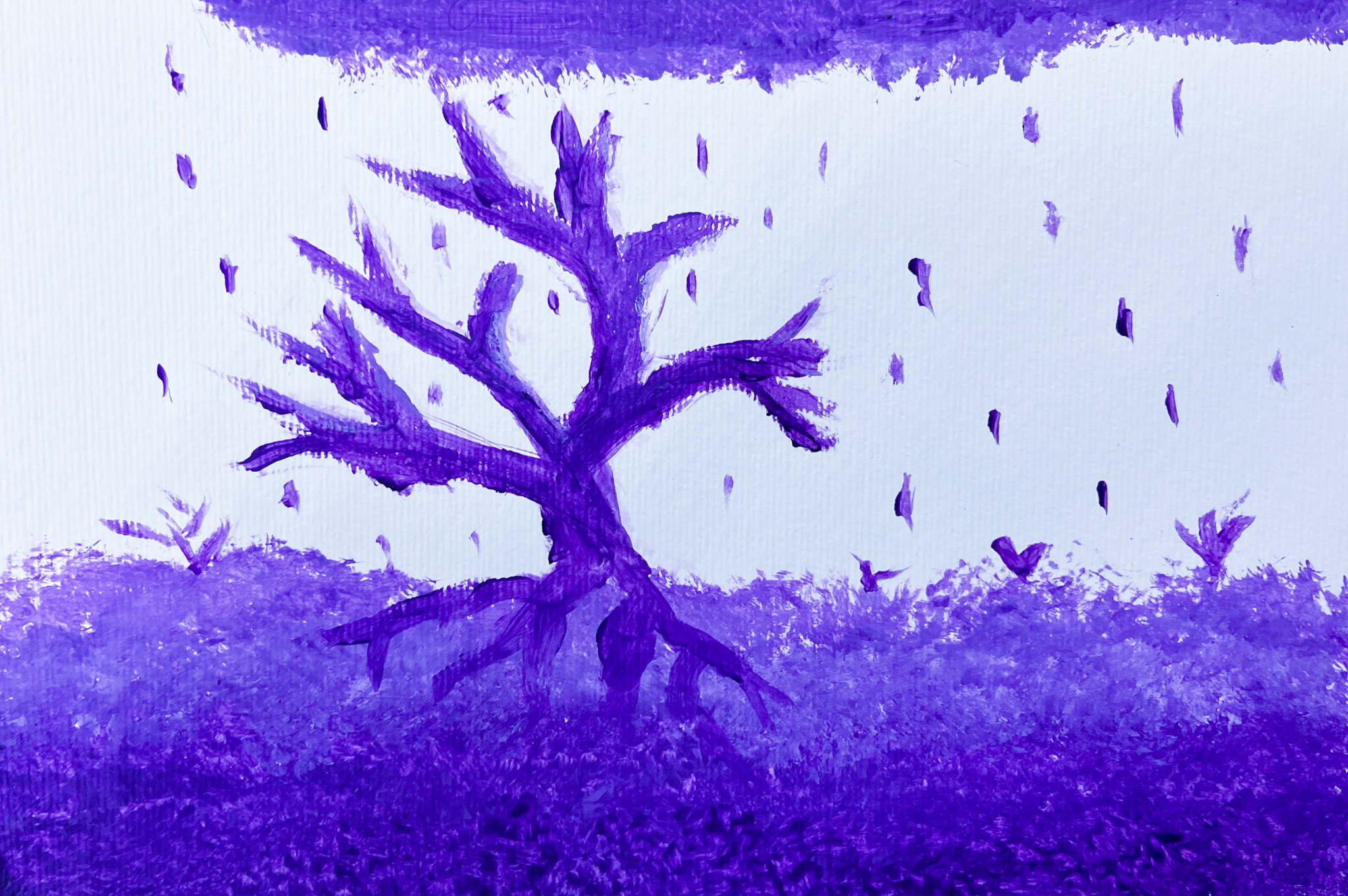
This semester all students in the art enrichment program have begun to work with acrylic paint.

Our Lower Elementary cohort has explored mixing colors, using different brush strokes, and they have started to experiment with what it means to compose a painting of their own.

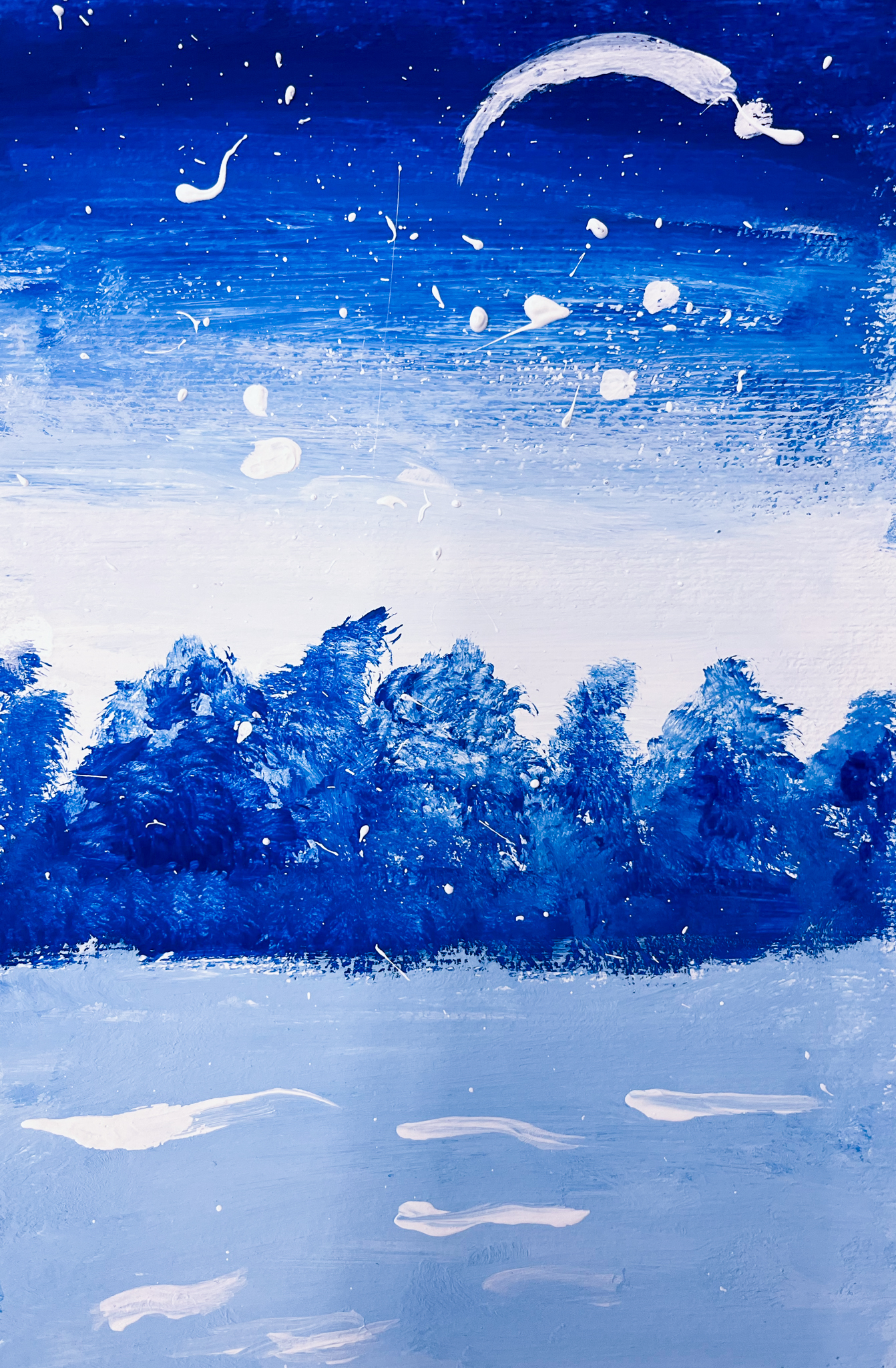
The Upper Elementary community has been exploring the use of different brush strokes in order to make landscapes with their acrylic compositions, with the caveat of only using the color’s white and blue in an effort to add shades of value to their pieces.

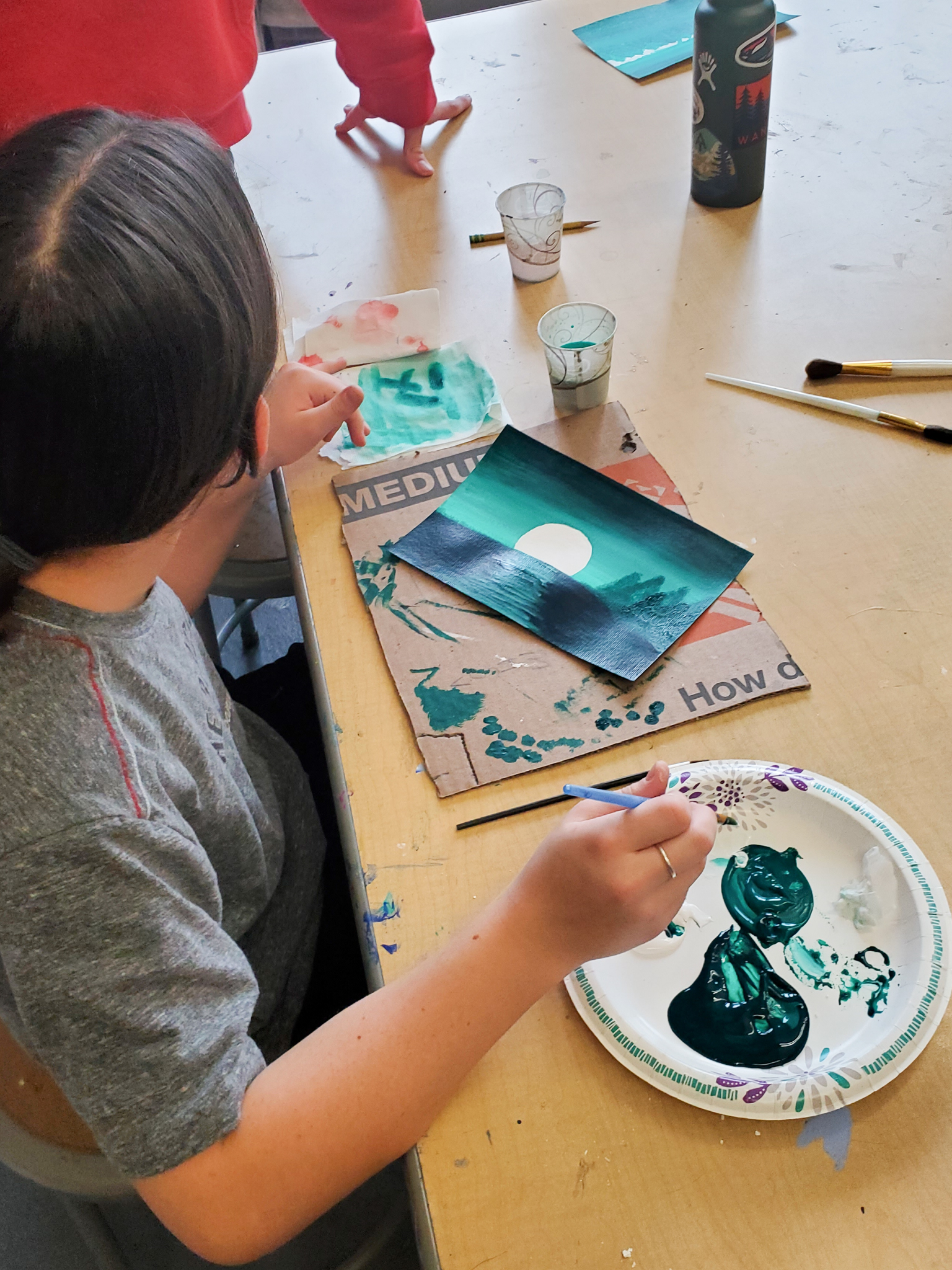
The Adolescent Community has also been composing acrylic landscapes, and while they are using only two colors to do so, they are experimenting with white and an additional color of their choosing.

Physical Education

Mr. Jeff Arenberg

All students begin PE class with age-appropriate yoga and calisthenics-inspired warmups.

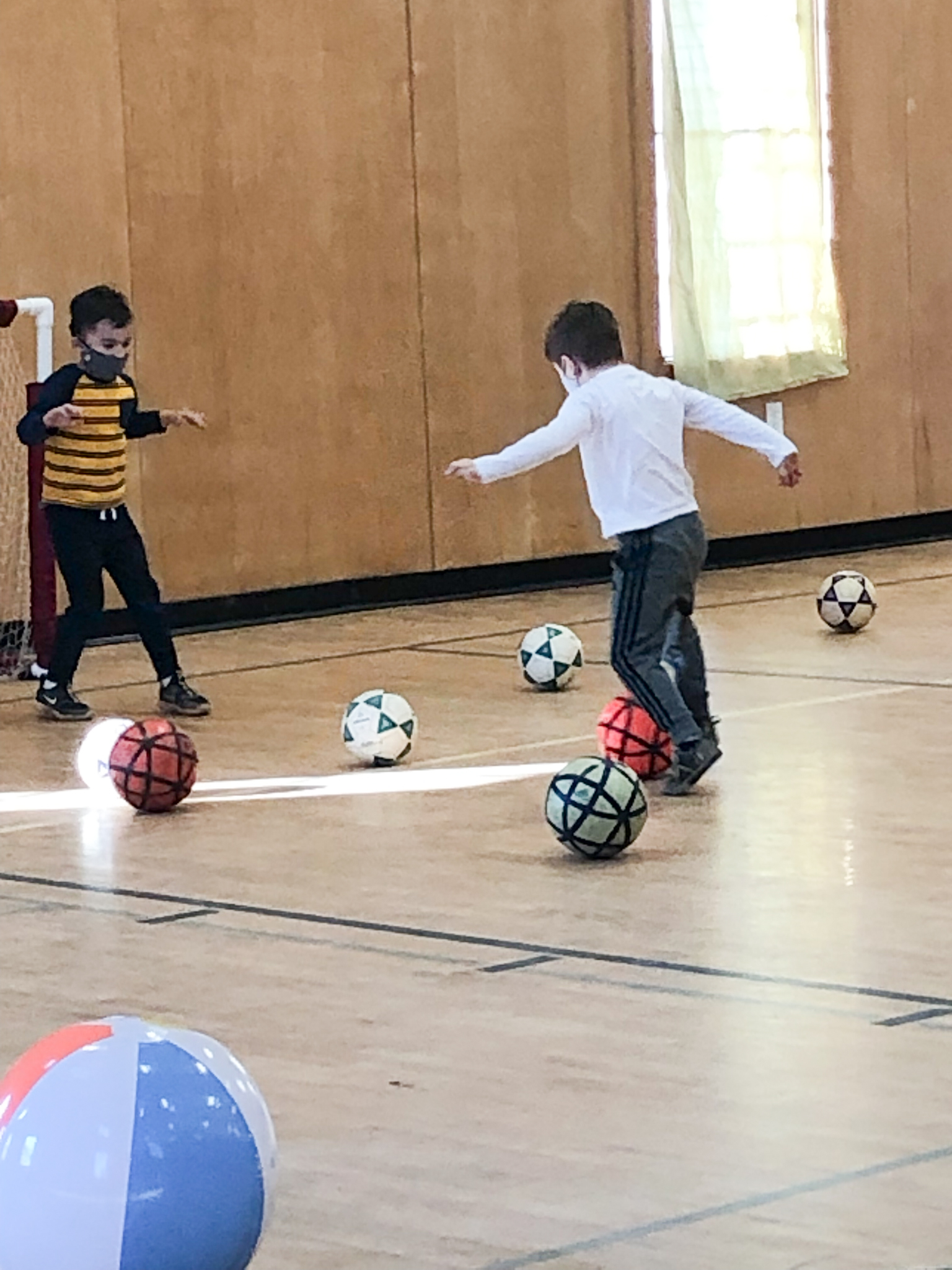
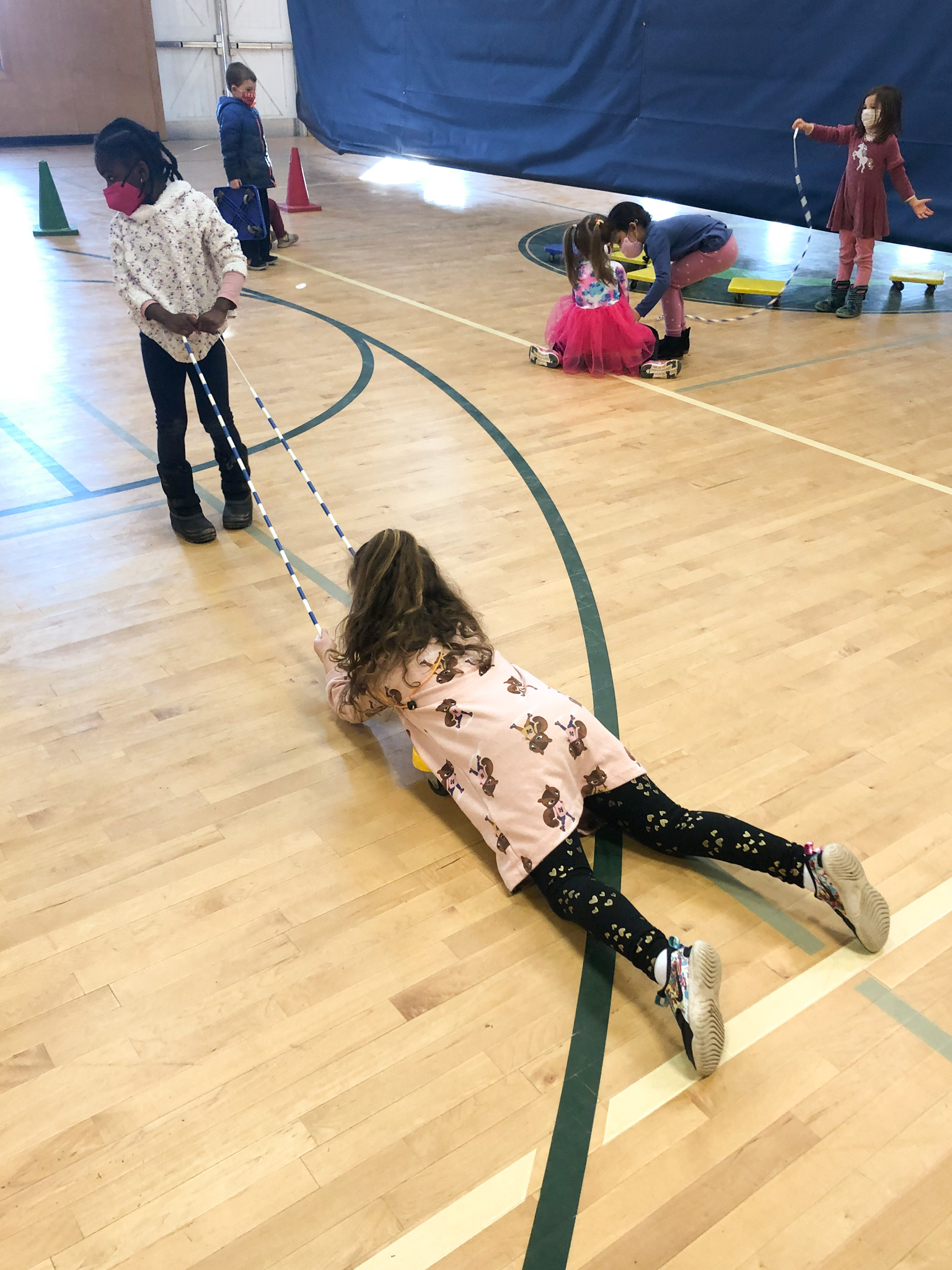
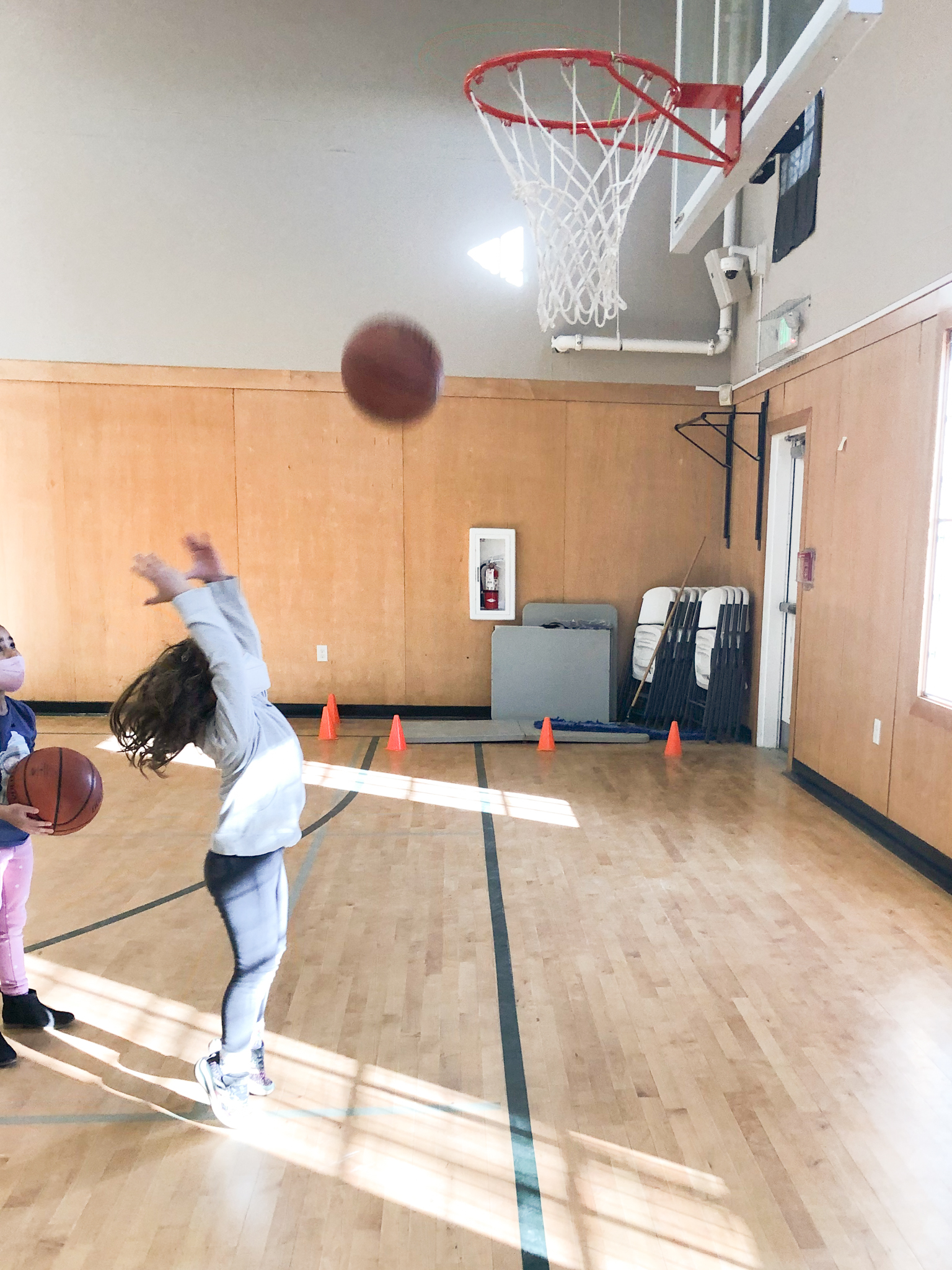
The Children’s House students enjoy playing traditional games such as Simon Says, Red Light/Green Light, and Duck Duck Goose, as well as target games with bean bags/balls, soccer, basketball, jump rope, and scooters. We always take time at the end of class for a meditation-inspired cool down.
 
Elementary students are currently taking part in jump rope challenges. They have been playing freeze tag and move the cheese as well. We will be exploring basketball skill-building as our next unit.
 
Adolescents have been participating in activities including jump rope, capture the flag, and a variety of basketball-inspired games. We will be exploring basketball skill-building as our next unit.

Music Enrichment

Ms. Jasmine Mays Robinson

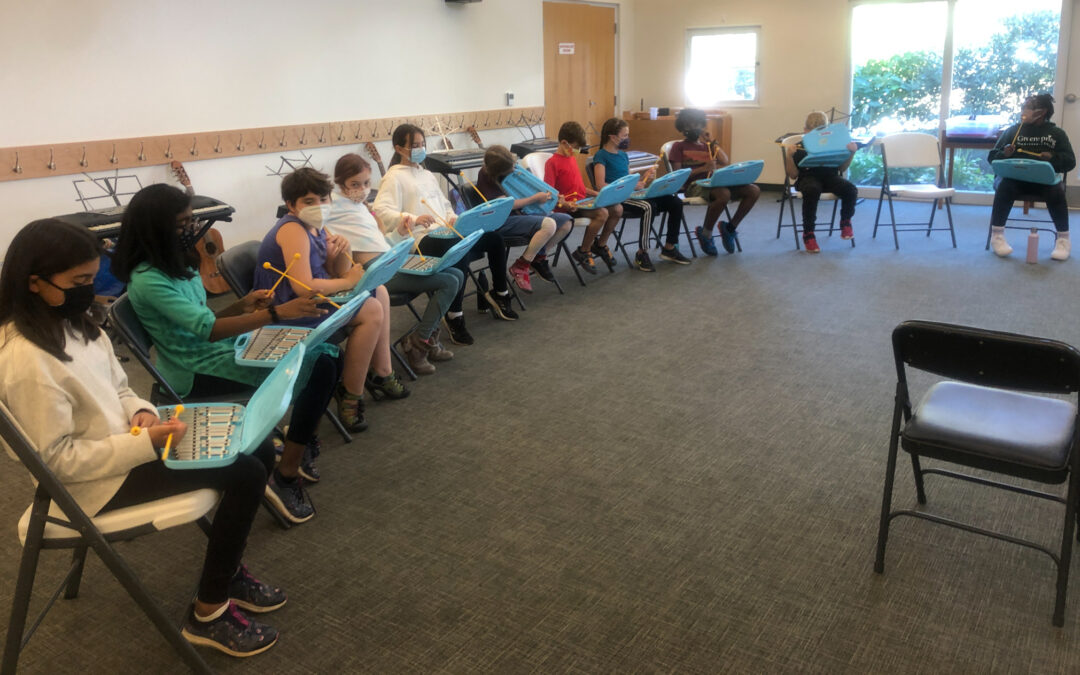
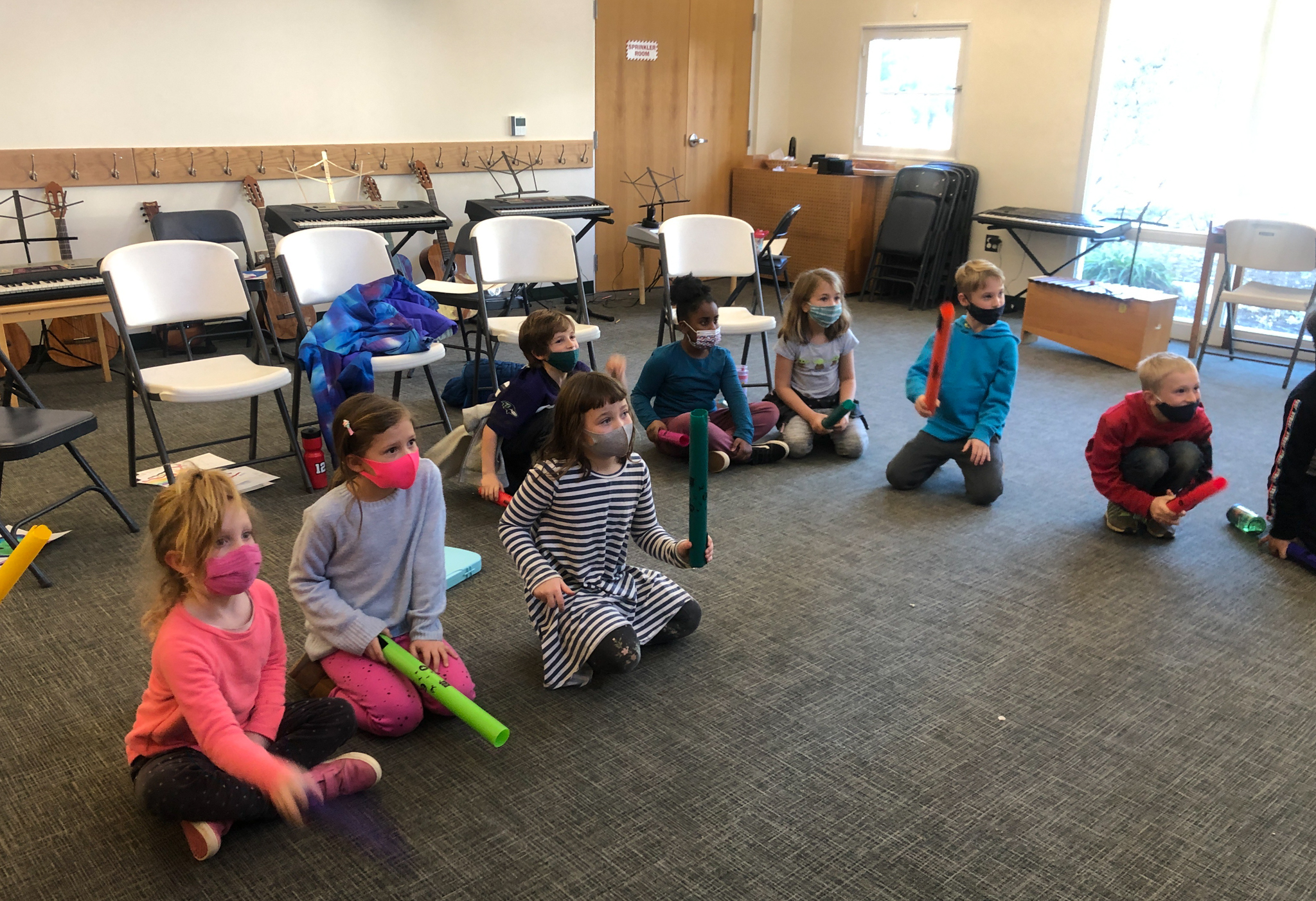
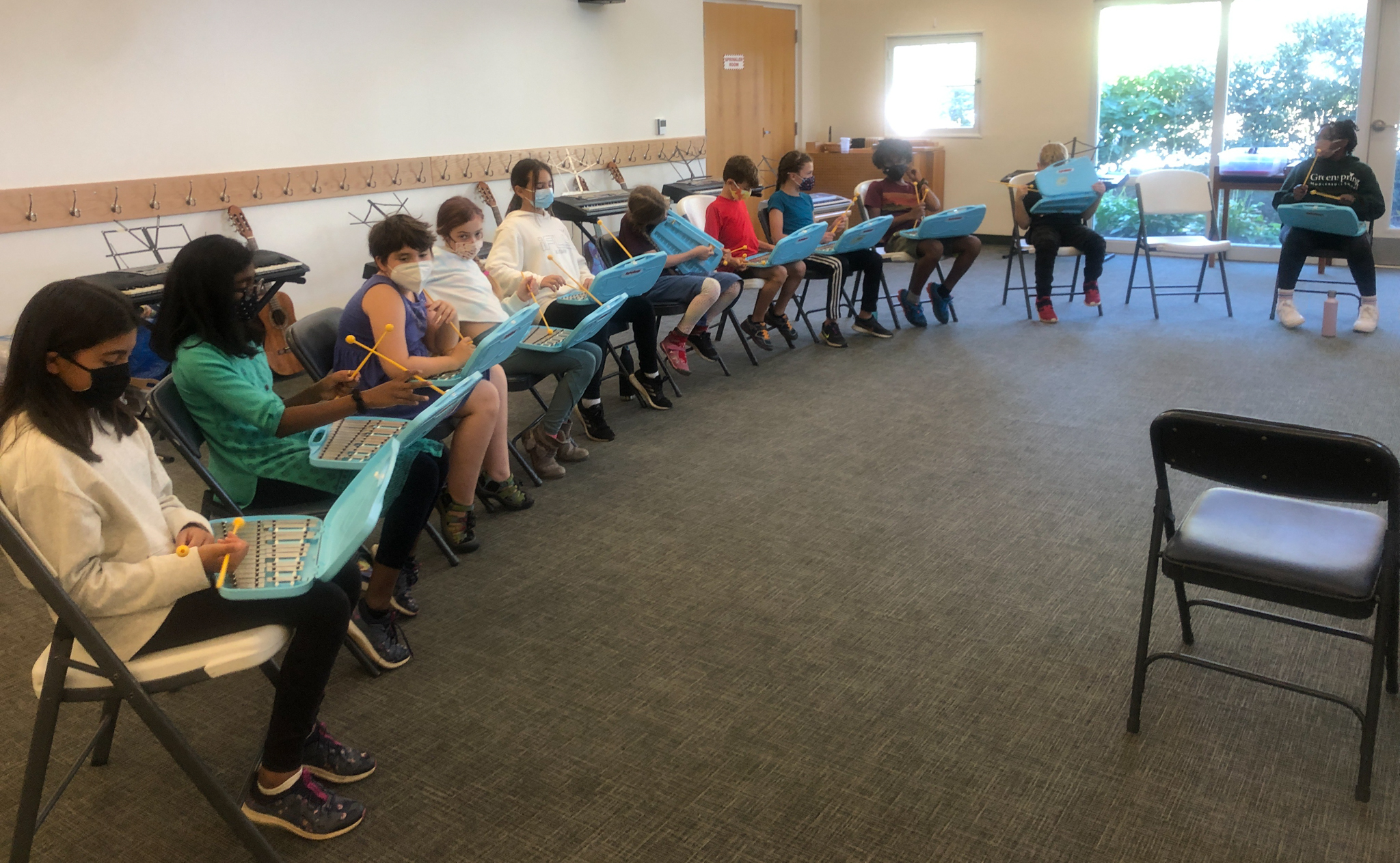
Lower Elementary students have been learning to observe, describe, create, and respond to music using body percussion and classroom instruments, and to use familiar words and concepts as tools for understanding varied rhythms. The students have enjoyed using tonic sofa syllables to learn melodies and using rhythm sticks and shakers to practice reading quarter and eighth notes from the staff. Each class is currently in the process of putting together a wintery piece entitled “January, January” for Glockenspiel, Orff, Percussion, and Sandblock. We are also visiting virtually with Maestro Karl from the Calgary Philharmonic Orchestra (a school-wide community favorite) to learn about instrument families.

 
Having previously studied the basics of music notation, dynamics, and instrument families, our 4th and 5th graders are diving deep into the impact music has on our world. How can we use music to tell a story, change hearts and minds, or make a difference? This class has studied the tenets of Rossini and Prokofiev, both historically renowned masters of storytelling through music. Now, they are making connections between these 19th and early 20th century principles and the way music influences our perception of character and the way we interpret action in film. They are then using this information to create their own storylines and their own musical backdrops in order to learn to influence others through music.
 
6th graders, along with the Adolescent Community, are gaining the skills necessary to attain independent musicianship. Our first quarter was focused on learning to play the piano/keyboard and the guitar, read music from the staff and recognize a guitar chord chart. Students enjoyed earning badges for completing levels of their “Piano Bootcamp.” We are now in phase two of our long-term songwriting initiative, which started with utilizing parodies in order to begin writing lyrics using rhythmic patterns and maintaining rhyme schemes. As a closing activity to this portion of our unit, students are given the task of writing out a portion of a song in musical notation on the staff and assigning their own (parodied) lyrics. Our next step is to analyze music in order to understand the parts of a song and understand the purpose and benefit of using literary tools when writing lyrics and deciding on song structure. By the end of this project, students will be able to write their own songs with musical notation.
 
Spanish Enrichment

Sra. Marcela Daley

During the first semester of the year, the younger Children’s House students have been mastering greetings, colors, and numbers. In the following weeks, children will be working with vocabulary to name objects in the house. The older Children’s House students are starting to identify the vowel sounds and reading words with just one vowel on them. Once this work is completed, new key sounds will be presented together with words that have more than one vowel on them. At that point, they will start reading basic sentences in Spanish.
 
In Lower Elementary, students are met where they are in their Spanish proficiency. Some students are working on combining sounds in Spanish and have started to write and read short sentences. Other students have been working hard with numbers. Per their request, we have been working on counting over one hundred and they want to start doing some math in Spanish. There is a third group that has been really engaged in reading and writing short stories in Spanish. 
 
Upper Elementary students are also working at different levels. All students have been engaged in working on their Spanish language through short stories. These stories are all written in the third person and use the seven most used verb conjugation in Spanish (es, está, va, le gusta, tiene, hay, and quiere). A group of students is using the stories to identify basic grammar points like the congruence between article, noun, and adjectives. Other students are starting to put the stories in the first person. These students are also working with the verb “To Be” in Spanish identifying the two equivalent verbs in Spanish (Ser and Estar).
 
Our Adolescents are working on a magazine in Spanish. They have been working on their creative process, conceptualizing the entire publication to include aspects about their classroom, community involvement,  favorite activities, games, advertisement, and comic strips. Their design and editing process has been in both Spanish and English. We look forward to sharing the magazine upon completion – stay tuned!
Science Experiments in the Elementary Classroom

Science Experiments in the Elementary Classroom

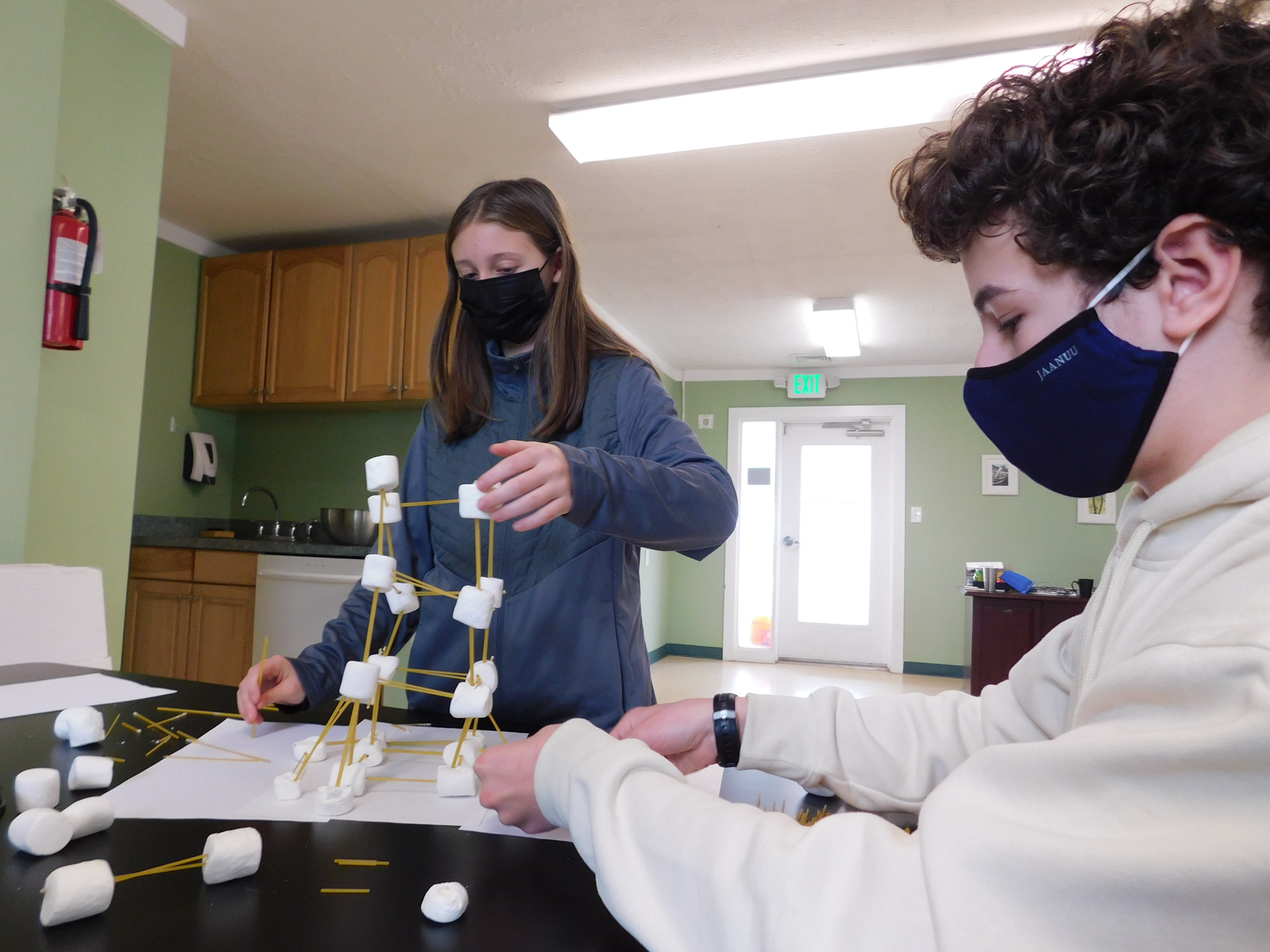
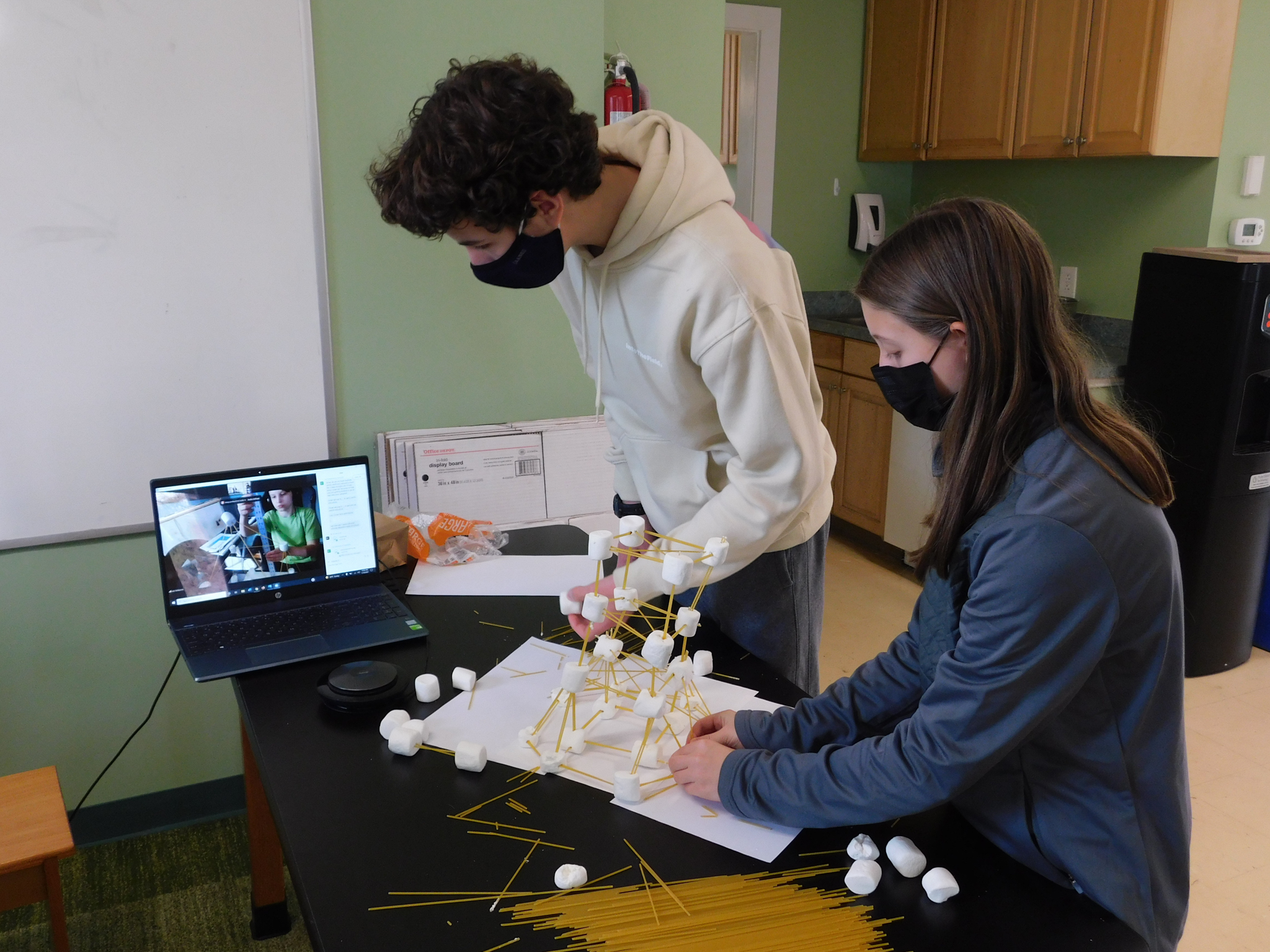
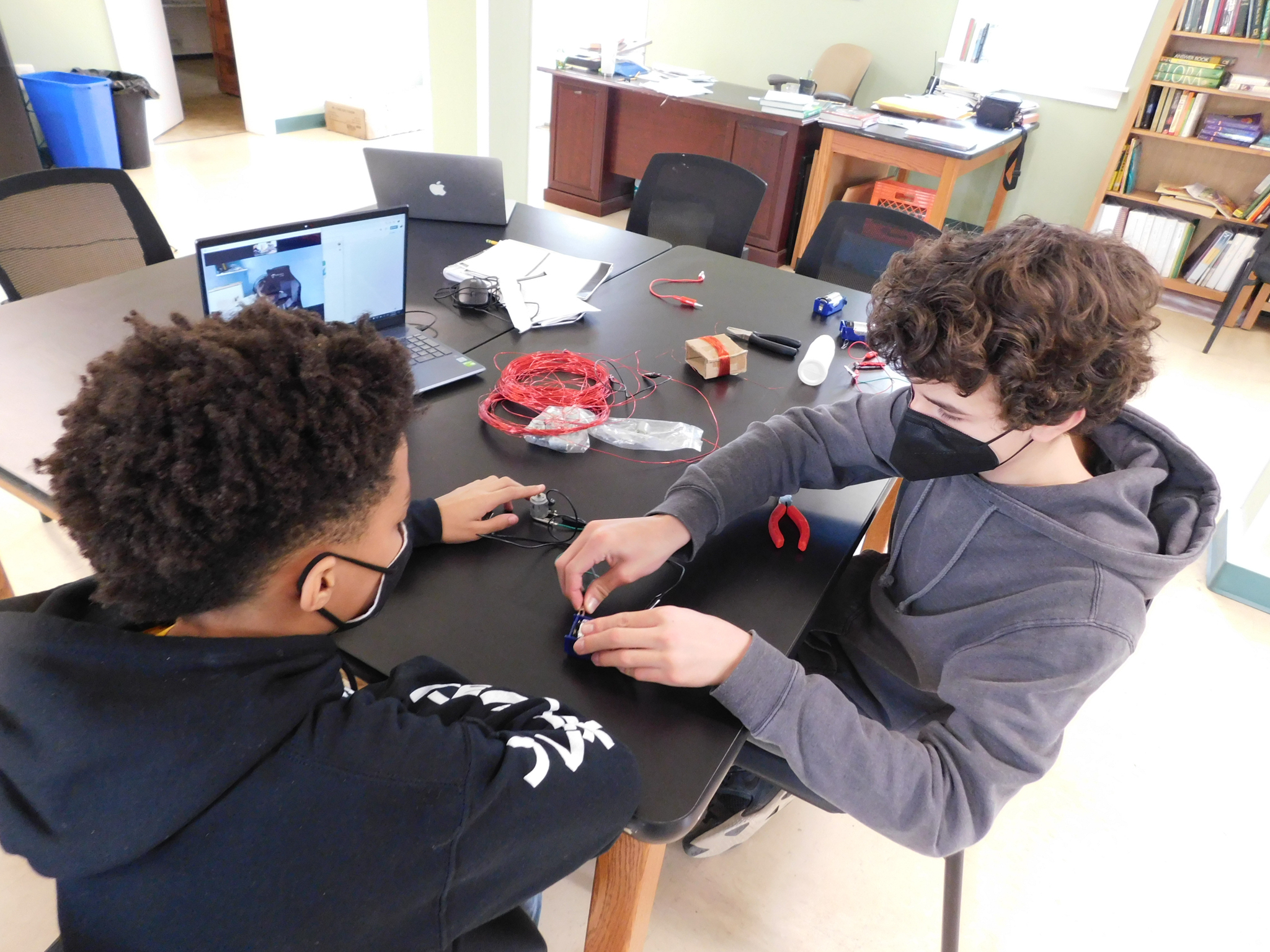
Science experiments are an integral part of Cosmic Education at the Elementary level, allowing the children to get “hands-on” with the scientific principles demonstrated in the Great Stories and Key Lessons. 

Levels of Understanding

When they are first presented, the experiments provide a visual image for a story or lesson. Paper pieces sprinkled on water, for example, enable the students to imagine how the elements born during the birth of the universe cooled and coalesced, joining together to create the stars and planets.

Above: Lower Elementary students demonstrate science experiments as part of the first Great Lesson, The Birth of the Universe.

From these explorations, the students can extend their studies further, engaging in deeper and more sophisticated studies of the fields of chemistry and physics. For example, the same experiment  with the pieces of paper sprinkled on water may be repeated in order to study the surface tension of water. Later, students can return to this experiment to explore the mechanism of surface tension, leading to the idea of hydrogen bonding.

Above: Upper Elementary students practice building models of elements on the periodic table using the Bohr Board.

The Scientific Method

When they are first presented, the experiments provide a vehicle for introducing the scientific method, including identifying a research question, proposing a hypothesis, conducting an experiment to test the hypothesis, making observations, recording data, analyzing results, drawing conclusions, and presenting findings. Elementary students also explore the work of groundbreaking scientists across time periods and cultures, discovering along the way how many scientific discoveries came about from incorrect hypotheses, a wonderful opportunity to discuss “mistakes as teachers” and the importance of a growth mindset.

Above: A Lower Elementary student tests the properties of a solid.

The science experiments offered in the Montessori classroom bring Cosmic Education to life. They enable students to develop scientific skills and delve more deeply into scientific concepts. And most of all, they offer students opportunities to pursue their interests and develop concentration on the path towards their self-construction.

Above: Lower Elementary students explore the movement of sound waves through water.

Montessori Mastery: A Learning Process for Life

Montessori Mastery: A Learning Process for Life

A group of Lower Elementary students share their work with their classmates.
Montessori Mastery: A Learning Process for Life

Students are best motivated to learn when they work on something of their own choosing, at their own pace, and until they determine that they know. But is this realistic in the classroom setting? Can we really expect students to know what they want to pursue, stick with it, and then demonstrate mastery?

Many of us who grew up with a conventional school education had a very different experience: the teacher would enter the classroom with the day’s lessons all planned to be delivered in defined blocks of time within the boundaries of the regular school day hours. The next day was more of the same. Everyone would receive the same lessons at the same time, regardless of interest, readiness, or need for practice to solidify newly presented material. Content was presented in a prescribed curriculum administered by adults. Various quizzes and tests were given within a specified time period to determine whether or not newly presented material was understood. Regardless of the test results, the curriculum moved forward.

One major problem with this approach is that it does not take into account the students. Not all students are interested in the same thing at the same time, nor are they always ready for the same work because they are in the same class. There is a growing body of research that confirms the significant role that choice plays in student motivation and learning. Sue Grossman Ph.D. states strongly in her article, “Offering Children Choices: Encouraging Autonomy and Learning While Minimizing Conflicts,” that, “giving children choices throughout the day is beneficial, even crucial to their development.”

So, how do we change the system?

Montessori is intentionally and appreciably different than conventional models of education. Montessori is a developmentally based approach, in which choice has always been a critical element in our work with students. We cannot force a student to learn. We can create an environment, rich with resources and hands-on materials, that encourages autonomy and independence. We can offer lessons, observe students, and work with them to ensure their progress. We can model, demonstrate, establish and maintain high expectations for engagement and accountability. Ultimately, it is the students who takes ownership of and responsibility for their own learning.

In the words of Dr. Maria Montessori, “Education is a natural process carried out by the human individual, and is acquired not by listening to words, but by experiences in the environment.”

Guiding a class of curious young students, each of whom is making individual choices about what he or she is working on, is no easy feat! How do we support individual interests and pursuits while also ensuring that skills are practiced and expectations for high quality, polished work permeate? We have at our disposal a deep understanding of the developmental needs of the students, uninterrupted work periods where we are available to provide lessons, observe practice, meet with individuals, and offer an abundance of beautiful, engaging materials with which to engage students.

Breaking down the process

A key technique we utilize to present information to students is called the three period lesson. Regardless of the content being introduced, this framework supports on-going work for individuals and groups of students as they move from observation to active manipulation and application, and finally to deep understanding and mastery.

Ms. Shweta gives a lesson to a Children’s House student on a short bead chain.

The first period: An introduction

During the first period, the Guide presents a new skill, idea, or story to a student. Depending on the developmental needs of the student this presentation may be short and precise: “This is blue.” It may be a naming period where vocabulary is introduced. For older students the first period may be the sharing of an impressionistic story such as The Story of the Universe, where just enough information is conveyed to inspire wonder and awe, and the story itself becomes the springboard for further exploration. This first period is presented in such a way that the students leave curious, excited, and motivated to engage with the work.

A Toddler works independently, exploring types of insects—an example of the second period of the lesson.

Second period: Thorough investigation

The length of time a student spends manipulating, exploring, questioning, and repeating newly presented lessons is not determined by the Guide, but rather by the interest and drive of the student. This period of deep engagement is known as the second period of the lesson. It is the longest and most important part of any lesson. Students are not rushed to complete a task or to prove they have mastered a new skill. Instead, students are encouraged to become thoroughly immersed in their work. For younger students, this usually involves repetition until new skills and concepts are internalized. A student may sort, match, name, and paint with all shades of “blue.” Older students may choose to explore the three states of matter, gravity, the composition of the earth, or formation of mountains after hearing The Story of the Universe. When students freely choose topics that interest them, motivation comes from within and kindles their natural desire to learn. They are learning for learning’s sake, and their drive is ignited.

Curiosity begins with questions and is fed by on-going investigation, discovery, and the sharing of ideas. As older students dive into self-chosen research topics, they rarely work in isolation. Learning is infectious! Students not only enjoy sharing what they are learning, but also invite critical feedback from their peers as they bring their research to completion. Learning to give and receive feedback supports whole-class collaboration. Students encourage one another by giving descriptive feedback that is kind, specific, and helpful. Engaging in the critique process often inspires multiple revisions, encourages further opportunities for developing listening and speaking skills, builds student confidence, and leads to amazing polished work. There are no limits when students share, exchange ideas, and support each other. Expectations for deep engagement and high quality product are modeled and reinforced by peers with the overarching goal being the creation of beautiful work.

Two Adolescent students teach a group of Children’s House students how food scraps are used to make compost.

Third Period: Demonstration of Knowledge

So, how do we know when the students know? Third period activity is unmistakable with young students. They show us they know by spontaneously teaching their peers! Newly acquired skills are applied directly in daily activity, whether it is to identify the color blue or by helping a classmate put on her jacket. For older students the third period is manifest in myriad ways. Students know when they are ready to present their work. They have spent time revising and practicing, speaking clearly, making eye contact, fielding questions from an audience, and graciously receiving feedback. They have become “experts” in their topic. Presentations may include a skit, a song or poem, a video, or a model built to scale.

The final facet of the third period for older students is reflection. Students analyze the learning process from start to finish: “What went well?” “What were the challenges and how did I learn from them?” “What would I do differently next time?” Self-reflection inspires ownership of learning. Students are accountable to themselves. They not only begin to understand themselves as learners, but also how to tackle obstacles, work with others, accept feedback, and build the muscle they need to continue learning. John Dewey went as far as to say that “We do not learn from experience…we learn from reflecting on experience.”
Two Children’s House students explore the different types of leaf shapes, veins, and margins.
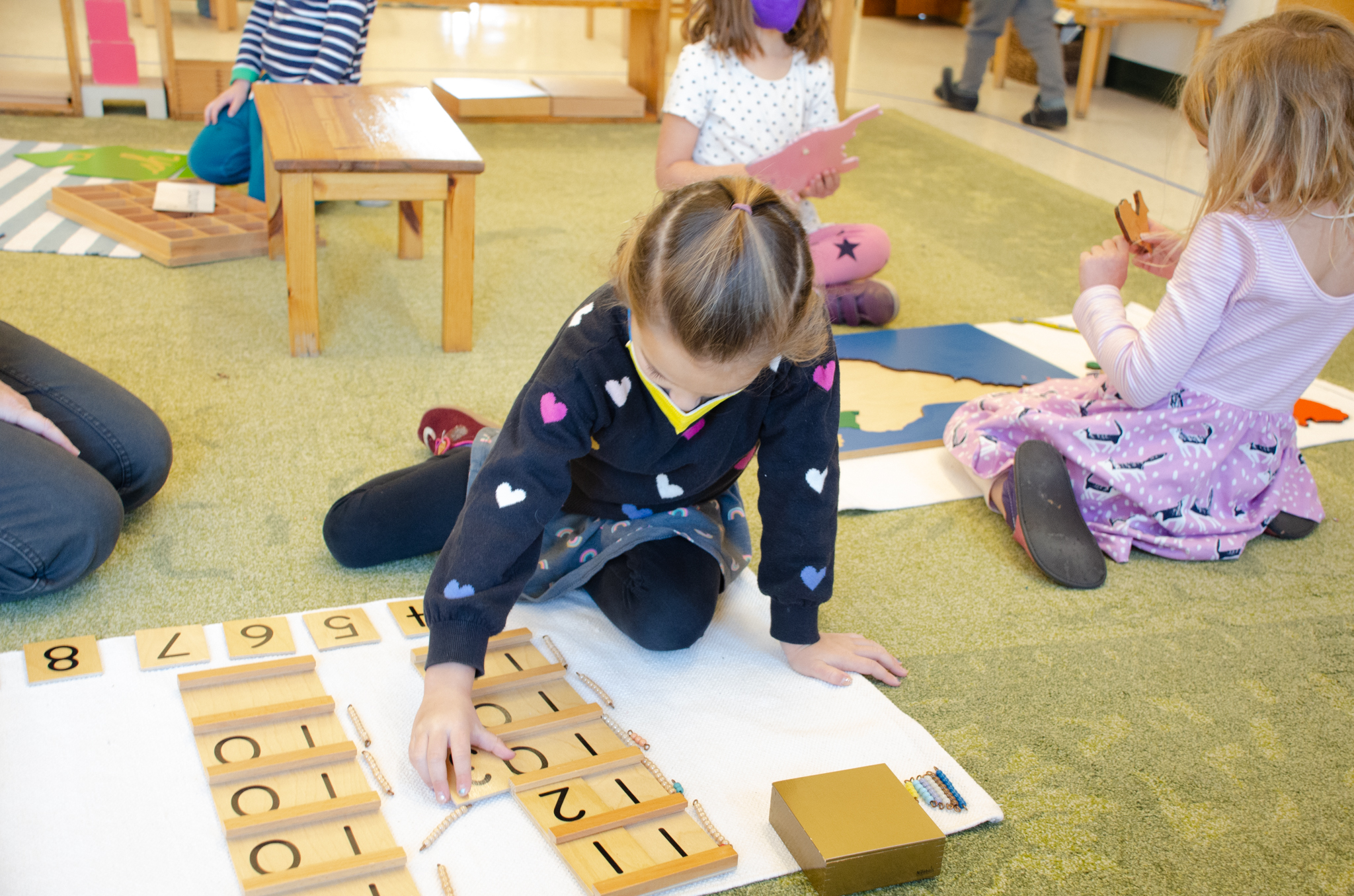
At Greenspring Montessori, students are encouraged to dive into their work wholeheartedly—to make mistakes, and to learn from them. “That’s how learning in a Montessori classroom works – not by memorization, or simply listening to a teacher at the front of a classroom, but by doing.” (threetree.org)
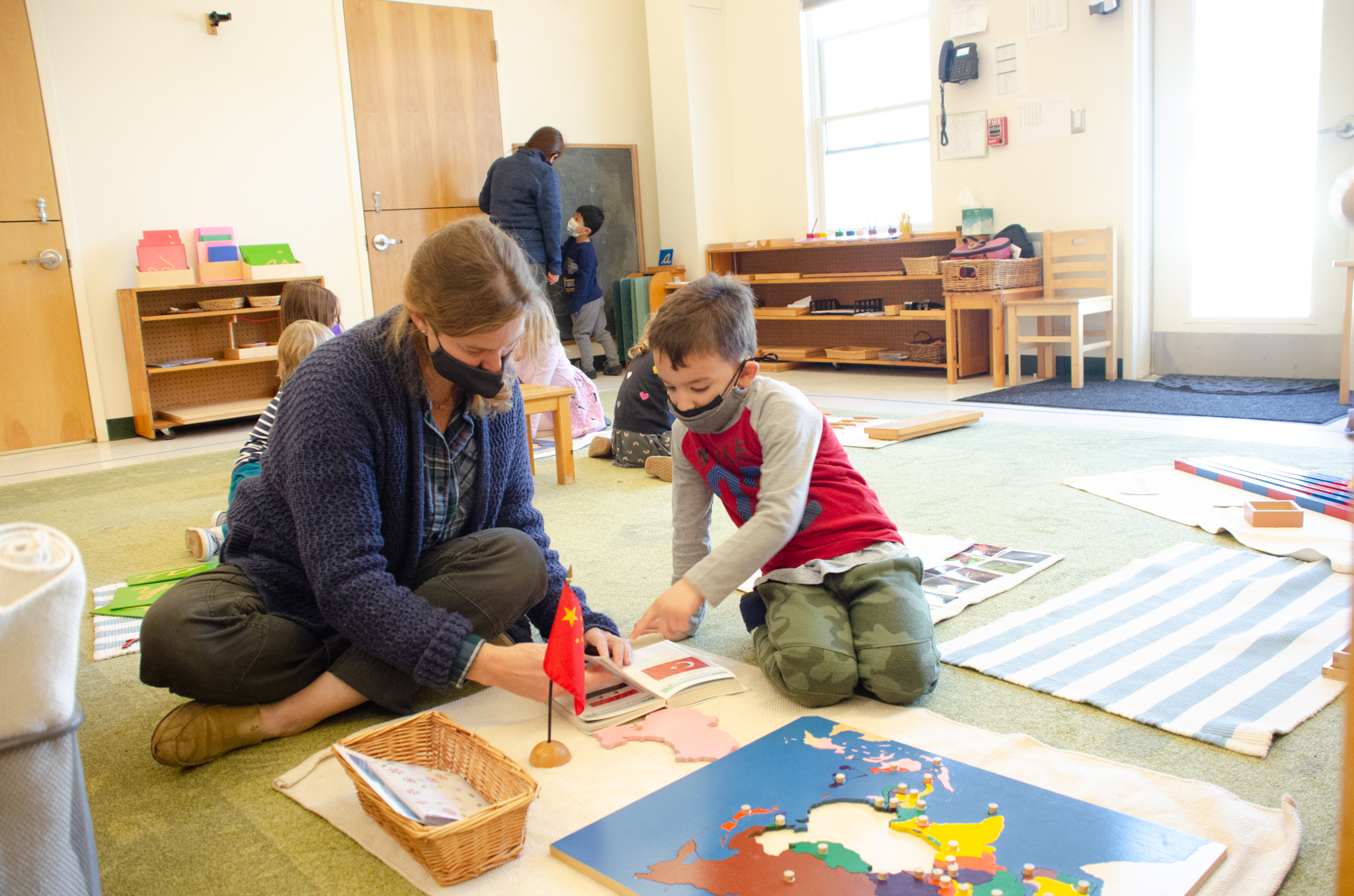
Yes, we do expect students to know what they want to pursue, stick with it, and then demonstrate mastery. They demonstrate this every day, with gusto and an insatiable appetite for more!

Adolescent Studies of Food, Identity, and Access

Adolescent Studies of Food, Identity, and Access

This year the Adolescent Community is exploring complex topics around food. They started with food systems and the biochemistry of food, and they are now beginning to study food as part of culture and issues of food accessibility in Baltimore.

Students began the year on an Odyssey trip to Echo Hill Outdoor School to learn about food systems and where our local food is sourced. Students picked wild pawpaws and harvested pears, apples, cucamelons, peppers, and more from the gardens at Echo Hill. Then they spent several days on a fishing boat in the Chester River to learn about the local marine ecosystems and how fish, crabs, and other seafood are caught for the food industry.


They then began a unit on the biochemistry of food, learning about the fermentation process and ways of food preservation, making homemade paneer (Indian cheese), chapati (made with whey from the paneer), butter, sourdough, yogurt, apple cider vinegar, and a variety of pickled vegetables. They also learned about the breakdown of nutrients back into the soil, starting a campus-wide composting program and giving lessons to the younger classes on how to compost at school.

The students are currently studying the sociology of food, beginning with the fundamental needs of humans and exploring the cultural significance of food. Students ventured to Lexington Market in Baltimore to learn more about the many ways in which cultures cook and share food. They are also beginning to explore the ways that different communities are able to access food. As they explore neighborhoods and markets throughout Baltimore, they will continue to ask deep questions about culture, identity, and food.


Stay tuned for more details about the upcoming projects from the Adolescent Community as they begin to design new food systems.

Montessori Brings Grammar to Life in the Classroom

Montessori Brings Grammar to Life in the Classroom

Many of us do not have fond memories of our grammar studies. But Montessori grammar is different. Instead of being presented as a boring set of rules, Montessori students are first introduced to “The Story of Language,” which tells the story of the evolution of language from its earliest beginnings to modern day. And instead of waiting until middle school, grammar is introduced to children at the age when children are fascinated by words – between the ages of 5 and 7. Best of all, Montessori grammar is hands-on, colorful, and active!

In Montessori grammar, each part of speech is represented by a shape and color with a special meaning. For example, the Noun is represented by a black pyramid. The pyramid, one of the first human structures, is solid and does not move. It is black to represent carbon, believed to be the first mineral discovered by humans. We can imagine nouns (naming words) being among the first words spoken by early humans. The Verb, on the other hand, is a red sphere, to represent the shape and energy of the sun which gives life. The verb gives life and movement to objects, just as the sun gives life to all living things.

Dr. Montessori designed a series of Grammar materials that bring this work to life.

“The study of grammar is to language what the study of anatomy is to science. By studying grammar, we become better writers and readers.”

– Lori Bourne, Montessori for Everyone

Key Experiences

Each part of speech is introduced in an interactive story or game that leaves a lasting impression. For example, when introducing the adjective, the guide will gather a group of children and ask the children to get something for her: a book. When the children return with various books, the guide responds, “No, not that one! Sorry, I was thinking of another.” The children continue fetching different books until they realize that they need more information. The guide then explains that when there are many of something, we must use more specific language. “I want the small book with the green spine.”

The Farm

Early introductions to grammar can begin in the Children’s House classroom. One Children’s House material, called The Farm, usually consists of a wooden farm set, including a barn and miniature farm animals. It also comes with cards on which are written different nouns, verbs, adjectives, and other parts of speech.

A child who has been introduced to the function of the noun can practice this new skill by putting out labels naming the nouns they find on the farm, such as sheep, goat, farmer. A child who has had a lesson on the article and the adjective can practice differentiating between items or using more descriptive language, such as the brown cow vs. the black cow or a fluffy, white sheep. And a child who is working with the verb might add some action by placing out cards that say, The farmer plants tiny seeds.

This material allows the child to practice reading isolated words in context, to understand the function of words, and is preparation for reading and creative writing. After children have been introduced to grammar on a sensorial level, they are ready to understand it in a deeper way.

Grammar Commands & Grammar Boxes

In the Lower Elementary classroom, students begin working with the Grammar Boxes. There are eight grammar boxes, each isolating a new part of speech to be studied. After the key experience introducing a new part of speech, the children first work with the grammar commands. These involve student acting out the new part of speech. “Throw the eraser out the door” is a favorite!

Then the child will work with the grammar box corresponding to the new part of speech. The child will select a sentence and then form this sentence by placing the word cards out in the correct order. They can experiment with syntax by exchanging the order of words in a phrase or sentence. Next the child will select the correct grammar symbols and place them above each word.

Extensions & Classification

There are many grammar extension activities. One large, exciting one is the Detective Triangle Game. The child spreads out all the triangles on a rug or table. Then must sort them by type, matching the labels to each triangle – for example, “the small, red, isosceles, right triangle.” The child can clearly see how using adjectives gives us the information we need to distinguish one thing from another.

Students dive deeper into their grammar studies through classification. As they continue with the adjective, for example, children will have the experience of classifying the degree of adjectives, such as soft, softer, softest. Next, they will use the Classification Chart for Adjectives to practice identifying adjectives as either proper (e.g., Canadian), descriptive (e.g., rectangular), numerical (e.g., third), or pronominal (e.g., that), and make even finer distinctions within those categories.

Symbolizing

When students have worked through all the grammar boxes, they are ready to apply their knowledge to “real world” writing. Students can select a sentence from their own writing to symbolize or select a passage from a favorite piece of literature or poem. Students can also select a grammar pattern and create their own sentences that fit the pattern. These more abstract applications of grammar allow students to demonstrate a deep knowledge and understanding of the function of words.

In Montessori, grammar is tactile, active, and fun! It goes hand and hand with Montessori sentence analysis, which both provide a foundation for agile writers with a solid understanding of the function of words.