Fall 2024 Reading List

Fall 2024 Reading List

It’s beginning to feel like fall outside and one of the things we love most about the changing of the seasons is reading new books! Below you will find a few recommended children’s books. You can find these books in our library if you would like to borrow them to read to your child.

Fall Feast Nature’s Harvest, by Sean Taylor

Discover the wonder of fall and learn how wildlife prepares for the colder months ahead with this heartwarming non-fiction picture book. The wind is blowing. Golden leaves are falling. Animals are busy gathering food to store away. It’s time to celebrate nature during the cooler, fall months…

In this beautiful, blustery fall story, join two young children and their moms as they go on an autumnal adventure in their local park. They spot amazing plants and animals, and are enchanted by the sights and sounds around them—crunchy leaves, vibrant fall colors, and a feast of nuts, berries, and fruit. They pass through several wildlife habitats and begin to see that nature is full of life during this time of plenty. They notice the little things—seeds blowing in the wind, mushrooms on the ground, and empty shells all around.

Peace, by Miranda Paul

From a hello and pronouncing your friend’s name correctly to giving more than you take and saying I’m sorry, this simple concept book explores definitions of peace and actions small and big that foster it. Award-winning authors, Baptiste Paul and Miranda Paul, have teamed up with illustrator Estelí Meza—winner of the ‘A la Orilla del Viento’ the premier Picture Book Contest Award in Mexico—to create an inspiring look at things we can all do to bring peace into our lives and world.

Birdsong, by Julie Flett

When Katherena and her mother move to a small town, Katherena feels lonely and out of place. But when she meets an elderly woman artist who lives next door, named Agnes—her world starts to change. Katherena and Agnes share the same passions for arts and crafts, birds, and nature. But as the seasons change, can Katherna navigate the failing health of her new friend? Award-winning author and artist Julie Flett’s textured images of birds, flowers, art, and landscapes bring vibrancy and warmth to this powerful story, which highlights the fulfillment of intergenerational relationships, shared passions, and spending time outdoors with the ones we love.

Mother of Sharks, by Melissa Cristina Marquez

As the sun sets over another gorgeous day at la Playita Del Condado in Puerto Rico, Meli doesn’t want to go home. She loves the ocean more than anything, and with only five minutes left at the beach, she knows exactly where her last stop should be: the tidal pools. They are small universes of their own teeming with critters and creatures of the ocean. While looking into the pools, she meets a crab, Jaiba, who takes her on a dreamlike underwater adventure, teaches her about the importance of shark conservation, and reveals Meli’s ultimate destiny: to become the Mother of Sharks.

Blending the autobiographical with the fantastical, Melissa Cristina Márquez shares her incredible story not only to dispel myths about these misunderstood creatures but also to pave the way for Latinas in STEM. Paired with Devin Elle Kurtz’s vibrant, emotive illustrations, this picture book is an irresistible journey through the wonders of the ocean and, above all, a rallying cry for marine conservation.

We Are Grateful: Otsaliheliga, by Traci Sorell

The word otsaliheliga (oh-jah-LEE-hay-lee-gah) is used by members of the Cherokee Nation to express gratitude. Beginning in the fall with the new year and ending in summer, follow a full Cherokee year of celebrations and experiences. Written by a citizen of the Cherokee Nation, this look at one group of Native Americans is appended with a glossary and the complete Cherokee syllabary, originally created by Sequoyah.

Where Are You From? by Yamile Saied Mėndez

When a girl is asked where she’s from—where she’s really from—none of her answers seems to be the right one. Unsure about how to reply, she turns to her loving abuelo for help. He doesn’t give her the response she expects. She gets an even better one.

Where am I from? You’re from hurricanes and dark storms, and a tiny singing frog that calls the island people home when the sun goes to sleep….

With themes of self-acceptance, identity, and home, this powerful, lyrical picture book will resonate with readers young and old, from all backgrounds and of all colors—especially anyone who ever felt that they don’t belong

Crow Not Crow, by Jane Yolen

New York Times bestselling children’s author and beloved birder, Jane Yolen, and her son, Adam Stemple, have teamed up to write this gentle tale of a father introducing his daughter to the joys of bird-watching using the “Crow, not Crow” method for distinguishing birds. Elizabeth Dulemba’s delightfully warm illustrations bring the story to life.

Sofia Valdez, Future Prez, by Andrea Beaty

Children who join Sofia in her story will learn that they can help their community—or even one day become president of the United States! Every morning, Abuelo walks Sofia to school . . . until one day when Abuelo hurts his ankle at a local landfill, and he can no longer do so. Sofia (aka Sofi) misses her Abuelo and wonders what she can do about the dangerous Mount Trashmore. Then she gets an idea: The town can turn the slimy mess into a park! She brainstorms and plans and finally works up the courage to go to City Hall—only to be told by a clerk that she can’t build a park because she’s just a kid! Sofia is down but not out, and she sets out to prove what one kid can do.

Alternatives to Saying Good Job

Alternatives to Saying Good Job

You may have heard your child’s Guide talk about the importance of offering children encouragement rather than praise. But why is that important? And what does that look like in real life?

Why It’s Important

For the past ten years, psychologist Carol Dweck and her team at Columbia (she’s now at Stanford) studied the effect of praise on students (preschool to graduate school) and found that praise has these negative outcomes:

  • Children become more cautious, more likely to avoid challenges
  • Causes them to lose interest
  • Encourages competition among children
  • Motivation shifts from internal to external (creating “praise junkies”)
  • Children more likely to think that intelligence or talent is something you either have or don’t have (fixed mindset)
  • Reduced their achievement

While well-intentioned, it is clear that praise can have some unintended negative consequences.

What You Can Do Instead

In his article, Five Reasons to Stop Saying “Good Job!”, Alfie Kohn suggests:

Say nothing. Some people insist a helpful act must be “reinforced” because, secretly or unconsciously, they believe it was a fluke. If children are basically evil, then they have to be given an artificial reason for being nice (namely, to get a verbal reward). But if that cynicism is unfounded – and a lot of research suggests that it is – then praise may not be necessary.

Say what you saw. A simple, evaluation-free statement (“You put your shoes on by yourself” or even just “You did it”) tells your child that you noticed. It also lets her take pride in what she did. In other cases, a more elaborate description may make sense. If your child draws a picture, you might provide feedback – not judgment – about what you noticed: “This mountain is huge!” “Boy, you sure used a lot of purple today!”

If a child does something caring or generous, you might gently draw his attention to the effect of his action on the other person: “Look at Abigail’s face! She seems pretty happy now that you gave her some of your snack.” This is completely different from praise, where the emphasis is on how you feel about her sharing

Talk less, ask more. Even better than descriptions are questions. Why tell him what part of his drawing impressed you when you can ask him what he likes best about it? Asking “What was the hardest part to draw?” or “How did you figure out how to make the feet the right size?” is likely to nourish his interest in drawing. Saying “Good job!”, may have exactly the opposite effect. 

What is Encouragement?

While praise includes value judgements that can make children dependent on external validation, encouragment focuses on the child’s efforts and contributions, fostering motivation that comes from within.

In their book Positive Discipline in the Montessori Classroom, Jane Nelson and Chip DeLorenzo write about encouragement that it:

Focuses on the process. “I notice that you sketched first and then painted. Tell me more about that.”

Focuses on effort. “You must have worked really hard on this.”

Connects a child’s effort with the result. “You have been spending a lot of time on memorizing your math facts. I notice that your long division is taking much less time now.”

Focuses on the deed, not the doer. “You reached your goal. Congratulations!”

Focuses on improvement. “Look how far you’ve come!”

Focuses on trust. “I trust your judgement.”

The long term effect of encouragement is that children become more independent, motivated, and self-evaluative.

Examples

Instead of saying, “I’m so proud of you.” Try, “This was hard for you, but you stuck with it.” or “You must be so proud of yourself.”

Instead of saying, “You are so smart.” Try, “You figured it out.”

Instead of saying, “Good job!” Try, “You reached your goal!” or “You did it!”

Instead of saying, “This is a great report.” Try, “You must have worked really hard on this.”

Instead of saying, “I love it!” Try asking, “What do you think about it?” or “Tell me about your picture.”

You May Be Thinking…

This feels strange! These comments are cheesy! Will my child respond to encouragement?

Alfie Kohn writes, “It can seem strange, at least at first, to stop praising; it can feel as though you’re being chilly or withholding something. But that, it soon becomes clear, suggests that we praise more because we need to say it than because children need to hear it. Whenever that’s true, it’s time to rethink what we’re doing.

What kids do need is unconditional support, love with no strings attached. That’s not just different from praise – it’s the opposite of praise. “Good job!” is conditional. It means we’re offering attention and acknowledgement and approval for jumping through our hoops, for doing things that please us.”

Encouragement is powerful! It’s all in your tone and level of interest. If you are fully present, make eye contact, smile, and show genuine interest, this is much more powerful than a simple compliment.

Are all compliments harmful?

No! This doesn’t mean that all compliments are harmful. Just be mindful of your long-term goals and notice the effects of what you say.

Where do I start?

Just changing the words “I like” to “I notice” is one easy shift from praise to encouragement. 

Want to Learn More?

Articles:
Five Reasons to Stop Saying Good Job, Alfie Kohn, 2001
How Not to Talk to Your Kids by Po Bronson, New York Magazine, 2007
The Difference between Praise and Encouragement by Vicki Hoefle, PBS Kids, 2015

Books:
Punished by Rewards by Alfie Kohn, 2018
The Perils and Promises of Praise by Carol Dweck (Chapter 7 of On Formative Assessment: Readings from Educational Leadership), 2016

Children’s Books:
Your Fantastic Elastic Brain: A Growth Mindset Book for Kids to Stretch and Shape Their Brains
by JoAnn Deak Ph.D. & Sarah Ackerley
Good Night to Your Fantastic Elastic Brain: A Growth Mindset Bedtime Book for Kids by JoAnn Deak & Terrence Deak
The Owner’s Manual for Driving Your Adolescent Brain: A Growth Mindset and Brain Development Book for Young Teens and Their Parents by JoAnn Deak & Terrence Deak

Websites for Parents:
Growth Mindset Institute https://www.growthmindsetinstitute.org
Positive Discipline https://www.positivediscipline.com

Websites for Teachers:
Mindset Works https://www.mindsetworks.com
Positive Discipline for the Montessori Classrsoom https://chipdelorenzo.com


Preparing Your Child for the New School Year at Greenspring

Preparing Your Child for the New School Year at Greenspring

Whether your child is starting school for the first time, changing schools, getting a new Guide, or simply switching from a summer routine to a school year routine, the start of a new school year can bring up a lot of emotions for both of you. Here are some ways you can help your child prepare for these big changes.

1. Validate Your Child’s Feelings

Allow your child to express their feelings about school. You can use validating phrases such as, “I understand that.” “I’ve felt that way before.” “That’s hard.” You can also encourage them to keep talking with phrases like, “Tell me more.” or “Help me understand more about that.”

Take a look at this list of validating phrases.

2. Practice Ahead of Time

Familiarity

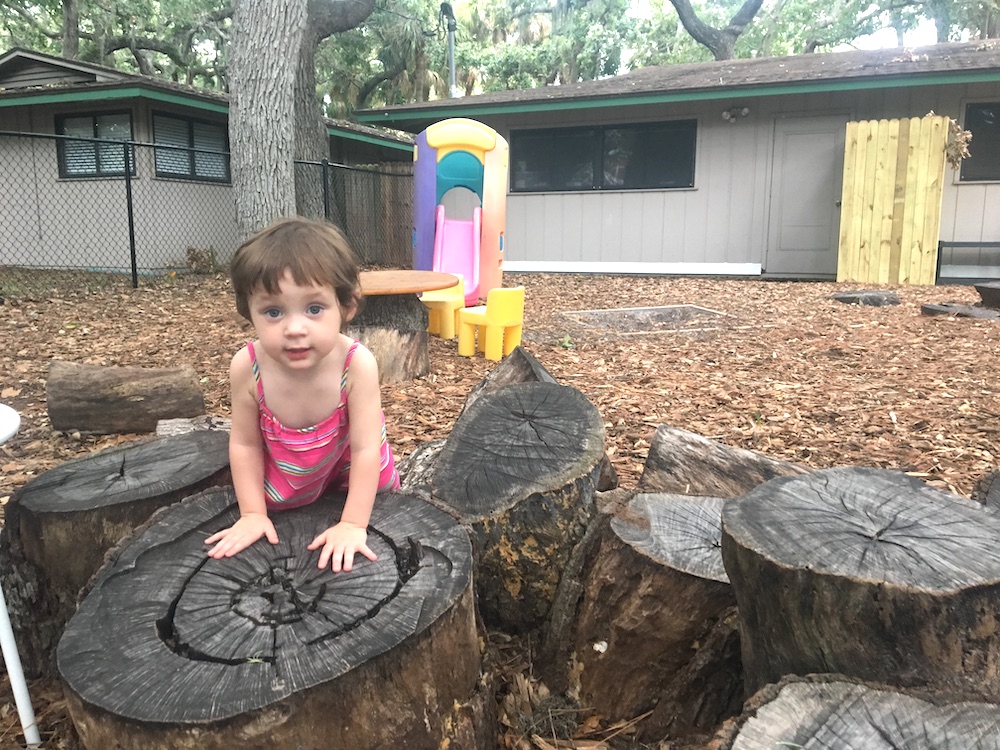
Consider visiting the Greenspring campus ahead of time to walk around the grounds and play on the playground. (It would be great to do this several times if possible.) You might also use our Family Directory to reach out to the families in your child’s class so you can set up playdates over the summer. 

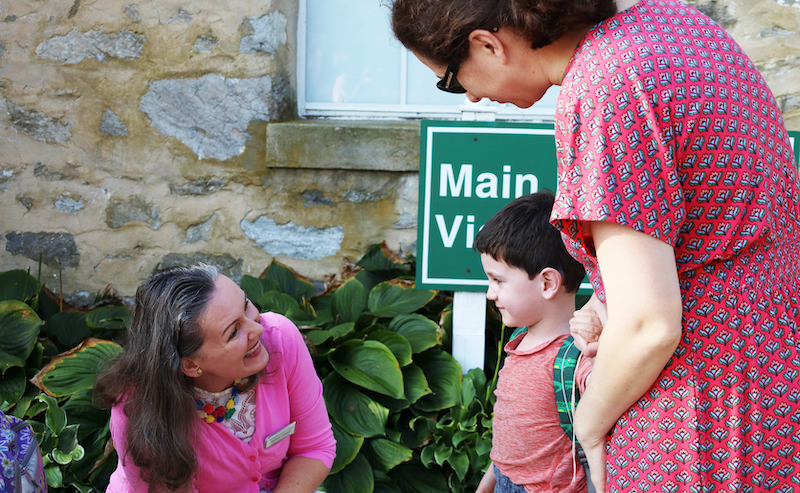
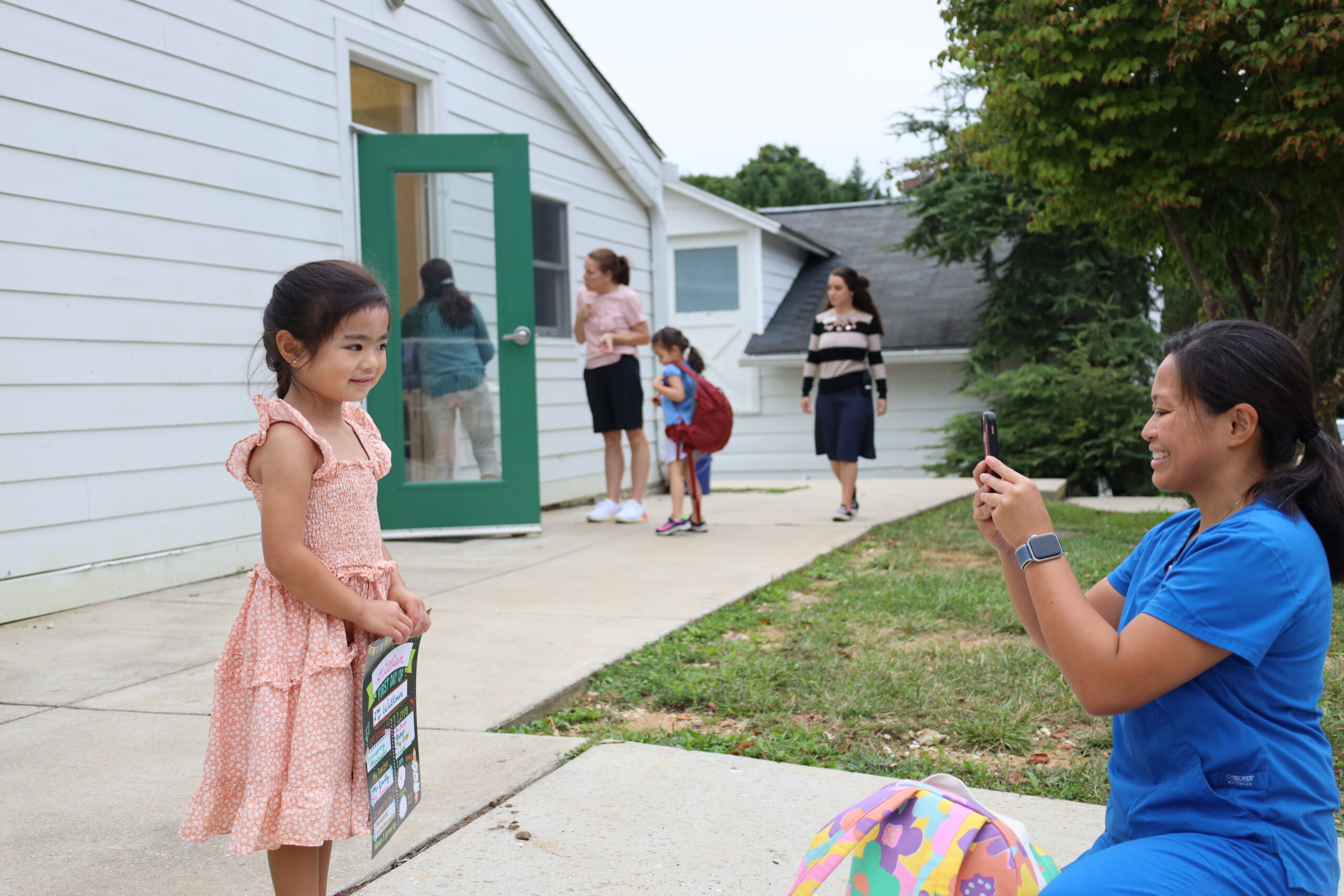
We also invite children to a classroom visit day, giving them one-on-one time with the Guide. When you visit, consider taking pictures of your child in the classroom and ask the Guide/Assistant to take a picture with your child. These can be used later to spark conversations about school. You might print them out so that your child can look at them often during the days leading up to school to help them establish familiarity with the adults in their classroom. All of these experiences will help your child feel more comfortable on the first day.

Excitement

You can offer a sense of autonomy by involving your child in picking out school supplies from the supply list. By looking through the list and talking about some of the items such as a new lunchbox or rain boots, your child will likely get excited about the things they will be able to do at school. 


Separation
If this is your child’s first school experience, it’s important to practice separation. Use the childcare room at the gym or have your child spend some time at a friend’s house to practice saying goodbye and coming back. If your child is struggling, start with just five minutes and build up from there.


New Routines

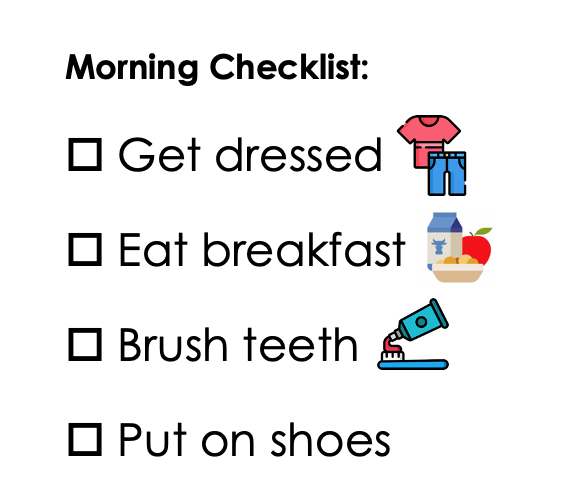
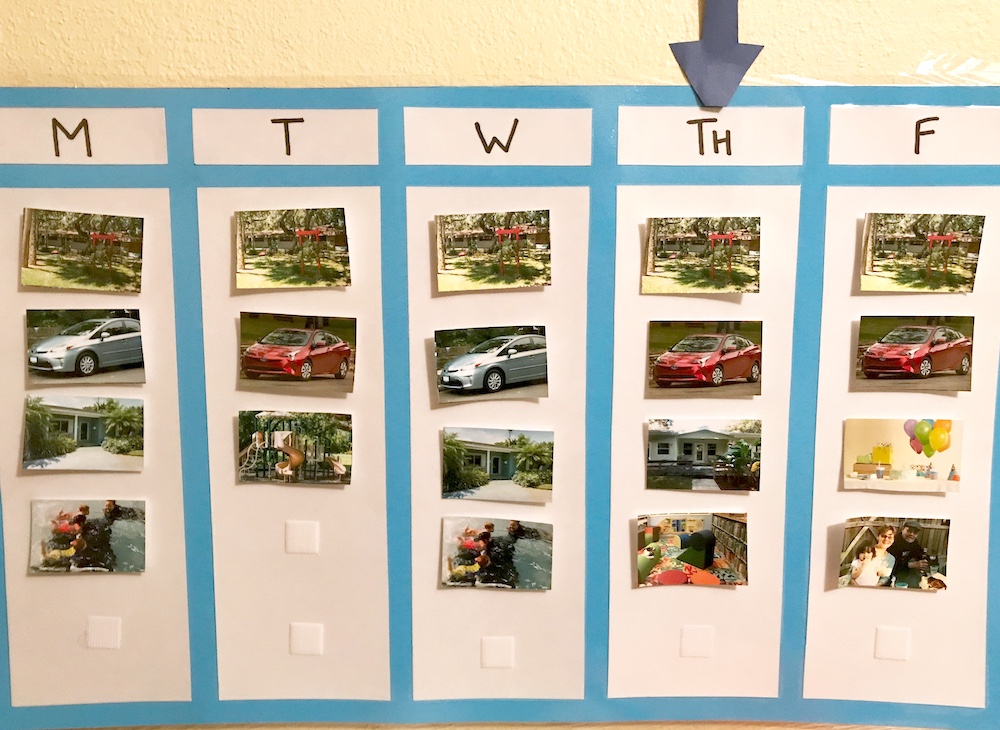
Start implementing the school morning routine well before school starts. Set an alarm for the new wake up time, and practice all the steps that you will do on a regular school day. Visual cues can be very helpful. Consider using a picture checklist for morning tasks or a picture calendar so your child can visualize the week.

Recommended Reading with Children

It can also be helpful for your child to see their situation reflected in stories. Here are a few book recommendations to read through with your child in preparation for the big day.

  • Bye Bye Time by Elizabeth Verdick
  • The Invisible String by Patrice Karst and Joanne Lew-Vriethoff 
  • The Day You Begin by Jacqueline Woodson and Rafael López
  • First Day Jitters by Julie Danneberg and Judy Love
  • School’s First Day of School by Adam Rex and Christian Robinson 
  • Ruby Finds a Worry by Tom Percival

3. Lead by Example

Your child will pick up on your emotions. If you are nervous about the new school year (which is normal), make sure you have a place to share those that is not in front of your child. When talking about the new school year around your child, focus on positivity and model excitement. For example, “I can’t wait to hear all about your first day!”

It may take some time for your child to get settled. Be in partnership with your child’s teacher and the school to talk through ways to ease the transition for your child. The most important piece is for you to stay consistent with your child.


Have a safe and happy school year!

Children Raise and Observe Wood Frogs

Children Raise and Observe Wood Frogs

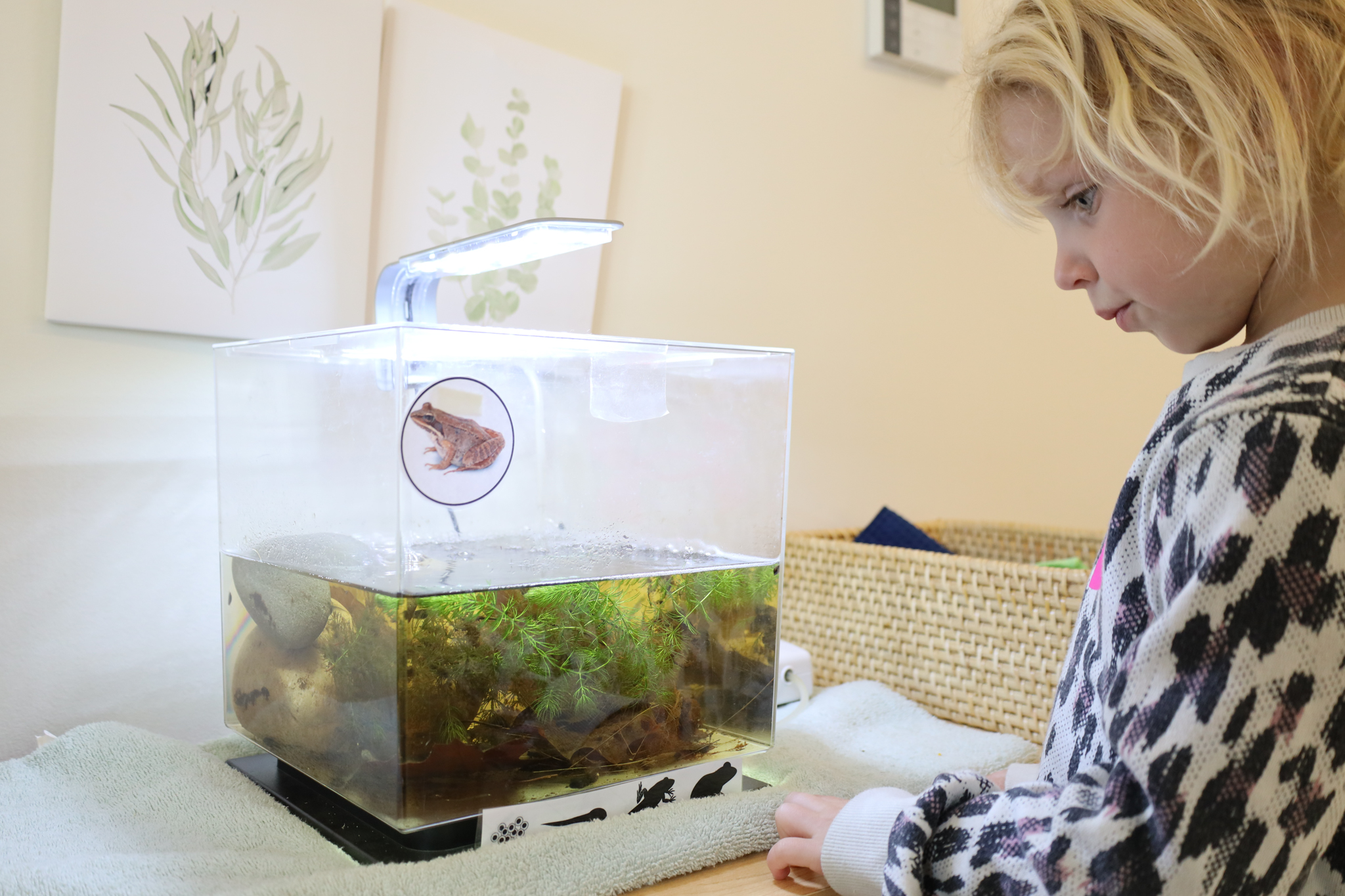
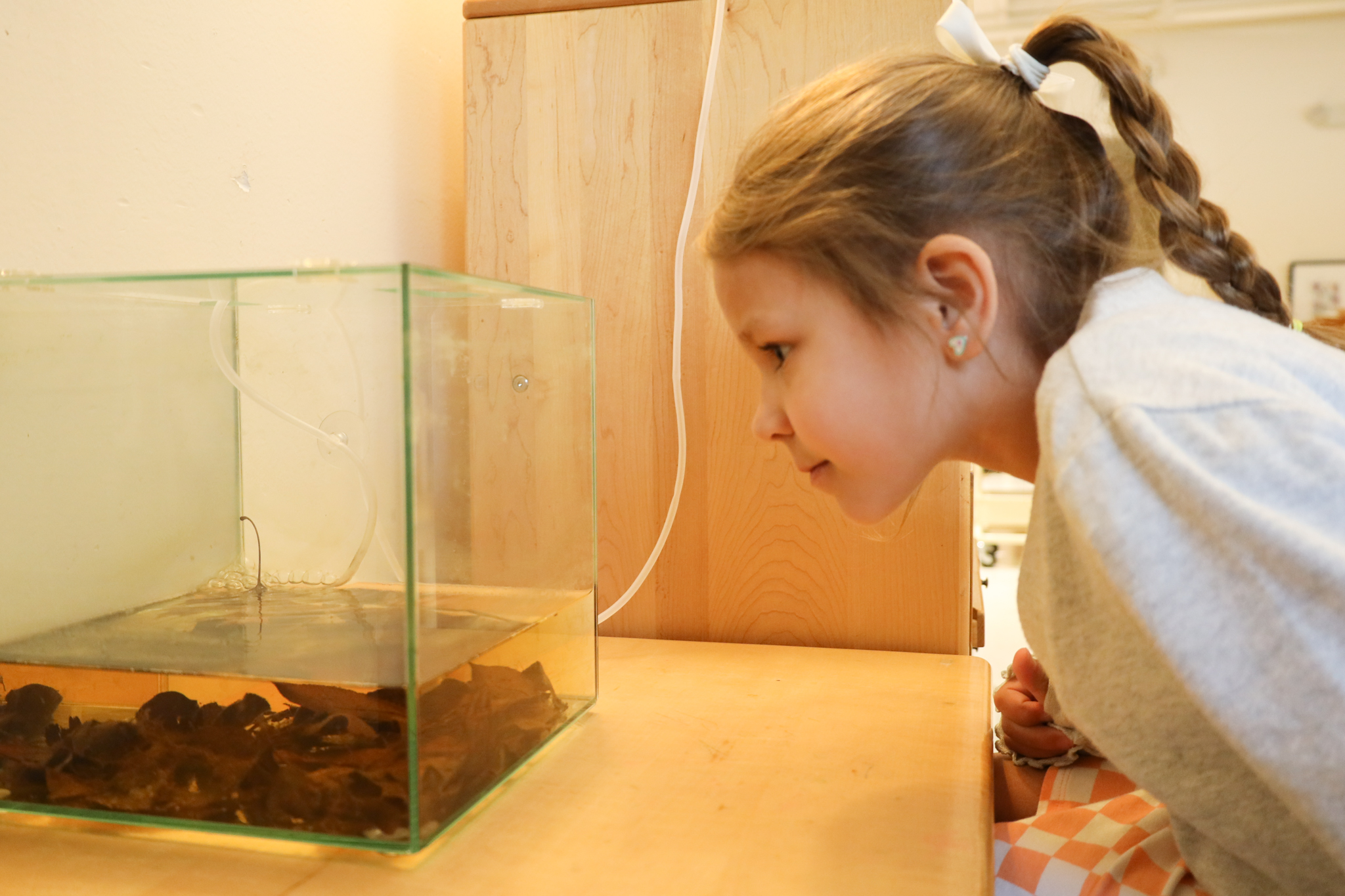
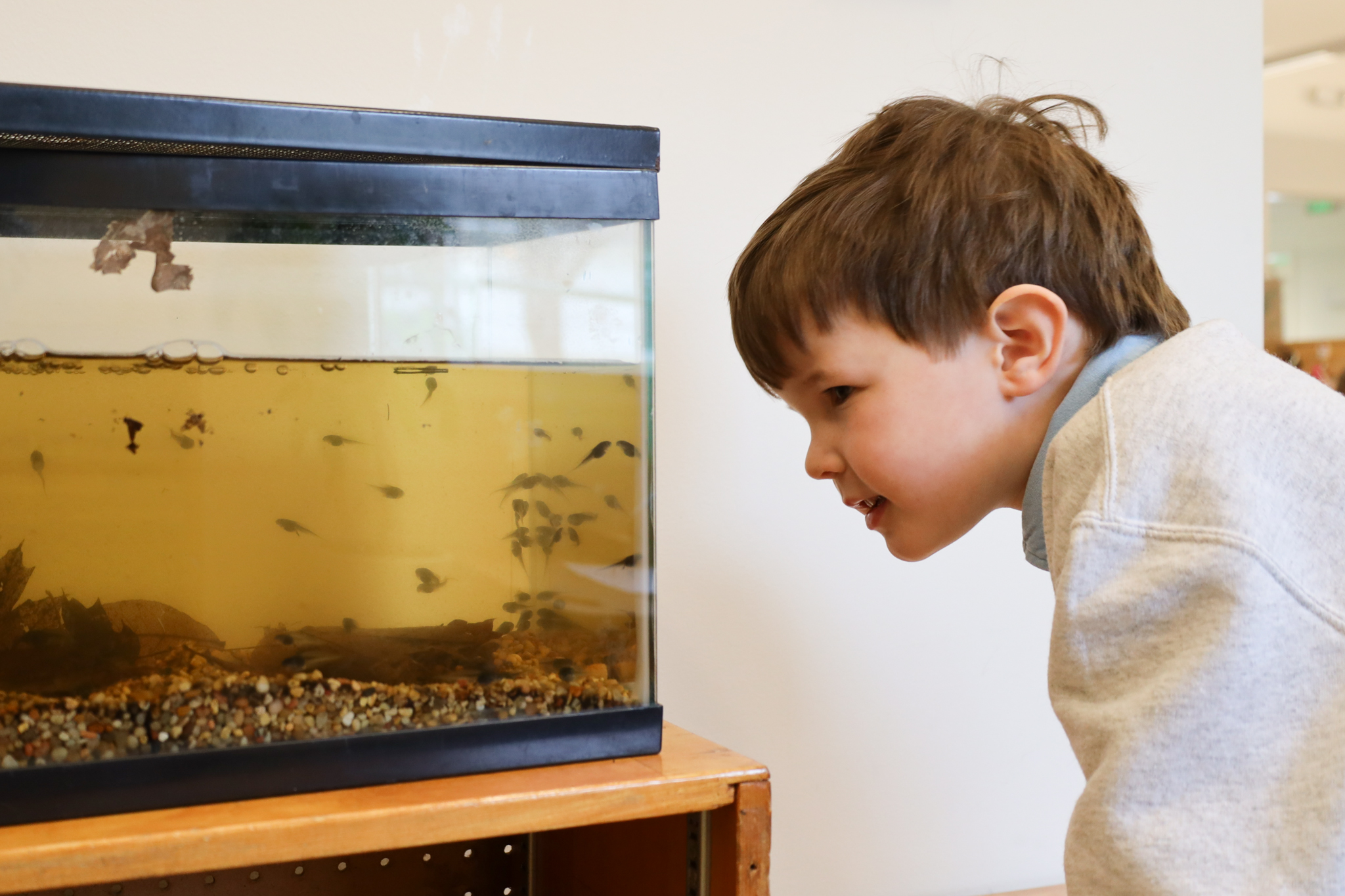
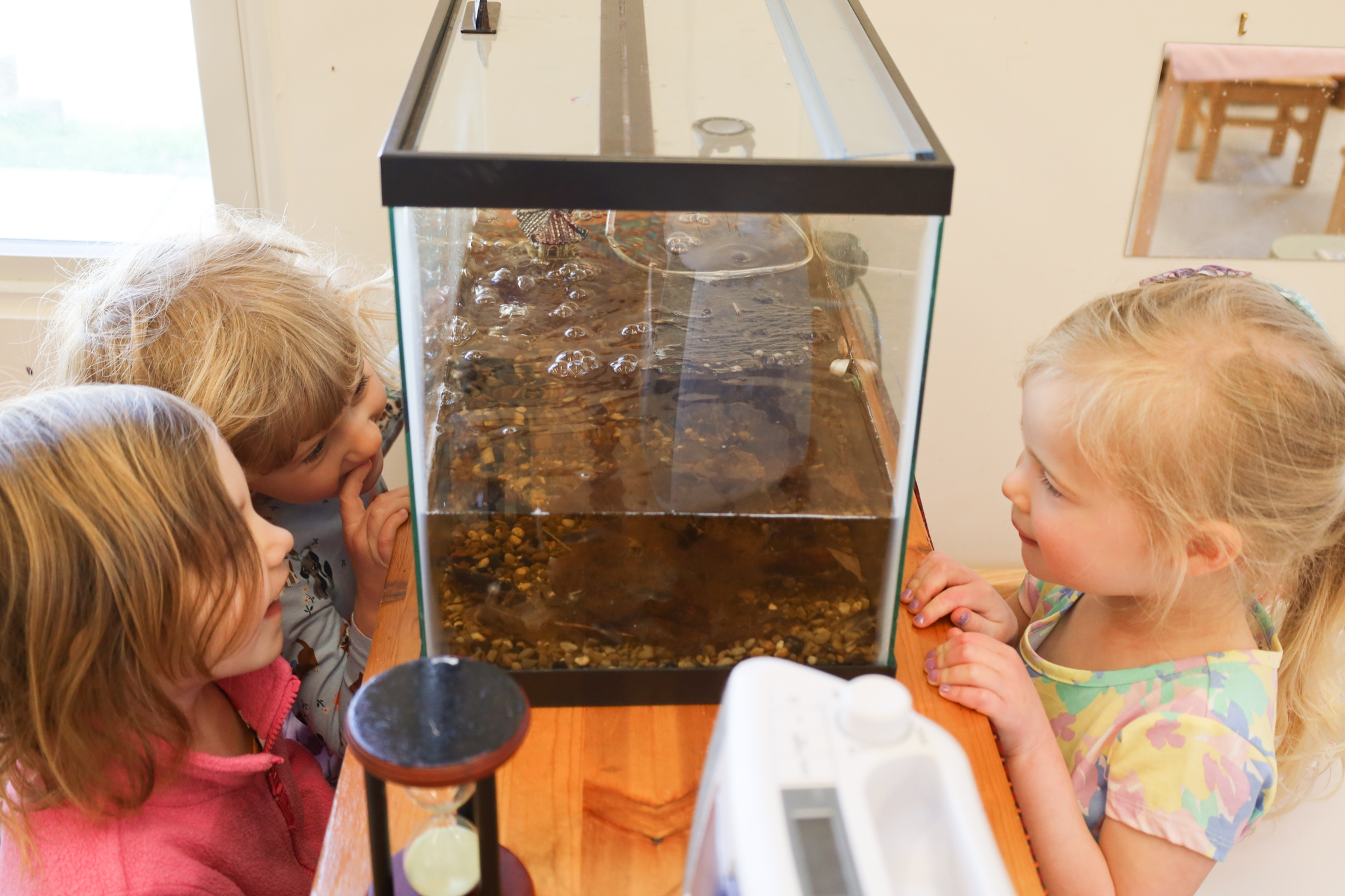
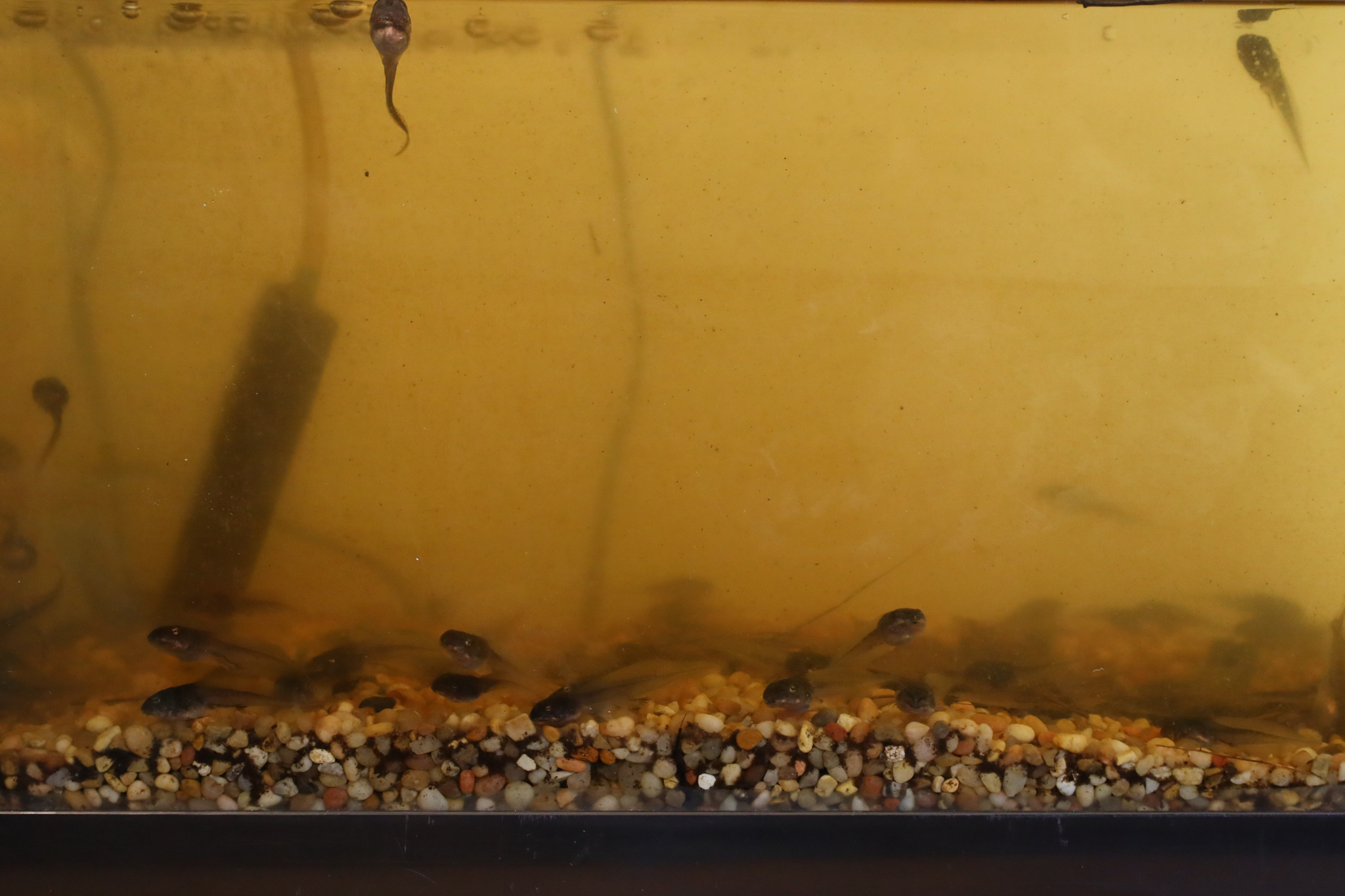
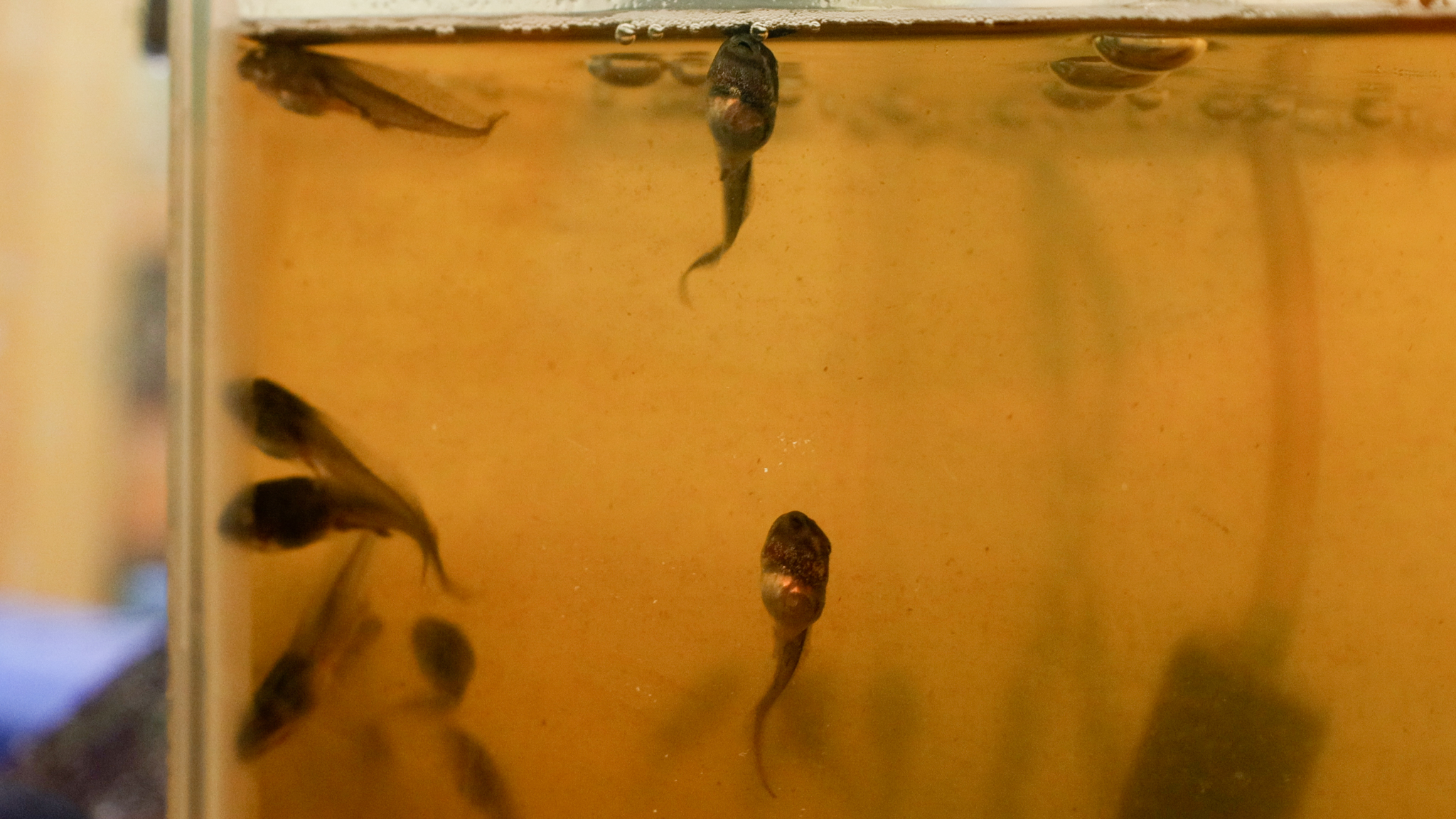
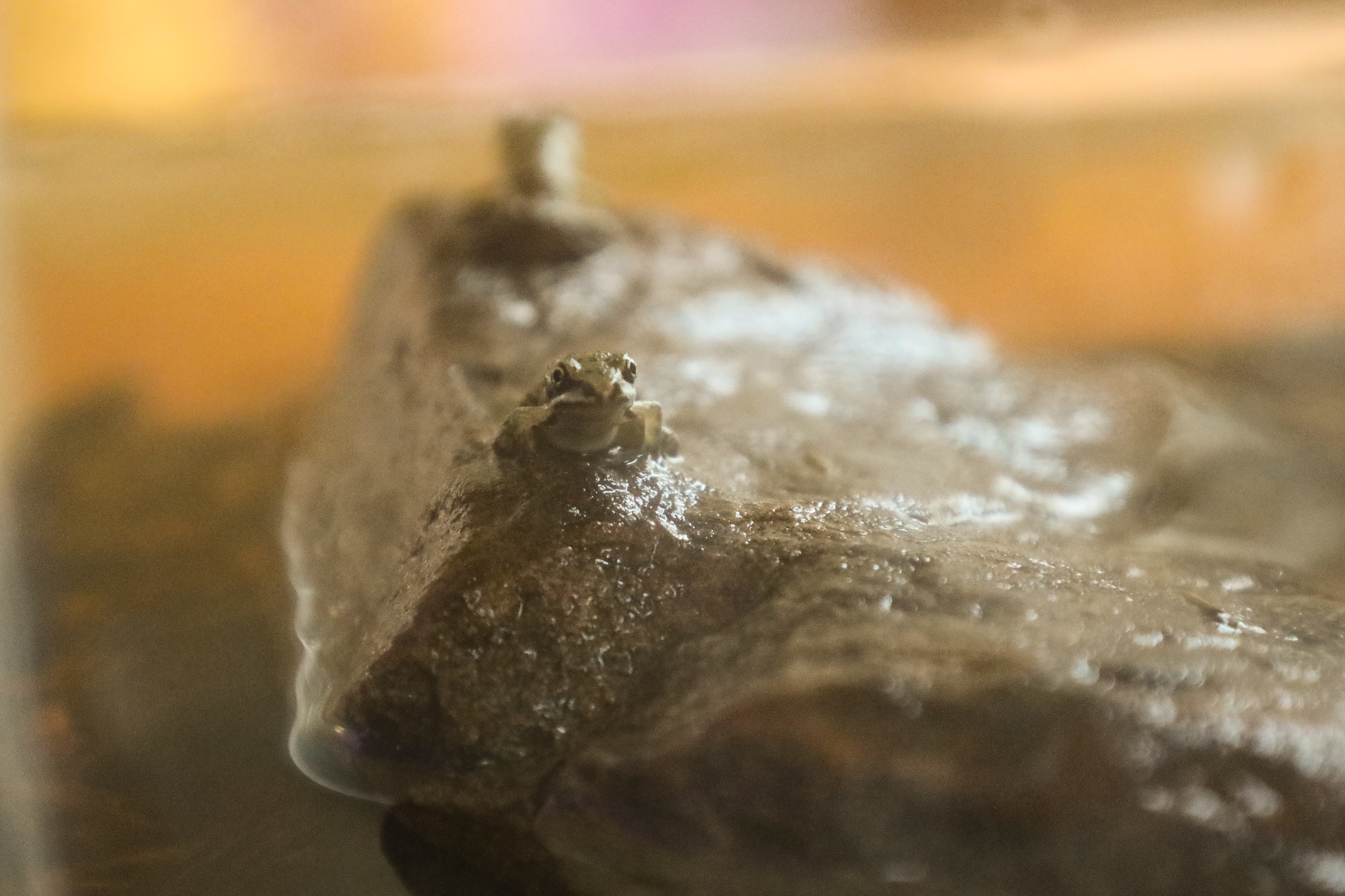
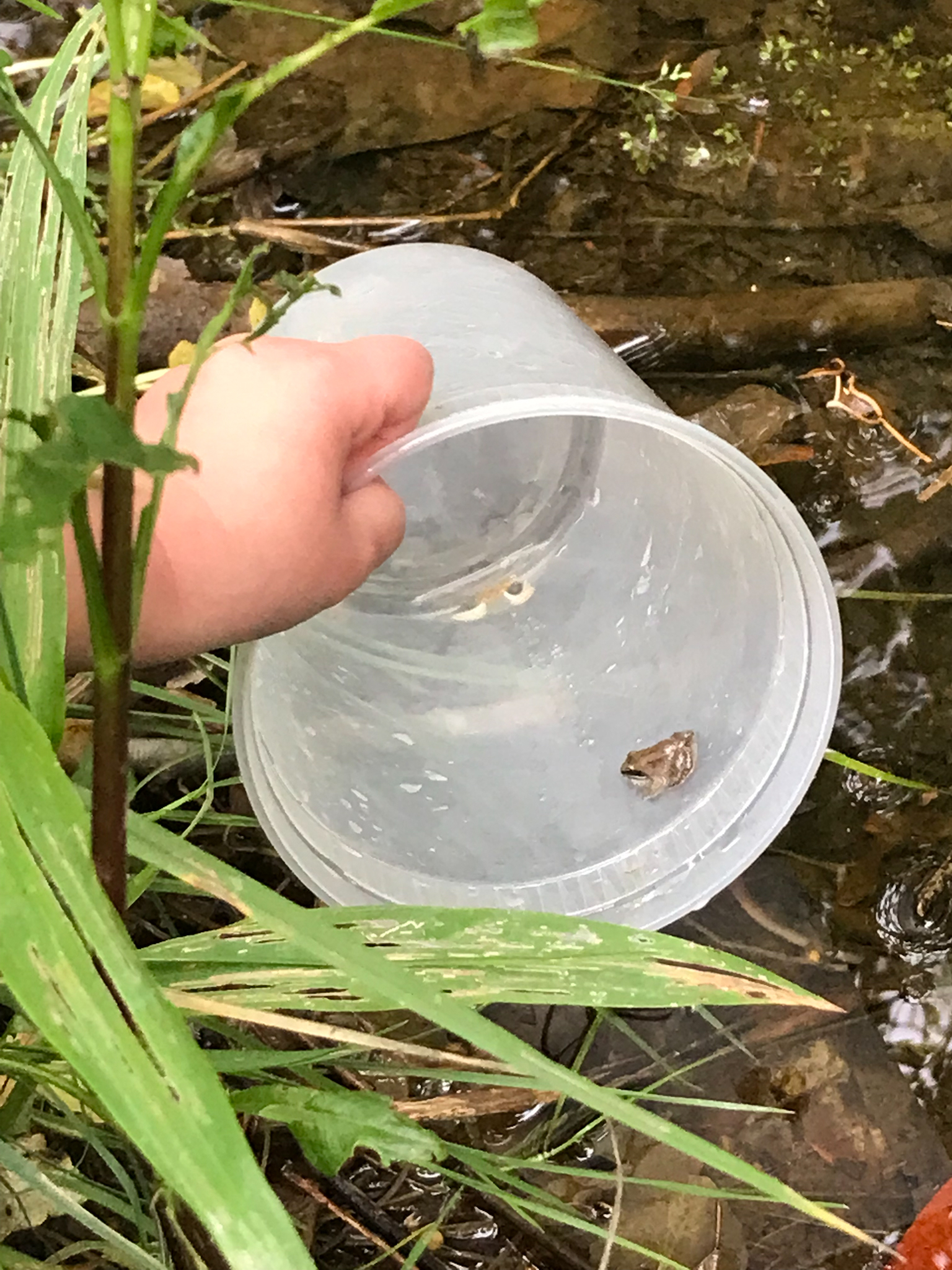
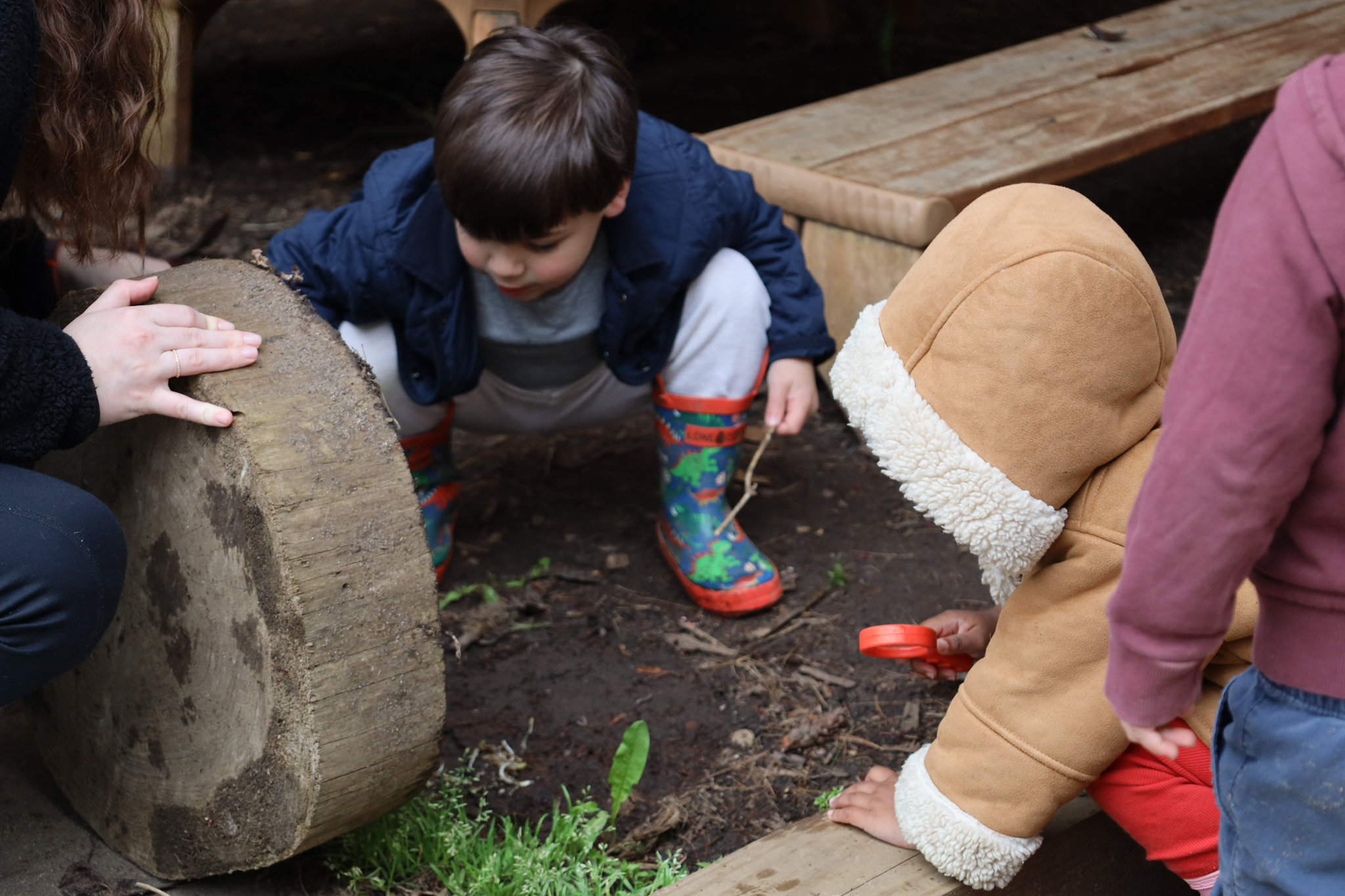
Several of our classrooms have been raising wood frog eggs into tadpoles and frogs. In early March, Adolescent Guide and naturalist Sylvia Glassco generously brought in wood frog eggs from her property. The frogs were carefully cared for in tanks for the children to learn and observe.

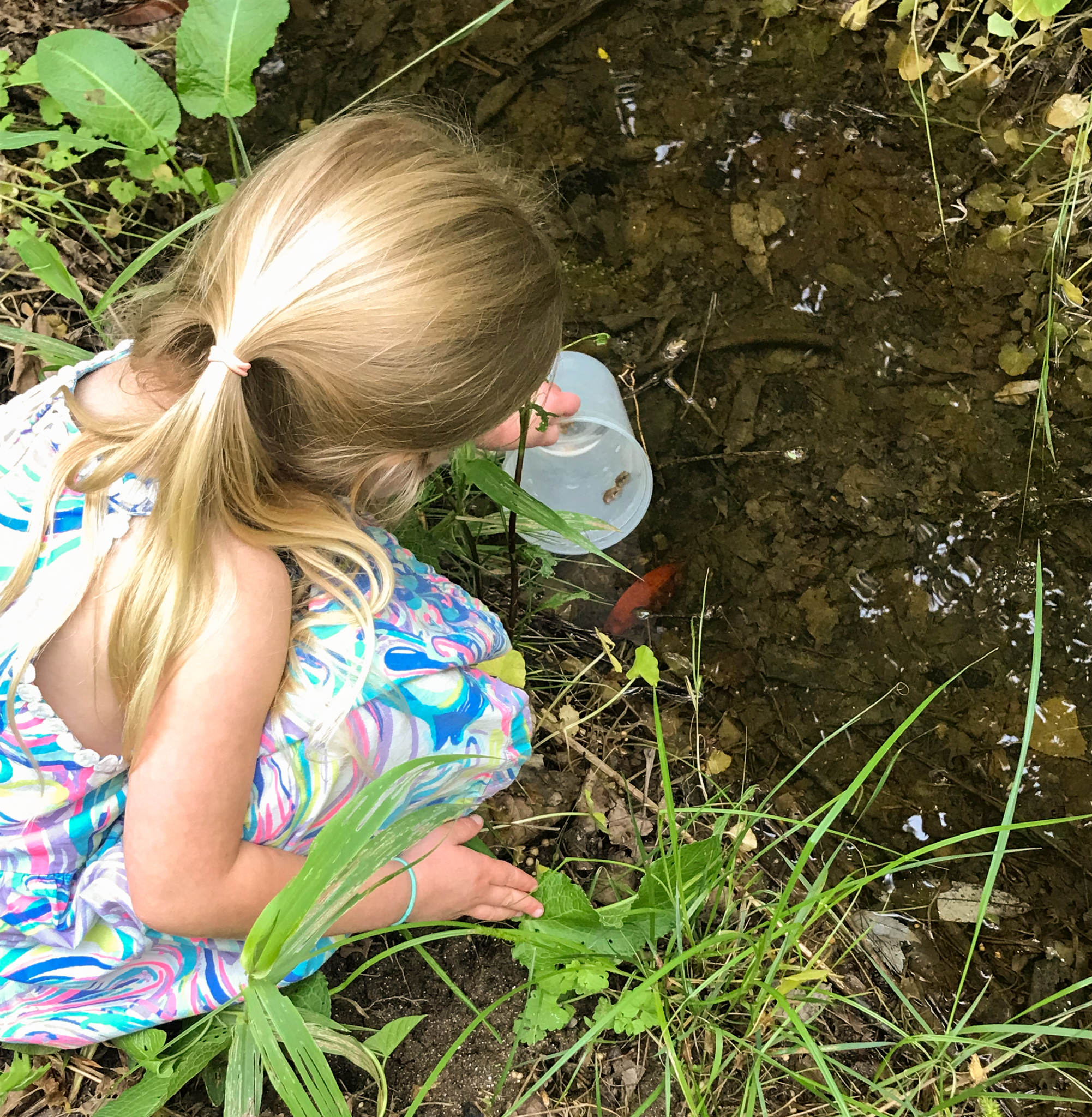
Throughout the months, the children carefully observed the growth and metamorphosis of the tadpoles, with some children keeping a written journal. When the frogs were fully grown in May, they were safely released back into the ecosystem where they were initially found.

We love this opportunity for up close observation of our natural world.


Earth Day Celebrations at Greenspring

Earth Day Celebrations at Greenspring

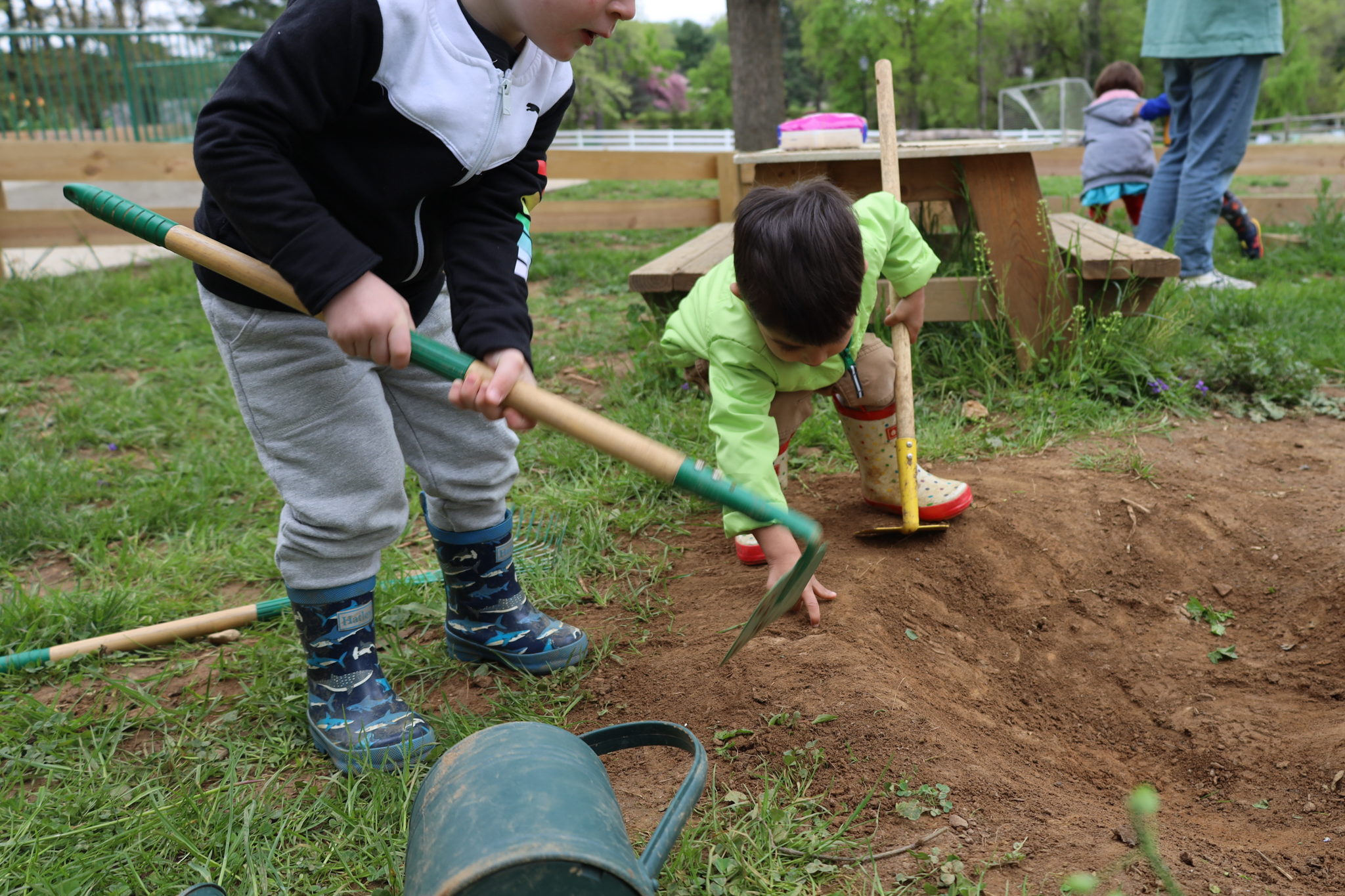
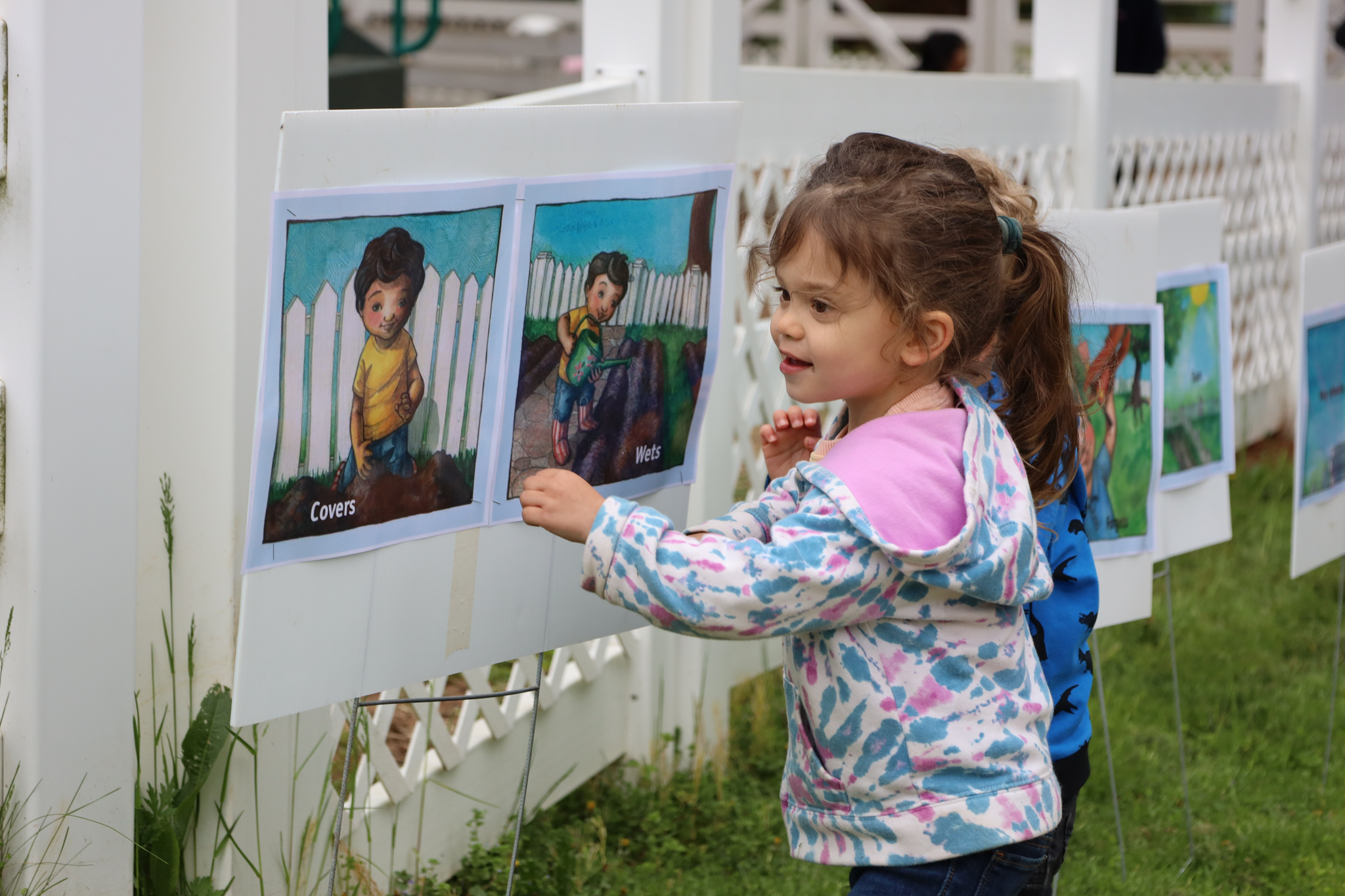
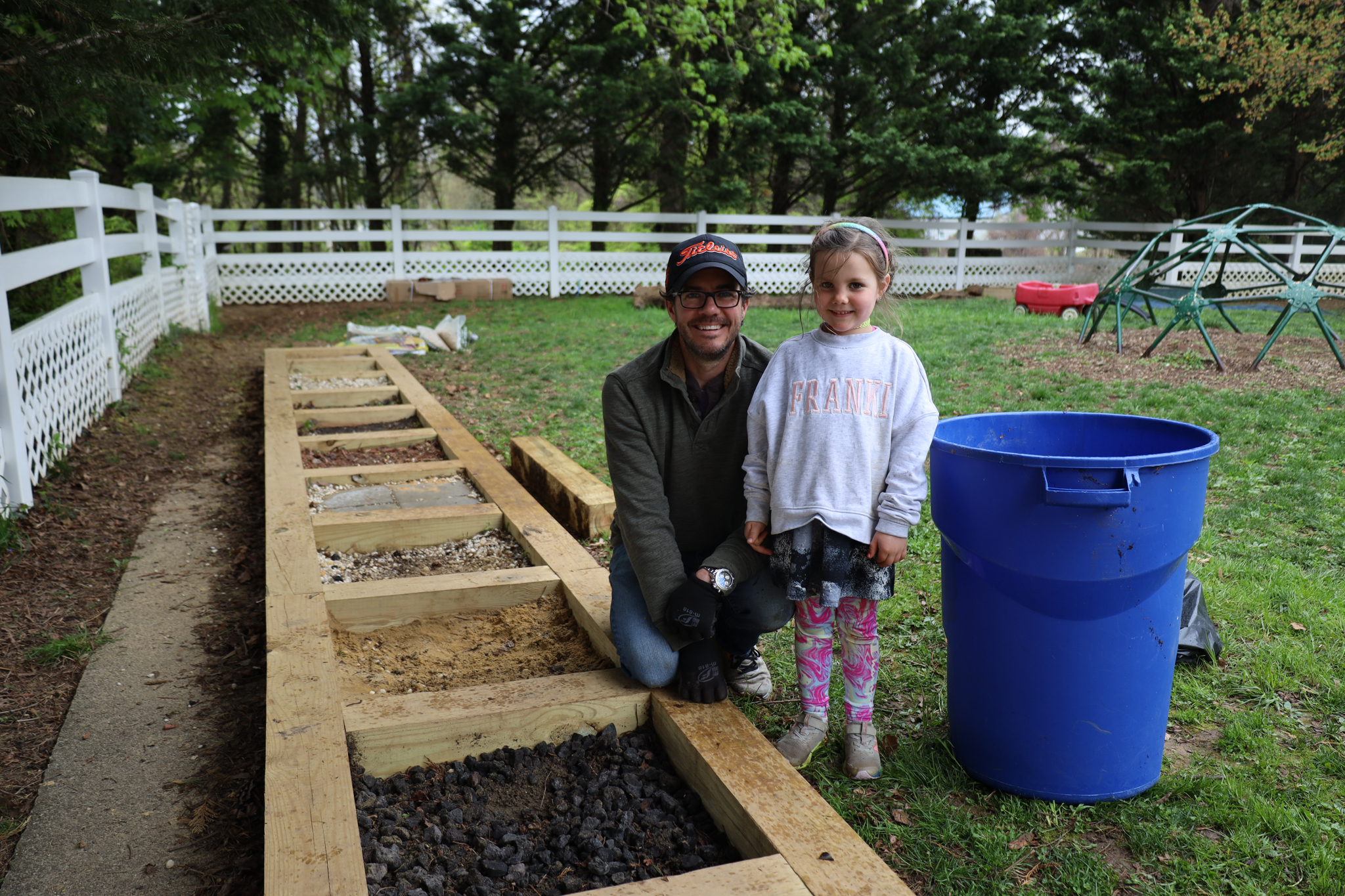
As part of our Allegiance to Nature at Greenspring Montessori School, our faculty and staff organized a special Earth Day event for our children and families. Our Toddler, Children’s House, Elementary, and Adolescent classes took on various projects around our campus including planting stations, nature-based story walks, and nature scavenger hunts. Many classes also worked to restore natural spaces on campus and make improvements to their outdoor environments. In addition, there are many beautiful books on display in the library on Earth Day, Spring, Gardening, and more! 

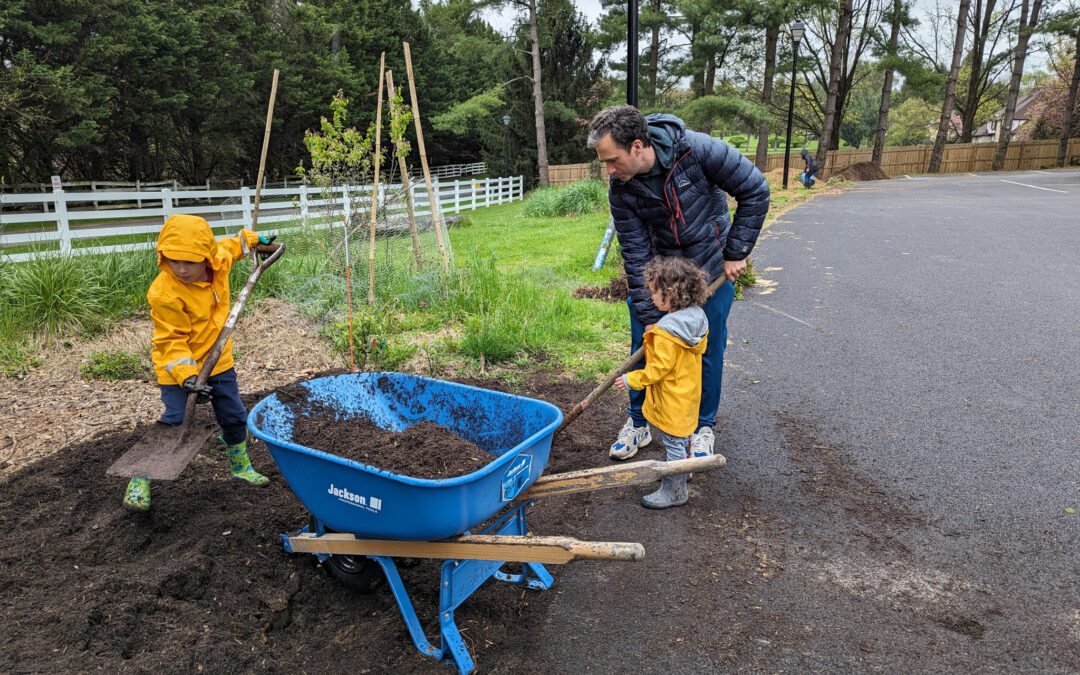
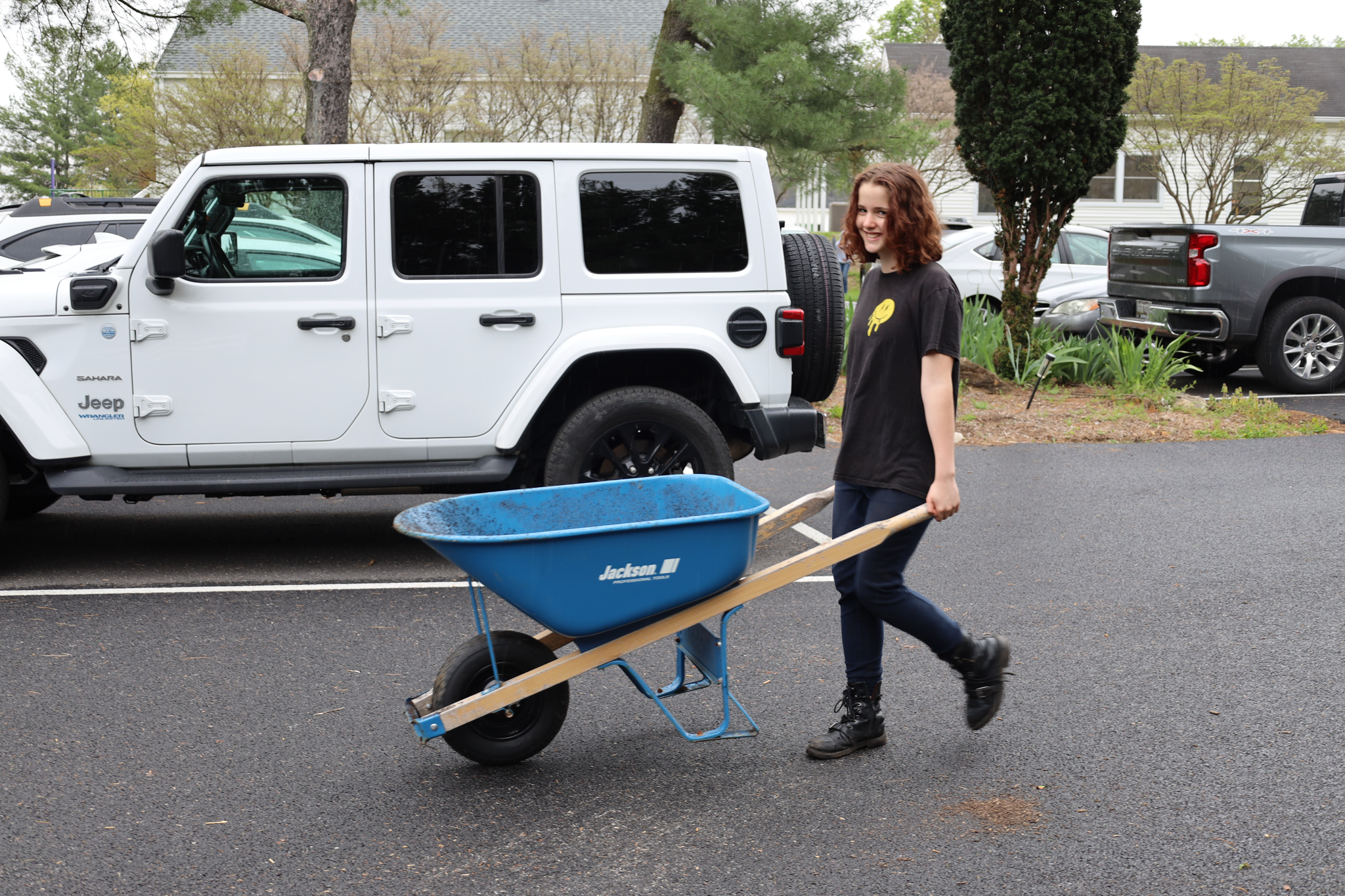
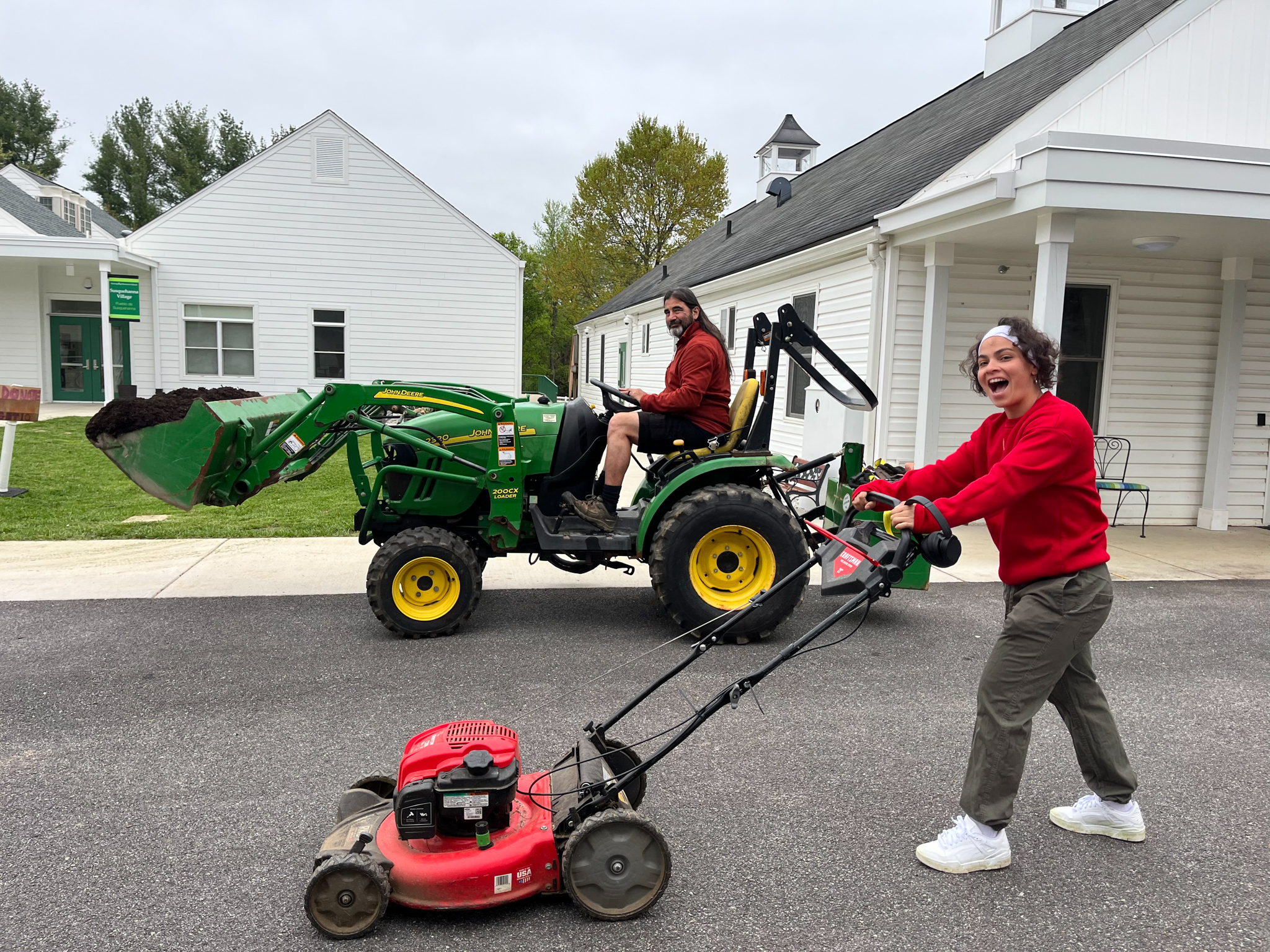
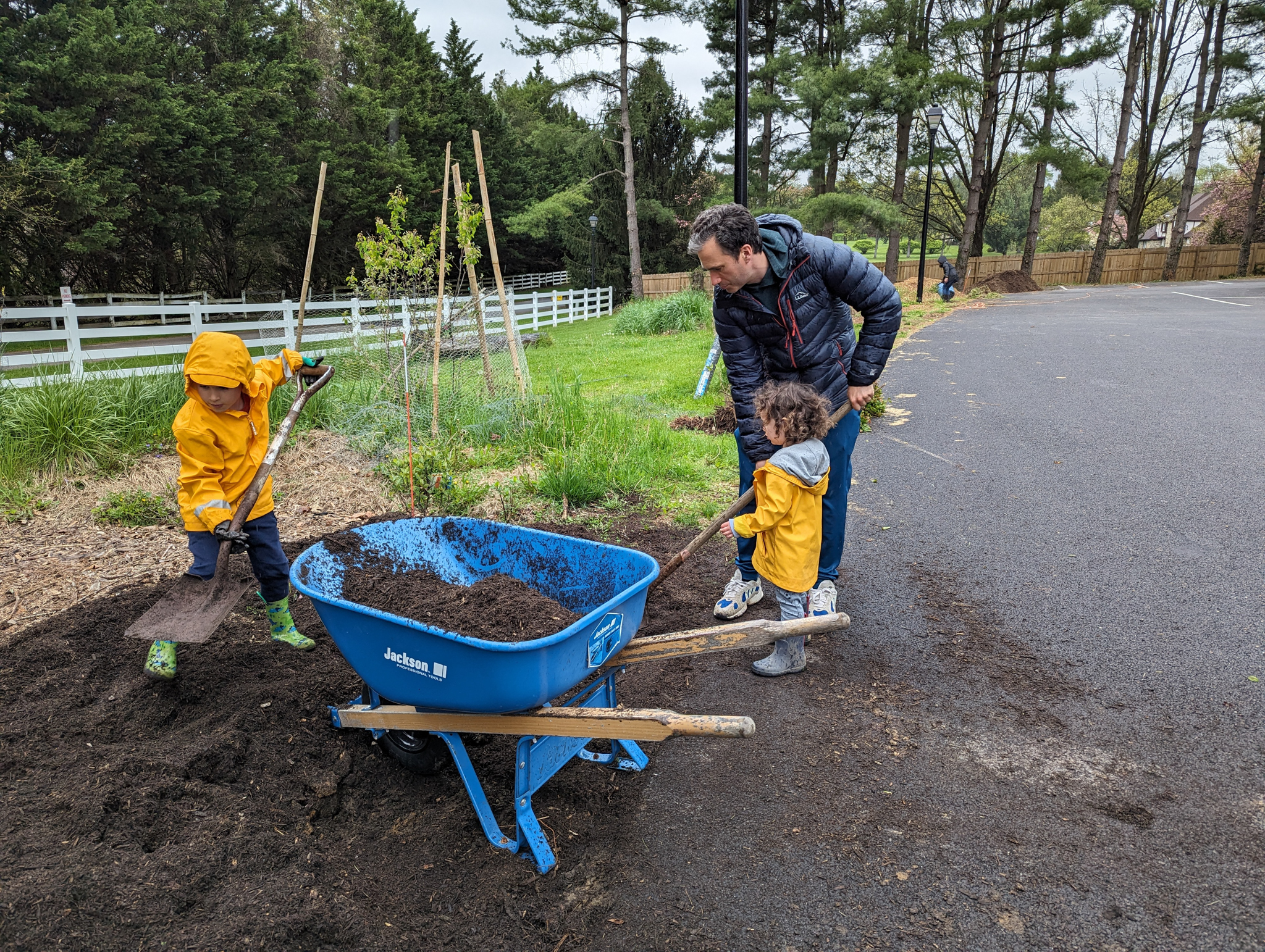
After school it began to rain, but many families still joined in to help spruce up the campus grounds. We would like to extend a special thanks to all of our families who volunteered to help make this event a success! If you would like to support any of our current outdoor projects by volunteering or donating supplies, please reach out to us here

It was beautiful to see everyone coming together for this purposeful community event! Take a look below to see photos and more details about the projects at each level.

Toddlers

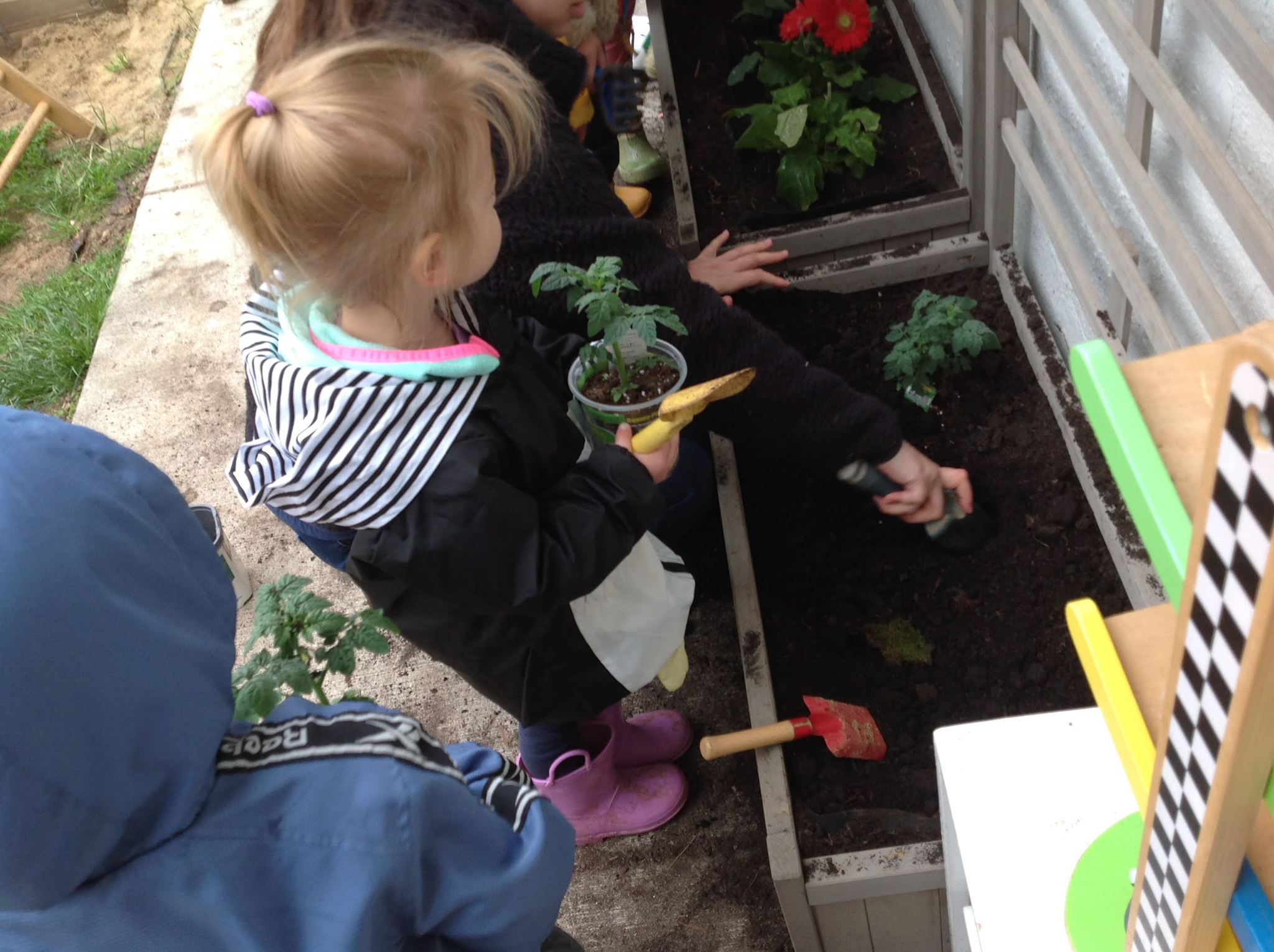
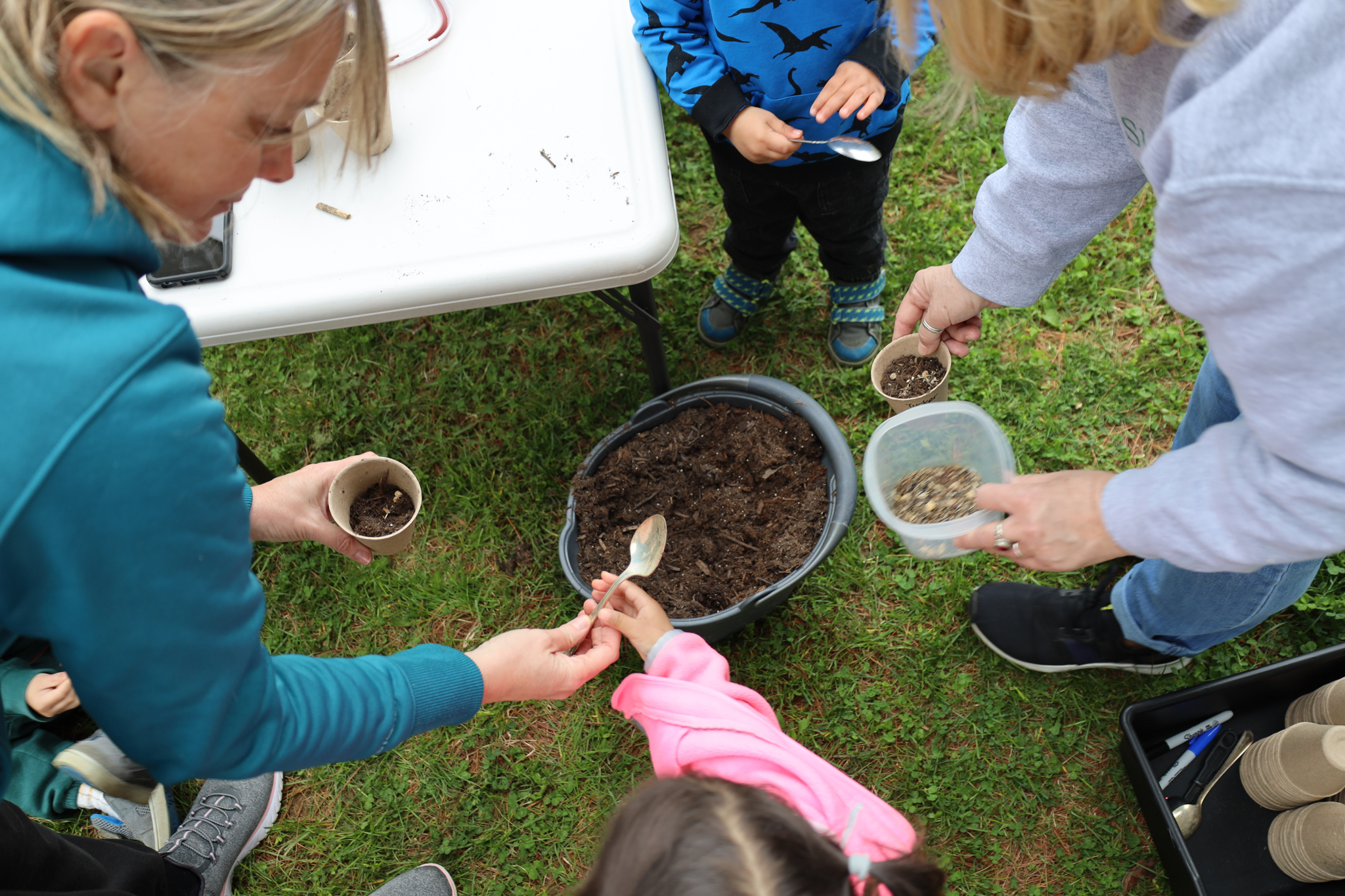
Our Toddlers visited the planting station in the morning to prepare small seedlings to bring home. They also worked together to spruce up their outdoor environments and plant zinnias in the garden bed outside of Monocacy House.

Children’s House

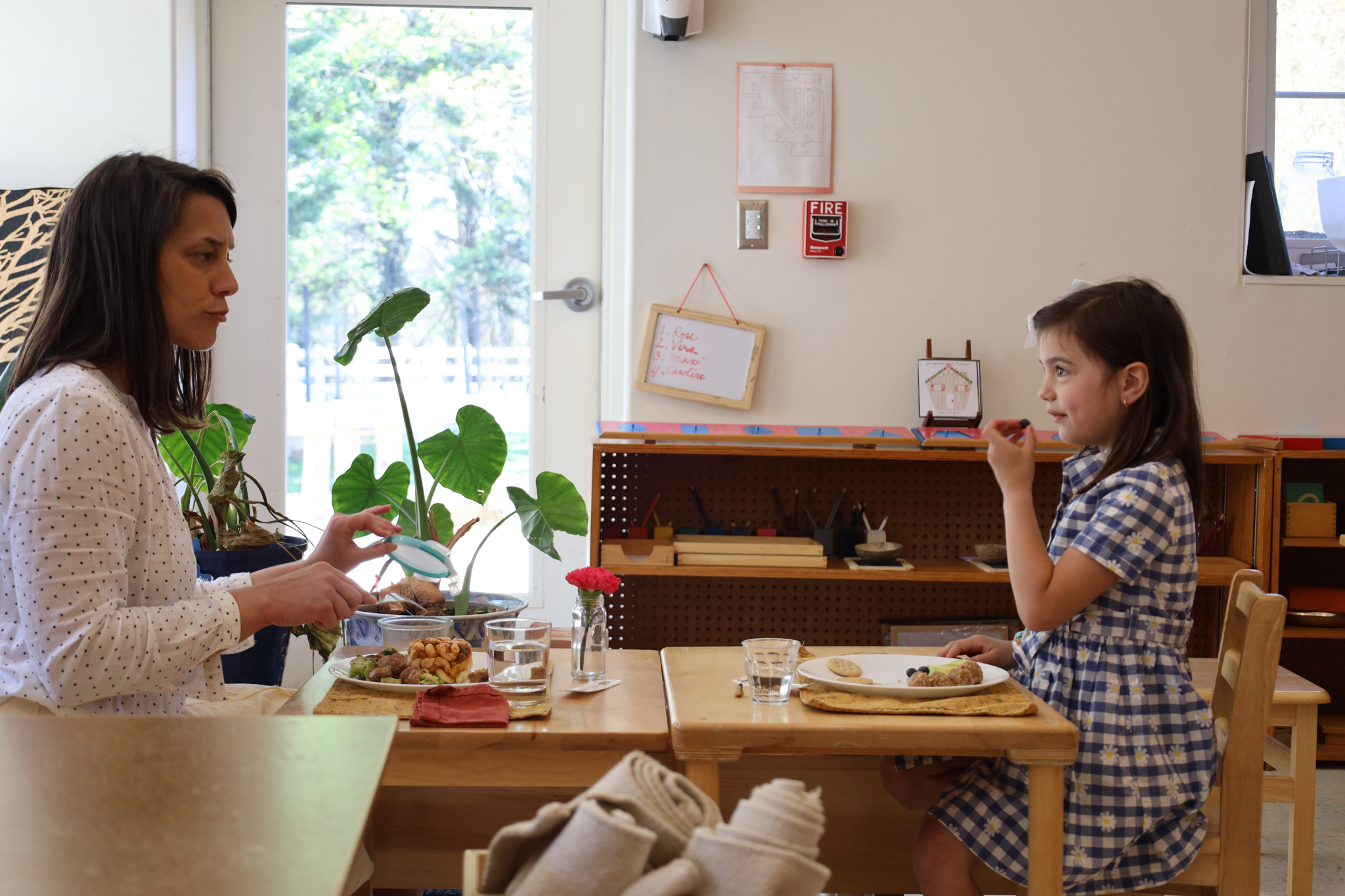
In preparation for Earth Day, our Children’s House classrooms hosted a week of waste-free lunches. The Children’s House Guides read stories about how waste impacts the environment and what we can do to help. The students then took a closer look at the waste the classes generated during a typical lunch. Together they talked about how waste impacts people, animals, and our environment. In addition to their waste-free lunch efforts, the children also weighed their compost collectively to see how they are helping to remove waste from landfills just by the small step we each take when we compost our food scraps.

Our Children’s House team was inspired to take on this initiative after learning more about the Roots & Shoots Program by Jane Goodall. To learn more about our Children’s House Roots & Shoots lessons, please click here.

“People are so overwhelmed by the magnitude of our folly that they feel helpless. They sink into apathy and despair, lose hope, and so do nothing. We must find ways to help people understand that each one of us has a role to play, no matter how small. Every day we make some impact on the planet.  And the cumulative effect of millions of small ethical actions will truly make a difference.”

– Jane Goodall, The Book of Hope

Elementary & Adolescents

Our Elementary children sowed vegetable and flower seeds in their outdoor gardens.They are also preparing to extend their garden area in order to grow wine plants including gourds, pumpkins, squash, and watermelon.

Our Adolescents tended to the rain garden they designed and planted on campus last spring, mending the deer fencing, wedding, and adding new plants.

Families

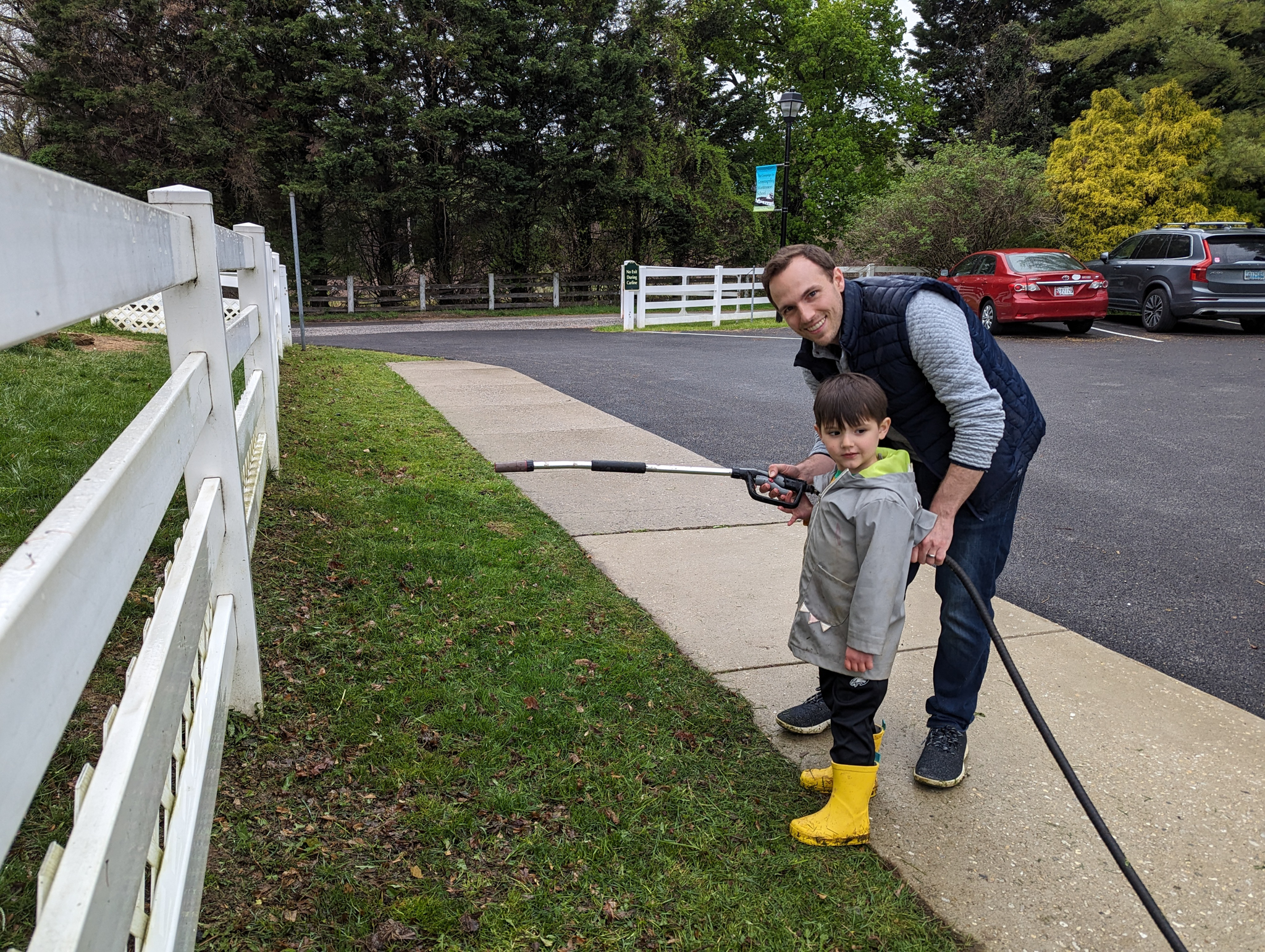
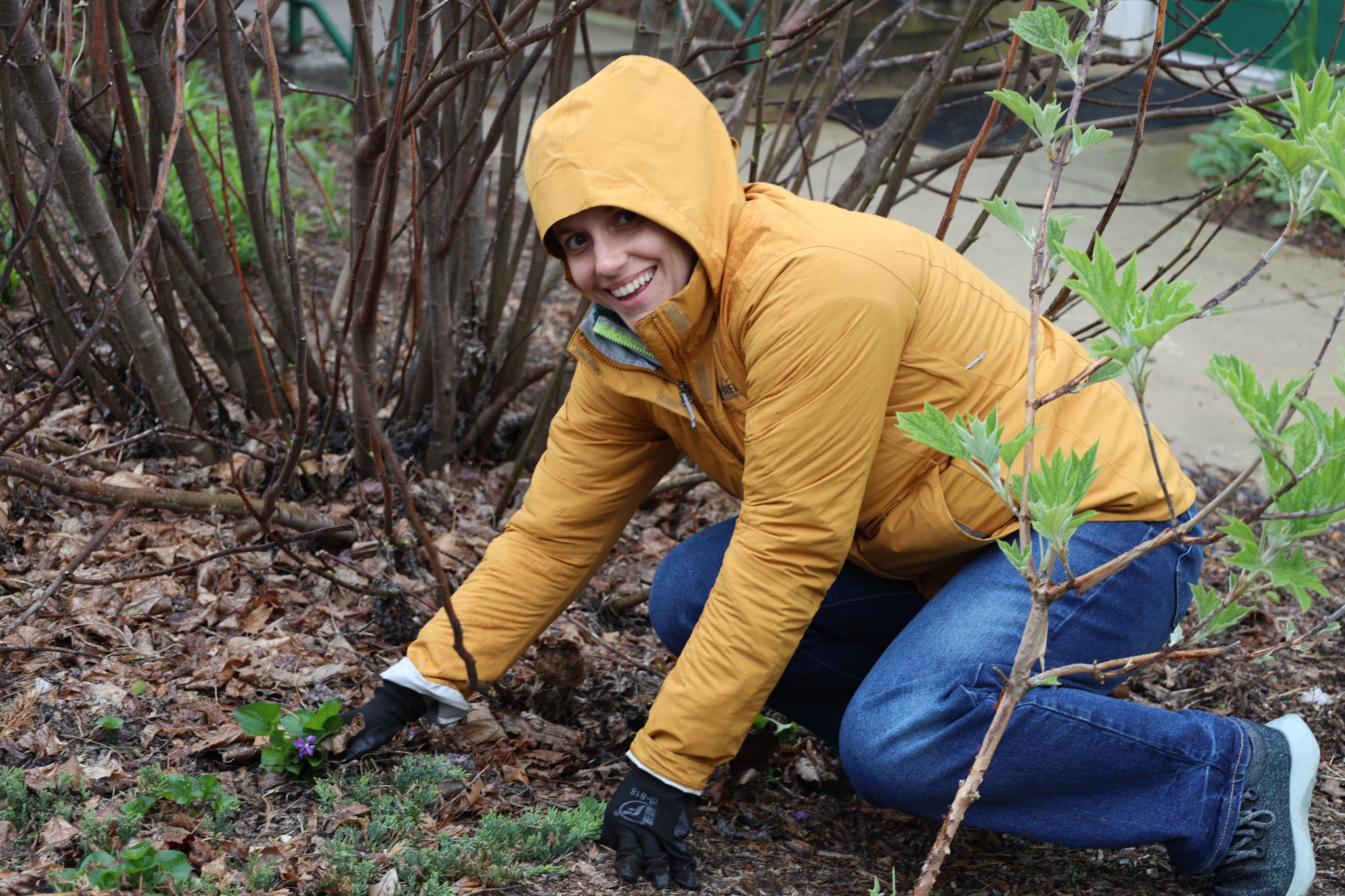
We also celebrated Earth Day with our families at our Spring Grounds Day. 37 volunteers came out to give back to our school by helping to beautify and maintain the Greenspring campus. Parents, grandparents, and children helped with everything from weeding and planting to window washing and fence staining. Thank you to everyone who came out to join us!

Thank you for your support as we celebrate Earth Day and help inspire the future generation of stewards for our planet. 

“Hope is contagious Your actions inspire others.”

– Jane Goodall

Winter Reading List: Service and Stewardship

Winter Reading List: Service and Stewardship

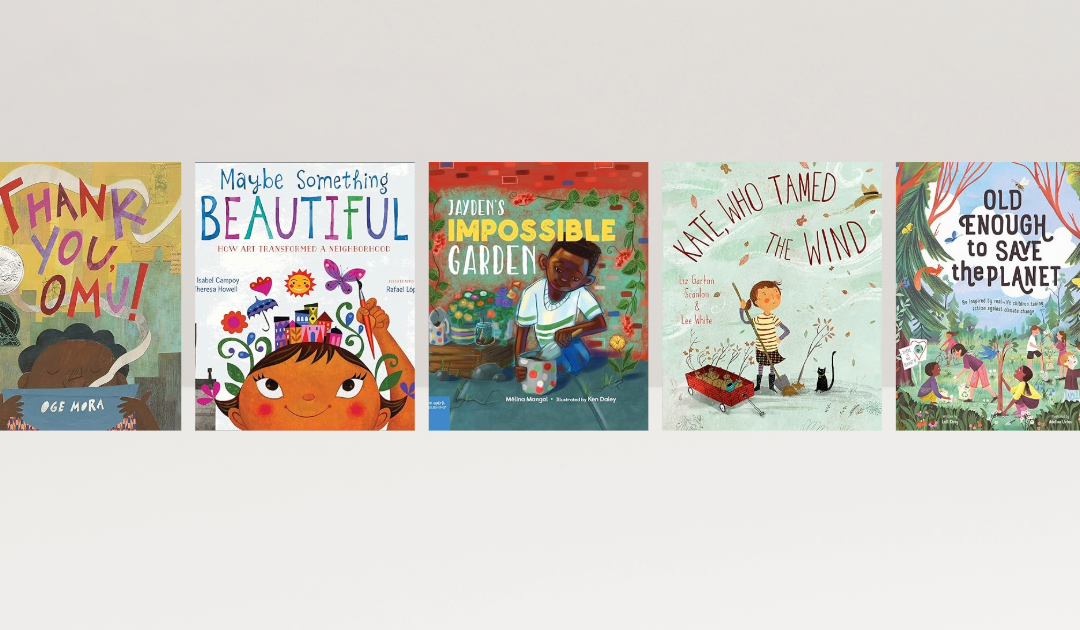
We have pulled together a beautiful collection of books to talk about service and stewardship with children. Take a look at her recommendations below! You can find these books in our library if you would like to borrow them to read with your child.

Books about Service in our Communities

Thank you, Omu!
Everyone in the neighborhood dreams of a taste of Omu’s (pronounced AH-moo) delicious stew! One by one, they follow their noses toward the scrumptious scent. And one by one, Omu offers a portion of her meal. Soon the pot is empty. Has she been so generous that she has nothing left for herself?
Extra Yarn
By Mac Barnett (Author), Jon Klassen (Illustrator)
A young girl and her box of magical yarn transform a community in this stunning picture book. With spare, gently humorous illustrations and a palette that moves from black-and-white to a range of color, this modern fairy tale has the feel of a new classic.


Maybe Something Beautiful: How Art Transformed a Neighborhood
by F. Isabel Campoy (Author), Theresa Howell (Author), Rafael López (Illustrator)

What good can a splash of color do in a community of gray? As Mira and her neighbors discover, more than you might ever imagine! Based on the true story of the Urban Art Trail in San Diego, California, Maybe Something Beautiful reveals how art can inspire transformation—and how even the smallest artists can accomplish something big. Pick up a paintbrush and join the celebration!

The Thank you Letter
BJane Cabrera (Author)
After a wonderful party, birthday girl Grace sits down to thank her friends and family for all their kind gifts. But she doesn’t stop there! As she writes, Grace realizes there are so many things to be grateful for. So she thanks her teacher for helping her learn to write. She thanks her dog for his cheerful wagging tail. She even thanks the sky for being perfectly, beautifully blue. When Grace returns home after delivering her notes, she finds a wealth of affection–cards, letters, and notes from her neighbors and friends. A beautifully illustrated gatefold page shows how deeply her letters have touched the hearts of everyone around them.
Lend a Hand
By John Frank (Author), London Ladd (Illustrator)
Making a difference in the world can be as simple as planting a tree, giving up your seat on a bus to a disabled person, or training a puppy to become a guide dog. These are just a few of the simple acts of kindness featured in this collection of fourteen original poems. Each poem emphasizes the compassion and the joy of giving. Representing diverse voices—different ages and backgrounds—the collection shows the bridging of boundaries between people who are often perceived as being different from one another. The first step in bridging those boundaries is to extend a hand. Lend a Hand demonstrates that empathy and social awareness can start at an early age.
Maddi’s Fridge
By Lois Brandt (Author), Vin Vogel (Author)
With humor and warmth, this children’s picture book raises awareness about poverty and hunger. Best friends Sofia and Maddi live in the same neighborhood, go to the same school, and play in the same park, but while Sofia’s fridge at home is full of nutritious food, the fridge at Maddi’s house is empty. Sofia learns that Maddi’s family doesn’t have enough money to fill their fridge and promises Maddi she’ll keep this discovery a secret. But because Sofia wants to help her friend, she’s faced with a difficult decision: to keep her promise or tell her parents about Maddi’s empty fridge. Filled with colorful artwork, this storybook addresses issues of poverty with honesty and sensitivity while instilling important lessons in friendship, empathy, trust, and helping others. A call to action section, with six effective ways for children to help fight hunger and information on antihunger groups, is also included.

Books about Service for our Environment

Bird House
By Blanca Gómez (Author)
On a snowy day, a grandmother and grandchild find an injured bird. They take it home and care for it until it can fly around the living room. It is fantastic—just like everything at Abuela’s house! But a fantastic moment is also bittersweet, for the little bird’s recovery means that it’s time to let it fly free. 
Jayden’s Impossible Garden
By Mélina Mangal (Author), Ken Daley (Illustrator)
Amidst all the buildings, people, and traffic in his neighborhood, Jayden sees nature everywhere: the squirrels scrounging, the cardinals calling, and the dandelions growing. But Mama doesn’t believe there’s nature in the city. So Jayden sets out to help Mama see what he sees. With the help of his friend Mr. Curtis, Jayden plants the seeds of a community garden and brings together his neighbors—and Mama—to show them the magic of nature in the middle of the city.
 
Timeless and vibrant, this story highlights the beauty of intergenerational relationships and the power of imagination and perseverance in bringing the vision of a community garden to life. Jayden’s love of nature will inspire readers to see their environment and surroundings as bursting with opportunities for growth and connection. At the back of the book, readers will find activities to make items found in the book, such as the milk jug bird feeder.
We are Water Protectors
By Carole Lindstrom (Author), Michaela Goade (Illustrator)

Water is the first medicine.
It affects and connects us all . . .

When a black snake threatens to destroy the Earth
And poison her people’s water, one young water protector
Takes a stand to defend Earth’s most sacred resource.

Kate, Who Tamed the Wind
By Liz Garton Scanlon(Author),Lee White(Illustrator)
A wild wind blows on the tippy-top of a steep hill, turning everything upside down for the man who lives there. Luckily, Kate comes up with a plan to tame the wind. With an old wheelbarrow full of young trees, she journeys up the steep hill to add a little green to the man’s life, and to protect the house from the howling wind. From award-winning author Liz Garton Scanlon and whimsical illustrator Lee White comes a delightfully simple, lyrical story about the important role trees play in our lives, and caring for the world in which we live.
What a Waste: Trash, Recycling, and Protecting our Planet
By Jess French (Author)

This educational book will teach young budding ecologists about how our actions affect planet Earth and the big impact we can make by the little things we do. Did you know that there is a floating mass of trash larger than the USA drifting around the Pacific Ocean?

It is not all bad news though. While this is a knowledge book that explains where we are going wrong, What a Waste also shows what we are getting right! Discover plans to save our seas. How countries are implementing green projects worldwide, and how to turn waste into something useful. The tiniest everyday changes can make all the difference to ensure our beautiful planet stays lush and teeming with life. It is a lively kid’s educational book with fabulous illustrations and fun facts about the world broken into easy-to-digest bite-sized bits.

Old Enough to Save the Planet
By Loll Kirby (Author), Adelina Lirius (Illustrator)
The world is facing a climate crisis like we’ve never seen before. And kids around the world are stepping up to raise awareness and try to save the planet. As people saw in the youth climate strike in September 2019, kids will not stay silent about this subject—they’re going to make a change. Meet 12 young activists from around the world who are speaking out and taking action against climate change. Learn about the work they do and the challenges they face, and discover how the future of our planet starts with each and every one of us.
The Kid’s Guide to Service Projects
By Barbara A. Lewis (Author)
This book describes the different opportunities for children to get involved in community service across a wide range of areas and interests, featuring over 500 ideas for service projects for young people. This is a great place to start with your child!