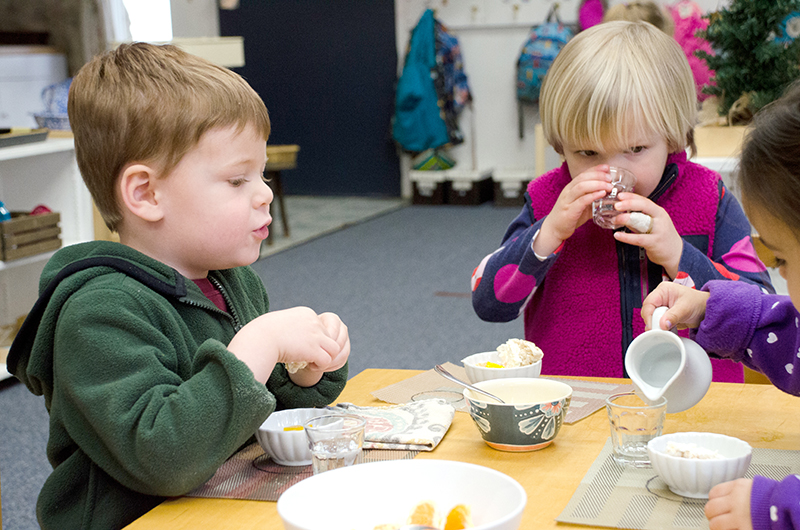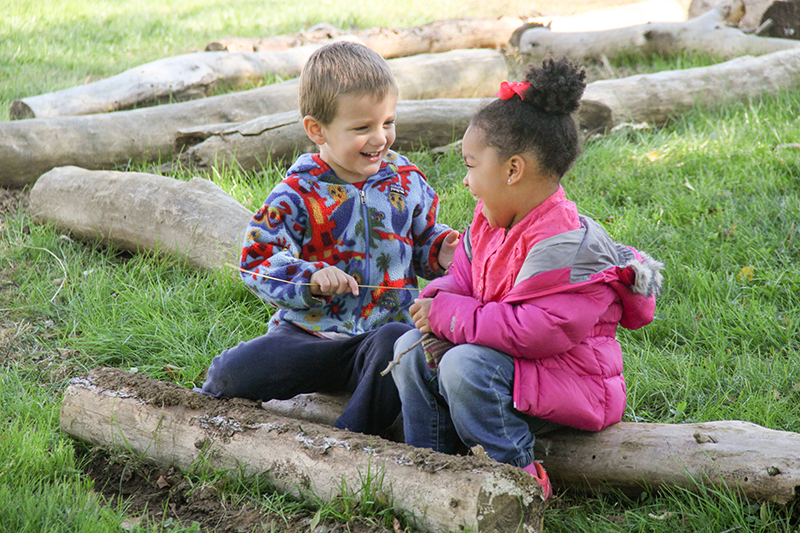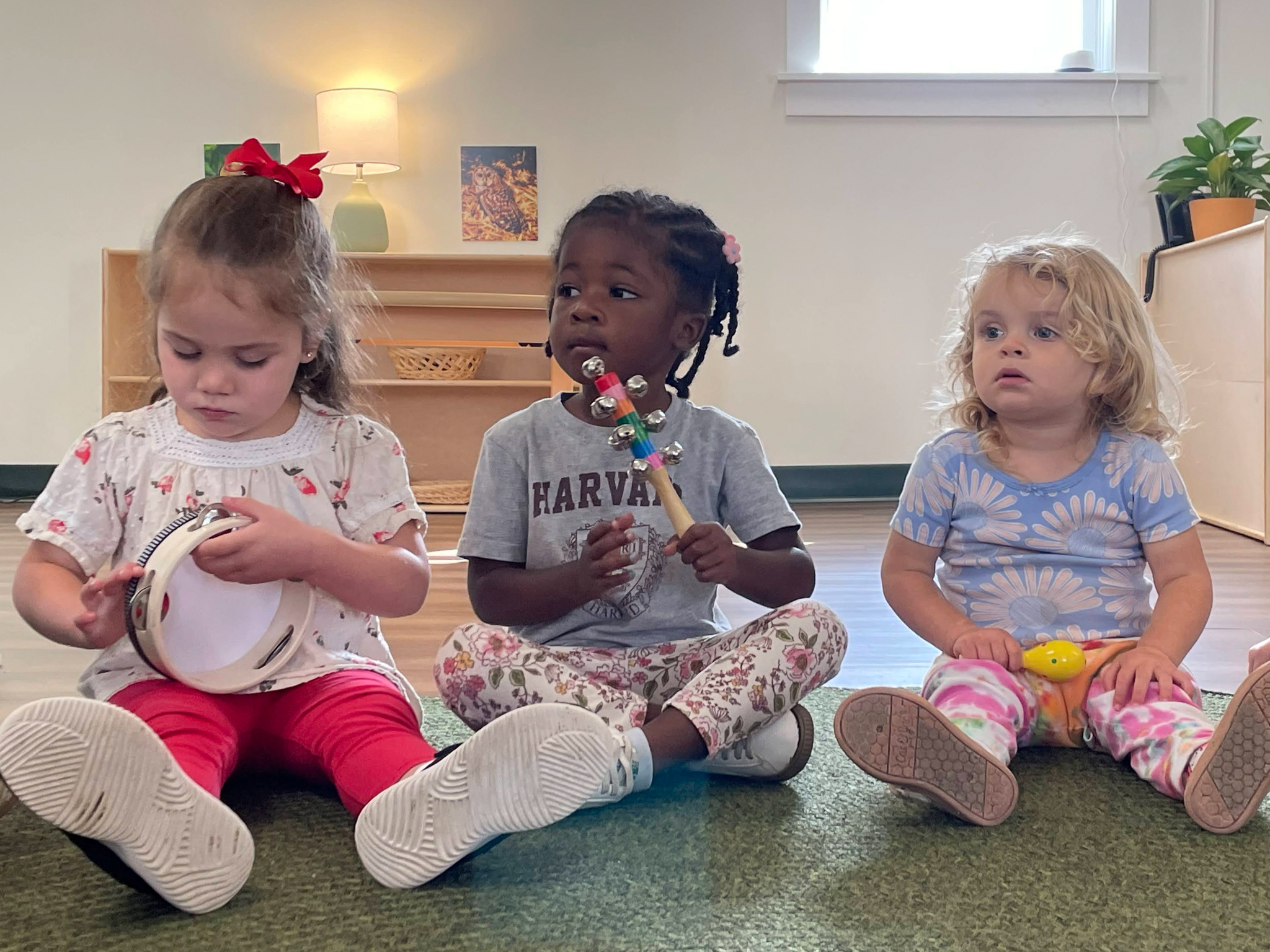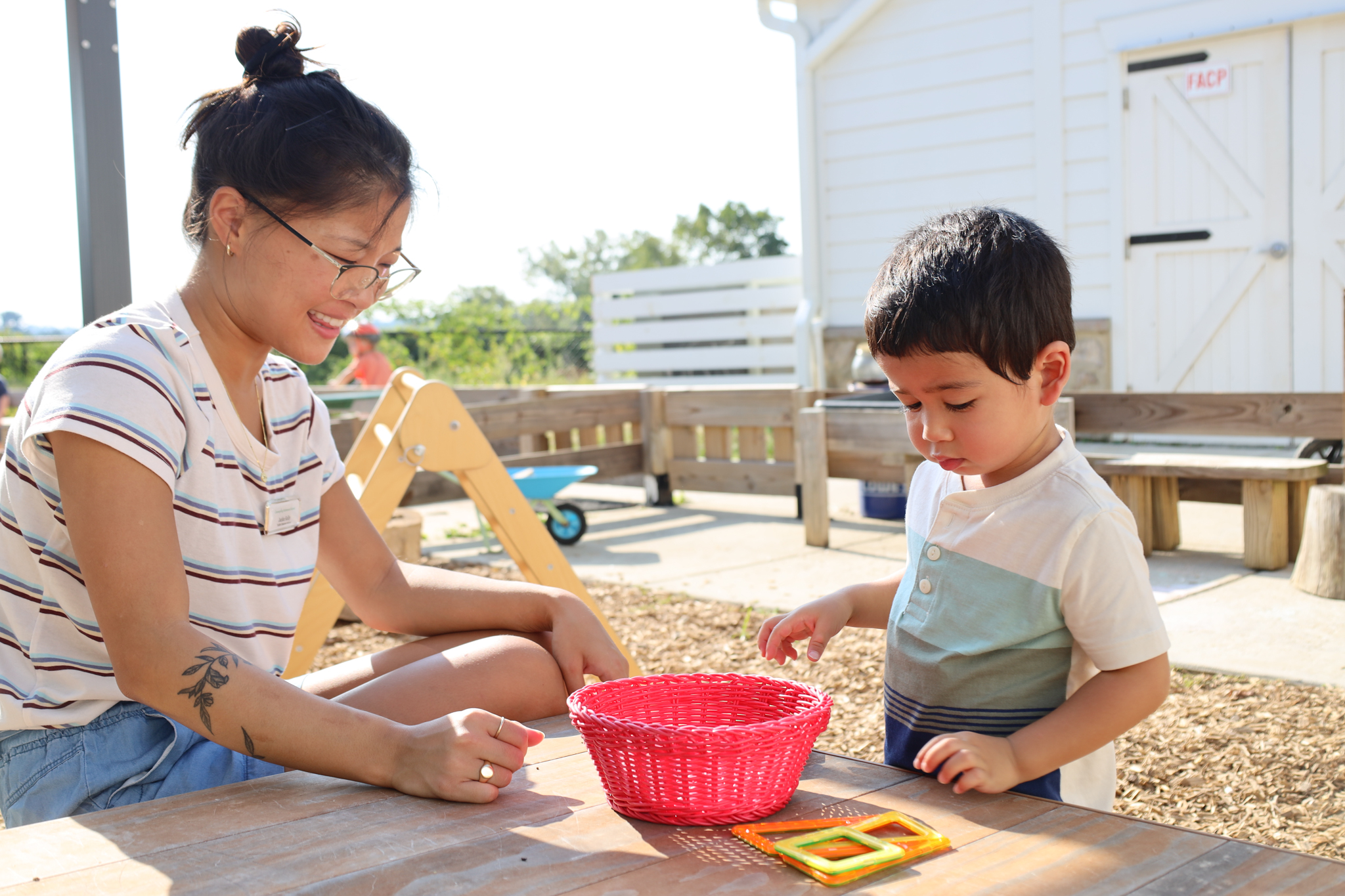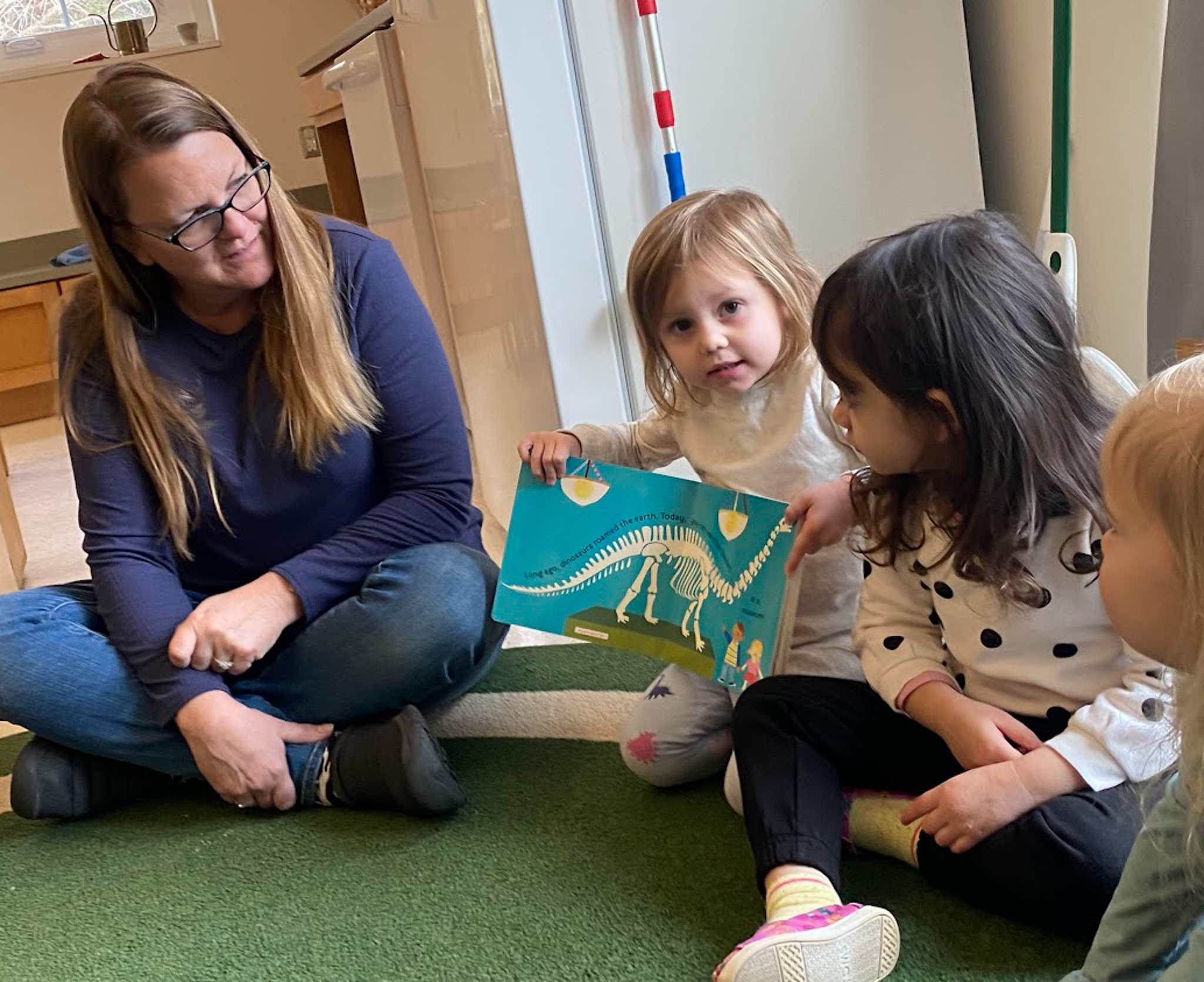
 A group of Lower Elementary students share their work with their classmates.
Montessori Mastery: A Learning Process for Life
Students are best motivated to learn when they work on something of their own choosing, at their own pace, and until they determine that they know. But is this realistic in the classroom setting? Can we really expect students to know what they want to pursue, stick with it, and then demonstrate mastery?
Many of us who grew up with a conventional school education had a very different experience: the teacher would enter the classroom with the day’s lessons all planned to be delivered in defined blocks of time within the boundaries of the regular school day hours. The next day was more of the same. Everyone would receive the same lessons at the same time, regardless of interest, readiness, or need for practice to solidify newly presented material. Content was presented in a prescribed curriculum administered by adults. Various quizzes and tests were given within a specified time period to determine whether or not newly presented material was understood. Regardless of the test results, the curriculum moved forward.
One major problem with this approach is that it does not take into account the students. Not all students are interested in the same thing at the same time, nor are they always ready for the same work because they are in the same class. There is a growing body of research that confirms the significant role that choice plays in student motivation and learning. Sue Grossman Ph.D. states strongly in her article, “Offering Children Choices: Encouraging Autonomy and Learning While Minimizing Conflicts,” that, “giving children choices throughout the day is beneficial, even crucial to their development.”
So, how do we change the system?
Montessori is intentionally and appreciably different than conventional models of education. Montessori is a developmentally based approach, in which choice has always been a critical element in our work with students. We cannot force a student to learn. We can create an environment, rich with resources and hands-on materials, that encourages autonomy and independence. We can offer lessons, observe students, and work with them to ensure their progress. We can model, demonstrate, establish and maintain high expectations for engagement and accountability. Ultimately, it is the students who takes ownership of and responsibility for their own learning.
In the words of Dr. Maria Montessori, “Education is a natural process carried out by the human individual, and is acquired not by listening to words, but by experiences in the environment.”
Guiding a class of curious young students, each of whom is making individual choices about what he or she is working on, is no easy feat! How do we support individual interests and pursuits while also ensuring that skills are practiced and expectations for high quality, polished work permeate? We have at our disposal a deep understanding of the developmental needs of the students, uninterrupted work periods where we are available to provide lessons, observe practice, meet with individuals, and offer an abundance of beautiful, engaging materials with which to engage students.
Breaking down the process
A key technique we utilize to present information to students is called the three period lesson. Regardless of the content being introduced, this framework supports on-going work for individuals and groups of students as they move from observation to active manipulation and application, and finally to deep understanding and mastery.
 Ms. Shweta gives a lesson to a Children’s House student on a short bead chain.
The first period: An introduction
During the first period, the Guide presents a new skill, idea, or story to a student. Depending on the developmental needs of the student this presentation may be short and precise: “This is blue.” It may be a naming period where vocabulary is introduced. For older students the first period may be the sharing of an impressionistic story such as The Story of the Universe, where just enough information is conveyed to inspire wonder and awe, and the story itself becomes the springboard for further exploration. This first period is presented in such a way that the students leave curious, excited, and motivated to engage with the work.

A Toddler works independently, exploring types of insects—an example of the second period of the lesson.
Second period: Thorough investigation
The length of time a student spends manipulating, exploring, questioning, and repeating newly presented lessons is not determined by the Guide, but rather by the interest and drive of the student. This period of deep engagement is known as the second period of the lesson. It is the longest and most important part of any lesson. Students are not rushed to complete a task or to prove they have mastered a new skill. Instead, students are encouraged to become thoroughly immersed in their work. For younger students, this usually involves repetition until new skills and concepts are internalized. A student may sort, match, name, and paint with all shades of “blue.” Older students may choose to explore the three states of matter, gravity, the composition of the earth, or formation of mountains after hearing The Story of the Universe. When students freely choose topics that interest them, motivation comes from within and kindles their natural desire to learn. They are learning for learning’s sake, and their drive is ignited.
Curiosity begins with questions and is fed by on-going investigation, discovery, and the sharing of ideas. As older students dive into self-chosen research topics, they rarely work in isolation. Learning is infectious! Students not only enjoy sharing what they are learning, but also invite critical feedback from their peers as they bring their research to completion. Learning to give and receive feedback supports whole-class collaboration. Students encourage one another by giving descriptive feedback that is kind, specific, and helpful. Engaging in the critique process often inspires multiple revisions, encourages further opportunities for developing listening and speaking skills, builds student confidence, and leads to amazing polished work. There are no limits when students share, exchange ideas, and support each other. Expectations for deep engagement and high quality product are modeled and reinforced by peers with the overarching goal being the creation of beautiful work.
 Two Adolescent students teach a group of Children’s House students how food scraps are used to make compost.
Third Period: Demonstration of Knowledge
So, how do we know when the students know? Third period activity is unmistakable with young students. They show us they know by spontaneously teaching their peers! Newly acquired skills are applied directly in daily activity, whether it is to identify the color blue or by helping a classmate put on her jacket. For older students the third period is manifest in myriad ways. Students know when they are ready to present their work. They have spent time revising and practicing, speaking clearly, making eye contact, fielding questions from an audience, and graciously receiving feedback. They have become “experts” in their topic. Presentations may include a skit, a song or poem, a video, or a model built to scale.
The final facet of the third period for older students is reflection. Students analyze the learning process from start to finish: “What went well?” “What were the challenges and how did I learn from them?” “What would I do differently next time?” Self-reflection inspires ownership of learning. Students are accountable to themselves. They not only begin to understand themselves as learners, but also how to tackle obstacles, work with others, accept feedback, and build the muscle they need to continue learning. John Dewey went as far as to say that “We do not learn from experience…we learn from reflecting on experience.”
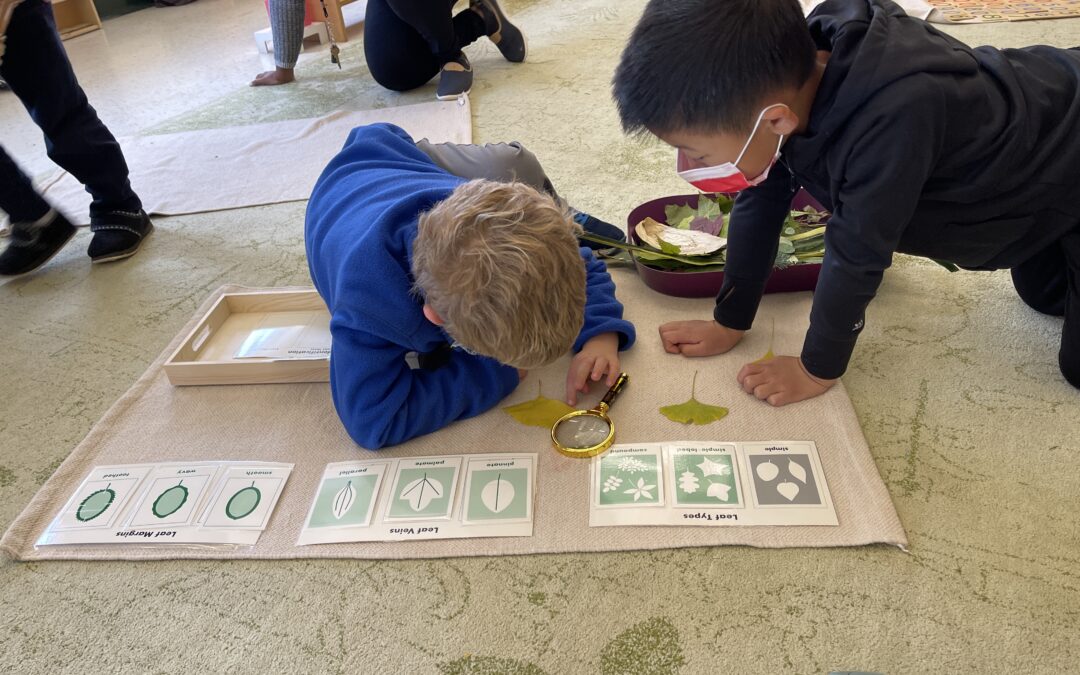
 Two Children’s House students explore the different types of leaf shapes, veins, and margins.
At Greenspring Montessori, students are encouraged to dive into their work wholeheartedly—to make mistakes, and to learn from them. “That’s how learning in a Montessori classroom works – not by memorization, or simply listening to a teacher at the front of a classroom, but by doing.” (threetree.org)
Yes, we do expect students to know what they want to pursue, stick with it, and then demonstrate mastery. They demonstrate this every day, with gusto and an insatiable appetite for more!

A student is developing fine motor skills by working with scissors, glue, and crayons.
Art in the Montessori Classroom
An Essential Part of the Child’s Work
Written by Michelle Dickson-Feeney, Art Enrichment Guide
www.michelledickson.com
Art is an essential component of learning in Montessori classrooms. In each classroom there are dedicated art shelves ensuring students always have access to art materials for creative expression. We are focused on providing our students with the skills, materials, and exposure to art that they need in order to express their creativity at their own pace and level. From Toddlers to Adolescents, you will see students naturally turning to art in response to what they are learning and studying in other lessons. For example, a student in Children’s House learning about the parts of a plant may want to make a painting about it, while a Lower Elementary student studying France may spend weeks in Open Studio building an intricate model of the Palace of Versailles.
In the Toddler and Children’s House classrooms, art plays an important role in developing fine motor skills, hand strength, and coordination. Cutting, gluing, modeling, crayoning, and painting are five foundational skills that prepare students for the next phase in their creative journeys. Once students master basic lessons in these areas they move on to activities which involve more steps, colors, and materials.

Children’s House students enjoy art and creativity in the classroom.
Supporting your child’s creative process
In these lessons, the process is about the focus, not the product. Toddlers and younger Children’s House students often won’t even want to keep their artwork. For them it is entirely about the process—the act of cutting, gluing, or painting. It’s our job as guides and parents to respect this and not force our feelings onto the child. Of course we’re proud of their accomplishments and want to say, “Good job!” but this creates a cycle where the child begins to make art to elicit that “approval” reaction from us, instead of satisfying herself.
A more appropriate guideline to go by is to match the child’s response to her work. If a toddler has made a painting and abandoned it on the table, resist the urge to bring it to her and praise it. That doesn’t mean you have to throw it away—you can keep it for yourself! Remember, we are working towards reflecting children’s feelings about their art, not our own.
If a child is excited about what she has made and brings it to you with the question ”Do you like it?” now is the perfect time to celebrate her accomplishment and engage in a discussion about the work. Match her excitement, but try to direct the conversation back to the art itself. Ask her to tell you about it, or ask what she likes about it, or make an observation about something you see. Be genuine and encouraging—never judgmental. Just telling a child that you like it is certainly easier, but it often ends the conversation and again, it makes it about us and our approval—not the child. Responding instead with real questions and observations shows the child that you see what they’ve made and you are interested.

Students work on art of their choice during open art studio.
Responding to a child’s disappointment
In the situation where a child comes to you with art she is not happy with, accept this as a valid emotion. Tell her that artists don’t like everything they make (as a working artist I can definitely vouch for that!) and maybe share an experience you have had. Resist the urge to reassure her that her artwork is good and that you like it. This often will frustrate the child further. Instead, ask them what they don’t like about it and brainstorm how to make it better if they’re interested. It’s also fine for them to throw it away. Is there a part they do like? Maybe they can cut it out and use it to start a new piece.

In preparation for Elementary Big Works Day, many students visited the Open Art Studio to work on their models.
When I began teaching at Greenspring Montessori School I was unfamiliar with this approach to art education. At first I was worried that my students wouldn’t develop art skills if I didn’t teach a project based lesson where everyone made different versions of the same thing. It was really hard (and still is at times!) for me to stop saying “Good job!” and “I like it!” But the more I read about it and observed in the classrooms, the more I came to believe that this is the best way to teach art. I see my students taking real ownership over their art, because it is truly theirs.
Students retain skills better because it’s something they care deeply about, rather than something they were told to do. At Greenspring Montessori, students become creative problem-solvers as they figure out what materials they need and how to use them to bring their ideas to life.
-
-
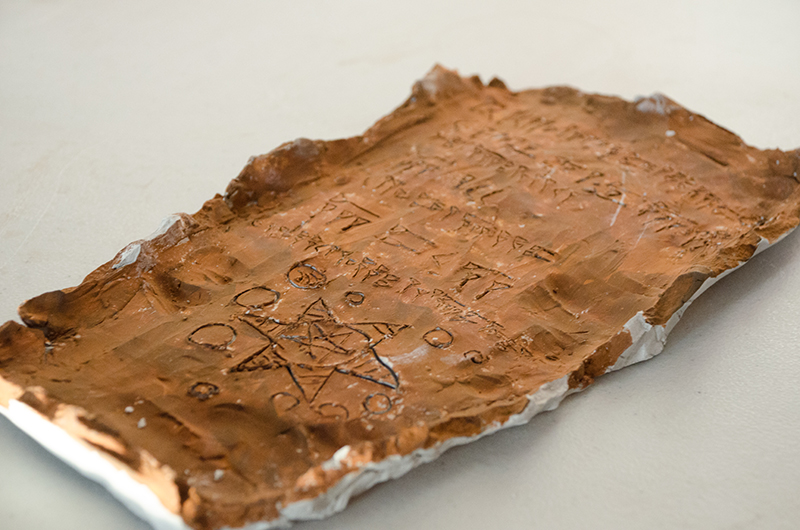
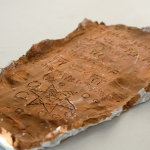
An Elementary student’s model representation of a clay tablet from ancient Sumer.
-
-
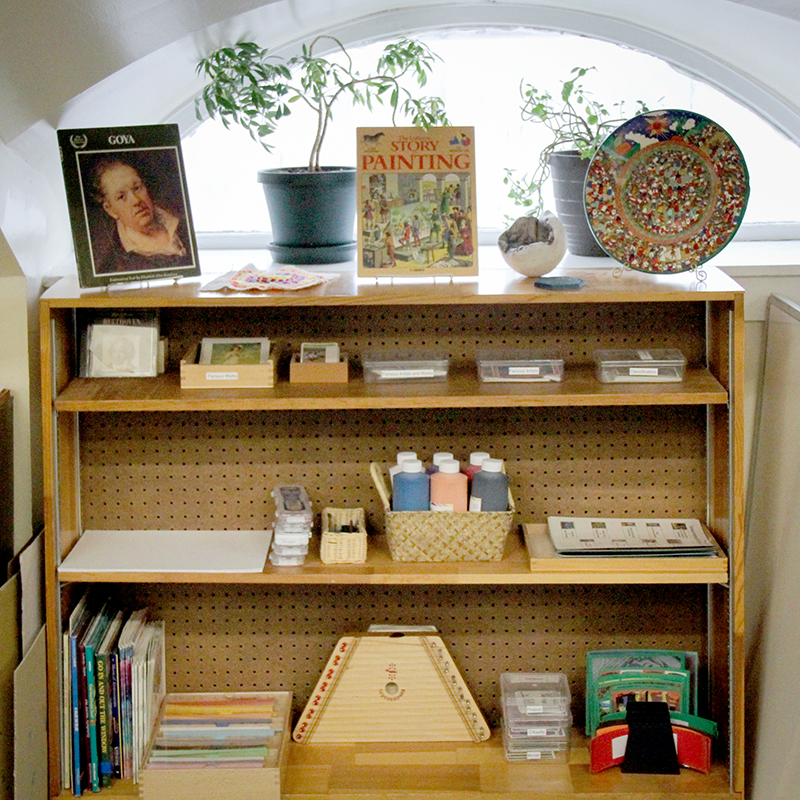
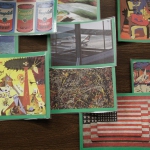
Art shelves in classrooms give students access to materials and art history resources.
-
-
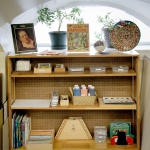
Art shelves in classrooms give students access to materials and art history resources.
-
-
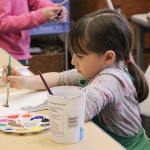
A student paints during Open Art Studio.
-
-
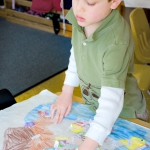
A Children’s House student painting a detailed map of Europe in his classroom.
-
-
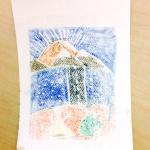
A Lower Elementary student’s styrofoam plate print.

“Intelligence plus character – that is the goal of education.” – Dr. Martin Luther King, Jr.
During many of our parent education events, we talk quite a bit about fostering the development of soft skills in our children. Soft skills – also referred to as “people skills” – include a person’s social graces, habits, personality traits, and interpersonal skills.
When thinking about education for our children, parents often have high academic aspirations. But of course, we also want our children to be good. This goes without saying. We want them to be caring, compassionate individuals. We want them to be problem-solvers and leaders. It may seem obvious to parents, but how many schools are actually focusing on developing these skills?
At Greenspring Montessori School, we are constantly emphasizing these values in our children. We’ve also provided more resources below showing how essential these skills are in our adult lives, and how to focus on their development with your child.
Articles:
“Are you raising nice kids?” – A Harvard psychologist gives 5 ways to raise children to be kind
http://www.washingtonpost.com/news/parenting/wp/2014/07/18/are-you-raising-nice-kids-a-harvard-psychologist-gives-5-ways-to-raise-them-to-be-kind/
“Why What You Learned in Preschool Is Crucial at Work” – Sharing, working together, thinking critically… do these sound familiar?
http://www.nytimes.com/2015/10/18/upshot/how-the-modern-workplace-has-become-more-like-preschool.html?_r=0
“How Schools Are Handling An ‘Overparenting’ Crisis” – Living in the era of helicopter parenting
http://www.npr.org/sections/ed/2015/08/28/434350484/how-schools-are-handling-an-overparenting-crisis
“Opting Out of the ‘Rug Rat Race'”
http://www.wsj.com/articles/SB10000872396390443819404577635352783638934
“The Gift of Failure”
http://www.jessicalahey.com/the-gift-of-failure/