STEM Educational Initiatives and the Montessori Method

STEM Educational Initiatives and the Montessori Method

Reposted from NAMC Montessori Teacher Training Blog

STEM science technology engineering math montessori method succulent plant
Math and science work harmoniously in nature.

Since the launch of Sputnik in 1957, the US has called for an increase in scientific and mathematical education. There is currently a movement underway to train and terrain 100,000 STEM (science, technology, engineering, and math) teachers. Across the country, there are new standards for STEM subjects, with educators being charged to be creative and engaging rather than just teaching from a textbook.

What does this mean for Montessorians?

STEM – Science, Technology, Engineering, and Math: Being Creative and Engaging in the Montessori Classroom

Montessori teachers have a jumpstart on their conventional counterparts. Since student engagement is at the forefront of the Montessori classroom, we are already actively engaging students in hands-on learning. Beginning in the Montessori preschool environment, students learn the fundamental rules of math and science through the discovery of natural laws through manipulation of didactic materials and problem-solving with peers. The work engages the senses and ensures the internalization of concepts, not just memorization of disjointed facts and figures. Through the Montessori concept of Cosmic Education, the curriculum reinforces that everything is interrelated; students see how math and science work harmoniously in nature, like in the Fibonacci sequence.
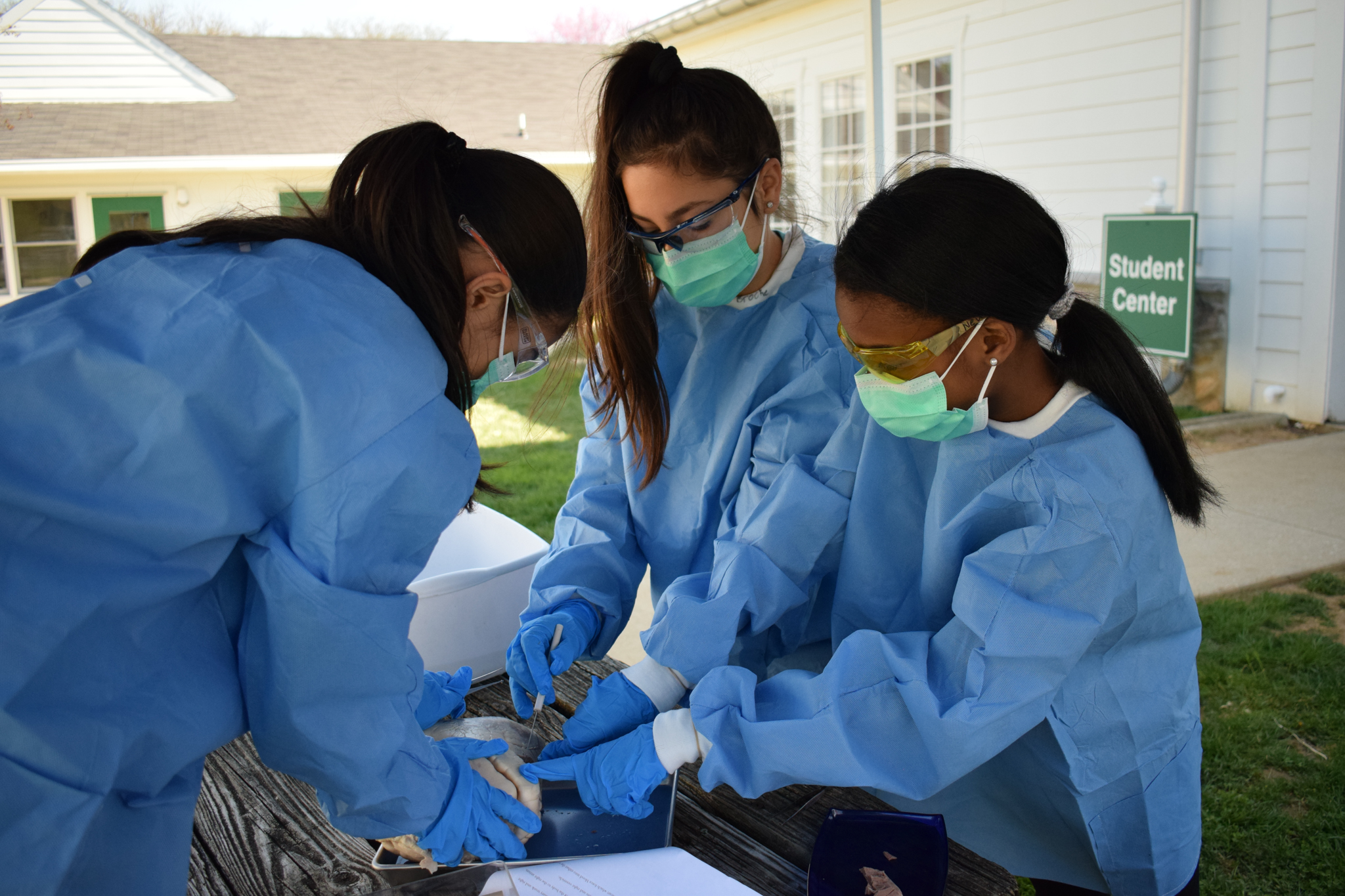
Upper Elementary students dissect a cow heart as part of their studies in anatomy.

On March 29, 2012, the National Governor’s Association issued a brief on “The Role of Informal Science in the State of Education Agenda”. It calls for an increase in hands-on discovery and practice of STEM concepts, something that is already happening across all levels in the Montessori community. It also calls for the use of outside resources such as museums, science centers, and other ‘real-life’ activities that engage and focus student’s attention in the areas of science, technology, engineering, and math. Again, Montessori teachers have been using “going-out” opportunities to pique student interest and foster real-life connections for over 100 years.

An Adolescent student shows one of their chicks to a Children’s House classroom, engaging in cross-level science work.

Larry Page and Sergey Brin, Co-founders of Google, have said that Montessori education allowed them to think for themselves. They credit Montessori with allowing them to question what was going on around them and to discover the answers for themselves. Former Montessori students, Jeff Bezos, founder of Amazon.com, and Will Wright, inventor of “The Sims” video game series, also credit Montessori for allowing them to ask questions, discover, and learn on their own terms.

The current STEM movement is calling for innovation, collaboration, and hands-on learning and problem-solving. To the Montessori community, this is nothing new. This is what we’ve been doing all along.

June 2018 Capital Project Update

June 2018 Capital Project Update

The last months of school were as busy for our construction crews as they were for our students! We went from unfinished walls to our Ribbon Cutting Ceremony over just six short weeks.

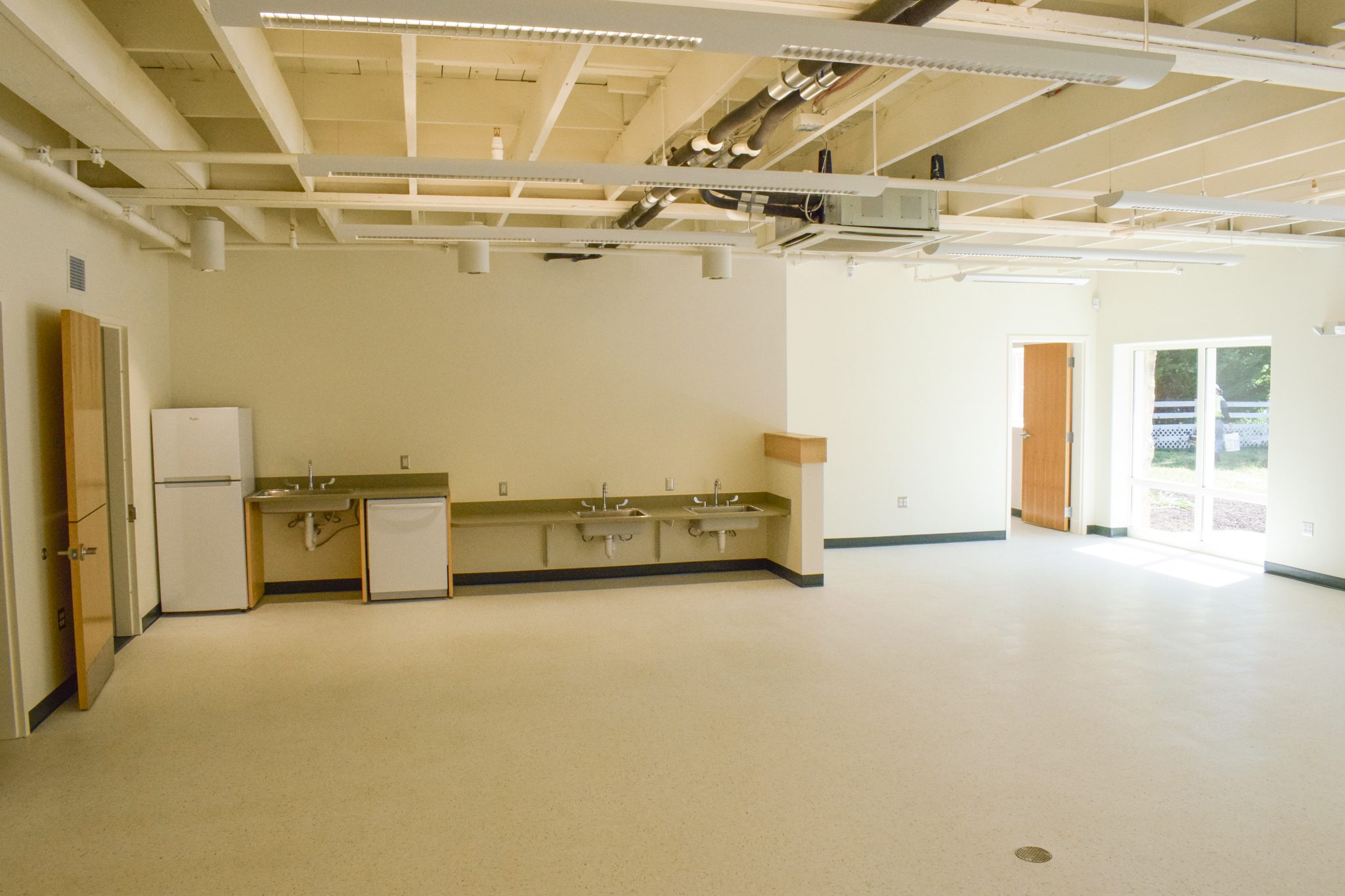
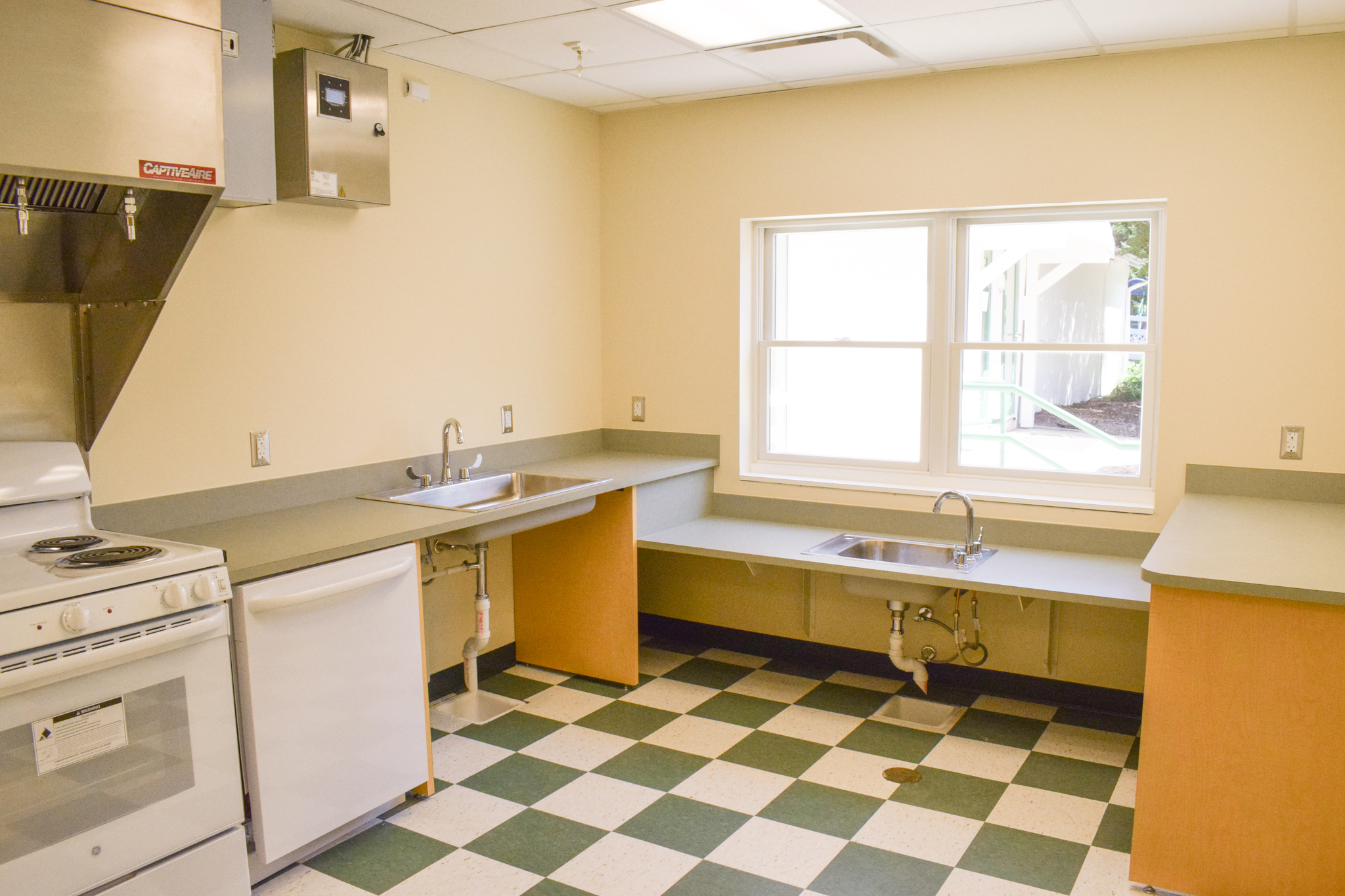
After the plumbing was finished and the drywall was put up, walls were painted, carpet was installed, and cabinets and countertops came in. Our appliances were delivered, polishing off the village kitchen, as well as the kitchenettes in all of the classrooms. In addition, the lobby area received a major facelift with a new built-in desk and custom lighting.

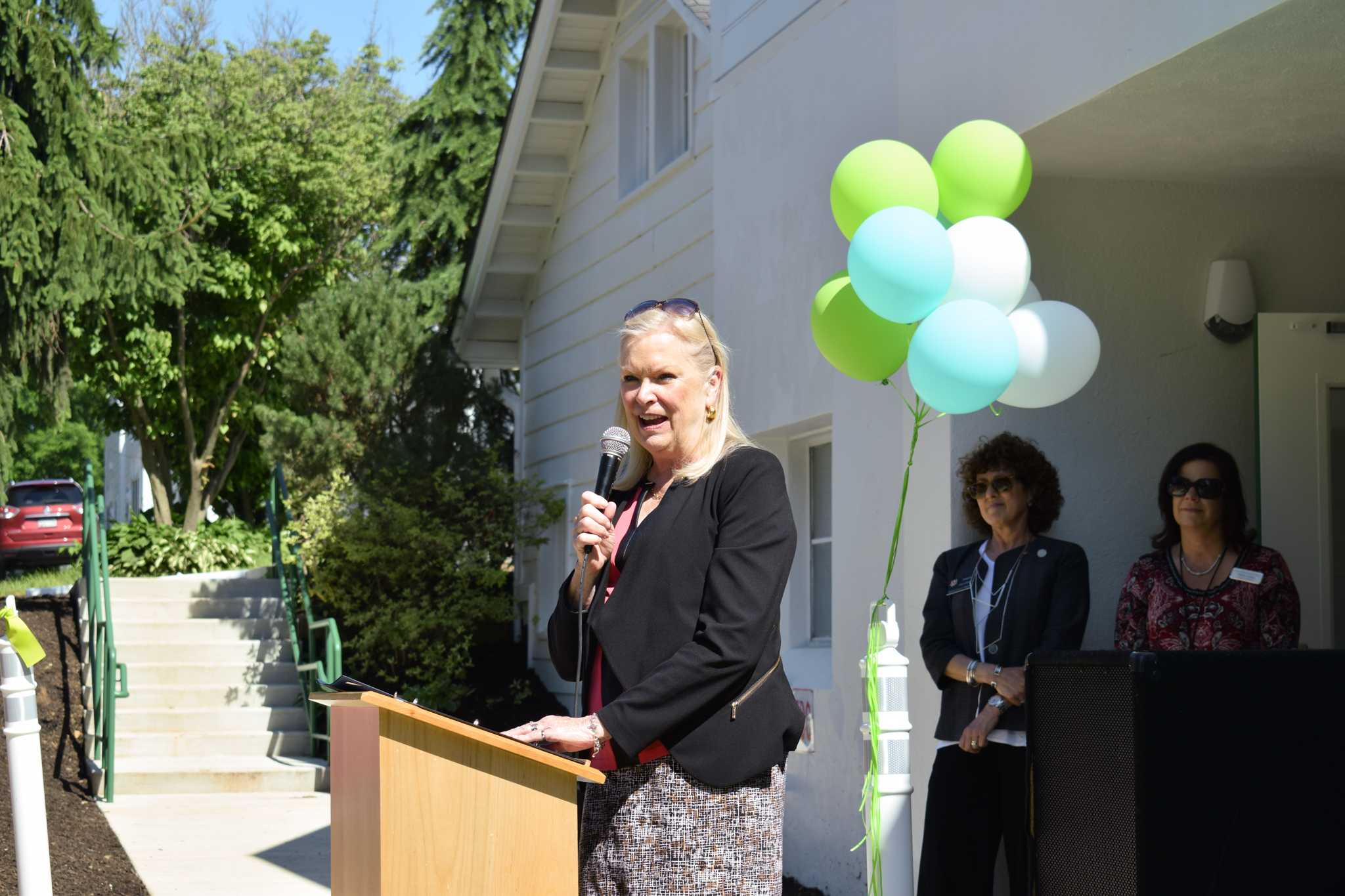
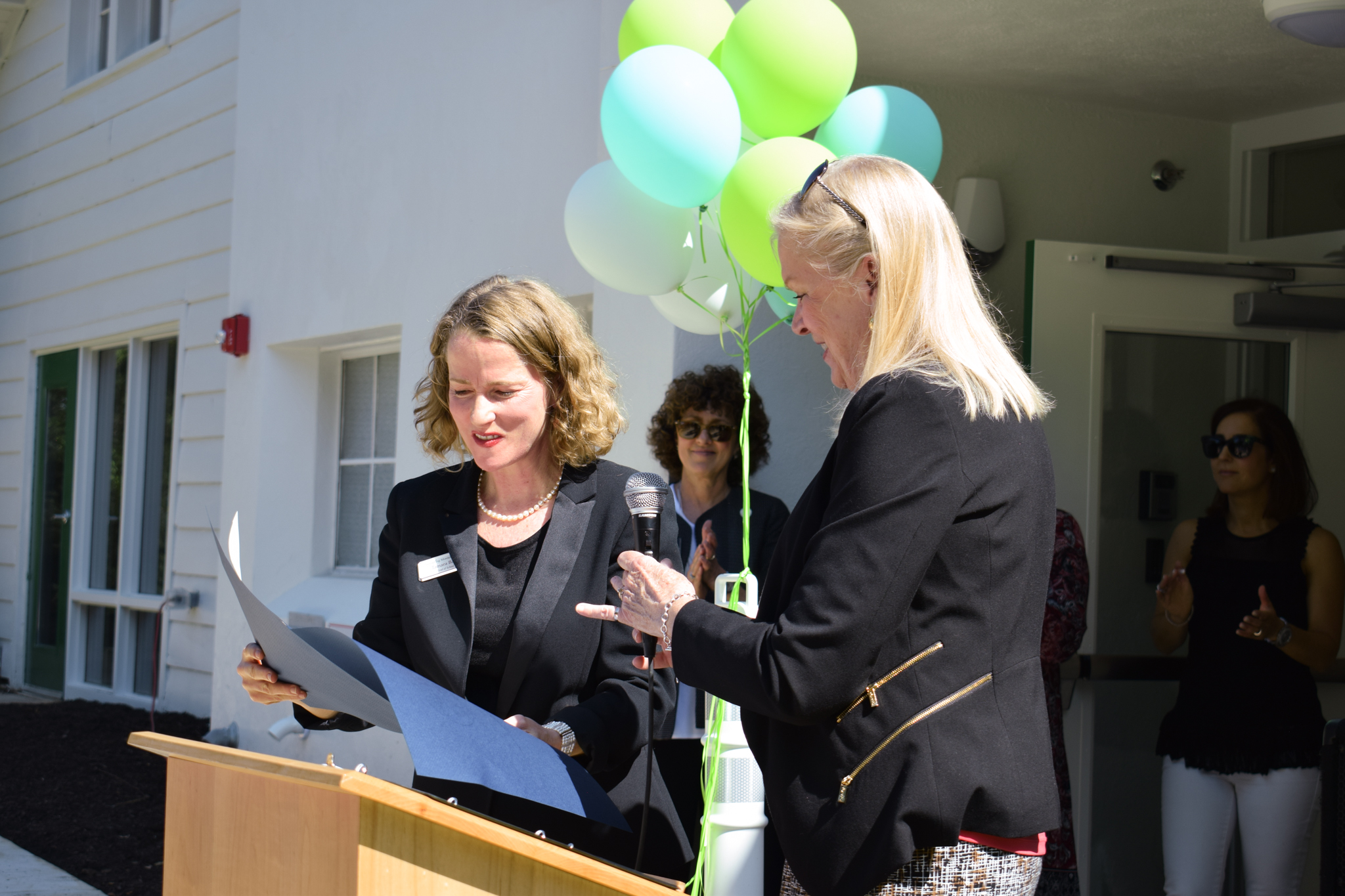
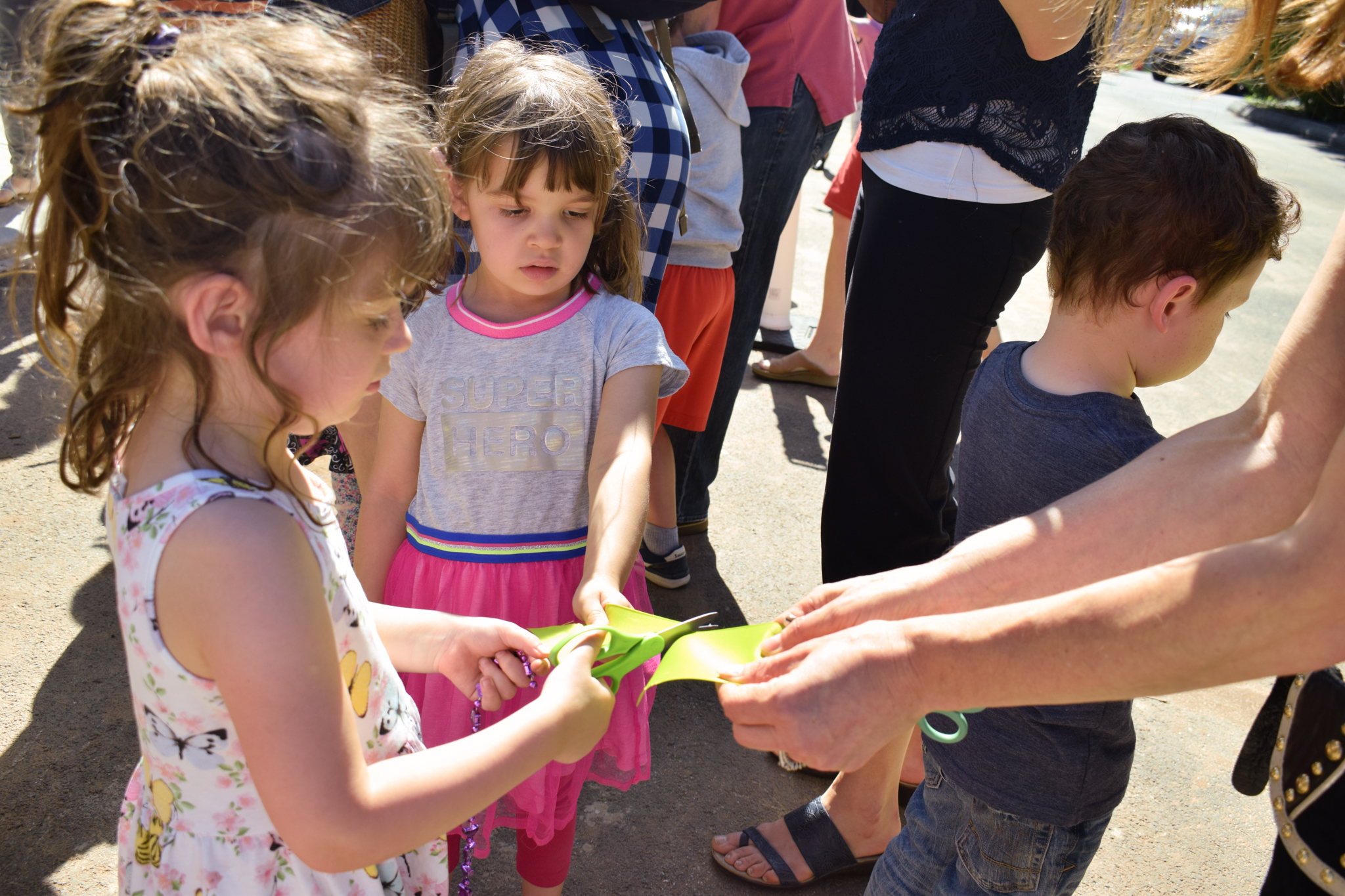
Faculty, staff, parents, and students were all eager to see the final product at our Ribbon Cutting Ceremony on June 12. It is amazing to think that in six months, this space has transformed in such a way. Our beloved, charming classrooms were deconstructed down to the original wooden beams and stone walls, then rebuilt to be more functional, age-appropriate, environmentally-friendly, and safe for all. It has been an enormous push for our community and we thank you for all of your support.

After the last day of school, our faculty and staff got to work moving six classrooms and eleven offices! We were all very excited to get settled into our new homes. While there is still some touchup work to do, we can see the end of Phase II in our sights and we are looking forward to what comes next.

Our Capital Project

To learn more about our Capital Project, please click on the button below. 

April 2018 Capital Project Update

April 2018 Capital Project Update

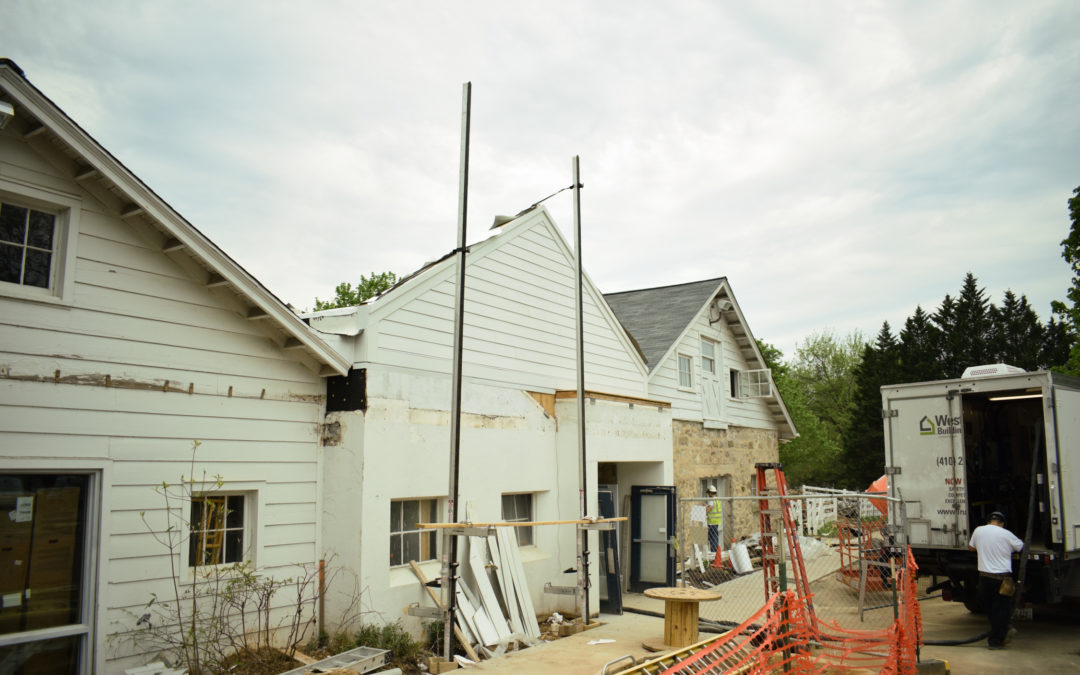
Inside the Main Building, it is amazing to see the classrooms and office spaces begin to take shape! What was once a beautiful stone dairy farm has evolved and transformed into Toddler and Children’s House classrooms with amenities that are just the right size for our students.

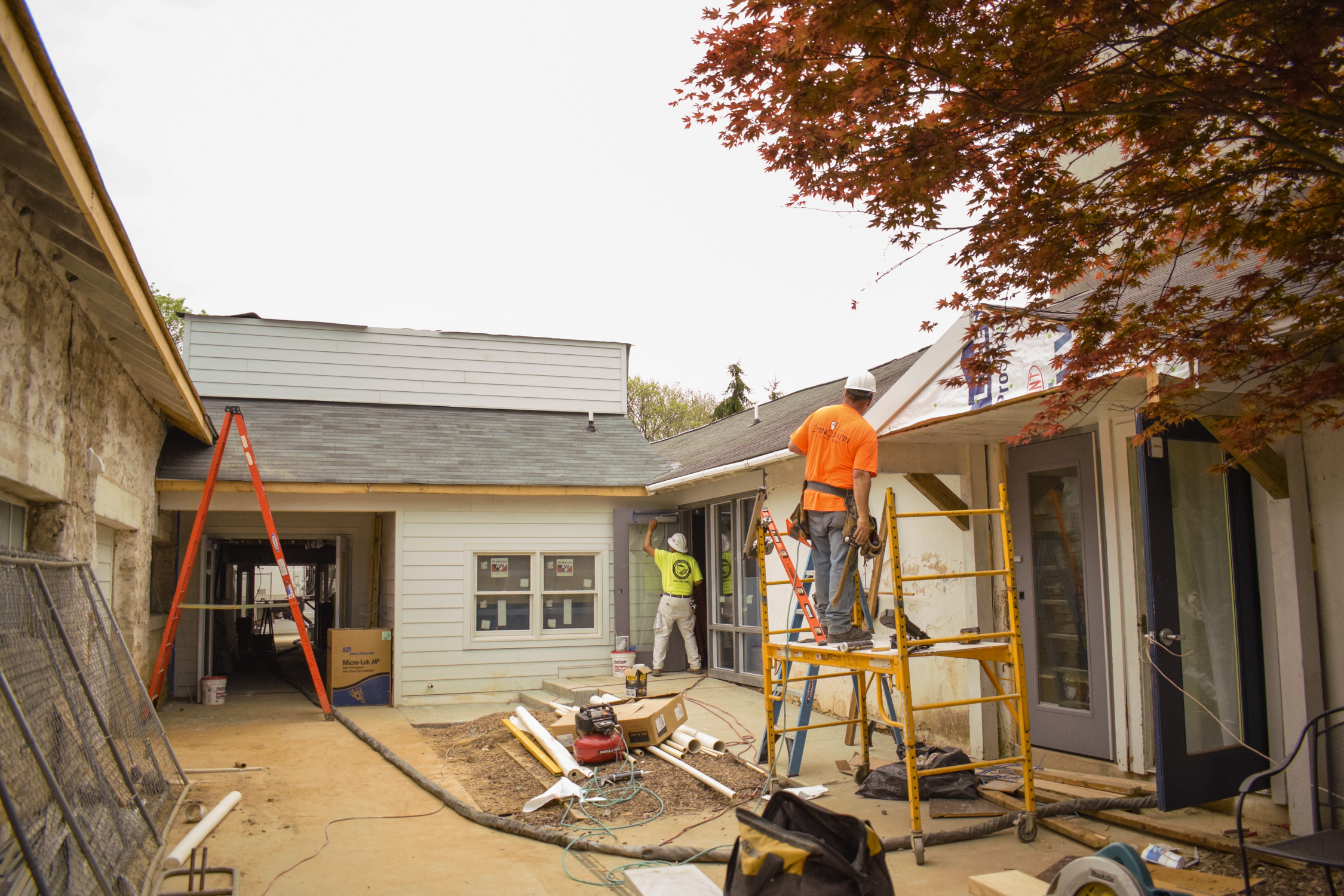
The drywall was put up during the month of April and we soon expect it to be primed and painted. The frames for new windows and doors are in place. We have selected the finishing details for the carpets, tile, front desk design, and appliances for the classrooms and kitchenette.

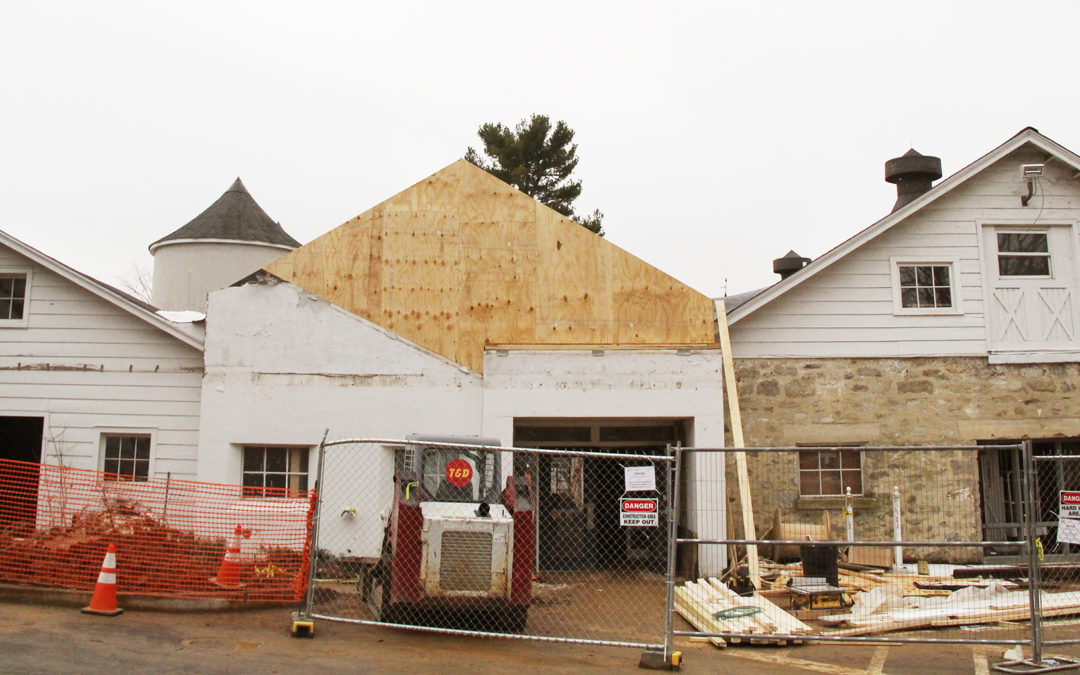
Thanks to generous donations to our Capital Campaign, we were able to finish the restorations to the roof, once damaged in a fire. We are still seeking support for the remainder of the project – and we cannot do it without you! If you would like to make a donation to this cause, please click here.

During the month of May, we will begin to see more progress on the exterior of the building, with the rest of the windows and doors going in, painting of the siding, doors, and frames, and preparation of the sidewalks, flowerbeds, and playgrounds.

We are looking forward to having the building completed in June 2018 and ready for us to move in our classrooms for the 2018-19 school year! Join us in front of the Main Building for our Ribbon Cutting Ceremony on Tuesday, June 12 at 4:00pm!

Cooking in the Montessori Classroom

Cooking in the Montessori Classroom

On any given day, you may smell an assortment of delicious aromas when you are walking the halls at Greenspring Montessori School. This is because students and faculty are often engaged in various cooking and baking activities as part of the Montessori curriculum. To support these efforts, we have a full kitchen in Emerson Village and we have kitchenettes complete with refrigerators, dishwashers, sinks, and prep space in each of the classrooms. Building practical life skills in areas of daily living is a cornerstone of the Montessori Method, and it is also proven to help students develop soft skills. These skills help children learn essential life tasks, such as working well with others, having empathy, and being trustworthy and respectful. To learn more about the importance of soft skills, please take a look at this new article.

Starting with our youngest students, guides and assistants work with toddlers to create snacks for their classroom. Whether they are carefully learning how to cut pieces of carrots using a crinkle cutter or making freshly squeezed orange juice, the children are actively involved in every step of the process. During the warmer months, many classrooms will also plant tomatoes, cucumbers, strawberries, and more in their outdoor environments, so they children will become familiar with where their food comes from.

At the Children’s House level, students will help to plan larger meals and snacks, and the guides introduce new flavors with the seasons. Instead of always baking comfort foods such as oatmeal cookies or muffins, our guides work to come up with recipes that include fresh and natural ingredients. During the fall, one of our Children’s House classrooms baked acorn squash. In addition to learning about how to use the oven with a classroom assistant, the children also talked about the color of the vegetable, the texture, and the new and interesting flavor!

Additionally, cooking is often a big part of Spanish language enrichment at all levels. Spanish Dual Language Children’s House students work with a parent volunteer each week to prepare mango salsa, pan de elote (a Mexican dish similar to cornbread pudding), and arroz rojo y friojoles de la olla (a Mexican style rice and beans). This is a great way to introduce new vocabulary and new tastes to our children while celebrating other cultures!


In Lower and Upper Elementary, students will often incorporate what they are learning in the classroom with a new recipe. Students in Ms. Sarah’s Spanish Dual Language classroom researched different cultures and shared meals with their entire classroom as part of their presentations. One group made yellow dal, a traditional Indian dish with lentils, while another group created Dulcis Coccora, an ancient Egyptian dessert (Cleopatra’s favorite!) made with honey.

At the Adolescent level, our students have come up with creative ways to grow their student-run business with their work in the kitchen! Several years ago, they started Pizza Fridays, selling pizza by the slice (along with hummus and veggies) every Friday to the students and the faculty. In addition to honing their cooking and prep skills, they also learn to work together, stay organized, and manage money. In addition, the students have built a chicken coop, compost bin, and they are starting a class garden. It is their hope to eventually sell eggs and vegetables to the school community, and even use some of these ingredients in their own cooking.

The joys of cooking with children can extend into your home too. Take a look at our blog on setting up your Montessori kitchen at home and consider trying some of the following this week:

  • Take your child to the farmer’s market and pick out one new type of fruit or vegetable to try.
  • Flip through a recipe book with your child and let them pick a meal for you to make together.
  • Start giving your child a task during meal prep – this could be anything from rinsing the vegetables, to cutting, and eventually even cooking the ingredients.
  • Give your child the opportunity to begin cooking, baking, or prepping one meal a day on their own (the younger ones may need some support) – this could be making scrambled eggs for breakfast, packing their own lunch, or preparing a snack when they get home from school.
  • Make sure to include clean up in your routine together! – our children love setting the table with real plates and glassware, washing their dishes, and sweeping up crumbs
  • Plant a garden – visit the store with your child and pick out seed packets or seedlings together! Children are more likely to try new things when they are involved in growing it themselves.


March 2018 Capital Project Update

March 2018 Capital Project Update

Our construction crews were able to make much progress with the Main Building over the past two months. In December, we found out there was a massive fire in the 1930s that left smoke and fire damage to much of the roof, so workers have been tearing out damaged wood, reinforcing the beams and supports, and completely rebuilding sections of the roof. The building is coming along and we are beginning to talk about the finishing touches!

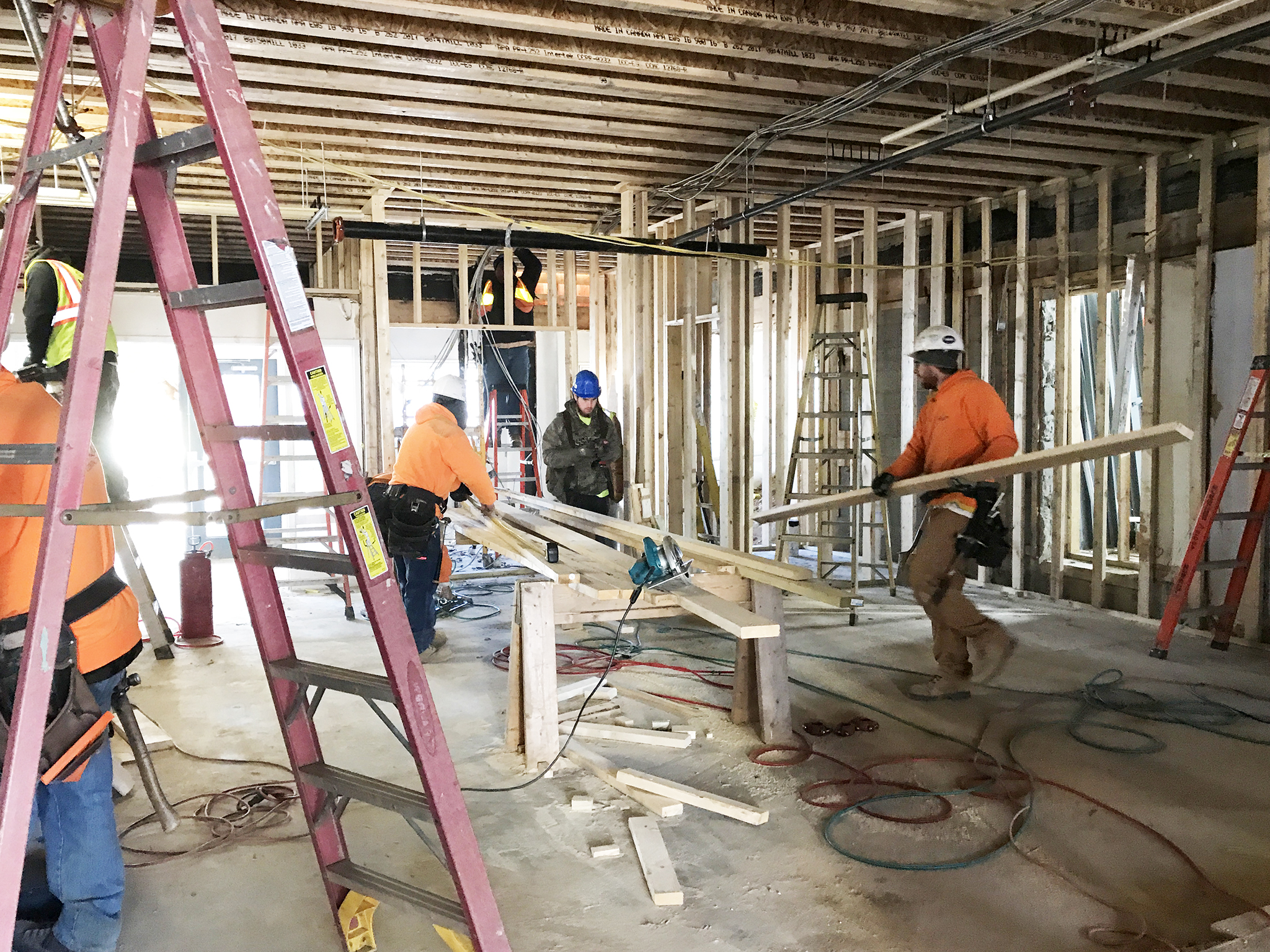
The walls have been framed and most of the electrical work has been done. It’s exciting to see the outline of where our new classrooms and offices will stand. Once all of the wiring is complete and inspections are done, the outer walls will be insulated and drywall will begin to go up.

Phase II: Toddler and Children's House Village West

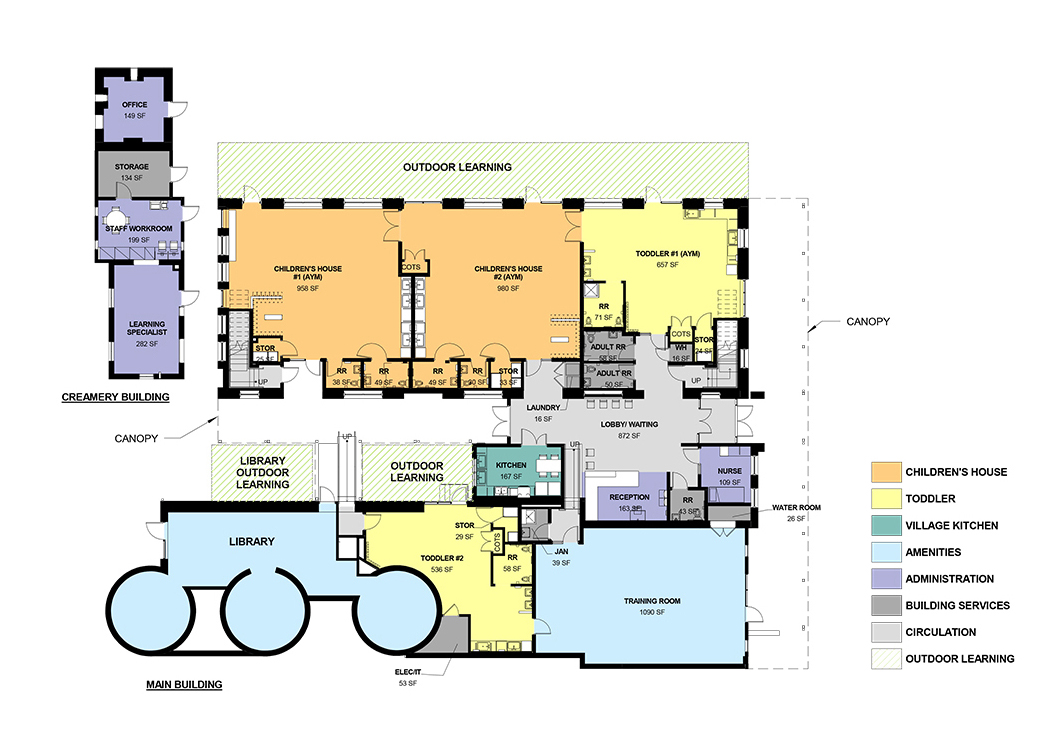
Carpet, tile, appliances, lighting fixtures, and more have been selected, so we can really start to get a feel for the new space. We are looking forward to having a second Toddler and Children’s House Village with a kitchen, laundry machines, and a state-of-the-art teacher training center. The Maryland Center for Montessori Studies is our Montessori teacher training program, which offers lectures and workshops for aspiring Montessori teachers. Having this facility on-site will connect us with the best Montessori guides in the area and help us to spread the word about this unique pedagogy. The center will be equipped with all of the Montessori materials you would traditionally see in a Children’s House classroom, along with workspaces for adult learners, a built-in projector, and tech resources for presentations.

The Main Building will also be home to two Toddler classrooms and two Children’s House classrooms that will be equipped with new kitchen appliances, child-sized toilets and sinks, and ample room for work and play. The classrooms in the Main Building will all have direct access to an outdoor learning environment, where children can freely flow between indoor and outdoor workspaces throughout the day.

In the next month, we will see the renovations begin on the Creamery (the offices located in the back of the Main Building), along with the finishing touches on the front facade.

We are looking forward to opening these classrooms in the fall of 2018. More updates will be coming soon! To learn more about our Capital Project, please click here