Upper Elementary Outdoor Exploration at Echo Hill Outdoor School

Upper Elementary Outdoor Exploration at Echo Hill Outdoor School

In April our Upper Elementary students went on a camping trip to Echo Hill Outdoor School. Echo Hill Outdoor School is located on the Eastern Shore of Maryland with 242 acres of forests, meadows, and freshwater shrub swamp bordering a mile of sandy beach on the Chesapeake Bay. This trip was a great opportunity for the Upper Elementary students to live close to nature and learn about our environment and our place in it.

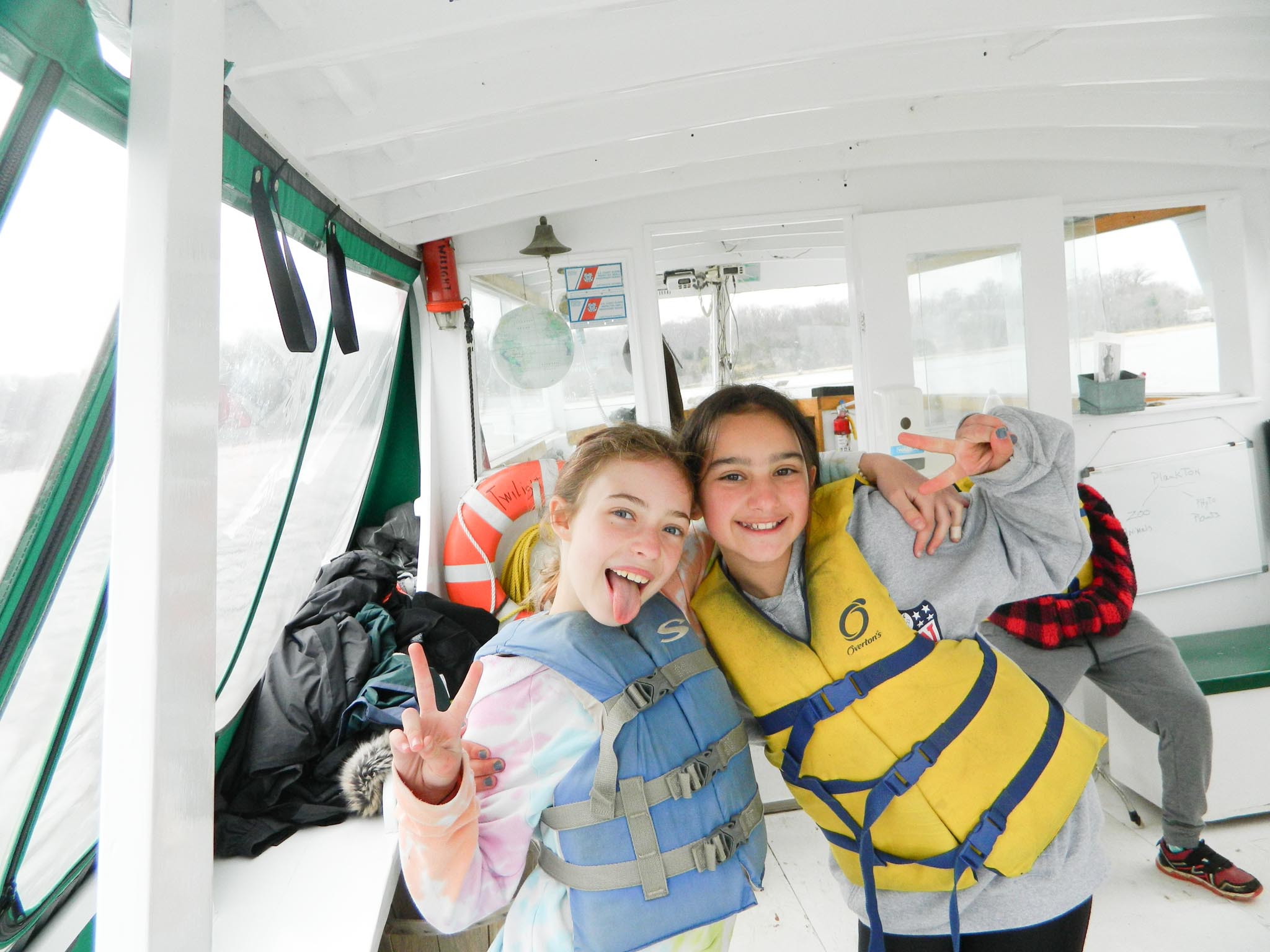
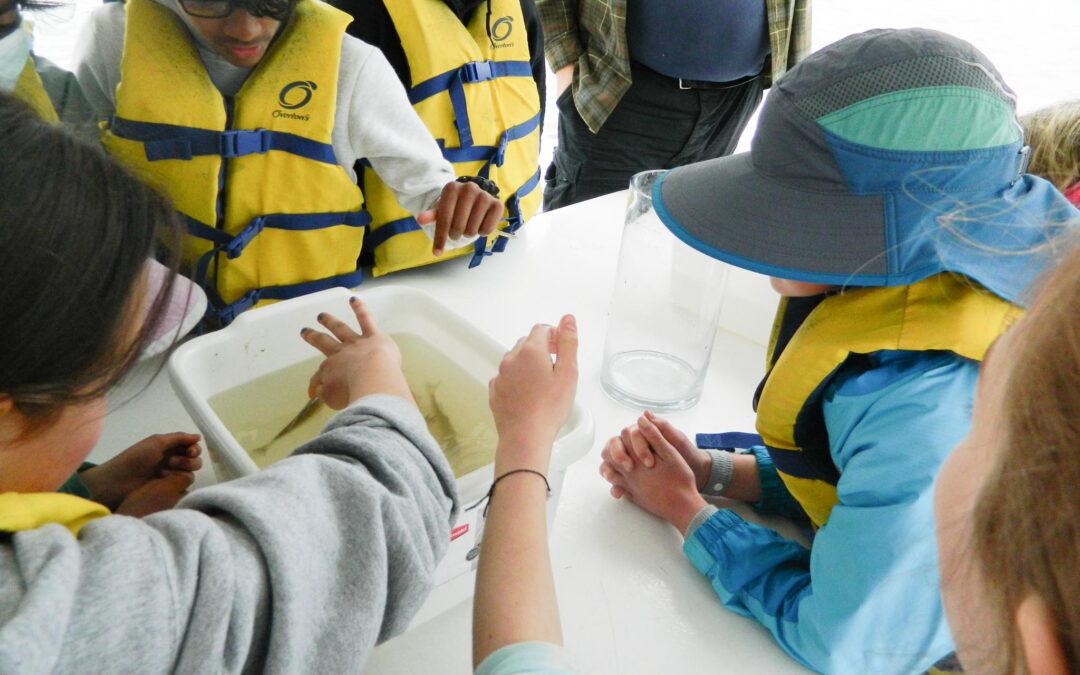
The students enjoyed many interesting classes like swamp biology, how to experience the environment through all our senses, wilderness survival, and bay biology. In bay biology, the whole class joined together on a small working boat and experienced firsthand the living creatures of the Chesapeake Bay. They collected fish and micro-crustaceans and discussed the ecological value of an estuary like the bay. They even found a freshwater eel which the students had a chance to touch.

The trip also provided ample opportunities for community building as well. On the last night, the class participated in a campfire story and an escape room challenge before sharing their gratitudes from the trip. The students came home tired and happy.

Dual Language Learning about Monarch Migrations with Journey North

Dual Language Learning about Monarch Migrations with Journey North

Throughout the 2021-22 school year, our Spanish Dual Language Children’s House and Lower Elementary students joined students and scientists across North America to track the monarch butterfly’s migration to Mexico with Journey North.

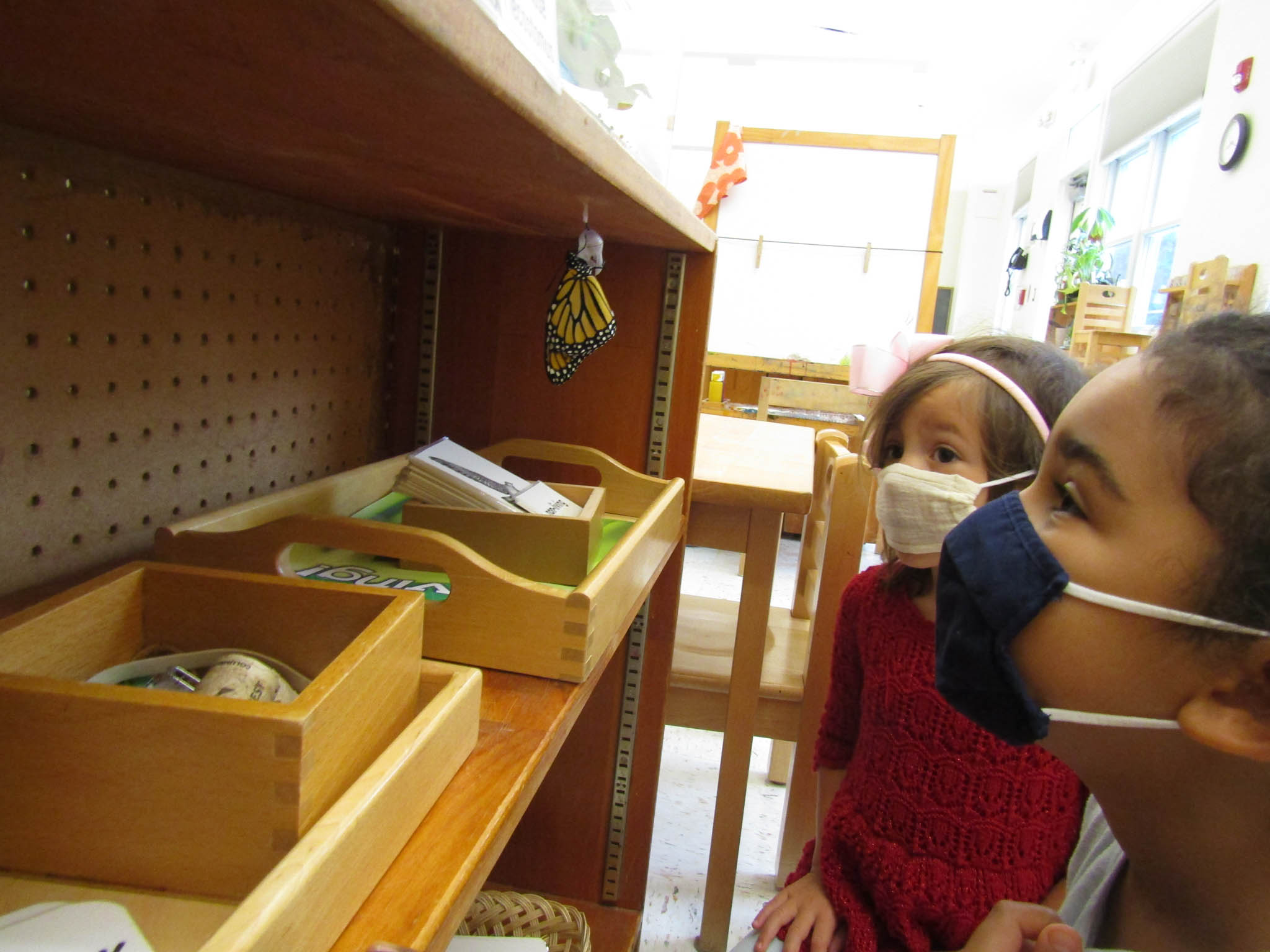
In October, the children learned about the monarch butterfly’s lifecycle and migration, then sent butterflies to other schools and wrote about what they’ve learned in English and Spanish. Many of our classrooms were home to monarch caterpillars. Children learned about what the caterpillars eat, bringing them fresh milkweed. It was a wonder to observe the amazing life cycle of the monarch! One crafty caterpillar managed to escape the enclosure and decided to attach itself to a shelf and enter the chrysalid phase. The children were so careful not to disturb the chrysalid, which hung precariously suspended on the shelf.  They later watched the caterpillars form chrysalises and later emerge as butterflies. ⁠

As the butterfly migration progressed from September to November, students began learning about the migration. They discovered that a fragile butterfly can travel hundreds of miles to find its winter home deep in central Mexico. Students learned how monarchs connect people across North America as they migrate across international borders.⁠

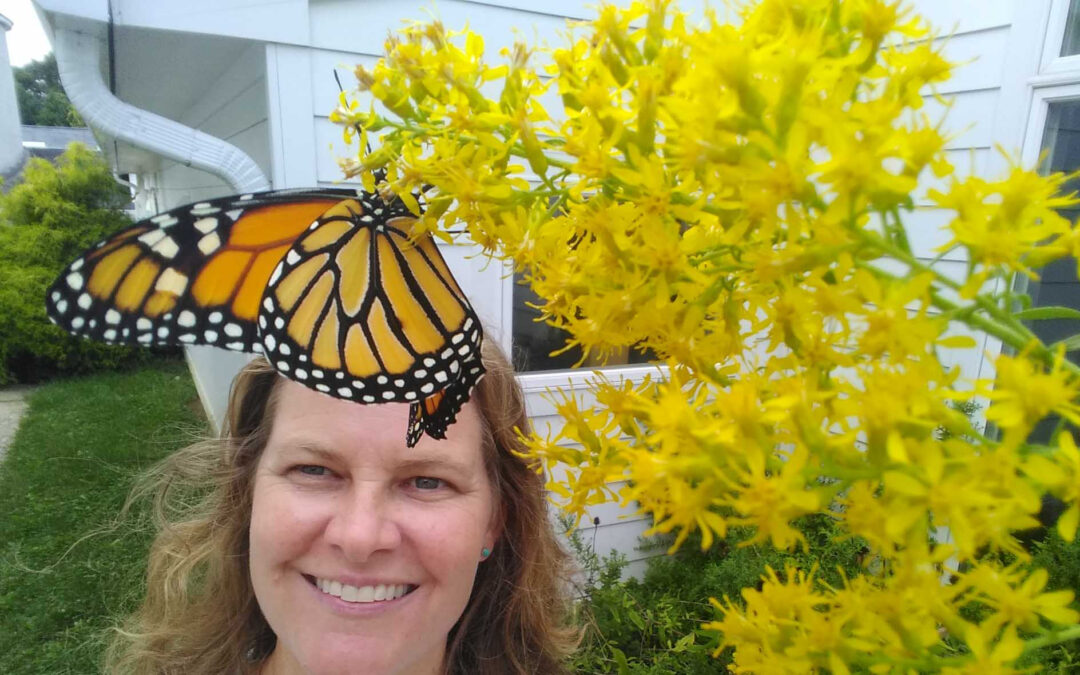
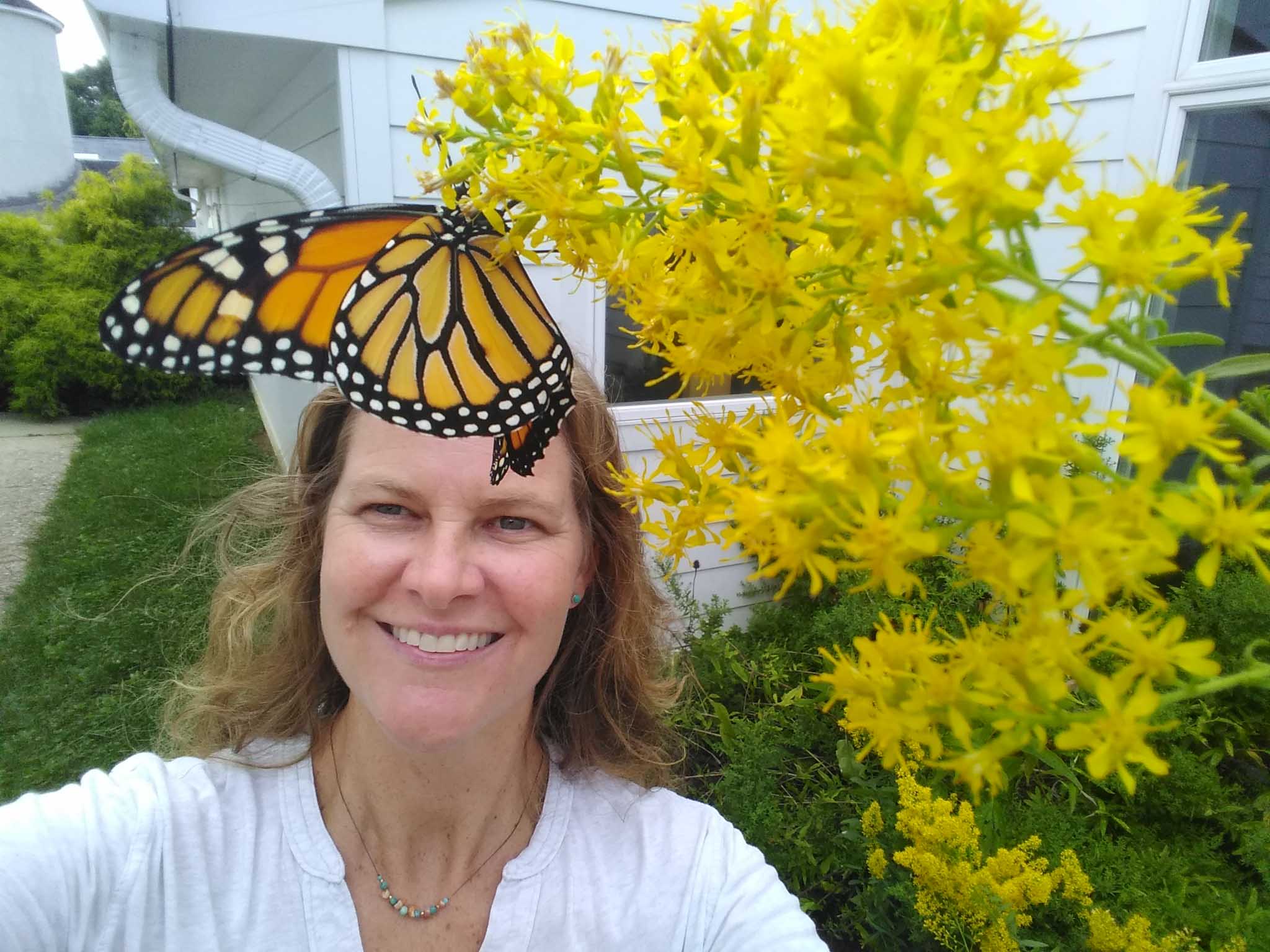
The Willow Children’s House class has been working to create a garden for pollinators and to serve as a Monarch Waystation. They planted the monarch host plant swamp milkweed, along with goldenrod and purple coneflower. Most recently, they sowed sunflower seeds and zinnias to supplement the perennials in the garden and boost the nectar available for pollinators. They hope this garden provides a nourishing habitat for many pollinators, especially the amazing monarch.
 
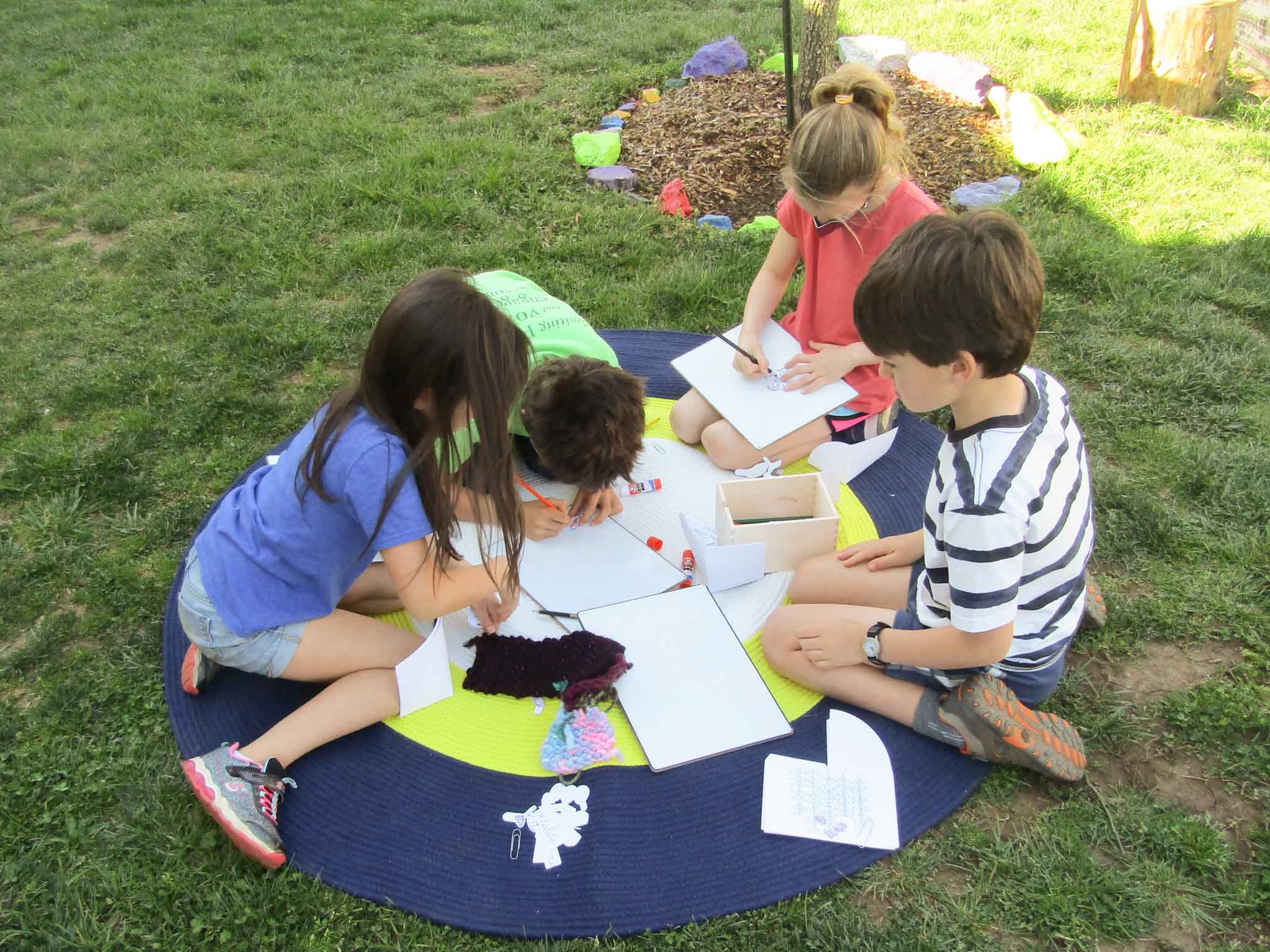
The Dual Language third year Children’s House students and the Lower Elementary students worked with Sra. Marcela and the Journey North program to participate in the symbolic migration of the monarchs. They made and sent a Symbolic Ambassador Monarch to the children who live near the monarch’s overwintering sanctuaries in Mexico. We hope that our Symbolic Ambassador Monarch will build bridges of communication between youth across North America. These Symbolic Monarchs represent our shared love of monarch butterflies and shared interest in protecting monarchs.⁠

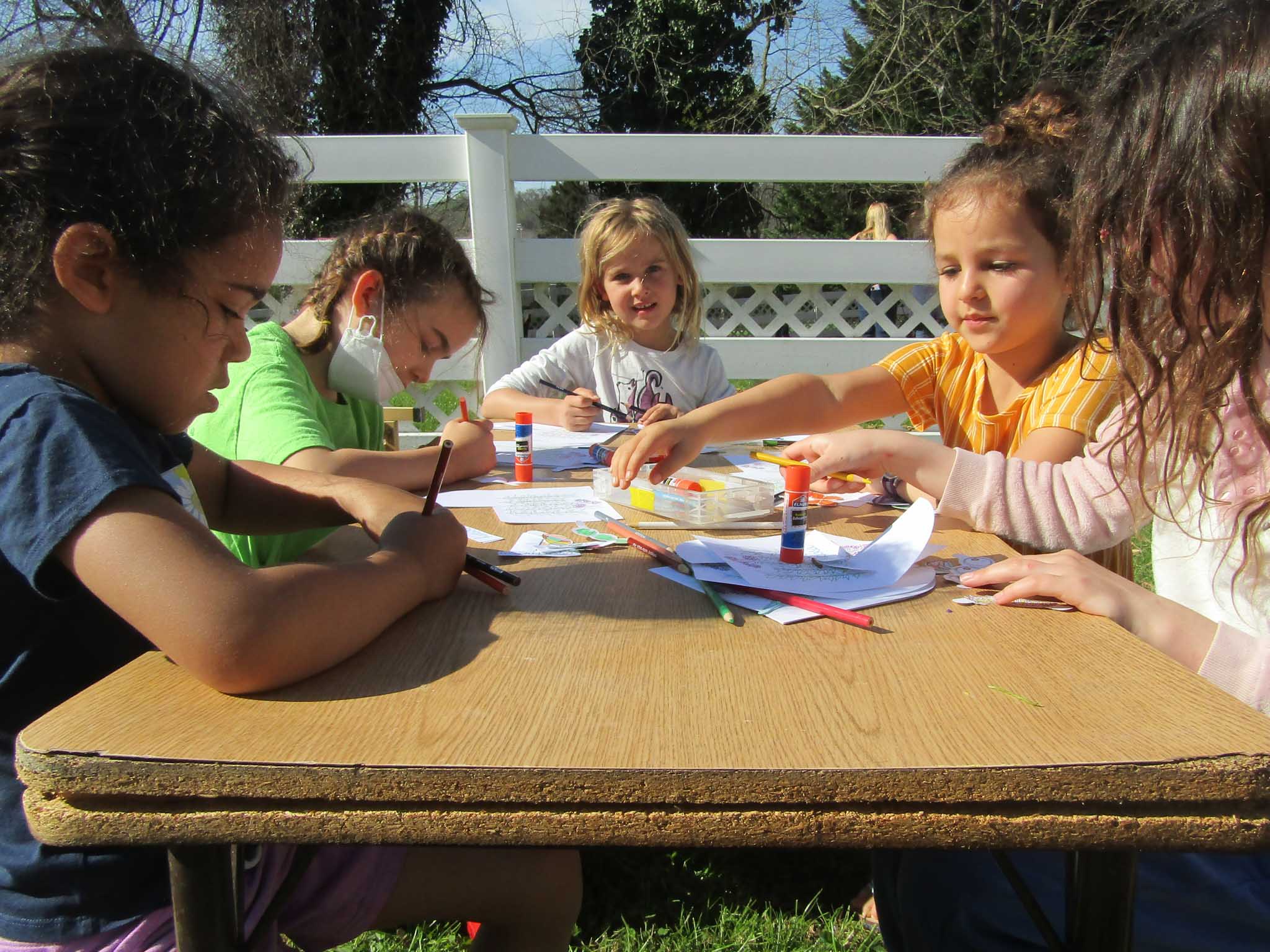
As a culmination of their work with the monarchs, the children celebrated Mariposa Day in April! They recently received butterflies from children from different places around the US. To celebrate, they made 3D butterfly cards!

This is just one example of the interconnected curriculum in Montessori classrooms, uniting language, art, and science together in a tangible way for our children.

Children as Contributing Members of the Home

Children as Contributing Members of the Home

Whether you are first beginning your Montessori journey with your toddler or you have been involved with the Montessori community for years, having an independent child at home may be a goal of yours. This blog post will walk you through age-appropriate activities for your children at home. In school and at home, it is important for your child to be doing work that is challenging and meaningful. Even as a young toddler, it means so much when they know their work is helping others and they are contributing to their community. As your child gets older, they can do progressively harder tasks around the house. Just remember this Montessori philosophy – let your child try to do for themselves, and resist the urges to swoop in and correct what they’ve done. As they practice, they will get better and feel good about how they have helped.

Household Contributions by Age

Contributions for 2-3 year olds

  • Dust off end tables, TV stands, and wherever else they can reach safely
  • Help set table
  • Clear dishes from the table
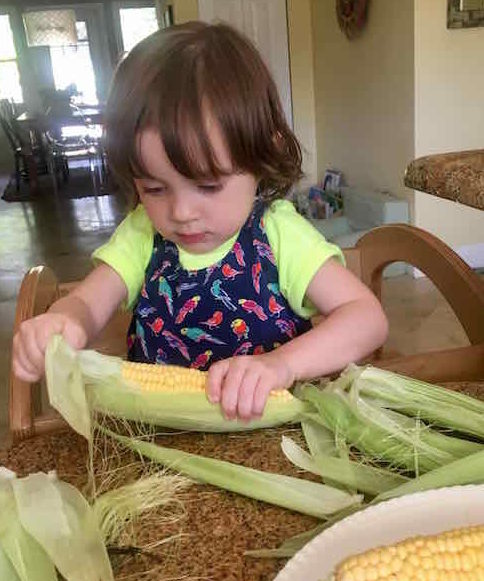
  • Help cook
  • Put clothes in a hamper
  • Pick up toys
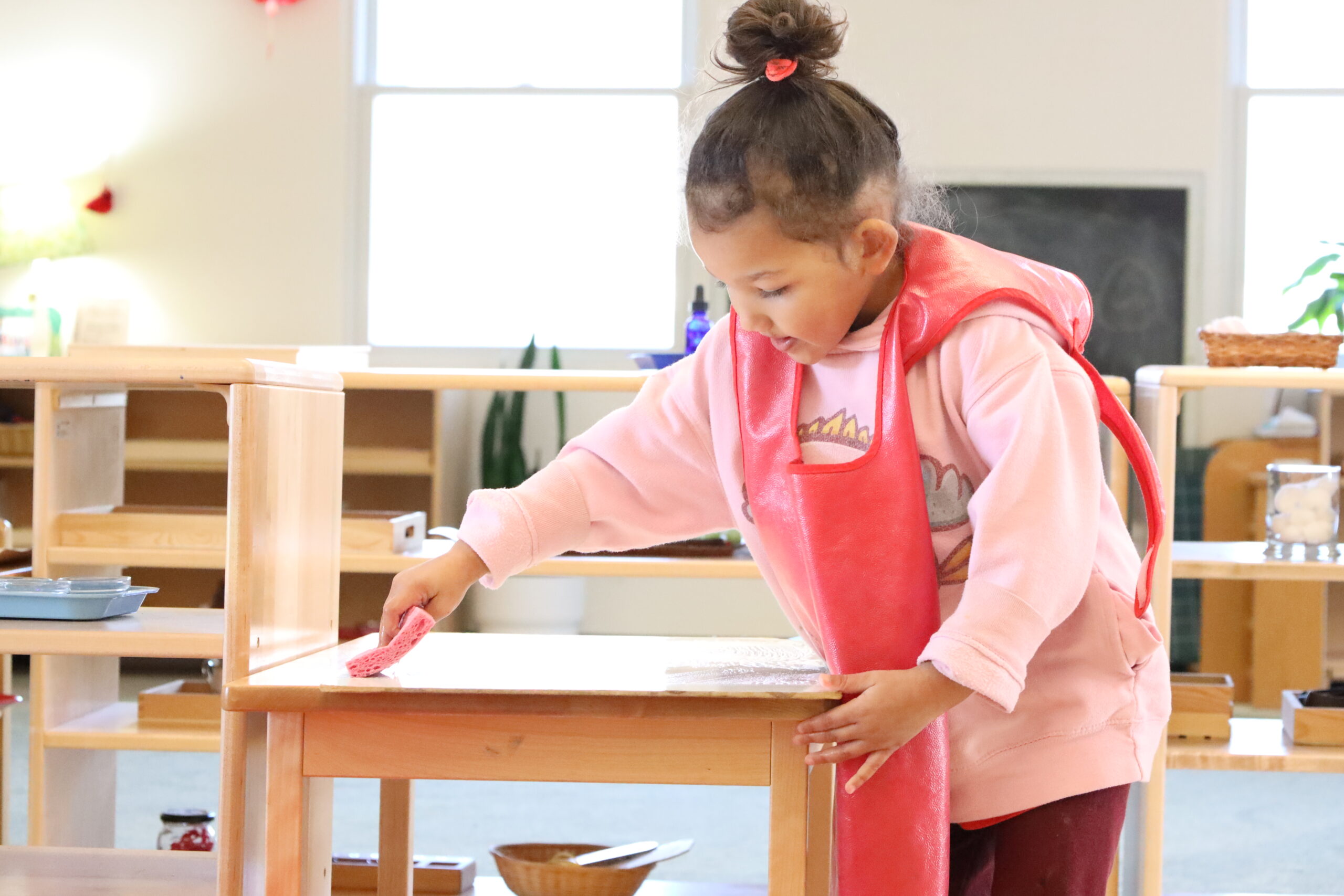
  • Wipe up small spills
  • Sweep and mop floors
  • Wash windows
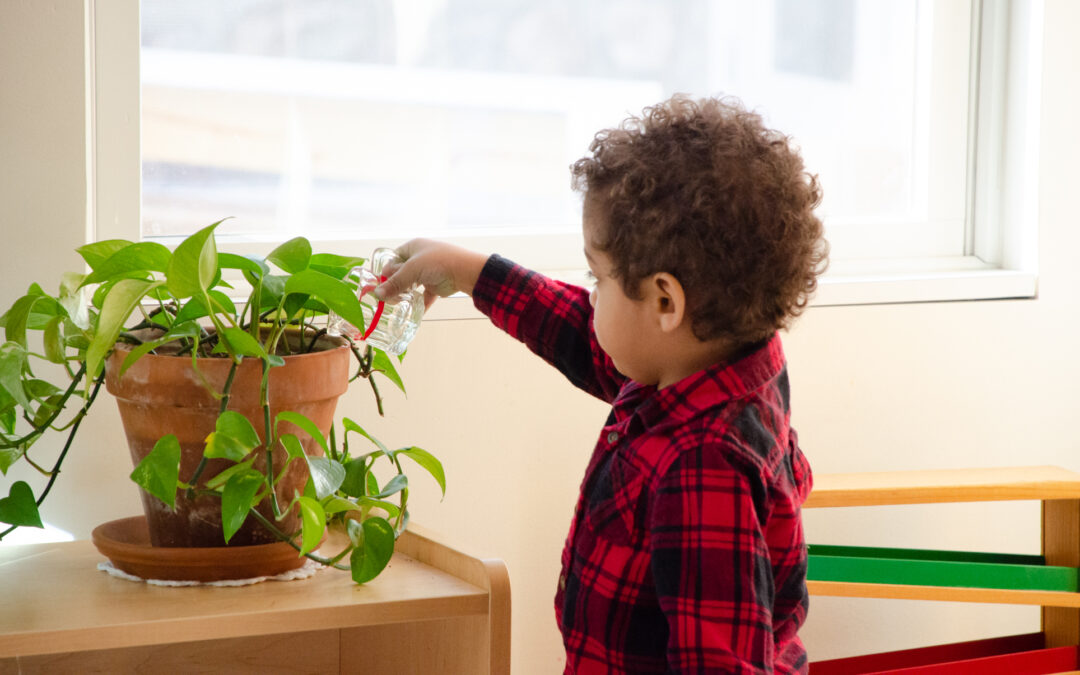
  • Water plants
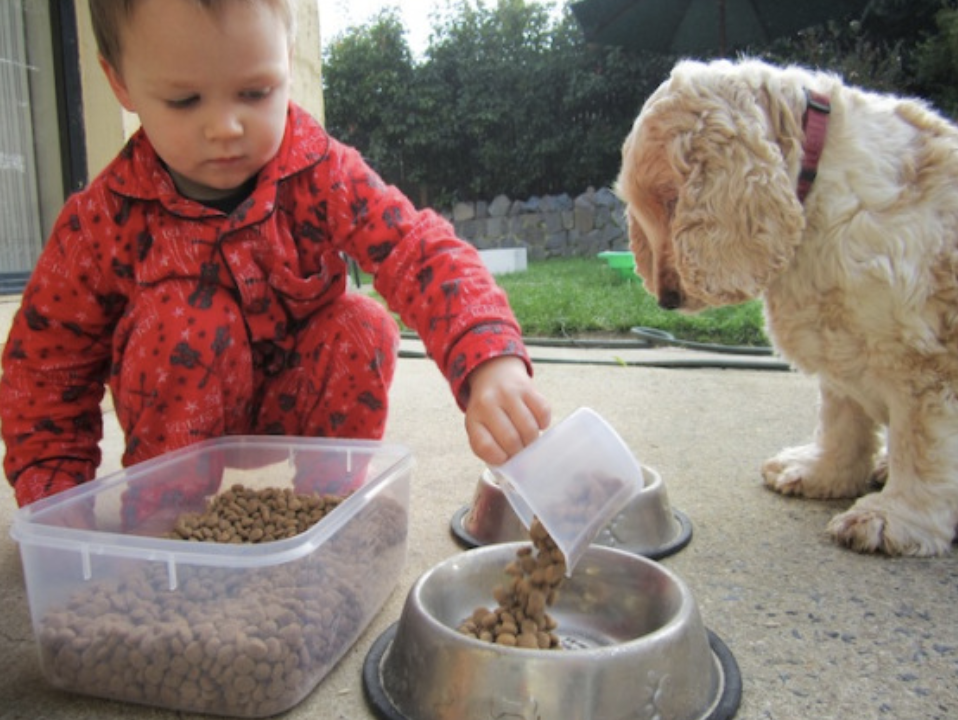
  • Feed pets

Contributions for 4-6 year olds

  • Make bed
  • Fold laundry
  • Put their own clothes away
  • Help put groceries away
  • Set and clear table
  • Begin making simple meals (eggs, oatmeal)
  • Learn to use the stove
  • Make own snack
  • Wash dishes or empty the dishwasher
  • Sweep and mop floors
  • Vacuum small rooms
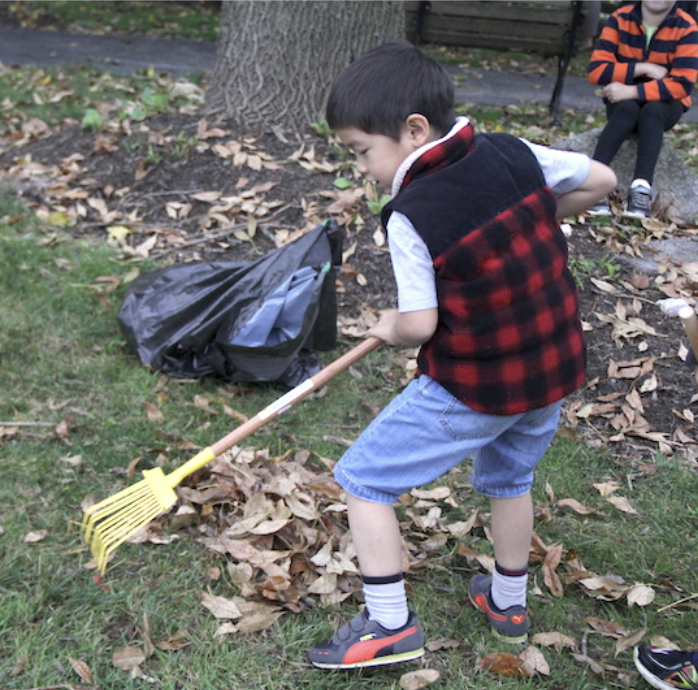
  • Assist with raking the yard
  • Empty trash and recycling

Contributions for 7-9 year olds

  • Cook more complicated meals, such as a pancakes or scrambled eggs
  • Plan menus
  • Pack own school lunches
  • Load/unload the dishwasher
  • Wash dishes
  • Walk the dog
  • Train pets
  • Clean their bedroom
  • Use the washer and dryer
  • Sort and fold laundry
  • Fill the bird feeder
  • Sewing projects

Contributions for 10+ year olds

  • Clean the bathroom sink, tub, and counters
  • Fully clean the kitchen
  • Cook full meals
  • Take out trash and recycling
  • Wash and vacuum the car
  • Mow the lawn
  • Ironing
  • Use tools to fix things around the house
  • Plan and lead outings

For more information on household contributions for your child, please take a look at these articles:

Alumni Spotlight: Service at Greenspring

Alumni Spotlight: Service at Greenspring

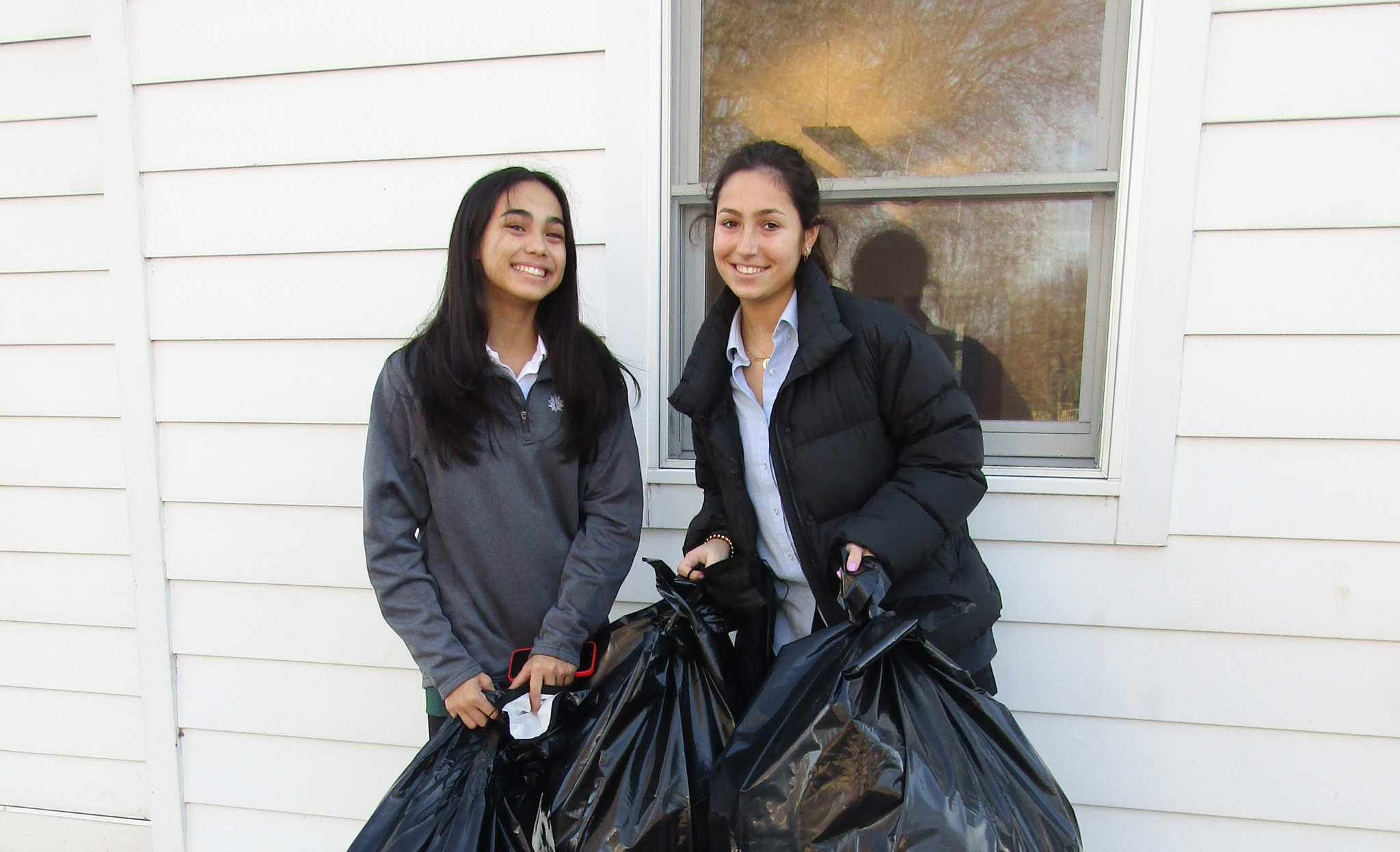
Greenspring Alumni Lizzie Wiggin and Brooke Baylin recently partnered with our Lower Elementary students to promote a coat drive for ShareBaby, a non-profit supporting women and families in Baltimore. ShareBaby collects and distributes essential child care items like diapers, coats, and clothes, to families in need in the Baltimore area. Brooke and Lizzie initially learned about ShareBaby when they were students here at Greenspring and they were inspired to continue the work as graduates. Thanks to the generosity of our community, they were able to deliver a total of 54 coats to ShareBaby! Lizzie shared:

“We are so thankful for all the work you have put in to helping us. We hope to work with you again in the future to continue supporting families and kids in Baltimore!”

Winter in the Outdoor Environments

Winter in the Outdoor Environments

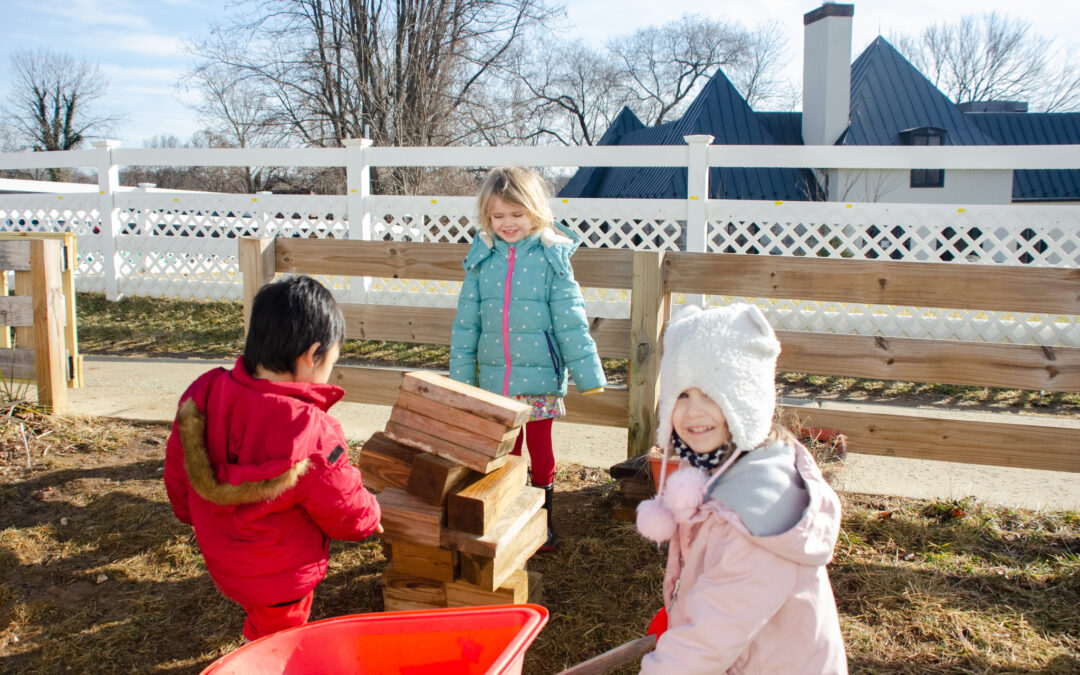
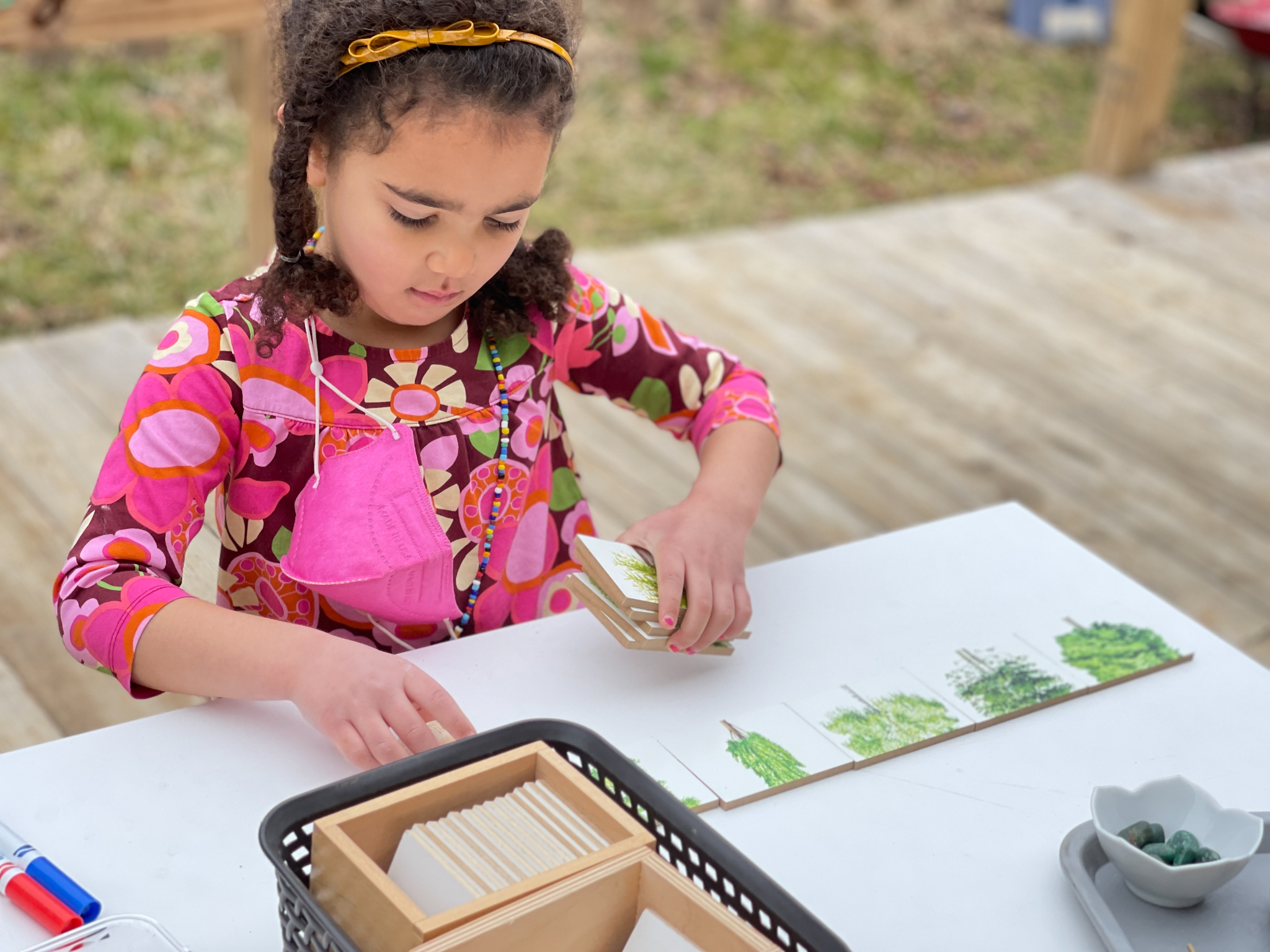
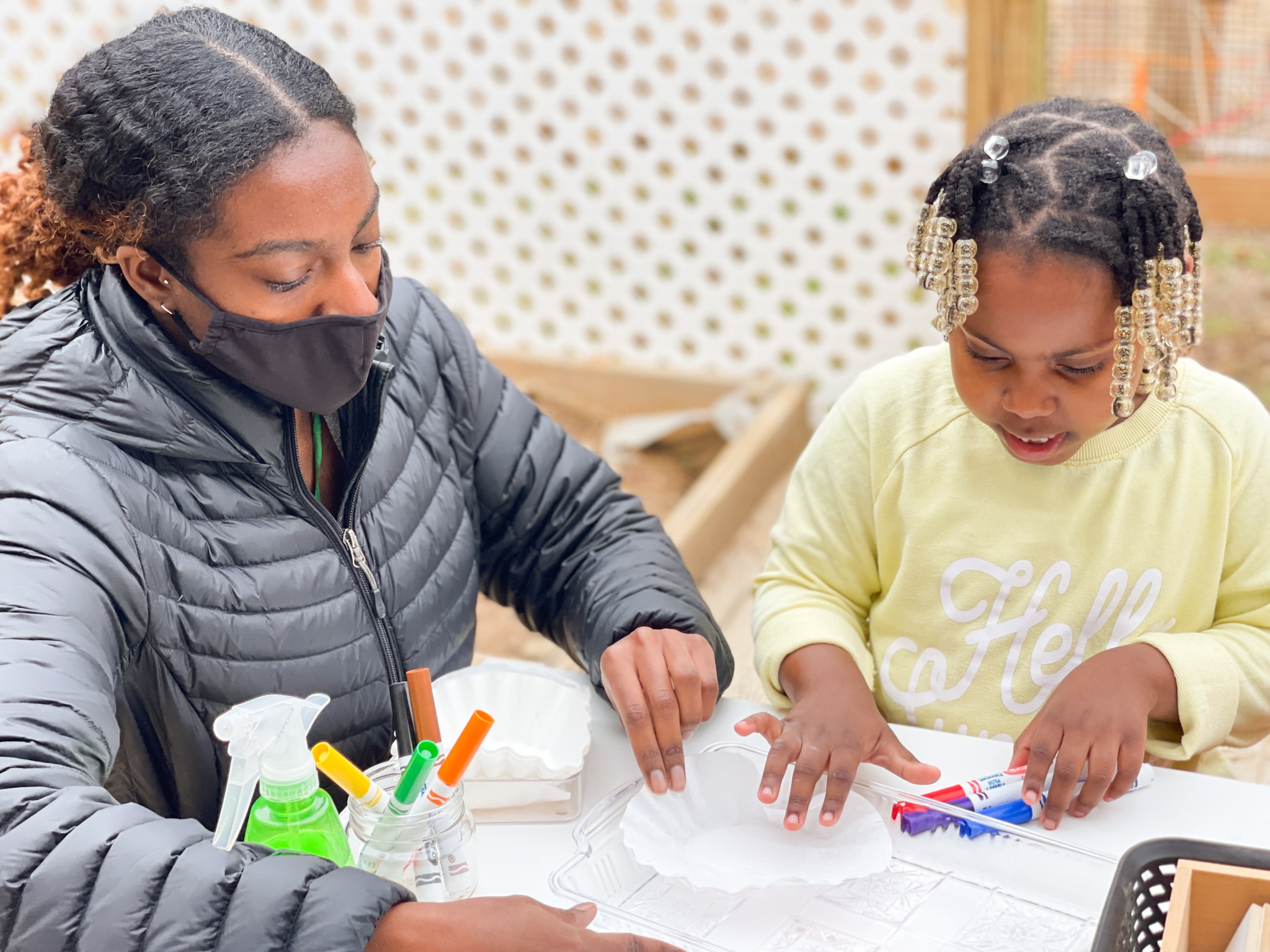
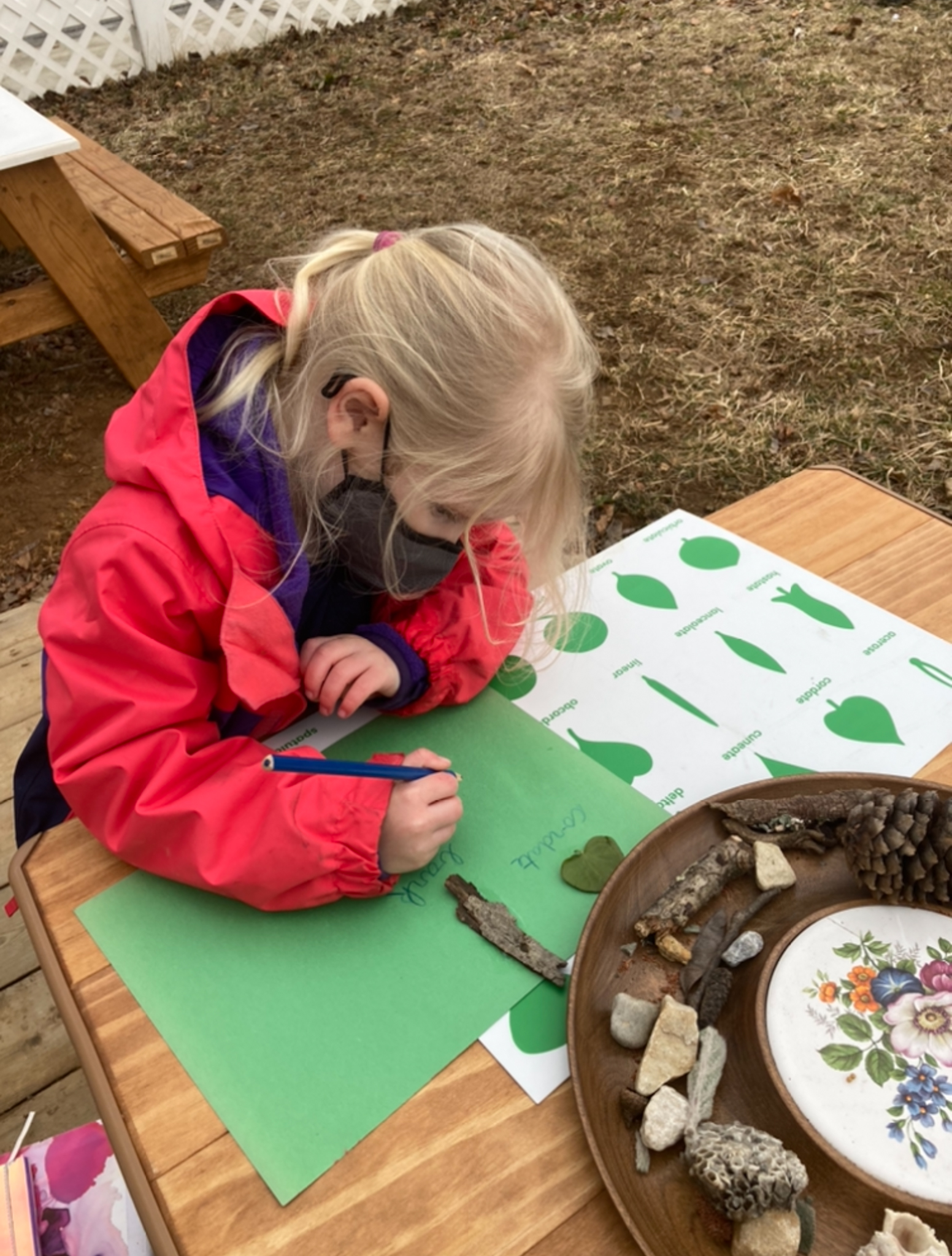
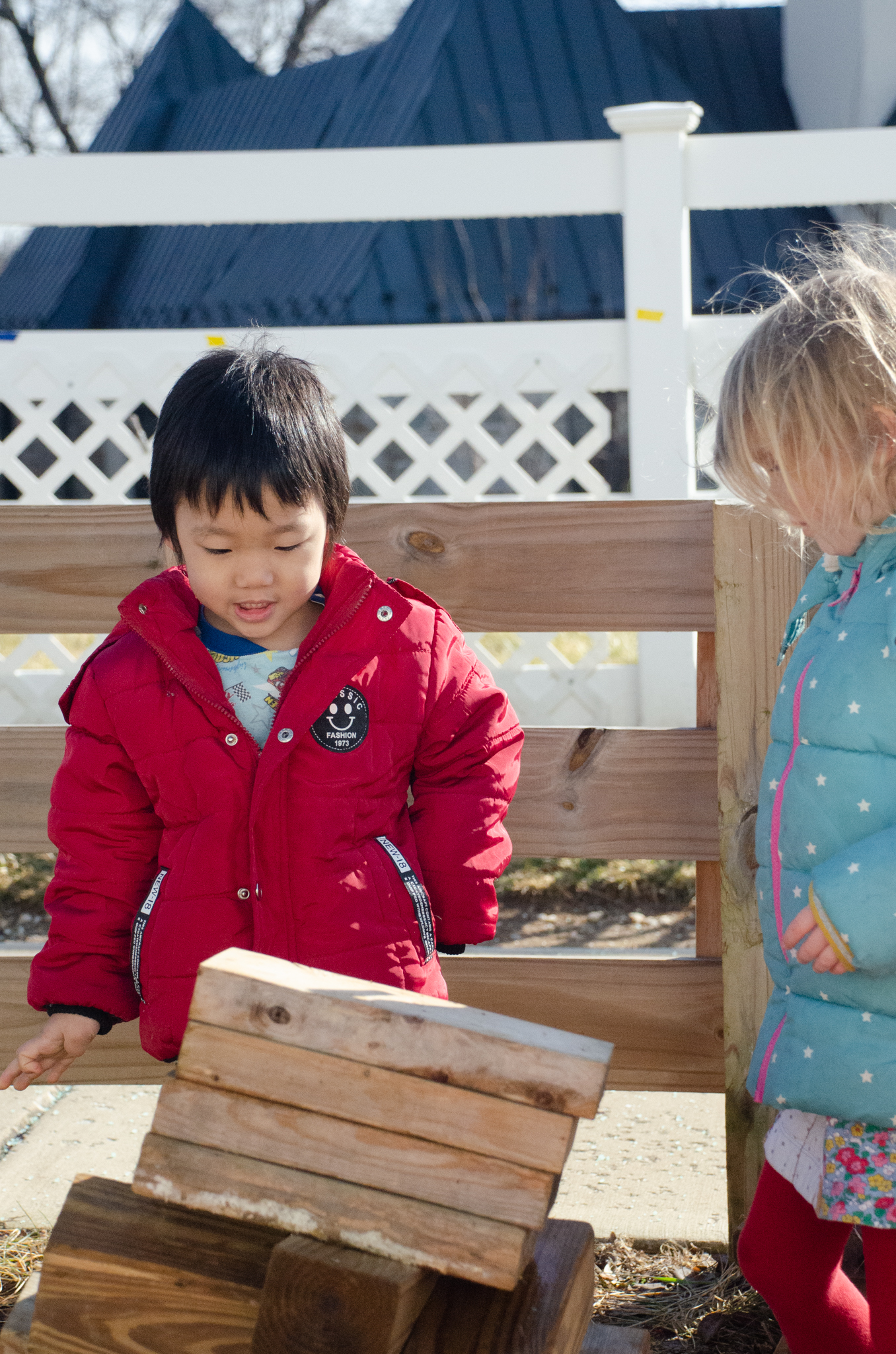
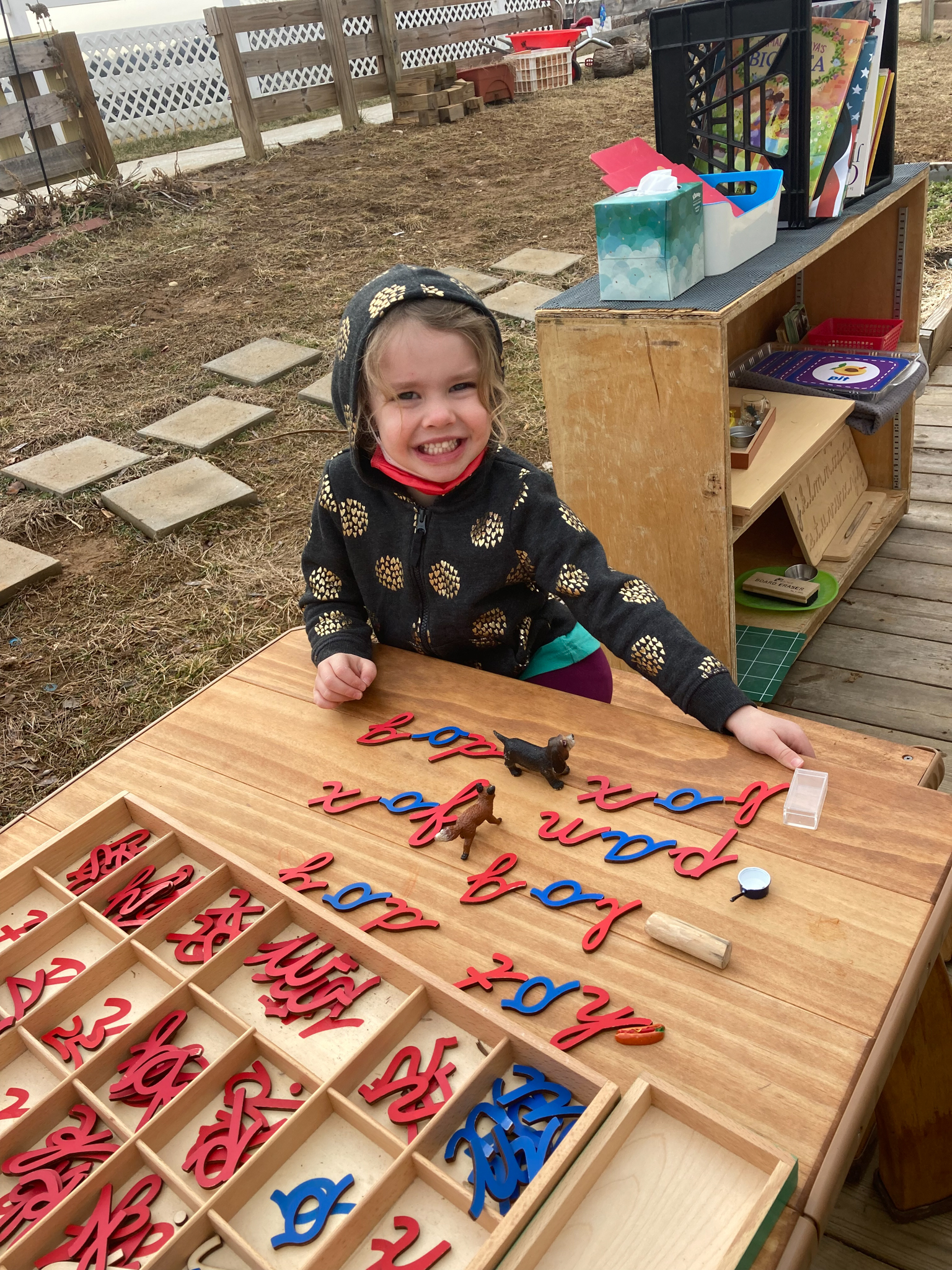
Our Outdoor Environments are a special extension of our classrooms and we love to be outside as much as possible. During the winter months, the Outdoor Environments are still a very important part of our classrooms. Read on to learn more about what is happening outside at Greenspring.

Toddler Outdoor Environment

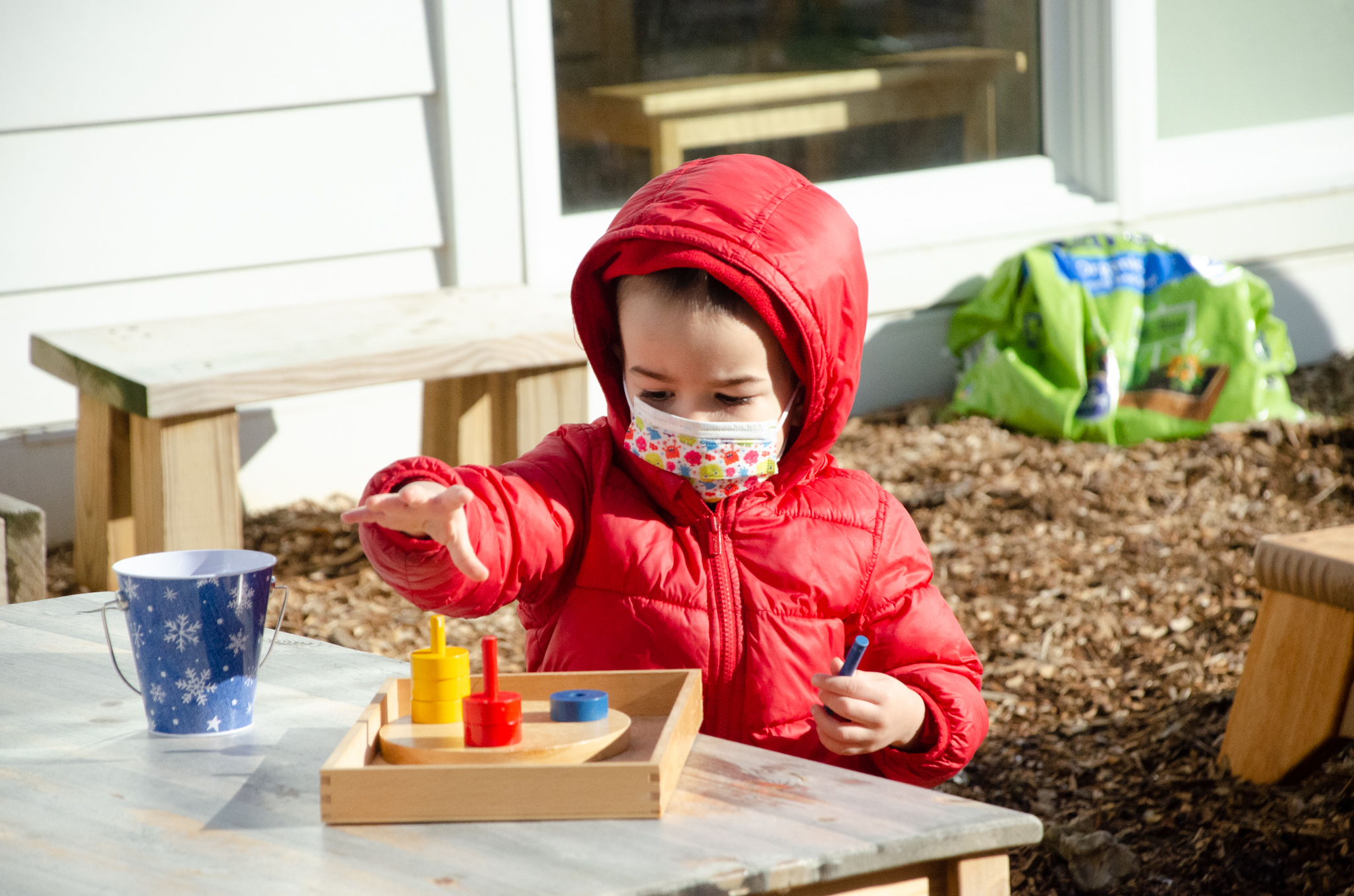
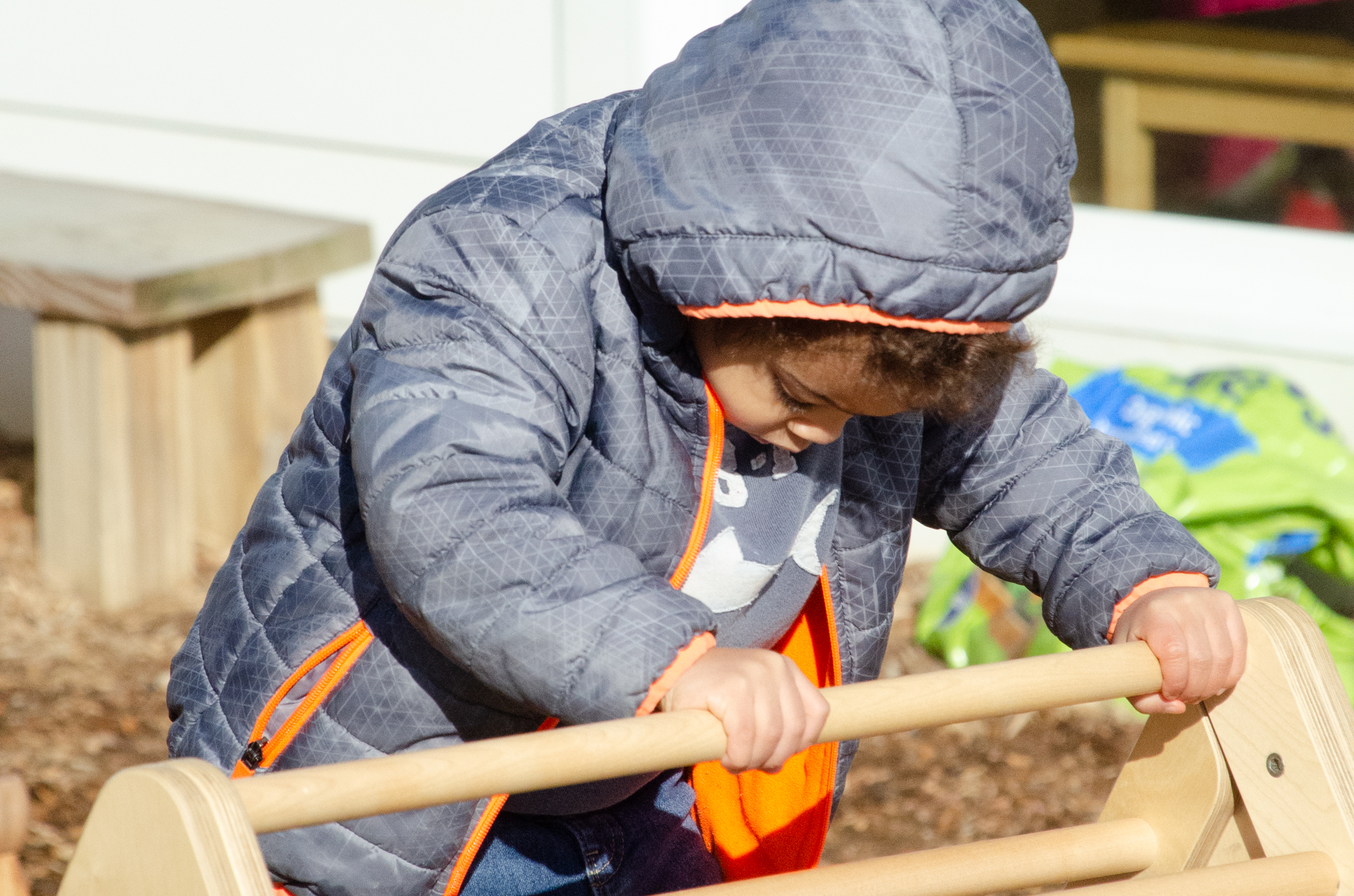
Our Toddler Outdoor Environments are beautifully prepared for the children to explore with materials that promote gross motor activities and care of the environment, such as wheelbarrows, sweeping, pikler triangles, and balance beams. Additionally, works are put out for fine motor skills and concentration, similar to what would be found inside the Toddler classroom.

Children’s House Outdoor Environment

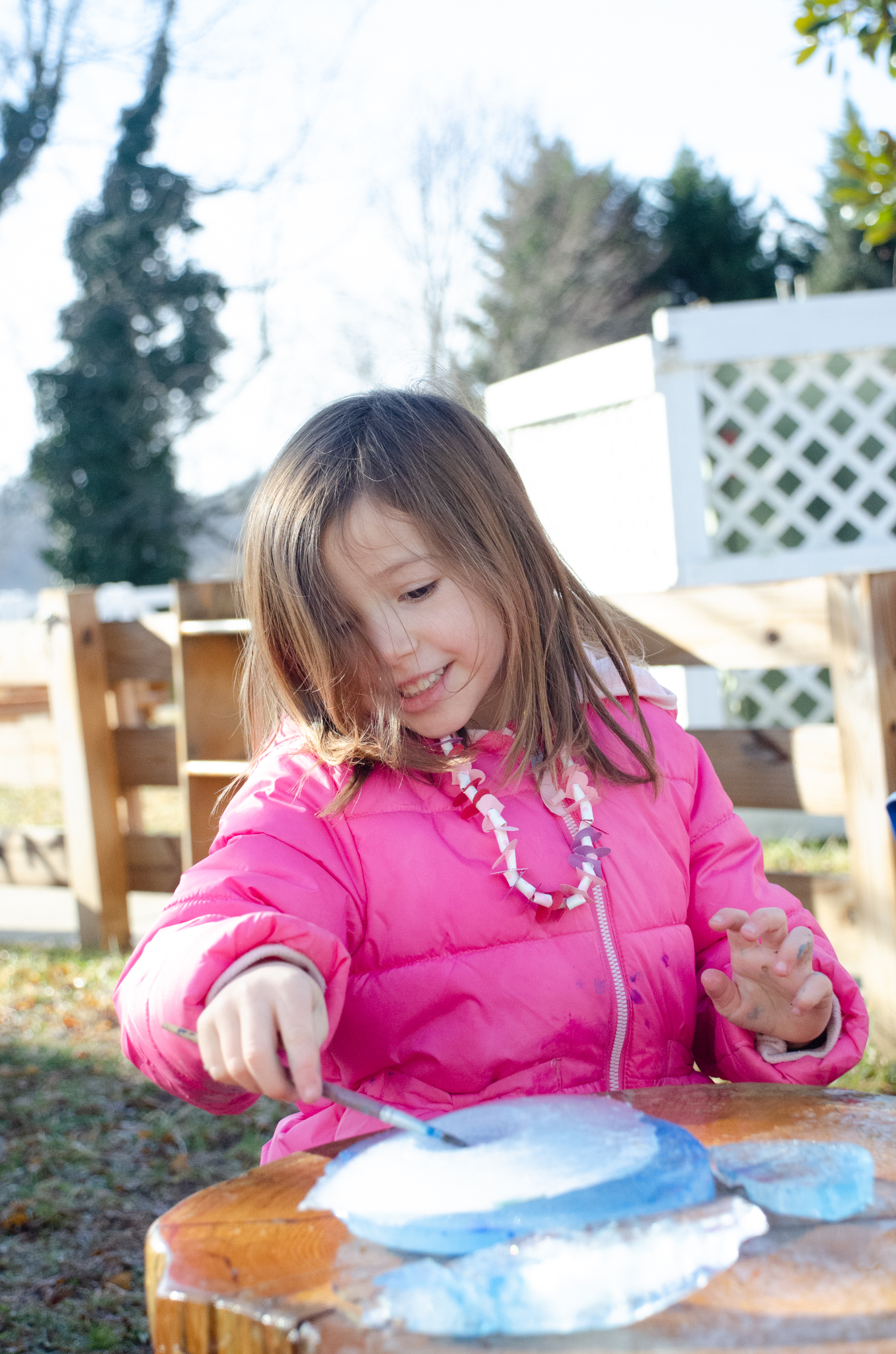
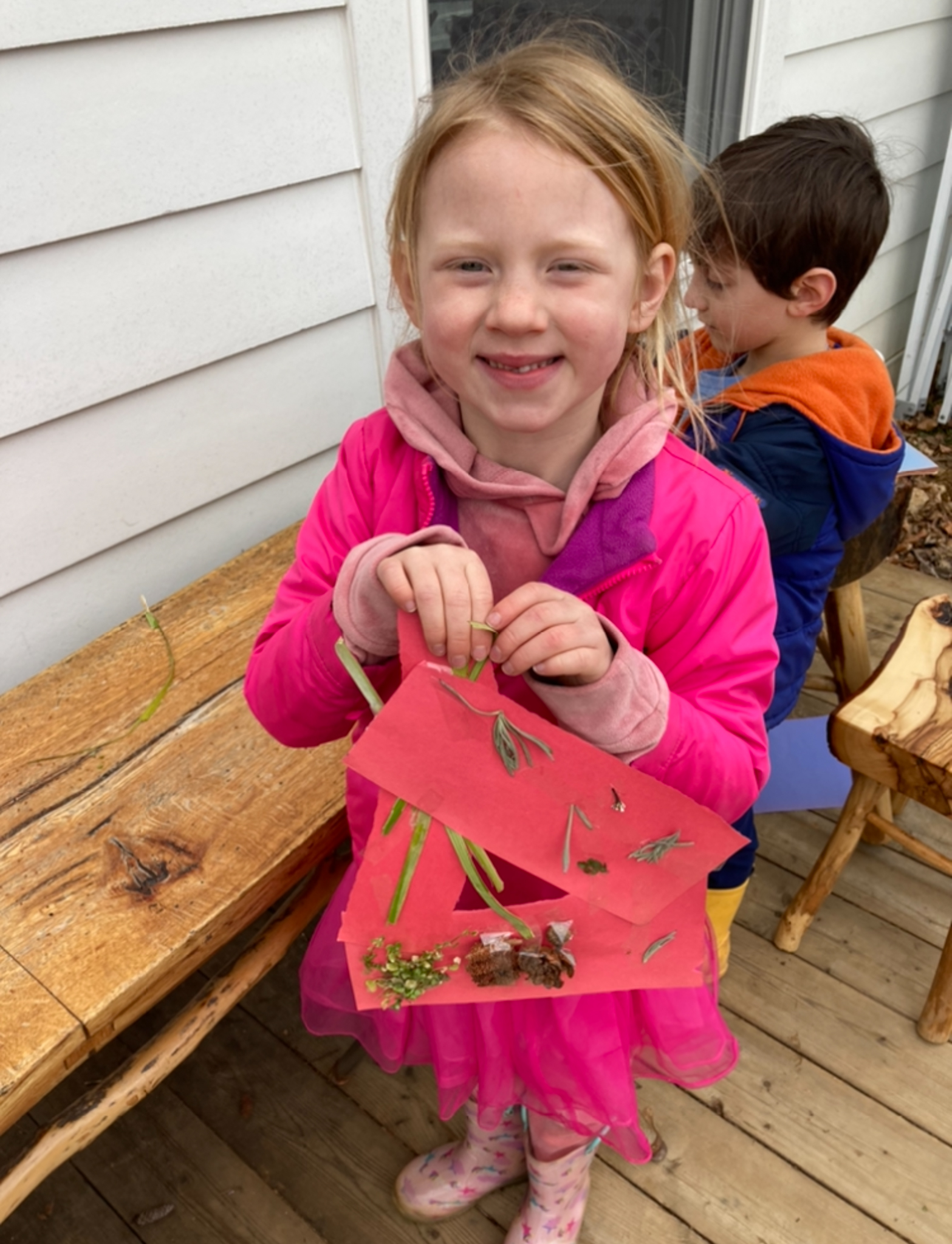
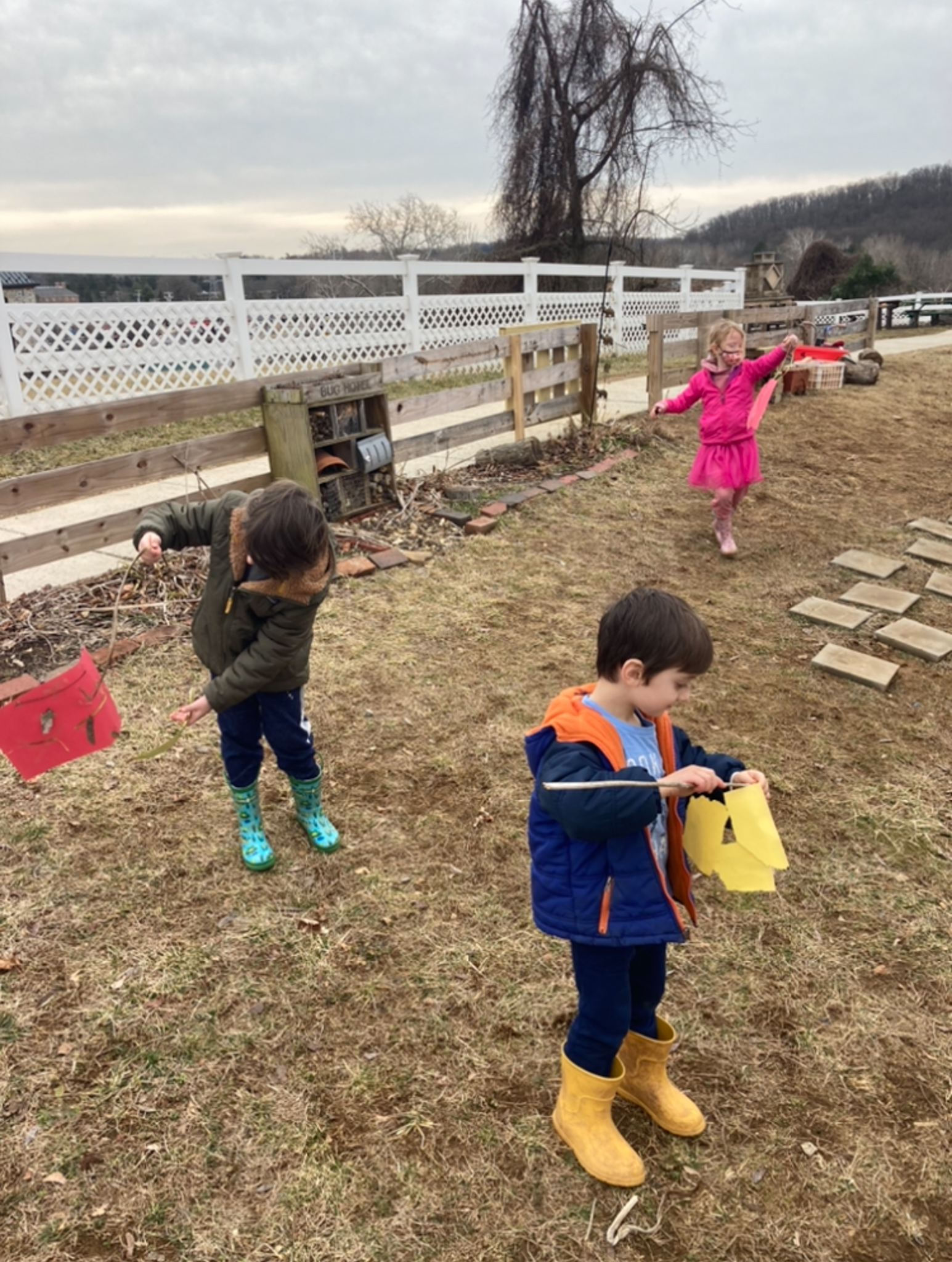
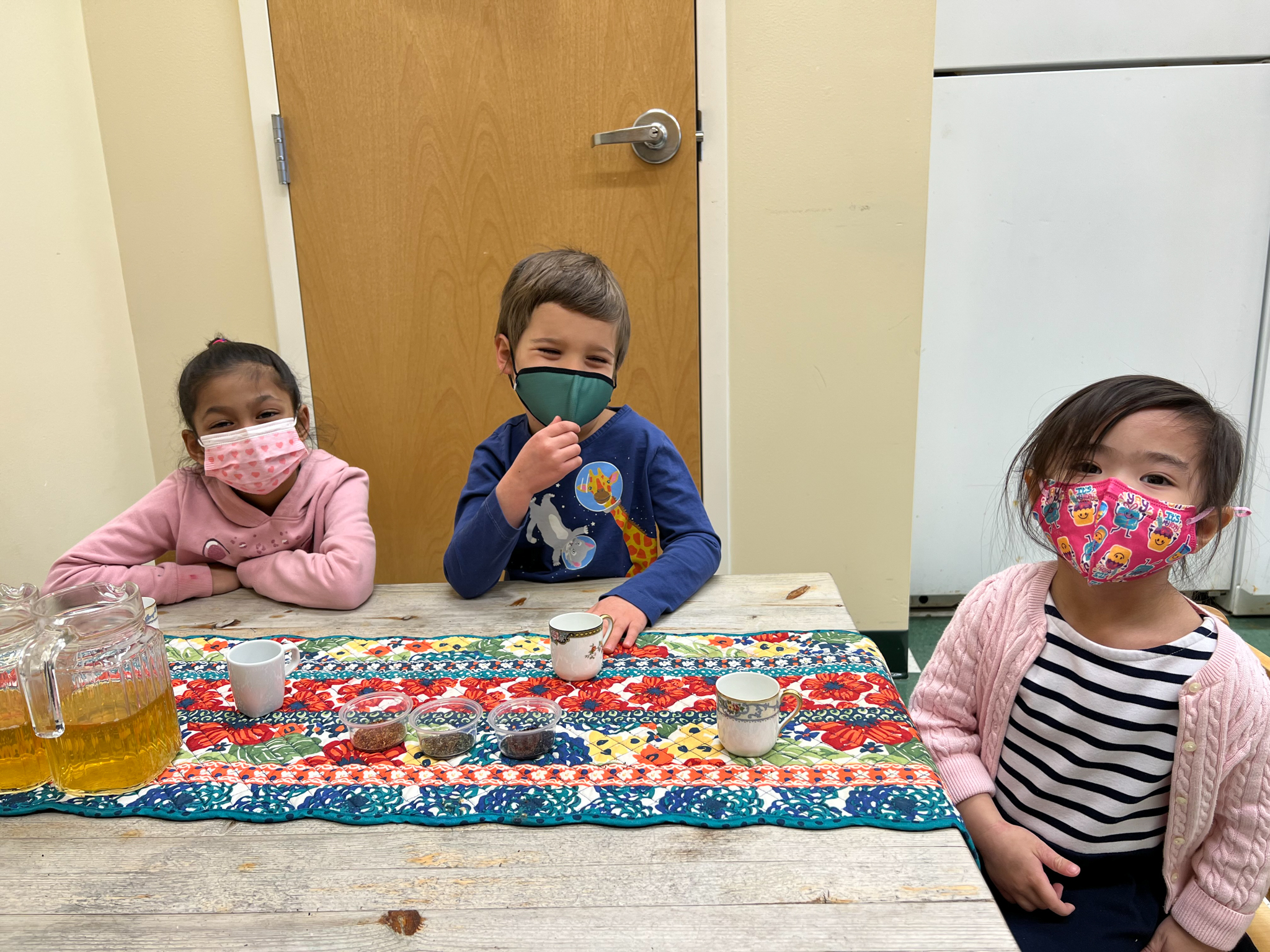
Our Children’s House Outdoor Environments have a variety of winter work based on the ages of the students. Children at this level enjoy incorporating art and creativity into their Outdoor Environment. Recently children made and labeled nature collages and tried to fly nature kites in wind. Younger children practiced mixing watercolor paints on ice. On the colder days when children are not able to go outdoors, they sometimes visit the kitchen for lessons. One group learned about black tea, green tea, and rooibos tea. They learned that rooibos tea comes from South Africa and means “Red Bush”.

Lower Elementary Outdoor Environment

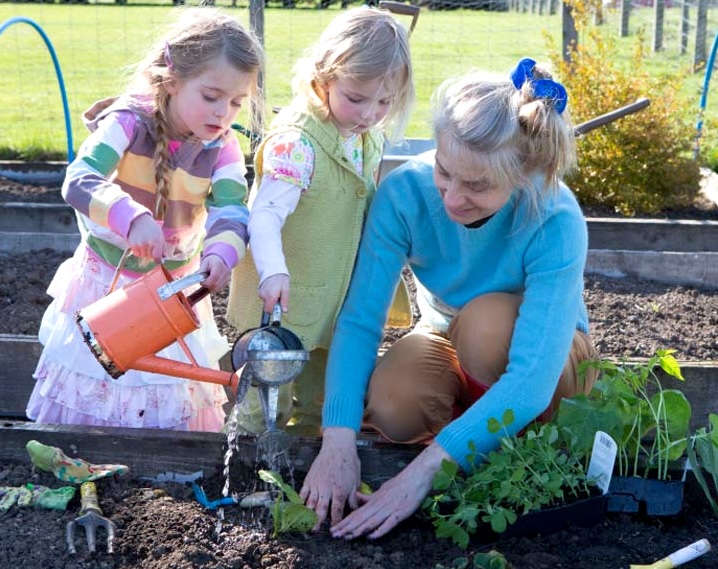
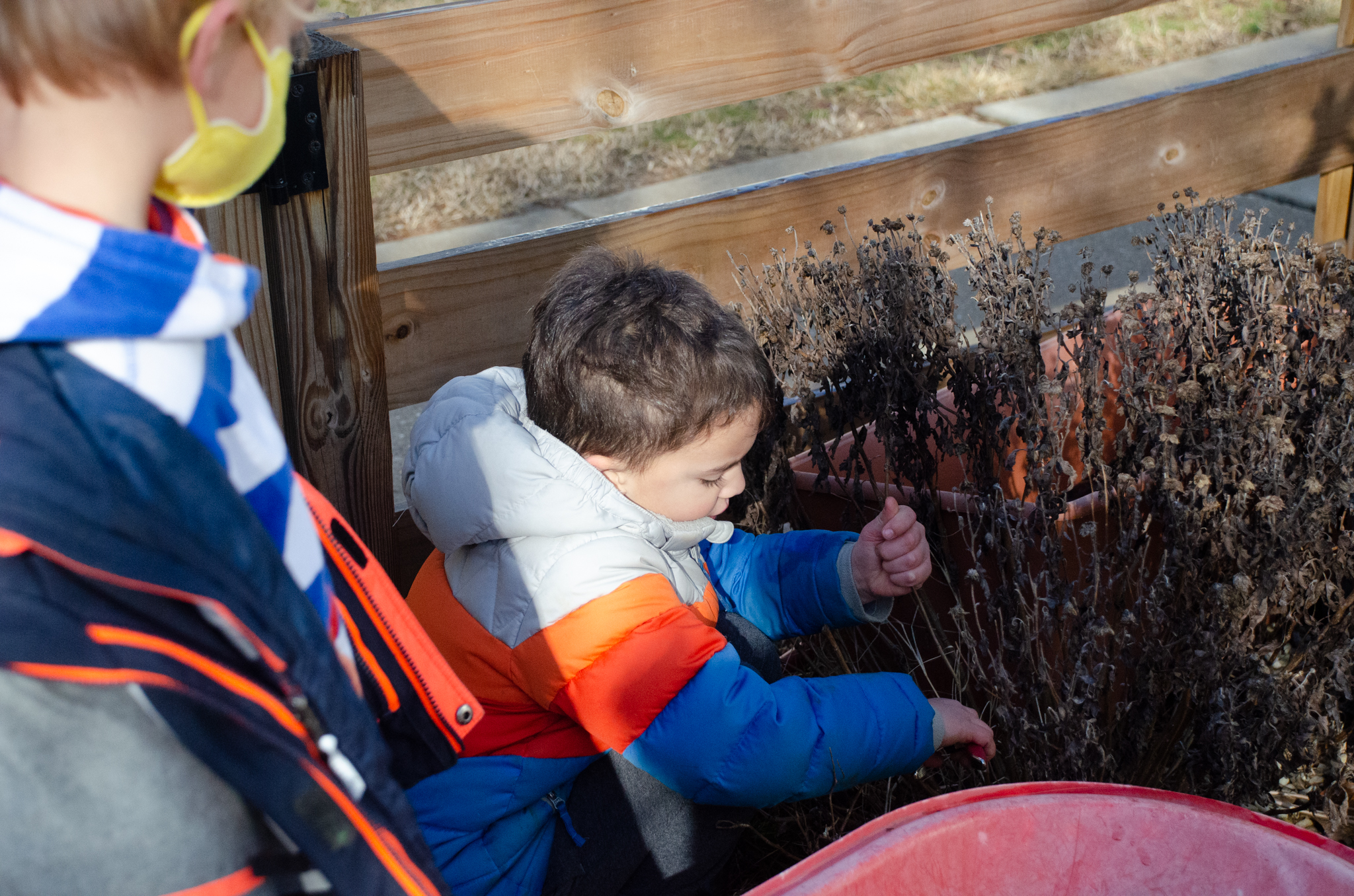
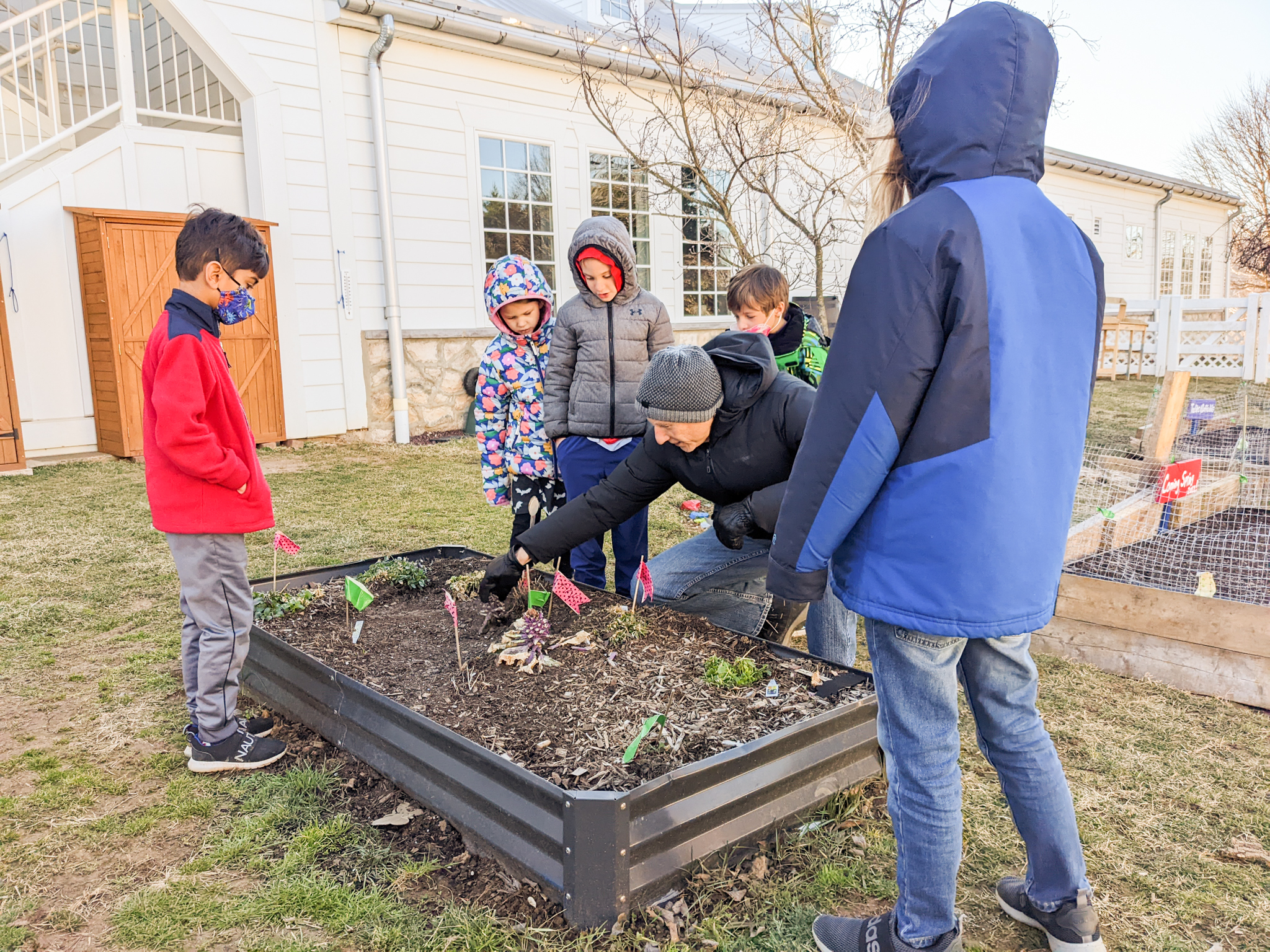
In the fall, each Lower Elementary child planted cold-hardy vegetables including kale, cabbage, cauliflower, and lettuce. The children are excited to see which of the plants have made it through the cold months and they enjoy exploring ways to fortify their gardens from rabbits on campus. 

This winter, small groups of Lower Elementary students toured the campus with Mr. John and had lessons on campus trees, such as the eastern white pine and magnolia, and learned about foliose, fruticose, and crustose lichen. They also had the opportunity to collaborate on baking gluten-free cornbread in the Emerson kitchen.

Ahead, the students are looking forward to lessons on botany, electricity, and morse code!