January and February 2022 Capital Project Update

January and February 2022 Capital Project Update

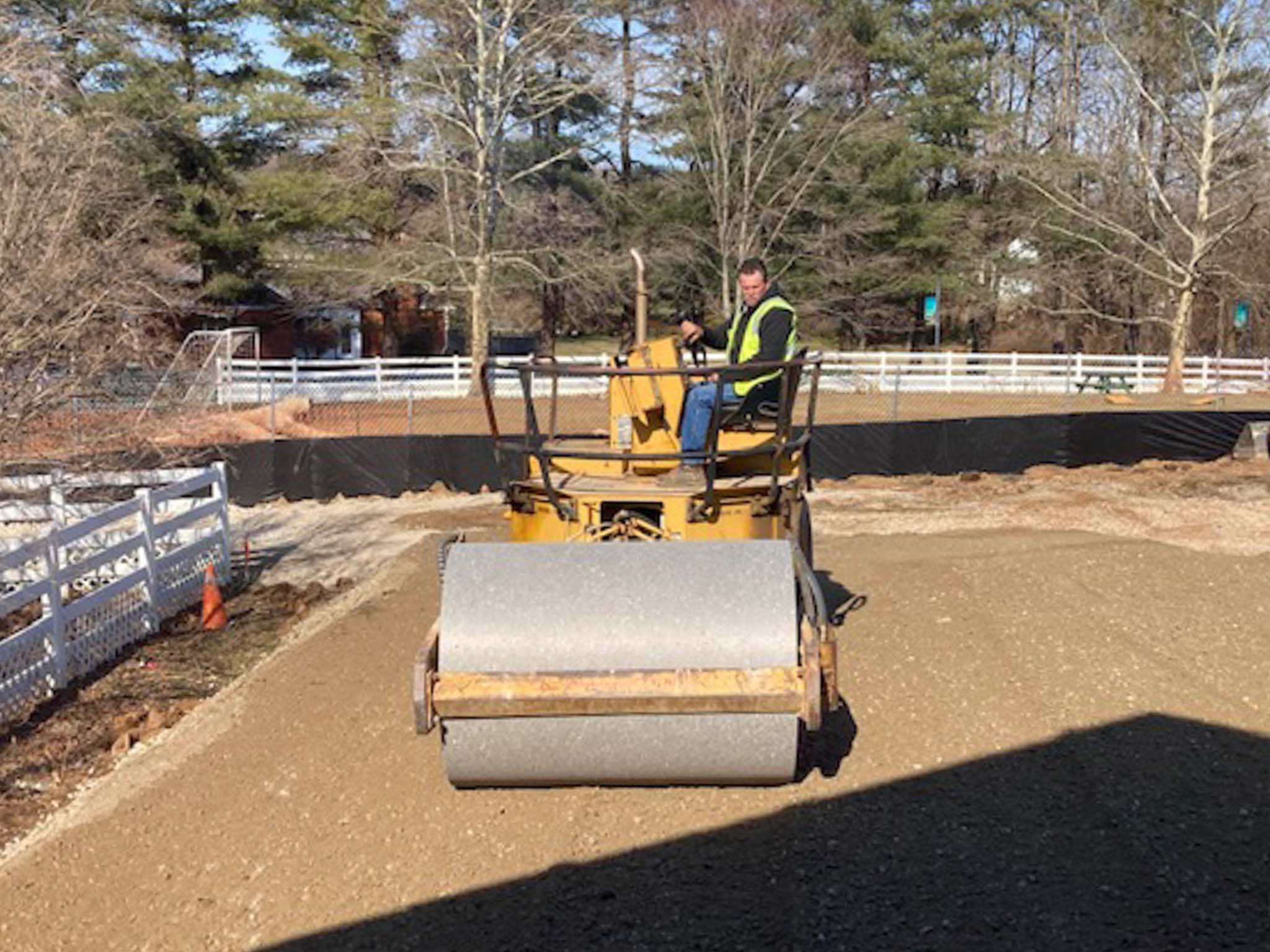
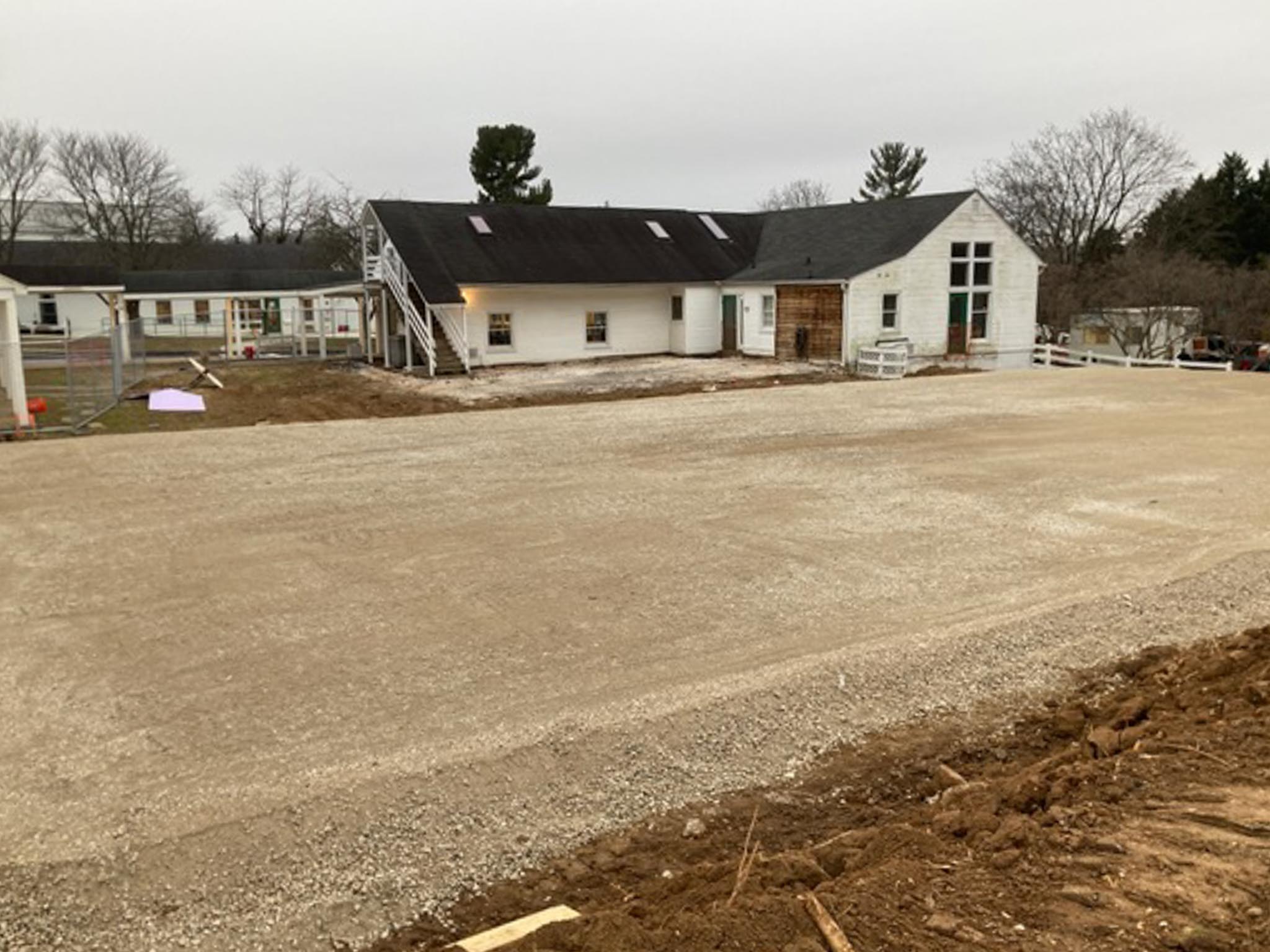
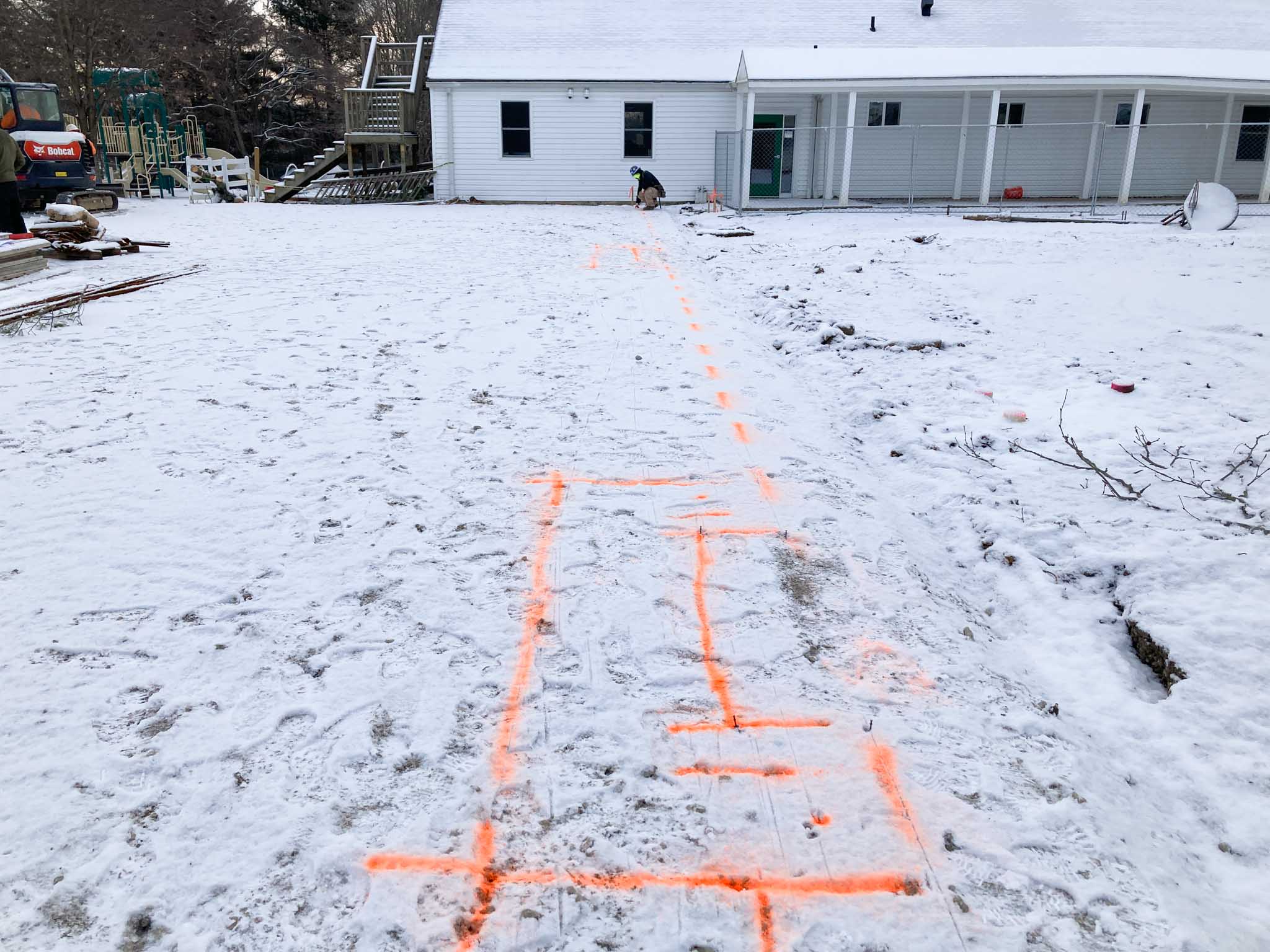
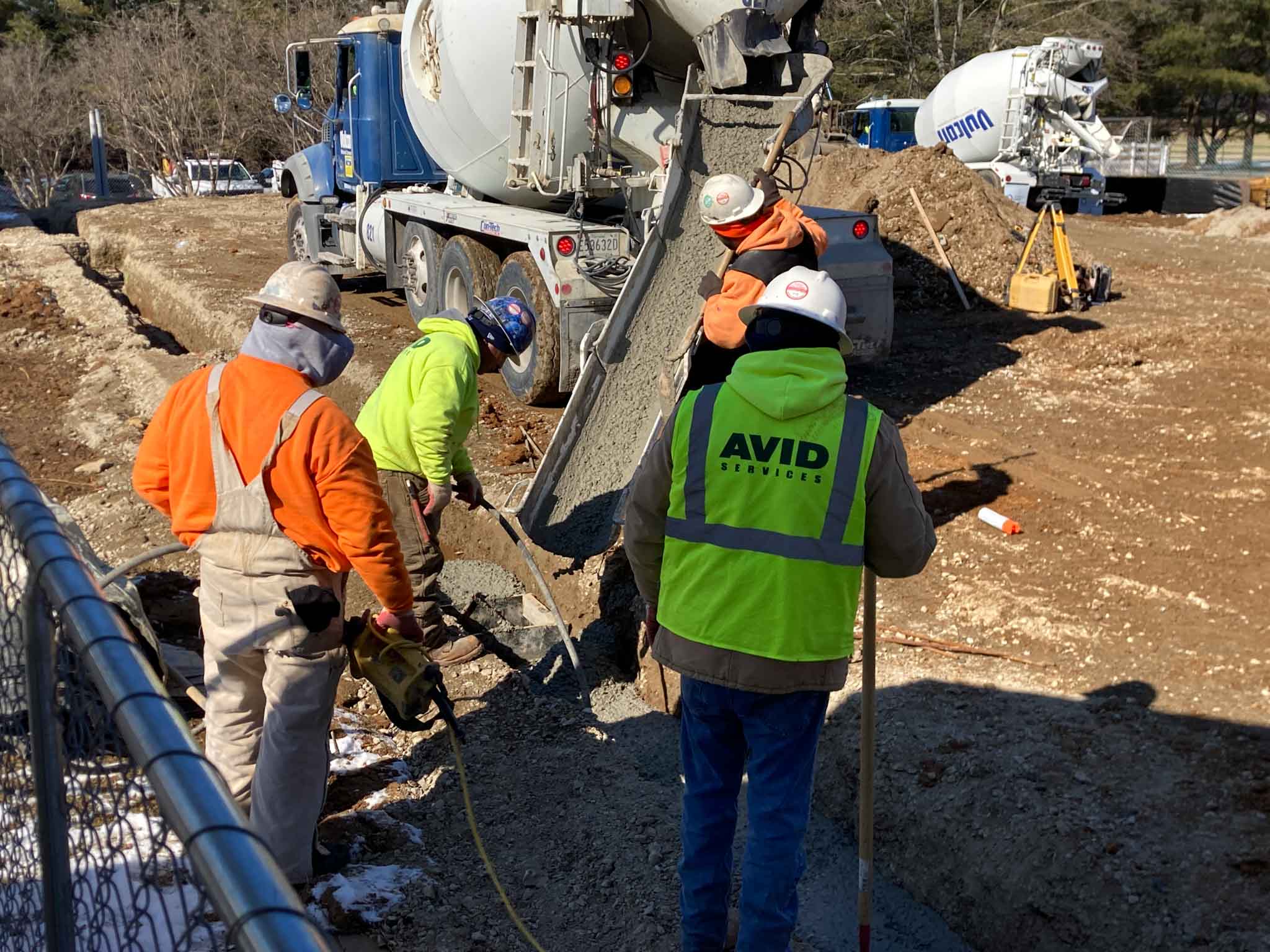
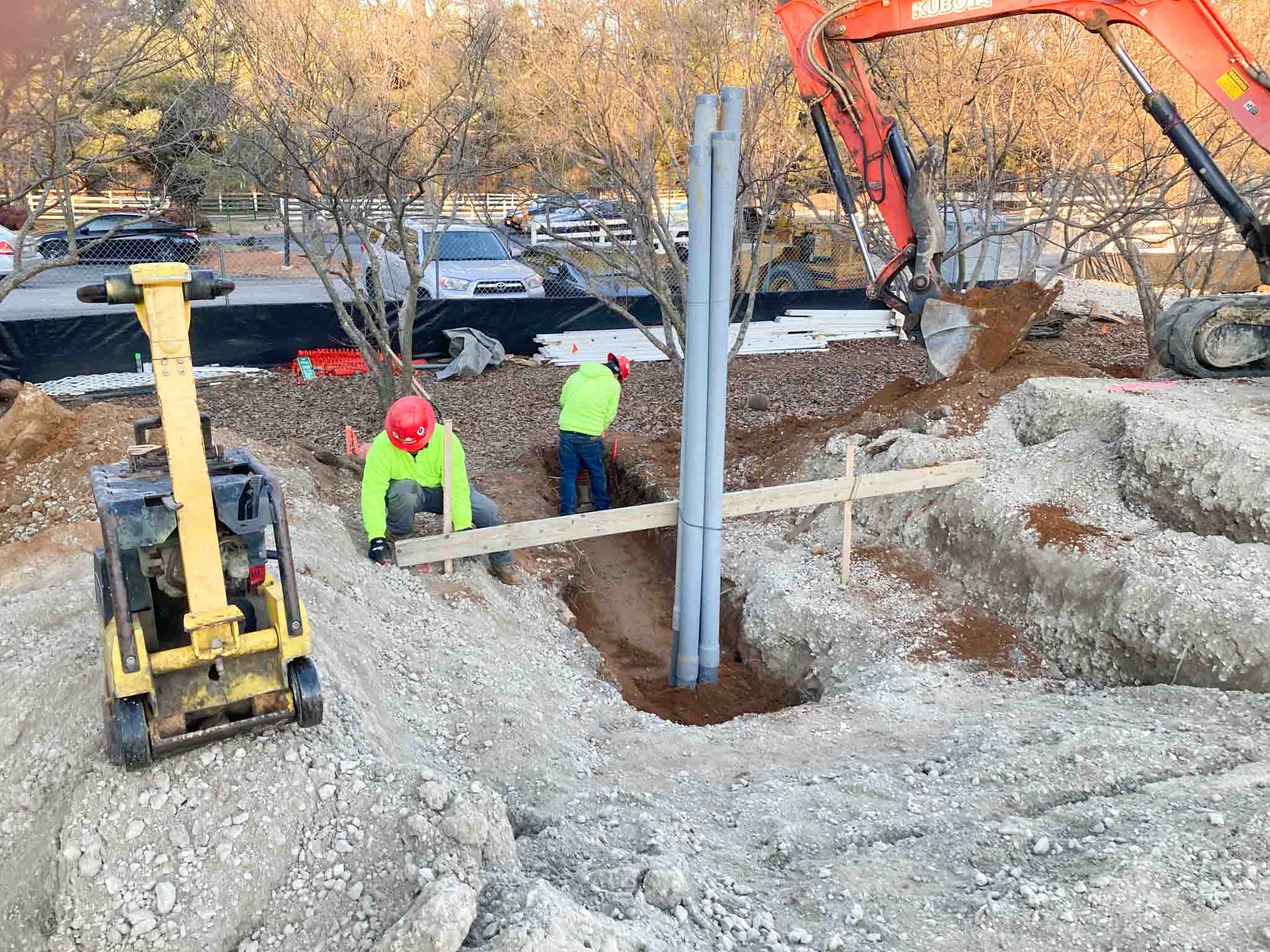
Initial construction of the Elementary Village began in late January. The construction team has been hard at work on campus and our students are eagerly learning more about the building process. 

First, the perimeter was set up and the trees were cleared from the Grove in order to set the stage for the project. Construction began on the water retention pond and the leveling of the ground for the new building. 

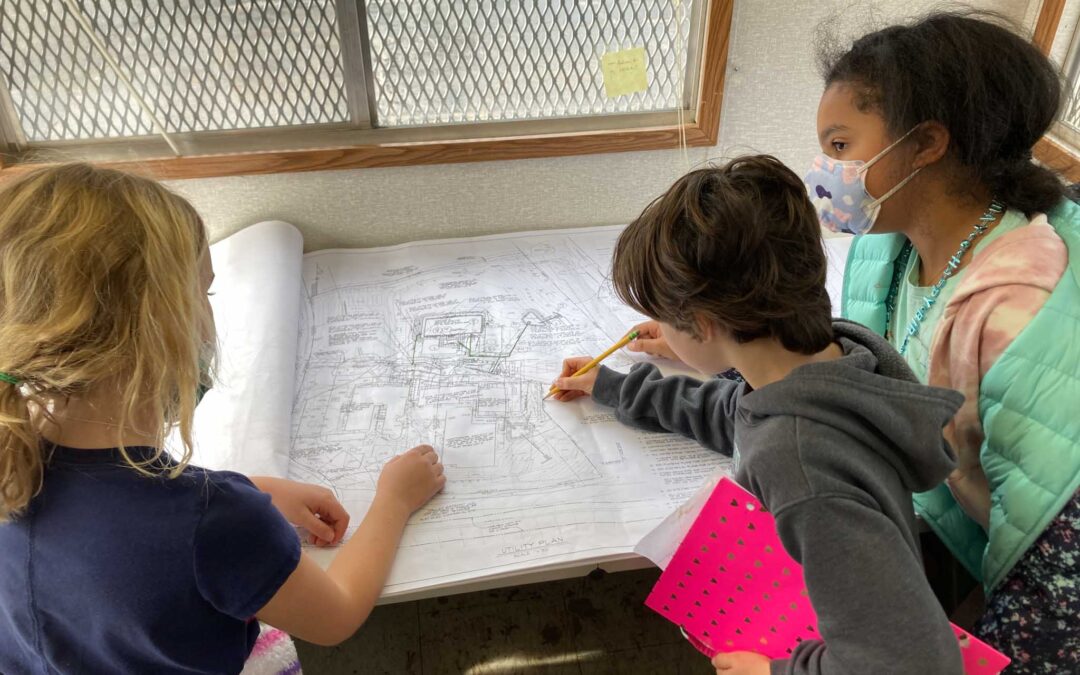
During these initial stages, children in our Redbud Lower Elementary classroom became very interested in the construction process. A group of students began a newspaper thoroughly outlining the entire process. They have interviewed the foreman and other construction workers throughout the process, and they even had an opportunity to review the blueprints!

Footers, plumbing, and electrical have all been run to the building and now we are waiting for the concrete slab to be poured. In the month of March, we will see the progress more clearly. Stay tuned for future updates. 
Adolescent Igniting Voice on Social Justice Topics

Adolescent Igniting Voice on Social Justice Topics

In December, students in the Adolescent Community began their research by asking adults in their lives about social justice topics. They then participated in a speaker series, hearing from Greenspring parents Michelle Siri, Jen Brock-Cancellieri, and Jay Roy as well as Ximena Reyes Torres and Juliana Glassco, on social justice issues including the wage gap, ban the box (employment access for the formerly incarcerated), human trafficking, and national and global initiatives to fight hunger.

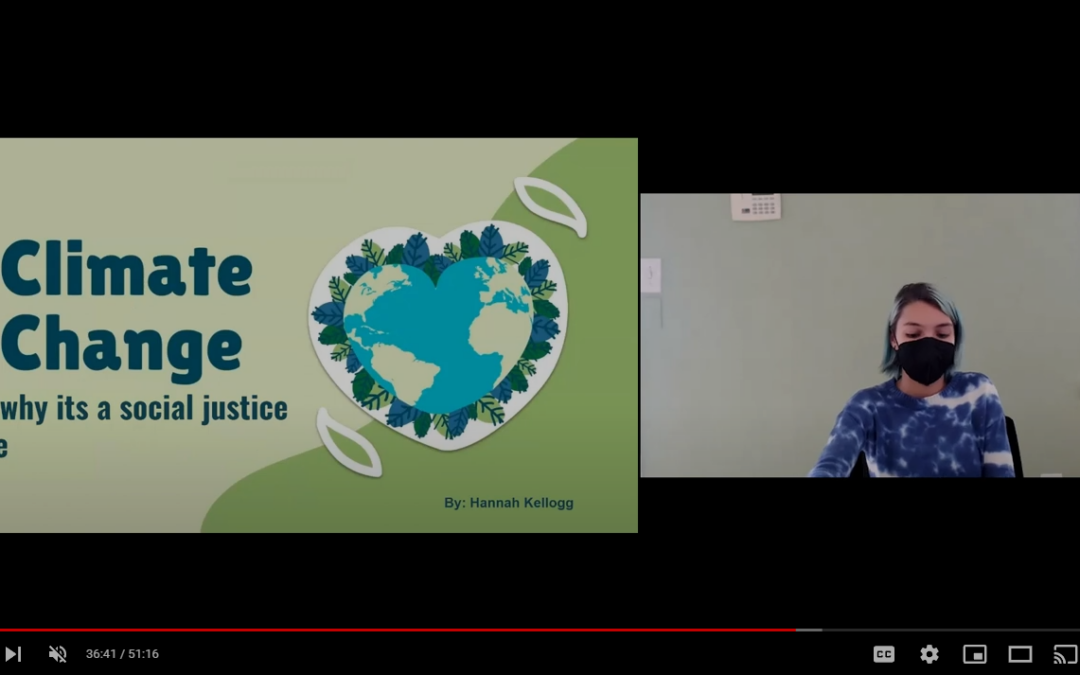
After that, the Adolescents selected a topic that is important to them, researched it, and created a presentation about what they’ve learned. Take a moment to watch their final presentations on environmental justice, the opioid crisis, fast food impacts, neurodiversity in schools, the gender pay gap, and police brutality. This work integrates data analysis, research, thesis-building, using supporting evidence, and presentation skills. 

2022 Winter Enrichment Update

2022 Winter Enrichment Update

January was a busy month for our enrichment classes. At the beginning of the month, several of our enrichment classes moved to a virtual model in order to avoid cross-contamination between classes as the COVID rates went up nationwide. We are excited to be returning to our in-person learning in February.
Scroll through this post to see what our students have been up to in our Enrichment classes this winter.

Art Enrichment

Mr. Beven Barnhart

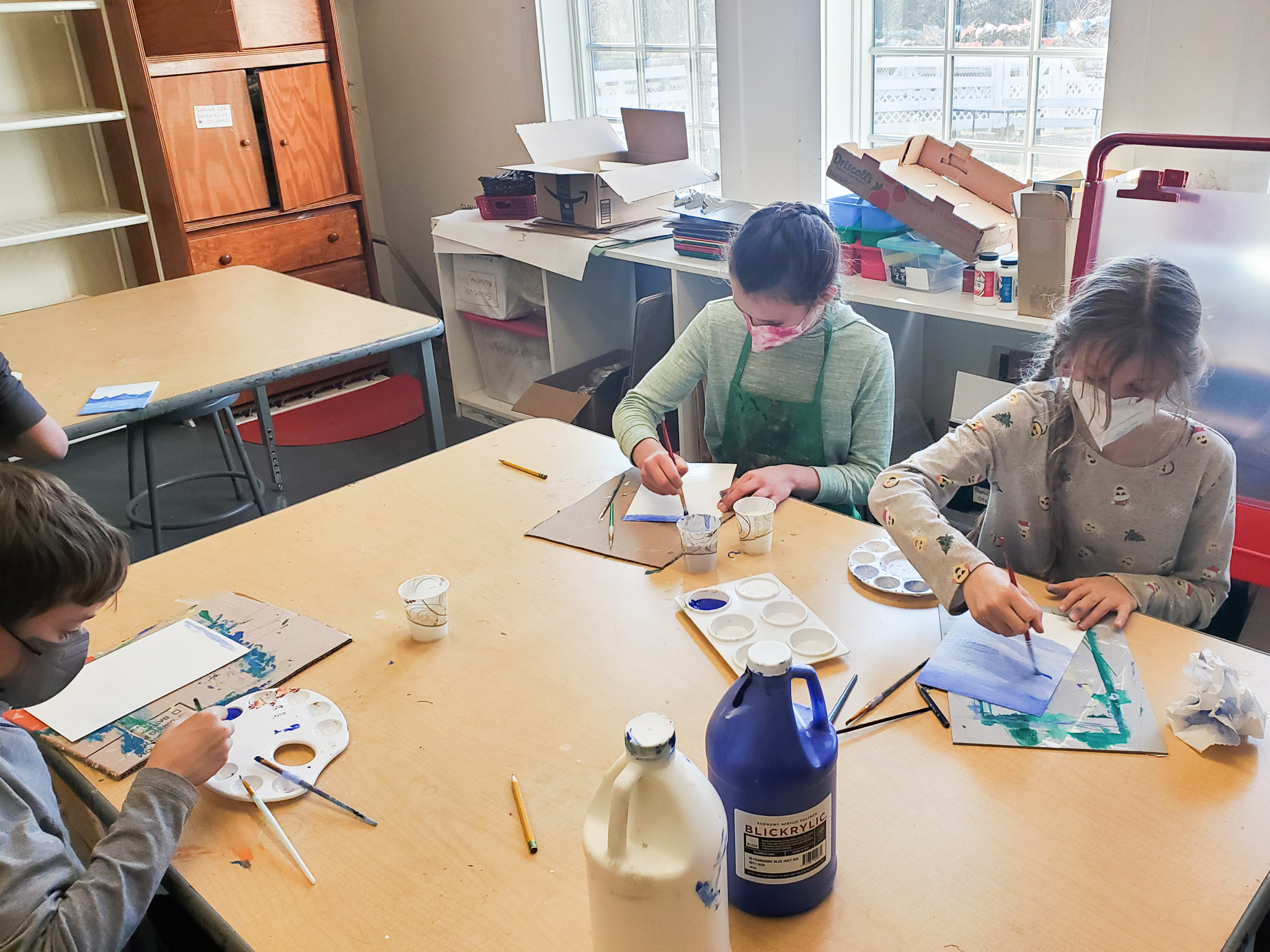
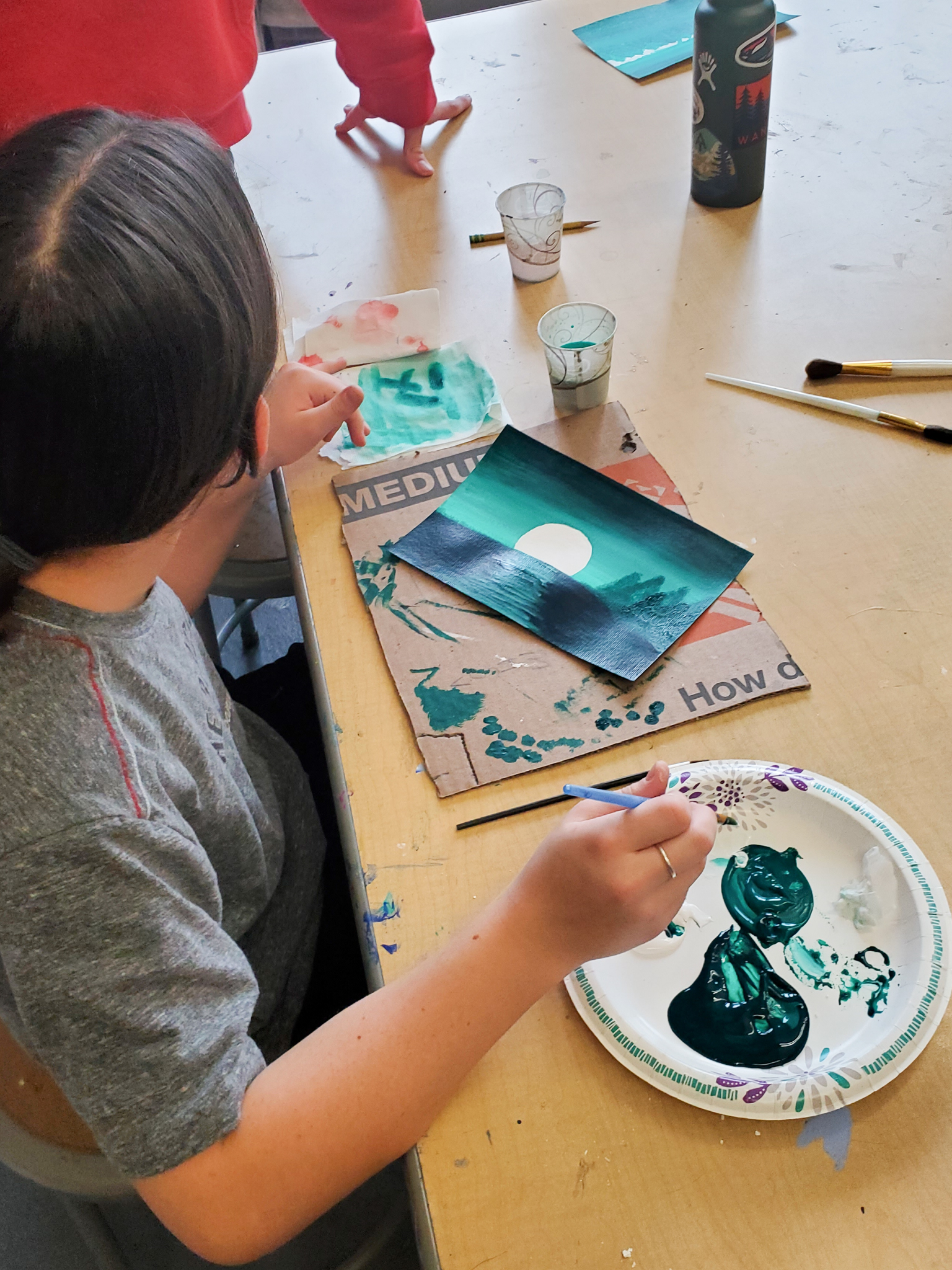
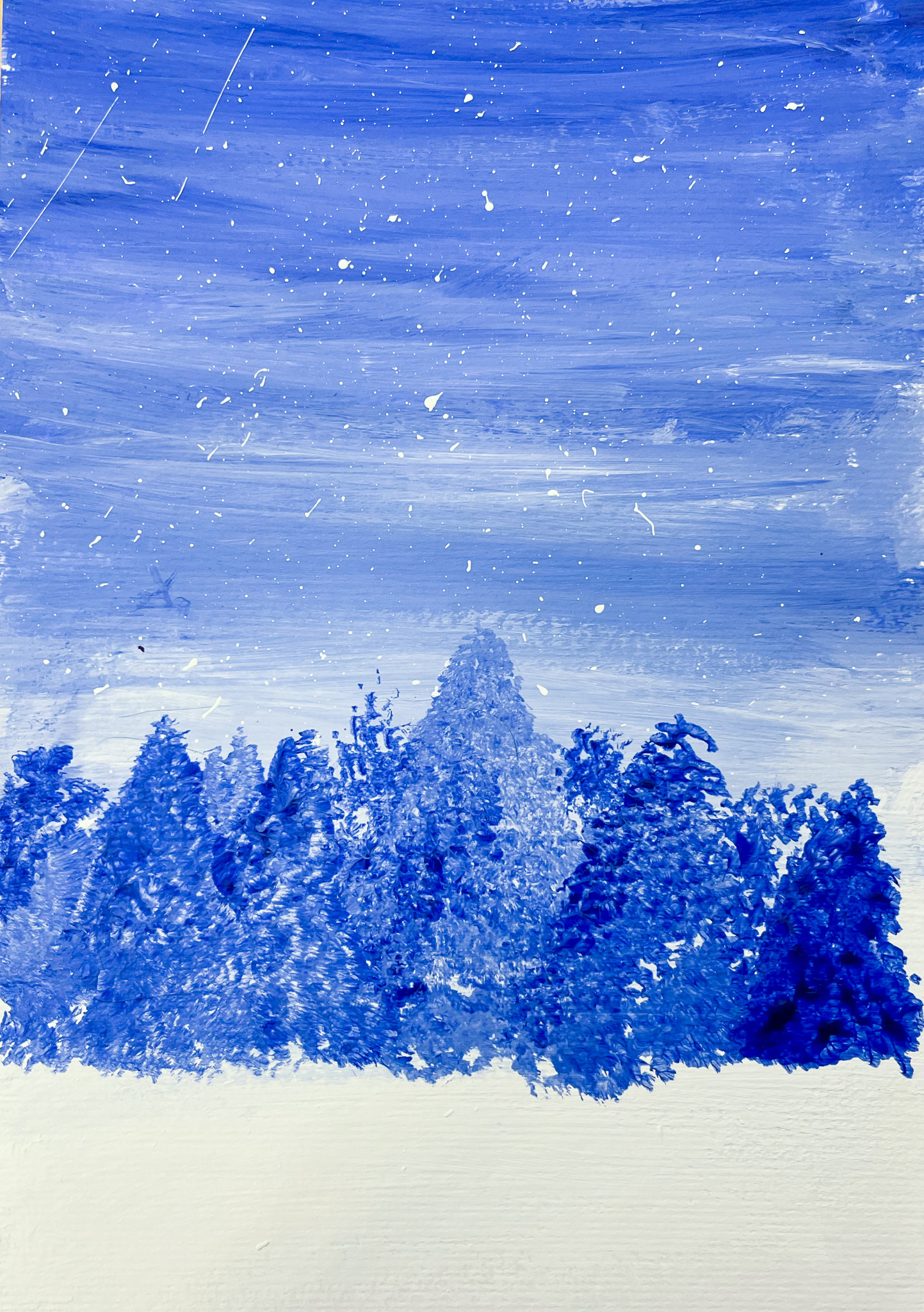
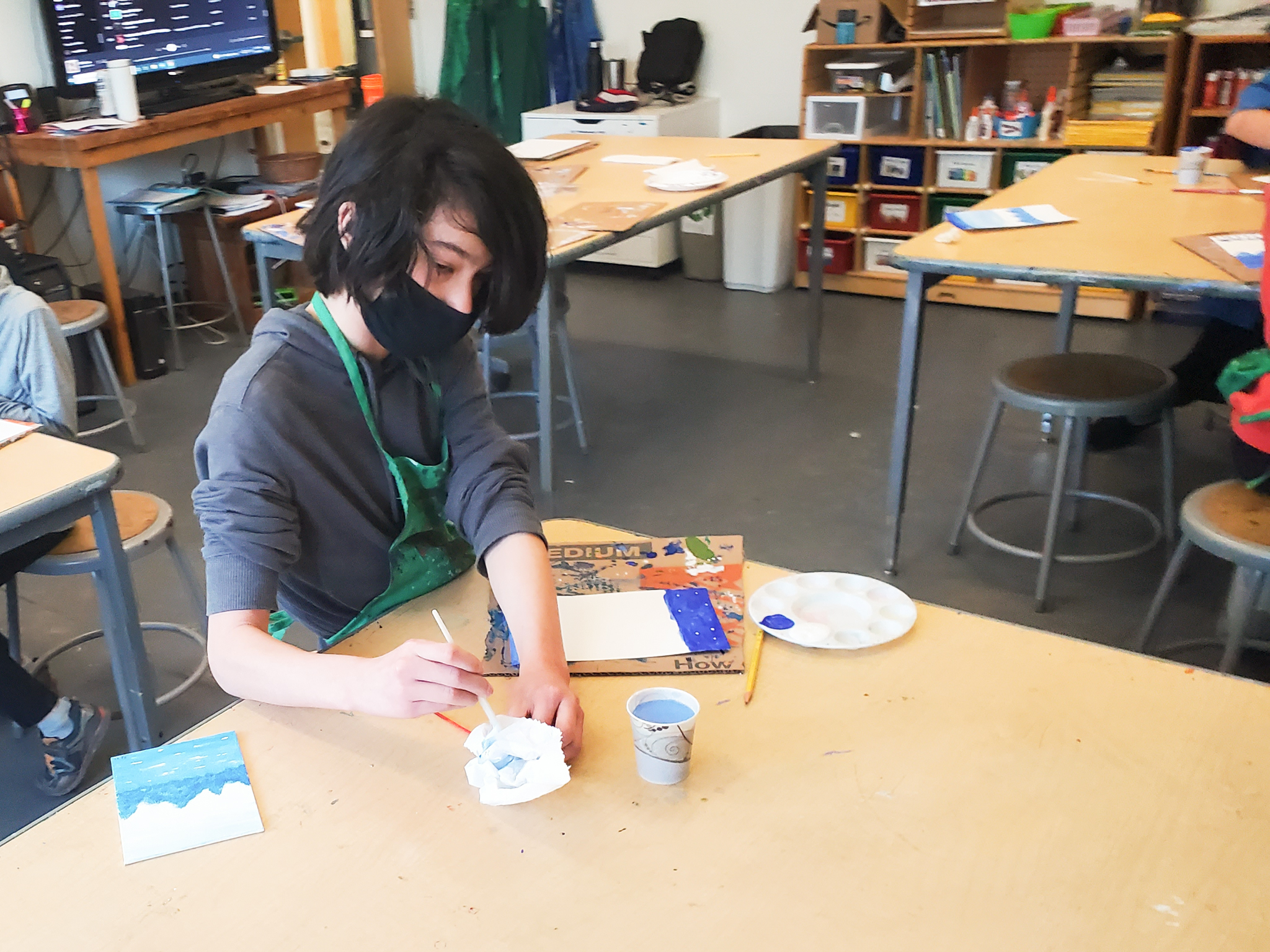
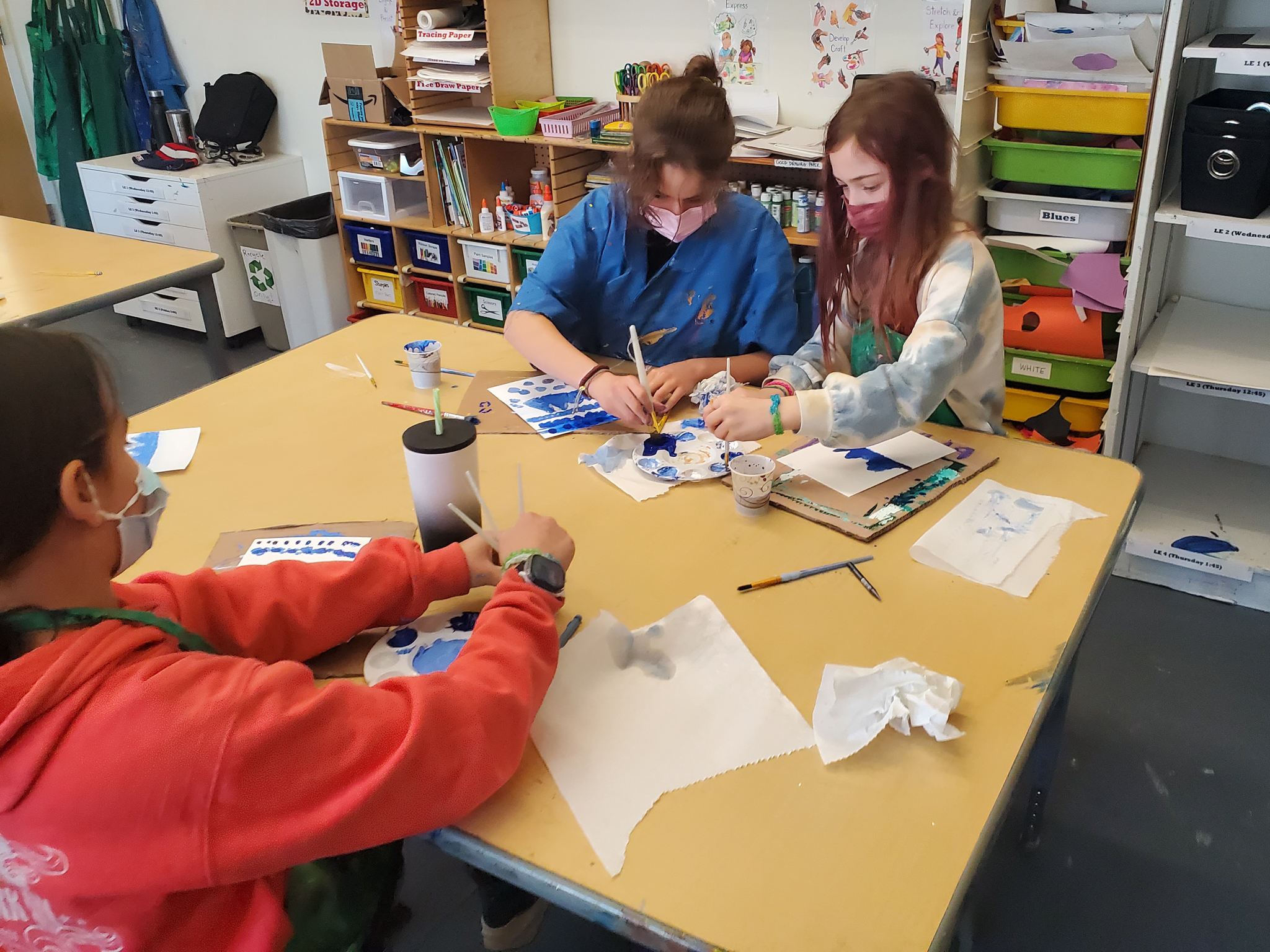
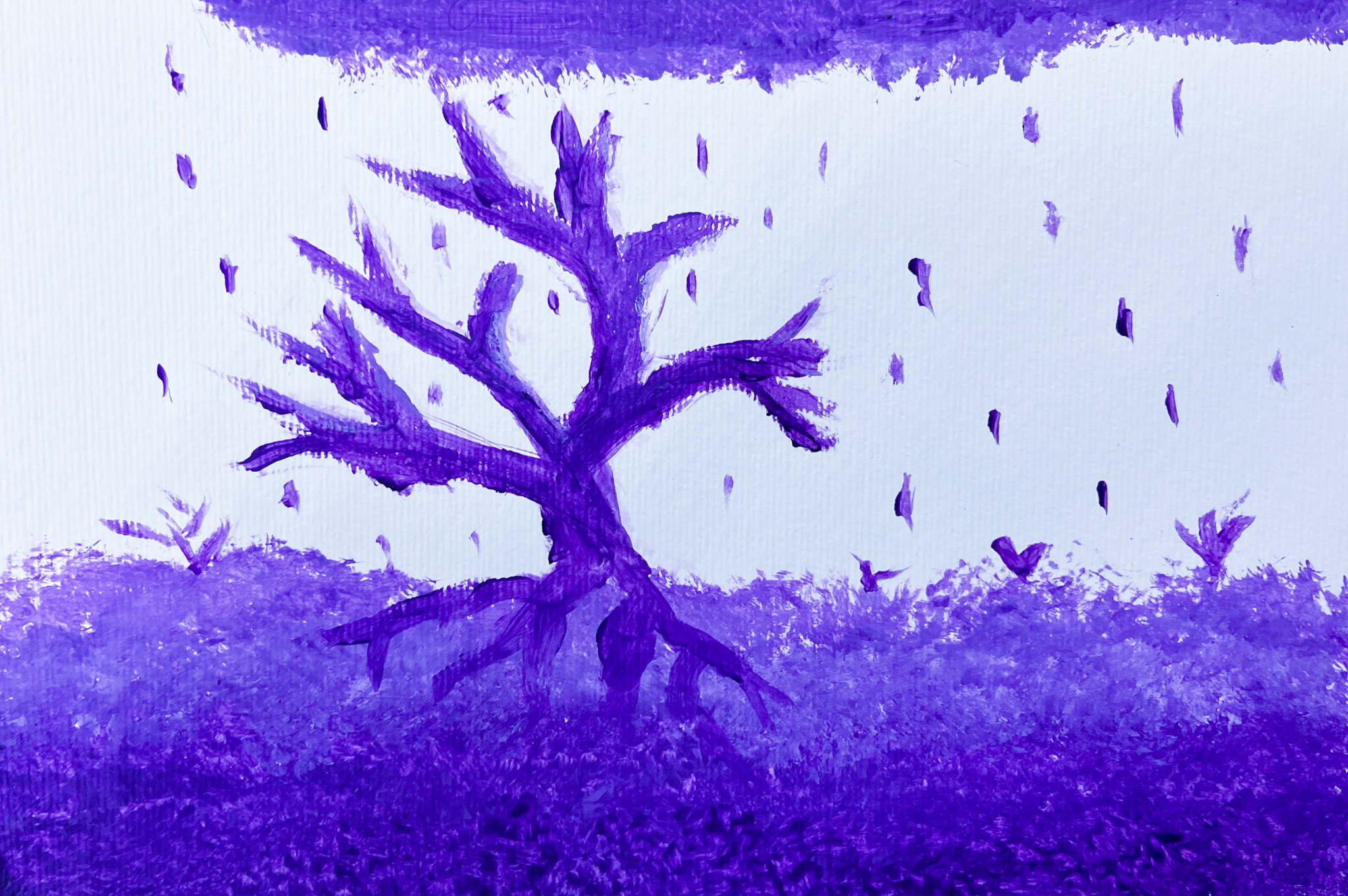
This semester all students in the art enrichment program have begun to work with acrylic paint.

Our Lower Elementary cohort has explored mixing colors, using different brush strokes, and they have started to experiment with what it means to compose a painting of their own.

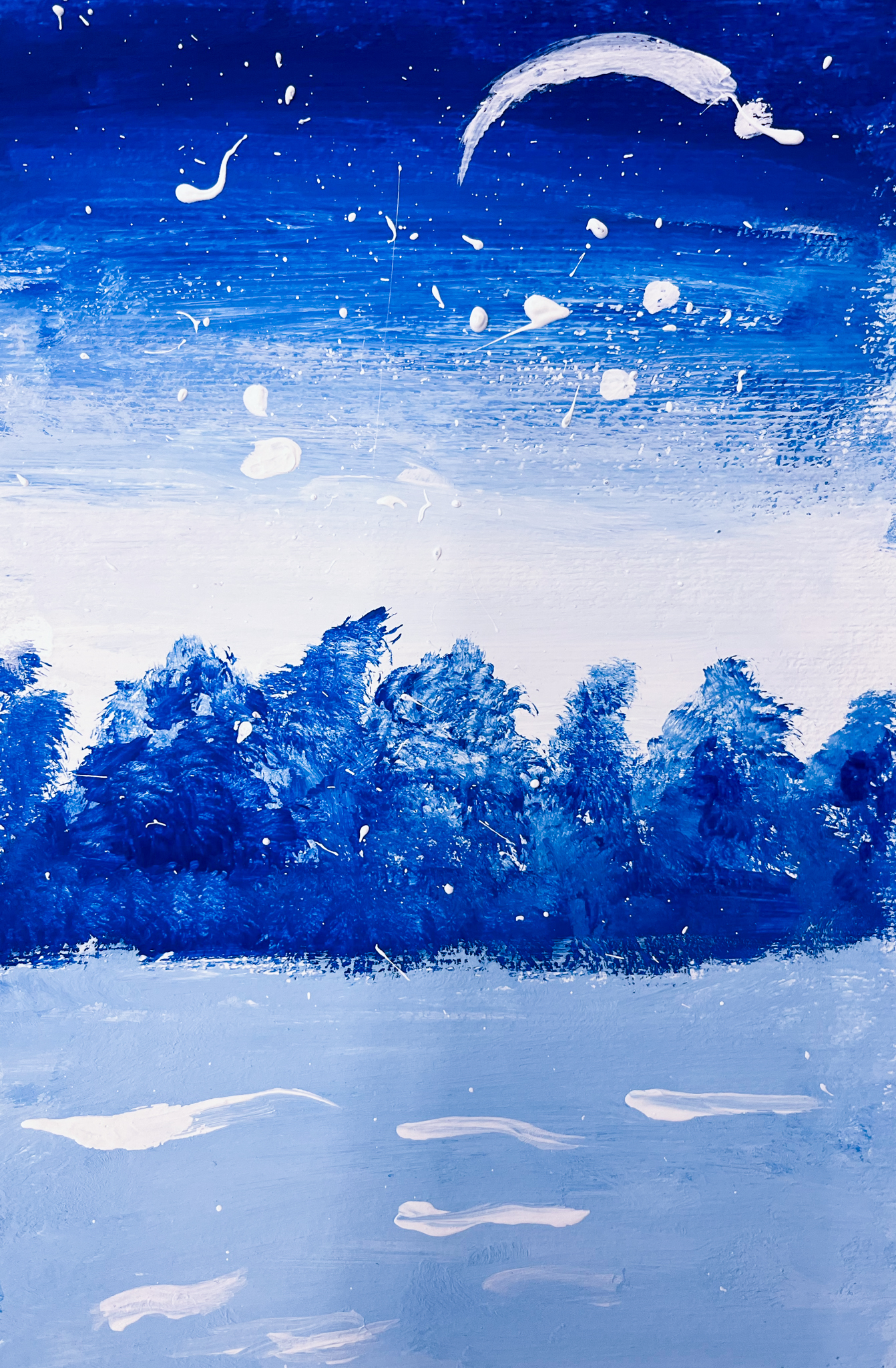
The Upper Elementary community has been exploring the use of different brush strokes in order to make landscapes with their acrylic compositions, with the caveat of only using the color’s white and blue in an effort to add shades of value to their pieces.
The Adolescent Community has also been composing acrylic landscapes, and while they are using only two colors to do so, they are experimenting with white and an additional color of their choosing.

Physical Education

Mr. Jeff Arenberg

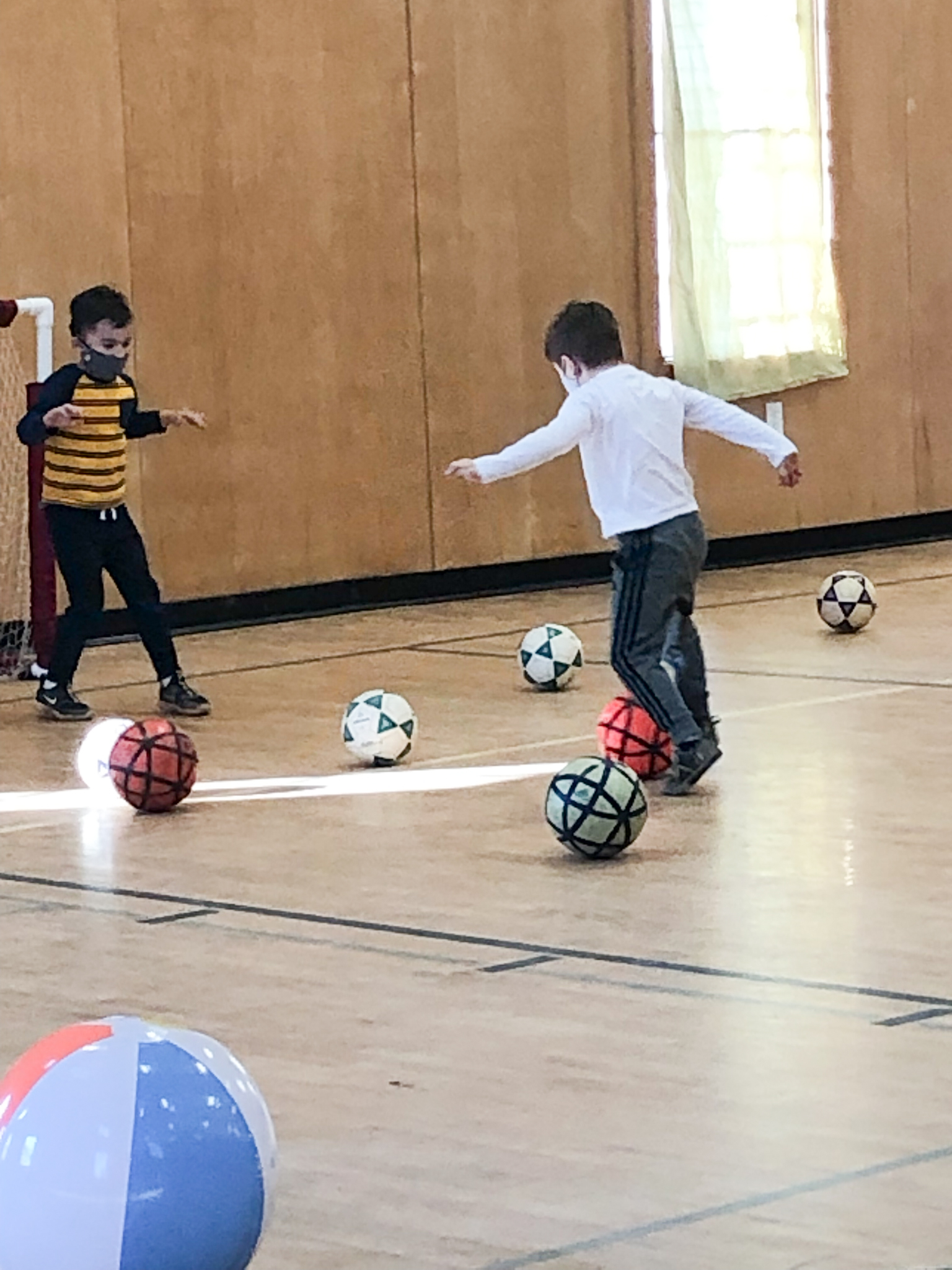
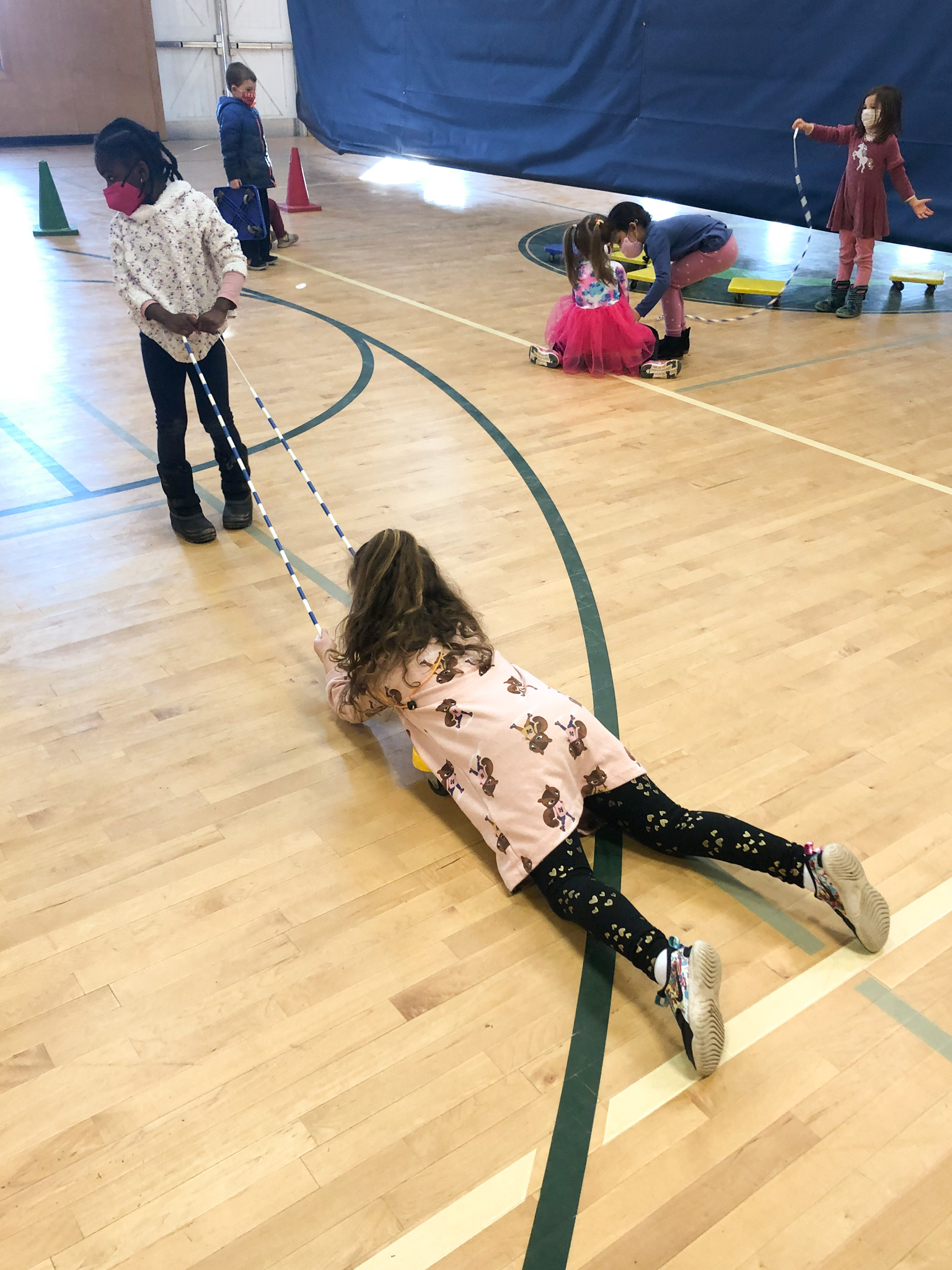
All students begin PE class with age-appropriate yoga and calisthenics-inspired warmups.

The Children’s House students enjoy playing traditional games such as Simon Says, Red Light/Green Light, and Duck Duck Goose, as well as target games with bean bags/balls, soccer, basketball, jump rope, and scooters. We always take time at the end of class for a meditation-inspired cool down.
 
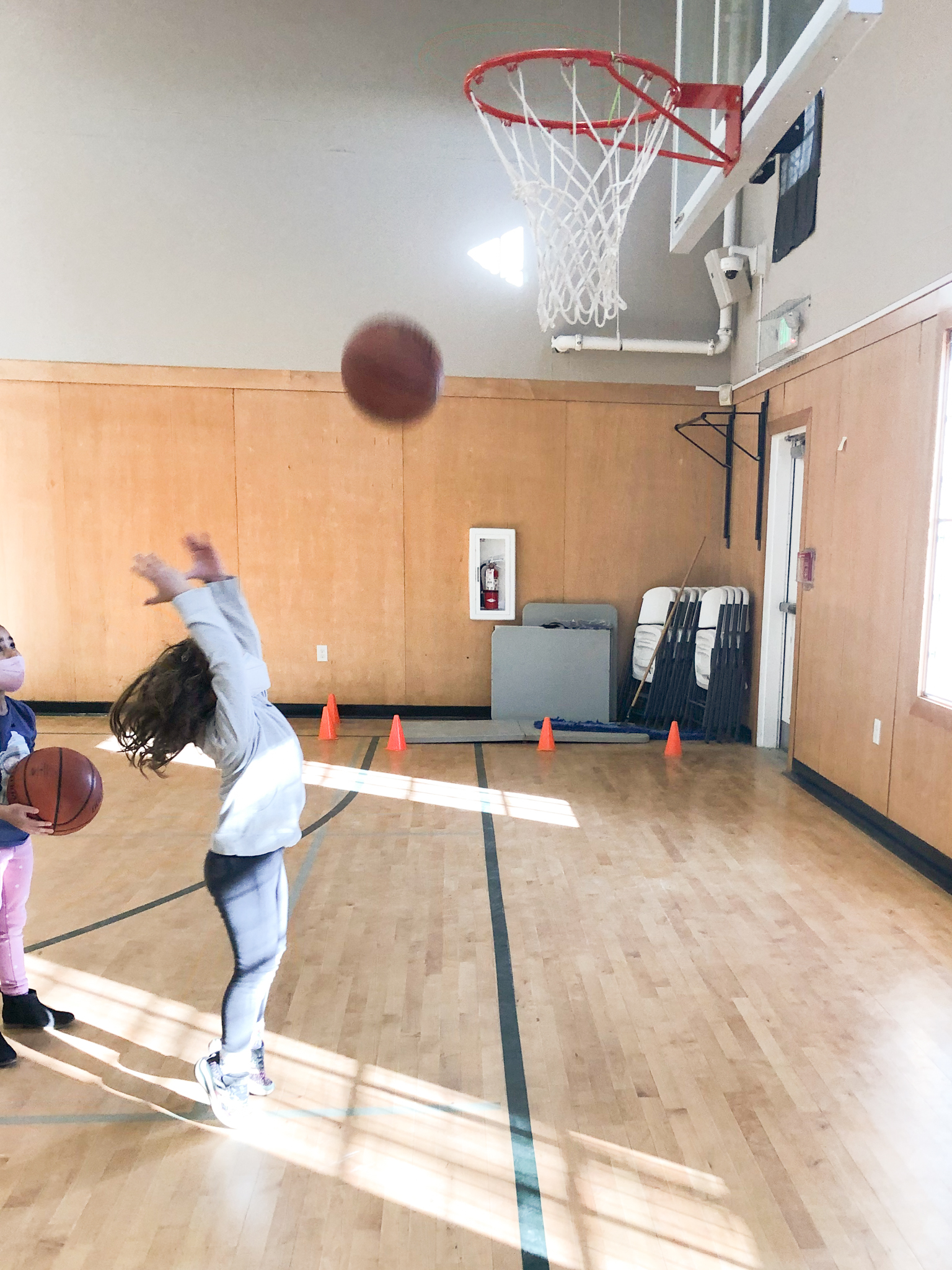
Elementary students are currently taking part in jump rope challenges. They have been playing freeze tag and move the cheese as well. We will be exploring basketball skill-building as our next unit.
 
Adolescents have been participating in activities including jump rope, capture the flag, and a variety of basketball-inspired games. We will be exploring basketball skill-building as our next unit.

Music Enrichment

Ms. Jasmine Mays Robinson

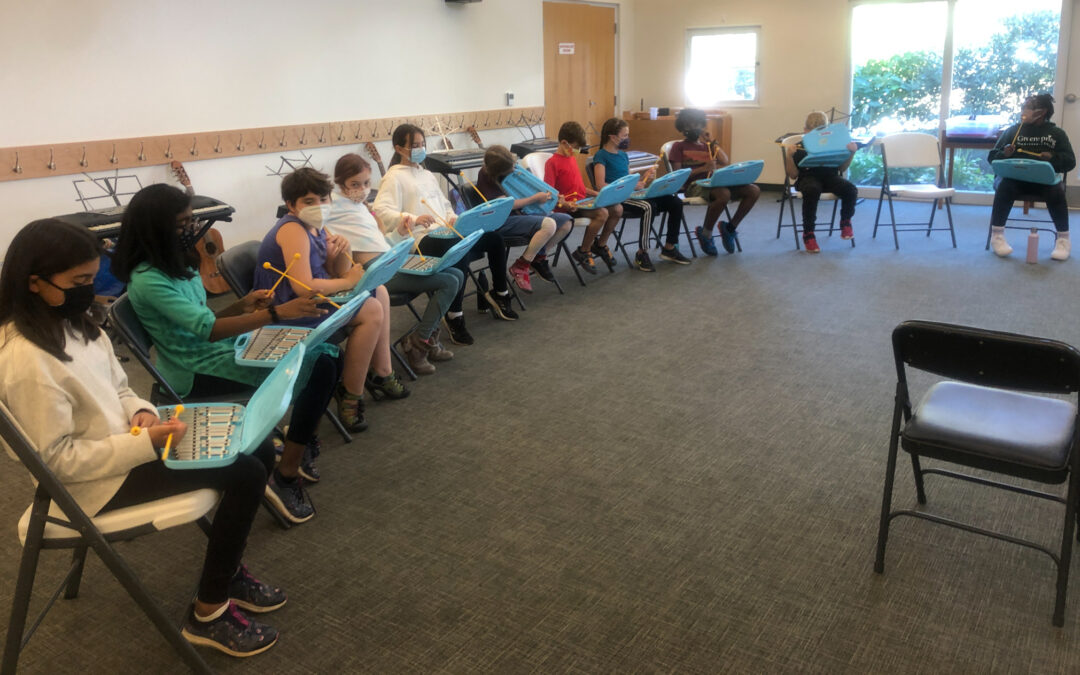
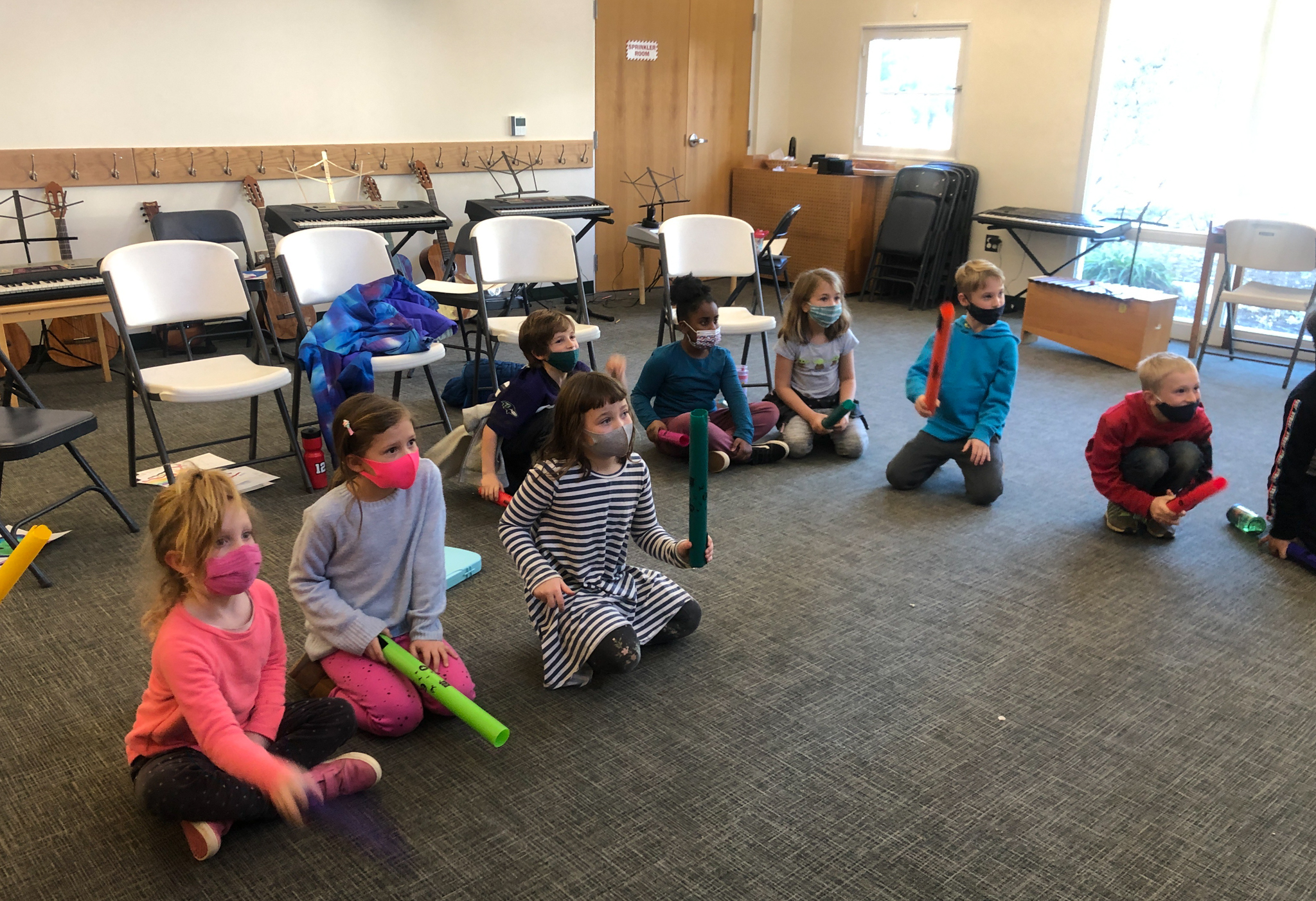
Lower Elementary students have been learning to observe, describe, create, and respond to music using body percussion and classroom instruments, and to use familiar words and concepts as tools for understanding varied rhythms. The students have enjoyed using tonic sofa syllables to learn melodies and using rhythm sticks and shakers to practice reading quarter and eighth notes from the staff. Each class is currently in the process of putting together a wintery piece entitled “January, January” for Glockenspiel, Orff, Percussion, and Sandblock. We are also visiting virtually with Maestro Karl from the Calgary Philharmonic Orchestra (a school-wide community favorite) to learn about instrument families.

 
Having previously studied the basics of music notation, dynamics, and instrument families, our 4th and 5th graders are diving deep into the impact music has on our world. How can we use music to tell a story, change hearts and minds, or make a difference? This class has studied the tenets of Rossini and Prokofiev, both historically renowned masters of storytelling through music. Now, they are making connections between these 19th and early 20th century principles and the way music influences our perception of character and the way we interpret action in film. They are then using this information to create their own storylines and their own musical backdrops in order to learn to influence others through music.
 
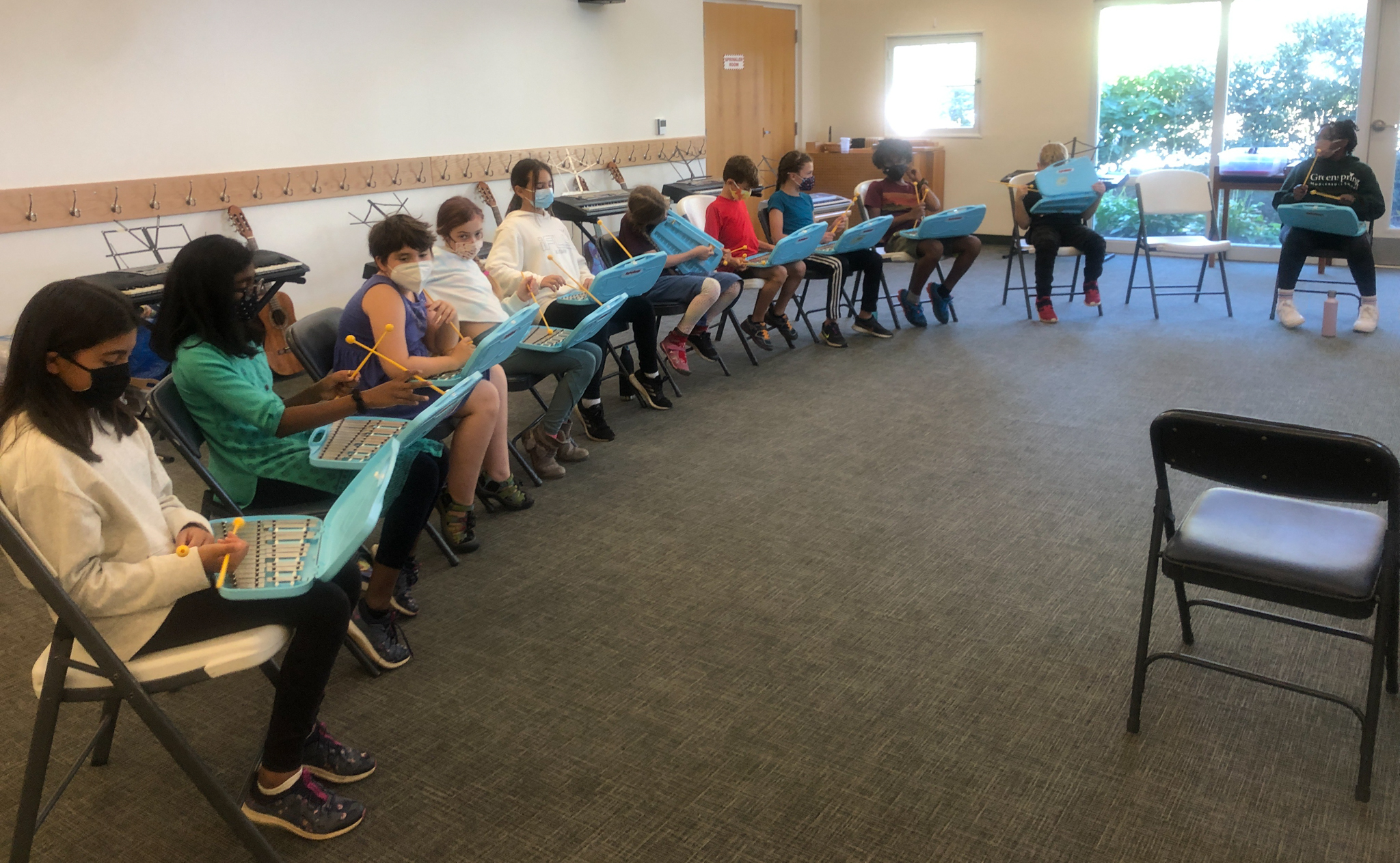
6th graders, along with the Adolescent Community, are gaining the skills necessary to attain independent musicianship. Our first quarter was focused on learning to play the piano/keyboard and the guitar, read music from the staff and recognize a guitar chord chart. Students enjoyed earning badges for completing levels of their “Piano Bootcamp.” We are now in phase two of our long-term songwriting initiative, which started with utilizing parodies in order to begin writing lyrics using rhythmic patterns and maintaining rhyme schemes. As a closing activity to this portion of our unit, students are given the task of writing out a portion of a song in musical notation on the staff and assigning their own (parodied) lyrics. Our next step is to analyze music in order to understand the parts of a song and understand the purpose and benefit of using literary tools when writing lyrics and deciding on song structure. By the end of this project, students will be able to write their own songs with musical notation.
 
Spanish Enrichment

Sra. Marcela Daley

During the first semester of the year, the younger Children’s House students have been mastering greetings, colors, and numbers. In the following weeks, children will be working with vocabulary to name objects in the house. The older Children’s House students are starting to identify the vowel sounds and reading words with just one vowel on them. Once this work is completed, new key sounds will be presented together with words that have more than one vowel on them. At that point, they will start reading basic sentences in Spanish.
 
In Lower Elementary, students are met where they are in their Spanish proficiency. Some students are working on combining sounds in Spanish and have started to write and read short sentences. Other students have been working hard with numbers. Per their request, we have been working on counting over one hundred and they want to start doing some math in Spanish. There is a third group that has been really engaged in reading and writing short stories in Spanish. 
 
Upper Elementary students are also working at different levels. All students have been engaged in working on their Spanish language through short stories. These stories are all written in the third person and use the seven most used verb conjugation in Spanish (es, está, va, le gusta, tiene, hay, and quiere). A group of students is using the stories to identify basic grammar points like the congruence between article, noun, and adjectives. Other students are starting to put the stories in the first person. These students are also working with the verb “To Be” in Spanish identifying the two equivalent verbs in Spanish (Ser and Estar).
 
Our Adolescents are working on a magazine in Spanish. They have been working on their creative process, conceptualizing the entire publication to include aspects about their classroom, community involvement,  favorite activities, games, advertisement, and comic strips. Their design and editing process has been in both Spanish and English. We look forward to sharing the magazine upon completion – stay tuned!
Adolescent Studies of Food, Identity, and Access

Adolescent Studies of Food, Identity, and Access

This year the Adolescent Community is exploring complex topics around food. They started with food systems and the biochemistry of food, and they are now beginning to study food as part of culture and issues of food accessibility in Baltimore.

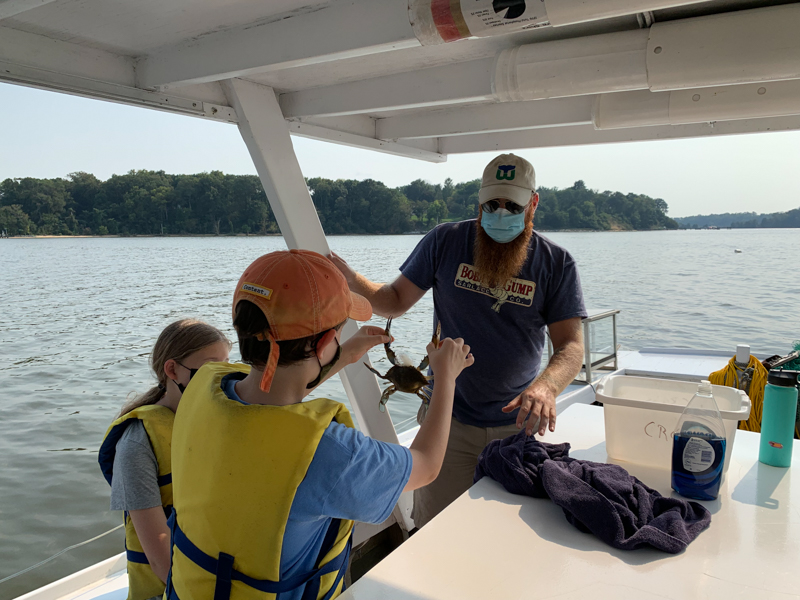
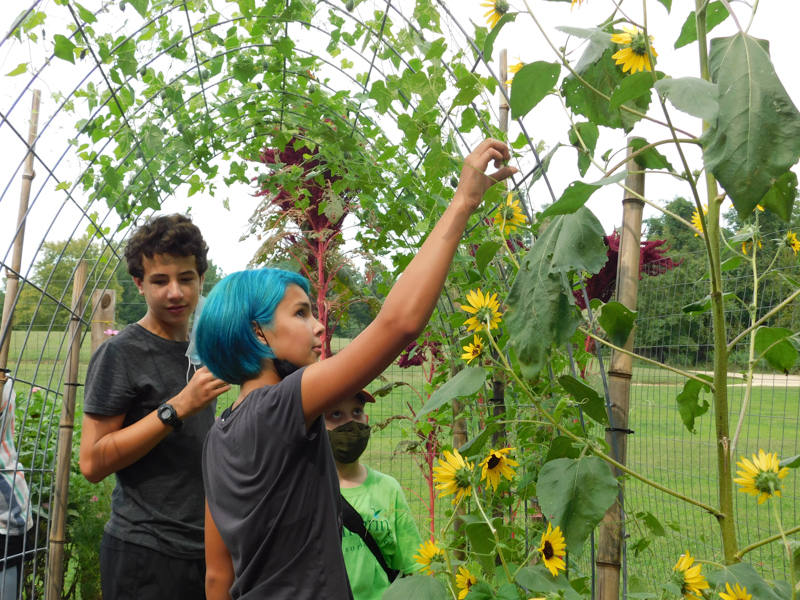
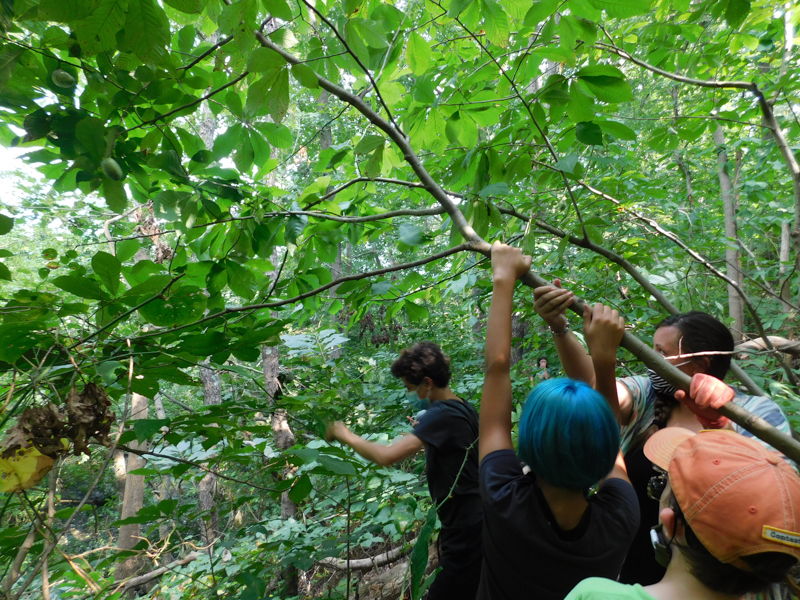
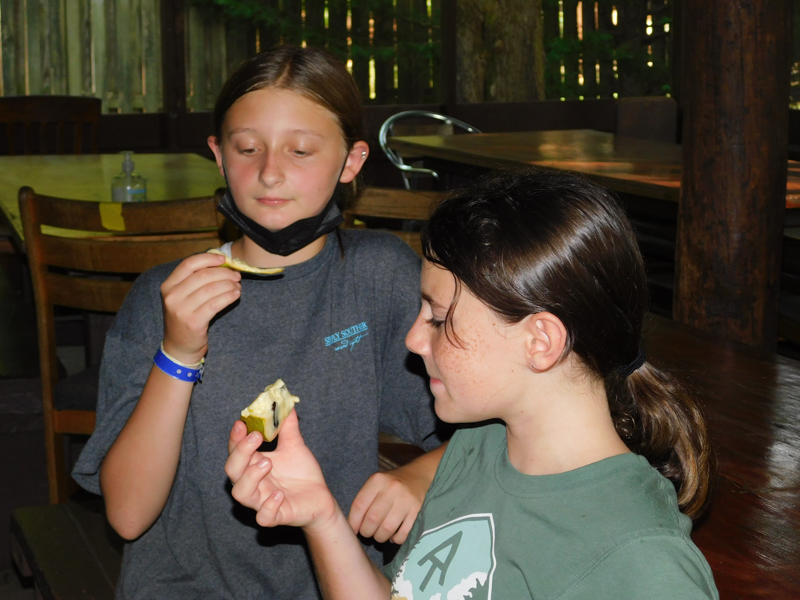
Students began the year on an Odyssey trip to Echo Hill Outdoor School to learn about food systems and where our local food is sourced. Students picked wild pawpaws and harvested pears, apples, cucamelons, peppers, and more from the gardens at Echo Hill. Then they spent several days on a fishing boat in the Chester River to learn about the local marine ecosystems and how fish, crabs, and other seafood are caught for the food industry.


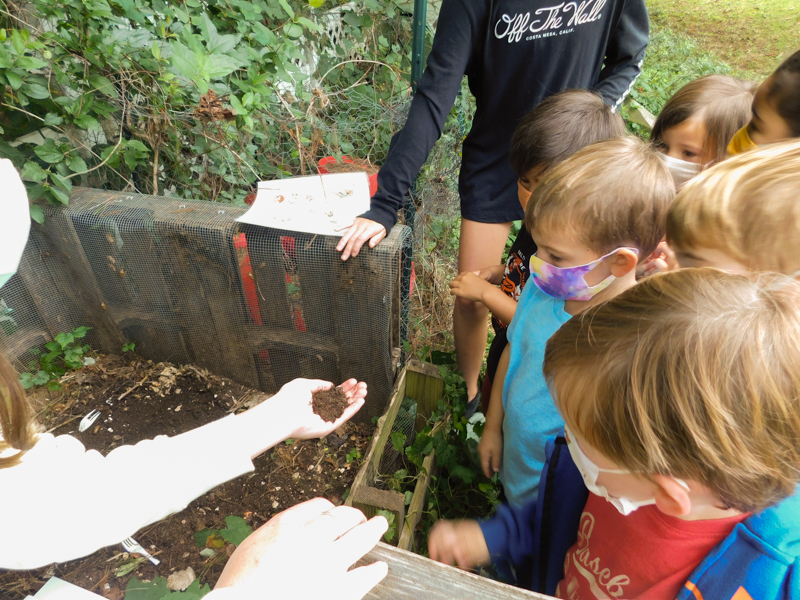
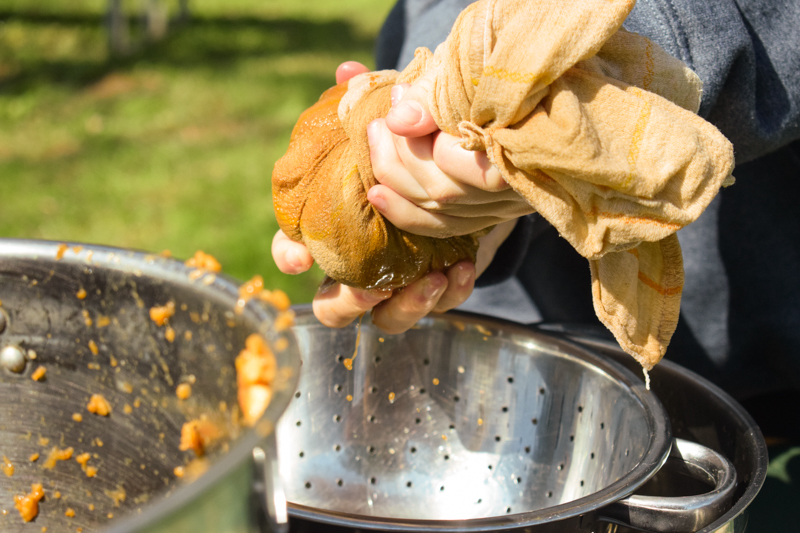
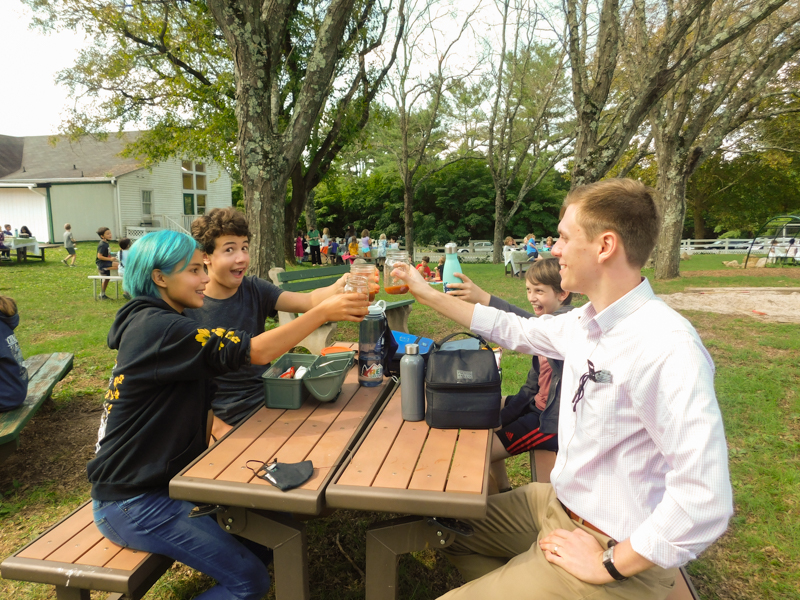
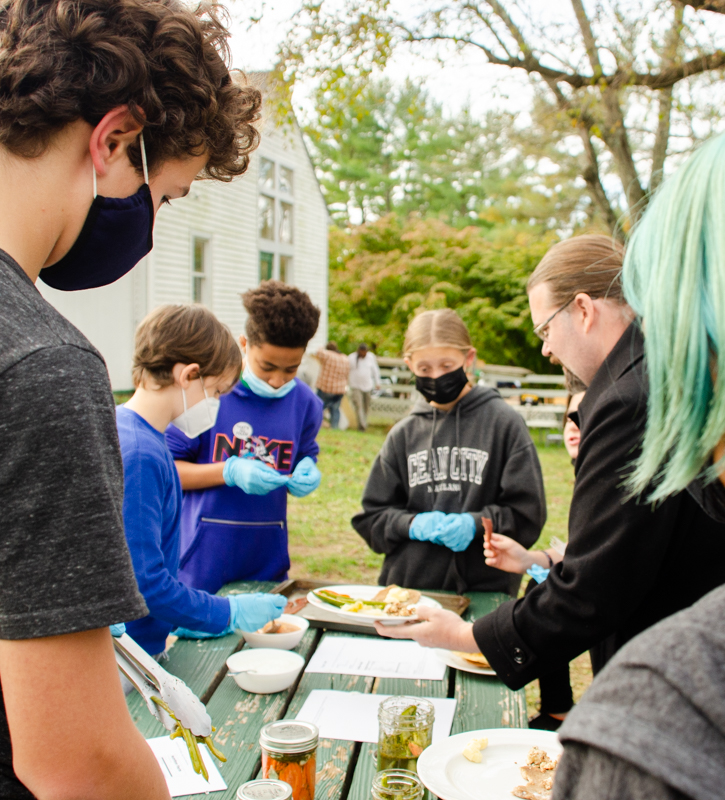
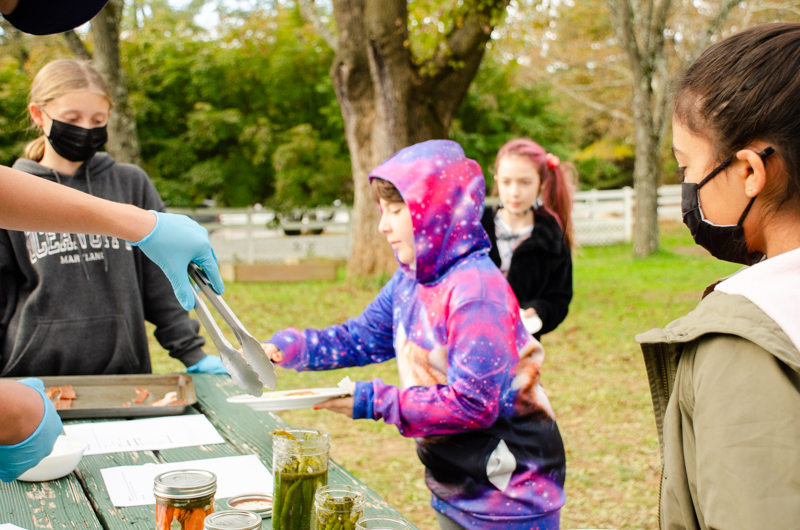
They then began a unit on the biochemistry of food, learning about the fermentation process and ways of food preservation, making homemade paneer (Indian cheese), chapati (made with whey from the paneer), butter, sourdough, yogurt, apple cider vinegar, and a variety of pickled vegetables. They also learned about the breakdown of nutrients back into the soil, starting a campus-wide composting program and giving lessons to the younger classes on how to compost at school.

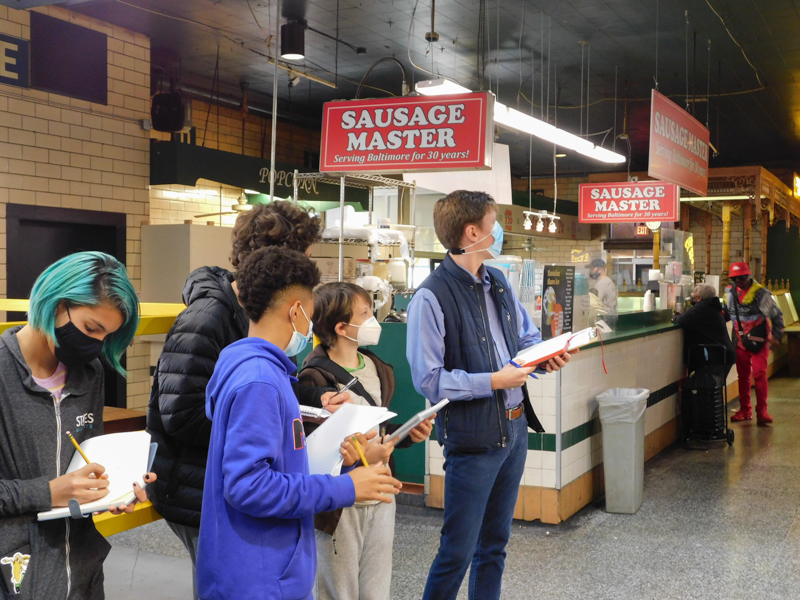
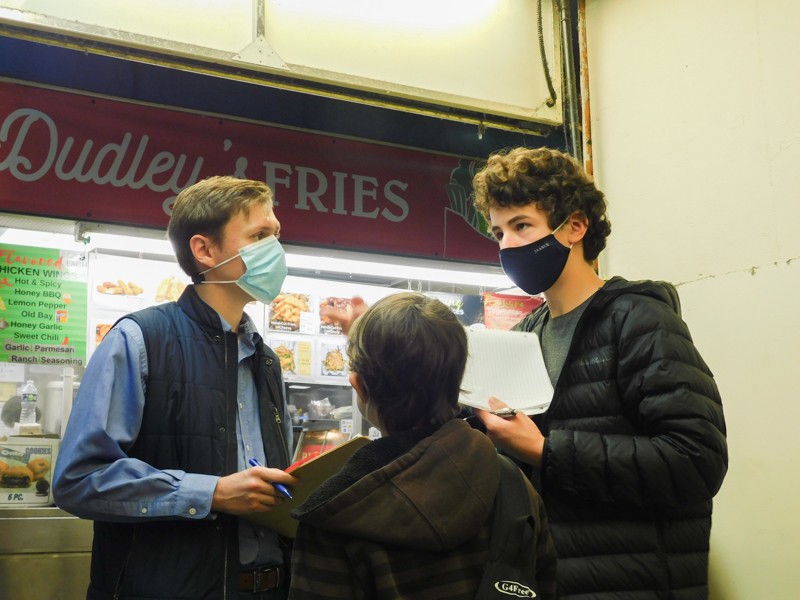
The students are currently studying the sociology of food, beginning with the fundamental needs of humans and exploring the cultural significance of food. Students ventured to Lexington Market in Baltimore to learn more about the many ways in which cultures cook and share food. They are also beginning to explore the ways that different communities are able to access food. As they explore neighborhoods and markets throughout Baltimore, they will continue to ask deep questions about culture, identity, and food.


Stay tuned for more details about the upcoming projects from the Adolescent Community as they begin to design new food systems.

Honoring Cultural Celebrations Supports Children’s Sense of Belonging

Honoring Cultural Celebrations Supports Children’s Sense of Belonging

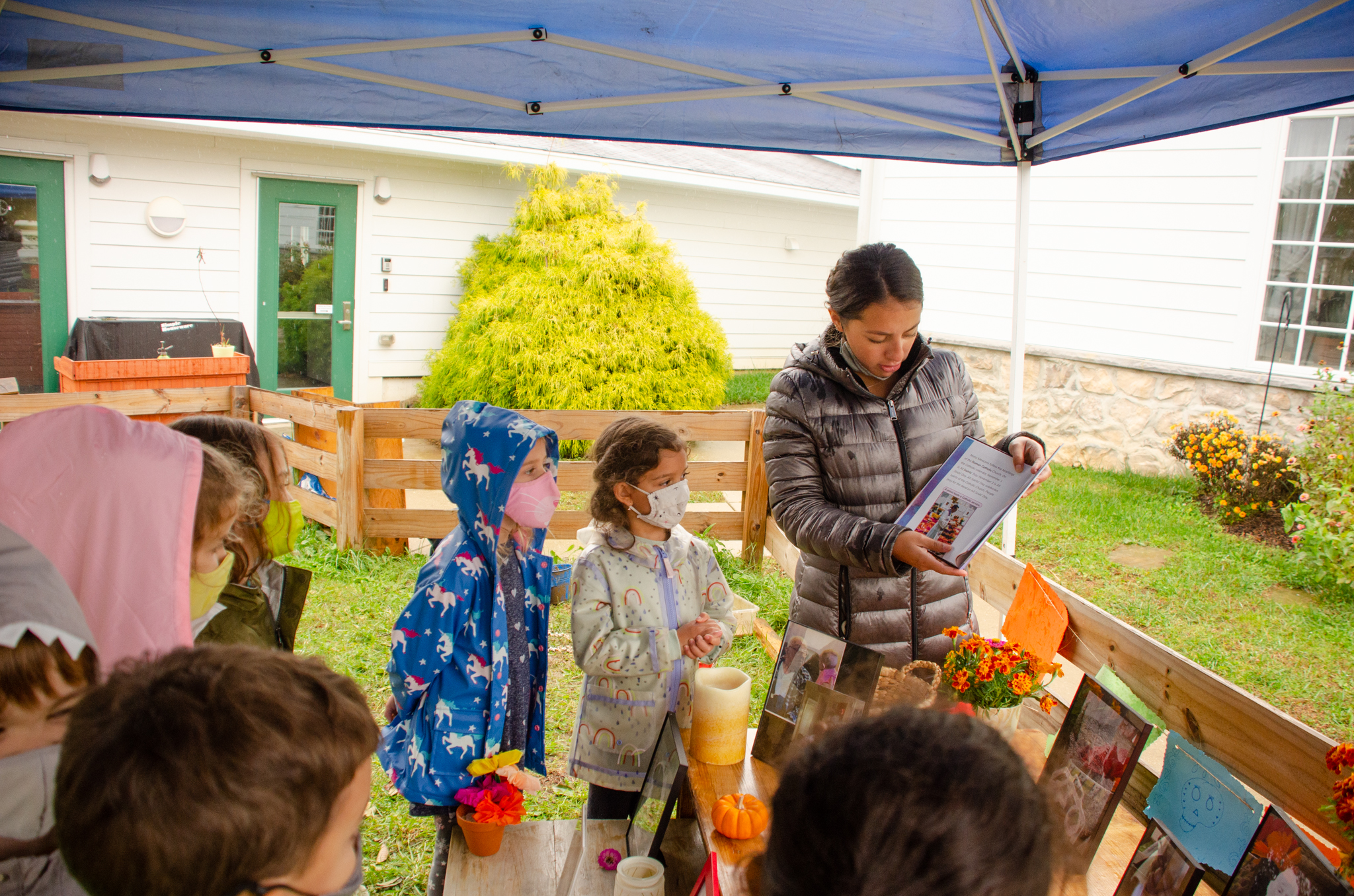
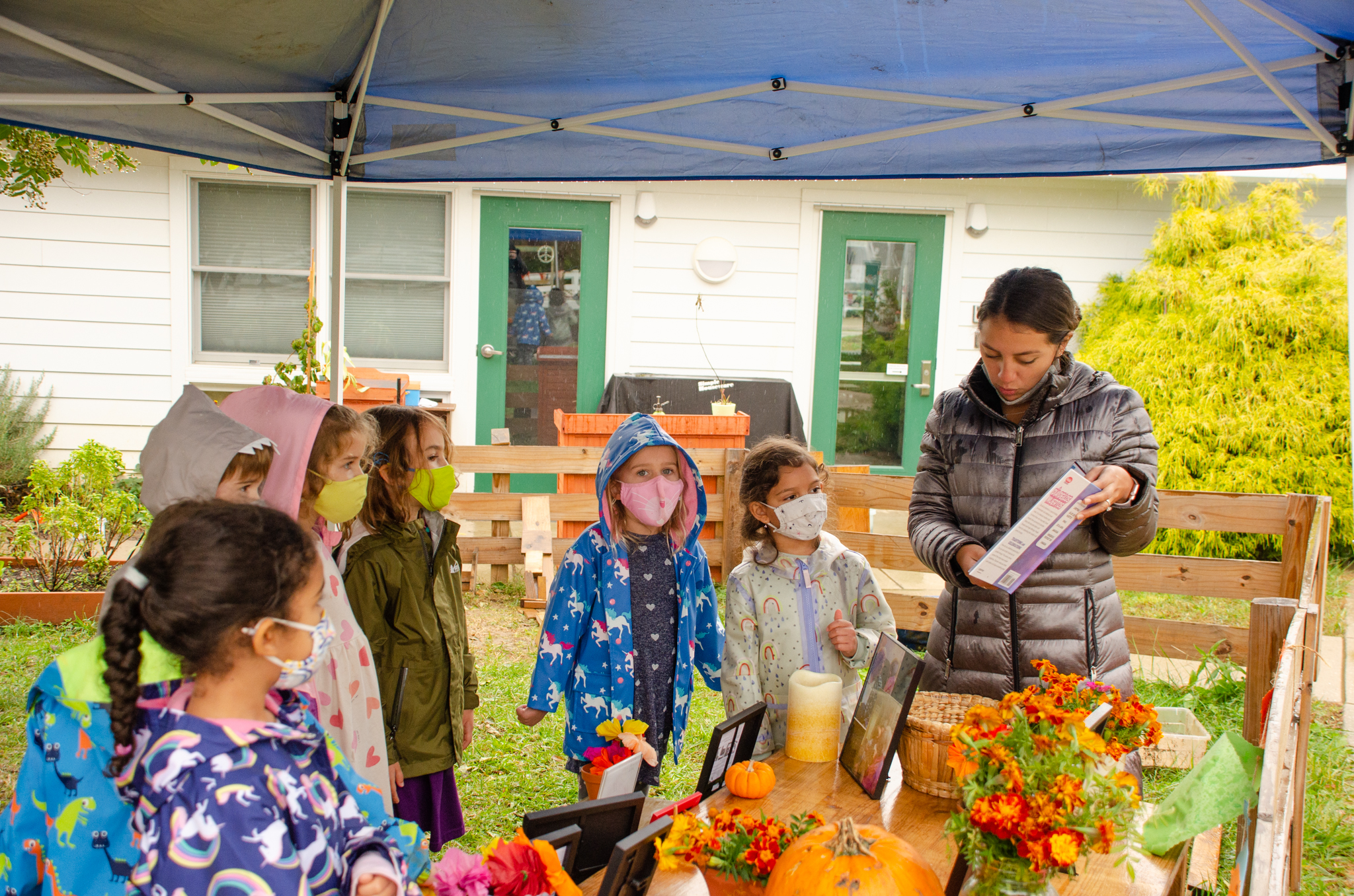
This year we as a School community are talking through ways to bring cultural celebrations and holidays into the classroom in an authentic and meaningful way. Celebrations and traditions are an important part of personal identity, and as a School, we find this to be a joyous way to learn about people in our community and around the world.

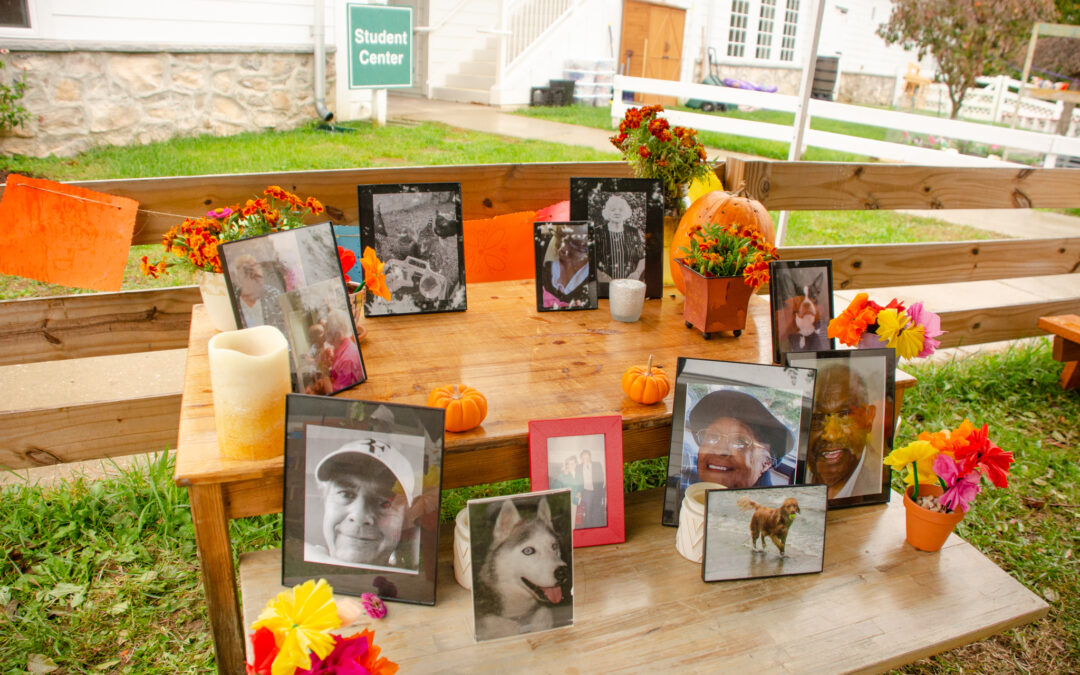
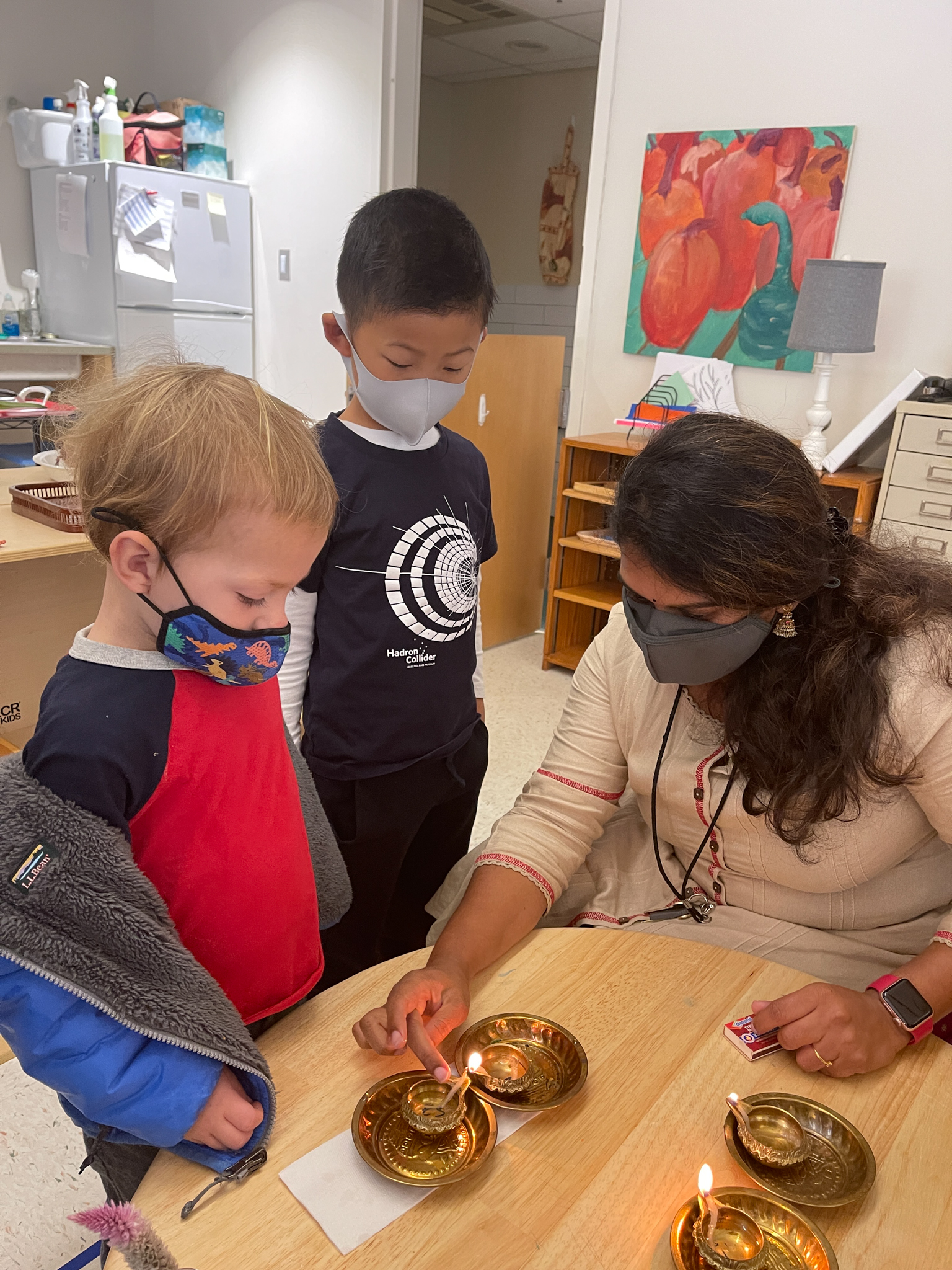
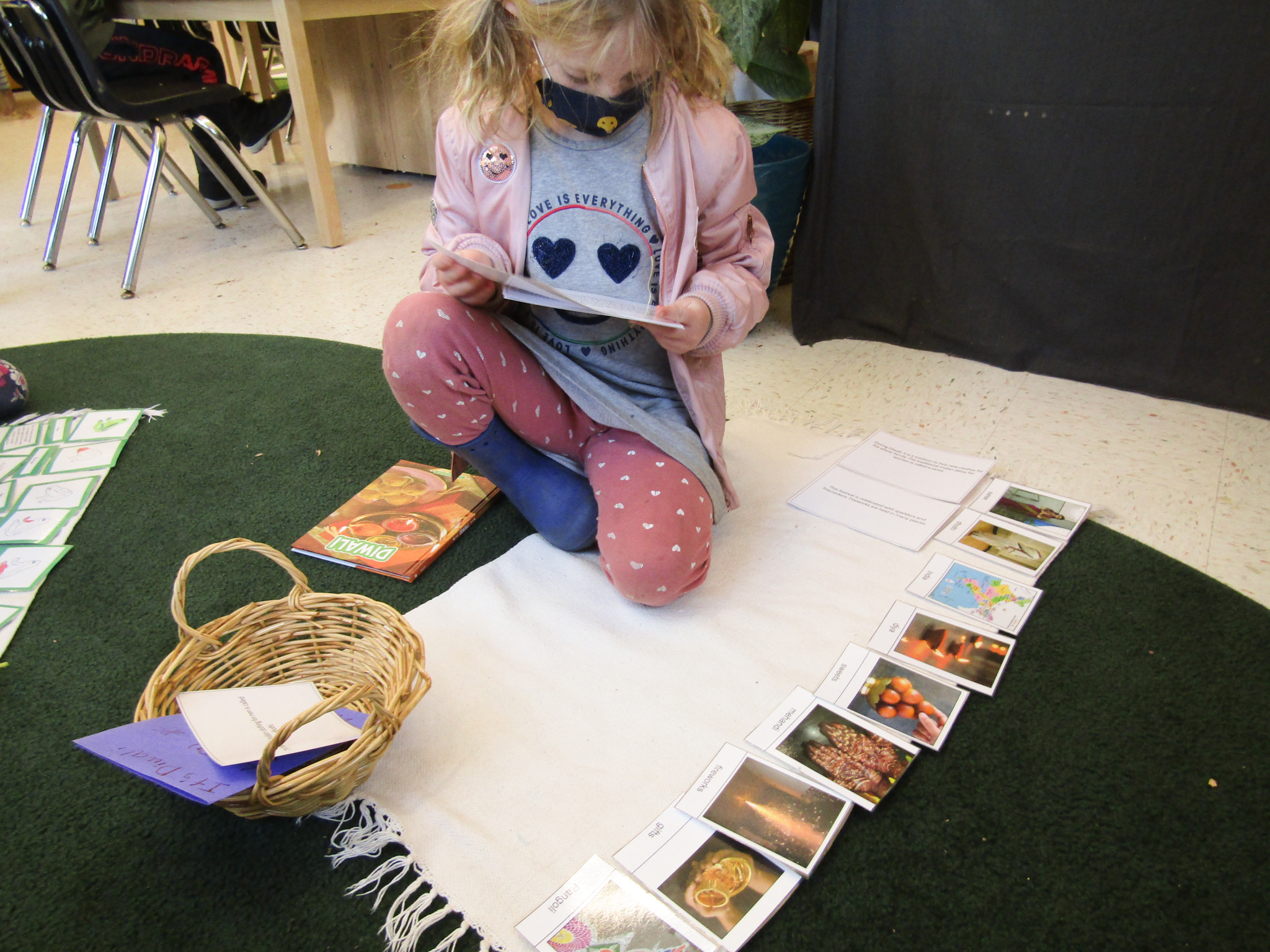
We began this work by asking our faculty and staff about the holidays they celebrate. Many were eager to share their traditions from all over the world. We’ve learned together about Navratri, Sukkot, Indigenous Peoples’ Day, Hanal Pixan and Dia de los Muertos, Diwali, and Hanukkah.

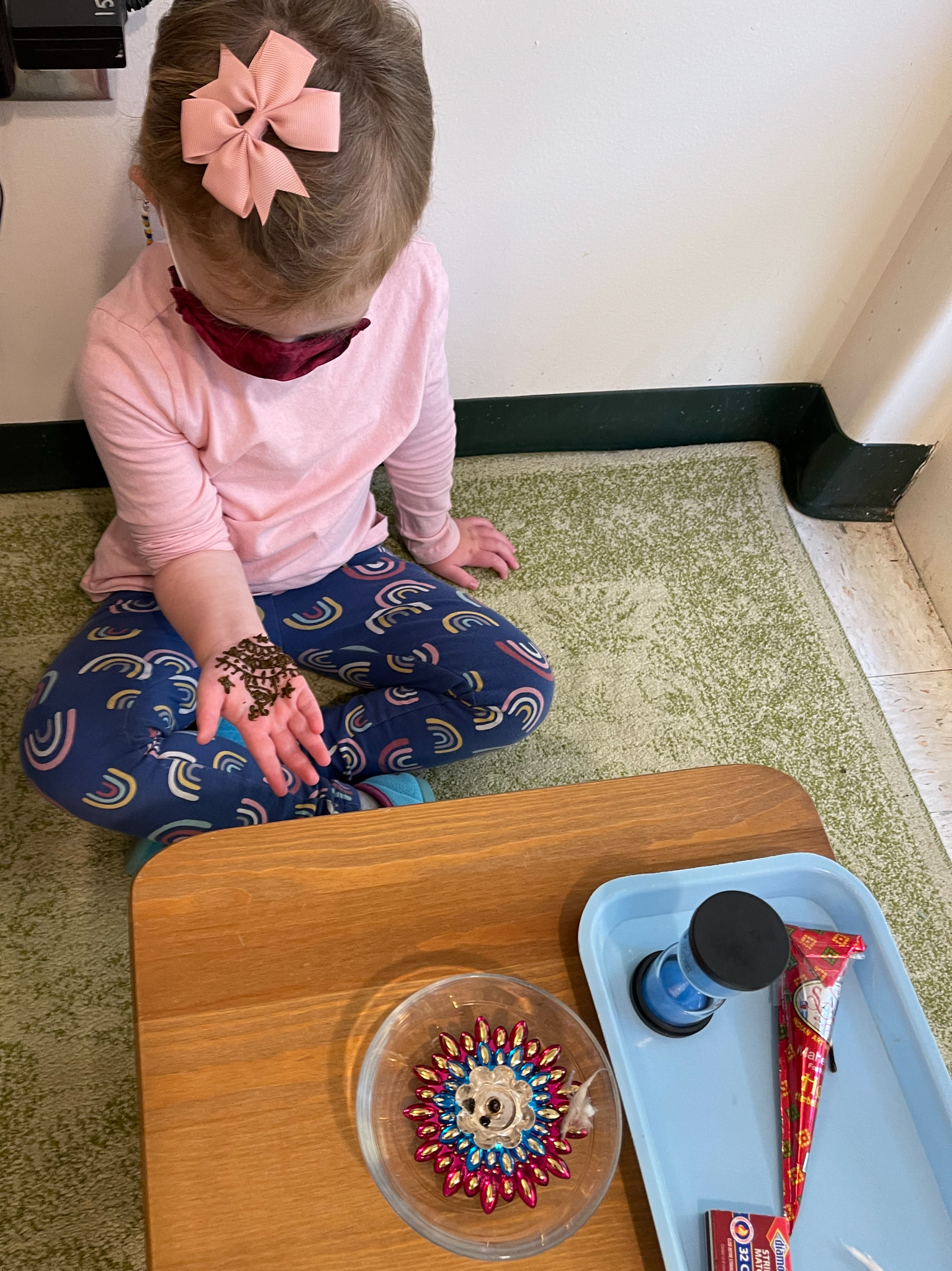
This work has also woven its way into our classrooms through true stories, cultural items and artifacts, nomenclature cards, children’s books, and more. It has been beautiful to see the ways our staff and children light up when they feel seen and acknowledged.

We will continue this work throughout the year with holidays including Kwanzaa, Dr. Martin Luther King, Jr. Day, Lunar New Year, Eid al-Fitr, Pride Month, and more. If you would like to share a celebration or tradition from your family with our classrooms, please reach out to us at community@greenspringmontessori.org.

Our DEIB work is guided by the four goals outlined in Anti-Bias Education:

Goal 1: Identity

  •  Teachers will nurture each child’s construction of knowledgeable, confident, individual personal and social identities.
  •  Children will demonstrate self-awareness, confidence, family pride, and positive social identities.

Goal 2: Diversity

  •  Teachers will promote each child’s comfortable, empathetic interaction with people from diverse backgrounds.
  •  Children will express comfort and joy with human diversity, use accurate language for human differences, and form deep, caring connections across all dimensions of human diversity.

Goal 3: Justice

  •  Teachers will foster each child’s capacity to critically identify bias and will nurture each child’s empathy for the hurt bias causes.
  •  Children will increasingly recognize unfairness (injustice), have language to describe unfairness, and understand that unfairness hurts.

Goal 4: Activism

  •  Teachers will cultivate each child’s ability and confidence to stand up for oneself and for others in the face of bias.
  •  Children will demonstrate a sense of empowerment and the skills to act, with others or alone, against prejudice and/or discriminatory actions.


To learn more about our commitment to Diversity, Equity, Inclusion, and Belonging, please click here.