Lower Elementary Students Mystery History Presentations in Honor of Black History Month

Lower Elementary Students Mystery History Presentations in Honor of Black History Month

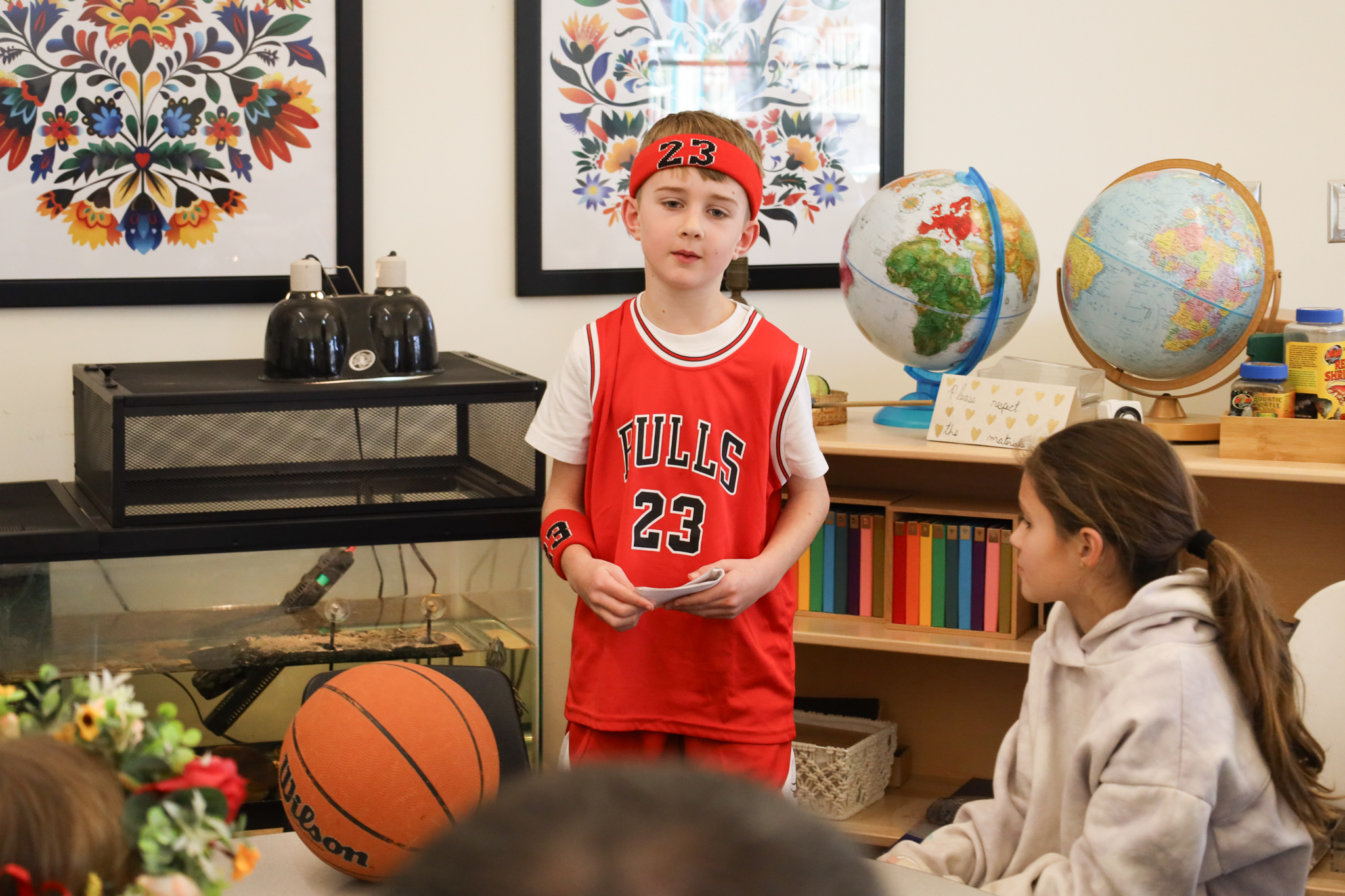
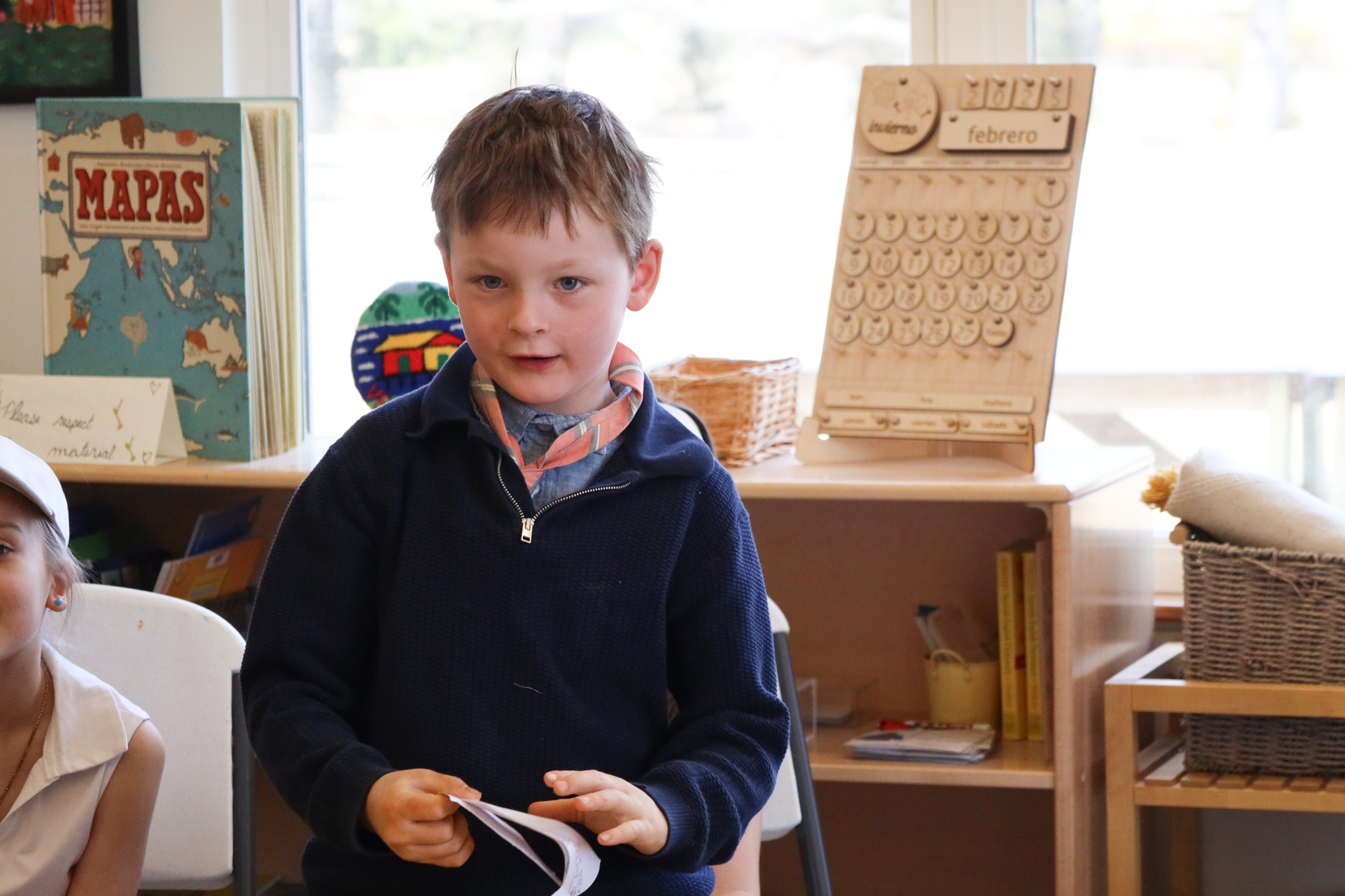
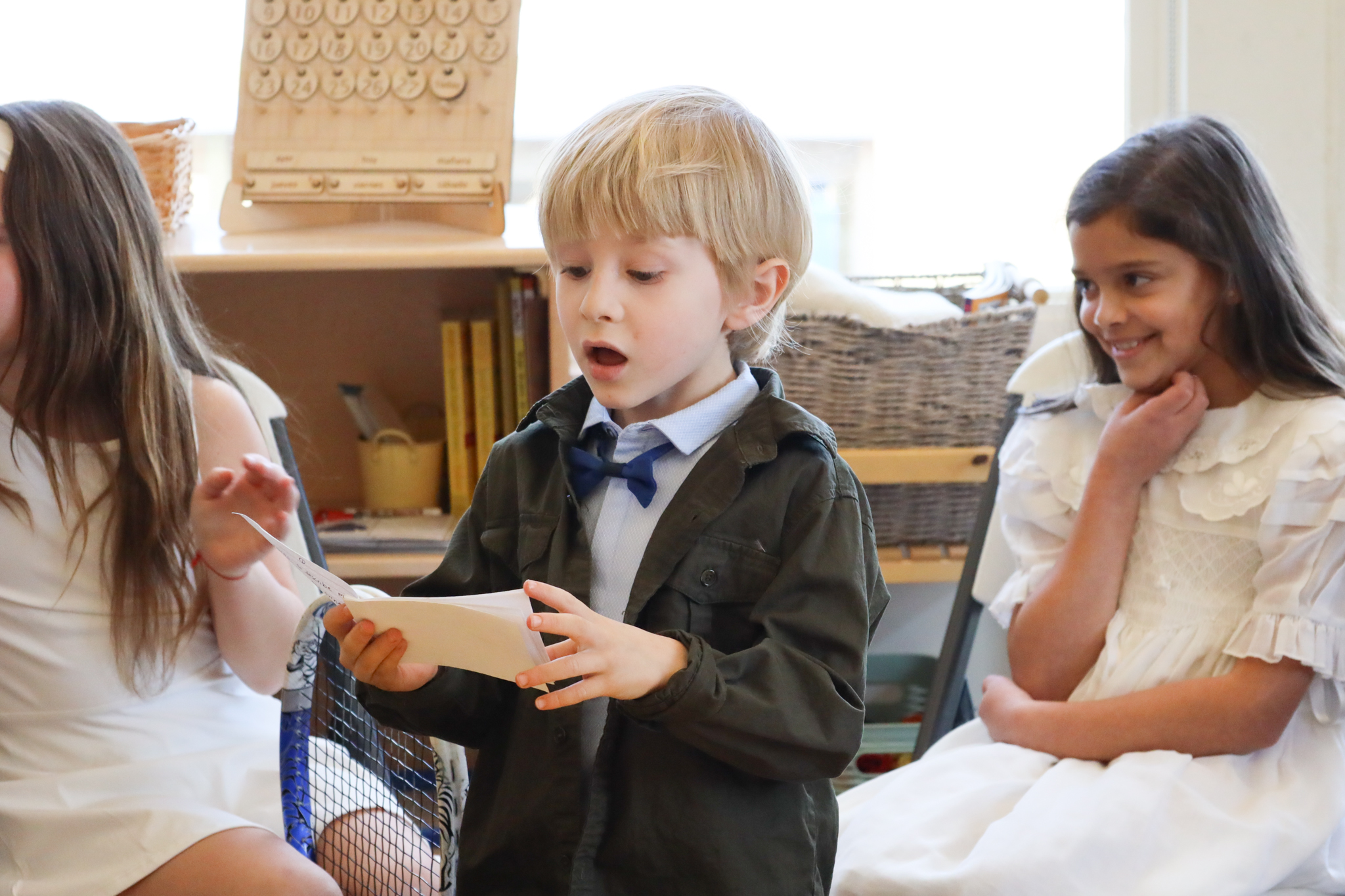
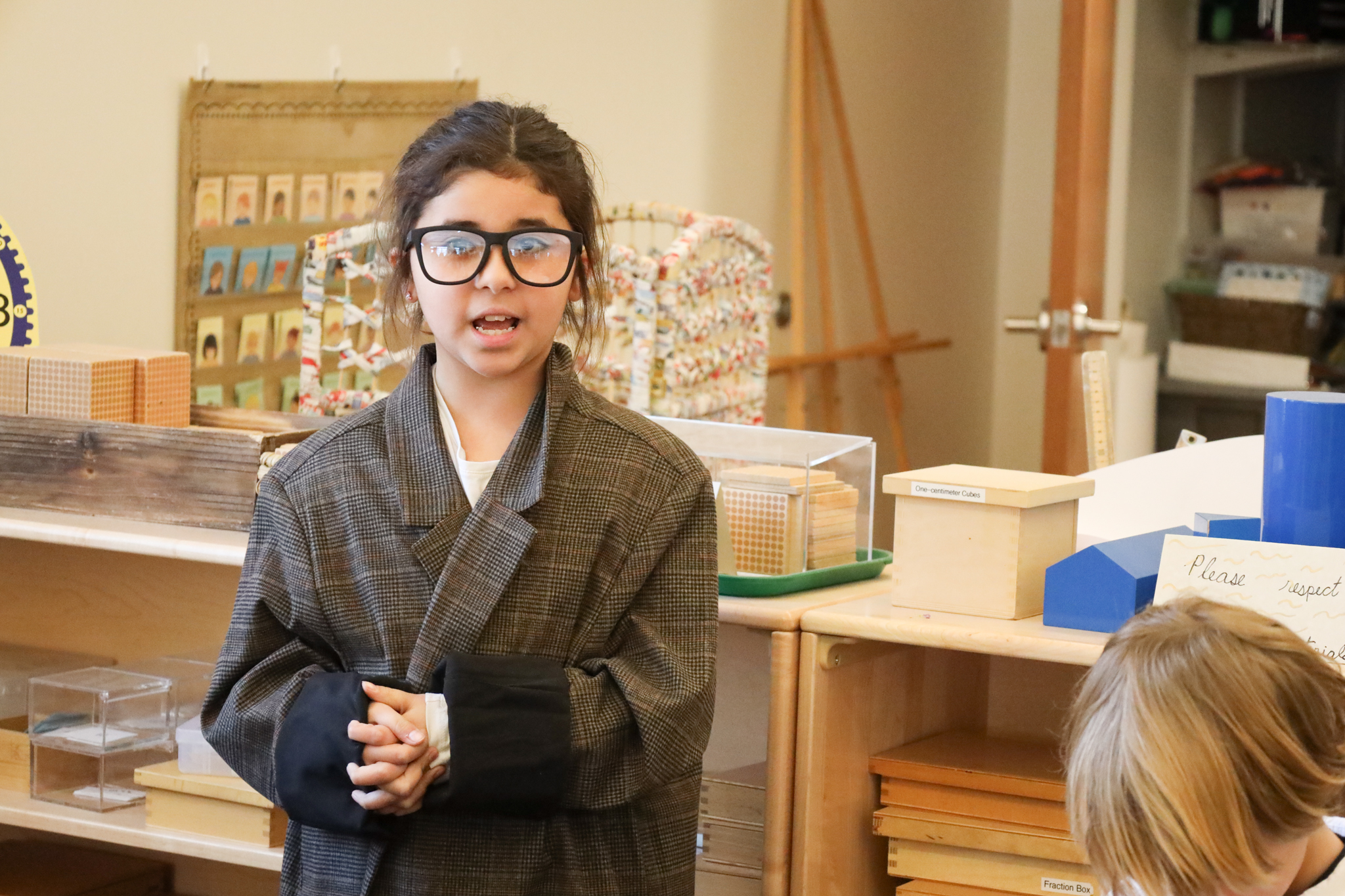
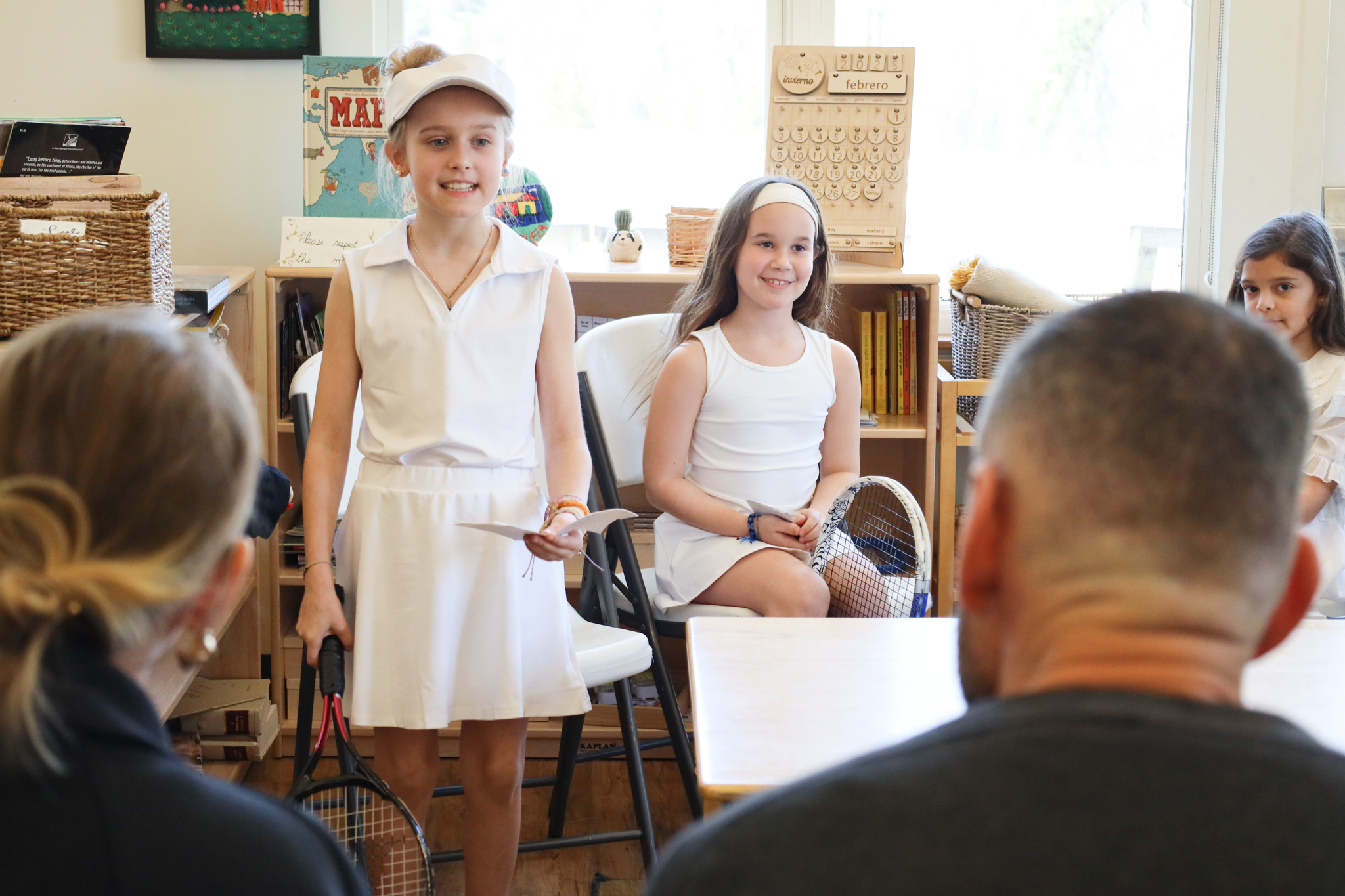
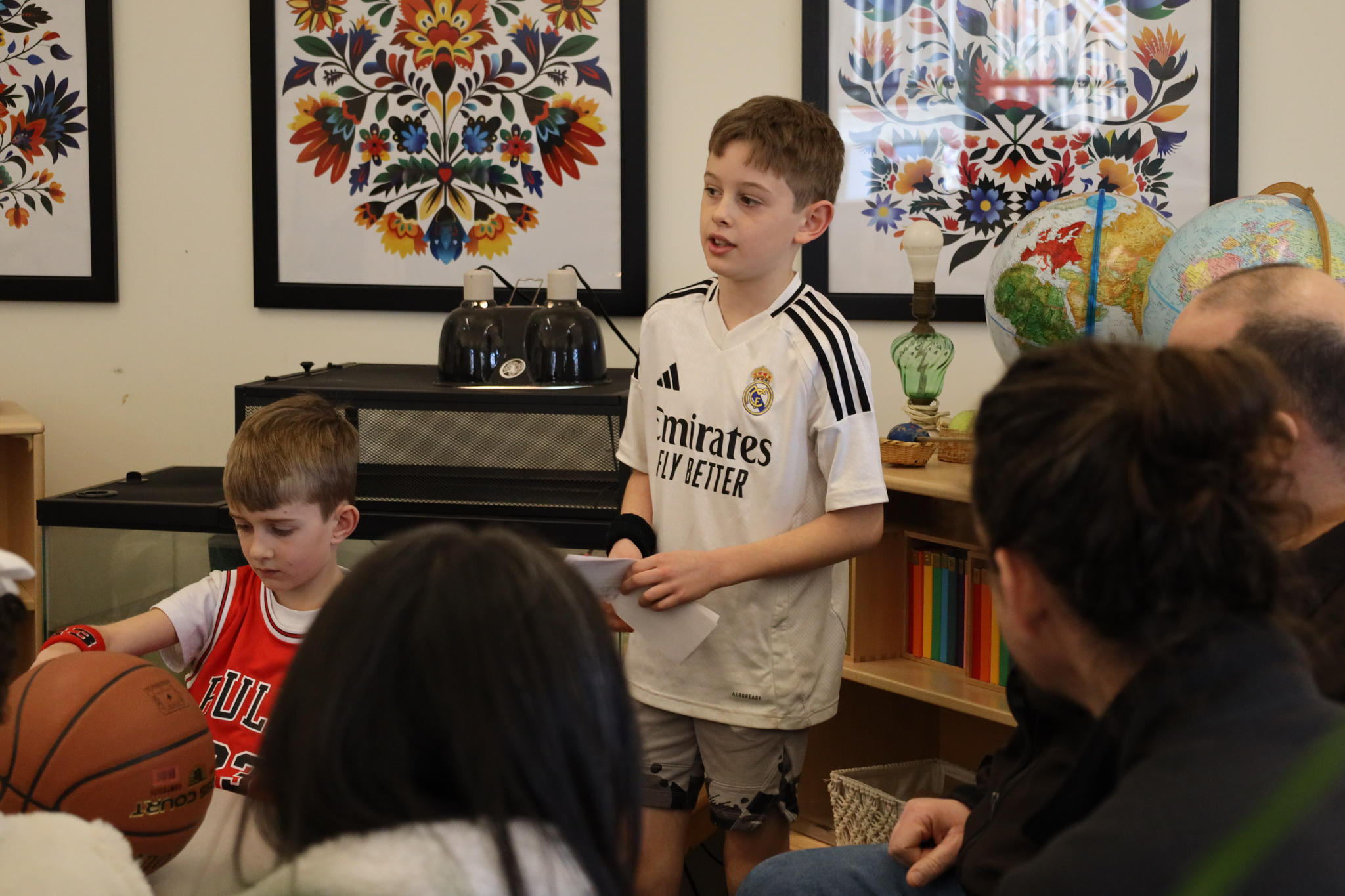
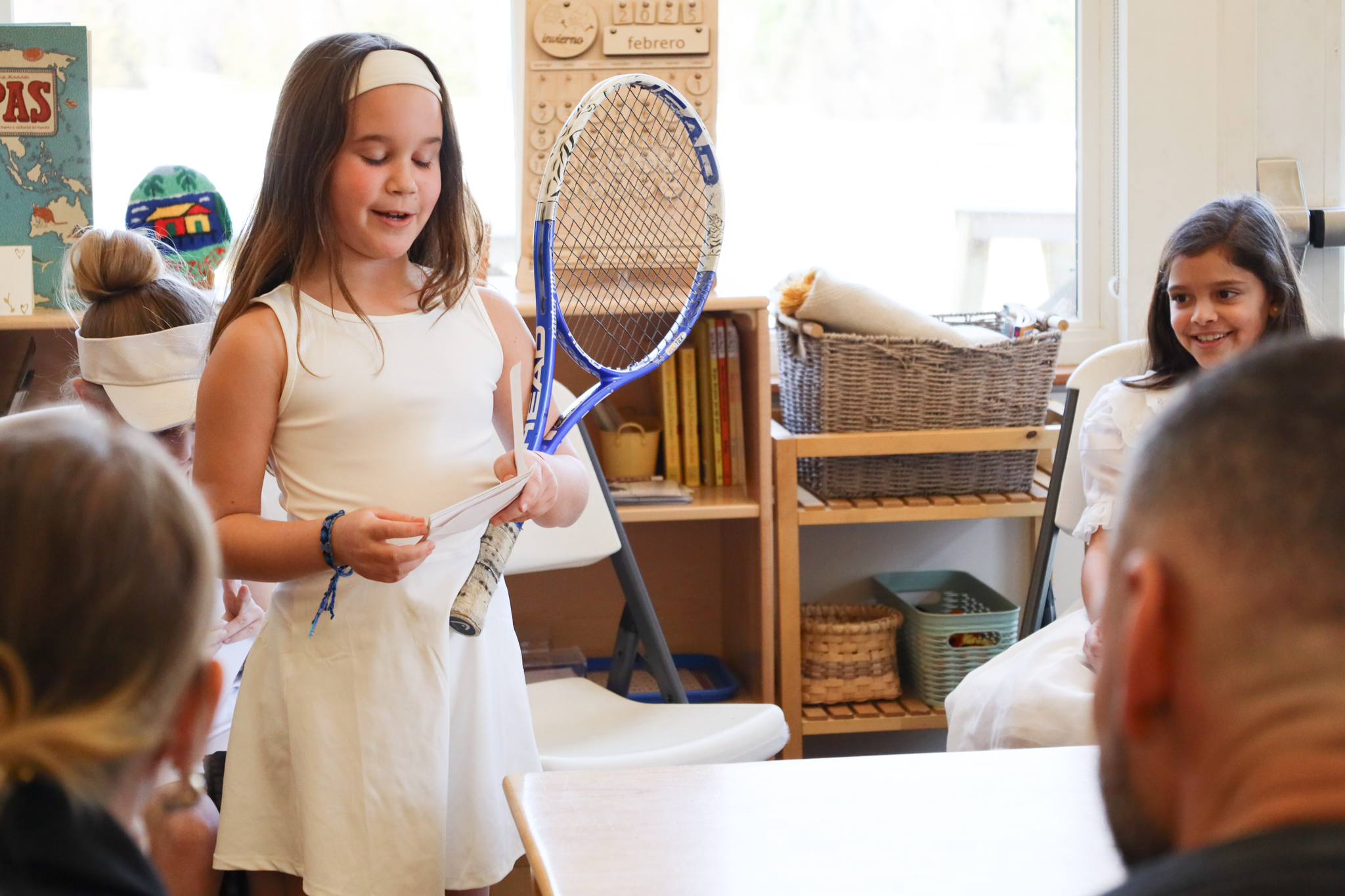
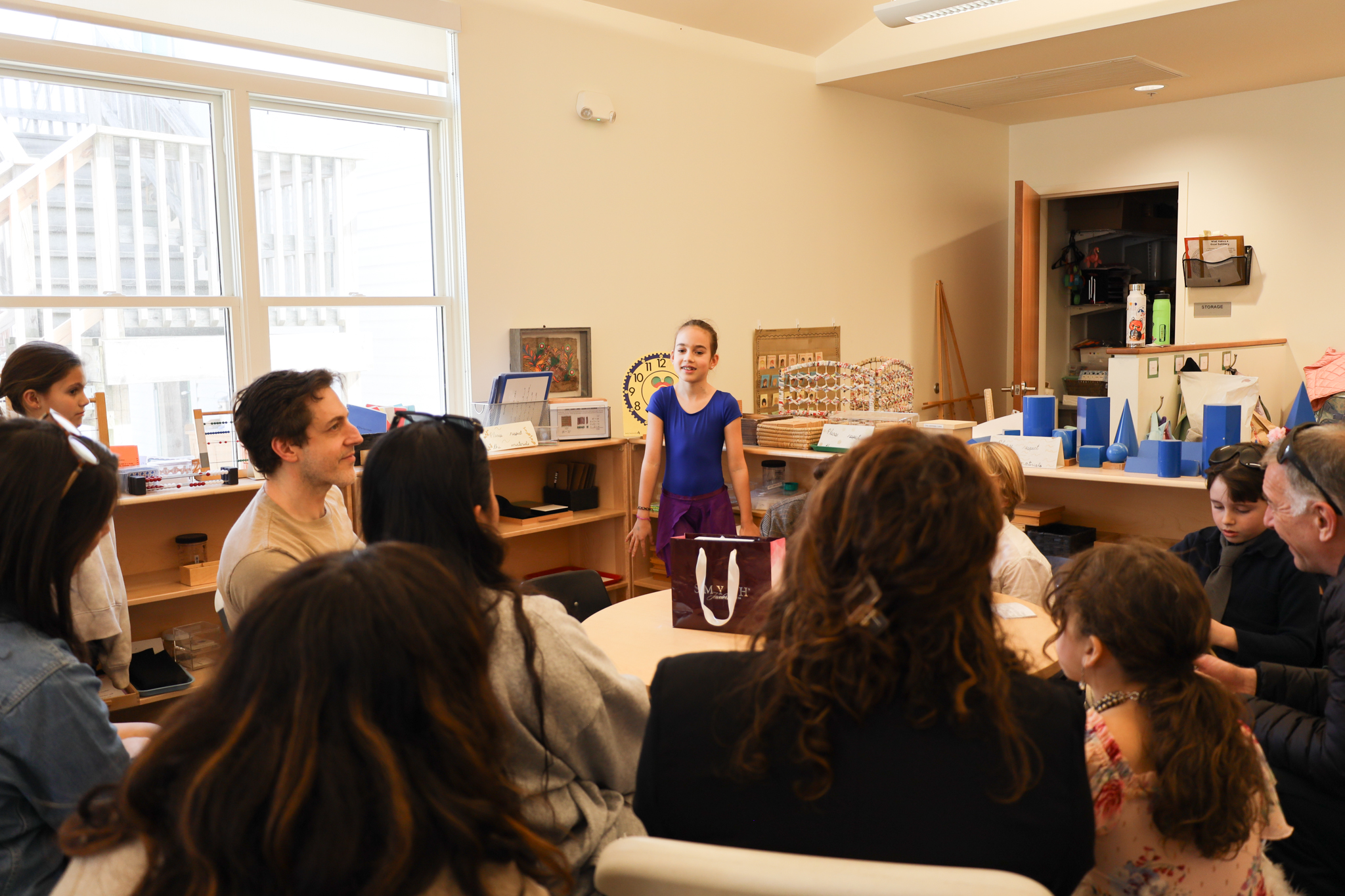
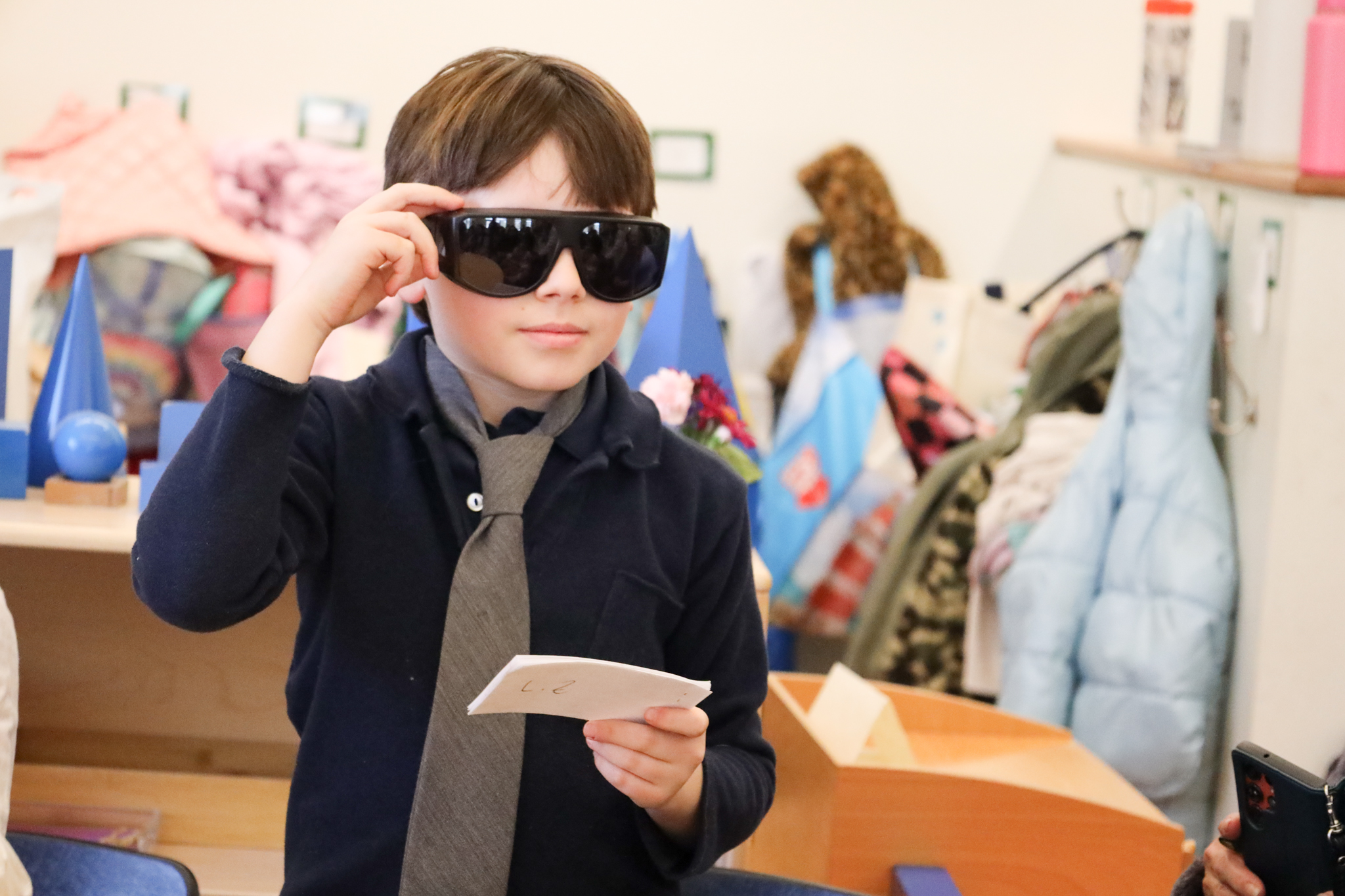
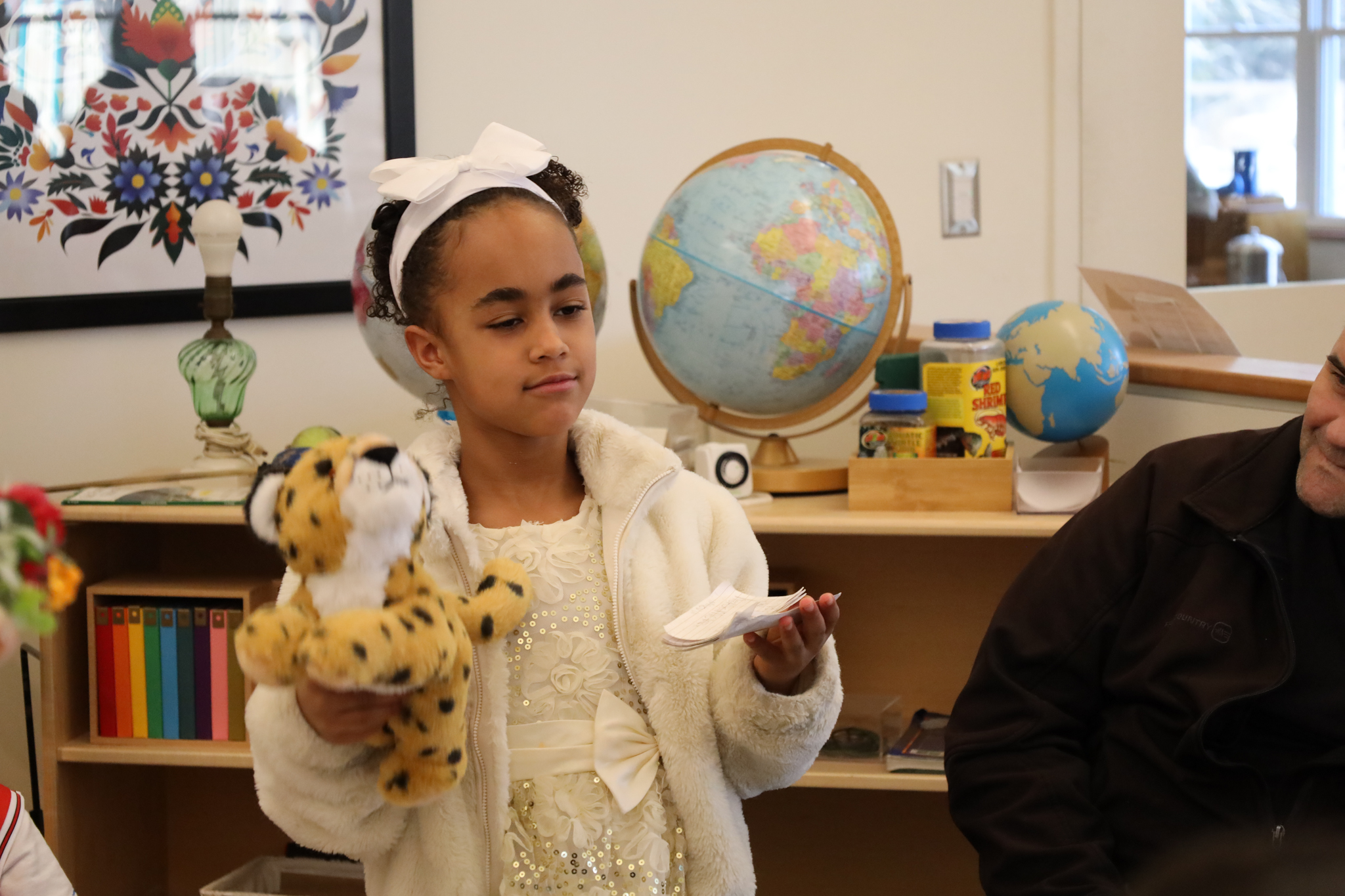
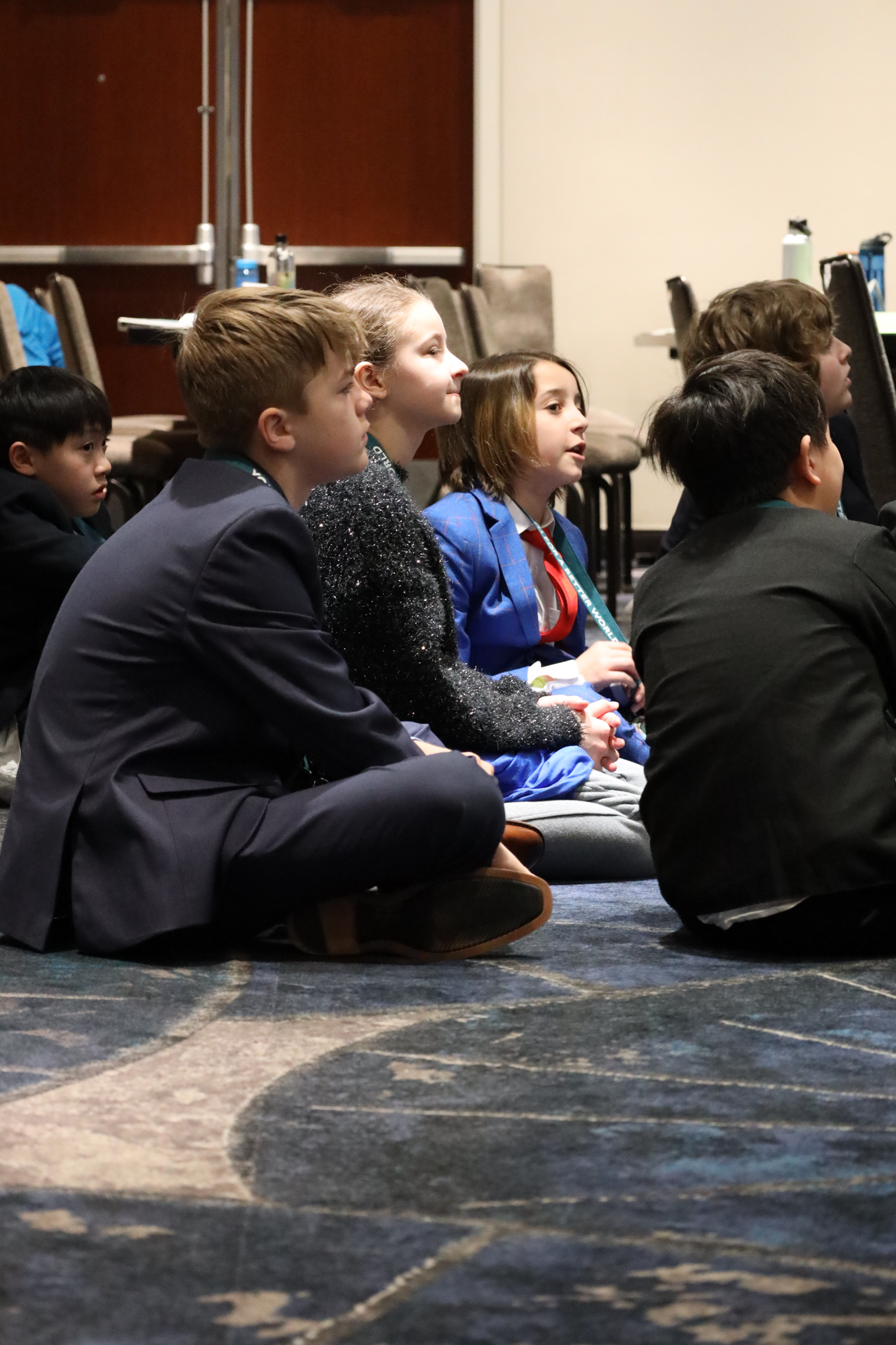
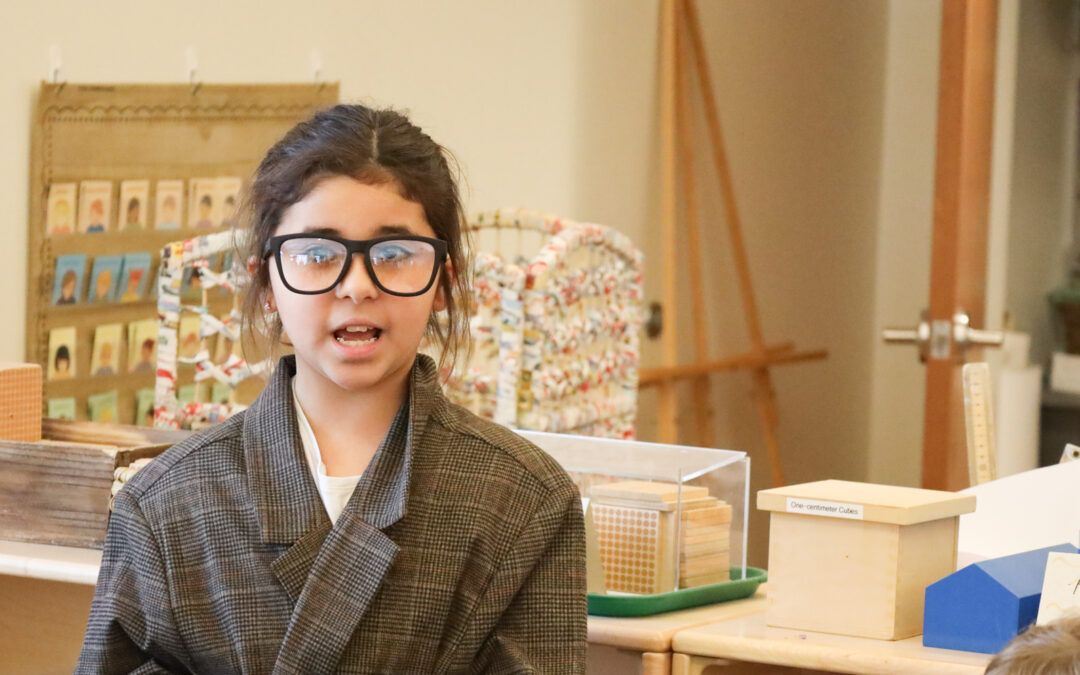
Our Redbud Lower Elementary class celebrated Black History Month with special Mystery History Presentations. They have been researching inspiring black leaders, advocates, and public figures. They then created presentations, and families had to guess the “mystery” speaker. We had the pleasure to hear from Ruby Bridges, Barrack Obama, Michael Jordan, Harriet Tubman, Jackie Robinson, Ray Charles, and many more.

Elementary Students Travel to New York for Model United Nations Conference

Elementary Students Travel to New York for Model United Nations Conference

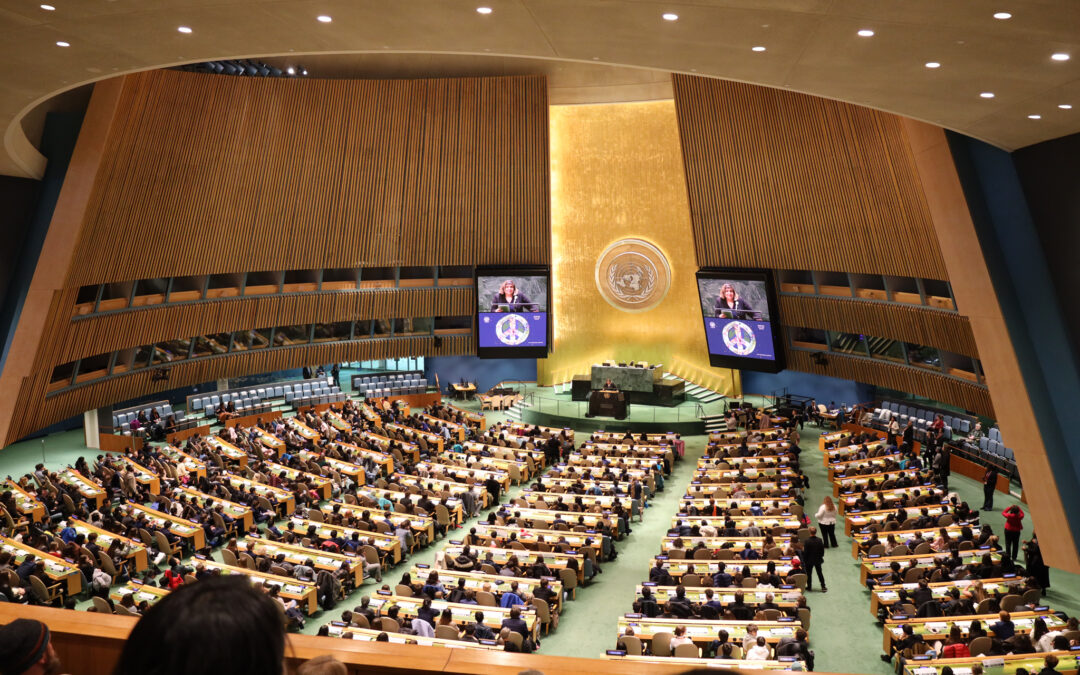
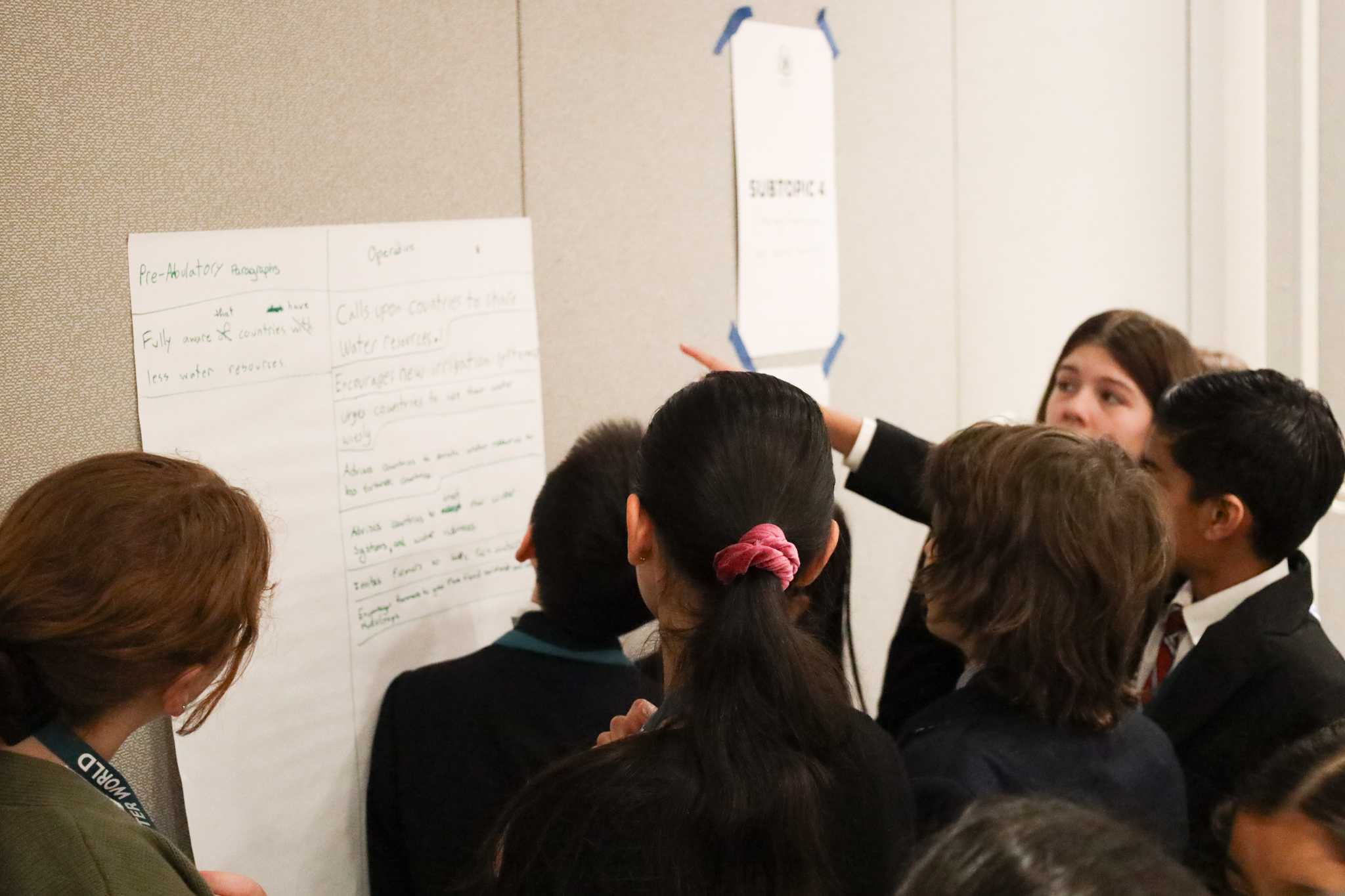
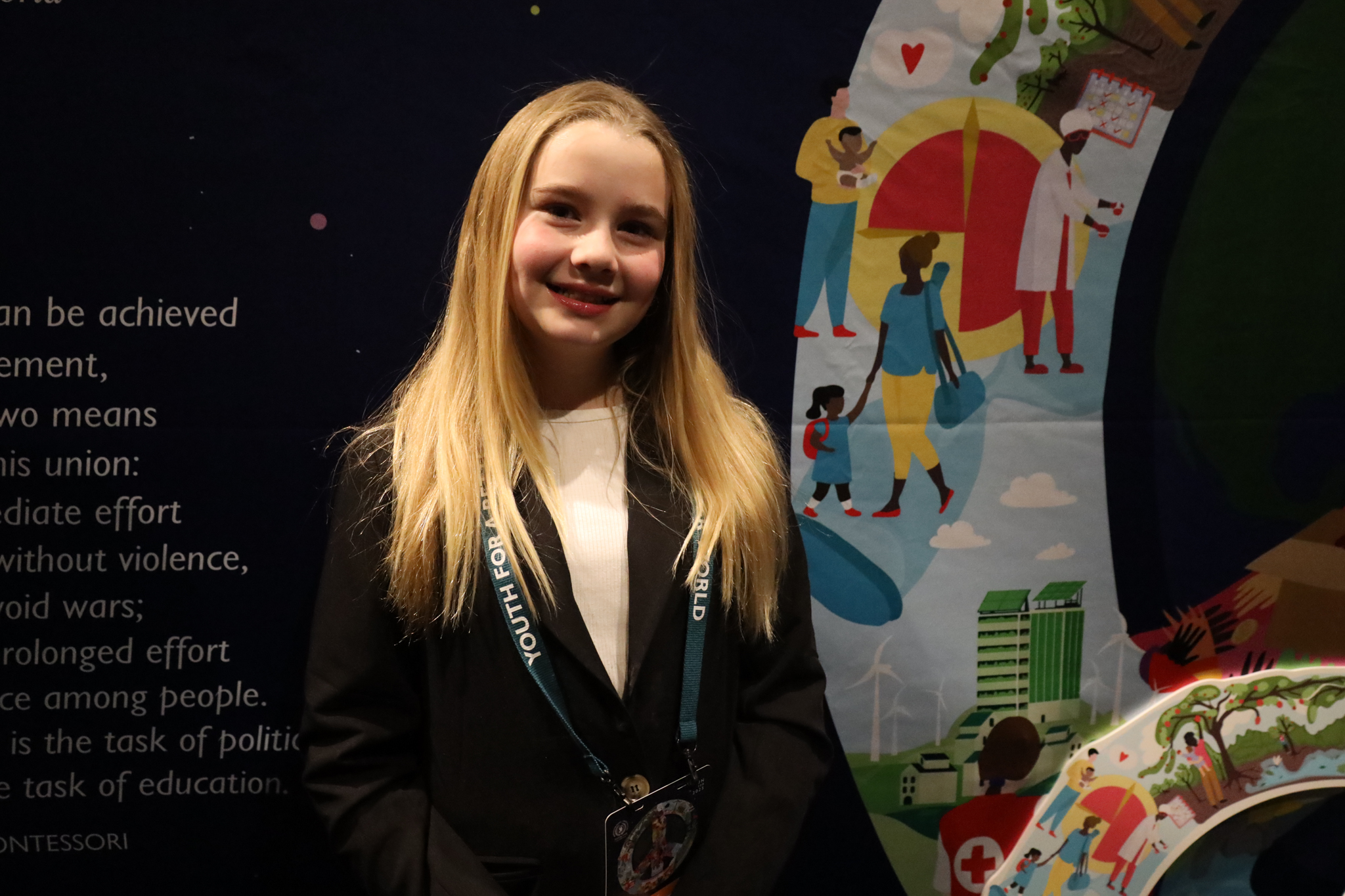
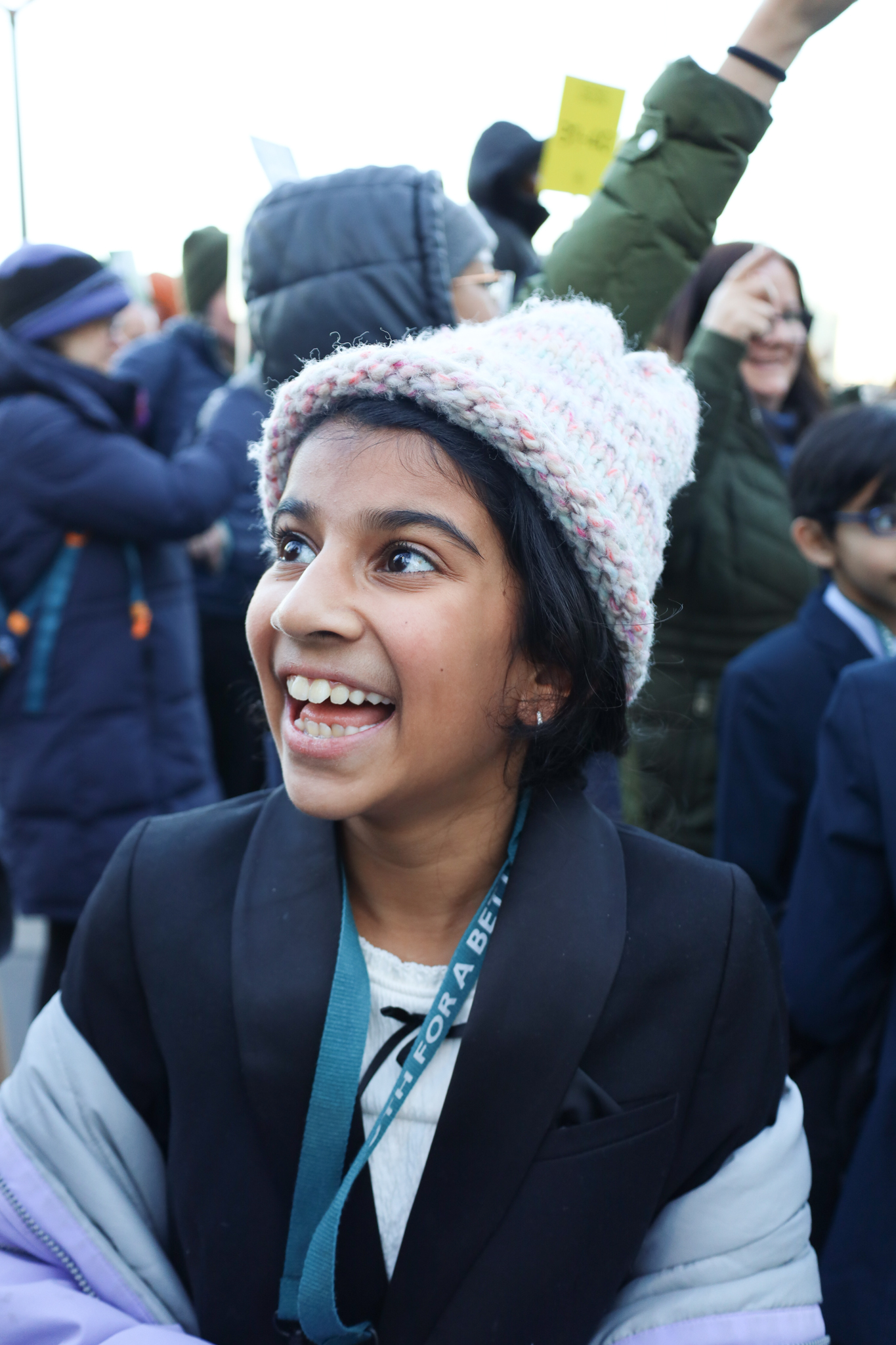
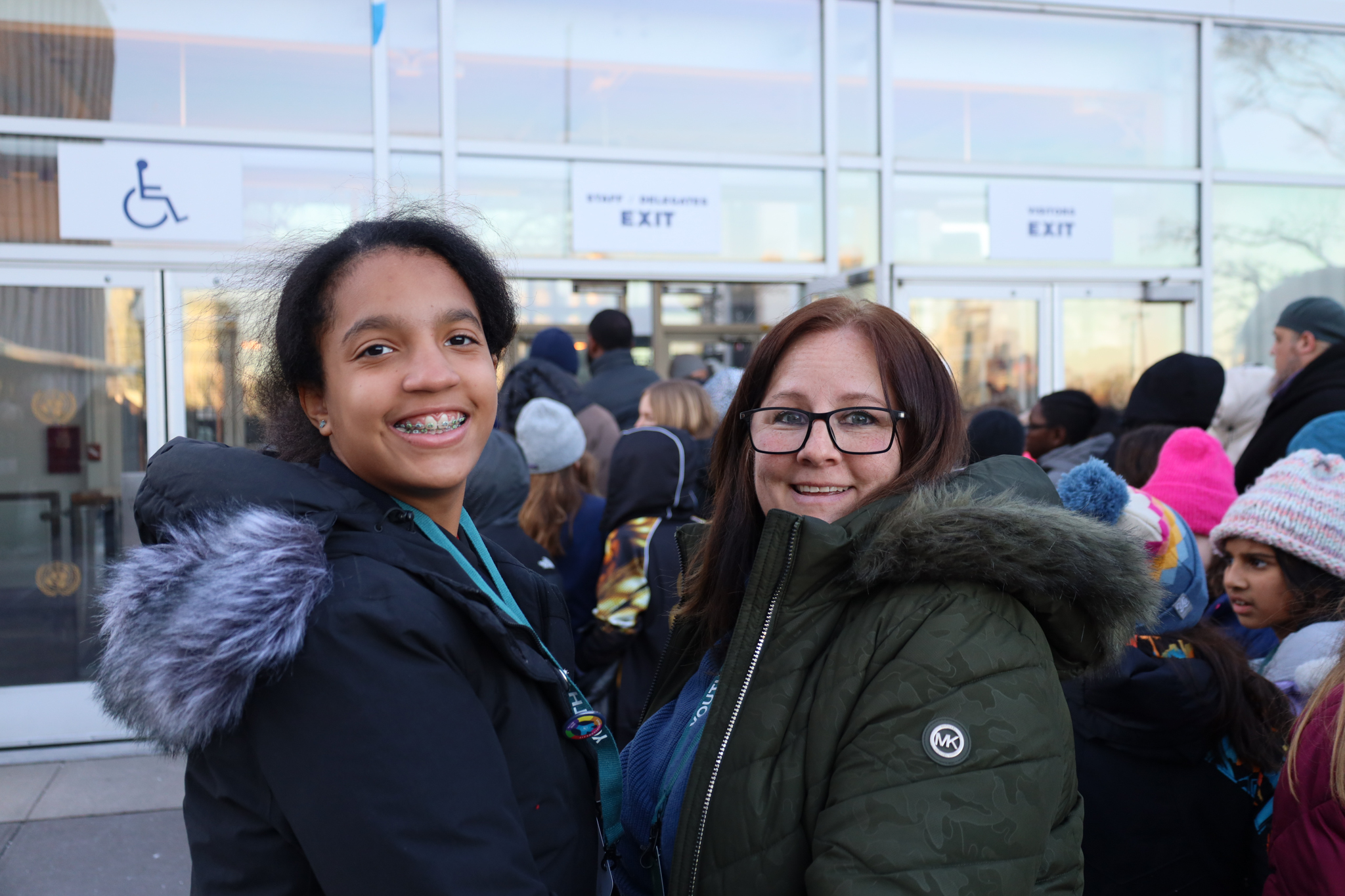
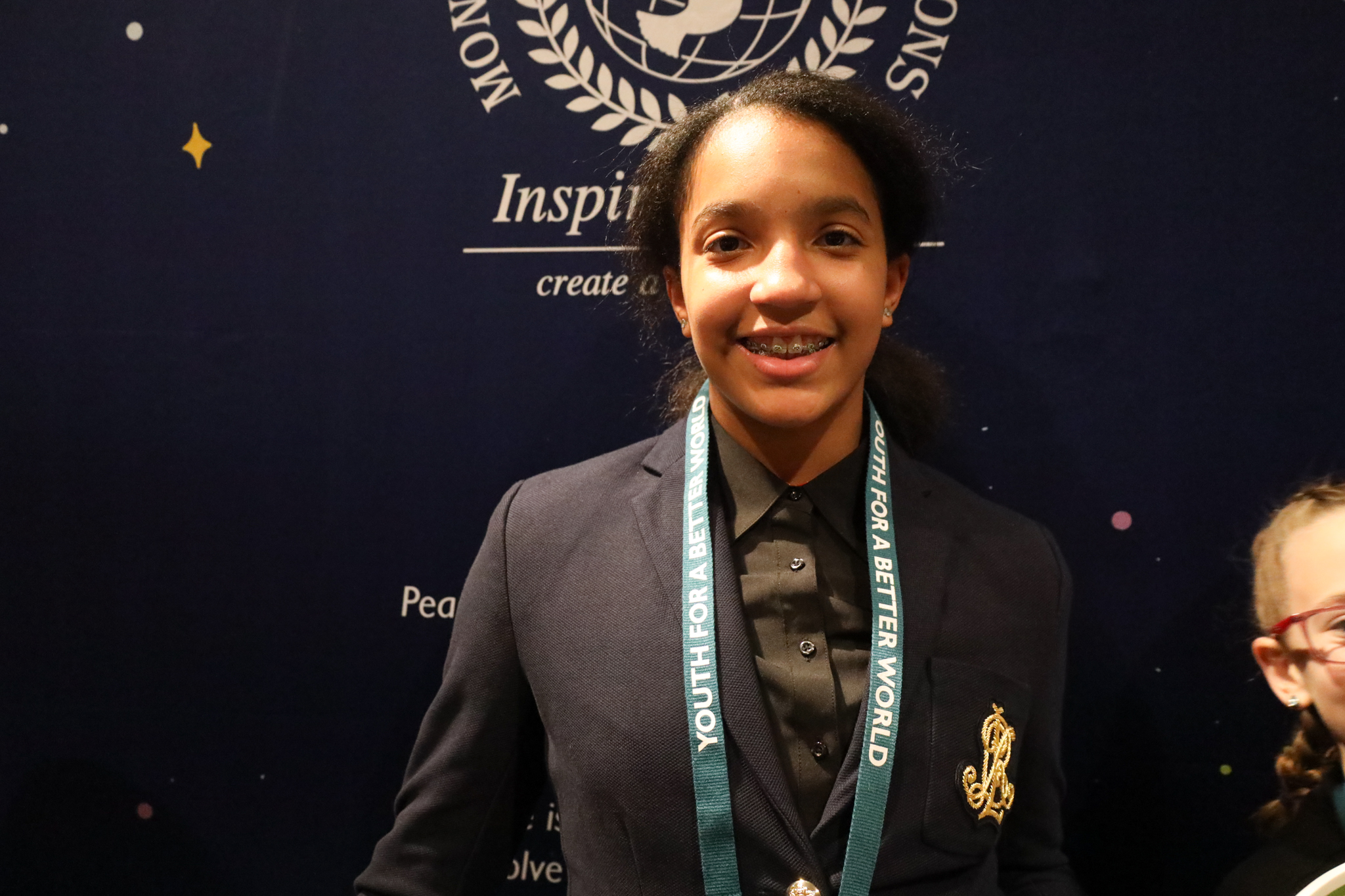
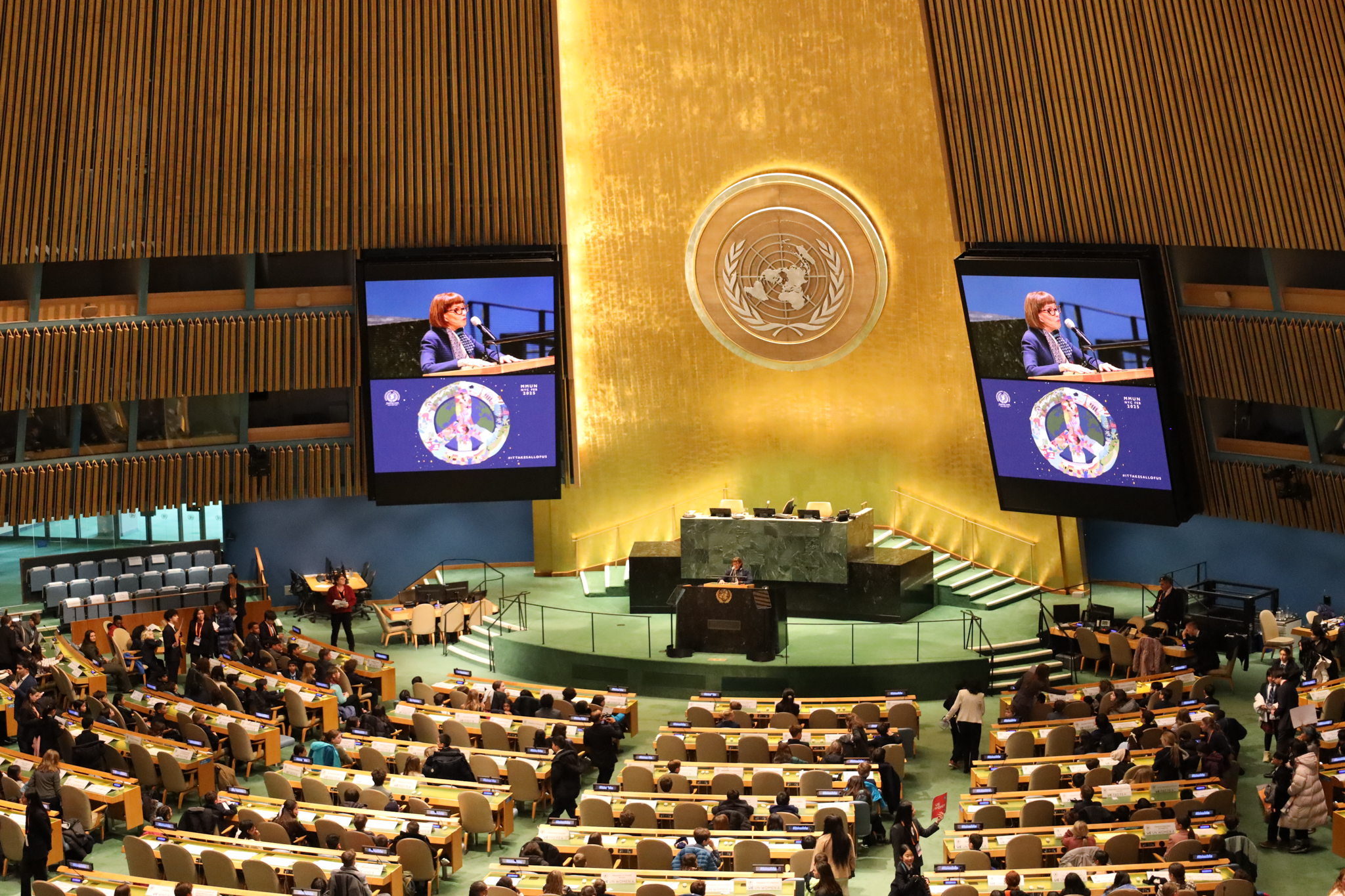
In February our Upper Elementary students visited New York for the Montessori Model United Nations Conference. They have worked so hard this year to represent United Nations topics for Uruguay, Croatia, and United Arab Emirates.

What is Montessori Model United Nations?

Upper Elementary students in fifth and sixth grade participate in the Montessori Model United Nations (MMUN) as an After-School Program at Greenspring Montessori School. MMUN is an international group that seeks to empower young leaders through research, cultural studies, critical thinking, and problem-solving. MMUN works directly with the United Nations and implements elements of the Montessori Method to create an enriching experience for students and faculty.

Elementary students meet after school for months in preparation for the annual MMUN conference in New York City. The topics they researched ranged from food security and water scarcity to gender equity and disarmament. Students prepared a research paper and then drafted a one minute persuasive speech to present to other MMUN students from around the world. 

They learn together the need for peace and lasting conflict resolution, skills that will follow them through life.

Click here to learn more about our Elementary Program and here to learn more about Montessori Model United Nations.

Adolescents Present to Maryland Lawmakers at Lobby Day

Adolescents Present to Maryland Lawmakers at Lobby Day

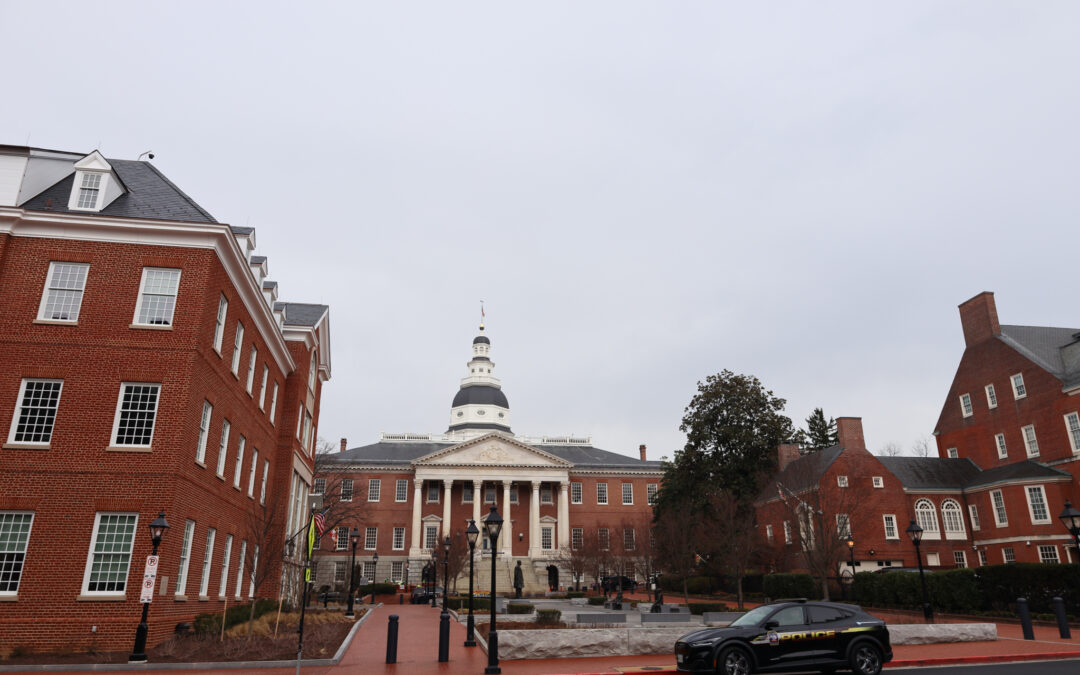
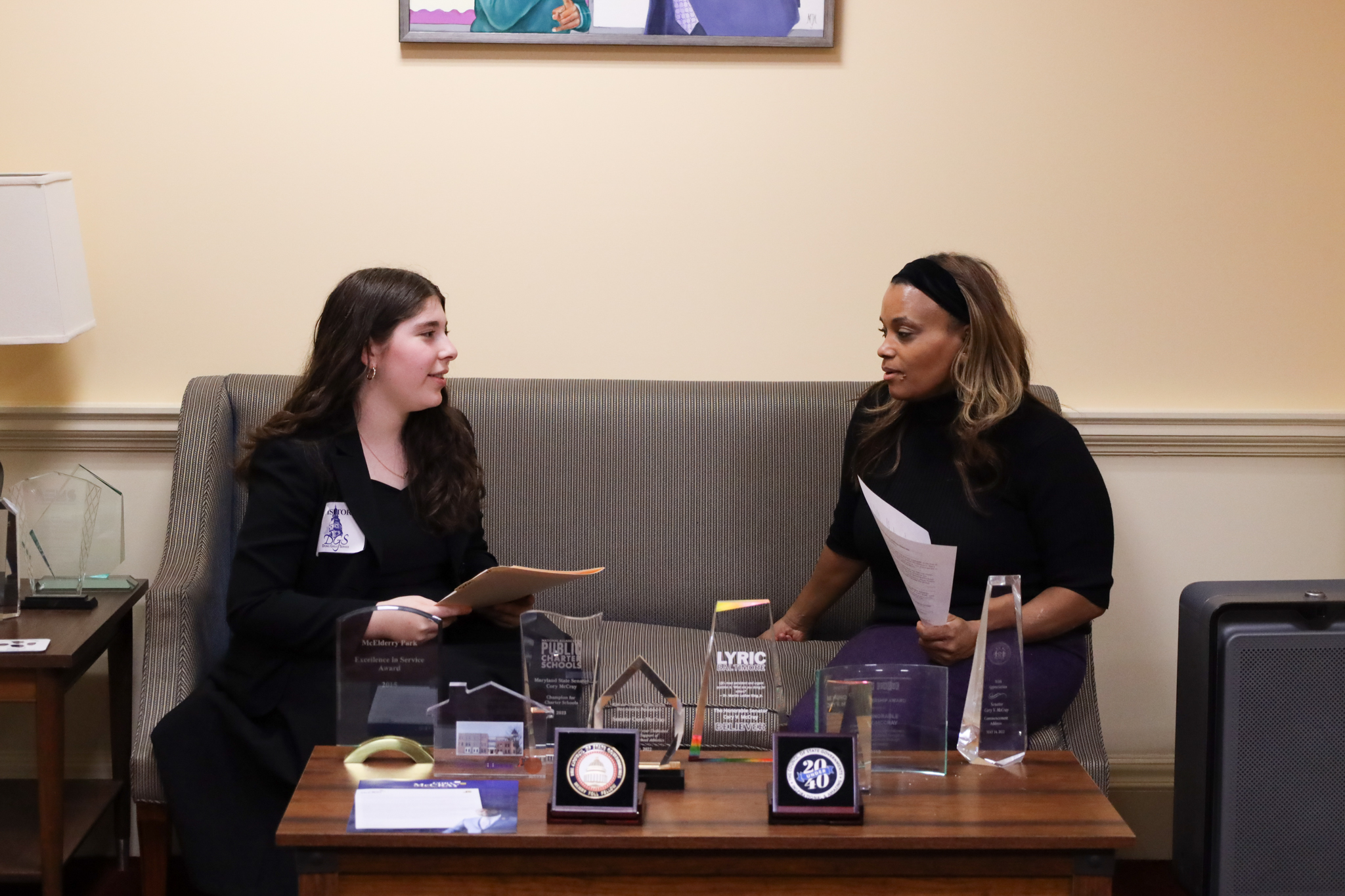
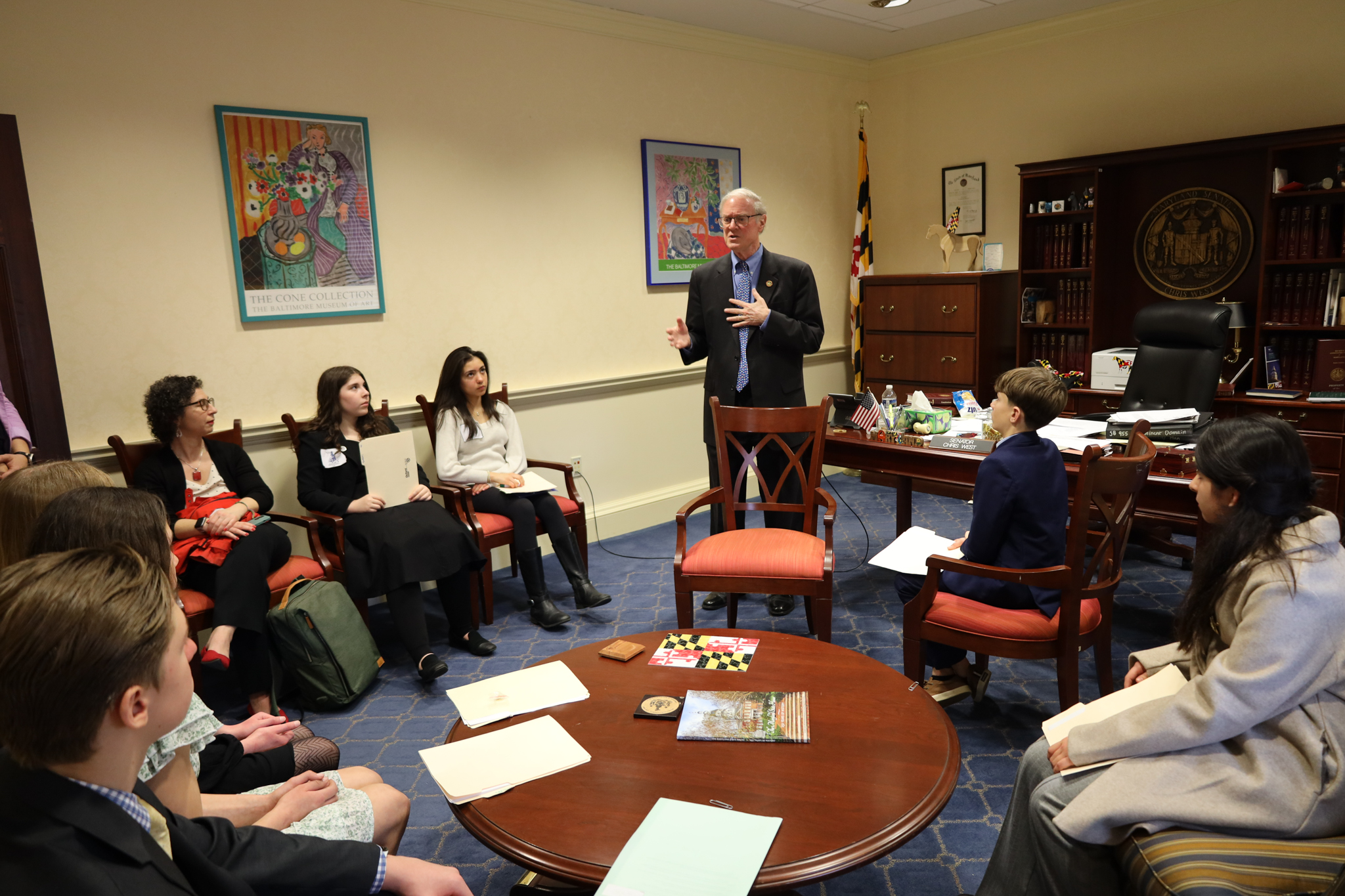
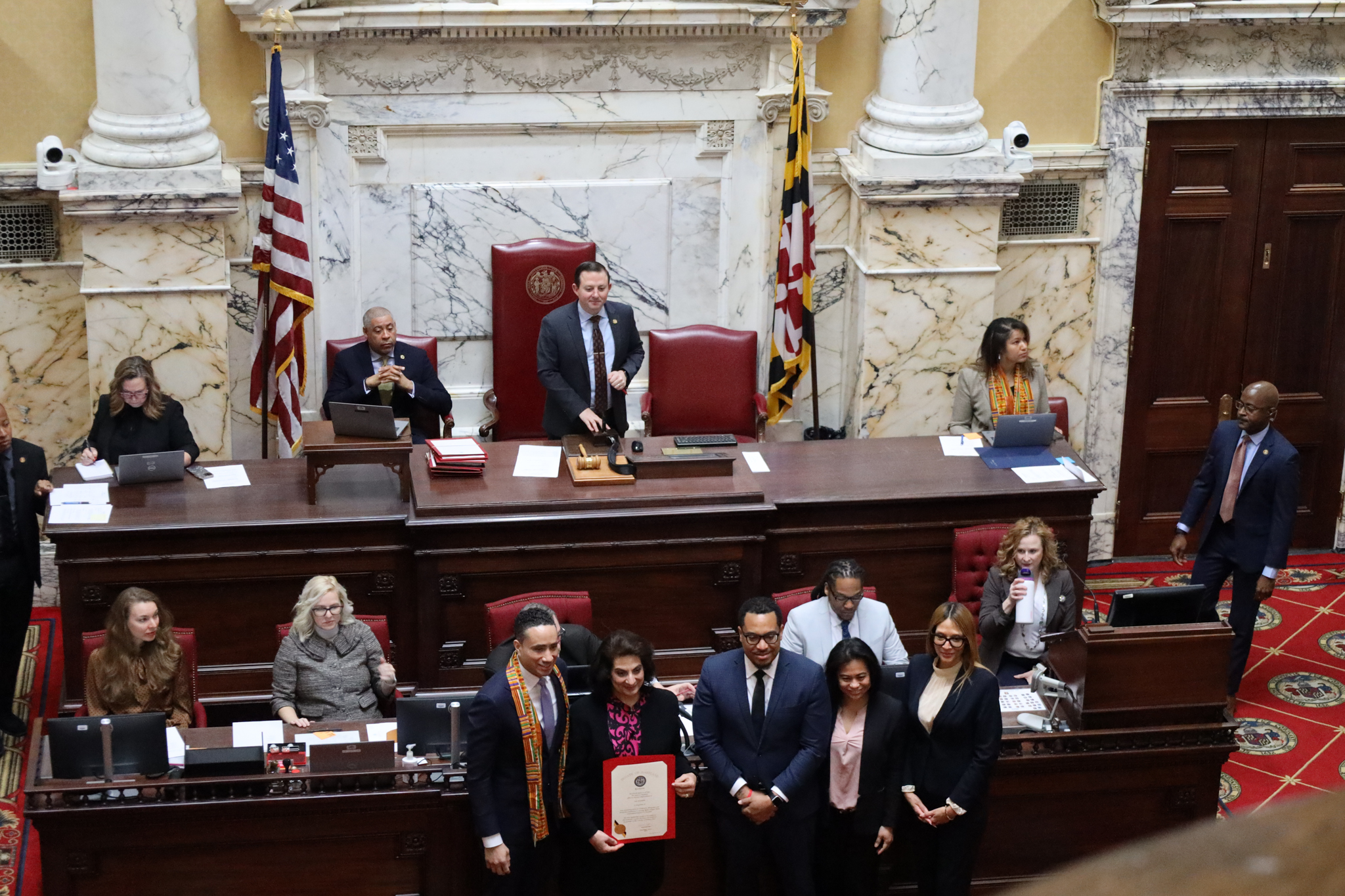
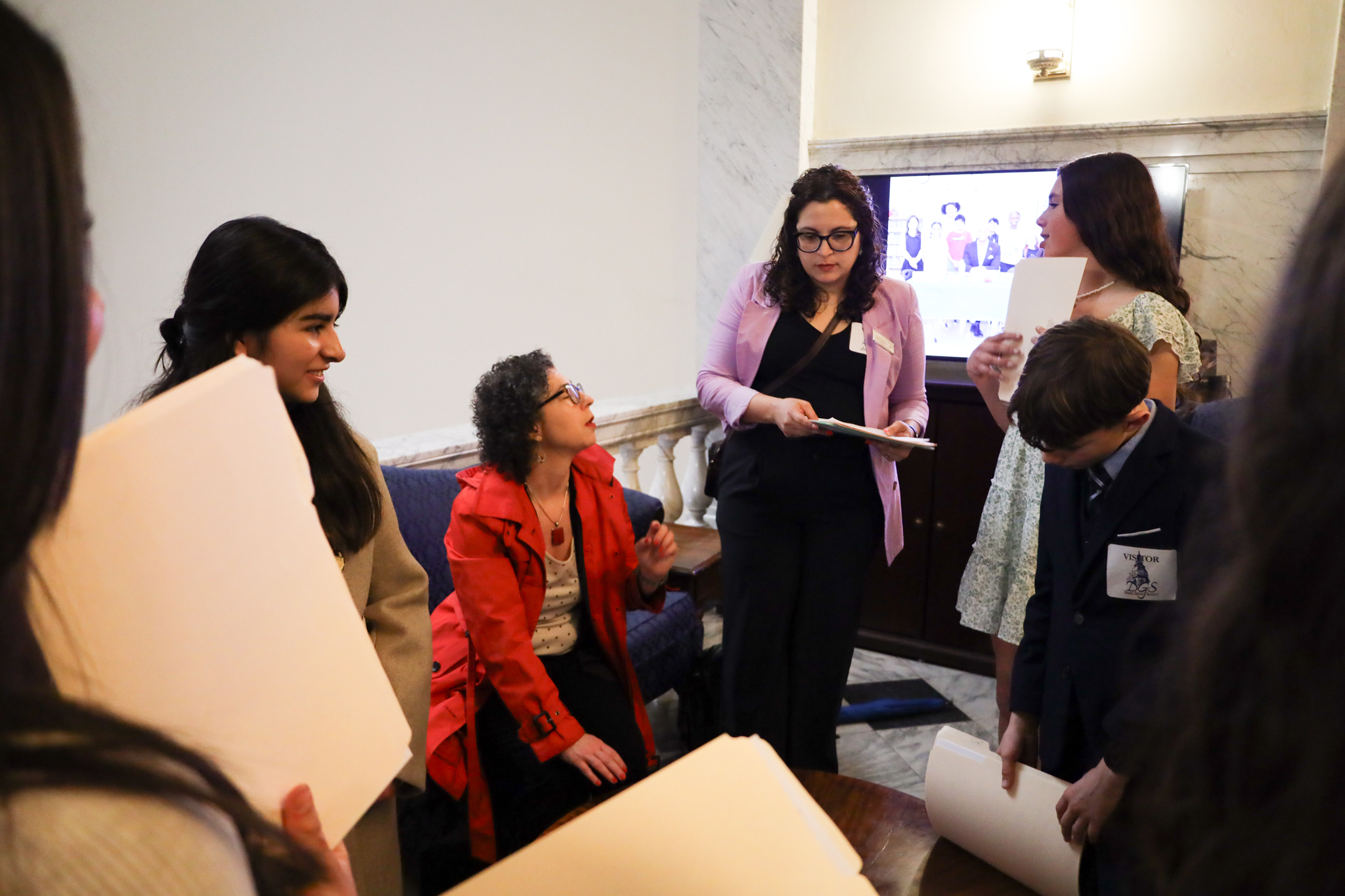
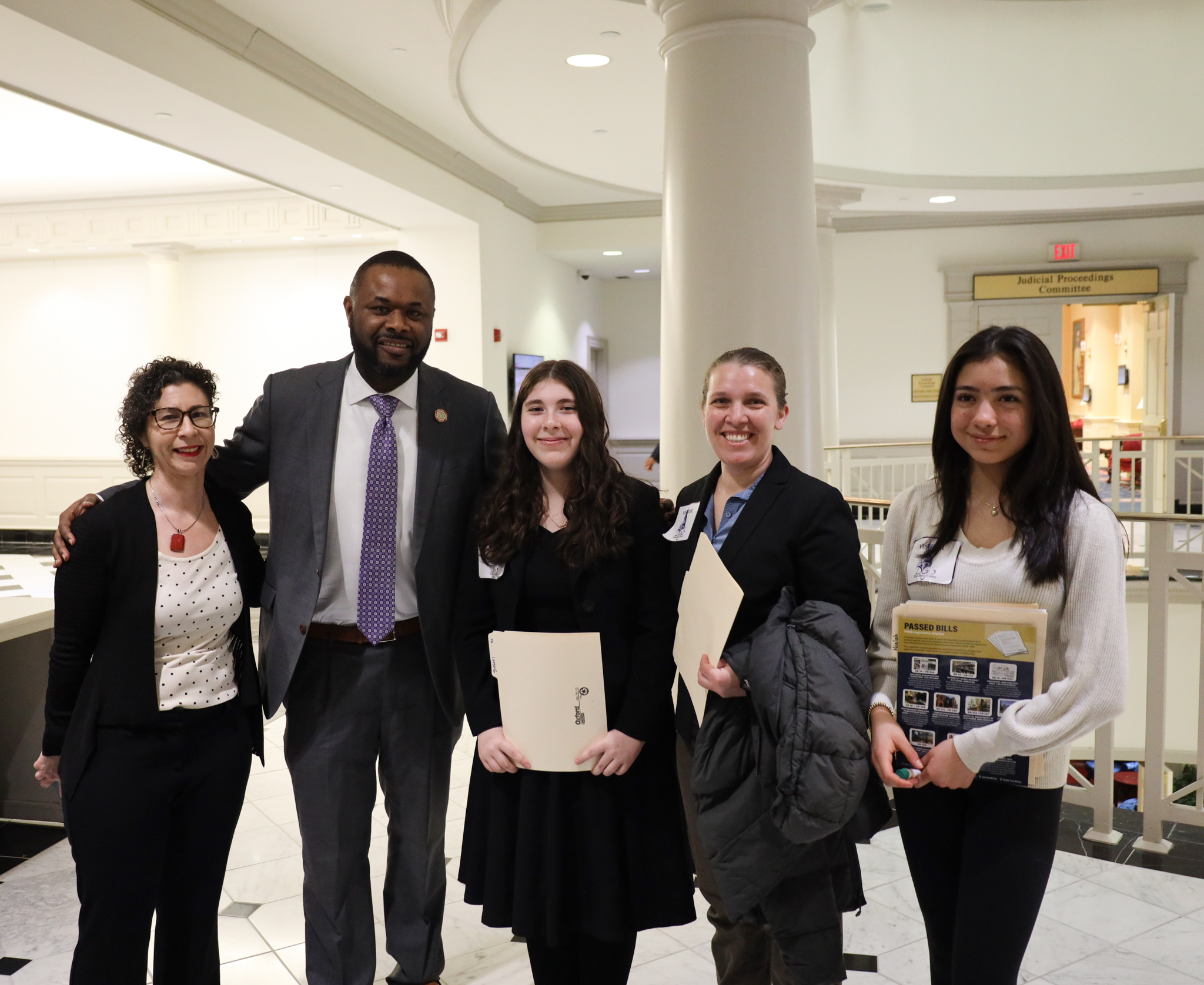
Our Adolescents visited the Maryland State House in Annapolis for Lobby Day where they presented to legislators on upcoming bills. Their bills included restorative practices in schools, animal rights laws, paid leave for parents, water bottle refill stations in Baltimore City, funding for the 988 hotline, youth sports safety commission, porch piracy laws, and prescription coverage for workers’ compensation. ⁠

Thank you to the delegates, senators, and staffers who shared their time with our Greenspring students. And a special thanks to Greenspring parent, Jen Brock, for volunteering your time to support our students in this important work.

The Importance of the Three-Year Cycle in Children’s House

The Importance of the Three-Year Cycle in Children’s House

Montessori classrooms are designed as a three-year cycle; the mixed-age grouping is very intentional. Dr. Montessori studied how children move through cycles of development, building upon that which came before.

The Children’s House years can be broken down into the following structure for many children:

First Year of Children’s House – from age 3 to 4

  • Learning routines; learning to be part of a community
  • Building a work cycle; growing in concentration; increasing in independence
  • Attention is largely inward; self-focused
  • Looking up to older peers, as one would an older sibling
  • Learning through hands-on experiences and observation

Second Year of Children’s House – from age 4 to 5

  • Building foundational skills; period of academic rigor
  • Learning to organize and create order
  • Strengthening bonds with peers; can both serve as a mentor and receive guidance
  • Learning through experimentation and observation
  • Building confidence

Third Year of Children’s House (kindergarten) – from age 5 to 6

  • Practicing, refining, and mastering; skills are put to use with “big work”
  • Leading in the classroom and among peers
  • Managing work choices and self-reflecting
  • Developing strong peer bonds, relating comfortably to teachers and adults
  • Turning outwards, confidence soars!
  • Developing interest in and begins to understand larger matters relating to our world
  • Learning through teaching, experiencing, reflecting, and talking — lots of talking!

Strong Foundations
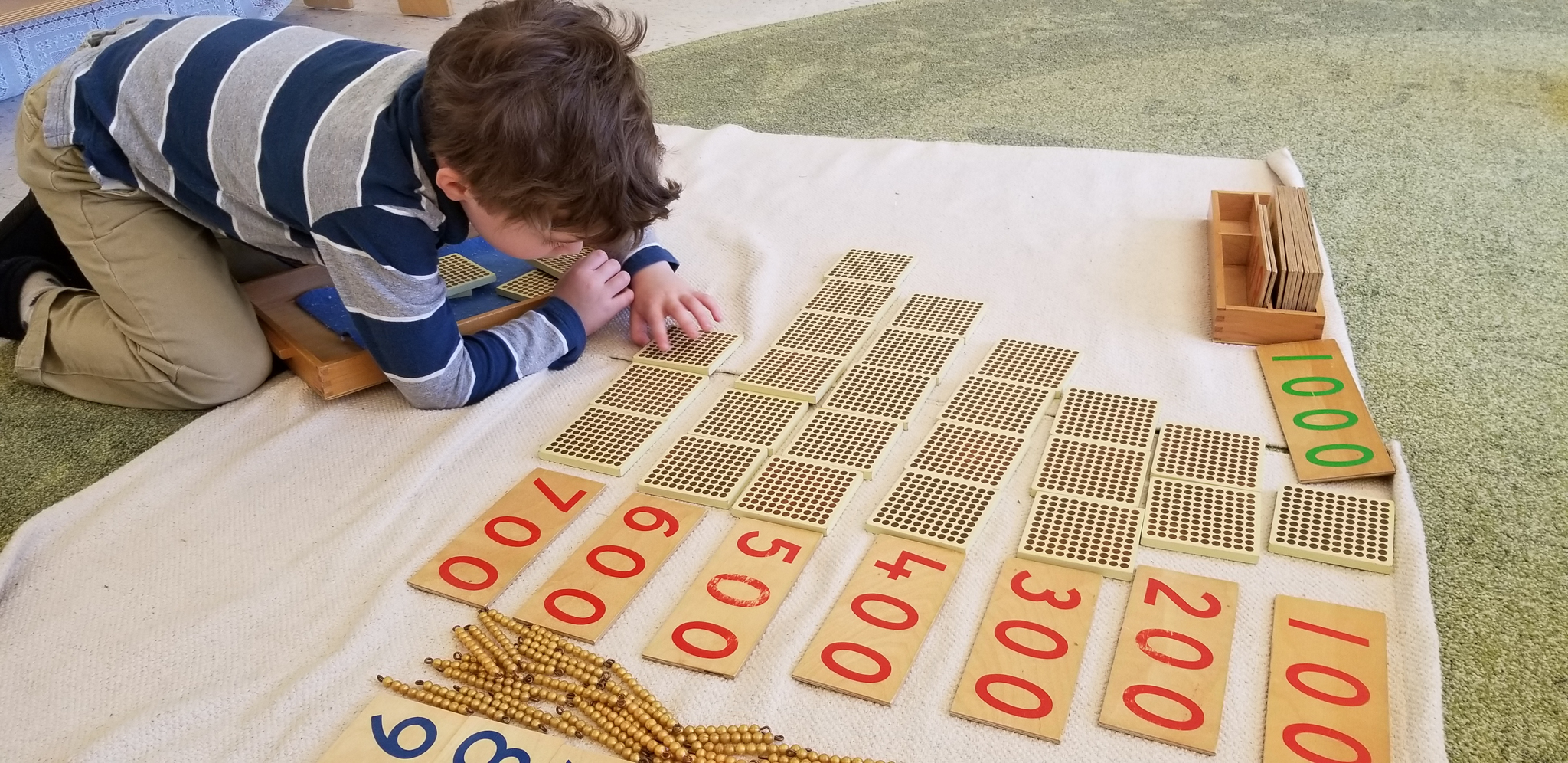
Much of the exercises in the beginning not only help the child achieve a direct, immediate goal, but also serve an indirect purpose of laying the foundation for future work and learning. For example, the math material is a series of exercises that guides the child starting with the most concrete and basic introduction to numbers and quantity. Over the following three years, the lessons build upon themselves, adding layers and moving toward abstraction. This concrete understanding of mathematical concepts builds until the child is eventually able to add, subtract, multiply, and divide — with a deeply ingrained understanding of what those operations mean — using only pencil, paper, and their internal processing.

Social Development
Each child benefits from being exposed to those who are older, and younger, than they are. Younger children quickly learn how to behave from watching the older children as role models. They also see the older children working on the more advanced material, which piques their interest and curiosity. The older children, in turn, benefit from being mentors to the younger ones. One of the best ways to internalize knowledge is to explain it to others, and often an older child will help teach certain concepts to a younger child. These opportunities help the child build confidence and self-esteem.

It All Comes Together
Montessori is a sequential program that moves from concrete to abstract; from simple to complex. This can most easily be seen in the math and language materials, where a foundation is rst laid and then built upon, but it exists throughout the classroom. By the end of the third year of Children’s House (Kindergarten), it is not uncommon for children to be reading and doing complex math operations. They laid the foundation for this development with two years of counting, sorting, and hands-on experience with math: numerals, quantities, thousands, hundreds, tens, units, and more! Not to mention two years of sounds, letters, tracking from left to right (the entire classroom and all lessons are organized this way), and a language-rich environment. Practical Life activities (scrubbing, polishing, pouring, sewing) have instilled the importance of organization, completing multi-step activities, and attention to detail. And the Sensorial materials that have trained their eyes to discern slight variances in shape, color, size, texture, and even smell and sound. Science and Geography lessons and materials that provided a foundational understanding of our Earth and our natural world. Kindergarteners are enthusiastic writers, readers, animal lovers, passionate recyclers, math lovers, and budding scientists! They are ready to launch into the Elementary years with confidence and drive.

What’s New in Writers’ Workshop?

What’s New in Writers’ Workshop?

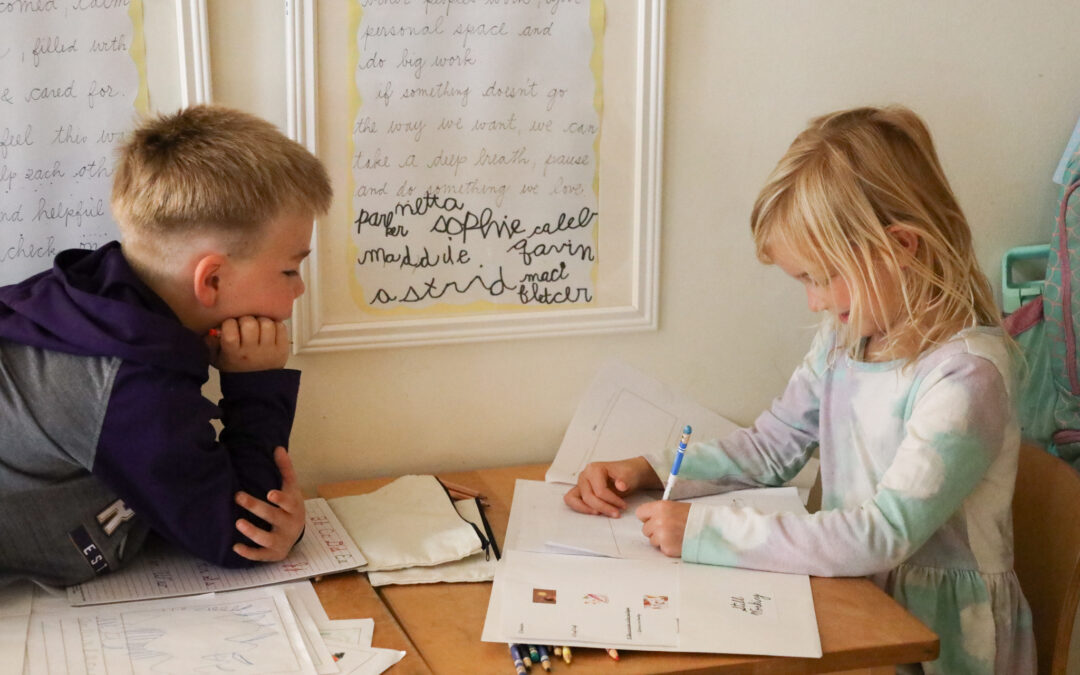
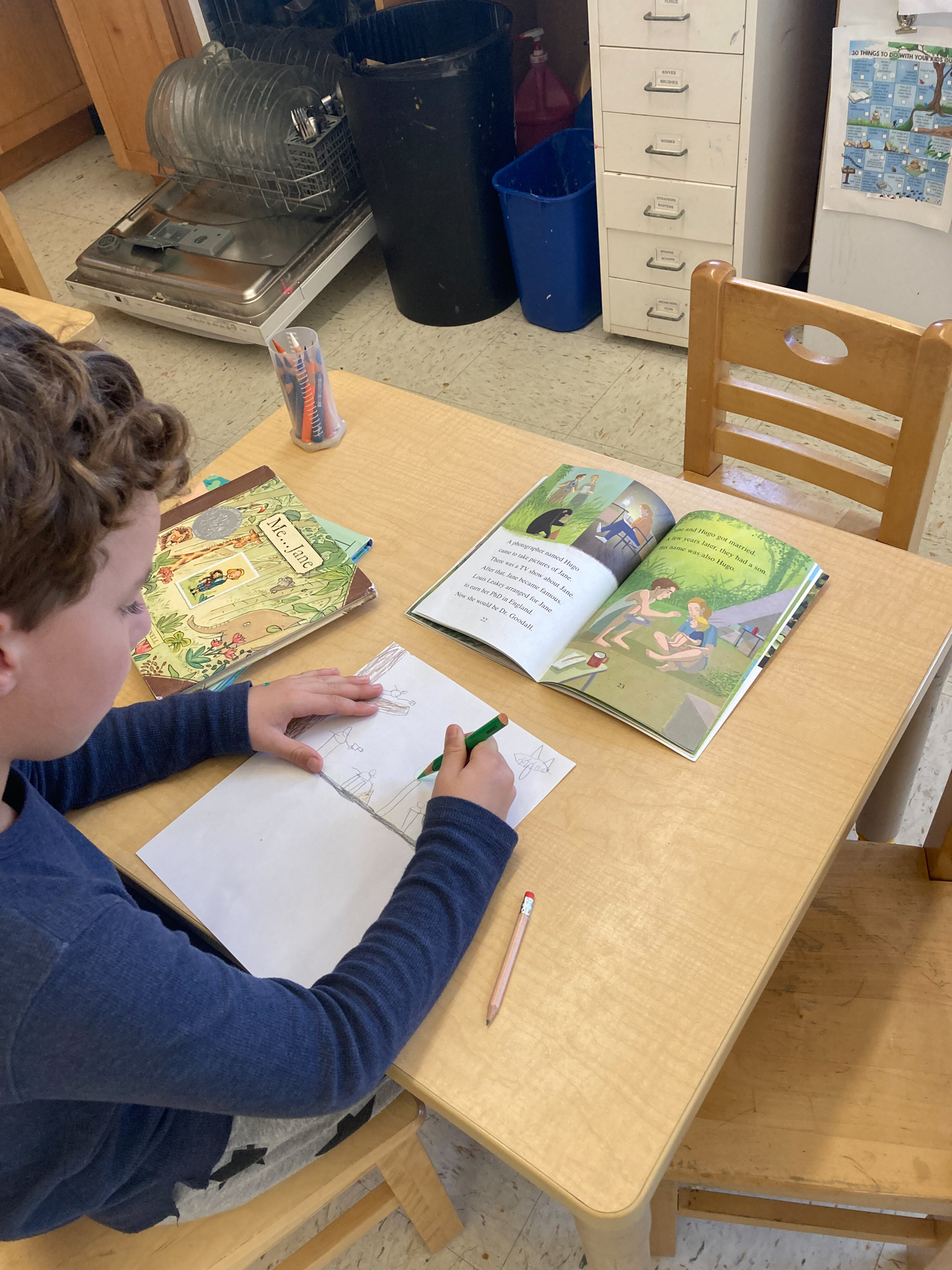
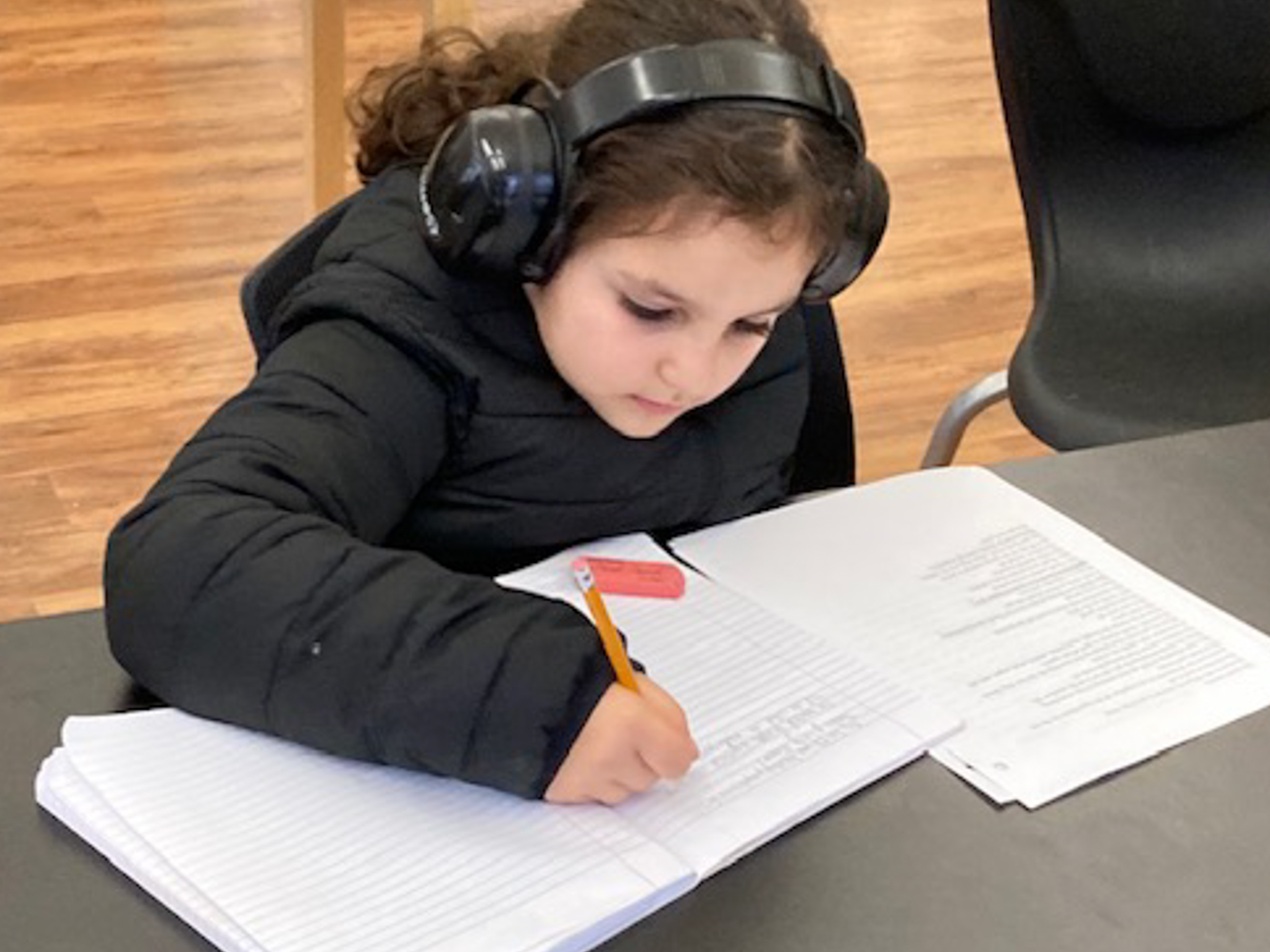
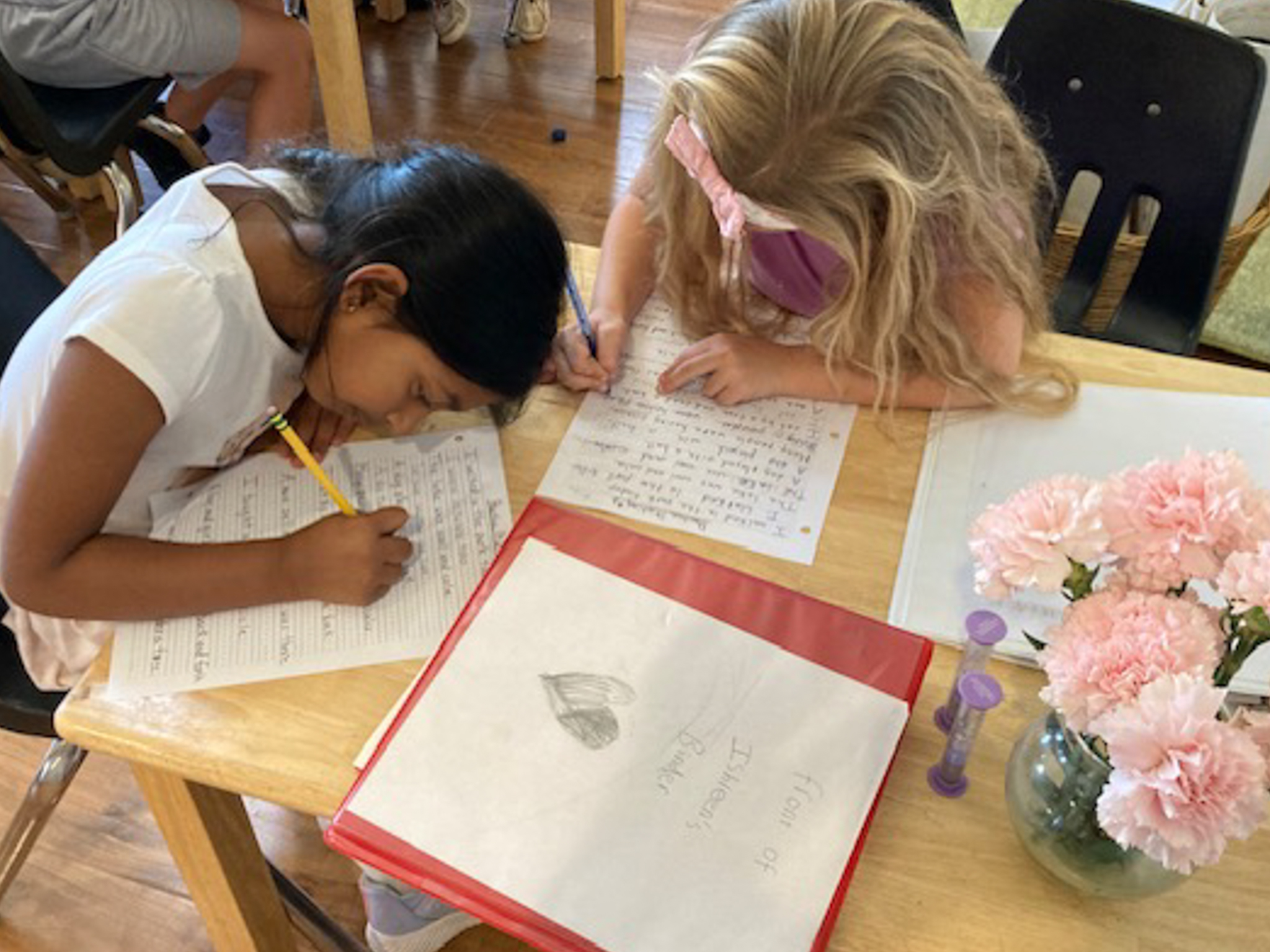
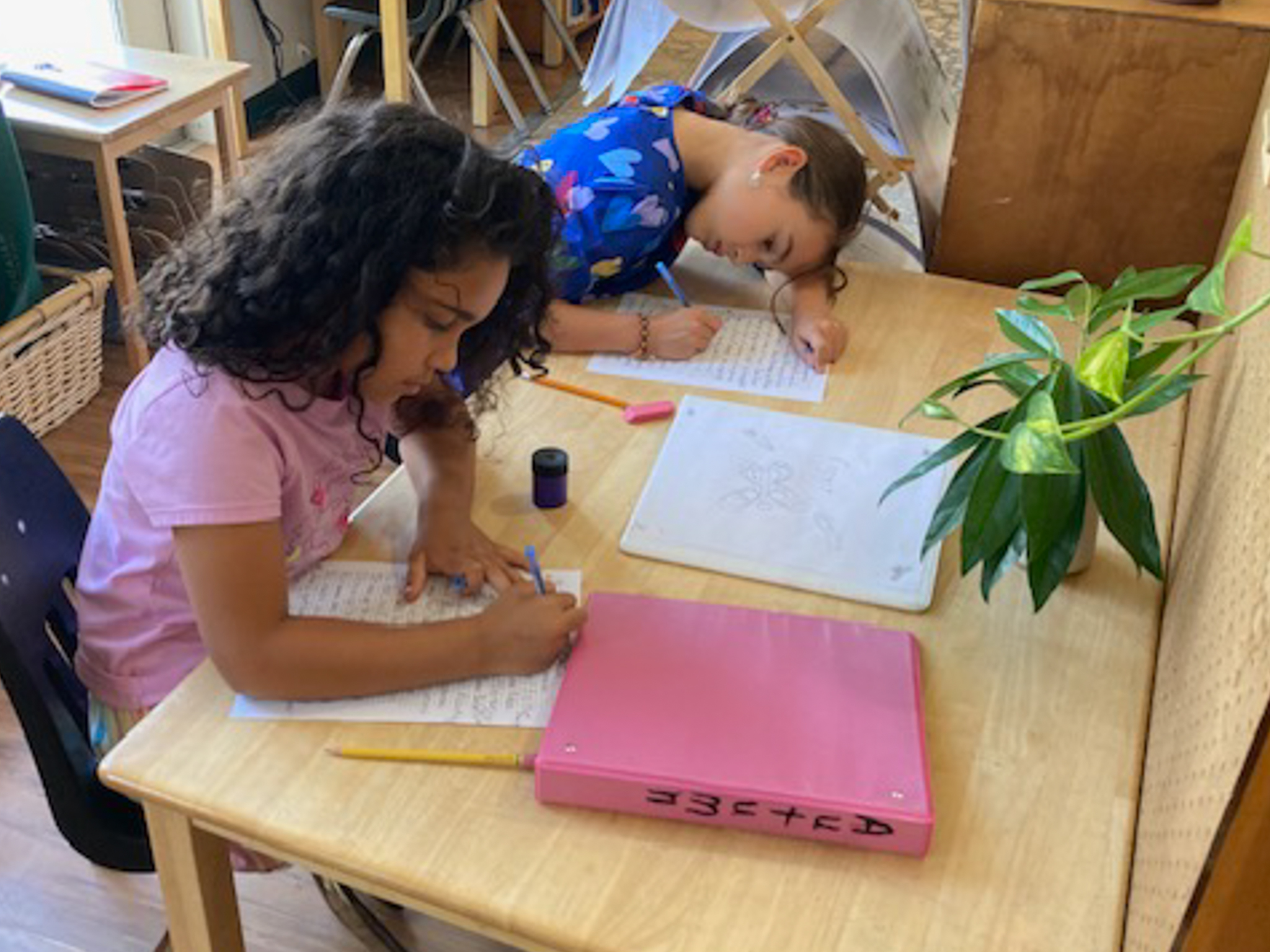
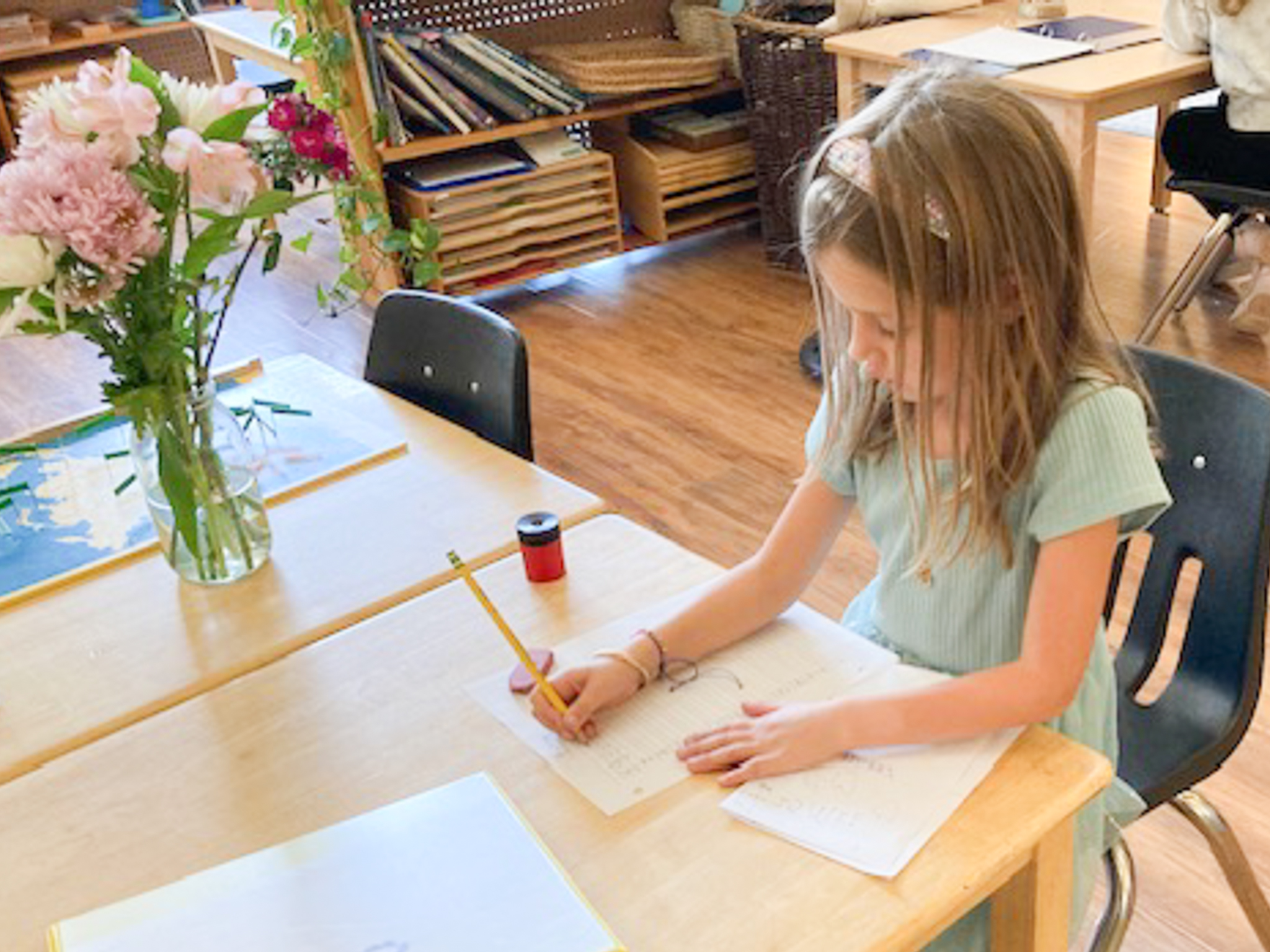
Writers’ Workshop is a program for our Children’s House Elders, and our Lower and Upper Elementary students, that supports their writing development. During weekly meetings, children receive lessons on the strategies of good writing. They practice writing narrative, persuasive, and informational pieces in real contexts, including nonfiction chapter books, persuasive letters, stories, poems, and more.

Children share and celebrate their written pieces with each other during each session. Children become familiar with and practice engaging in every step of the writing process: brainstorming, drafting, revising, editing, and publishing. They learn to give and receive peer feedback, as well as receive feedback from their Guide. The goal of Writers’ Workshop is to inspire, support, and enhance our young writers.

The model we are using is based on the work of Lucy Calkins and Columbia University’s Teachers College Reading and Writing Project.

Children’s House Writers’ Workshop

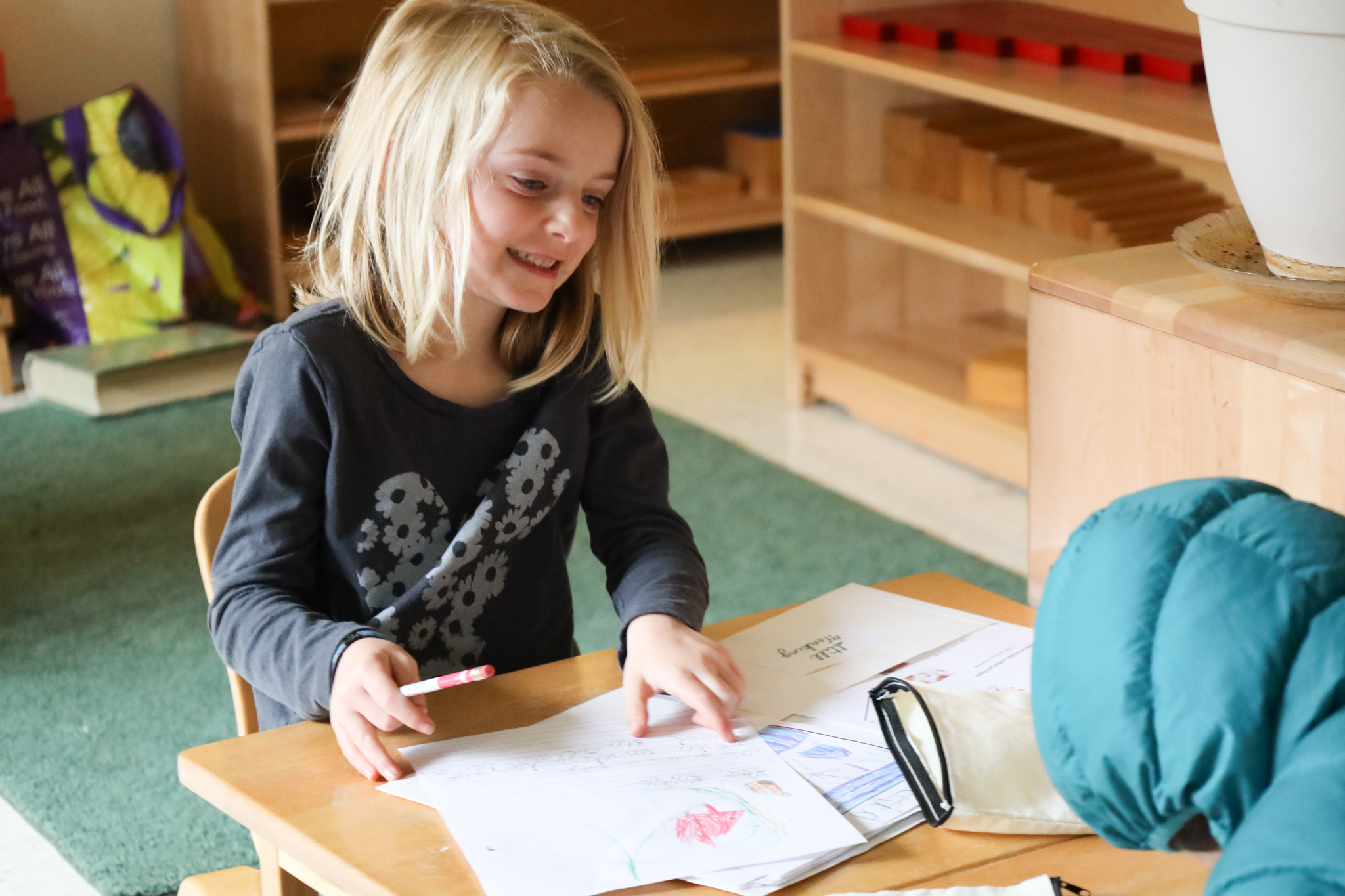
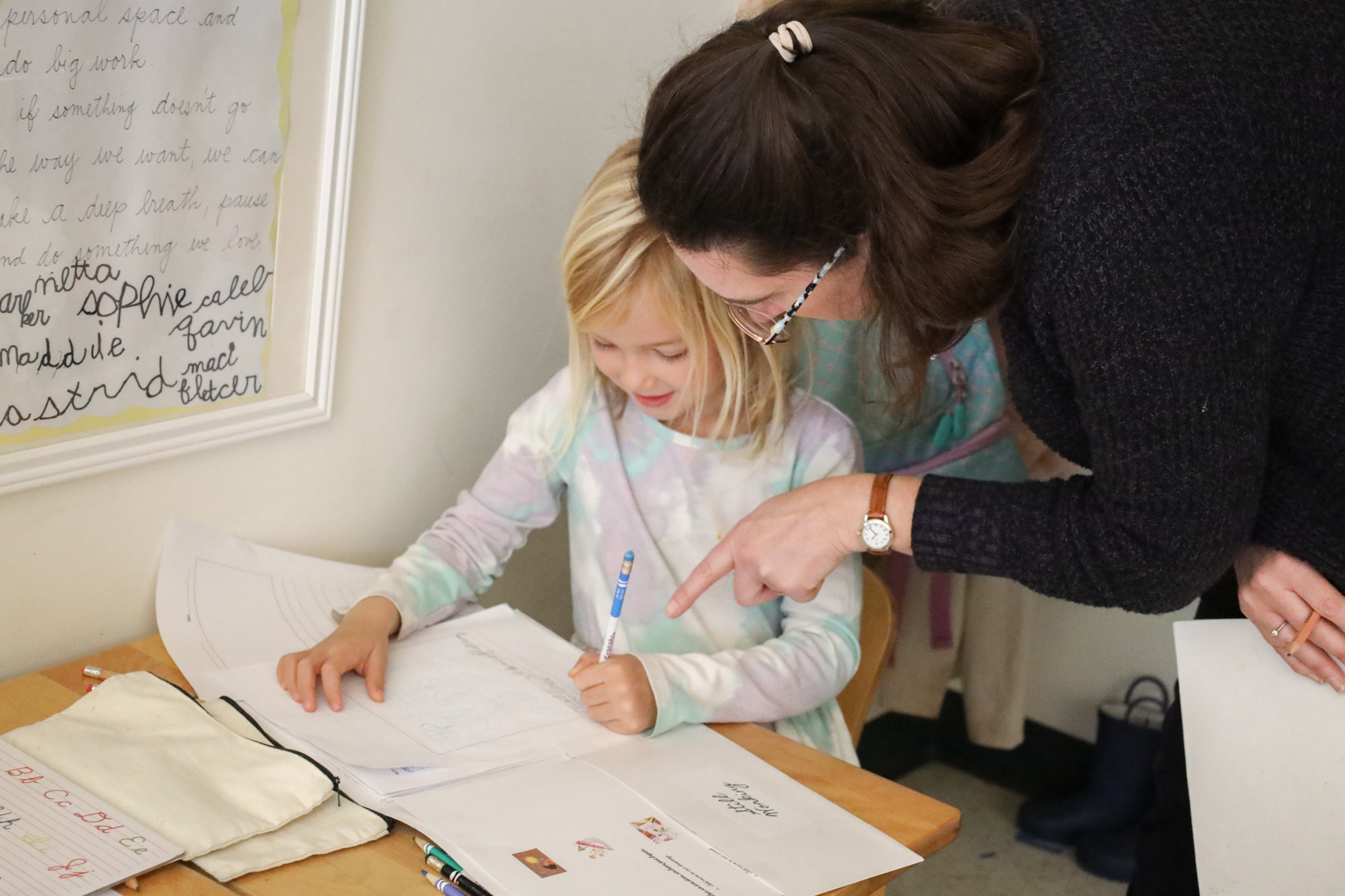
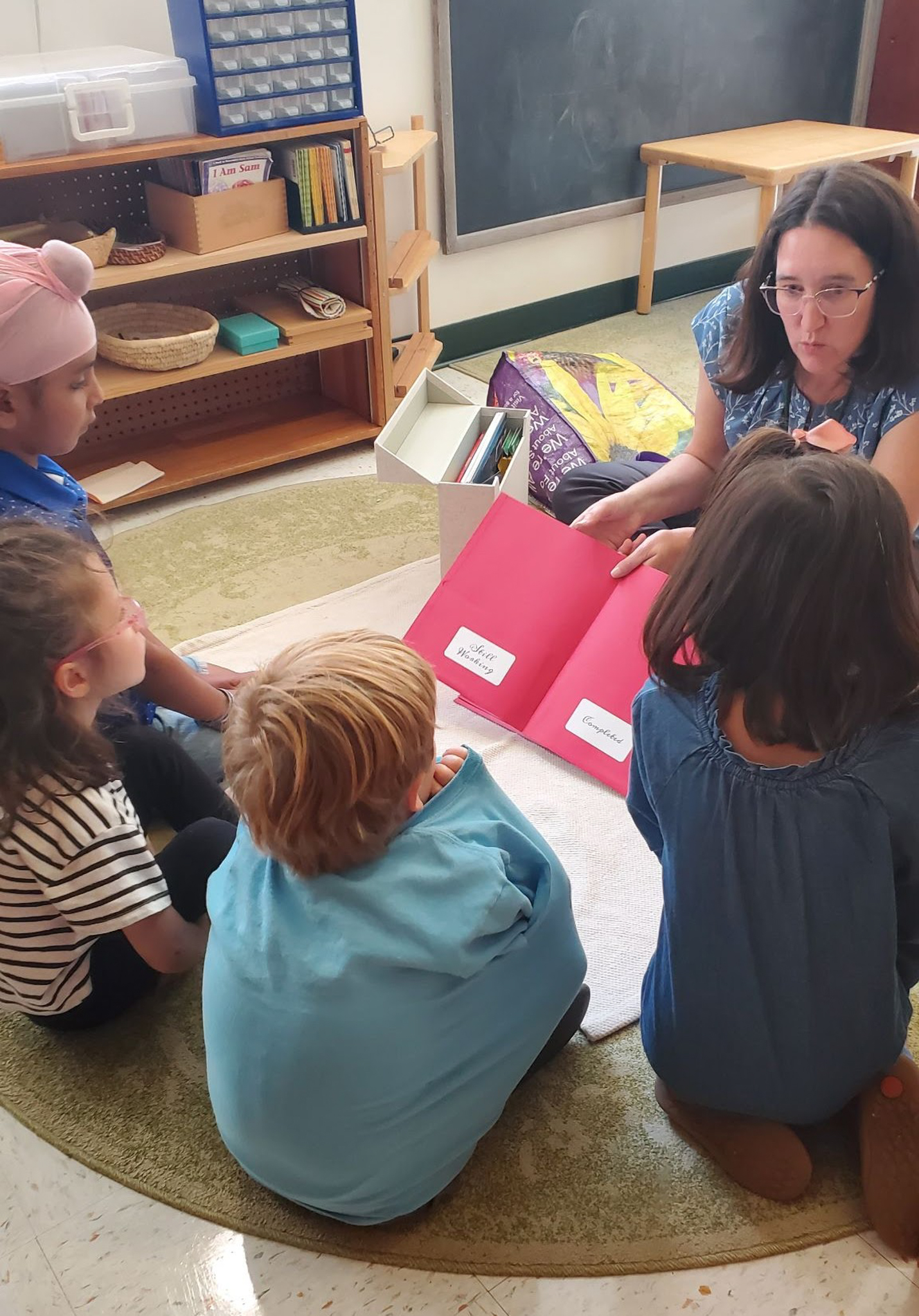
In Children’s House, our youngest writers are beginning to learn the foundations of writing practice. They have been focusing on adopting the identity and mindset of a writer and the students are excited as they prepare for an amazing milestone—publishing their own books! This rewarding experience will celebrate all their hard work, dedication, and creativity. Each student will take home their bound “published” book as Winter Break approaches. It’s a special keepsake highlighting their unique talents and will surely be a source of pride for them!

We have identified the following key  lessons and Steps of the Writing Process:

  • “We are all writers!” This is such a powerful message considering writing is very powerful and we are all capable!  
  • “Stories are everywhere”. This helps children to understand that 
  • “Envision” or “Mind’s eye”. This is the concept that we can see things in our mind’s eye even if the object is not in front of us.  We will practice this by envisioning one of the playgrounds in our mind’s eye and drawing a sketch of what that looks like to us and labeling specific things and people.
  • “Once we are done, we have just begun.” This process requires great patience, perseverance, and determination, which can be acquired through practicing this motto. 

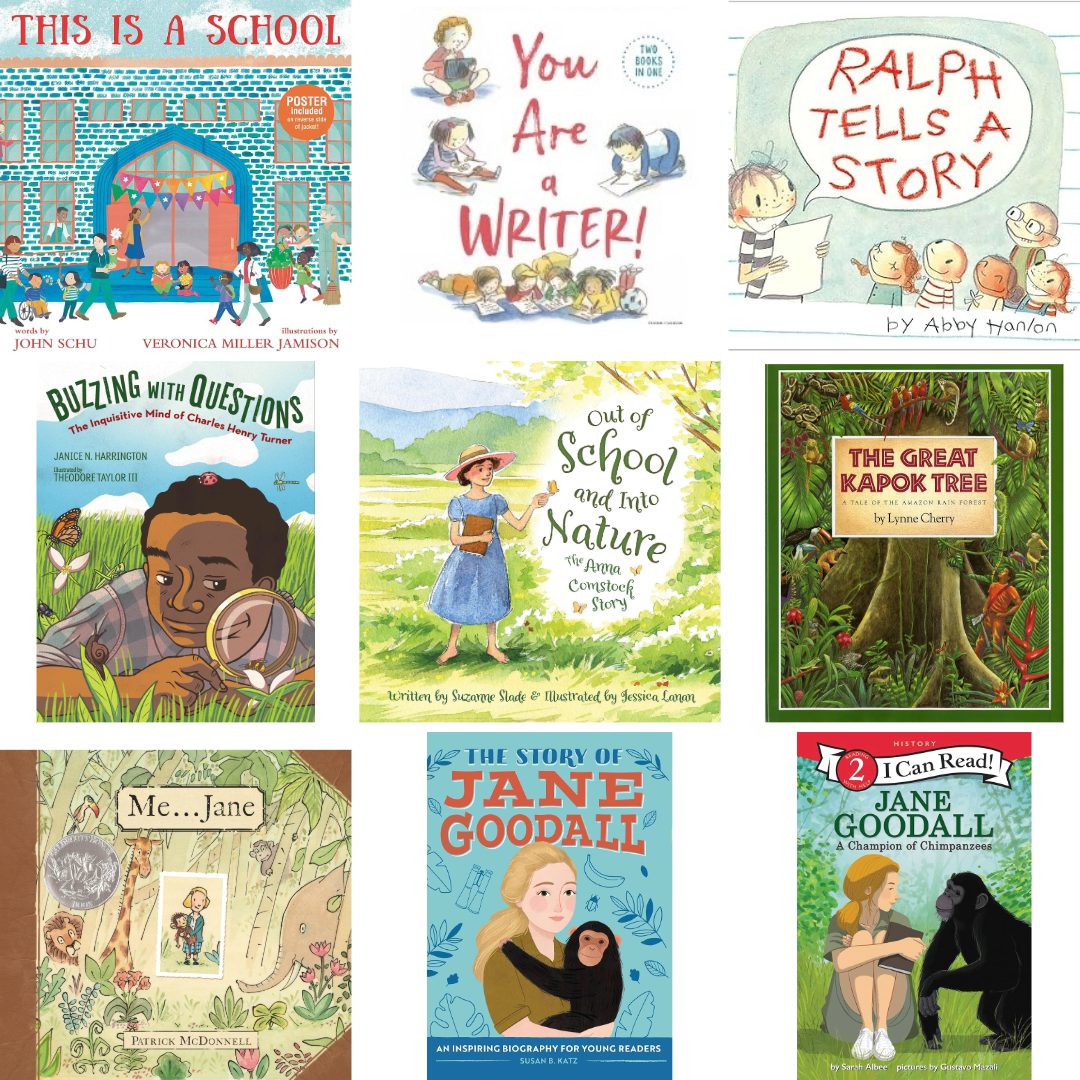
A few of the books the students have enjoyed this year include:

Lower Elementary Writers’ Workshop

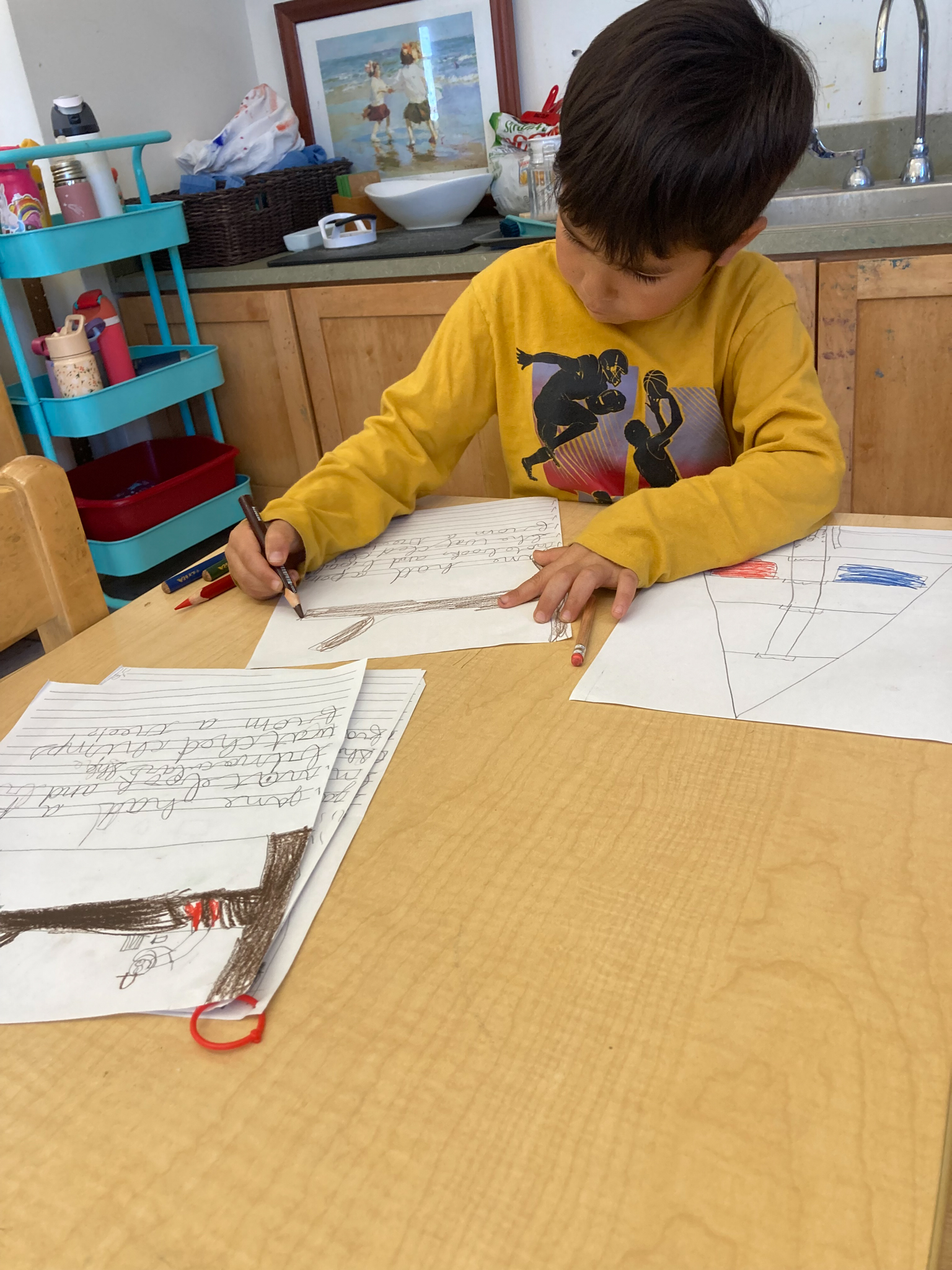
Writer’s Workshop is an additional opportunity for children to develop independent writing skills. Each Writing Workshop begins with a short mini-lesson, after this the children all work on their independent writing. Conferences with individual children or small groups are held in order to offer support and guidance. Writing Workshop typically ends with a time for the children to share their written work with their peers.

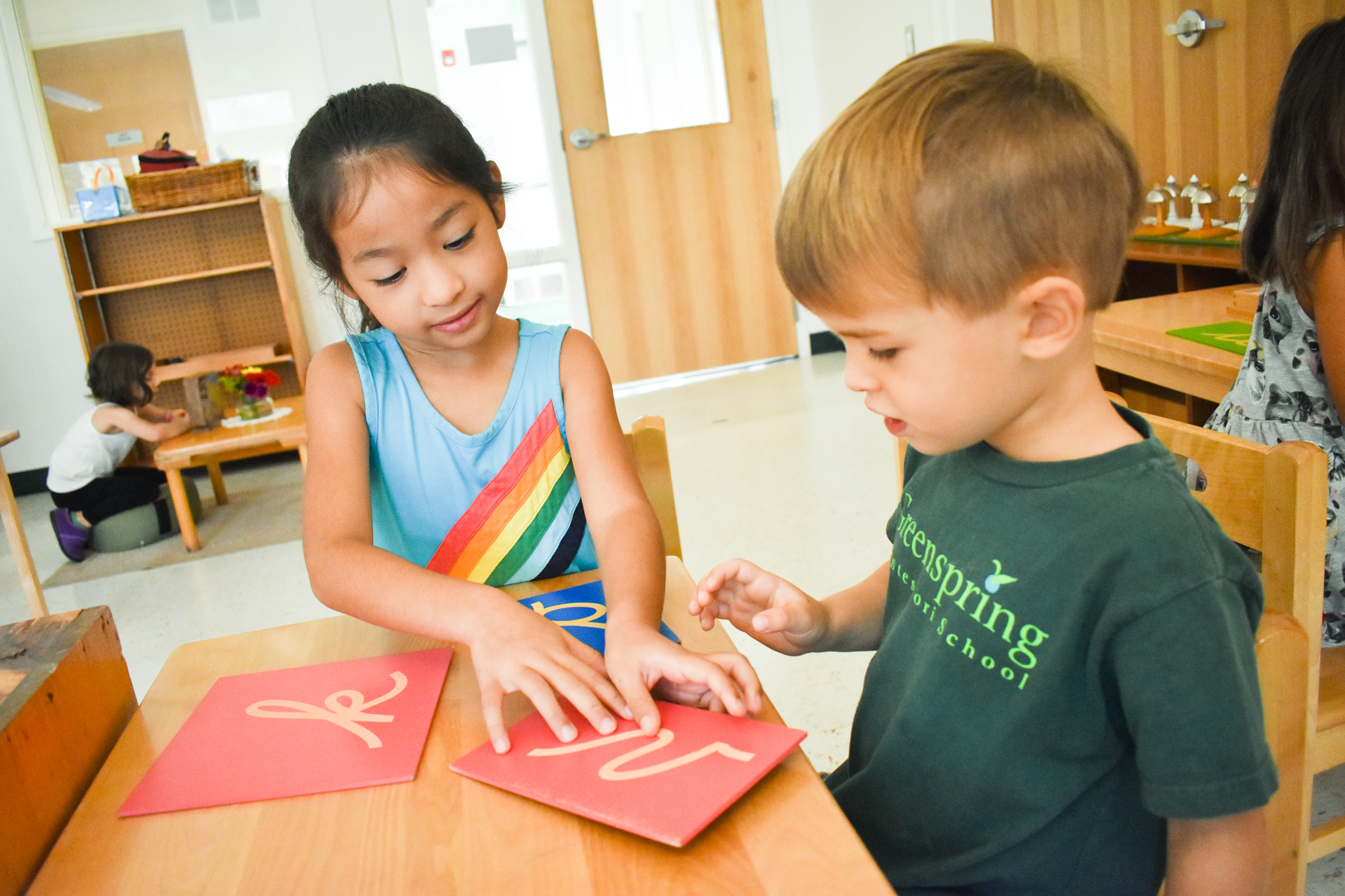
This month in Writers’ Workshop, the Lower Elementary students have continued to work earnestly on their penmanship, both in print and cursive. They are also writing acrostic poems in honor of the season, which we hope will be completed in time to send home before the holiday.  And recently we learned about portmanteaus; be sure to ask your child about it!

Upper Elementary Writers’ Workshop

This month in Upper Elementary Writers’ Workshop, the students finished editing the Buffalo Bob story (a Mr. John original) to help them understand that every character who speaks in a story deserves their own line on the page (no more dense blocks of dialogue for us!).They also learned how to summarize text with a story about cows (Did you know that cow dung is an efficient producer of fuel and biogas?). Finally, they moved on to Word Stories, where each child was provided with five random words or phrases to incorporate into a fictional story (talking snake, knight, jewels, robbers, Walt Disney World, hot air balloon, rollercoaster, shark….you get the idea).