
The Skills That Will Matter Most: How Montessori Classrooms Support Executive Functioning

The Skills That Will Matter Most: How Montessori Classrooms Support Executive Functioning

Think about the jobs that existed ten years ago that don’t exist today. Now think about the jobs your child might hold that don’t exist yet. The world is changing faster than most school curriculums can keep up with and that raises a real question for every parent: what are we actually preparing our children for?

As educators it is imperative for us to look towards the future to ensure that our children have the skills to think, build, and lead. Fortunately, Dr. Montessori created a model over 100 years ago that provides a strong foundation for executive functioning skills that will help our children do just that.

The answer isn’t solely in academics or test scores. It’s something deeper: the ability to think flexibly, manage yourself, solve problems, and keep going when things get hard. These are what researchers call executive functioning skills, and they may be the most important thing a child can develop.

What Are Executive Functioning Skills?

Executive functioning refers to a set of cognitive processes, primarily working memory, inhibitory control, and cognitive flexibility, that help us coordinate thoughts and actions to reach our goals.[1] These skills also support the ability to plan, organize, emotionally regulate, and take initiative.

Unlike specific facts or formulas, these skills transfer. Research has repeatedly shown that executive functioning predicts educational outcomes above and beyond measures of intelligence or prior academic ability.[2] A child who can regulate their frustration, think through a problem from multiple angles, and manage their time doesn’t just do well in school — they’re equipped for life’s challenges and opportunities.

Why Starting Early Matters

Executive functioning skills develop rapidly in early childhood and continue maturing throughout adolescence.[3] The brain’s prefrontal cortex — the hub of executive functioning — is highly responsive to environment and experience during these years, which means the conditions we create for children genuinely matter.

Notably, research has found that working memory at age 5 is a stronger predictor of later academic performance than IQ.[4] This looks different at each level here at Greenspring. For instance, toddlers begin to count and set out plates for their peers. In Children’s House, students are building on their foundation, following complex, multi-step sequences that require them to retain detailed information. In Elementary and Adolescence, our students manage their own work journals, keeping track of where they excel and where they have room for growth. They are all, in very real ways, building new neural pathways and skills that will last a lifetime.

Scaffolding these skills early doesn’t mean pushing children before they are ready — it means creating the right environments with meaningful choice, appropriate challenges, and the freedom to learn from their mistakes.

How Montessori Builds Executive Functioning Skills

A study published in Science found that children in Montessori programs showed significantly greater gains in executive function, reading, math, vocabulary, and social problem-solving compared to peers in conventional schools.[5] A 2023 systematic review of 32 rigorous studies confirmed these findings, reporting that Montessori students showed higher executive functioning than peers in traditional schools.[6] Most recently, a national randomized controlled trial of 588 children across 24 public Montessori programs found that Montessori students scored significantly higher in executive function, reading, memory, and social understanding by the end of kindergarten.[7]

Our Guides thoughtfully look at Dr. Montessori’s curriculum to ensure that children at all levels are developing executive functioning skills such as:

  • Working Memory
  • Cognitive Flexibility
  • Sustained Attention
  • Inhibitory Control
  • Task Initiation
  • Planning
  • Prioritizing
  • Organization
  • Time Management
  • Self- awareness
  • Emotional Regulation

This is no small undertaking! A Young Toddler learning to return a material to its place is practicing order and self-regulation. A Lower Elementary student choosing how to spend their work cycle is practicing planning and prioritization. An Adolescent navigating a multi-week research project is practicing every executive functioning skill at once. The work looks different at every level — but the intentionality is the same.

Preparing Children for a World We Can’t Predict

Researchers have identified creativity, flexibility, self-control, and discipline as the four qualities children will most need to thrive in the future — all of which are rooted in strong executive functioning.[8] We can’t know exactly what challenges our students will face in 10, 20, or 30 years, but we can give them the inner tools to meet those challenges with confidence.


References

[1] Diamond, A. (2013). Executive functions. Annual Review of Psychology, 64, 135–168. https://doi.org/10.1146/annurev-psych-113011-143750

[2] Blair, C. (2018). Executive function and early childhood education. Current Opinion in Behavioral Sciences, 21, 31–36. https://pmc.ncbi.nlm.nih.gov/articles/PMC6051751/

[3] Garon, N., Bryson, S. E., & Smith, I. M. (2008). Executive function in preschoolers: A review using an integrative framework. Psychological Bulletin, 134(1), 31–60.

[4] Alloway, T. P., & Alloway, R. G. (2010). Investigating the predictive roles of working memory and IQ in academic attainment. Journal of Experimental Child Psychology, 106(1), 20–29. Cited in: Promoting Executive Function Skills in Preschoolers. Frontiers in Psychology (2021). https://doi.org/10.3389/fpsyg.2021.720225

[5] Lillard, A. S., & Else-Quest, N. (2006). Evaluating Montessori education. Science, 313(5795), 1893–1894. https://doi.org/10.1126/science.1132362

[6] Randolph, J. J., Bryson, A., Menon, L., Henderson, D. K., Kureethara Manuel, A., Michaels, S., Rosenstein, D. L. W., McPherson, W., O’Grady, R., & Lillard, A. S. (2023). Montessori education’s impact on academic and nonacademic outcomes: A systematic review. Campbell Systematic Reviews, 19, e1330. https://doi.org/10.1002/cl2.1330

[7] Lillard, A. S., et al. (2025). A national randomized controlled trial of the impact of public Montessori preschool at the end of kindergarten. Proceedings of the National Academy of Sciences. https://doi.org/10.1073/pnas.2506130122

[8] Diamond, A., & Lee, K. (2011). Interventions shown to aid executive function development in children 4–12 years old. Science, 333(6045), 959–964. https://pmc.ncbi.nlm.nih.gov/articles/PMC3159917/
Why We Hold High Expectations for Our Children

Why We Hold High Expectations for Our Children

Seeing a two year old preparing a snack for their classmates in the classroom or an Elementary student initiating a trip to a local university can be inspiring, but it also leads some families to question whether it is too much to expect of them. When families share this, we listen closely. Parenting and educating children is deeply personal, and alignment between home and school matters deeply. This is why it is important to clearly name why our expectations are what they are—and what we mean when we say we believe in children.

In Montessori education, our expectations are rooted not in pressure or perfection, but in trust.

We trust that children are capable of more than society often gives them credit for. We trust their ability to problem-solve, to care for themselves and their community, to regulate their bodies and emotions. None of this happens right away! We begin working on these skills with our youngest children at just 18 months because we know these skills take guidance and time. And we trust that when given meaningful responsibility, children rise—not because they are forced to, but because they are developmentally ready.

Dr. Maria Montessori’s philosophy from over a hundred years ago is backed by modern neuroscience. In her book How to Raise a Child with a High EQ, Dr. JoAnn Deak shares:

“We build confidence not by removing struggle, but by walking with children through it. Protecting children from every failure makes them fragile. Letting them try, fail, and try again makes them strong. Children develop resilience and self-worth not by always succeeding, but by learning they can survive setbacks.”

We know that it is often easier to have the adults initiate and lead while children fully devote themselves to play. We rush to do things for them rather than alongside them. We lower expectations in the name of kindness, yet unintentionally send the message: “You can’t.” Over time, this can quietly erode confidence and independence.

Montessori asks something different.

We ask children to:

  • Care for their environment
  • Practice independence
  • Engage deeply with meaningful work
  • Be accountable to their community
  • Try, struggle – even fail – and try again

These worthy challenges are not arbitrary. They are carefully aligned with children’s developmental capacity. They respect the learner’s capacity for growth and encourage resilience, creativity, and independence—especially when supported by patient adults, thoughtfully prepared environments, and time.

Our role as adults is to notice their abilities, believe in their potential, and meet each child where they are. In the classrooms, we step back, observe carefully, and offer guidance, repetition, and understanding rather than control. This gives children the opportunity to grow their independence, confidence, and sense of responsibility at a young age. We scaffold these experiences in a loving, nurturing environment that gives children the change to fail – and learn from those experiences so that they have the confidence to take on the next big thing, knowing that they matter.

Our children are capable. And believing in their capacity is one of the greatest gifts we can offer.

Native Tree Planting on Campus with the Alliance for the Chesapeake Bay

Native Tree Planting on Campus with the Alliance for the Chesapeake Bay

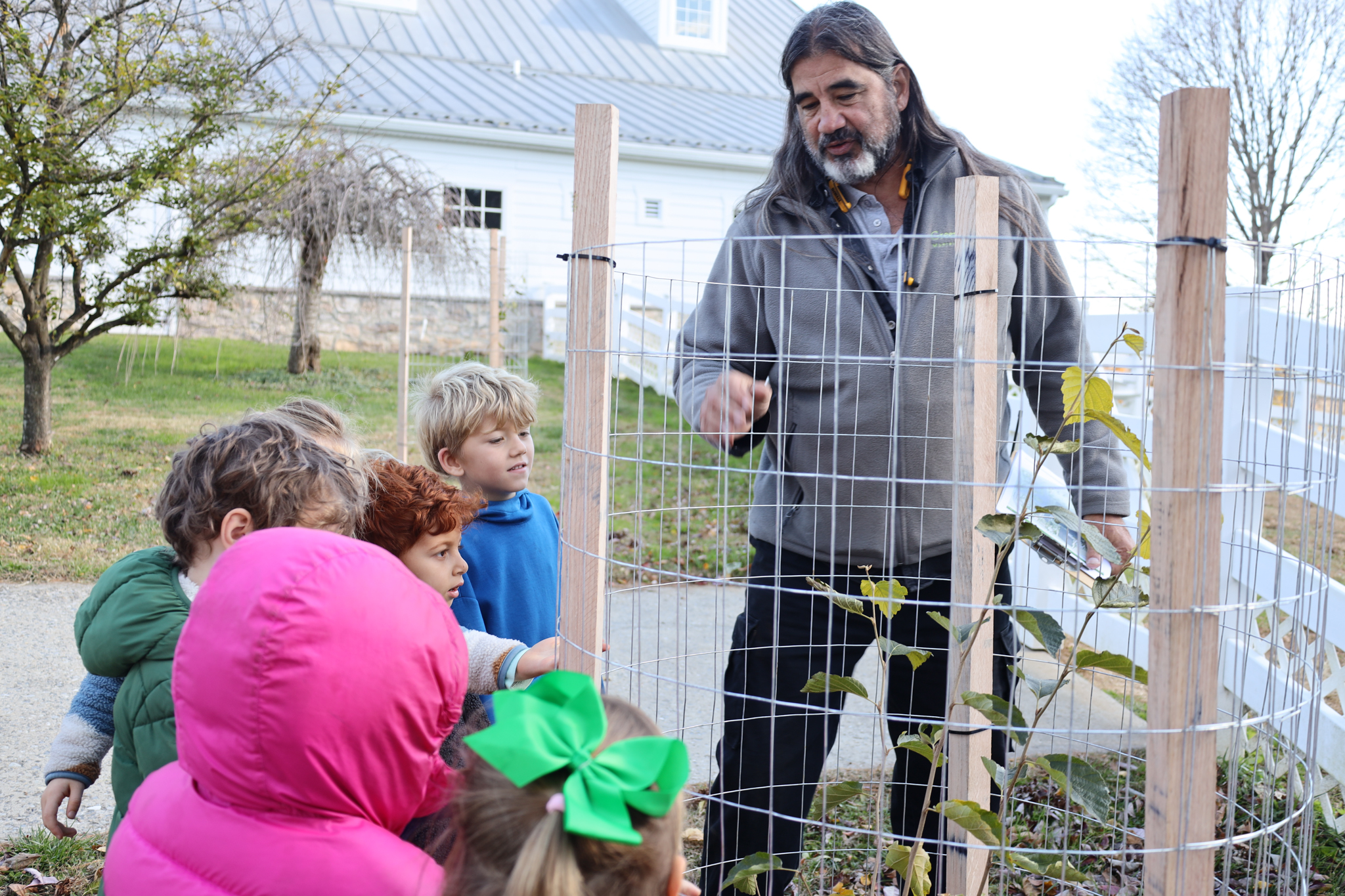
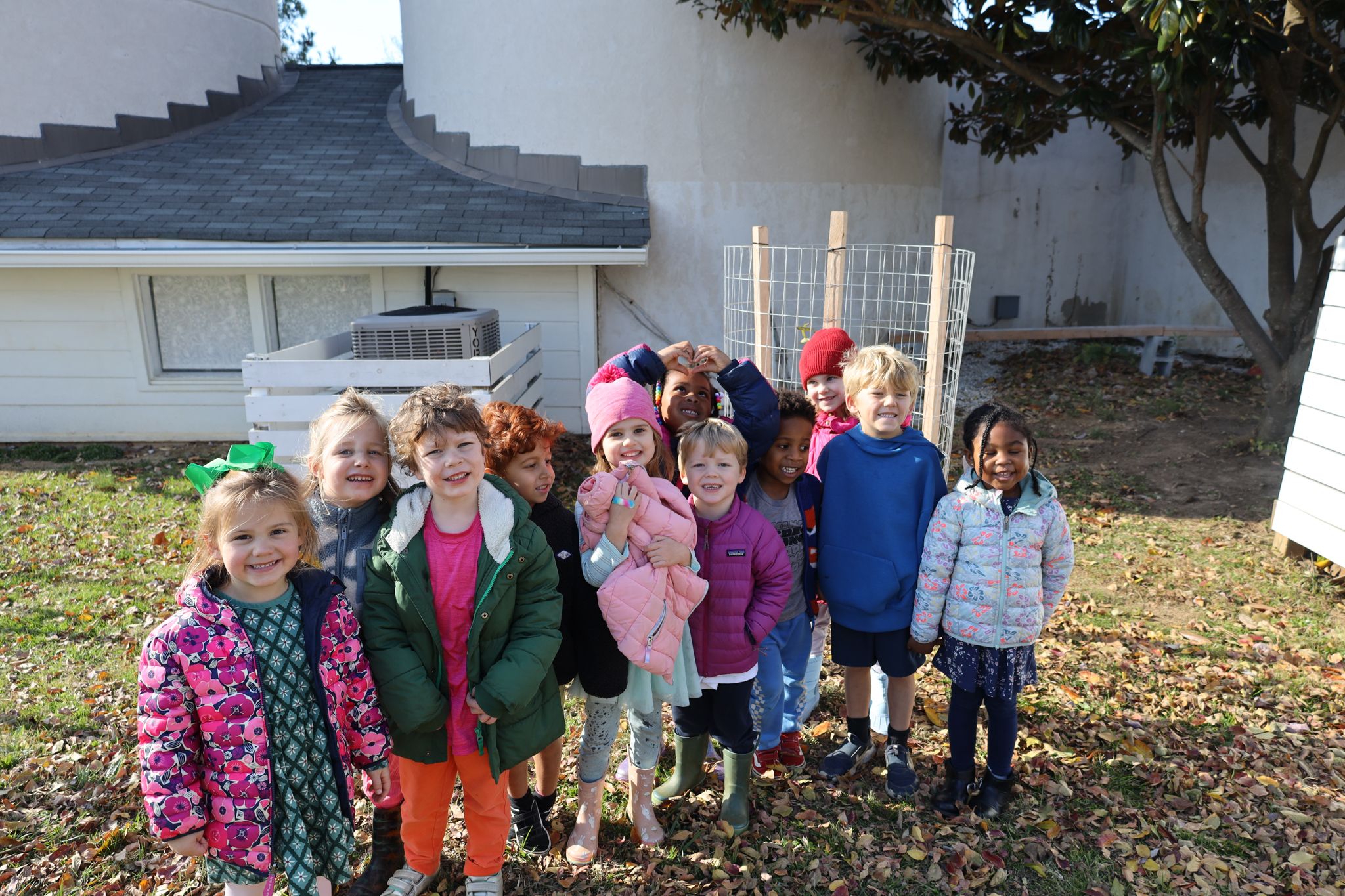
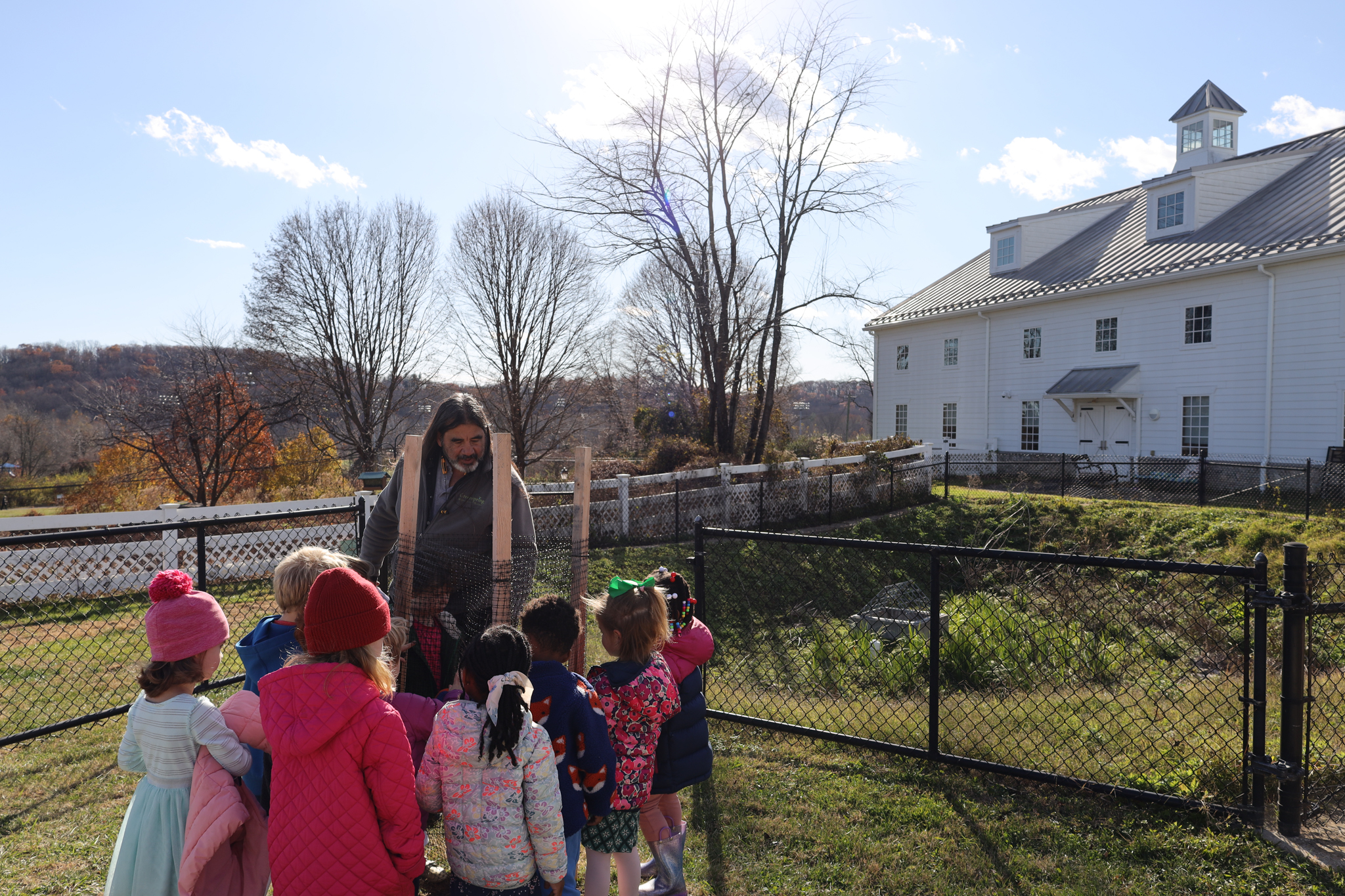
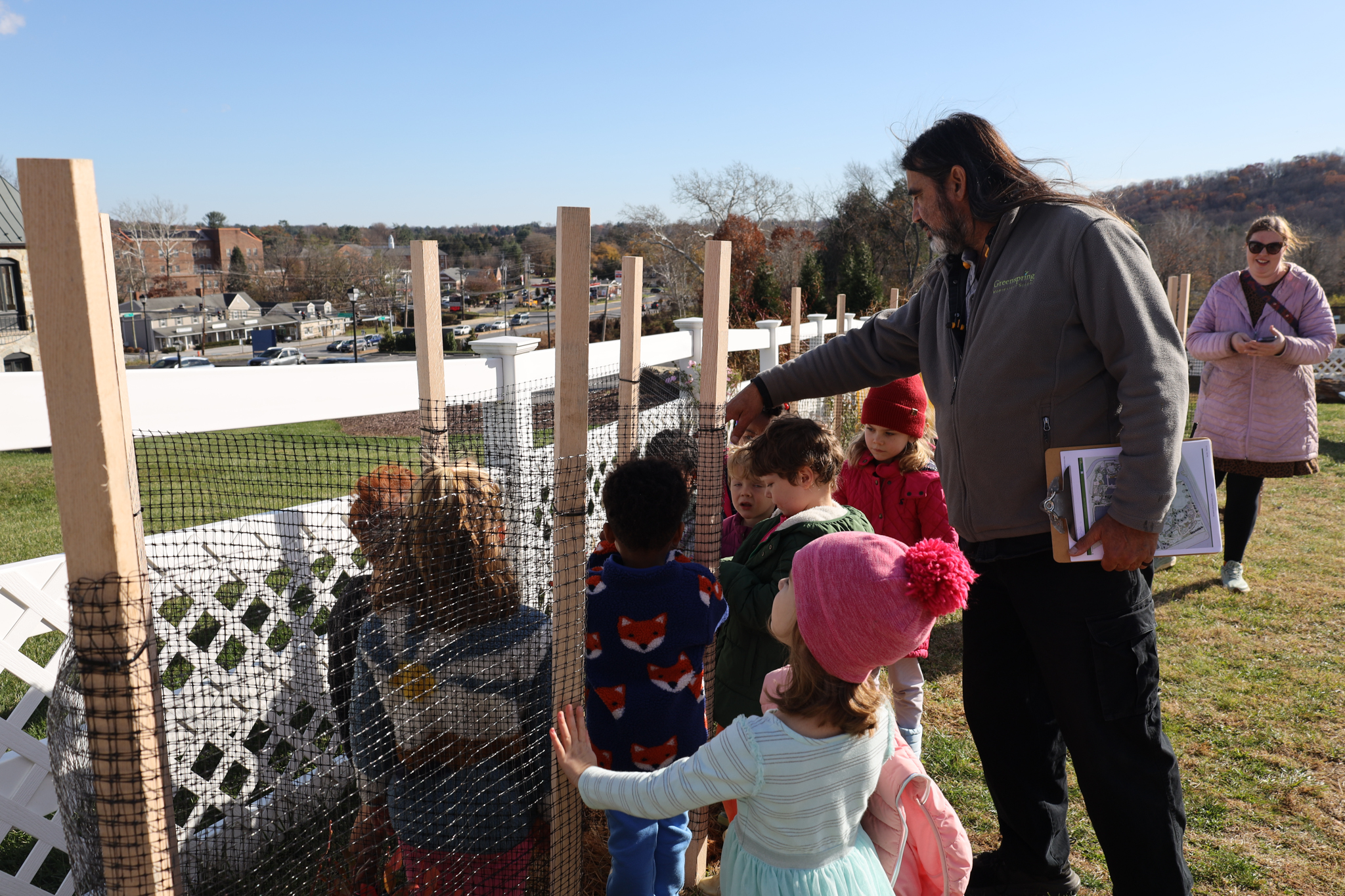
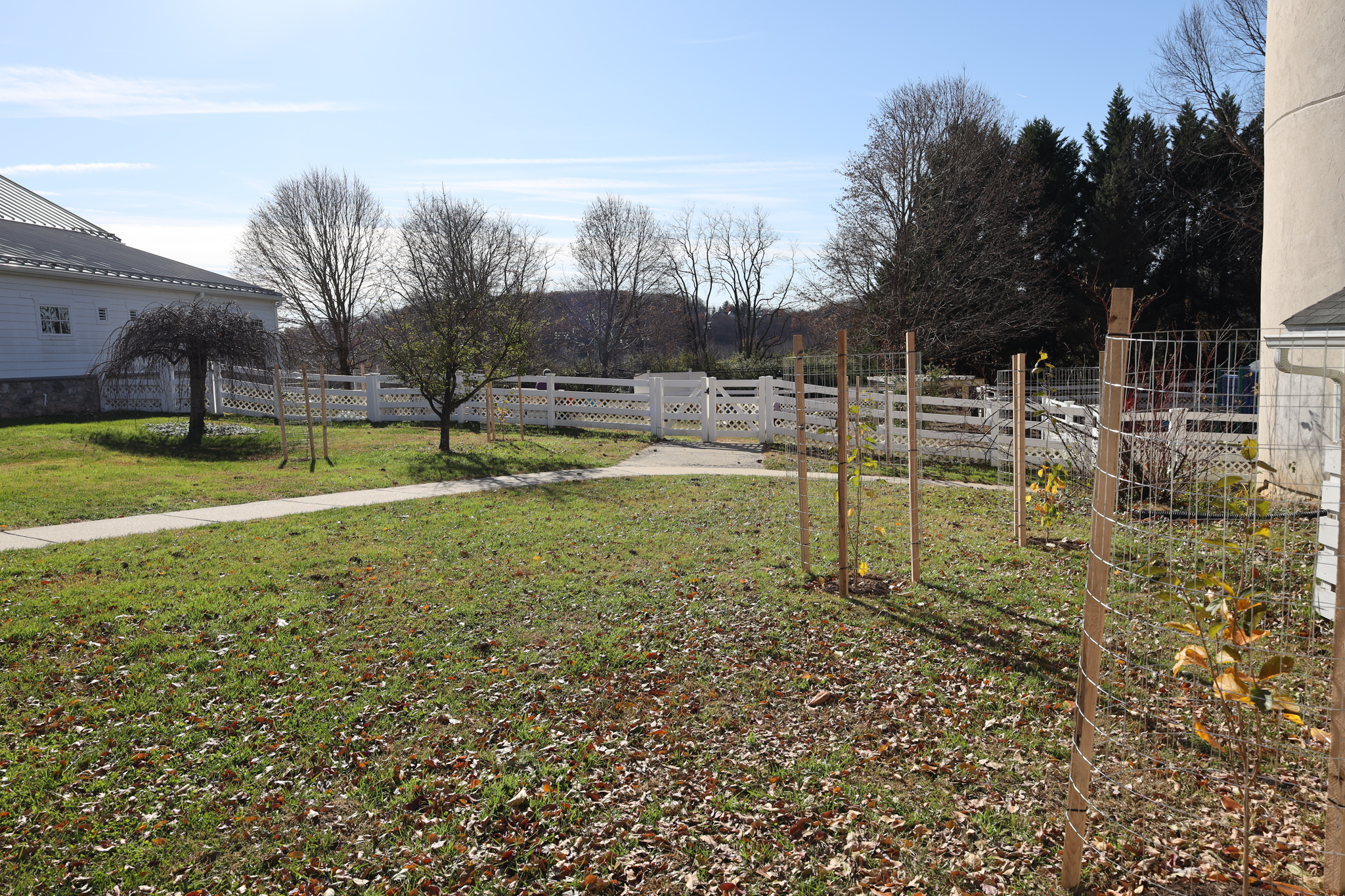
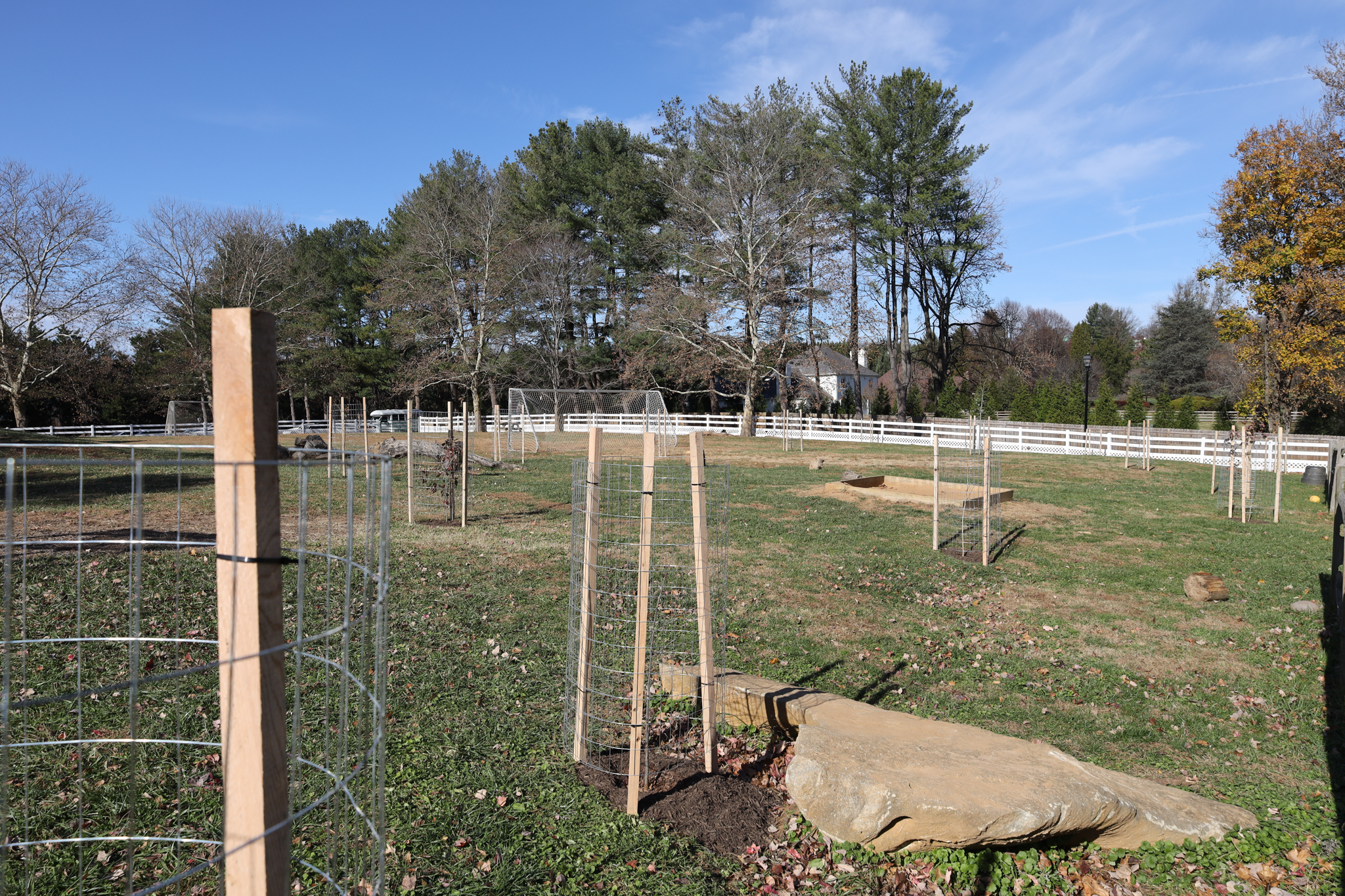
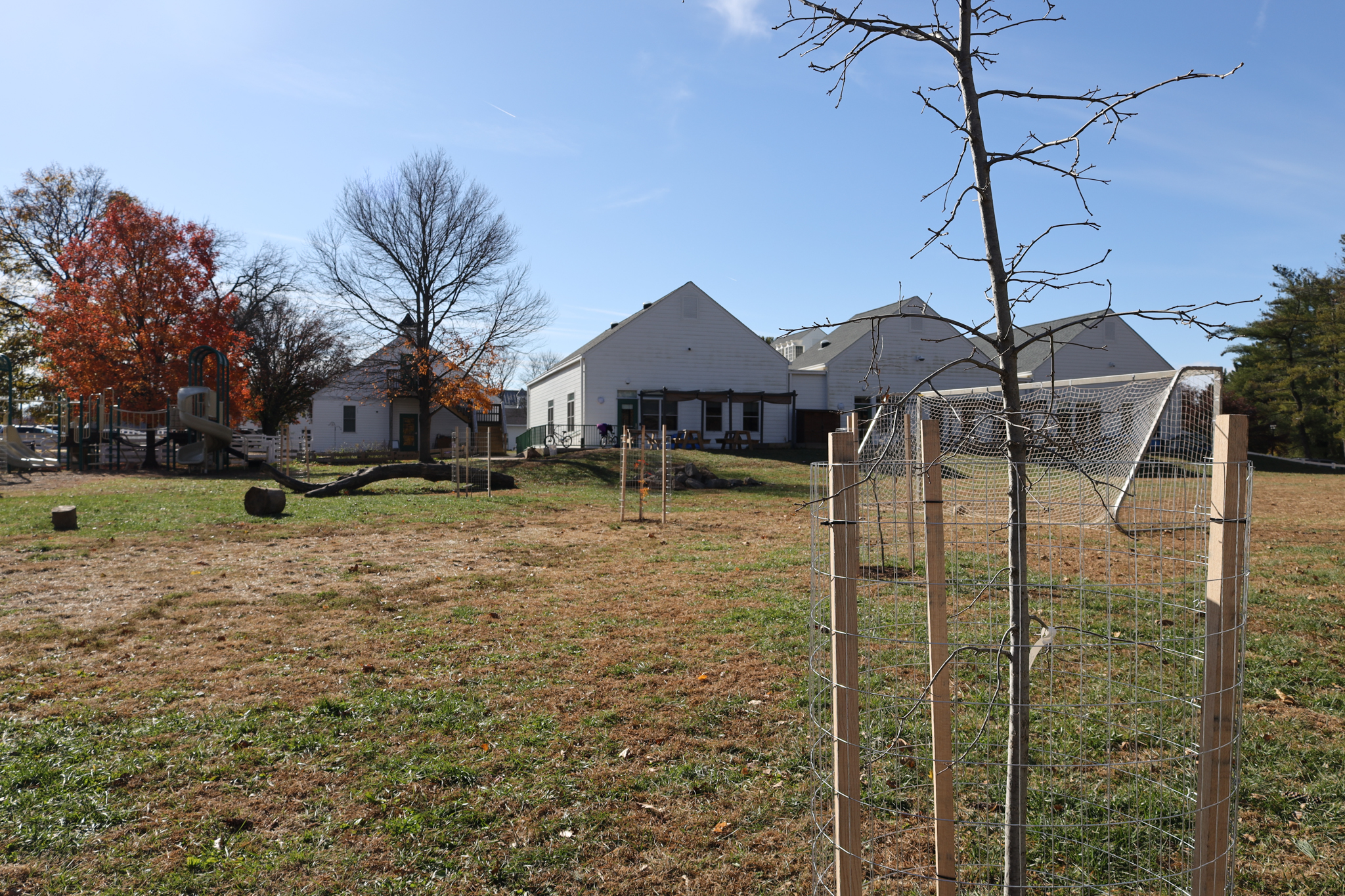
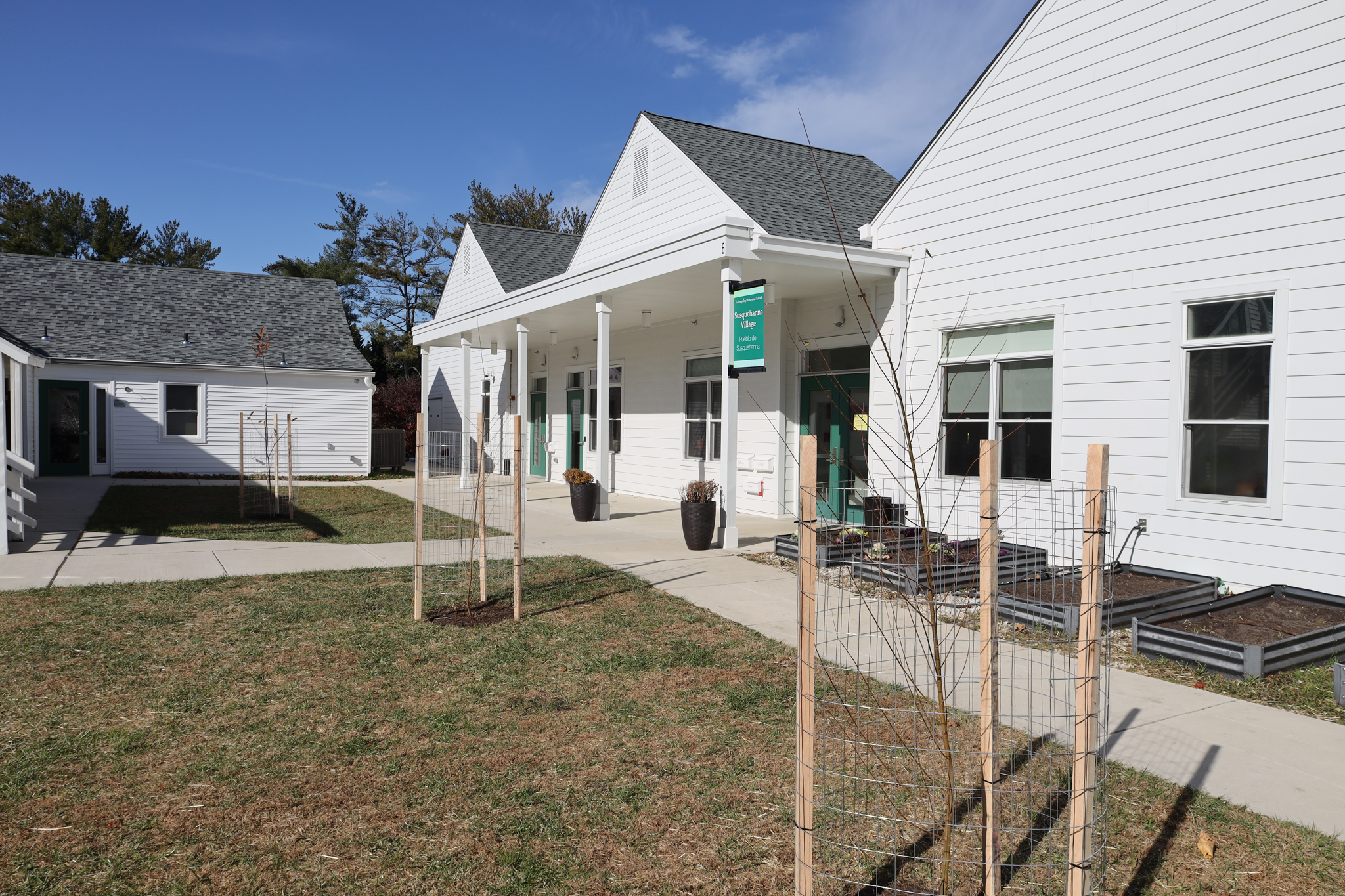
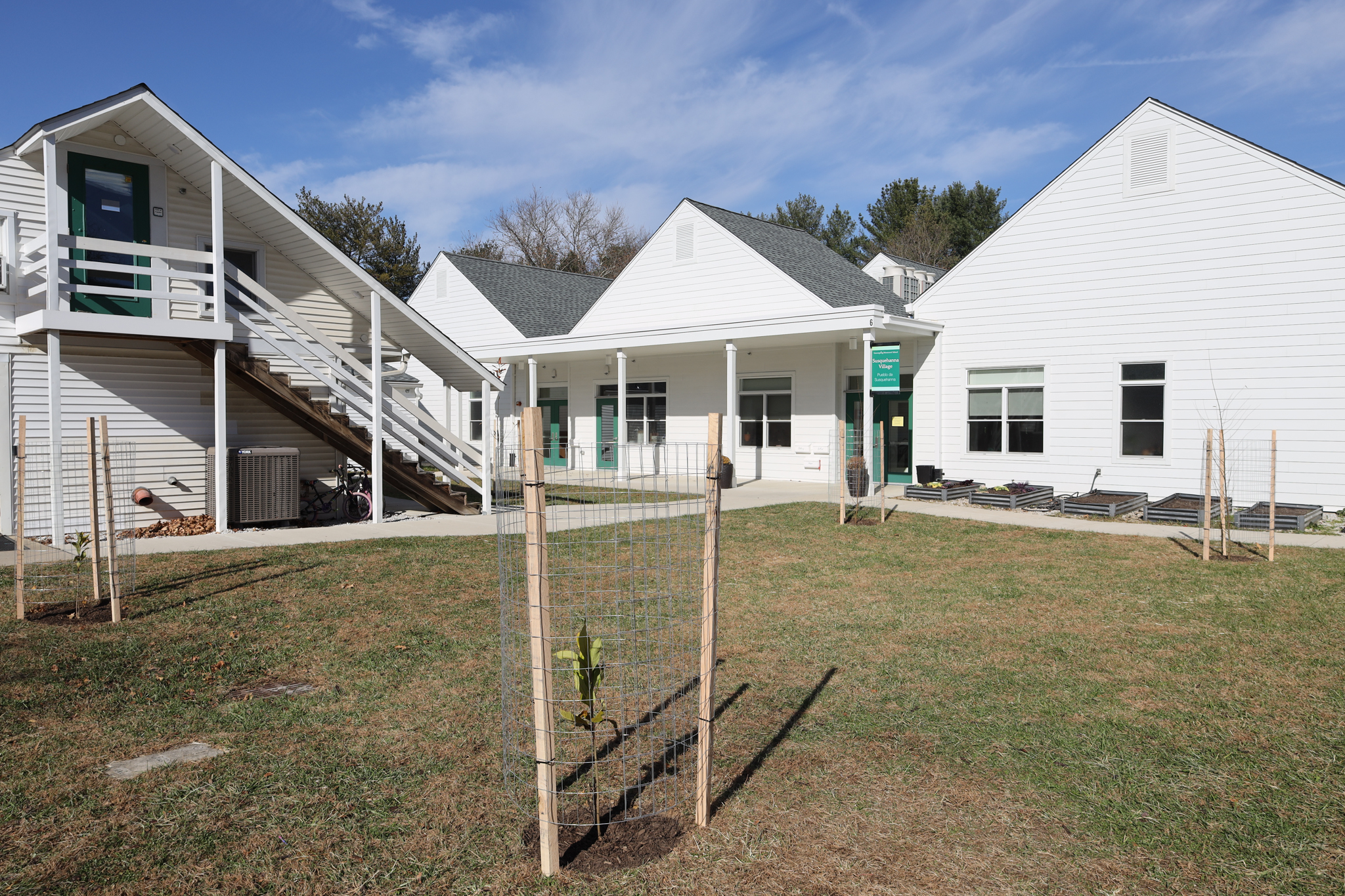
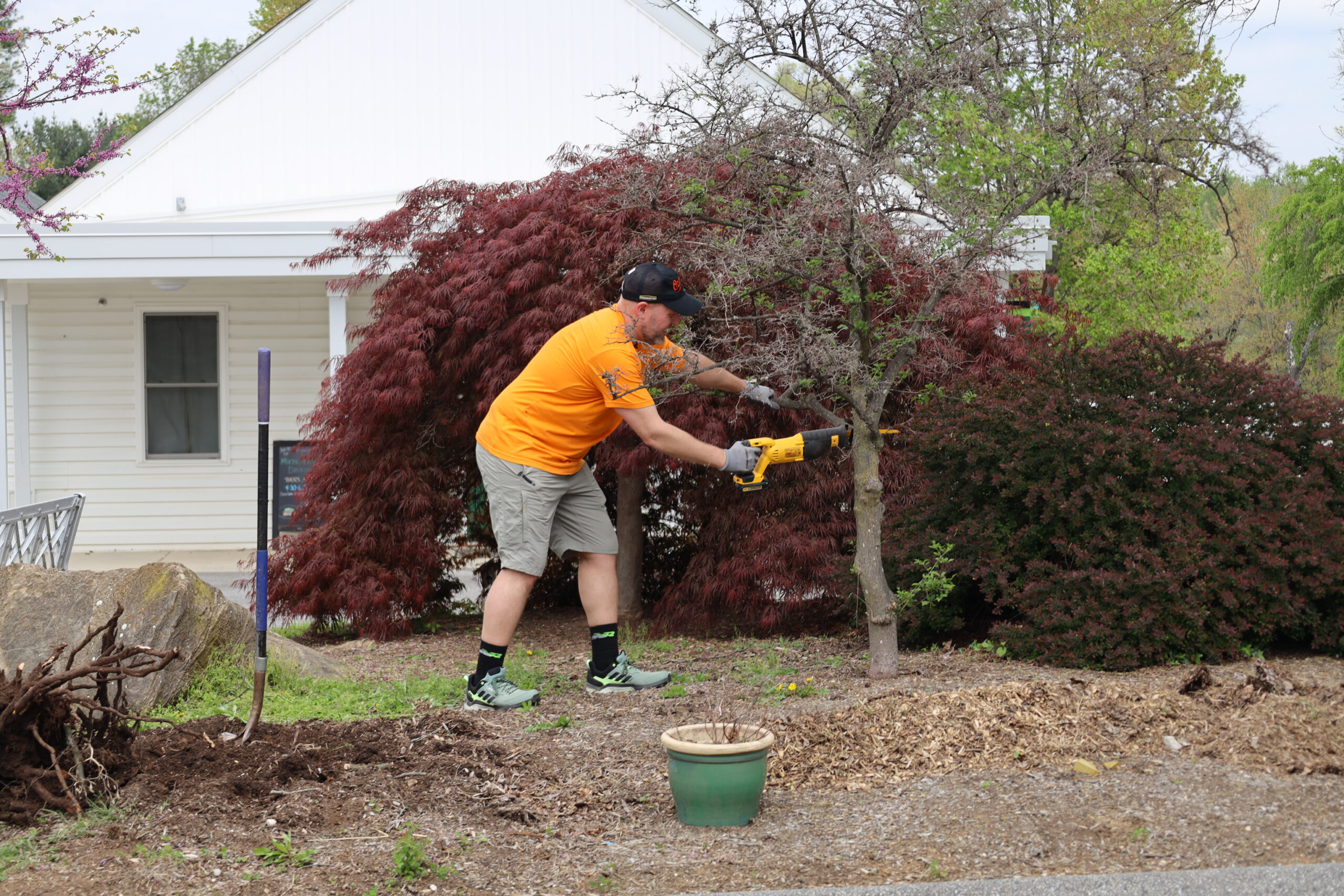
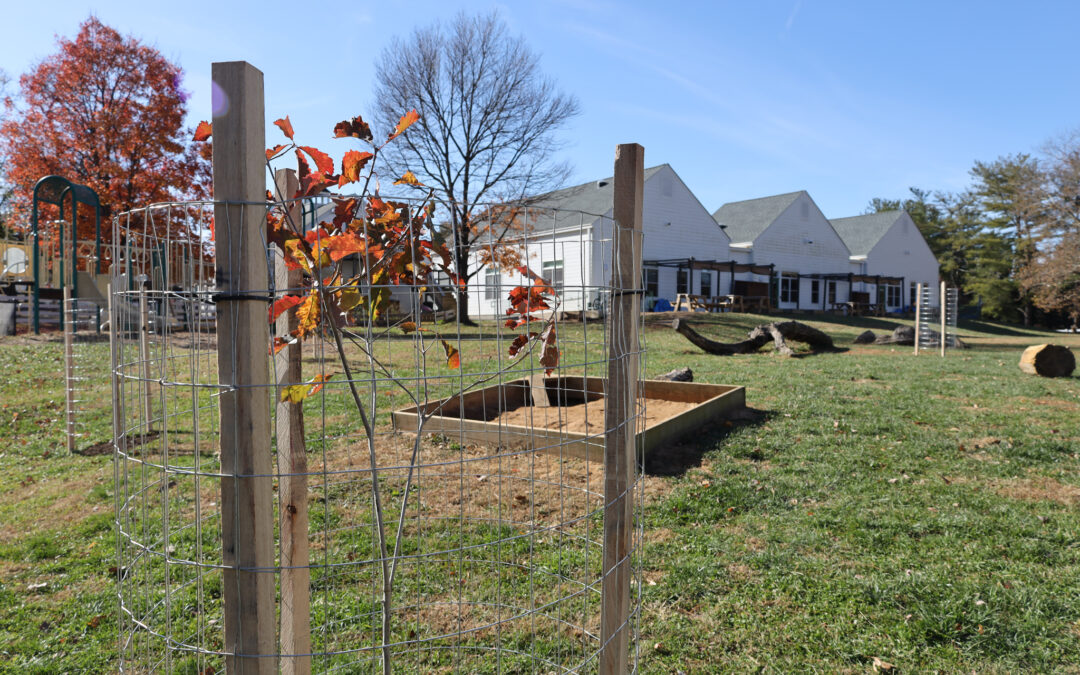
This week the Alliance for the Chesapeake Bay planted 69 native trees and shrubs across campus. This opportunity is funded by a grant from the Chesapeake Bay Trust to support the Maryland Five Million Trees initiative.

We have a variety of native species, including several fruiting trees and shrubs. Varieties planted include:

  • Sugar maple
  • Witch Hazel
  • White Fringe Trees
  • Black WIllow
  • Pawpaw
  • Persimmon
  • Sycamore
  • Serviceberry
  • Southern Red Oak
  • Northern Red Oak
  • Swamp White Oak
  • Scarlet Oak
  • Overcup Oak
  • Shingle Oak
  • Bur Oak
  • Pin Oak
  • Chinkapin Oak
  • Willow Oak
  • River Birch
  • Spicebush
  • Highbush Blueberry
  • Sweebay Magnolia
  • Bald Cypress

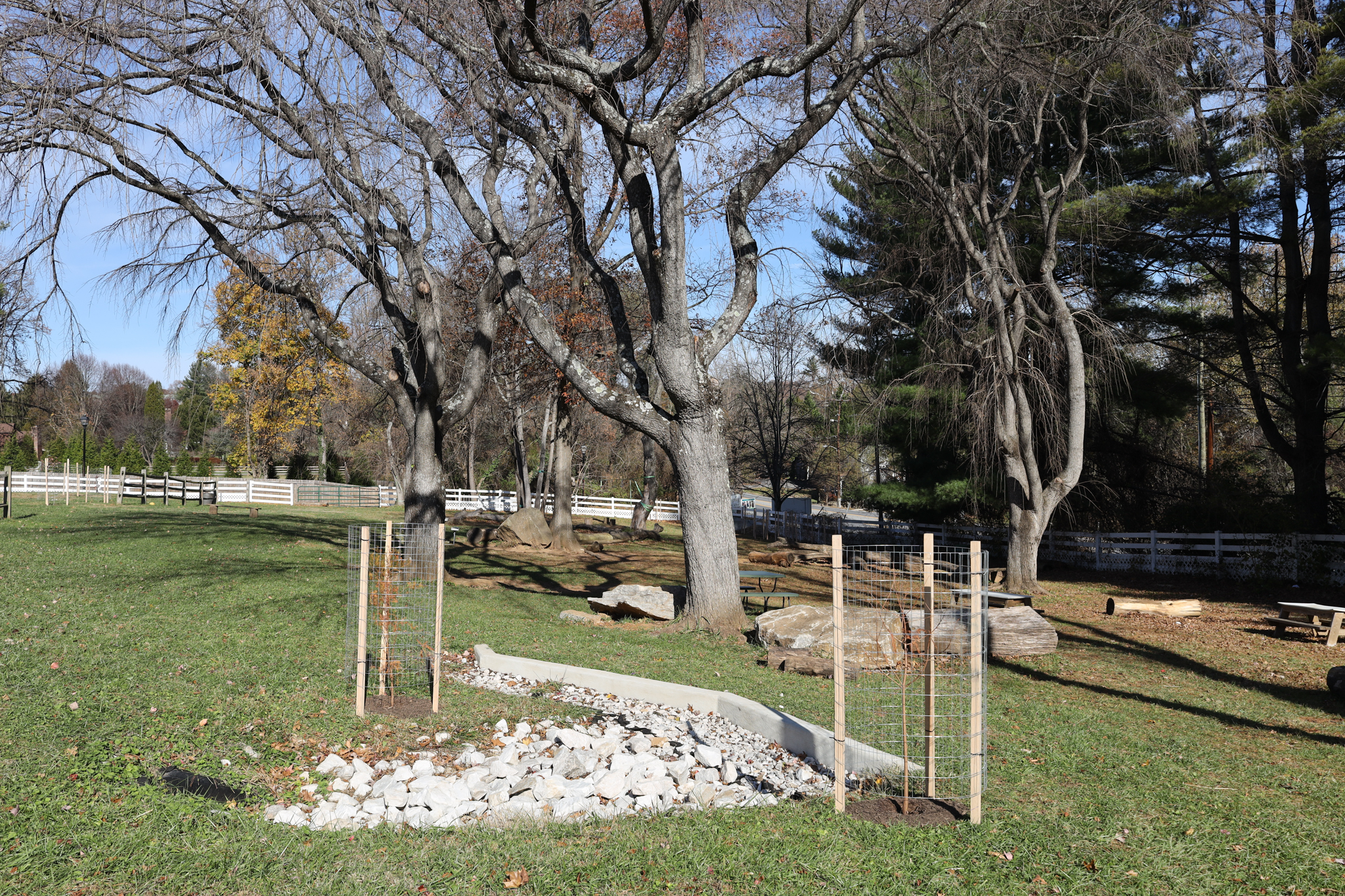
One of our favorite areas of the planting is our Heart of Campus – a grove of ten different types of native oak trees at the edge of our soccer field. We are looking forward to gathering in this space throughout the seasons for many years to come.  

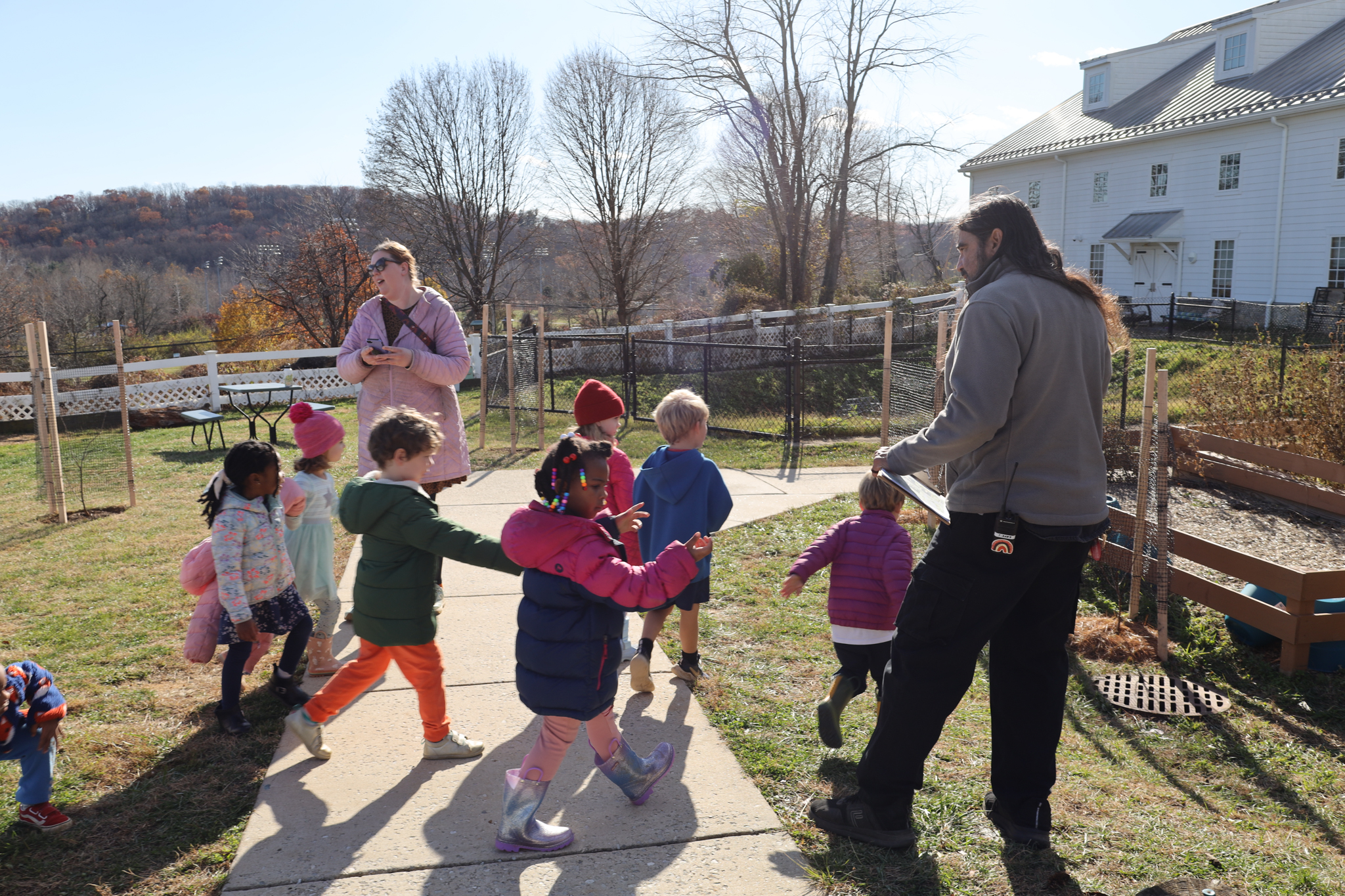
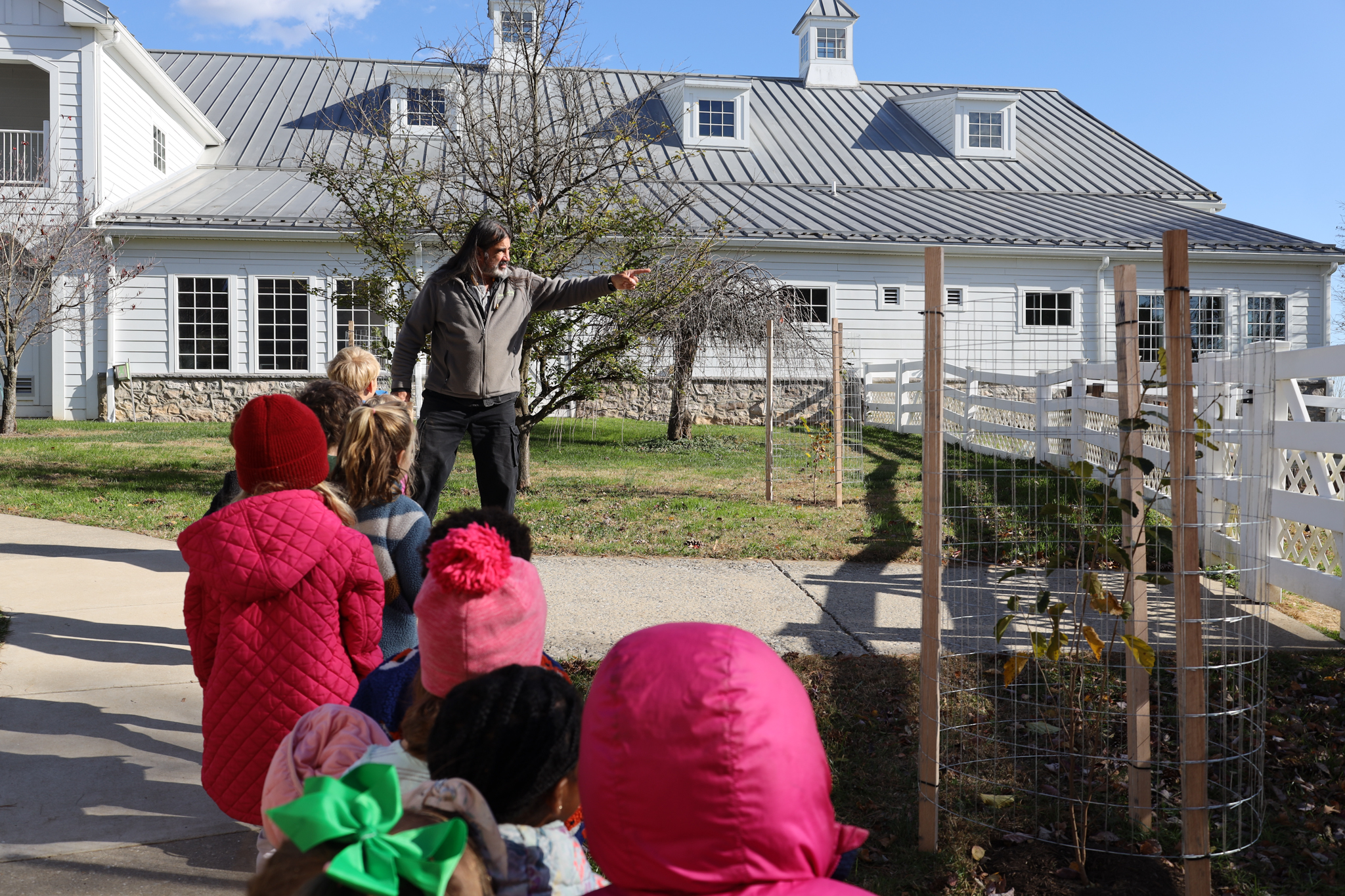
The children have been eagerly watching the new trees being planted and Mr. Dave led a few groups around campus to learn how to identify each type of tree.

We are eager to watch the trees grow up with our children. This project helps support our many outdoor initiatives!

Spring Earth Day Celebration at Greenspring

Spring Earth Day Celebration at Greenspring

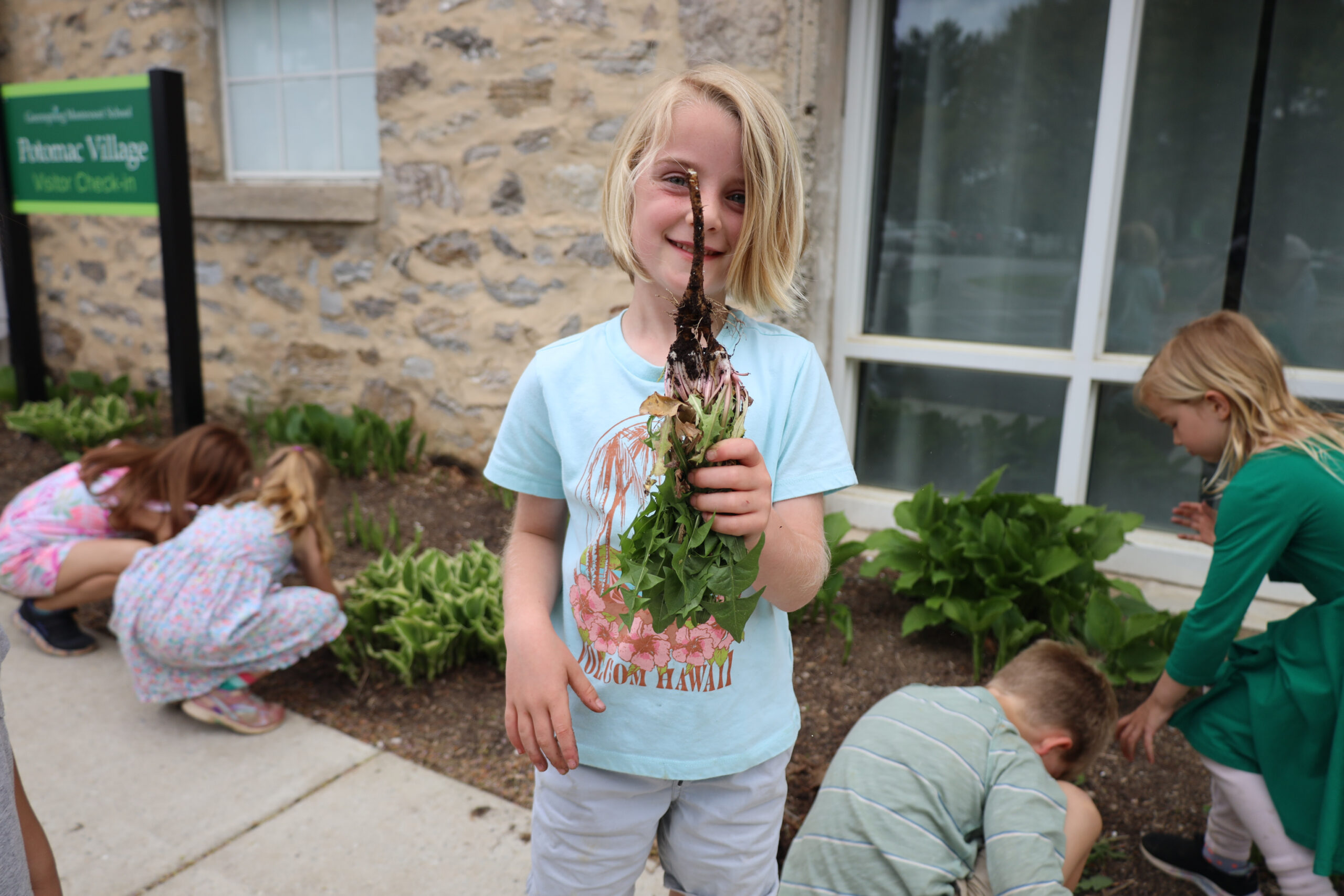
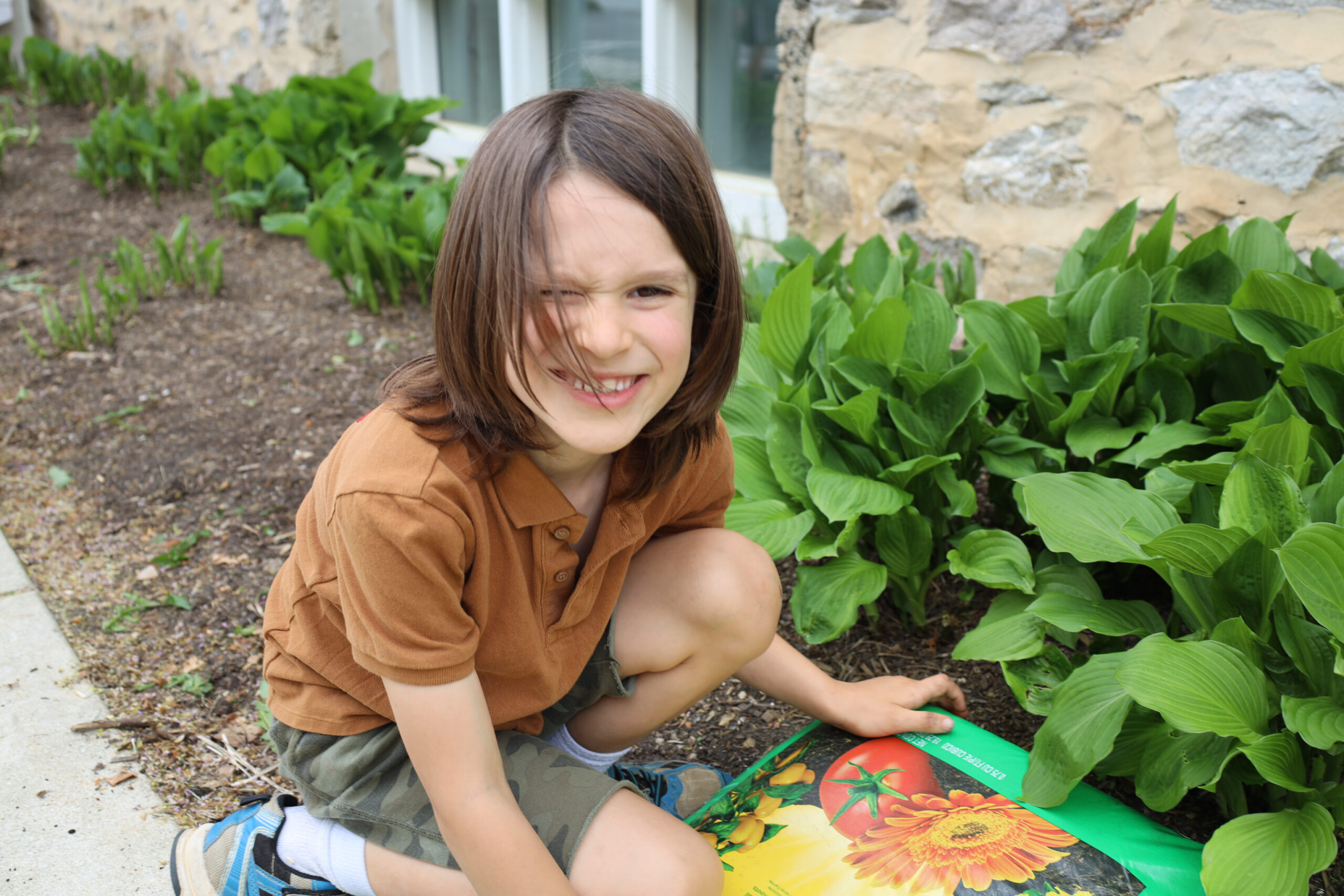
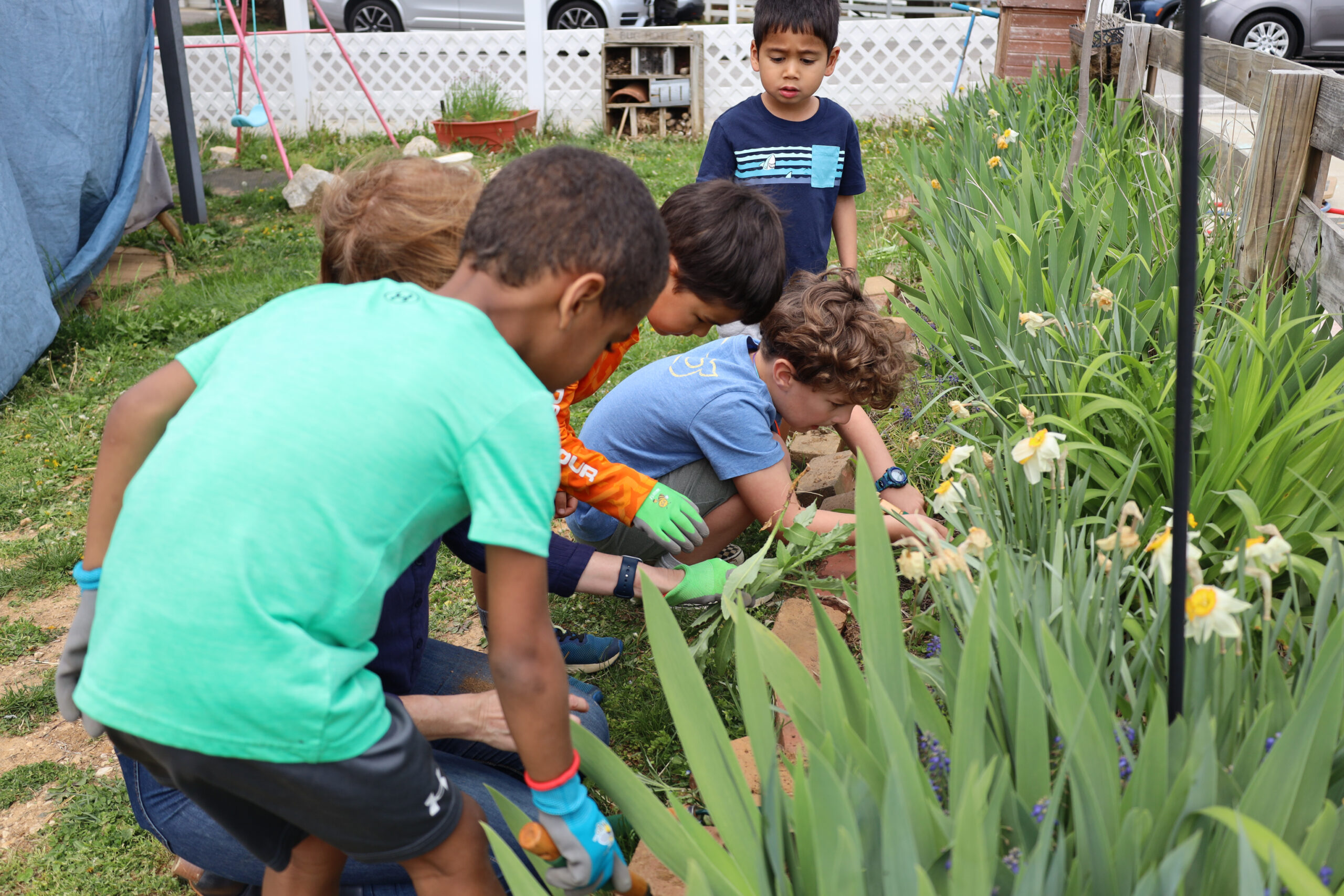
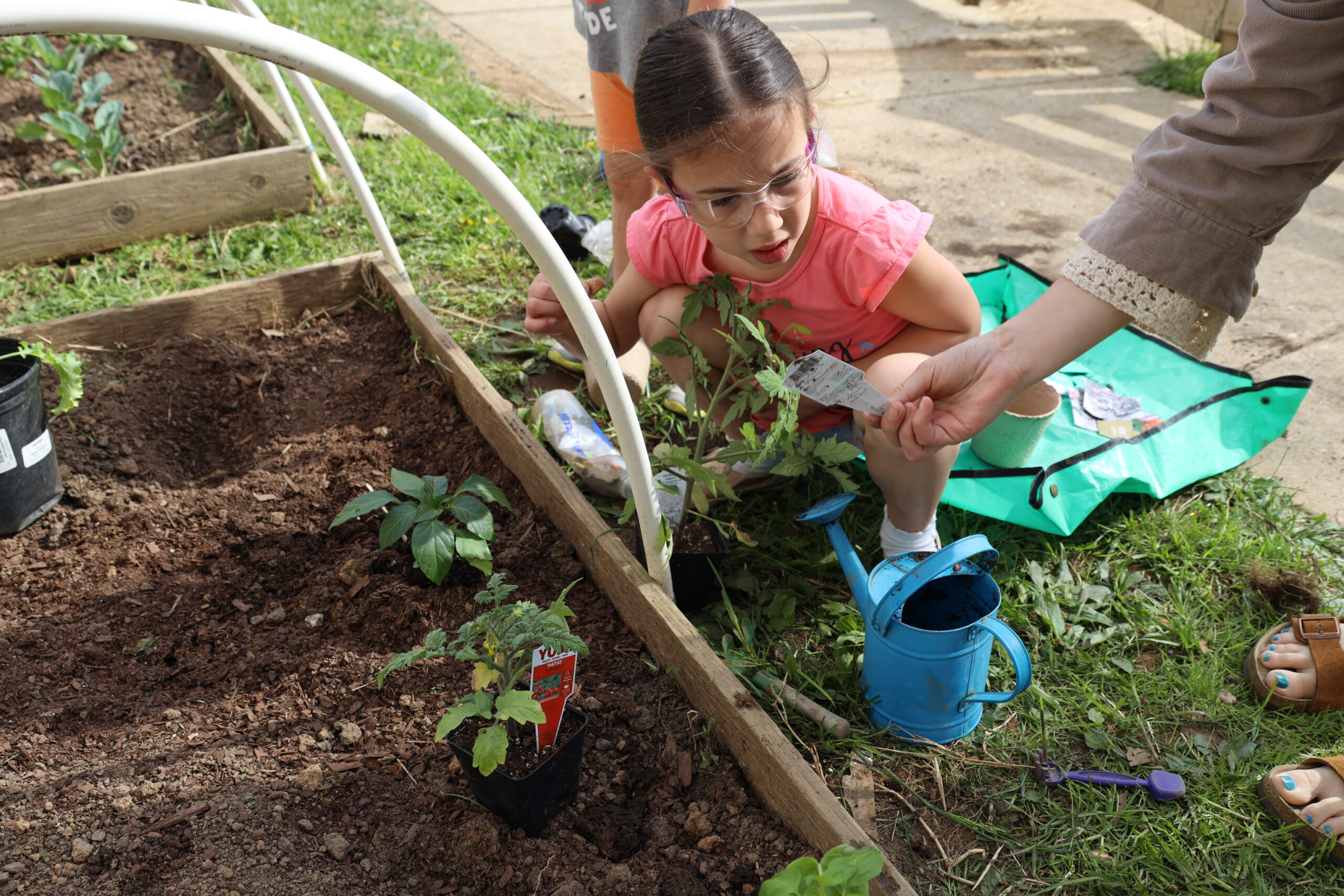
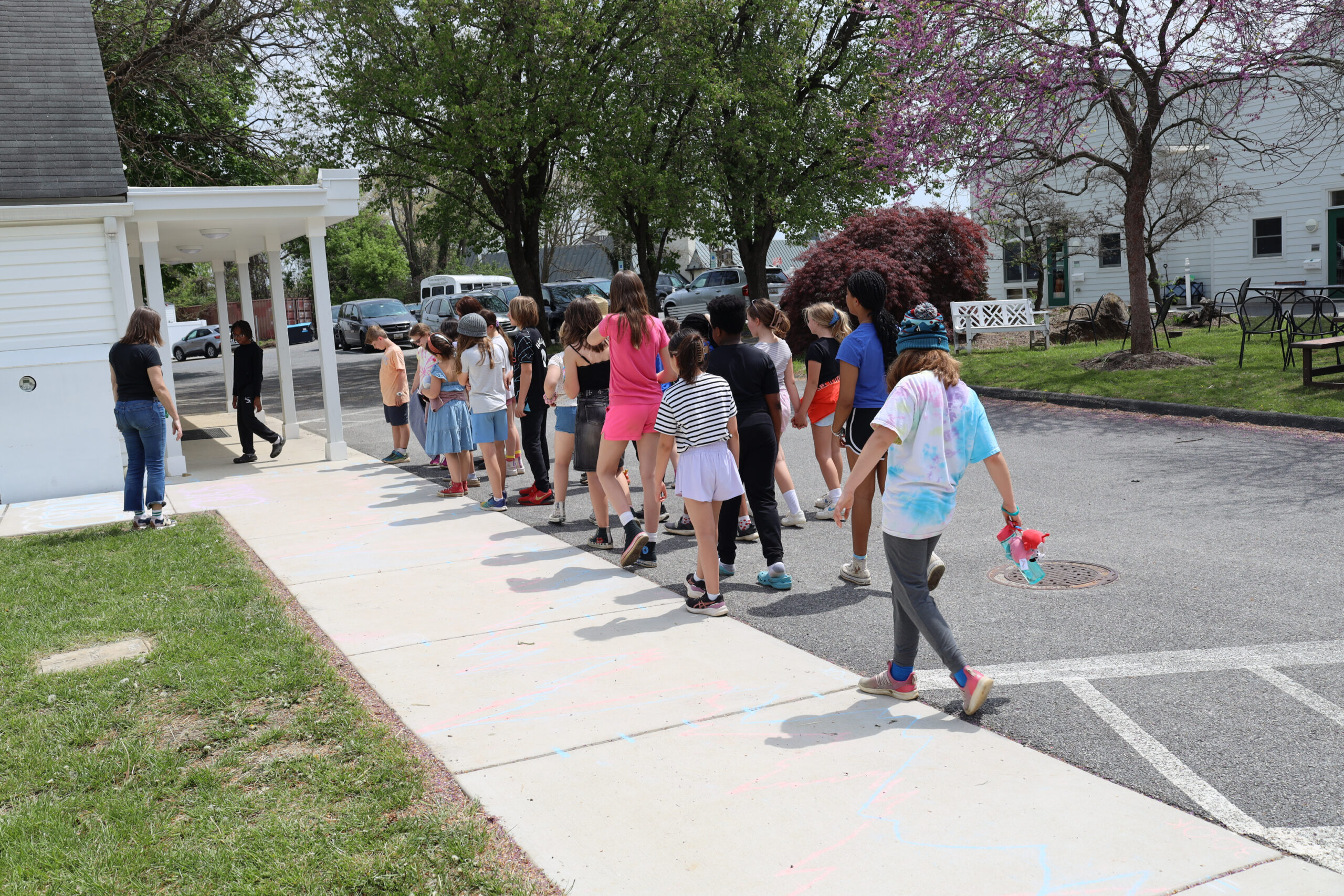
As part of our Allegiance to Nature at Greenspring Montessori School, our faculty and staff organized a special Earth Day event for our children and families. Our Toddler, Children’s House, Elementary, and Adolescent classes took on various projects around our campus including planting stations, nature-based story walks, and nature scavenger hunts. Many classes also worked to restore natural spaces on campus and make improvements to their outdoor environments. In addition, there are many beautiful books on display in the library on Earth Day, Spring, Gardening, and more! 
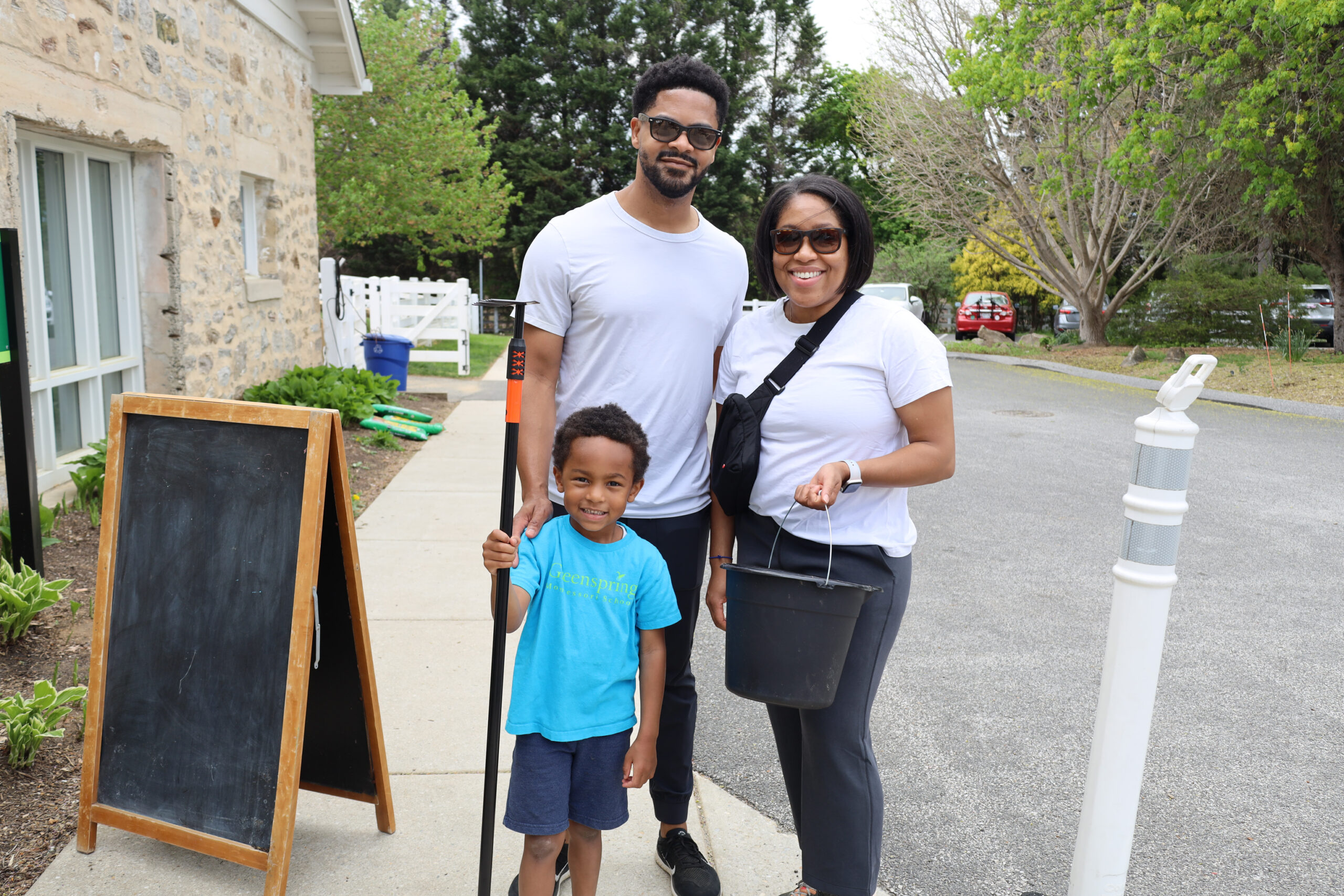
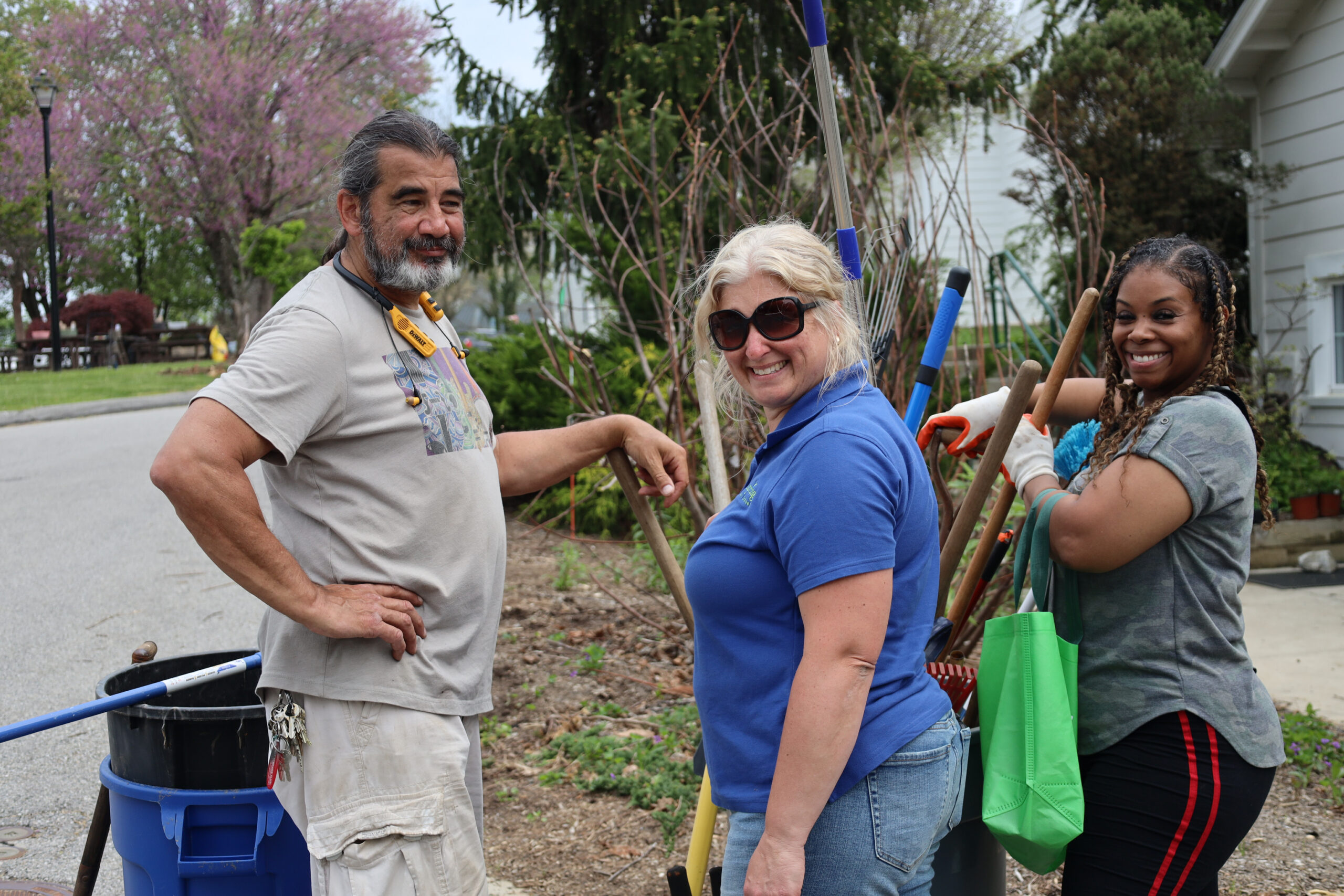
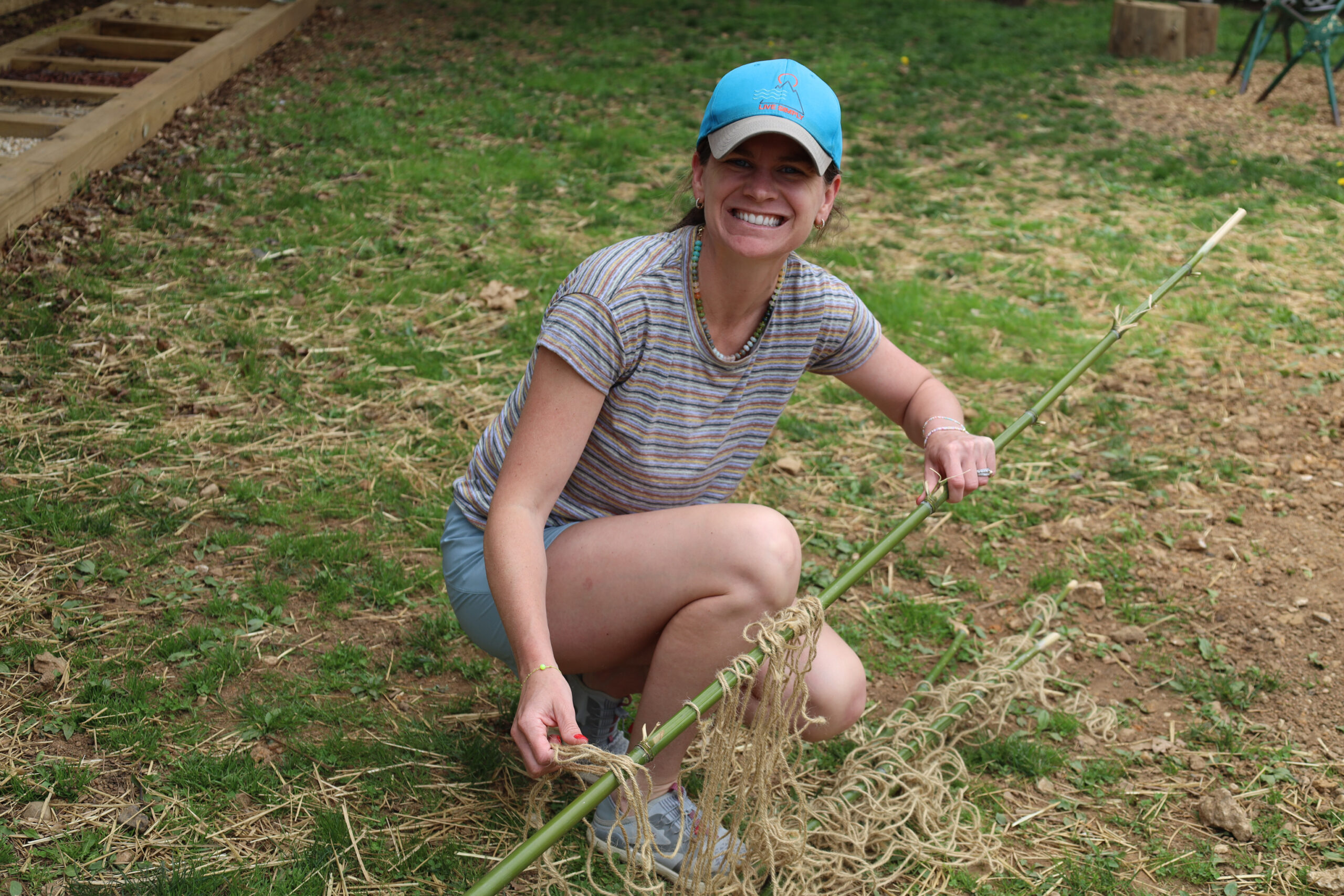
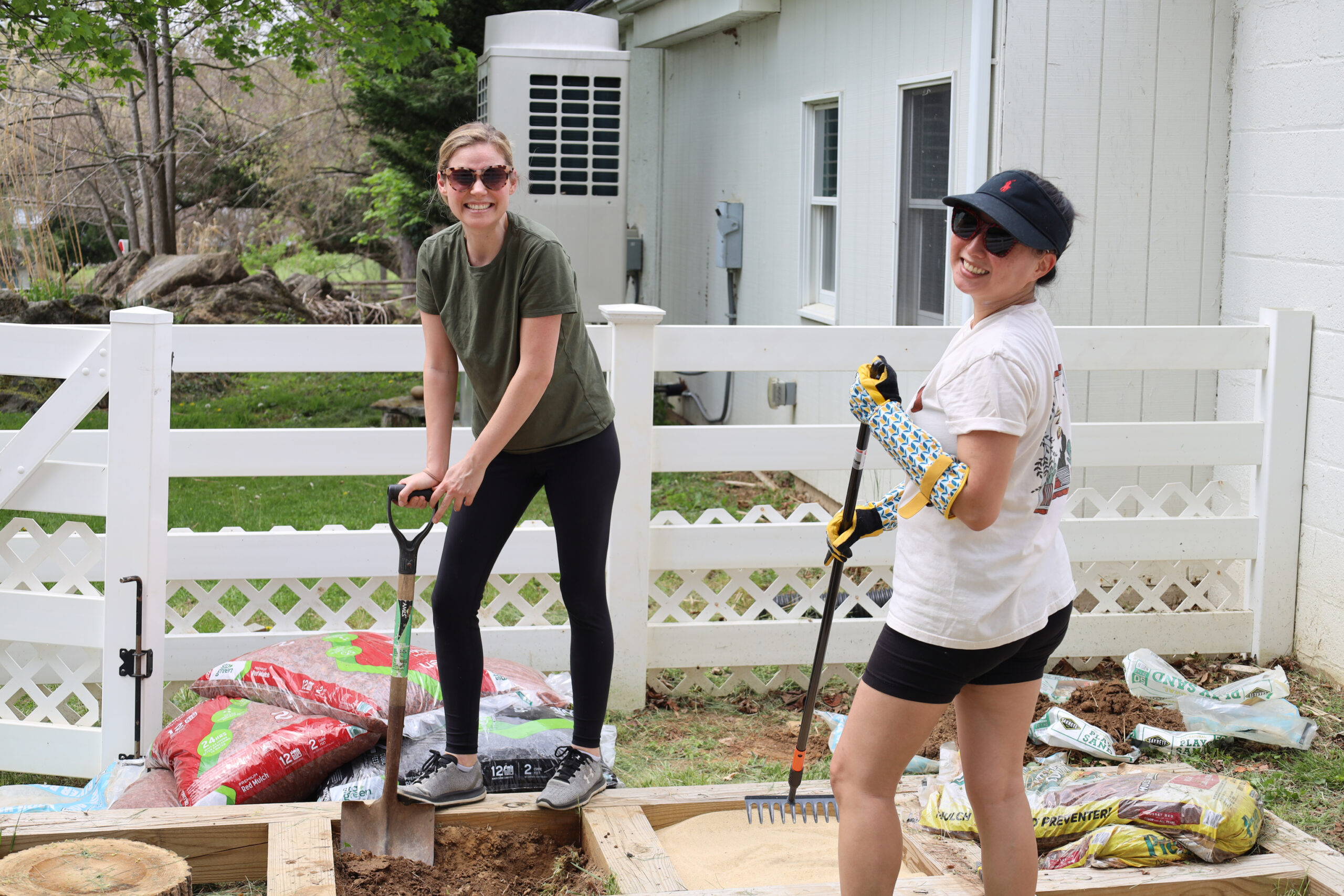
After school, many families joined in to help spruce up the campus grounds. We would like to extend a special thanks to all of our families who volunteered to help make this event a success! If you would like to support any of our current outdoor projects by volunteering or donating supplies, please reach out to us here It was beautiful to see everyone coming together for this purposeful community event! Take a look below to see photos and more details about the projects at each level.

Toddlers

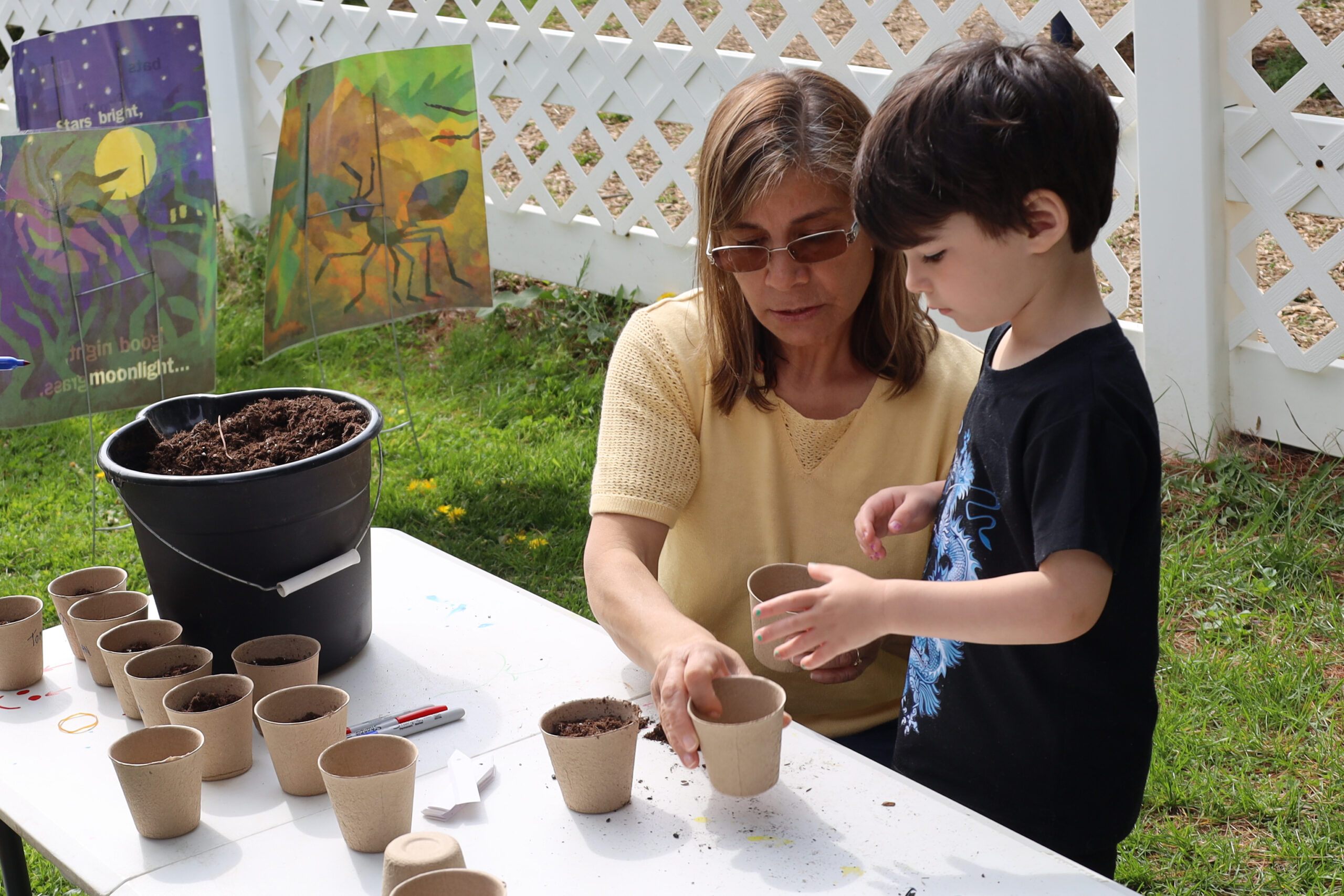
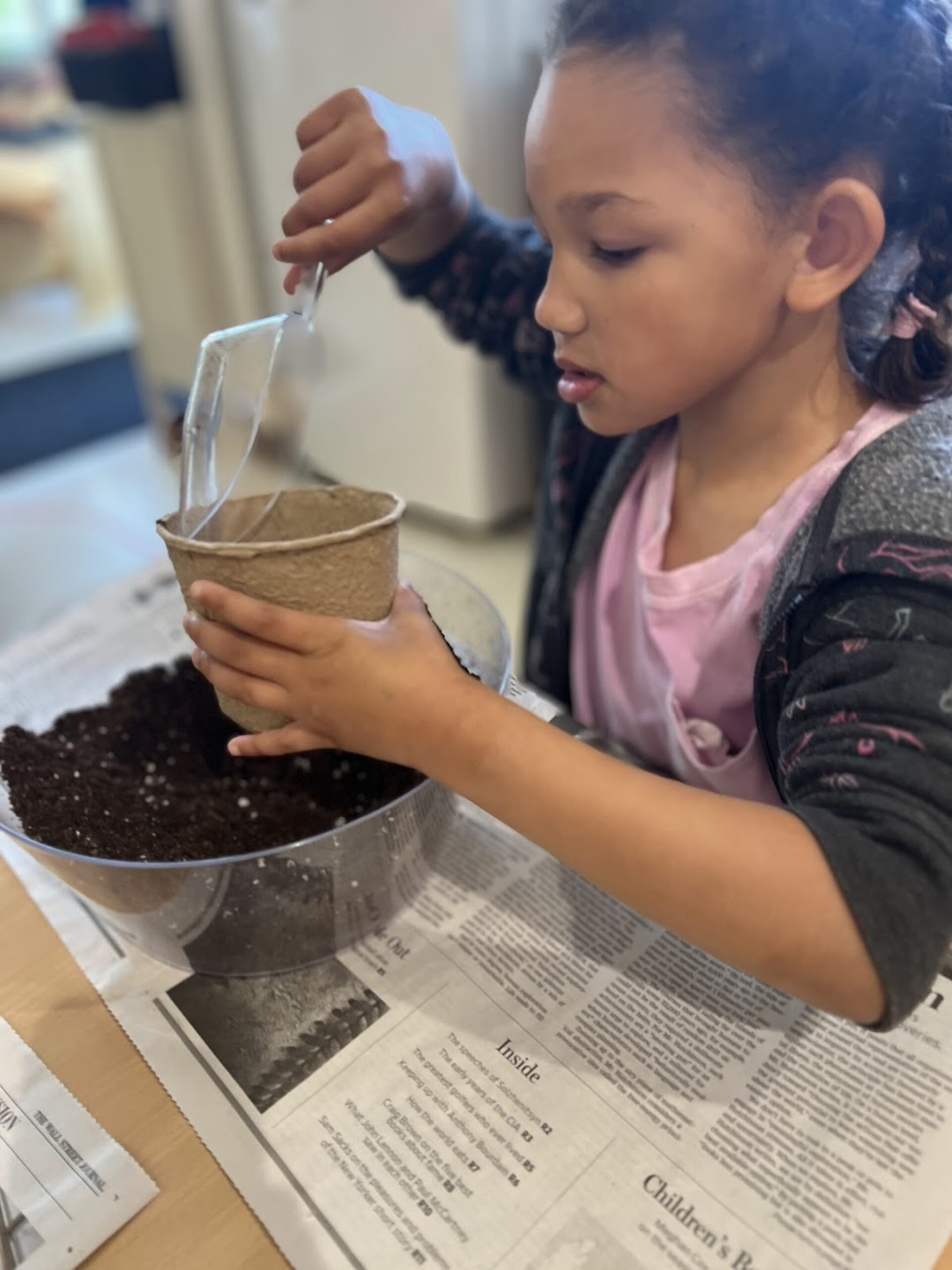
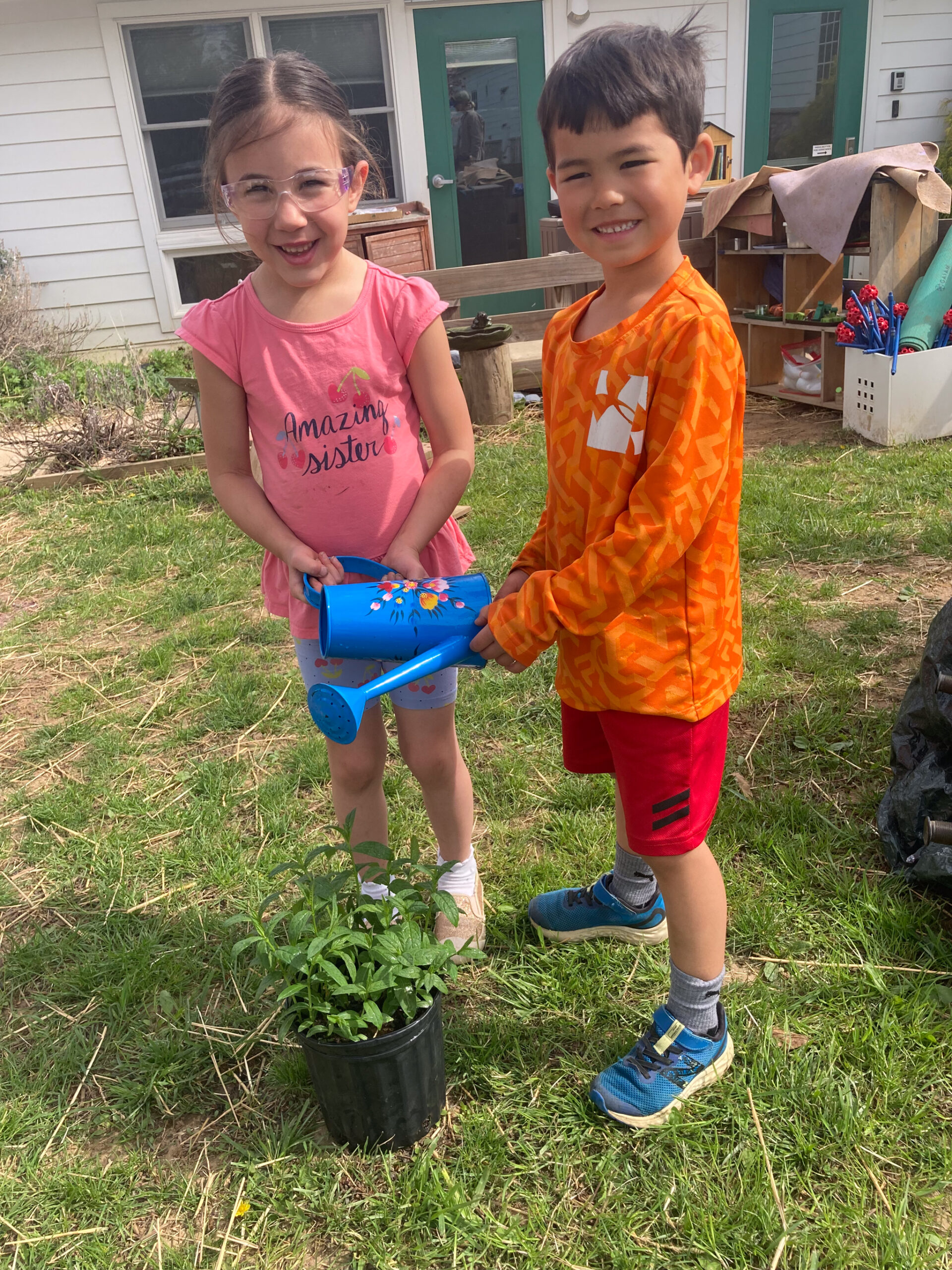
Our Toddlers visited the planting station in the morning to prepare small seedlings to bring home. They also worked together to spruce up their outdoor environments and plant flowers.

Children’s House

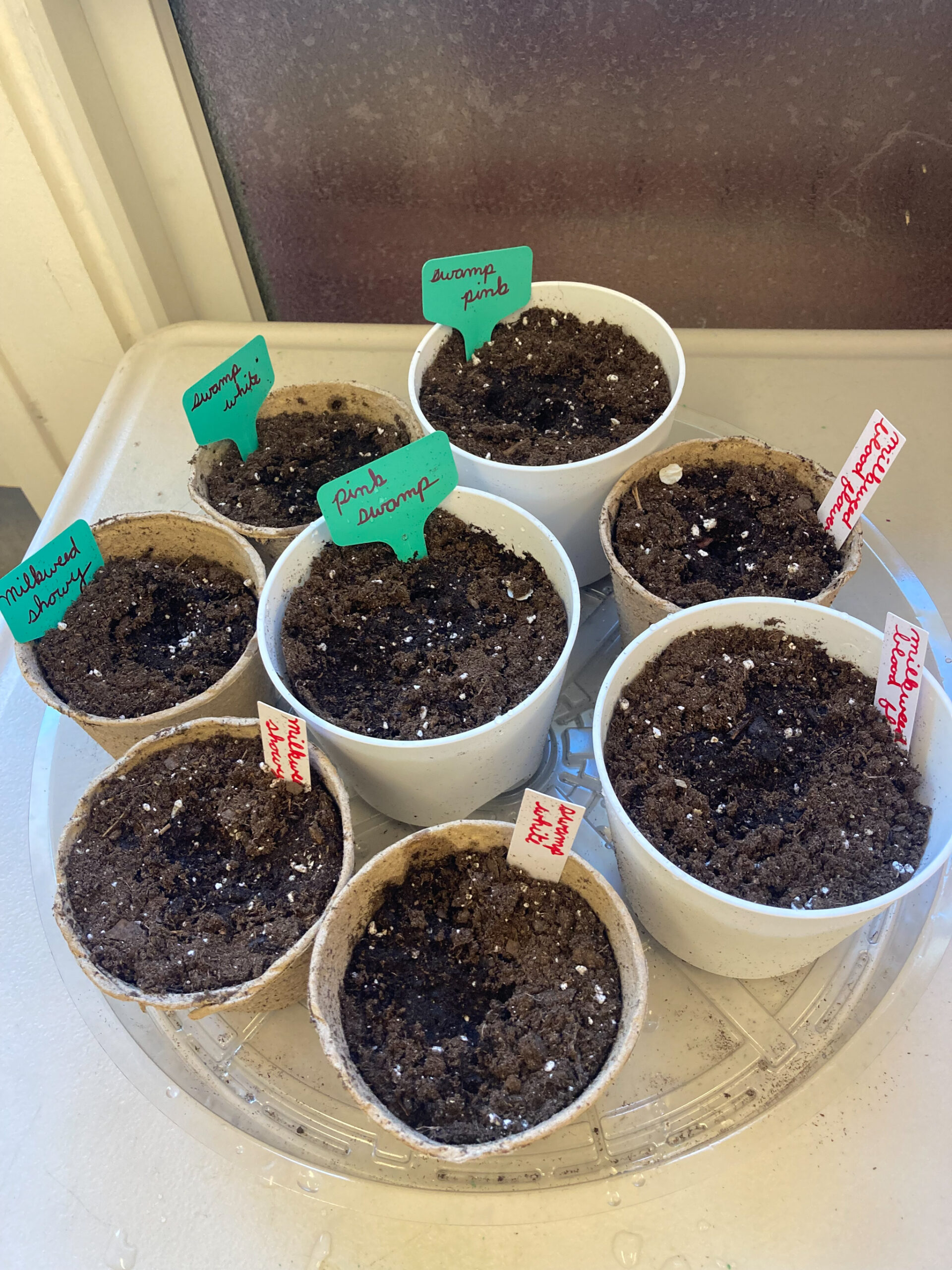
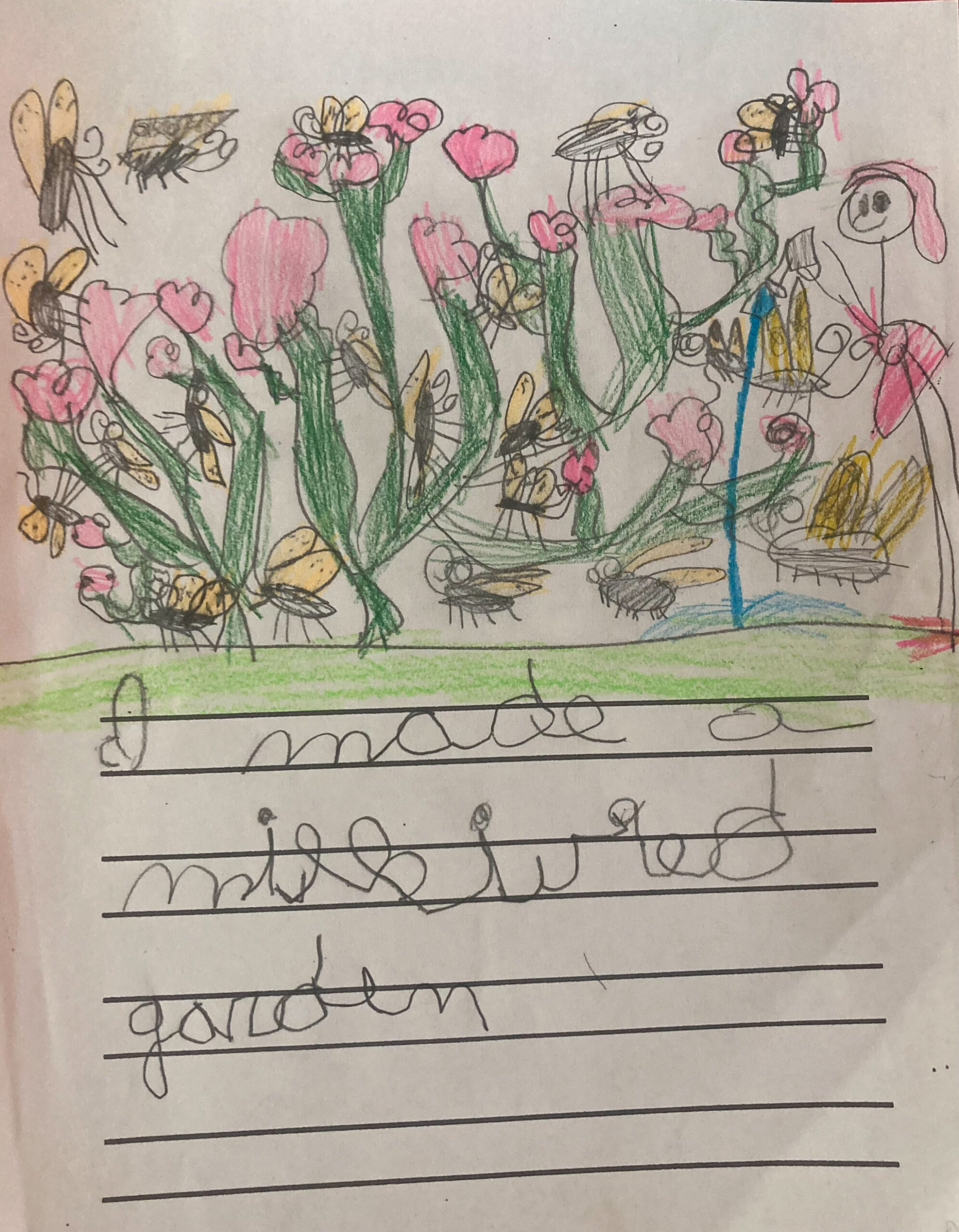
In preparation for Earth Day, Ms. Laura, one of our Children’s House Naturalists, worked with the children to plant milkweed, phlox, black eyed-susans, and coneflower seeds to welcome all pollinators to the Outdoor Environments and give them a place to rest, eat, and lay eggs! Their goal is to become a Monarch Waystation just like Ms. Emily has accomplished along the Chesapeake Village! All of our Children’s House classrooms enjoyed getting down in the dirt to weed, plant, and prepare our campus for spring!

Our Children’s House team was inspired to take on this initiative after learning more about the Roots & Shoots Program by Jane Goodall. To learn more about our Children’s House Roots & Shoots lessons, please click here.

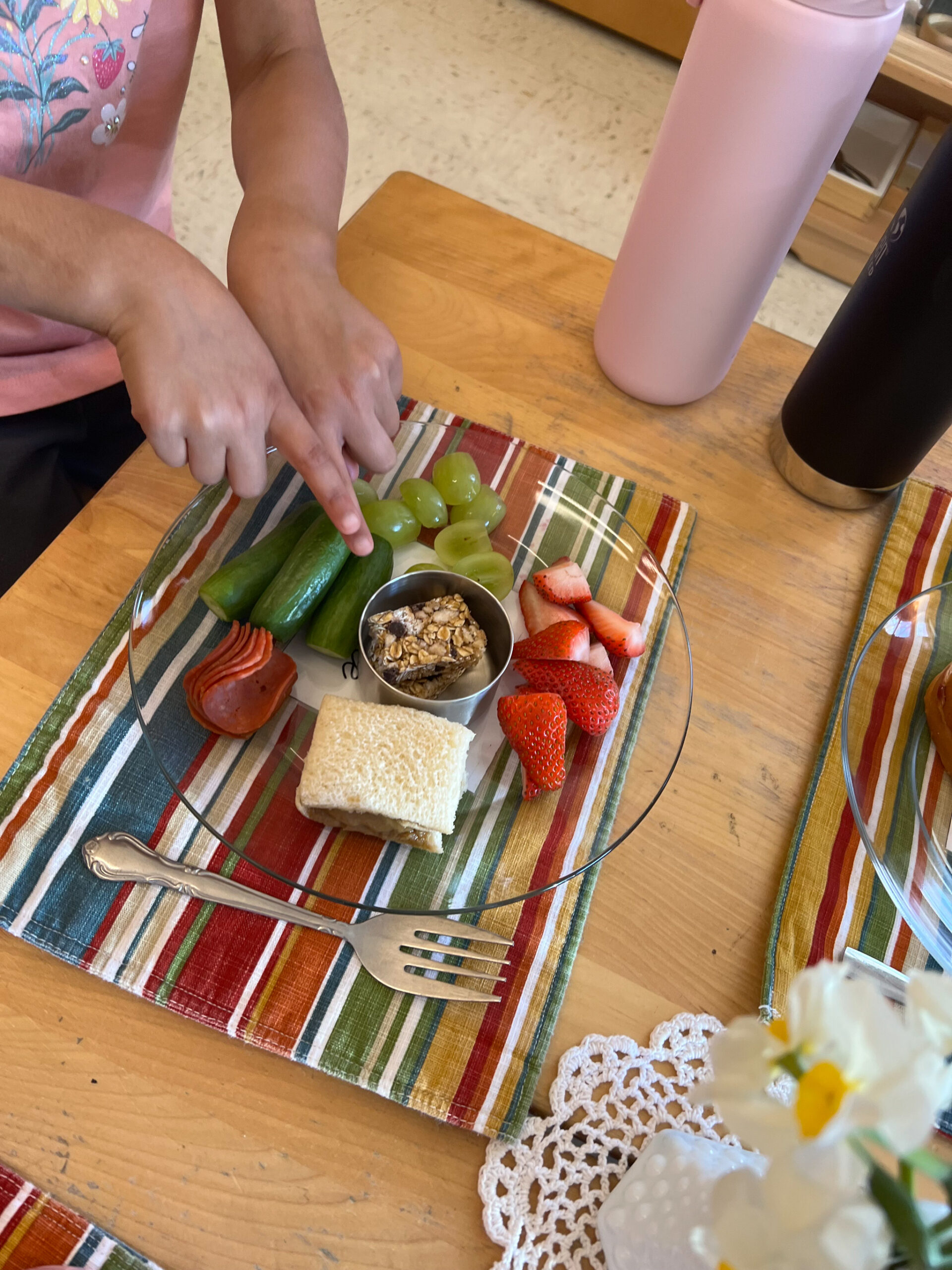
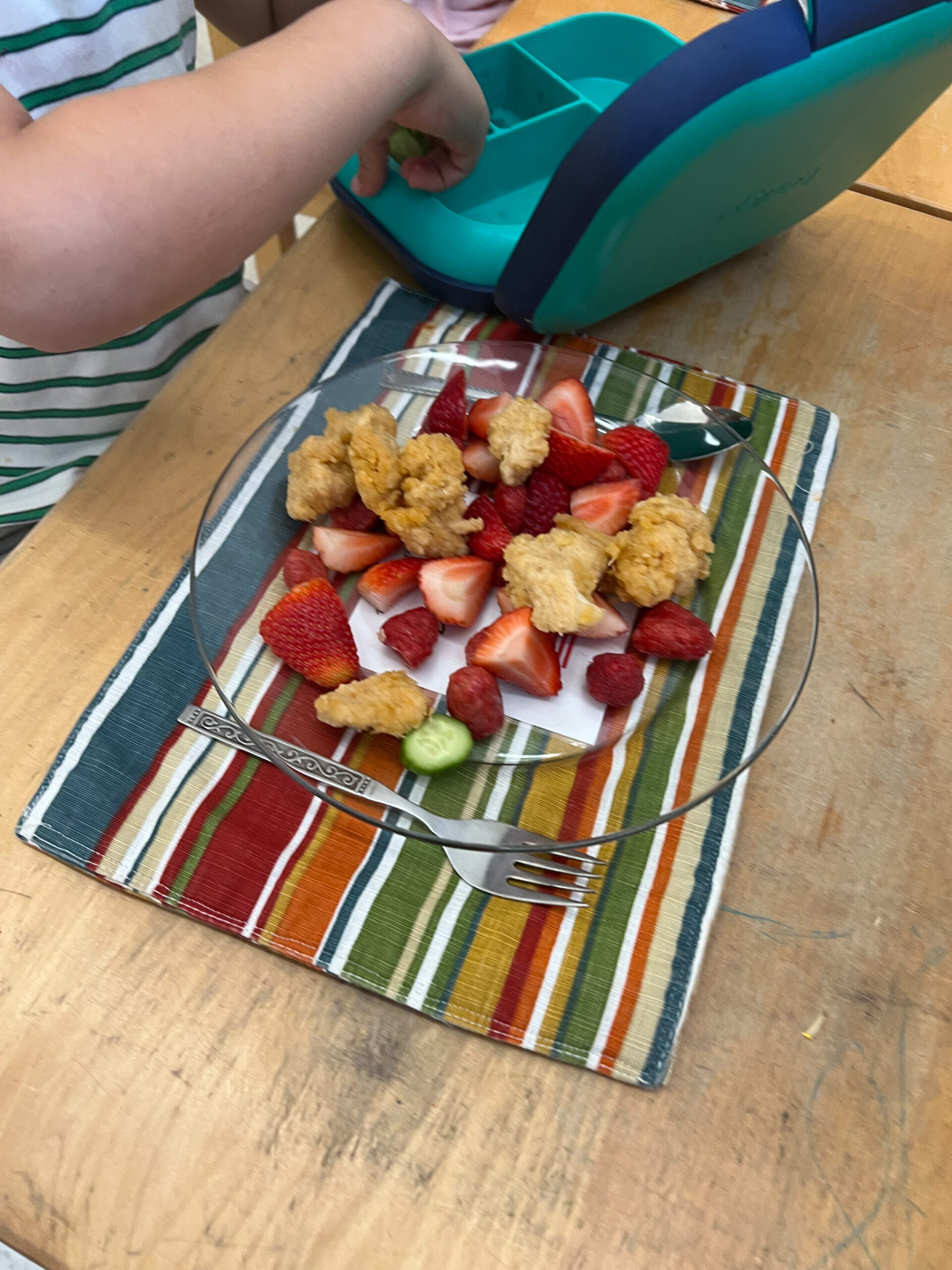
In addition, our Winterberry Children’s House classroom participated in a waste-free lunch to show to our students the impact of small decisions every day.

Elementary & Adolescents

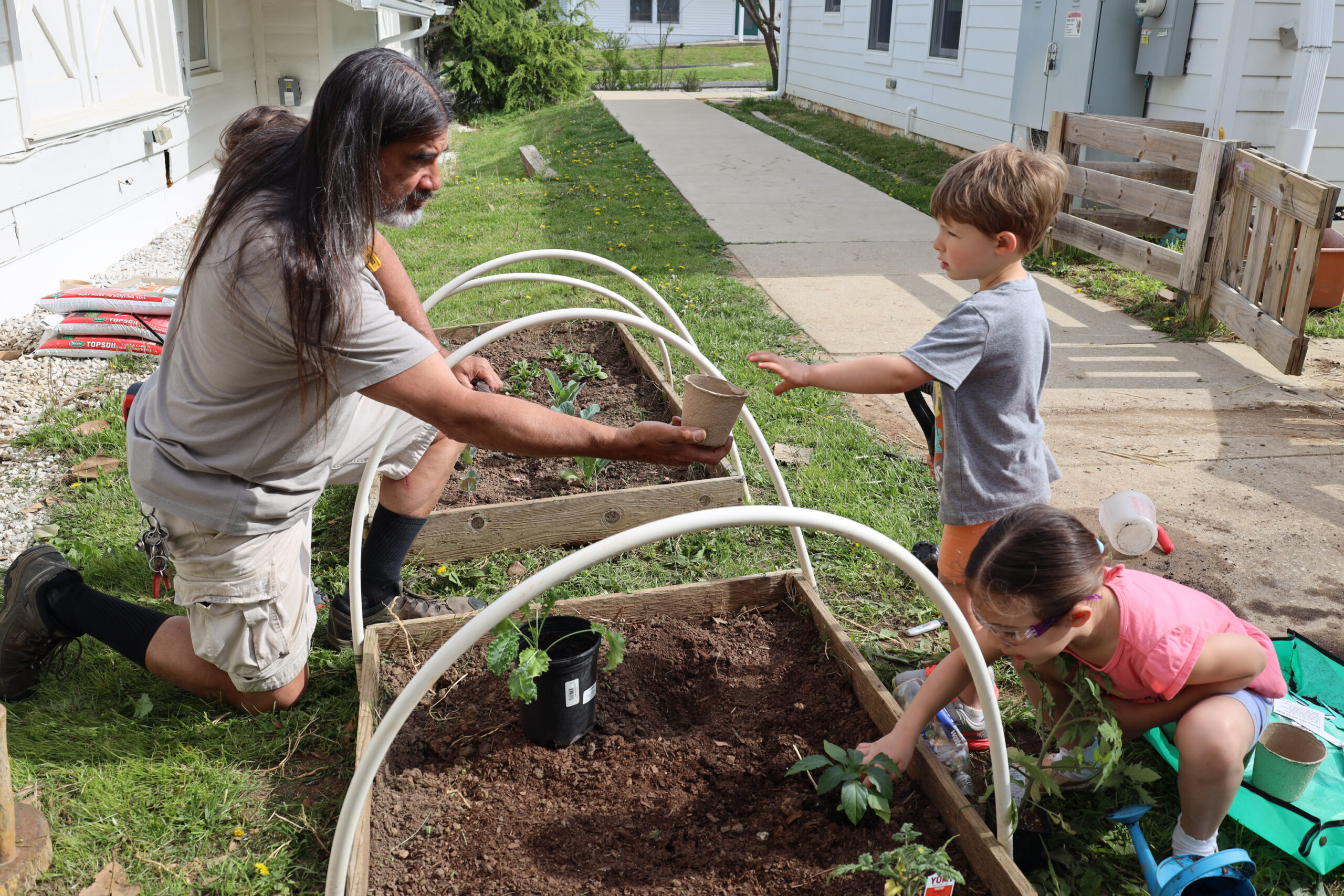
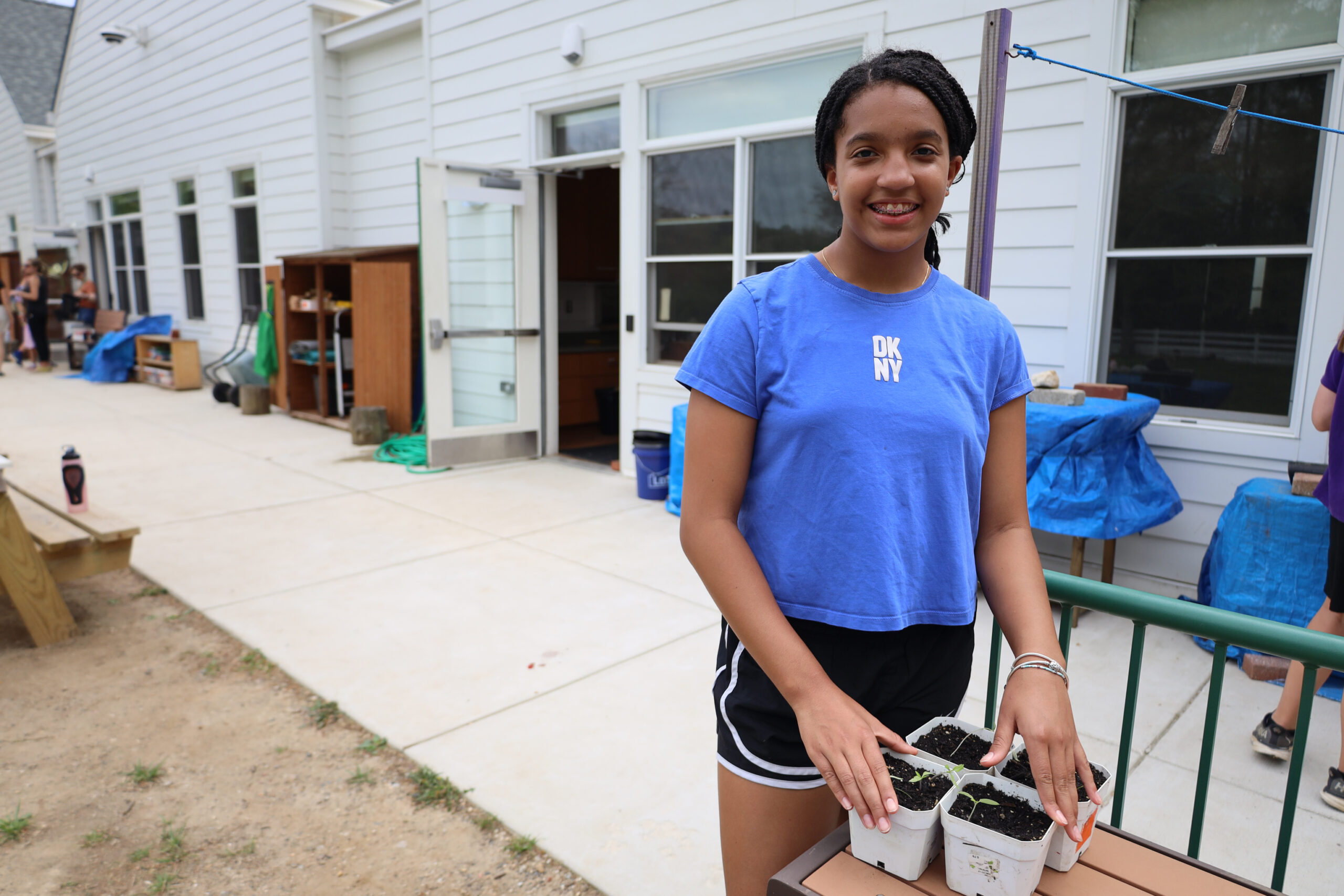
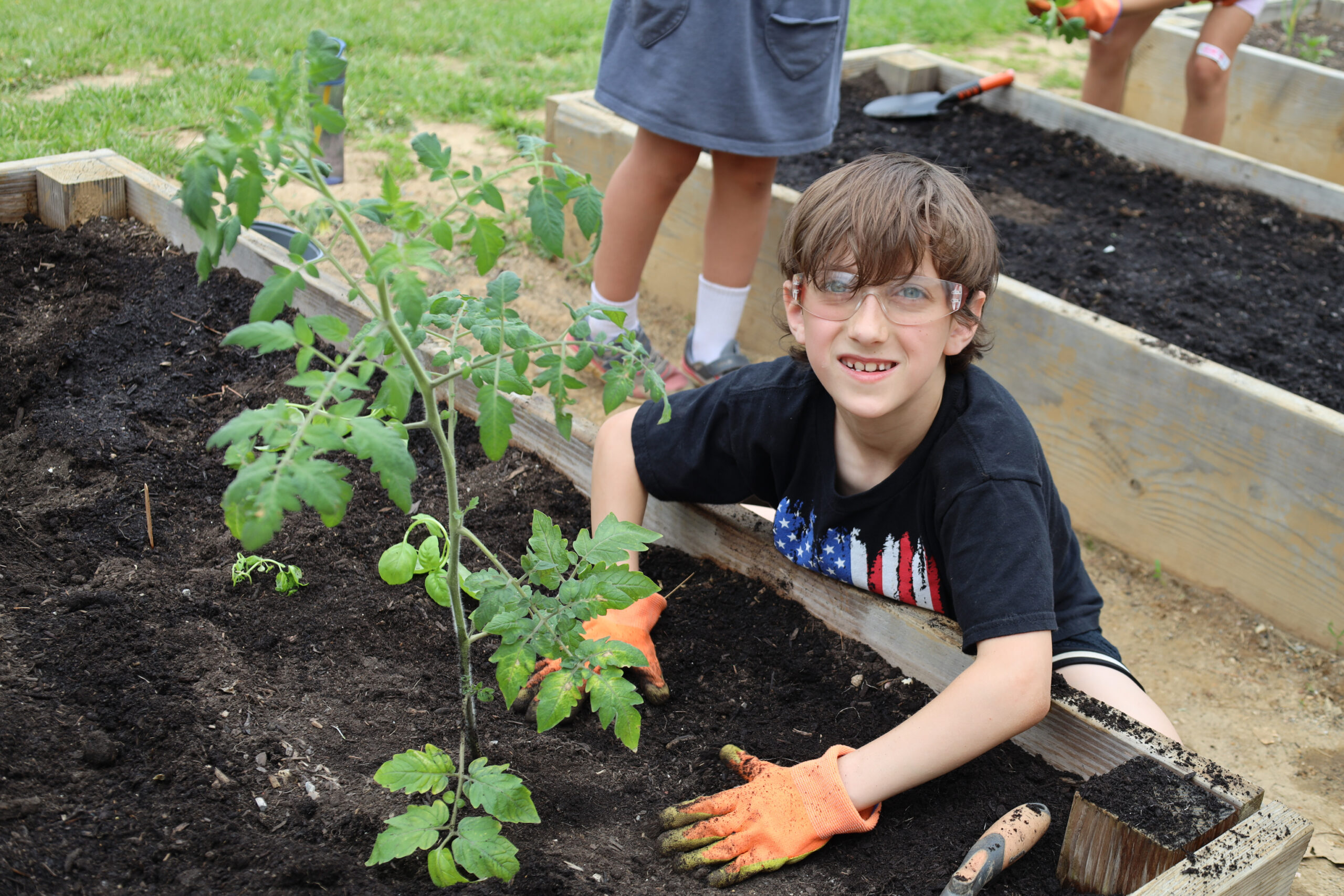
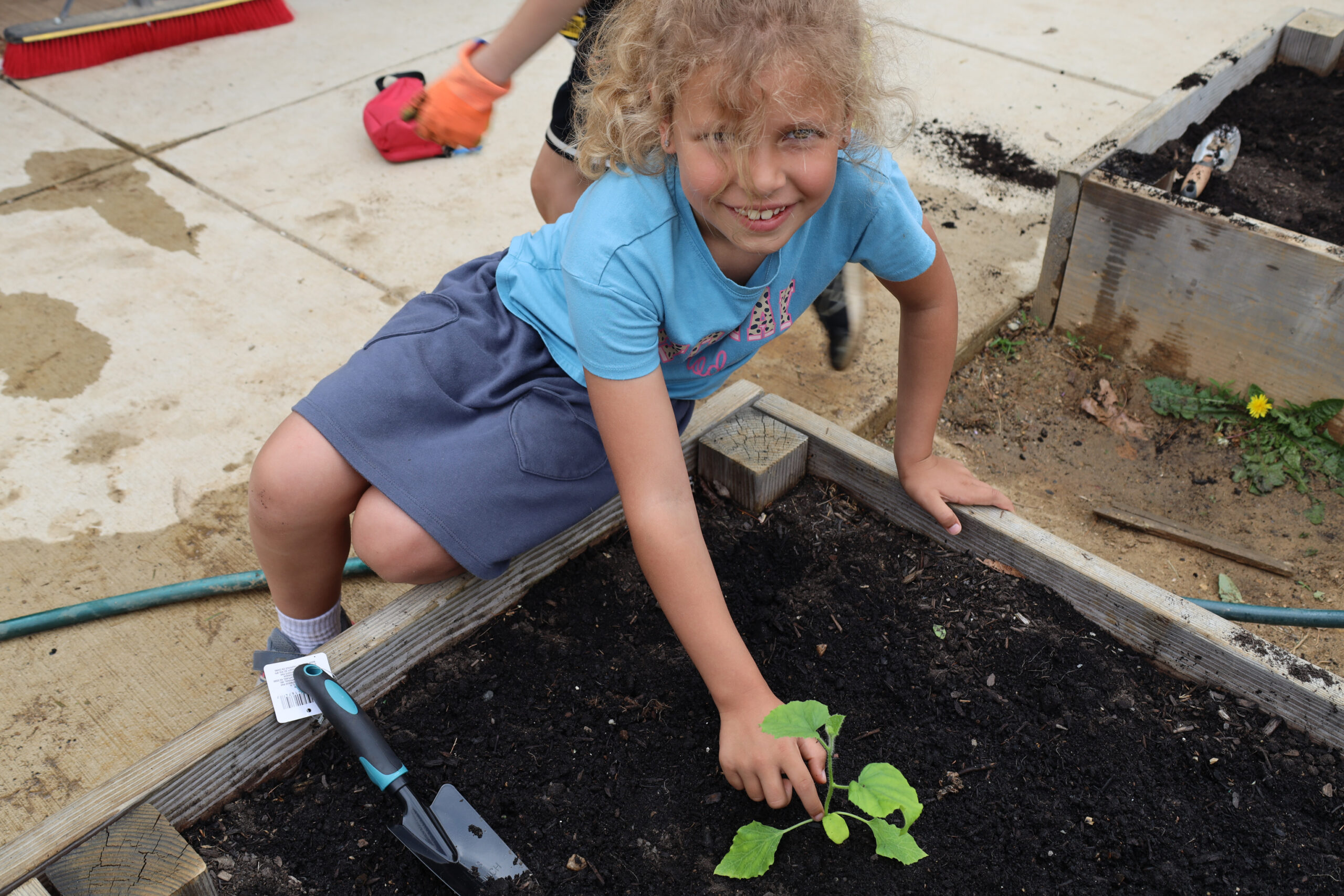
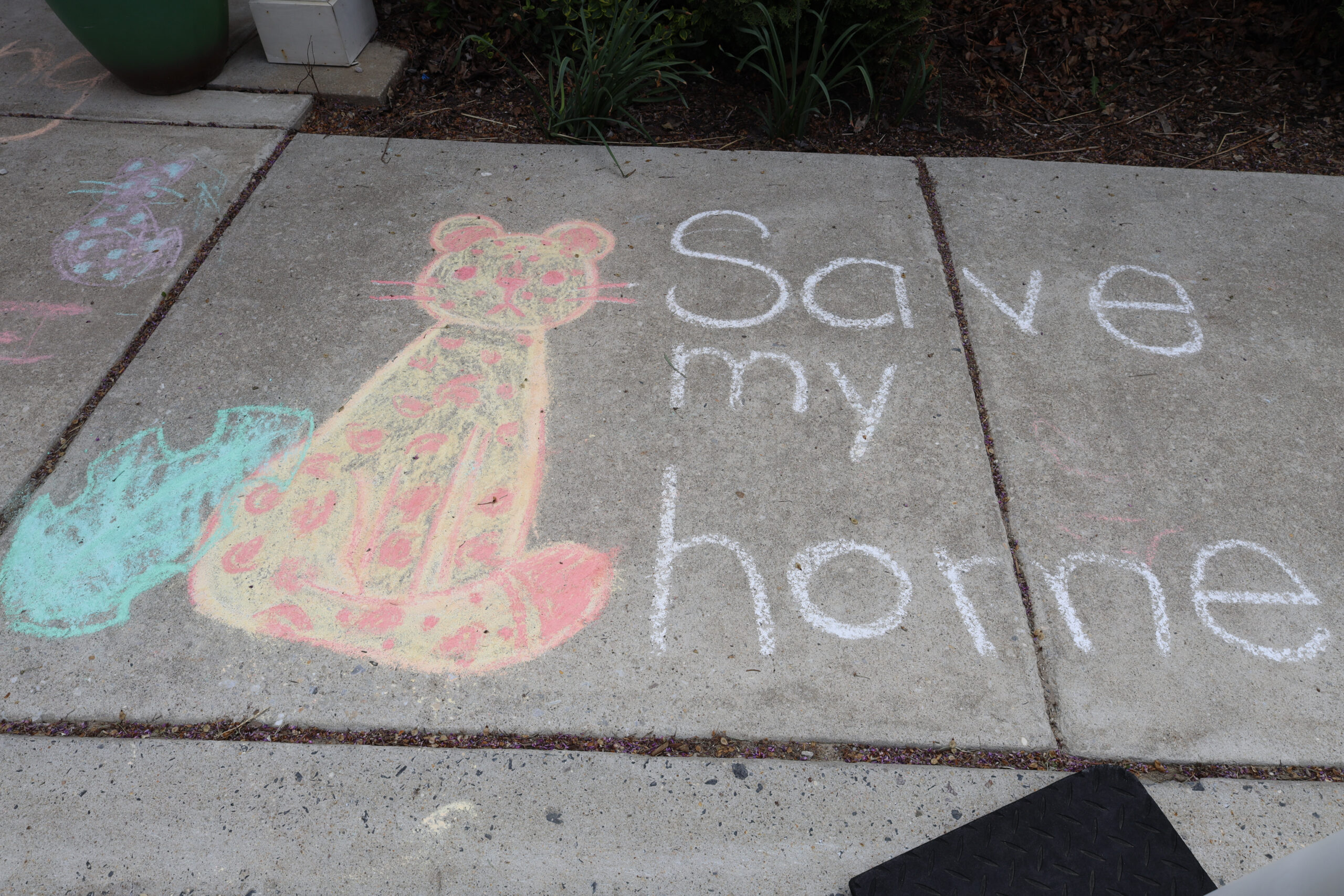
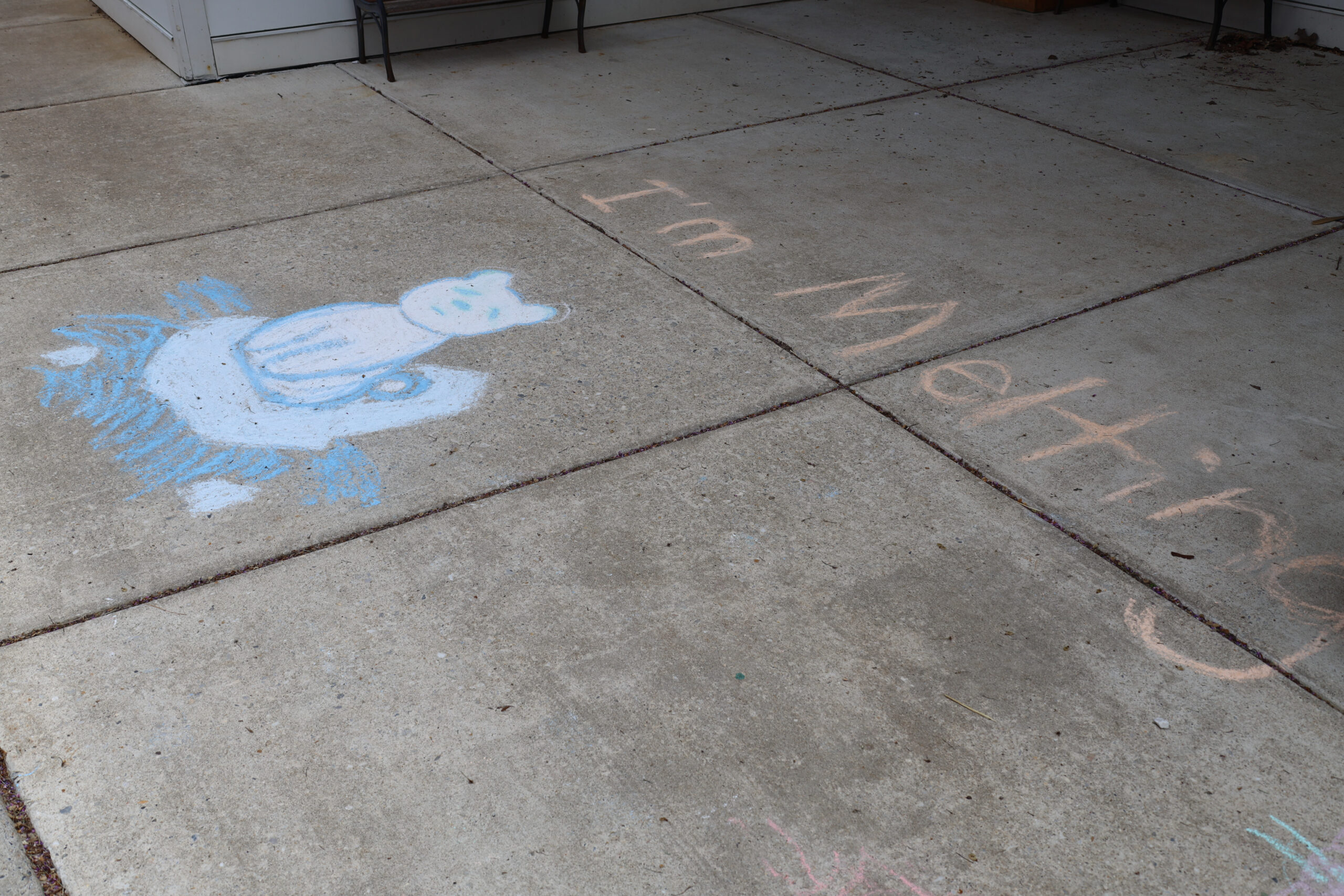
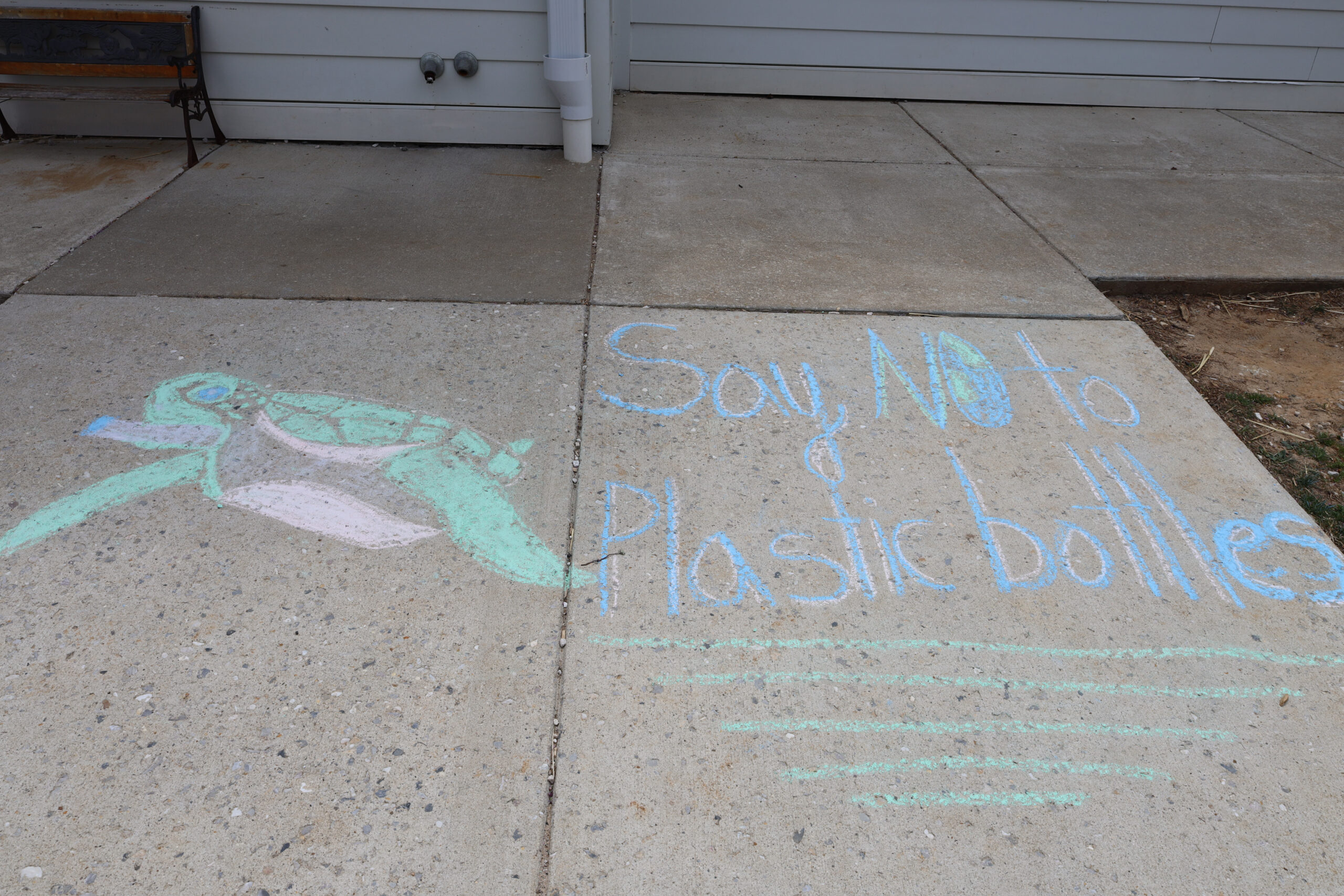
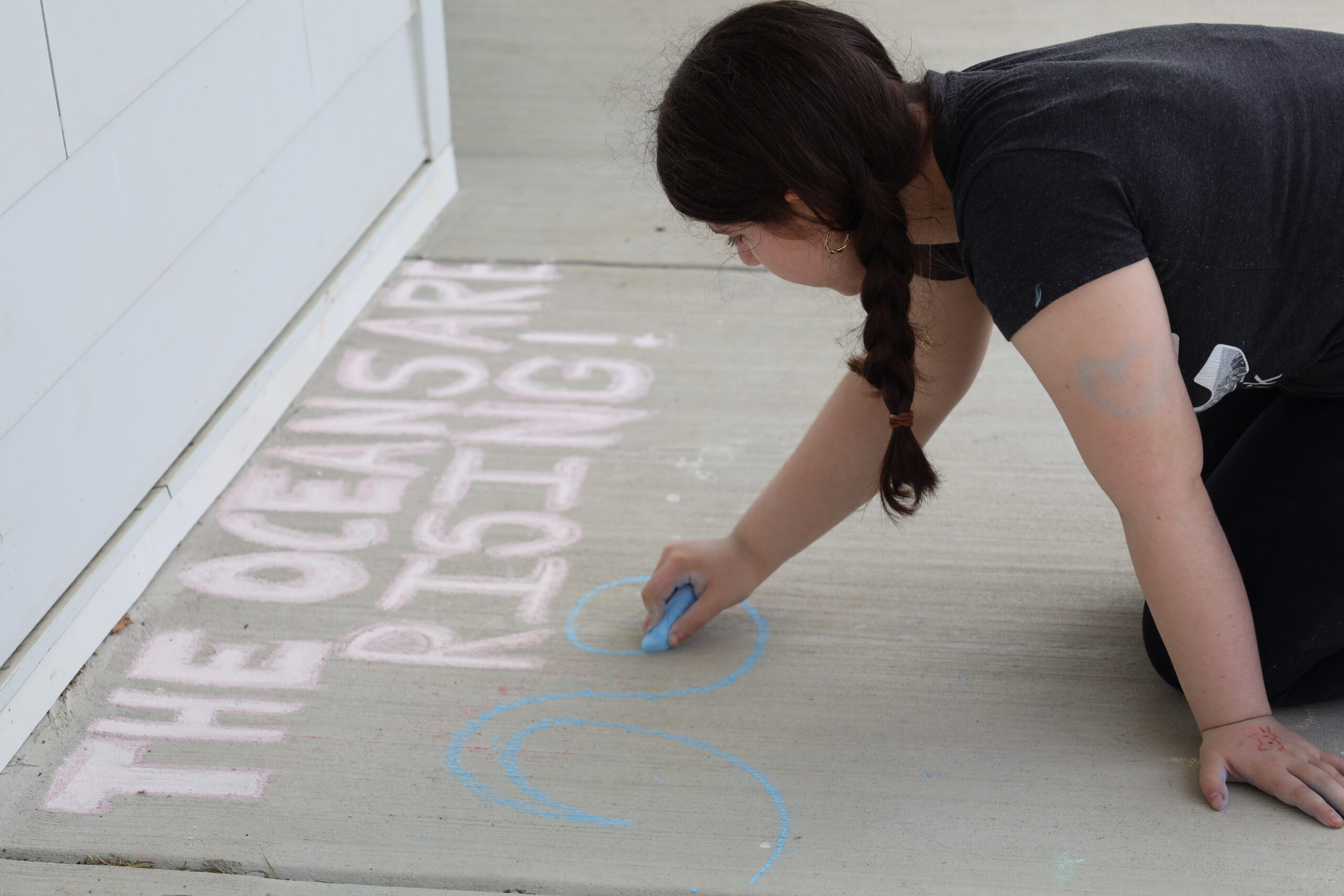
Our Elementary children sowed vegetable and flower seeds in their outdoor gardens. They are also preparing to extend their garden area in order to grow wine plants including gourds, pumpkins, squash, and watermelon. Our Adolescents created a graph of the atmospheric carbon along with eco-awareness art in sidewalk chalk around campus. They also sold seedlings as part of their small business. 

Families

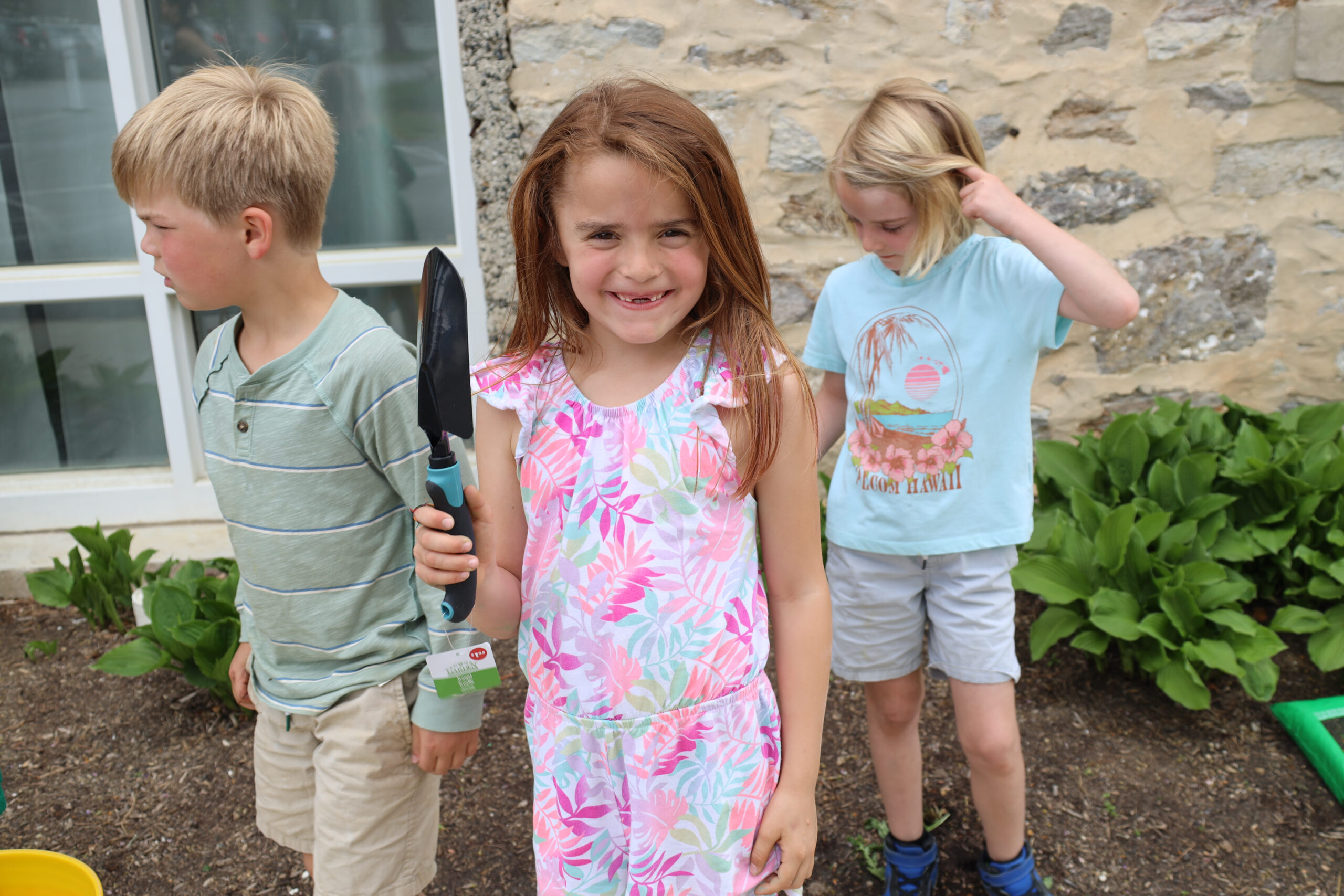
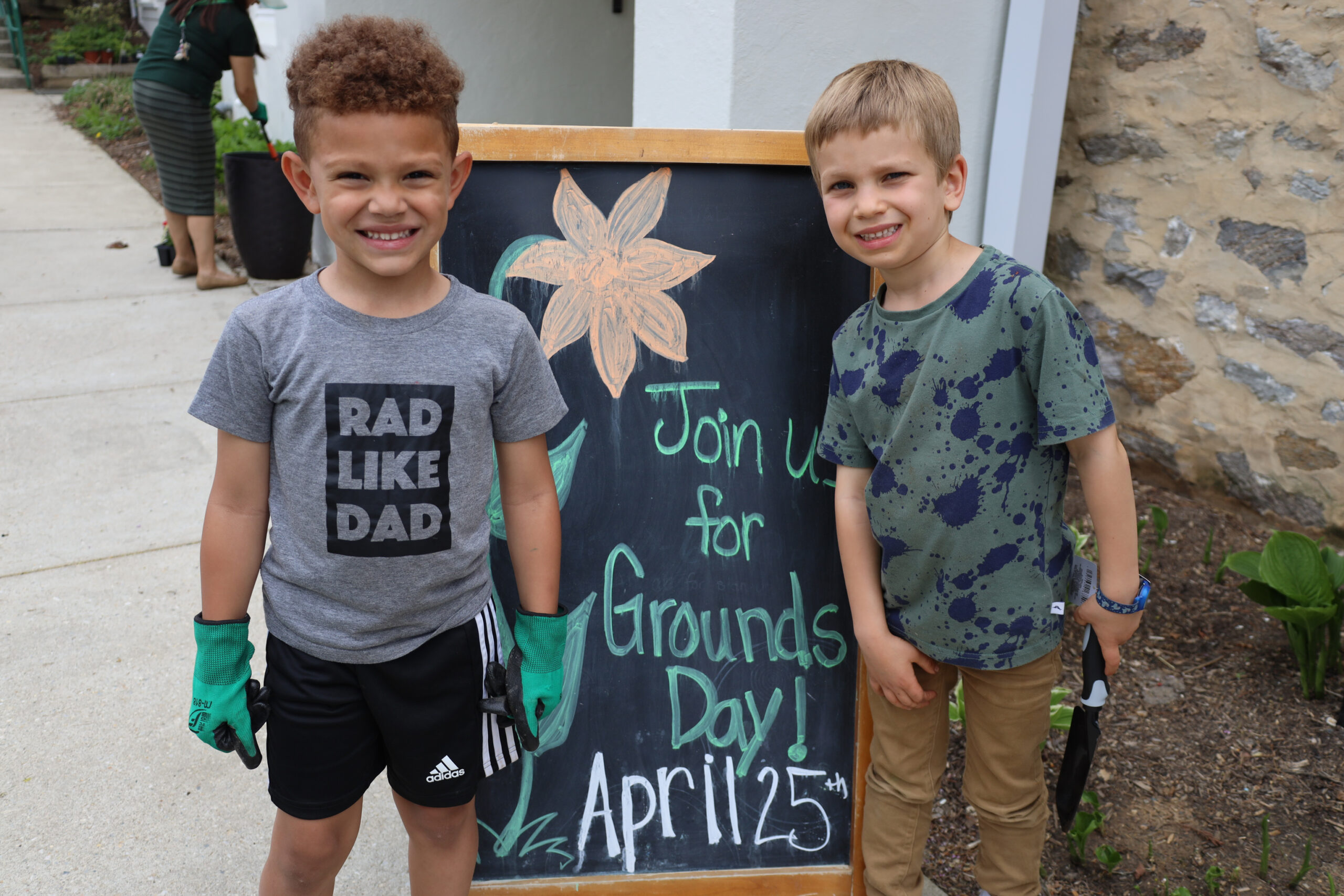
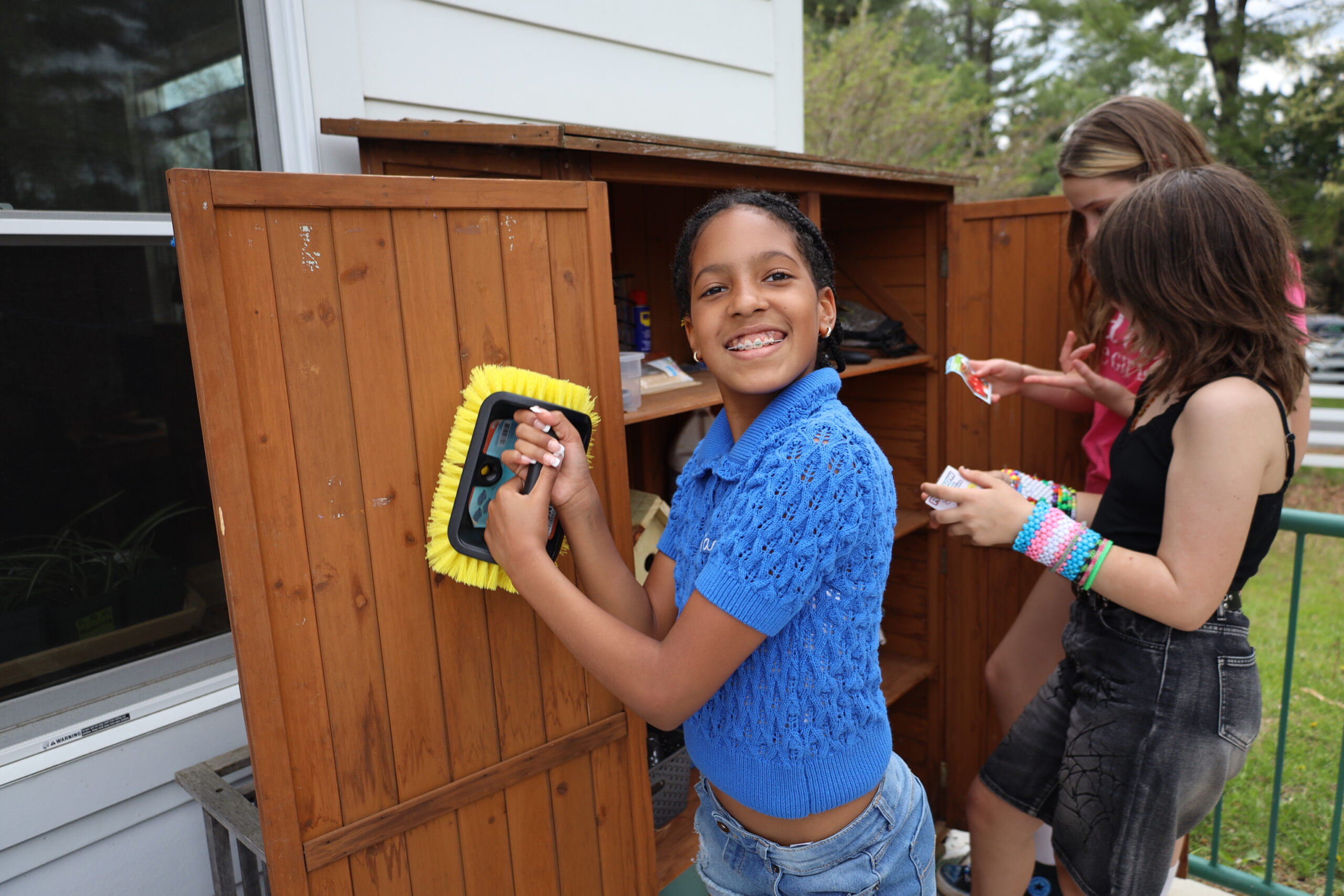
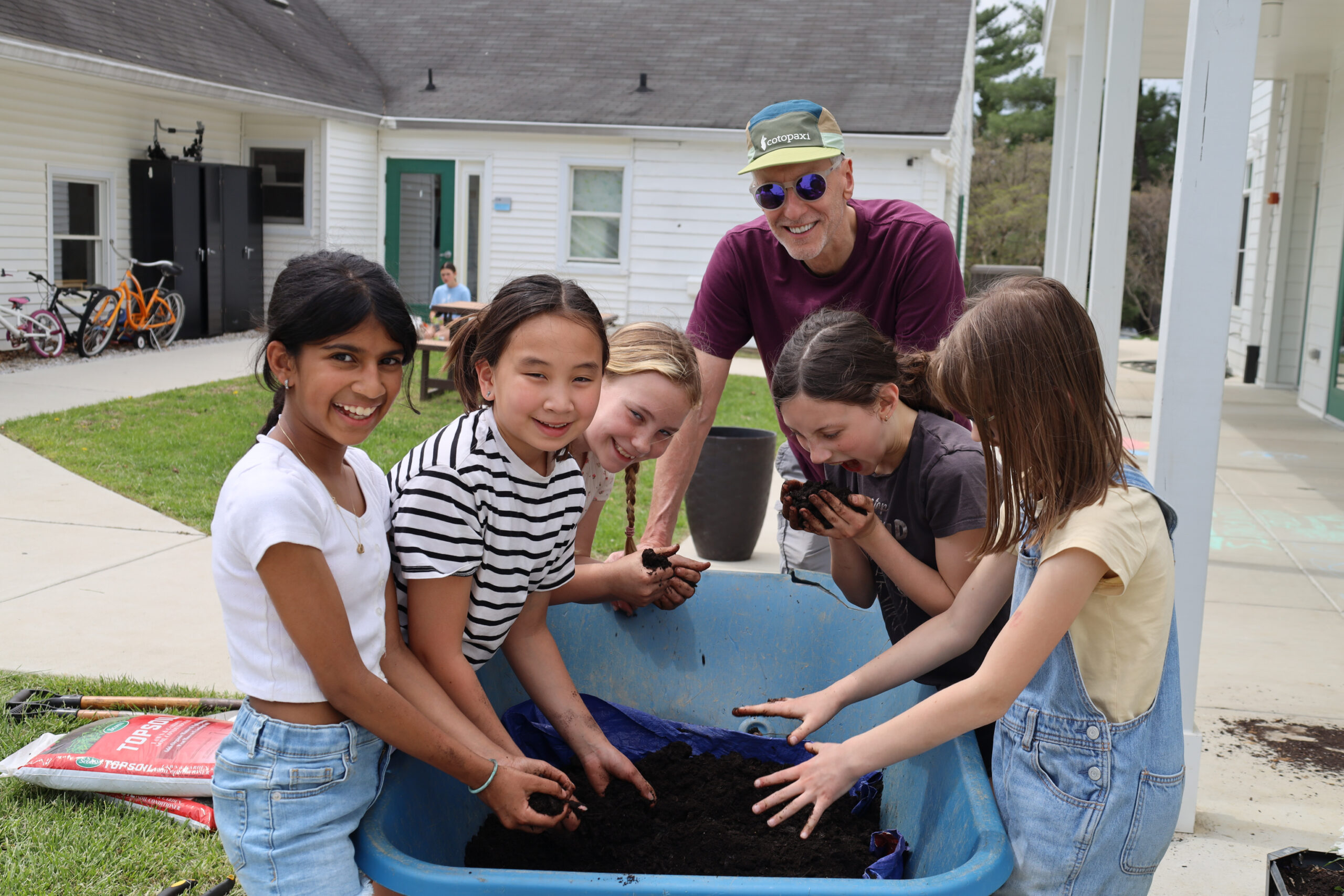
We also celebrated Earth Day with our families at our Spring Grounds Day. Volunteers came out to give back to our school by helping to beautify and maintain the Greenspring campus. Parents, grandparents, and children helped with everything from weeding and planting to window washing and fence staining. Thank you to everyone who came out to join us! Thank you for your support as we celebrate Earth Day and help inspire the future generation of stewards for our planet. 

“Hope is contagious Your actions inspire others.” – Jane Goodall
What do you love about Greenspring?

What do you love about Greenspring?

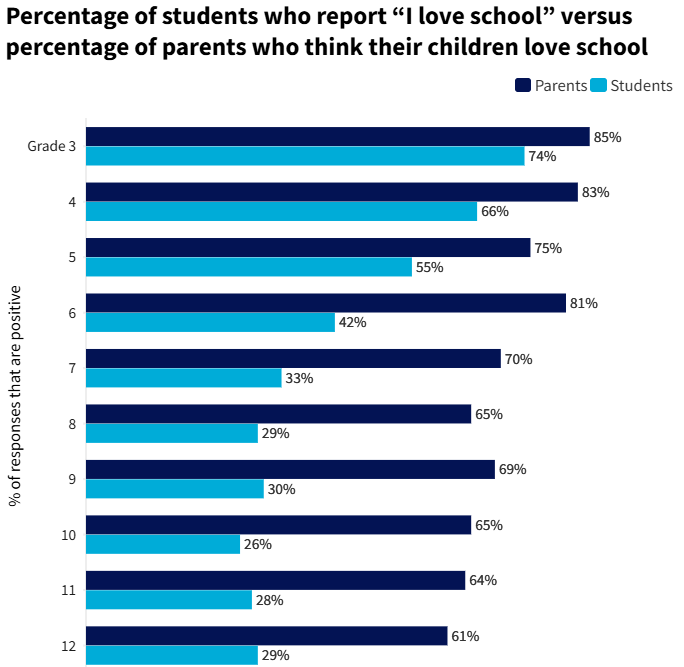
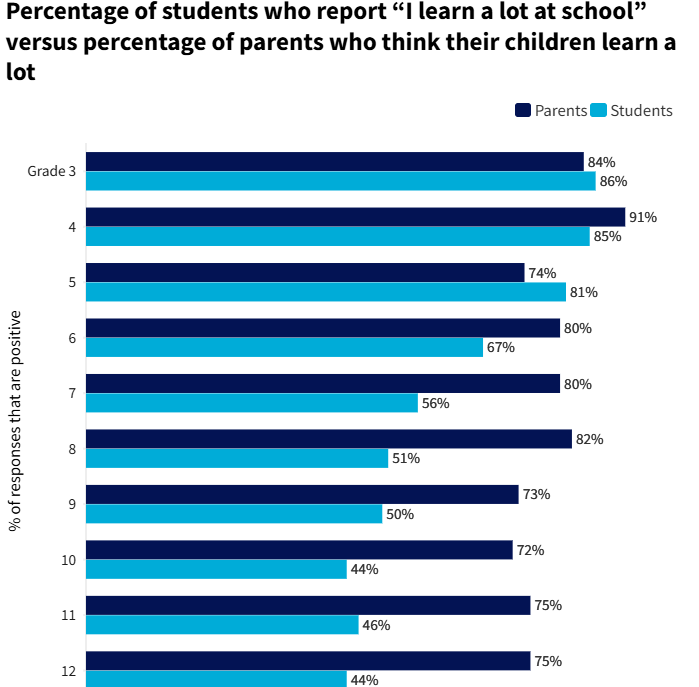
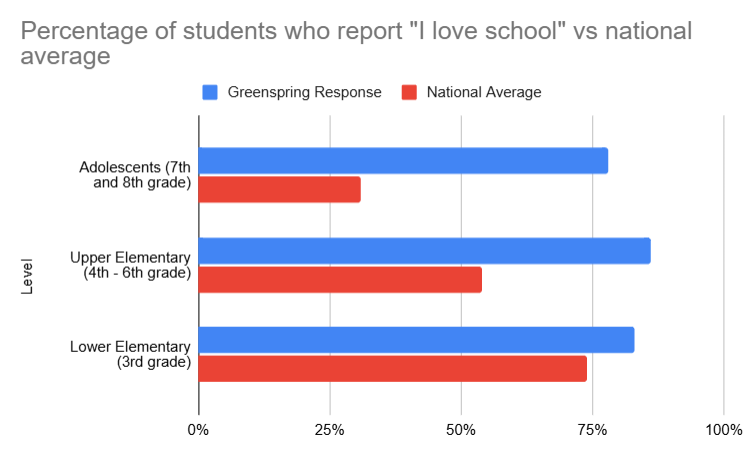
A recent article in Education Week brought to light some intriguing findings from a Brookings Institution study that reveals a gap in how parents perceive their children’s enjoyment and engagement with school compared to the students’ own perspectives. According to the study, while 78% of parents believe their children are thriving academically and enjoying school, only 60% of students share this sentiment. This gap grows even wider when it comes to how much students “love” school, with only 41% of students expressing such feelings compared to 71% of parents.

At Greenspring, we deeply value fostering an environment where students feel excited to learn, grow, and engage with their school community. Our Guides are dedicated to creating an atmosphere where each student can explore their interests and discover the joy of learning. We know that when we support the whole child – academically, mentally, and spiritually – their joy, success, and confidence follow naturally.

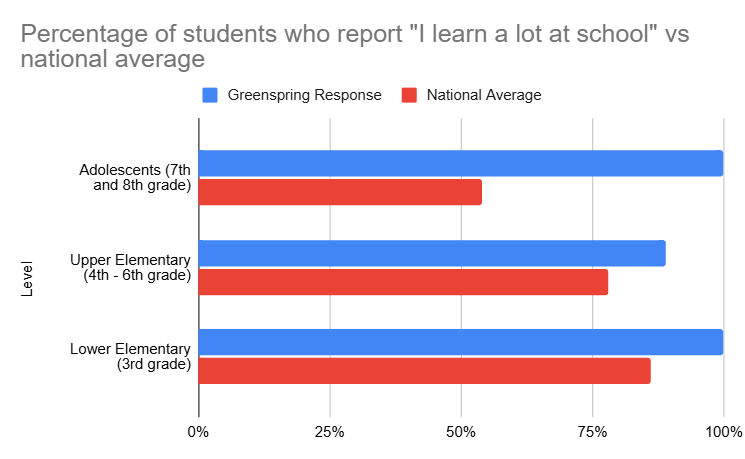
While the gap highlighted in the study is concerning, it does not come as a shock when we think about the mighty challenges facing modern education. At Greenspring, this offers us an opportunity to reflect on our efforts to connect with our children and adolescents to ensure they feel both challenged and supported. After learning more about the study, we decided to poll our own Elementary and Adolescent students in 3rd – 8th grade to find out more about what they are feeling at school. Here are the questions we asked.

We are happy to share the results here.

We also interviewed Elementary students to find out more about what they love about Greenspring. We hope that you will take a moment to hear what they have to say.

With this in mind, I encourage you to open up the dialogue with your children at home. What are they learning about in school? What inspires them? And are the adults in their life offering them worthy challenges that support their growth, not just academically, but also emotionally, physically, and spiritually? We seek to move forward into a new age of education where this is the norm, not the exception, for every child.