Celebrating Latin and Hispanic Heritage Month

Celebrating Latin and Hispanic Heritage Month

Latin and Hispanic Heritage Month is observed from September 15 to October 15 each year in the United States, and celebrates the histories, cultures, and contributions of people of Hispanic and Latin American descent. The month recognizes the rich cultural heritage, traditions, and achievements of Hispanic and Latin communities, who have significantly influenced U.S. history, arts, politics, and society. It also serves as an opportunity to honor the diversity within these communities, which include people from various nations in Latin America, the Caribbean, Africa, and Spain.

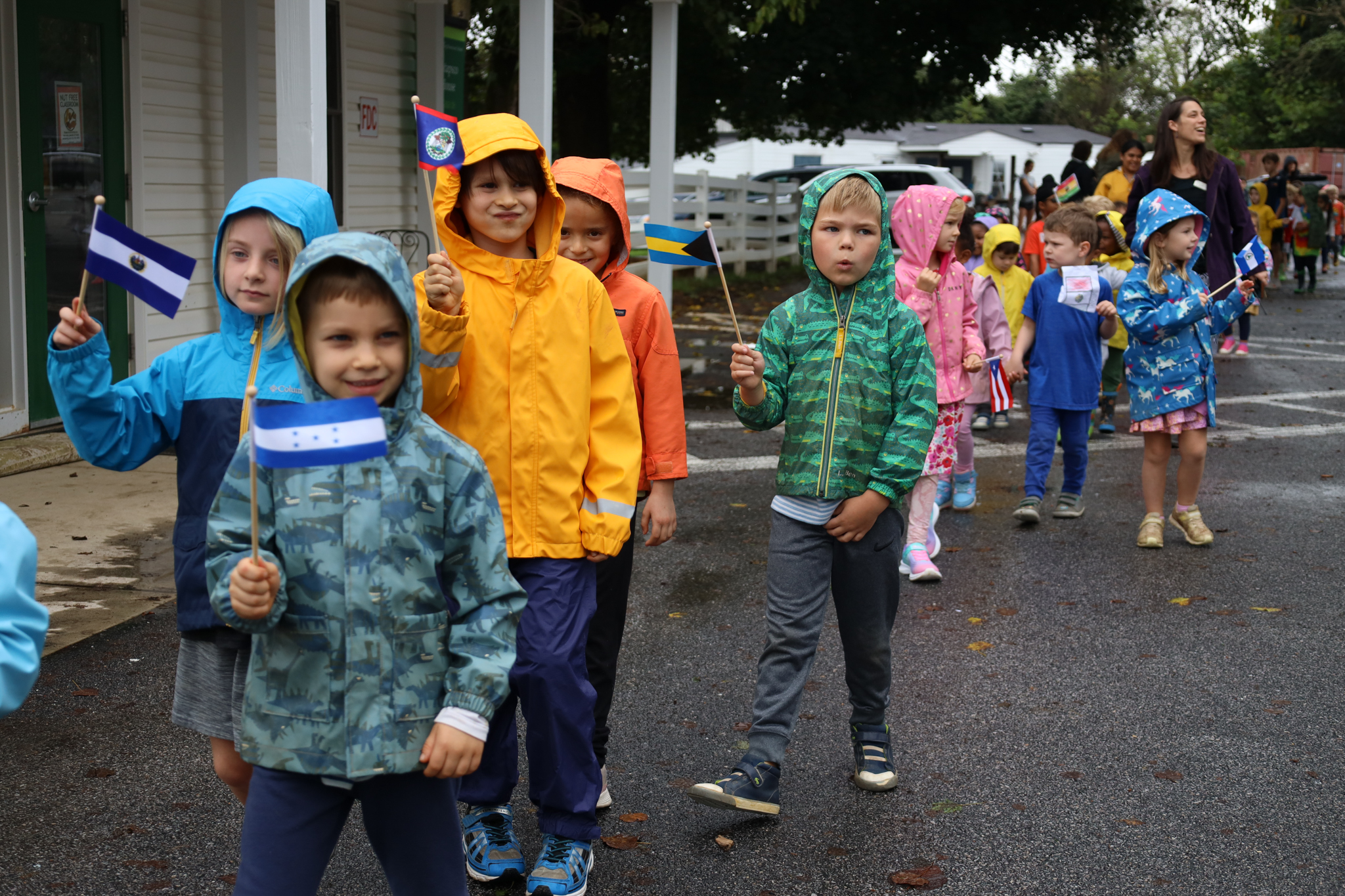
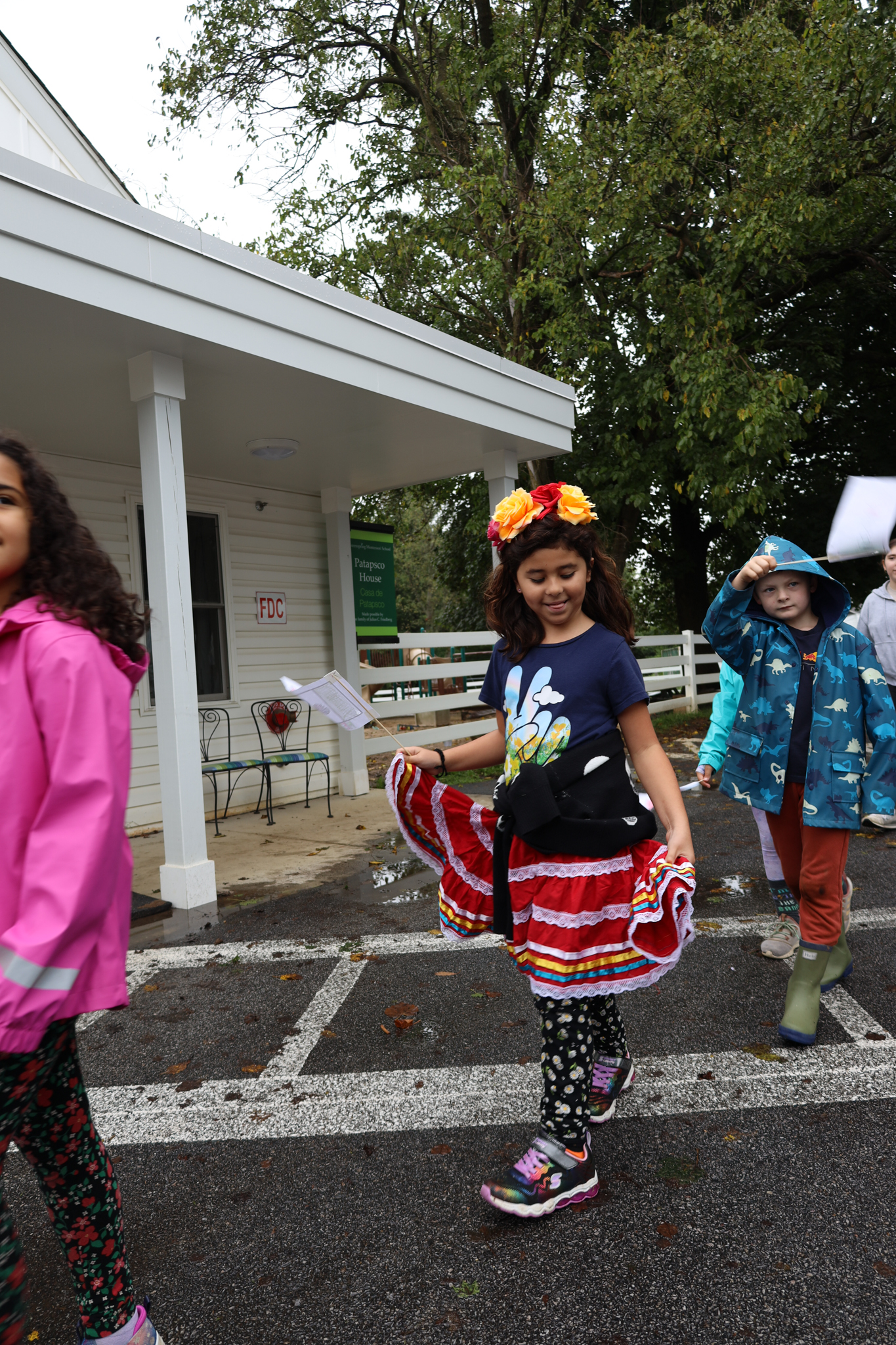
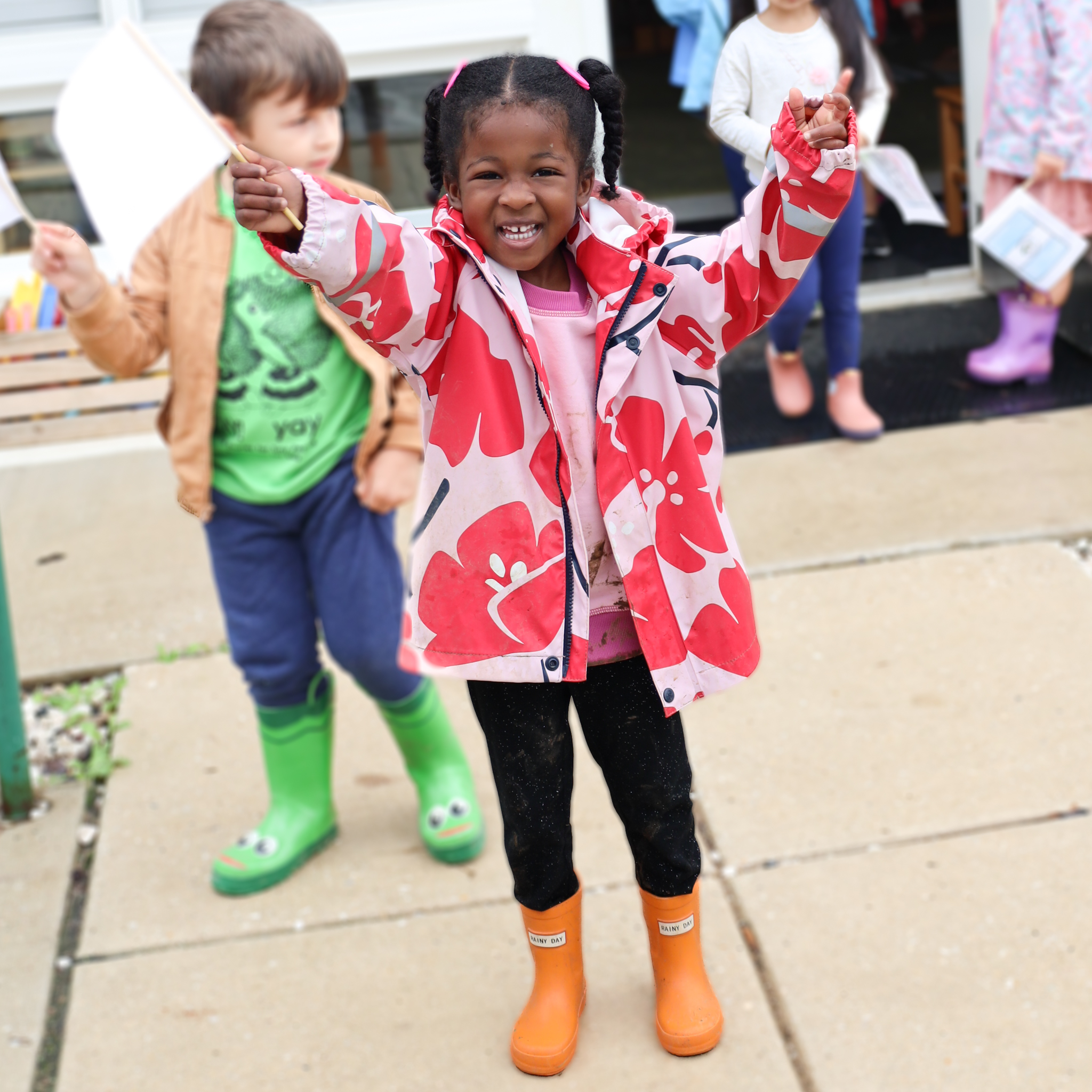
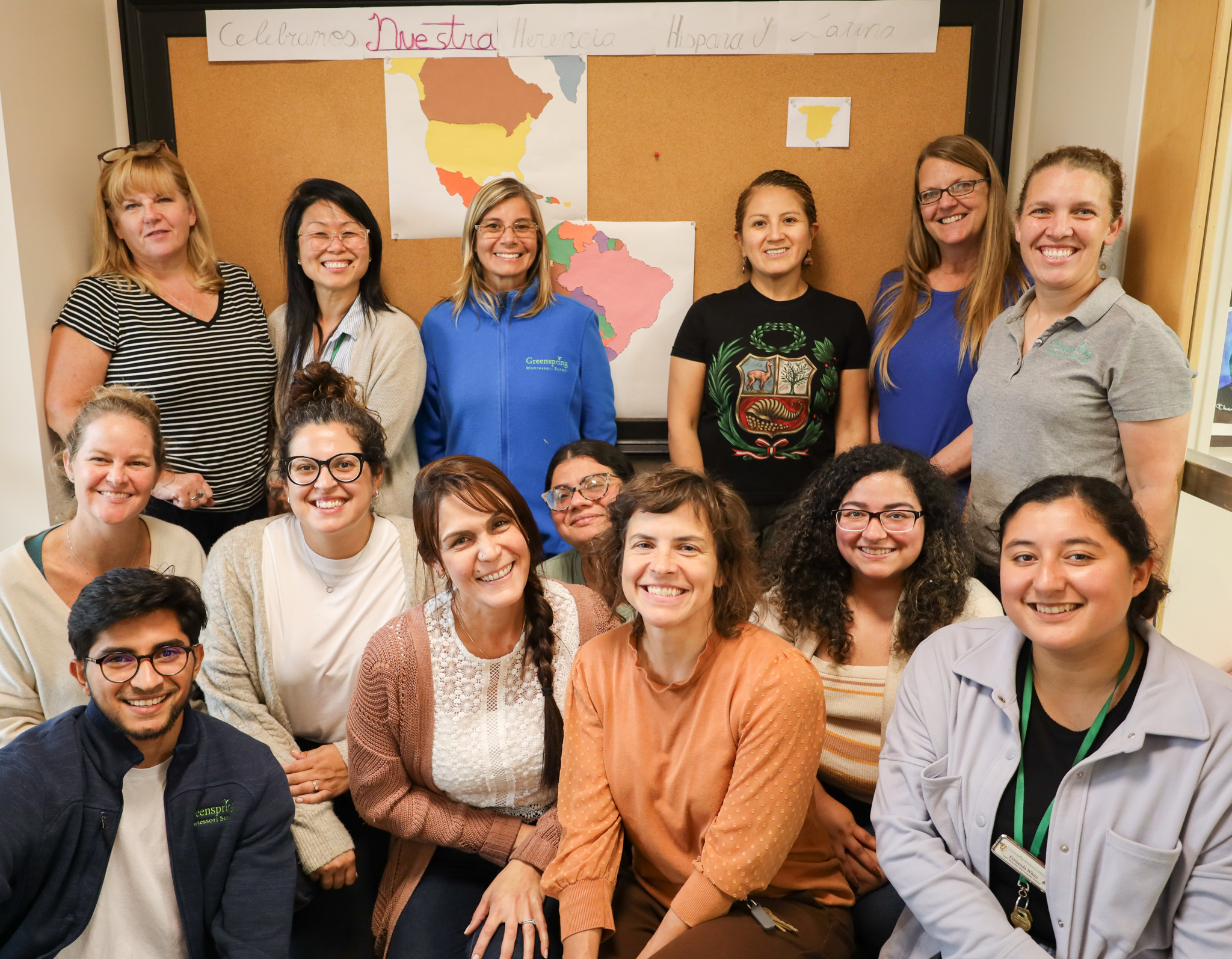
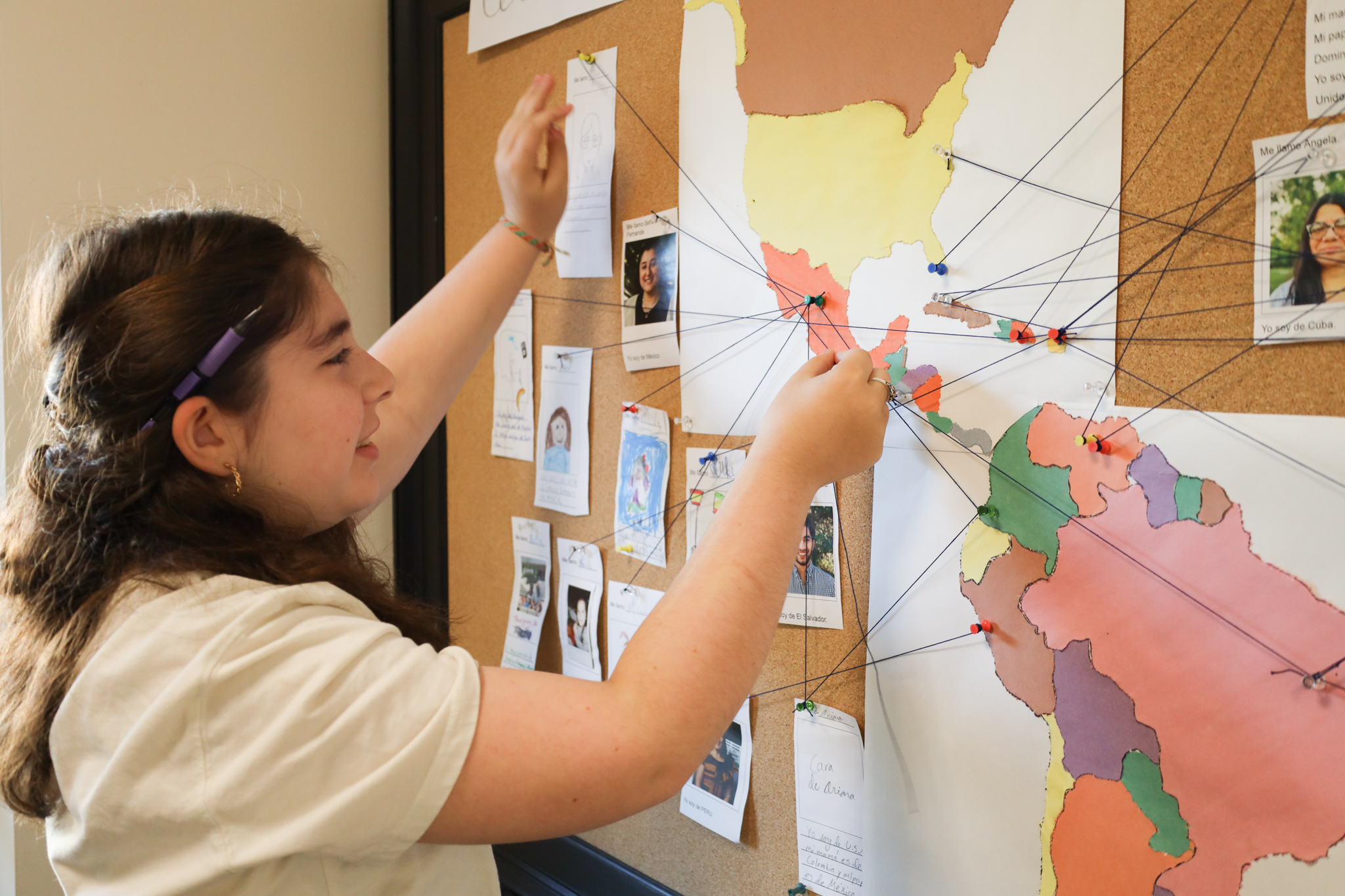
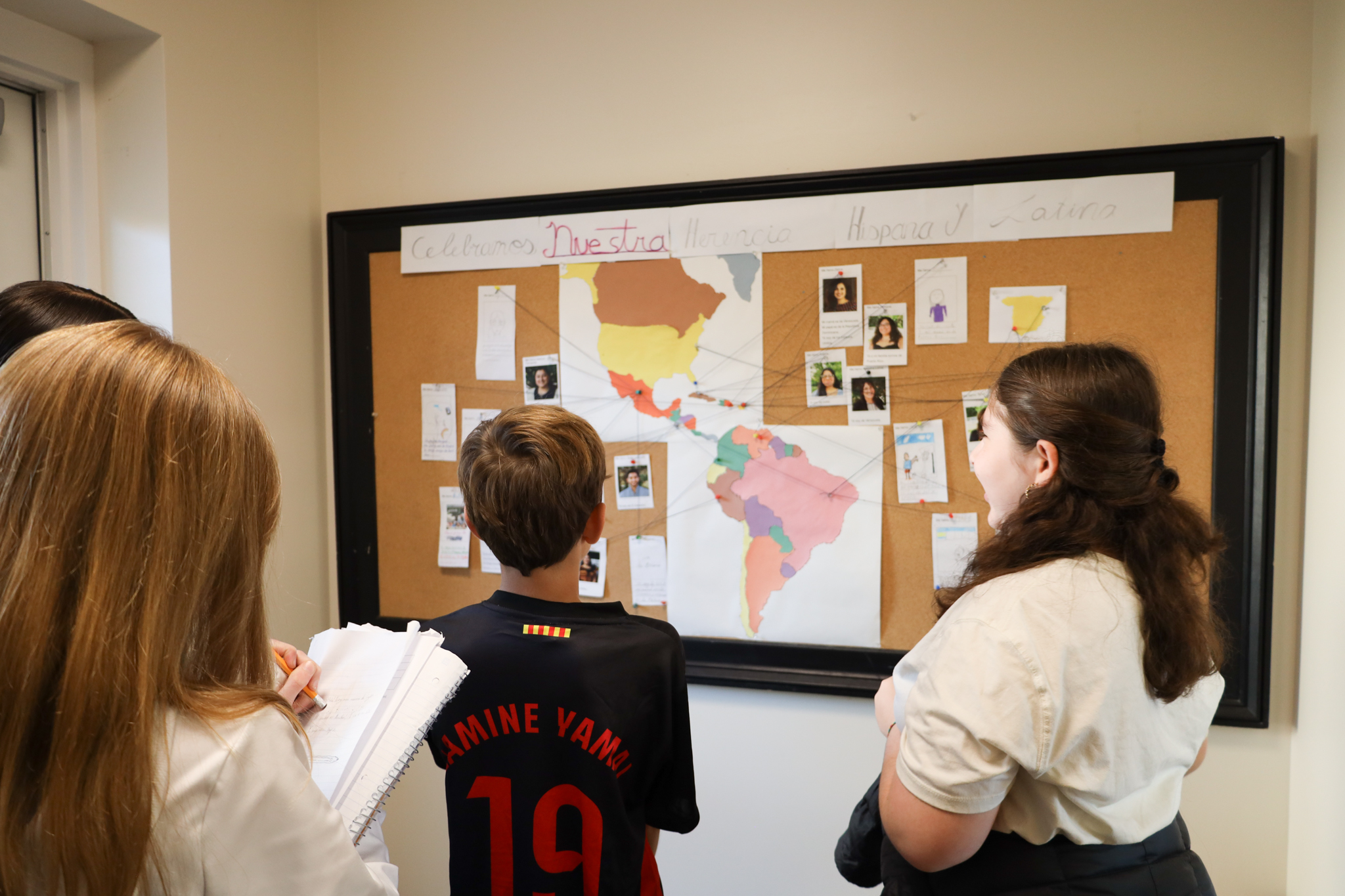
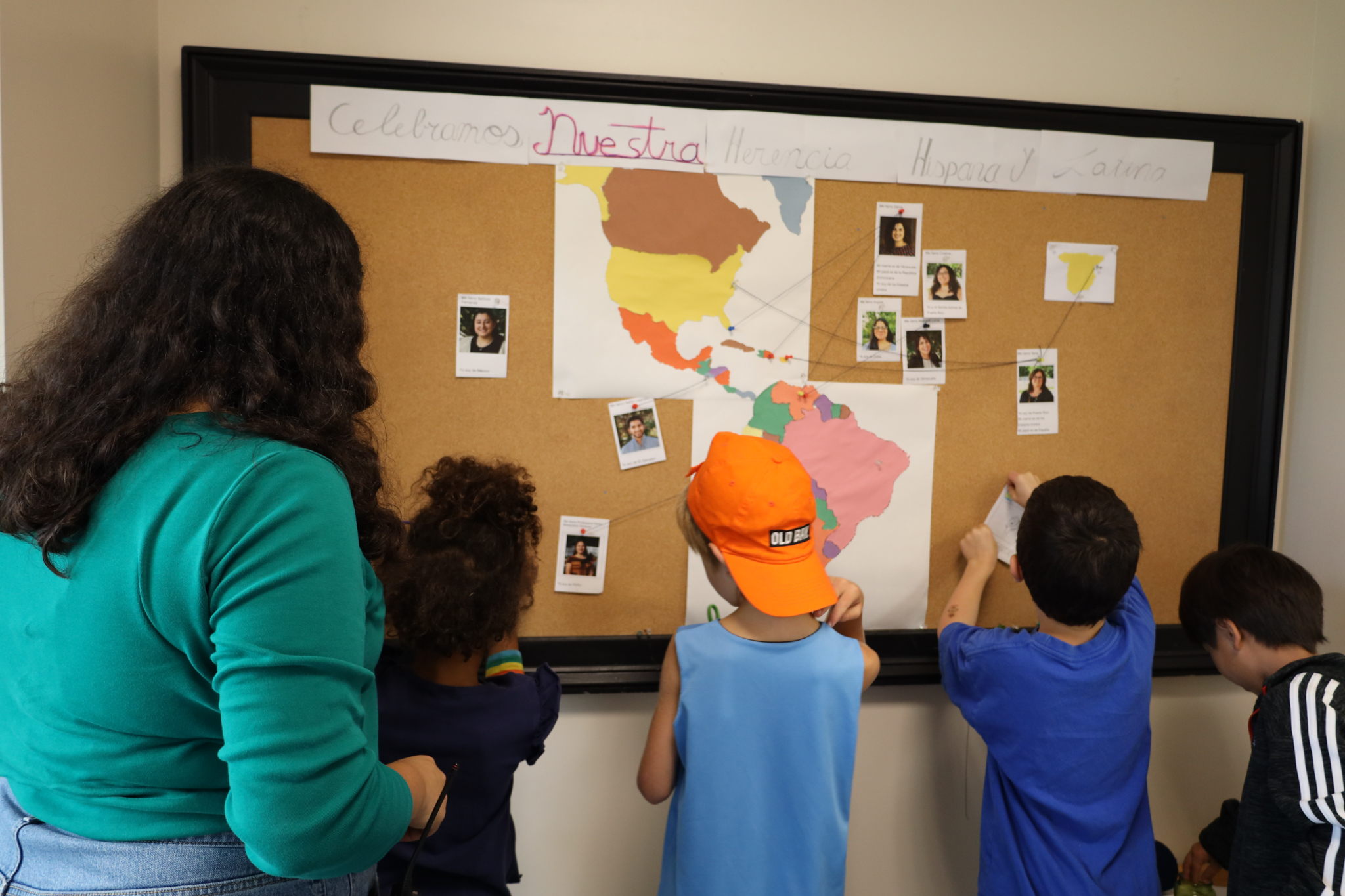
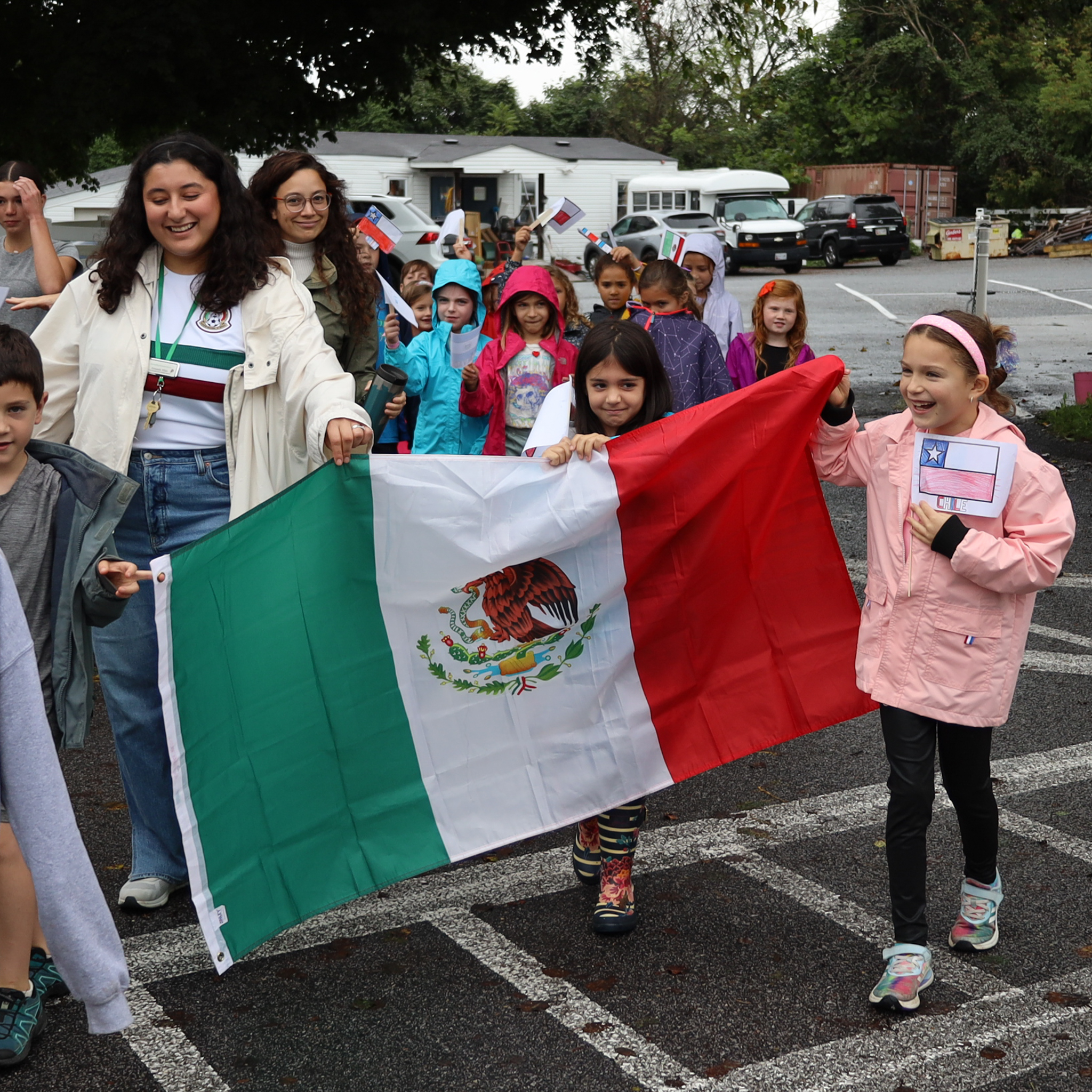
During September and October, our Spanish Dual Language team created many meaningful ways to engage our community, including a special map for students and staff to document their own Latin and Hispanic heritage, a whole school Independence parade celebrating the independence of seven Latin American countries, and many lessons on the rich histories of the many communities that make up the Spanish-speaking regions of the world. Click on the link below to see photos and learn more about this amazing work.
Latin Independence Parade

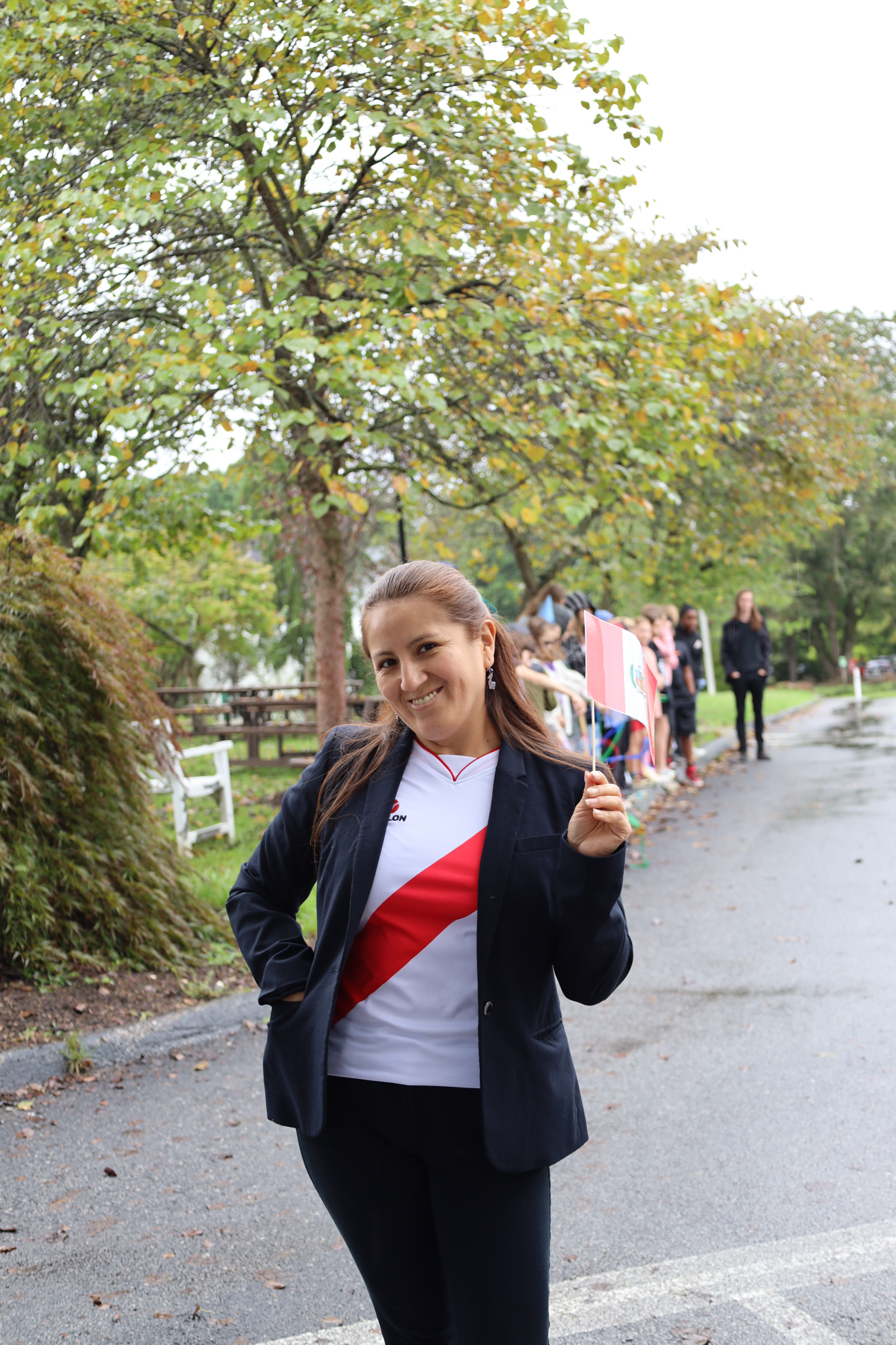
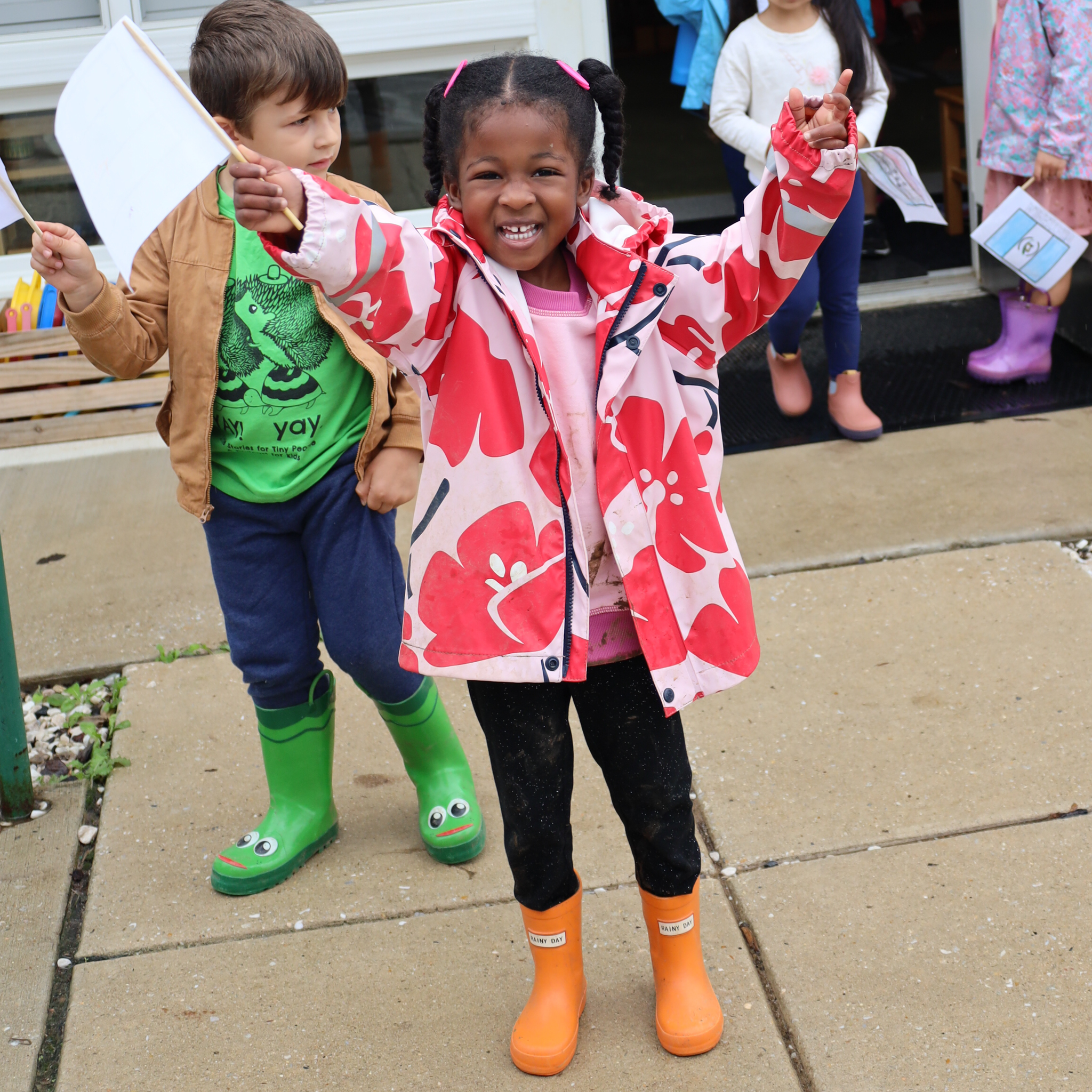
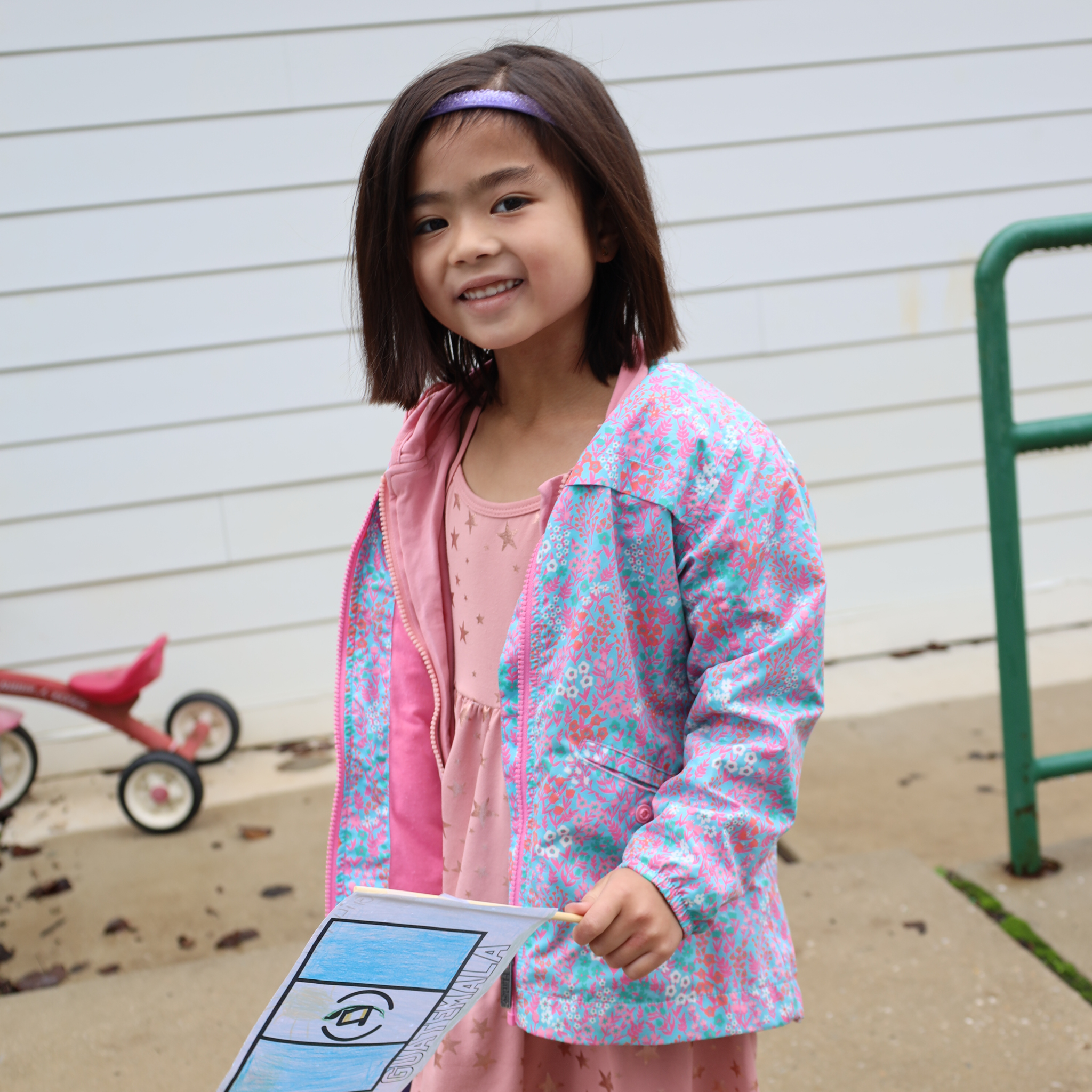
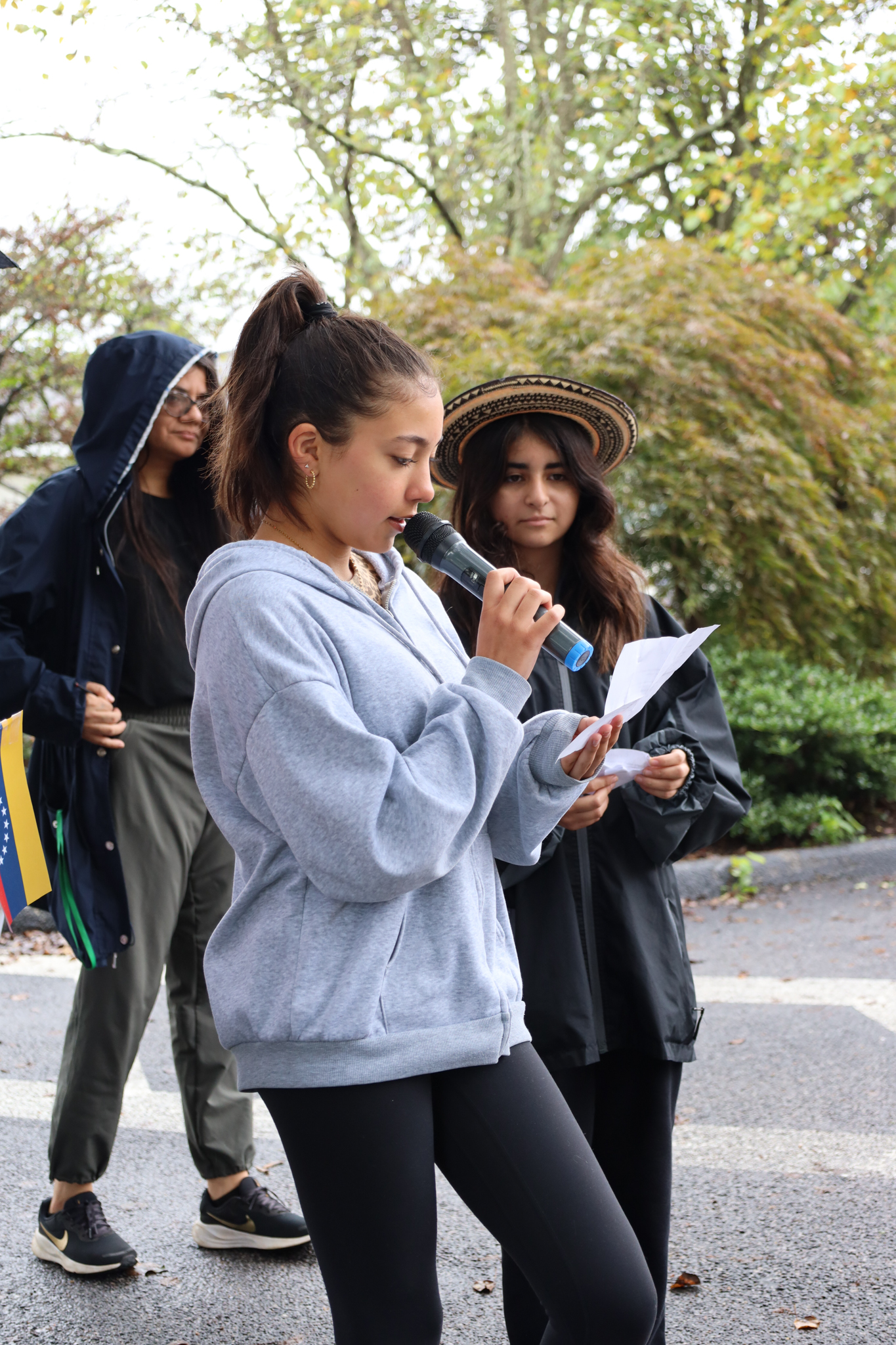
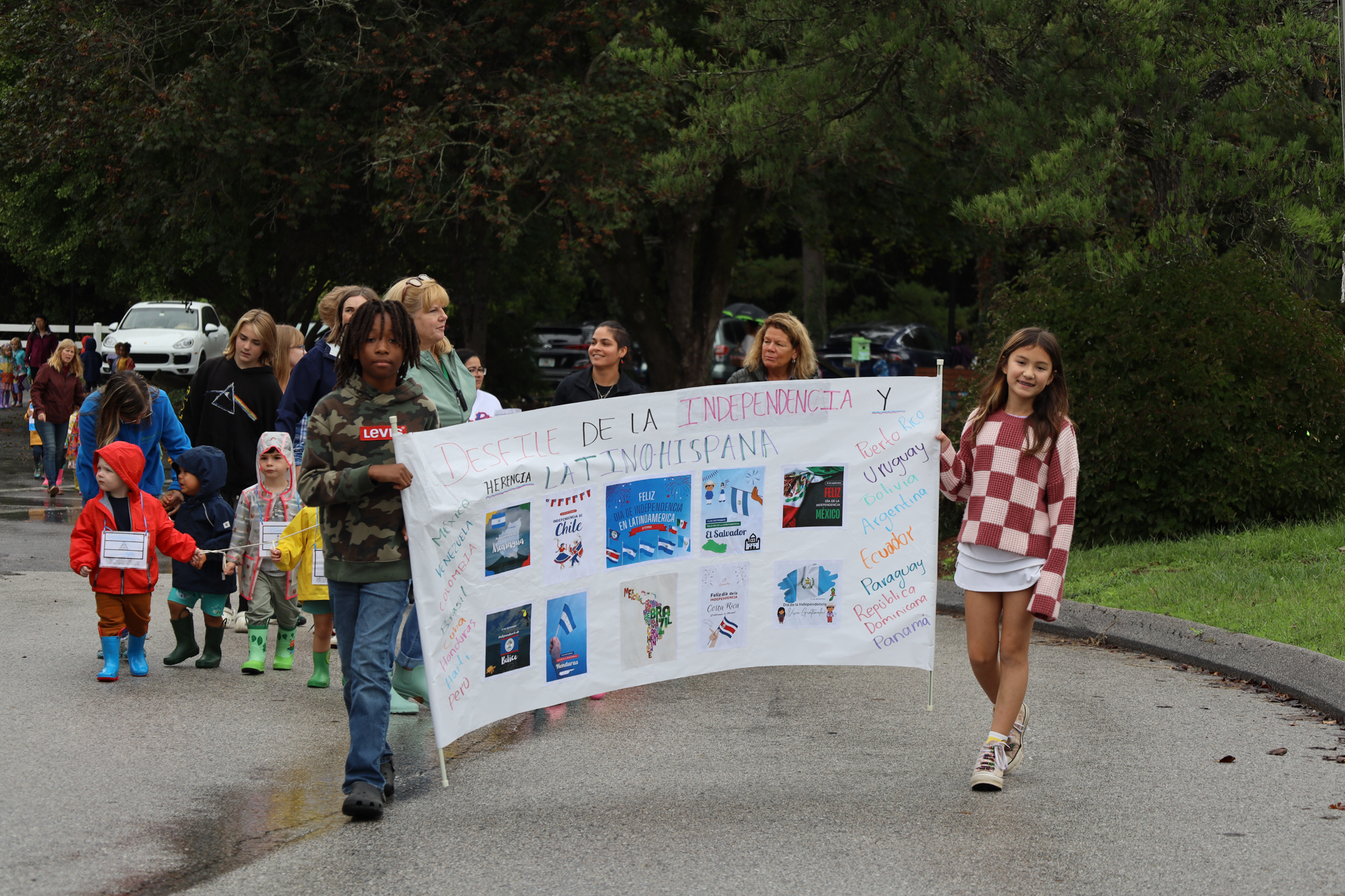
Latin and Hispanic Heritage Month begins on September 15 to coincide with the Independence Days of several Latin American countries, including Costa Rica, El Salvador, Guatemala, Honduras, and Nicaragua, followed by Mexico’s Independence Day on September 16, and Chile’s on September 18. Our Spanish language Guides and Partners led a celebration of the seven Latin American countries commemorating their independence in September – Costa Rica, El Salvador, Guatemala, Honduras, Nicaragua, Mexico, and Chile.

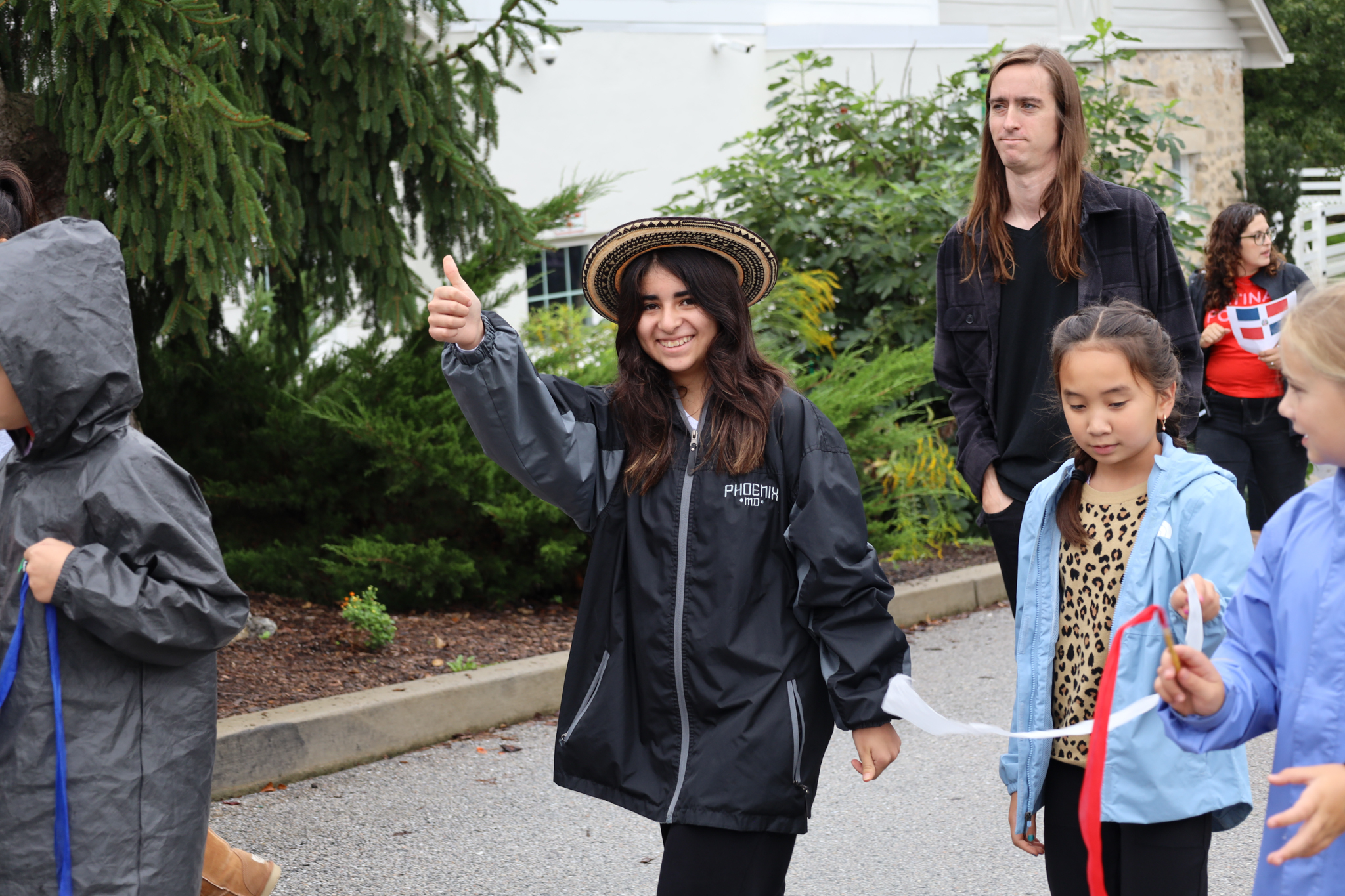
We enjoyed music from each country as our children paraded the campus with the flags they created. Children loved learning the meaning behind many of the flags of Latin America and creating their own to share. ⁠This was a beautiful way to commemorate Latin and Hispanic Heritage Month with our community!
 

Latin and Hispanic Heritage Wall

Additionally, during Latin and Hispanic Heritage Month our Dual Language team created a map of all of the Spanish-speaking countries. Children’s House students researched the countries and cut them out for the map. Then students and staff were invited to create a personal bio to pin to the countries where they share heritage and history. It has been a joy to learn more about others in our community and celebrate the beautiful diversity of our Spanish-speaking community. 

Thank you to the Dual Language staff for coordinating these efforts. You have helped to create a beautiful and meaningful celebration for our children, families, and staff. 

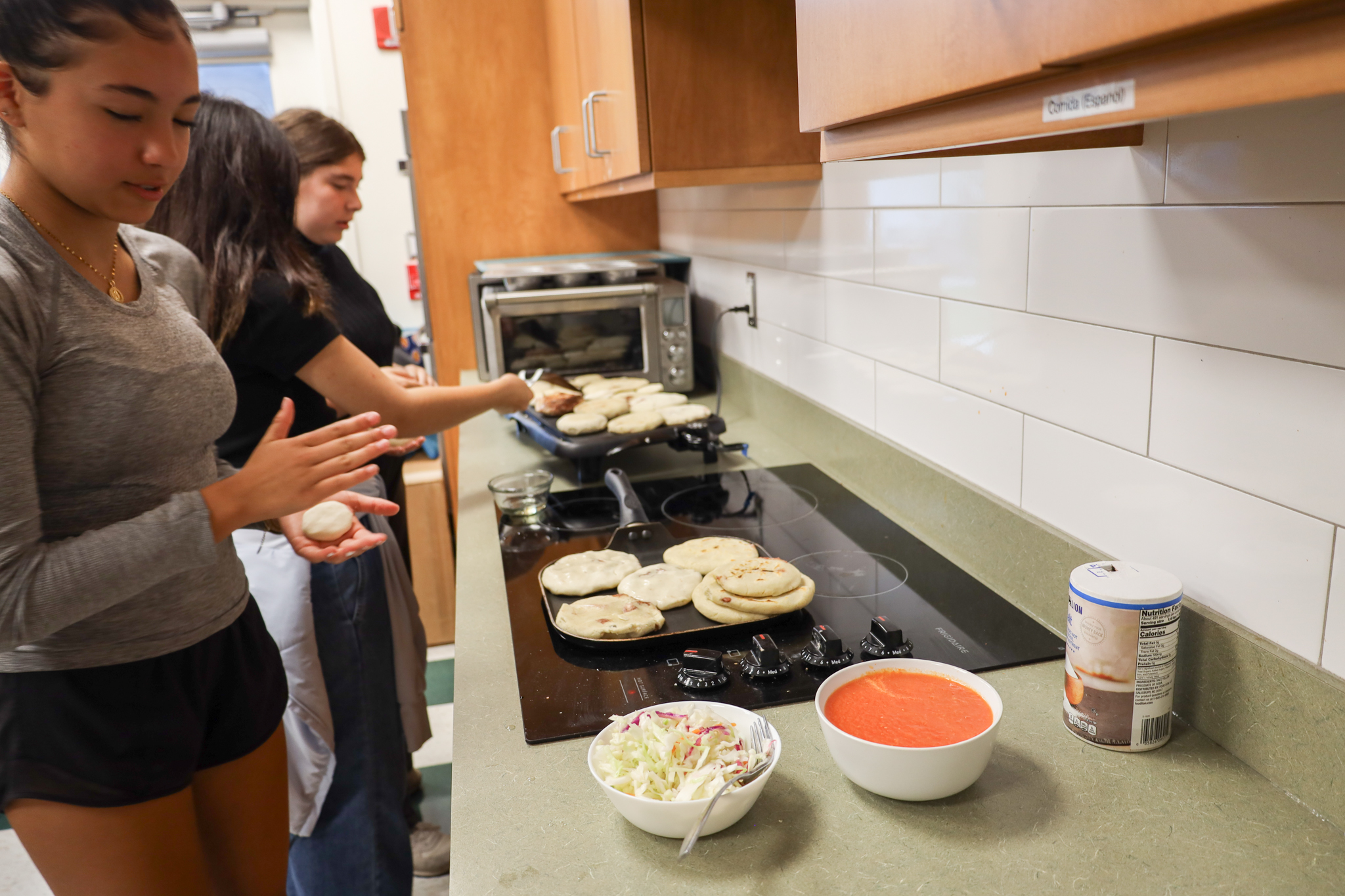
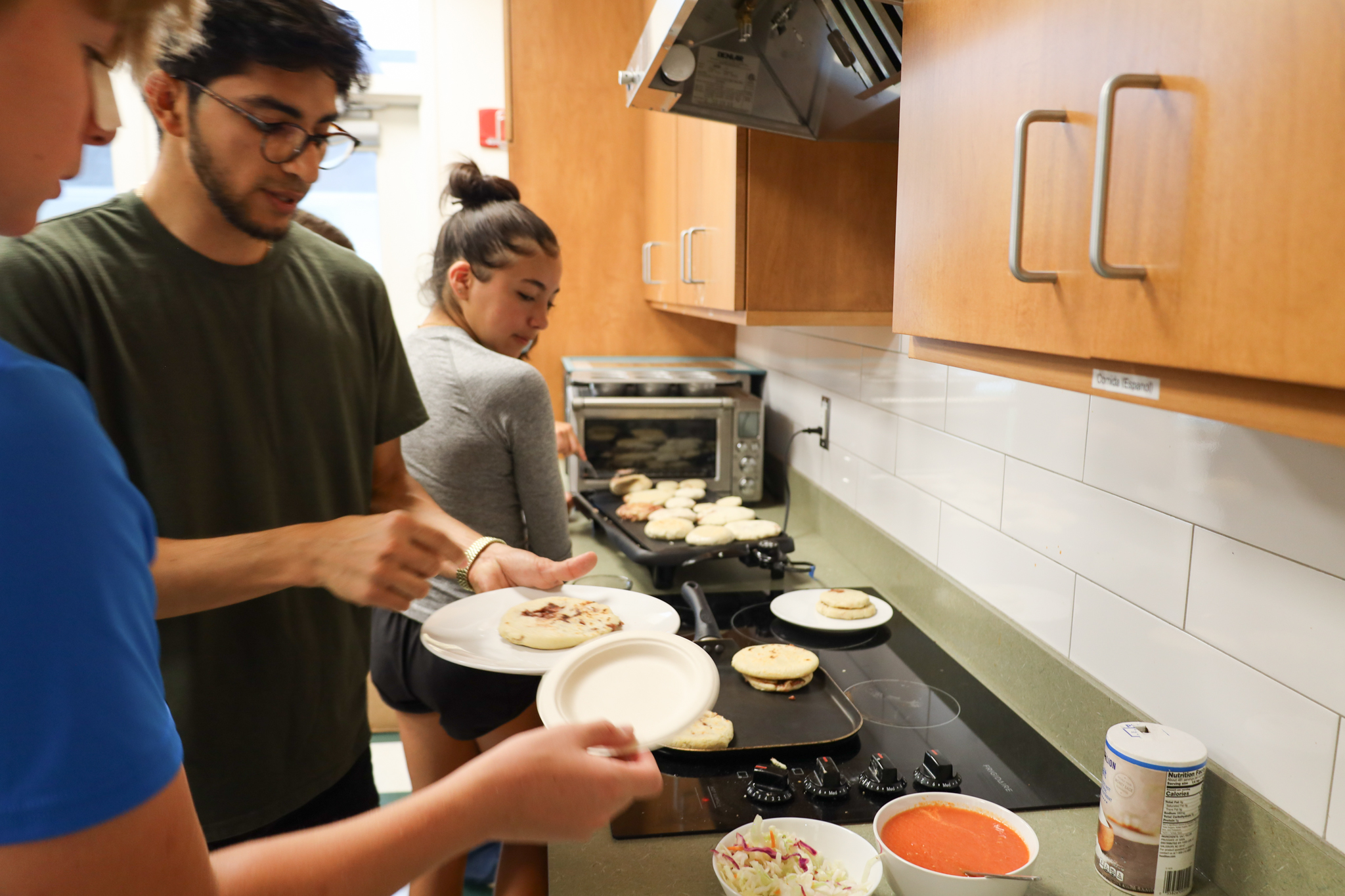
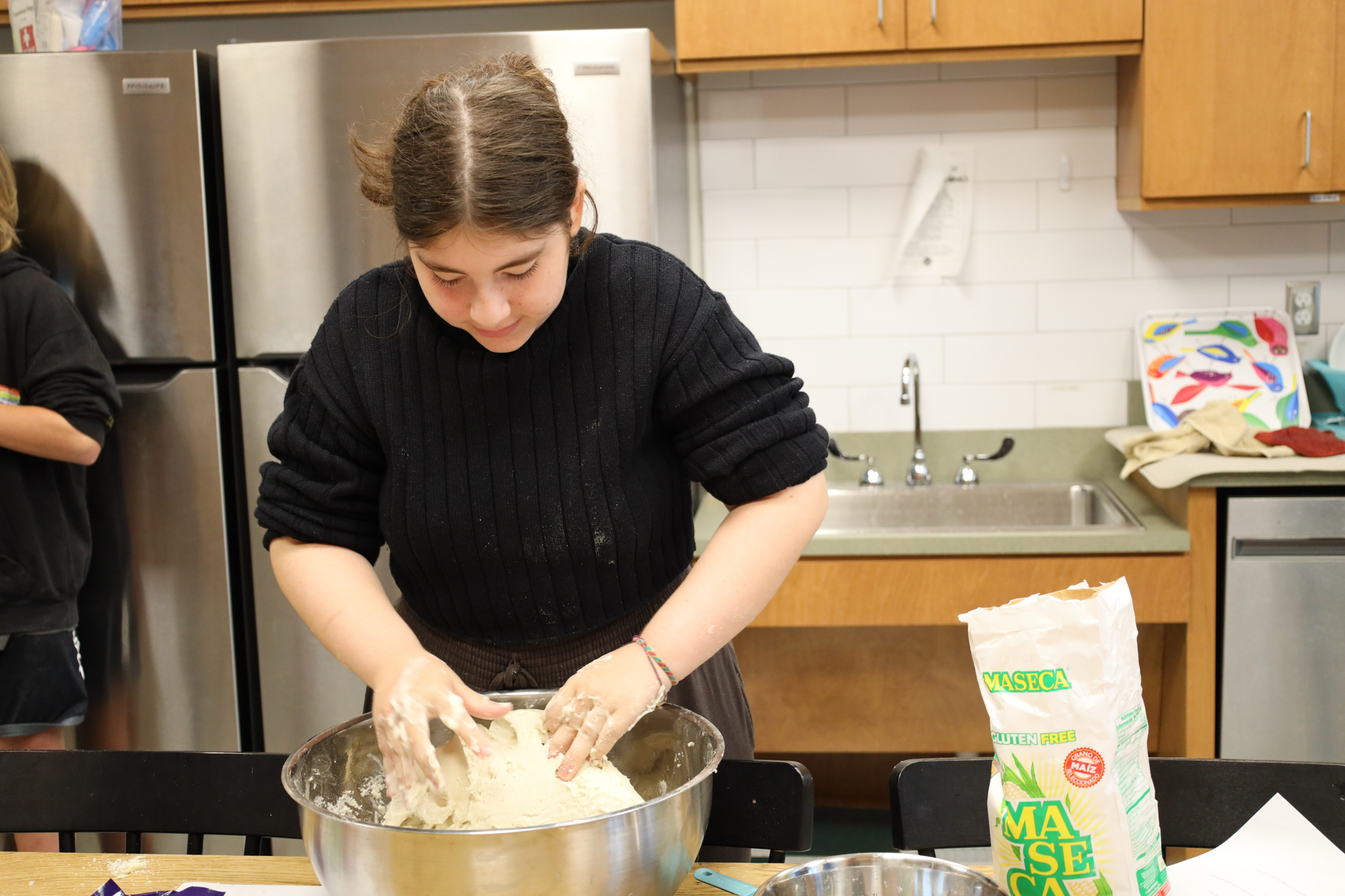
In addition to the planned celebrations, students also made Salvadorian papusas during their Spanish enrichment class – yet another beautiful way that our Spanish team brings culture alive in the classrooms!

Upper Elementary Overnight Trip to Echo Hill Outdoor School

Upper Elementary Overnight Trip to Echo Hill Outdoor School

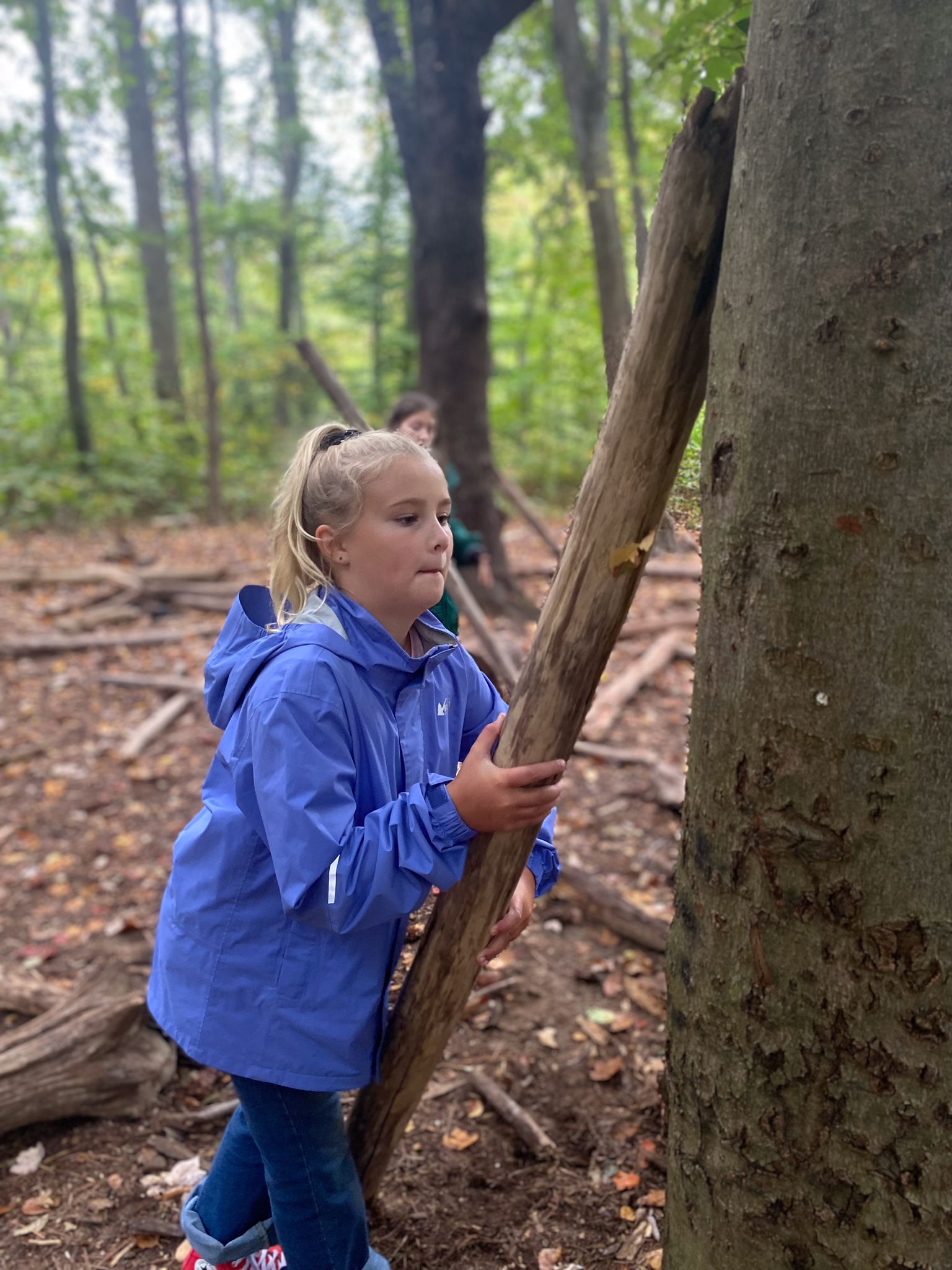
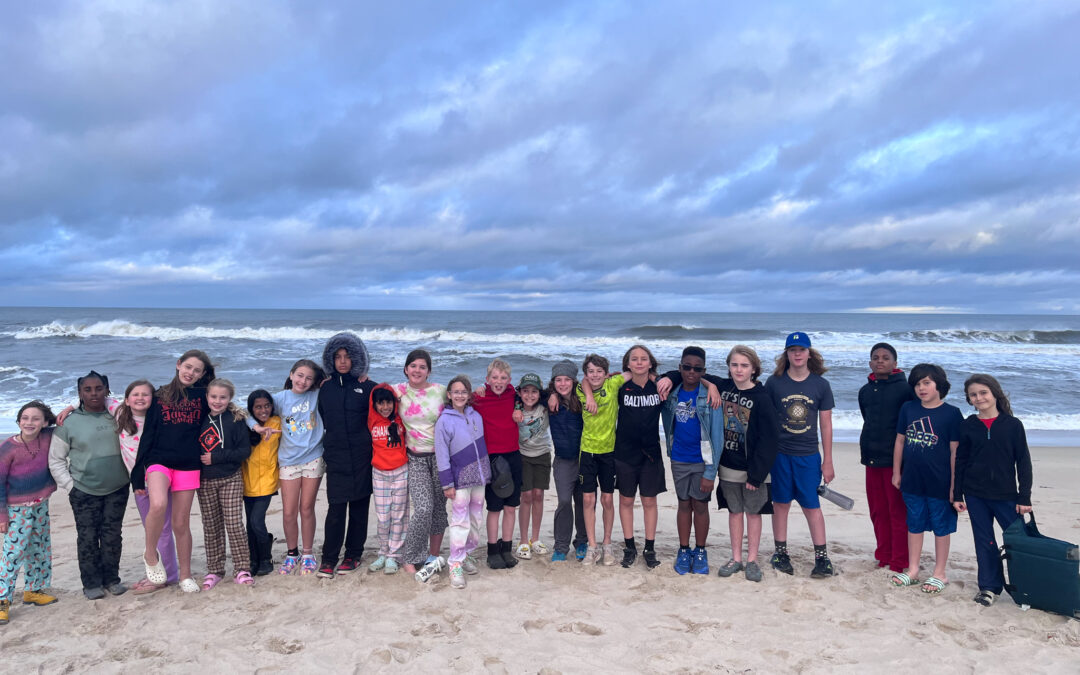
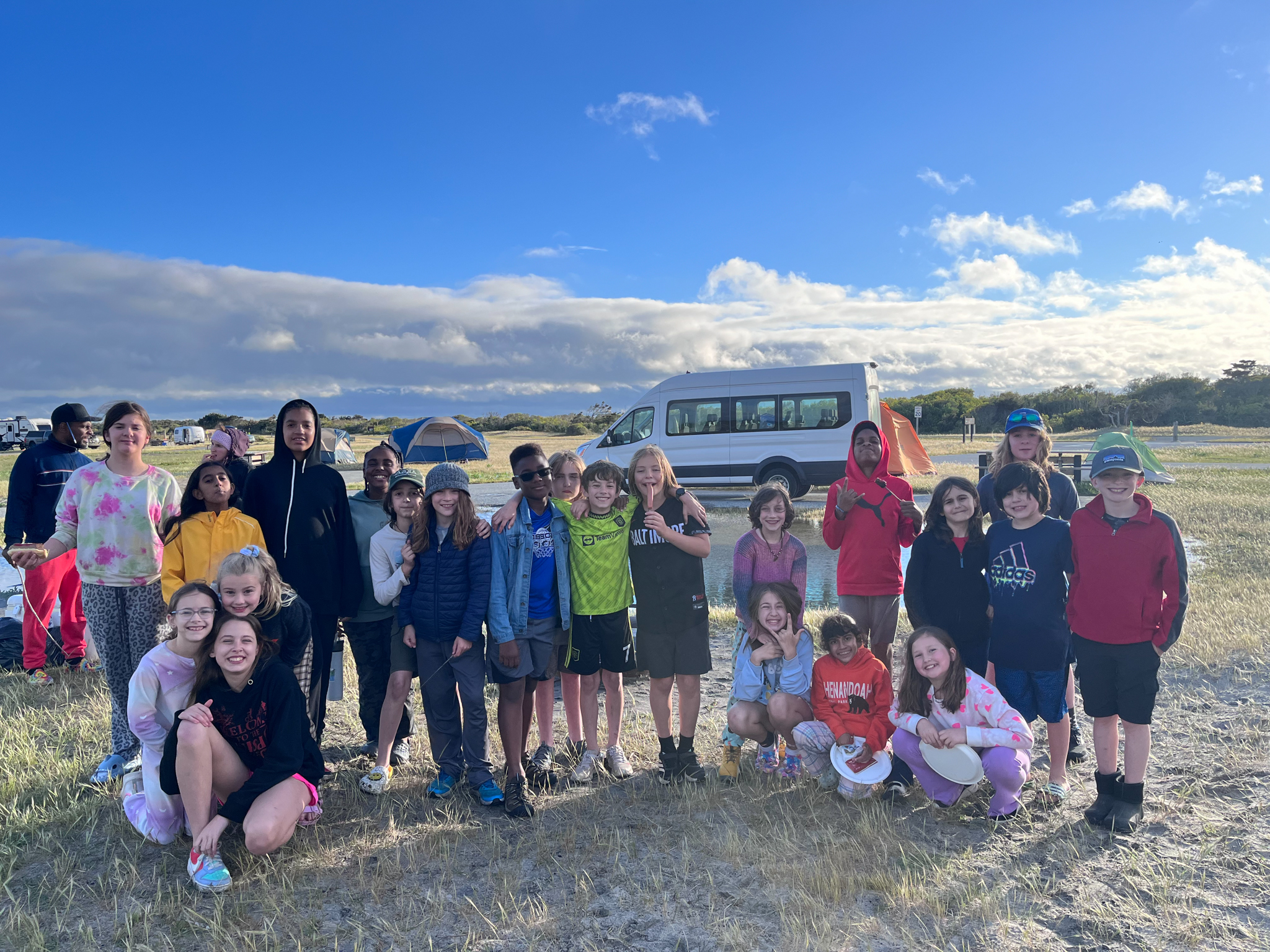
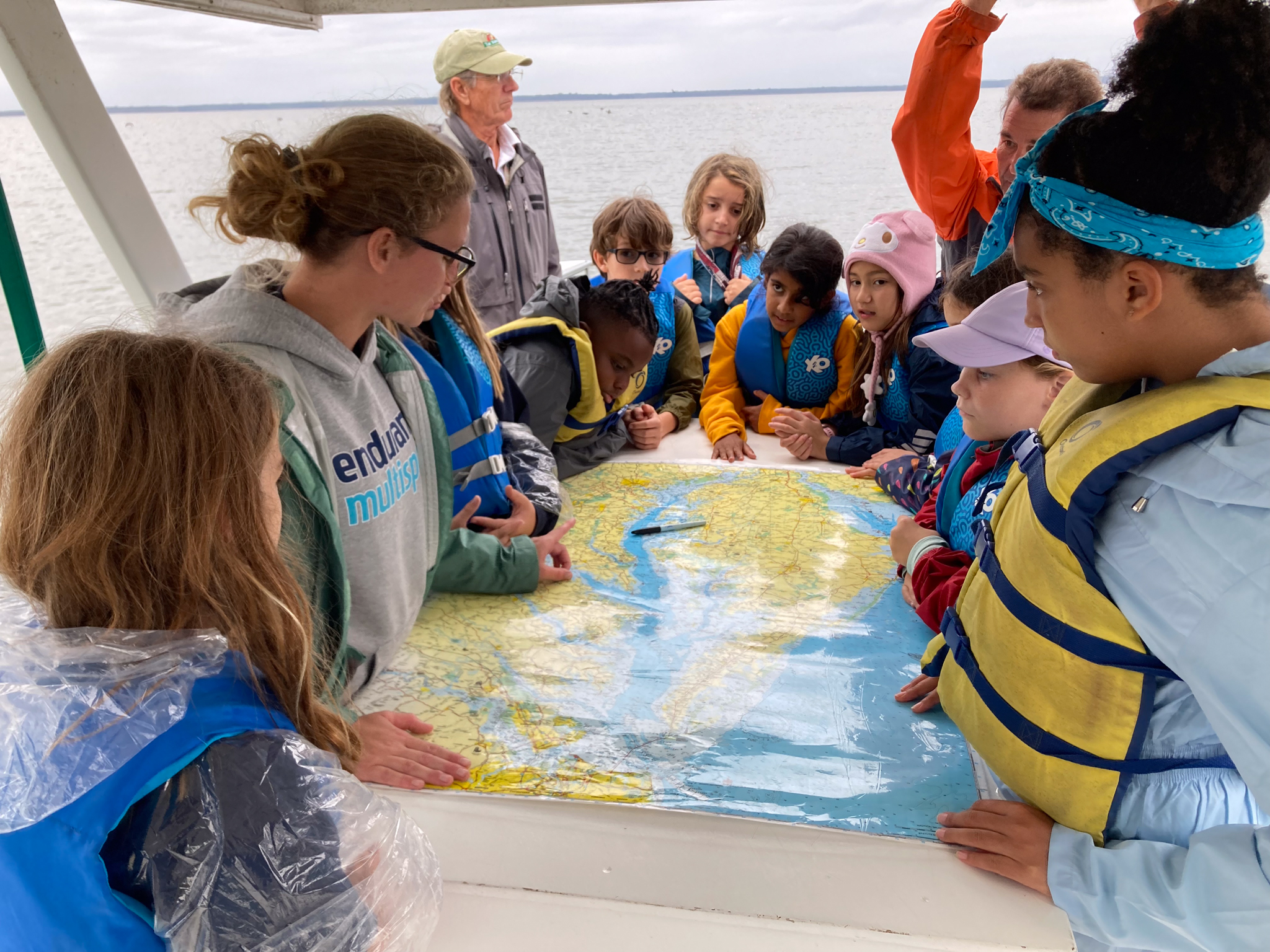
Each year during the first weeks of school, our Upper Elementary students venture to Echo Hill Outdoor School for a three-day outdoor learning experience. Echo Hill is located on the Eastern Shore of Maryland with 242 acres of forests, meadows, and freshwater shrub swamp bordering a mile of sandy beach on the Chesapeake Bay.

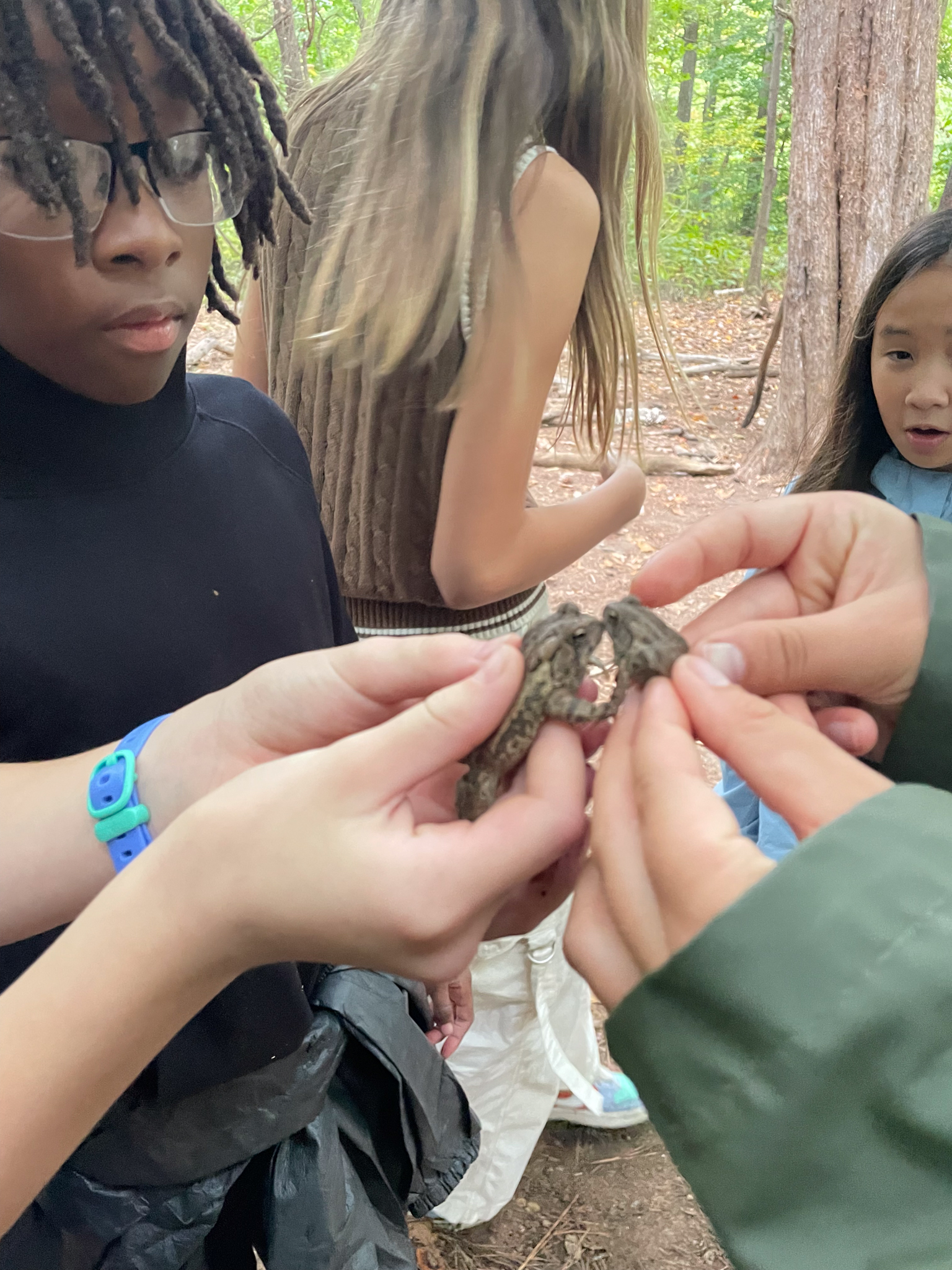
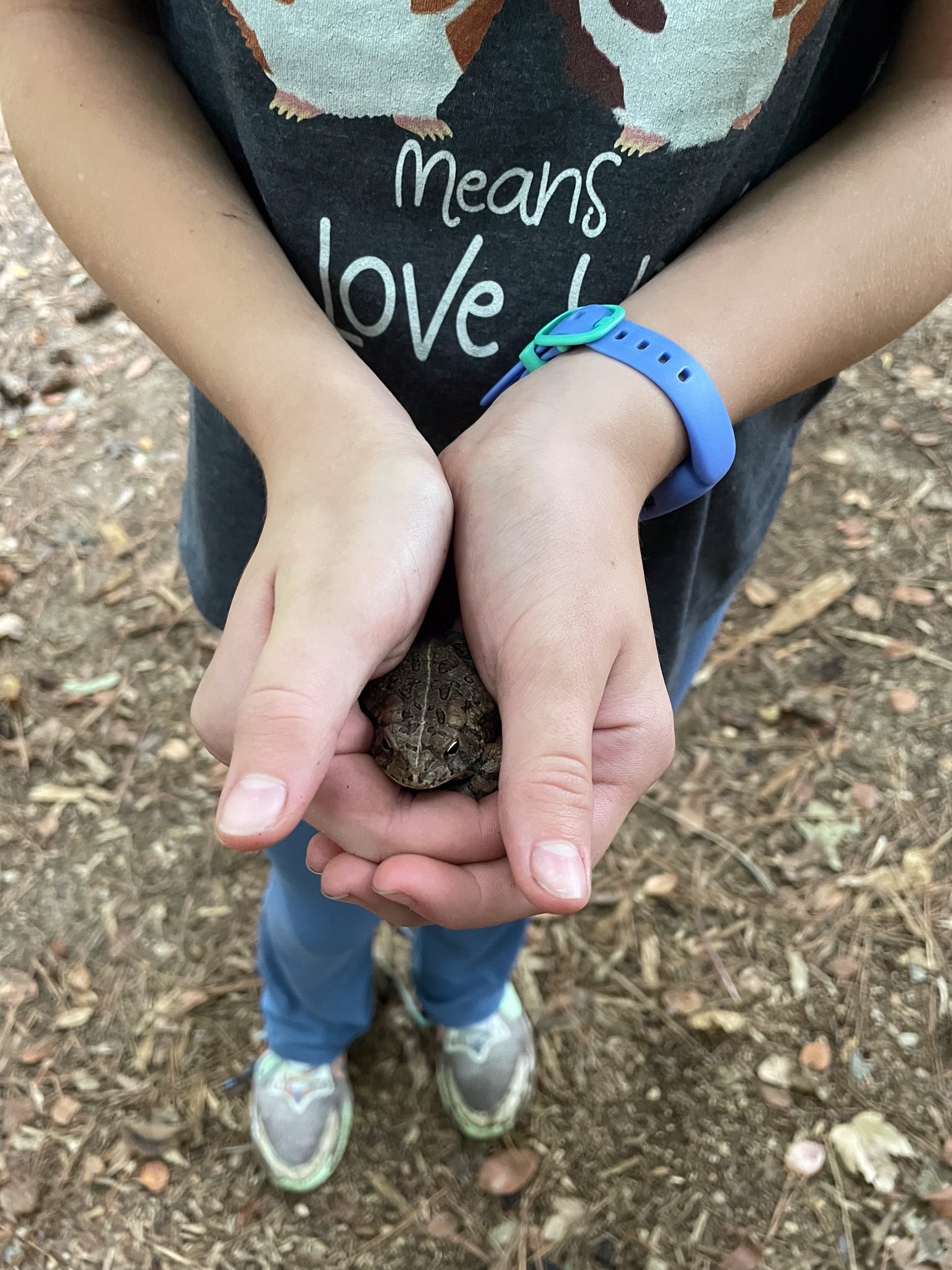
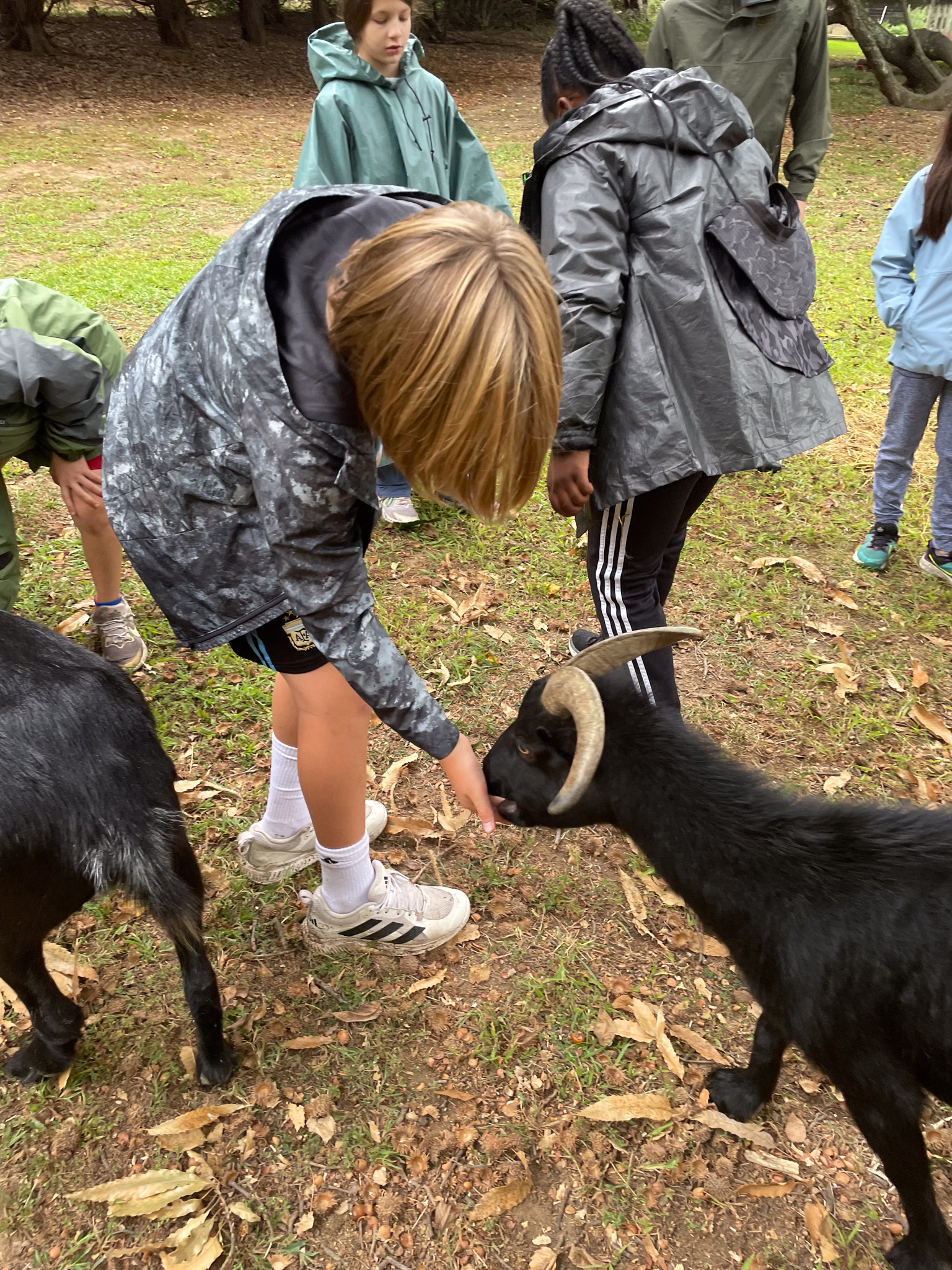
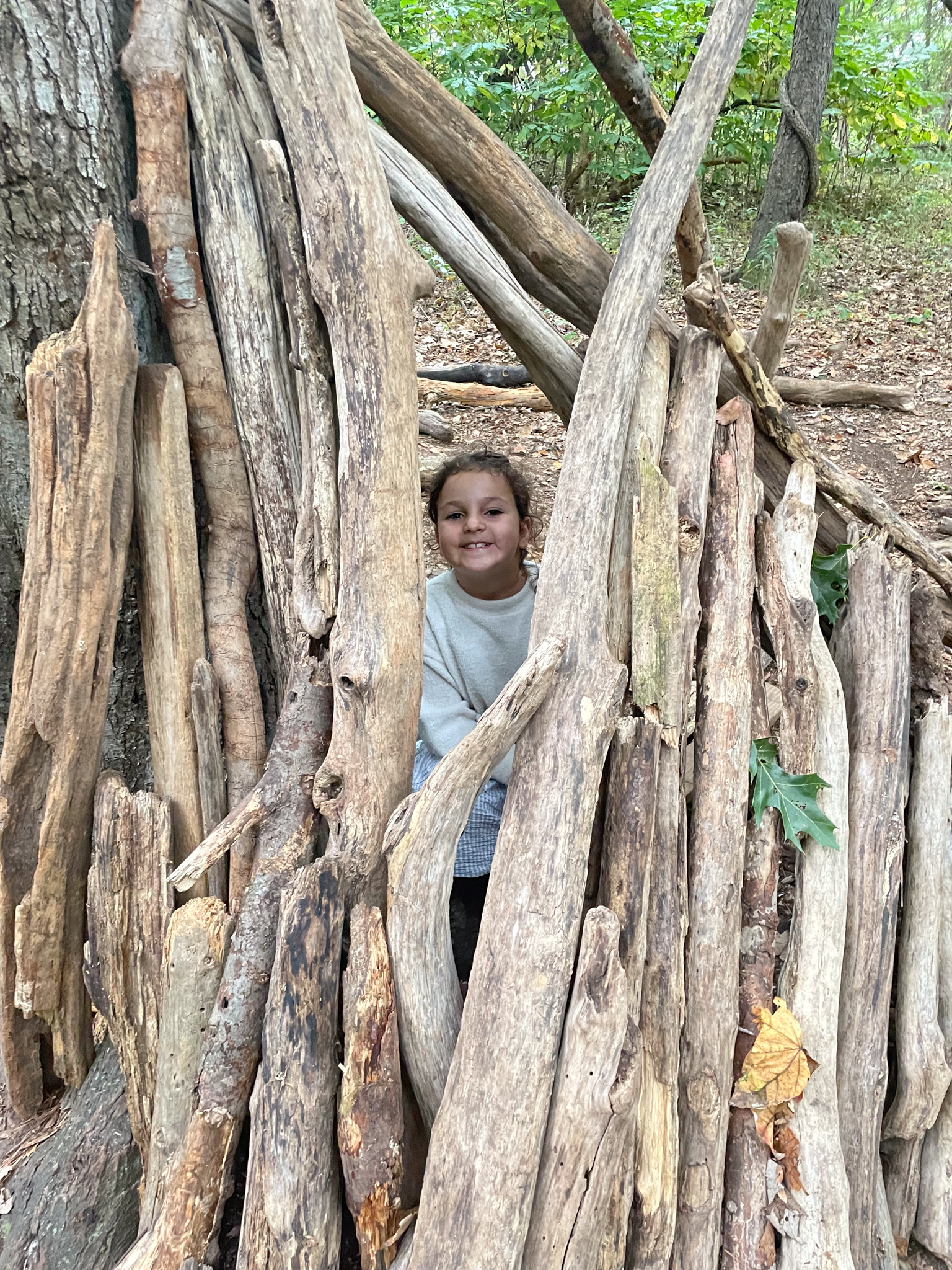
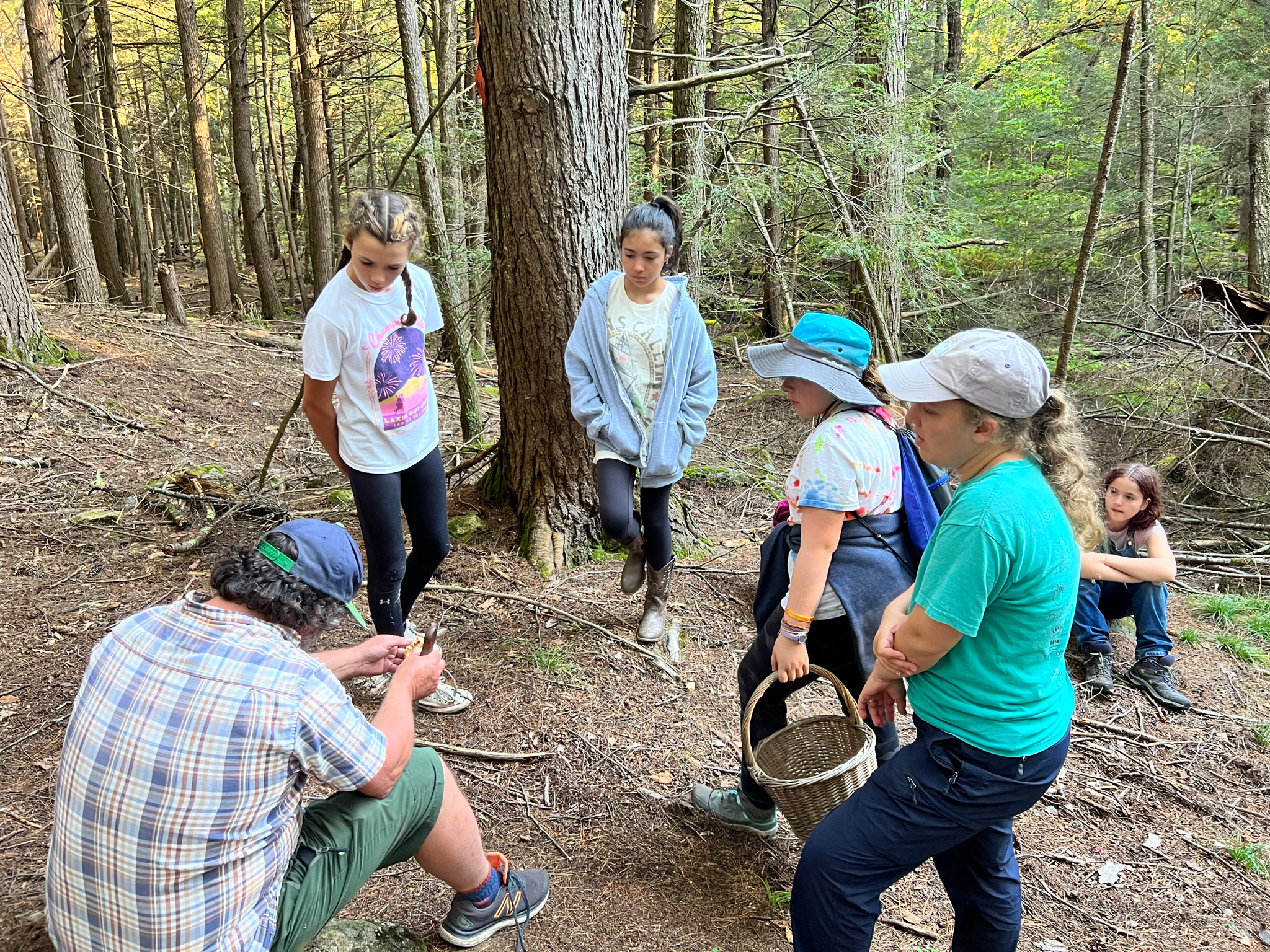
This trip is a great opportunity for the Upper Elementary students to live close to nature and learn about our environment and our place within the natural world. The students enjoyed learning about many interesting topics like swamp biology, how to experience the environment through all our senses, wilderness survival, and bay biology.

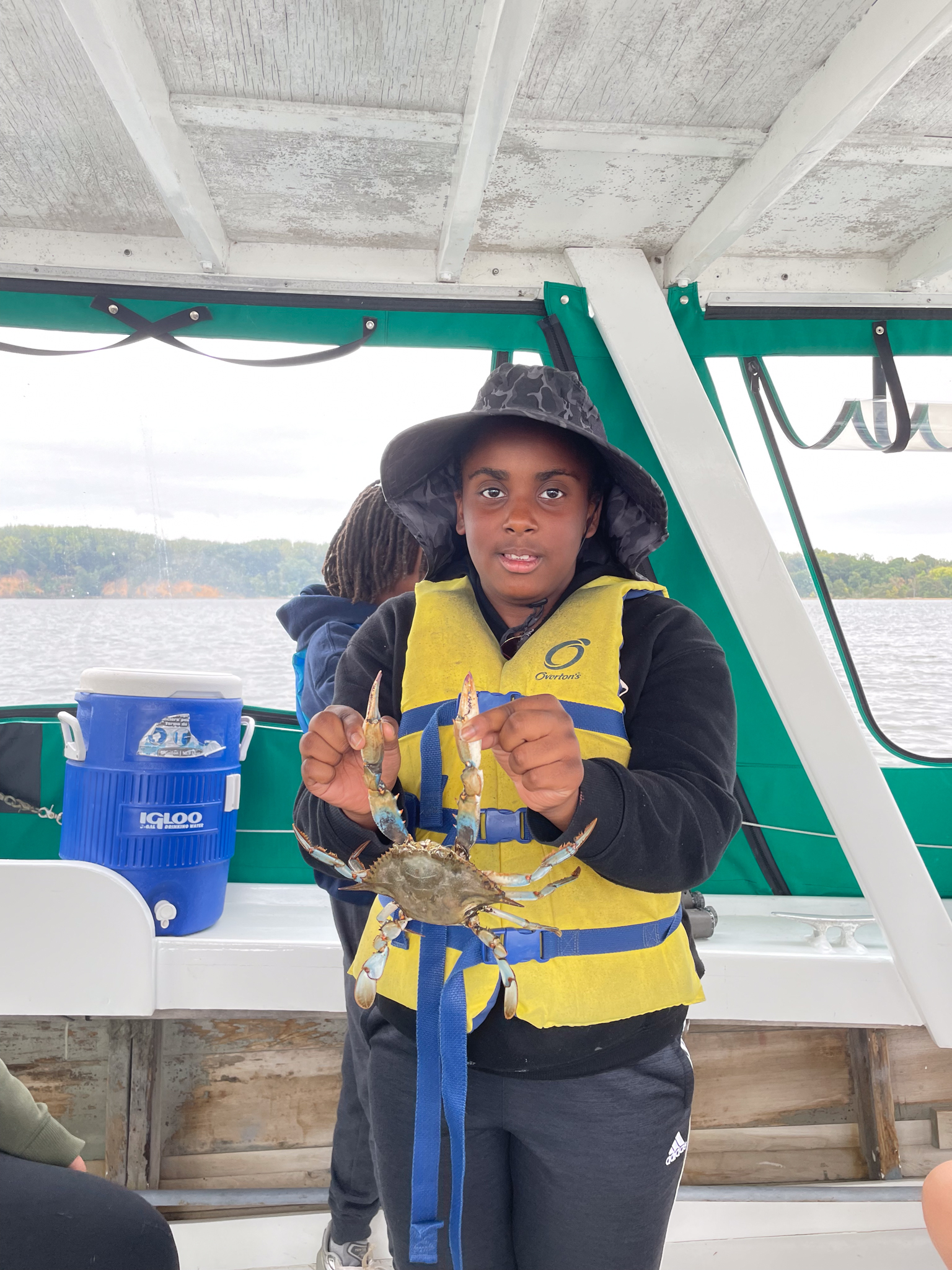
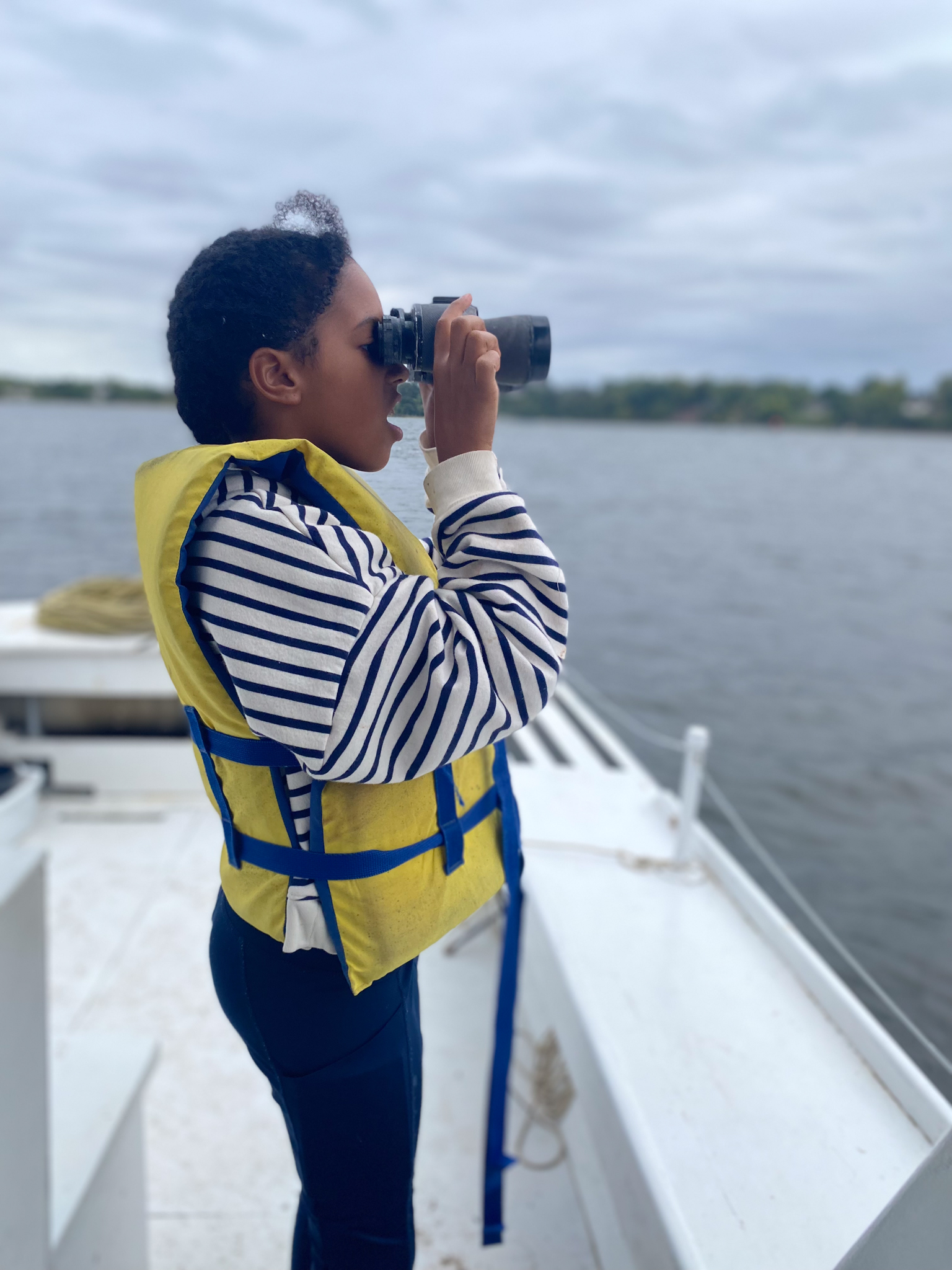
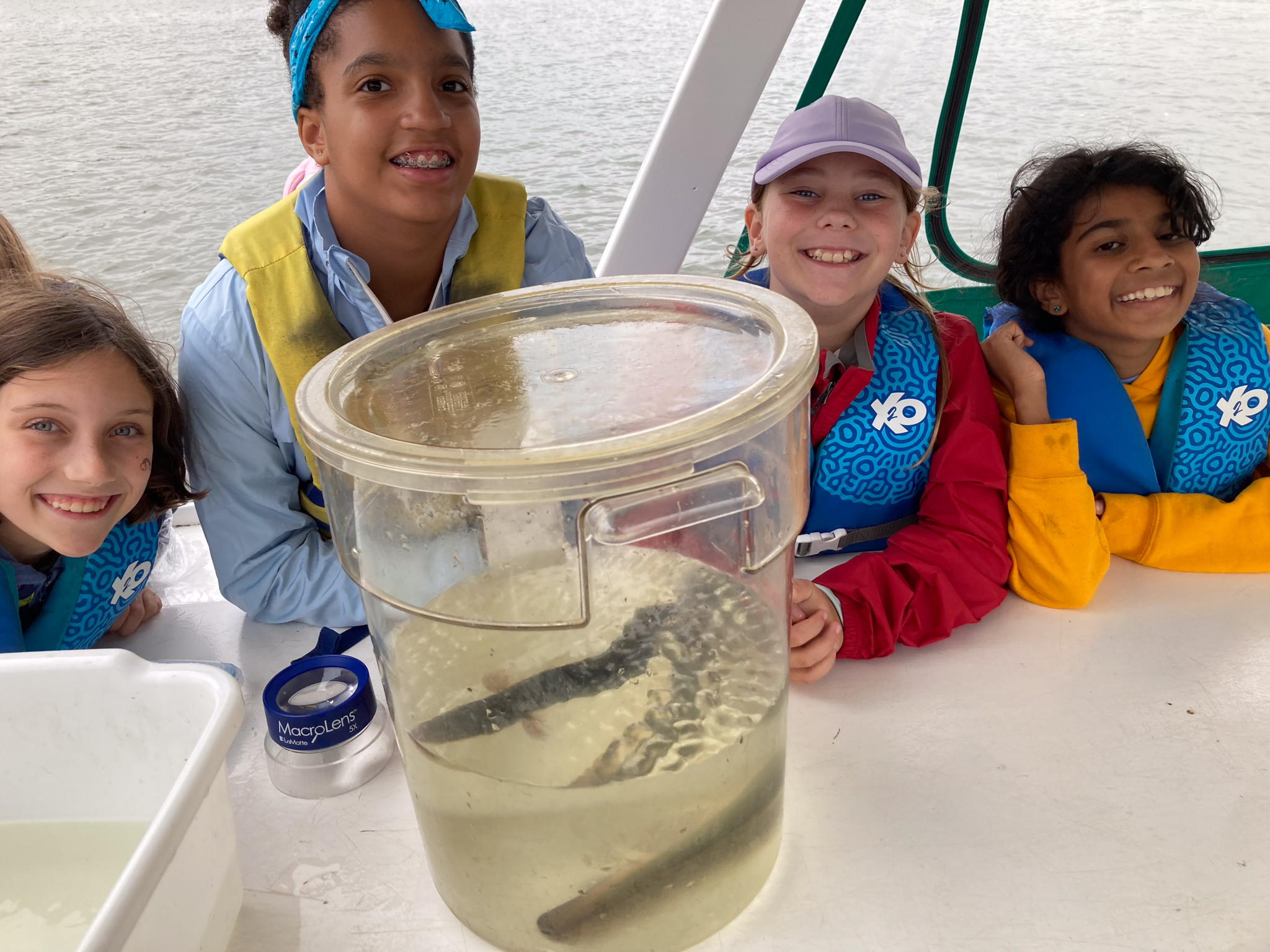
Elementary students worked on a small fishing boat and experienced firsthand the living creatures of the Chester River. They discussed the ecological value of an estuary like the bay. Groups collected aquatic animals including freshwater eel, blue crabs, and fish which they had a chance to touch. Students learned the local history of bay communities, the environmental challenges fishermen are now facing, and so much more.

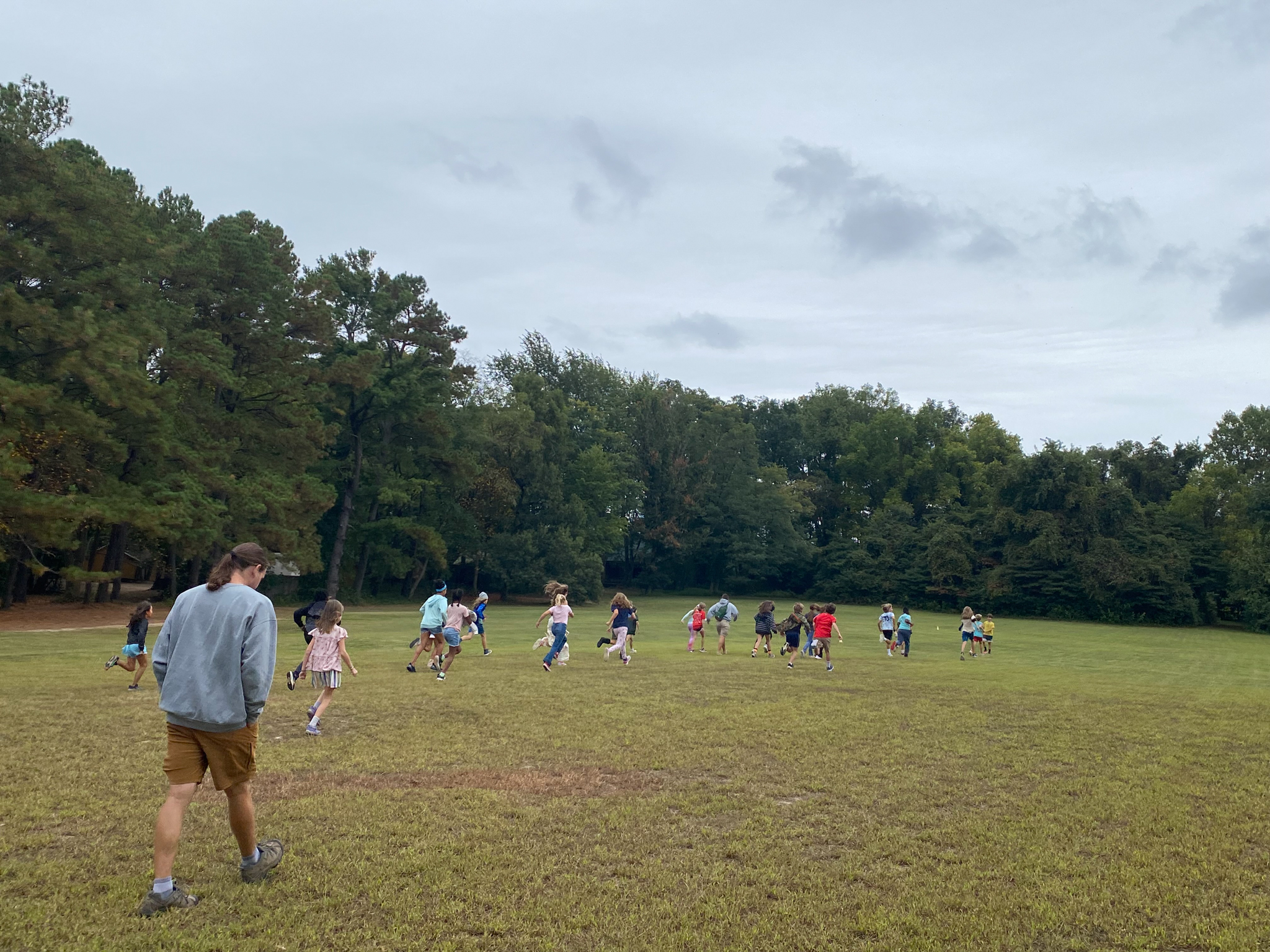
The trip also provided ample opportunities for community building as well. Students and adults learned to depend on one another and live in close quarters without devices. They worked together during the day to complete a ropes course and enjoyed many team-building activities. The students came home tired and happy.

Outdoor learning is an important element of Montessori education and a major focus at Greenspring Montessori School. The students’ retreat at the start of the school year is a key part of their study of nature and the interconnectedness of all living things. This is one of two major outdoor trips for our Upper Elementary students – the second will be a culminating trip in the spring. In alignment with this focus on the natural world, our students will be focusing a portion of their time at school on agriculture and ecology. They go for regular hikes in the local forests, conduct field experiments, and learn from naturalists in the area. On campus, the students will have many exciting projects this year to build vegetable gardens and start a community agriculture program.

Preparing Your Child for the New School Year at Greenspring

Preparing Your Child for the New School Year at Greenspring

Whether your child is starting school for the first time, changing schools, getting a new Guide, or simply switching from a summer routine to a school year routine, the start of a new school year can bring up a lot of emotions for both of you. Here are some ways you can help your child prepare for these big changes.

1. Validate Your Child’s Feelings

Allow your child to express their feelings about school. You can use validating phrases such as, “I understand that.” “I’ve felt that way before.” “That’s hard.” You can also encourage them to keep talking with phrases like, “Tell me more.” or “Help me understand more about that.”

Take a look at this list of validating phrases.

2. Practice Ahead of Time

Familiarity

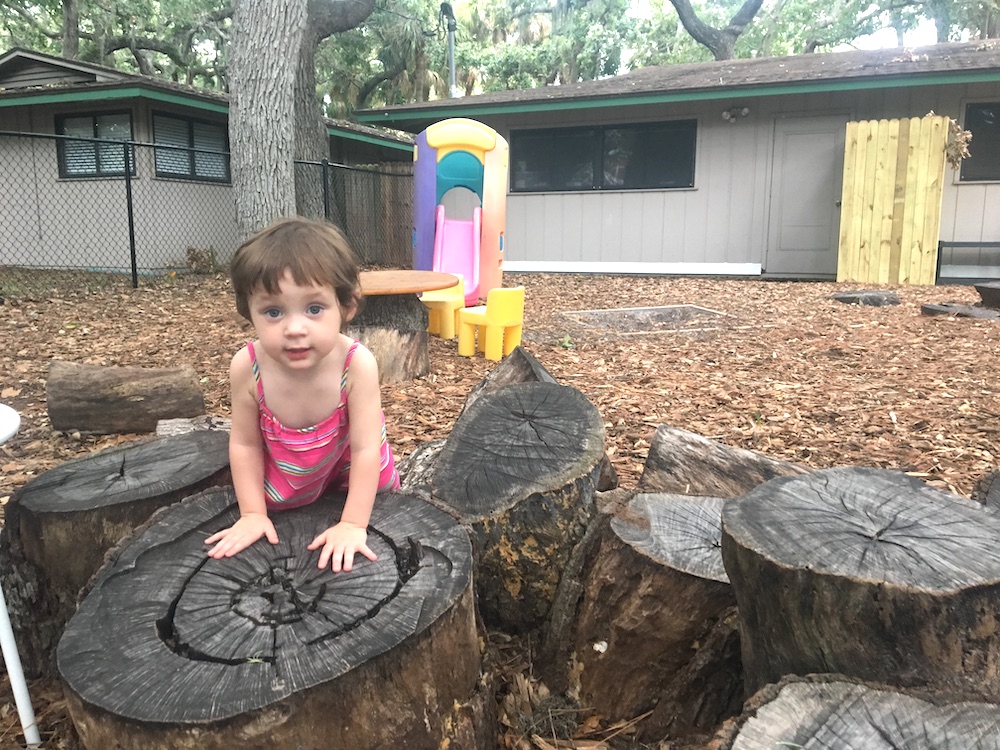
Consider visiting the Greenspring campus ahead of time to walk around the grounds and play on the playground. (It would be great to do this several times if possible.) You might also use our Family Directory to reach out to the families in your child’s class so you can set up playdates over the summer. 

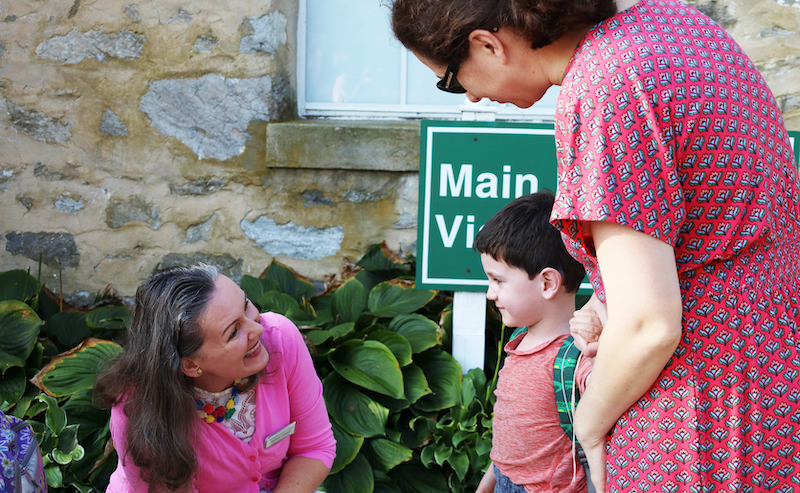
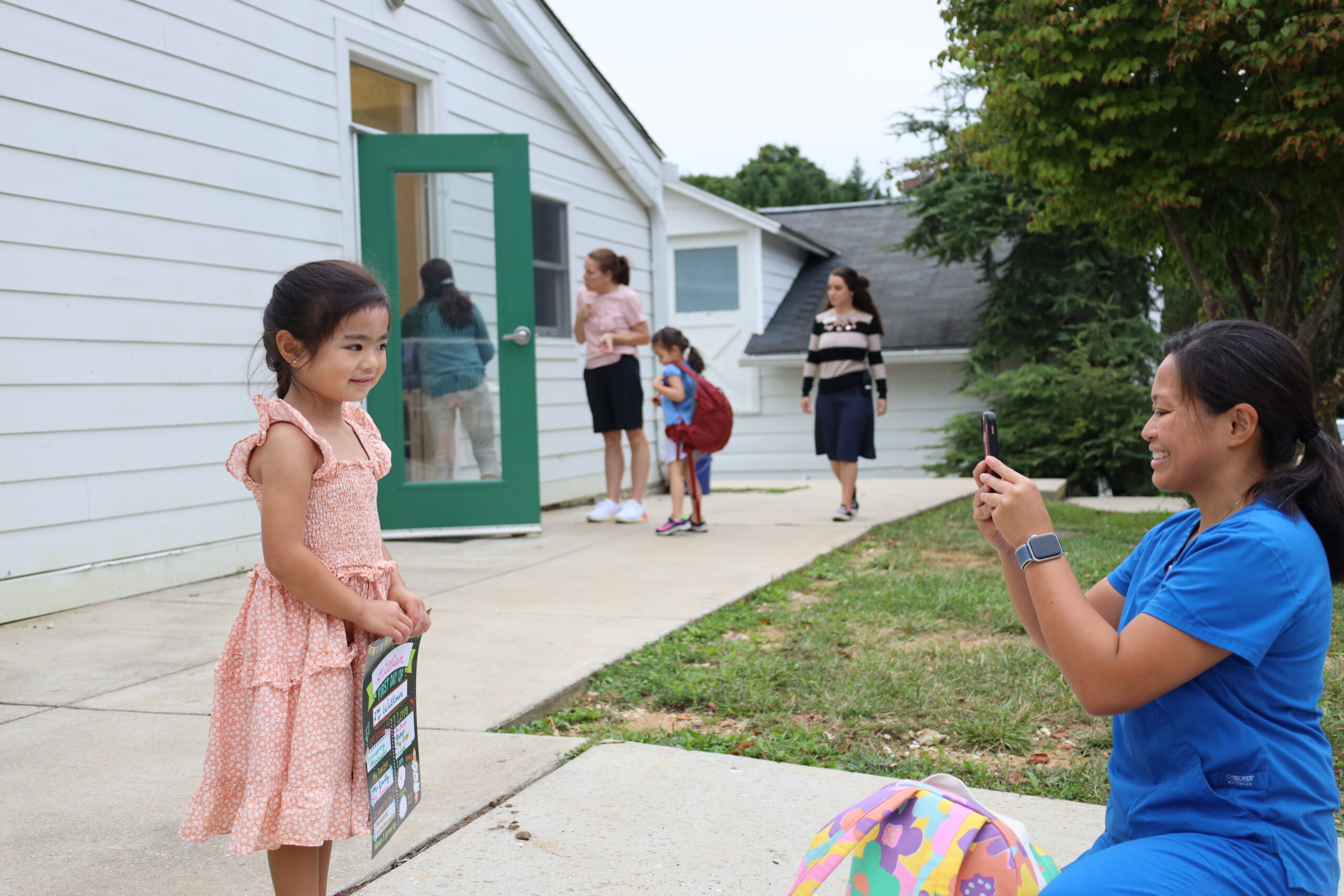
We also invite children to a classroom visit day, giving them one-on-one time with the Guide. When you visit, consider taking pictures of your child in the classroom and ask the Guide/Assistant to take a picture with your child. These can be used later to spark conversations about school. You might print them out so that your child can look at them often during the days leading up to school to help them establish familiarity with the adults in their classroom. All of these experiences will help your child feel more comfortable on the first day.

Excitement

You can offer a sense of autonomy by involving your child in picking out school supplies from the supply list. By looking through the list and talking about some of the items such as a new lunchbox or rain boots, your child will likely get excited about the things they will be able to do at school. 


Separation
If this is your child’s first school experience, it’s important to practice separation. Use the childcare room at the gym or have your child spend some time at a friend’s house to practice saying goodbye and coming back. If your child is struggling, start with just five minutes and build up from there.


New Routines

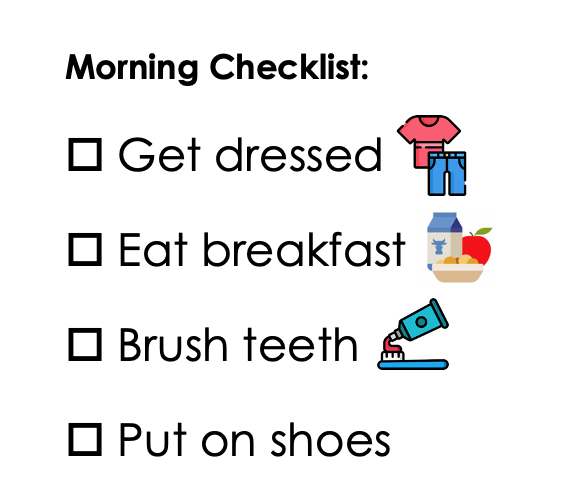
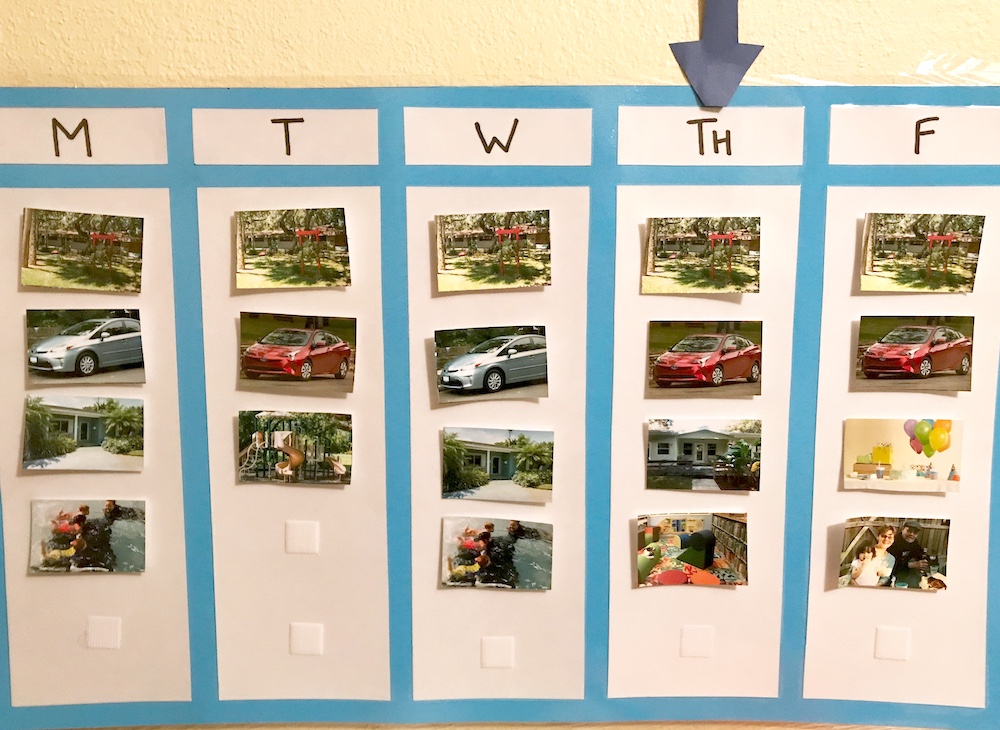
Start implementing the school morning routine well before school starts. Set an alarm for the new wake up time, and practice all the steps that you will do on a regular school day. Visual cues can be very helpful. Consider using a picture checklist for morning tasks or a picture calendar so your child can visualize the week.

Recommended Reading with Children

It can also be helpful for your child to see their situation reflected in stories. Here are a few book recommendations to read through with your child in preparation for the big day.

  • Bye Bye Time by Elizabeth Verdick
  • The Invisible String by Patrice Karst and Joanne Lew-Vriethoff 
  • The Day You Begin by Jacqueline Woodson and Rafael López
  • First Day Jitters by Julie Danneberg and Judy Love
  • School’s First Day of School by Adam Rex and Christian Robinson 
  • Ruby Finds a Worry by Tom Percival

3. Lead by Example

Your child will pick up on your emotions. If you are nervous about the new school year (which is normal), make sure you have a place to share those that is not in front of your child. When talking about the new school year around your child, focus on positivity and model excitement. For example, “I can’t wait to hear all about your first day!”

It may take some time for your child to get settled. Be in partnership with your child’s teacher and the school to talk through ways to ease the transition for your child. The most important piece is for you to stay consistent with your child.


Have a safe and happy school year!
Overnight Trips are a Pivotal Experience for Montessori Elementary and Adolescent Students

Overnight Trips are a Pivotal Experience for Montessori Elementary and Adolescent Students

Overnight trips are an important component of our Montessori Elementary and Adolescent Programs, offering an immersive learning experience that transcends the boundaries of traditional classroom settings. For Elementary and Adolescent students, these excursions are transformative journeys that foster independence, help to build practical outdoor and cultural skills, and nurturing a sense of community.

Third Year Overnight Trip

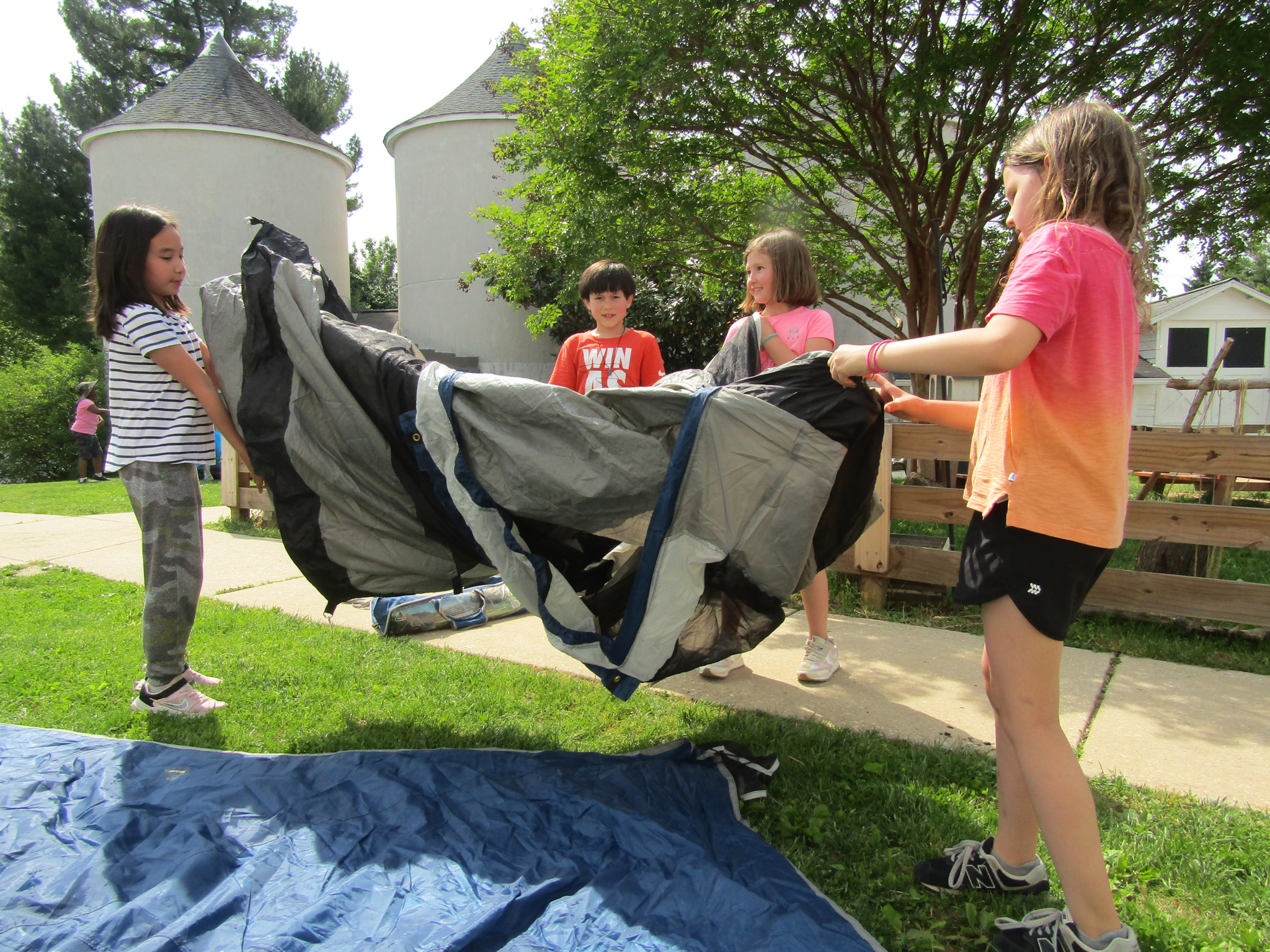
Overnight trips begin in Lower Elementary for the Third Year Overnight. Third grade students participate in an overnight campout on our campus as part of their work to build independence and bond with their community.

Away from the familiar surroundings of home and school, children learn to rely on themselves and each other. They take responsibility for packing their bags, setting up camp, and contributing to group activities. Every task empowers them to develop self-reliance and problem-solving skills. As they conquer challenges outside their comfort zone, their confidence soars, laying the foundation for the autonomy and independence they will continue to utilize throughout their Montessori experience and beyond.

Upper Elementary Camping Trips

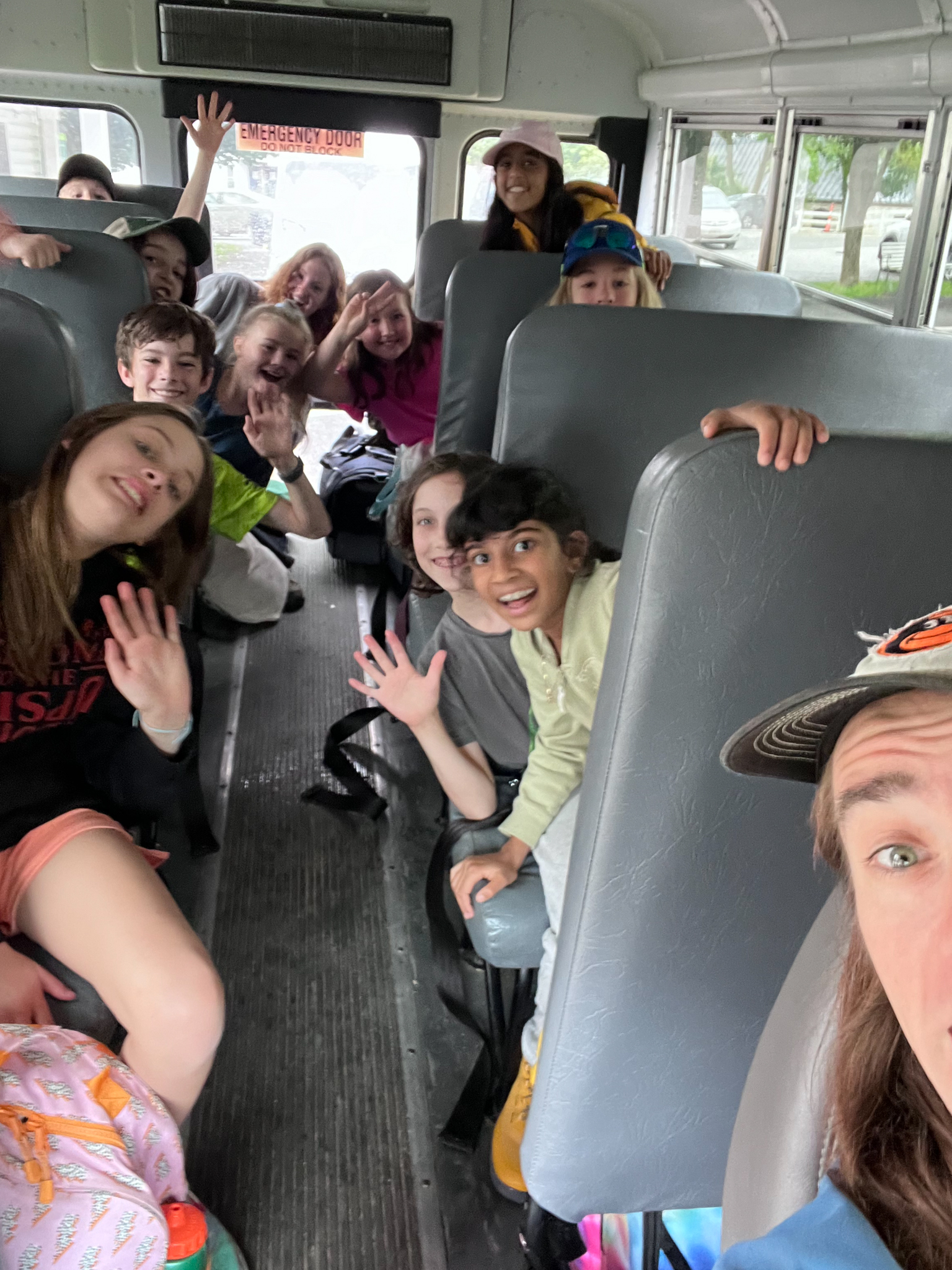
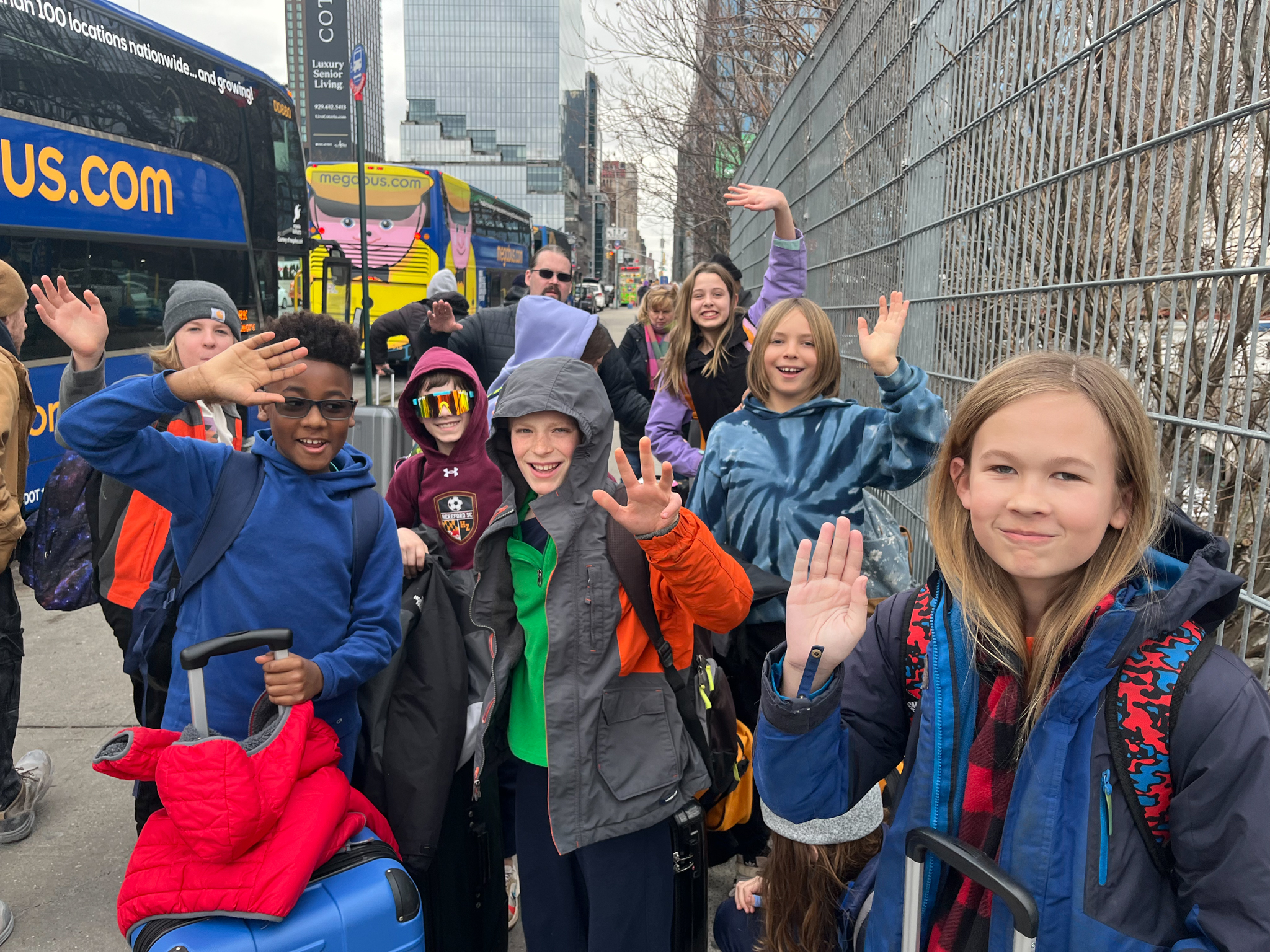
Upper Elementary students go on two trips throughout the year. This year, the students went to Echo Hill Outdoor School in the fall and Assateague Island in the spring. Students also have the opportunity to participate in Montessori Model UN (MMUN), culminating with a four day trip to the MMUN Conference in New York

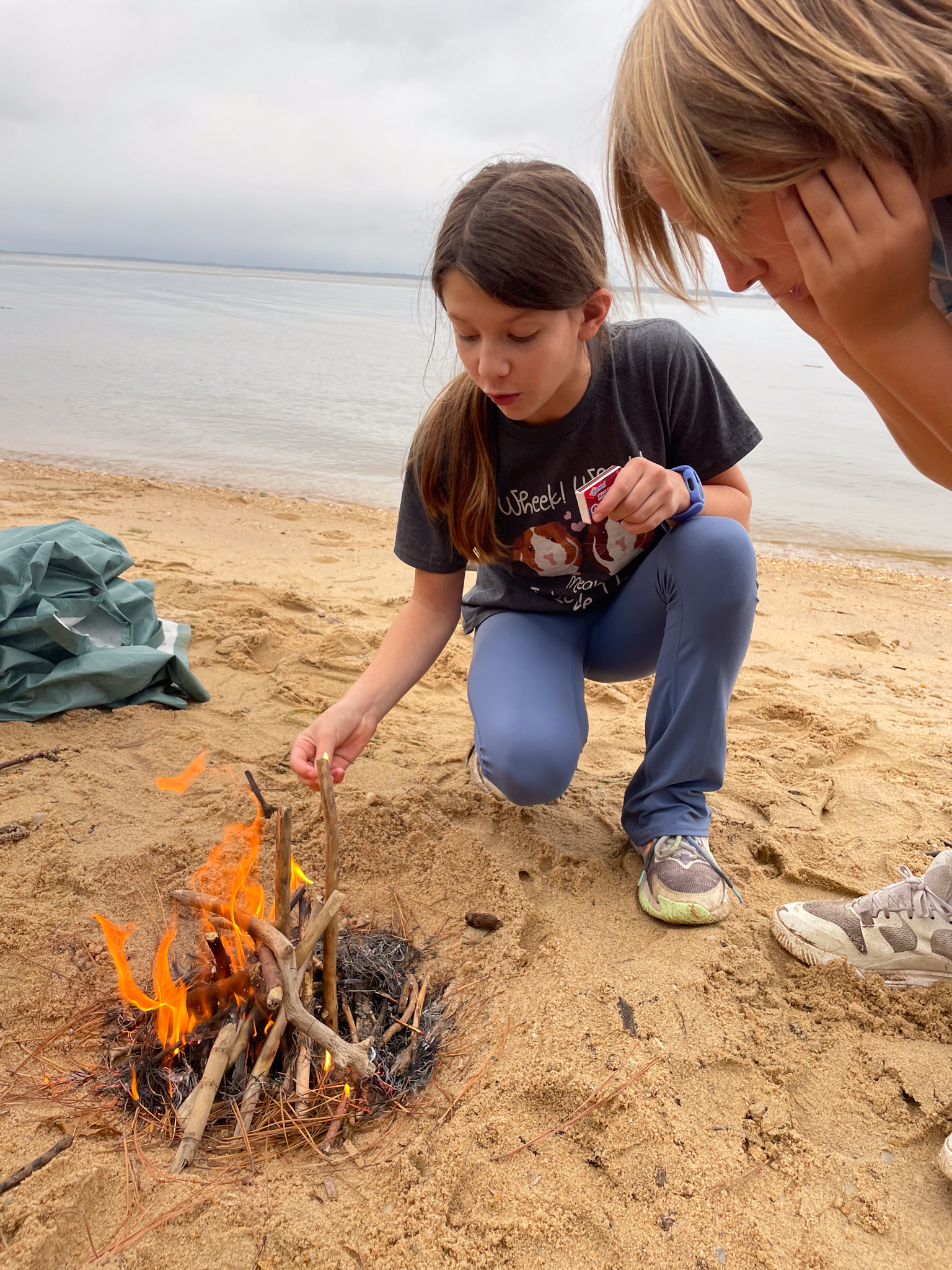
These trips are opportunities for the students to get to know one another and build strong relationships with their peers and with the adults in their classroom. During these trips, the students practice their Practical Life skills including planning meals, packing outdoor equipment, and working together to plan activities. They also learn and implement important outdoor skills such as building fires and reading maps.

These skills deepen their connection to the natural world and have the potential to instill a profound sense of stewardship towards the environment. Through experiential learning, students understand the importance of sustainability and conservation, becoming responsible global citizens in the process.

Adolescent Odyssey Trips

Our Adolescents take two multi-night trips called Odysseys at the beginning and end of the school year. In addition, they go on+ a biennial Dual Language Capstone Trip to a Spanish-speaking country.

These trips place the adolescents in direct contact with the workings of the world in a holistic experience away from home and familiar communities. The adolescents live together, plan and cook meals together, and explore places connected to our science, humanities, and Spanish studies.

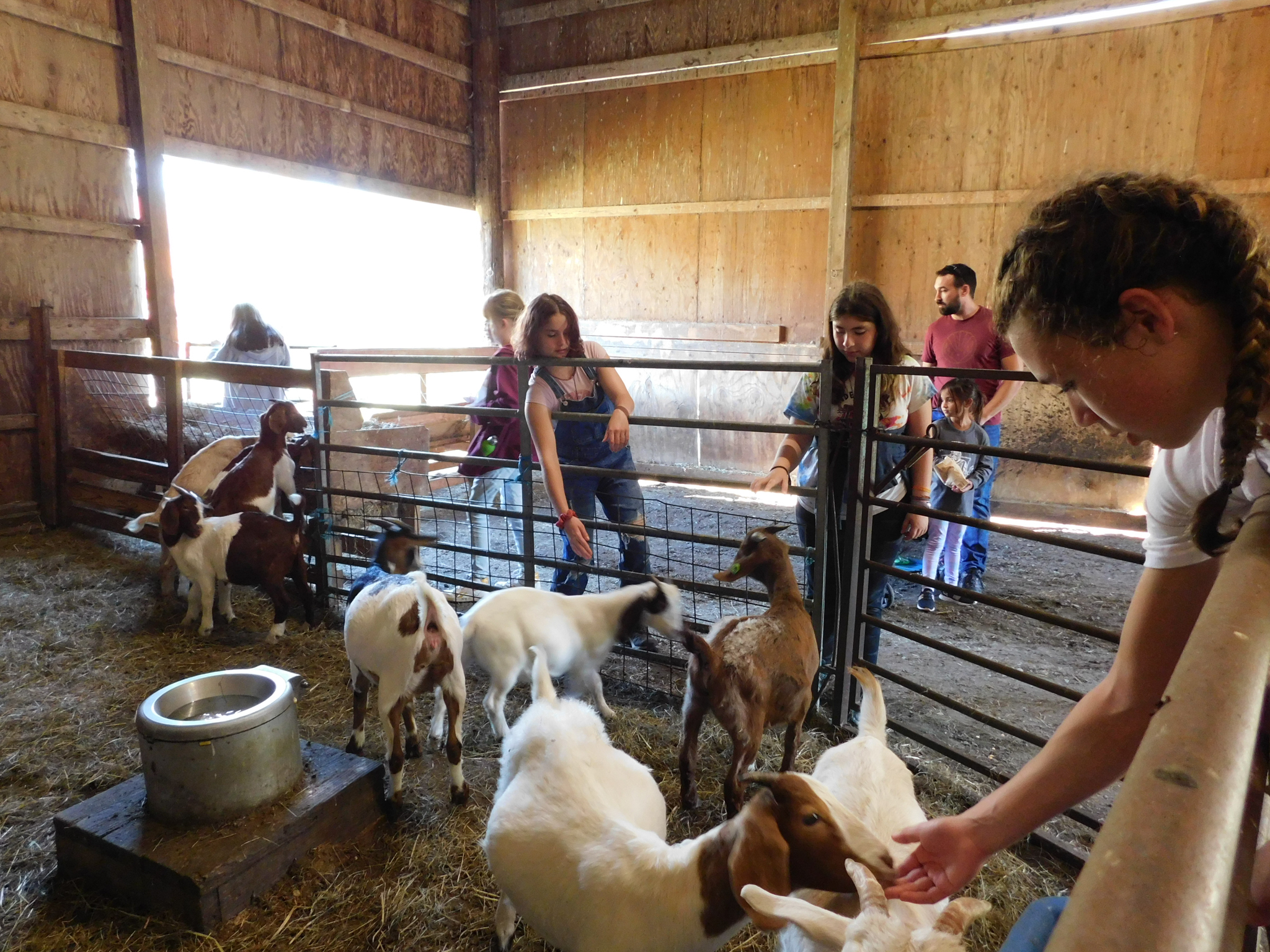
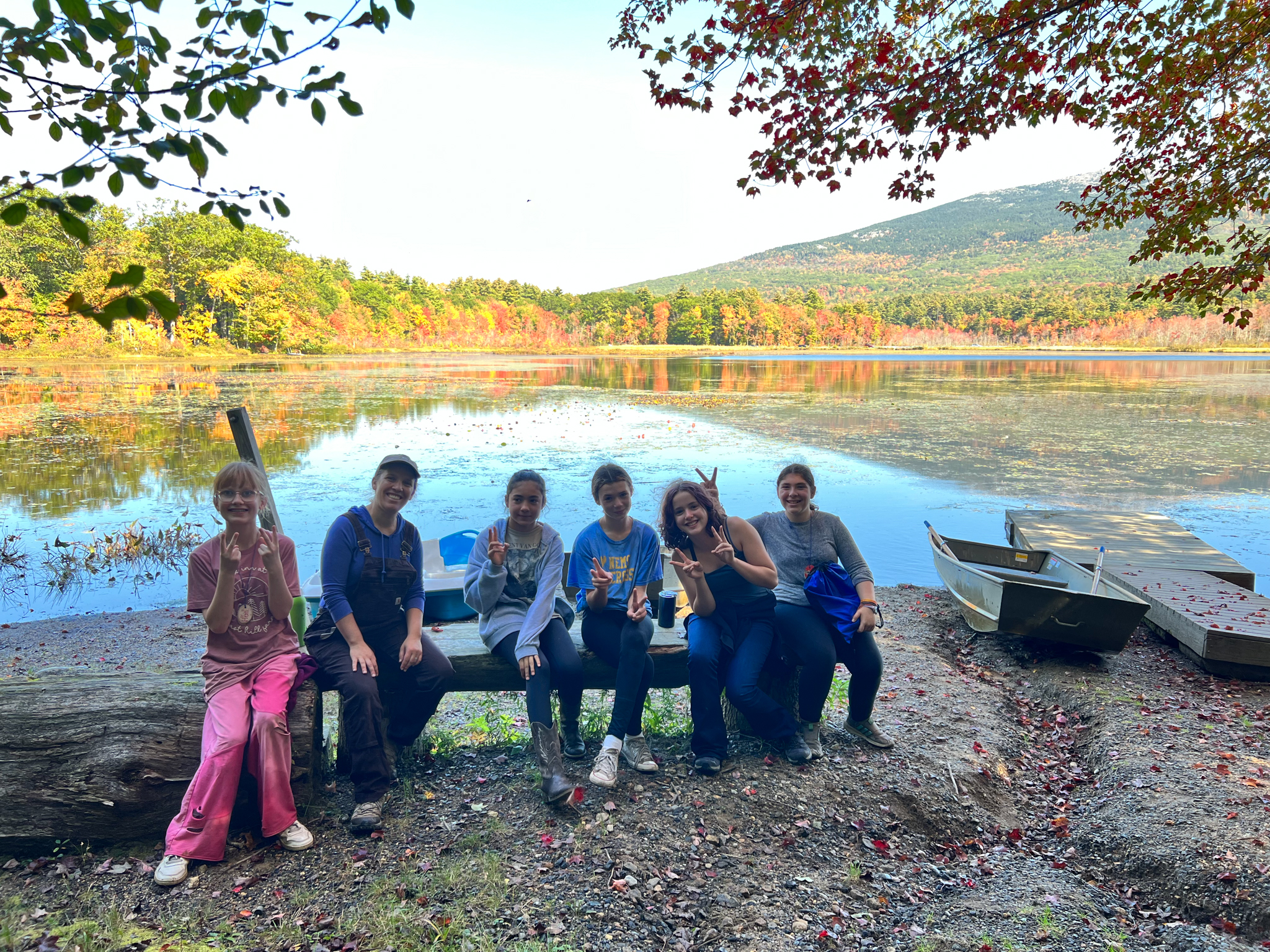
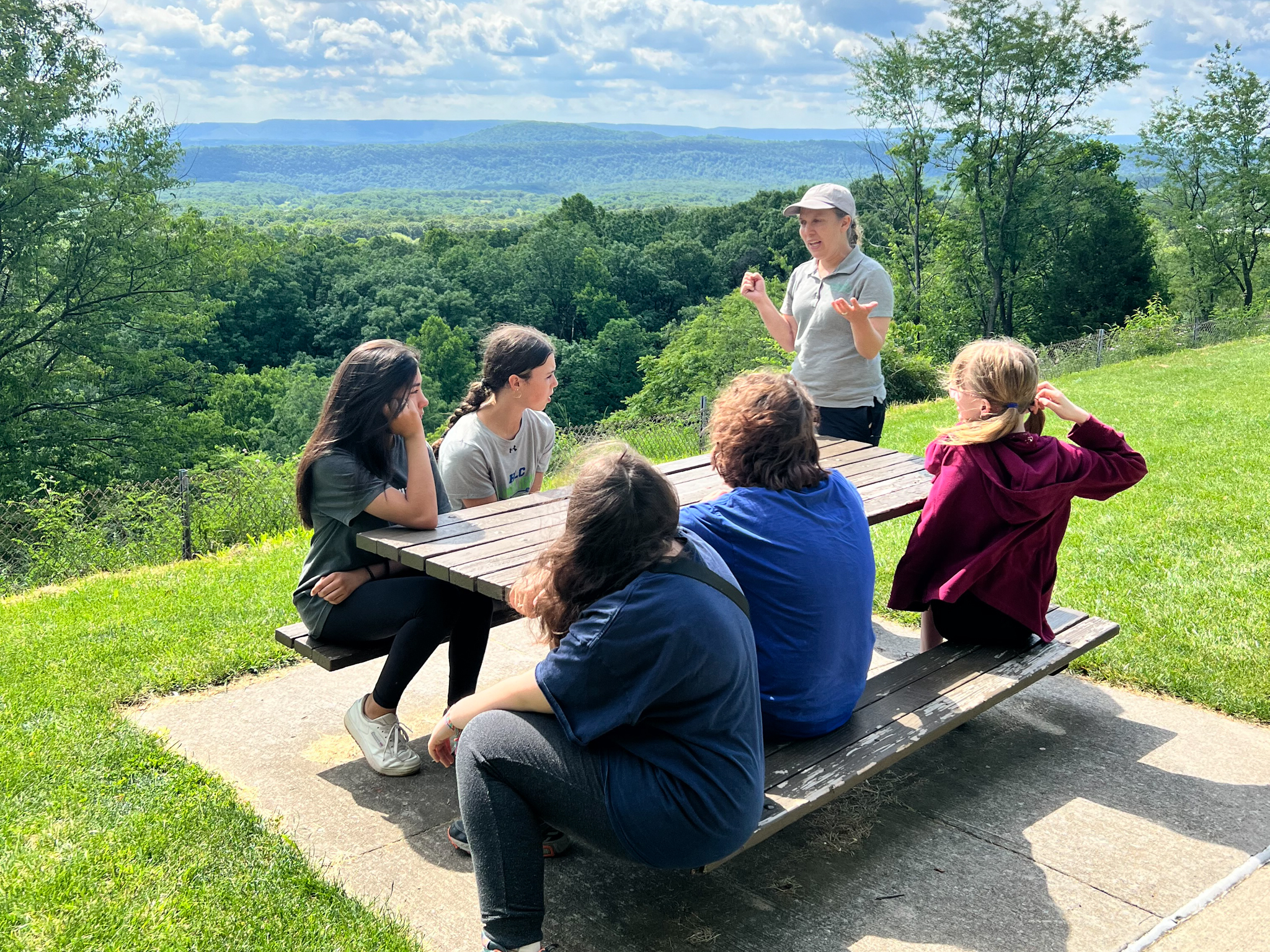
In the fall, the Adolescents traveled to East Hill Farm in New Hampshire , they ventured to Merida, Mexico for their Dual Language trip in February, and now they are on Odyssey at New Germany State Park in Western Maryland. The specific Odyssey destinations change from year to year depending on the needs and interests of the community.

These overnight trips foster a sense of camaraderie among students, strengthening the bonds of their community. Living in close quarters, they learn to communicate effectively, resolve conflicts, and appreciate diverse perspectives.


Through these immersive overnight experiences, we hope to offer our students dynamic views of cultures, the natural environment, and the greater world.


Children Raise and Observe Wood Frogs

Children Raise and Observe Wood Frogs

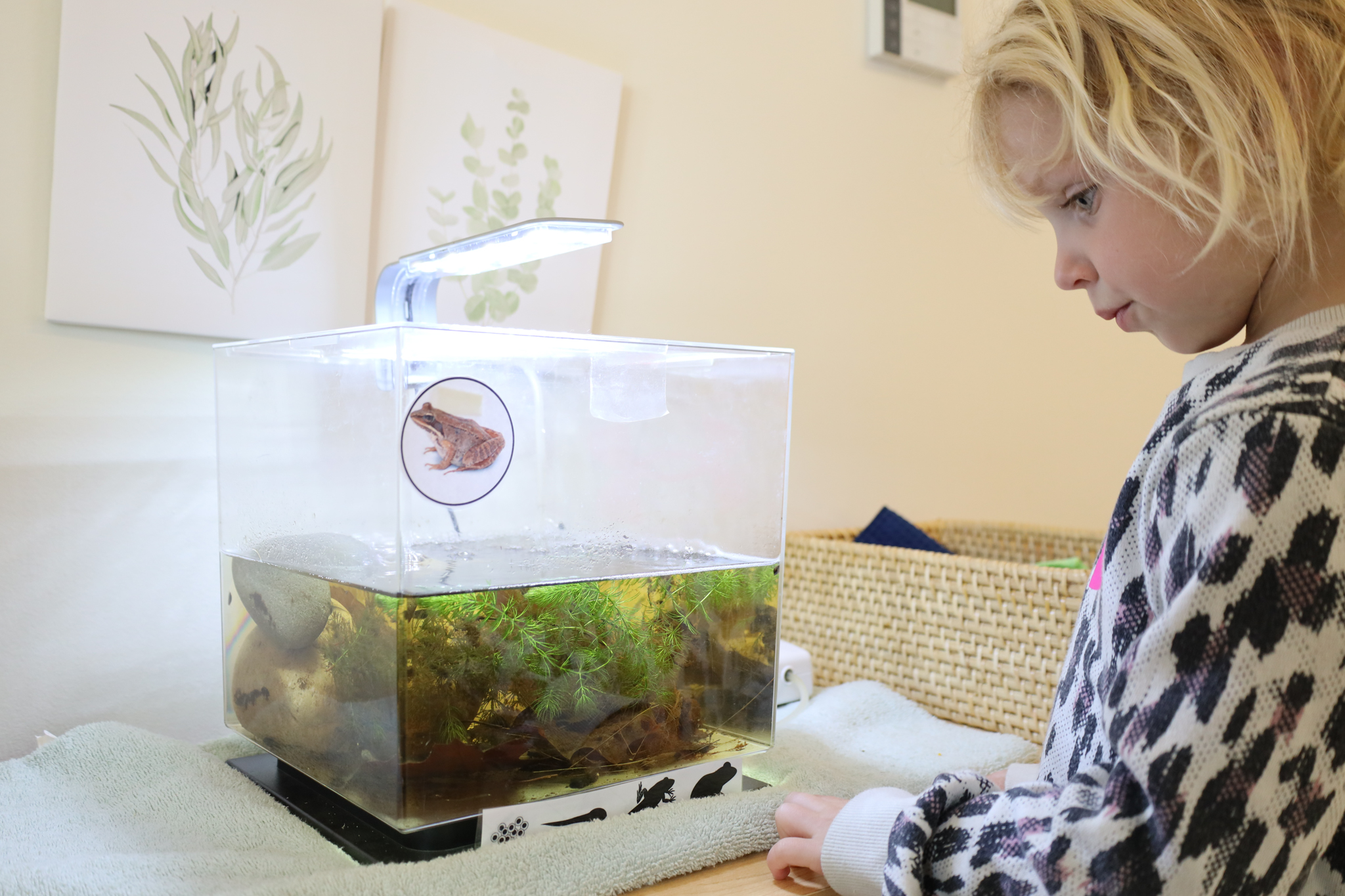
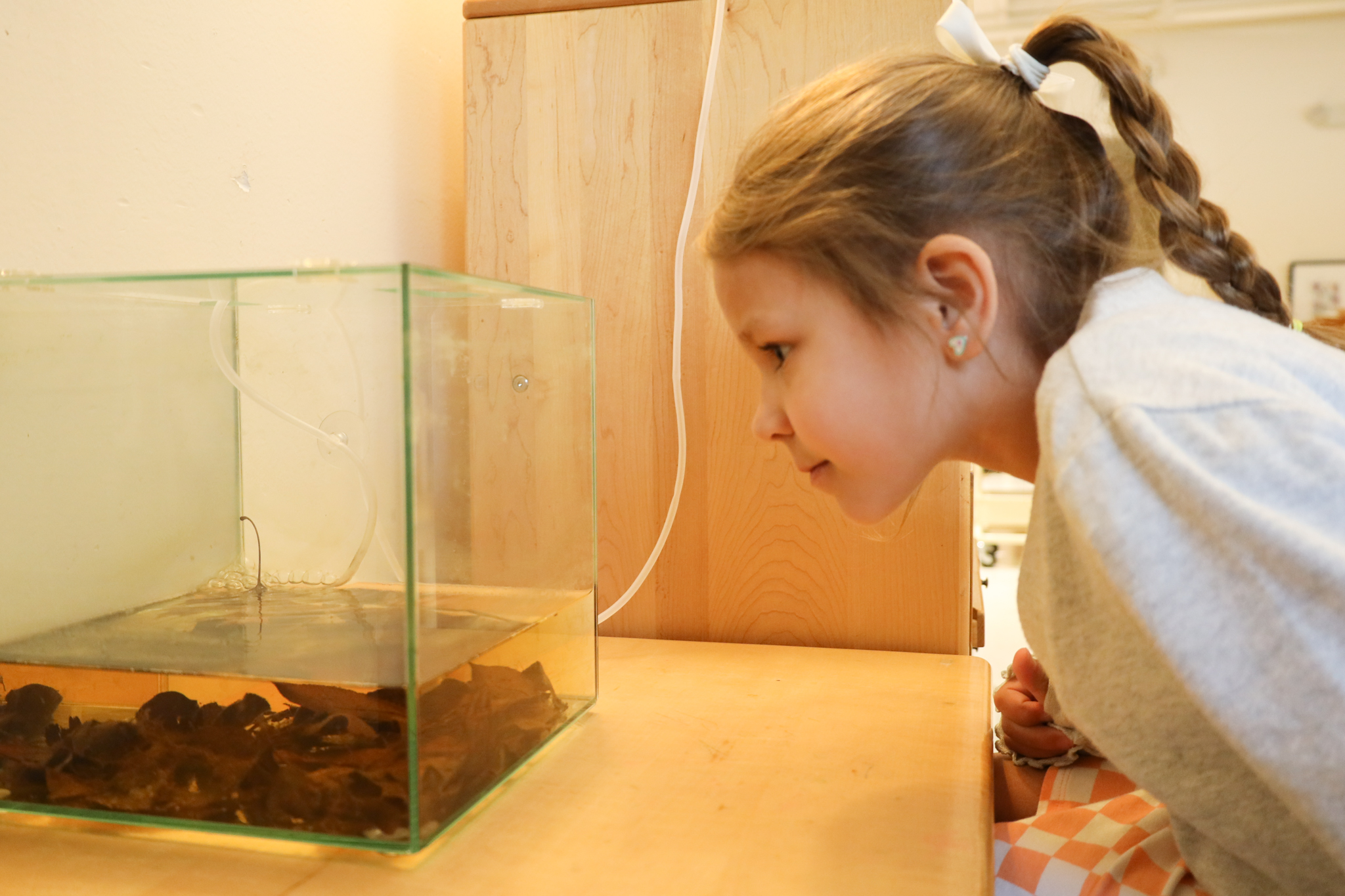
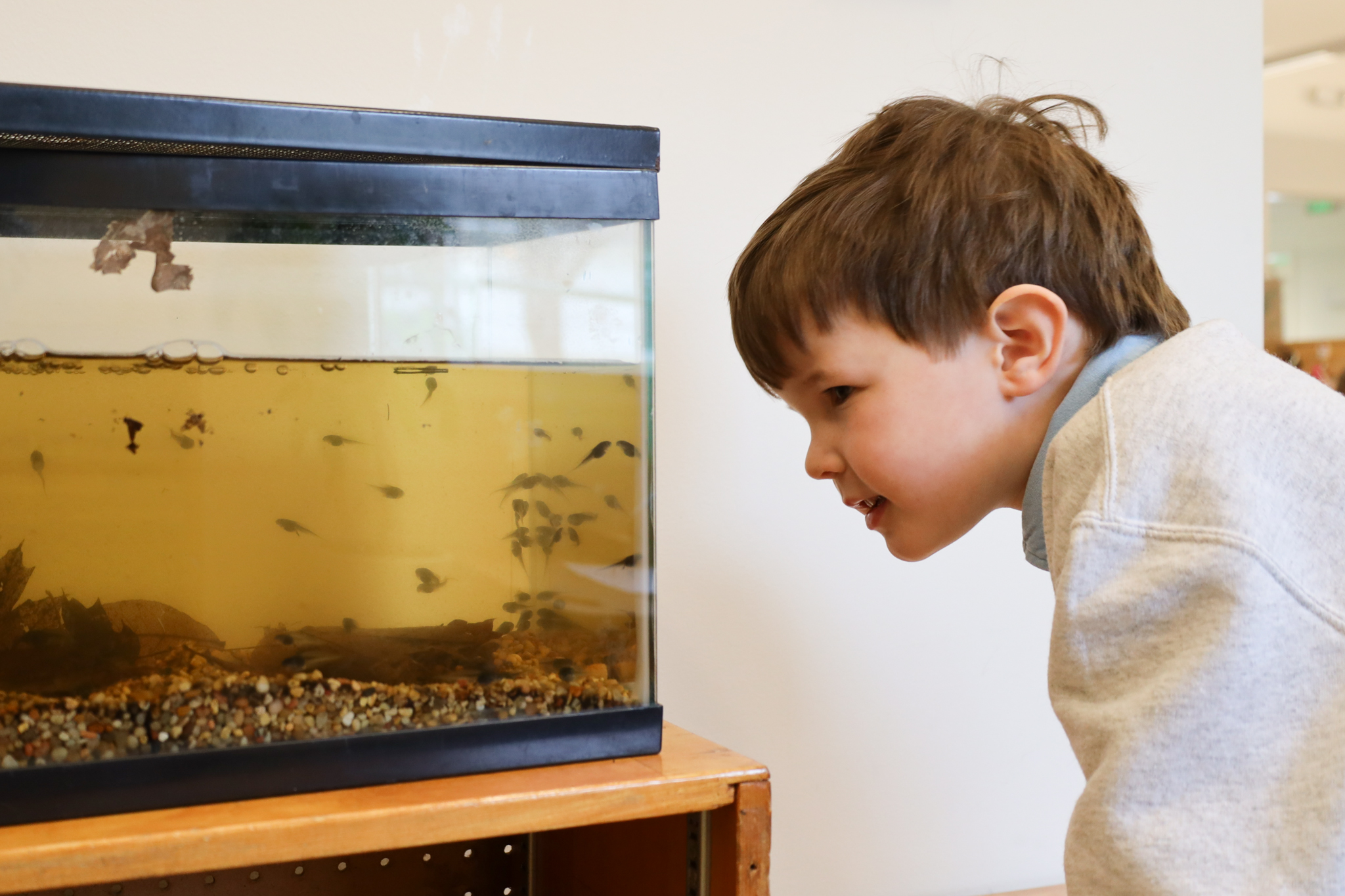
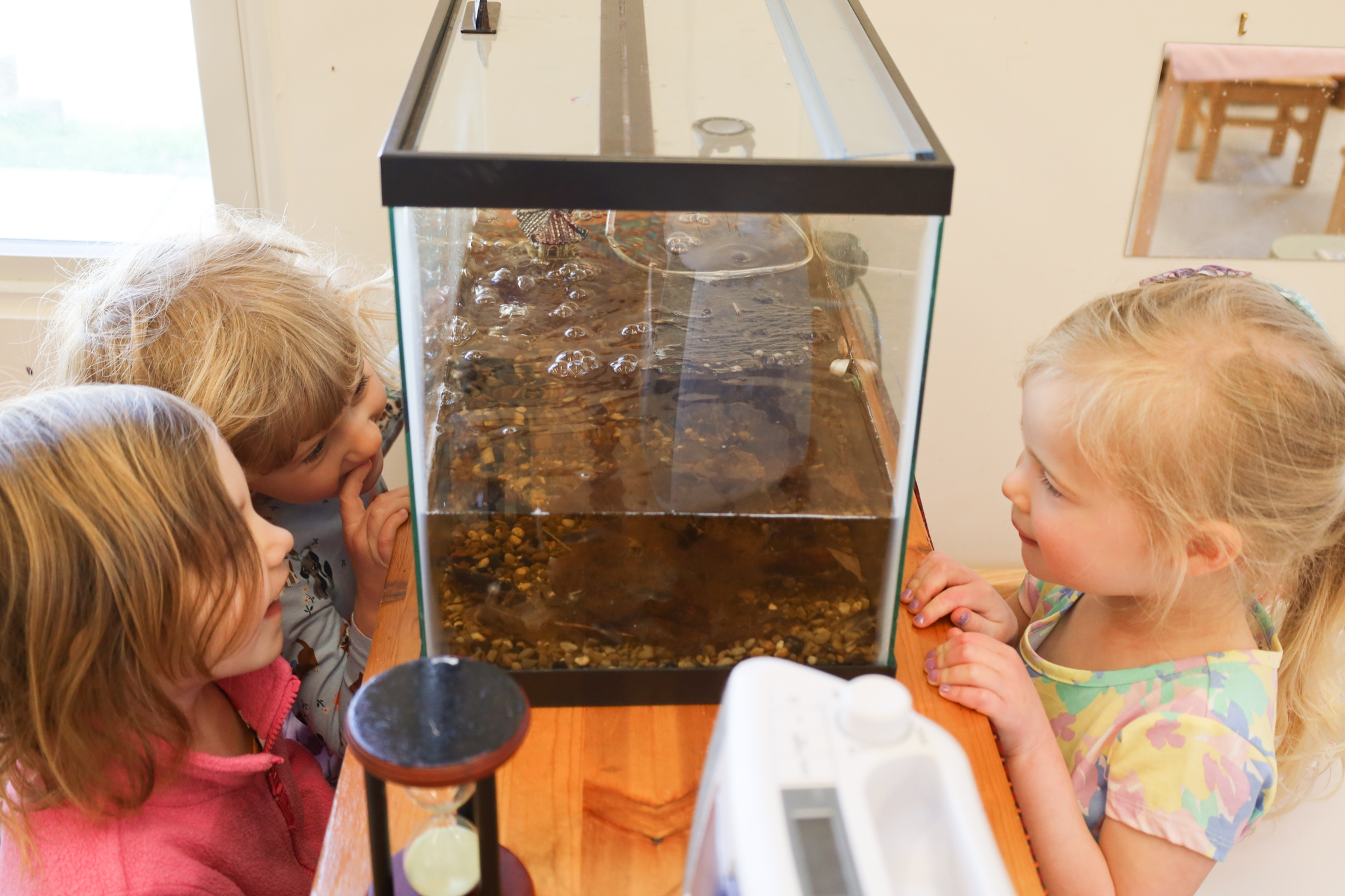
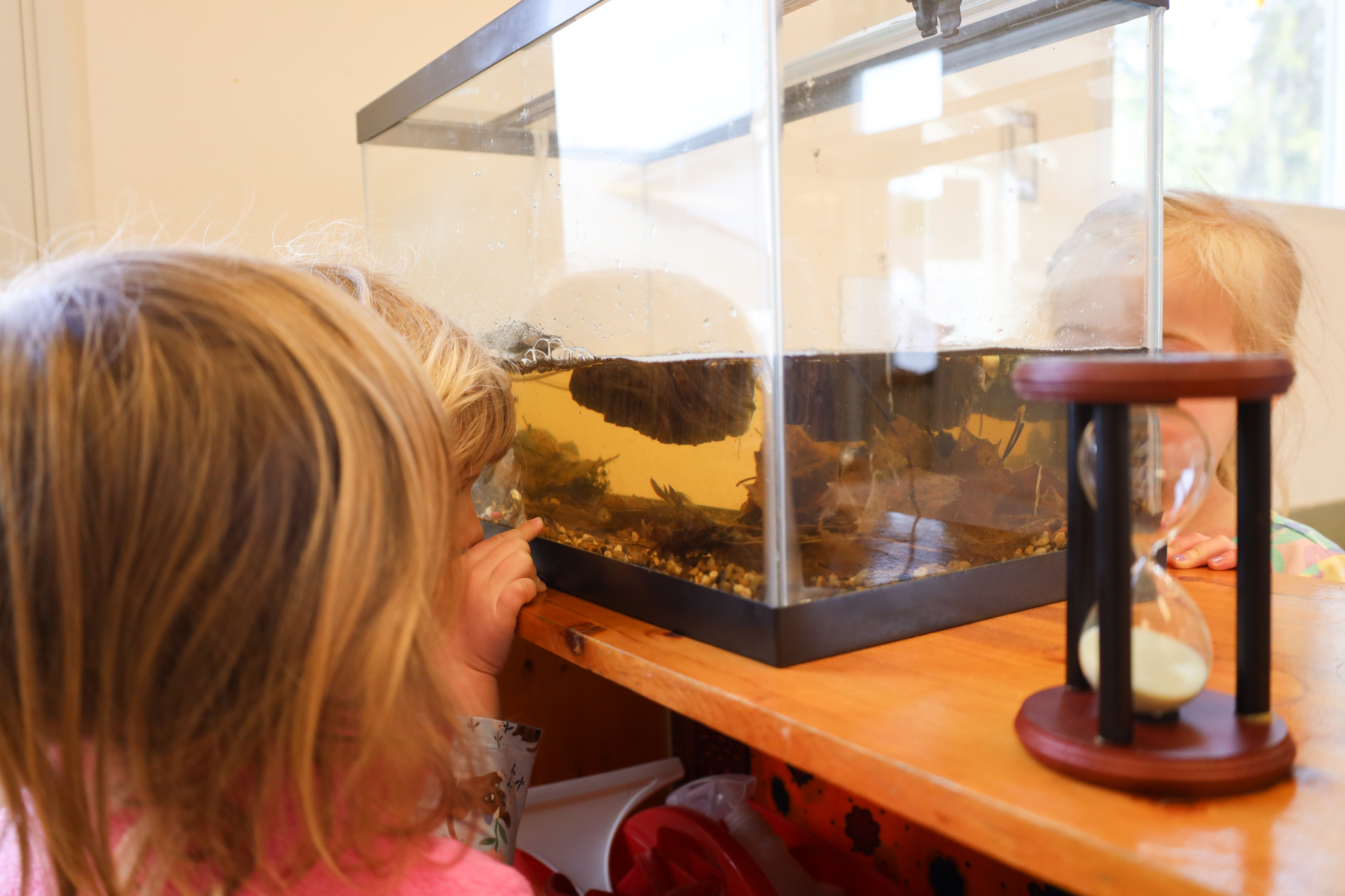
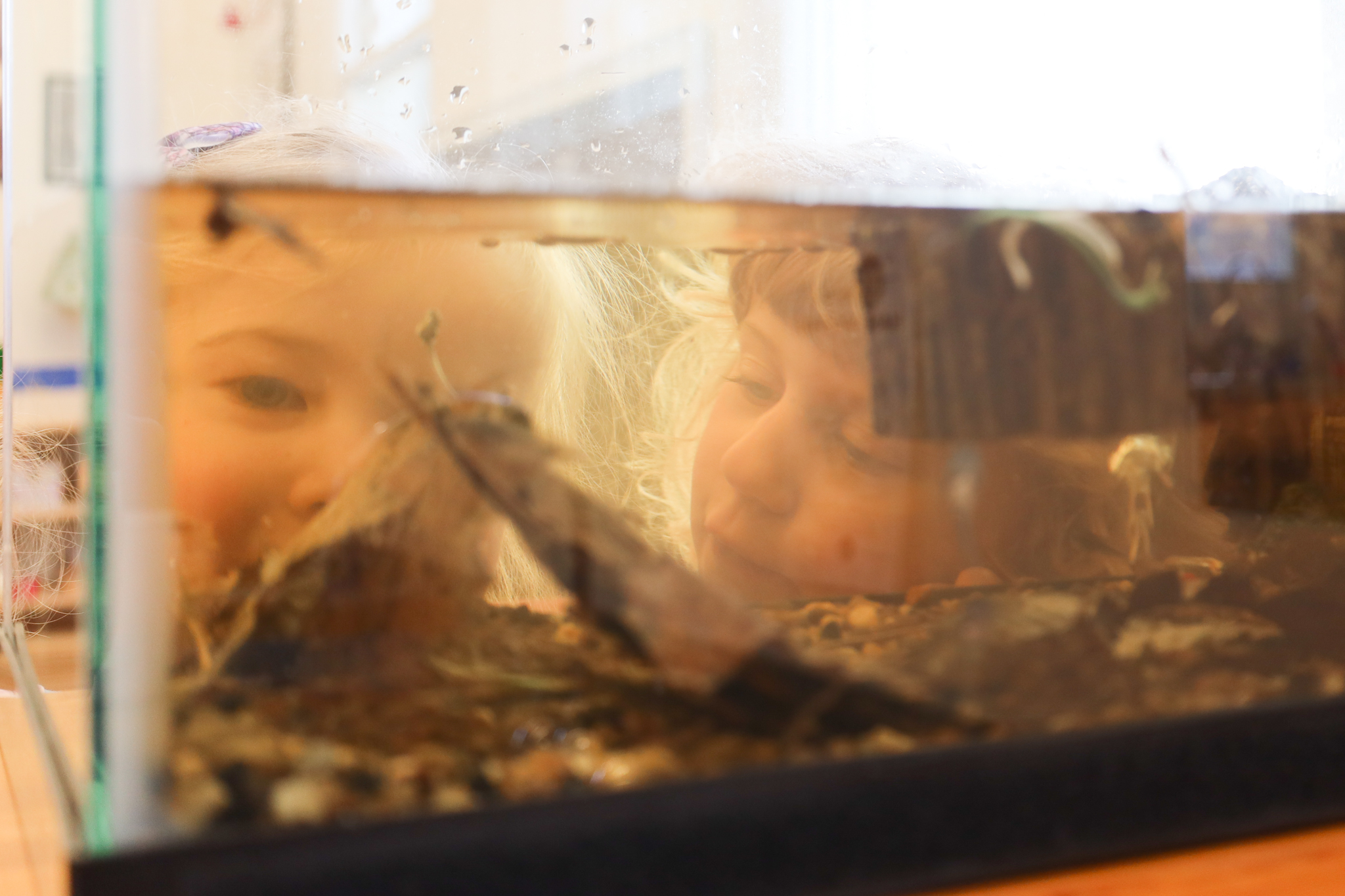
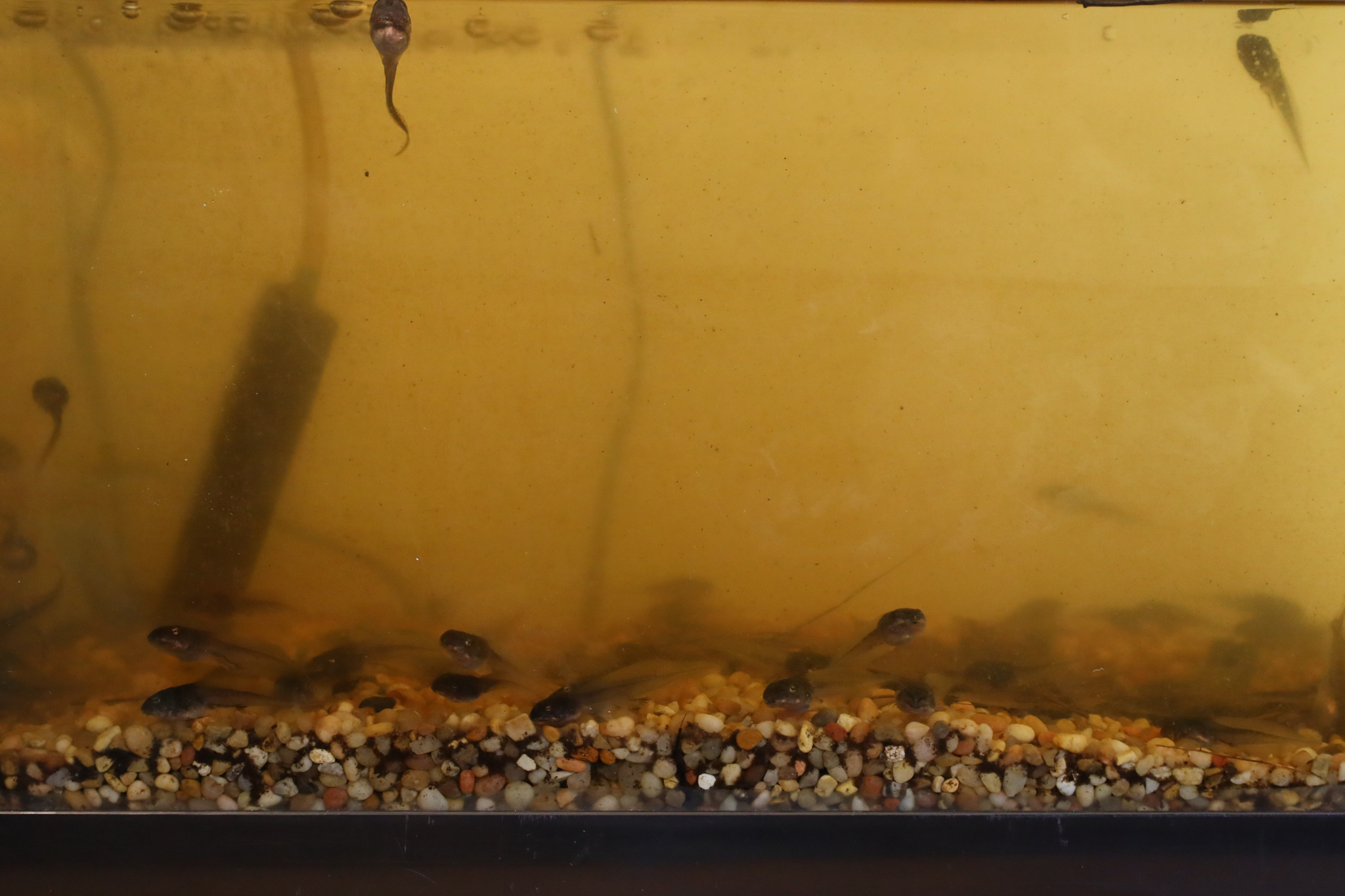
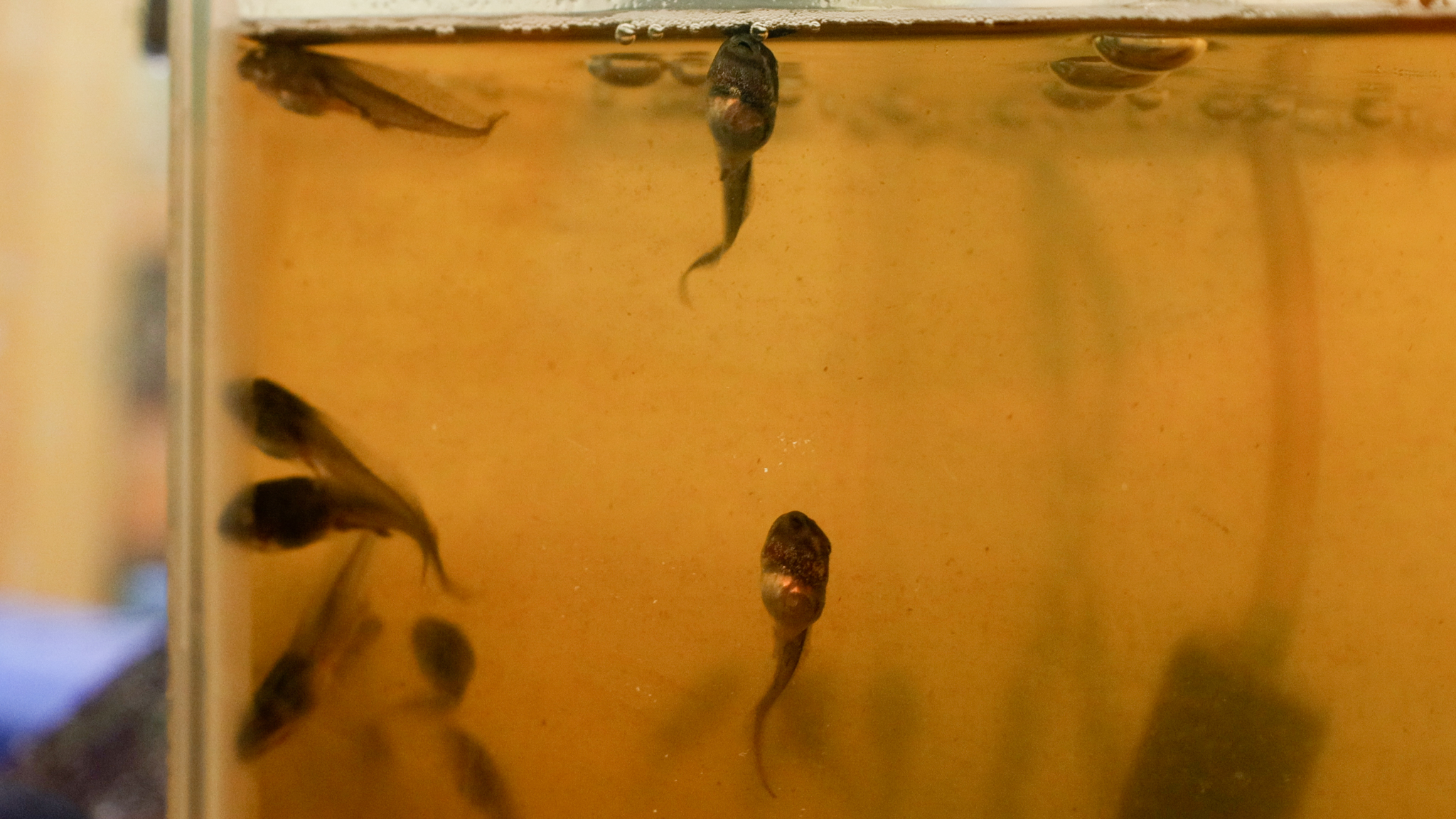
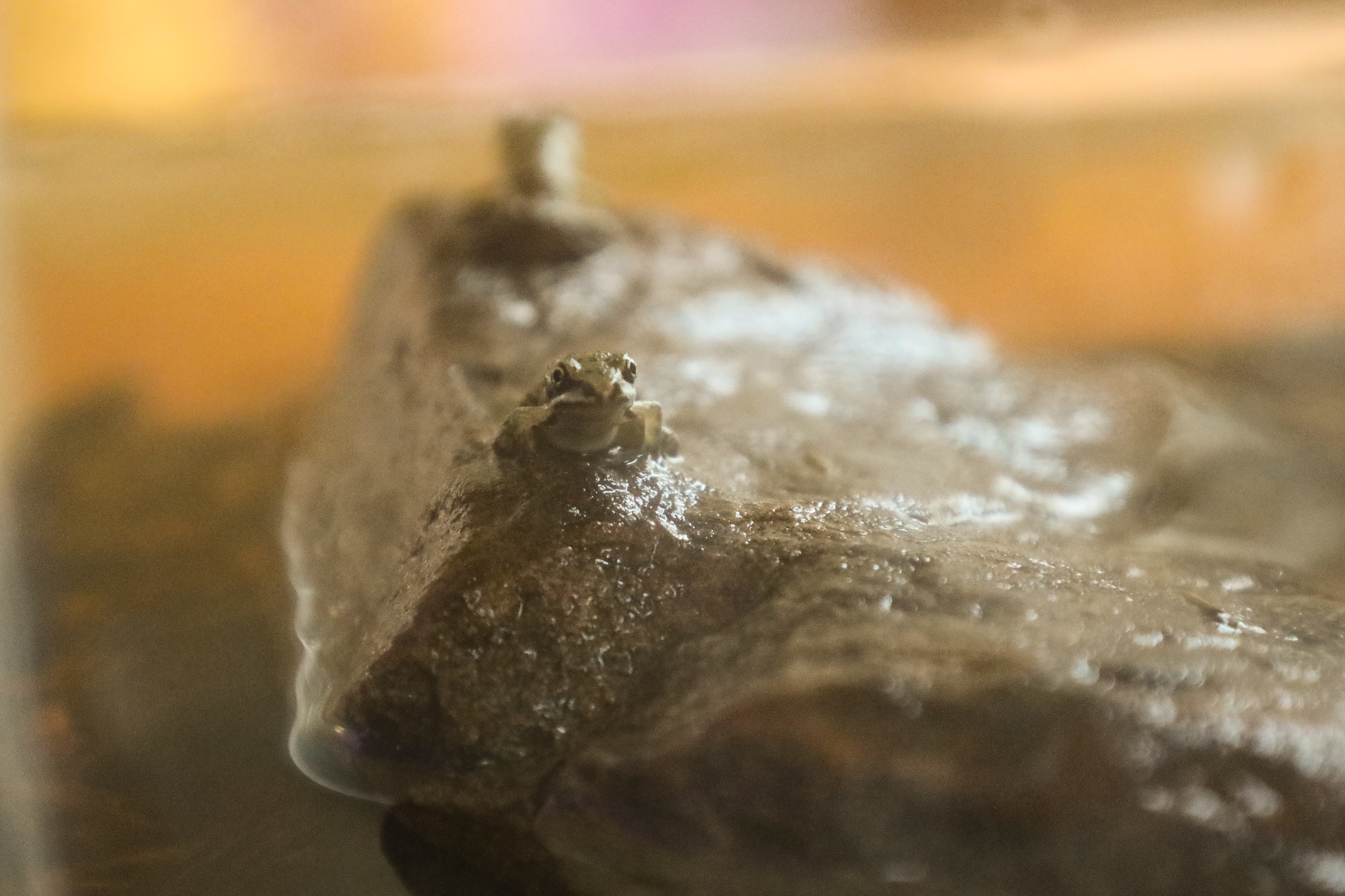
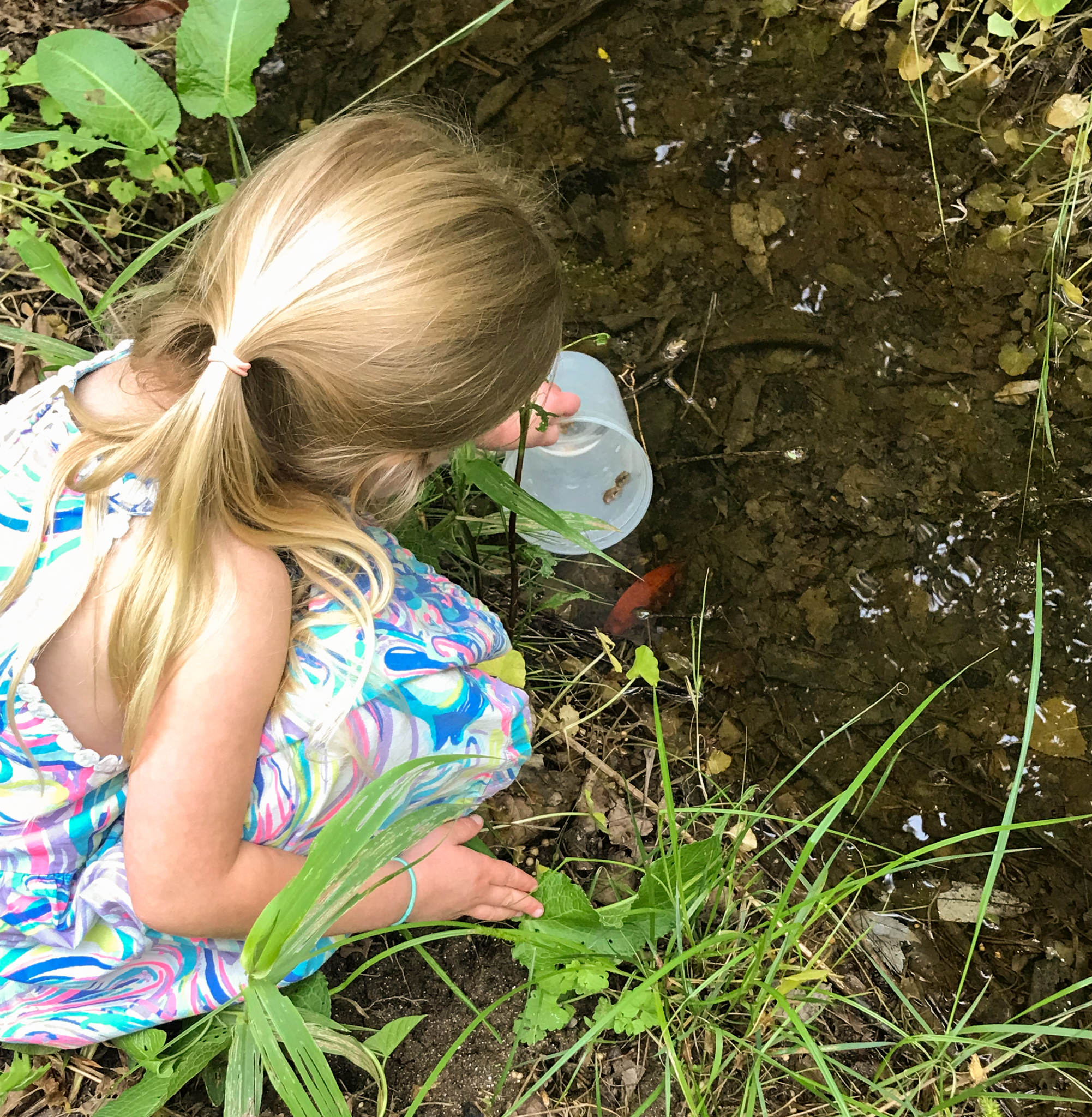
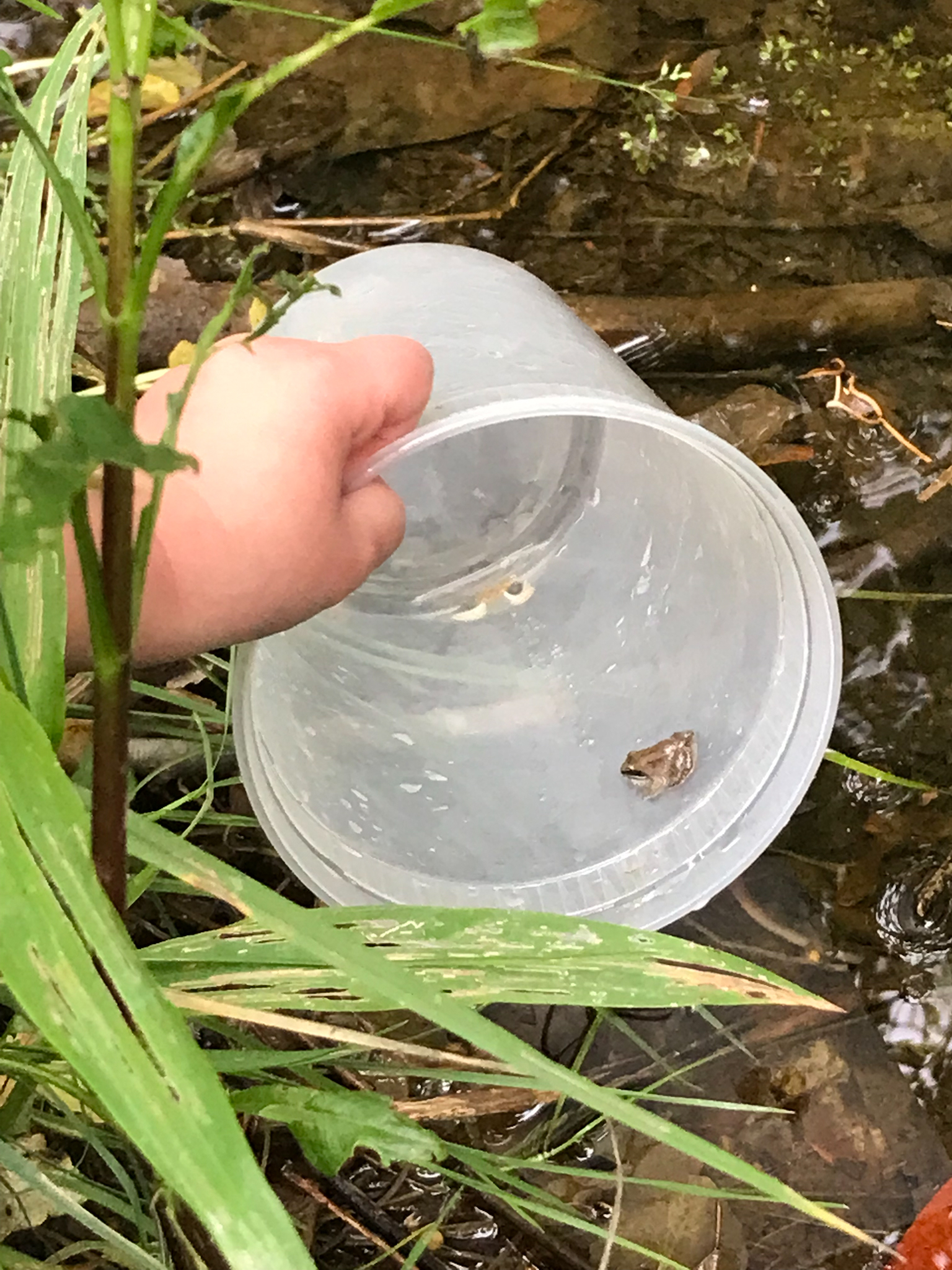
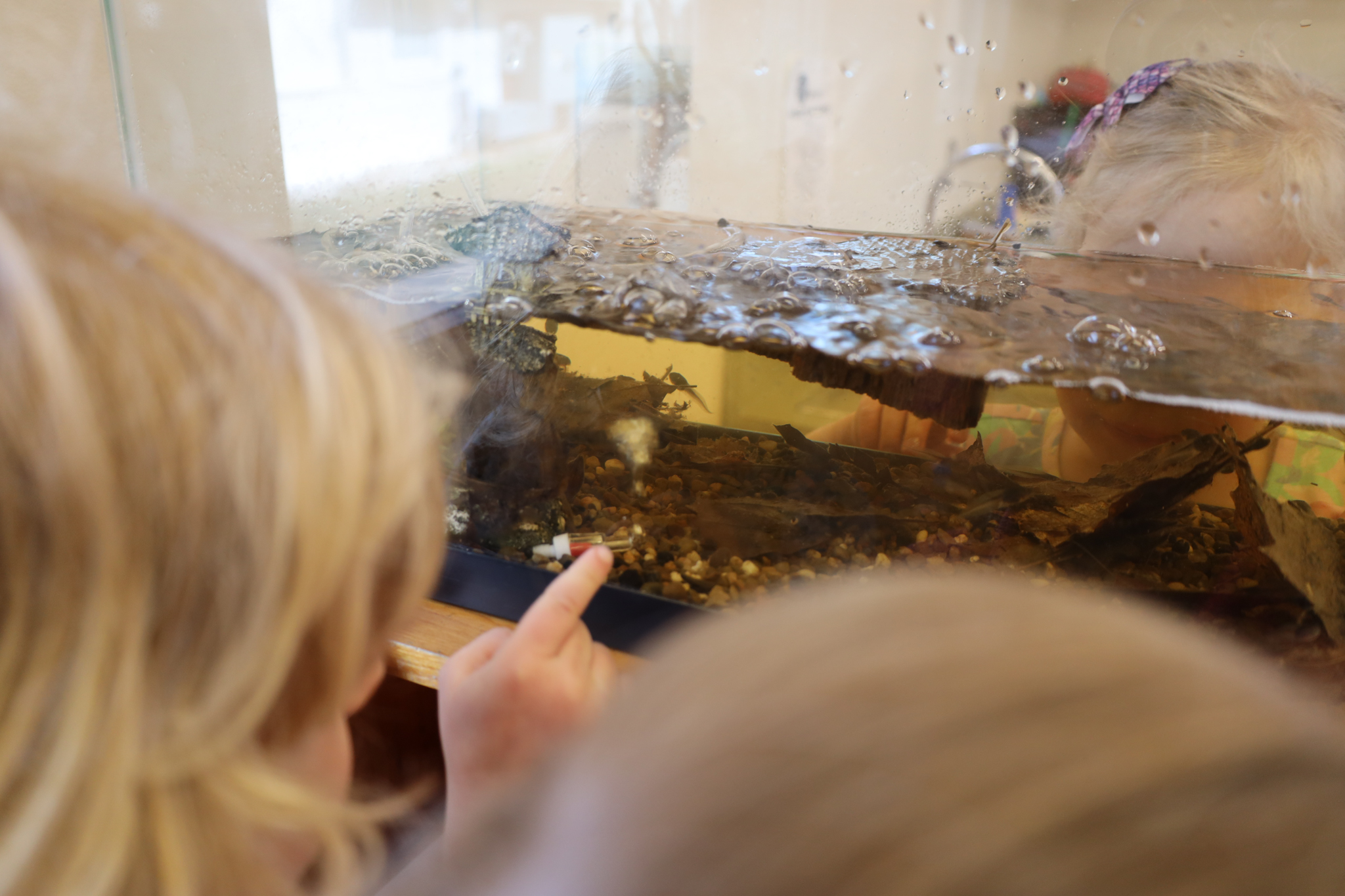
Several of our classrooms have been raising wood frog eggs into tadpoles and frogs. In early March, Adolescent Guide and naturalist Sylvia Glassco generously brought in wood frog eggs from her property. The frogs were carefully cared for in tanks for the children to learn and observe.

Throughout the months, the children carefully observed the growth and metamorphosis of the tadpoles, with some children keeping a written journal. When the frogs were fully grown in May, they were safely released back into the ecosystem where they were initially found.

We love this opportunity for up close observation of our natural world.