Grand Opening of our new Montessori Nature Center

Grand Opening of our new Montessori Nature Center

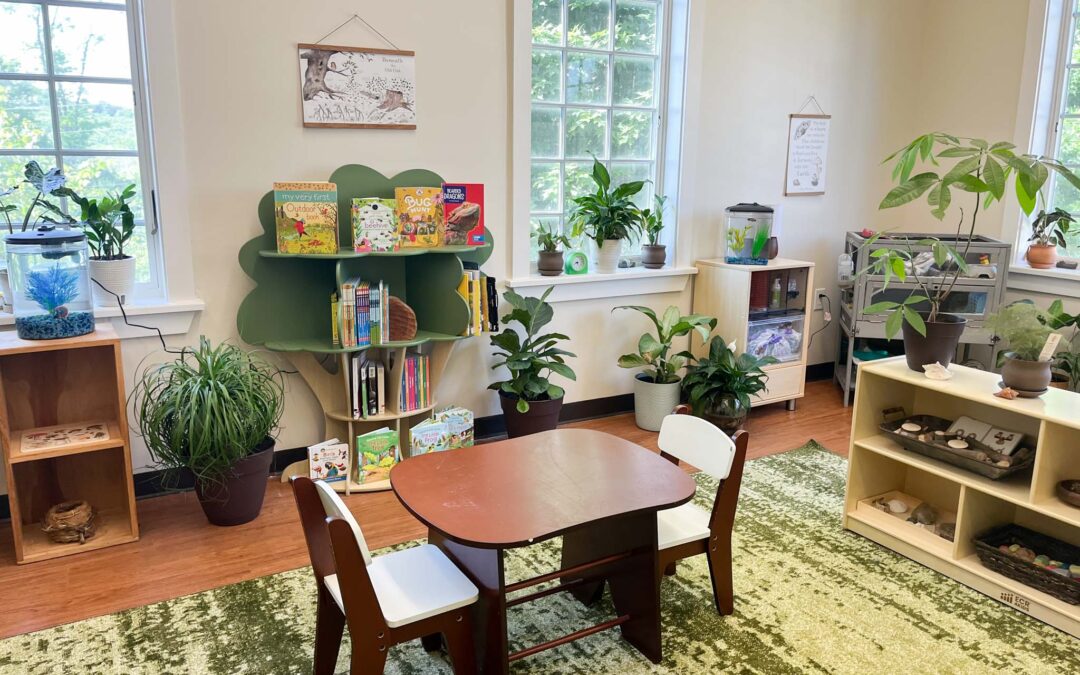
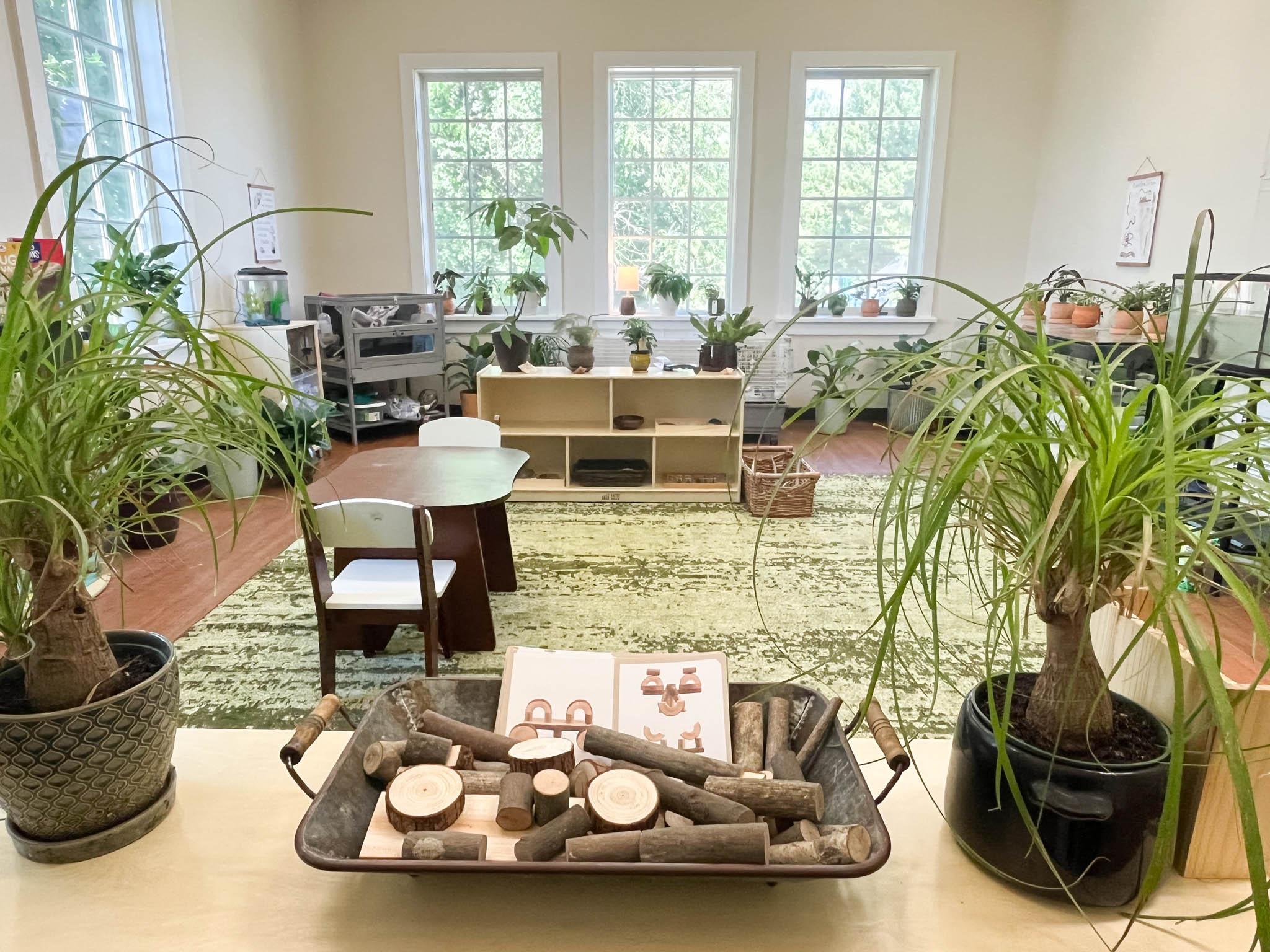
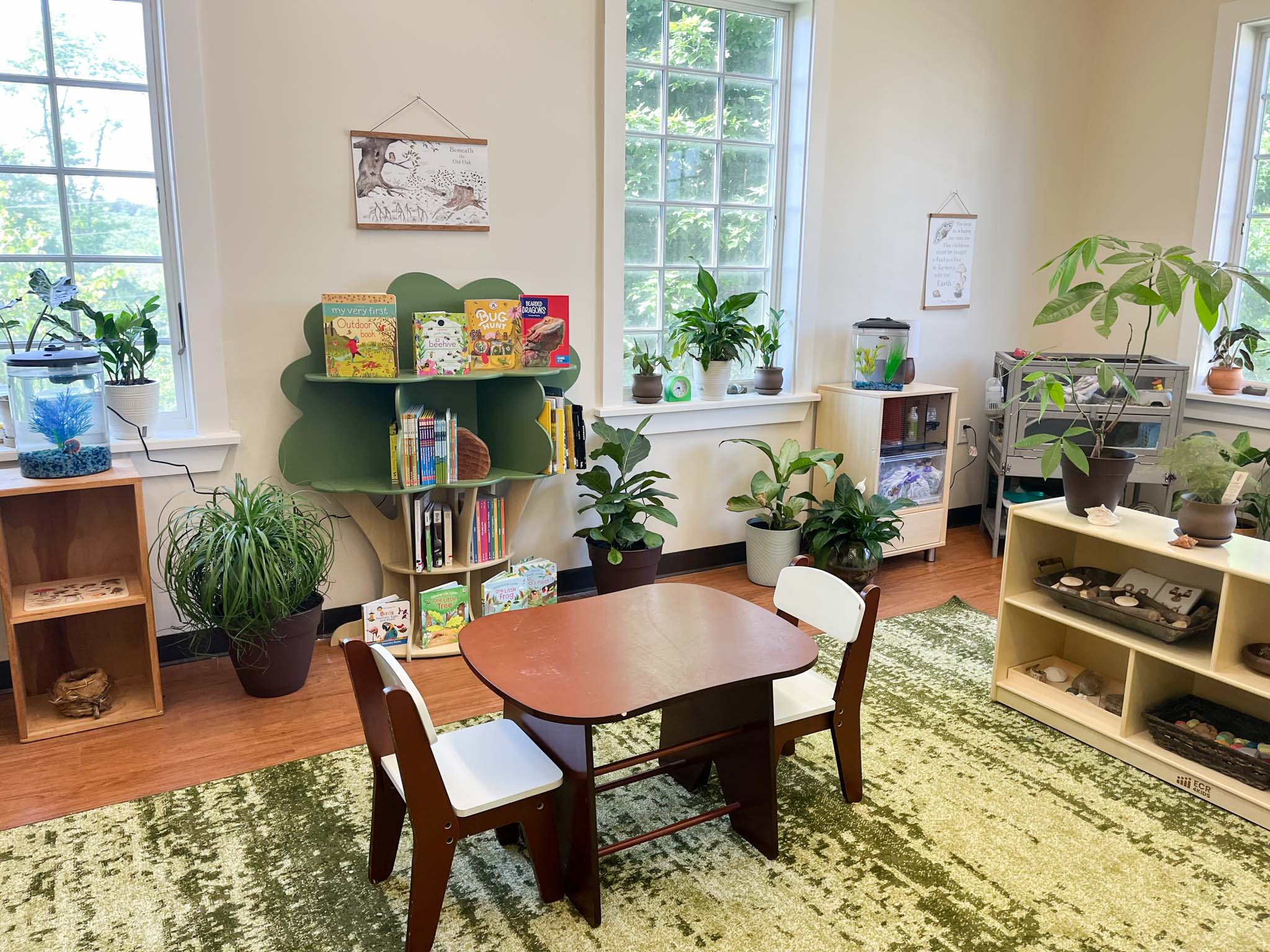
We are excited to announce the grand opening of our Greenspring Nature Center! Come take a peek and meet some of our critters during our Spring Showcase on Friday, June 2nd from 3:00-5:00pm.

We created the Nature Center as an extension of our outdoor learning environments. The Nature Center will allow students to develop a broad understanding of nature, encourage a sense of respect and stewardship for the natural world, and care for all the inhabitants of the center. This nature-based space will offer a dynamic learning space for our students to meaningfully engage with life and the natural world.

“The land is where our roots are. The children must be taught to feel and live in harmony with the Earth.”

– Dr. Maria Montessori

Meet a few of our residents in the Nature Center

Daisy

Daisy is a lionhead rabbit from the Carroll County Humane Society.

Barry & Lola

Barry and Lola are parakeets who came from a private owner who could no longer care for them.

Ivan

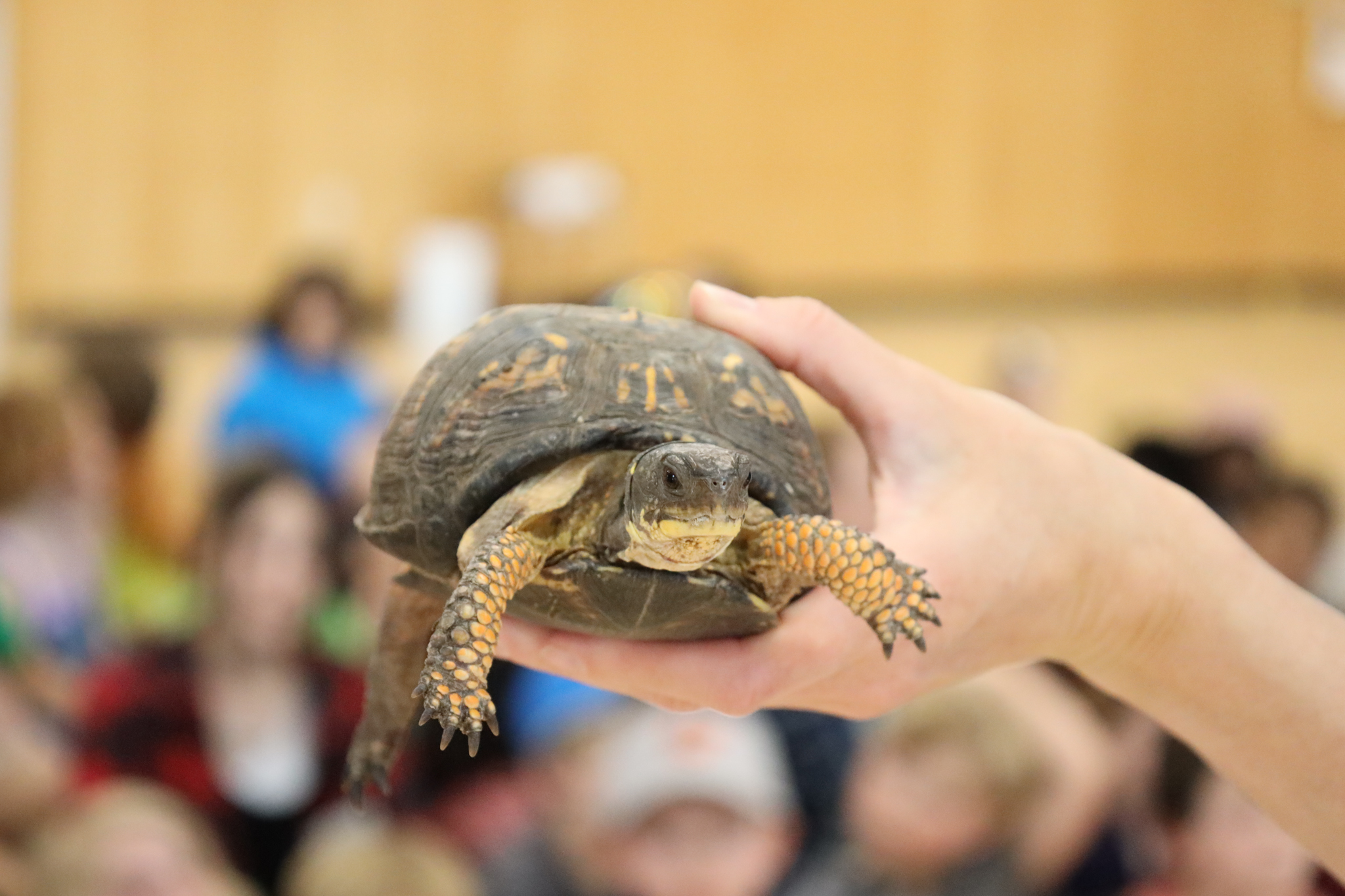
Ivan is a Russian Tortoise from a private owner who could no longer care for him.

Some of our other animals include Khalessi, a bearded dragon, and Oreo, a Guinea pig, as well as oscar fish, guppies, and beta fish. 

Stop by and visit the Nature Center soon!

Nature Education in our Classrooms

Nature Education in our Classrooms

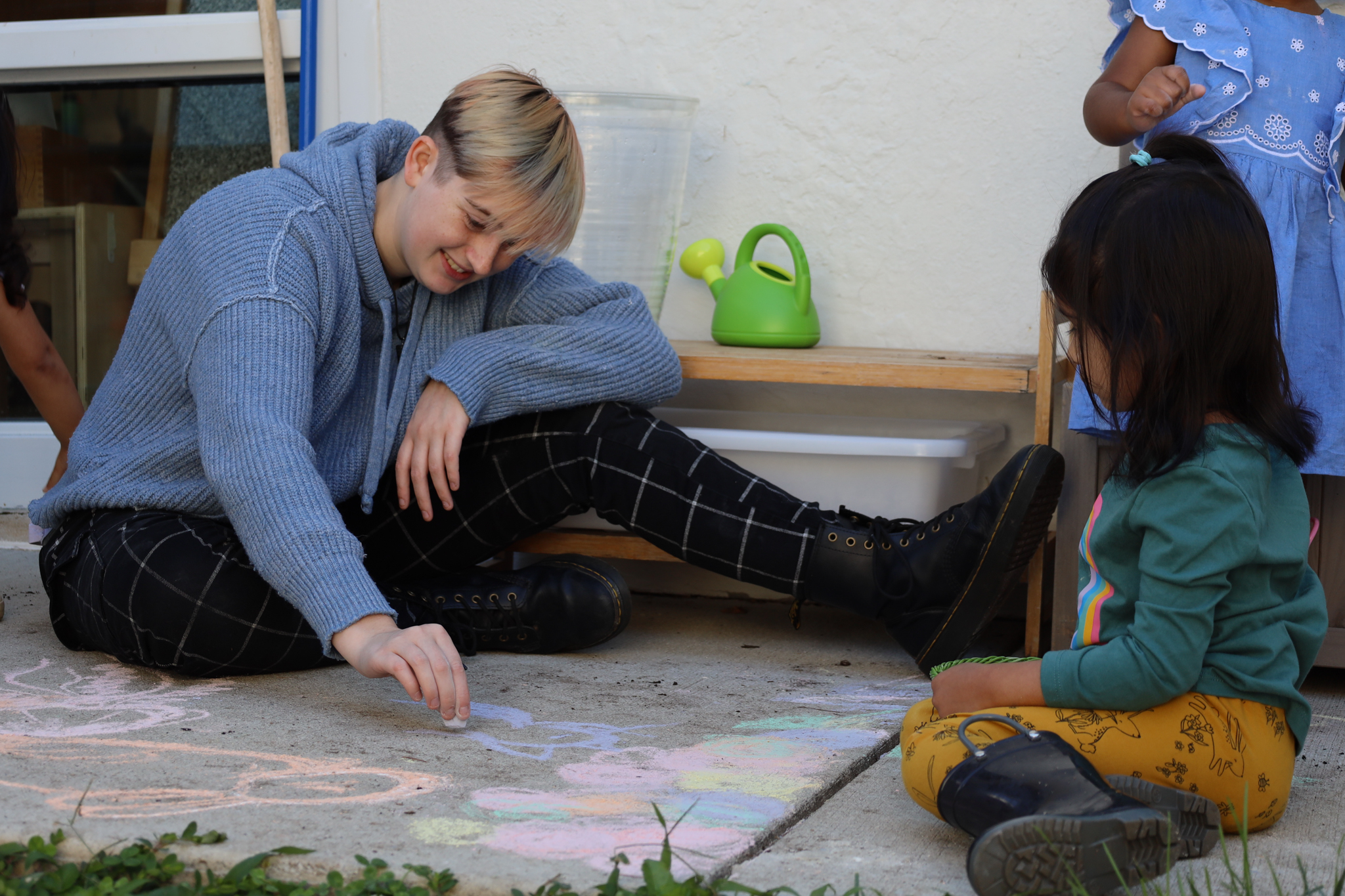
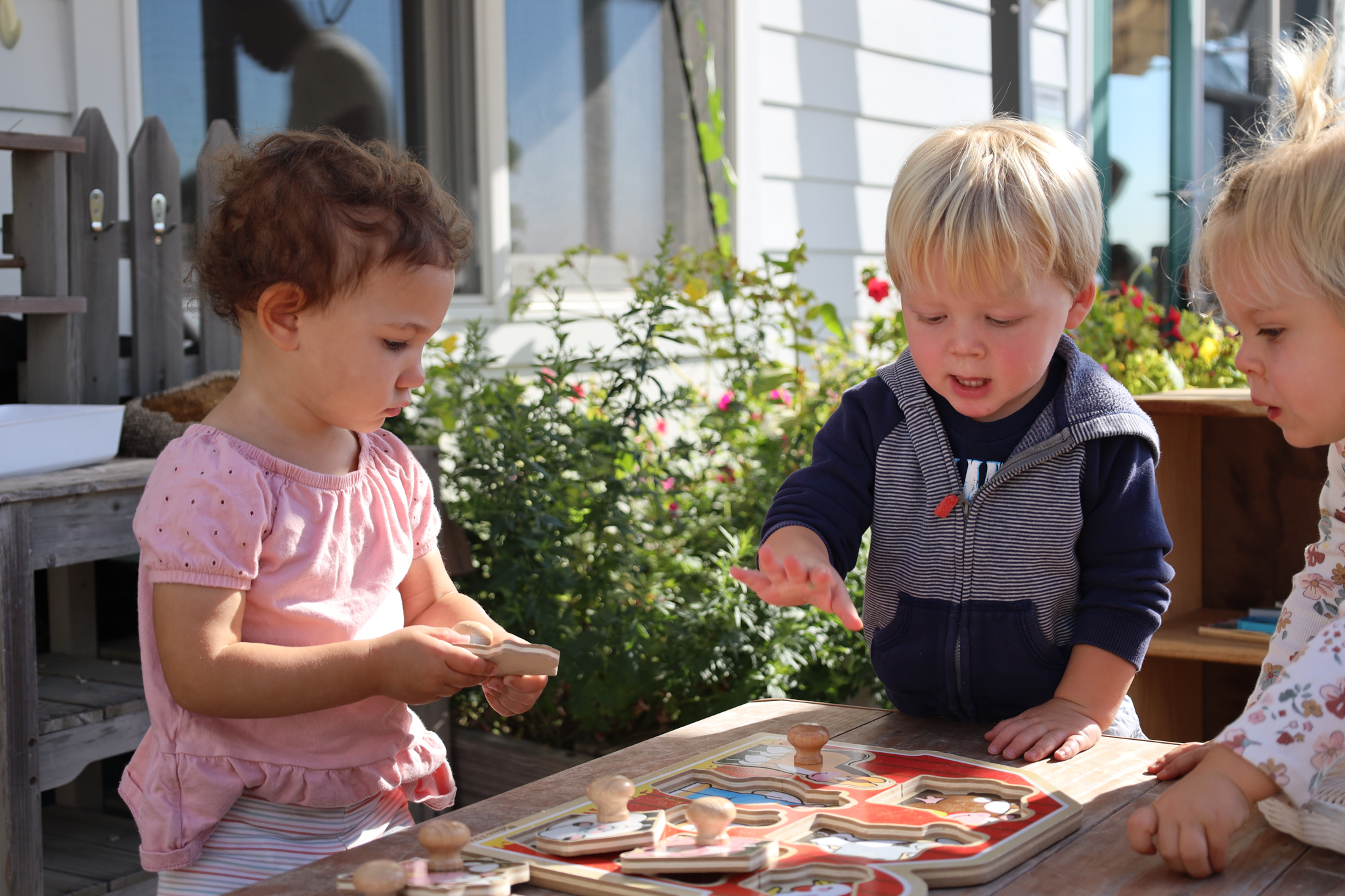
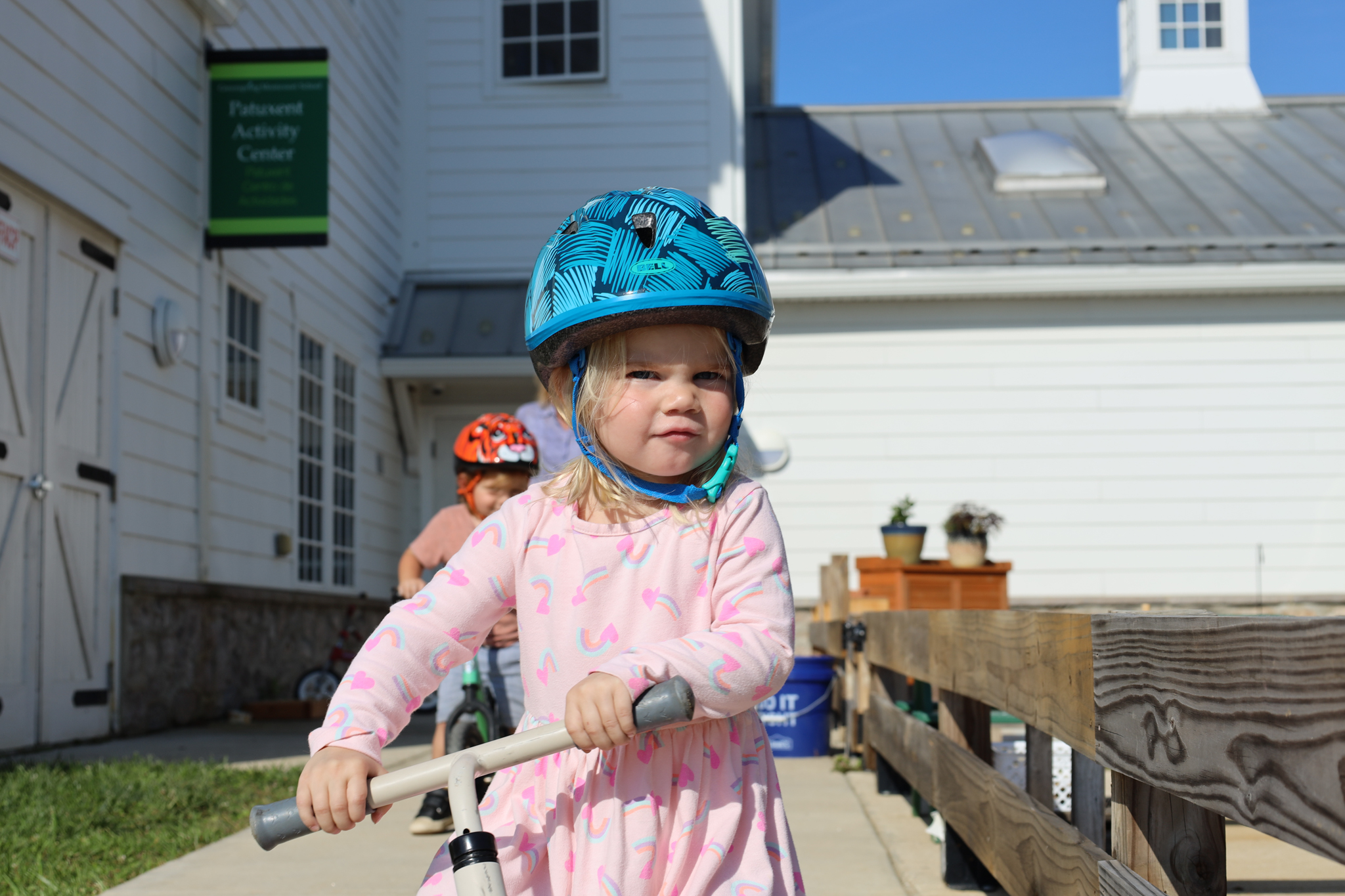
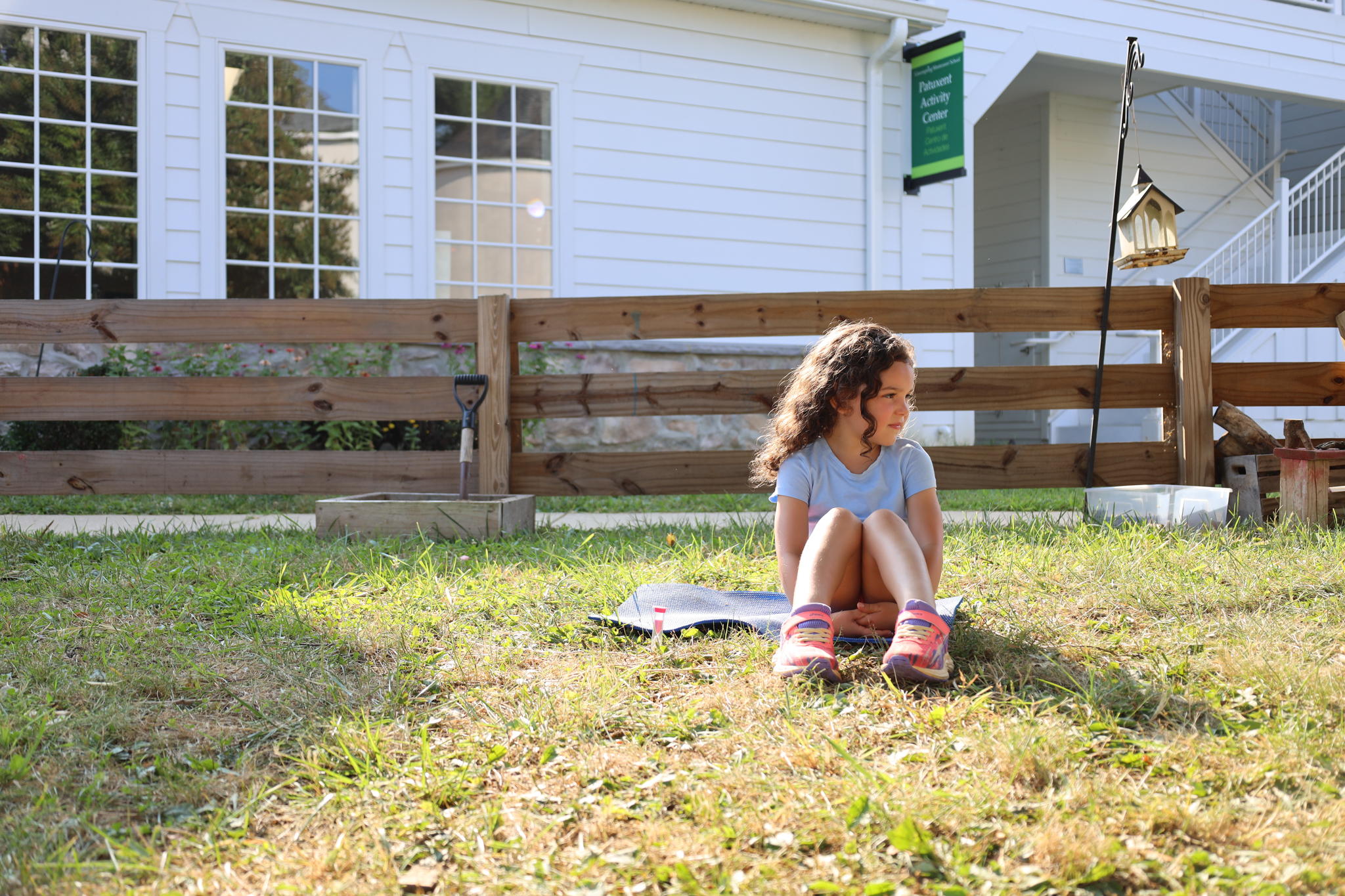
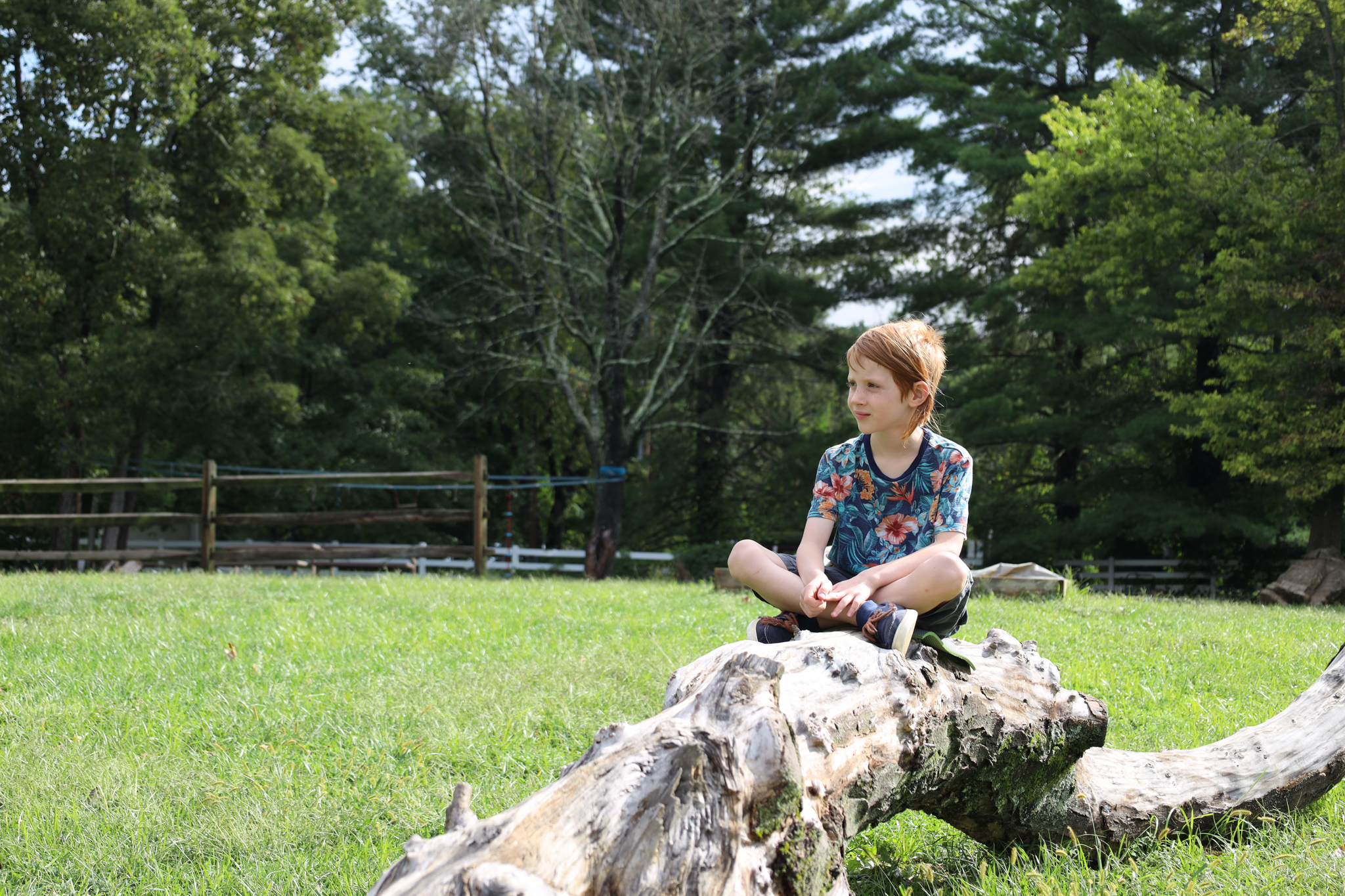
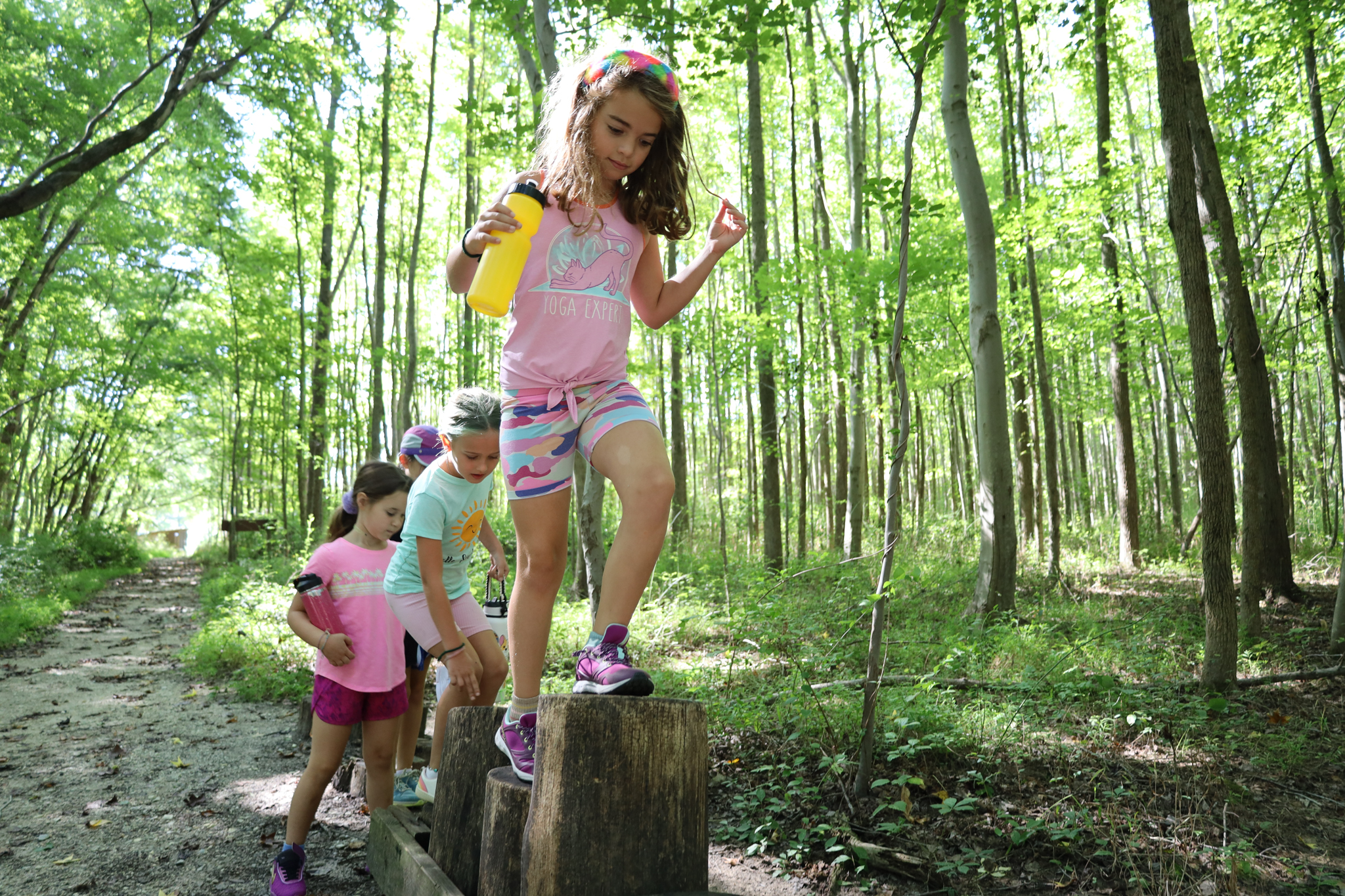
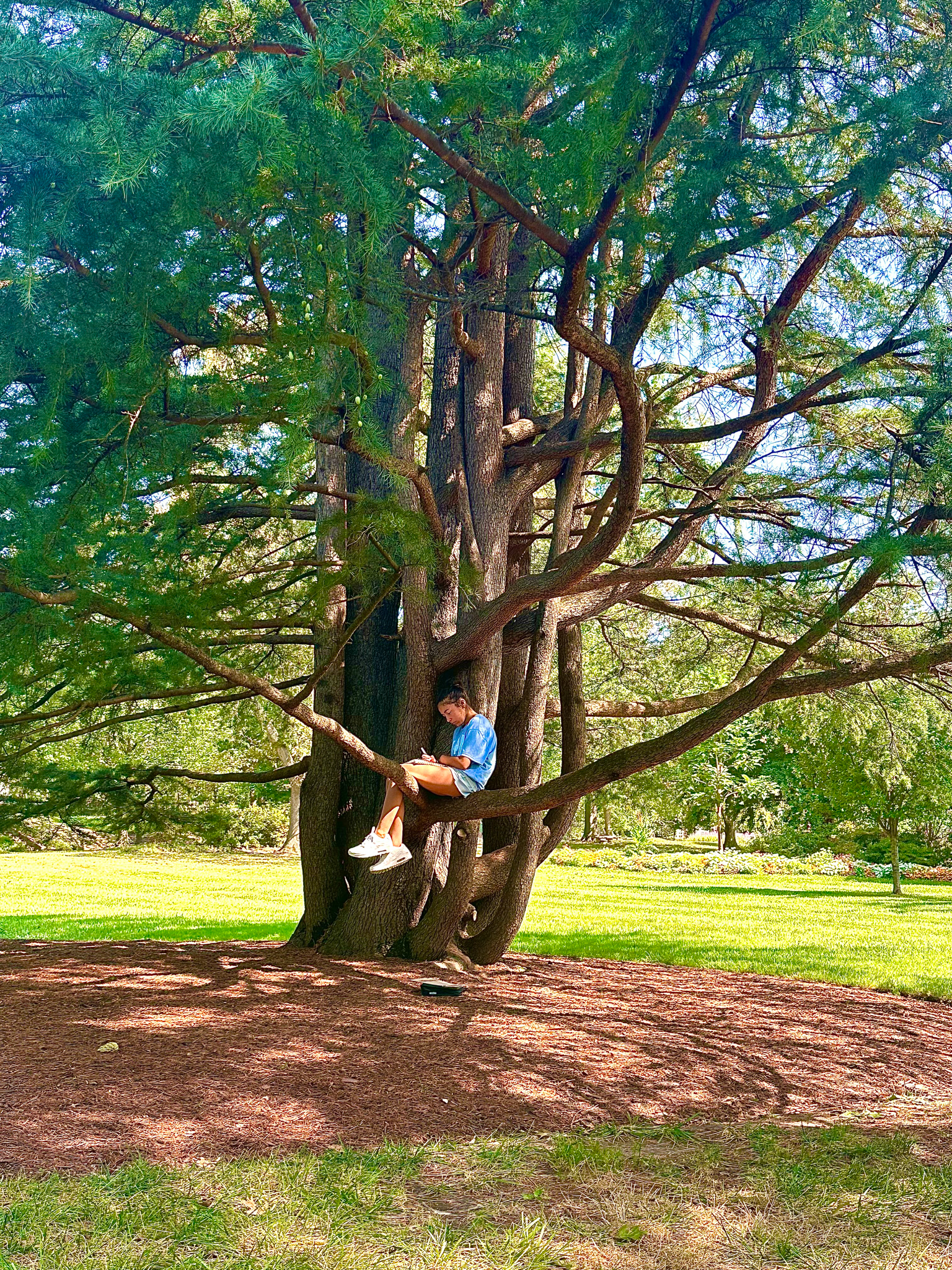
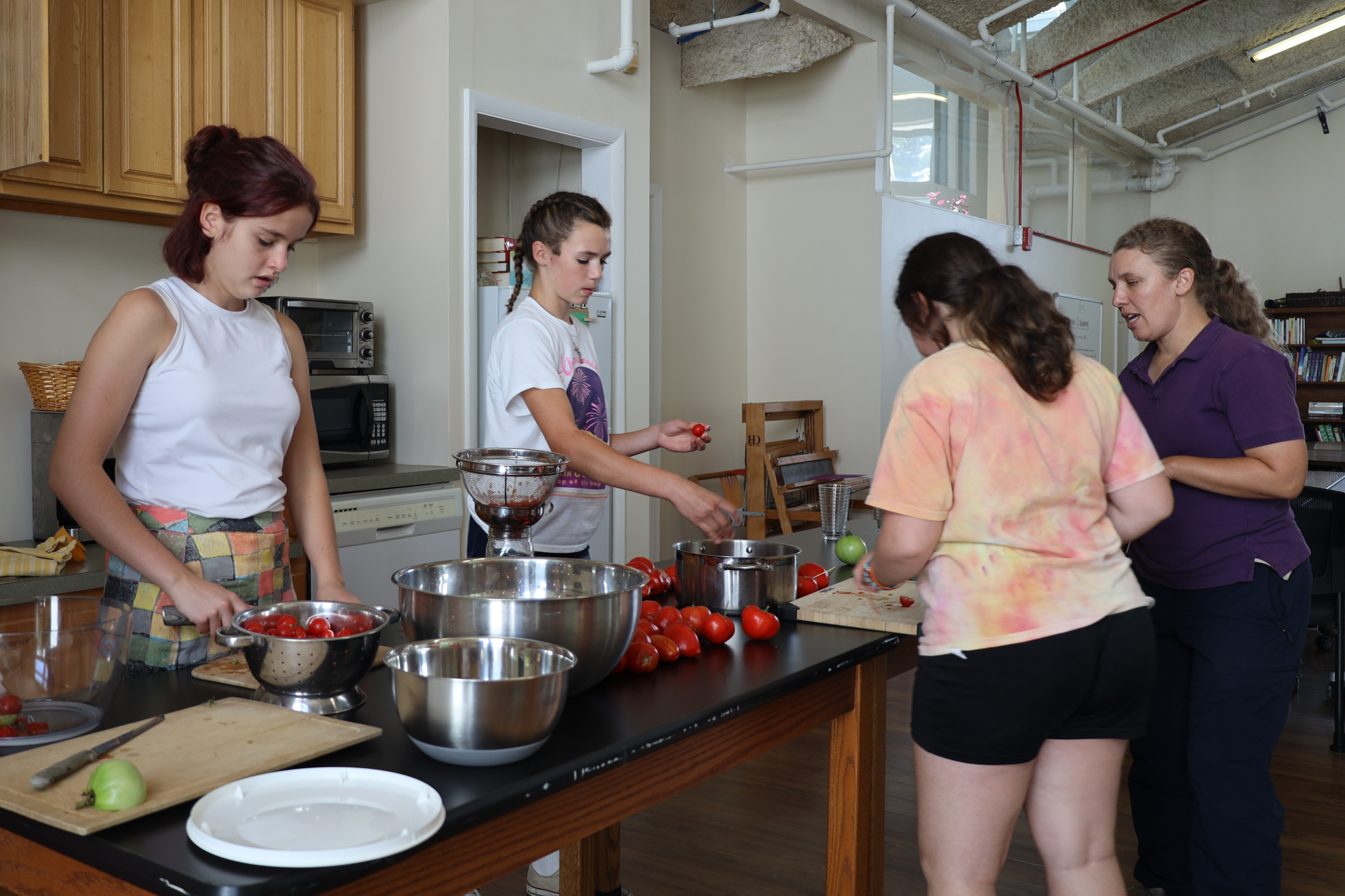
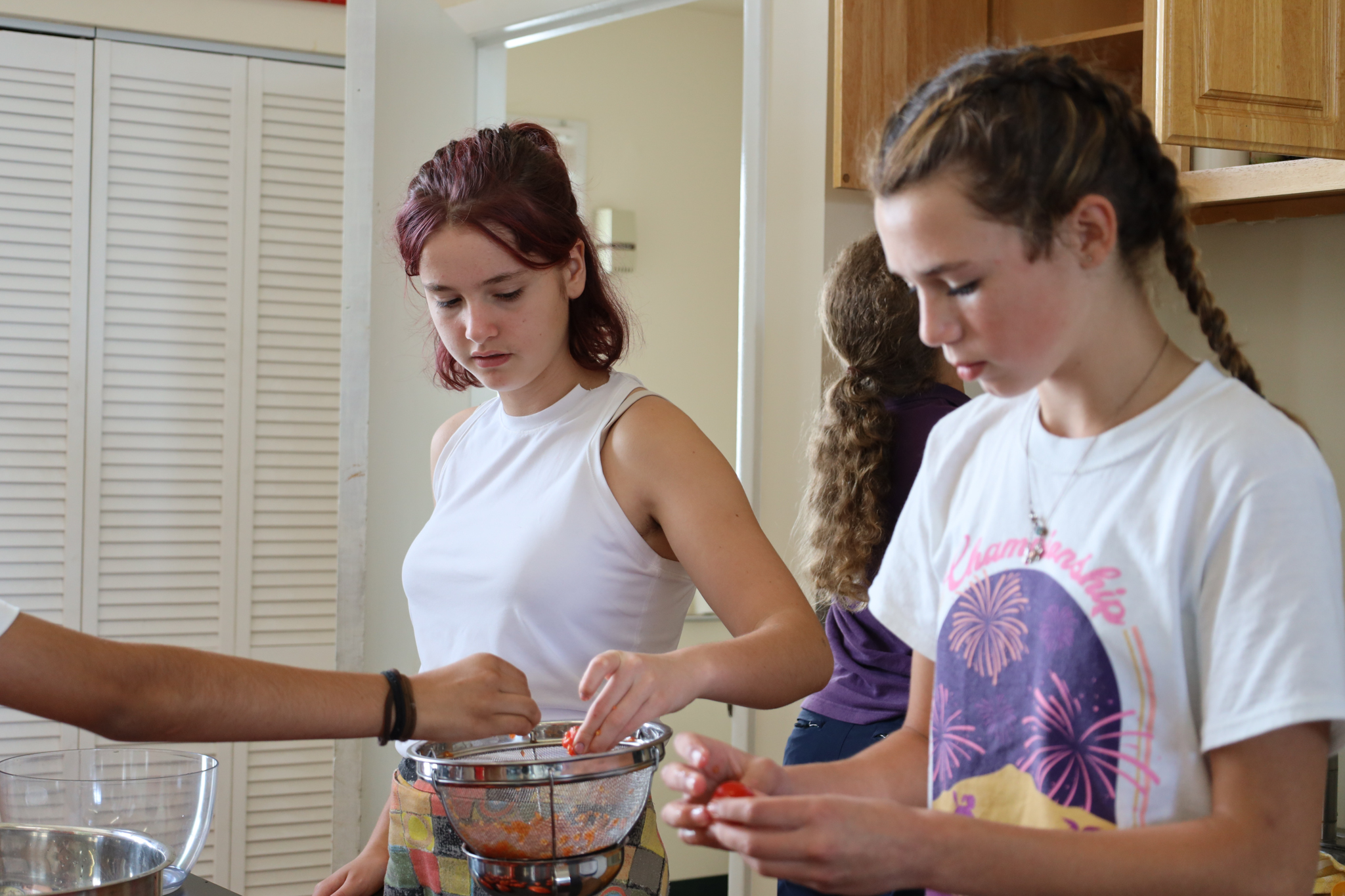
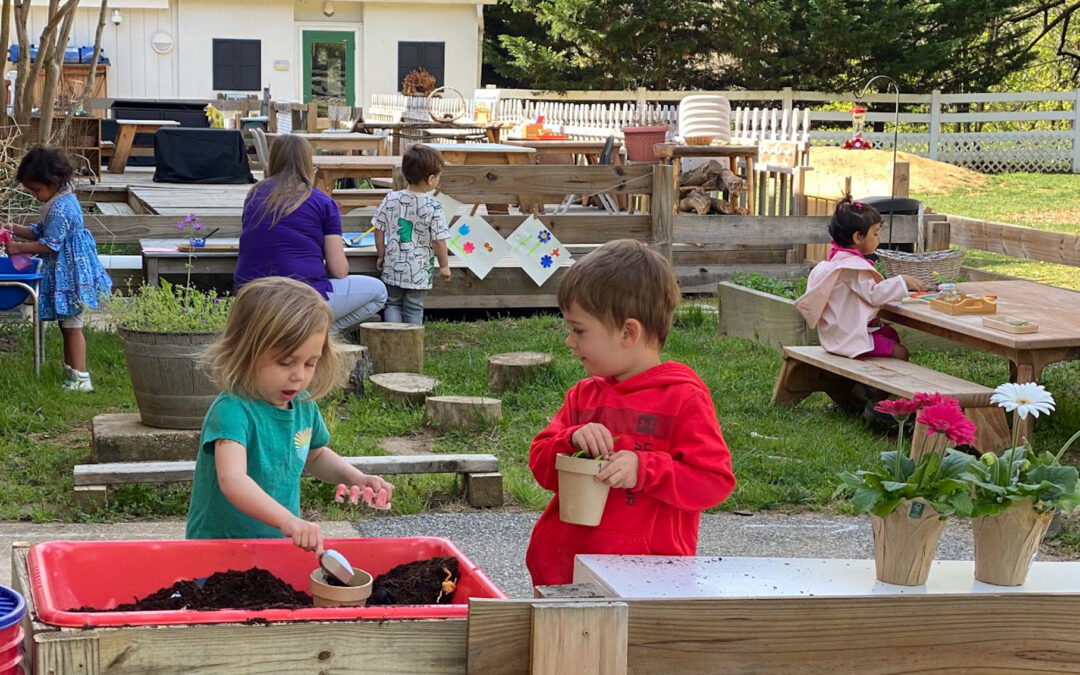
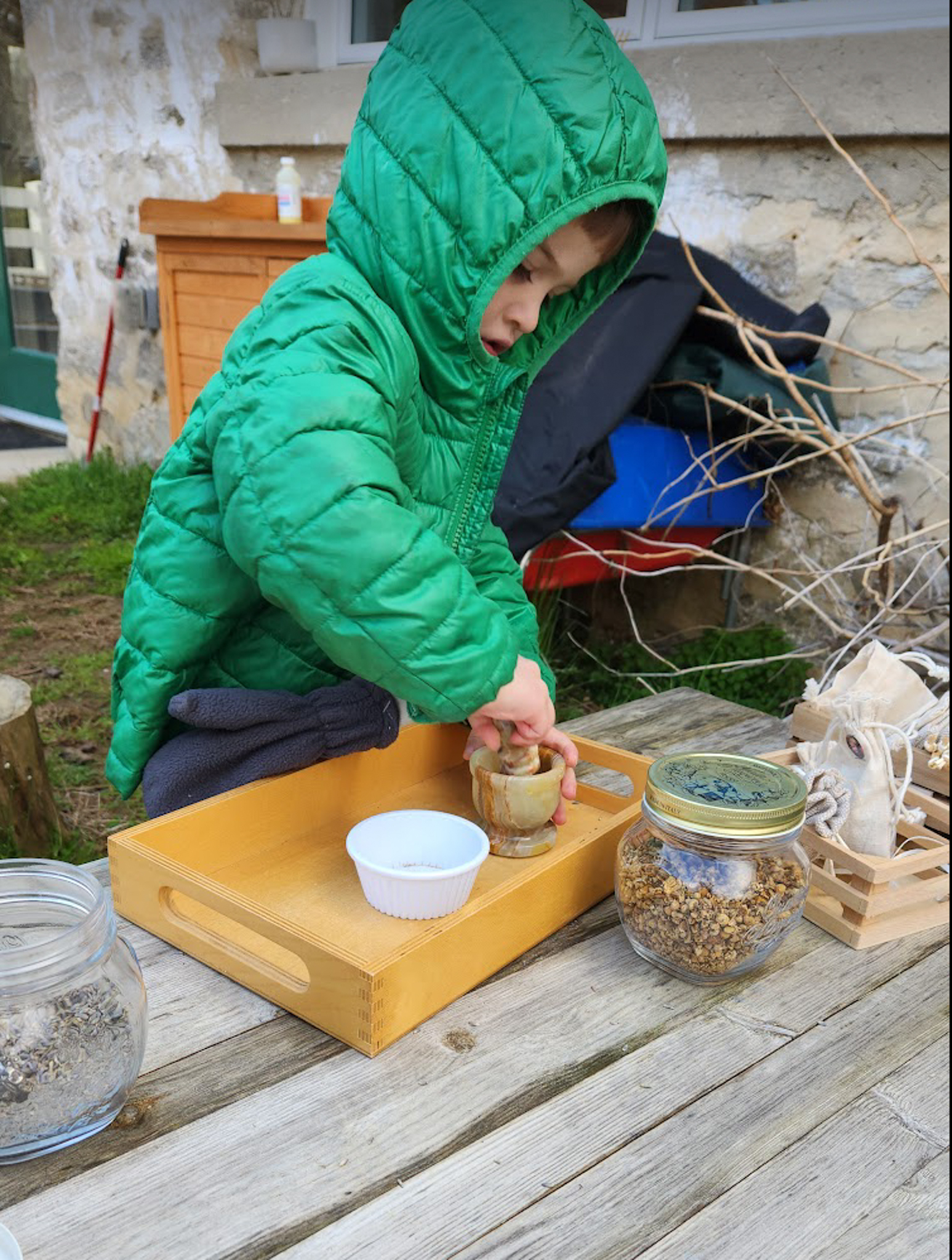
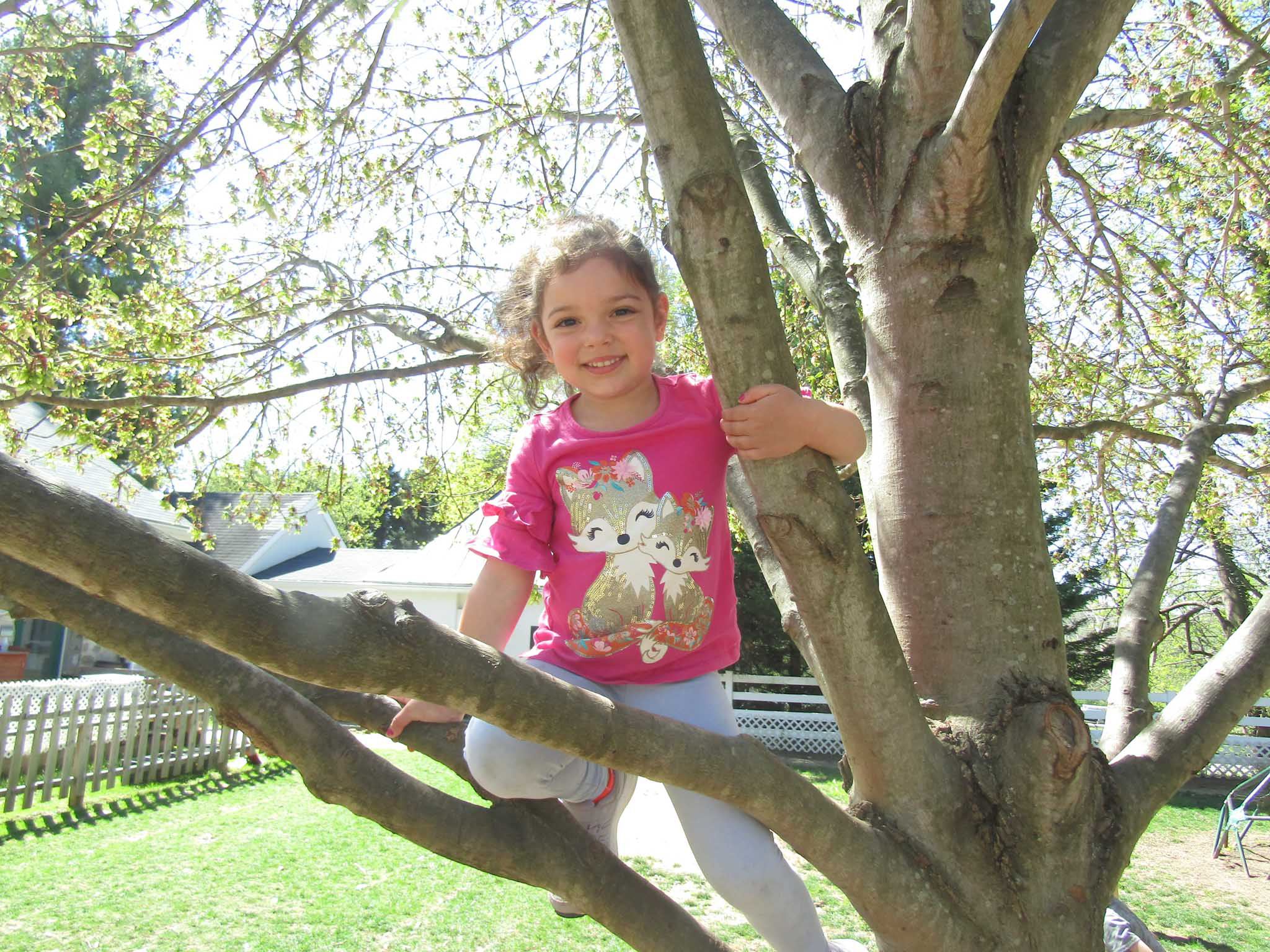
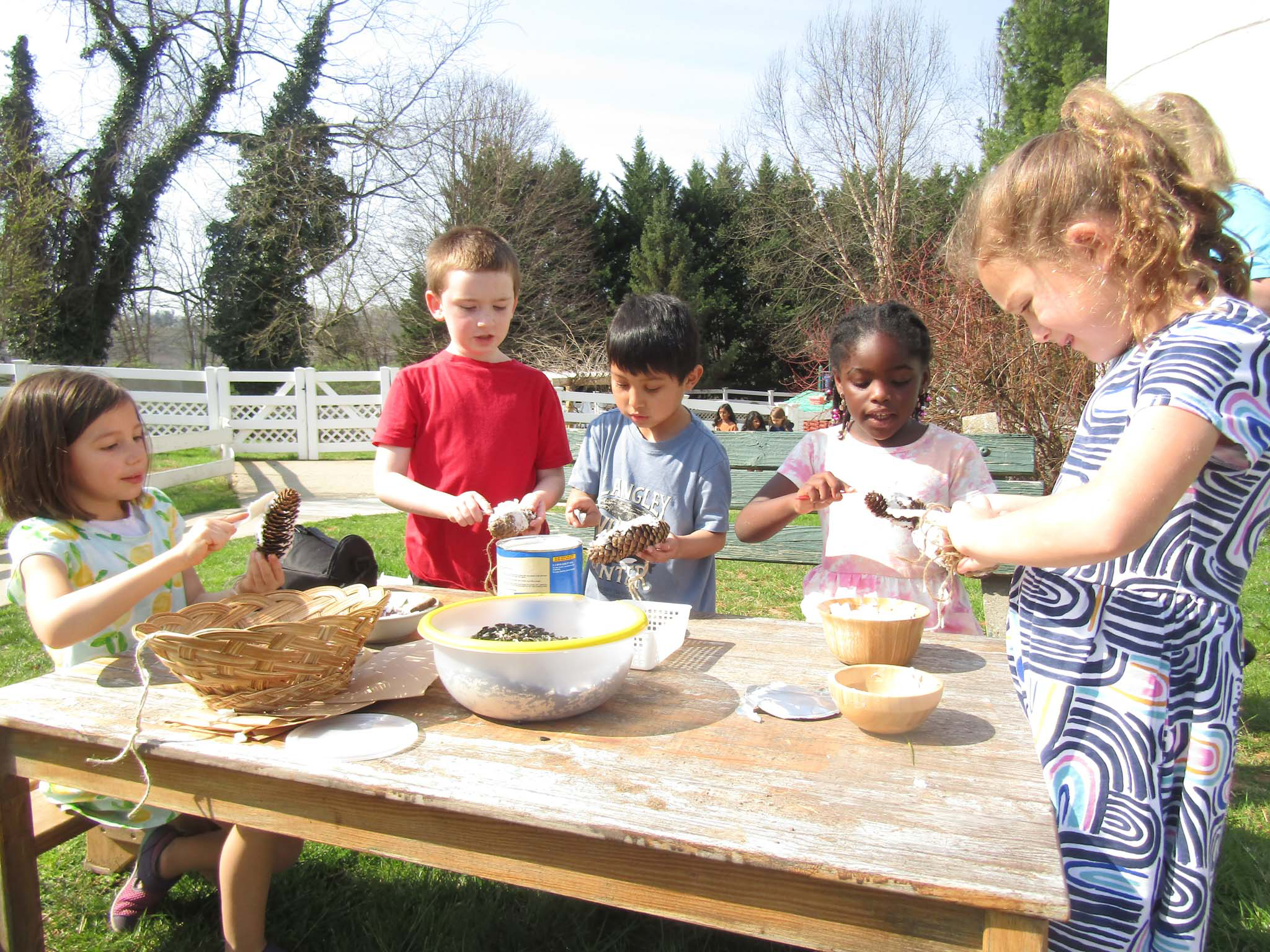
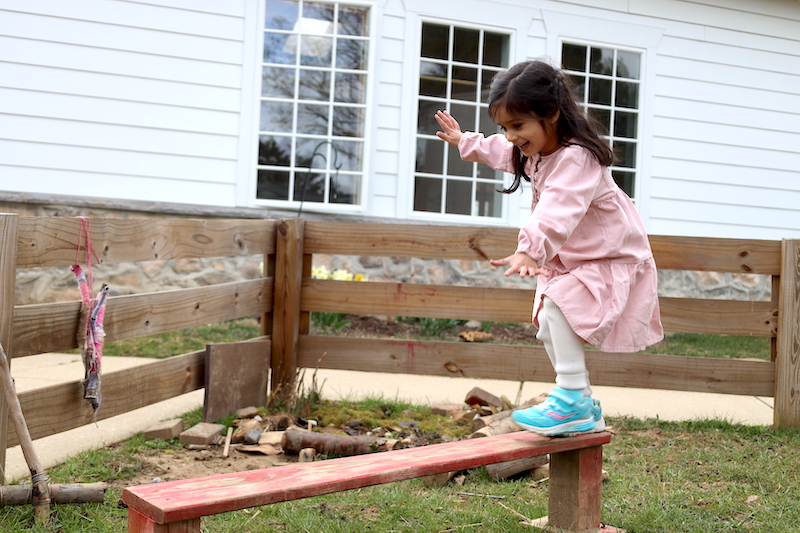
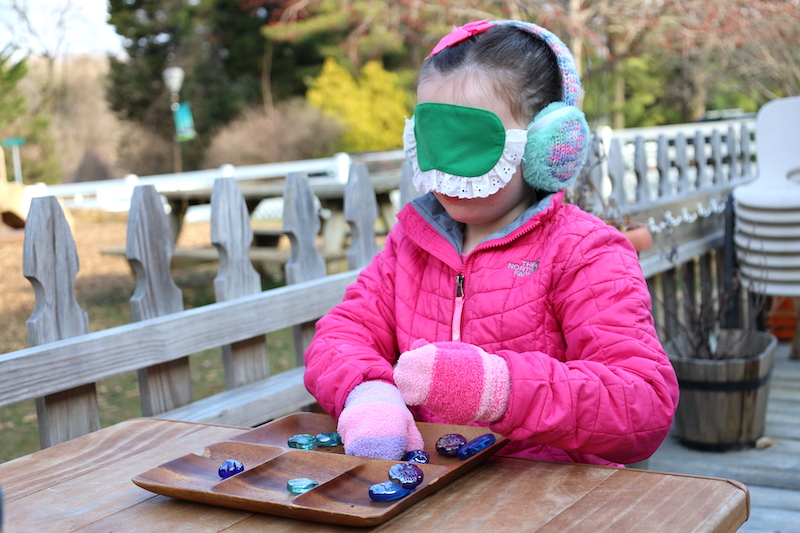
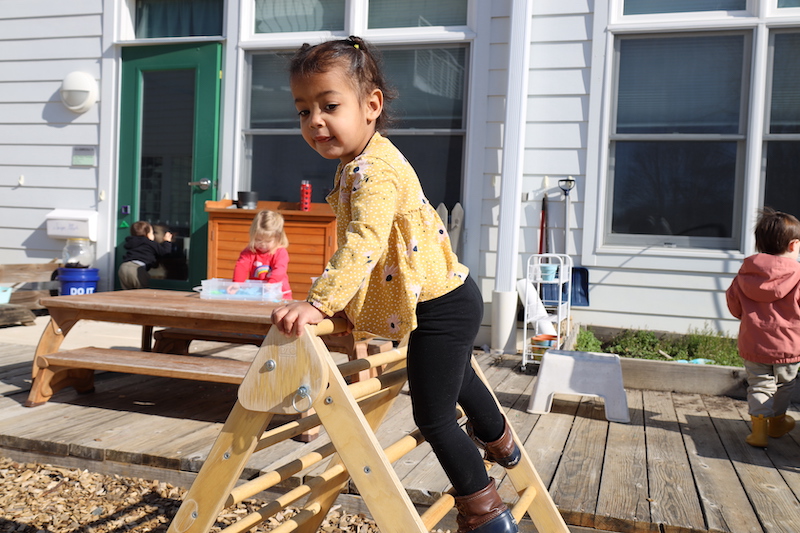
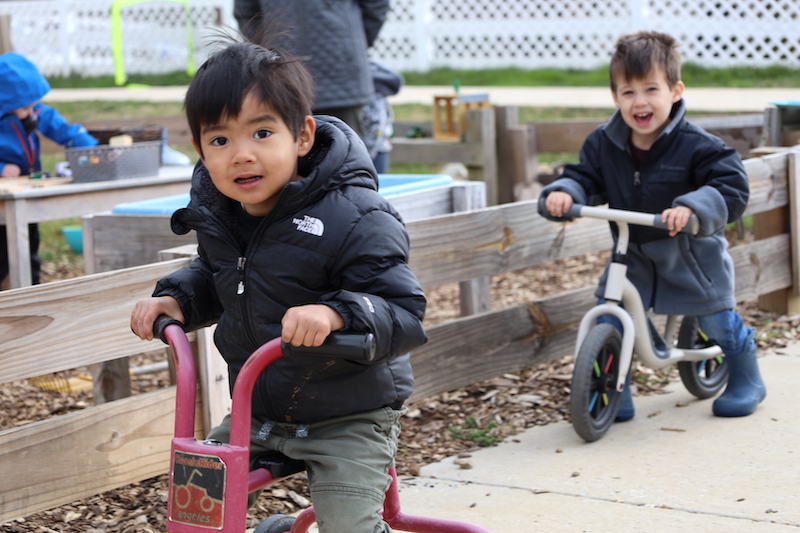
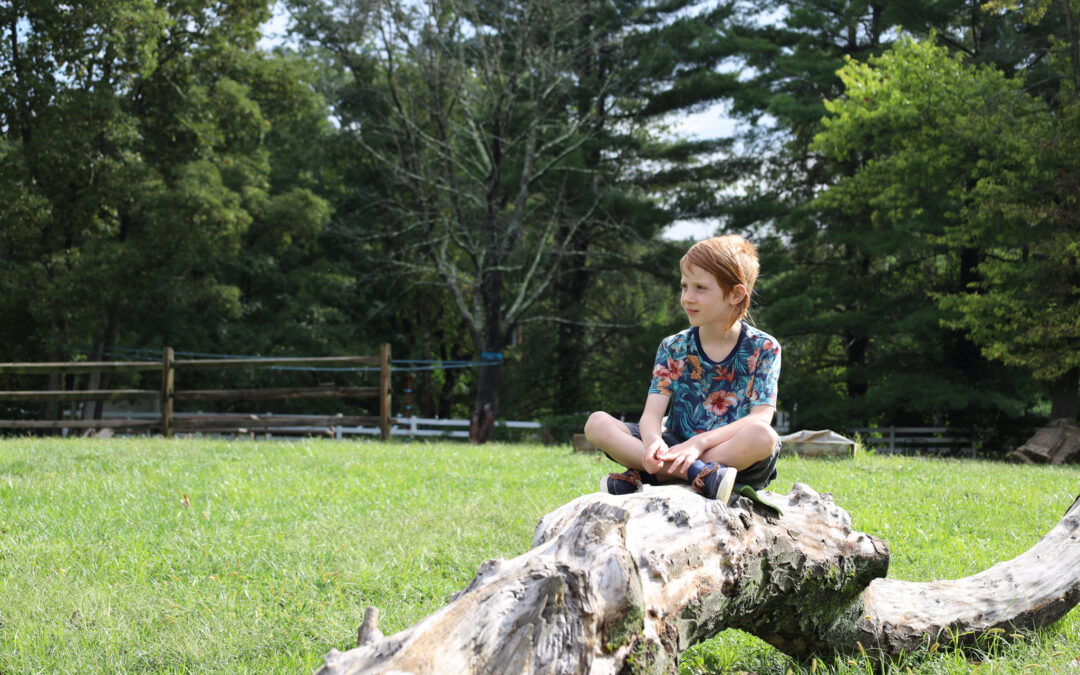
As part of our allegiance to nature, Greenspring Montessori School emphasizes nature and outdoor education for all of our children. We have enjoyed seeing all of this work in the classrooms and outdoor environments this spring – from our youngest toddlers to our adolescent students. Enjoy photographs of their explorations below!

Toddlers

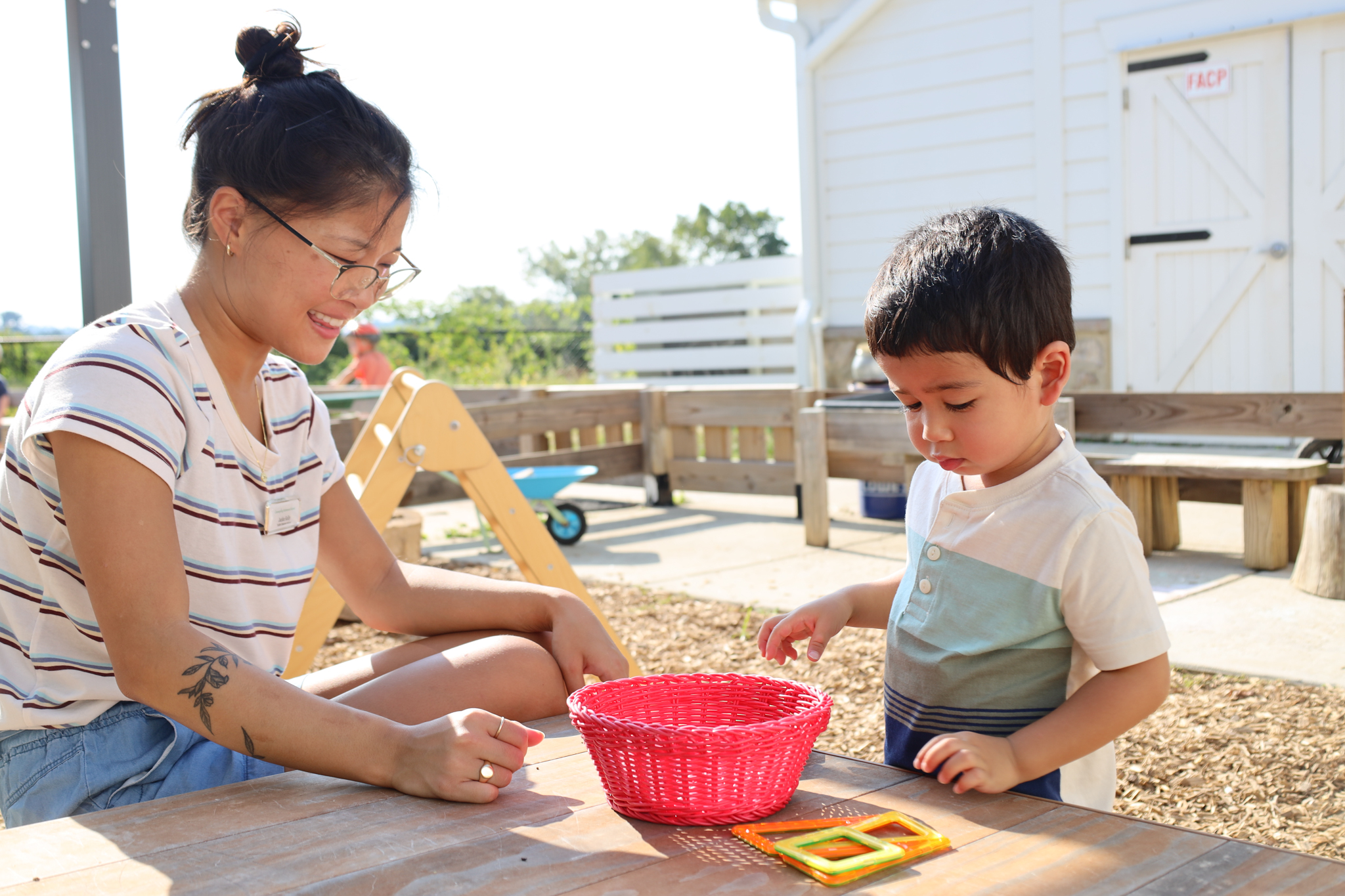
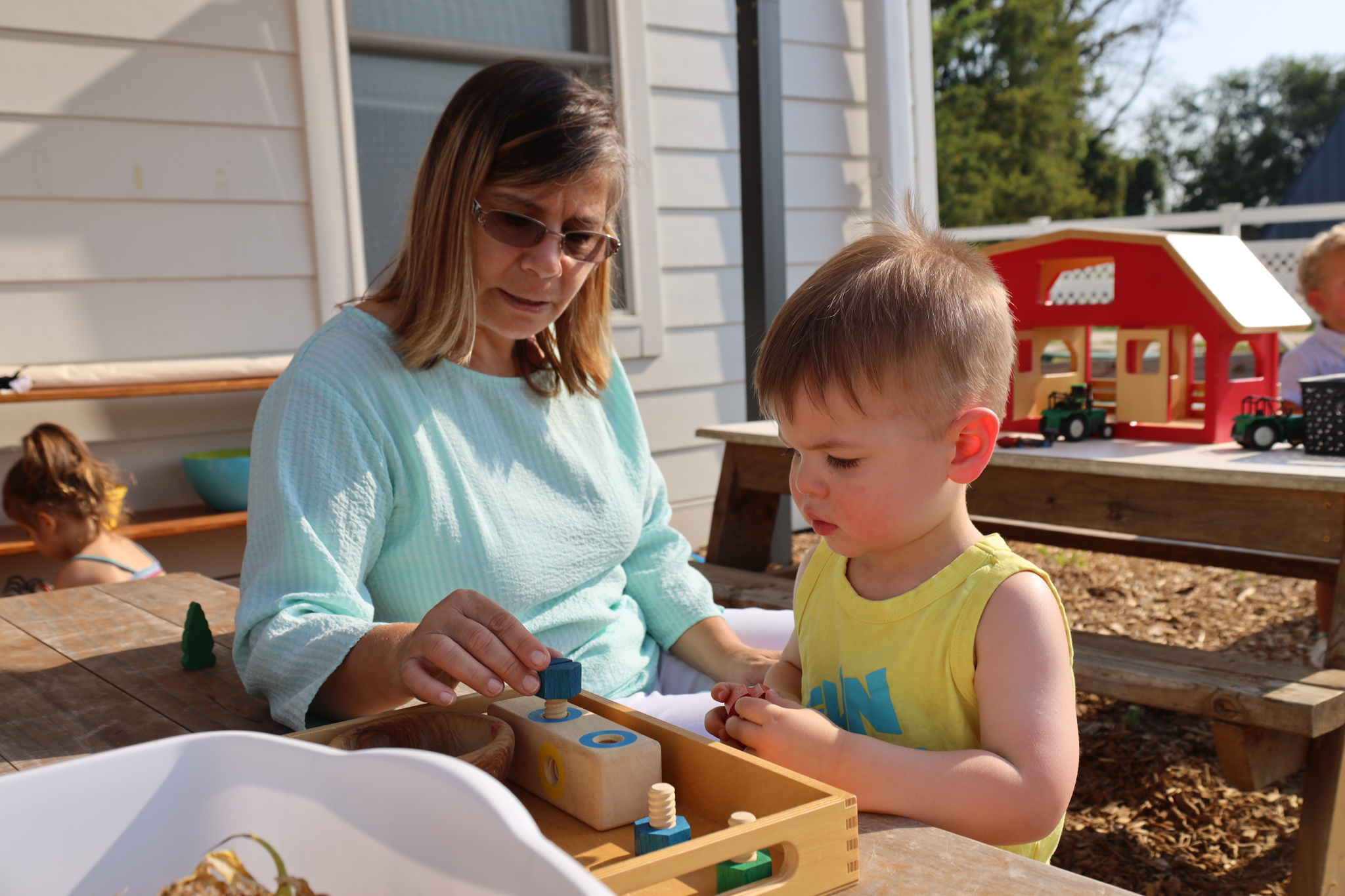
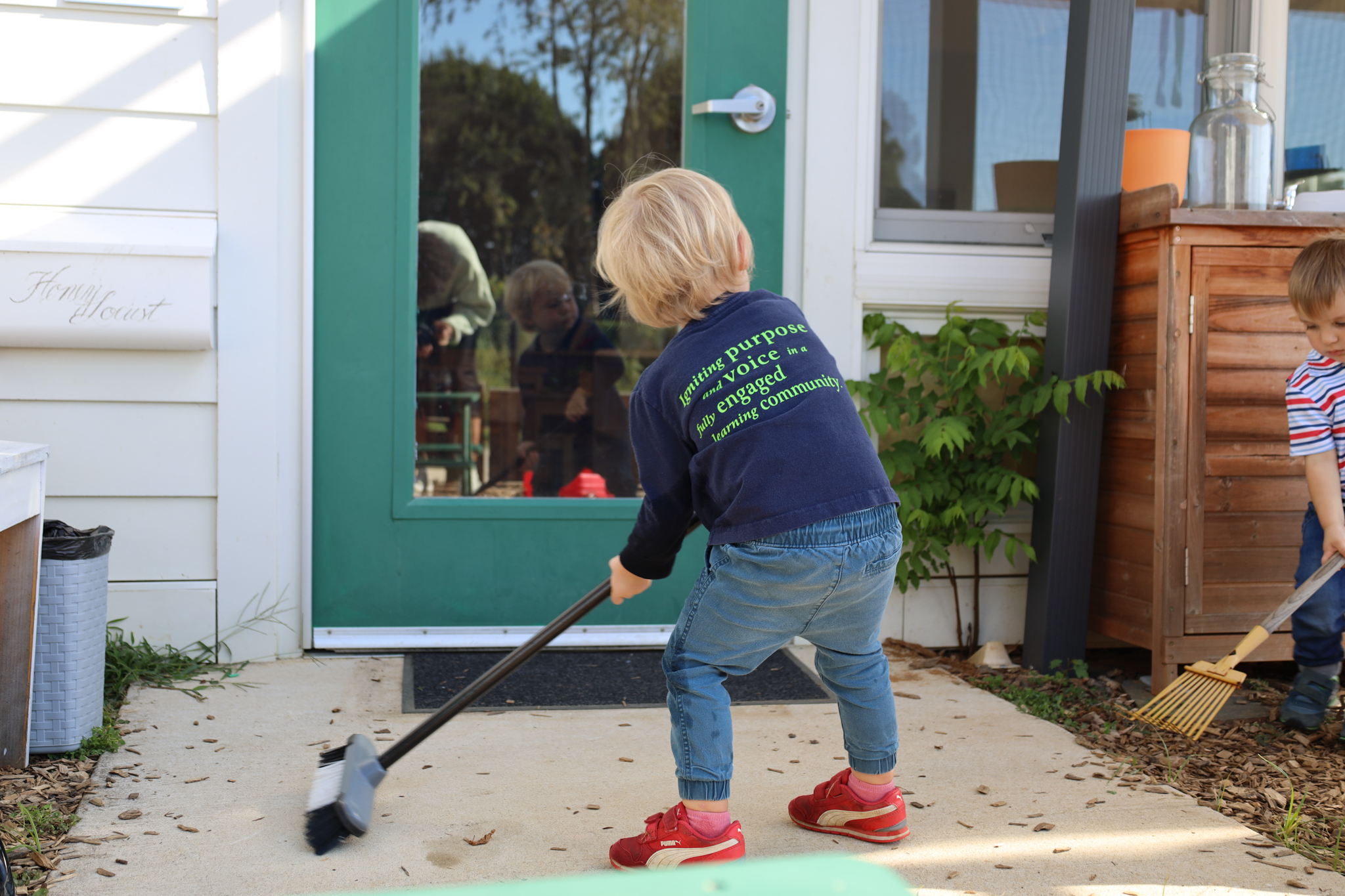
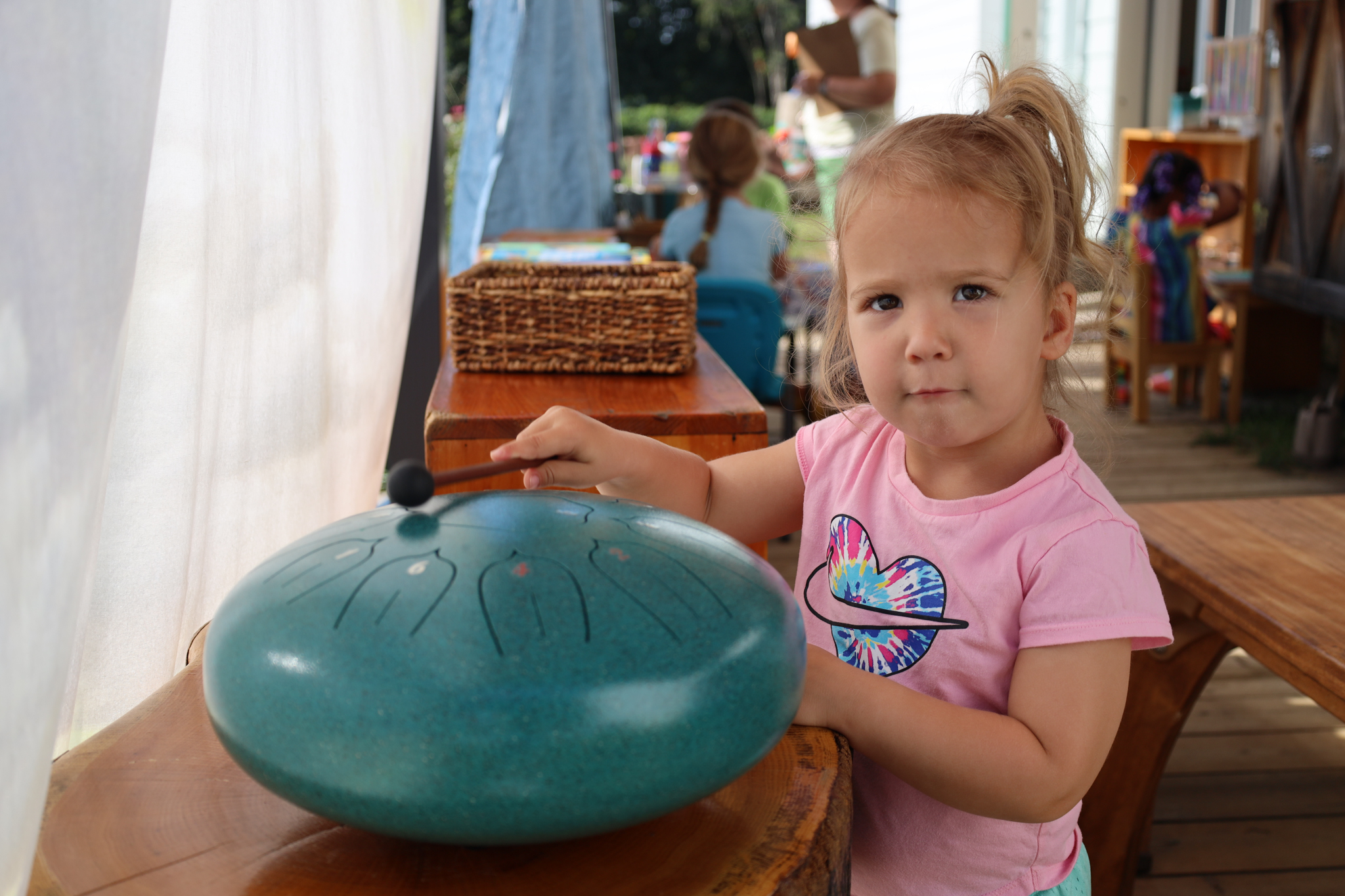
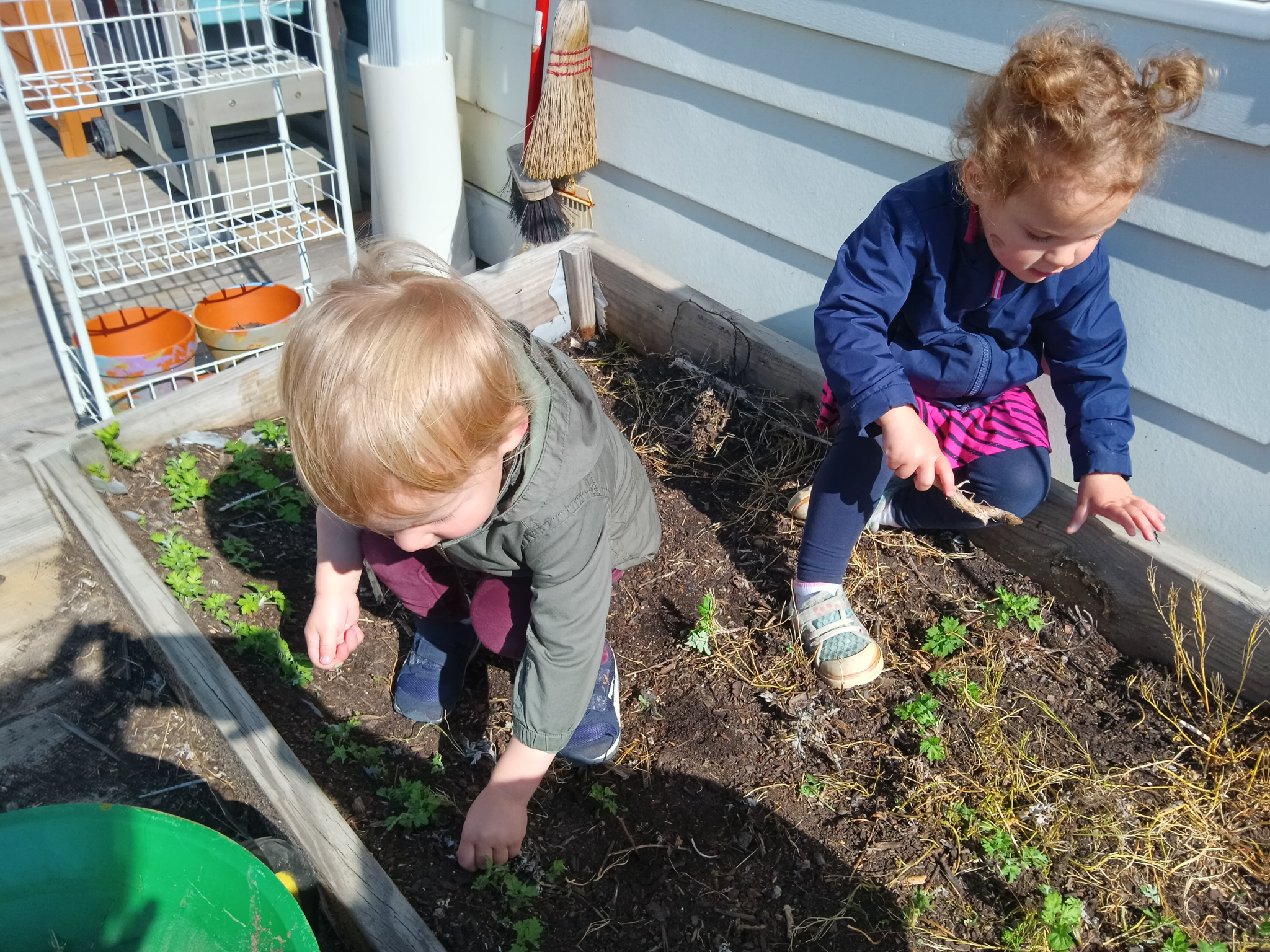
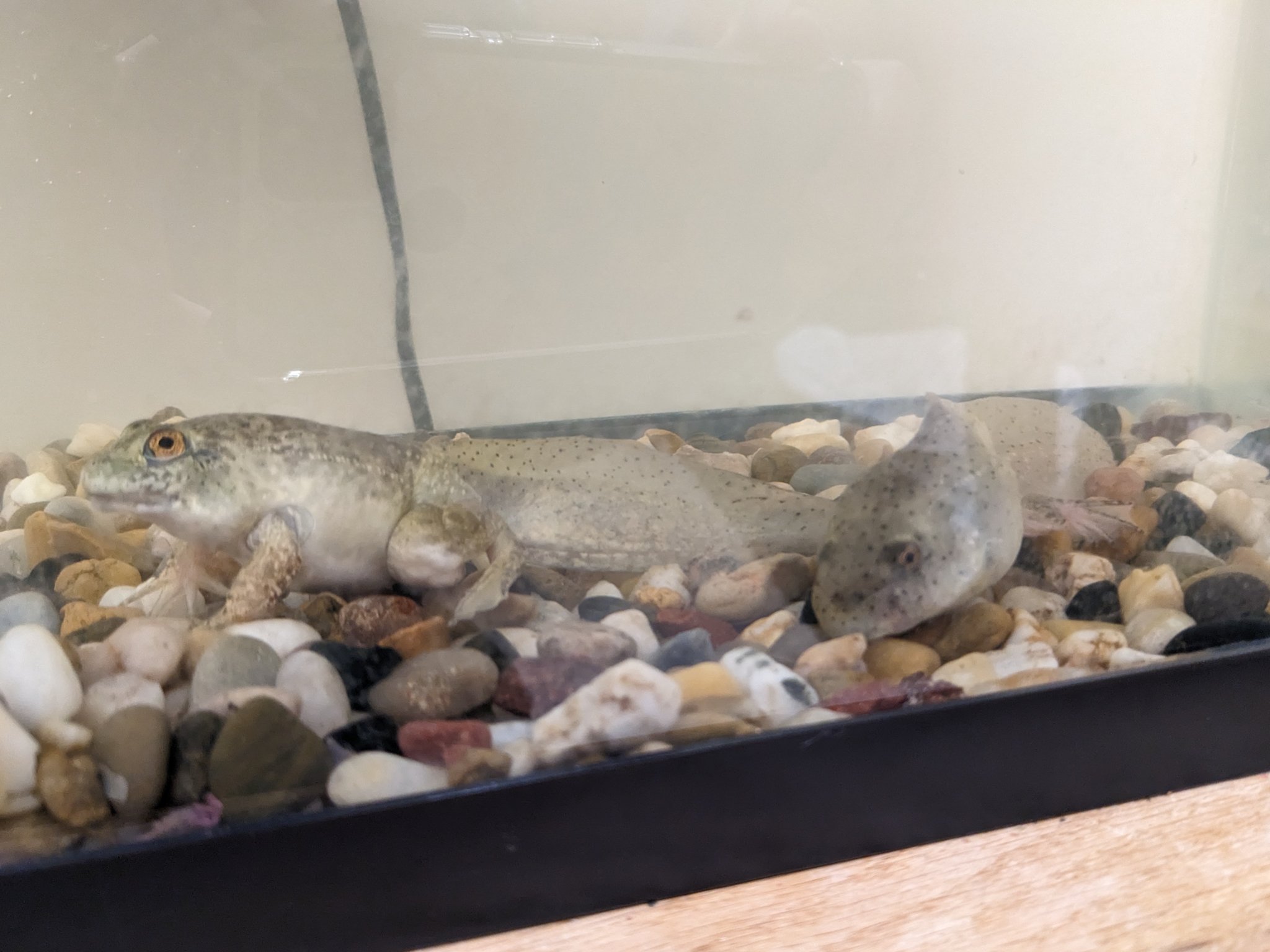
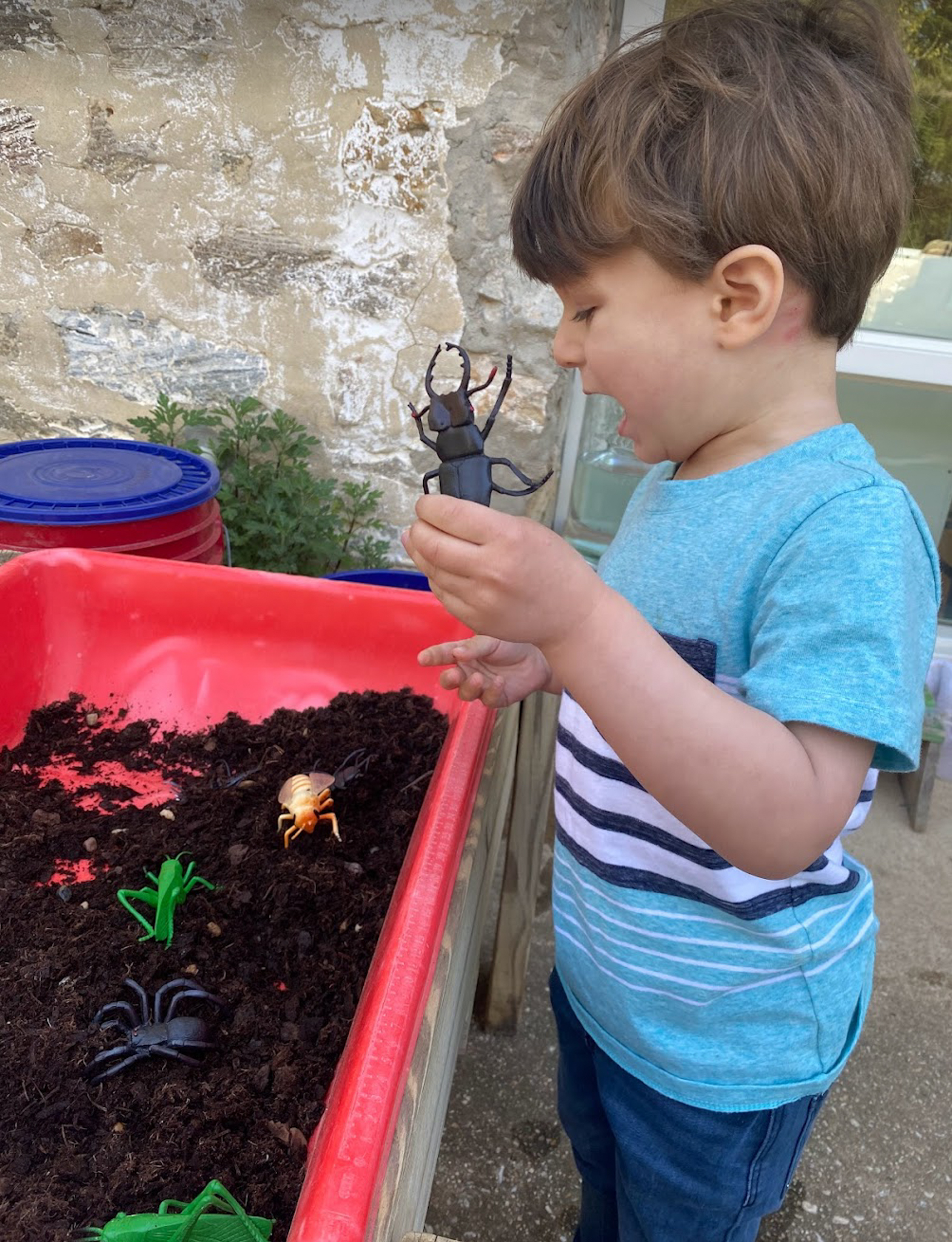
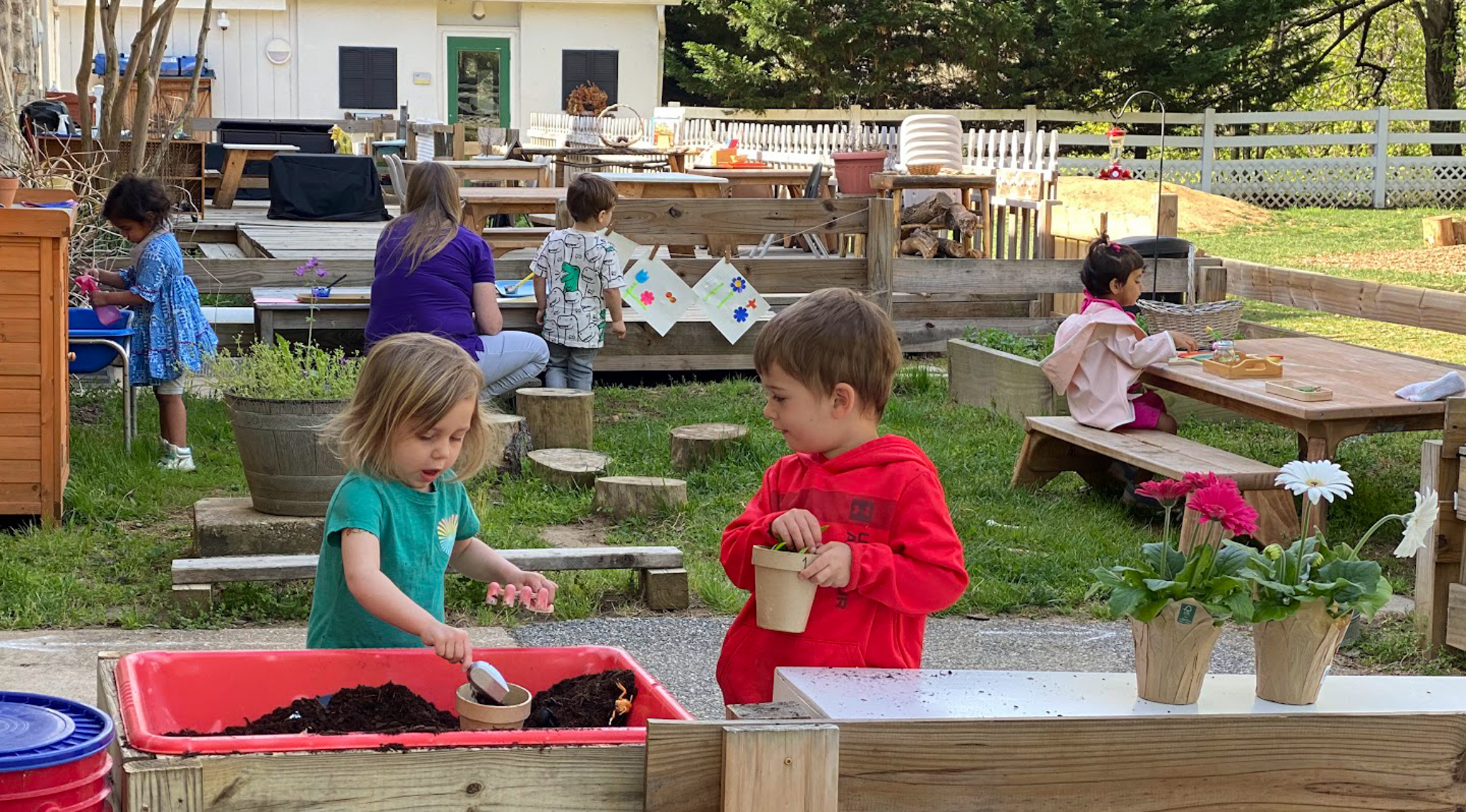
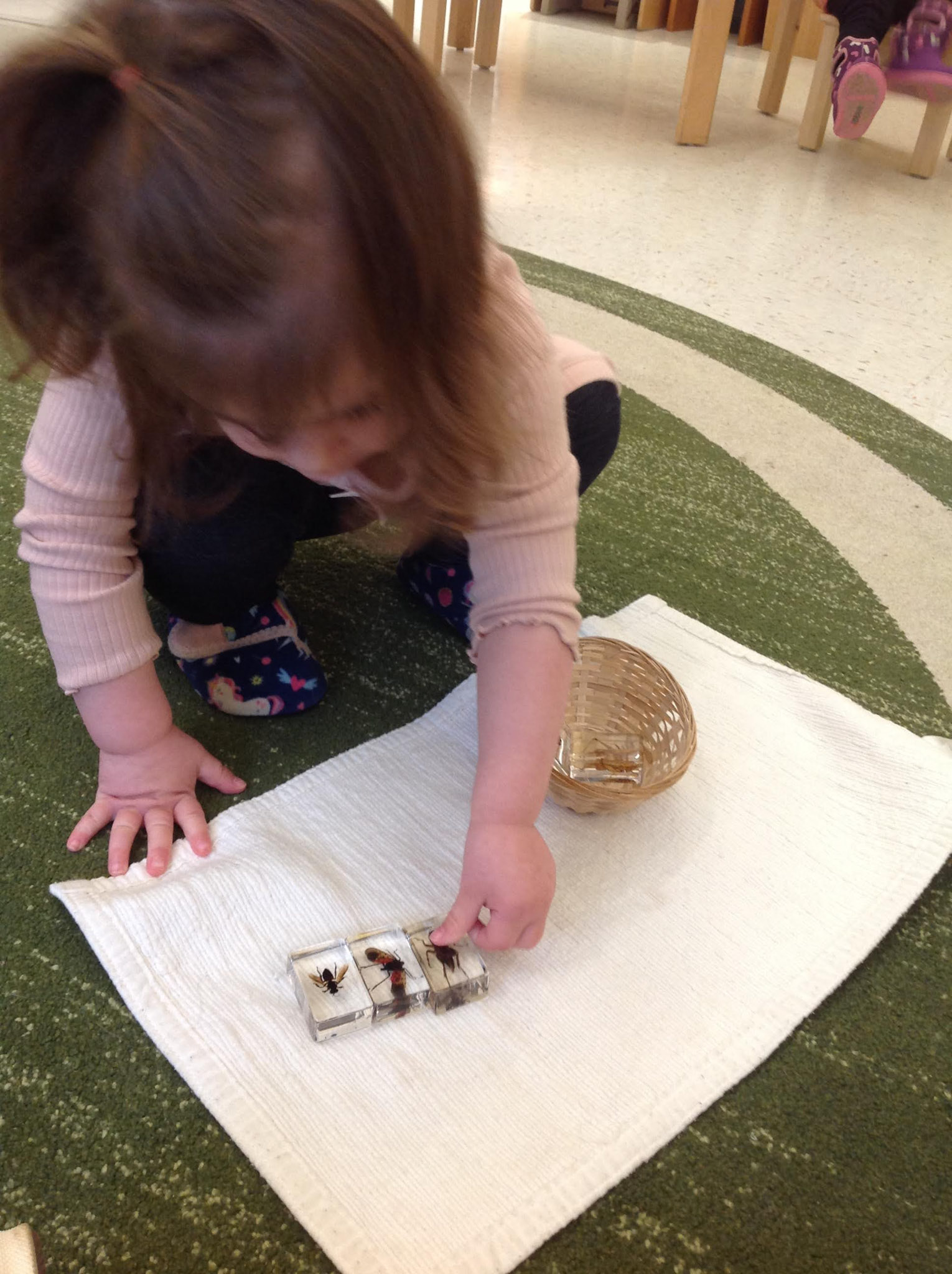
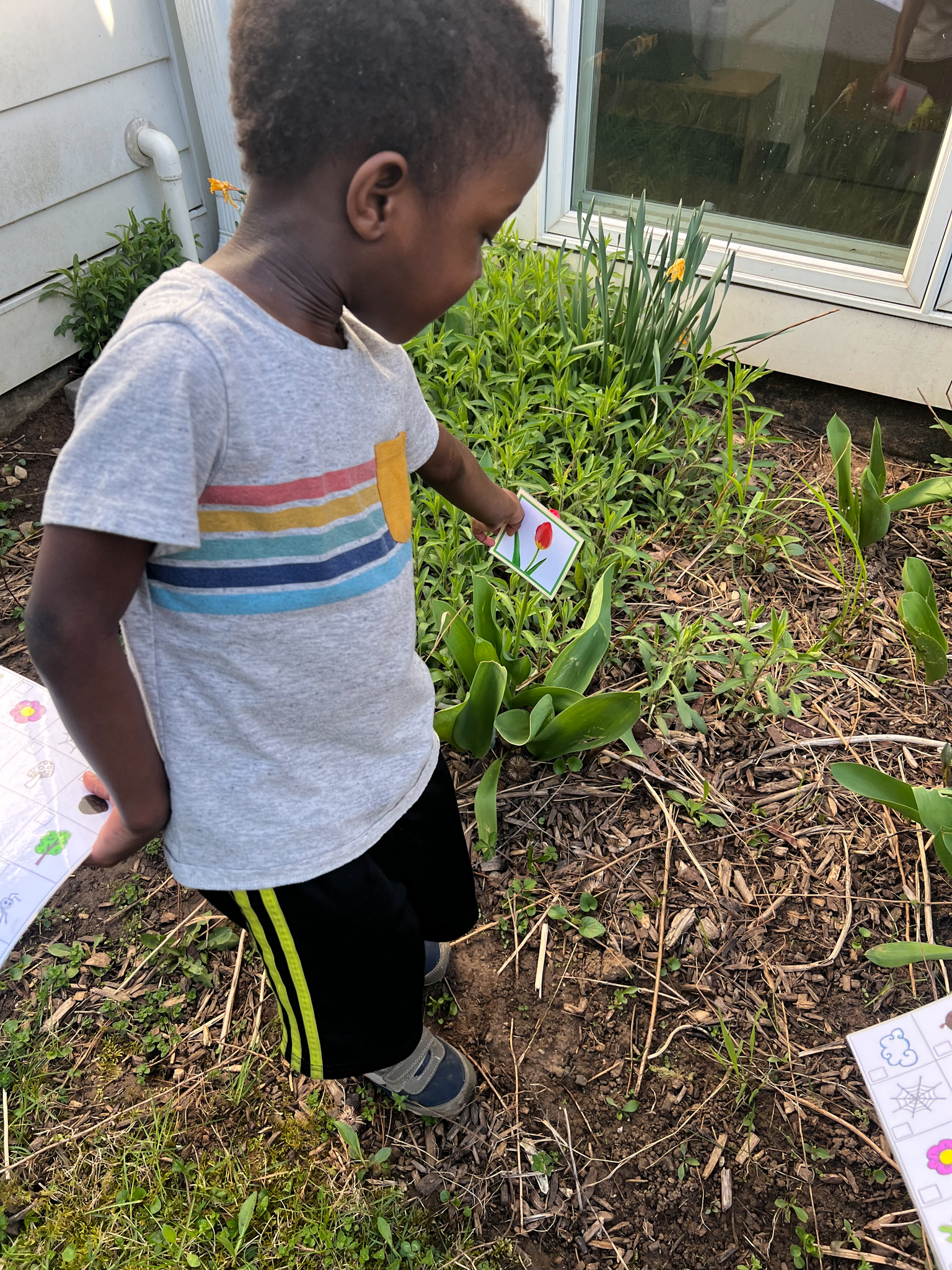
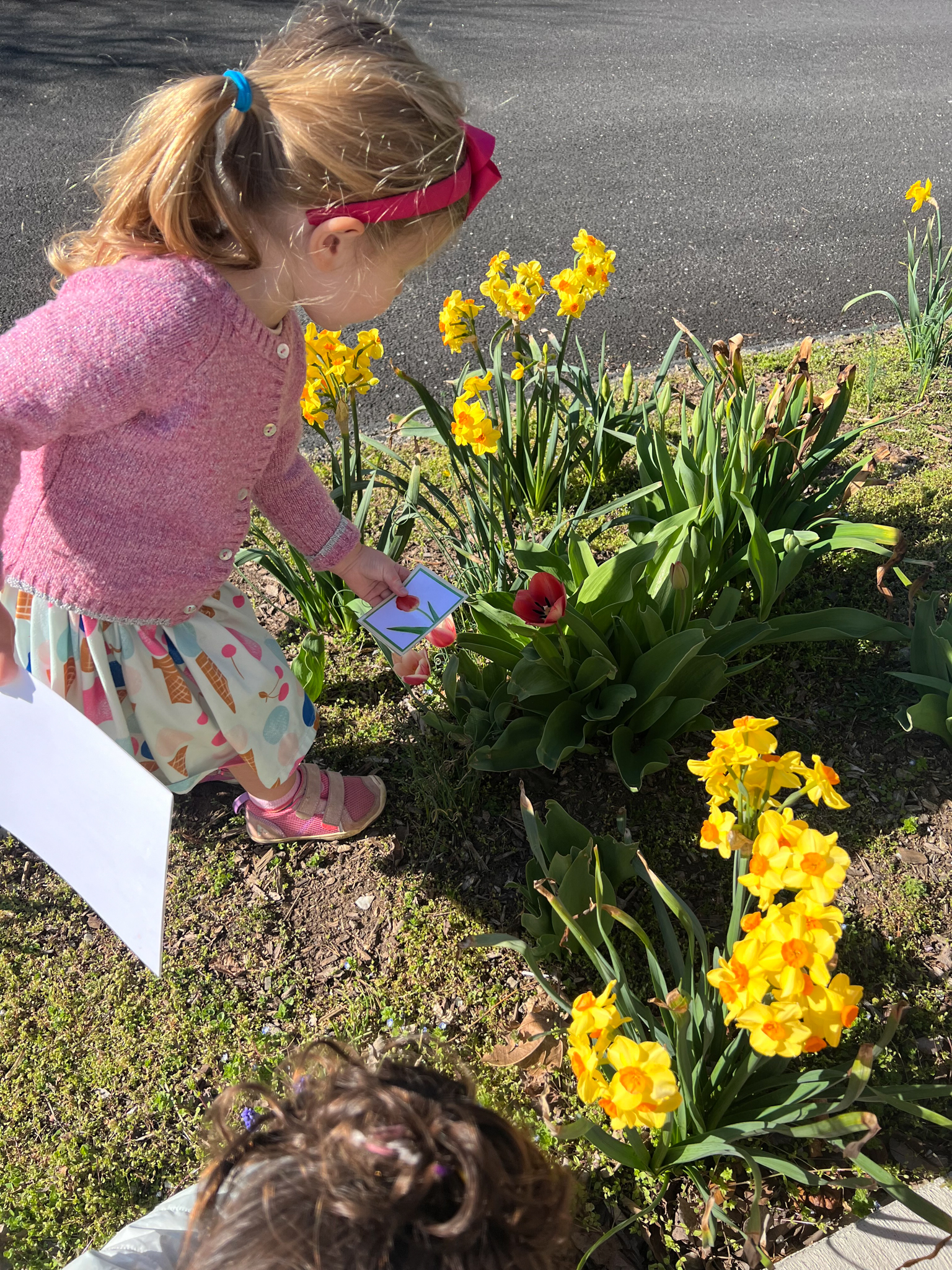
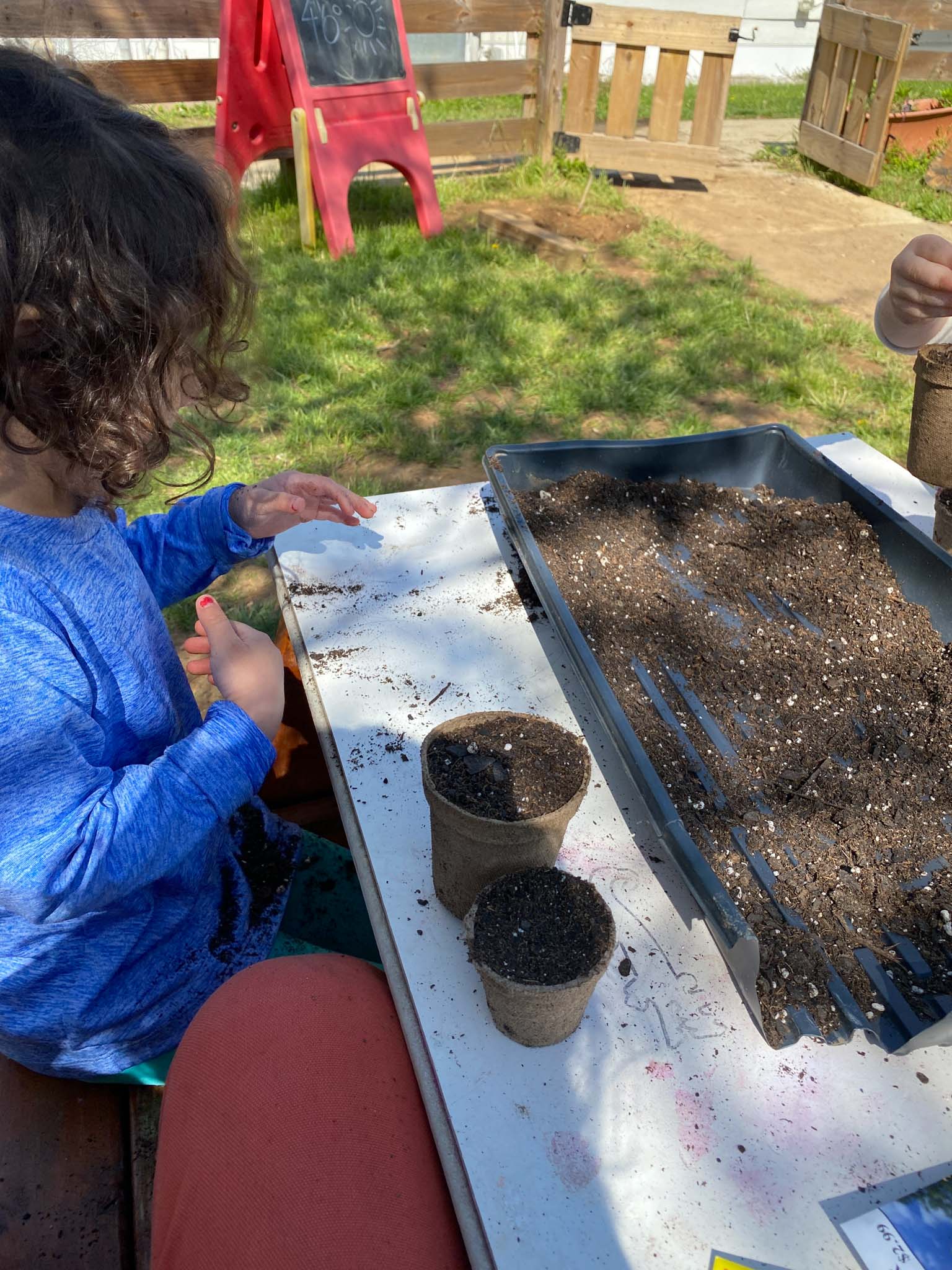
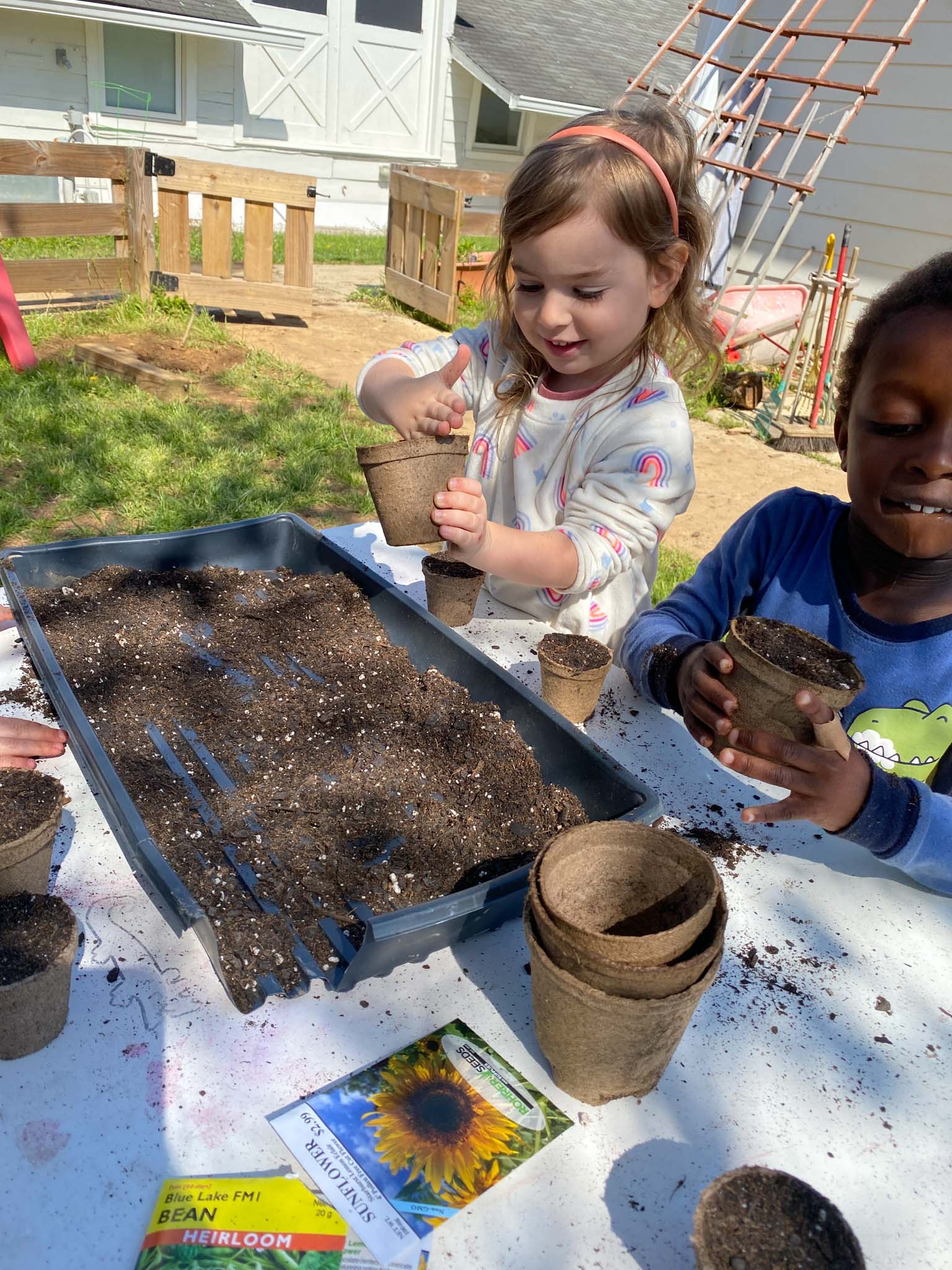
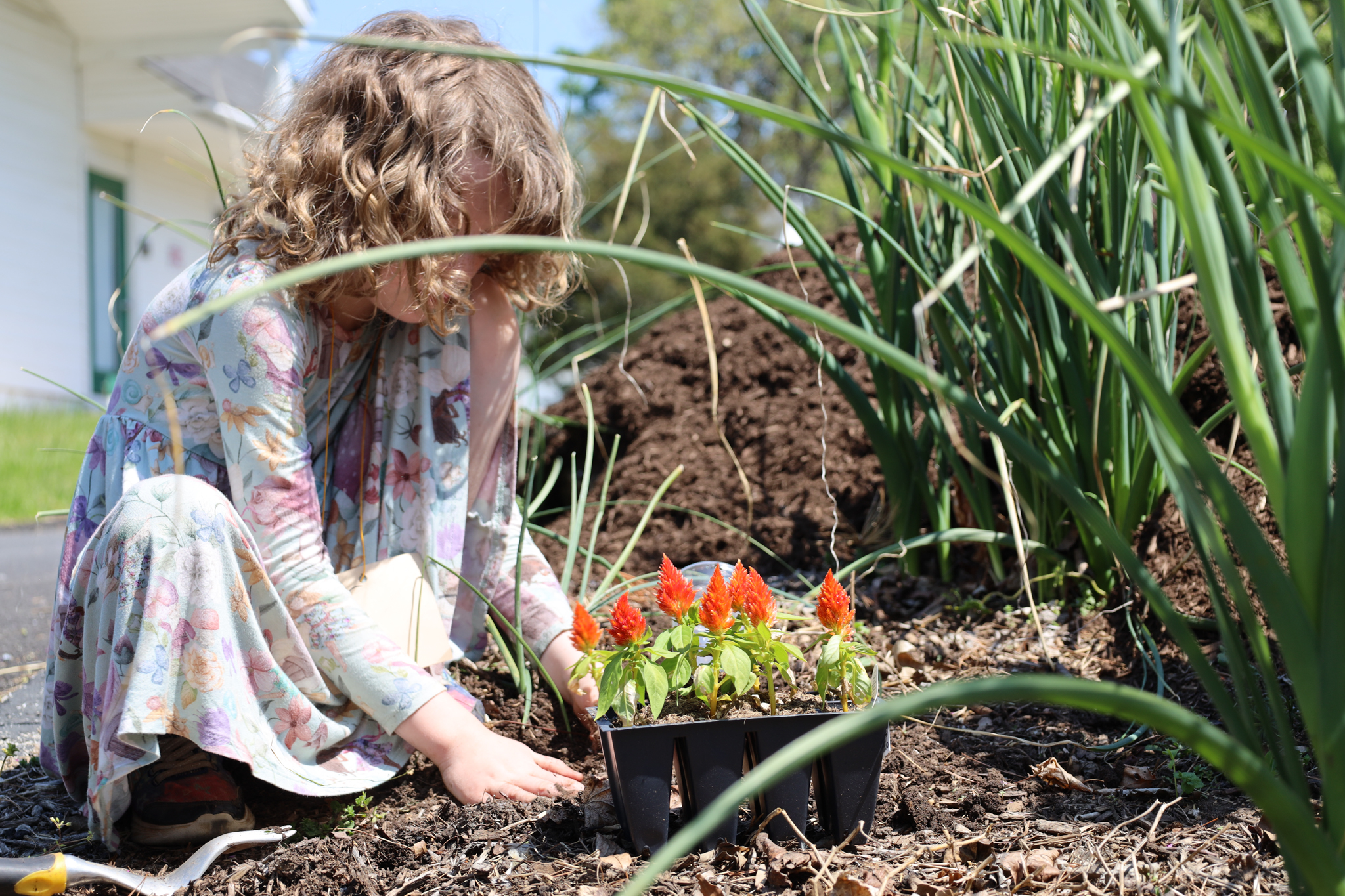
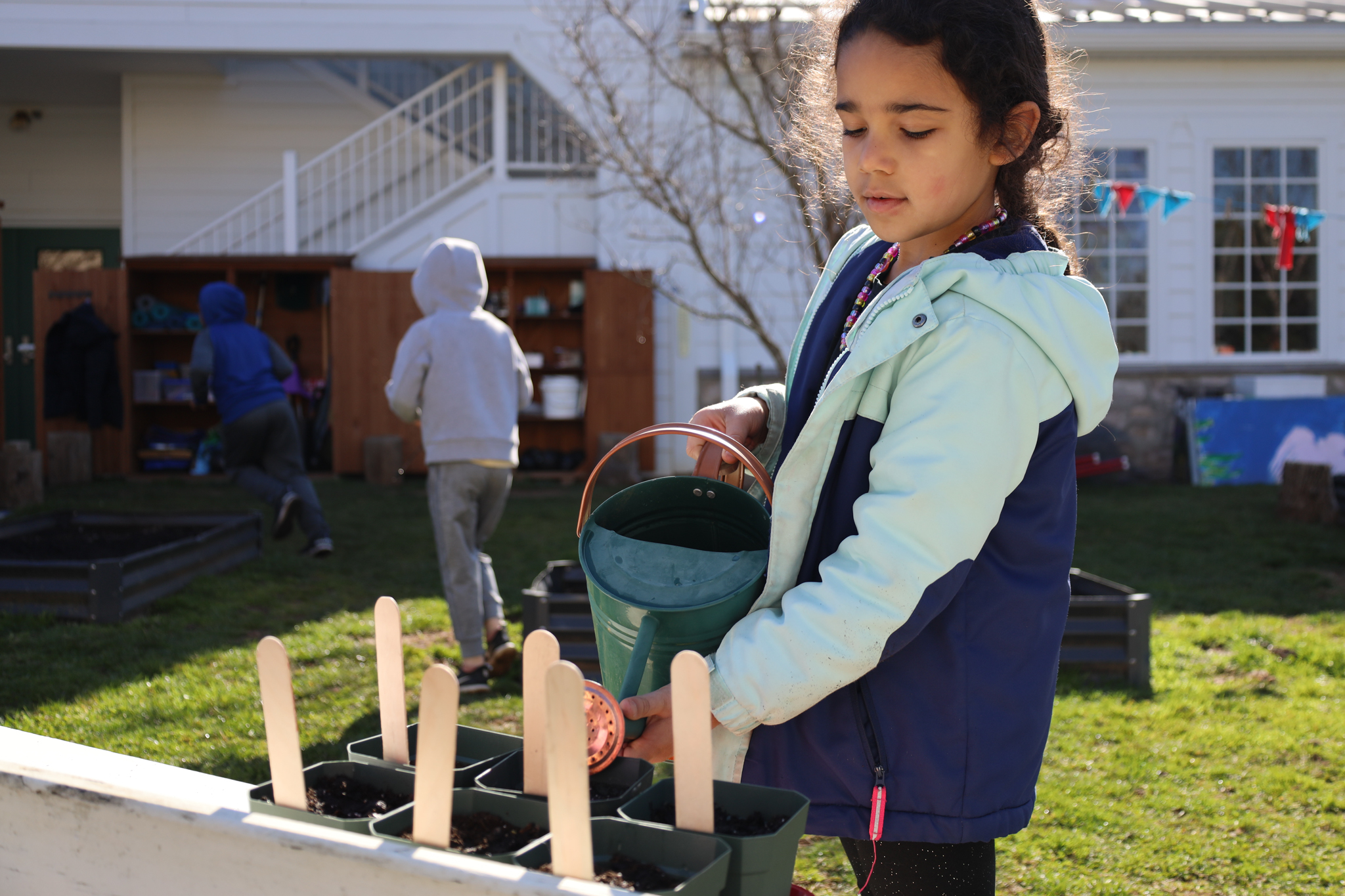
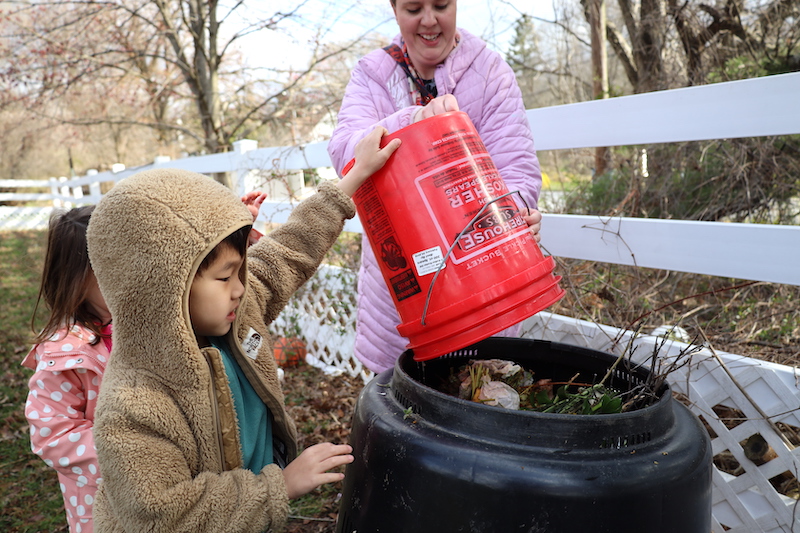
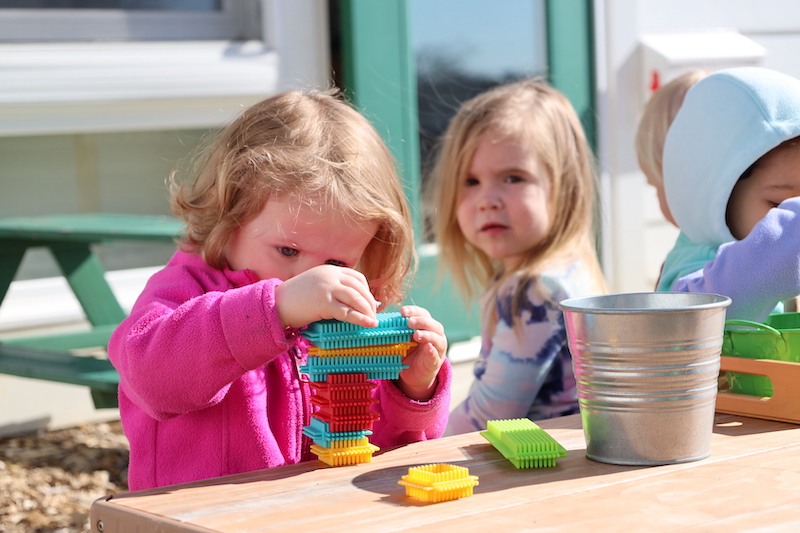
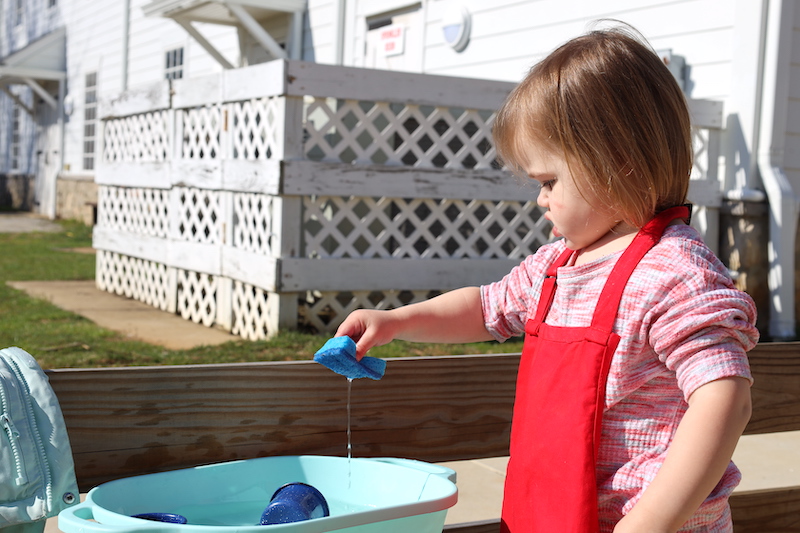
In the Toddler classrooms, students have been working in the outdoor environment gardens – planting and weeding. They have begun learning the names of types of animals and plants. They also enjoy practical life activities in the classroom, such as watering and caring for plants, as well as feeding fish. One of our Toddler classrooms is even home to bullfrog tadpoles in the final stages of their metamorphosis (which can take up to 2 years to make the transformation!).

Children’s House

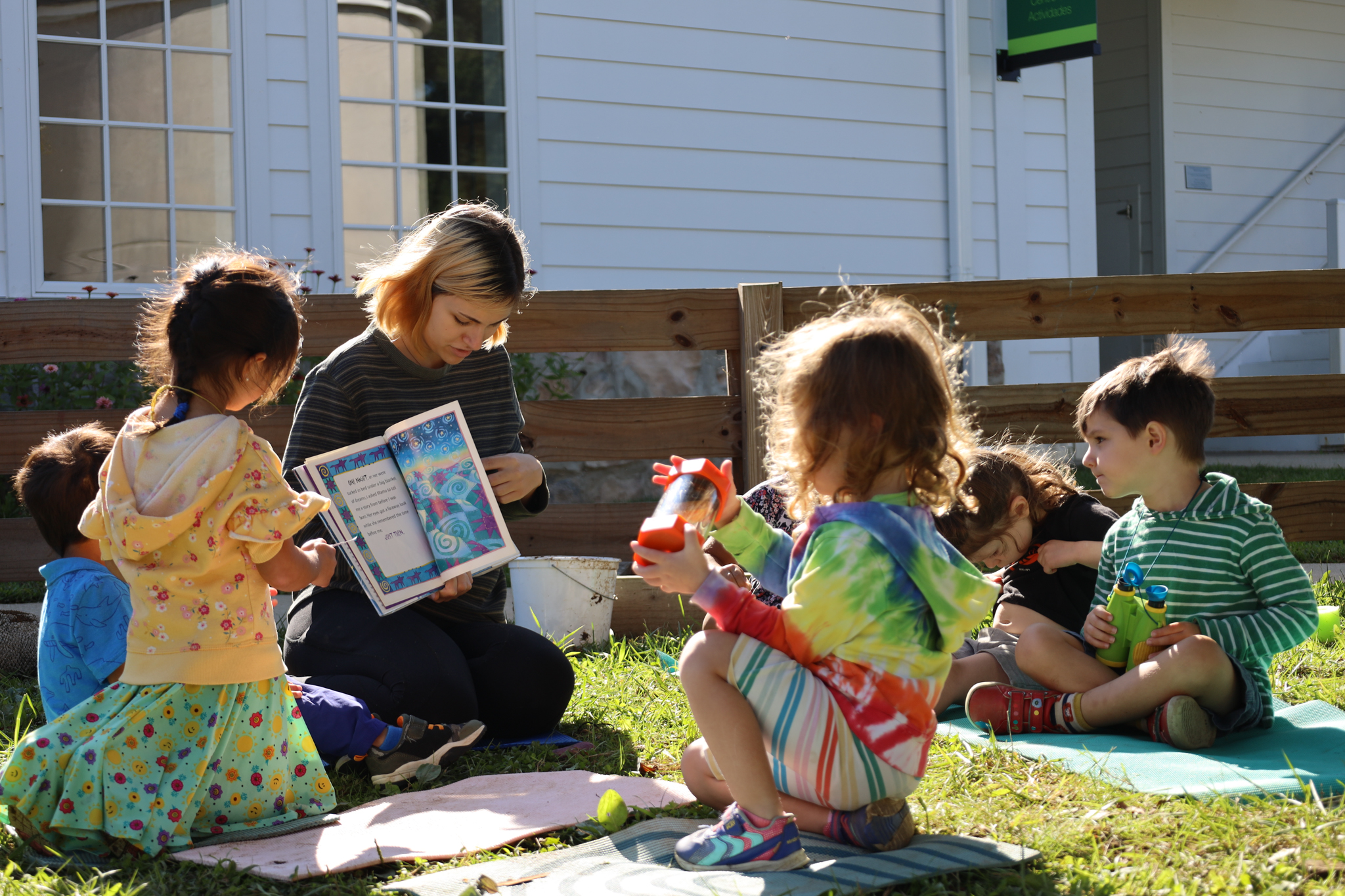
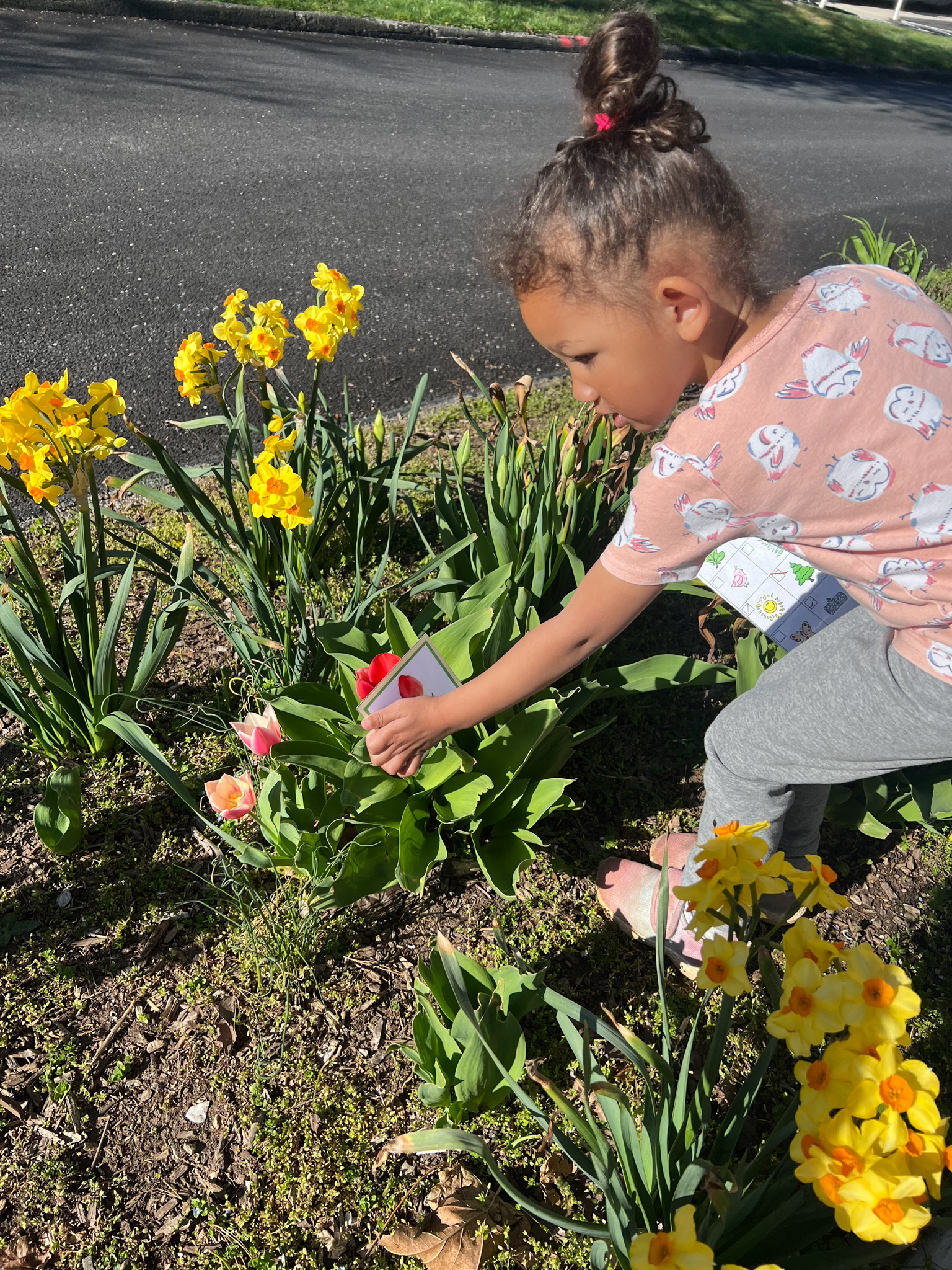
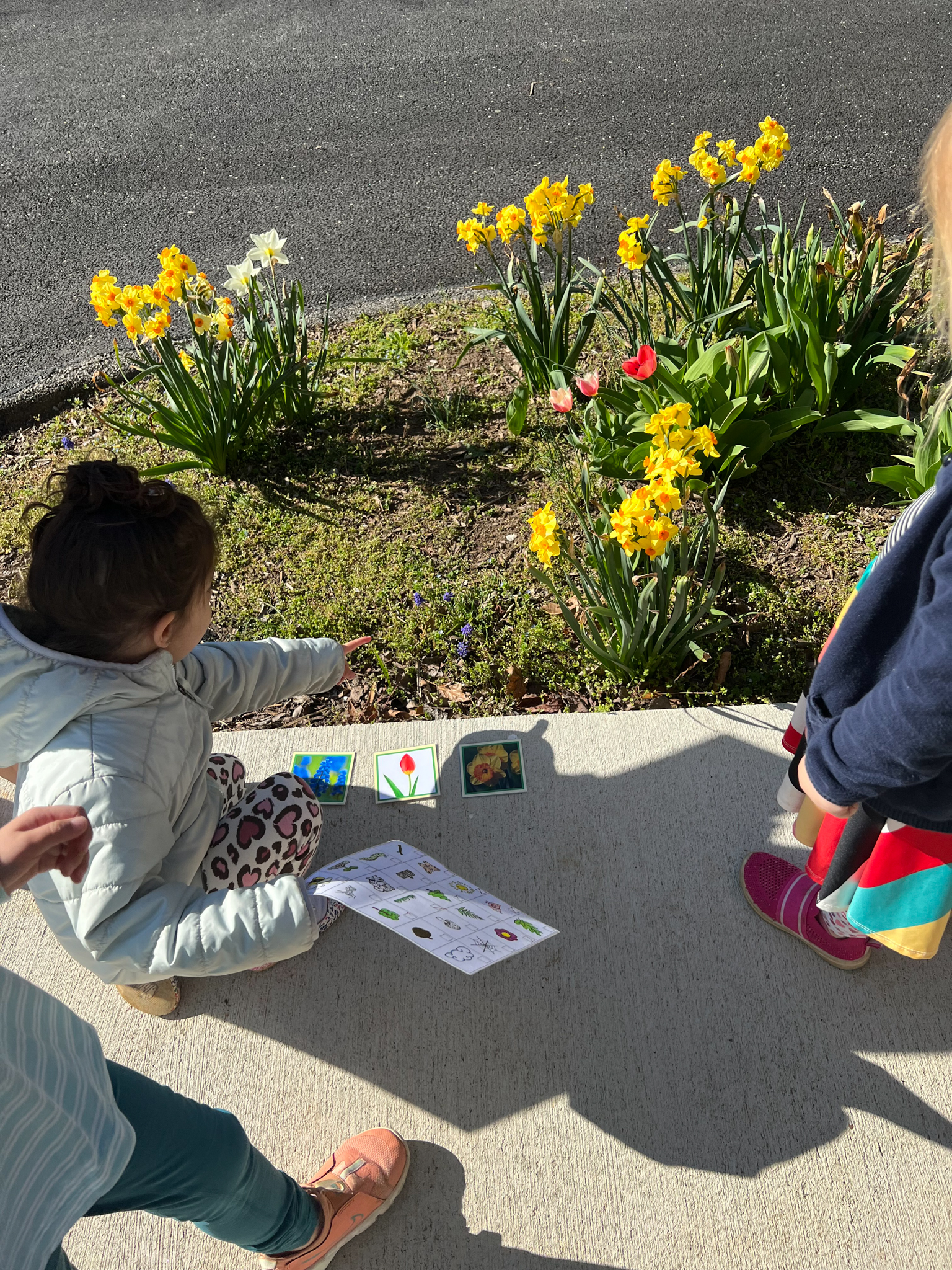
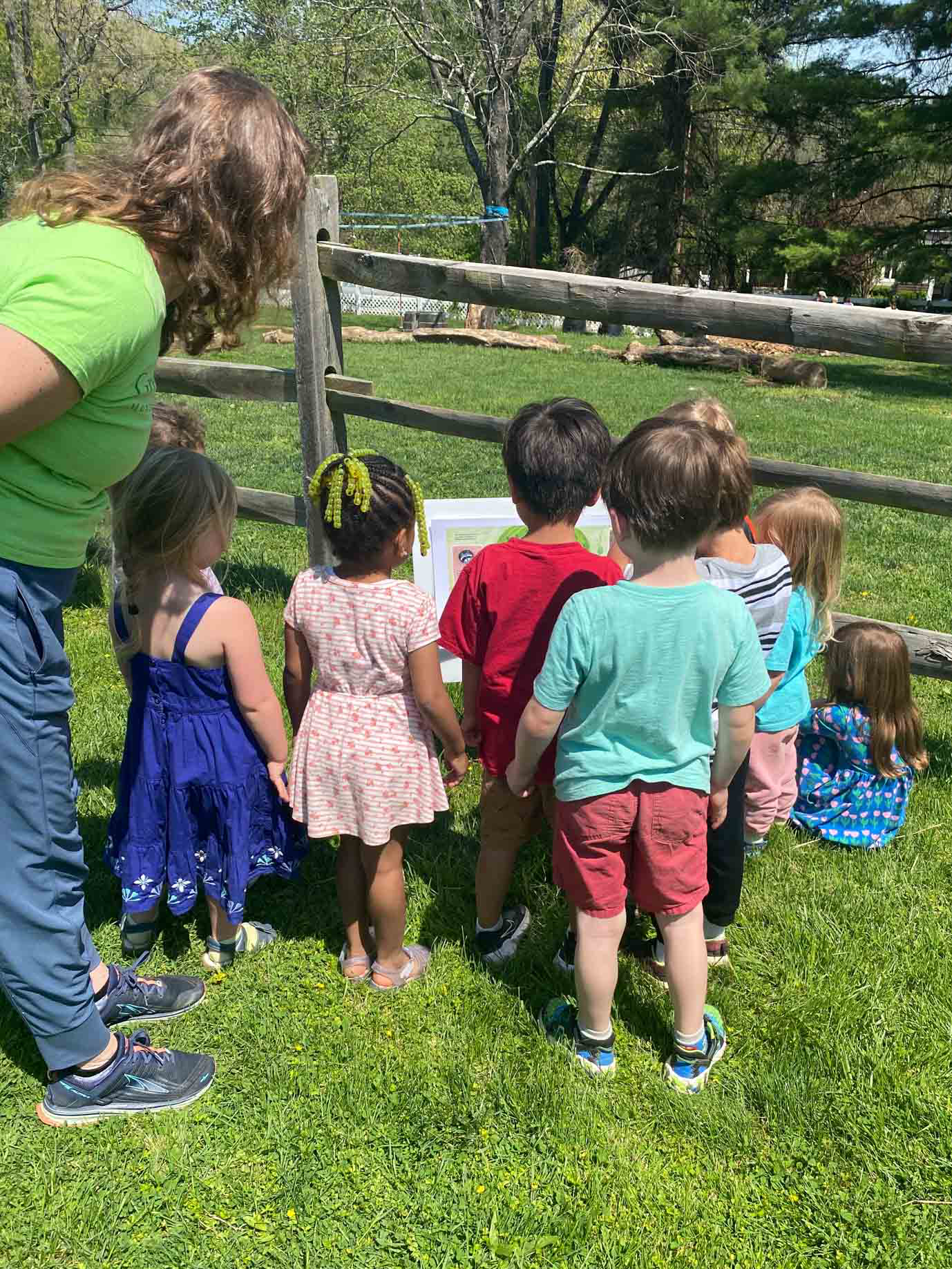
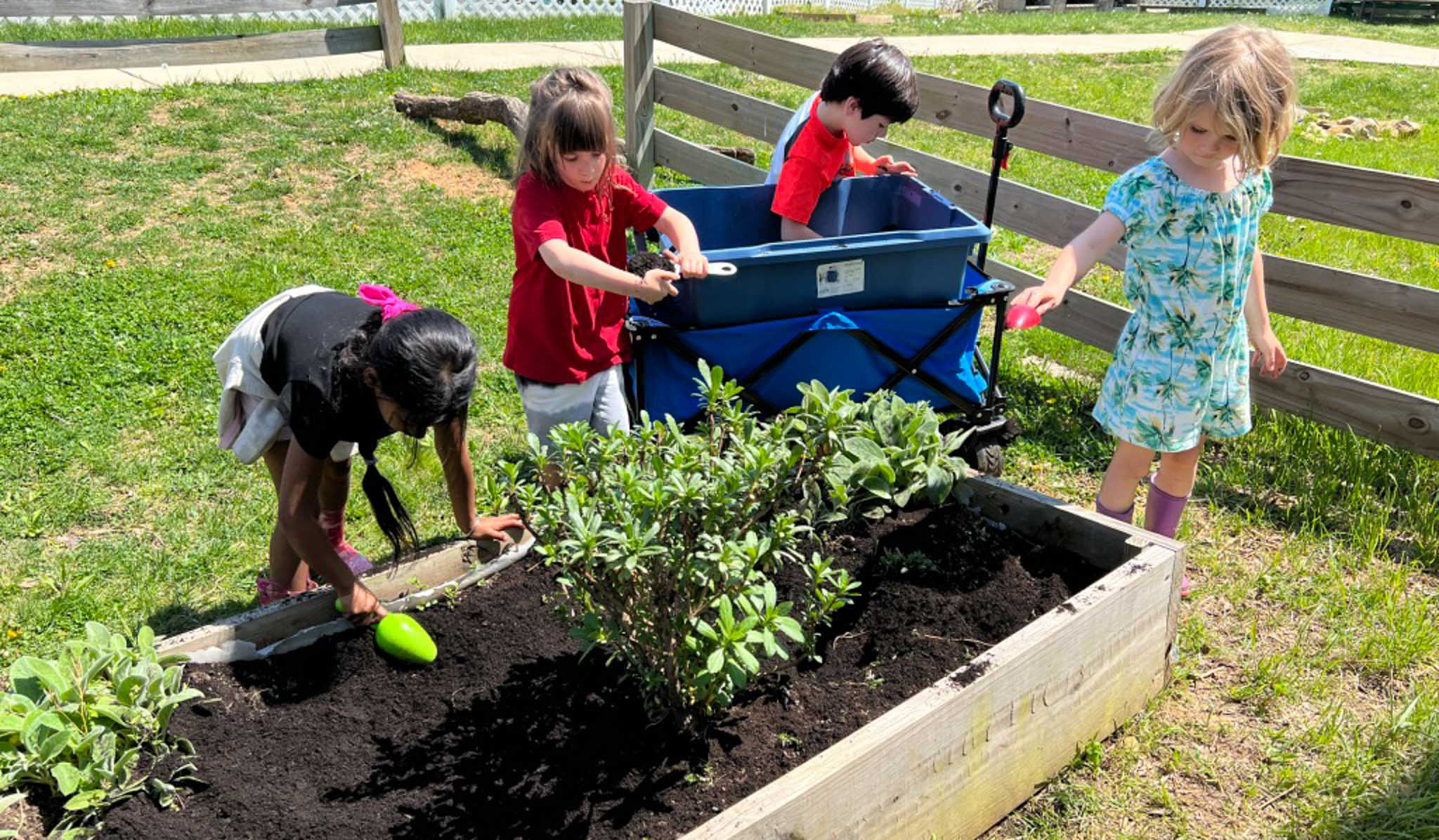
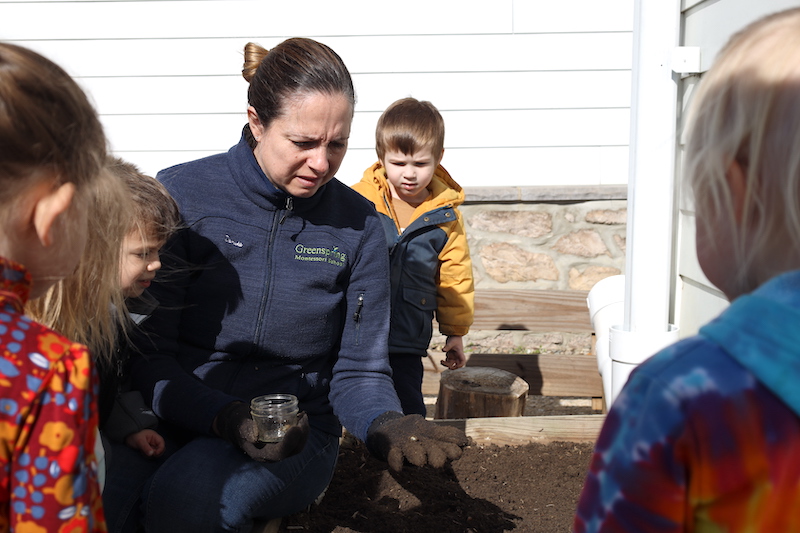
In our Children’s House classrooms, students have been working in the outdoor environment gardens – planting and weeding. Campus walks are a big part of our nature curriculum for Children’s House. Our Dual Language classes have enjoyed nature walks where they have begun learning the names of animals and plants in Spanish.

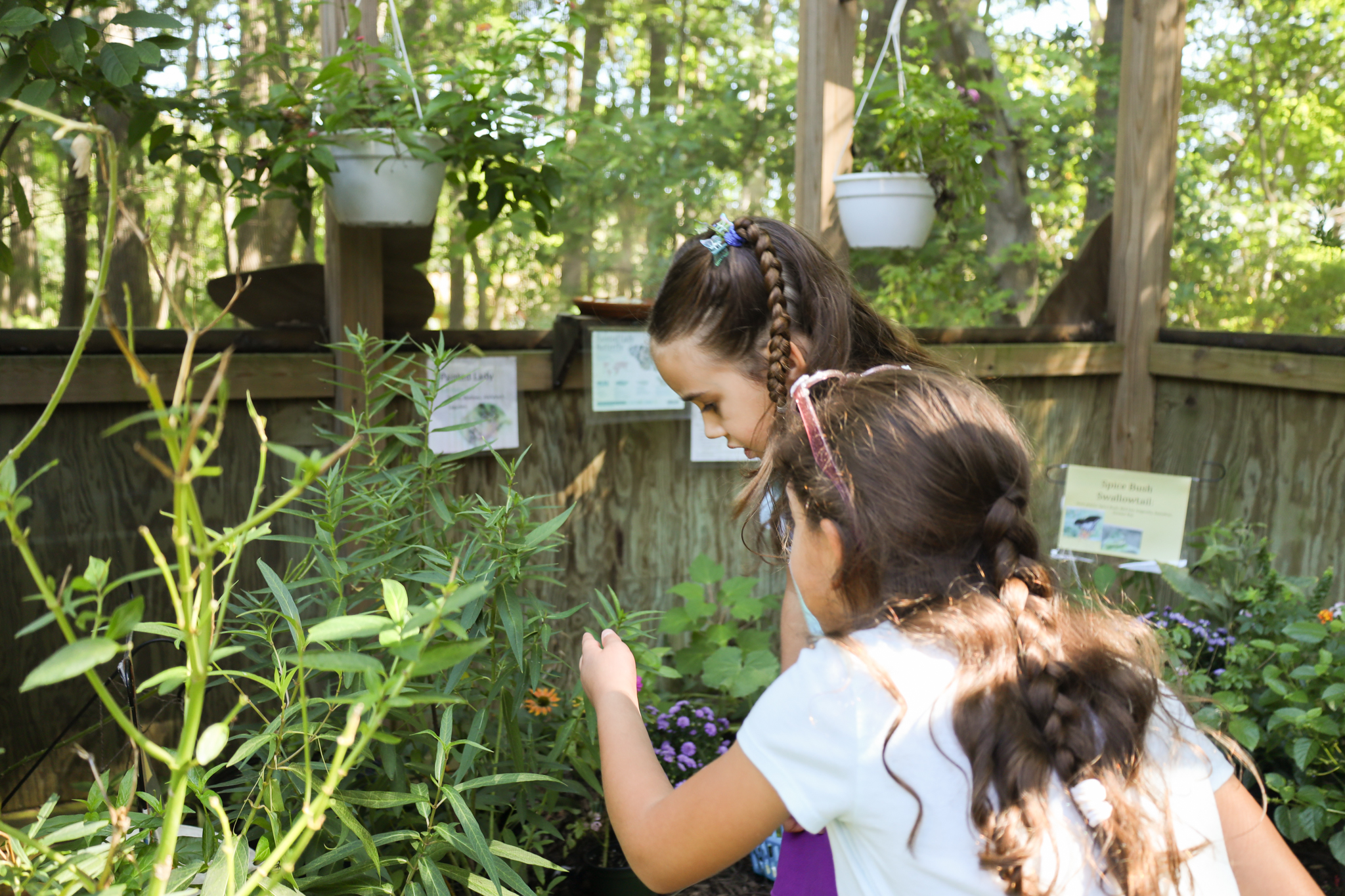
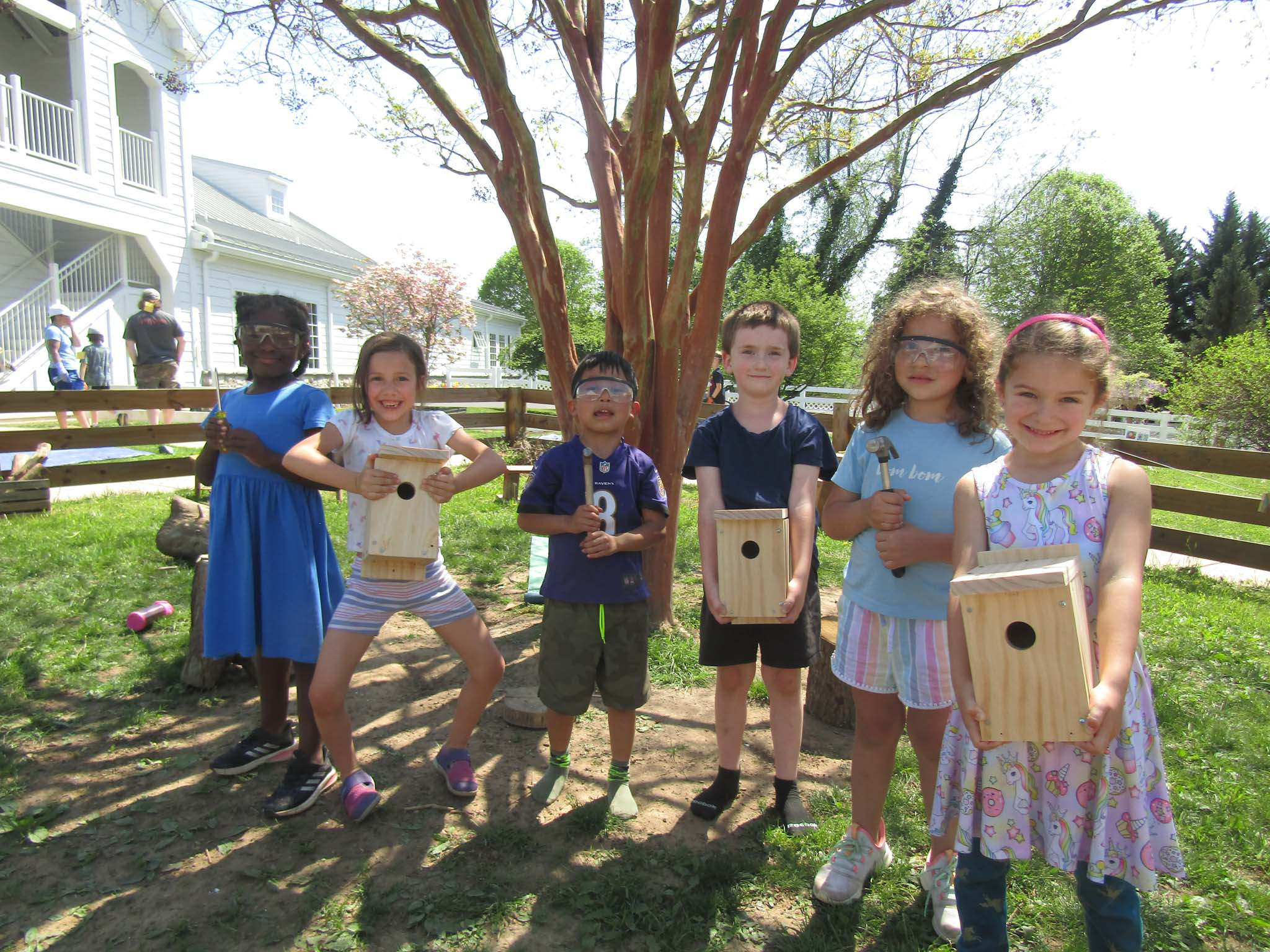
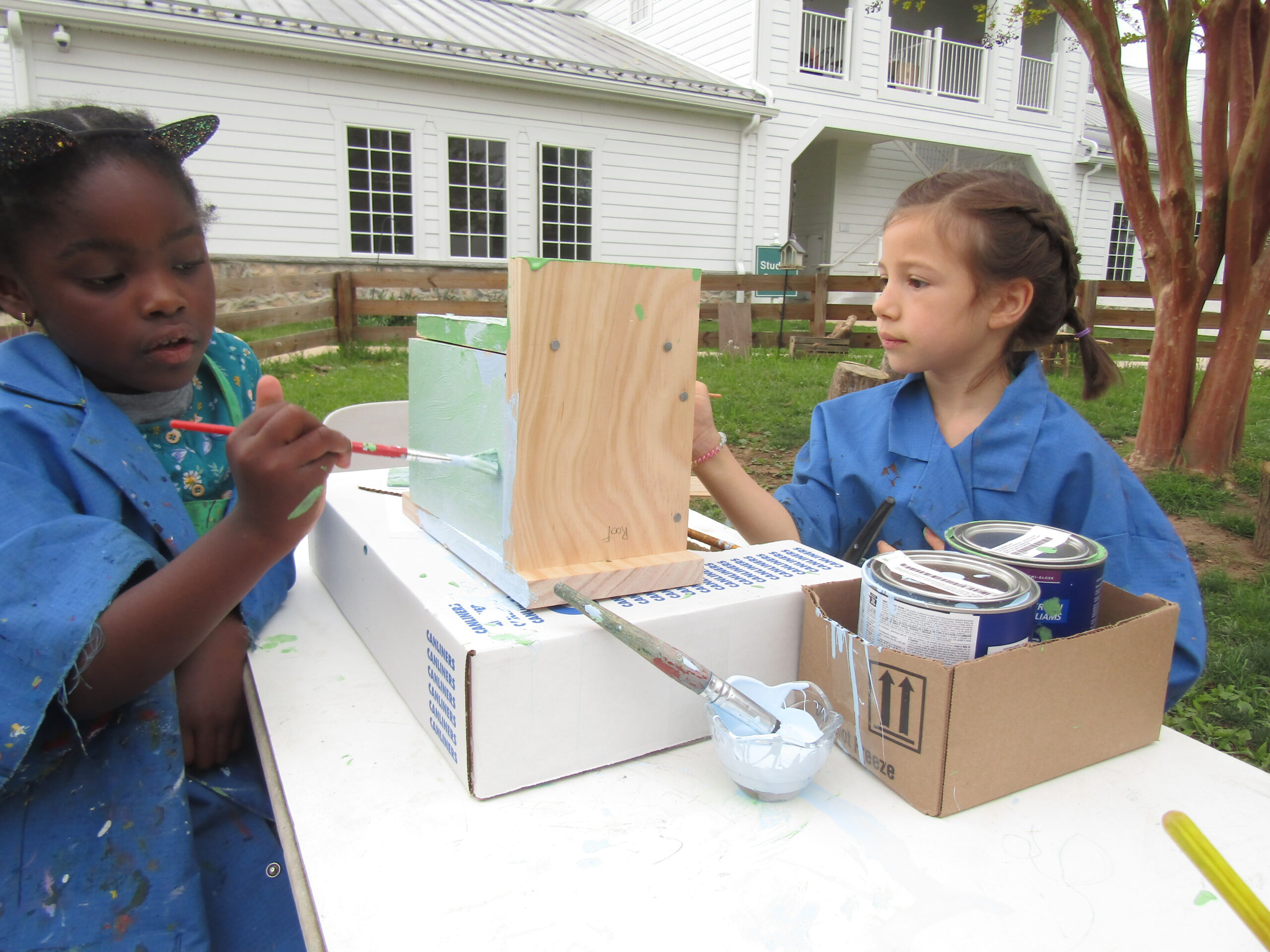
The children have also planted native host plants such as milkweed, lemon balm, and fennel which are the only plants where the monarch, white peacock, and swallowtail butterflies lay their eggs. Caterpillars are essential nutrition for nestlings. Bird parents have been recorded feeding over 700 larvae to their chicks in a single day! To support the birds who make their homes on our campus, a classroom parent generously made birdhouse kits for our children to assemble. In order to have diverse ecosystems we need to provide native host plants and safe nesting sites.

Elementary

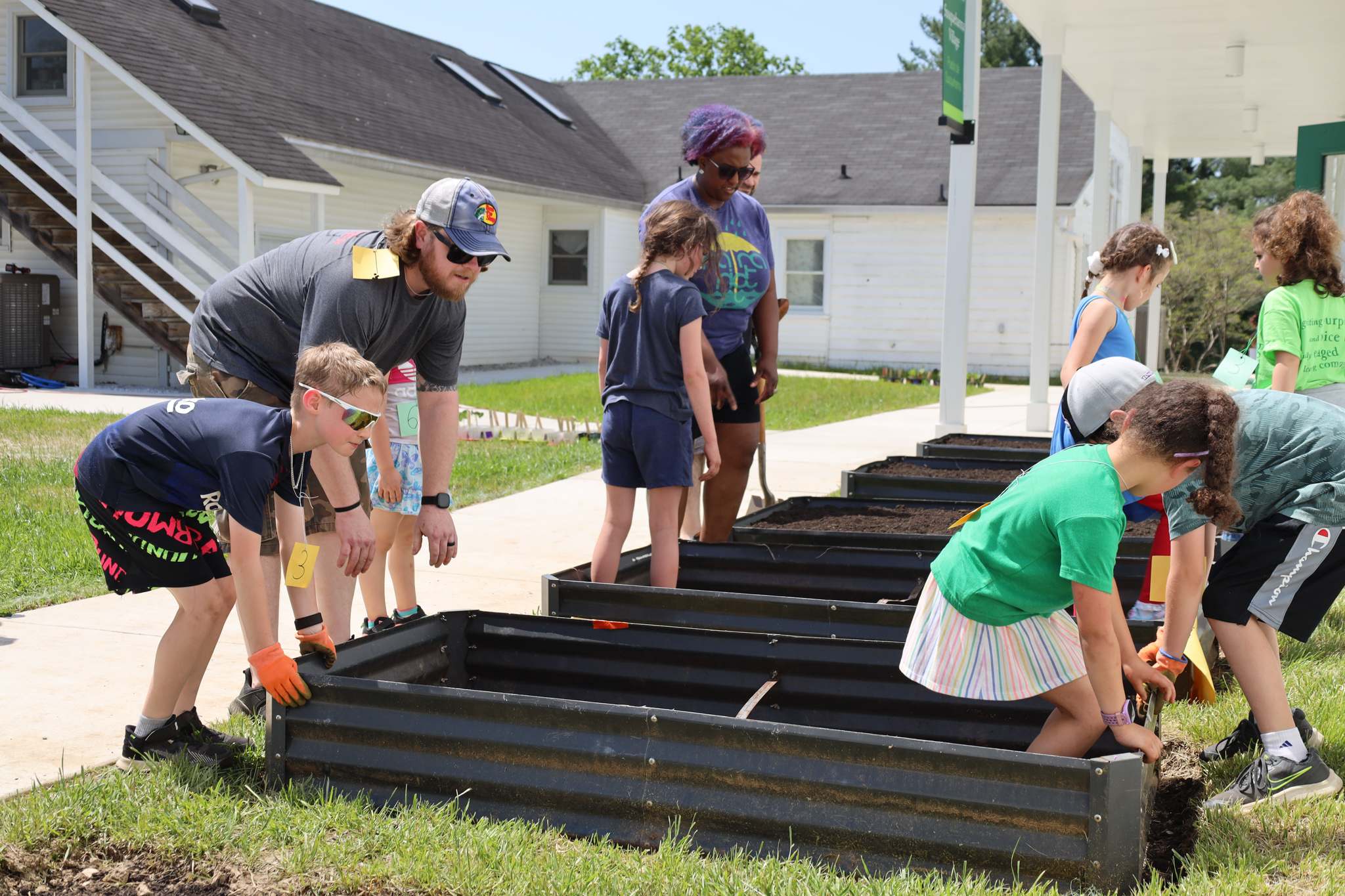
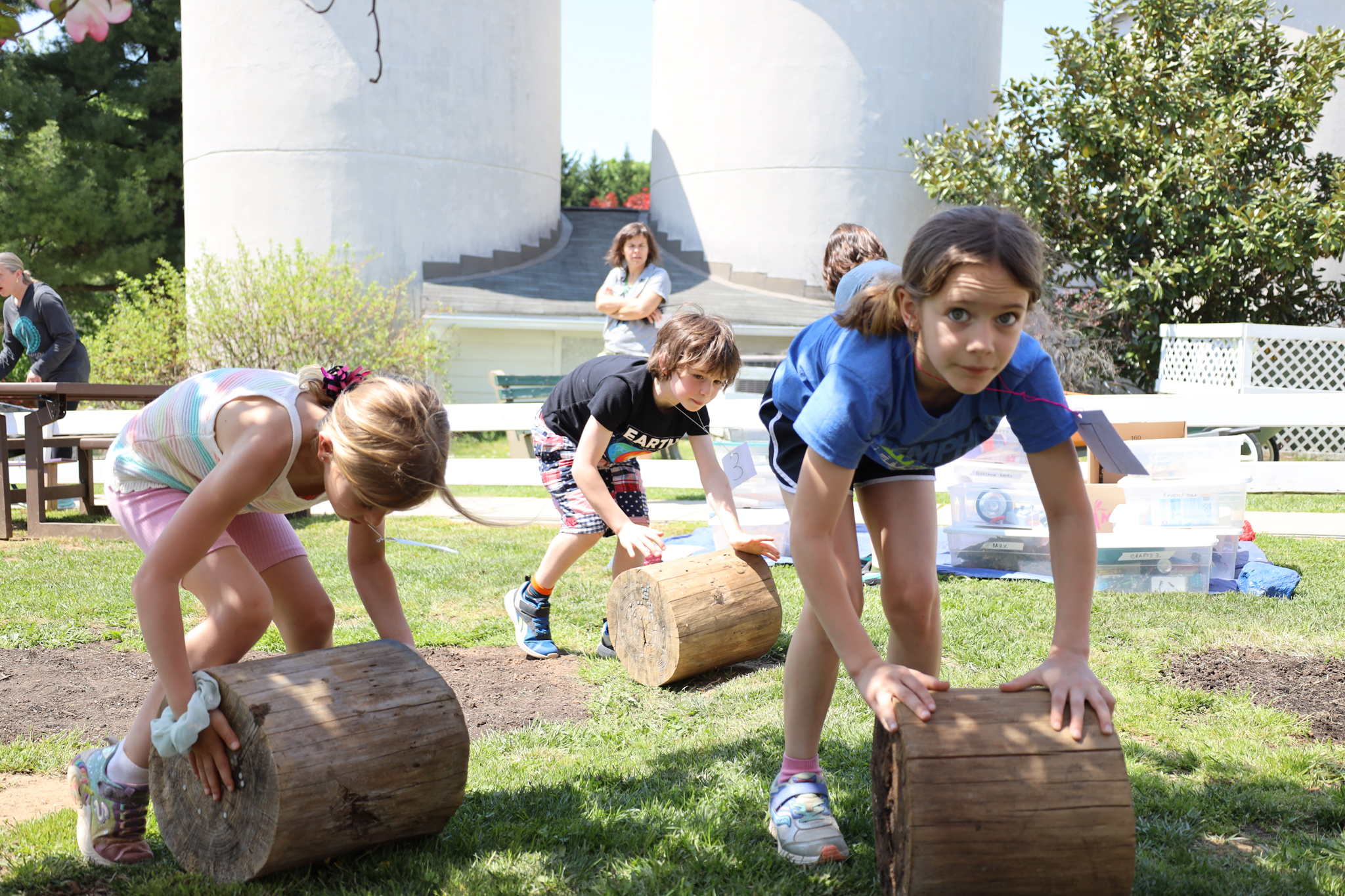
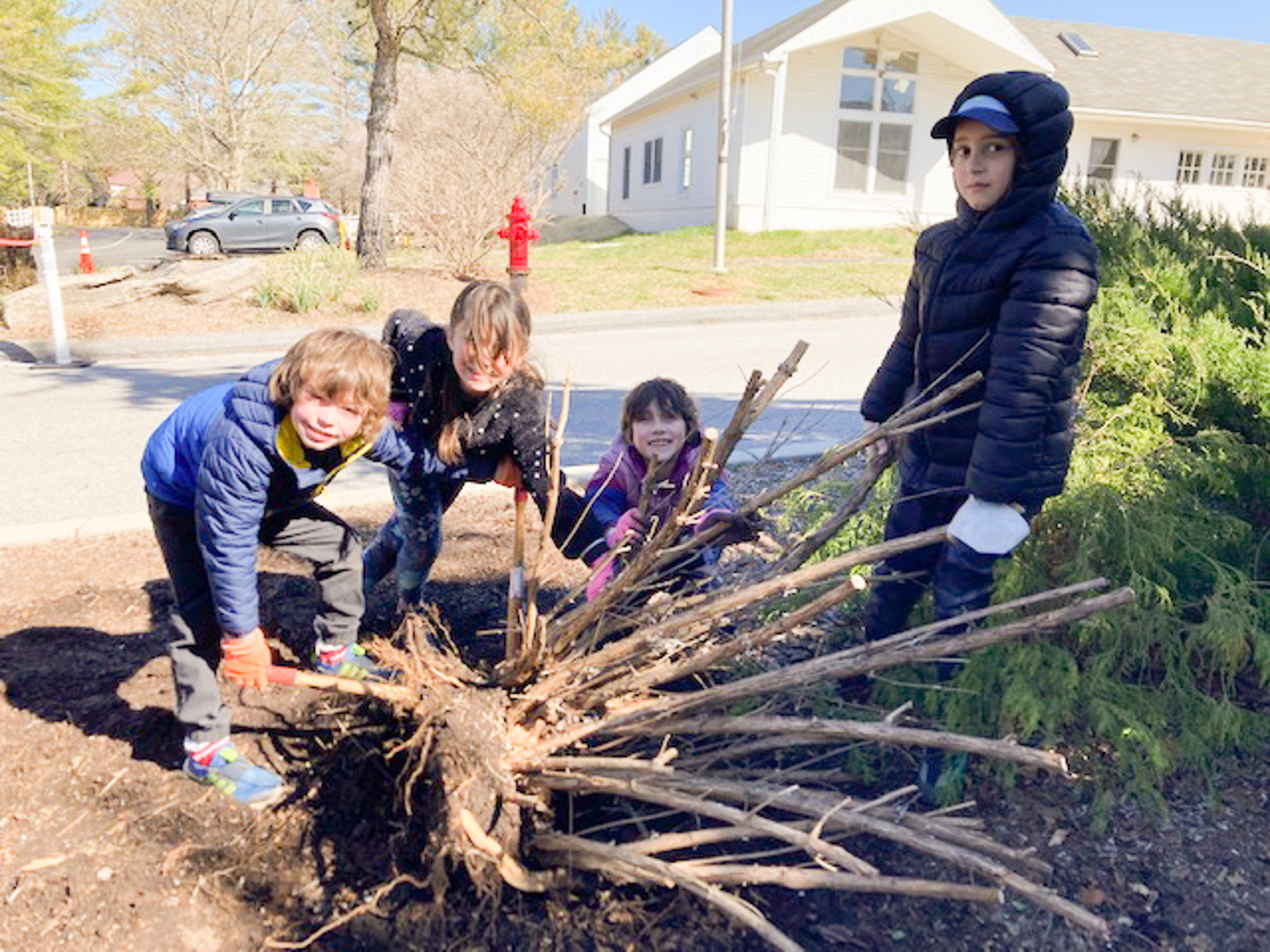
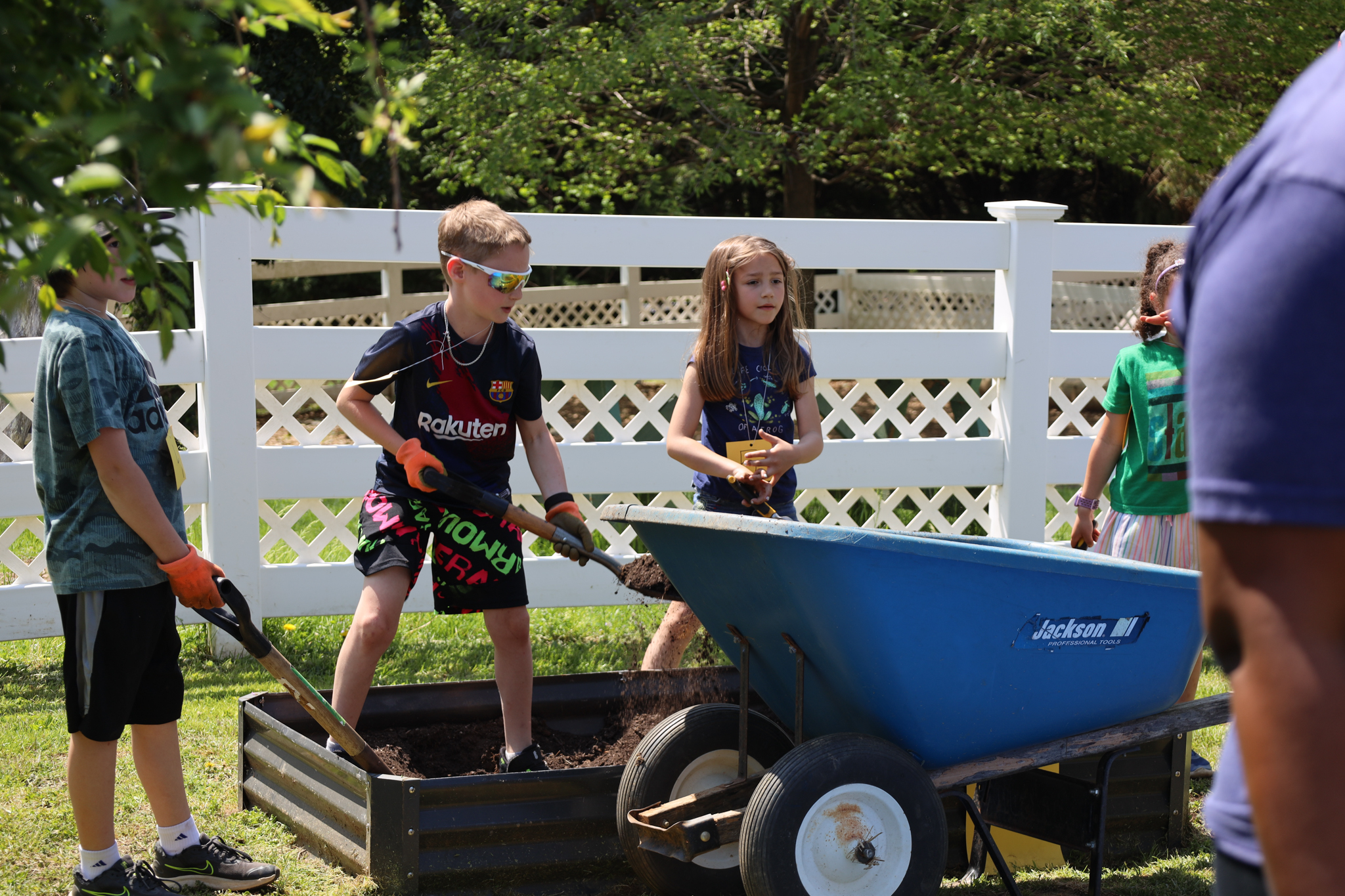
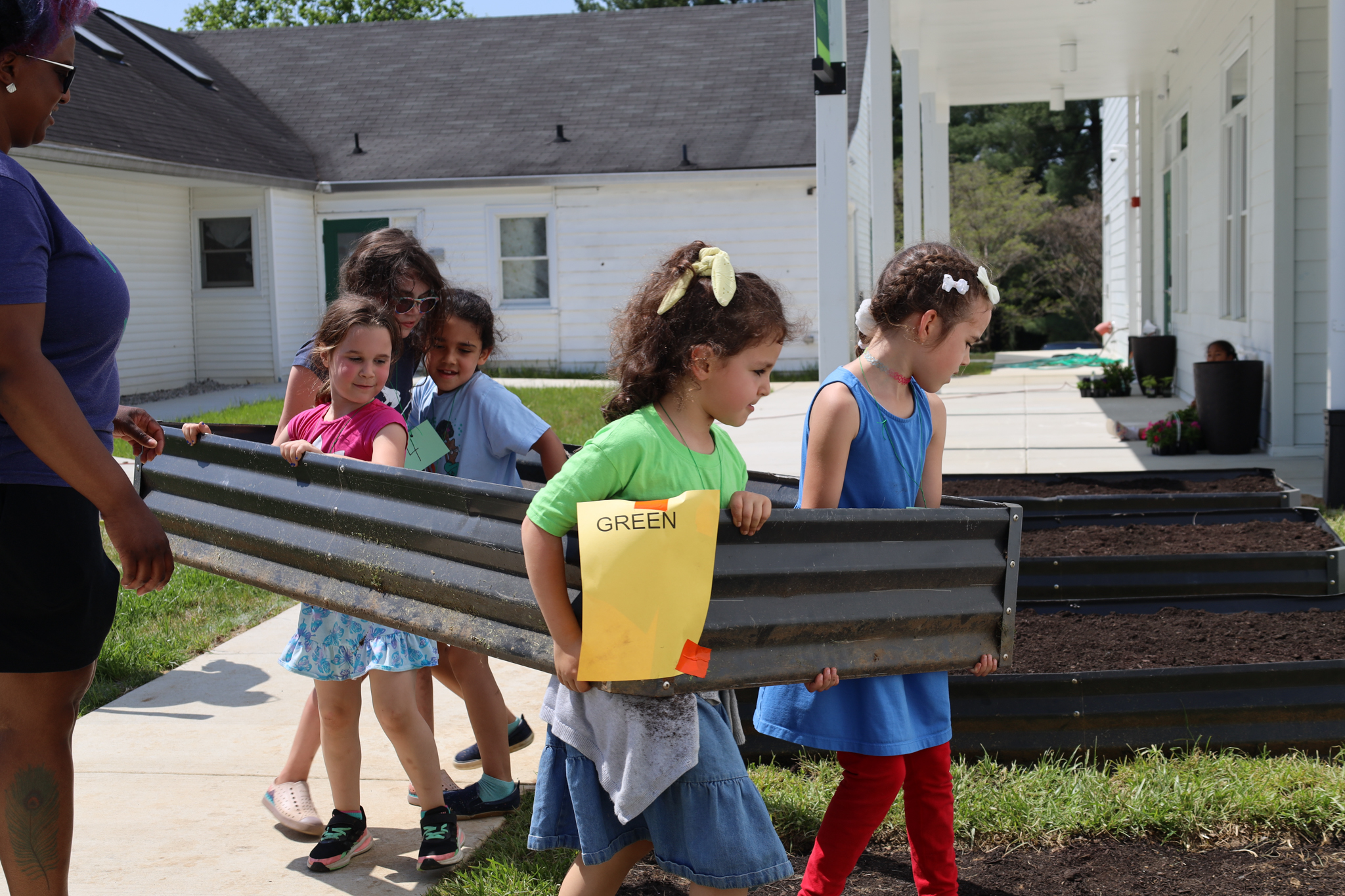
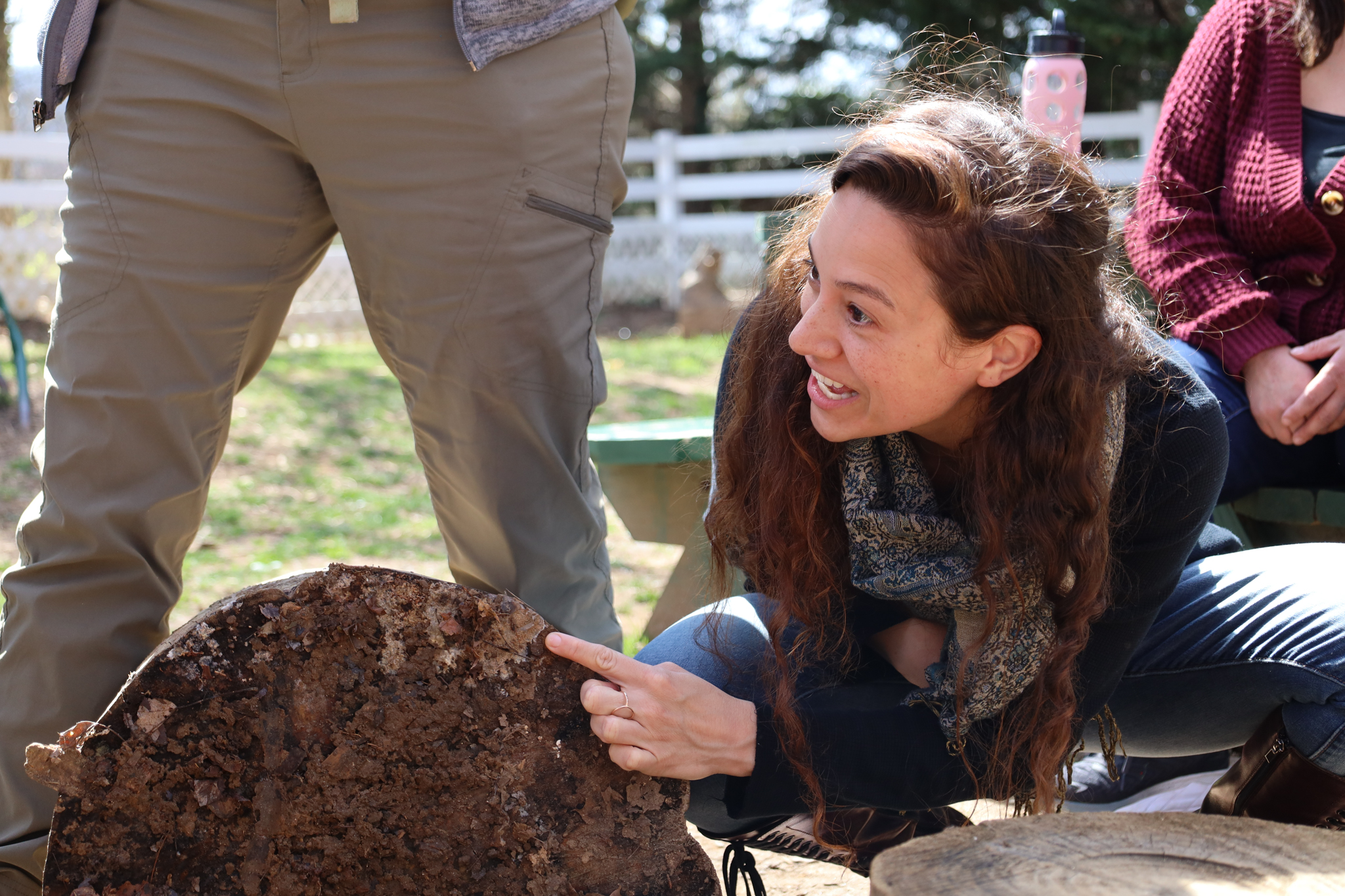
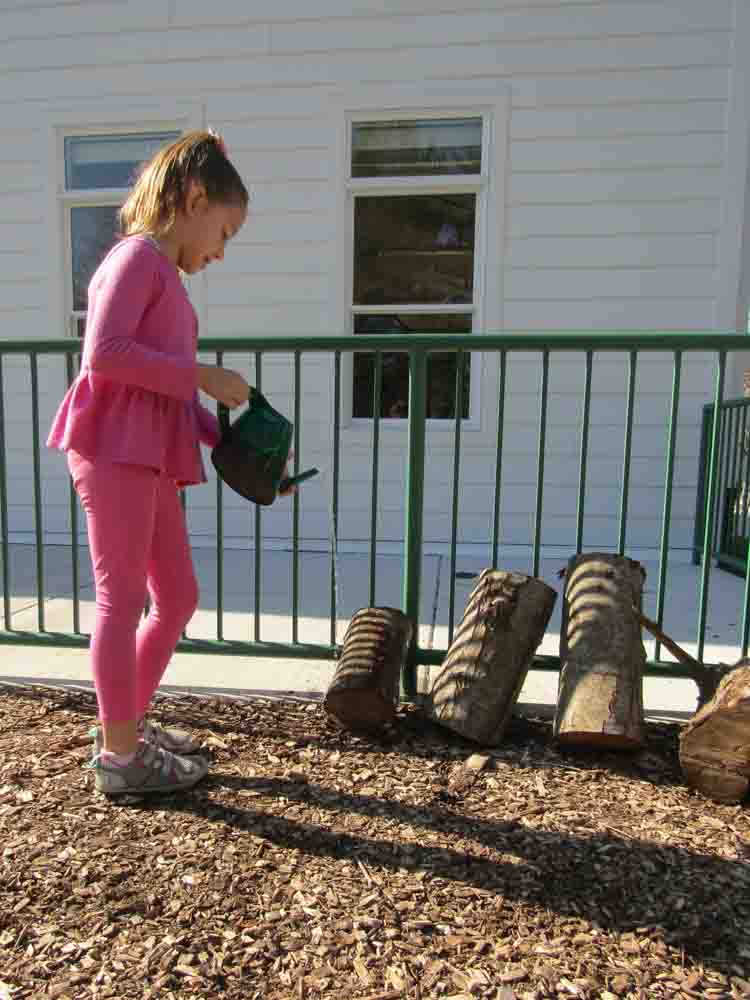
Our Elementary classrooms have been busy with outdoor projects this month. Our Mulberry Lower Elementary classroom inoculated a log with mushroom spores and the students have been caring for them with frequent watering. In the classroom, they have been learning about the body parts and functions of mushrooms to support this project. The Redbud Lower Elementary class also worked hard to remove invasive plant species from our grounds. Both classes recently moved their outdoor environment to the Susquehanna Village, and they are preparing their raised garden beds for summer planting. Upper Elementary students have been working to identify species of plants and animals on campus. 

Adolescents

Adolescent students are currently beginning a study of climate change, which will culminate in a mock climate summit that is open to the community as an Igniting Voice event on May 25th.

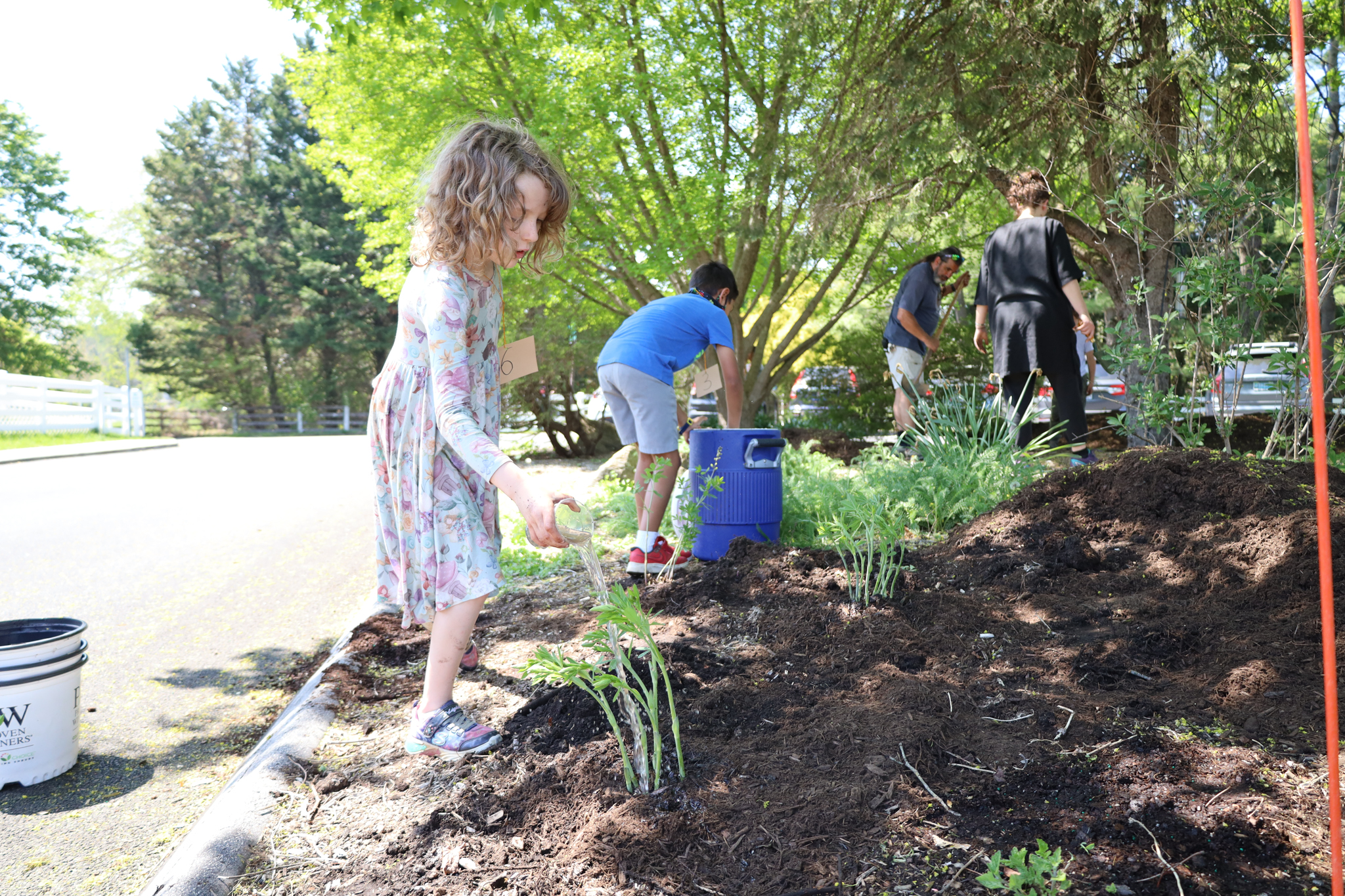
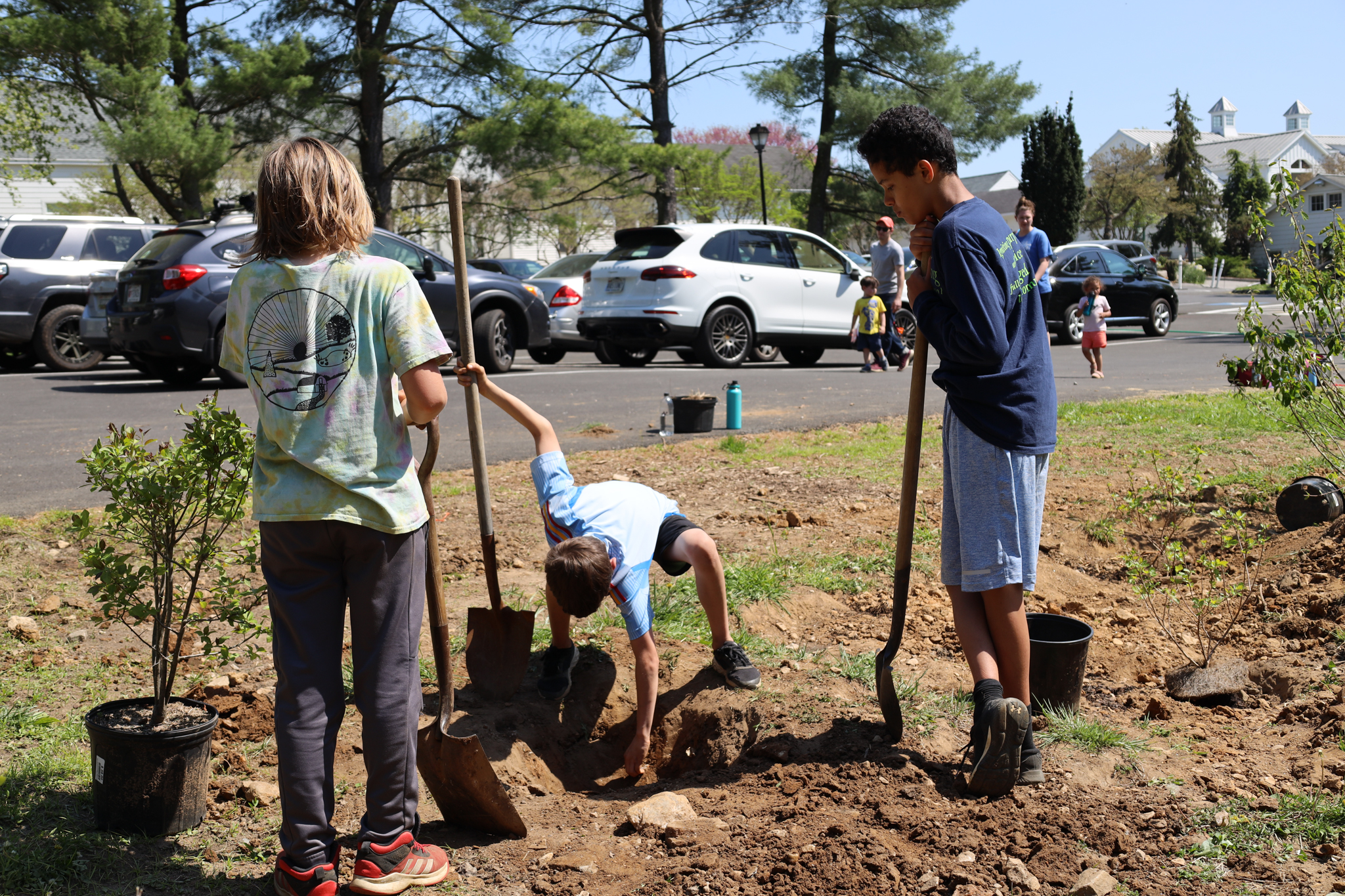
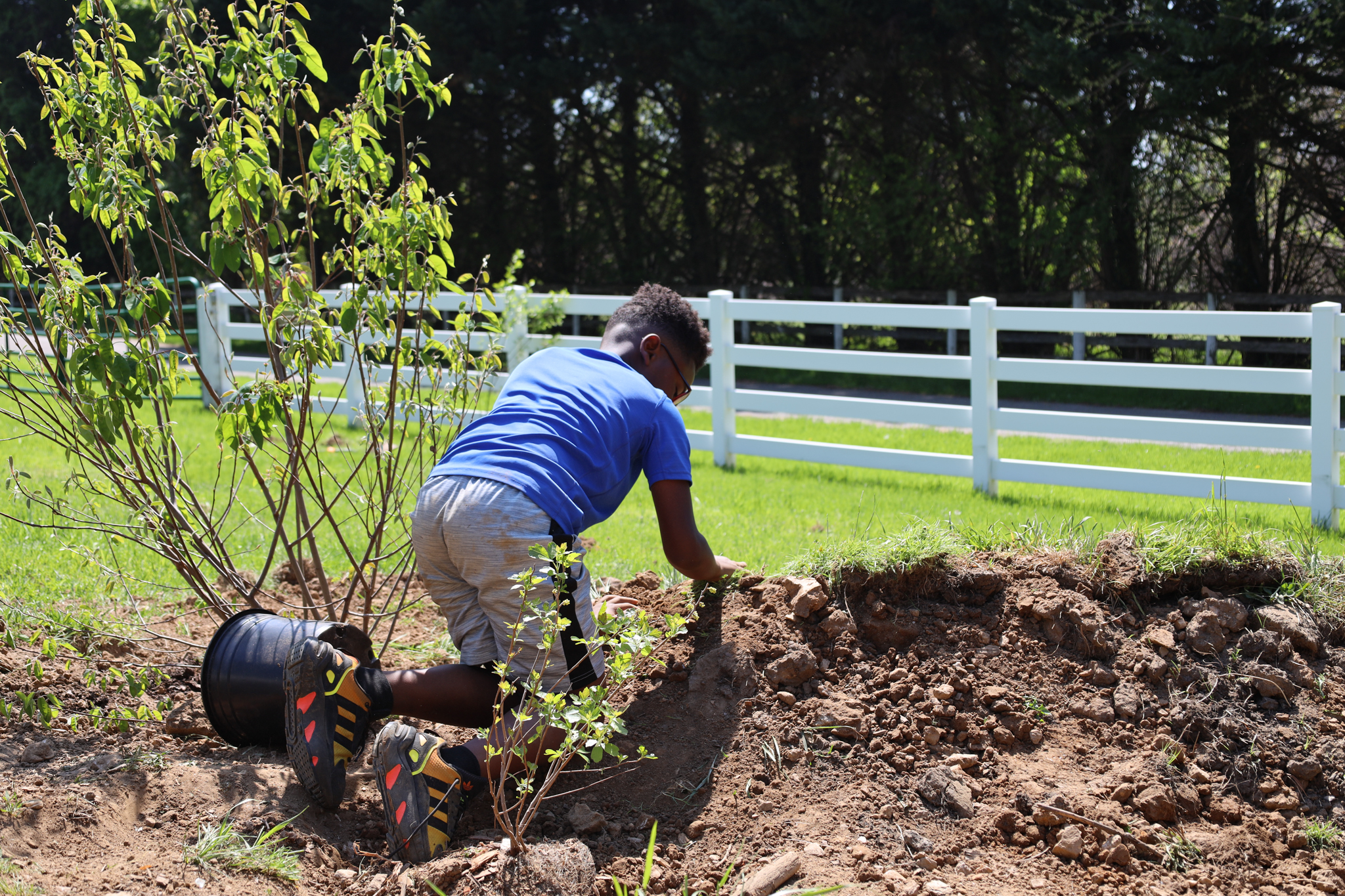
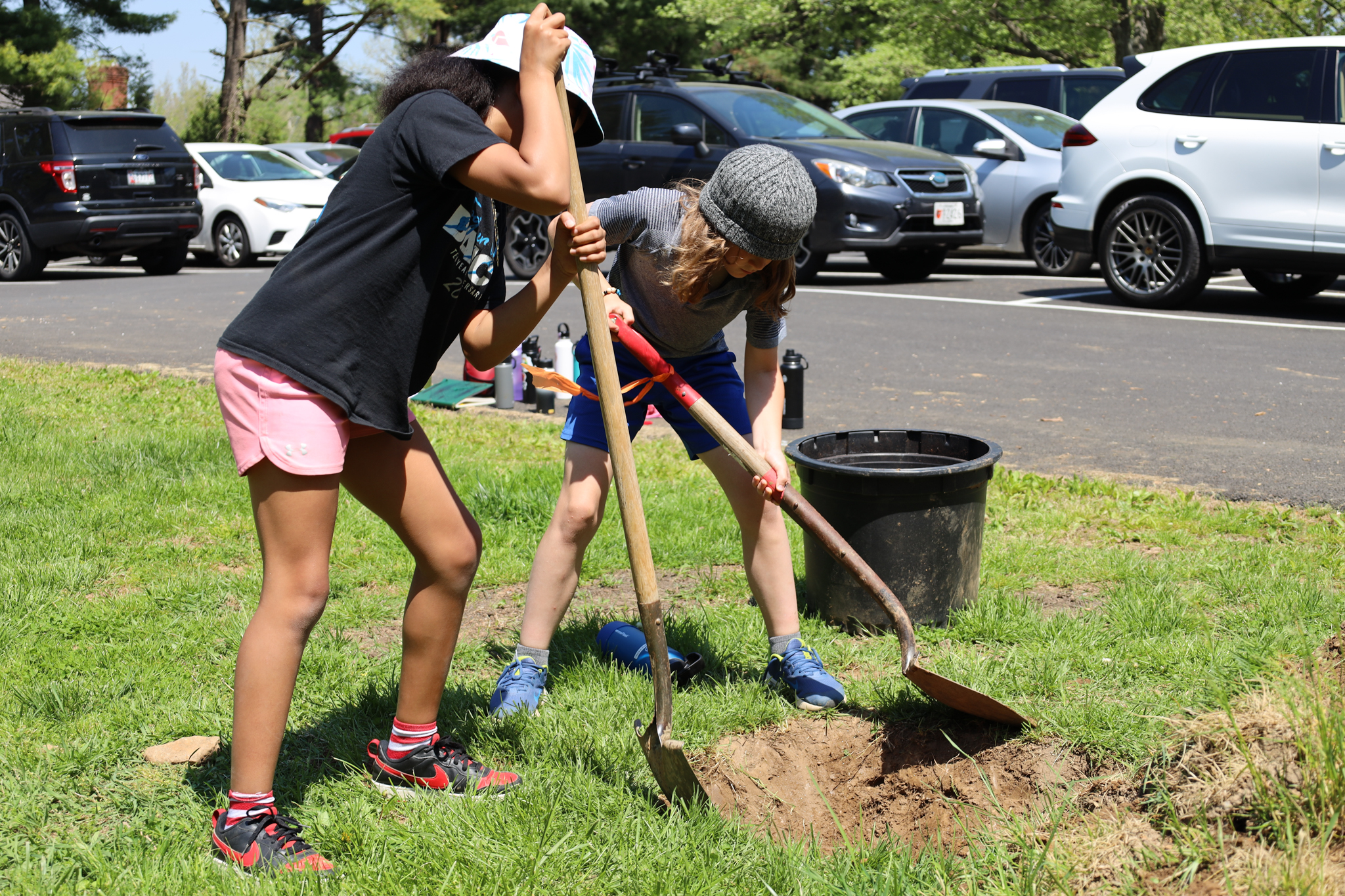
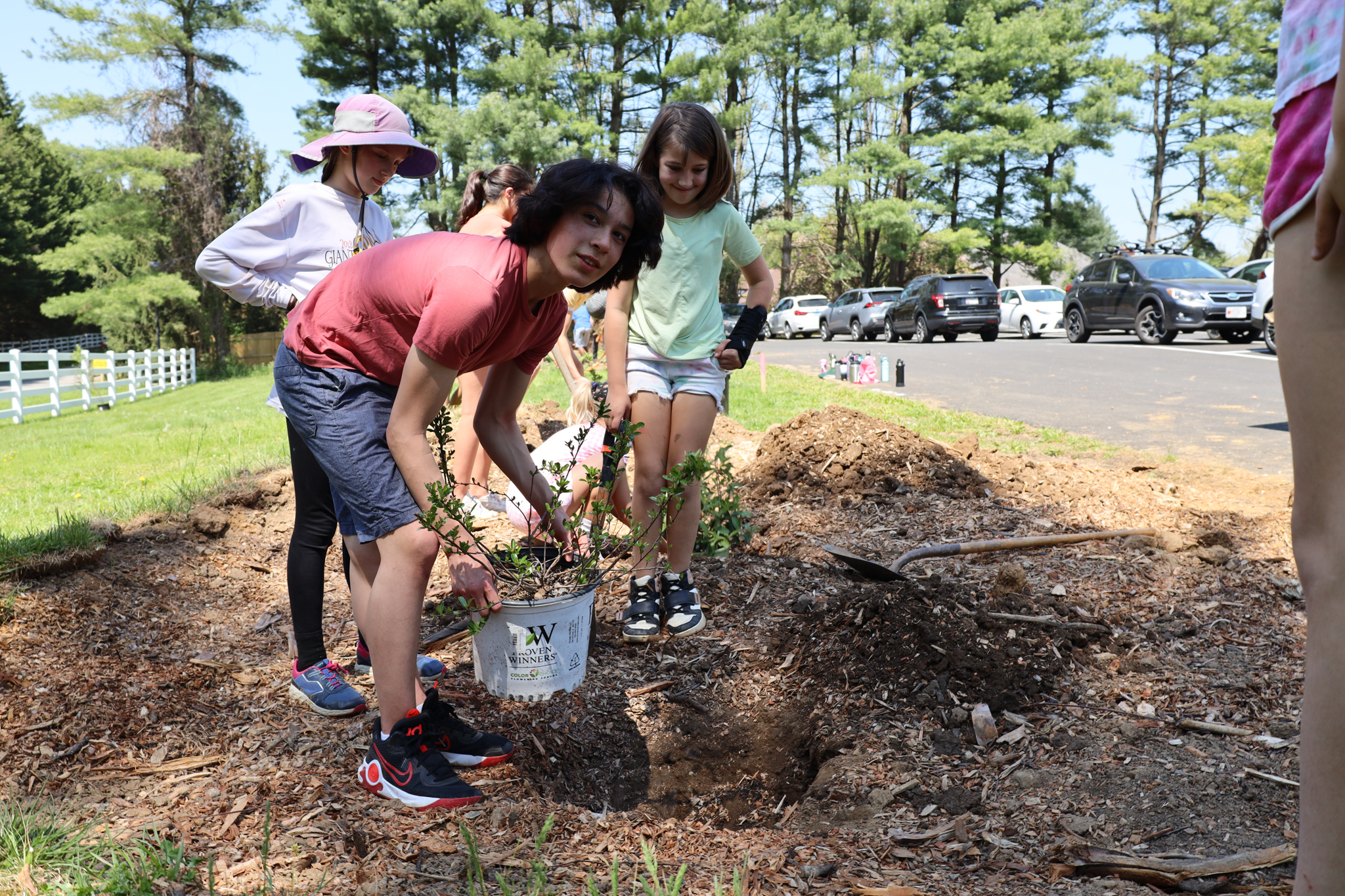
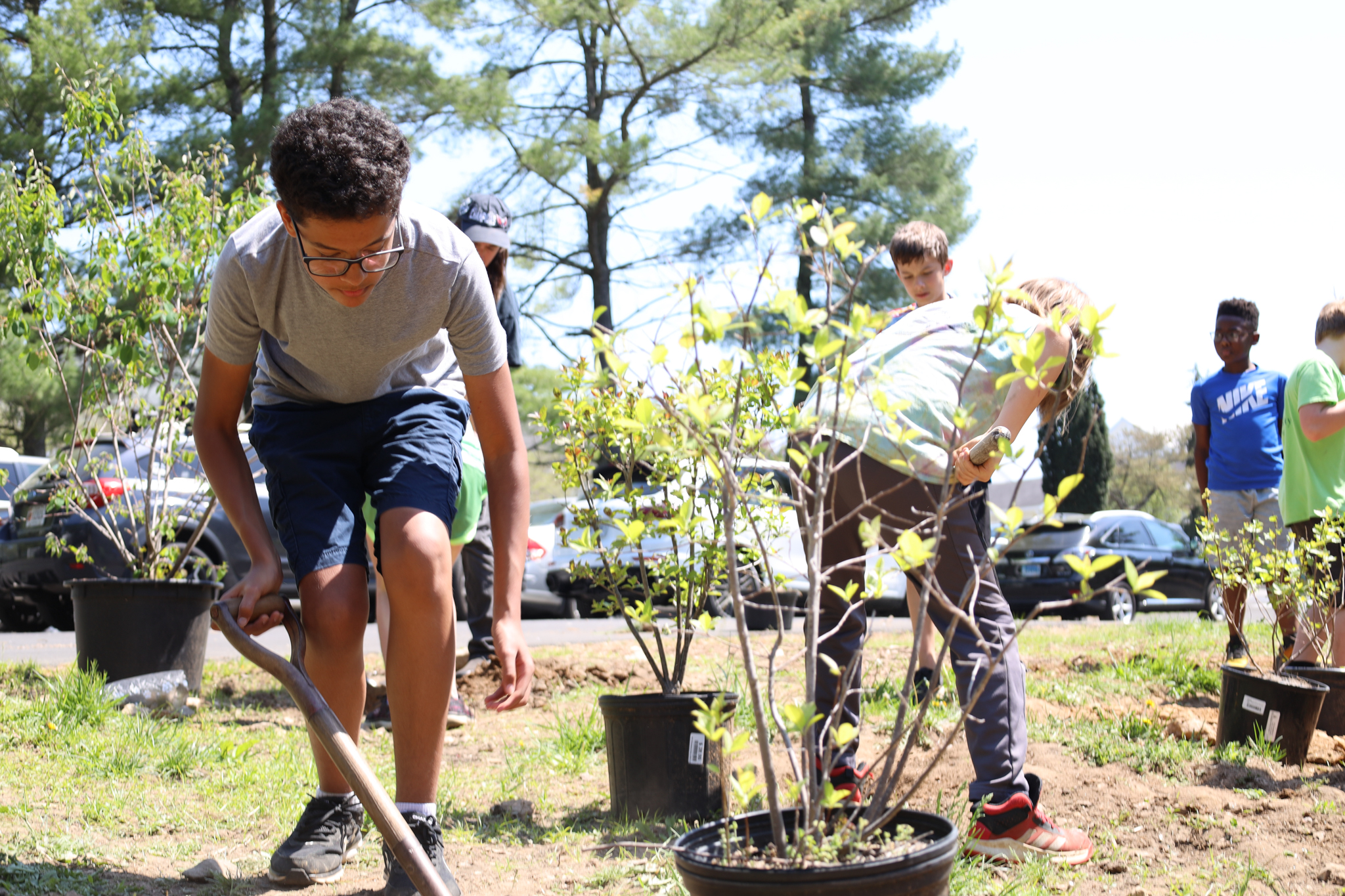
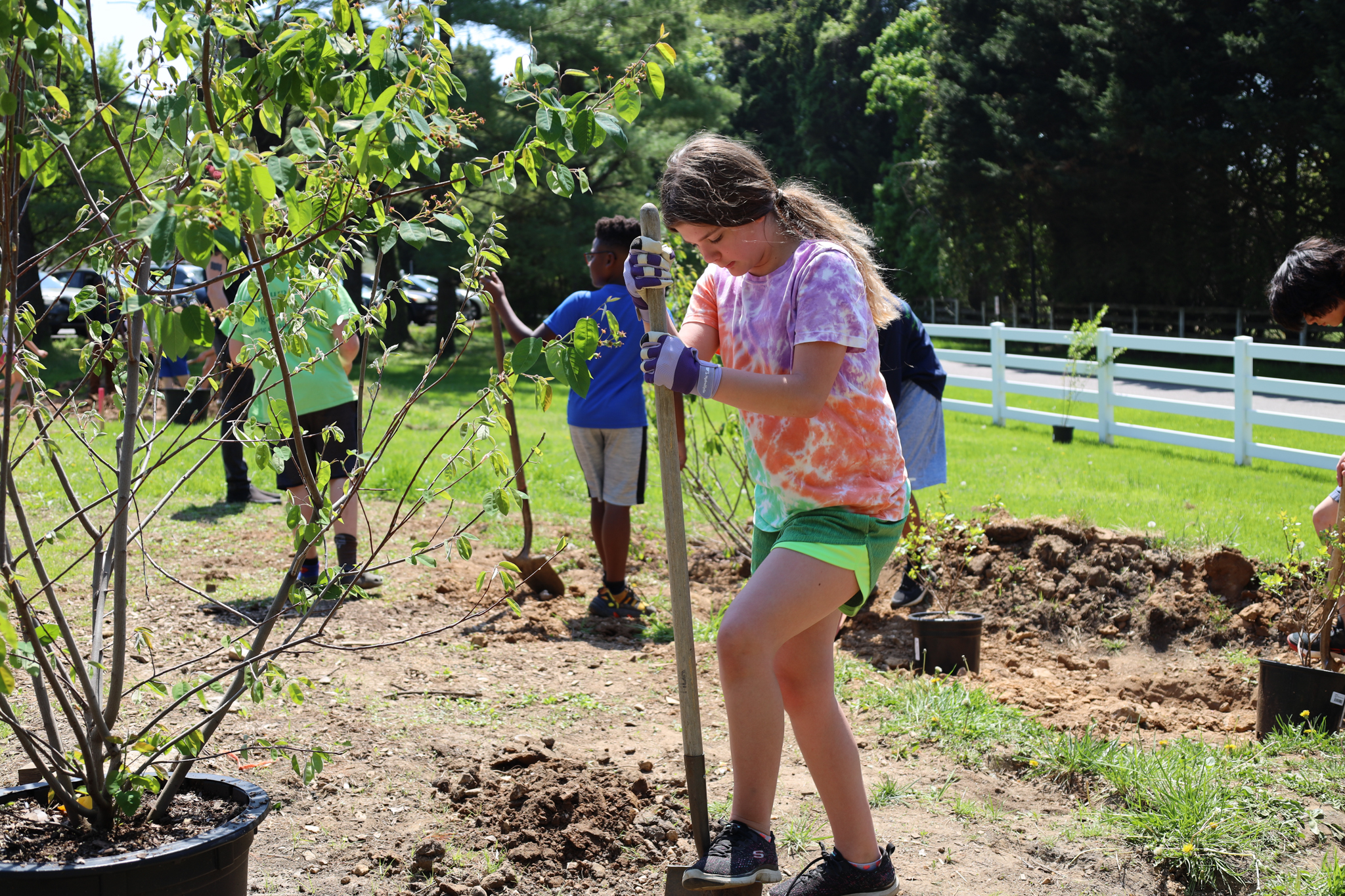
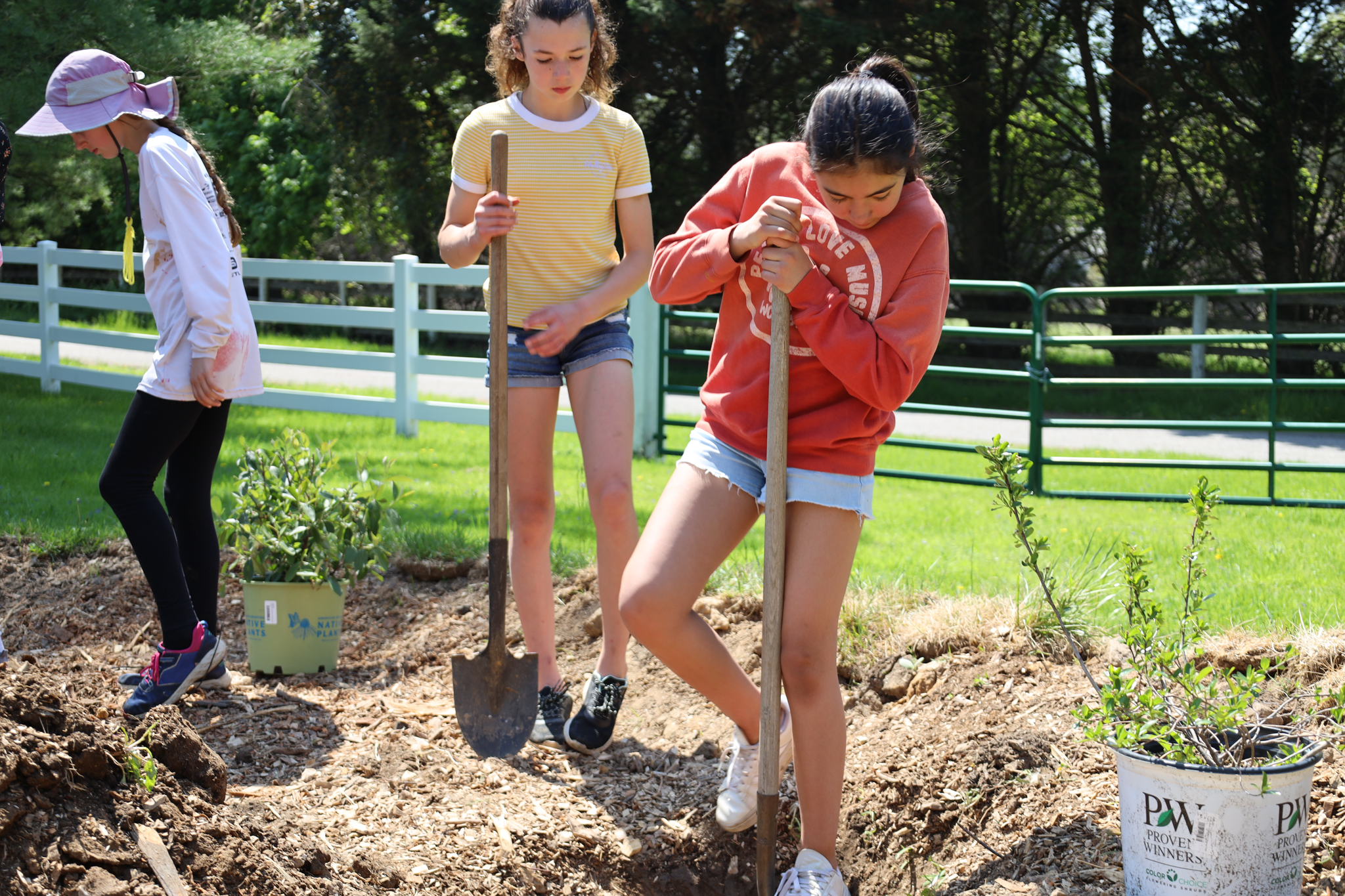
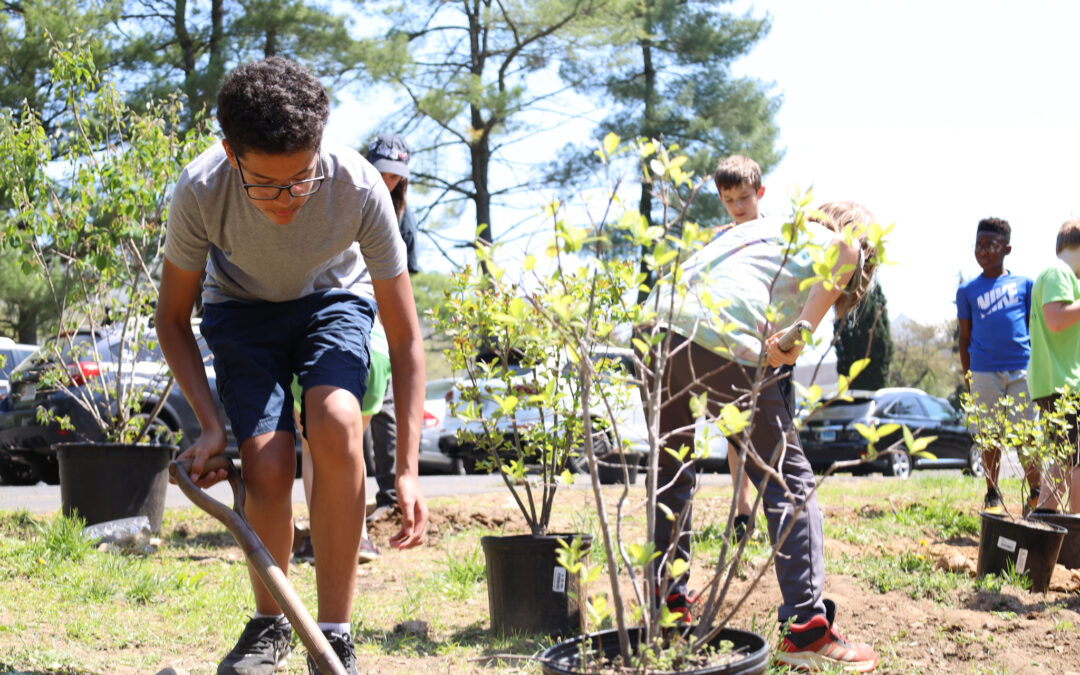
Additionally, one of our Adolescent students was inspired to create a rain garden on campus. He coordinated with his peers to purchase and plant many new native species on the north side of campus. These trees, shrubs, and flowering plants will provide water retention and filtration, as well as essential habitat to native species. We are looking forward to seeing the rain garden grow and flourish in years to come. Thank you to our Adolescents for taking on this big work!

Earth Day Celebrations at Greenspring

Earth Day Celebrations at Greenspring

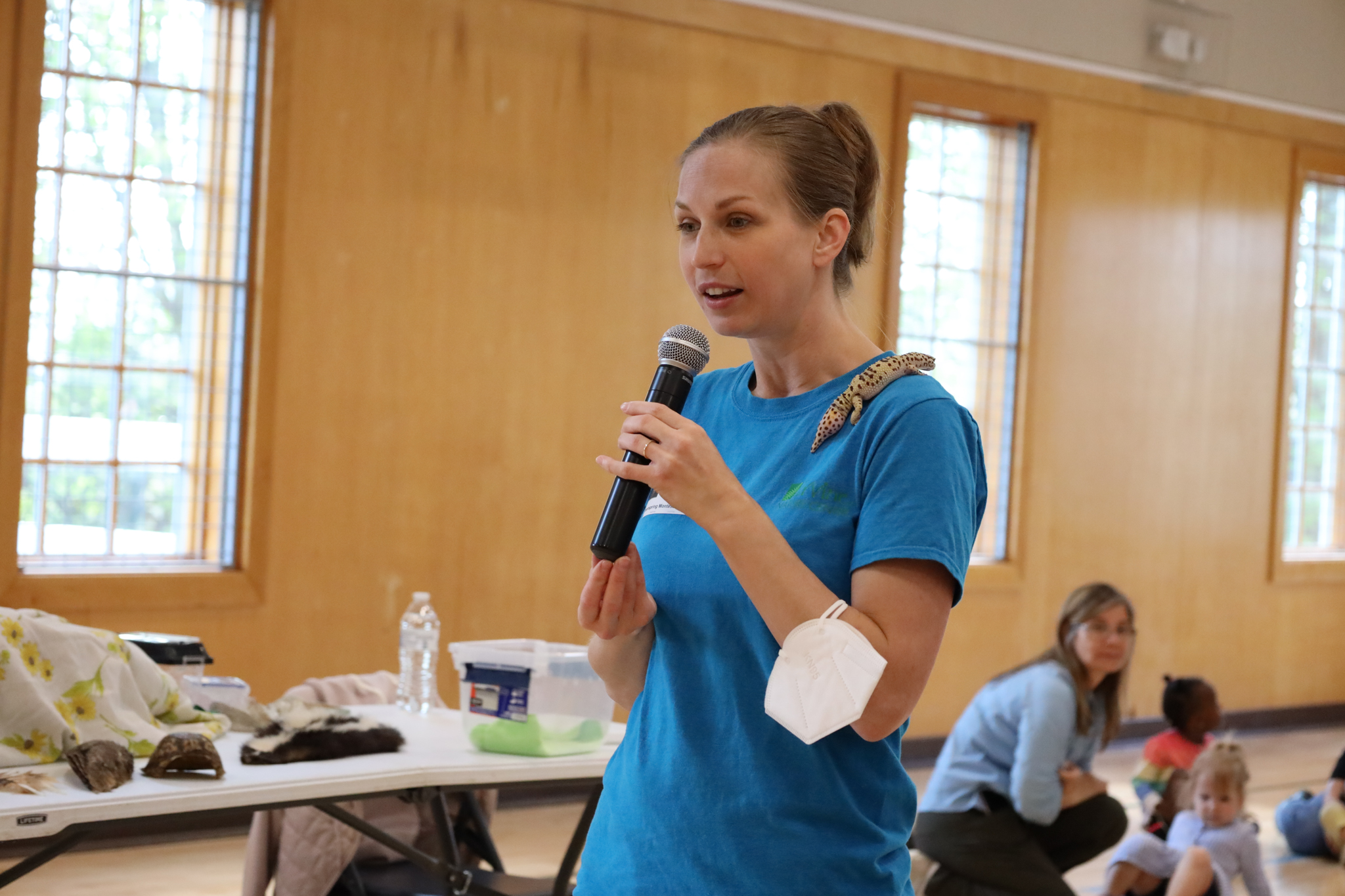
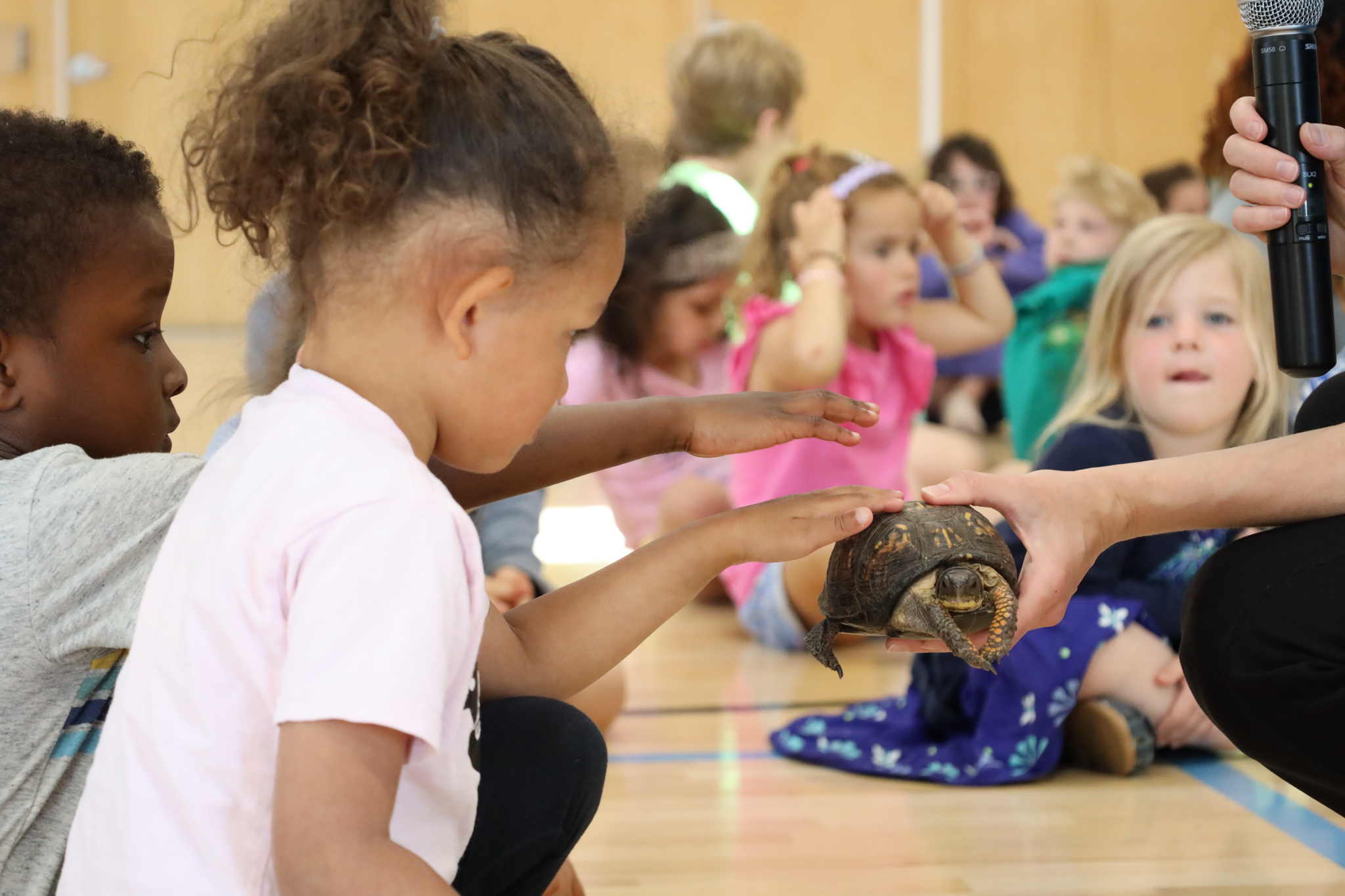
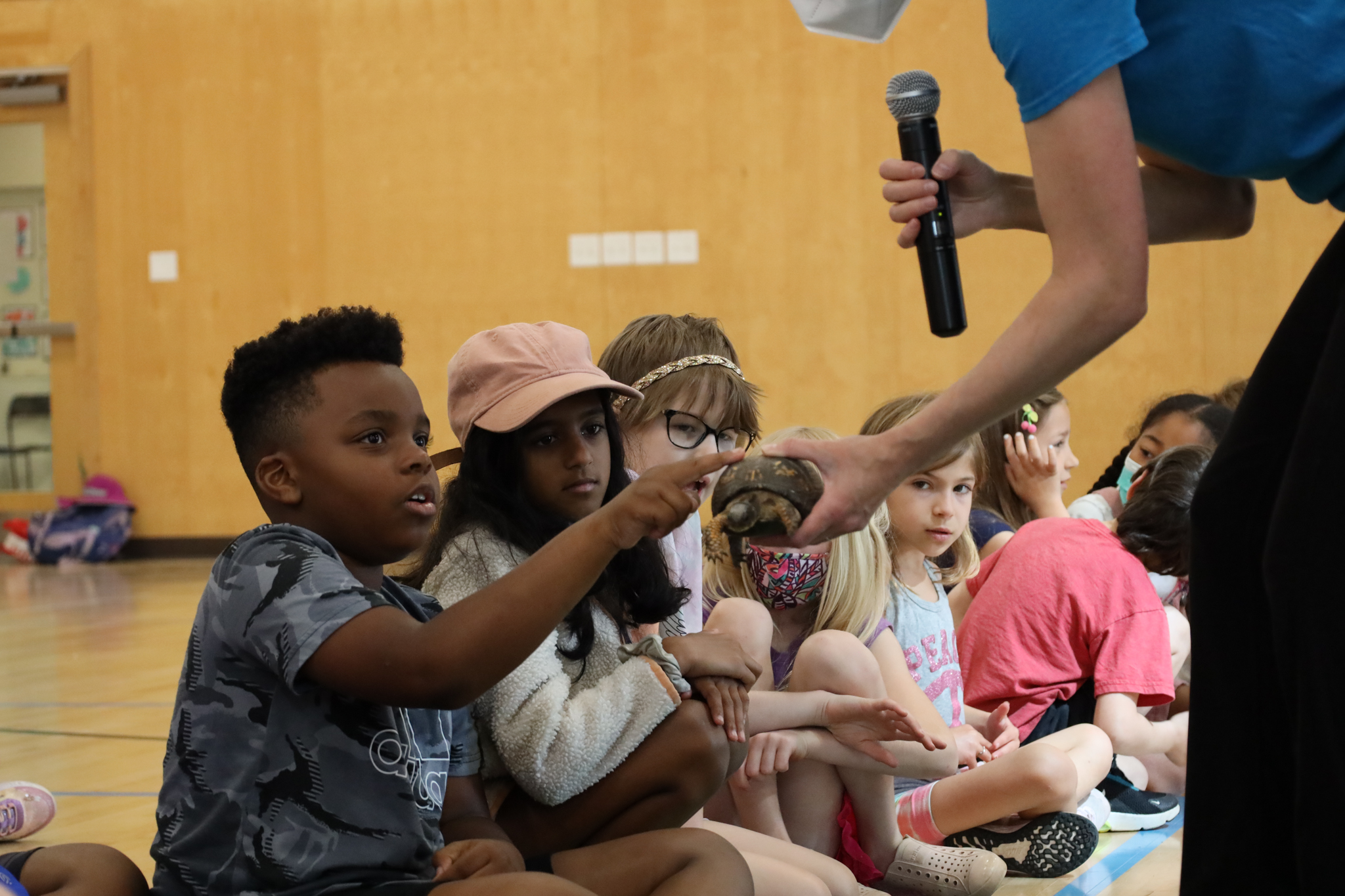
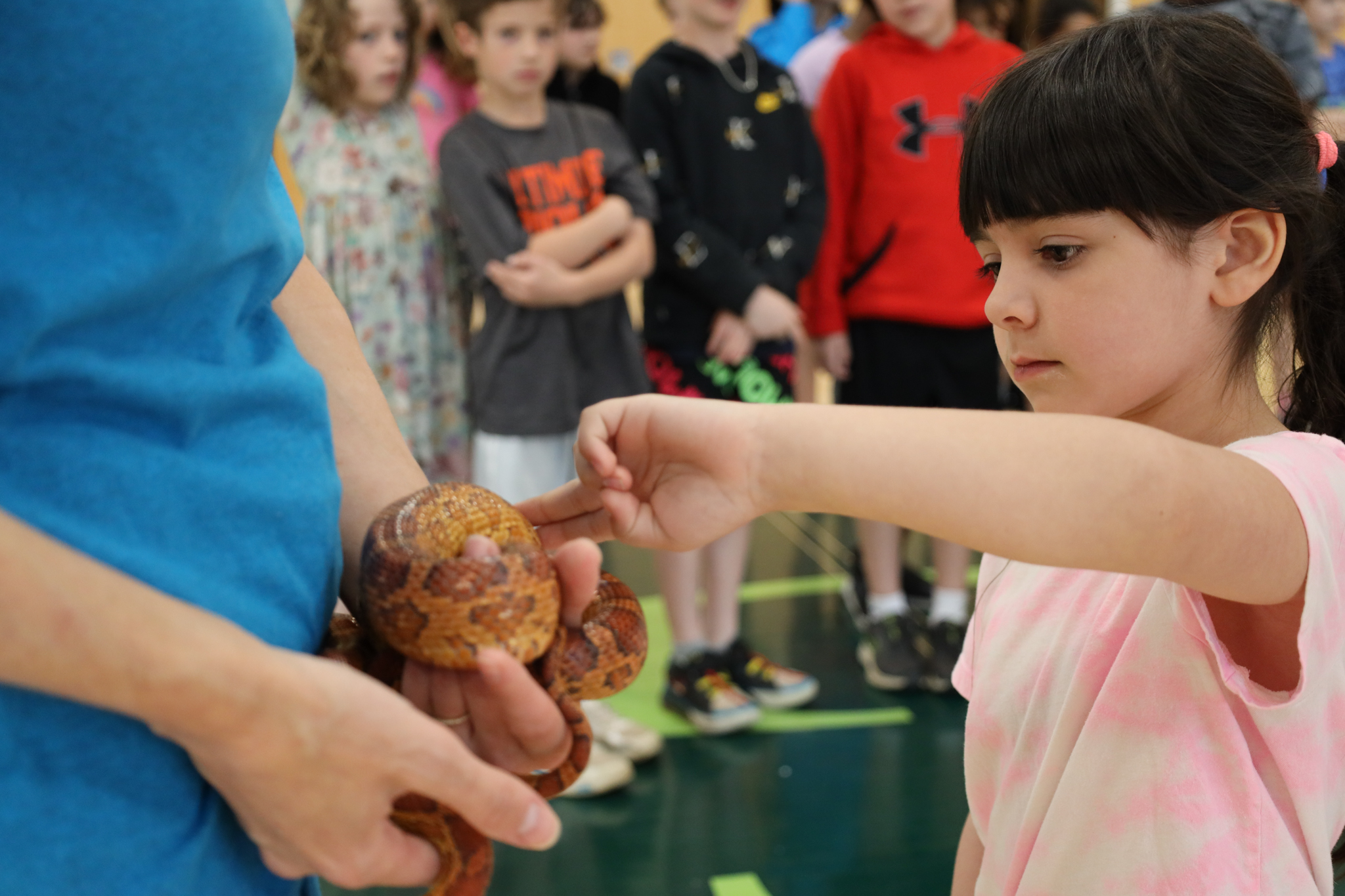
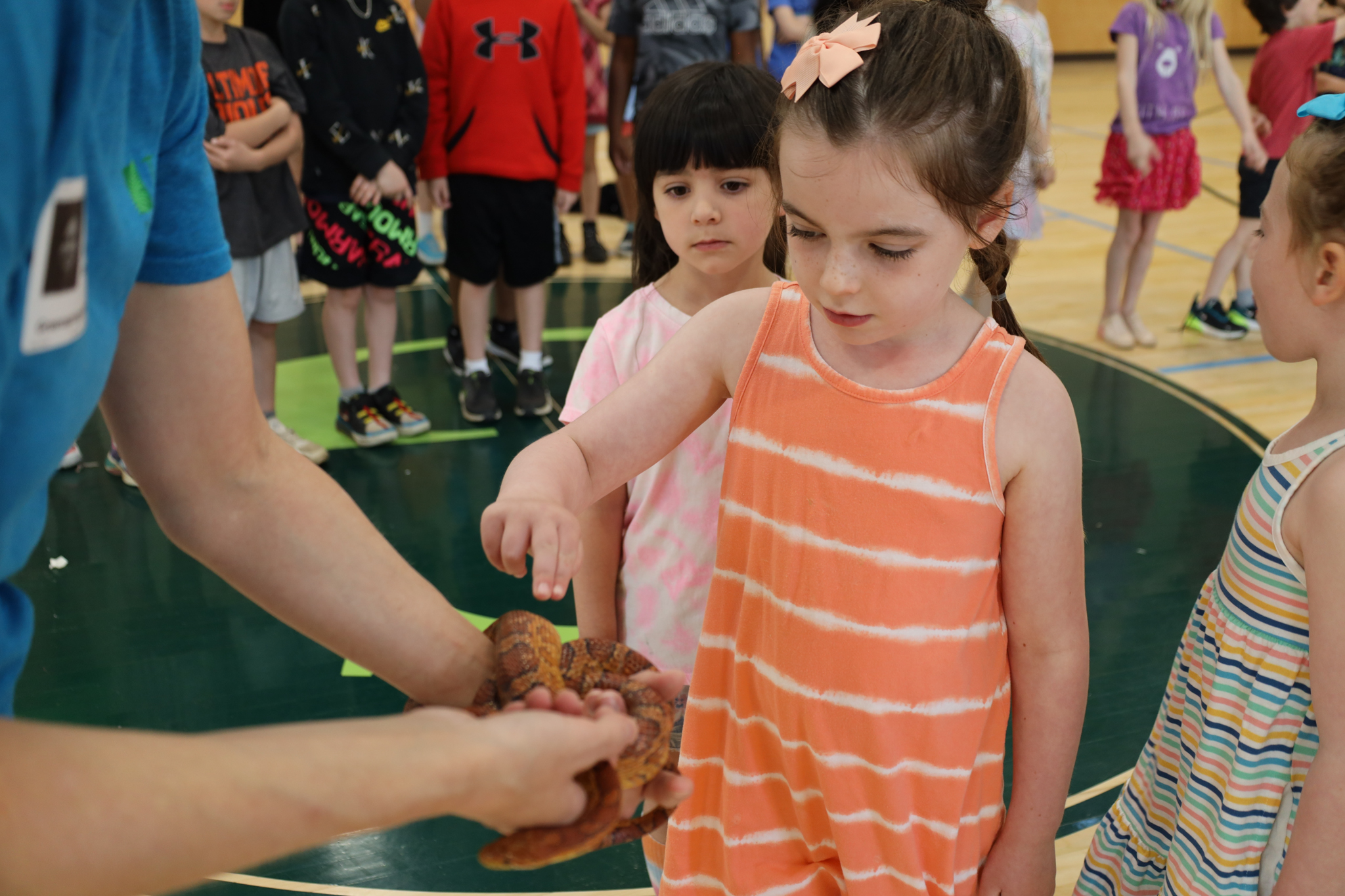
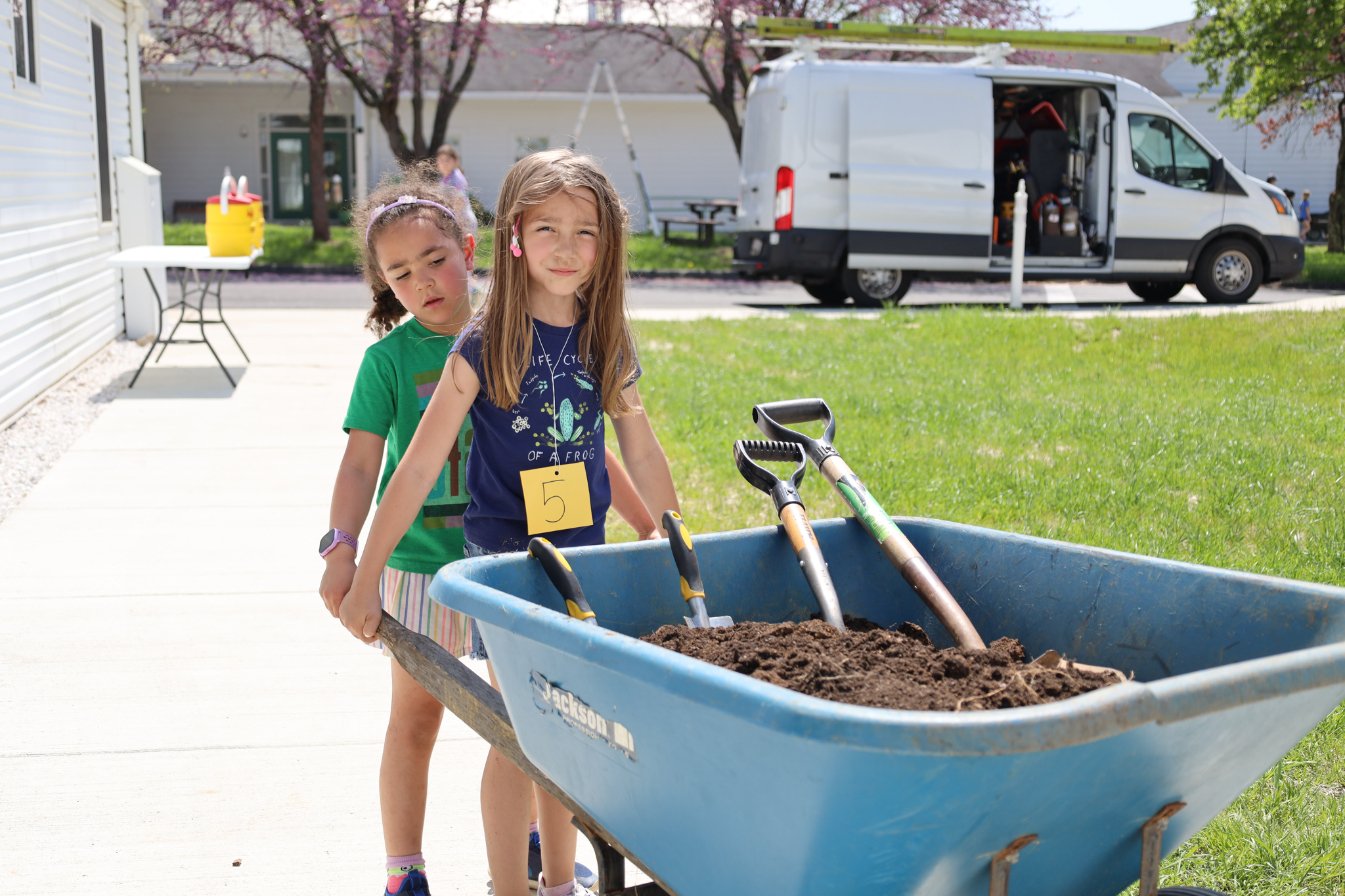
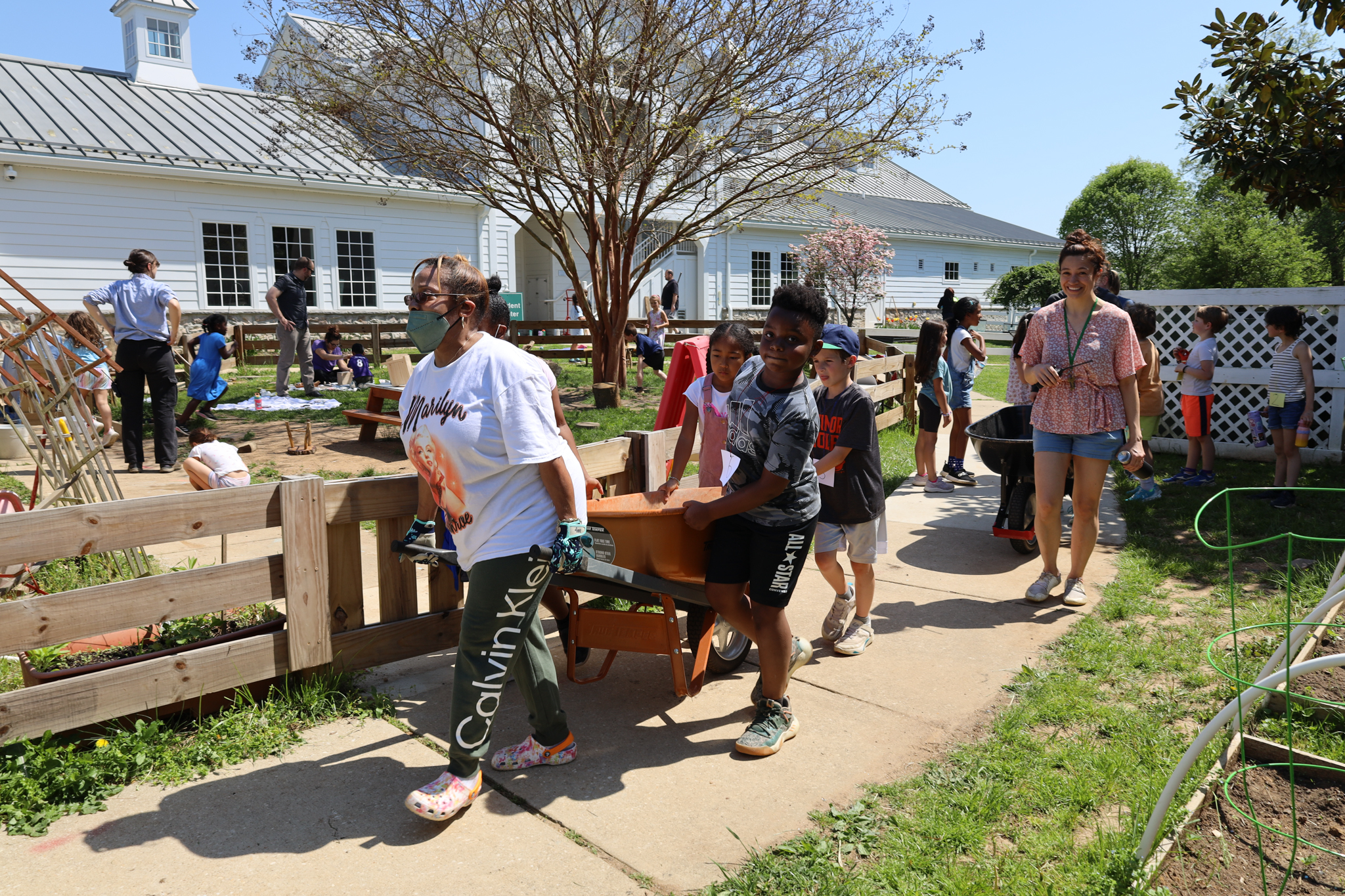
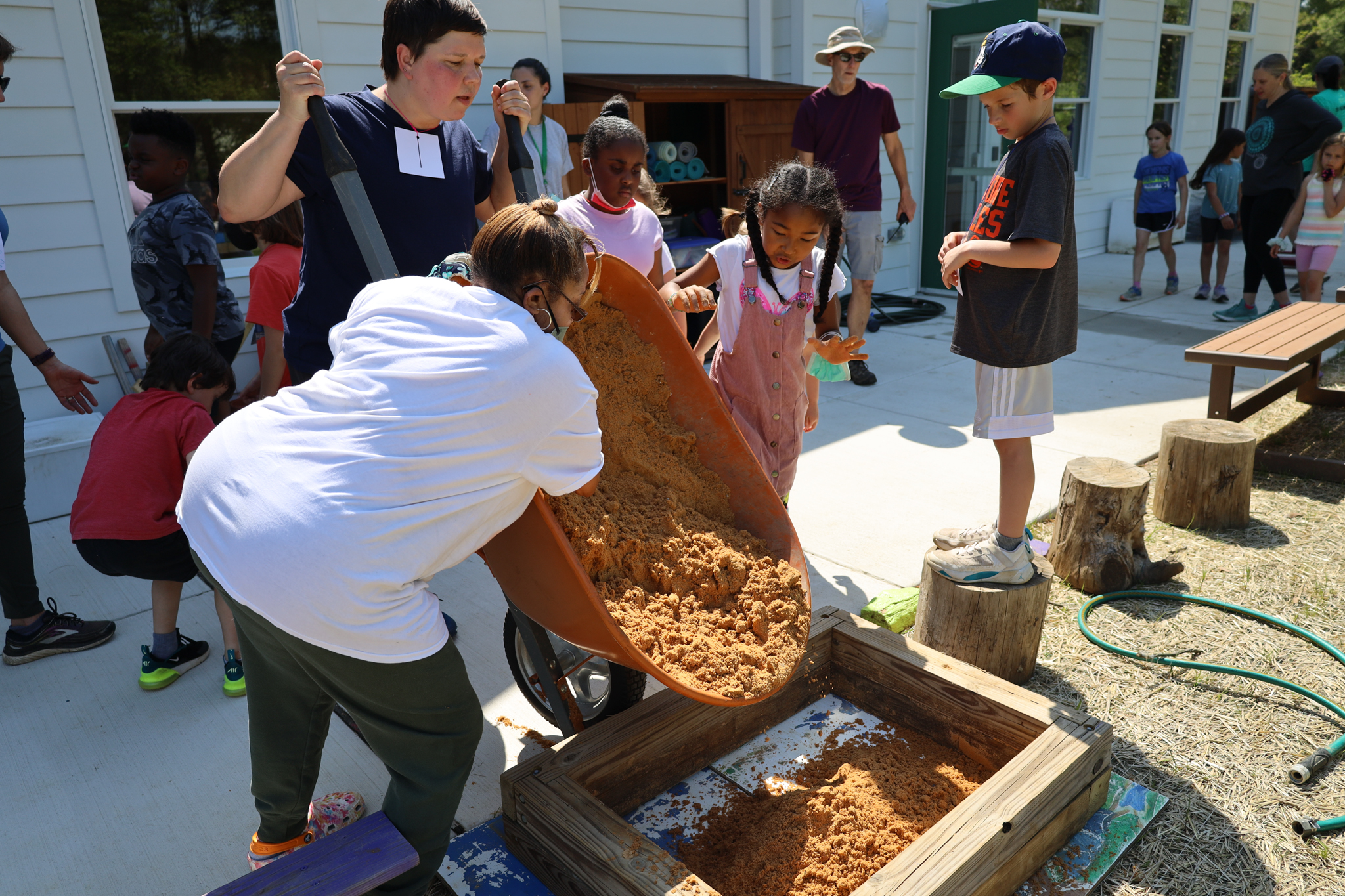
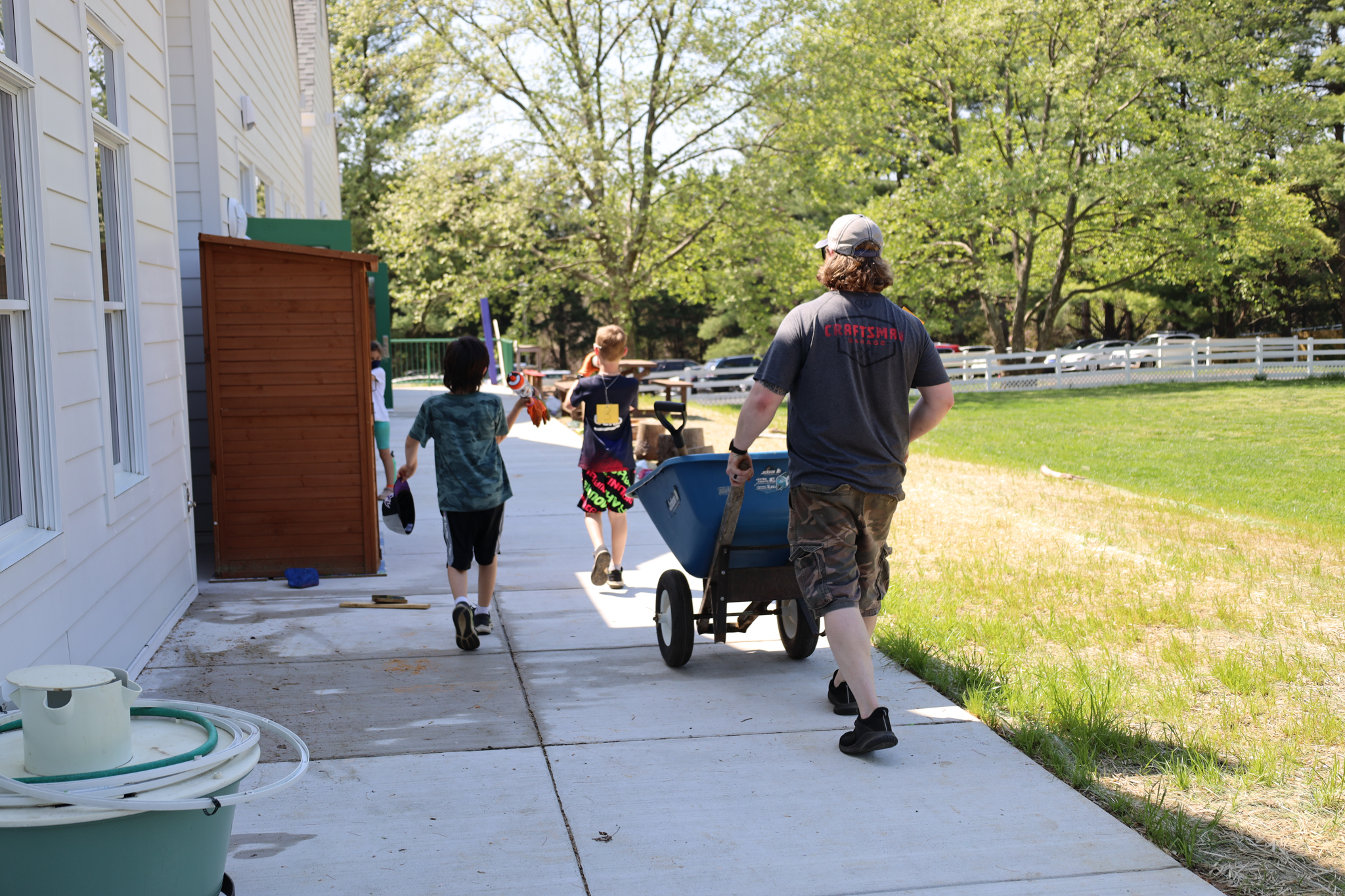
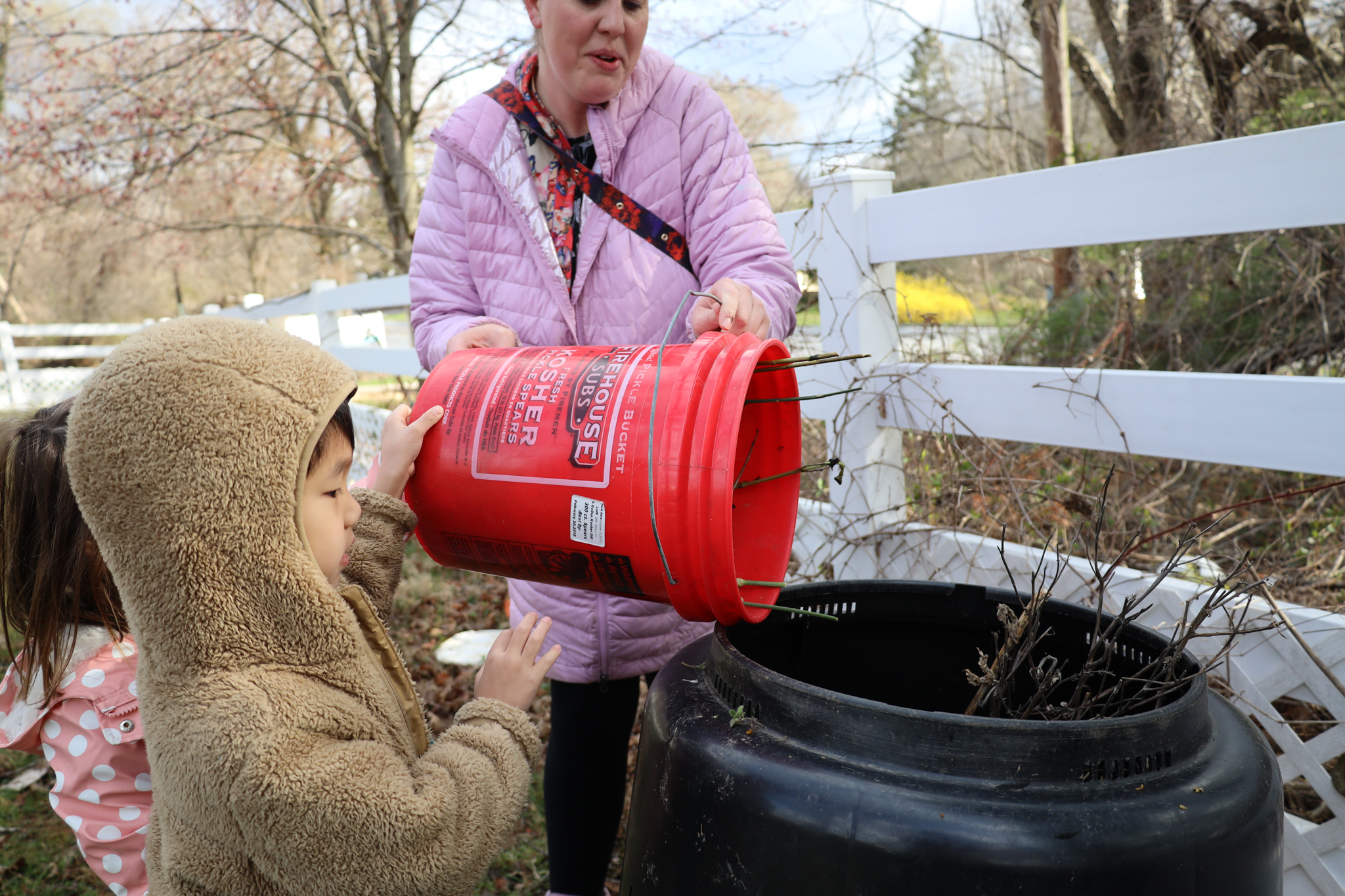
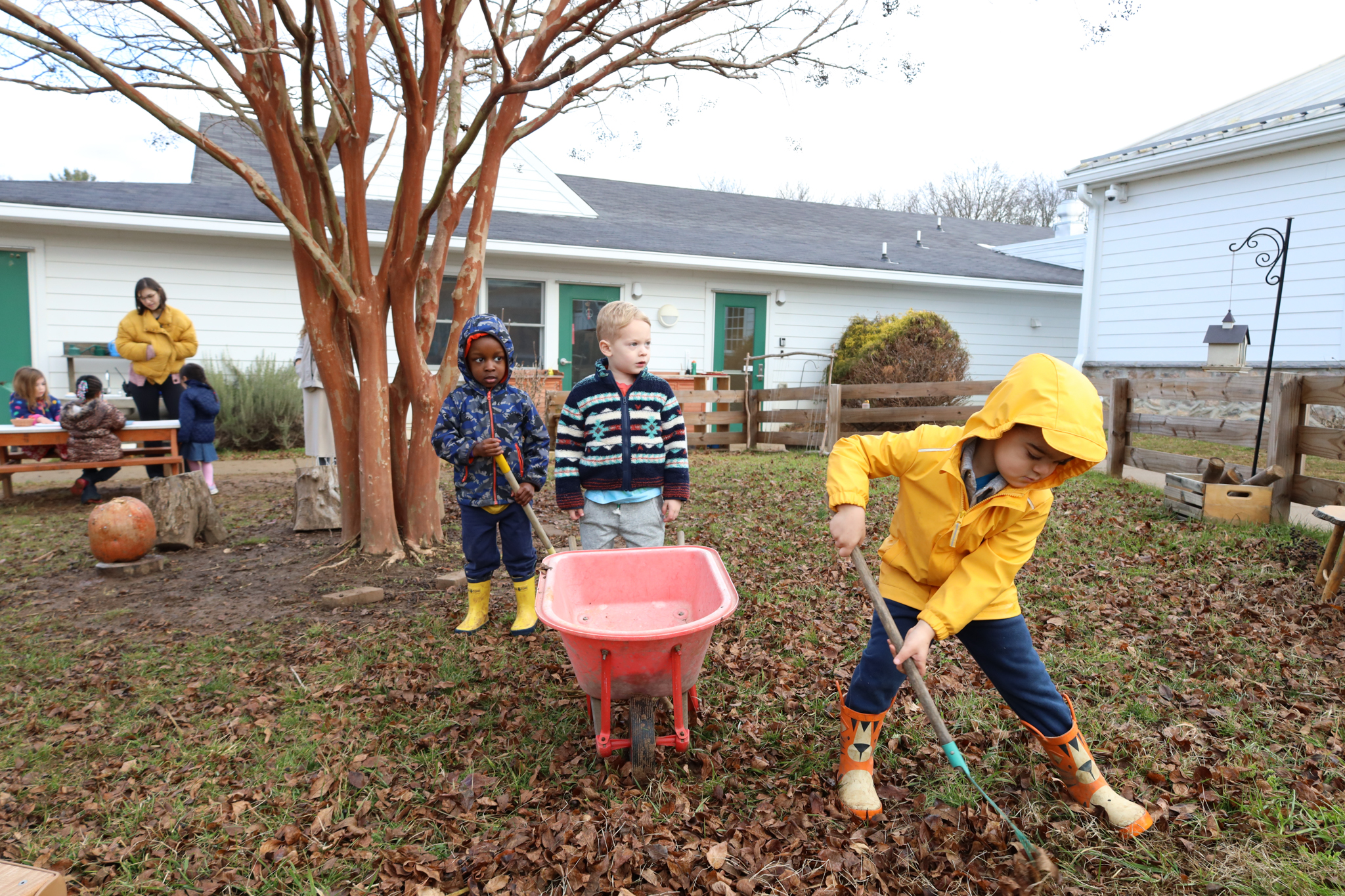
This month our community celebrated Earth Day with two special campus-wide events! First, we had a visit from Irvine Nature Center presenting Nature in the Classroom: All About Animals. We also hosted a special Grounds Day to spruce up our campus. Some of our big projects included the Lower Elementary Outdoor Environment move, Adolescent Rain Garden planting, invasive vine chopping, mulching, weeding, and so much more! Enjoy photos of our celebrations here.

Nature in the Classroom with Irvine Nature Center

Grounds Day on Campus

Becoming a Green School

Becoming a Green School

We are excited to share that Greenspring Montessori School is now recognized as a Maryland Green School with the Maryland Association for Environmental and Outdoor Education (MAEOE)! The Maryland Green School Award represents a school-wide commitment to environmental literacy that includes staff, students, and the community. ⁠

The first goal in our Strategic Direction is creating a strong allegiance to nature. Part of that has been our mission to become a Maryland Green School! The certification process is a way of documenting our commitment to a nature curriculum and sustainable management of the school, student-initiated sustainability projects, and partnerships with the community.
Throughout the year our Green Schools Committee has been working hard to complete the Green Schools application and identify areas where we can improve our sustainability and access to nature, expand upon our outdoor environment curriculum, offer professional development for our staff, and more. The Committee is also identifying goals for future improvements, including planting more host plants for pollinators, strengthening our use of the outdoor environments, building an apple orchard, and exploring options for rooftop solar panels on our buildings!
We are now among 642 Maryland Green Schools representing 36% of all schools in the state. We are excited for all of our students to be receiving an outstanding nature education alongside their beautiful Montessori curriculum. Special thank you to Sylvia Glassco, Adolescent Community Director and Chair of the Green Schools Committee for leading this work at Greenspring Montessori School.
Spring in Our Outdoor Environments

Spring in Our Outdoor Environments

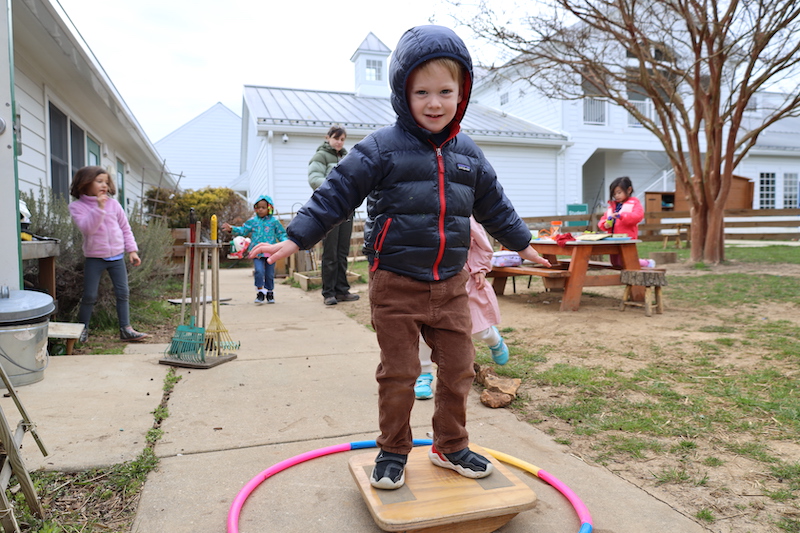
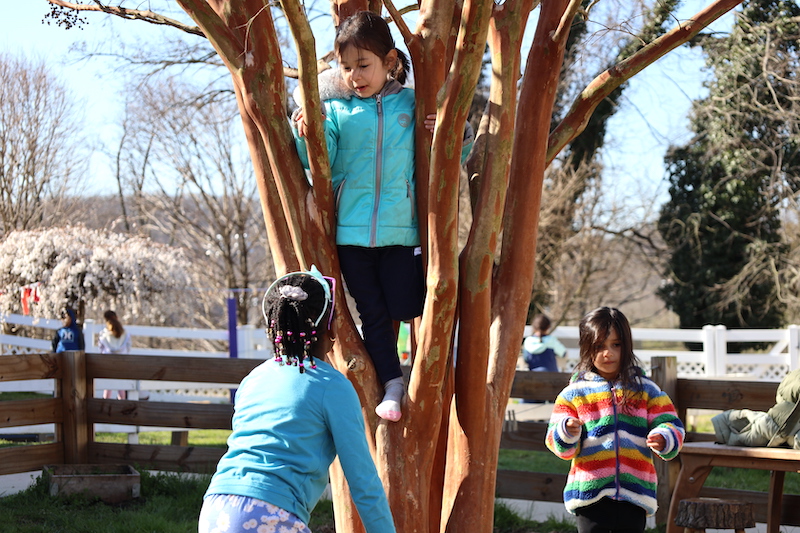
Monday, March 20th was the first day of spring and our students are celebrating in their outdoor learning enironments!

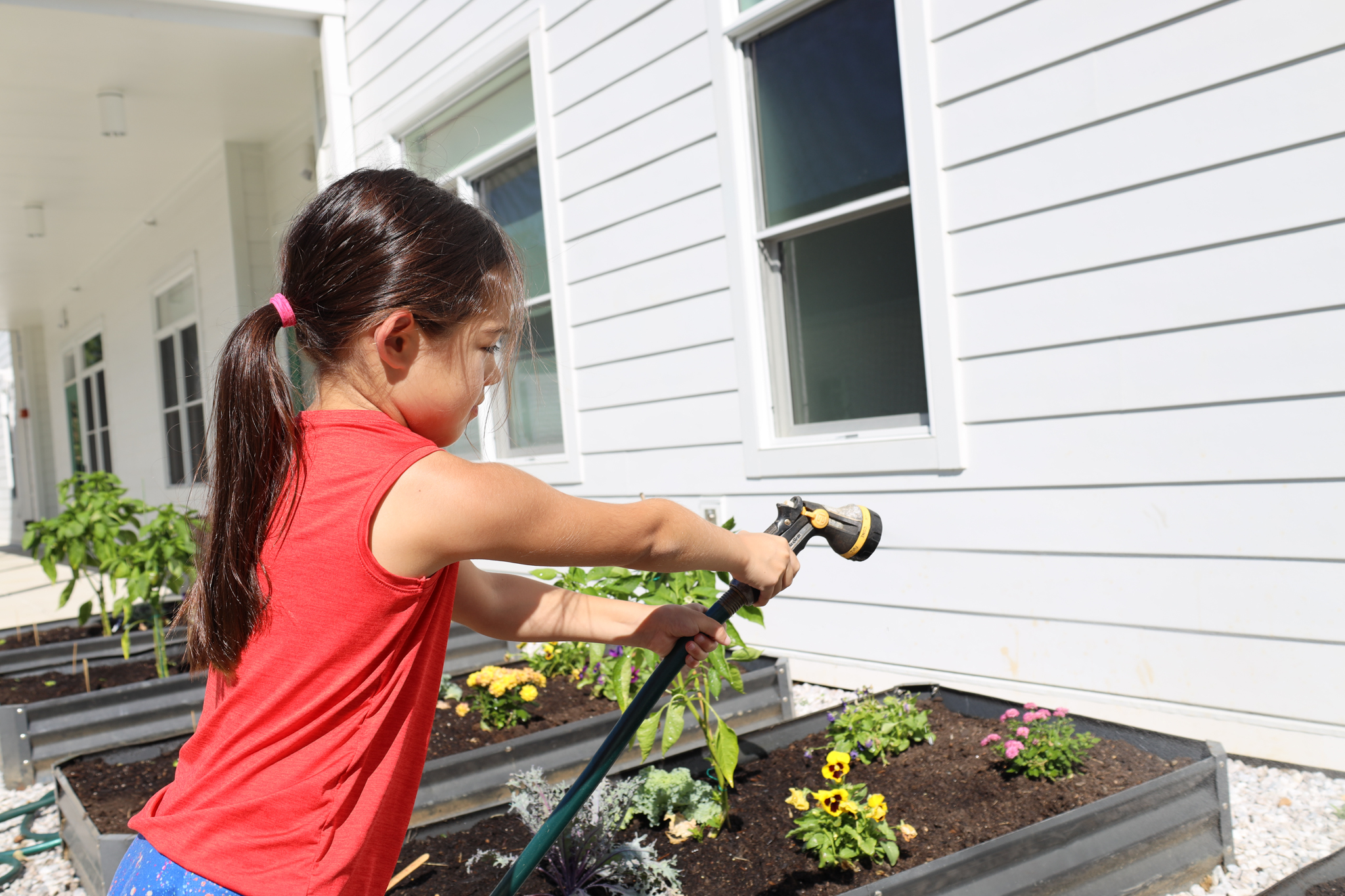
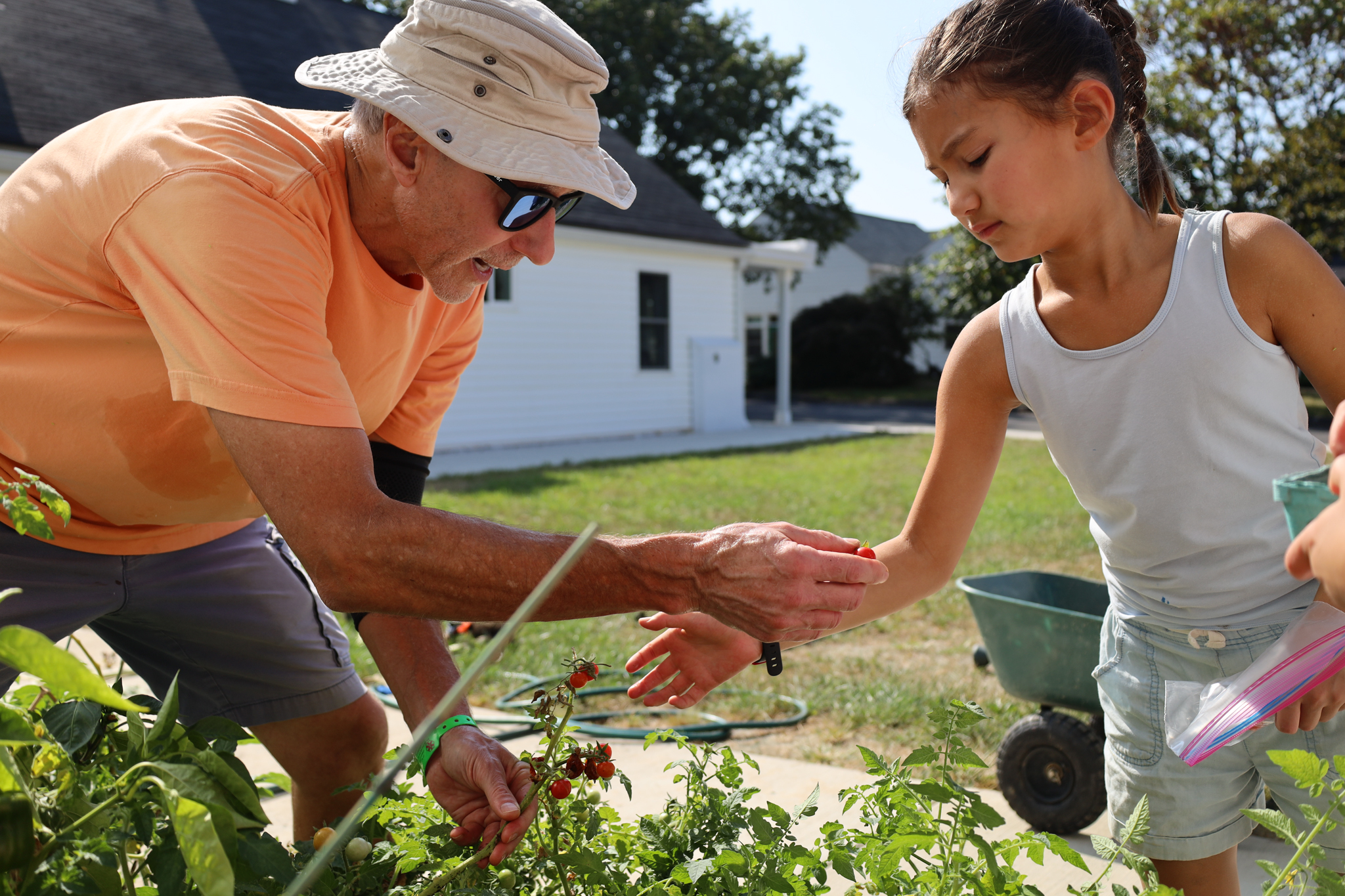
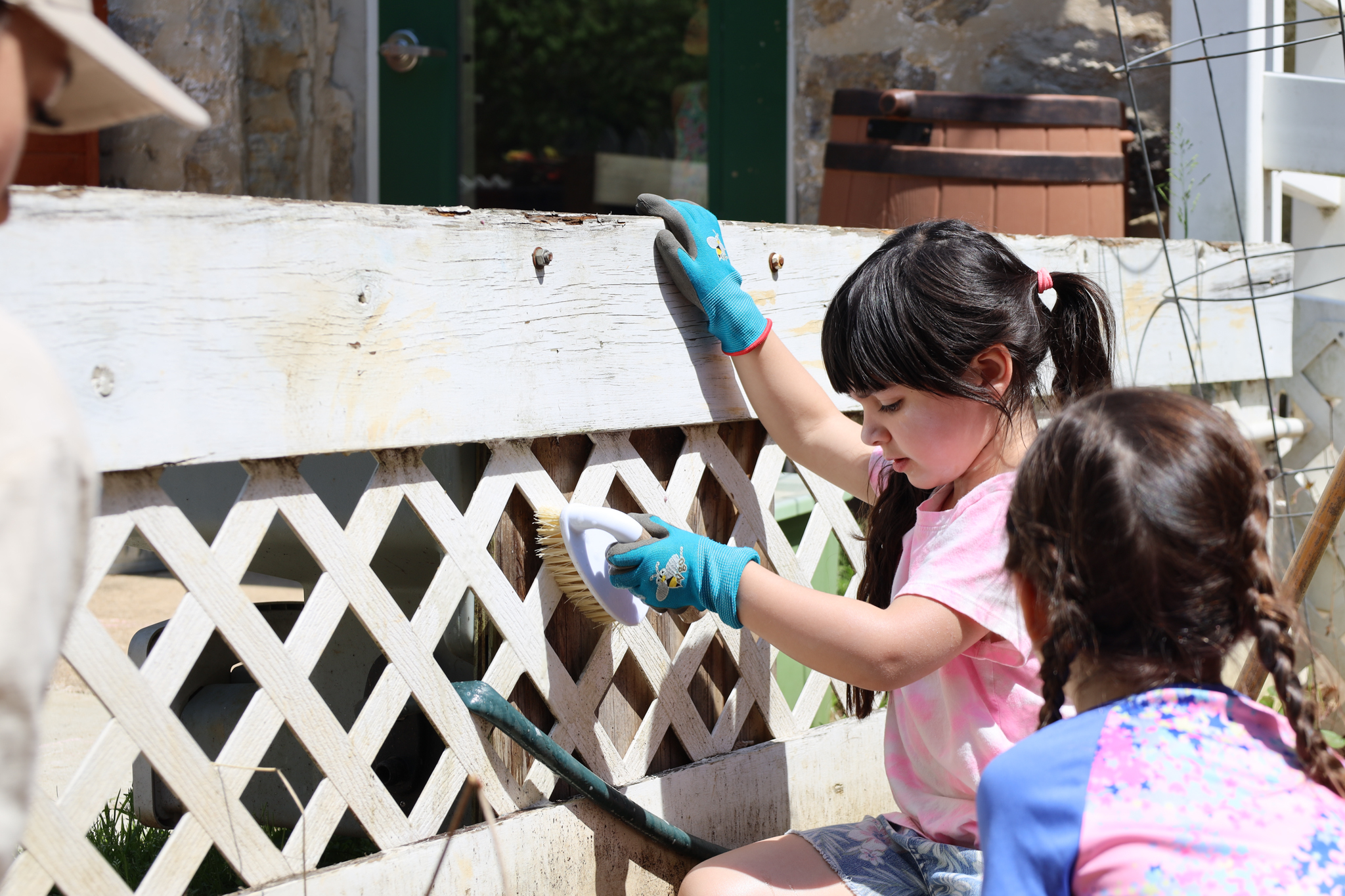
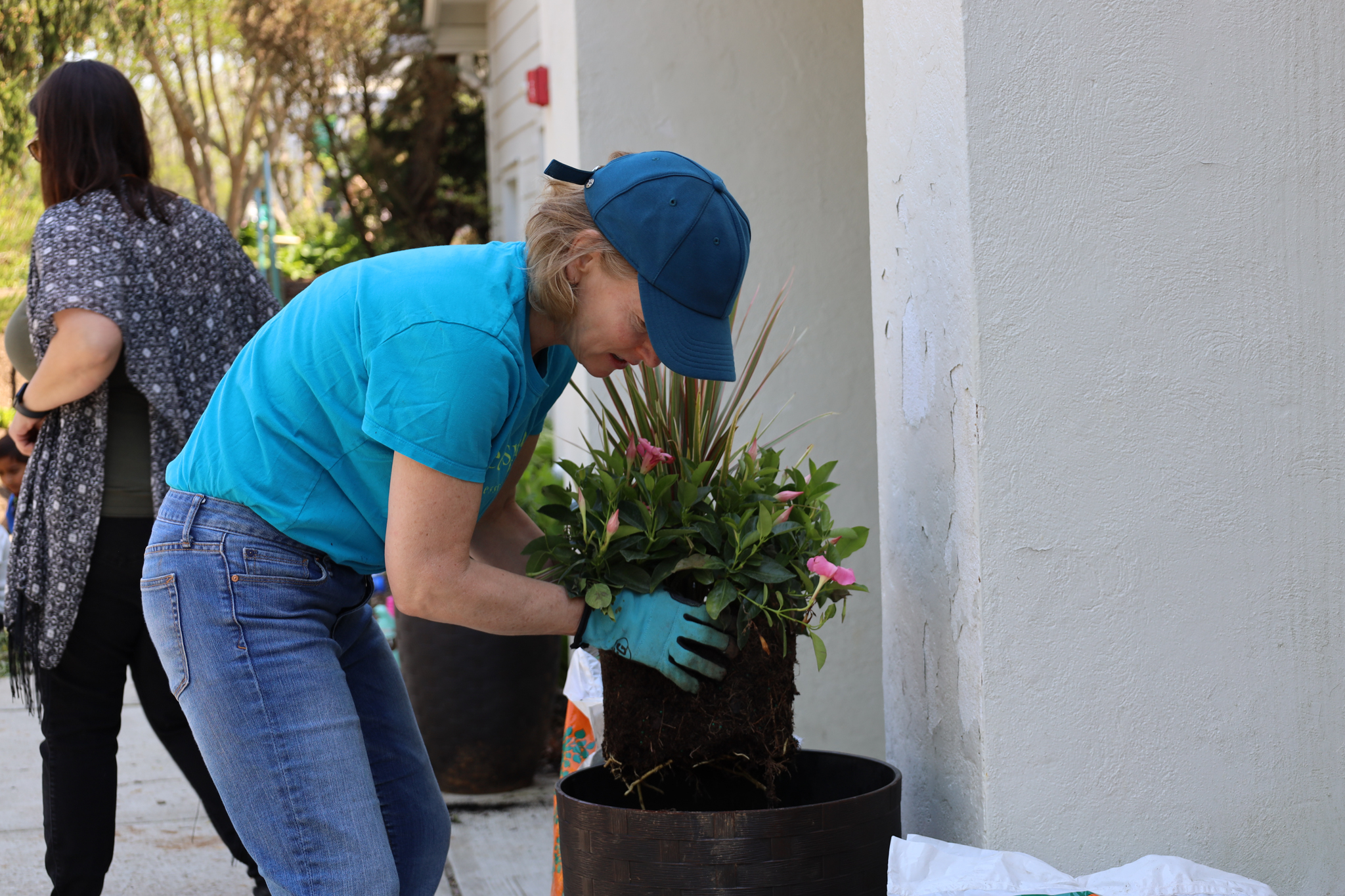
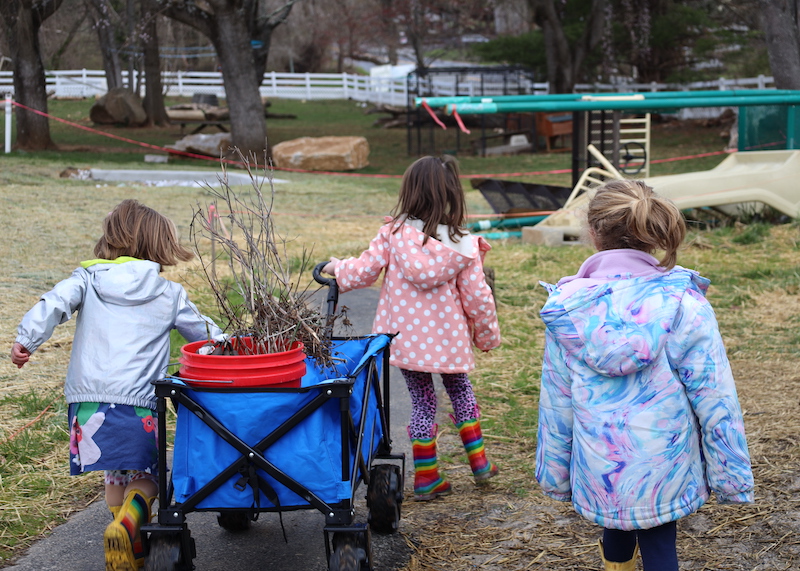
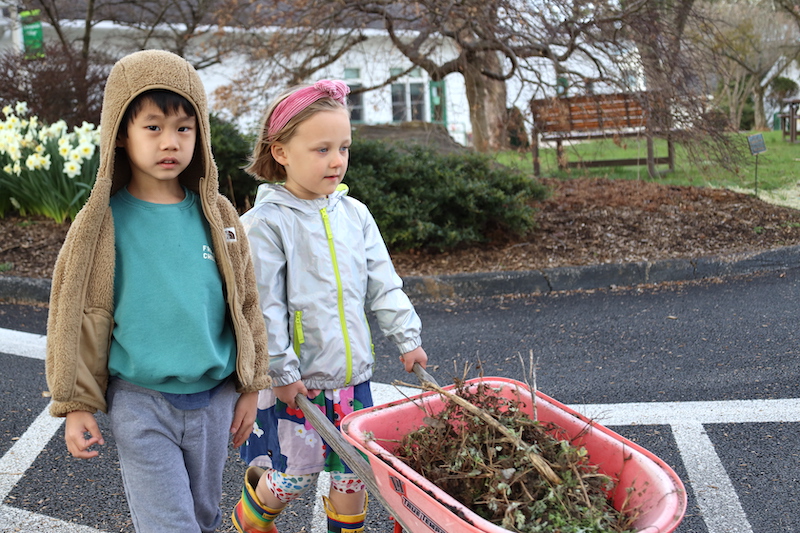
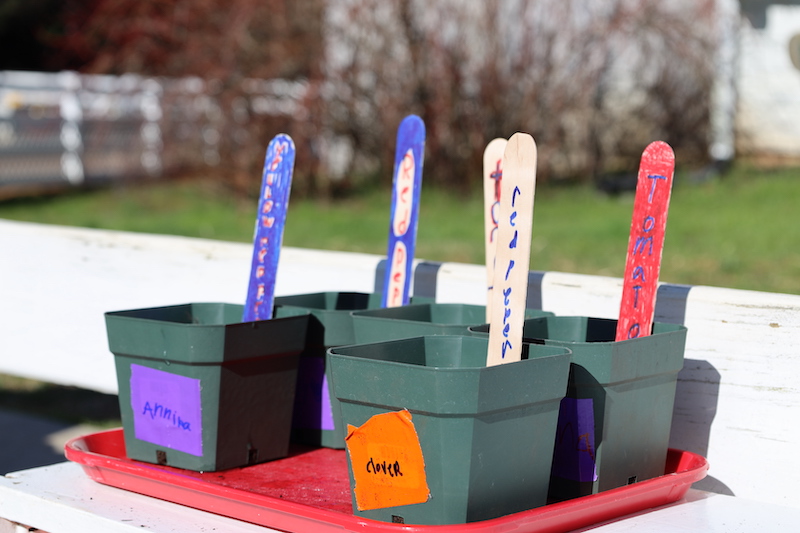
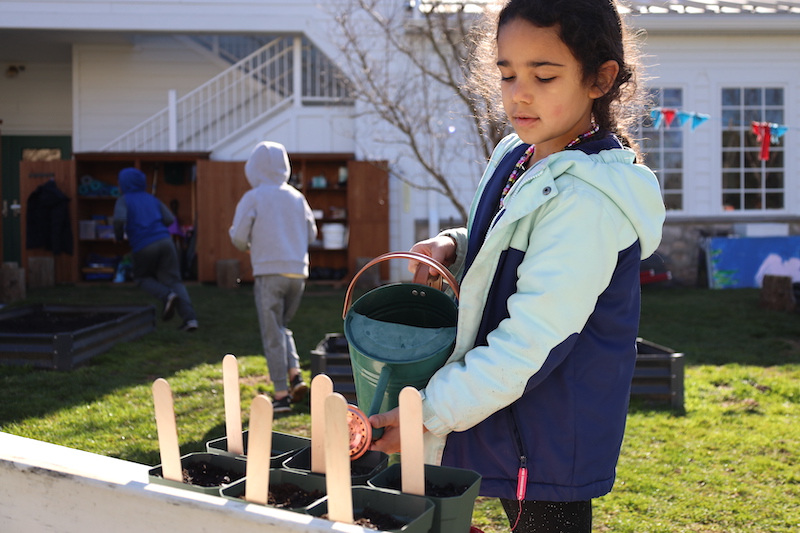
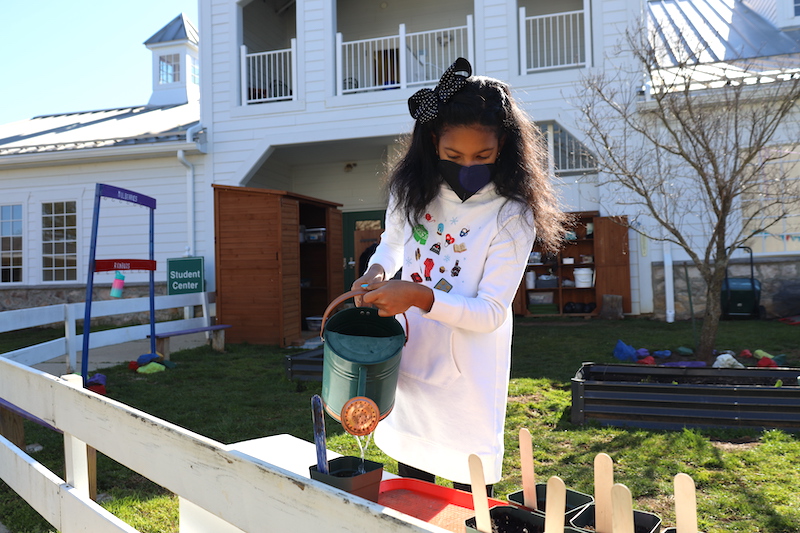
Students at Greenspring learn how to care for their outdoor environments from our youngest ages. Outdoor work includes watering and weeding the garden, sweeping, and planting seeds and new plants. Older children scrub fences and even build raised beds. These practical activities build a sense of connection and ownership as children care for the natural spaces around them. 
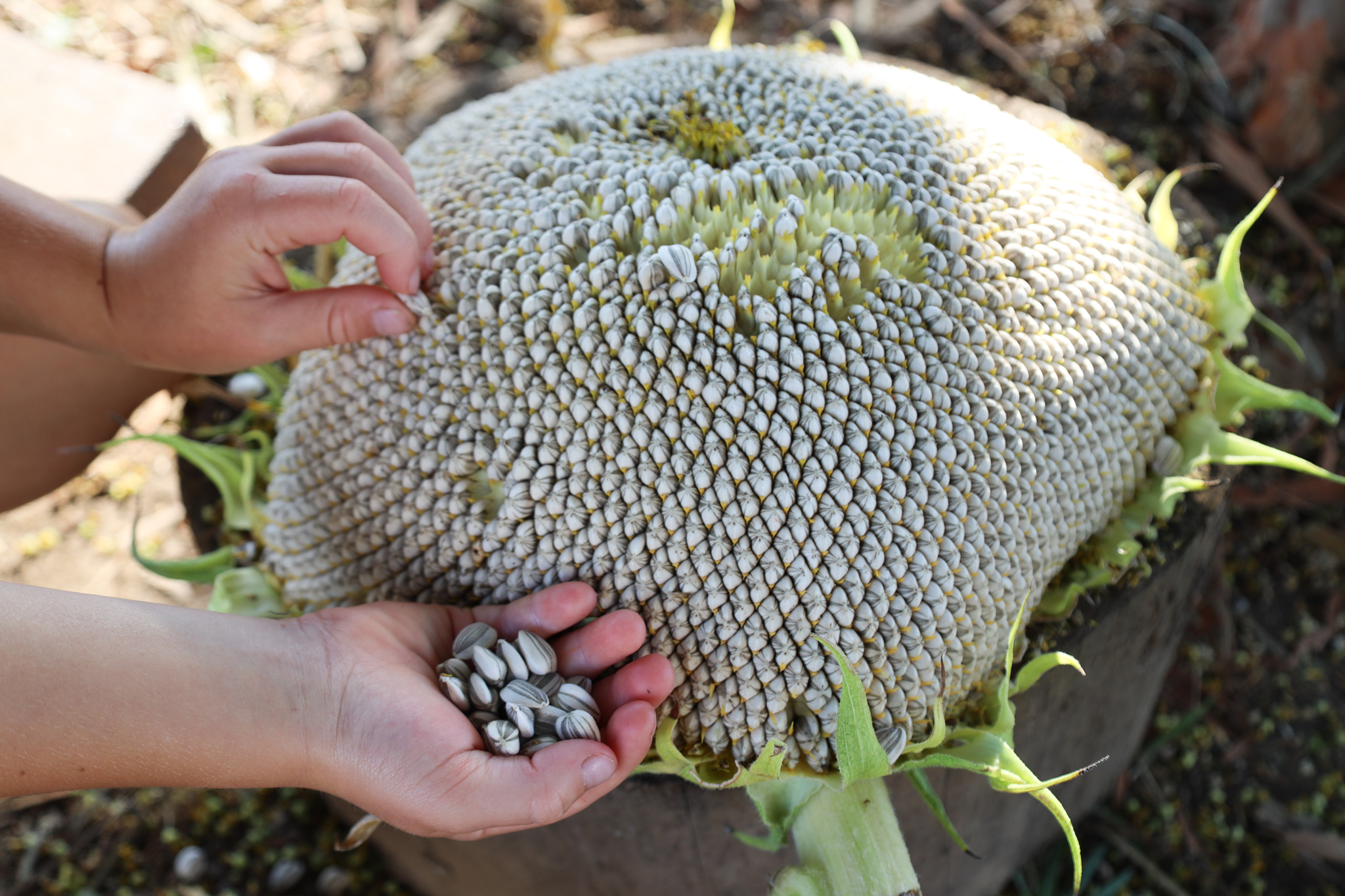
The Willows Children House Class maintains a pollinator garden which has been certified as a Monarch Waystation through the Monarch Watch program.  This garden provides crucial nectar to pollinators from Spring to late Fall and includes perennials such as two varieties of milkweed, purple coneflowers, goldenrod, and asters, and annual plantings from seed including zinnias, sunflowers, and lantana. Children help water, plant, weed, and care for the garden throughout the school year.

Enjoy some recent photos from our outdoor learning spaces!

Learning about Monarch Butterflies in our Dual Language Classrooms

Learning about Monarch Butterflies in our Dual Language Classrooms

During the first two months of the year, the younger Children’s House students have been learning about the lifecycle of the butterfly in Spanish. 
 
Sra. Ale has also been working with the Children’s House elders to learn more about the monarch butterfly’s life and its journey to Mexico. Together they planted milkweed seeds in our pollinator garden and are participating in the Symbolic Migration program through Journey North.
 
In the Willow class, children have been observing small caterpillars eat milkweed, grow, then enter a chrysalis. So far, the students have released two adult monarch butterflies and are waiting for the last one to emerge from the final chrysalis!