Dual Language Learning about Monarch Migrations with Journey North

Dual Language Learning about Monarch Migrations with Journey North

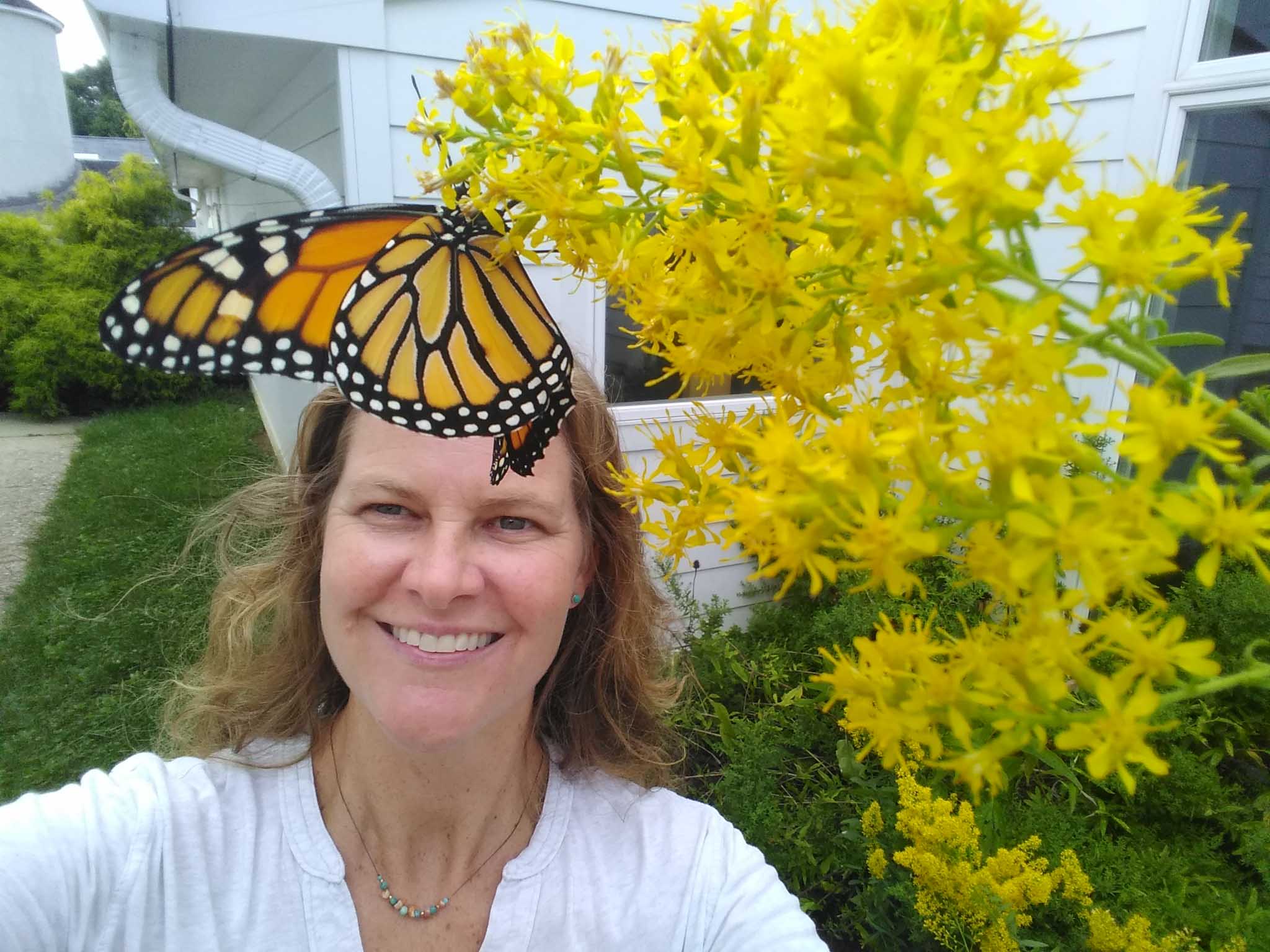
Throughout the 2021-22 school year, our Spanish Dual Language Children’s House and Lower Elementary students joined students and scientists across North America to track the monarch butterfly’s migration to Mexico with Journey North.

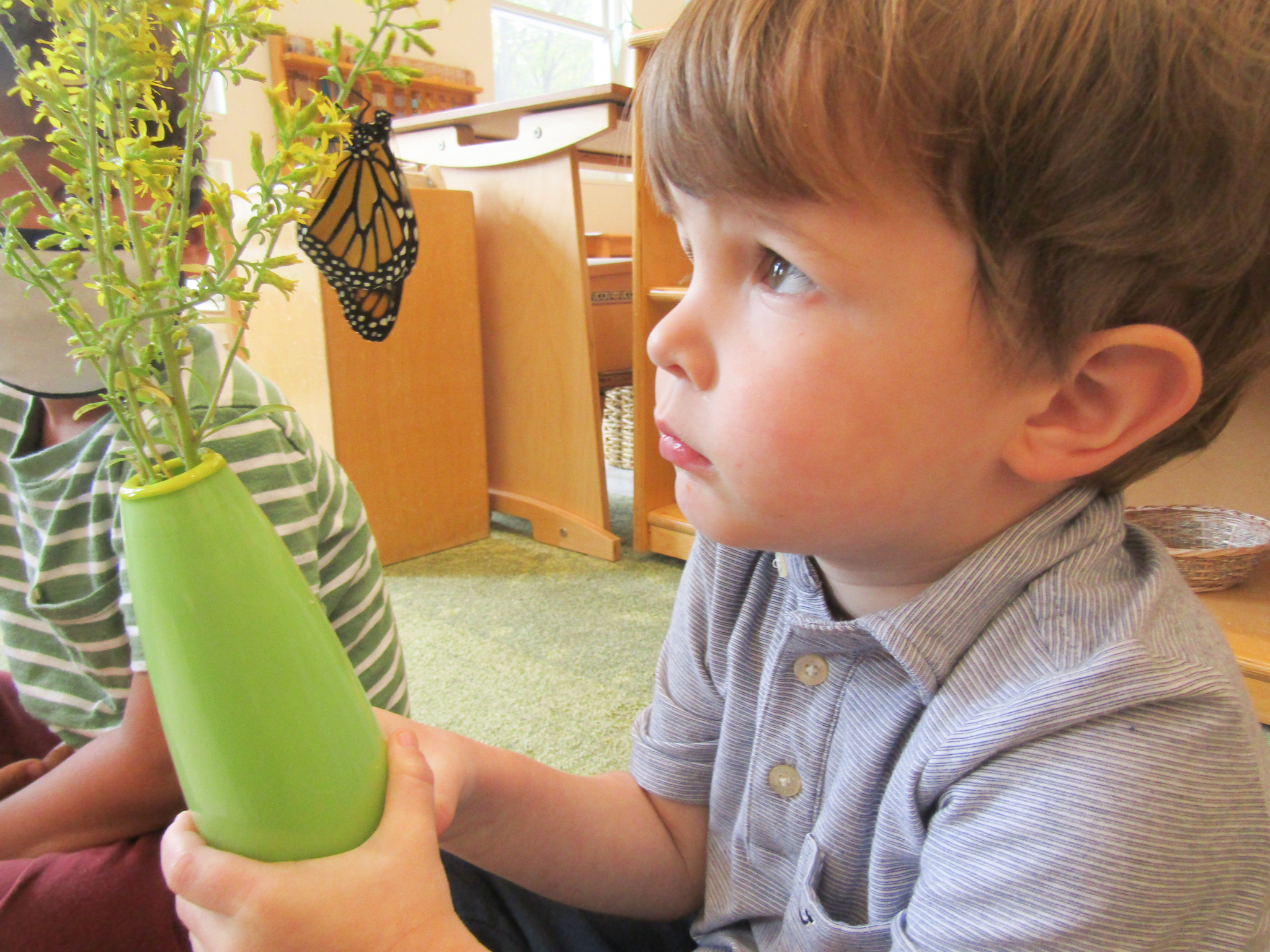
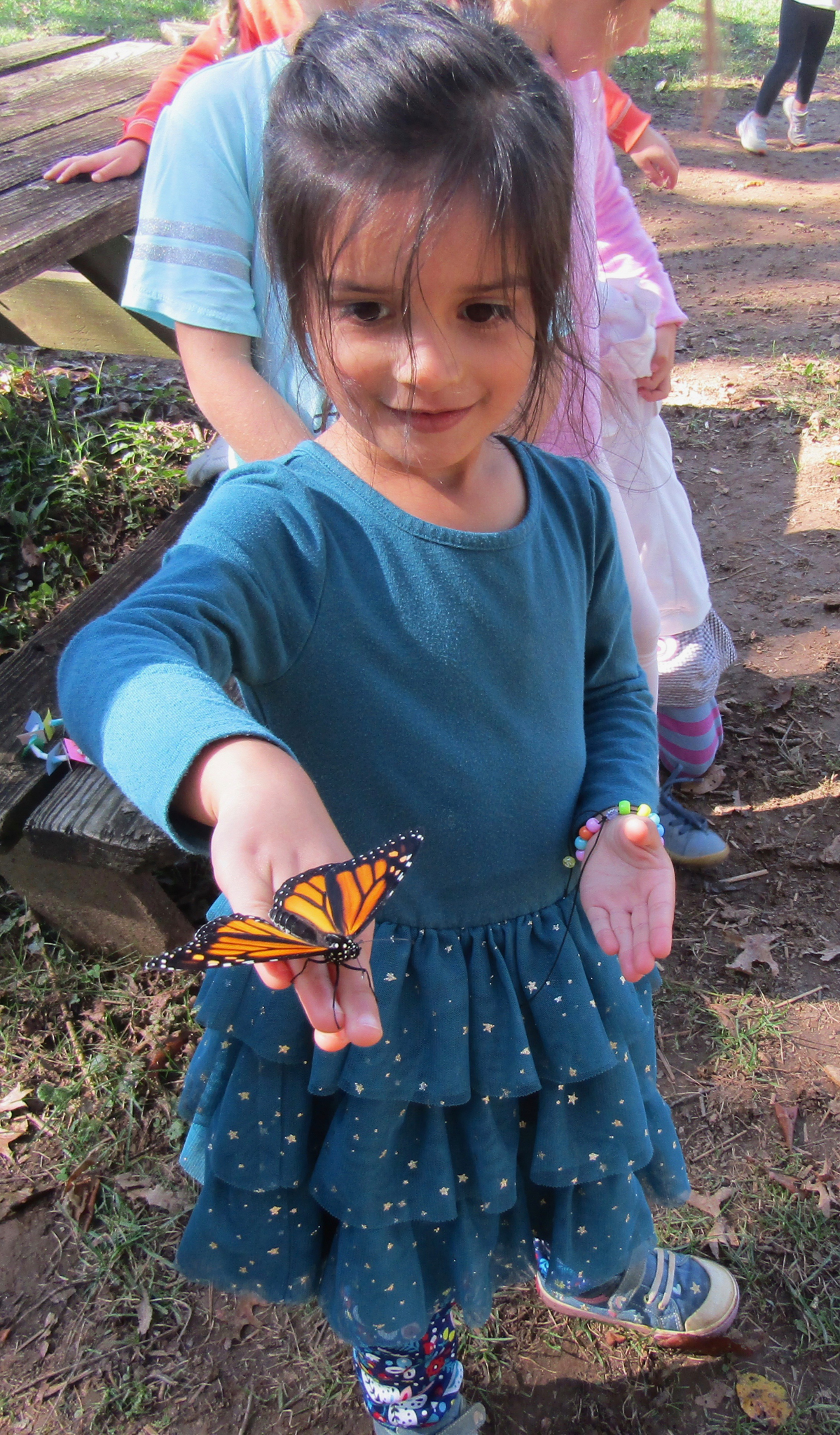
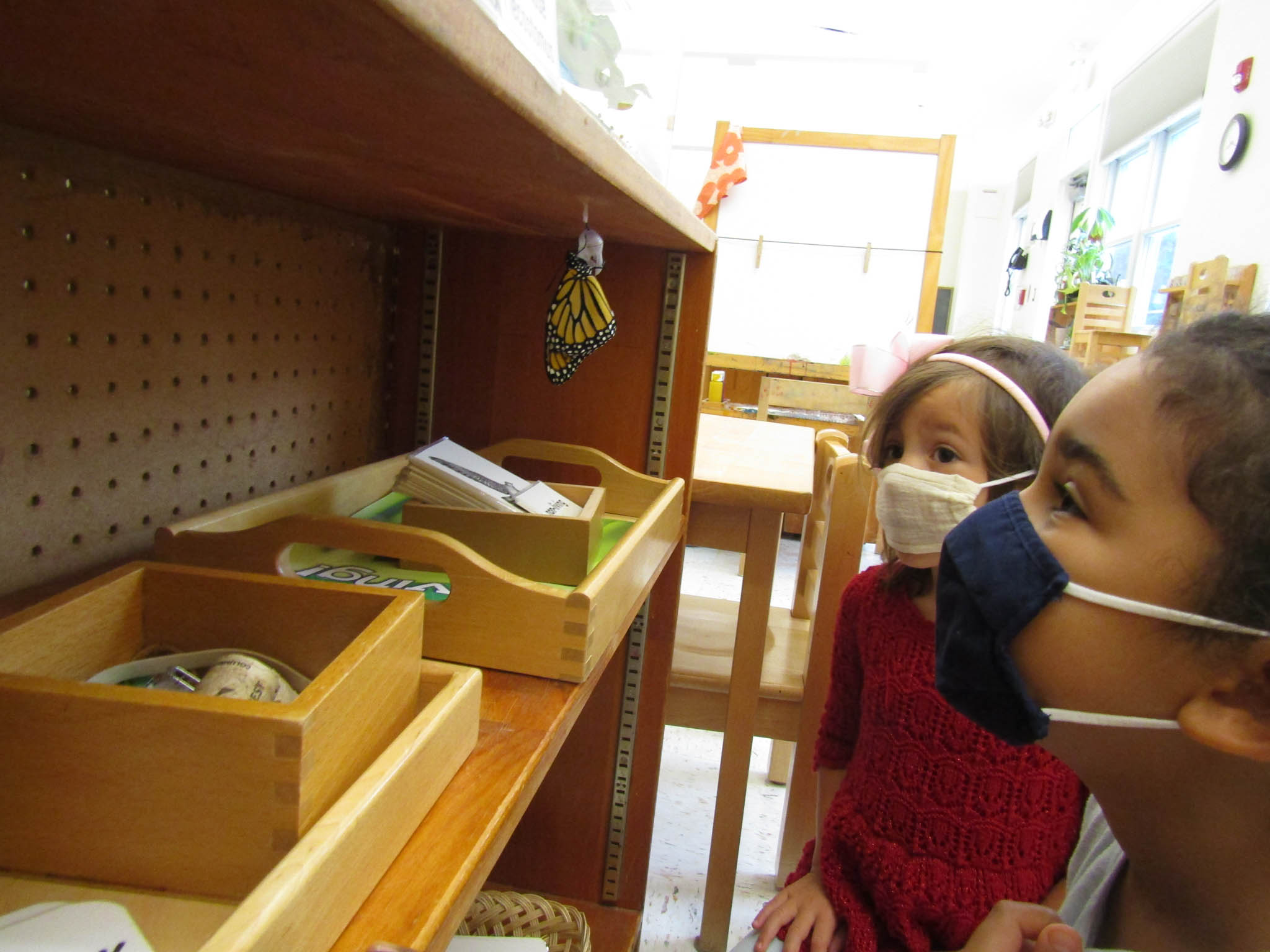
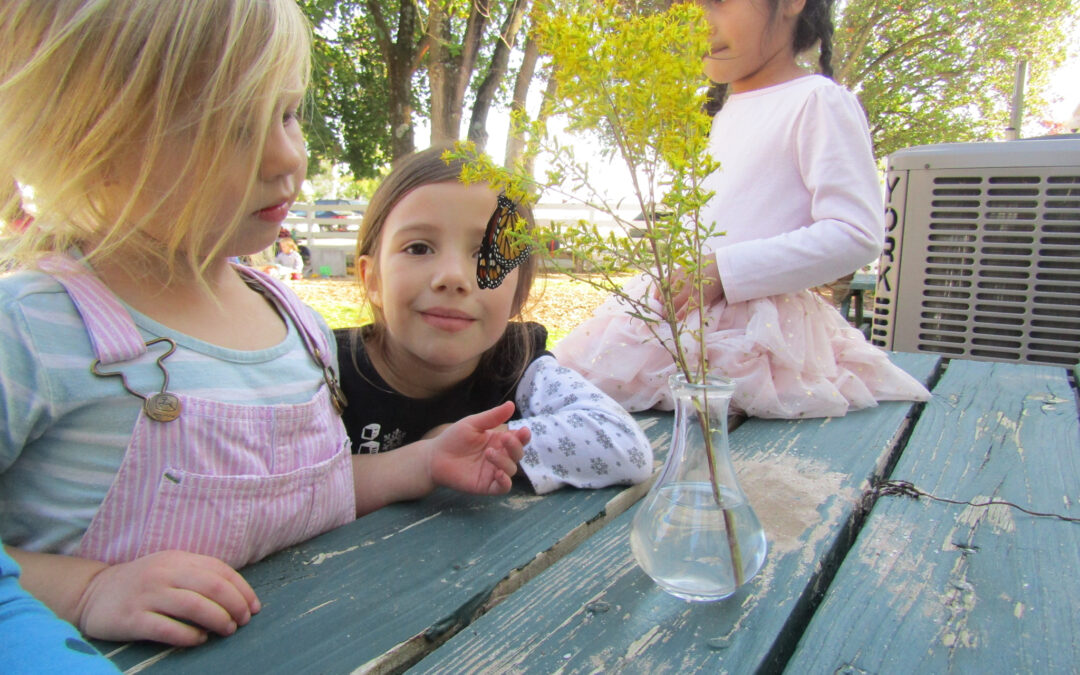
In October, the children learned about the monarch butterfly’s lifecycle and migration, then sent butterflies to other schools and wrote about what they’ve learned in English and Spanish. Many of our classrooms were home to monarch caterpillars. Children learned about what the caterpillars eat, bringing them fresh milkweed. It was a wonder to observe the amazing life cycle of the monarch! One crafty caterpillar managed to escape the enclosure and decided to attach itself to a shelf and enter the chrysalid phase. The children were so careful not to disturb the chrysalid, which hung precariously suspended on the shelf.  They later watched the caterpillars form chrysalises and later emerge as butterflies. ⁠

As the butterfly migration progressed from September to November, students began learning about the migration. They discovered that a fragile butterfly can travel hundreds of miles to find its winter home deep in central Mexico. Students learned how monarchs connect people across North America as they migrate across international borders.⁠

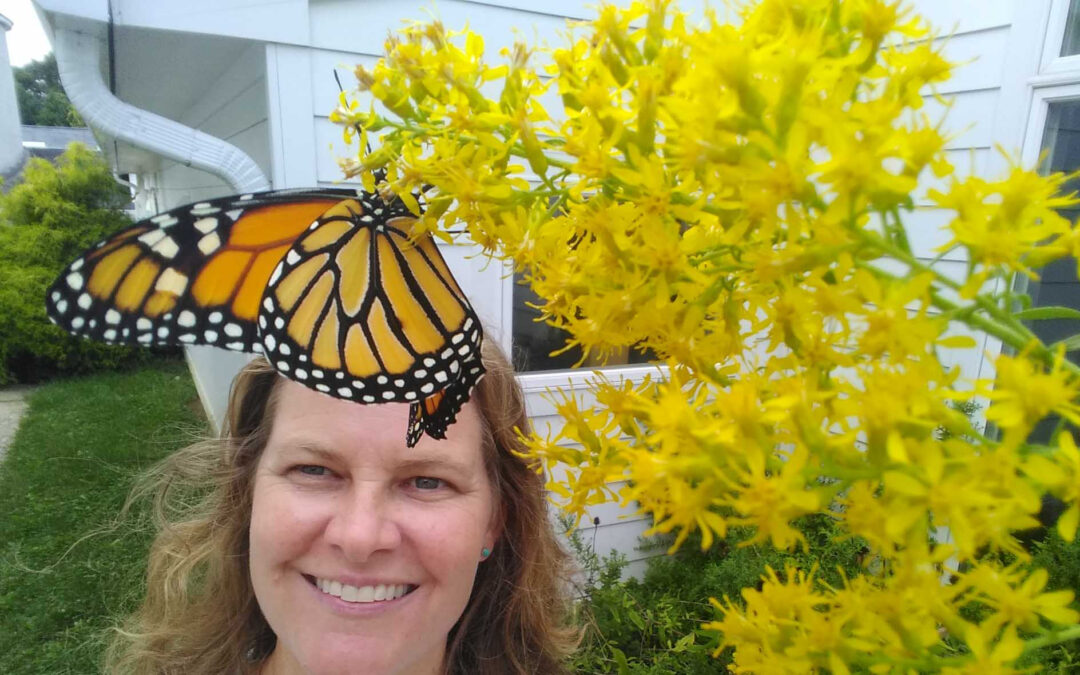
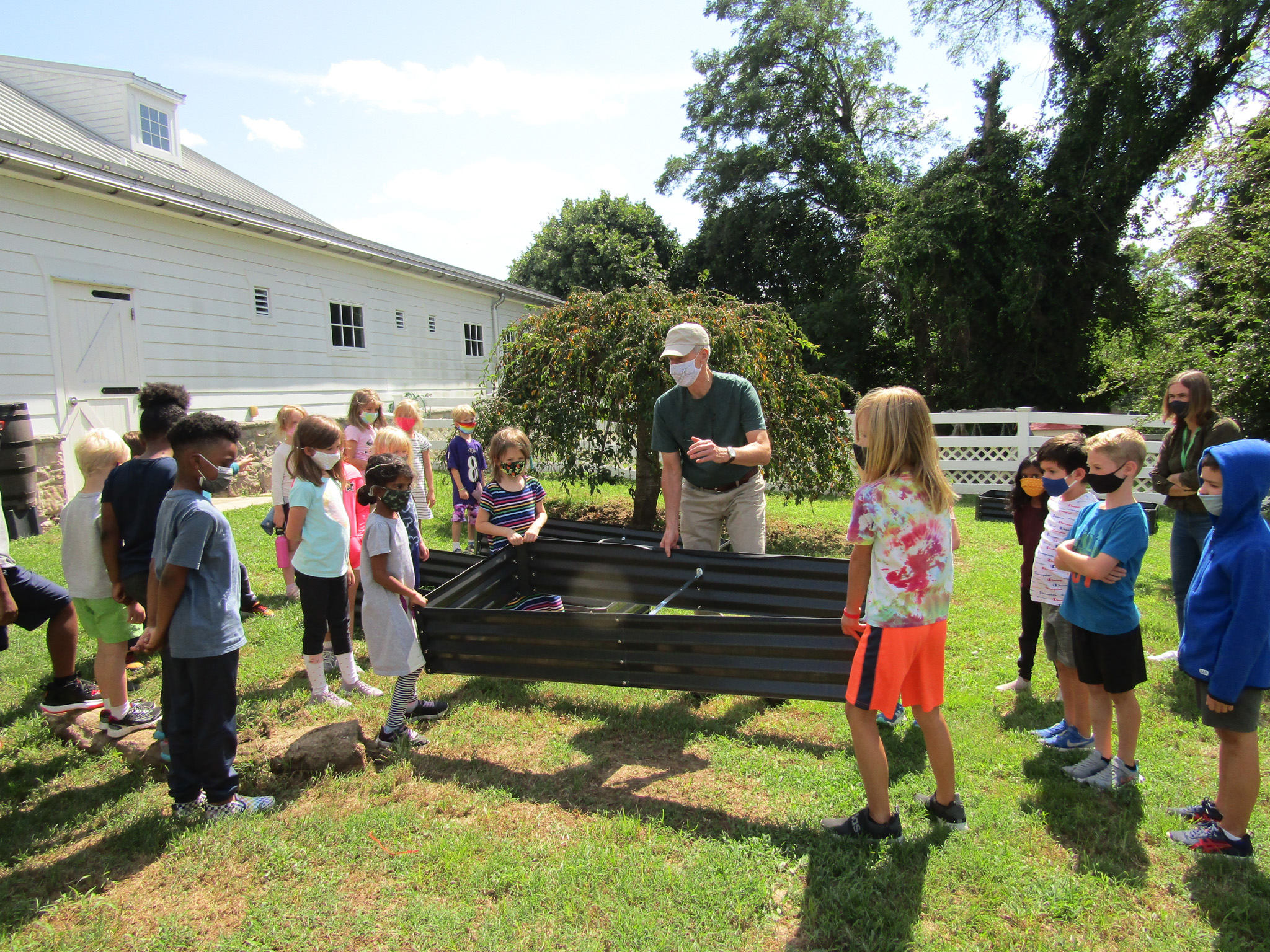
The Willow Children’s House class has been working to create a garden for pollinators and to serve as a Monarch Waystation. They planted the monarch host plant swamp milkweed, along with goldenrod and purple coneflower. Most recently, they sowed sunflower seeds and zinnias to supplement the perennials in the garden and boost the nectar available for pollinators. They hope this garden provides a nourishing habitat for many pollinators, especially the amazing monarch.
 
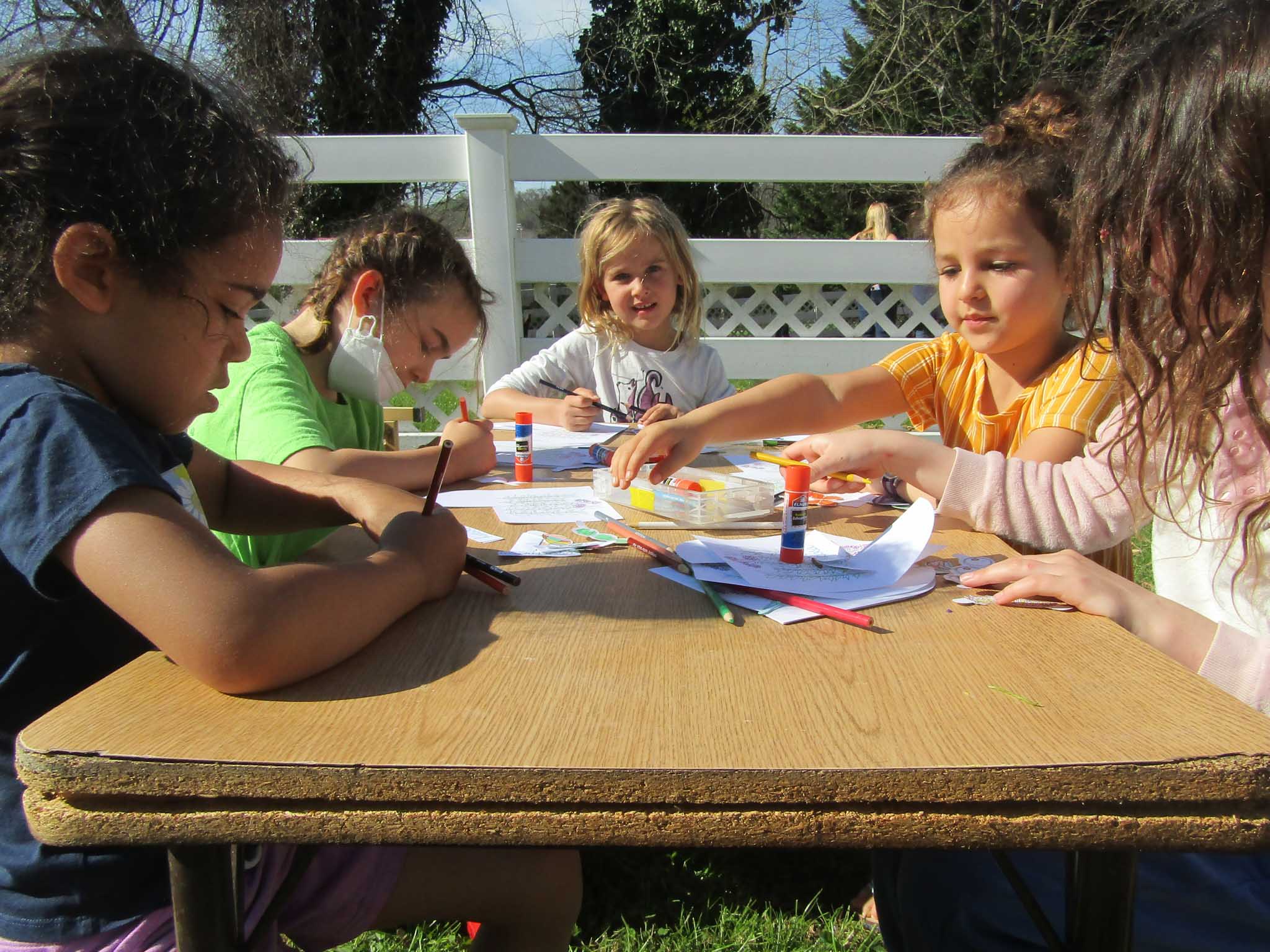
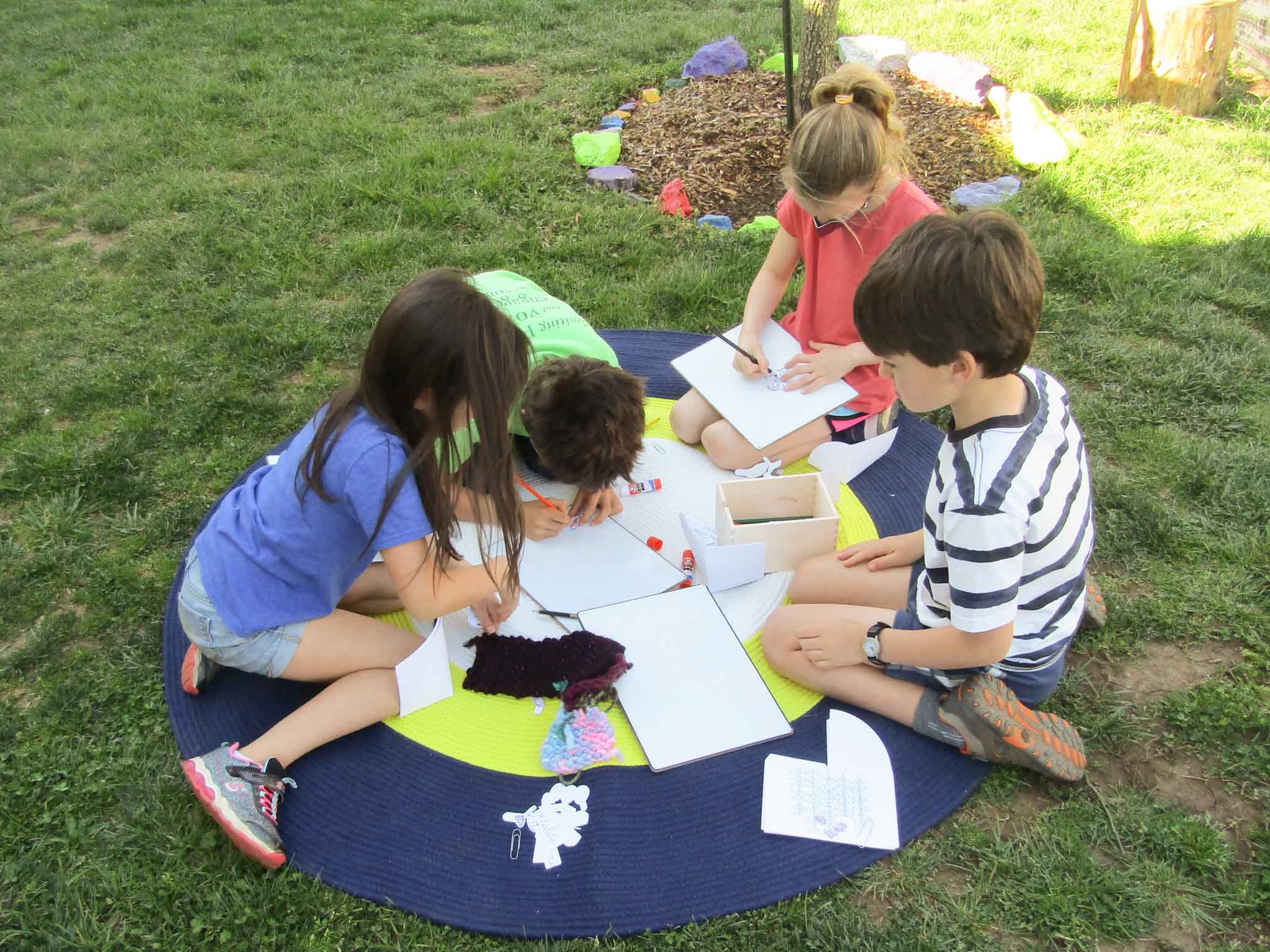
The Dual Language third year Children’s House students and the Lower Elementary students worked with Sra. Marcela and the Journey North program to participate in the symbolic migration of the monarchs. They made and sent a Symbolic Ambassador Monarch to the children who live near the monarch’s overwintering sanctuaries in Mexico. We hope that our Symbolic Ambassador Monarch will build bridges of communication between youth across North America. These Symbolic Monarchs represent our shared love of monarch butterflies and shared interest in protecting monarchs.⁠

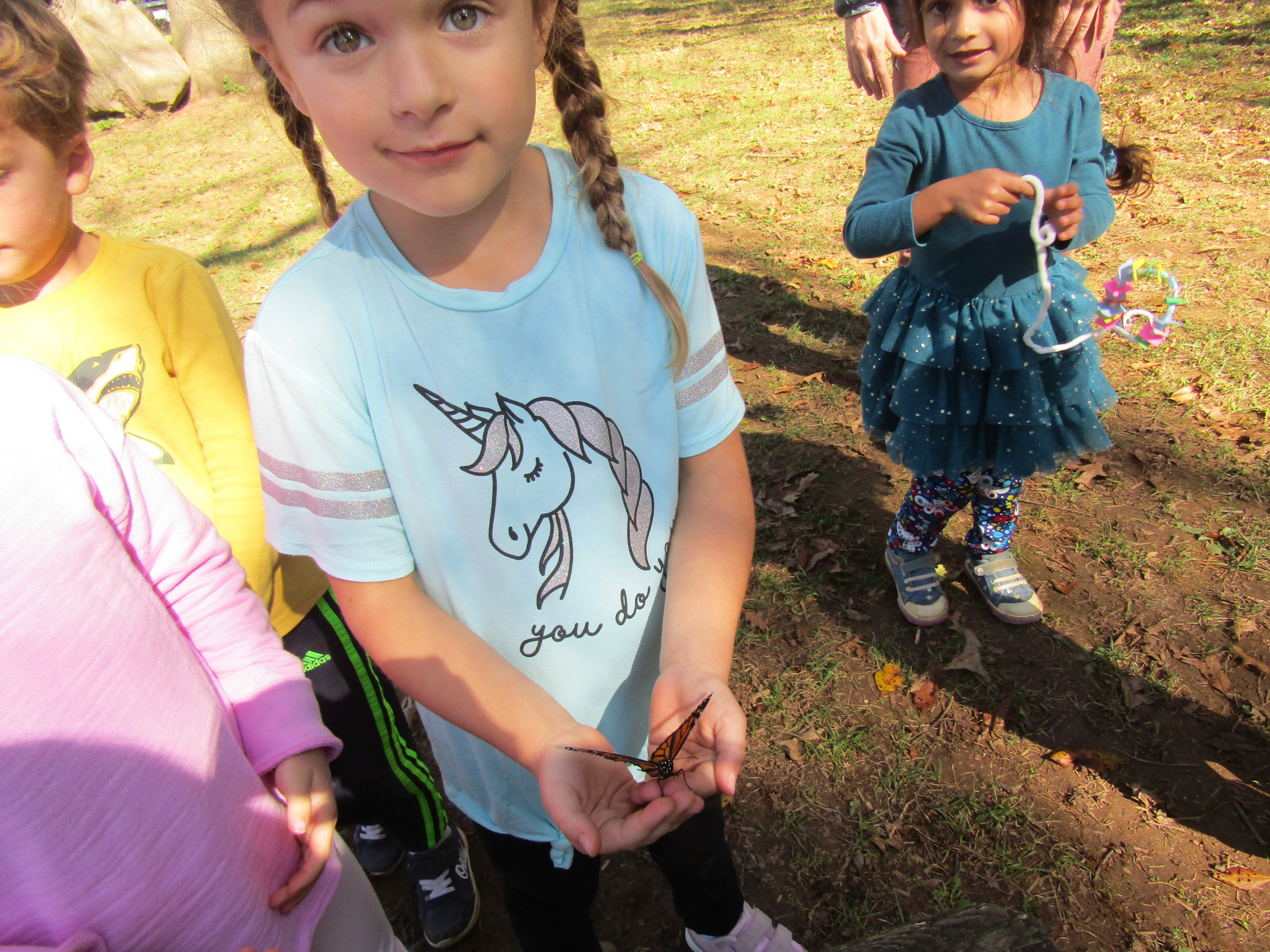
As a culmination of their work with the monarchs, the children celebrated Mariposa Day in April! They recently received butterflies from children from different places around the US. To celebrate, they made 3D butterfly cards!

This is just one example of the interconnected curriculum in Montessori classrooms, uniting language, art, and science together in a tangible way for our children.

Adolescent Igniting Voice on Social Justice Topics

Adolescent Igniting Voice on Social Justice Topics

In December, students in the Adolescent Community began their research by asking adults in their lives about social justice topics. They then participated in a speaker series, hearing from Greenspring parents Michelle Siri, Jen Brock-Cancellieri, and Jay Roy as well as Ximena Reyes Torres and Juliana Glassco, on social justice issues including the wage gap, ban the box (employment access for the formerly incarcerated), human trafficking, and national and global initiatives to fight hunger.

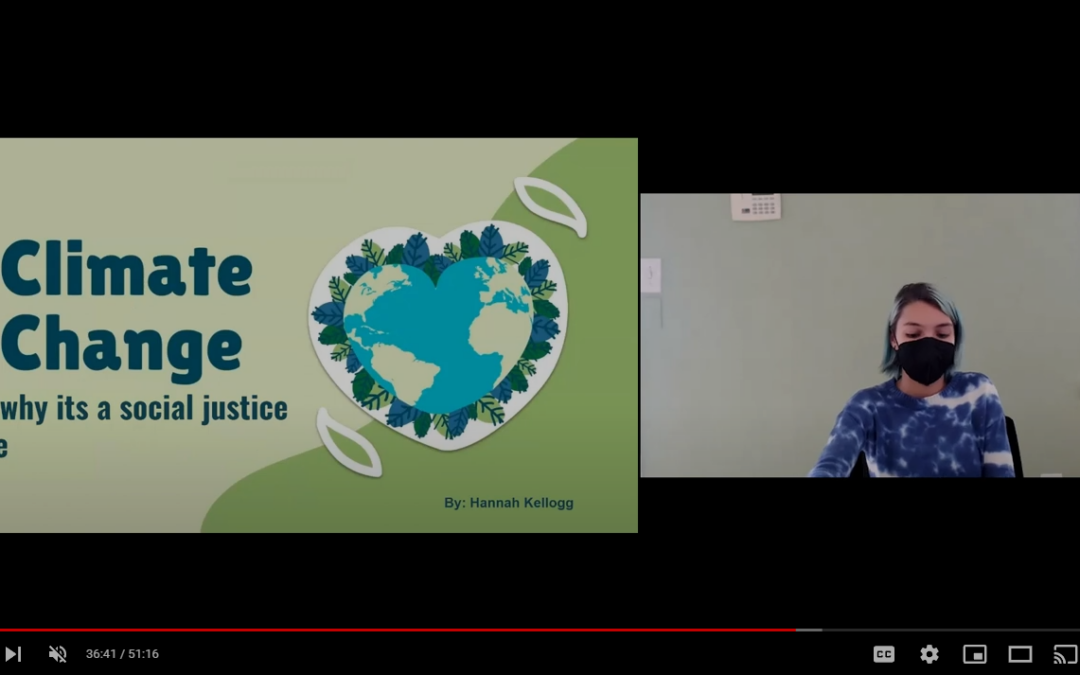
After that, the Adolescents selected a topic that is important to them, researched it, and created a presentation about what they’ve learned. Take a moment to watch their final presentations on environmental justice, the opioid crisis, fast food impacts, neurodiversity in schools, the gender pay gap, and police brutality. This work integrates data analysis, research, thesis-building, using supporting evidence, and presentation skills. 

Learning in the Outdoor Montessori Classroom

Learning in the Outdoor Montessori Classroom

The child has a different relation to his environment from ours… the child absorbs it. The things he sees are not just remembered; they form part of his soul.” – Dr. Maria Montessori

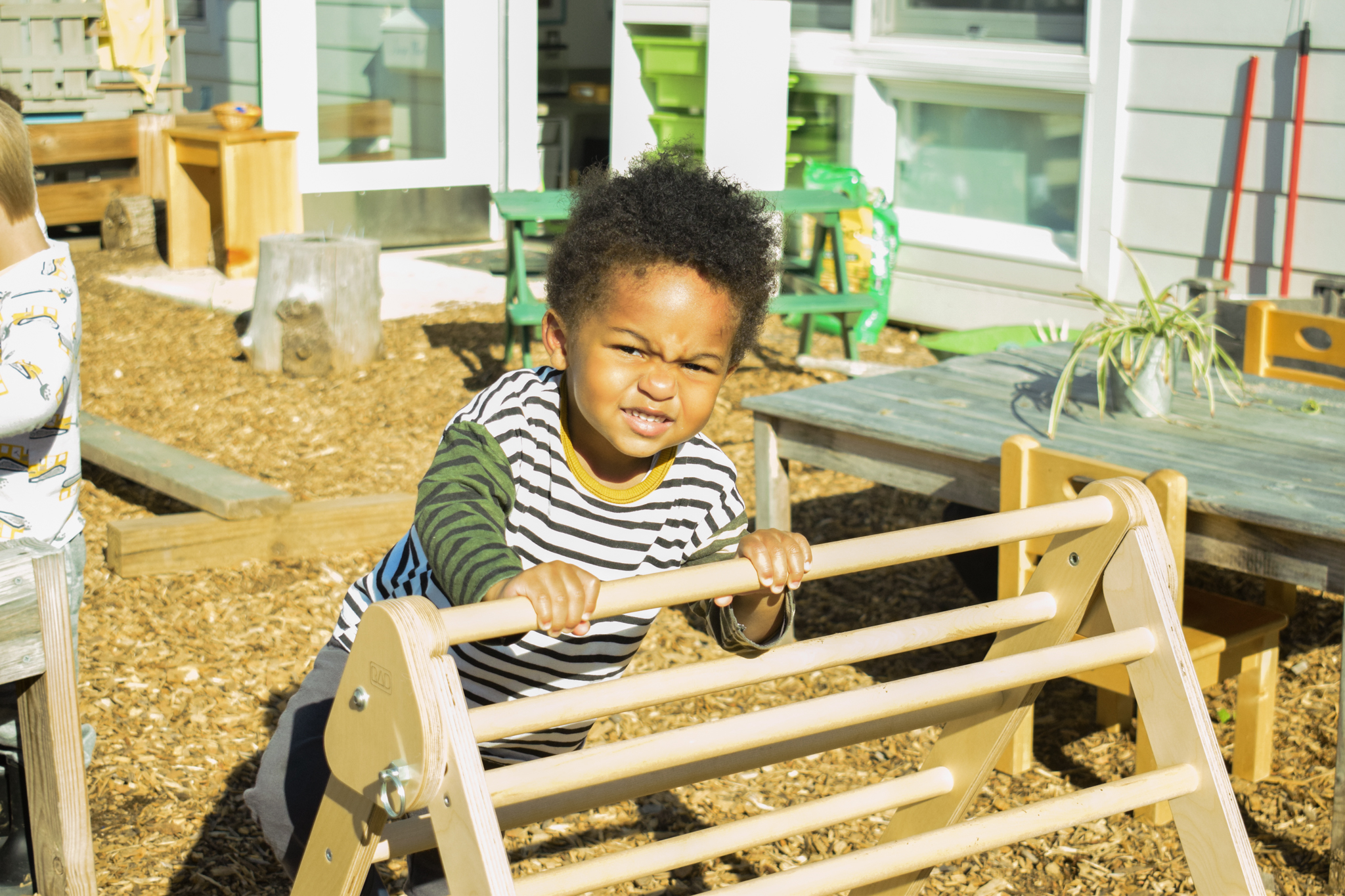
Dr. Montessori saw the outdoor environment as a natural extension of the classroom. Working outside allows children to explore with all their senses, fosters scientific inquiry, and inspires creativity. Over the past several years, the Greenspring community has come together to create truly beautiful outdoor spaces on campus for this growth to take place. They have become a deeply beloved extension to the classroom. Now more than ever, these environments are an essential part of our Montessori approach to education. Below we have outlined what has been happening this year in our Outdoor Environments at each level. 

Toddlers

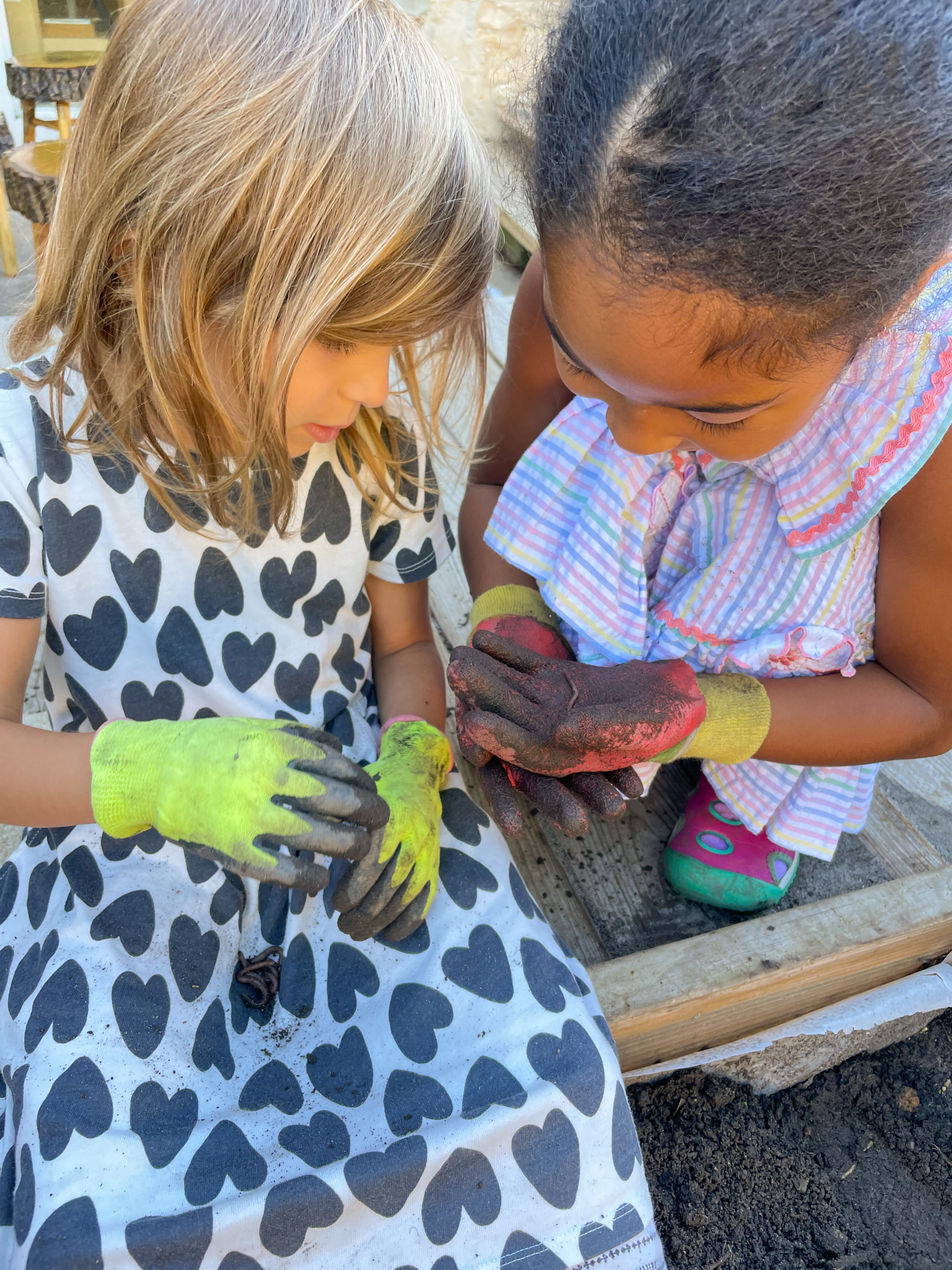
Toddlers are still in the developmental phase that Dr. Montessori said could be characterized by an “absorbent mind,” in which they soak up information through their senses. So we offer rich opportunities in the outdoor environment to see, touch, hear, smell, and taste. Depending on the day, you will see toddlers watering plants, sweeping the sidewalk, washing windows, filling the bird feeder, digging in sand, sorting pinecones and acorns, pouring water through funnels, and more. The toddlers enjoy tasting the herbs and vegetables that grow in their garden!

Children’s House

Students in our Children’s House classrooms also tend to the garden – planting, watering, weeding, and harvesting. Children also enjoy additional practical life, sensorial, art, and science activities, such as hammering nails into a tree stump, pumpkin scrubbing, creating geometric shapes from twigs, making collages from seeds, cutting zinnias for flower arranging, and experimenting with scientific concepts such as “sink and float.” On rainy days you might see students in the kitchen making apple sauce or baking pumpkin bread.

A Note on “Bad” Weather

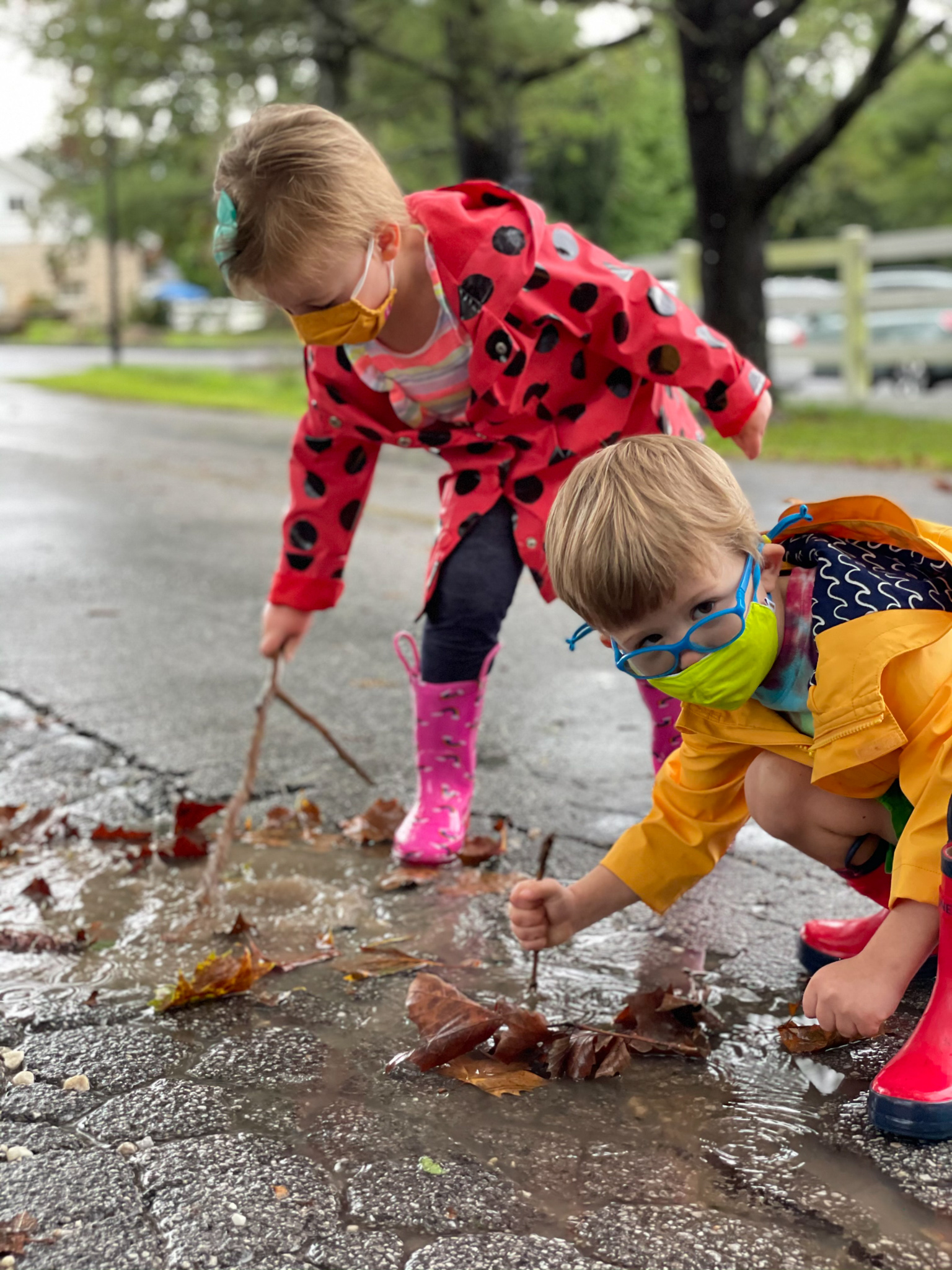
Our Outdoor Environments are open year-round, meaning that rain and snow simply become part of the prepared environment! Children have rain boots, rain jackets, and outdoor gear for all seasons so that the weather becomes another sensory experience. Guides and Assistants in Montessori classrooms are also particularly mindful not to instill learned feelings toward particular weather, keeping language neutral and descriptive.

Elementary

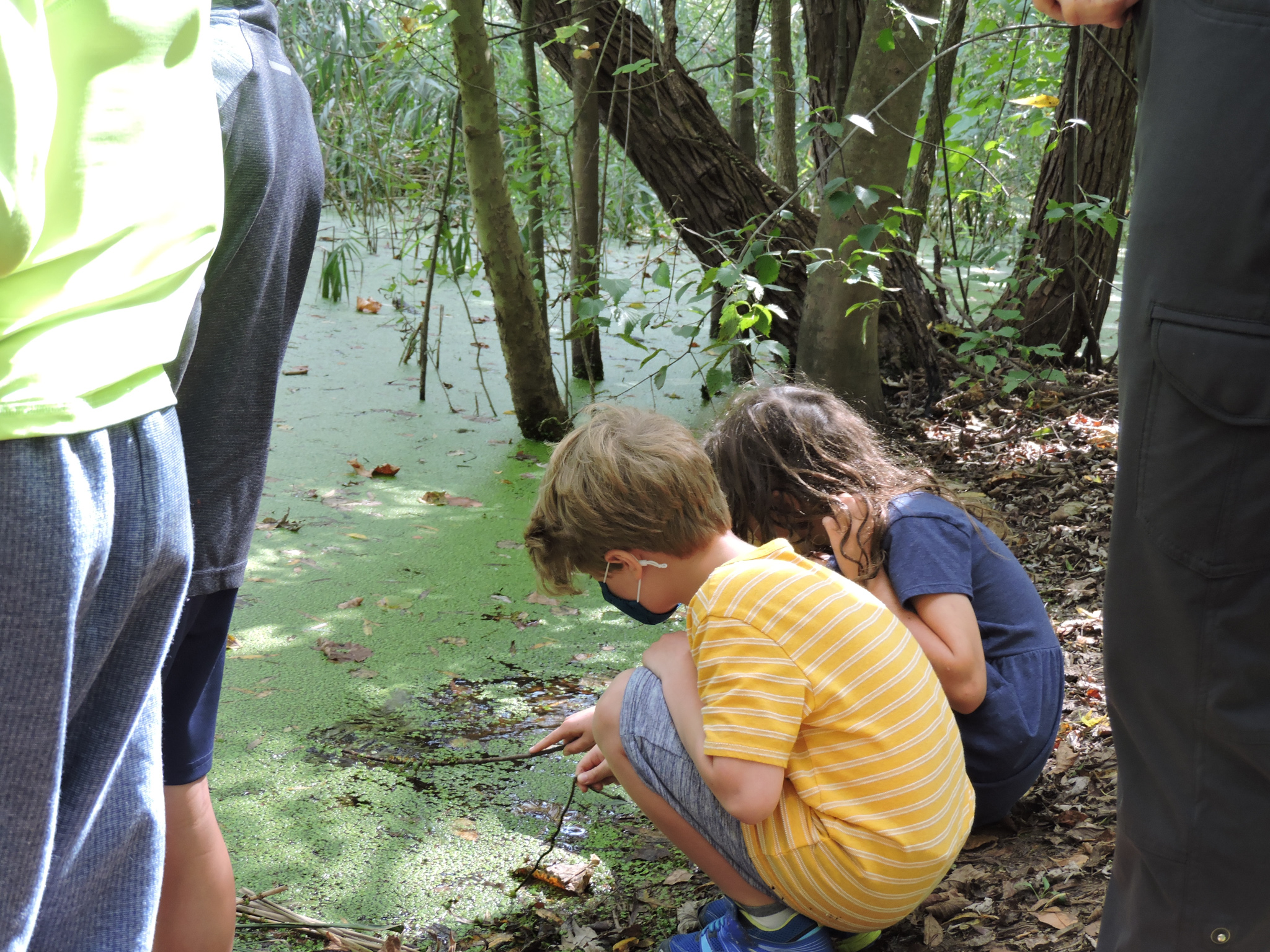
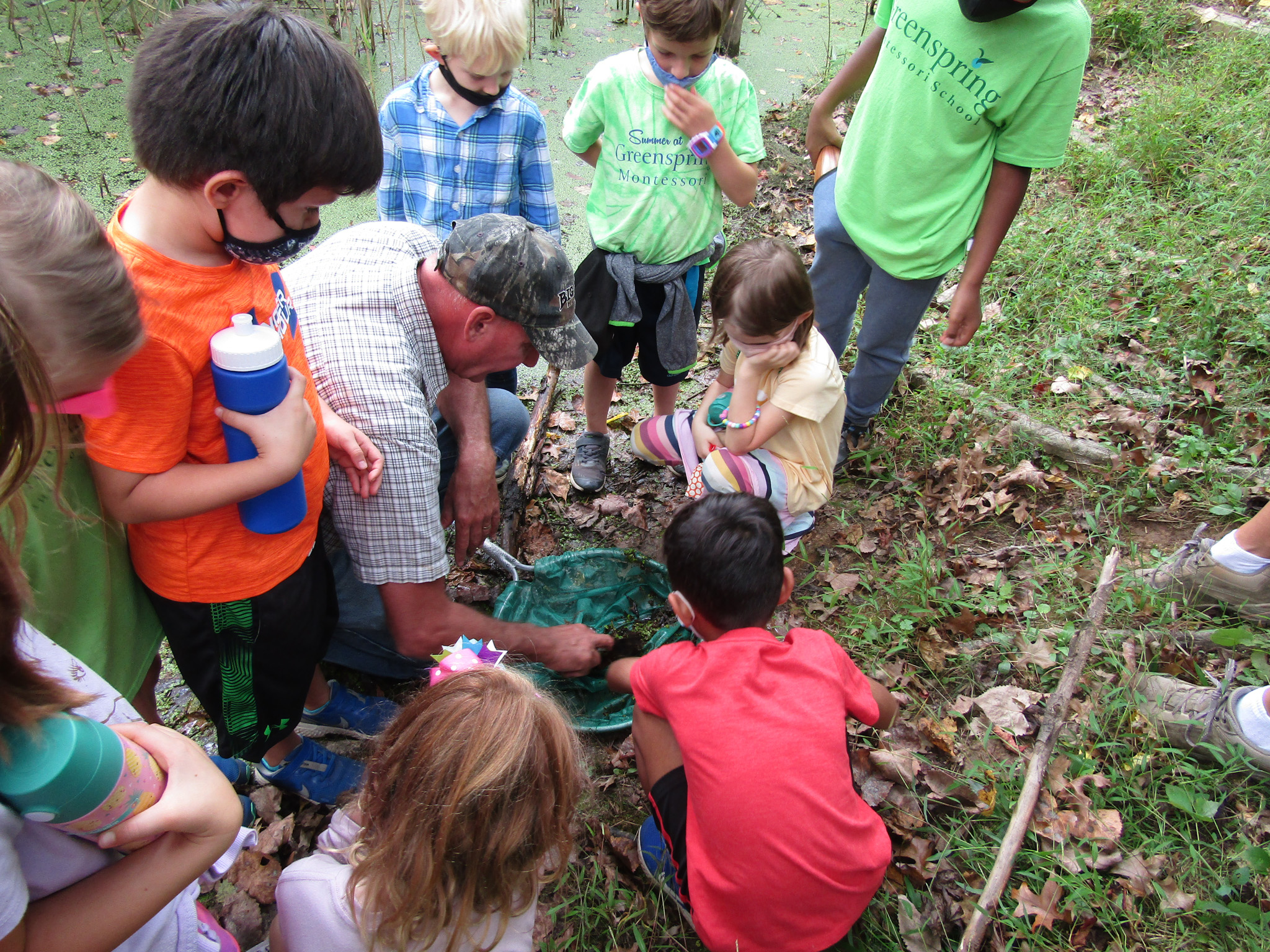
The Elementary outdoor environment includes all this and also complements the science lessons happening in the classroom. Students learn to identify the bird calls they hear in nature, identify different animal tracks, and identify the parts of a plant by dissecting a specimen from the garden. Students conduct science experiments in their garden to learn about plant respiration, soil composition, and photosynthesis. The values of environmentalism, service, and scientific exploration are nurtured through these experiences.

Children are also ready for more exploration into the greater community. Field trips and Going-Outs offer valuable opportunities for children to experience the natural world in a new way. Recently, Lower Elementary students went on a field trip to Oregon Ridge Nature Center, sparking new research of local wildlife. 

Adolescents

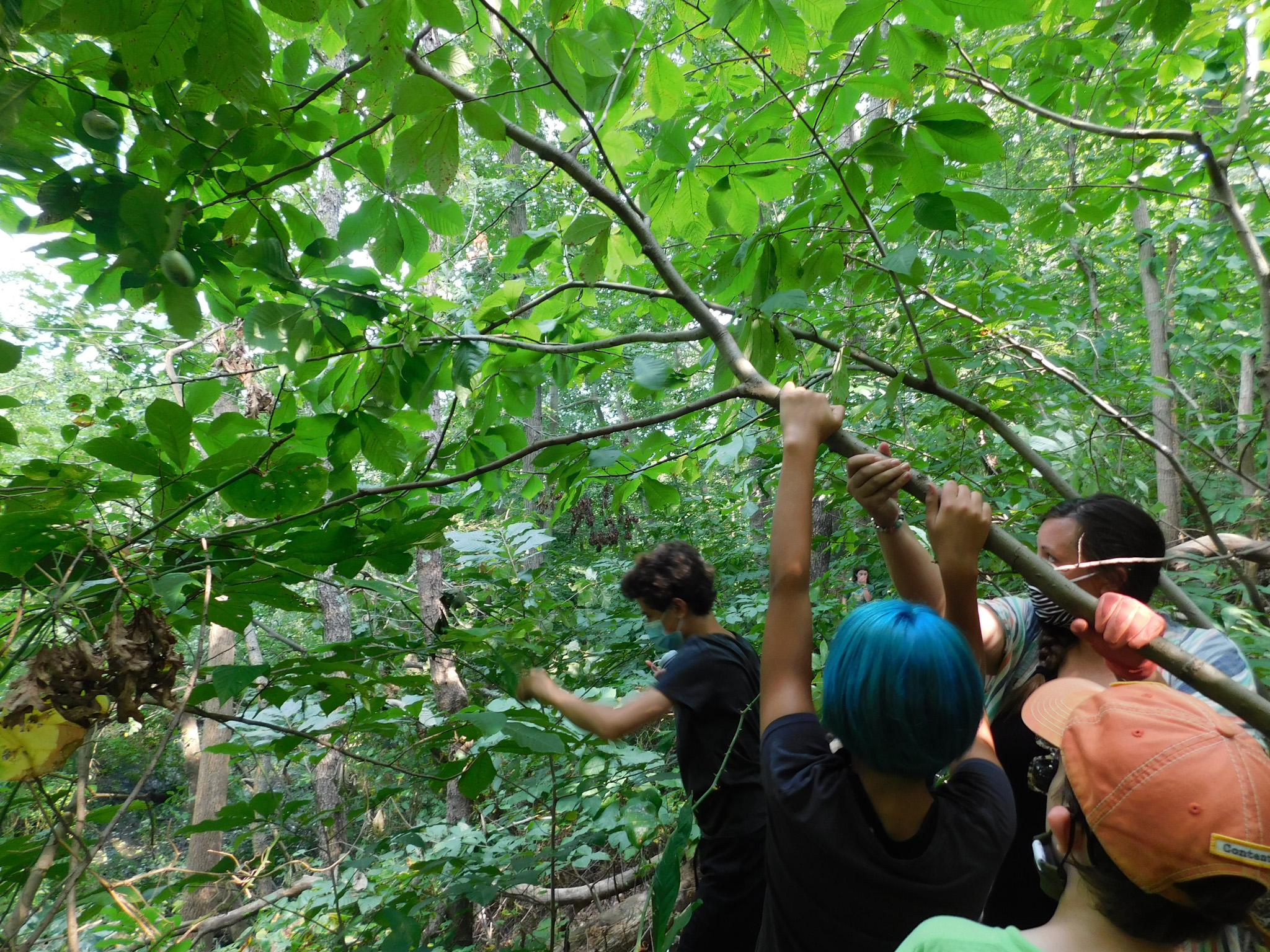
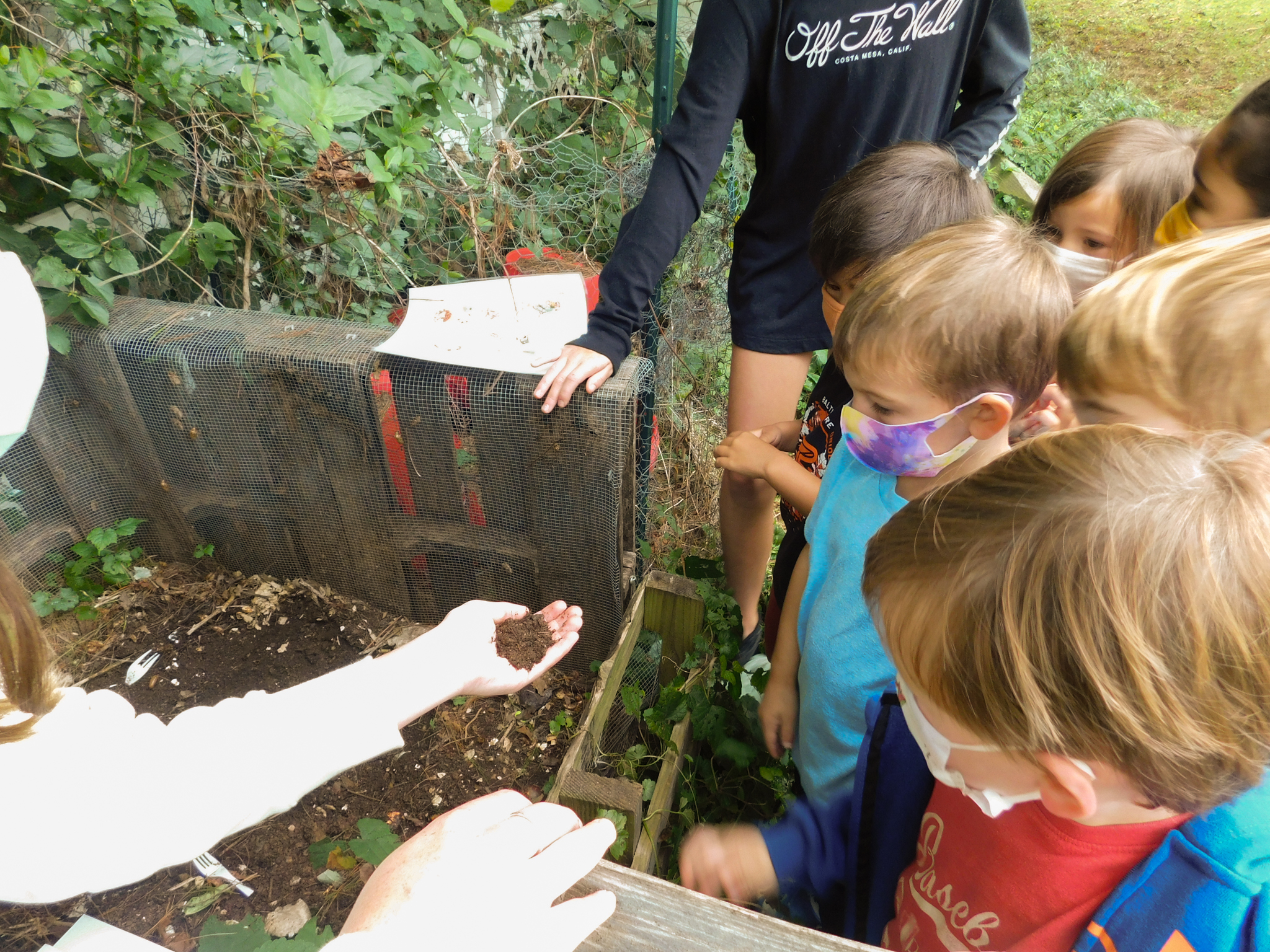
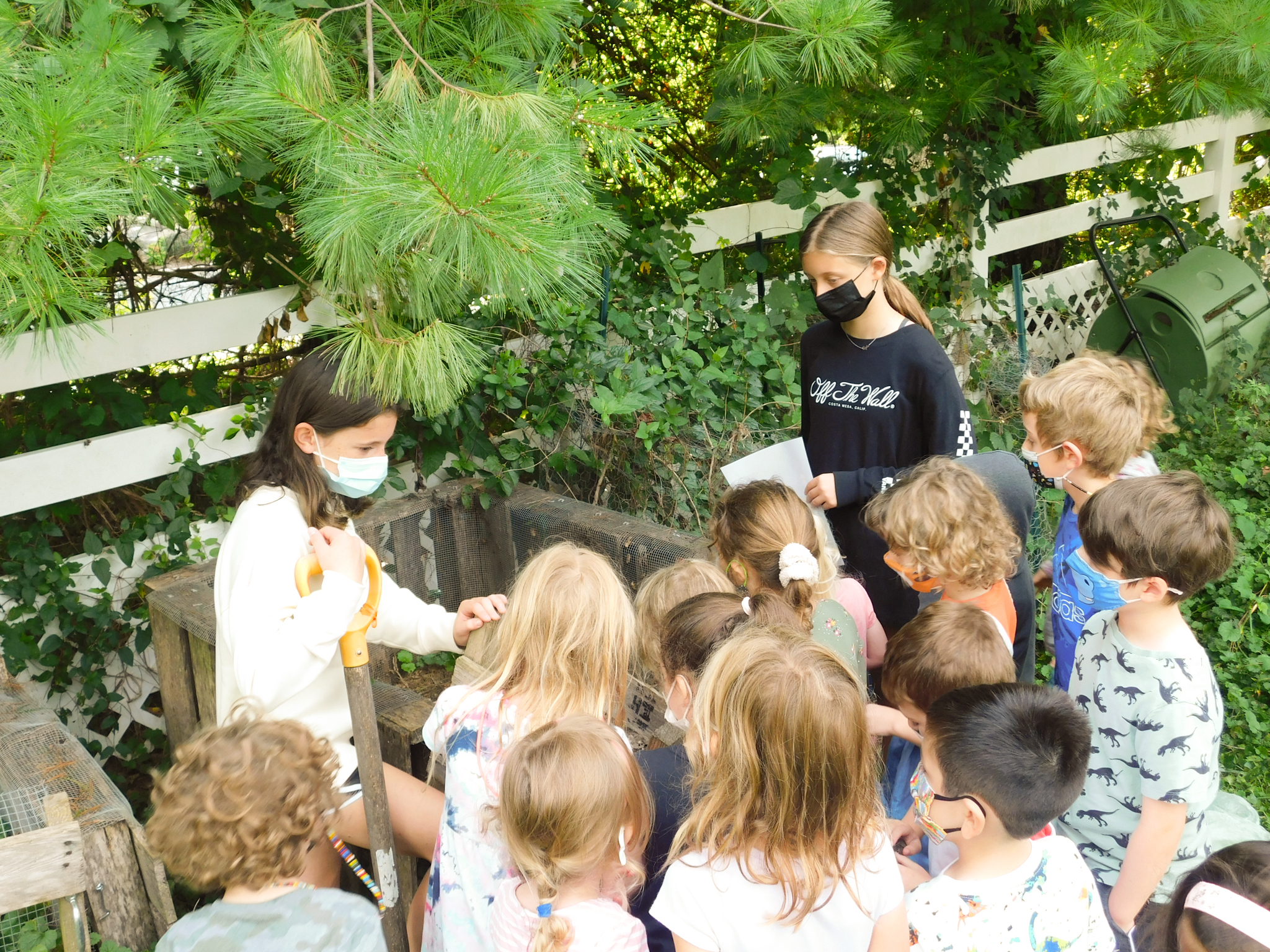
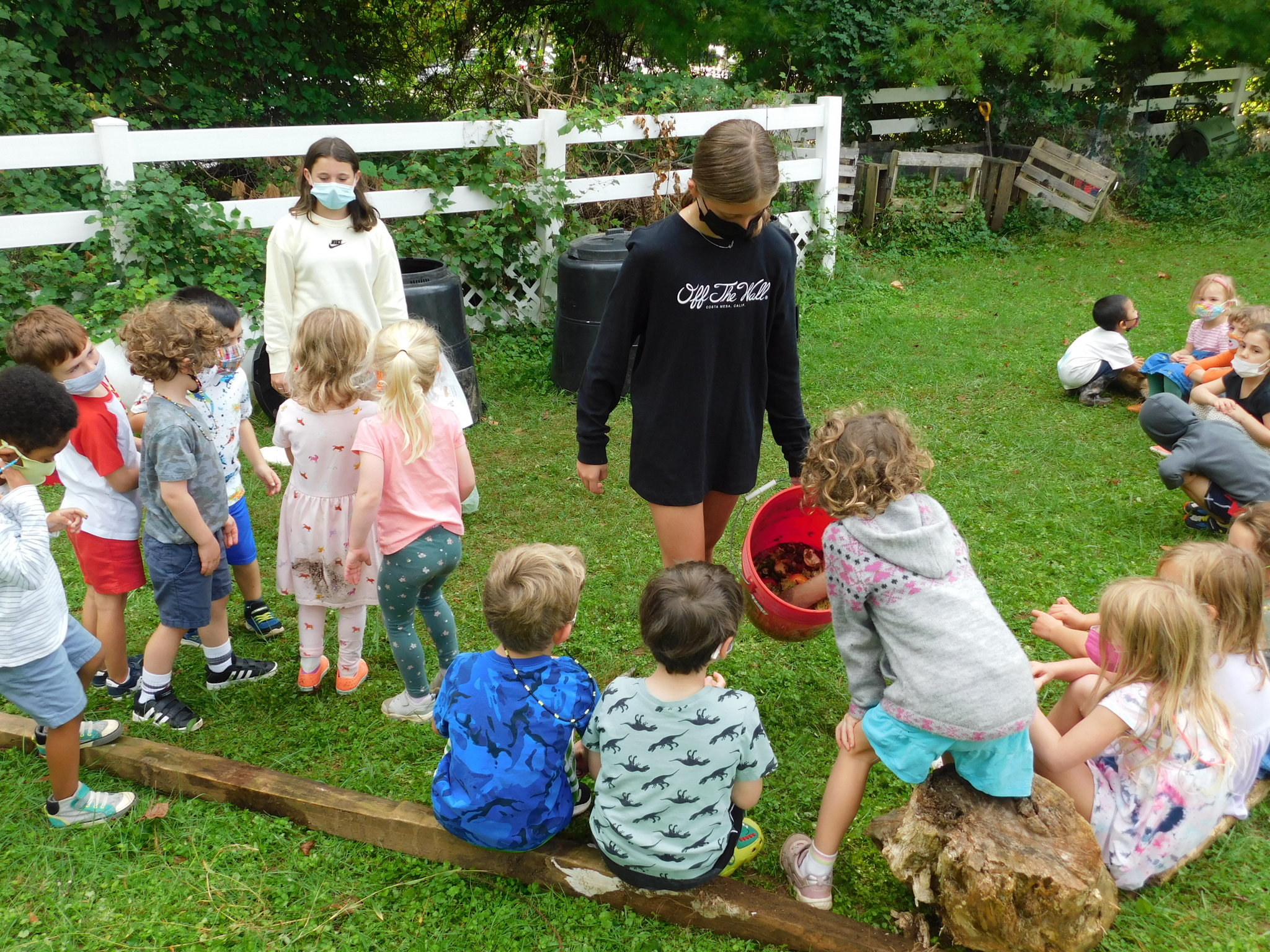
Dr. Montessori envisioned her Adolescent program as a working farm. So in addition to their classroom lessons and studies, our Adolescents honor Dr. Montessori’s vision by tending to a piece of our property called “The Land” – planting, tending to, and harvesting their gardens. The Adolescents also run a campus-wide composting program and give classes to younger students about how composting works and why it’s important. Over the years, we have seen our Adolescents caring for chickens, building a greenhouse, running a CSA, clearing invasive plants, and more. You can learn more about our Adolescents and their work on The Land here.

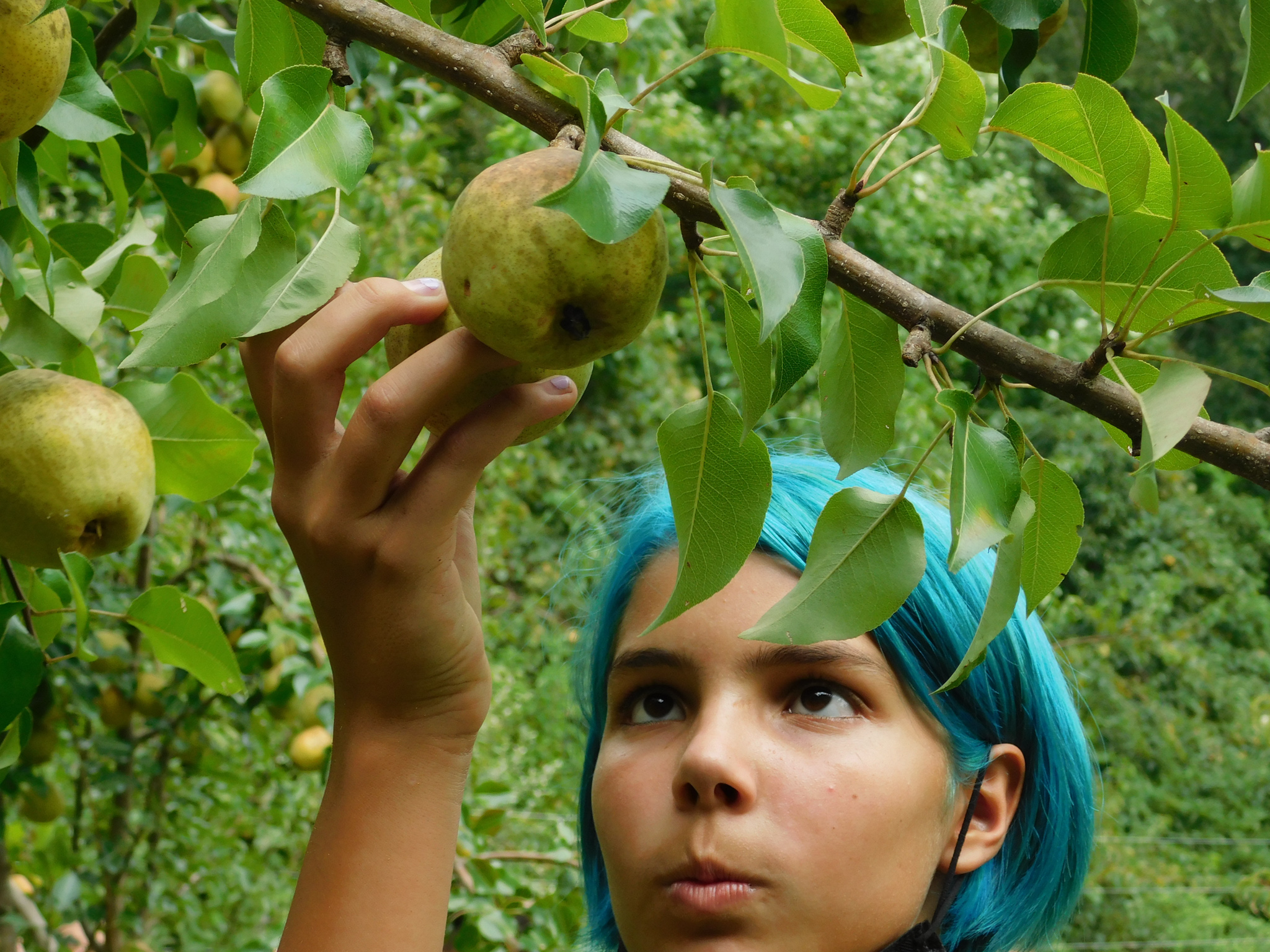
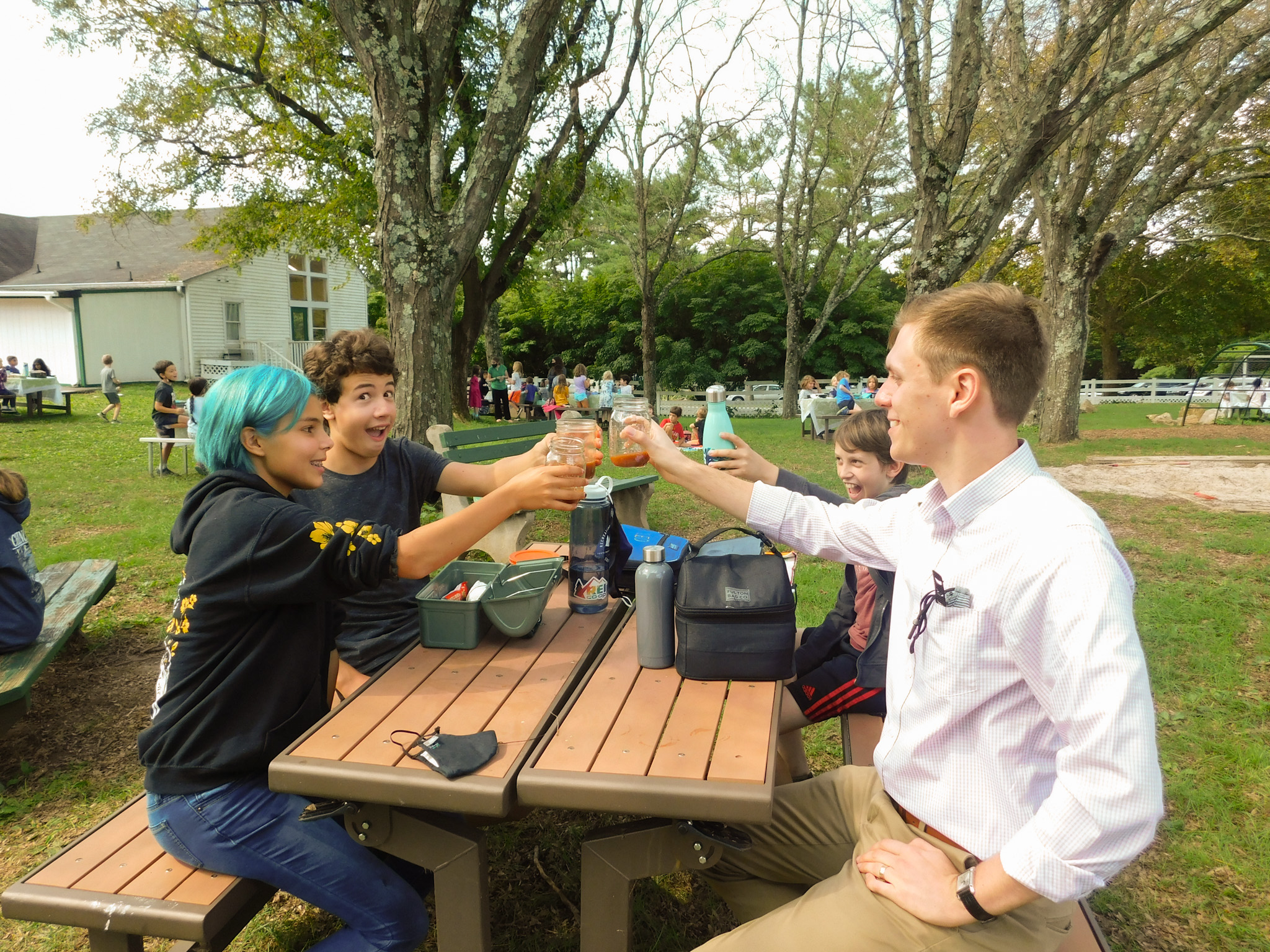
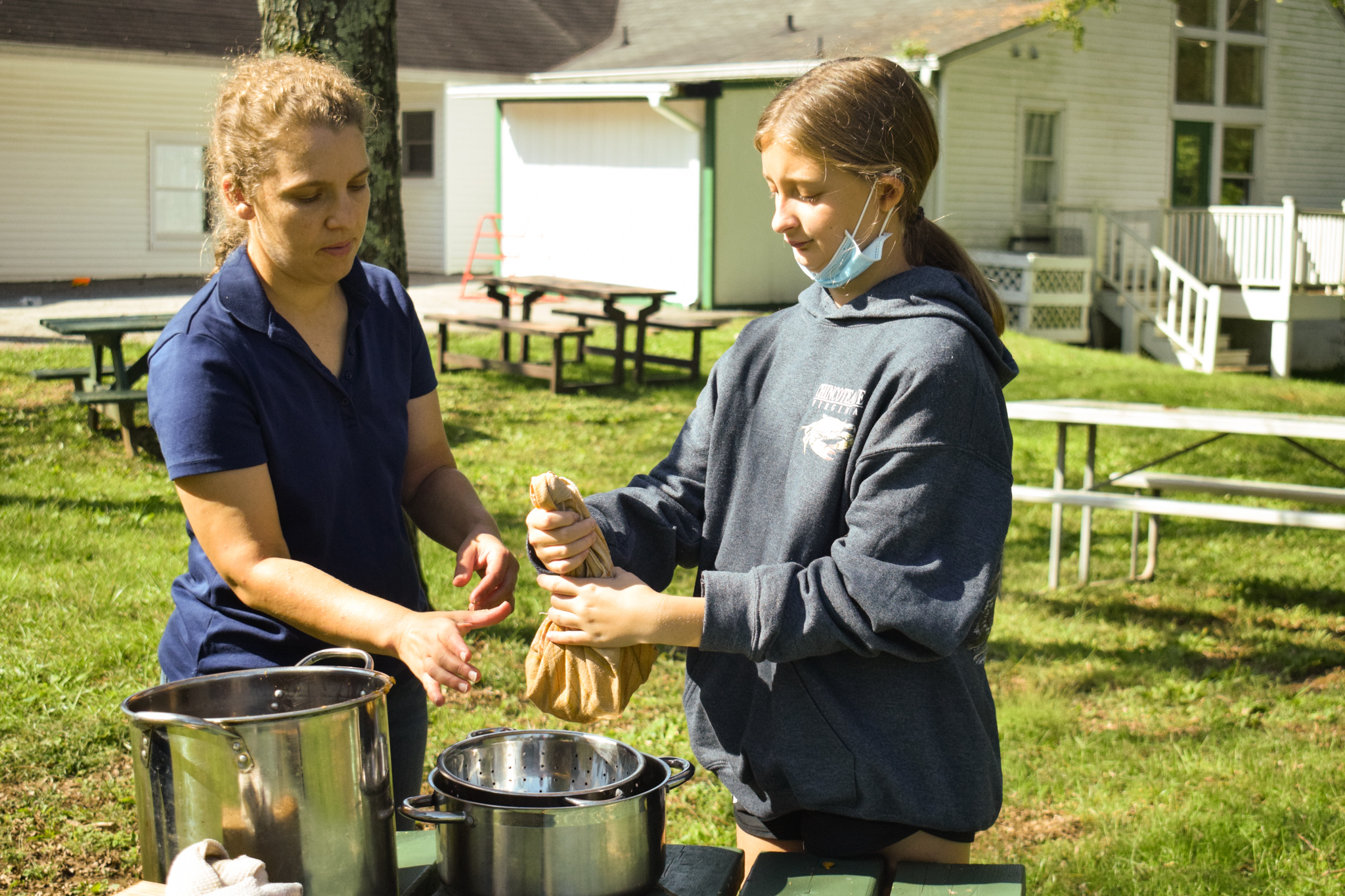
In September, Adolescents also went on a week-long Odyssey trip to Echo Hill Outdoor School on the eastern shore. This was an immersive community-building experience where the students looked closely at how our food is grown, a great introduction to their first science unit on the biochemistry of food. After returning to campus, students also created apple cider from local apples. They will be studying the process of fermentation and making vinegar. 

The more children are outside, the stronger their connection with nature will become. As Dr. Montessori said, “When children come into contact with nature, they reveal their true strength.”

The Adolescent and the Land

The Adolescent and the Land

As emerging adults, it is crucial that adolescents learn and grow in an environment that matches their development as well as gives insight into the time in which we live; we must improve each individual to improve society.

Dr. Montessori calls the Erdkinder the “school of experience in the elements of social life” where work is an introduction to both nature and civilization and provides a limitless field of scientific and historical studies. Adolescents work through experiences on the land: growing crops and caring for animals. They also run a shop where they buy and sell produce and handmade items, promoting personal craftsmanship over mass production. This allows them to fully engage with the two main independences indicative of this developmental stage: social and economic. The shop becomes a general meeting place for their extended community where they take responsibility for the corresponding financial and moral obligations associated with running their own business.

Adolescents volunteer with Real Food Farm in Baltimore City, growing fresh produce for communities in need.

An Adolescent organized a service project to clean up the Jones Falls waterways.

Throughout their educational studies, they meet with experts from various fields as they study the earth and living things, human progress and the building up of civilization, and the history of humanity. They will build a library of atlases, primary documents, and other resources that highlight the connection between peoples and cultures throughout time. They explore scientific progress in biology and chemistry through individual or small group projects that are related to the land whenever possible. All curriculum areas are interrelated and these connections are consciously discussed. This also includes self-expression: music, language, and the arts and the development of the personality that entails ethics, mathematics, and modern languages.

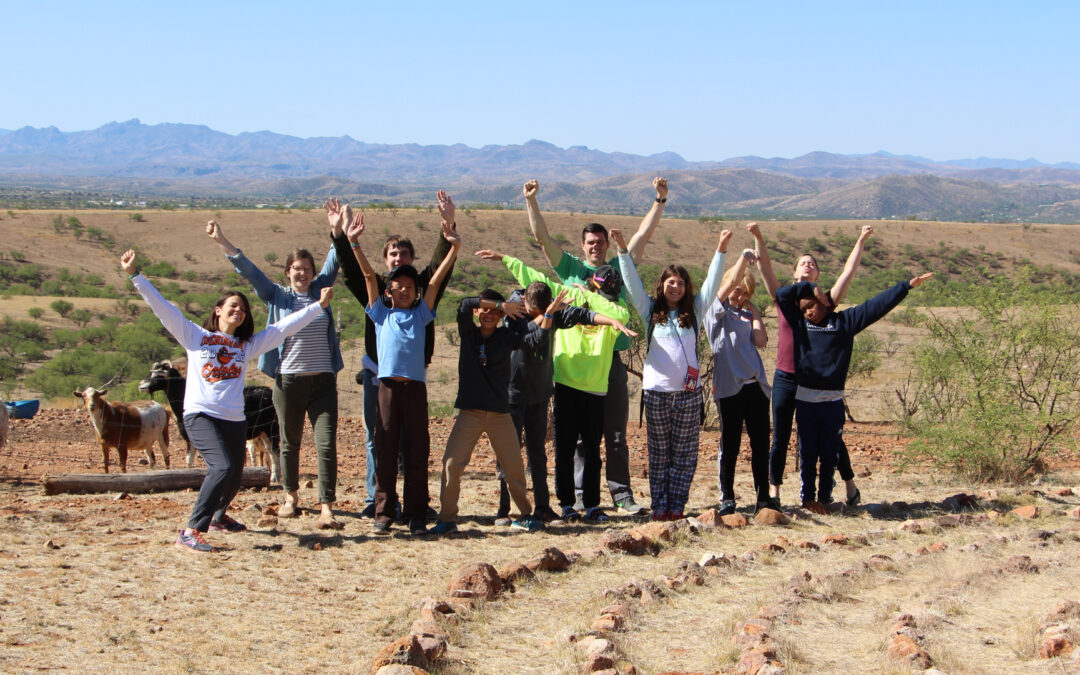
Adolescents learn water conservation from indigenous farmers in Arizona for their Spring Odyssey.

Adolescents clear brush on an Arizona farm.

Adolescents are brought closer together by their work on the land throughout the year.

Within this framework, the moral and physical care of the students is also a priority as they face difficult physical and emotional transitions. They must be provided with work that is in the open air of nature, promoting plentiful and nourishing food that is their own produce whenever possible. A space that allows them to peacefully reflect and meditate when the psychological characteristic of decreased attention takes hold. They learn about nutrition and how to properly care for themselves as they discuss health and wellness topics with adult role models that guide them towards informed decision-making. There is a division of labor, which leads to a genuine cooperative community.  They are diplomatic in their acceptance of other’s points of view through Socratic discussions.

Adolescents learn about the Chesapeake Bay watershed while fishing and living on a boat for their Fall Odyssey.

Work on the land provides natural consequences unmatched by any other environment. The plethora of studies inspired by the land also provides a true understanding for the range of careers available today; our wide and thorough education grows their professional interests so that they can take part in the science and technological applications being used to understand and solve the complex problems of our times. The land also provides the right type of freedom where they act on individual initiative within clear limits and rules that results in the self-discipline necessary for success. Our students will know how to put things right: how to adjust a machine, mend a broken window, build a shed, forge a path, and that most importantly, that they can be self-sufficient.

An Adolescent makes field notes on a Maryland native plant garden.

Schools today do not offer this essential balance of manual and intellectual work, leaving adolescents unprepared for taking an active role in society. Our environment acknowledges that these two kinds of work complete each other and are equally essential to a civilized existence and is designed to balance them so adolescents gain a clear understanding of the society for which they are about to join, one that demands a personality of character that adapts quickly and easily.

In order to emerge into the final plane of development, maturity, adolescents must be made to feel capable of succeeding in life by their own efforts and merits. Montessori reminds us that when adolescents’ needs are met within this framework, they can then provide humanity with the clues and hope for future progress.

A Natural Curriculum in our Digital Classrooms

A Natural Curriculum in our Digital Classrooms

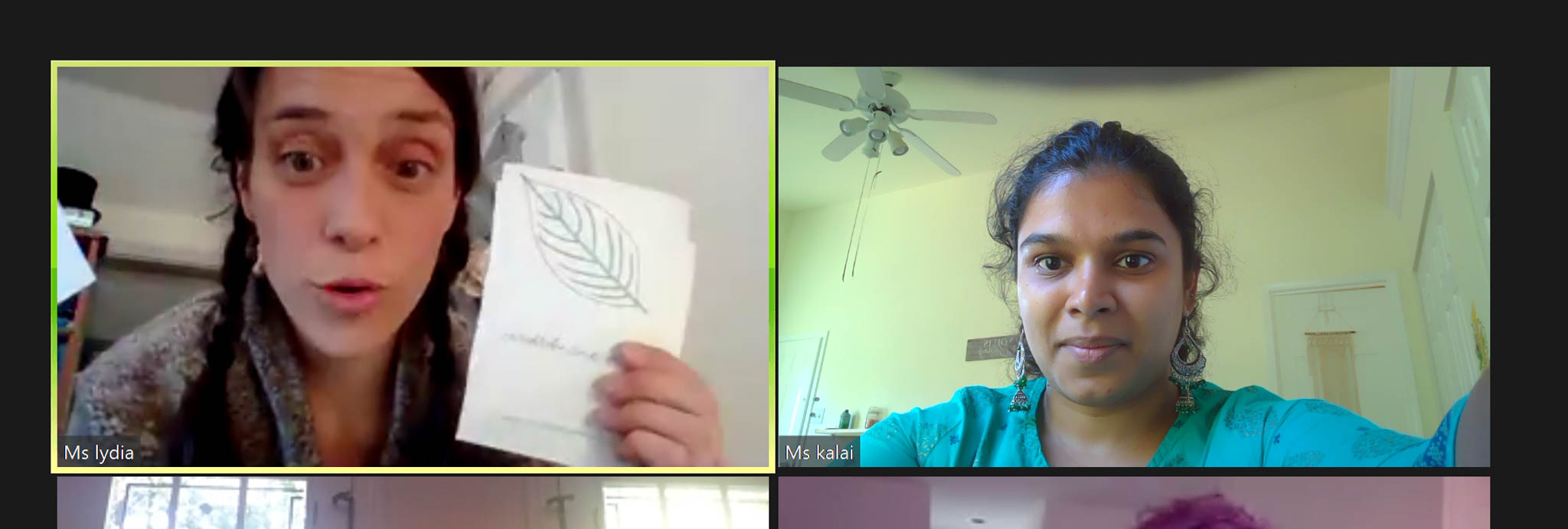
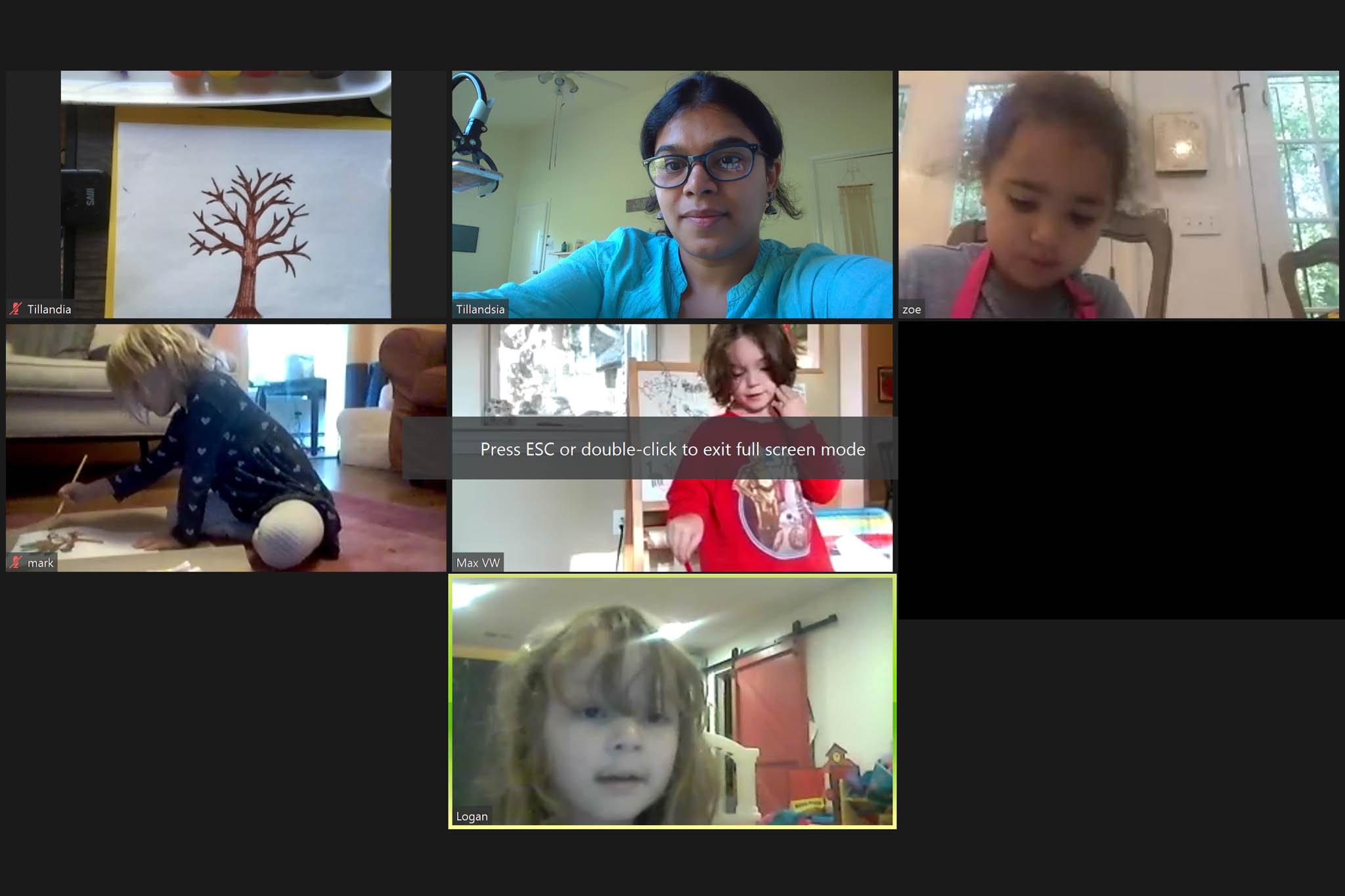
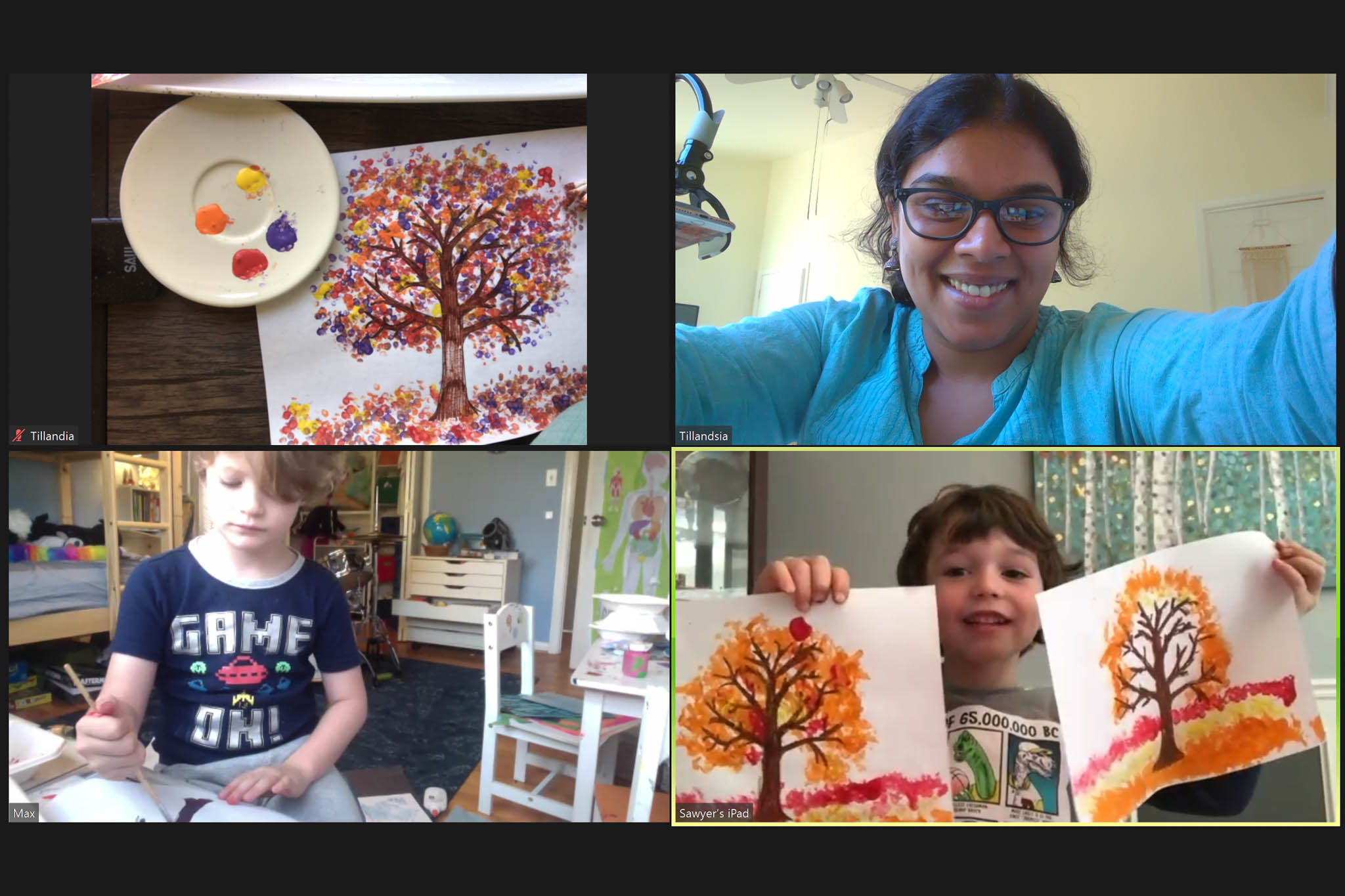
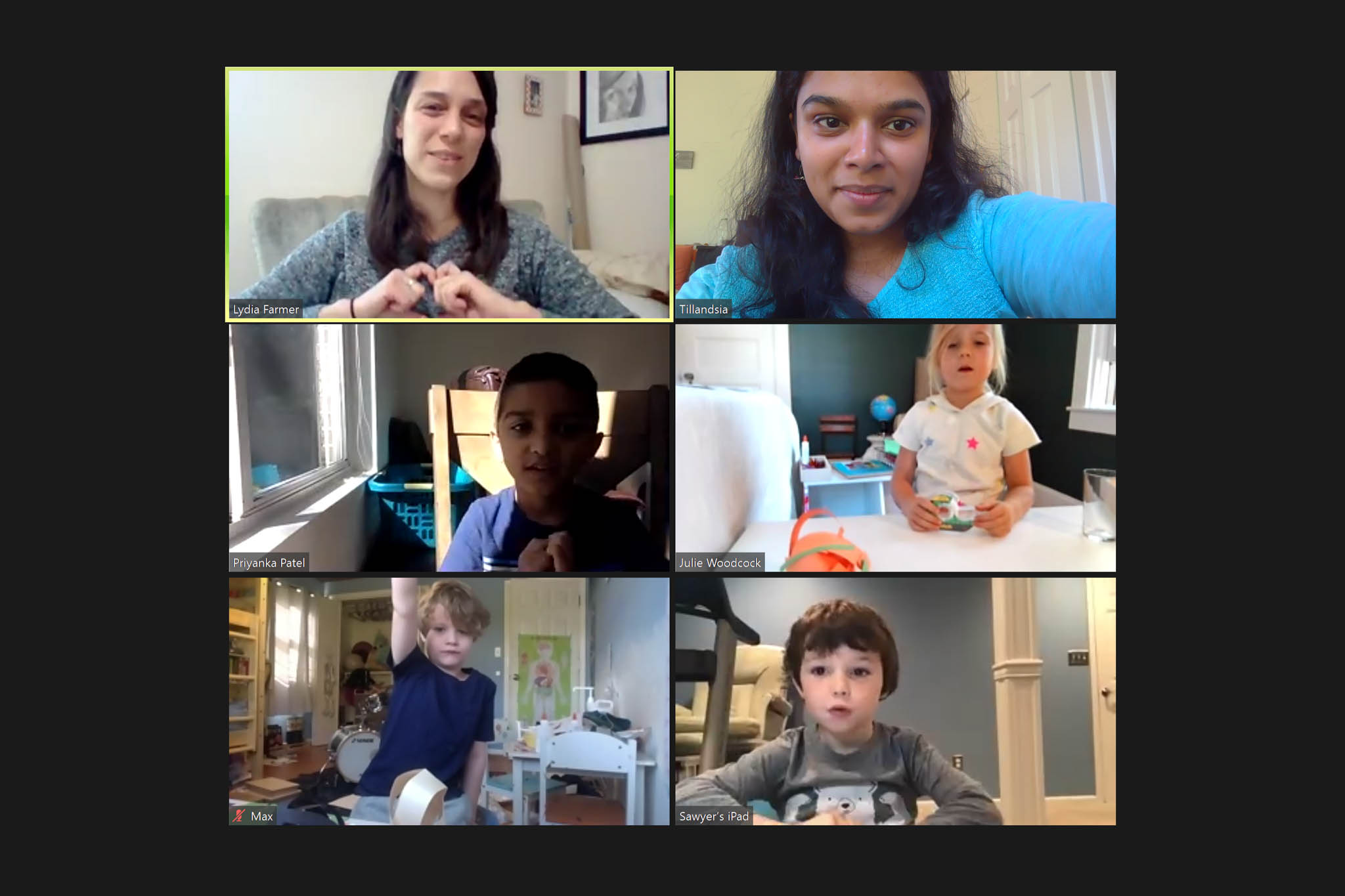
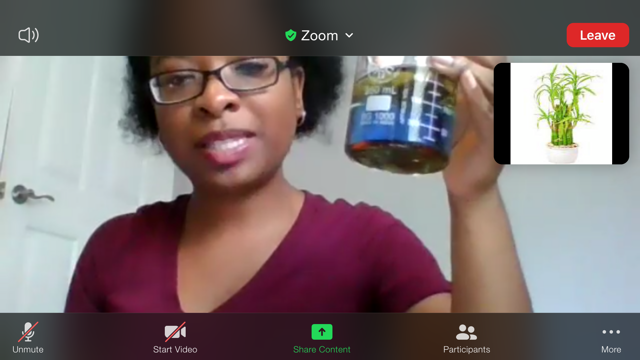
For our students Learning from Home, the connection to the natural world around them is still alive and well. An understanding of the natural world plays a major role in all Montessori classroom, and it has been our big work to bring this curriculum to our students in a digital classroom as well. 

“There must be provision for the child to have contact with nature, to understand and appreciate the order, the harmony and the beauty in nature… so that the child may better understand and participate in the marvellous things which civilization creates.”

– Dr. Maria Montessori

Children’s House

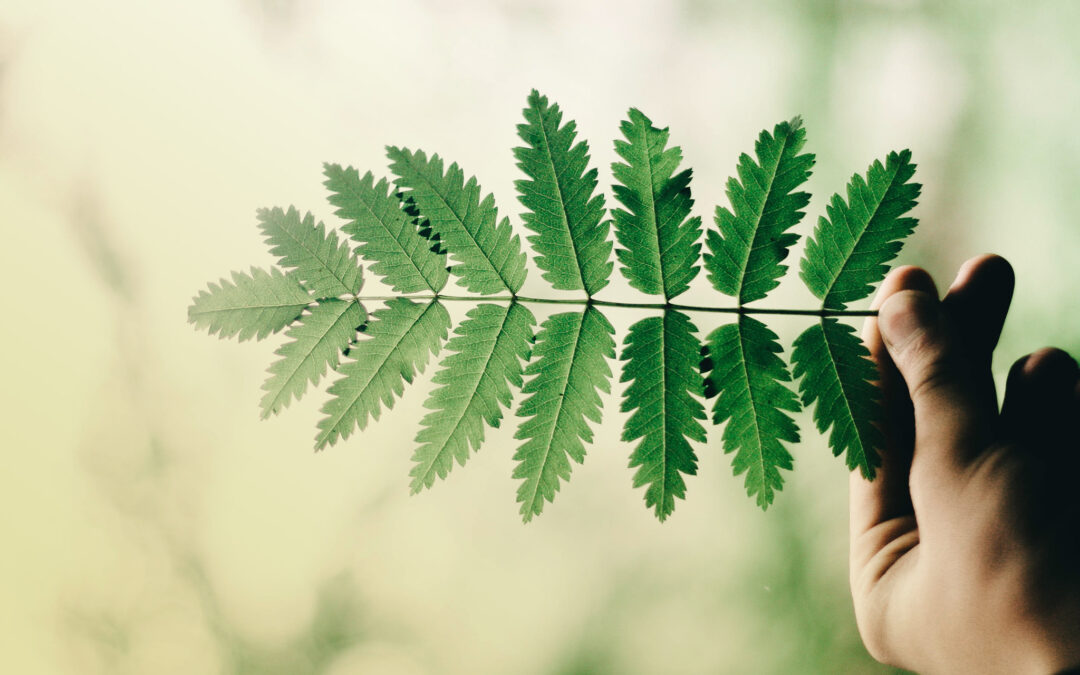
In our Tillandsia class, the children were introduced to the parts of a plant, which led to many questions about plants, botany, and our earth. As we learned about the parts of the leaf, we looked at some real plants to understand how the leaf is connected to the whole plant. Why do we care about the midrib and veins? Because they carry water up to the leaf all the way from the roots! Why do we care about the blade? Because its flat shape acts like a solar panel to absorb sunlight! Why do we care about the petiole? Because it can TWIST the blade to face the sun! Why do we care about the stipules? Because they STOP the flow of water through the plant when it starts getting cold outside. What would happen if a plant tried to drink up frozen water? Why is the leaf green? Why does it lose its green color? We have been exploring all these questions in our ongoing study of leaves.

The children have also been making so many globes and maps of the world. Some are creating these maps from memory, and some have chosen to label every country on our continent. We just started exploring the flags of North America, and learned about the United States flag first. Some children chose to create a flag to celebrate their favorite animal, their family, a group of friends they are missing, their neighborhood, or their bedroom! They chose what colors would represent what, and what shapes could be included. Some children added chopstick or popsicle stick flagpoles so they could wave their newly created masterpiece.

Lower Elementary

As always happens at the beginning of the year in the Elementary classrooms, we have begun telling many of our Great Stories. These are stories meant to capture the imagination of the children at the beginning of the year, in addition to opening their eyes to the different disciplines we offer in the Elementary classroom.

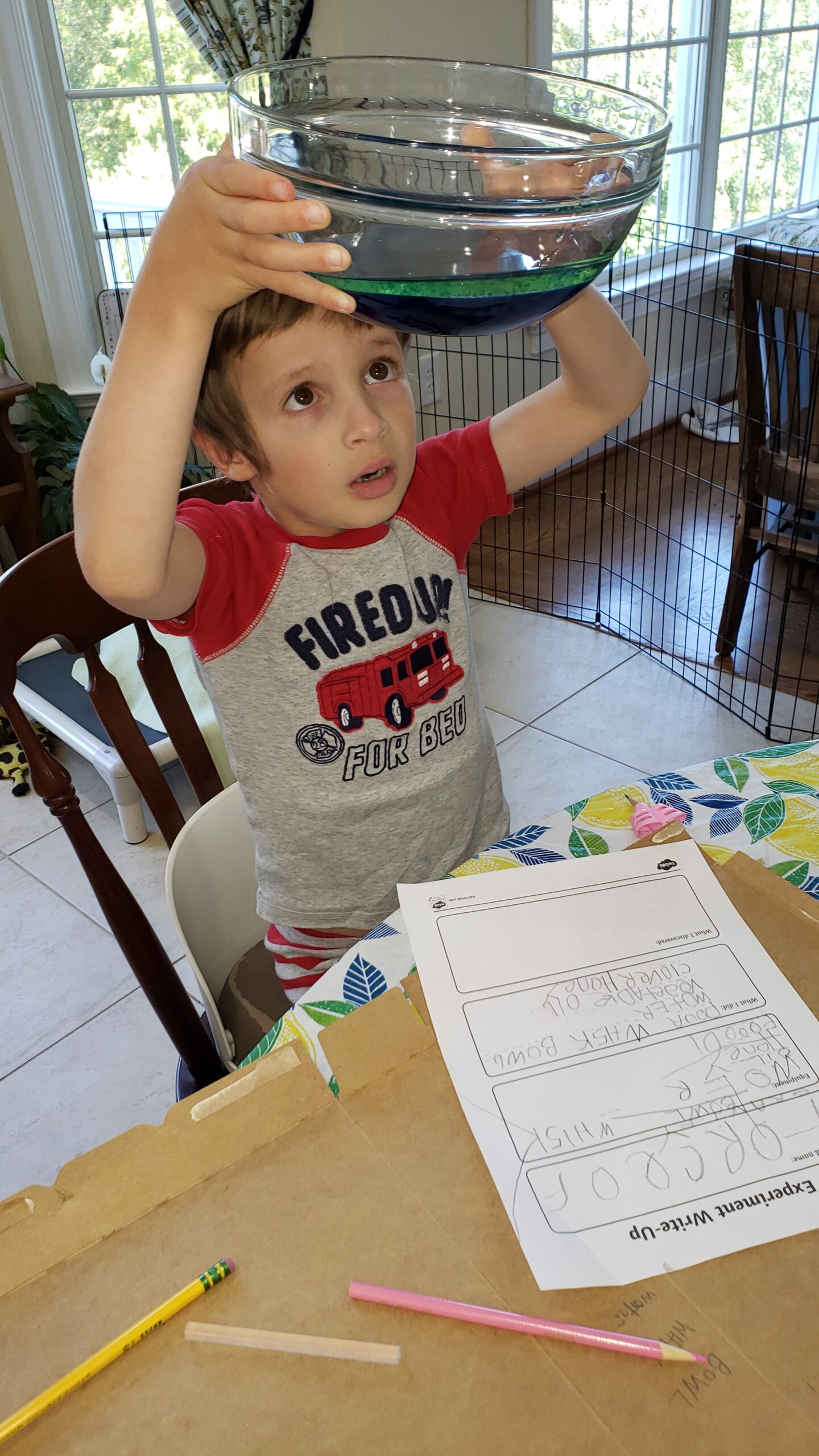
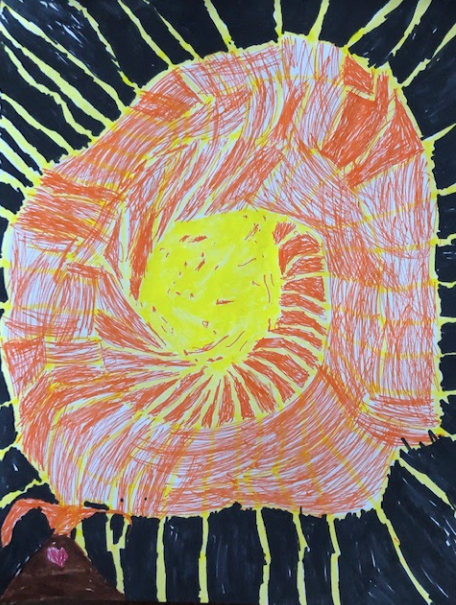
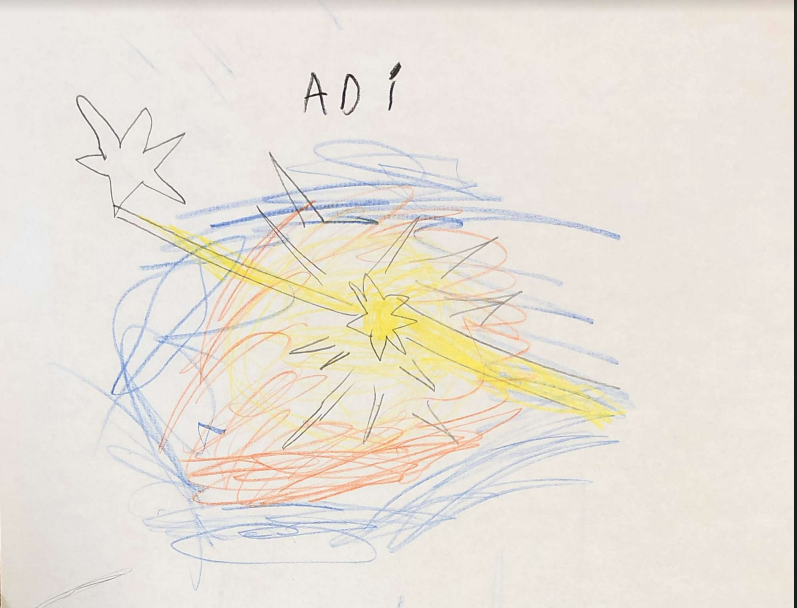
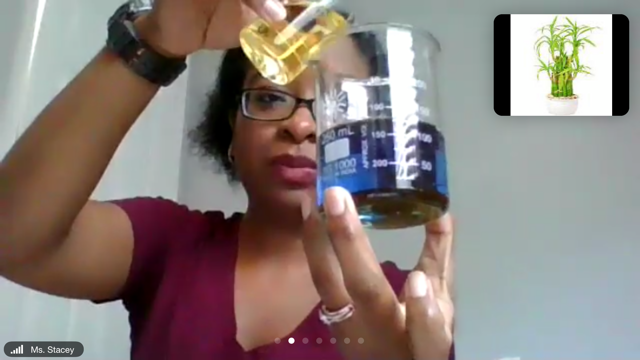
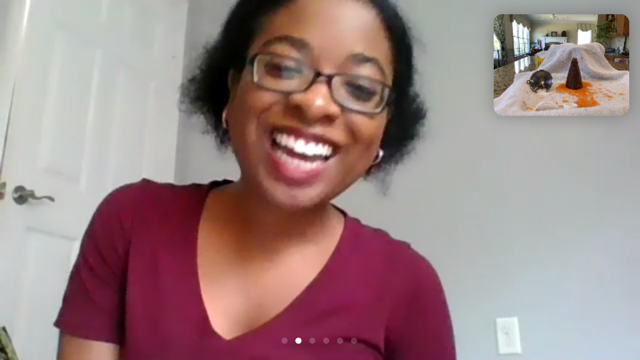
Recently, we told the story of The Coming of Life. We spoke about how all the elements in the universe were following their laws, including the elements on earth. The Sun, the Rocks, the Water, and the Wind play as characters in this story, and in order for these four characters to continue following their laws in harmony, life was created. We talk about the first life form probably looking like a microscopic jelly, through the evolution of life in water, to out of water, to dinosaurs, all the way to humans and life as we know it now. Stemming from these Great Lessons, there are many opportunities to learn about chemistry, physics, biology, history, and so much more. There was an interesting hands-on lesson for the children on density and particles that involved water, oil, and honey. These early lessons have sparked an interest among the students to study space and volcanos. 

Upper Elementary Elementary

Our Upper Elementary students are in a hybrid class with some students Learning from Home and others on campus in the classroom. This group also began the year with our Great Stories. Each year, as the children get older, they discover new details in the Great Stories that spark their interests in a variety of fields. One of the lessons stemming from these Great Stories was the parts of a river. Outside on campus, Mr. Brad demonstrated to the students how water travels through a valley, carving a river. 

Learn More About Our Programs!

If you are interested in learning more about the Montessori curriculum and whether Greenspring Montessori School is the right fit for your child, please schedule your virtual or in person visit.