Kwanzaa Presentations in Children’s House and Elementary

Kwanzaa Presentations in Children’s House and Elementary

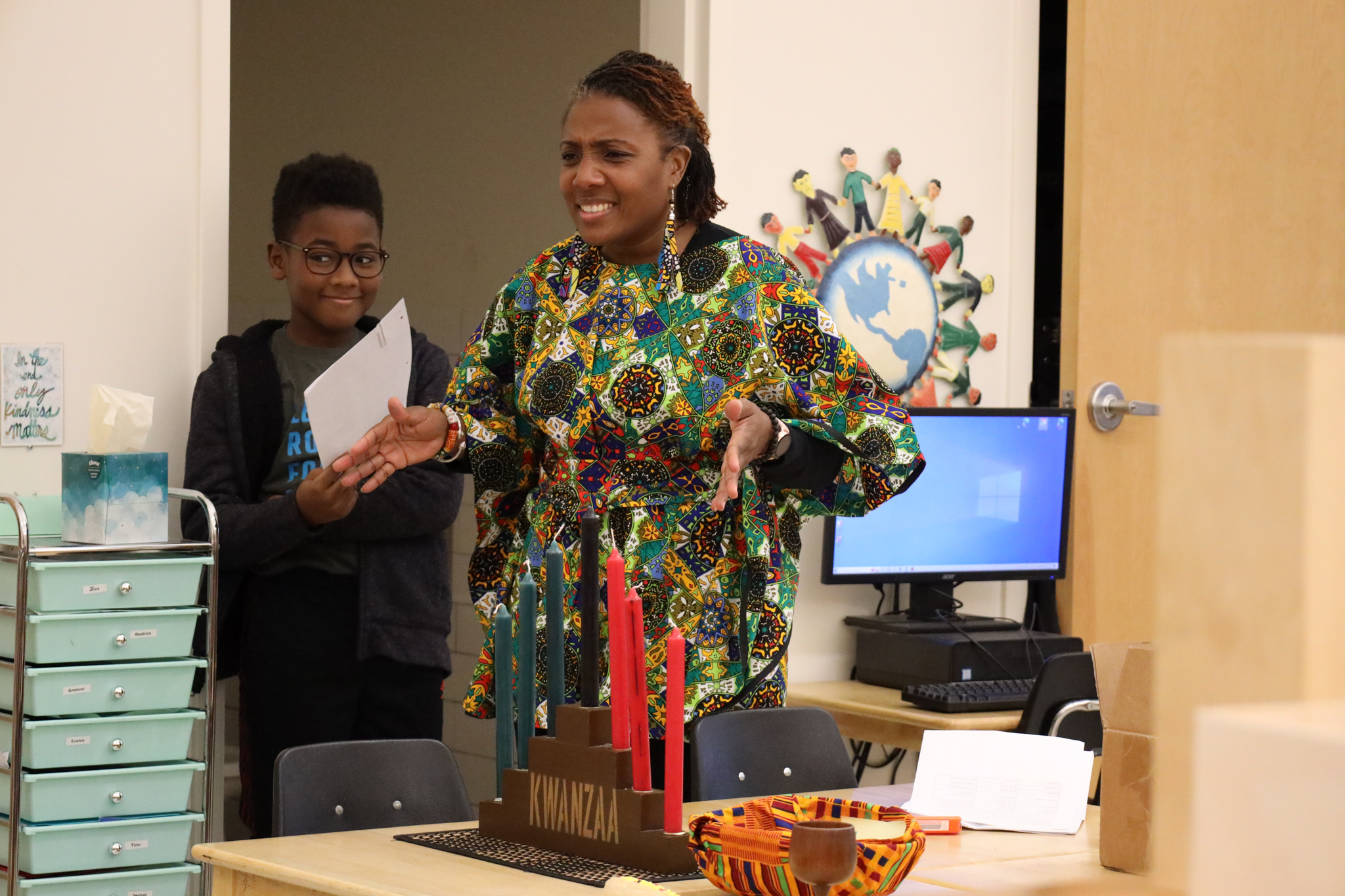
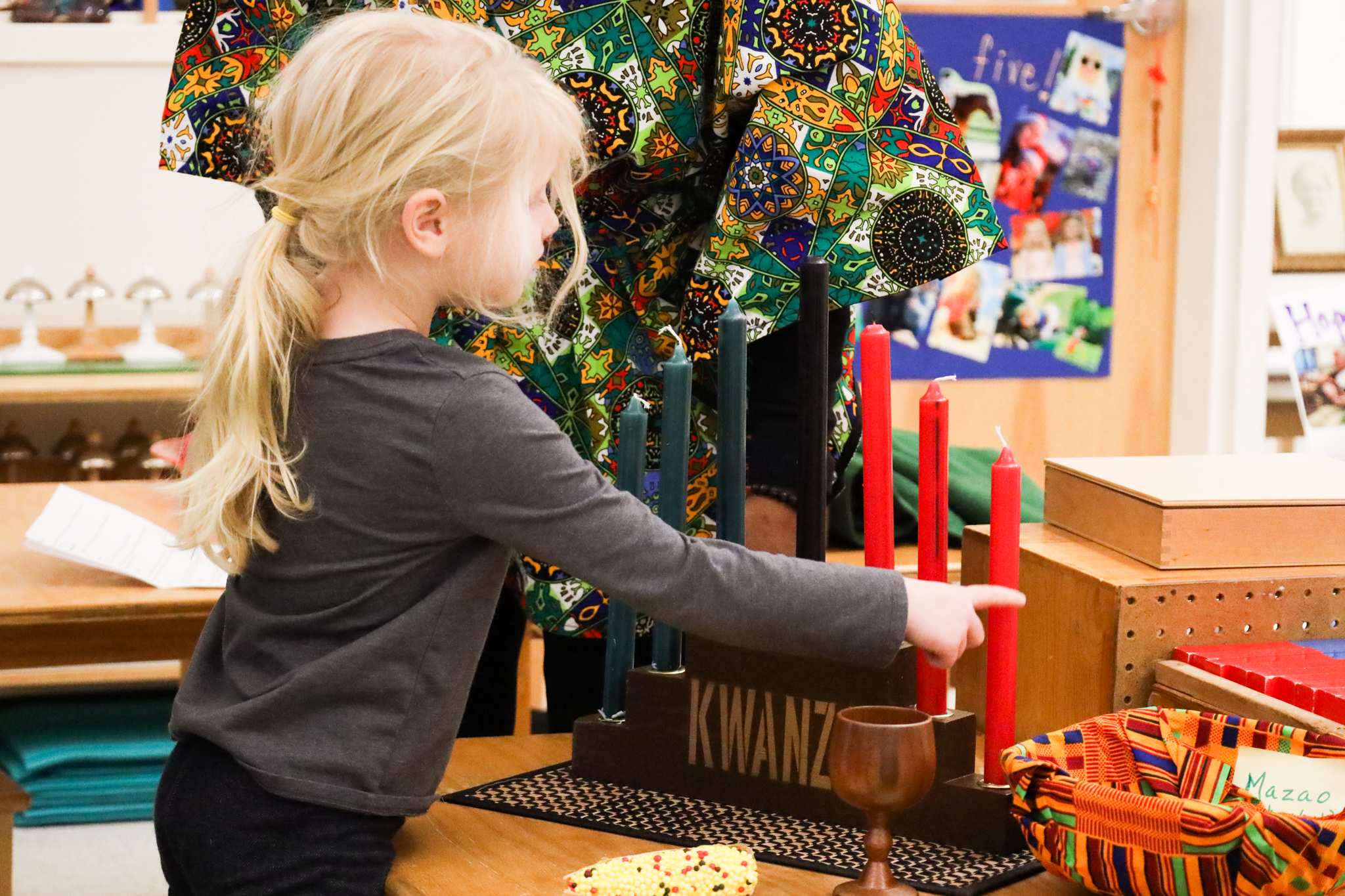
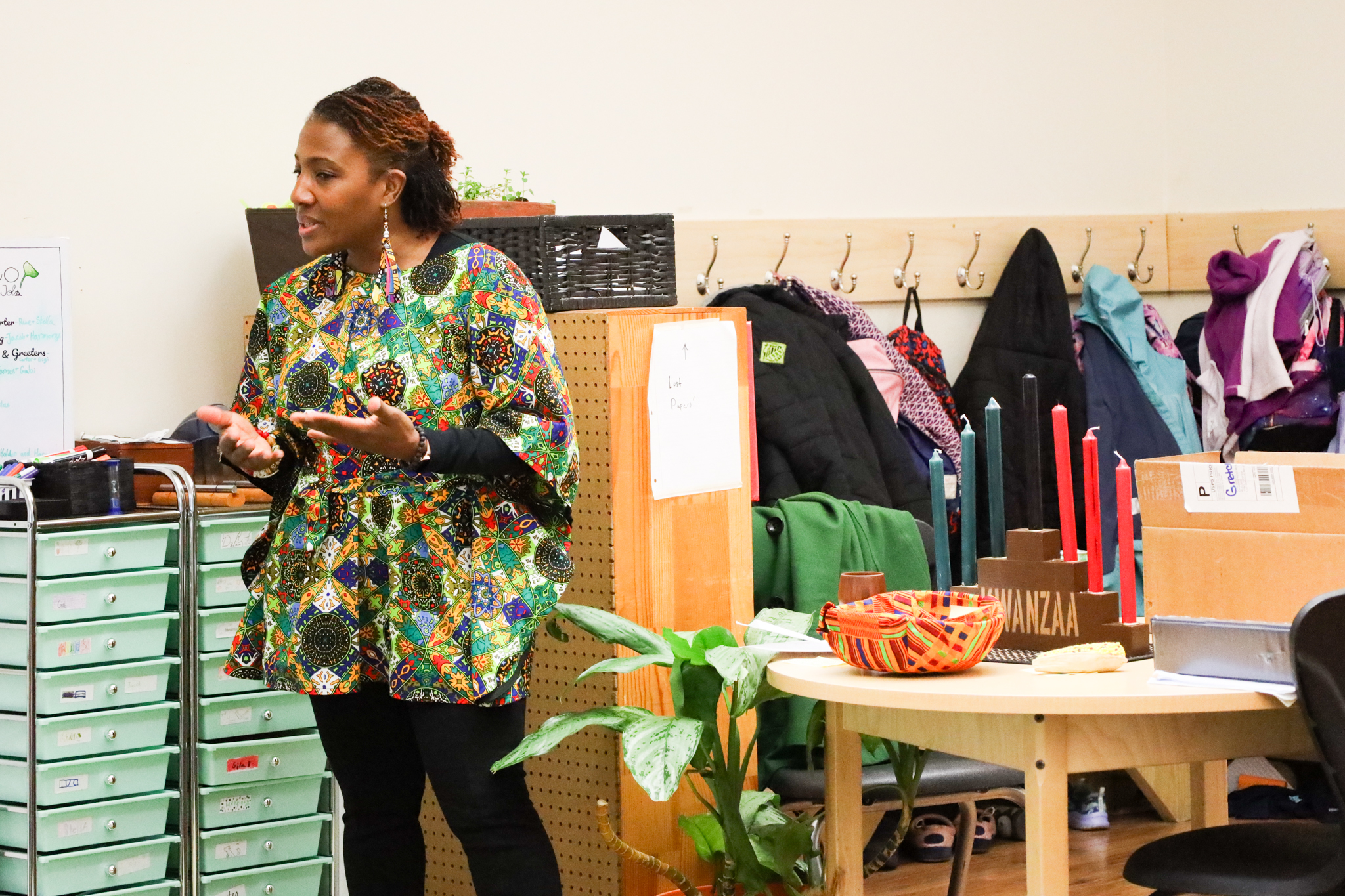
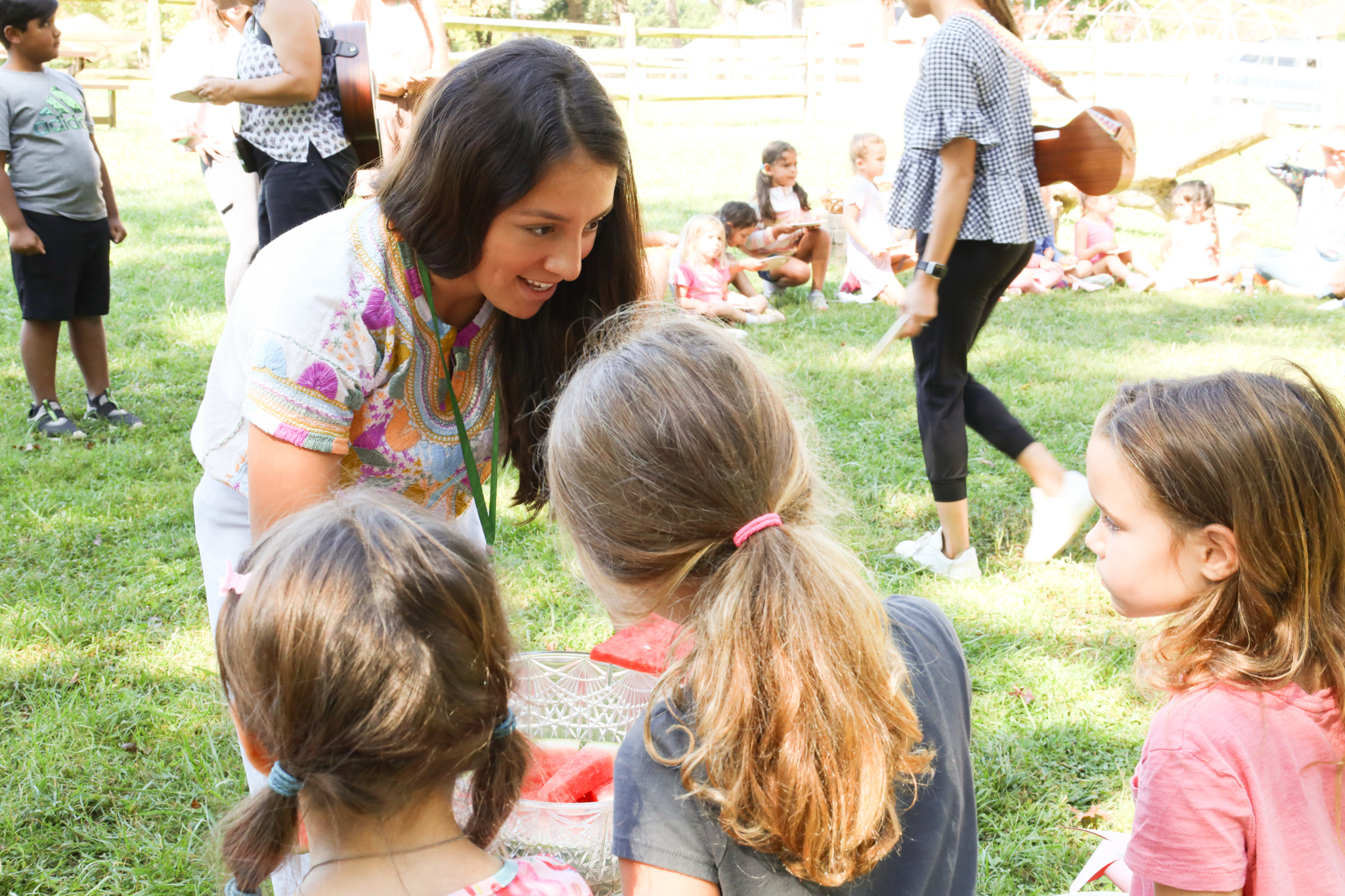
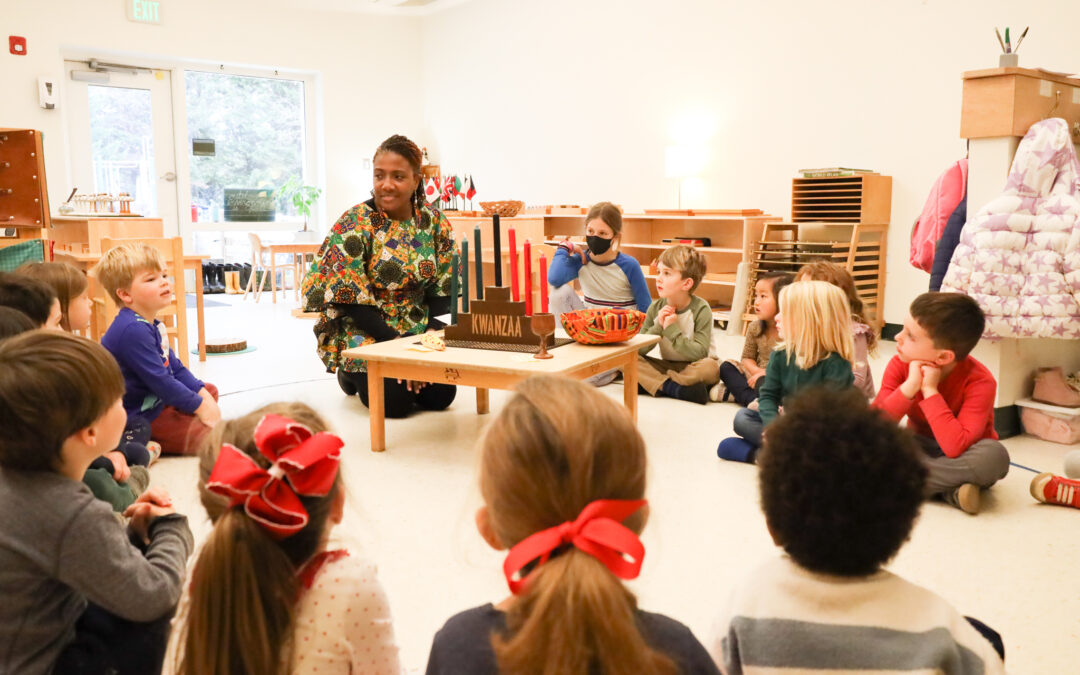
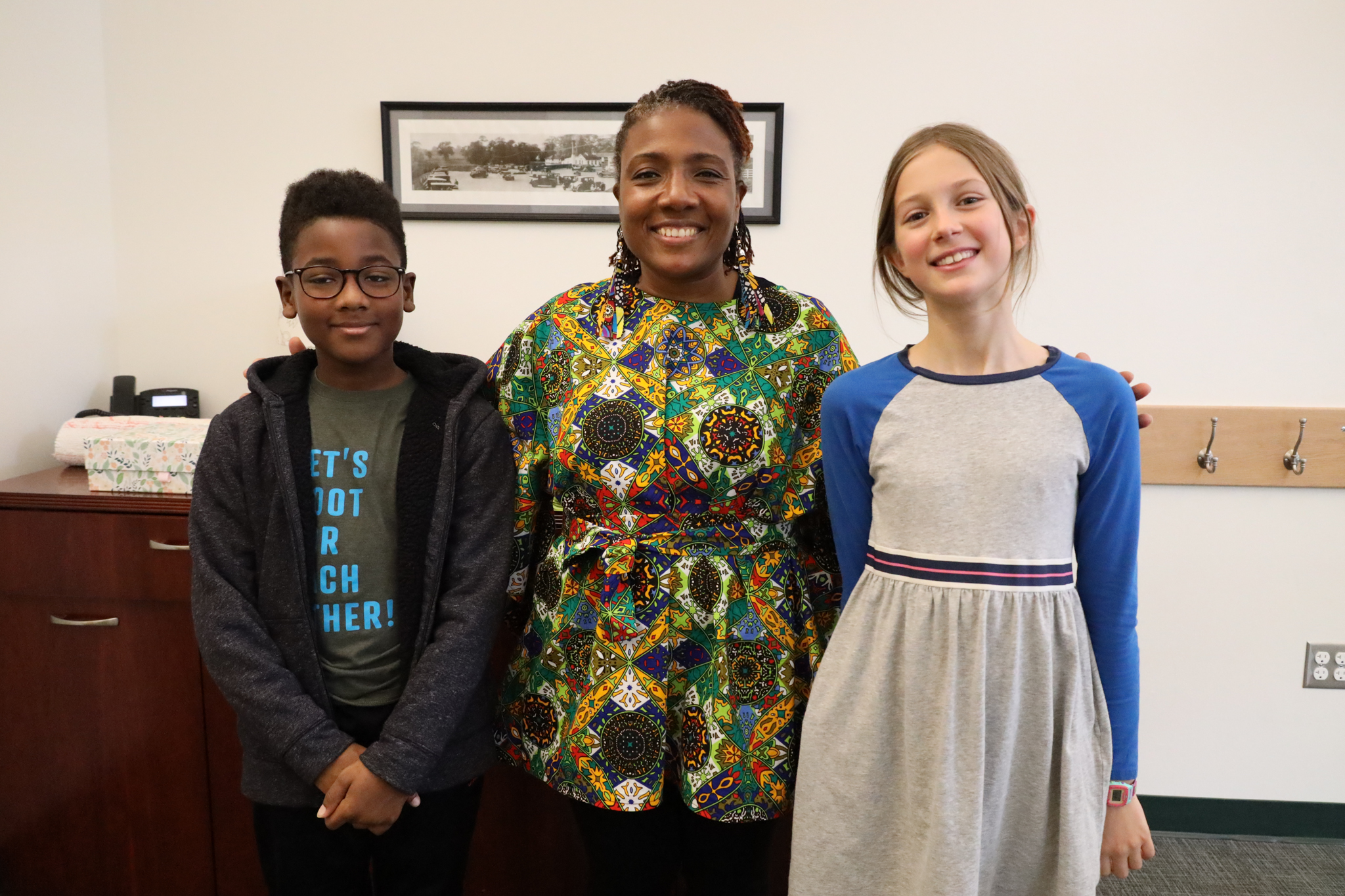
We would like to thank Greenspring parent, Kisha Carrington, for coming in today and sharing her Kwanzaa traditions with our Children’s House and Elementary classes. Kisha showed our students how to light the Kinara, described the seven principles of Kwanzaa, and brought a basket of fresh fruit to share with each class. Special thanks also go to the Upper Elementary volunteers who helped Kisha throughout the morning with her presentations!⁠ ⁠

Kwanzaa is celebrated from December 26 through January 1 to celebrate African American culture. ⁠ Each of the seven days are devoted to one of the principles:

  1. Umoja – Unity in family and community
  2. Kujichagulia (Self-determination) – To define and name ourselves, as well as to create and speak for ourselves
  3. Ujima (Collective work and responsibility) – To build and maintain our community together and to solve our problems together
  4. Ujamaa (Cooperative economics) – To build and maintain our own stores, shops, and other businesses and to profit from them together
  5. Nia (Purpose) – To make our collective vocation the building and developing of our community
  6. Kuumba (Creativity) – To do always as much as we can in order to leave our community more beautiful and beneficial than we inherited it
  7. Imani (Faith) – To believe in our people, our parents, our teachers, and our leaders

We are grateful to all of the families and staff members who have shared your cultural traditions with our children this year. ⁠
Celebrating Diwali with our Children and Families

Celebrating Diwali with our Children and Families

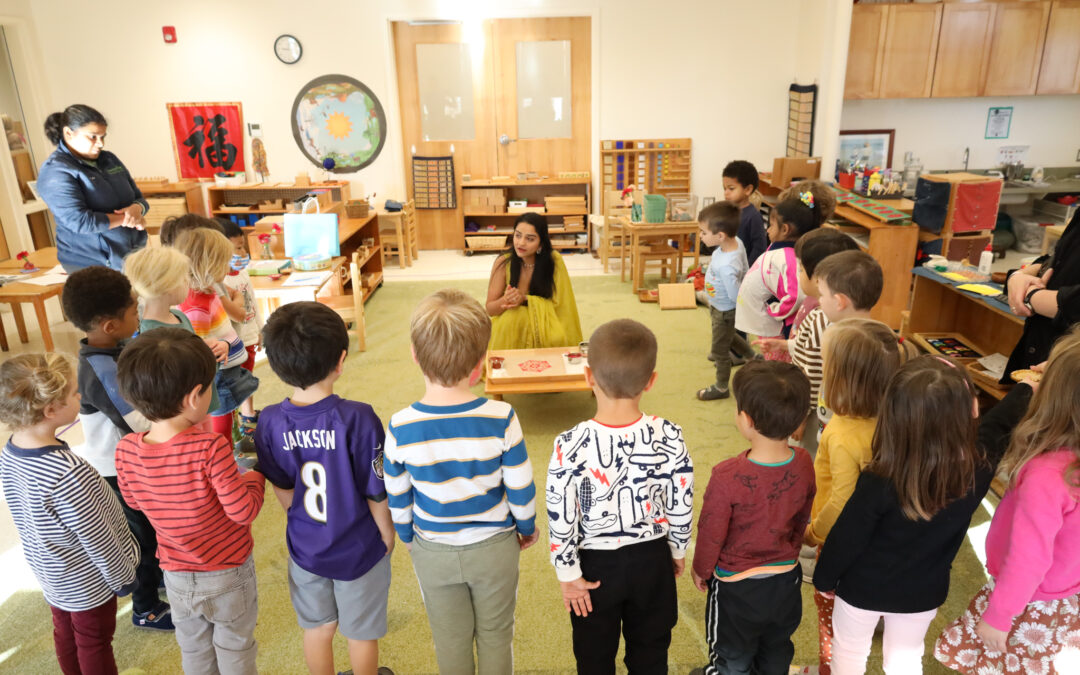
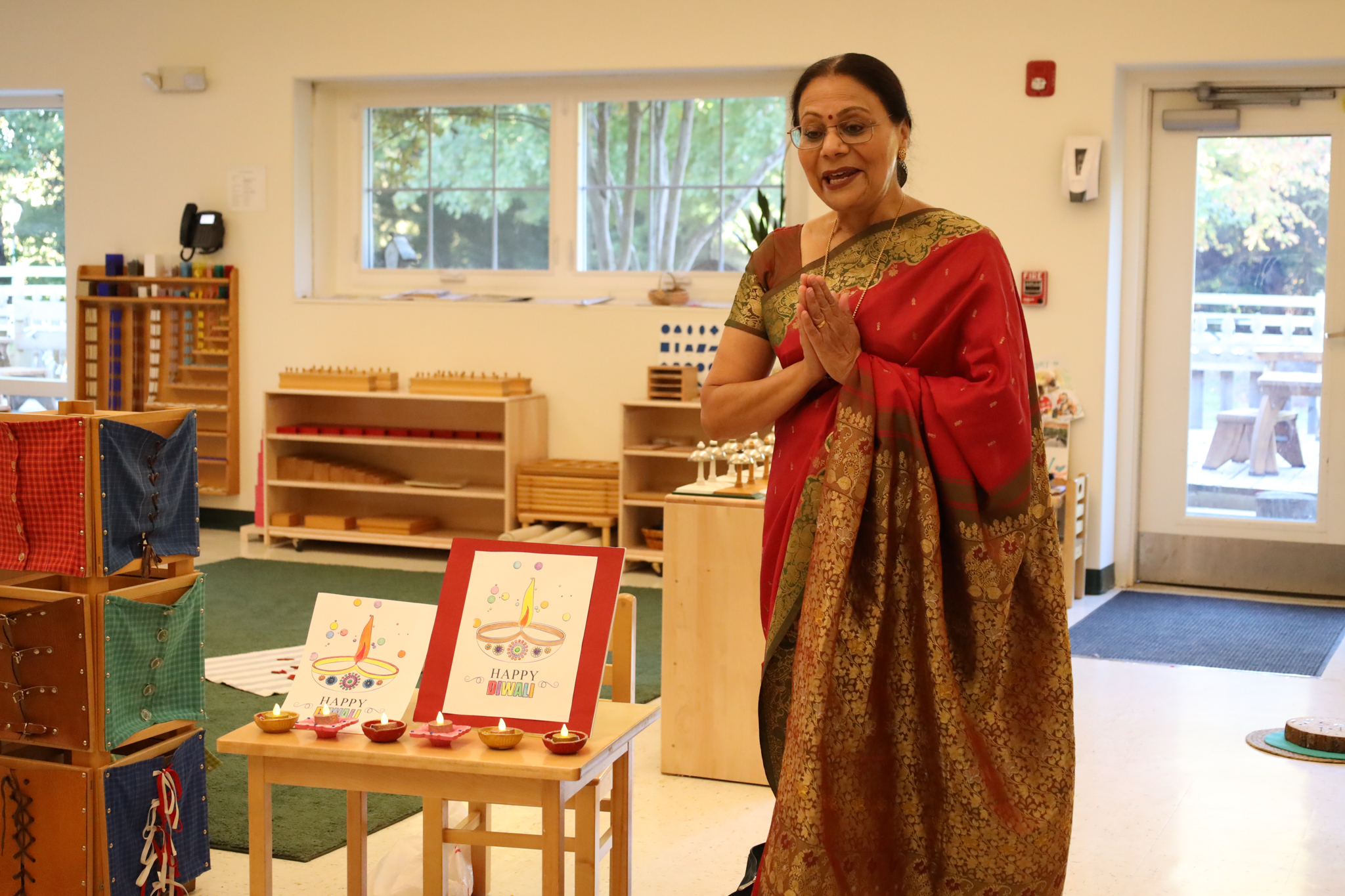
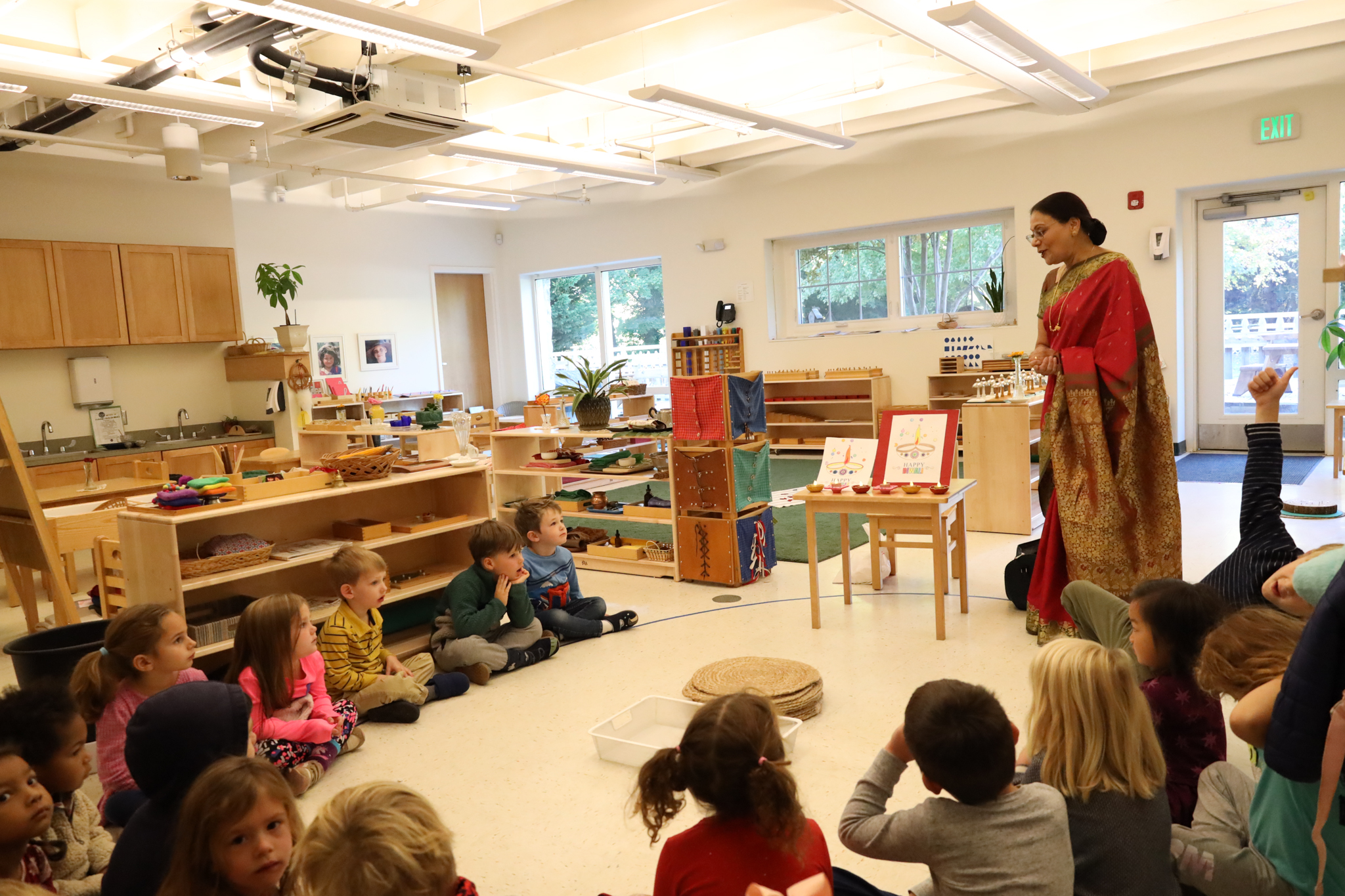
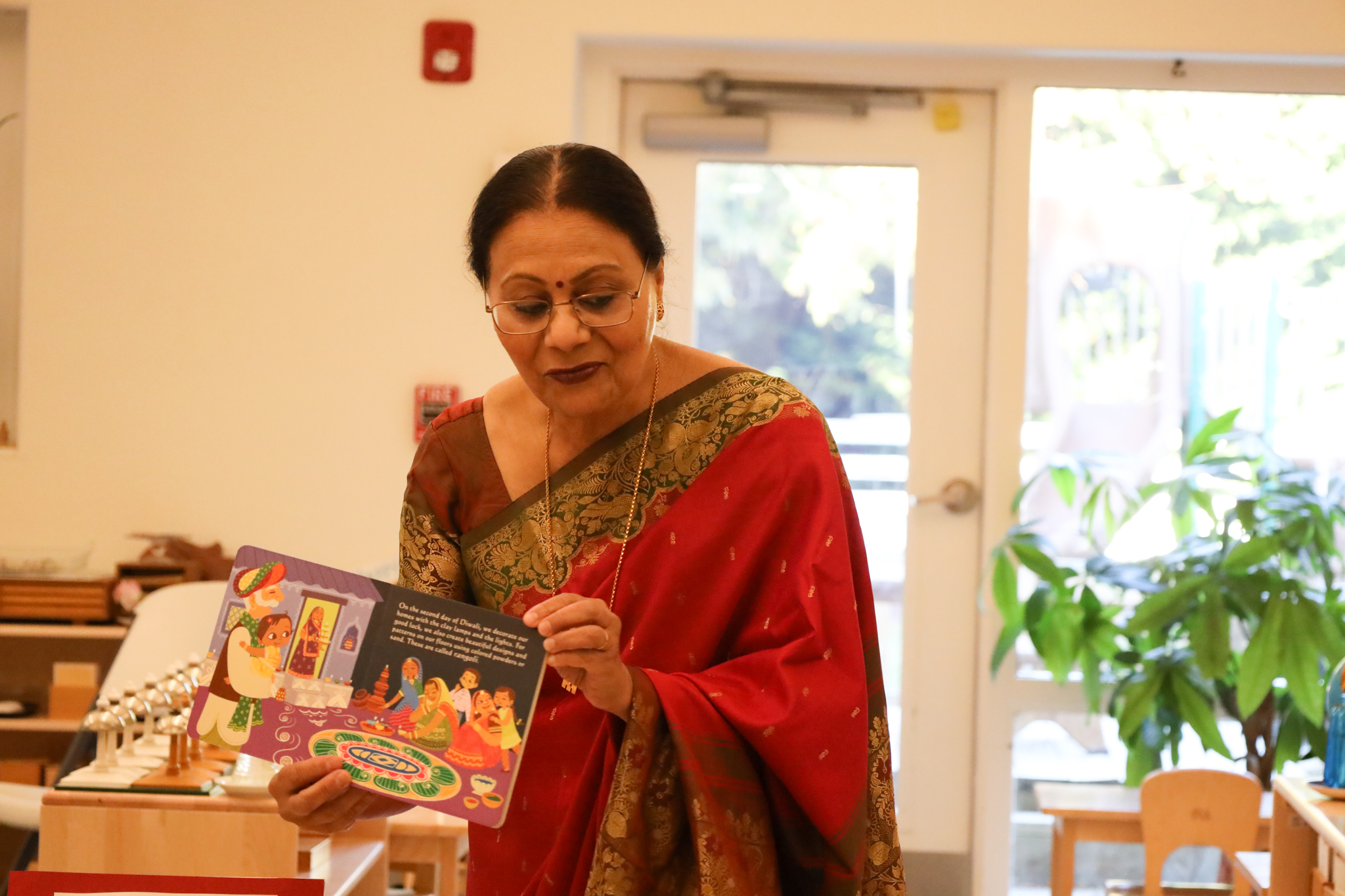
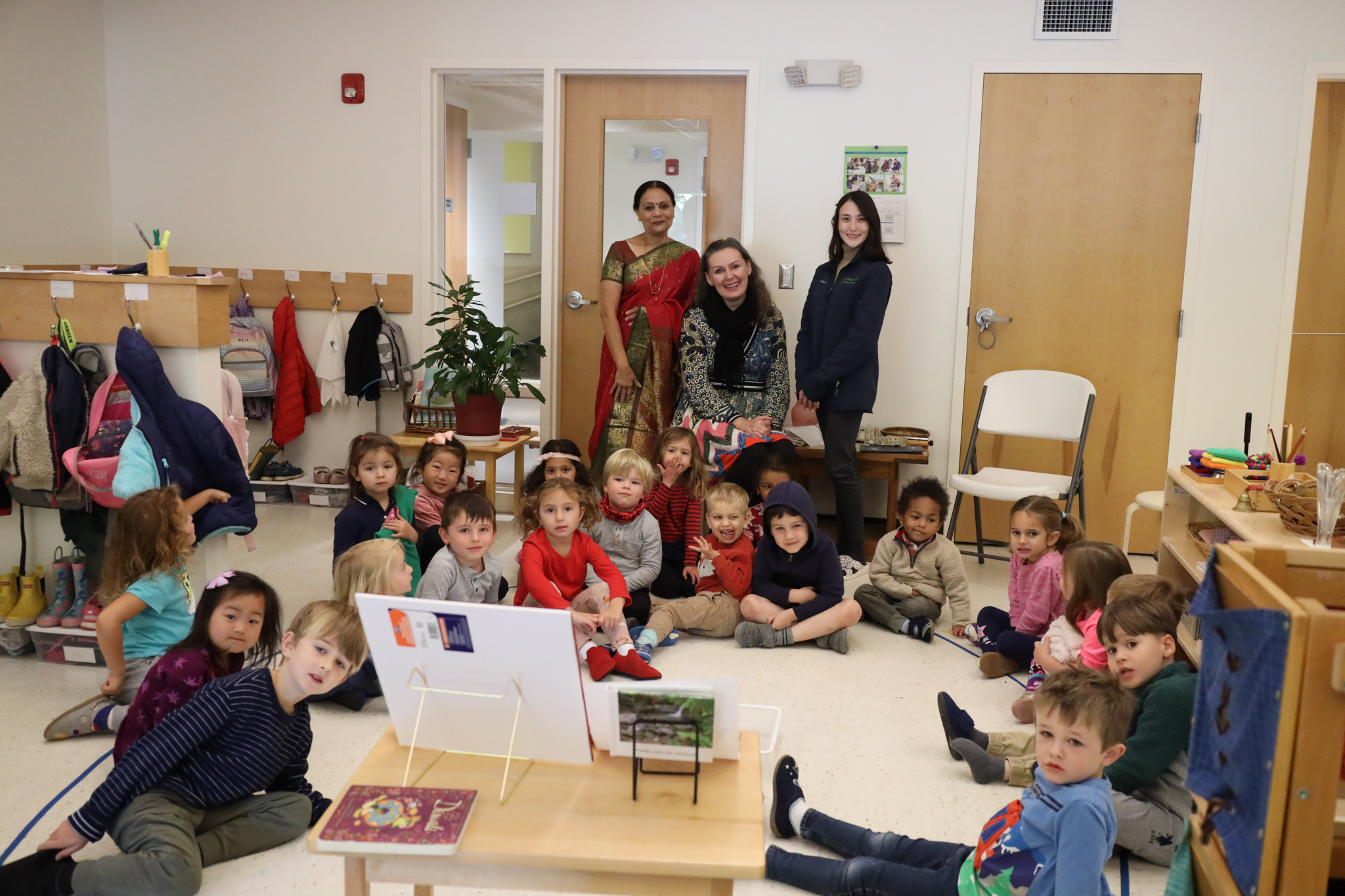
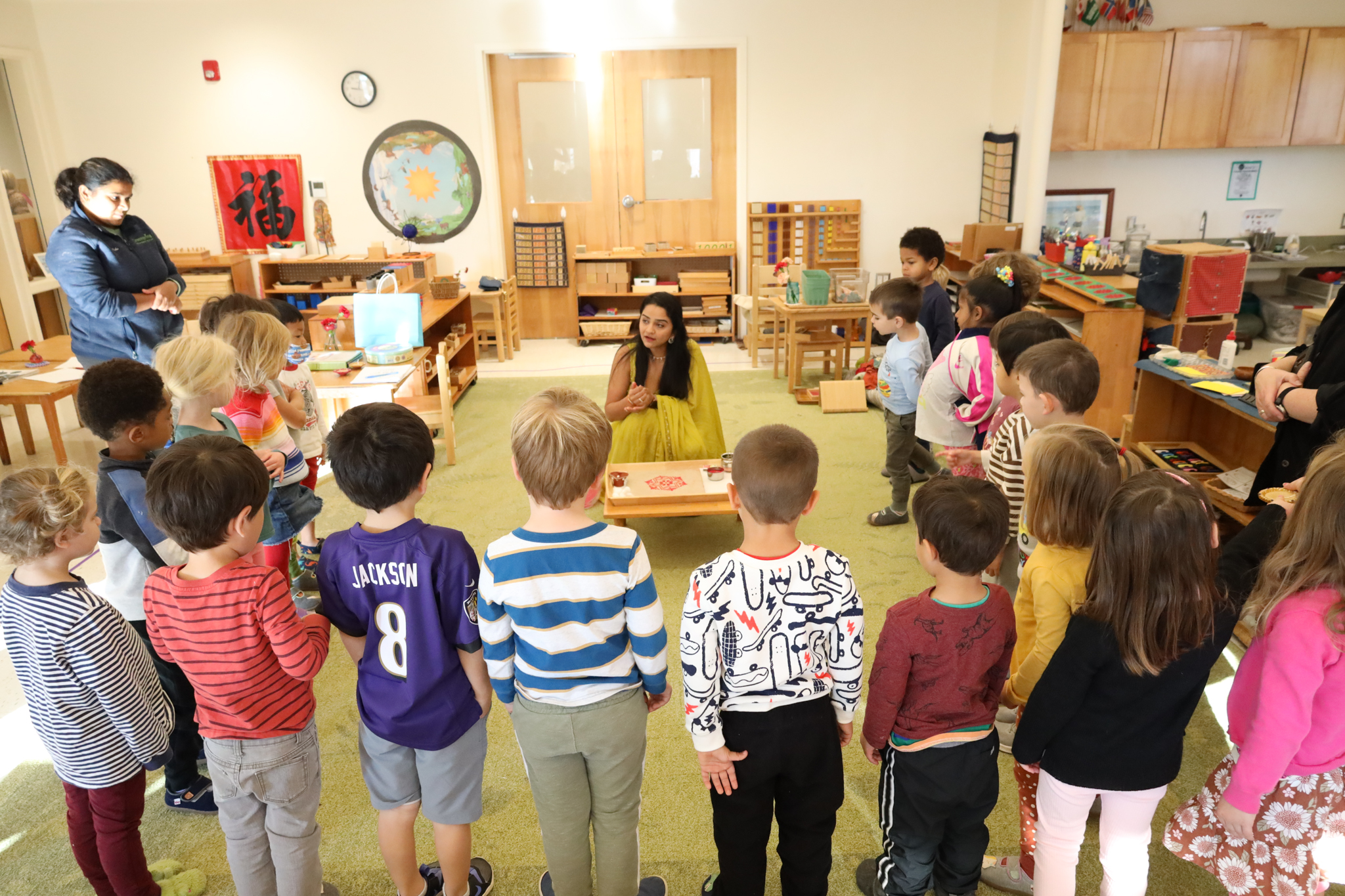
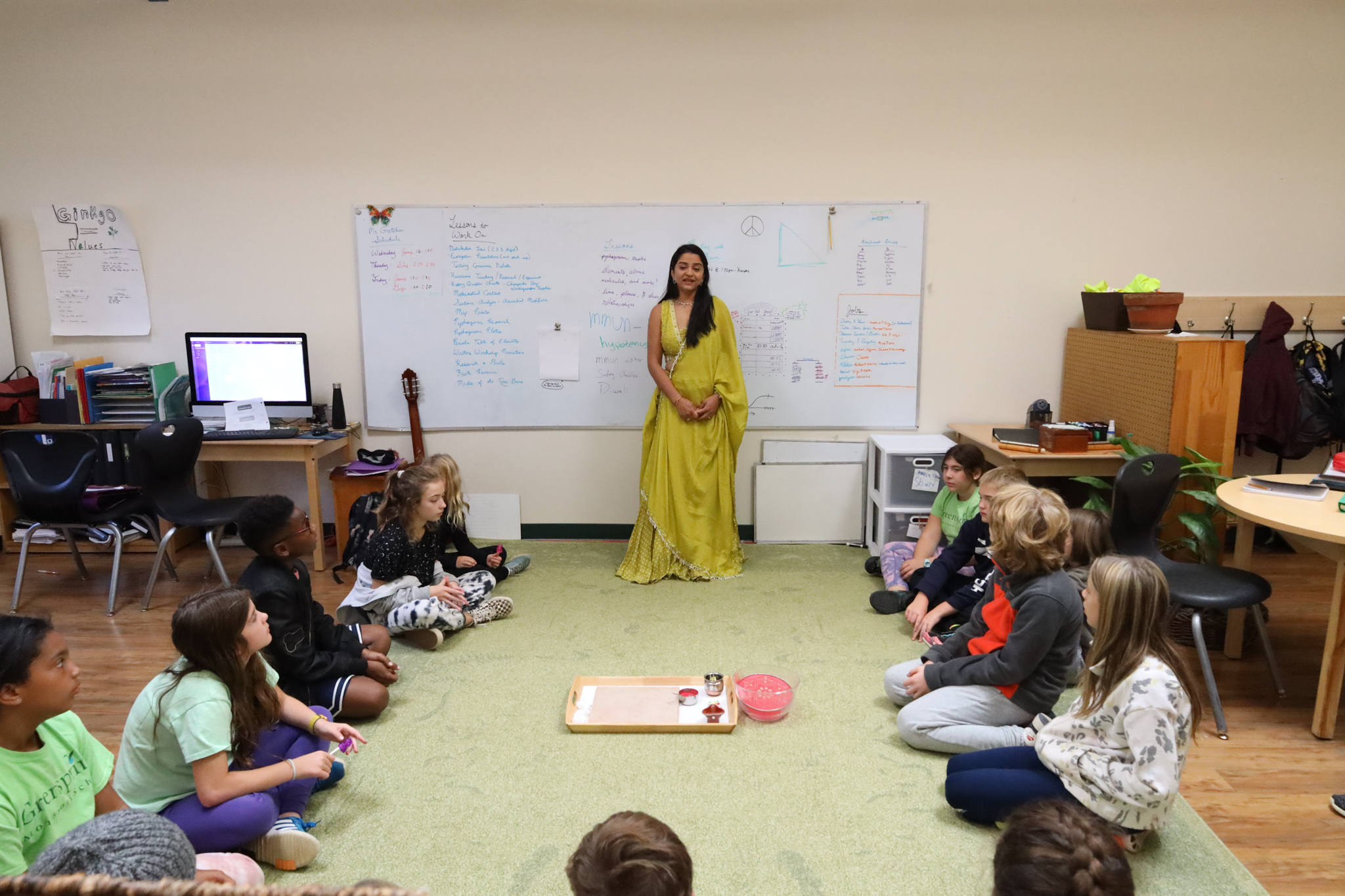
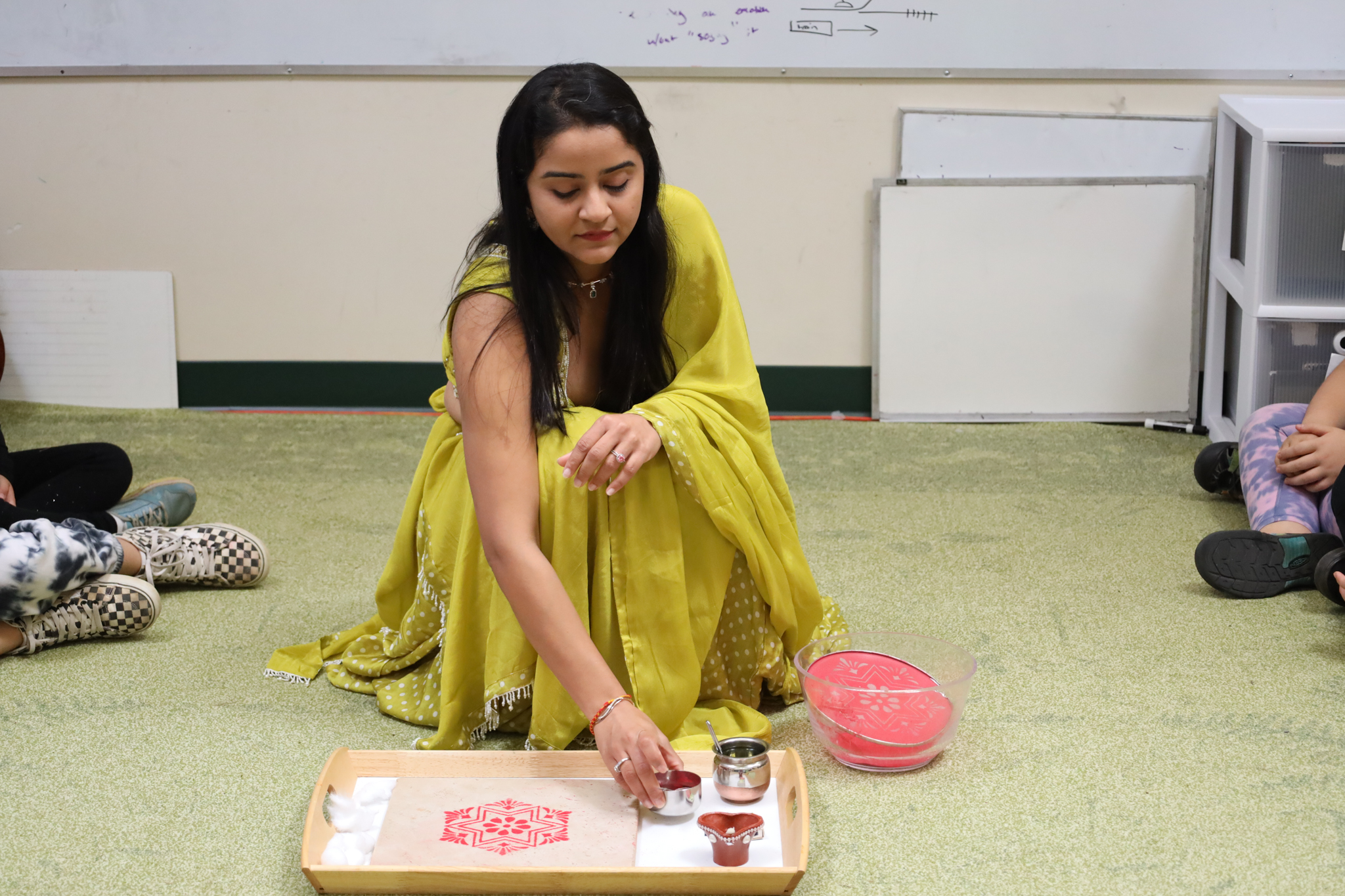
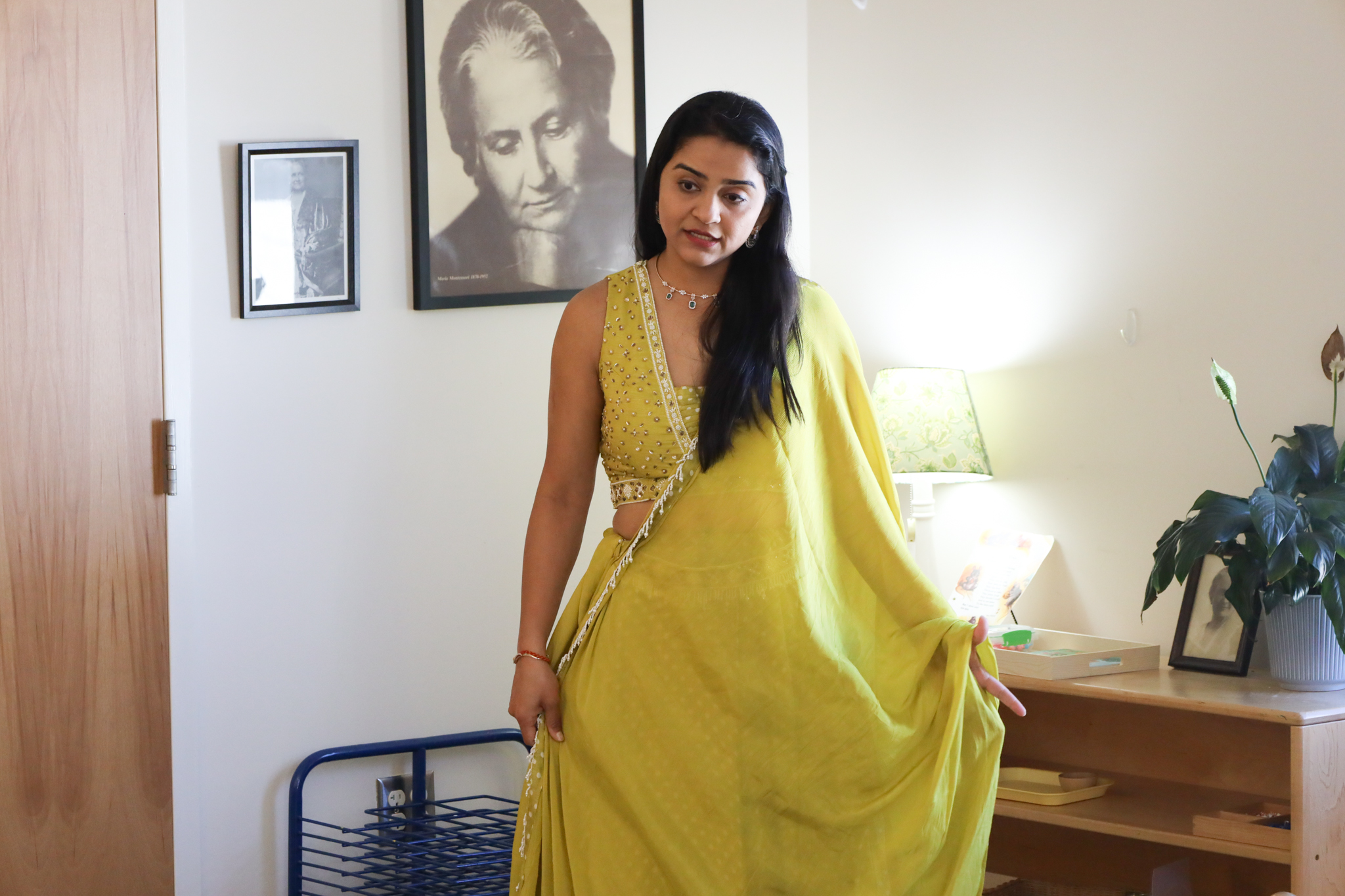
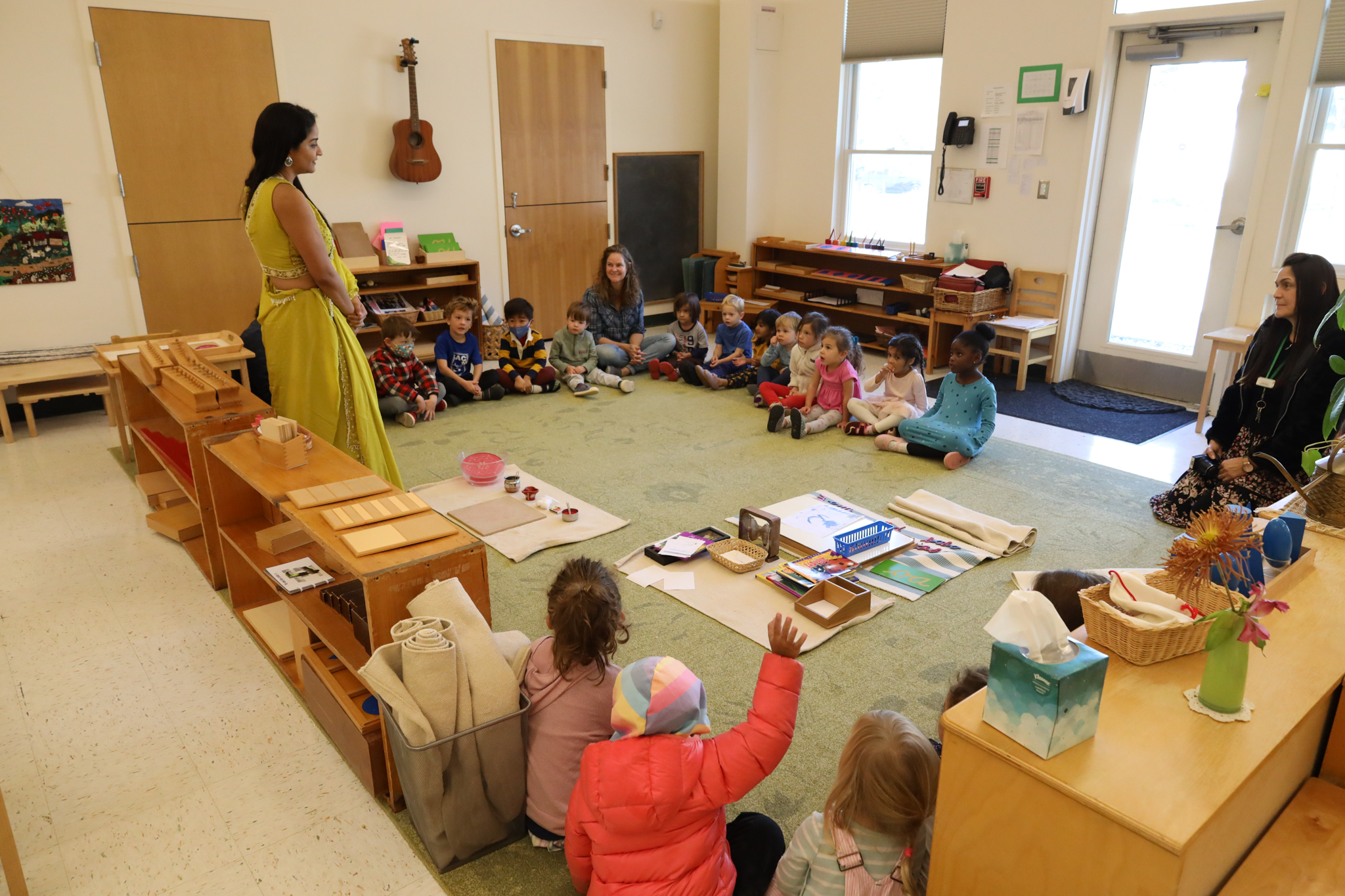
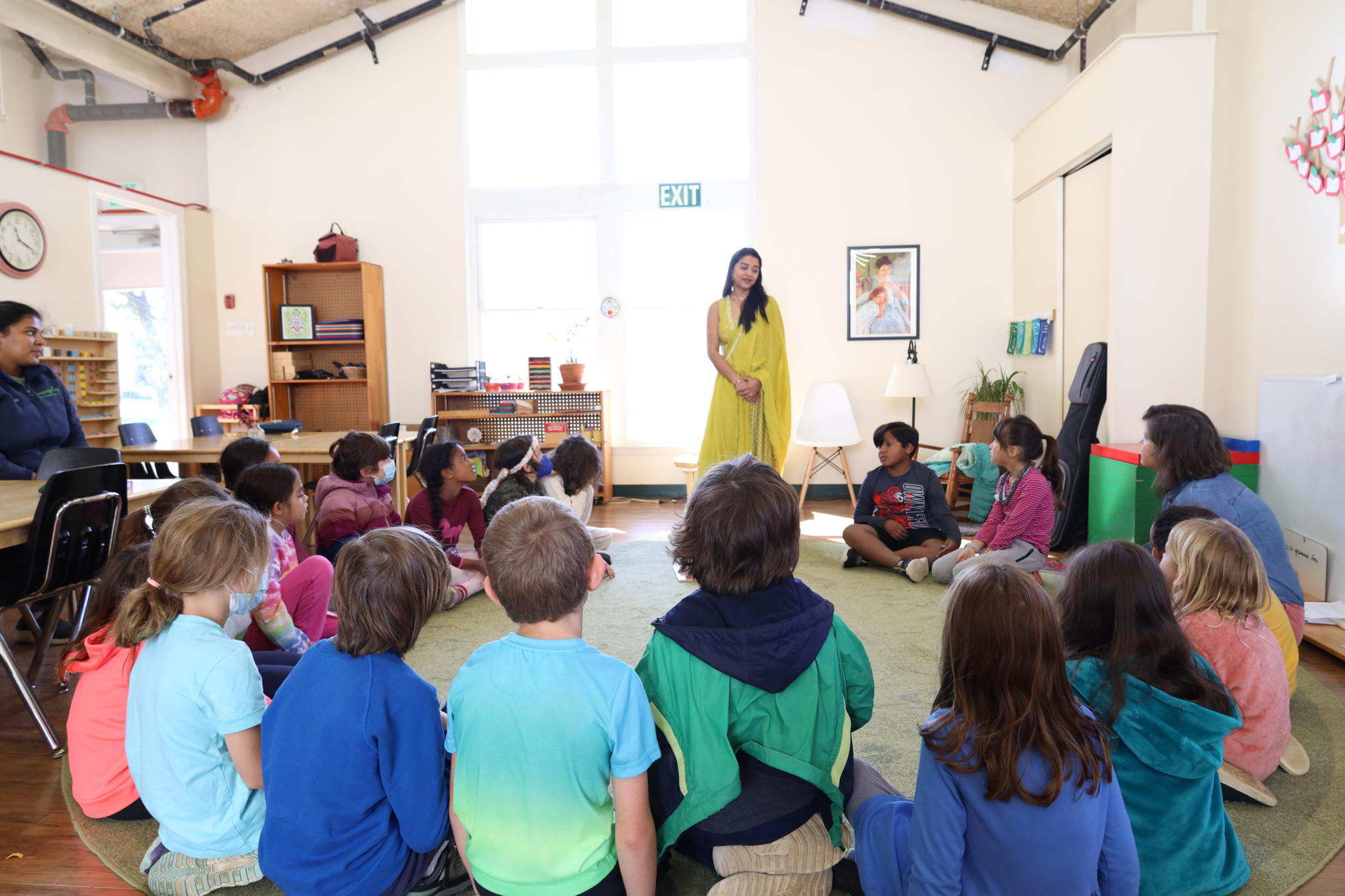
Thank you so much to Greenspring parents and grandparents who visited our classrooms today to speak about Diwali!

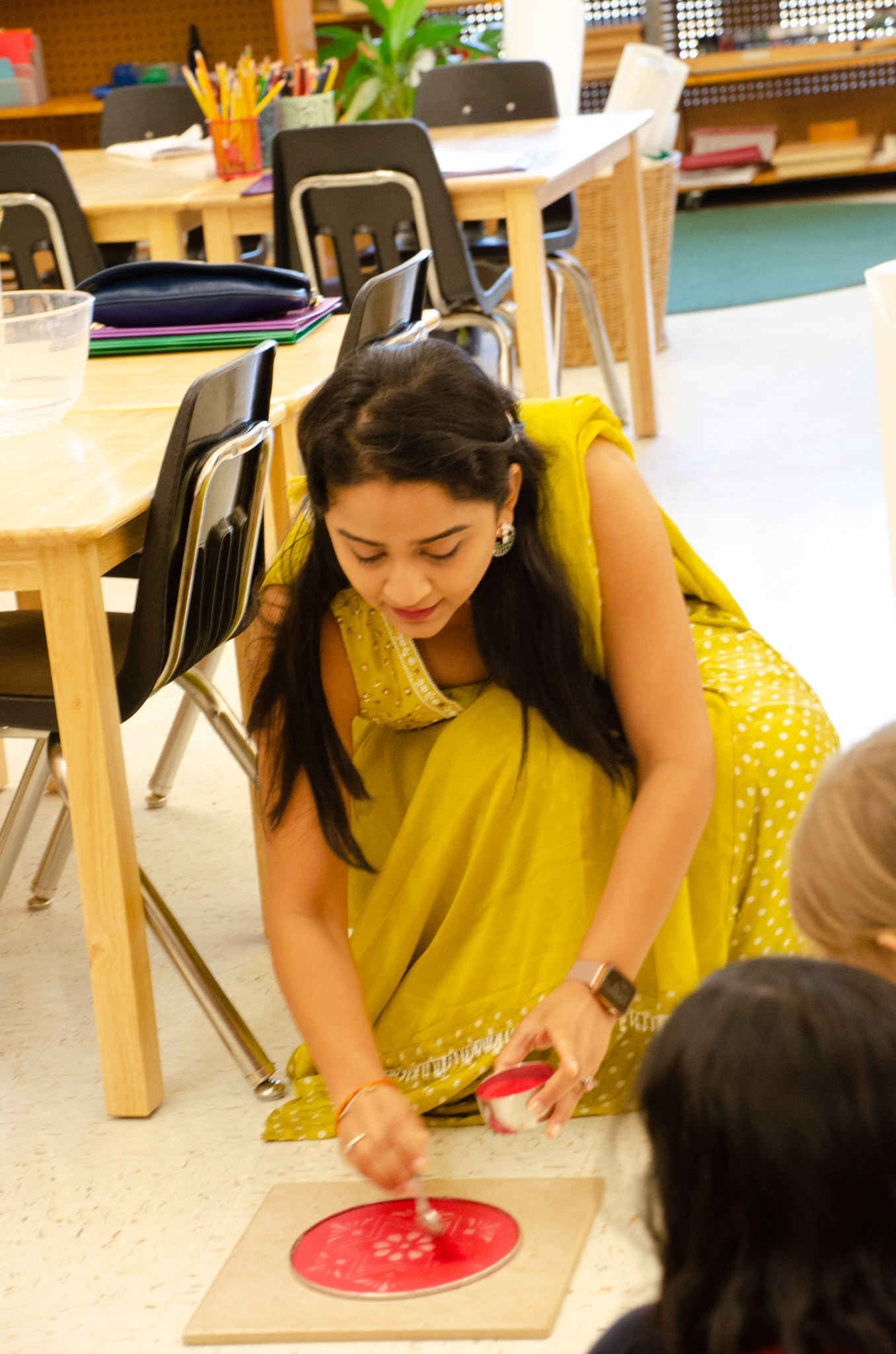
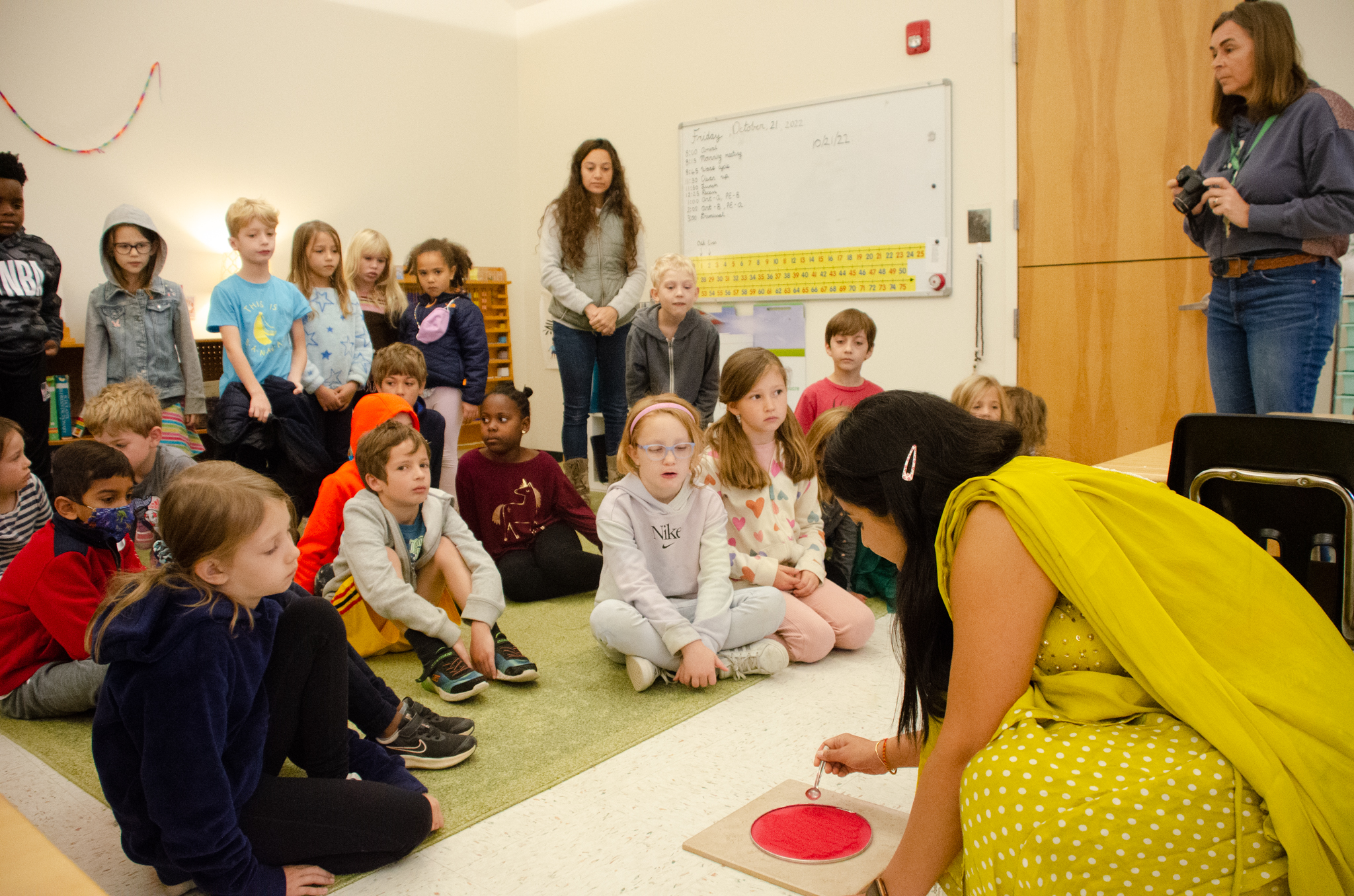
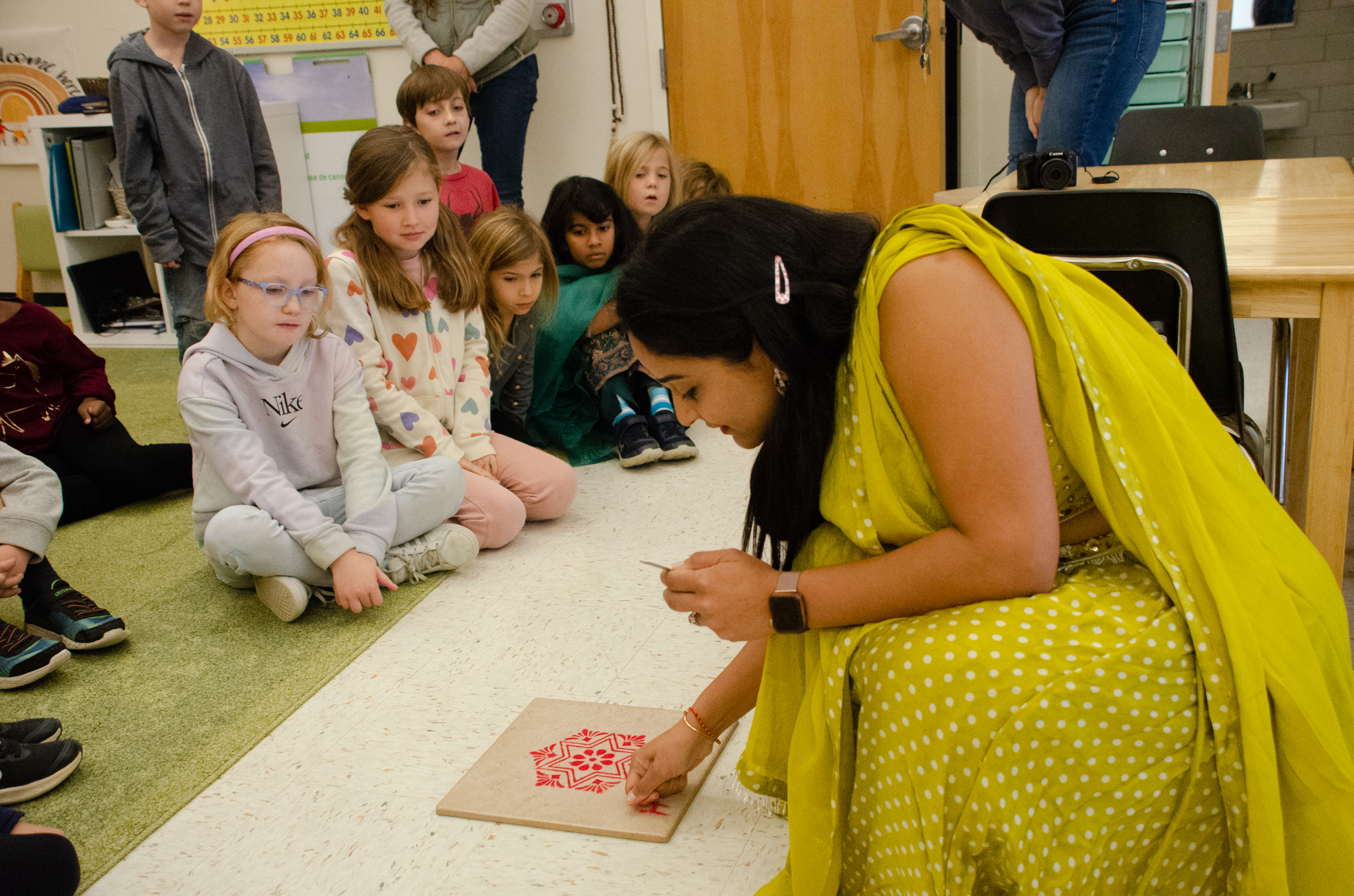
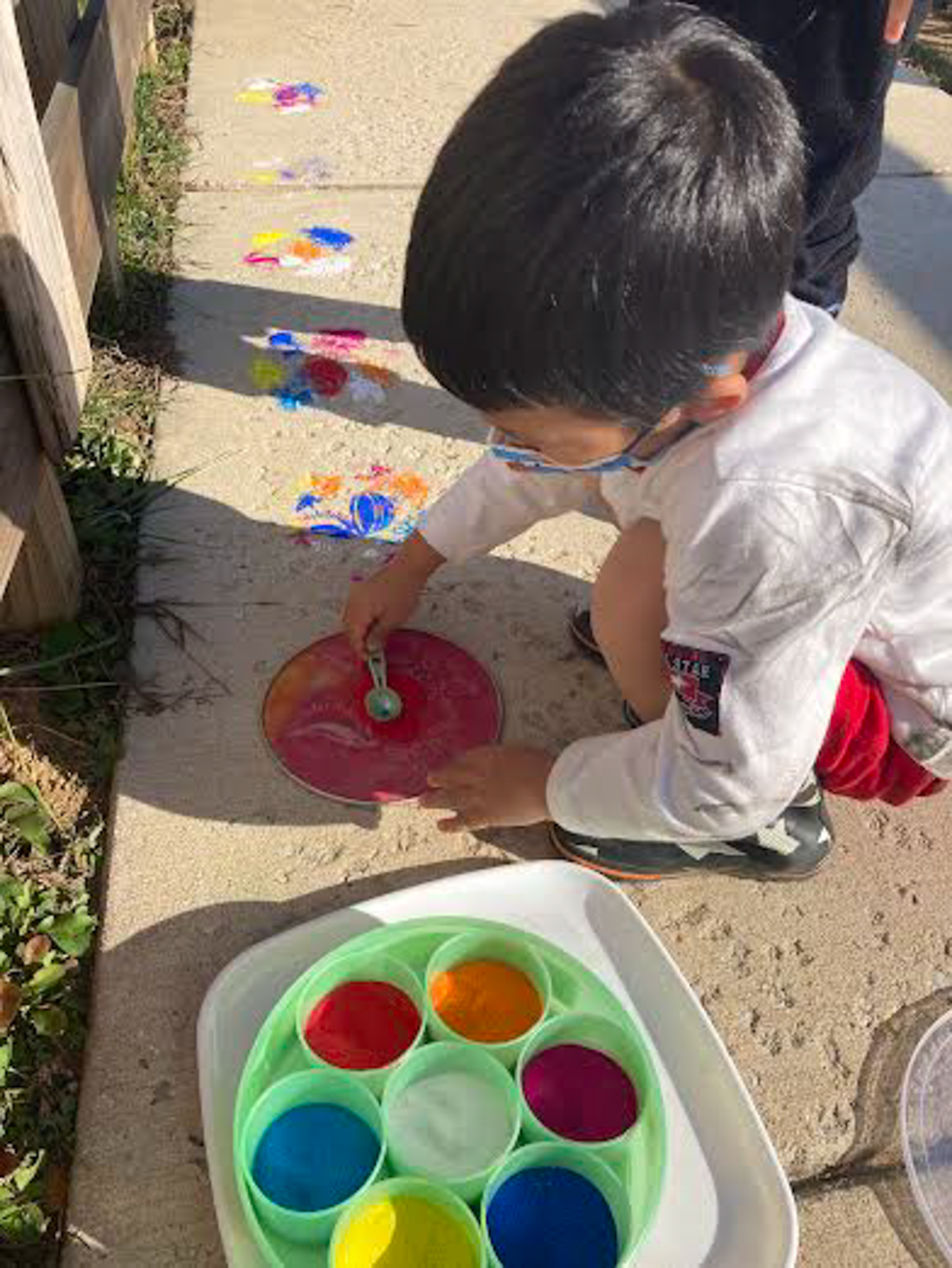
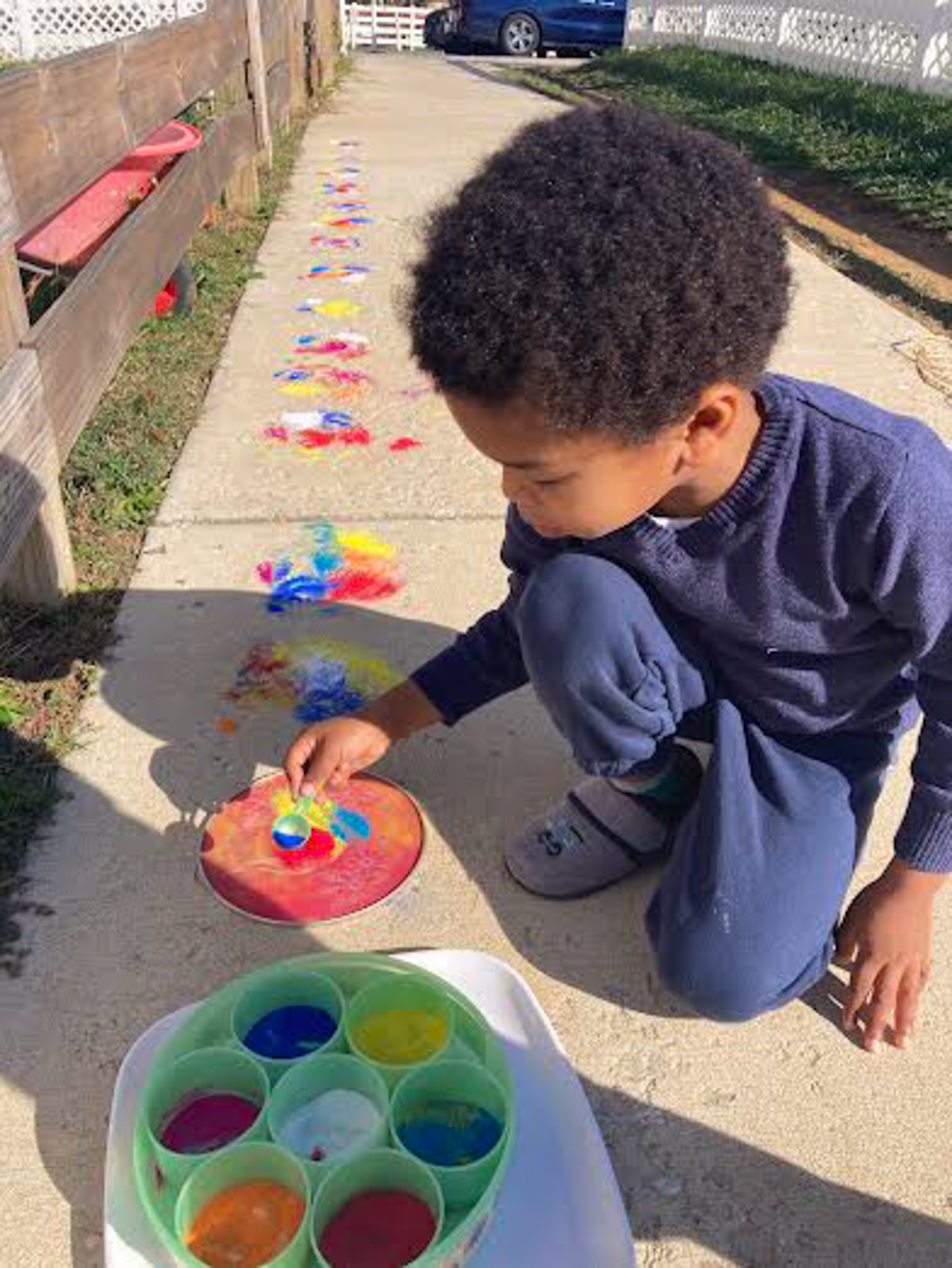
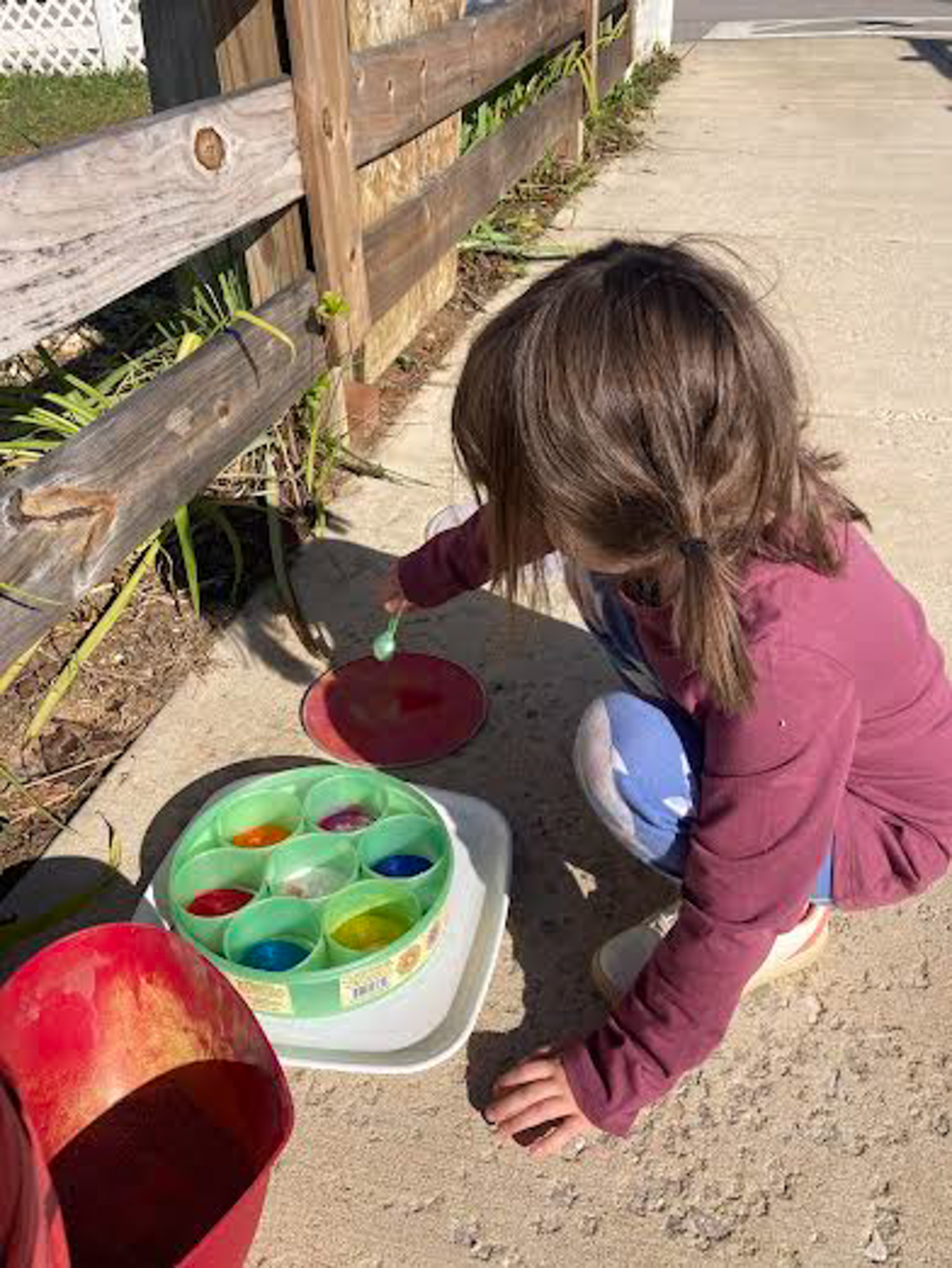
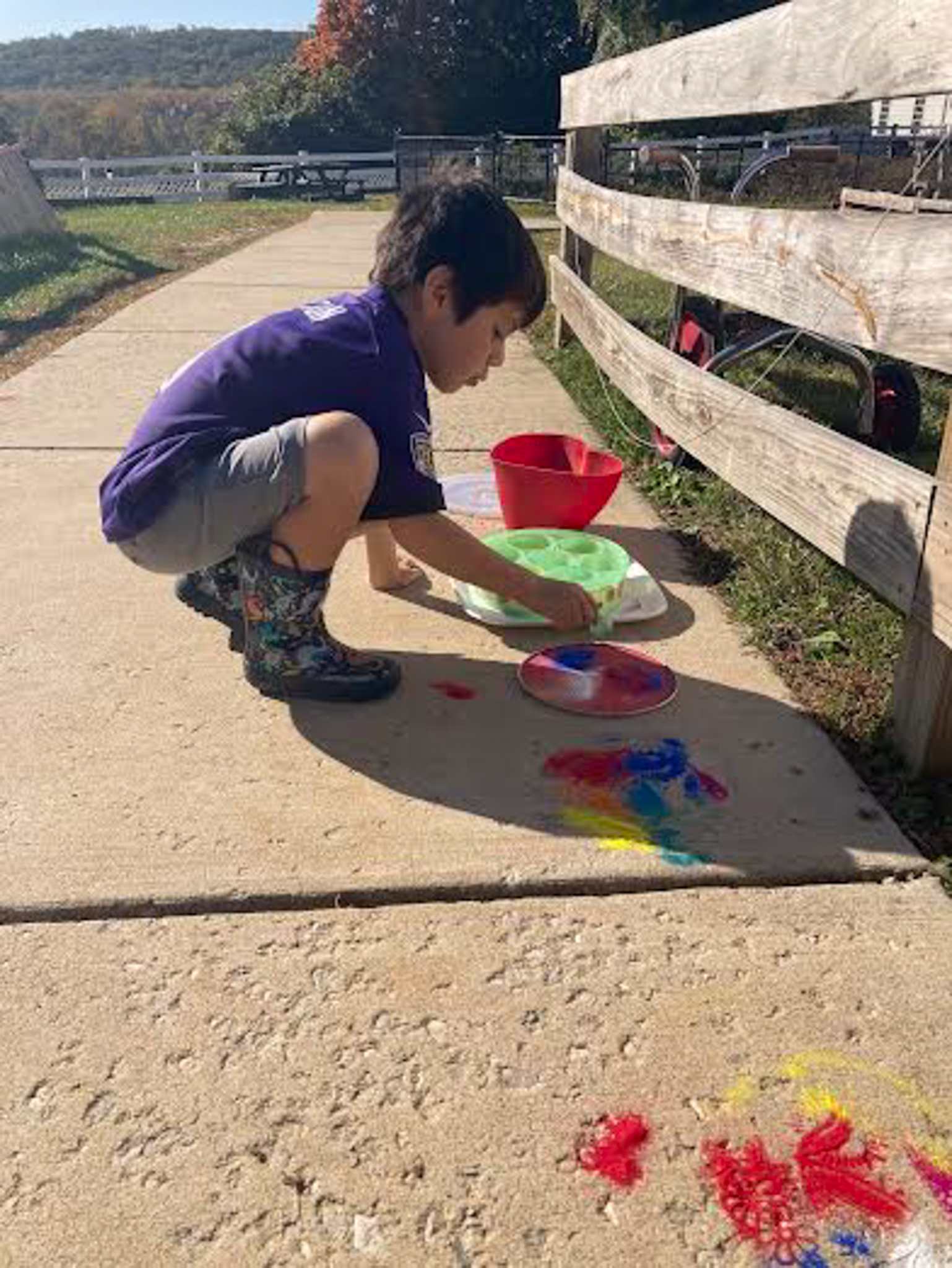
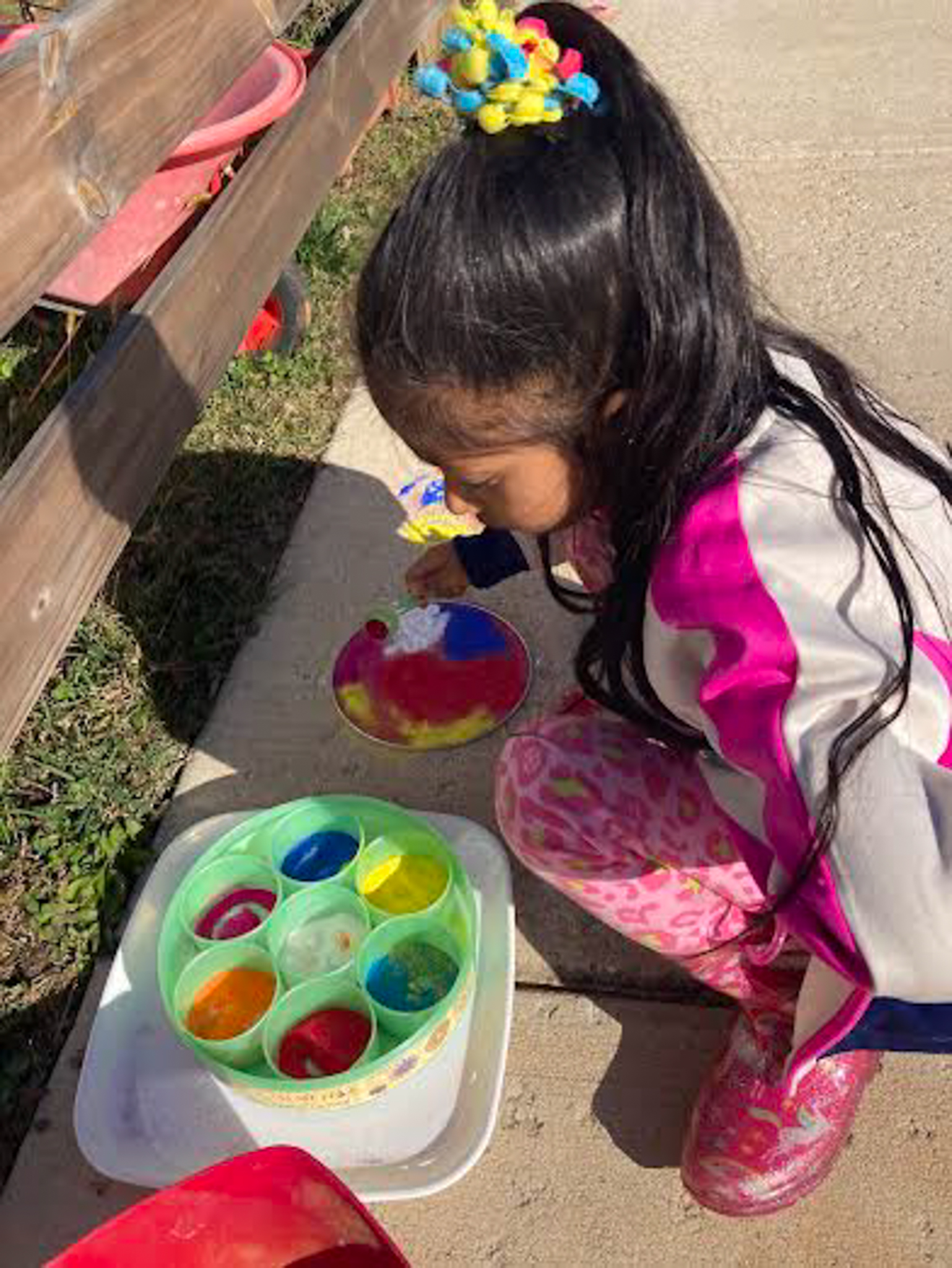
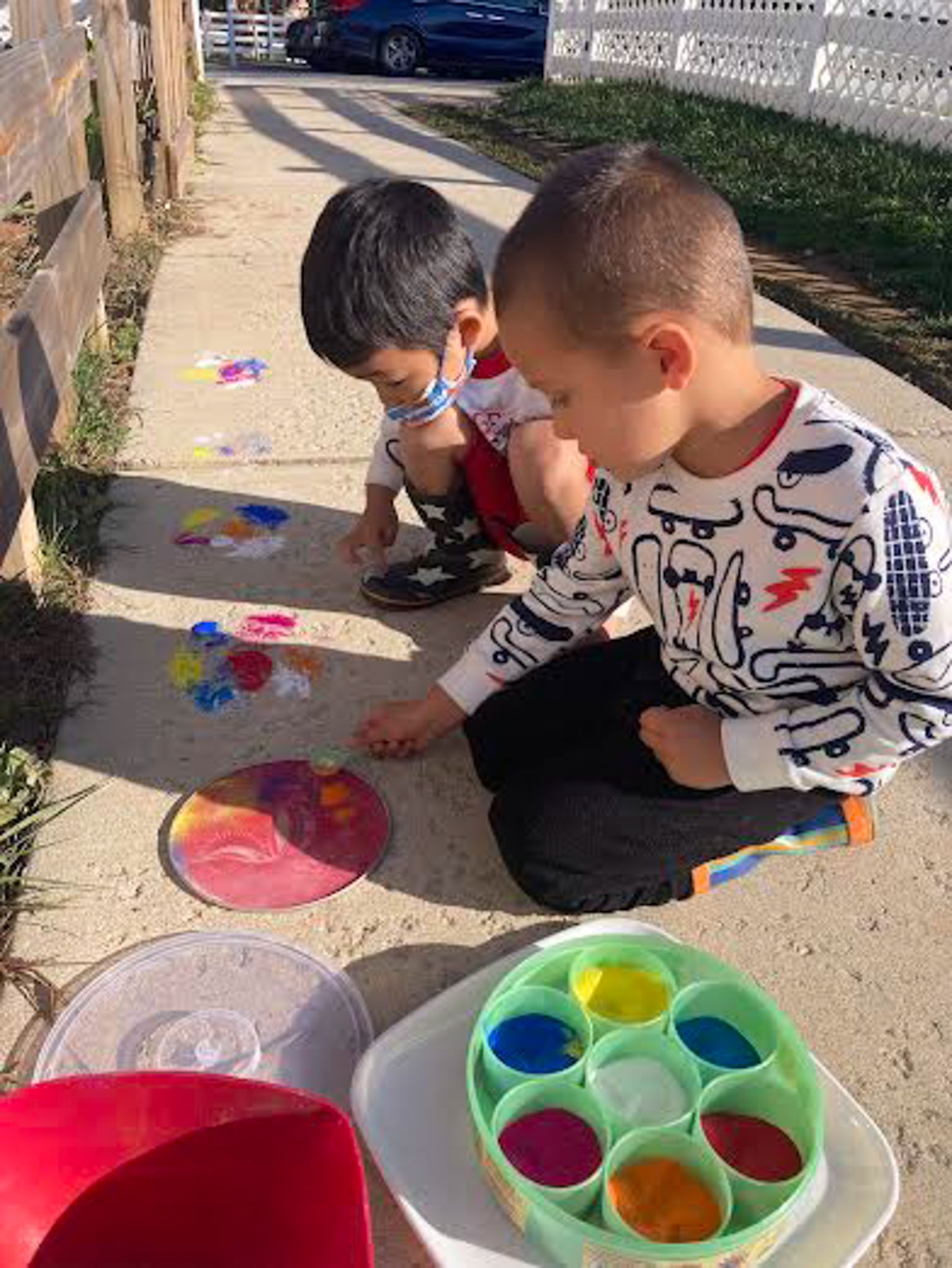
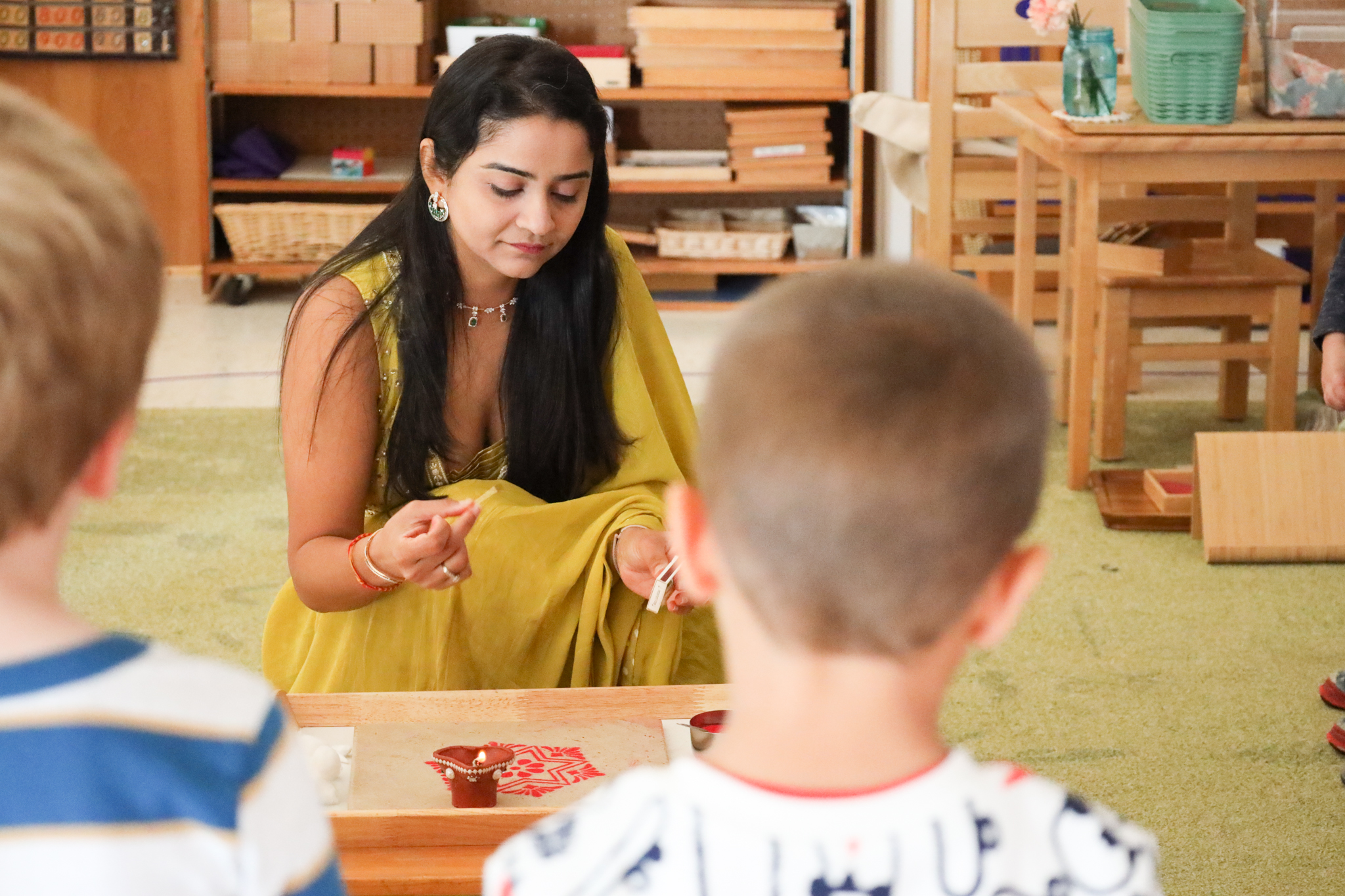
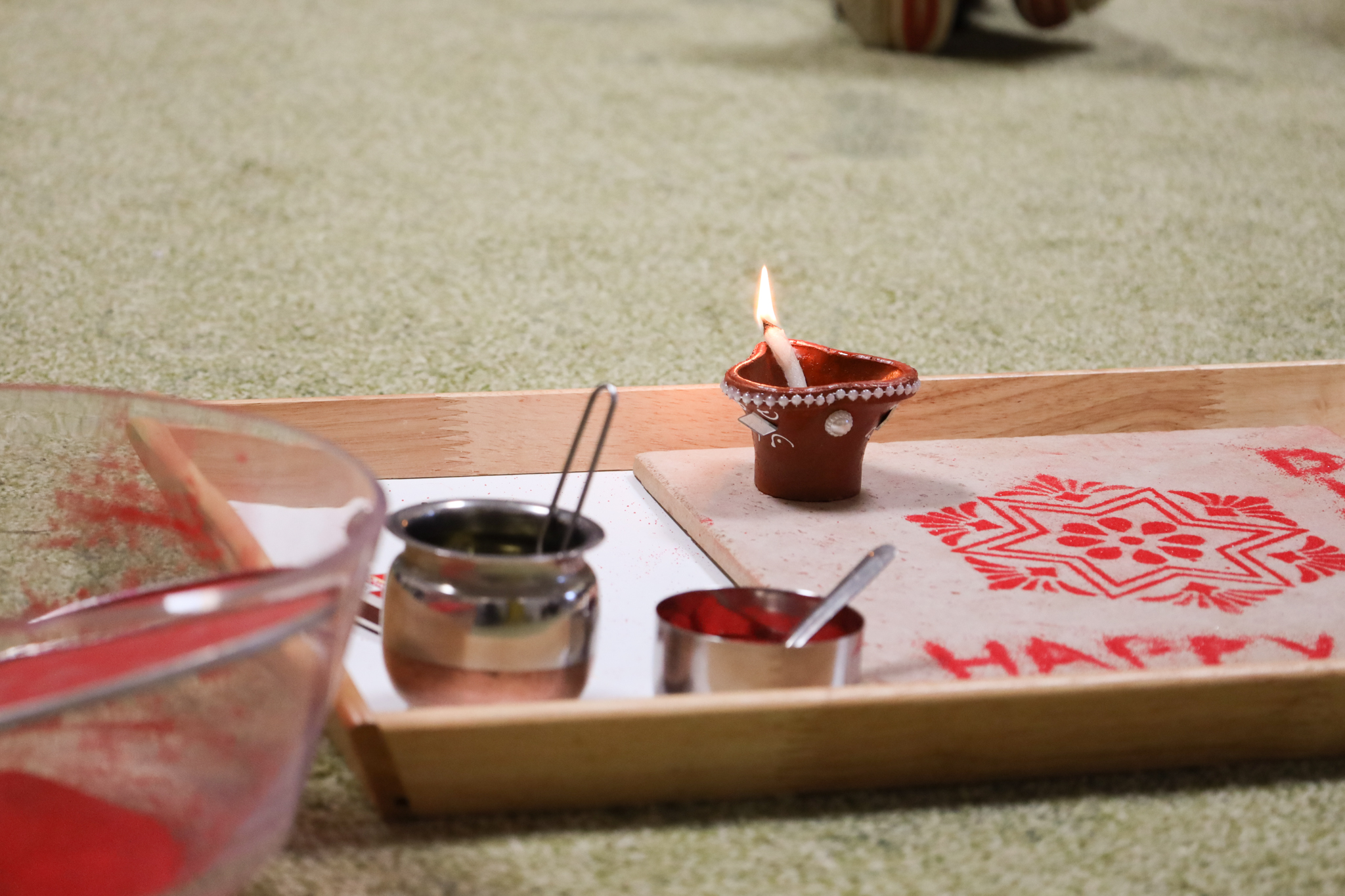
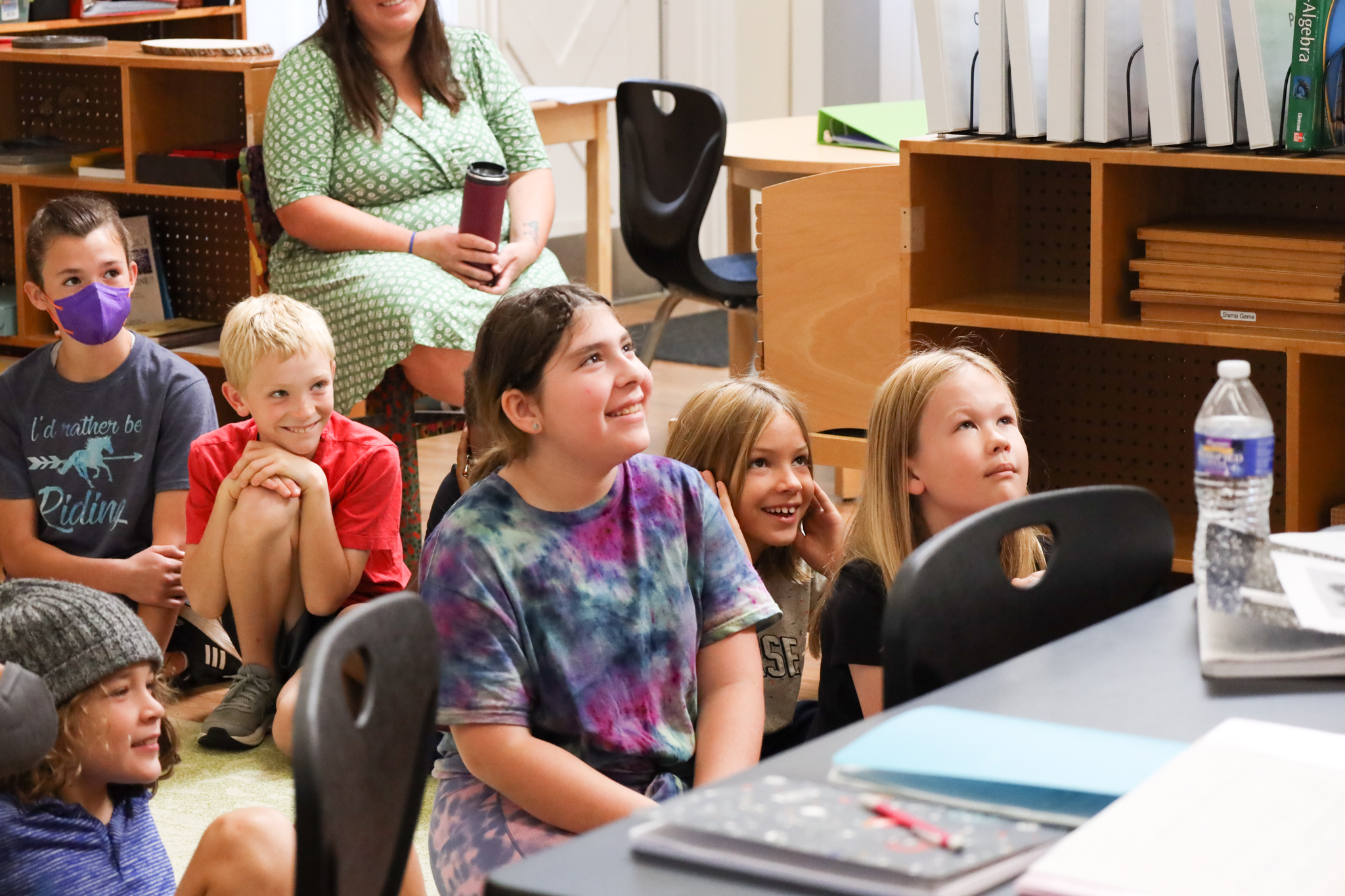
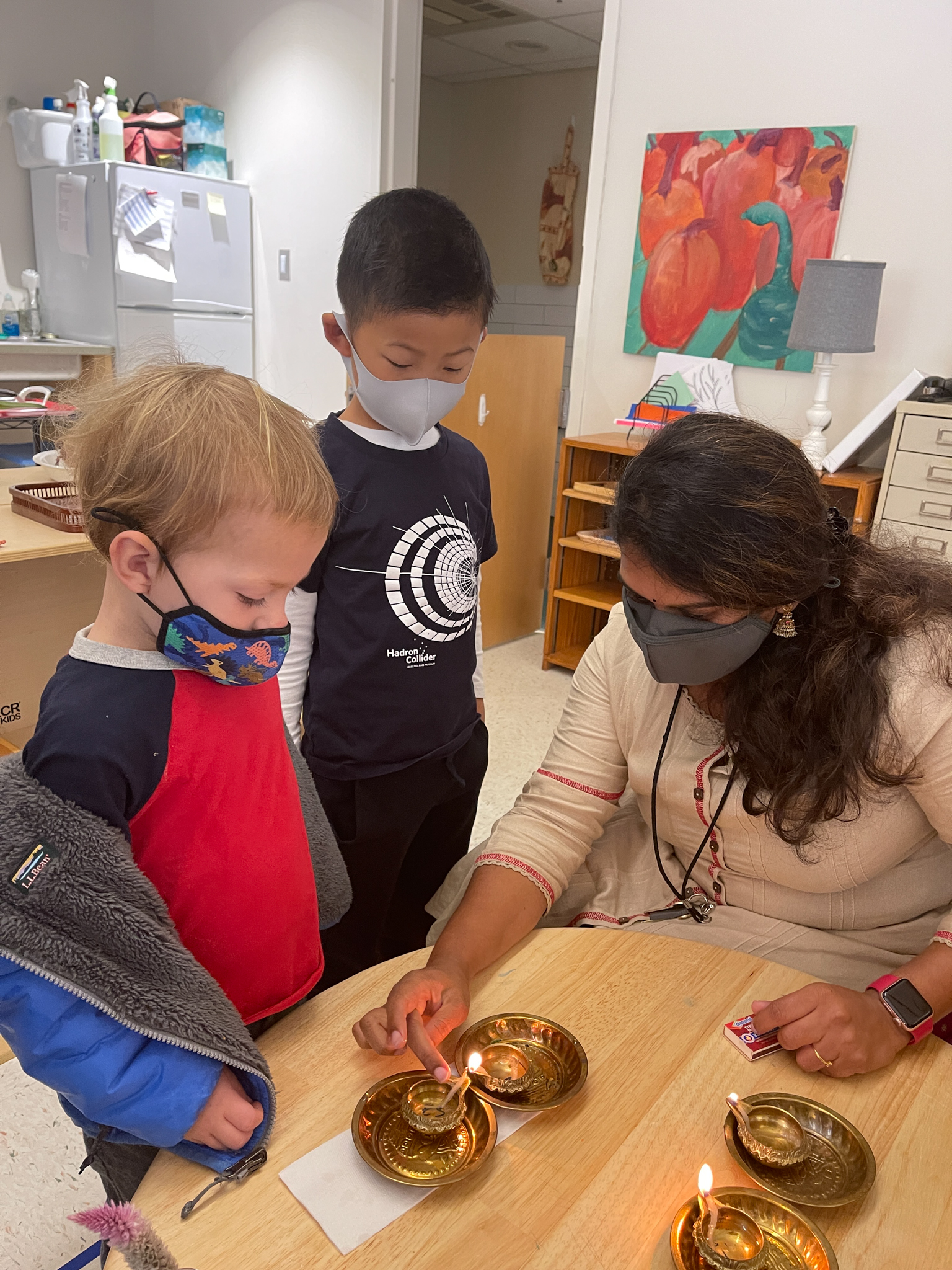
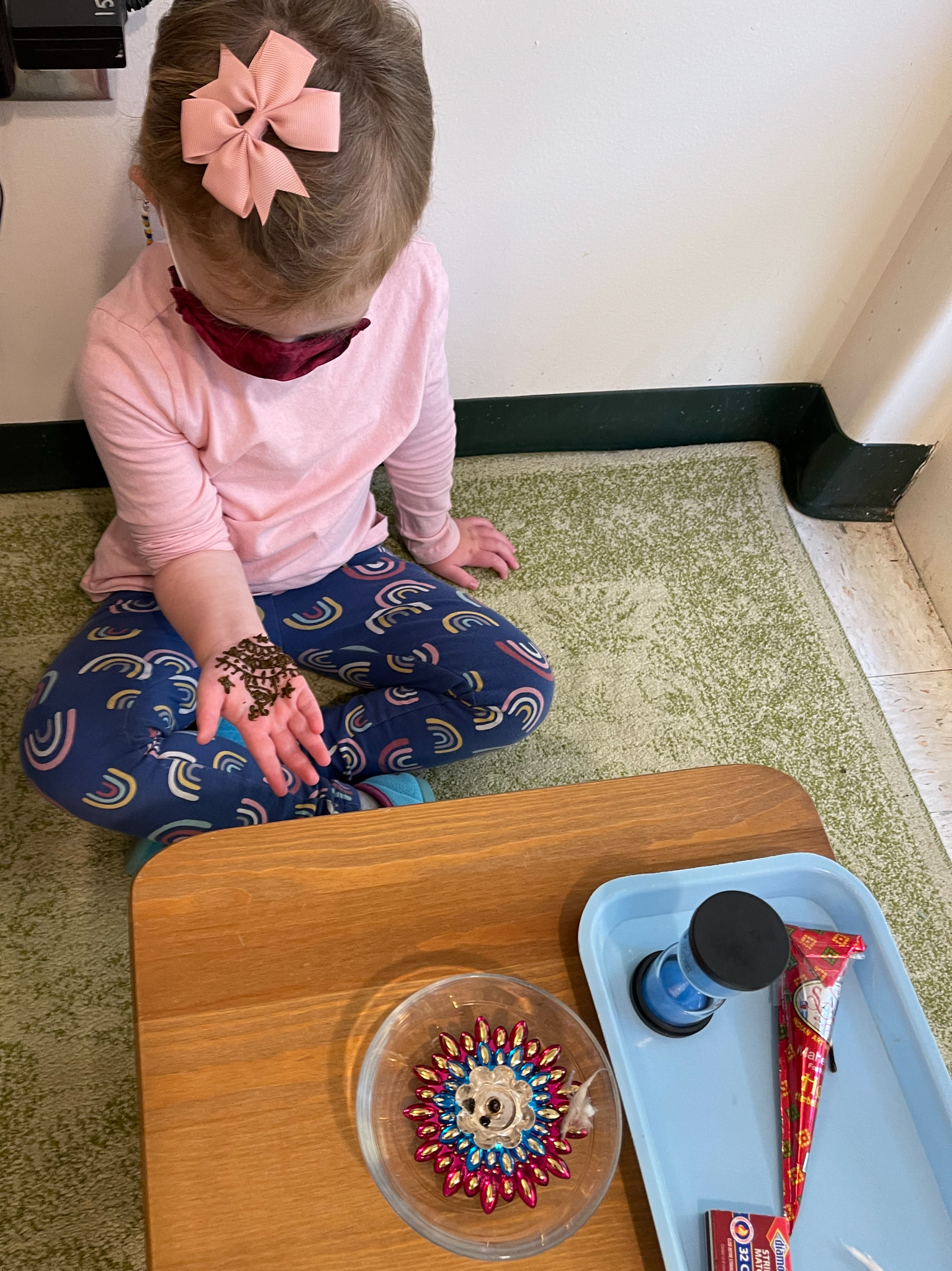
Our Elementary and Children’s House students were captivated by the rangoli and diya demonstrations. They asked many interesting questions about the history and cultural significance of Diwali. After the demonstrations, our classrooms received their own rangoli kits – you may have seen the beautiful colored sand mandalas as you walked across campus.

 
In a Toddler classroom, students decorated their own paper diya with some special jewels and Greenspring parents sent in Diwali bags for everyone to take home with a battery-operated candle and a clay diya.
 
Children also sang a song about the lights during this important holiday.
Little Lamps
“Little lamps are burning bright, burning bright,
burning bright, burning bright.
Little lamps are burning bright.
It’s Diwali!
See them lighting up the night,
up the night,
up the night.
See them lighting up the night,
It’s Diwali!”
International Day of Peace in our Dual Language Classrooms

International Day of Peace in our Dual Language Classrooms

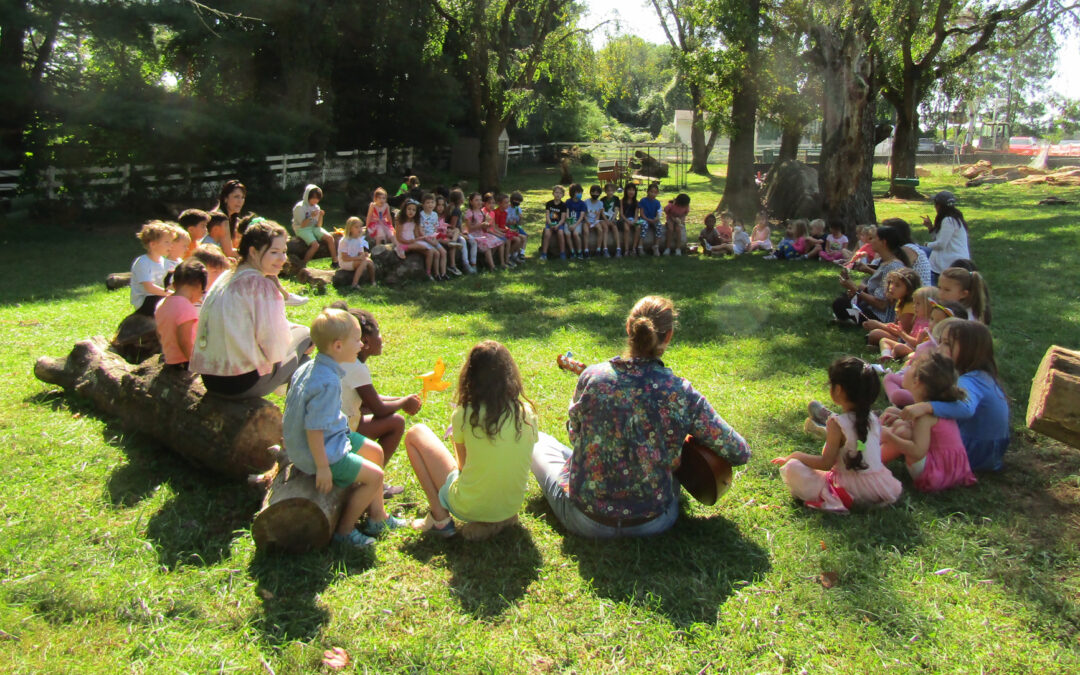
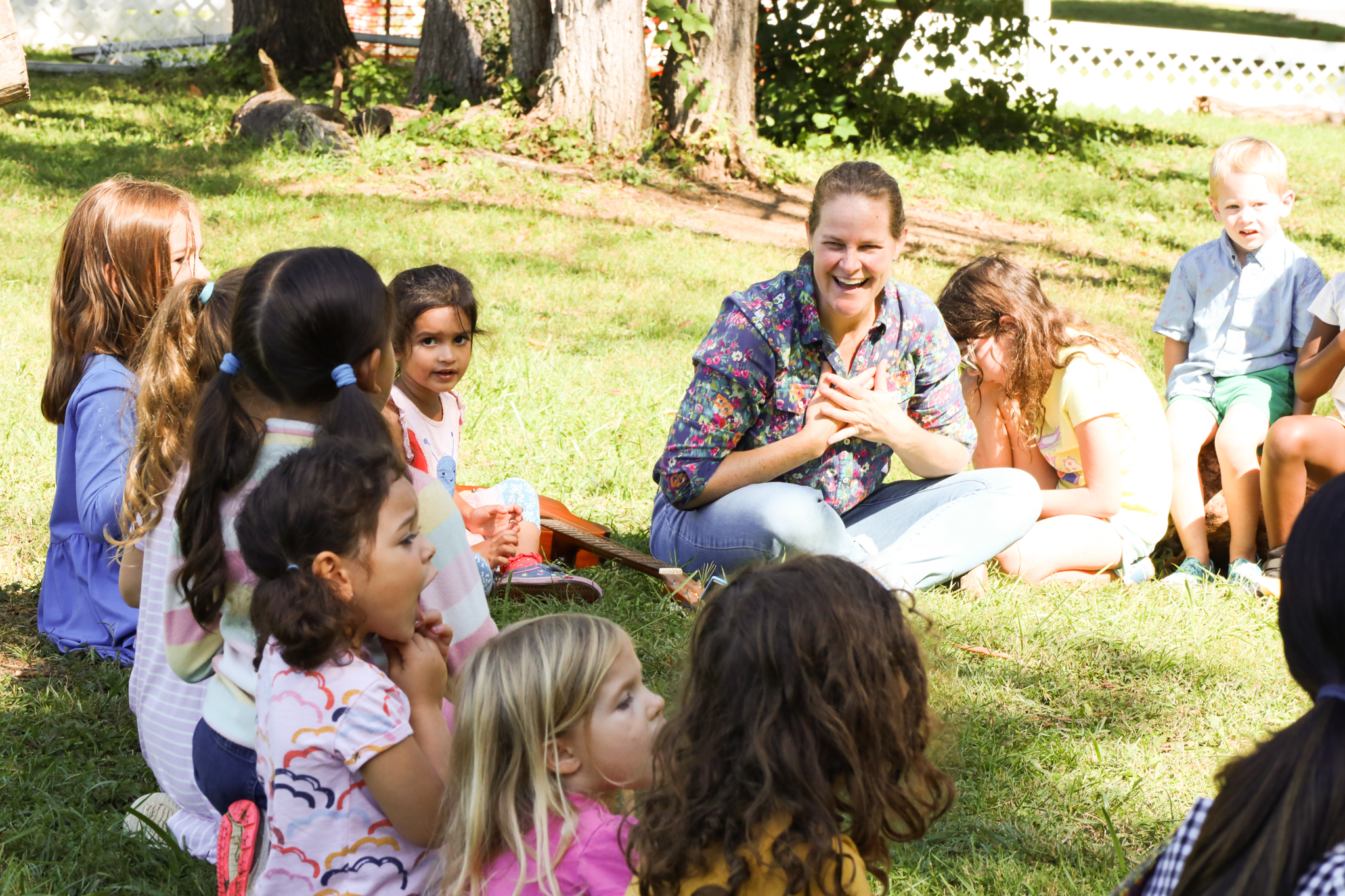
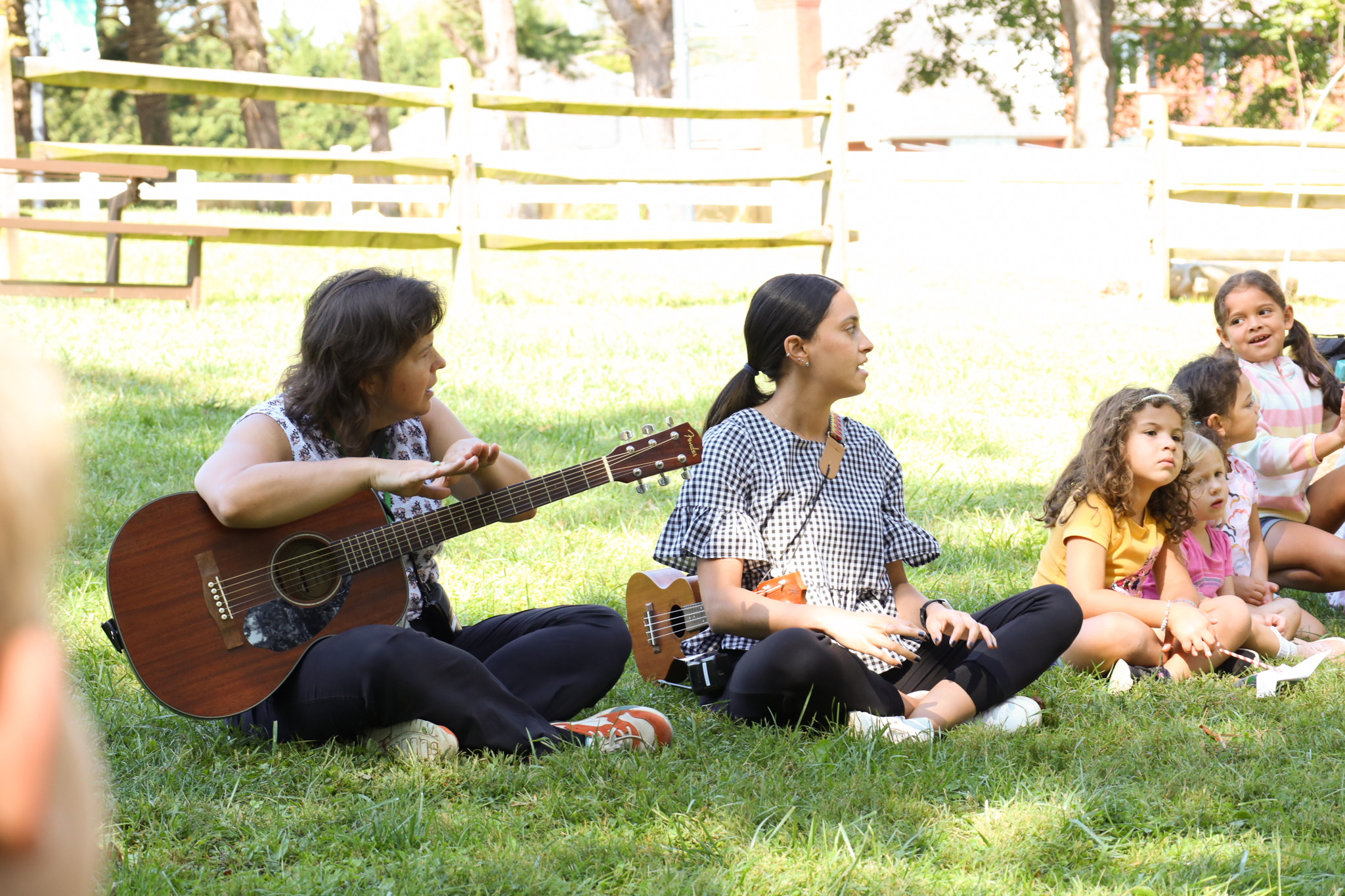
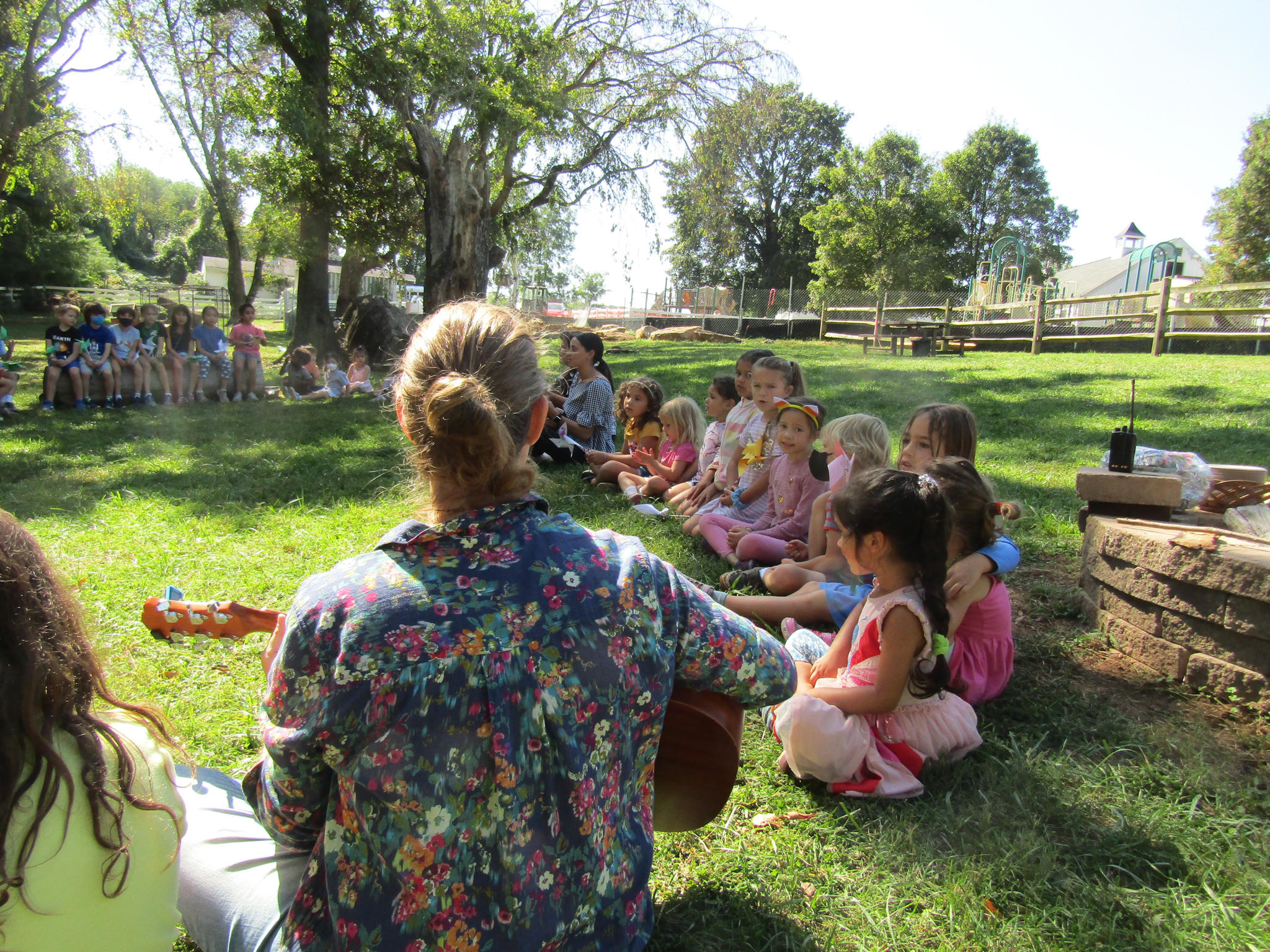
September 21 is known as the International Day of Peace. Declared by the United Nations General Assembly, it is a day devoted to strengthening the ideals of peace around the world. At Greenspring Montessori School, students in our Dual Language classrooms joined together to celebrate this special day with music and wishes for peace. Together they sang “Paz Como Río/Peace Like a River” and “Paz y Libertad/Peace and Liberty”. Lower Elementary students also shared some remarks about the meaning of peace.
 
Sra. Ale has been giving lessons to the Dual Language classrooms about paz/peace and helping the children make Pinwheels for Peace.
 
See photos of this special day below.
 

“We shall walk together on this path of life, for all things are a part of the universe, and are connected with each other to form one whole unity.” 

— Maria Montessori

Shofar Demonstration in Observance of Rosh Hashanah

Shofar Demonstration in Observance of Rosh Hashanah

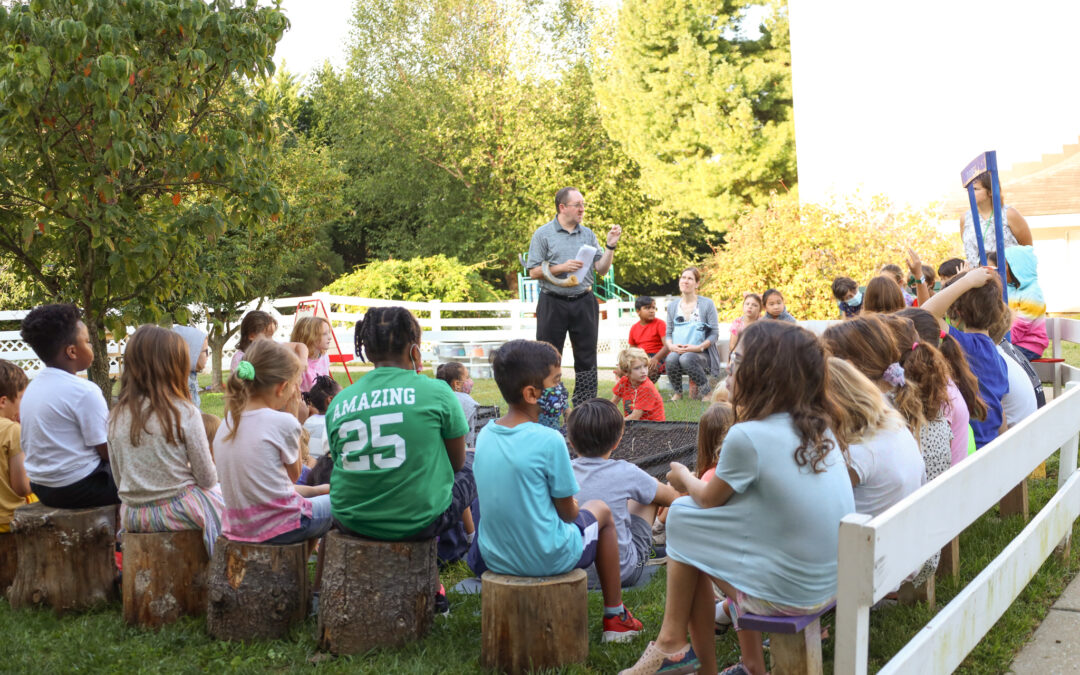
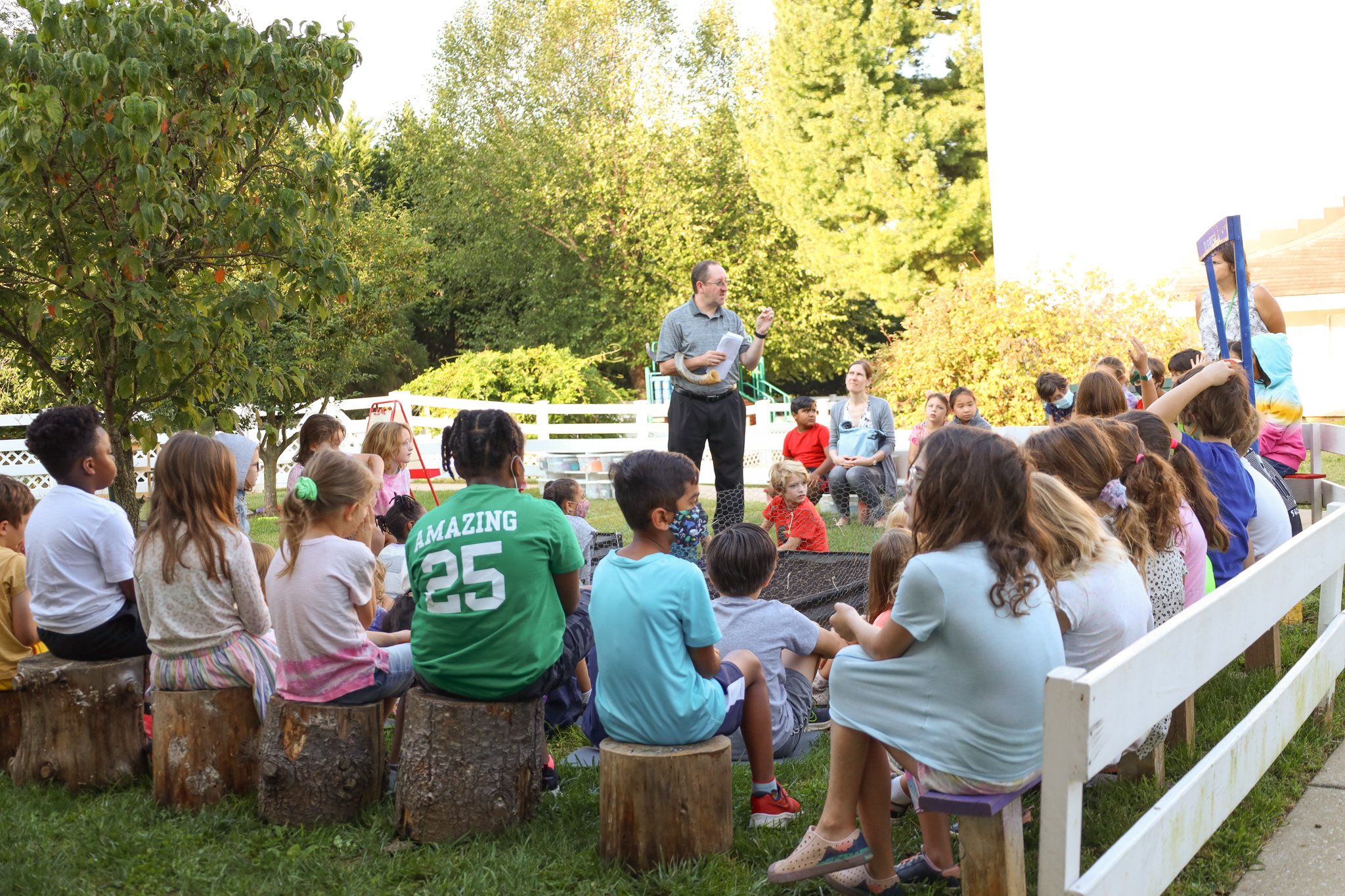
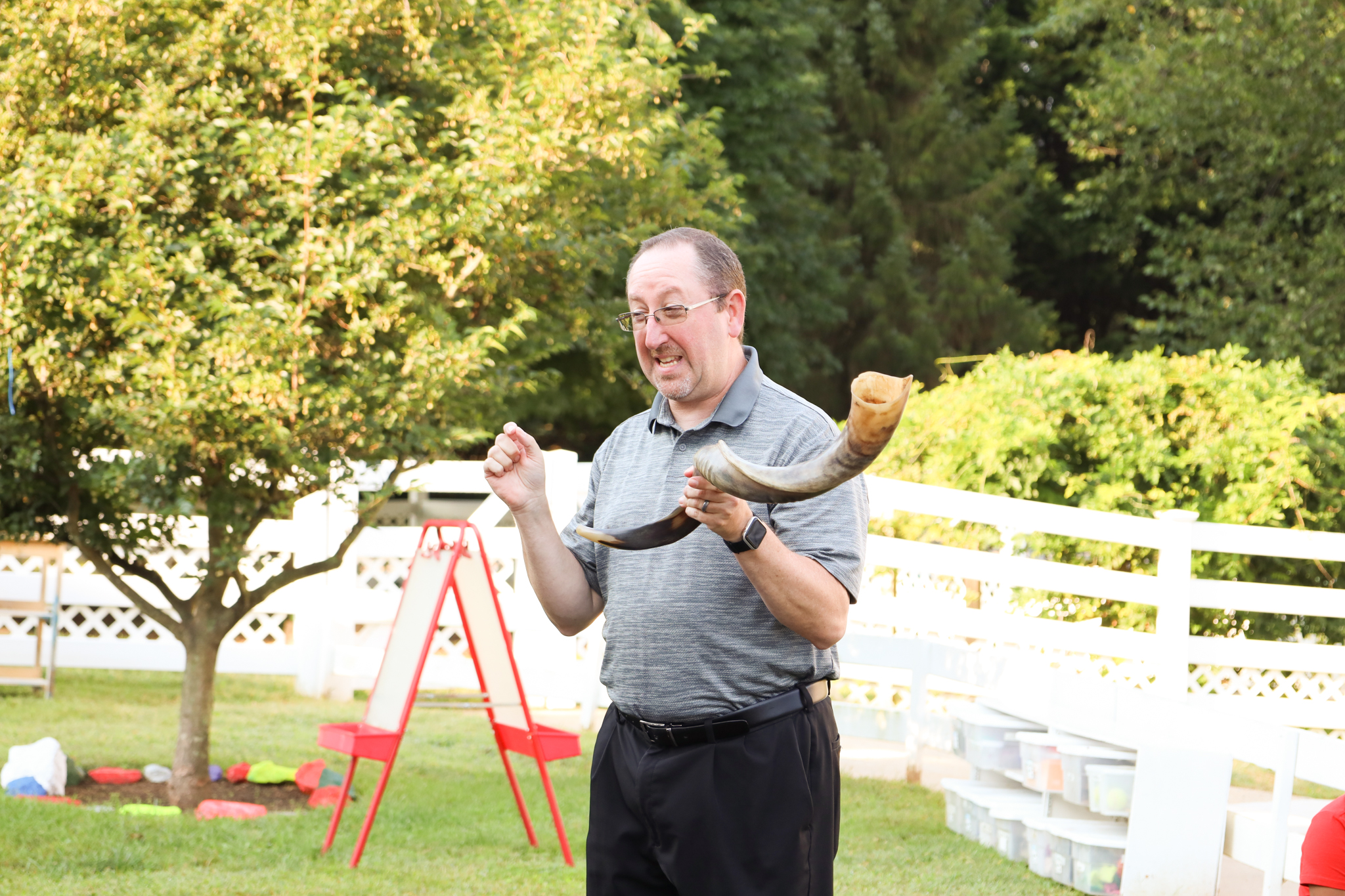
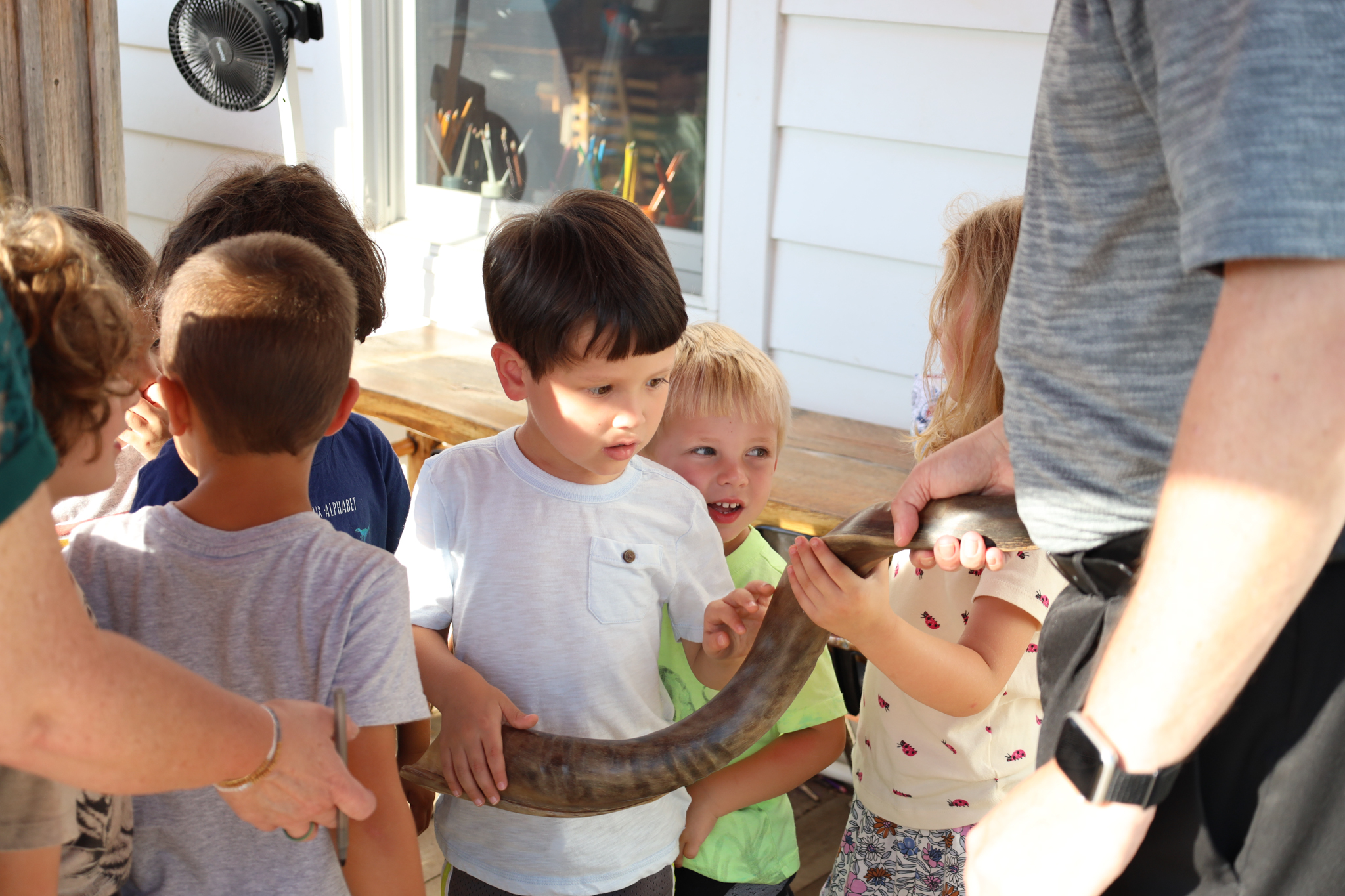
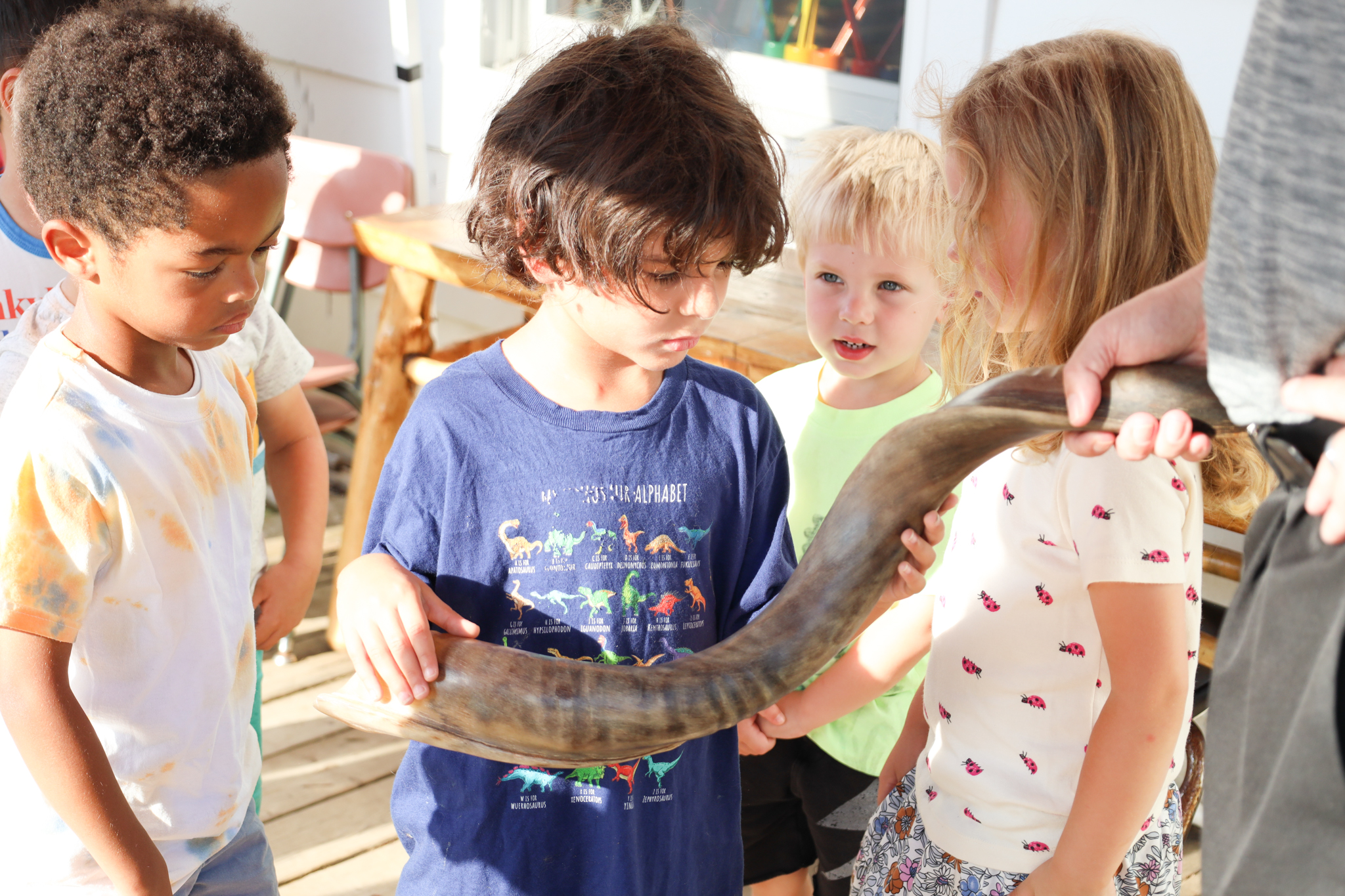
Ezra Buchdahl visited our classrooms in September to demonstrate blowing the shofar and talking about the Jewish holiday of Rosh Hashanah. Ezra is a member of the Baltimore Hebrew Congregation and every year for Rosh Hashanah he blows the Shofar during Rosh Hashanah services. He loves sharing his traditions with children of all ages in the Baltimore area. Thank you, Ezra, for sharing your talent and traditions!

Rosh Hashanah and Yom Kippur are High Holy Days in the Jewish faith. Rosh Hashanah is the Jewish New Year. It is a day of celebration. Yom Kippur is the holiest day of the year in Judaism. Its central themes are atonement and repentance. Some Jewish people observe this holy day with a day-long fast, confession, and intensive prayer, often spending most of the day in synagogue services. (Wikipedia)

This demonstration was a part of our Diversity, Equity, Inclusion, and Belonging focus on holidays and celebrations. To learn more about our DEIB initiatives, please click here.

Adolescent Igniting Voice on Social Justice Topics

Adolescent Igniting Voice on Social Justice Topics

In December, students in the Adolescent Community began their research by asking adults in their lives about social justice topics. They then participated in a speaker series, hearing from Greenspring parents Michelle Siri, Jen Brock-Cancellieri, and Jay Roy as well as Ximena Reyes Torres and Juliana Glassco, on social justice issues including the wage gap, ban the box (employment access for the formerly incarcerated), human trafficking, and national and global initiatives to fight hunger.

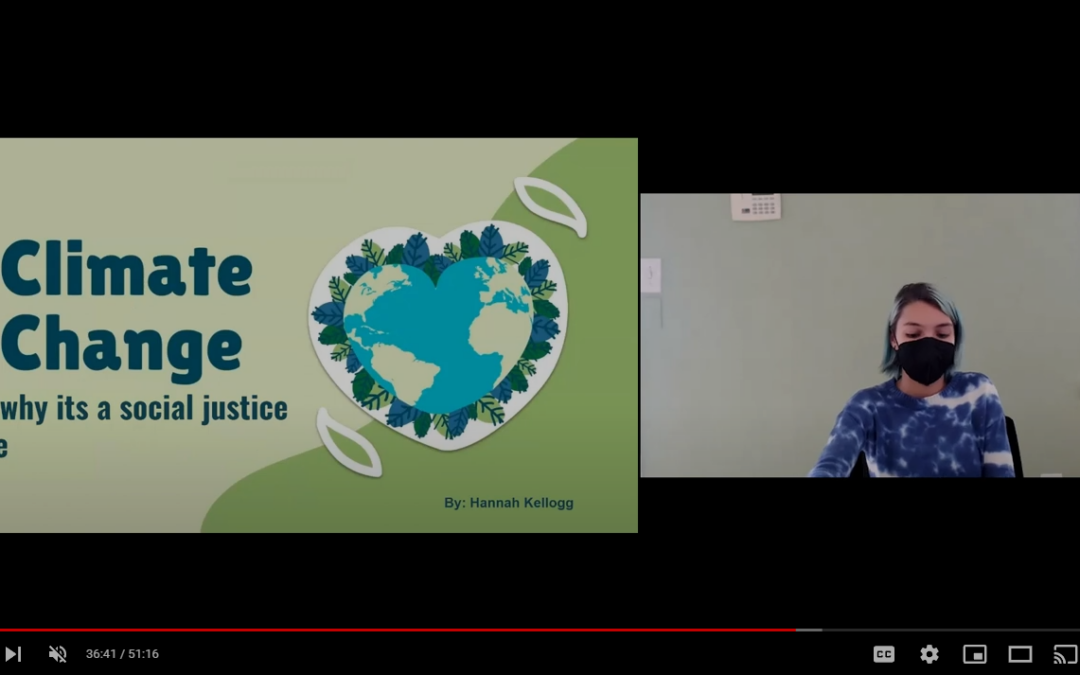
After that, the Adolescents selected a topic that is important to them, researched it, and created a presentation about what they’ve learned. Take a moment to watch their final presentations on environmental justice, the opioid crisis, fast food impacts, neurodiversity in schools, the gender pay gap, and police brutality. This work integrates data analysis, research, thesis-building, using supporting evidence, and presentation skills. 
Honoring Cultural Celebrations Supports Children’s Sense of Belonging

Honoring Cultural Celebrations Supports Children’s Sense of Belonging

This year we as a School community are talking through ways to bring cultural celebrations and holidays into the classroom in an authentic and meaningful way. Celebrations and traditions are an important part of personal identity, and as a School, we find this to be a joyous way to learn about people in our community and around the world.

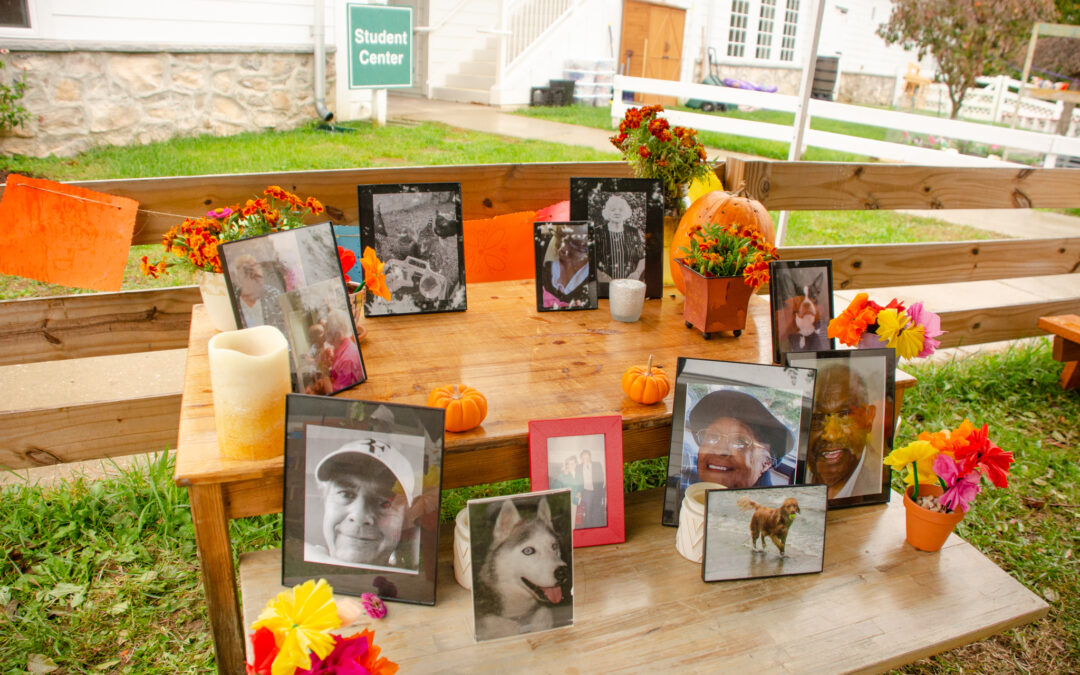
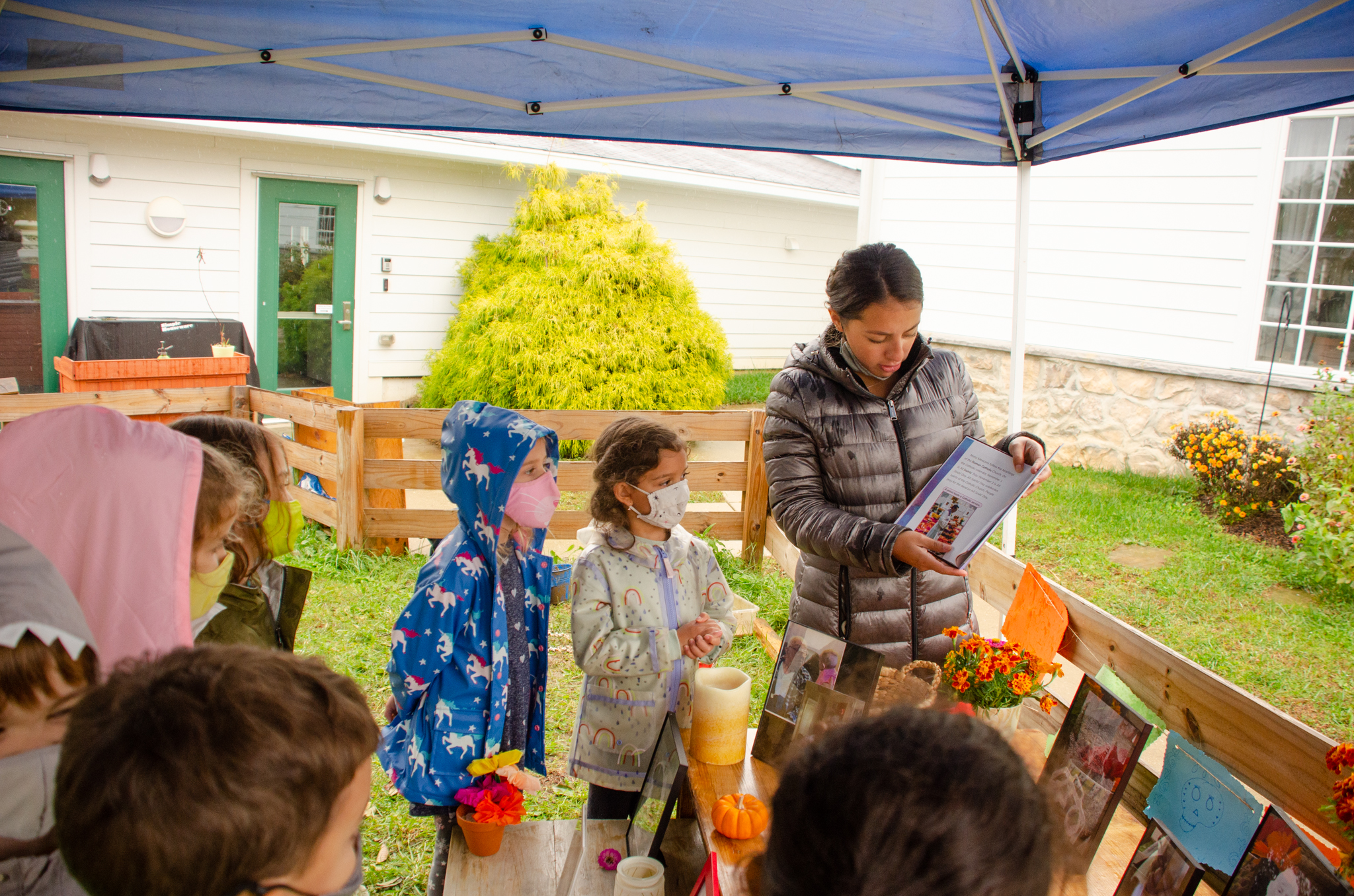
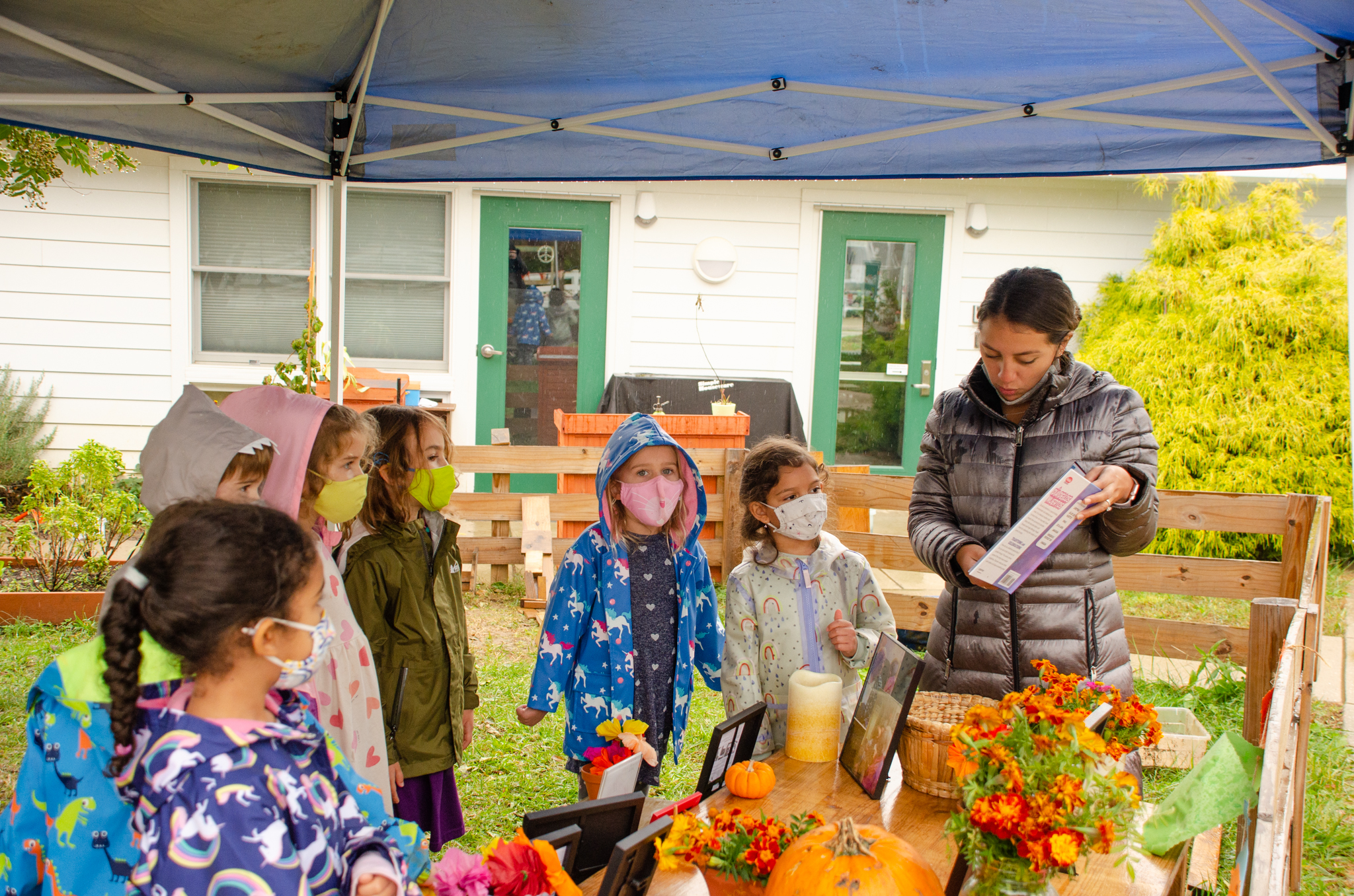
We began this work by asking our faculty and staff about the holidays they celebrate. Many were eager to share their traditions from all over the world. We’ve learned together about Navratri, Sukkot, Indigenous Peoples’ Day, Hanal Pixan and Dia de los Muertos, Diwali, and Hanukkah.

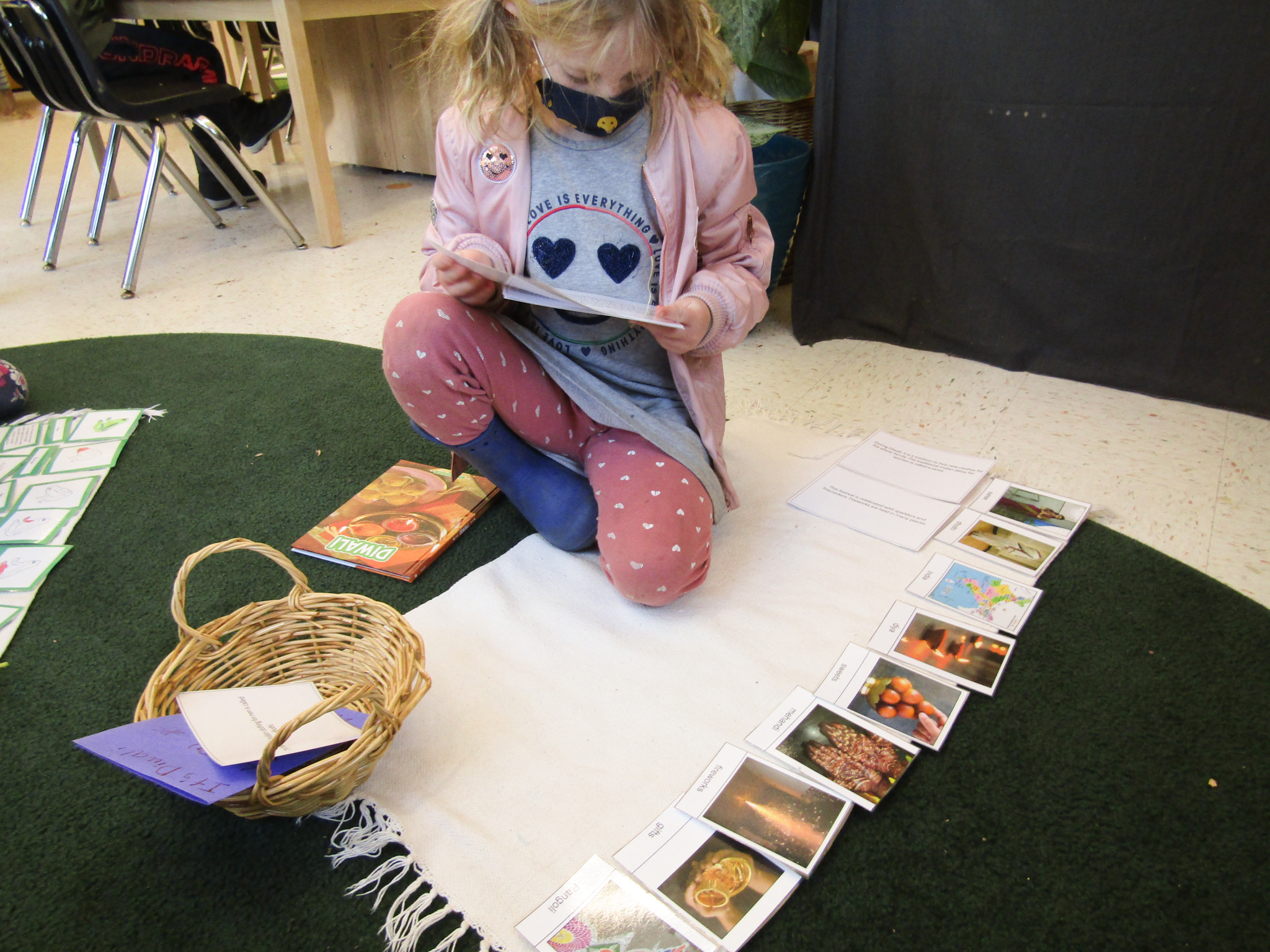
This work has also woven its way into our classrooms through true stories, cultural items and artifacts, nomenclature cards, children’s books, and more. It has been beautiful to see the ways our staff and children light up when they feel seen and acknowledged.

We will continue this work throughout the year with holidays including Kwanzaa, Dr. Martin Luther King, Jr. Day, Lunar New Year, Eid al-Fitr, Pride Month, and more. If you would like to share a celebration or tradition from your family with our classrooms, please reach out to us at community@greenspringmontessori.org.

Our DEIB work is guided by the four goals outlined in Anti-Bias Education:

Goal 1: Identity

  •  Teachers will nurture each child’s construction of knowledgeable, confident, individual personal and social identities.
  •  Children will demonstrate self-awareness, confidence, family pride, and positive social identities.

Goal 2: Diversity

  •  Teachers will promote each child’s comfortable, empathetic interaction with people from diverse backgrounds.
  •  Children will express comfort and joy with human diversity, use accurate language for human differences, and form deep, caring connections across all dimensions of human diversity.

Goal 3: Justice

  •  Teachers will foster each child’s capacity to critically identify bias and will nurture each child’s empathy for the hurt bias causes.
  •  Children will increasingly recognize unfairness (injustice), have language to describe unfairness, and understand that unfairness hurts.

Goal 4: Activism

  •  Teachers will cultivate each child’s ability and confidence to stand up for oneself and for others in the face of bias.
  •  Children will demonstrate a sense of empowerment and the skills to act, with others or alone, against prejudice and/or discriminatory actions.


To learn more about our commitment to Diversity, Equity, Inclusion, and Belonging, please click here.