The Gifts of Summer

The Gifts of Summer

The Gifts of Summer

The summer break provides unique challenges but also unique opportunities for unstructured time, including the freedom to explore outdoors, as well as building independence, and meaningful contributions.
Unstructured Time

While it’s tempting to schedule the summer with back-to-back camps, lessons, and playdates, children benefit from free time as well. When we over-schedule activities, we actually rob the brain of essential downtime and opportunities for creative thinking associated with the wandering mind. Try allowing for some blocks of unscheduled time this summer.

Here are just a few of the brain benefits of boredom:

  • Recharge. Downtime allows our children to recover from “cognitive overload” and to recharge executive functioning skills. 
  • Imagination and creativity. The latest research shows that our brain doesn’t go into a lower gear when we aren’t focused on something. Instead, the activity shifts to the imagination and creativity parts of the brain. 
  • Problem solving skills. When children engage in open ended projects, they encounter unforeseen challenges and must develop their problem solving skills.
  • Confidence and grit. Confidence and grit aren’t developed by things coming easily. They come from children overcoming worthy challenges. 

“Children need to sit in their own boredom for the world to become quiet enough that they can hear themselves.” – Dr. Vanessa Lapointe

When your child proclaims, “I’m bored!” try to avoid rushing in with an organized activity. Instead, create space and time for children to come up with their own ideas for what to do next. This may mean having some materials around to prime the creative pump. For young children these materials can be as simple as sticks, paint, and cardboard! What they do next is up to them. Consider setting aside some time with your child to create a list of activities they enjoy and some fun-sounding challenges or longer-term projects. Then when they need something to do, you can suggest they choose something from the list you brainstormed together. Remember, building any new skills takes practice. Allowing time for free play throughout the year will help your child learn how to make their own fun. Think of it as creating “boredomtunity” for your child.
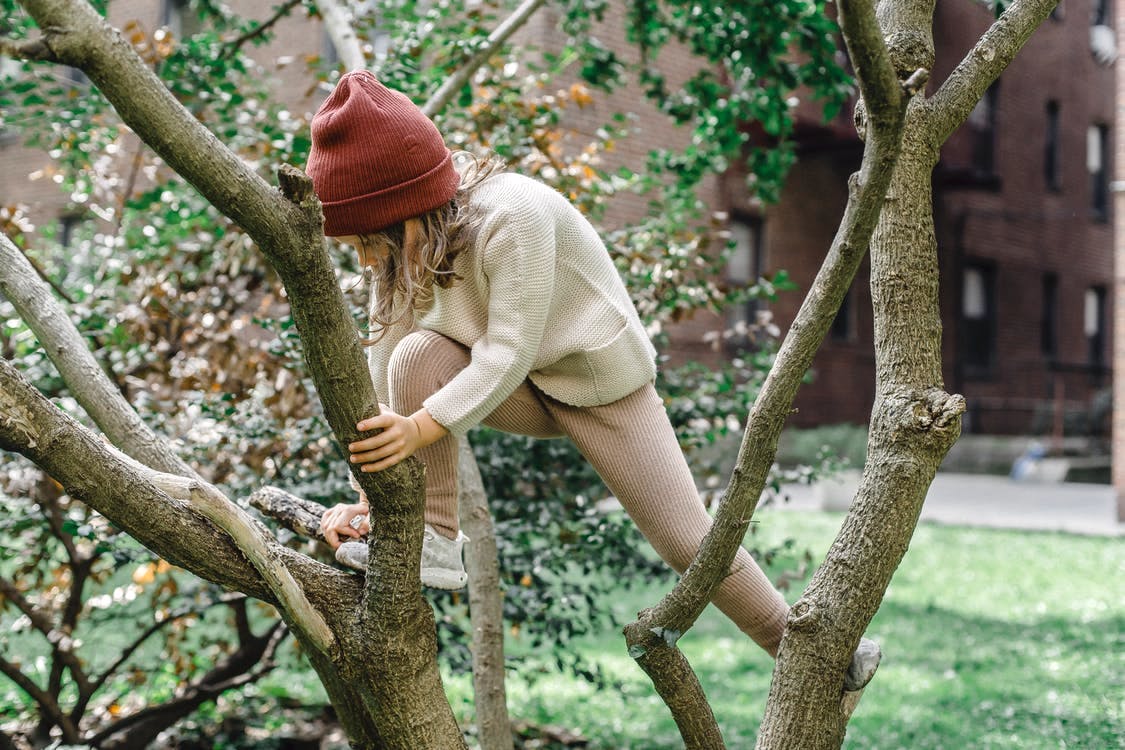
Freedom to Explore Outdoors

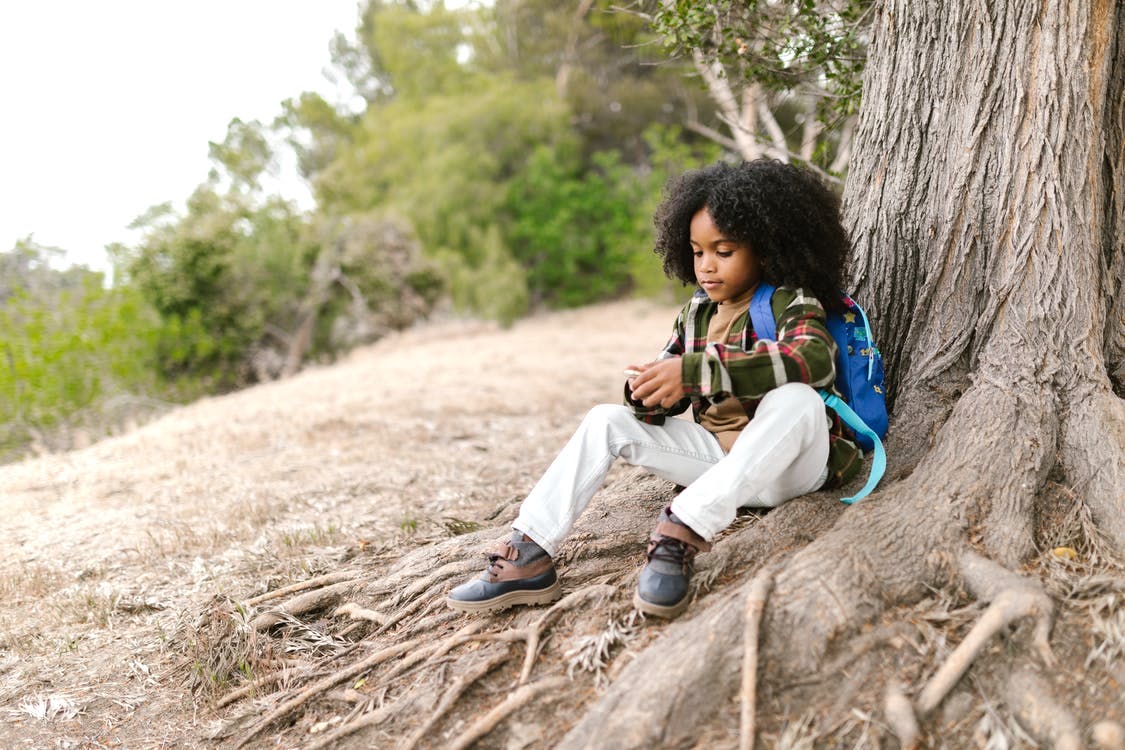
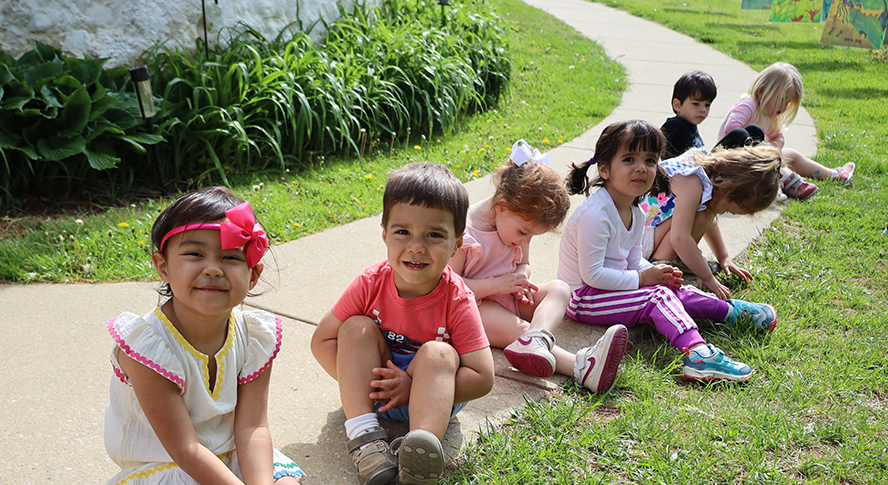
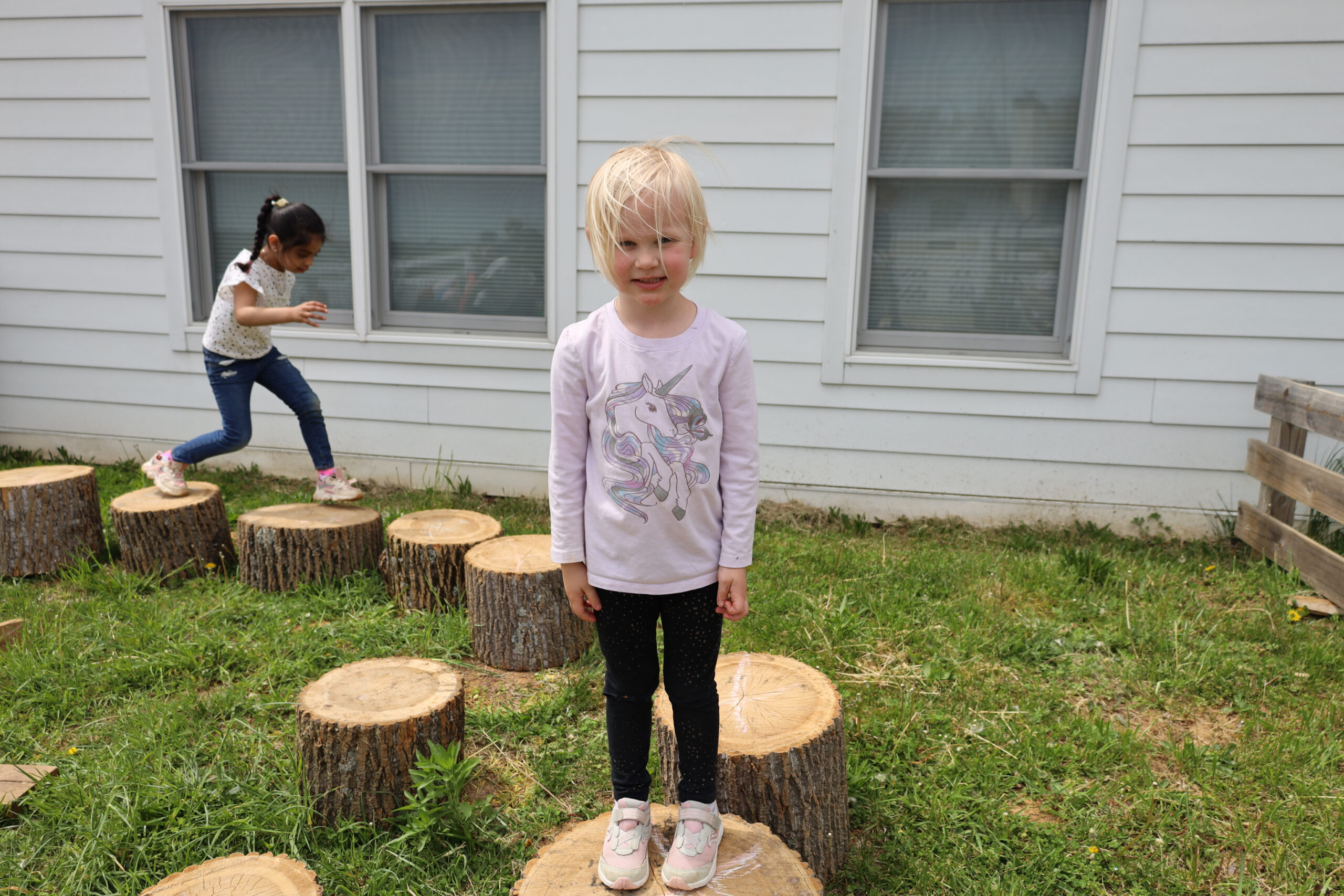
Encourage your child to spend unstructured time outside. Not only does “green time” promote better physical health (immune function, heart health, Vitamin D production, better sleep), it promotes better mental health (reduced stress levels and lower levels of stress hormones). There are also cognitive benefits, including improvements to short-term memory, attention, and learning. Finally, “green time”  invites exploration and curiosity about the natural world and gives children the opportunity to take healthy risks that build problem solving skills and perseverance. 

Sarah Milligan-Toffler and Richard Louv of the Children & Nature Network write, “In a brief integrative review of the research [researchers] found that time in nature produces positive shifts occur in perseverance, problem-solving, critical thinking, leadership, teamwork, and resilience—skills that are essential in overcoming the unprecedented challenges we face today.”
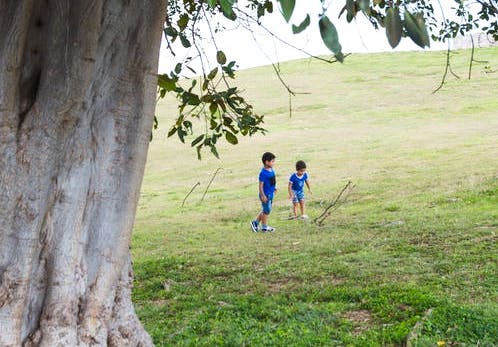
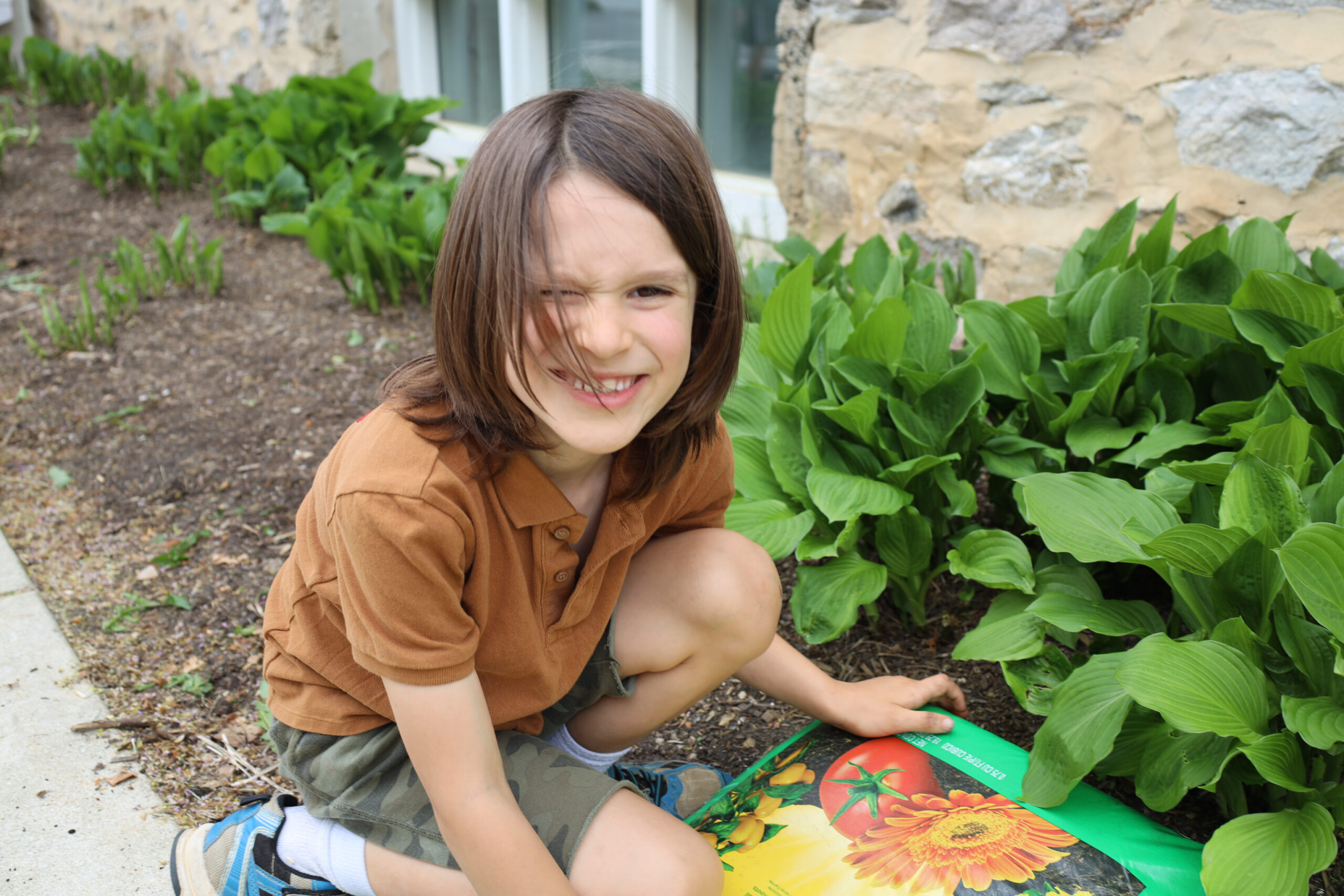
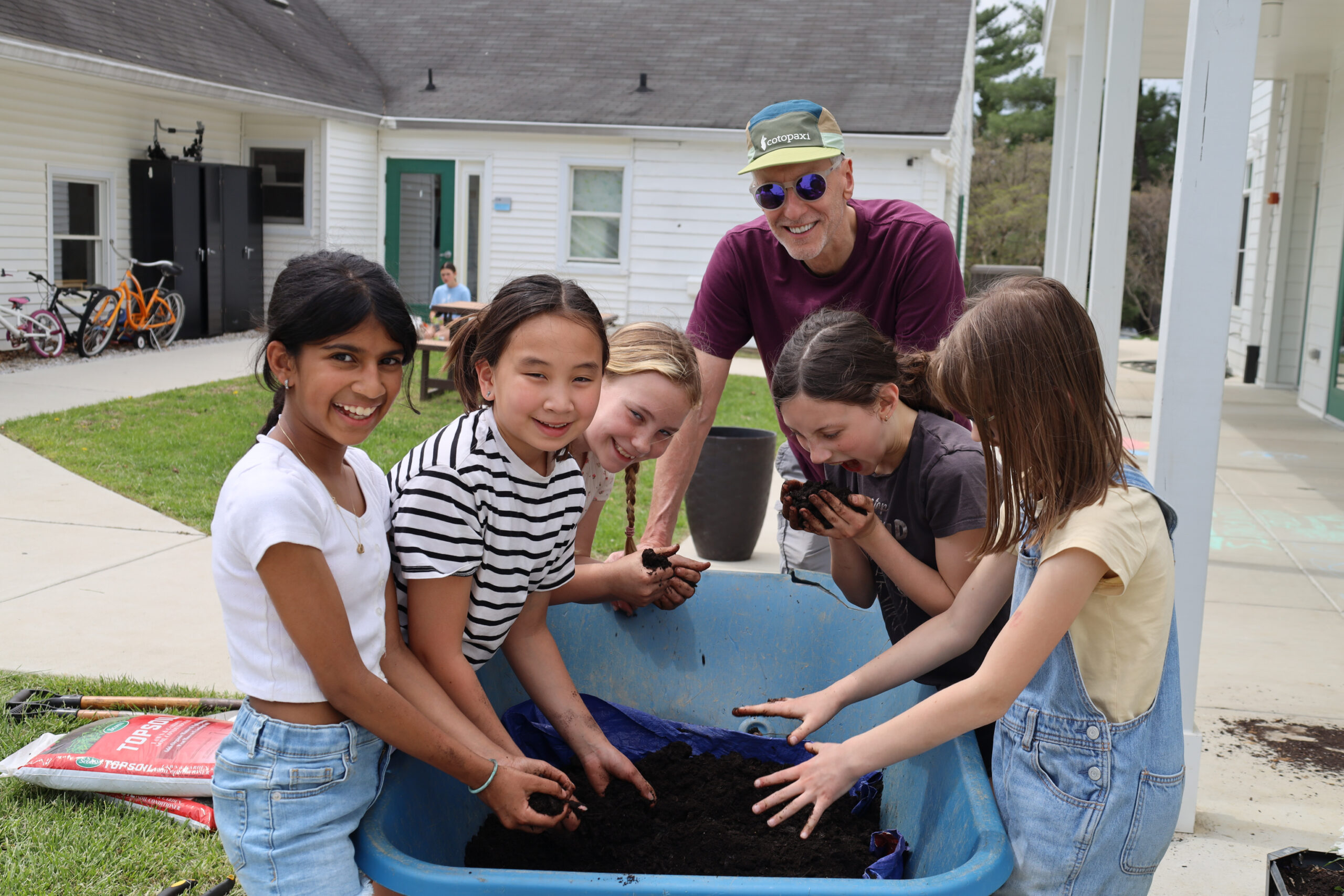
Whether it’s digging in the dirt, taking a walk in the park, or having a picnic in the backyard, time outside is a gift to your child.

Building Independence

For some of us, our instinct is to try to make life “easier” for our child. But by removing obstacles, we are actually taking away opportunities for children to learning new skills and overcome worthy challenges. For example, it may take much longer for a young child to zip up her own coat, but when time allows, give her the opportunity to try. If she begins to get frustrated, provide the minimal amount of help needed (such as holding the bottom of the coat to create tension, while the child pulls up the zipper). Children build self-confidence by accomplishing difficult tasks. Your child’s mantra can become, “I can do hard things!”

Allowing a child to do things for herself may require some support. Consider providing a stool at the bathroom sink so the child can reach the faucet to wash her hands. Consider putting out a small pitcher of water and a small glass so she can help herself when she is thirsty. If dishes, napkins, and silverware are placed in a lower cabinet, the child can help set the table for a meal. You can revisit our blog post titled The Montessori Home for more ideas on how to set up each area of your home (kitchen, playroom, bathroom, and bedroom) to support your child’s independence.

As you observe your child, you may notice that he or she needs a new skill. This is an opportunity for you to give your child a lesson! Here’s how you can do it:

  • Invite your child to see something new & name the lesson: “I am going to show you how to wash your hands. I’ll have a turn and then you’ll have a turn.”)
  • Demonstrate slowly and precisely
  • Follow a clear sequence
  • Do not talk while you are demonstrating
  • Use eye contact and a smile between steps 
  • “Now it’s your turn! And anytime you want to have clean hands, you can practice!”

“The only way to build self-esteem is through overcoming worthy challenges.” – Joanne Deak, PhD

Making Meaningful Contributions

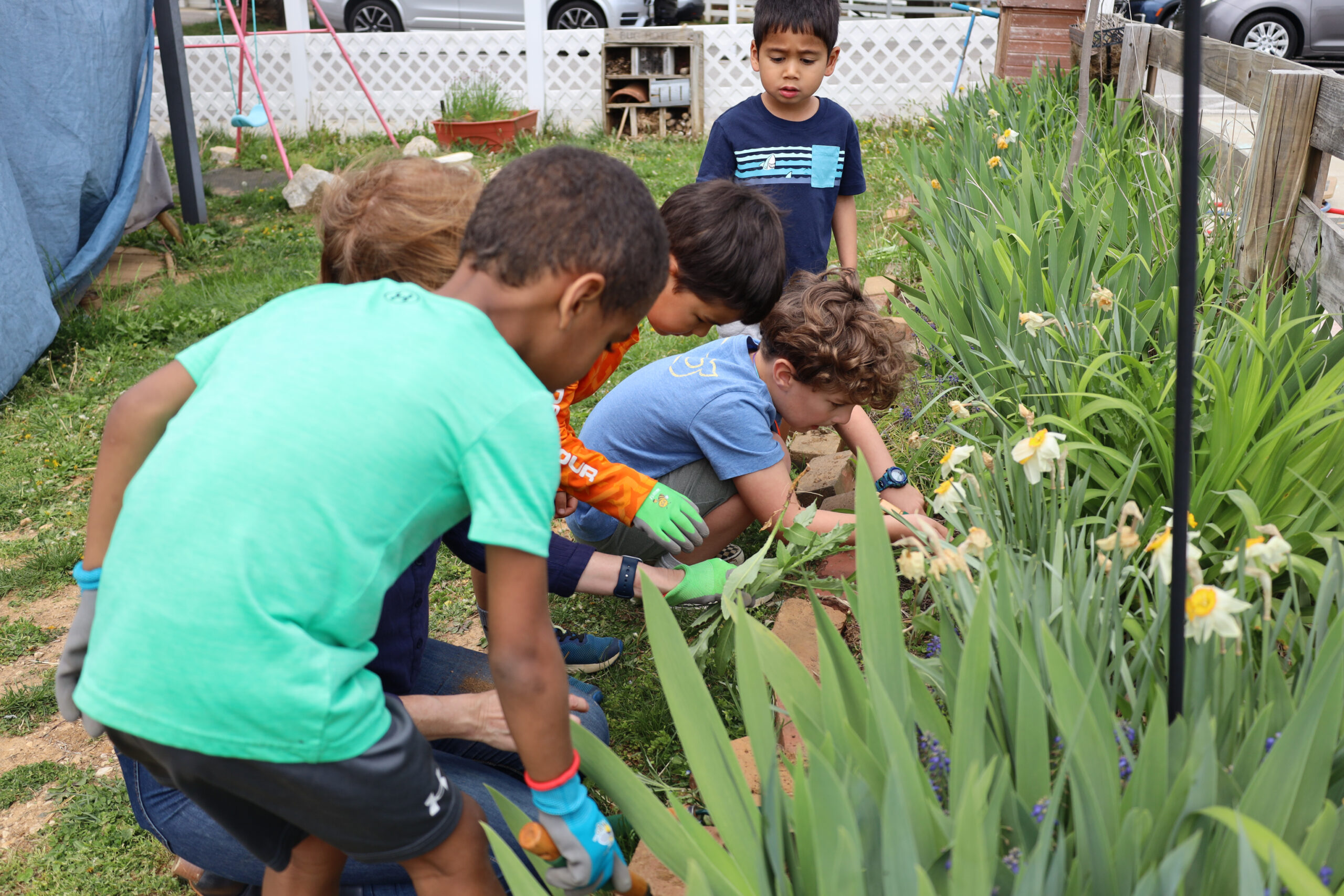
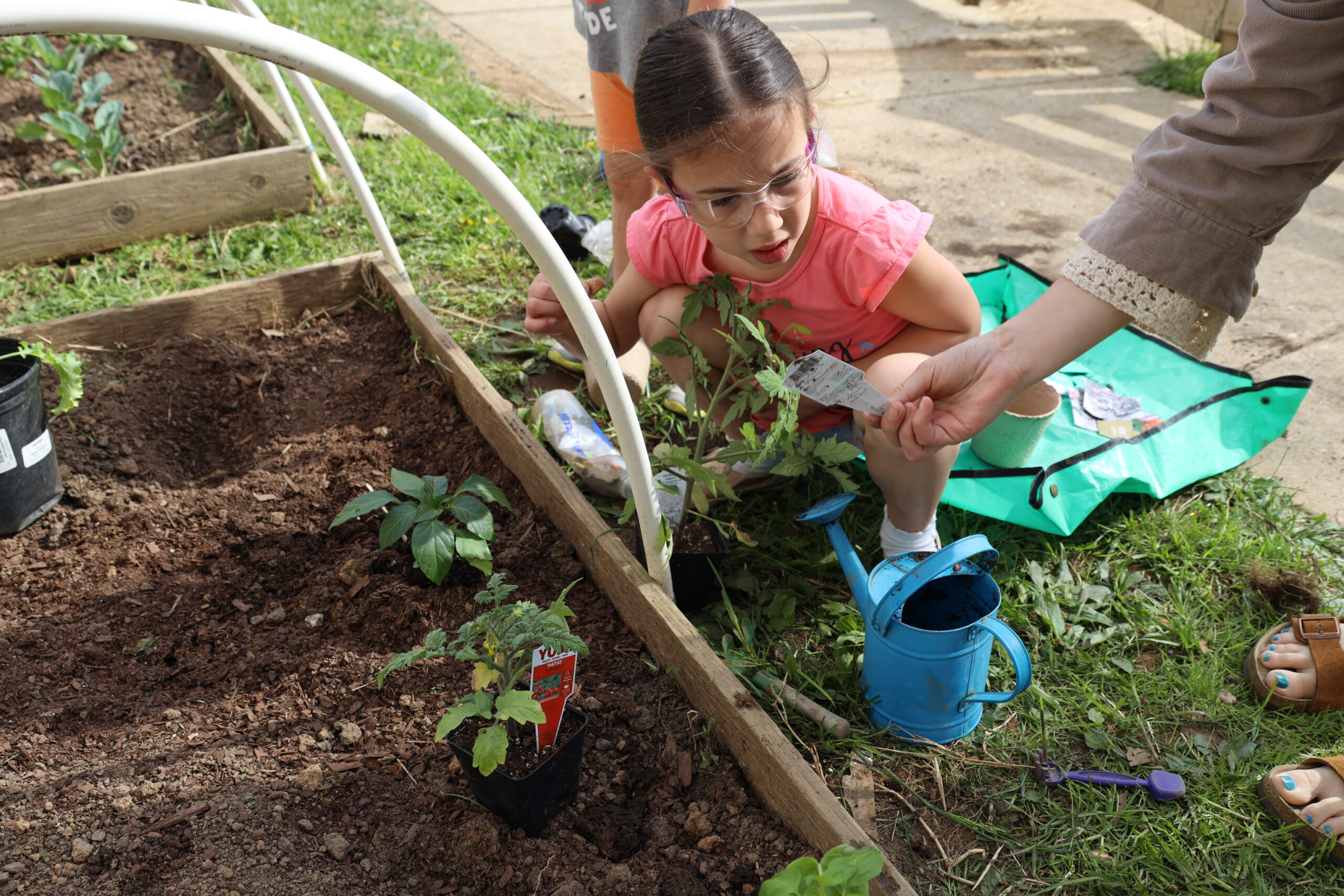
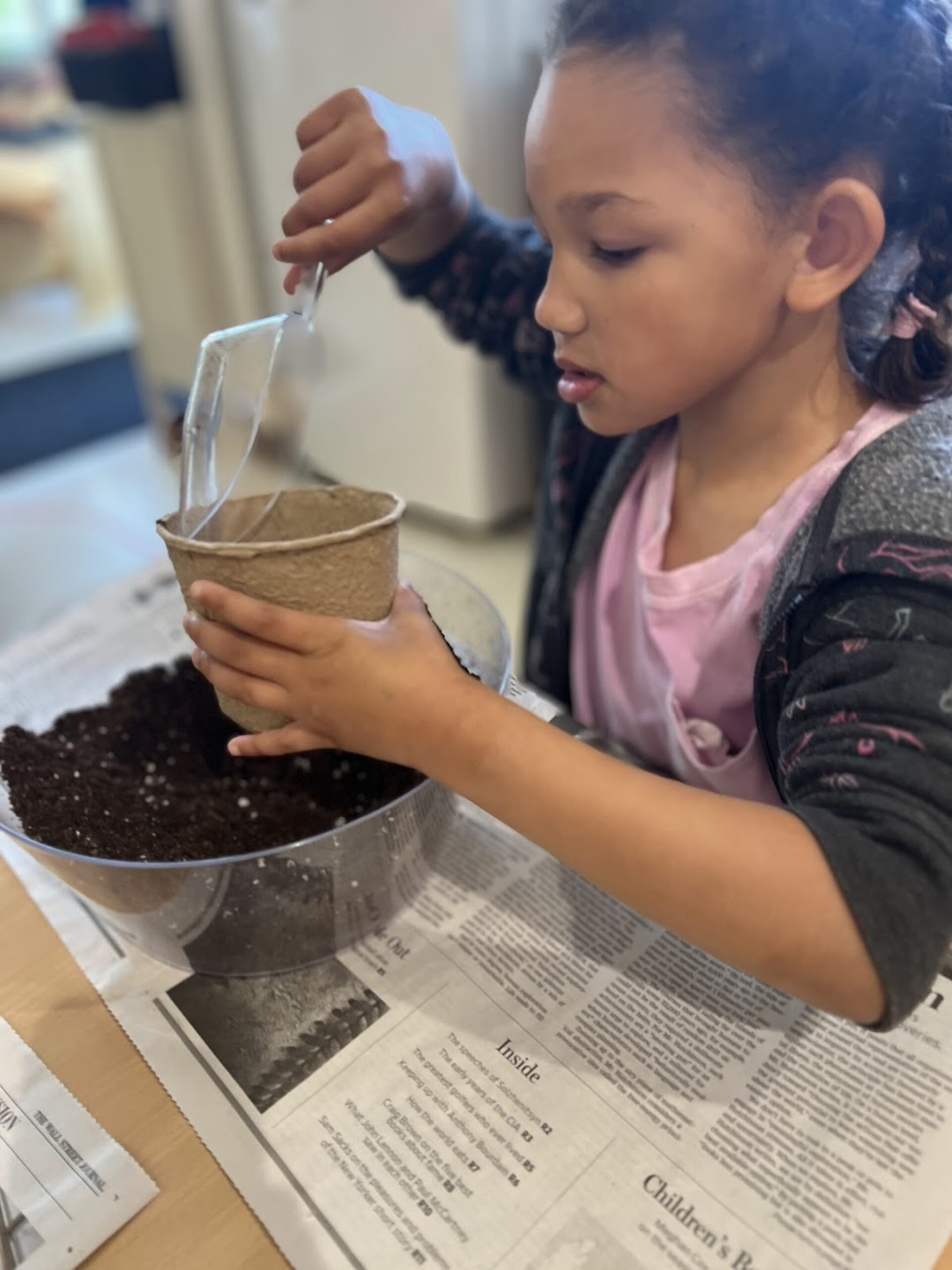
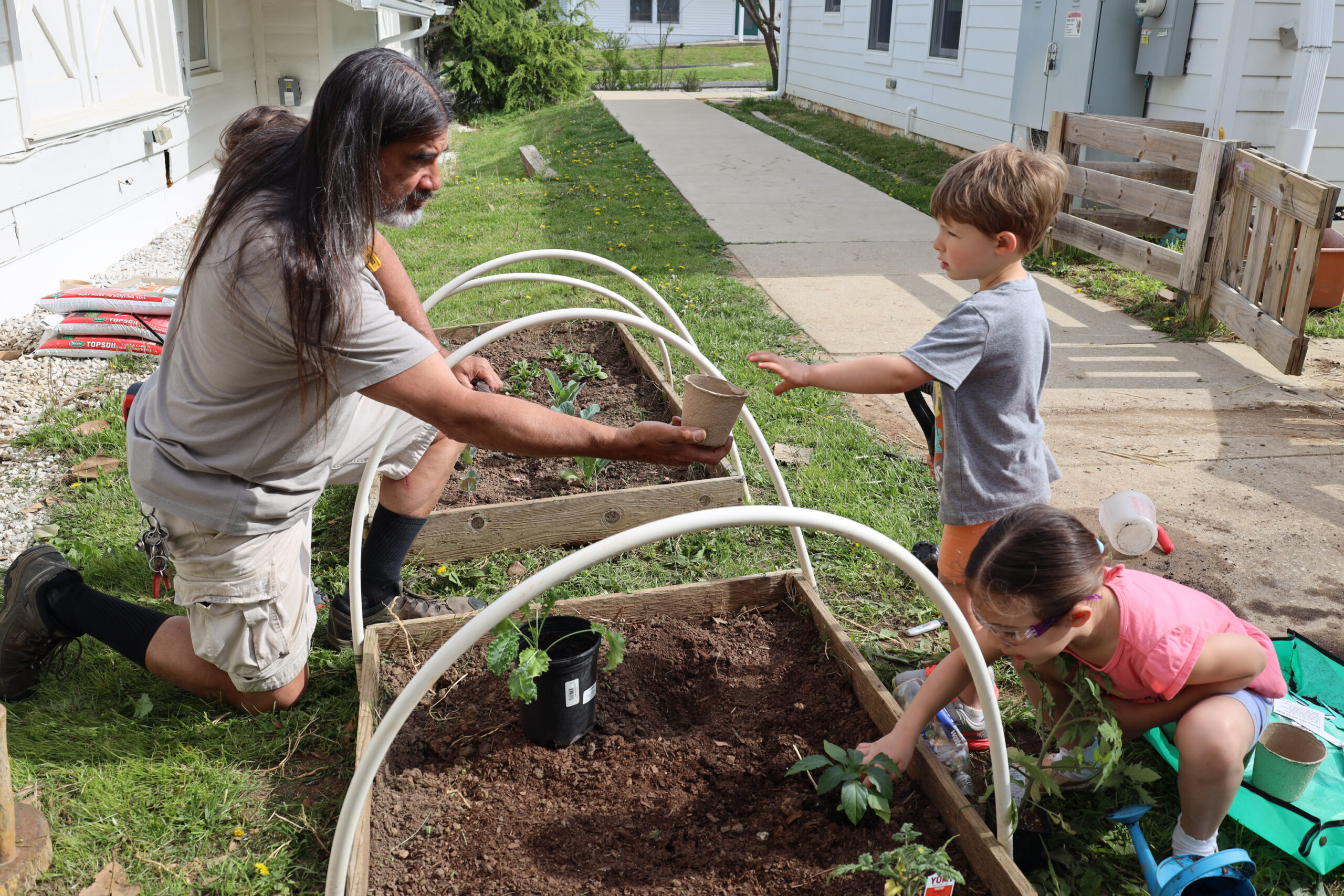
Not every free day needs to involve a trip to the zoo. Many times, children want to do what you are doing! You can invite your child to work with you in the garden, prepare a meal, or wash the car. You may need to provide child-size tools for some of these activities, such as a small watering can or acrylic knife, so that your child can participate fully.    

Research indicates that those children who do have a set of chores have higher self-esteem, are more responsible, and are better able to deal with frustration and delay gratification, all of which contribute to greater success in school. (Center for Parenting Education) Check out our blog post titled Children as Contributing Members of the Home for a list of age-appropriate chores your child can do. And please don’t swoop in as soon as the work is hard. Let your child experience challenges and overcome them!
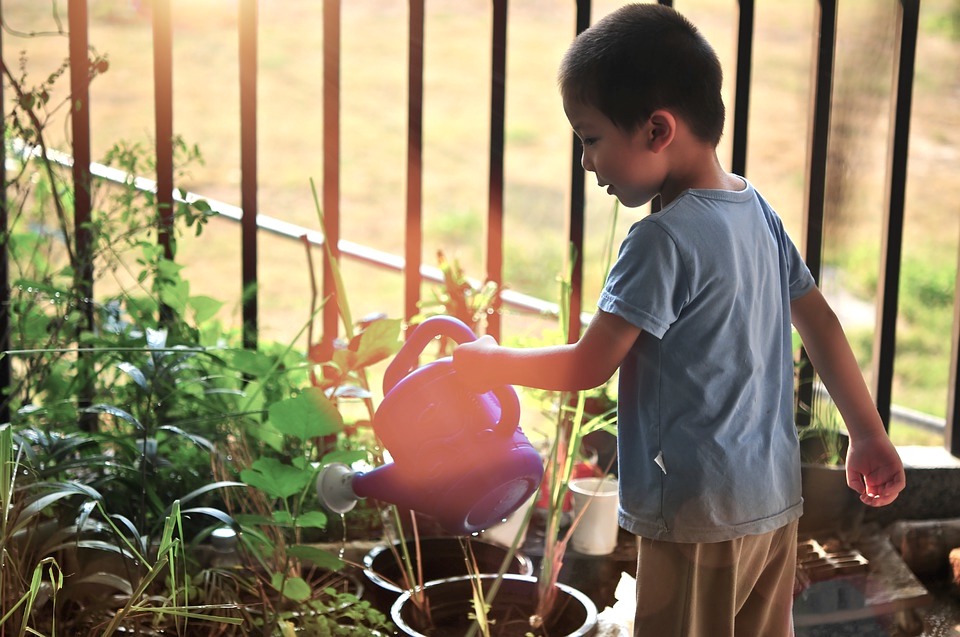
When we allow children opportunities to make meaningful contributions to the family and the greater community, we help build their resilience, perseverance, grit, and self-esteem. What greater gifts are there?

All of these pieces – unstructured time, enjoying the outdoors, building independence, and making meaningful contributions – are the ingredients for an exciting and fulfilling summer!

Dive into Summer: Reading Lists for Children’s House & Elementary

Dive into Summer: Reading Lists for Children’s House & Elementary

Need something to read this summer? Here are our picks for the best summer reading for Children’s House and Elementary 

Children’s House Summer Reading List 2025

Elementary Summer Reading List 2025

Along with these book recommendations, here are a few tips to encourage reading with your young readers this summer!
  • Visit your local library – Let your child choose books that match their interests – even if it’s a graphic novel or joke books. All reading counts!
  • Reading Scavenger Hunt
  • Join your local library’s summer reading program
  • Check out: https://bcpl.beanstack.org/reader365
  • Set up a cozy reading nook or fort indoors or outdoors!
  • Read to a pet
  • Model reading by keeping a book handy yourself!
What’s All the Buzz About Elementary Research?

What’s All the Buzz About Elementary Research?

If you have ever spent time in a Montessori Elementary classroom, you have seen it abuzz with a variety of research projects. Why is this?

Elementary-age students are naturally curious and have a strong internal drive to discover how our world works. Montessori’s Great Lessons, presented every year, are impressionistic stories that introduce enormous topics, such as the Big Bang, the evolution of life on earth, and the origin of writing and mathematics. They are designed to spark the child’s imagination and to provide a context for all further study. The Elementary Guide is a storyteller, sharing just enough information to spark students’ interest in learning more on their own.

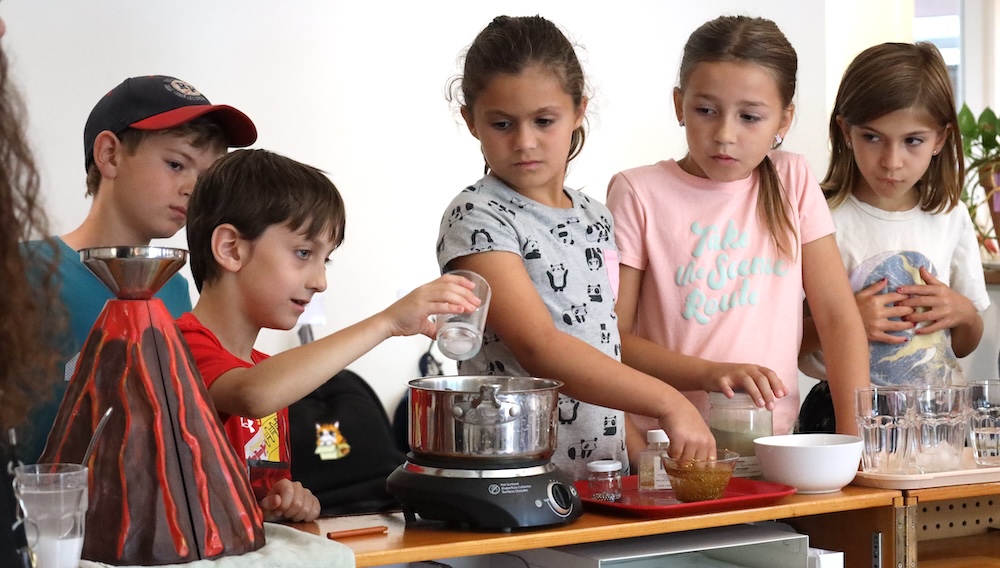
Each child’s response to a lesson is unique, and their follow-up work reflects those individual differences. For example, when the Elementary Guide gives a lesson on the Timeline of Life, some children will be especially inspired by this and choose to study invertebrates, while others will want to learn more about dinosaurs, how mass extinctions occur, how plants reproduce, or how a volcano erupts. The research process integrates a multitude of skills, such as reading, note taking, summarizing, writing for a specific audience, speaking, and listening in a meaningful context.
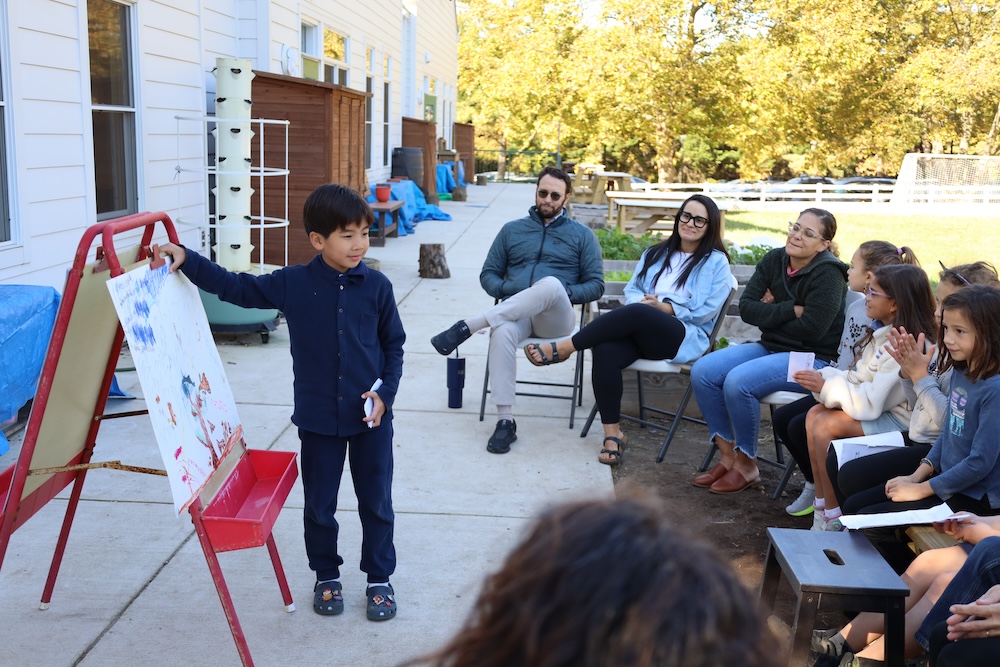
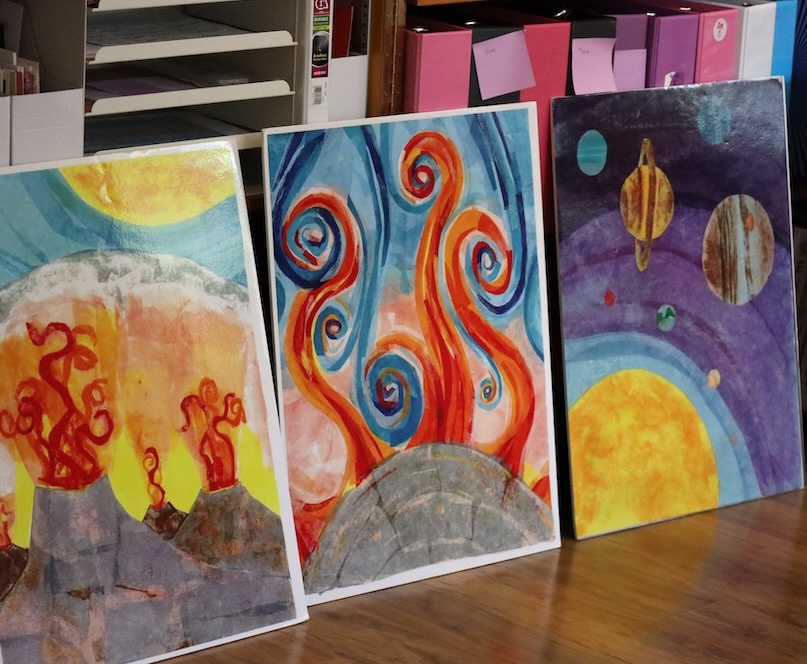
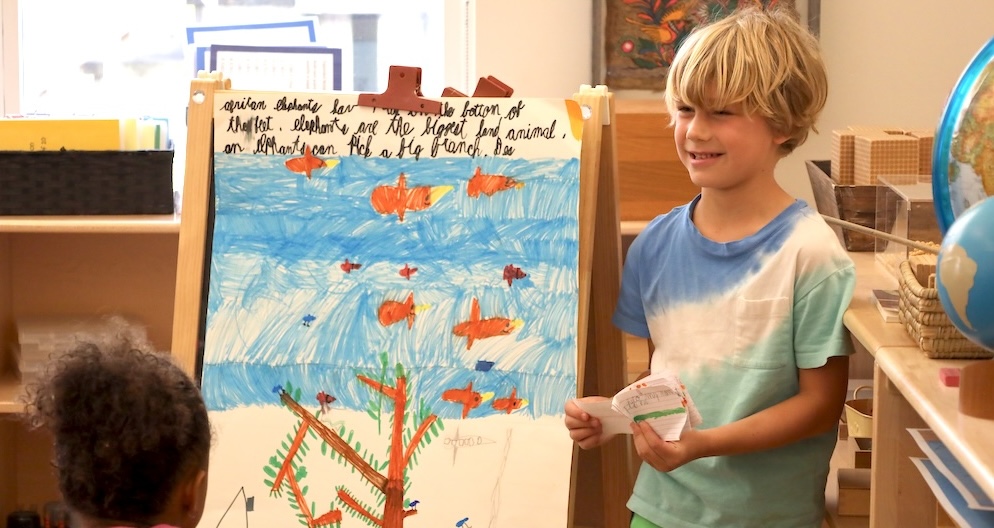
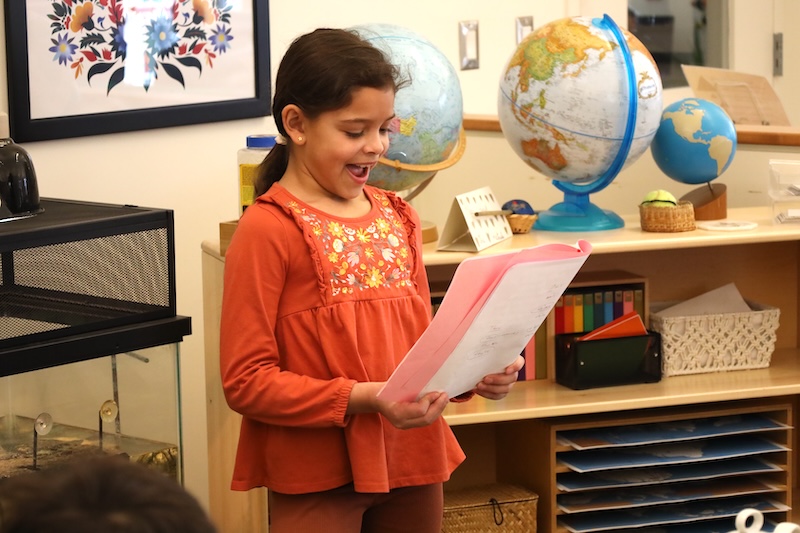
Students are invited to share their findings in creative ways, such as building models, creating dioramas, writing plays, creating digital slideshows, and assembling portfolios. Some may wish to present their research to the class or a small group of children, and they are encouraged to invite their families.

When students pursue topics that pique their interest, they are not only building their research skills, they are taking ownership of their learning, building self-motivation, exploring their passions, and furthering their independence.

How do we teach research skills?

Students are first given lessons in each of these skills and opportunities to practice in isolation. They can then apply these skills and processes to any subject that interests them!

Choose a Topic:
  • Brainstorm: Students think about topics they are interested in learning more about. [Lesson: brainstorming]
  • Narrow the Focus: Students refine their topic to something manageable and specific.
  • Identify Clear Questions: Students identify what they are trying to find out.
Gather Information:
  • Explore Sources: Students explore various sources like books, magazines, websites, and even interviews with experts (if appropriate). Going Outs and the process of planning and engaging with a Going Out can also be part of this process.
    [Lessons: evaluating sources, using a table of contents, using an index]
  • Take Notes: Students learn to put key ideas into their own words.
    [Lessons: paraphrasing, identifying the main idea, summarizing information]
Organize Information:
  • Sort and Categorize: Students organize their notes by topic or question.
    [Lessons: structure of a paragraph, structure of a report]
  • Use Graphic Organizers: Students can use simple graphic organizers to help them structure their notes and identify main points. [Lesson: how to use a graphic organizer]
Share Findings:

Students share their research through a variety of models, including presentations, posters, or reports.

  • Written report [Lessons: how to cite sources, use evidence to support findings,using domain-specific vocabulary, how to write a clear conclusion]
  • Oral presentation [Lessons: Sequence ideas logically, use appropriate facts and details, public speaking skills-pacing, poise, how to field questions, voice projection]
  • Artistic presentation (model, diorama, skit, song, etc.)
  • Digital presentation (Google Slides, word processing, integrating images and audio)

What are the benefits?

Critical Thinking:

Students develop critical thinking skills, evaluating information, and identifying biases.

Information Literacy:

Students learn to locate, evaluate, and use information effectively.

Time Management:

Students practice managing their time, setting deadlines, and prioritizing tasks.

Collaboration:

Students often work in pairs or small groups, developing teamwork and communication skills.

Problem-Solving:

Students encounter and overcome obstacles, developing resilience and resourcefulness.

Autonomy/independence:

Students take ownership of their own learning, develop intrinsic motivation, explore their academic passions.

The Elementary student is a natural-born scientist. “How does a fish breathe under water?” “What number comes after a trillion?” “What causes a volcano to erupt?” Montessori Guides encourage children to find out!

Montessori students are empowered to find the answers to their own questions with the materials and resources in a prepared environment. Children enjoy learning that is driven by their passions.

Learn more about Greenspring Montessori’s Elementary program.

Spring Earth Day Celebration at Greenspring

Spring Earth Day Celebration at Greenspring

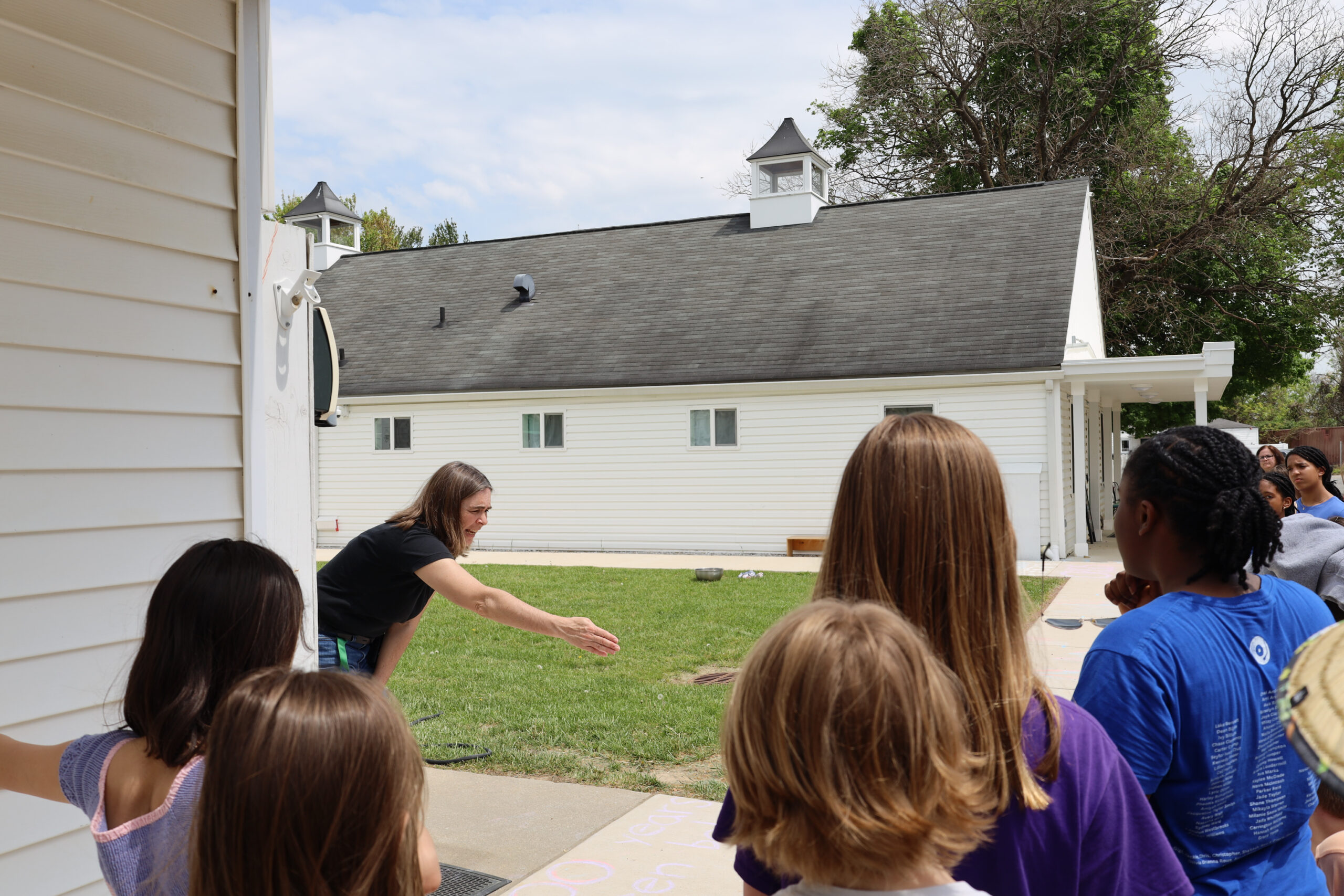
As part of our Allegiance to Nature at Greenspring Montessori School, our faculty and staff organized a special Earth Day event for our children and families. Our Toddler, Children’s House, Elementary, and Adolescent classes took on various projects around our campus including planting stations, nature-based story walks, and nature scavenger hunts. Many classes also worked to restore natural spaces on campus and make improvements to their outdoor environments. In addition, there are many beautiful books on display in the library on Earth Day, Spring, Gardening, and more! 
After school, many families joined in to help spruce up the campus grounds. We would like to extend a special thanks to all of our families who volunteered to help make this event a success! If you would like to support any of our current outdoor projects by volunteering or donating supplies, please reach out to us here It was beautiful to see everyone coming together for this purposeful community event! Take a look below to see photos and more details about the projects at each level.

Toddlers

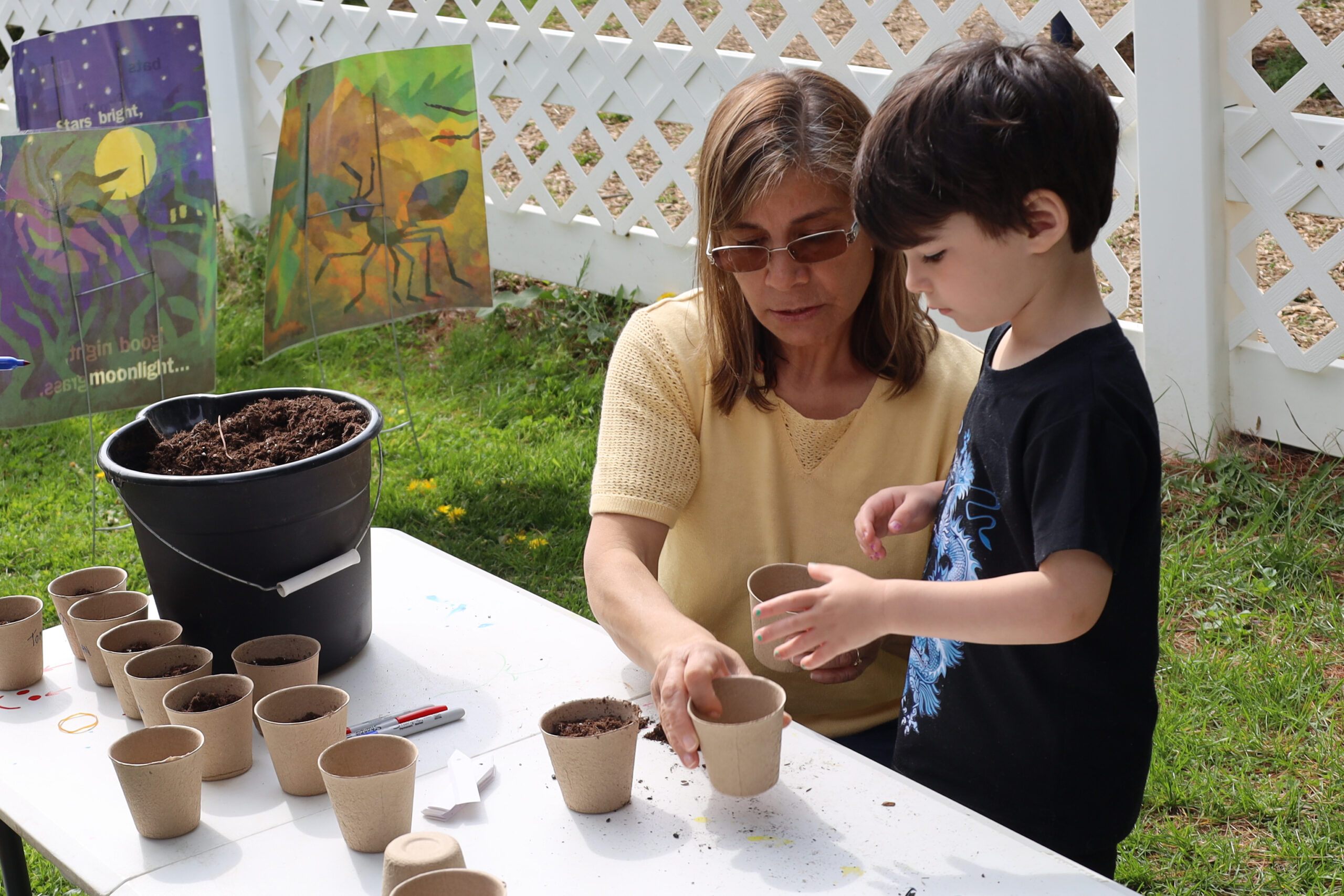
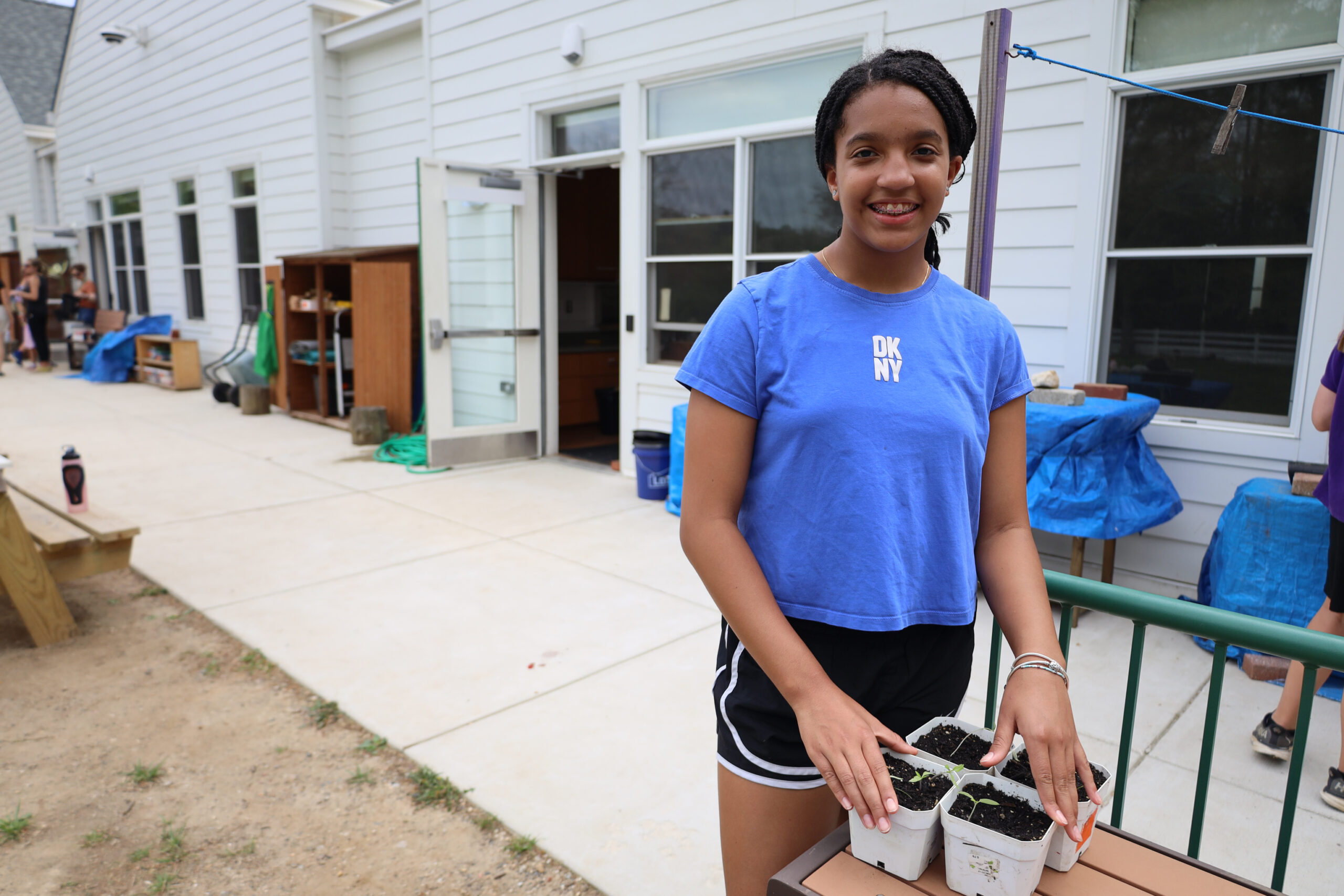
Our Toddlers visited the planting station in the morning to prepare small seedlings to bring home. They also worked together to spruce up their outdoor environments and plant flowers.

Children’s House

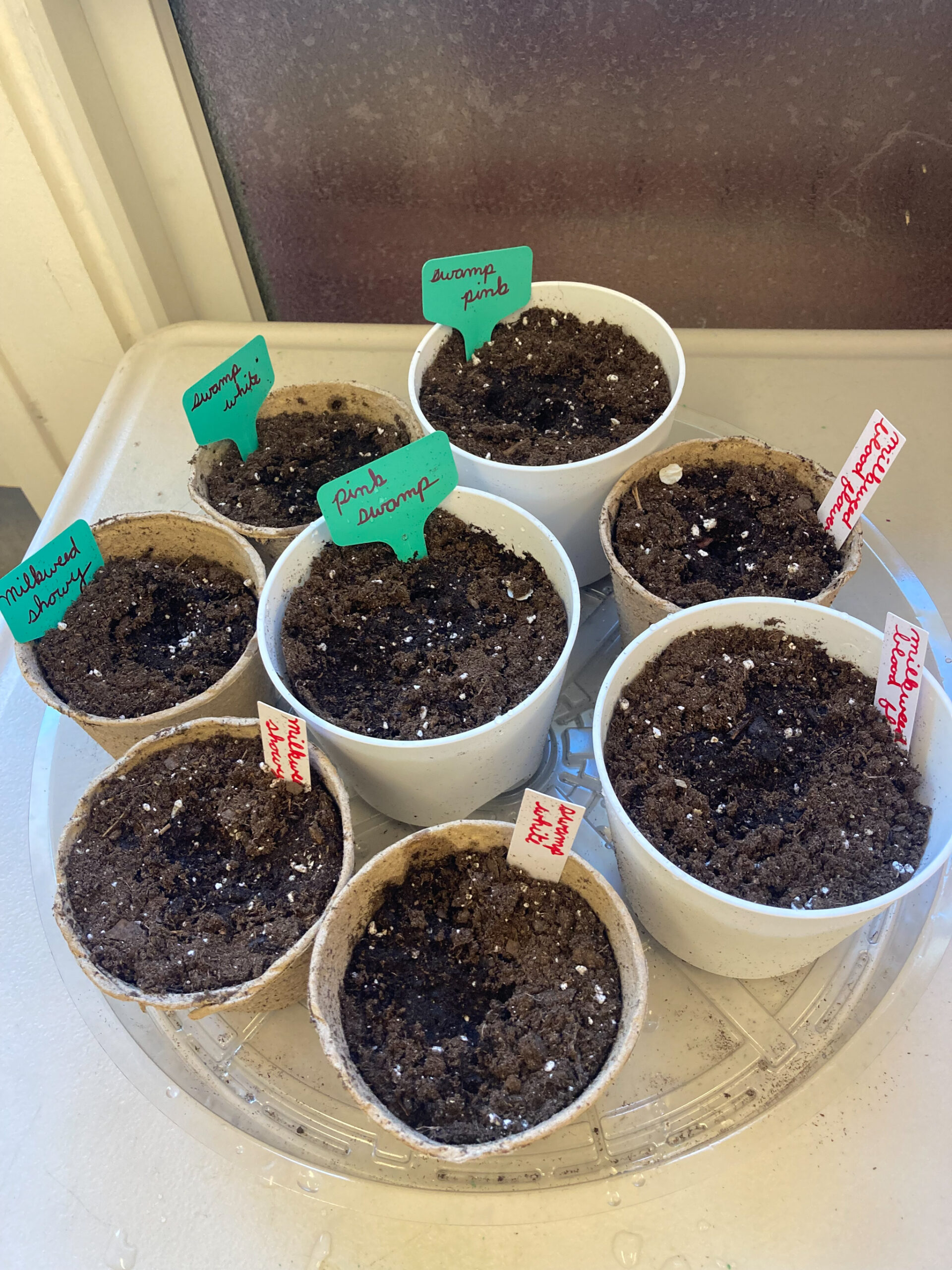
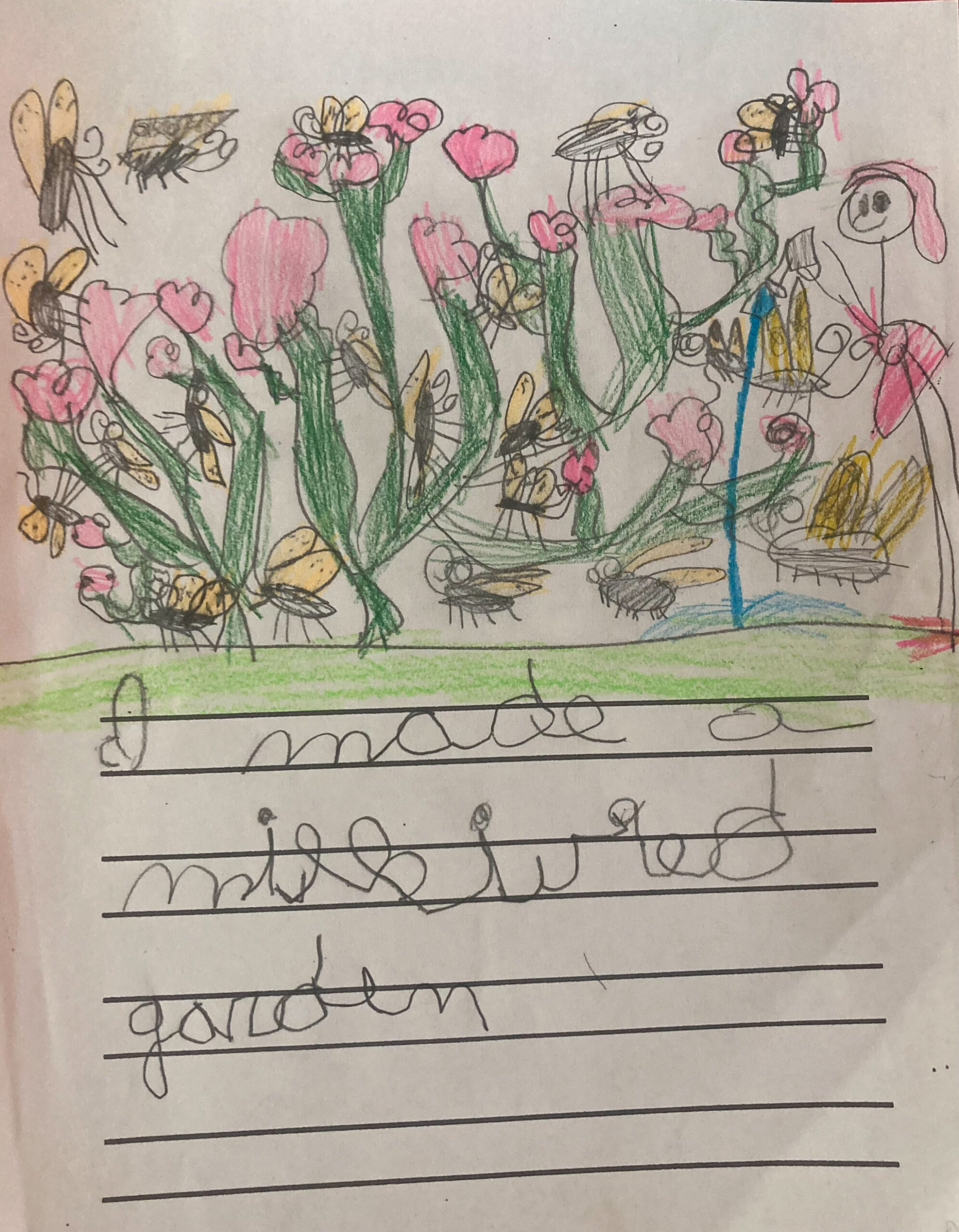
In preparation for Earth Day, Ms. Laura, one of our Children’s House Naturalists, worked with the children to plant milkweed, phlox, black eyed-susans, and coneflower seeds to welcome all pollinators to the Outdoor Environments and give them a place to rest, eat, and lay eggs! Their goal is to become a Monarch Waystation just like Ms. Emily has accomplished along the Chesapeake Village! All of our Children’s House classrooms enjoyed getting down in the dirt to weed, plant, and prepare our campus for spring!

Our Children’s House team was inspired to take on this initiative after learning more about the Roots & Shoots Program by Jane Goodall. To learn more about our Children’s House Roots & Shoots lessons, please click here.

In addition, our Winterberry Children’s House classroom participated in a waste-free lunch to show to our students the impact of small decisions every day.

Elementary & Adolescents

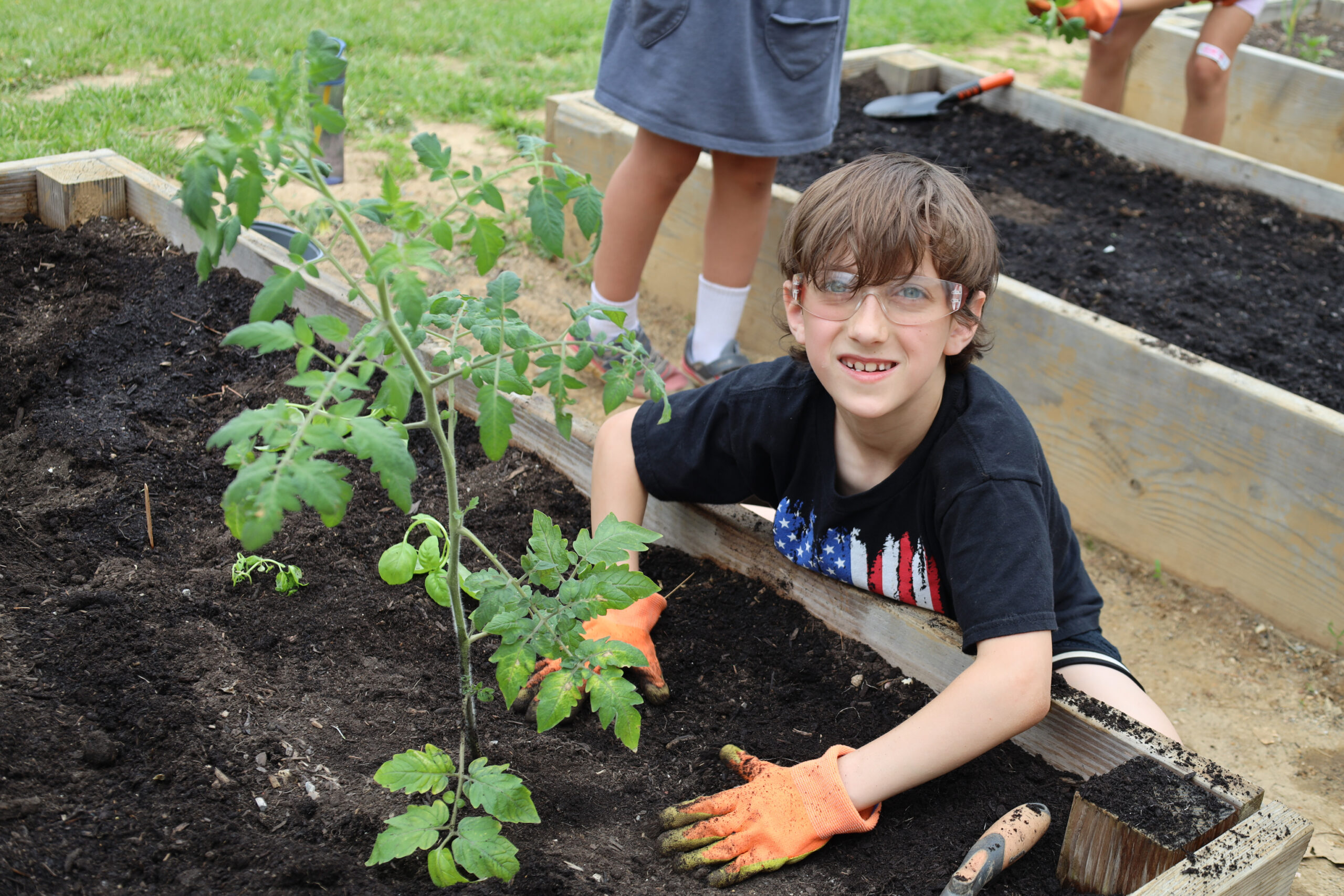
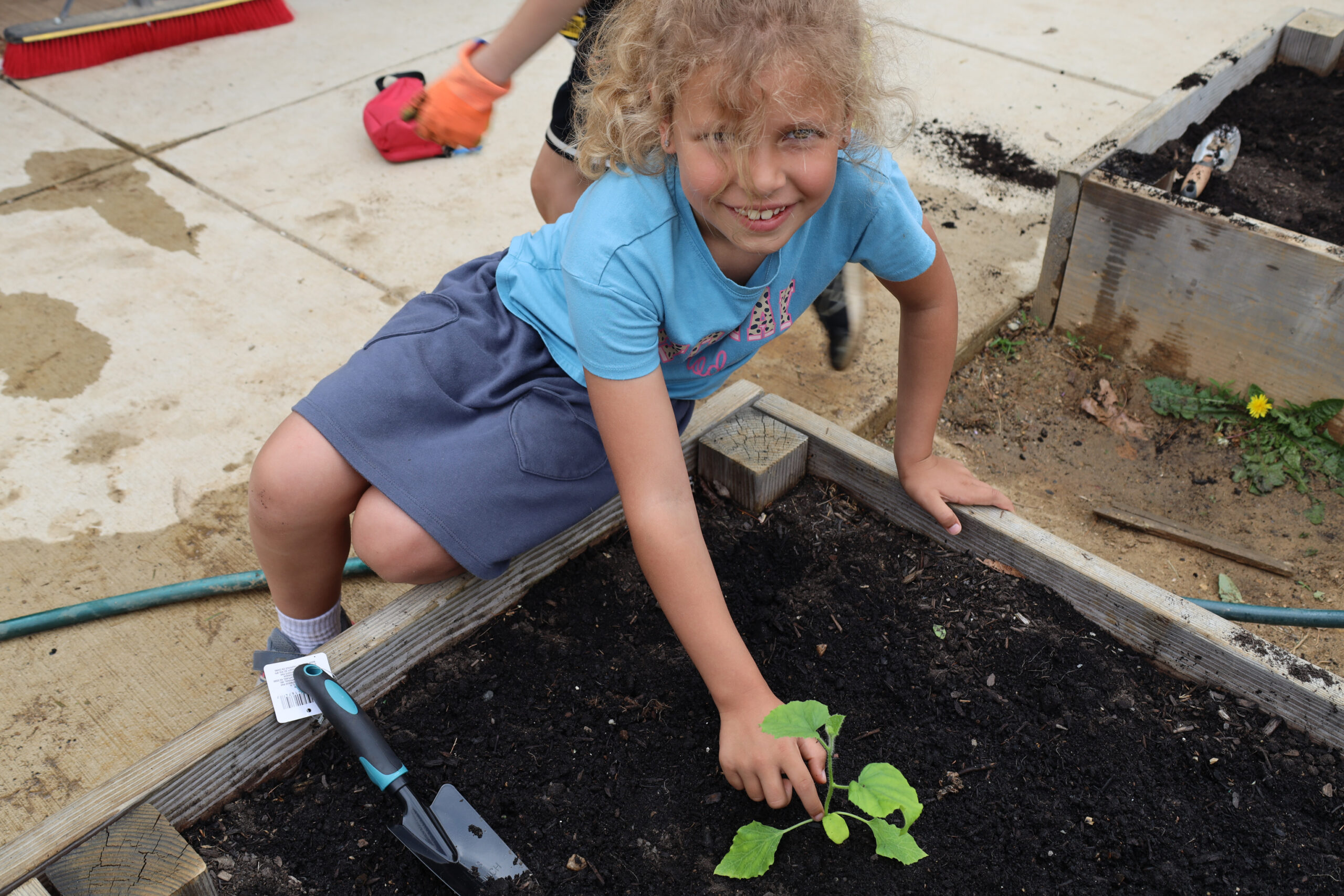
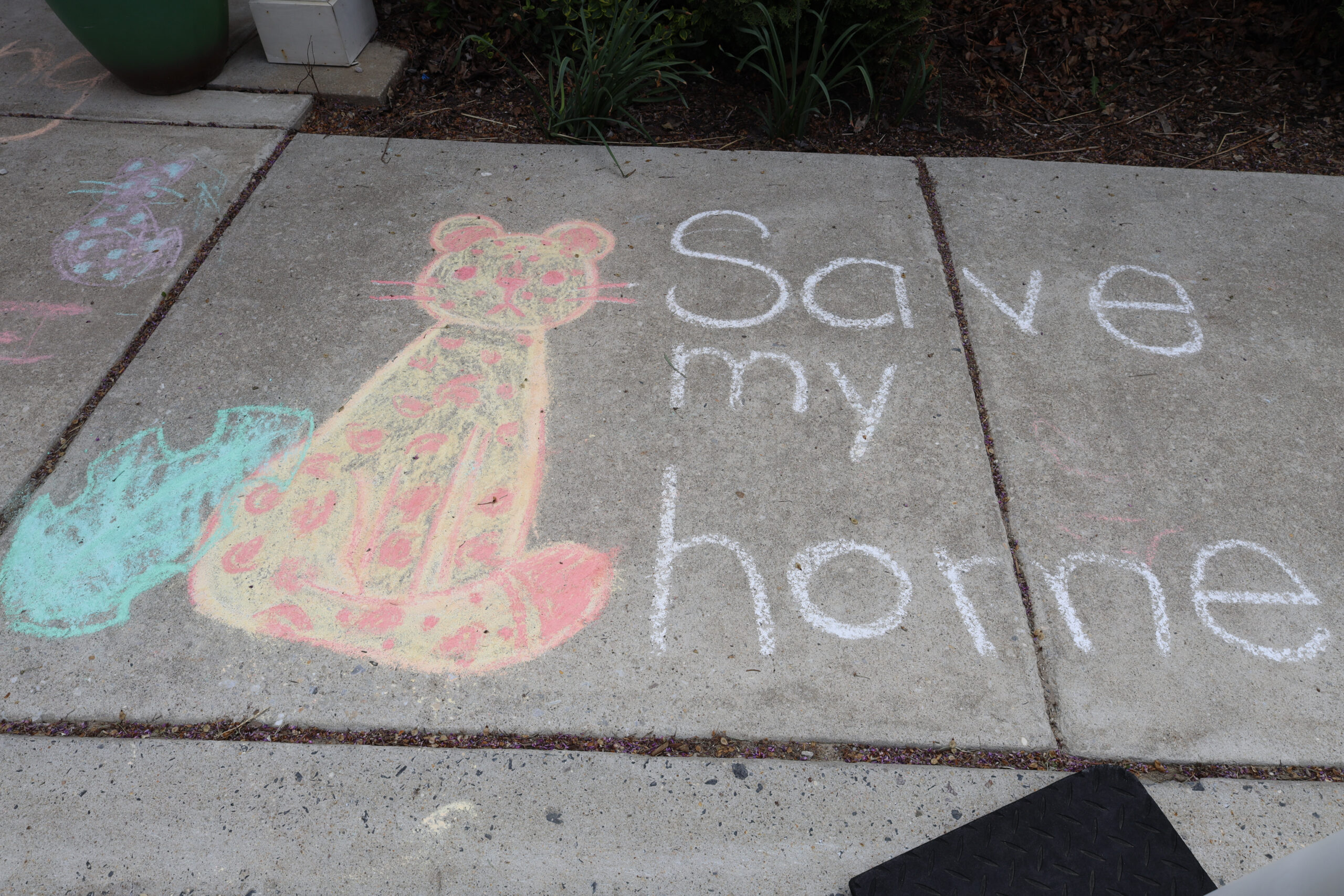
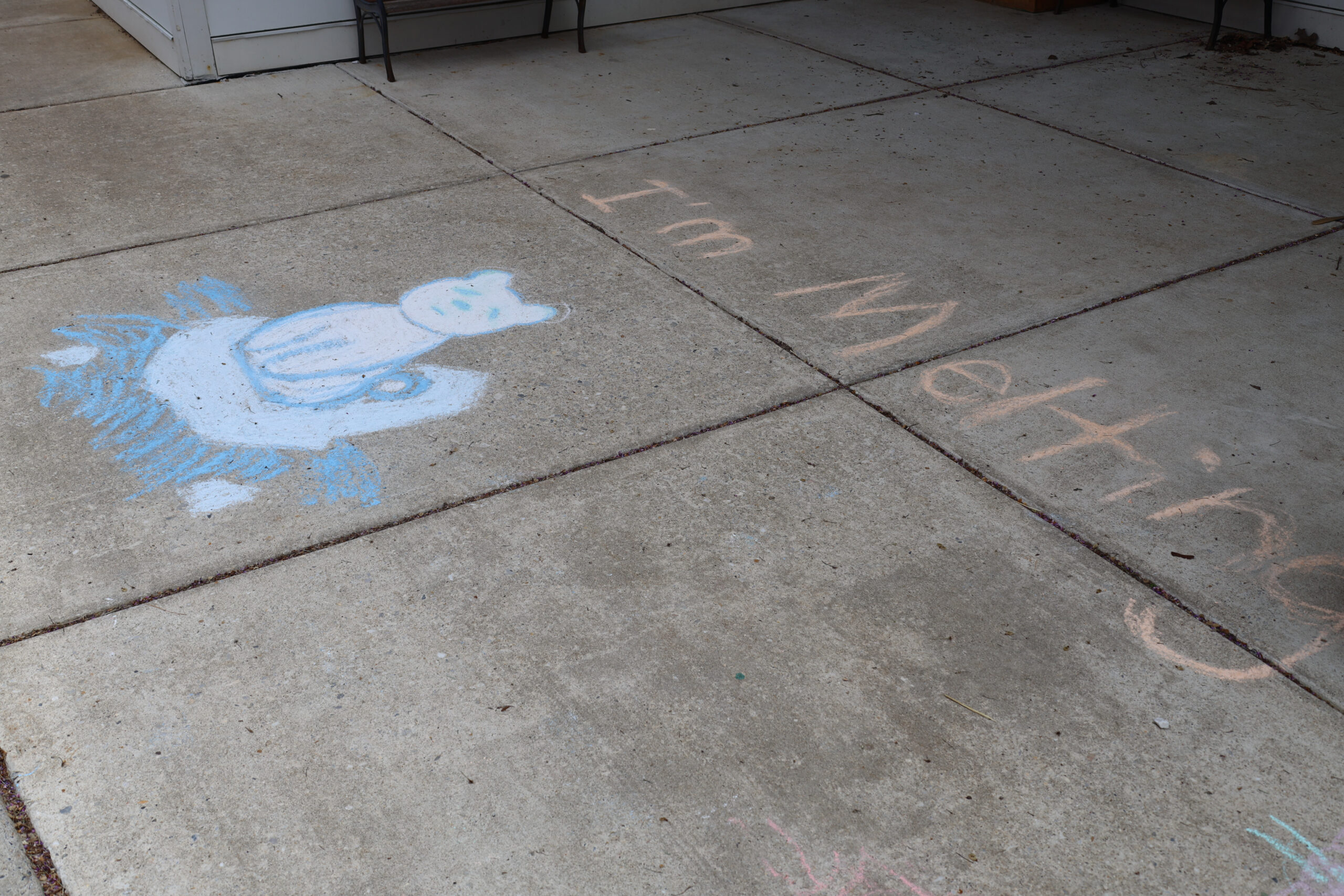
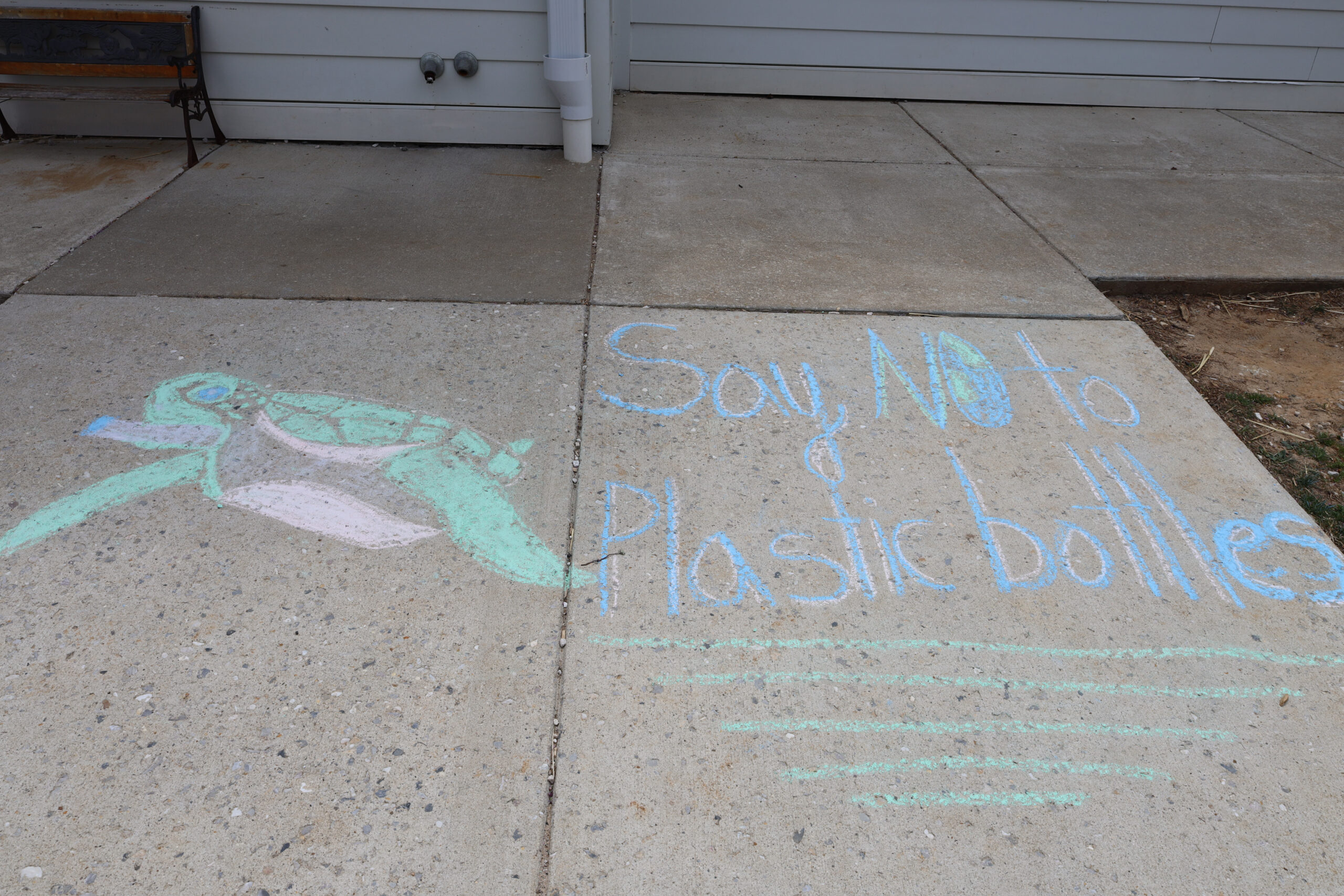
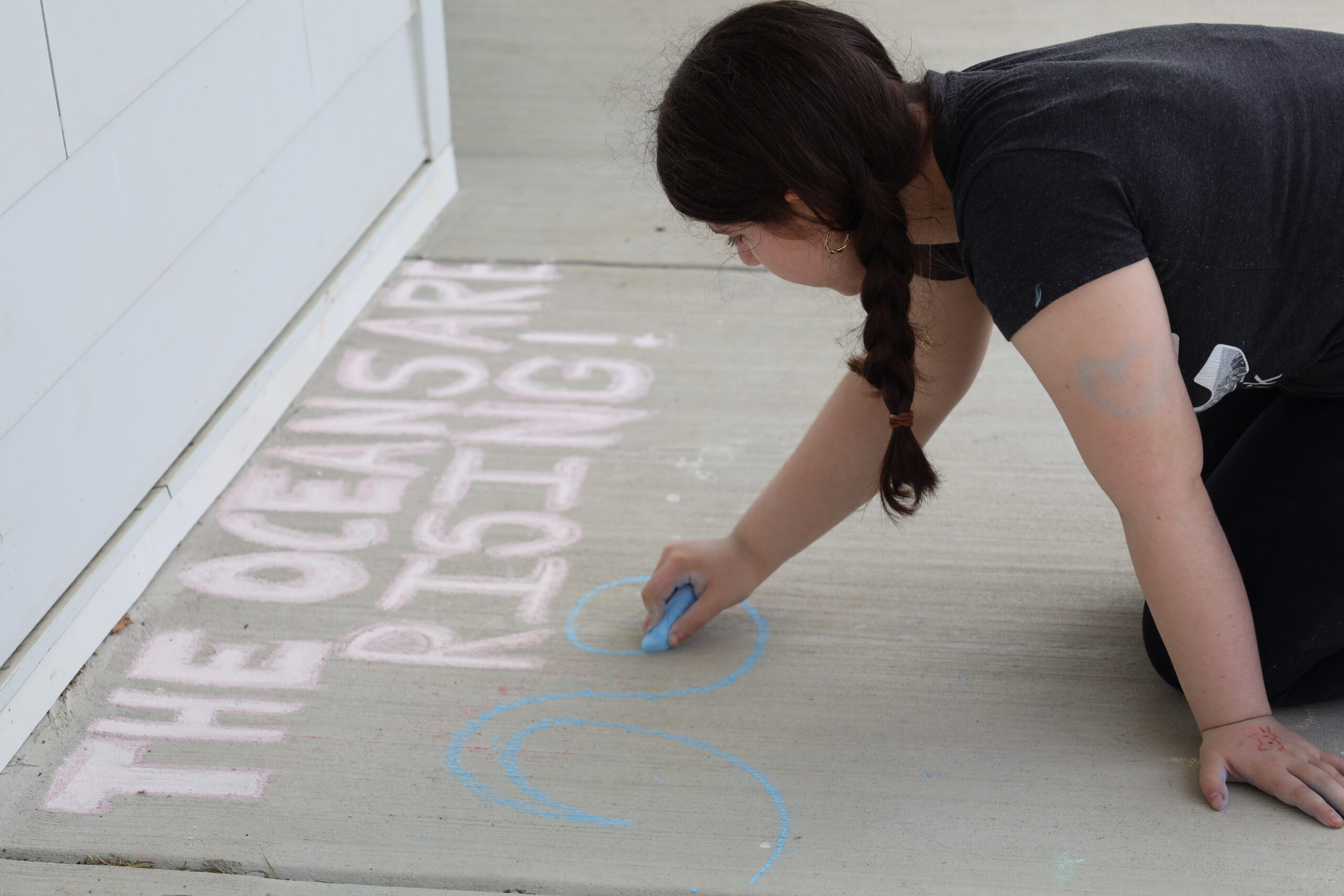
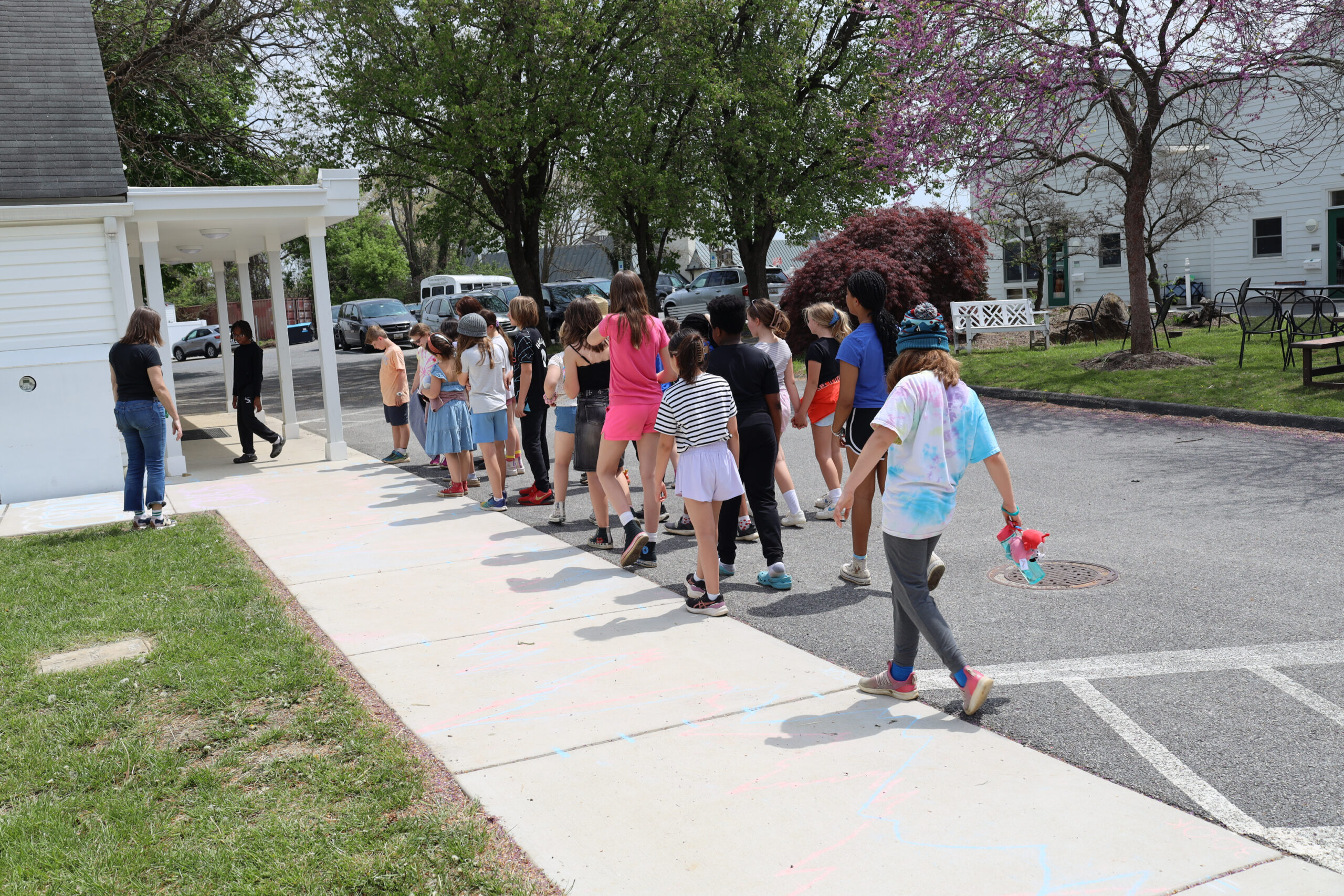
Our Elementary children sowed vegetable and flower seeds in their outdoor gardens. They are also preparing to extend their garden area in order to grow wine plants including gourds, pumpkins, squash, and watermelon. Our Adolescents created a graph of the atmospheric carbon along with eco-awareness art in sidewalk chalk around campus. They also sold seedlings as part of their small business. 

Families

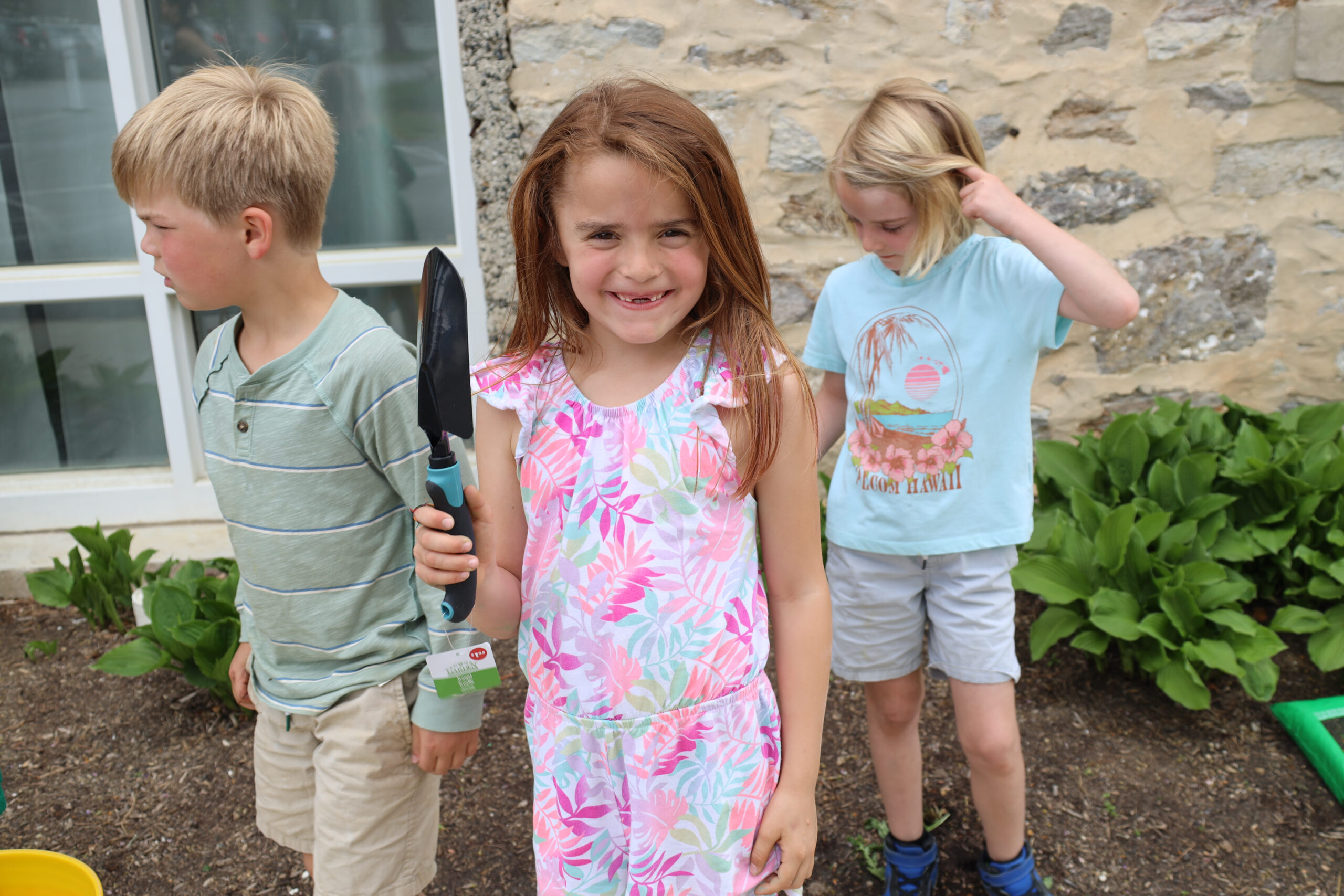
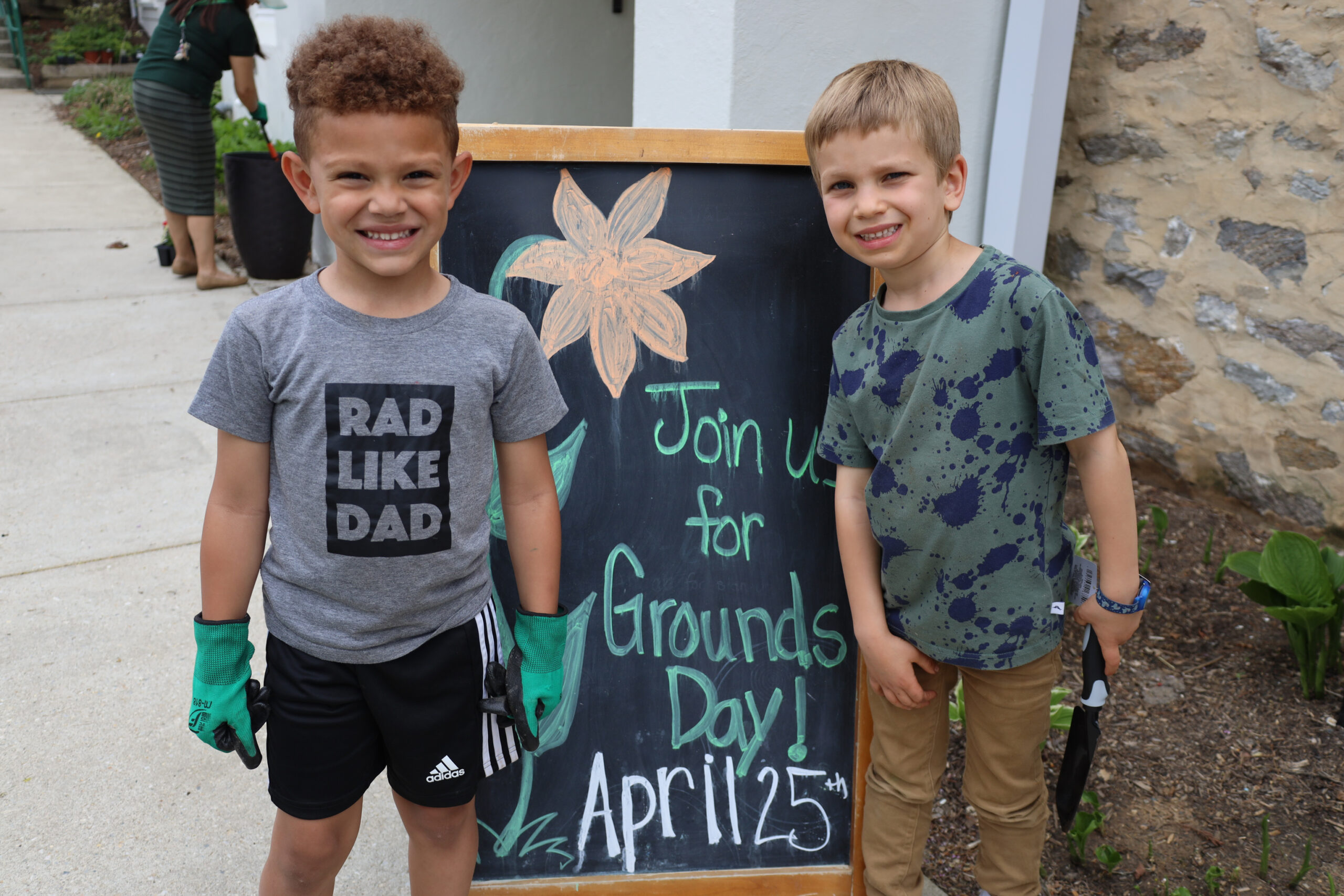
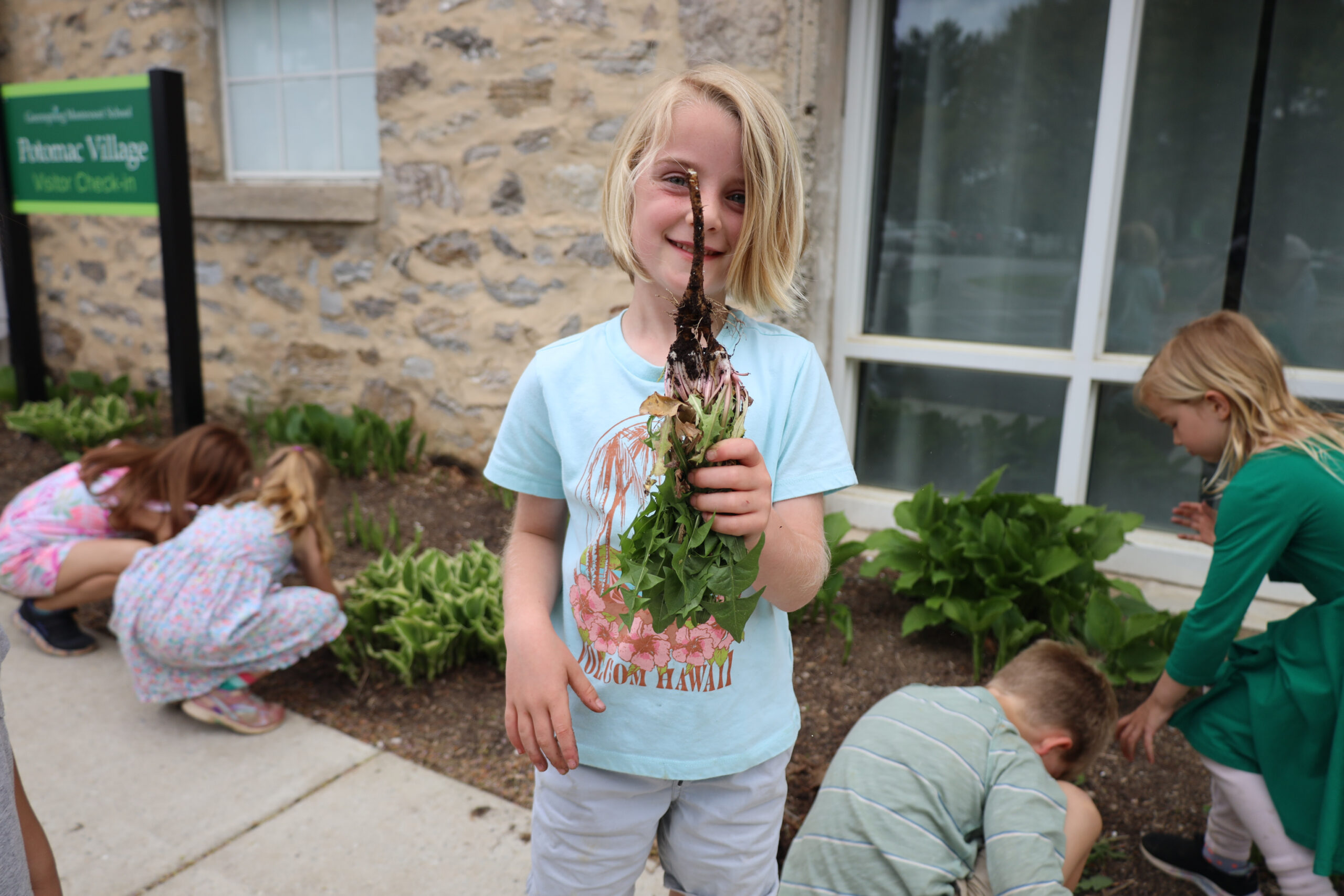
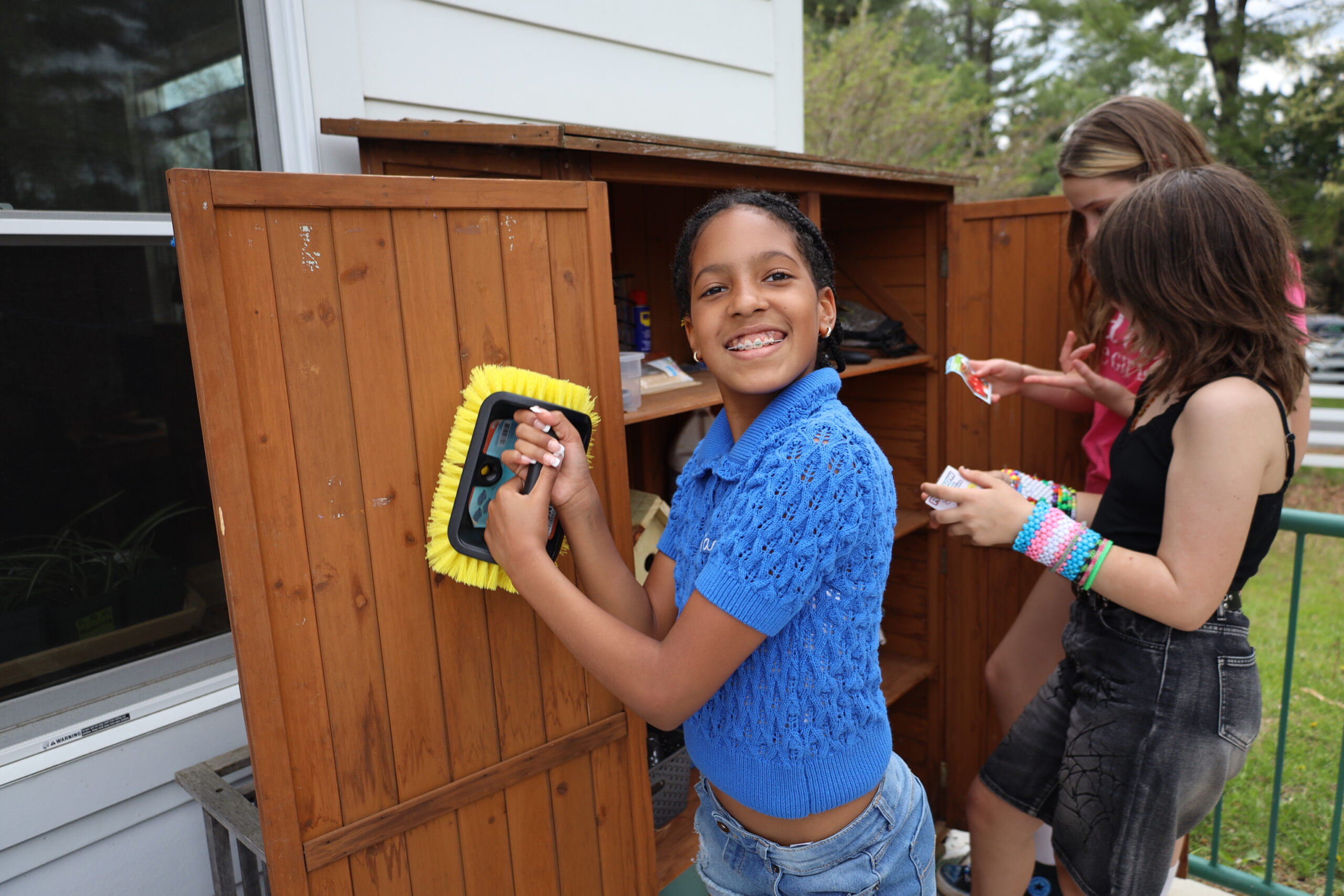
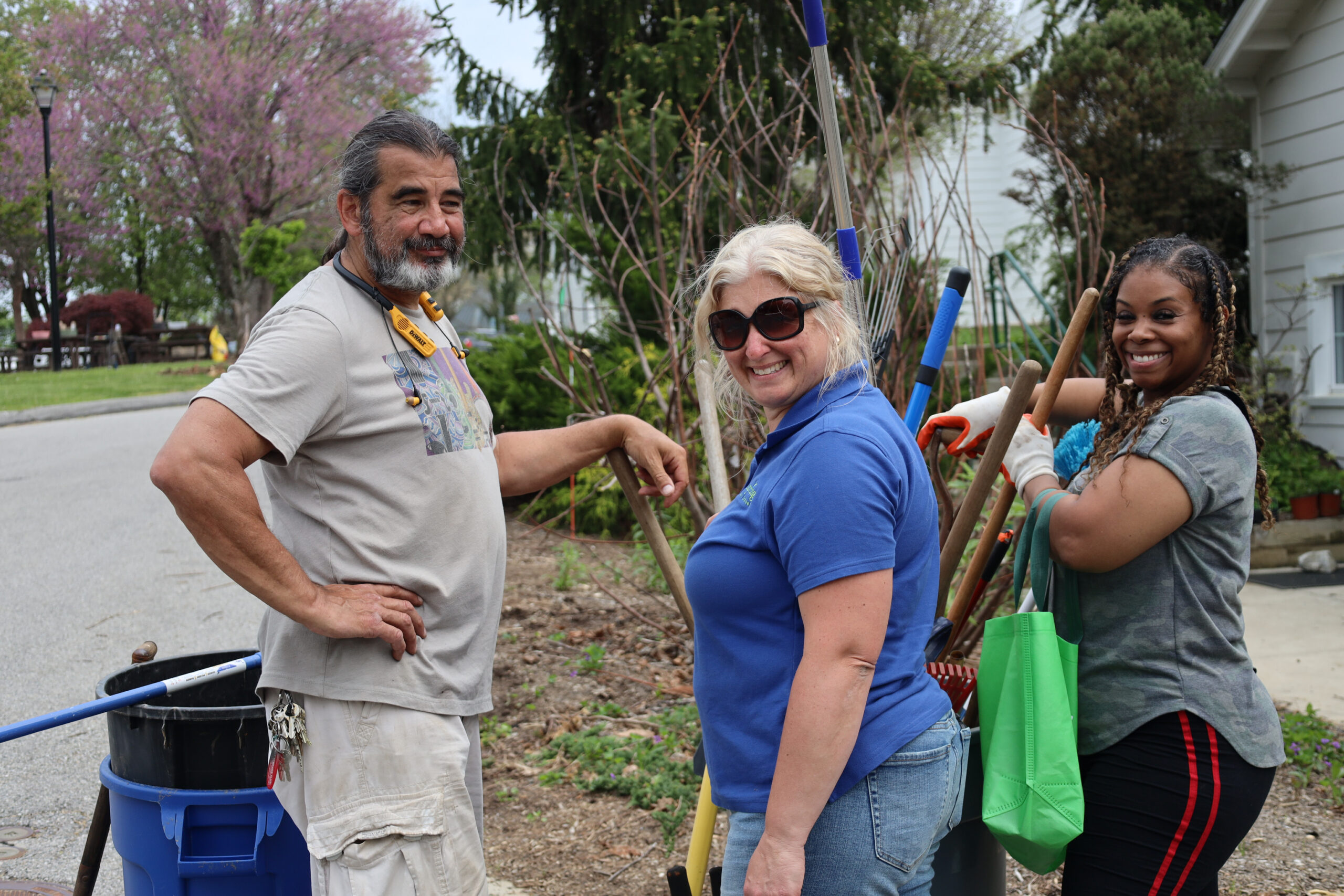
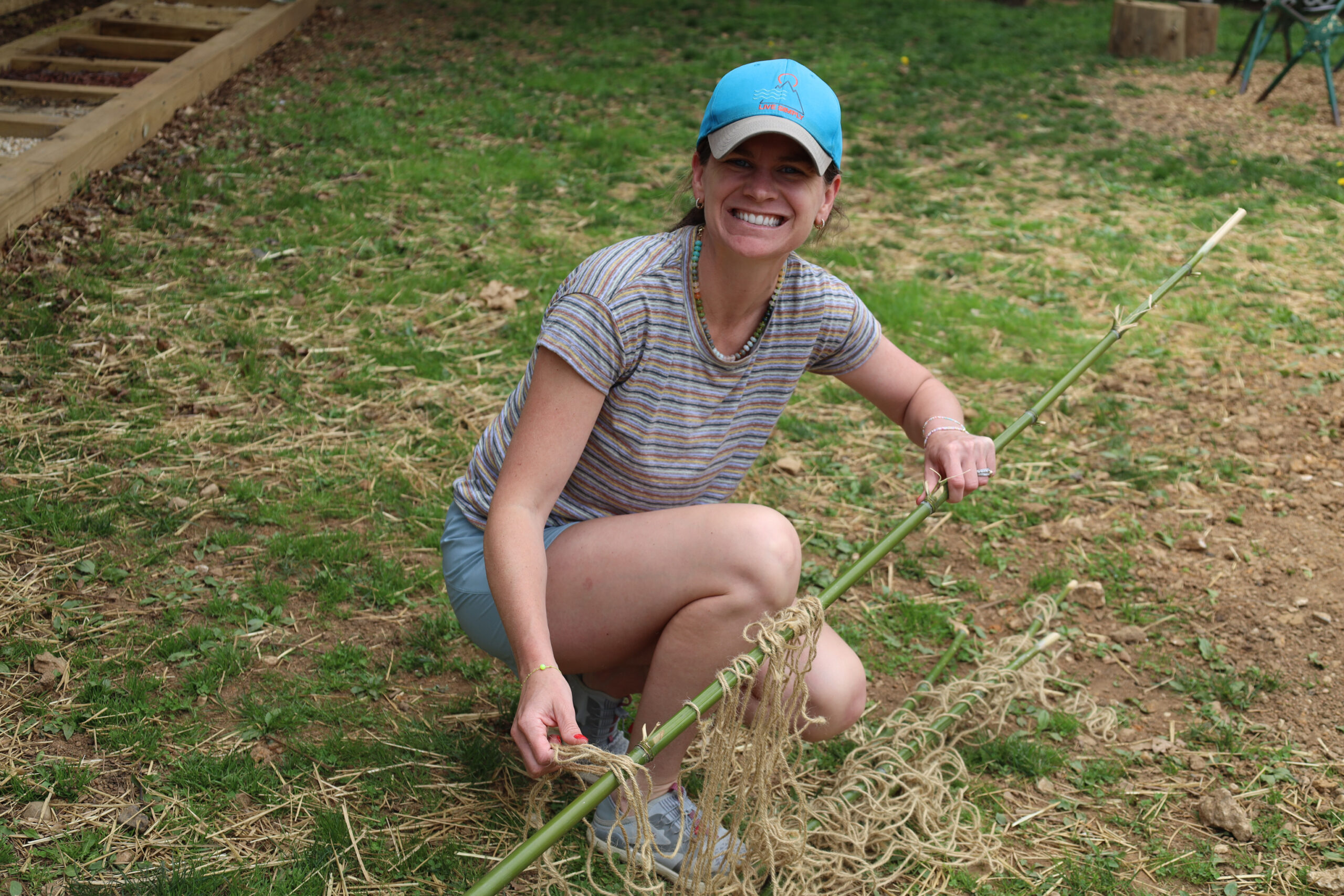
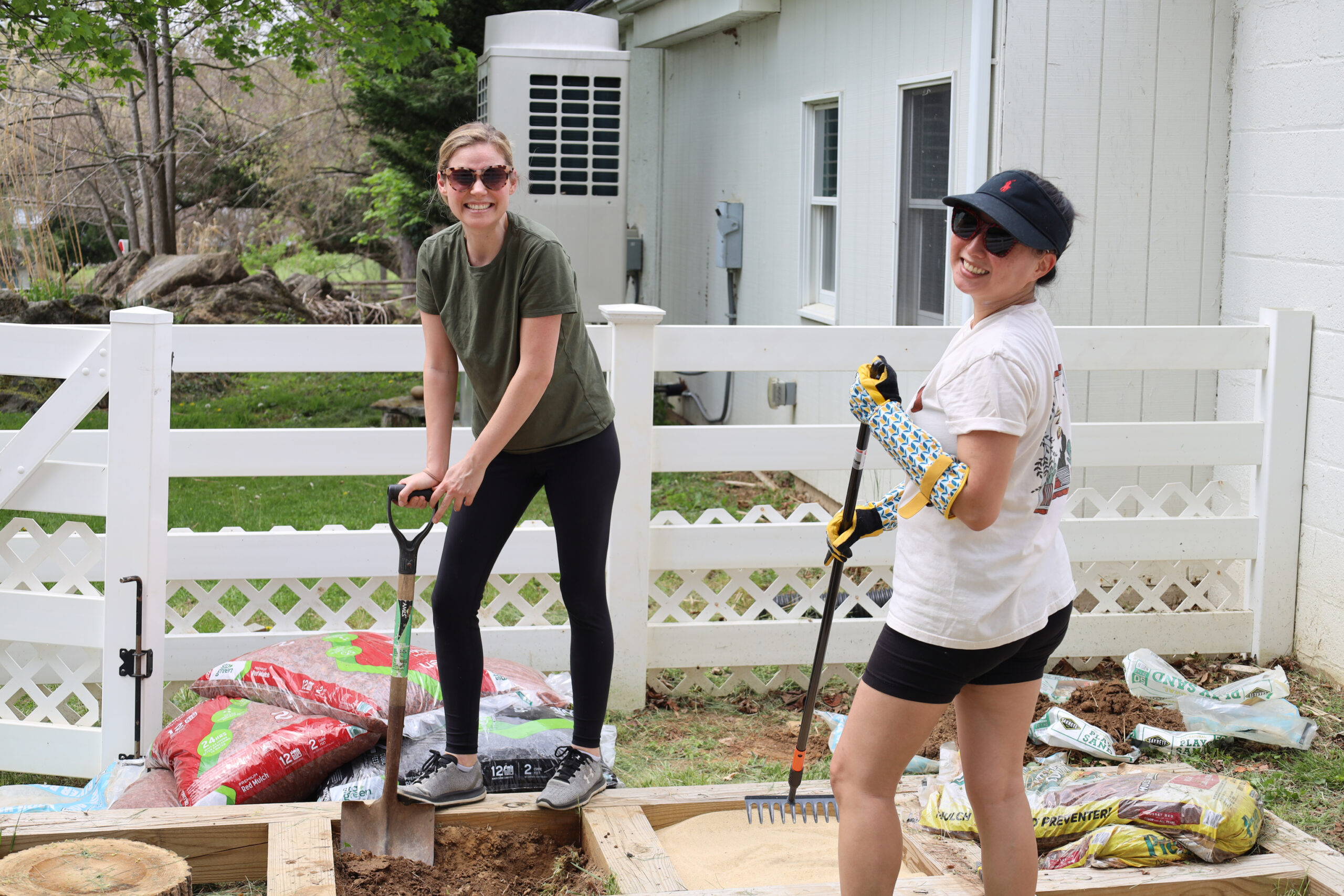
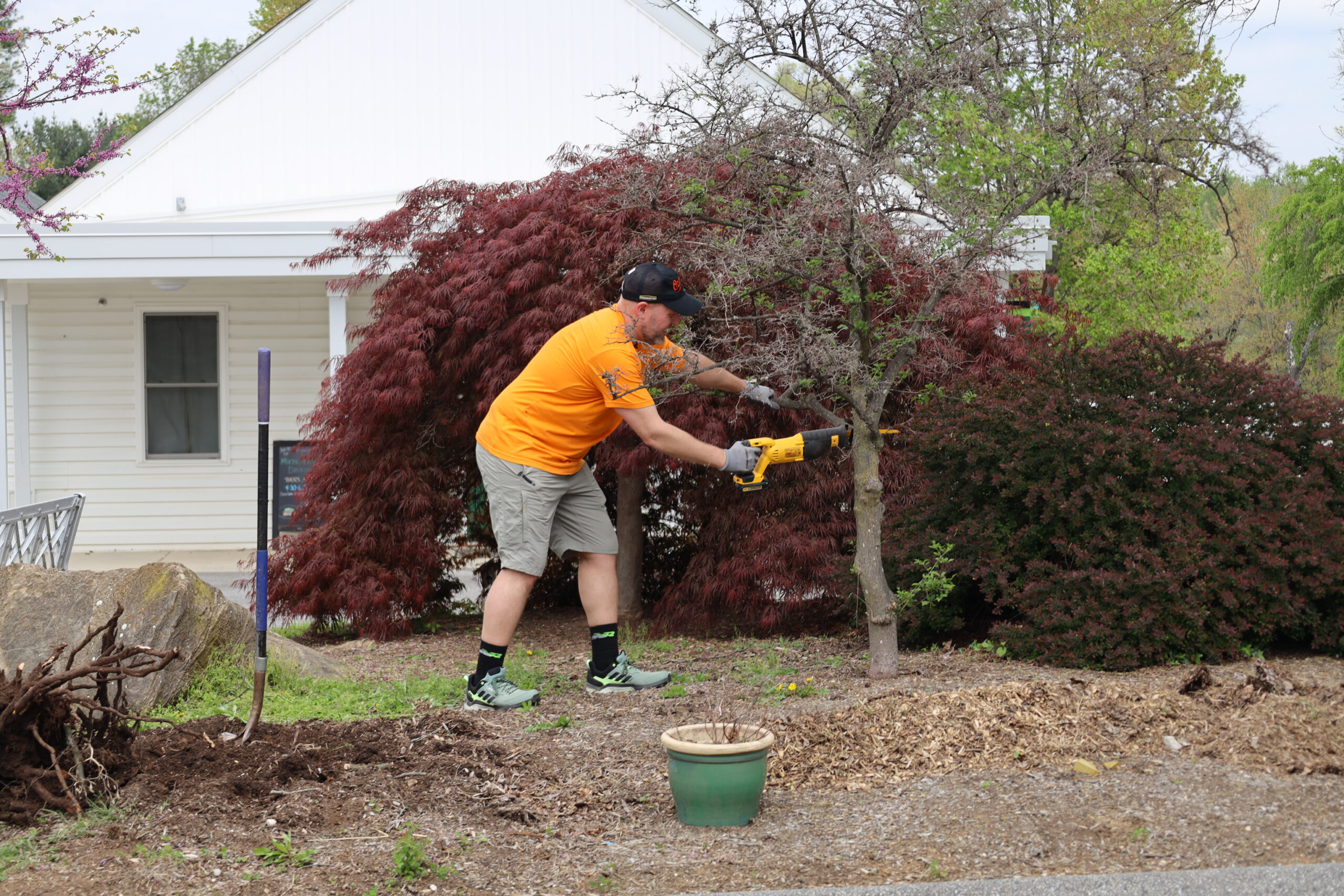
We also celebrated Earth Day with our families at our Spring Grounds Day. Volunteers came out to give back to our school by helping to beautify and maintain the Greenspring campus. Parents, grandparents, and children helped with everything from weeding and planting to window washing and fence staining. Thank you to everyone who came out to join us! Thank you for your support as we celebrate Earth Day and help inspire the future generation of stewards for our planet. 

“Hope is contagious Your actions inspire others.” – Jane Goodall
What do you love about Greenspring?

What do you love about Greenspring?

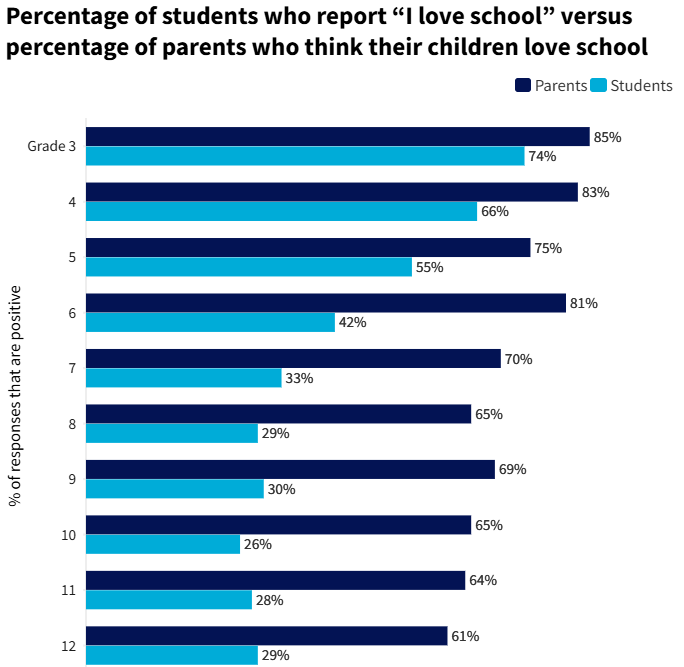
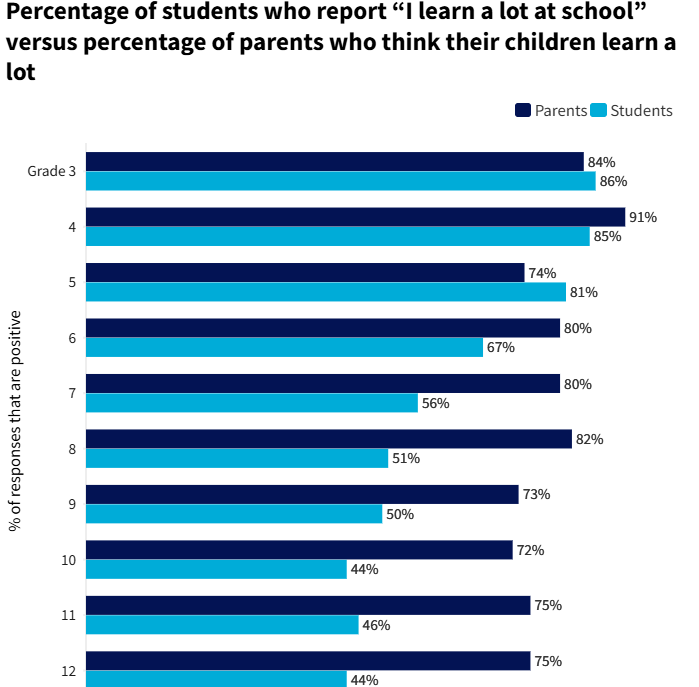
A recent article in Education Week brought to light some intriguing findings from a Brookings Institution study that reveals a gap in how parents perceive their children’s enjoyment and engagement with school compared to the students’ own perspectives. According to the study, while 78% of parents believe their children are thriving academically and enjoying school, only 60% of students share this sentiment. This gap grows even wider when it comes to how much students “love” school, with only 41% of students expressing such feelings compared to 71% of parents.

At Greenspring, we deeply value fostering an environment where students feel excited to learn, grow, and engage with their school community. Our Guides are dedicated to creating an atmosphere where each student can explore their interests and discover the joy of learning. We know that when we support the whole child – academically, mentally, and spiritually – their joy, success, and confidence follow naturally.

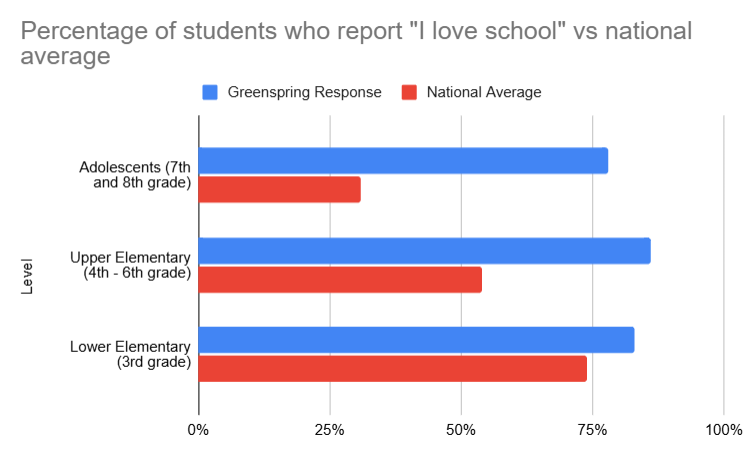
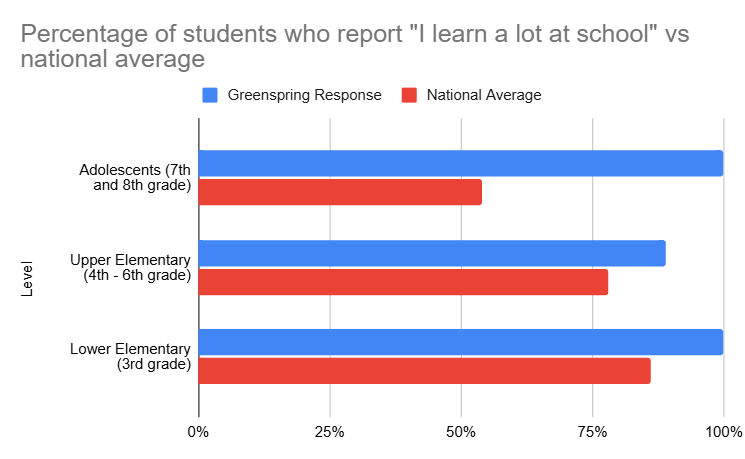
While the gap highlighted in the study is concerning, it does not come as a shock when we think about the mighty challenges facing modern education. At Greenspring, this offers us an opportunity to reflect on our efforts to connect with our children and adolescents to ensure they feel both challenged and supported. After learning more about the study, we decided to poll our own Elementary and Adolescent students in 3rd – 8th grade to find out more about what they are feeling at school. Here are the questions we asked.

We are happy to share the results here.

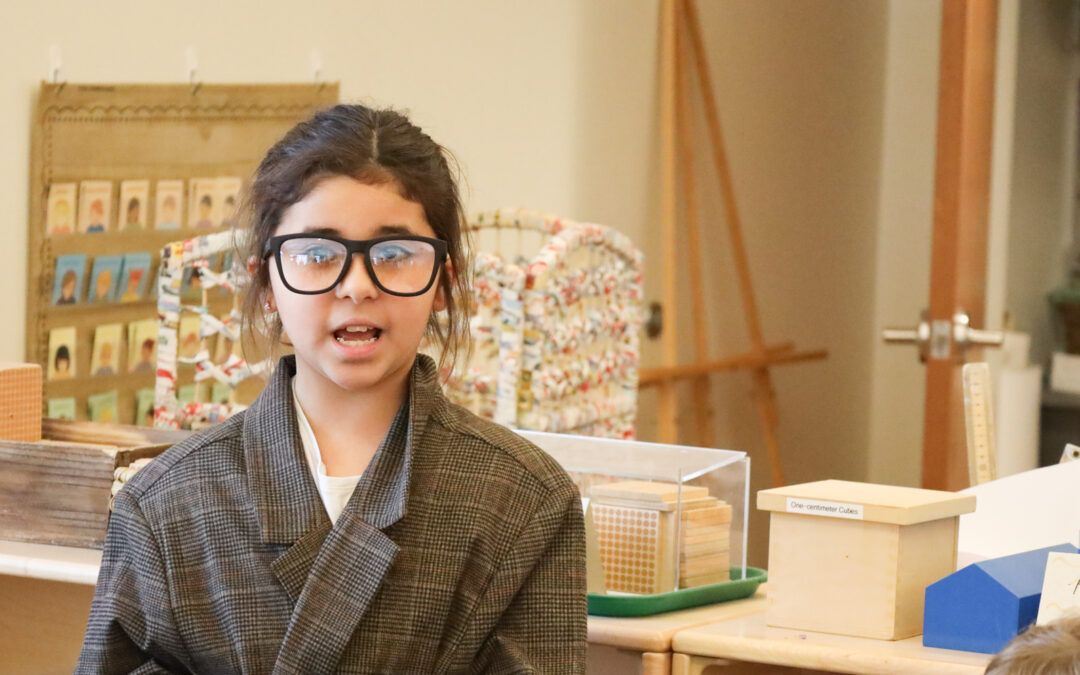
We also interviewed Elementary students to find out more about what they love about Greenspring. We hope that you will take a moment to hear what they have to say.

With this in mind, I encourage you to open up the dialogue with your children at home. What are they learning about in school? What inspires them? And are the adults in their life offering them worthy challenges that support their growth, not just academically, but also emotionally, physically, and spiritually? We seek to move forward into a new age of education where this is the norm, not the exception, for every child.

Lower Elementary Students Mystery History Presentations in Honor of Black History Month

Lower Elementary Students Mystery History Presentations in Honor of Black History Month

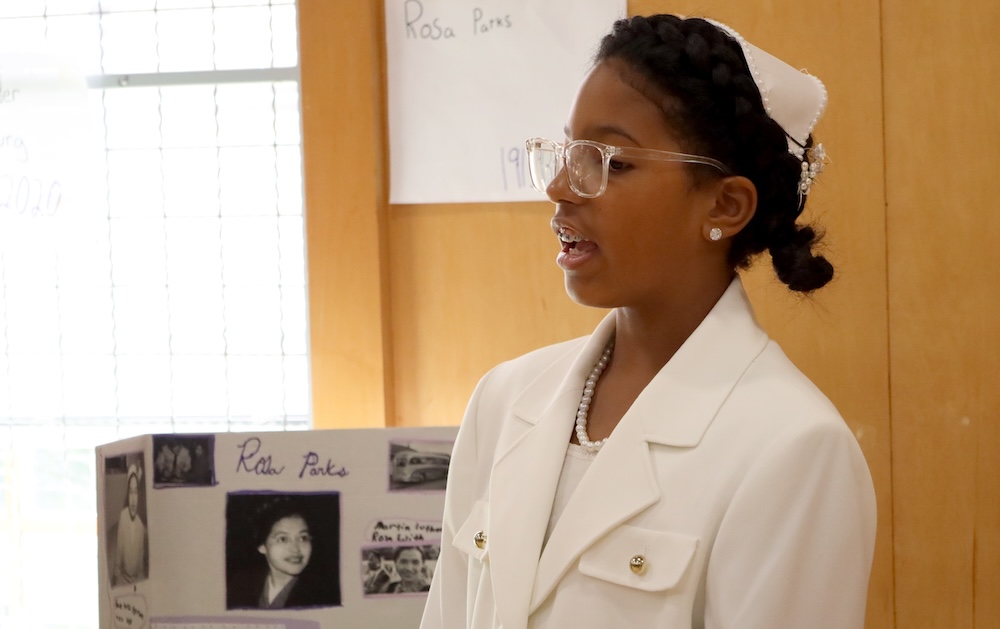
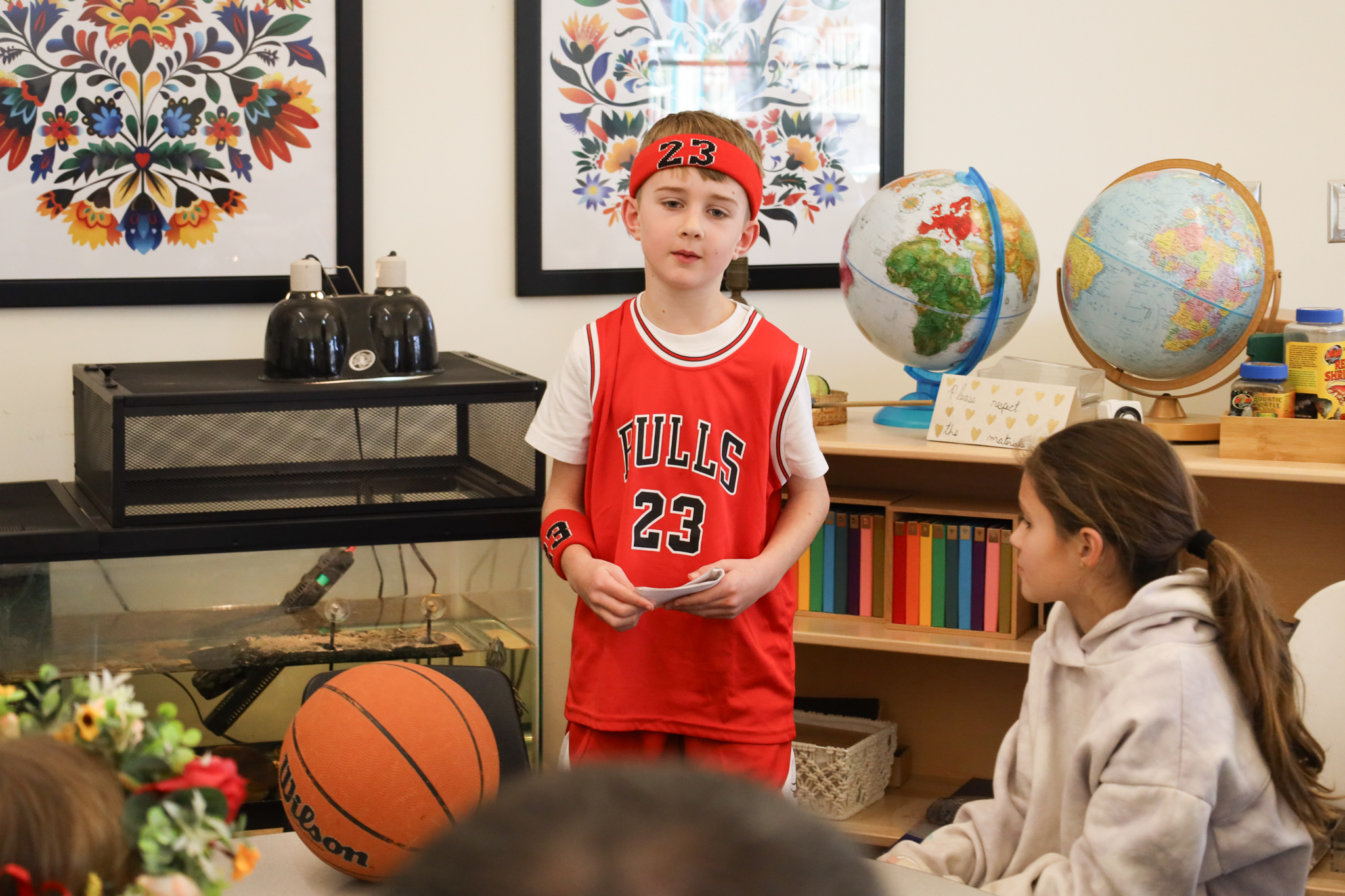
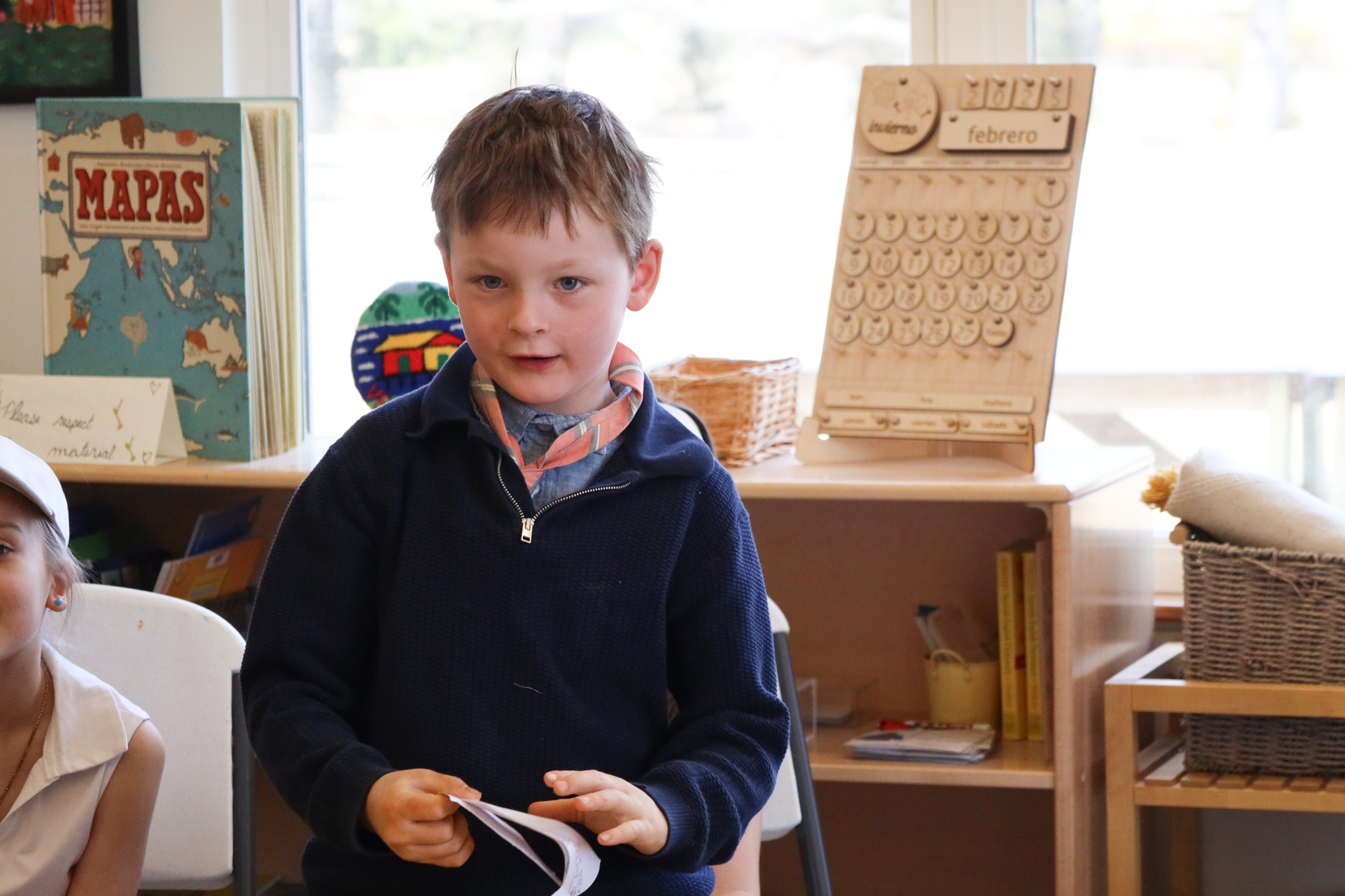
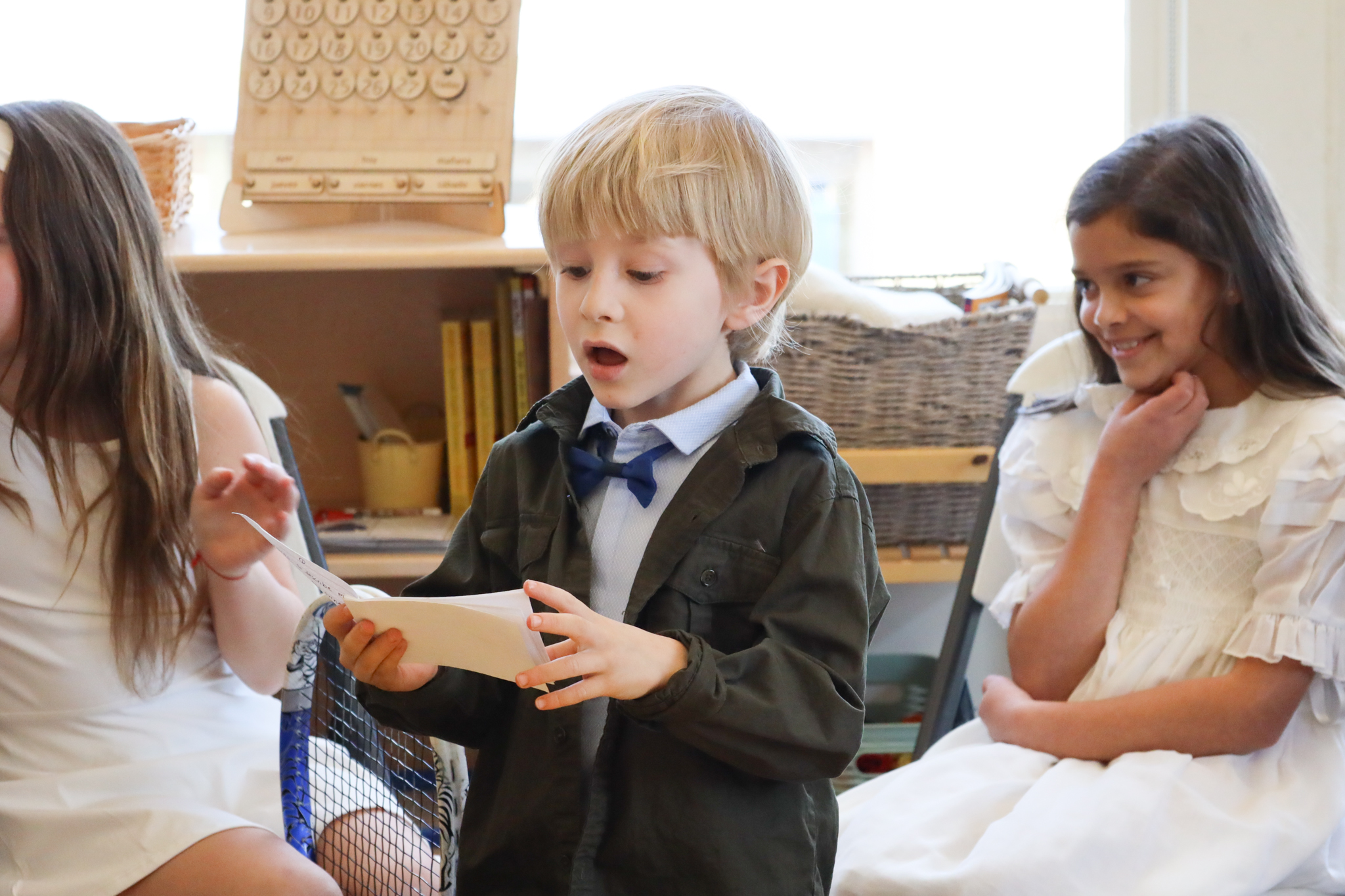
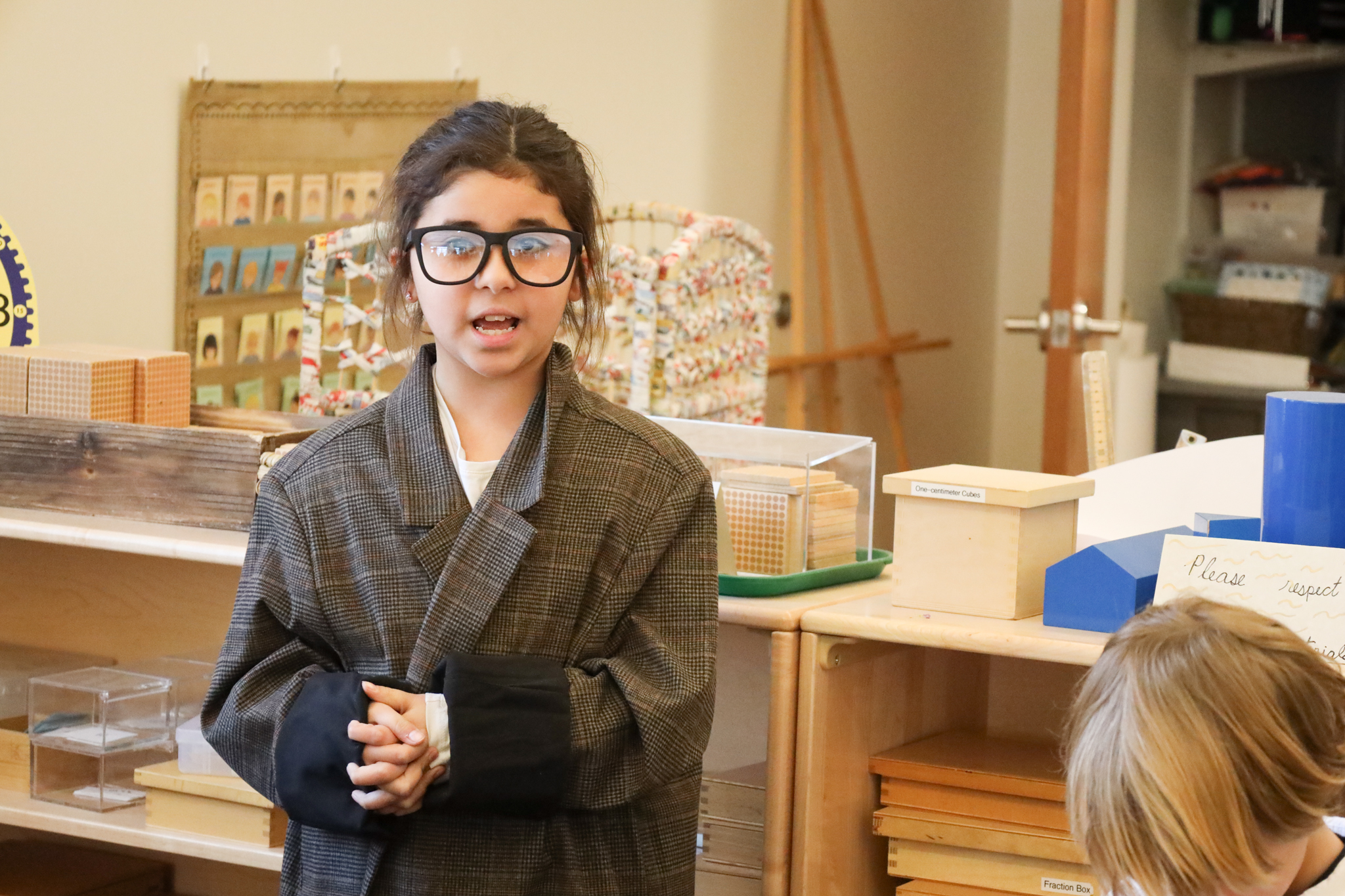
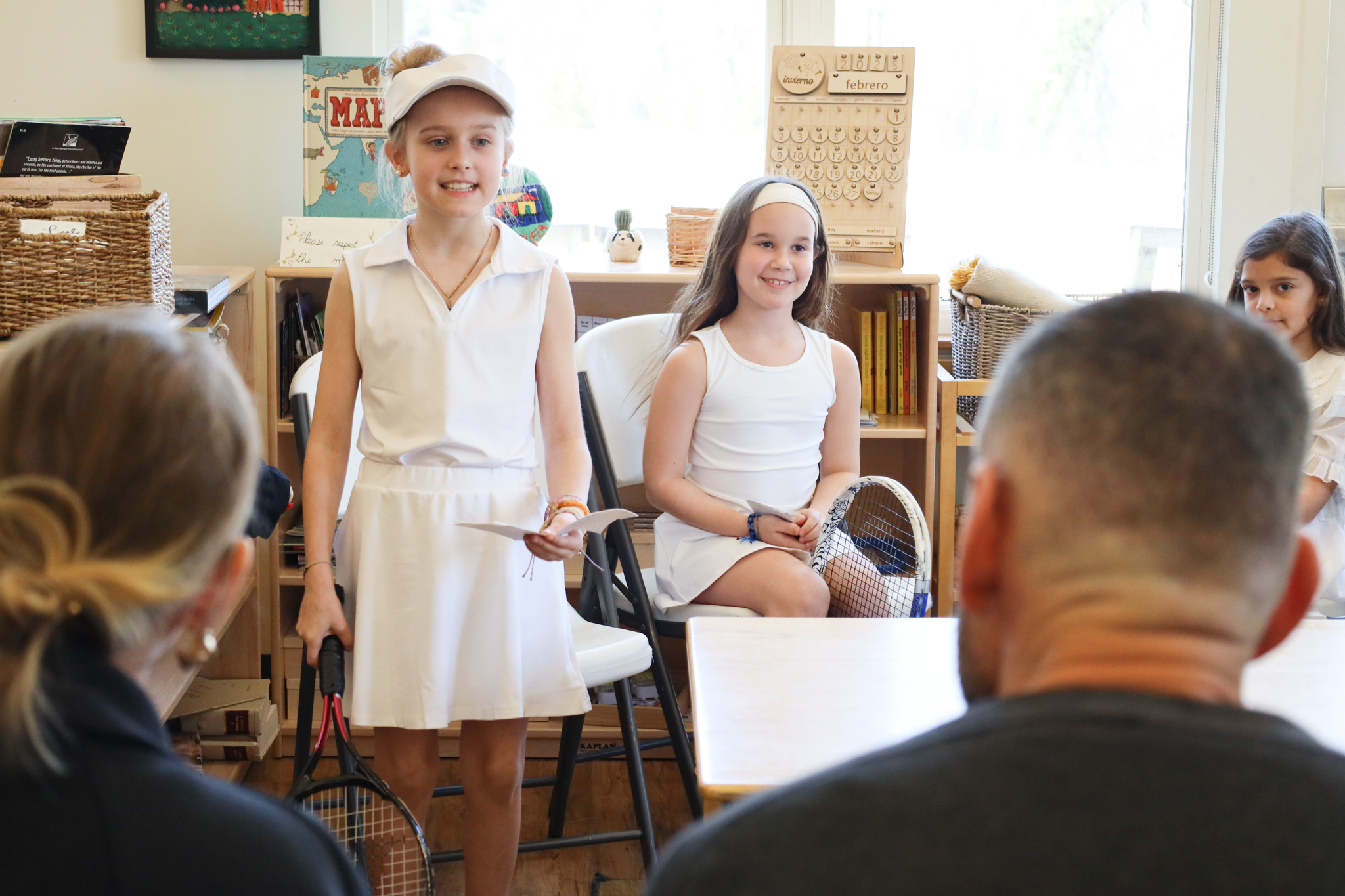
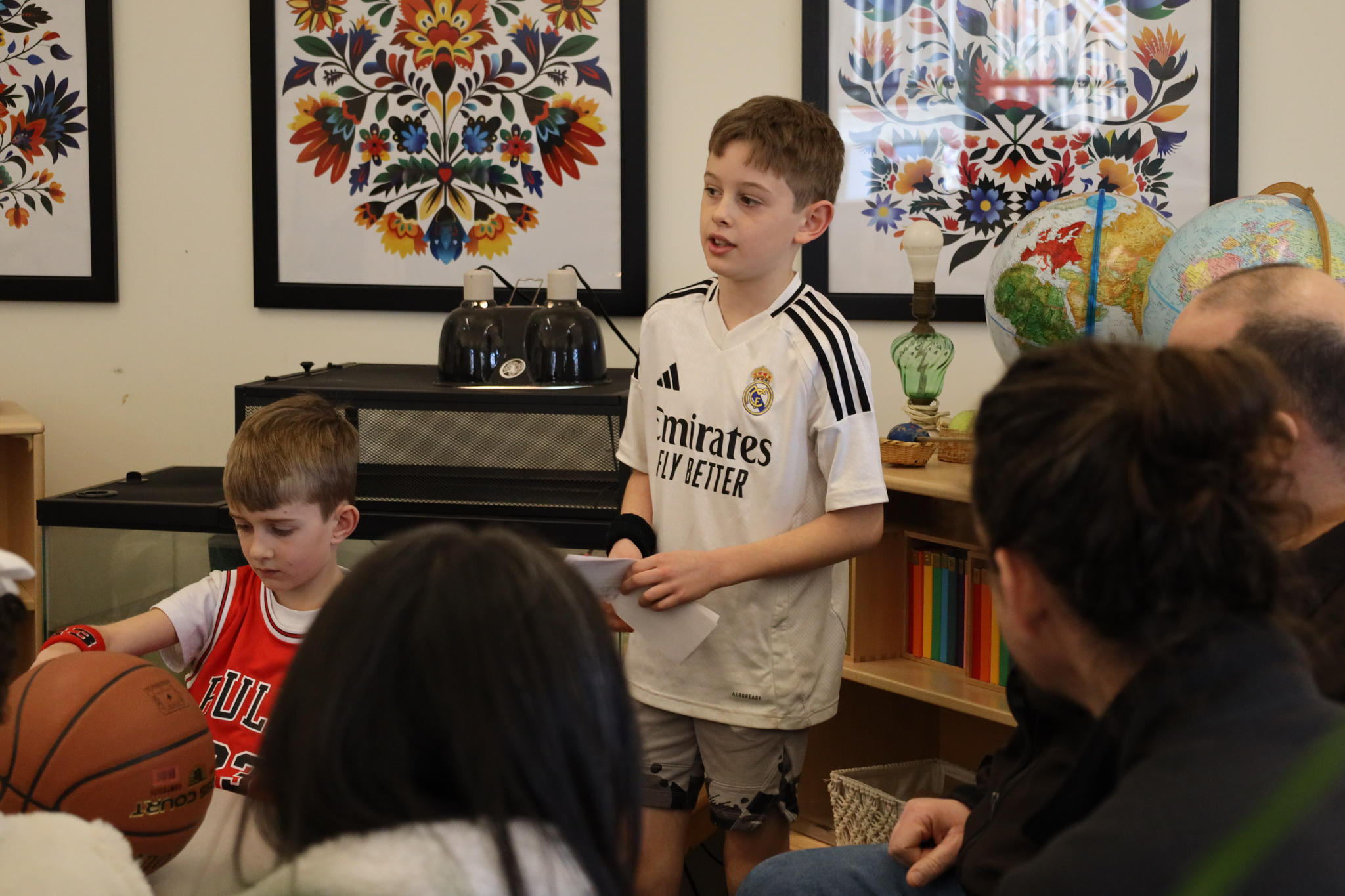
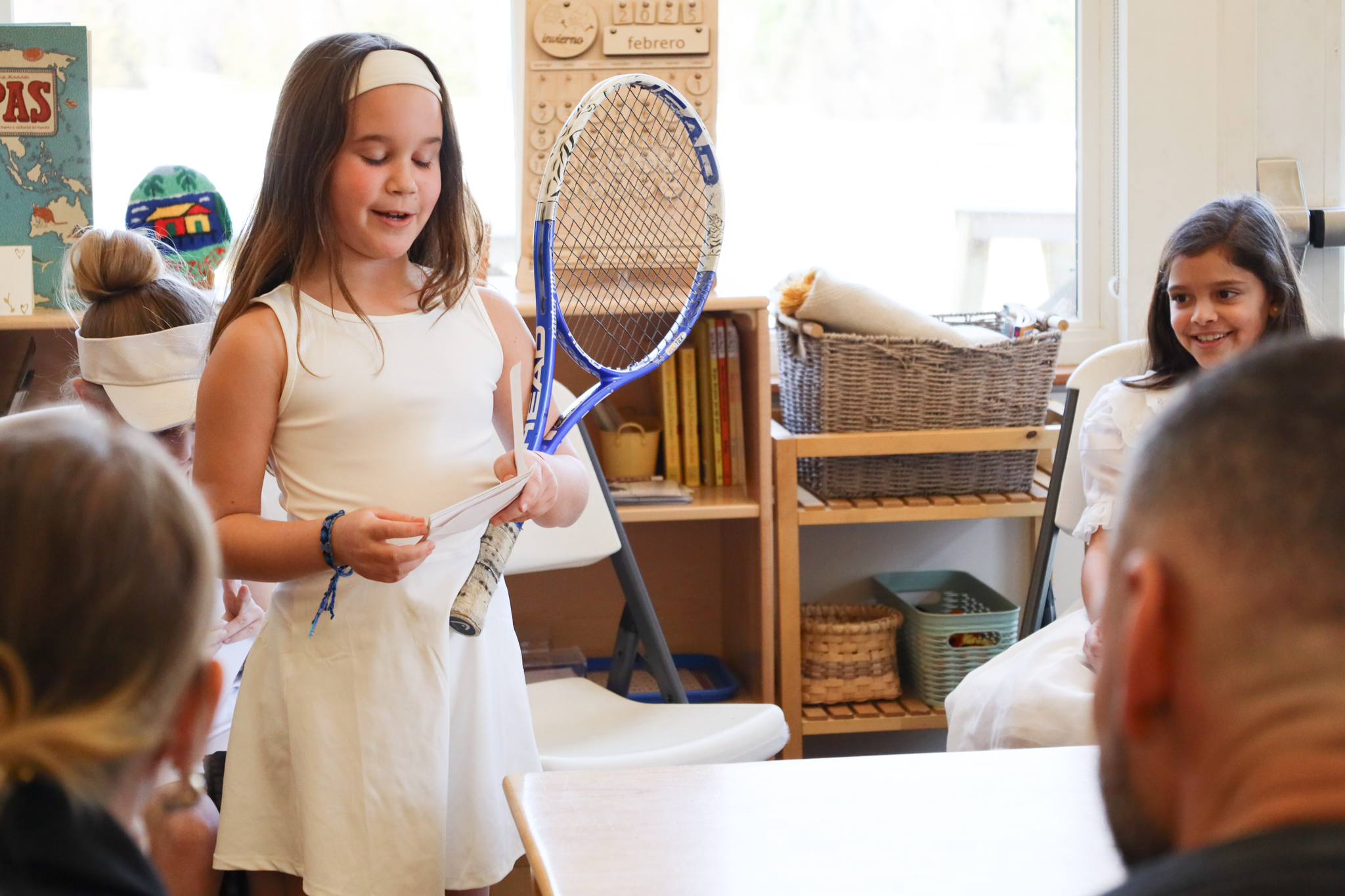
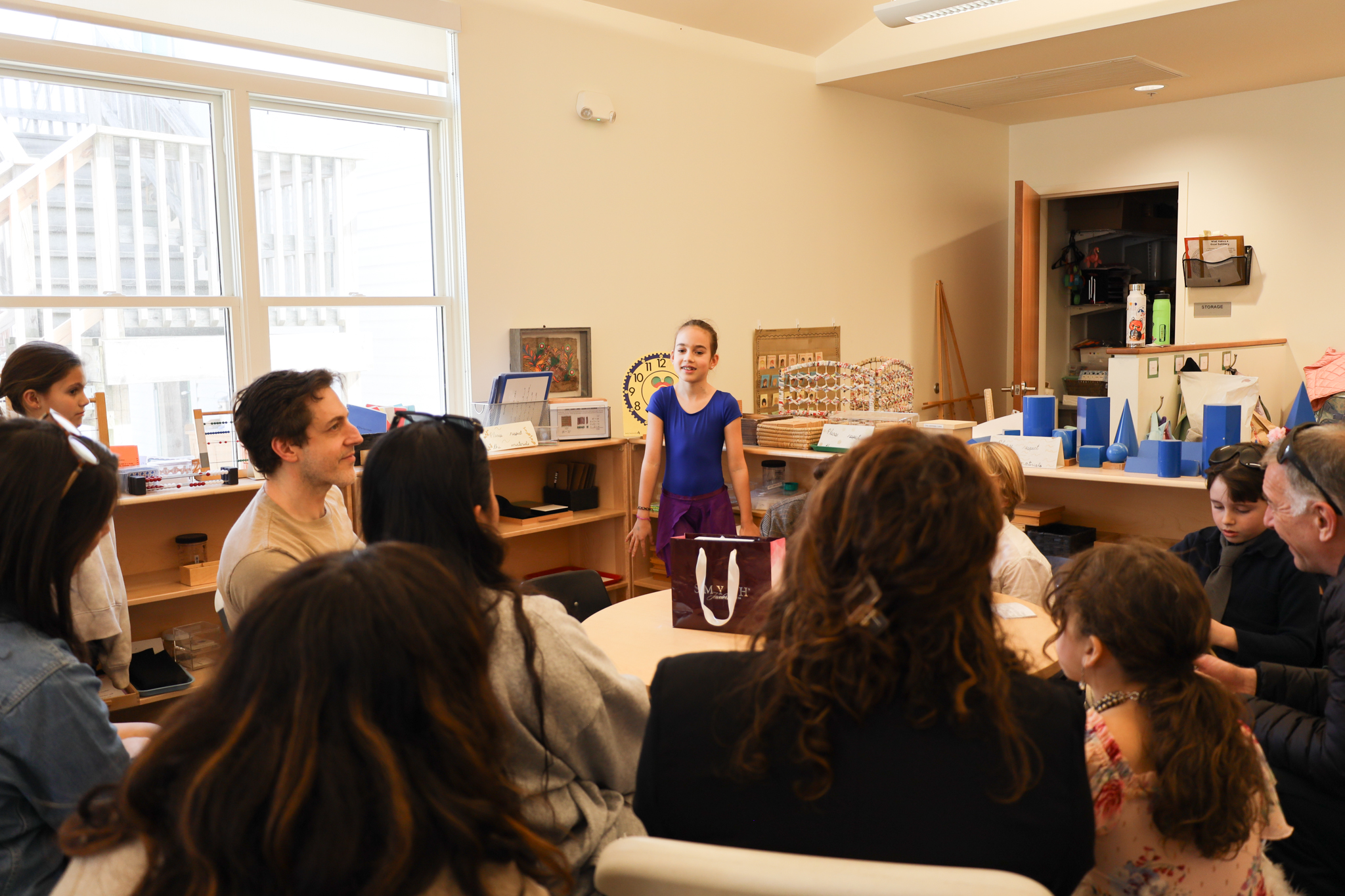
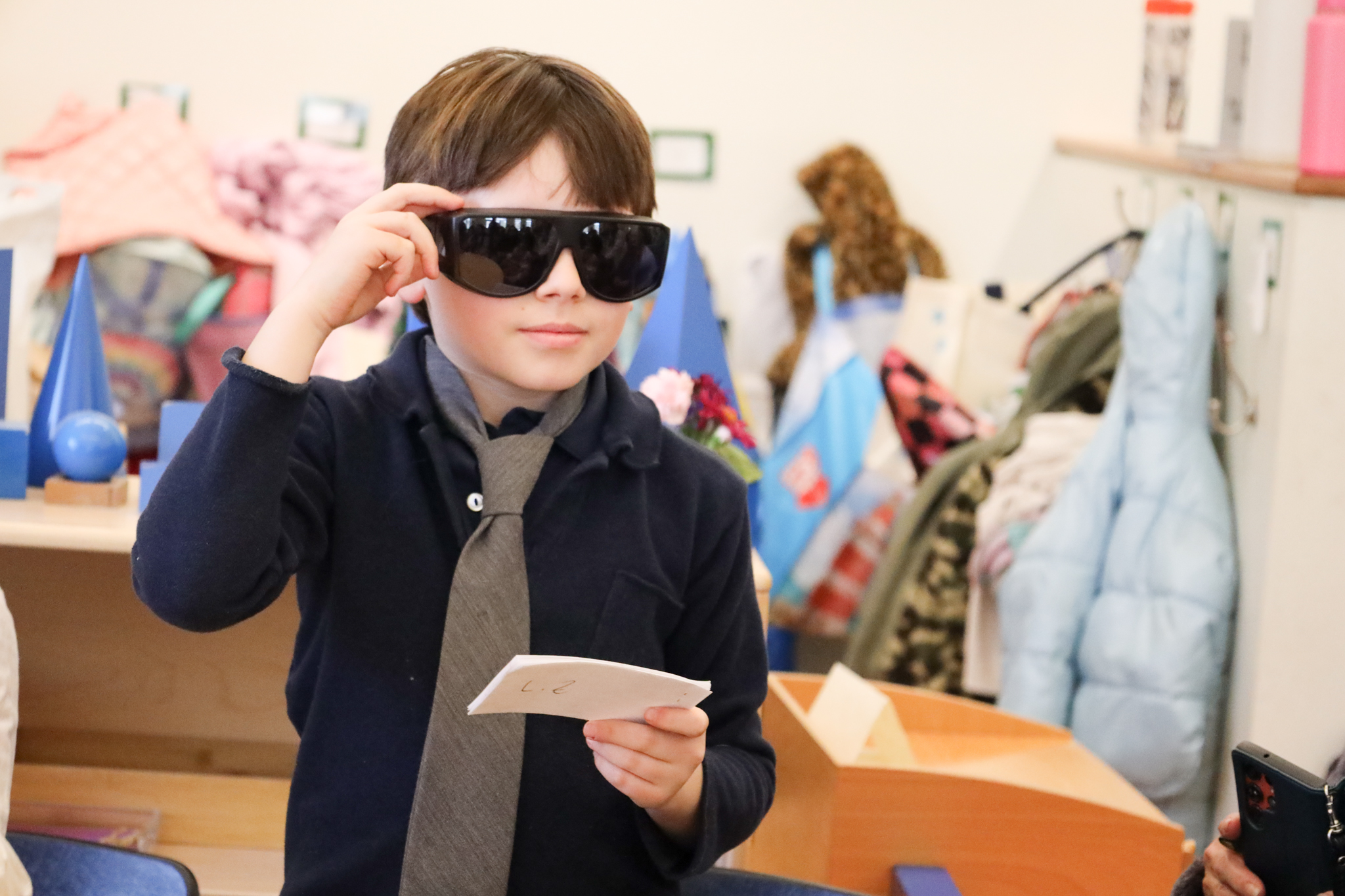
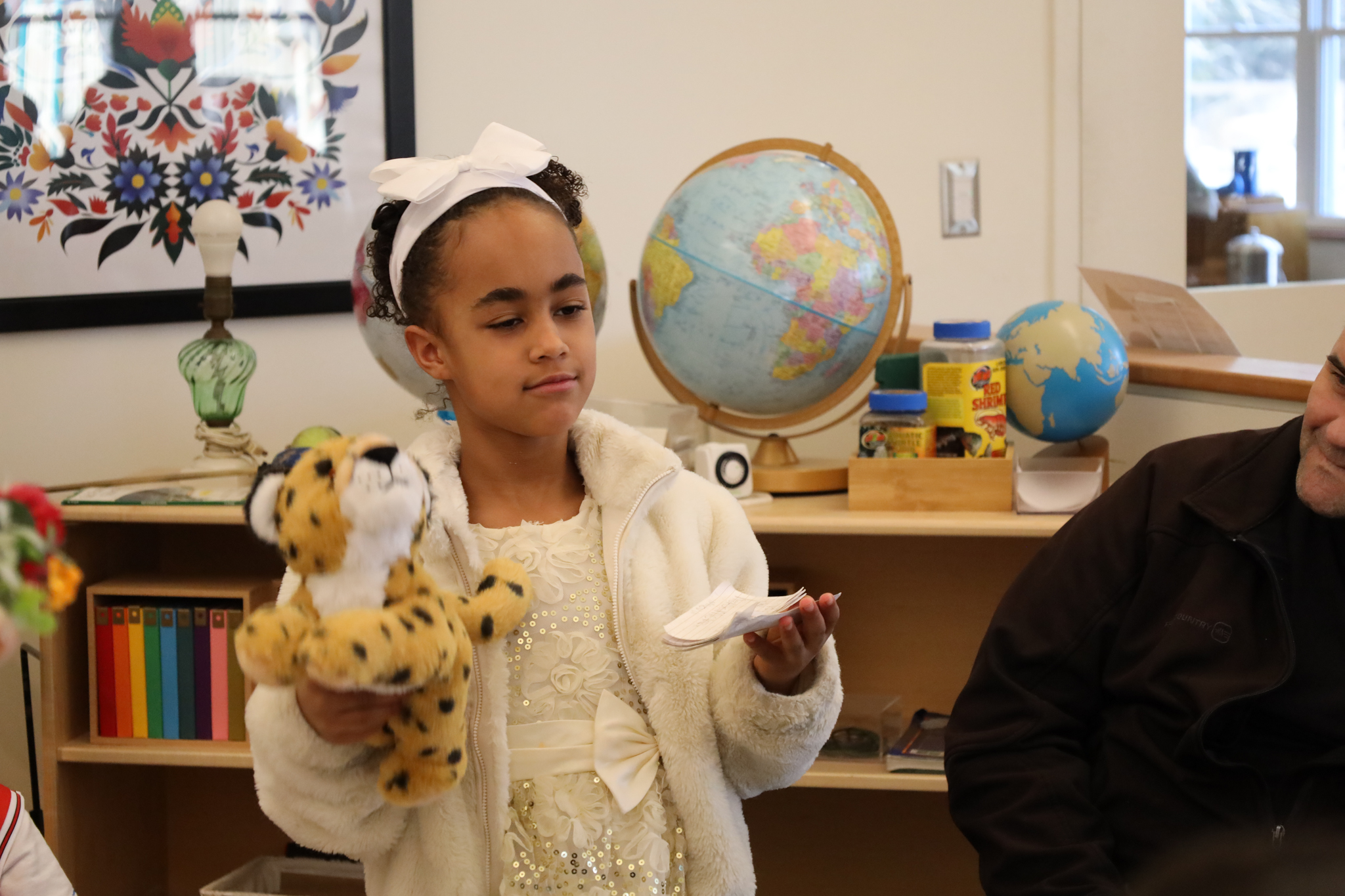
Our Redbud Lower Elementary class celebrated Black History Month with special Mystery History Presentations. They have been researching inspiring black leaders, advocates, and public figures. They then created presentations, and families had to guess the “mystery” speaker. We had the pleasure to hear from Ruby Bridges, Barrack Obama, Michael Jordan, Harriet Tubman, Jackie Robinson, Ray Charles, and many more.