Shofar Demonstration in Observance of Rosh Hashanah

Shofar Demonstration in Observance of Rosh Hashanah

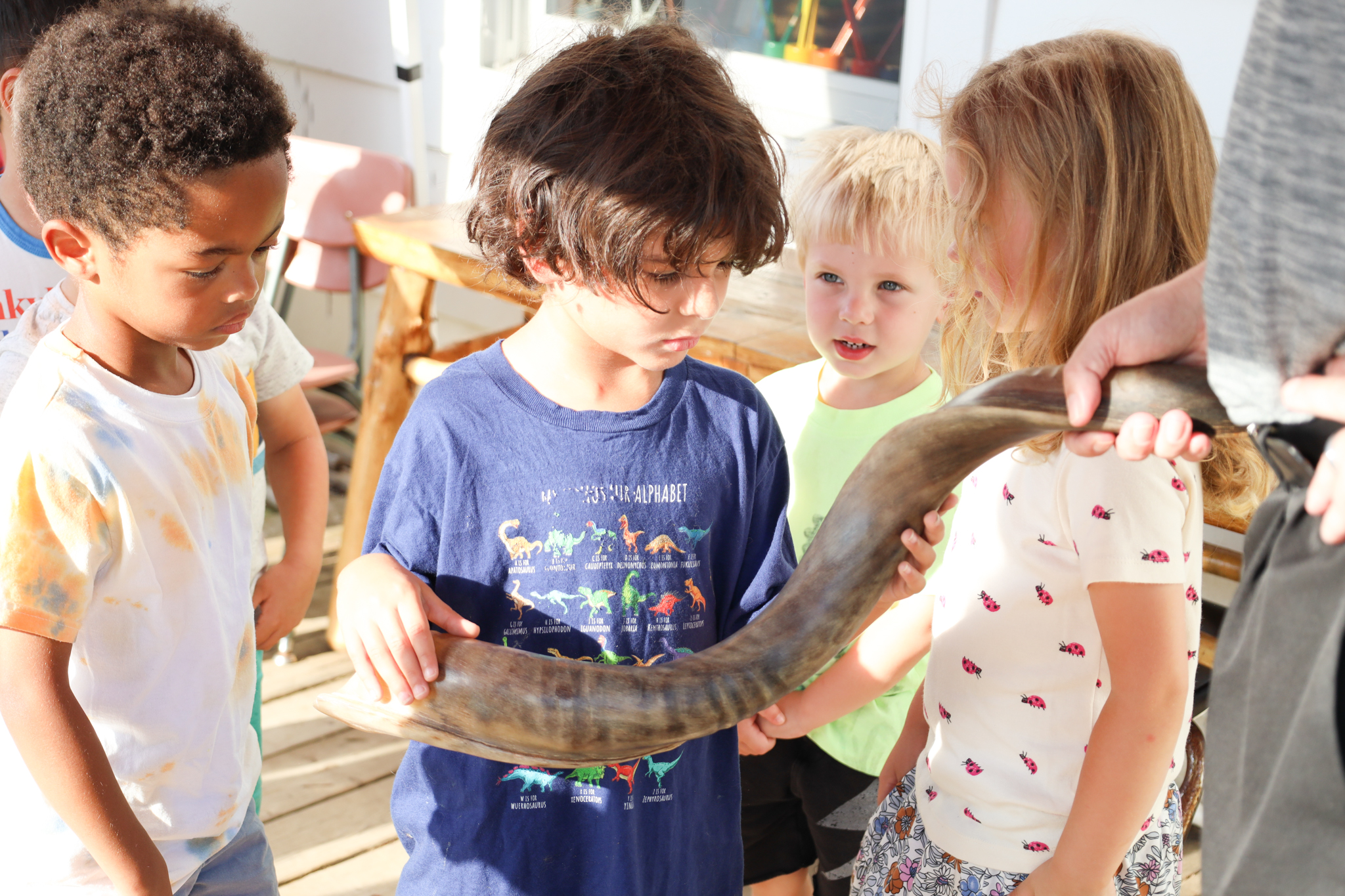
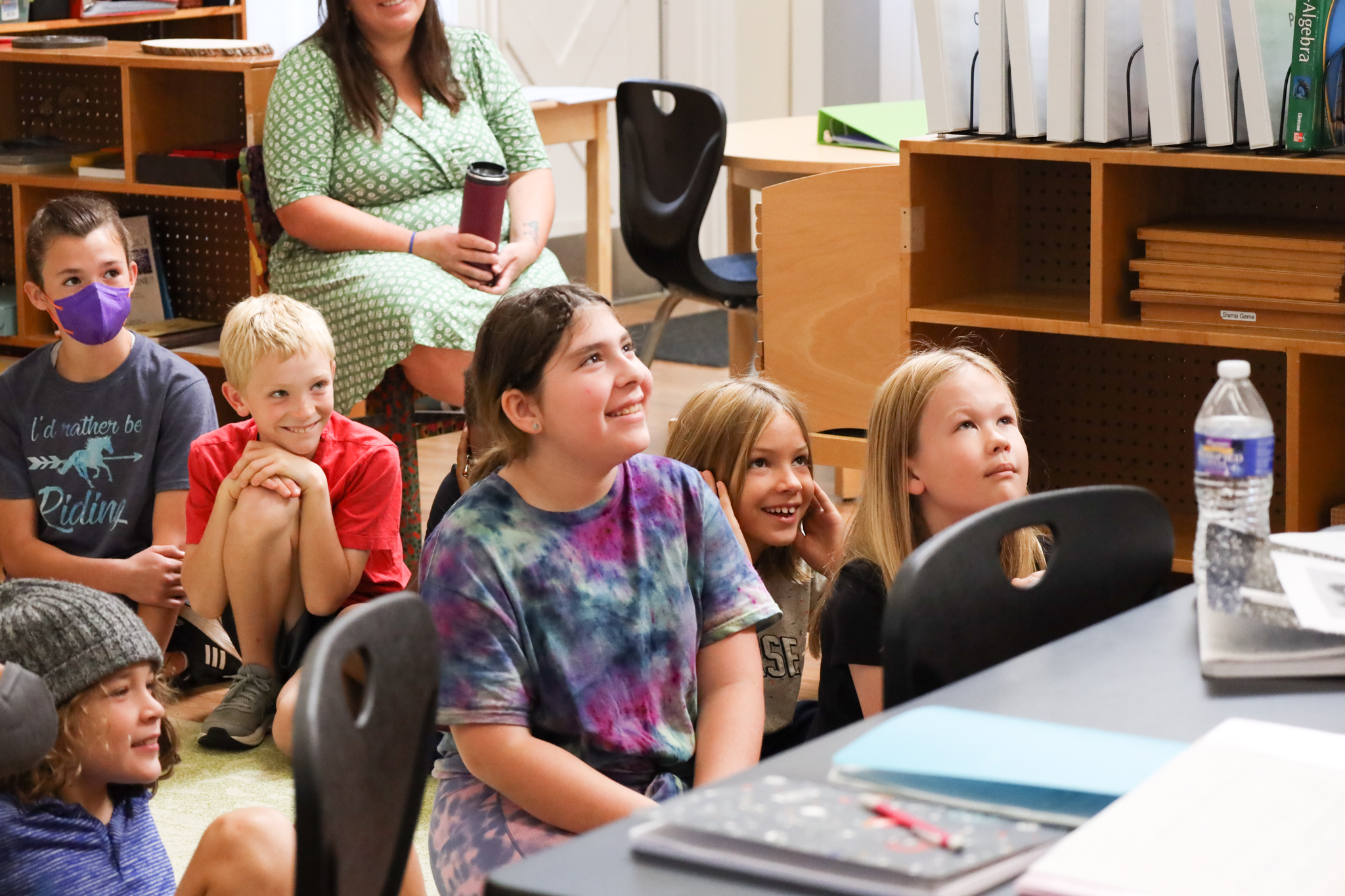
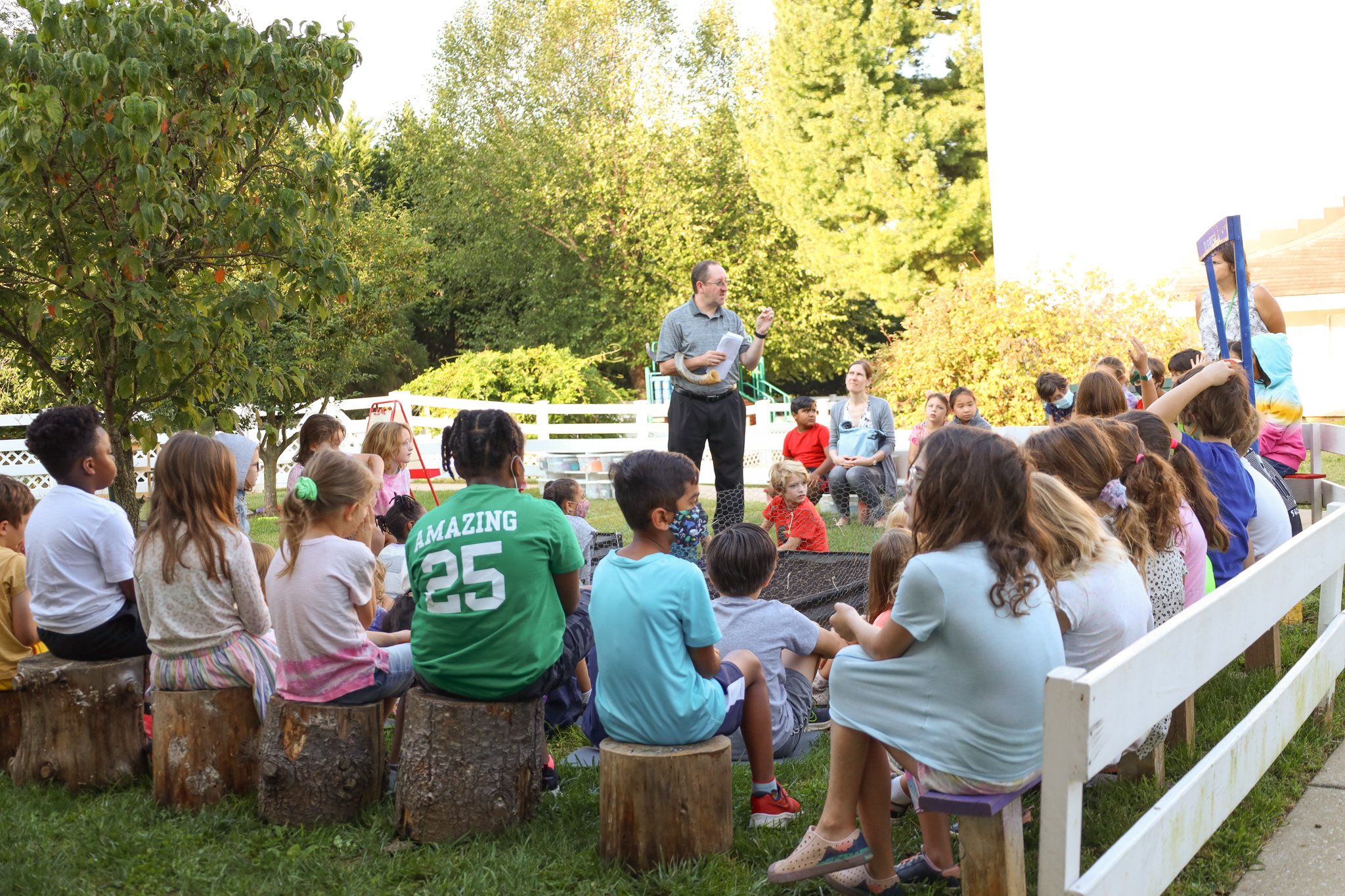
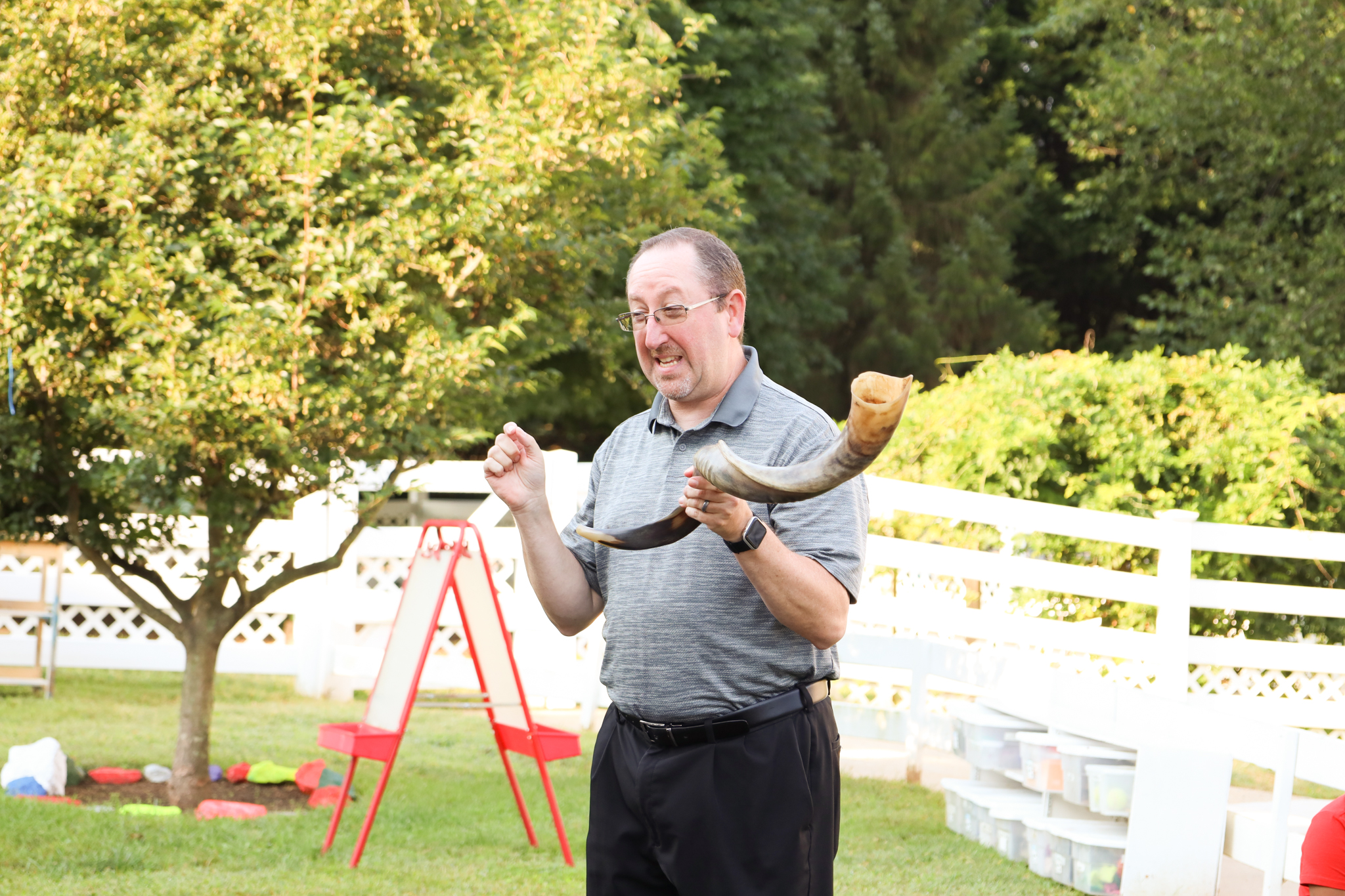
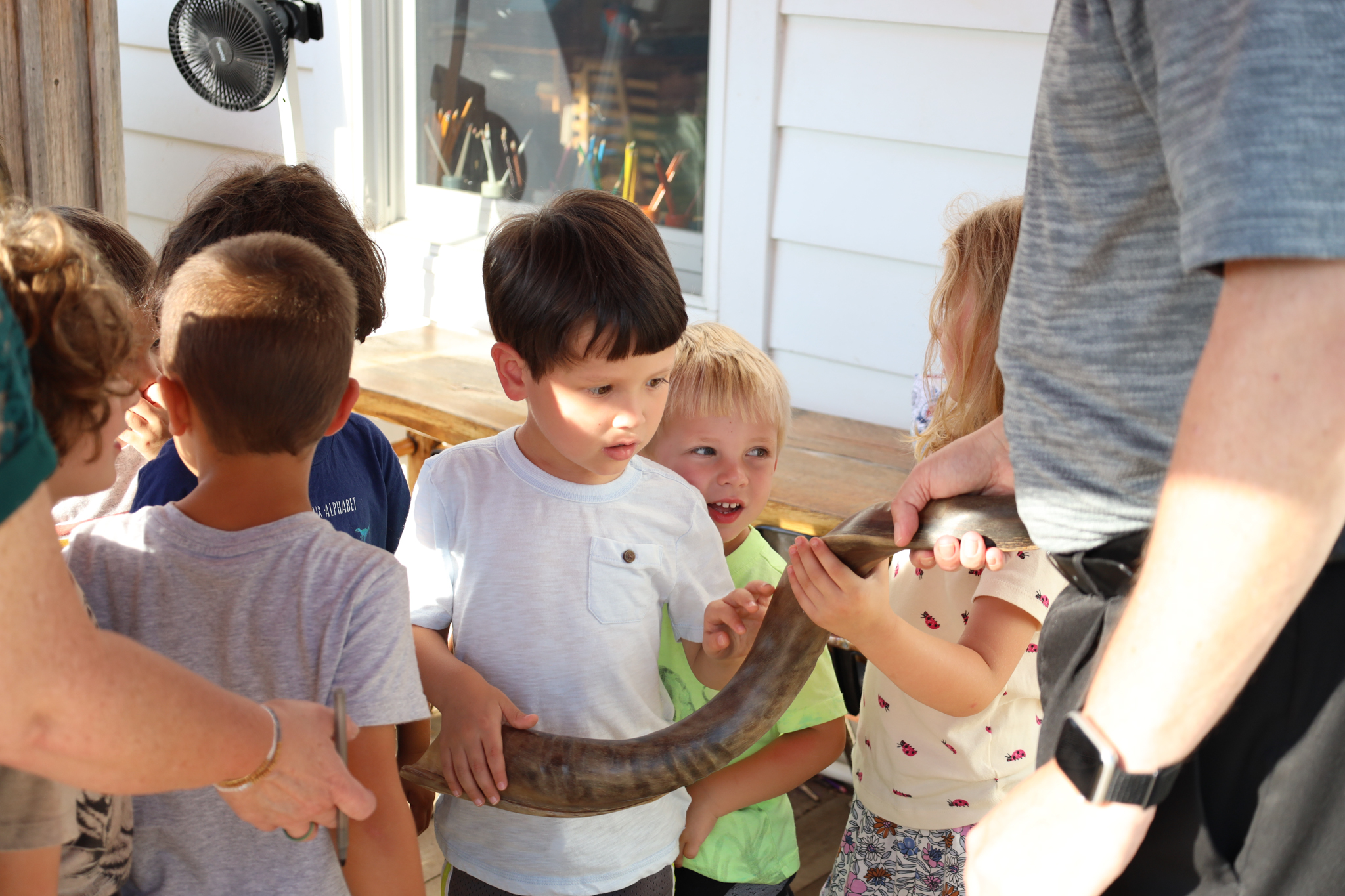
Ezra Buchdahl visited our classrooms in September to demonstrate blowing the shofar and talking about the Jewish holiday of Rosh Hashanah. Ezra is a member of the Baltimore Hebrew Congregation and every year for Rosh Hashanah he blows the Shofar during Rosh Hashanah services. He loves sharing his traditions with children of all ages in the Baltimore area. Thank you, Ezra, for sharing your talent and traditions!

Rosh Hashanah and Yom Kippur are High Holy Days in the Jewish faith. Rosh Hashanah is the Jewish New Year. It is a day of celebration. Yom Kippur is the holiest day of the year in Judaism. Its central themes are atonement and repentance. Some Jewish people observe this holy day with a day-long fast, confession, and intensive prayer, often spending most of the day in synagogue services. (Wikipedia)

This demonstration was a part of our Diversity, Equity, Inclusion, and Belonging focus on holidays and celebrations. To learn more about our DEIB initiatives, please click here.

The Importance of Classroom Agreements

The Importance of Classroom Agreements

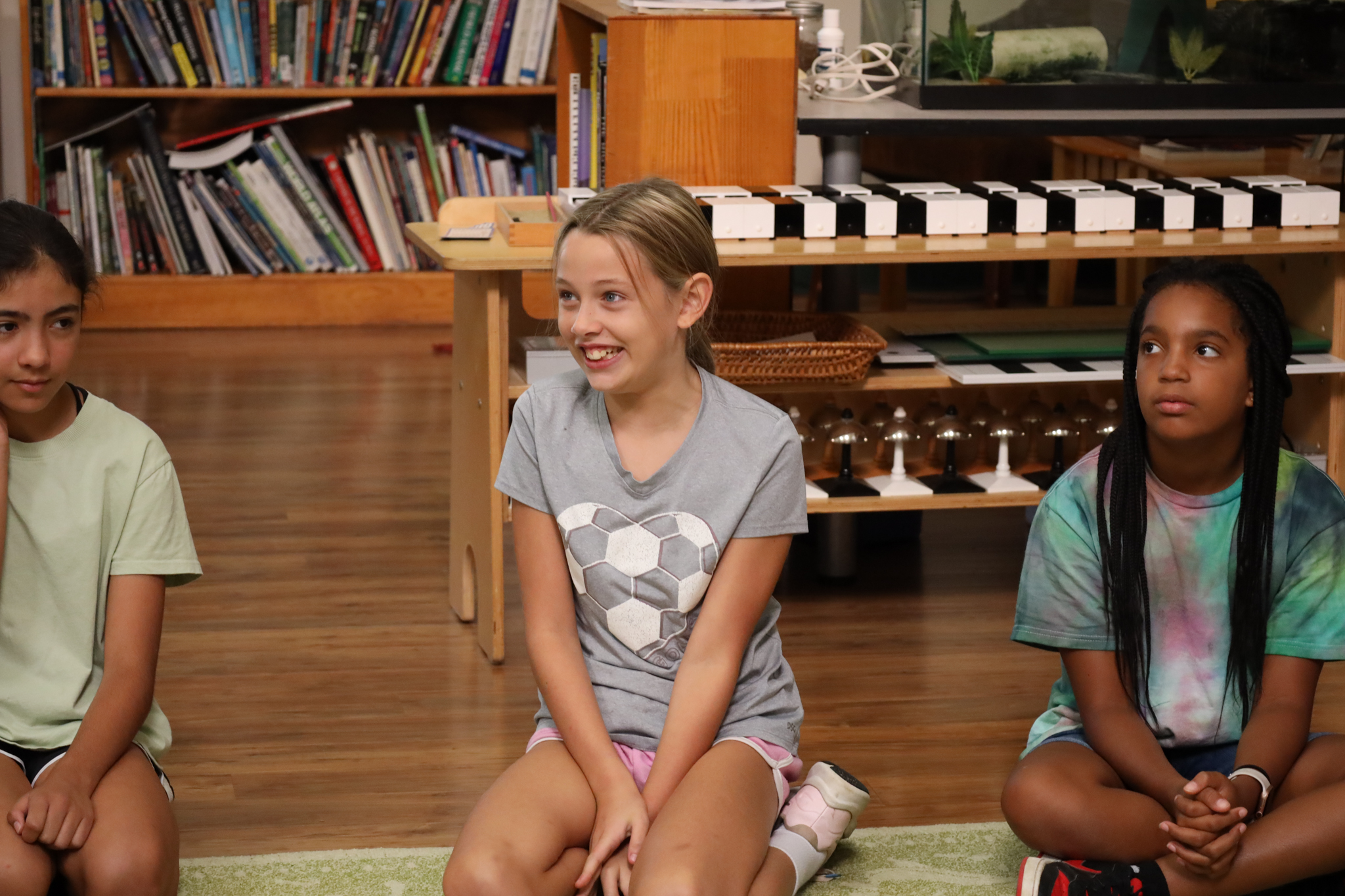
Classroom Agreements for the Mulberry Lower Elementary class (ages 6-9).

Peace education is a major component of the Montessori classroom. In our article titled “Peace Education for All Ages,” we have discussed how mixed-age classrooms, the prepared environment, community meetings, and role-playing all support the development of conflict resolution skills.

Another tool that we use in Montessori classrooms starting in the Children’s House (ages 3-6) is the practice of creating Classroom Agreements. Rather than an adult presenting a list of rules and expectations, the children collaborate to create a set of guidelines for how they would like the classroom to operate and how they will treat one another. The Guide and Assistant ask the children to envision what they will need to contribute to create that environment. They provide coaching so the children phrase things positively (such as “We will…” rather than “Don’t…”). Typically we work on this during the first week of school each year, as this is a beautiful community building opportunity and sets the tone for the entire year.

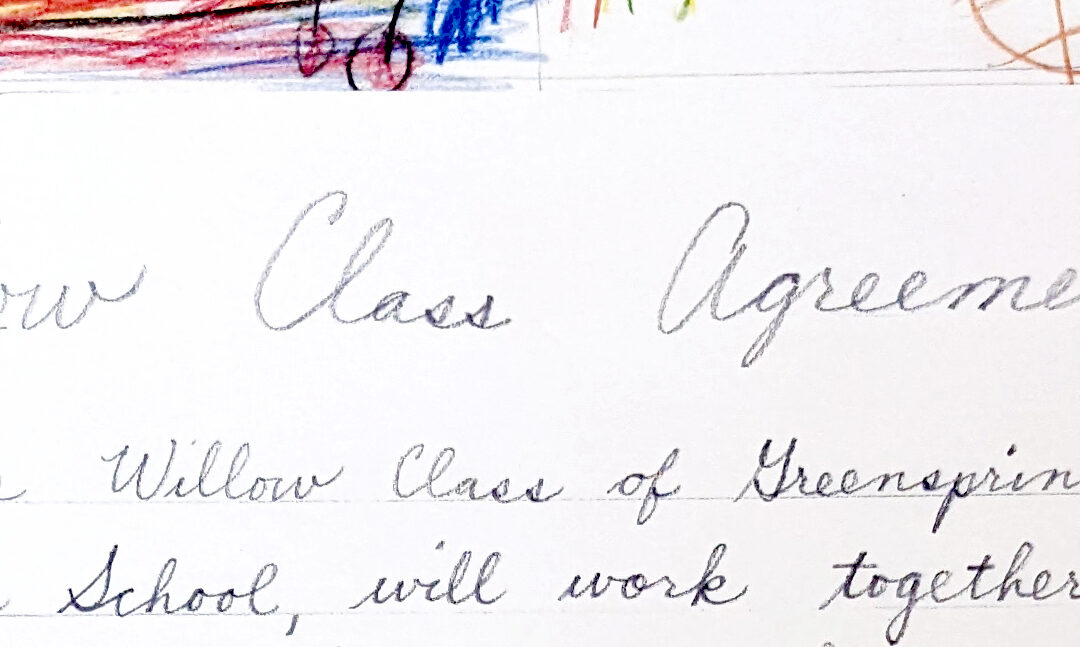
Classroom Agreements for the Willow Children’s House class (ages 3-6).

The children sign the finished product and it is posted in the classroom. Students are invested in these commitments in a different way when they help to create them. I have observed a Children’s House student say to a classmate, “Remember, in our classroom we use kind words,” and point to the agreements posted on the wall. Just another example of the classroom belonging to the children. Dr. Maria Montessori coined the phrase Casa dei Bambini in Italian, which translates to ”the Children’s House”.

Our Upper Elementary students call their Classroom Agreements a “Classroom Constitution” in order to connect it to our nation’s constitution, which is an evolving document – revisited, studied and revised as needed. The Upper Elementary students revisit their Classroom Constitution at the beginning of every community meeting. During these meetings, they discuss challenges faced in the classroom or on the playground, brainstorm solutions, and find resolution as a group. When the group decides that a change or addition is necessary, they amend their Classroom Constitution. 

Classroom Agreements for the Ginkgo Upper Elementary class (ages 9-12).

Montessori students build upon these early experiences of responsibility and ownership to become leaders, problem solvers, and involved citizens.

Read more in our article titled “Peace Education for All Ages”.

Dual Language Learning about Monarch Migrations with Journey North

Dual Language Learning about Monarch Migrations with Journey North

Throughout the 2021-22 school year, our Spanish Dual Language Children’s House and Lower Elementary students joined students and scientists across North America to track the monarch butterfly’s migration to Mexico with Journey North.

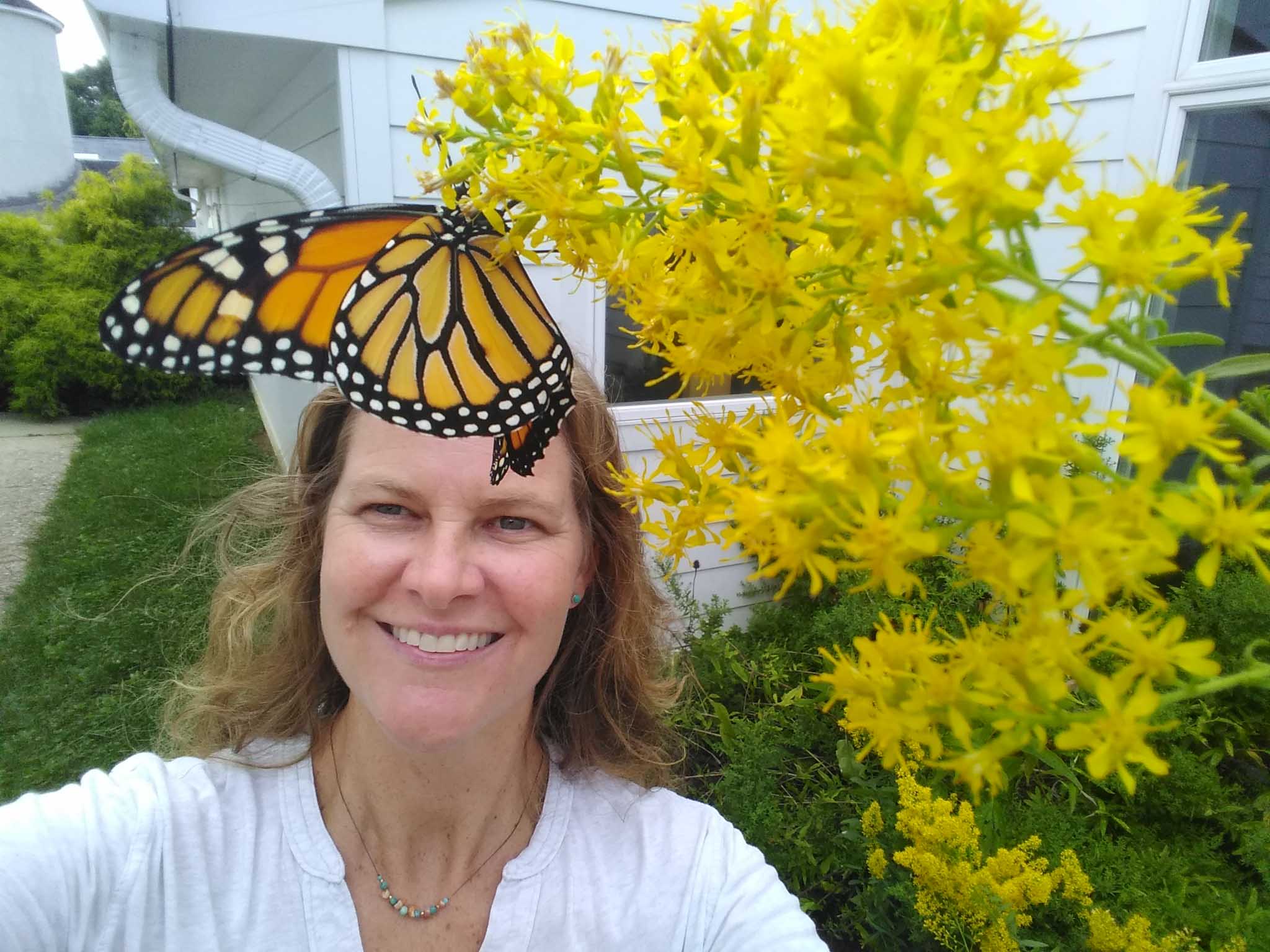
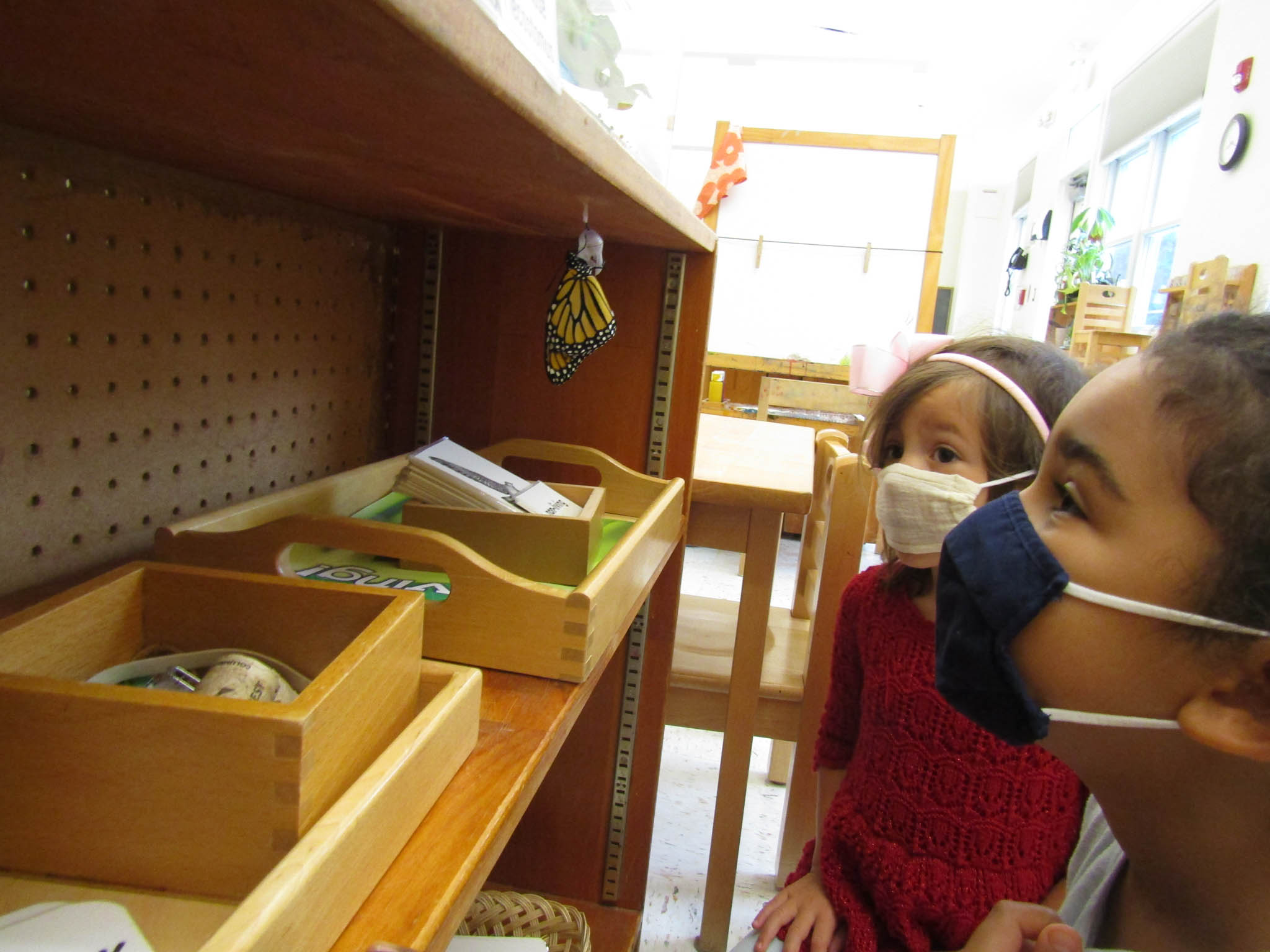
In October, the children learned about the monarch butterfly’s lifecycle and migration, then sent butterflies to other schools and wrote about what they’ve learned in English and Spanish. Many of our classrooms were home to monarch caterpillars. Children learned about what the caterpillars eat, bringing them fresh milkweed. It was a wonder to observe the amazing life cycle of the monarch! One crafty caterpillar managed to escape the enclosure and decided to attach itself to a shelf and enter the chrysalid phase. The children were so careful not to disturb the chrysalid, which hung precariously suspended on the shelf.  They later watched the caterpillars form chrysalises and later emerge as butterflies. ⁠

As the butterfly migration progressed from September to November, students began learning about the migration. They discovered that a fragile butterfly can travel hundreds of miles to find its winter home deep in central Mexico. Students learned how monarchs connect people across North America as they migrate across international borders.⁠

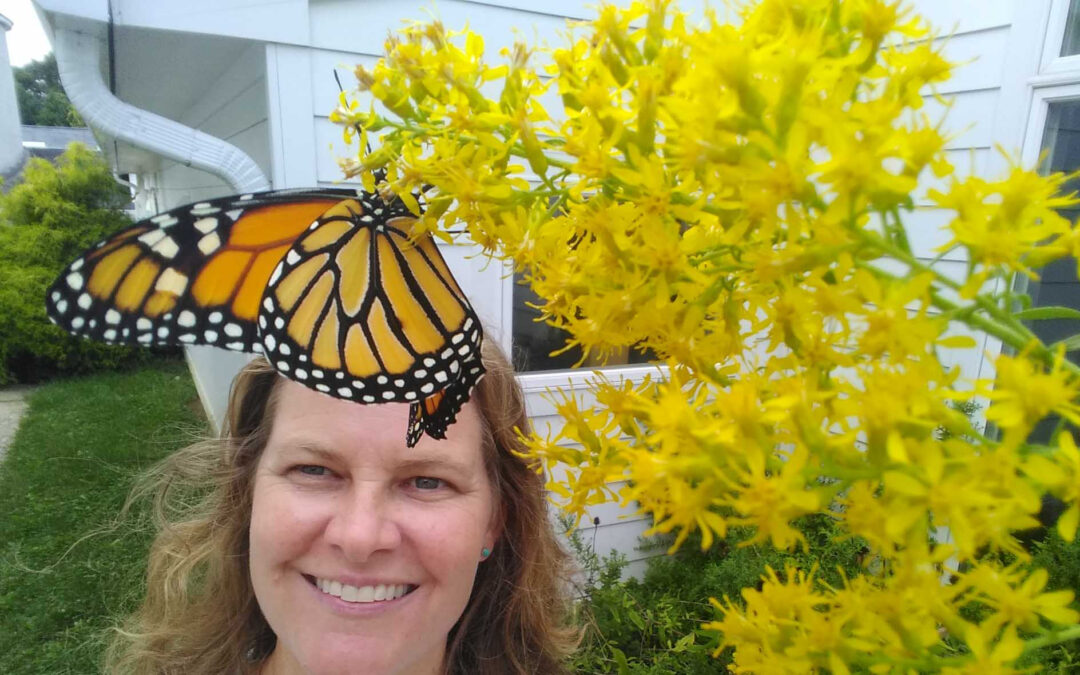
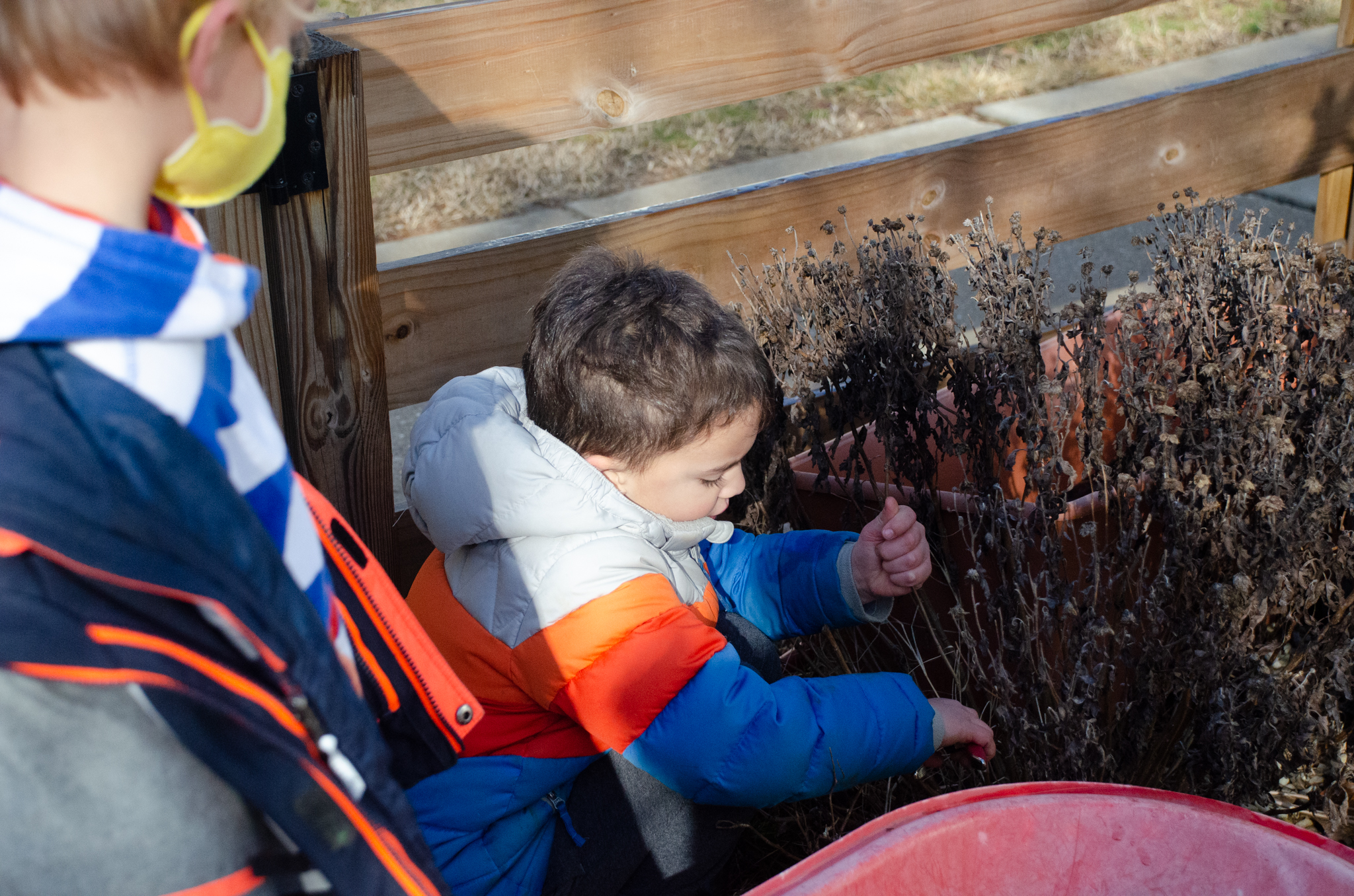
The Willow Children’s House class has been working to create a garden for pollinators and to serve as a Monarch Waystation. They planted the monarch host plant swamp milkweed, along with goldenrod and purple coneflower. Most recently, they sowed sunflower seeds and zinnias to supplement the perennials in the garden and boost the nectar available for pollinators. They hope this garden provides a nourishing habitat for many pollinators, especially the amazing monarch.
 
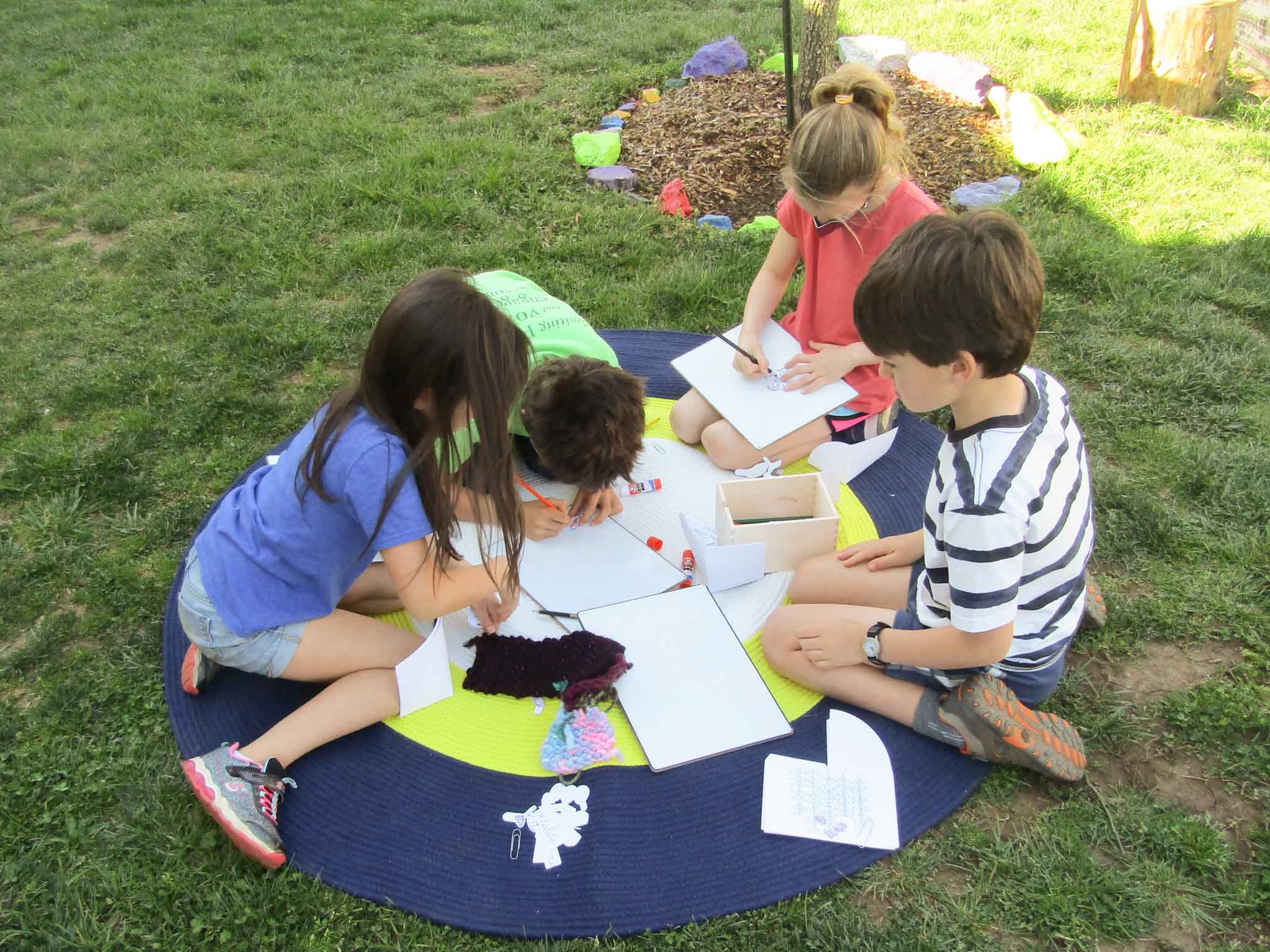
The Dual Language third year Children’s House students and the Lower Elementary students worked with Sra. Marcela and the Journey North program to participate in the symbolic migration of the monarchs. They made and sent a Symbolic Ambassador Monarch to the children who live near the monarch’s overwintering sanctuaries in Mexico. We hope that our Symbolic Ambassador Monarch will build bridges of communication between youth across North America. These Symbolic Monarchs represent our shared love of monarch butterflies and shared interest in protecting monarchs.⁠

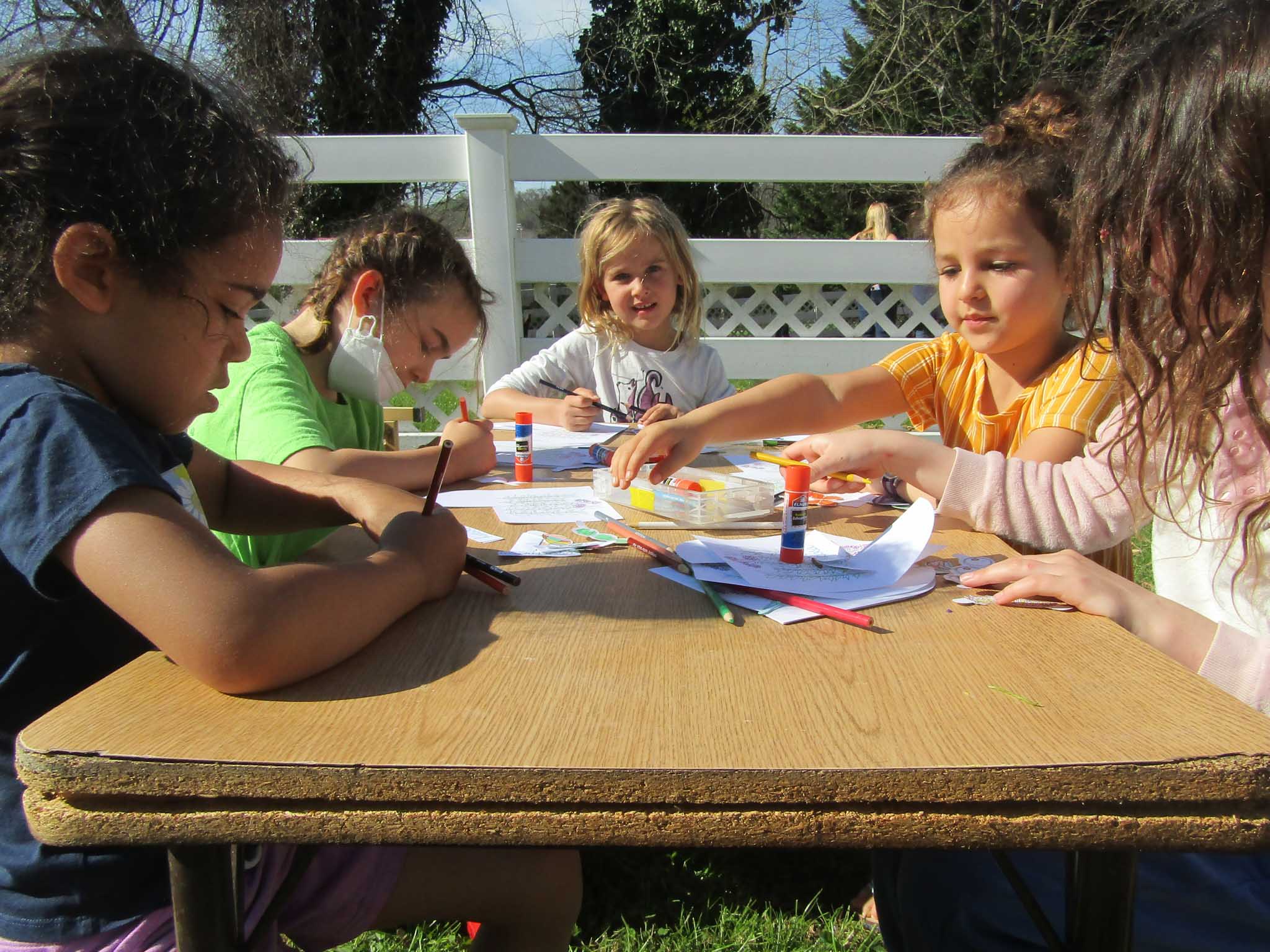
As a culmination of their work with the monarchs, the children celebrated Mariposa Day in April! They recently received butterflies from children from different places around the US. To celebrate, they made 3D butterfly cards!

This is just one example of the interconnected curriculum in Montessori classrooms, uniting language, art, and science together in a tangible way for our children.

Winter in the Outdoor Environments

Winter in the Outdoor Environments

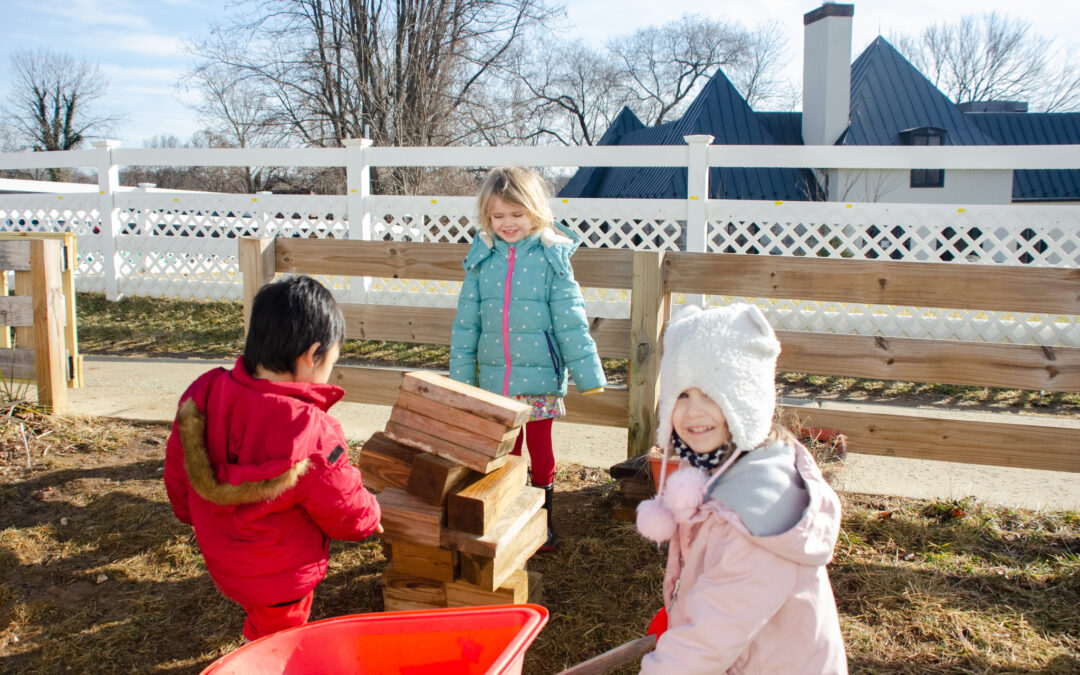
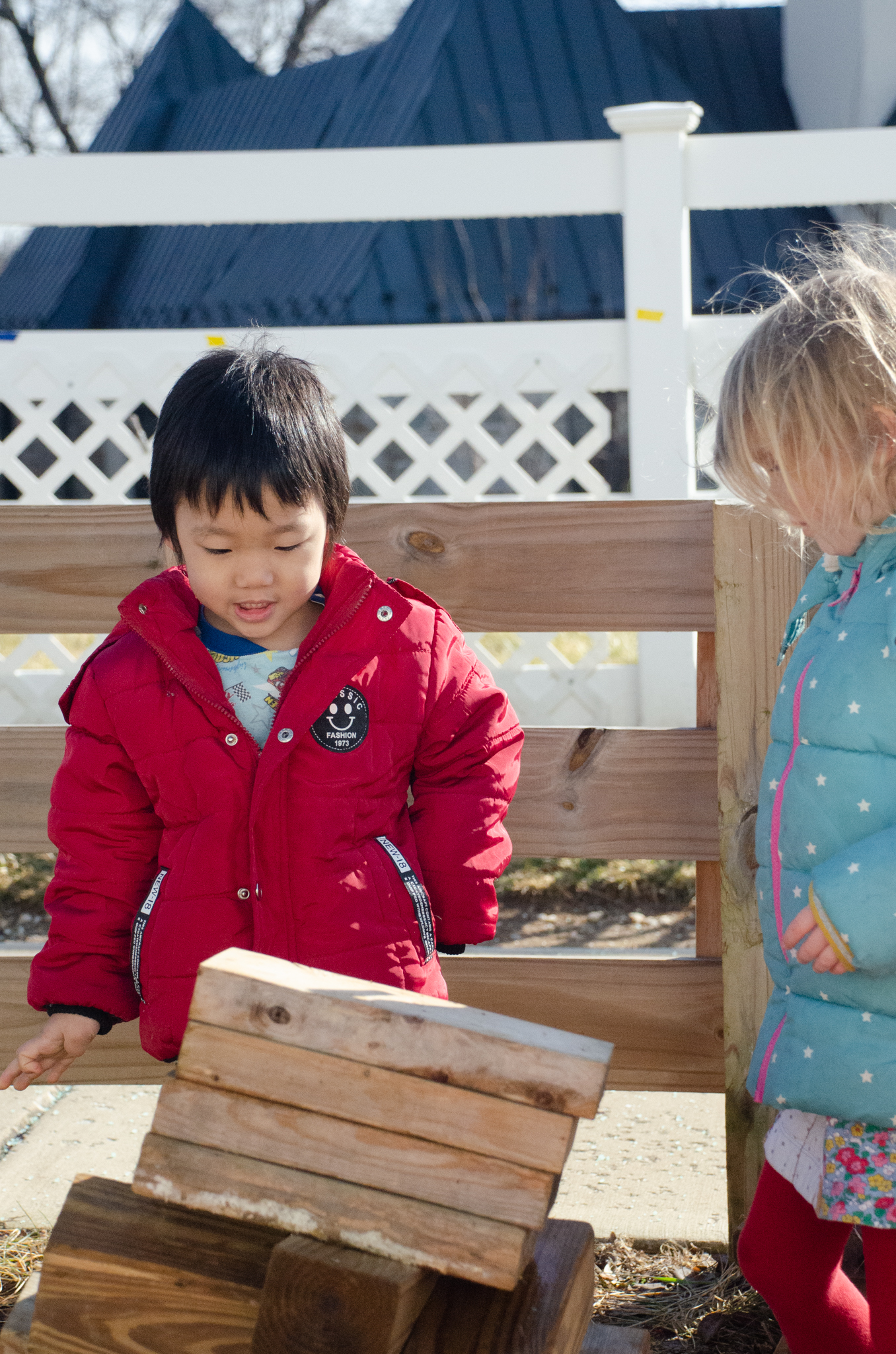
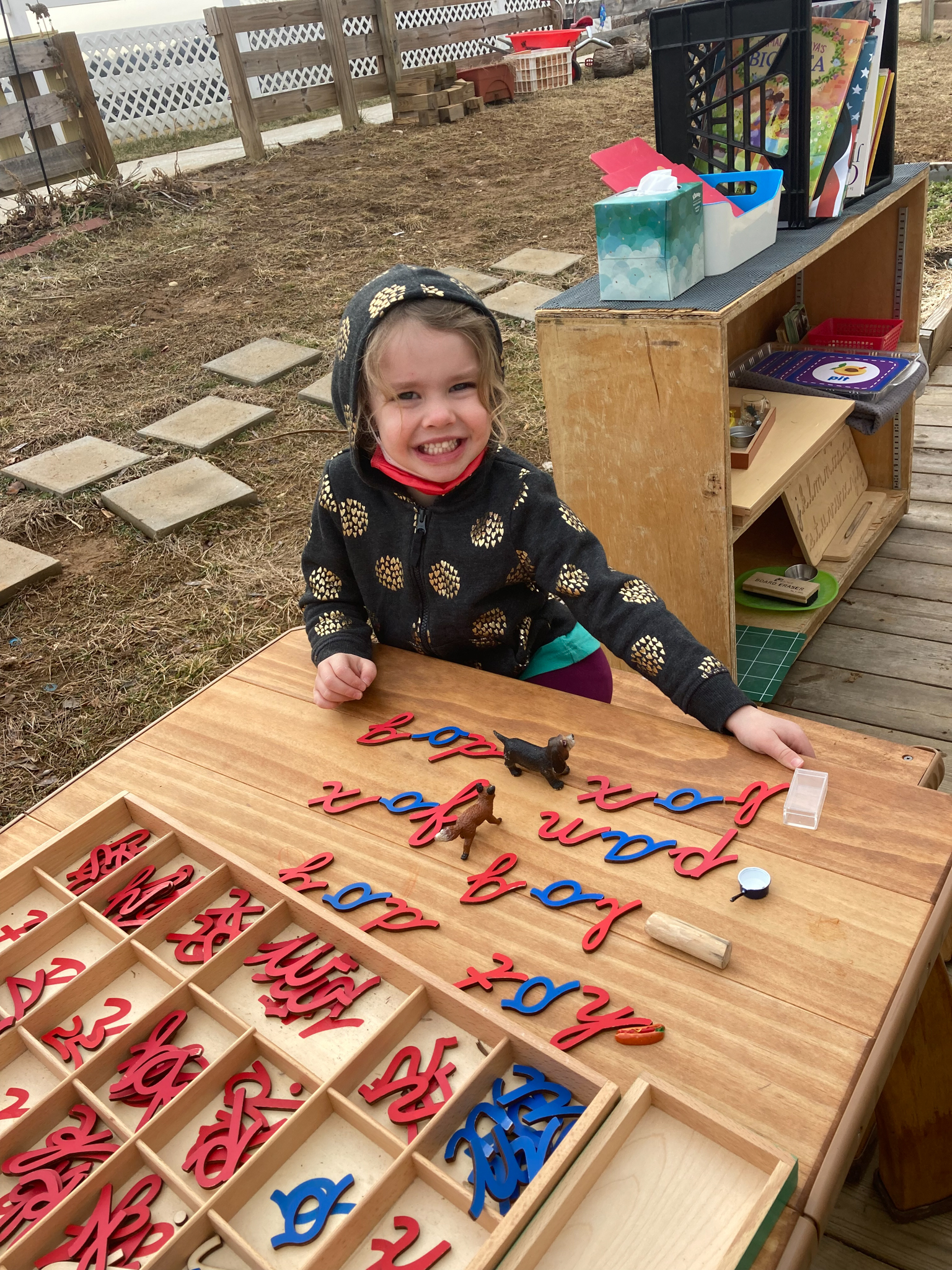
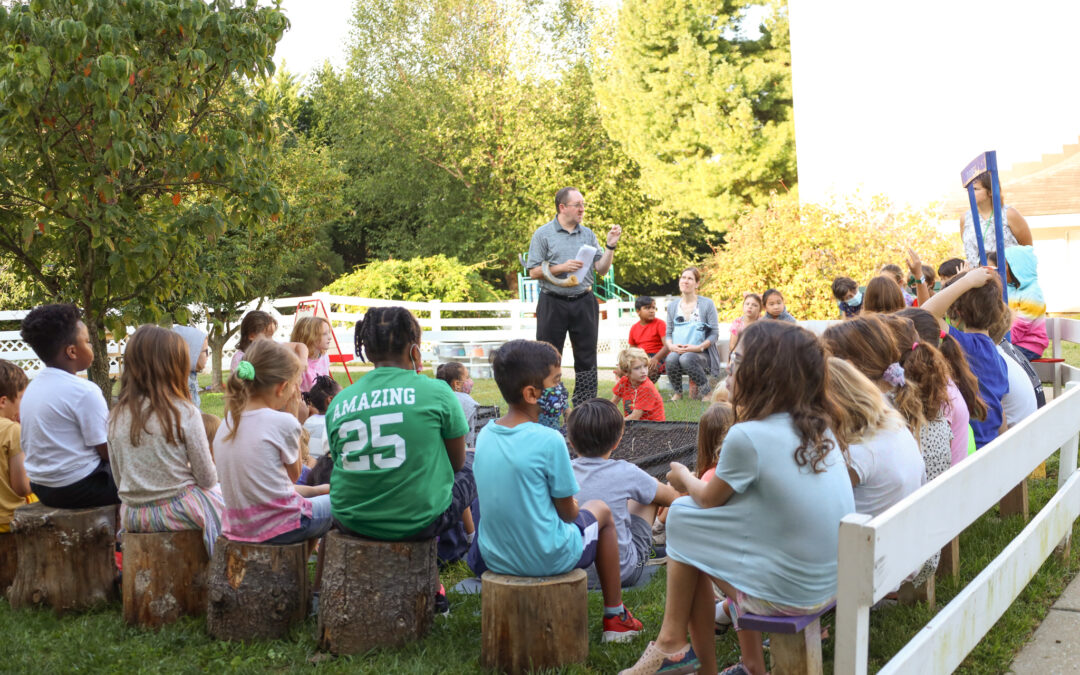
Our Outdoor Environments are a special extension of our classrooms and we love to be outside as much as possible. During the winter months, the Outdoor Environments are still a very important part of our classrooms. Read on to learn more about what is happening outside at Greenspring.

Toddler Outdoor Environment

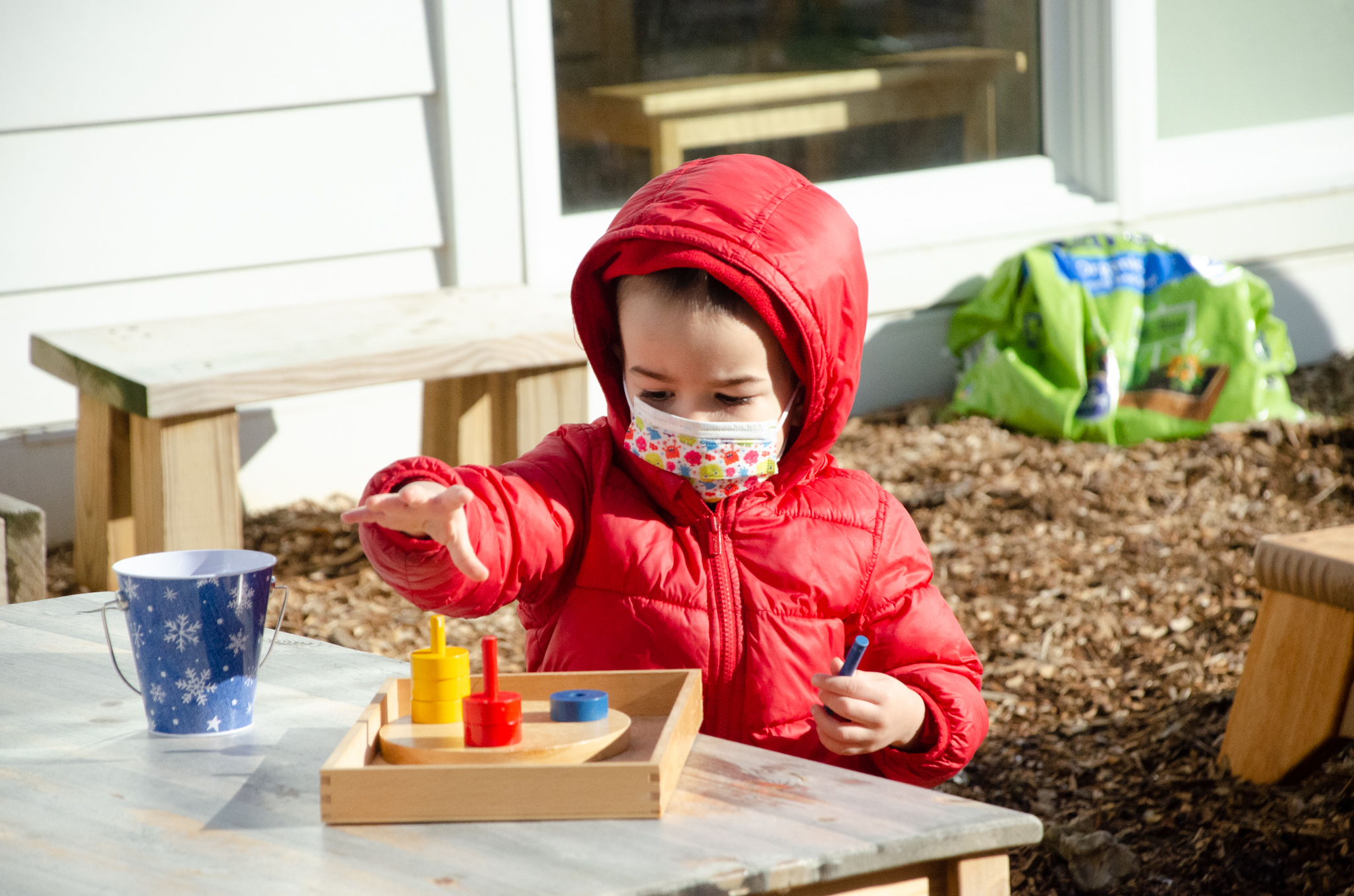
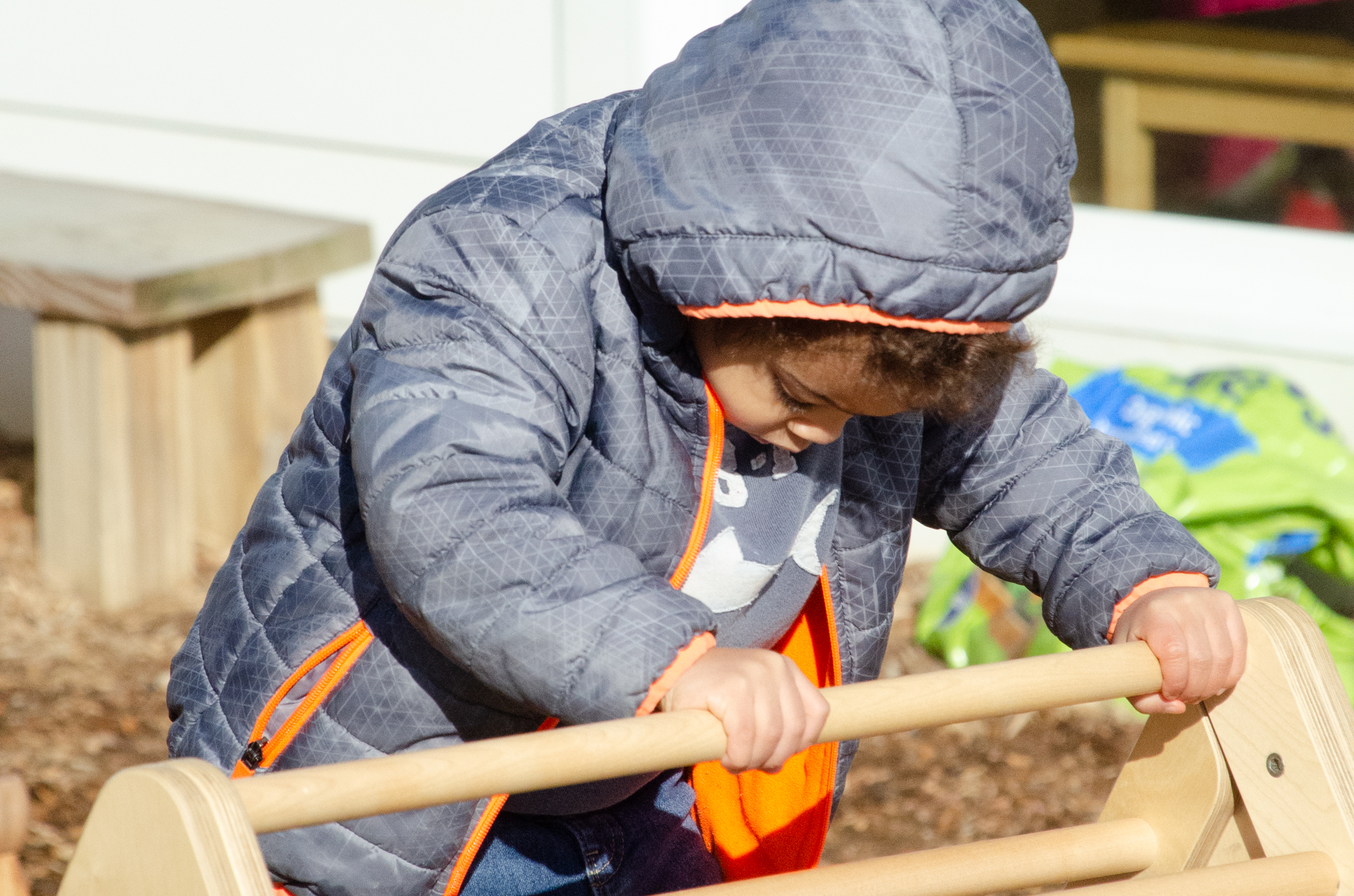
Our Toddler Outdoor Environments are beautifully prepared for the children to explore with materials that promote gross motor activities and care of the environment, such as wheelbarrows, sweeping, pikler triangles, and balance beams. Additionally, works are put out for fine motor skills and concentration, similar to what would be found inside the Toddler classroom.

Children’s House Outdoor Environment

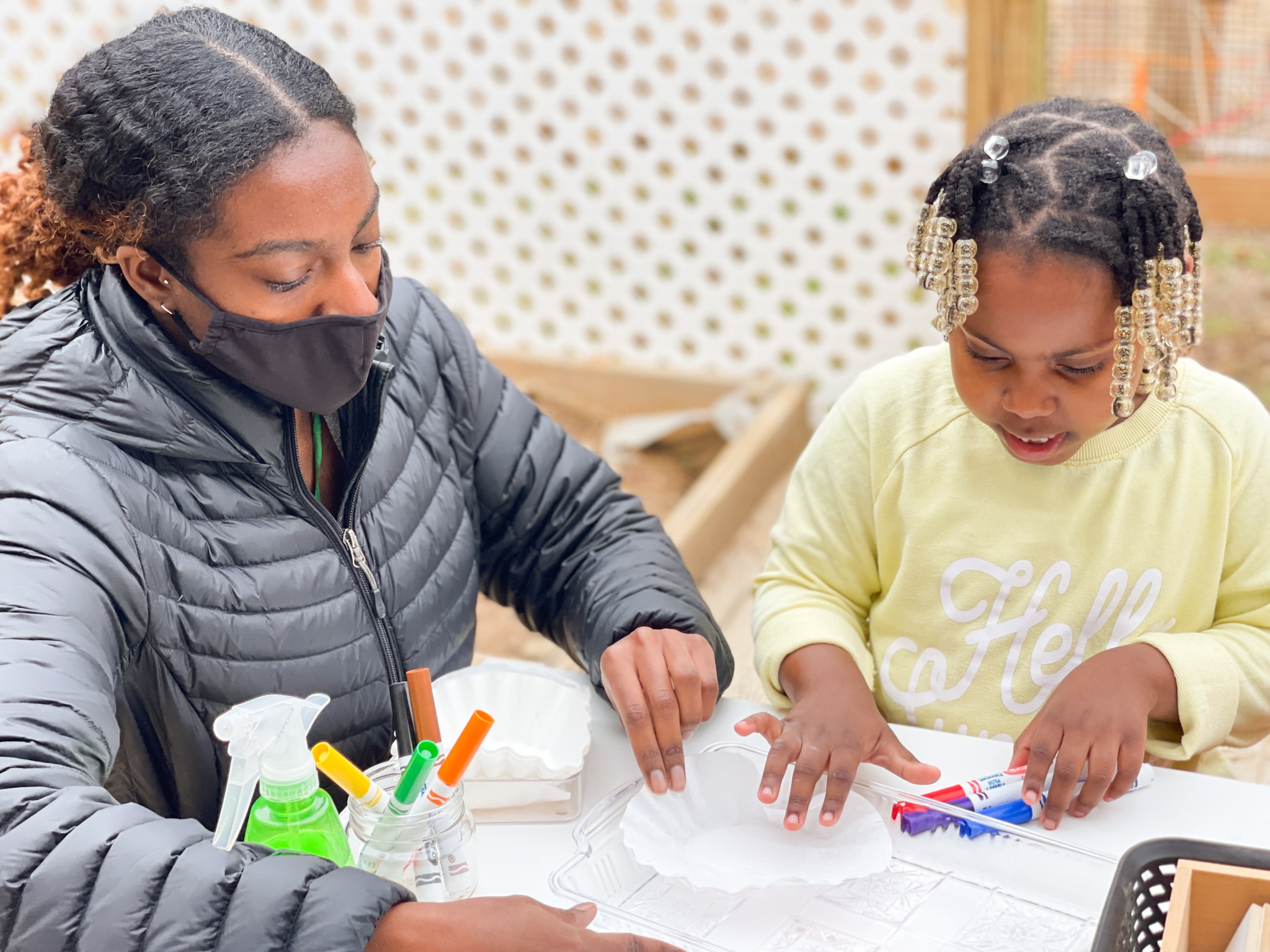
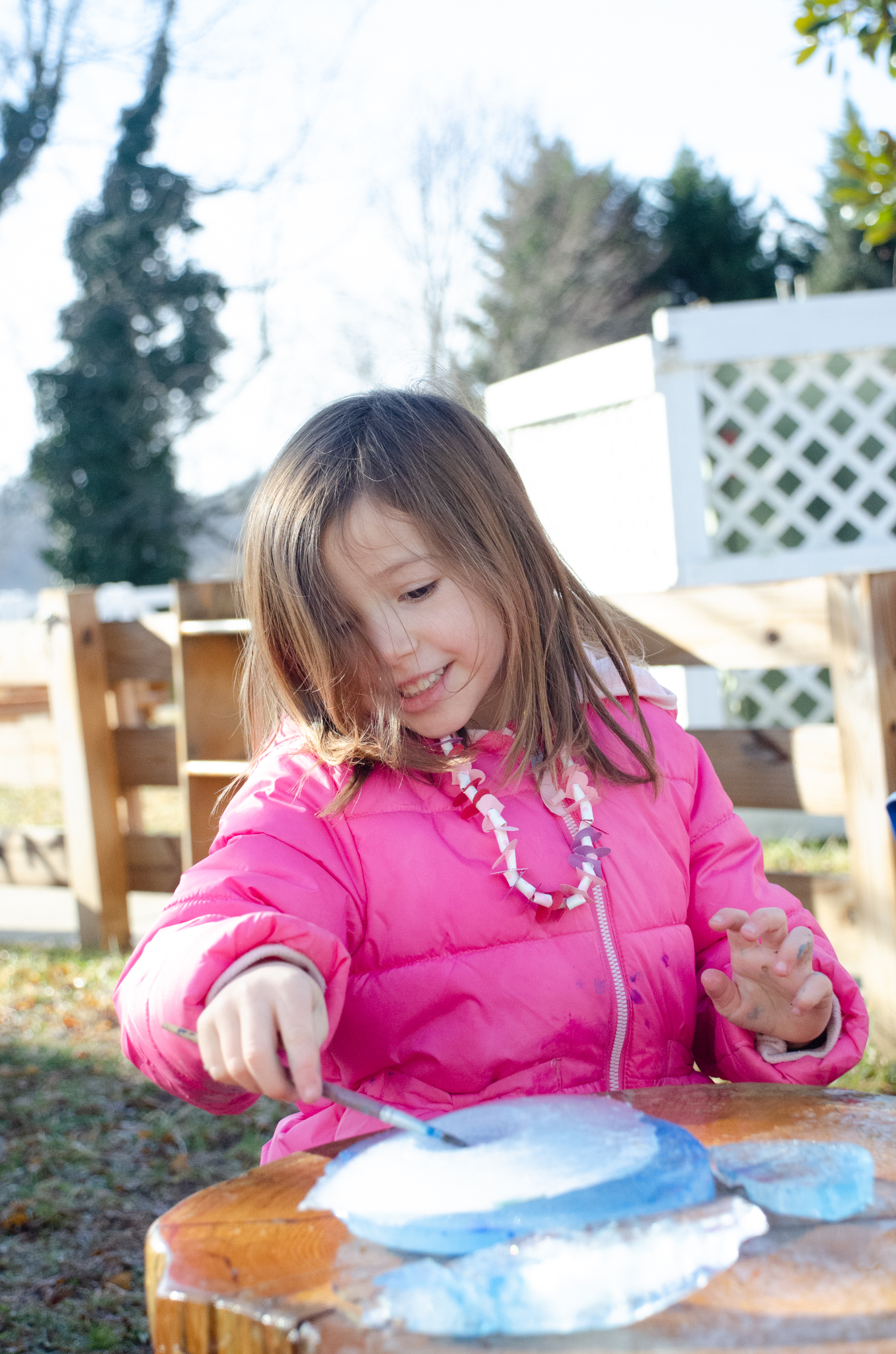
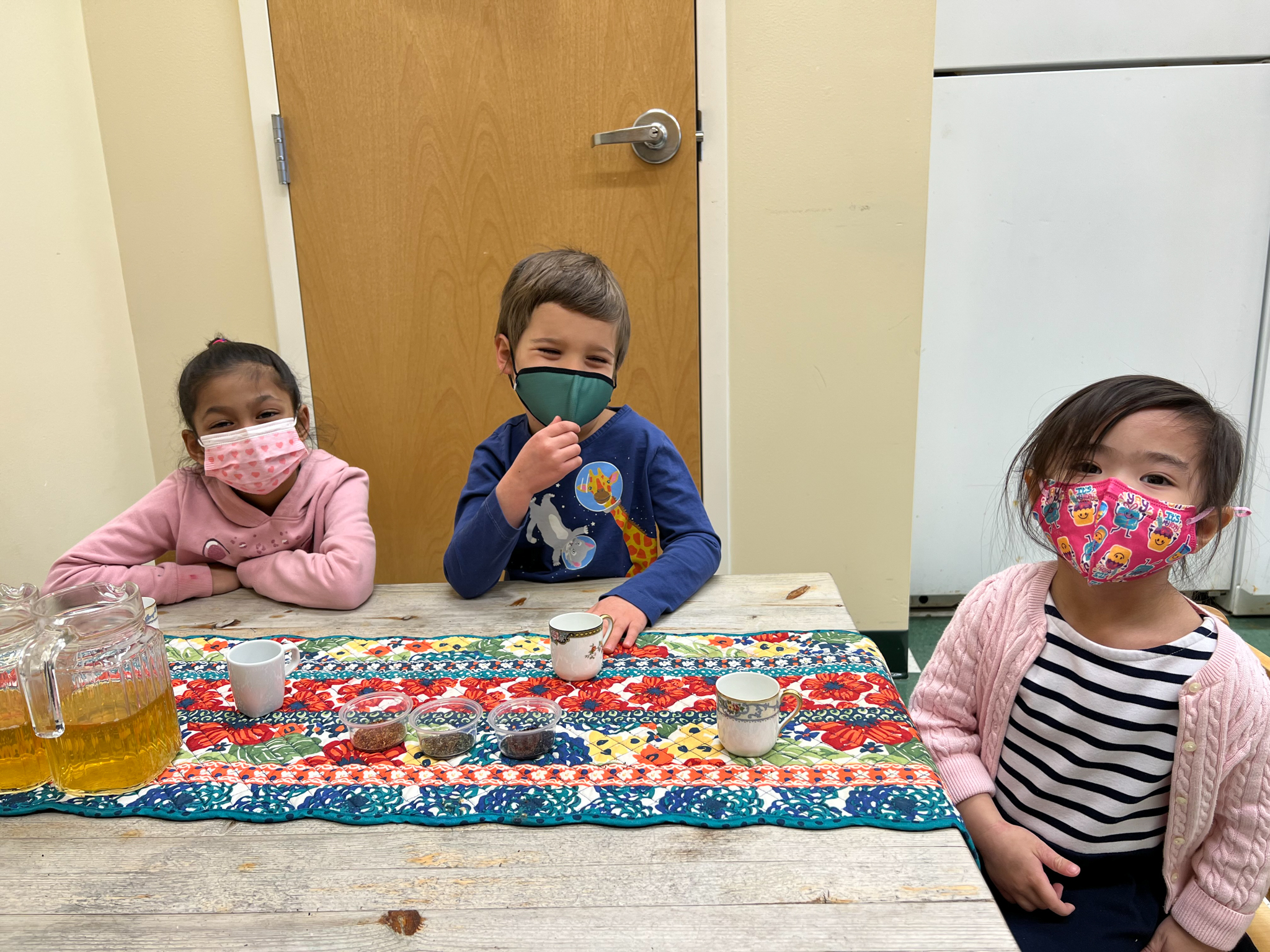
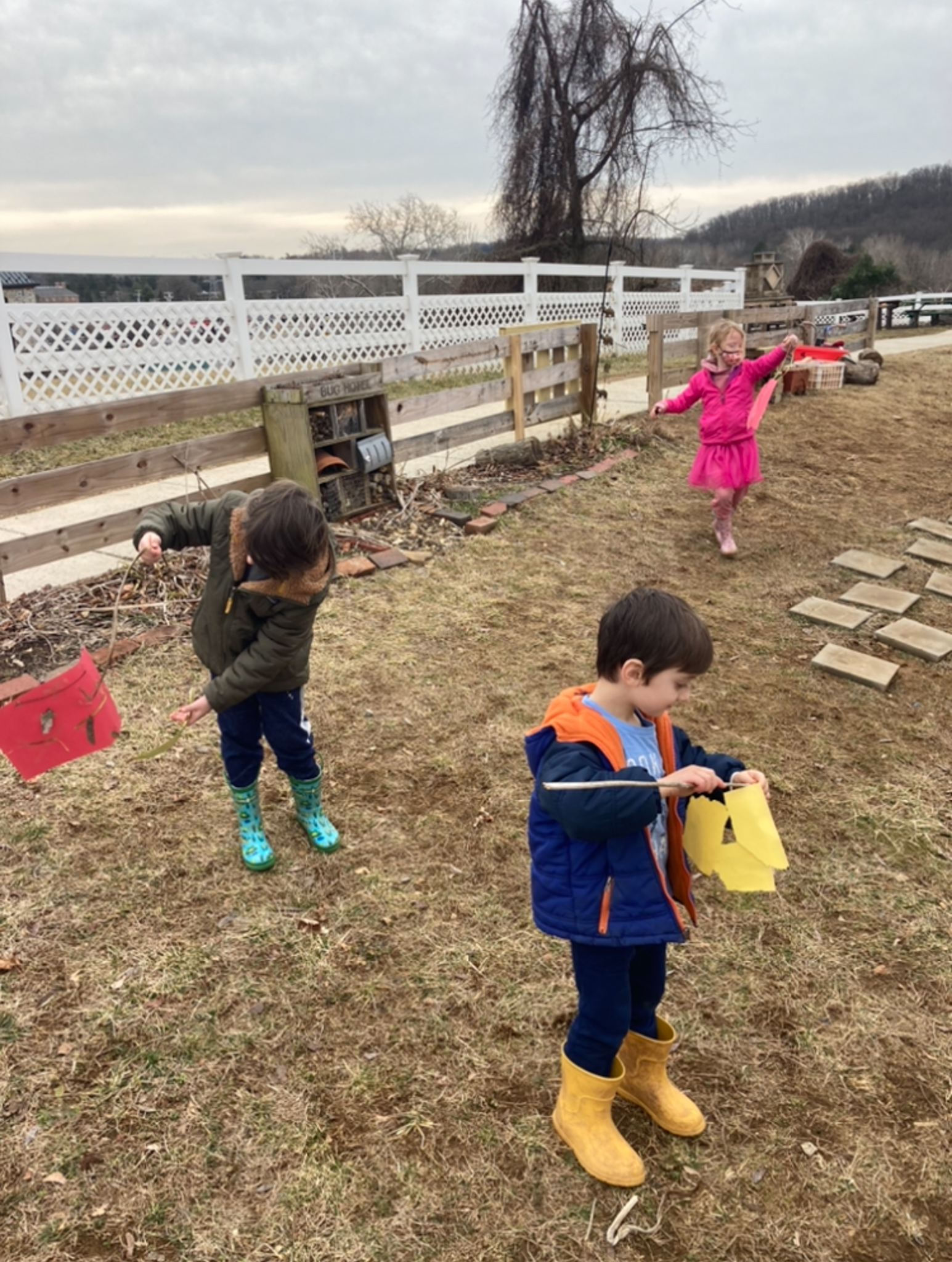
Our Children’s House Outdoor Environments have a variety of winter work based on the ages of the students. Children at this level enjoy incorporating art and creativity into their Outdoor Environment. Recently children made and labeled nature collages and tried to fly nature kites in wind. Younger children practiced mixing watercolor paints on ice. On the colder days when children are not able to go outdoors, they sometimes visit the kitchen for lessons. One group learned about black tea, green tea, and rooibos tea. They learned that rooibos tea comes from South Africa and means “Red Bush”.

Lower Elementary Outdoor Environment

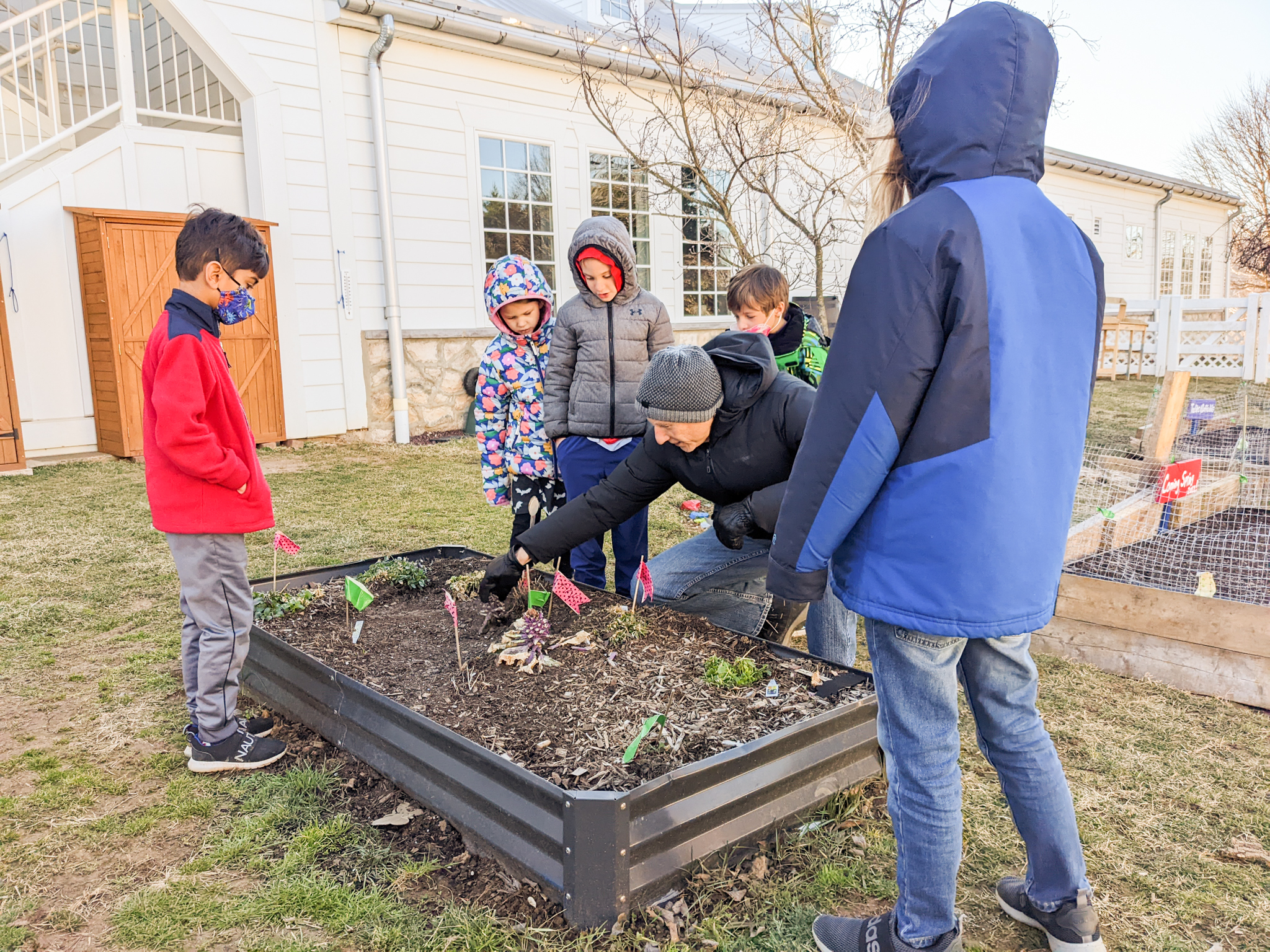
In the fall, each Lower Elementary child planted cold-hardy vegetables including kale, cabbage, cauliflower, and lettuce. The children are excited to see which of the plants have made it through the cold months and they enjoy exploring ways to fortify their gardens from rabbits on campus. 

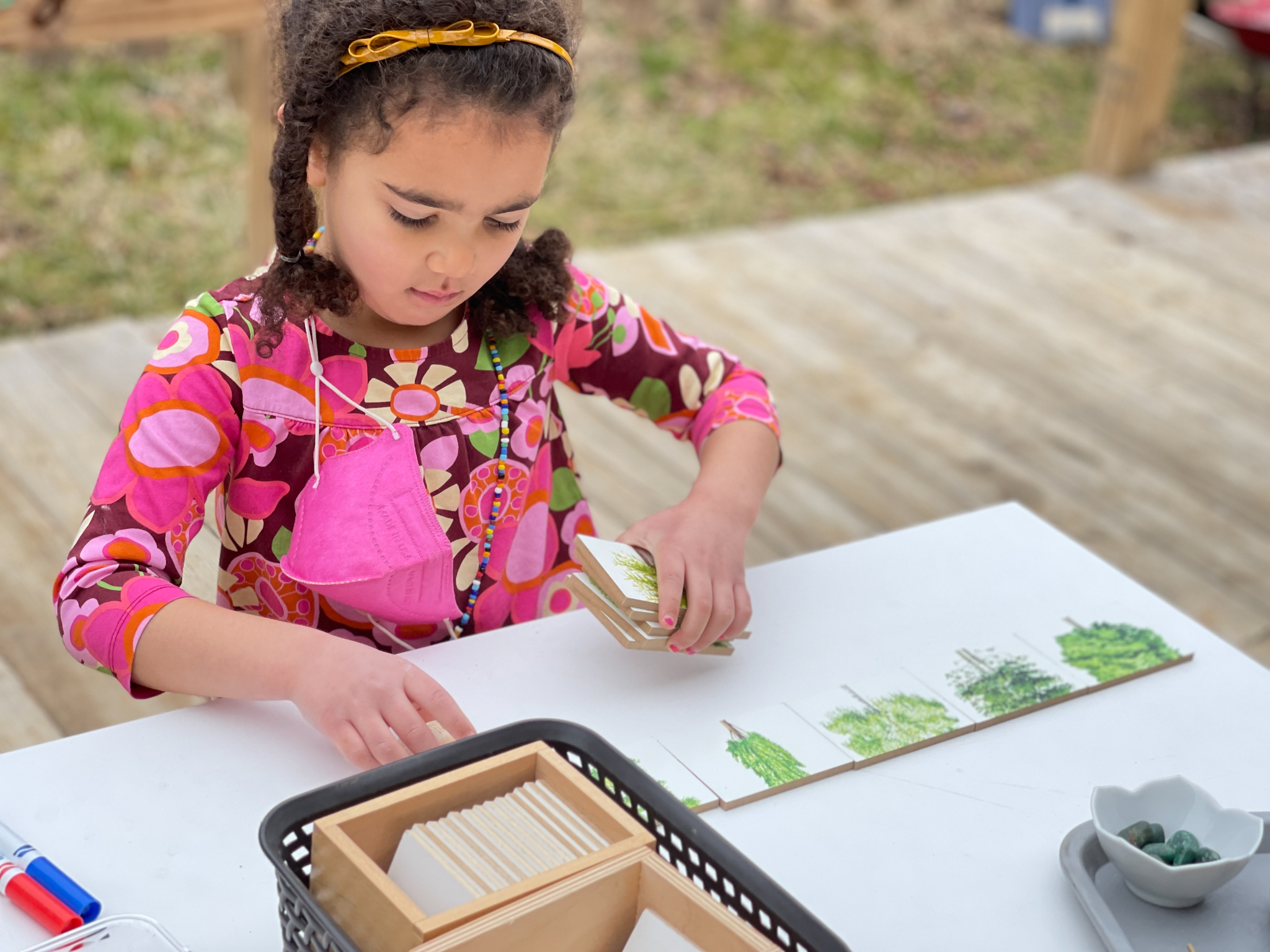
This winter, small groups of Lower Elementary students toured the campus with Mr. John and had lessons on campus trees, such as the eastern white pine and magnolia, and learned about foliose, fruticose, and crustose lichen. They also had the opportunity to collaborate on baking gluten-free cornbread in the Emerson kitchen.
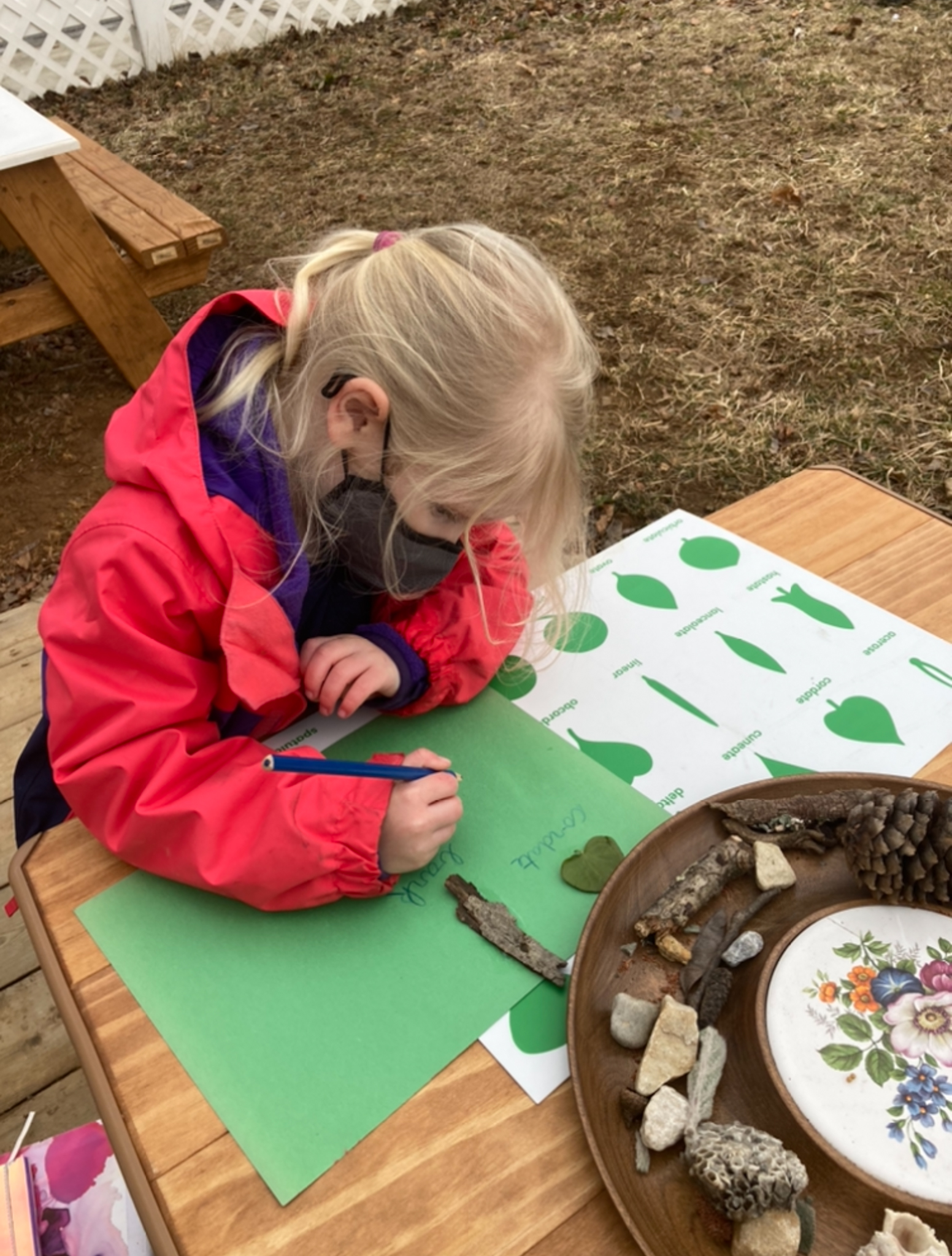
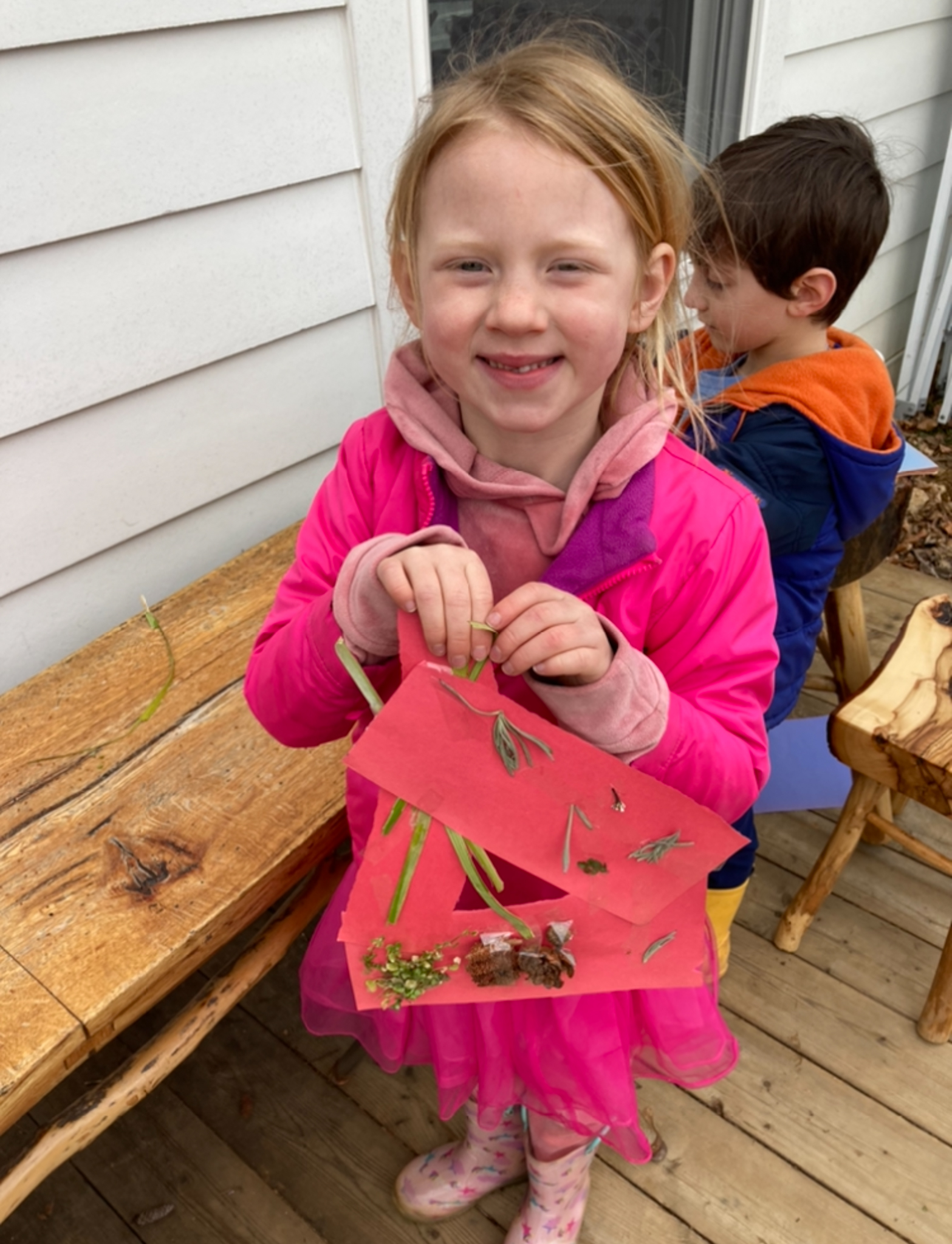
Ahead, the students are looking forward to lessons on botany, electricity, and morse code!

The Power of Timelines in the Elementary Classroom

The Power of Timelines in the Elementary Classroom

Young children often have a hard time understanding the concept of time. In the Children’s House, children become comfortable with the days of the week and months of the year. They begin the study of measurement and telling time on a clock. And personal timelines that tell the story of the child’s life are used as a doorway into understanding the passage of time over years.
Illustrated as it must be by fascinating charts and diagrams, the creation of earth as we now know it unfolds before the child’s imagination.

Dr. Maria Montessori, To Educate the Human Potential

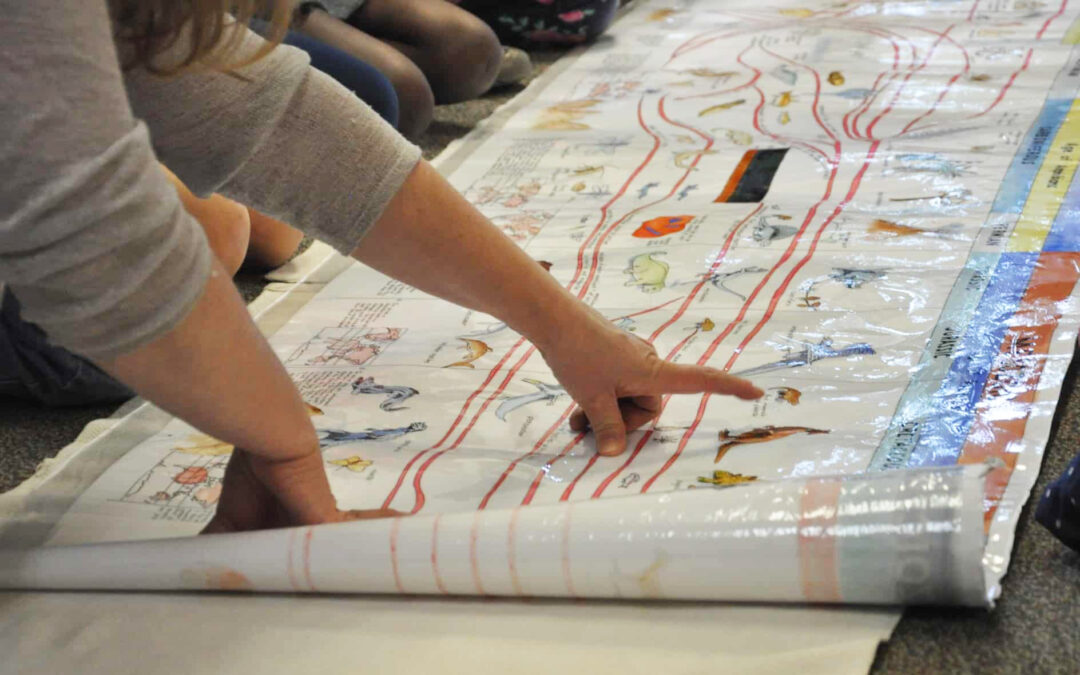
Children in the second plane of development, during the Elementary years, become fascinated by large numbers, including large measurements of time across generations or even eons. Elementary children are also emerging as social beings, seeking to understand their place in a greater context. For both of these reasons Elementary children are introduced to the structures of timelines, first as part of the Great Lessons and then in many other areas across the curriculum, including geology, geography, botany, zoology, anthropology and more. Here are a few examples of timelines used during the Great Lessons and corresponding key experiences:

The Clock of Eras

This chart represents the lifespan of planet Earth in terms of “cosmic hours,” so children have another way to grasp the concept of the relative amounts of time it took for Earth to form and for different types of life to develop.

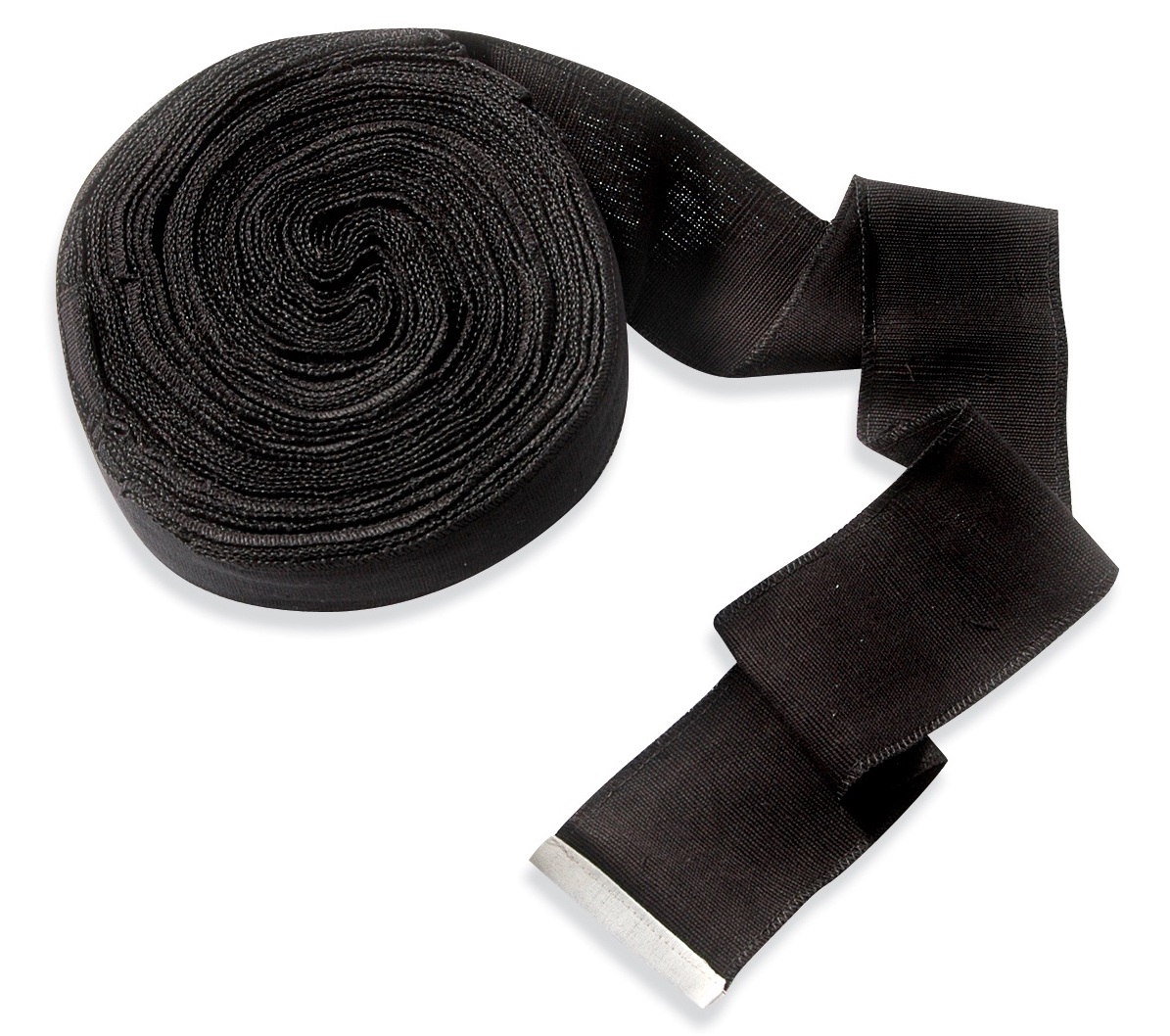
The Long Black Strip

This black strip represents the age of Earth, from its very beginning. A 1cm strip of white represents the whole time that humans have been on Earth. This impressionistic lesson is designed to give children perspective on how recently, in Earth’s timeline, humans entered the scene. 

The Timeline of Humans

This timeline shows the story of the human journey from the end of the Pliocene (the emergence of our hominid ancestors) to the beginning of the Holocene, ending at the Bronze Age. Key events, such as the uses of fire and development of hand tools, are correlated with physiological development, such as the emergence of H. sapiens sapiens and the disappearance of H. neanderthalensis.

The Story of Language

This timeline introduces students to the development of communication over time and across civilizations. It covers the origin of human language: sounds, gestures, and pictograms of early humans, through the cuneiform of the Sumerians, the hieroglyphs of the Egyptians, and the first official alphabet of the Phoenicians. It explores derivatives of the first alphabet, which were created by the Greeks and Romans, and some additional ancient forms of writing, such as Chinese and Hebrew. 

The History of Numbers

This timeline introduces students to various forms and methods of counting and record-keeping, starting with the use of concrete materials, to the emergence of abstract writing systems, and eventually, more advanced number systems. 

BC/BCE Timeline 

The timeline begins from Prehistory and concludes to the Modern time period which is set off with a red background to represent the current time frame. 

Timeline of Civilizations

The timeline of Ancient Civilizations spans the period from 5000 BC to 300 AD. The timeline displays the empires that existed at that time as well as the factors that influenced their rise and decline.

Montessori timelines present just enough information to pique students’ interest. If too much information is included, the wonder of discovery is lost. When a student asks a question about something on a timeline, this becomes a springboard for further research.

Some students become inspired to make their own timelines. In doing so, they practice the precision of measurement. They also practice sorting and classification while deciding which information is most useful to include on a timeline. Students may notice examples of cause and effect and patterns that occur over time. They make connections between the content areas of the classroom, thus building a more integrated understanding of their world.

The Montessori Puzzle Maps

The Montessori Puzzle Maps

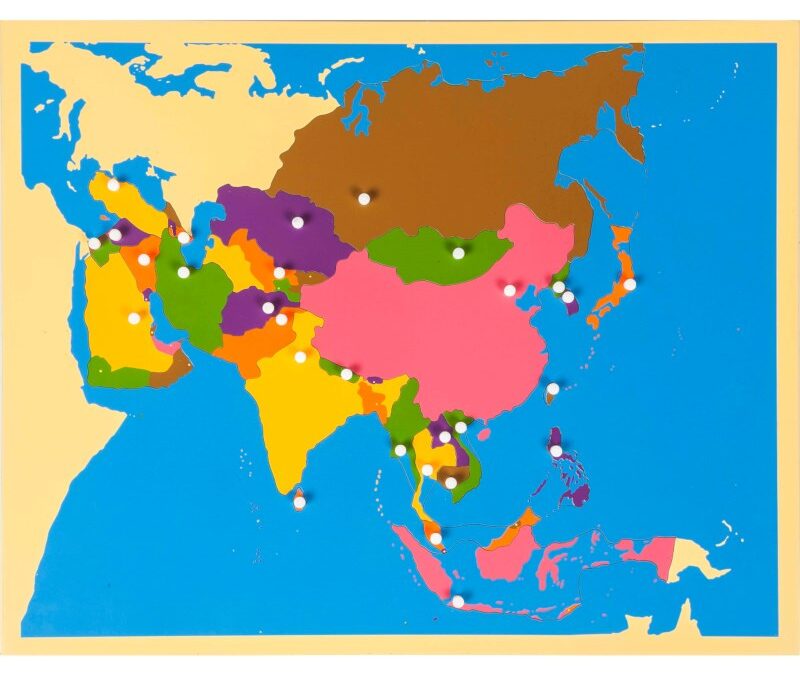
Creating globally minded citizens is a fundamental value of Montessori education. Puzzle Maps are a key component of the Cultural curriculum and are found in both the Children’s House and Lower Elementary classrooms. They are arranged intentionally, starting with the top shelf and working downward:

  • The planisphere: two blue circles with removable colored continents
  • A map of the child’s continent: puzzle pieces indicate countries
  • A map of the child’s country: puzzle pieces indicate states or provinces
  • Maps of the other continents of the world: pieces indicating countries

There is also a set of “control maps,” which are corresponding laminated paper maps that have the pieces drawn to scale and labeled.

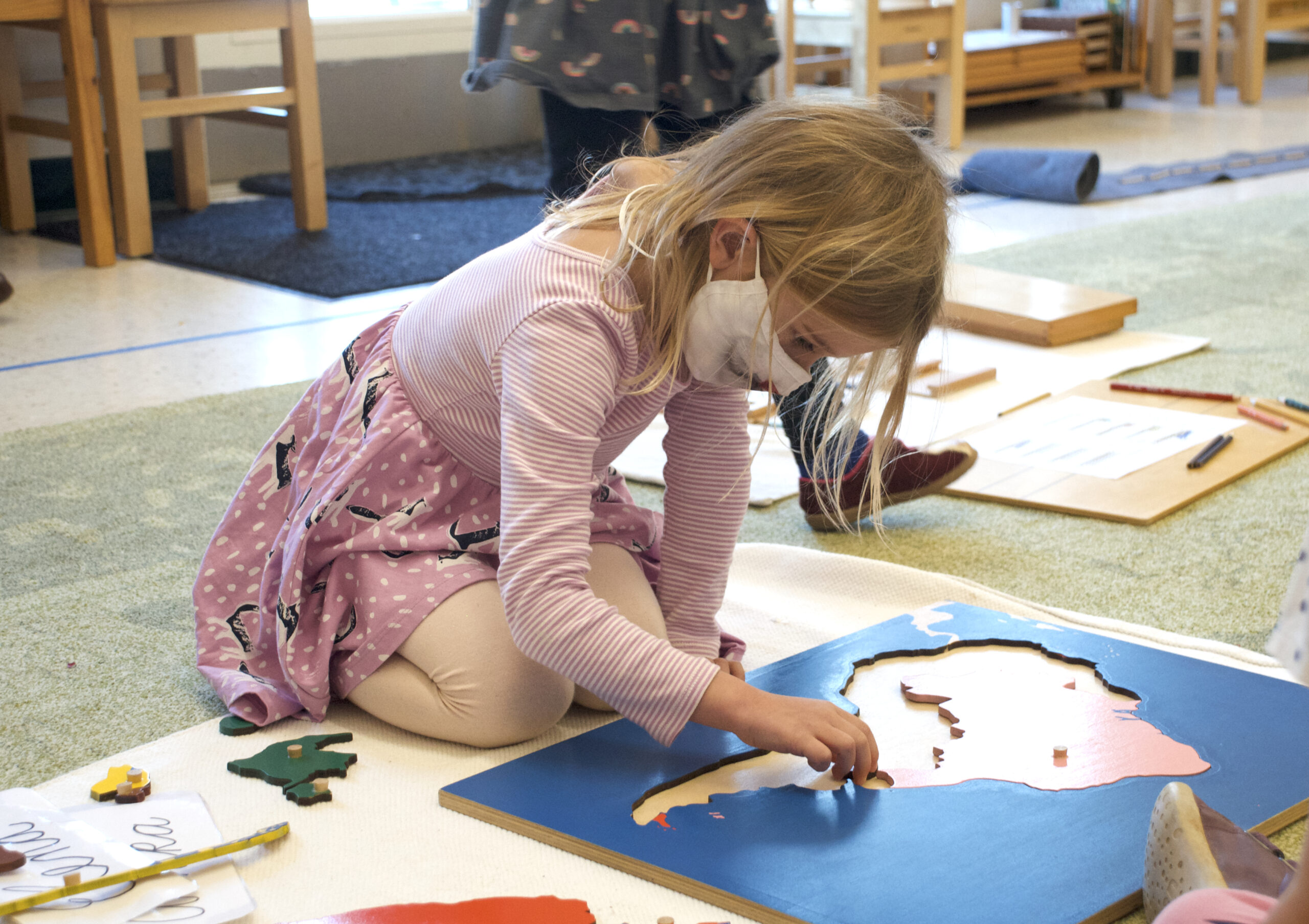
A Children’s House student works with the Puzzle Map of South America.

The initial introduction to the work in Children’s House is presented as a puzzle. Children become aware of the relative position, size, and shape of the continents of the world and the countries of those continents. Because the 3 to 6-year-old is learning with an absorbent mind, the names, locations, and orientation of the continents and countries are easily learned and remembered. When they are ready, students begin labeling the countries. Students also have the option of tracing and coloring a paper map of the world or country they are studying.

Sra. Emily works with a Children’s House student to learn more about the flag of China.

The Puzzle Maps help students memorize continents and countries, but memorization is only one benefit. Montessori students use these maps to gain a deeper, more rich understanding of how countries relate to one another. The pegged puzzle pieces have indirect purposes as well. The knob itself is placed at the location of the capital city, subtly reinforcing this concept. In addition, when a child grips the pegs, their hand muscles are strengthened and the pincer grip developed, preparing the hand to use a pencil. When a child later begins tracing and labeling the puzzle pieces, this work also builds dexterity and writing skills. Work with the Puzzle Maps often inspires children to read and write about various continents or countries, serving as a launching pad for exploration of biomes, animals, culture, and more.

In Elementary, the child moves to the reasoning mind and wants to understand why countries have these shapes and differences, as well as additional details about the areas. This leads to the knowledge that landforms often create borders, that there are political and cultural differences in adjacent countries, and an awareness of how the geography and resources of an area played a significant role in the settling of that region. We encourage Elementary students to use an atlas alongside the puzzle maps. They are now building the skills to find answers for themselves.