Why to Stop Telling Your Child to “Be Careful” (and What to Say Instead)

Why to Stop Telling Your Child to “Be Careful” (and What to Say Instead)

Saying “Be careful!” is probably one of the most automatic things we do as parents. But does telling children to “be careful” actually make them safer?

The Problem with “Be Careful”

One problem with “be careful” is that it’s not specific. It could mean:

  • “Watch out for the poison ivy!”
  • “Those rocks are loose.”
  • “Slow down near the edge.”

Children are left trying to figure out what, exactly, they’re supposed to be careful about.

Another challenge is that “be careful” often doesn’t lead to the response we hope for. Instead of pausing to assess the situation, children may:

  • look confused (“What am I supposed to be worried about?”)
  • ignore the warning (“This doesn’t feel dangerous to me.”)
  • or become anxious (“Something bad is about to happen.”)

Over time, constant warnings can unintentionally teach children that risk, challenge, and mistakes should be avoided altogether.

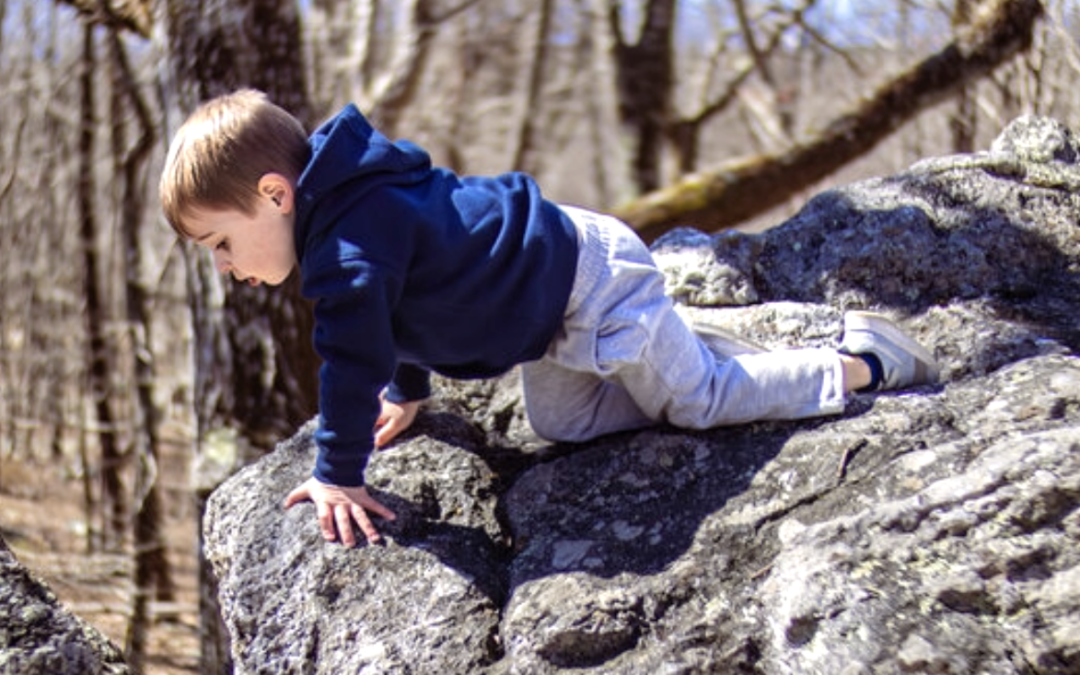
And yes—sometimes children will get scraped knees, bruises, or bumped heads. That’s part of childhood. But children also need opportunities for risky and challenging play because it supports healthy development. Risky play helps build confidence, coordination, judgment, resilience, and problem-solving skills they’ll use throughout their lives.

An Important Note

Of course, there are times when a firm “Be careful!” or “Stop!” is absolutely necessary—especially when there is a genuine risk of serious harm, such as near busy roads, deep water, open fire, or dangerous heights.

The key is to reserve those words for moments that truly matter. It may help to create a phrase with your for moments like these, such as “Eyes up!” and practice the phrase in calm, neutral moments.

When “Be careful” is used constantly, children often tune it out or become overly risk-averse. When it’s used sparingly and intentionally, it carries weight.

Try the 10-Second Rule

One simple tool is the 10-second rule.

When you feel the urge to jump in, silently count to 10. Give yourself a few moments to observe what your child is doing before deciding whether intervention is truly needed—or whether they’re already managing the situation successfully on their own.

Observe & Reflect

Ask yourself:

  • What is the real potential for serious harm?
  • Why does this situation make me uncomfortable?
  • What skills is my child learning right now?

Most of the time, nothing terrible happens in those 10 seconds—except that your child gains a little more confidence.

Respond Thoughtfully

There isn’t one “right” response for every situation.

  • If your child is in immediate danger, act quickly.
  • If the risk is manageable, you may simply stay close and observe.
  • Often, it’s an opportunity to foster awareness or encourage problem-solving instead of shutting things down.

The goal isn’t to eliminate all risk. It’s learning to distinguish between real danger and the everyday challenges that help children grow.

What Can We Say Instead?

Every time you feel like saying “Be careful,” try using it as an opportunity to help your child tune in—to their body, their surroundings, and their choices.

Phrases That Foster Awareness

“Do you see…” the poison ivy over there?

“Notice how…” the log feels rotten.

“Try using your…” arms for balance.

“Can you hear…” the rushing water?

“Do you feel…” the heat from the fire?

These kinds of questions help children develop body awareness, situational awareness, and emotional awareness—all while still allowing them to play and explore.

Phrases that Encourage Problem-Solving

“What’s your plan…” to get across that stream?

“What can you use…” to help you keep your balance?

“Where will you…” put that rock?

“How will you…” support your weight?

    These questions shift the focus from fear to thinking—and from control to connection. We don’t need to solve everything for them; we can guide them with thoughtful questions instead.

    Risky play researcher Mariana Brussoni often talks about keeping children “as safe as necessary, not as safe as possible.”

    Our job isn’t to remove every risk from childhood. Our job is to step in when there is a genuine risk of serious harm—and otherwise allow children the space to explore, problem solve, and discover what they are capable of.

    The Montessori Entryway

    The Montessori Entryway

    Creating a Montessori-inspired area in your home is all about accessibility, order, choice, and independence. A great place to start is the entryway!

    A well-prepared entryway meets these needs as they come and go, offering a sense of ownership and routine. It reflects the Montessori principle of freedom within limits—providing age-appropriate choices while maintaining a clear, organized environment.

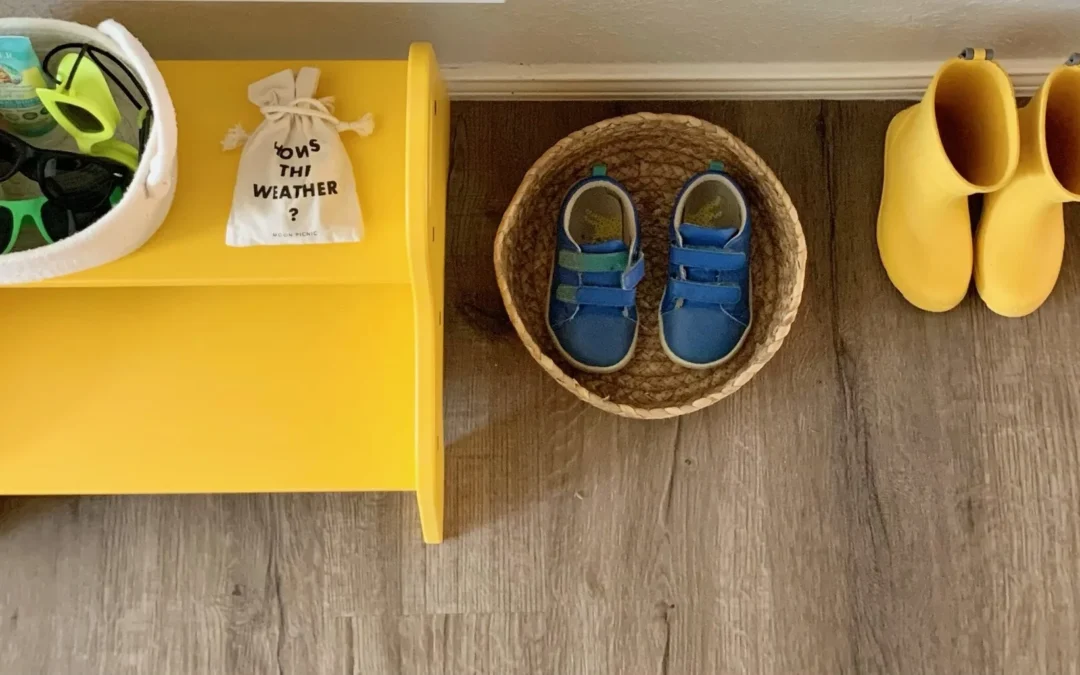
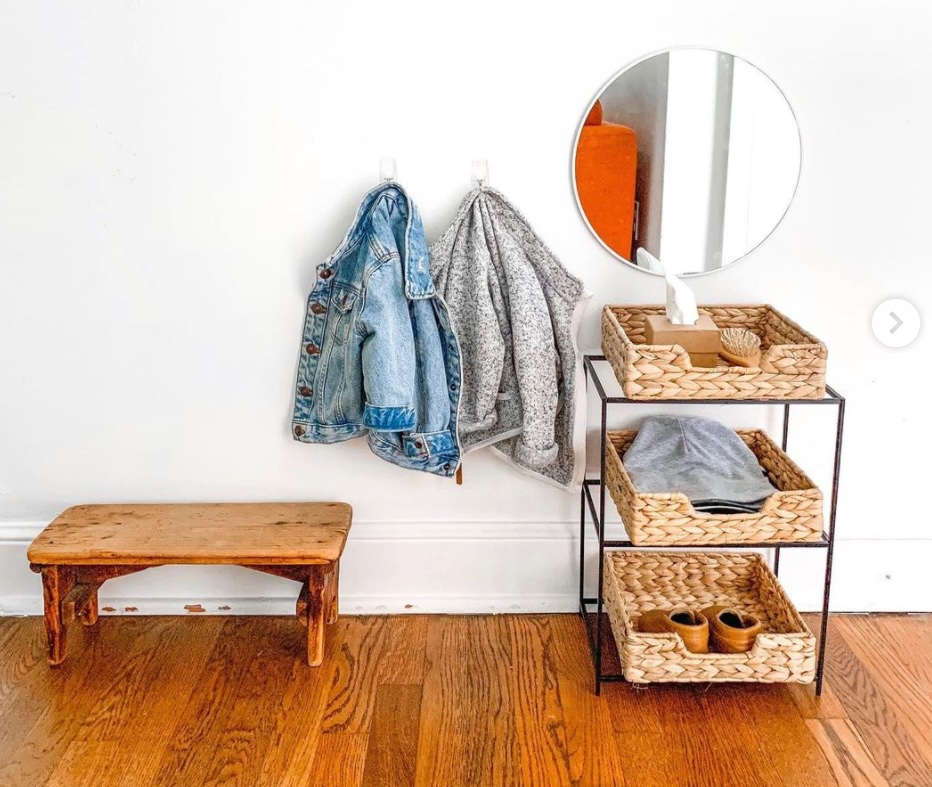
    Seat for Putting on Shoes

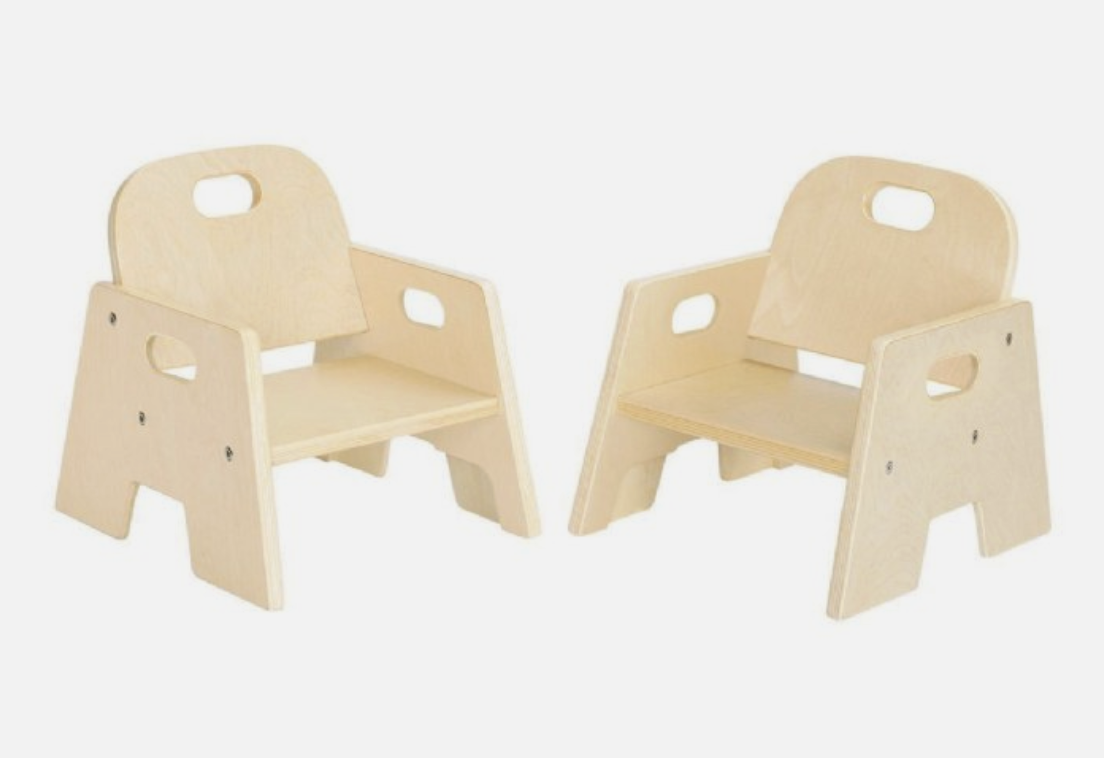
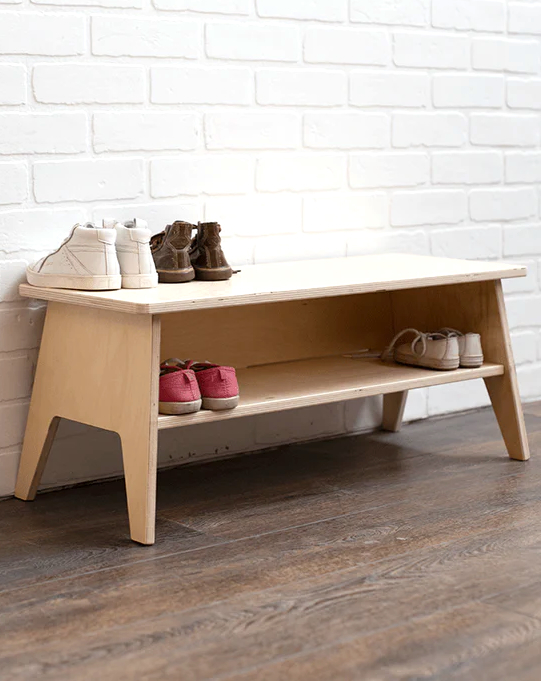
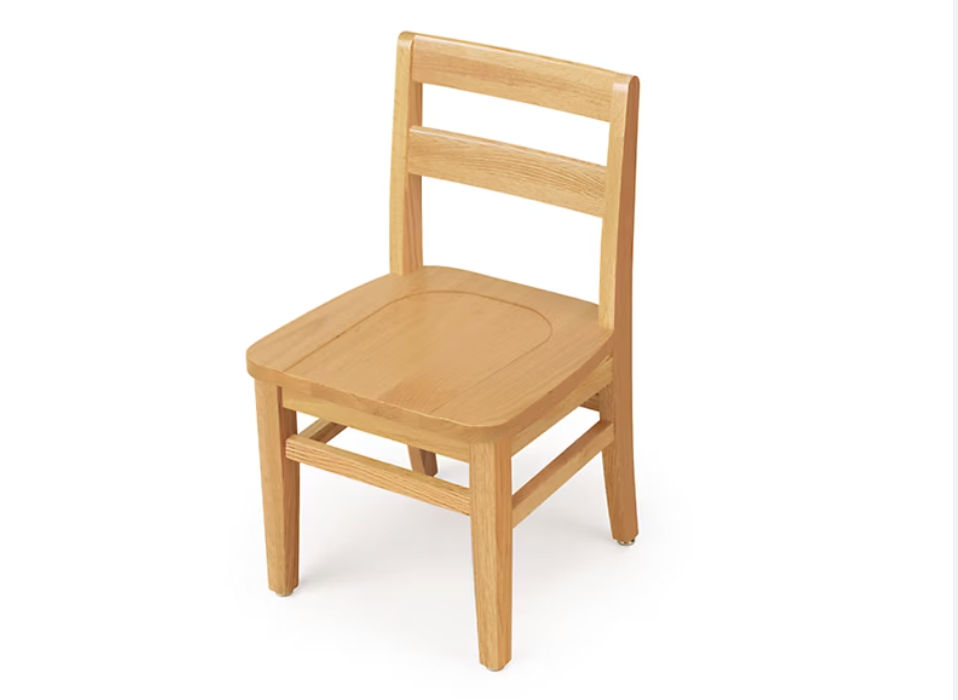
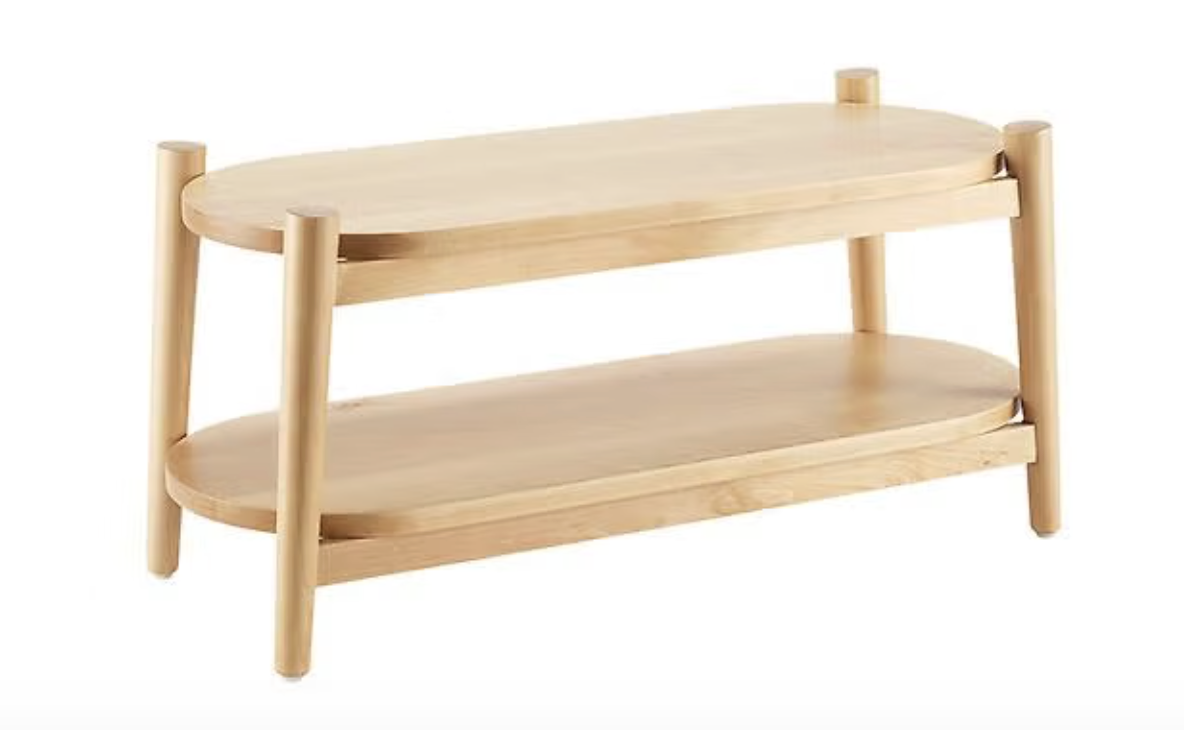
    A Montessori entryway includes a place where your child can sit to put on and remove their shoes. This dedicated spot serves as both a visual cue and a practical support, making the process more manageable and consistent.

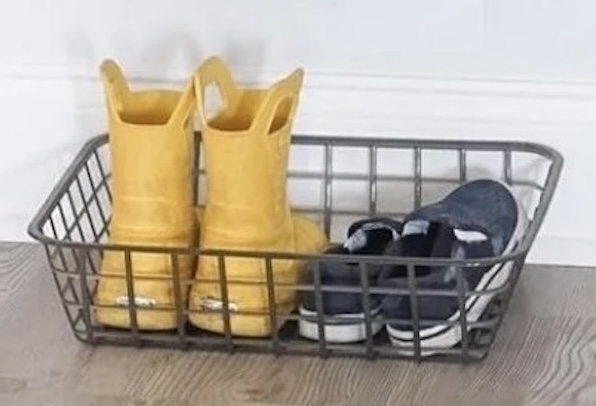
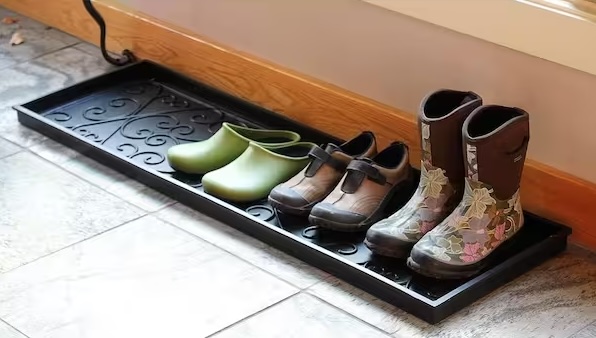
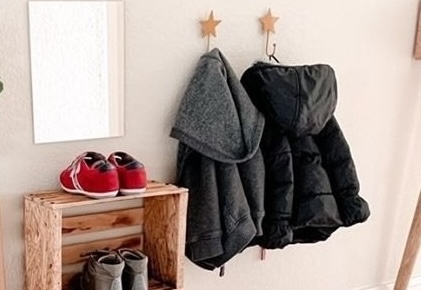
    Store shoes neatly beneath a bench or in a tray or basket beside a chair. Keep options limited—two pairs are plenty for toddlers—to encourage decision-making without overwhelming them.

    Shoe Storage

    Store shoes neatly beneath a bench or in a tray or basket beside a chair. Keep options limited—two pairs are plenty for toddlers—to encourage decision-making without overwhelming them.

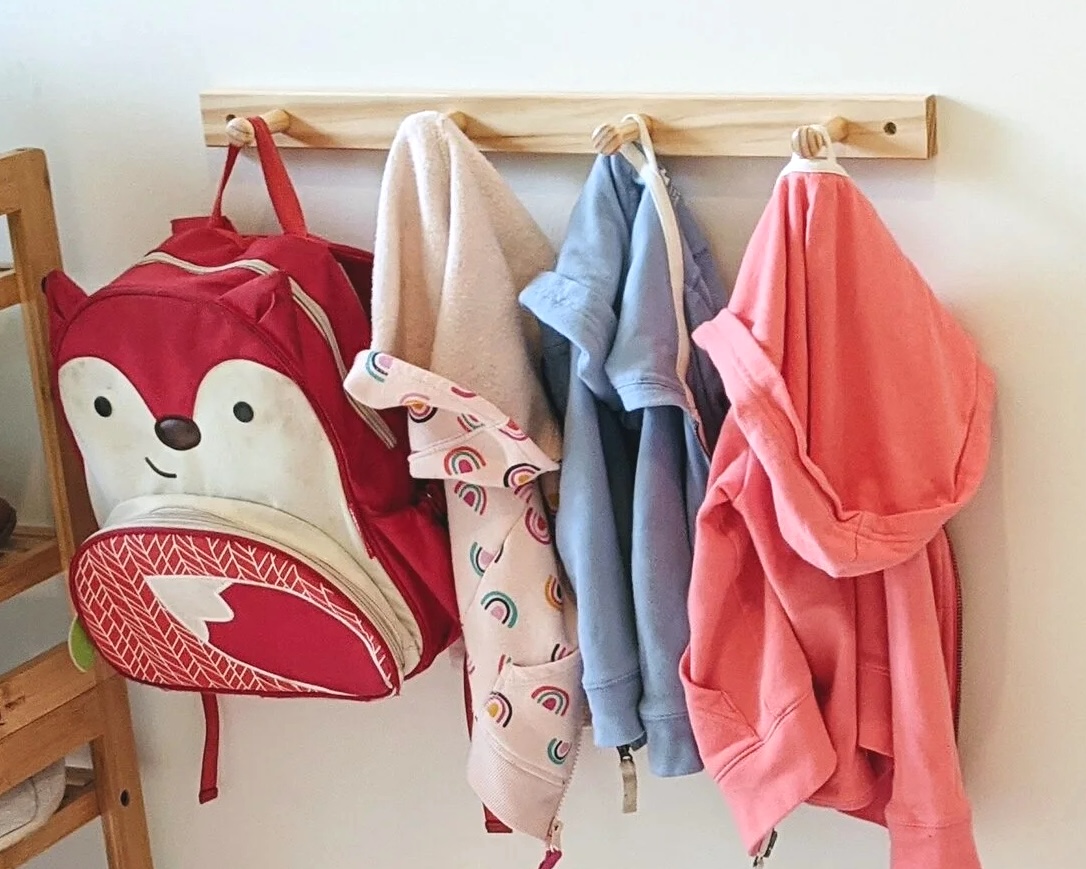
    Low Hooks

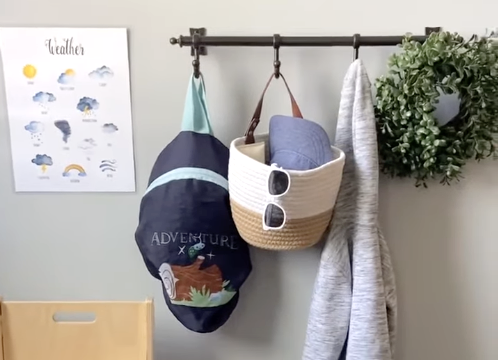
    Provide low, accessible hooks for coats, backpacks, or bags. When children can independently hang up their belongings, they begin to take responsibility for their environment and develop a sense of order.

    Small Shelf & Mirror

    A small, low shelf with a few baskets can help organize seasonal items—such as hats, mittens, or sunglasses. Keep it uncluttered and intentional, rotating items as needed.

    A child-height mirror allows your child to see themselves as they get ready. This simple addition supports self-awareness and independence.

    A Montessori entryway doesn’t need to be anything fancy! The goal is to create a space that empowers your child to participate in daily routines with confidence. As your child grows, the space can evolve alongside them, continuing to support their independence and changing needs.

    Why Intrinsic Motivation Matters—and How Montessori Supports It

    Why Intrinsic Motivation Matters—and How Montessori Supports It

    When students are intrinsically motivated, they approach learning with confidence in their own growth and a belief that their actions have value. They are more likely to take initiative, embrace challenges, and engage deeply with their work—not for a reward, but for the joy of learning itself.

    In Montessori environments, this inner drive is carefully protected and nurtured. Rather than relying on external rewards or punishments, educators guide students toward connecting with their own internal motivations. In doing so, students develop a strong sense of autonomy, purpose, and mastery—key components of emotional intelligence and lifelong learning.

    Intrinsic motivation is also closely tied to a growth mindset. Students begin to understand that abilities are not fixed, but can develop through effort and experience. Mistakes are no longer something to avoid, but opportunities to learn. This resilience supports students in trying again, working through challenges, and integrating new understanding.

    Research consistently shows that external motivators, such as praise or rewards, may influence behavior in the short term but often undermine long-term motivation. Studies by Mary Budd Rowe (1) found that students who received frequent praise were more hesitant, less likely to persist through difficulty, and more dependent on adult approval. Similarly, research by Joan Grusec (2) revealed that students praised for generosity were, over time, slightly less likely to act generously in everyday situations.

    Montessori education takes a different approach—one that supports the development of genuine, lasting motivation from within.

    How Montessori Fosters Intrinsic Motivation

    Hands-on Exploration
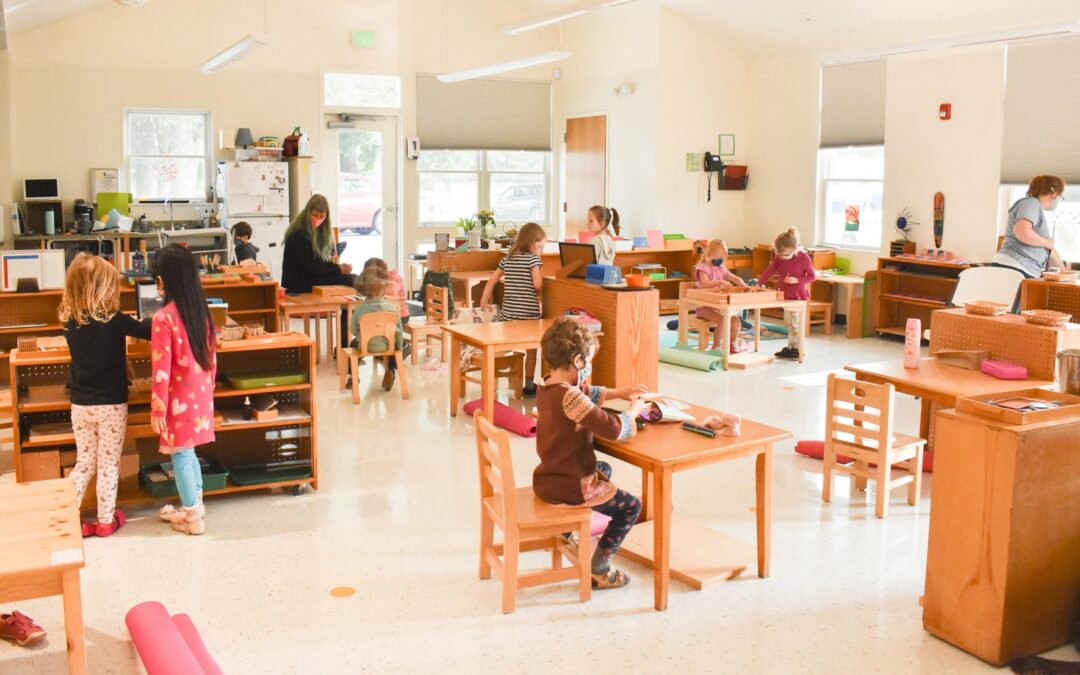
    Montessori classrooms are intentionally designed with accessible, engaging materials that invite hands-on exploration, fostering curiosity and initiative. Lessons are designed to “plant seeds of interest,” providing just enough to spark curiosity, leaving space for self-discovery.

    Freedom of Choice
    Students enjoy the freedom to choose work that aligns with their genuine interests, choosing both their path of exploration and how they demonstrate mastery. This autonomy cultivates deep-seated curiosity, proactive initiative, and a profound sense of ownership over their educational journey.

    Self-Correcting Materials
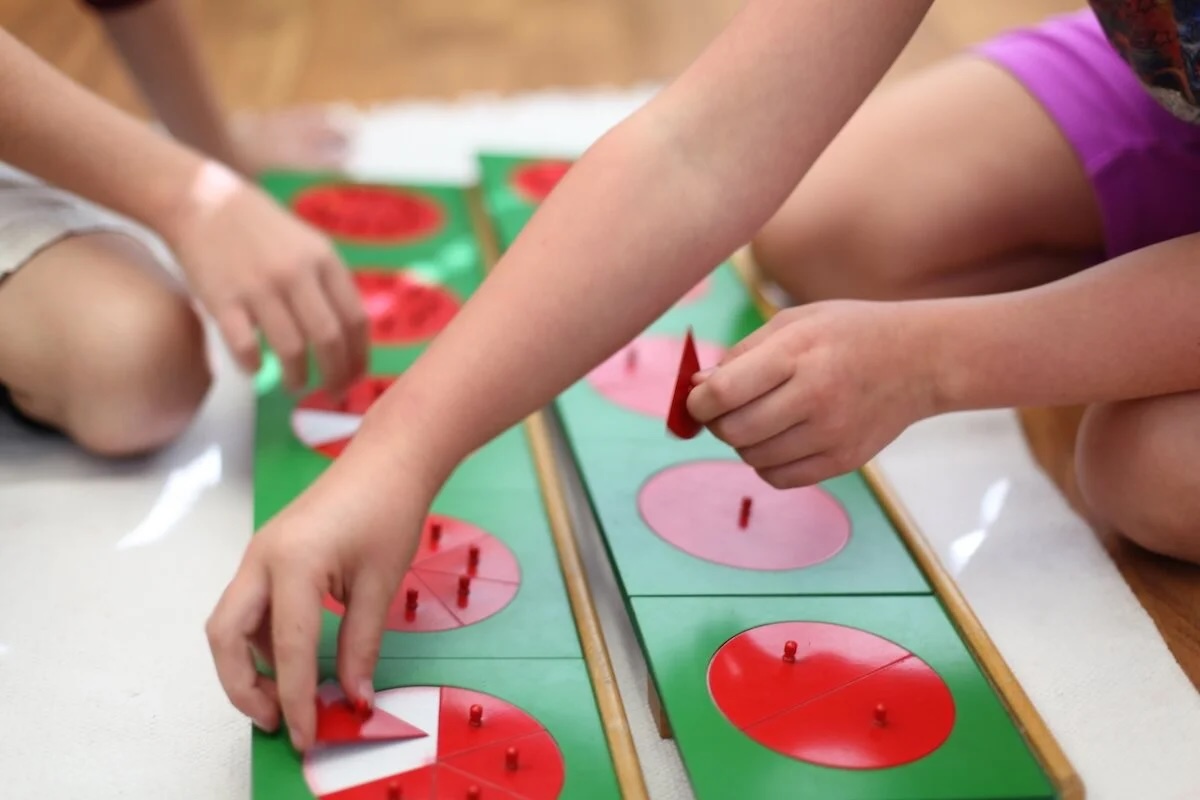
    Montessori materials are designed to reveal errors independently, allowing students to recognize and correct mistakes on their own. The opportunity to make mistakes, persevere, and overcome worthy challenges builds confidence, problem-solving skills, and internal satisfaction. In addition, Guides avoid unnecessary correction. Instead, when they observe that a child needs support, they re-present the lesson, preserving confidence and motivation.

    Focus on Process Over Product
    Rather than offering generic praise or offering rewards (like stars, stickers, or even grades), educators intentionally acknowledge effort, strategy, and growth. Over time, this fosters a classroom culture in which students take genuine pride in their progress and develop an internal sense of accomplishment, rather than relying on external validation.

    Mixed-Age Classrooms
    Learning alongside peers of different ages encourages collaboration, inspiration, and confidence. Younger students are motivated through observation, while older students deepen their understanding by mentoring others, reinforcing their own knowledge and sense of responsibility.

    Learning in Context
    Context comes before content. Students explore, observe, and discover, which allows for deep understanding rather than mere memorization. And when learning is connected to real life, it brings deep purpose and meaning to academic work.

    By fostering intrinsic motivation, Montessori education transforms learning from an obligation into a deeply satisfying experience. Students develop resilience, independence, and a genuine love of learning—qualities that extend far beyond the classroom.

    Sources:

    (1) Rowe, M. B. (1974). “Wait-time and rewards as instructional variables, their influence on language, logic, and fate control: Part one-wait-time.” Journal of Research in Science Teaching.

    (1) Rowe, M. B. (1974). “Relation of wait-time and rewards to the development of language, logic, and fate control: Part two-rewards.” Journal of Research in Science Teaching.

    (2) Grusec, J. J. (1991). “Socializing concern for others in the home.” Developmental Psychology.

    (2) Grusec, J. J., & Redler, E. (1980). “Attribution, reinforcement, and altruism: A developmental analysis.” Developmental Psychology.

    Exploring the Montessori Toddler Curriculum

    Exploring the Montessori Toddler Curriculum

    The toddler years (18 months to 3 years) are a time of rapid, foundational development. In a Montessori environment, this growth is supported by a carefully prepared space where learning happens through hands-on exploration, purposeful movement, and observation.

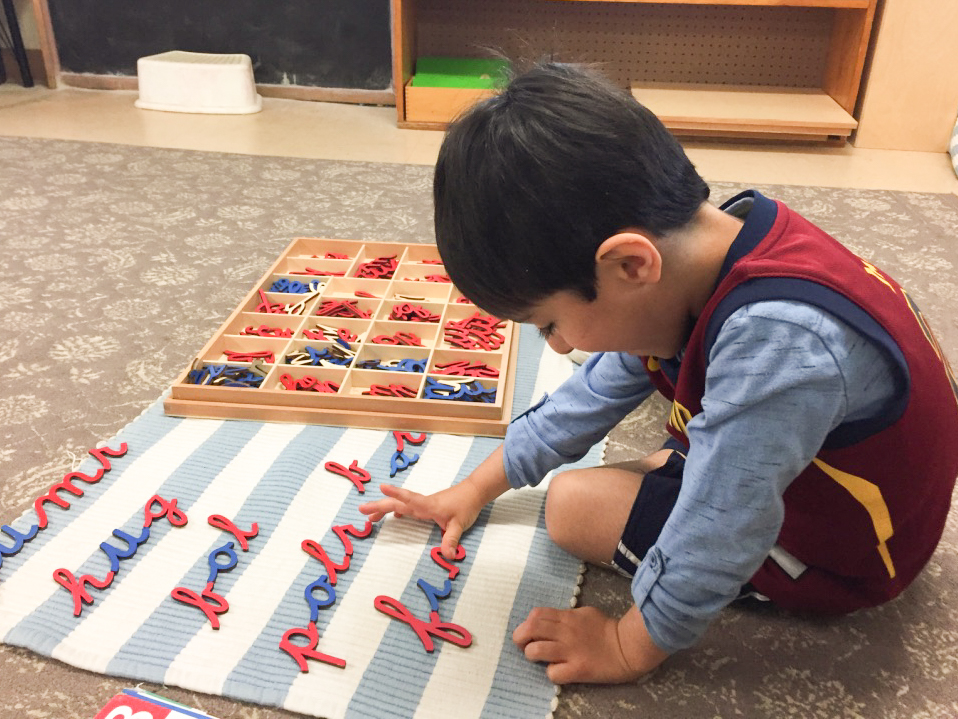
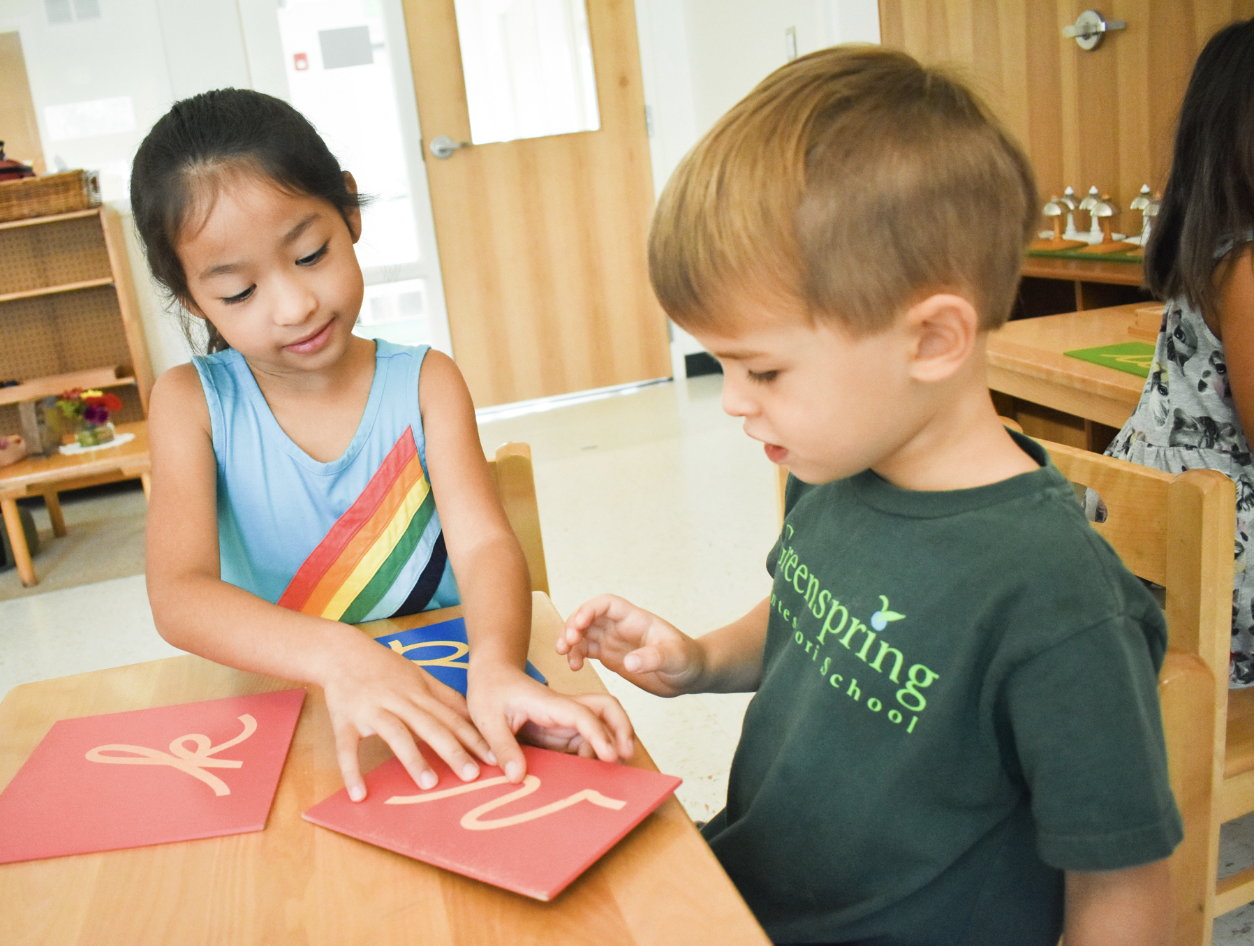
    In this setting, the adult is not a lecturer, but a guide. Teaching happens through modeling, intentional materials, and the environment itself. Authentic Montessori materials are thoughtfully designed to isolate a single skill, include a built-in control of error, and—most importantly—foster independence.

    What may look simple on the surface—pouring water, matching colors, carrying a chair—is actually deeply meaningful work that builds concentration, coordination, and confidence.

    Below is a look at each area of the Montessori toddler classroom, highlighting a sample material or activity from each area of the curriculum.

    Practical Life Area

    Building independence through purposeful activity

    Practical Life supports the child’s deep drive toward independence and belonging. Everything in this area is real, purposeful, and connected to everyday life.

    Key Components:

    • Care of Self: Putting on shoes, washing hands, using a tissue
    • Care of the Environment: Wiping tables, sweeping small messes, watering plants
    • Food Preparation & Service: Slicing soft foods, pouring water, setting a place for snack
    • Control of Movement: Carrying trays, using tongs, transferring objects
    • Grace & Courtesy: Simple greetings, waiting, observing others

    Materials are simple, sequential, and scaled to the child’s size and ability.

    Example Material: Clementine Peeling

    What it is: A small tray with a clementine, a small bowl for peels, and a plate. The child is shown how to hold the fruit, peel the skin using their fingers, separate the segments, and place the peels into the bowl before enjoying or serving the fruit.

    What it builds: Fine motor strength, coordination, concentration, sequencing, and independence in food preparation.

    The goal: To support the child in caring for themselves through meaningful, real-life activity, fostering independence, confidence, and a sense of competence in daily routines.

    Sensorial Area

    Refining the senses and organizing experience; building the foundation for mathematical thinking

    Toddlers learn through their senses. The Sensorial area helps them classify and make meaning of what they experience.

    Key Components:

    • Visual Discrimination: Color, size, and shape
    • Tactile Exploration: Texture and temperature
    • Auditory Awareness: Differentiating sounds
    • Olfactory & Gustatory: Smell and taste experiences
    • Spatial Awareness: Nesting, stacking, and fitting objects

    Materials isolate one quality at a time, making exploration clear and focused.

    Example Material: Knobbed Cylinders (Half Block)

    What it is: A wooden block containing a set of five cylinders with knobs, each varying systematically in one dimension (such as diameter or height). The child removes the cylinders and replaces them into their corresponding sockets, often working with one block at a time to isolate a single quality.

    What it builds: Visual discrimination of size, fine motor control (pincer grasp), hand-eye coordination, concentration, and problem-solving.

    The goal: To refine the child’s ability to perceive and differentiate gradations in dimension—such as thick/thin or tall/short—laying the foundation for later mathematical understanding and precise observation.

    Language Area

    Supporting the explosion of language

    Toddlers are in a sensitive period for language, rapidly absorbing vocabulary and meaning from their environment.

    Key Components:

    • Vocabulary Objects & Baskets: Familiar items for naming
    • Object-to-Picture Matching: Connecting real objects to images
    • Books & Reading Corner: Realistic images and simple language
    • Songs, Rhymes & Conversation: Building expressive and receptive language
    • Early Sound Awareness: Listening games

    The adult serves as a clear and intentional language model, naming objects and narrating actions throughout the day.

    Example Material: Object-to-Picture Matching (Animals)

    What it is: A set of realistic miniature animals paired with corresponding picture cards.
    The child matches each object to its image, beginning with a small set and increasing as mastery develops.

    What it builds: Vocabulary, visual discrimination, matching skills, and early classification.

    The goal: To strengthen the connection between concrete objects and symbolic representation, expanding the child’s language and supporting their ability to identify, name, and describe the world.

    Art & Creative Expression

    Supporting creative expression through process

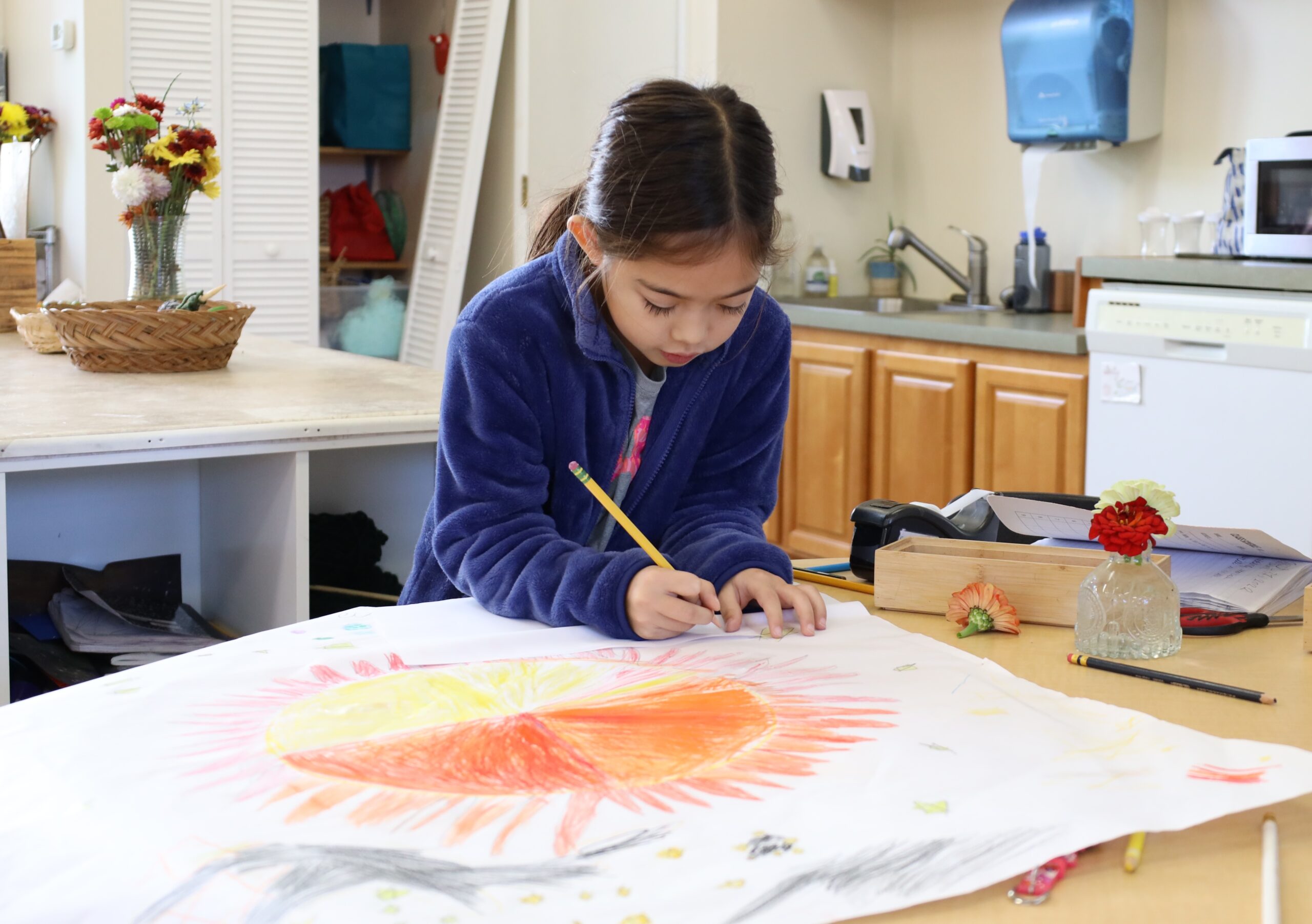
    Creativity in Montessori emphasizes exploration and process over a defined end product.

    Key Components:

    • Drawing with colored pencils
    • Simple painting experiences
    • Play dough or clay modeling
    • Basic gluing activities
    • Opportunities for independent cleanup

    Materials are limited, organized, and accessible to the child.

    Example Material: Gluing Work

    What it is: A small tray with pre-cut paper pieces or small items from nature, a small dish of glue with a brush, and a sheet of paper. The child applies glue and places the pieces onto the paper, creating their own arrangement.

    What it builds: Fine motor control, hand-eye coordination, concentration, and creativity.

    The goal: To support expressive exploration while refining precise hand movements needed for later writing and purposeful work.

    Cultural & Science Area

    Connecting the child to the wider world

    This area introduces toddlers to nature and the world around them through real, sensory experiences.

    Key Components:

    • Nature exploration (leaves, shells, rocks)
    • Plant care
    • Simple animal classification
    • Early geography concepts
    • Observation-based science

    Materials are concrete, real, and rooted in lived experience.

    Example Material: Plant Care Work

    What it is:
    A small watering can, a live plant, and a designated space where the child can independently water and care for the plant. The setup may also include a cloth for wiping spills and a tray to define the work area.

    What it builds:
    Responsibility, concentration, coordination, and an early understanding of living things and their needs. It also fosters respect for the environment and a sense of connection to nature.

    The goal:
    To help the child develop a caring relationship with the natural world while building independence and awareness of how their actions impact living things.

    Outdoor Environment

    Supporting independence and a connection to nature through purposeful outdoor work

    This area promotes autonomy, coordination, responsibility, and a connection to the natural world.

    Key Components:

    • Child-sized gardening tools (rakes, brooms, watering cans)
    • Defined outdoor work spaces
    • Access to natural materials (leaves, soil, plants)
    • Opportunities for movement and real work
    • Consistent routines for care of the environment

    Example Material: Raking Leaves

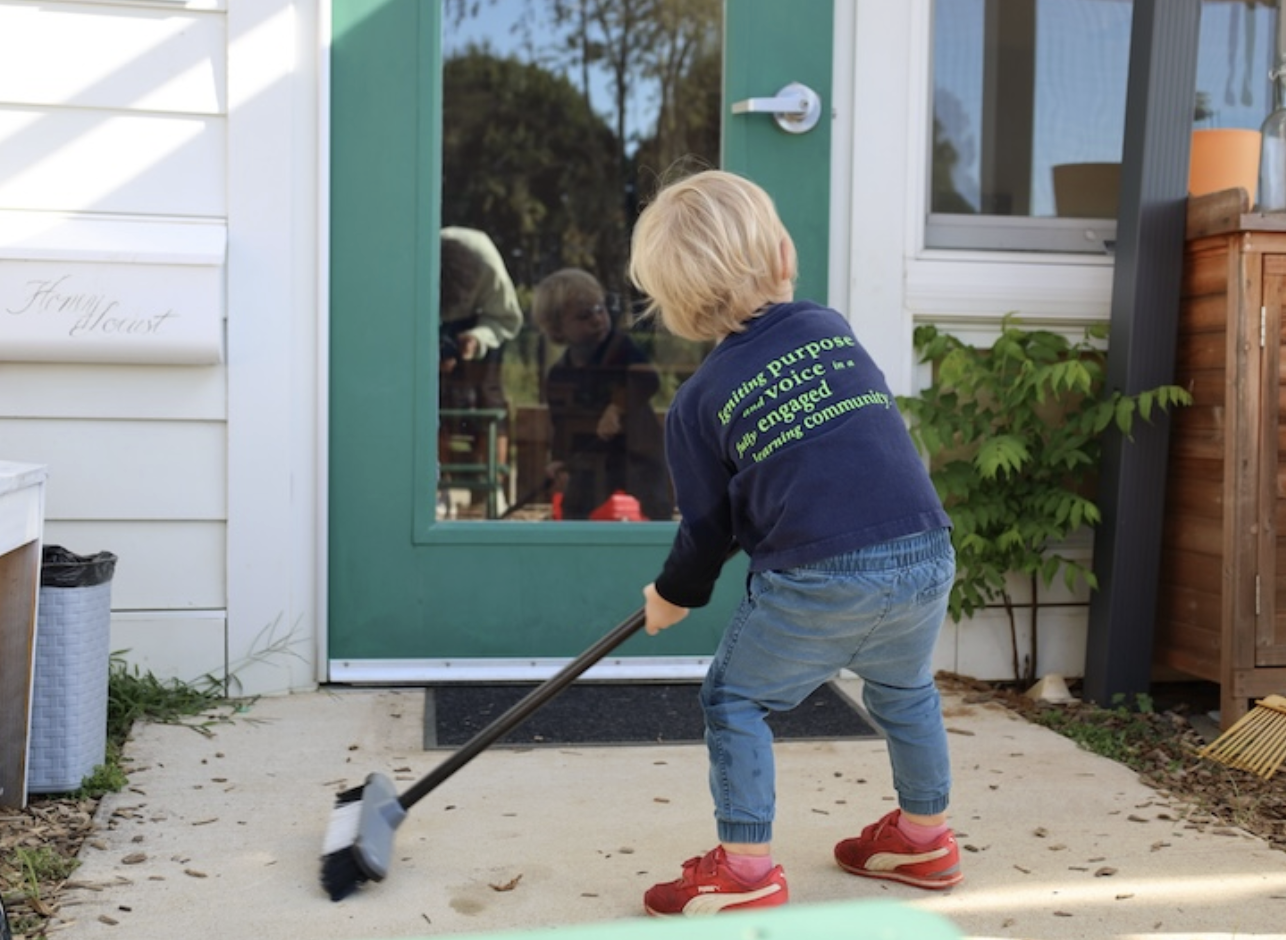
    What it is: A child-sized rake and a designated outdoor area with leaves. The child is shown how to gather leaves into a pile using controlled, purposeful movements, and may then transfer them to a wheelbarrow or compost area.

    What it builds: Gross motor coordination, concentration, sequencing, responsibility, and a sense of contribution.

    The goal: To support the child in caring for their environment through meaningful work, fostering independence, coordination, and a developing respect for nature.

    Library / Cozy Corner

    Creating space for quiet, language, and reflection

    In a busy classroom, toddlers need a calm place to rest and engage quietly.

    Key Components:

    • Low shelves with forward-facing books
    • Soft seating such as pillows or rugs
    • Realistic, simple books
    • A peaceful, low-stimulation environment

    Example Material: Board Book Rotation Shelf

    What it is: A small selection of sturdy, realistic board books displayed for easy access.

    What it builds: Independence, attention span, and early literacy interest.

    The goal: To foster a love of books and provide a space for quiet engagement.

    Gross Motor Area

    Supporting the child’s natural drive for movement

    Toddlers are driven to move, and this area allows them to do so safely and purposefully.

    Key Components:

    • Climbing structures
    • Balance activities
    • Carrying and lifting
    • Push and pull work
    • Movement integrated throughout the classroom

    Example Material: Pikler Triangle

    What it is: A small wooden climbing frame designed for safe, independent exploration.

    What it builds: Strength, balance, coordination, and confidence.

    The goal: To support the child’s physical development and mastery of movement.

    Self-Care / Toileting Area

    Supporting independence in daily routines

    This area promotes autonomy, dignity, and awareness of the body.

    Key Components:

    • Child-sized toileting setup
    • Handwashing materials
    • Mirrors for self-awareness
    • Accessible tissues and cleaning tools
    • Consistent routines

    Example Material: Nose Blowing

    What it is: A small basket with tissues, a mirror, and a waste bin. The child is shown how to take a tissue, blow their nose, wipe, dispose of the tissue, and wash their hands.

    What it builds: Independence, sequencing, body awareness, and hygiene habits.

    The goal: To support the child in caring for their own body with confidence and dignity, fostering independence in everyday routines.

    The Big Picture

    A Montessori toddler classroom is a place where independence is nurtured, movement is purposeful, and learning is deeply rooted in real experience. Each material is intentional. Each activity isolates a skill. Each experience supports the development of the whole child.

    The Skills That Will Matter Most: How Montessori Classrooms Support Executive Functioning

    The Skills That Will Matter Most: How Montessori Classrooms Support Executive Functioning

    Think about the jobs that existed ten years ago that don’t exist today. Now think about the jobs your child might hold that don’t exist yet. The world is changing faster than most school curriculums can keep up with and that raises a real question for every parent: what are we actually preparing our children for?

    As educators it is imperative for us to look towards the future to ensure that our children have the skills to think, build, and lead. Fortunately, Dr. Montessori created a model over 100 years ago that provides a strong foundation for executive functioning skills that will help our children do just that.

    The answer isn’t solely in academics or test scores. It’s something deeper: the ability to think flexibly, manage yourself, solve problems, and keep going when things get hard. These are what researchers call executive functioning skills, and they may be the most important thing a child can develop.

    What Are Executive Functioning Skills?

    Executive functioning refers to a set of cognitive processes, primarily working memory, inhibitory control, and cognitive flexibility, that help us coordinate thoughts and actions to reach our goals.[1] These skills also support the ability to plan, organize, emotionally regulate, and take initiative.

    Unlike specific facts or formulas, these skills transfer. Research has repeatedly shown that executive functioning predicts educational outcomes above and beyond measures of intelligence or prior academic ability.[2] A child who can regulate their frustration, think through a problem from multiple angles, and manage their time doesn’t just do well in school — they’re equipped for life’s challenges and opportunities.

    Why Starting Early Matters

    Executive functioning skills develop rapidly in early childhood and continue maturing throughout adolescence.[3] The brain’s prefrontal cortex — the hub of executive functioning — is highly responsive to environment and experience during these years, which means the conditions we create for children genuinely matter.

    Notably, research has found that working memory at age 5 is a stronger predictor of later academic performance than IQ.[4] This looks different at each level here at Greenspring. For instance, toddlers begin to count and set out plates for their peers. In Children’s House, students are building on their foundation, following complex, multi-step sequences that require them to retain detailed information. In Elementary and Adolescence, our students manage their own work journals, keeping track of where they excel and where they have room for growth. They are all, in very real ways, building new neural pathways and skills that will last a lifetime.

    Scaffolding these skills early doesn’t mean pushing children before they are ready — it means creating the right environments with meaningful choice, appropriate challenges, and the freedom to learn from their mistakes.

    How Montessori Builds Executive Functioning Skills

    A study published in Science found that children in Montessori programs showed significantly greater gains in executive function, reading, math, vocabulary, and social problem-solving compared to peers in conventional schools.[5] A 2023 systematic review of 32 rigorous studies confirmed these findings, reporting that Montessori students showed higher executive functioning than peers in traditional schools.[6] Most recently, a national randomized controlled trial of 588 children across 24 public Montessori programs found that Montessori students scored significantly higher in executive function, reading, memory, and social understanding by the end of kindergarten.[7]

    Our Guides thoughtfully look at Dr. Montessori’s curriculum to ensure that children at all levels are developing executive functioning skills such as:

    • Working Memory
    • Cognitive Flexibility
    • Sustained Attention
    • Inhibitory Control
    • Task Initiation
    • Planning
    • Prioritizing
    • Organization
    • Time Management
    • Self- awareness
    • Emotional Regulation

    This is no small undertaking! A Young Toddler learning to return a material to its place is practicing order and self-regulation. A Lower Elementary student choosing how to spend their work cycle is practicing planning and prioritization. An Adolescent navigating a multi-week research project is practicing every executive functioning skill at once. The work looks different at every level — but the intentionality is the same.

    Preparing Children for a World We Can’t Predict

    Researchers have identified creativity, flexibility, self-control, and discipline as the four qualities children will most need to thrive in the future — all of which are rooted in strong executive functioning.[8] We can’t know exactly what challenges our students will face in 10, 20, or 30 years, but we can give them the inner tools to meet those challenges with confidence.


    References

    [1] Diamond, A. (2013). Executive functions. Annual Review of Psychology, 64, 135–168. https://doi.org/10.1146/annurev-psych-113011-143750

    [2] Blair, C. (2018). Executive function and early childhood education. Current Opinion in Behavioral Sciences, 21, 31–36. https://pmc.ncbi.nlm.nih.gov/articles/PMC6051751/

    [3] Garon, N., Bryson, S. E., & Smith, I. M. (2008). Executive function in preschoolers: A review using an integrative framework. Psychological Bulletin, 134(1), 31–60.

    [4] Alloway, T. P., & Alloway, R. G. (2010). Investigating the predictive roles of working memory and IQ in academic attainment. Journal of Experimental Child Psychology, 106(1), 20–29. Cited in: Promoting Executive Function Skills in Preschoolers. Frontiers in Psychology (2021). https://doi.org/10.3389/fpsyg.2021.720225

    [5] Lillard, A. S., & Else-Quest, N. (2006). Evaluating Montessori education. Science, 313(5795), 1893–1894. https://doi.org/10.1126/science.1132362

    [6] Randolph, J. J., Bryson, A., Menon, L., Henderson, D. K., Kureethara Manuel, A., Michaels, S., Rosenstein, D. L. W., McPherson, W., O’Grady, R., & Lillard, A. S. (2023). Montessori education’s impact on academic and nonacademic outcomes: A systematic review. Campbell Systematic Reviews, 19, e1330. https://doi.org/10.1002/cl2.1330

    [7] Lillard, A. S., et al. (2025). A national randomized controlled trial of the impact of public Montessori preschool at the end of kindergarten. Proceedings of the National Academy of Sciences. https://doi.org/10.1073/pnas.2506130122

    [8] Diamond, A., & Lee, K. (2011). Interventions shown to aid executive function development in children 4–12 years old. Science, 333(6045), 959–964. https://pmc.ncbi.nlm.nih.gov/articles/PMC3159917/

    Saving Time for Unstructured Outdoor Play

    Saving Time for Unstructured Outdoor Play

    Unstructured outdoor play — child-led, imaginative activity without rigid rules or predetermined outcomes — is essential to healthy development. By immersing themselves in natural environments, children can reap a multitude of benefits that are crucial for their growth and well-being.

    Cognitive & Academic Development

    Unstructured play strengthens attention span, focus, and executive functioning skills. As children invent games, solve problems, and navigate the unpredictability of the natural world, they practice critical thinking and flexible reasoning. Outdoor exploration naturally fosters creativity and scientific thinking as children observe patterns, test ideas, and learn through trial and error.

    Emotional Well-being

    Nature has a calming effect, reducing stress and anxiety in children. It provides a safe space for children to express emotions, build confidence, and learn to manage fears.

    Social Skills & Cooperation

    Children learn to negotative, cooperate, and resolve conflicts independently when playing with peers.

    Independence & Risk Assessment

    Outdoor play encourages children to assess risks, make decisions, and evaluate consequences in real time. This calibrated risk-taking builds confidence and critical thinking skills.

    Physical Heath & Motor Skills

    Regular outdoor activity reduces obesity risks, builds strength, balance and coordination, and boosts the immune system.

    Sensory & Environmental Connections

    Time spent outdoors engages the senses and provides a “grounding” experience, making individuals feel more connected, refreshed, and present. Over time, this connection nurtures environmental awareness and stewardship.

    Types of Play

    • Active Play (running, swinging, balancing, tumbling)
    • Risky Play (climbing trees, jumping from safe heights)
    • Exploratory Play (digging in dirt, flipping over rocks, splashing in puddles)
    • Creative Play (building a fort, acting out a play, painting rocks)

    Unstructured outdoor play is not a luxury or an extra — it is a developmental necessity. In a world increasingly shaped by screens, schedules, and adult direction, children need time and space to lead their own experiences. When we protect and prioritize outdoor play, we are not simply giving children a break from learning — we are giving them one of the most powerful forms of learning available. By trusting children with time, space, and nature, we nurture capable, resilient, creative individuals prepared to engage fully with the world around them.