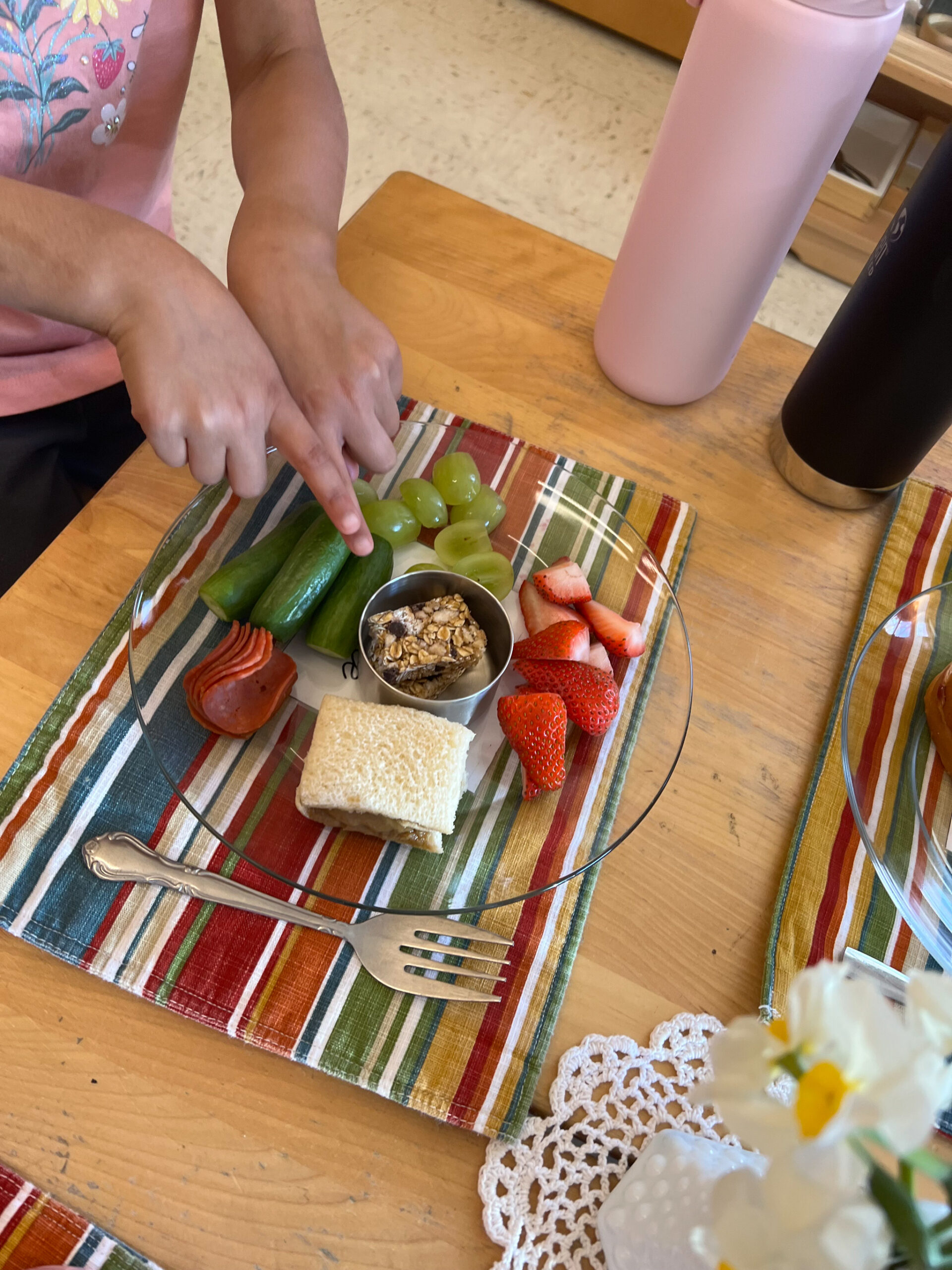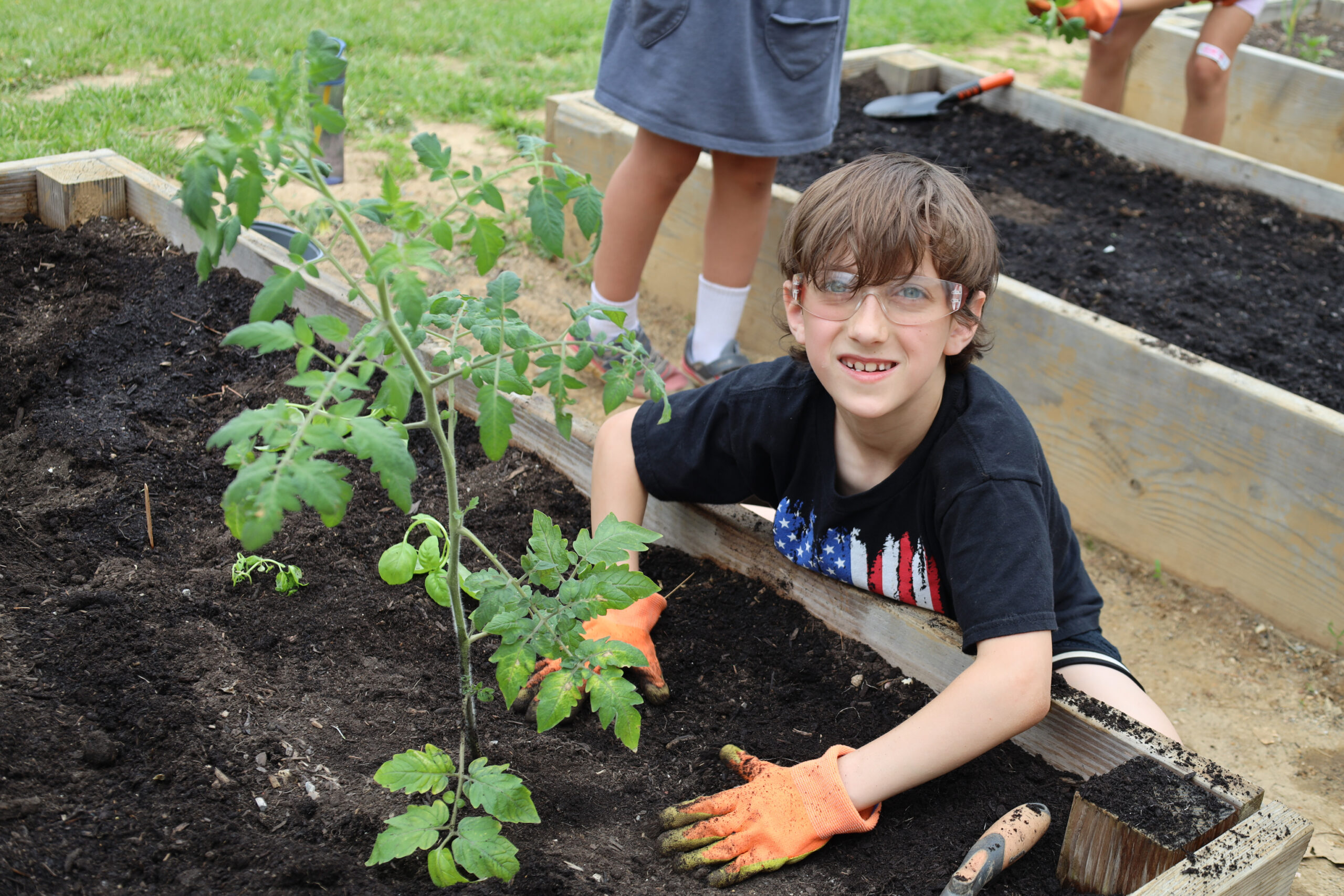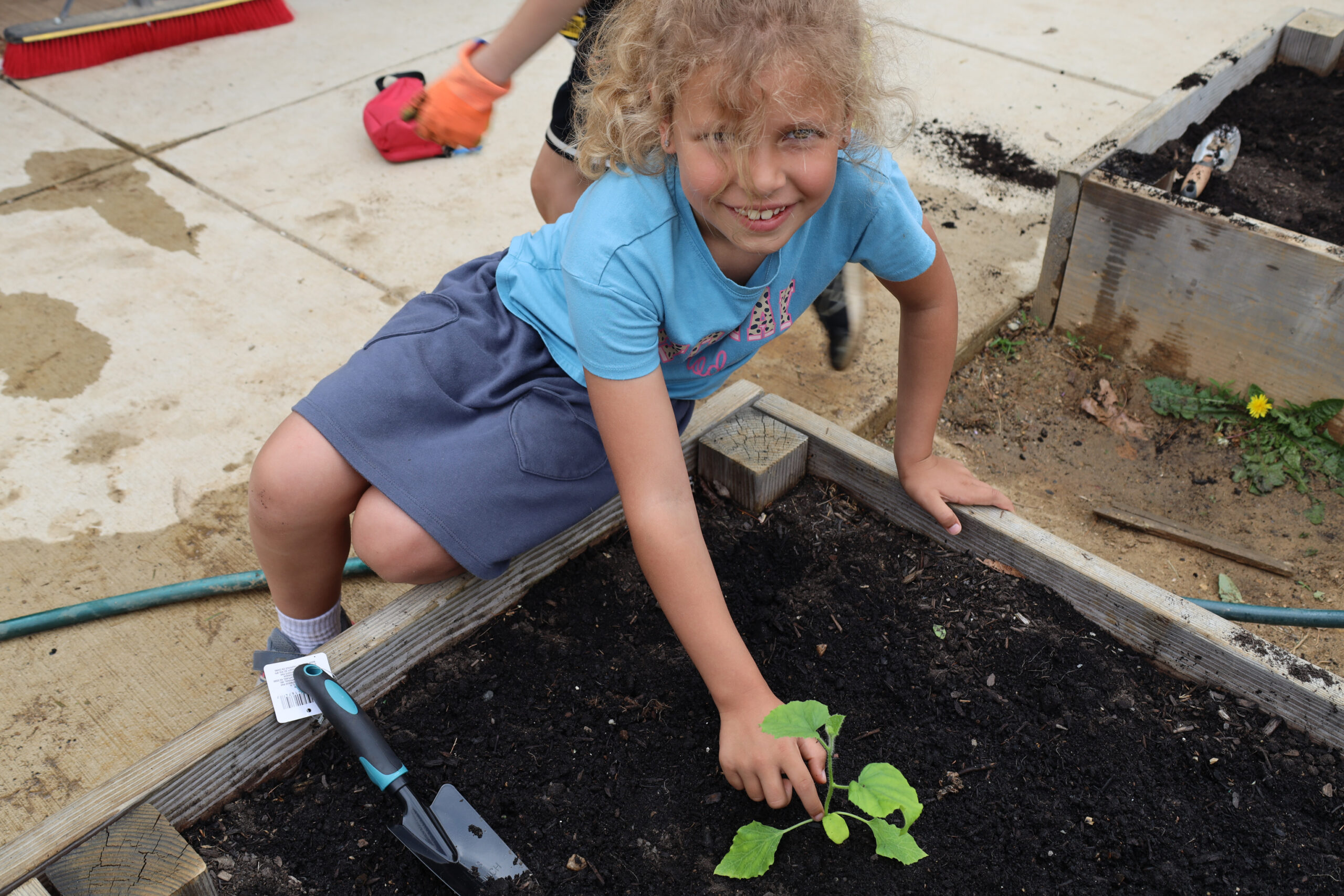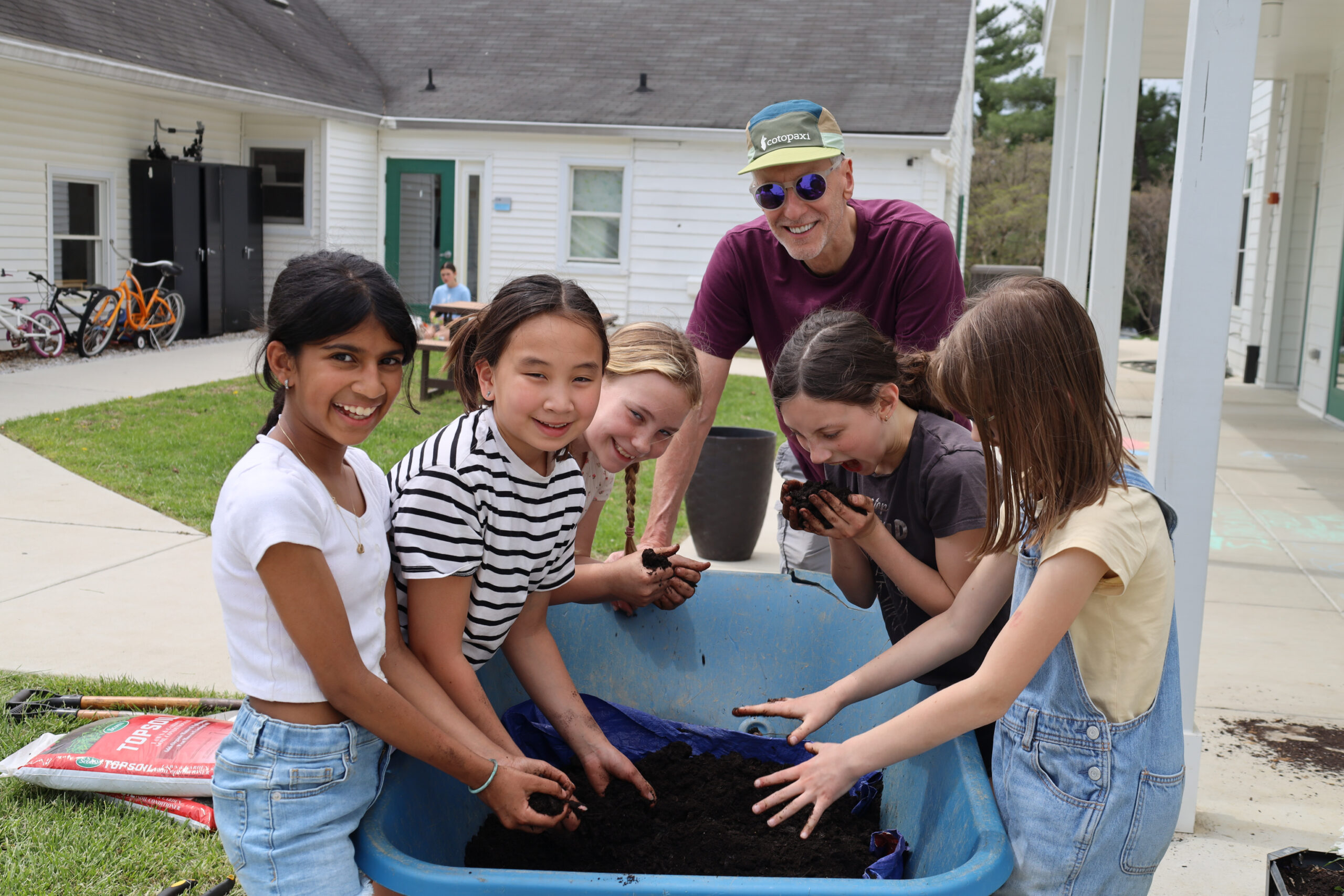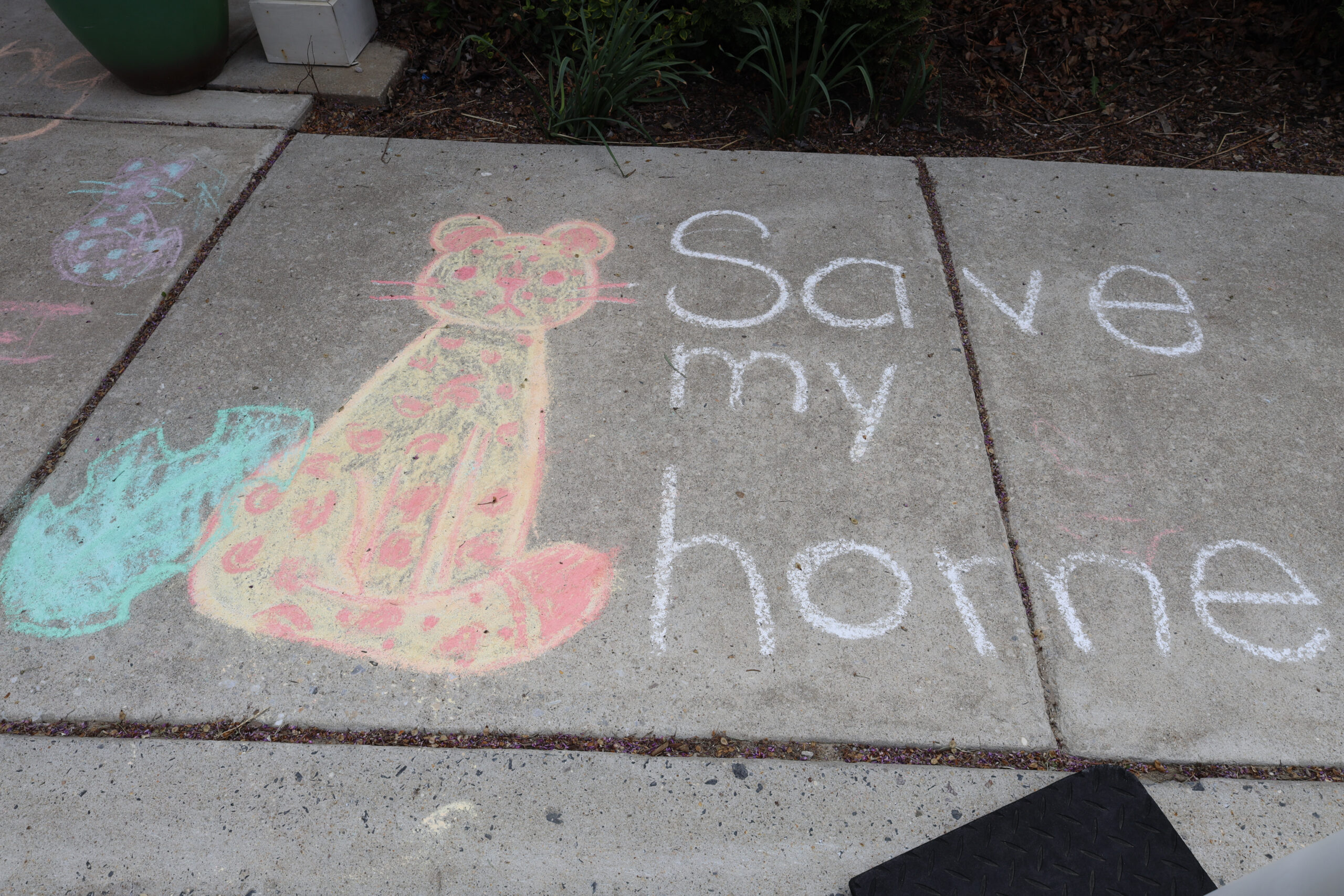
What do you love about Greenspring?

What do you love about Greenspring?

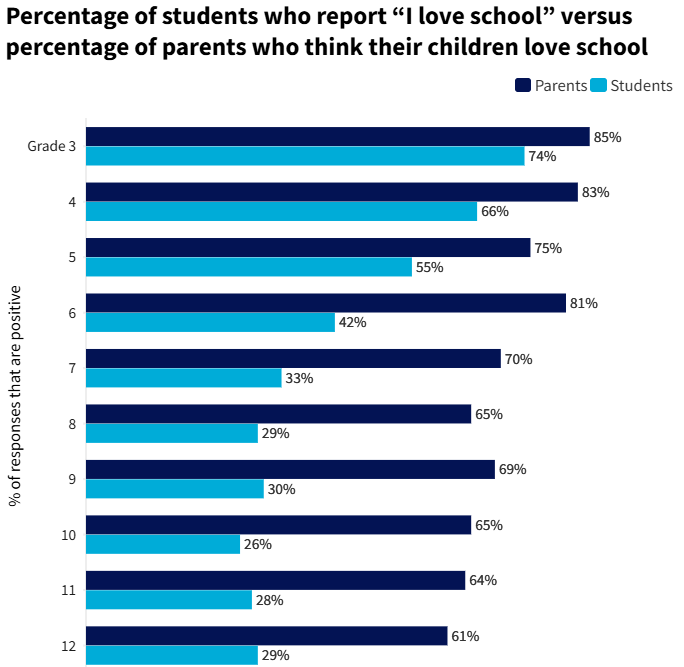
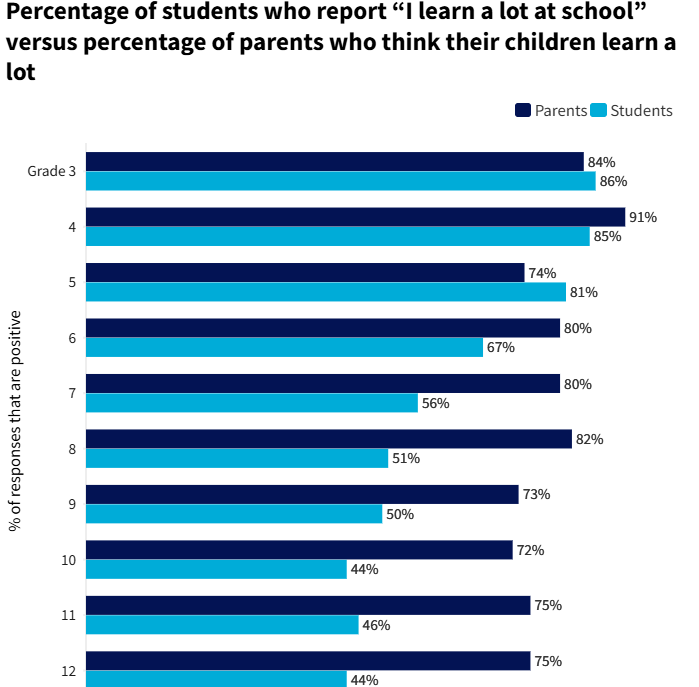
A recent article in Education Week brought to light some intriguing findings from a Brookings Institution study that reveals a gap in how parents perceive their children’s enjoyment and engagement with school compared to the students’ own perspectives. According to the study, while 78% of parents believe their children are thriving academically and enjoying school, only 60% of students share this sentiment. This gap grows even wider when it comes to how much students “love” school, with only 41% of students expressing such feelings compared to 71% of parents.

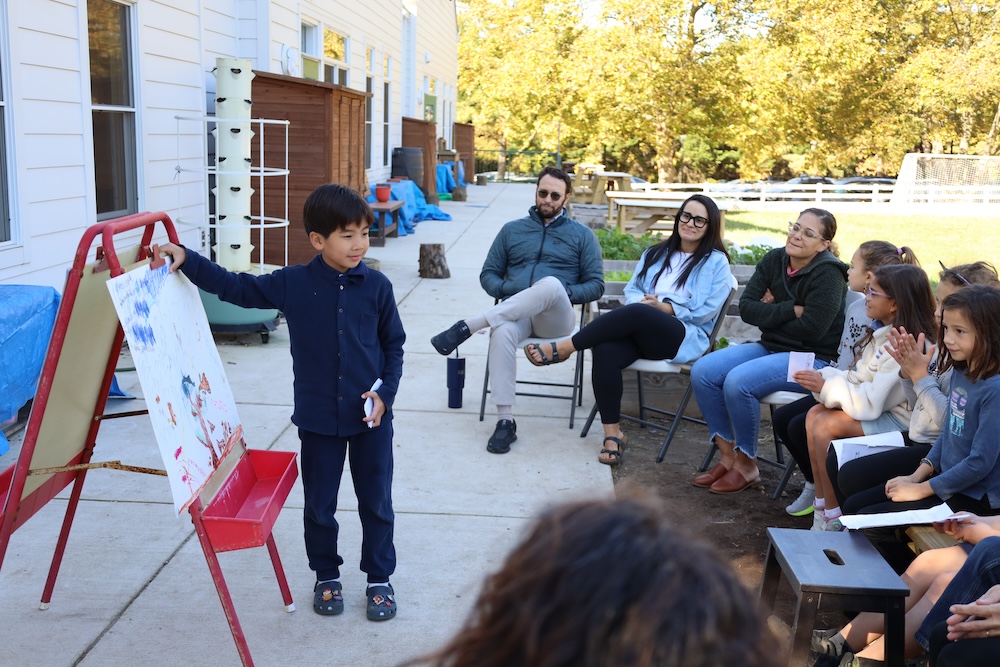
At Greenspring, we deeply value fostering an environment where students feel excited to learn, grow, and engage with their school community. Our Guides are dedicated to creating an atmosphere where each student can explore their interests and discover the joy of learning. We know that when we support the whole child – academically, mentally, and spiritually – their joy, success, and confidence follow naturally.

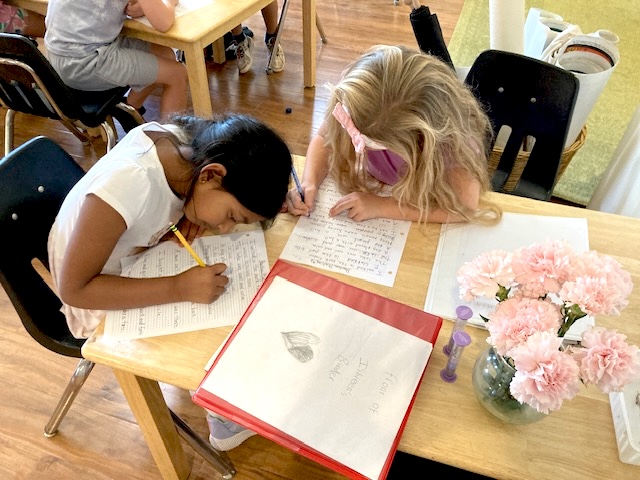
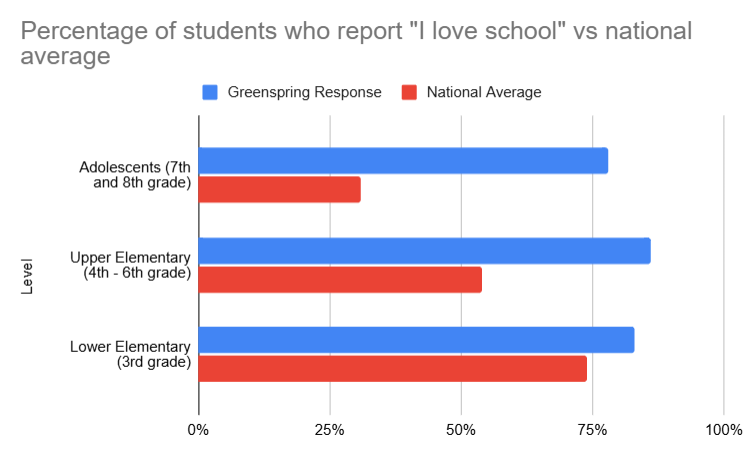
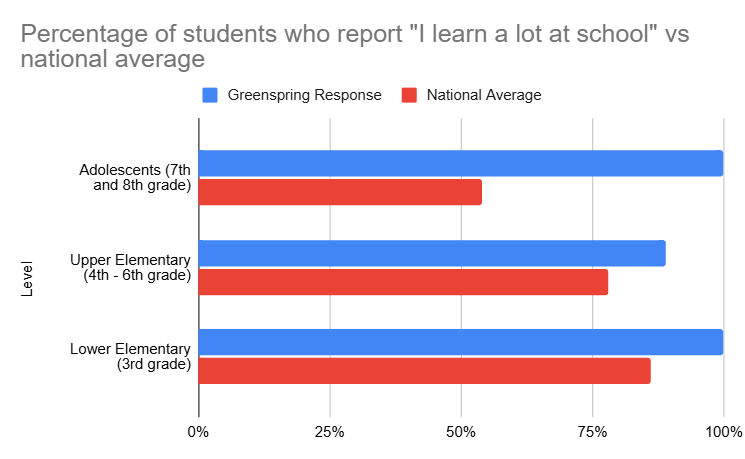
While the gap highlighted in the study is concerning, it does not come as a shock when we think about the mighty challenges facing modern education. At Greenspring, this offers us an opportunity to reflect on our efforts to connect with our children and adolescents to ensure they feel both challenged and supported. After learning more about the study, we decided to poll our own Elementary and Adolescent students in 3rd – 8th grade to find out more about what they are feeling at school. Here are the questions we asked.

We are happy to share the results here.

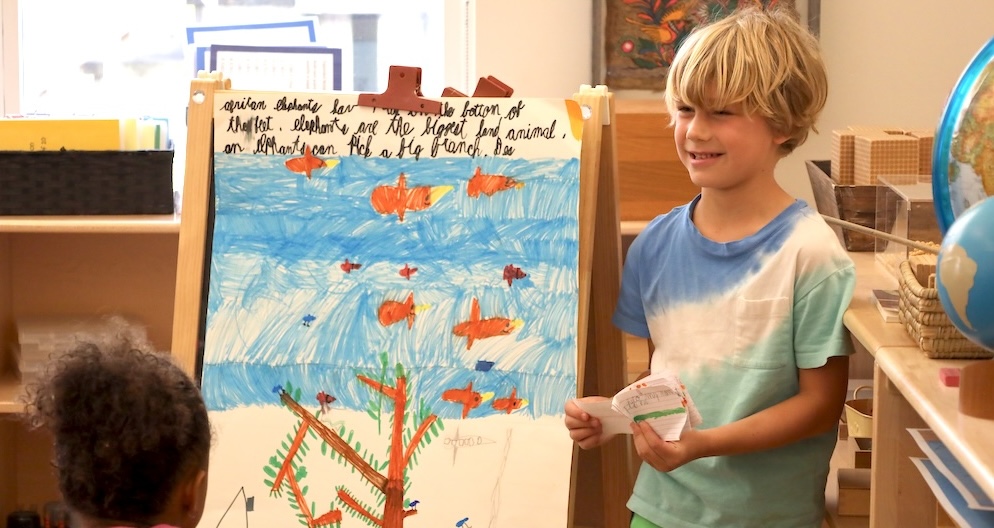
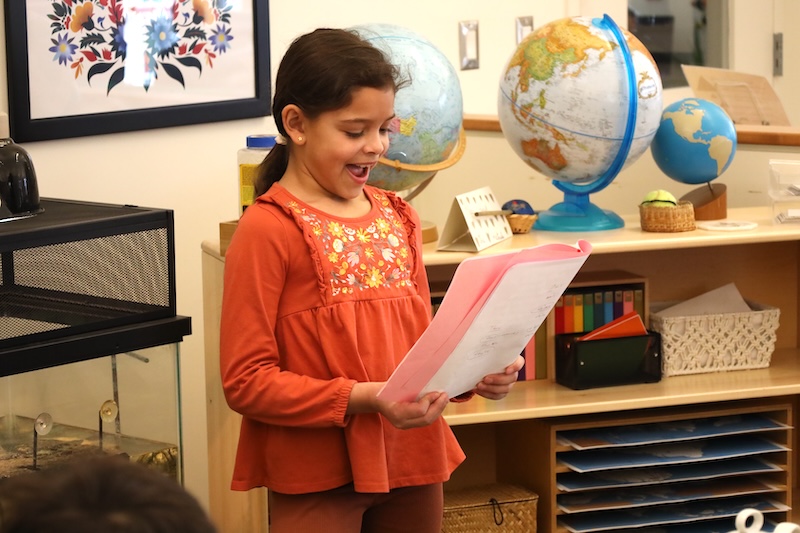
We also interviewed Elementary students to find out more about what they love about Greenspring. We hope that you will take a moment to hear what they have to say.

With this in mind, I encourage you to open up the dialogue with your children at home. What are they learning about in school? What inspires them? And are the adults in their life offering them worthy challenges that support their growth, not just academically, but also emotionally, physically, and spiritually? We seek to move forward into a new age of education where this is the norm, not the exception, for every child.

The Child’s Absorbent Mind

The Child’s Absorbent Mind

Written by Shannon Brown, Children’s House Guide

“Our work is not to teach, but to help the absorbent mind in its work of development. How marvelous it would be if by our help, if by an intelligent treatment of the child, if by understanding the needs of [their] physical life and by feeding [their] intellect, we could prolong the period of functioning of the absorbent mind!” – Dr. Maria Montessori, The Absorbent Mind

From birth to age six, the child is endowed with a highly impressionable and absorbent mind.  The very young child does not decide what to focus his attention on or when to tune things out, as the adult’s conscious, reasoning mind can do.  Instead, their mind acts as a camera, taking in everything in their surroundings.


A trip to the symphony for a father and his young son, for example, yields very different experiences for each of them.  Adults have the capacity to focus selectively on an object of their attention and tune out distractions.  The child has not yet developed this ability and will have a difficult time keeping their interest on the symphony itself.  They are likely to remember lots of details about the experience – what the building was like, who was there, what they were wearing, etc.  The child absorbs these impressions without any effort on their part.  Although they takes in a great number of impressions, they are not always able to access these memories, because they haven’t learned to classify what they are receiving.  Dr. Montessori likened this to a closet with no order.  Memories are contained within the child’s storehouse of impressions, but they are all jumbled together and cannot yet be useful to the child.

The Sensorial curriculum was developed to support the child in revisiting these early impressions that are collected, and begin to crystallize and refine their thinking about them.  The materials themselves appeal to the universal tendencies for work and precision and help the child in achieving these goals.  Through their work with the Sensorial materials, they will learn to classify their impressions, and as their consciousness develops, they will begin to build their intelligence.  “Our sensorial material provides a kind of guide to observation for it classifies the impressions that each sense can receive: the colors, notes, noises, forms and sizes, touch-sensations, odors and tastes.  This undoubtedly is also a form of culture, for it leads us to pay attention both to ourselves and to our surroundings.  No less than speech and writing, it is one of the forms of culture which brings perfection to the personality and enrich its natural powers.” (Maria Montessori: Her Life and Work by E.M. Standing, p.183)


A child of three to six is also a sensory-motor learner.  Their mind continues to collect impressions, but they are now greatly influenced by their active experience in the environment.   Their hands become the tool of his mind, and his need to manipulate and learn is very powerful.

Dr. Montessori talked a lot about the universal tendencies of men and how exploration and orientation are two of the most powerful drives for a young child.  She designed the prepared environment of the classroom to invite exploration and discovery.  Through the child’s exploration, they become better oriented to their surroundings and begin to be able to navigate it more independently.

One of the most important lessons that a Guide introduces on a child’s first day in the classroom are listening games that will help the child orient himself to the environment and develop their auditory memory.  “The little child’s first movements were instinctive. Now, [they act] consciously and voluntarily, and with this comes an awakening of [their] spirit…. Conscious will is a power which develops with use and activity.  We must aim at cultivating the will…. Its development is a slow process that evolves through a continuous activity in relationship with the environment.” (Maria Montessori, The Absorbent Mind, p. 231)

We must take advantage of the child’s tremendous ability to absorb aspects of his environment and their desire to have hands-on experiences in the world around them. For example, we have all seen for ourselves how children from ages three to six have an almost effortless ability to learn new vocabulary.  In the Children’s House program, we utilize this sensitivity for language by offering materials to help our children begin to learn more about the world around them.  We start by teaching the child how to distinguish between Living and Non-living.  From there we teach them how to classify living things into plants or animals.  Next, they will learn about the five classes of vertebrates: Bird, Reptile, Amphibian, Mammal and Fish.  If a child shows a particular interest in learning about sharks, turtles, or ocean animals, we make sure to include these on our Language shelf. All of these activities are introduced orally through conversations initiated by the Guide.  By adding a label to the same Language picture cards, we can also appeal to the older children in the class, who are becoming strong readers.

The role of the Montessori guide is to spark the child’s interest and make sure to provide relevant and factual information to help feed their growing and very impressionable mind.

Learn more about Greenspring Montessori’s Children’s House program.

Changemakers in Children’s House: Learning How to Lead

Changemakers in Children’s House: Learning How to Lead

“Hope is often misunderstood. People tend to think that it is simply passive wishful thinking: I hope something will happen but I’m not going to do anything about it. This is indeed the opposite of real hope, which requires action and engagement.”

Jane Goodall

The Book of Hope: A Survival Guide for Trying Times

It is one thing to want to make a change, but to actually take the passionate steps to making it happen is what makes someone a true changemaker. The one thing that all great changemakers have in common is heart. A changemaker is someone who cares enough to make a difference.

In Children’s House Writers’ Workshop, elder students (our Kindergarteners), continue to study Jane Goodall through the Roots and Shoots Program. Jane was pivotal in the study and protection of chimpanzees in Gombe, Tanzania. When she saw firsthand that the rainforest was disappearing and her beloved chimpanzees were suffering, she left Gombe and traveled the world speaking to humanity about what she has seen, sharing all of her true stories, some of tragedy but mostly true stories of hope.

I was very excited to share this autobiography, The Chimpanzees I Love : Saving Their World and Ours, with our Children’s House writers. The children have read many biographies written by various authors and throughout the year they have worked on their own biography of Jane.

Throughout the year, the children have been learning about other changemakers throughout the world, and how they acted to make a difference in their communities.

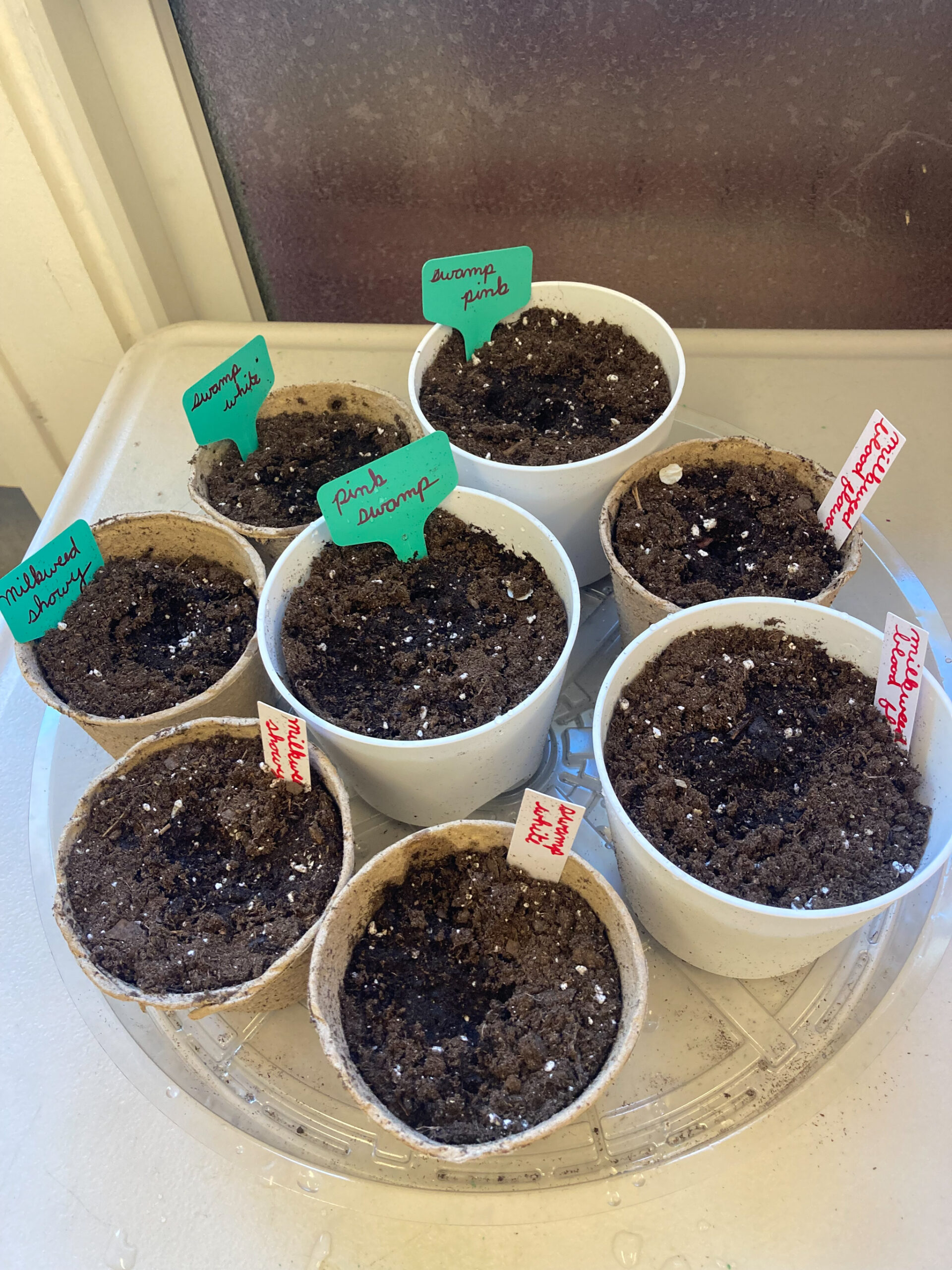
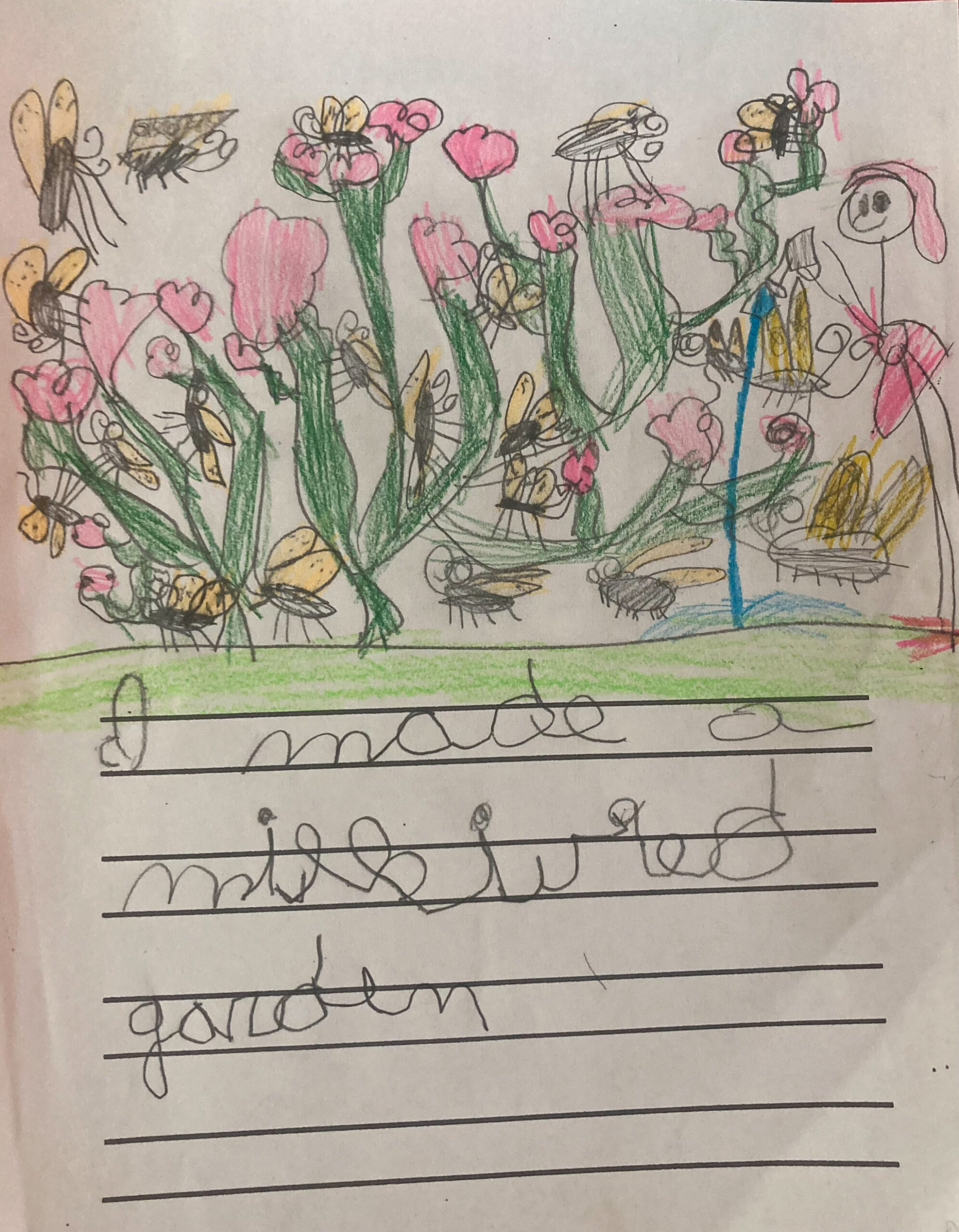
Another changemaker idol we are excited to write about is Tim Wong, an aquatic biologist from San Francisco who saved a threatened butterfly species, the California Pipevine Swallowtail, by replanting rare flora in his own backyard while also transporting caterpillars to his butterfly garden sanctuary. His efforts, although seemingly small, allowed the butterflies to make a comeback! What a heartwarming hero! 
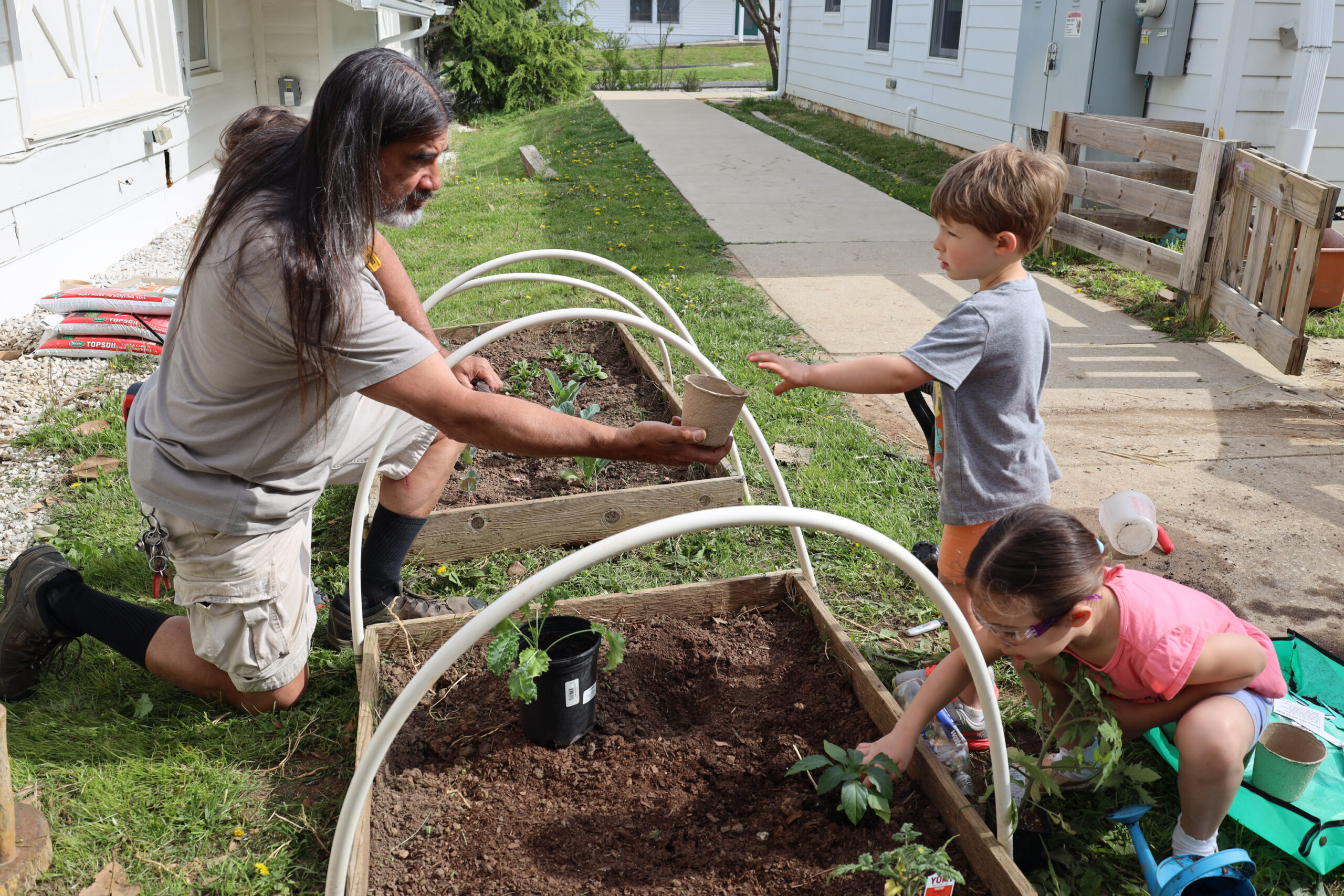
“Improving habitat for native fauna is something anyone can do, conservation and stewardship can start in your very own backyard.”

Tim Wong

While learning about the incredible contributions of some amazing heart-minded adults, we definitely cannot forget the children, full of wonder and curiosity, they once were (and really still are at heart!). Tim Wong became fascinated with the life cycle of a butterfly in elementary school and Jane Goodall had a stuffed chimpanzee, Jubilee, that was gifted to her as a child. Now at 90 years old, she still carries Jubilee with her!

Old Enough to Save the Planet is a magical and hopeful collection of real children making real changes all around the world. I’m planning on sharing a child changemakers story at the beginning of our writing sessions until the end of the school year. Below are the first four changemakers we will learn about, true hopeful stories are powerful! I’m hoping my writers will soon feel inspired to make a change of their own, perhaps in their own school community or backyard!

  • Felix Finkbeiner, Germany Changemaker: Global Reforestation. His Plant-For-the-Planet program was so successful that more than one million trees have been planted in nearly 100 countries. 
  • Himangi Halder, India Changemaker: She reduced the effects of traffic pollution around her school by encouraging people to ride a bicycle instead of driving to school. 
  • Amy and Ella Meek, United Kingdom Changemaker: Sisters Amy and Ella started a charity educating people about the harmful effects of plastic on the environment. They encourage people to use reusable alternatives.
  • Adeline Tiffanie Suwana, Indonesia Changemaker: She formed a community group called Friends of Nature, organizing people to replant native mangrove trees that have been cut down.
Working Toward Toileting Independence

Working Toward Toileting Independence

Toilet training is adult-led and on the adults’ time. Toilet learning involves the child in the learning process.  This is their big work.

“Learning to use the toilet is a natural process that begins when your child’s desire to be grown up and his neurological development have reached the point where he can control his bladder and bowels. We don’t train children to use the toilet, we support them when they are ready.” (Tim Seldin, Author of How to Raise an Amazing Child: The Montessori Way to Bring Up Caring Confident Children)

Exposure: The Earlier the Better

During Infancy

  • Talking about toileting and using bathroom
  • Use correct anatomical language
  • Learn to recognize when infants need to “go”
  • Have infants sit on potty chair (or at least have one out) so that they get familiar with it

At 12 months

  • Get your child familiar with the tools used in toileting (like a potty chair)
  • Work on dressing skills – being able to get pants on and off, pulled down and up independently
  • Start watching for signs of readiness. Toilet learning is easiest before 24 months (when the full self-will develops).
Choice of Diapers
  • Disposable diapers is the most commonly used
  • The use of cloth diapers (if a you go that route) allows a child to experience the wetness, allowing for earlier toilet-learning
  • Pull-ups are not recommended – they are just like diapers and will only prolong the toilet learning process
Signs of Readiness
  • Interested in the toilet
  • Seeking privacy to go to the bathroom in his/her diaper
  • Will sit willing on the toilet – this should not be a battle
  • Will void into the toilet – becoming aware that they are emptying their bladder
Preparing the Environment

Select an area of the house that includes a bathroom. Either select a tiled area or roll up the rugs. Invite your child to help you set up the area.

Supplies needed:

  • Potty chair and/or potty seat adapter (attaches to the adult toilet seat)
  • Step stool to toilet
  • Step stool to sink
  • Liquid hand soap they can easily use
  • Basket of clean underwear
  • Basket of clean rags
  • Spray bottle that your child can operate independently
  • Timer
  • Basket of books, games, things to do (could be special items that can only be used when sitting on the toilet)
Preparing Your Child
  • When the child is able to stand, change her diaper with her standing up; she can help
  • Whenever you can, empty the contents of the diaper into the toilet and let the child watch you do it
  • Take him/her to pick out underwear
  • Underwear should be thin – not training pants
  • Tell your child ahead of time that you will be switching to underwear on __ day. Count down to this day (mark on a calendar, talk about it at dinner, etc.)
  • Maintain a calm, yet excited demeanor (no pressure)
Practicing

Let your child know when the big day has arrived! Enjoy lots of extra beverages to encourage practice.

  • Use the mantra, “We want to keep our underwear dry.”
  • Have your child sit on the toilet for a minute or two
  • Talk with him/her about the feeling of going to the bathroom.  “Do you feel any urine in your bladder?

Always offer a choice!

  • “Would you like to sit on the potty or the toilet?”
  • “Would you like to select your underwear or would you like me to pick it?”

Try Using a Timer

  • Set the timer to remind you and your child to go and sit on the toilet
  • Start with setting the timer for every 20/30 minutes
  • As they stay drier longer, you can start stretching the time
  • Do not ask if they have to go – they will tell you no – they will not want to stop what they are doing in that moment
  • They WILL NOT tell you when they have to go!
  • Keep it very matter-of-fact.  “It’s time to use the toilet.”

The Following Days

  • Keeping the schedule consistent is key
  • Take a potty in the trunk of the car or limit outings to 1 hour
  • Go to the bathroom before each trip out
  • Go to the bathroom immediately upon arrival
  • Go again before leaving
  • Go again immediately when arriving at home
Accidents
  • Continue to talk/ask about how his/her body feels -but do not hover- remember that mistakes happen and that is how they learn. They need to feel that they are in control of their bodies and this big work
  • Ask, “Are your underwear dry or wet?” (brings attention to this)
  • When your child wets or has a bowel movement in their underwear – don’t overreact! It’s best to stay calm and try not to reference it as an “accident.” Just simply state the obvious – “you wet/soiled your underwear” “now it’s time to get cleaned up.”
Celebrating Successes
  • When successful, describe the success. “You went to the bathroom in the toilet!” “You sat on the toilet and peed!” 
  • Avoid using bribery like stickers or candy. Toileting is something we all do. Children do not need praise for toileting.
  • Celebrate victories with your child – but do not make your love conditional on success.
Suggested Schedule (Post Training)

Daytime:

  • Right when they get up
  • Right before meals
  • Right after meals
  • Right before bath
  • Right before bed
  • Before going out in car
  • Upon arrival at new destination

Nighttime:

  • Parent choice: toilet-learning happens faster when nighttime is done at the same time, but it’s also ok to focus on daytime success first before tackling overnights

Please coordinate with your child’s Guide.  This process will go more smoothly when you work in partnership!

Resources

Danuta Wilson, Toddler Guide and Team Leader at Greenspring Montessori School, presents on toilet learning at home the Montessori way.

Lower Elementary Students Mystery History Presentations in Honor of Black History Month

Lower Elementary Students Mystery History Presentations in Honor of Black History Month

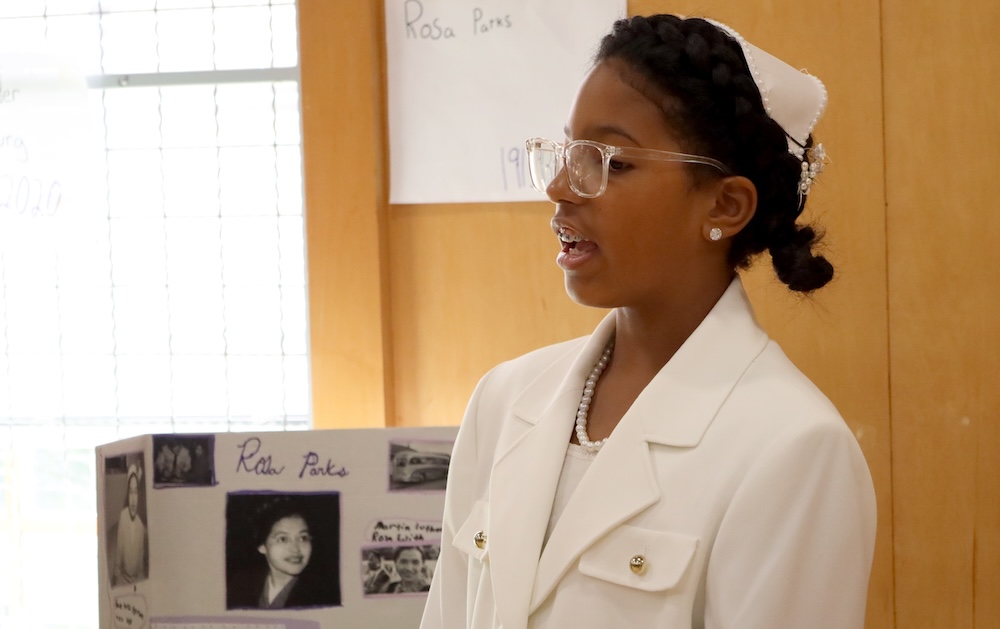
Our Redbud Lower Elementary class celebrated Black History Month with special Mystery History Presentations. They have been researching inspiring black leaders, advocates, and public figures. They then created presentations, and families had to guess the “mystery” speaker. We had the pleasure to hear from Ruby Bridges, Barrack Obama, Michael Jordan, Harriet Tubman, Jackie Robinson, Ray Charles, and many more.

Elementary Students Travel to New York for Model United Nations Conference

Elementary Students Travel to New York for Model United Nations Conference

In February our Upper Elementary students visited New York for the Montessori Model United Nations Conference. They have worked so hard this year to represent United Nations topics for Uruguay, Croatia, and United Arab Emirates.

What is Montessori Model United Nations?

Upper Elementary students in fifth and sixth grade participate in the Montessori Model United Nations (MMUN) as an After-School Program at Greenspring Montessori School. MMUN is an international group that seeks to empower young leaders through research, cultural studies, critical thinking, and problem-solving. MMUN works directly with the United Nations and implements elements of the Montessori Method to create an enriching experience for students and faculty.

Elementary students meet after school for months in preparation for the annual MMUN conference in New York City. The topics they researched ranged from food security and water scarcity to gender equity and disarmament. Students prepared a research paper and then drafted a one minute persuasive speech to present to other MMUN students from around the world. 

They learn together the need for peace and lasting conflict resolution, skills that will follow them through life.

Click here to learn more about our Elementary Program and here to learn more about Montessori Model United Nations.