Adolescents Present to Maryland Lawmakers at Lobby Day

Adolescents Present to Maryland Lawmakers at Lobby Day

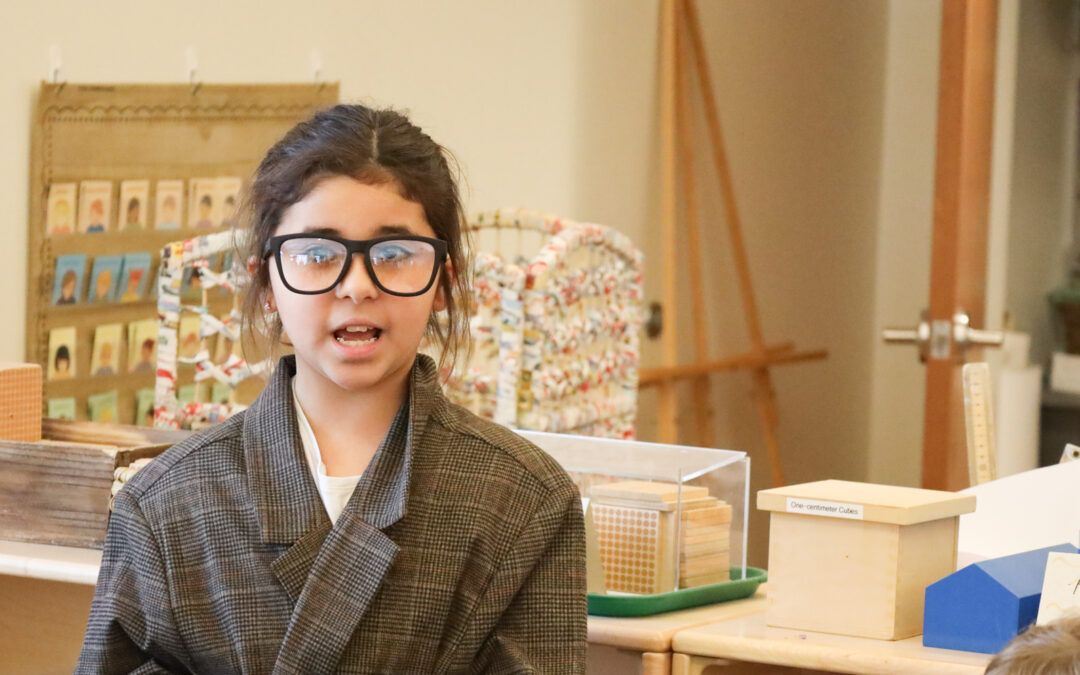
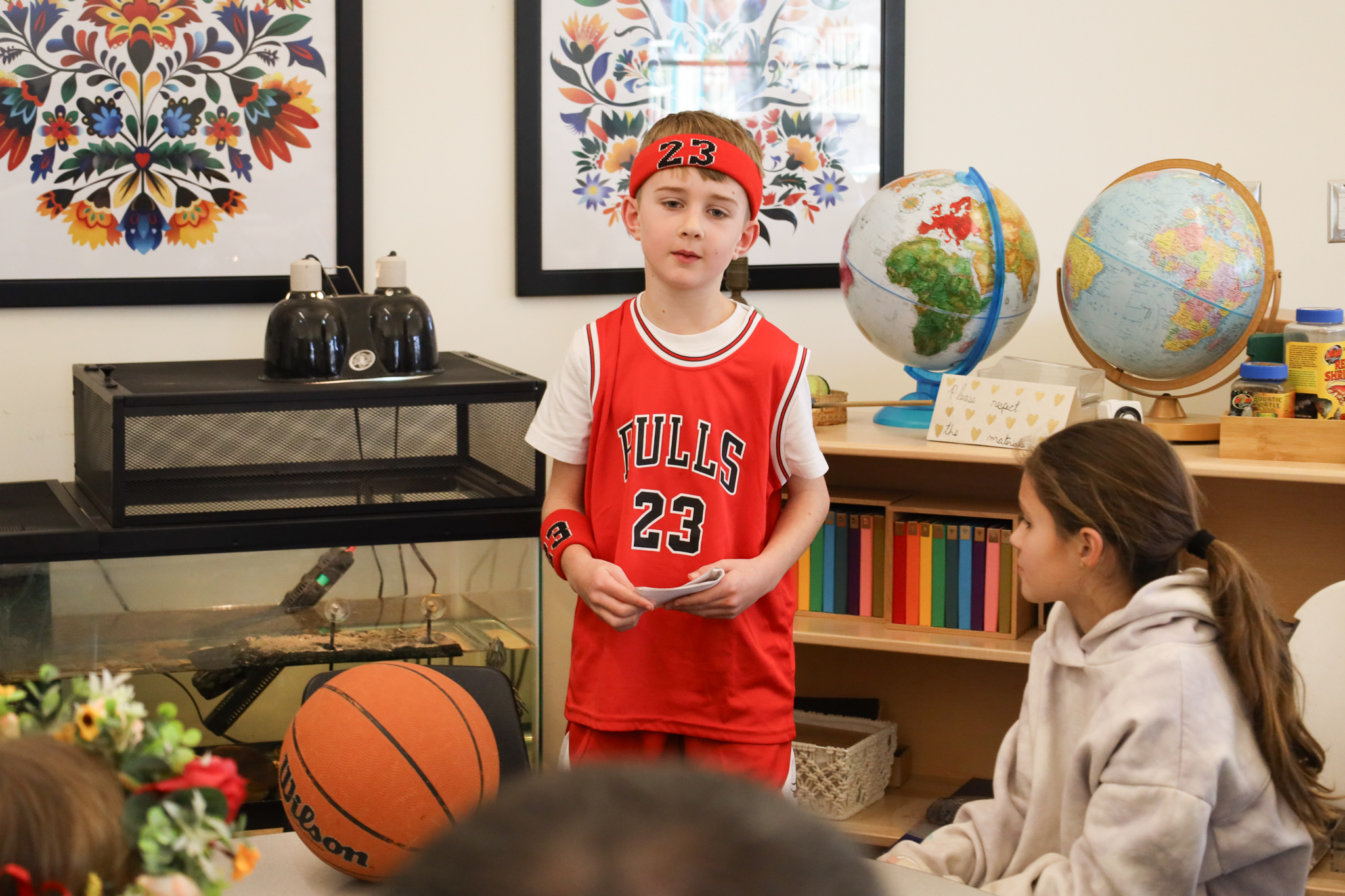
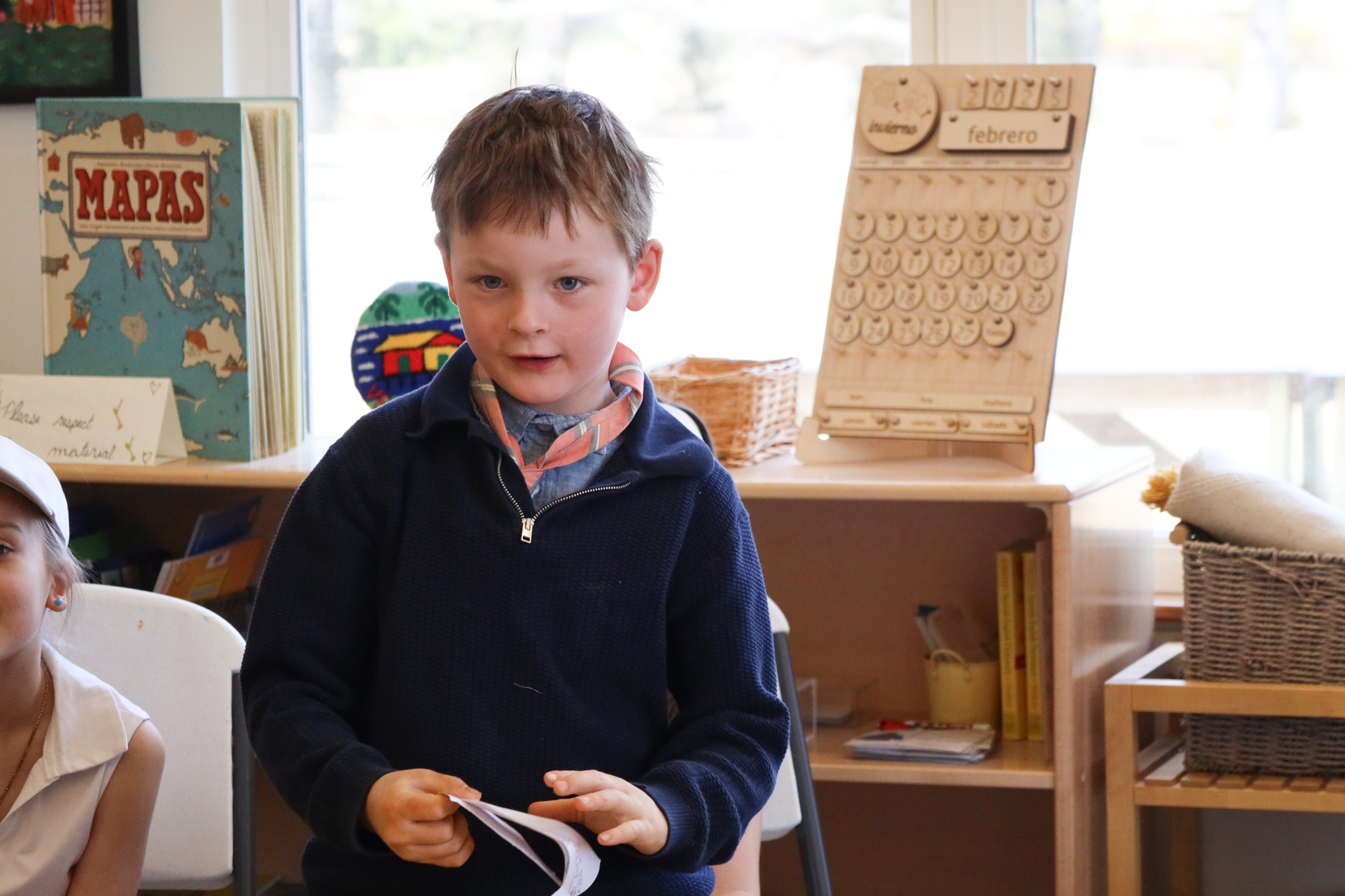
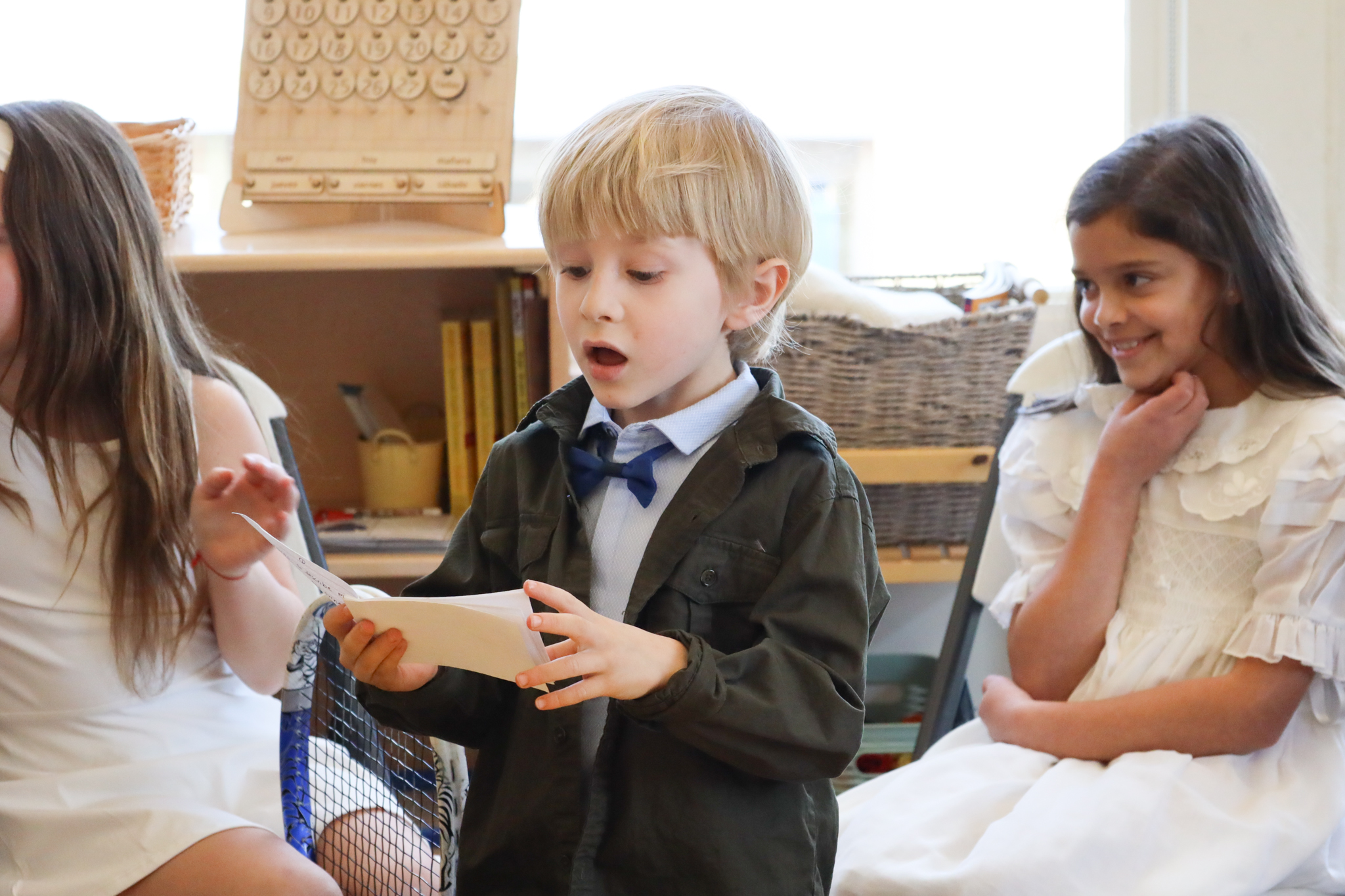
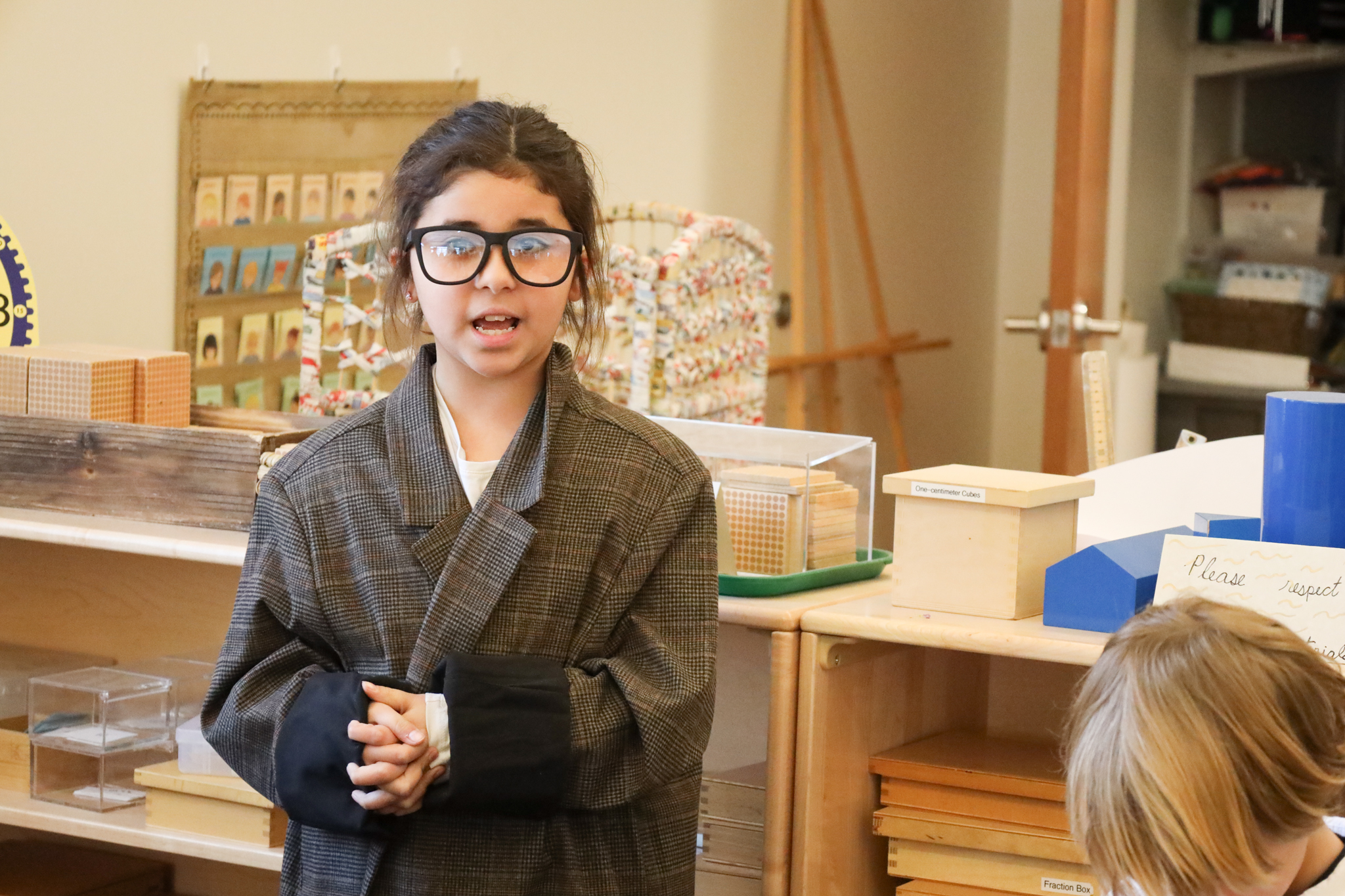
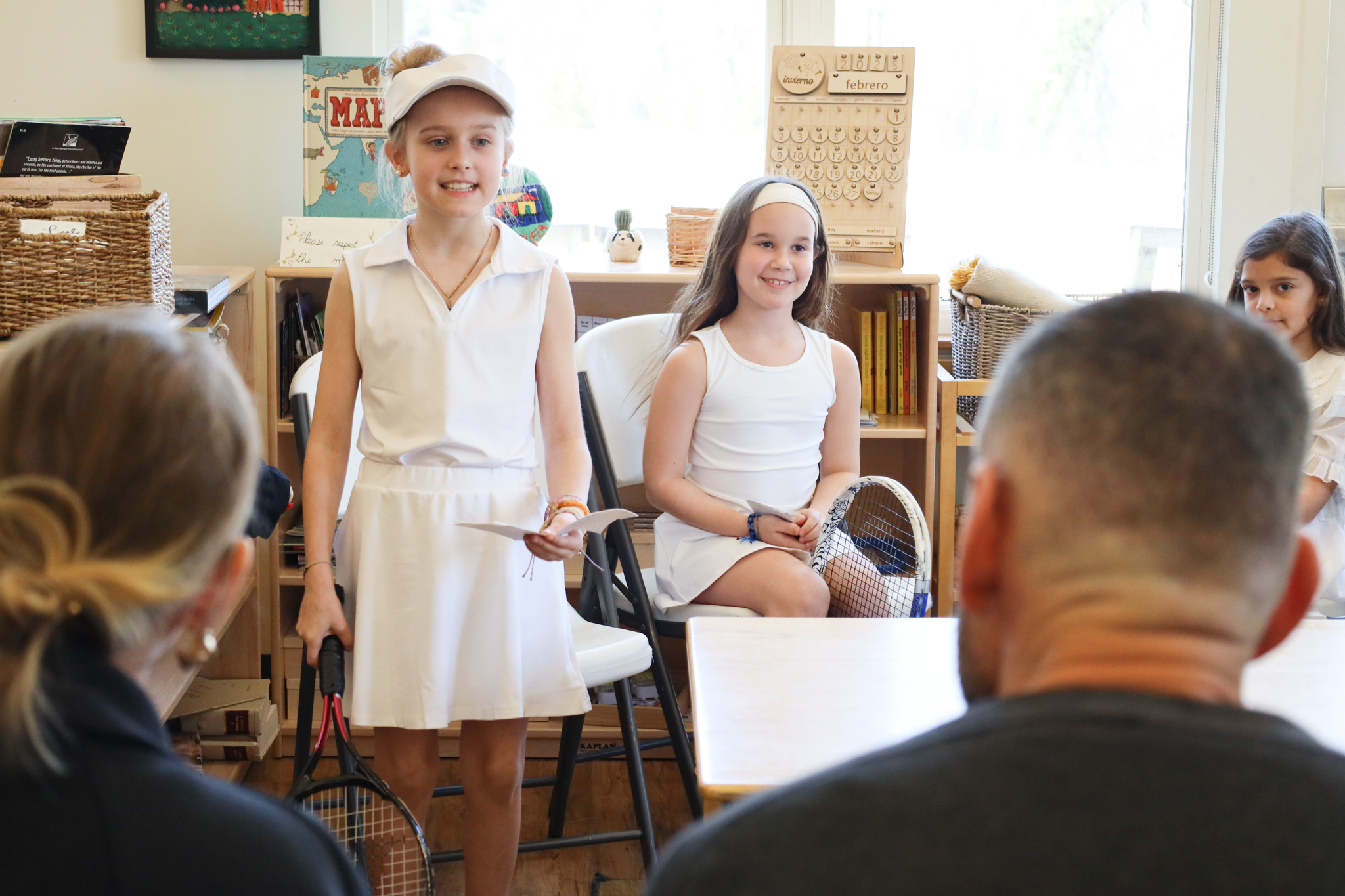
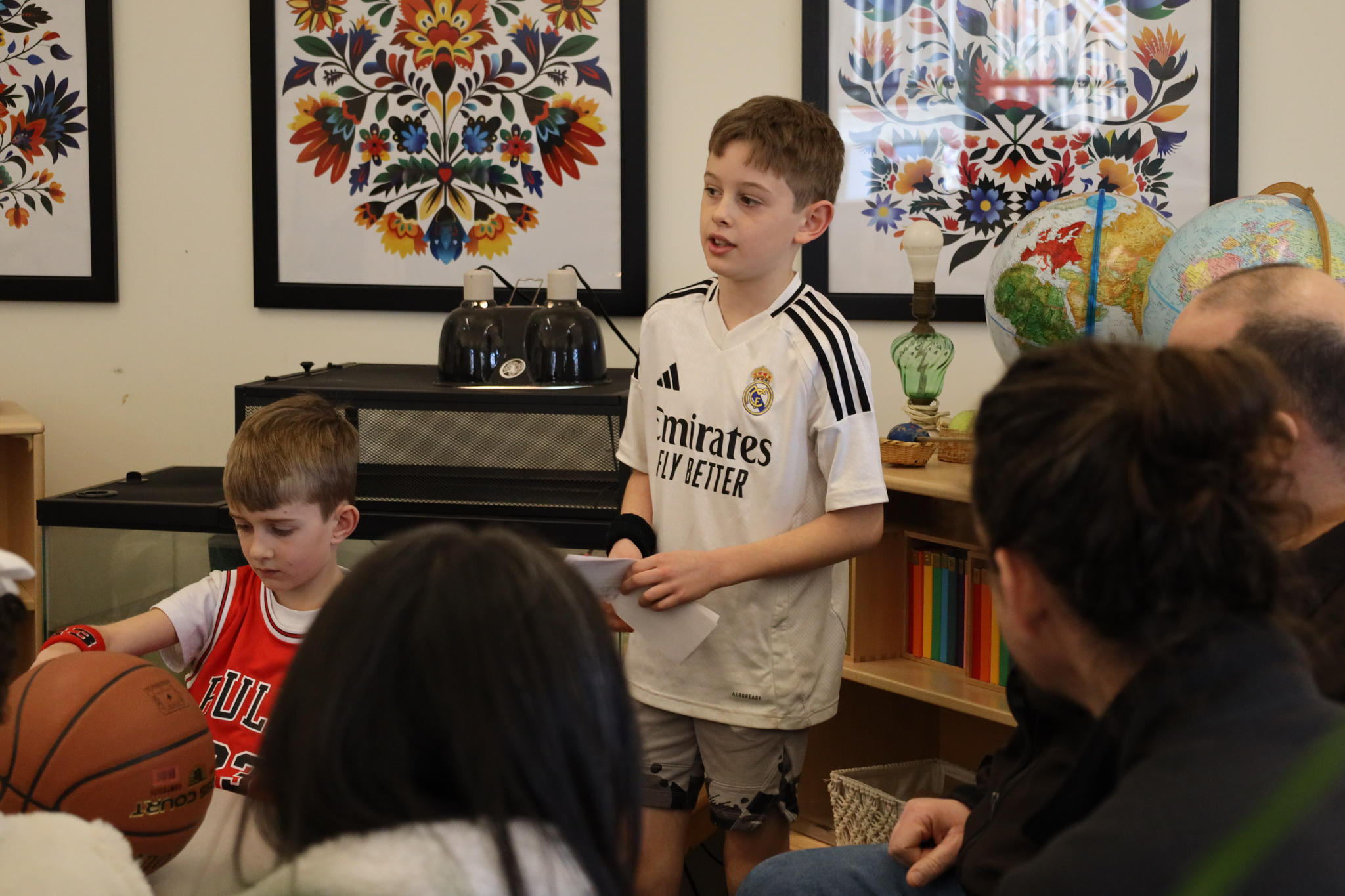
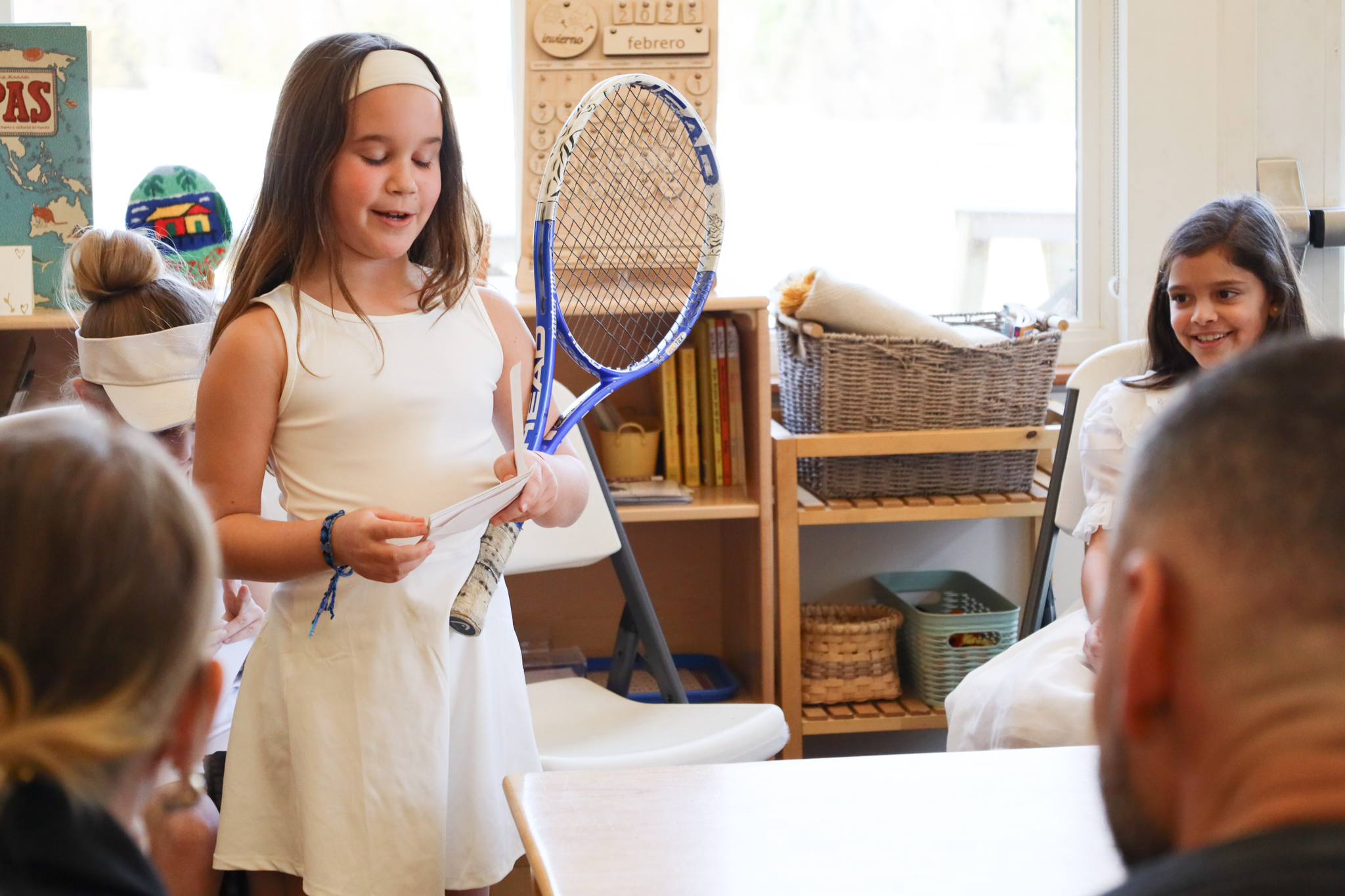
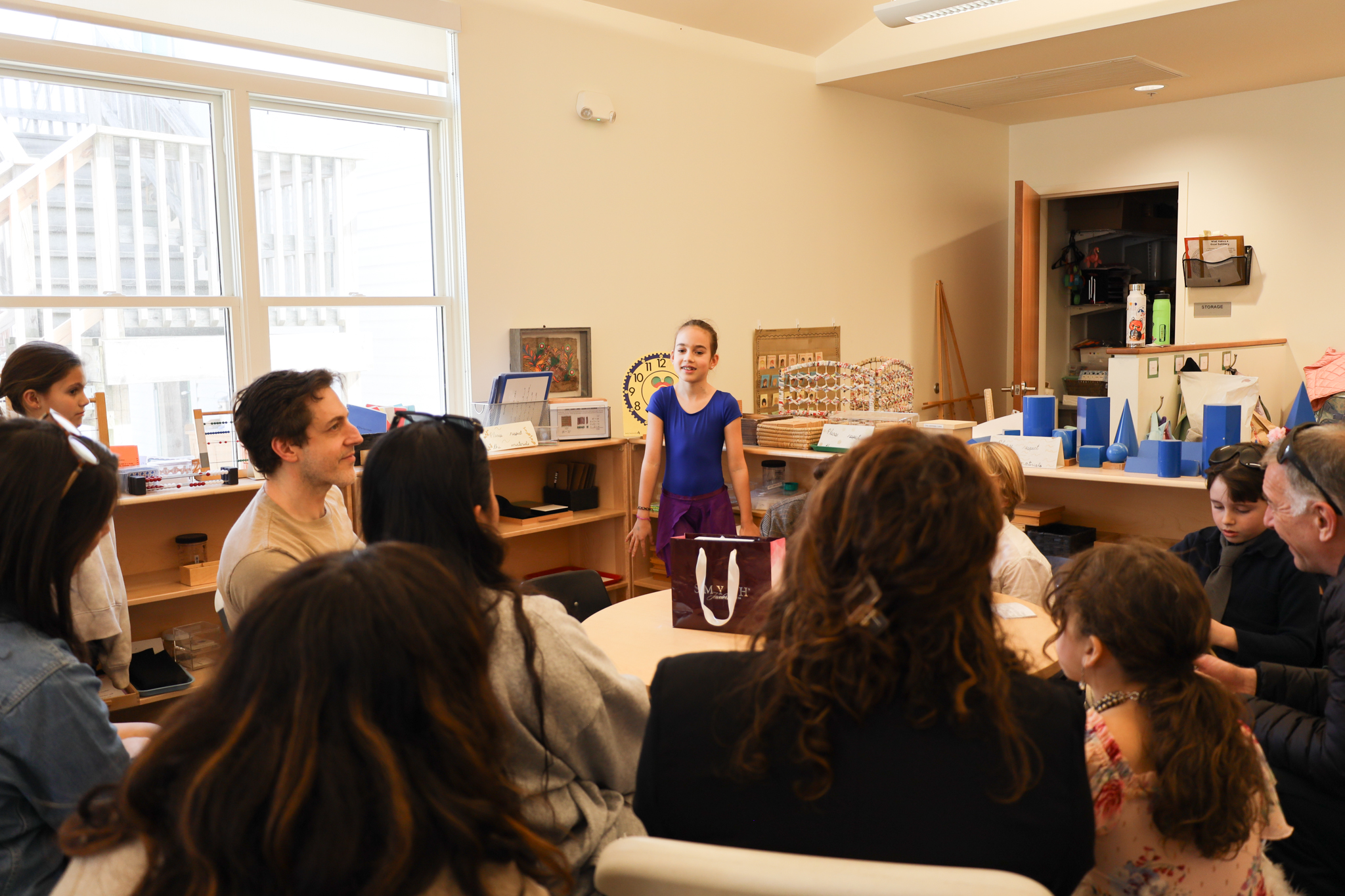
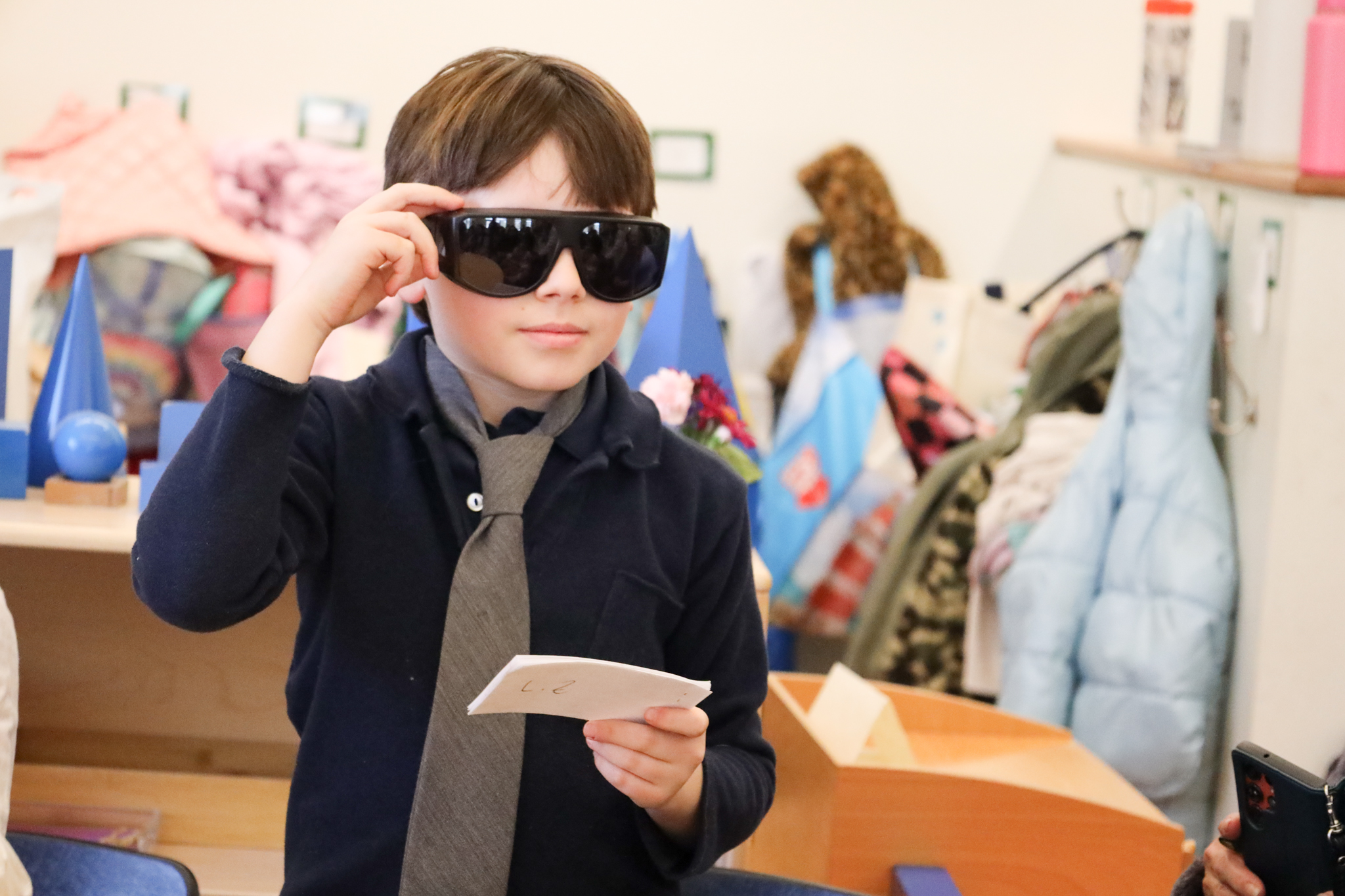
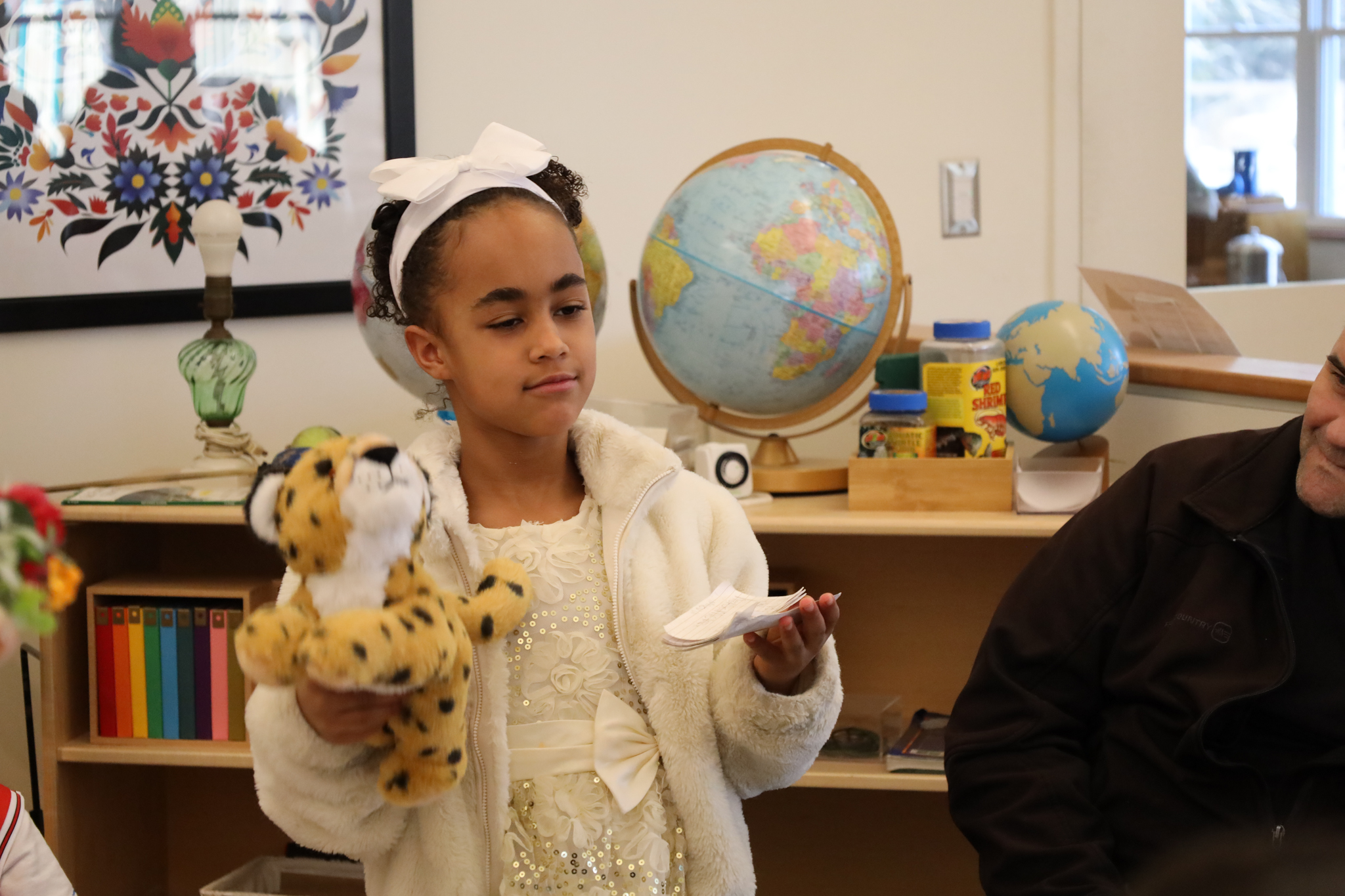
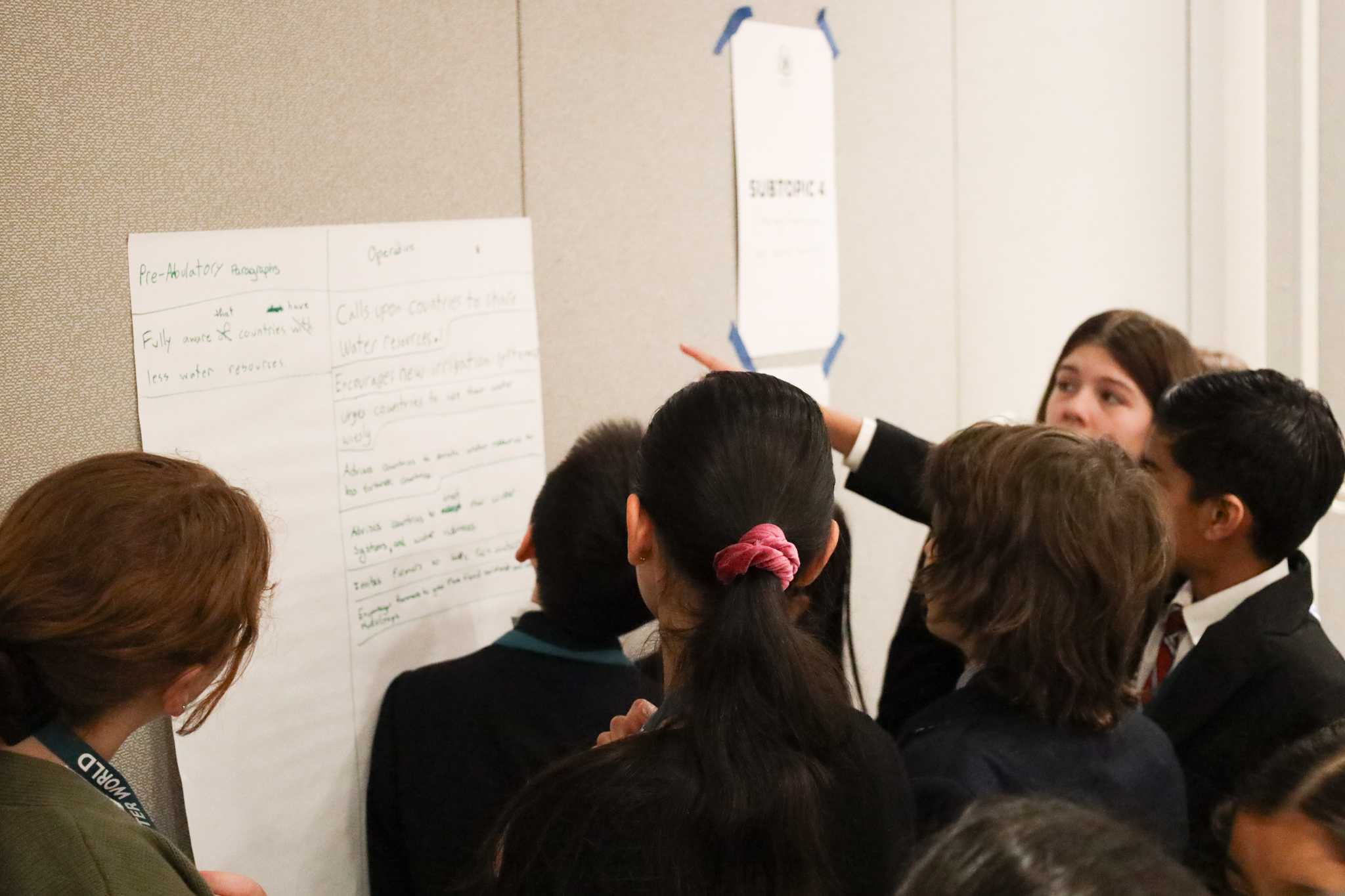
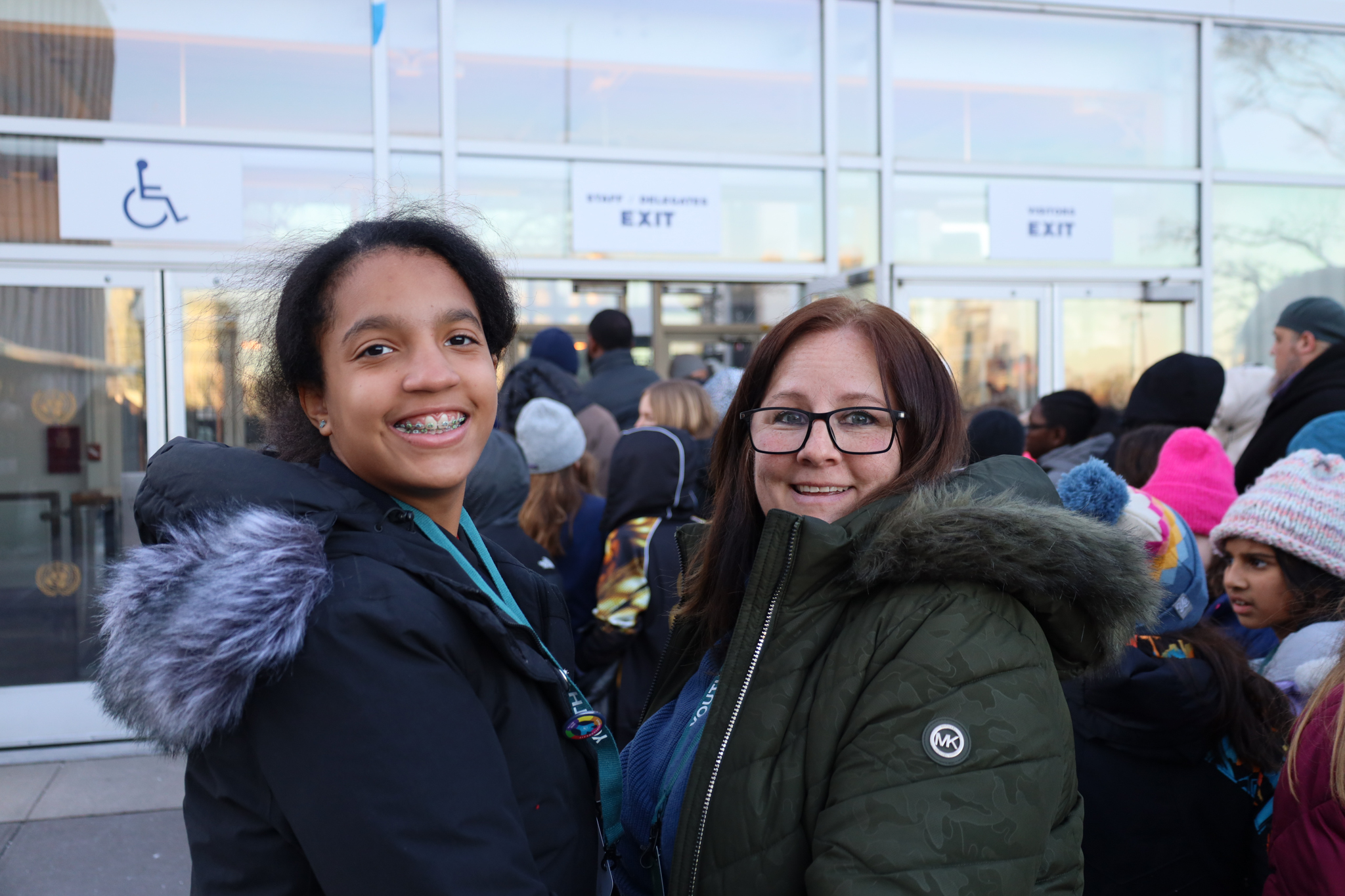
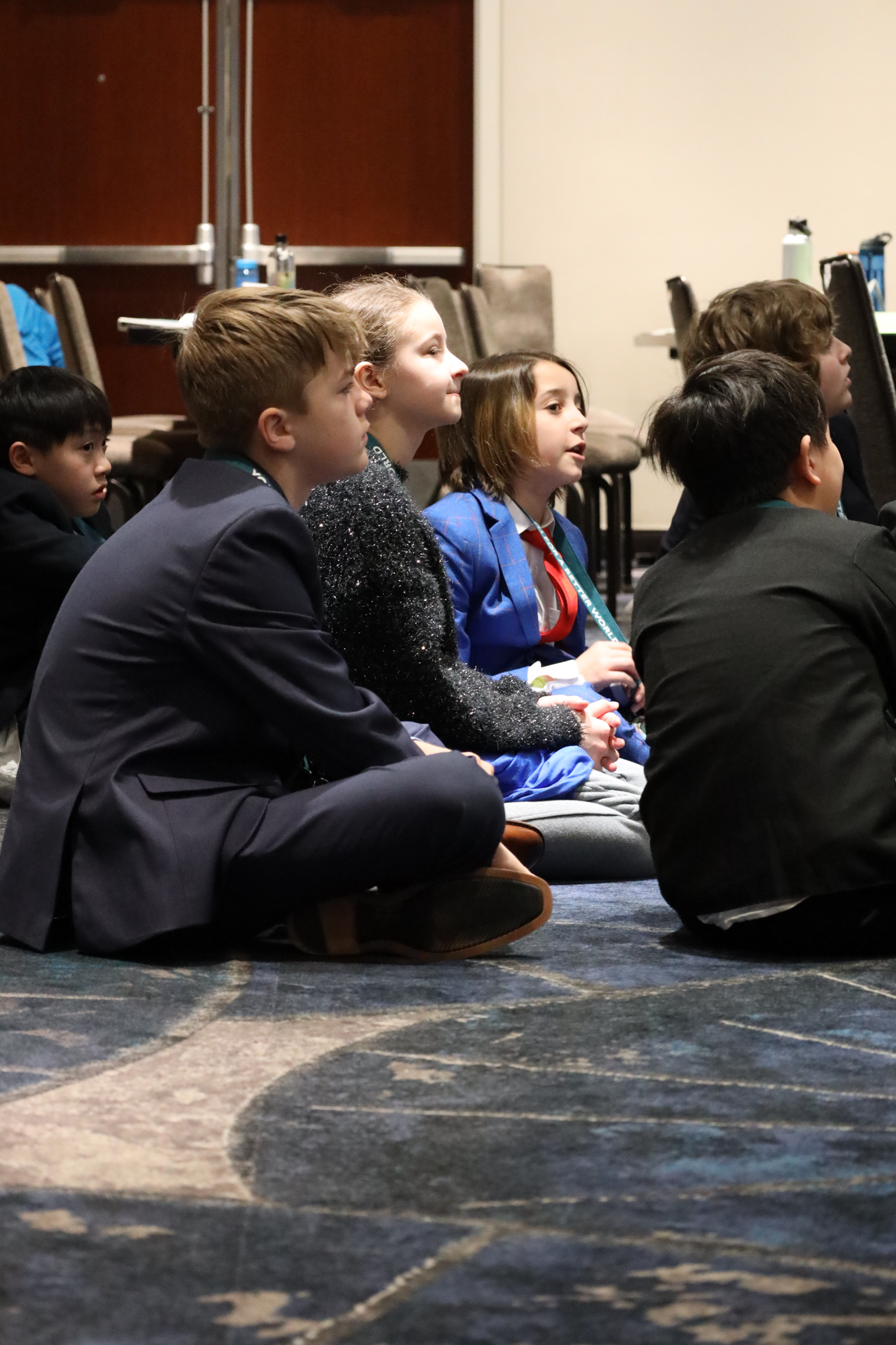
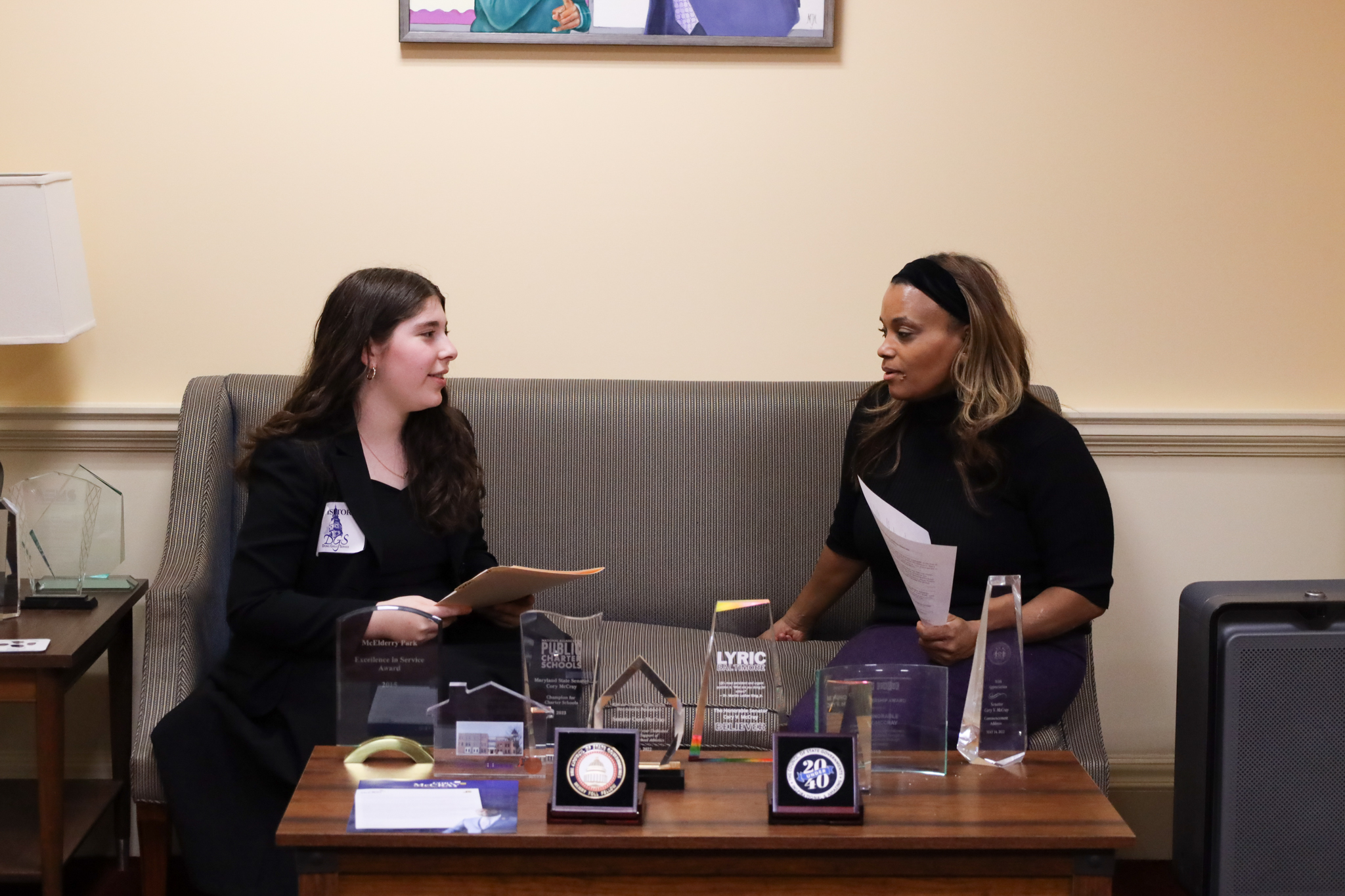
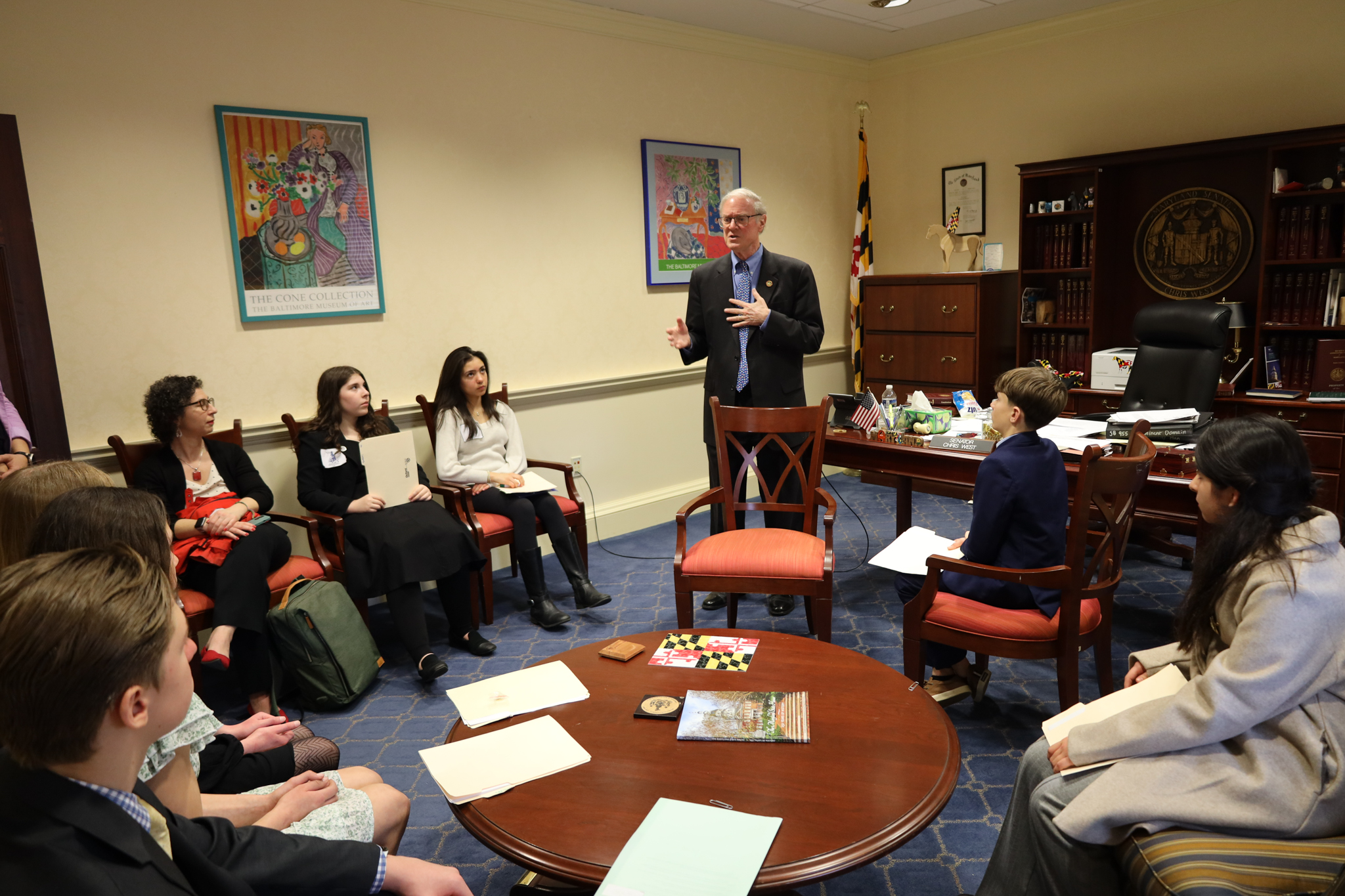
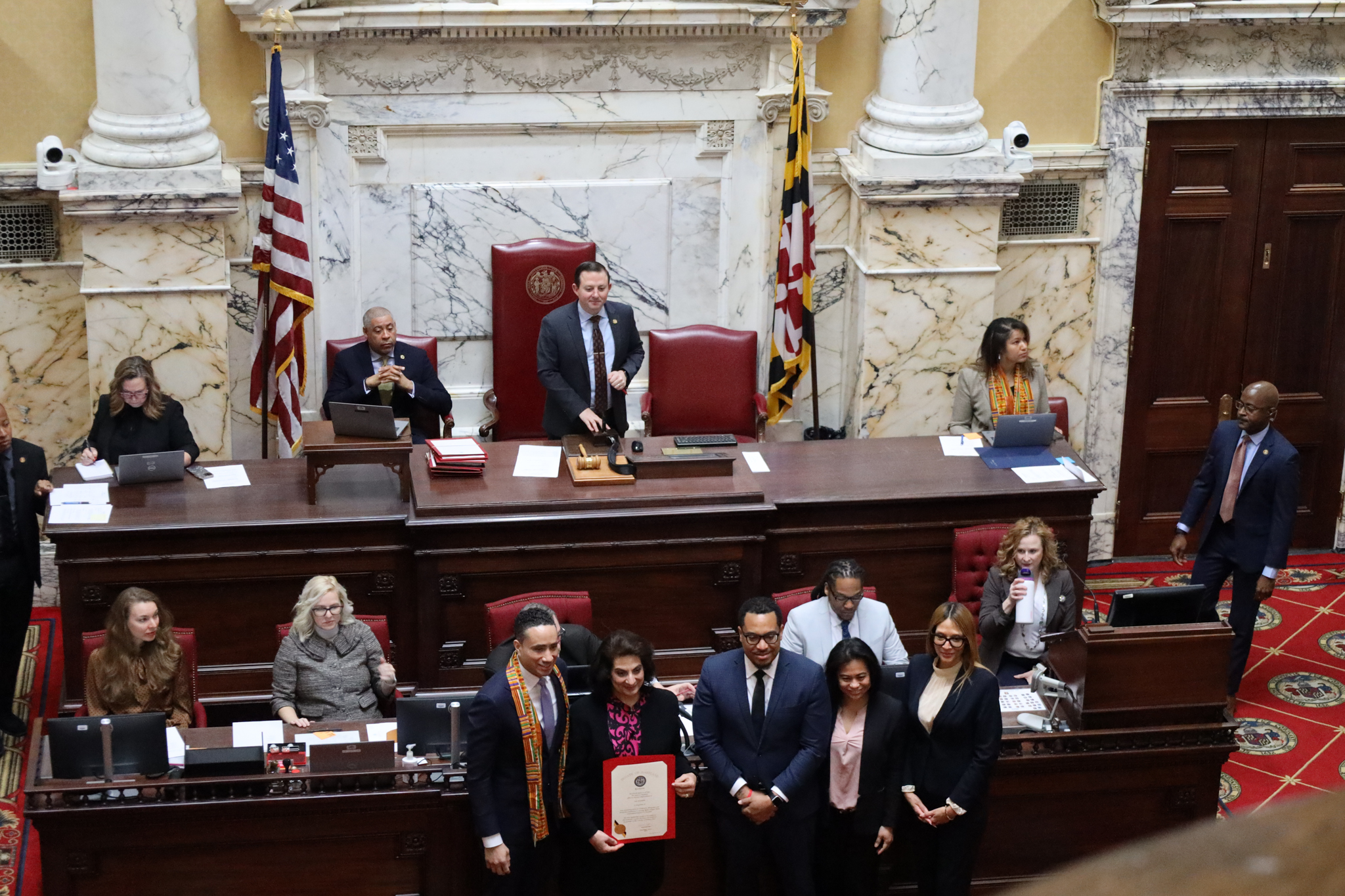
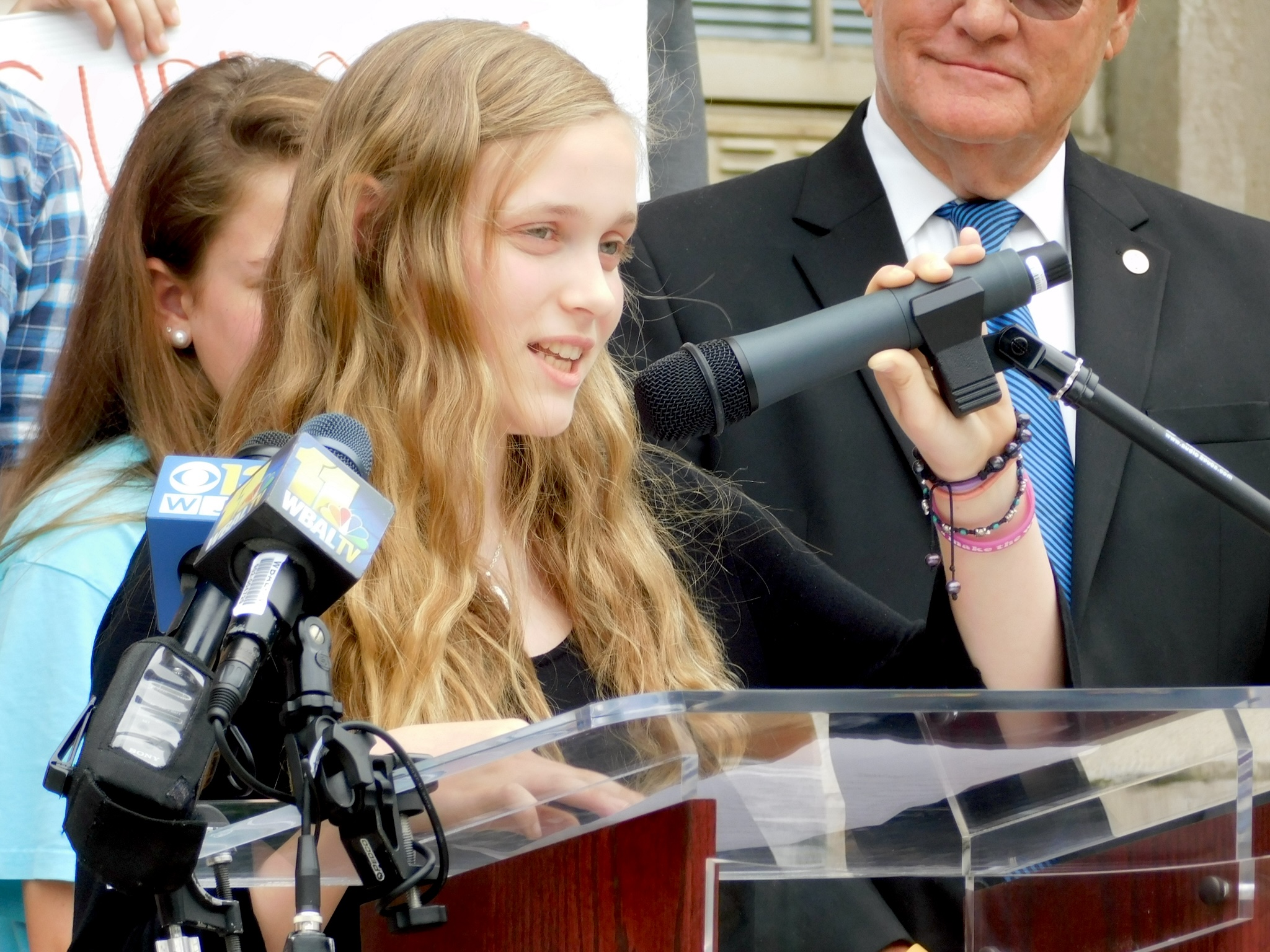
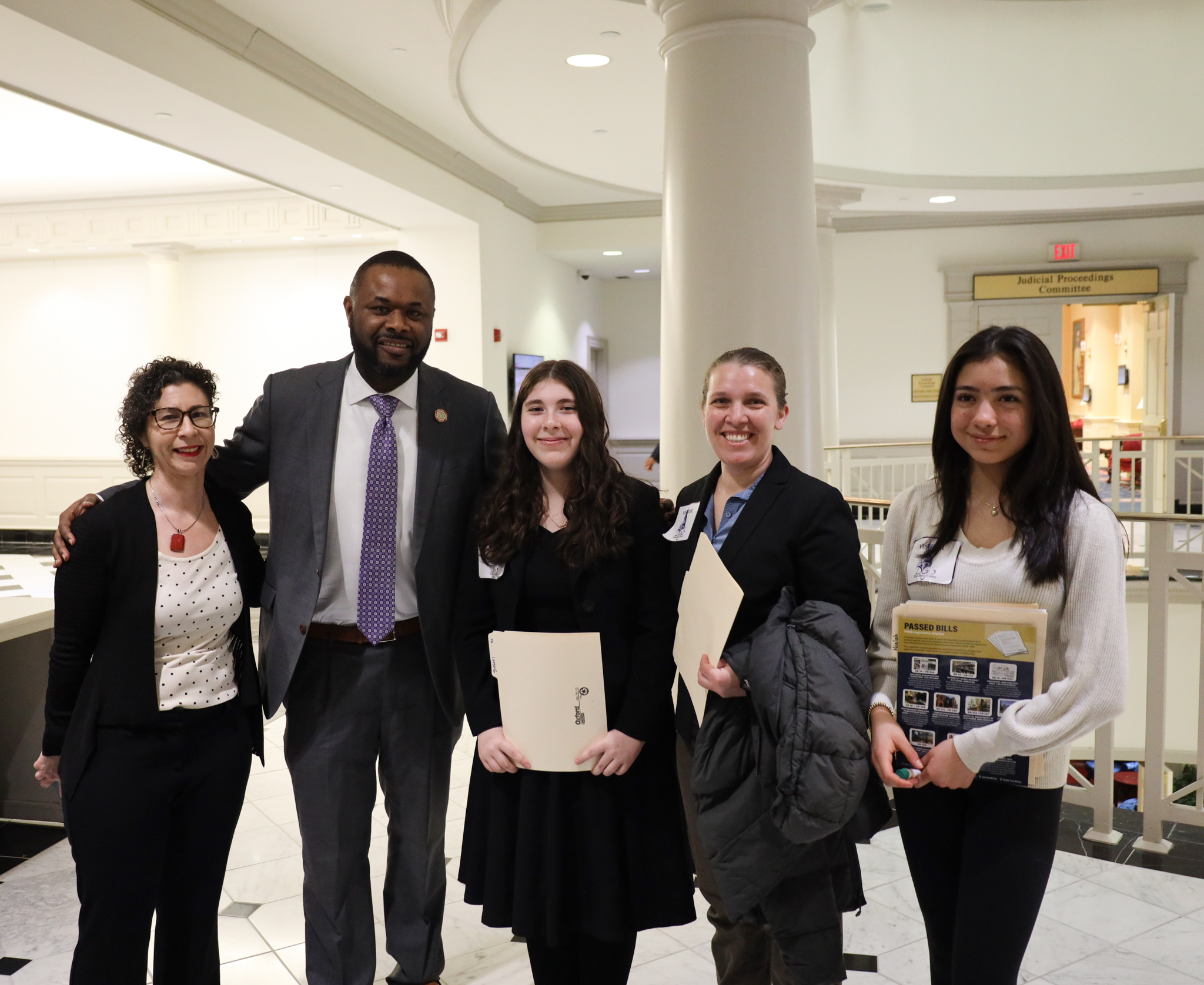
Our Adolescents visited the Maryland State House in Annapolis for Lobby Day where they presented to legislators on upcoming bills. Their bills included restorative practices in schools, animal rights laws, paid leave for parents, water bottle refill stations in Baltimore City, funding for the 988 hotline, youth sports safety commission, porch piracy laws, and prescription coverage for workers’ compensation. ⁠
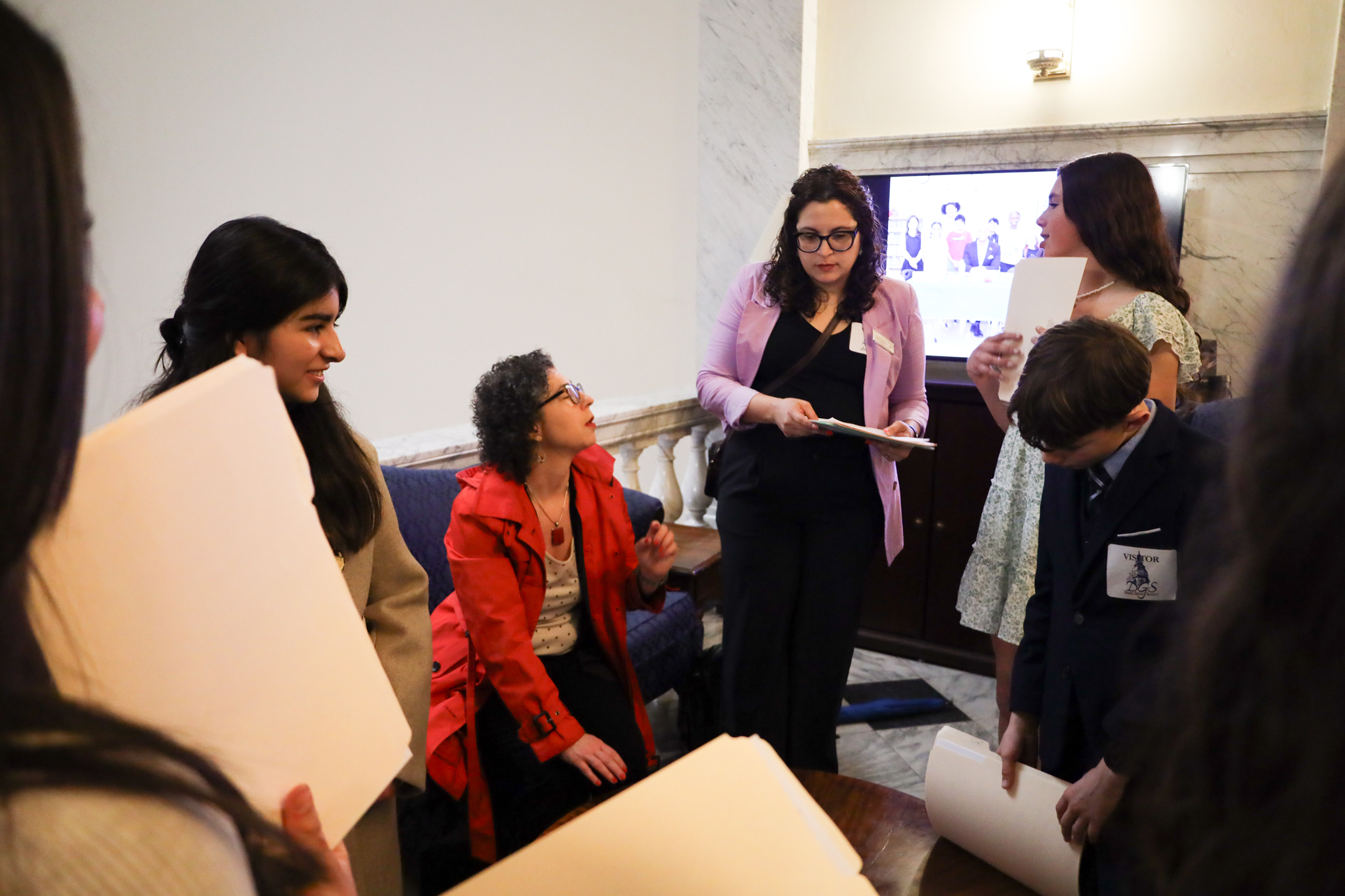
Thank you to the delegates, senators, and staffers who shared their time with our Greenspring students. And a special thanks to Greenspring parent, Jen Brock, for volunteering your time to support our students in this important work.
Children as Changemakers

Children as Changemakers

The role of a changemaker is to achieve positive change through taking action. Changemakers are intentional about identifying a problem and are willing to work toward a solution through creative action.

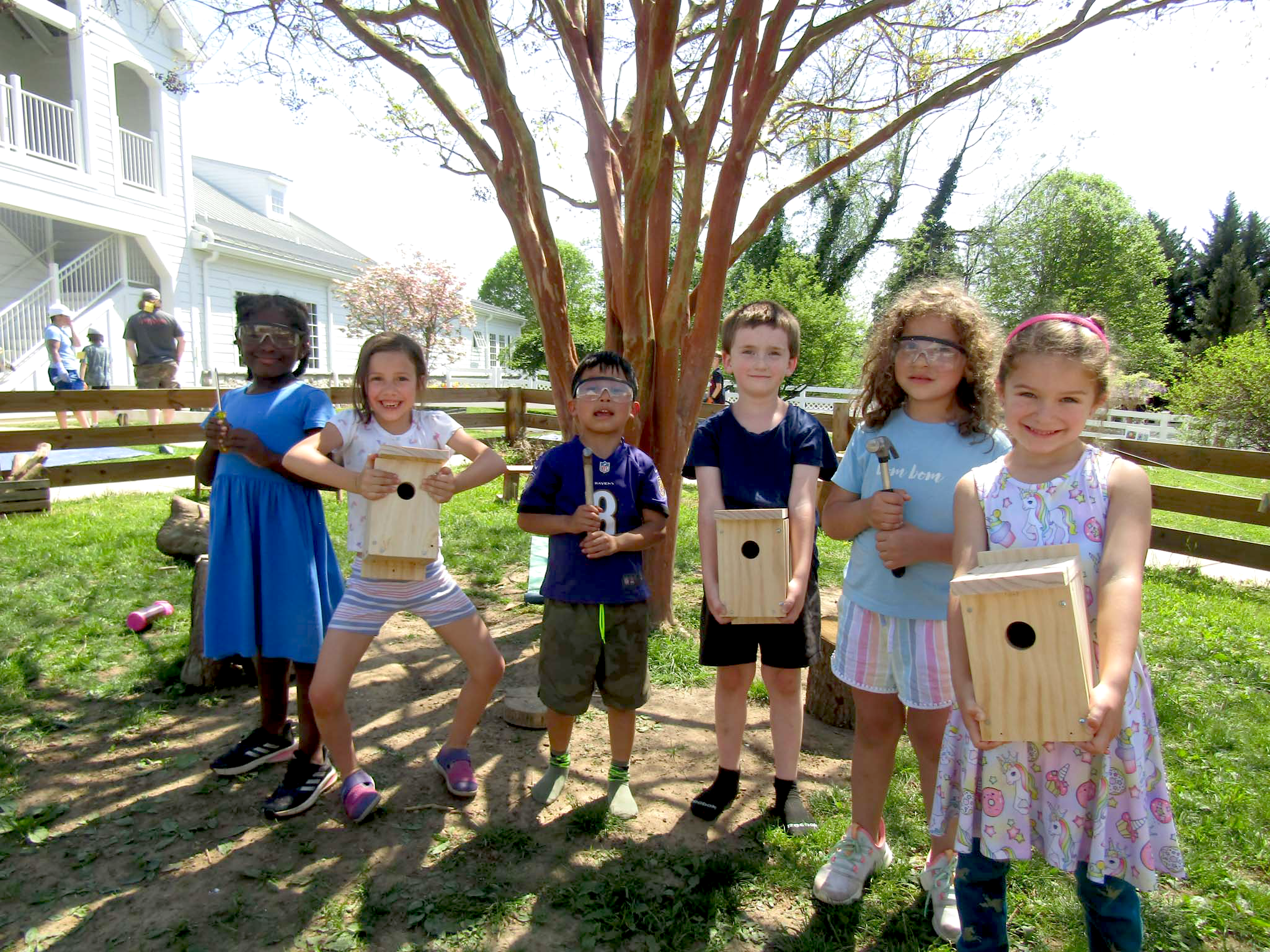
At Greenspring, students of all ages are invited to contribute to their community. These efforts are student-led and student-driven, with gentle support and guidance provided as needed.

Toddlers

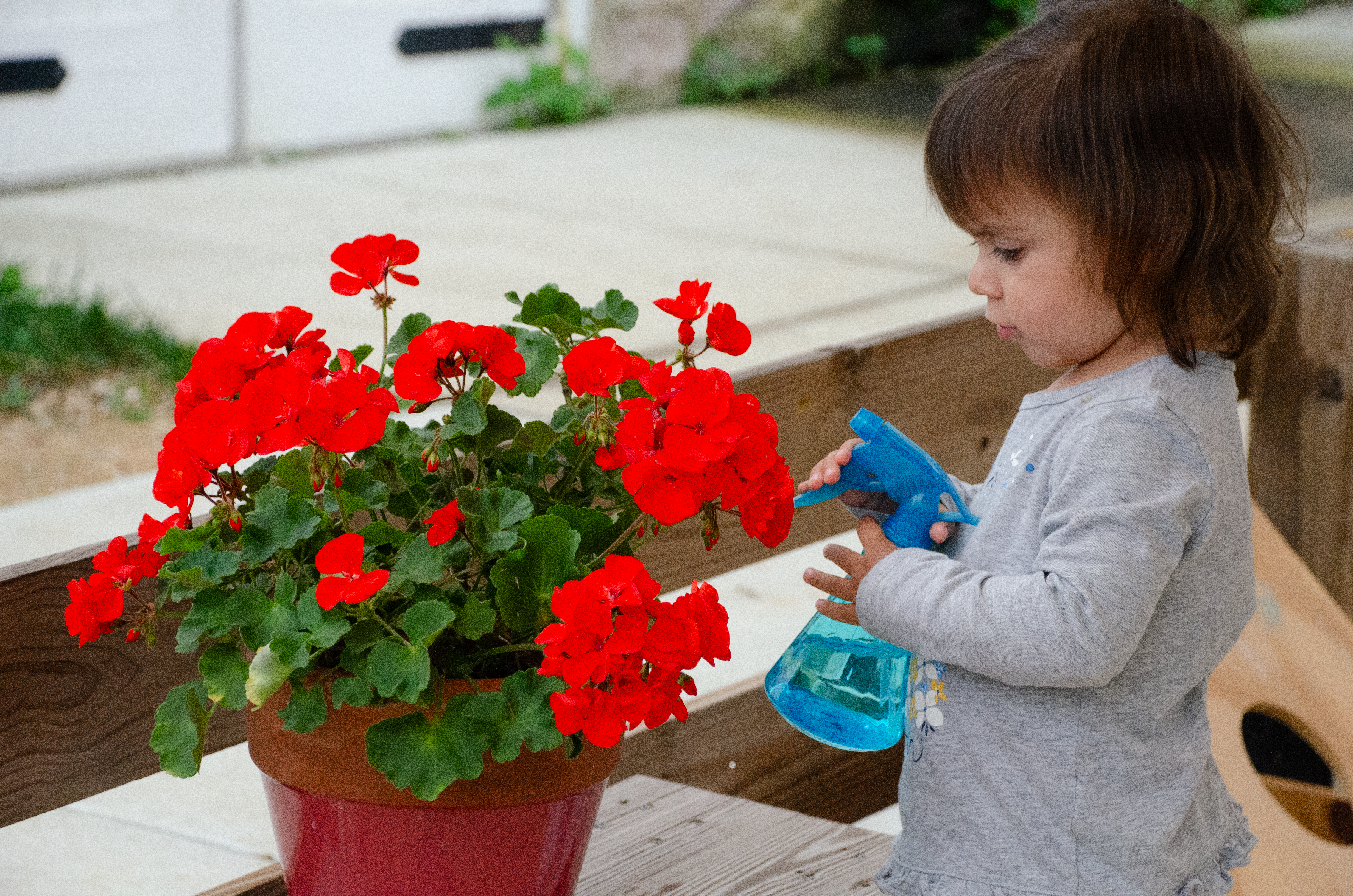
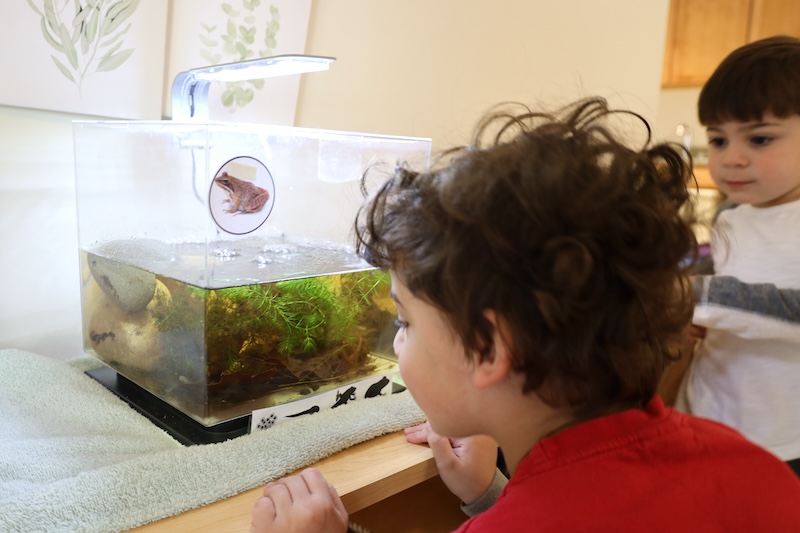
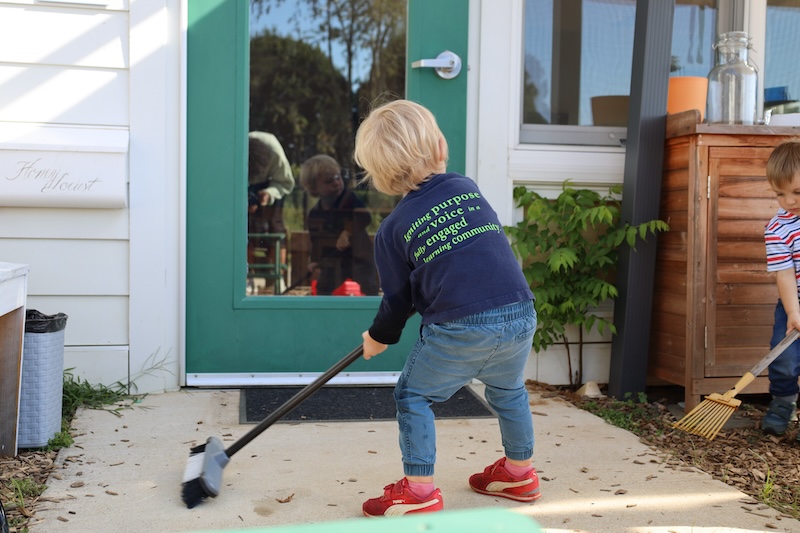
Toddlers begin by caring for what is most familiar: plants and animals, their classroom and outdoor environment, and their classmates.

Children’s House

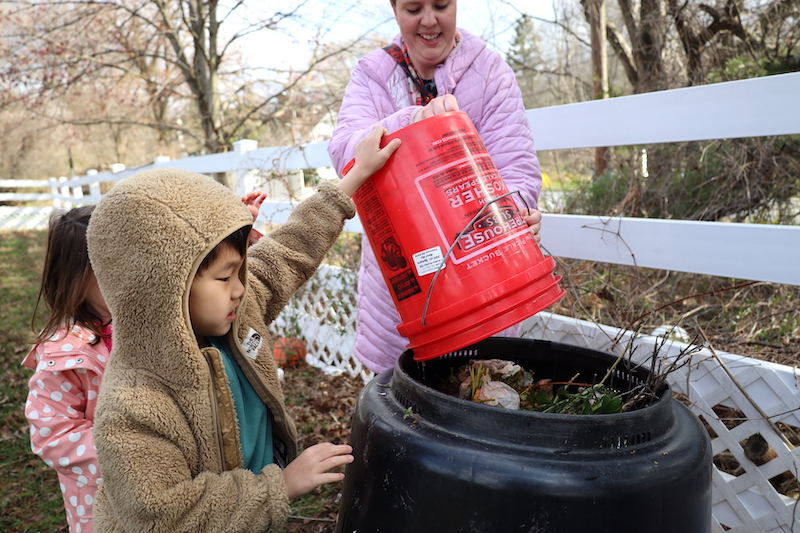
Children’s House students extend their service to include the school community and campus. For example, they assist with campus-wide composting and participate in Grounds Days.

Lower Elementary

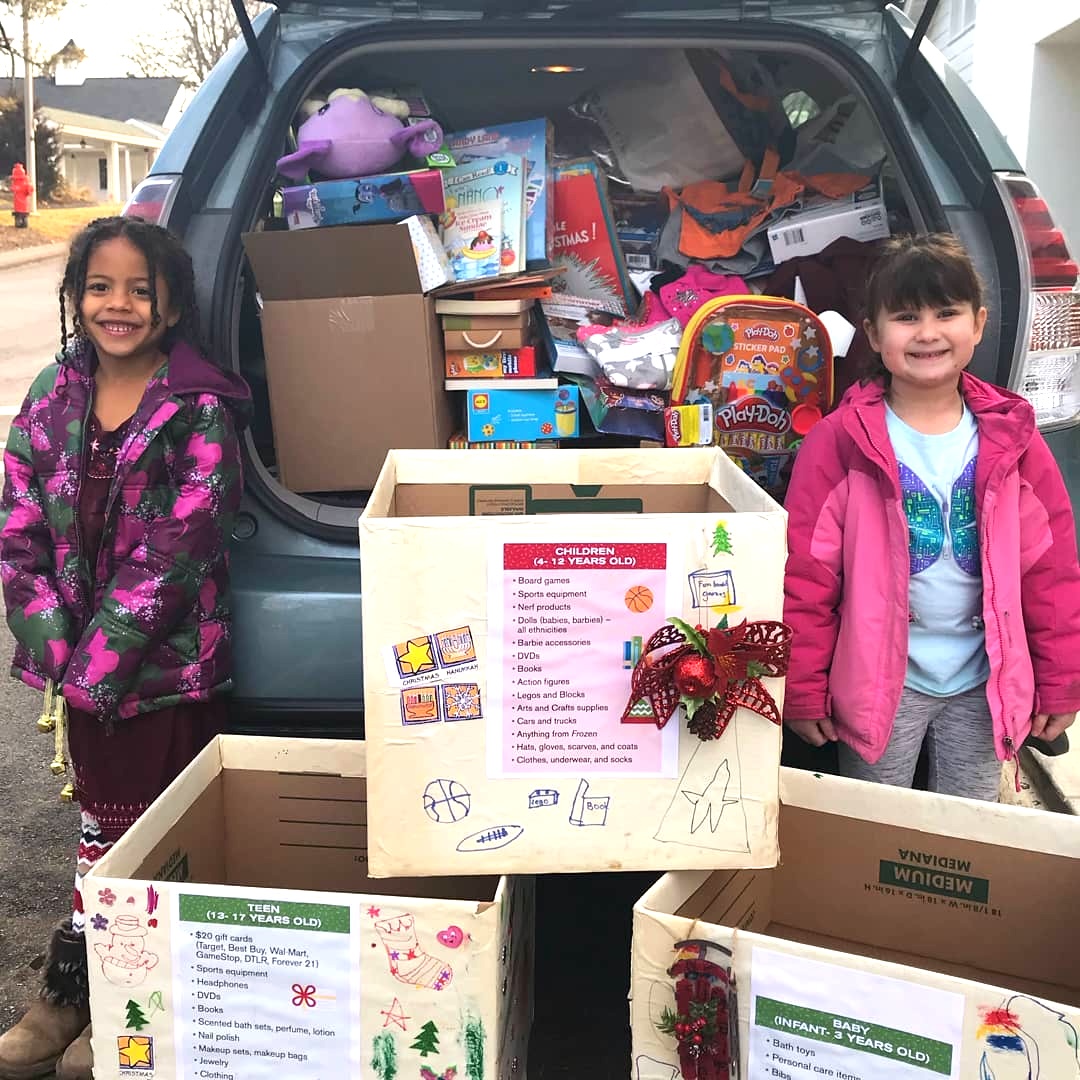
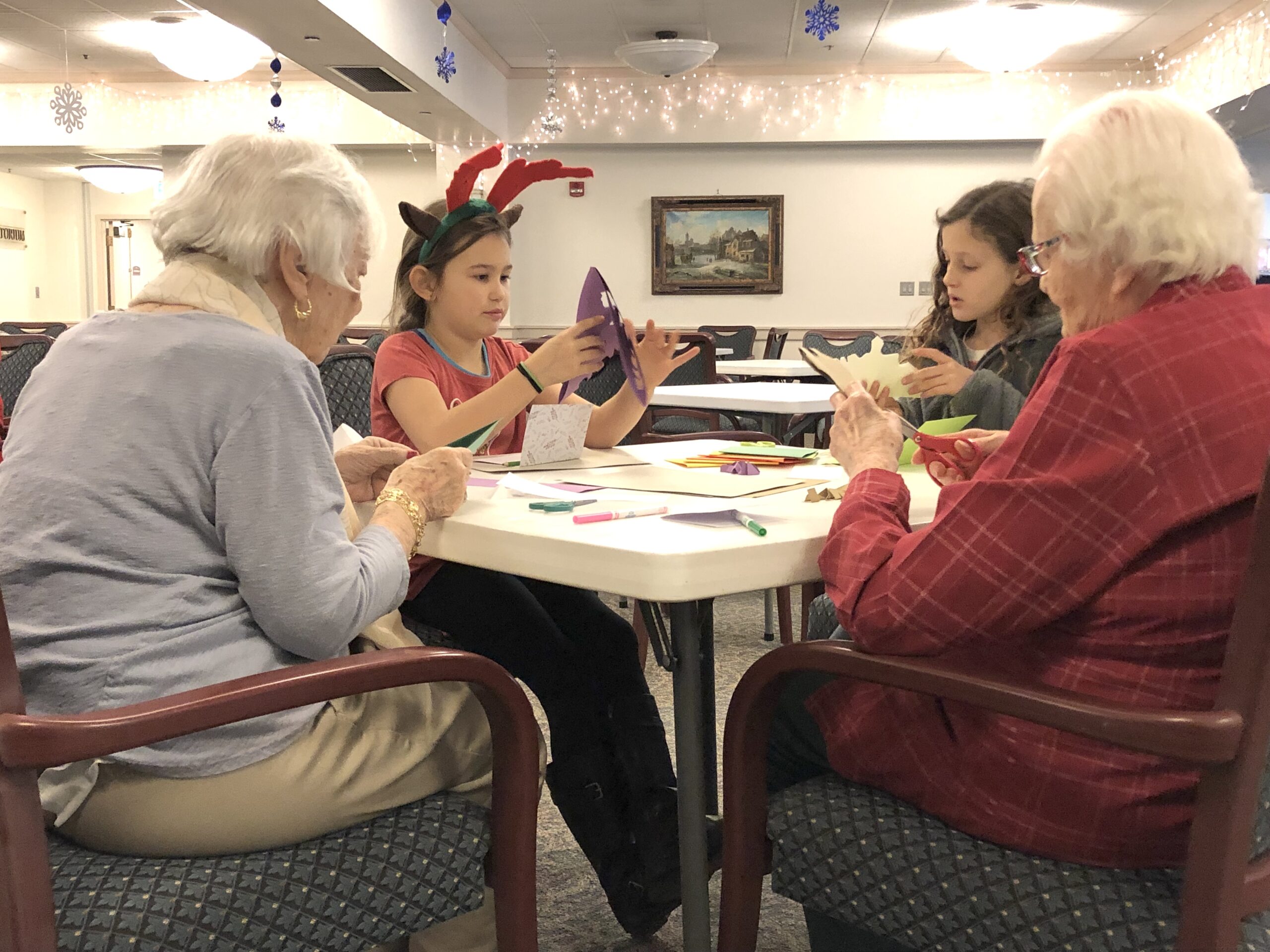
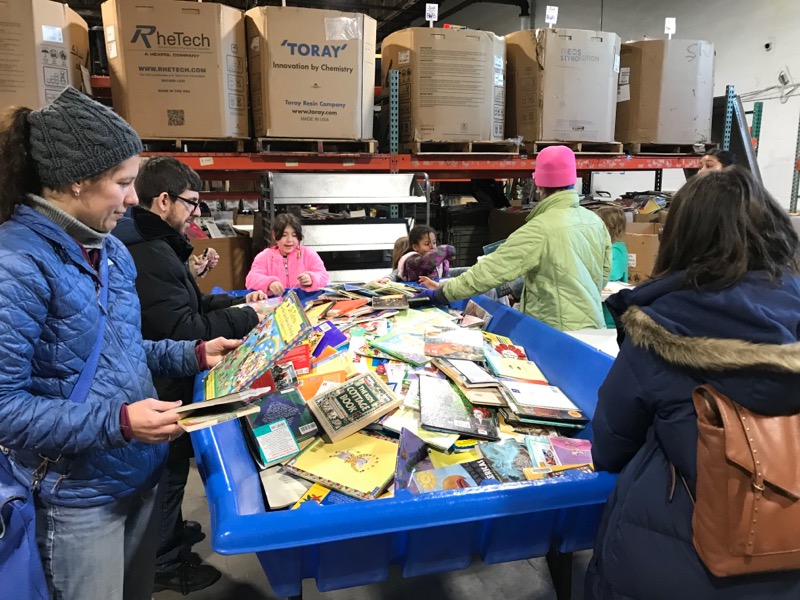
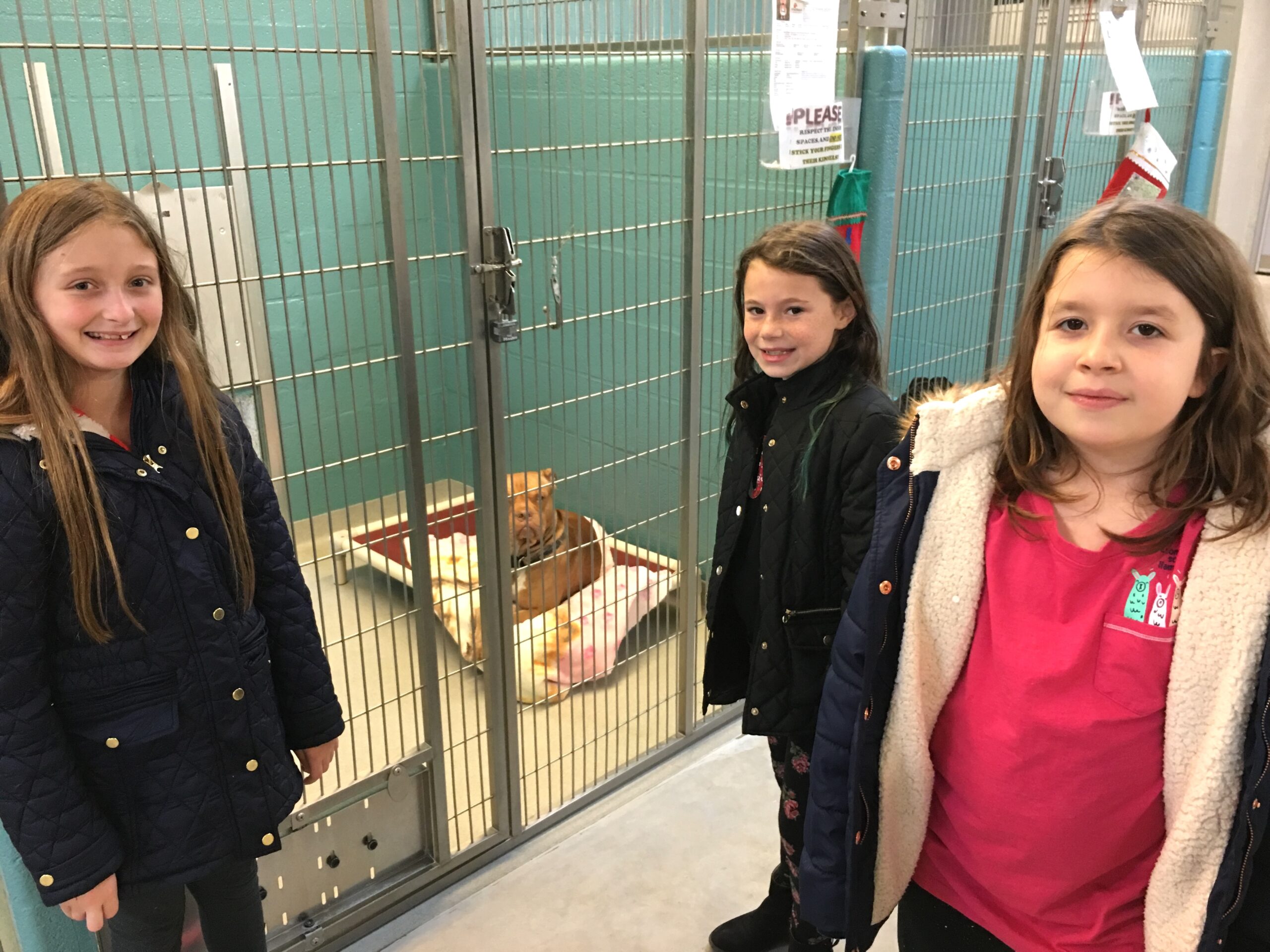
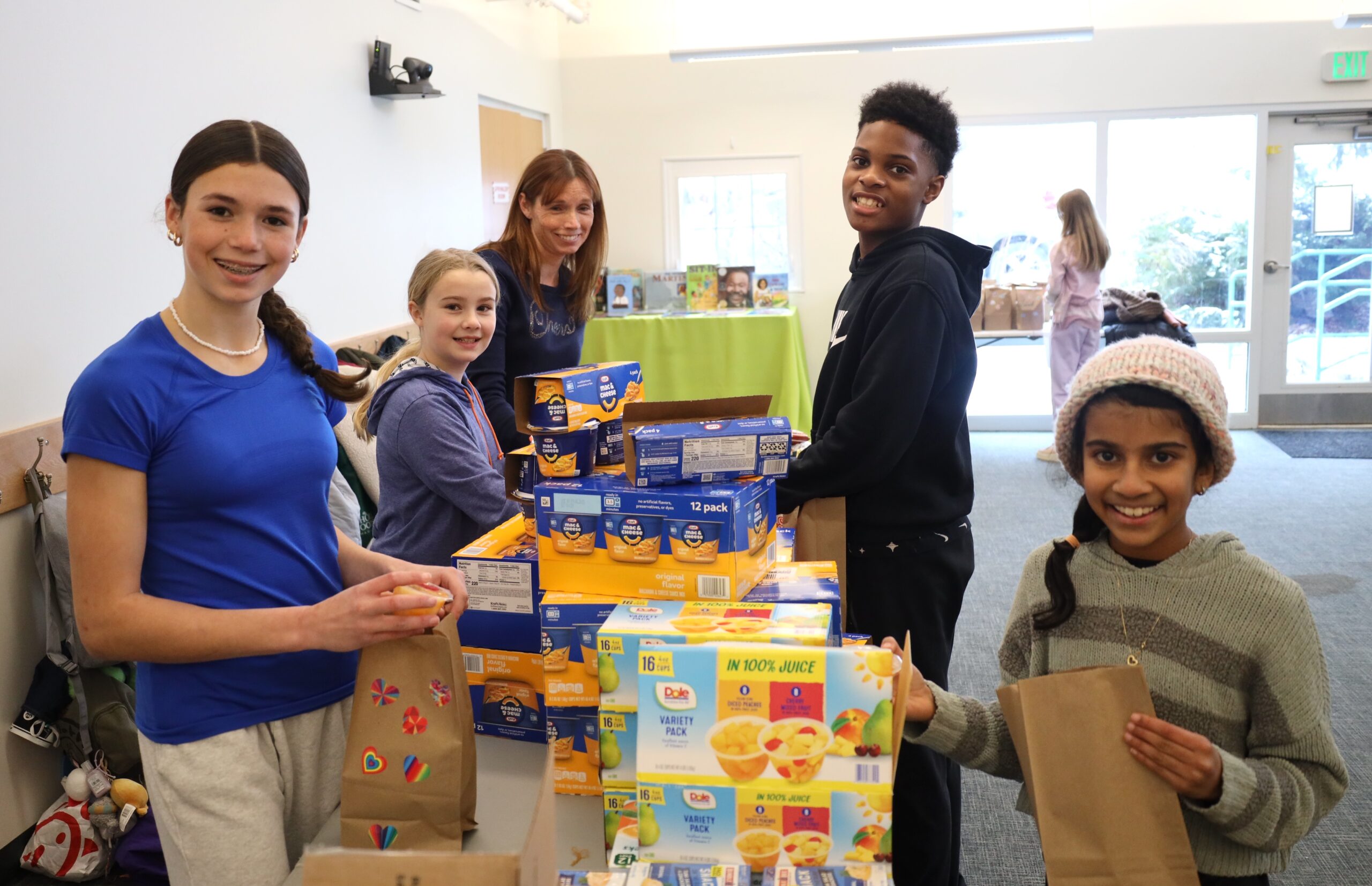
Elementary students begin Going Out trips, during which they leave campus to engage with the larger community. For example, students may visit elders in a retirement community or grow grasses for replanting in the Chesapeake Bay. Students often initiate their own service projects, such as this winter coat and food drive and helping at the Maryland Book Bank.

Upper Elementary

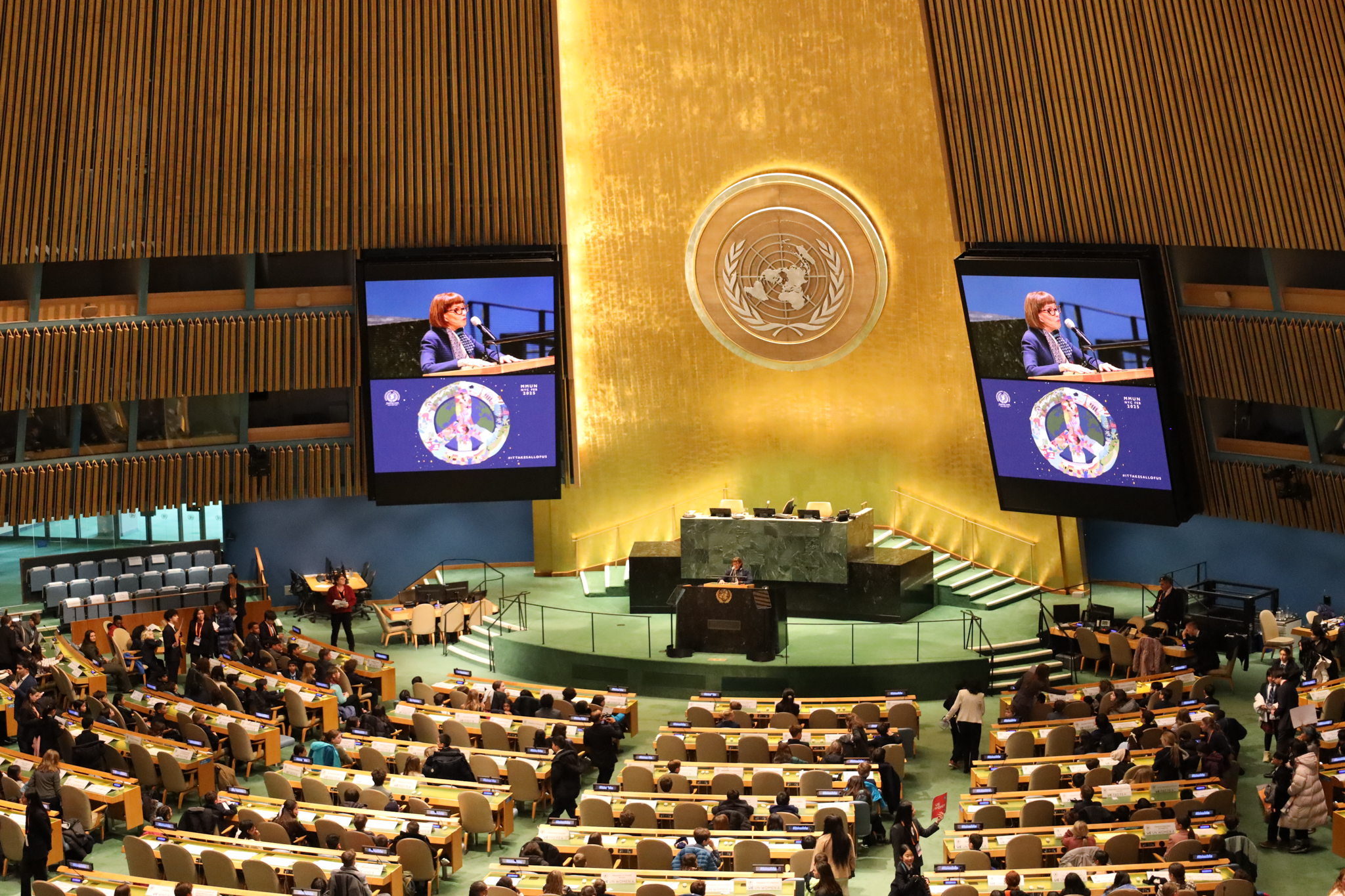
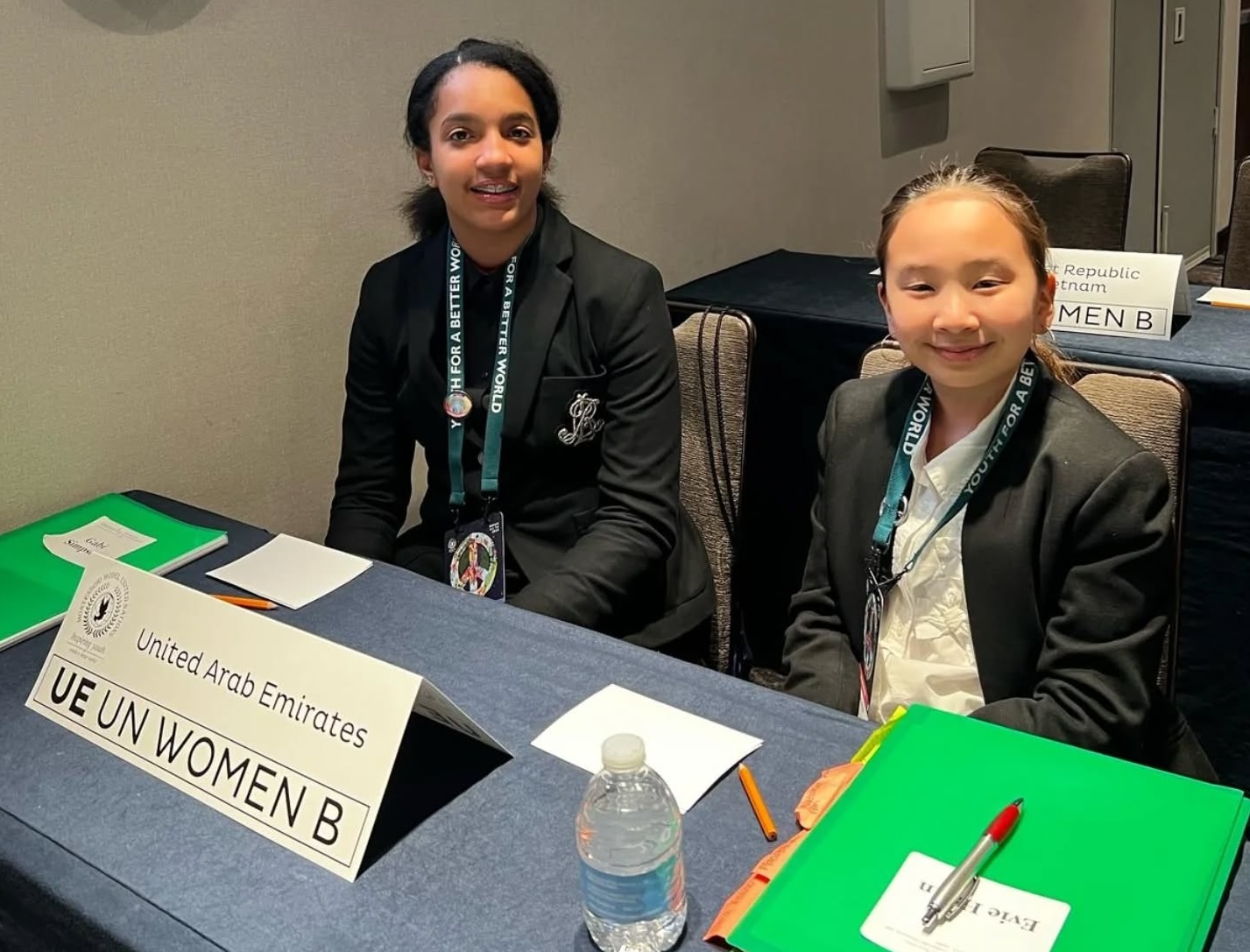
Students continue planning Going Out and service projects that take them into the larger community. For example, students recently organized a fundraiser to support the victims of the California wildfires. They also visited Art with a Heart in Baltimore to learn more about their programs that serve those in need. Many participate in the Montessori Model United Nations (MMUN) program, which culmitates in a multi-day event at the United Nations headquarters in New York City.

Adolescents

Adolescents research issues of social justice and become advocates for causes they are passionate about. They practice persuasive public speaking during Igniting Voice presentations each trimester. Adolescents also work as a group to run small businesses (or “microeconomies’). These microeconomies not only provide a way for students to generate funds for their projects and trips, but serve as an integrated curriculum that provides opportunities for real-world, experiential learning and for serving the community.

You can encourage and empower your child to be a changemaker! Here are some tips:

Spark Curiosity and Conversation:

  • Talk about your family’s values.
  • Discuss current events and local issues appropriate for their age, asking open-ended questions to encourage critical thinking.
  • Share stories of inspiring changemakers like Malala Yousafzai or Greta Thunberg.
  • Watch documentaries or read age-appropriate books about social justice topics.

Identify Areas of Passion:

  • Encourage your child to explore their interests and identify causes they care about and that connect to your family’s values, whether it’s animal welfare, environmental protection, or helping the homeless.
  • Let them choose a focus area where they feel most motivated to make a difference.

Take Action Together:

  • Volunteer at local organizations aligned with their interests, allowing them to directly contribute to a cause.
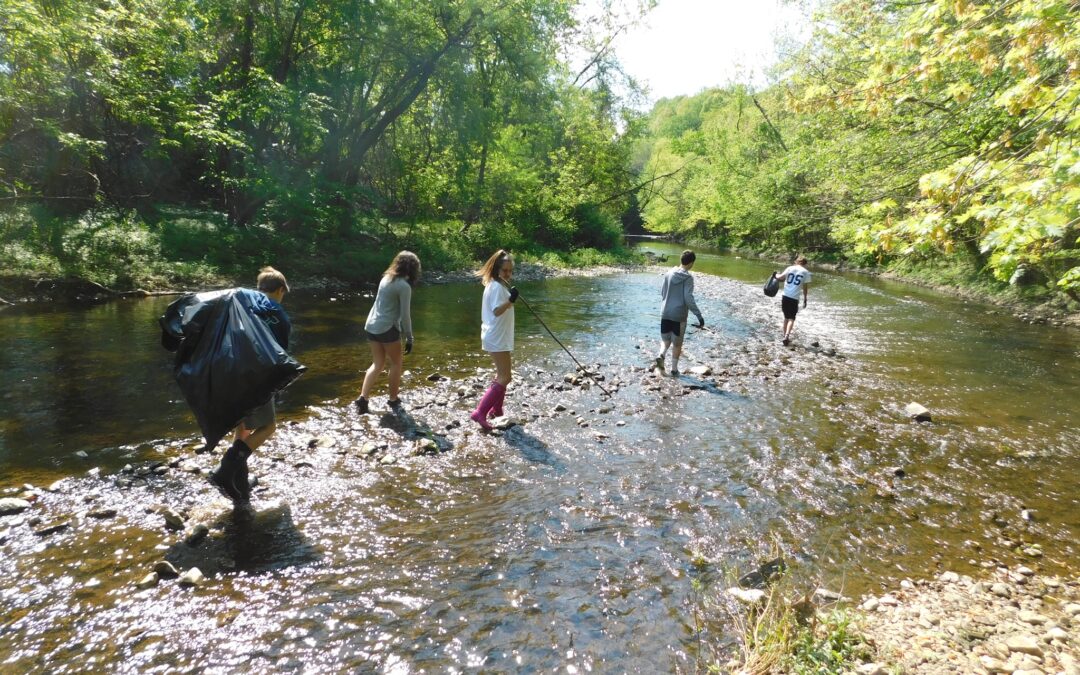
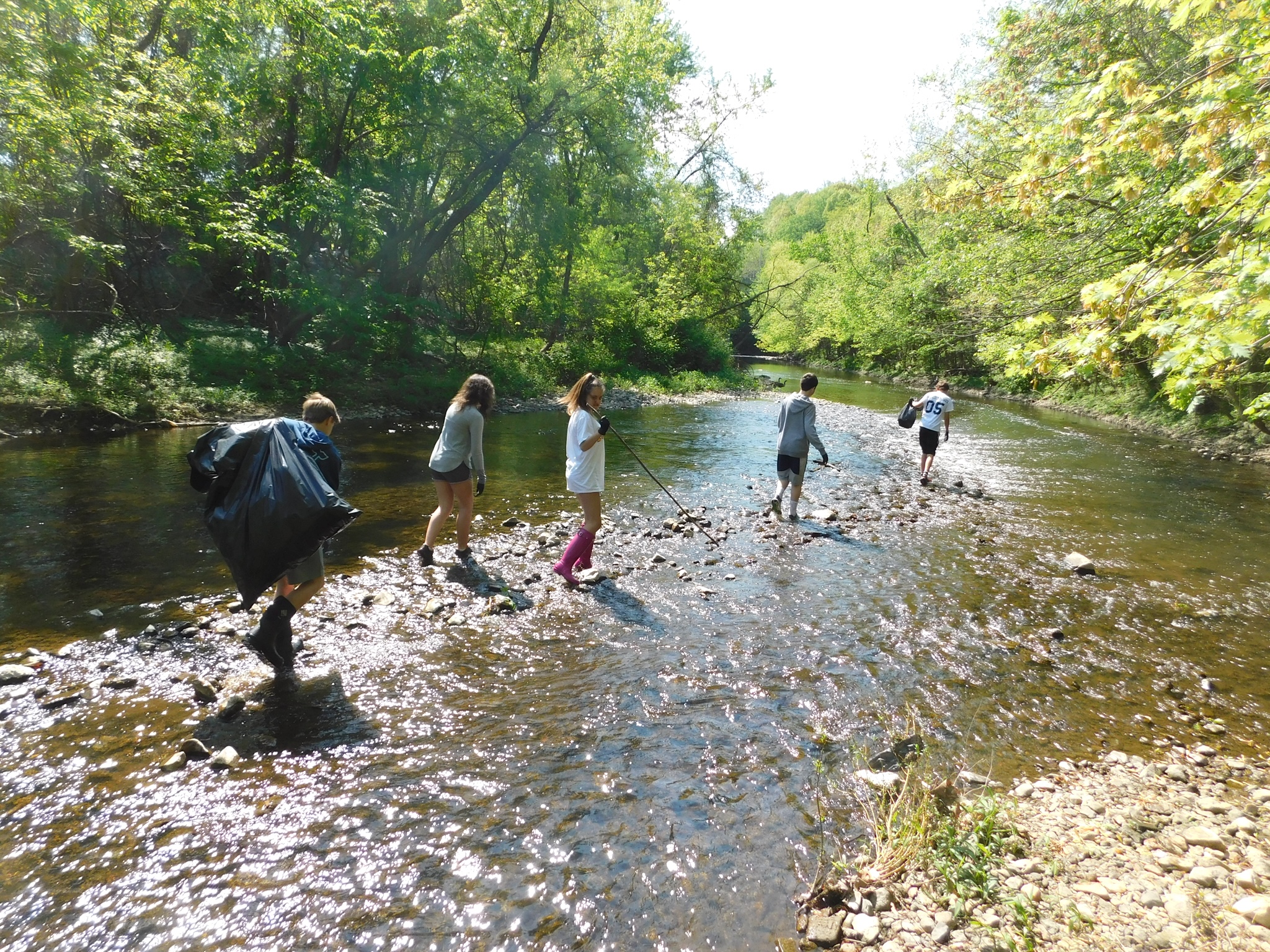
  • Start small projects at home, like a recycling drive, a food donation collection, or a community clean-up.
  • Participate in letter-writing campaigns or online petitions to advocate for change.

Empower Their Voice:

  • Encourage them to express their opinions and ideas openly, even if they seem small.
  • Teach them how to respectfully communicate their concerns to authorities or decision-makers.
  • Practice public speaking skills by giving presentations at school or community events.

Foster Creativity and Innovation:

  • Brainstorm creative solutions to problems they identify in their community.
  • Encourage them to design posters, create art projects, or write songs related to their cause.
  • Support their efforts to develop unique initiatives to address a problem.

Celebrate Achievements:

  • Recognize and acknowledge their contributions, no matter how small.
  • Share their accomplishments with family and friends to build pride and motivation.
Resources for Families

Doing Good Together – Baltimore chapter
https://www.doinggoodtogether.org/family-volunteering-baltimore

ChangemakerCommunities.org
https://www.changemakercommunities.org/resources-for-parents-guardians


“We must look to the children as a vehicle for bringing change to humanity.” 

Dr. Maria Montessori

Building Partnership through Family Meetings

Building Partnership through Family Meetings

Family meetings provide a dedicated space for open communication, allowing family members to discuss issues, make decisions together, strengthen relationships, and build a sense of unity by sharing concerns, celebrating achievements, and setting expectations, all while fostering important life skills. 

Benefits of Family Meetings

For children, family meetings promote:

  • Critical thinking
  • Active listening
  • Brainstorming skills
  • Problem solving
  • Mutual respect
  • A sense of belonging and significance

For parents, family meetings:

  • Avoid power struggles
  • Avoid micromanaging
  • Invite children to share responsibility
  • Allow you to model skills you want children to learn

Keep a notebook in a central area of the home, so issues that come up during the week can be recorded in real time and then used during the family meeting.

The family meeting is optional, but choosing not to participate means missing out on problem solving, offering suggestions for family outings, and receiving weekly allowance.

Family Meeting Agenda

  • Give Acknowledgments
  • Review Old Agreements
  • Discuss New Issues
  • Make New Agreements
  • Review the Schedule
  • Do Banking
  • Create a Family Outing Plan
Give Acknowledgments

Each person acknowledges everyone else. Acknowledgments are different than thank-yous; they focus on something about the person’s character.

Review Old Agreements

Review last week’s agreements. How did these work? Any there any revisions needed? If so, write these down in the notebook.

Discuss New Issues

No judgement, no criticism. Everyone is on the same team, committed to finding solutions. Everyone contributes. (Parents, be careful not to brush off children’s solutions.)

Make New Agreements

What are the agreements we are going to make to support the solving of the issues? Write them in the notebook.

Review the Schedule

Discuss the schedule for the week. What activities are scheduled? Are there any special events? Resolve any logistics that need to be handled.

Do Banking

Allowance is distributed. Allowance is not tied to chores, but rather to participatioin in the family meeting. Any debts acrued over the past week are paid.

Create a Family Outing Plan

Brainstorm ideas for fun activities to do as a family.Everyone gets a voice.(Parents, establish parameters – how much time, how much money, etc.)

Tips for a Successful Family Meeting

When first starting this structure, introduce and practice just one step of the process each week. In less than two months time, your family will be ready to implement the full family meeting structure.

Encourage participation by creating a safe space where everyone can share their thoughts and feelings. Set guidelines for discussion, such as taking turns speaking without interruption.

Meet at a consistent time that works for your family; weekly or bimonthly is recommended.

Rotate responsibilities so everyone gets a turn to play the different roles. For young children, props can be used to designate each of the roles.

  • Facilitator (talking stick)
  • Recorder (notebook and pencil)
  • Banker (coin purse or money jar)
  • Time Keeper (stopwatch)

Would you like to give family meetings a try? Check out some of the resources below to help you get started!

Whether you have a five-year-old or a fifteen-year-old, you can find easy ways to create partnerships at home. During this webinar, you will learn steps to implement structures around family meetings, active listening, and allowances – all designed to support you and your child or adolescent in your partnership at home.

Transitioning from the Toddler Community to the Children’s House

Transitioning from the Toddler Community to the Children’s House

Written by Michelle Donohue and Kim McCaslin, Toddler Guides

“Thus it happens that at the age of three, life seems to begin again; for now consciousness shines forth in all its fullness and glory. We observe that a child occupied with matters that awaken his interest seems to blossom, to expand, evincing undreamed of character traits; his abilities give him great satisfaction, and he smiles with a sweet and joyous smile.” – Dr. Maria Montessori

Children grow and develop so quickly, and it is a remarkable and wonderful time of change as your child begins to look and act less toddler-like and more like a preschooler. They are getting ready to make the leap to Children’s House!

For any parent, the transition from the Toddler environment to the Children’s House environment may feel daunting. But rest assured that our Guides are here to make sure the transition goes smoothly. Because there are a few months before the transition to the Children’s House, there are a few things you can do now with your child to support their needs until school begins.

Socialization

Socialization is still an important milestone for your preschooler, and the summer can be a great time to connect with other families so your preschooler can continue to build relationships with peers. Social events and playdates are encouraged. It’s so comforting for your child to see familiar faces on the first day of school!

Familiarity

Start having conversations about the new classroom and Guides. You may want to visit the campus a few times during the summer months if your child is not already signed up for our Summer Program. We also host a classroom walk-through the week before school resumes so that your child can visit her new classroom, say hello to the Guides, and meet new friends. All of these strategies will help ease your child’s anxiety as we get closer to the new school year.

Practice

Your child has been building her concentration and strengthening her memory with work in the Toddler environment. Over the summer, you can continue to provide activities for them that have multiple steps and encourage your child to finish each to completion.

Food Preparation

Our Toddler and Children’s House students find great joy in food preparation. You can extend this practice into the home by having your child help set the table and cook with you. Not only do they get involved and excited about cooking their own meals, but this work gives children practice with sequencing and helps strengthen their fine motor muscles that will later help with writing.

Dressing and Undressing

Your toddler has been practicing simple steps of caring for themselves including putting on their shoes and coats, dressing, and undressing. Plan a little extra time in the mornings and evenings to allow them the independence to work on these skills. In Children’s House, they will need to independently put on their socks, shoes, coats, and other clothing items. 

Memory Games

Memory games are fun to play, too! Gather things around the house and ask your child if they know where they belong. This game continues to establish an internal sense of order. Other great games include naming rhyming words, practicing the sounds that letters make, and “I Spy.” And don’t forget to sing and share stories with each other! (You can talk about sequence – which comes first, second, and last. For example – the seed/sprout/plant.)

Care of Self and the Home

Children love taking care of the home, such as dusting, vacuuming, washing windows, feeding the pet, and helping with laundry. These are activities they will continue to practice during her time in Children’s House.

Toileting

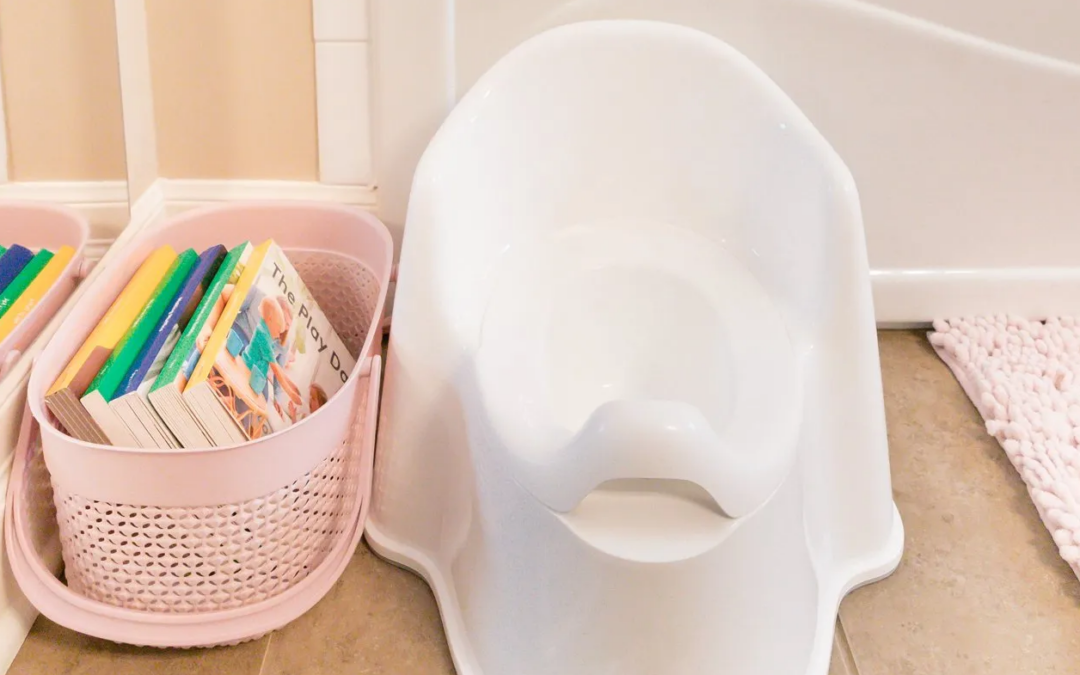
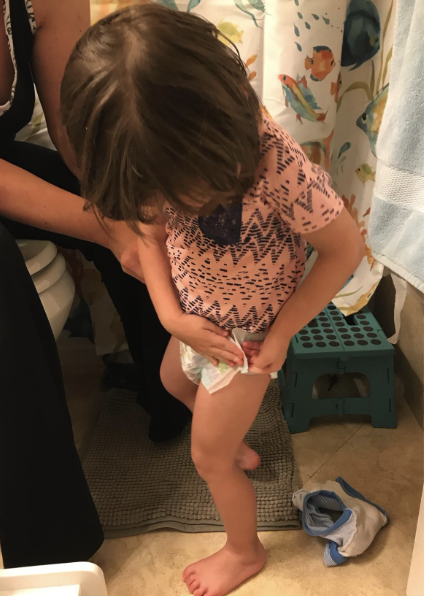
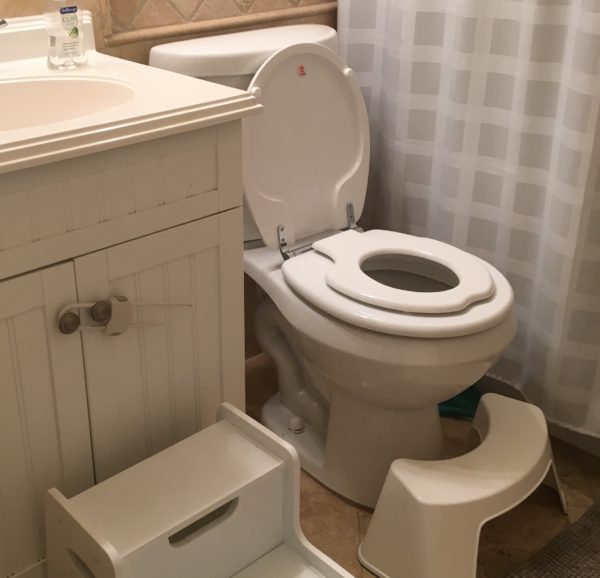
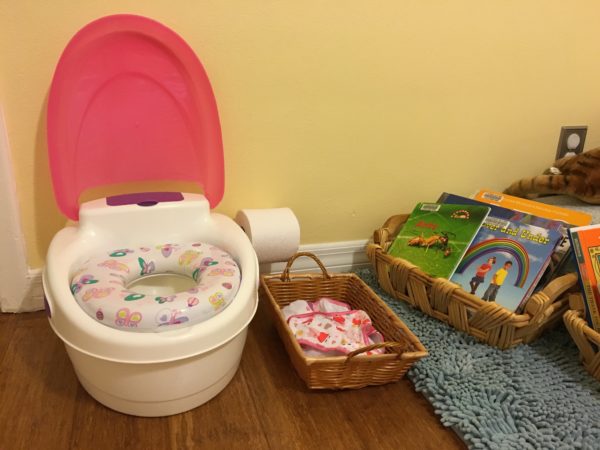
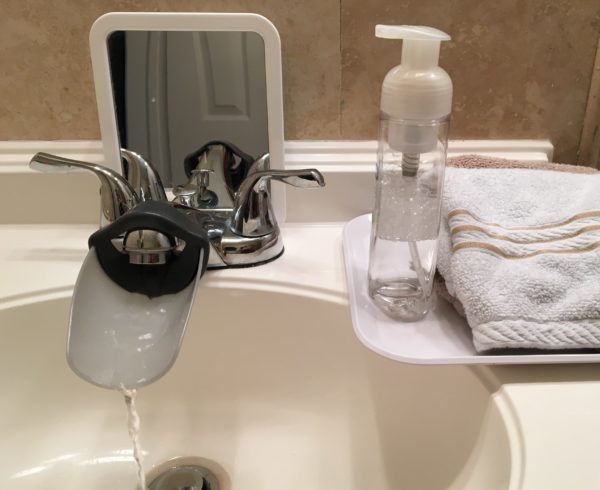
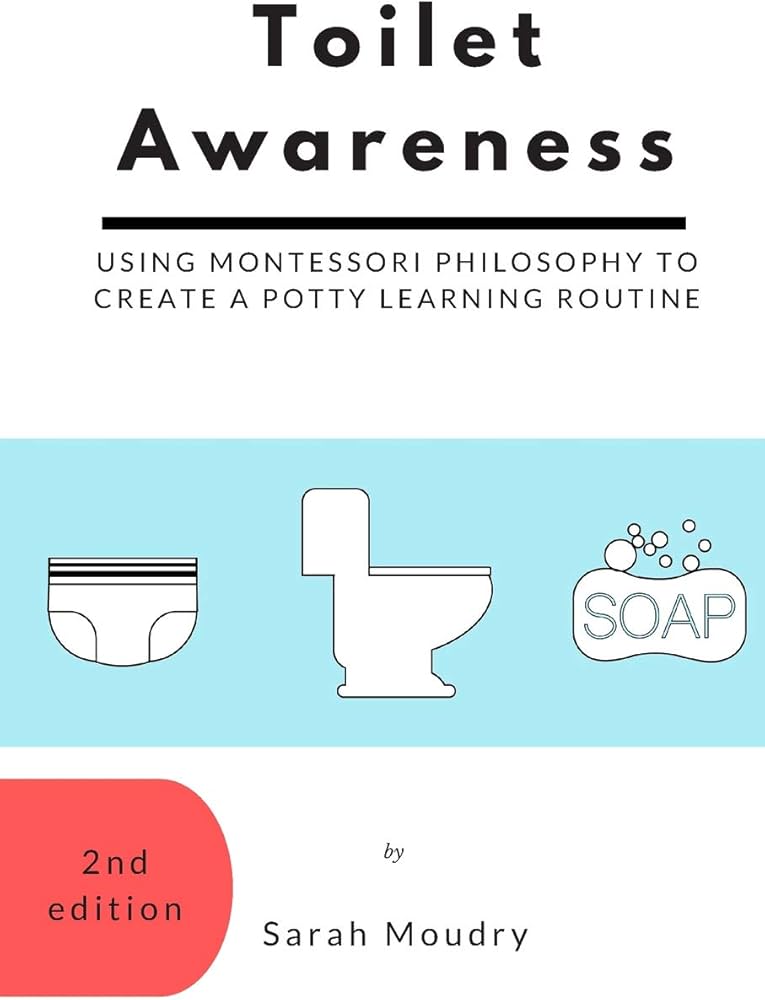
One of the requirements for our Children’s House program is that the child be fully toilet independent.  This means that the child is able to identify when they need to use the bathroom, pull their clothes down, wipe clean, and re-dress themselves. To support families in this transition, Toddler Guide Danuta Wilson led a webinar on working with your children to enable them to become toilet-independent –  Watch the webinar here. We also have a helpful blog post on how to setup your bathroom for your child’s independence here. We encourage you to be in partnership with your child’s Guide in the spring months around toileting efforts so that your child becomes fully independent in the early spring and the skills are solidly in place before the end of the school year.

Connect with your child’s Guide

Your child’s new Guide will call you over the summer to learn more about your child and answer any question you may have about the transition. The first few weeks of school your child will have both emotional and social support from the Guide. As in the Toddler community, there will also be support with separation if needed. One of the perks with a mixed-age group is that the older children will help show the younger children what the expectations are of the classroom. And you can expect your child to come home very excited about all exciting work they are doing!

Learn more about Greenspring Montessori’s Children’s House program here.

Learn about the Children’s House Curriculum

The Children’s House classroom will offer your child a new environment to meet and challenge them. They will be among a larger group of peers and they will have many new and inspiring materials that build upon their experiences in the Toddler Program. 

Practical Life

Practical Life and Sensorial exercises are a large part of the Toddler Montessori curriculum and are present in the Children’s House classrooms as well. Students coming from Toddler classrooms are very familiar with these works and the manner in which they are presented. This familiarity helps the children quickly become comfortable in their new classrooms. Some familiar Practical Life works include pouring, sponge transfer, spooning, and tong activities. Care of the environment is also familiar, with works such as window washing, cloth washing, cleaning up after lunch, table scrubbing, and caring for plants. All of these works are present in Toddler classrooms but are expanded on in Children’s House.

Sensorial Materials

Sensorial exercises are introduced in the Toddler environment, including color matching, smelling jars, observing various sounds in the environment, and tactile works such as sand, soil or water. Work in the Children’s House expands on this knowledge and adds materials not present at the Toddler level including the Pink Tower, the Brown Stair, Red Rods, and Fabric Swatches. The children feel comfortable and ready for these new materials because of the foundation they built in the Toddler environment.

Language

Children ages 3 to 6 are in a sensitive period where their language skills grow astronomically. The Children’s House environment provides a rich spoken language environment which opens the door to later writing and reading. During their three years in the program, children explore grammar and syntax through a variety of materials to introduce writing, reading, and the parts of speech.

Math

Children in this plane of development learn best through concrete, hands-on exploration. For this reason, all mathematical activity in Children’s House makes use of concrete materials that allow them to explore a concept.

Geography

Unique to the Montessori classroom, the geography curriculum introduces the child to physical geography with concrete hands-on materials that emphasize the area from a sensorial perspective. Cultural geography is introduced through images and stories of their culture and other cultures around the world.

Science

Like in the Toddler classroom, children’s natural curiosity is stimulated through discovery. Children observe daily in the classroom and outdoor environment, with many lessons that connect back to the world around them. Science study in Children’s House provides an introduction to logical thinking with lessons that allow children to observe a phenomenon and relate it to others.

Art and Music

The Montessori Children’s House program sees art as a continuing process in conjunction with the day-to-day work. Children work at their own pace in the classroom using a variety of media to stimulate choice and innovation. Singing songs is a daily activity that encourages children to develop memory, language, pitch, rhythm, and movement. This expression of joy brings the children together as they build early musical skills, including rhythm, volume, and tone.

Spanish Enrichment

In Children’s House, our students work with the Spanish Enrichment Guide during the week. Children explore Spanish using songs, games, finger plays, stories, and short activities to build vocabulary and expose them to the Spanish language. 

Help Your Child Build Problem Solving and Social Skills By Using Declarative Language

Help Your Child Build Problem Solving and Social Skills By Using Declarative Language

As busy parents, it is often tempting to tell children what they need to do and how to do it. What if, however, we take the time to use language that creates opportunities for children to feel empowered, useful, and connected? Children can then learn and discover what to do versus being told what to do (which can lead to all kinds of resistance and power struggles).

“When kids feel competent, they become happier kids, kids who are are more open to learning, and kids who invite future learning challenges. Isn’t that what we all want?”

Linda K. Murphy, MS, CCC-SLP
Author of Declarative Language Handbook

Imperative vs. Declarative Language

Simply put, imperative language requires a response. It does not invite learning or problem solving. And for some children, including neurodiverse children, imperative language can induce anxiety and activate the fight, flight, or freeze response. 

Examples of imperative language:

Asking direct questions:
“What did you do at school today?”
“Did you finish your homework?”

Giving commands:
“Put your shoes on.”
“It’s time to brush your teeth.”
“Say goodbye to grandma.”

On the other hand, declarative language does not require a response. Its purpose is to share information, which then invites the child to engage in learning and problem solving on their own terms.

Examples of declarative language:
“I remember you said there was going to be a field trip today. I’m curious what you thought about it.”
“I wonder what you have for homework tonight.”
“The bus will arrive in five minutes. Let’s think about what we need to do to be ready.”
“It looks like grandma is getting ready to leave.”

Benefits of Using Declarative Language

• Creates positive connections with your child
• Reduces anxiety and defensiveness
Avoids power struggles
• Allows your child to grow their independence
• Creates opportunities for your child to solve problems
• Invites your child to be open to new experiences and view points
• Increases your child’s self awareness
• Empowers your child to self-advocate

Types of Declarative Language

Sharing Feelings or Experiences
“I loved that movie. My favorite part was…”
“I am hungry for pizza.”

Commenting (rather than asking)
“I see a full moon!”
“I smell cinnamon rolls baking.”
“I notice the other children are playing tag.”

Observing (rather than directing)
“The dog looks hungry.”
“Brrr…it’s very cold this morning.”
“Huh, I see dirty clothes on the floor.”

Thinking Aloud (modeling curiosity and problem solving)
“I’m curious about why the grass is wet this morning.”
“I wonder what would happen if we tried…”

Introducing Possibilities & Alternatives
“Maybe your friend wants to play, too.”
“We are stuck in traffic. I wonder if there is another way to go.”
“We think differently about that!”

Modeling a Growth Mindset
“Oops, I took a wrong turn. I need to turn around. That’s ok, we’ll still get where we need to be.”
“Oh man! I just spilled the milk. It’s ok. I’ll just grab a paper towel.”

Using Pronouns that Invite Partnership
“Let’s go take a look!”
“Our friends are waiting for us.”

Tips for Parents

Keep your tone genuine and curious, not corrective.

Don’t forget to speak slowly and then pause after your statement. This type of language requires time to process it, think about it, and to decide how to respond.

You can provide additional scaffolding if needed. For example, after saying, “I see trash on the floor,” you could add, “The trash can is right over here.”

“Declarative language is a powerful, but underused strategy. What we say and how we say it matters.”

Linda K. Murphy, MS, CCC-SLP
Author of Declarative Language Handbook

The Importance of the Three-Year Cycle in Children’s House

The Importance of the Three-Year Cycle in Children’s House

Montessori classrooms are designed as a three-year cycle; the mixed-age grouping is very intentional. Dr. Montessori studied how children move through cycles of development, building upon that which came before.

The Children’s House years can be broken down into the following structure for many children:

First Year of Children’s House – from age 3 to 4

  • Learning routines; learning to be part of a community
  • Building a work cycle; growing in concentration; increasing in independence
  • Attention is largely inward; self-focused
  • Looking up to older peers, as one would an older sibling
  • Learning through hands-on experiences and observation

Second Year of Children’s House – from age 4 to 5

  • Building foundational skills; period of academic rigor
  • Learning to organize and create order
  • Strengthening bonds with peers; can both serve as a mentor and receive guidance
  • Learning through experimentation and observation
  • Building confidence

Third Year of Children’s House (kindergarten) – from age 5 to 6

  • Practicing, refining, and mastering; skills are put to use with “big work”
  • Leading in the classroom and among peers
  • Managing work choices and self-reflecting
  • Developing strong peer bonds, relating comfortably to teachers and adults
  • Turning outwards, confidence soars!
  • Developing interest in and begins to understand larger matters relating to our world
  • Learning through teaching, experiencing, reflecting, and talking — lots of talking!

Strong Foundations
Much of the exercises in the beginning not only help the child achieve a direct, immediate goal, but also serve an indirect purpose of laying the foundation for future work and learning. For example, the math material is a series of exercises that guides the child starting with the most concrete and basic introduction to numbers and quantity. Over the following three years, the lessons build upon themselves, adding layers and moving toward abstraction. This concrete understanding of mathematical concepts builds until the child is eventually able to add, subtract, multiply, and divide — with a deeply ingrained understanding of what those operations mean — using only pencil, paper, and their internal processing.

Social Development
Each child benefits from being exposed to those who are older, and younger, than they are. Younger children quickly learn how to behave from watching the older children as role models. They also see the older children working on the more advanced material, which piques their interest and curiosity. The older children, in turn, benefit from being mentors to the younger ones. One of the best ways to internalize knowledge is to explain it to others, and often an older child will help teach certain concepts to a younger child. These opportunities help the child build confidence and self-esteem.

It All Comes Together
Montessori is a sequential program that moves from concrete to abstract; from simple to complex. This can most easily be seen in the math and language materials, where a foundation is rst laid and then built upon, but it exists throughout the classroom. By the end of the third year of Children’s House (Kindergarten), it is not uncommon for children to be reading and doing complex math operations. They laid the foundation for this development with two years of counting, sorting, and hands-on experience with math: numerals, quantities, thousands, hundreds, tens, units, and more! Not to mention two years of sounds, letters, tracking from left to right (the entire classroom and all lessons are organized this way), and a language-rich environment. Practical Life activities (scrubbing, polishing, pouring, sewing) have instilled the importance of organization, completing multi-step activities, and attention to detail. And the Sensorial materials that have trained their eyes to discern slight variances in shape, color, size, texture, and even smell and sound. Science and Geography lessons and materials that provided a foundational understanding of our Earth and our natural world. Kindergarteners are enthusiastic writers, readers, animal lovers, passionate recyclers, math lovers, and budding scientists! They are ready to launch into the Elementary years with confidence and drive.