Fall in our Outdoor Environments

Fall in our Outdoor Environments

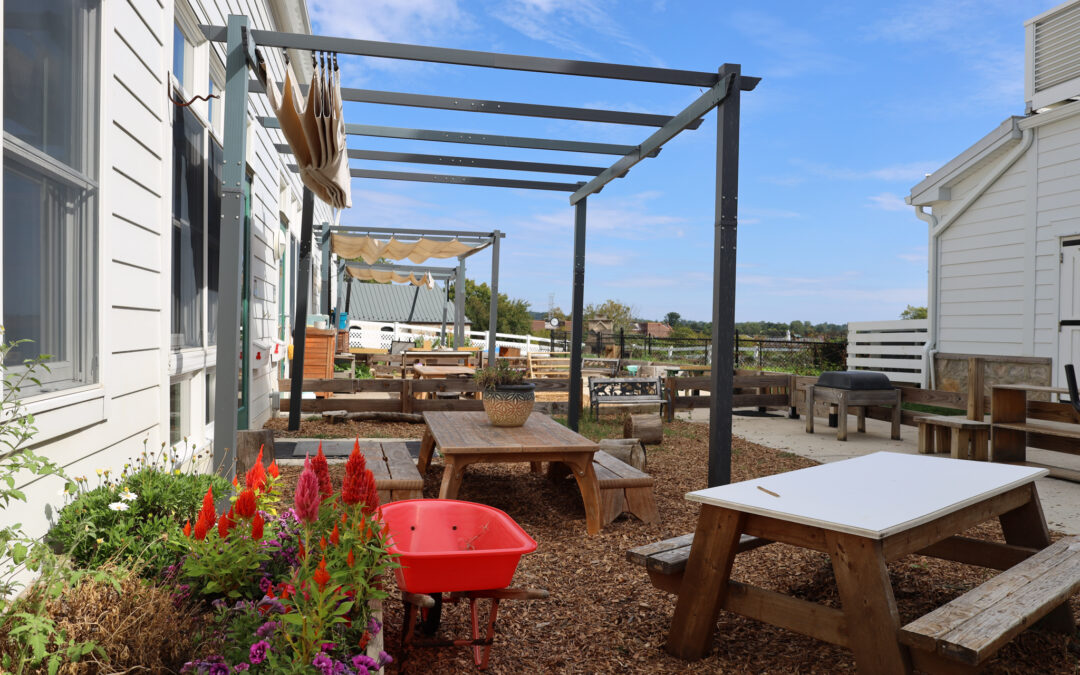
Toddler Outdoor Environments

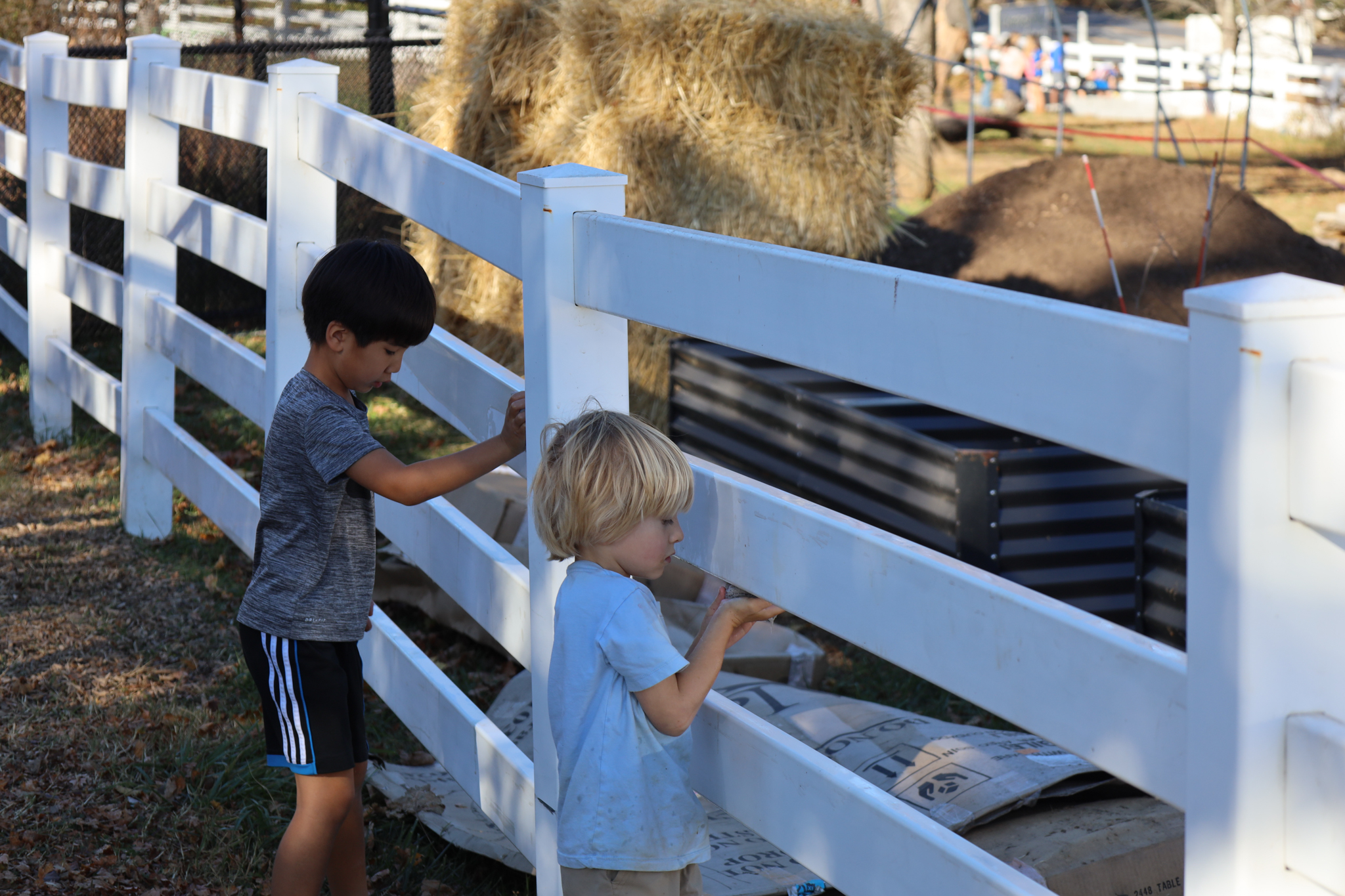
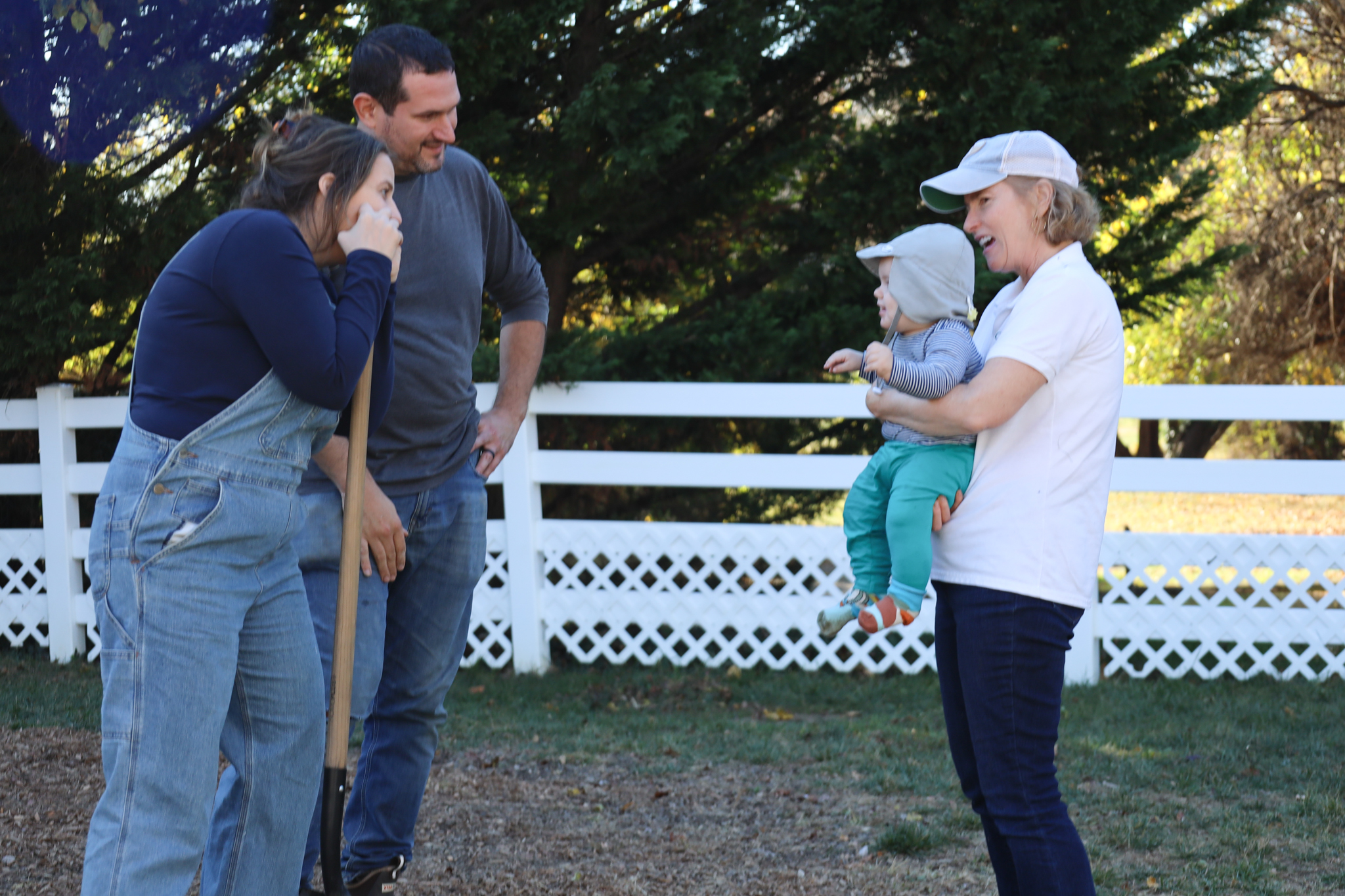
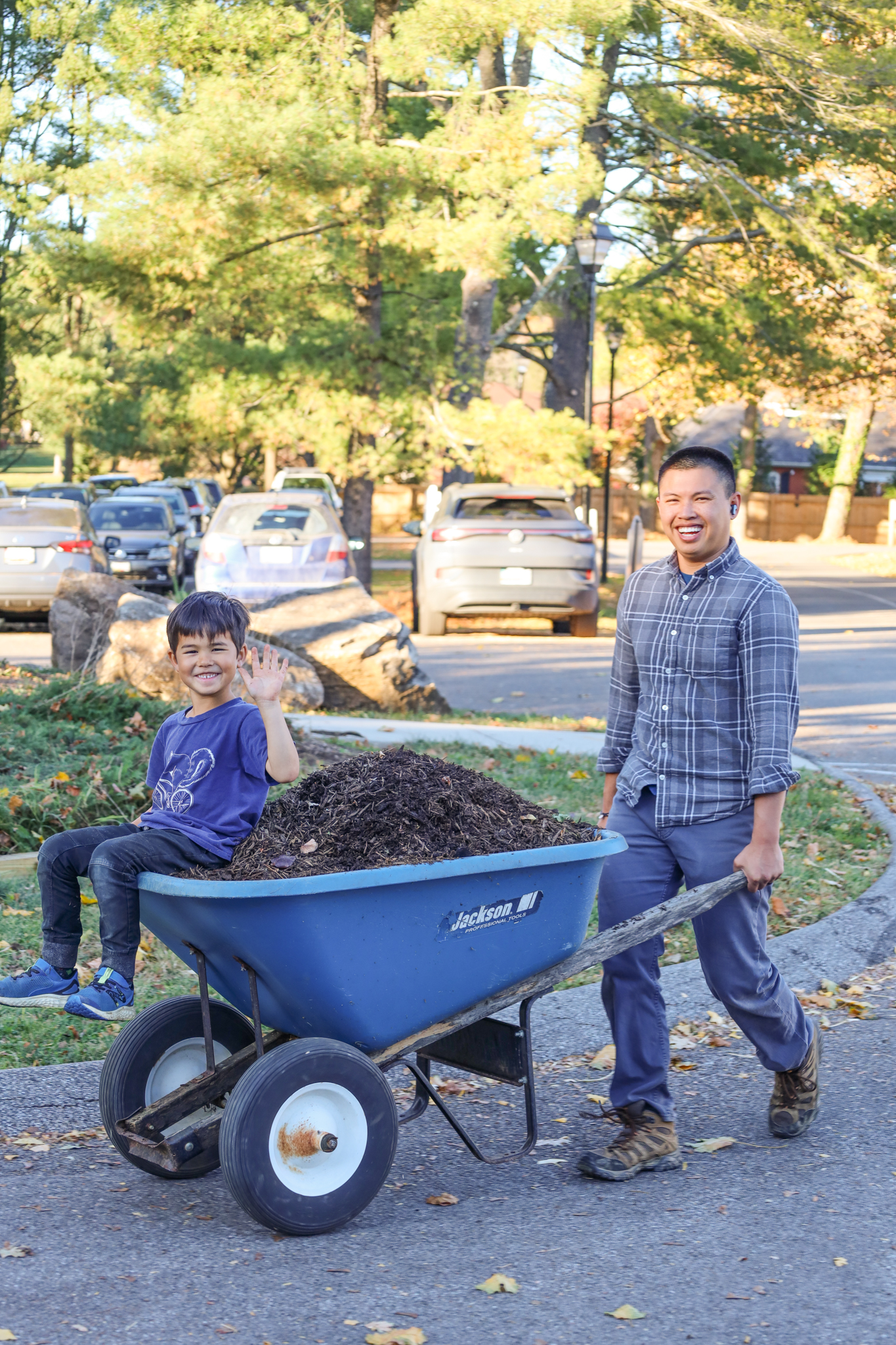
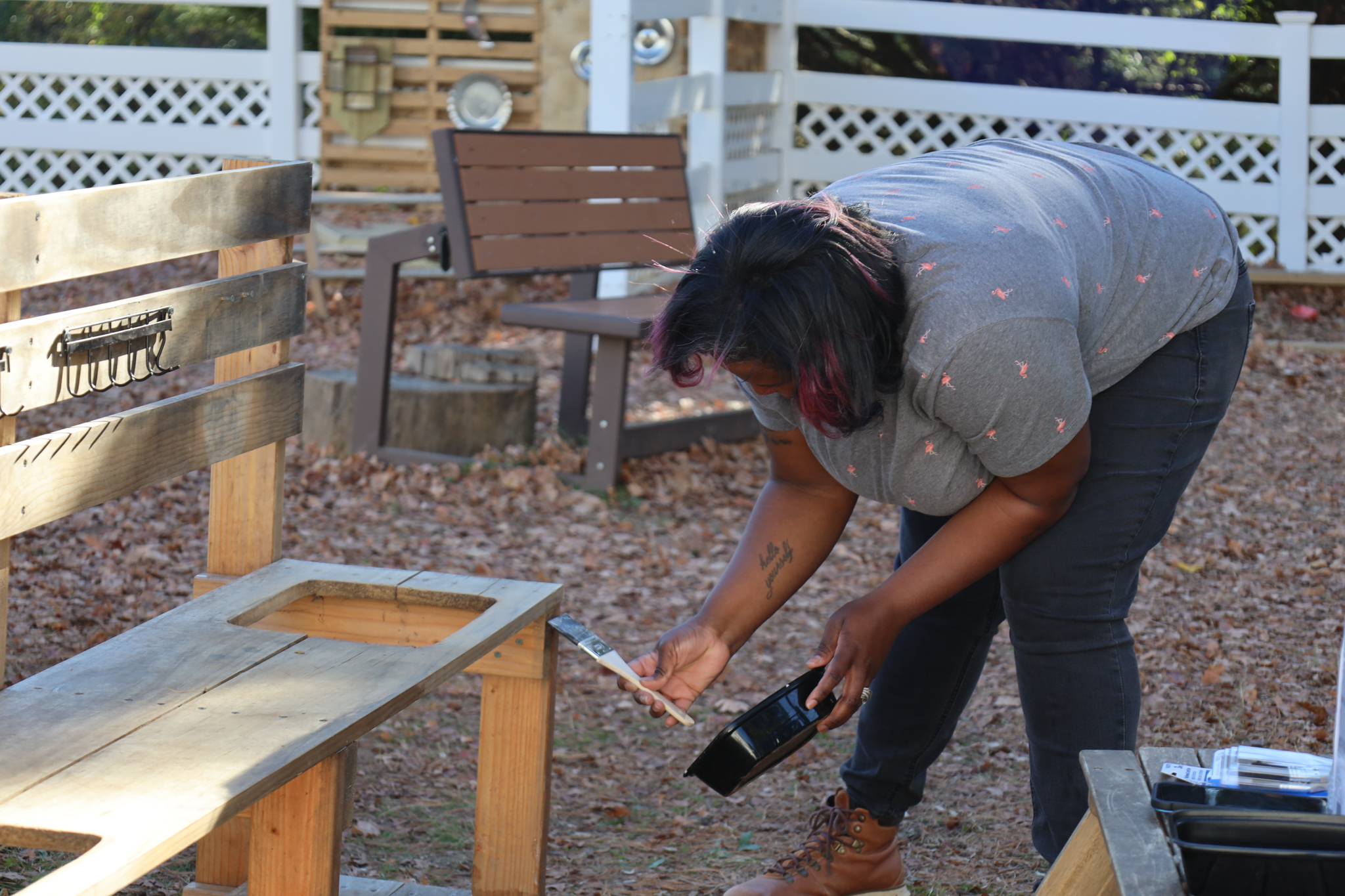
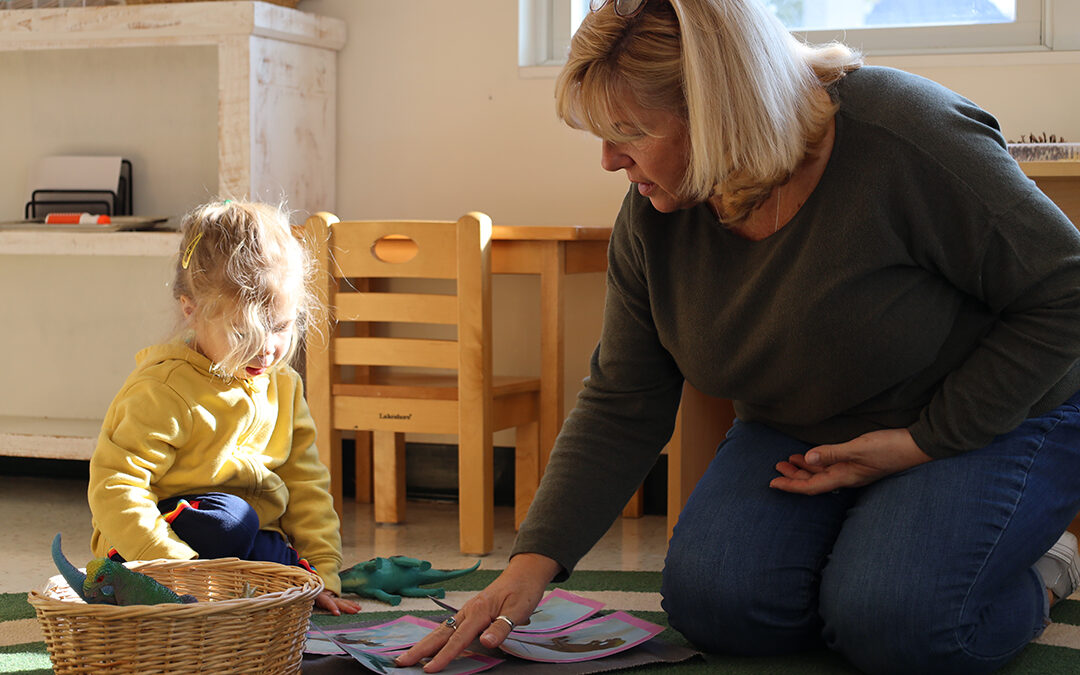
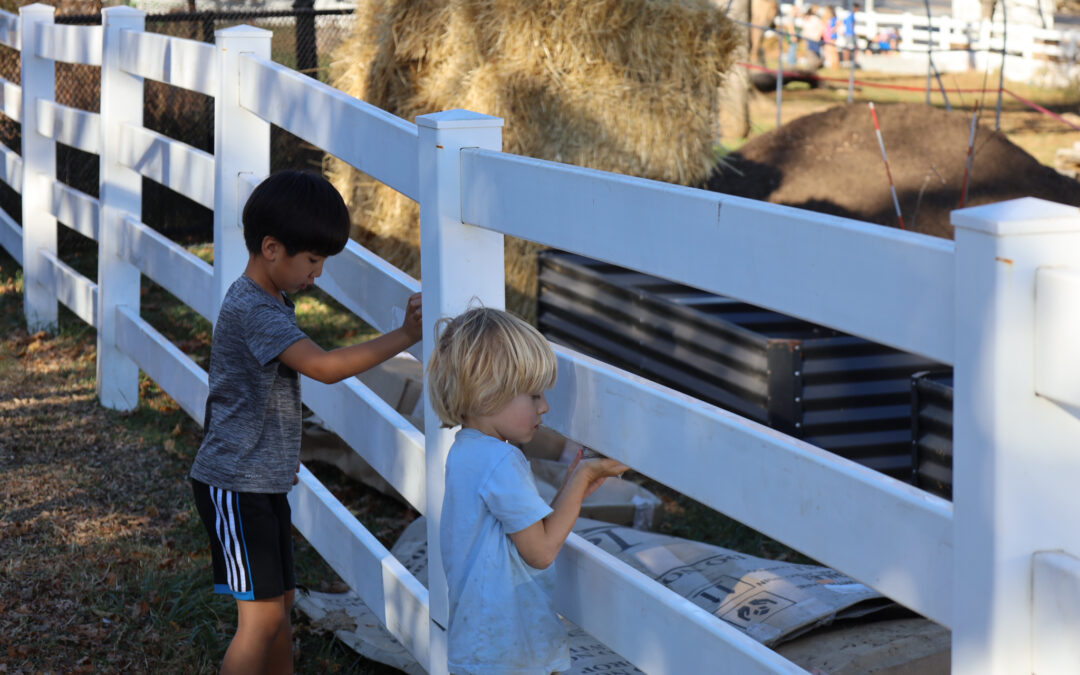
Our Toddlers have been exploring their classrooms and outdoor environments with all of their senses. Our Toddler Outdoor Environments are thoughtfully prepared for the children to explore with natural materials and wild spaces to explore. Many of the materials promote gross motor skills, such as wheelbarrows, sweeping, pikler triangles, and balance beams. Additionally, works are put out for fine motor skills and concentration, similar to what would be found inside the Toddler classroom.

Children’s House Outdoor Environments

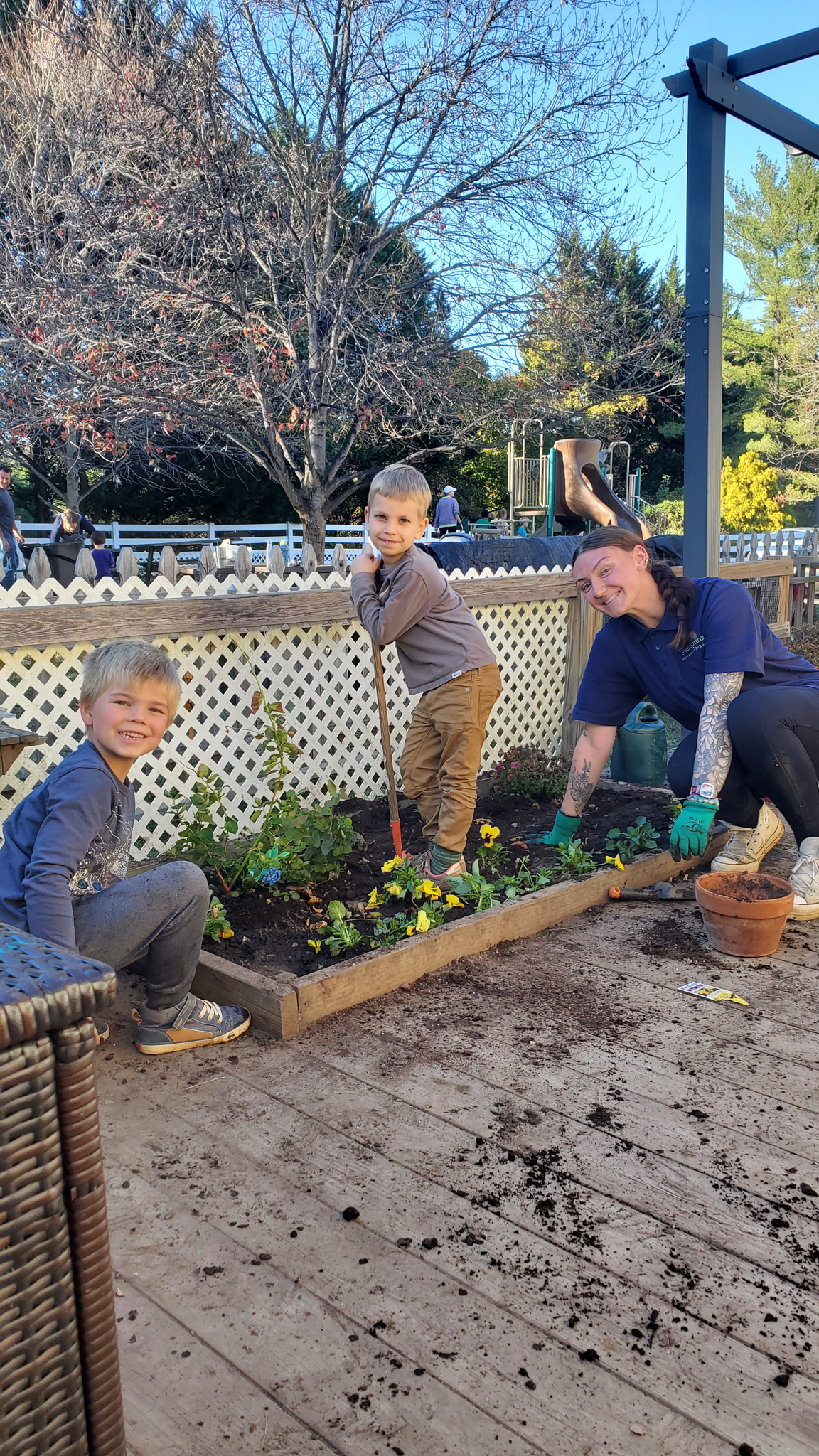
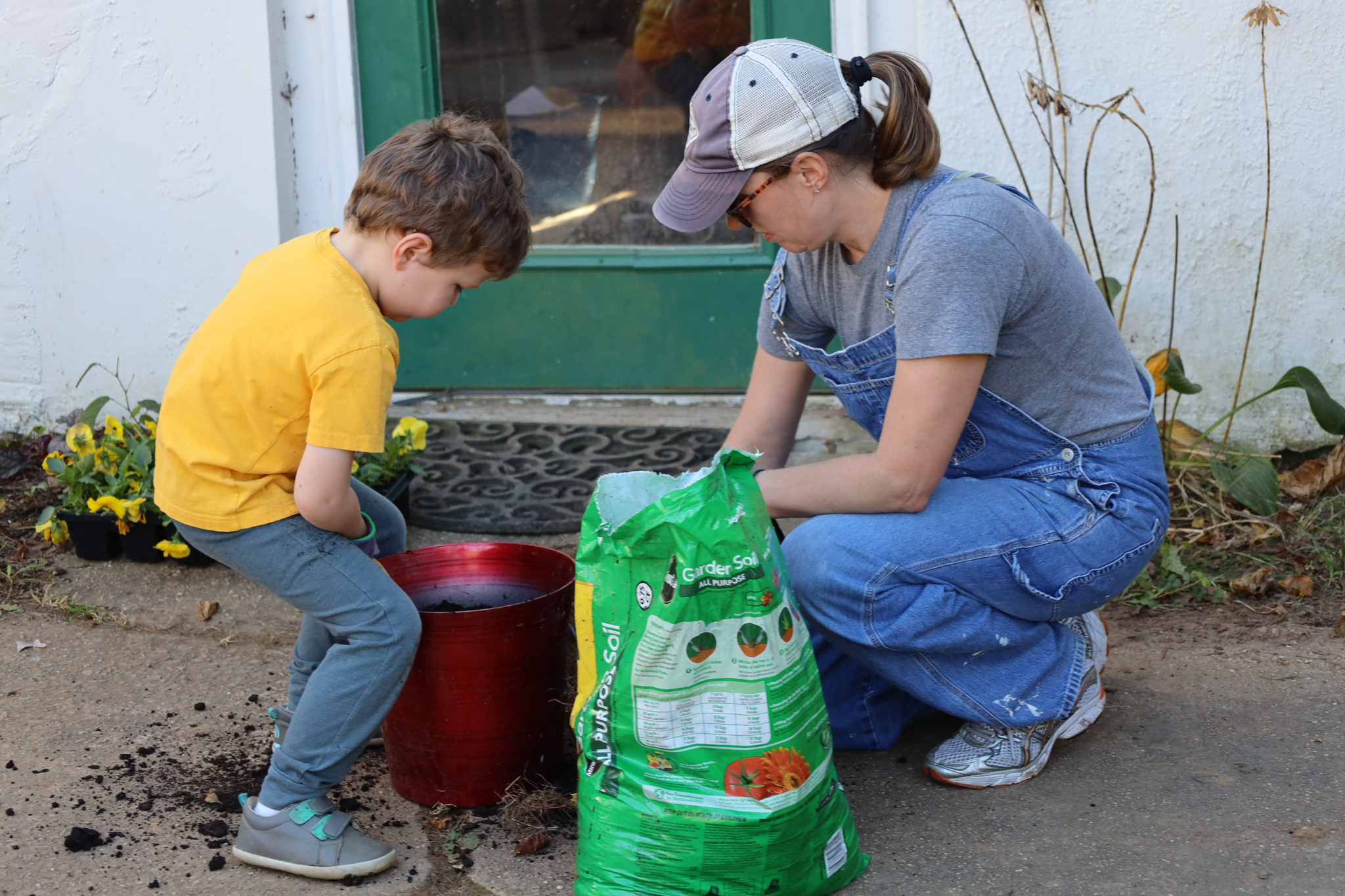
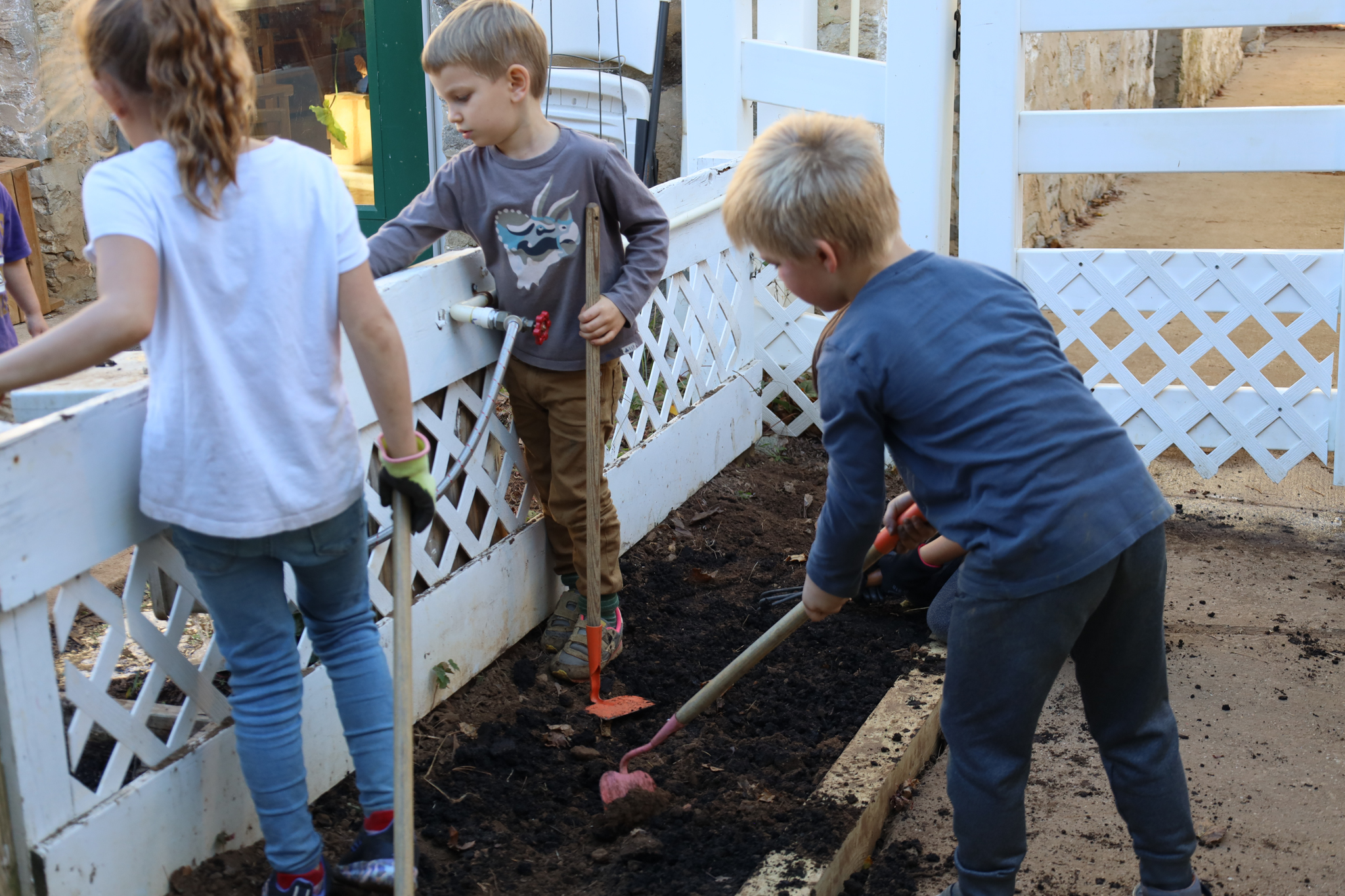
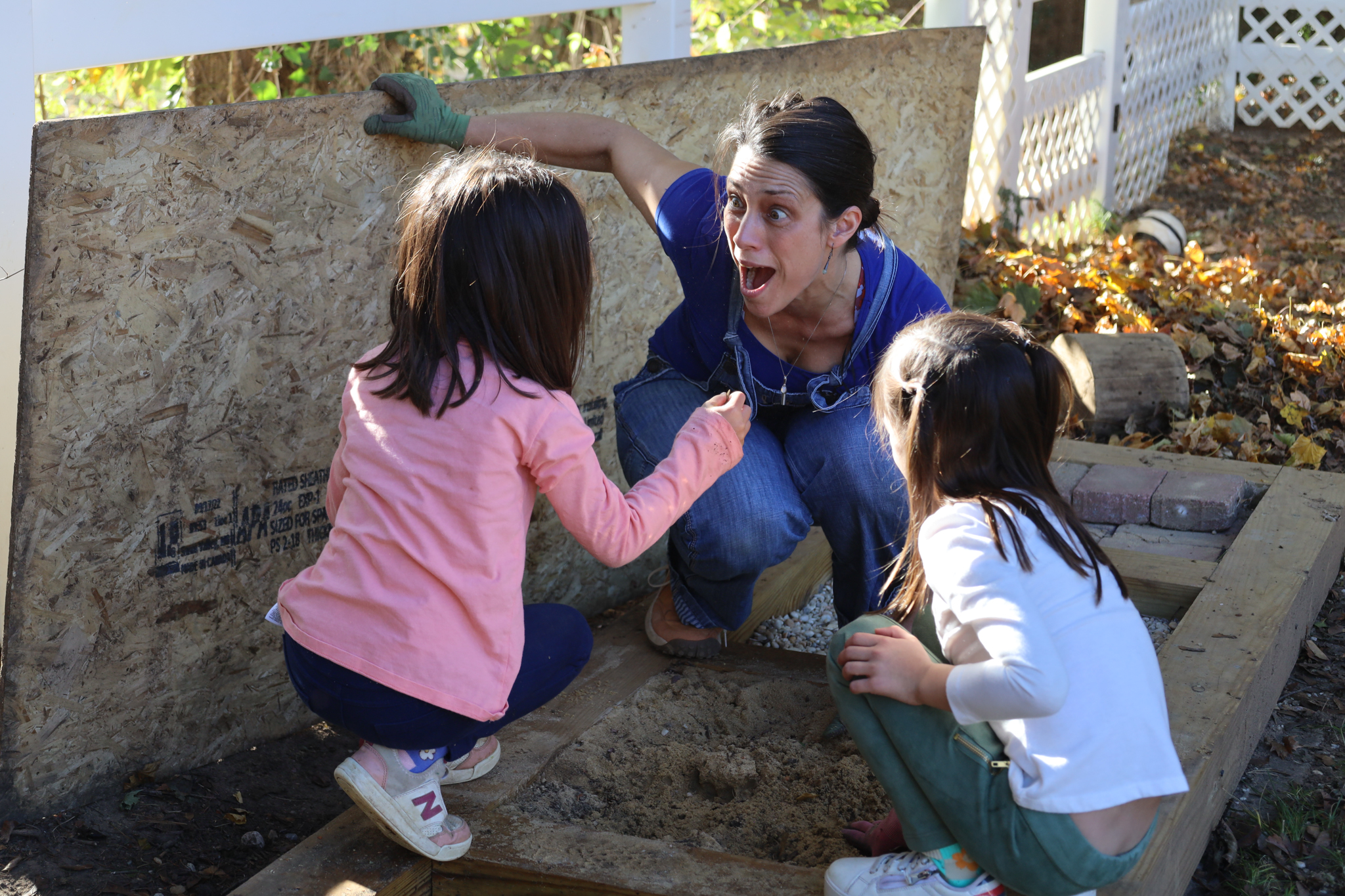
Students in our Children’s House Outdoor Environments have been immersed in a rich journey of discovery. Since the first day of school, we have been enjoying our explorations of the beautiful grounds on campus. Strolling by the dogwood trees, pine trees, fig trees, and colorful zinnias brings the children so much happiness and they are able to explore the campus with all of their senses. We were grateful to experience two weeks of rain, which welcomed an abundance of salamanders, slugs, worms, and even an amazing giant toad! The rain was a welcome gift for our plants as well. We eagerly await the stunning array of colors that autumn will unveil!

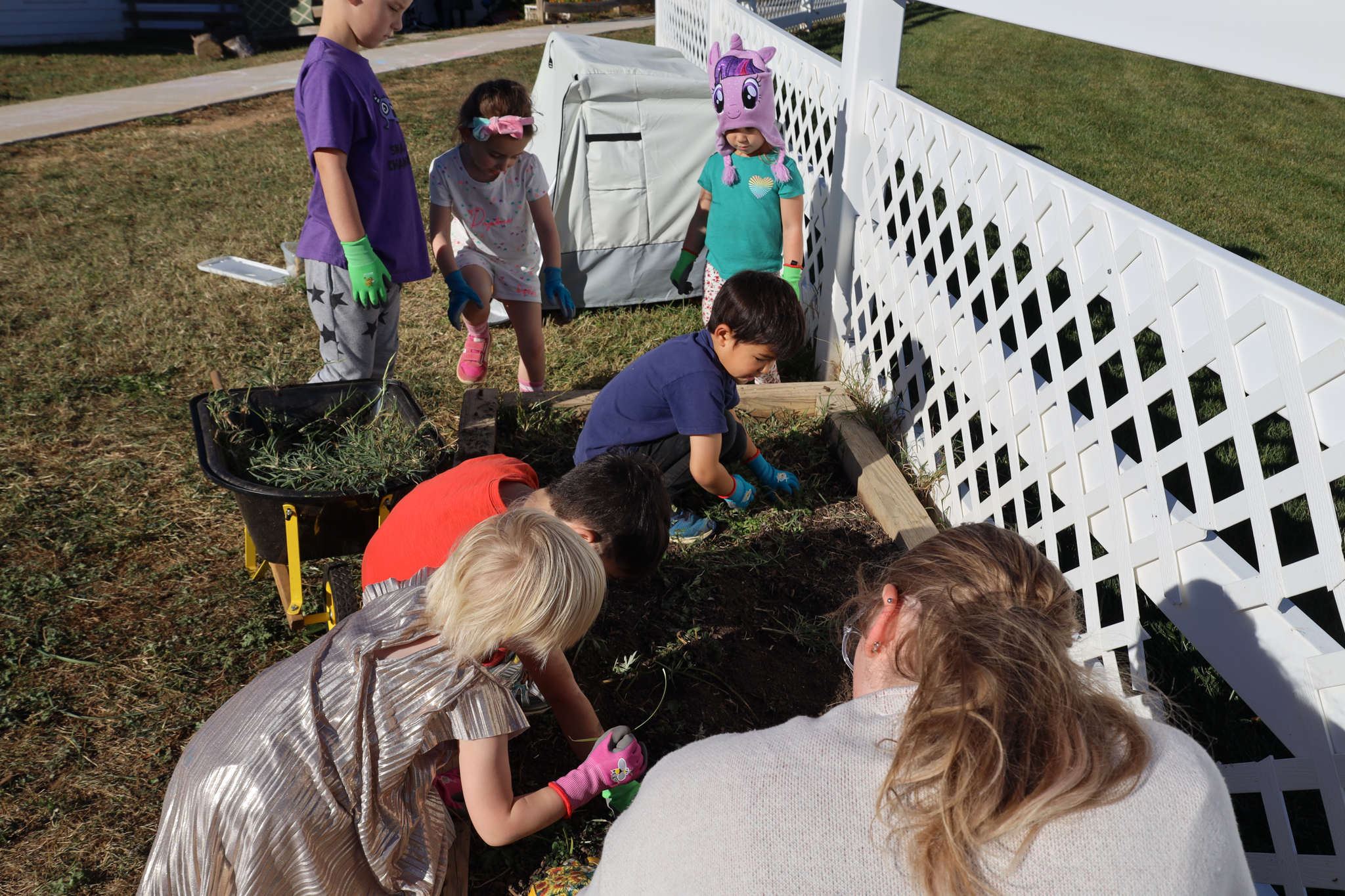
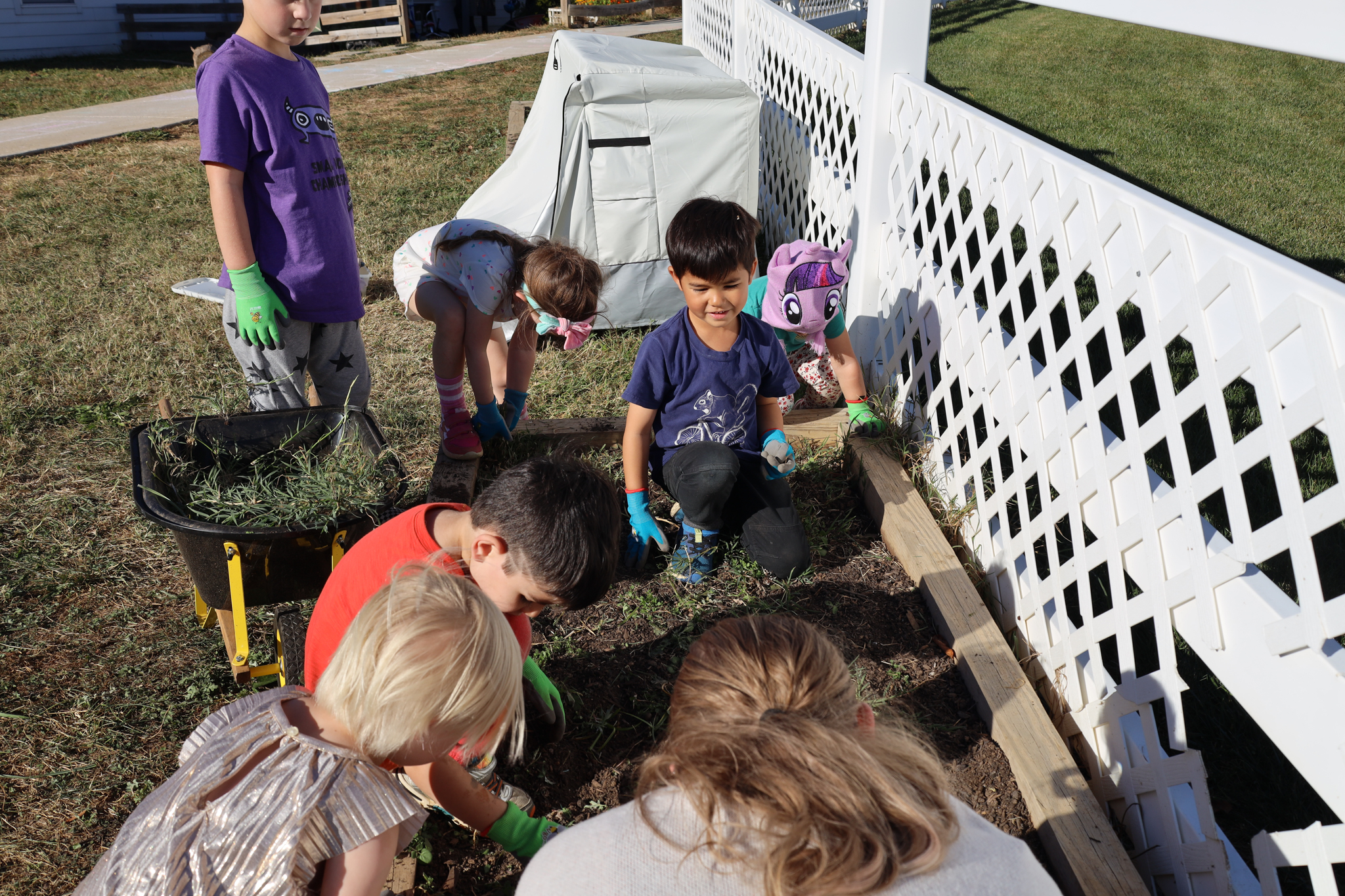
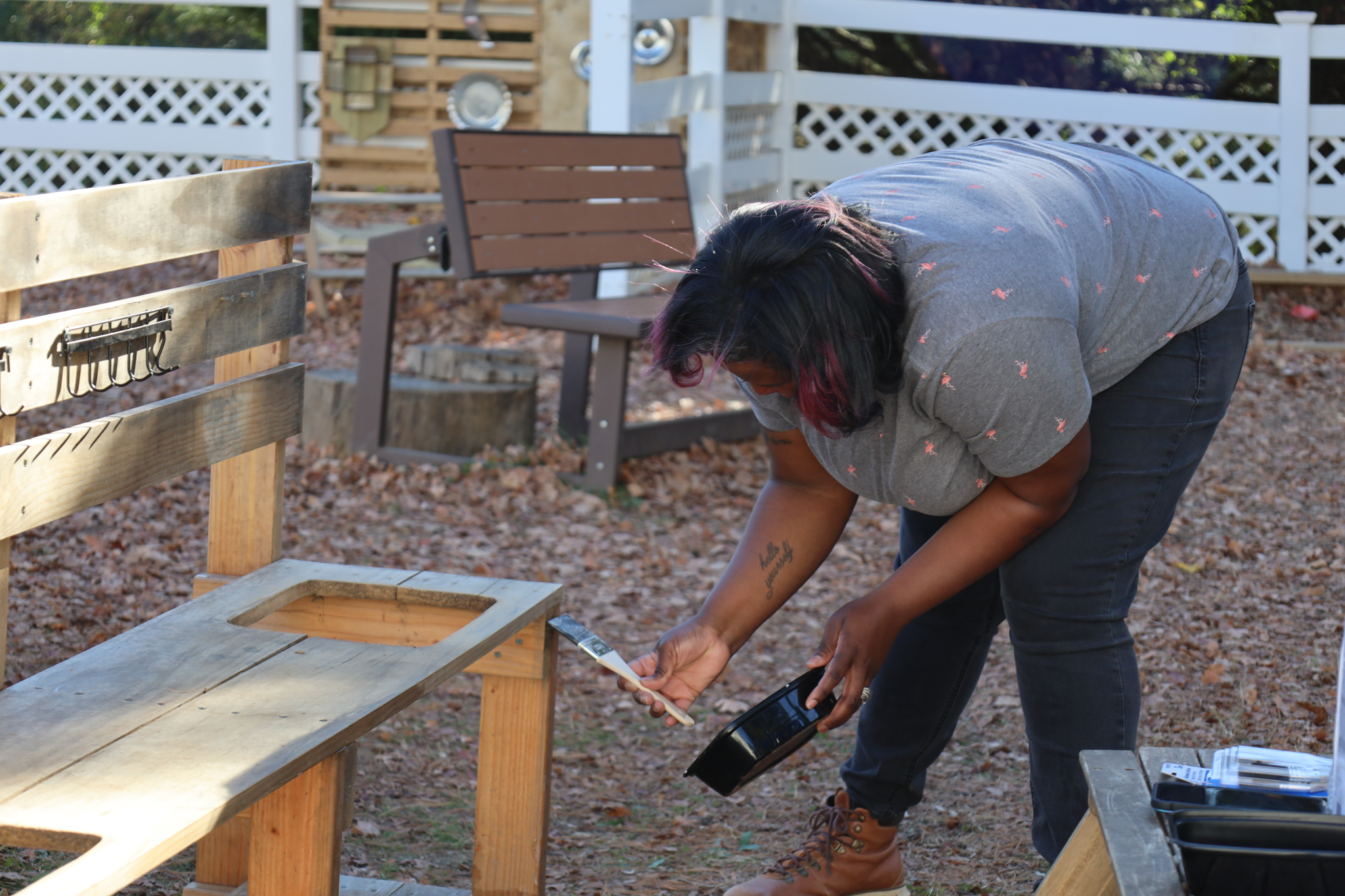
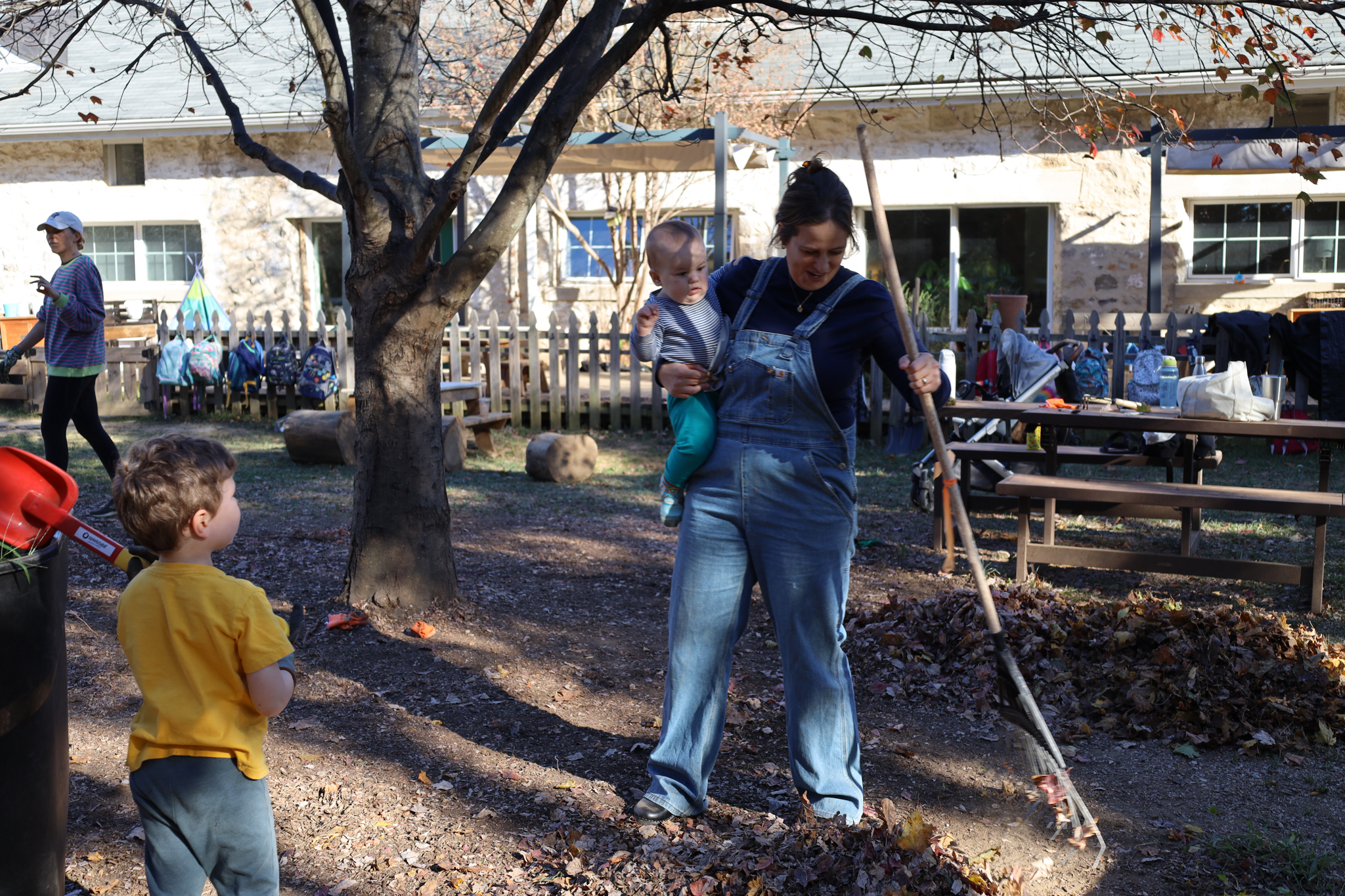
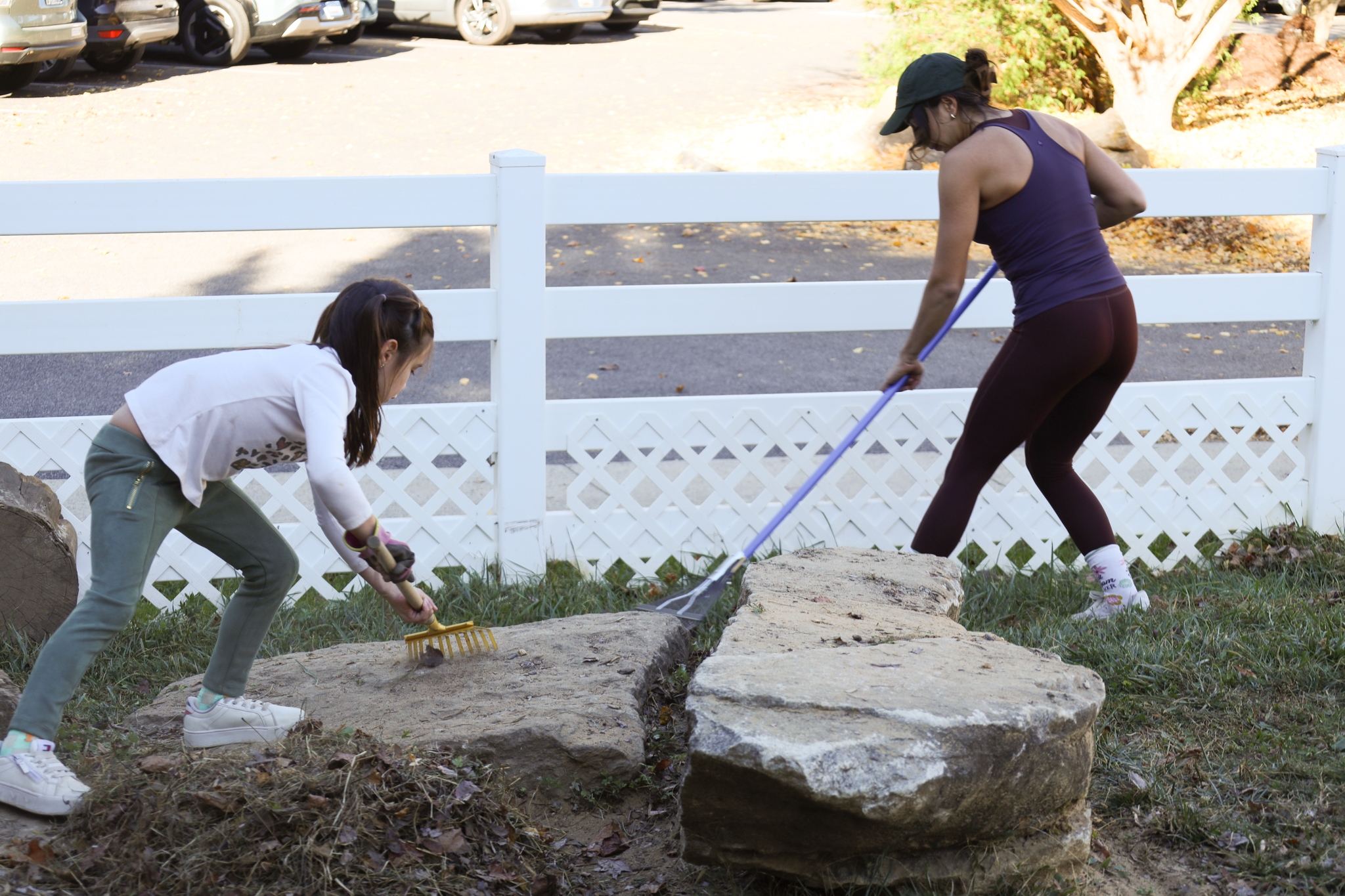
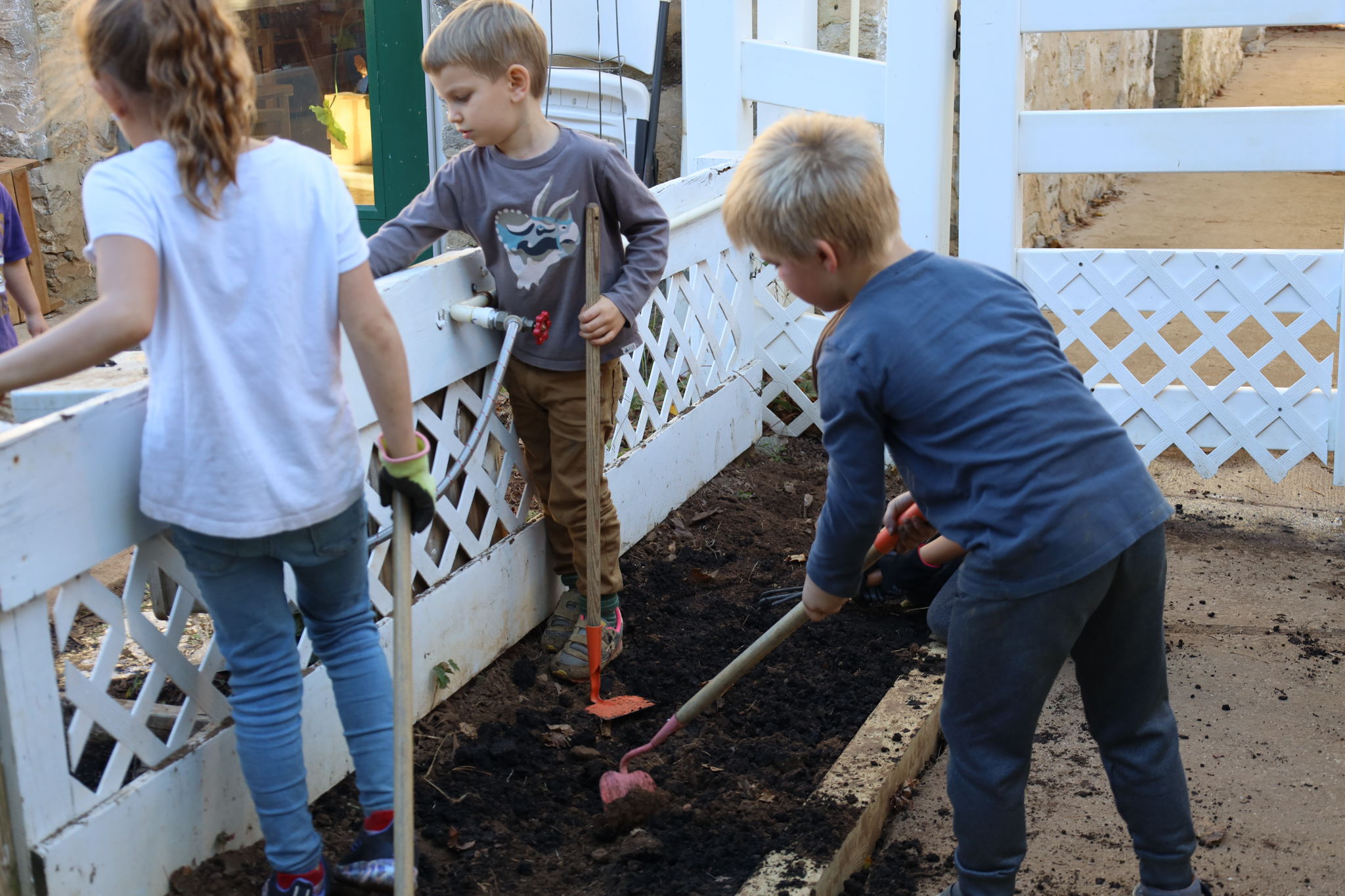
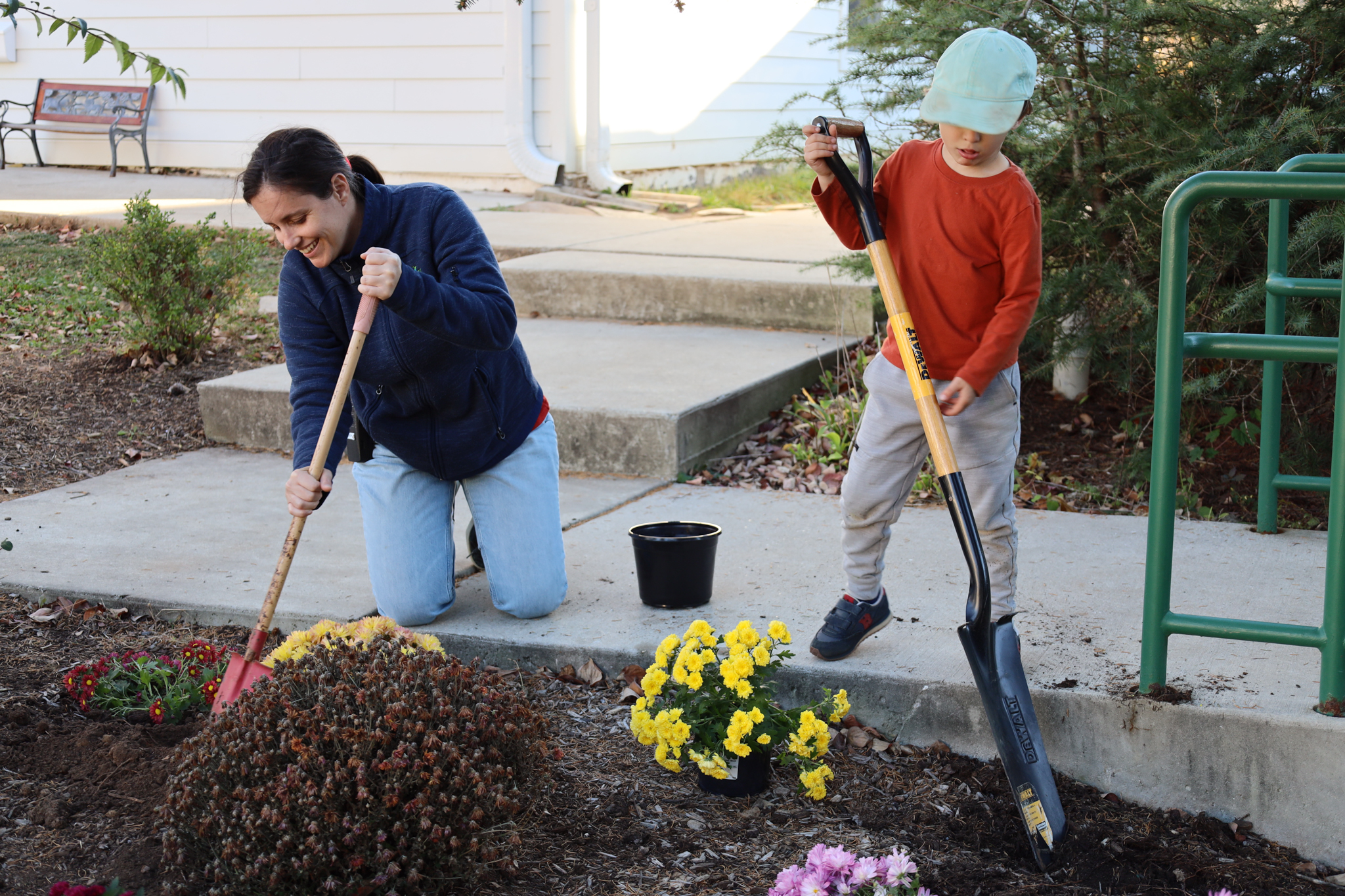
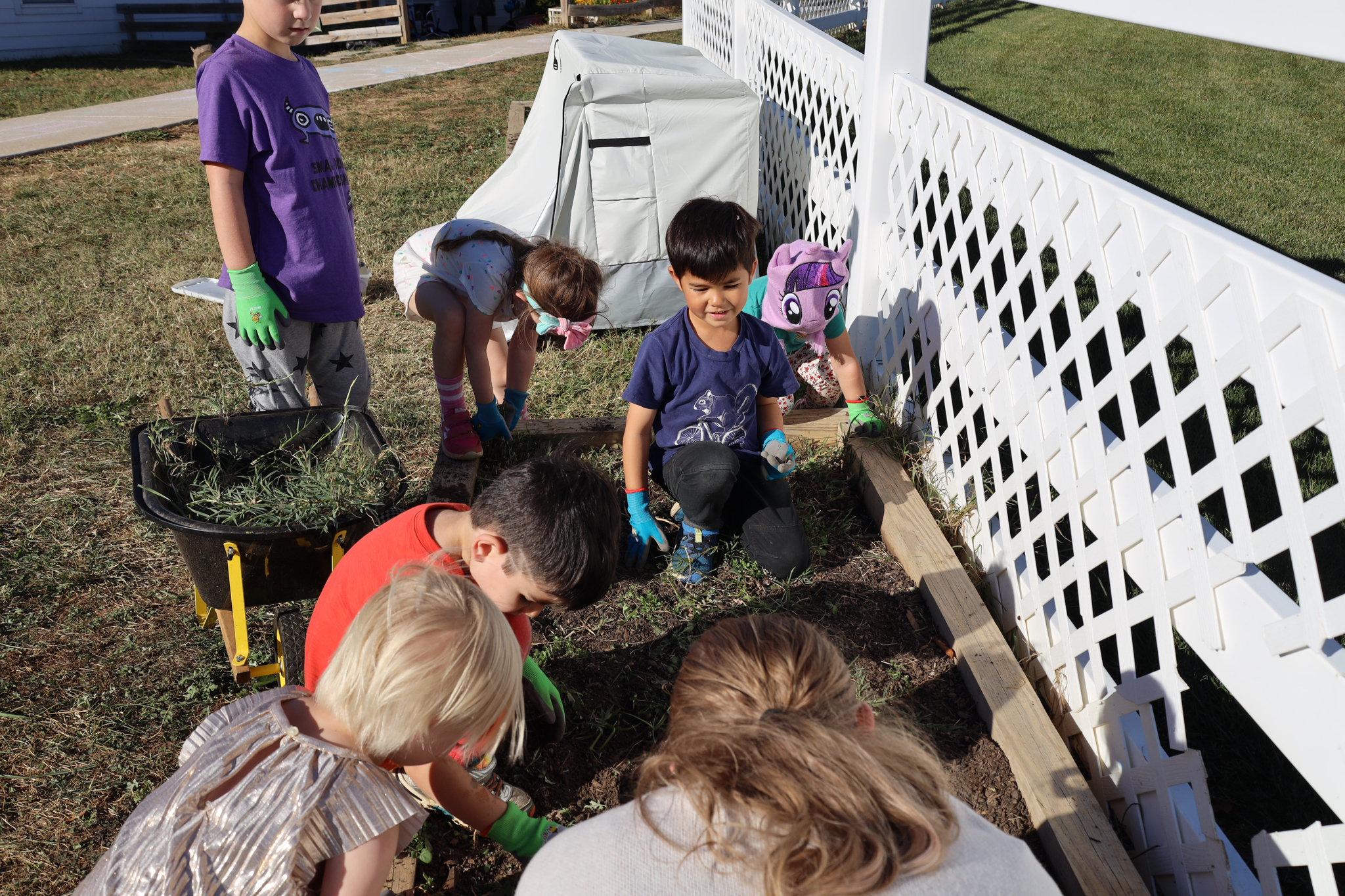
The children have been discovering the art of effectively using our garden tools, which can be quite a journey for our youngest Children’s House students. Through dedication, guidance, and the help of elders in the classroom, the children discover a passion for digging, raking, and utilizing garden tools.

With regular visits to the nature center, we enjoy feeding and engaging with Ivan, having snake-handling lessons with Nessie, and discovering the many different creatures that reside there. 

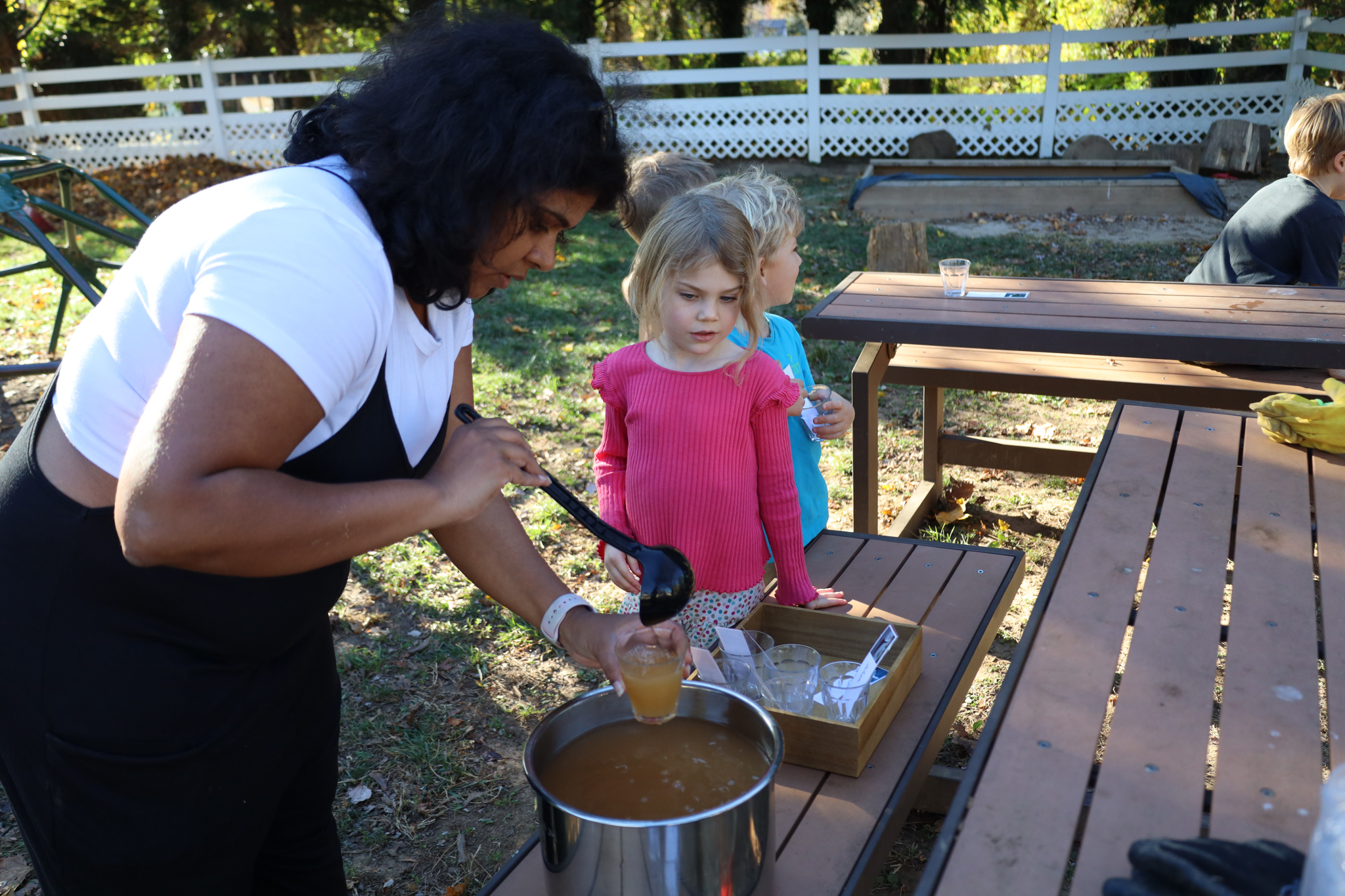
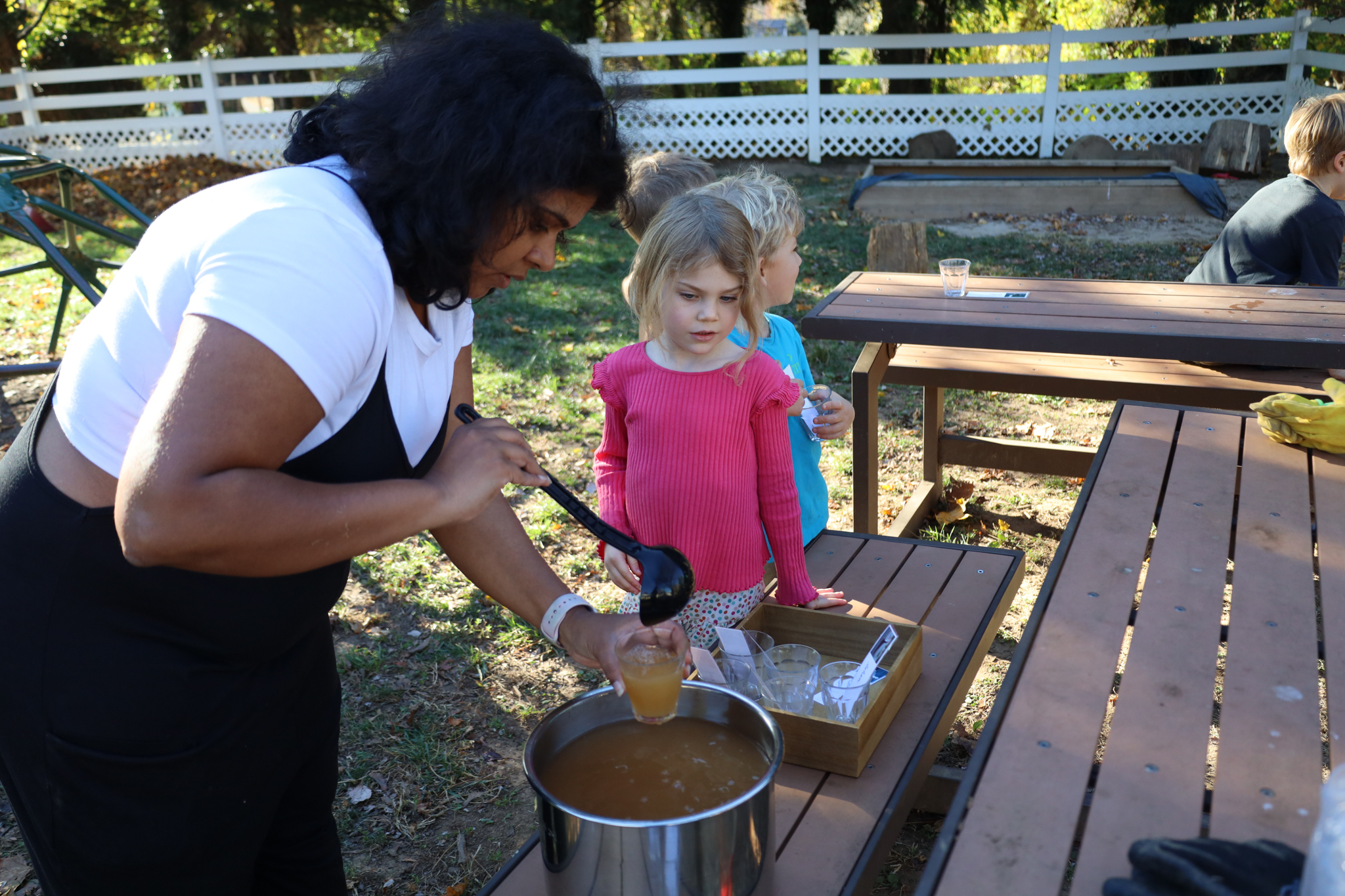
The children in the Dogwood and River Birch class have been nurturing our Oak Tree Nursery, with four white oaks grown from acorns that are thriving in pots. They also have been enjoying the process of herbal tea making, with herbs from our herb garden! Mint tea with honey is a fan favorite. 

Sit Spots

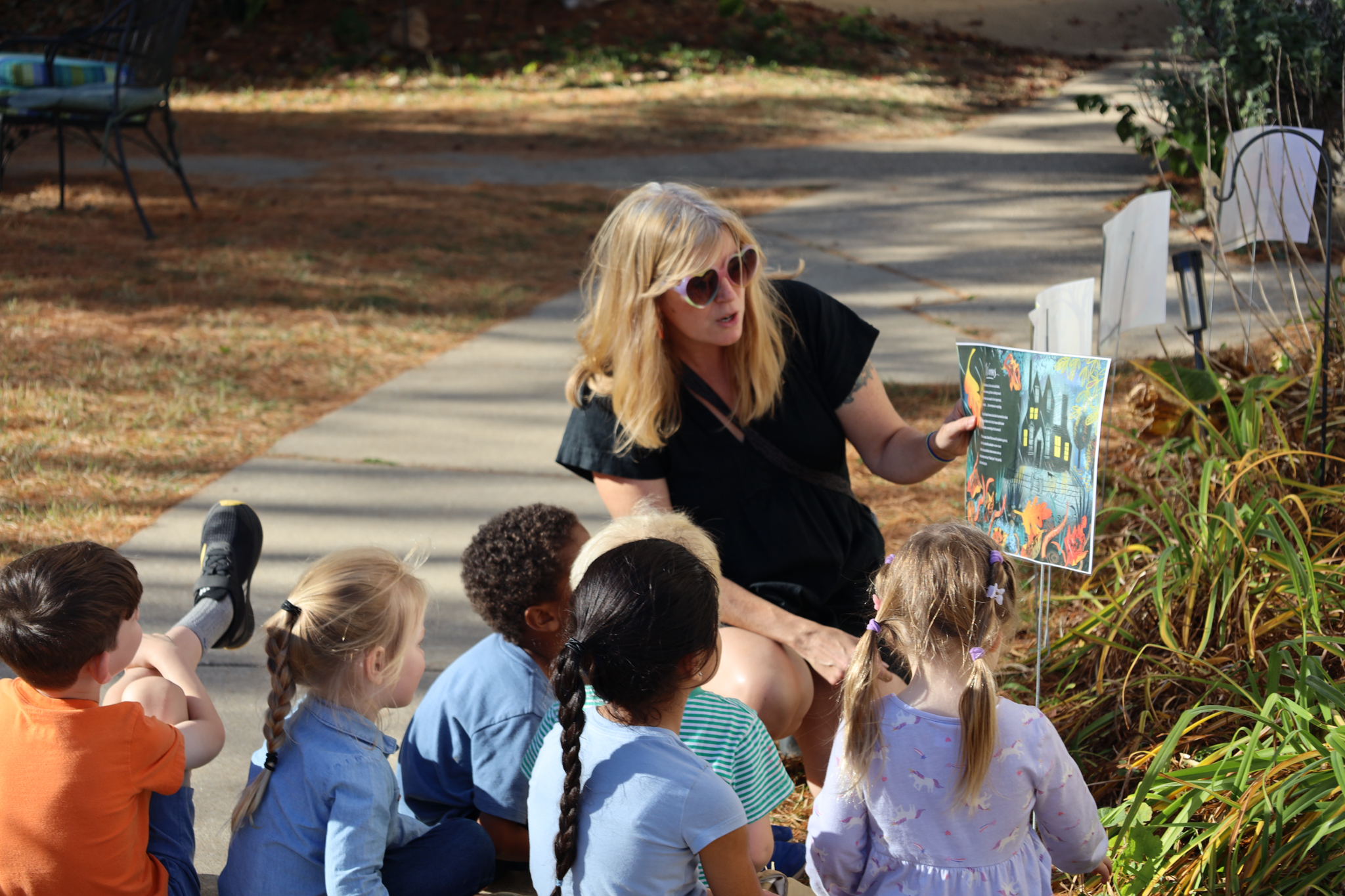
Starting in Children’s House, students participate in Sit Spots outside in all weather – a place where the child can sit for five minutes away from distractions to observe nature and enjoy time in quiet reflection. Sit spots are a way for our children to try out a new way to enjoy the world around them – observing the sights, sounds, smells, and touch of the natural world.

Elementary and Adolescent Outdoor Environments

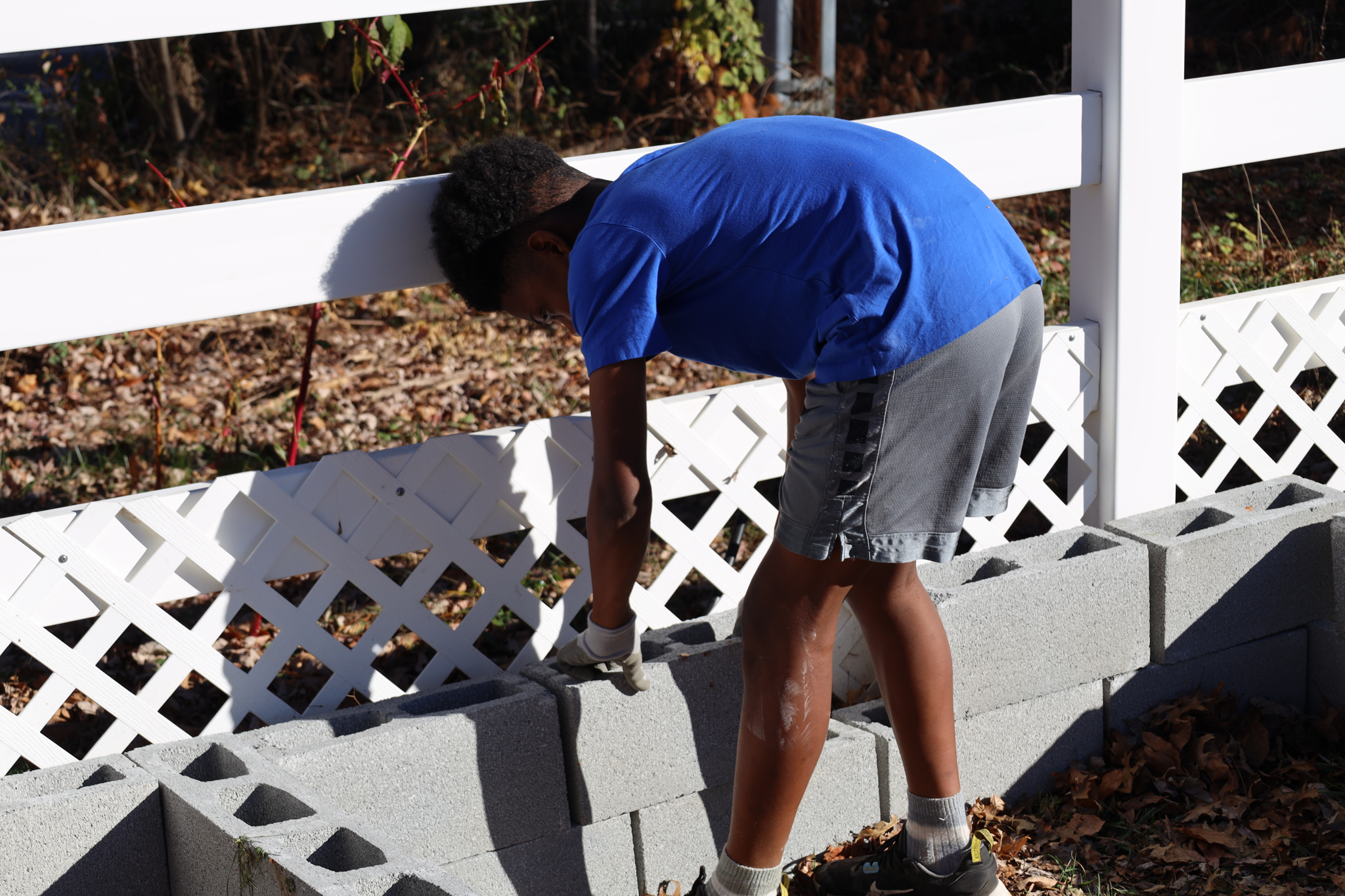
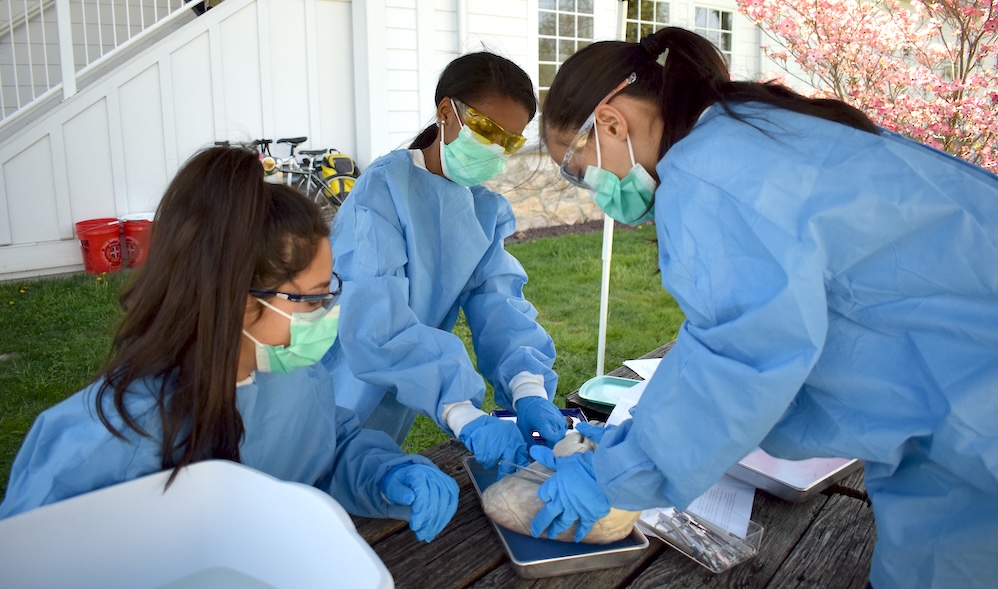
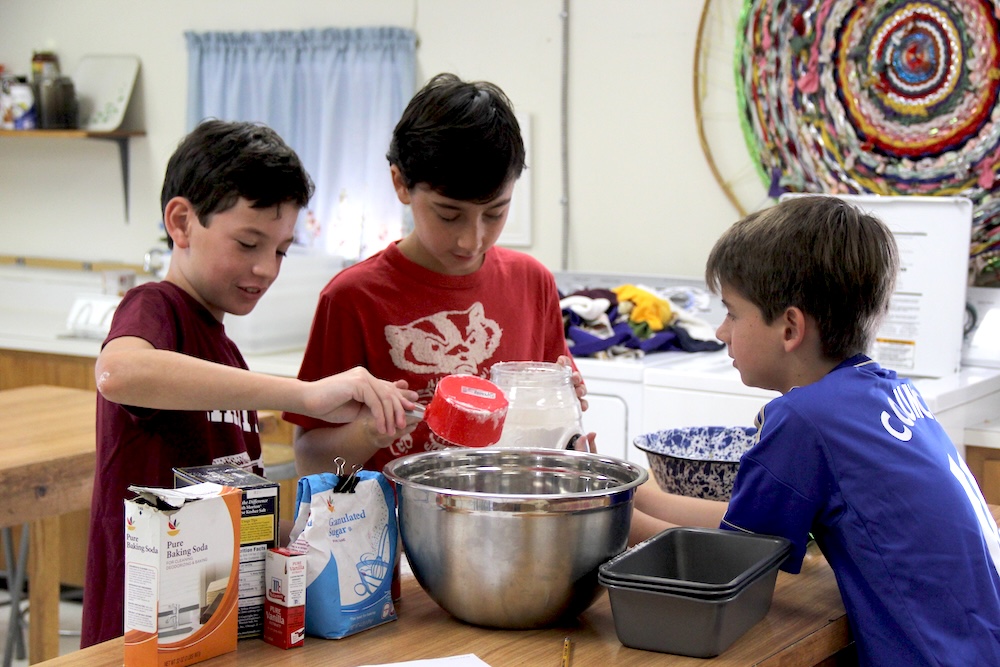
Our Elementary and Adolescent students have been exploring the Outdoor Environments, our campus, and even venturing out to learn about the greater Chesapeake Bay watershed.

Lower Elementary

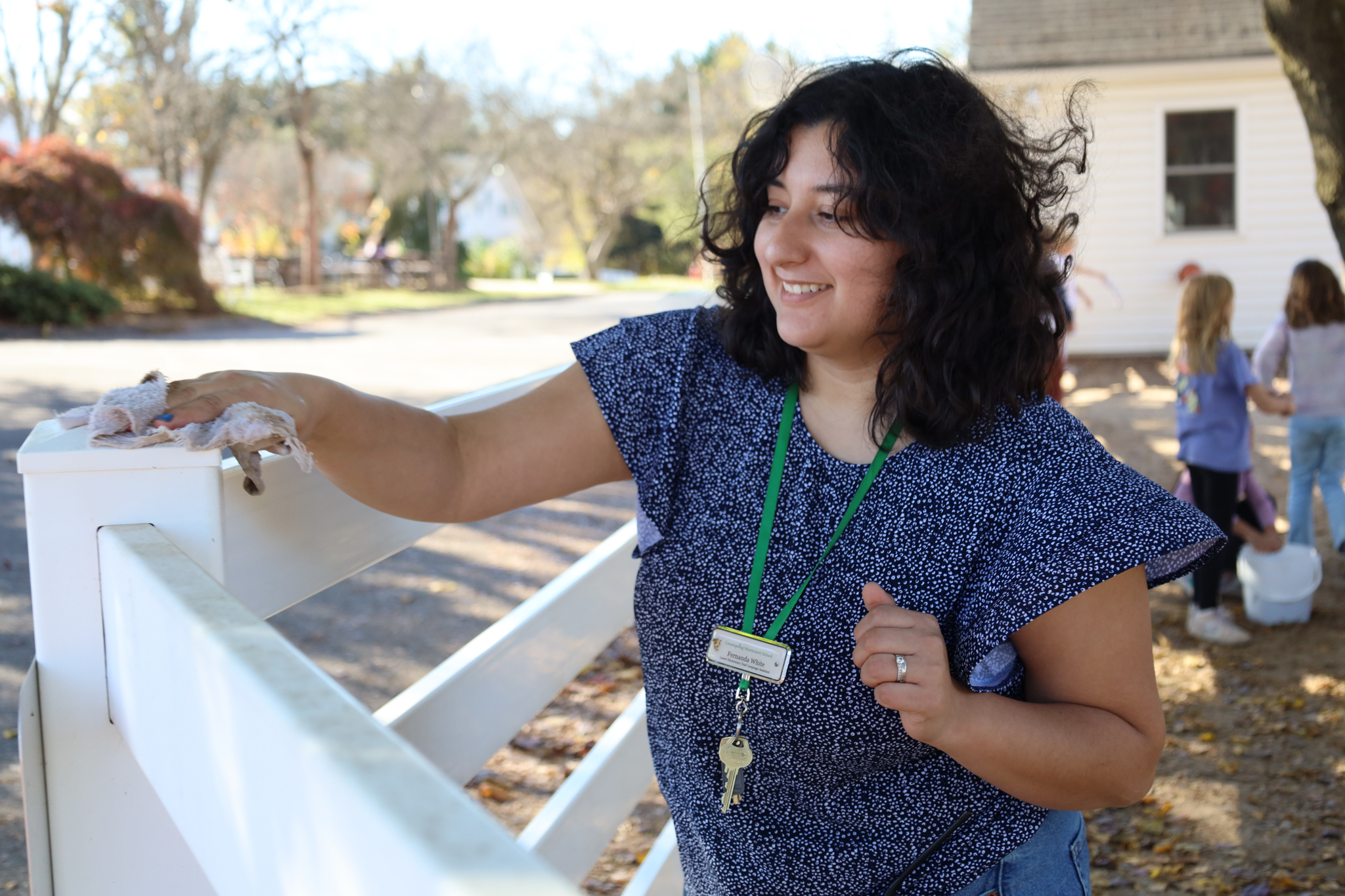
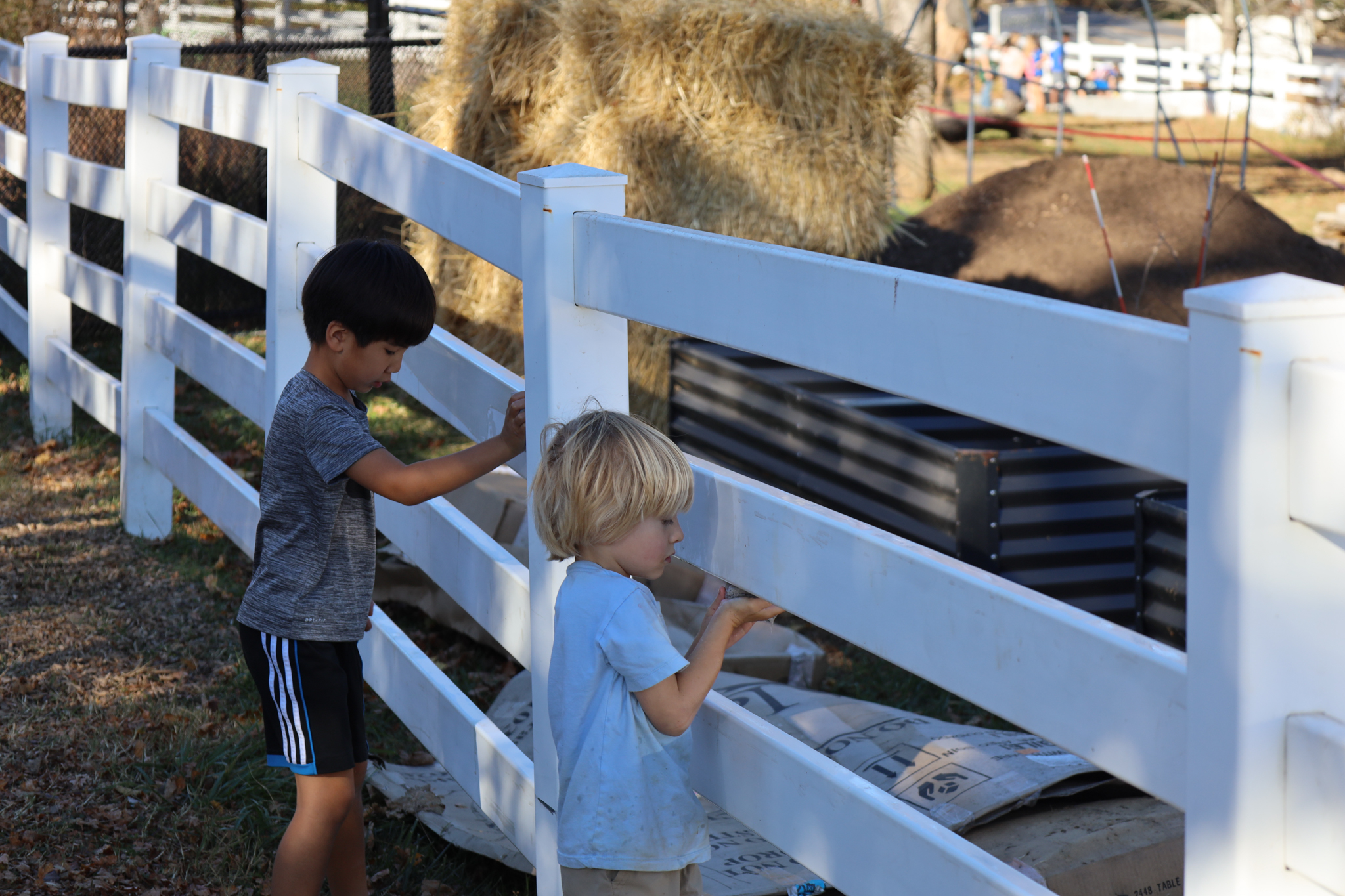
In Lower Elementary, students grew a large harvest of radishes as the weather began to cool. They sold the radishes to the community to benefit the victims of Hurricane Helene. Now they are setting their sites on the colder winter months ahead and working to build a low tunnel over their raised garden bed to protect their winter lettuce.

Lower Elementary students continue the practice of Sit Spots, heading outside each morning in all weather conditions for five minutes of reflection and observation.

Upper Elementary

In Upper Elementary, the students visited Echo Hill Outdoor School for an immersive three day trip. They had the opportunity to explore the Chester River by boat, complete a ropes course, and enjoy many team-building activities. See photos and learn more about their trip here.


Adolescent Community

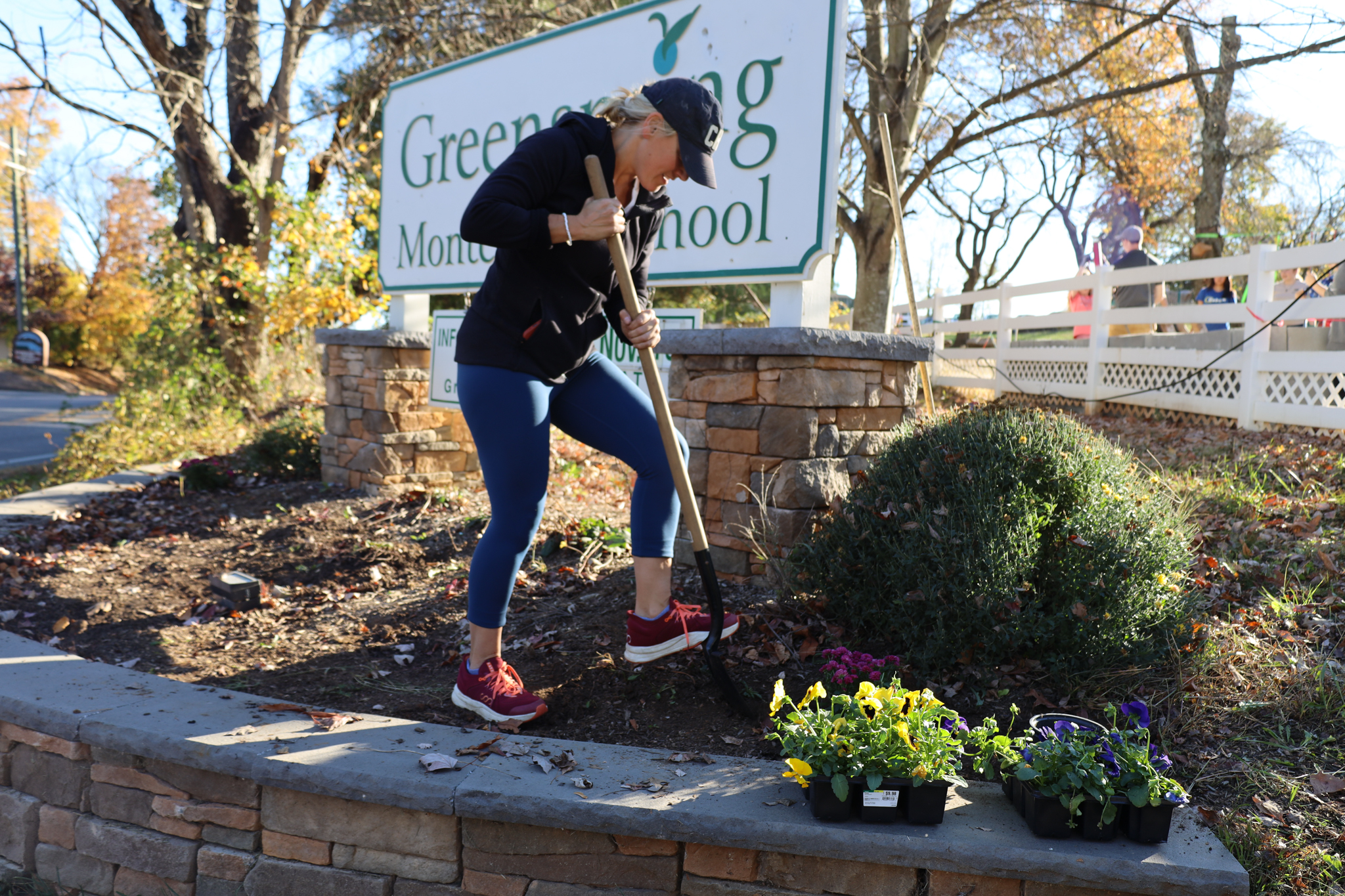
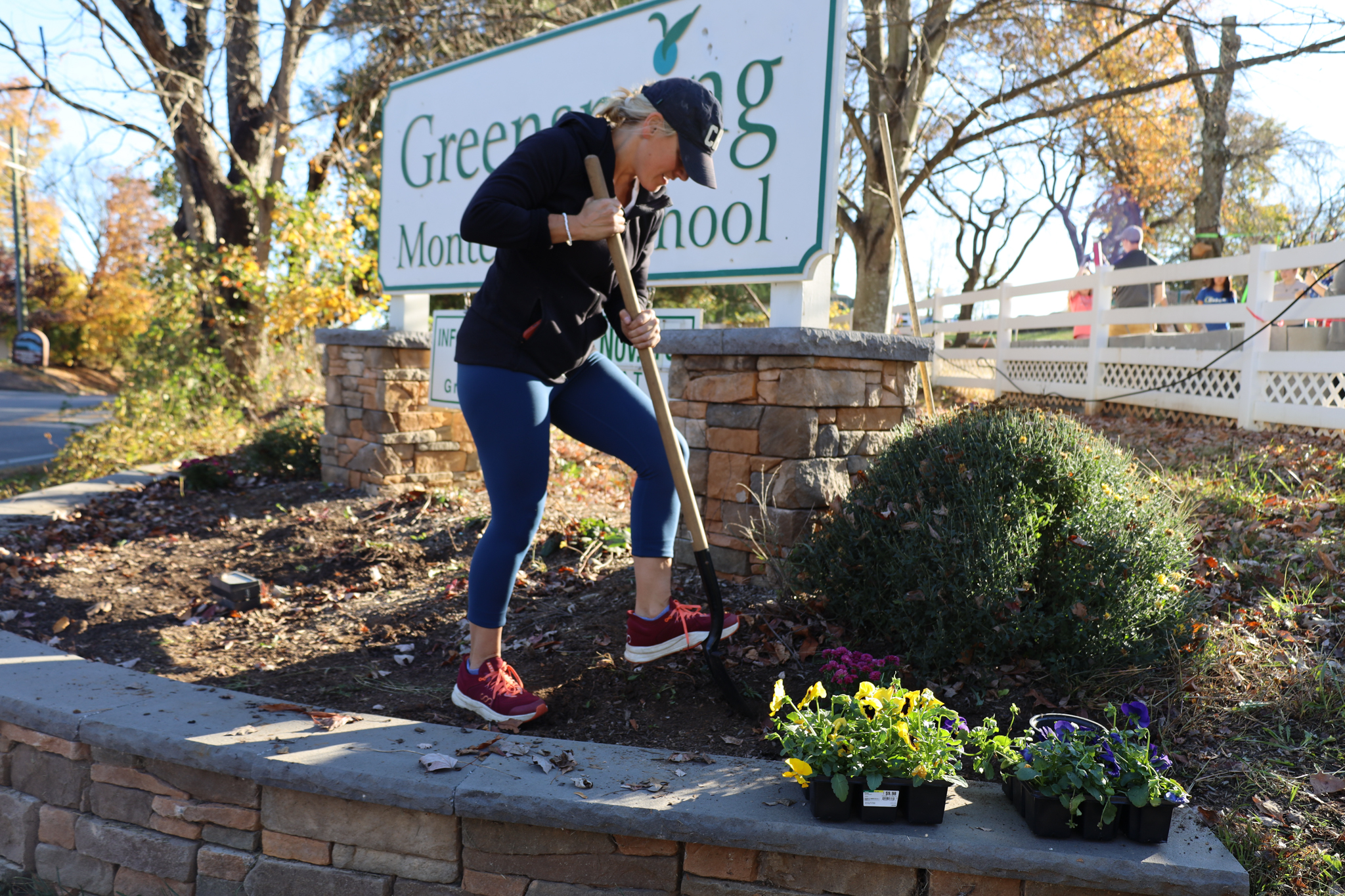
Our Adolescents have been working to improve our campus rain garden, pulling invasive weeds and making way for native plants to thrive. They also ventured out into the Baltimore community to volunteer with NeighborSpace Baltimore to clean up local pocket parks, add native plants to rain gardens, and run tests in a local stream. The students loved meeting a local Baltimore artist and learning more about these communities. They had an opportunity to see firsthand how environmental justice can serve city residents with improved access to multi-use green spaces. ⁠


What is Montessori Model United Nations?

What is Montessori Model United Nations?

Upper Elementary students in fifth and sixth grade participate in the Montessori Model United Nations (MMUN) as an After-School Program at Greenspring Montessori School. MMUN is an international group that seeks to empower young leaders through research, cultural studies, critical thinking, and problem-solving. MMUN works directly with the United Nations and implements elements of the Montessori Method to create an enriching experience for students and faculty.

In the past, Greenspring students have represented the countries of Ukraine, Bolivia, Guyana, Central African Republic, Vatican City, Kenya, and Congo-Brazzaville speaking about topics such as reliable energy, women and development, people’s right to self-determination, racial discrimination and xenophobia, and conflict in the Middle East.

Elementary students meet after school for months in preparation for the annual MMUN conference in New York City. This year, our students will be representing United Arab Emirates, Uruguay, and Croatia. The topics they are researching range from food security and water scarcity to gender equity and disarmament.

The MMUN program provides students in Upper Elementary the opportunity to learn about cultures, governments, and peoples of nations throughout the world. They put their research skills to the test, preparing a detailed speech and many written components. They discuss and debate as a group and develop critical thinking skills, trying to think from the perspective of representatives in their respective countries.

This experience culminates in a week-long trip to New York to visit the United Nations Headquarters and engage in dialog with other Montessori students from around the world. They learn together the need for peace and lasting conflict resolution, skills that will follow them through life.

Click here to learn more about our Elementary Program and here to learn more about Montessori Model United Nations.

Celebrating Latin and Hispanic Heritage Month

Celebrating Latin and Hispanic Heritage Month

Latin and Hispanic Heritage Month is observed from September 15 to October 15 each year in the United States, and celebrates the histories, cultures, and contributions of people of Hispanic and Latin American descent. The month recognizes the rich cultural heritage, traditions, and achievements of Hispanic and Latin communities, who have significantly influenced U.S. history, arts, politics, and society. It also serves as an opportunity to honor the diversity within these communities, which include people from various nations in Latin America, the Caribbean, Africa, and Spain.

During September and October, our Spanish Dual Language team created many meaningful ways to engage our community, including a special map for students and staff to document their own Latin and Hispanic heritage, a whole school Independence parade celebrating the independence of seven Latin American countries, and many lessons on the rich histories of the many communities that make up the Spanish-speaking regions of the world. Click on the link below to see photos and learn more about this amazing work.

Latin Independence Parade

Latin and Hispanic Heritage Month begins on September 15 to coincide with the Independence Days of several Latin American countries, including Costa Rica, El Salvador, Guatemala, Honduras, and Nicaragua, followed by Mexico’s Independence Day on September 16, and Chile’s on September 18. Our Spanish language Guides and Partners led a celebration of the seven Latin American countries commemorating their independence in September – Costa Rica, El Salvador, Guatemala, Honduras, Nicaragua, Mexico, and Chile.

We enjoyed music from each country as our children paraded the campus with the flags they created. Children loved learning the meaning behind many of the flags of Latin America and creating their own to share. ⁠This was a beautiful way to commemorate Latin and Hispanic Heritage Month with our community!


Latin and Hispanic Heritage Wall

Additionally, during Latin and Hispanic Heritage Month our Dual Language team created a map of all of the Spanish-speaking countries. Children’s House students researched the countries and cut them out for the map. Then students and staff were invited to create a personal bio to pin to the countries where they share heritage and history. It has been a joy to learn more about others in our community and celebrate the beautiful diversity of our Spanish-speaking community. 

Thank you to the Dual Language staff for coordinating these efforts. You have helped to create a beautiful and meaningful celebration for our children, families, and staff. 

In addition to the planned celebrations, students also made Salvadorian papusas during their Spanish enrichment class – yet another beautiful way that our Spanish team brings culture alive in the classrooms!

Adolescent Odyssey to Chincoteague Island, Virginia

Adolescent Odyssey to Chincoteague Island, Virginia

This fall our Adolescents ventured to Chincoteague Island, Virginia for an immersive Odyssey Trip where they enjoyed kayaking, hiking, science lessons, and lots of biking and beach time.

On the way there, students stopped for lunch and a science lesson at Blackwater National Wildlife Refuge for a science lesson about saltwater and freshwater ecosystems.

The adolescents shopped for their groceries, meal prepped together, and planned several of their own activities.

On day two, the adolescents had a lesson in bike safety and physics, then biked to the beach (10.4 miles round trip)! The Adolescents were eager to explore the diverse ecosystems on the island, and they came up with many research questions to explore in the months to come. Some of the many questions included:

Is this a bone?
Is this an organism?
Why does this shell have holes in it?
What made these little balls of sand?
Why does the seagrass change color from bottom to top?
Do those birds eat on this side of the sandbar (the cove) or the other (open ocean)?


They adolescents enjoyed a morning kayaking trip through salt marshes and the Assateague Channel where they were able to visit a bald eagle’s nest.

They also spent time in nature, drawing and taking scientific observations.

The students enjoyed each other’s company throughout the trip and built confidence with new experiences from flipping pancakes to navigating the streets independently.

Why an Odyssey?

Odyssey travel offers many benefits to our students. It invites them to step out of their comfort zones by spending time away from their families and stretching their independence. In a new environment, students learn to care for and rely on each other. They bond through new experiences, such as biking to buy groceries and kayaking through a salt marsh. And, finally, Odyssey offers lots of unstructured time to be together and build community, which will strengthen our connection for the rest of the year and beyond.

Upper Elementary Overnight Trip to Echo Hill Outdoor School

Upper Elementary Overnight Trip to Echo Hill Outdoor School

Each year during the first weeks of school, our Upper Elementary students venture to Echo Hill Outdoor School for a three-day outdoor learning experience. Echo Hill is located on the Eastern Shore of Maryland with 242 acres of forests, meadows, and freshwater shrub swamp bordering a mile of sandy beach on the Chesapeake Bay.

This trip is a great opportunity for the Upper Elementary students to live close to nature and learn about our environment and our place within the natural world. The students enjoyed learning about many interesting topics like swamp biology, how to experience the environment through all our senses, wilderness survival, and bay biology.
Elementary students worked on a small fishing boat and experienced firsthand the living creatures of the Chester River. They discussed the ecological value of an estuary like the bay. Groups collected aquatic animals including freshwater eel, blue crabs, and fish which they had a chance to touch. Students learned the local history of bay communities, the environmental challenges fishermen are now facing, and so much more.

The trip also provided ample opportunities for community building as well. Students and adults learned to depend on one another and live in close quarters without devices. They worked together during the day to complete a ropes course and enjoyed many team-building activities. The students came home tired and happy.

Outdoor learning is an important element of Montessori education and a major focus at Greenspring Montessori School. The students’ retreat at the start of the school year is a key part of their study of nature and the interconnectedness of all living things. This is one of two major outdoor trips for our Upper Elementary students – the second will be a culminating trip in the spring. In alignment with this focus on the natural world, our students will be focusing a portion of their time at school on agriculture and ecology. They go for regular hikes in the local forests, conduct field experiments, and learn from naturalists in the area. On campus, the students will have many exciting projects this year to build vegetable gardens and start a community agriculture program.

Alternatives to Saying Good Job

Alternatives to Saying Good Job

You may have heard your child’s Guide talk about the importance of offering children encouragement rather than praise. But why is that important? And what does that look like in real life?

Why It’s Important

For the past ten years, psychologist Carol Dweck and her team at Columbia (she’s now at Stanford) studied the effect of praise on students (preschool to graduate school) and found that praise has these negative outcomes:

  • Children become more cautious, more likely to avoid challenges
  • Causes them to lose interest
  • Encourages competition among children
  • Motivation shifts from internal to external (creating “praise junkies”)
  • Children more likely to think that intelligence or talent is something you either have or don’t have (fixed mindset)
  • Reduced their achievement

While well-intentioned, it is clear that praise can have some unintended negative consequences.

What You Can Do Instead

In his article, Five Reasons to Stop Saying “Good Job!”, Alfie Kohn suggests:

Say nothing. Some people insist a helpful act must be “reinforced” because, secretly or unconsciously, they believe it was a fluke. If children are basically evil, then they have to be given an artificial reason for being nice (namely, to get a verbal reward). But if that cynicism is unfounded – and a lot of research suggests that it is – then praise may not be necessary.

Say what you saw. A simple, evaluation-free statement (“You put your shoes on by yourself” or even just “You did it”) tells your child that you noticed. It also lets her take pride in what she did. In other cases, a more elaborate description may make sense. If your child draws a picture, you might provide feedback – not judgment – about what you noticed: “This mountain is huge!” “Boy, you sure used a lot of purple today!”

If a child does something caring or generous, you might gently draw his attention to the effect of his action on the other person: “Look at Abigail’s face! She seems pretty happy now that you gave her some of your snack.” This is completely different from praise, where the emphasis is on how you feel about her sharing

Talk less, ask more. Even better than descriptions are questions. Why tell him what part of his drawing impressed you when you can ask him what he likes best about it? Asking “What was the hardest part to draw?” or “How did you figure out how to make the feet the right size?” is likely to nourish his interest in drawing. Saying “Good job!”, may have exactly the opposite effect. 

What is Encouragement?

While praise includes value judgements that can make children dependent on external validation, encouragment focuses on the child’s efforts and contributions, fostering motivation that comes from within.

In their book Positive Discipline in the Montessori Classroom, Jane Nelson and Chip DeLorenzo write about encouragement that it:

Focuses on the process. “I notice that you sketched first and then painted. Tell me more about that.”

Focuses on effort. “You must have worked really hard on this.”

Connects a child’s effort with the result. “You have been spending a lot of time on memorizing your math facts. I notice that your long division is taking much less time now.”

Focuses on the deed, not the doer. “You reached your goal. Congratulations!”

Focuses on improvement. “Look how far you’ve come!”

Focuses on trust. “I trust your judgement.”

The long term effect of encouragement is that children become more independent, motivated, and self-evaluative.

Examples

Instead of saying, “I’m so proud of you.” Try, “This was hard for you, but you stuck with it.” or “You must be so proud of yourself.”

Instead of saying, “You are so smart.” Try, “You figured it out.”

Instead of saying, “Good job!” Try, “You reached your goal!” or “You did it!”

Instead of saying, “This is a great report.” Try, “You must have worked really hard on this.”

Instead of saying, “I love it!” Try asking, “What do you think about it?” or “Tell me about your picture.”

You May Be Thinking…

This feels strange! These comments are cheesy! Will my child respond to encouragement?

Alfie Kohn writes, “It can seem strange, at least at first, to stop praising; it can feel as though you’re being chilly or withholding something. But that, it soon becomes clear, suggests that we praise more because we need to say it than because children need to hear it. Whenever that’s true, it’s time to rethink what we’re doing.

What kids do need is unconditional support, love with no strings attached. That’s not just different from praise – it’s the opposite of praise. “Good job!” is conditional. It means we’re offering attention and acknowledgement and approval for jumping through our hoops, for doing things that please us.”

Encouragement is powerful! It’s all in your tone and level of interest. If you are fully present, make eye contact, smile, and show genuine interest, this is much more powerful than a simple compliment.

Are all compliments harmful?

No! This doesn’t mean that all compliments are harmful. Just be mindful of your long-term goals and notice the effects of what you say.

Where do I start?

Just changing the words “I like” to “I notice” is one easy shift from praise to encouragement. 

Want to Learn More?

Articles:
Five Reasons to Stop Saying Good Job, Alfie Kohn, 2001
How Not to Talk to Your Kids by Po Bronson, New York Magazine, 2007
The Difference between Praise and Encouragement by Vicki Hoefle, PBS Kids, 2015

Books:
Punished by Rewards by Alfie Kohn, 2018
The Perils and Promises of Praise by Carol Dweck (Chapter 7 of On Formative Assessment: Readings from Educational Leadership), 2016

Children’s Books:
Your Fantastic Elastic Brain: A Growth Mindset Book for Kids to Stretch and Shape Their Brains
by JoAnn Deak Ph.D. & Sarah Ackerley
Good Night to Your Fantastic Elastic Brain: A Growth Mindset Bedtime Book for Kids by JoAnn Deak & Terrence Deak
The Owner’s Manual for Driving Your Adolescent Brain: A Growth Mindset and Brain Development Book for Young Teens and Their Parents by JoAnn Deak & Terrence Deak

Websites for Parents:
Growth Mindset Institute https://www.growthmindsetinstitute.org
Positive Discipline https://www.positivediscipline.com

Websites for Teachers:
Mindset Works https://www.mindsetworks.com
Positive Discipline for the Montessori Classrsoom https://chipdelorenzo.com