What is Going Out?

What is Going Out?

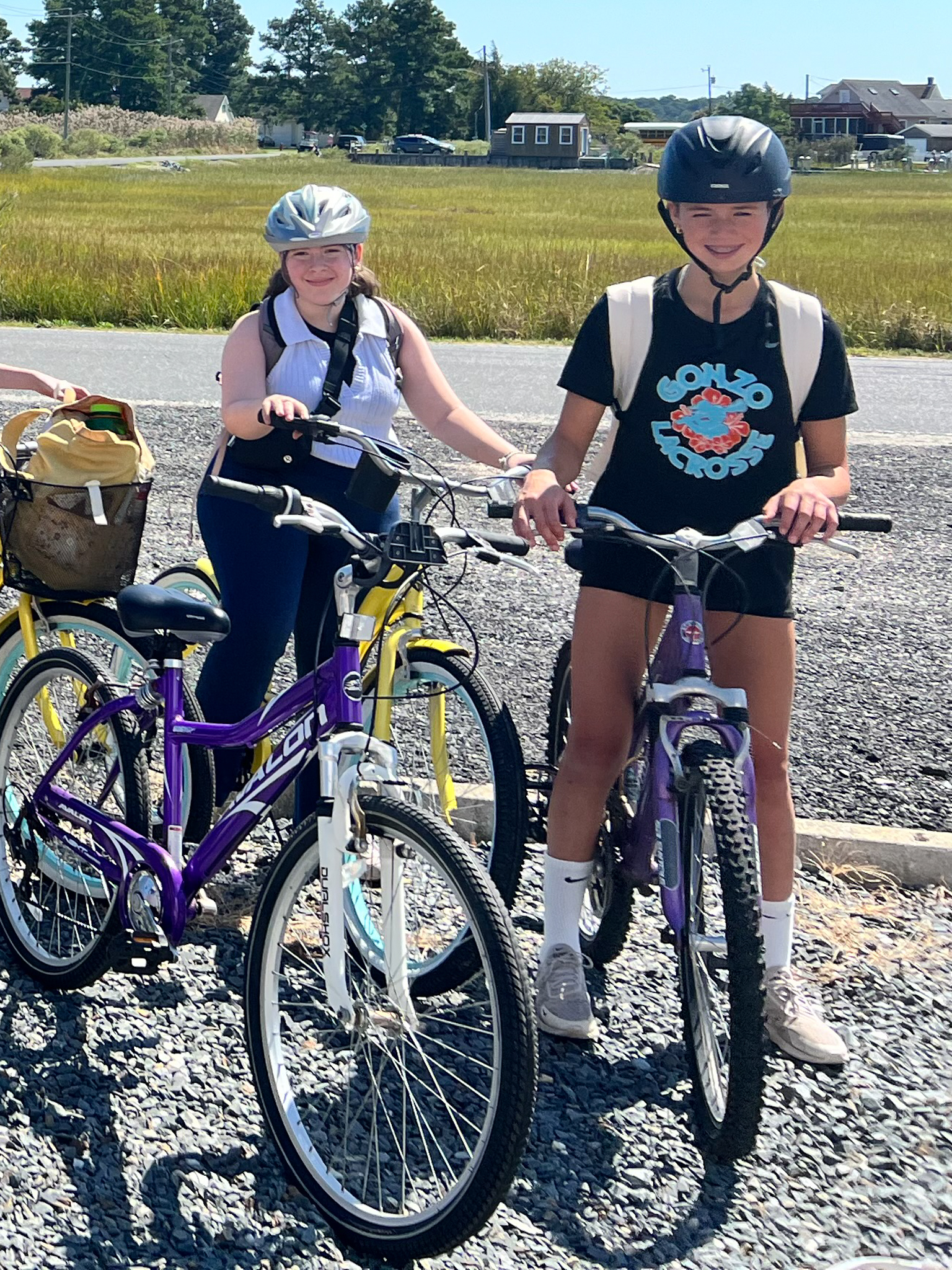
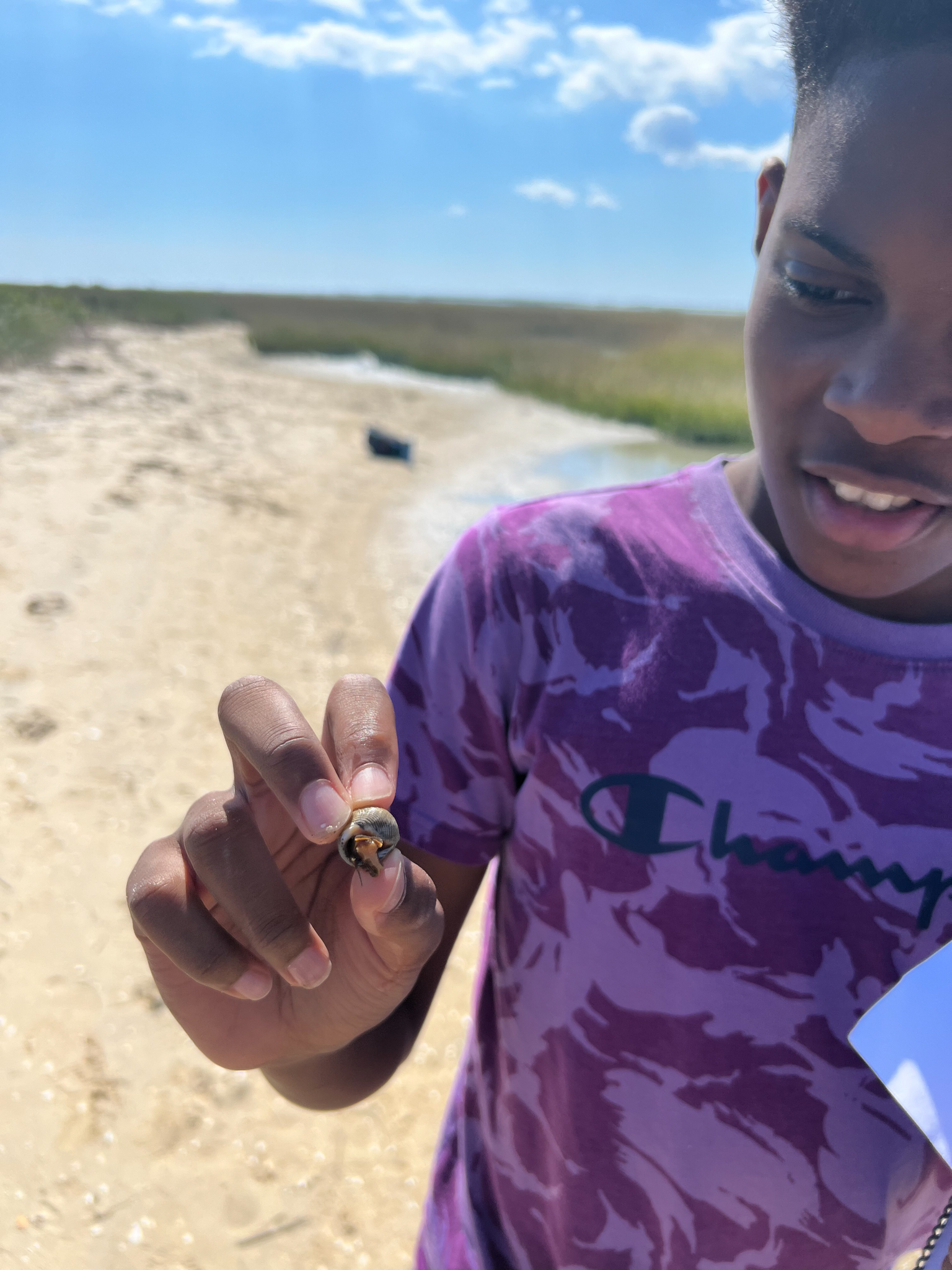
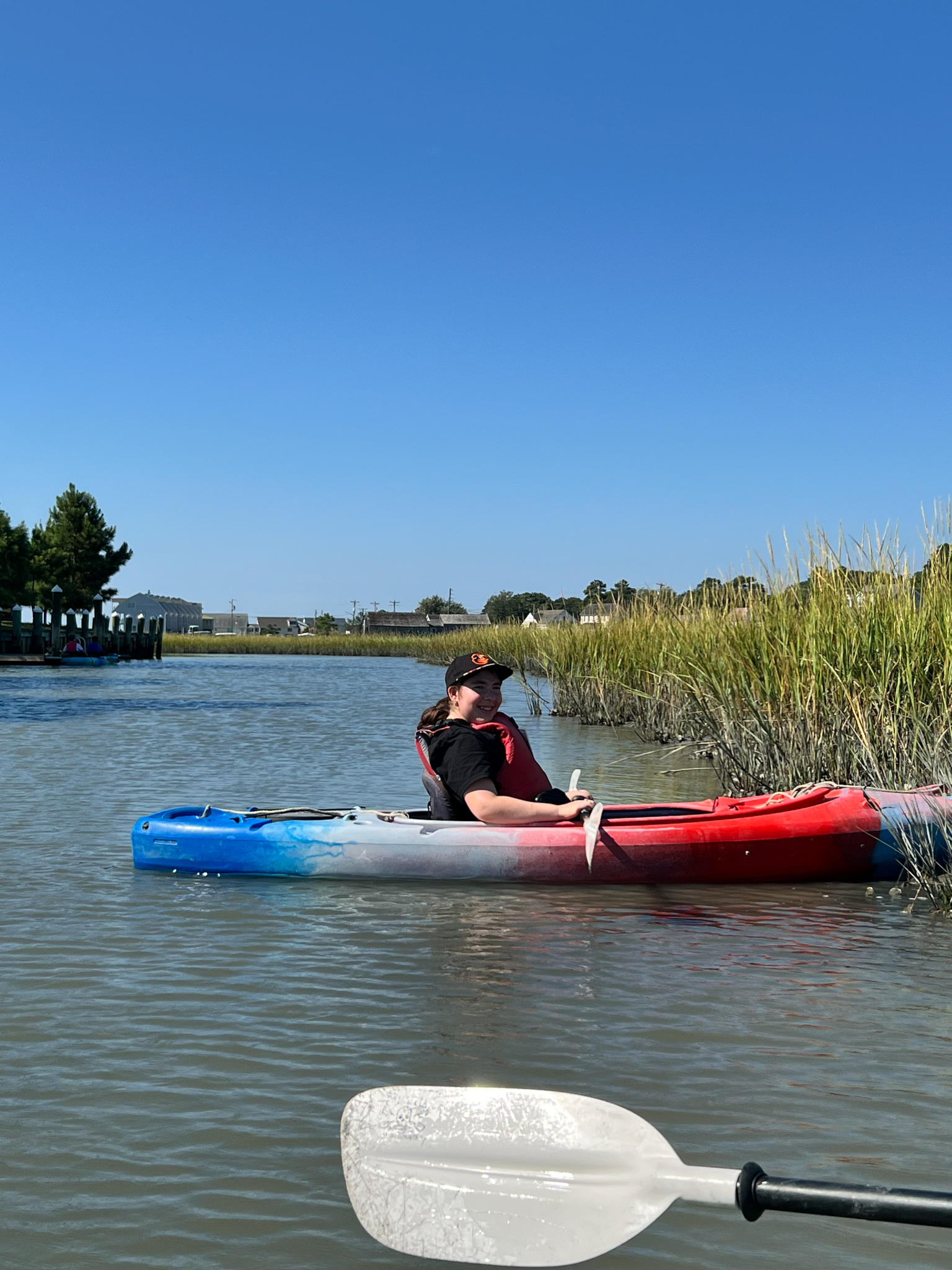
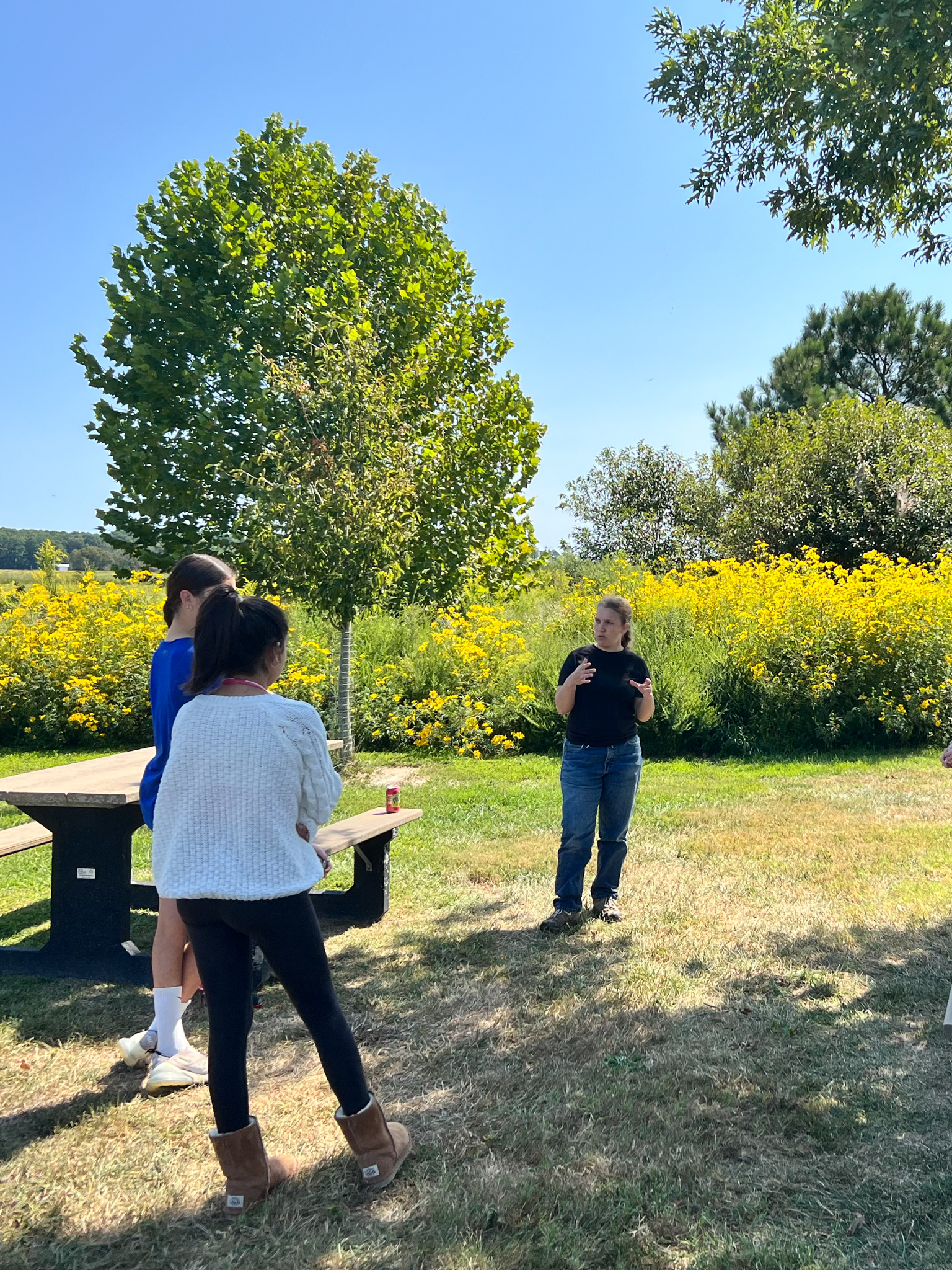
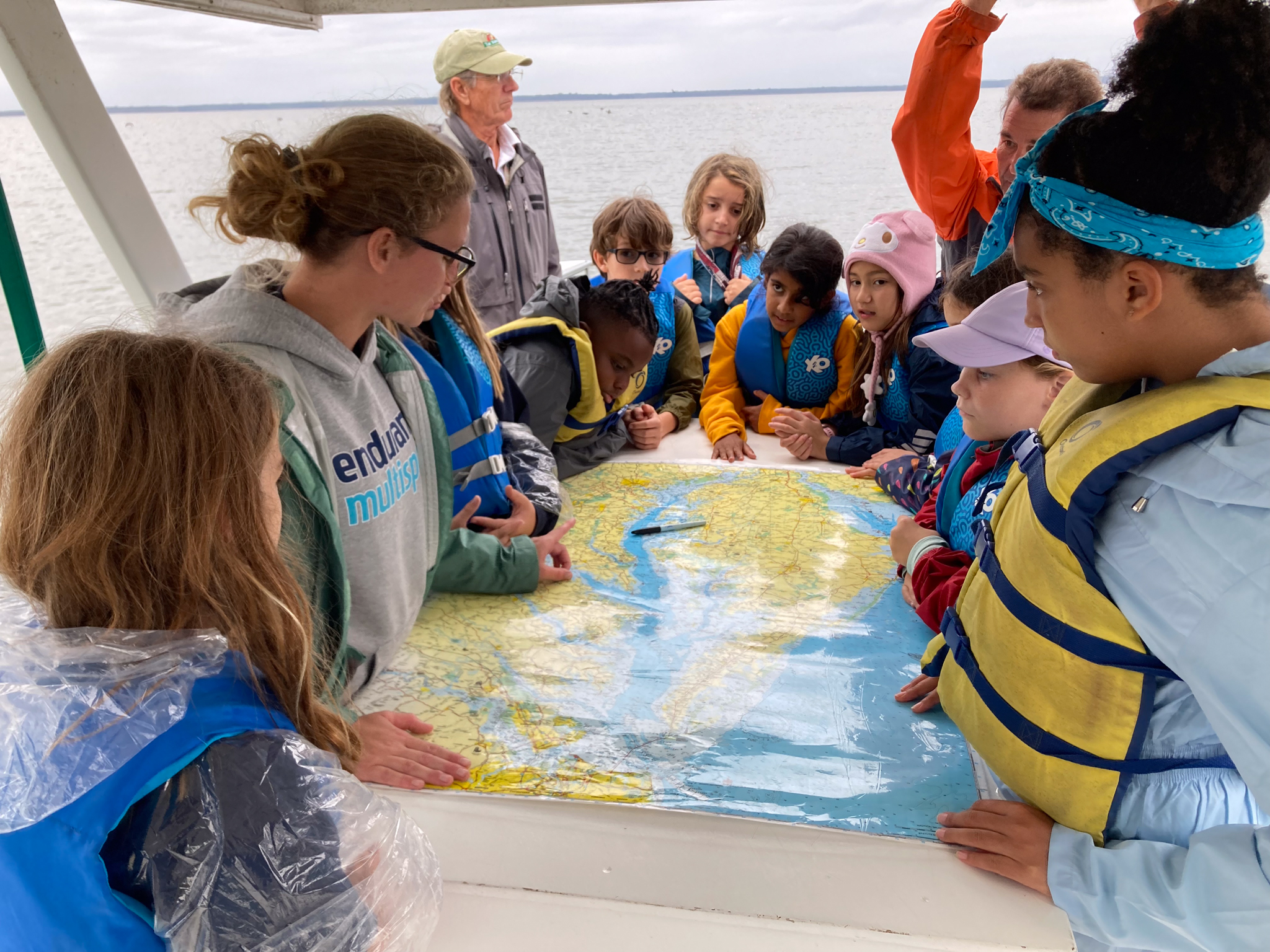
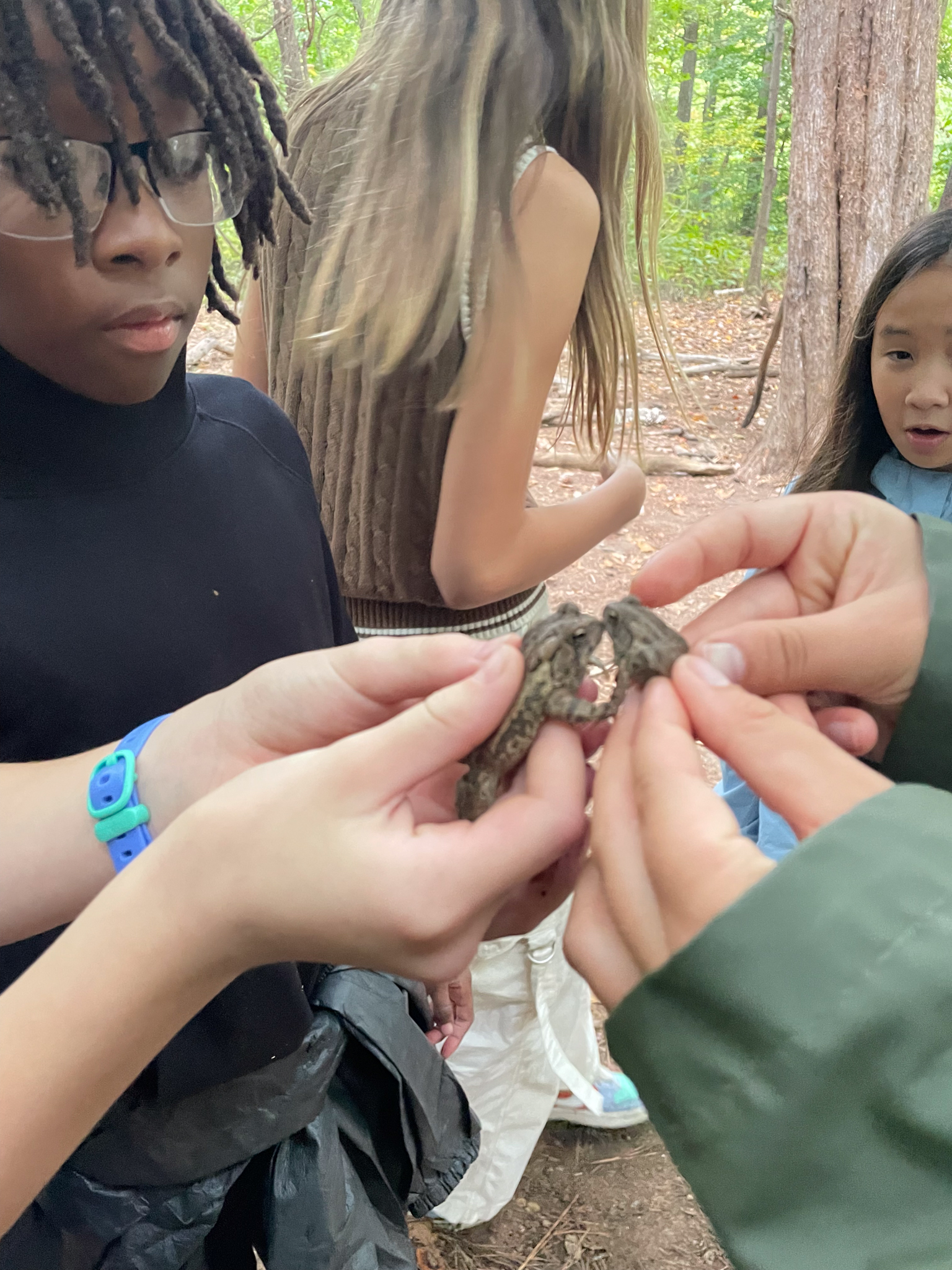
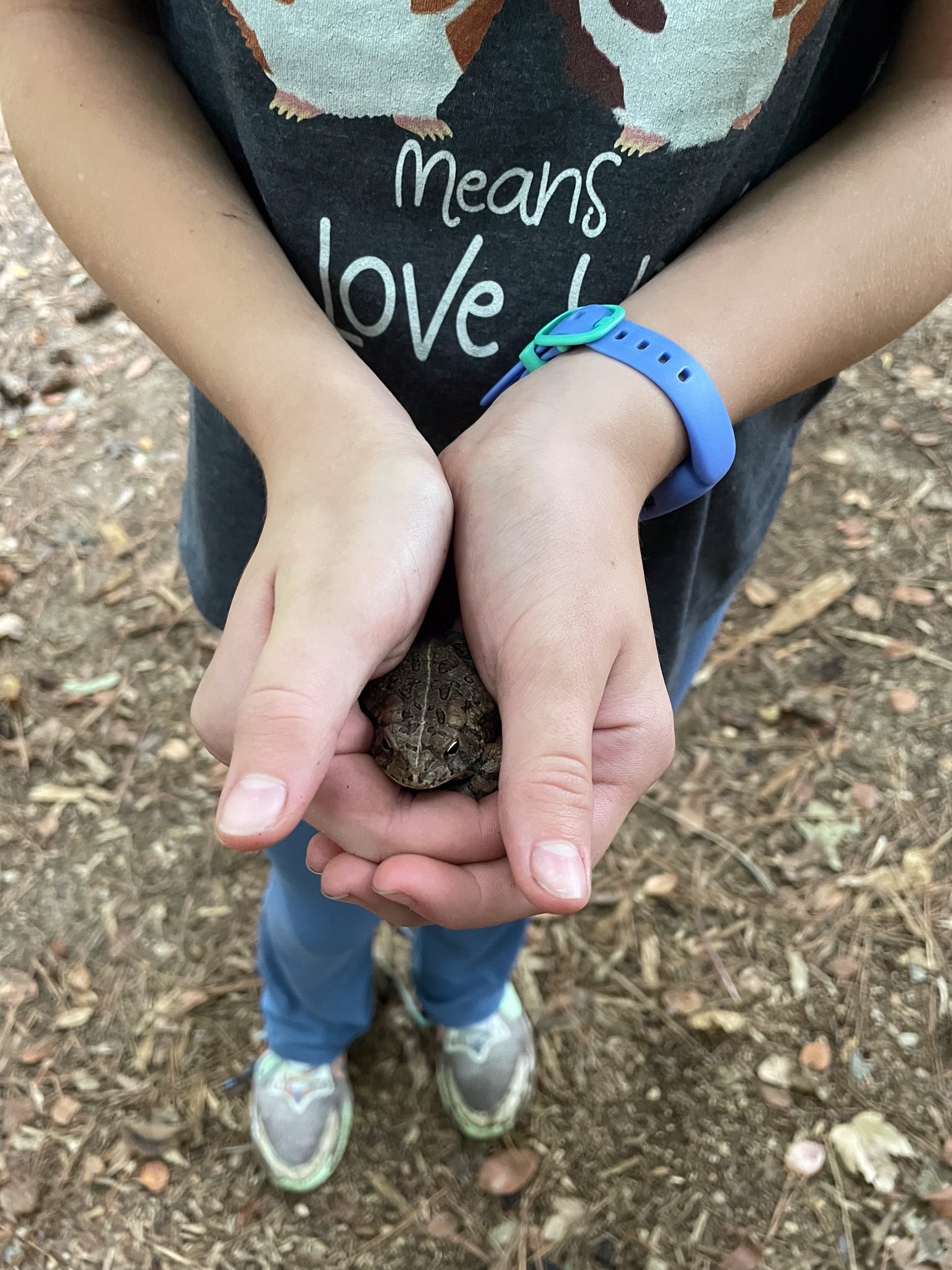
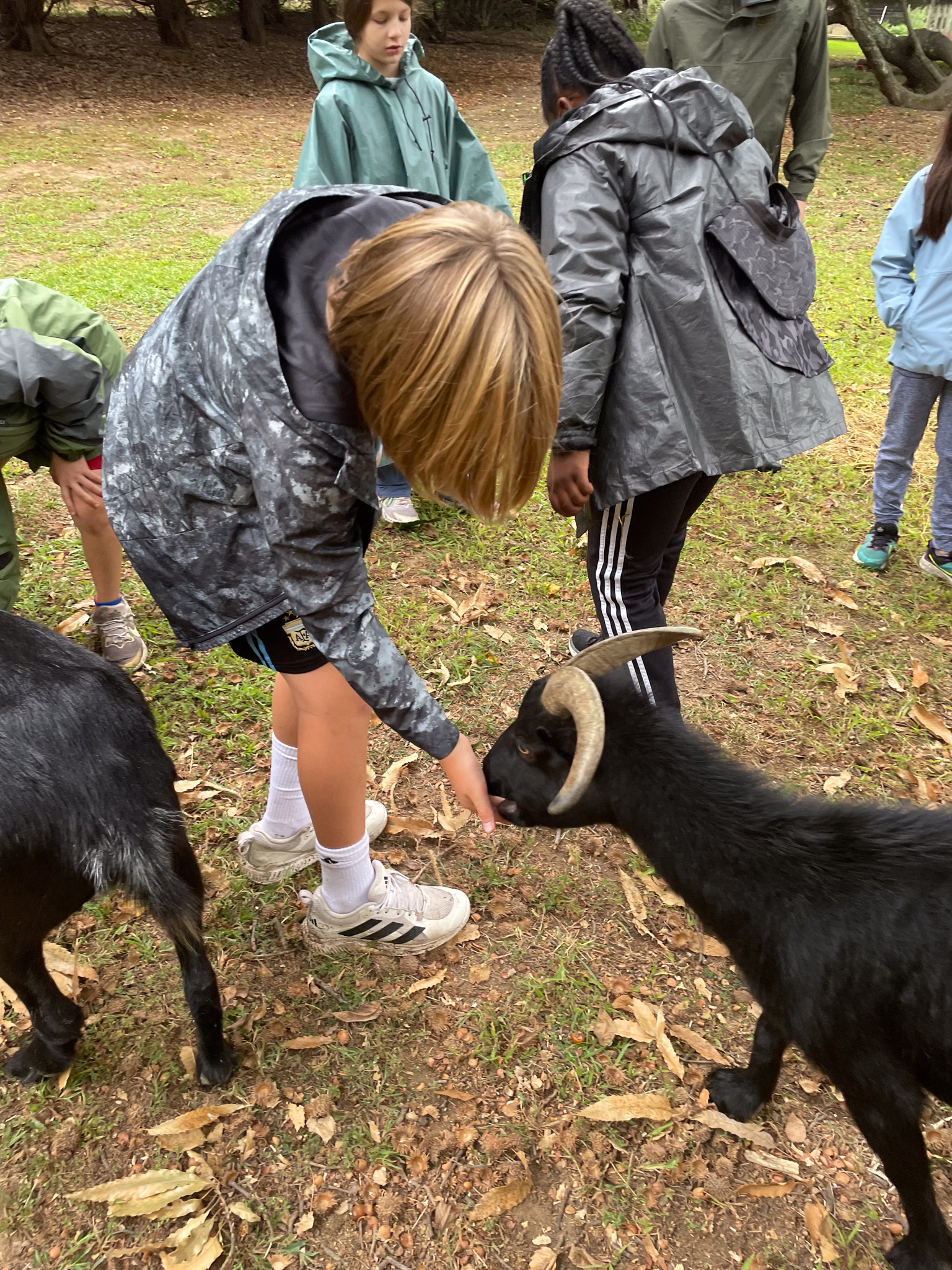
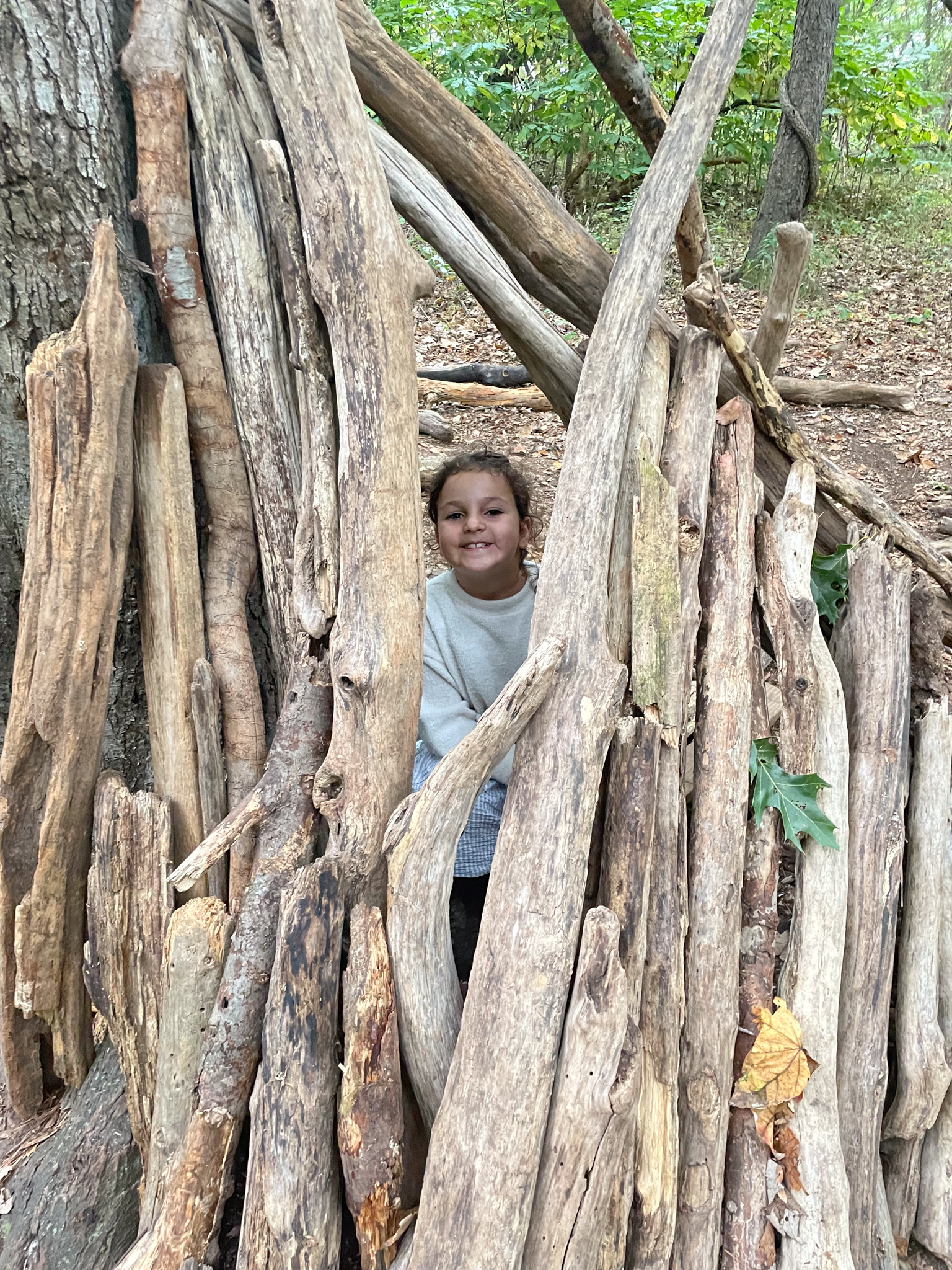
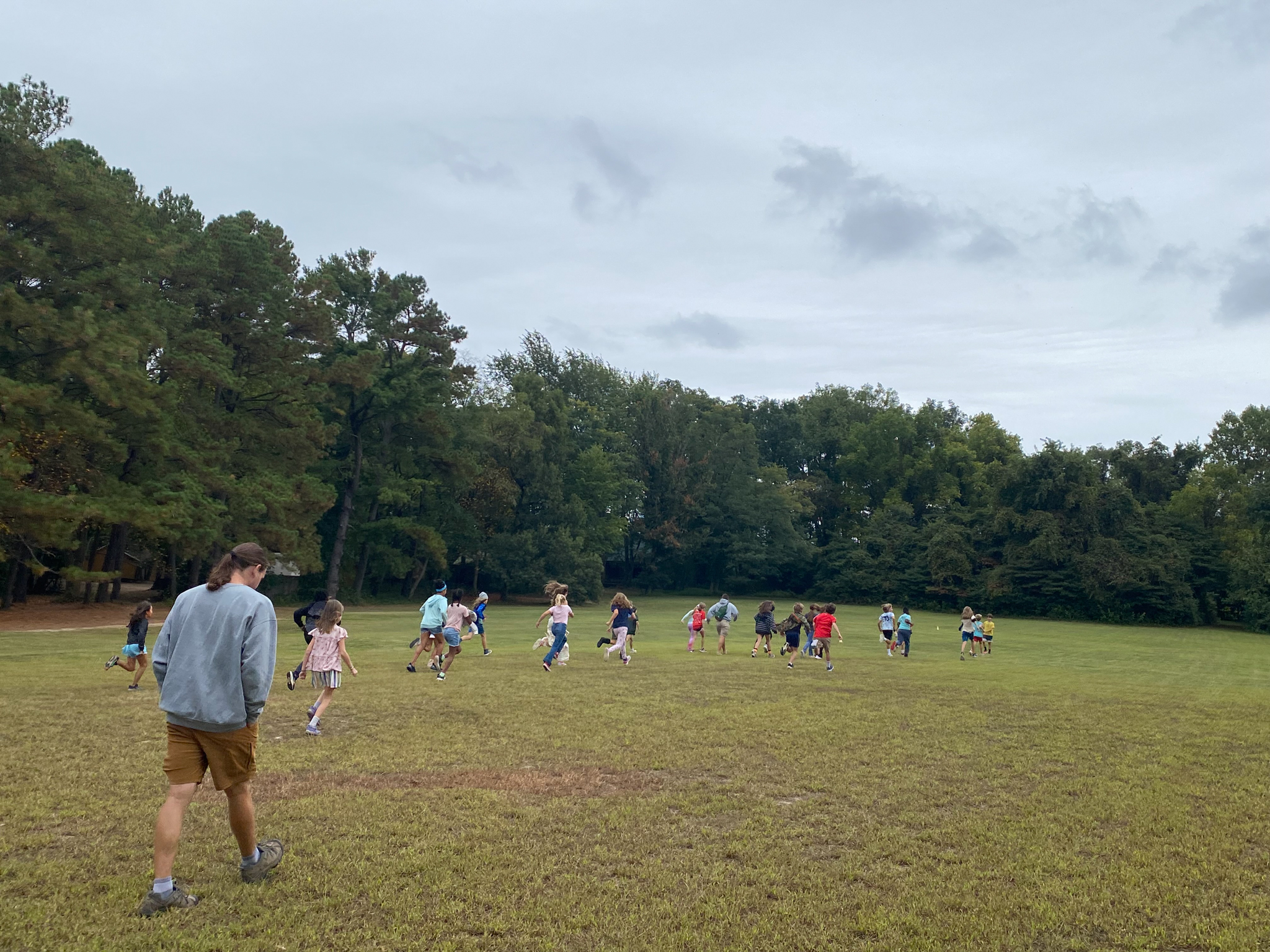
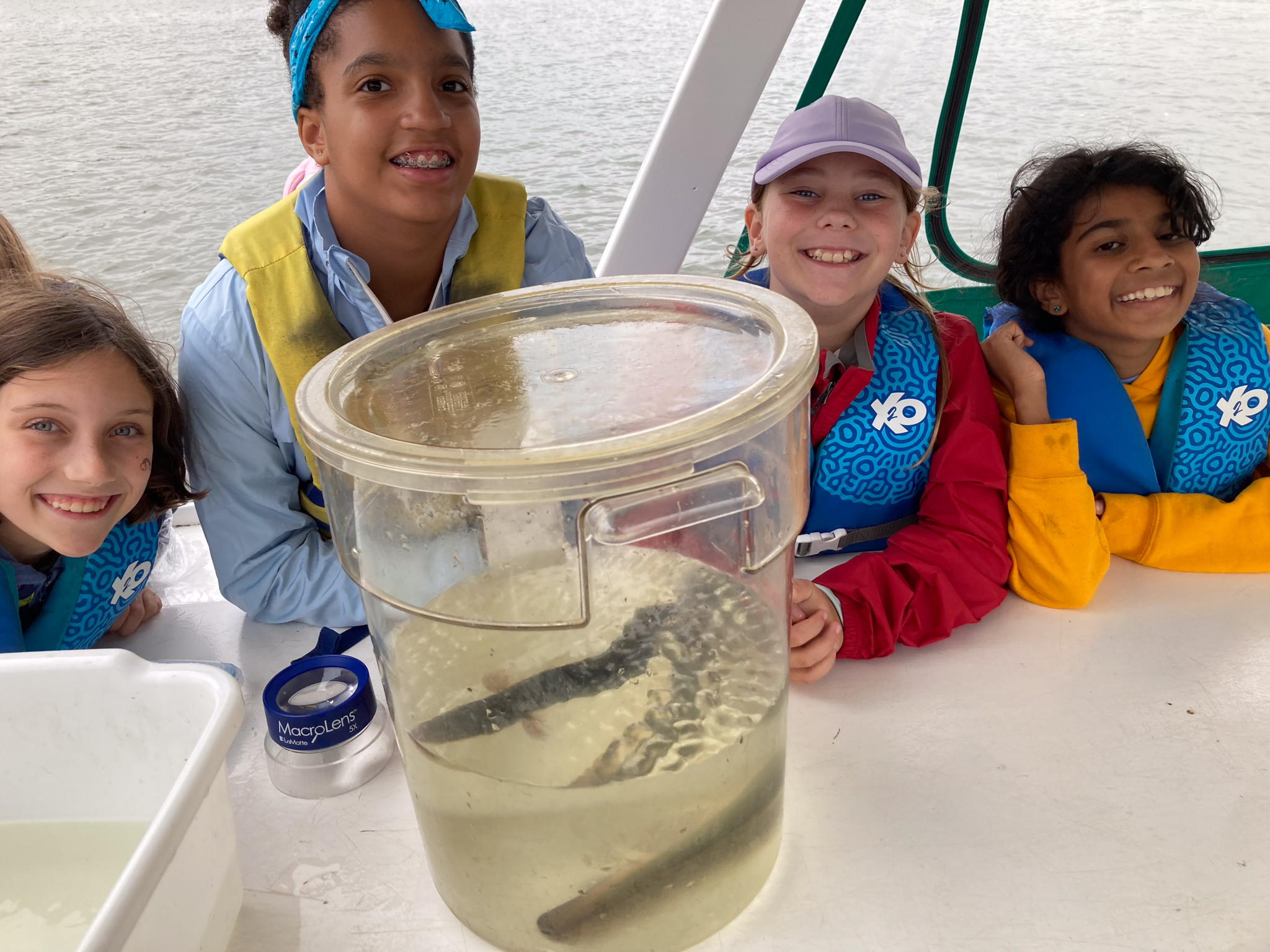
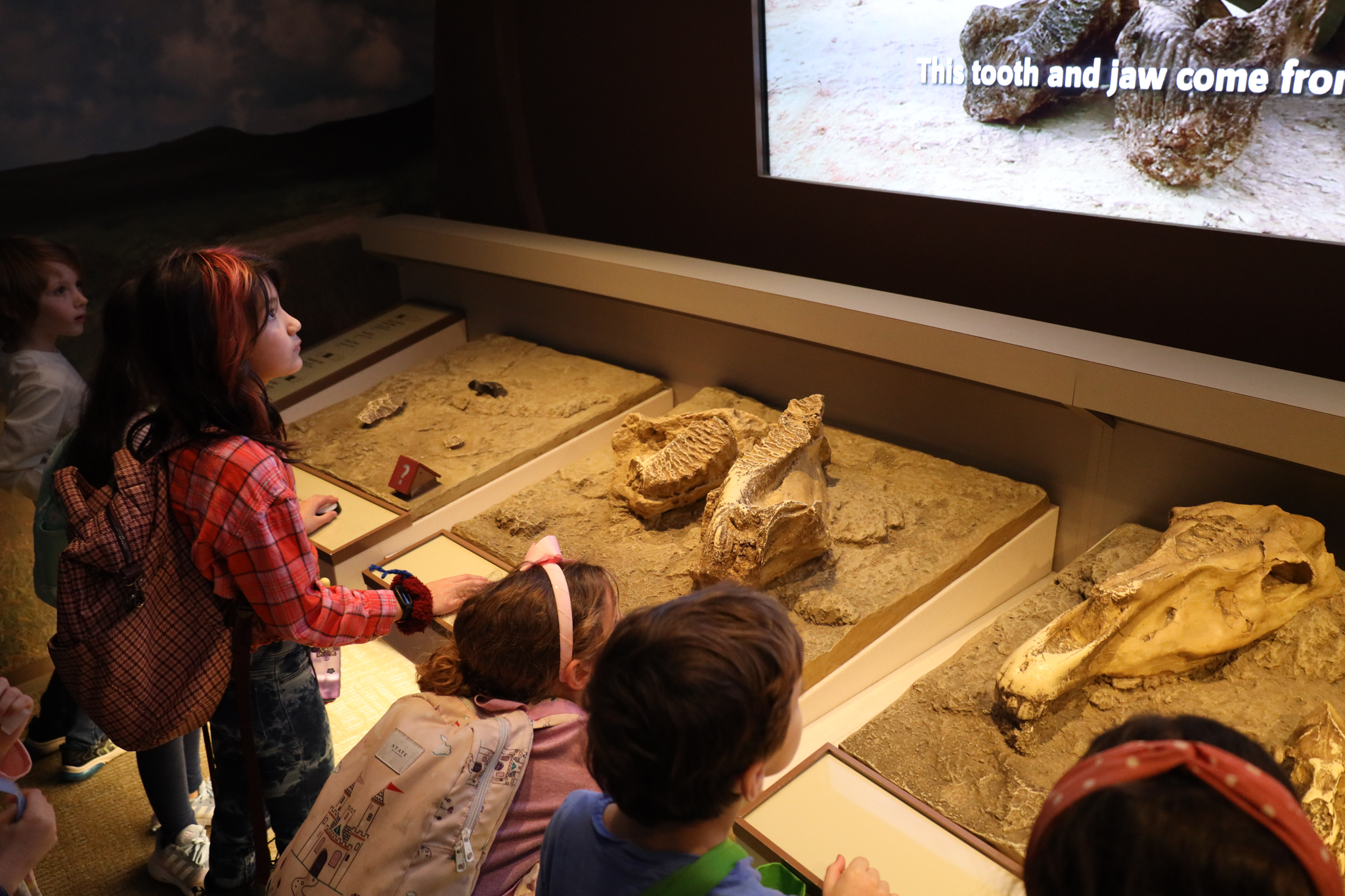
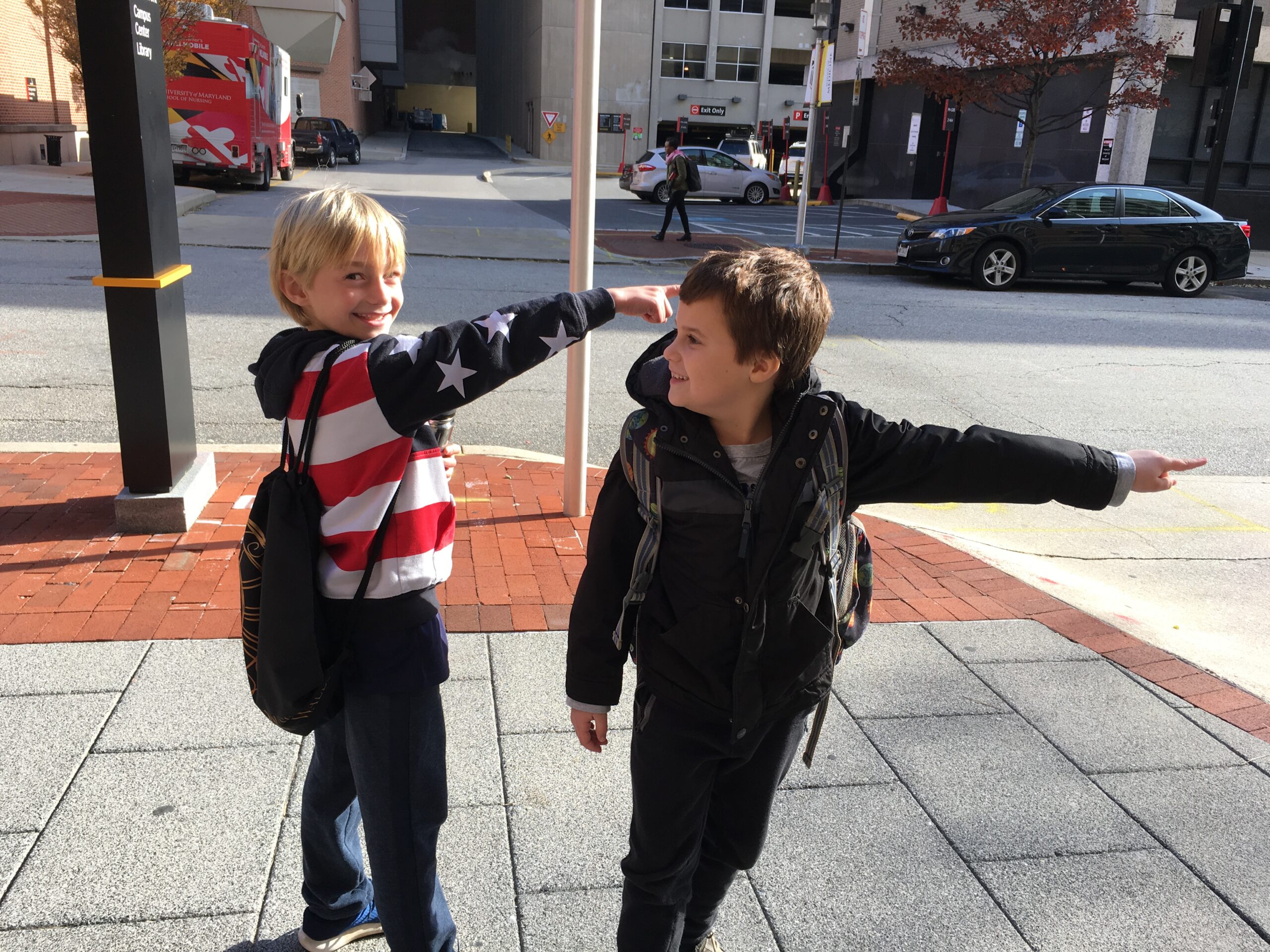
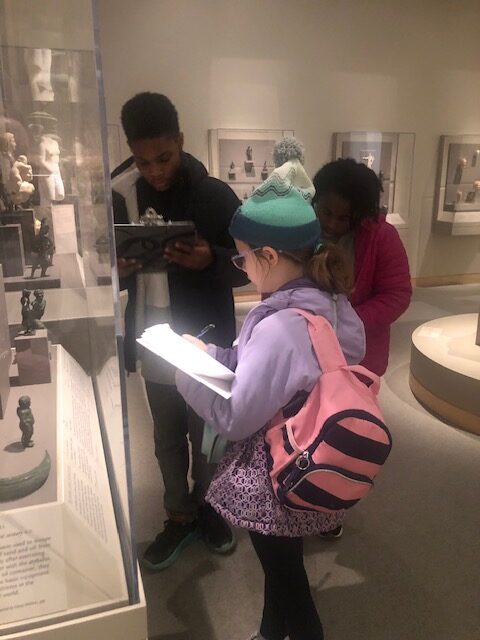
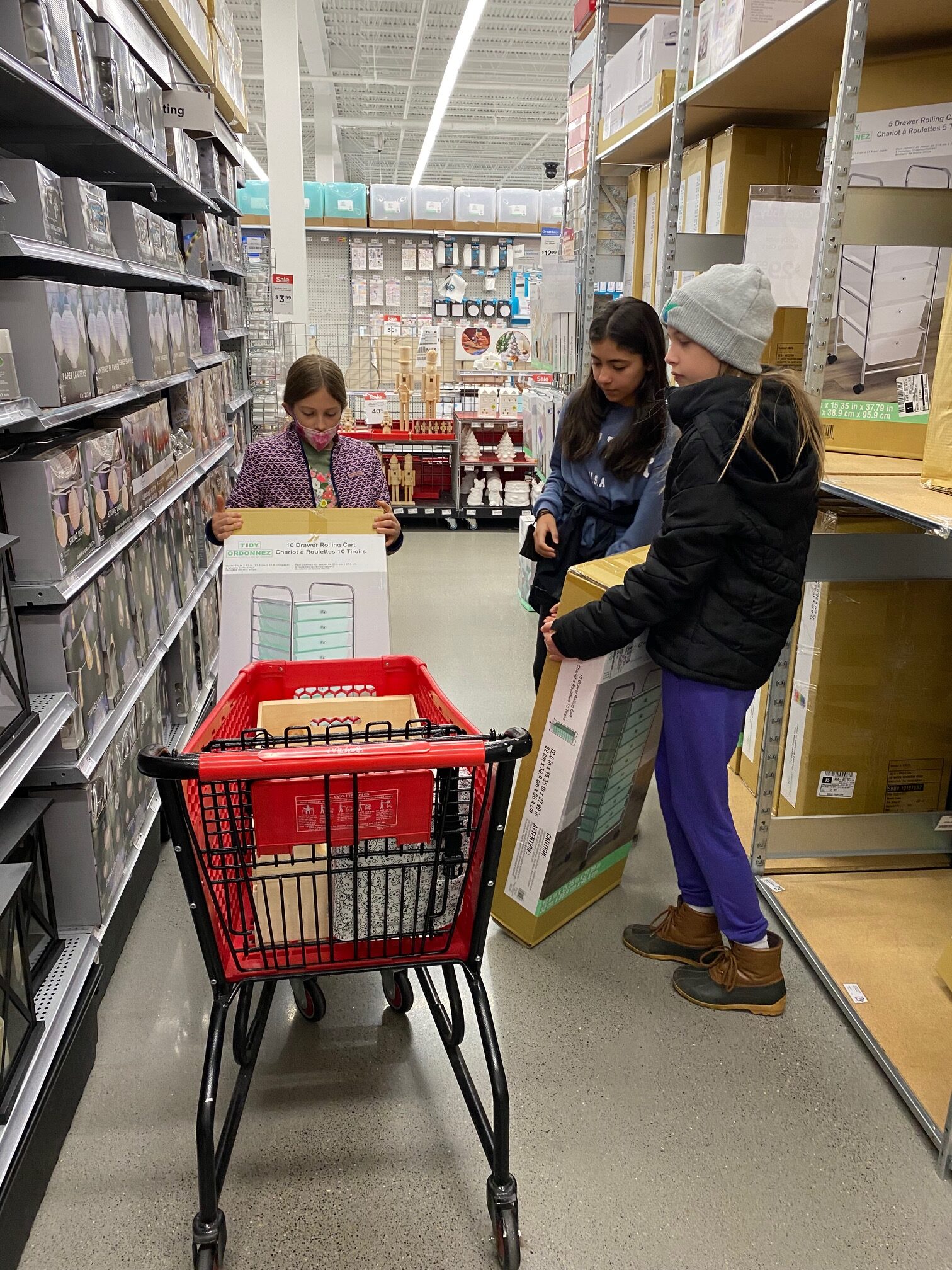
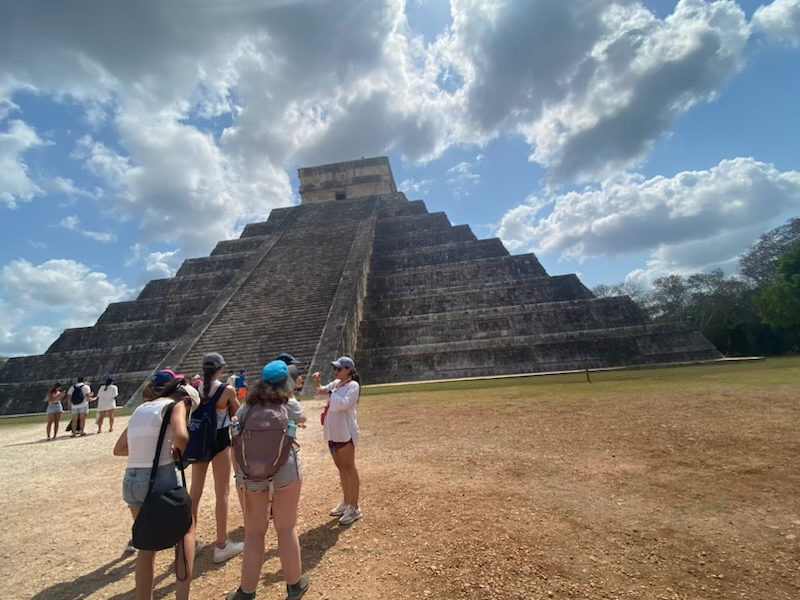
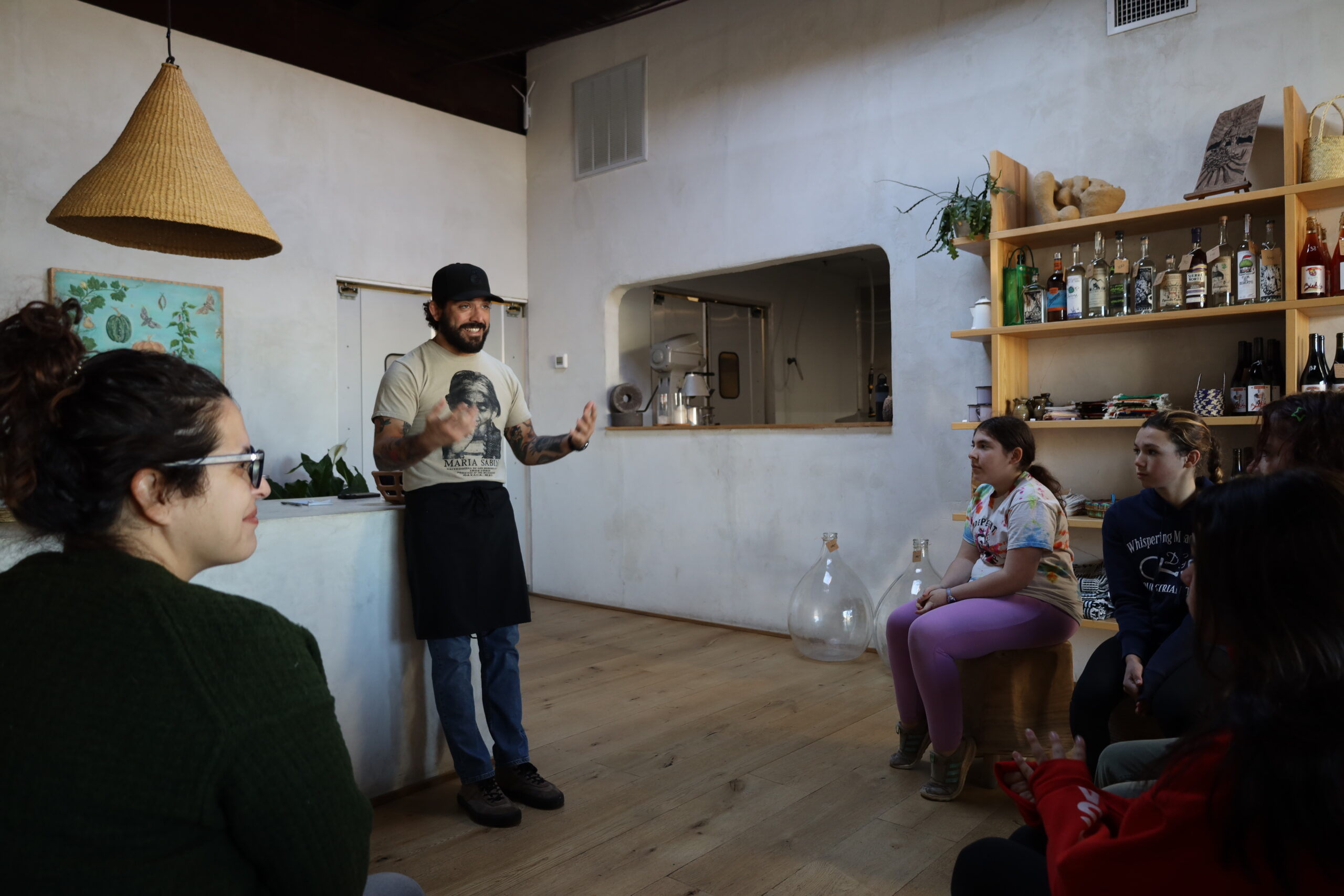
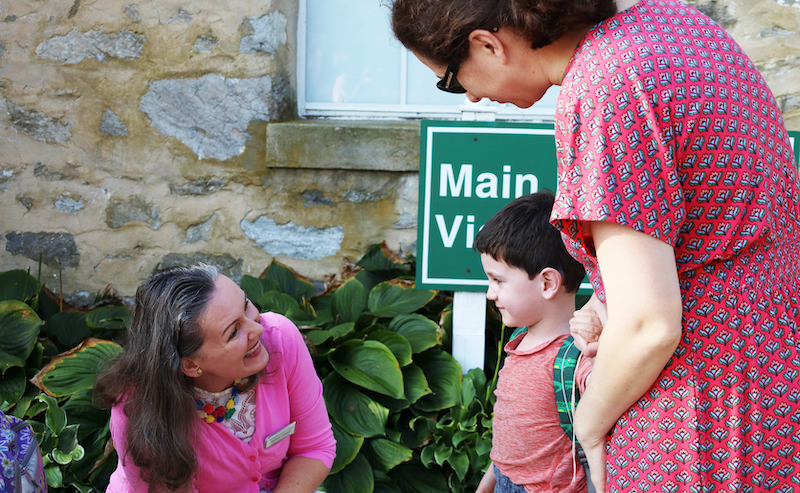
The Montessori practice of Going Out begins during the Elementary years and continues through the Adolescent Community. In Montessori classrooms, students are empowered to find the answers to their own questions with the materials and resources provided in a prepared environment. But what happens when students exhaust the resources of the classroom and still want to learn more? This is a golden opportunity to deepen their study in the form of a Going Out trip.

“Instruction becomes a living thing. Instead of being illustrated, it is brought to life. In a word, the outing is a new key for the intensification of instruction ordinarily given in the school.”

– Dr. Maria Montessori

Going Out for Elementary Students

When an individual or small group of students has been studying a topic in depth for several weeks, they may decide they have exhausted the resources of the classroom and school library, but still with to learn more. The group can propose a Going Out trip to deepen their study. If approved by their Guide, the students are responsible for planning and arranging every aspect of the outing—from researching the location, hours, and cost of the visit to arranging for their own transportation and supervision by staff or parent volunteers.

This work requires that students practice the executive functioning skills necessary to plan and carry out projects:

  • Delegation and division of labor
  • Sharing resources
  • Making group decisions
  • Taking responsibility for their actions
  • Celebrating the success of peers

Conflict is not uncommon; it is a necessary and important part of the child’s work. The Montessori Guide models and supports constructive and respectful problem solving. Going Out allows students to apply these skills outside of the classroom.

The Grace and Courtesy lessons that Montessori students have enjoyed since their youngest days are now given real-world applications. For example, students learn how to schedule an appointment over the phone, the acceptable protocol and attire for visiting legislators in the State House, the etiquette for conducting an interview, or proper behavior when dining at a fancy restaurant. These are significant life lessons!

During the outing, adult chaperones are trained to allow the students to take the lead. One Montessori parent described following a group of students as they walked in the wrong direction, away from the museum they wished to visit. Finally, one of the children realized they were lost and the entire group mobilized to read the map, ask for directions, and solve the problem. Even though they lost a few minutes in the museum, who’s to say that wasn’t the biggest learning experience of the day? Each Going Out is an entire course of study on independence, responsibility, and good citizenship. This is what Practical Life looks like at the Elementary level.

Going Out for Adolescents

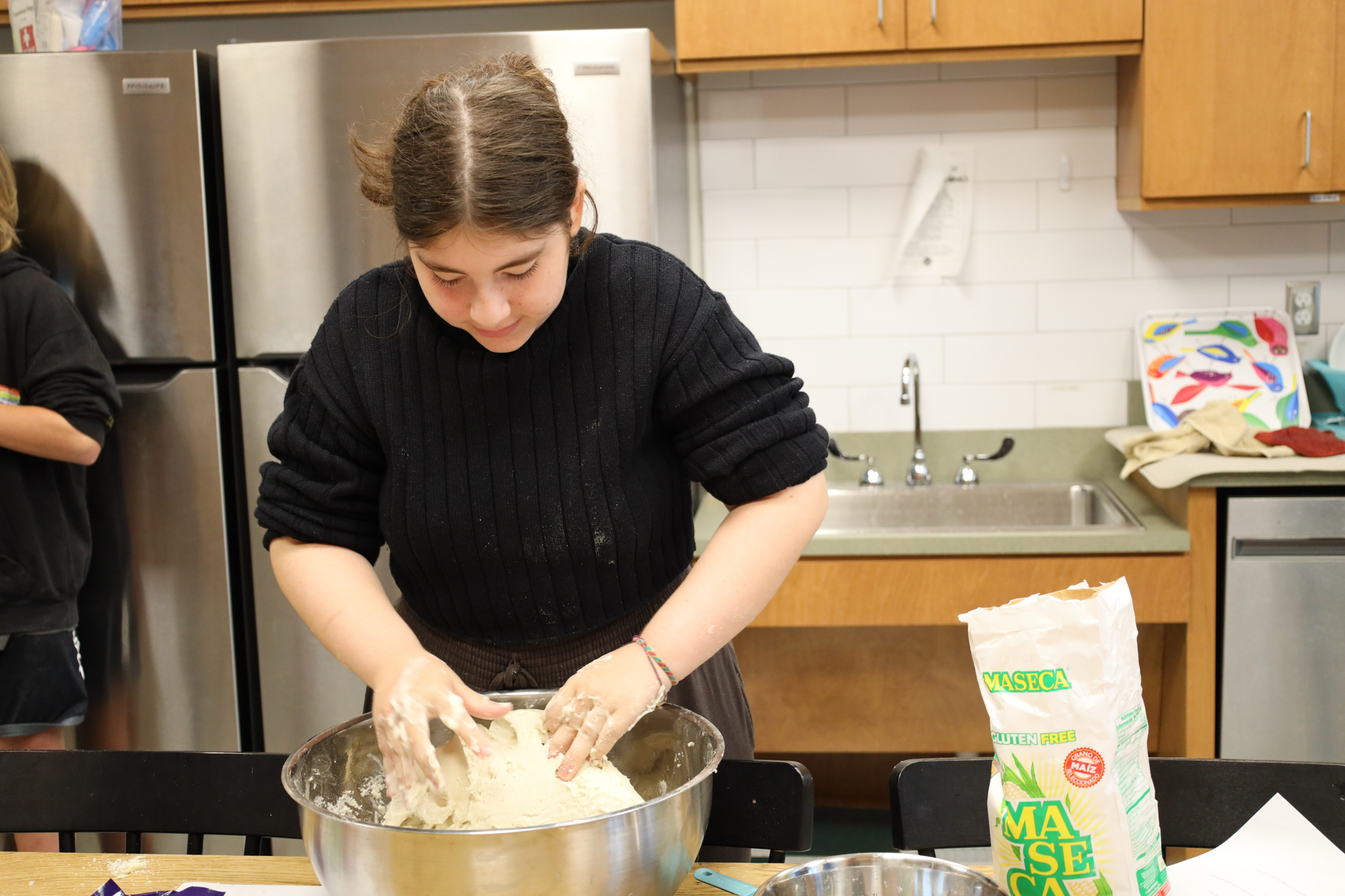
Going Out may look different depending on the age of the students. For Elementary students, outings may be focused more on the social learning experiences and developing leadership skills, while Adolescents are actively seeking to determine their role in the larger society and bring about meaningful change in the world around them. Adolescents also feel great desire to make improvements in their communities. They may develop their own community service projects, fundraising efforts, and opportunities to mentor younger children. “What will I use this for?” is an oftenasked question of the adolescent, as he is determined to use knowledge to do something in the world. Projects such as monitoring the neighborhood watershed, building and maintaining a large garden, or baking bread, are real world opportunities for many lessons in science, language arts, and practical life skills. Students work as a group to find ways of making money, their first direct experiences of the economic connections in a society.

In the Adolescent Community, Going Out trips are also used as field research to complement various studies. For example, Greenspring adolescents have visited places of worship as they study World Religions, preparing questions for their hosts to more deeply understand each world religion. Adolescents have presented their engineering projects to seniors at JHU Mechanical Engineering School and collaborated with college seniors in the design lab.
When students return from these trips, they share their experiences with the rest of the class. The culture of the classroom is now changed. New experiences breathe fresh life into the group and inspire others; new levels of independence have arisen; and new appreciation for the larger world has been brought to the group. Clearly, Going Out is not just an extended walk or a field trip. Going Out is a process of fanning the spark of imagination, allowing students to develop leadership skills and make meaningful contributions to the community.

A Parent’s Perspective on Going Outs

Amy Scott shared that one of her favorite experiences as a Greenspring Montessori parent was taking Lower Elementary students on Going Out trips.

Amy described the challenges of accompanying a group: “Keep quiet. No problem, I thought. I’ve got this. It proved way more challenging than I had anticipated. We went to Pet Smart and wandered. They needed to buy crickets. They looked for 30 minutes before one of the kids thought to ask a staff member for help. They almost bought the wrong number of crickets. Certainly, I could correct that mistake? It would save time. Wait, I’m not here to save time! I had to remind myself of that repeatedly.”

“As a busy mom, I am hard wired to save time. I had to stop myself from stepping in SO many times. Was this a lesson for them or for me?”

Amy also told us of a challenging trip to the grocery store: “The students needed ten items. Who knew there were so many kinds of tomato sauce products?!?! The right one was just in front of them! No, not that kind. No, not that size! Oh boy, I was getting triggered. I took a deep breath and turned back to the students. They were focused. They had learned that I wasn’t going to step in so they weren’t even asking. They were figuring it out. And so what if they bought the wrong kind of tomato sauce or ground beef?!”

“Would we as parents rather have a perfectly cooked lasagna or kids who have learned to navigate an enormous grocery store by themselves? Kids that feel a crazy awesome sense of empowerment for picking out the ingredients and paying for them on their own?”

Learn more about Montessori Going Outs

Preparing Your Child for the New School Year at Greenspring

Preparing Your Child for the New School Year at Greenspring

Whether your child is starting school for the first time, changing schools, getting a new Guide, or simply switching from a summer routine to a school year routine, the start of a new school year can bring up a lot of emotions for both of you. Here are some ways you can help your child prepare for these big changes.

1. Validate Your Child’s Feelings

Allow your child to express their feelings about school. You can use validating phrases such as, “I understand that.” “I’ve felt that way before.” “That’s hard.” You can also encourage them to keep talking with phrases like, “Tell me more.” or “Help me understand more about that.”

Take a look at this list of validating phrases.

2. Practice Ahead of Time

Familiarity

Consider visiting the Greenspring campus ahead of time to walk around the grounds and play on the playground. (It would be great to do this several times if possible.) You might also use our Family Directory to reach out to the families in your child’s class so you can set up playdates over the summer. 

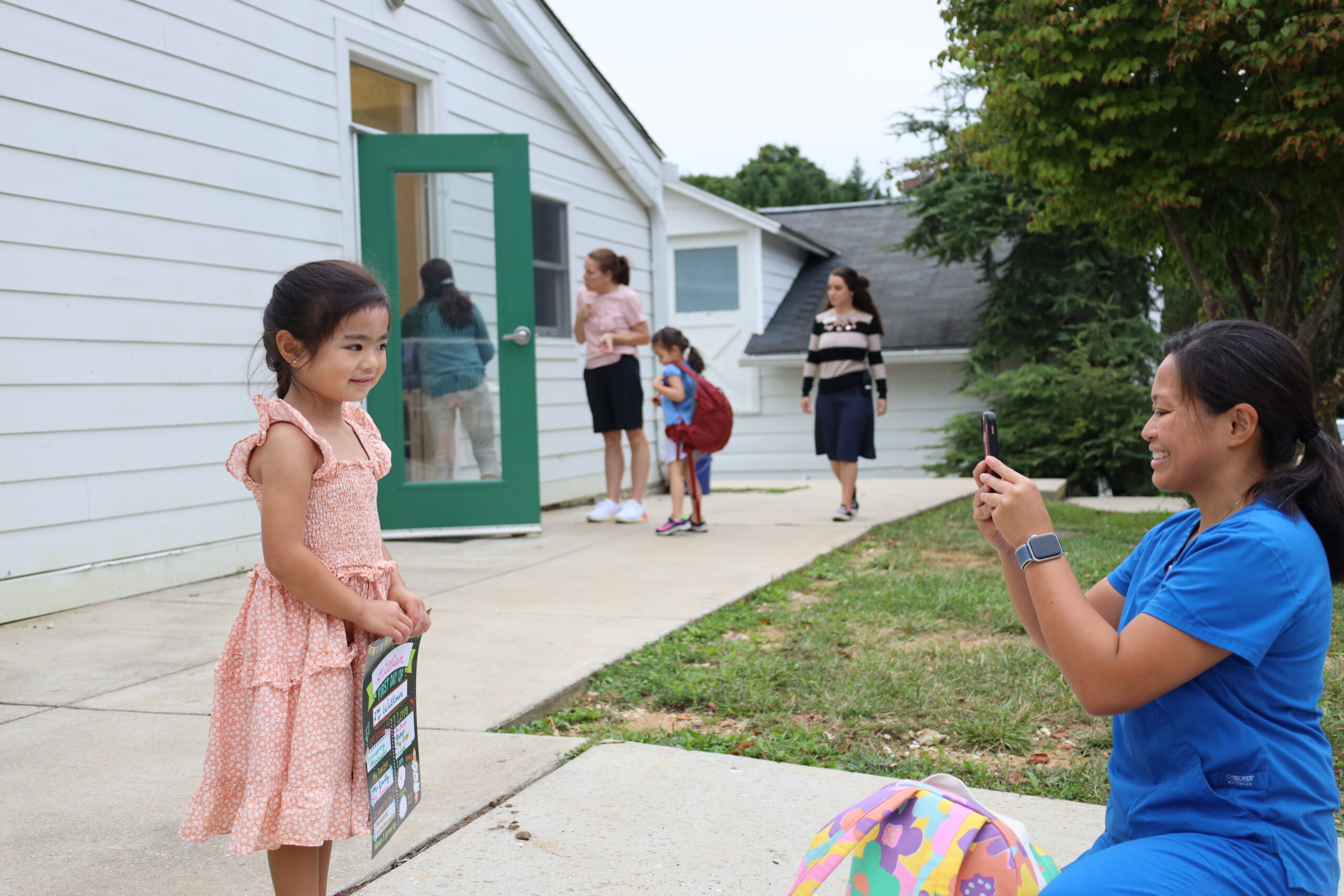
We also invite children to a classroom visit day, giving them one-on-one time with the Guide. When you visit, consider taking pictures of your child in the classroom and ask the Guide/Assistant to take a picture with your child. These can be used later to spark conversations about school. You might print them out so that your child can look at them often during the days leading up to school to help them establish familiarity with the adults in their classroom. All of these experiences will help your child feel more comfortable on the first day.

Excitement

You can offer a sense of autonomy by involving your child in picking out school supplies from the supply list. By looking through the list and talking about some of the items such as a new lunchbox or rain boots, your child will likely get excited about the things they will be able to do at school. 


Separation
If this is your child’s first school experience, it’s important to practice separation. Use the childcare room at the gym or have your child spend some time at a friend’s house to practice saying goodbye and coming back. If your child is struggling, start with just five minutes and build up from there.


New Routines

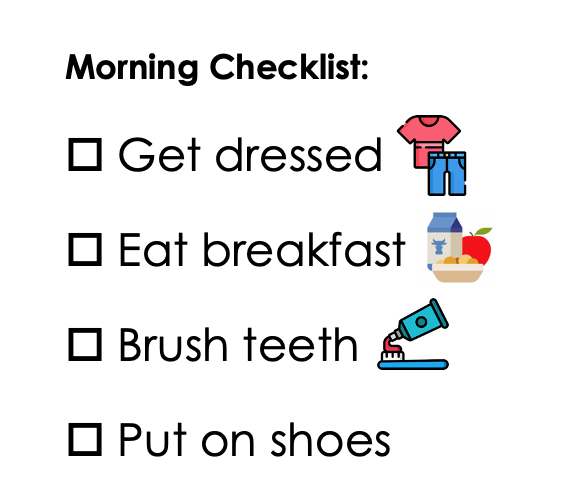
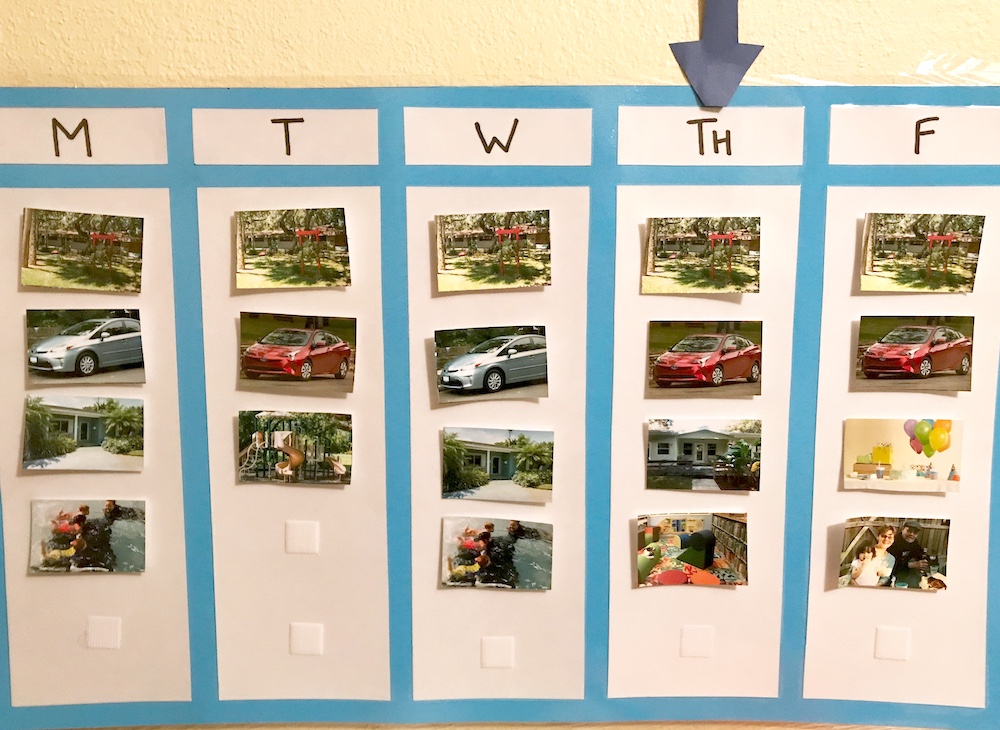
Start implementing the school morning routine well before school starts. Set an alarm for the new wake up time, and practice all the steps that you will do on a regular school day. Visual cues can be very helpful. Consider using a picture checklist for morning tasks or a picture calendar so your child can visualize the week.

Recommended Reading with Children

It can also be helpful for your child to see their situation reflected in stories. Here are a few book recommendations to read through with your child in preparation for the big day.

  • Bye Bye Time by Elizabeth Verdick
  • The Invisible String by Patrice Karst and Joanne Lew-Vriethoff 
  • The Day You Begin by Jacqueline Woodson and Rafael López
  • First Day Jitters by Julie Danneberg and Judy Love
  • School’s First Day of School by Adam Rex and Christian Robinson 
  • Ruby Finds a Worry by Tom Percival

3. Lead by Example

Your child will pick up on your emotions. If you are nervous about the new school year (which is normal), make sure you have a place to share those that is not in front of your child. When talking about the new school year around your child, focus on positivity and model excitement. For example, “I can’t wait to hear all about your first day!”

It may take some time for your child to get settled. Be in partnership with your child’s teacher and the school to talk through ways to ease the transition for your child. The most important piece is for you to stay consistent with your child.


Have a safe and happy school year!

Overnight Trips are a Pivotal Experience for Montessori Elementary and Adolescent Students

Overnight Trips are a Pivotal Experience for Montessori Elementary and Adolescent Students

Overnight trips are an important component of our Montessori Elementary and Adolescent Programs, offering an immersive learning experience that transcends the boundaries of traditional classroom settings. For Elementary and Adolescent students, these excursions are transformative journeys that foster independence, help to build practical outdoor and cultural skills, and nurturing a sense of community.

Third Year Overnight Trip

Overnight trips begin in Lower Elementary for the Third Year Overnight. Third grade students participate in an overnight campout on our campus as part of their work to build independence and bond with their community.

Away from the familiar surroundings of home and school, children learn to rely on themselves and each other. They take responsibility for packing their bags, setting up camp, and contributing to group activities. Every task empowers them to develop self-reliance and problem-solving skills. As they conquer challenges outside their comfort zone, their confidence soars, laying the foundation for the autonomy and independence they will continue to utilize throughout their Montessori experience and beyond.

Upper Elementary Camping Trips

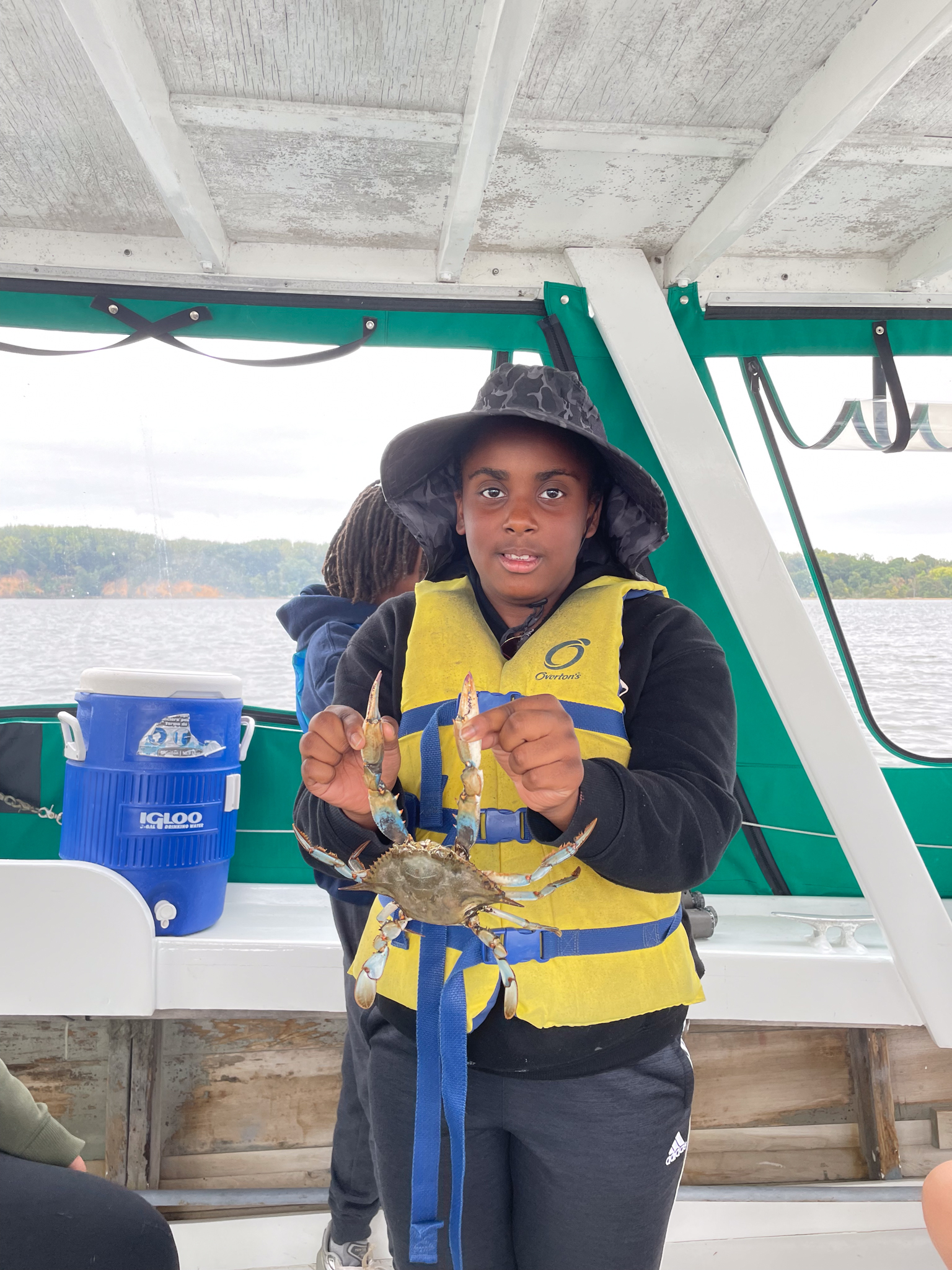
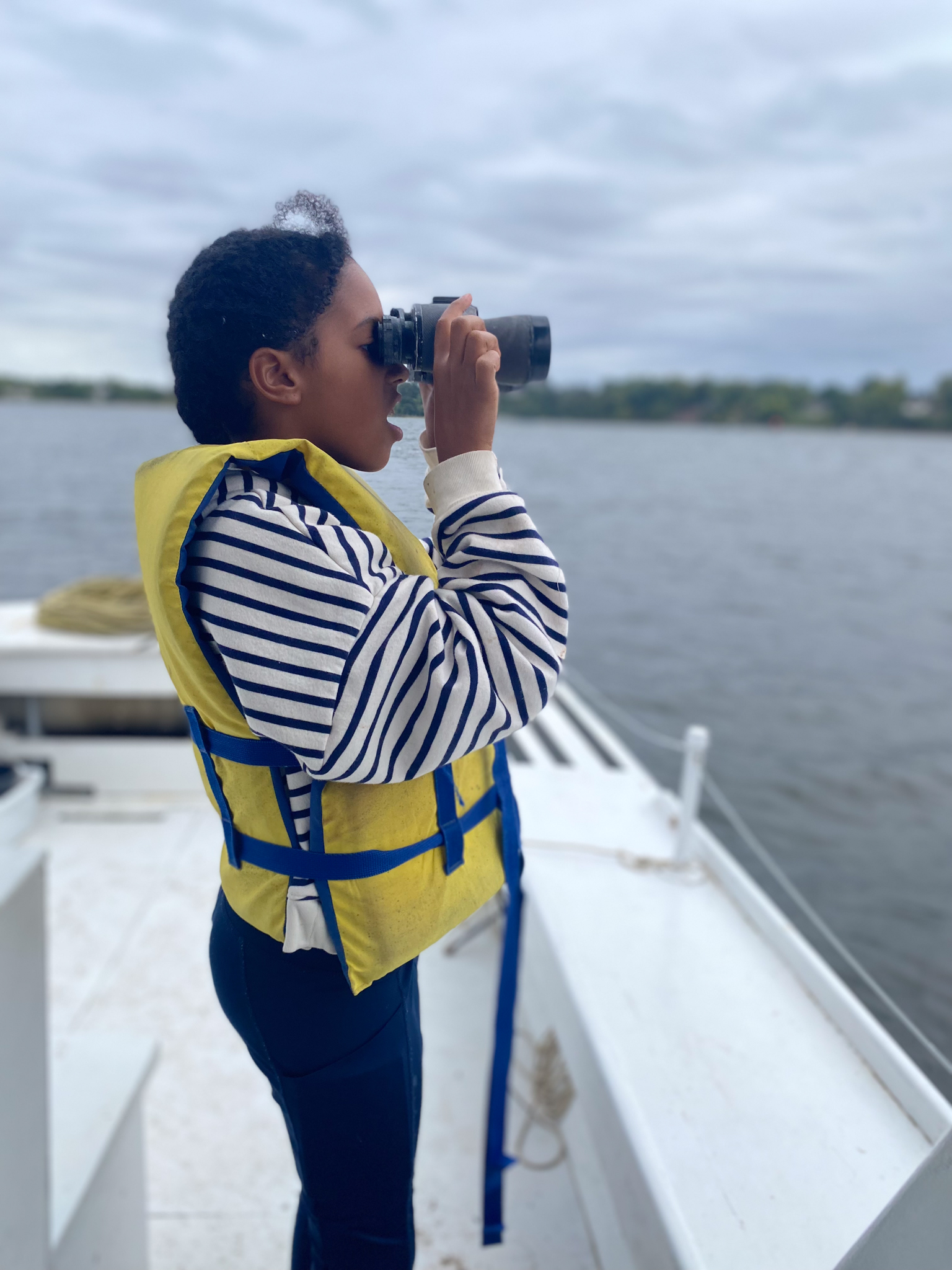
Upper Elementary students go on two trips throughout the year. This year, the students went to Echo Hill Outdoor School in the fall and Assateague Island in the spring. Students also have the opportunity to participate in Montessori Model UN (MMUN), culminating with a four day trip to the MMUN Conference in New York

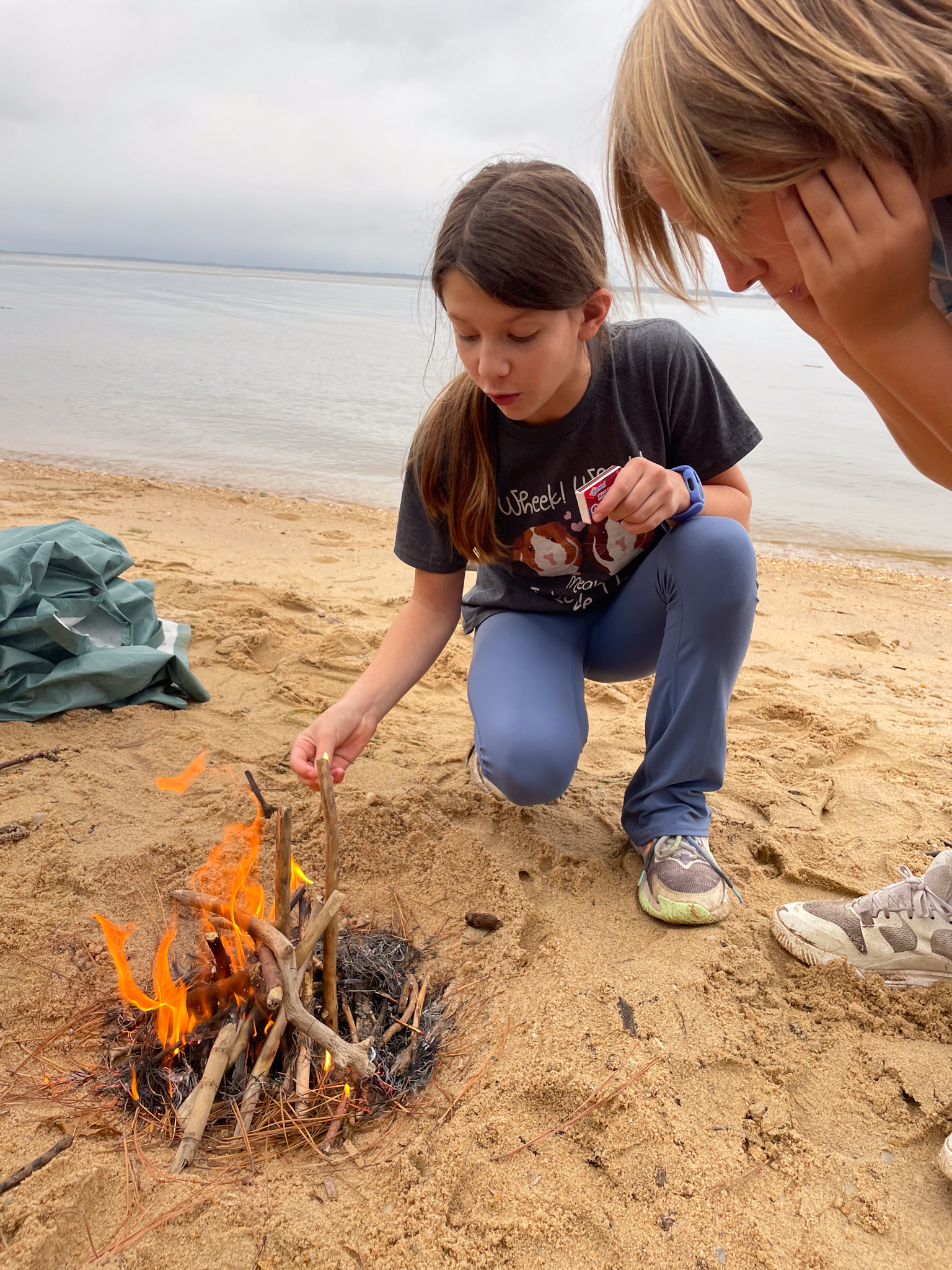
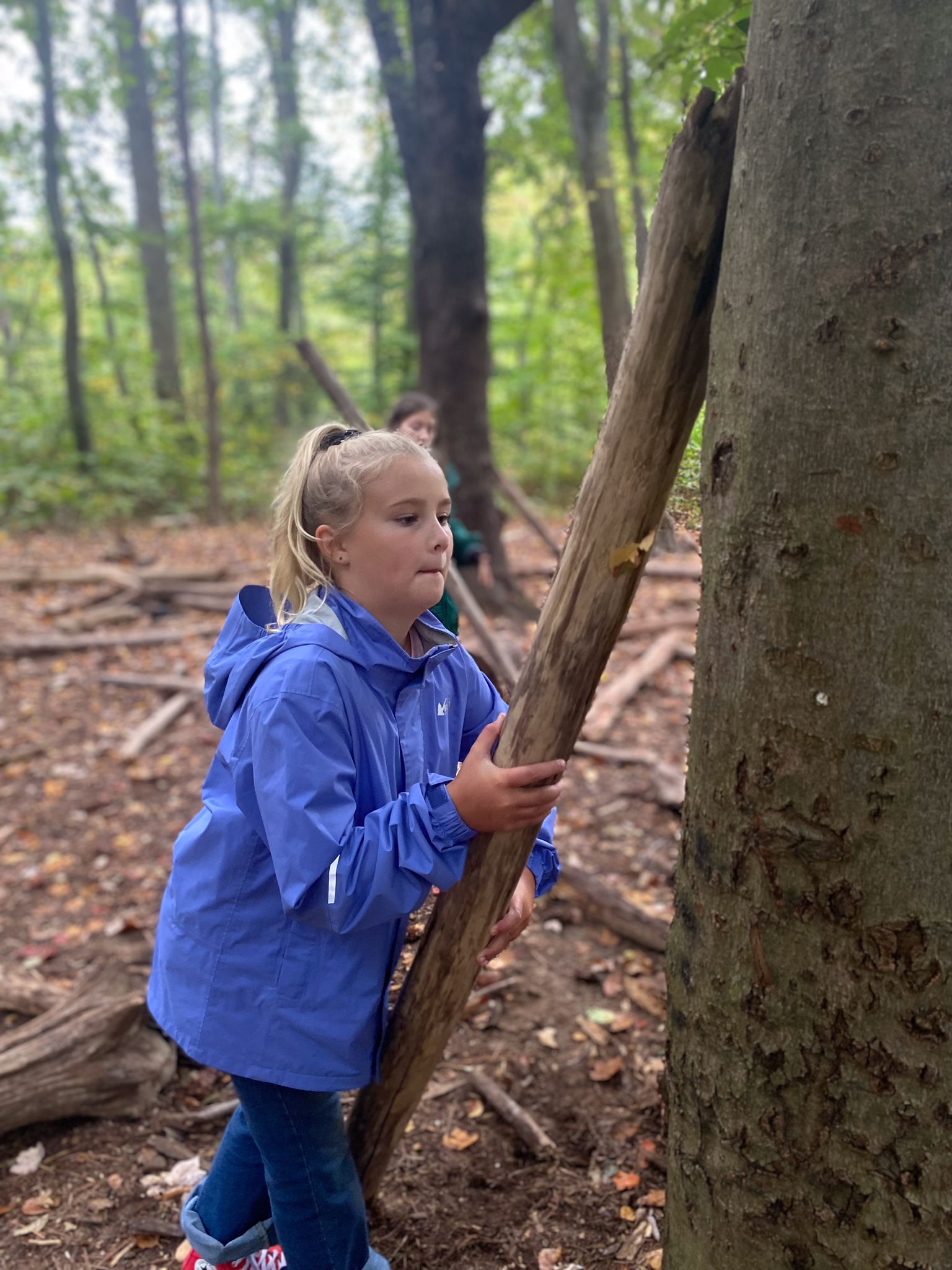
These trips are opportunities for the students to get to know one another and build strong relationships with their peers and with the adults in their classroom. During these trips, the students practice their Practical Life skills including planning meals, packing outdoor equipment, and working together to plan activities. They also learn and implement important outdoor skills such as building fires and reading maps.

These skills deepen their connection to the natural world and have the potential to instill a profound sense of stewardship towards the environment. Through experiential learning, students understand the importance of sustainability and conservation, becoming responsible global citizens in the process.

Adolescent Odyssey Trips

Our Adolescents take two multi-night trips called Odysseys at the beginning and end of the school year. In addition, they go on+ a biennial Dual Language Capstone Trip to a Spanish-speaking country.

These trips place the adolescents in direct contact with the workings of the world in a holistic experience away from home and familiar communities. The adolescents live together, plan and cook meals together, and explore places connected to our science, humanities, and Spanish studies.

In the fall, the Adolescents traveled to East Hill Farm in New Hampshire , they ventured to Merida, Mexico for their Dual Language trip in February, and now they are on Odyssey at New Germany State Park in Western Maryland. The specific Odyssey destinations change from year to year depending on the needs and interests of the community.

These overnight trips foster a sense of camaraderie among students, strengthening the bonds of their community. Living in close quarters, they learn to communicate effectively, resolve conflicts, and appreciate diverse perspectives.


Through these immersive overnight experiences, we hope to offer our students dynamic views of cultures, the natural environment, and the greater world.


Children Raise and Observe Wood Frogs

Children Raise and Observe Wood Frogs

Several of our classrooms have been raising wood frog eggs into tadpoles and frogs. In early March, Adolescent Guide and naturalist Sylvia Glassco generously brought in wood frog eggs from her property. The frogs were carefully cared for in tanks for the children to learn and observe.

Throughout the months, the children carefully observed the growth and metamorphosis of the tadpoles, with some children keeping a written journal. When the frogs were fully grown in May, they were safely released back into the ecosystem where they were initially found.

We love this opportunity for up close observation of our natural world.


Earth Day Celebrations at Greenspring

Earth Day Celebrations at Greenspring

As part of our Allegiance to Nature at Greenspring Montessori School, our faculty and staff organized a special Earth Day event for our children and families. Our Toddler, Children’s House, Elementary, and Adolescent classes took on various projects around our campus including planting stations, nature-based story walks, and nature scavenger hunts. Many classes also worked to restore natural spaces on campus and make improvements to their outdoor environments. In addition, there are many beautiful books on display in the library on Earth Day, Spring, Gardening, and more! 

After school it began to rain, but many families still joined in to help spruce up the campus grounds. We would like to extend a special thanks to all of our families who volunteered to help make this event a success! If you would like to support any of our current outdoor projects by volunteering or donating supplies, please reach out to us here

It was beautiful to see everyone coming together for this purposeful community event! Take a look below to see photos and more details about the projects at each level.

Toddlers

Our Toddlers visited the planting station in the morning to prepare small seedlings to bring home. They also worked together to spruce up their outdoor environments and plant zinnias in the garden bed outside of Monocacy House.

Children’s House

In preparation for Earth Day, our Children’s House classrooms hosted a week of waste-free lunches. The Children’s House Guides read stories about how waste impacts the environment and what we can do to help. The students then took a closer look at the waste the classes generated during a typical lunch. Together they talked about how waste impacts people, animals, and our environment. In addition to their waste-free lunch efforts, the children also weighed their compost collectively to see how they are helping to remove waste from landfills just by the small step we each take when we compost our food scraps.

Our Children’s House team was inspired to take on this initiative after learning more about the Roots & Shoots Program by Jane Goodall. To learn more about our Children’s House Roots & Shoots lessons, please click here.

“People are so overwhelmed by the magnitude of our folly that they feel helpless. They sink into apathy and despair, lose hope, and so do nothing. We must find ways to help people understand that each one of us has a role to play, no matter how small. Every day we make some impact on the planet.  And the cumulative effect of millions of small ethical actions will truly make a difference.”

– Jane Goodall, The Book of Hope

Elementary & Adolescents

Our Elementary children sowed vegetable and flower seeds in their outdoor gardens.They are also preparing to extend their garden area in order to grow wine plants including gourds, pumpkins, squash, and watermelon.

Our Adolescents tended to the rain garden they designed and planted on campus last spring, mending the deer fencing, wedding, and adding new plants.

Families

We also celebrated Earth Day with our families at our Spring Grounds Day. 37 volunteers came out to give back to our school by helping to beautify and maintain the Greenspring campus. Parents, grandparents, and children helped with everything from weeding and planting to window washing and fence staining. Thank you to everyone who came out to join us!

Thank you for your support as we celebrate Earth Day and help inspire the future generation of stewards for our planet. 

“Hope is contagious Your actions inspire others.”

– Jane Goodall

Celebration of Writers in our Elementary Program

Celebration of Writers in our Elementary Program

This spring our Elementary classrooms each hosted a Celebration of Writers where students read their original works to family and friends. This year we had works of fiction, non-fiction, poetry, and more!  The students worked very diligently to generate, revise, and complete their own original works of writing that they were eager to share with family and friends. Our Elementary students have worked diligently on their public speaking skills as well, practicing reading their original works to several classmates. 

Our Celebration of Writers is an opportunity for the Elementary students to feel a sense of valorization – that they are capable of creating compelling stories and they have unique gifts to offer their community. Valorization is an important piece of the Montessori philosophy that can support the child’s confidence, initiative, and love of learning.

Celebration of Writers Update
By Harelle, 3rd grade Greenspring writer

Our Celebration of Writers began at 2 o’clock on the 12th of April, 2024. We had been writing and editing with Writers’ Workshop Guide John Pierce since October 2023. Mr. John is an amazing Outdoor Environment teacher and we all love him (he’s a really good teacher).  

A Celebration of Writers is when each Elementary class chooses a date, invites the parents, and presents to the parents. The event is held in honor of Writers’ Workshop and our writing skills getting better (including spelling and handwriting), and starting to write longer, more juicy detailed stories. We can impress you with our skills. For example, if you went to your child’s Celebration of Writers expecting to hear your child read a story about cats that isn’t very long and they surprise you by reading a story that is 5 pages long and about detectives! Last but not least, each class ends with a special song or poem made with Mr. John with the tune to a song. We hope you enjoyed this update!

Thank you to all who joined us in celebrating the works and accomplishments of our Elementary writers!