
The Gifts of Summer

The Gifts of Summer

The Gifts of Summer

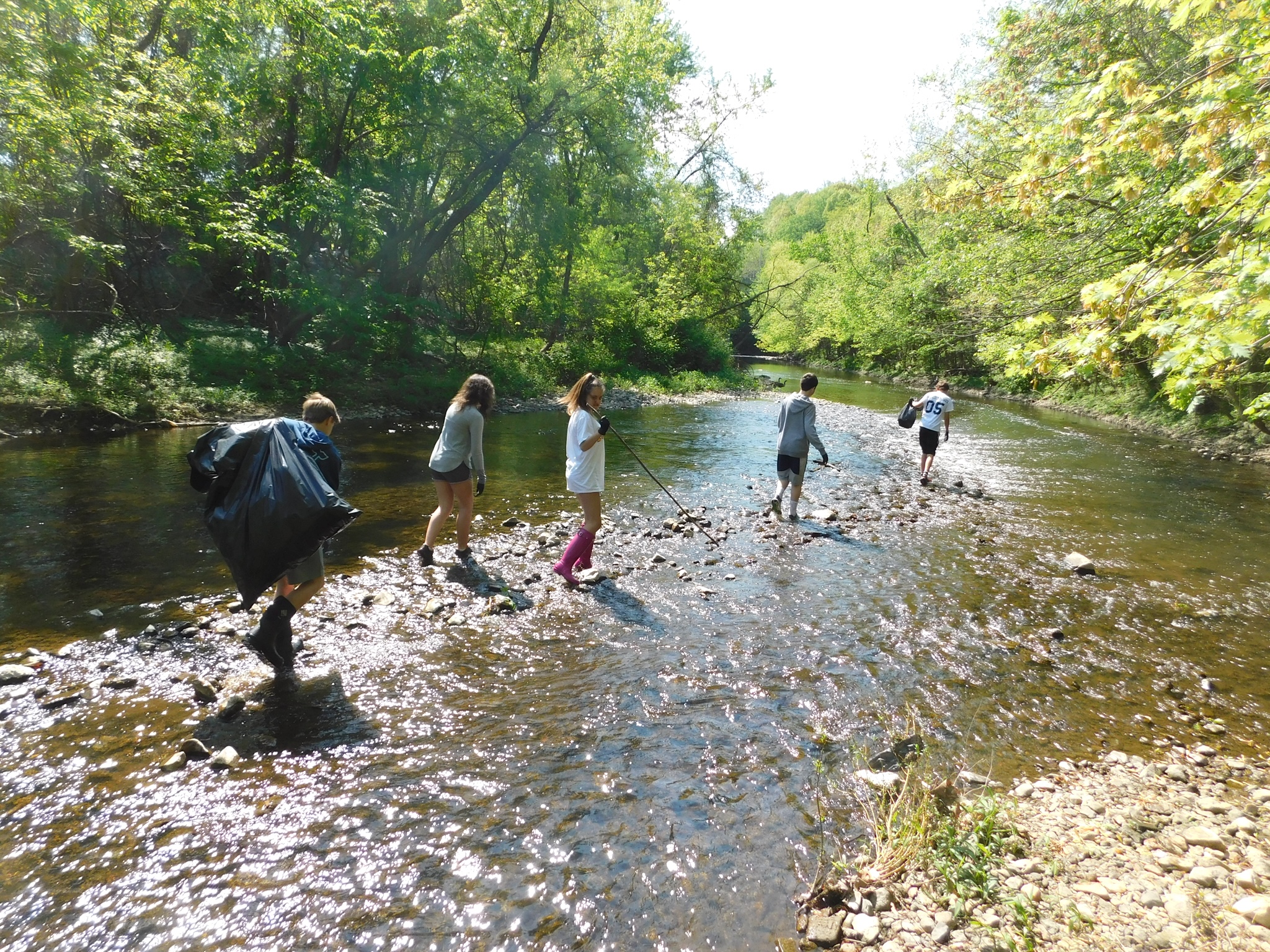
The summer break provides unique challenges but also unique opportunities for unstructured time, including the freedom to explore outdoors, as well as building independence, and meaningful contributions.
Unstructured Time

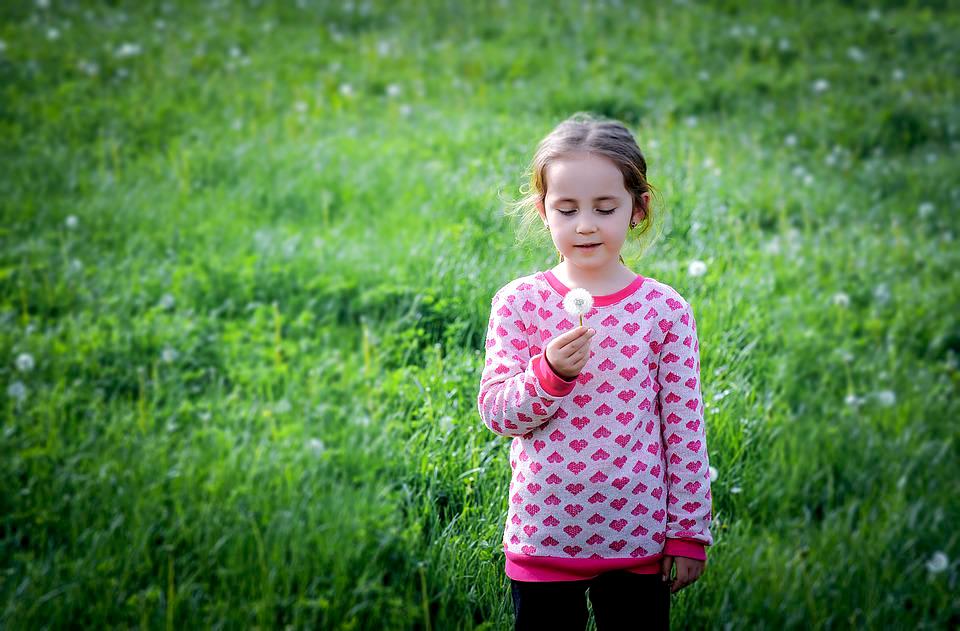
While it’s tempting to schedule the summer with back-to-back camps, lessons, and playdates, children benefit from free time as well. When we over-schedule activities, we actually rob the brain of essential downtime and opportunities for creative thinking associated with the wandering mind. Try allowing for some blocks of unscheduled time this summer.

Here are just a few of the brain benefits of boredom:

  • Recharge. Downtime allows our children to recover from “cognitive overload” and to recharge executive functioning skills. 
  • Imagination and creativity. The latest research shows that our brain doesn’t go into a lower gear when we aren’t focused on something. Instead, the activity shifts to the imagination and creativity parts of the brain. 
  • Problem solving skills. When children engage in open ended projects, they encounter unforeseen challenges and must develop their problem solving skills.
  • Confidence and grit. Confidence and grit aren’t developed by things coming easily. They come from children overcoming worthy challenges. 

“Children need to sit in their own boredom for the world to become quiet enough that they can hear themselves.” – Dr. Vanessa Lapointe

When your child proclaims, “I’m bored!” try to avoid rushing in with an organized activity. Instead, create space and time for children to come up with their own ideas for what to do next. This may mean having some materials around to prime the creative pump. For young children these materials can be as simple as sticks, paint, and cardboard! What they do next is up to them. Consider setting aside some time with your child to create a list of activities they enjoy and some fun-sounding challenges or longer-term projects. Then when they need something to do, you can suggest they choose something from the list you brainstormed together. Remember, building any new skills takes practice. Allowing time for free play throughout the year will help your child learn how to make their own fun. Think of it as creating “boredomtunity” for your child.
Freedom to Explore Outdoors

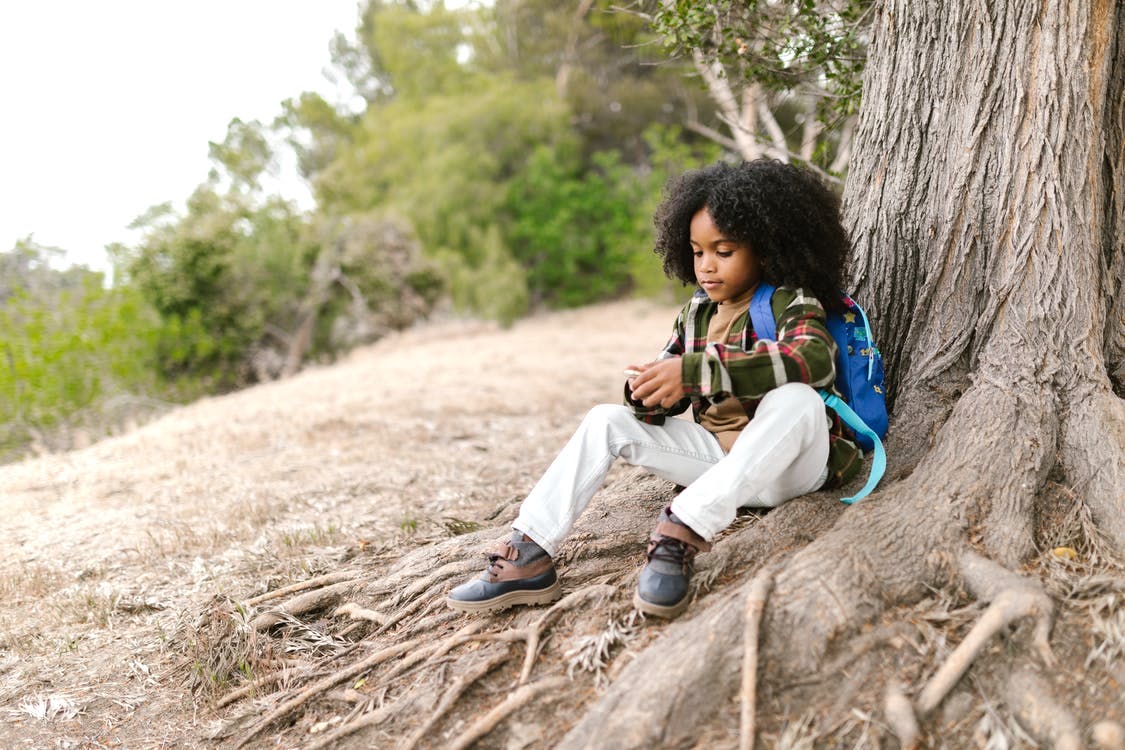
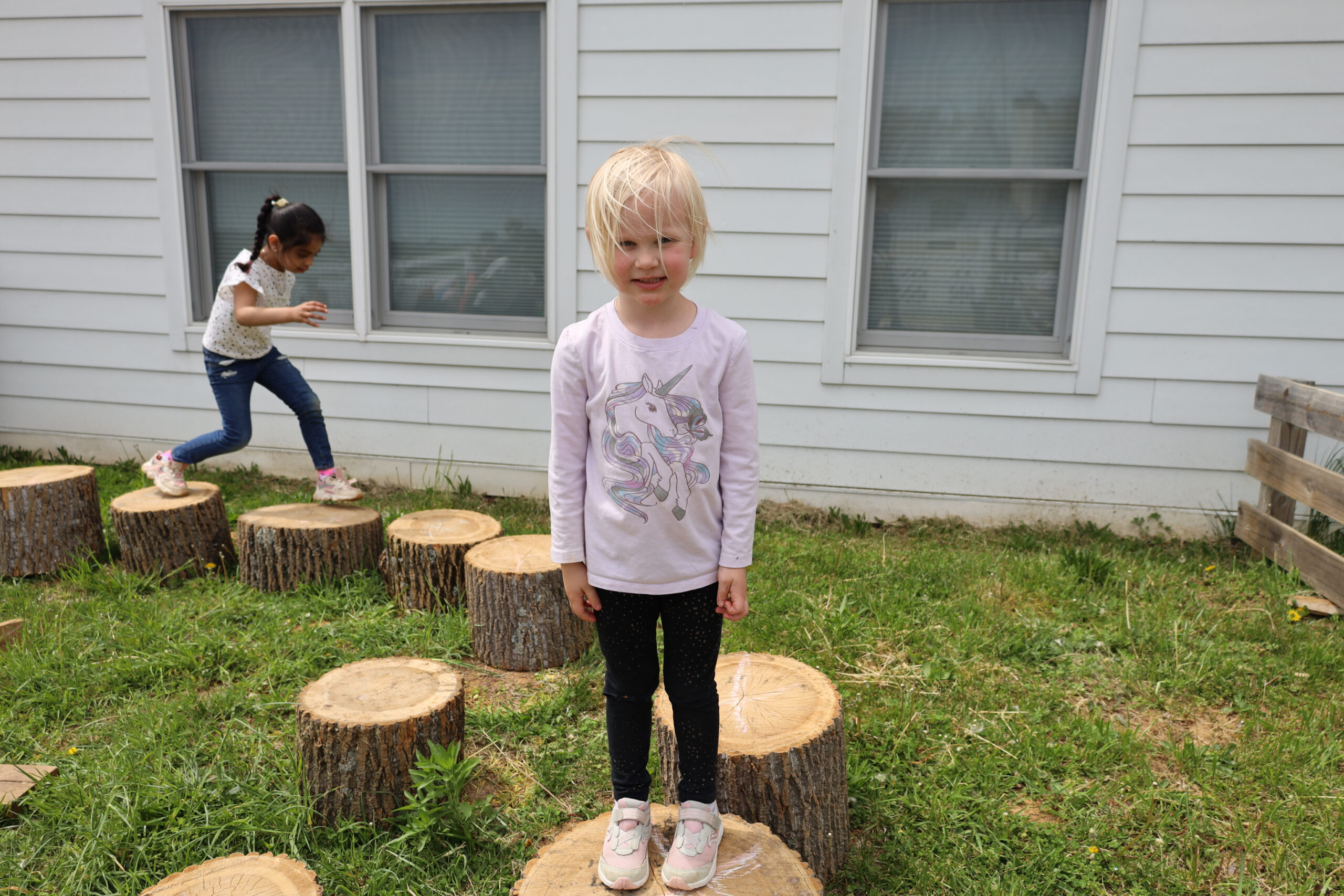
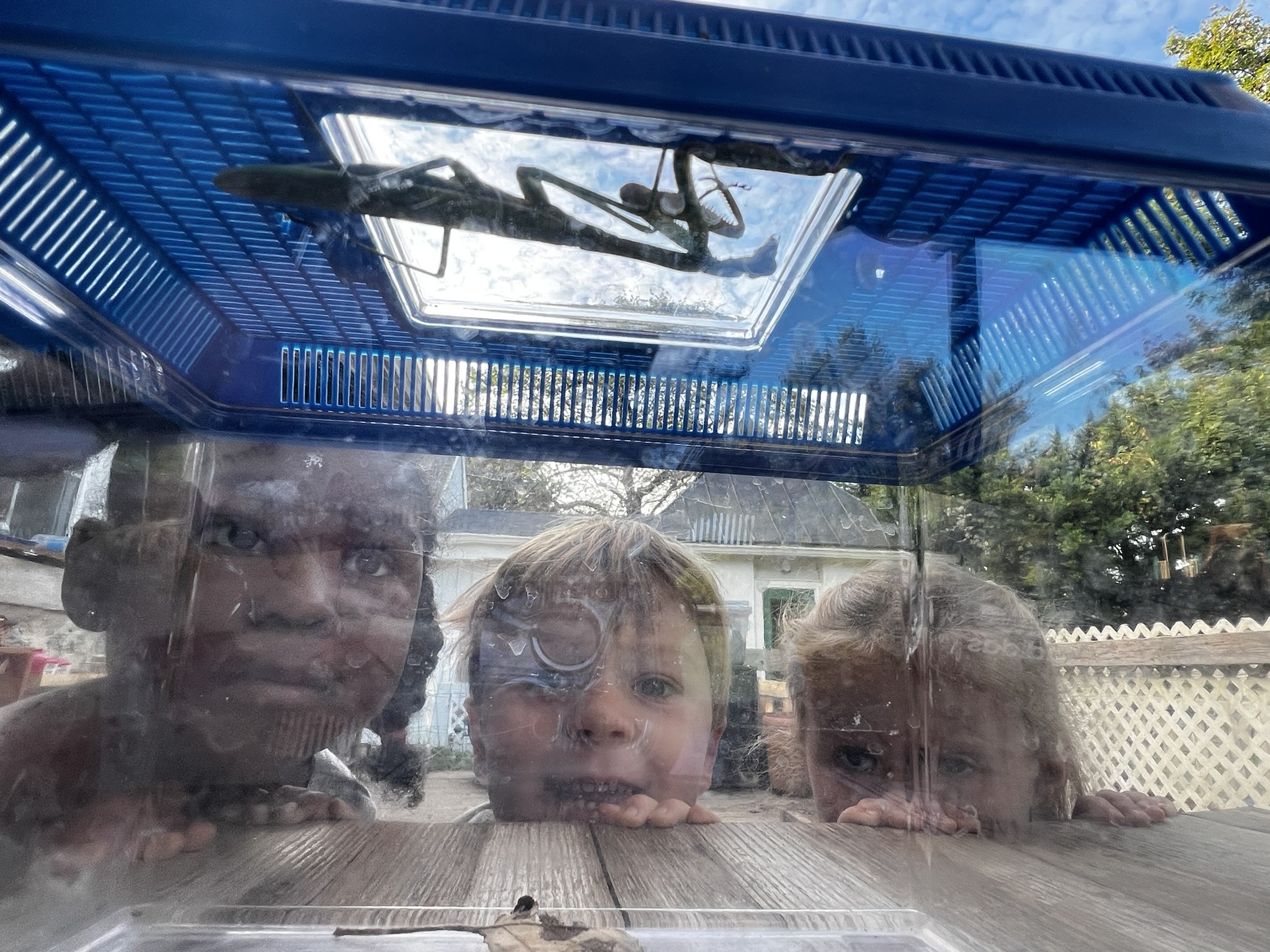
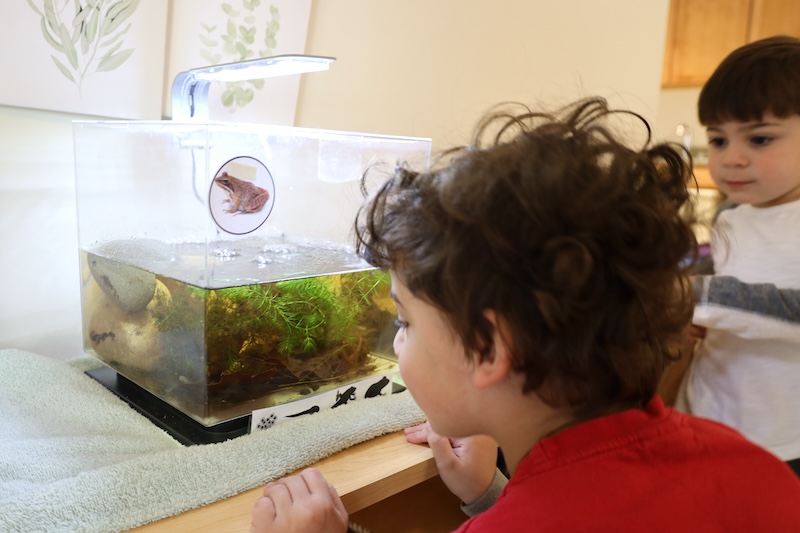
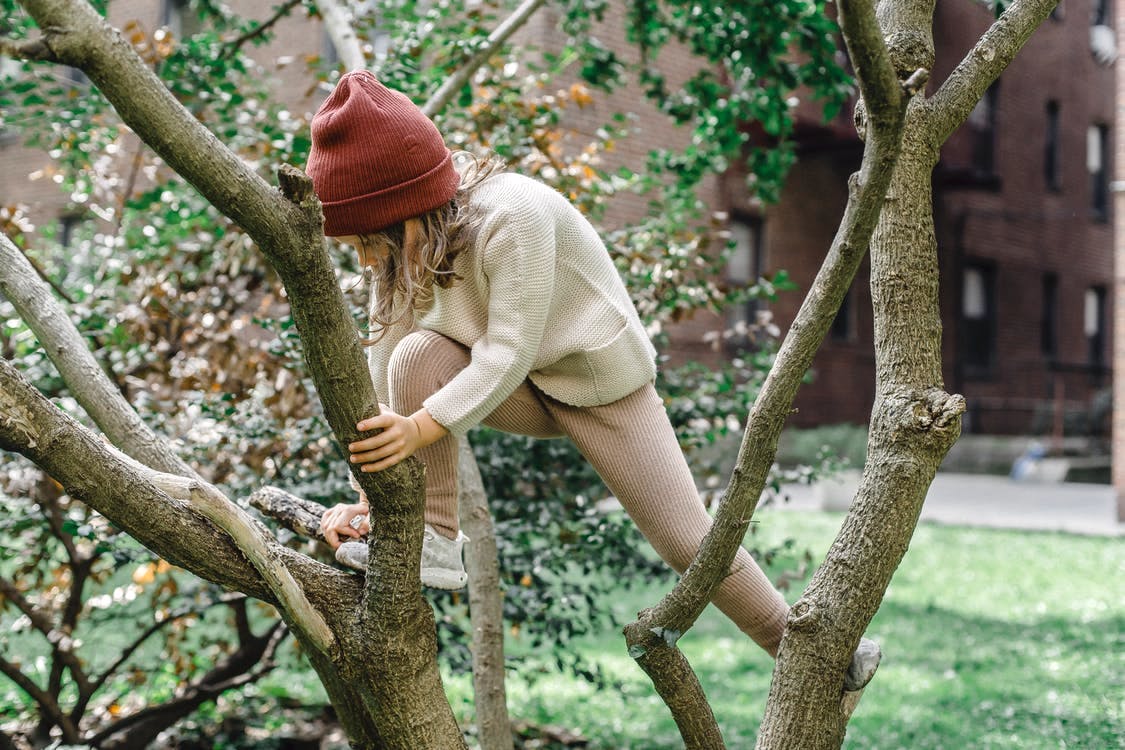
Encourage your child to spend unstructured time outside. Not only does “green time” promote better physical health (immune function, heart health, Vitamin D production, better sleep), it promotes better mental health (reduced stress levels and lower levels of stress hormones). There are also cognitive benefits, including improvements to short-term memory, attention, and learning. Finally, “green time”  invites exploration and curiosity about the natural world and gives children the opportunity to take healthy risks that build problem solving skills and perseverance. 

Sarah Milligan-Toffler and Richard Louv of the Children & Nature Network write, “In a brief integrative review of the research [researchers] found that time in nature produces positive shifts occur in perseverance, problem-solving, critical thinking, leadership, teamwork, and resilience—skills that are essential in overcoming the unprecedented challenges we face today.”
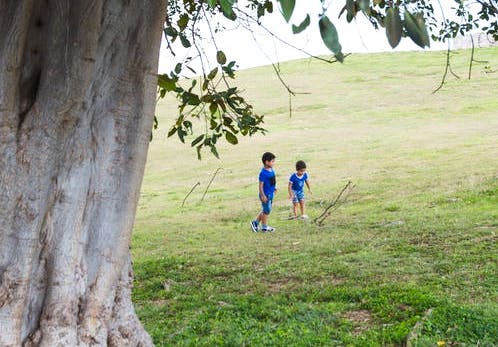
Whether it’s digging in the dirt, taking a walk in the park, or having a picnic in the backyard, time outside is a gift to your child.

Building Independence

For some of us, our instinct is to try to make life “easier” for our child. But by removing obstacles, we are actually taking away opportunities for children to learning new skills and overcome worthy challenges. For example, it may take much longer for a young child to zip up her own coat, but when time allows, give her the opportunity to try. If she begins to get frustrated, provide the minimal amount of help needed (such as holding the bottom of the coat to create tension, while the child pulls up the zipper). Children build self-confidence by accomplishing difficult tasks. Your child’s mantra can become, “I can do hard things!”

Allowing a child to do things for herself may require some support. Consider providing a stool at the bathroom sink so the child can reach the faucet to wash her hands. Consider putting out a small pitcher of water and a small glass so she can help herself when she is thirsty. If dishes, napkins, and silverware are placed in a lower cabinet, the child can help set the table for a meal. You can revisit our blog post titled The Montessori Home for more ideas on how to set up each area of your home (kitchen, playroom, bathroom, and bedroom) to support your child’s independence.

As you observe your child, you may notice that he or she needs a new skill. This is an opportunity for you to give your child a lesson! Here’s how you can do it:

  • Invite your child to see something new & name the lesson: “I am going to show you how to wash your hands. I’ll have a turn and then you’ll have a turn.”)
  • Demonstrate slowly and precisely
  • Follow a clear sequence
  • Do not talk while you are demonstrating
  • Use eye contact and a smile between steps 
  • “Now it’s your turn! And anytime you want to have clean hands, you can practice!”

“The only way to build self-esteem is through overcoming worthy challenges.” – Joanne Deak, PhD

Making Meaningful Contributions

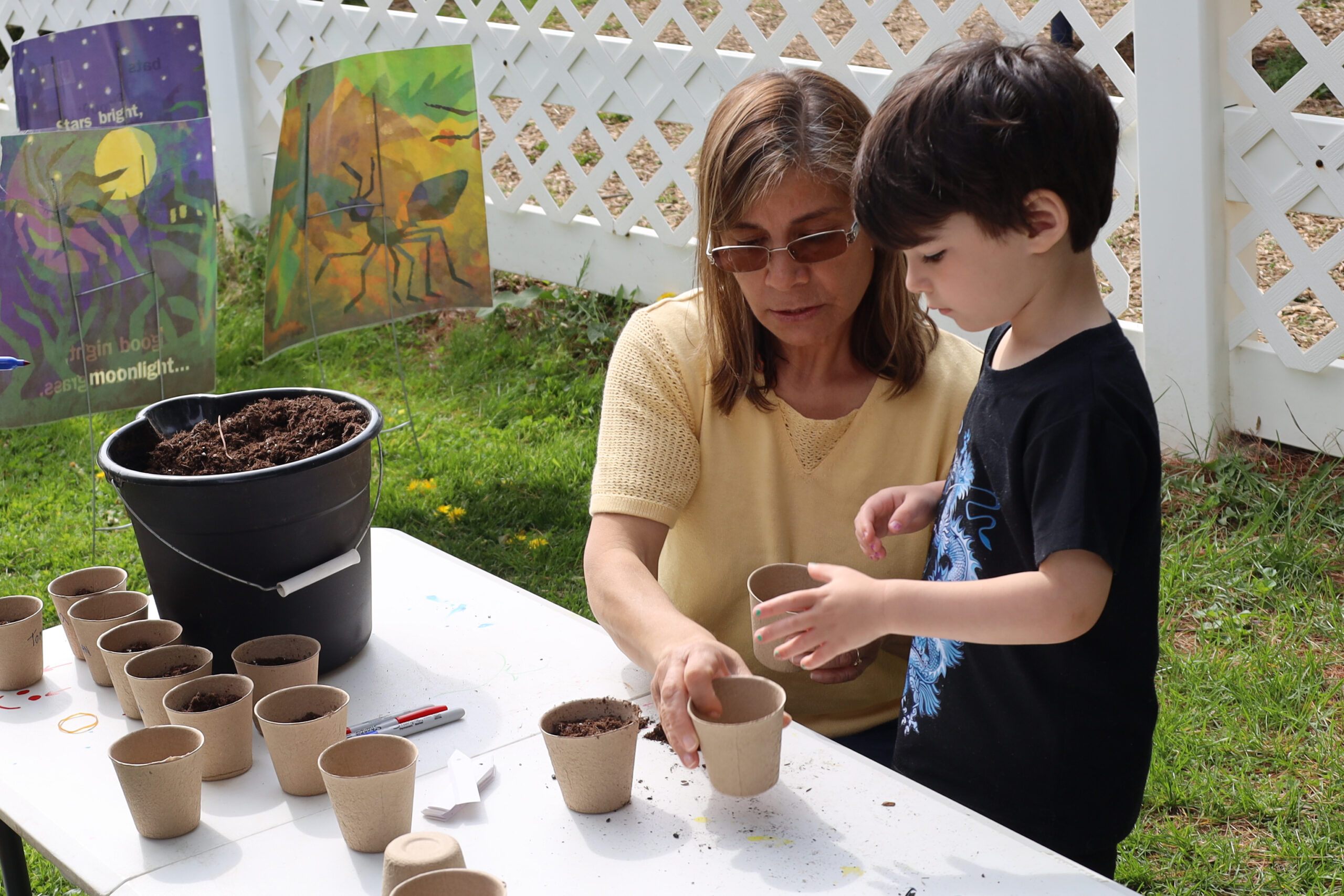
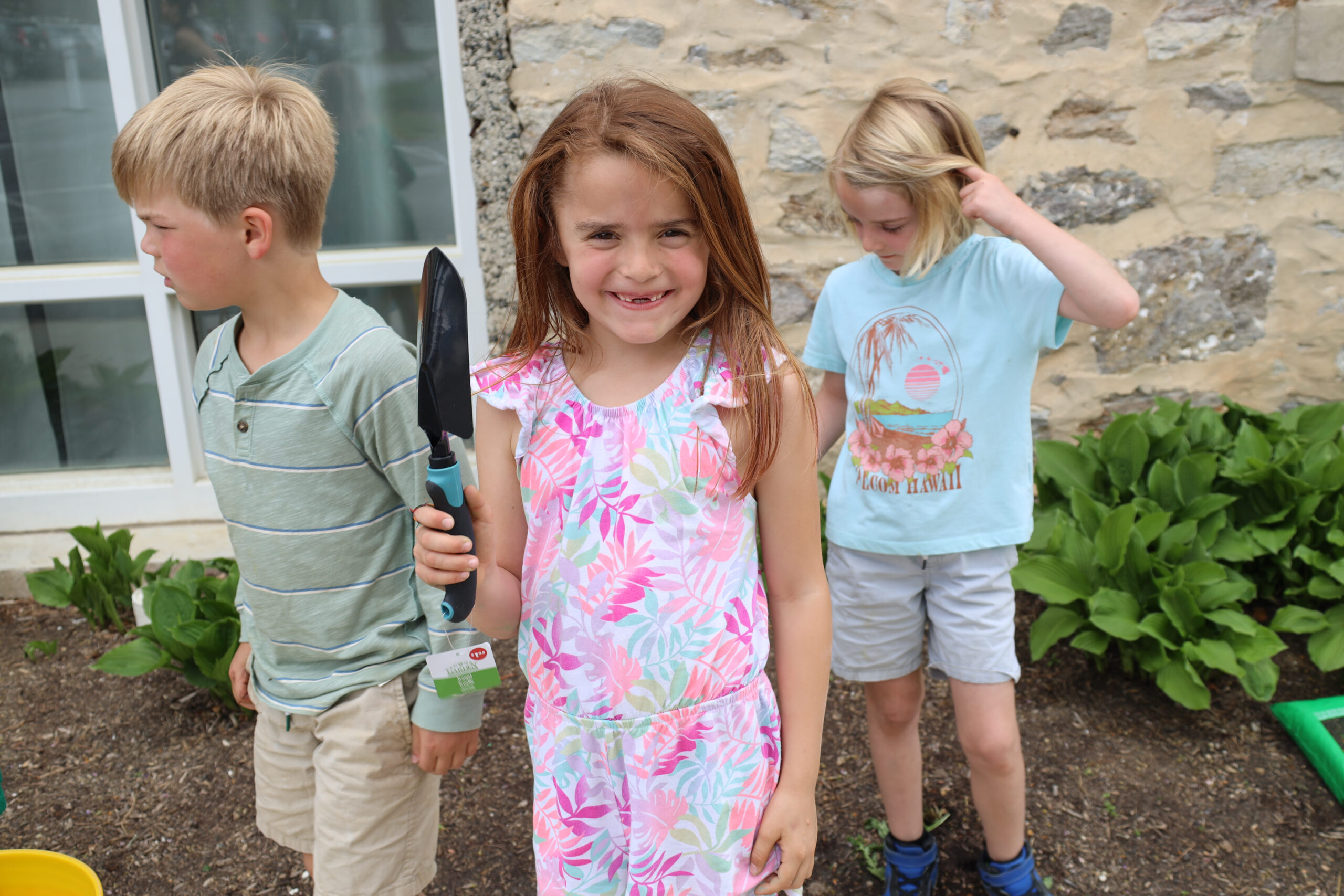
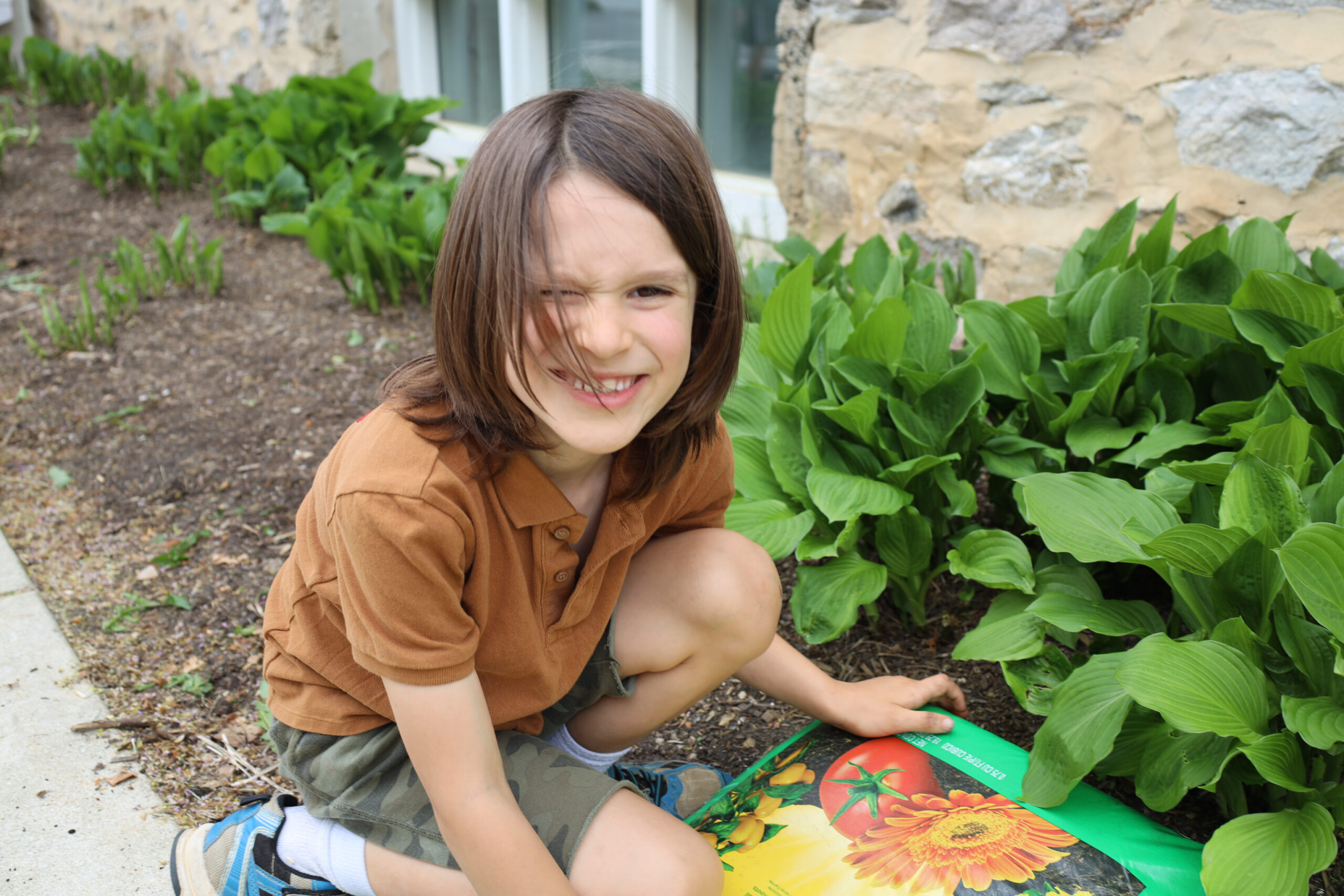
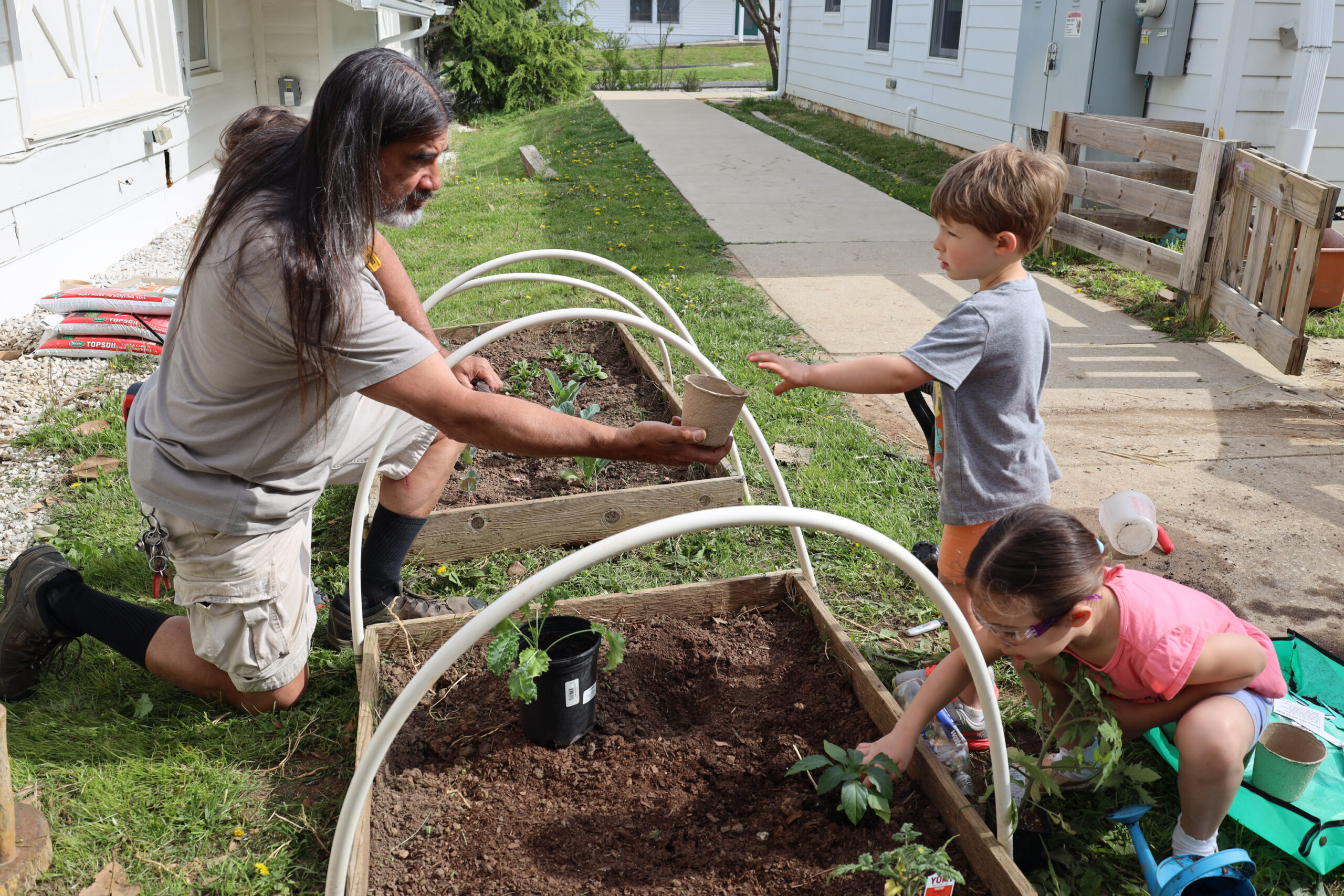
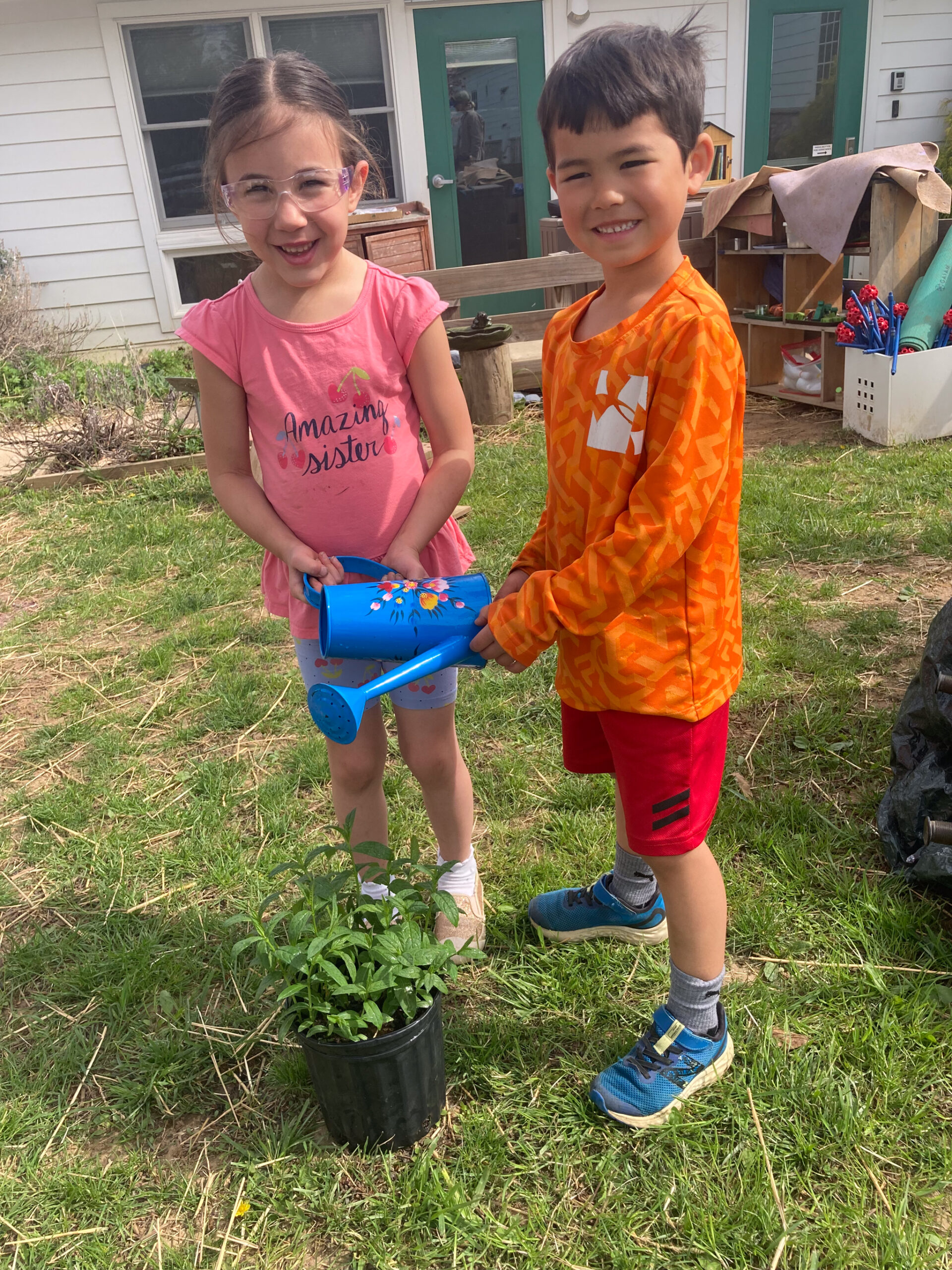
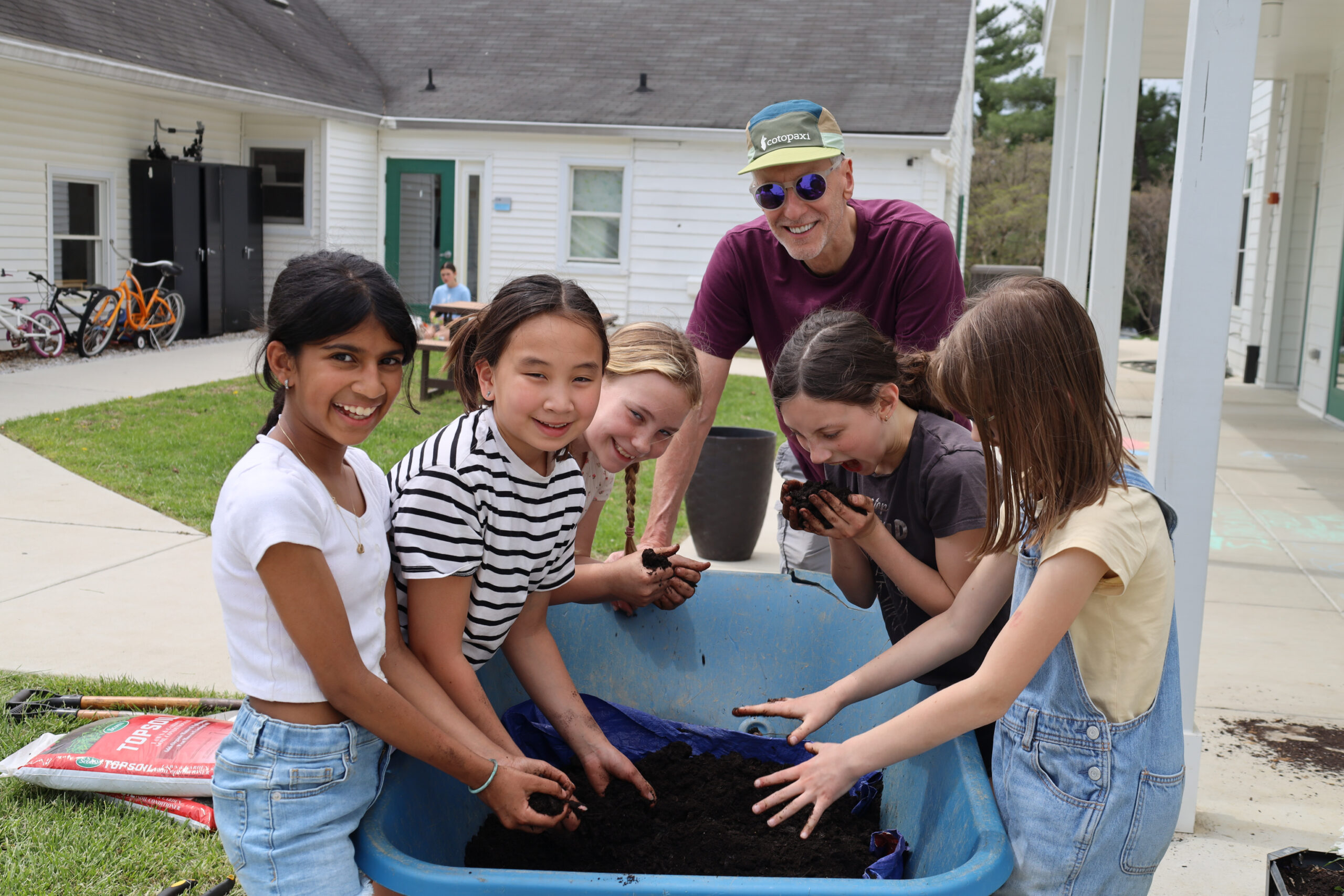
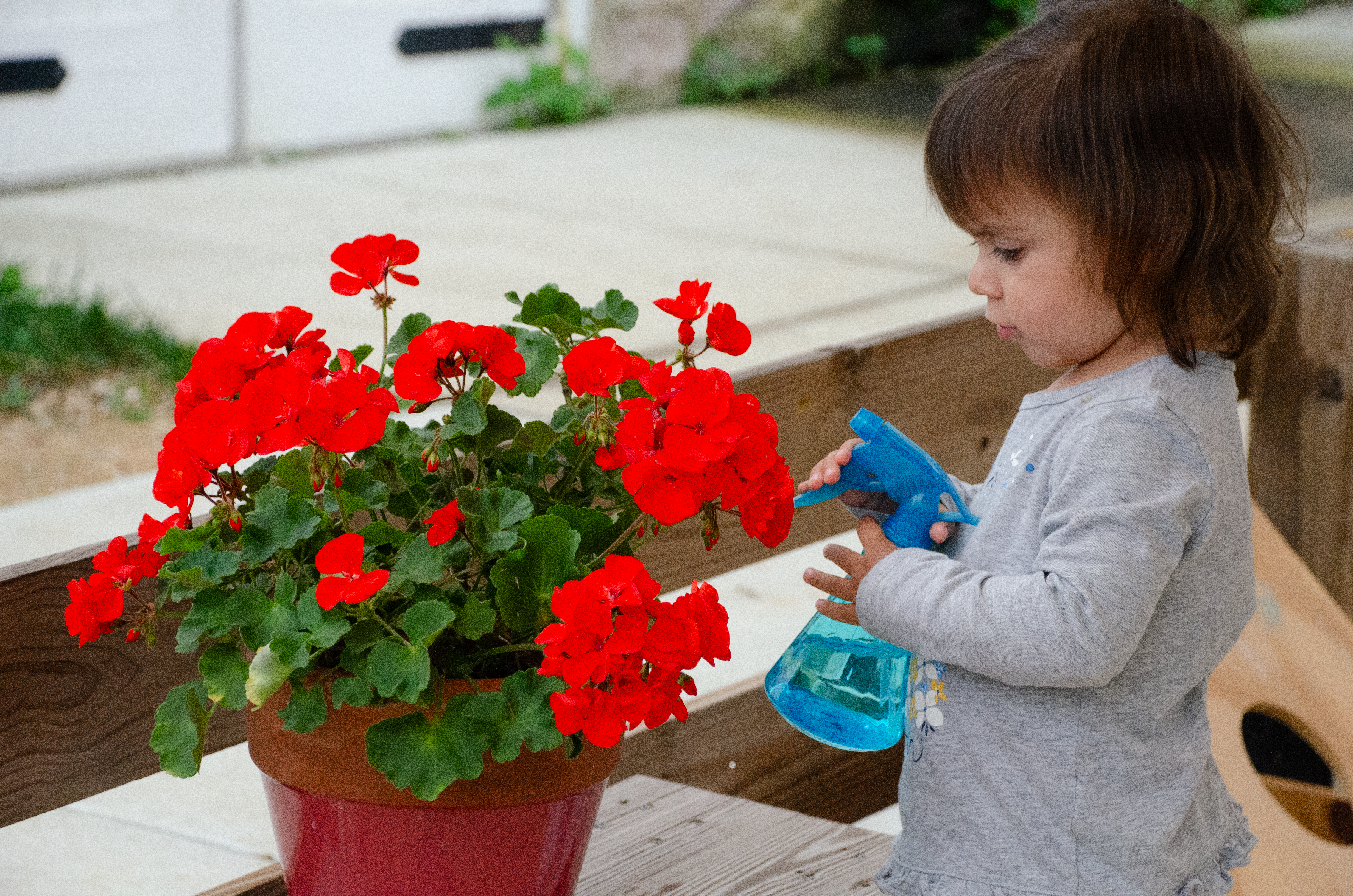
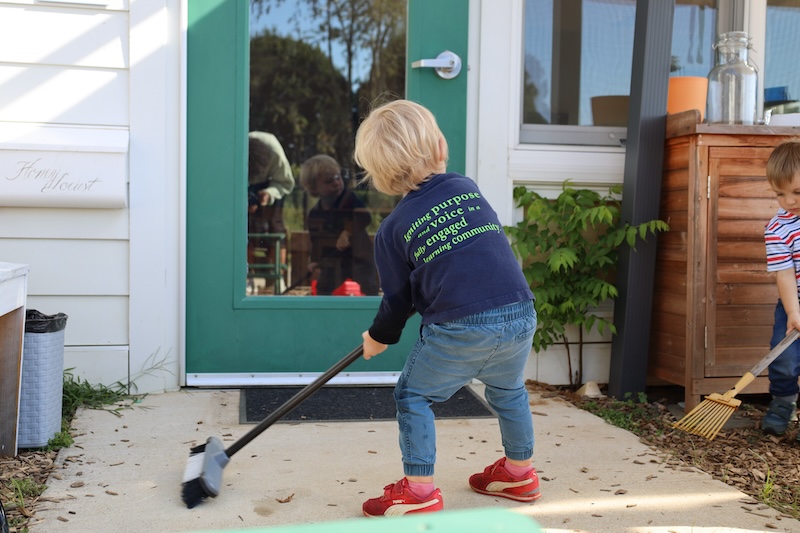
Not every free day needs to involve a trip to the zoo. Many times, children want to do what you are doing! You can invite your child to work with you in the garden, prepare a meal, or wash the car. You may need to provide child-size tools for some of these activities, such as a small watering can or acrylic knife, so that your child can participate fully.    

Research indicates that those children who do have a set of chores have higher self-esteem, are more responsible, and are better able to deal with frustration and delay gratification, all of which contribute to greater success in school. (Center for Parenting Education) Check out our blog post titled Children as Contributing Members of the Home for a list of age-appropriate chores your child can do. And please don’t swoop in as soon as the work is hard. Let your child experience challenges and overcome them!
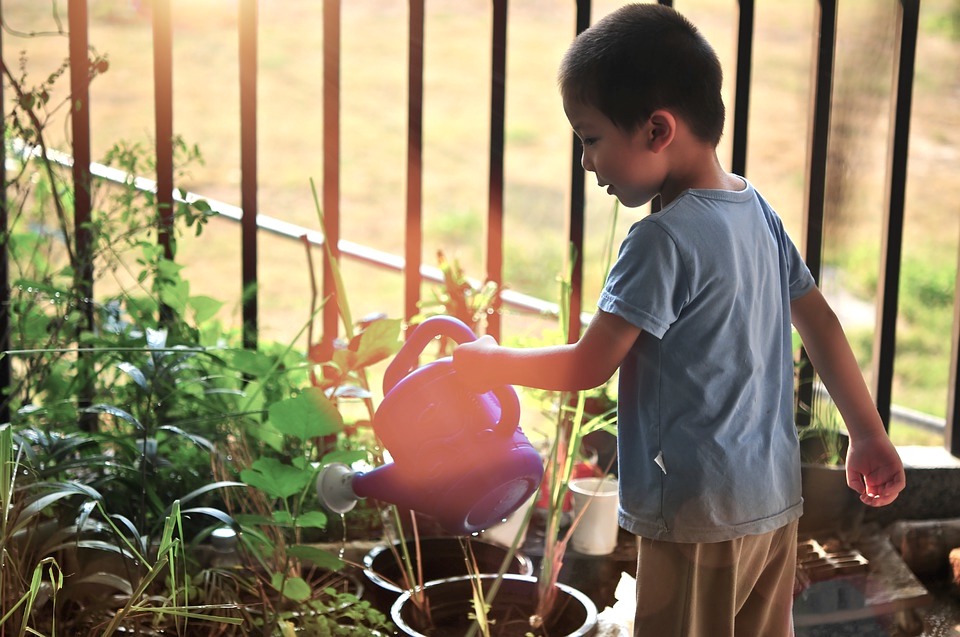
When we allow children opportunities to make meaningful contributions to the family and the greater community, we help build their resilience, perseverance, grit, and self-esteem. What greater gifts are there?

All of these pieces – unstructured time, enjoying the outdoors, building independence, and making meaningful contributions – are the ingredients for an exciting and fulfilling summer!

Dive into Summer: Reading Lists for Children’s House & Elementary

Dive into Summer: Reading Lists for Children’s House & Elementary

Need something to read this summer? Here are our picks for the best summer reading for Children’s House and Elementary 

Children’s House Summer Reading List 2025

Elementary Summer Reading List 2025

Along with these book recommendations, here are a few tips to encourage reading with your young readers this summer!
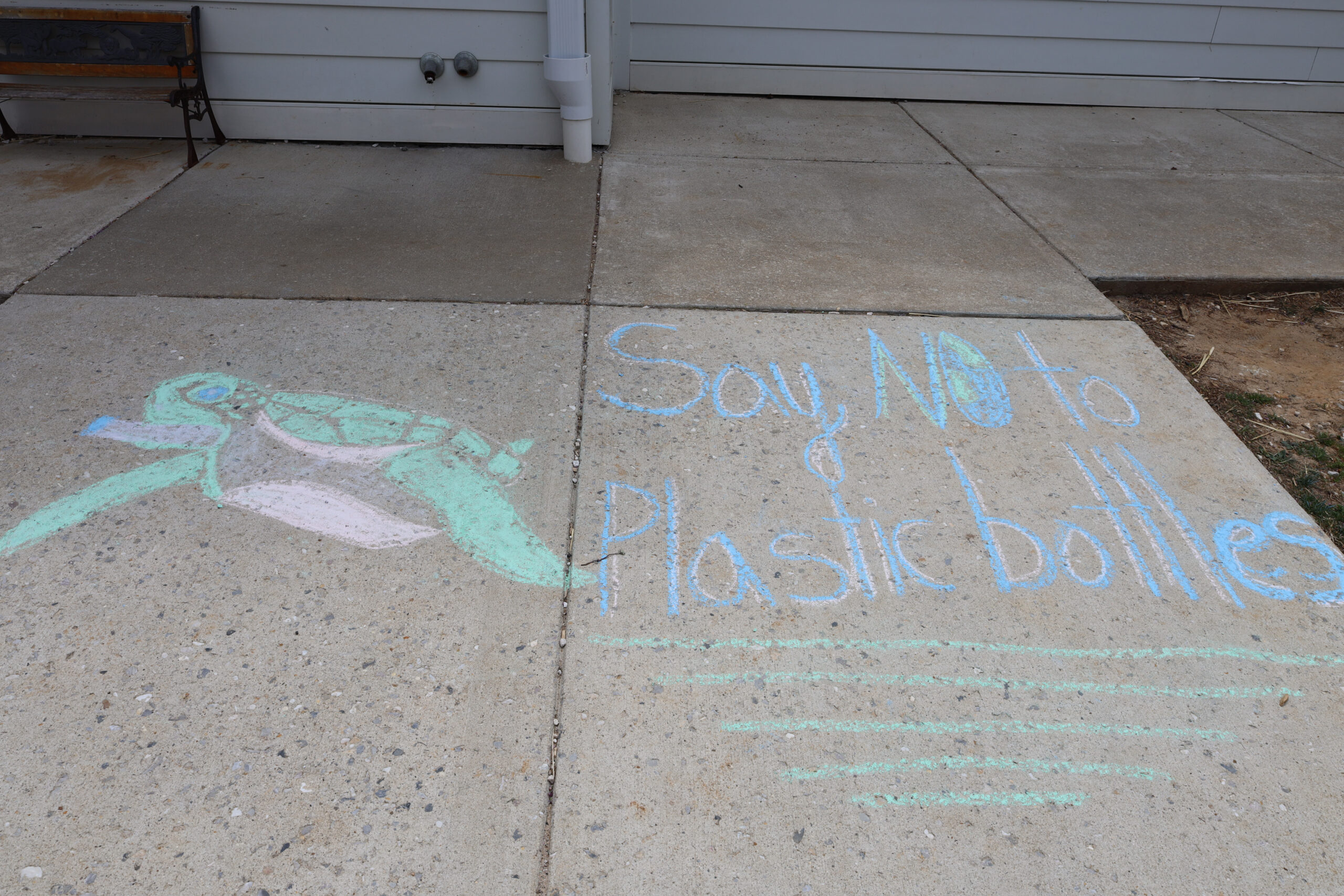
  • Visit your local library – Let your child choose books that match their interests – even if it’s a graphic novel or joke books. All reading counts!
  • Reading Scavenger Hunt
  • Join your local library’s summer reading program
  • Check out: https://bcpl.beanstack.org/reader365
  • Set up a cozy reading nook or fort indoors or outdoors!
  • Read to a pet
  • Model reading by keeping a book handy yourself!
Spring Earth Day Celebration at Greenspring

Spring Earth Day Celebration at Greenspring

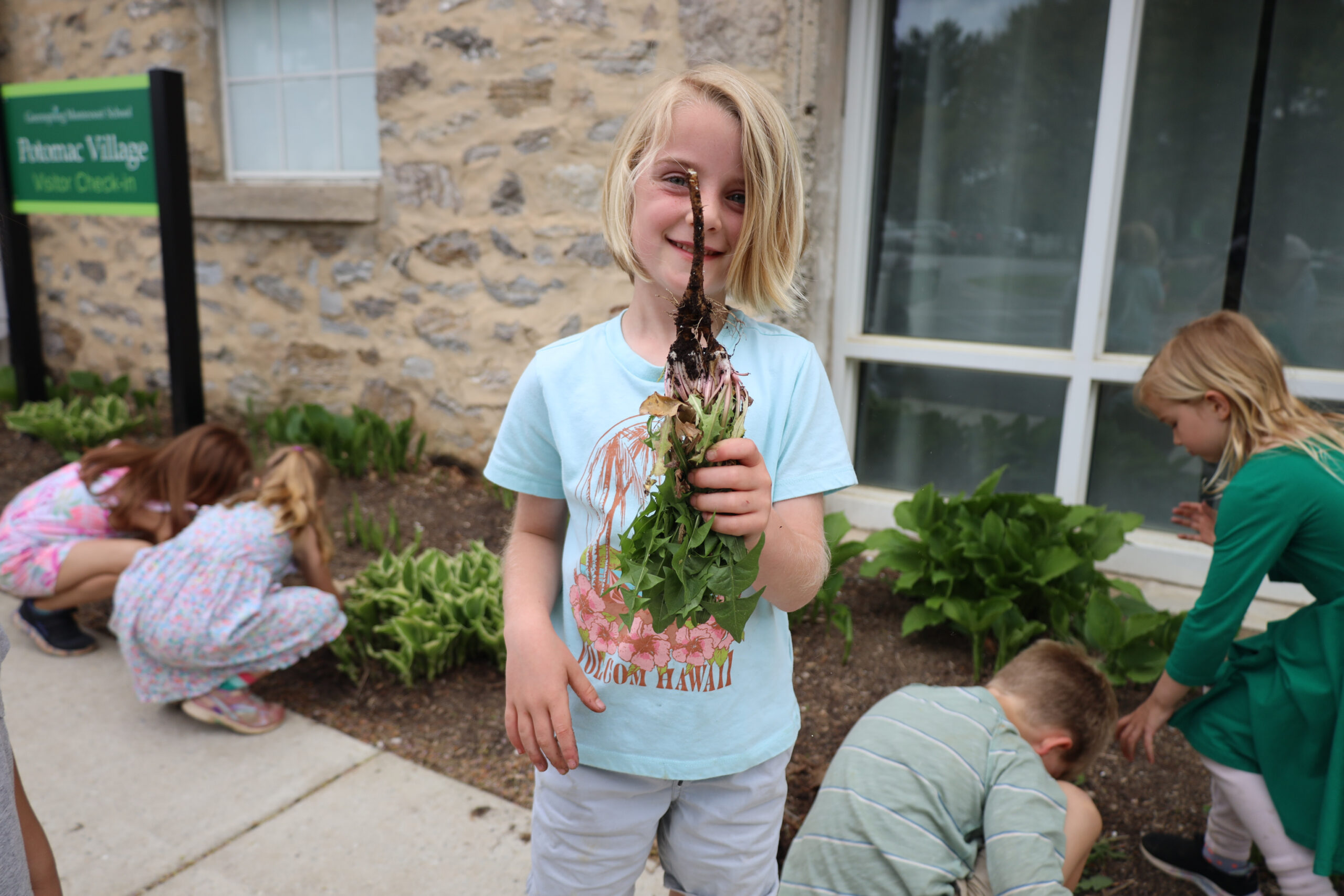
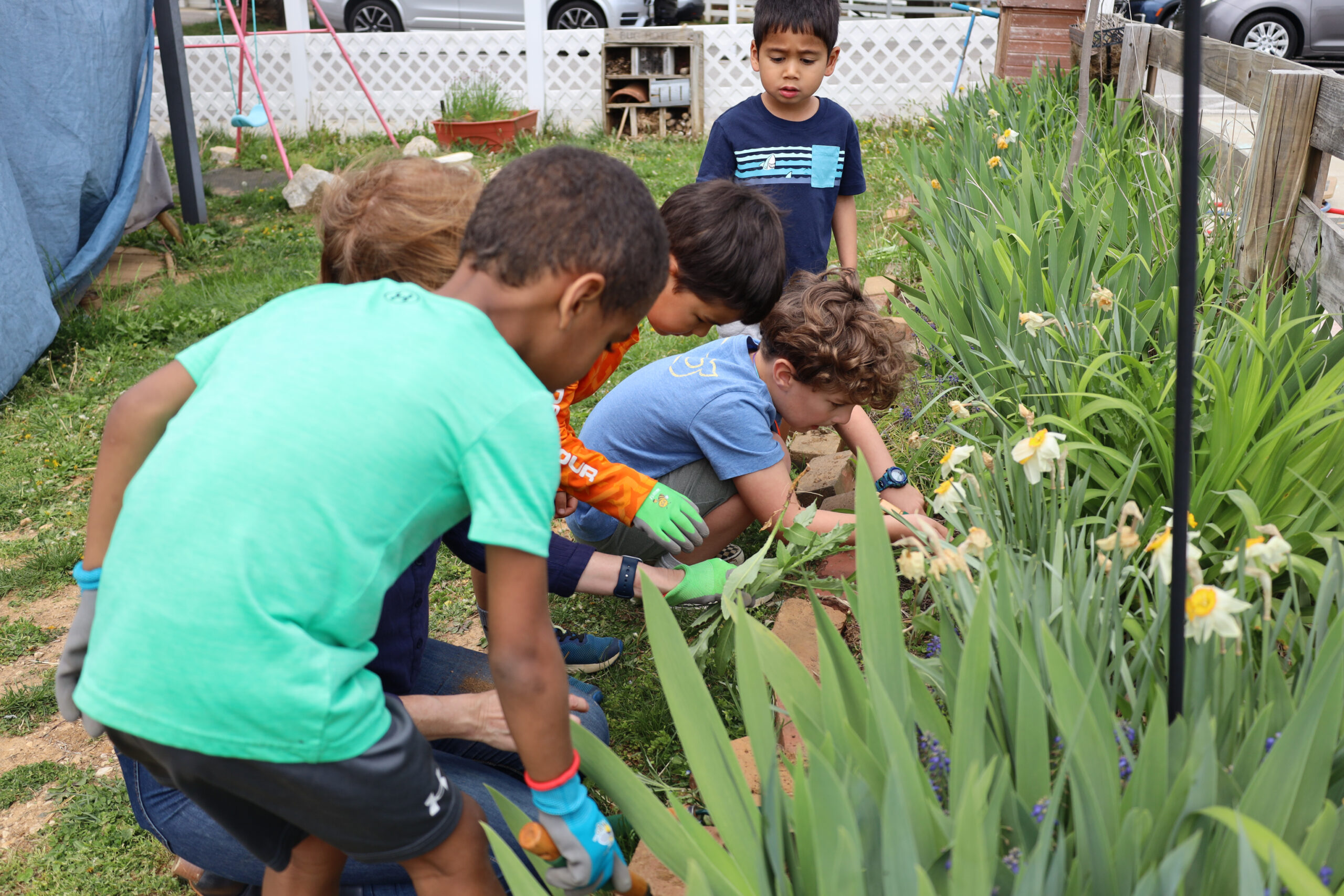
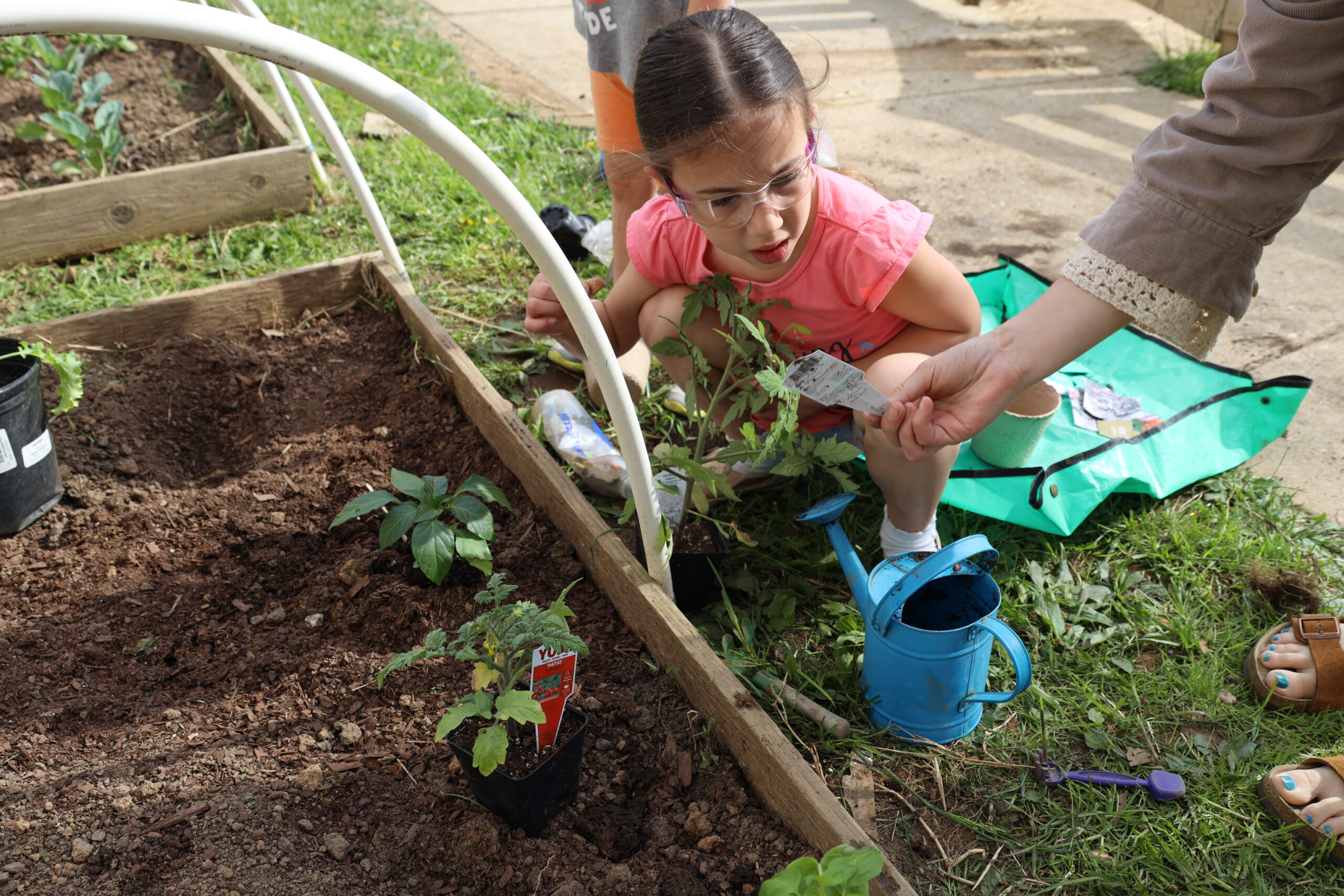
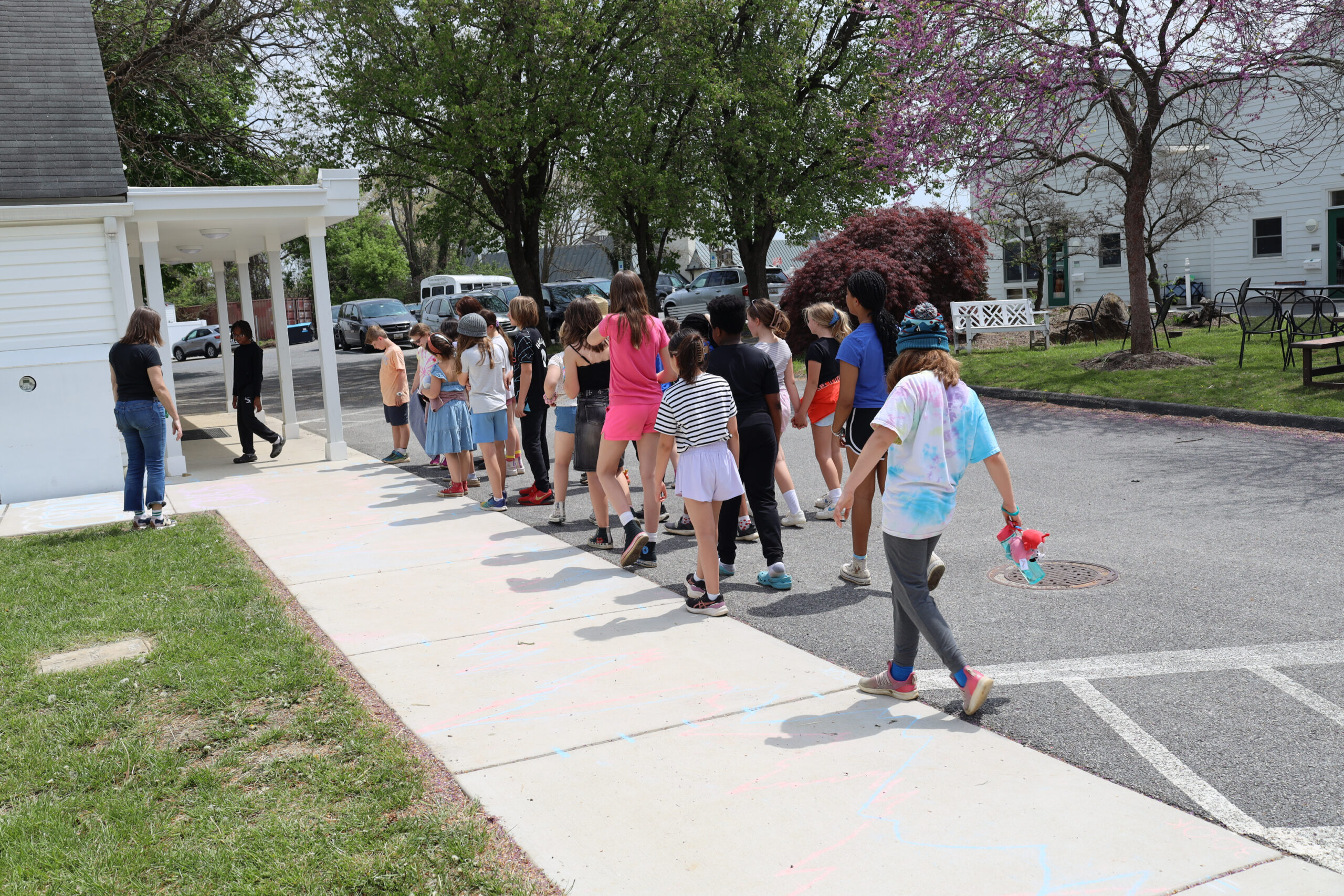
As part of our Allegiance to Nature at Greenspring Montessori School, our faculty and staff organized a special Earth Day event for our children and families. Our Toddler, Children’s House, Elementary, and Adolescent classes took on various projects around our campus including planting stations, nature-based story walks, and nature scavenger hunts. Many classes also worked to restore natural spaces on campus and make improvements to their outdoor environments. In addition, there are many beautiful books on display in the library on Earth Day, Spring, Gardening, and more! 
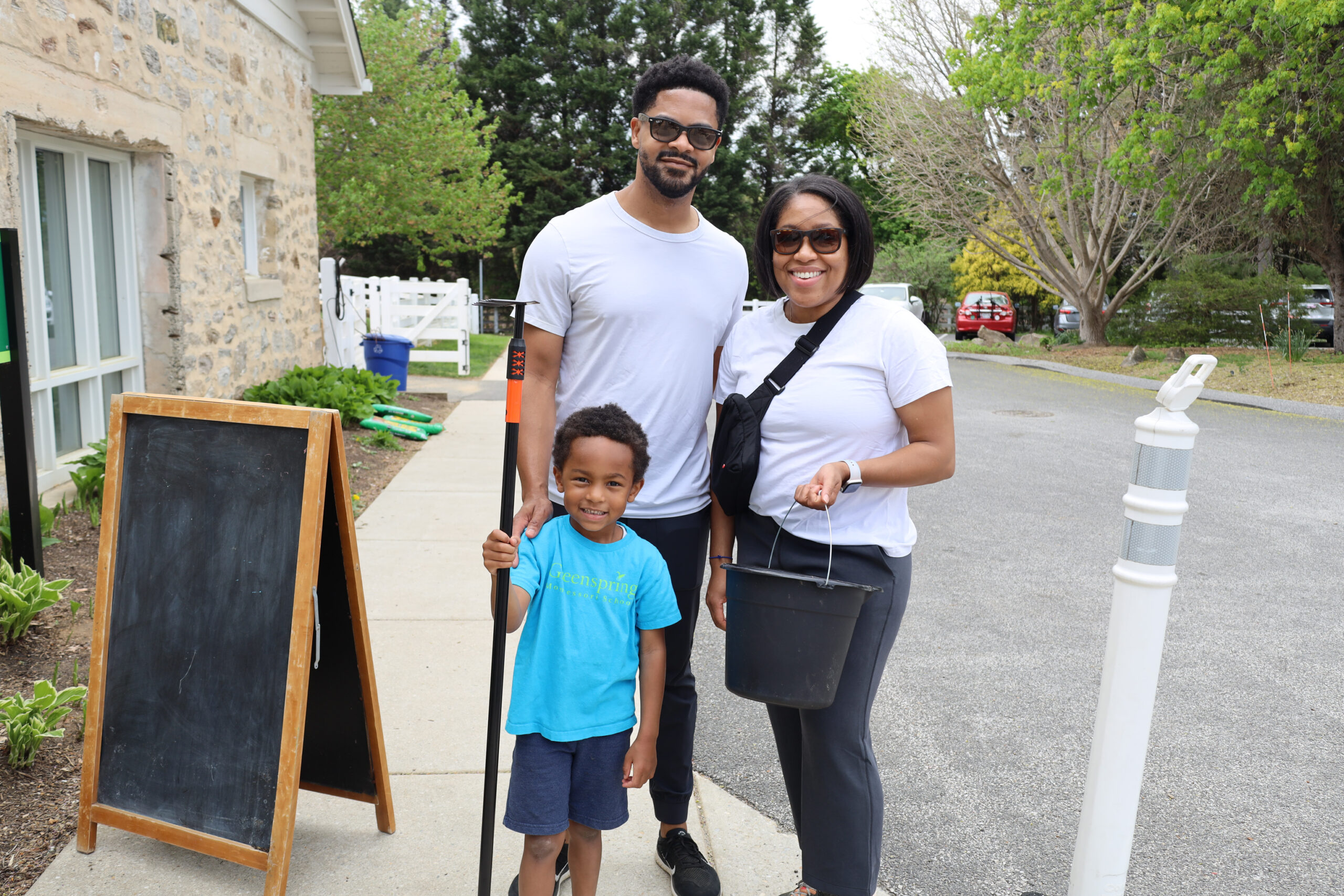
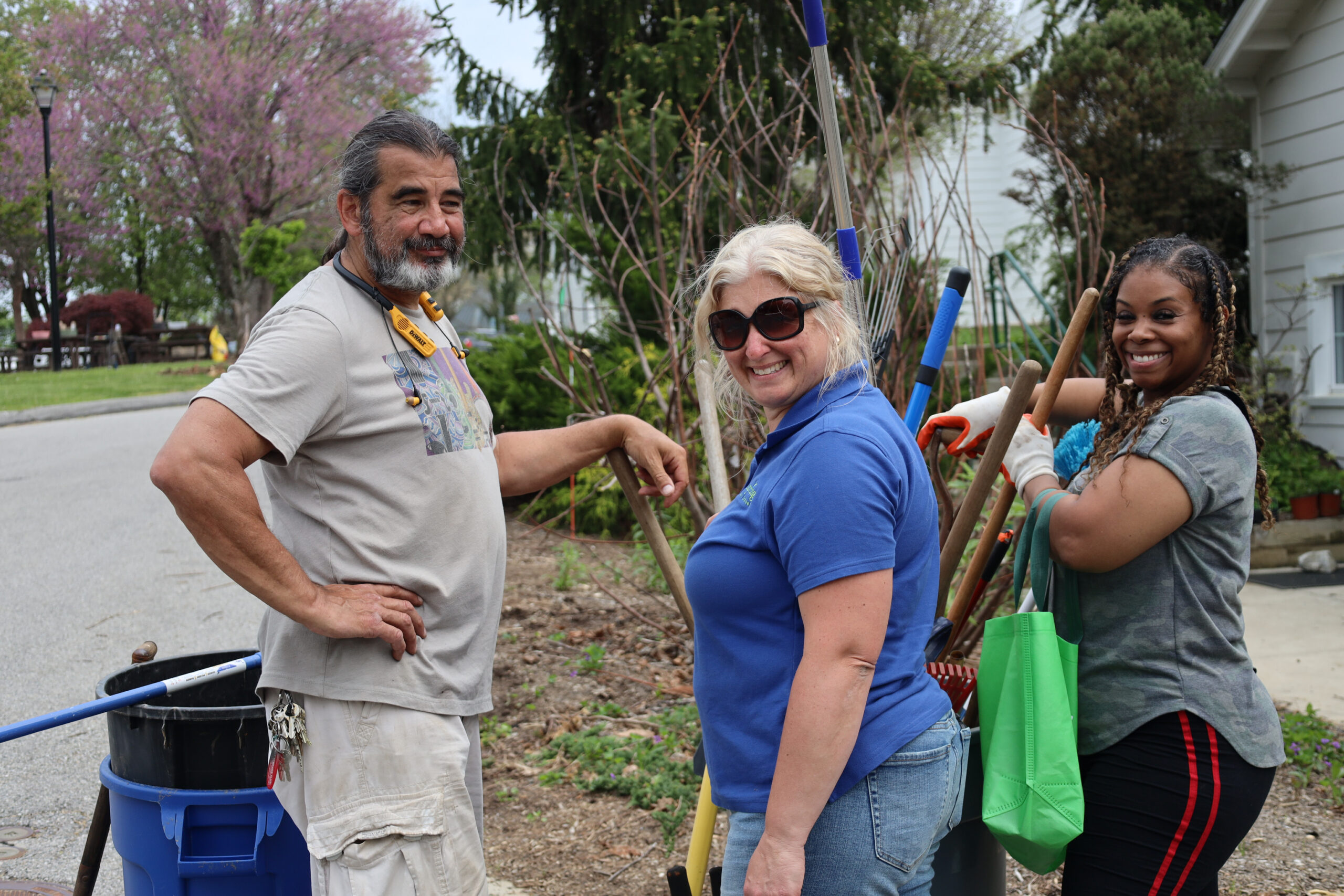
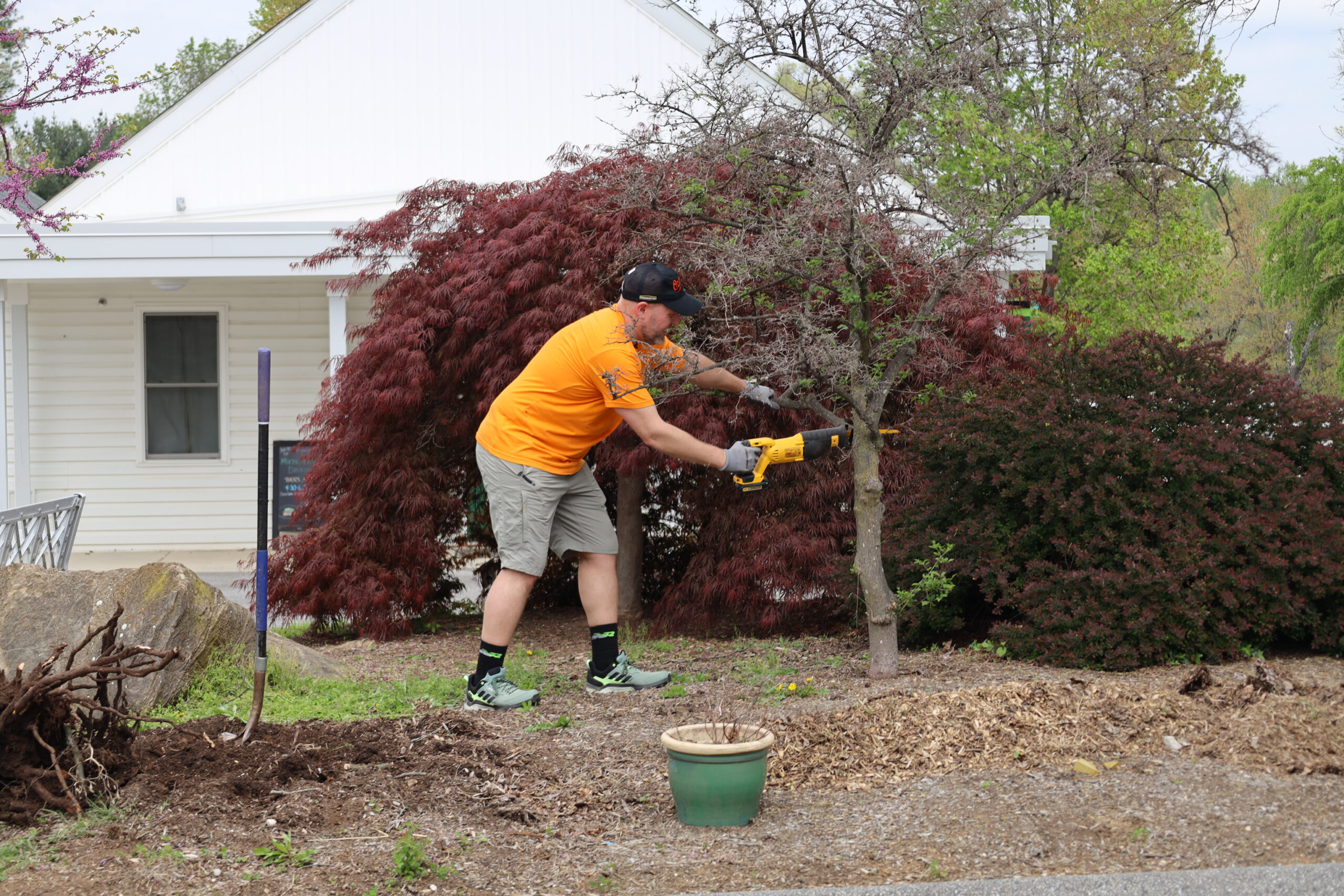
After school, many families joined in to help spruce up the campus grounds. We would like to extend a special thanks to all of our families who volunteered to help make this event a success! If you would like to support any of our current outdoor projects by volunteering or donating supplies, please reach out to us here It was beautiful to see everyone coming together for this purposeful community event! Take a look below to see photos and more details about the projects at each level.

Toddlers

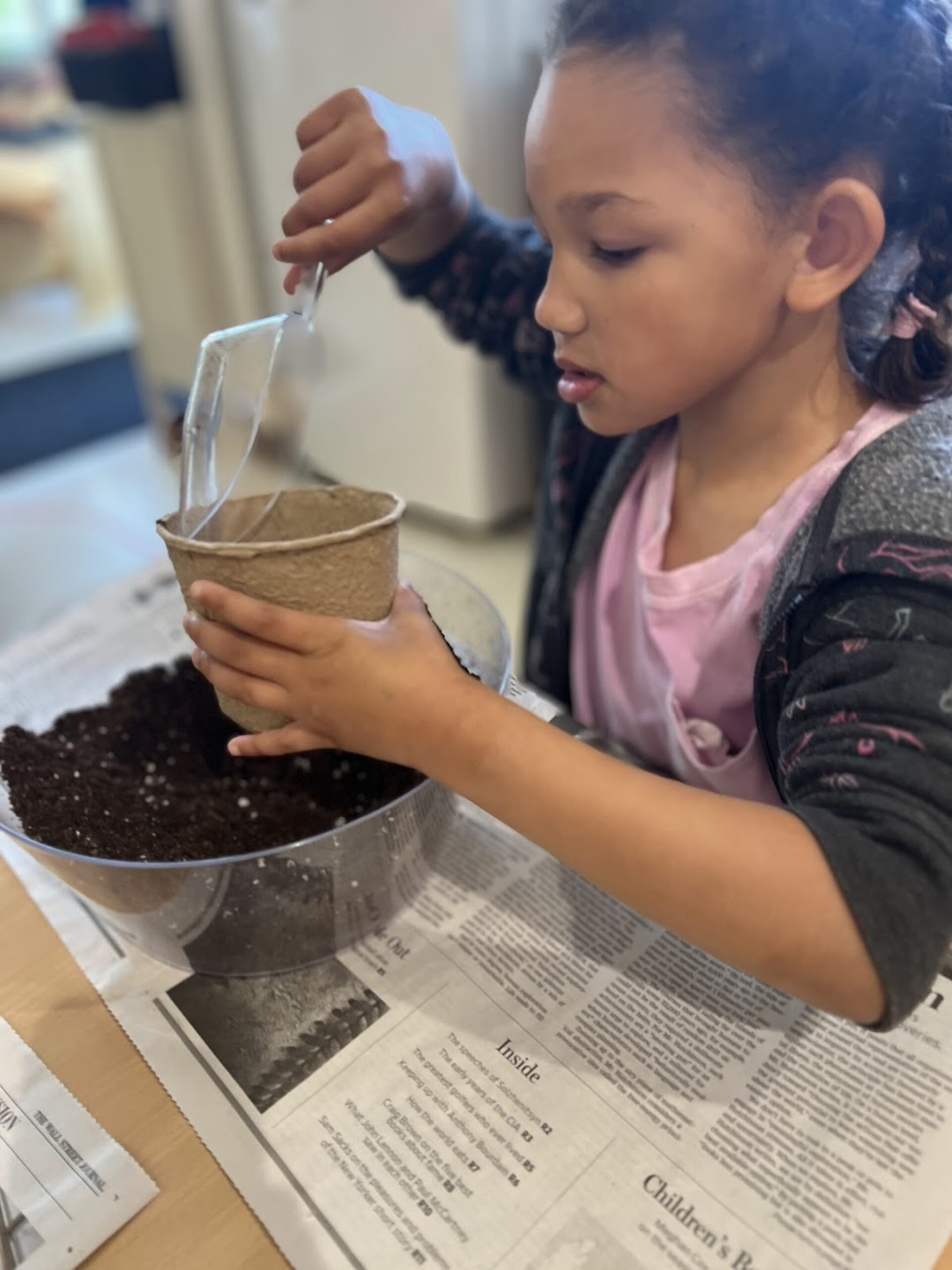
Our Toddlers visited the planting station in the morning to prepare small seedlings to bring home. They also worked together to spruce up their outdoor environments and plant flowers.

Children’s House

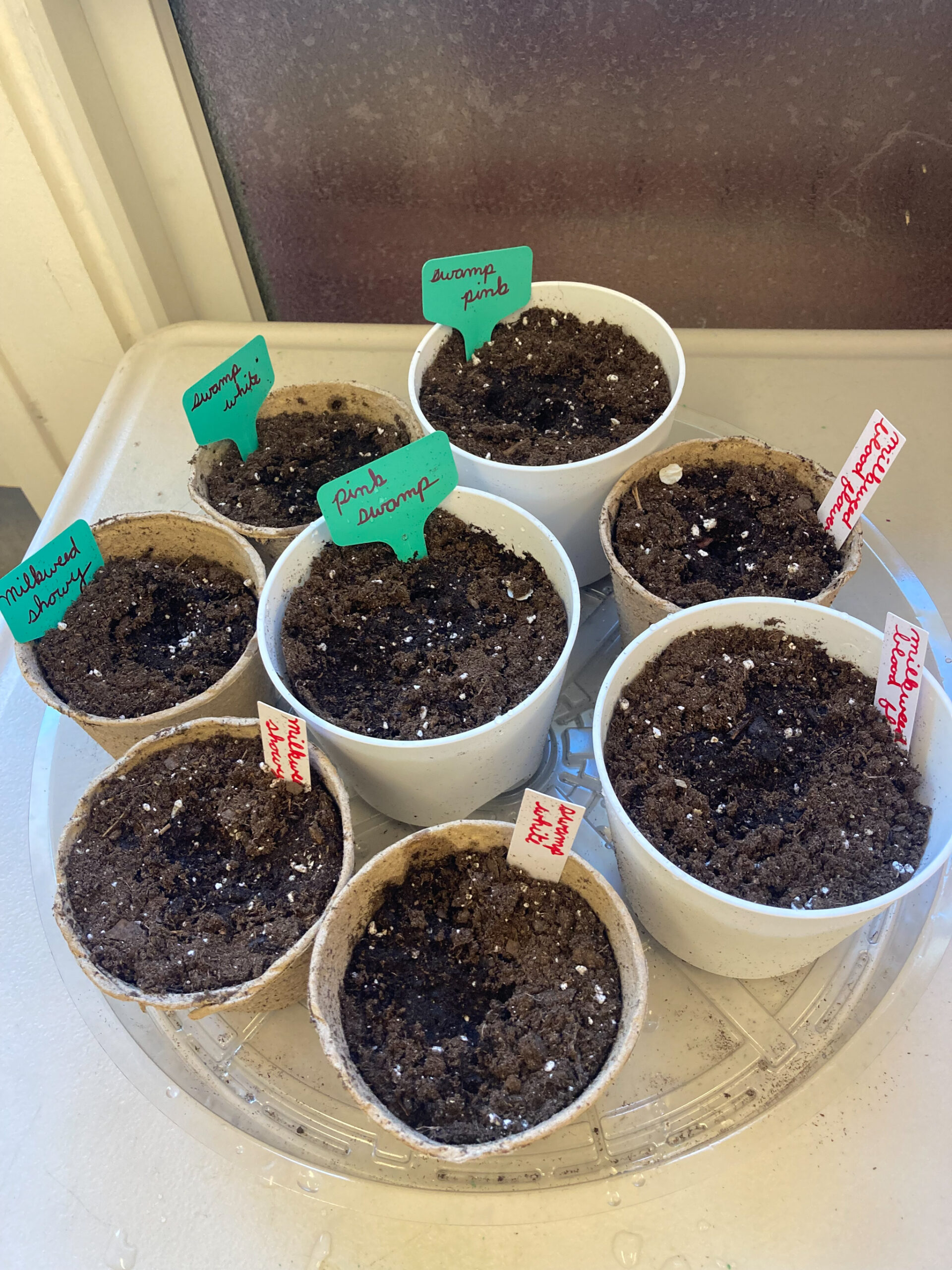
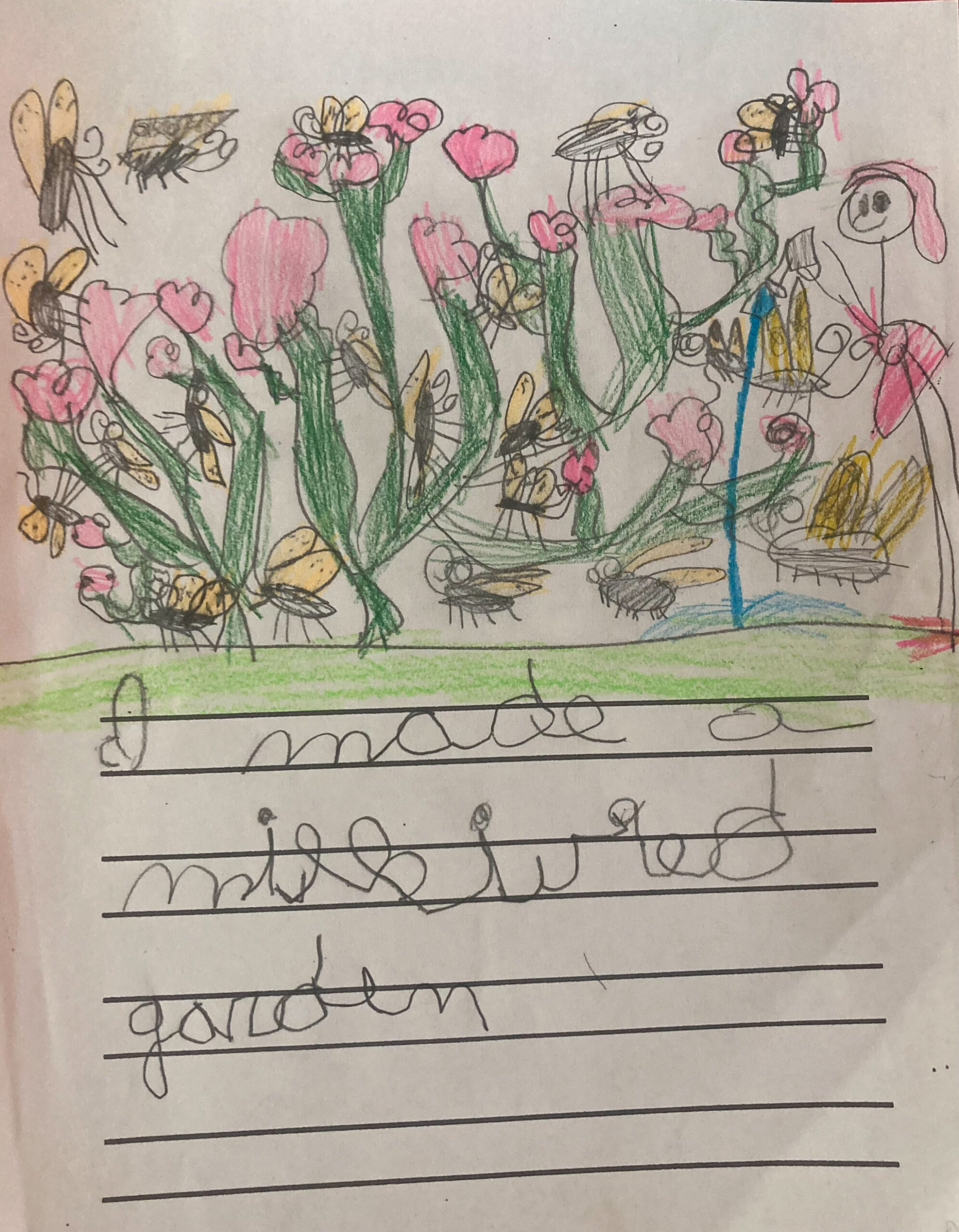
In preparation for Earth Day, Ms. Laura, one of our Children’s House Naturalists, worked with the children to plant milkweed, phlox, black eyed-susans, and coneflower seeds to welcome all pollinators to the Outdoor Environments and give them a place to rest, eat, and lay eggs! Their goal is to become a Monarch Waystation just like Ms. Emily has accomplished along the Chesapeake Village! All of our Children’s House classrooms enjoyed getting down in the dirt to weed, plant, and prepare our campus for spring!

Our Children’s House team was inspired to take on this initiative after learning more about the Roots & Shoots Program by Jane Goodall. To learn more about our Children’s House Roots & Shoots lessons, please click here.

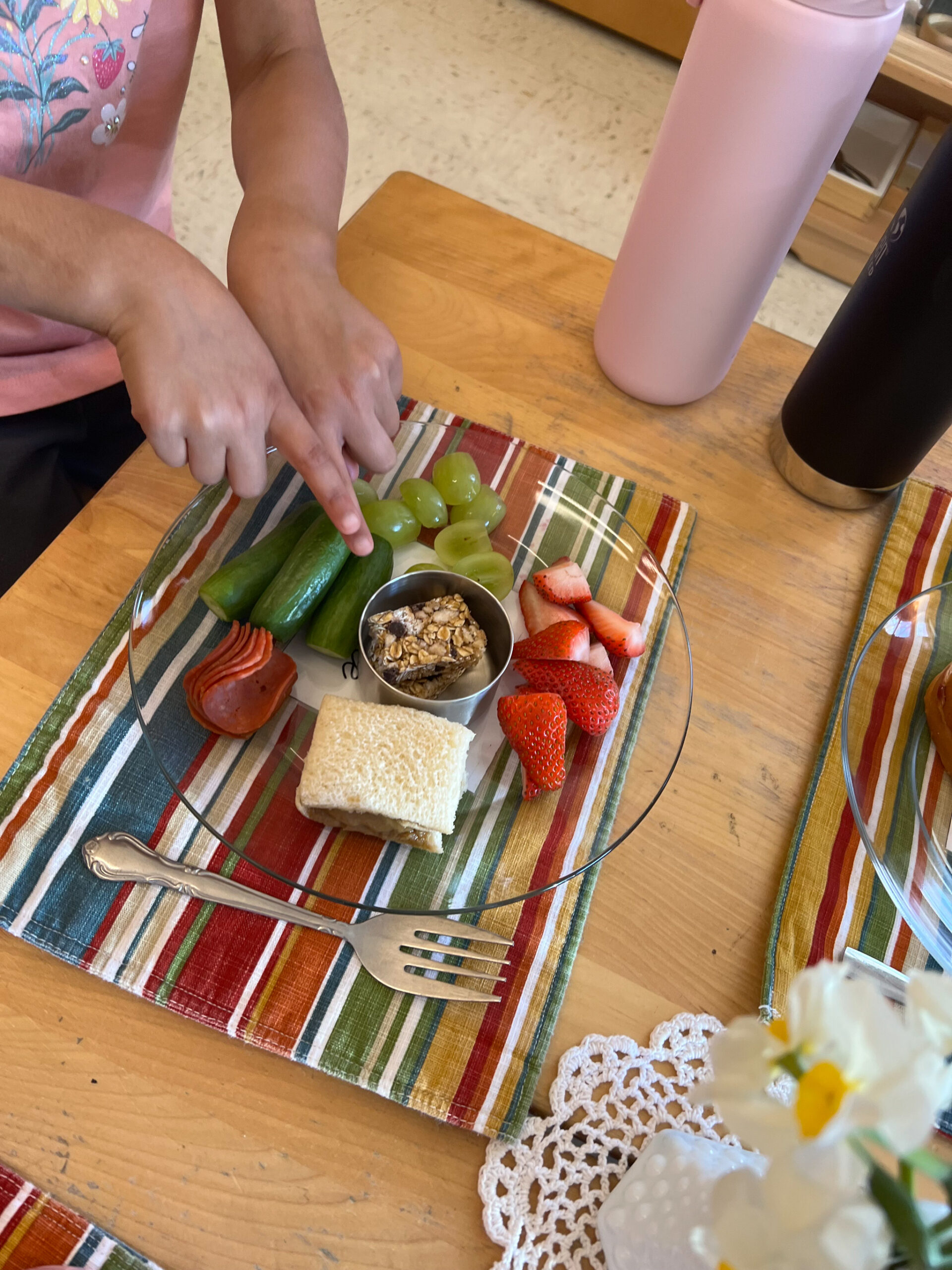
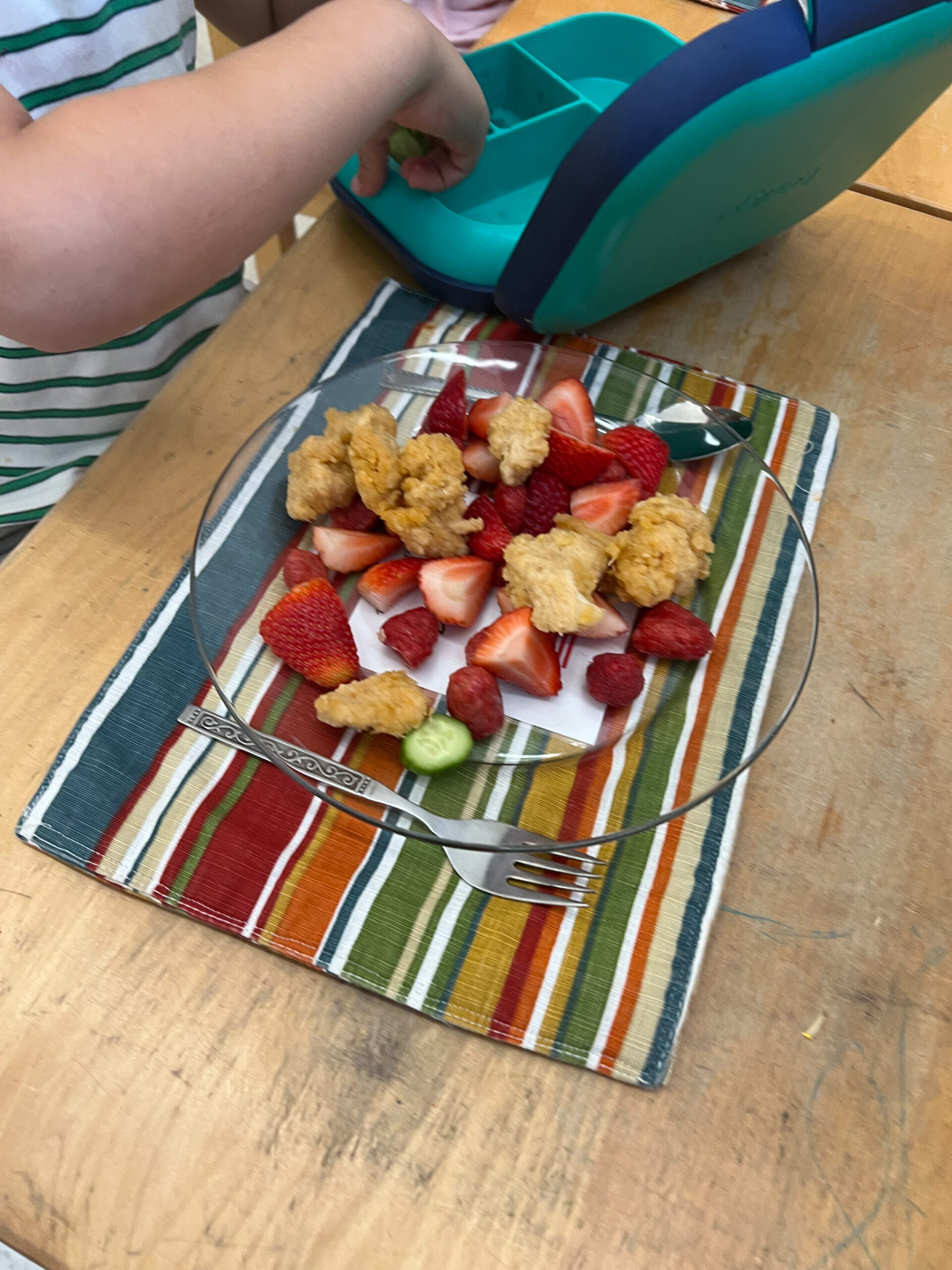
In addition, our Winterberry Children’s House classroom participated in a waste-free lunch to show to our students the impact of small decisions every day.

Elementary & Adolescents

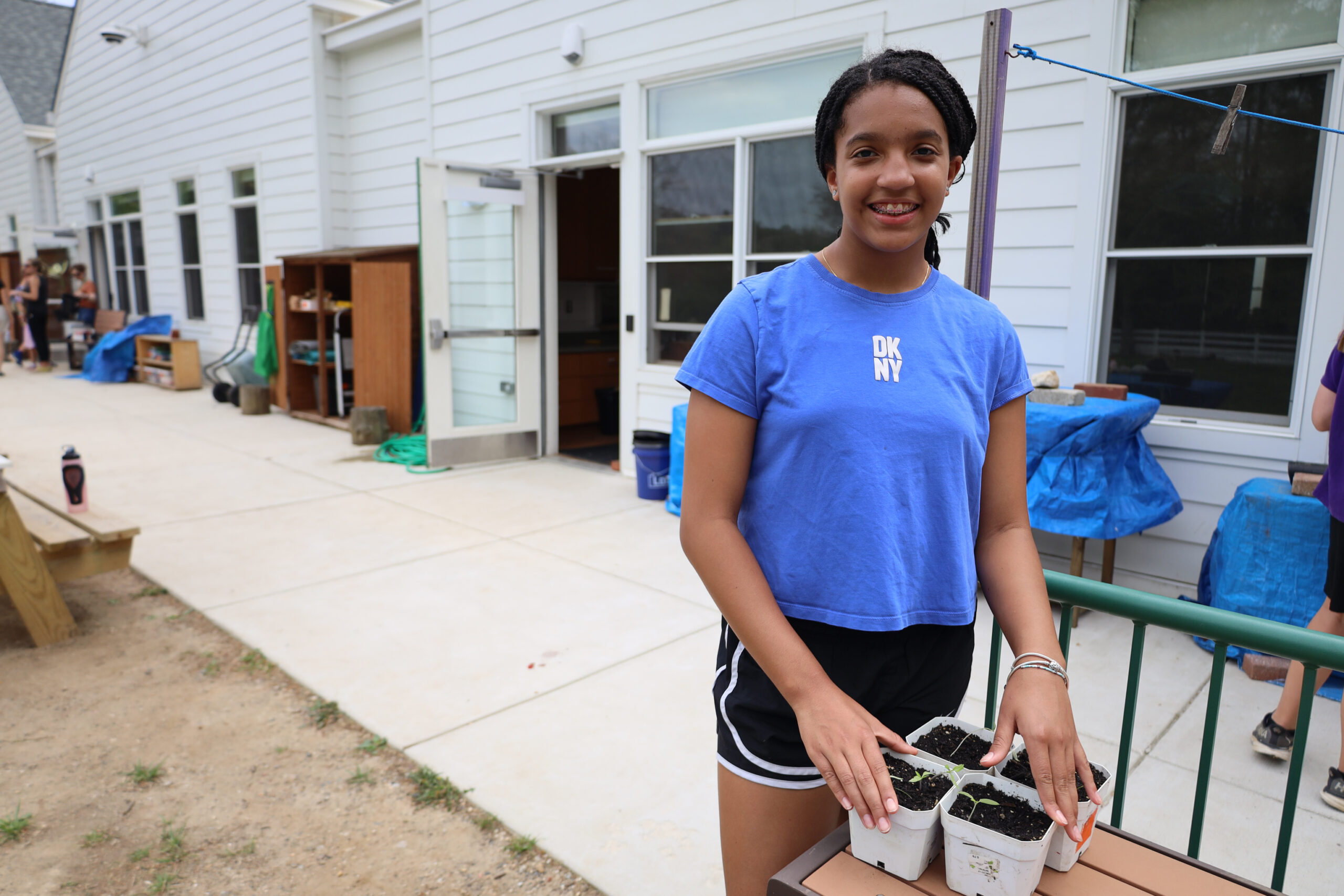
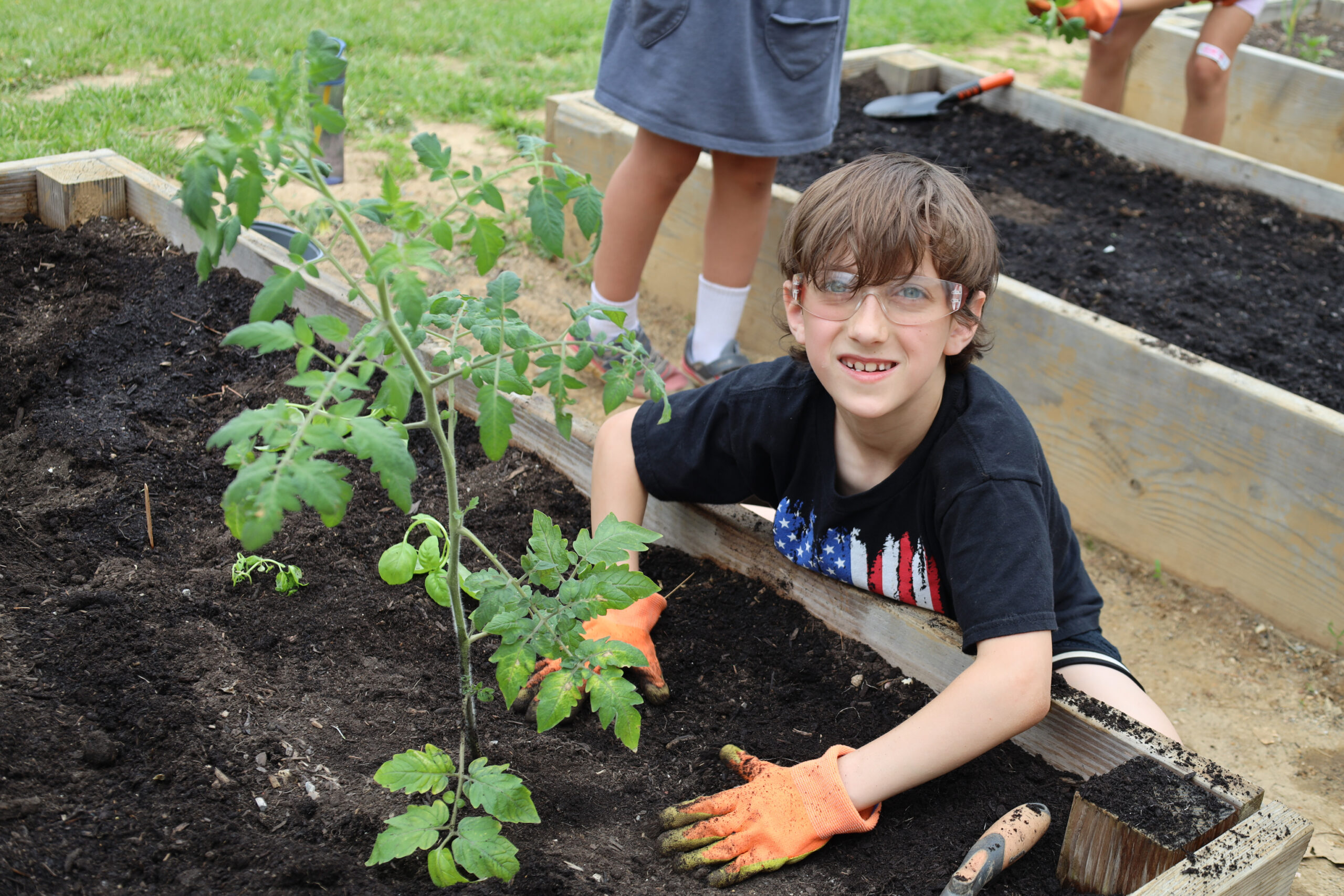
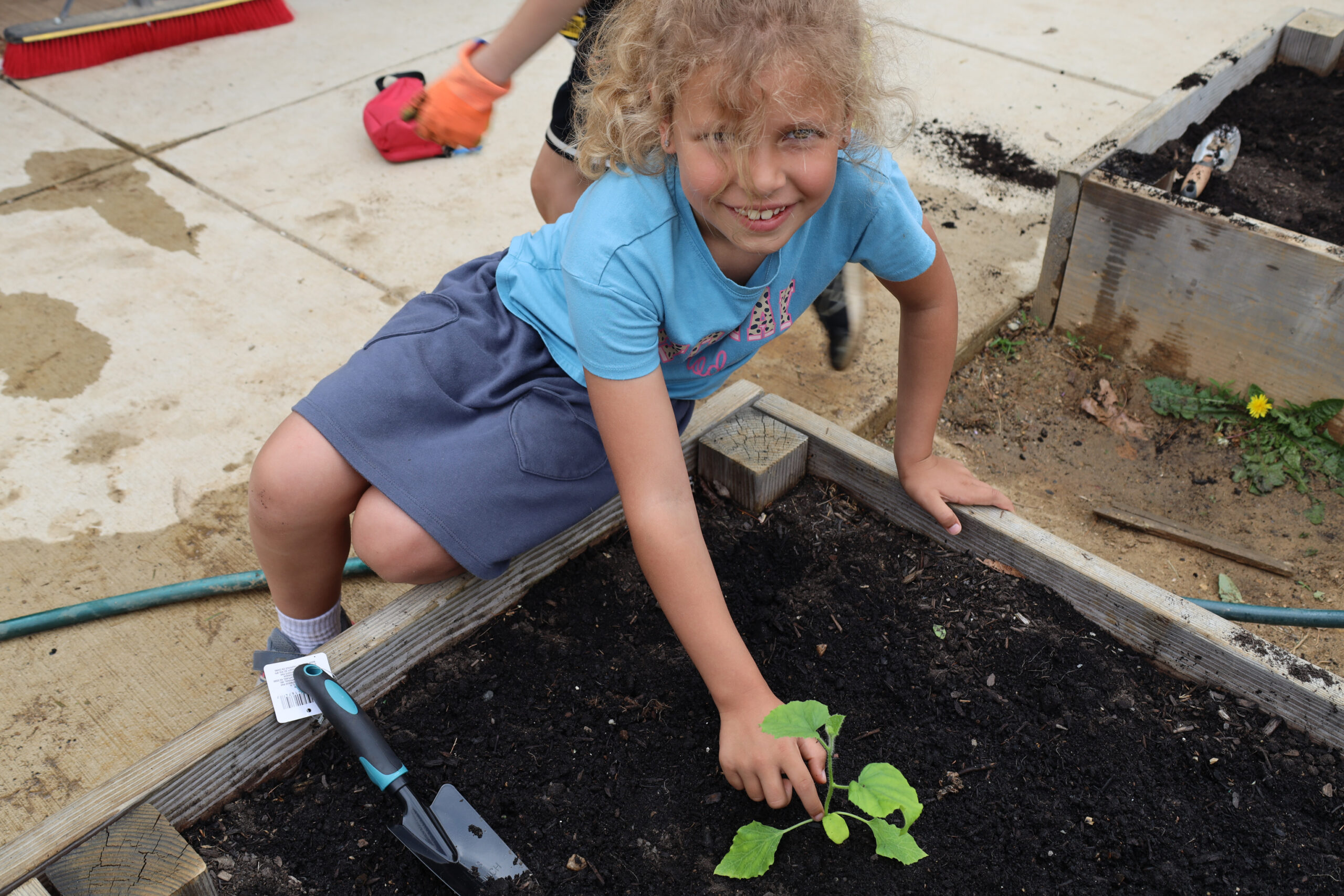
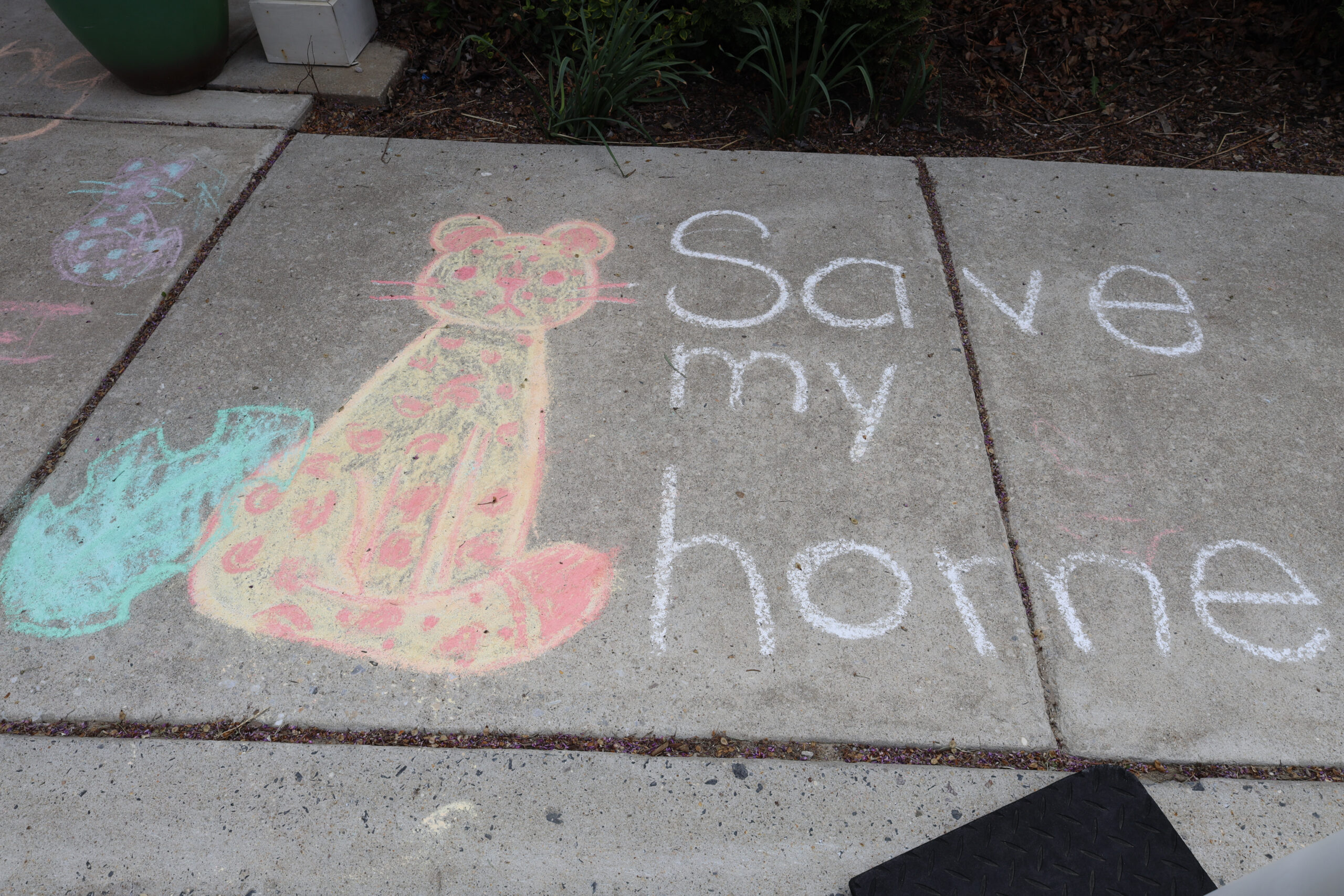
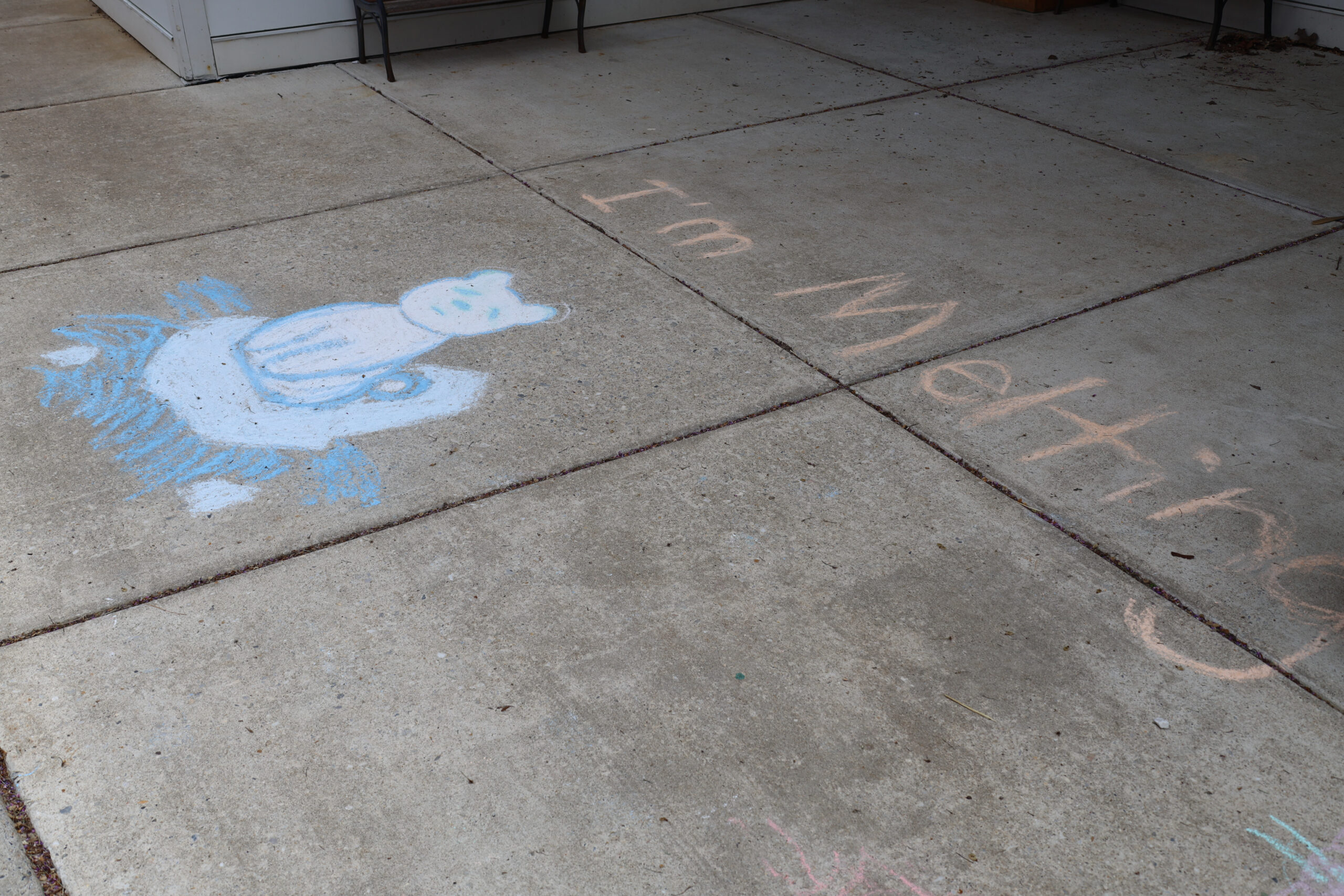
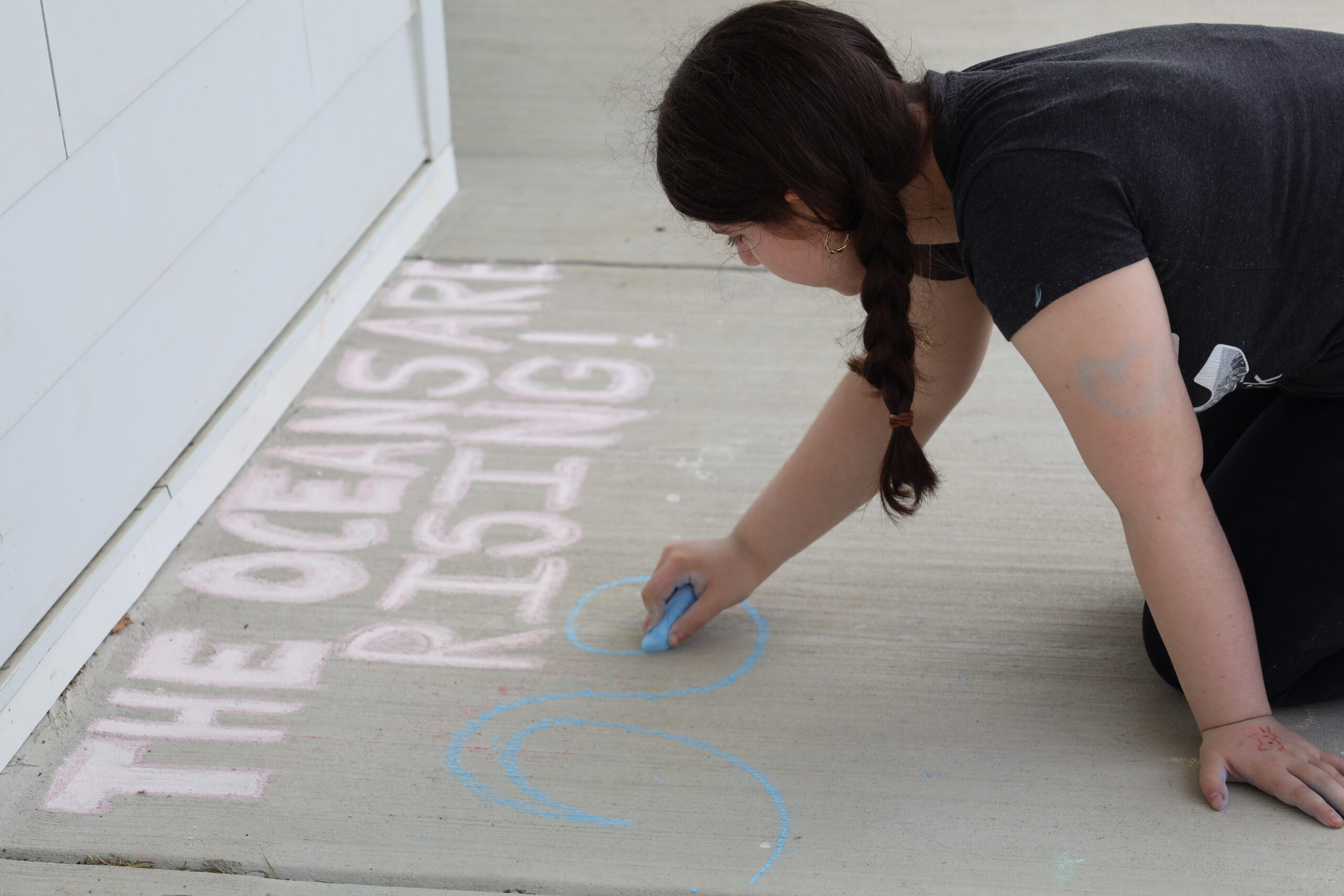
Our Elementary children sowed vegetable and flower seeds in their outdoor gardens. They are also preparing to extend their garden area in order to grow wine plants including gourds, pumpkins, squash, and watermelon. Our Adolescents created a graph of the atmospheric carbon along with eco-awareness art in sidewalk chalk around campus. They also sold seedlings as part of their small business. 

Families

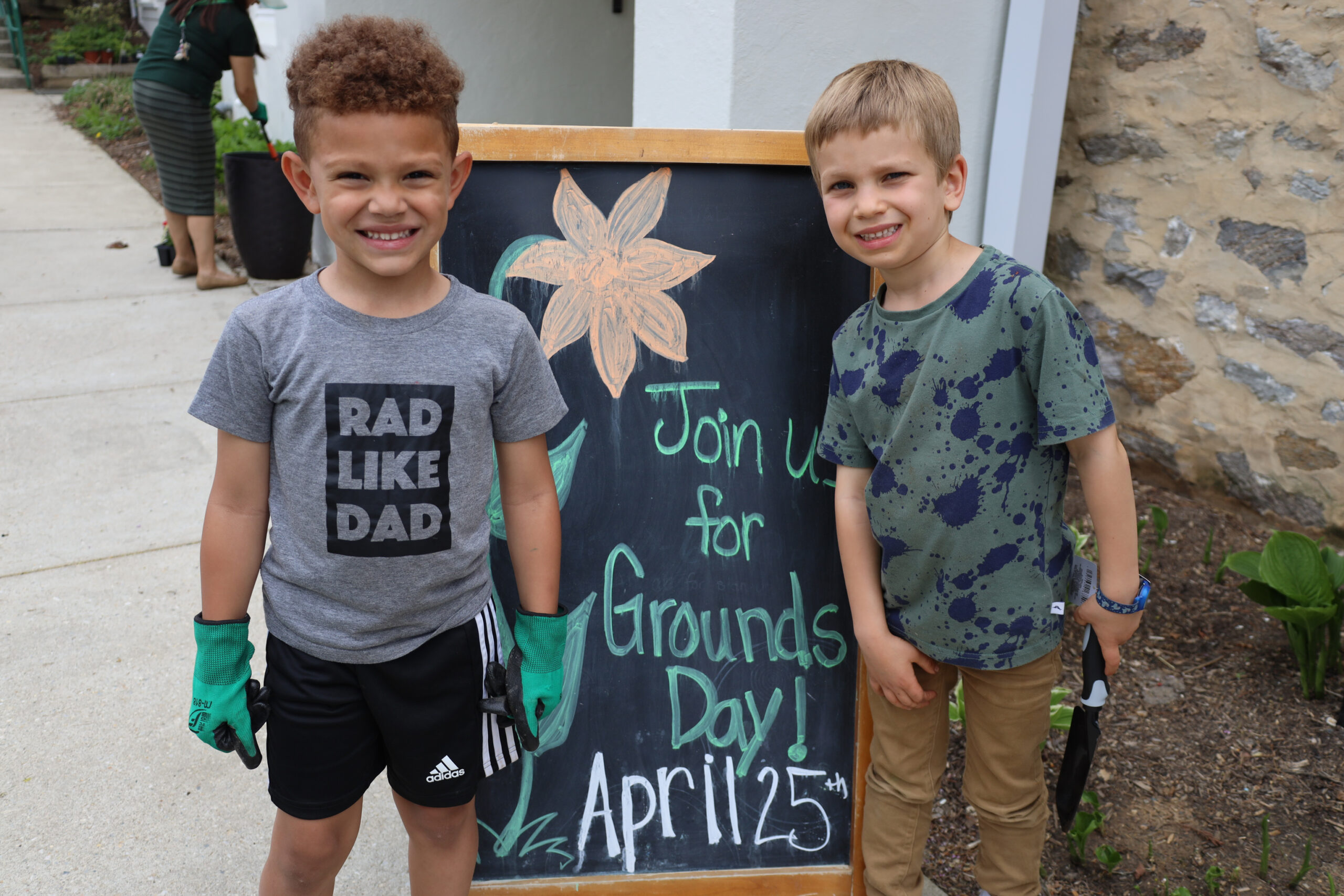
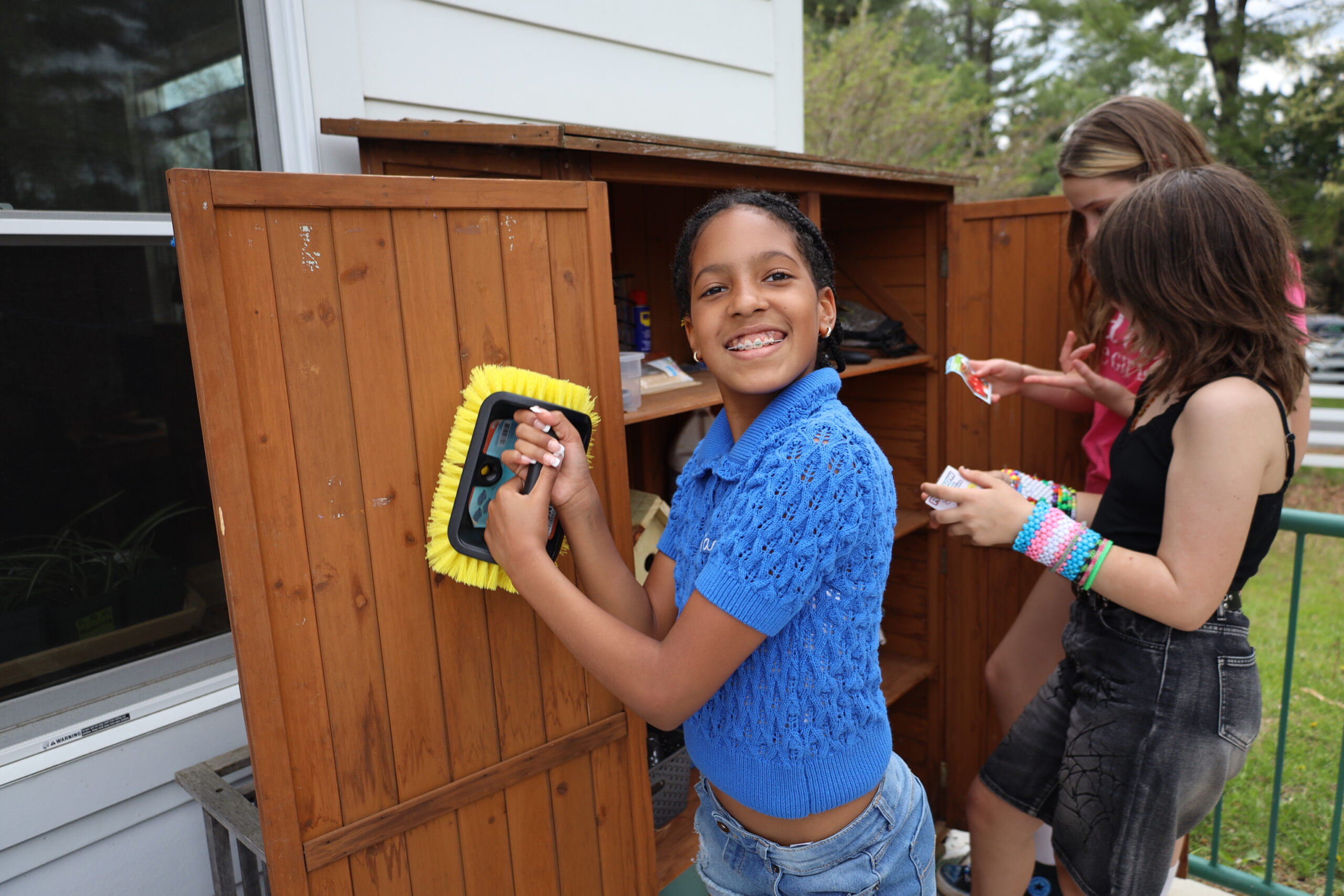
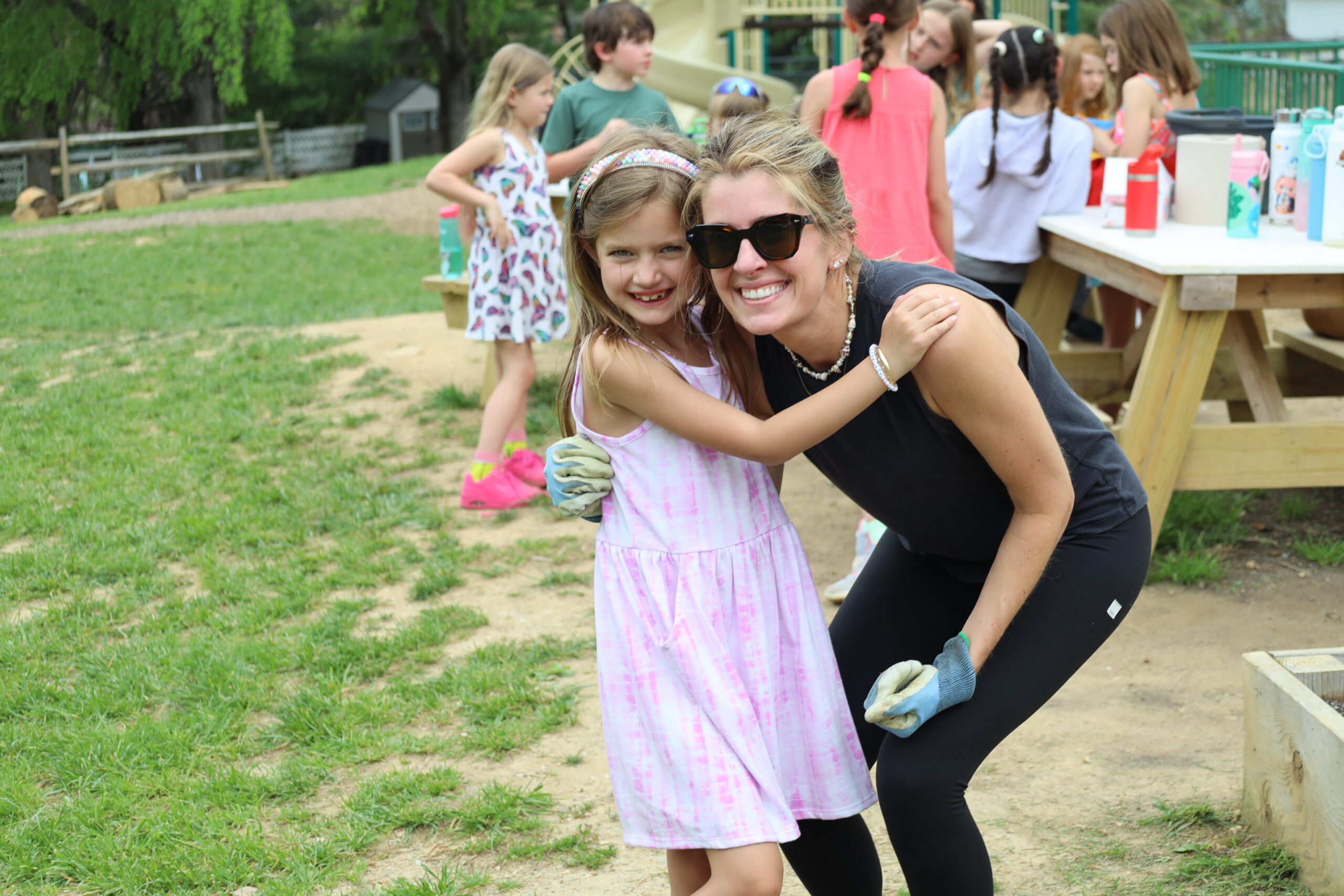
We also celebrated Earth Day with our families at our Spring Grounds Day. Volunteers came out to give back to our school by helping to beautify and maintain the Greenspring campus. Parents, grandparents, and children helped with everything from weeding and planting to window washing and fence staining. Thank you to everyone who came out to join us! Thank you for your support as we celebrate Earth Day and help inspire the future generation of stewards for our planet. 

“Hope is contagious Your actions inspire others.” – Jane Goodall
The Child’s Absorbent Mind

The Child’s Absorbent Mind

Written by Shannon Brown, Children’s House Guide

“Our work is not to teach, but to help the absorbent mind in its work of development. How marvelous it would be if by our help, if by an intelligent treatment of the child, if by understanding the needs of [their] physical life and by feeding [their] intellect, we could prolong the period of functioning of the absorbent mind!” – Dr. Maria Montessori, The Absorbent Mind

From birth to age six, the child is endowed with a highly impressionable and absorbent mind.  The very young child does not decide what to focus his attention on or when to tune things out, as the adult’s conscious, reasoning mind can do.  Instead, their mind acts as a camera, taking in everything in their surroundings.


A trip to the symphony for a father and his young son, for example, yields very different experiences for each of them.  Adults have the capacity to focus selectively on an object of their attention and tune out distractions.  The child has not yet developed this ability and will have a difficult time keeping their interest on the symphony itself.  They are likely to remember lots of details about the experience – what the building was like, who was there, what they were wearing, etc.  The child absorbs these impressions without any effort on their part.  Although they takes in a great number of impressions, they are not always able to access these memories, because they haven’t learned to classify what they are receiving.  Dr. Montessori likened this to a closet with no order.  Memories are contained within the child’s storehouse of impressions, but they are all jumbled together and cannot yet be useful to the child.

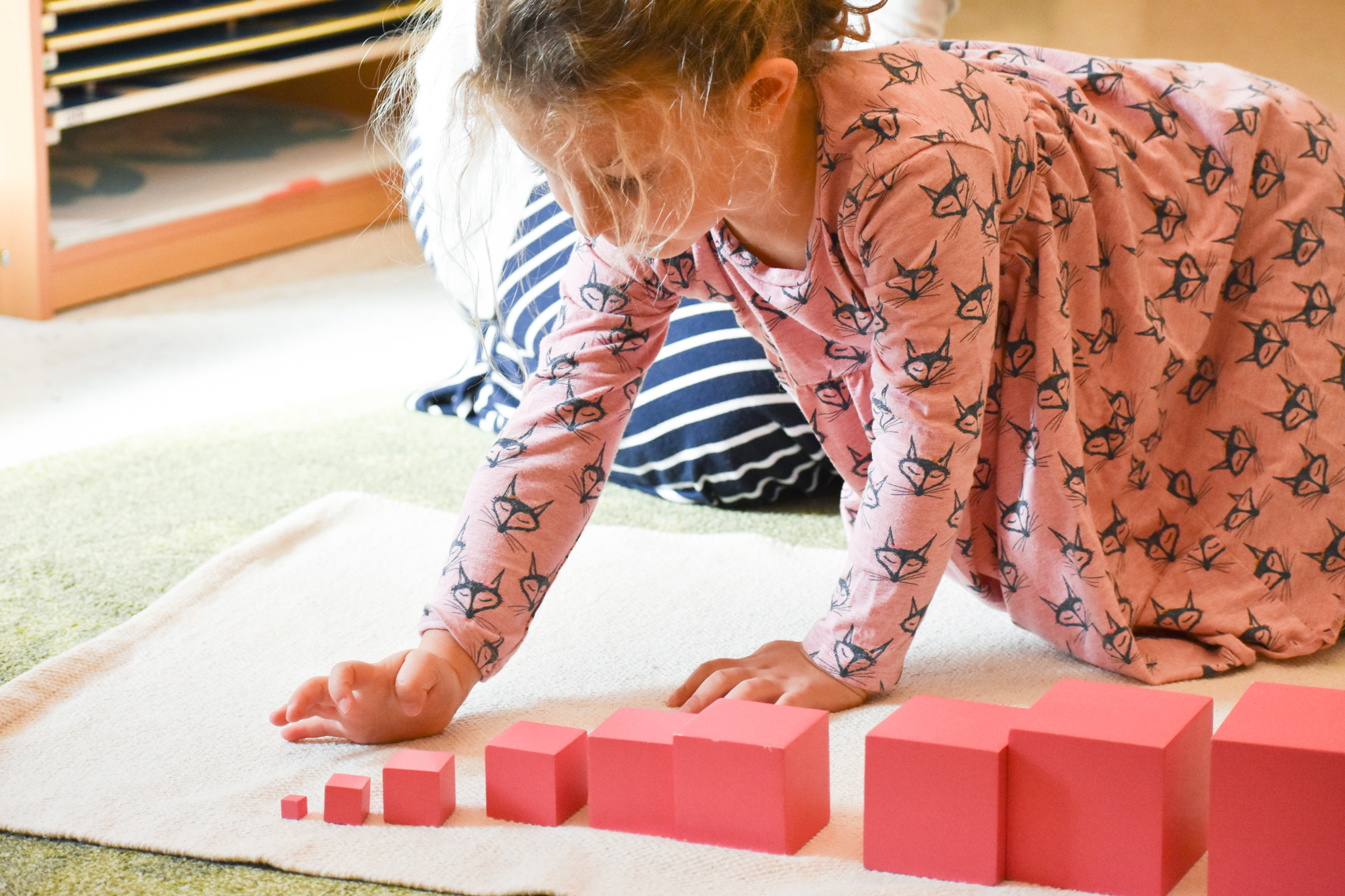
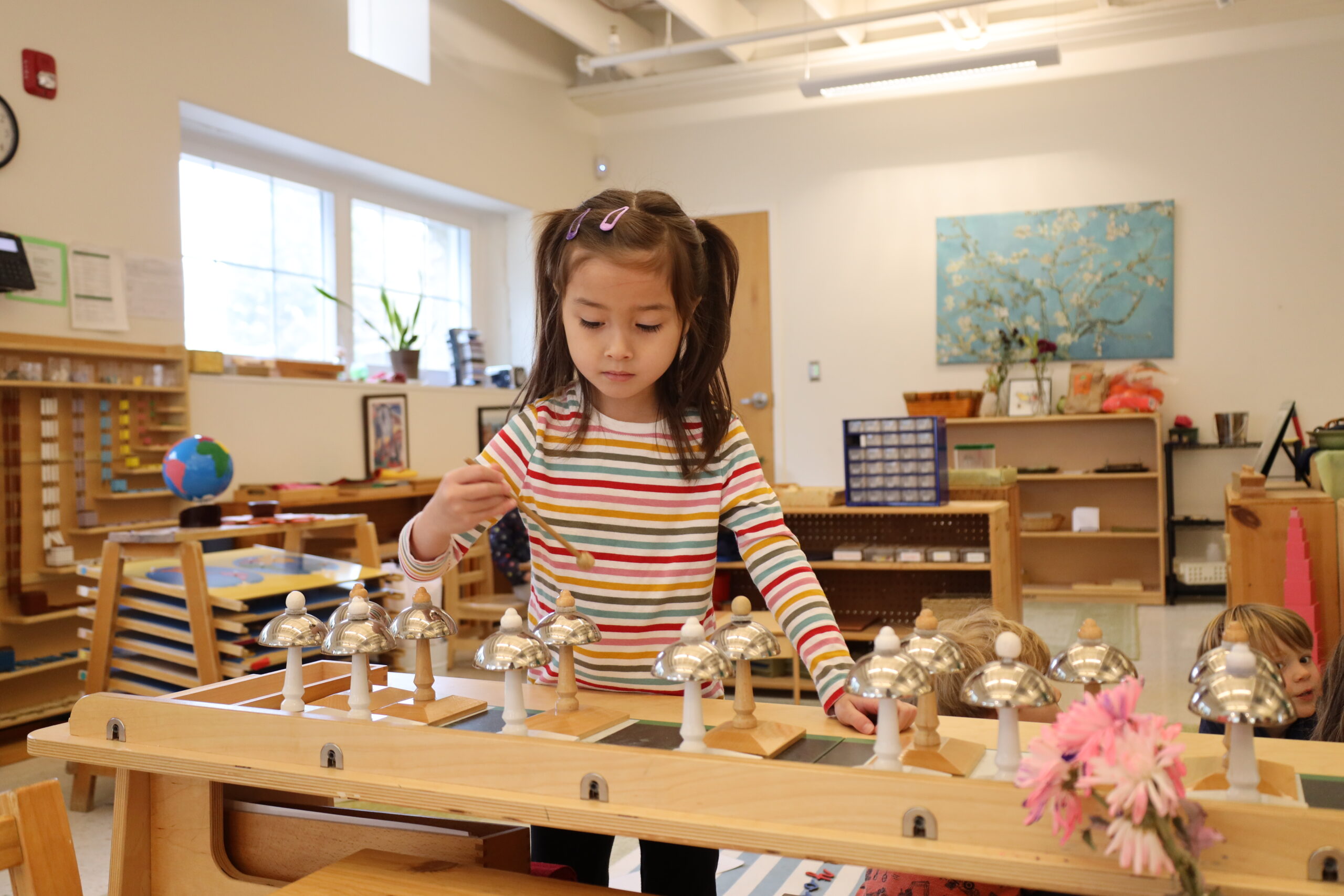
The Sensorial curriculum was developed to support the child in revisiting these early impressions that are collected, and begin to crystallize and refine their thinking about them.  The materials themselves appeal to the universal tendencies for work and precision and help the child in achieving these goals.  Through their work with the Sensorial materials, they will learn to classify their impressions, and as their consciousness develops, they will begin to build their intelligence.  “Our sensorial material provides a kind of guide to observation for it classifies the impressions that each sense can receive: the colors, notes, noises, forms and sizes, touch-sensations, odors and tastes.  This undoubtedly is also a form of culture, for it leads us to pay attention both to ourselves and to our surroundings.  No less than speech and writing, it is one of the forms of culture which brings perfection to the personality and enrich its natural powers.” (Maria Montessori: Her Life and Work by E.M. Standing, p.183)


A child of three to six is also a sensory-motor learner.  Their mind continues to collect impressions, but they are now greatly influenced by their active experience in the environment.   Their hands become the tool of his mind, and his need to manipulate and learn is very powerful.

Dr. Montessori talked a lot about the universal tendencies of men and how exploration and orientation are two of the most powerful drives for a young child.  She designed the prepared environment of the classroom to invite exploration and discovery.  Through the child’s exploration, they become better oriented to their surroundings and begin to be able to navigate it more independently.

One of the most important lessons that a Guide introduces on a child’s first day in the classroom are listening games that will help the child orient himself to the environment and develop their auditory memory.  “The little child’s first movements were instinctive. Now, [they act] consciously and voluntarily, and with this comes an awakening of [their] spirit…. Conscious will is a power which develops with use and activity.  We must aim at cultivating the will…. Its development is a slow process that evolves through a continuous activity in relationship with the environment.” (Maria Montessori, The Absorbent Mind, p. 231)

We must take advantage of the child’s tremendous ability to absorb aspects of his environment and their desire to have hands-on experiences in the world around them. For example, we have all seen for ourselves how children from ages three to six have an almost effortless ability to learn new vocabulary.  In the Children’s House program, we utilize this sensitivity for language by offering materials to help our children begin to learn more about the world around them.  We start by teaching the child how to distinguish between Living and Non-living.  From there we teach them how to classify living things into plants or animals.  Next, they will learn about the five classes of vertebrates: Bird, Reptile, Amphibian, Mammal and Fish.  If a child shows a particular interest in learning about sharks, turtles, or ocean animals, we make sure to include these on our Language shelf. All of these activities are introduced orally through conversations initiated by the Guide.  By adding a label to the same Language picture cards, we can also appeal to the older children in the class, who are becoming strong readers.

The role of the Montessori guide is to spark the child’s interest and make sure to provide relevant and factual information to help feed their growing and very impressionable mind.

Learn more about Greenspring Montessori’s Children’s House program.

Changemakers in Children’s House: Learning How to Lead

Changemakers in Children’s House: Learning How to Lead

“Hope is often misunderstood. People tend to think that it is simply passive wishful thinking: I hope something will happen but I’m not going to do anything about it. This is indeed the opposite of real hope, which requires action and engagement.”

Jane Goodall

The Book of Hope: A Survival Guide for Trying Times

It is one thing to want to make a change, but to actually take the passionate steps to making it happen is what makes someone a true changemaker. The one thing that all great changemakers have in common is heart. A changemaker is someone who cares enough to make a difference.

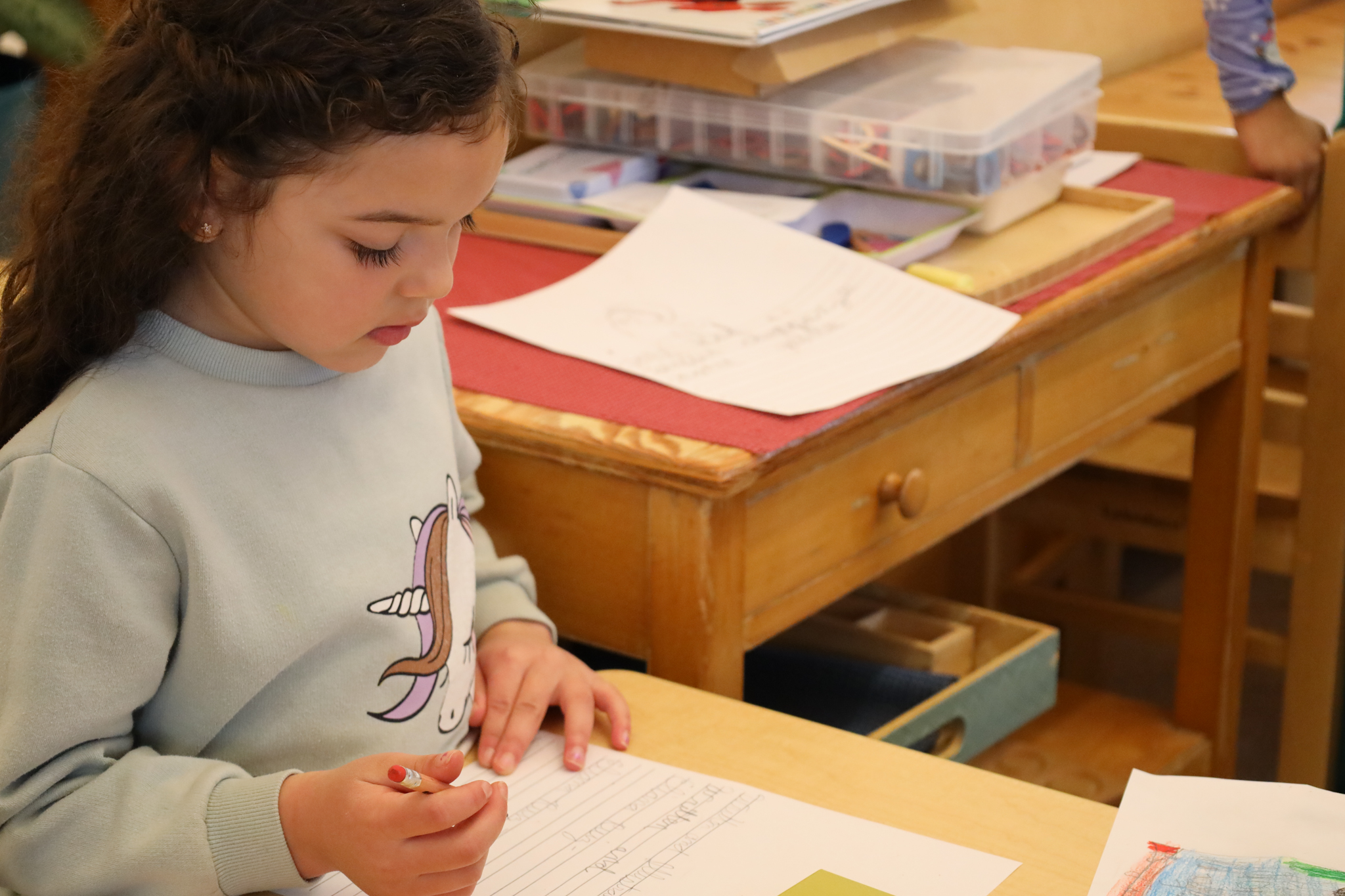
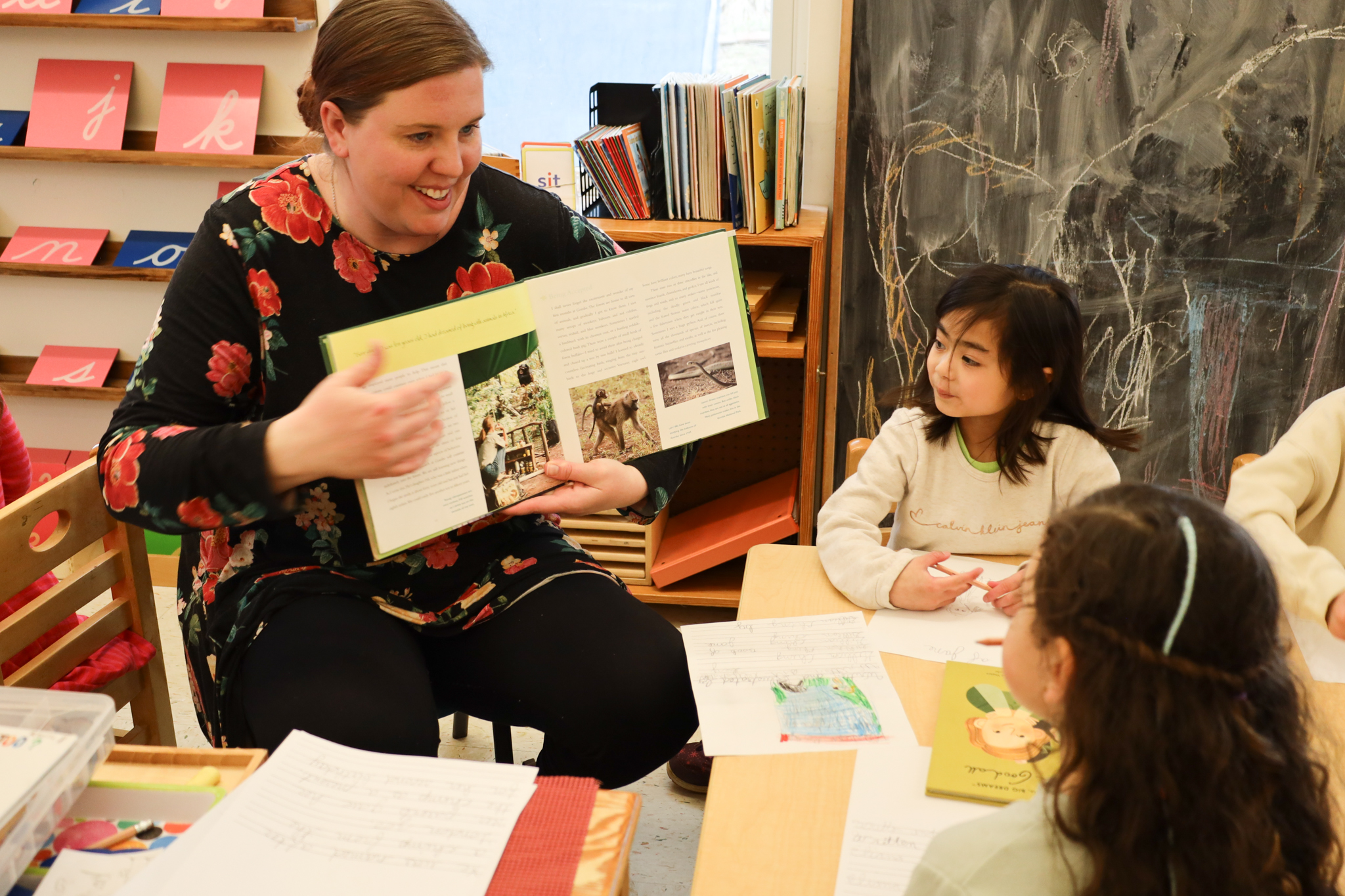
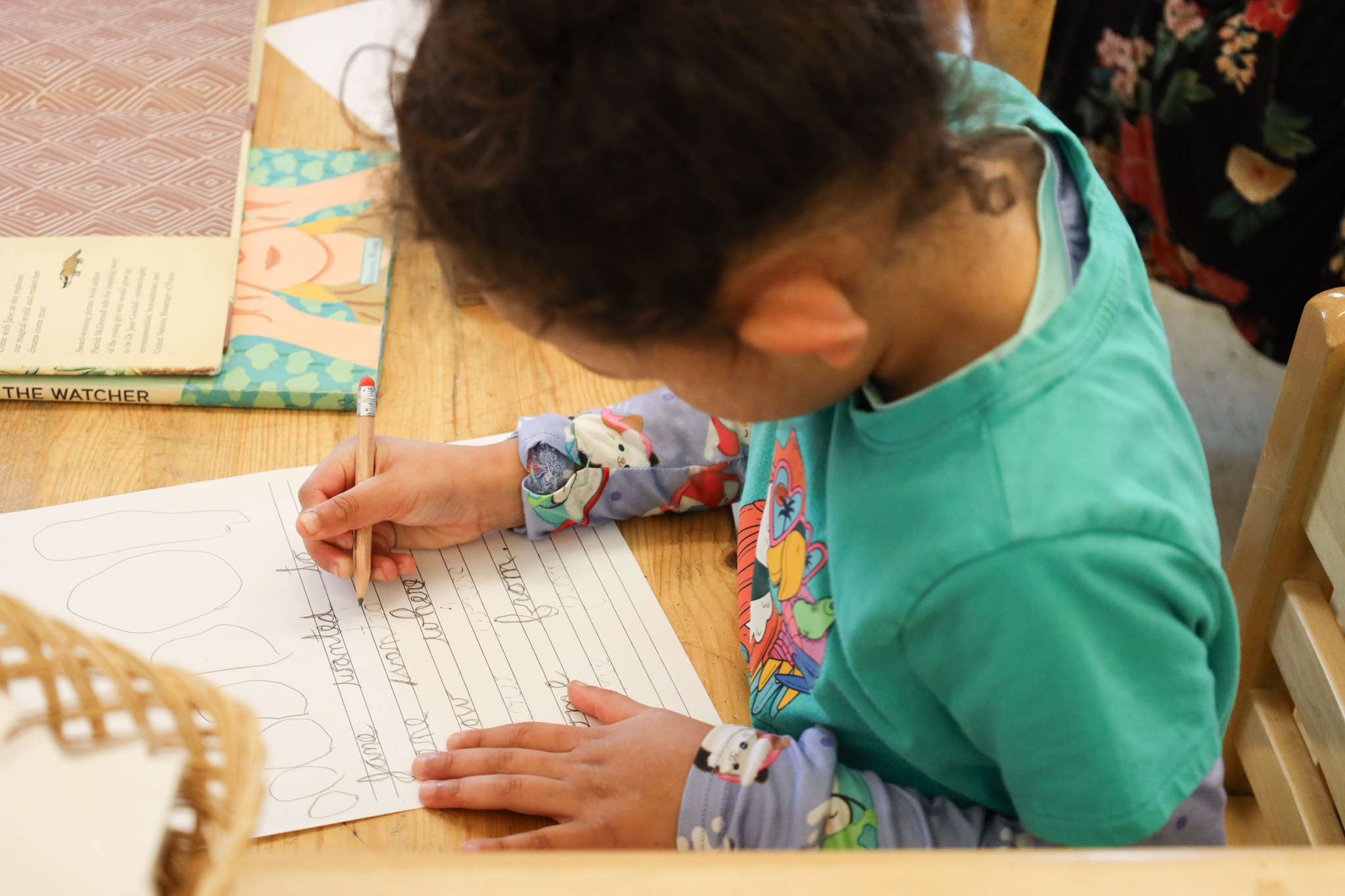
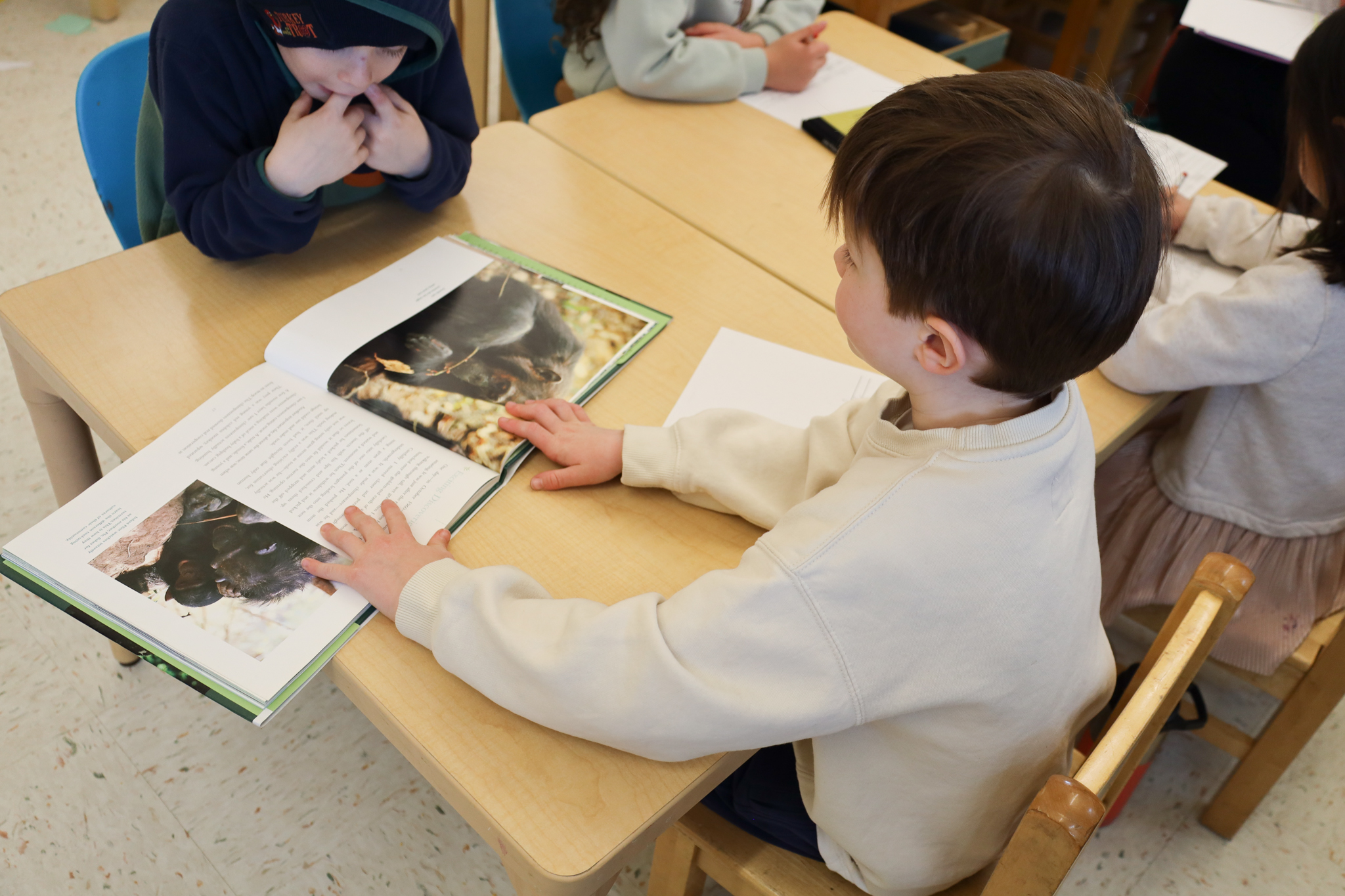
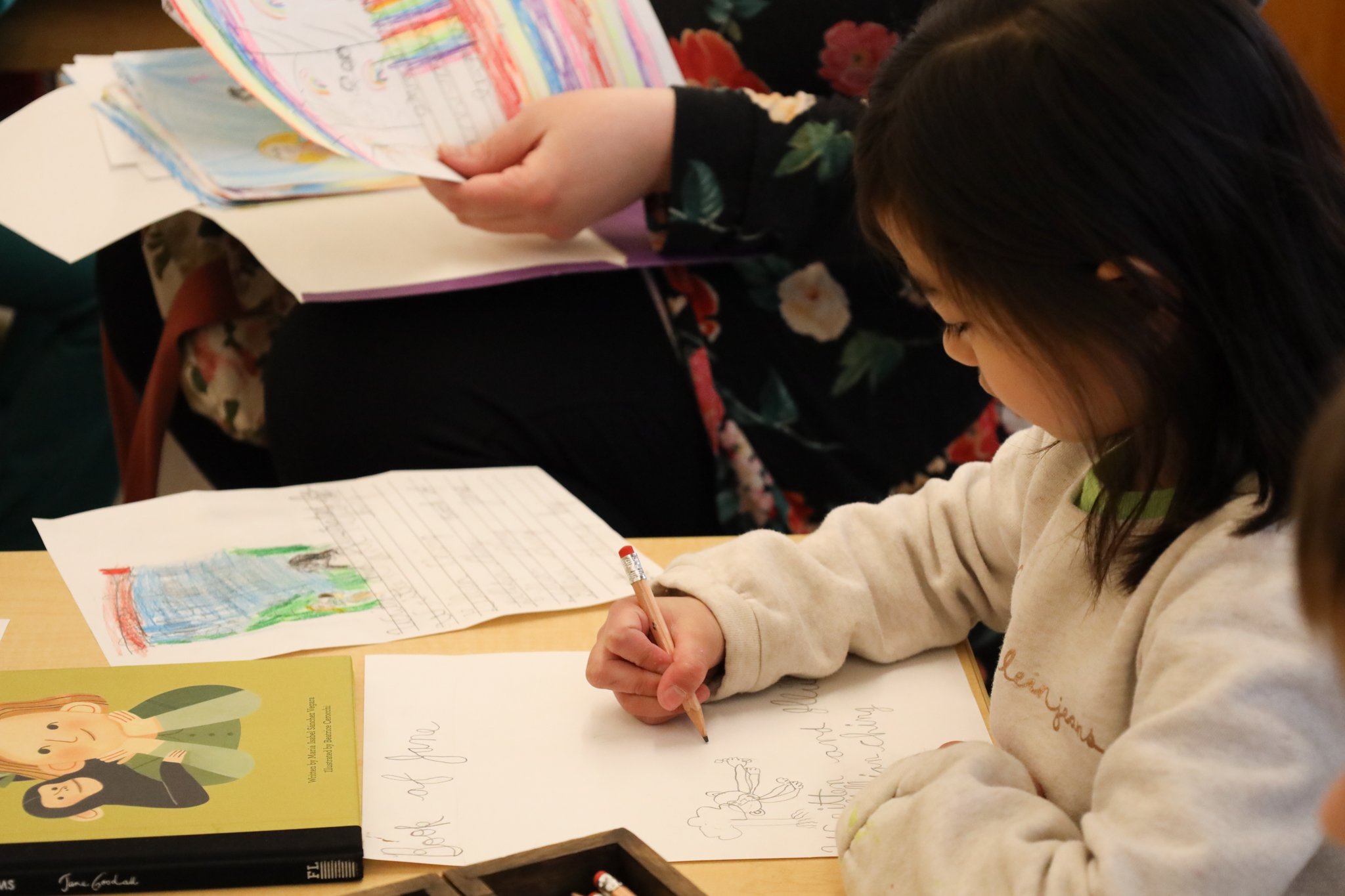
In Children’s House Writers’ Workshop, elder students (our Kindergarteners), continue to study Jane Goodall through the Roots and Shoots Program. Jane was pivotal in the study and protection of chimpanzees in Gombe, Tanzania. When she saw firsthand that the rainforest was disappearing and her beloved chimpanzees were suffering, she left Gombe and traveled the world speaking to humanity about what she has seen, sharing all of her true stories, some of tragedy but mostly true stories of hope.

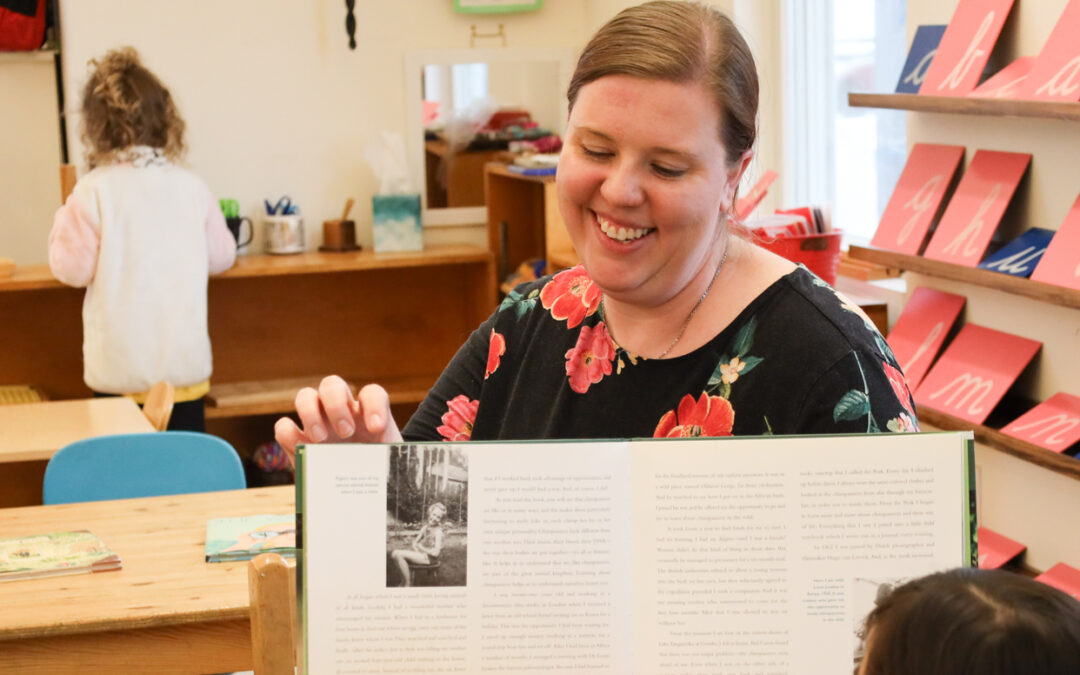
I was very excited to share this autobiography, The Chimpanzees I Love : Saving Their World and Ours, with our Children’s House writers. The children have read many biographies written by various authors and throughout the year they have worked on their own biography of Jane.

Throughout the year, the children have been learning about other changemakers throughout the world, and how they acted to make a difference in their communities.

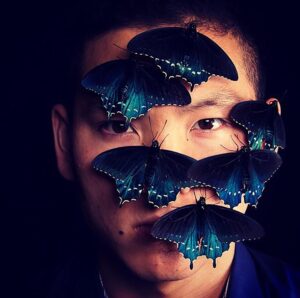
Another changemaker idol we are excited to write about is Tim Wong, an aquatic biologist from San Francisco who saved a threatened butterfly species, the California Pipevine Swallowtail, by replanting rare flora in his own backyard while also transporting caterpillars to his butterfly garden sanctuary. His efforts, although seemingly small, allowed the butterflies to make a comeback! What a heartwarming hero! 

“Improving habitat for native fauna is something anyone can do, conservation and stewardship can start in your very own backyard.”

Tim Wong

While learning about the incredible contributions of some amazing heart-minded adults, we definitely cannot forget the children, full of wonder and curiosity, they once were (and really still are at heart!). Tim Wong became fascinated with the life cycle of a butterfly in elementary school and Jane Goodall had a stuffed chimpanzee, Jubilee, that was gifted to her as a child. Now at 90 years old, she still carries Jubilee with her!
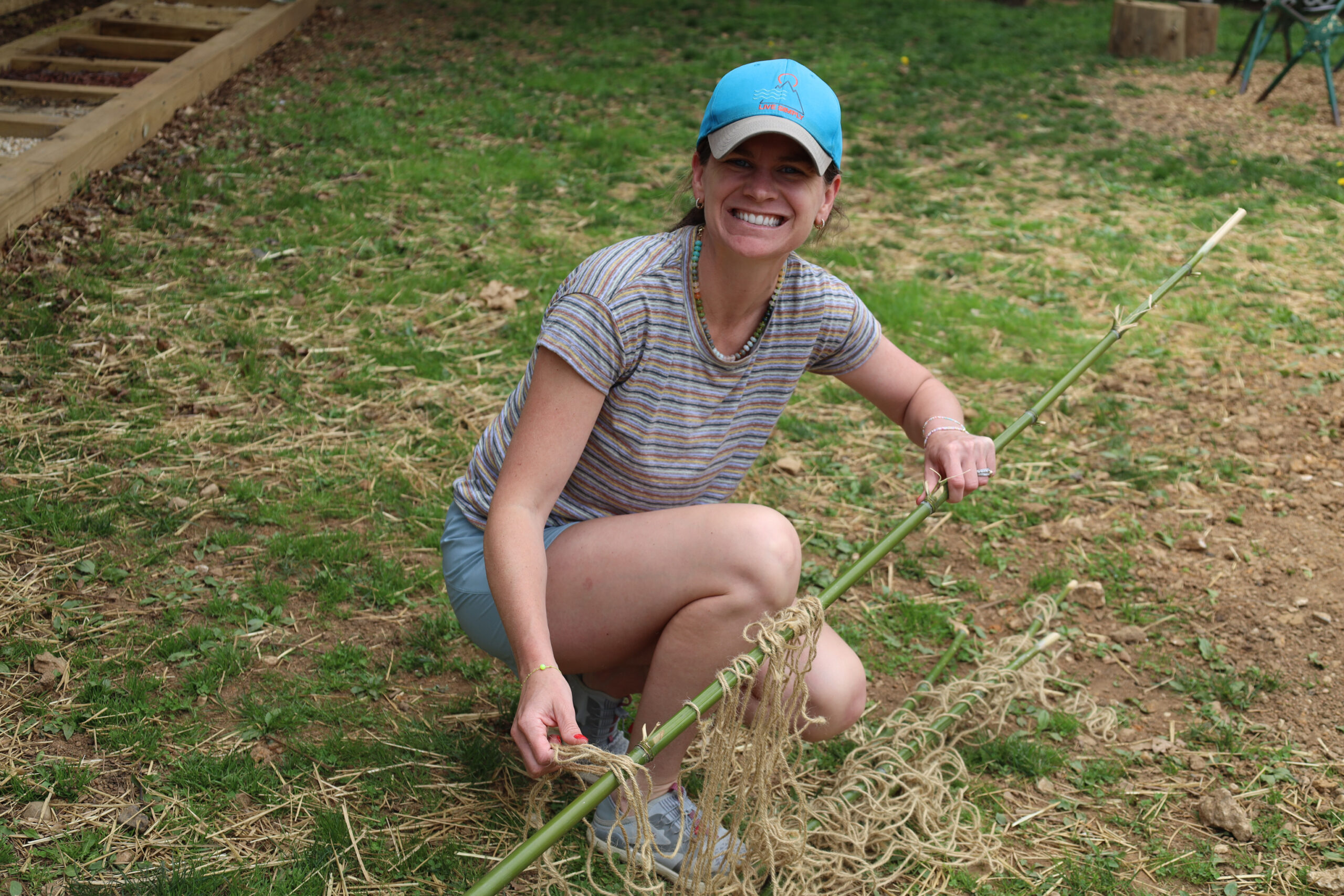
Old Enough to Save the Planet is a magical and hopeful collection of real children making real changes all around the world. I’m planning on sharing a child changemakers story at the beginning of our writing sessions until the end of the school year. Below are the first four changemakers we will learn about, true hopeful stories are powerful! I’m hoping my writers will soon feel inspired to make a change of their own, perhaps in their own school community or backyard!

  • Felix Finkbeiner, Germany Changemaker: Global Reforestation. His Plant-For-the-Planet program was so successful that more than one million trees have been planted in nearly 100 countries. 
  • Himangi Halder, India Changemaker: She reduced the effects of traffic pollution around her school by encouraging people to ride a bicycle instead of driving to school. 
  • Amy and Ella Meek, United Kingdom Changemaker: Sisters Amy and Ella started a charity educating people about the harmful effects of plastic on the environment. They encourage people to use reusable alternatives.
  • Adeline Tiffanie Suwana, Indonesia Changemaker: She formed a community group called Friends of Nature, organizing people to replant native mangrove trees that have been cut down.
Children as Changemakers

Children as Changemakers

The role of a changemaker is to achieve positive change through taking action. Changemakers are intentional about identifying a problem and are willing to work toward a solution through creative action.

At Greenspring, students of all ages are invited to contribute to their community. These efforts are student-led and student-driven, with gentle support and guidance provided as needed.

Toddlers

Toddlers begin by caring for what is most familiar: plants and animals, their classroom and outdoor environment, and their classmates.

Children’s House

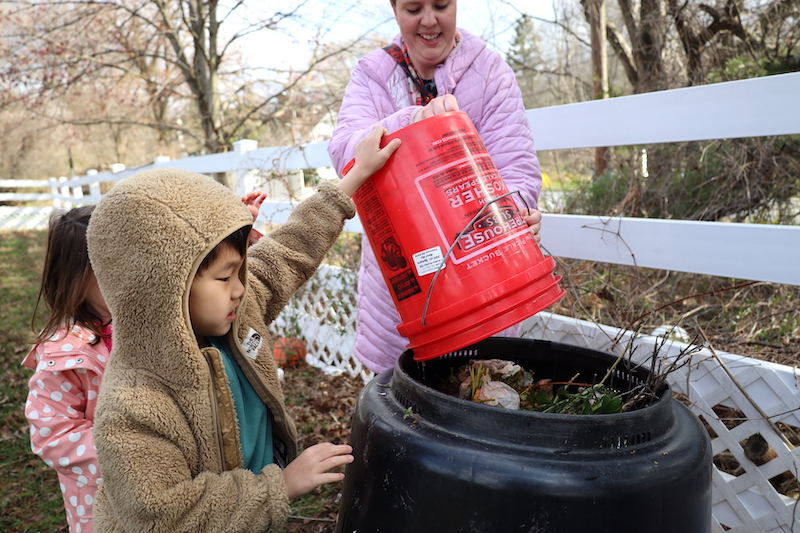
Children’s House students extend their service to include the school community and campus. For example, they assist with campus-wide composting and participate in Grounds Days.

Lower Elementary

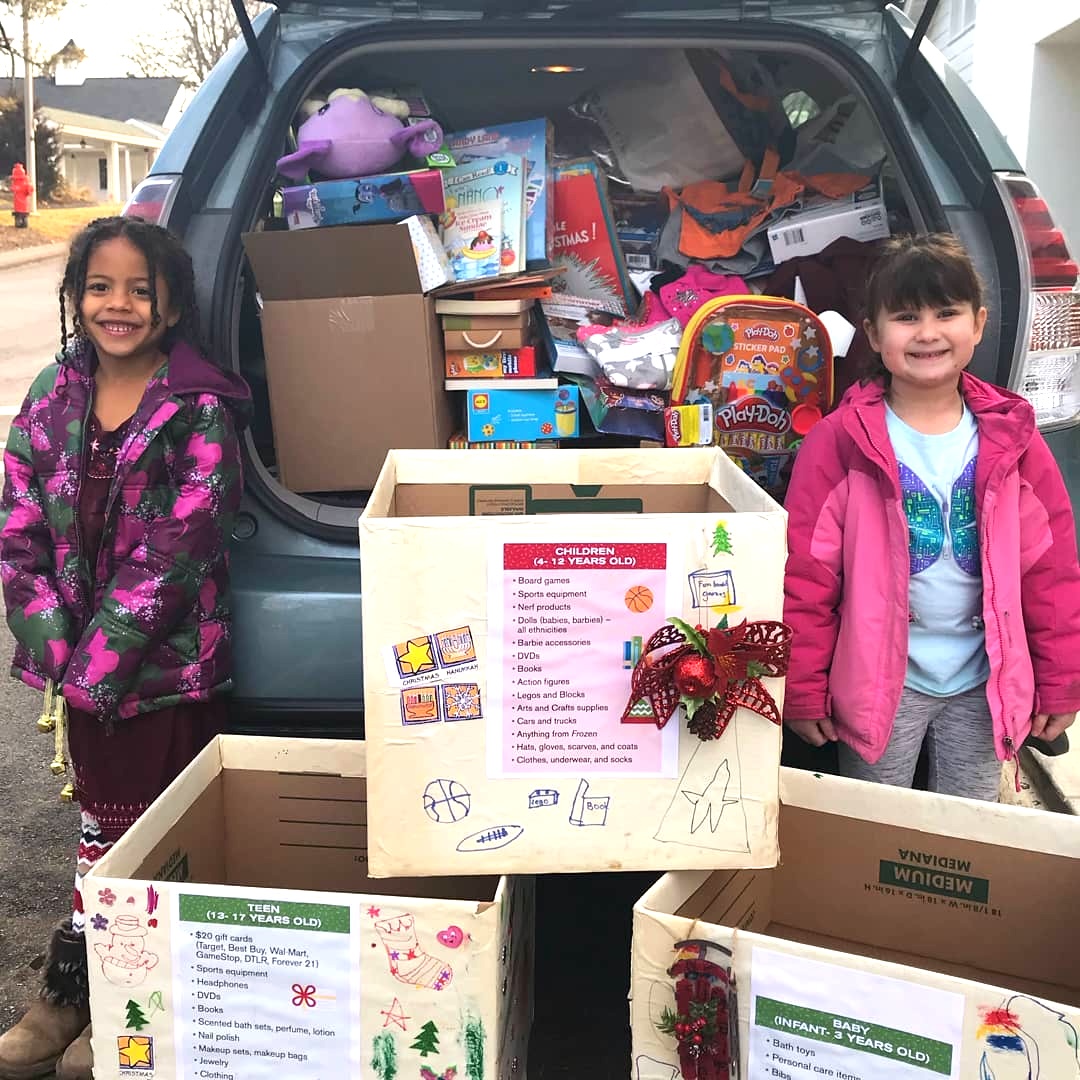
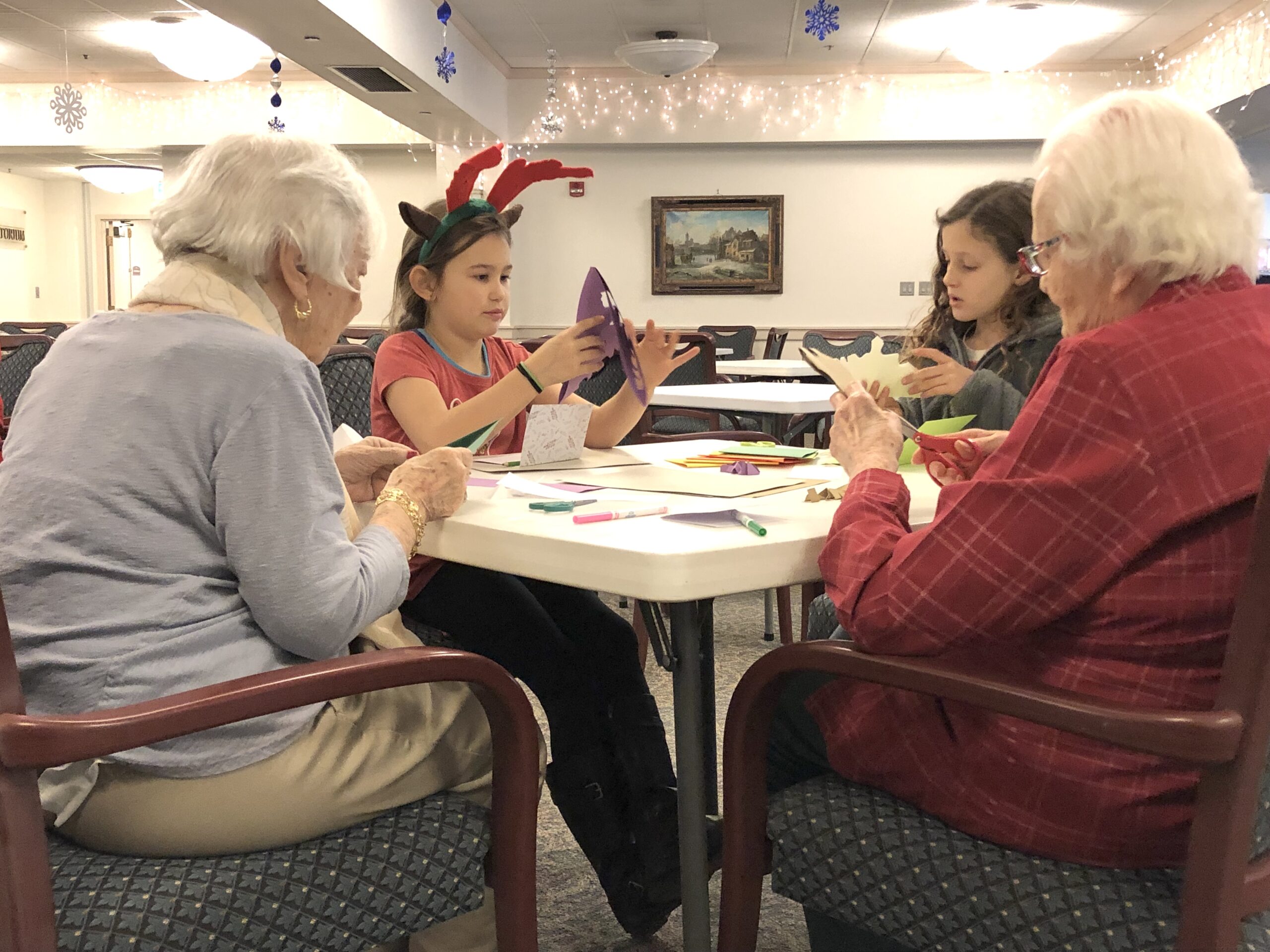
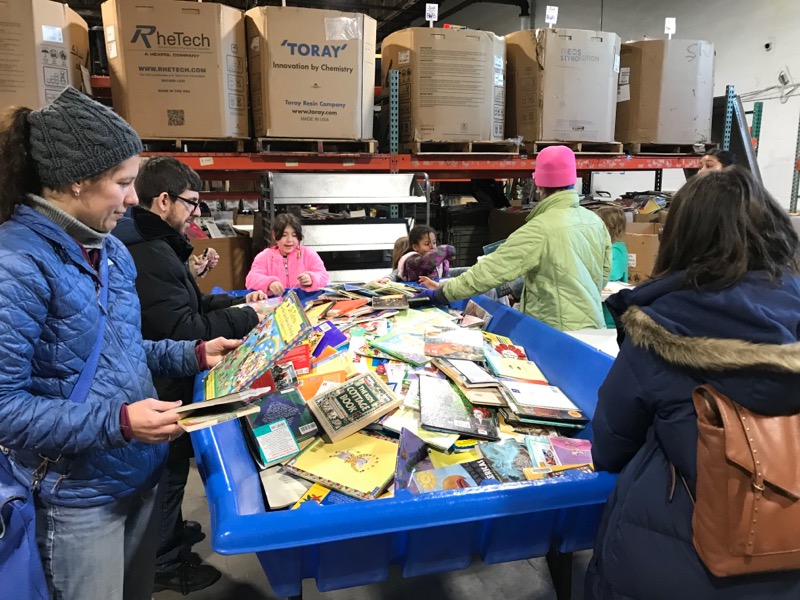
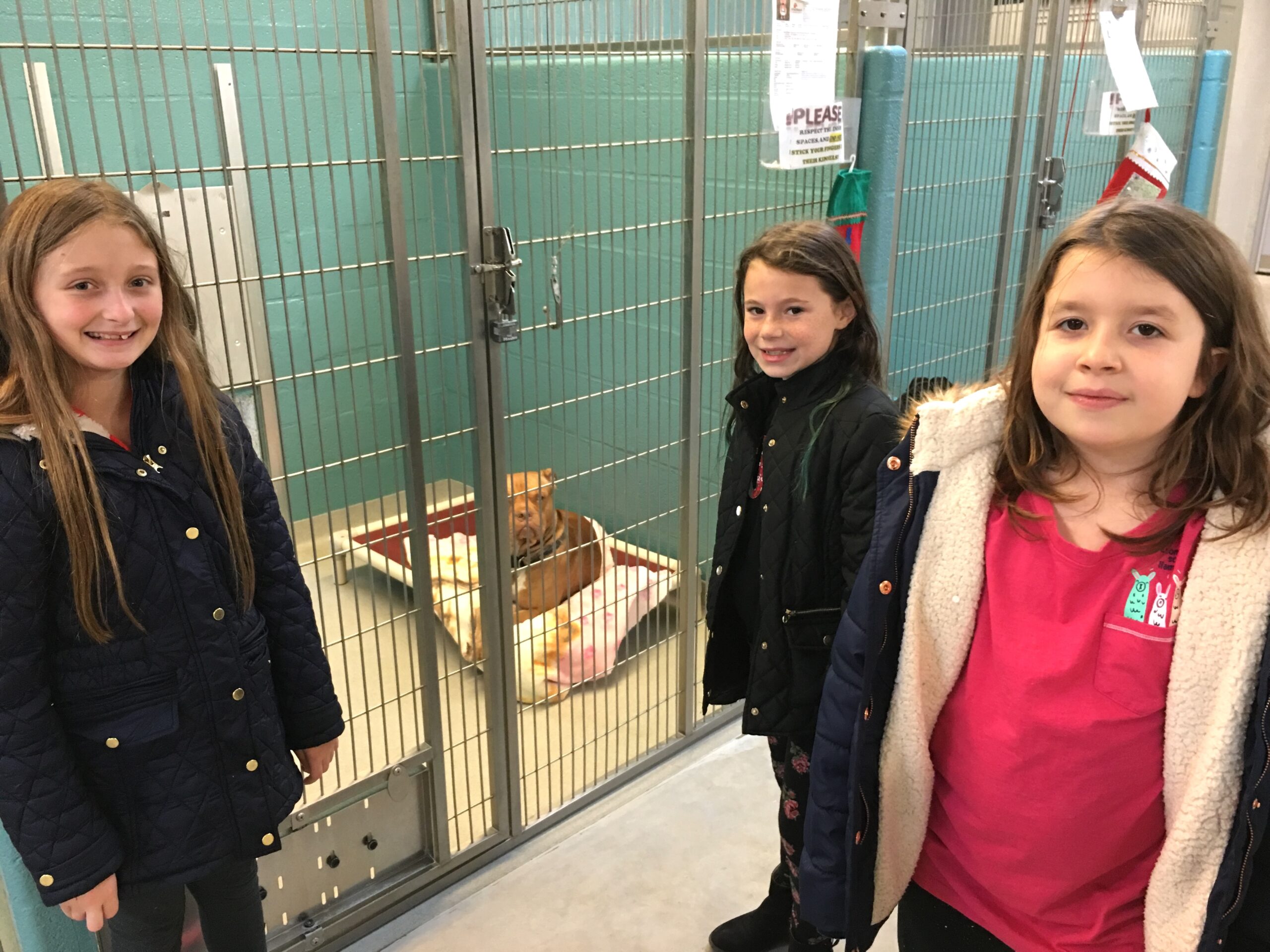
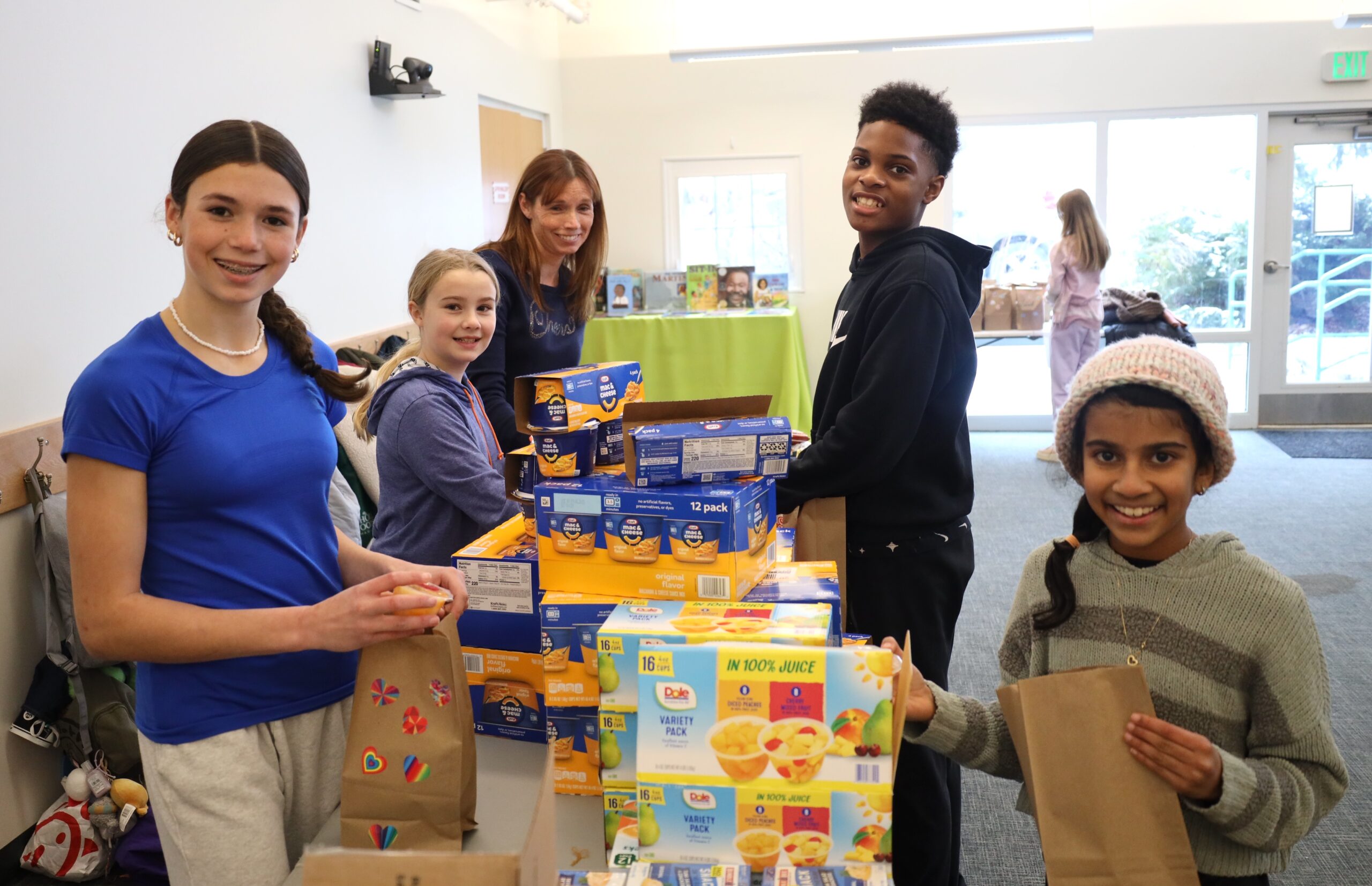
Elementary students begin Going Out trips, during which they leave campus to engage with the larger community. For example, students may visit elders in a retirement community or grow grasses for replanting in the Chesapeake Bay. Students often initiate their own service projects, such as this winter coat and food drive and helping at the Maryland Book Bank.

Upper Elementary

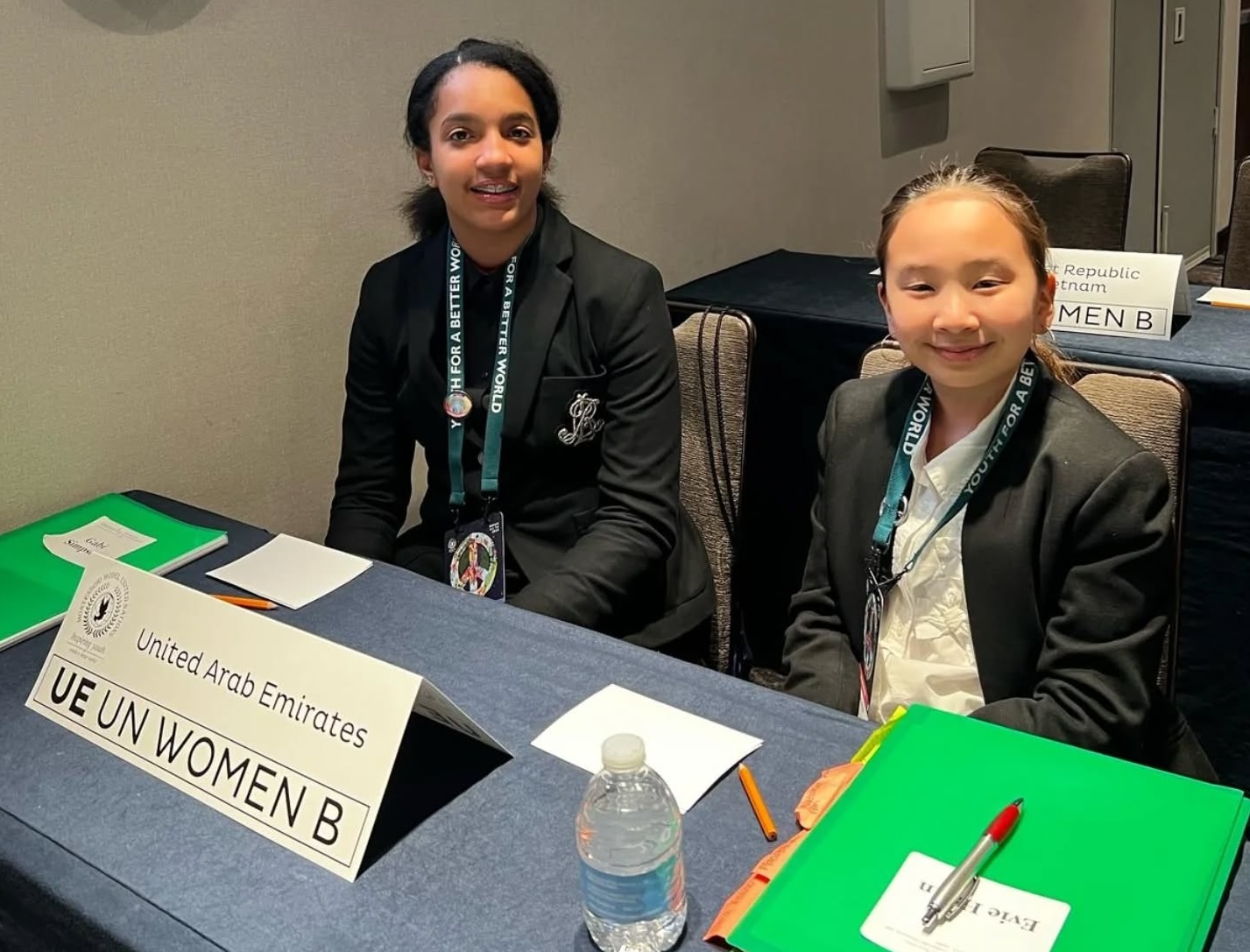
Students continue planning Going Out and service projects that take them into the larger community. For example, students recently organized a fundraiser to support the victims of the California wildfires. They also visited Art with a Heart in Baltimore to learn more about their programs that serve those in need. Many participate in the Montessori Model United Nations (MMUN) program, which culmitates in a multi-day event at the United Nations headquarters in New York City.

Adolescents

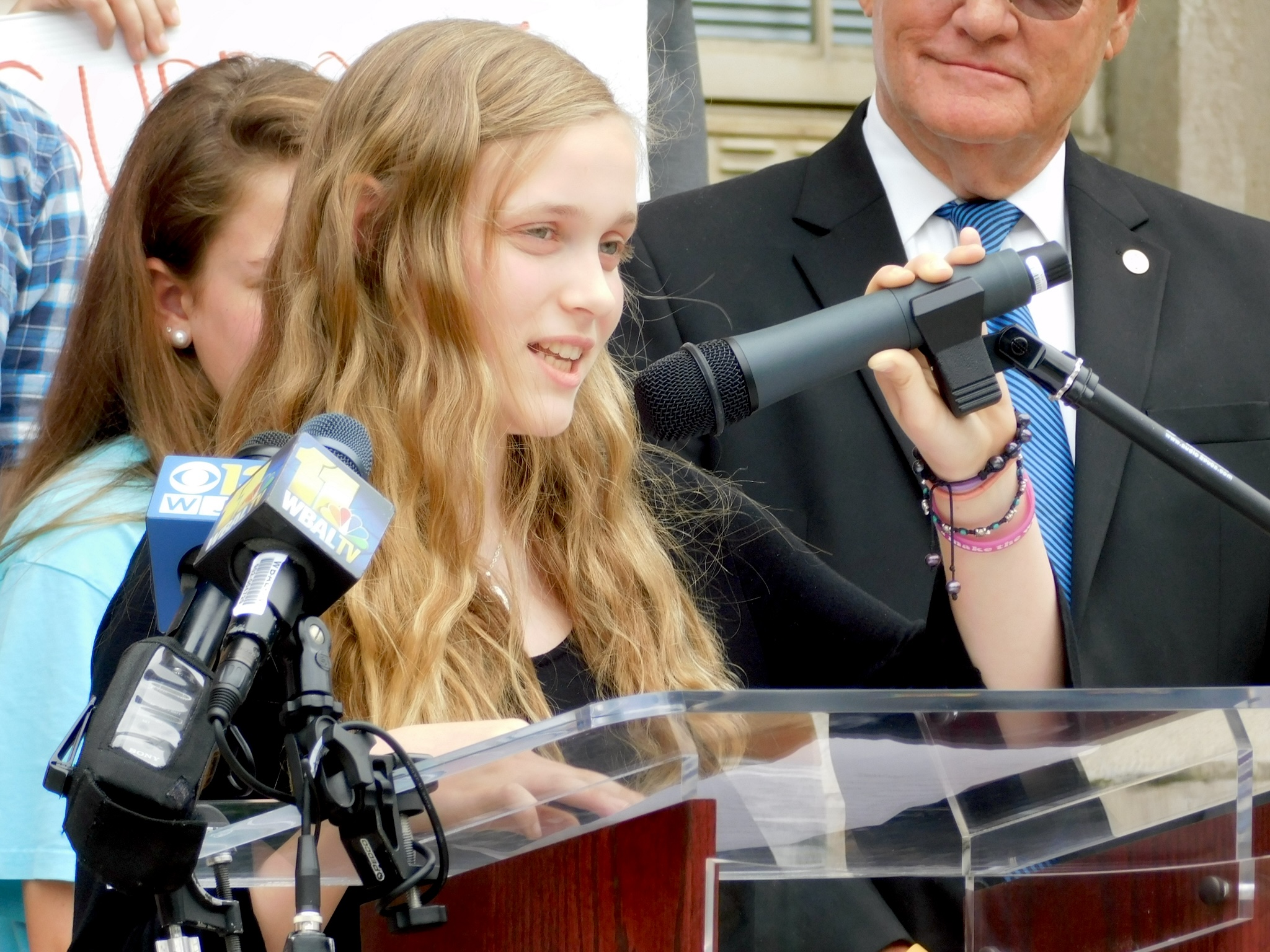
Adolescents research issues of social justice and become advocates for causes they are passionate about. They practice persuasive public speaking during Igniting Voice presentations each trimester. Adolescents also work as a group to run small businesses (or “microeconomies’). These microeconomies not only provide a way for students to generate funds for their projects and trips, but serve as an integrated curriculum that provides opportunities for real-world, experiential learning and for serving the community.

You can encourage and empower your child to be a changemaker! Here are some tips:
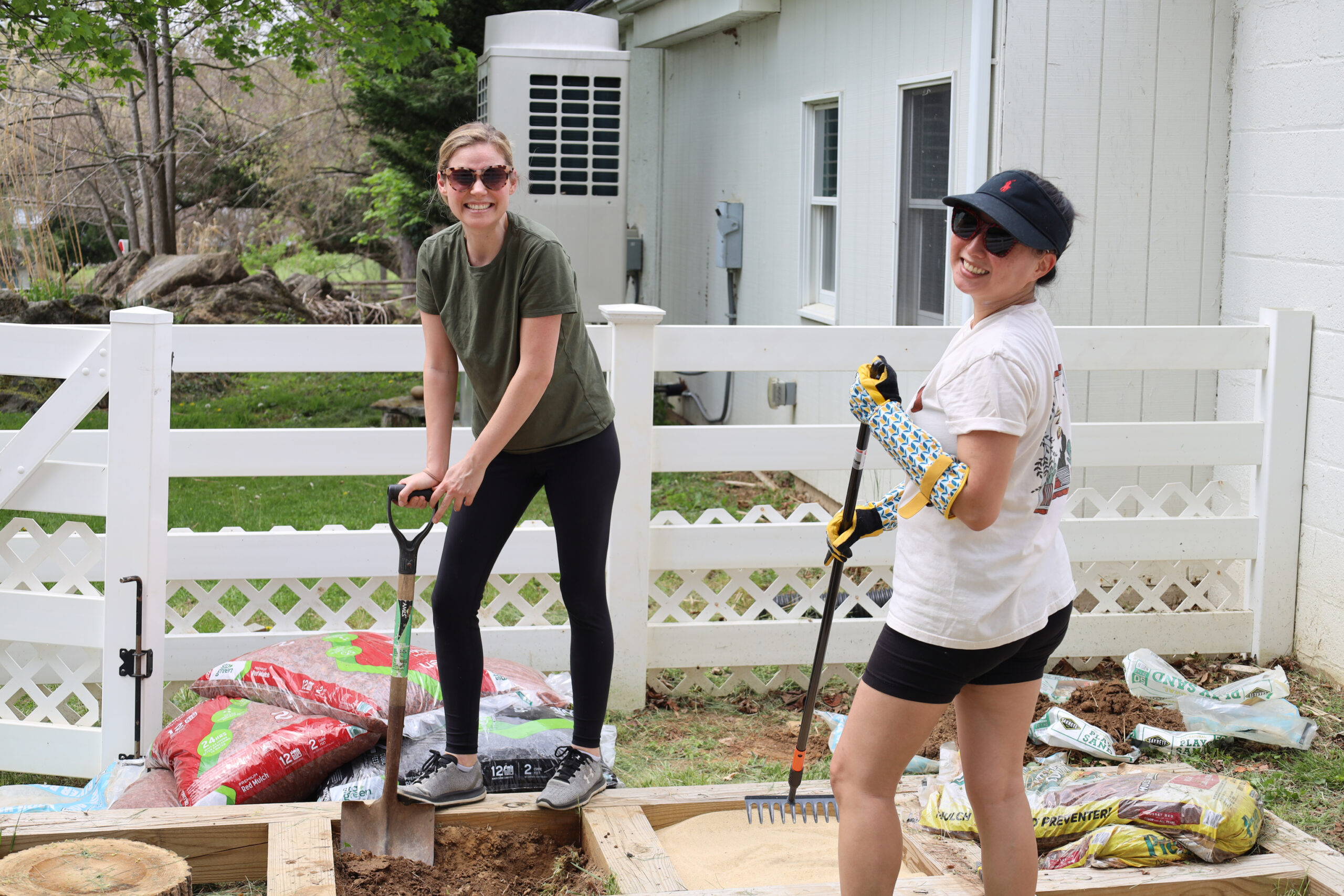
Spark Curiosity and Conversation:

  • Talk about your family’s values.
  • Discuss current events and local issues appropriate for their age, asking open-ended questions to encourage critical thinking.
  • Share stories of inspiring changemakers like Malala Yousafzai or Greta Thunberg.
  • Watch documentaries or read age-appropriate books about social justice topics.

Identify Areas of Passion:

  • Encourage your child to explore their interests and identify causes they care about and that connect to your family’s values, whether it’s animal welfare, environmental protection, or helping the homeless.
  • Let them choose a focus area where they feel most motivated to make a difference.

Take Action Together:

  • Volunteer at local organizations aligned with their interests, allowing them to directly contribute to a cause.
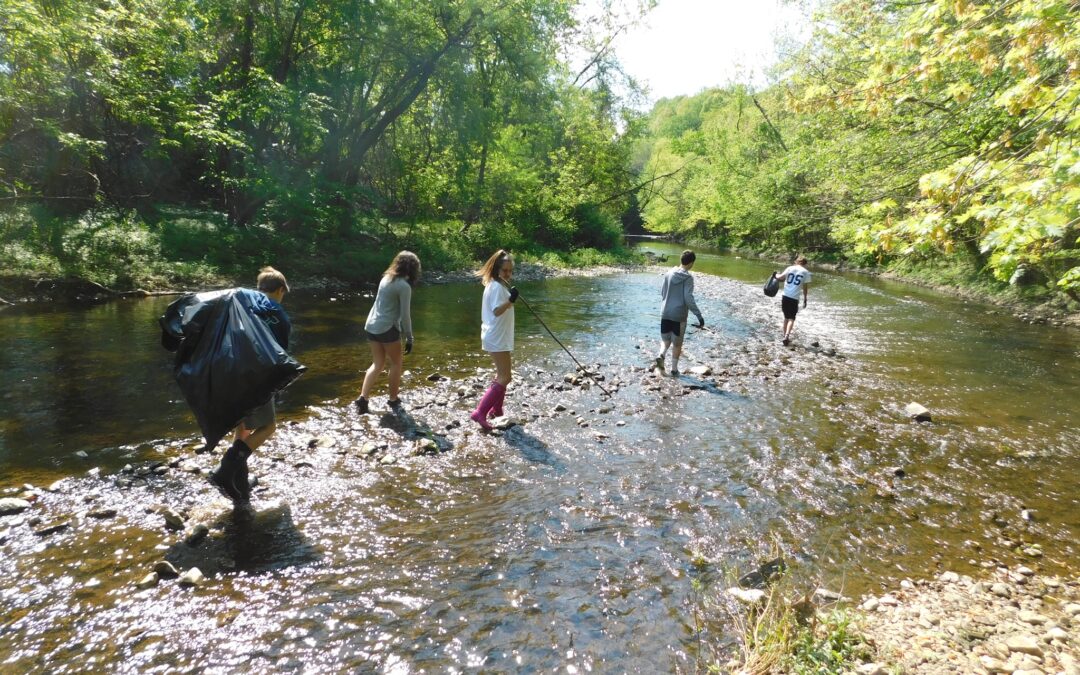
  • Start small projects at home, like a recycling drive, a food donation collection, or a community clean-up.
  • Participate in letter-writing campaigns or online petitions to advocate for change.

Empower Their Voice:

  • Encourage them to express their opinions and ideas openly, even if they seem small.
  • Teach them how to respectfully communicate their concerns to authorities or decision-makers.
  • Practice public speaking skills by giving presentations at school or community events.

Foster Creativity and Innovation:

  • Brainstorm creative solutions to problems they identify in their community.
  • Encourage them to design posters, create art projects, or write songs related to their cause.
  • Support their efforts to develop unique initiatives to address a problem.

Celebrate Achievements:

  • Recognize and acknowledge their contributions, no matter how small.
  • Share their accomplishments with family and friends to build pride and motivation.
Resources for Families

Doing Good Together – Baltimore chapter
https://www.doinggoodtogether.org/family-volunteering-baltimore

ChangemakerCommunities.org
https://www.changemakercommunities.org/resources-for-parents-guardians


“We must look to the children as a vehicle for bringing change to humanity.” 

Dr. Maria Montessori