Why Intrinsic Motivation Matters—and How Montessori Supports It

Why Intrinsic Motivation Matters—and How Montessori Supports It

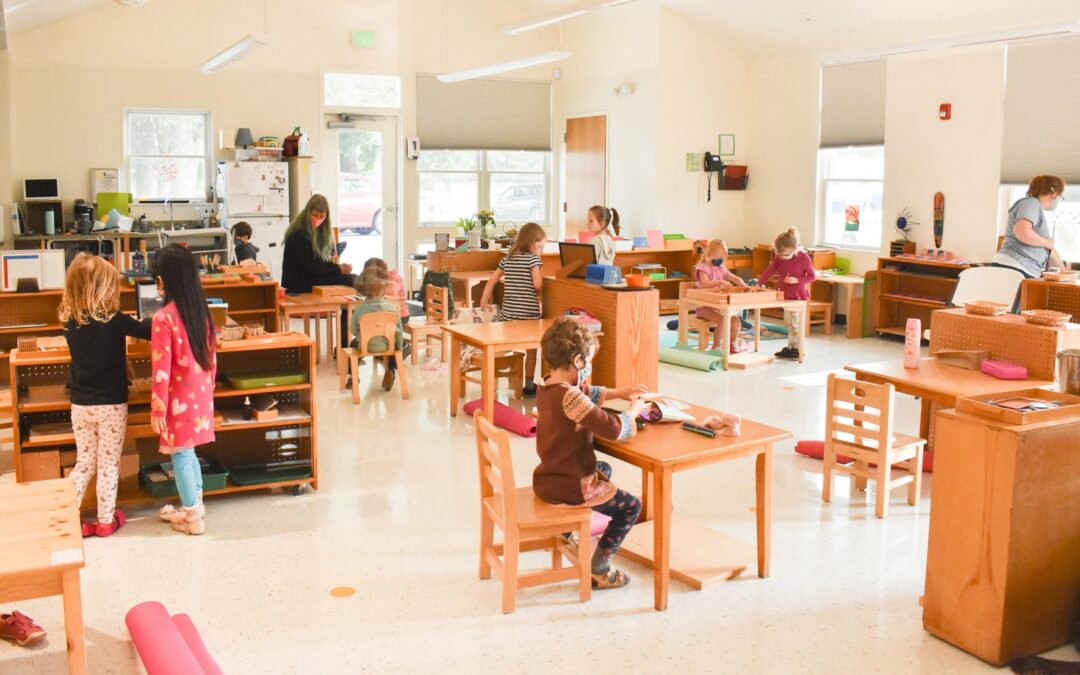
When students are intrinsically motivated, they approach learning with confidence in their own growth and a belief that their actions have value. They are more likely to take initiative, embrace challenges, and engage deeply with their work—not for a reward, but for the joy of learning itself.

In Montessori environments, this inner drive is carefully protected and nurtured. Rather than relying on external rewards or punishments, educators guide students toward connecting with their own internal motivations. In doing so, students develop a strong sense of autonomy, purpose, and mastery—key components of emotional intelligence and lifelong learning.

Intrinsic motivation is also closely tied to a growth mindset. Students begin to understand that abilities are not fixed, but can develop through effort and experience. Mistakes are no longer something to avoid, but opportunities to learn. This resilience supports students in trying again, working through challenges, and integrating new understanding.

Research consistently shows that external motivators, such as praise or rewards, may influence behavior in the short term but often undermine long-term motivation. Studies by Mary Budd Rowe (1) found that students who received frequent praise were more hesitant, less likely to persist through difficulty, and more dependent on adult approval. Similarly, research by Joan Grusec (2) revealed that students praised for generosity were, over time, slightly less likely to act generously in everyday situations.

Montessori education takes a different approach—one that supports the development of genuine, lasting motivation from within.

How Montessori Fosters Intrinsic Motivation
Hands-on Exploration
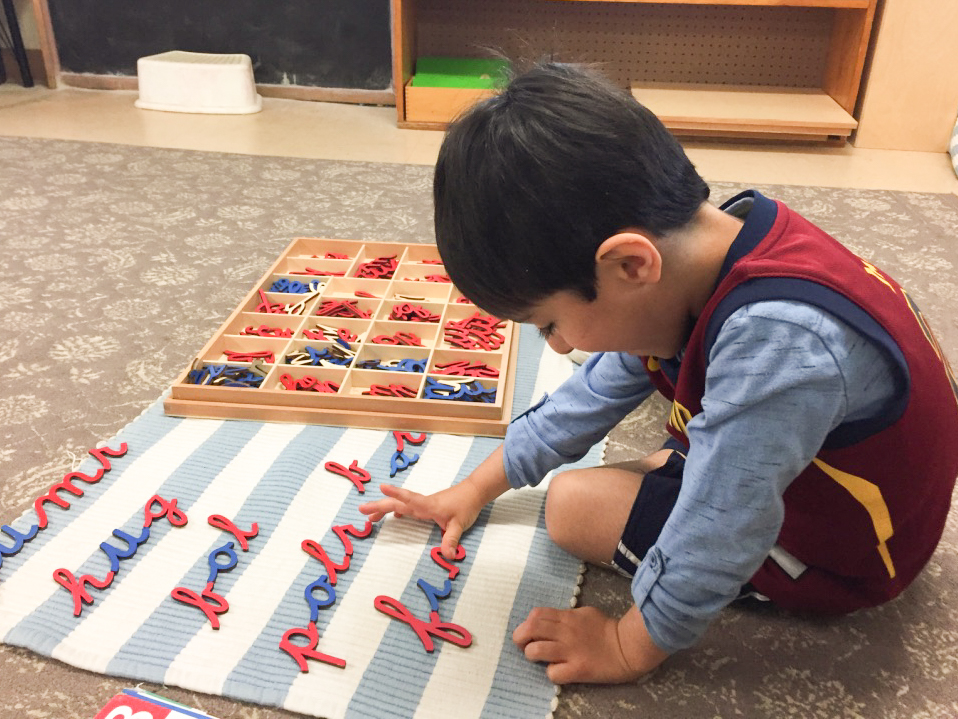
Montessori classrooms are intentionally designed with accessible, engaging materials that invite hands-on exploration, fostering curiosity and initiative. Lessons are designed to “plant seeds of interest,” providing just enough to spark curiosity, leaving space for self-discovery.
Freedom of Choice
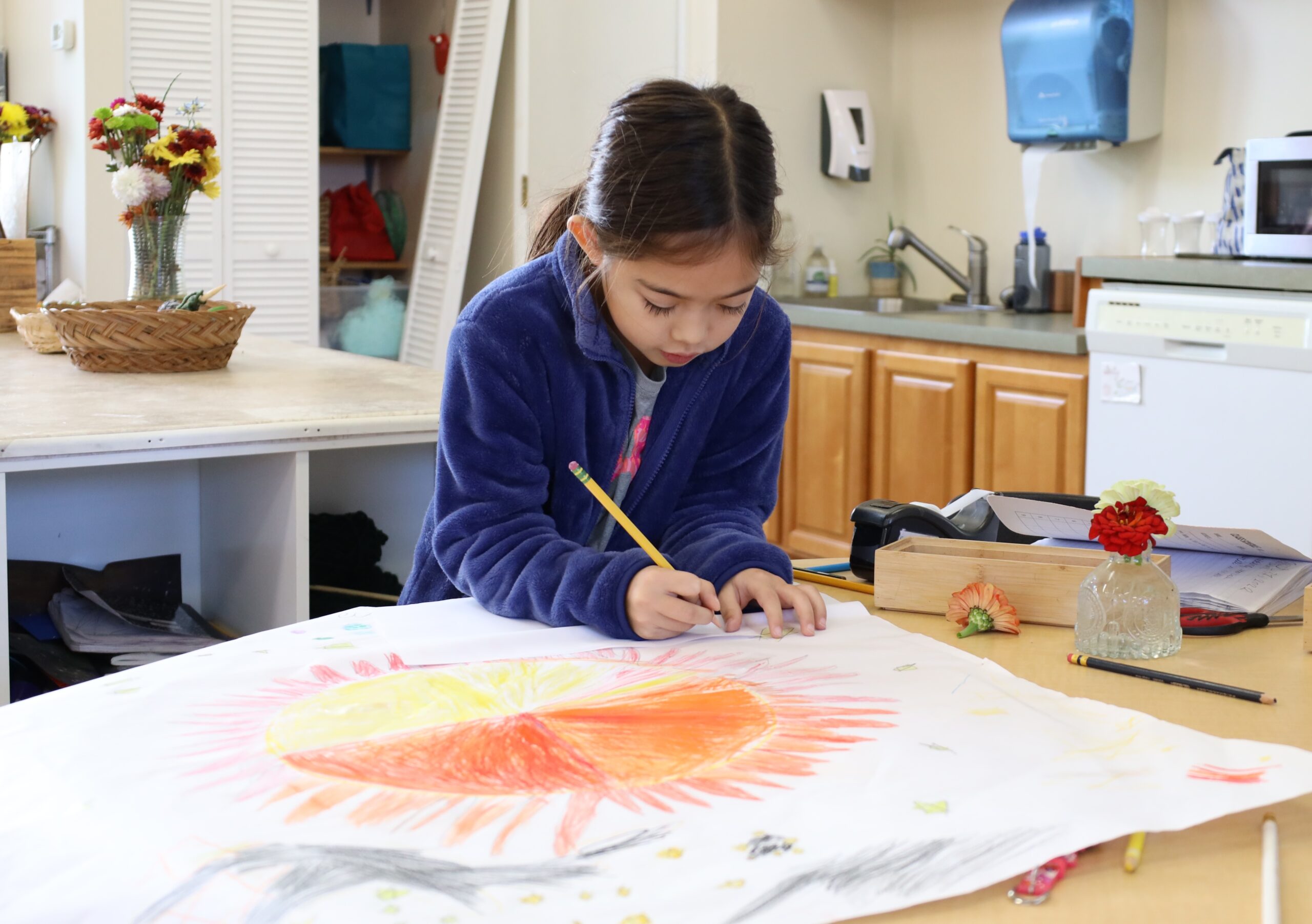
Students enjoy the freedom to choose work that aligns with their genuine interests, choosing both their path of exploration and how they demonstrate mastery. This autonomy cultivates deep-seated curiosity, proactive initiative, and a profound sense of ownership over their educational journey.
Self-Correcting Materials
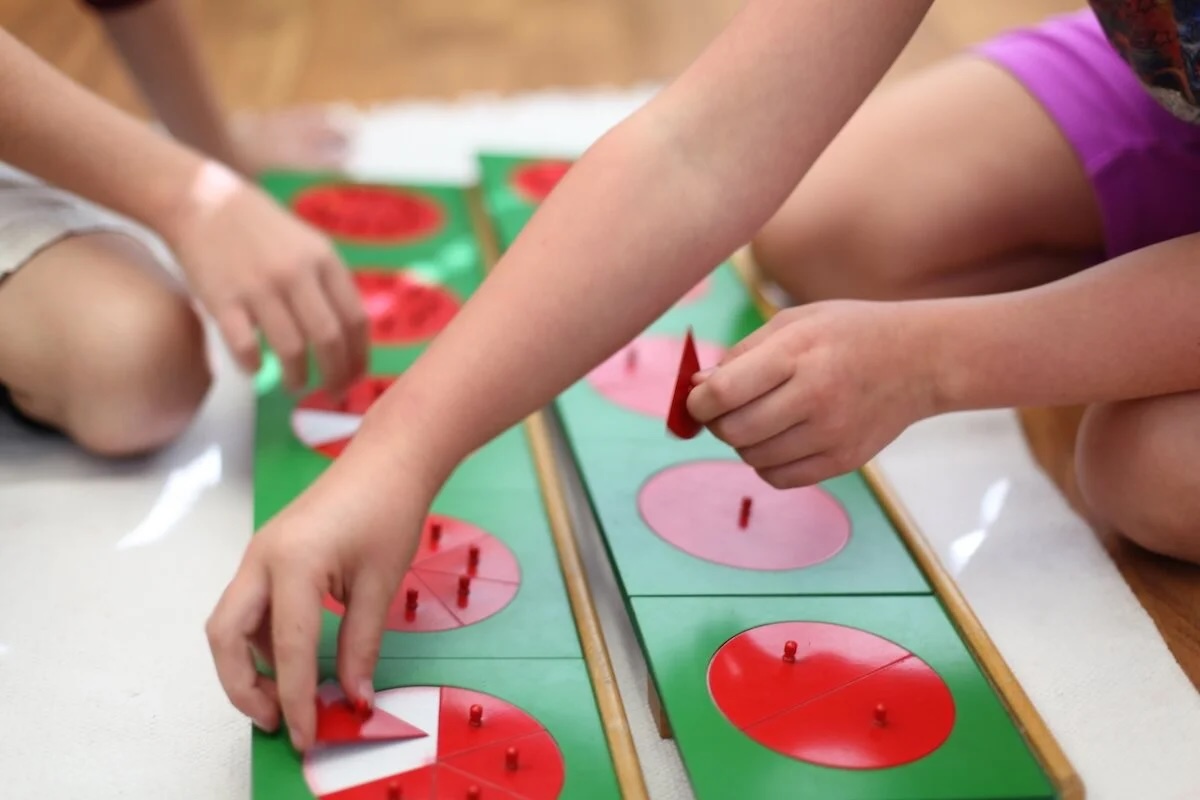
Montessori materials are designed to reveal errors independently, allowing students to recognize and correct mistakes on their own. The opportunity to make mistakes, persevere, and overcome worthy challenges builds confidence, problem-solving skills, and internal satisfaction. In addition, Guides avoid unnecessary correction. Instead, when they observe that a child needs support, they re-present the lesson, preserving confidence and motivation.
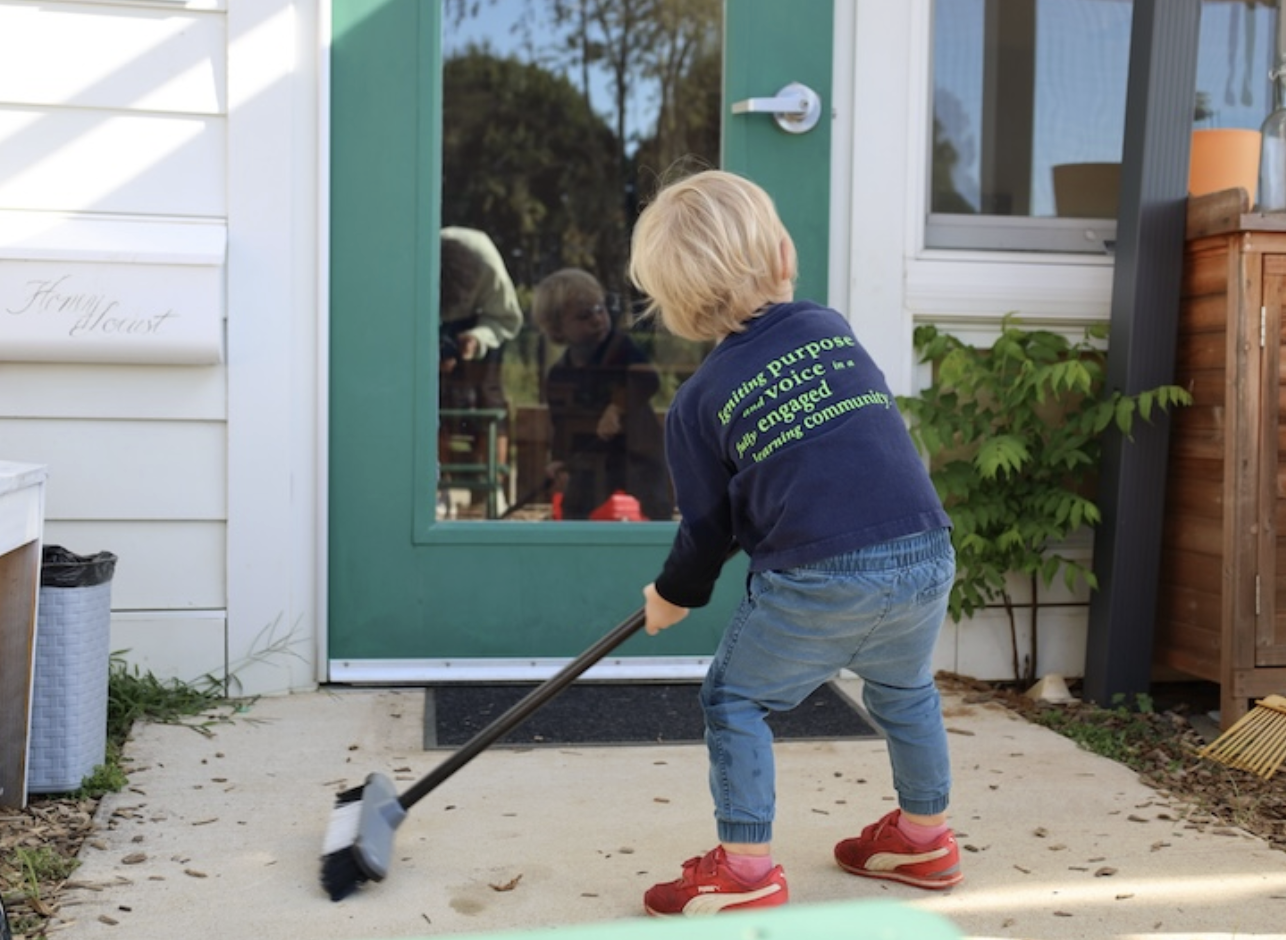
Focus on Process Over Product
Rather than offering generic praise or offering rewards (like stars, stickers, or even grades), educators intentionally acknowledge effort, strategy, and growth. Over time, this fosters a classroom culture in which students take genuine pride in their progress and develop an internal sense of accomplishment, rather than relying on external validation.
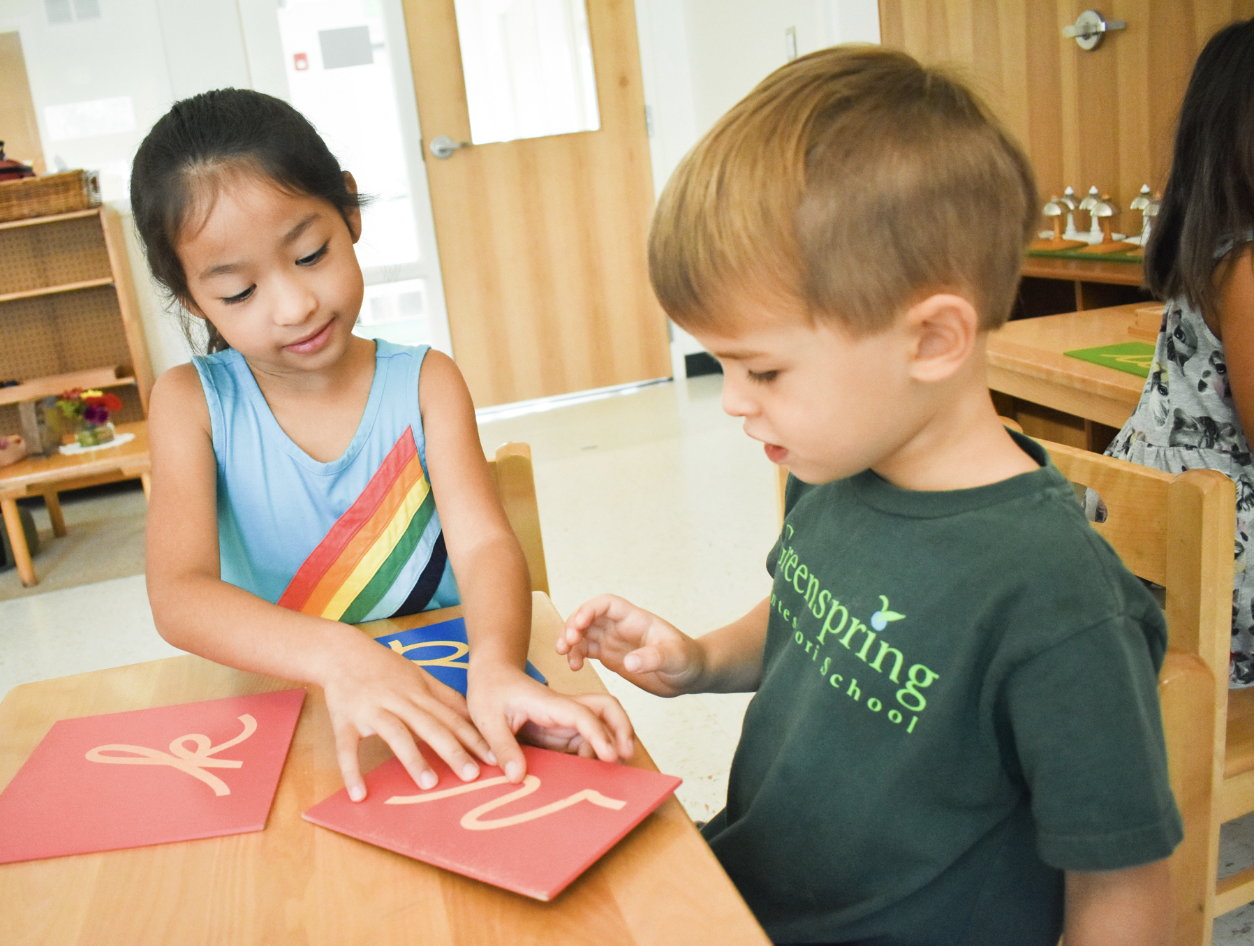
Mixed-Age Classrooms
Learning alongside peers of different ages encourages collaboration, inspiration, and confidence. Younger students are motivated through observation, while older students deepen their understanding by mentoring others, reinforcing their own knowledge and sense of responsibility.
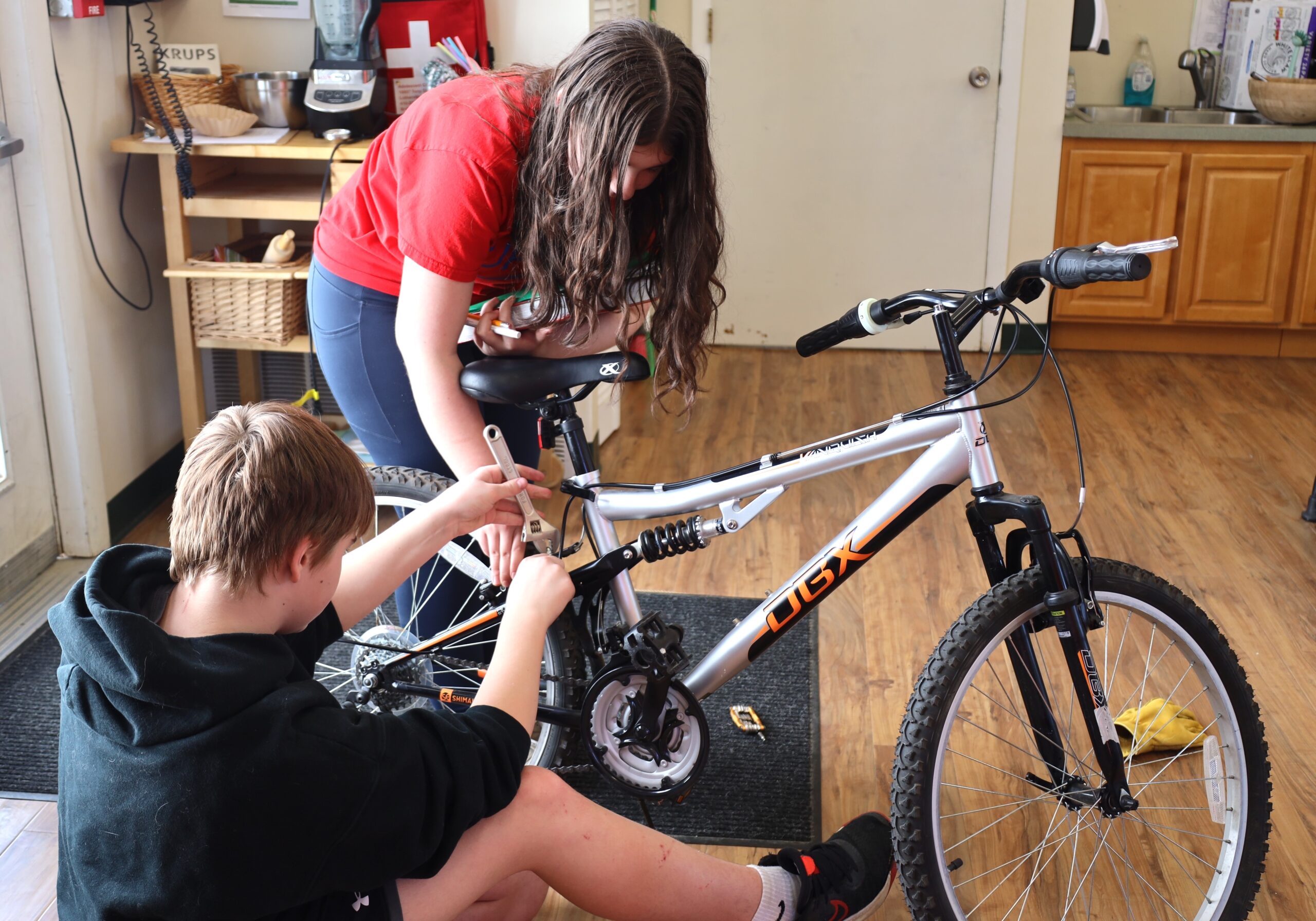
Learning in Context
Context comes before content. Students explore, observe, and discover, which allows for deep understanding rather than mere memorization. And when learning is connected to real life, it brings deep purpose and meaning to academic work.

By fostering intrinsic motivation, Montessori education transforms learning from an obligation into a deeply satisfying experience. Students develop resilience, independence, and a genuine love of learning—qualities that extend far beyond the classroom.

Sources:

(1) Rowe, M. B. (1974). “Wait-time and rewards as instructional variables, their influence on language, logic, and fate control: Part one-wait-time.” Journal of Research in Science Teaching.

(1) Rowe, M. B. (1974). “Relation of wait-time and rewards to the development of language, logic, and fate control: Part two-rewards.” Journal of Research in Science Teaching.

(2) Grusec, J. J. (1991). “Socializing concern for others in the home.” Developmental Psychology.

(2) Grusec, J. J., & Redler, E. (1980). “Attribution, reinforcement, and altruism: A developmental analysis.” Developmental Psychology.
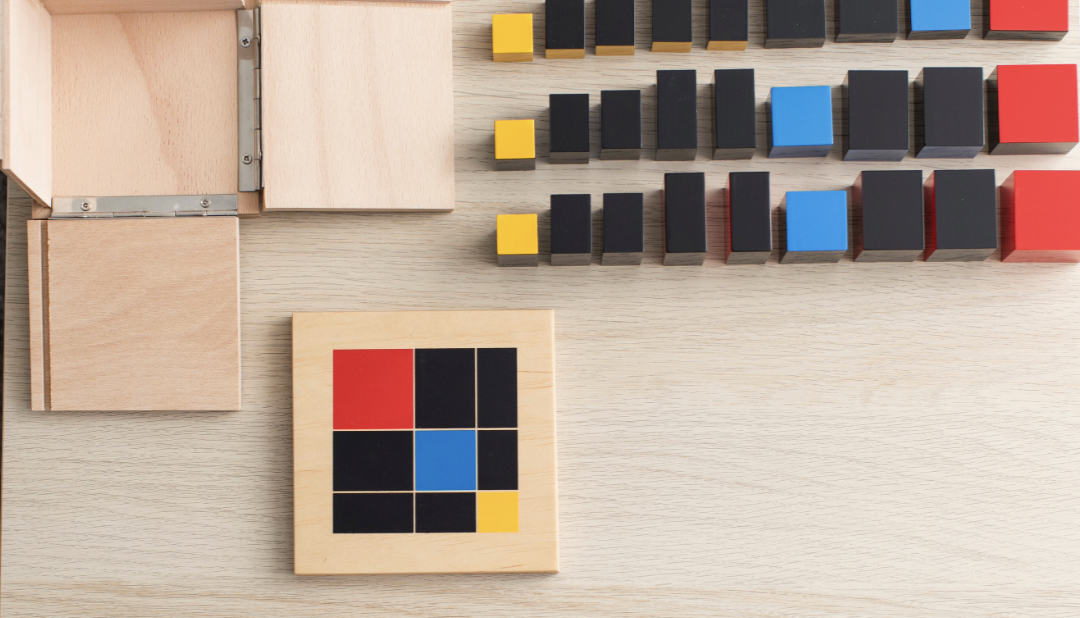
The Skills That Will Matter Most: How Montessori Classrooms Support Executive Functioning

The Skills That Will Matter Most: How Montessori Classrooms Support Executive Functioning

Think about the jobs that existed ten years ago that don’t exist today. Now think about the jobs your child might hold that don’t exist yet. The world is changing faster than most school curriculums can keep up with and that raises a real question for every parent: what are we actually preparing our children for?

As educators it is imperative for us to look towards the future to ensure that our children have the skills to think, build, and lead. Fortunately, Dr. Montessori created a model over 100 years ago that provides a strong foundation for executive functioning skills that will help our children do just that.

The answer isn’t solely in academics or test scores. It’s something deeper: the ability to think flexibly, manage yourself, solve problems, and keep going when things get hard. These are what researchers call executive functioning skills, and they may be the most important thing a child can develop.

What Are Executive Functioning Skills?

Executive functioning refers to a set of cognitive processes, primarily working memory, inhibitory control, and cognitive flexibility, that help us coordinate thoughts and actions to reach our goals.[1] These skills also support the ability to plan, organize, emotionally regulate, and take initiative.

Unlike specific facts or formulas, these skills transfer. Research has repeatedly shown that executive functioning predicts educational outcomes above and beyond measures of intelligence or prior academic ability.[2] A child who can regulate their frustration, think through a problem from multiple angles, and manage their time doesn’t just do well in school — they’re equipped for life’s challenges and opportunities.

Why Starting Early Matters

Executive functioning skills develop rapidly in early childhood and continue maturing throughout adolescence.[3] The brain’s prefrontal cortex — the hub of executive functioning — is highly responsive to environment and experience during these years, which means the conditions we create for children genuinely matter.

Notably, research has found that working memory at age 5 is a stronger predictor of later academic performance than IQ.[4] This looks different at each level here at Greenspring. For instance, toddlers begin to count and set out plates for their peers. In Children’s House, students are building on their foundation, following complex, multi-step sequences that require them to retain detailed information. In Elementary and Adolescence, our students manage their own work journals, keeping track of where they excel and where they have room for growth. They are all, in very real ways, building new neural pathways and skills that will last a lifetime.

Scaffolding these skills early doesn’t mean pushing children before they are ready — it means creating the right environments with meaningful choice, appropriate challenges, and the freedom to learn from their mistakes.

How Montessori Builds Executive Functioning Skills

A study published in Science found that children in Montessori programs showed significantly greater gains in executive function, reading, math, vocabulary, and social problem-solving compared to peers in conventional schools.[5] A 2023 systematic review of 32 rigorous studies confirmed these findings, reporting that Montessori students showed higher executive functioning than peers in traditional schools.[6] Most recently, a national randomized controlled trial of 588 children across 24 public Montessori programs found that Montessori students scored significantly higher in executive function, reading, memory, and social understanding by the end of kindergarten.[7]

Our Guides thoughtfully look at Dr. Montessori’s curriculum to ensure that children at all levels are developing executive functioning skills such as:

  • Working Memory
  • Cognitive Flexibility
  • Sustained Attention
  • Inhibitory Control
  • Task Initiation
  • Planning
  • Prioritizing
  • Organization
  • Time Management
  • Self- awareness
  • Emotional Regulation

This is no small undertaking! A Young Toddler learning to return a material to its place is practicing order and self-regulation. A Lower Elementary student choosing how to spend their work cycle is practicing planning and prioritization. An Adolescent navigating a multi-week research project is practicing every executive functioning skill at once. The work looks different at every level — but the intentionality is the same.

Preparing Children for a World We Can’t Predict

Researchers have identified creativity, flexibility, self-control, and discipline as the four qualities children will most need to thrive in the future — all of which are rooted in strong executive functioning.[8] We can’t know exactly what challenges our students will face in 10, 20, or 30 years, but we can give them the inner tools to meet those challenges with confidence.


References

[1] Diamond, A. (2013). Executive functions. Annual Review of Psychology, 64, 135–168. https://doi.org/10.1146/annurev-psych-113011-143750

[2] Blair, C. (2018). Executive function and early childhood education. Current Opinion in Behavioral Sciences, 21, 31–36. https://pmc.ncbi.nlm.nih.gov/articles/PMC6051751/

[3] Garon, N., Bryson, S. E., & Smith, I. M. (2008). Executive function in preschoolers: A review using an integrative framework. Psychological Bulletin, 134(1), 31–60.

[4] Alloway, T. P., & Alloway, R. G. (2010). Investigating the predictive roles of working memory and IQ in academic attainment. Journal of Experimental Child Psychology, 106(1), 20–29. Cited in: Promoting Executive Function Skills in Preschoolers. Frontiers in Psychology (2021). https://doi.org/10.3389/fpsyg.2021.720225

[5] Lillard, A. S., & Else-Quest, N. (2006). Evaluating Montessori education. Science, 313(5795), 1893–1894. https://doi.org/10.1126/science.1132362

[6] Randolph, J. J., Bryson, A., Menon, L., Henderson, D. K., Kureethara Manuel, A., Michaels, S., Rosenstein, D. L. W., McPherson, W., O’Grady, R., & Lillard, A. S. (2023). Montessori education’s impact on academic and nonacademic outcomes: A systematic review. Campbell Systematic Reviews, 19, e1330. https://doi.org/10.1002/cl2.1330

[7] Lillard, A. S., et al. (2025). A national randomized controlled trial of the impact of public Montessori preschool at the end of kindergarten. Proceedings of the National Academy of Sciences. https://doi.org/10.1073/pnas.2506130122

[8] Diamond, A., & Lee, K. (2011). Interventions shown to aid executive function development in children 4–12 years old. Science, 333(6045), 959–964. https://pmc.ncbi.nlm.nih.gov/articles/PMC3159917/

Saving Time for Unstructured Outdoor Play

Saving Time for Unstructured Outdoor Play

Unstructured outdoor play — child-led, imaginative activity without rigid rules or predetermined outcomes — is essential to healthy development. By immersing themselves in natural environments, children can reap a multitude of benefits that are crucial for their growth and well-being.

Cognitive & Academic Development

Unstructured play strengthens attention span, focus, and executive functioning skills. As children invent games, solve problems, and navigate the unpredictability of the natural world, they practice critical thinking and flexible reasoning. Outdoor exploration naturally fosters creativity and scientific thinking as children observe patterns, test ideas, and learn through trial and error.

Emotional Well-being

Nature has a calming effect, reducing stress and anxiety in children. It provides a safe space for children to express emotions, build confidence, and learn to manage fears.

Social Skills & Cooperation

Children learn to negotative, cooperate, and resolve conflicts independently when playing with peers.

Independence & Risk Assessment

Outdoor play encourages children to assess risks, make decisions, and evaluate consequences in real time. This calibrated risk-taking builds confidence and critical thinking skills.

Physical Heath & Motor Skills

Regular outdoor activity reduces obesity risks, builds strength, balance and coordination, and boosts the immune system.

Sensory & Environmental Connections

Time spent outdoors engages the senses and provides a “grounding” experience, making individuals feel more connected, refreshed, and present. Over time, this connection nurtures environmental awareness and stewardship.

Types of Play

  • Active Play (running, swinging, balancing, tumbling)
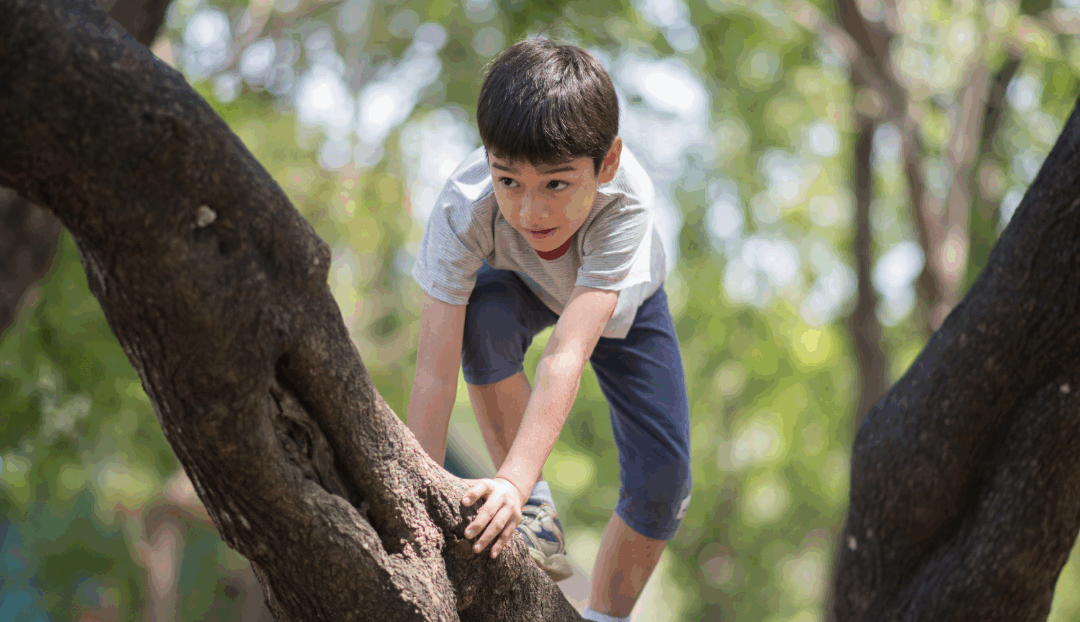
  • Risky Play (climbing trees, jumping from safe heights)
  • Exploratory Play (digging in dirt, flipping over rocks, splashing in puddles)
  • Creative Play (building a fort, acting out a play, painting rocks)

Unstructured outdoor play is not a luxury or an extra — it is a developmental necessity. In a world increasingly shaped by screens, schedules, and adult direction, children need time and space to lead their own experiences. When we protect and prioritize outdoor play, we are not simply giving children a break from learning — we are giving them one of the most powerful forms of learning available. By trusting children with time, space, and nature, we nurture capable, resilient, creative individuals prepared to engage fully with the world around them.

Connection Before Correction: The Heart of Partnership Discipline

Connection Before Correction: The Heart of Partnership Discipline

One of the most powerful principles in partnership-based discipline is simple, but transformative:

Connection before correction.

When our children exhibit challenging behaviors, our instinct is often to correct first. We want to change the behavior, teach the lesson, and restore order. But neuroscience — and experience — tell us that correction without connection rarely works.

If we want children to listen, learn, and grow, we must first help them feel safe, seen, and understood.


The Reactive Brain vs. the Receptive Brain

When a child is overwhelmed, frustrated, embarrassed, or angry, their brain shifts into survival mode. Cortisol — the “fight, flight, or freeze” hormone — floods the system. In that state:

  • Logical thinking shuts down
  • Listening decreases
  • Learning stops

Research shows it can take at least 20 minutes for cortisol levels to return to baseline. During that time, reasoning, lecturing, and consequences are largely ineffective.

A child cannot access their receptive brain until they feel regulated. And regulation begins with connection.


Connection Strategy #1: Communicate Comfort

Before you say a word about behavior, communicate safety with your presence.

  • Get at (or slightly below) your child’s eye level
  • Assume a relaxed, open body posture
  • Use nonverbal signals – a soft facial expression, a gentle nod, perhaps a reassuring touch

Your nervous system can help calm theirs. When you lower your intensity, you invite them to lower theirs. Often, this shift alone begins to bring the reactive brain back toward receptivity.


Connection Strategy #2: Validate

Validation does not mean agreeing with behavior. It means acknowledging feelings.

Start by naming what you see: “It looks like you may be feeling frustrated.”

Then normalize the experience: “I’ve felt that way before.”

When children hear that their emotions make sense, their defenses soften. They no longer have to fight to prove their experience is real. Validation builds trust.


Connection Strategy #3: Listen

Once your child feels seen, invite them to share more. “Tell me more.” or “Can you help me understand…?”

Then — and this is the hardest part — stop talking. Resist the urge to interrupt, fix, or correct. Truly listen.

Listening communicates respect. And respect strengthens connection.


Connection Strategy #4: Reflect Back

After listening, reflect what you heard: “I hear you saying that you’re upset because you didn’t get a turn. Is that right?”

Reflection shows your child that their words mattered enough to be heard carefully. It also gives them a chance to clarify. When children feel accurately understood, their brains shift further into receptivity.


Once Your Child’s Brain Is Receptive

Now — and only now — is it time for guidance.

Connection first does not mean lowering expectations. It does not mean removing boundaries. You can still:

  • Hold the limit
  • Maintain the expectation
  • Follow through consistently

But now you can do so in a way that teaches rather than triggers.

Invite your child into problem-solving. Ask if they’d like help brainstorming solutions. When children participate in generating ideas, they are far more likely to own them.

Correction after connection becomes collaboration.


What If Your Child’s Brain Still Isn’t Receptive?

Sometimes even connection doesn’t immediately bring regulation. That’s okay.

Two powerful options remain:

Give more time.
You can say, “Let’s talk about this again later,” and revisit the conversation once emotions have settled — even the next day if needed.

Give space.
Let your child know, “I’m here when you’re ready.”
Then allow them the dignity of calming down in their own way.

Connection does not demand instant resolution. It communicates steady presence.


The Bigger Picture

Children don’t learn best when they feel threatened. They learn best when they feel safe.

Connection is not permissiveness. It is preparation. When we connect first, we are not excusing behavior — we are preparing the brain for growth. And in doing so, we move from power struggles to partnership. From control to collaboration. From reaction to relationship.

Connection before correction isn’t just a strategy. It’s a shift in mindset — one that builds trust, resilience, and lasting influence.

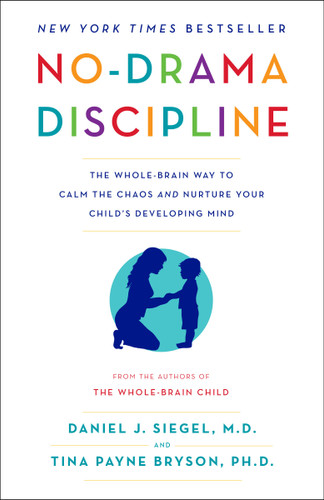
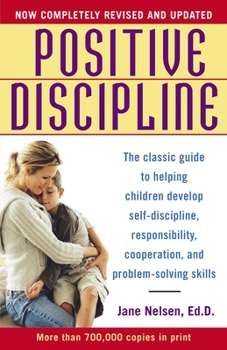
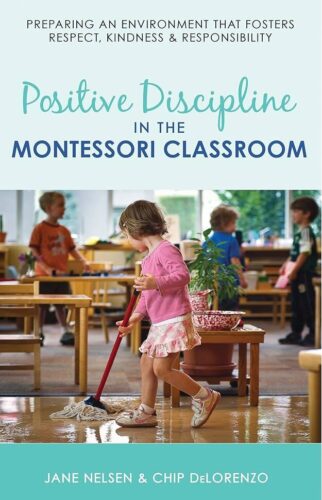
Would you like to learn more about Partnership Discipline?

No Drama Discipline by Dan Siegel & Tina Payne Bryson

Positive Discipline by Jane Nelson

Positive Discipline in the Montessori Classroom by Jane Nelsen & Chip DeLorenzo  

Why We Hold High Expectations for Our Children

Why We Hold High Expectations for Our Children

Seeing a two year old preparing a snack for their classmates in the classroom or an Elementary student initiating a trip to a local university can be inspiring, but it also leads some families to question whether it is too much to expect of them. When families share this, we listen closely. Parenting and educating children is deeply personal, and alignment between home and school matters deeply. This is why it is important to clearly name why our expectations are what they are—and what we mean when we say we believe in children.

In Montessori education, our expectations are rooted not in pressure or perfection, but in trust.

We trust that children are capable of more than society often gives them credit for. We trust their ability to problem-solve, to care for themselves and their community, to regulate their bodies and emotions. None of this happens right away! We begin working on these skills with our youngest children at just 18 months because we know these skills take guidance and time. And we trust that when given meaningful responsibility, children rise—not because they are forced to, but because they are developmentally ready.

Dr. Maria Montessori’s philosophy from over a hundred years ago is backed by modern neuroscience. In her book How to Raise a Child with a High EQ, Dr. JoAnn Deak shares:

“We build confidence not by removing struggle, but by walking with children through it. Protecting children from every failure makes them fragile. Letting them try, fail, and try again makes them strong. Children develop resilience and self-worth not by always succeeding, but by learning they can survive setbacks.”

We know that it is often easier to have the adults initiate and lead while children fully devote themselves to play. We rush to do things for them rather than alongside them. We lower expectations in the name of kindness, yet unintentionally send the message: “You can’t.” Over time, this can quietly erode confidence and independence.

Montessori asks something different.

We ask children to:

  • Care for their environment
  • Practice independence
  • Engage deeply with meaningful work
  • Be accountable to their community
  • Try, struggle – even fail – and try again

These worthy challenges are not arbitrary. They are carefully aligned with children’s developmental capacity. They respect the learner’s capacity for growth and encourage resilience, creativity, and independence—especially when supported by patient adults, thoughtfully prepared environments, and time.

Our role as adults is to notice their abilities, believe in their potential, and meet each child where they are. In the classrooms, we step back, observe carefully, and offer guidance, repetition, and understanding rather than control. This gives children the opportunity to grow their independence, confidence, and sense of responsibility at a young age. We scaffold these experiences in a loving, nurturing environment that gives children the change to fail – and learn from those experiences so that they have the confidence to take on the next big thing, knowing that they matter.

Our children are capable. And believing in their capacity is one of the greatest gifts we can offer.

Why Doesn’t Montessori Use Traditional Letter Grades?

Why Doesn’t Montessori Use Traditional Letter Grades?

In Montessori classrooms, students don’t receive grades. This is intentional. Many families who are new to Montessori wonder why this is done and how progress is demonstrated instead. 

Core Reasons for No Grades

Holistic Assessment
Teachers observe skills, social-emotional growth, and personal development, providing a comprehensive picture that a single grade can’t capture.

Individualized Pace
Students progress at their own speed, exploring interests deeply without artificial grade-level barriers, avoiding the anxiety and comparison that grades create.

Focus on Process, Not Just Outcome
The goal is mastery and deep understanding, not just achieving a certain score. Children actually learn to fail and try again, which encourages risk-taking.

Intrinsic Motivation
Grades are external rewards that can diminish a child’s natural desire to learn. Montessori nurtures the student’s internal drive and enjoyment of learning.

How Progress Is Assessed Instead

Observation
Teachers meticulously observe children’s interactions with materials, peers, and concepts to gauge understanding.

Work Samples & Portfolios
Collections of a child’s actual work (writing, math, projects) showcase real accomplishments and progress over time. As children get older, they are invited to select the work that they feel highlights their growth to add to their portfolios.

Conferences
Detailed one-on-one meetings with families and Guides allows for a place to discuss specific skills, strengths, and areas for growth. Older students are also invited to participate in conferences, giving them voice and agency in their own learning. 

Progress Reports
Written progress reports are detailed, with each area of the curriculum broken down into 10-20 subcategories, such as “Shows sensitivity to needs and feelings of others,” “Demonstrates oral segmenting of Consonant-Vowel-Consonant words,” or “Organizes ideas into multiple paragraphs.” The indicators for each subcategory actually provide detailed information about where the student is in their learning. For example, indicators may include:

  • C – Consistently Demonstrates – the student applies this skill independently without support
  • P – Progressing – the student is working towards independence with this skill with appropriate support
  • D –Developing – the student requires support structures in place to demonstrate this skill
  • N – Not Evident – the student has not been observed demonstrating this skill
  • / – Not yet introduced

Self-Assessment
Students develop self-reflection and problem-solving skills, learning to assess their own work and progress. Starting in Elementary, students will meet with their Guide weekly, or more frequently if needed, to go over their work journals and talk about their successes and challenges. The Guide is there to help the children scaffold these skills throughout their time in the program. 

By focusing on intrinsic motivation, self-paced learning, and a deeper understanding of concepts over outcomes, Montessori prepares students for higher education (and life!) by building critical skills like self-discipline, autonomy, and deep focus.