Why Doesn’t Montessori Use Traditional Letter Grades?
In Montessori classrooms, students don’t receive grades. This is intentional. Many families who are new to Montessori wonder why this is done and how progress is demonstrated instead.
Core Reasons for No Grades
Holistic Assessment
Teachers observe skills, social-emotional growth, and personal development, providing a comprehensive picture that a single grade can’t capture.
Individualized Pace
Students progress at their own speed, exploring interests deeply without artificial grade-level barriers, avoiding the anxiety and comparison that grades create.
Focus on Process, Not Just Outcome
The goal is mastery and deep understanding, not just achieving a certain score. Children actually learn to fail and try again, which encourages risk-taking.
Intrinsic Motivation
Grades are external rewards that can diminish a child’s natural desire to learn. Montessori nurtures the student’s internal drive and enjoyment of learning.
How Progress Is Assessed Instead
Observation
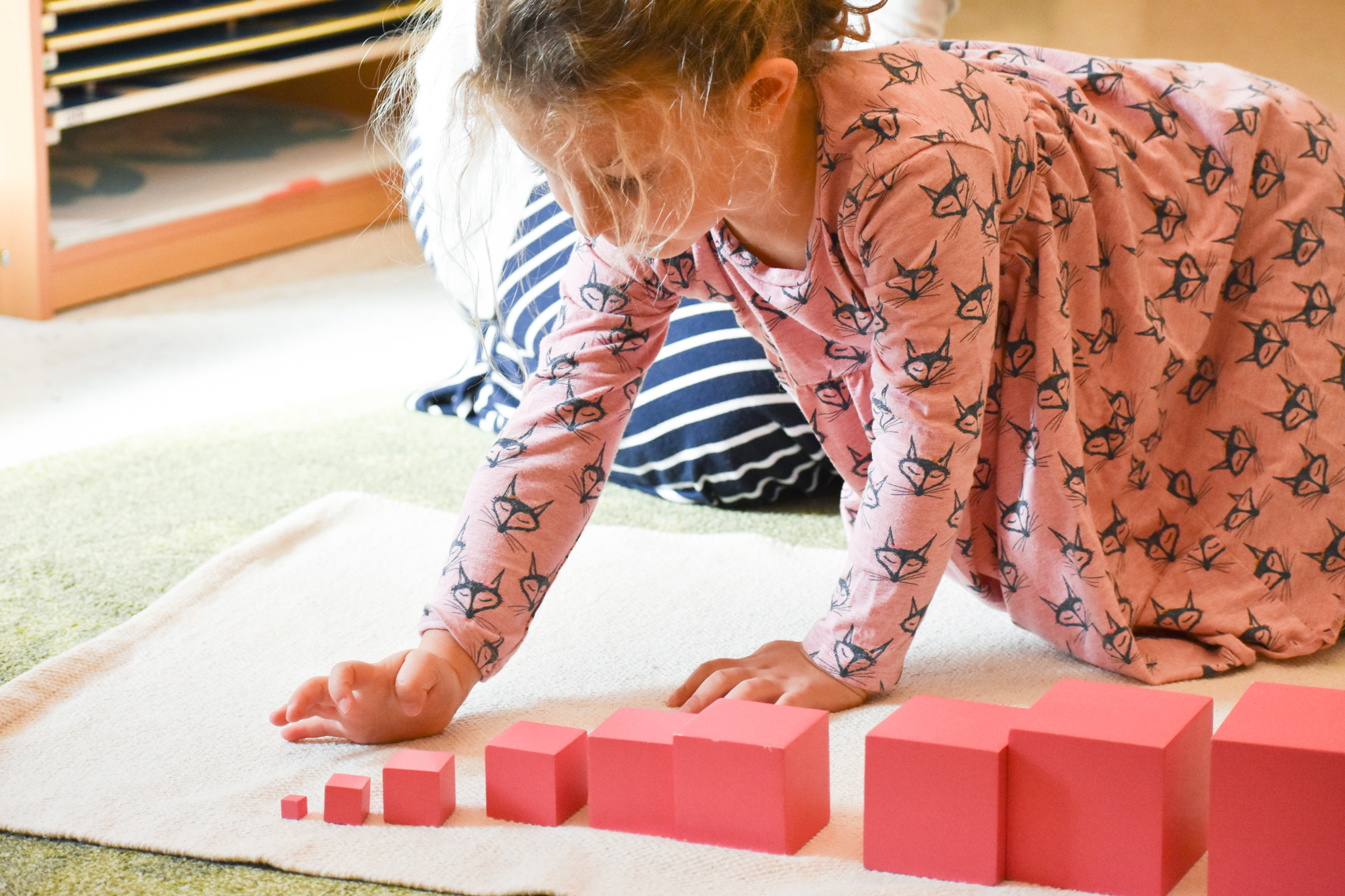
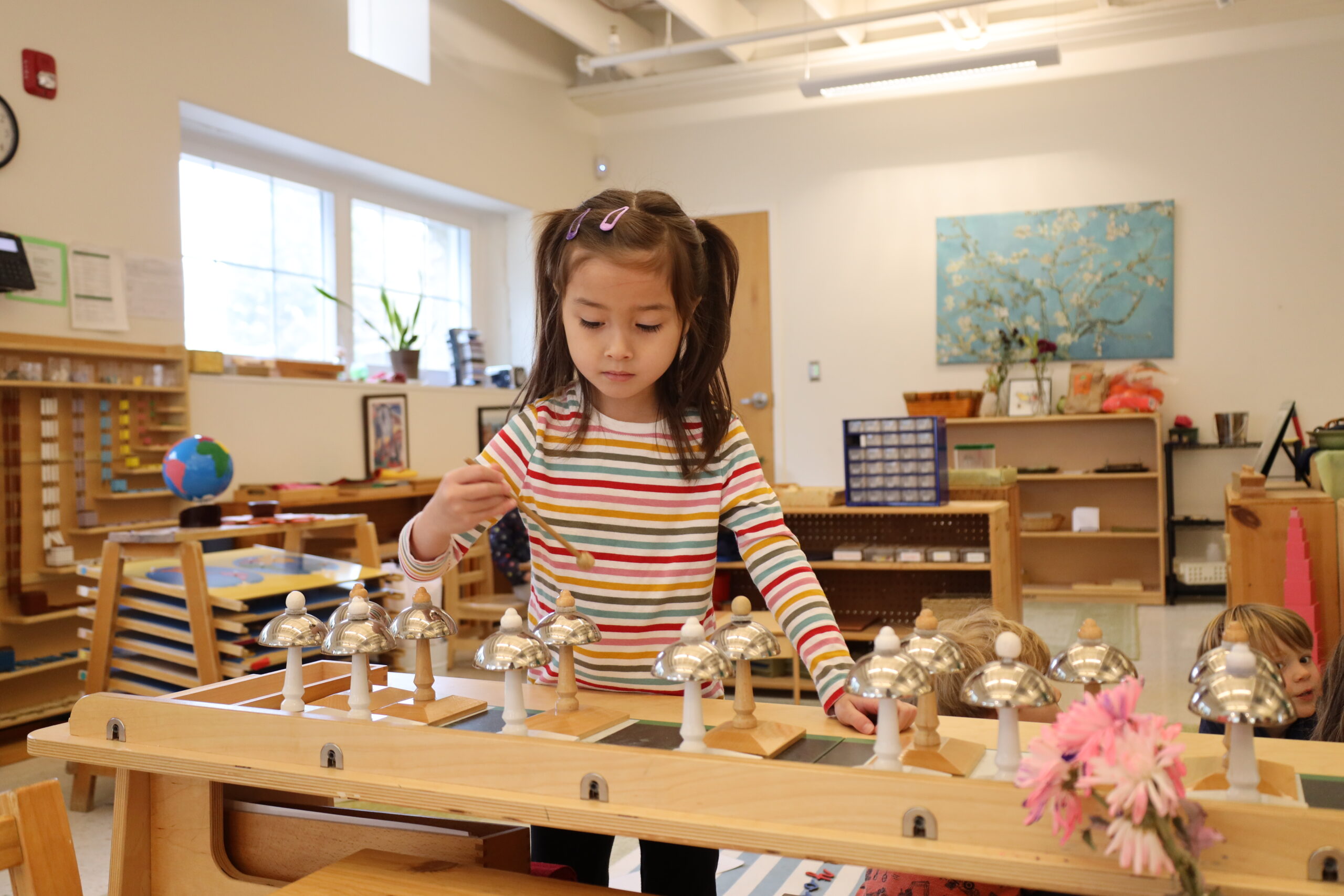
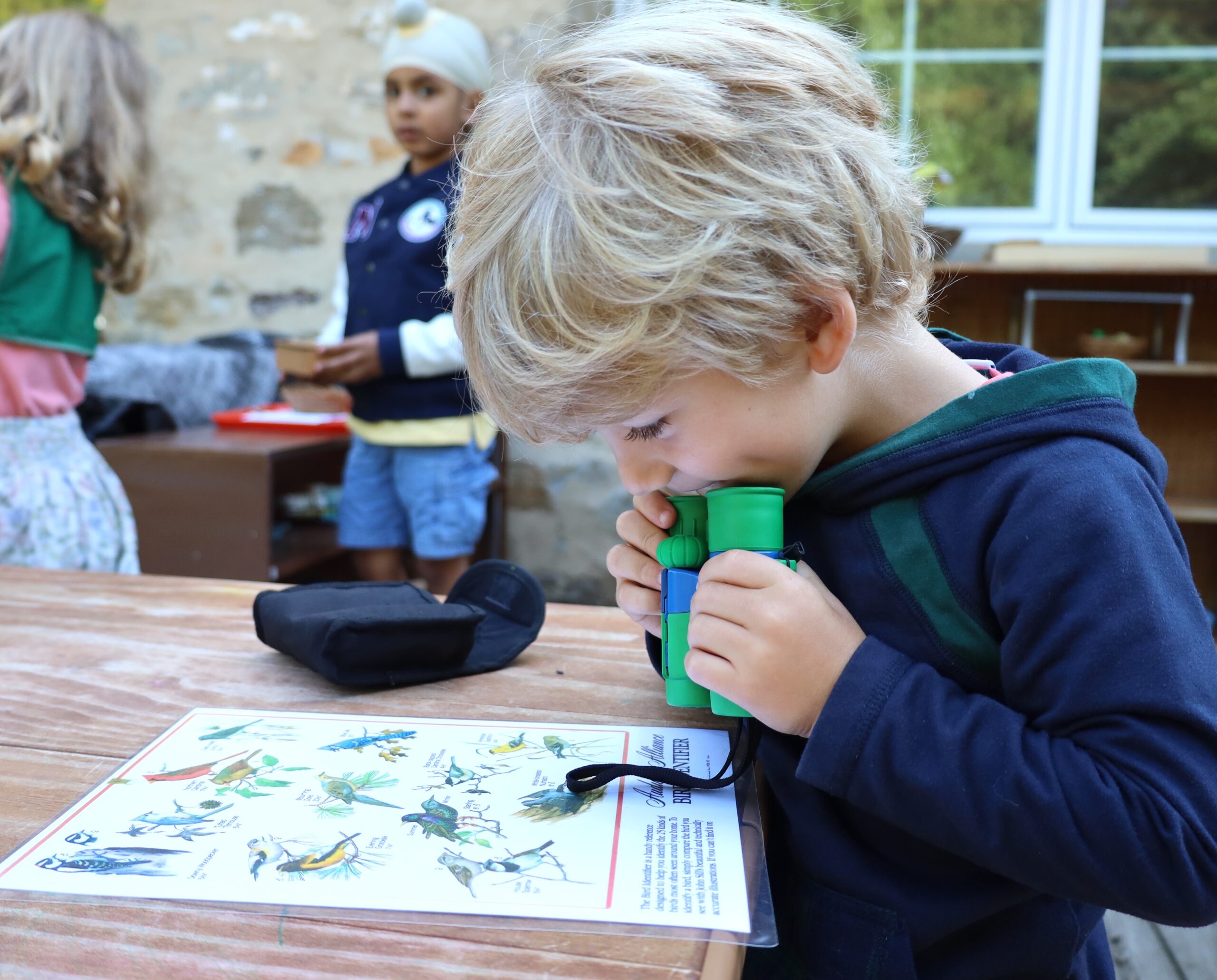
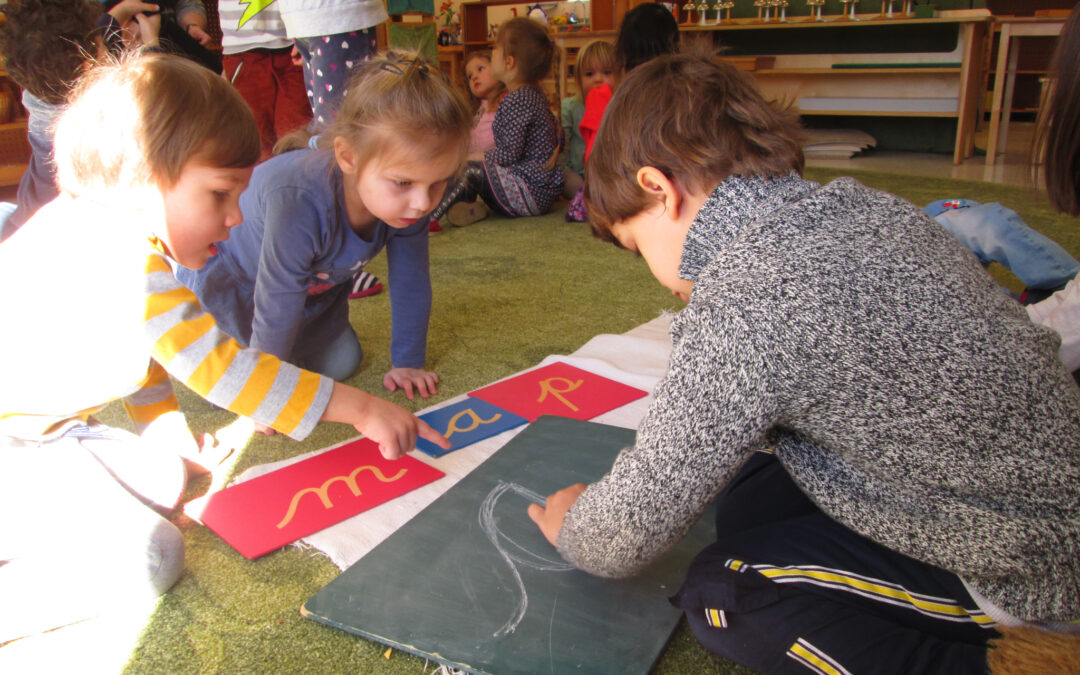
Teachers meticulously observe children’s interactions with materials, peers, and concepts to gauge understanding.
Work Samples & Portfolios
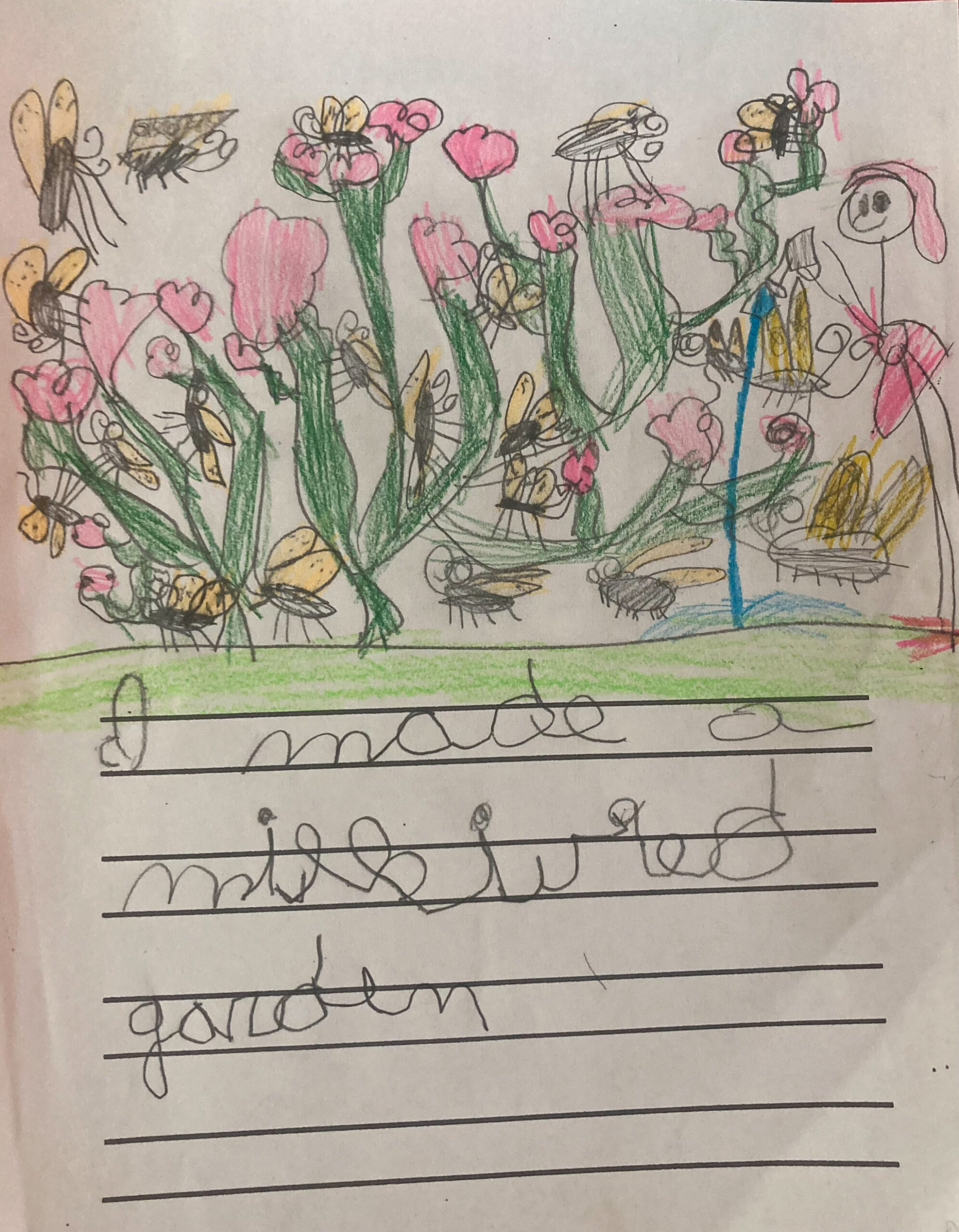
Collections of a child’s actual work (writing, math, projects) showcase real accomplishments and progress over time. As children get older, they are invited to select the work that they feel highlights their growth to add to their portfolios.
Conferences
Detailed one-on-one meetings with families and Guides allows for a place to discuss specific skills, strengths, and areas for growth. Older students are also invited to participate in conferences, giving them voice and agency in their own learning.
Progress Reports
Written progress reports are detailed, with each area of the curriculum broken down into 10-20 subcategories, such as “Shows sensitivity to needs and feelings of others,” “Demonstrates oral segmenting of Consonant-Vowel-Consonant words,” or “Organizes ideas into multiple paragraphs.” The indicators for each subcategory actually provide detailed information about where the student is in their learning. For example, indicators may include:
- C – Consistently Demonstrates – the student applies this skill independently without support
- P – Progressing – the student is working towards independence with this skill with appropriate support
- D –Developing – the student requires support structures in place to demonstrate this skill
- N – Not Evident – the student has not been observed demonstrating this skill
- / – Not yet introduced
Self-Assessment
Students develop self-reflection and problem-solving skills, learning to assess their own work and progress. Starting in Elementary, students will meet with their Guide weekly, or more frequently if needed, to go over their work journals and talk about their successes and challenges. The Guide is there to help the children scaffold these skills throughout their time in the program.
By focusing on intrinsic motivation, self-paced learning, and a deeper understanding of concepts over outcomes, Montessori prepares students for higher education (and life!) by building critical skills like self-discipline, autonomy, and deep focus.