Transitioning from the Toddler Community to the Children’s House

Transitioning from the Toddler Community to the Children’s House

Written by Michelle Donohue and Kim McCaslin, Toddler Guides

“Thus it happens that at the age of three, life seems to begin again; for now consciousness shines forth in all its fullness and glory. We observe that a child occupied with matters that awaken his interest seems to blossom, to expand, evincing undreamed of character traits; his abilities give him great satisfaction, and he smiles with a sweet and joyous smile.” – Dr. Maria Montessori

Children grow and develop so quickly, and it is a remarkable and wonderful time of change as your child begins to look and act less toddler-like and more like a preschooler. They are getting ready to make the leap to Children’s House!

For any parent, the transition from the Toddler environment to the Children’s House environment may feel daunting. But rest assured that our Guides are here to make sure the transition goes smoothly. Because there are a few months before the transition to the Children’s House, there are a few things you can do now with your child to support their needs until school begins.
Socialization

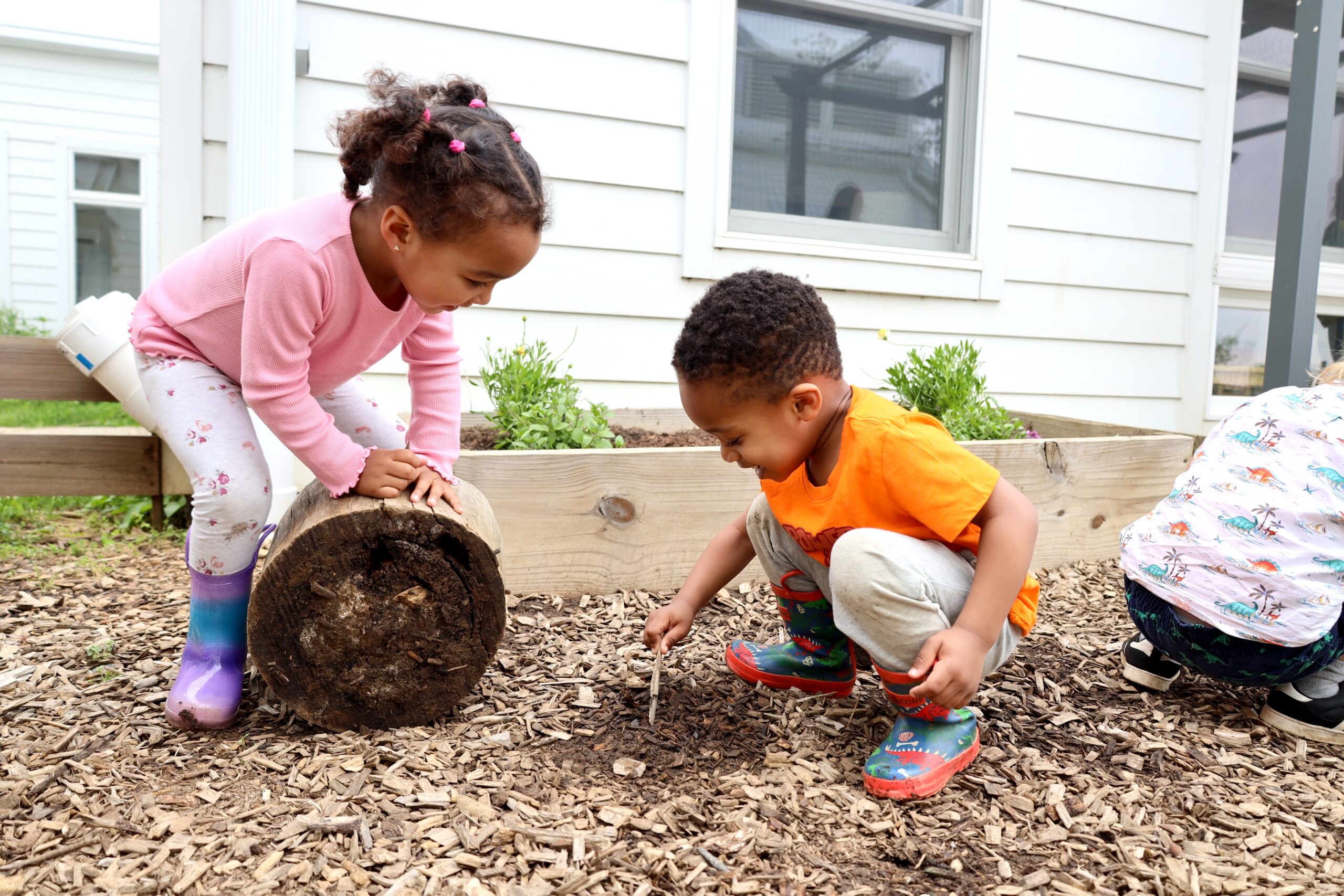
Socialization is still an important milestone for your preschooler, and the summer can be a great time to connect with other families so your preschooler can continue to build relationships with peers. Social events and playdates are encouraged. It’s so comforting for your child to see familiar faces on the first day of school!
Familiarity

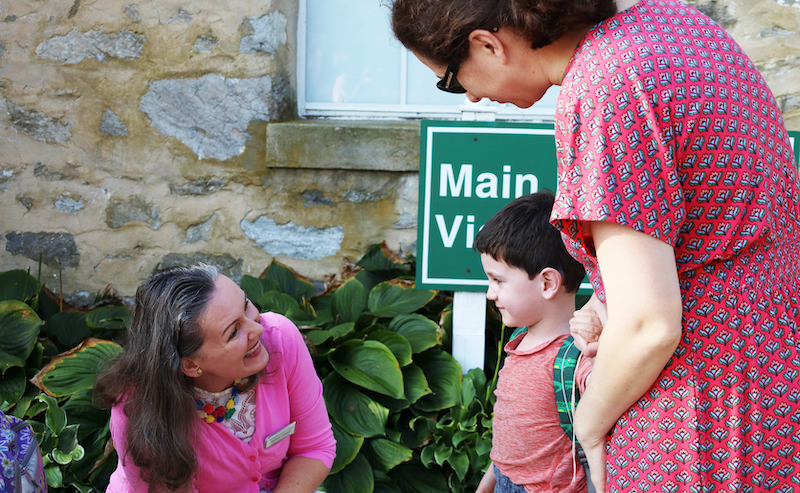
Start having conversations about the new classroom and Guides. You may want to visit the campus a few times during the summer months if your child is not already signed up for our Summer Program. We also host a classroom walk-through the week before school resumes so that your child can visit her new classroom, say hello to the Guides, and meet new friends. All of these strategies will help ease your child’s anxiety as we get closer to the new school year.
Practice

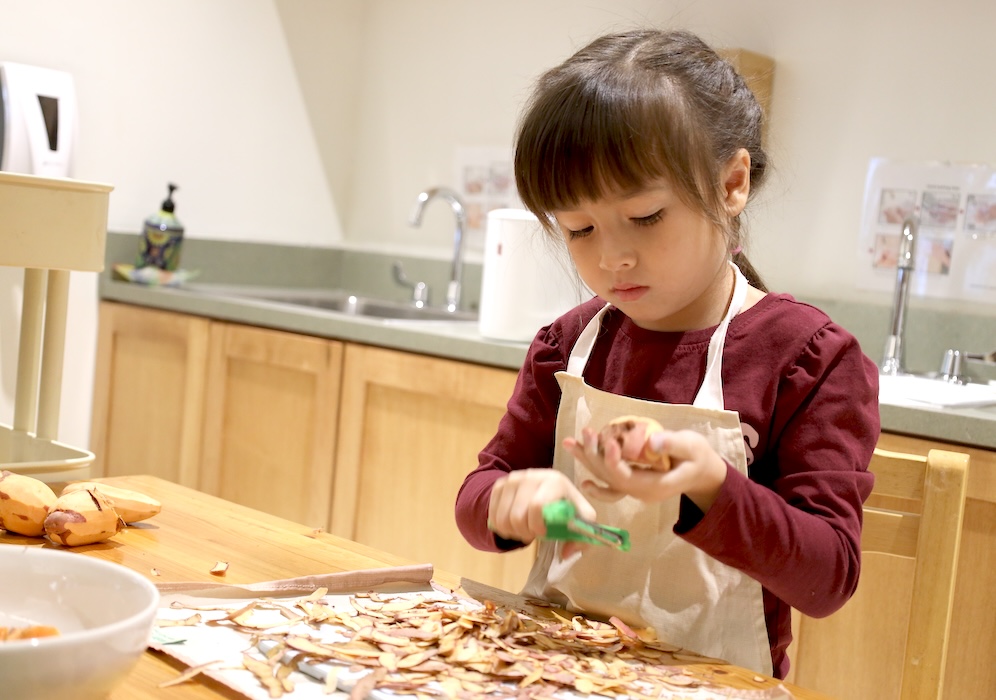
Your child has been building her concentration and strengthening her memory with work in the Toddler environment. Over the summer, you can continue to provide activities for them that have multiple steps and encourage your child to finish each to completion.

Food Preparation

Our Toddler and Children’s House students find great joy in food preparation. You can extend this practice into the home by having your child help set the table and cook with you. Not only do they get involved and excited about cooking their own meals, but this work gives children practice with sequencing and helps strengthen their fine motor muscles that will later help with writing.

Dressing and Undressing

Your toddler has been practicing simple steps of caring for themselves including putting on their shoes and coats, dressing, and undressing. Plan a little extra time in the mornings and evenings to allow them the independence to work on these skills. In Children’s House, they will need to independently put on their socks, shoes, coats, and other clothing items. 

Memory Games

Memory games are fun to play, too! Gather things around the house and ask your child if they know where they belong. This game continues to establish an internal sense of order. Other great games include naming rhyming words, practicing the sounds that letters make, and “I Spy.” And don’t forget to sing and share stories with each other! (You can talk about sequence – which comes first, second, and last. For example – the seed/sprout/plant.)

Care of Self and the Home

Children love taking care of the home, such as dusting, vacuuming, washing windows, feeding the pet, and helping with laundry. These are activities they will continue to practice during her time in Children’s House.

Toileting

One of the requirements for our Children’s House program is that the child be fully toilet independent.  This means that the child is able to identify when they need to use the bathroom, pull their clothes down, wipe clean, and re-dress themselves. To support families in this transition, Toddler Guide Danuta Wilson led a webinar on working with your children to enable them to become toilet-independent –  Watch the webinar here. We also have a helpful blog post on how to setup your bathroom for your child’s independence here. We encourage you to be in partnership with your child’s Guide in the spring months around toileting efforts so that your child becomes fully independent in the early spring and the skills are solidly in place before the end of the school year.
Connect with your child’s Guide

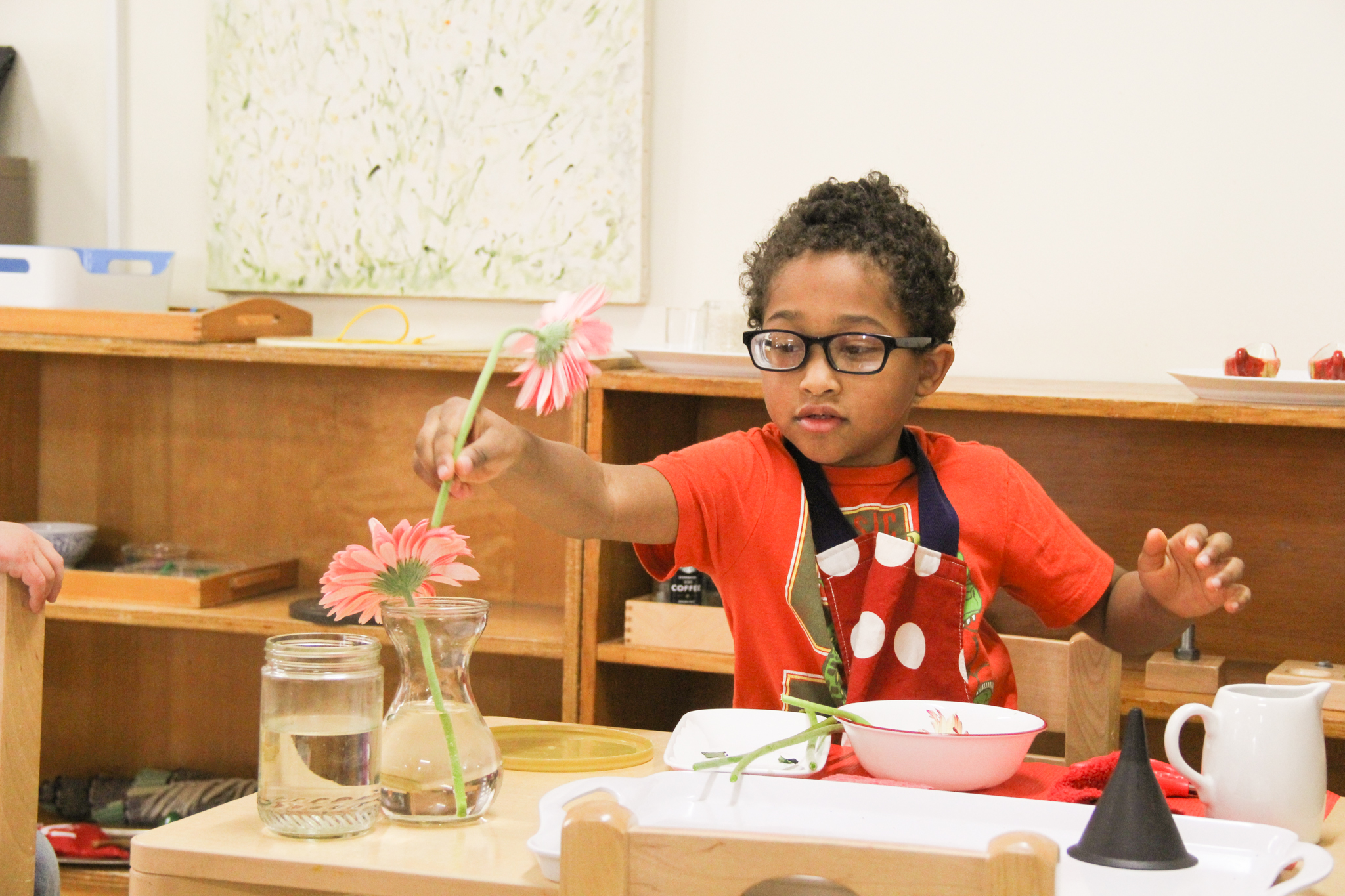
Your child’s new Guide will call you over the summer to learn more about your child and answer any question you may have about the transition. The first few weeks of school your child will have both emotional and social support from the Guide. As in the Toddler community, there will also be support with separation if needed. One of the perks with a mixed-age group is that the older children will help show the younger children what the expectations are of the classroom. And you can expect your child to come home very excited about all exciting work they are doing!

Learn more about Greenspring Montessori’s Children’s House program here.
Learn about the Children’s House Curriculum

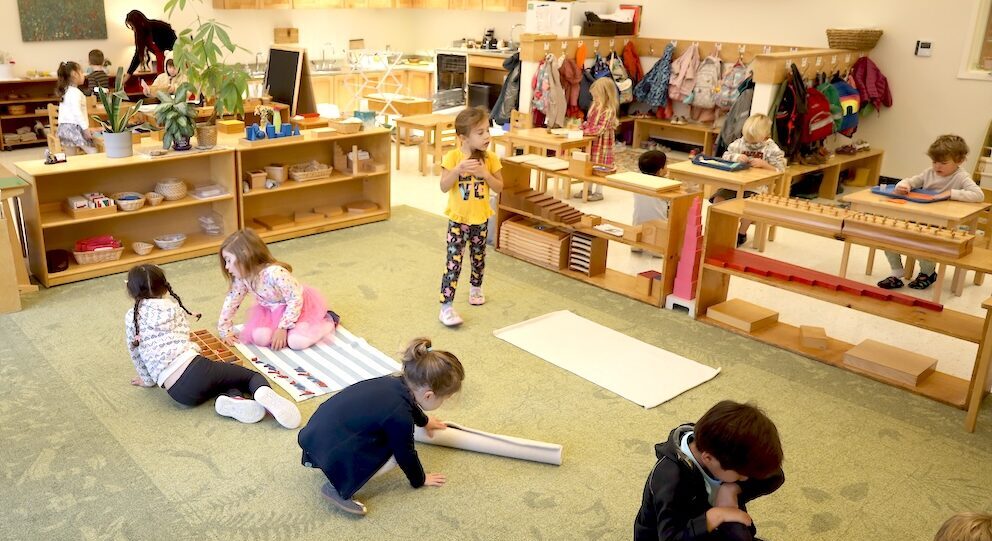
The Children’s House classroom will offer your child a new environment to meet and challenge them. They will be among a larger group of peers and they will have many new and inspiring materials that build upon their experiences in the Toddler Program. 

Practical Life

Practical Life and Sensorial exercises are a large part of the Toddler Montessori curriculum and are present in the Children’s House classrooms as well. Students coming from Toddler classrooms are very familiar with these works and the manner in which they are presented. This familiarity helps the children quickly become comfortable in their new classrooms. Some familiar Practical Life works include pouring, sponge transfer, spooning, and tong activities. Care of the environment is also familiar, with works such as window washing, cloth washing, cleaning up after lunch, table scrubbing, and caring for plants. All of these works are present in Toddler classrooms but are expanded on in Children’s House.

Sensorial Materials

Sensorial exercises are introduced in the Toddler environment, including color matching, smelling jars, observing various sounds in the environment, and tactile works such as sand, soil or water. Work in the Children’s House expands on this knowledge and adds materials not present at the Toddler level including the Pink Tower, the Brown Stair, Red Rods, and Fabric Swatches. The children feel comfortable and ready for these new materials because of the foundation they built in the Toddler environment.

Language

Children ages 3 to 6 are in a sensitive period where their language skills grow astronomically. The Children’s House environment provides a rich spoken language environment which opens the door to later writing and reading. During their three years in the program, children explore grammar and syntax through a variety of materials to introduce writing, reading, and the parts of speech.

Math

Children in this plane of development learn best through concrete, hands-on exploration. For this reason, all mathematical activity in Children’s House makes use of concrete materials that allow them to explore a concept.

Geography

Unique to the Montessori classroom, the geography curriculum introduces the child to physical geography with concrete hands-on materials that emphasize the area from a sensorial perspective. Cultural geography is introduced through images and stories of their culture and other cultures around the world.

Science

Like in the Toddler classroom, children’s natural curiosity is stimulated through discovery. Children observe daily in the classroom and outdoor environment, with many lessons that connect back to the world around them. Science study in Children’s House provides an introduction to logical thinking with lessons that allow children to observe a phenomenon and relate it to others.

Art and Music

The Montessori Children’s House program sees art as a continuing process in conjunction with the day-to-day work. Children work at their own pace in the classroom using a variety of media to stimulate choice and innovation. Singing songs is a daily activity that encourages children to develop memory, language, pitch, rhythm, and movement. This expression of joy brings the children together as they build early musical skills, including rhythm, volume, and tone.

Spanish Enrichment

In Children’s House, our students work with the Spanish Enrichment Guide during the week. Children explore Spanish using songs, games, finger plays, stories, and short activities to build vocabulary and expose them to the Spanish language. 
Grounds Day Fall 2024

Grounds Day Fall 2024

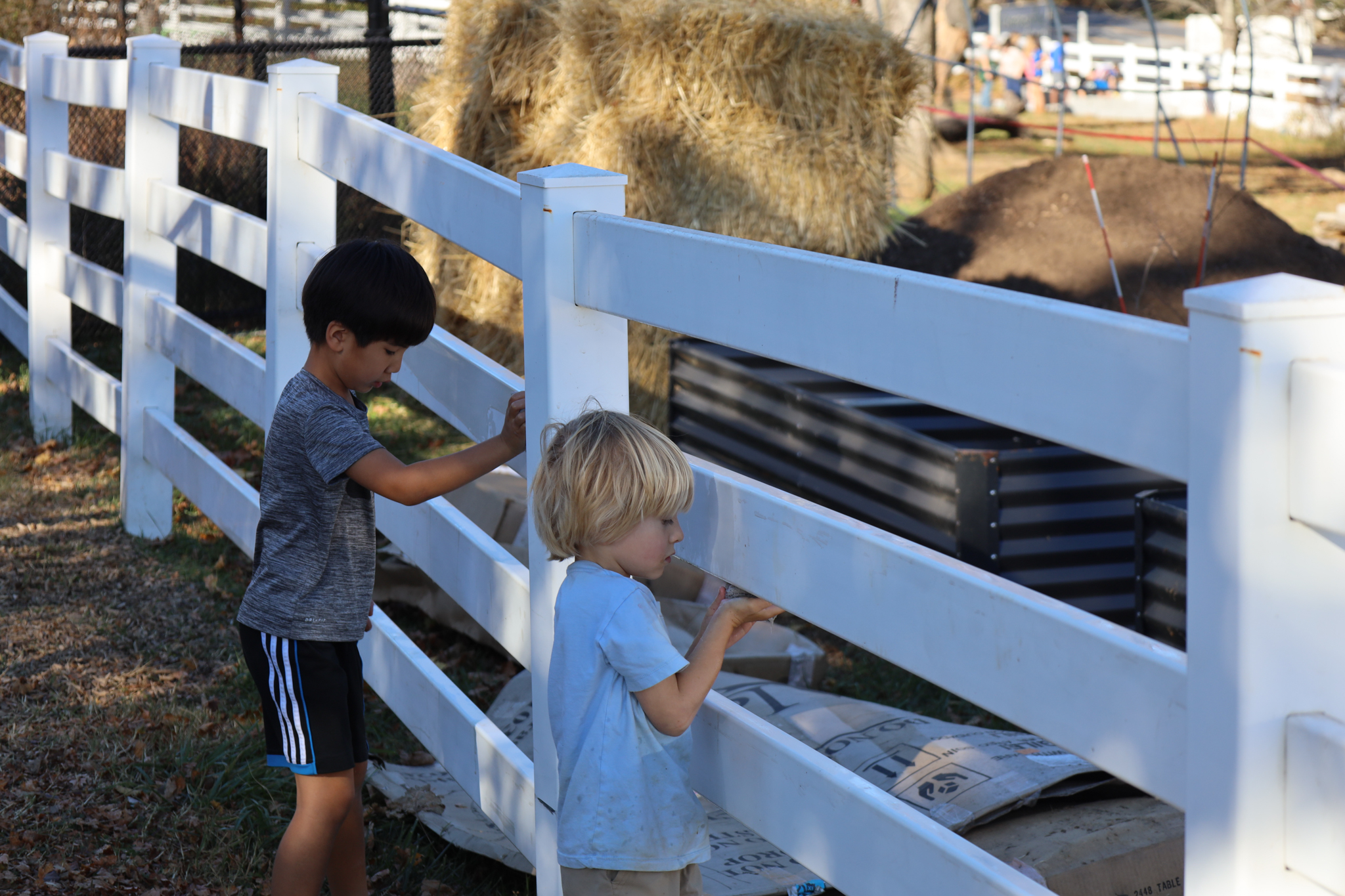
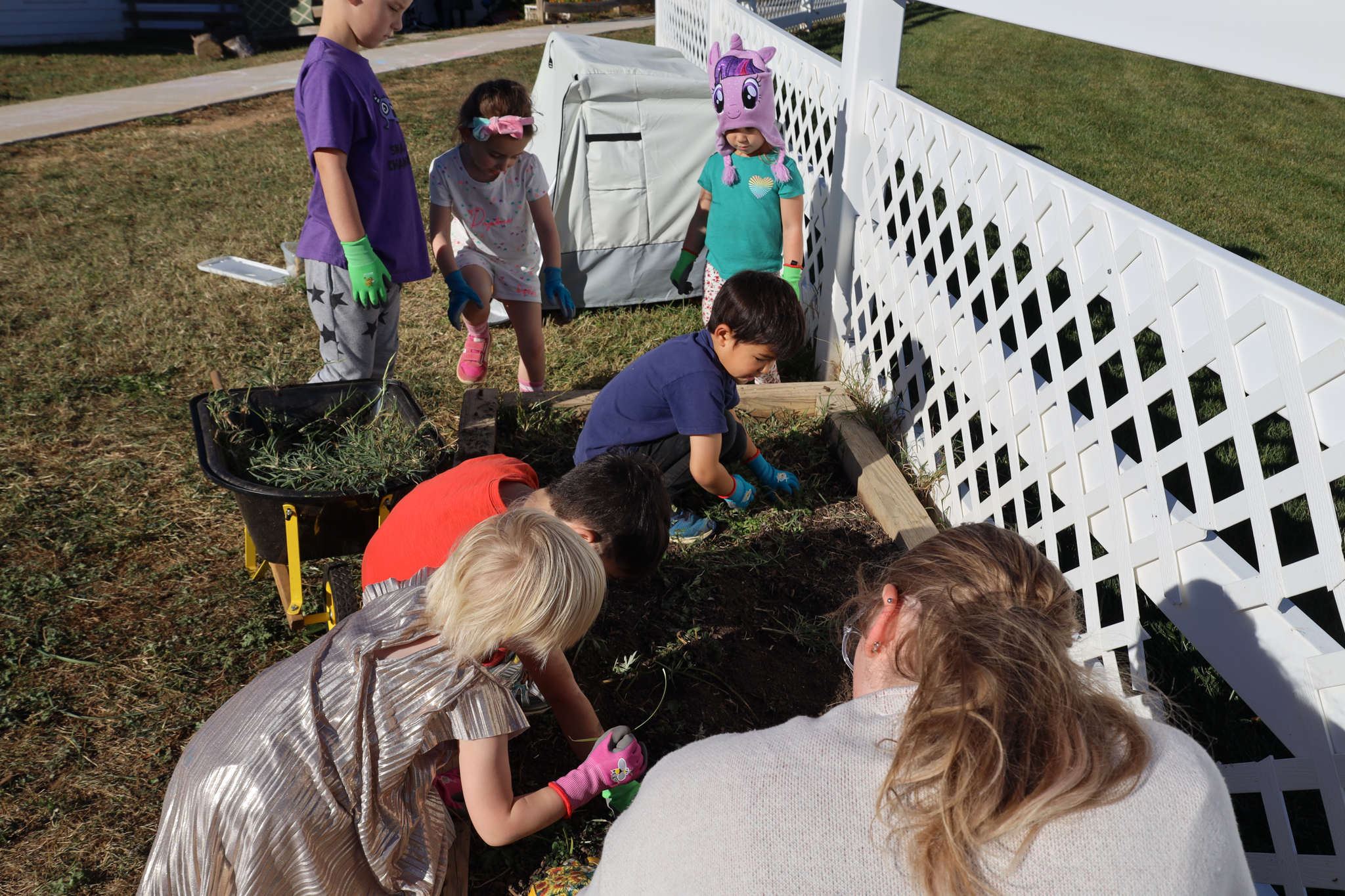
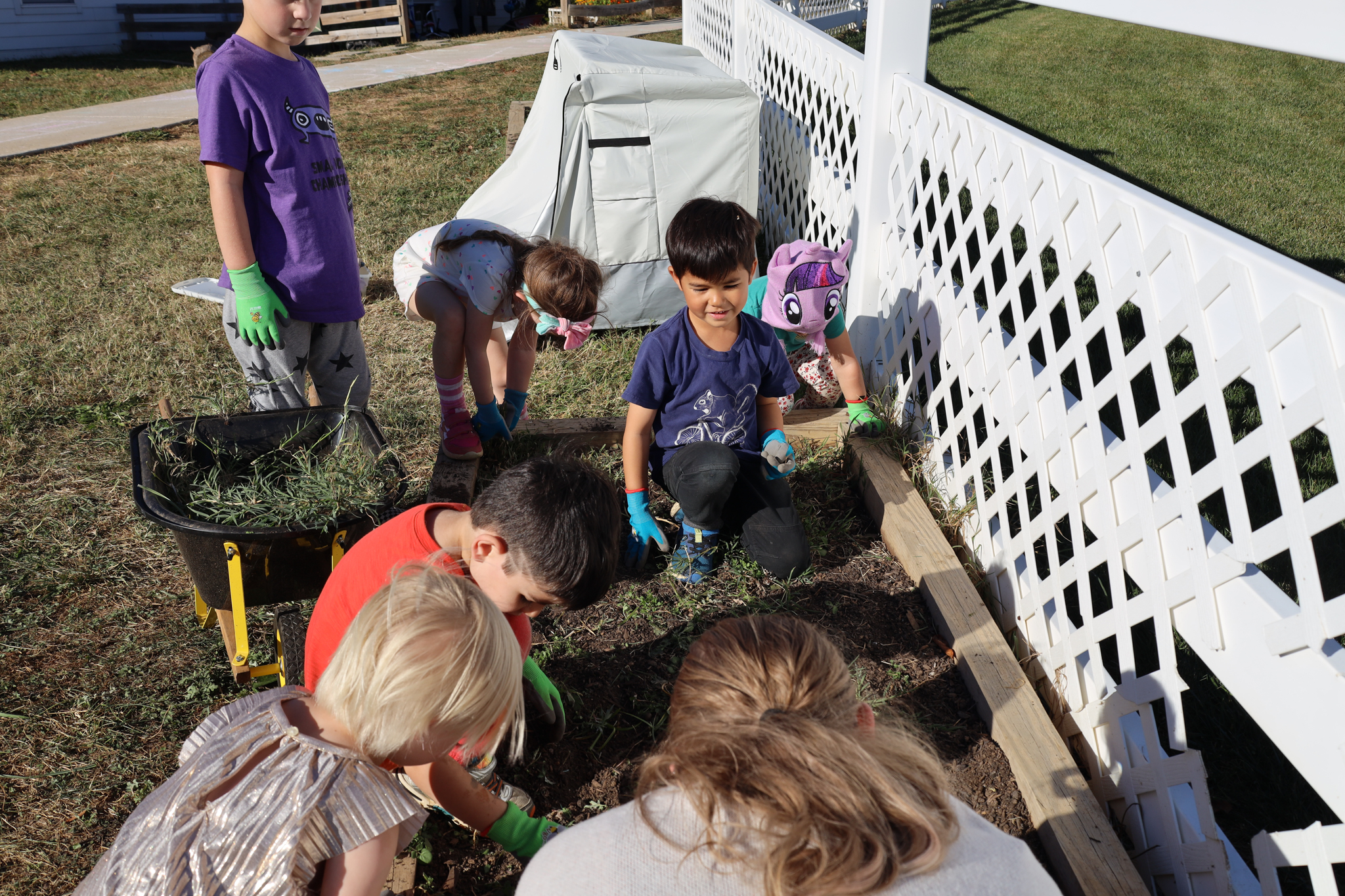
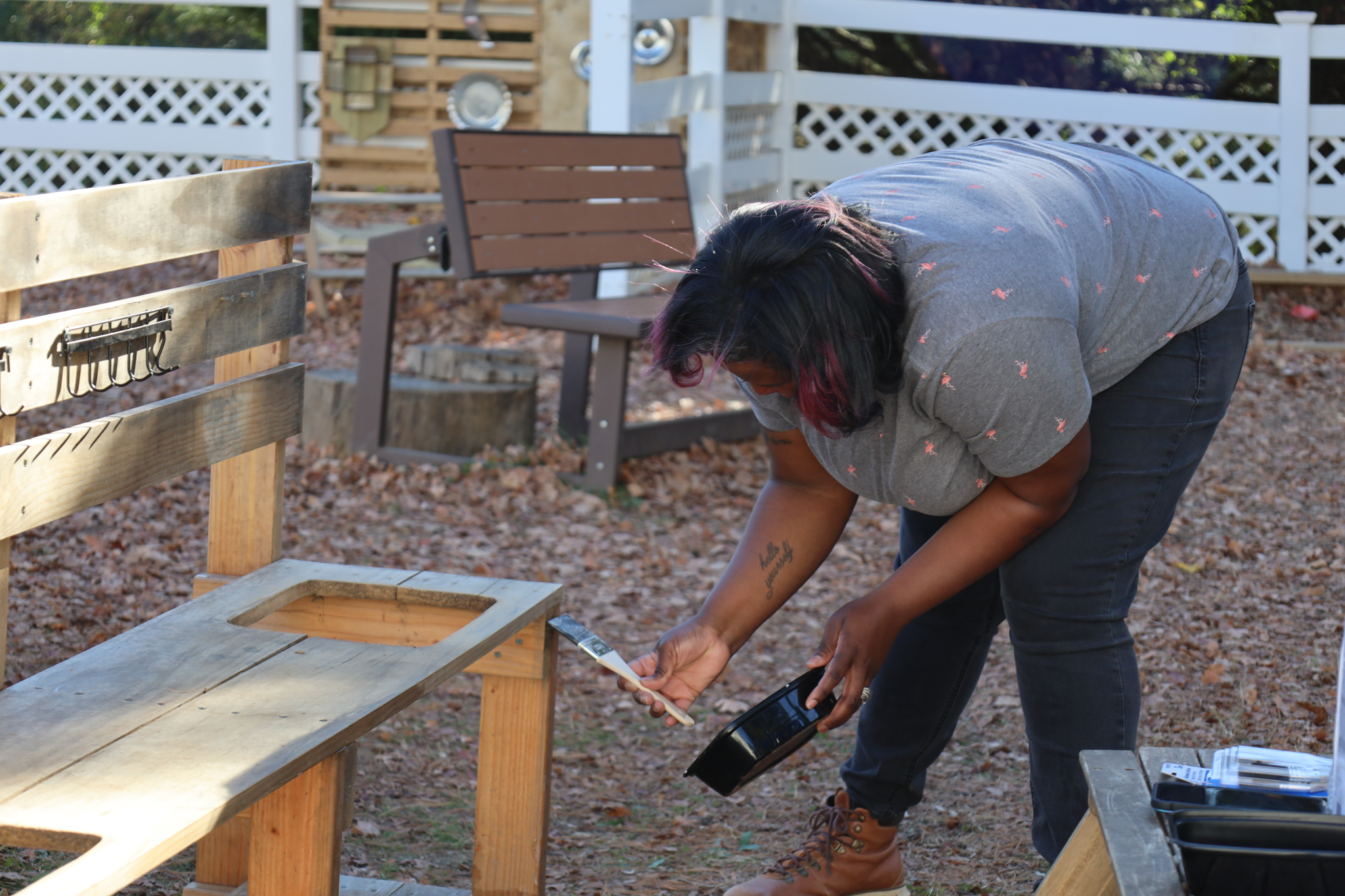
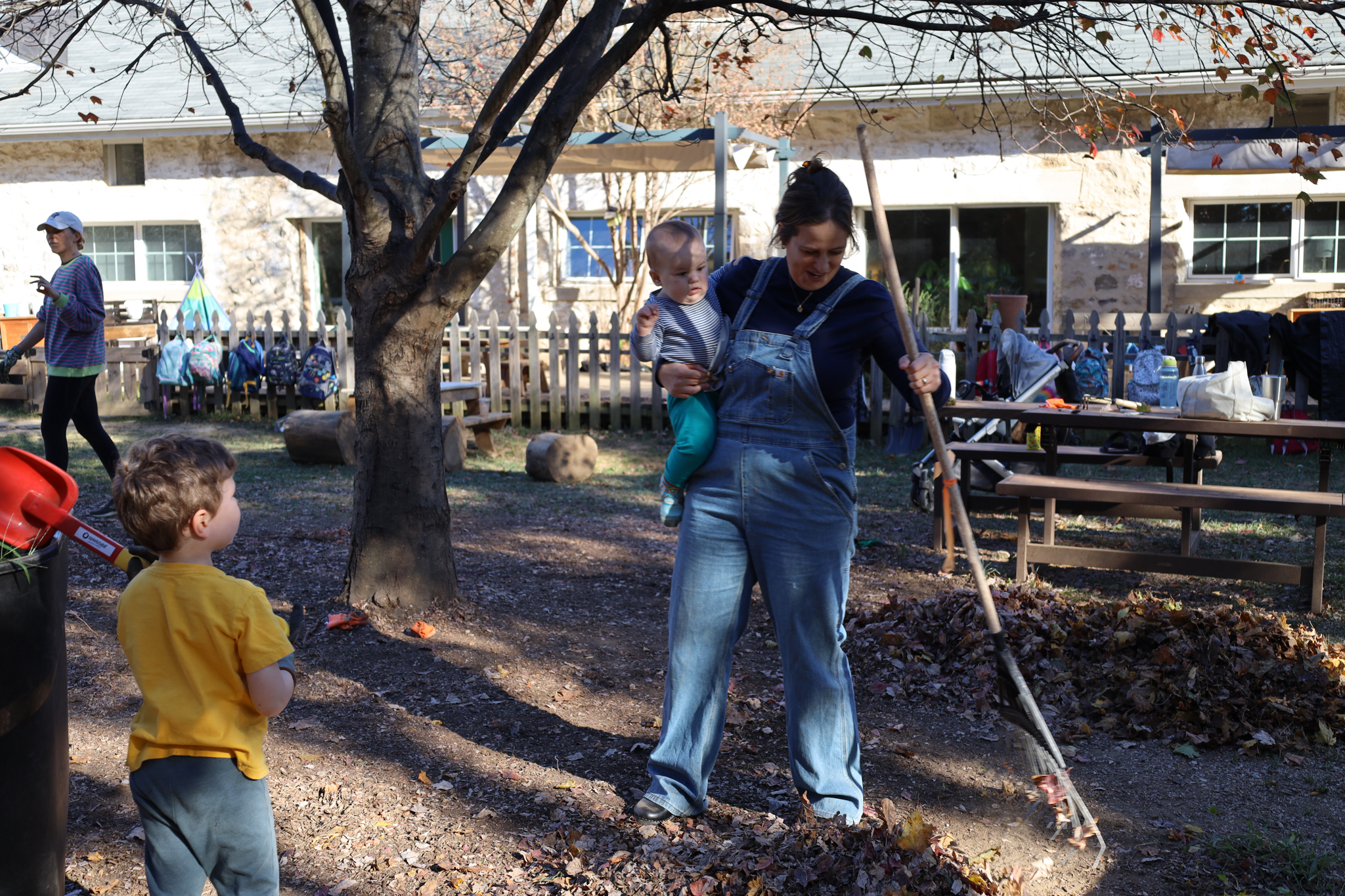
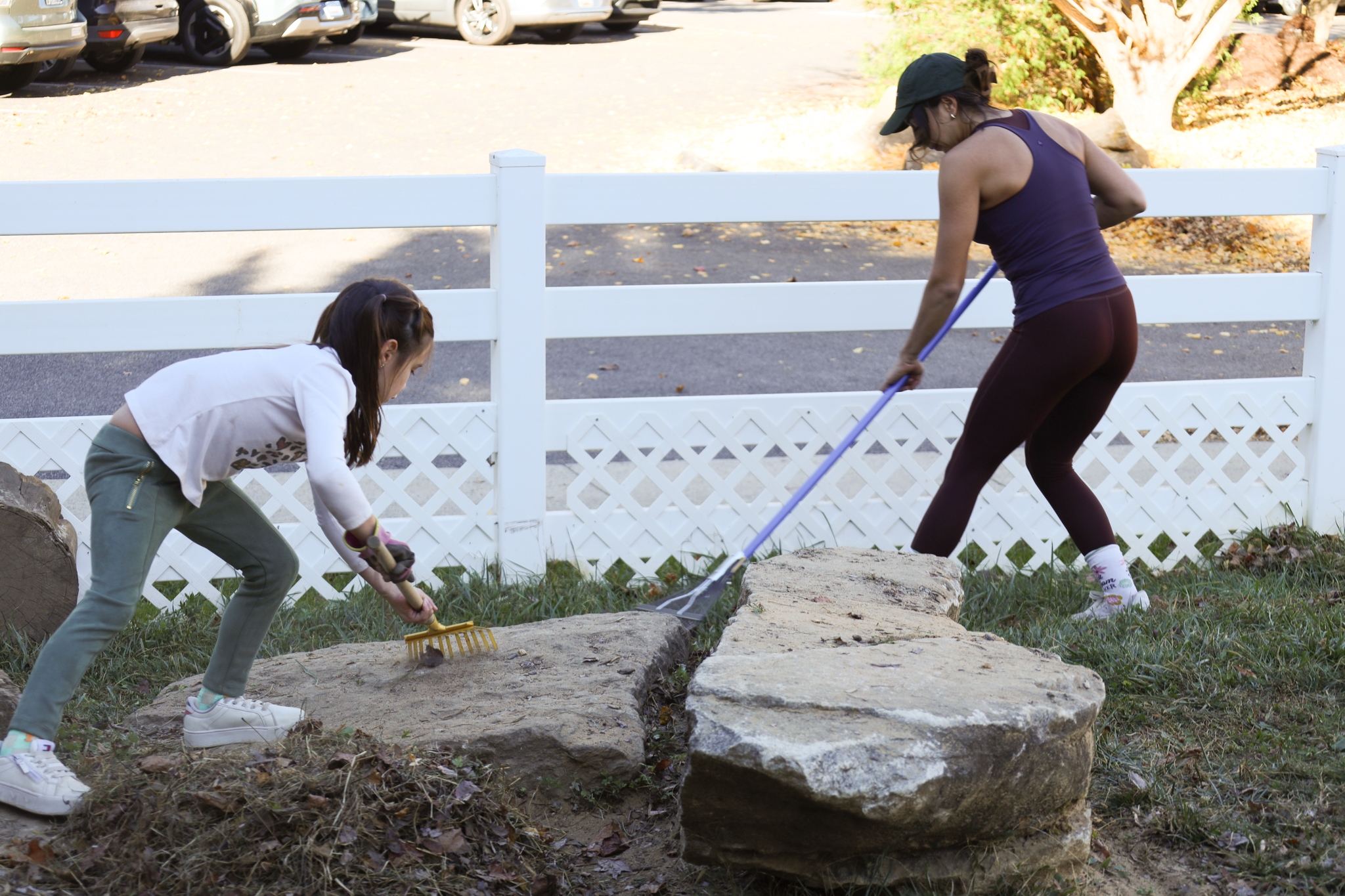
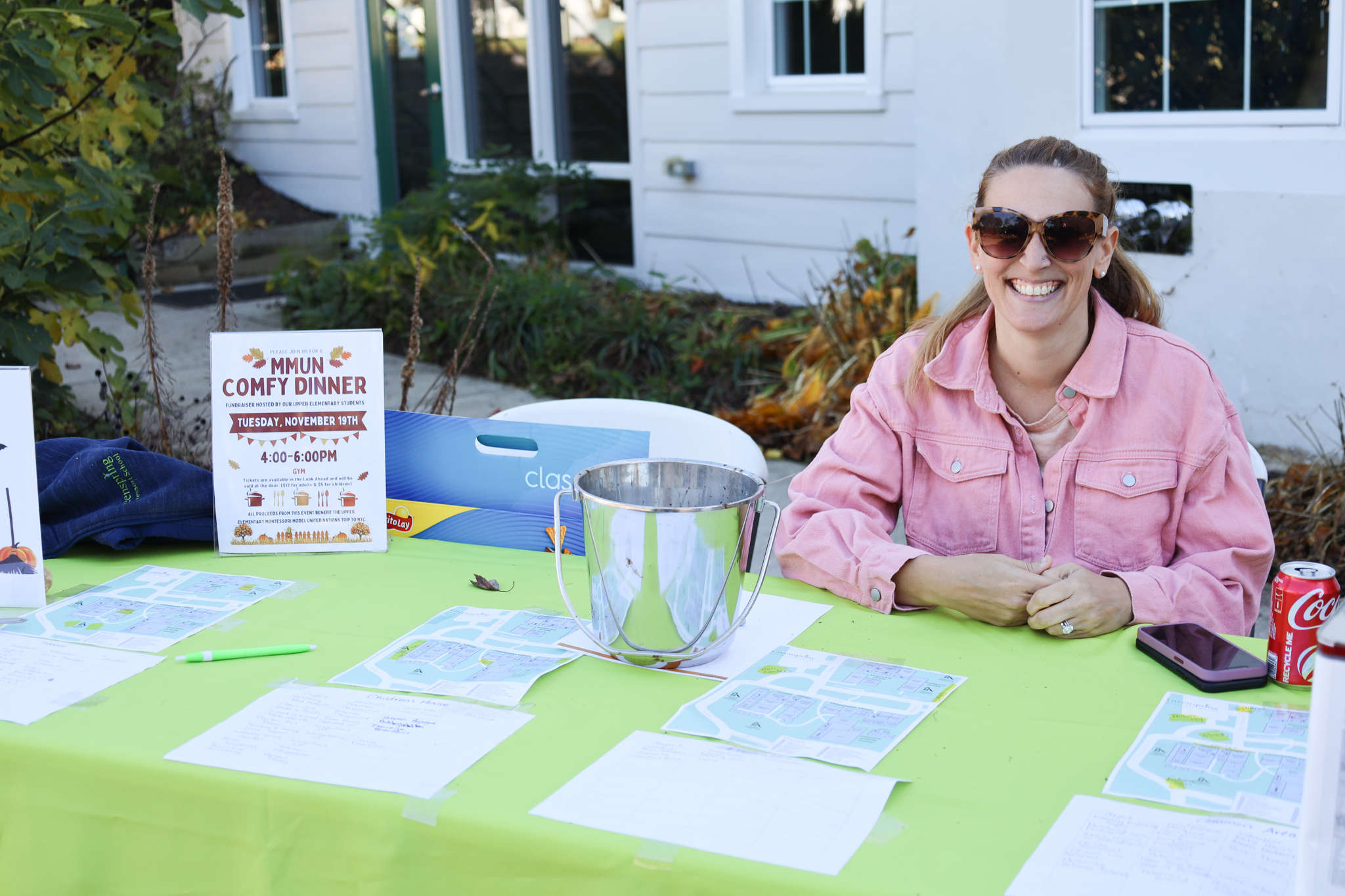
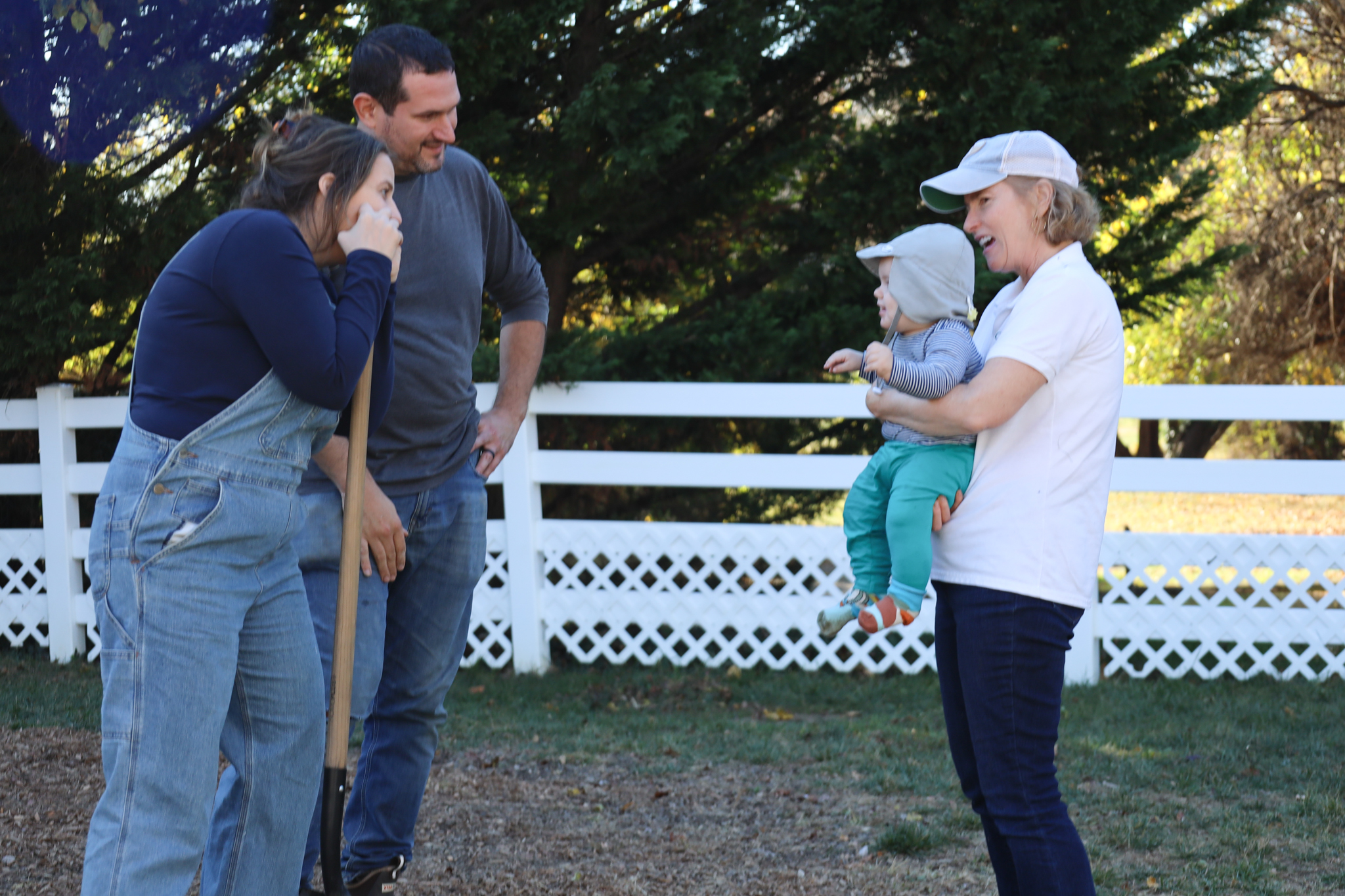
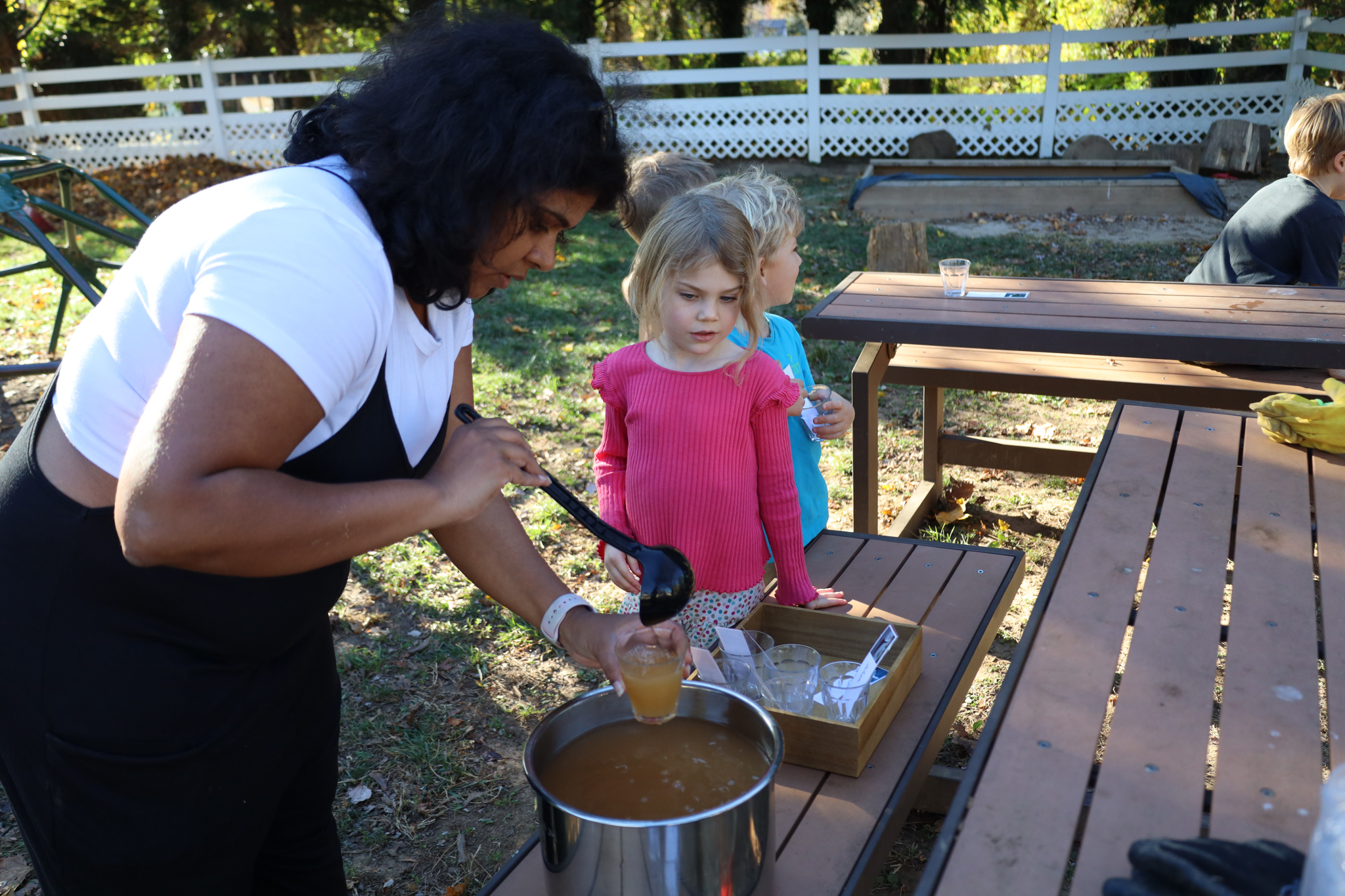
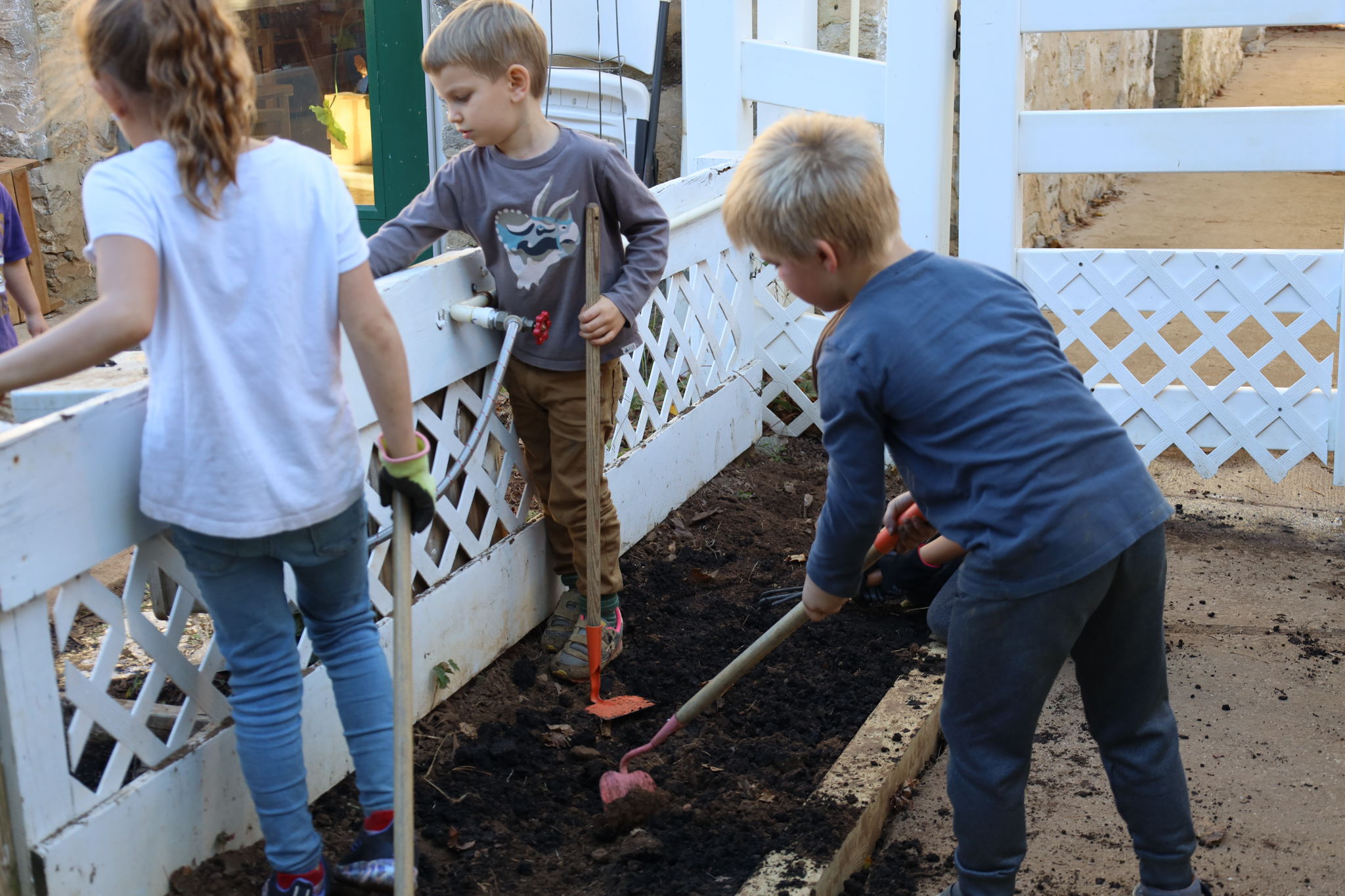
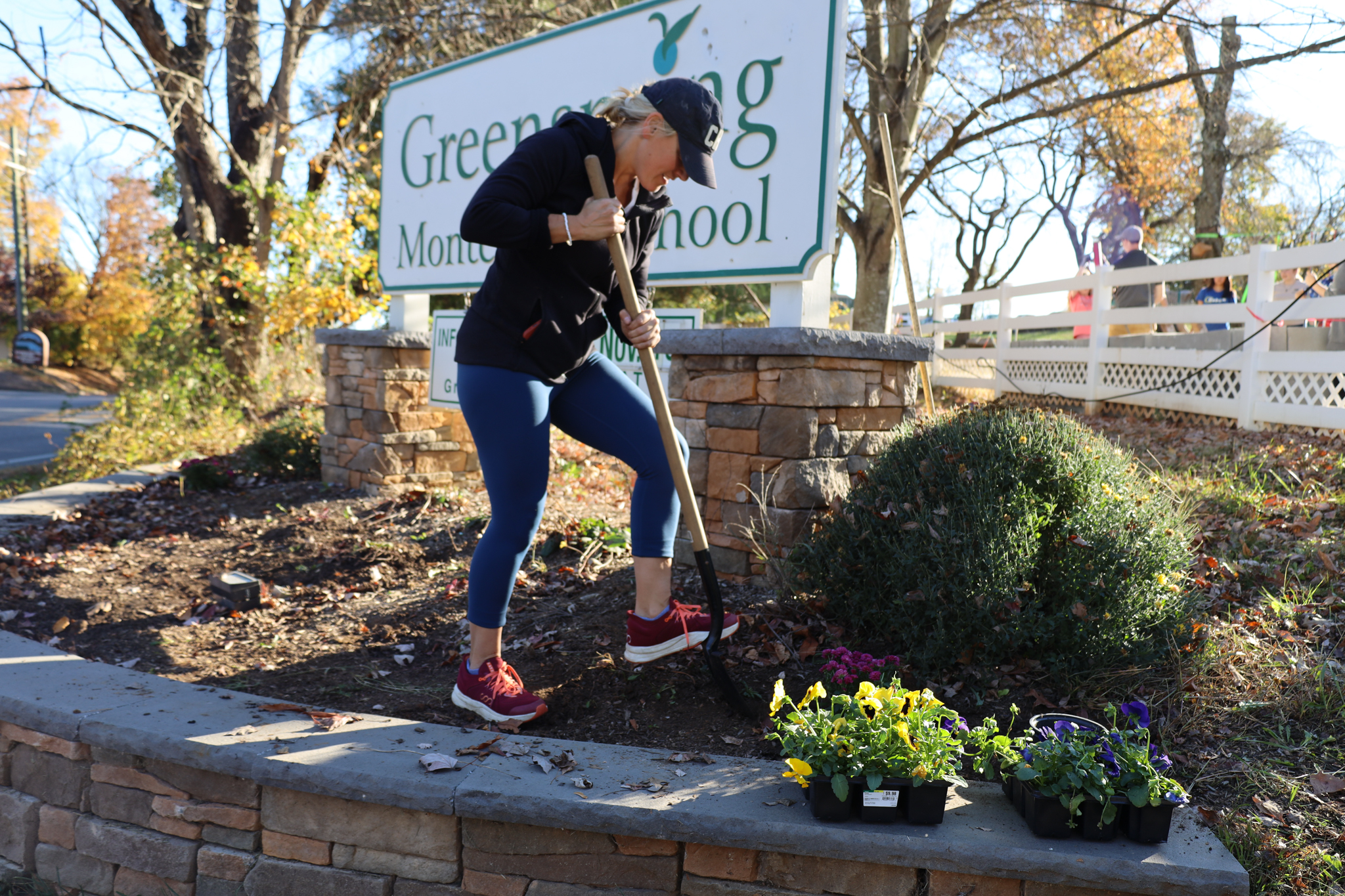
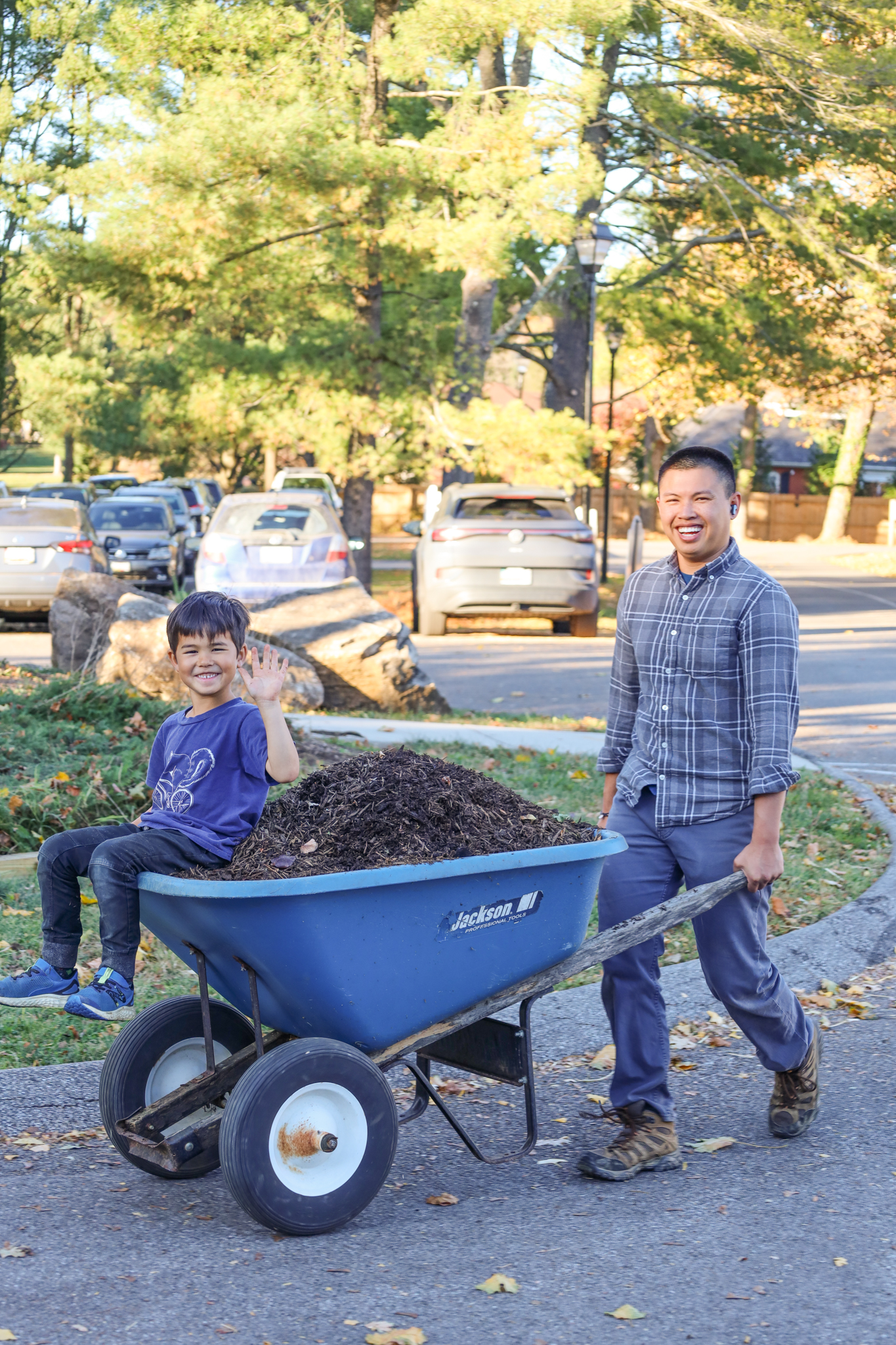
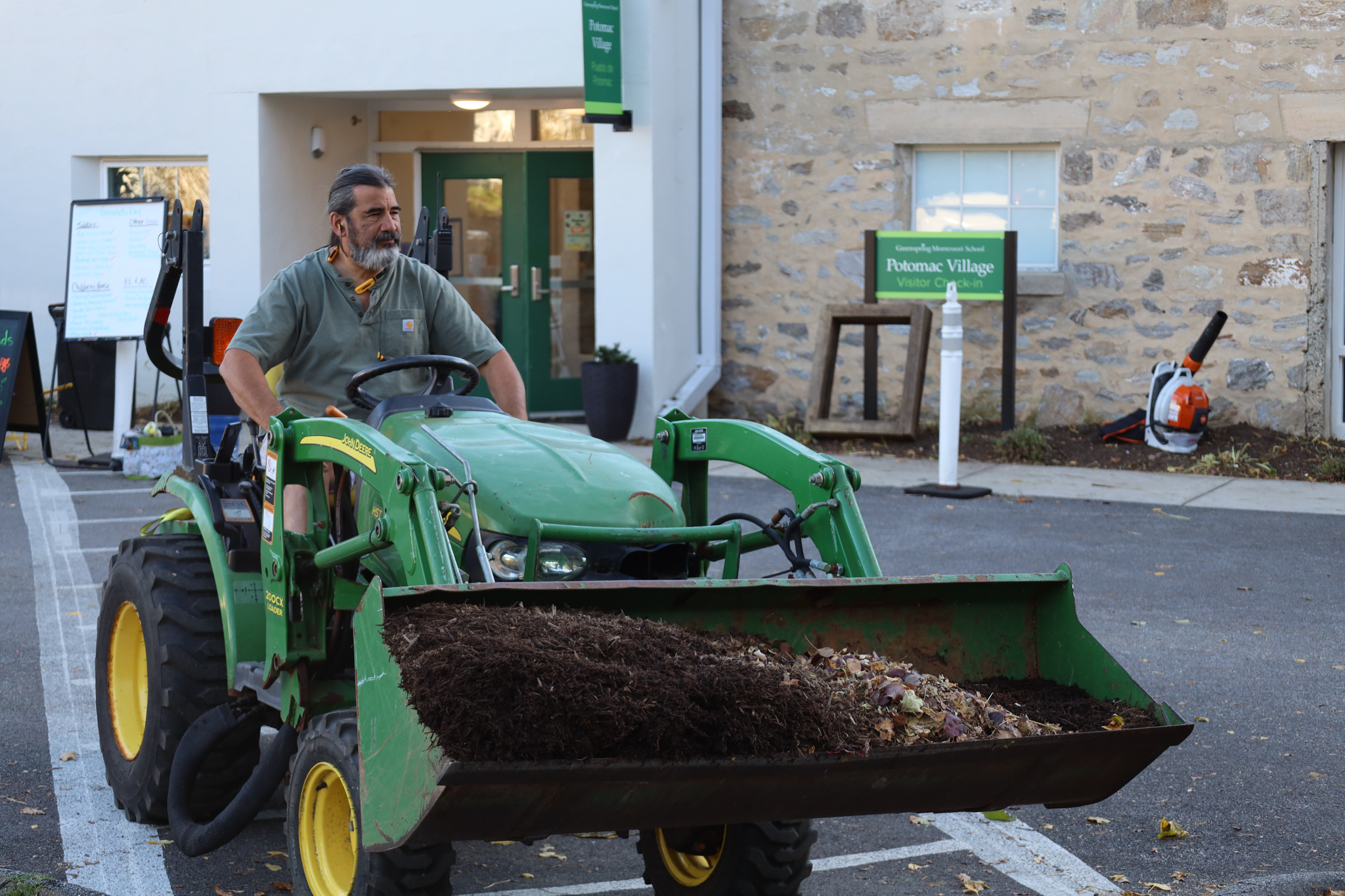
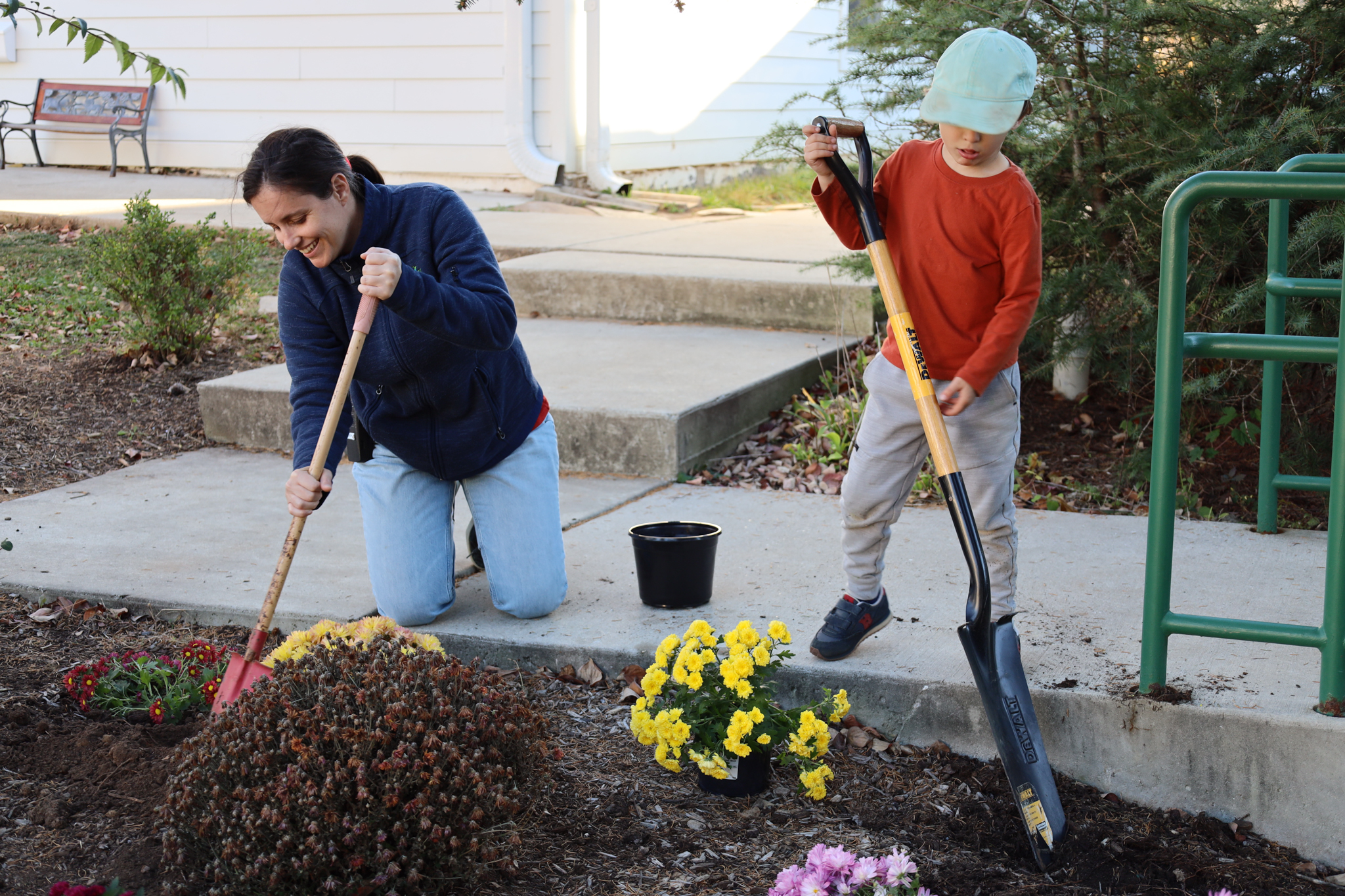
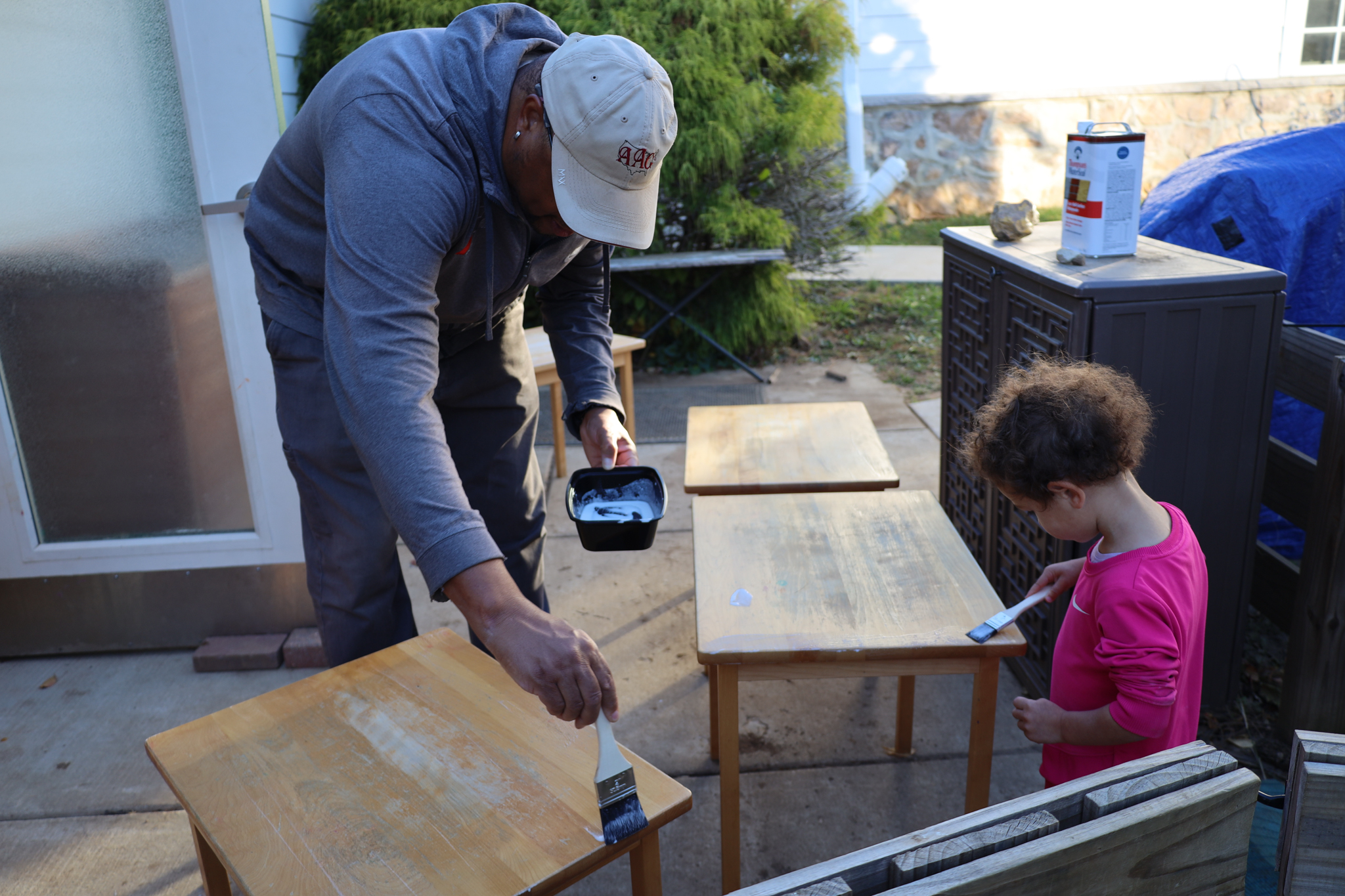
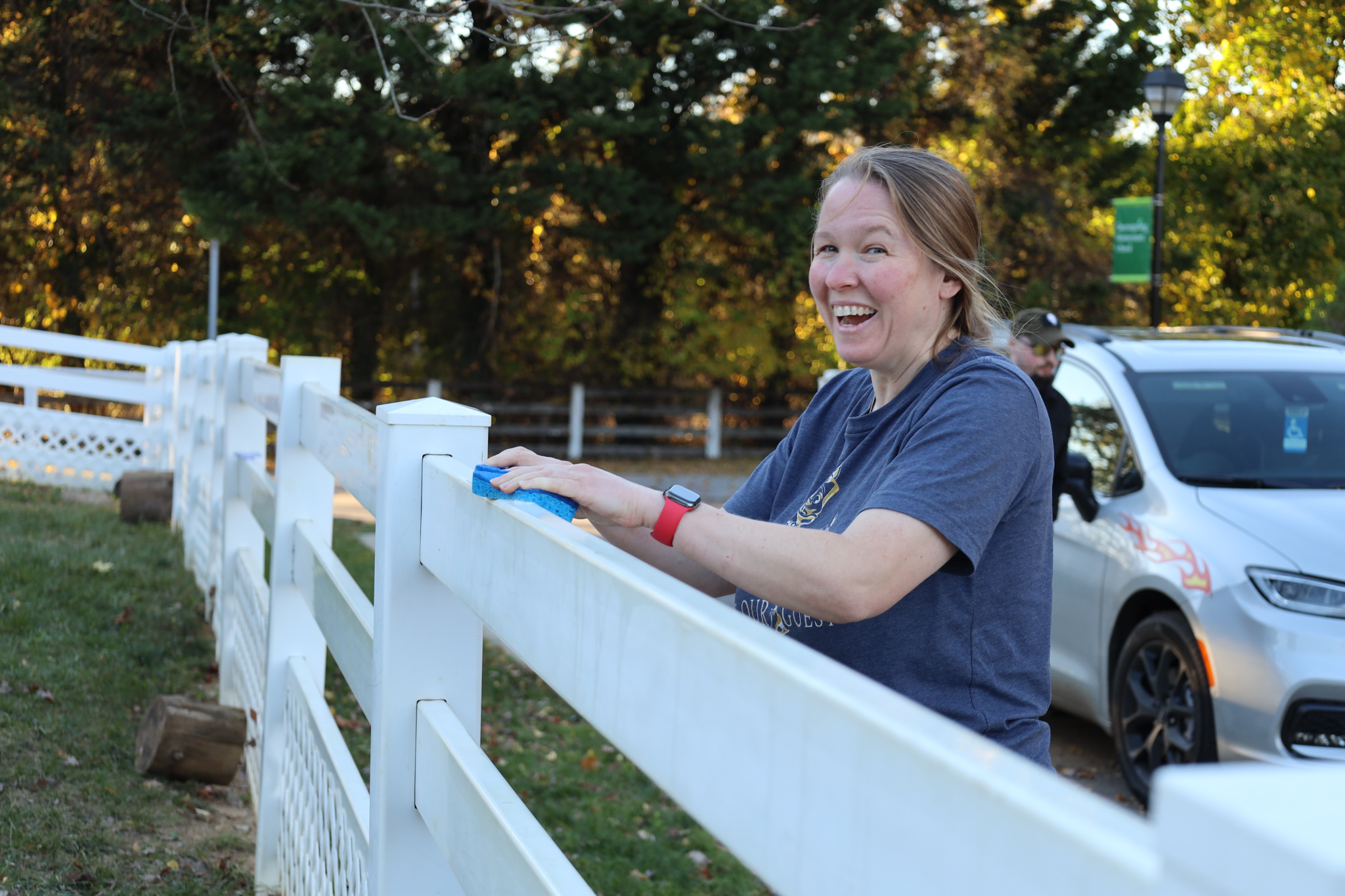
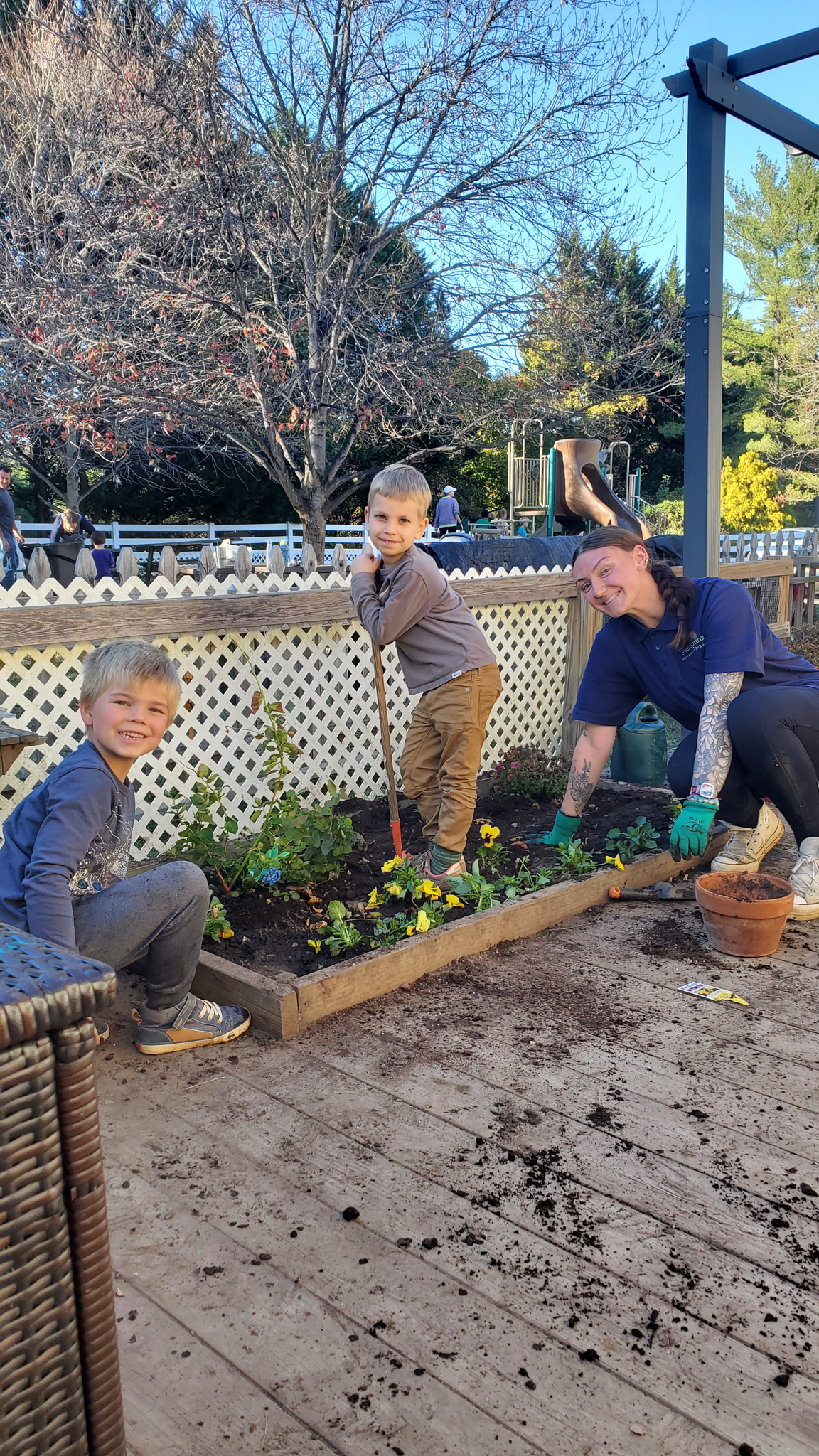
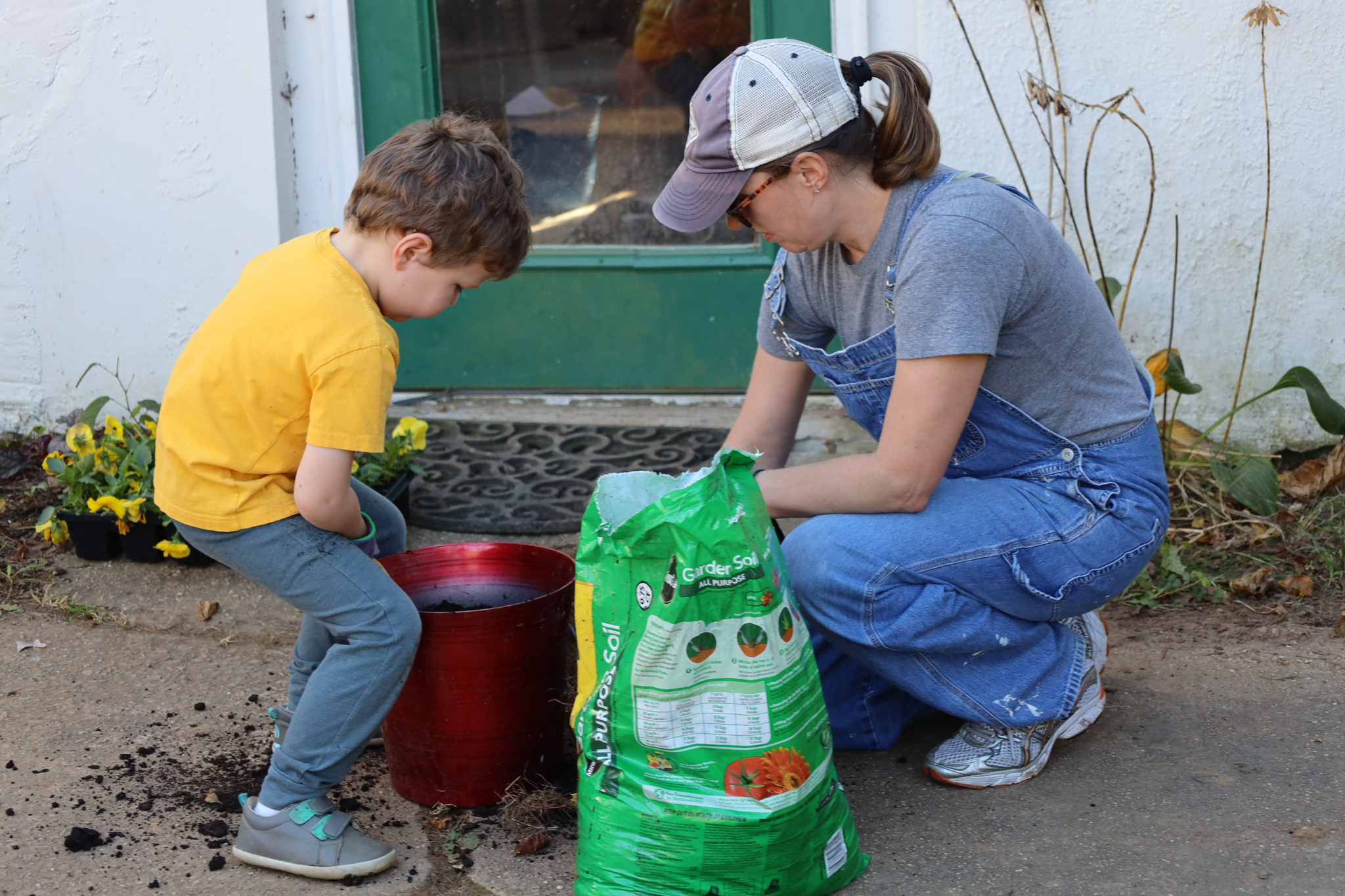
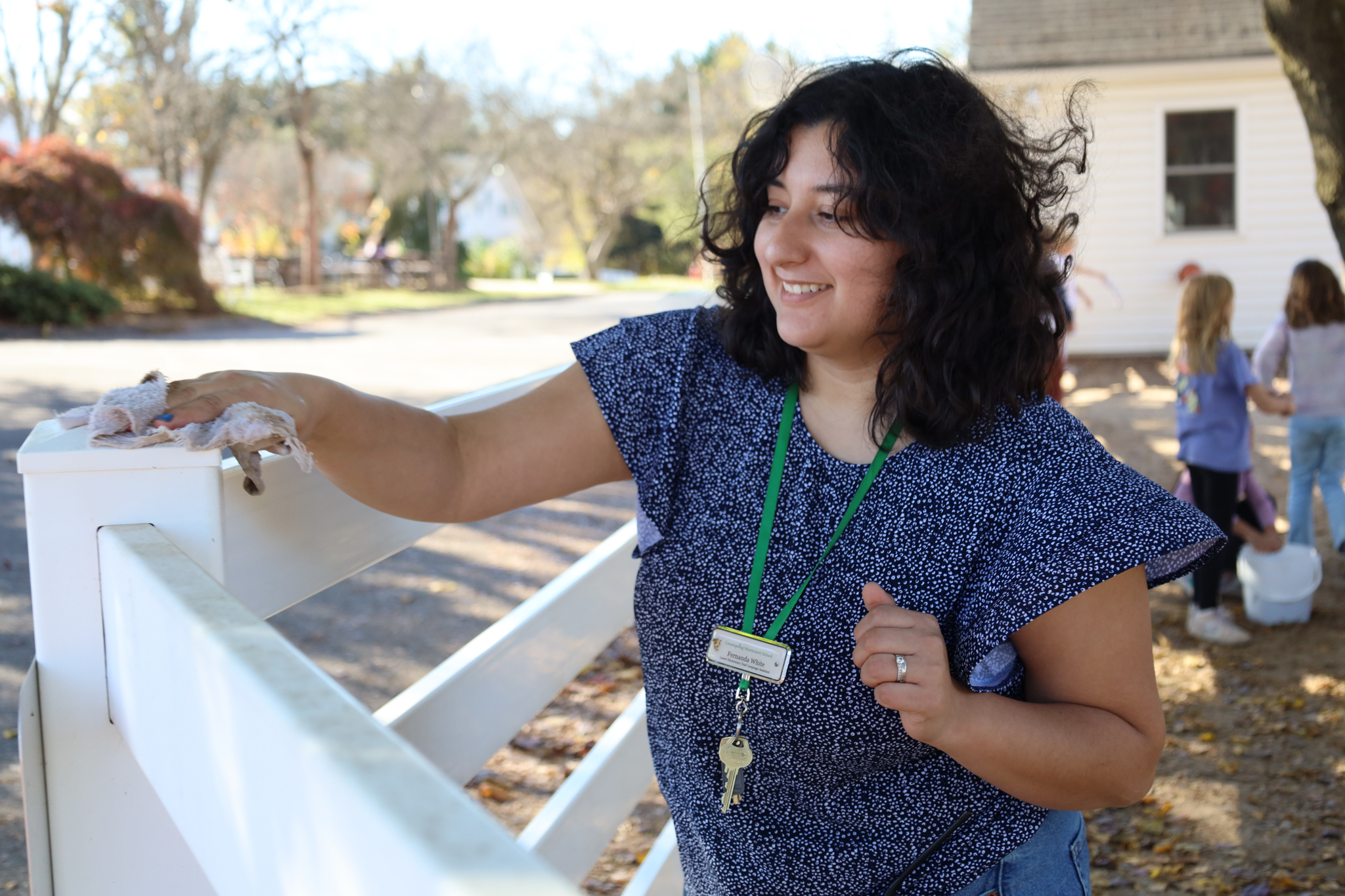
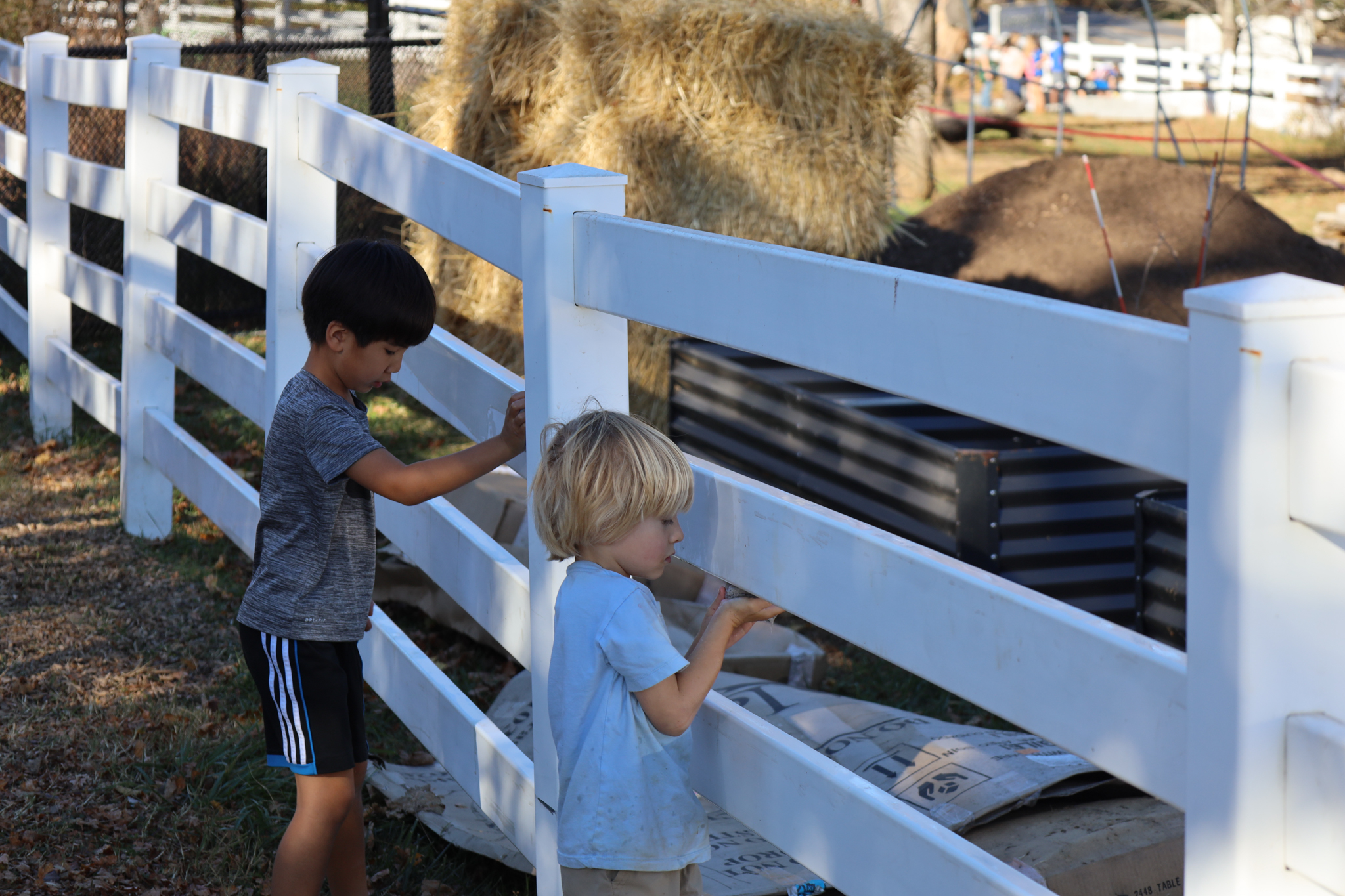
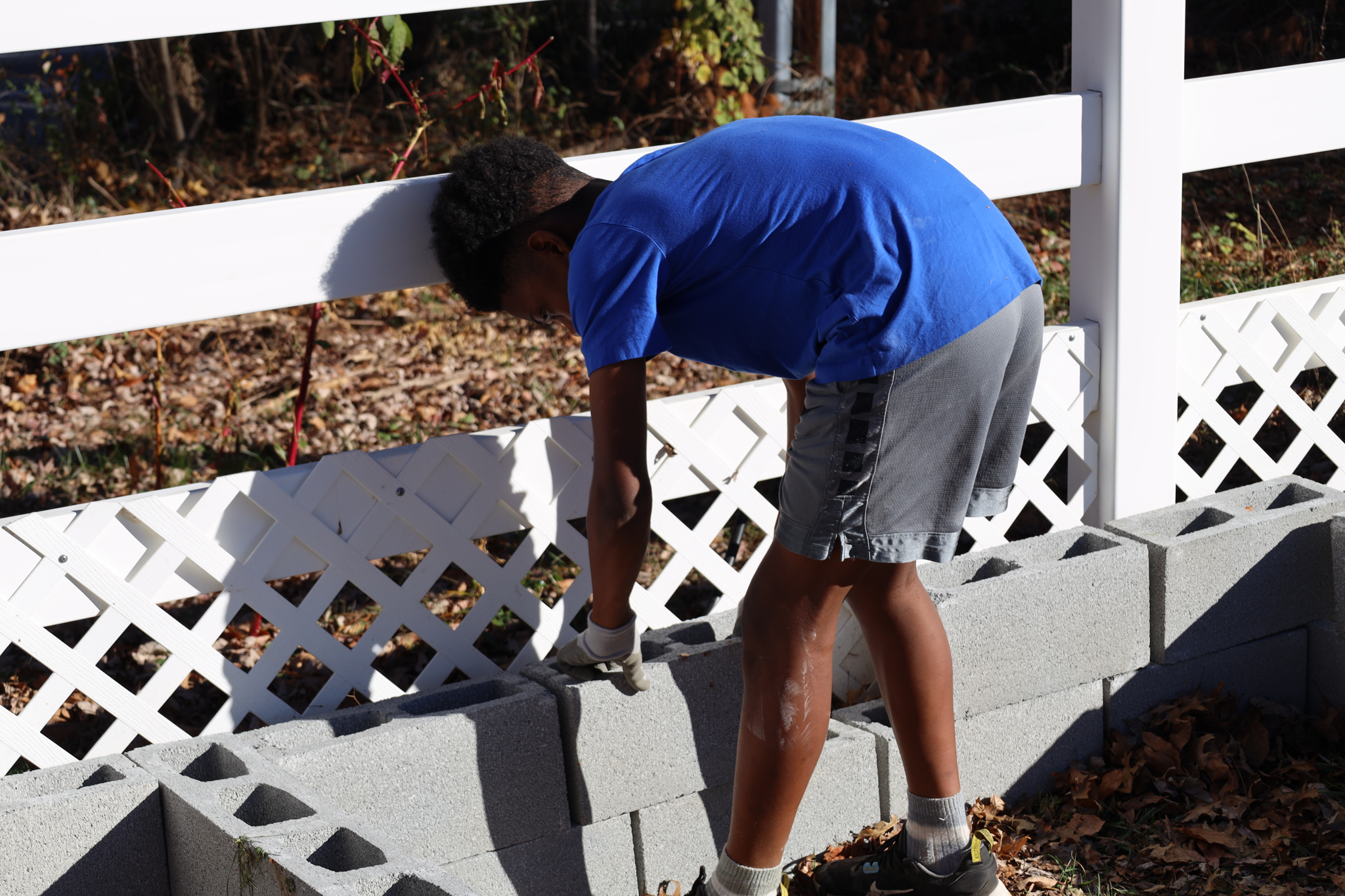
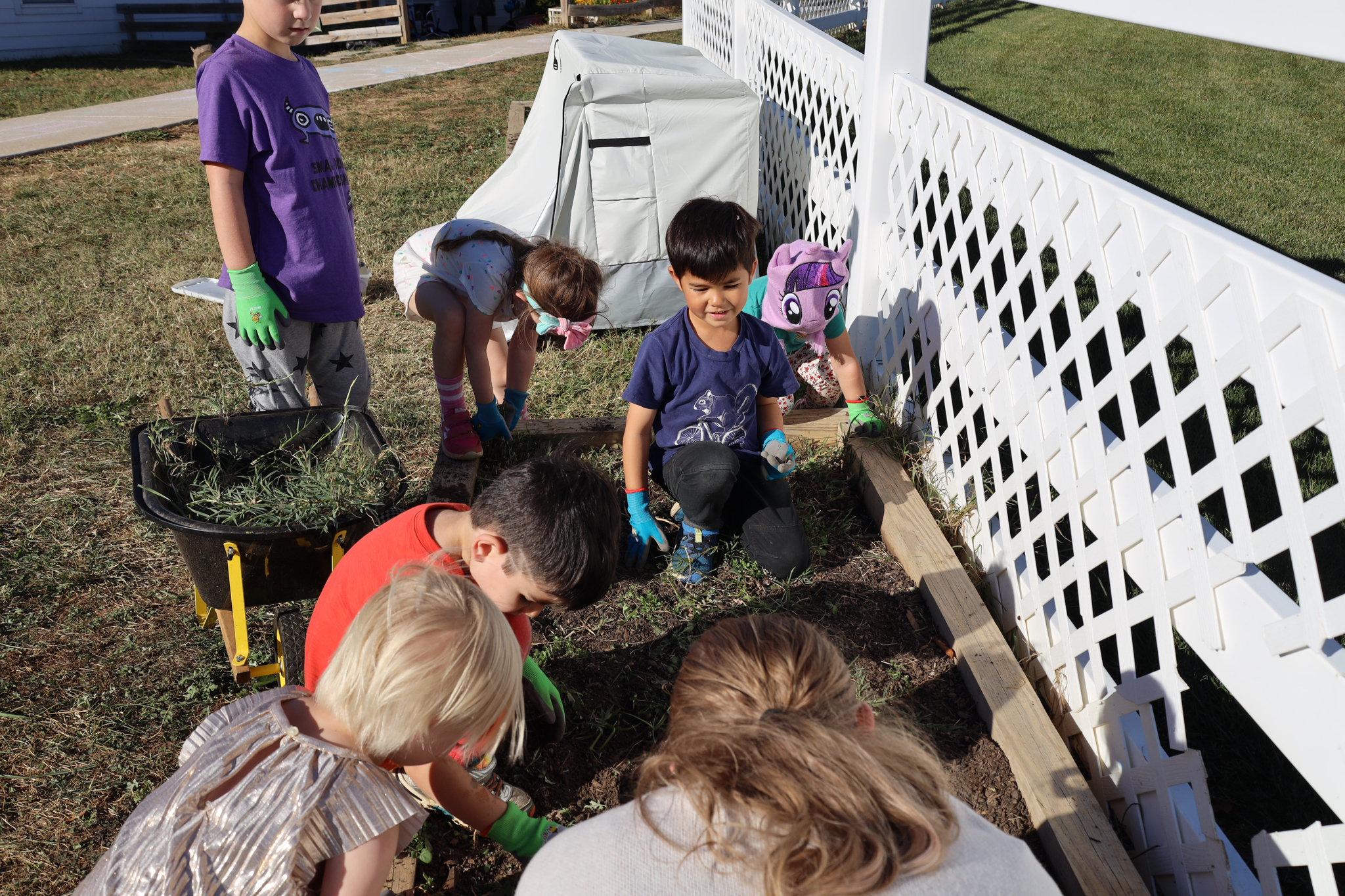
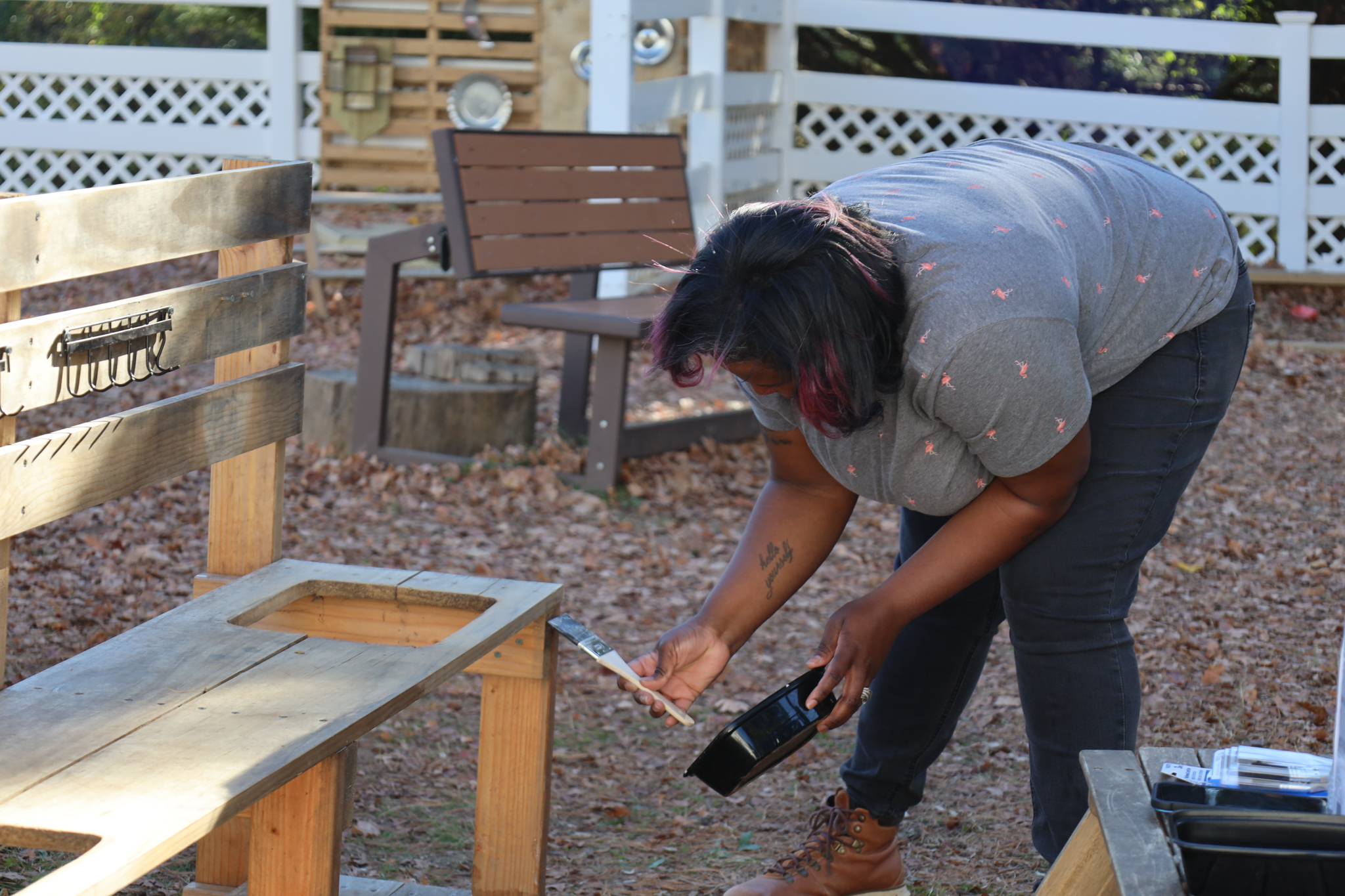
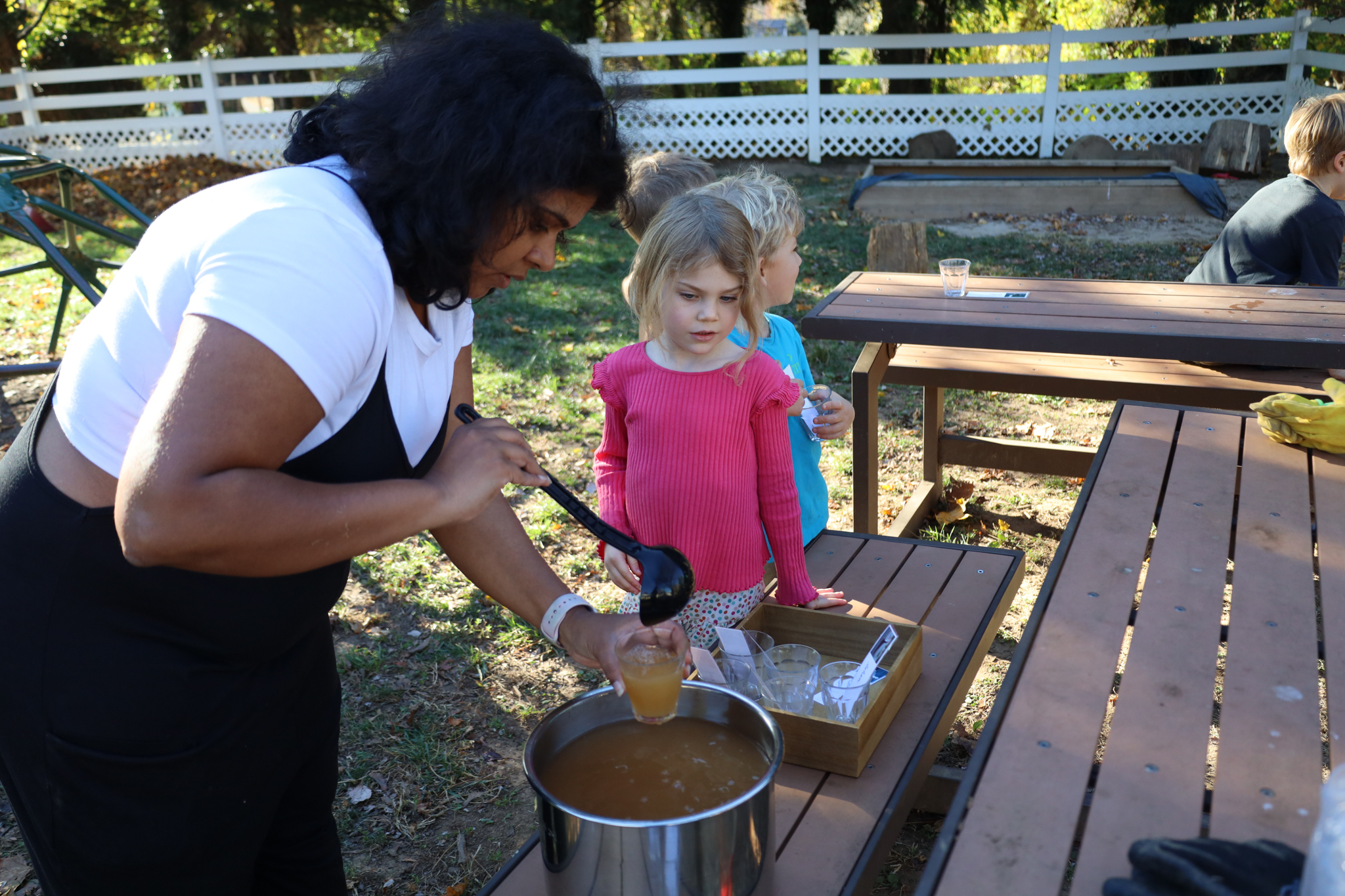
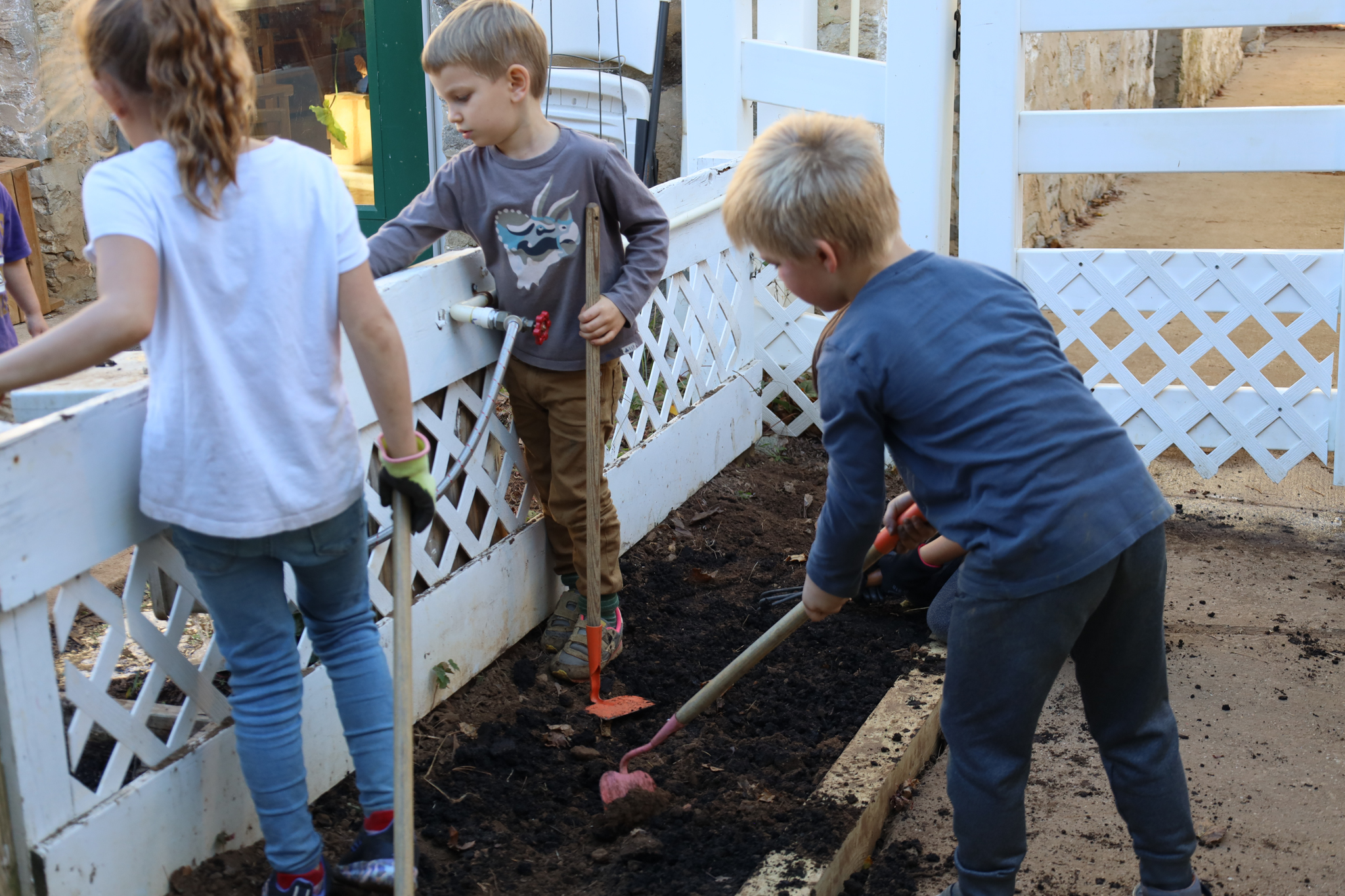
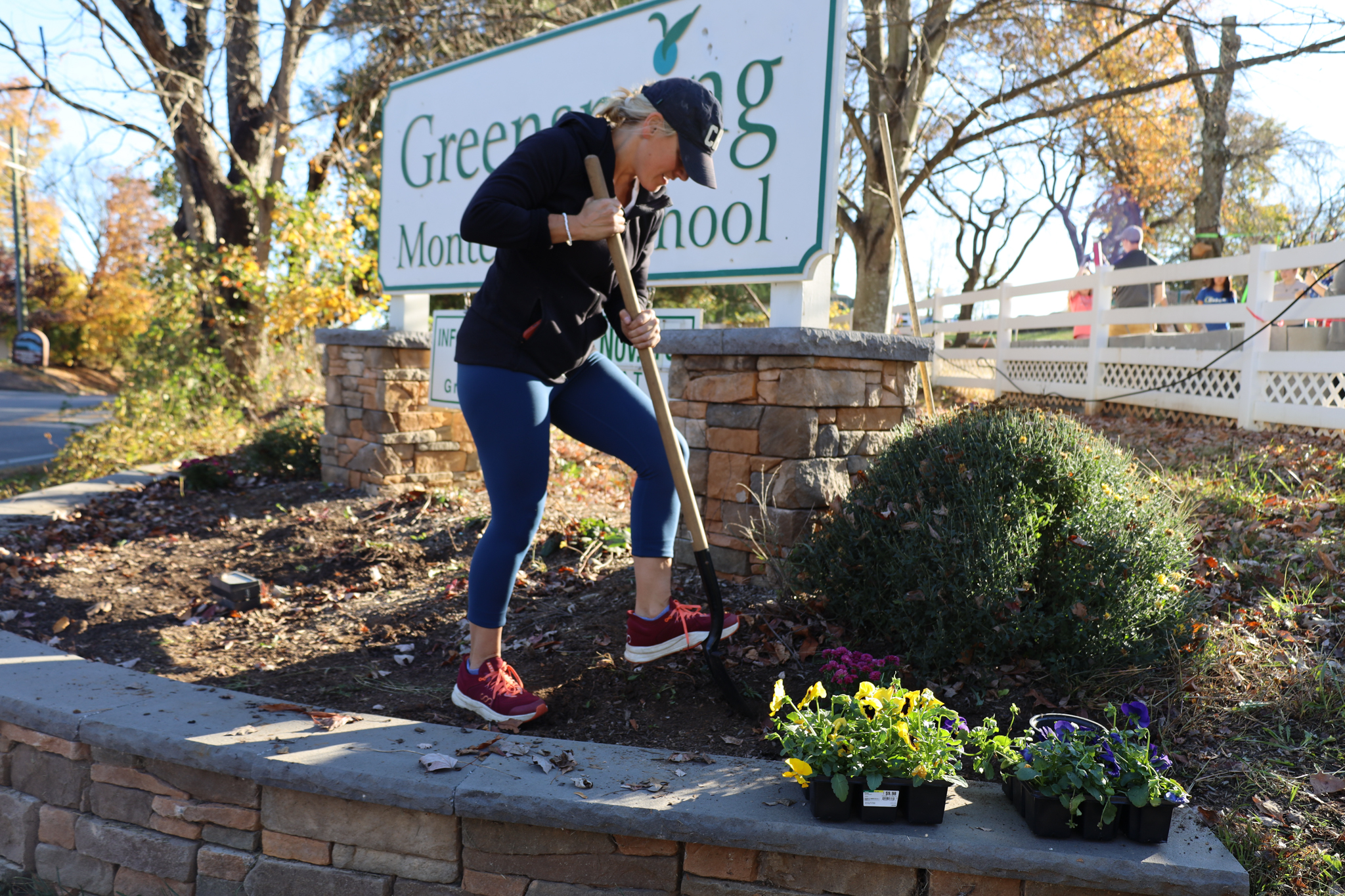
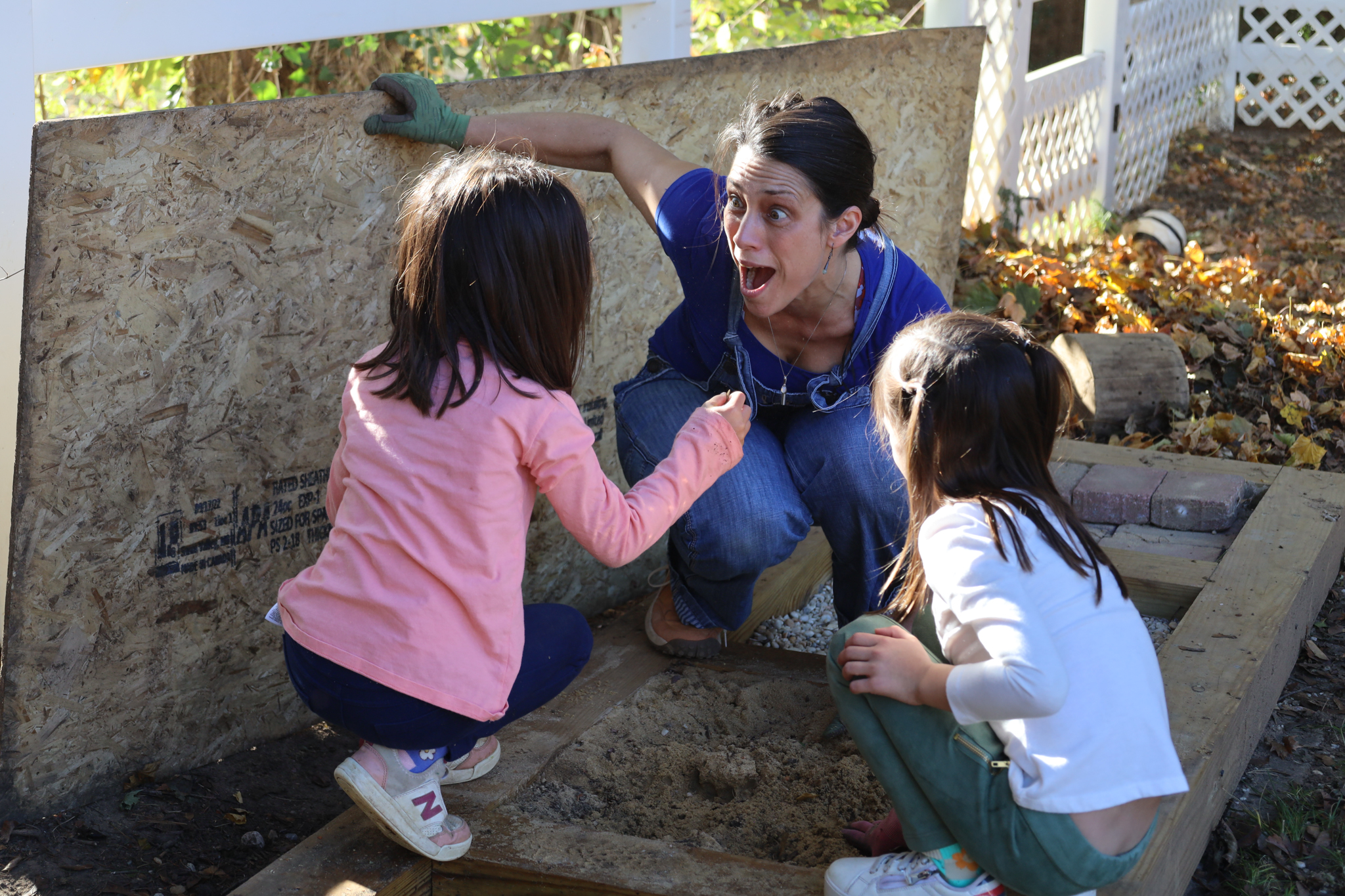
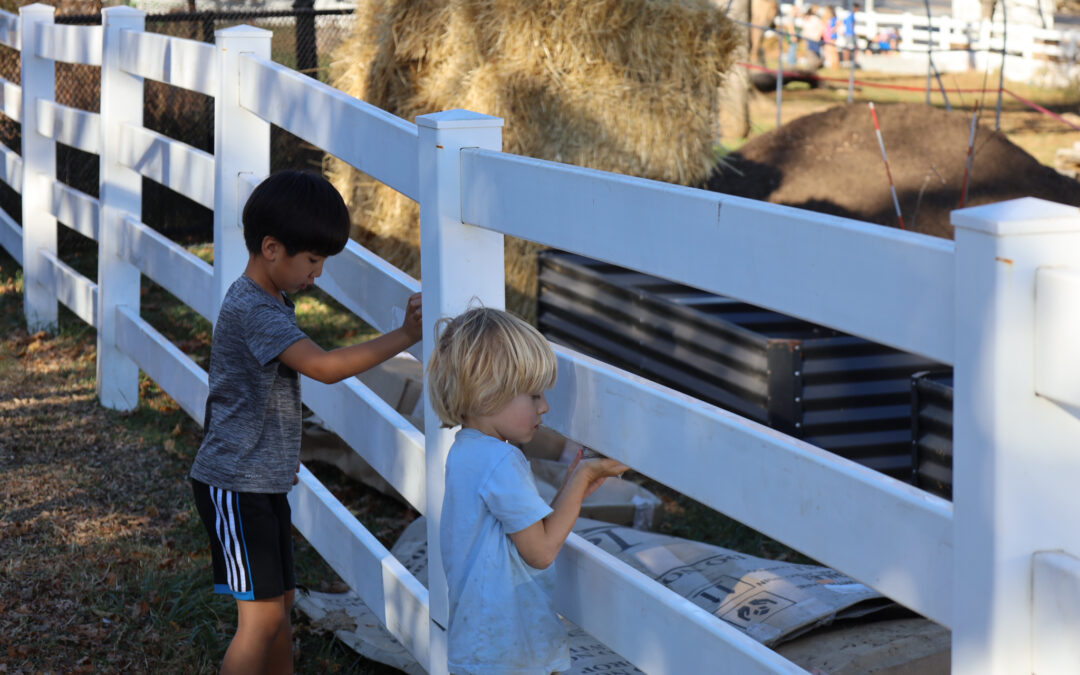
As part of our Allegiance to Nature at Greenspring Montessori School, our faculty and staff organized our annual Grounds Day event for our children and families.

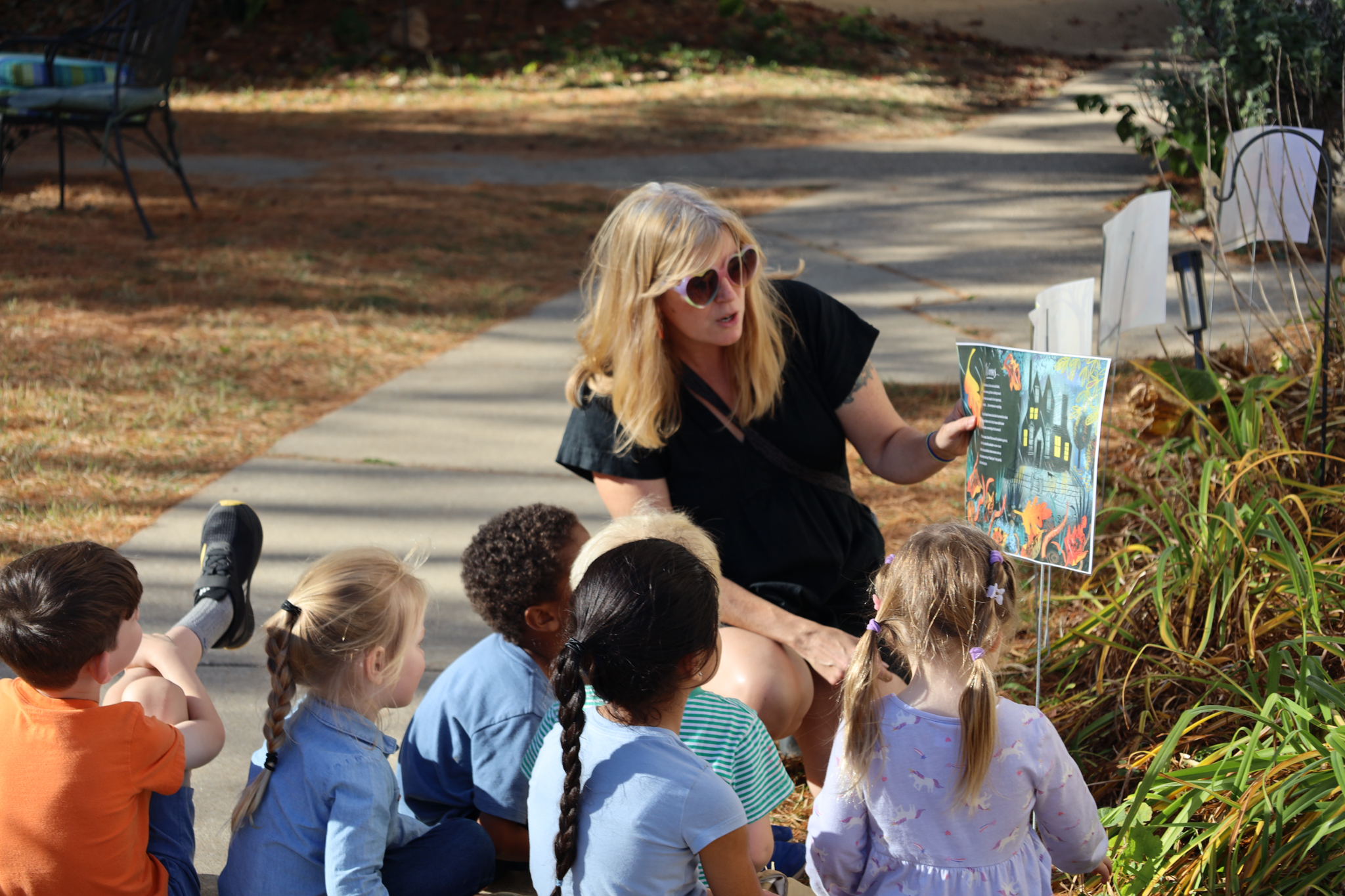
Our Toddler, Children’s House, Elementary, and Adolescent classes took on various projects around our campus including cleaning, planting, and building a new compost collection bin, along with a special nature-based story walk.

Many families also worked to restore natural spaces on campus and make improvements to the outdoor environments. Thank you all for your dedication and support!

The Importance of Community for Toddler Language Development

The Importance of Community for Toddler Language Development

Written by Beth Callahan

“Only the child under three can construct the mechanism of language, and [the child] can speak any number of languages, if they are in [the] environment at birth….No child becomes tired of learning to speak!” – Dr. Maria Montessori, Education for a New World

Language development in young children is one of the key milestones on their path to maturity. Language is what allows us to not only communicate one’s own feelings, desires and needs, but also to understand those same concepts in others. Language, both written and spoken, is how cultures pass down traditions and history. Language can convey the means to replicate great ideas and inventions, as well as describe the immense beauty of spring’s first flower or a stunning sunset. Language has the power to divide or bring people together. For these reasons, and countless more, language is one of the cornerstones of a civilized society. Because of this great importance, it is also one of the core curricular areas of a Montessori Toddler program.

From birth, children are exposed to spoken language in a variety of ways. We speak to them well before they are able to understand our words or offer a response. We read to them to help lull them to a relaxed state ready to sleep, and later to introduce objects, ideas, concepts, information or even just beautiful images. We sing to them to soothe and comfort or to offer playful rhymes and tunes. For infants, this close one-on-one communication is essential.

As the child grows, their need for communication within a community increases. In the Toddler classrooms, children are entering into a very important sensitive period for language development from 18 months through three years. It is not unusual for a student to enter our program with little to no expressive language capabilities, particularly since the start of the pandemic. They will have several idiosyncratic words to convey basic needs, but only a few common words. We strive to model for the children with common words and phrases in every area of the curriculum and throughout every activity and routine. We are constantly naming objects, emotions, feelings, and directions. When giving lessons, we use words sparingly but intentionally – the ones we do use are meant to emphasize important facets of the presentation. We read countless books and sing many songs throughout the day, offering a glimpse at language in a wholly different medium from conventional conversation. We give lessons of grace and courtesy that remind us of our contribution to and place in the community.

As children learn words, they are able to internalize concepts like categorizing, organizing, and differentiating. They can express simple emotions, which leads to greater trust in others and confidence in themselves. The parallel play that is prevalent in the toddler-aged child gives way to more social interaction as they learn to communicate with their peers. They learn to listen to nuances in speech as well as non-verbal cues that can sometimes lead to the testing of limits or the reinforcement of them.  As children mature, we are able to use language as a tool to measure things like short/long term memory acquisition and simple/complex skill processing abilities. As children become aware of written language, we help them learn to decipher symbols that will ultimately lead to conveying their thoughts through the written word.

In a community like ours, diverse in cultures and ethnicities, we often do this in one or more languages. Almost every classroom in our community has at least one student/family for whom English is not the primary language spoken in the home. Because children are better able to absorb language at this age, it becomes much easier for them to acquire languages, both native and non-native, than at any other time in their lives. The children learn from being in community with one another as much as they do from working with the adults in the classroom.

Language is an important component of life in our homes, classrooms, communities, and society. In the Toddler and Children’s House classrooms, we are especially cognizant of this time, as these years simply cannot be replaced. It is our goal to assist each child with the acquisition of language, from the first words, through the simple conveyance of needs, to detailed descriptions of desires and ideas. We strive to teach children the value of peaceful words and communication that paves the way for a greater understanding of fairness, conflict resolution, and justice in Children’s House and beyond. Language is truly what connects us to the people with whom we interact daily, as well as the greater global community.

Fall in our Outdoor Environments

Fall in our Outdoor Environments

Toddler Outdoor Environments

Our Toddlers have been exploring their classrooms and outdoor environments with all of their senses. Our Toddler Outdoor Environments are thoughtfully prepared for the children to explore with natural materials and wild spaces to explore. Many of the materials promote gross motor skills, such as wheelbarrows, sweeping, pikler triangles, and balance beams. Additionally, works are put out for fine motor skills and concentration, similar to what would be found inside the Toddler classroom.

Children’s House Outdoor Environments

Students in our Children’s House Outdoor Environments have been immersed in a rich journey of discovery. Since the first day of school, we have been enjoying our explorations of the beautiful grounds on campus. Strolling by the dogwood trees, pine trees, fig trees, and colorful zinnias brings the children so much happiness and they are able to explore the campus with all of their senses. We were grateful to experience two weeks of rain, which welcomed an abundance of salamanders, slugs, worms, and even an amazing giant toad! The rain was a welcome gift for our plants as well. We eagerly await the stunning array of colors that autumn will unveil!

The children have been discovering the art of effectively using our garden tools, which can be quite a journey for our youngest Children’s House students. Through dedication, guidance, and the help of elders in the classroom, the children discover a passion for digging, raking, and utilizing garden tools.

With regular visits to the nature center, we enjoy feeding and engaging with Ivan, having snake-handling lessons with Nessie, and discovering the many different creatures that reside there. 

The children in the Dogwood and River Birch class have been nurturing our Oak Tree Nursery, with four white oaks grown from acorns that are thriving in pots. They also have been enjoying the process of herbal tea making, with herbs from our herb garden! Mint tea with honey is a fan favorite. 

Sit Spots

Starting in Children’s House, students participate in Sit Spots outside in all weather – a place where the child can sit for five minutes away from distractions to observe nature and enjoy time in quiet reflection. Sit spots are a way for our children to try out a new way to enjoy the world around them – observing the sights, sounds, smells, and touch of the natural world.

Elementary and Adolescent Outdoor Environments

Our Elementary and Adolescent students have been exploring the Outdoor Environments, our campus, and even venturing out to learn about the greater Chesapeake Bay watershed.

Lower Elementary

In Lower Elementary, students grew a large harvest of radishes as the weather began to cool. They sold the radishes to the community to benefit the victims of Hurricane Helene. Now they are setting their sites on the colder winter months ahead and working to build a low tunnel over their raised garden bed to protect their winter lettuce.

Lower Elementary students continue the practice of Sit Spots, heading outside each morning in all weather conditions for five minutes of reflection and observation.

Upper Elementary

In Upper Elementary, the students visited Echo Hill Outdoor School for an immersive three day trip. They had the opportunity to explore the Chester River by boat, complete a ropes course, and enjoy many team-building activities. See photos and learn more about their trip here.


Adolescent Community

Our Adolescents have been working to improve our campus rain garden, pulling invasive weeds and making way for native plants to thrive. They also ventured out into the Baltimore community to volunteer with NeighborSpace Baltimore to clean up local pocket parks, add native plants to rain gardens, and run tests in a local stream. The students loved meeting a local Baltimore artist and learning more about these communities. They had an opportunity to see firsthand how environmental justice can serve city residents with improved access to multi-use green spaces. ⁠


Fall 2024 Reading List

Fall 2024 Reading List

It’s beginning to feel like fall outside and one of the things we love most about the changing of the seasons is reading new books! Below you will find a few recommended children’s books. You can find these books in our library if you would like to borrow them to read to your child.

Fall Feast Nature’s Harvest, by Sean Taylor

Discover the wonder of fall and learn how wildlife prepares for the colder months ahead with this heartwarming non-fiction picture book. The wind is blowing. Golden leaves are falling. Animals are busy gathering food to store away. It’s time to celebrate nature during the cooler, fall months…

In this beautiful, blustery fall story, join two young children and their moms as they go on an autumnal adventure in their local park. They spot amazing plants and animals, and are enchanted by the sights and sounds around them—crunchy leaves, vibrant fall colors, and a feast of nuts, berries, and fruit. They pass through several wildlife habitats and begin to see that nature is full of life during this time of plenty. They notice the little things—seeds blowing in the wind, mushrooms on the ground, and empty shells all around.

Peace, by Miranda Paul

From a hello and pronouncing your friend’s name correctly to giving more than you take and saying I’m sorry, this simple concept book explores definitions of peace and actions small and big that foster it. Award-winning authors, Baptiste Paul and Miranda Paul, have teamed up with illustrator Estelí Meza—winner of the ‘A la Orilla del Viento’ the premier Picture Book Contest Award in Mexico—to create an inspiring look at things we can all do to bring peace into our lives and world.

Birdsong, by Julie Flett

When Katherena and her mother move to a small town, Katherena feels lonely and out of place. But when she meets an elderly woman artist who lives next door, named Agnes—her world starts to change. Katherena and Agnes share the same passions for arts and crafts, birds, and nature. But as the seasons change, can Katherna navigate the failing health of her new friend? Award-winning author and artist Julie Flett’s textured images of birds, flowers, art, and landscapes bring vibrancy and warmth to this powerful story, which highlights the fulfillment of intergenerational relationships, shared passions, and spending time outdoors with the ones we love.
Mother of Sharks, by Melissa Cristina Marquez

As the sun sets over another gorgeous day at la Playita Del Condado in Puerto Rico, Meli doesn’t want to go home. She loves the ocean more than anything, and with only five minutes left at the beach, she knows exactly where her last stop should be: the tidal pools. They are small universes of their own teeming with critters and creatures of the ocean. While looking into the pools, she meets a crab, Jaiba, who takes her on a dreamlike underwater adventure, teaches her about the importance of shark conservation, and reveals Meli’s ultimate destiny: to become the Mother of Sharks.

Blending the autobiographical with the fantastical, Melissa Cristina Márquez shares her incredible story not only to dispel myths about these misunderstood creatures but also to pave the way for Latinas in STEM. Paired with Devin Elle Kurtz’s vibrant, emotive illustrations, this picture book is an irresistible journey through the wonders of the ocean and, above all, a rallying cry for marine conservation.

We Are Grateful: Otsaliheliga, by Traci Sorell

The word otsaliheliga (oh-jah-LEE-hay-lee-gah) is used by members of the Cherokee Nation to express gratitude. Beginning in the fall with the new year and ending in summer, follow a full Cherokee year of celebrations and experiences. Written by a citizen of the Cherokee Nation, this look at one group of Native Americans is appended with a glossary and the complete Cherokee syllabary, originally created by Sequoyah.

Where Are You From? by Yamile Saied Mėndez

When a girl is asked where she’s from—where she’s really from—none of her answers seems to be the right one. Unsure about how to reply, she turns to her loving abuelo for help. He doesn’t give her the response she expects. She gets an even better one.

Where am I from? You’re from hurricanes and dark storms, and a tiny singing frog that calls the island people home when the sun goes to sleep….

With themes of self-acceptance, identity, and home, this powerful, lyrical picture book will resonate with readers young and old, from all backgrounds and of all colors—especially anyone who ever felt that they don’t belong

Crow Not Crow, by Jane Yolen

New York Times bestselling children’s author and beloved birder, Jane Yolen, and her son, Adam Stemple, have teamed up to write this gentle tale of a father introducing his daughter to the joys of bird-watching using the “Crow, not Crow” method for distinguishing birds. Elizabeth Dulemba’s delightfully warm illustrations bring the story to life.

Sofia Valdez, Future Prez, by Andrea Beaty

Children who join Sofia in her story will learn that they can help their community—or even one day become president of the United States! Every morning, Abuelo walks Sofia to school . . . until one day when Abuelo hurts his ankle at a local landfill, and he can no longer do so. Sofia (aka Sofi) misses her Abuelo and wonders what she can do about the dangerous Mount Trashmore. Then she gets an idea: The town can turn the slimy mess into a park! She brainstorms and plans and finally works up the courage to go to City Hall—only to be told by a clerk that she can’t build a park because she’s just a kid! Sofia is down but not out, and she sets out to prove what one kid can do.

Alternatives to Saying Good Job

Alternatives to Saying Good Job

You may have heard your child’s Guide talk about the importance of offering children encouragement rather than praise. But why is that important? And what does that look like in real life?

Why It’s Important

For the past ten years, psychologist Carol Dweck and her team at Columbia (she’s now at Stanford) studied the effect of praise on students (preschool to graduate school) and found that praise has these negative outcomes:

  • Children become more cautious, more likely to avoid challenges
  • Causes them to lose interest
  • Encourages competition among children
  • Motivation shifts from internal to external (creating “praise junkies”)
  • Children more likely to think that intelligence or talent is something you either have or don’t have (fixed mindset)
  • Reduced their achievement

While well-intentioned, it is clear that praise can have some unintended negative consequences.

What You Can Do Instead

In his article, Five Reasons to Stop Saying “Good Job!”, Alfie Kohn suggests:

Say nothing. Some people insist a helpful act must be “reinforced” because, secretly or unconsciously, they believe it was a fluke. If children are basically evil, then they have to be given an artificial reason for being nice (namely, to get a verbal reward). But if that cynicism is unfounded – and a lot of research suggests that it is – then praise may not be necessary.

Say what you saw. A simple, evaluation-free statement (“You put your shoes on by yourself” or even just “You did it”) tells your child that you noticed. It also lets her take pride in what she did. In other cases, a more elaborate description may make sense. If your child draws a picture, you might provide feedback – not judgment – about what you noticed: “This mountain is huge!” “Boy, you sure used a lot of purple today!”

If a child does something caring or generous, you might gently draw his attention to the effect of his action on the other person: “Look at Abigail’s face! She seems pretty happy now that you gave her some of your snack.” This is completely different from praise, where the emphasis is on how you feel about her sharing

Talk less, ask more. Even better than descriptions are questions. Why tell him what part of his drawing impressed you when you can ask him what he likes best about it? Asking “What was the hardest part to draw?” or “How did you figure out how to make the feet the right size?” is likely to nourish his interest in drawing. Saying “Good job!”, may have exactly the opposite effect. 

What is Encouragement?

While praise includes value judgements that can make children dependent on external validation, encouragment focuses on the child’s efforts and contributions, fostering motivation that comes from within.

In their book Positive Discipline in the Montessori Classroom, Jane Nelson and Chip DeLorenzo write about encouragement that it:

Focuses on the process. “I notice that you sketched first and then painted. Tell me more about that.”

Focuses on effort. “You must have worked really hard on this.”

Connects a child’s effort with the result. “You have been spending a lot of time on memorizing your math facts. I notice that your long division is taking much less time now.”

Focuses on the deed, not the doer. “You reached your goal. Congratulations!”

Focuses on improvement. “Look how far you’ve come!”

Focuses on trust. “I trust your judgement.”

The long term effect of encouragement is that children become more independent, motivated, and self-evaluative.

Examples

Instead of saying, “I’m so proud of you.” Try, “This was hard for you, but you stuck with it.” or “You must be so proud of yourself.”

Instead of saying, “You are so smart.” Try, “You figured it out.”

Instead of saying, “Good job!” Try, “You reached your goal!” or “You did it!”

Instead of saying, “This is a great report.” Try, “You must have worked really hard on this.”

Instead of saying, “I love it!” Try asking, “What do you think about it?” or “Tell me about your picture.”

You May Be Thinking…

This feels strange! These comments are cheesy! Will my child respond to encouragement?

Alfie Kohn writes, “It can seem strange, at least at first, to stop praising; it can feel as though you’re being chilly or withholding something. But that, it soon becomes clear, suggests that we praise more because we need to say it than because children need to hear it. Whenever that’s true, it’s time to rethink what we’re doing.

What kids do need is unconditional support, love with no strings attached. That’s not just different from praise – it’s the opposite of praise. “Good job!” is conditional. It means we’re offering attention and acknowledgement and approval for jumping through our hoops, for doing things that please us.”

Encouragement is powerful! It’s all in your tone and level of interest. If you are fully present, make eye contact, smile, and show genuine interest, this is much more powerful than a simple compliment.

Are all compliments harmful?

No! This doesn’t mean that all compliments are harmful. Just be mindful of your long-term goals and notice the effects of what you say.

Where do I start?

Just changing the words “I like” to “I notice” is one easy shift from praise to encouragement. 

Want to Learn More?

Articles:
Five Reasons to Stop Saying Good Job, Alfie Kohn, 2001
How Not to Talk to Your Kids by Po Bronson, New York Magazine, 2007
The Difference between Praise and Encouragement by Vicki Hoefle, PBS Kids, 2015

Books:
Punished by Rewards by Alfie Kohn, 2018
The Perils and Promises of Praise by Carol Dweck (Chapter 7 of On Formative Assessment: Readings from Educational Leadership), 2016

Children’s Books:
Your Fantastic Elastic Brain: A Growth Mindset Book for Kids to Stretch and Shape Their Brains
by JoAnn Deak Ph.D. & Sarah Ackerley
Good Night to Your Fantastic Elastic Brain: A Growth Mindset Bedtime Book for Kids by JoAnn Deak & Terrence Deak
The Owner’s Manual for Driving Your Adolescent Brain: A Growth Mindset and Brain Development Book for Young Teens and Their Parents by JoAnn Deak & Terrence Deak

Websites for Parents:
Growth Mindset Institute https://www.growthmindsetinstitute.org
Positive Discipline https://www.positivediscipline.com

Websites for Teachers:
Mindset Works https://www.mindsetworks.com
Positive Discipline for the Montessori Classrsoom https://chipdelorenzo.com