Dive into Summer: Reading Lists for Children’s House & Elementary

Dive into Summer: Reading Lists for Children’s House & Elementary

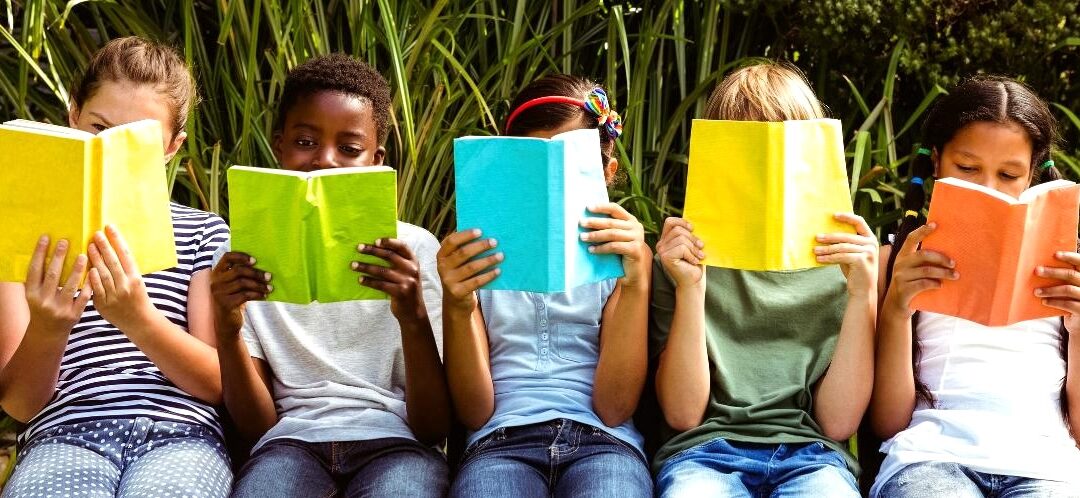
Need something to read this summer? Here are our picks for the best summer reading for Children’s House and Elementary 

Children’s House Summer Reading List 2025

Elementary Summer Reading List 2025

Along with these book recommendations, here are a few tips to encourage reading with your young readers this summer!

  • Visit your local library – Let your child choose books that match their interests – even if it’s a graphic novel or joke books. All reading counts!
  • Reading Scavenger Hunt
  • Join your local library’s summer reading program
  • Check out: https://bcpl.beanstack.org/reader365
  • Set up a cozy reading nook or fort indoors or outdoors!
  • Read to a pet
  • Model reading by keeping a book handy yourself!
What’s All the Buzz About Elementary Research?

What’s All the Buzz About Elementary Research?

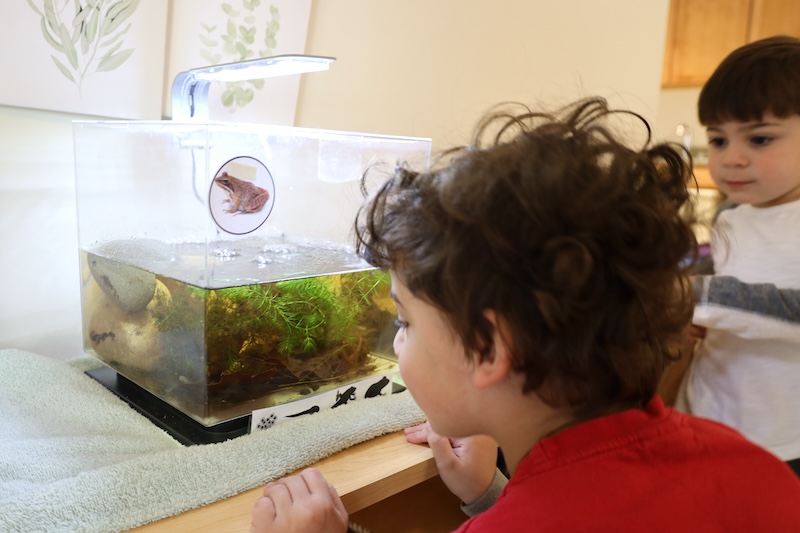
If you have ever spent time in a Montessori Elementary classroom, you have seen it abuzz with a variety of research projects. Why is this?

Elementary-age students are naturally curious and have a strong internal drive to discover how our world works. Montessori’s Great Lessons, presented every year, are impressionistic stories that introduce enormous topics, such as the Big Bang, the evolution of life on earth, and the origin of writing and mathematics. They are designed to spark the child’s imagination and to provide a context for all further study. The Elementary Guide is a storyteller, sharing just enough information to spark students’ interest in learning more on their own.

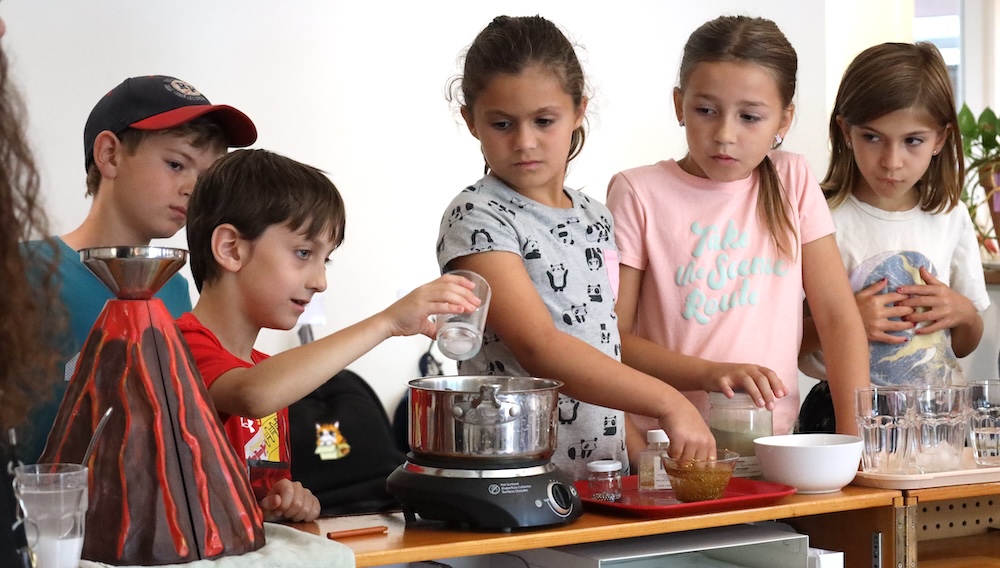
Each child’s response to a lesson is unique, and their follow-up work reflects those individual differences. For example, when the Elementary Guide gives a lesson on the Timeline of Life, some children will be especially inspired by this and choose to study invertebrates, while others will want to learn more about dinosaurs, how mass extinctions occur, how plants reproduce, or how a volcano erupts. The research process integrates a multitude of skills, such as reading, note taking, summarizing, writing for a specific audience, speaking, and listening in a meaningful context.
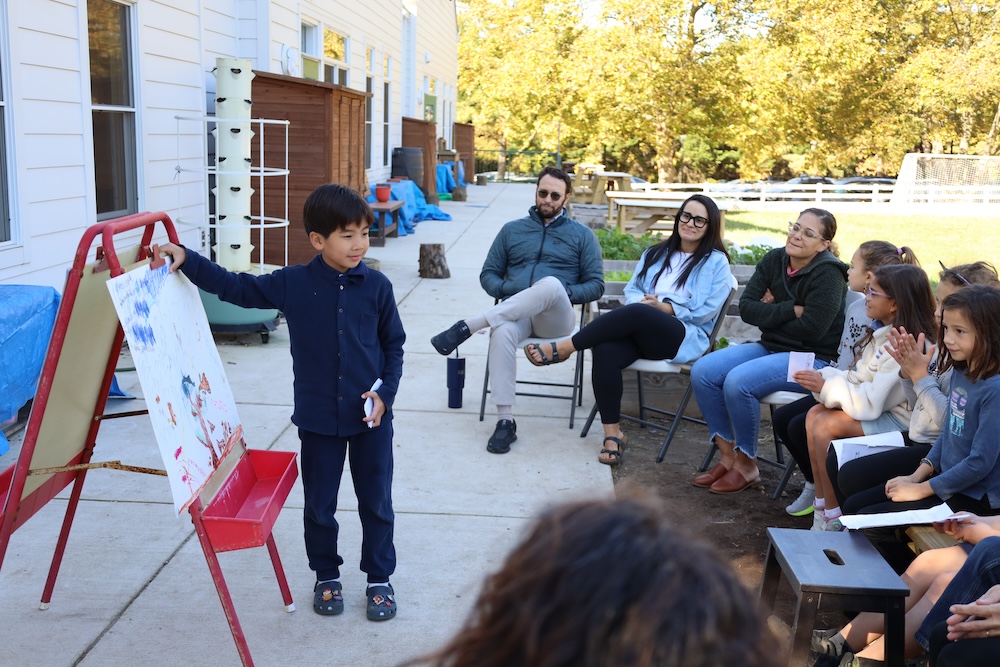
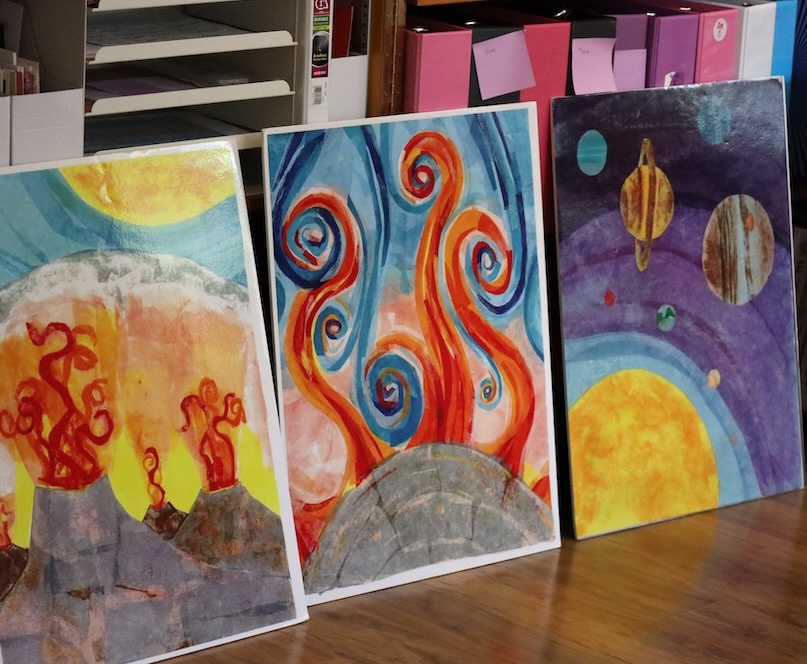
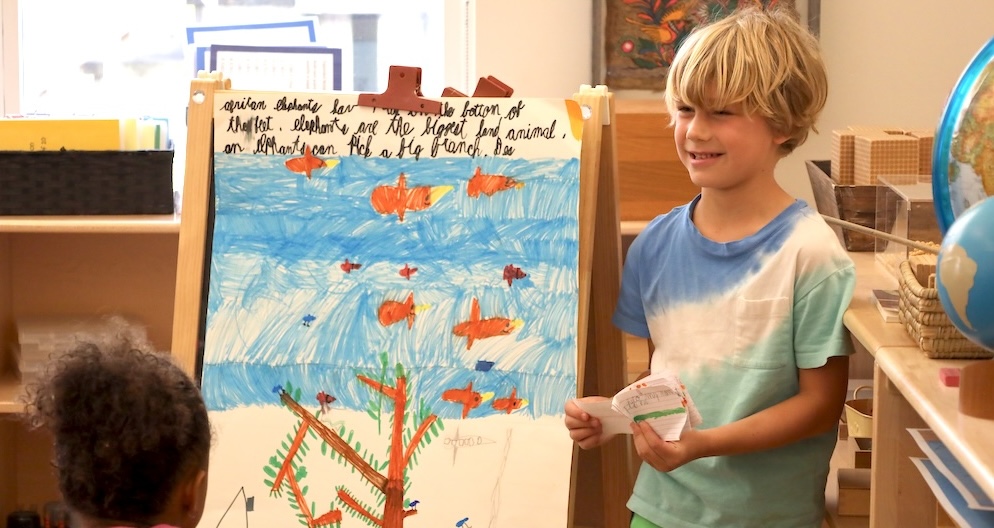
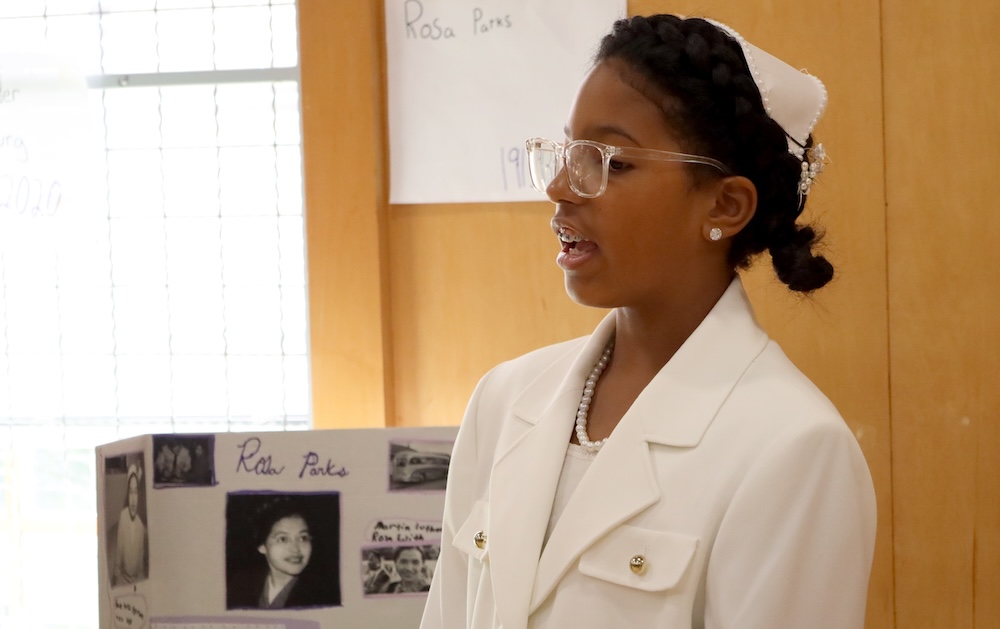
Students are invited to share their findings in creative ways, such as building models, creating dioramas, writing plays, creating digital slideshows, and assembling portfolios. Some may wish to present their research to the class or a small group of children, and they are encouraged to invite their families.

When students pursue topics that pique their interest, they are not only building their research skills, they are taking ownership of their learning, building self-motivation, exploring their passions, and furthering their independence.

How do we teach research skills?

Students are first given lessons in each of these skills and opportunities to practice in isolation. They can then apply these skills and processes to any subject that interests them!
Choose a Topic:
  • Brainstorm: Students think about topics they are interested in learning more about. [Lesson: brainstorming]
  • Narrow the Focus: Students refine their topic to something manageable and specific.
  • Identify Clear Questions: Students identify what they are trying to find out.
Gather Information:
  • Explore Sources: Students explore various sources like books, magazines, websites, and even interviews with experts (if appropriate). Going Outs and the process of planning and engaging with a Going Out can also be part of this process.
    [Lessons: evaluating sources, using a table of contents, using an index]
  • Take Notes: Students learn to put key ideas into their own words.
    [Lessons: paraphrasing, identifying the main idea, summarizing information]
Organize Information:
  • Sort and Categorize: Students organize their notes by topic or question.
    [Lessons: structure of a paragraph, structure of a report]
  • Use Graphic Organizers: Students can use simple graphic organizers to help them structure their notes and identify main points. [Lesson: how to use a graphic organizer]
Share Findings:

Students share their research through a variety of models, including presentations, posters, or reports.

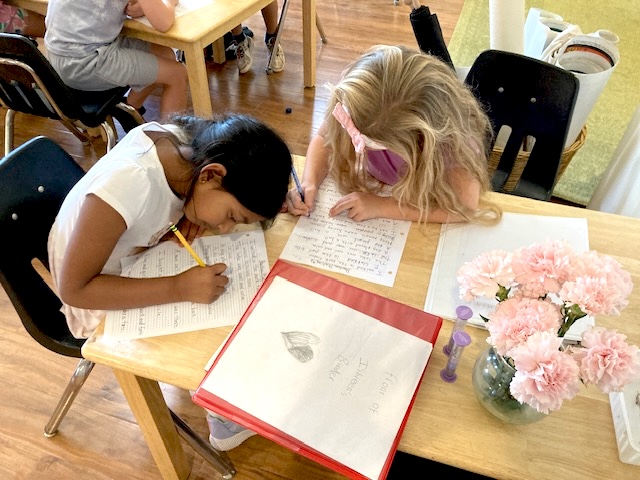
  • Written report [Lessons: how to cite sources, use evidence to support findings,using domain-specific vocabulary, how to write a clear conclusion]
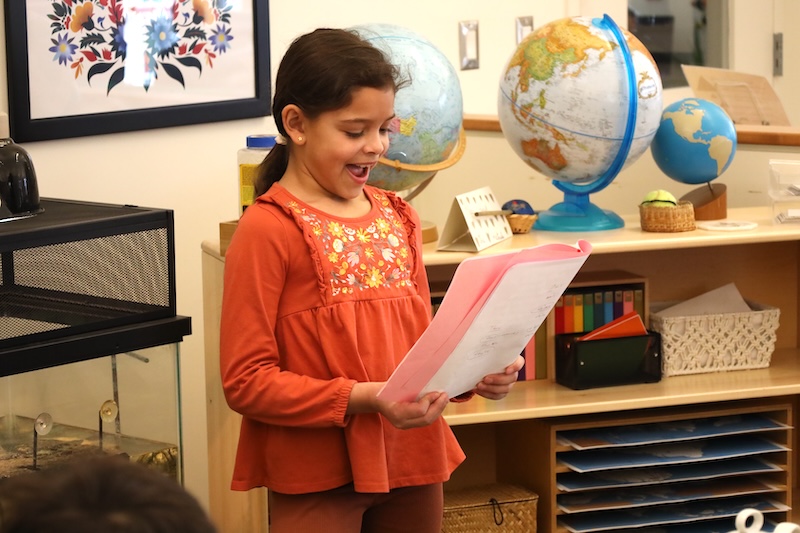
  • Oral presentation [Lessons: Sequence ideas logically, use appropriate facts and details, public speaking skills-pacing, poise, how to field questions, voice projection]
  • Artistic presentation (model, diorama, skit, song, etc.)
  • Digital presentation (Google Slides, word processing, integrating images and audio)

What are the benefits?

Critical Thinking:

Students develop critical thinking skills, evaluating information, and identifying biases.

Information Literacy:

Students learn to locate, evaluate, and use information effectively.

Time Management:

Students practice managing their time, setting deadlines, and prioritizing tasks.

Collaboration:

Students often work in pairs or small groups, developing teamwork and communication skills.

Problem-Solving:

Students encounter and overcome obstacles, developing resilience and resourcefulness.

Autonomy/independence:

Students take ownership of their own learning, develop intrinsic motivation, explore their academic passions.

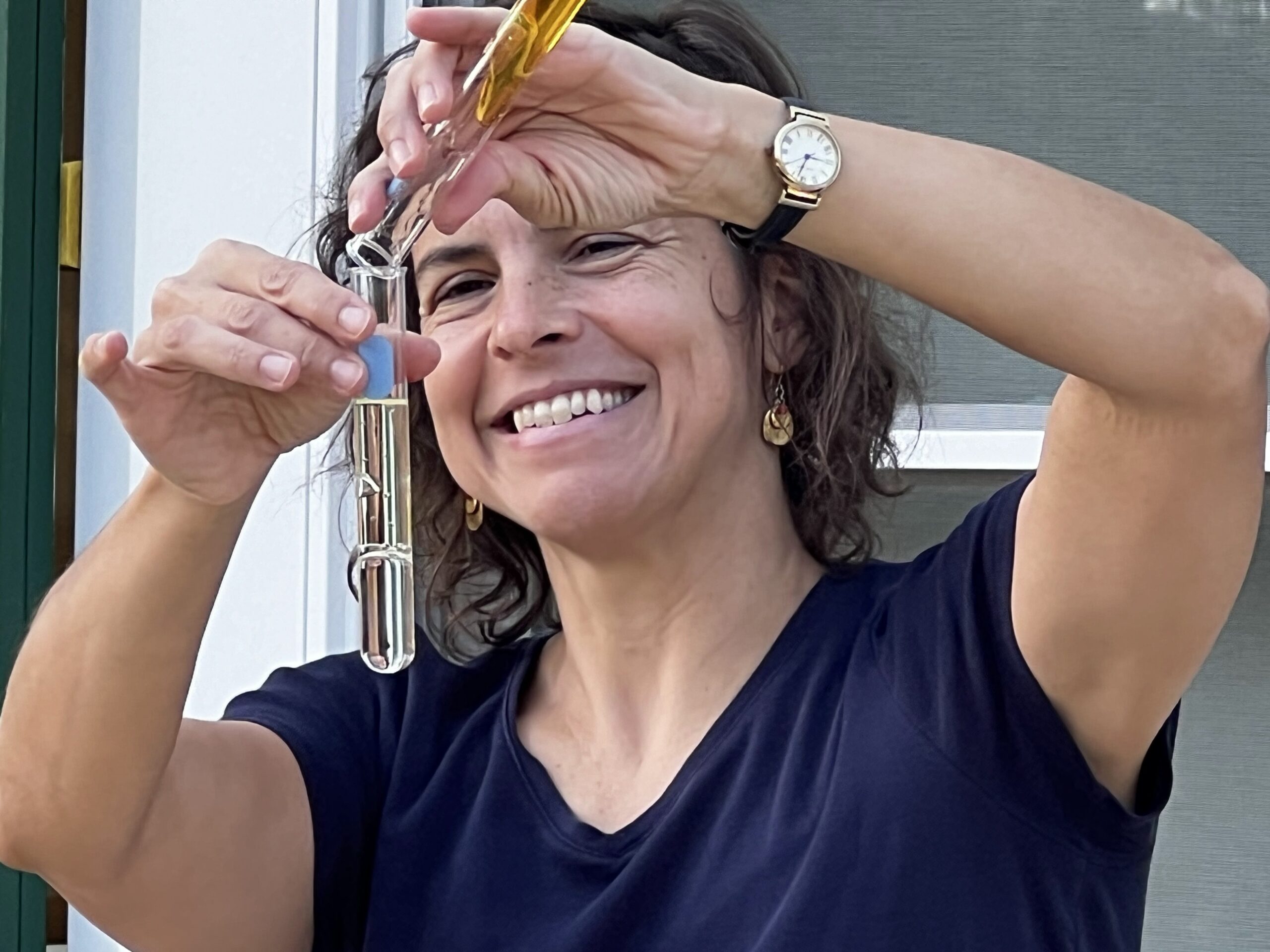
The Elementary student is a natural-born scientist. “How does a fish breathe under water?” “What number comes after a trillion?” “What causes a volcano to erupt?” Montessori Guides encourage children to find out!

Montessori students are empowered to find the answers to their own questions with the materials and resources in a prepared environment. Children enjoy learning that is driven by their passions.

Learn more about Greenspring Montessori’s Elementary program.

Spring Earth Day Celebration at Greenspring

Spring Earth Day Celebration at Greenspring

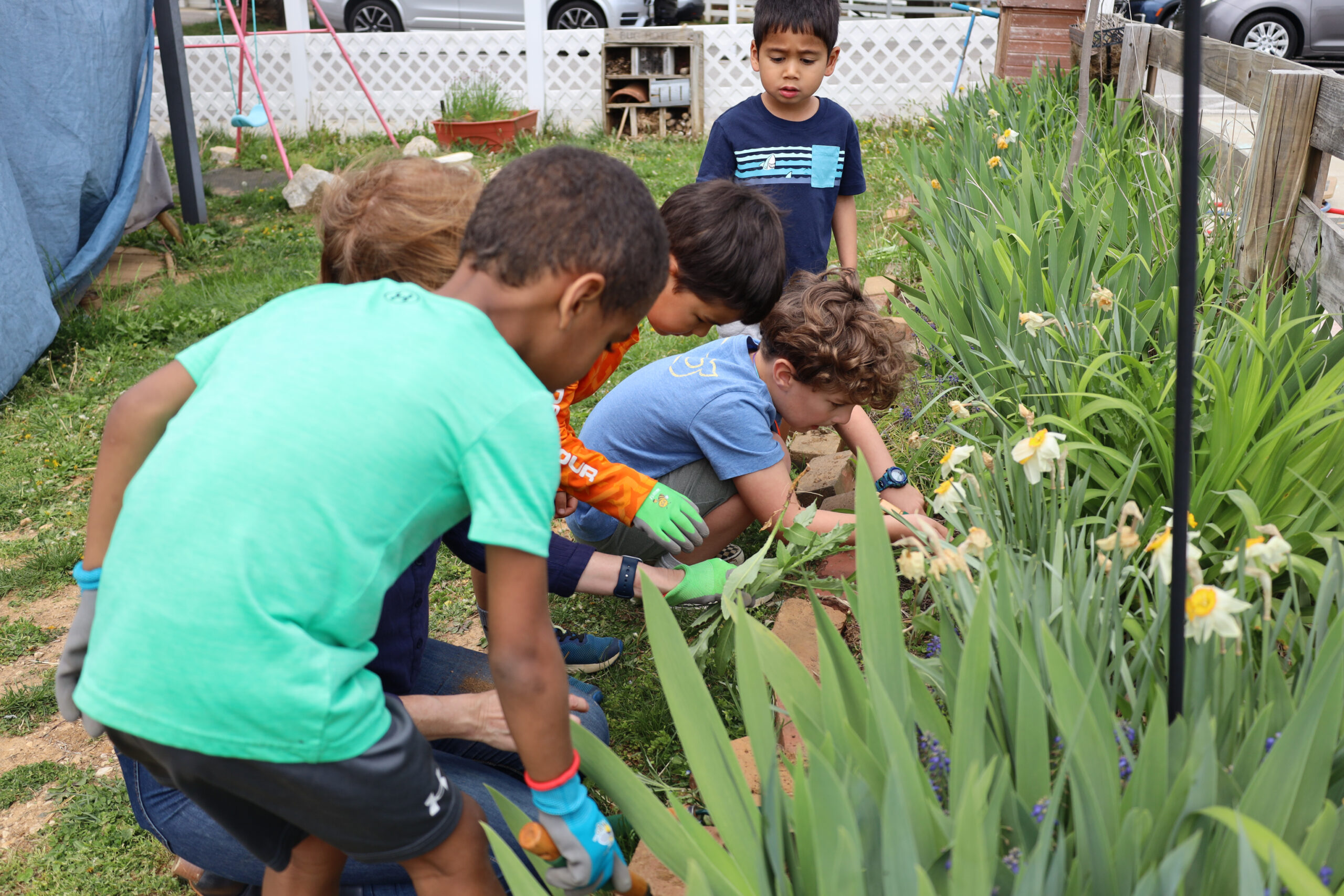
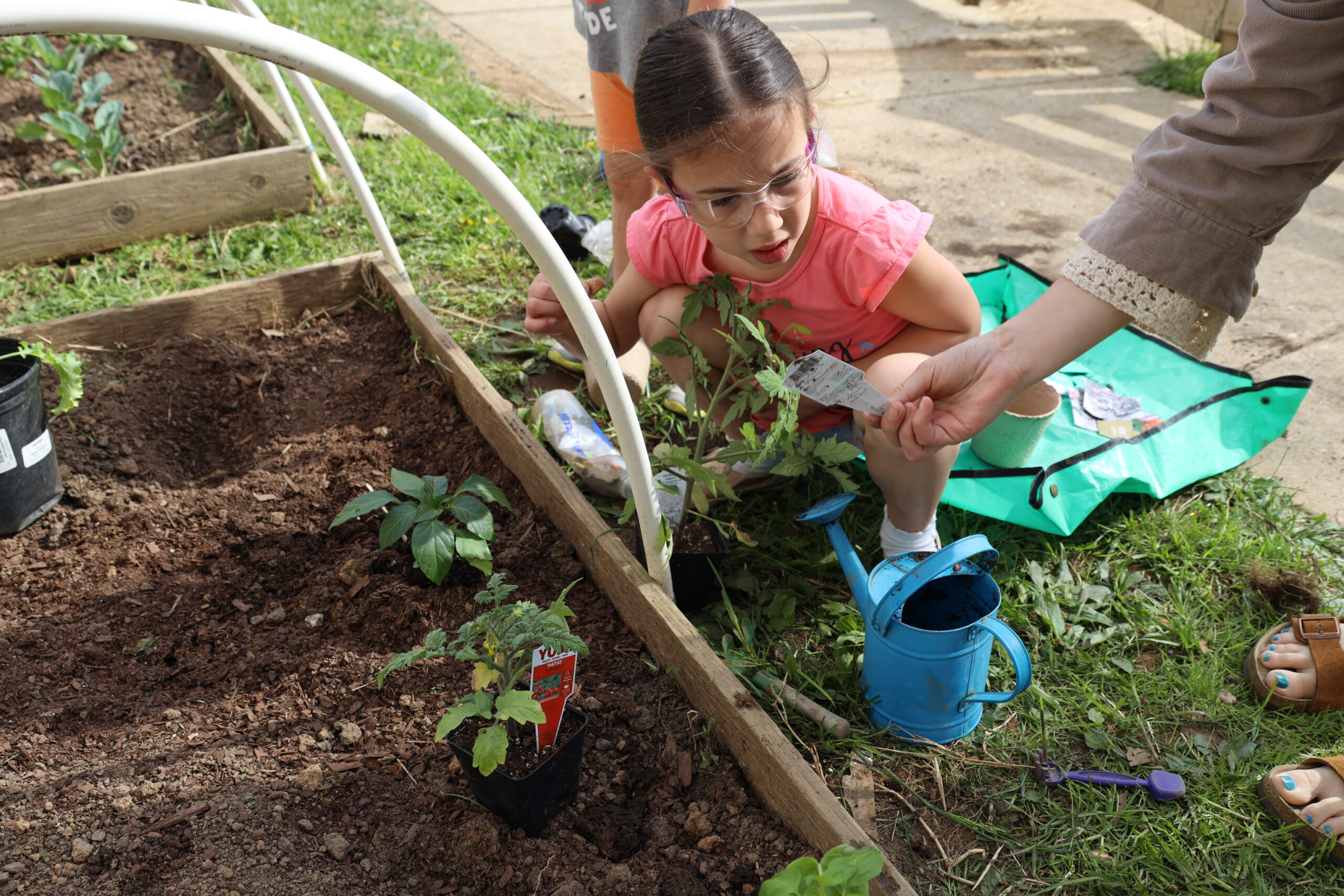
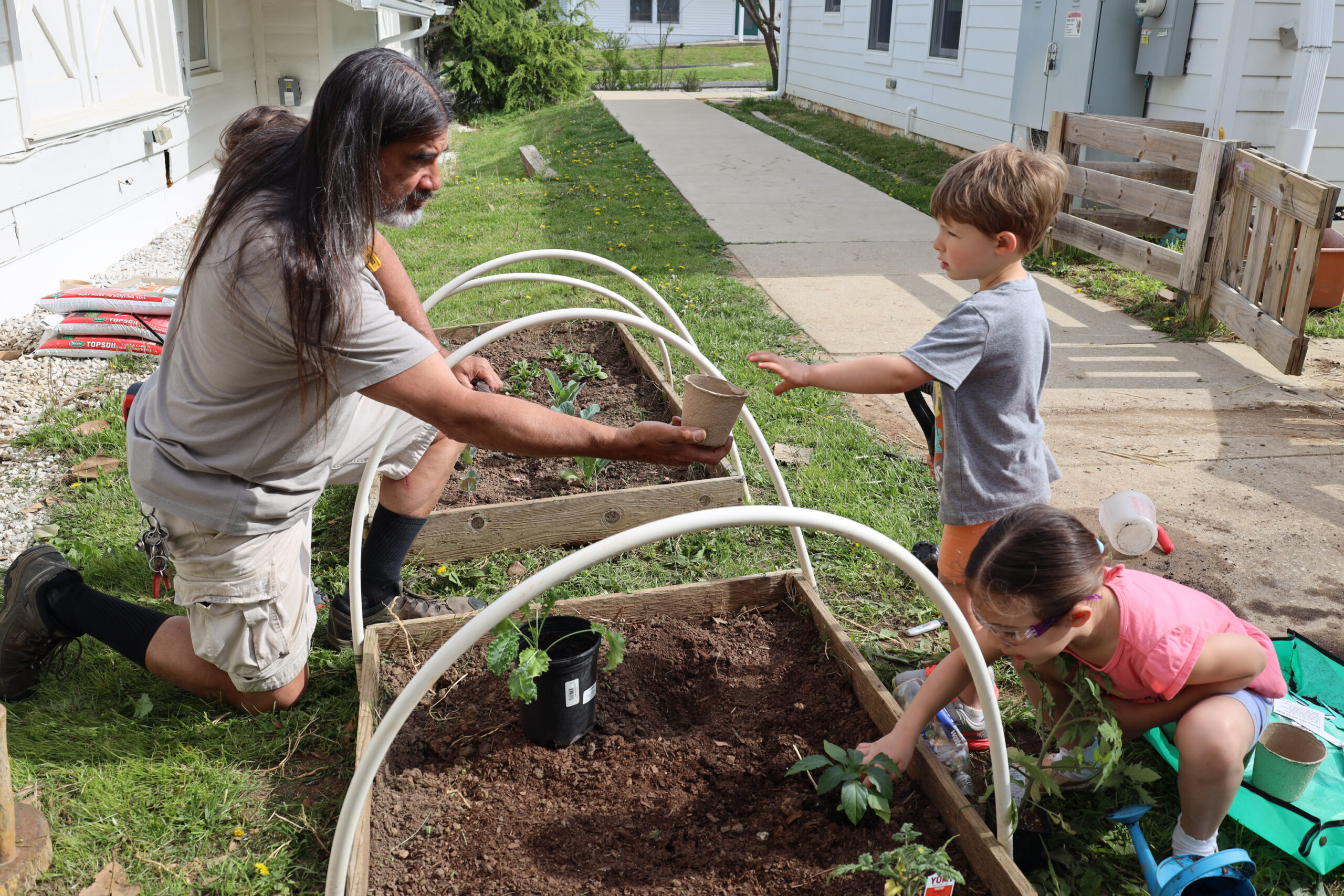
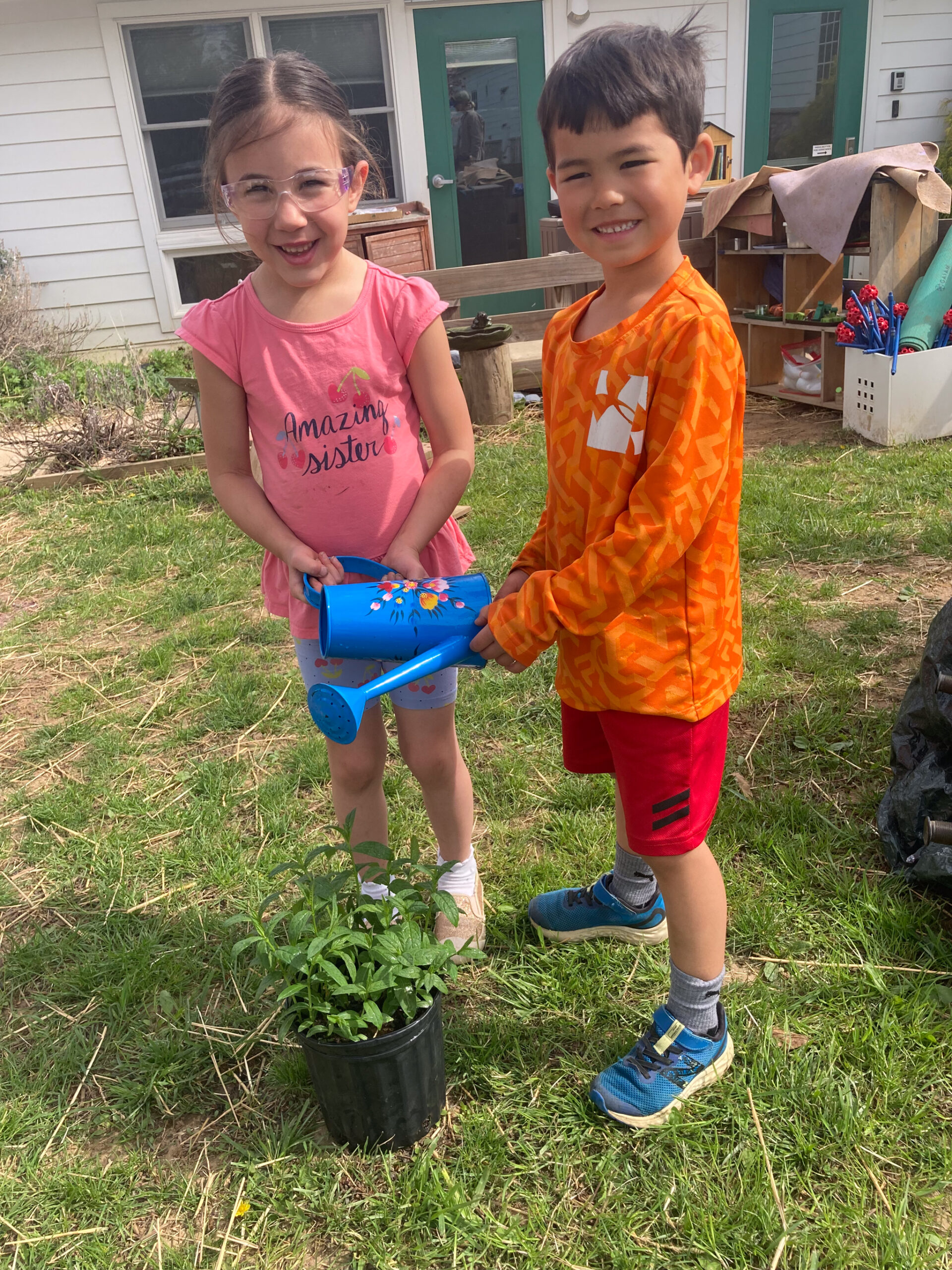
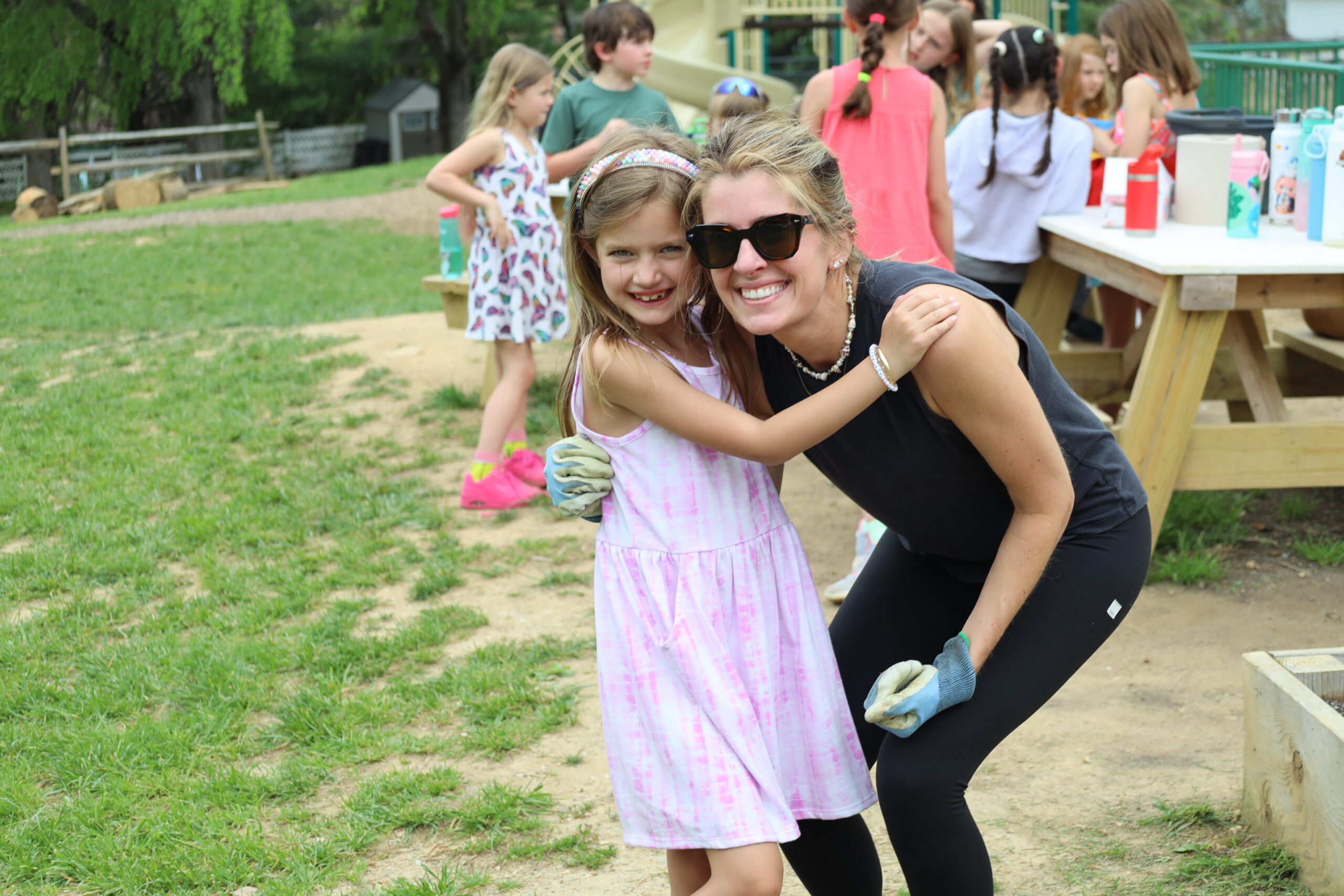
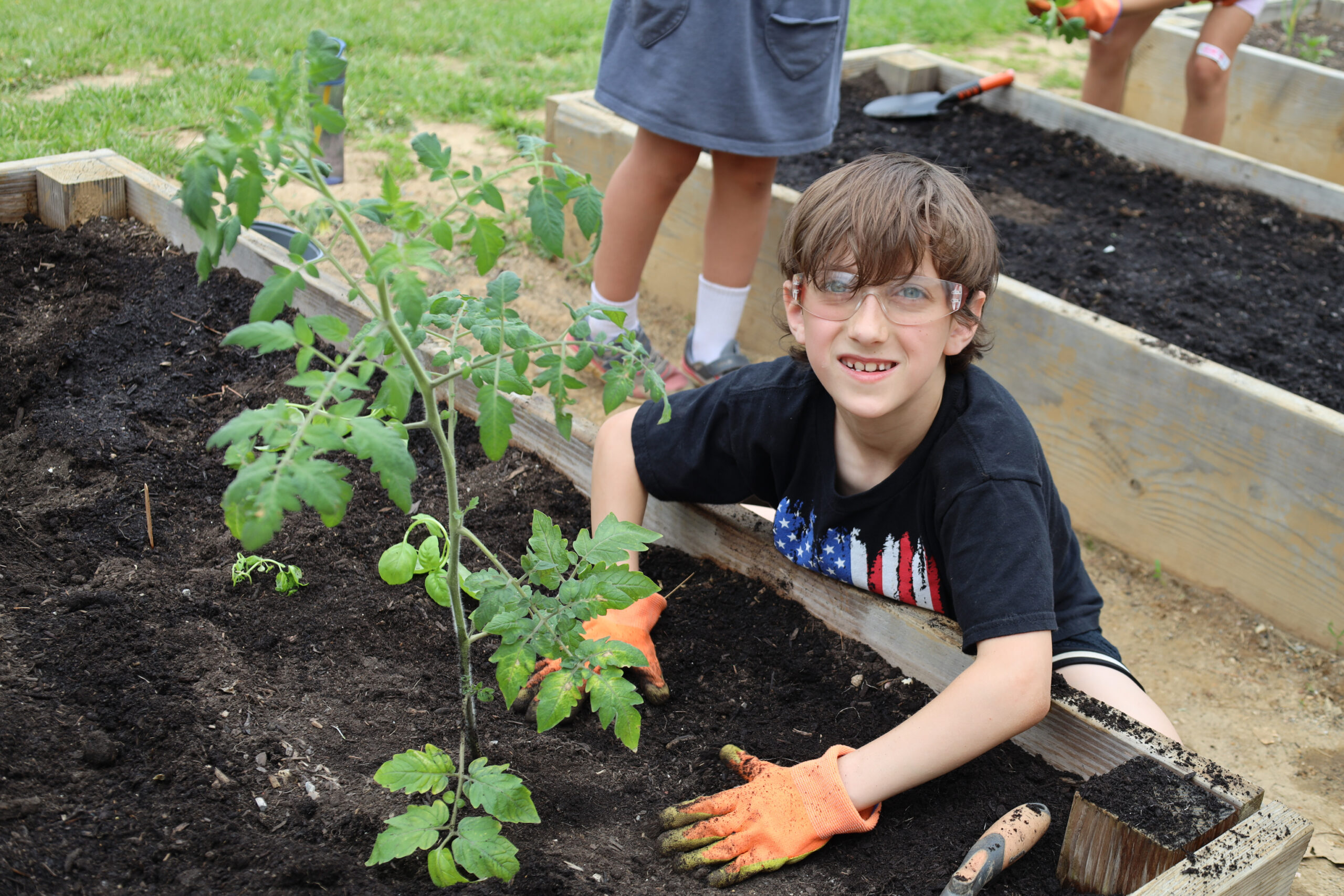
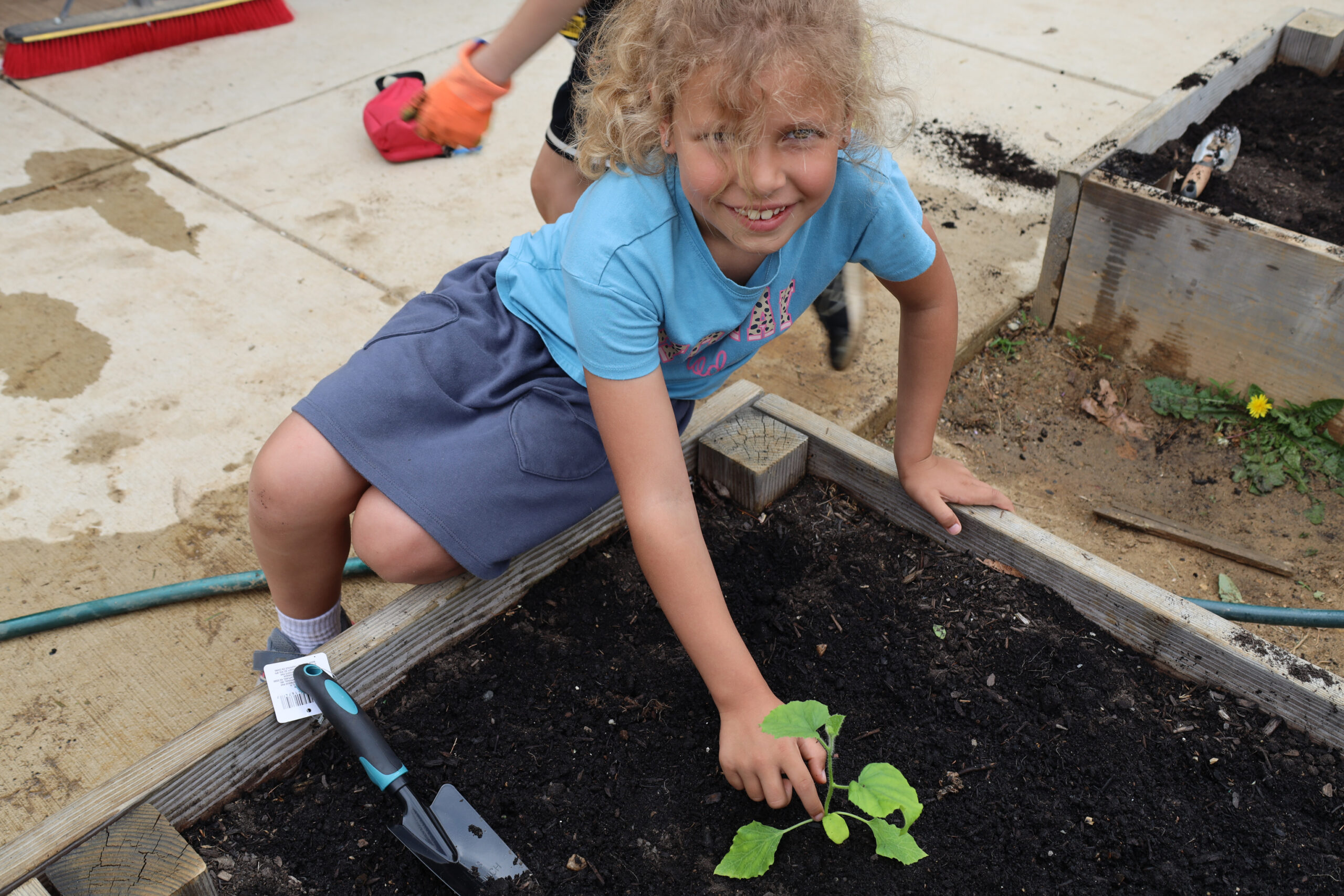
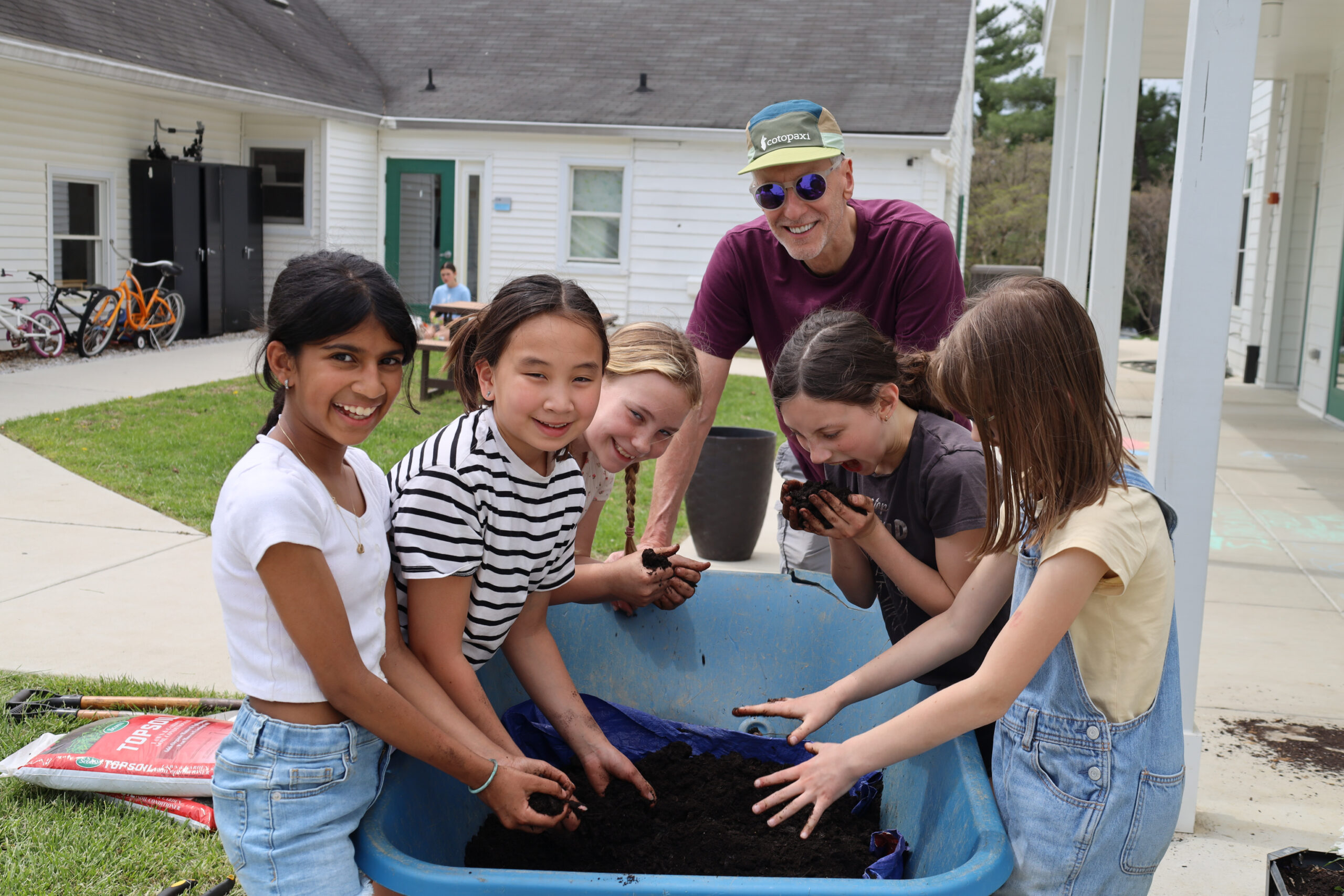
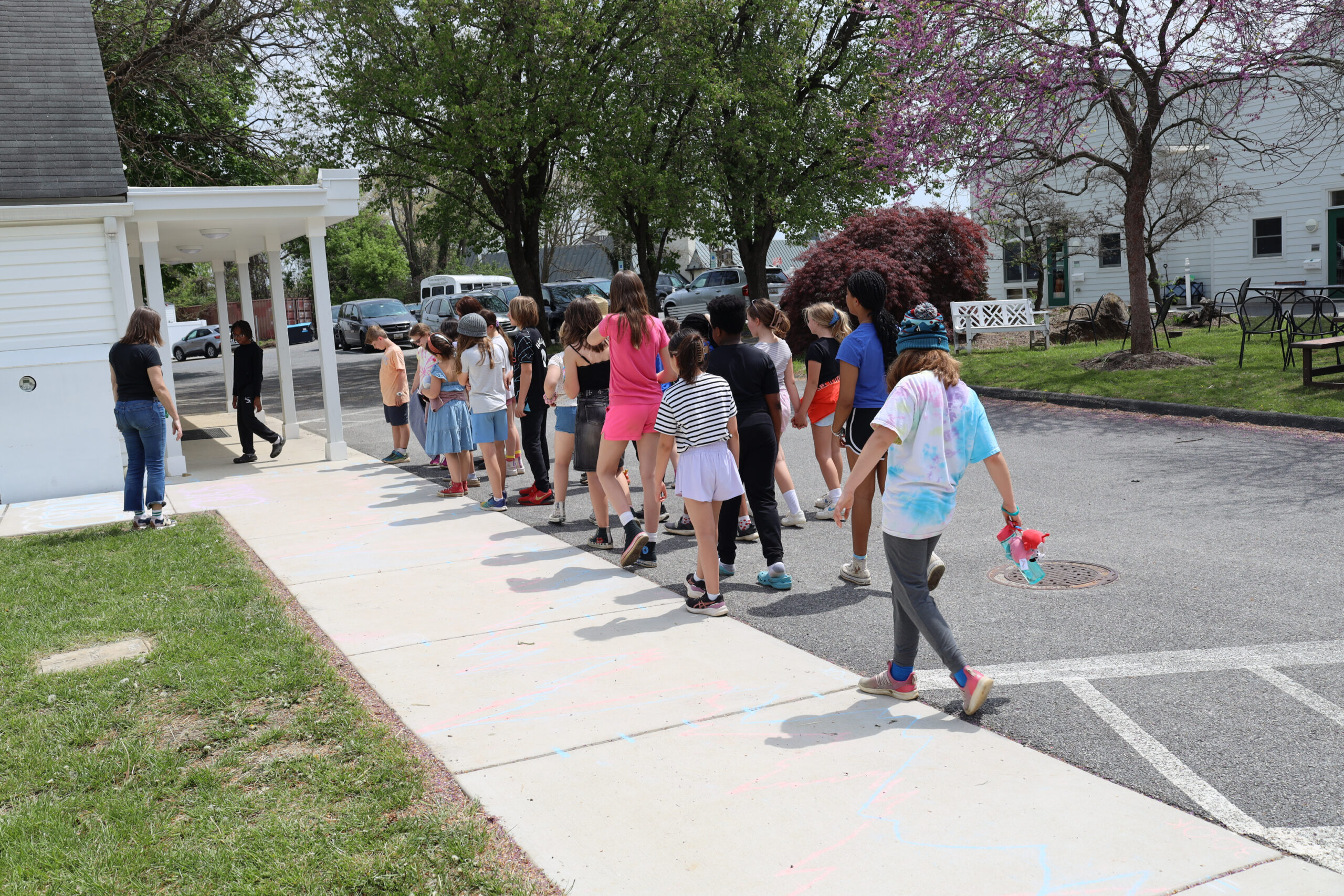
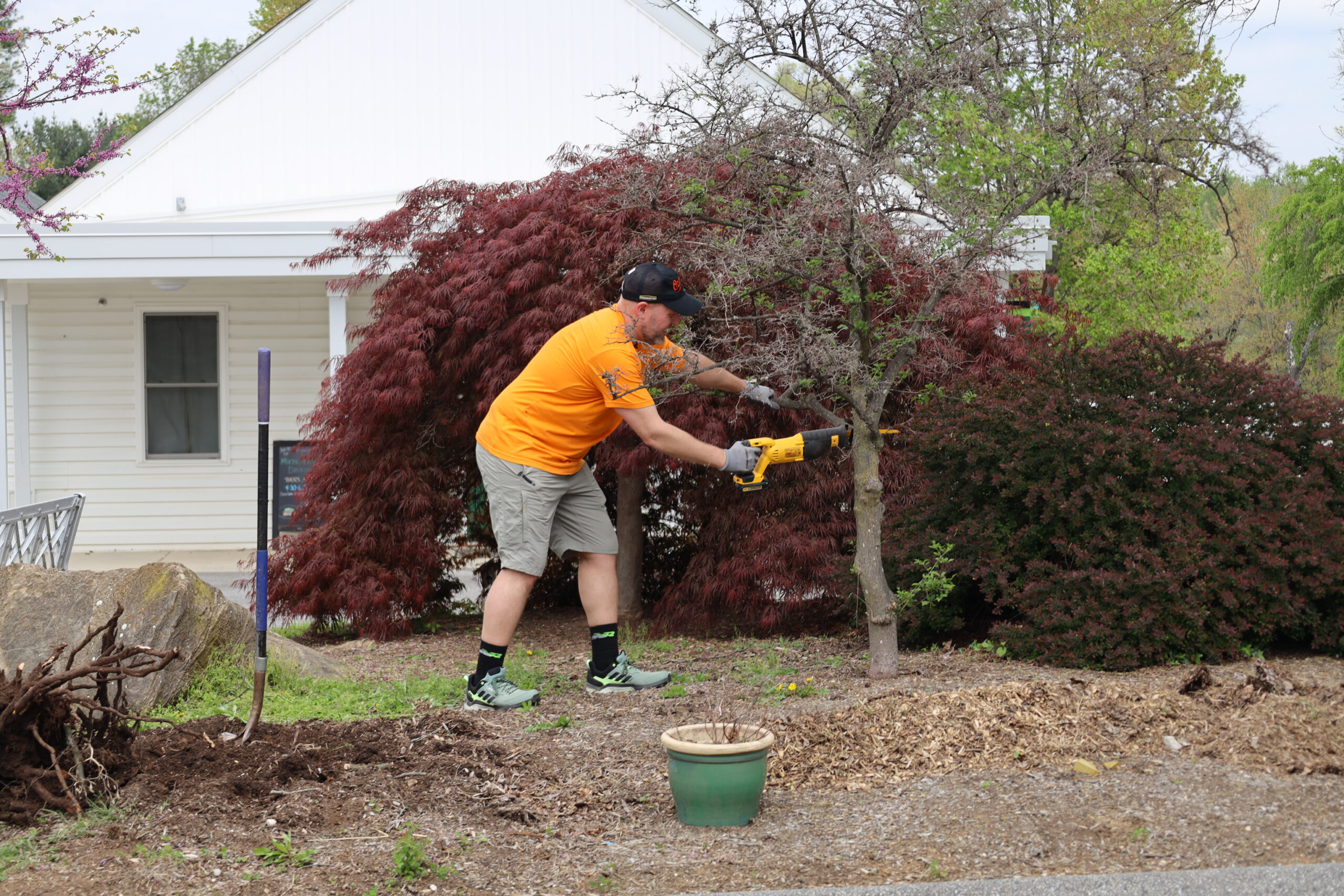
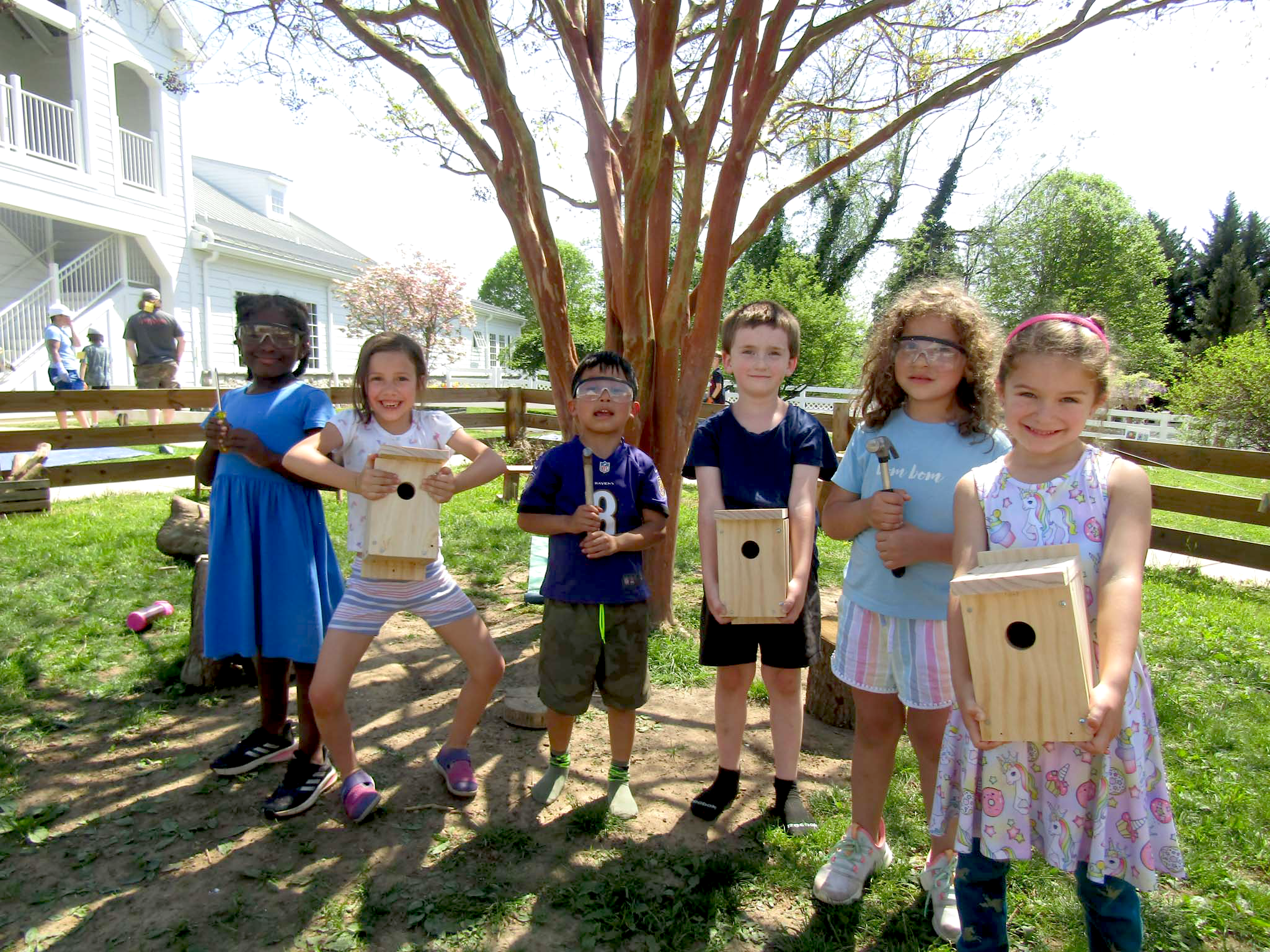
As part of our Allegiance to Nature at Greenspring Montessori School, our faculty and staff organized a special Earth Day event for our children and families. Our Toddler, Children’s House, Elementary, and Adolescent classes took on various projects around our campus including planting stations, nature-based story walks, and nature scavenger hunts. Many classes also worked to restore natural spaces on campus and make improvements to their outdoor environments. In addition, there are many beautiful books on display in the library on Earth Day, Spring, Gardening, and more! 
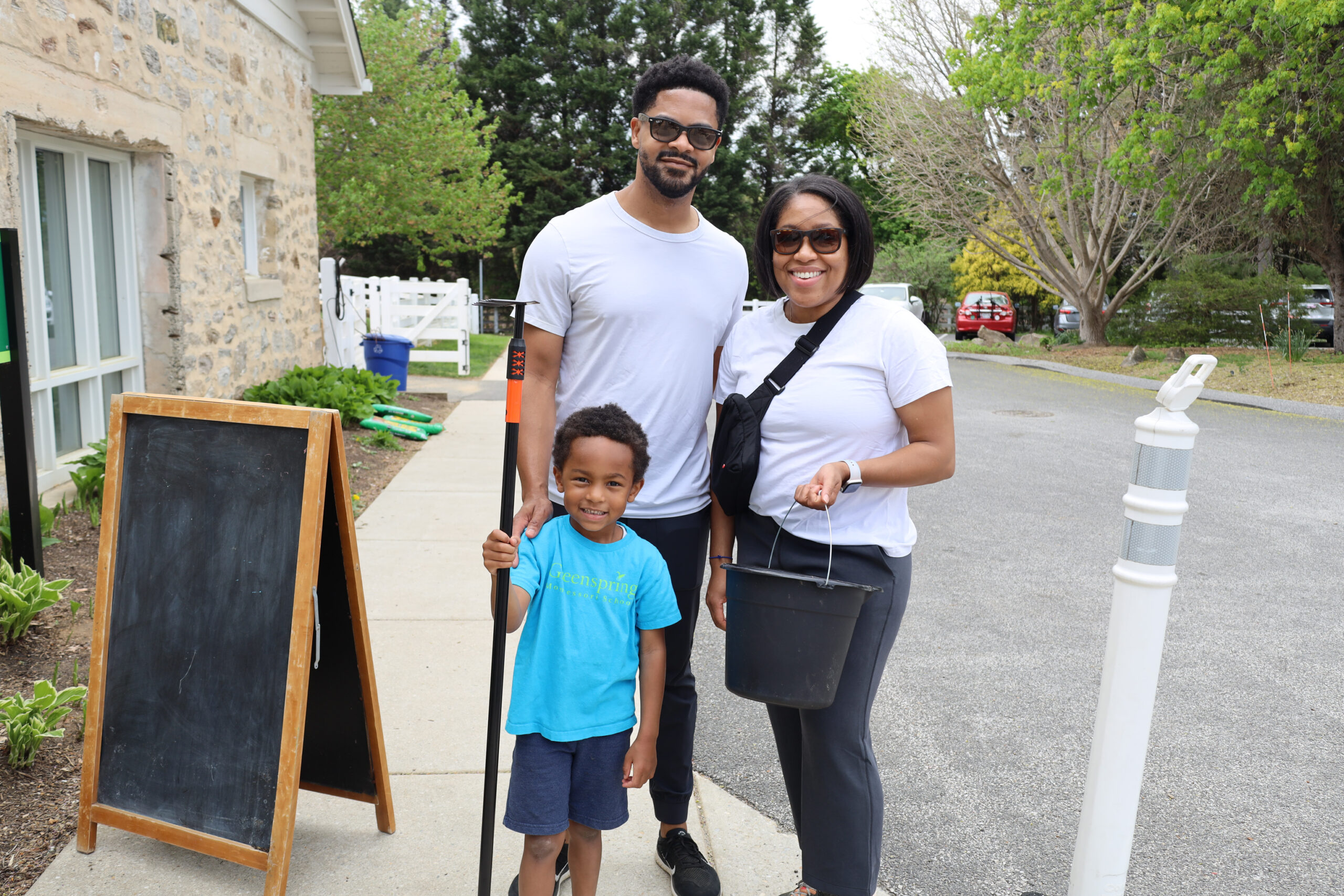
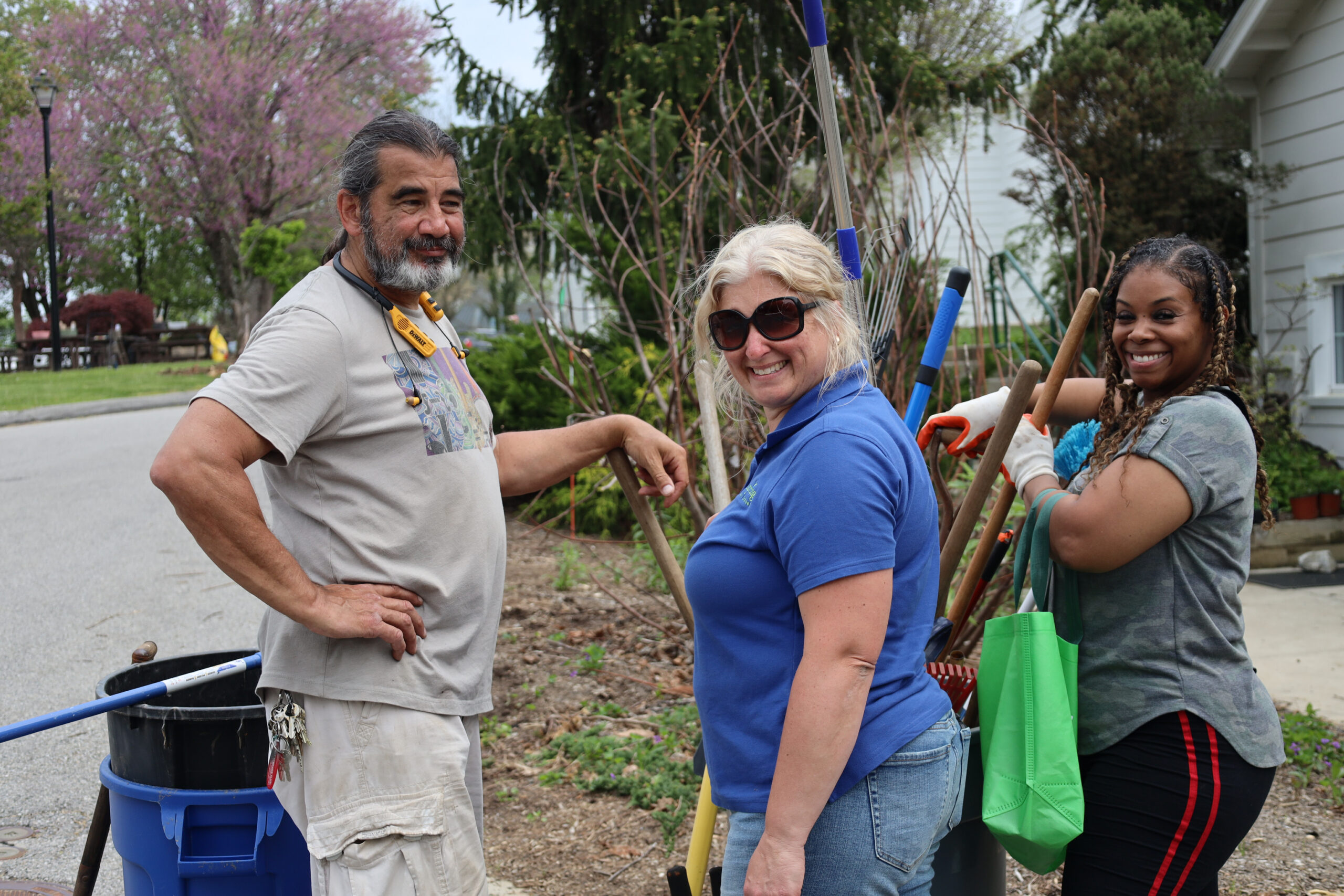
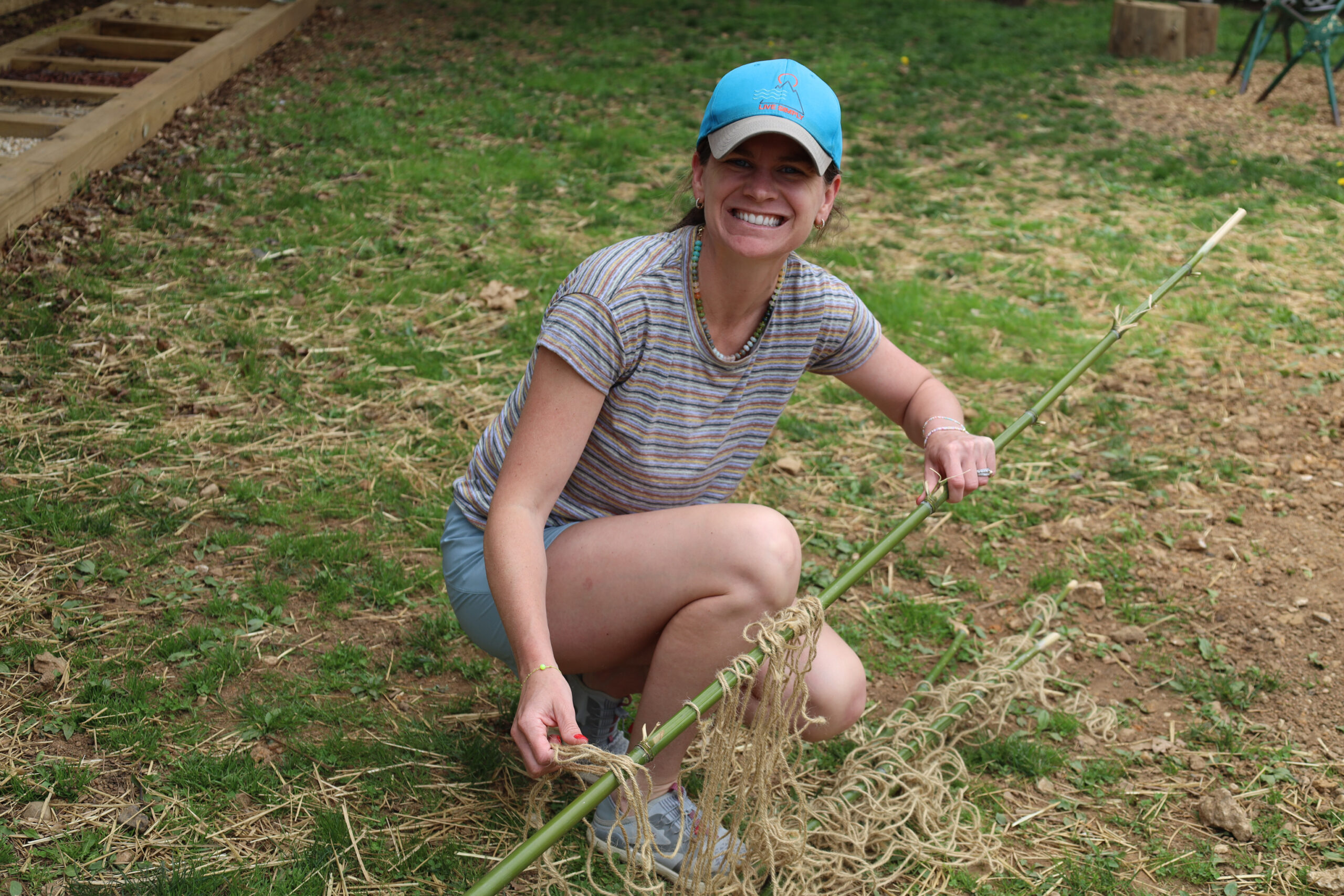
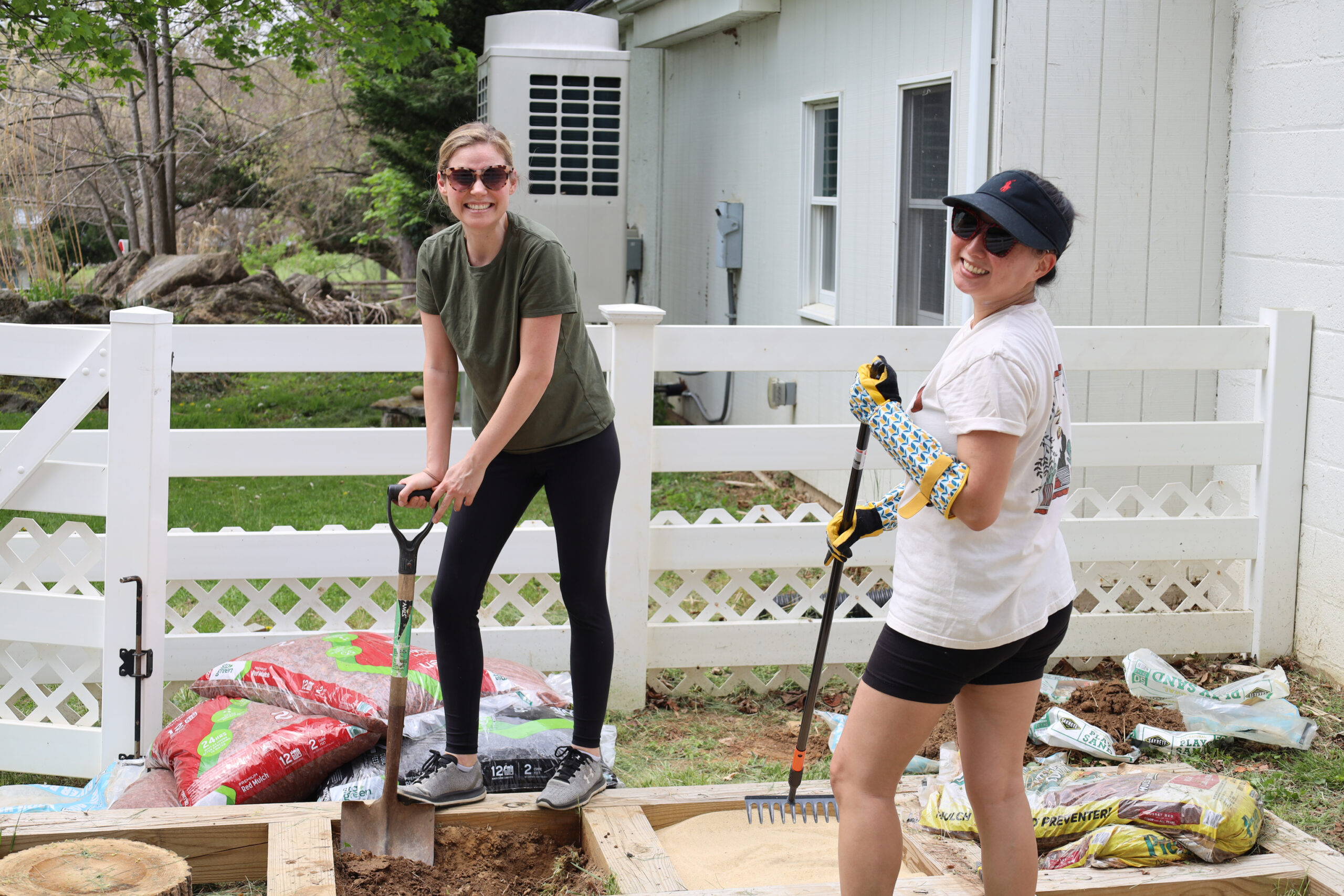
After school, many families joined in to help spruce up the campus grounds. We would like to extend a special thanks to all of our families who volunteered to help make this event a success! If you would like to support any of our current outdoor projects by volunteering or donating supplies, please reach out to us here It was beautiful to see everyone coming together for this purposeful community event! Take a look below to see photos and more details about the projects at each level.

Toddlers

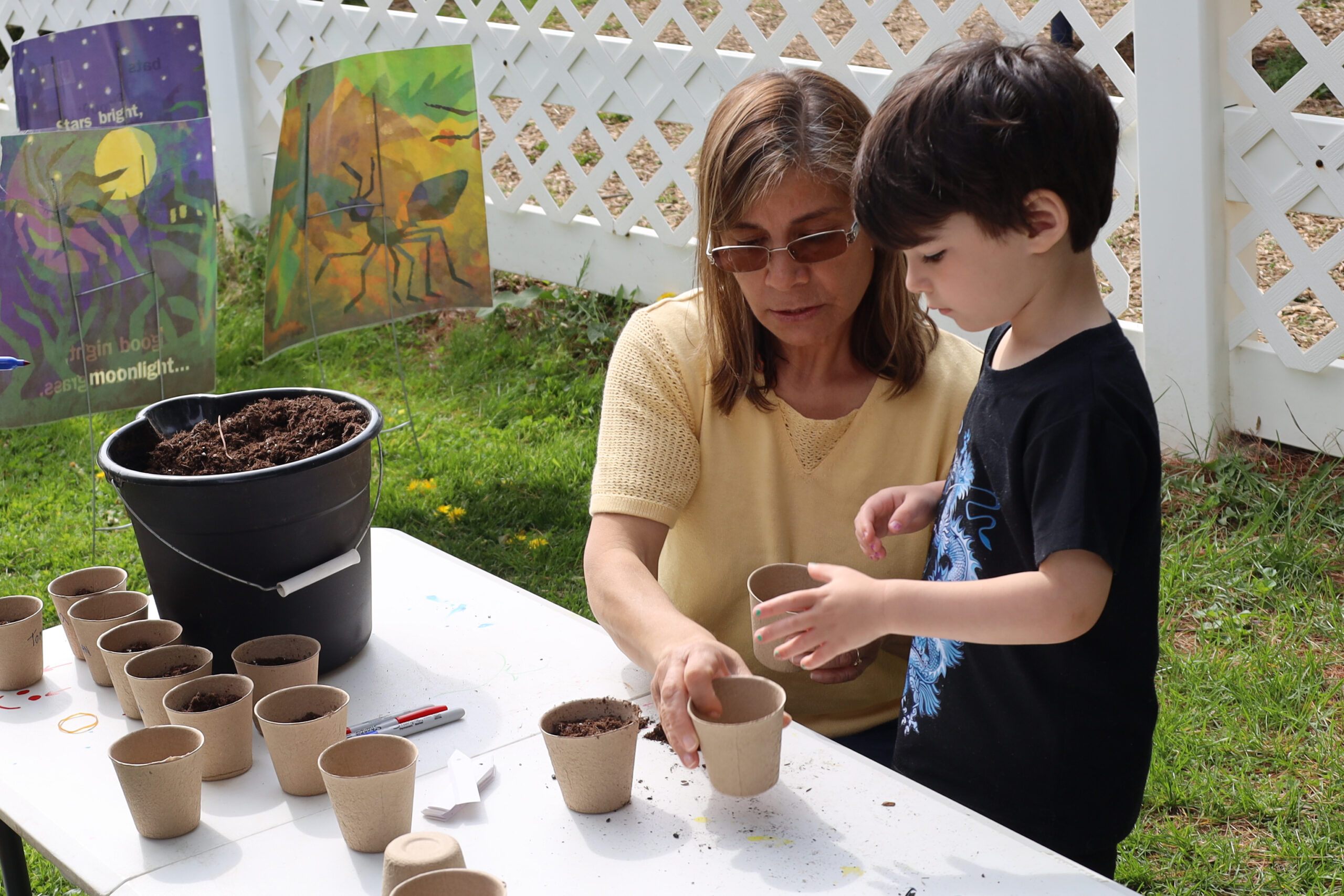
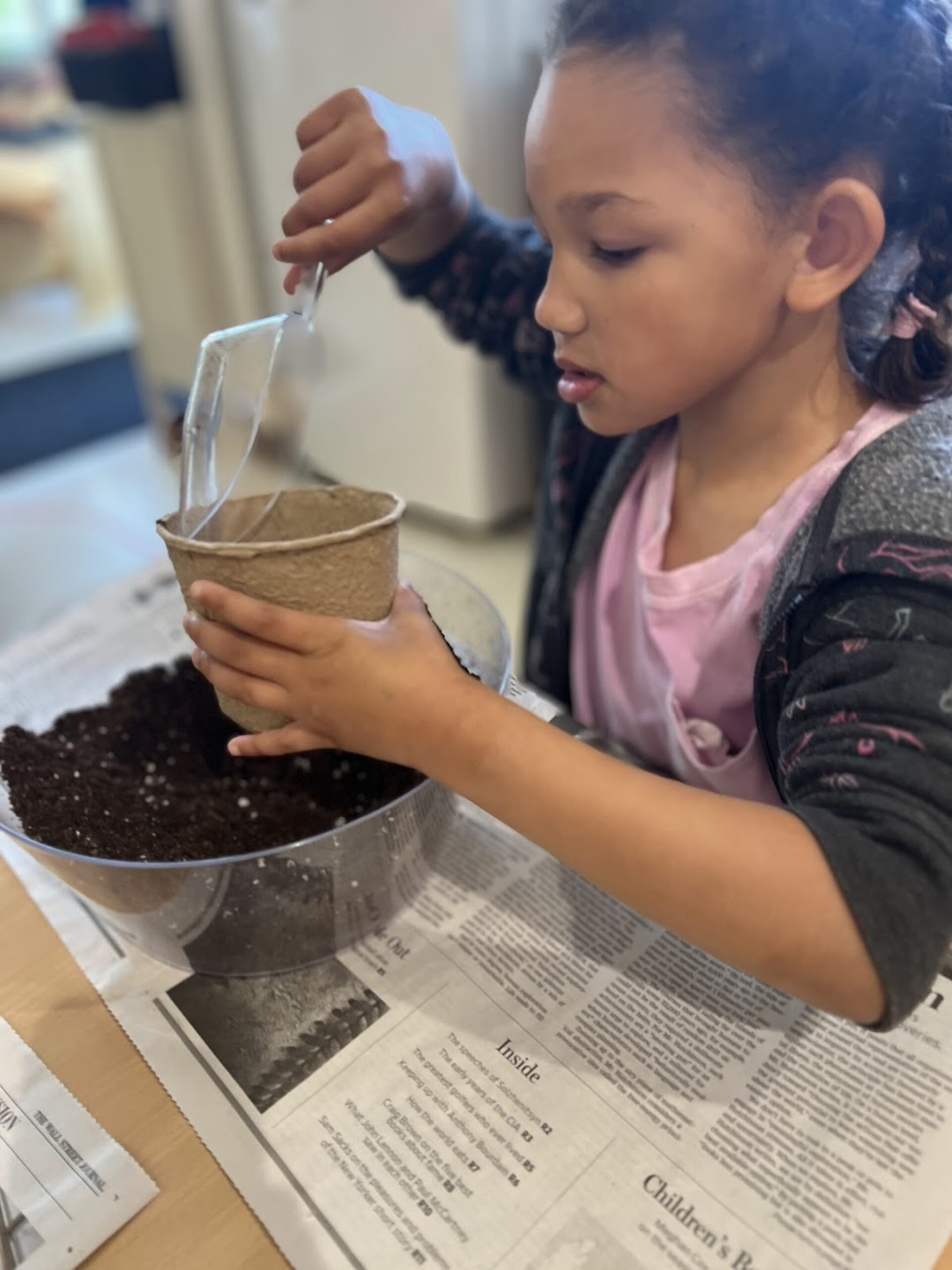
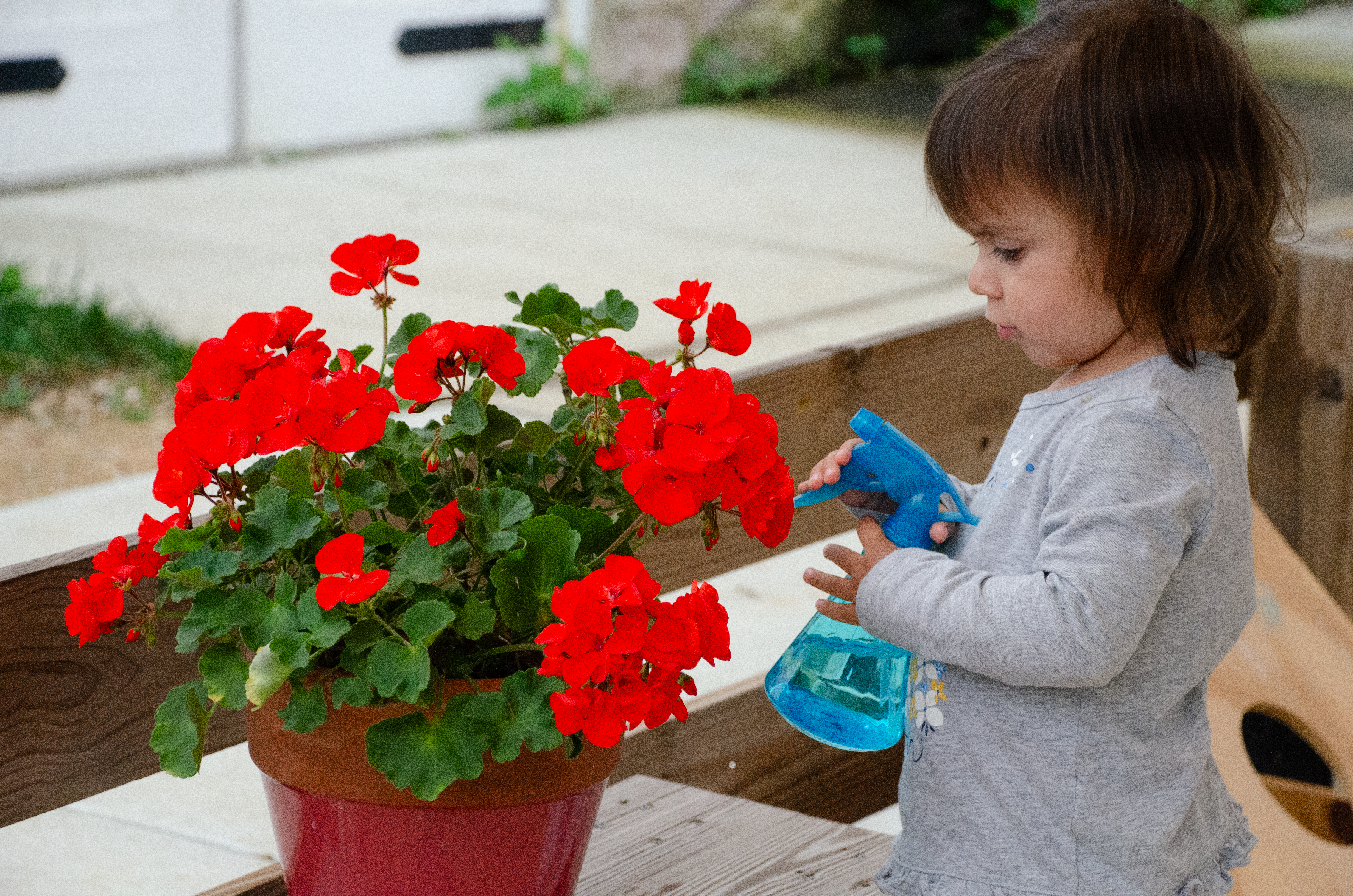
Our Toddlers visited the planting station in the morning to prepare small seedlings to bring home. They also worked together to spruce up their outdoor environments and plant flowers.

Children’s House

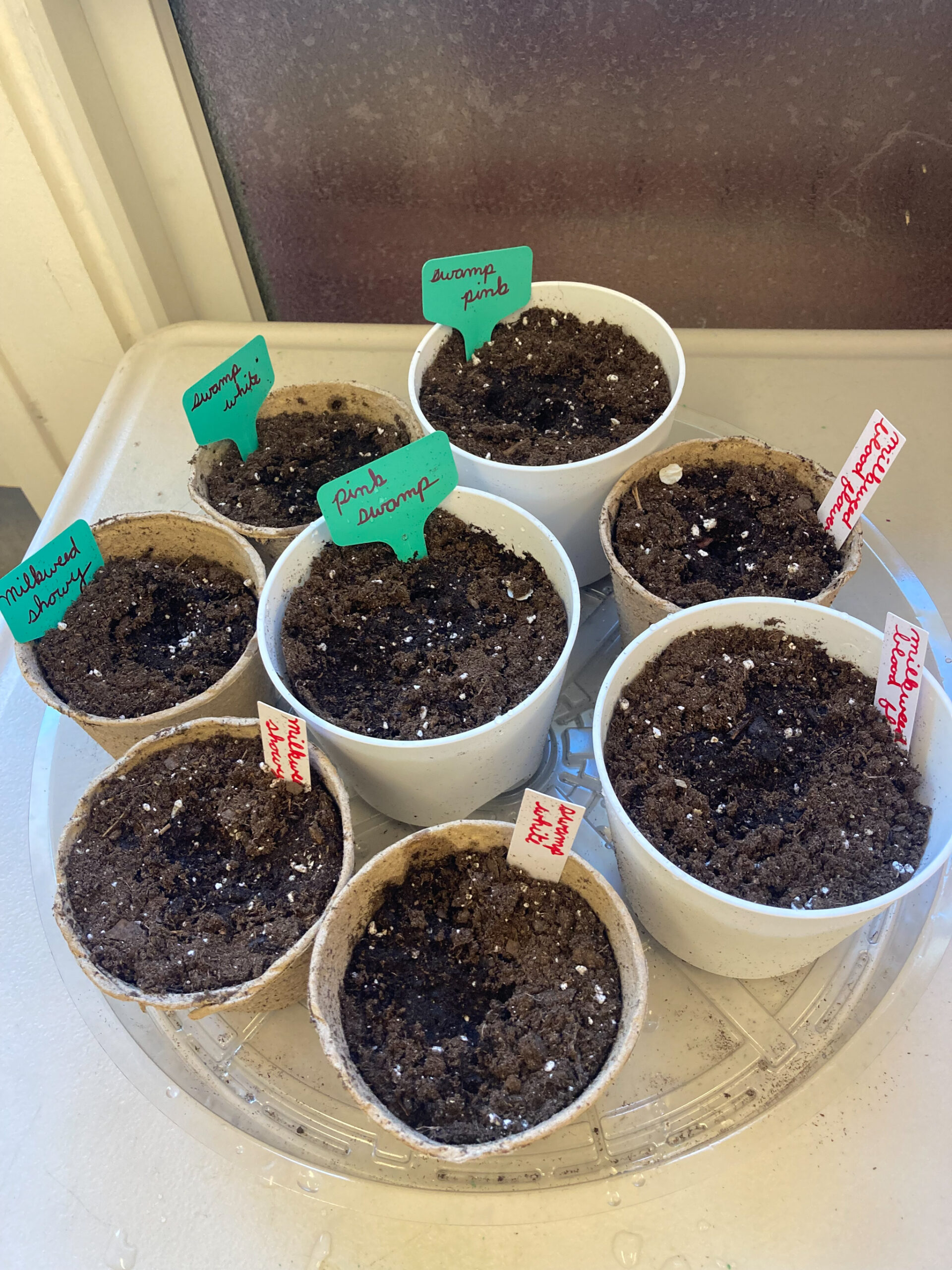
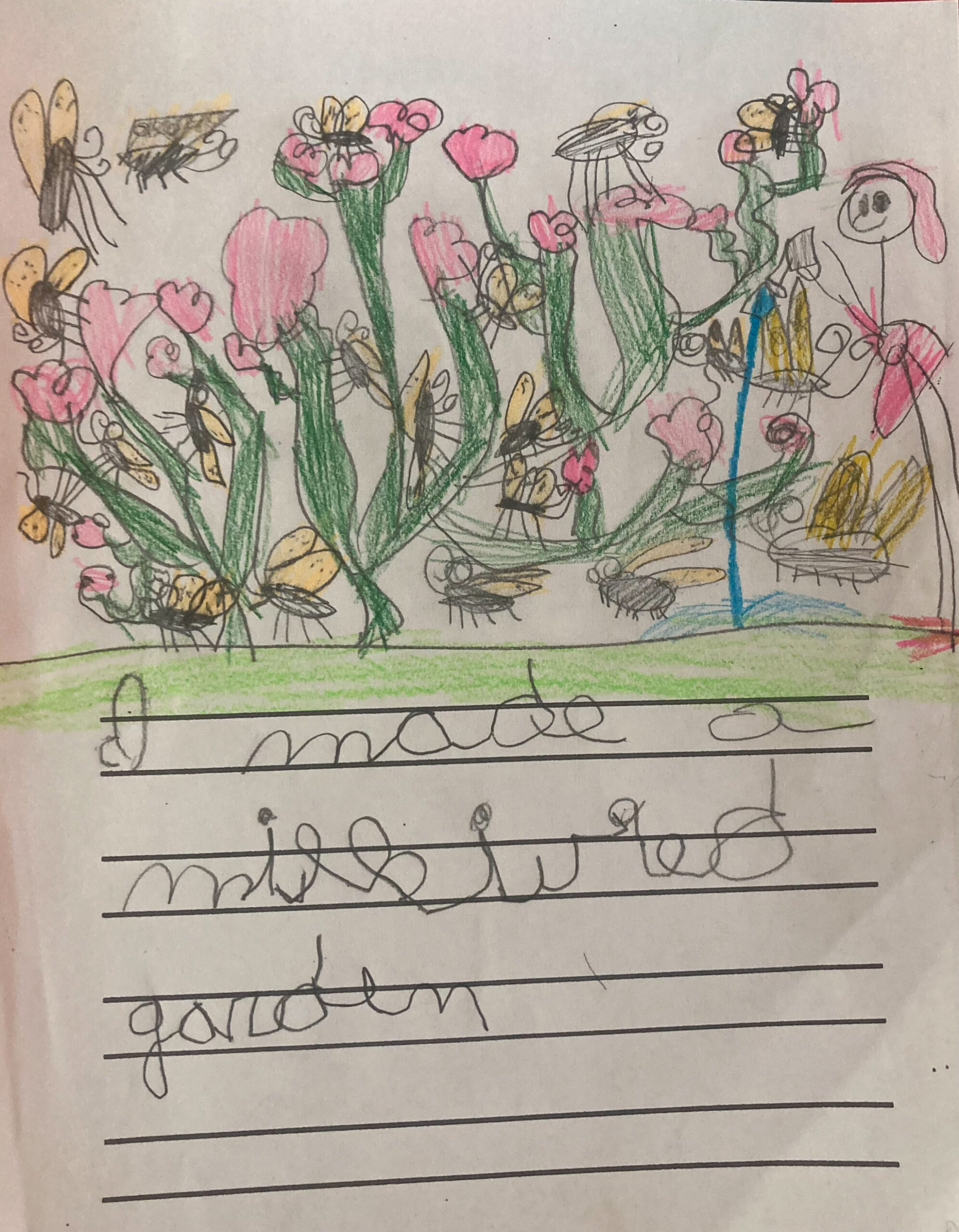
In preparation for Earth Day, Ms. Laura, one of our Children’s House Naturalists, worked with the children to plant milkweed, phlox, black eyed-susans, and coneflower seeds to welcome all pollinators to the Outdoor Environments and give them a place to rest, eat, and lay eggs! Their goal is to become a Monarch Waystation just like Ms. Emily has accomplished along the Chesapeake Village! All of our Children’s House classrooms enjoyed getting down in the dirt to weed, plant, and prepare our campus for spring!

Our Children’s House team was inspired to take on this initiative after learning more about the Roots & Shoots Program by Jane Goodall. To learn more about our Children’s House Roots & Shoots lessons, please click here.

In addition, our Winterberry Children’s House classroom participated in a waste-free lunch to show to our students the impact of small decisions every day.

Elementary & Adolescents

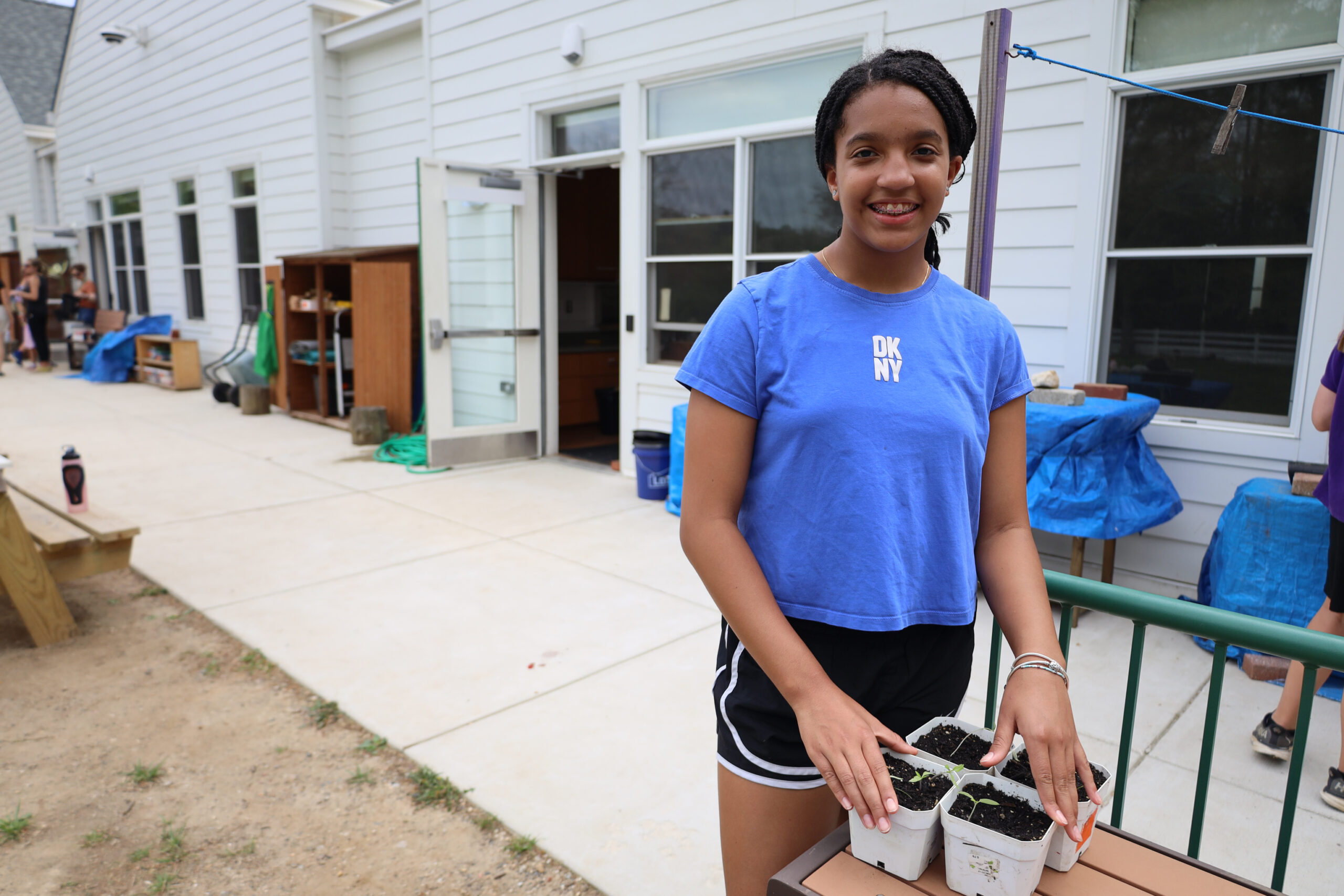
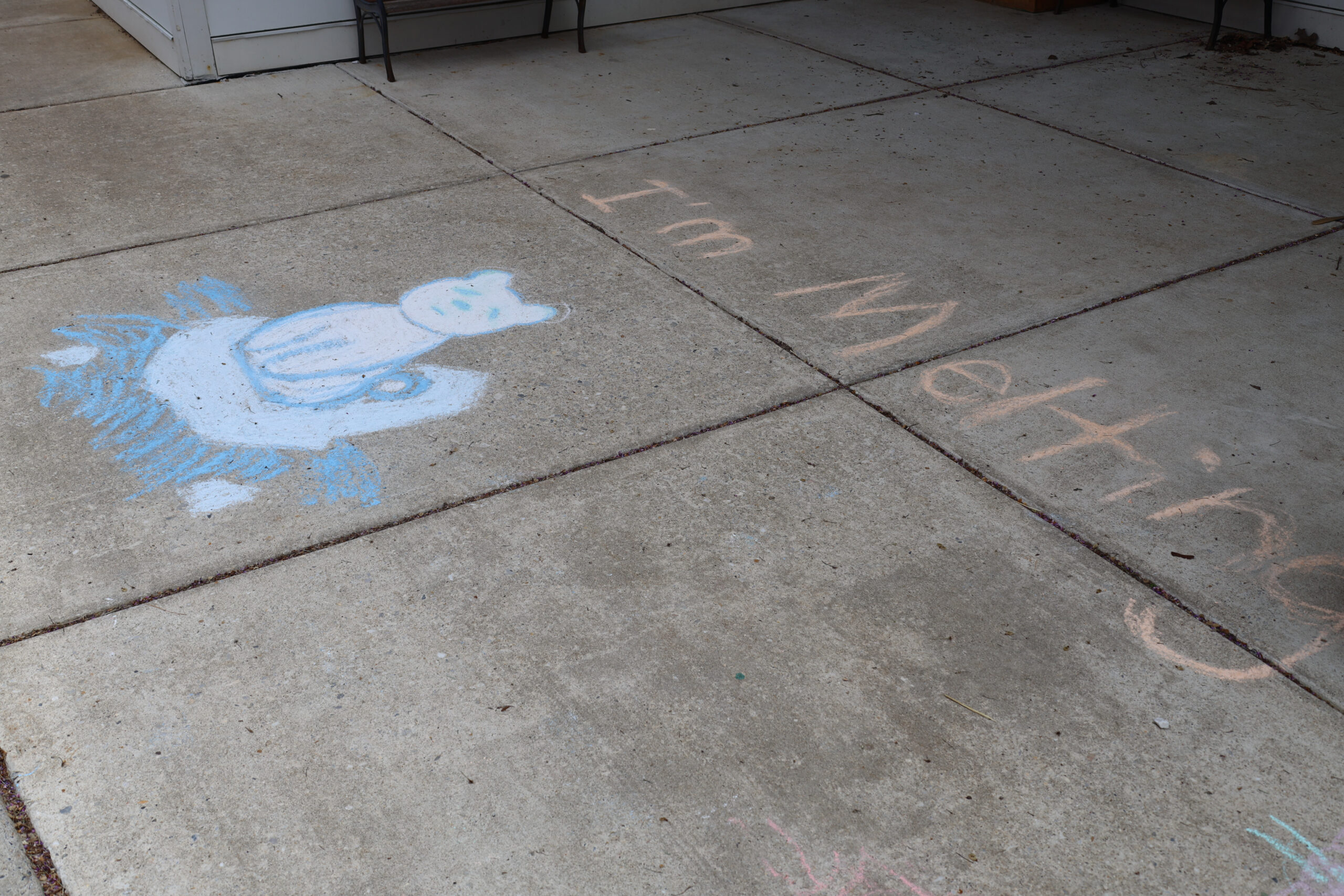
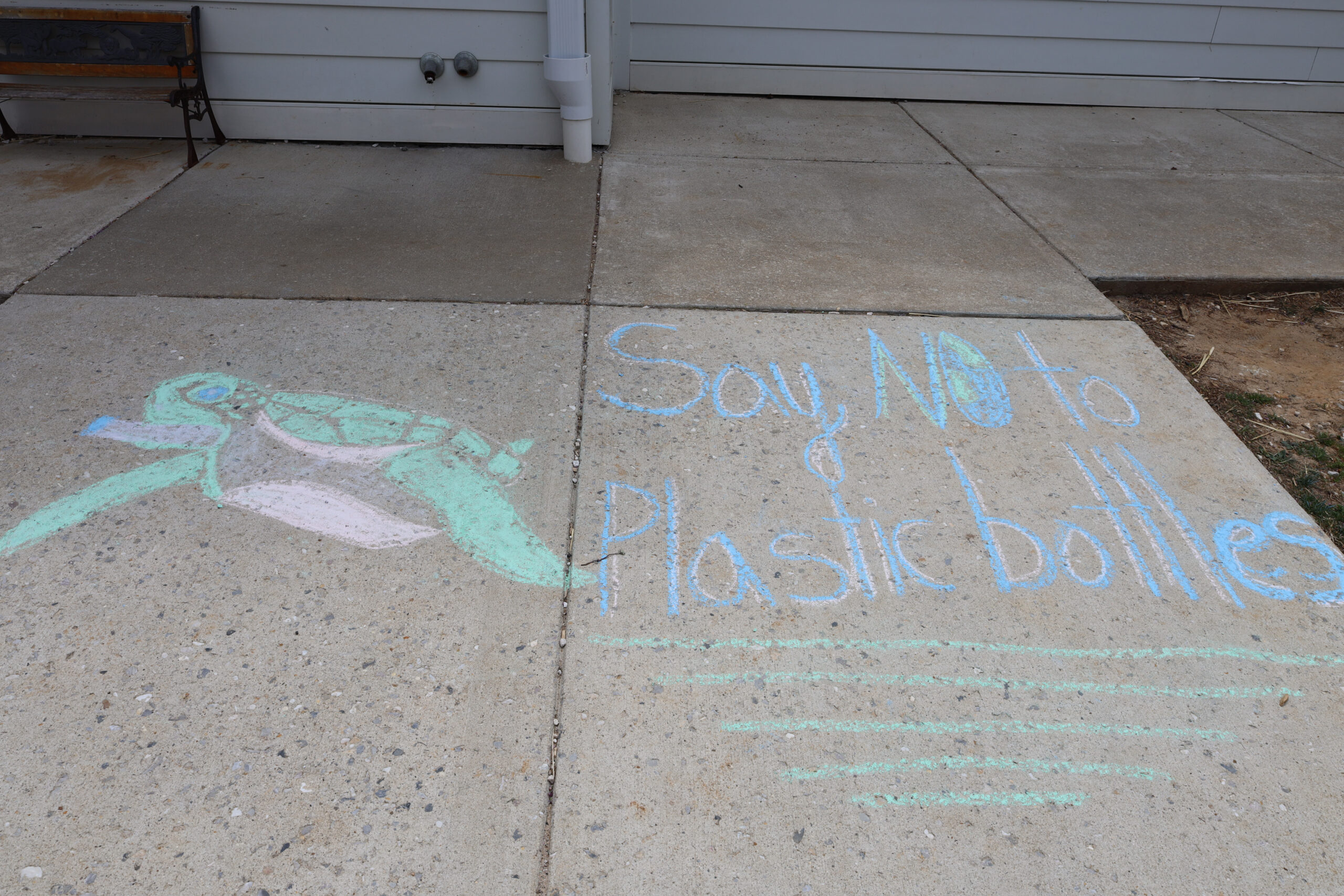
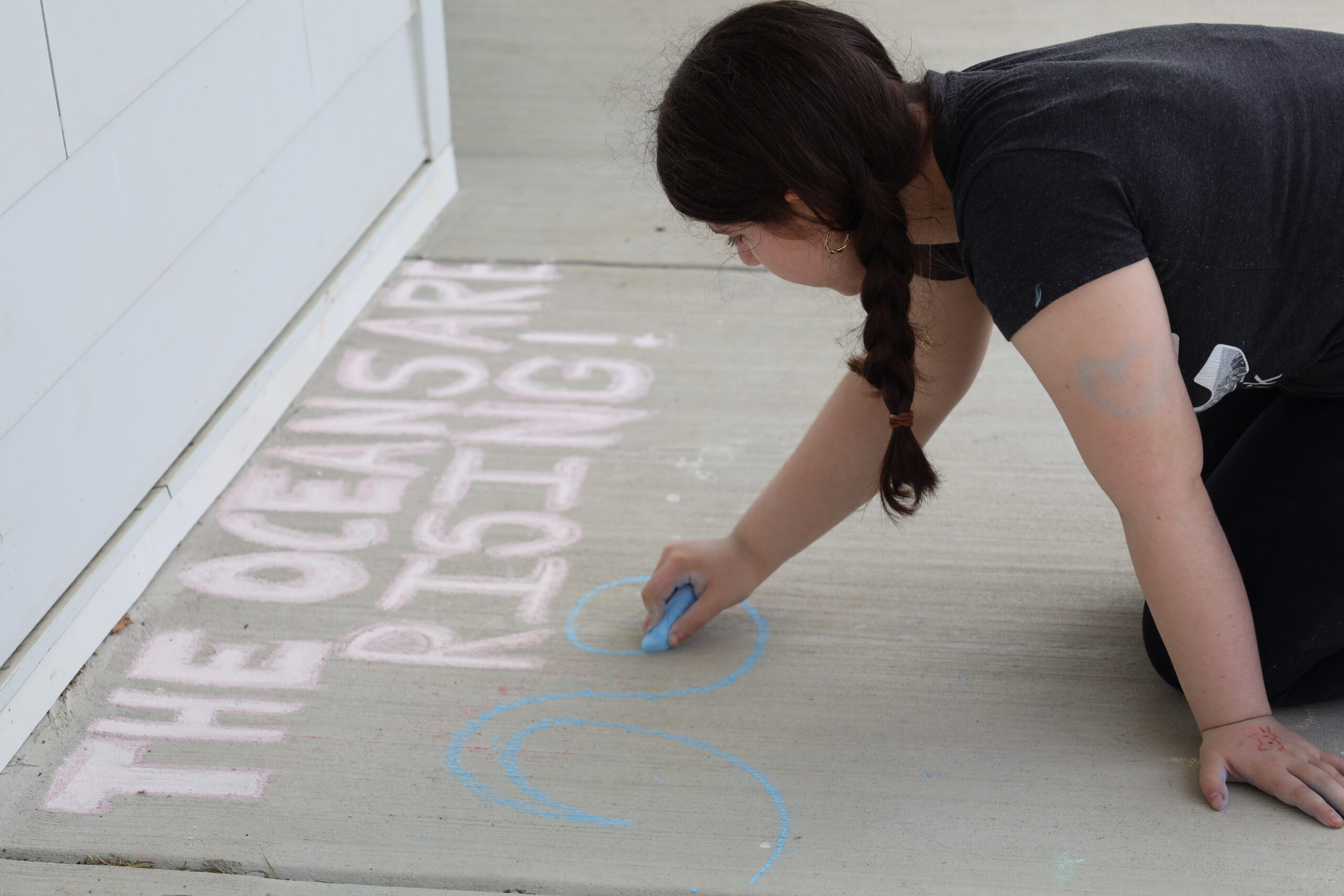
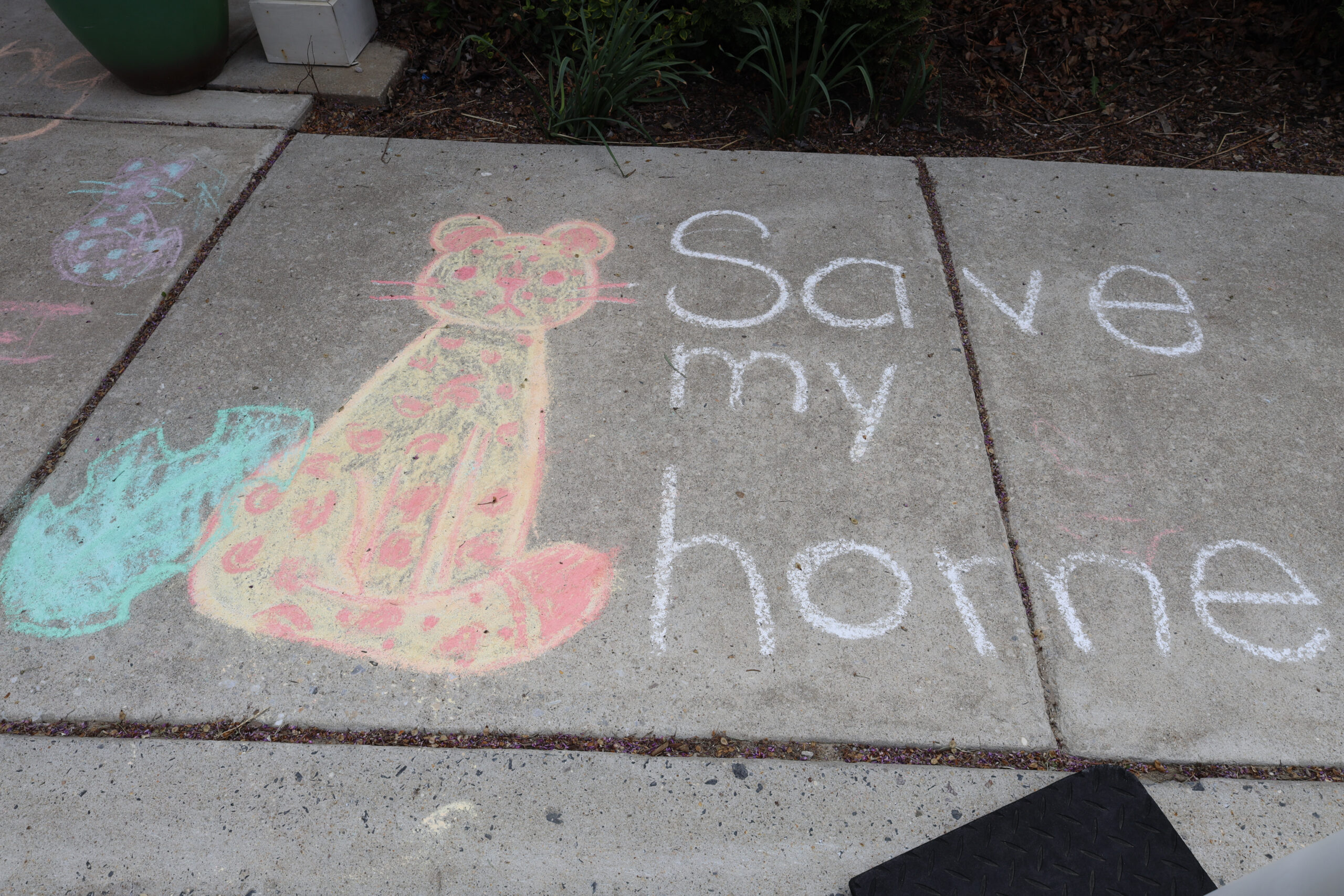
Our Elementary children sowed vegetable and flower seeds in their outdoor gardens. They are also preparing to extend their garden area in order to grow wine plants including gourds, pumpkins, squash, and watermelon. Our Adolescents created a graph of the atmospheric carbon along with eco-awareness art in sidewalk chalk around campus. They also sold seedlings as part of their small business. 

Families

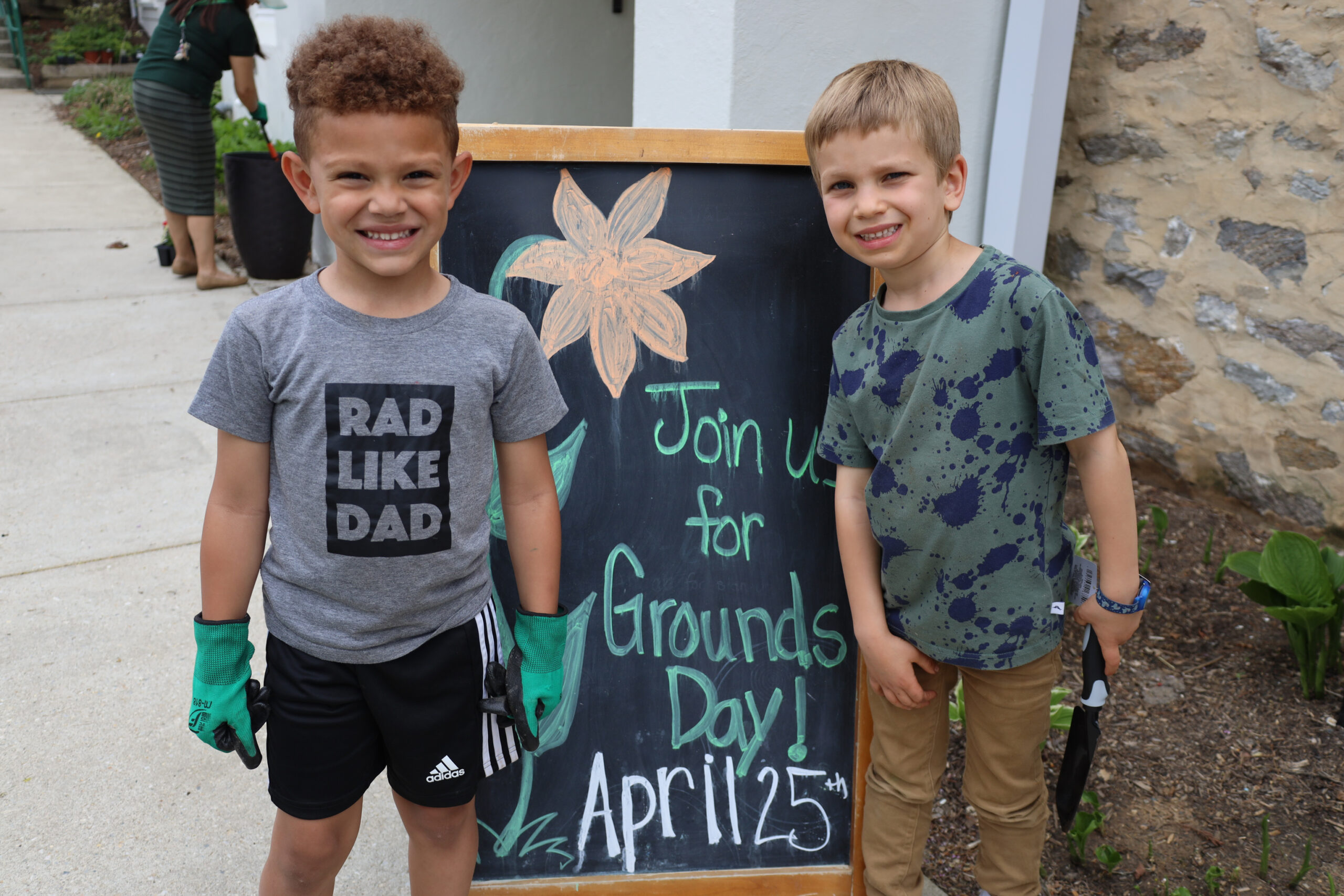
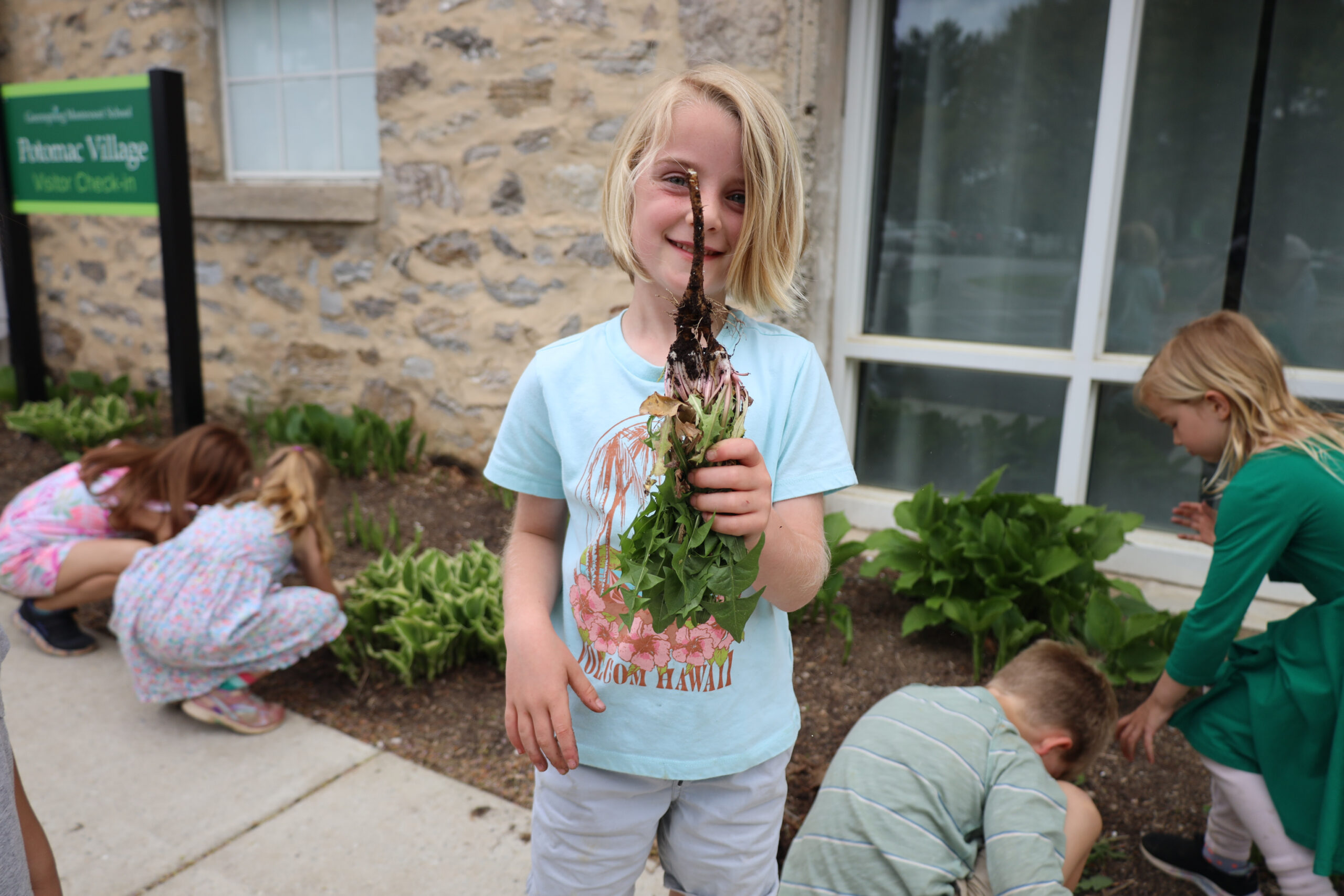
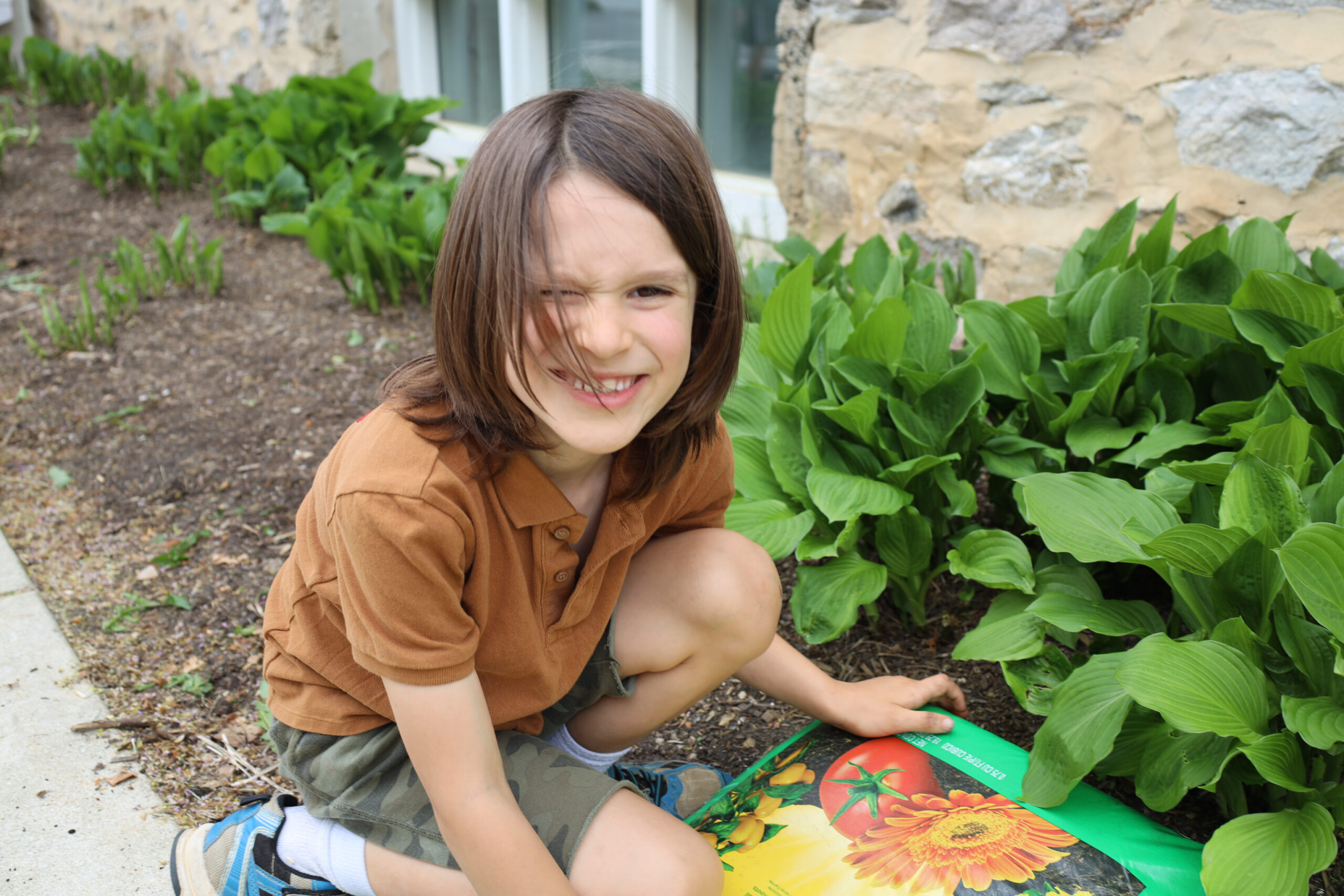
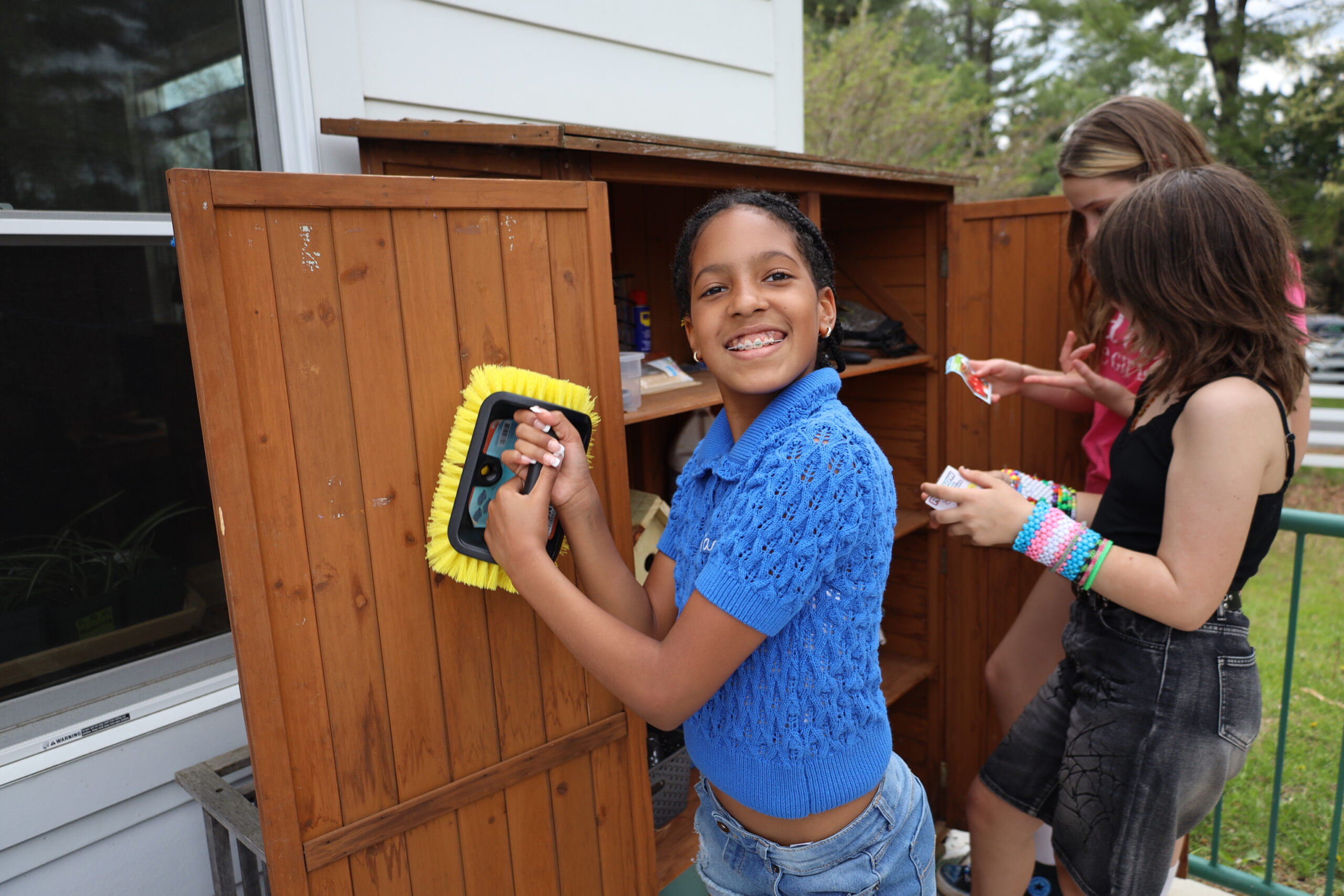
We also celebrated Earth Day with our families at our Spring Grounds Day. Volunteers came out to give back to our school by helping to beautify and maintain the Greenspring campus. Parents, grandparents, and children helped with everything from weeding and planting to window washing and fence staining. Thank you to everyone who came out to join us! Thank you for your support as we celebrate Earth Day and help inspire the future generation of stewards for our planet. 

“Hope is contagious Your actions inspire others.” – Jane Goodall
What do you love about Greenspring?

What do you love about Greenspring?

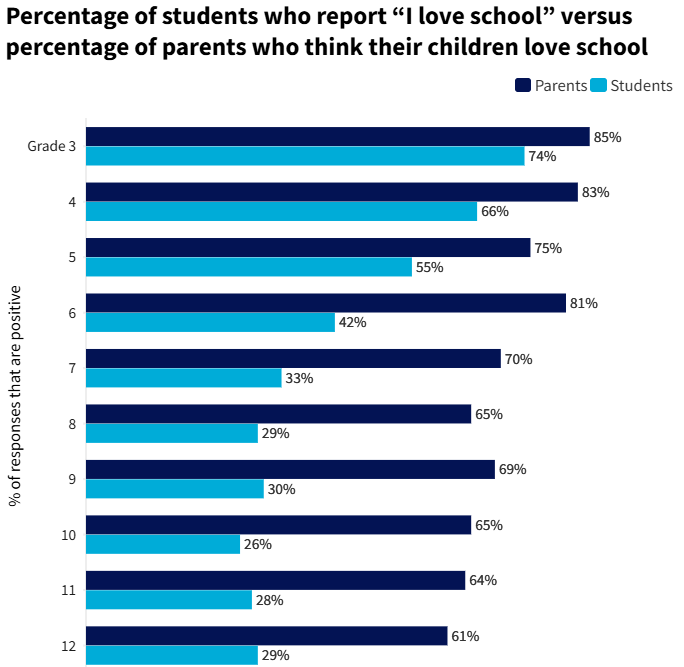
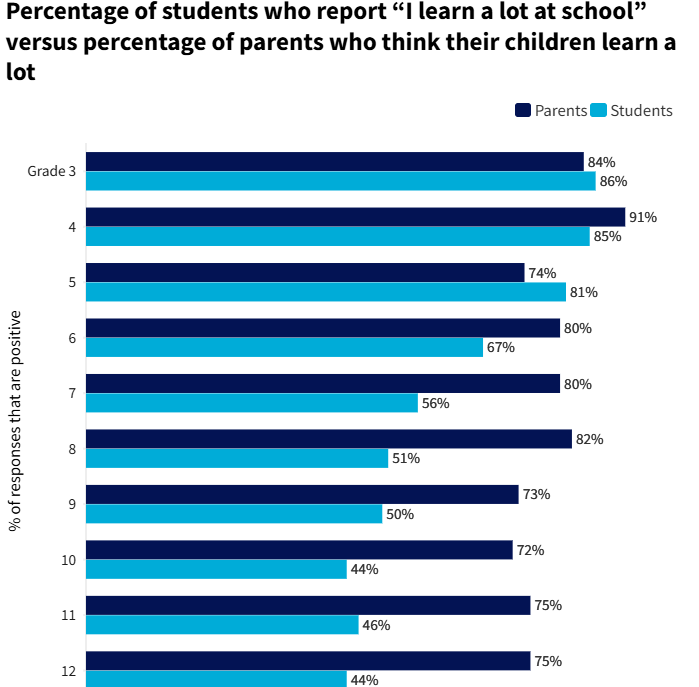
A recent article in Education Week brought to light some intriguing findings from a Brookings Institution study that reveals a gap in how parents perceive their children’s enjoyment and engagement with school compared to the students’ own perspectives. According to the study, while 78% of parents believe their children are thriving academically and enjoying school, only 60% of students share this sentiment. This gap grows even wider when it comes to how much students “love” school, with only 41% of students expressing such feelings compared to 71% of parents.

At Greenspring, we deeply value fostering an environment where students feel excited to learn, grow, and engage with their school community. Our Guides are dedicated to creating an atmosphere where each student can explore their interests and discover the joy of learning. We know that when we support the whole child – academically, mentally, and spiritually – their joy, success, and confidence follow naturally.

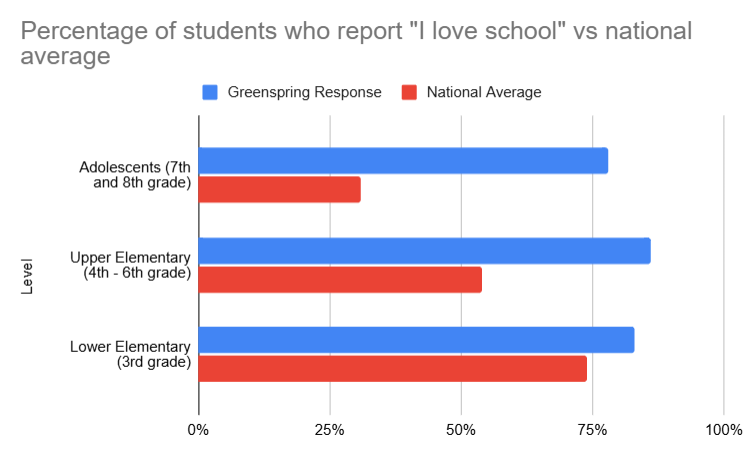
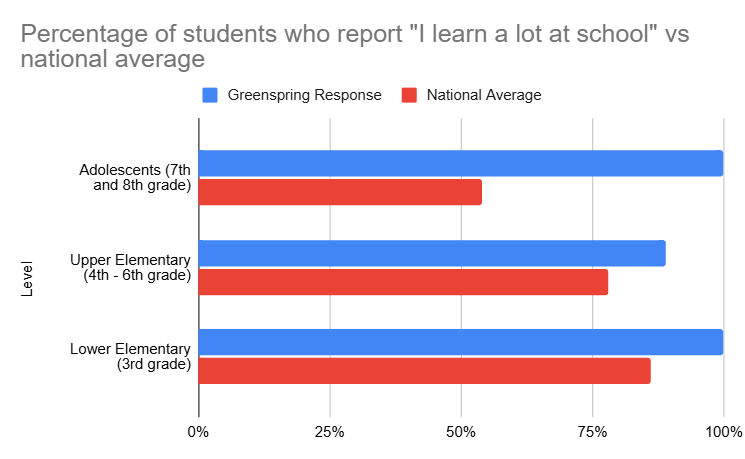
While the gap highlighted in the study is concerning, it does not come as a shock when we think about the mighty challenges facing modern education. At Greenspring, this offers us an opportunity to reflect on our efforts to connect with our children and adolescents to ensure they feel both challenged and supported. After learning more about the study, we decided to poll our own Elementary and Adolescent students in 3rd – 8th grade to find out more about what they are feeling at school. Here are the questions we asked.

We are happy to share the results here.

We also interviewed Elementary students to find out more about what they love about Greenspring. We hope that you will take a moment to hear what they have to say.

With this in mind, I encourage you to open up the dialogue with your children at home. What are they learning about in school? What inspires them? And are the adults in their life offering them worthy challenges that support their growth, not just academically, but also emotionally, physically, and spiritually? We seek to move forward into a new age of education where this is the norm, not the exception, for every child.

Elementary Students Travel to New York for Model United Nations Conference

Elementary Students Travel to New York for Model United Nations Conference

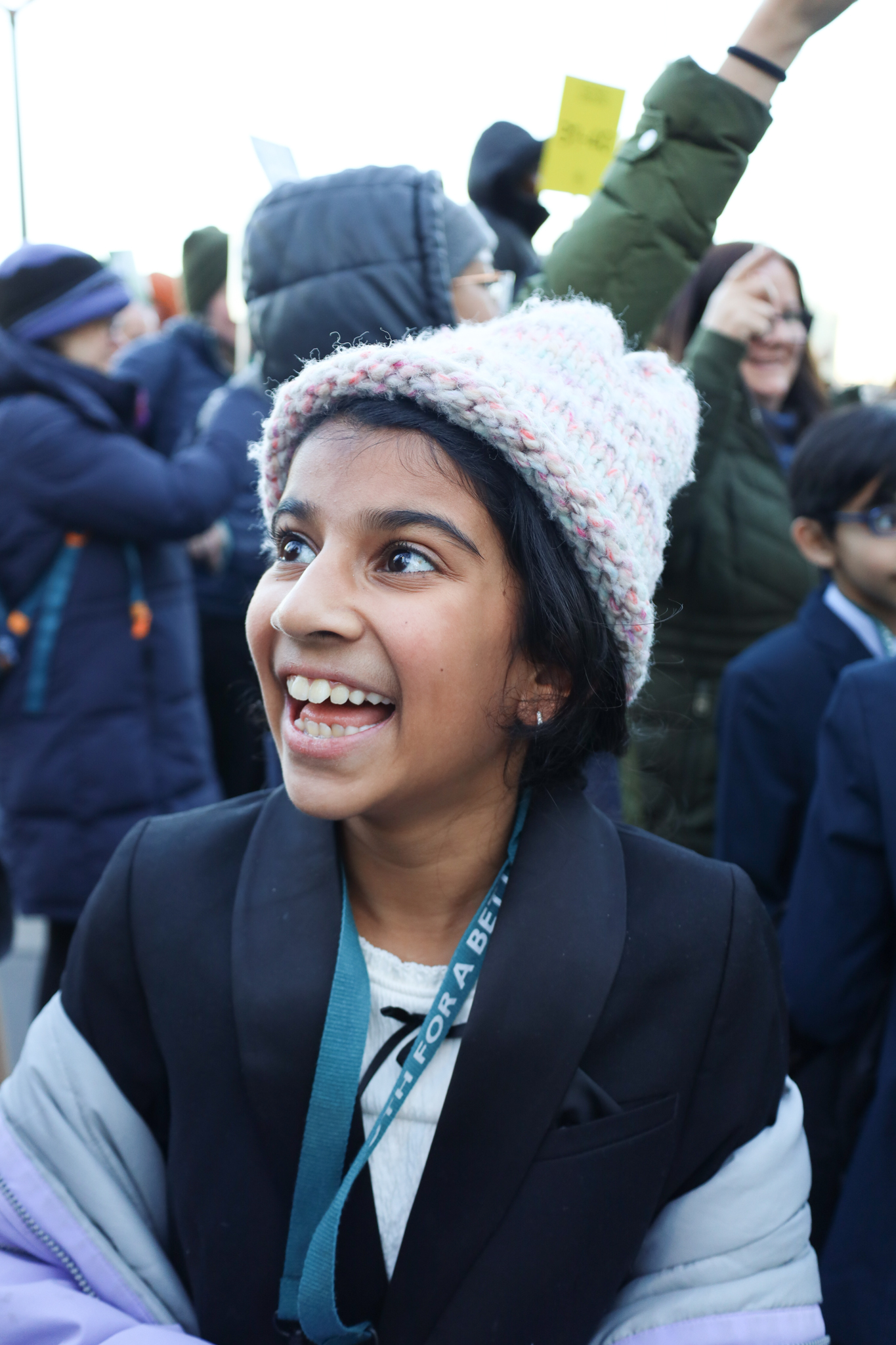
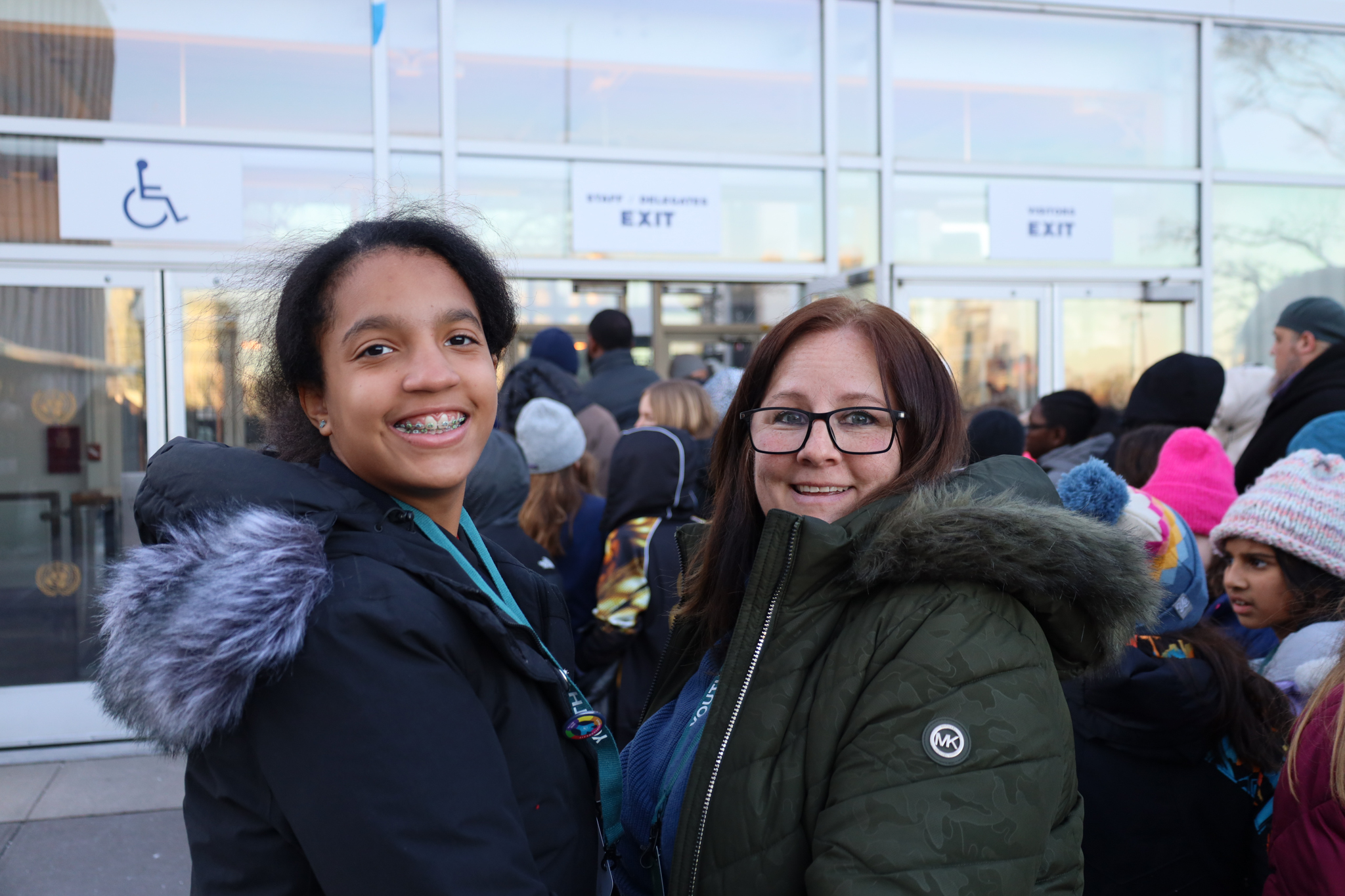
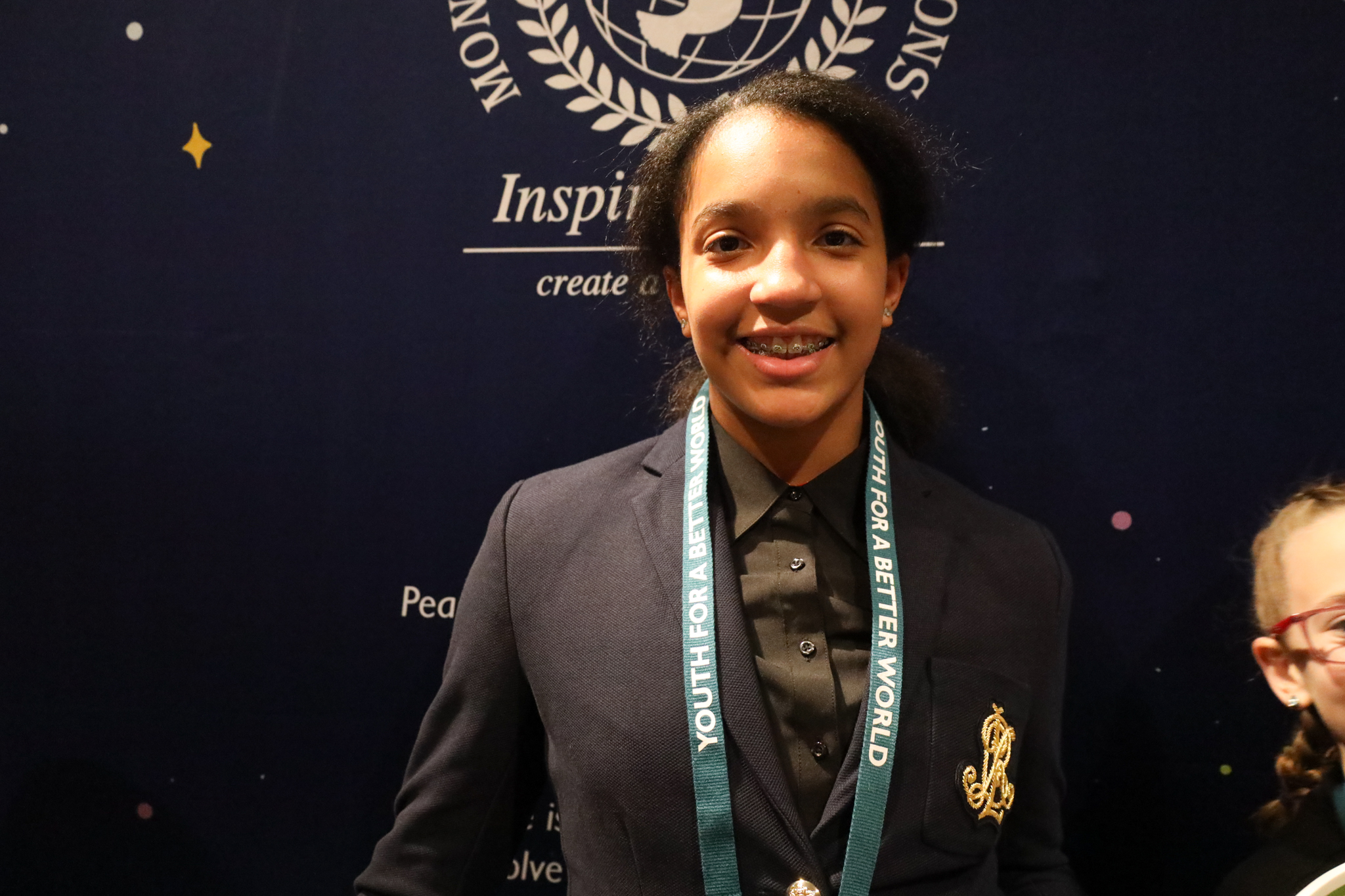
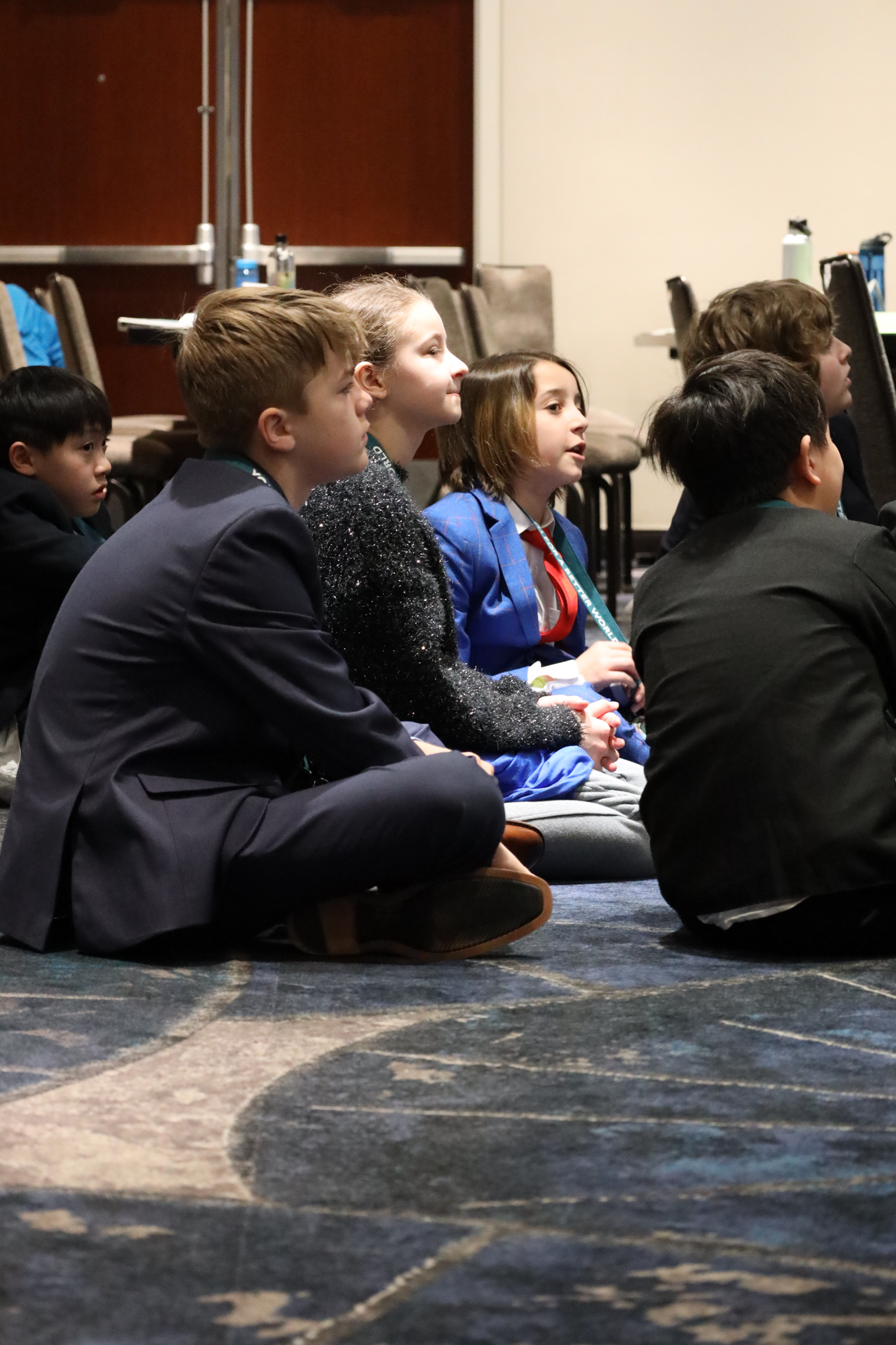
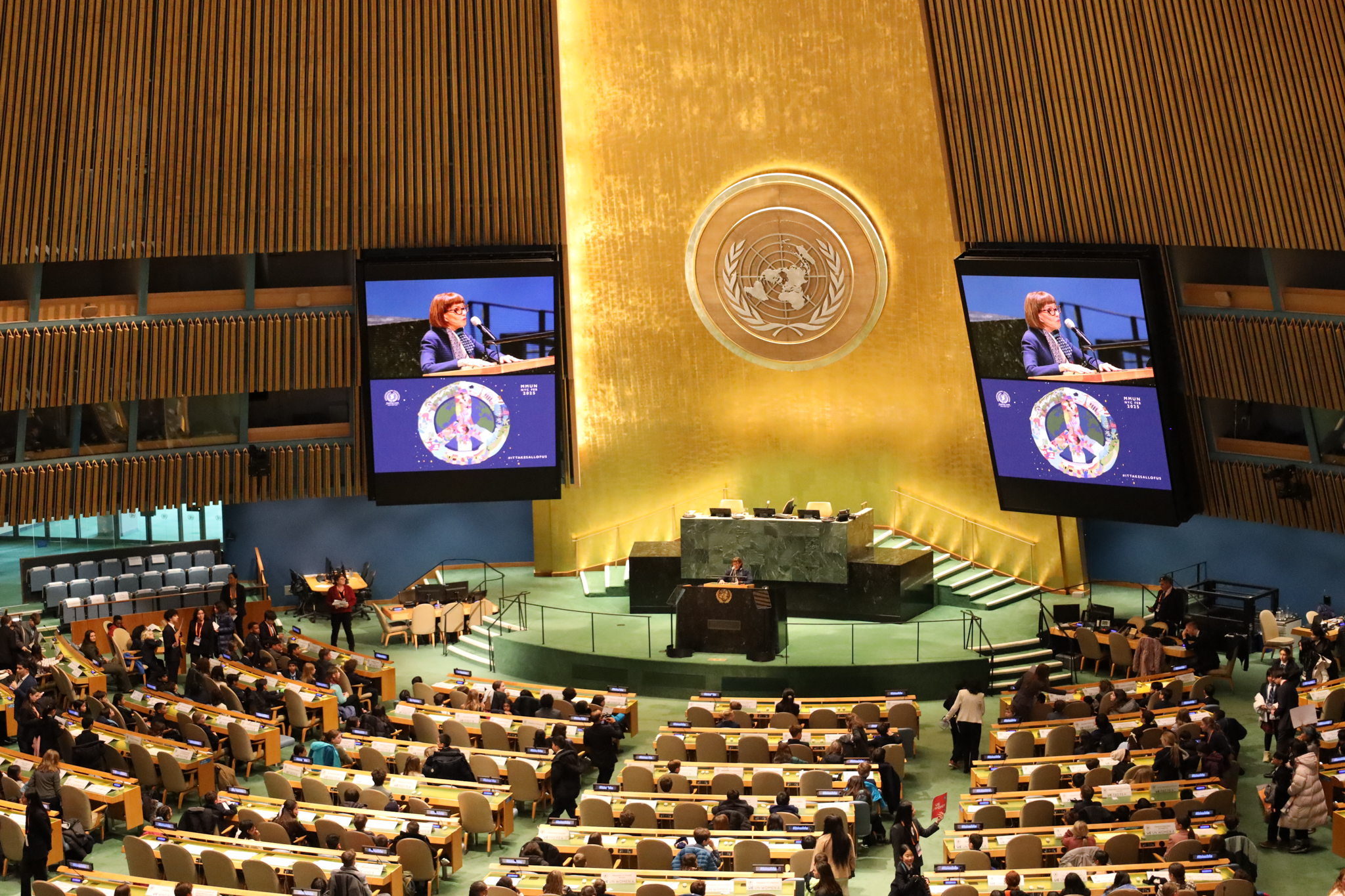
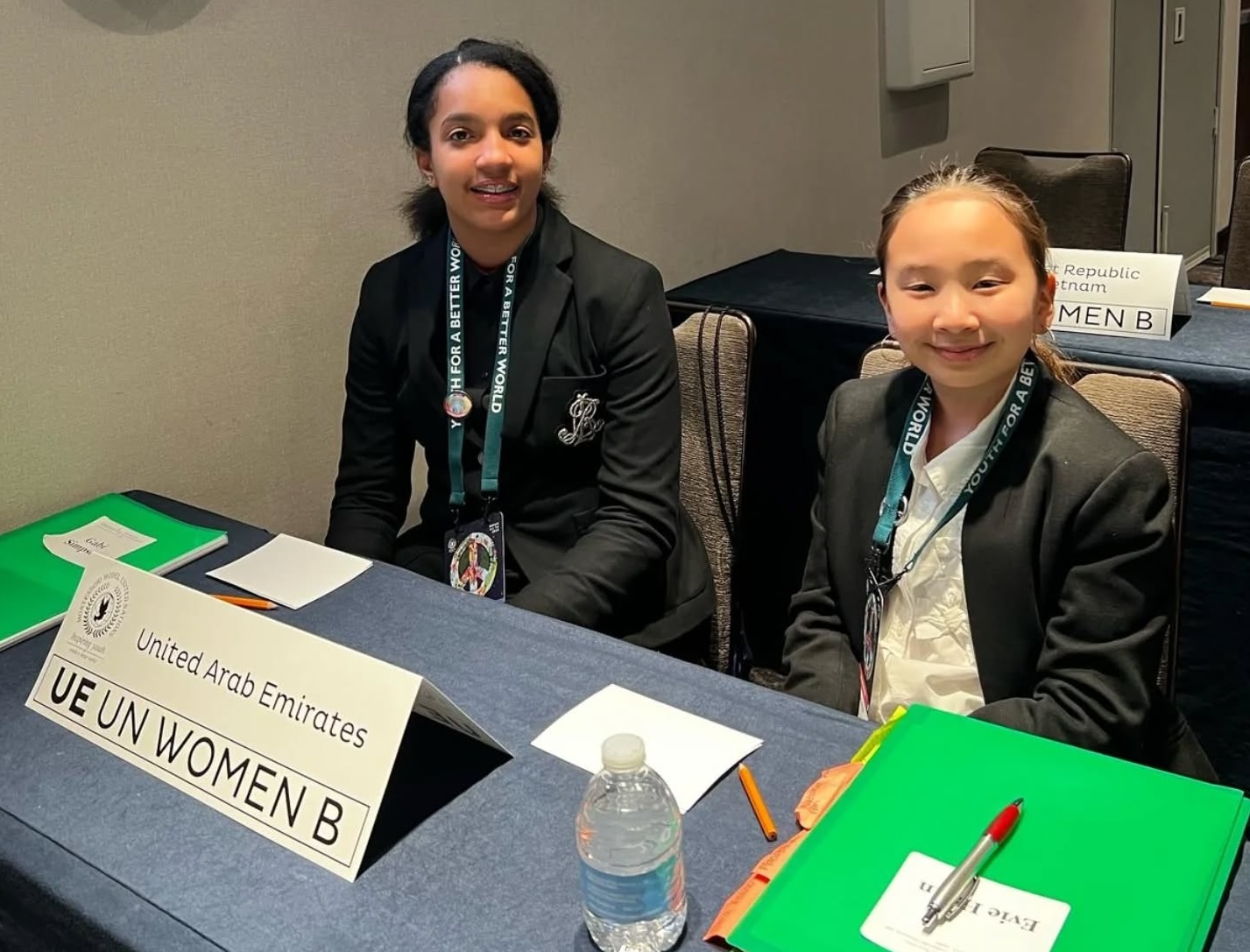
In February our Upper Elementary students visited New York for the Montessori Model United Nations Conference. They have worked so hard this year to represent United Nations topics for Uruguay, Croatia, and United Arab Emirates.

What is Montessori Model United Nations?

Upper Elementary students in fifth and sixth grade participate in the Montessori Model United Nations (MMUN) as an After-School Program at Greenspring Montessori School. MMUN is an international group that seeks to empower young leaders through research, cultural studies, critical thinking, and problem-solving. MMUN works directly with the United Nations and implements elements of the Montessori Method to create an enriching experience for students and faculty.

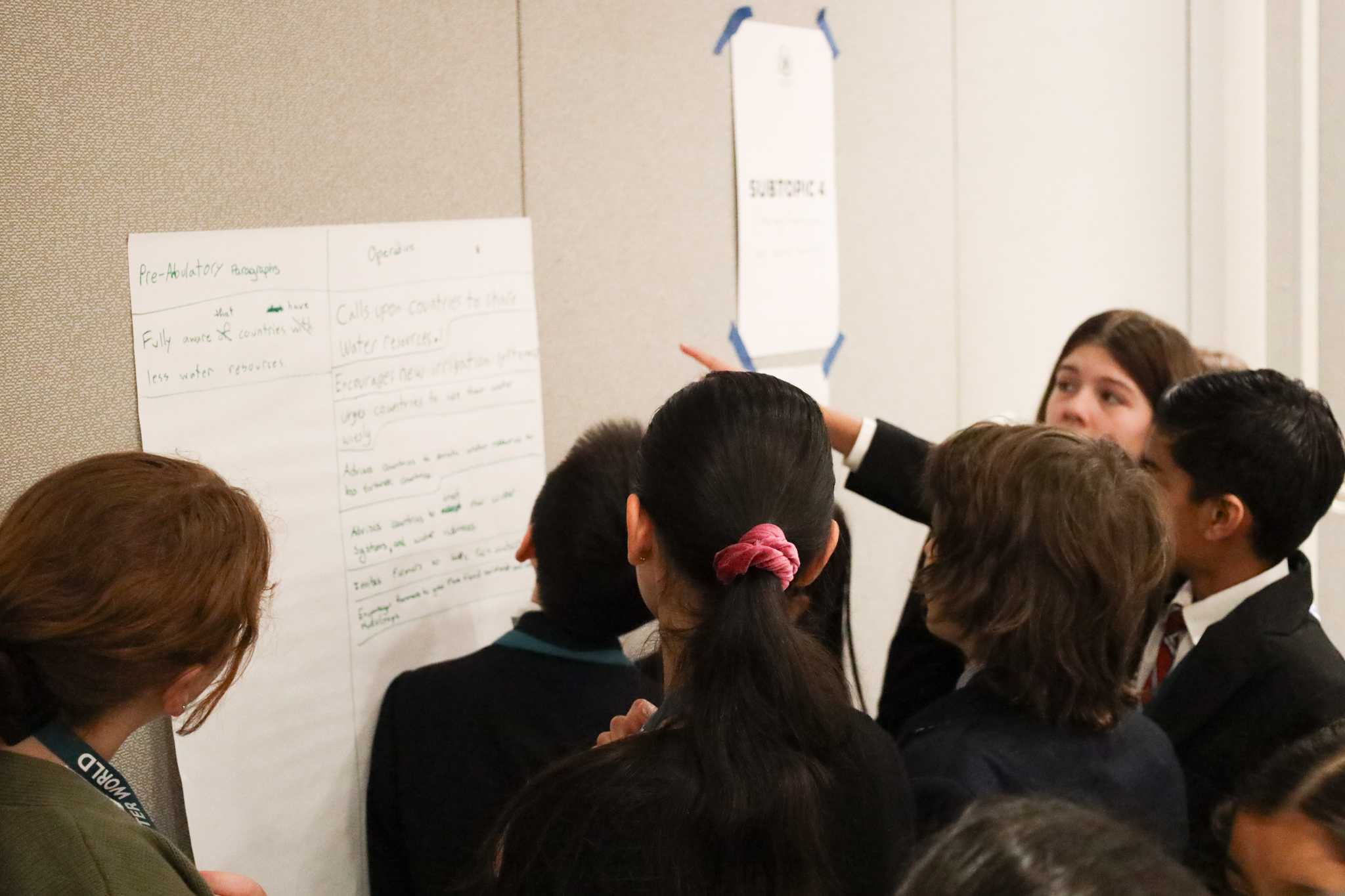
Elementary students meet after school for months in preparation for the annual MMUN conference in New York City. The topics they researched ranged from food security and water scarcity to gender equity and disarmament. Students prepared a research paper and then drafted a one minute persuasive speech to present to other MMUN students from around the world. 

They learn together the need for peace and lasting conflict resolution, skills that will follow them through life.

Click here to learn more about our Elementary Program and here to learn more about Montessori Model United Nations.

Children as Changemakers

Children as Changemakers

The role of a changemaker is to achieve positive change through taking action. Changemakers are intentional about identifying a problem and are willing to work toward a solution through creative action.

At Greenspring, students of all ages are invited to contribute to their community. These efforts are student-led and student-driven, with gentle support and guidance provided as needed.

Toddlers

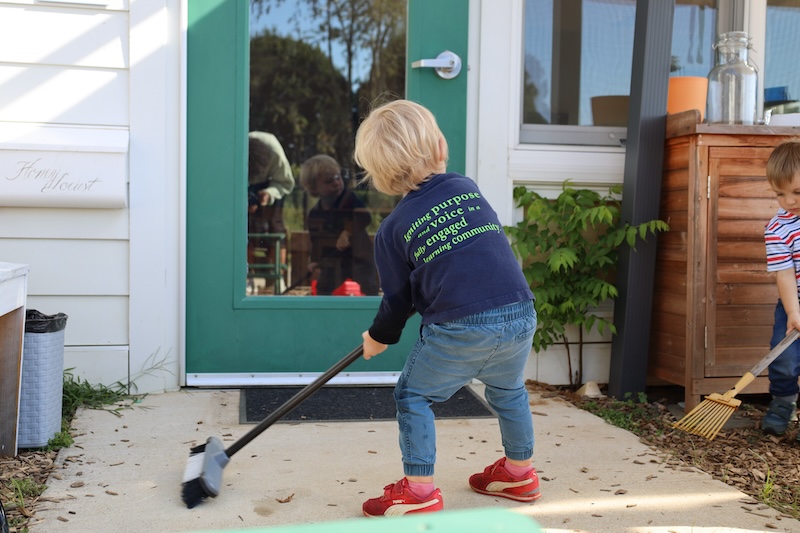
Toddlers begin by caring for what is most familiar: plants and animals, their classroom and outdoor environment, and their classmates.

Children’s House

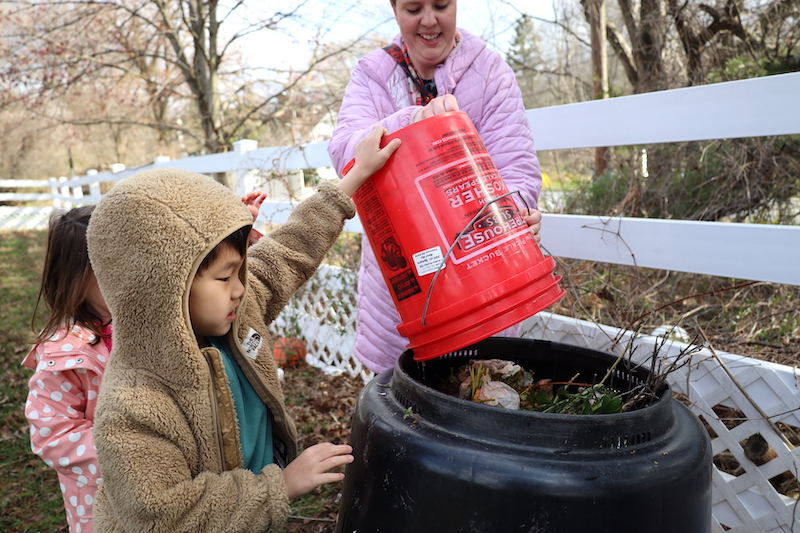
Children’s House students extend their service to include the school community and campus. For example, they assist with campus-wide composting and participate in Grounds Days.

Lower Elementary

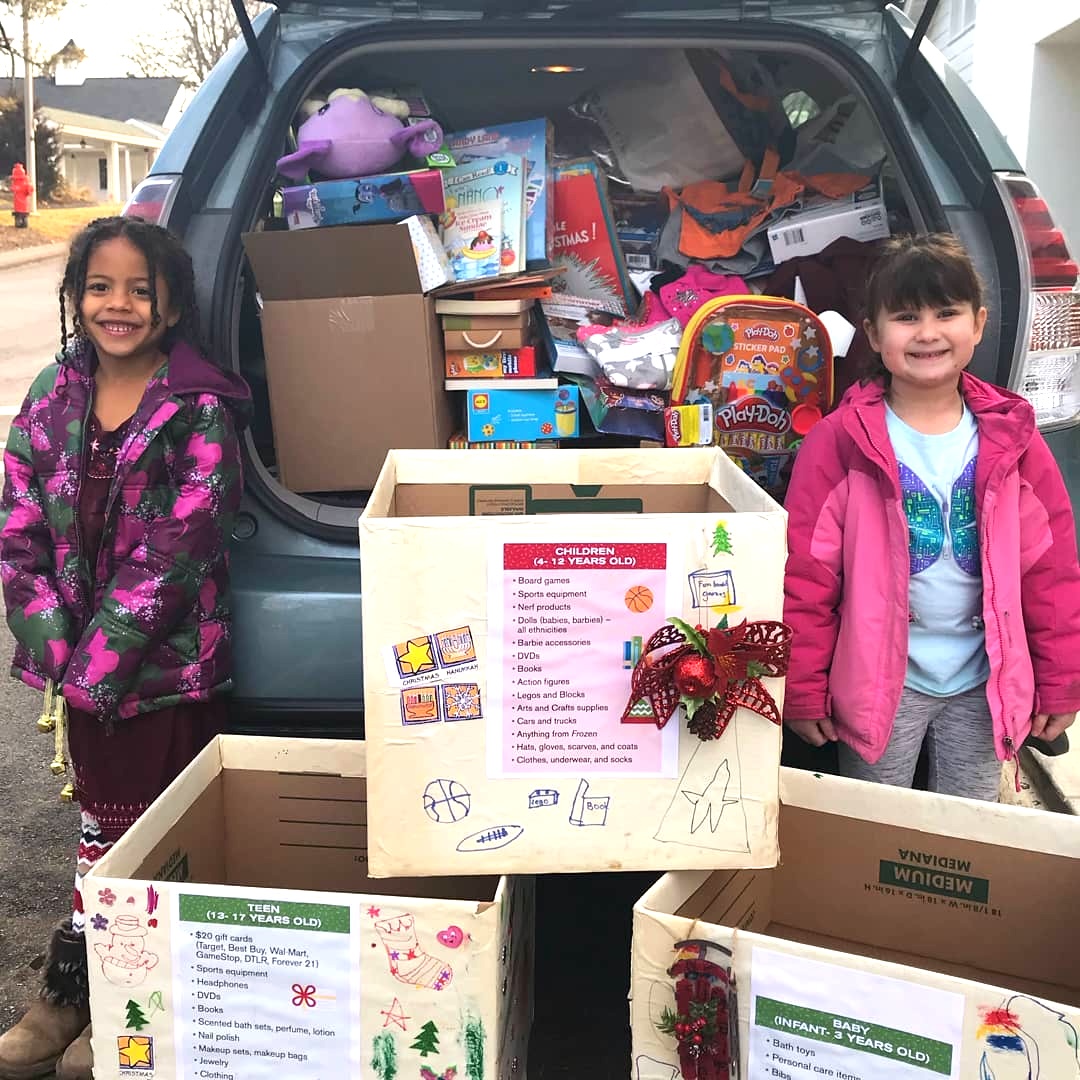
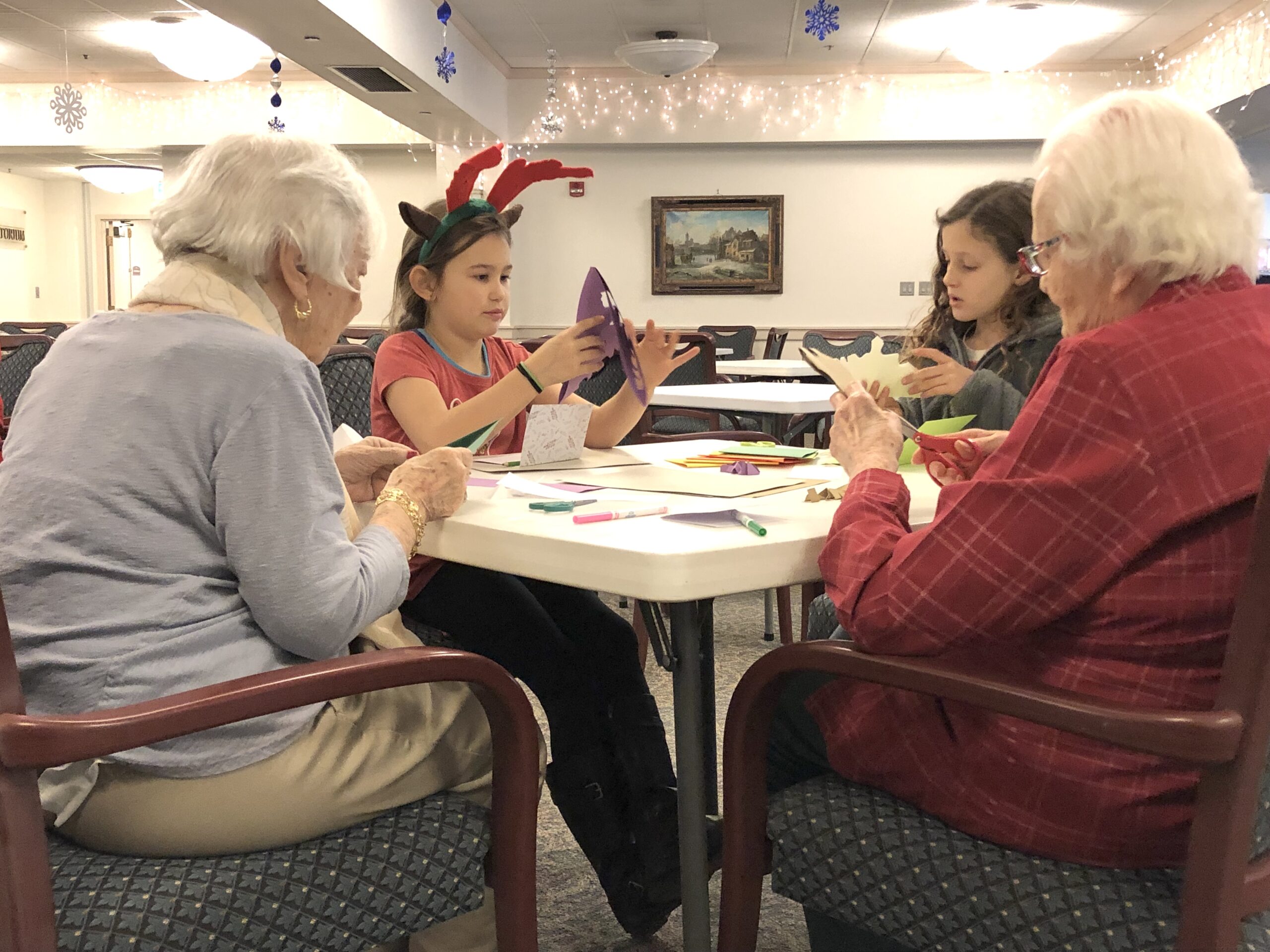
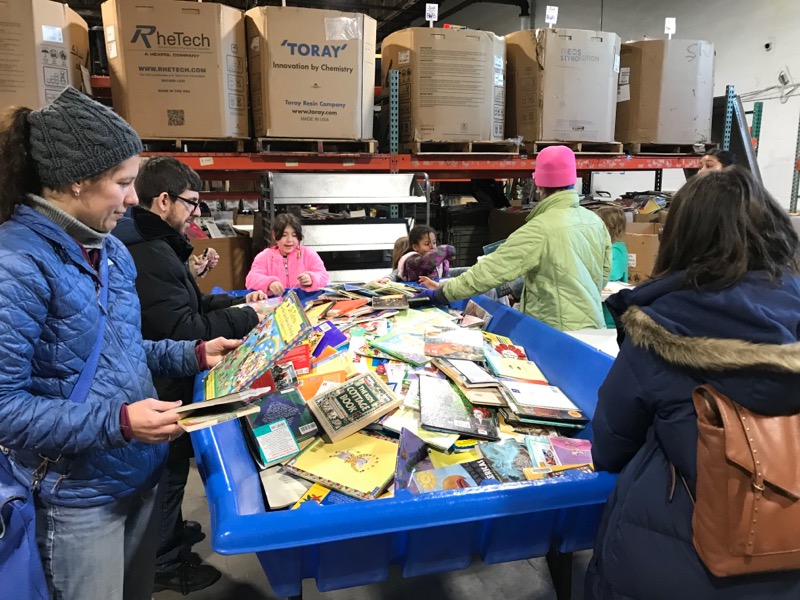
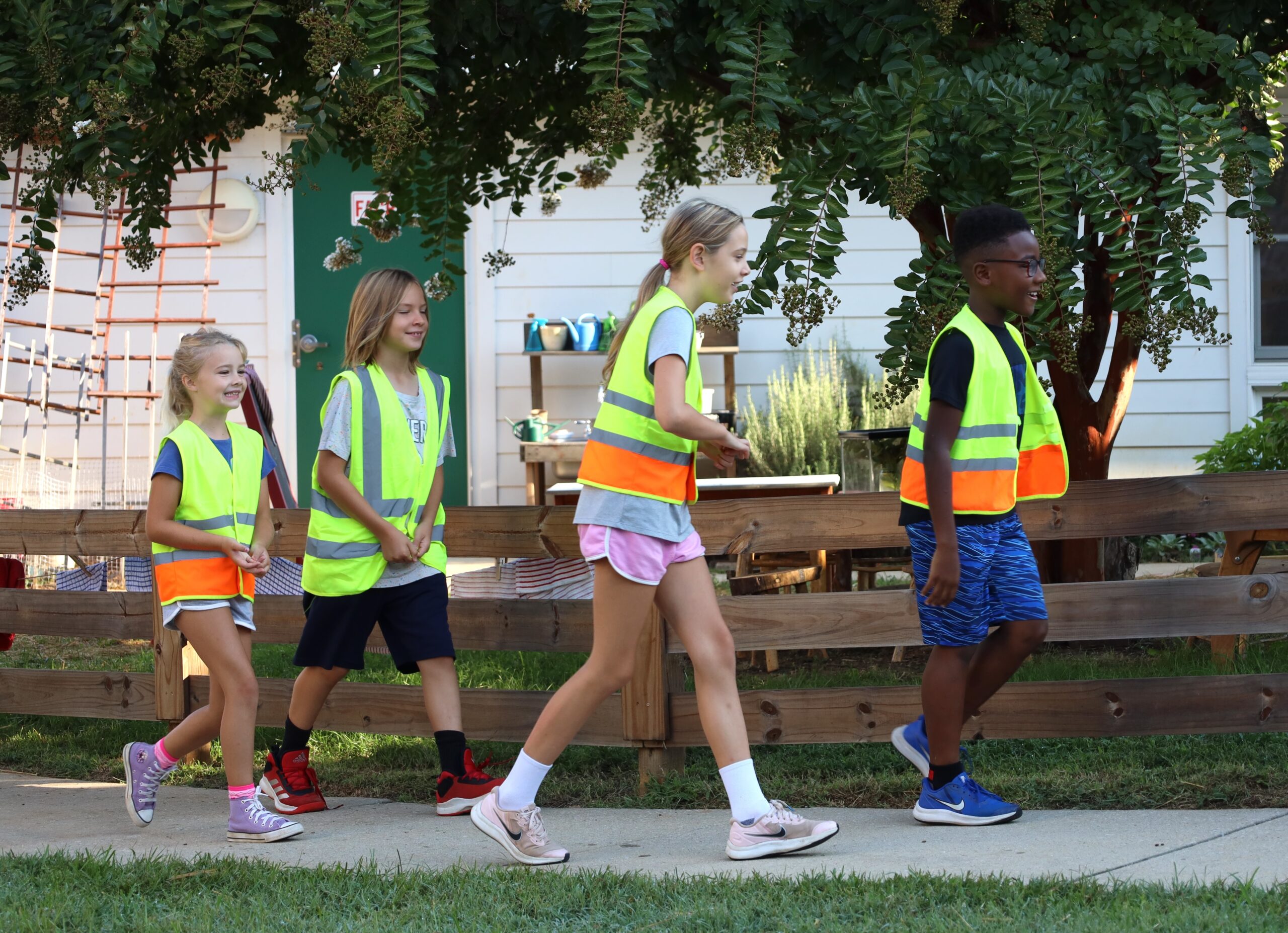
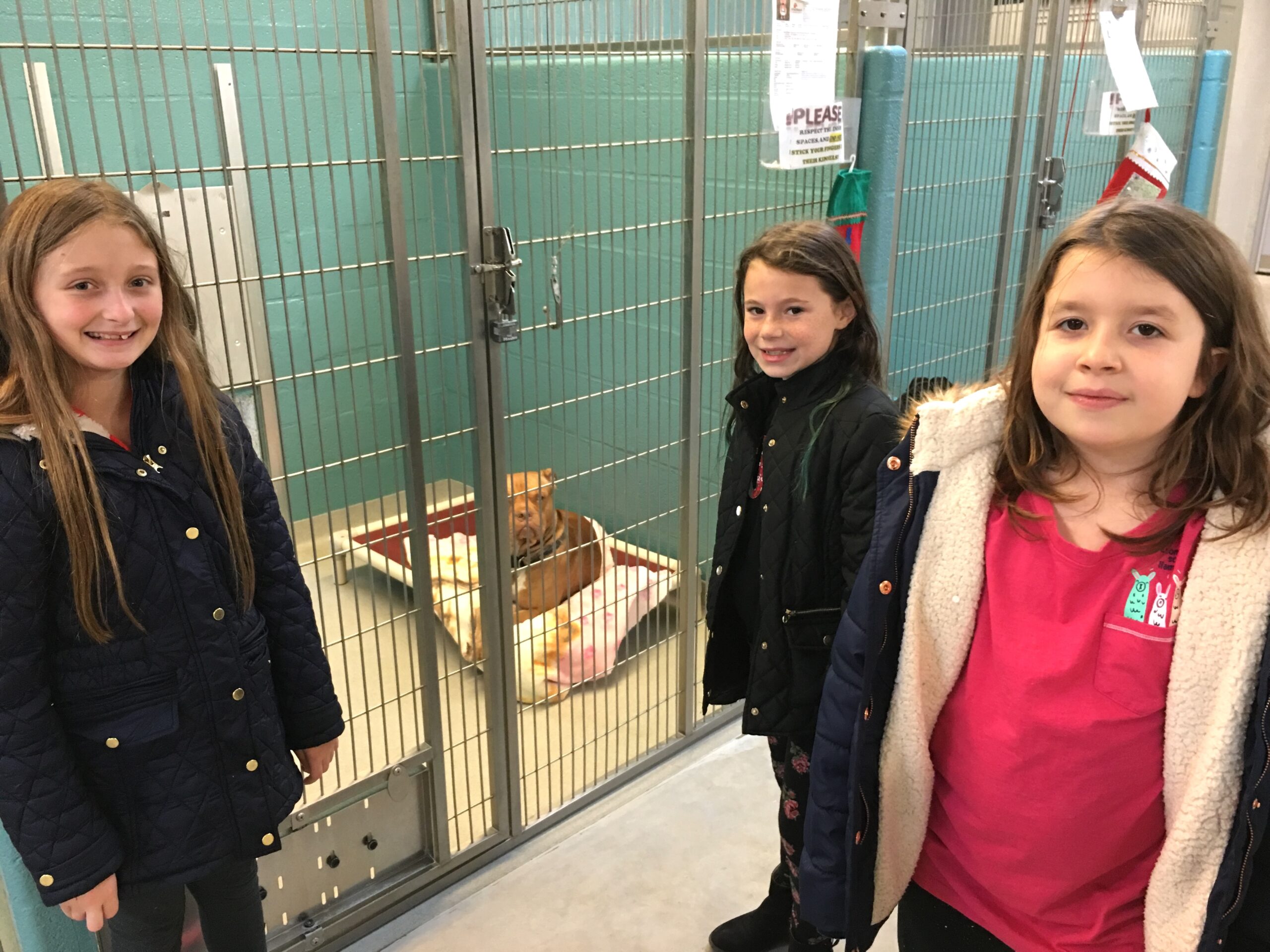
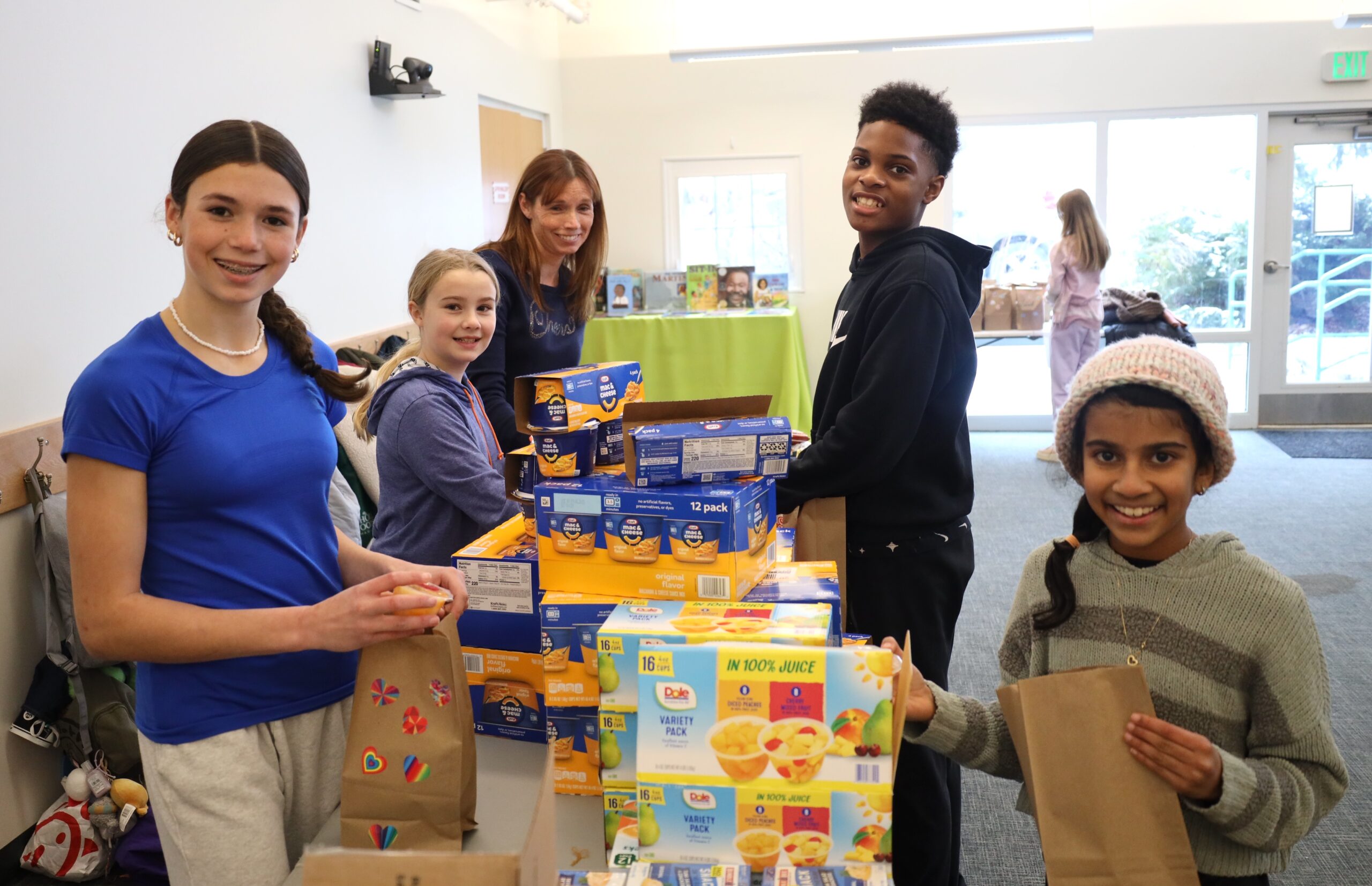
Elementary students begin Going Out trips, during which they leave campus to engage with the larger community. For example, students may visit elders in a retirement community or grow grasses for replanting in the Chesapeake Bay. Students often initiate their own service projects, such as this winter coat and food drive and helping at the Maryland Book Bank.

Upper Elementary

Students continue planning Going Out and service projects that take them into the larger community. For example, students recently organized a fundraiser to support the victims of the California wildfires. They also visited Art with a Heart in Baltimore to learn more about their programs that serve those in need. Many participate in the Montessori Model United Nations (MMUN) program, which culmitates in a multi-day event at the United Nations headquarters in New York City.

Adolescents

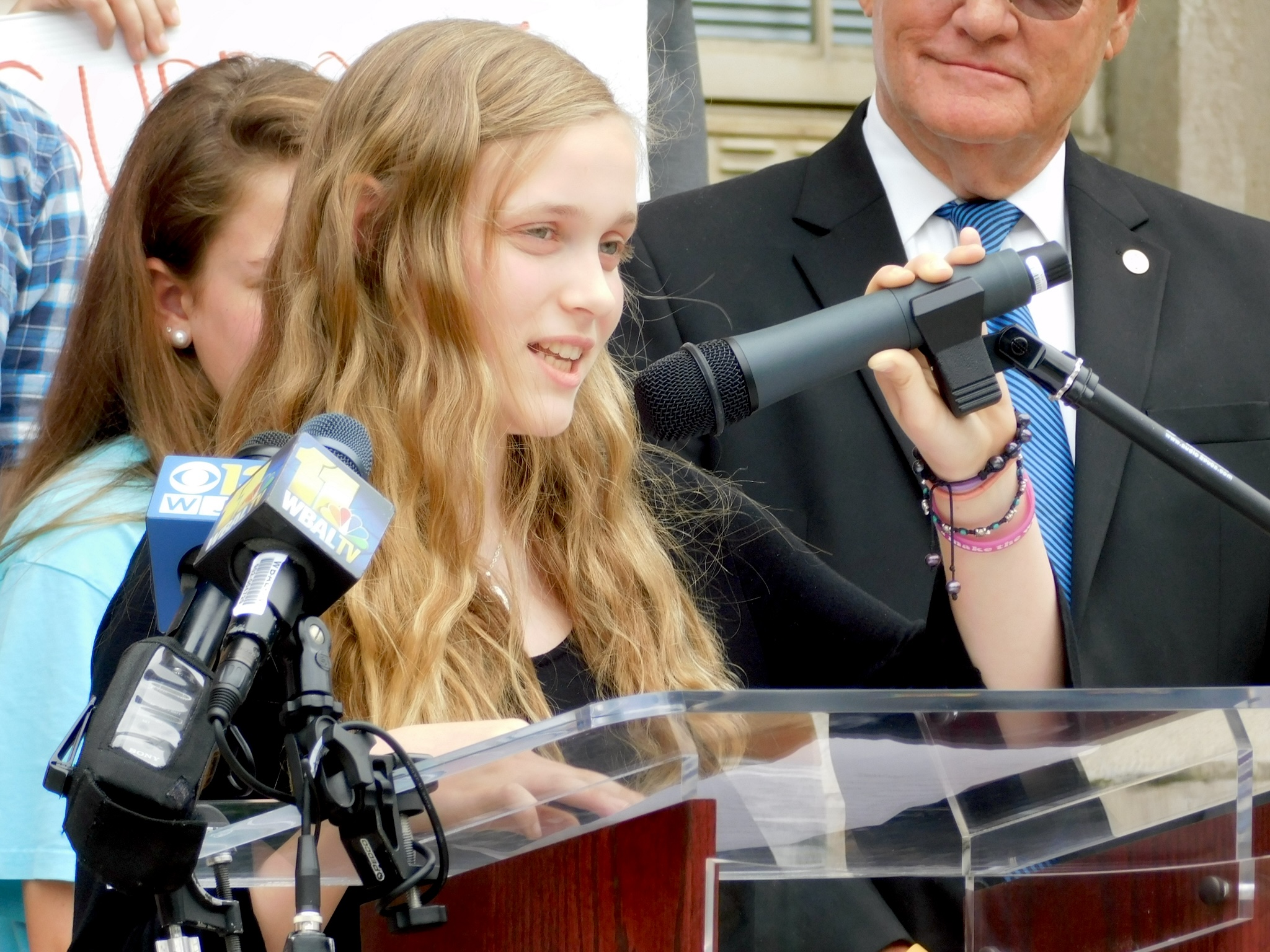
Adolescents research issues of social justice and become advocates for causes they are passionate about. They practice persuasive public speaking during Igniting Voice presentations each trimester. Adolescents also work as a group to run small businesses (or “microeconomies’). These microeconomies not only provide a way for students to generate funds for their projects and trips, but serve as an integrated curriculum that provides opportunities for real-world, experiential learning and for serving the community.

You can encourage and empower your child to be a changemaker! Here are some tips:

Spark Curiosity and Conversation:

  • Talk about your family’s values.
  • Discuss current events and local issues appropriate for their age, asking open-ended questions to encourage critical thinking.
  • Share stories of inspiring changemakers like Malala Yousafzai or Greta Thunberg.
  • Watch documentaries or read age-appropriate books about social justice topics.

Identify Areas of Passion:

  • Encourage your child to explore their interests and identify causes they care about and that connect to your family’s values, whether it’s animal welfare, environmental protection, or helping the homeless.
  • Let them choose a focus area where they feel most motivated to make a difference.

Take Action Together:

  • Volunteer at local organizations aligned with their interests, allowing them to directly contribute to a cause.
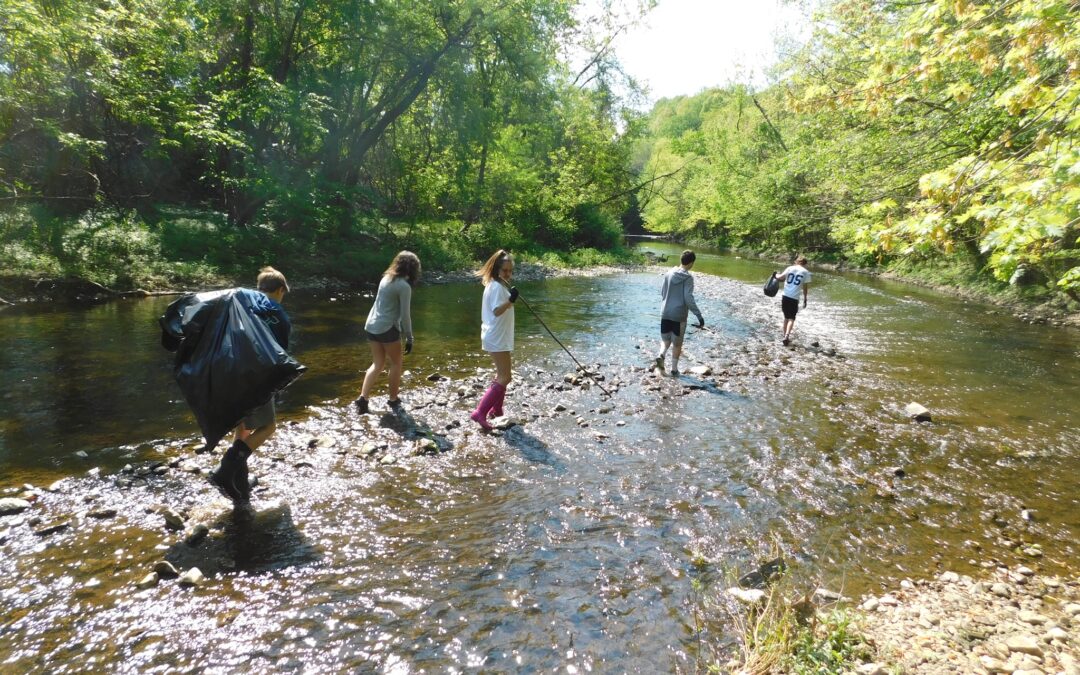
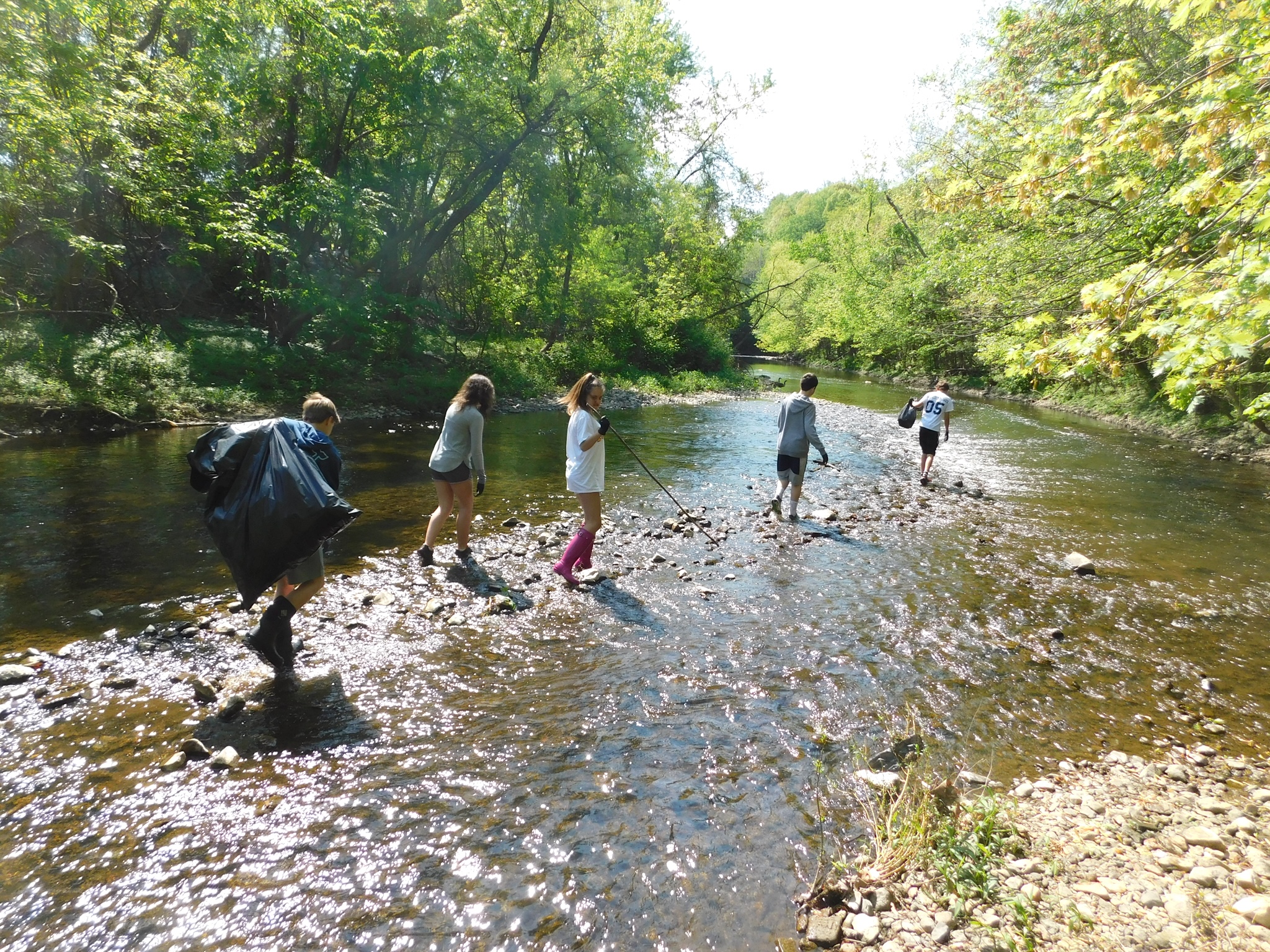
  • Start small projects at home, like a recycling drive, a food donation collection, or a community clean-up.
  • Participate in letter-writing campaigns or online petitions to advocate for change.

Empower Their Voice:

  • Encourage them to express their opinions and ideas openly, even if they seem small.
  • Teach them how to respectfully communicate their concerns to authorities or decision-makers.
  • Practice public speaking skills by giving presentations at school or community events.

Foster Creativity and Innovation:

  • Brainstorm creative solutions to problems they identify in their community.
  • Encourage them to design posters, create art projects, or write songs related to their cause.
  • Support their efforts to develop unique initiatives to address a problem.

Celebrate Achievements:

  • Recognize and acknowledge their contributions, no matter how small.
  • Share their accomplishments with family and friends to build pride and motivation.
Resources for Families

Doing Good Together – Baltimore chapter
https://www.doinggoodtogether.org/family-volunteering-baltimore

ChangemakerCommunities.org
https://www.changemakercommunities.org/resources-for-parents-guardians


“We must look to the children as a vehicle for bringing change to humanity.” 

Dr. Maria Montessori