What’s New in Writers’ Workshop?

What’s New in Writers’ Workshop?
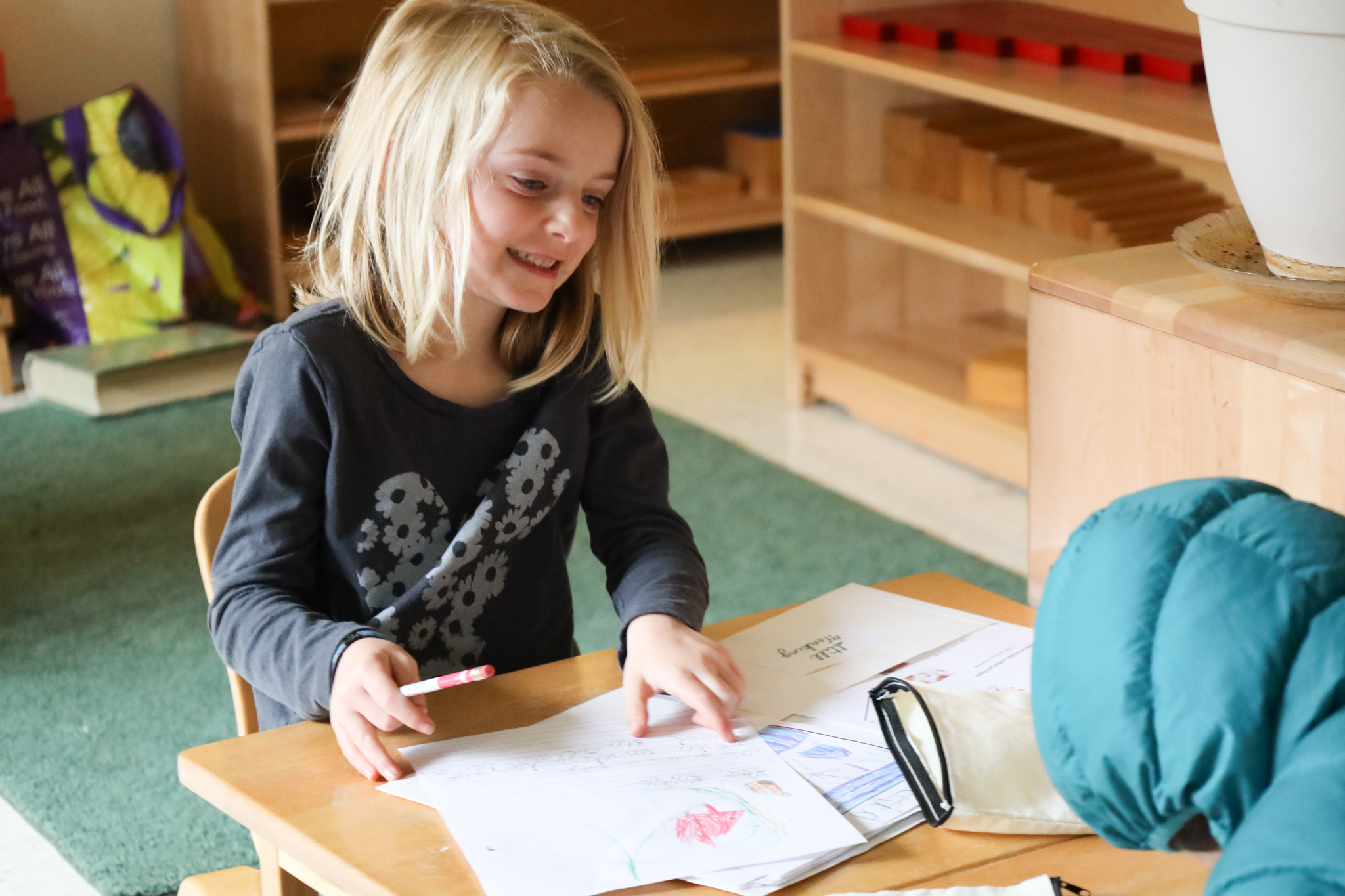
Writers’ Workshop is a program for our Children’s House Elders, and our Lower and Upper Elementary students, that supports their writing development. During weekly meetings, children receive lessons on the strategies of good writing. They practice writing narrative, persuasive, and informational pieces in real contexts, including nonfiction chapter books, persuasive letters, stories, poems, and more.

Children share and celebrate their written pieces with each other during each session. Children become familiar with and practice engaging in every step of the writing process: brainstorming, drafting, revising, editing, and publishing. They learn to give and receive peer feedback, as well as receive feedback from their Guide. The goal of Writers’ Workshop is to inspire, support, and enhance our young writers.

The model we are using is based on the work of Lucy Calkins and Columbia University’s Teachers College Reading and Writing Project.
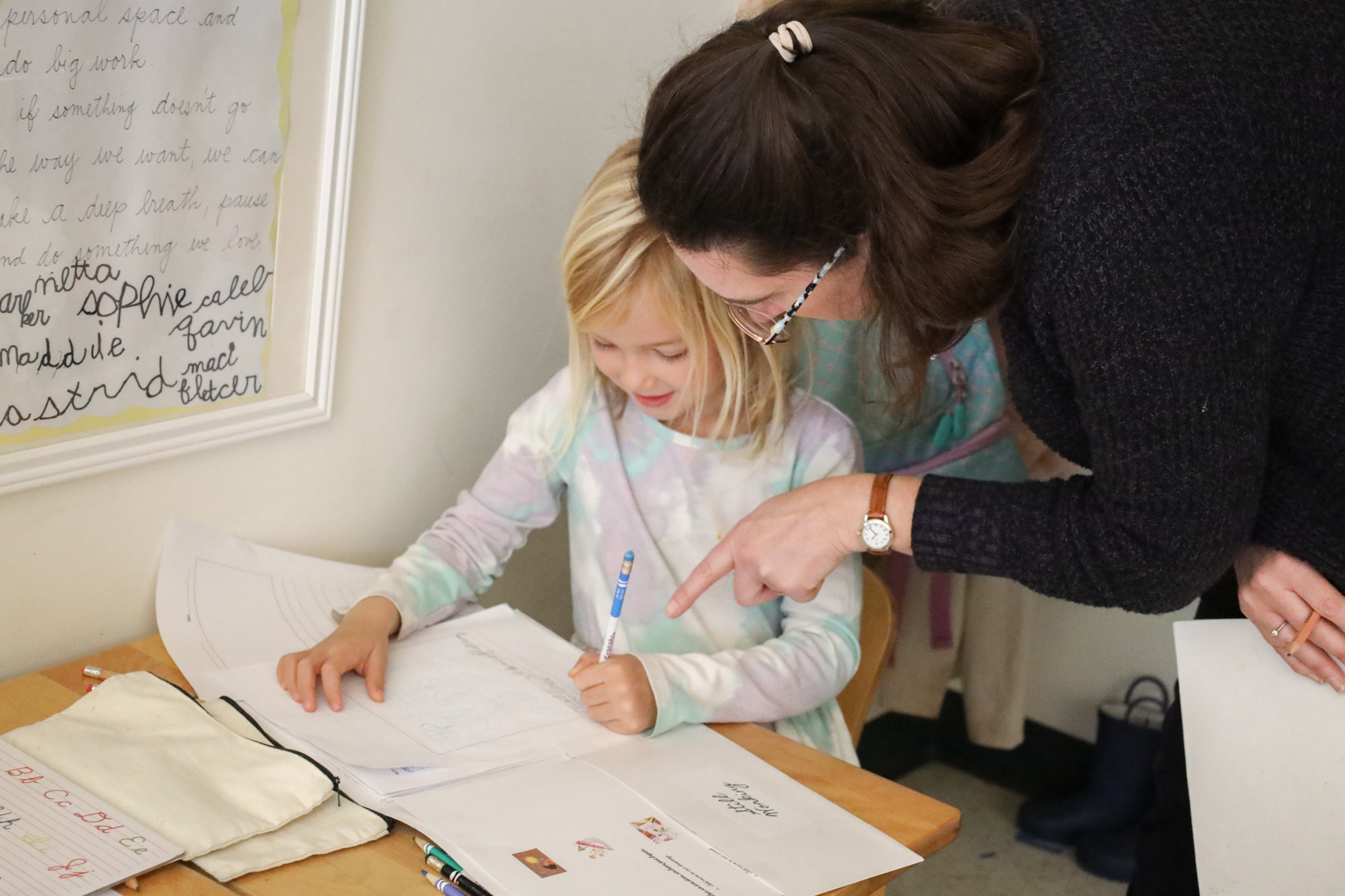
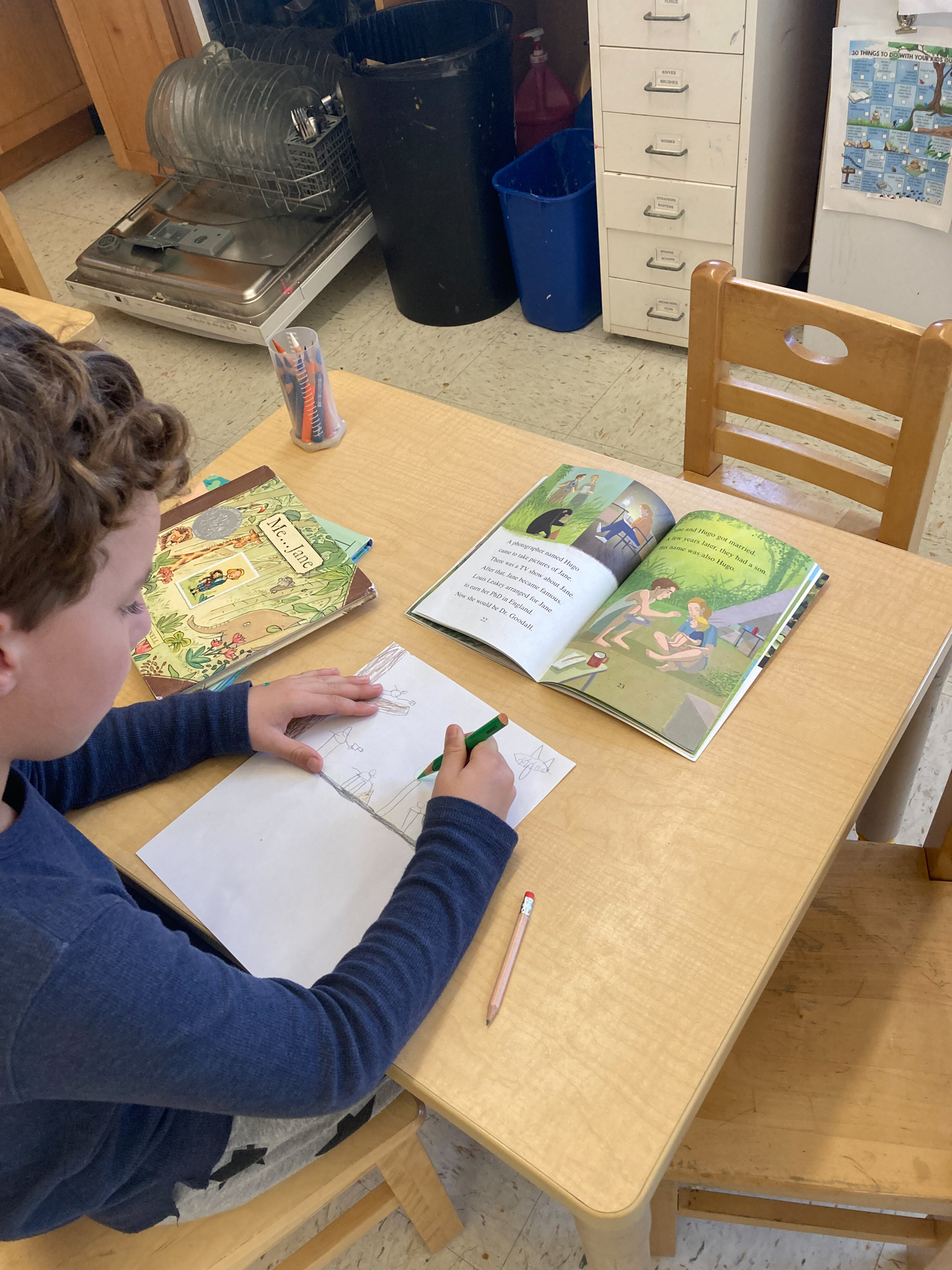
Children’s House Writers’ Workshop

In Children’s House, our youngest writers are beginning to learn the foundations of writing practice. They have been focusing on adopting the identity and mindset of a writer and the students are excited as they prepare for an amazing milestone—publishing their own books! This rewarding experience will celebrate all their hard work, dedication, and creativity. Each student will take home their bound “published” book as Winter Break approaches. It’s a special keepsake highlighting their unique talents and will surely be a source of pride for them!

We have identified the following key  lessons and Steps of the Writing Process:

  • “We are all writers!” This is such a powerful message considering writing is very powerful and we are all capable!  
  • “Stories are everywhere”. This helps children to understand that 
  • “Envision” or “Mind’s eye”. This is the concept that we can see things in our mind’s eye even if the object is not in front of us.  We will practice this by envisioning one of the playgrounds in our mind’s eye and drawing a sketch of what that looks like to us and labeling specific things and people.
  • “Once we are done, we have just begun.” This process requires great patience, perseverance, and determination, which can be acquired through practicing this motto. 

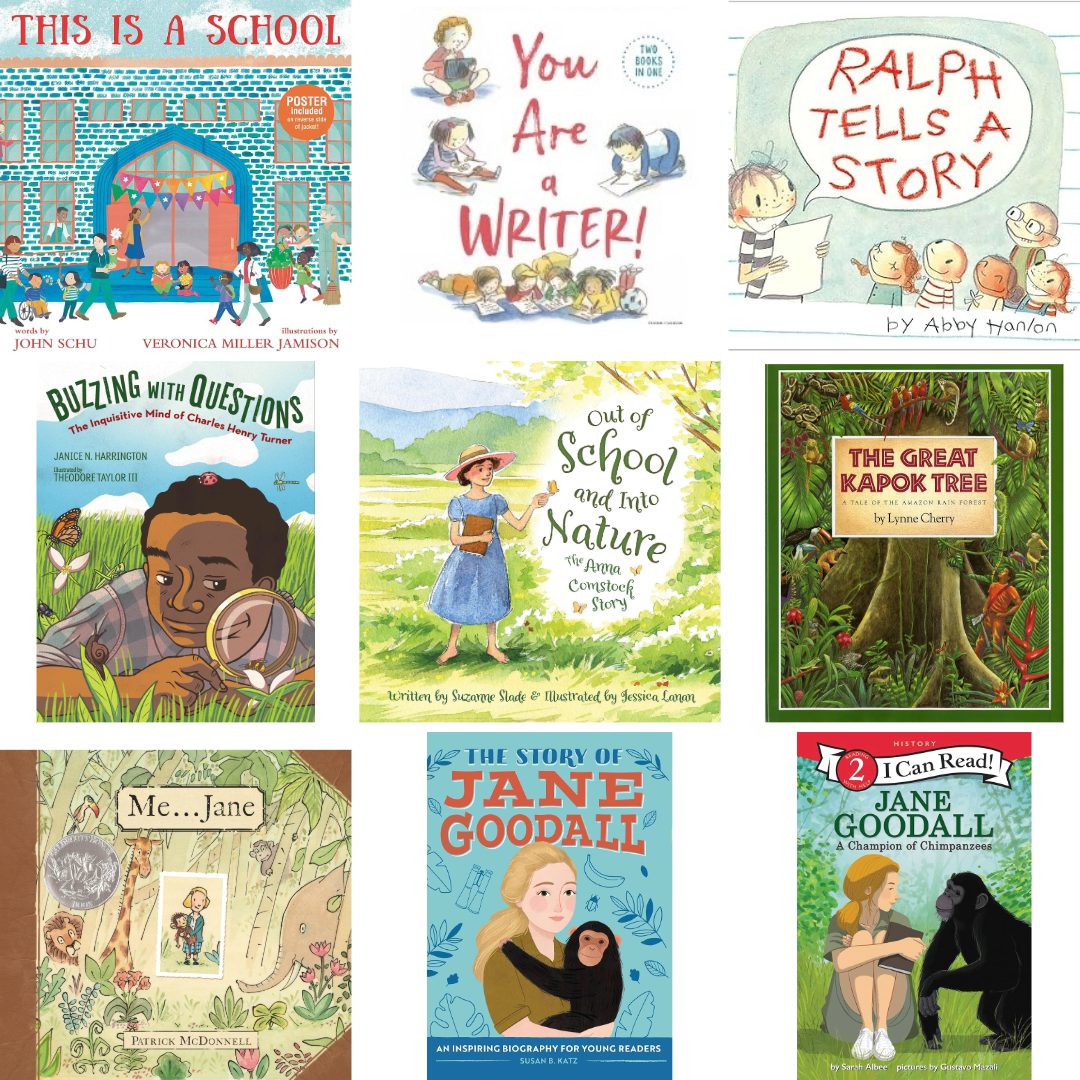
A few of the books the students have enjoyed this year include:
Lower Elementary Writers’ Workshop

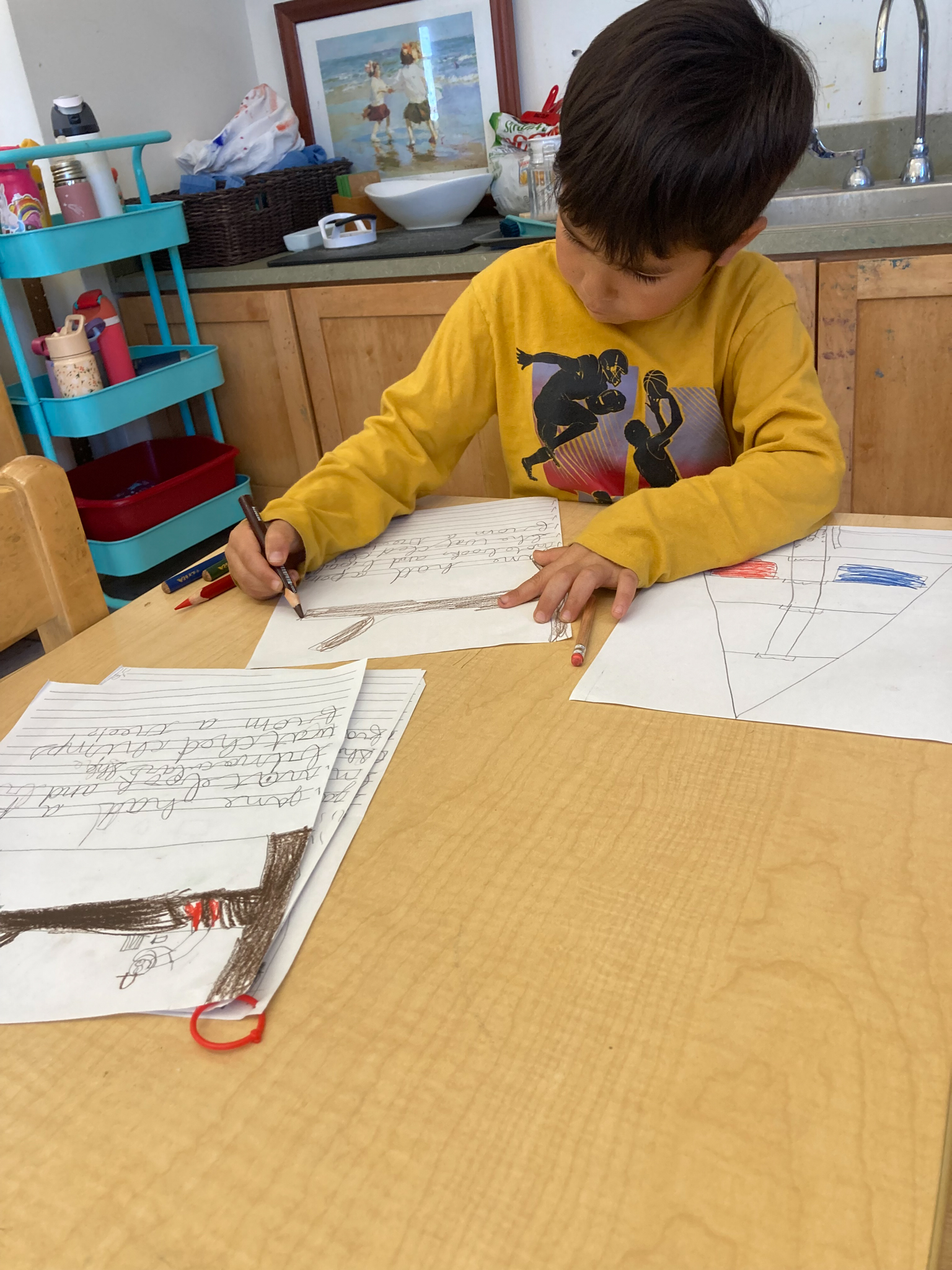
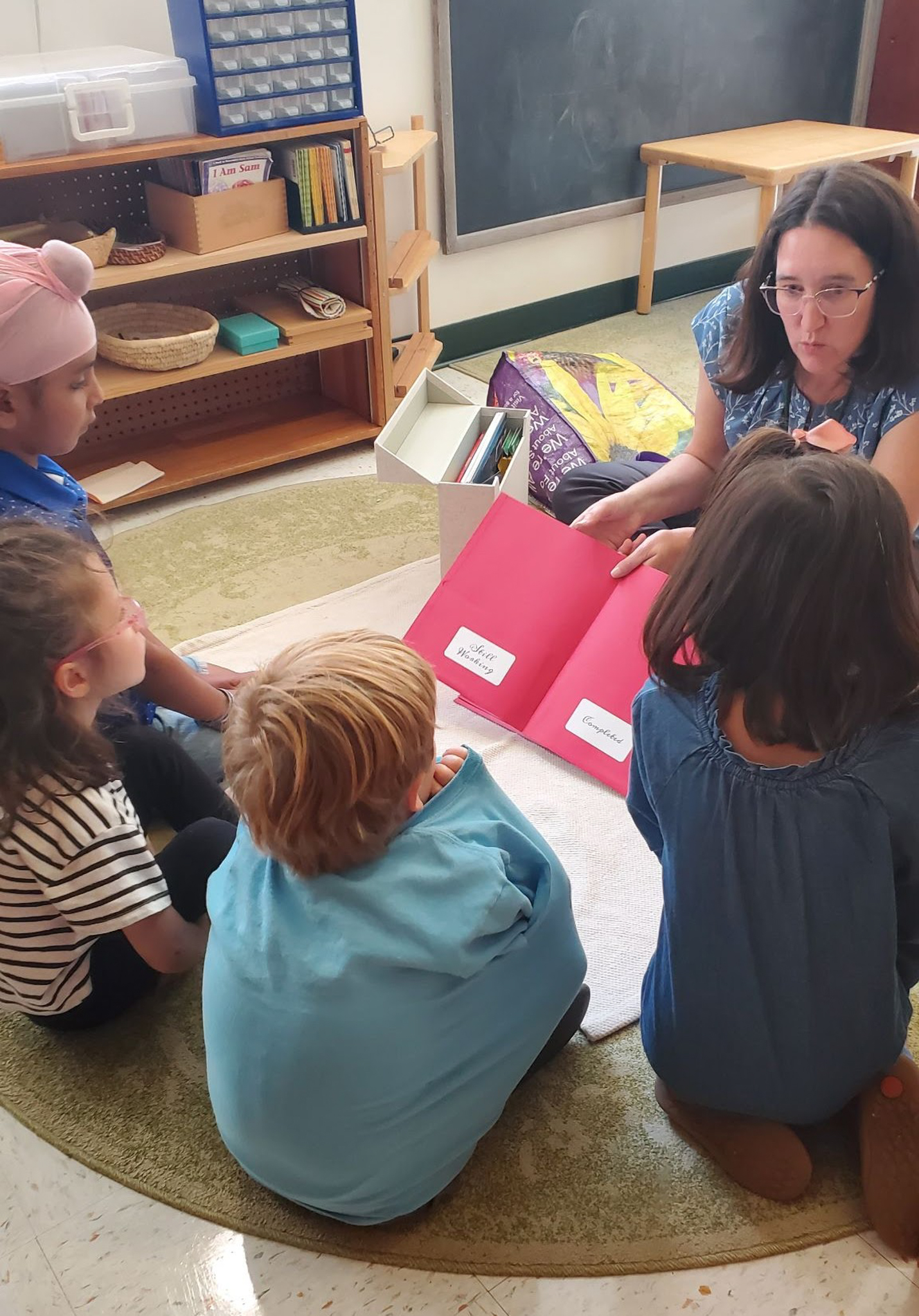
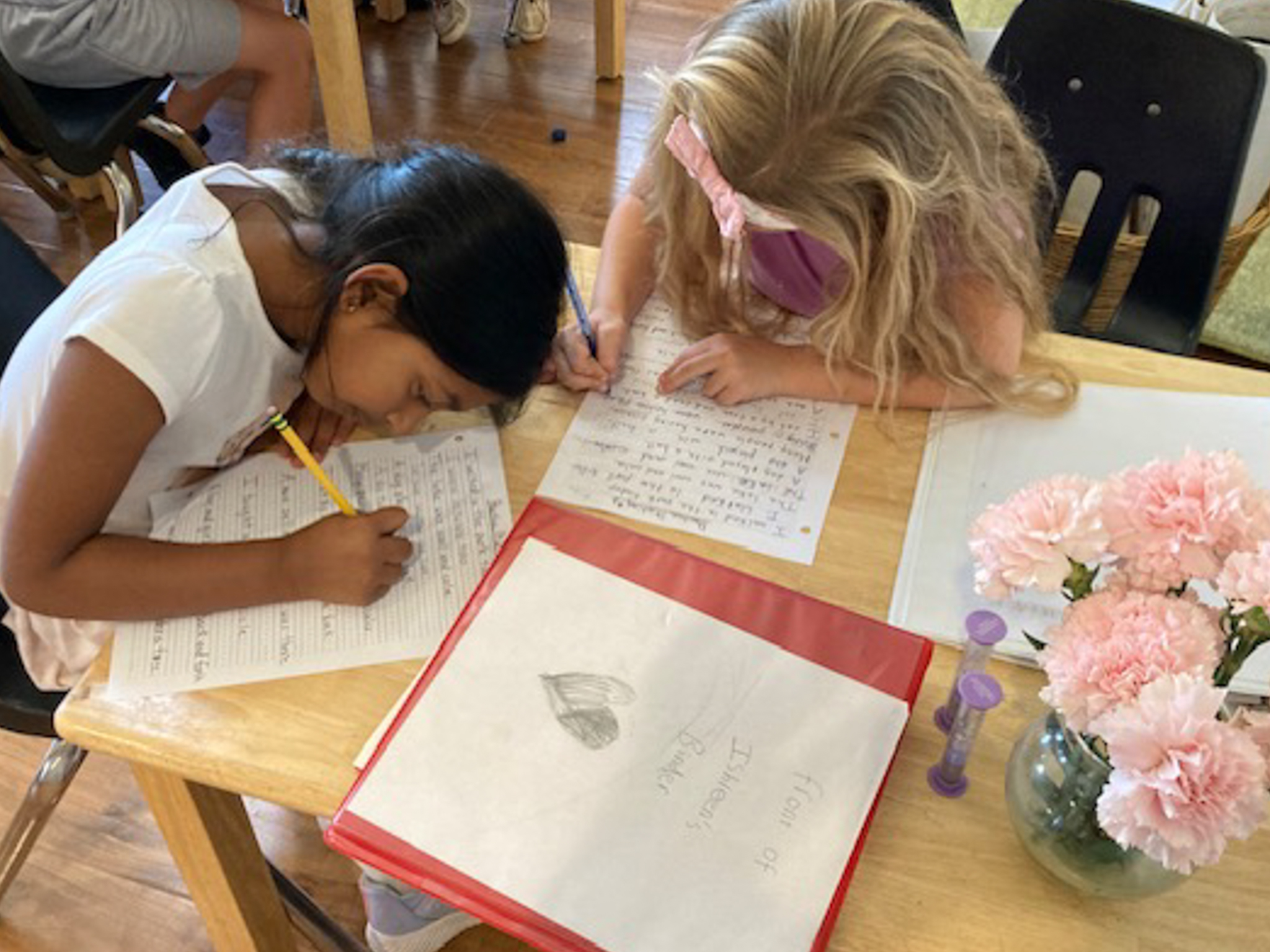
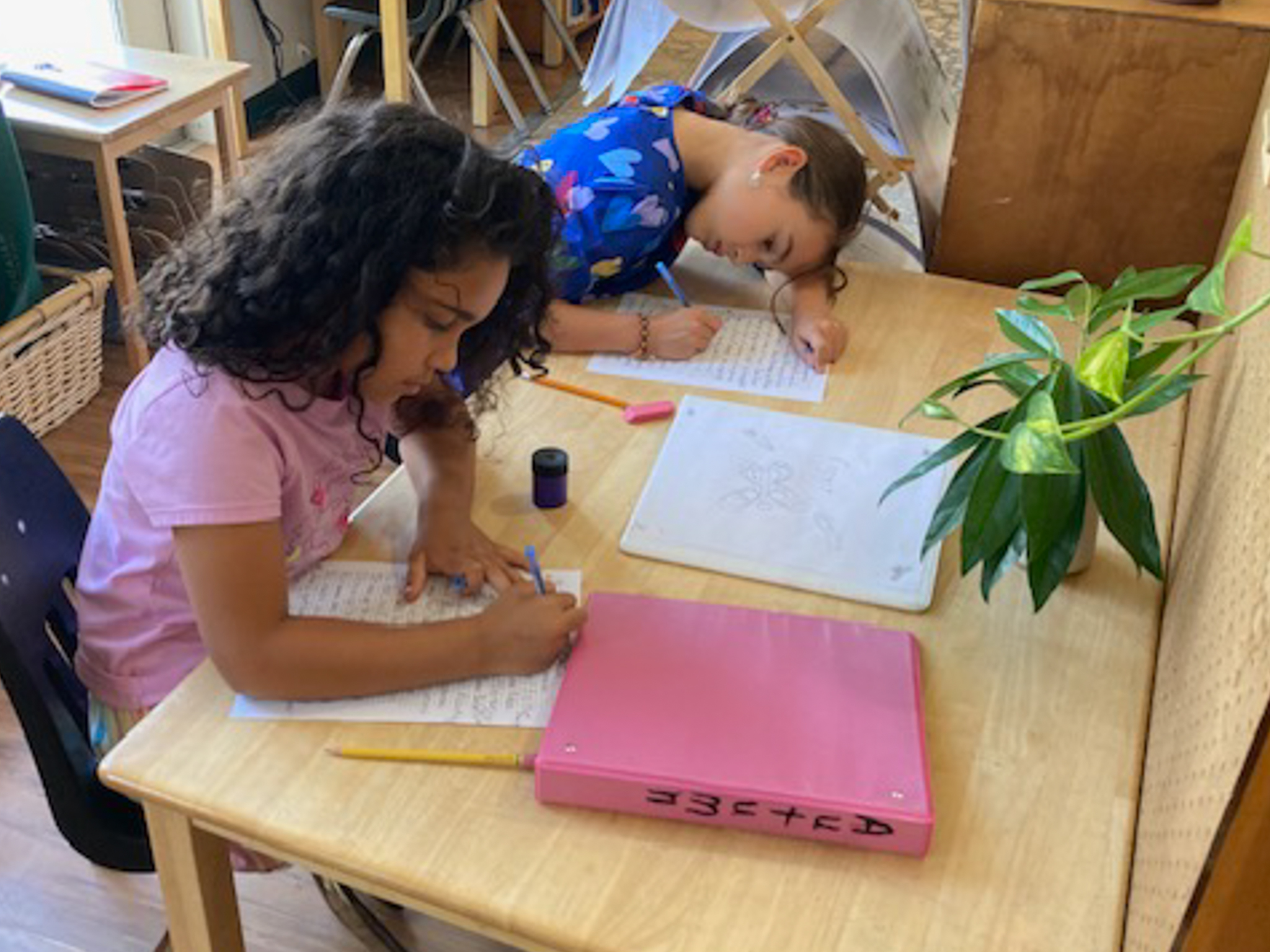
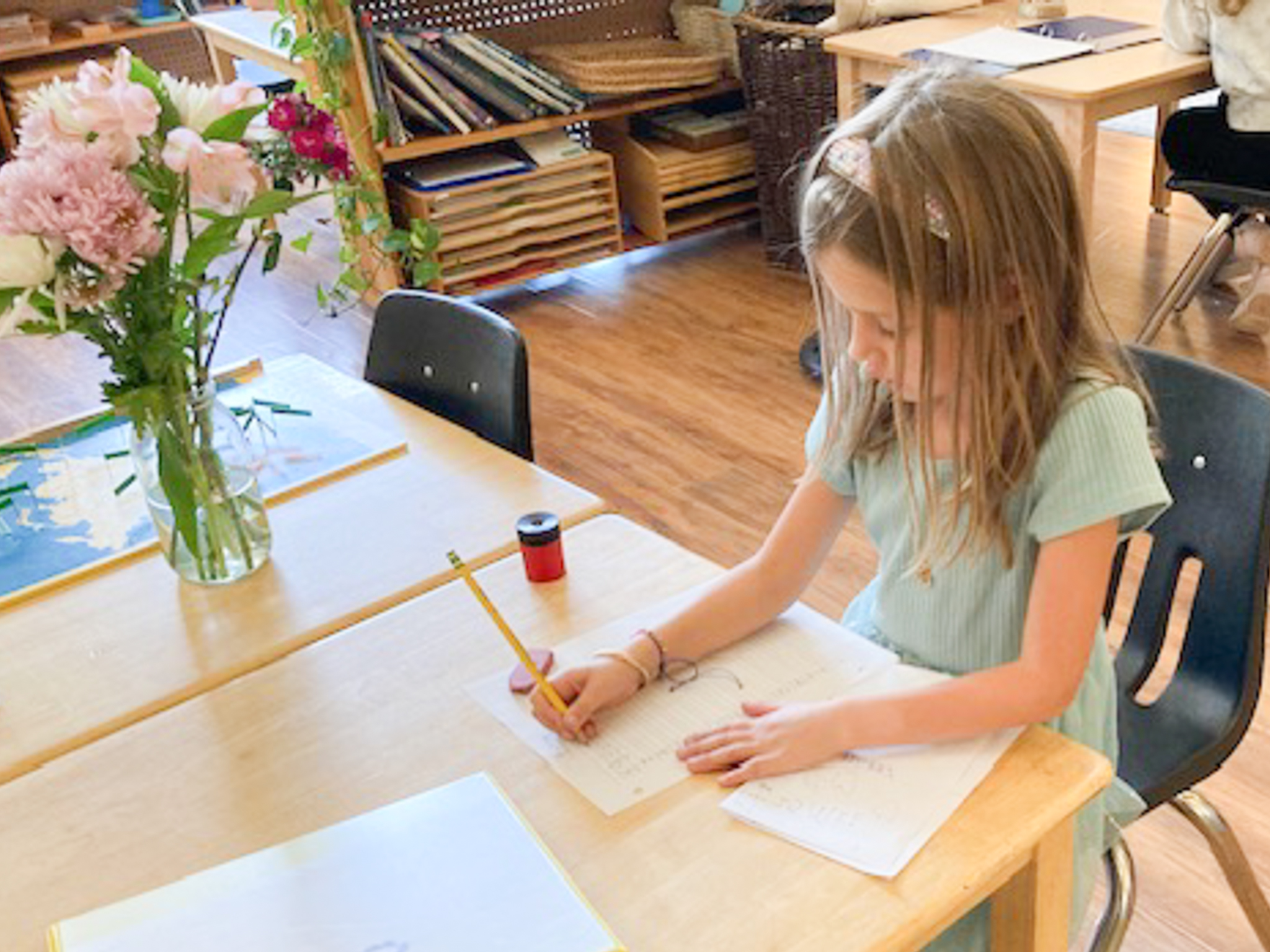
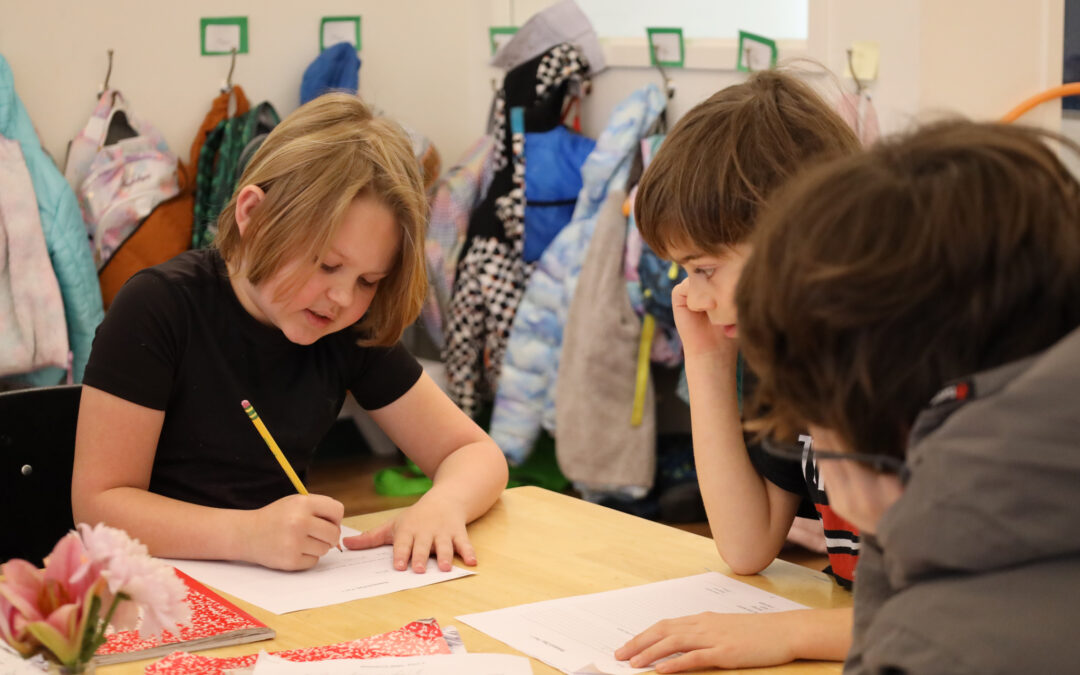
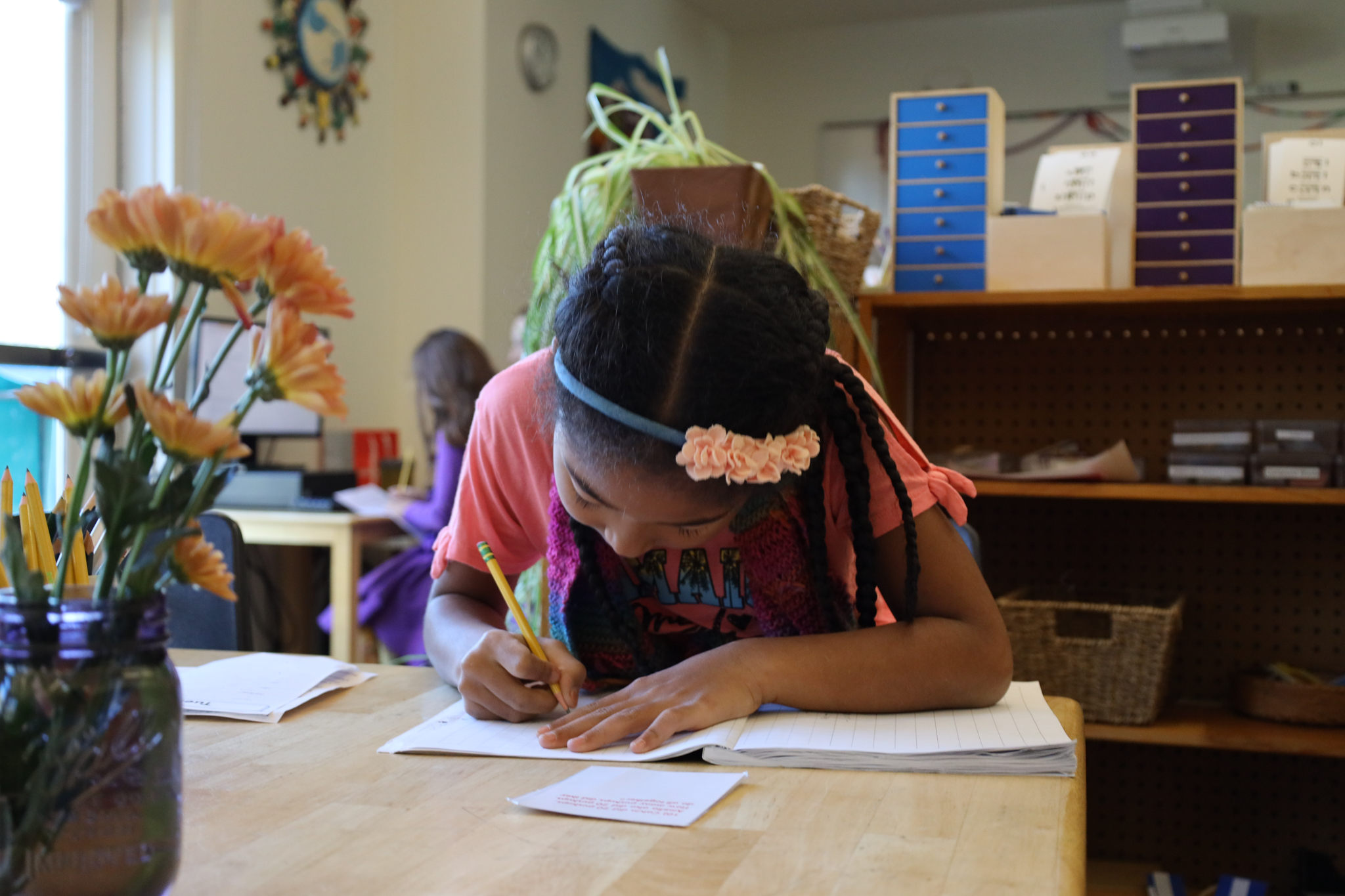
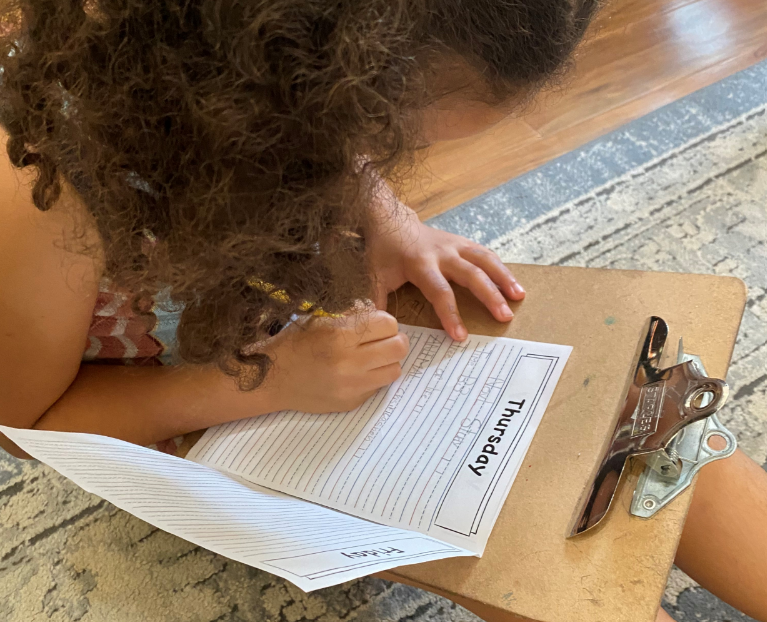
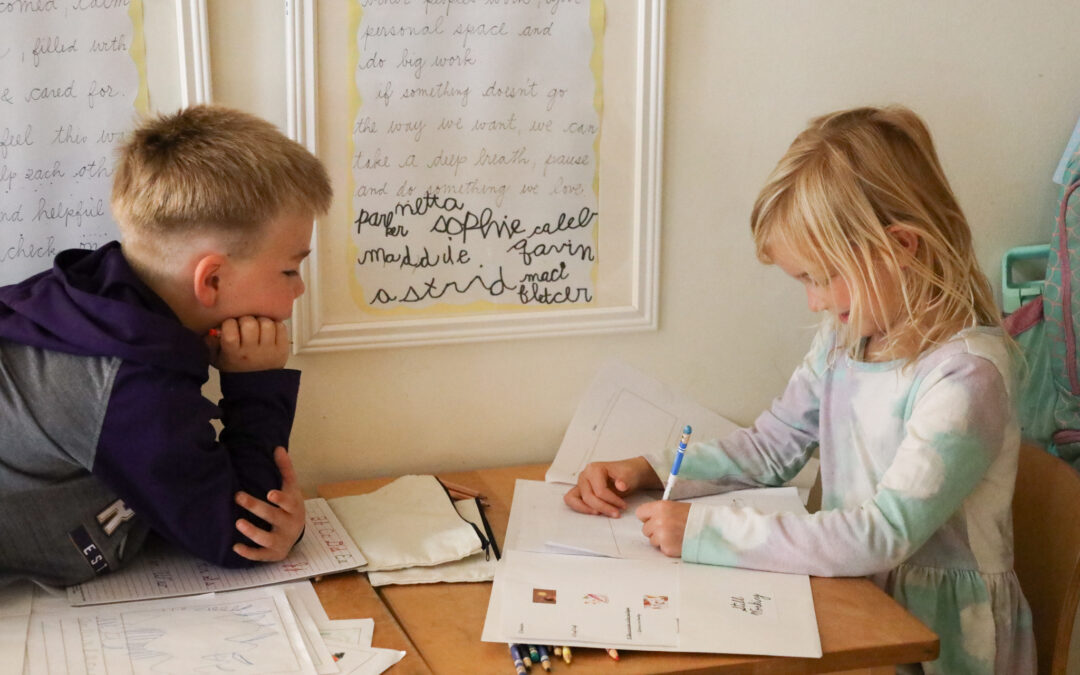
Writer’s Workshop is an additional opportunity for children to develop independent writing skills. Each Writing Workshop begins with a short mini-lesson, after this the children all work on their independent writing. Conferences with individual children or small groups are held in order to offer support and guidance. Writing Workshop typically ends with a time for the children to share their written work with their peers.

This month in Writers’ Workshop, the Lower Elementary students have continued to work earnestly on their penmanship, both in print and cursive. They are also writing acrostic poems in honor of the season, which we hope will be completed in time to send home before the holiday.  And recently we learned about portmanteaus; be sure to ask your child about it!
Upper Elementary Writers’ Workshop

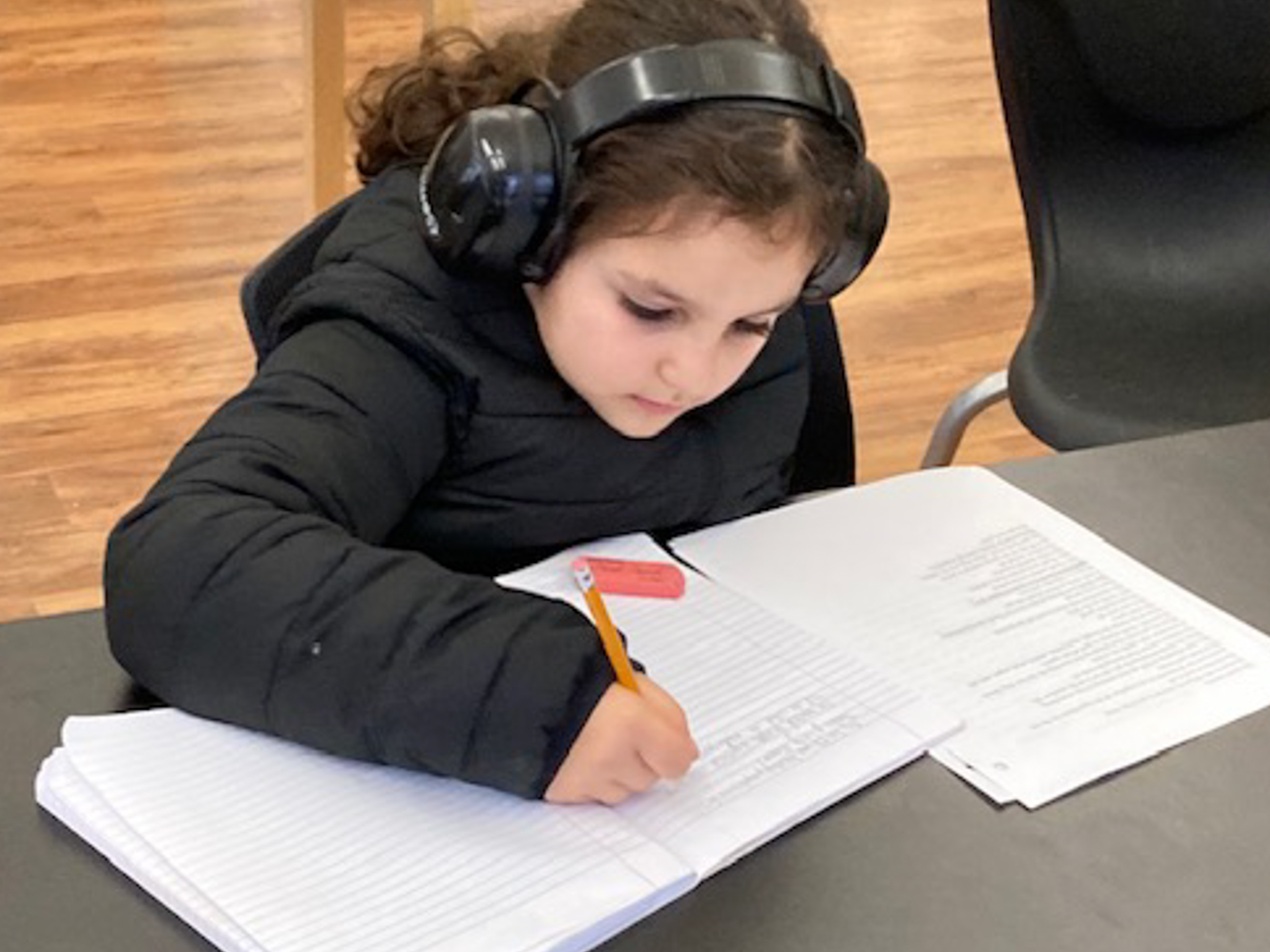
This month in Upper Elementary Writers’ Workshop, the students finished editing the Buffalo Bob story (a Mr. John original) to help them understand that every character who speaks in a story deserves their own line on the page (no more dense blocks of dialogue for us!).They also learned how to summarize text with a story about cows (Did you know that cow dung is an efficient producer of fuel and biogas?). Finally, they moved on to Word Stories, where each child was provided with five random words or phrases to incorporate into a fictional story (talking snake, knight, jewels, robbers, Walt Disney World, hot air balloon, rollercoaster, shark….you get the idea).   
Comfy Dinner Student Fundraiser to Benefit Montessori Model United Nations

Comfy Dinner Student Fundraiser to Benefit Montessori Model United Nations

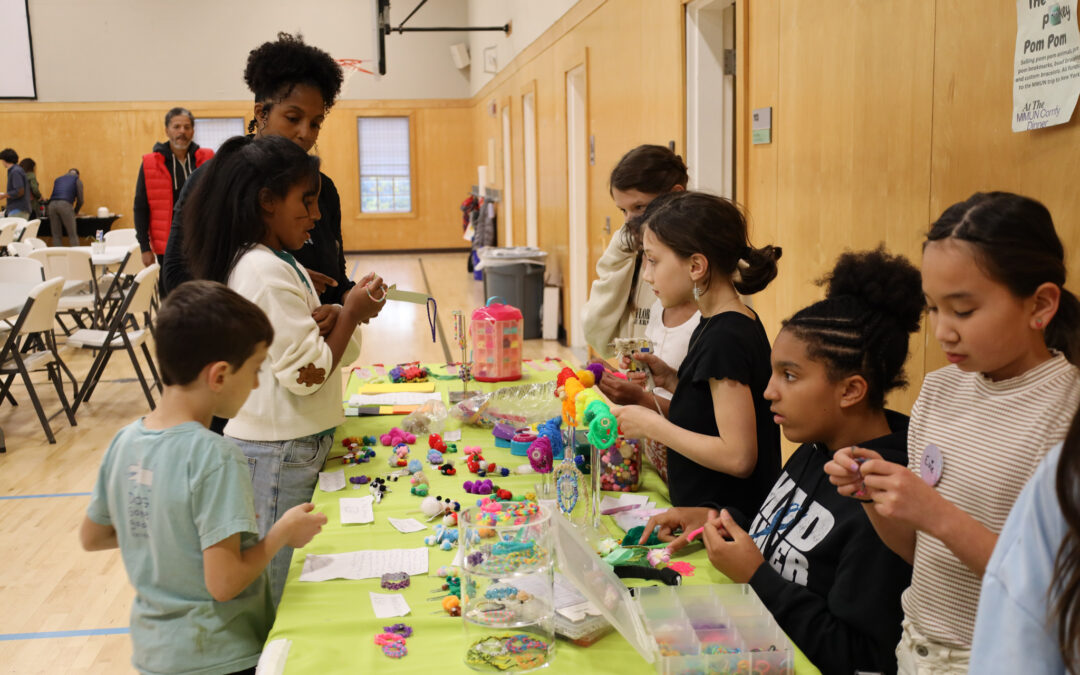
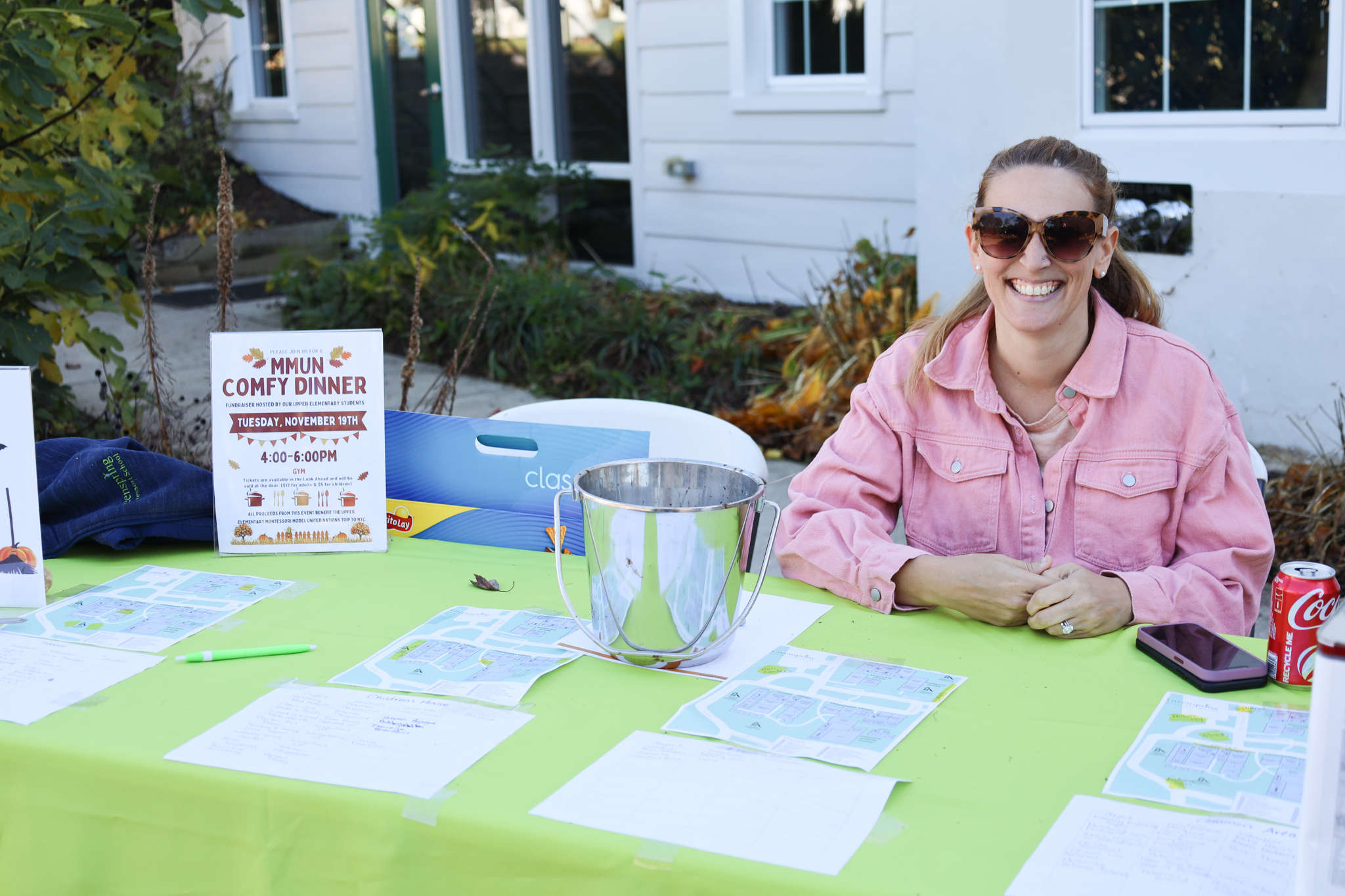
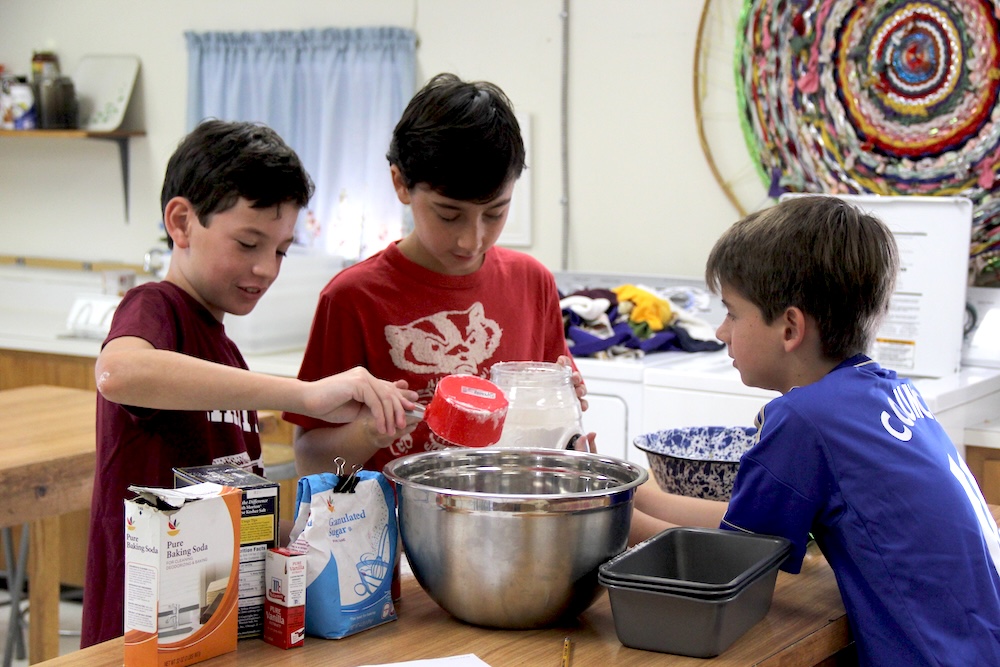
Thank you to everyone who joined us this week for our MMUN Comfy Dinner to benefit the Upper Elementary trip to the Montessori Model United Nations Conference in New York. We are happy to share that the students raised $2,033!⁠

To those of you who supported the students in planning, cooking, baking, and marketing this event, we thank you so much.

Grounds Day Fall 2024

Grounds Day Fall 2024

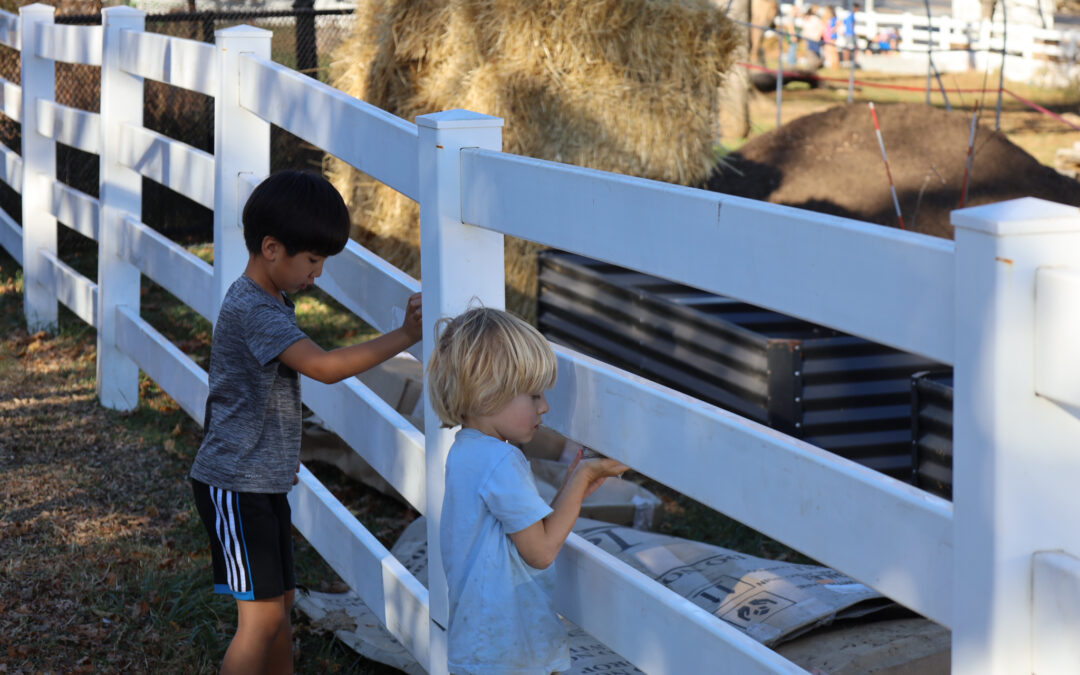
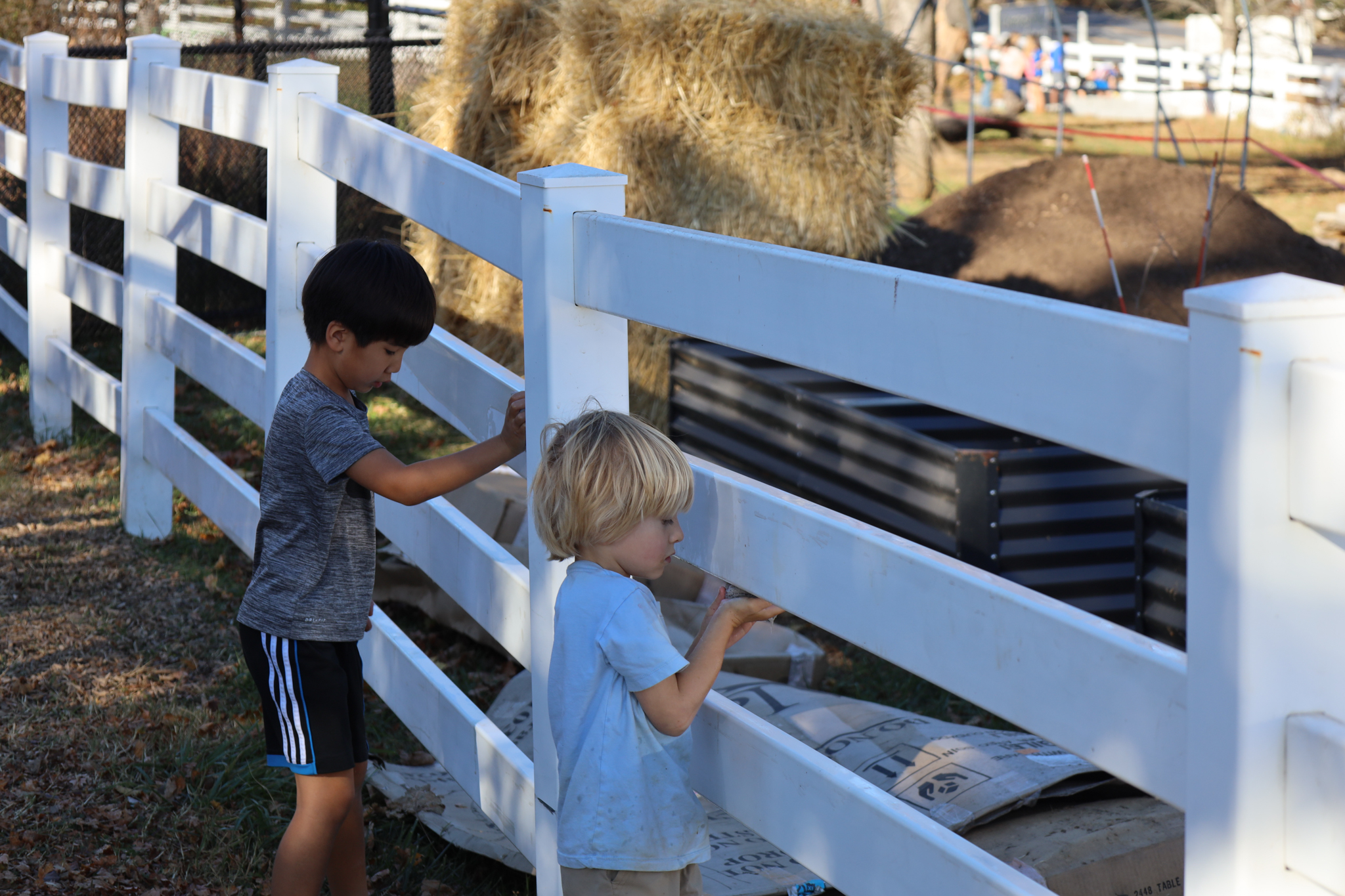
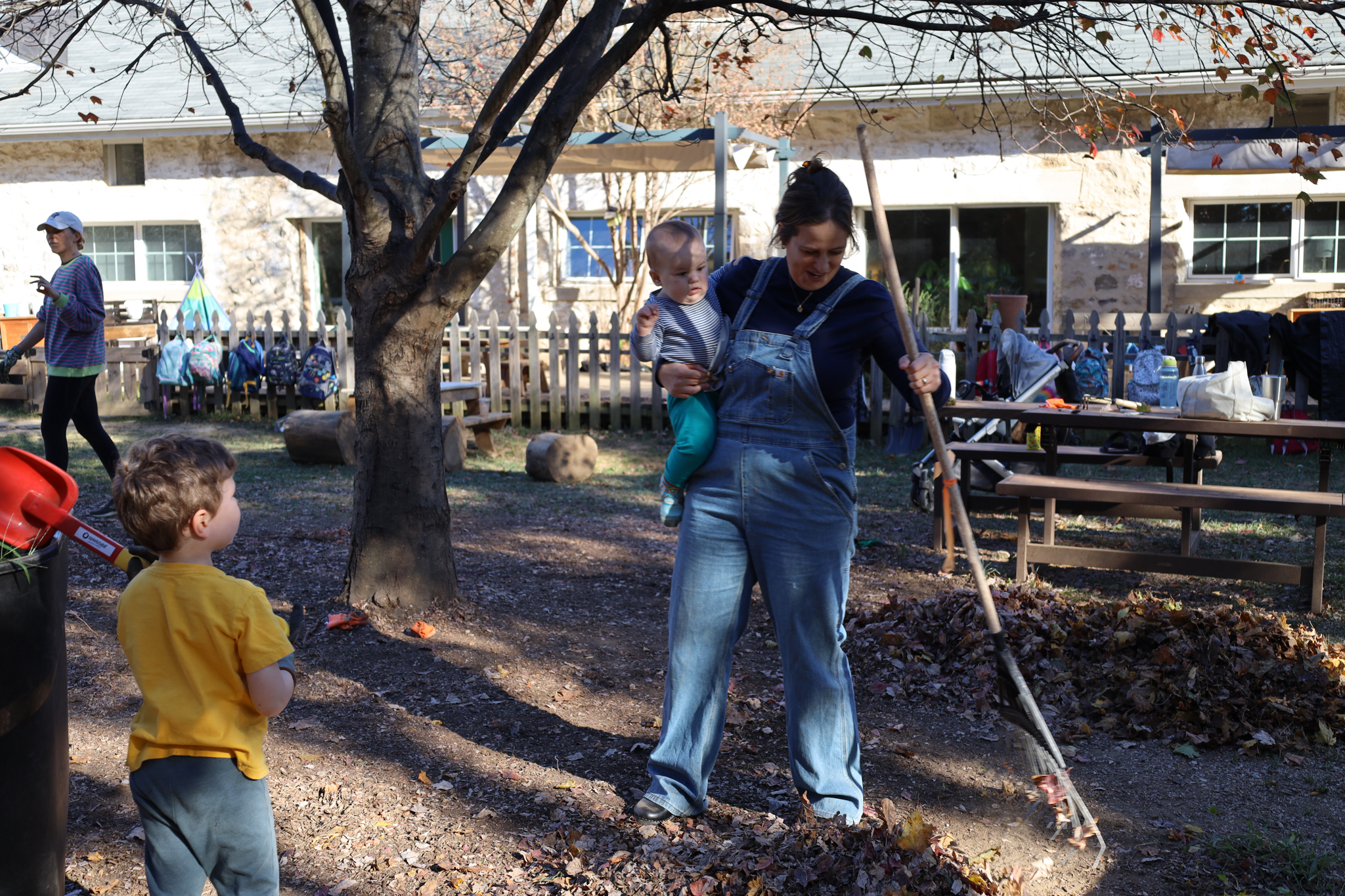
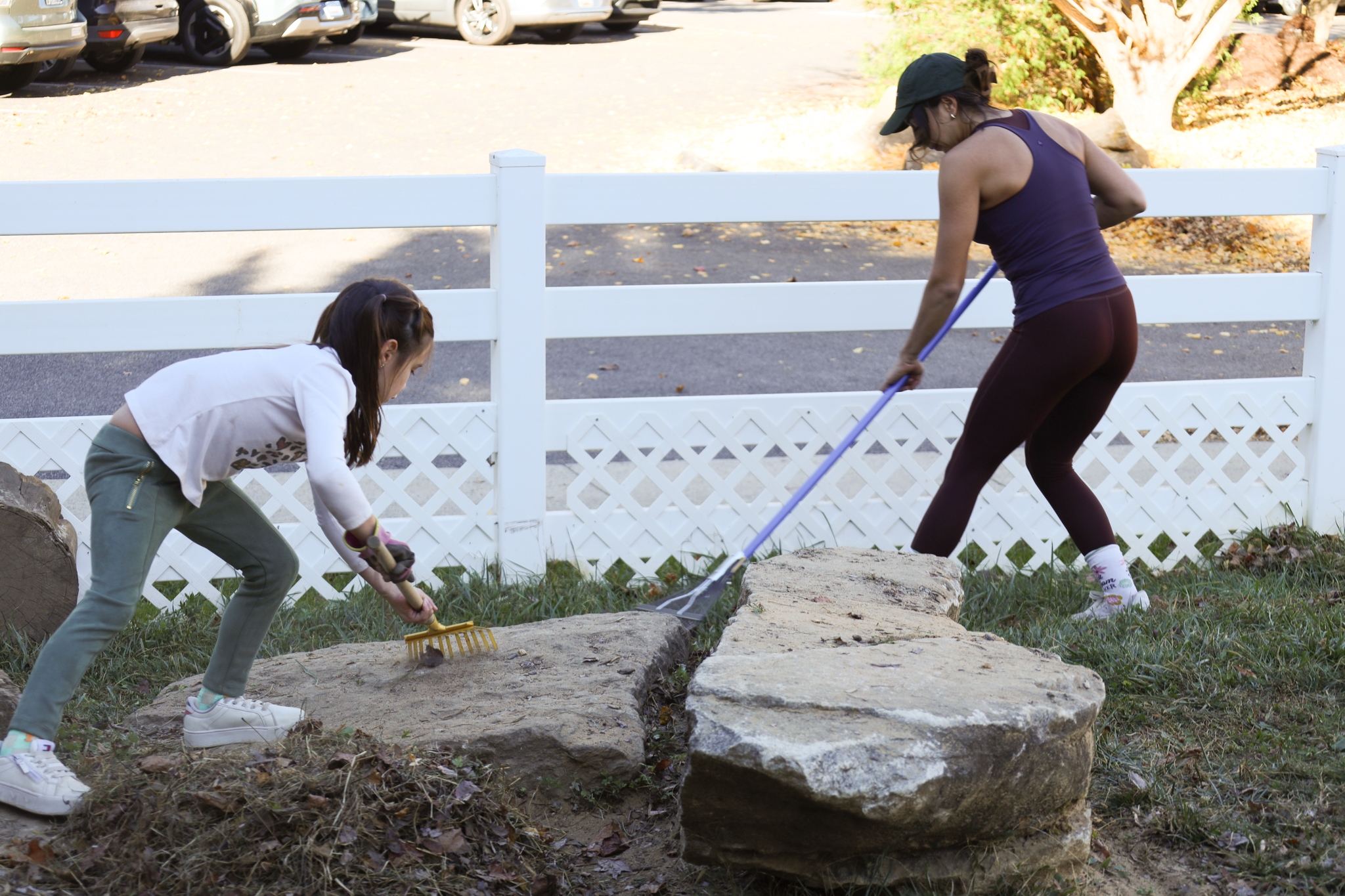
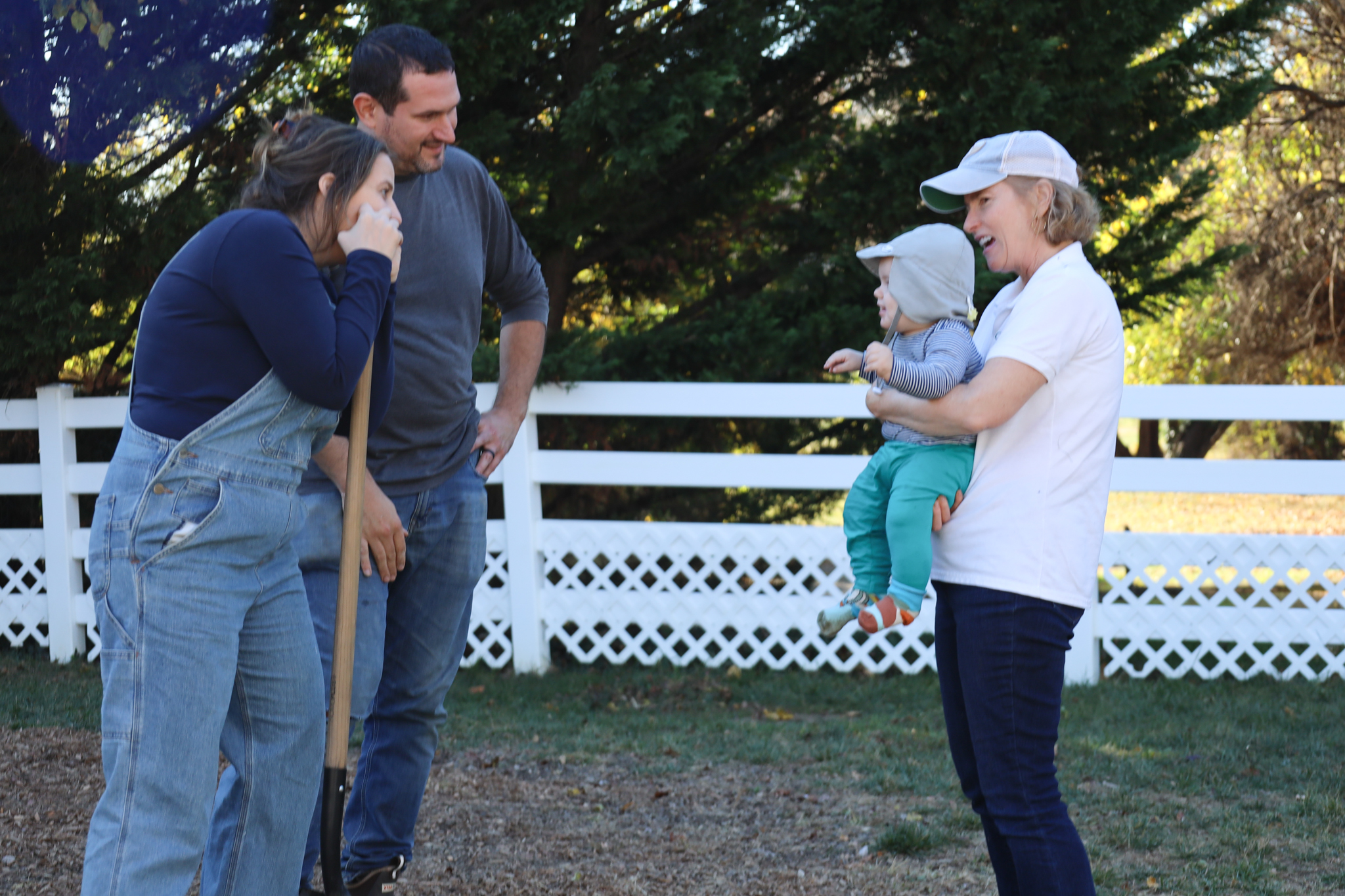
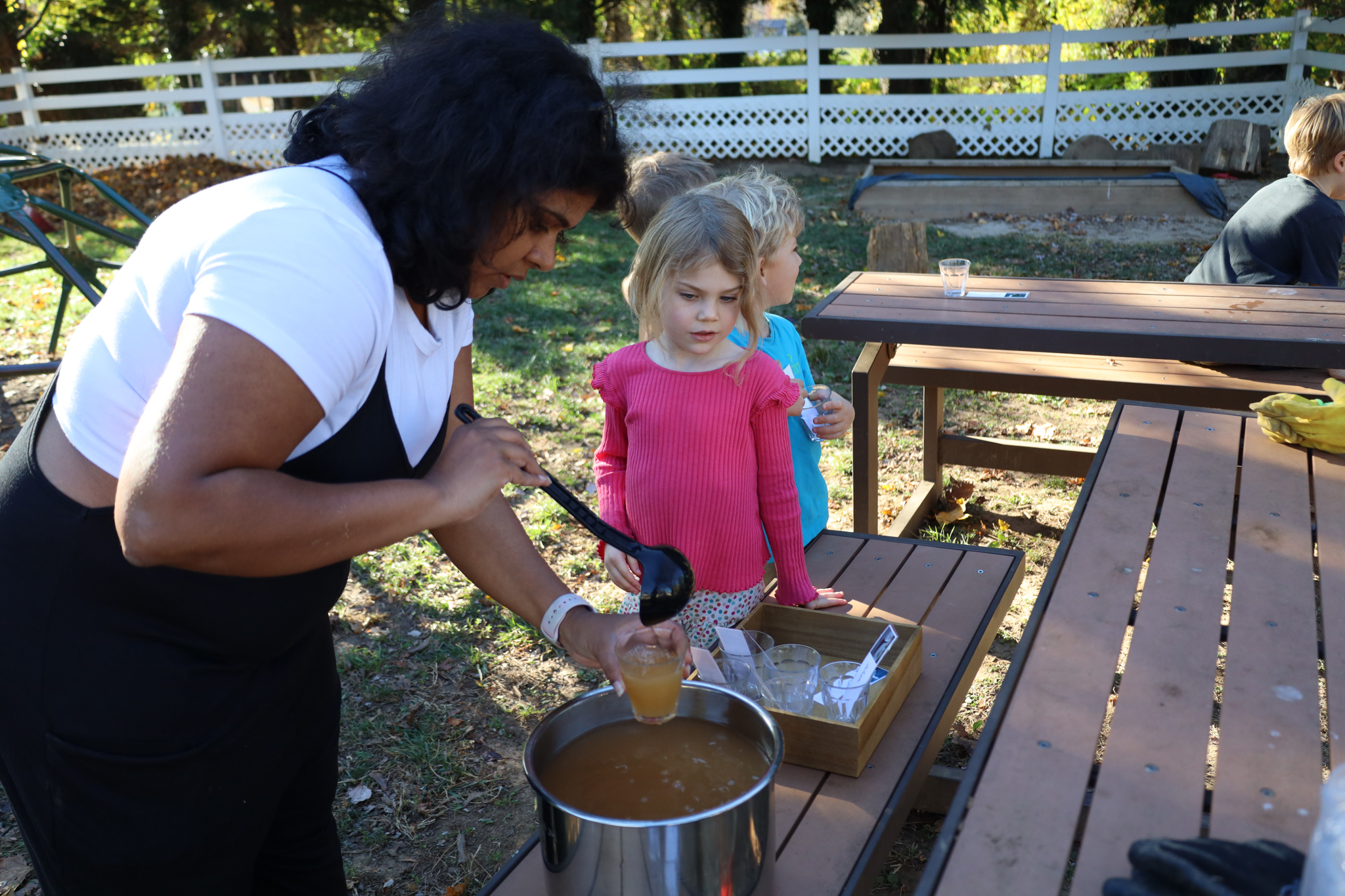
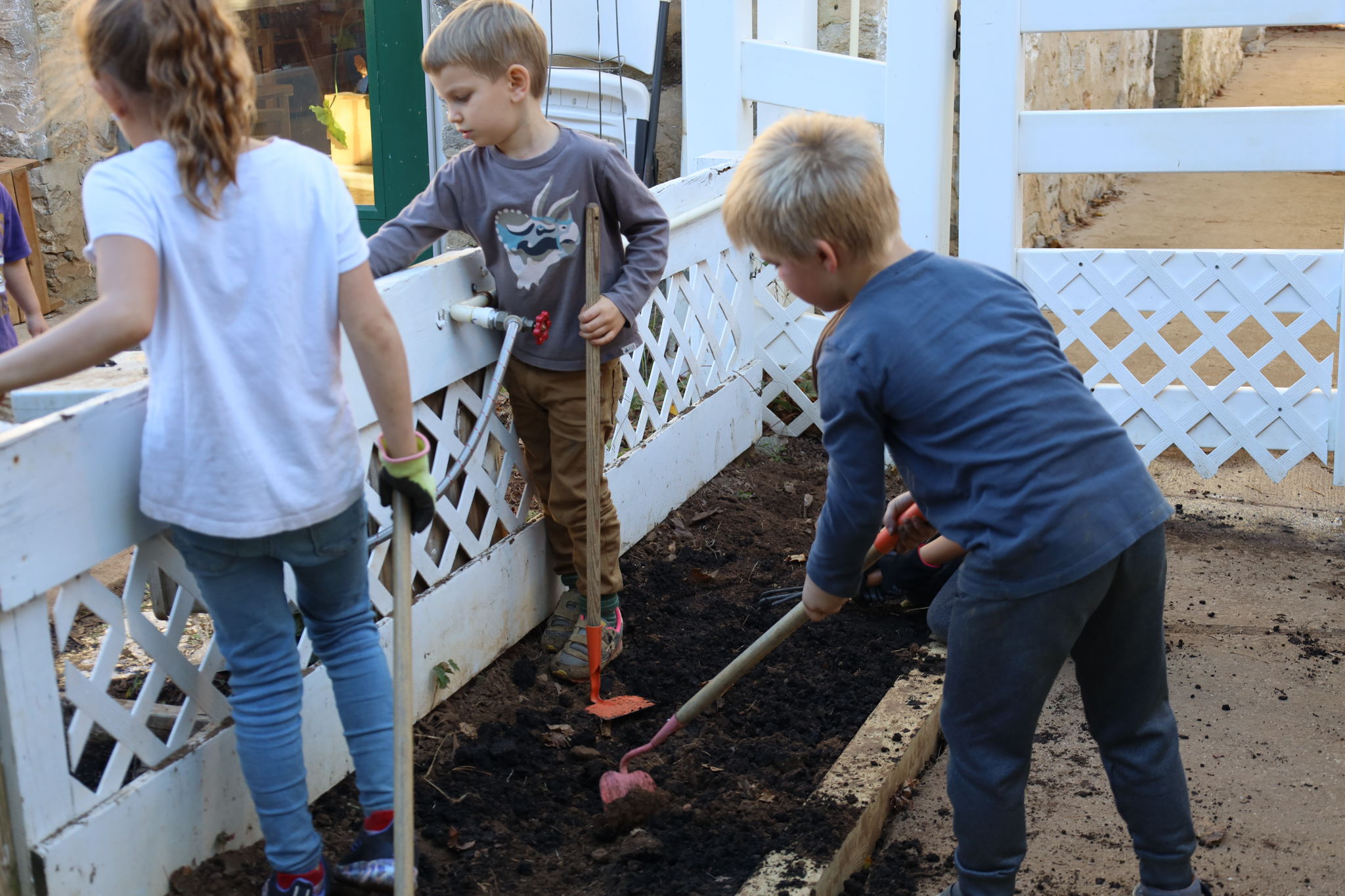
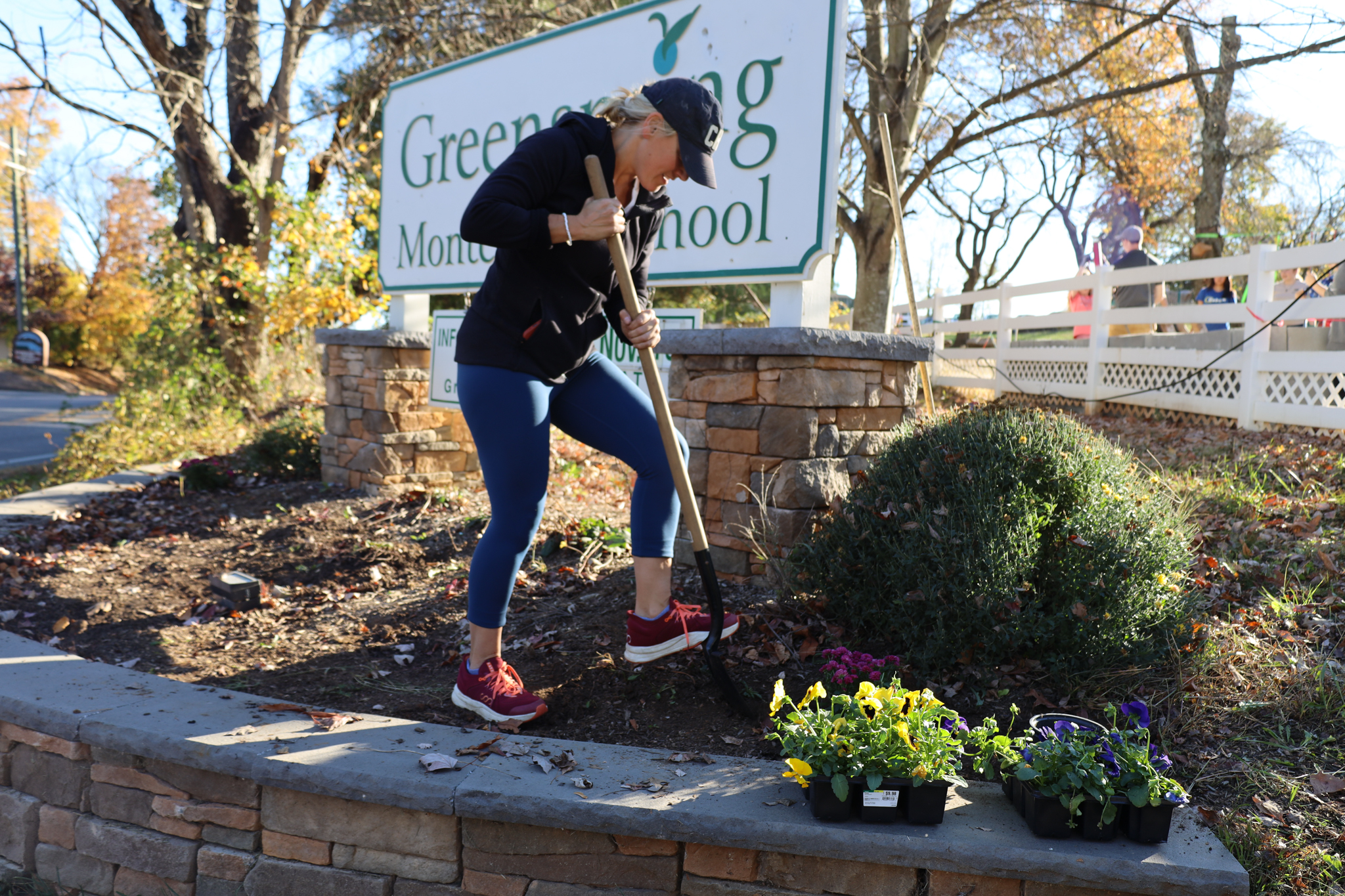
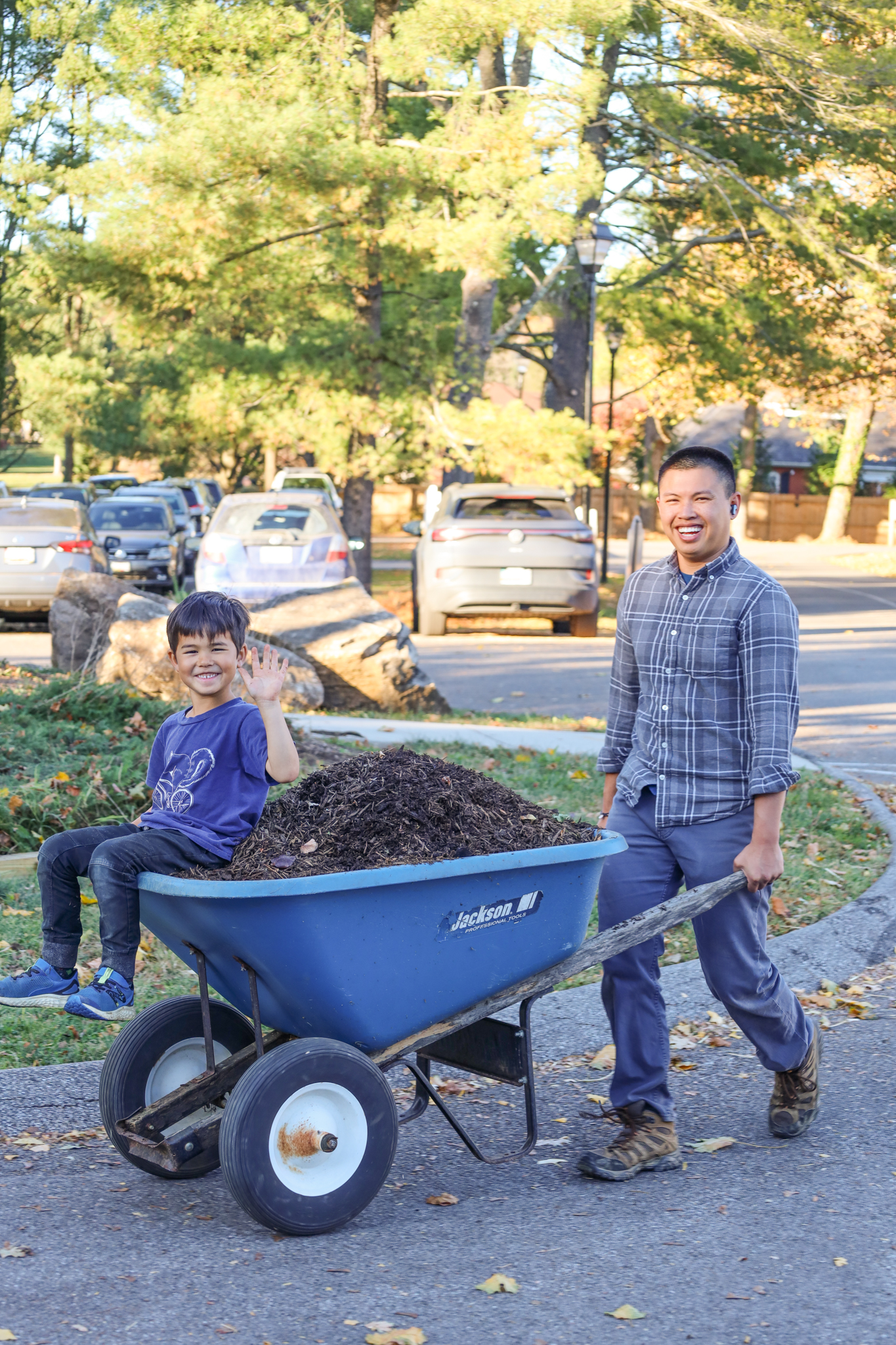
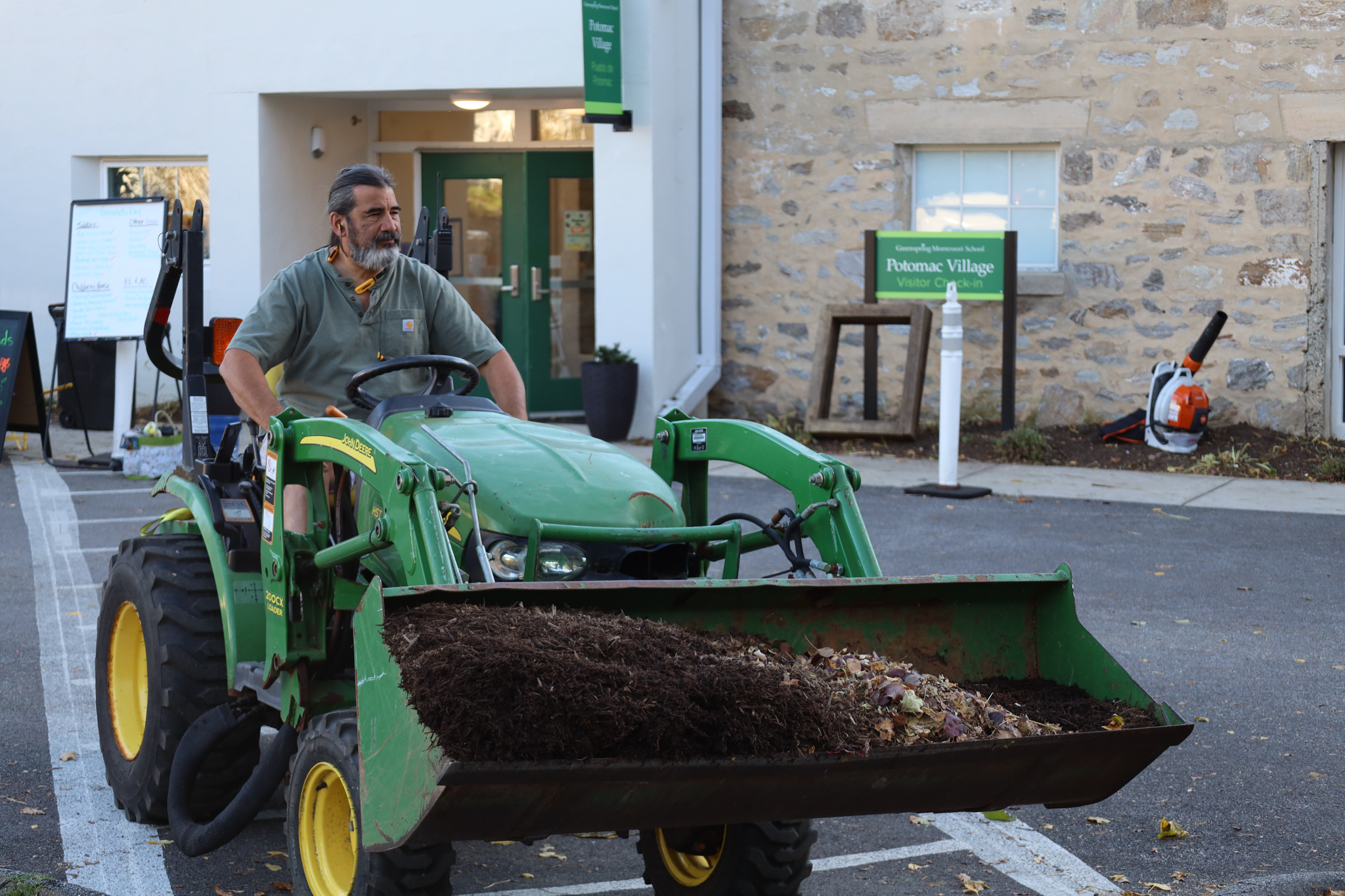
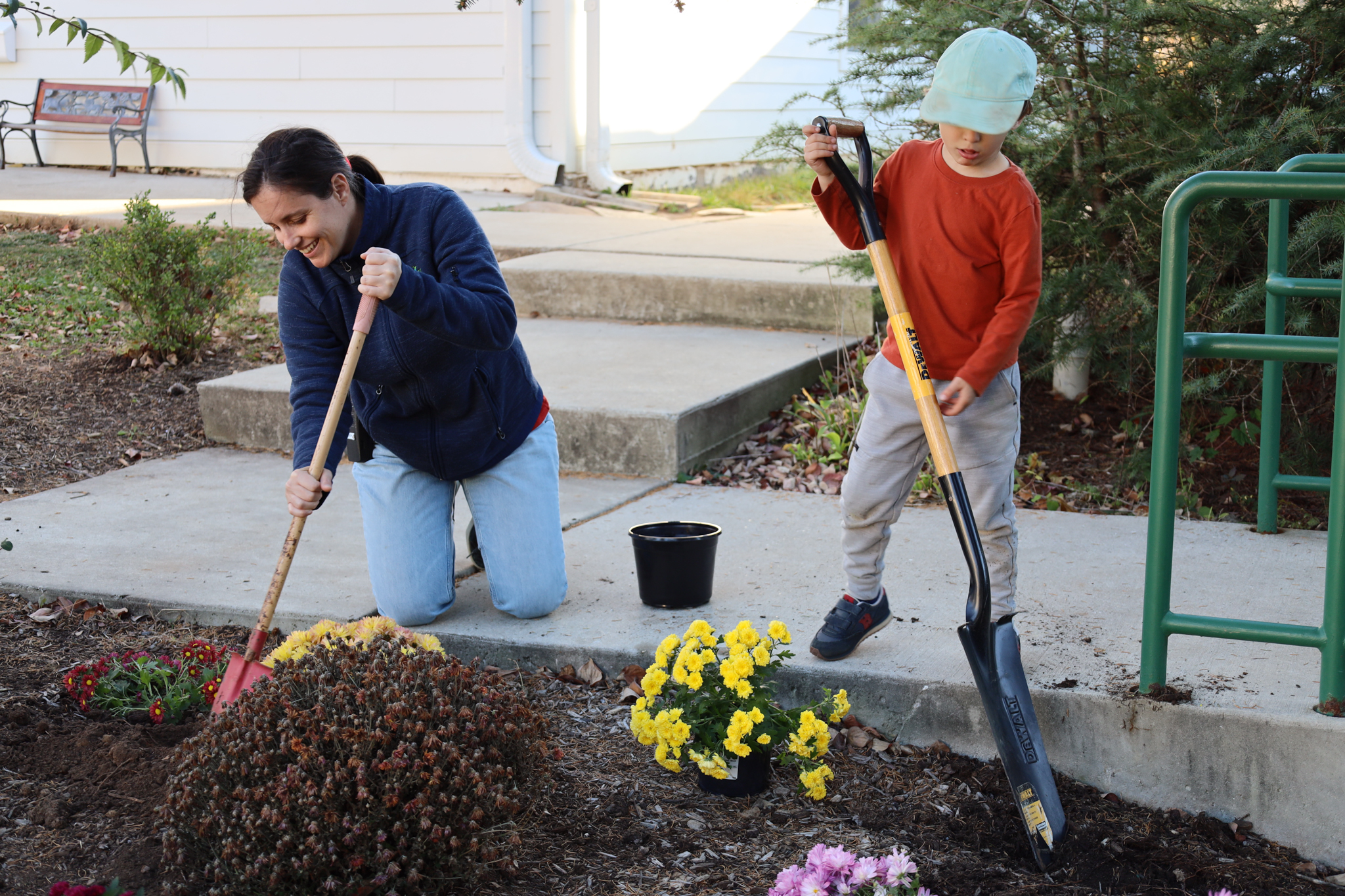
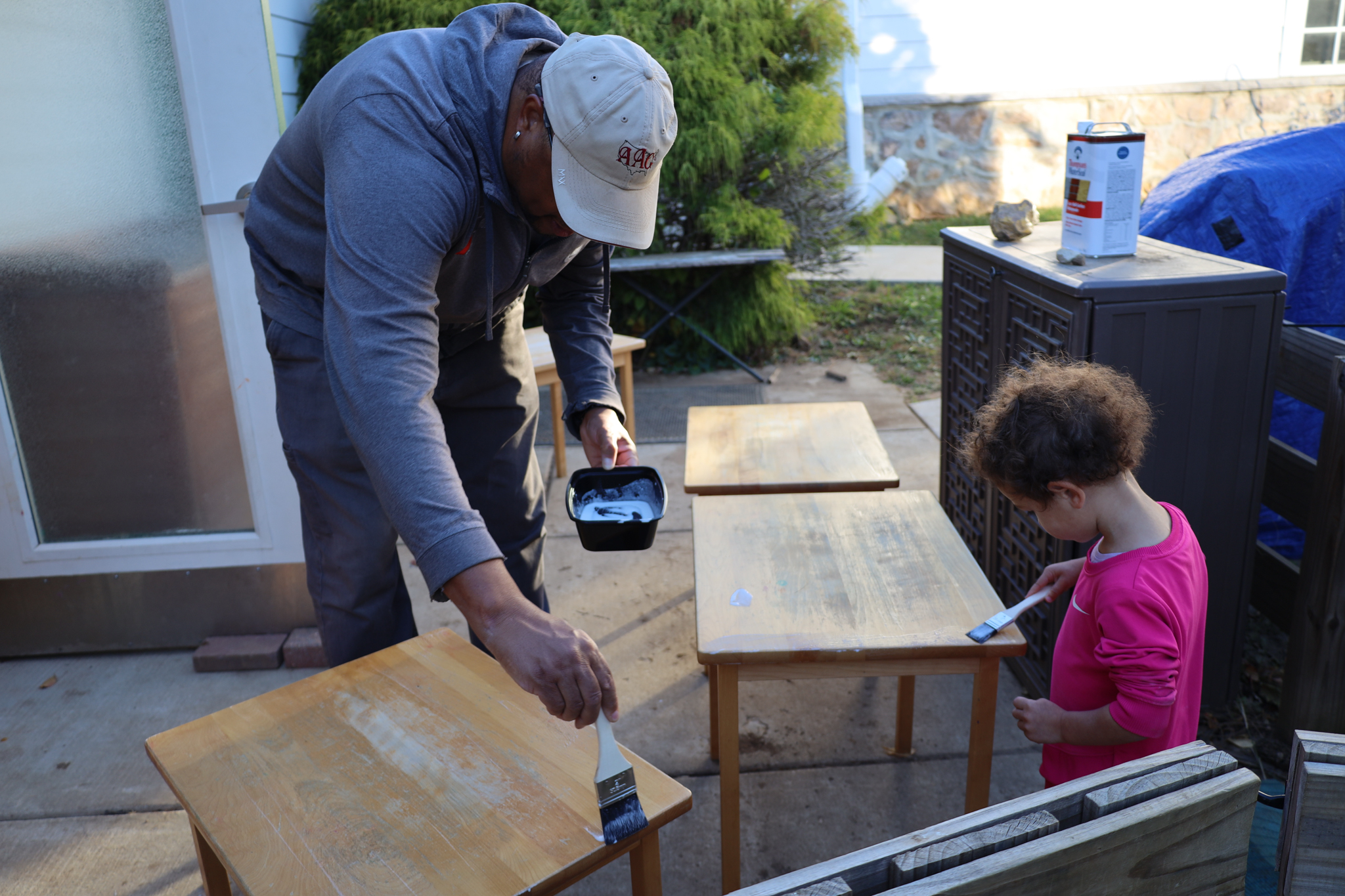
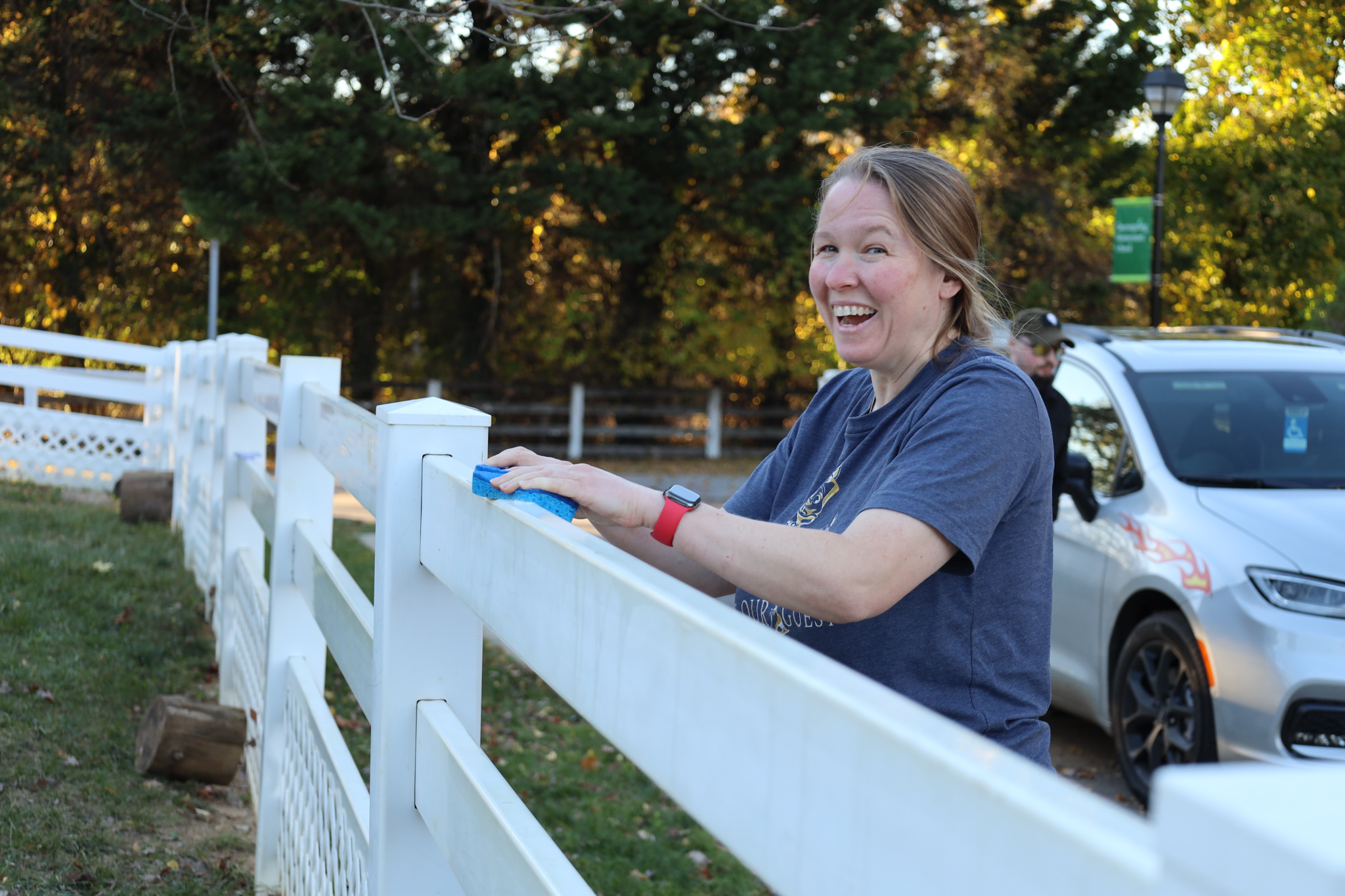
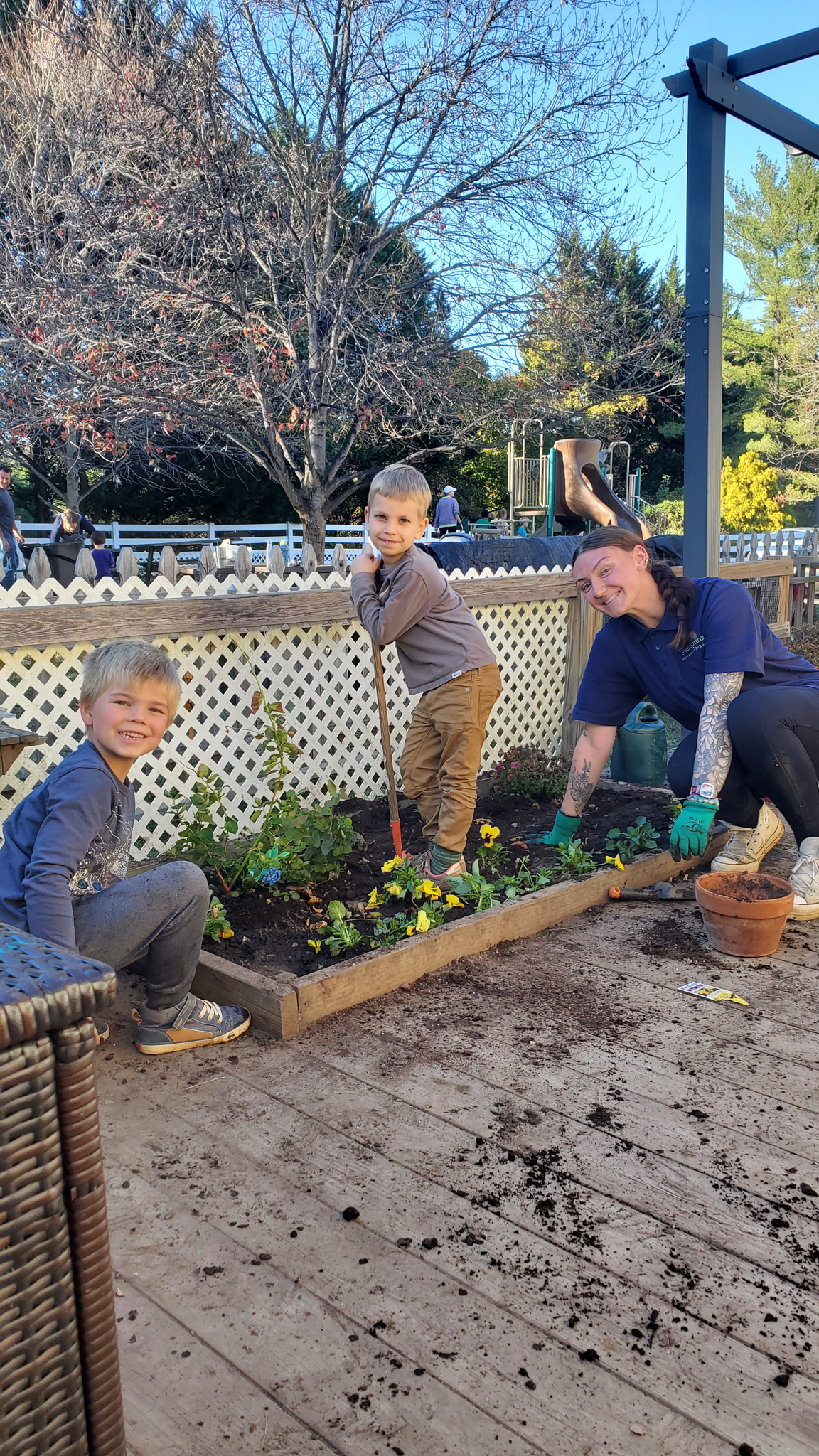
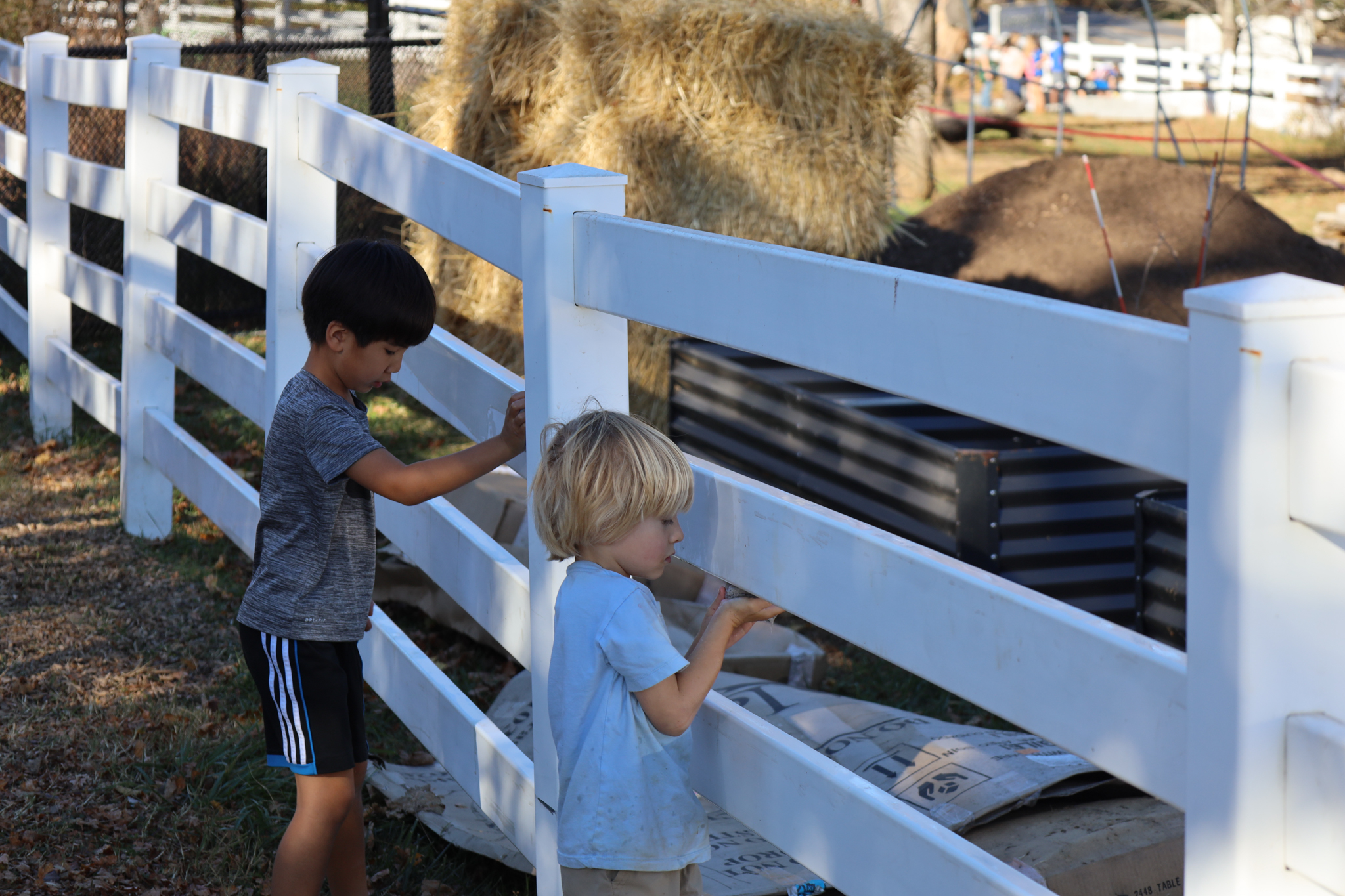
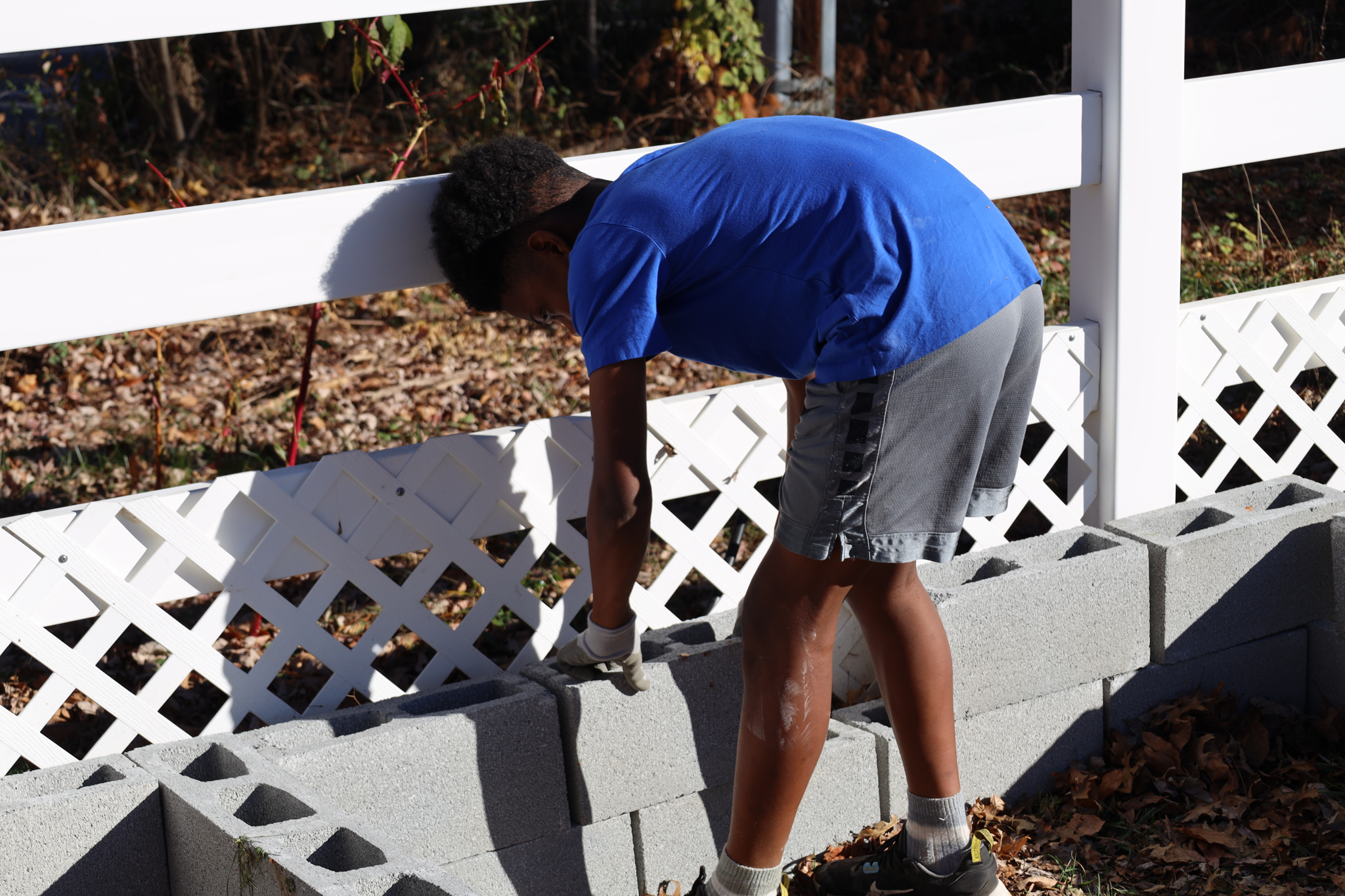
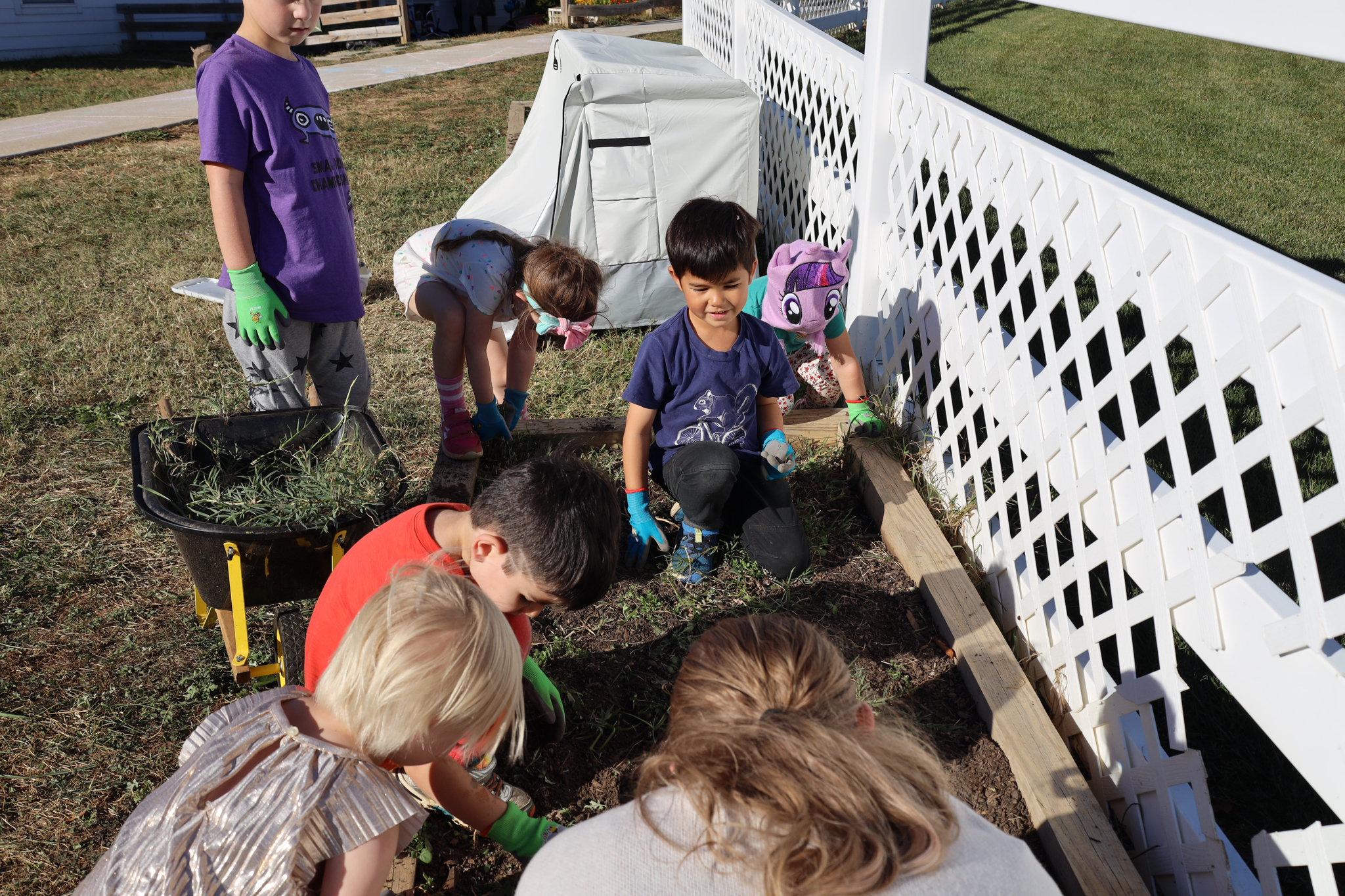
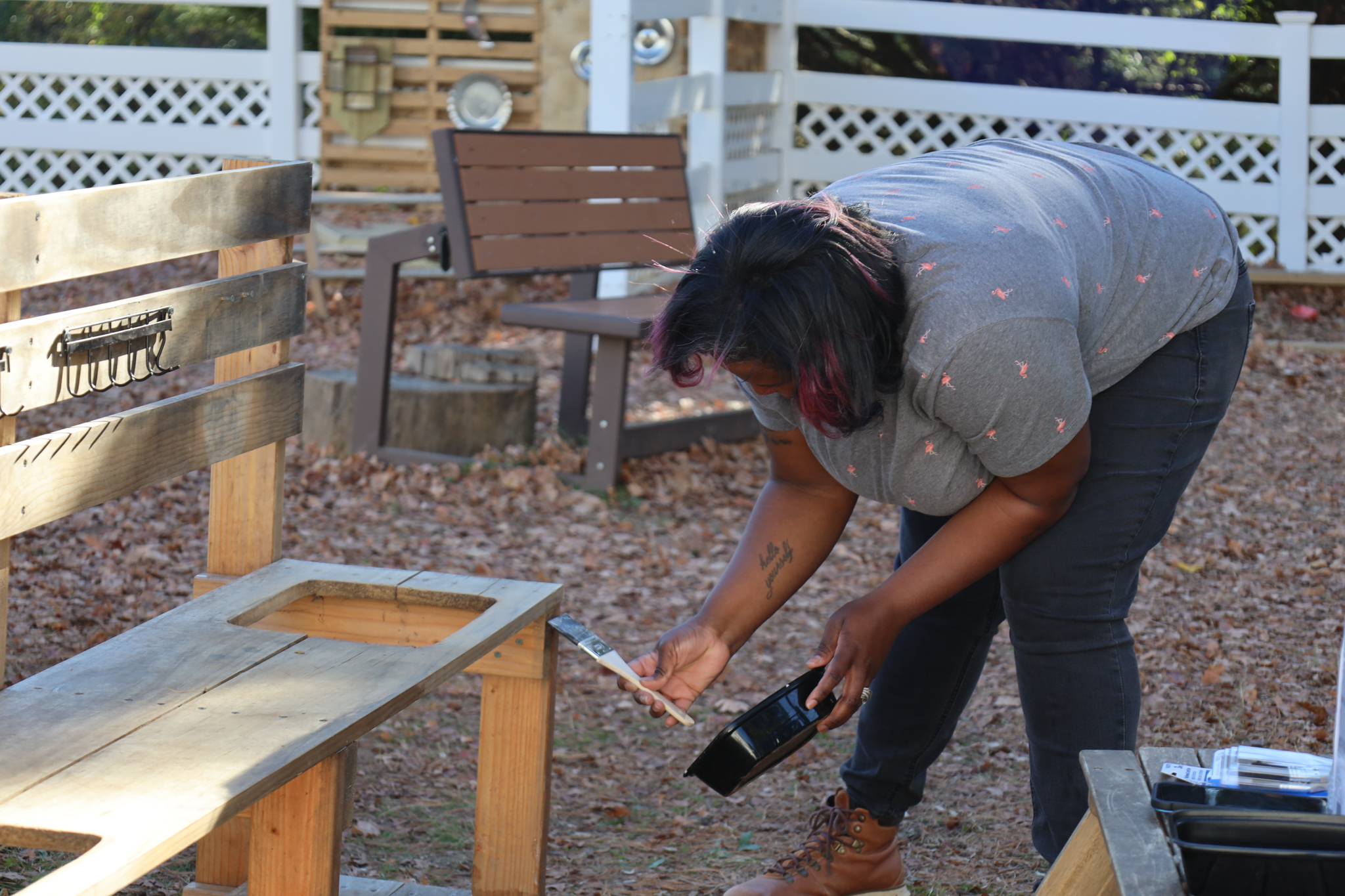
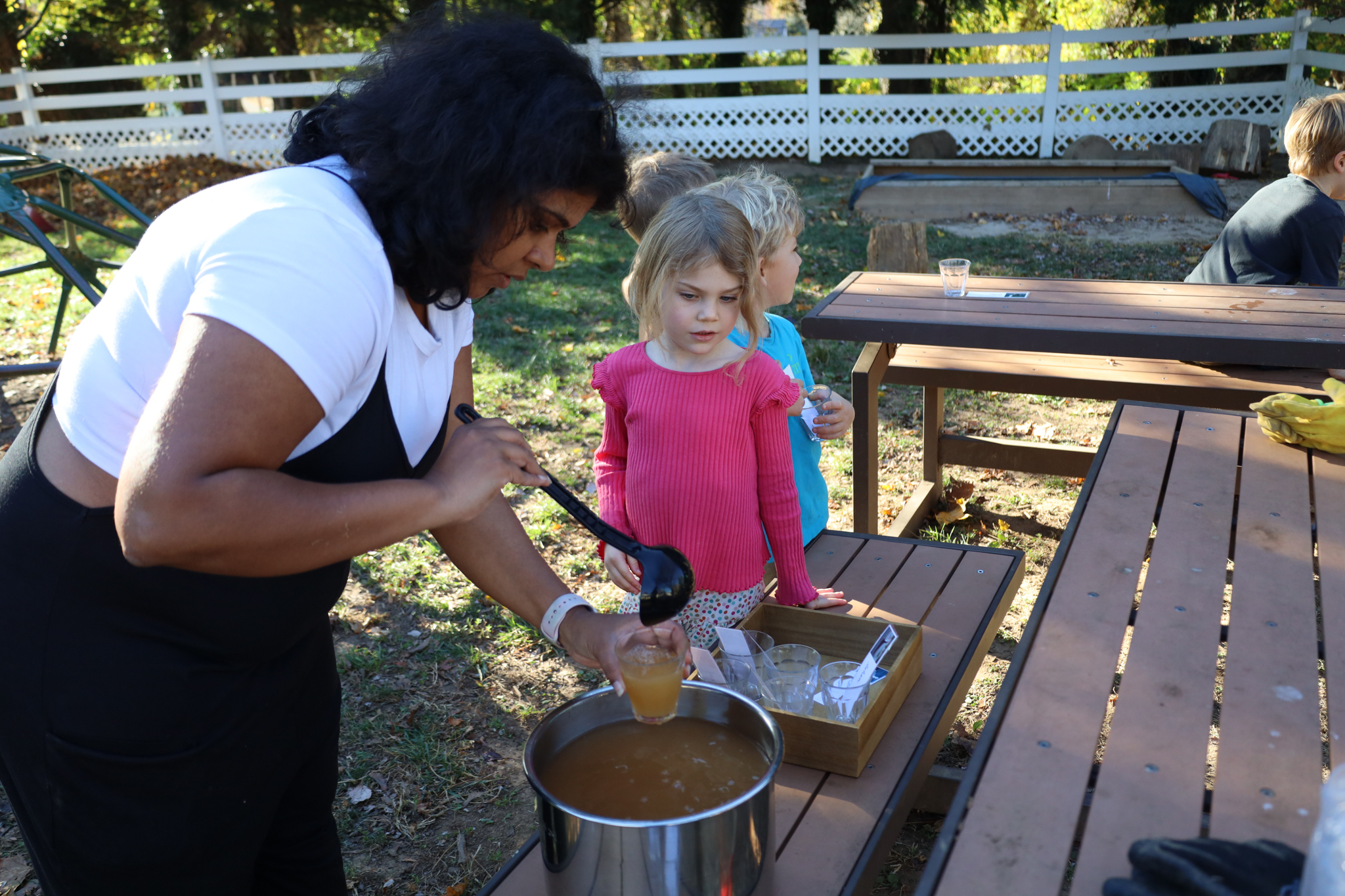
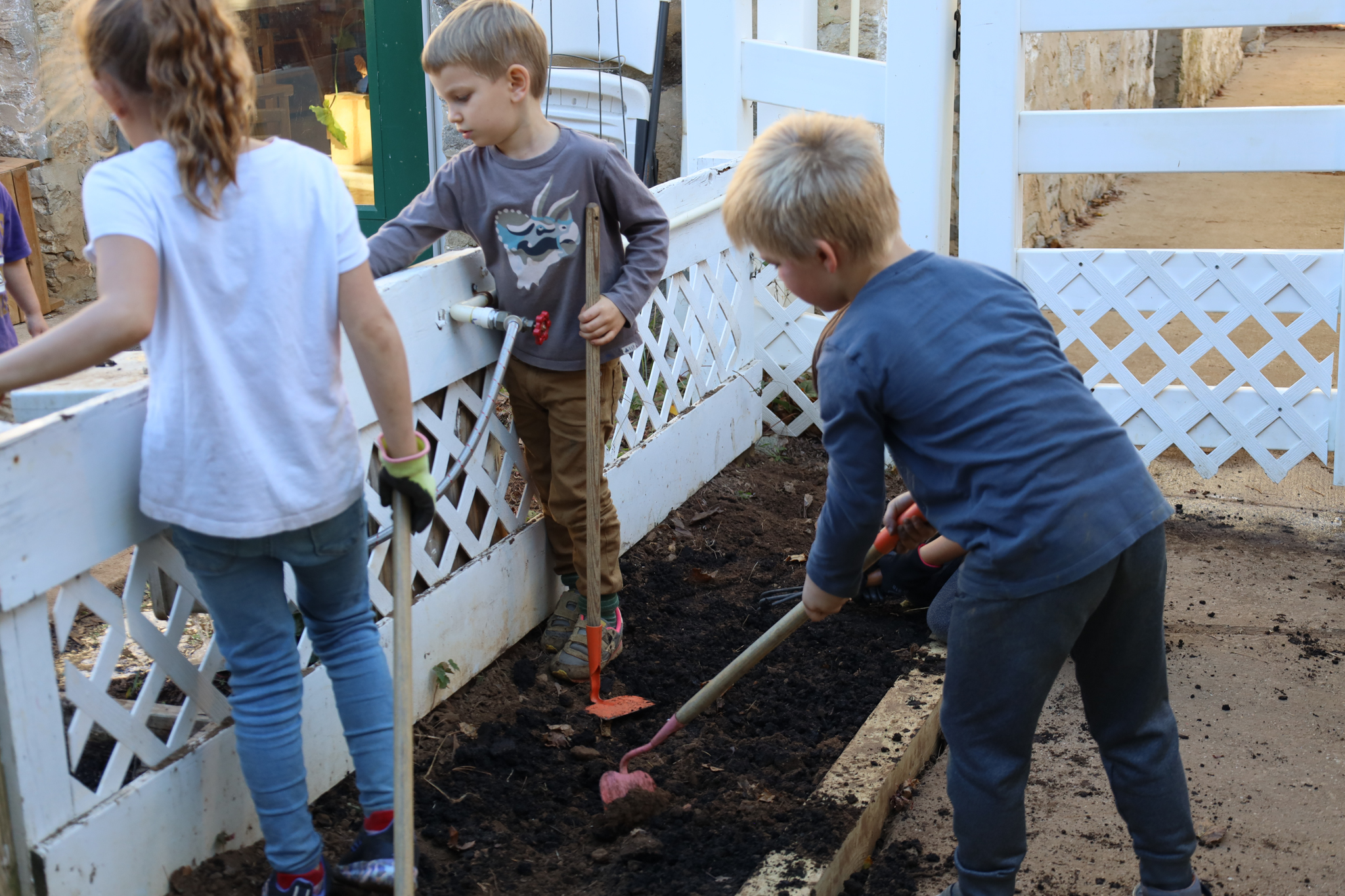
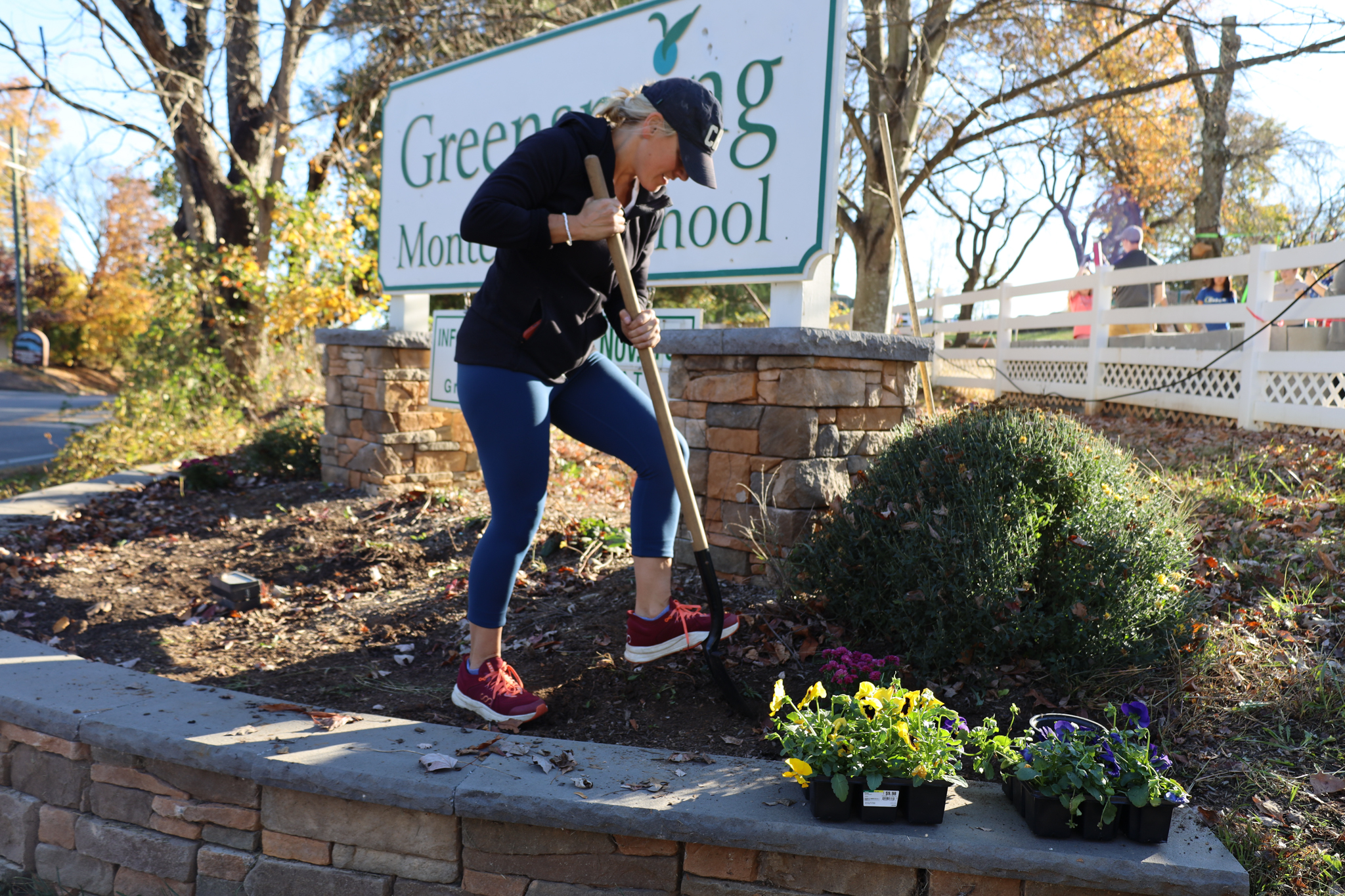
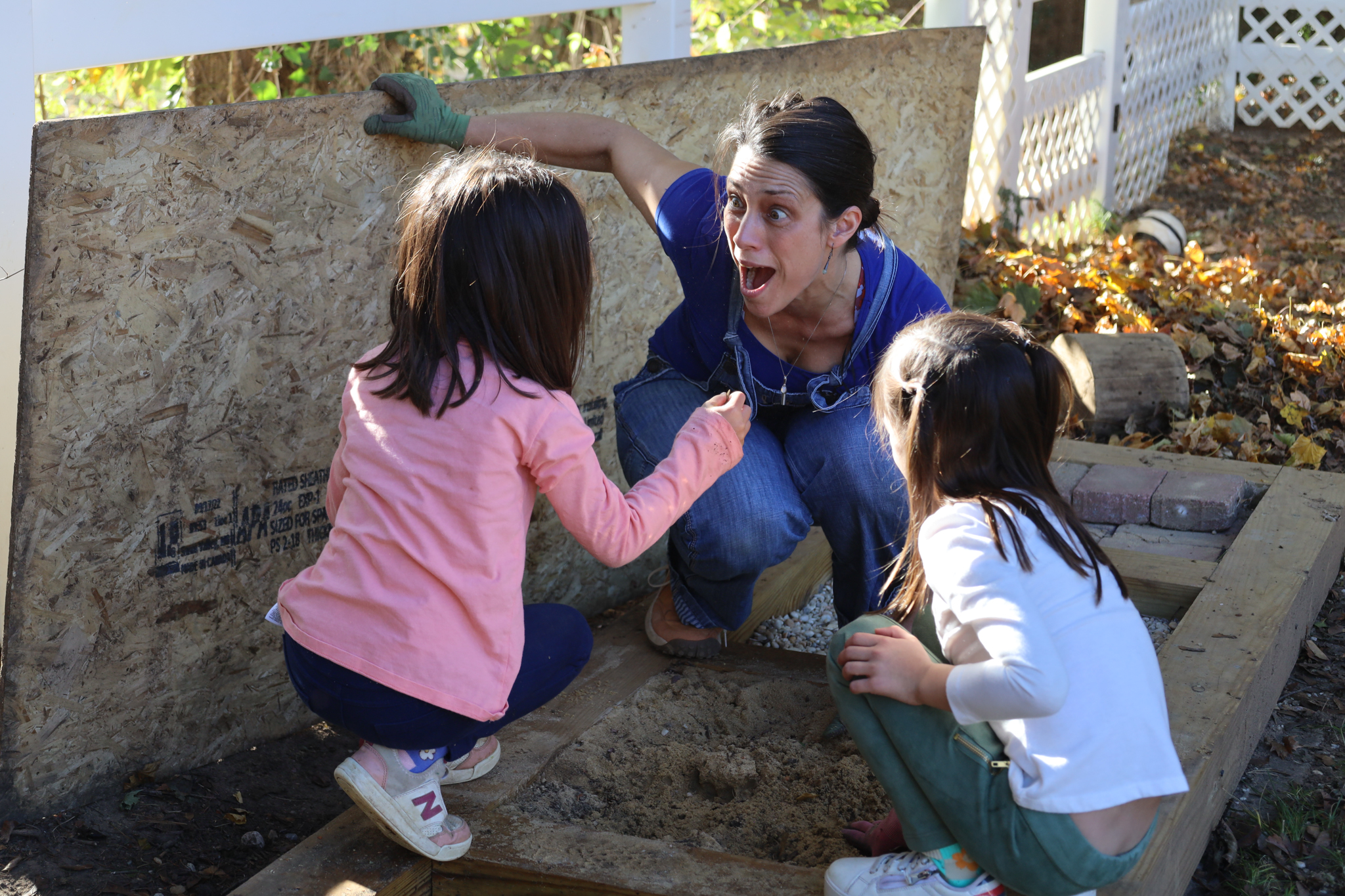
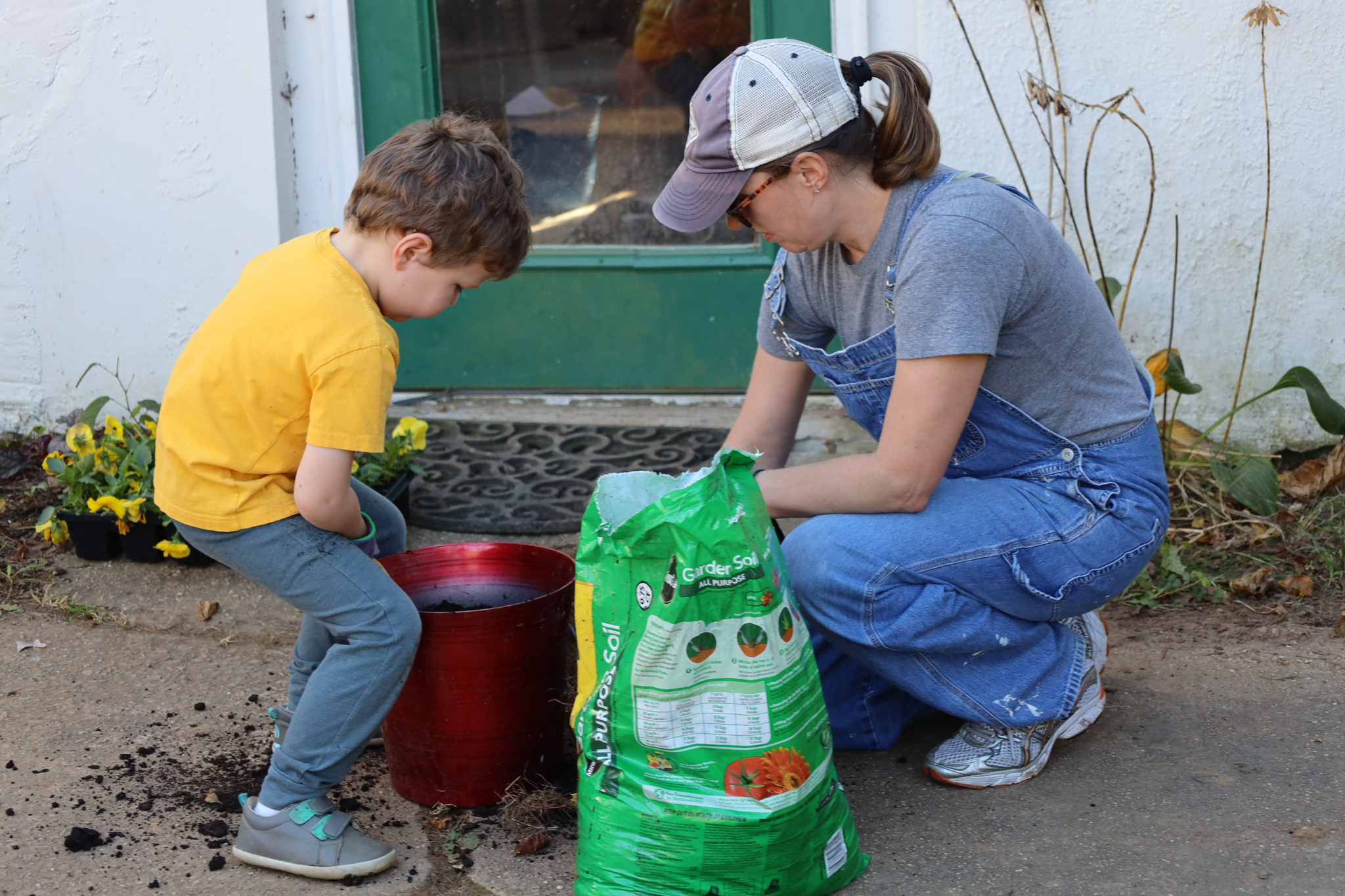
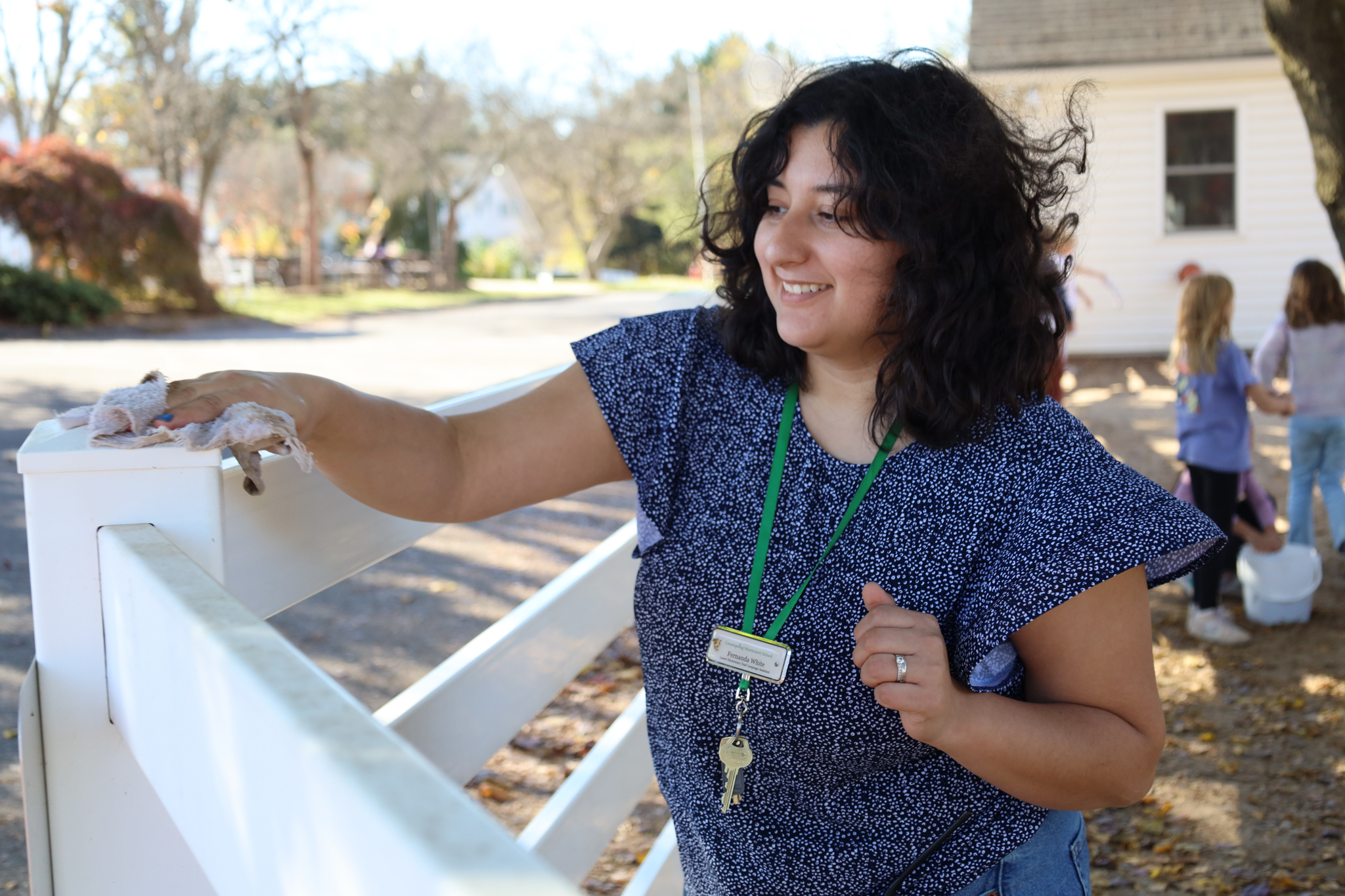
As part of our Allegiance to Nature at Greenspring Montessori School, our faculty and staff organized our annual Grounds Day event for our children and families.

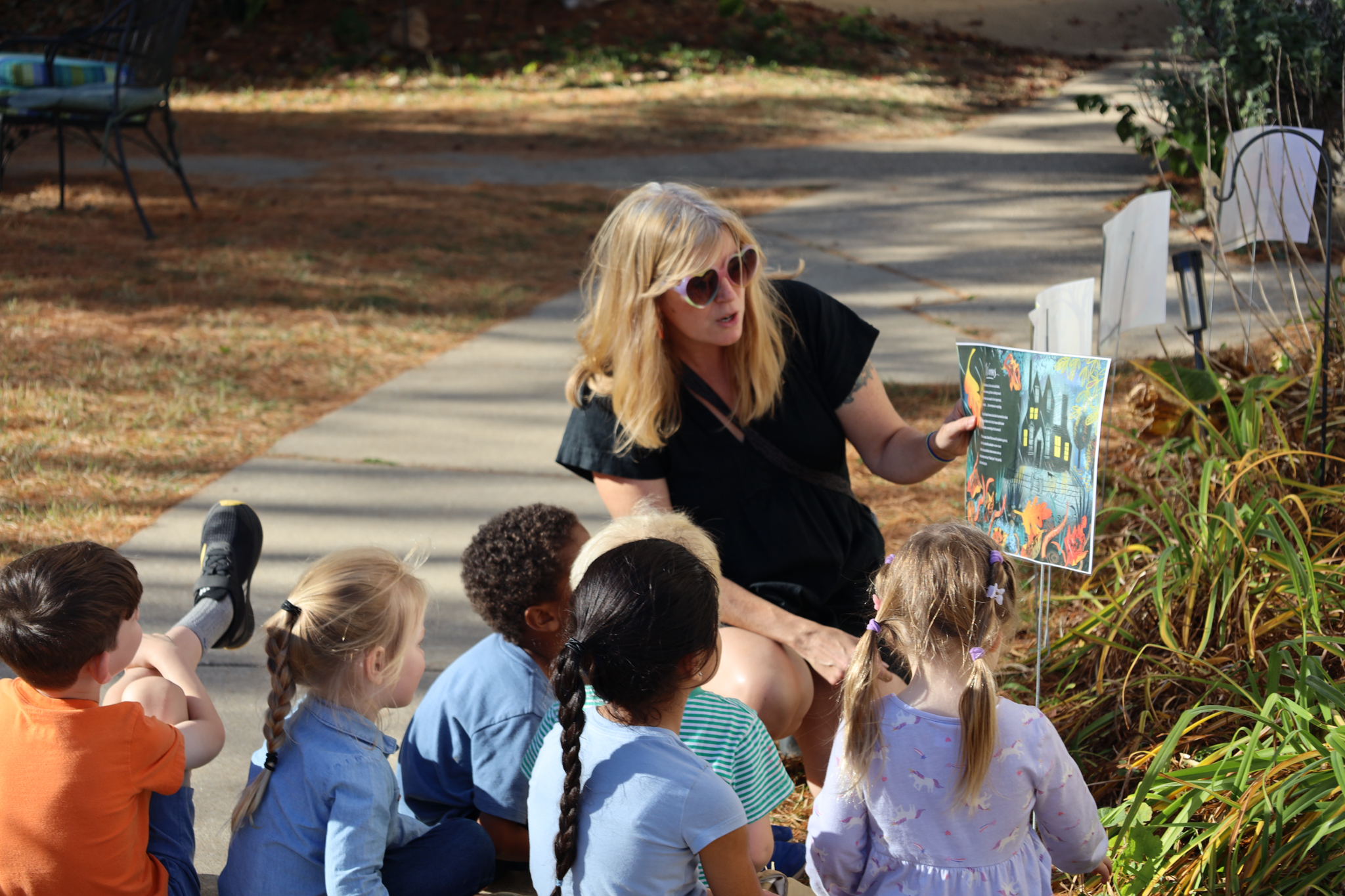
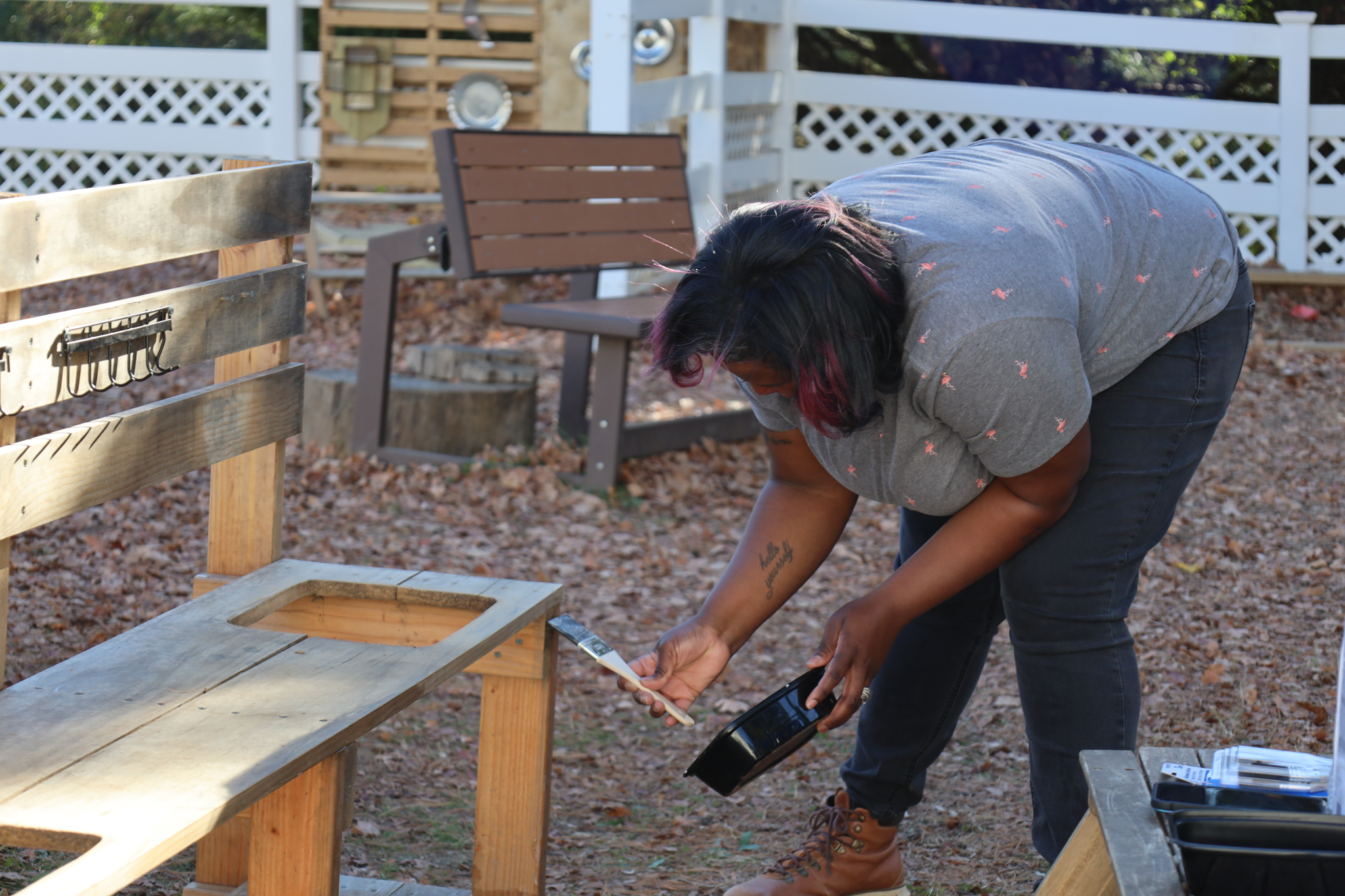
Our Toddler, Children’s House, Elementary, and Adolescent classes took on various projects around our campus including cleaning, planting, and building a new compost collection bin, along with a special nature-based story walk.

Many families also worked to restore natural spaces on campus and make improvements to the outdoor environments. Thank you all for your dedication and support!
How Montessori Elementary Fosters Autonomy and Executive Functioning Skills

How Montessori Elementary Fosters Autonomy and Executive Functioning Skills

In the Montessori elementary classroom, children in 1st through 6th grade embark on a journey that goes beyond traditional academics. At this age, children are naturally inclined toward developing independence, curiosity, and responsibility—qualities that Montessori education nurtures by giving children the autonomy to shape their learning, offering opportunities to practice executive functioning, and connecting their studies to real-world experiences.
Building Autonomy Through Choice

Montessori education centers around the concept of freedom with responsibility, which allows students to take control of their learning journey. By offering a structured environment with freedom to select work that challenges and interests them, children learn to make decisions that align with their interests and goals. An Upper Elementary student may choose to research Ancient Egypt, while another student might focus on a science experiment involving ecosystems. This kind of self-directed learning fosters intrinsic motivation, encouraging students to dive deeply into subjects they are passionate about.

When students choose their work, they experience a sense of ownership, which builds confidence and responsibility. They’re not just completing assignments; they’re developing skills for life by learning to manage their time and tasks independently.

Developing Executive Functioning Skills

Executive functioning—the ability to organize, prioritize, and manage time—is critical for success in both school and life. Montessori students practice these skills daily, planning and monitoring their work, often with the help of work journals. These tools encourage children to map out their week, allocate time for various tasks, and self-assess their progress.

For instance, an elementary student might outline the steps needed to finish a long-term geography project, from initial research to final presentation. As they move from one stage to the next, they learn to adjust their plans, handle setbacks, and see their project through to completion. This kind of planning and organization doesn’t just help with academics—it equips children with the executive functioning skills they’ll use for a lifetime.

Nurturing a Growth Mindset

Students won’t develop executive functioning skills unless they have opportunities to practice! Montessori Elementary classrooms are rich with opportunities for students to practice – from keeping their binders and lockers organized, to choosing and recording their work, to planning long-term projects, and more. Students learn by doing – and will make mistakes. Montessori Guides frame these moments as opportunities for growth, and by persevering through challenges, students develop a growth mindset about their learning.
Real-World Learning Experiences

Montessori students engage with learning that connects to the world around them. Instead of isolated academic exercises, they explore practical applications through field studies, community service projects, and hands-on activities that bring their lessons to life. A nature walk might turn into a science lesson on local ecosystems or a Going Out to a local business could tie into an economics study.

Real-world learning gives students context for what they’re studying, making subjects more relevant and engaging. This process not only builds practical skills but also reinforces the importance of community, cooperation, and responsibility. Montessori children often collaborate on group projects, sharing ideas, making joint decisions, and learning to appreciate diverse perspectives—all essential parts of working in any community.

Building Independence with Guidance

Although Montessori classrooms encourage autonomy, Guides still play a crucial role in guiding students. They observe each child’s interests and progress, offering support and gentle redirection when necessary. This approach allows children to feel empowered while knowing there’s always a trusted adult available to help them navigate challenges.

Through this support, students learn to ask for help when needed and develop the confidence to solve problems independently. By middle elementary grades, Montessori students are well on their way to mastering not only academic skills but also independence, agency, and resilience.

The Montessori Difference

In a Montessori elementary classroom, children experience a unique blend of freedom and structure, one that fosters independence, builds executive functioning skills, and connects learning to the real world. By empowering students to become active participants in their own education, we lay the foundation for capable, curious, and compassionate individuals who are ready to navigate the world with confidence.

Our goal is to support each student on their journey to becoming a self-directed, engaged, and responsible learner—and we see the impact of this every day. Montessori truly prepares children for life.

The Passage to Abstraction in Montessori: How Elementary Children Transition to Abstract Thought

The Passage to Abstraction in Montessori: How Elementary Children Transition to Abstract Thought

How Elementary Children Transition to Abstract Thought

The journey through Elementary education is a transformative experience. During the Elementary years, students begin a fascinating cognitive shift known as the “passage to abstraction.” This is when they move from learning with hands-on, concrete materials to making the leap to abstract understanding of concepts. Elementary students also develop the ability to think about abstract concepts, such as fairness, values, and beliefs.

The Foundation: Concrete Materials in Early Montessori Education

In the early years in a Montessori school, children work extensively with concrete materials that help them grasp fundamental concepts in subjects like math, language, and science. These materials—such as golden beads for place value or fraction insets for mathematical operations—provide a visual and tactile experience that makes abstract ideas tangible and relatable. Montessori wrote, “What the hand does, the mind remembers”. This concrete learning foundation is essential for students to later build a deep understanding of abstract concepts.

For example, a Montessori Lower Elementary student will first learn the concept of square root by making squares out of pegs on a pegboard. The square root is simply the length of each side of the square! Students practice finding the square root of numbers into the tens, hundreds, and thousands place, and how to record this on paper.  At some point along the way, the student will have a solid understanding of the concept of square root and no longer needs the material. They have made the “leap to abstraction” with the concept of square root. But because of their foundation with the concrete materials, they truly understand the concept – can visualize it and explain it to others – in a way that isn’t possible when merely memorizing a formula or series of steps.

Transitioning to Abstract Thinking

By the time students reach Upper Elementary (4th to 6th grade), they are ready to start thinking more abstractly. Their minds are primed to go beyond the “how” to ask “why,” considering questions about purpose, meaning, and connections between different areas of knowledge. This shift happens naturally, and Montessori Guides encourage it by integrating hands-on materials with more discussion-based, reflective, and inquiry-driven activities.

During this stage, students begin exploring big questions: What is fairness? How do my beliefs shape who I am? What values do I want to uphold in my life? These questions arise organically as children study history, geography, and literature, and encounter real-world events that spark curiosity about the human experience. Montessori education supports this progression, blending academic study with moral and philosophical exploration.

Exploring Fairness, Values, and Beliefs

The concepts of fairness, justice, and moral values become particularly significant at this age. For example, a lesson on world geography might prompt students to consider how natural resources impact different communities or how access to education varies across the globe. These topics lead them to ask questions about fairness, equality, and responsibility, sparking discussions on values and ethics.

By studying the impact of historical events, such as the American Civil Rights Movements or the work of influential figures like Mahatma Gandhi or Dr. Martin Luther King Jr., students begin to reflect on their own beliefs. This exploration is vital for understanding the diversity of human values and the importance of empathy, respect, and justice.

Abstract Thinking in Mathematics and Science

The passage to abstraction also becomes evident in subjects like math and science. While younger children may have relied on concrete materials to understand operations, older students begin to comprehend complex ideas without them. For instance, they might grasp mathematical concepts like prime numbers, probability, or algebraic equations through mental calculations and logical reasoning, applying these ideas to solve real-world problems.

In the sciences, they start exploring abstract concepts like the interdependence of ecosystems, the properties of elements, or even theoretical ideas in astronomy and physics. Their growing capacity for abstract thought allows them to understand not just what happens but why—fueling curiosity and fostering a deep love for exploration and discovery.

Being in Community

A core part of this developmental stage is the internalization of personal beliefs and values as they relate to their communities. Students learn to navigate the complexities of fairness, cooperation, and shared responsibility. They experience the power of compromise and the need to balance personal interests with the well-being of the group. Community Meetings are an essential part of the Elementary classroom where the students can engage in a democratic process, sharing their feelings, challenges, and accomplishments with the group. This setting offers a safe space for students to explore ideas and share their evolving beliefs, reinforcing a supportive learning environment where all perspectives are respected. Field trips and Going Outs also contribute to their moral and ethical development, as students begin to understand their role within the broader community.

The Guide’s Role in Fostering Abstract Thought

By blending concrete learning tools with open-ended questions, complex discussions, and real-world connections, the Guide in the classroom helps students develop a strong intellectual and moral foundation. In this way, Montessori education nurtures not only academically capable learners but also thoughtful, compassionate leaders.

At Greenspring Montessori School, we’re proud to be part of this journey, watching students blossom as they bridge the gap from concrete to abstract, from understanding how things work to contemplating why things matter. The passage to abstraction is an extraordinary developmental milestone, and Montessori provides an environment to meet the evolving developmental needs of students during this transition.

Fall in our Outdoor Environments

Fall in our Outdoor Environments

Toddler Outdoor Environments

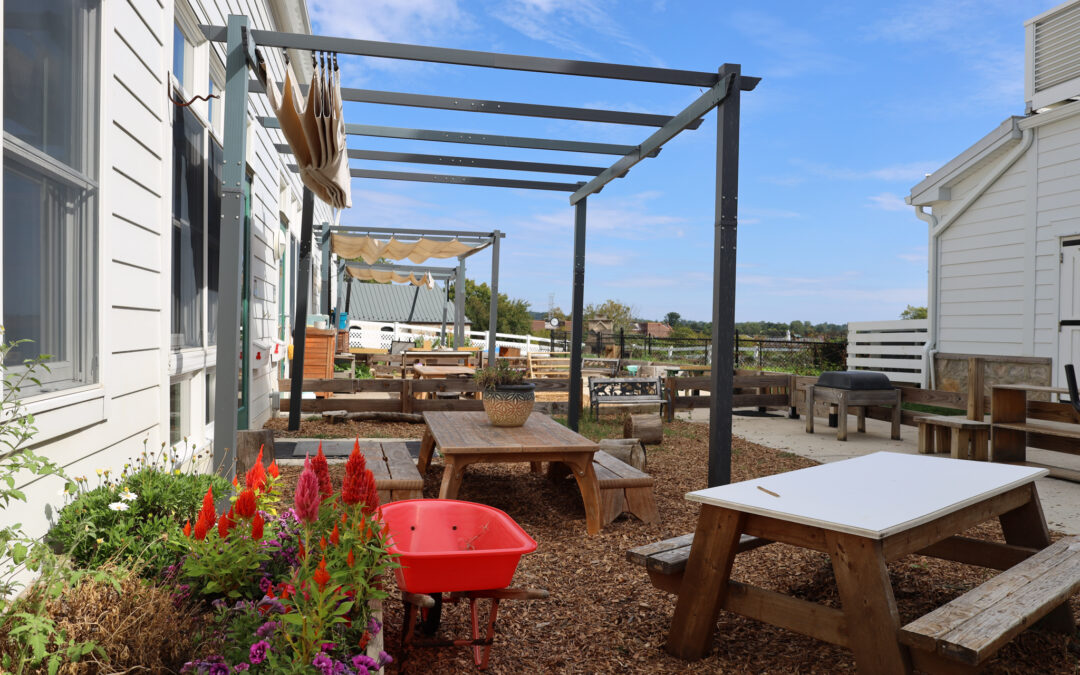
Our Toddlers have been exploring their classrooms and outdoor environments with all of their senses. Our Toddler Outdoor Environments are thoughtfully prepared for the children to explore with natural materials and wild spaces to explore. Many of the materials promote gross motor skills, such as wheelbarrows, sweeping, pikler triangles, and balance beams. Additionally, works are put out for fine motor skills and concentration, similar to what would be found inside the Toddler classroom.

Children’s House Outdoor Environments

Students in our Children’s House Outdoor Environments have been immersed in a rich journey of discovery. Since the first day of school, we have been enjoying our explorations of the beautiful grounds on campus. Strolling by the dogwood trees, pine trees, fig trees, and colorful zinnias brings the children so much happiness and they are able to explore the campus with all of their senses. We were grateful to experience two weeks of rain, which welcomed an abundance of salamanders, slugs, worms, and even an amazing giant toad! The rain was a welcome gift for our plants as well. We eagerly await the stunning array of colors that autumn will unveil!

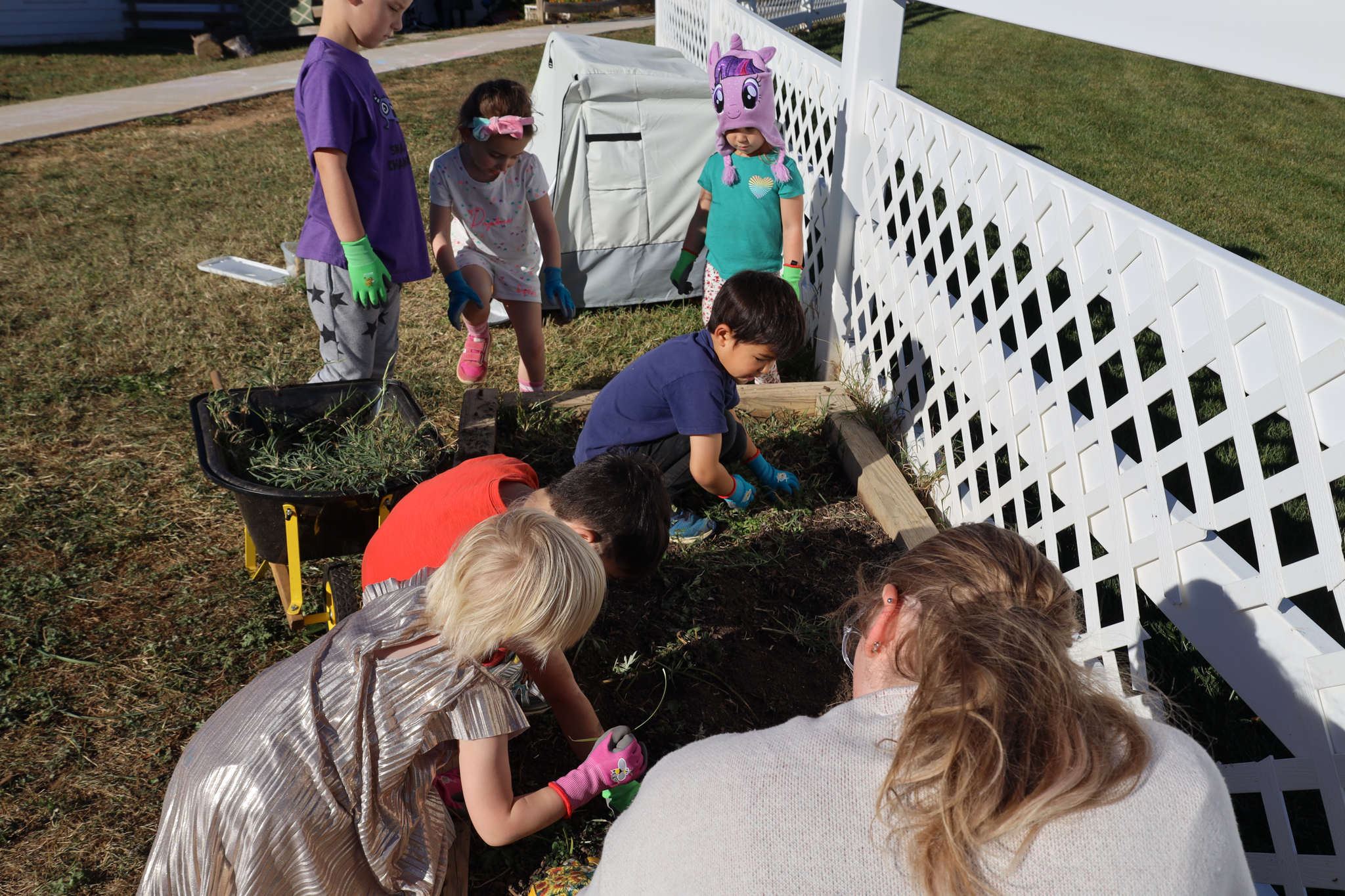
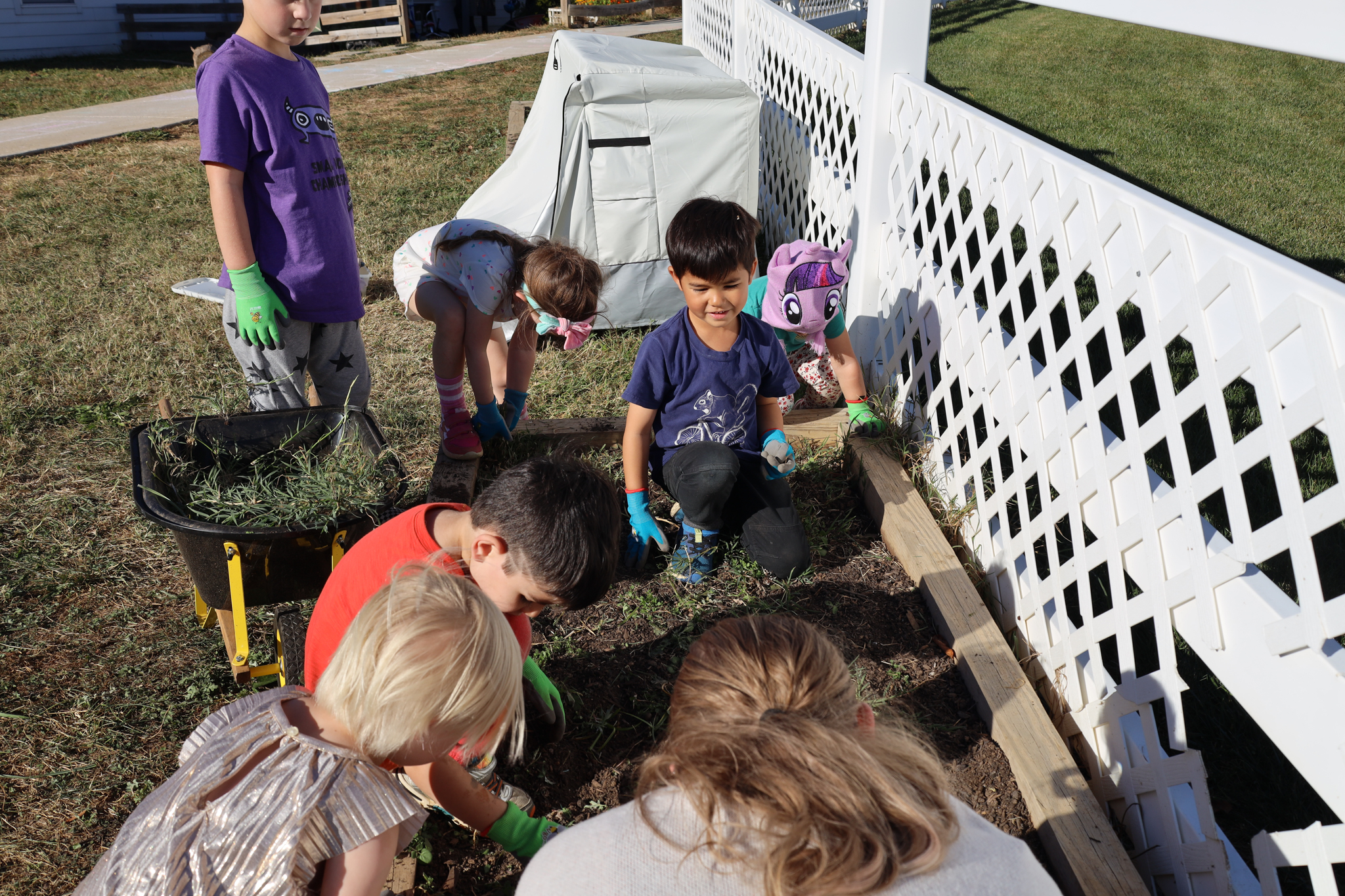
The children have been discovering the art of effectively using our garden tools, which can be quite a journey for our youngest Children’s House students. Through dedication, guidance, and the help of elders in the classroom, the children discover a passion for digging, raking, and utilizing garden tools.

With regular visits to the nature center, we enjoy feeding and engaging with Ivan, having snake-handling lessons with Nessie, and discovering the many different creatures that reside there. 

The children in the Dogwood and River Birch class have been nurturing our Oak Tree Nursery, with four white oaks grown from acorns that are thriving in pots. They also have been enjoying the process of herbal tea making, with herbs from our herb garden! Mint tea with honey is a fan favorite. 

Sit Spots

Starting in Children’s House, students participate in Sit Spots outside in all weather – a place where the child can sit for five minutes away from distractions to observe nature and enjoy time in quiet reflection. Sit spots are a way for our children to try out a new way to enjoy the world around them – observing the sights, sounds, smells, and touch of the natural world.

Elementary and Adolescent Outdoor Environments

Our Elementary and Adolescent students have been exploring the Outdoor Environments, our campus, and even venturing out to learn about the greater Chesapeake Bay watershed.

Lower Elementary

In Lower Elementary, students grew a large harvest of radishes as the weather began to cool. They sold the radishes to the community to benefit the victims of Hurricane Helene. Now they are setting their sites on the colder winter months ahead and working to build a low tunnel over their raised garden bed to protect their winter lettuce.

Lower Elementary students continue the practice of Sit Spots, heading outside each morning in all weather conditions for five minutes of reflection and observation.

Upper Elementary

In Upper Elementary, the students visited Echo Hill Outdoor School for an immersive three day trip. They had the opportunity to explore the Chester River by boat, complete a ropes course, and enjoy many team-building activities. See photos and learn more about their trip here.


Adolescent Community

Our Adolescents have been working to improve our campus rain garden, pulling invasive weeds and making way for native plants to thrive. They also ventured out into the Baltimore community to volunteer with NeighborSpace Baltimore to clean up local pocket parks, add native plants to rain gardens, and run tests in a local stream. The students loved meeting a local Baltimore artist and learning more about these communities. They had an opportunity to see firsthand how environmental justice can serve city residents with improved access to multi-use green spaces. ⁠