The Power of Timelines in the Elementary Classroom

The Power of Timelines in the Elementary Classroom

Young children often have a hard time understanding the concept of time. In the Children’s House, children become comfortable with the days of the week and months of the year. They begin the study of measurement and telling time on a clock. And personal timelines that tell the story of the child’s life are used as a doorway into understanding the passage of time over years.

Illustrated as it must be by fascinating charts and diagrams, the creation of earth as we now know it unfolds before the child’s imagination.

Dr. Maria Montessori, To Educate the Human Potential

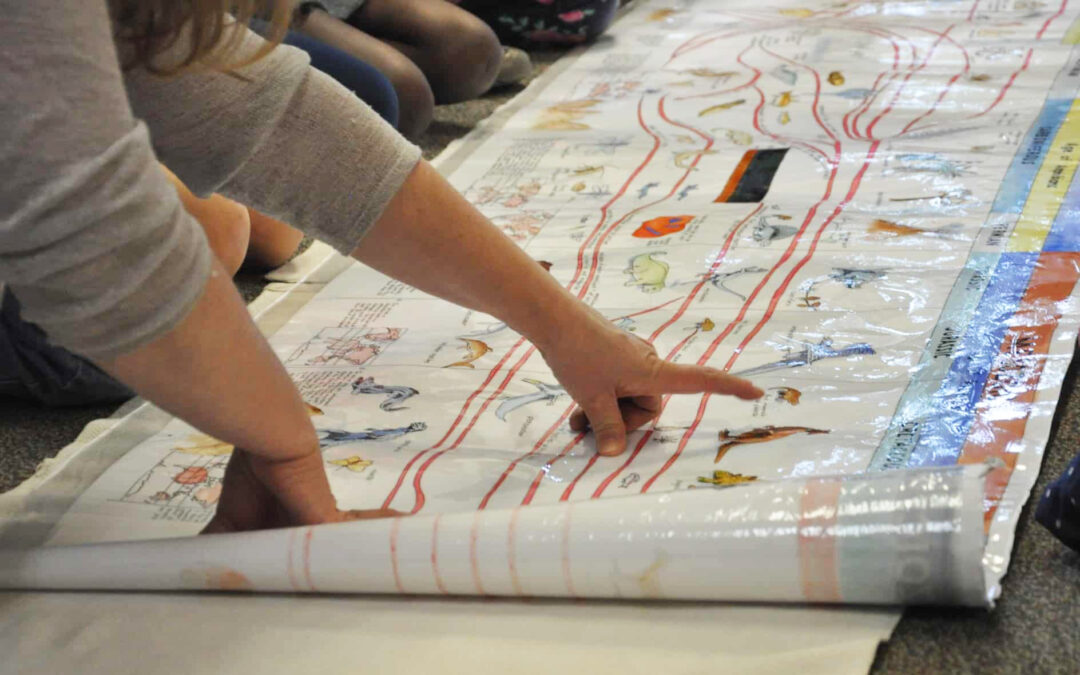
Children in the second plane of development, during the Elementary years, become fascinated by large numbers, including large measurements of time across generations or even eons. Elementary children are also emerging as social beings, seeking to understand their place in a greater context. For both of these reasons Elementary children are introduced to the structures of timelines, first as part of the Great Lessons and then in many other areas across the curriculum, including geology, geography, botany, zoology, anthropology and more. Here are a few examples of timelines used during the Great Lessons and corresponding key experiences:

The Clock of Eras

This chart represents the lifespan of planet Earth in terms of “cosmic hours,” so children have another way to grasp the concept of the relative amounts of time it took for Earth to form and for different types of life to develop.

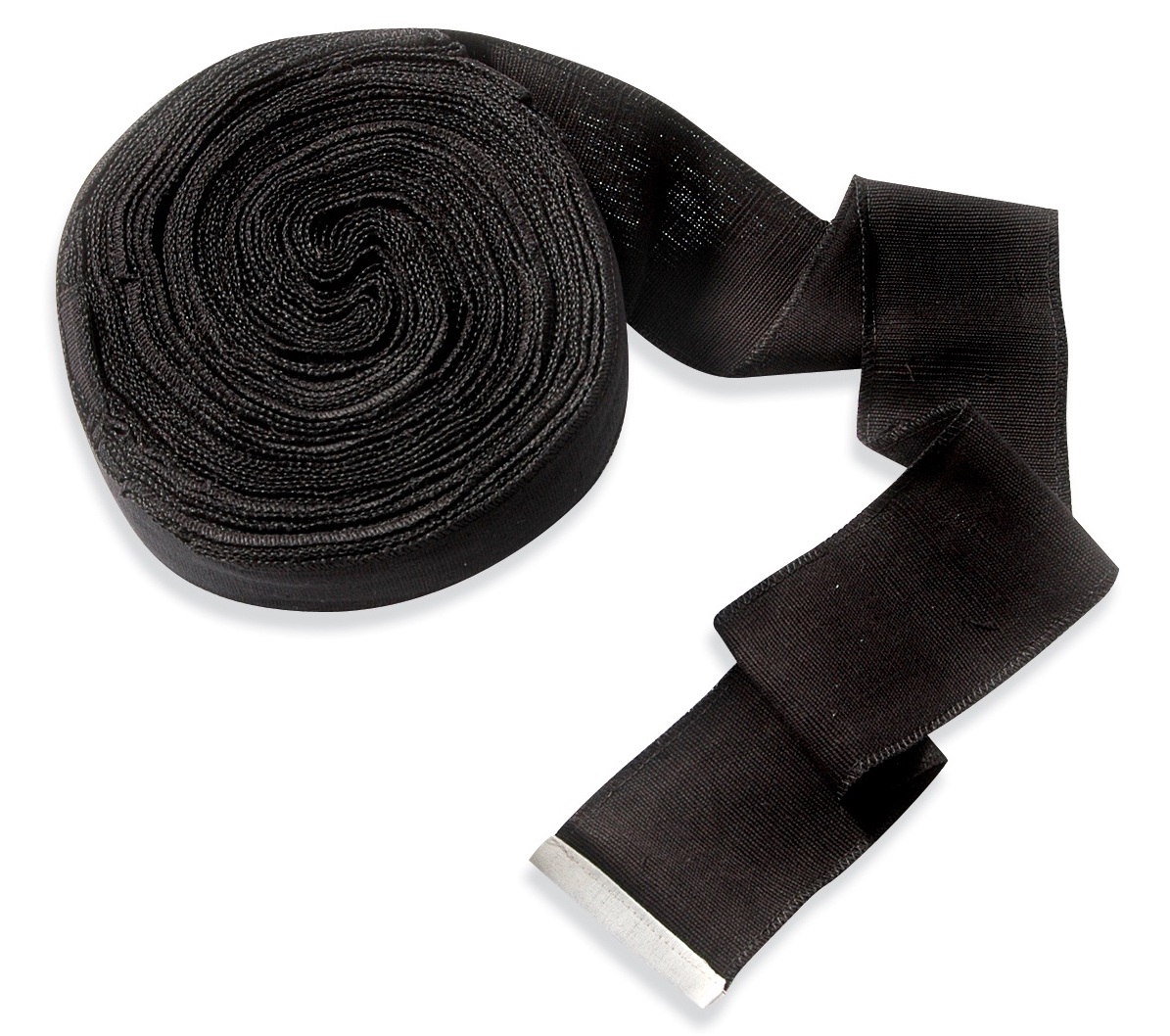
The Long Black Strip

This black strip represents the age of Earth, from its very beginning. A 1cm strip of white represents the whole time that humans have been on Earth. This impressionistic lesson is designed to give children perspective on how recently, in Earth’s timeline, humans entered the scene. 

The Timeline of Humans

This timeline shows the story of the human journey from the end of the Pliocene (the emergence of our hominid ancestors) to the beginning of the Holocene, ending at the Bronze Age. Key events, such as the uses of fire and development of hand tools, are correlated with physiological development, such as the emergence of H. sapiens sapiens and the disappearance of H. neanderthalensis.

The Story of Language

This timeline introduces students to the development of communication over time and across civilizations. It covers the origin of human language: sounds, gestures, and pictograms of early humans, through the cuneiform of the Sumerians, the hieroglyphs of the Egyptians, and the first official alphabet of the Phoenicians. It explores derivatives of the first alphabet, which were created by the Greeks and Romans, and some additional ancient forms of writing, such as Chinese and Hebrew. 

The History of Numbers

This timeline introduces students to various forms and methods of counting and record-keeping, starting with the use of concrete materials, to the emergence of abstract writing systems, and eventually, more advanced number systems. 

BC/BCE Timeline 

The timeline begins from Prehistory and concludes to the Modern time period which is set off with a red background to represent the current time frame. 

Timeline of Civilizations

The timeline of Ancient Civilizations spans the period from 5000 BC to 300 AD. The timeline displays the empires that existed at that time as well as the factors that influenced their rise and decline.

Montessori timelines present just enough information to pique students’ interest. If too much information is included, the wonder of discovery is lost. When a student asks a question about something on a timeline, this becomes a springboard for further research.

Some students become inspired to make their own timelines. In doing so, they practice the precision of measurement. They also practice sorting and classification while deciding which information is most useful to include on a timeline. Students may notice examples of cause and effect and patterns that occur over time. They make connections between the content areas of the classroom, thus building a more integrated understanding of their world.

Honoring Cultural Celebrations Supports Children’s Sense of Belonging

Honoring Cultural Celebrations Supports Children’s Sense of Belonging

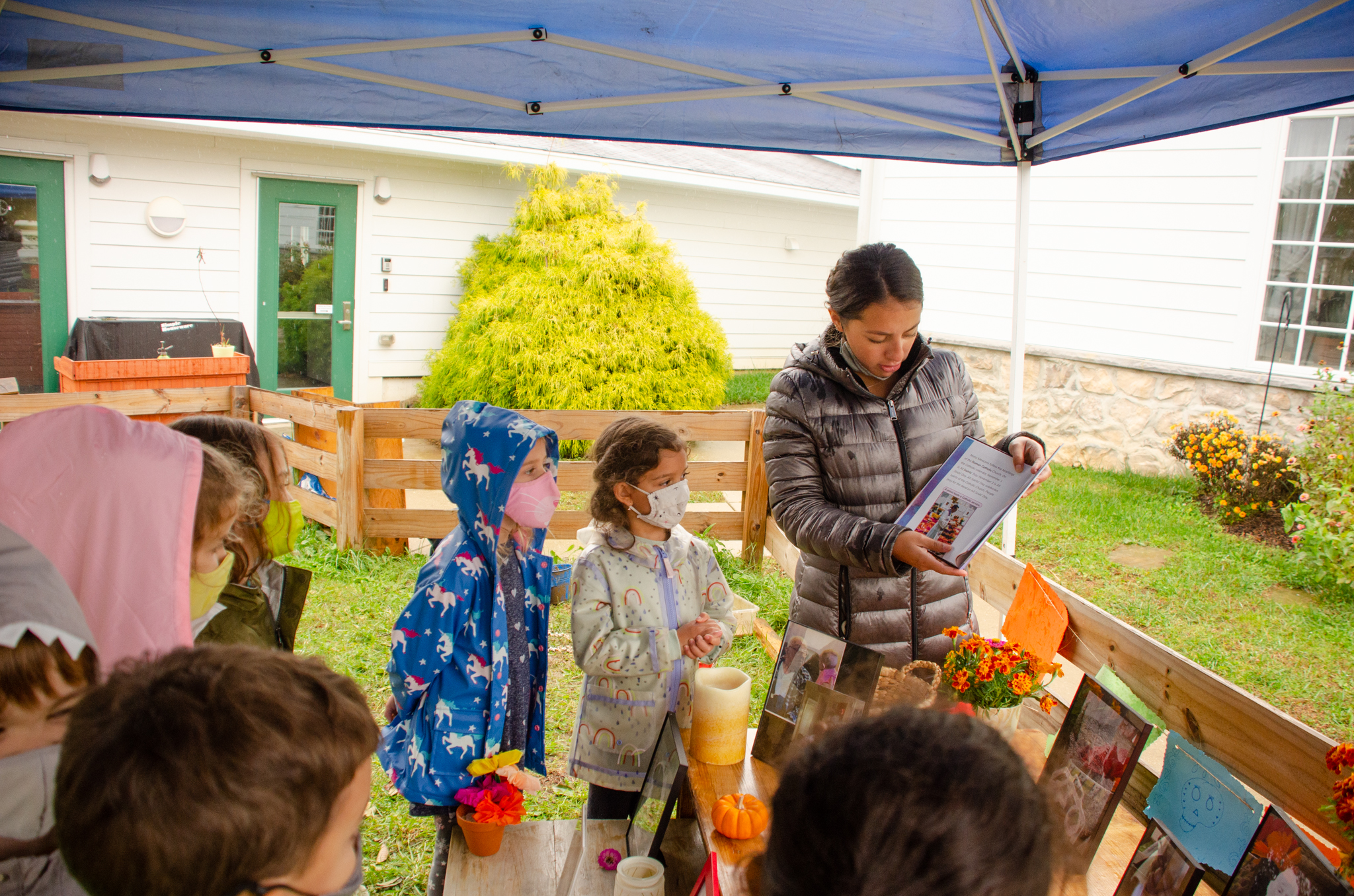
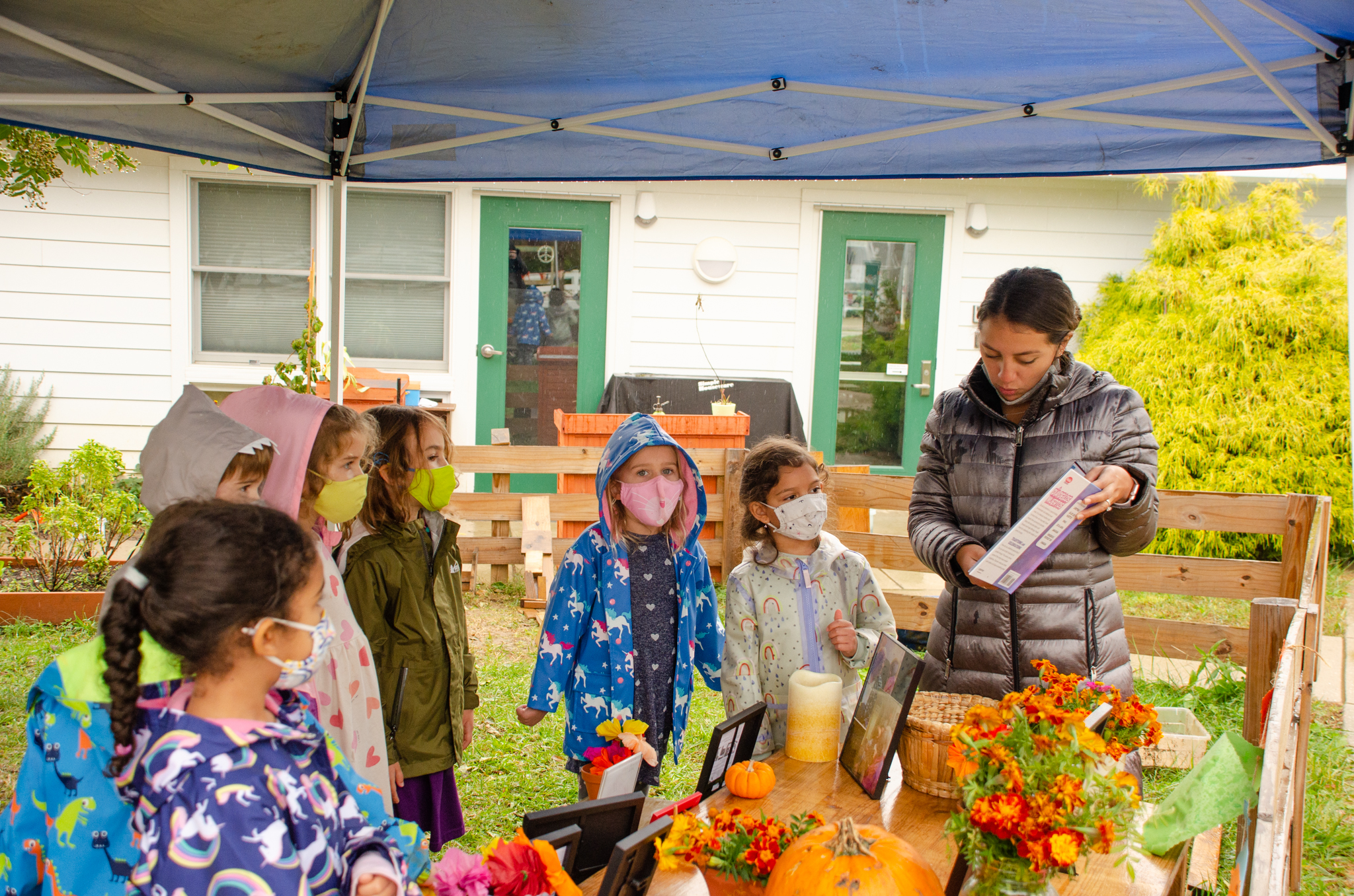
This year we as a School community are talking through ways to bring cultural celebrations and holidays into the classroom in an authentic and meaningful way. Celebrations and traditions are an important part of personal identity, and as a School, we find this to be a joyous way to learn about people in our community and around the world.

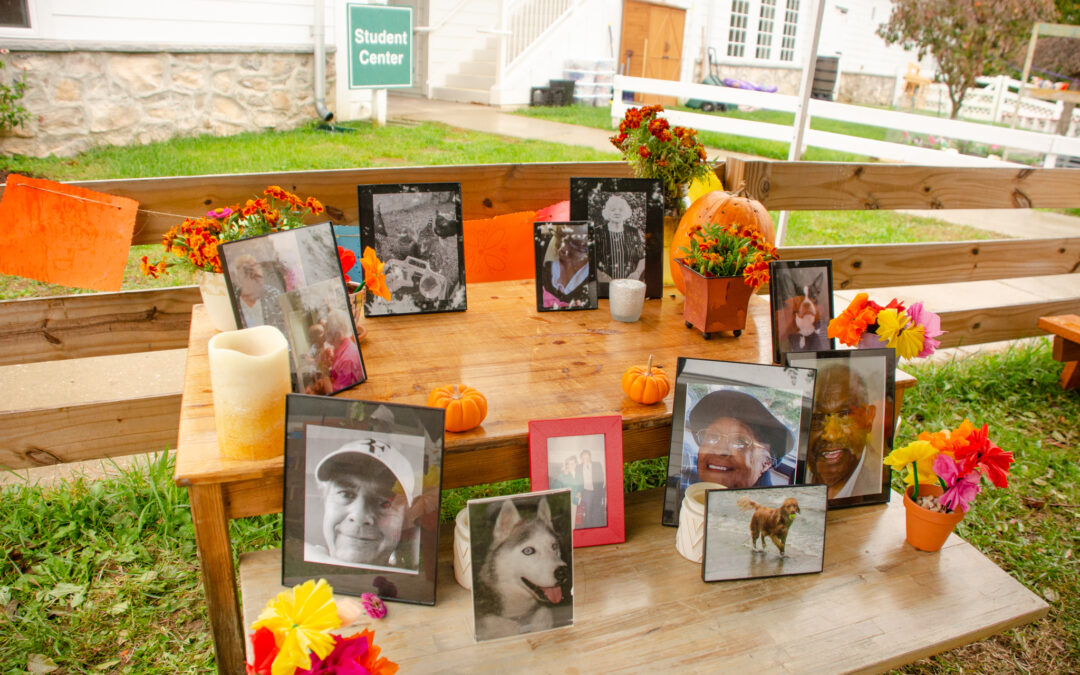
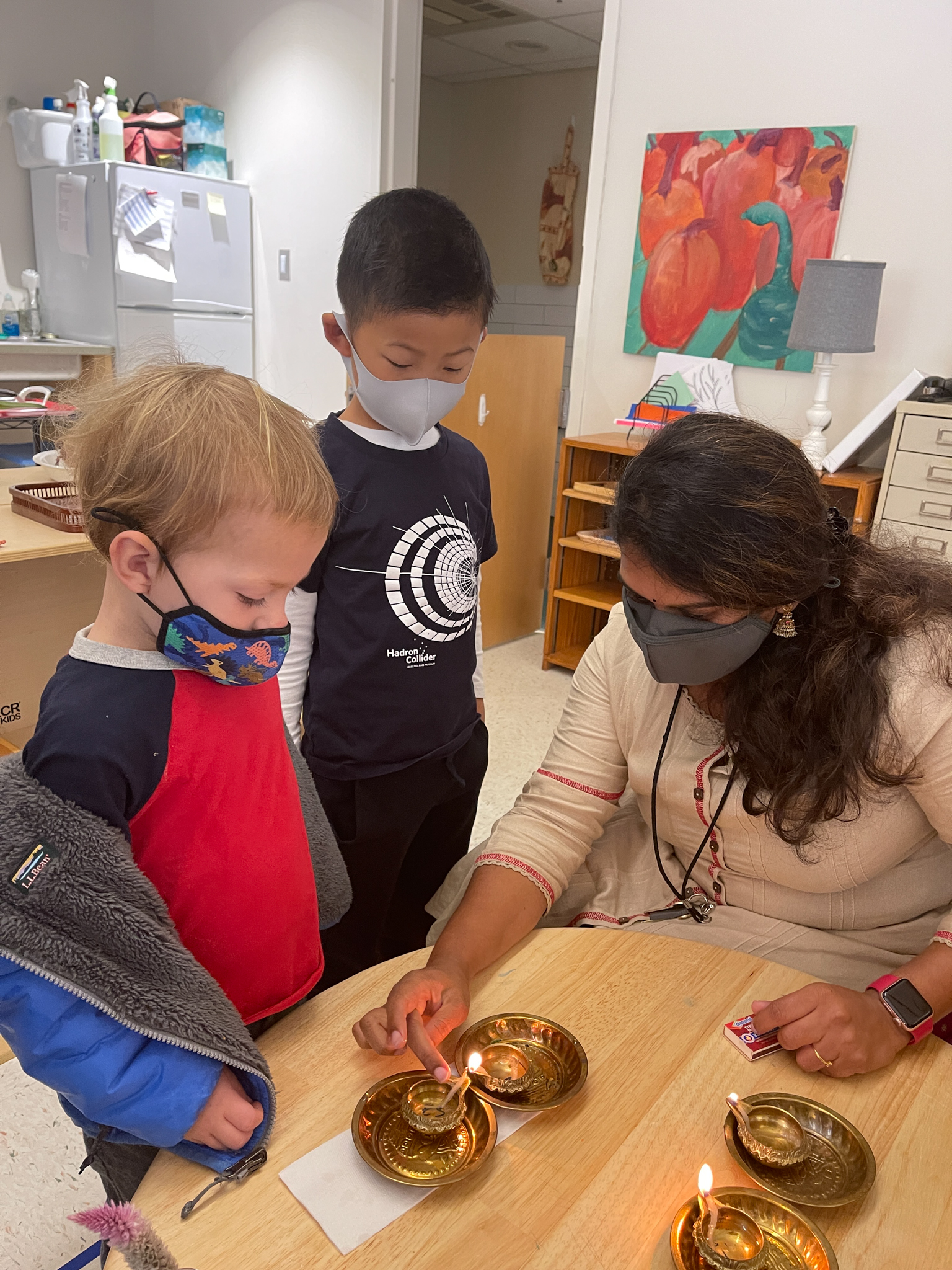
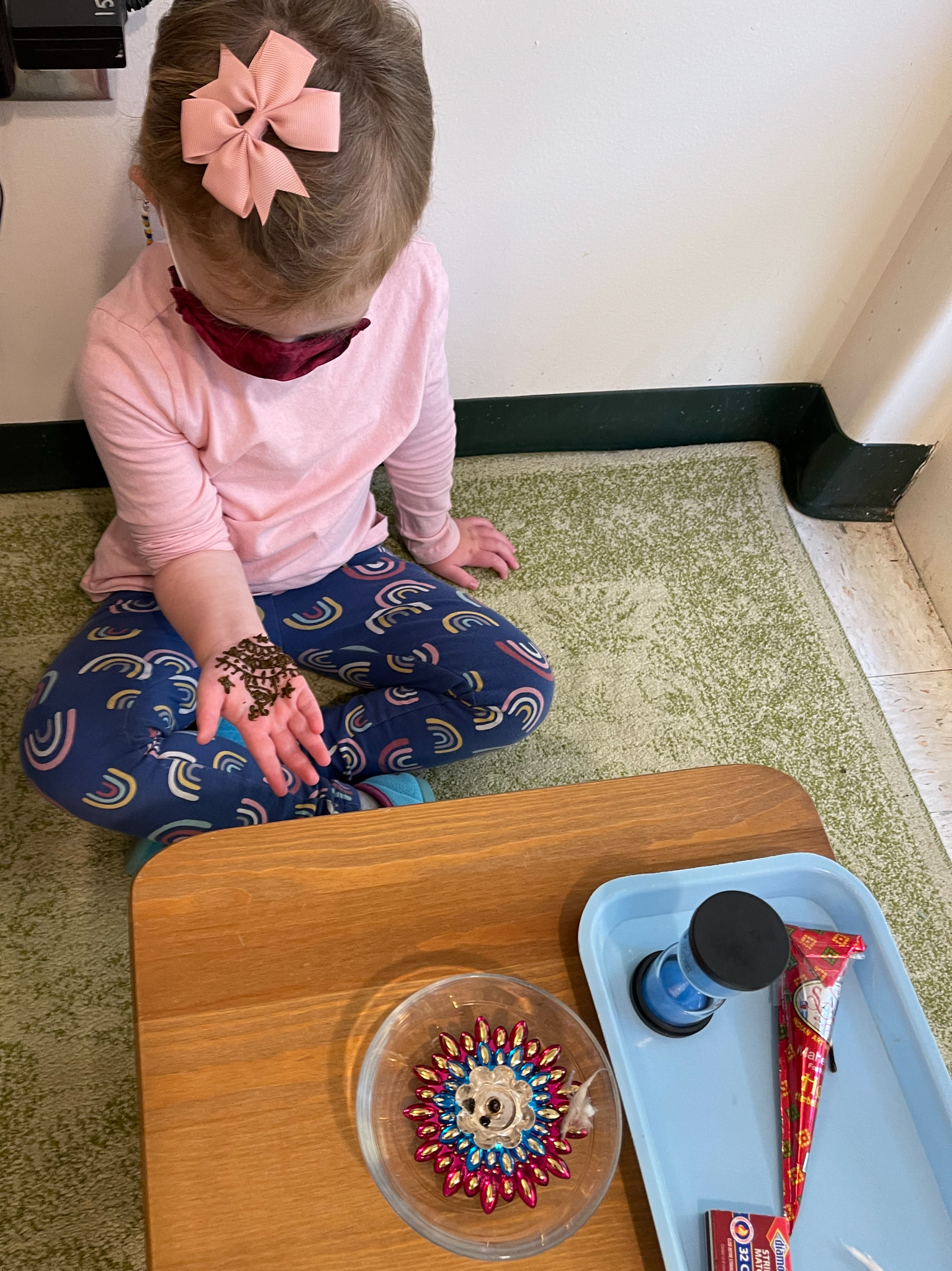
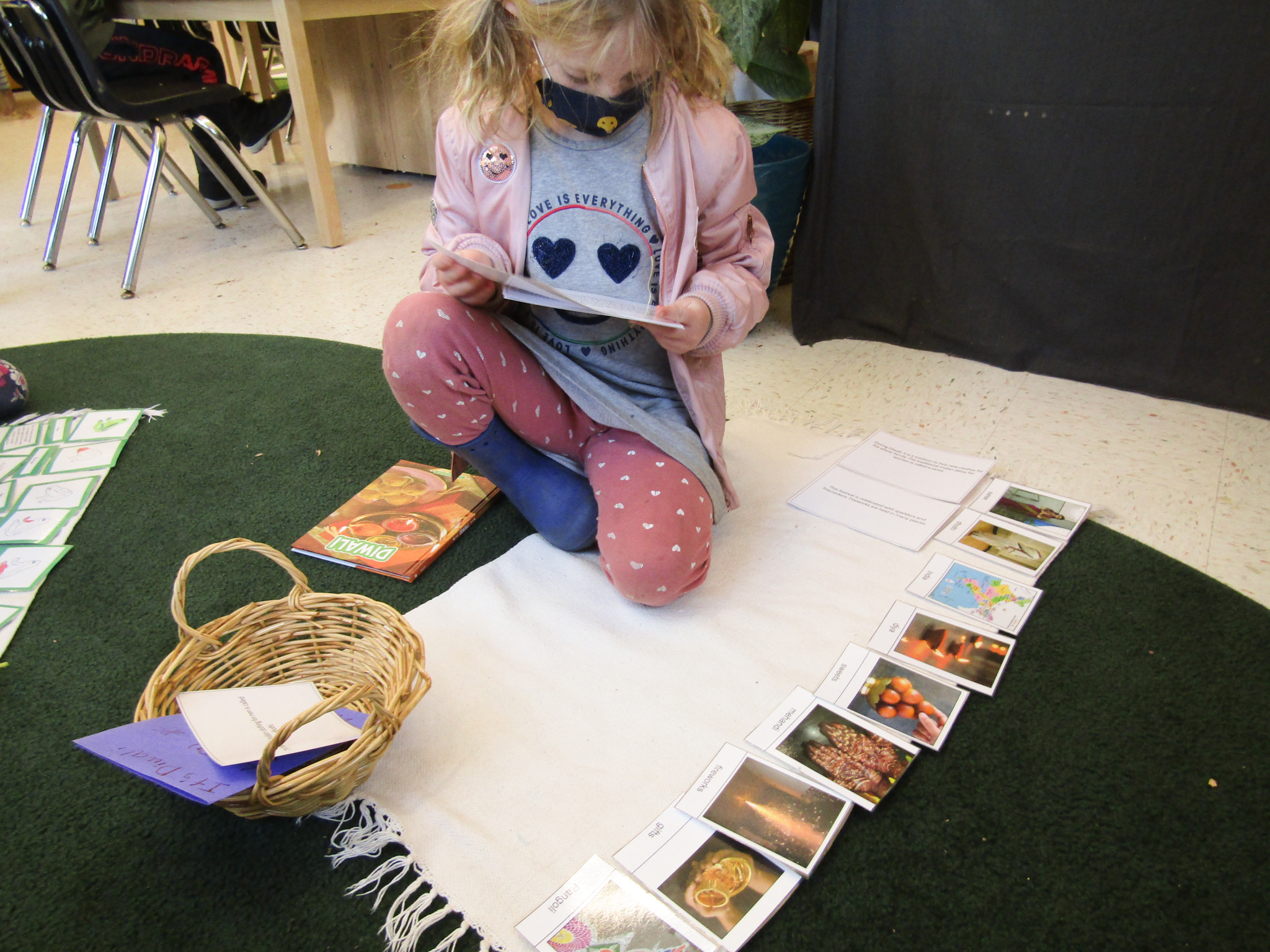
We began this work by asking our faculty and staff about the holidays they celebrate. Many were eager to share their traditions from all over the world. We’ve learned together about Navratri, Sukkot, Indigenous Peoples’ Day, Hanal Pixan and Dia de los Muertos, Diwali, and Hanukkah.

This work has also woven its way into our classrooms through true stories, cultural items and artifacts, nomenclature cards, children’s books, and more. It has been beautiful to see the ways our staff and children light up when they feel seen and acknowledged.

We will continue this work throughout the year with holidays including Kwanzaa, Dr. Martin Luther King, Jr. Day, Lunar New Year, Eid al-Fitr, Pride Month, and more. If you would like to share a celebration or tradition from your family with our classrooms, please reach out to us at community@greenspringmontessori.org.

Our DEIB work is guided by the four goals outlined in Anti-Bias Education:

Goal 1: Identity

  •  Teachers will nurture each child’s construction of knowledgeable, confident, individual personal and social identities.
  •  Children will demonstrate self-awareness, confidence, family pride, and positive social identities.

Goal 2: Diversity

  •  Teachers will promote each child’s comfortable, empathetic interaction with people from diverse backgrounds.
  •  Children will express comfort and joy with human diversity, use accurate language for human differences, and form deep, caring connections across all dimensions of human diversity.

Goal 3: Justice

  •  Teachers will foster each child’s capacity to critically identify bias and will nurture each child’s empathy for the hurt bias causes.
  •  Children will increasingly recognize unfairness (injustice), have language to describe unfairness, and understand that unfairness hurts.

Goal 4: Activism

  •  Teachers will cultivate each child’s ability and confidence to stand up for oneself and for others in the face of bias.
  •  Children will demonstrate a sense of empowerment and the skills to act, with others or alone, against prejudice and/or discriminatory actions.


To learn more about our commitment to Diversity, Equity, Inclusion, and Belonging, please click here.

Learning in the Outdoor Montessori Classroom

Learning in the Outdoor Montessori Classroom

The child has a different relation to his environment from ours… the child absorbs it. The things he sees are not just remembered; they form part of his soul.” – Dr. Maria Montessori

Dr. Montessori saw the outdoor environment as a natural extension of the classroom. Working outside allows children to explore with all their senses, fosters scientific inquiry, and inspires creativity. Over the past several years, the Greenspring community has come together to create truly beautiful outdoor spaces on campus for this growth to take place. They have become a deeply beloved extension to the classroom. Now more than ever, these environments are an essential part of our Montessori approach to education. Below we have outlined what has been happening this year in our Outdoor Environments at each level. 

Toddlers

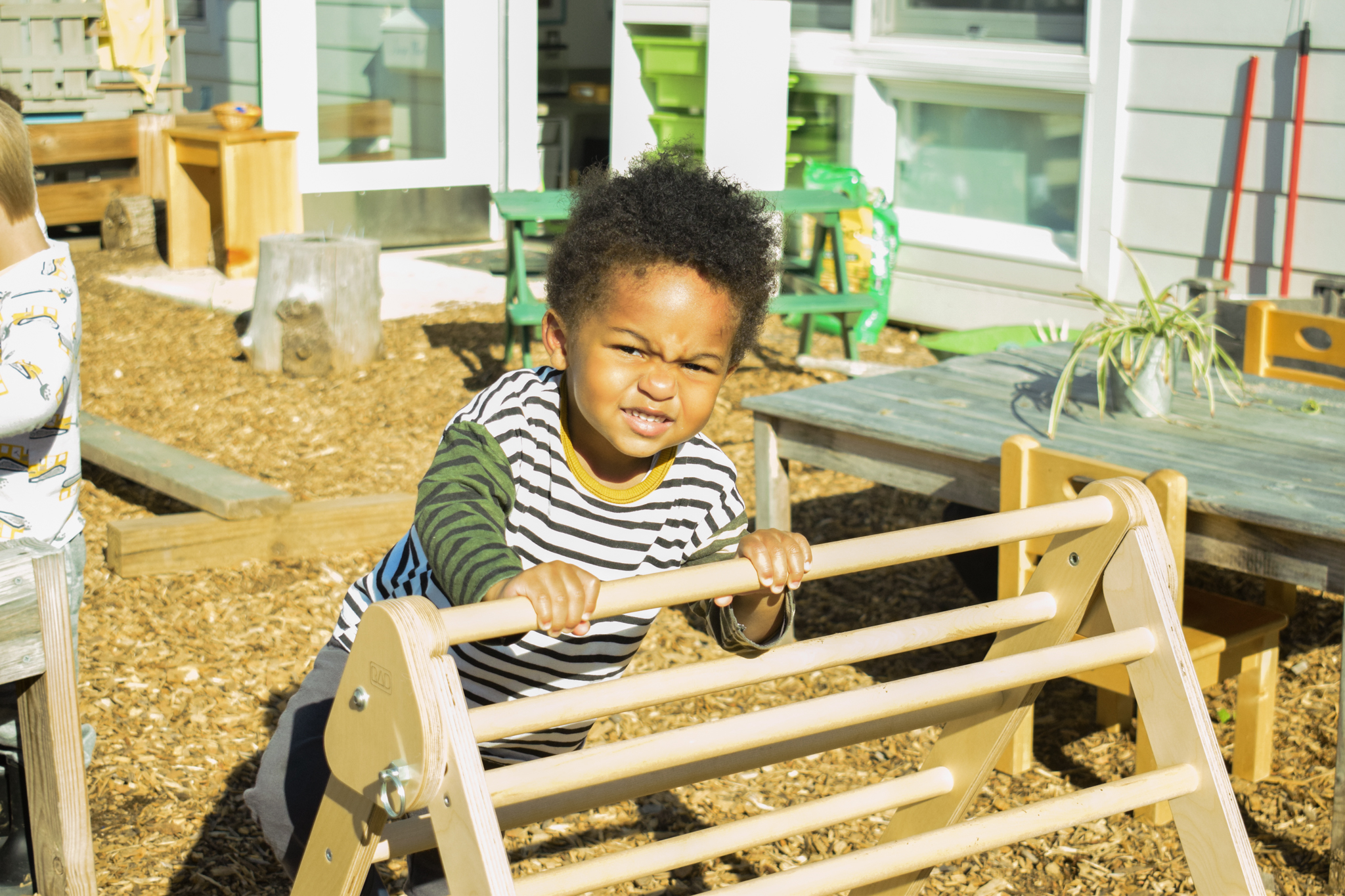
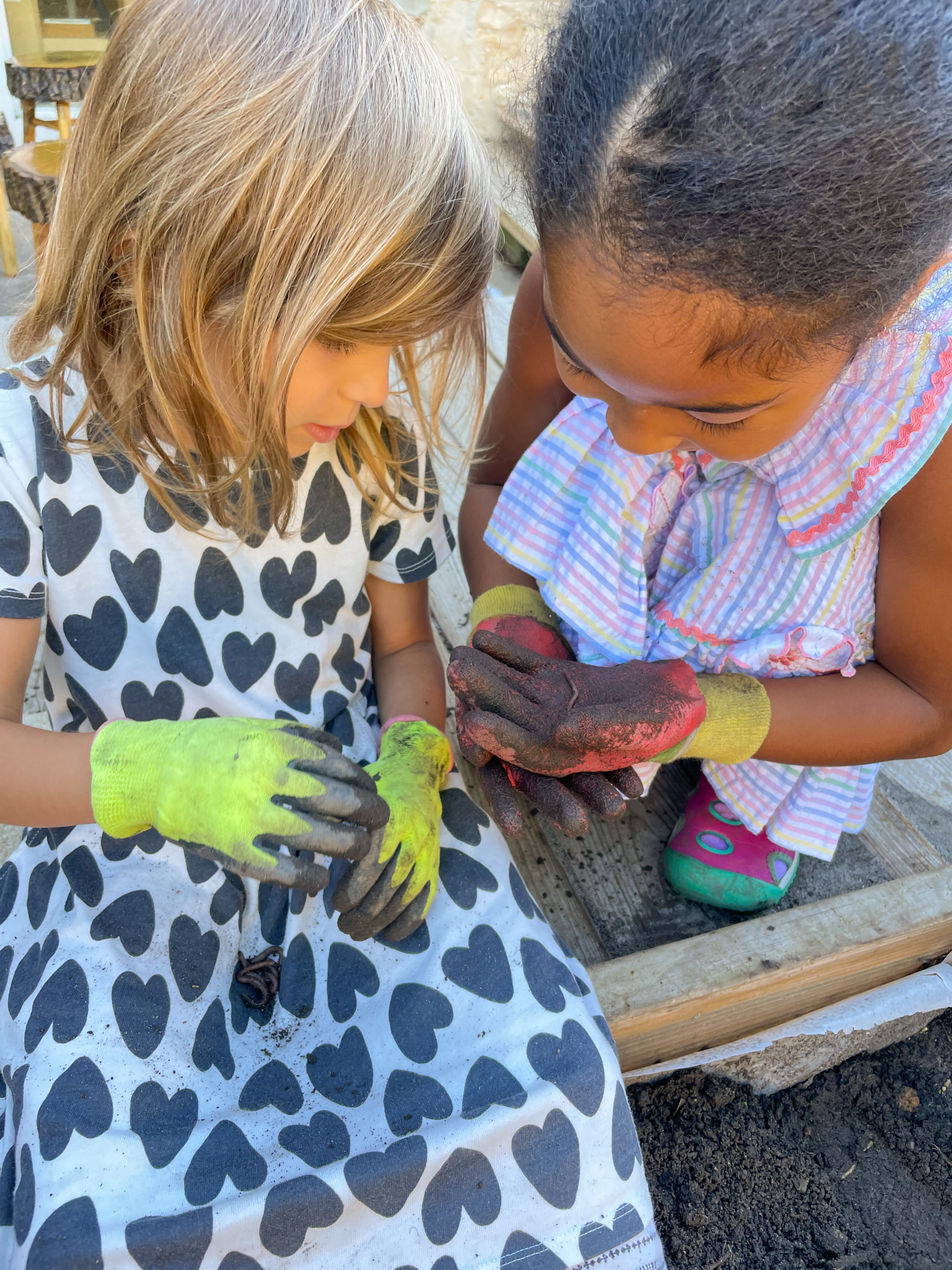
Toddlers are still in the developmental phase that Dr. Montessori said could be characterized by an “absorbent mind,” in which they soak up information through their senses. So we offer rich opportunities in the outdoor environment to see, touch, hear, smell, and taste. Depending on the day, you will see toddlers watering plants, sweeping the sidewalk, washing windows, filling the bird feeder, digging in sand, sorting pinecones and acorns, pouring water through funnels, and more. The toddlers enjoy tasting the herbs and vegetables that grow in their garden!

Children’s House

Students in our Children’s House classrooms also tend to the garden – planting, watering, weeding, and harvesting. Children also enjoy additional practical life, sensorial, art, and science activities, such as hammering nails into a tree stump, pumpkin scrubbing, creating geometric shapes from twigs, making collages from seeds, cutting zinnias for flower arranging, and experimenting with scientific concepts such as “sink and float.” On rainy days you might see students in the kitchen making apple sauce or baking pumpkin bread.

A Note on “Bad” Weather

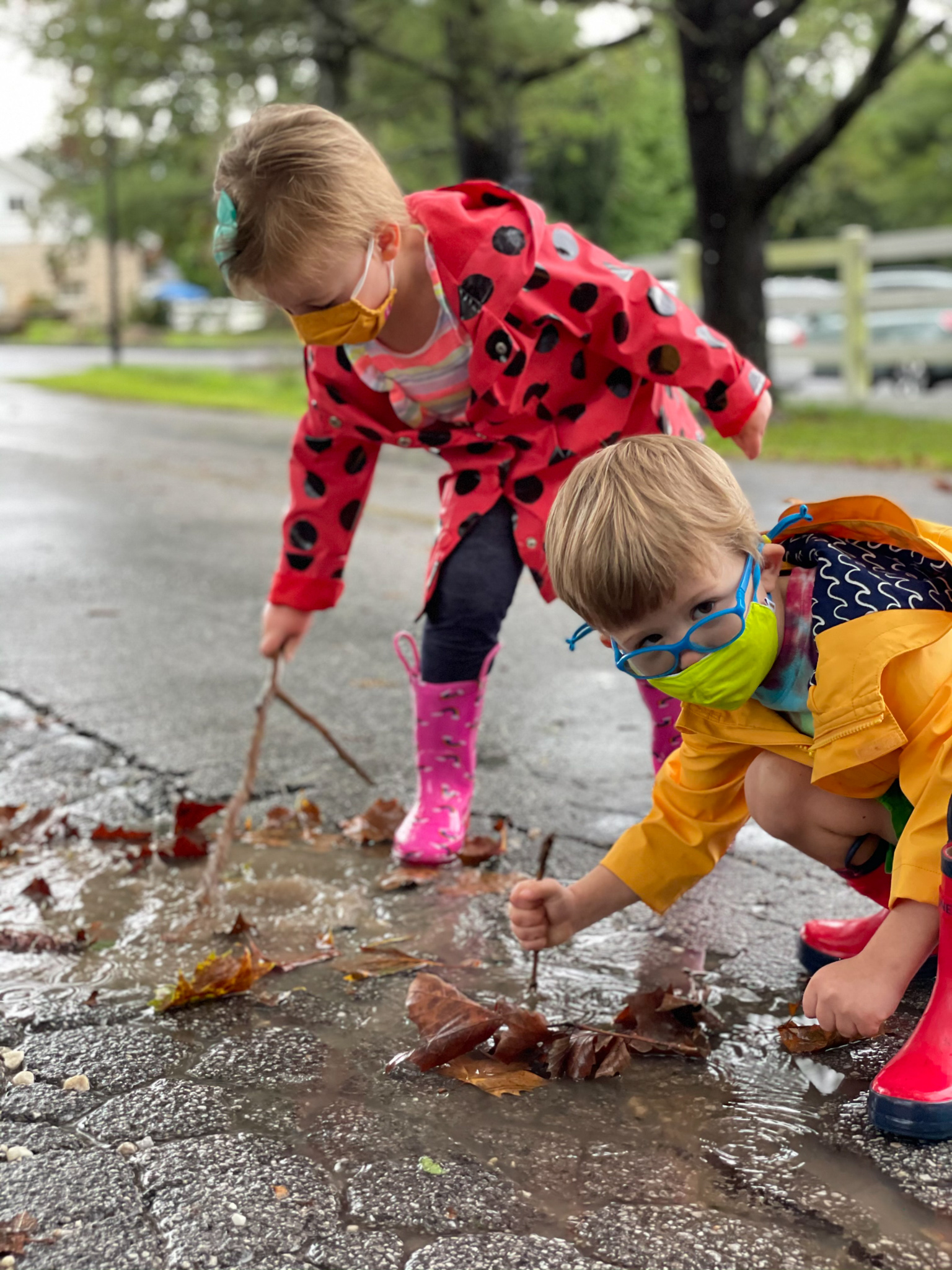
Our Outdoor Environments are open year-round, meaning that rain and snow simply become part of the prepared environment! Children have rain boots, rain jackets, and outdoor gear for all seasons so that the weather becomes another sensory experience. Guides and Assistants in Montessori classrooms are also particularly mindful not to instill learned feelings toward particular weather, keeping language neutral and descriptive.

Elementary

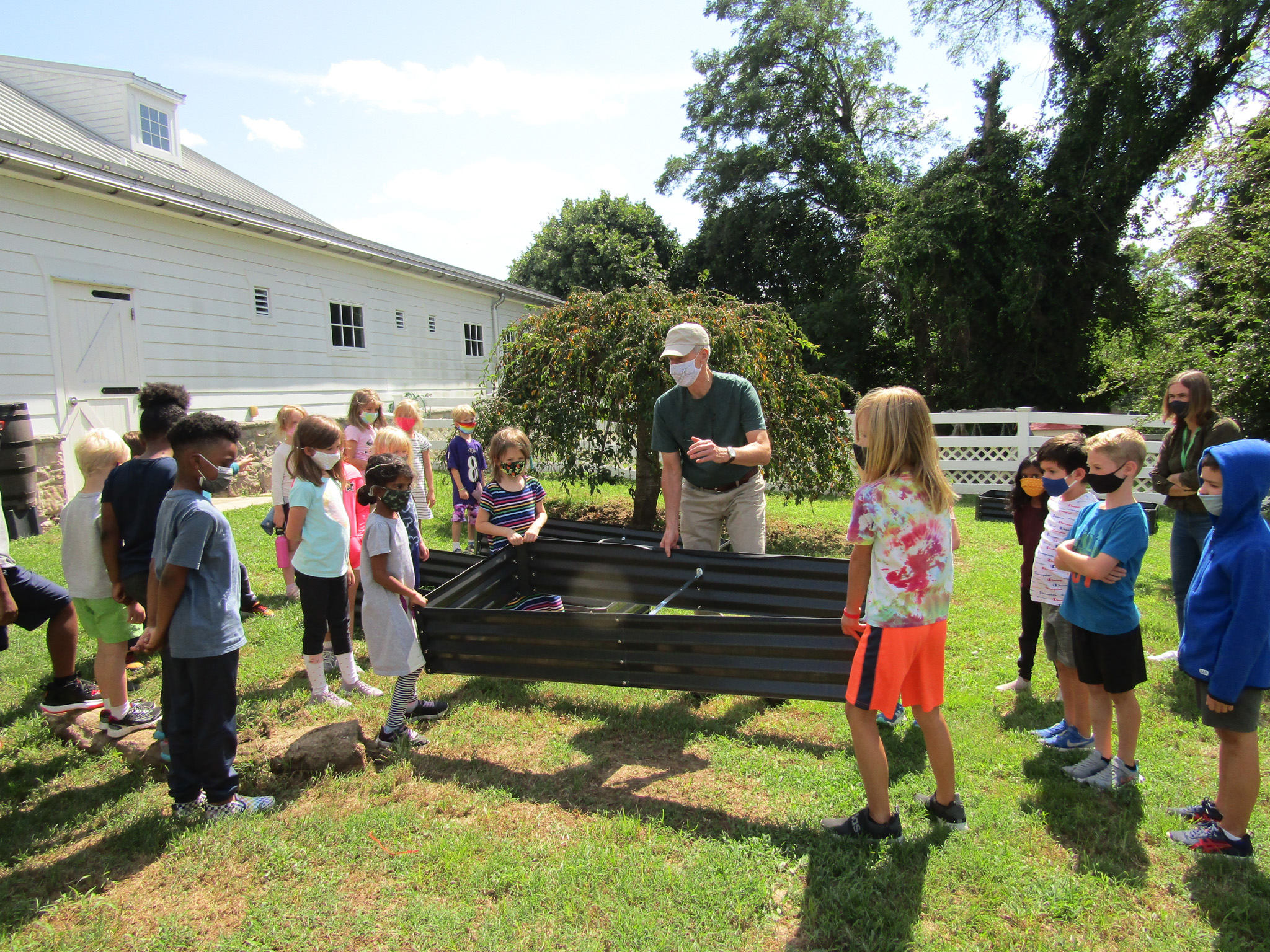
The Elementary outdoor environment includes all this and also complements the science lessons happening in the classroom. Students learn to identify the bird calls they hear in nature, identify different animal tracks, and identify the parts of a plant by dissecting a specimen from the garden. Students conduct science experiments in their garden to learn about plant respiration, soil composition, and photosynthesis. The values of environmentalism, service, and scientific exploration are nurtured through these experiences.

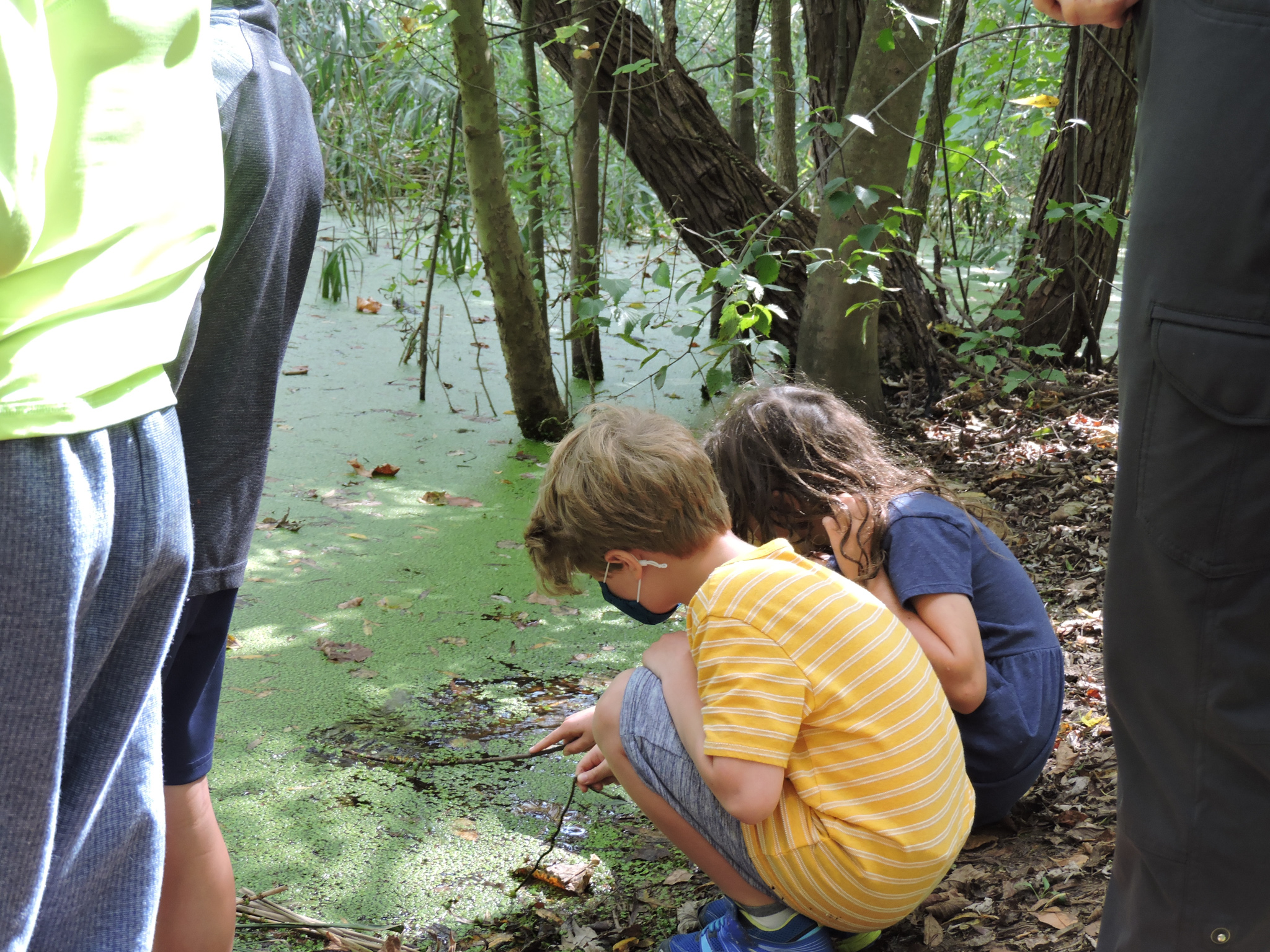
Children are also ready for more exploration into the greater community. Field trips and Going-Outs offer valuable opportunities for children to experience the natural world in a new way. Recently, Lower Elementary students went on a field trip to Oregon Ridge Nature Center, sparking new research of local wildlife. 

Adolescents

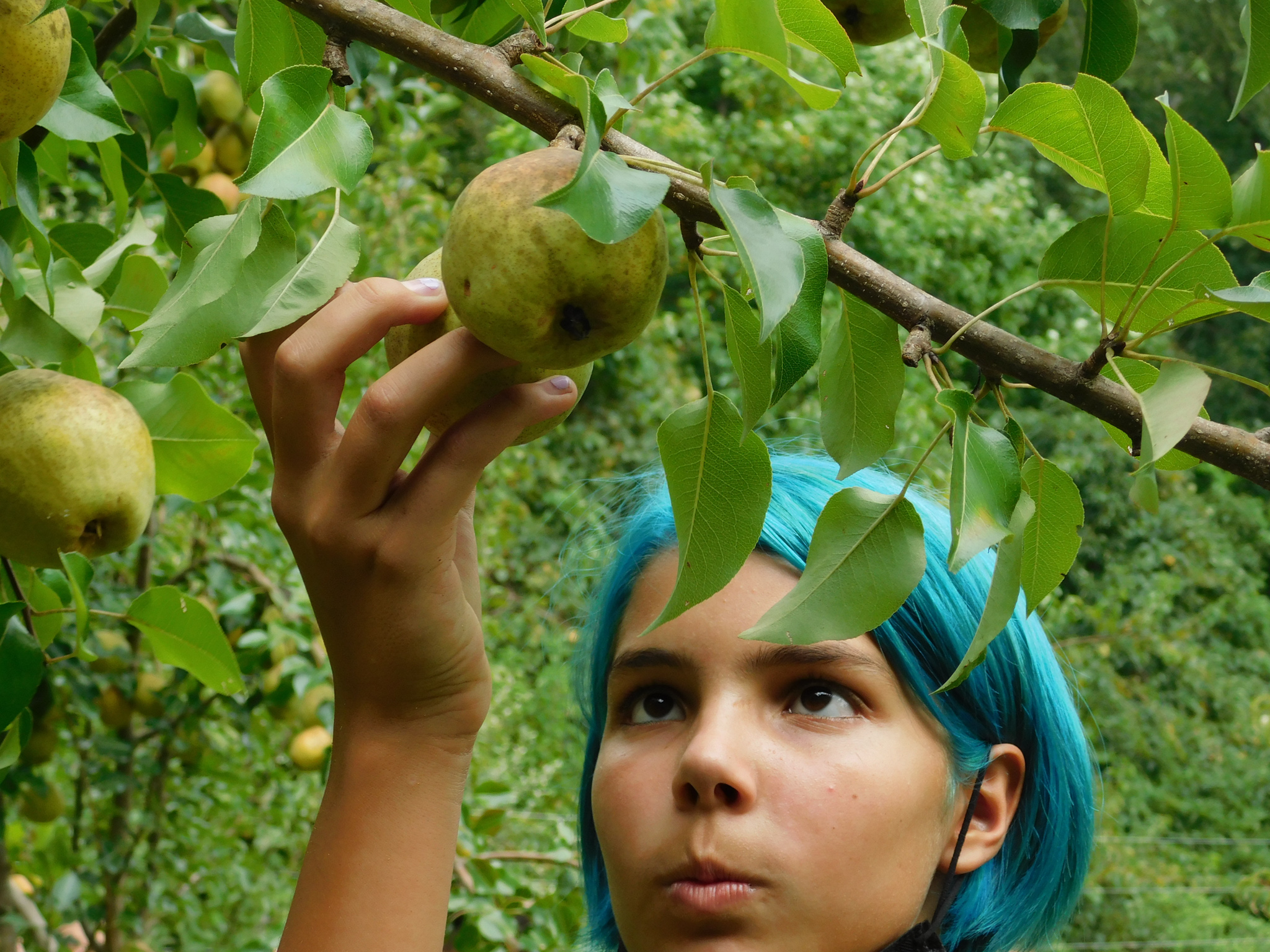
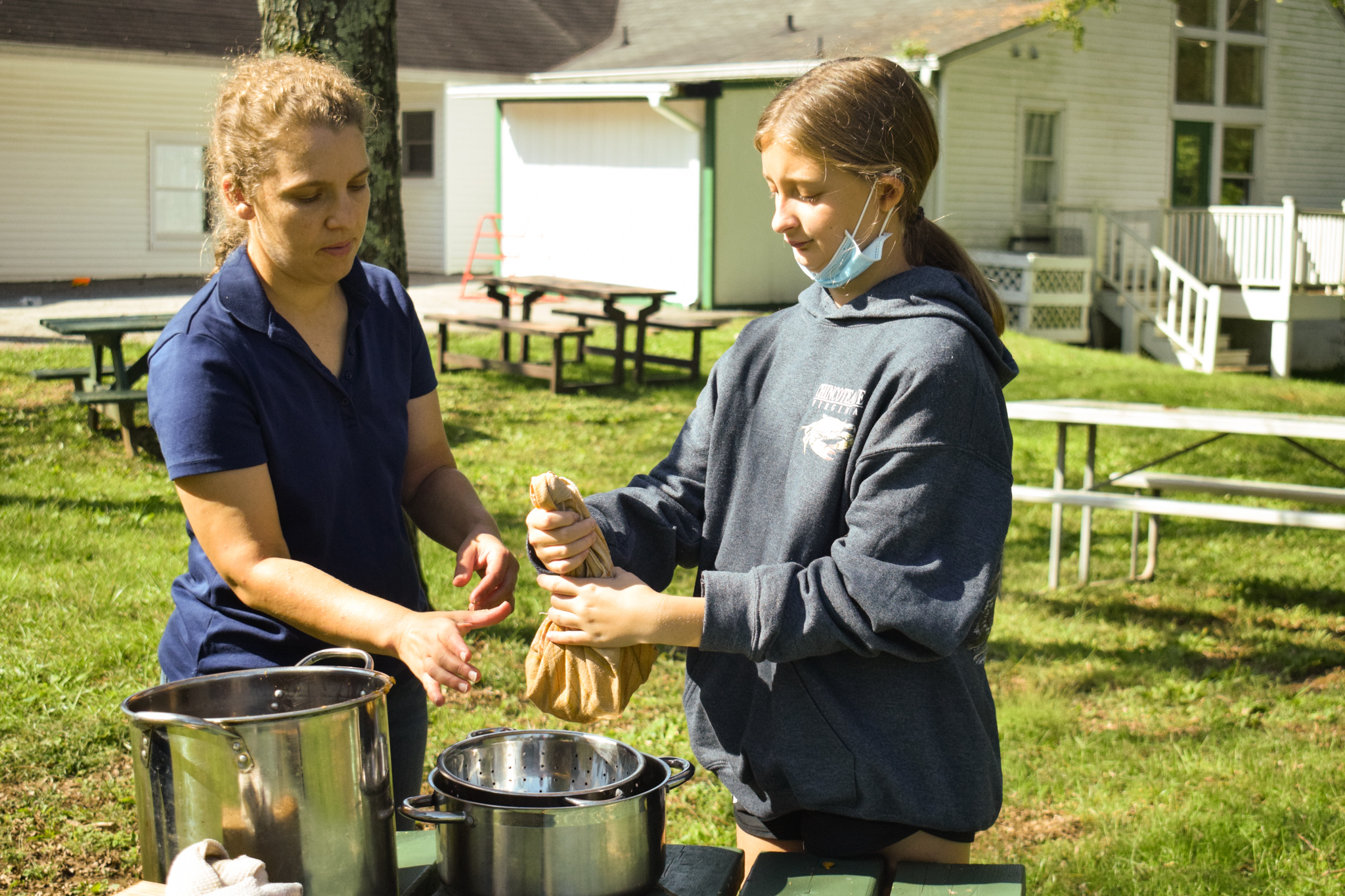
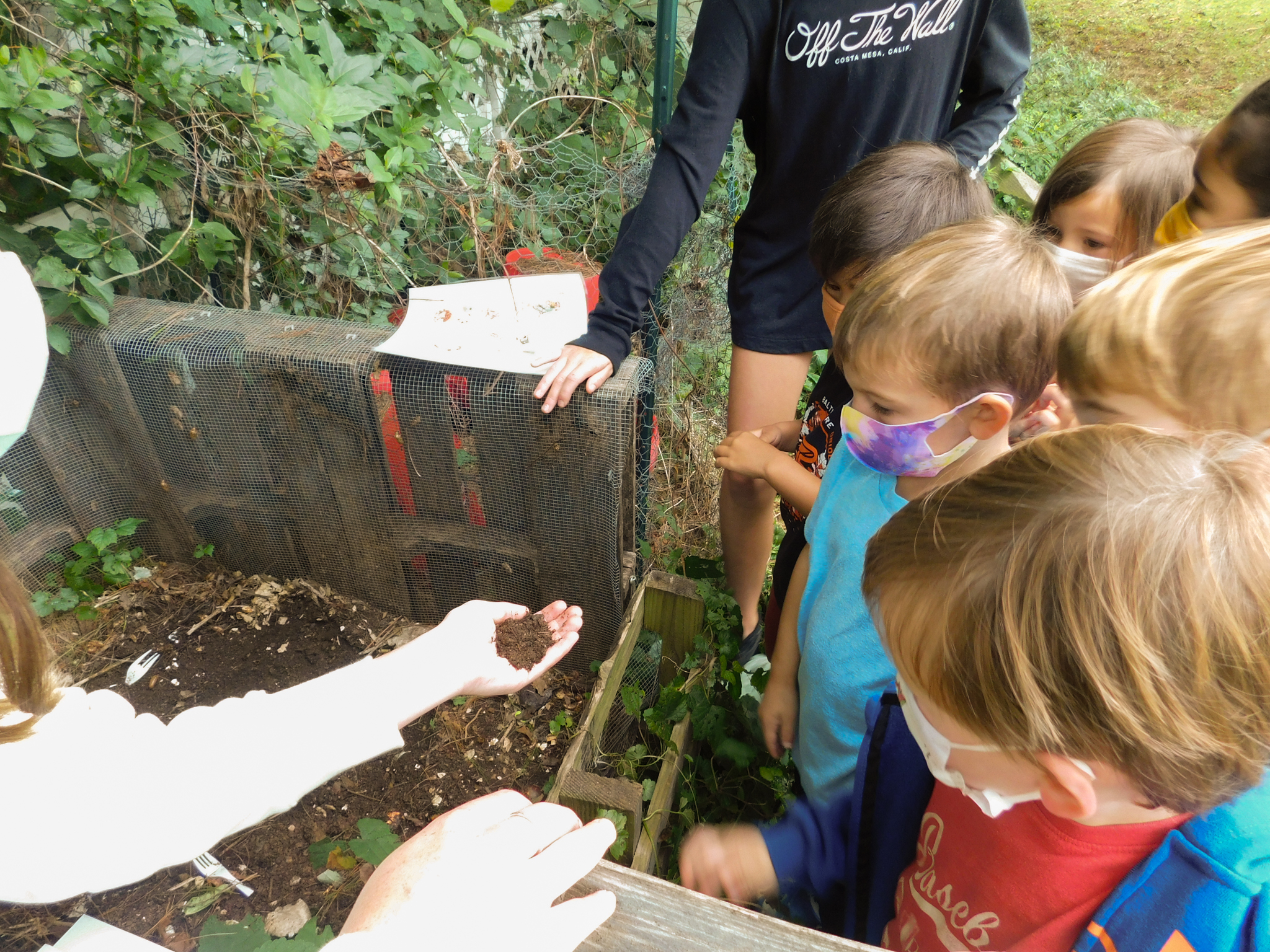
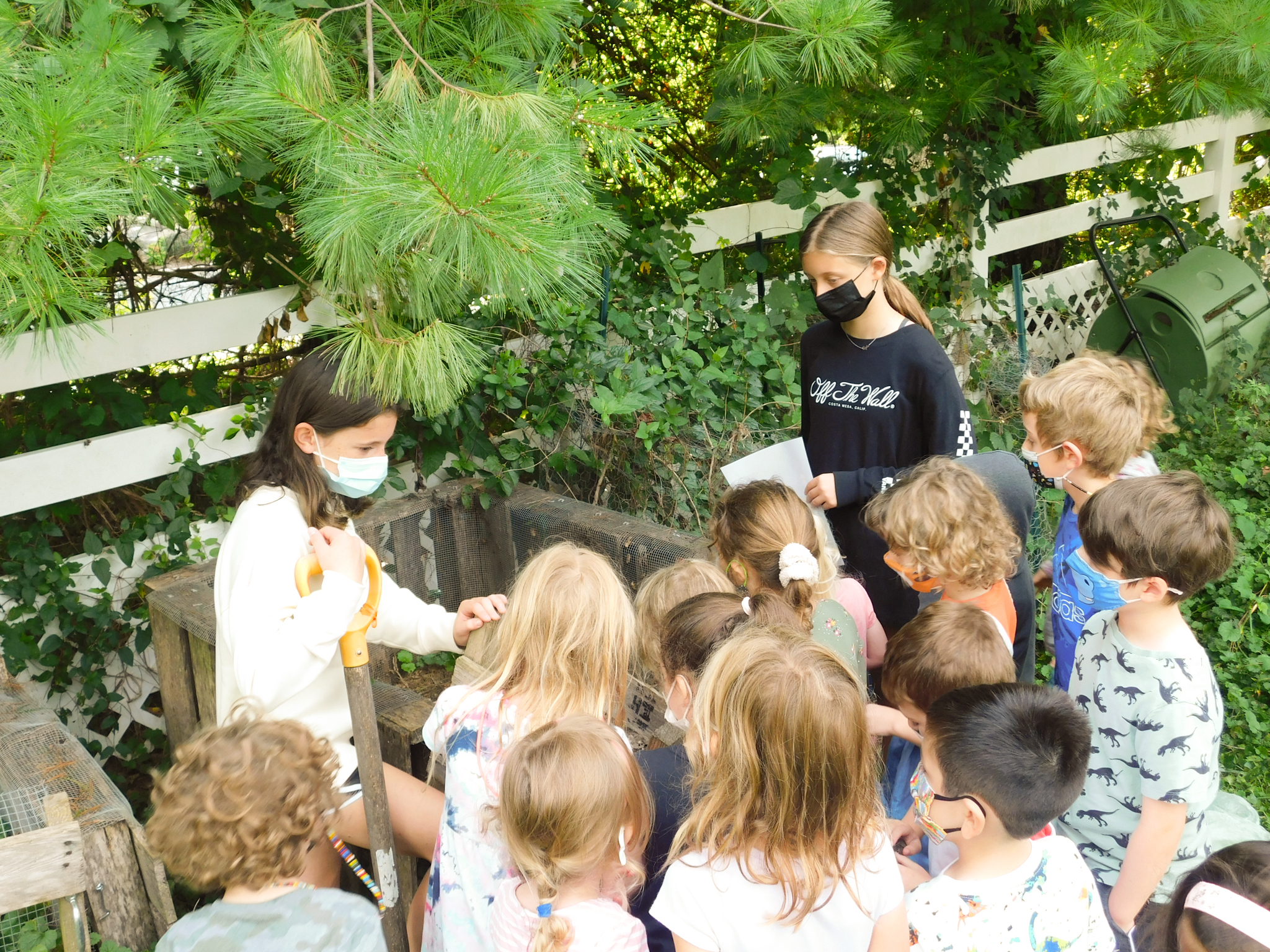
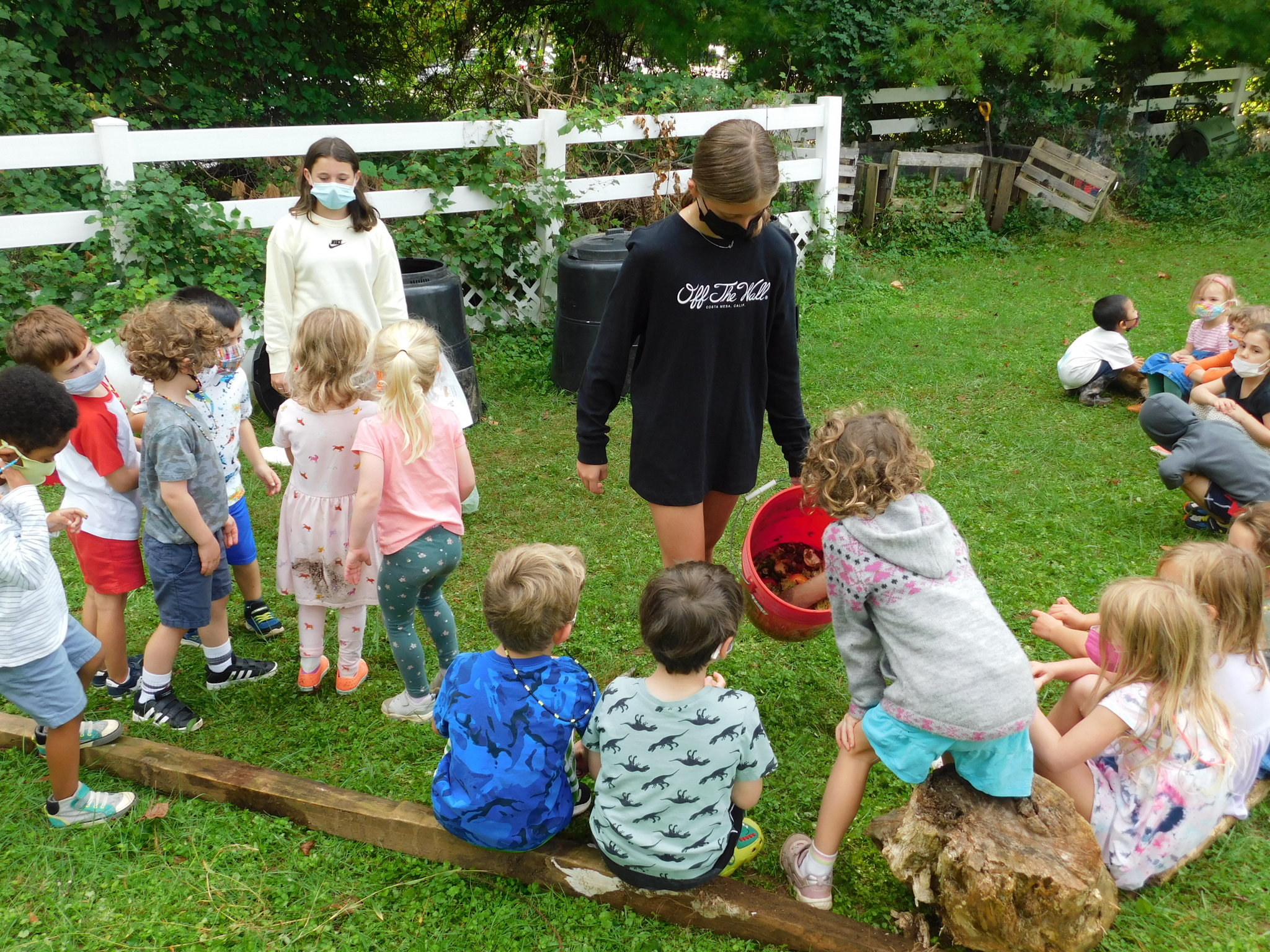
Dr. Montessori envisioned her Adolescent program as a working farm. So in addition to their classroom lessons and studies, our Adolescents honor Dr. Montessori’s vision by tending to a piece of our property called “The Land” – planting, tending to, and harvesting their gardens. The Adolescents also run a campus-wide composting program and give classes to younger students about how composting works and why it’s important. Over the years, we have seen our Adolescents caring for chickens, building a greenhouse, running a CSA, clearing invasive plants, and more. You can learn more about our Adolescents and their work on The Land here.

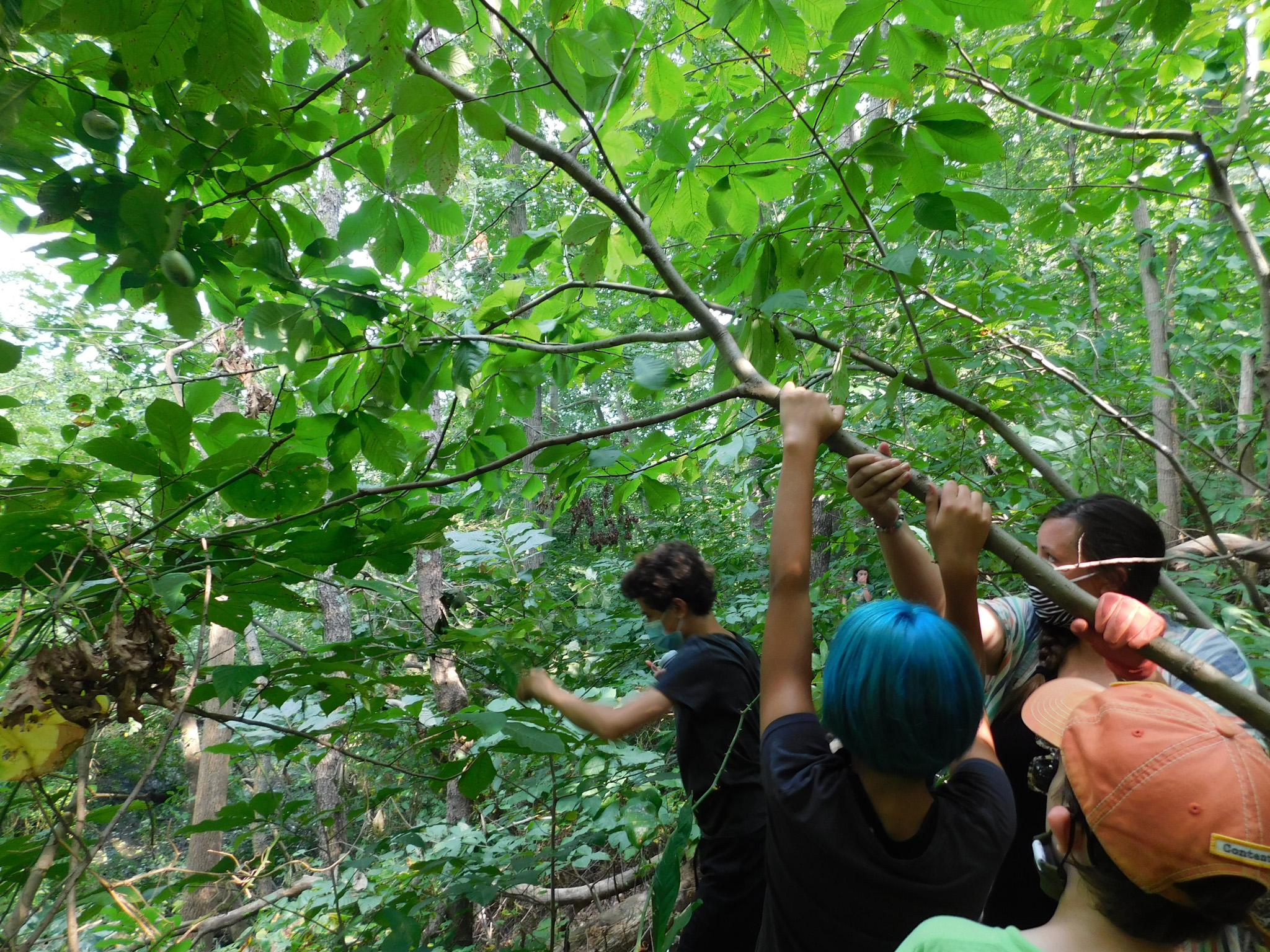
In September, Adolescents also went on a week-long Odyssey trip to Echo Hill Outdoor School on the eastern shore. This was an immersive community-building experience where the students looked closely at how our food is grown, a great introduction to their first science unit on the biochemistry of food. After returning to campus, students also created apple cider from local apples. They will be studying the process of fermentation and making vinegar. 

The more children are outside, the stronger their connection with nature will become. As Dr. Montessori said, “When children come into contact with nature, they reveal their true strength.”

A Natural Curriculum in our Digital Classrooms

A Natural Curriculum in our Digital Classrooms

For our students Learning from Home, the connection to the natural world around them is still alive and well. An understanding of the natural world plays a major role in all Montessori classroom, and it has been our big work to bring this curriculum to our students in a digital classroom as well. 

“There must be provision for the child to have contact with nature, to understand and appreciate the order, the harmony and the beauty in nature… so that the child may better understand and participate in the marvellous things which civilization creates.”

– Dr. Maria Montessori

Children’s House

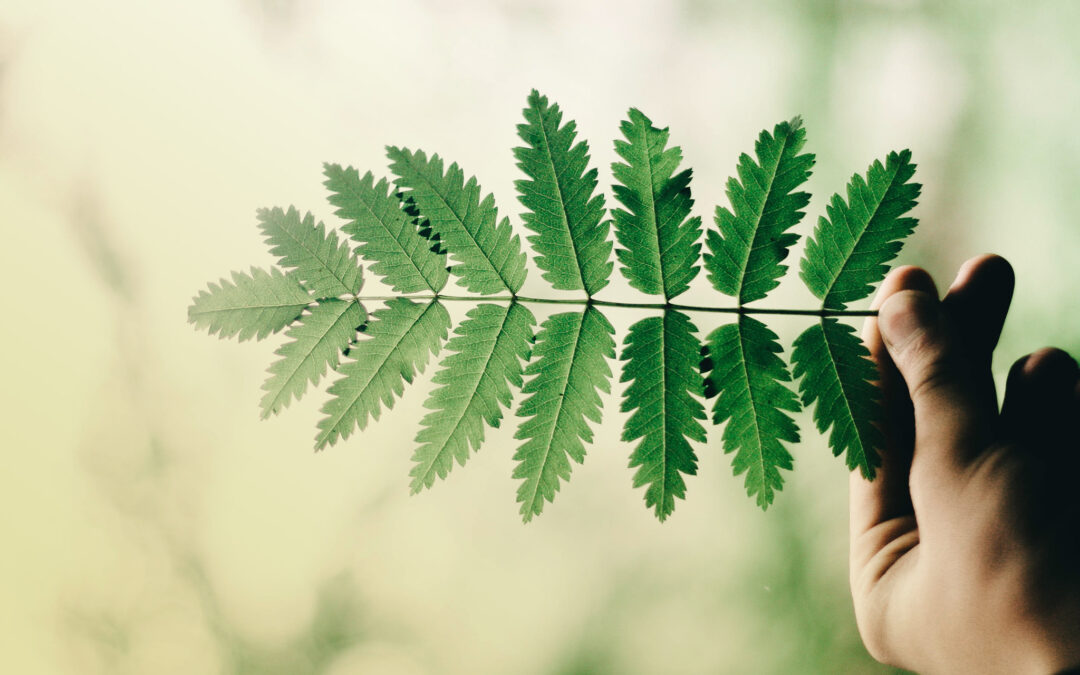
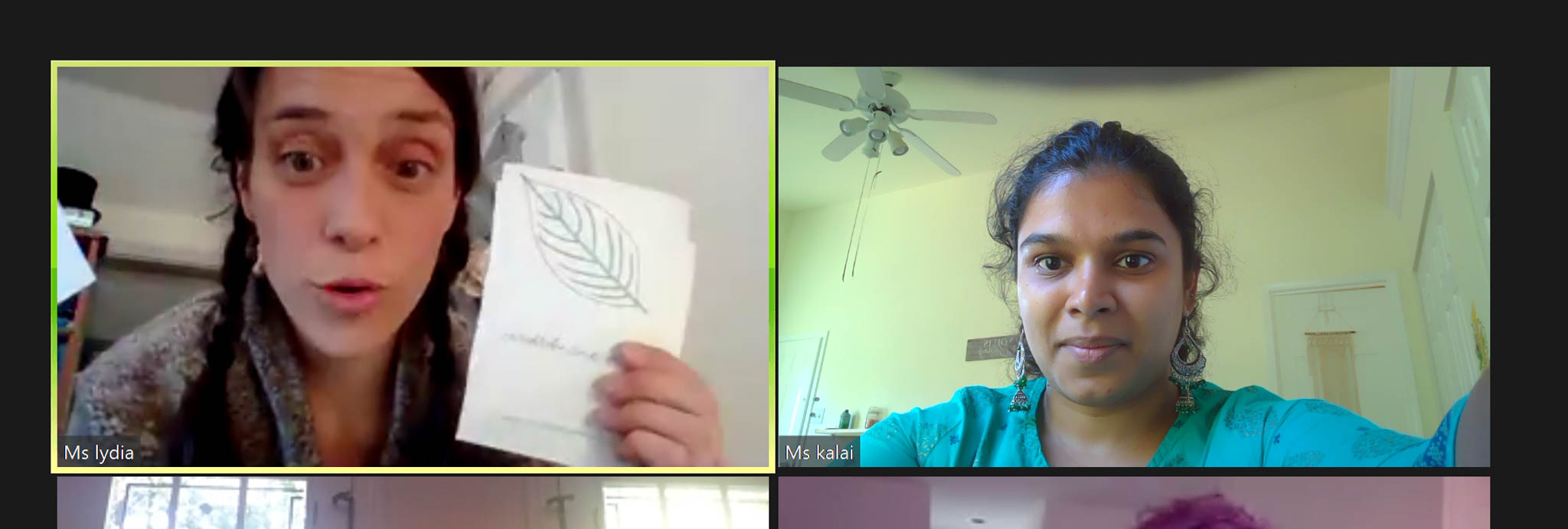
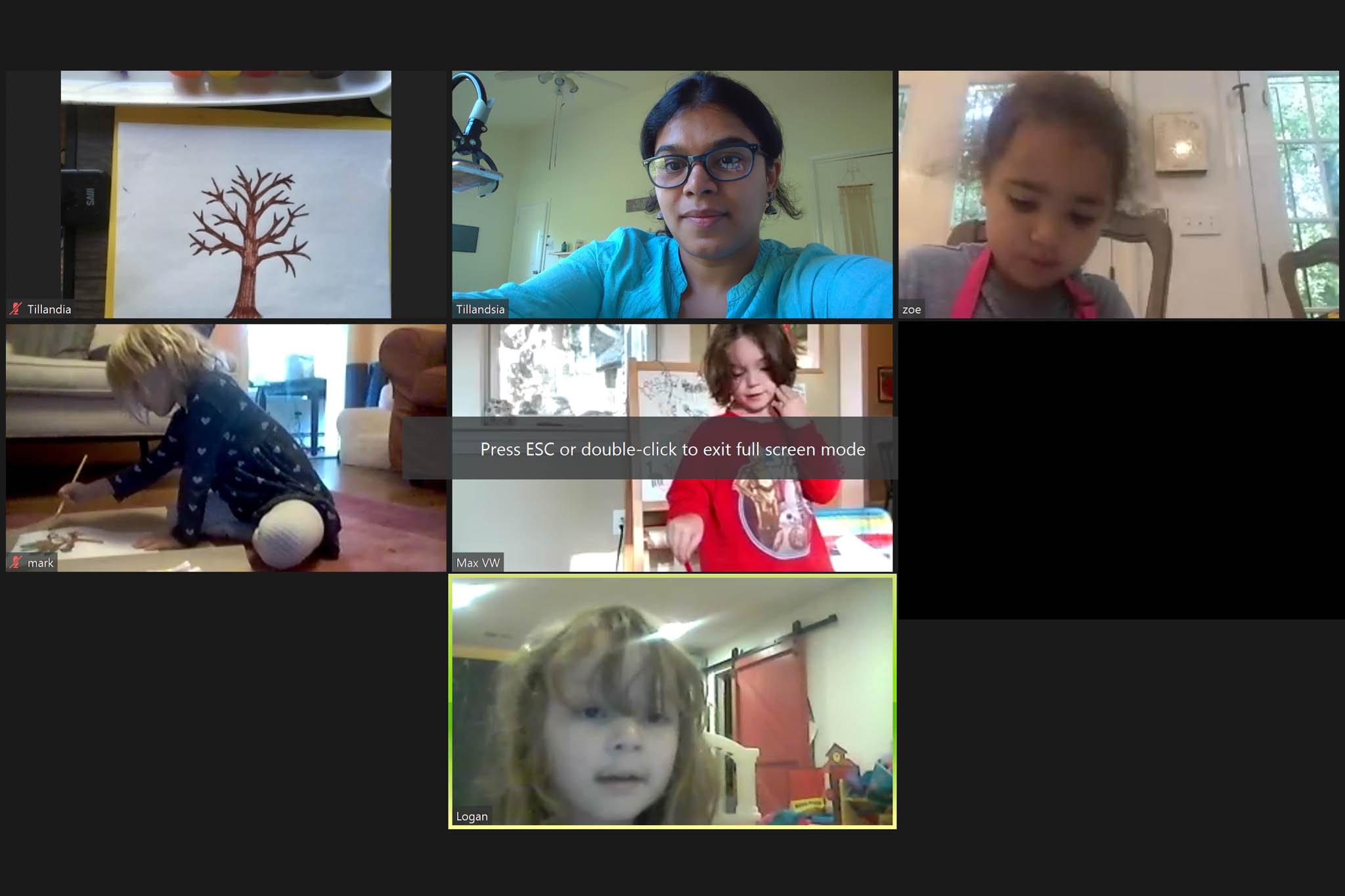
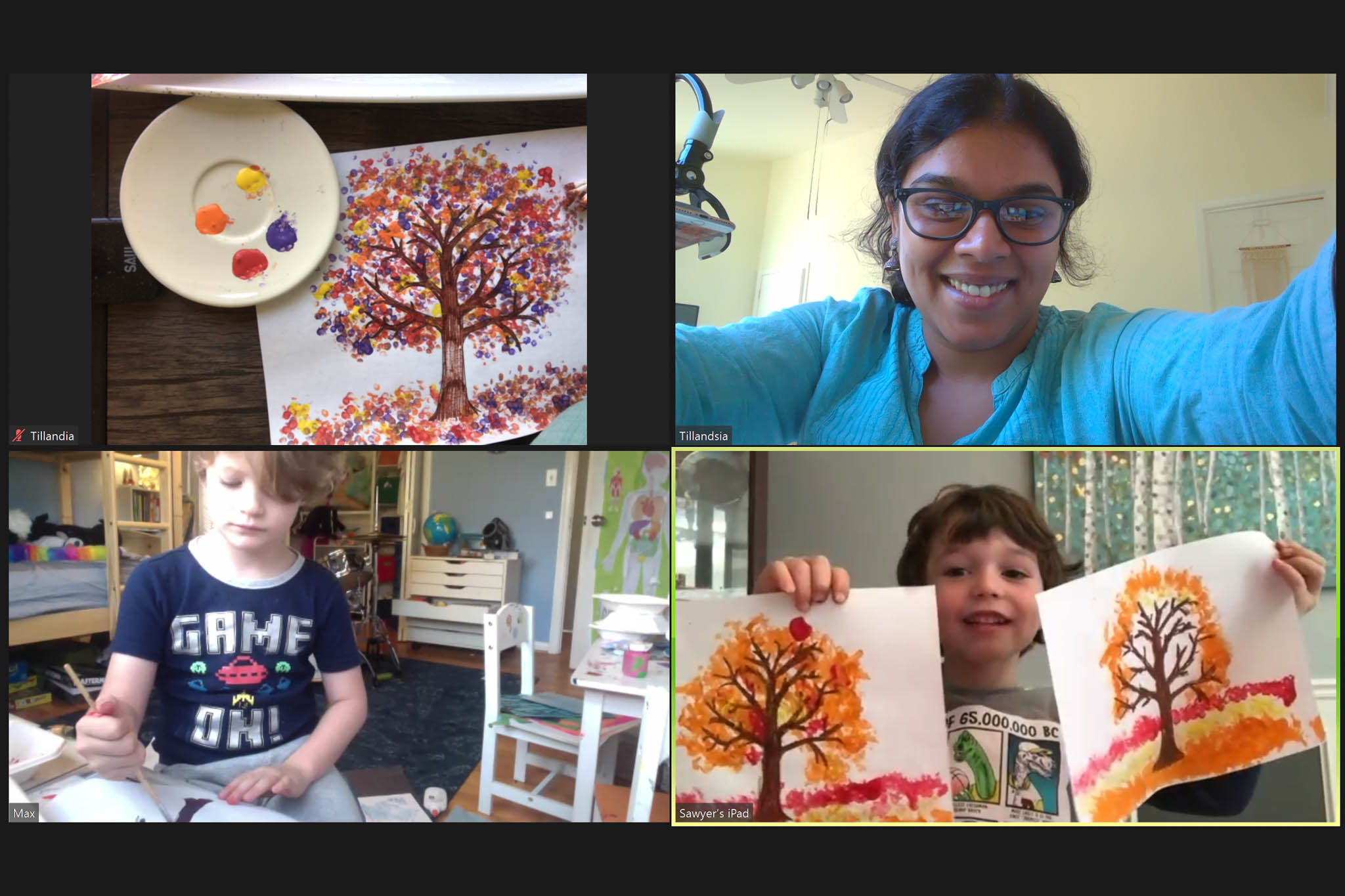
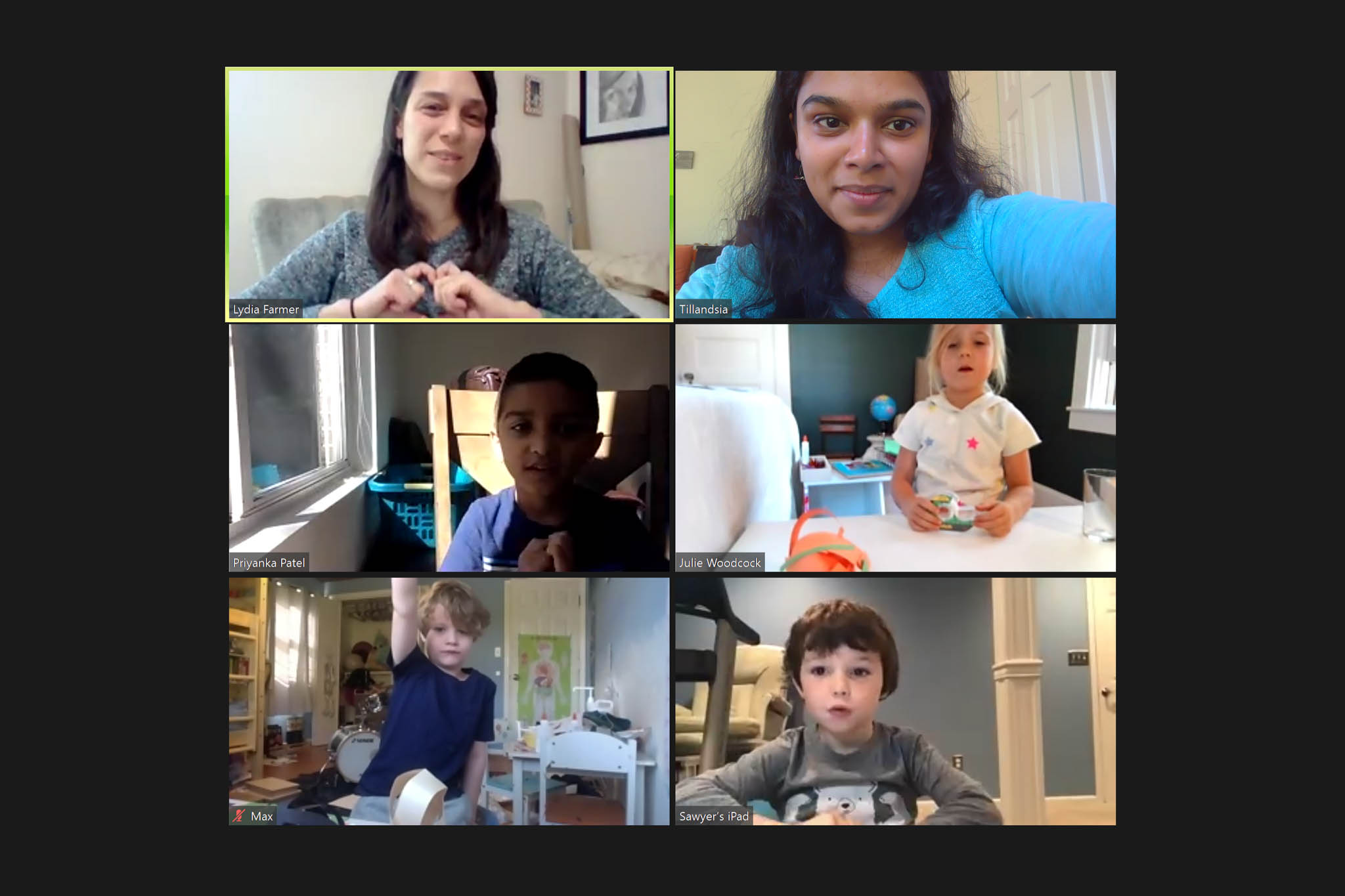
In our Tillandsia class, the children were introduced to the parts of a plant, which led to many questions about plants, botany, and our earth. As we learned about the parts of the leaf, we looked at some real plants to understand how the leaf is connected to the whole plant. Why do we care about the midrib and veins? Because they carry water up to the leaf all the way from the roots! Why do we care about the blade? Because its flat shape acts like a solar panel to absorb sunlight! Why do we care about the petiole? Because it can TWIST the blade to face the sun! Why do we care about the stipules? Because they STOP the flow of water through the plant when it starts getting cold outside. What would happen if a plant tried to drink up frozen water? Why is the leaf green? Why does it lose its green color? We have been exploring all these questions in our ongoing study of leaves.

The children have also been making so many globes and maps of the world. Some are creating these maps from memory, and some have chosen to label every country on our continent. We just started exploring the flags of North America, and learned about the United States flag first. Some children chose to create a flag to celebrate their favorite animal, their family, a group of friends they are missing, their neighborhood, or their bedroom! They chose what colors would represent what, and what shapes could be included. Some children added chopstick or popsicle stick flagpoles so they could wave their newly created masterpiece.

Lower Elementary

As always happens at the beginning of the year in the Elementary classrooms, we have begun telling many of our Great Stories. These are stories meant to capture the imagination of the children at the beginning of the year, in addition to opening their eyes to the different disciplines we offer in the Elementary classroom.

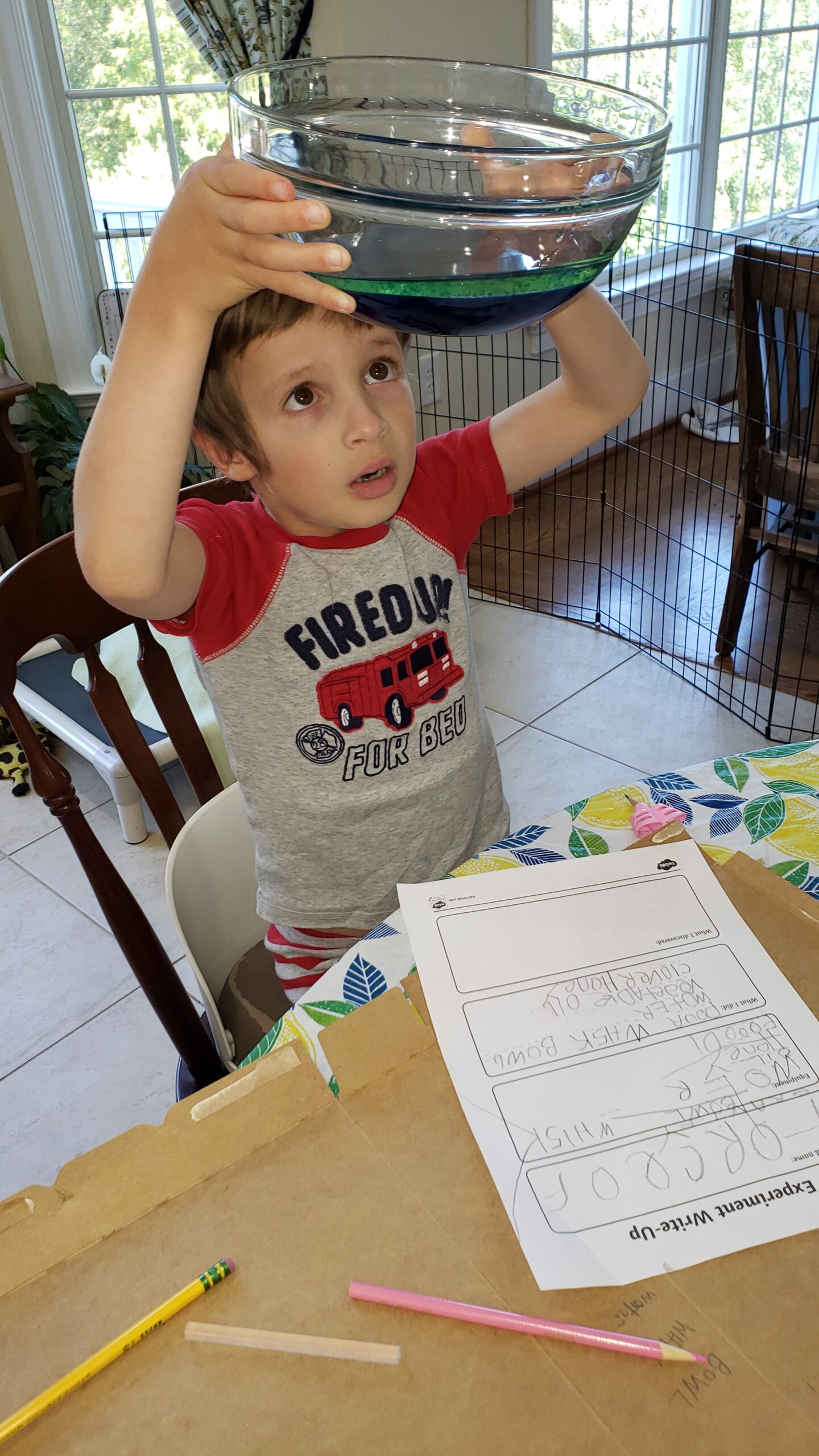
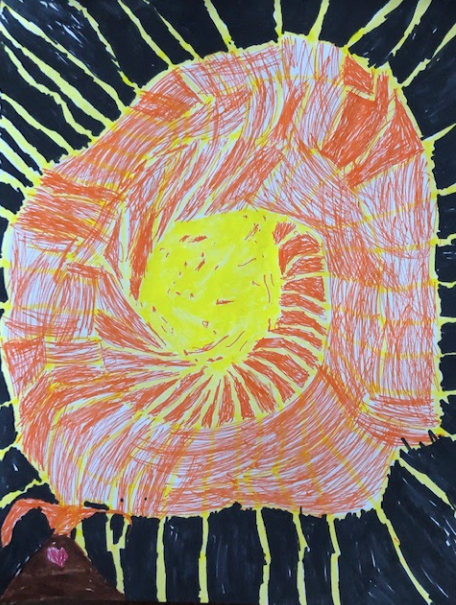
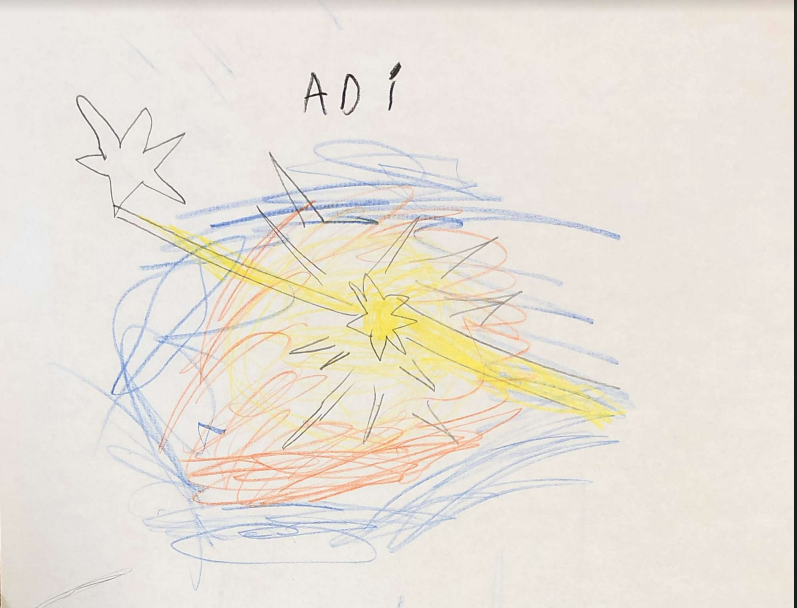
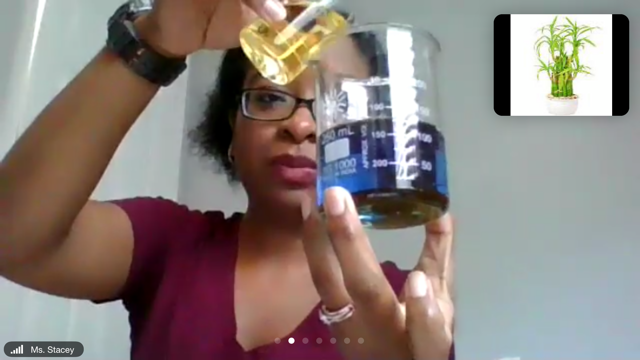
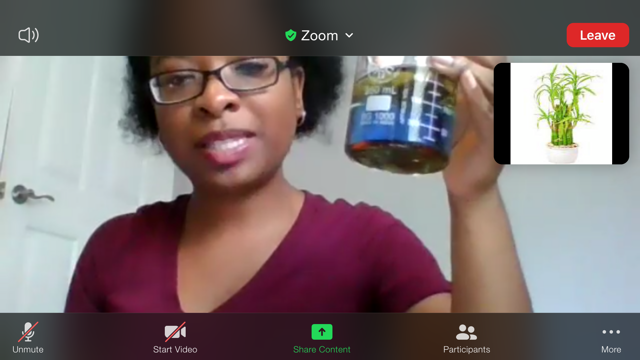
Recently, we told the story of The Coming of Life. We spoke about how all the elements in the universe were following their laws, including the elements on earth. The Sun, the Rocks, the Water, and the Wind play as characters in this story, and in order for these four characters to continue following their laws in harmony, life was created. We talk about the first life form probably looking like a microscopic jelly, through the evolution of life in water, to out of water, to dinosaurs, all the way to humans and life as we know it now. Stemming from these Great Lessons, there are many opportunities to learn about chemistry, physics, biology, history, and so much more. There was an interesting hands-on lesson for the children on density and particles that involved water, oil, and honey. These early lessons have sparked an interest among the students to study space and volcanos. 

Upper Elementary Elementary

Our Upper Elementary students are in a hybrid class with some students Learning from Home and others on campus in the classroom. This group also began the year with our Great Stories. Each year, as the children get older, they discover new details in the Great Stories that spark their interests in a variety of fields. One of the lessons stemming from these Great Stories was the parts of a river. Outside on campus, Mr. Brad demonstrated to the students how water travels through a valley, carving a river. 

Learn More About Our Programs!

If you are interested in learning more about the Montessori curriculum and whether Greenspring Montessori School is the right fit for your child, please schedule your virtual or in person visit.

A Montessori Education is More Important Than Ever Before

A Montessori Education is More Important Than Ever Before

As the pandemic surges through the summer and into the fall, we are beginning to see the ways in which our world is reshaping. From working remotely and learning from home to businesses being transformed forever by the economic turn, we are just beginning to see that our lives will not return to normalcy. Children are entering into a world that will be vastly different from what we grew up with, and they need to be ready. 

Montessori education was founded during another tumultuous time – the early 1900s in Europe. Through two world wars, a global pandemic, and a shattering economic crisis, Dr. Maria Montessori saw to it that her model equipped students with the tools to think critically, adapt, and persevere. Over 100 years later, her tenets are still followed today by a growing number of Montessori schools as well as parents adapting the Montessori method at home. 

The truth is: the world needs what Montessori children can do.

Anne Frank in her Montessori classroom in 1936.

Montessori children think creatively and innovate 

Unlike traditional learning in which the lesson and assessments are the heart of the school experience, exploration is emphasized in Montessori classrooms. Students are encouraged to follow their interests, decide how to demonstrate their learning, and share their discoveries with their peers. By learning at a young age to manage their time and think creatively, Montessori children are able to be thought leaders in the adult world, especially in science, engineering, technology, and mathematics. Montessori truly builds innovators.

Upper Elementary students dissect a cow brain as part of their chosen science work.

Montessori children develop strong leadership skills 

Whether learning remotely or on campus, our Guides are dedicated to setting up an environment that allows the child to work at their own pace, encouraging them to ask questions and push themselves to learn more. This shift allows for students to take ownership of their own learning, having a sense of pride around education and discovery. Multi-age classrooms expand upon this, with our older children taking on the role of leaders in the classroom, teaching their peers as they themselves begin to master a subject. From the start of their Montessori education, our youngest children learn that they can do hard things, setting the stage for the work to come in the Elementary and Adolescent classrooms.

Upper Elementary students attending the Montessori Model United Nations Conference in New York to represent the country of Gayana.

A Greenspring student presents his biography research to parents and peers.

Montessori children engage in thoughtful dialogue about our past histories 

Children are given the “big picture” – especially through the Cosmic Curriculum at the Elementary level. Academic subjects are not taught separately but woven together to show the interconnectedness of the disciplines. In our Elementary classrooms, children begin to wonder about how the world works, and we are consistently surprised and inspired by the ways in which these young people are ready to change the world for the better. In the Adolescent Community, students are eager to engage in respectful dialogue with their peers, discussing everything from moral philosophy to civil rights and beyond. 

An Adolescent student reads a speech she wrote in support of Leia’s Law for gun control on the steps of the Baltimore County Courthouse.

Montessori children have an unwavering commitment to supporting those most vulnerable in our communities 

In the Toddler and Children’s House classrooms, much of the child’s work involves the need and desire to serve the community in a way that challenges them. From serving tea and feeding classroom pets to organizing food and clothing drives and sharing art with people in a local retirement community, the children begin to generate their own service initiatives when they see there is a need in the world. Throughout their time at Greenspring, children and adolescents are taught that they have a voice and that they matter in the world. These early lessons help to define who they are and push them to continue making a difference, as we’ve seen with countless Greenspring alumni dedicated to service, the environment, and their communities.  

Adolescents plant seedlings with Real Food Farm in Baltimore to support people with limited access to healthy food.

As we look toward the coming year and beyond, we are inspired to think about the direction our children will take us. This is truly a pivot point in history and we as Montessori educators are here to help shape that world with our students. We are not just looking for ways for our children to catch up on academics. We are looking ahead in order to understand what our children need in this new world. 

To learn more about Montessori and learning options for your child, plan your visit today

How Montessori Students Learn Spelling in Elementary

How Montessori Students Learn Spelling in Elementary

A Lower Elementary student writes about the research she is doing.

In the Montessori Children’s House program, students learn letter sounds before the letter names. For example, they learn that the sound of “d” is “duh,” not “dee” and the sound of “b” is “buh,” not “bee.” (See our blog post about Language in the Children’s House for more information.) Spelling is not the focus during the Children’s House years because the focus is on children hearing and learning the letter sounds rather than recognizing the letter names.

A Children’s House student uses the Moveable Alphabet to craft a message.

By using the Moveable Alphabet, children are able to put different letter sounds together to form a word (long before they have the hand strength necessary to hold a pencil). When a young child is asked to form the word “photo” with the Moveable Alphabet, she sounds out how she hears the word, letter by letter.

“Fuh”, “oh”, “tuh”, “oh”.

She would likely place out Moveable Alphabet letters like so:

f-o-t-o

While the word is spelled incorrectly, it is phonetically correct. This “spelling” is age-appropriate for a student in the Children’s House.

Later, once students have a firm grasp of letter sounds and have associated the letter names with these sounds, we work to introduce phonograms, which are when you put two sounds together to make a new sound (think, ee, ea, y, e-e all make the sound “ee”). With this work, which often begins during the Children’s House and continues into Lower Elementary, students become aware that there are options in spelling and become conscious of how to spell words when writing. 

Once the child begins to internalize the phonograms, we can begin to explore the complexities of the English language. (Unlike Dr. Montessori’s native language of Italian, English is not a phonetic language; there are so many exceptions to every rule!) We practice reading “sight words” and finding “rule breakers.” This feeds the interest of the Lower Elementary student, who naturally begins to show an interest in how to correctly spell words.

Spelling is reinforced through extensive reading. The more a child reads, the more they will be exposed to spelling patterns. As a result, children are able to edit their work to identify words that don’t “look” right in context and begin to self-correct. In addition, children use a variety of strategies to determine the correct spelling of a work. Things like “have a go,” where the child will write a word that is misspelled, then write it again to see if it is correctly spelled, and if not try again until they get it right. Another strategy children may use to spell longer words is to “chunk” the word into single syllable pieces. As they move to Upper Elementary, children are exposed to Latin roots, which helps them understand the spellings of many English words.

Lower Elementary students write in English and Spanish to their pen pals at a Montessori school in Spain.

Keep in mind that even with more emphasis on spelling in Elementary, guides will not correct students’ spelling while writing rough drafts of reports or stories. We allow the children to focus on developing their skills of self-expression. The expression of the idea and the flow of creativity is more important than the limiting, halting prospect of getting every word right. Corrections are made during the editing stage of the writing process – whether individually, with a peer, or with the assistance of a guide. As children begin to create more polished work to share with others, such as the letters to pen pals shown above, they are more internally motivated to edit and correct their spelling. 

A Lower Elementary student reads through his spelling dictionary.
Lower Elementary students keep their own personal spelling dictionaries, in which they can write words they want to remember how to spell. It allows the children to help themselves! It also teaches the very basic and beginning steps of learning how to use a dictionary. But most importantly, the words the student put into their personal dictionaries have meaning to them. 

Just as with all other areas of the curriculum, the Montessori approach to spelling is rich, interdisciplinary, and meaningful.

For more on what you can do at home to support this work, take a look at this blog from How We Montessori.

To learn more about the Elementary Curriculum, please email us at learn@greenspringmontessori.org or visit the Elementary page of our website.