
The transition into a new school year is widely recognized as a challenge for many children, but we often overlook another significant transition: the start of summer.
For some, the end of the school year often feels like a time for celebration—a break from routines, a chance to rest, and a welcome shift into a more relaxed season. However the end of the school year also means change. And for some children, change can be uncomfortable.
The school day provides rhythm, predictability, and connection with peers and trusted adults. When that structure suddenly disappears, the loss of routine can feel disorienting. Children who rely on consistency to feel secure may experience increased anxiety. It’s not just about losing a schedule—it’s about facing the unknown.
Who will I spend time with? What will each day look like? When will I go to bed? Will the kids at camp like me? Will my counselors be nice? Will I enjoy camp?
Questions that may seem small to adults can feel overwhelming to children.
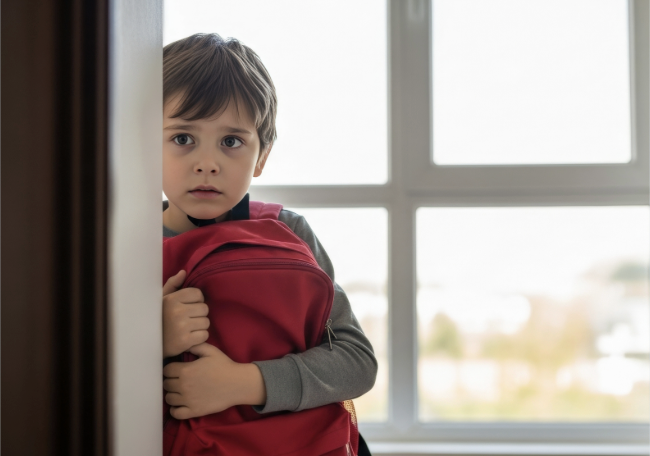 Anxiety doesn’t always look like worry or fear. It may show up as irritability, defiance, emotional outbursts, or physical symptoms such as headaches and stomachaches. A child may become more clingy than usual, seek constant reassurance, or avoid activities they typically enjoy. These behaviors can be signs that anxiety is brewing beneath the surface.
What You Can Do: A Collaborative, Practical Approach
A collaborative, research-informed parenting approach can make a meaningful difference. When parents work with their child’s emotions rather than against them, they help build trust, resilience, and the skills children need to manage anxiety throughout their lives.
Validate How They Feel
Start by acknowledging your child’s experience without immediately trying to fix it.
Saying something like, “I can see this feels hard for you,” helps your child feel understood. Validation does not mean agreeing with their conclusions or excusing inappropriate behavior. It simply means recognizing that their feelings are real and significant to them.
Many parents worry that validation will reinforce anxious behavior, but the opposite is often true. When children feel understood, they are better able to regulate their emotions and become more receptive to support and problem-solving.
Help Them Articulate Their Feelings
Children learn emotional regulation through modeling and guidance. Help your child put words to what they are experiencing.
You might say, “I’m feeling a little sad that the school year is ending. There are things I’ll miss, and there are things I’m excited about, too.”
This kind of emotional modeling teaches children that mixed feelings are normal and manageable. Validation is more than comfort—it is an active teaching process that helps children develop emotional literacy and coping skills they can use throughout their lives.
Avoid Accommodating Anxiety
Anxious children often want to avoid situations that make them uncomfortable. While it can be tempting to remove the source of distress, avoidance often strengthens anxiety over time.
When parents allow a child to skip a camp activity or stay home from a social event because they are anxious, the unintended message may be: “You’re right—this is too scary.”
Instead, encourage your child to face challenges while providing calm, supportive encouragement. The goal is not to eliminate discomfort but to help children discover that they can handle it.
Communicate Confidence in Their Abilities
Let your child know that you recognize their struggle while also believing in their ability to cope.
Try saying, “I know this feels hard, and you can do hard things.”
Messages like these foster resilience, confidence, and trust in a child’s own capabilities.
Keep Some Structure
Summer doesn’t need to be packed with schedules and activities, but maintaining a predictable rhythm can provide a sense of security.
Consistent bedtimes, mealtimes, and a few recurring weekly activities help anchor children during a season that may otherwise feel uncertain.
Help Them See What’s Coming
Predictability can be incredibly reassuring for anxious children. Use calendars, countdowns, visual schedules, or simple conversations to help them understand what’s coming next.
Previewing upcoming events—especially major transitions—can reduce anxiety by making the unknown feel more familiar and manageable.

The start of summer can bring excitement, freedom, and adventure. It can also bring uncertainty. By offering validation, maintaining connection, and providing gentle structure, parents can help children navigate this transition with greater confidence and ease. Rather than trying to eliminate anxiety, we can help our children develop the skills to move through it—and emerge stronger on the other side.