Why to Stop Telling Your Child to “Be Careful” (and What to Say Instead)
Saying “Be careful!” is probably one of the most automatic things we do as parents. But does telling children to “be careful” actually make them safer?
The Problem with “Be Careful”
One problem with “be careful” is that it’s not specific. It could mean:
- “Watch out for the poison ivy!”
- “Those rocks are loose.”
- “Slow down near the edge.”
Children are left trying to figure out what, exactly, they’re supposed to be careful about.
Another challenge is that “be careful” often doesn’t lead to the response we hope for. Instead of pausing to assess the situation, children may:
- look confused (“What am I supposed to be worried about?”)
- ignore the warning (“This doesn’t feel dangerous to me.”)
- or become anxious (“Something bad is about to happen.”)
Over time, constant warnings can unintentionally teach children that risk, challenge, and mistakes should be avoided altogether.
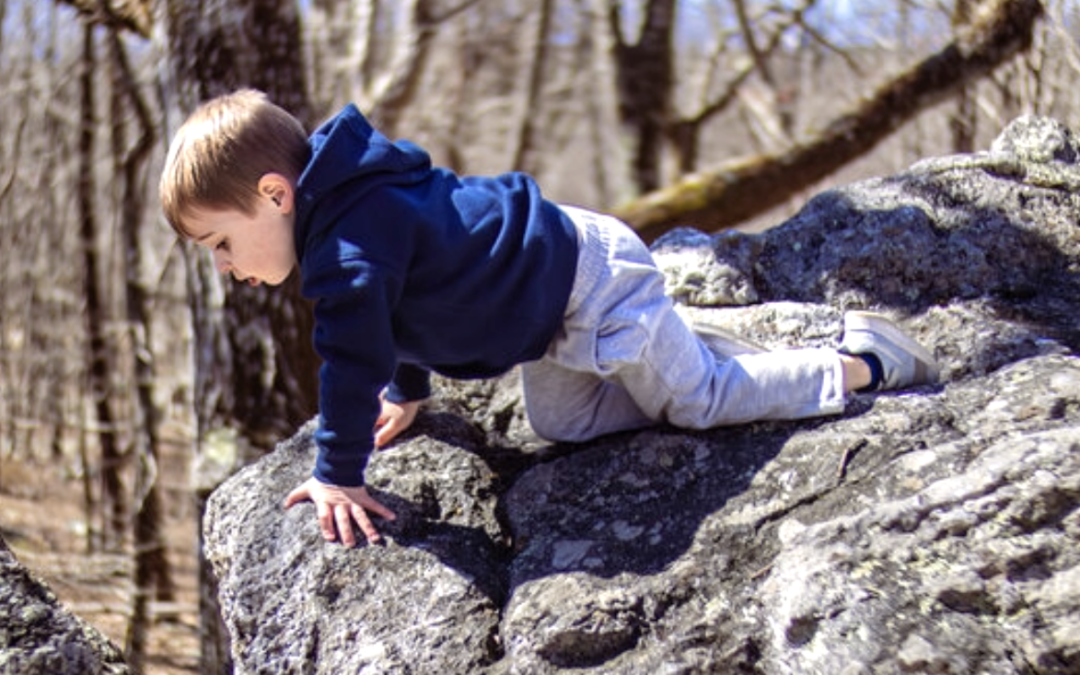
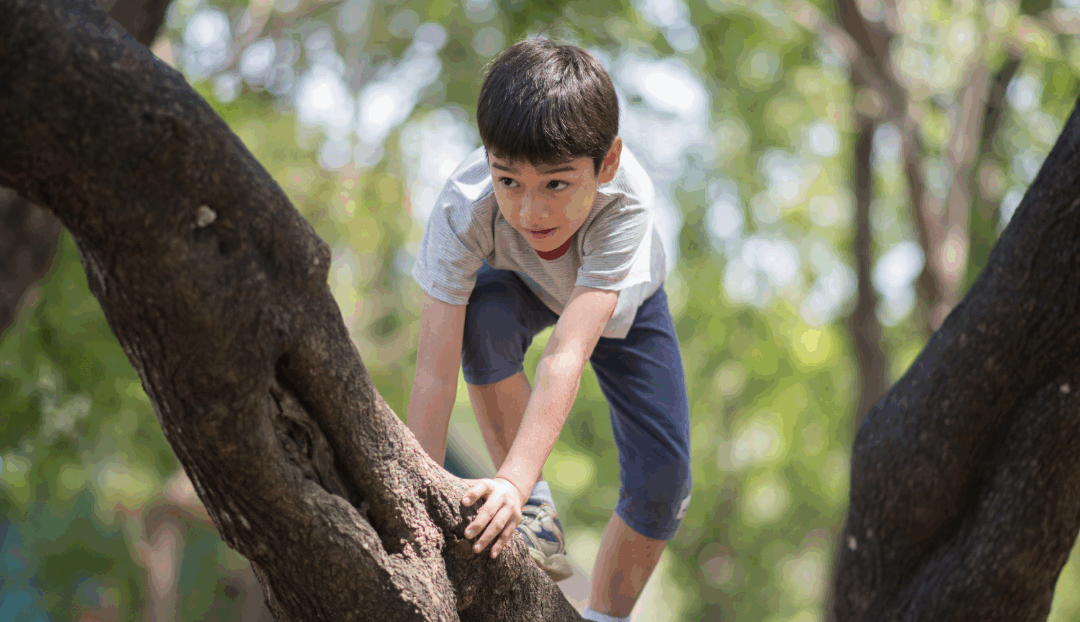
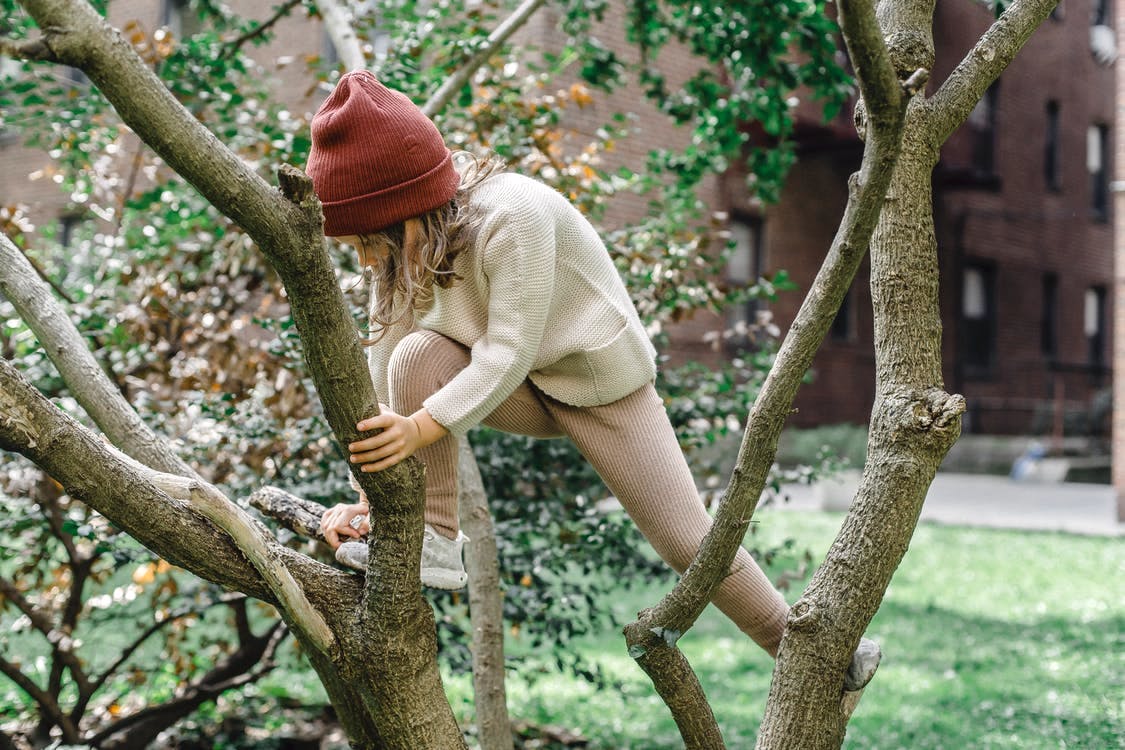
And yes—sometimes children will get scraped knees, bruises, or bumped heads. That’s part of childhood. But children also need opportunities for risky and challenging play because it supports healthy development. Risky play helps build confidence, coordination, judgment, resilience, and problem-solving skills they’ll use throughout their lives.
An Important Note
Of course, there are times when a firm “Be careful!” or “Stop!” is absolutely necessary—especially when there is a genuine risk of serious harm, such as near busy roads, deep water, open fire, or dangerous heights.
The key is to reserve those words for moments that truly matter. It may help to create a phrase with your for moments like these, such as “Eyes up!” and practice the phrase in calm, neutral moments.
When “Be careful” is used constantly, children often tune it out or become overly risk-averse. When it’s used sparingly and intentionally, it carries weight.
Try the 10-Second Rule
One simple tool is the 10-second rule.
When you feel the urge to jump in, silently count to 10. Give yourself a few moments to observe what your child is doing before deciding whether intervention is truly needed—or whether they’re already managing the situation successfully on their own.
Observe & Reflect
Ask yourself:
- What is the real potential for serious harm?
- Why does this situation make me uncomfortable?
- What skills is my child learning right now?
Most of the time, nothing terrible happens in those 10 seconds—except that your child gains a little more confidence.
Respond Thoughtfully
There isn’t one “right” response for every situation.
- If your child is in immediate danger, act quickly.
- If the risk is manageable, you may simply stay close and observe.
- Often, it’s an opportunity to foster awareness or encourage problem-solving instead of shutting things down.
The goal isn’t to eliminate all risk. It’s learning to distinguish between real danger and the everyday challenges that help children grow.
What Can We Say Instead?
Every time you feel like saying “Be careful,” try using it as an opportunity to help your child tune in—to their body, their surroundings, and their choices.
Phrases That Foster Awareness
“Do you see…” the poison ivy over there?
“Notice how…” the log feels rotten.
“Try using your…” arms for balance.
“Can you hear…” the rushing water?
“Do you feel…” the heat from the fire?
These kinds of questions help children develop body awareness, situational awareness, and emotional awareness—all while still allowing them to play and explore.
Phrases that Encourage Problem-Solving
“What’s your plan…” to get across that stream?
“What can you use…” to help you keep your balance?
“Where will you…” put that rock?
“How will you…” support your weight?
These questions shift the focus from fear to thinking—and from control to connection. We don’t need to solve everything for them; we can guide them with thoughtful questions instead.
Risky play researcher Mariana Brussoni often talks about keeping children “as safe as necessary, not as safe as possible.”
Our job isn’t to remove every risk from childhood. Our job is to step in when there is a genuine risk of serious harm—and otherwise allow children the space to explore, problem solve, and discover what they are capable of.
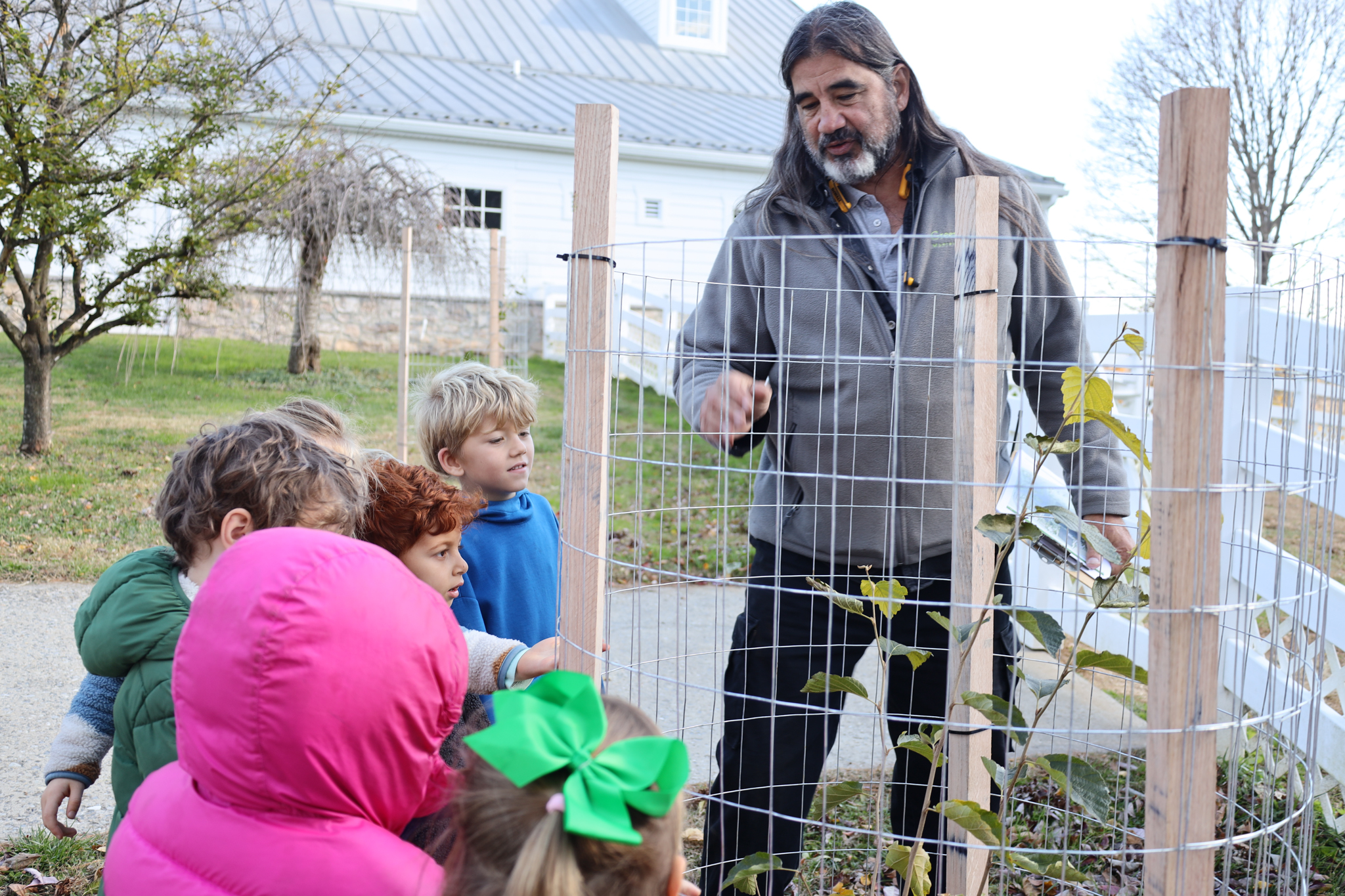
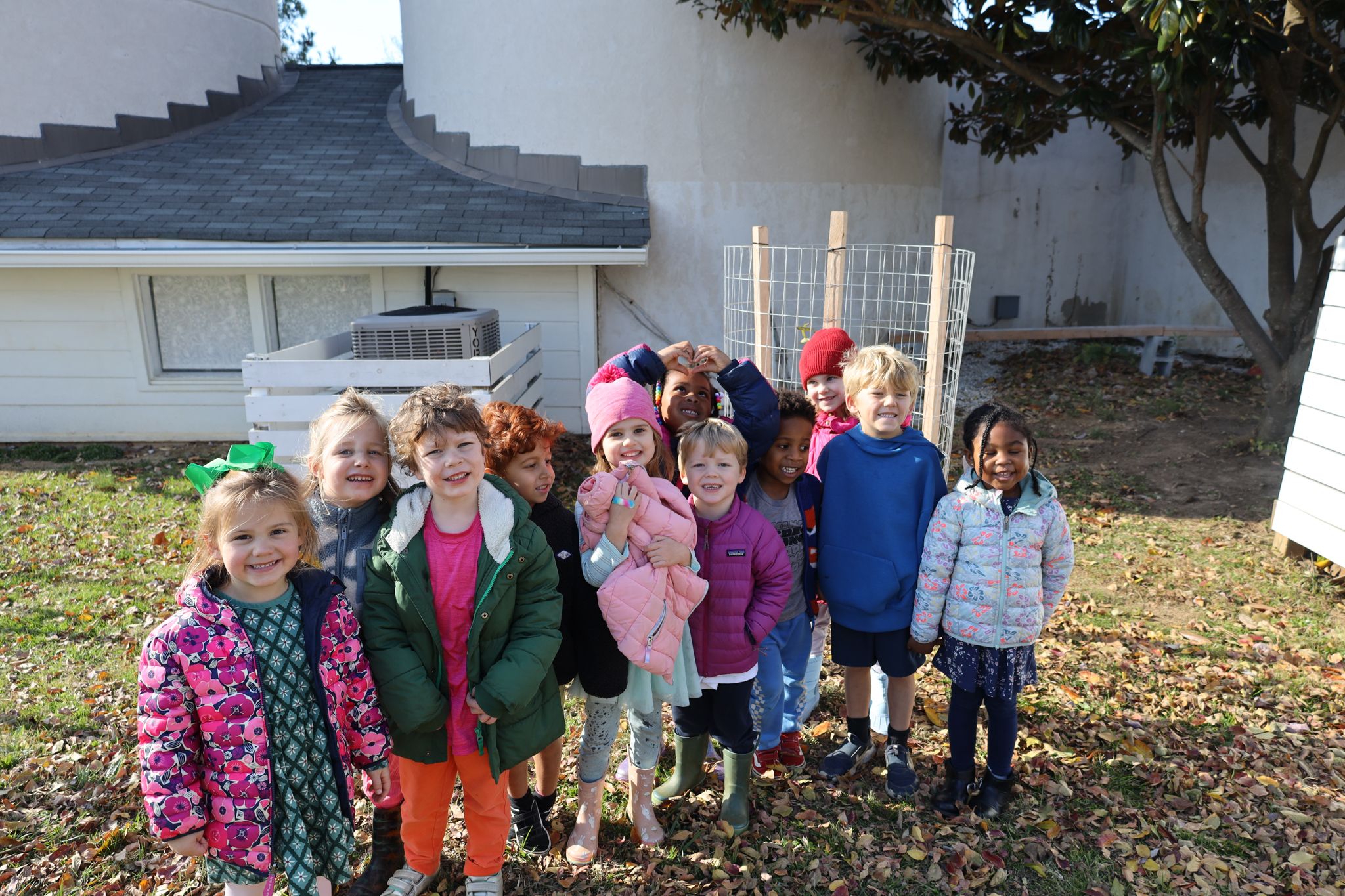
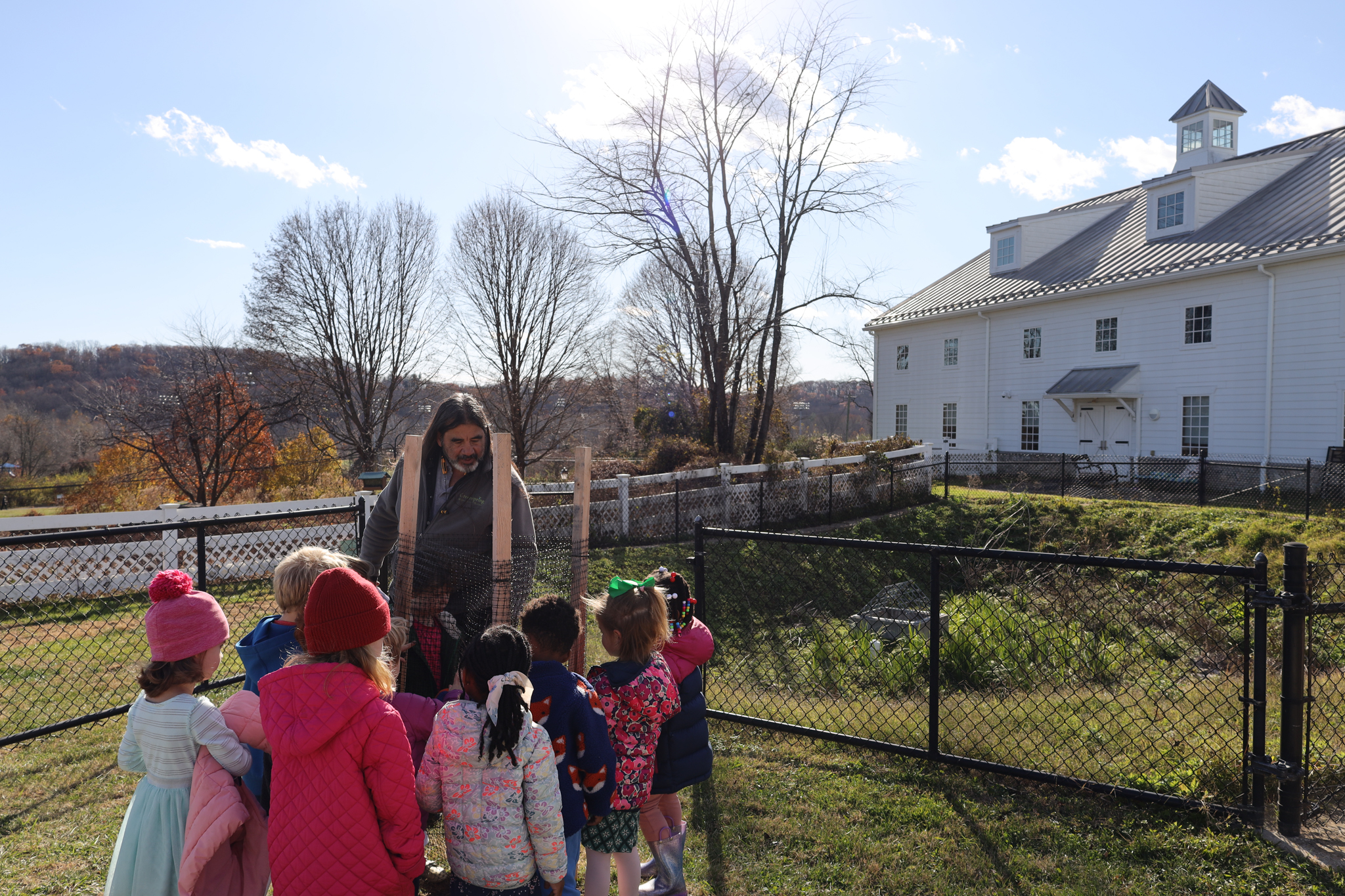
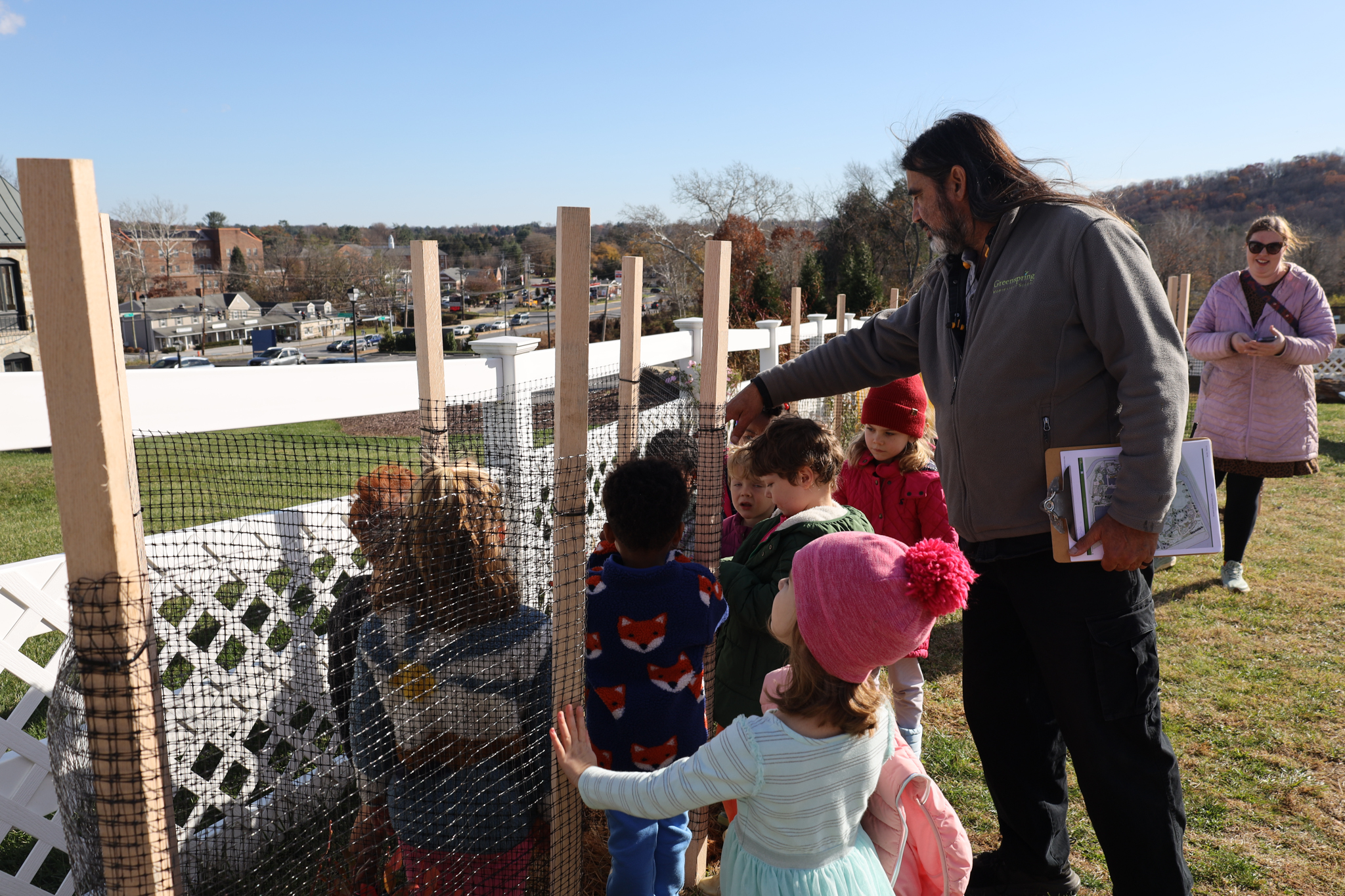
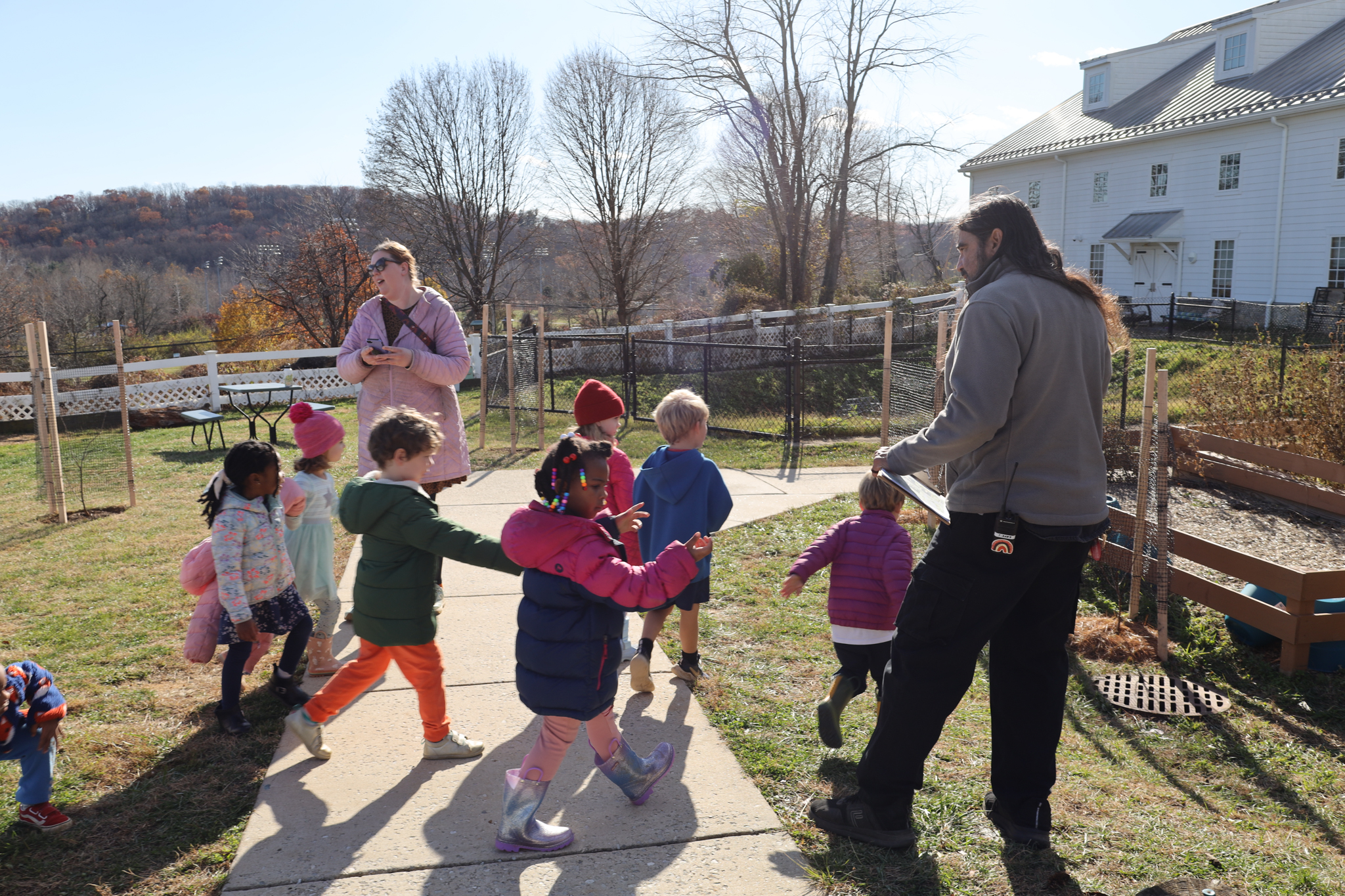
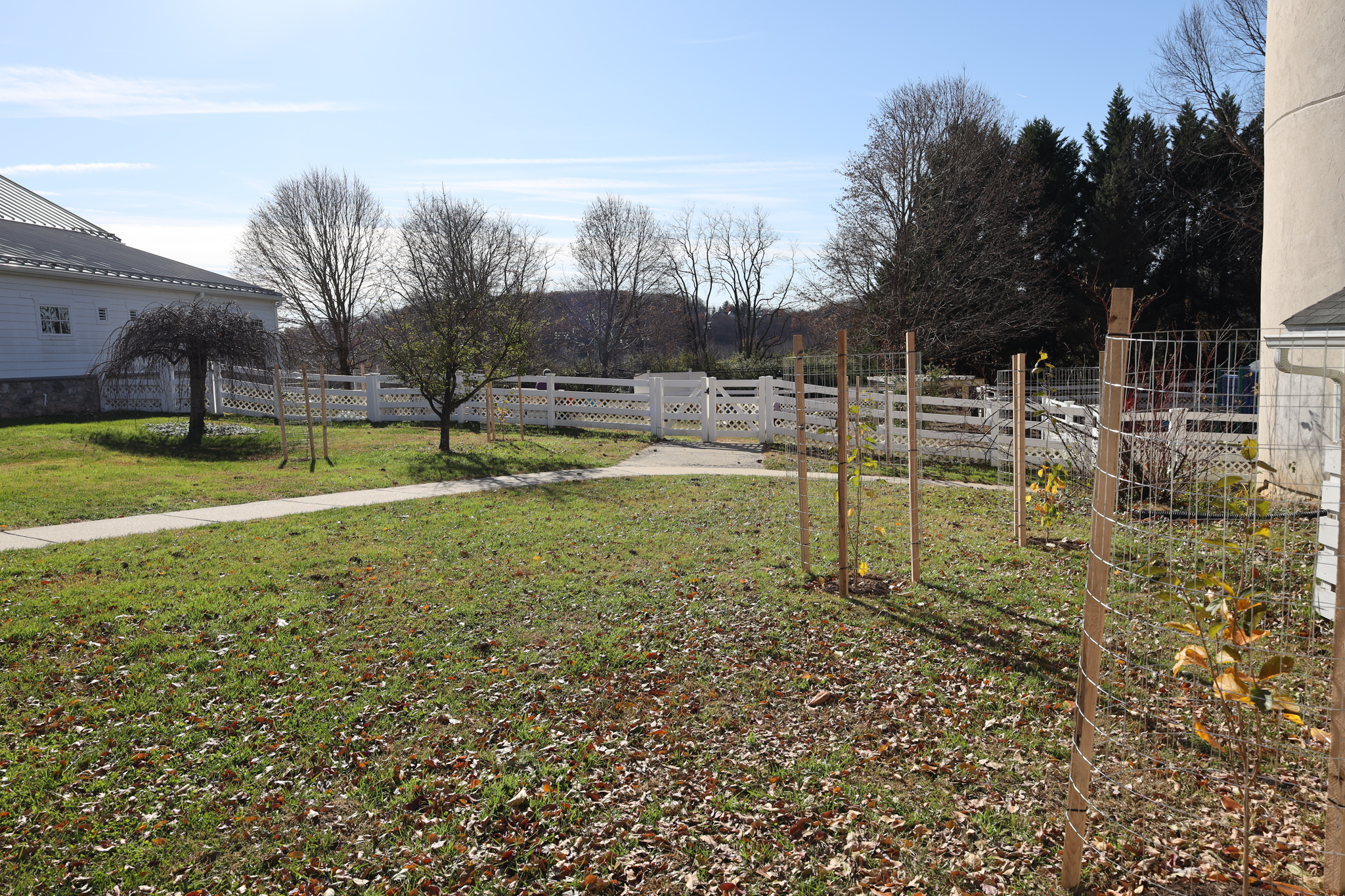
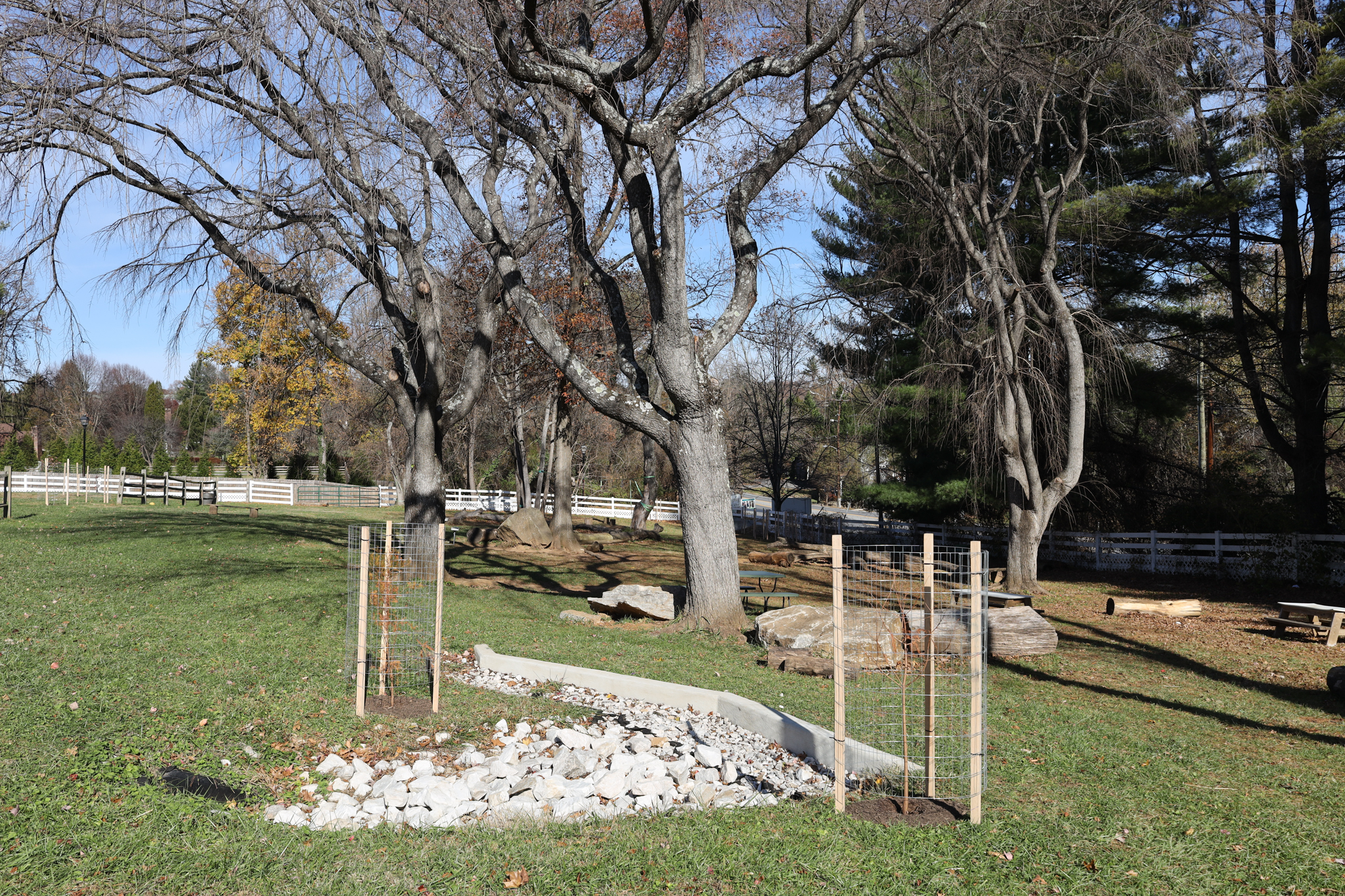
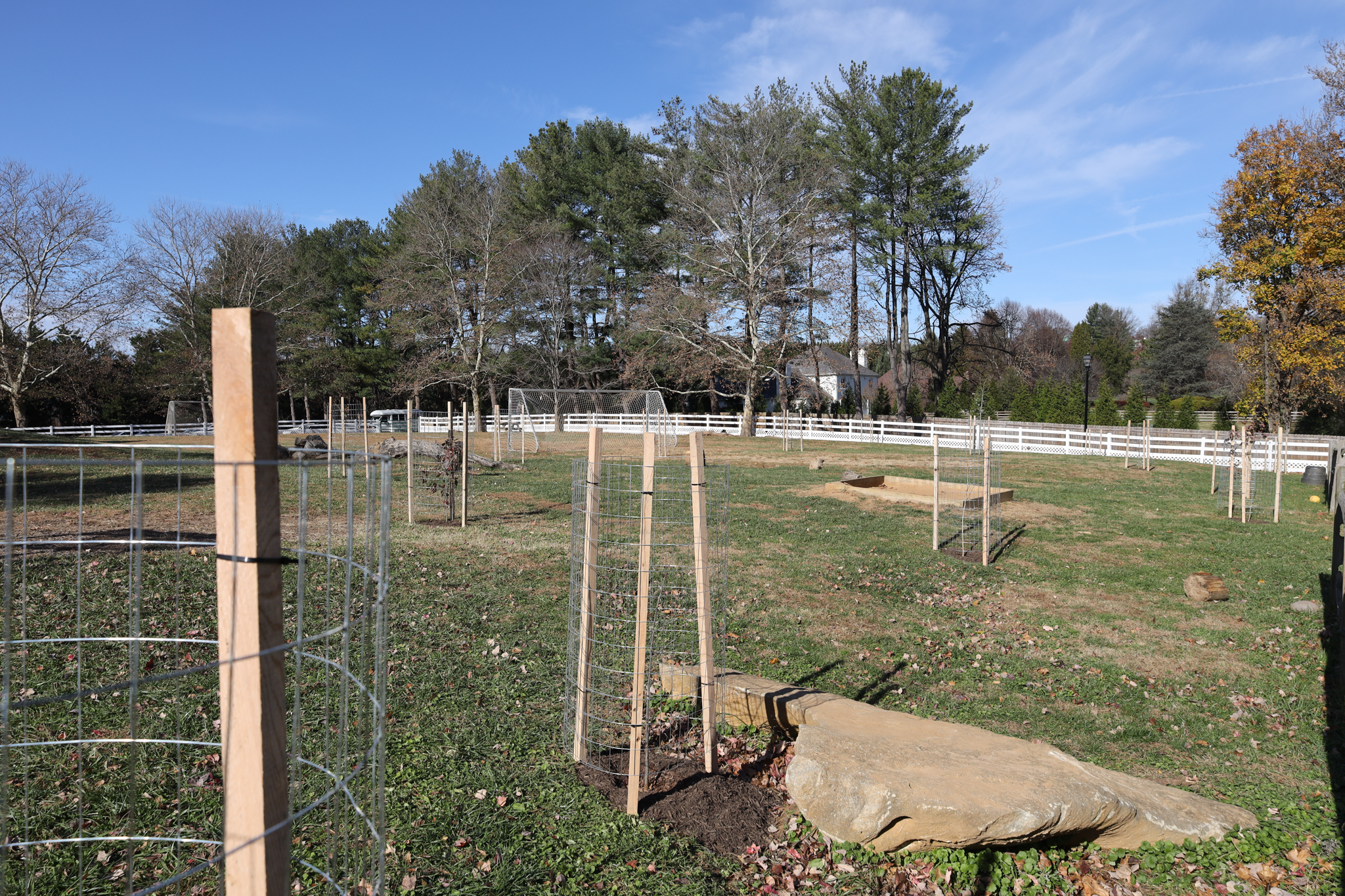
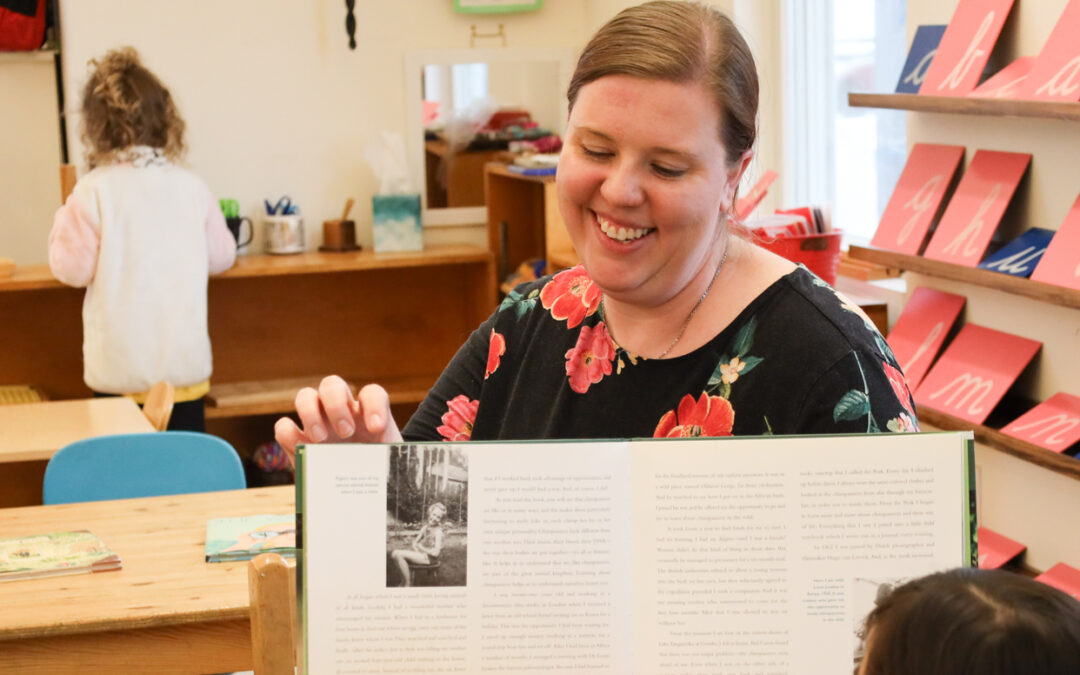
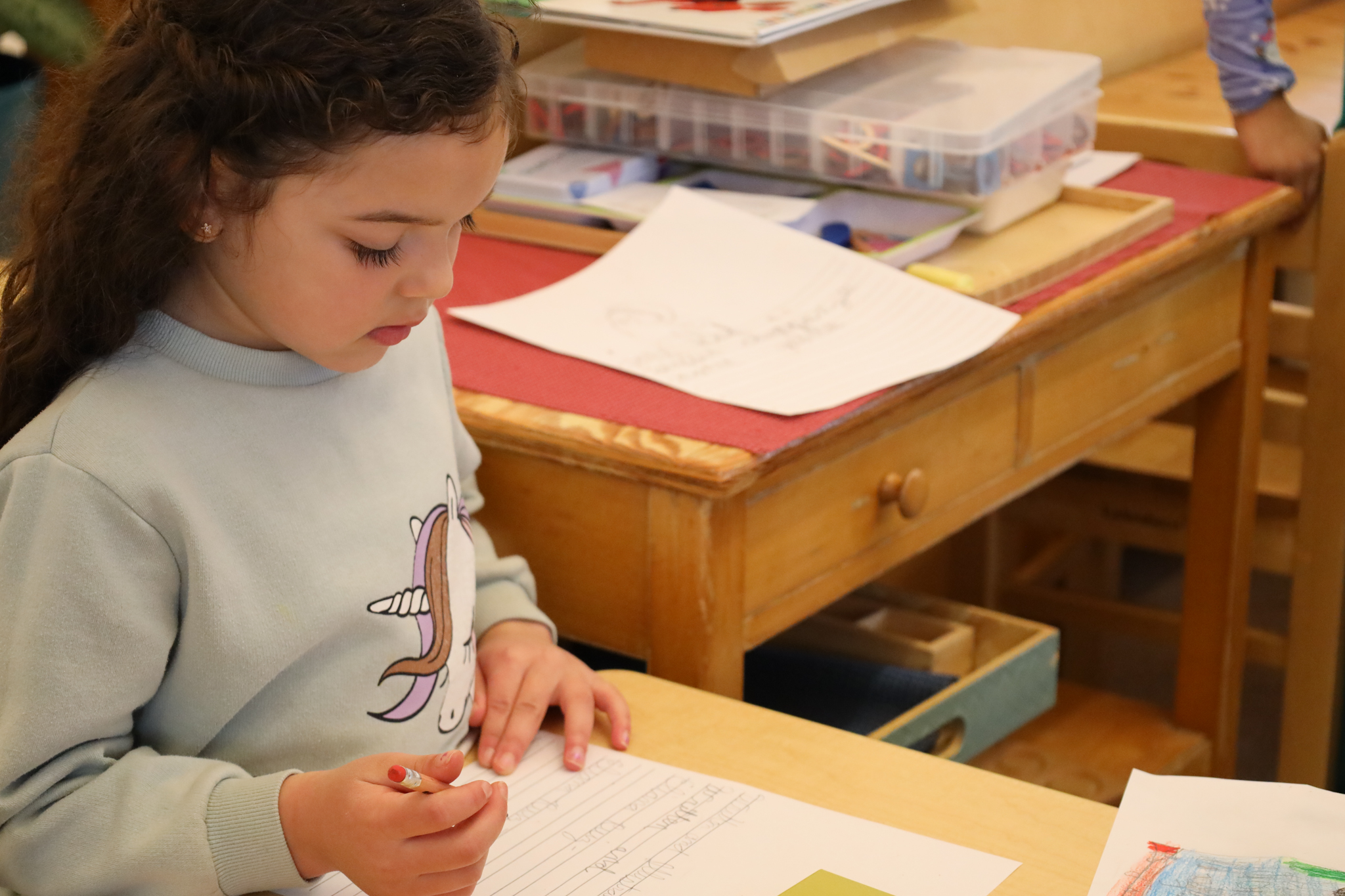
 In Children’s House Writers’ Workshop, elder students (our Kindergarteners), continue to study Jane Goodall through the Roots and Shoots Program. Jane was pivotal in the study and protection of chimpanzees in Gombe, Tanzania. When she saw firsthand that the rainforest was disappearing and her beloved chimpanzees were suffering, she left Gombe and traveled the world speaking to humanity about what she has seen, sharing all of her true stories, some of tragedy but mostly true stories of hope.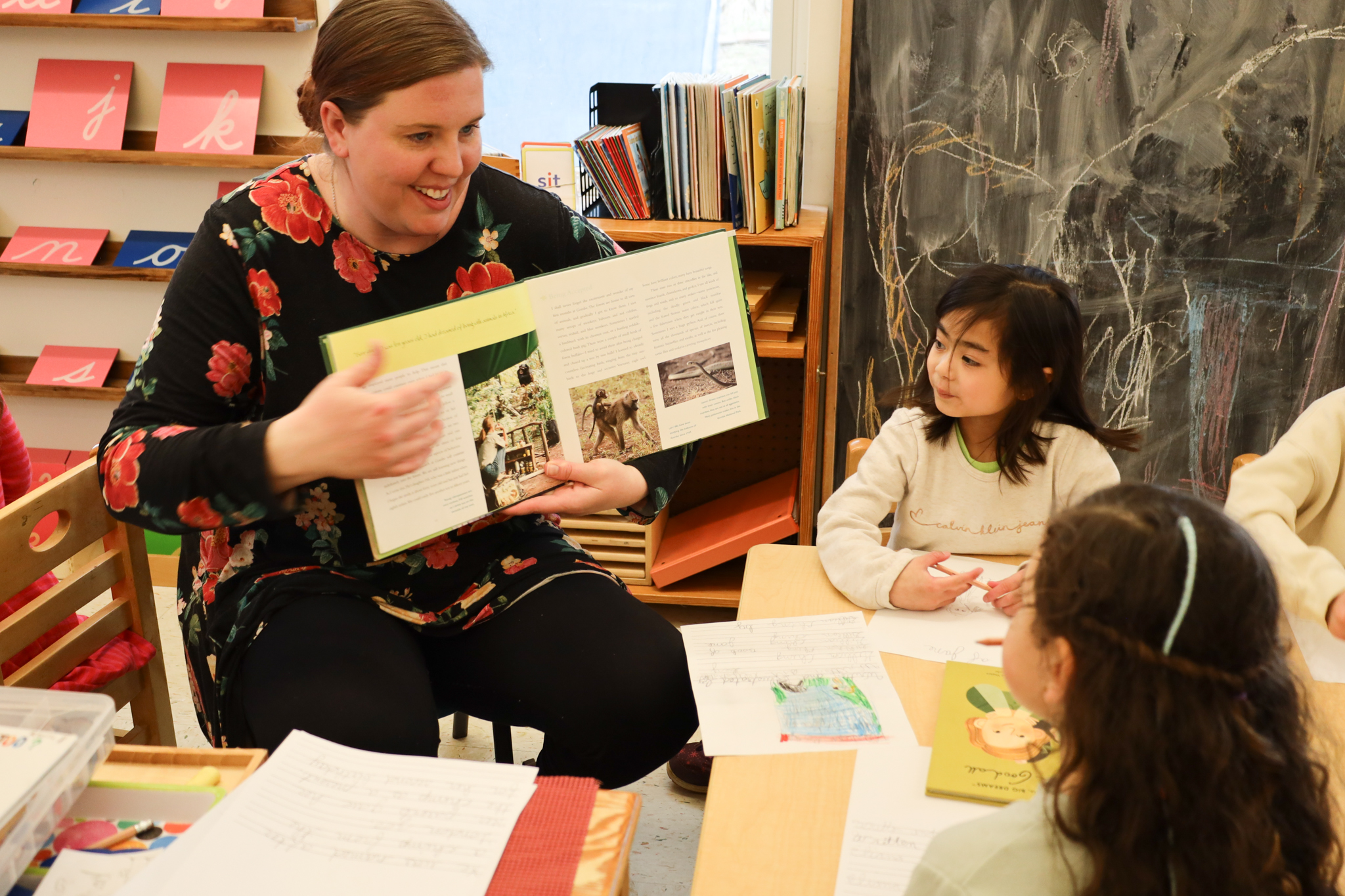
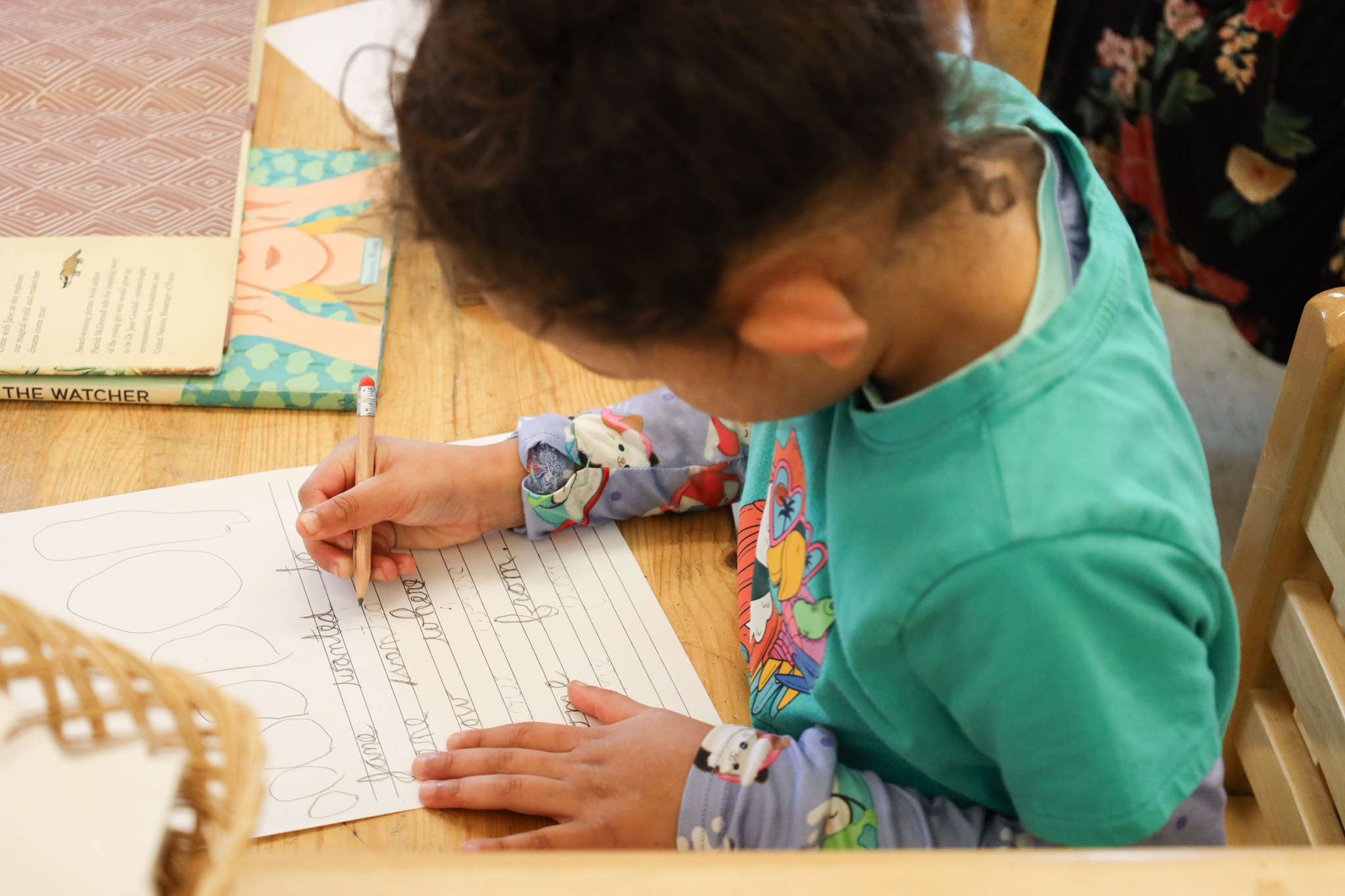
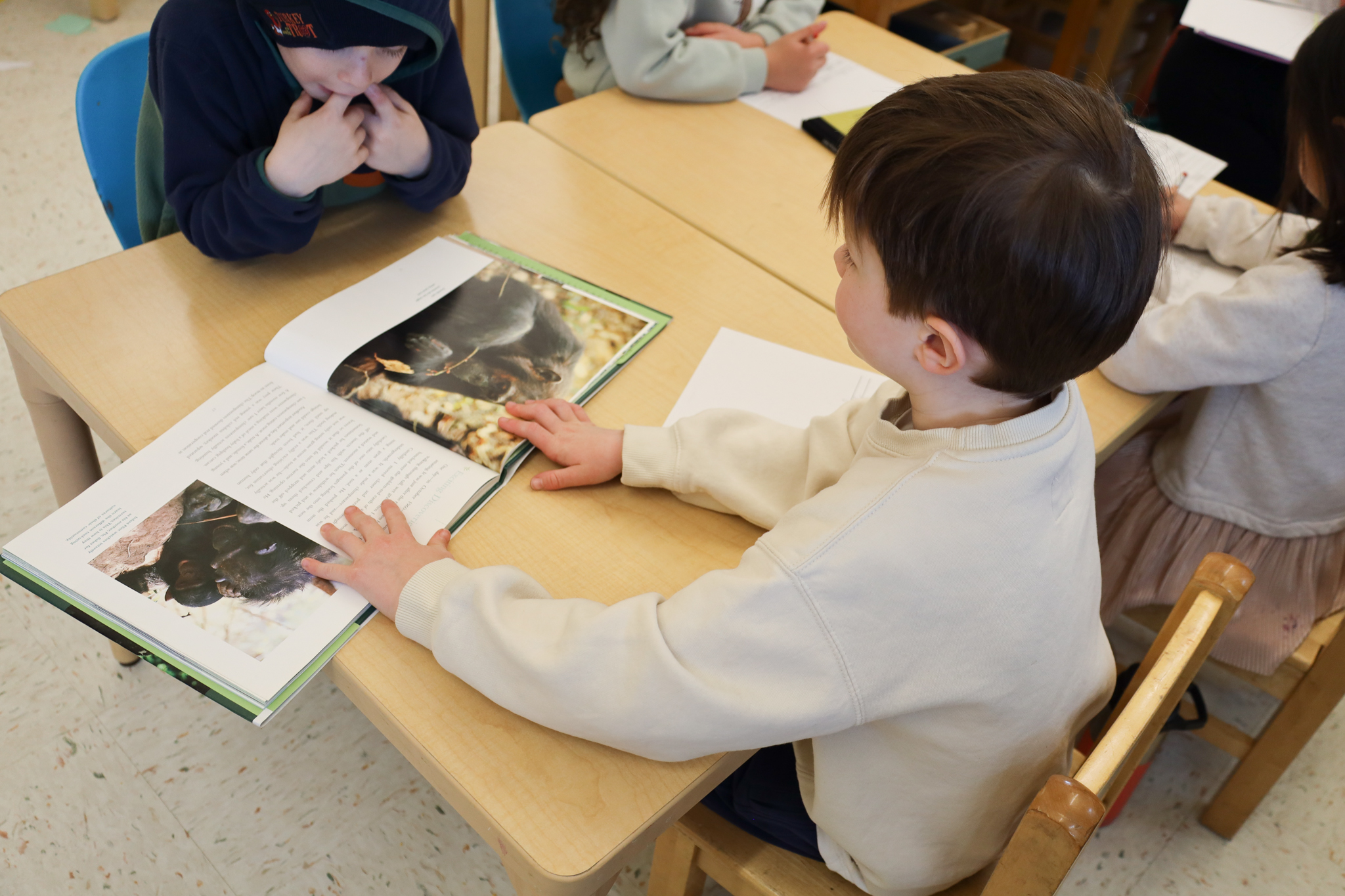
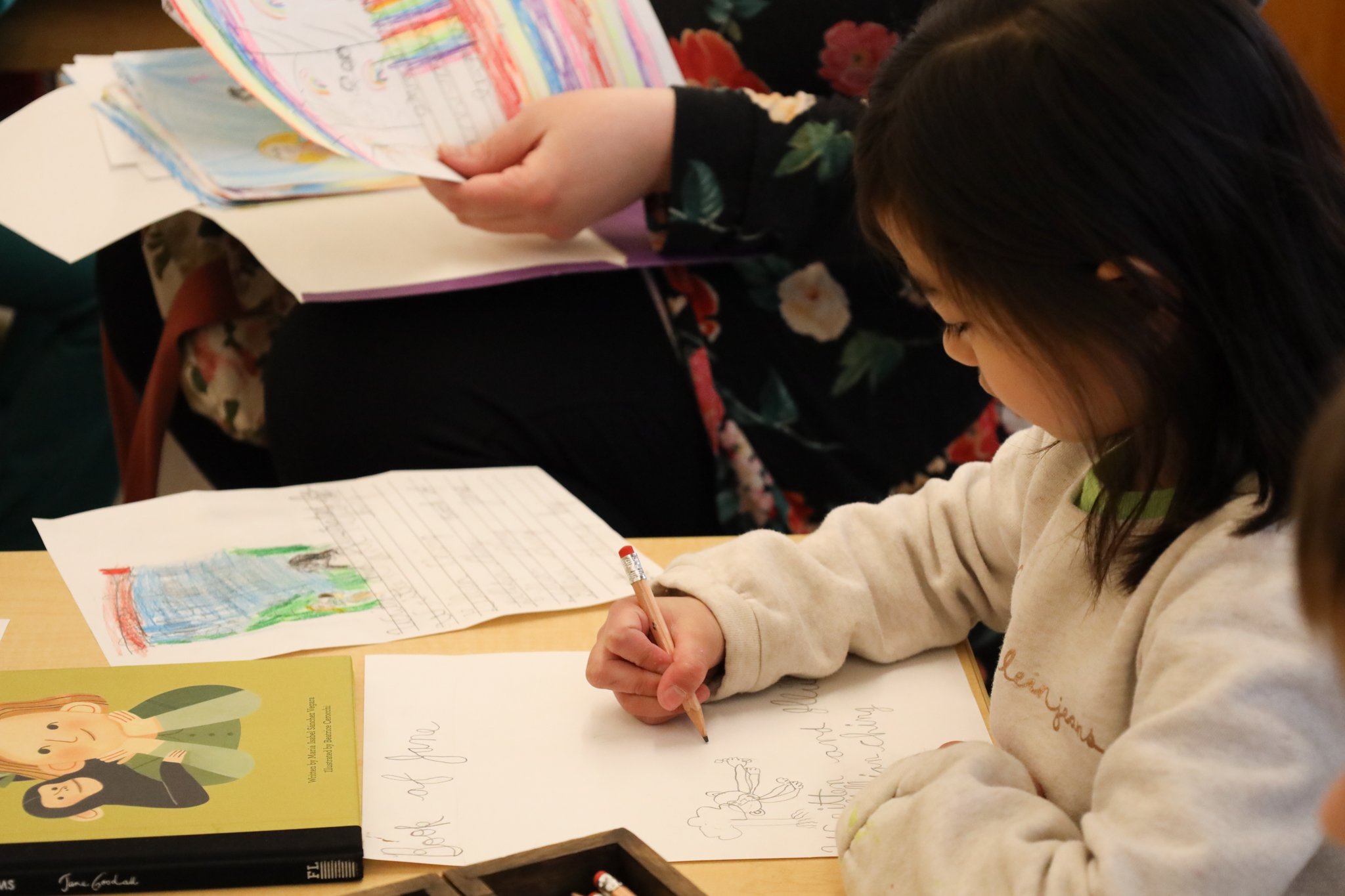
 Another changemaker idol we are excited to write about is Tim Wong, an aquatic biologist from San Francisco who saved a threatened butterfly species, the California Pipevine Swallowtail, by replanting rare flora in his own backyard while also transporting caterpillars to his butterfly garden sanctuary. His efforts, although seemingly small, allowed the butterflies to make a comeback! What a heartwarming hero!
 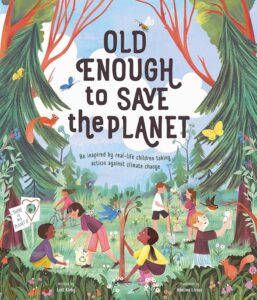 Old Enough to Save the Planet