The Gifts of Summer

The Gifts of Summer

The Gifts of Summer

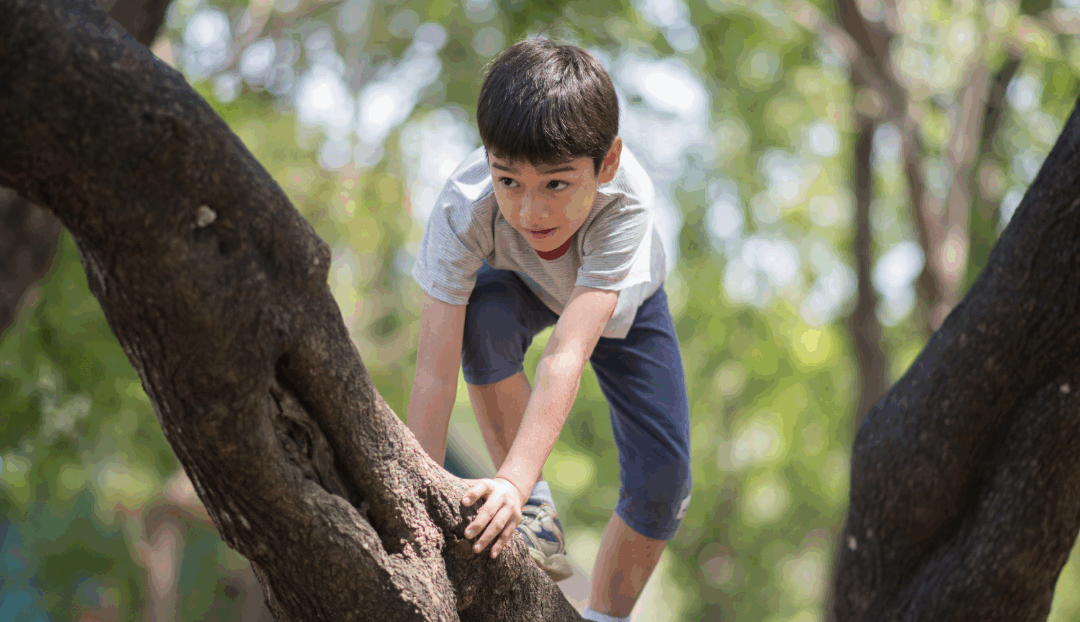
The summer break provides unique challenges but also unique opportunities for unstructured time, including the freedom to explore outdoors, as well as building independence, and meaningful contributions.

Unstructured Time

While it’s tempting to schedule the summer with back-to-back camps, lessons, and playdates, children benefit from free time as well. When we over-schedule activities, we actually rob the brain of essential downtime and opportunities for creative thinking associated with the wandering mind. Try allowing for some blocks of unscheduled time this summer.

Here are just a few of the brain benefits of boredom:

  • Recharge. Downtime allows our children to recover from “cognitive overload” and to recharge executive functioning skills. 
  • Imagination and creativity. The latest research shows that our brain doesn’t go into a lower gear when we aren’t focused on something. Instead, the activity shifts to the imagination and creativity parts of the brain. 
  • Problem solving skills. When children engage in open ended projects, they encounter unforeseen challenges and must develop their problem solving skills.
  • Confidence and grit. Confidence and grit aren’t developed by things coming easily. They come from children overcoming worthy challenges. 

“Children need to sit in their own boredom for the world to become quiet enough that they can hear themselves.” – Dr. Vanessa Lapointe

When your child proclaims, “I’m bored!” try to avoid rushing in with an organized activity. Instead, create space and time for children to come up with their own ideas for what to do next. This may mean having some materials around to prime the creative pump. For young children these materials can be as simple as sticks, paint, and cardboard! What they do next is up to them. Consider setting aside some time with your child to create a list of activities they enjoy and some fun-sounding challenges or longer-term projects. Then when they need something to do, you can suggest they choose something from the list you brainstormed together. Remember, building any new skills takes practice. Allowing time for free play throughout the year will help your child learn how to make their own fun. Think of it as creating “boredomtunity” for your child.

Freedom to Explore Outdoors

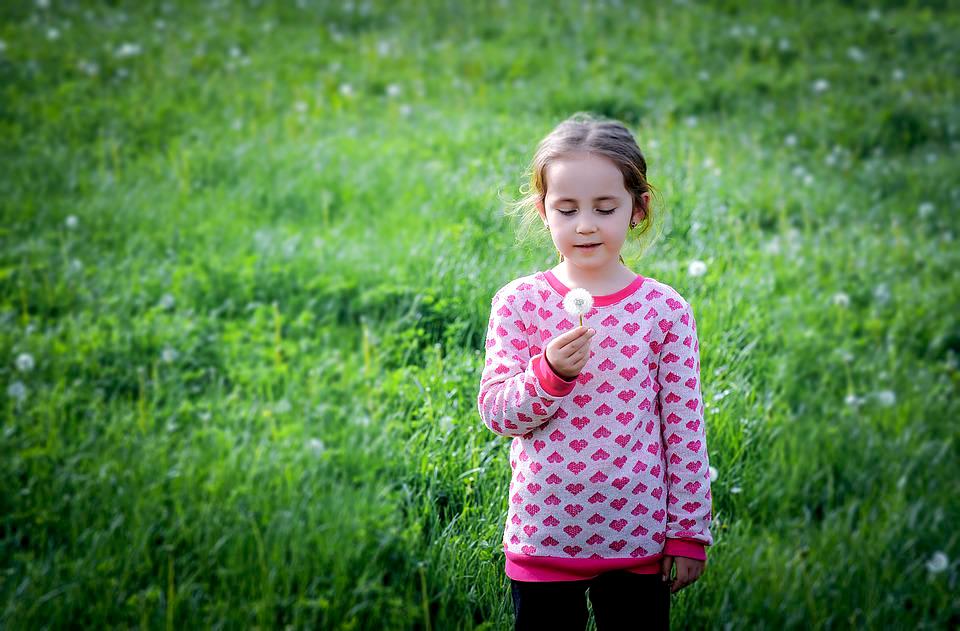
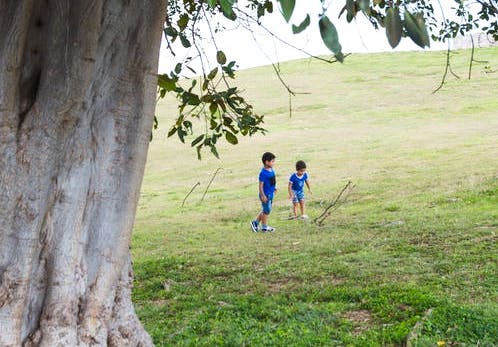
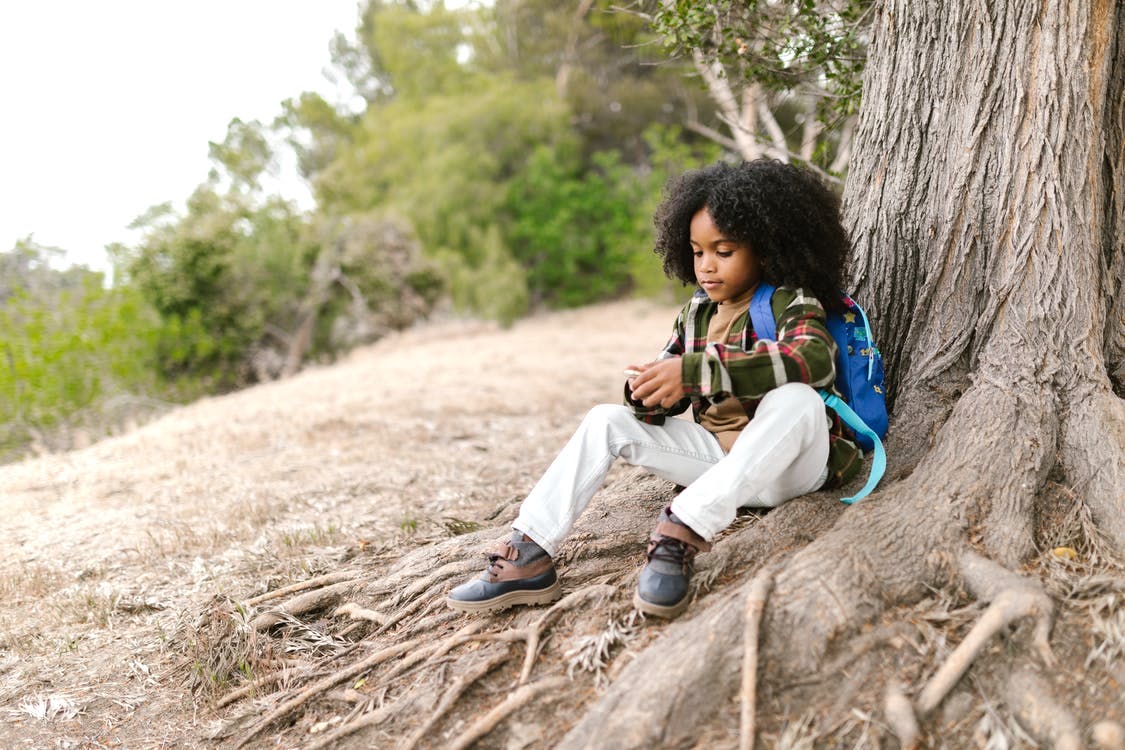
Encourage your child to spend unstructured time outside. Not only does “green time” promote better physical health (immune function, heart health, Vitamin D production, better sleep), it promotes better mental health (reduced stress levels and lower levels of stress hormones). There are also cognitive benefits, including improvements to short-term memory, attention, and learning. Finally, “green time”  invites exploration and curiosity about the natural world and gives children the opportunity to take healthy risks that build problem solving skills and perseverance. 

Sarah Milligan-Toffler and Richard Louv of the Children & Nature Network write, “In a brief integrative review of the research [researchers] found that time in nature produces positive shifts occur in perseverance, problem-solving, critical thinking, leadership, teamwork, and resilience—skills that are essential in overcoming the unprecedented challenges we face today.”

Whether it’s digging in the dirt, taking a walk in the park, or having a picnic in the backyard, time outside is a gift to your child.

Building Independence

For some of us, our instinct is to try to make life “easier” for our child. But by removing obstacles, we are actually taking away opportunities for children to learning new skills and overcome worthy challenges. For example, it may take much longer for a young child to zip up her own coat, but when time allows, give her the opportunity to try. If she begins to get frustrated, provide the minimal amount of help needed (such as holding the bottom of the coat to create tension, while the child pulls up the zipper). Children build self-confidence by accomplishing difficult tasks. Your child’s mantra can become, “I can do hard things!”

Allowing a child to do things for herself may require some support. Consider providing a stool at the bathroom sink so the child can reach the faucet to wash her hands. Consider putting out a small pitcher of water and a small glass so she can help herself when she is thirsty. If dishes, napkins, and silverware are placed in a lower cabinet, the child can help set the table for a meal. You can revisit our blog post titled The Montessori Home for more ideas on how to set up each area of your home (kitchen, playroom, bathroom, and bedroom) to support your child’s independence.

As you observe your child, you may notice that he or she needs a new skill. This is an opportunity for you to give your child a lesson! Here’s how you can do it:

  • Invite your child to see something new & name the lesson: “I am going to show you how to wash your hands. I’ll have a turn and then you’ll have a turn.”)
  • Demonstrate slowly and precisely
  • Follow a clear sequence
  • Do not talk while you are demonstrating
  • Use eye contact and a smile between steps 
  • “Now it’s your turn! And anytime you want to have clean hands, you can practice!”

“The only way to build self-esteem is through overcoming worthy challenges.” – Joanne Deak, PhD

Making Meaningful Contributions

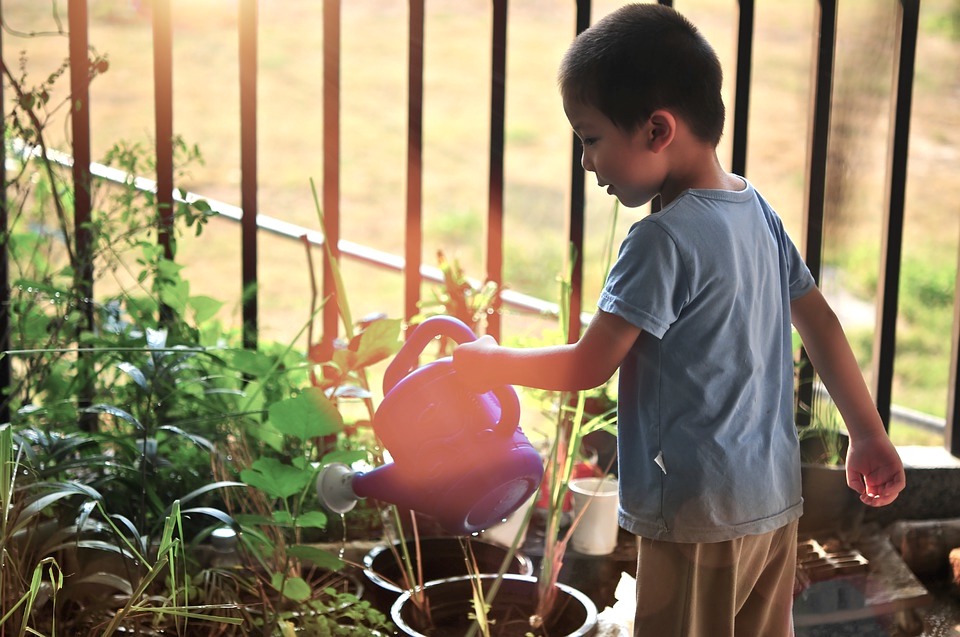
Not every free day needs to involve a trip to the zoo. Many times, children want to do what you are doing! You can invite your child to work with you in the garden, prepare a meal, or wash the car. You may need to provide child-size tools for some of these activities, such as a small watering can or acrylic knife, so that your child can participate fully.    

Research indicates that those children who do have a set of chores have higher self-esteem, are more responsible, and are better able to deal with frustration and delay gratification, all of which contribute to greater success in school. (Center for Parenting Education) Check out our blog post titled Children as Contributing Members of the Home for a list of age-appropriate chores your child can do. And please don’t swoop in as soon as the work is hard. Let your child experience challenges and overcome them!

When we allow children opportunities to make meaningful contributions to the family and the greater community, we help build their resilience, perseverance, grit, and self-esteem. What greater gifts are there?

All of these pieces – unstructured time, enjoying the outdoors, building independence, and making meaningful contributions – are the ingredients for an exciting and fulfilling summer!

What’s All the Buzz About Elementary Research?

What’s All the Buzz About Elementary Research?

If you have ever spent time in a Montessori Elementary classroom, you have seen it abuzz with a variety of research projects. Why is this?

Elementary-age students are naturally curious and have a strong internal drive to discover how our world works. Montessori’s Great Lessons, presented every year, are impressionistic stories that introduce enormous topics, such as the Big Bang, the evolution of life on earth, and the origin of writing and mathematics. They are designed to spark the child’s imagination and to provide a context for all further study. The Elementary Guide is a storyteller, sharing just enough information to spark students’ interest in learning more on their own.

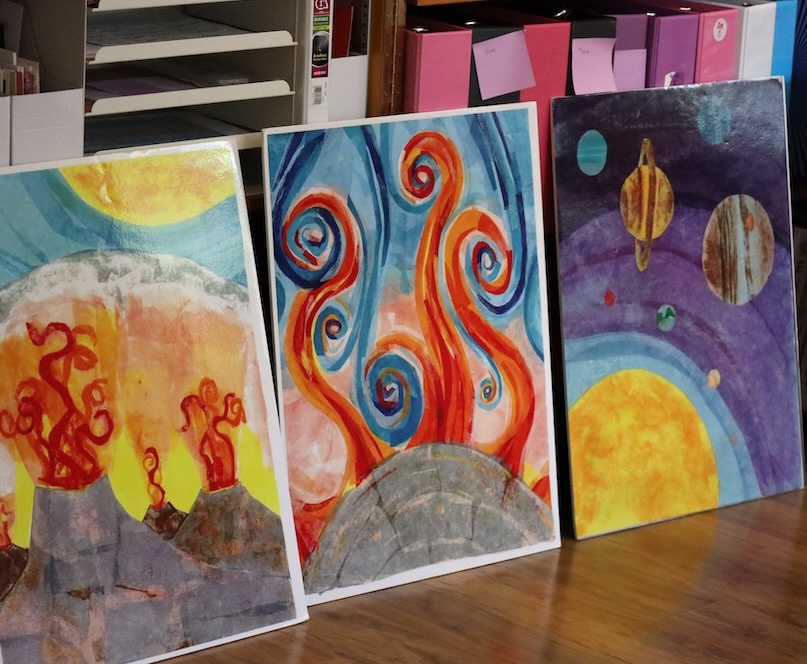
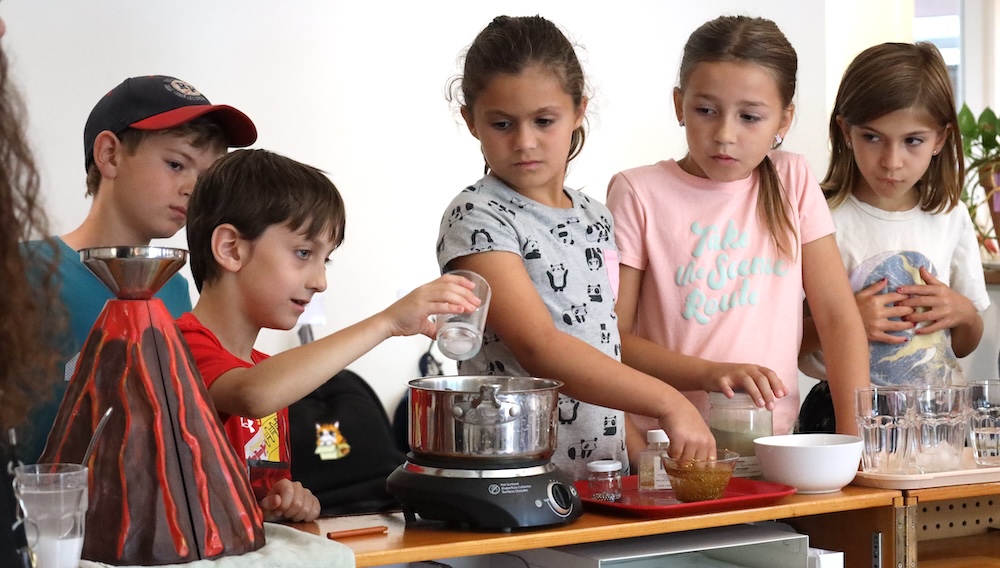
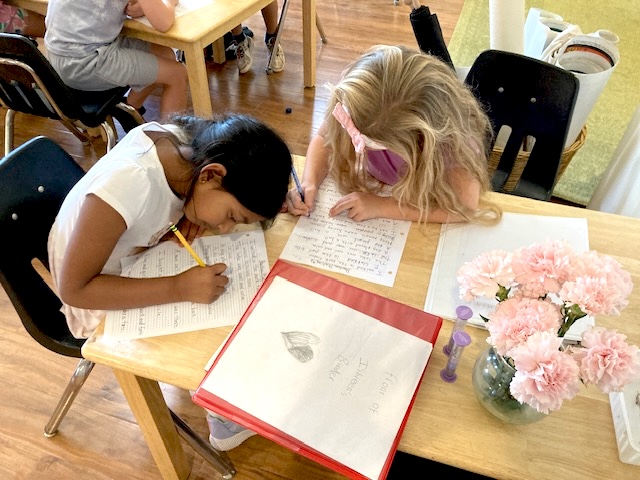
Each child’s response to a lesson is unique, and their follow-up work reflects those individual differences. For example, when the Elementary Guide gives a lesson on the Timeline of Life, some children will be especially inspired by this and choose to study invertebrates, while others will want to learn more about dinosaurs, how mass extinctions occur, how plants reproduce, or how a volcano erupts. The research process integrates a multitude of skills, such as reading, note taking, summarizing, writing for a specific audience, speaking, and listening in a meaningful context.
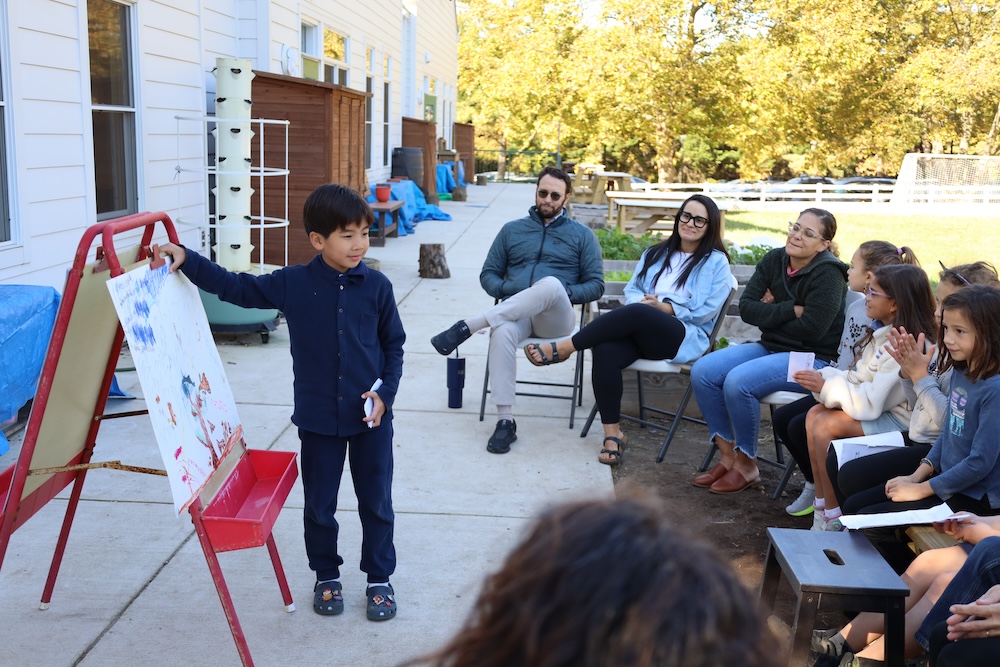
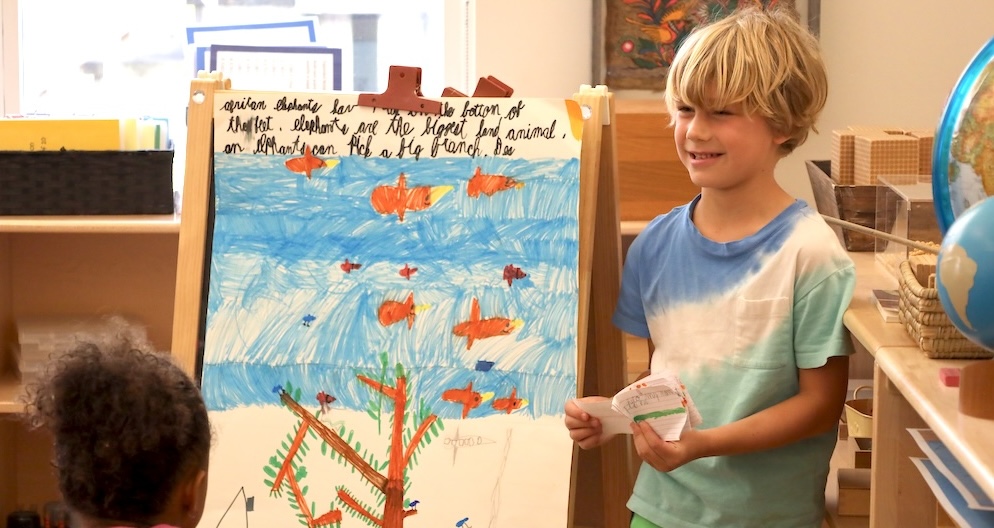
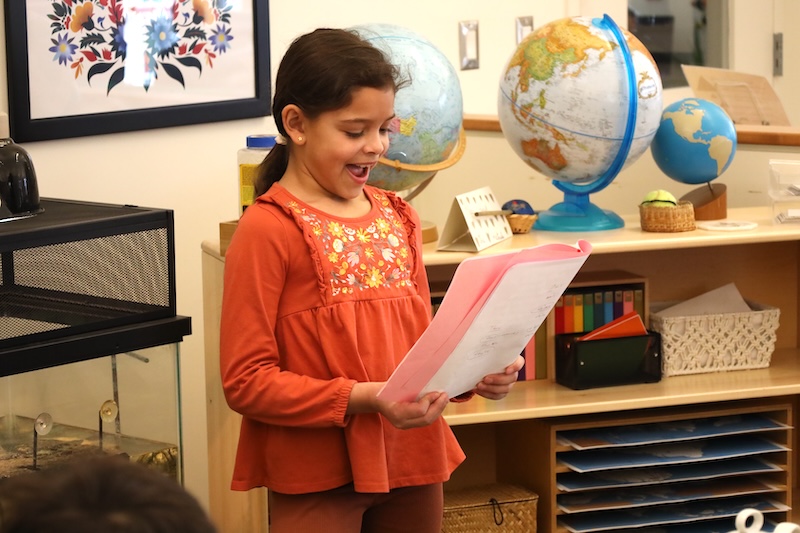
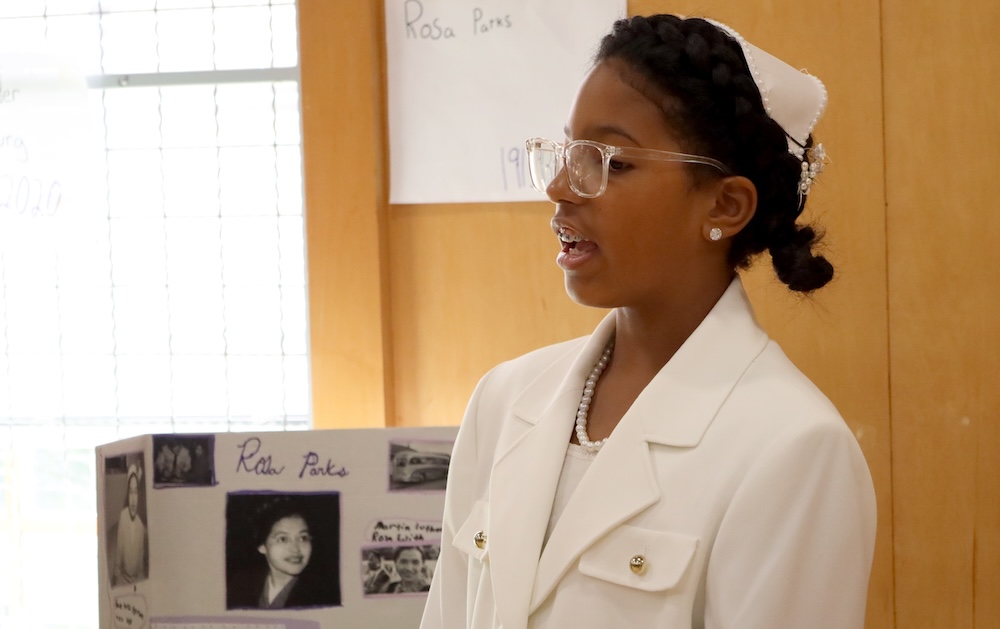
Students are invited to share their findings in creative ways, such as building models, creating dioramas, writing plays, creating digital slideshows, and assembling portfolios. Some may wish to present their research to the class or a small group of children, and they are encouraged to invite their families.

When students pursue topics that pique their interest, they are not only building their research skills, they are taking ownership of their learning, building self-motivation, exploring their passions, and furthering their independence.

How do we teach research skills?

Students are first given lessons in each of these skills and opportunities to practice in isolation. They can then apply these skills and processes to any subject that interests them!

Choose a Topic:
  • Brainstorm: Students think about topics they are interested in learning more about. [Lesson: brainstorming]
  • Narrow the Focus: Students refine their topic to something manageable and specific.
  • Identify Clear Questions: Students identify what they are trying to find out.
Gather Information:
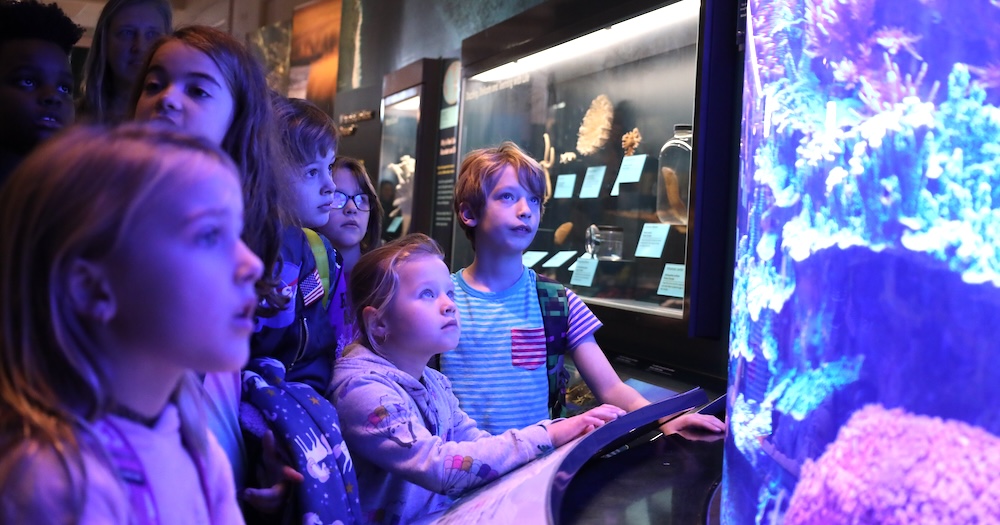
  • Explore Sources: Students explore various sources like books, magazines, websites, and even interviews with experts (if appropriate). Going Outs and the process of planning and engaging with a Going Out can also be part of this process.
    [Lessons: evaluating sources, using a table of contents, using an index]
  • Take Notes: Students learn to put key ideas into their own words.
    [Lessons: paraphrasing, identifying the main idea, summarizing information]
Organize Information:
  • Sort and Categorize: Students organize their notes by topic or question.
    [Lessons: structure of a paragraph, structure of a report]
  • Use Graphic Organizers: Students can use simple graphic organizers to help them structure their notes and identify main points. [Lesson: how to use a graphic organizer]
Share Findings:

Students share their research through a variety of models, including presentations, posters, or reports.

  • Written report [Lessons: how to cite sources, use evidence to support findings,using domain-specific vocabulary, how to write a clear conclusion]
  • Oral presentation [Lessons: Sequence ideas logically, use appropriate facts and details, public speaking skills-pacing, poise, how to field questions, voice projection]
  • Artistic presentation (model, diorama, skit, song, etc.)
  • Digital presentation (Google Slides, word processing, integrating images and audio)

What are the benefits?

Critical Thinking:

Students develop critical thinking skills, evaluating information, and identifying biases.

Information Literacy:

Students learn to locate, evaluate, and use information effectively.

Time Management:

Students practice managing their time, setting deadlines, and prioritizing tasks.

Collaboration:

Students often work in pairs or small groups, developing teamwork and communication skills.

Problem-Solving:

Students encounter and overcome obstacles, developing resilience and resourcefulness.

Autonomy/independence:

Students take ownership of their own learning, develop intrinsic motivation, explore their academic passions.

The Elementary student is a natural-born scientist. “How does a fish breathe under water?” “What number comes after a trillion?” “What causes a volcano to erupt?” Montessori Guides encourage children to find out!

Montessori students are empowered to find the answers to their own questions with the materials and resources in a prepared environment. Children enjoy learning that is driven by their passions.

Learn more about Greenspring Montessori’s Elementary program.

Children as Changemakers

Children as Changemakers

The role of a changemaker is to achieve positive change through taking action. Changemakers are intentional about identifying a problem and are willing to work toward a solution through creative action.

At Greenspring, students of all ages are invited to contribute to their community. These efforts are student-led and student-driven, with gentle support and guidance provided as needed.

Toddlers

Toddlers begin by caring for what is most familiar: plants and animals, their classroom and outdoor environment, and their classmates.

Children’s House

Children’s House students extend their service to include the school community and campus. For example, they assist with campus-wide composting and participate in Grounds Days.

Lower Elementary

Elementary students begin Going Out trips, during which they leave campus to engage with the larger community. For example, students may visit elders in a retirement community or grow grasses for replanting in the Chesapeake Bay. Students often initiate their own service projects, such as this winter coat and food drive and helping at the Maryland Book Bank.

Upper Elementary

Students continue planning Going Out and service projects that take them into the larger community. For example, students recently organized a fundraiser to support the victims of the California wildfires. They also visited Art with a Heart in Baltimore to learn more about their programs that serve those in need. Many participate in the Montessori Model United Nations (MMUN) program, which culmitates in a multi-day event at the United Nations headquarters in New York City.

Adolescents

Adolescents research issues of social justice and become advocates for causes they are passionate about. They practice persuasive public speaking during Igniting Voice presentations each trimester. Adolescents also work as a group to run small businesses (or “microeconomies’). These microeconomies not only provide a way for students to generate funds for their projects and trips, but serve as an integrated curriculum that provides opportunities for real-world, experiential learning and for serving the community.

You can encourage and empower your child to be a changemaker! Here are some tips:

Spark Curiosity and Conversation:

  • Talk about your family’s values.
  • Discuss current events and local issues appropriate for their age, asking open-ended questions to encourage critical thinking.
  • Share stories of inspiring changemakers like Malala Yousafzai or Greta Thunberg.
  • Watch documentaries or read age-appropriate books about social justice topics.

Identify Areas of Passion:

  • Encourage your child to explore their interests and identify causes they care about and that connect to your family’s values, whether it’s animal welfare, environmental protection, or helping the homeless.
  • Let them choose a focus area where they feel most motivated to make a difference.

Take Action Together:

  • Volunteer at local organizations aligned with their interests, allowing them to directly contribute to a cause.
  • Start small projects at home, like a recycling drive, a food donation collection, or a community clean-up.
  • Participate in letter-writing campaigns or online petitions to advocate for change.

Empower Their Voice:

  • Encourage them to express their opinions and ideas openly, even if they seem small.
  • Teach them how to respectfully communicate their concerns to authorities or decision-makers.
  • Practice public speaking skills by giving presentations at school or community events.

Foster Creativity and Innovation:

  • Brainstorm creative solutions to problems they identify in their community.
  • Encourage them to design posters, create art projects, or write songs related to their cause.
  • Support their efforts to develop unique initiatives to address a problem.

Celebrate Achievements:

  • Recognize and acknowledge their contributions, no matter how small.
  • Share their accomplishments with family and friends to build pride and motivation.
Resources for Families

Doing Good Together – Baltimore chapter
https://www.doinggoodtogether.org/family-volunteering-baltimore

ChangemakerCommunities.org
https://www.changemakercommunities.org/resources-for-parents-guardians


“We must look to the children as a vehicle for bringing change to humanity.” 

Dr. Maria Montessori

Help Your Child Build Problem Solving and Social Skills By Using Declarative Language

Help Your Child Build Problem Solving and Social Skills By Using Declarative Language

As busy parents, it is often tempting to tell children what they need to do and how to do it. What if, however, we take the time to use language that creates opportunities for children to feel empowered, useful, and connected? Children can then learn and discover what to do versus being told what to do (which can lead to all kinds of resistance and power struggles).

“When kids feel competent, they become happier kids, kids who are are more open to learning, and kids who invite future learning challenges. Isn’t that what we all want?”

Linda K. Murphy, MS, CCC-SLP
Author of Declarative Language Handbook

Imperative vs. Declarative Language

Simply put, imperative language requires a response. It does not invite learning or problem solving. And for some children, including neurodiverse children, imperative language can induce anxiety and activate the fight, flight, or freeze response. 

Examples of imperative language:

Asking direct questions:
“What did you do at school today?”
“Did you finish your homework?”

Giving commands:
“Put your shoes on.”
“It’s time to brush your teeth.”
“Say goodbye to grandma.”

On the other hand, declarative language does not require a response. Its purpose is to share information, which then invites the child to engage in learning and problem solving on their own terms.

Examples of declarative language:
“I remember you said there was going to be a field trip today. I’m curious what you thought about it.”
“I wonder what you have for homework tonight.”
“The bus will arrive in five minutes. Let’s think about what we need to do to be ready.”
“It looks like grandma is getting ready to leave.”

Benefits of Using Declarative Language

• Creates positive connections with your child
• Reduces anxiety and defensiveness
Avoids power struggles
• Allows your child to grow their independence
• Creates opportunities for your child to solve problems
• Invites your child to be open to new experiences and view points
• Increases your child’s self awareness
• Empowers your child to self-advocate

Types of Declarative Language

Sharing Feelings or Experiences
“I loved that movie. My favorite part was…”
“I am hungry for pizza.”

Commenting (rather than asking)
“I see a full moon!”
“I smell cinnamon rolls baking.”
“I notice the other children are playing tag.”

Observing (rather than directing)
“The dog looks hungry.”
“Brrr…it’s very cold this morning.”
“Huh, I see dirty clothes on the floor.”

Thinking Aloud (modeling curiosity and problem solving)
“I’m curious about why the grass is wet this morning.”
“I wonder what would happen if we tried…”

Introducing Possibilities & Alternatives
“Maybe your friend wants to play, too.”
“We are stuck in traffic. I wonder if there is another way to go.”
“We think differently about that!”

Modeling a Growth Mindset
“Oops, I took a wrong turn. I need to turn around. That’s ok, we’ll still get where we need to be.”
“Oh man! I just spilled the milk. It’s ok. I’ll just grab a paper towel.”

Using Pronouns that Invite Partnership
“Let’s go take a look!”
“Our friends are waiting for us.”

Tips for Parents

Keep your tone genuine and curious, not corrective.

Don’t forget to speak slowly and then pause after your statement. This type of language requires time to process it, think about it, and to decide how to respond.

You can provide additional scaffolding if needed. For example, after saying, “I see trash on the floor,” you could add, “The trash can is right over here.”

“Declarative language is a powerful, but underused strategy. What we say and how we say it matters.”

Linda K. Murphy, MS, CCC-SLP
Author of Declarative Language Handbook

How Montessori Elementary Fosters Autonomy and Executive Functioning Skills

How Montessori Elementary Fosters Autonomy and Executive Functioning Skills

In the Montessori elementary classroom, children in 1st through 6th grade embark on a journey that goes beyond traditional academics. At this age, children are naturally inclined toward developing independence, curiosity, and responsibility—qualities that Montessori education nurtures by giving children the autonomy to shape their learning, offering opportunities to practice executive functioning, and connecting their studies to real-world experiences.
Building Autonomy Through Choice

Montessori education centers around the concept of freedom with responsibility, which allows students to take control of their learning journey. By offering a structured environment with freedom to select work that challenges and interests them, children learn to make decisions that align with their interests and goals. An Upper Elementary student may choose to research Ancient Egypt, while another student might focus on a science experiment involving ecosystems. This kind of self-directed learning fosters intrinsic motivation, encouraging students to dive deeply into subjects they are passionate about.

When students choose their work, they experience a sense of ownership, which builds confidence and responsibility. They’re not just completing assignments; they’re developing skills for life by learning to manage their time and tasks independently.

Developing Executive Functioning Skills

Executive functioning—the ability to organize, prioritize, and manage time—is critical for success in both school and life. Montessori students practice these skills daily, planning and monitoring their work, often with the help of work journals. These tools encourage children to map out their week, allocate time for various tasks, and self-assess their progress.

For instance, an elementary student might outline the steps needed to finish a long-term geography project, from initial research to final presentation. As they move from one stage to the next, they learn to adjust their plans, handle setbacks, and see their project through to completion. This kind of planning and organization doesn’t just help with academics—it equips children with the executive functioning skills they’ll use for a lifetime.

Nurturing a Growth Mindset

Students won’t develop executive functioning skills unless they have opportunities to practice! Montessori Elementary classrooms are rich with opportunities for students to practice – from keeping their binders and lockers organized, to choosing and recording their work, to planning long-term projects, and more. Students learn by doing – and will make mistakes. Montessori Guides frame these moments as opportunities for growth, and by persevering through challenges, students develop a growth mindset about their learning.

Real-World Learning Experiences

Montessori students engage with learning that connects to the world around them. Instead of isolated academic exercises, they explore practical applications through field studies, community service projects, and hands-on activities that bring their lessons to life. A nature walk might turn into a science lesson on local ecosystems or a Going Out to a local business could tie into an economics study.
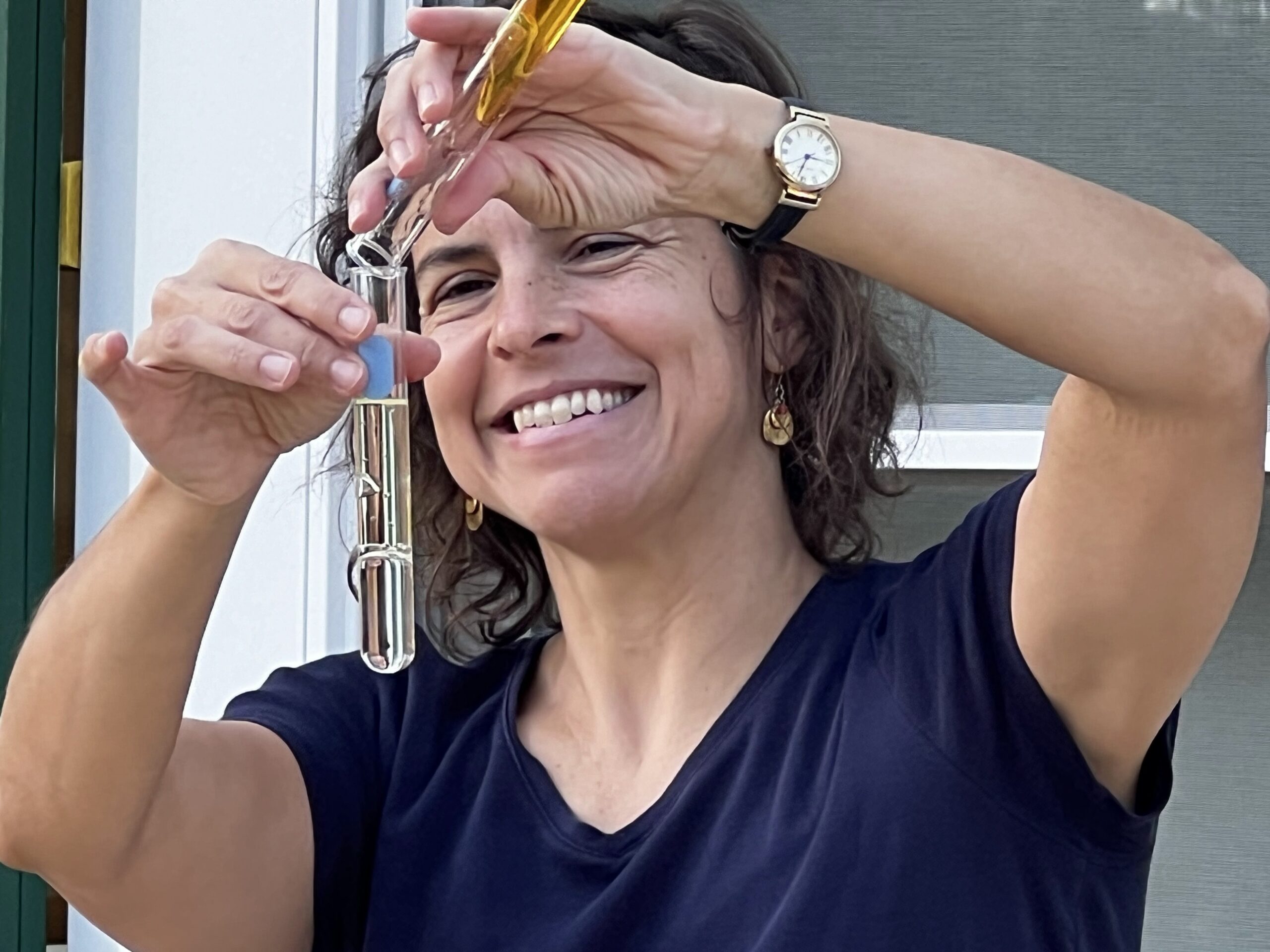
Real-world learning gives students context for what they’re studying, making subjects more relevant and engaging. This process not only builds practical skills but also reinforces the importance of community, cooperation, and responsibility. Montessori children often collaborate on group projects, sharing ideas, making joint decisions, and learning to appreciate diverse perspectives—all essential parts of working in any community.

Building Independence with Guidance

Although Montessori classrooms encourage autonomy, Guides still play a crucial role in guiding students. They observe each child’s interests and progress, offering support and gentle redirection when necessary. This approach allows children to feel empowered while knowing there’s always a trusted adult available to help them navigate challenges.

Through this support, students learn to ask for help when needed and develop the confidence to solve problems independently. By middle elementary grades, Montessori students are well on their way to mastering not only academic skills but also independence, agency, and resilience.

The Montessori Difference

In a Montessori elementary classroom, children experience a unique blend of freedom and structure, one that fosters independence, builds executive functioning skills, and connects learning to the real world. By empowering students to become active participants in their own education, we lay the foundation for capable, curious, and compassionate individuals who are ready to navigate the world with confidence.

Our goal is to support each student on their journey to becoming a self-directed, engaged, and responsible learner—and we see the impact of this every day. Montessori truly prepares children for life.