Earth Day Celebrations at Greenspring

Earth Day Celebrations at Greenspring

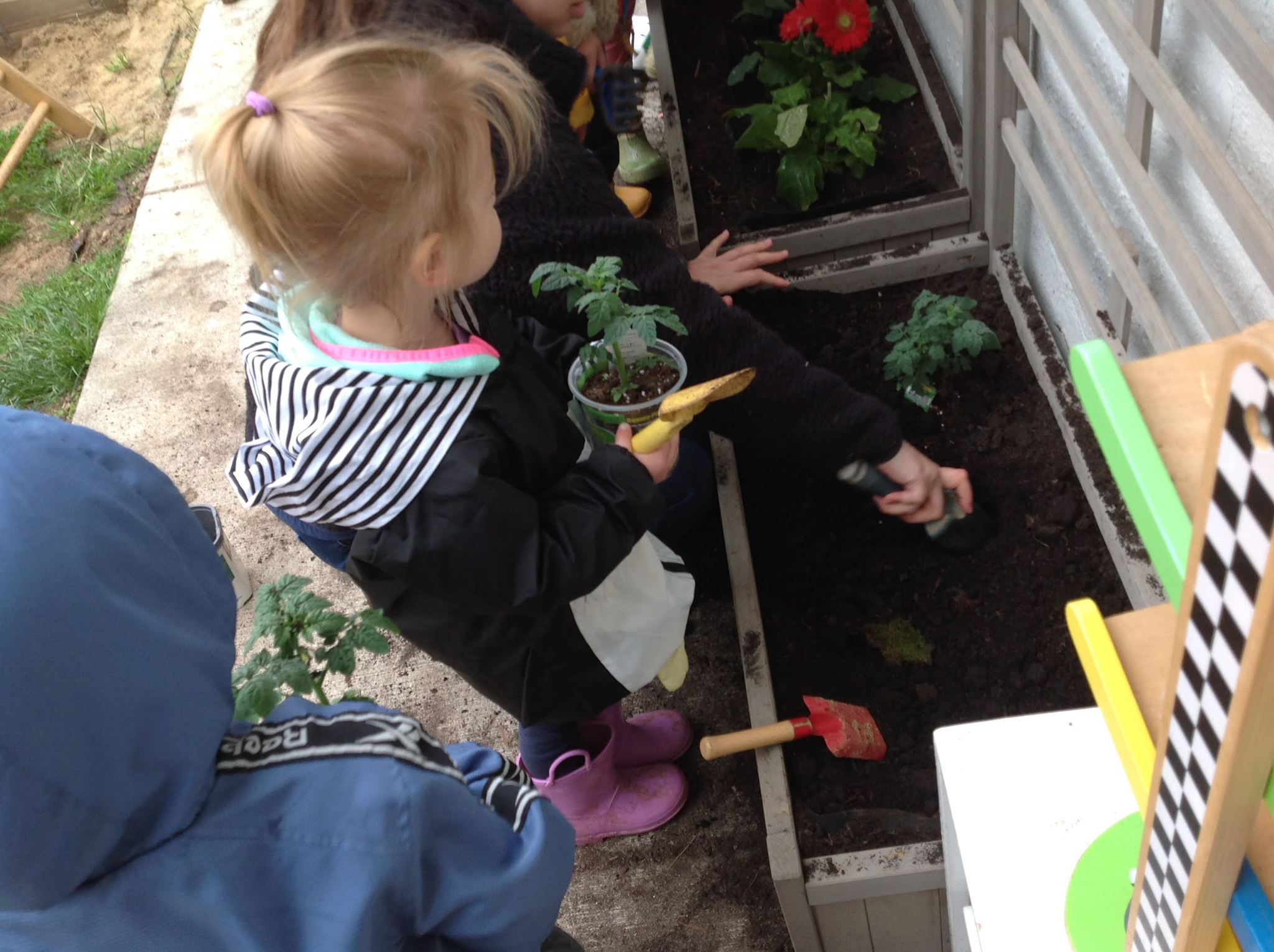
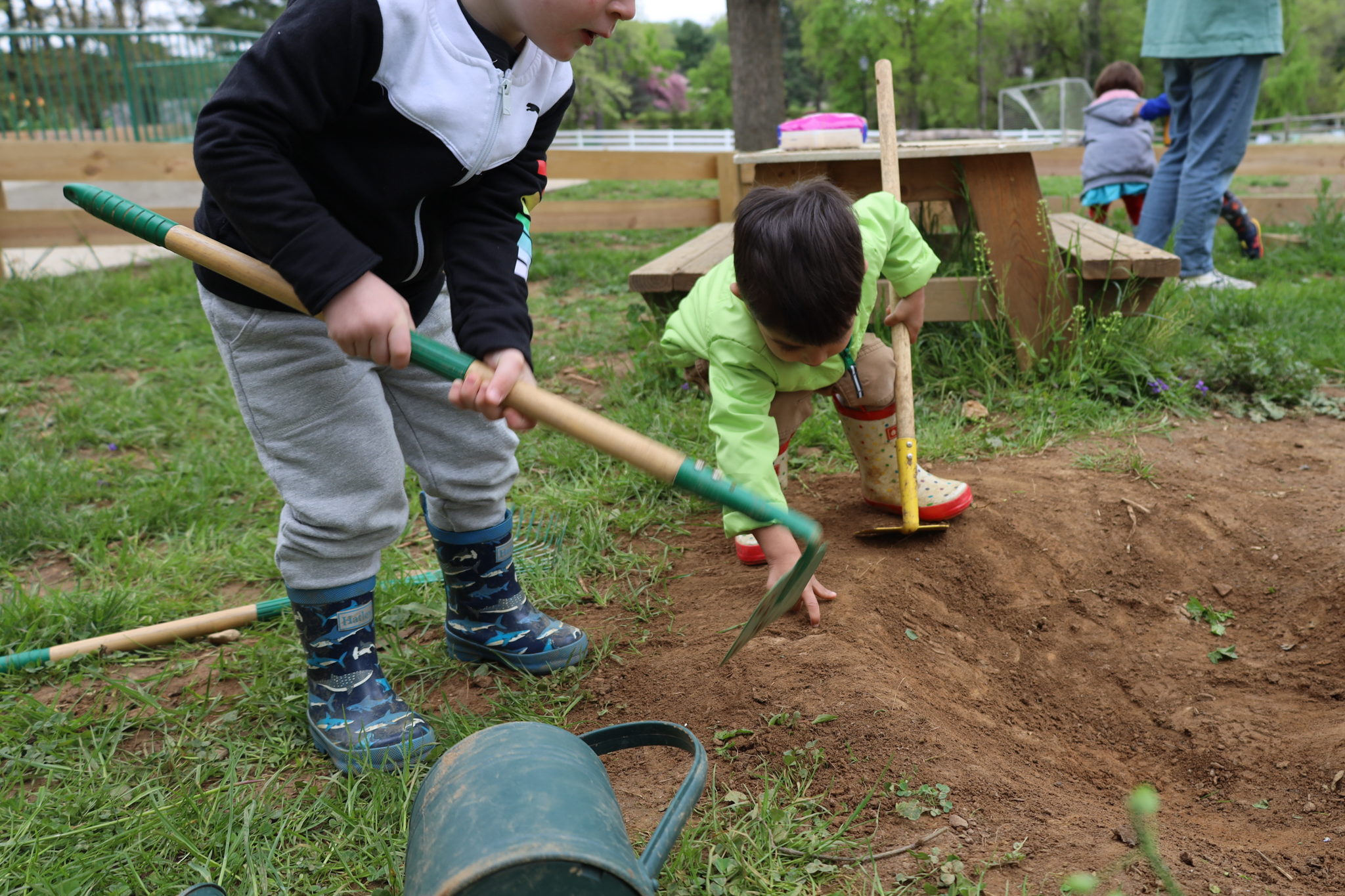
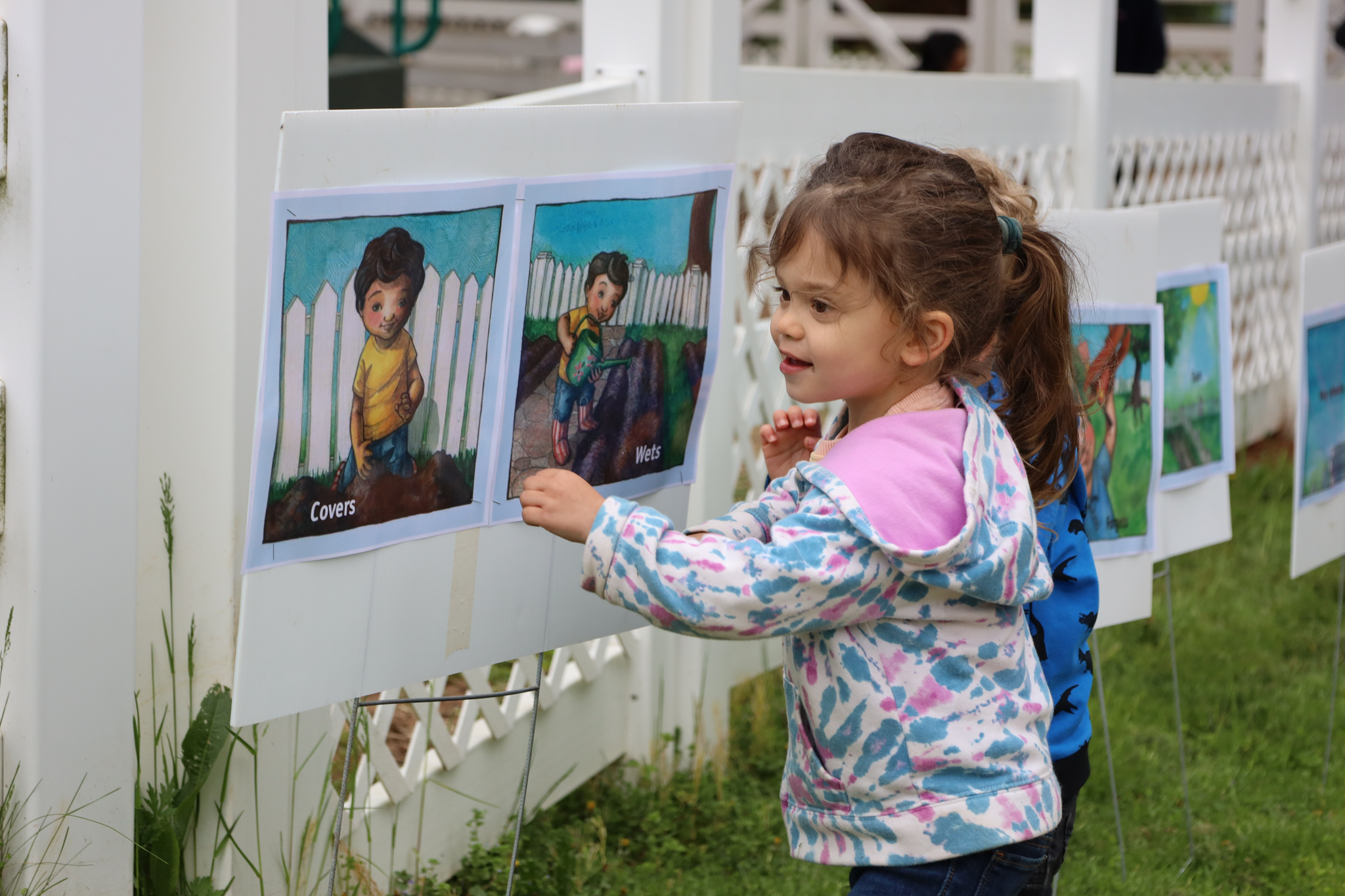
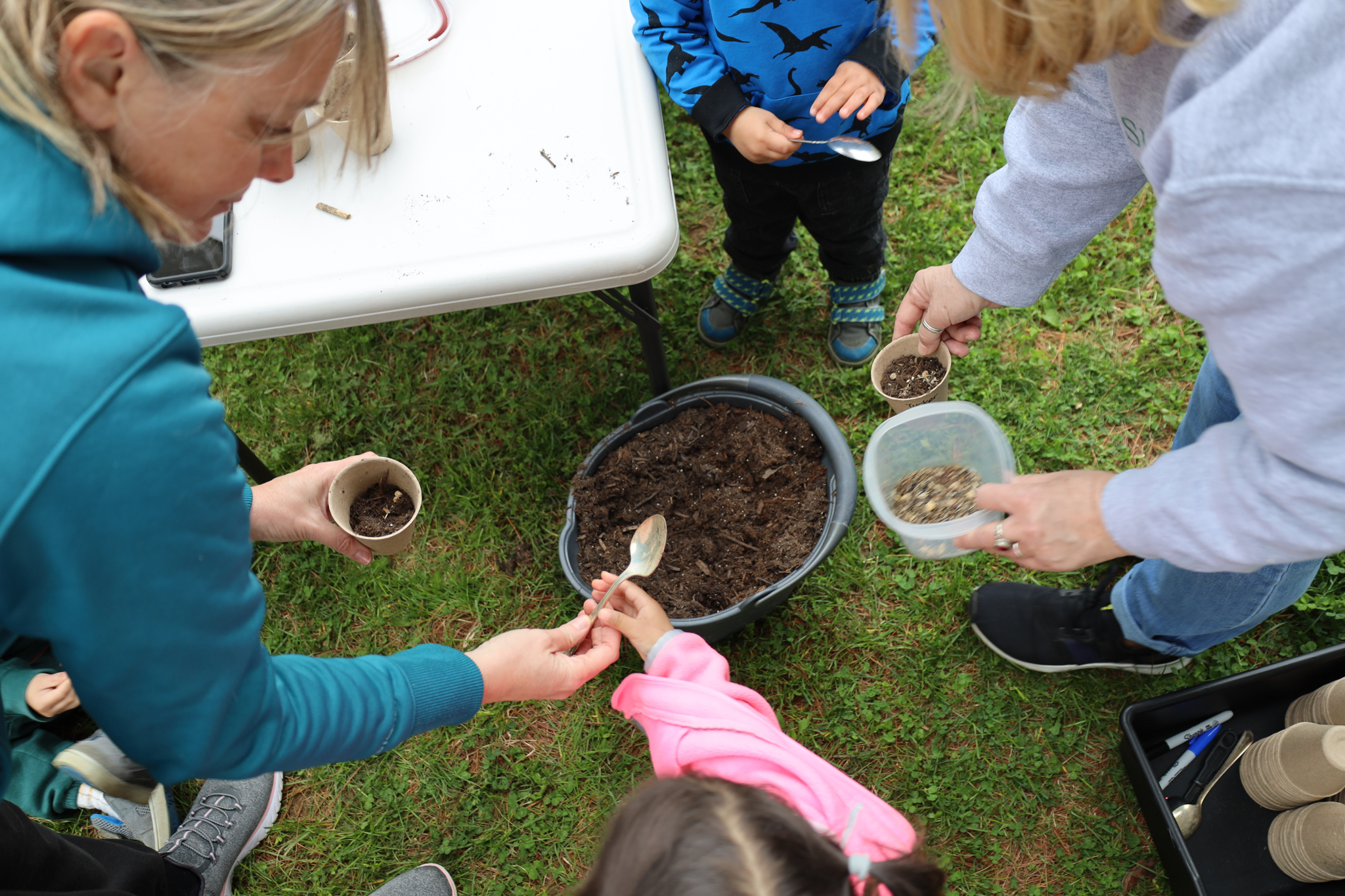
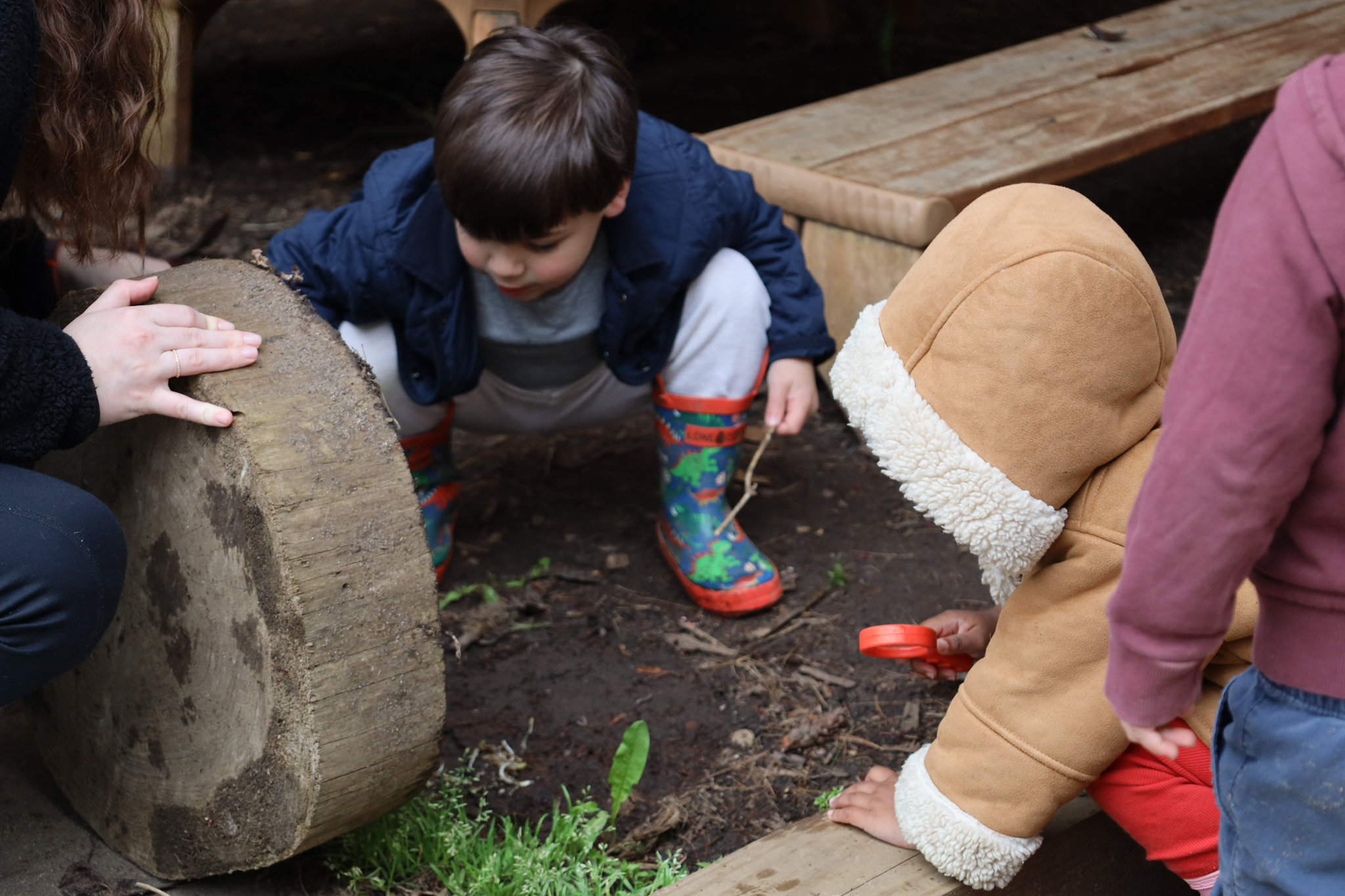
As part of our Allegiance to Nature at Greenspring Montessori School, our faculty and staff organized a special Earth Day event for our children and families. Our Toddler, Children’s House, Elementary, and Adolescent classes took on various projects around our campus including planting stations, nature-based story walks, and nature scavenger hunts. Many classes also worked to restore natural spaces on campus and make improvements to their outdoor environments. In addition, there are many beautiful books on display in the library on Earth Day, Spring, Gardening, and more! 

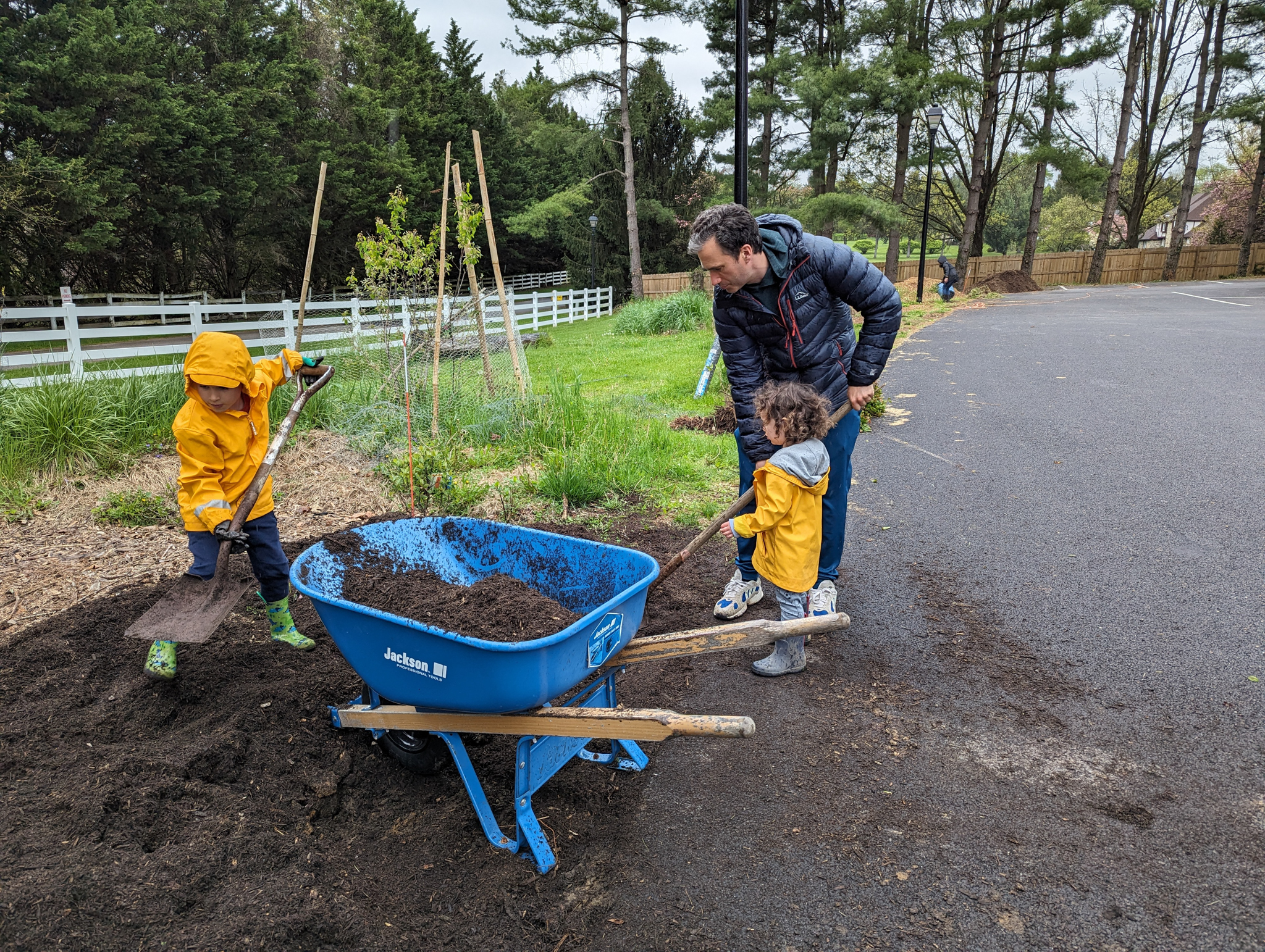
After school it began to rain, but many families still joined in to help spruce up the campus grounds. We would like to extend a special thanks to all of our families who volunteered to help make this event a success! If you would like to support any of our current outdoor projects by volunteering or donating supplies, please reach out to us here

It was beautiful to see everyone coming together for this purposeful community event! Take a look below to see photos and more details about the projects at each level.

Toddlers

Our Toddlers visited the planting station in the morning to prepare small seedlings to bring home. They also worked together to spruce up their outdoor environments and plant zinnias in the garden bed outside of Monocacy House.

Children’s House

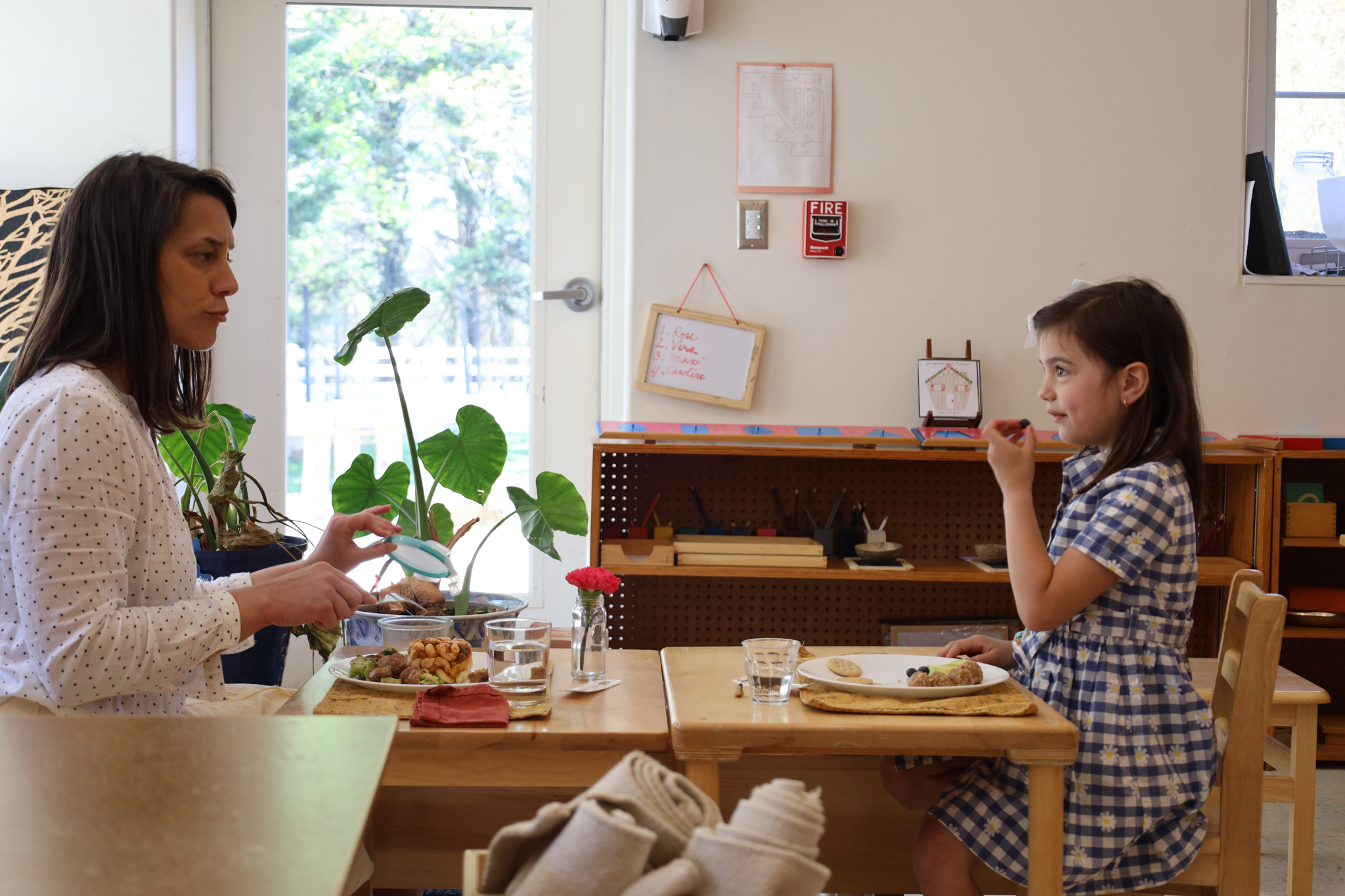
In preparation for Earth Day, our Children’s House classrooms hosted a week of waste-free lunches. The Children’s House Guides read stories about how waste impacts the environment and what we can do to help. The students then took a closer look at the waste the classes generated during a typical lunch. Together they talked about how waste impacts people, animals, and our environment. In addition to their waste-free lunch efforts, the children also weighed their compost collectively to see how they are helping to remove waste from landfills just by the small step we each take when we compost our food scraps.

Our Children’s House team was inspired to take on this initiative after learning more about the Roots & Shoots Program by Jane Goodall. To learn more about our Children’s House Roots & Shoots lessons, please click here.
“People are so overwhelmed by the magnitude of our folly that they feel helpless. They sink into apathy and despair, lose hope, and so do nothing. We must find ways to help people understand that each one of us has a role to play, no matter how small. Every day we make some impact on the planet.  And the cumulative effect of millions of small ethical actions will truly make a difference.”

– Jane Goodall, The Book of Hope

Elementary & Adolescents

Our Elementary children sowed vegetable and flower seeds in their outdoor gardens.They are also preparing to extend their garden area in order to grow wine plants including gourds, pumpkins, squash, and watermelon.

Our Adolescents tended to the rain garden they designed and planted on campus last spring, mending the deer fencing, wedding, and adding new plants.

Families

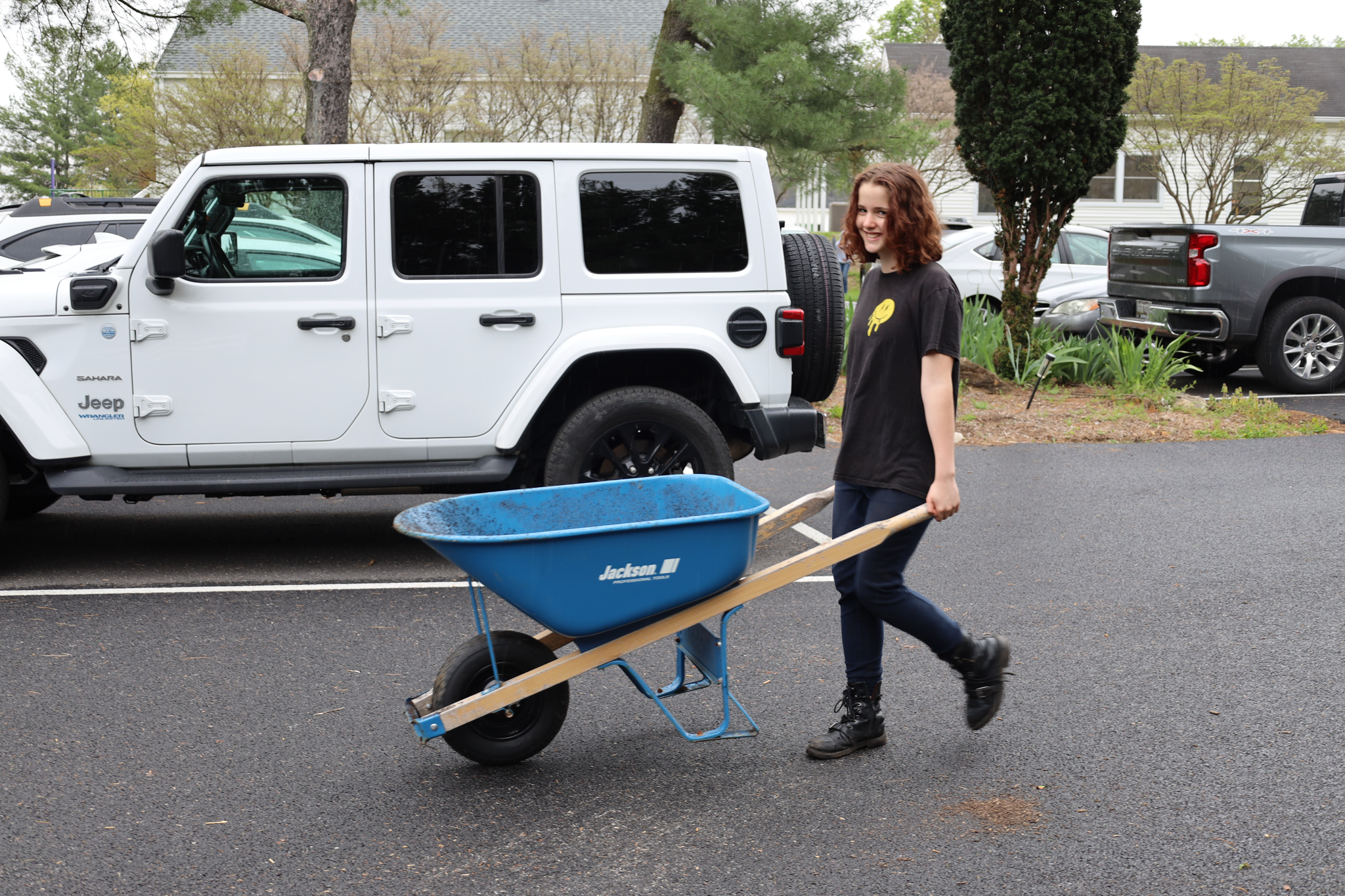
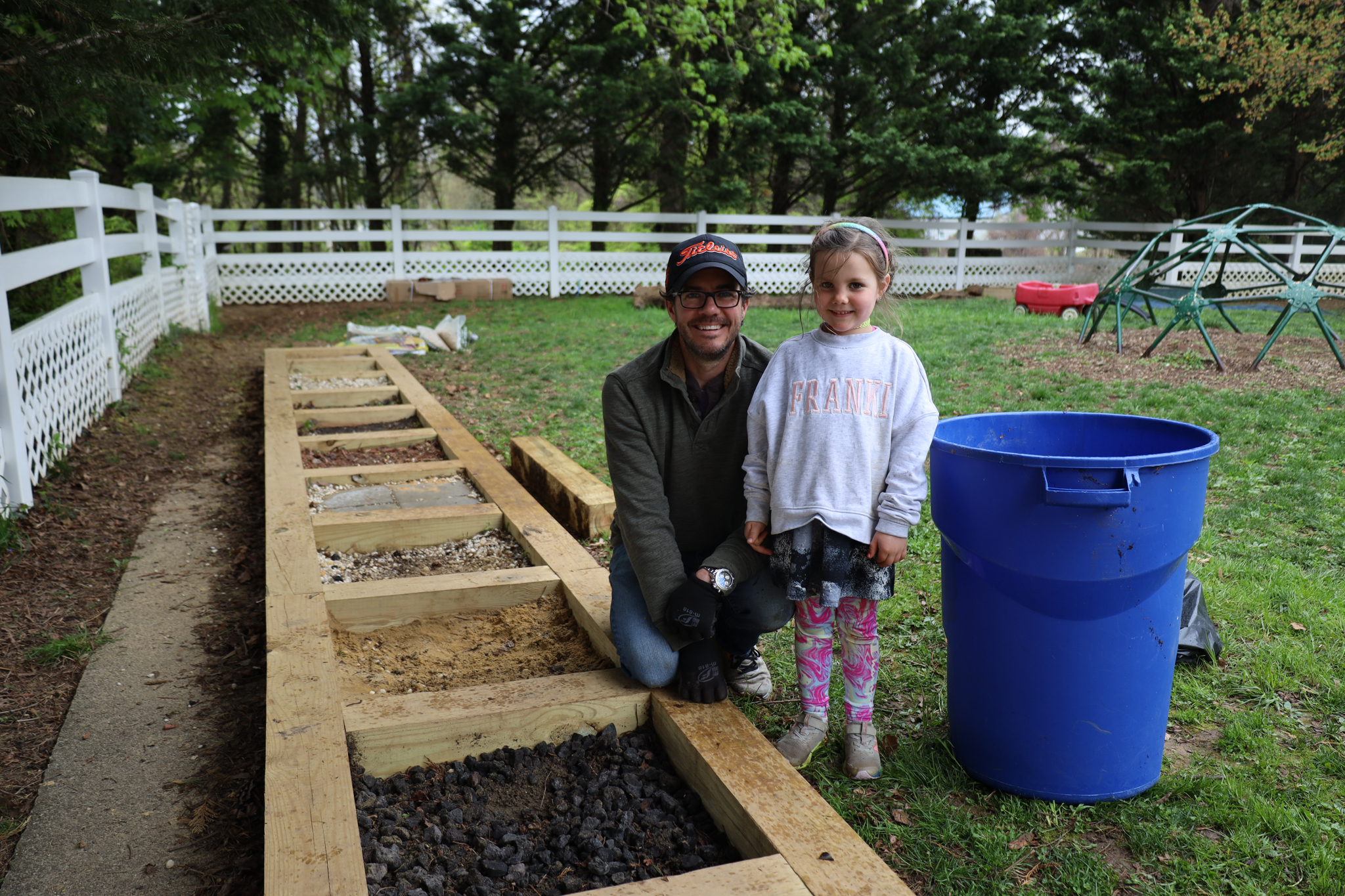
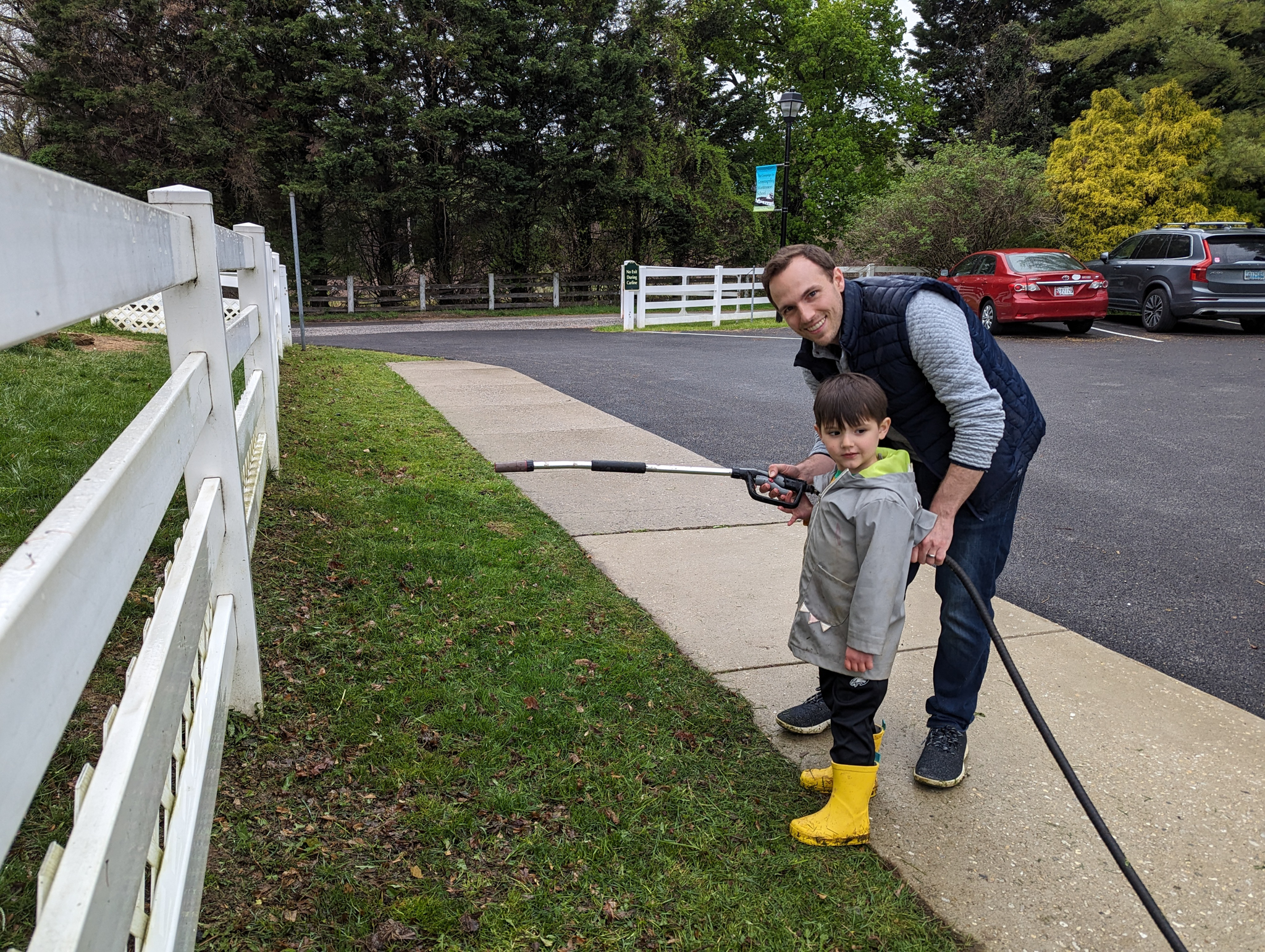
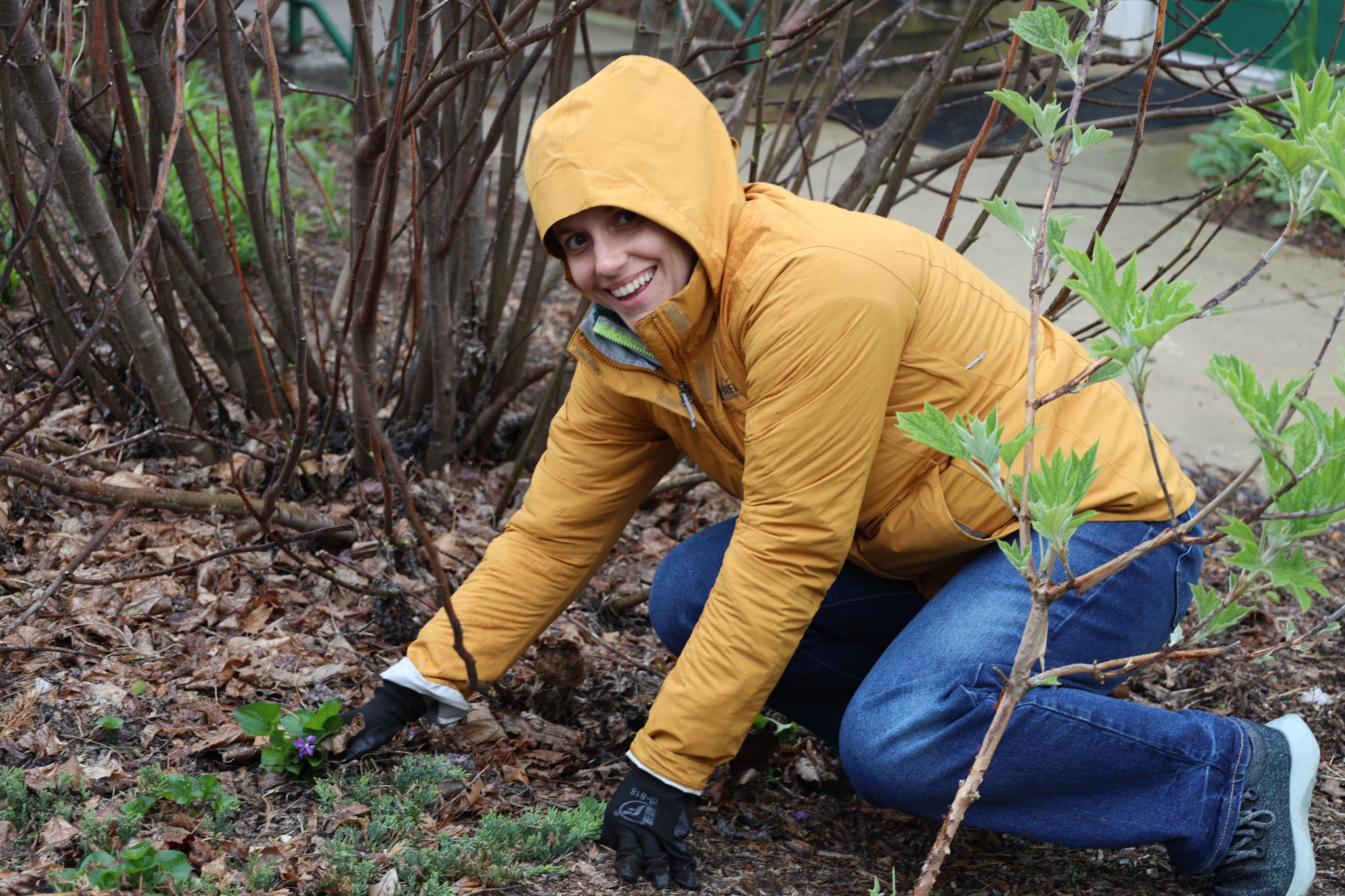
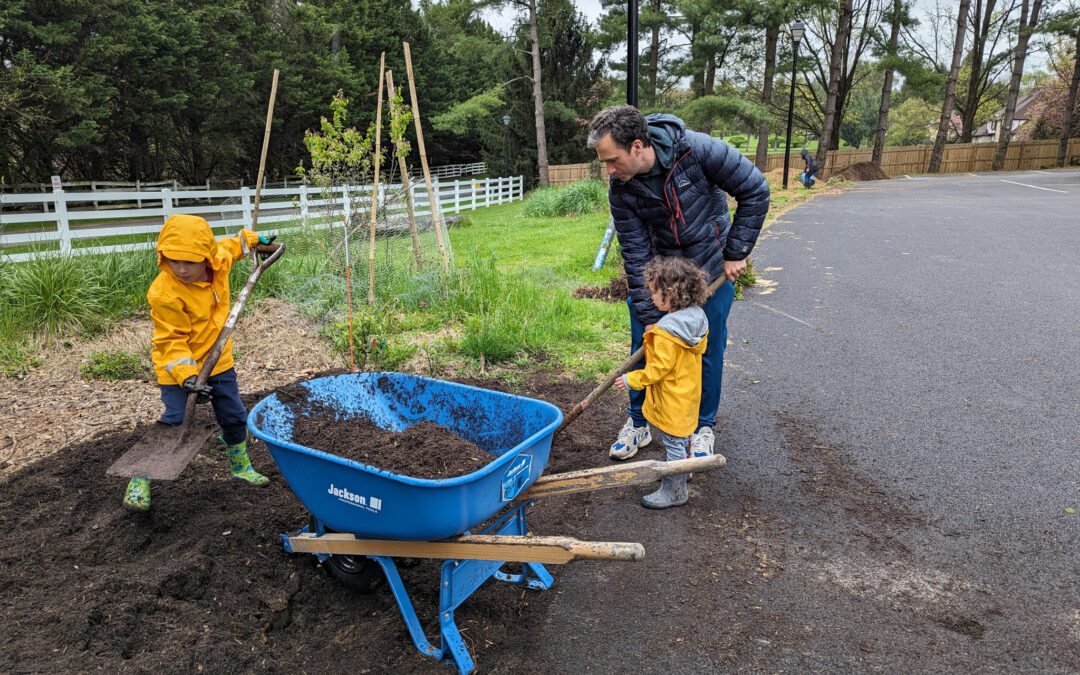
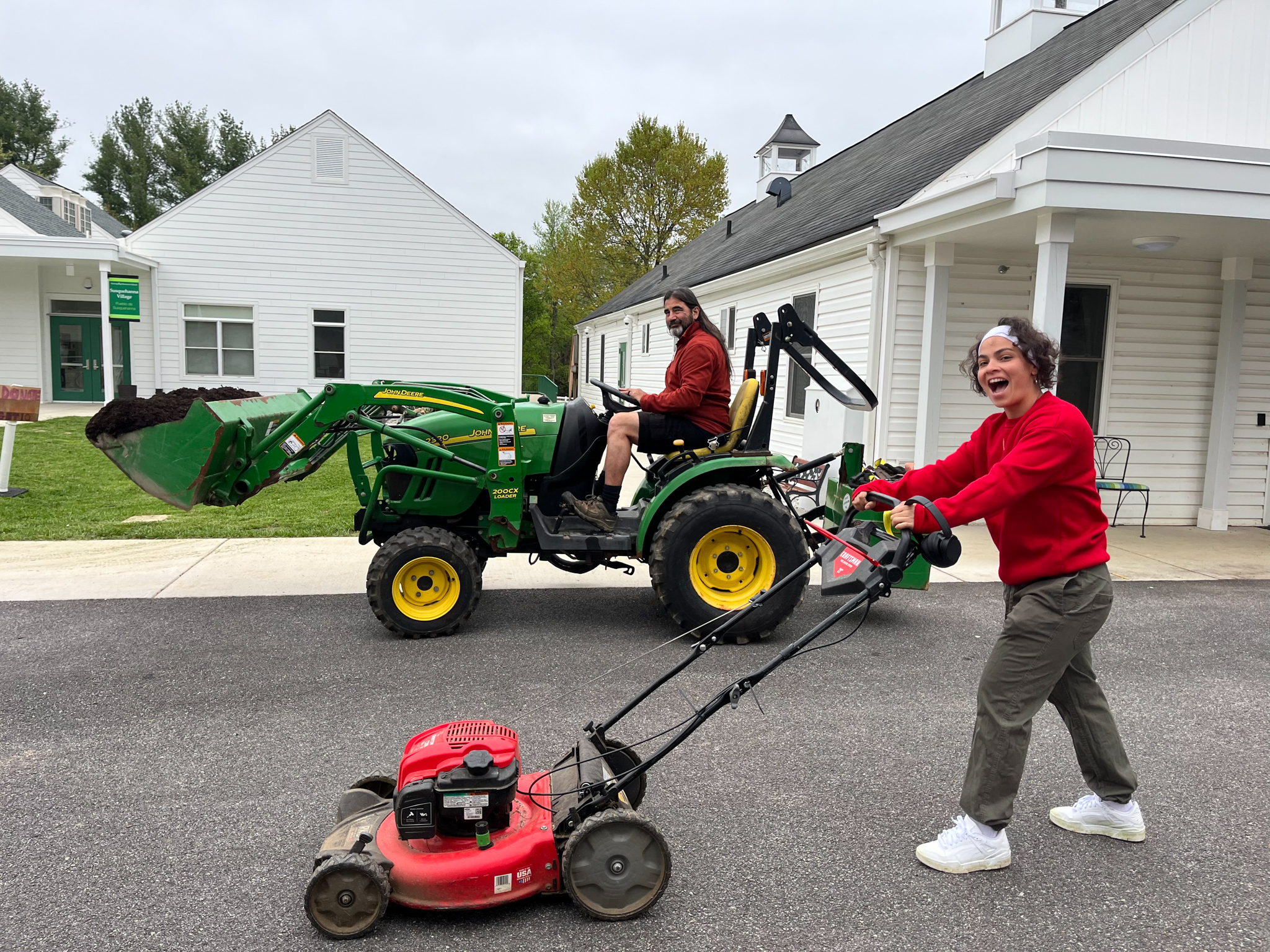
We also celebrated Earth Day with our families at our Spring Grounds Day. 37 volunteers came out to give back to our school by helping to beautify and maintain the Greenspring campus. Parents, grandparents, and children helped with everything from weeding and planting to window washing and fence staining. Thank you to everyone who came out to join us!

Thank you for your support as we celebrate Earth Day and help inspire the future generation of stewards for our planet. 

“Hope is contagious Your actions inspire others.”

– Jane Goodall
Adolescents Travel to Merida, Mexico for Spanish Language Capstone Trip

Adolescents Travel to Merida, Mexico for Spanish Language Capstone Trip

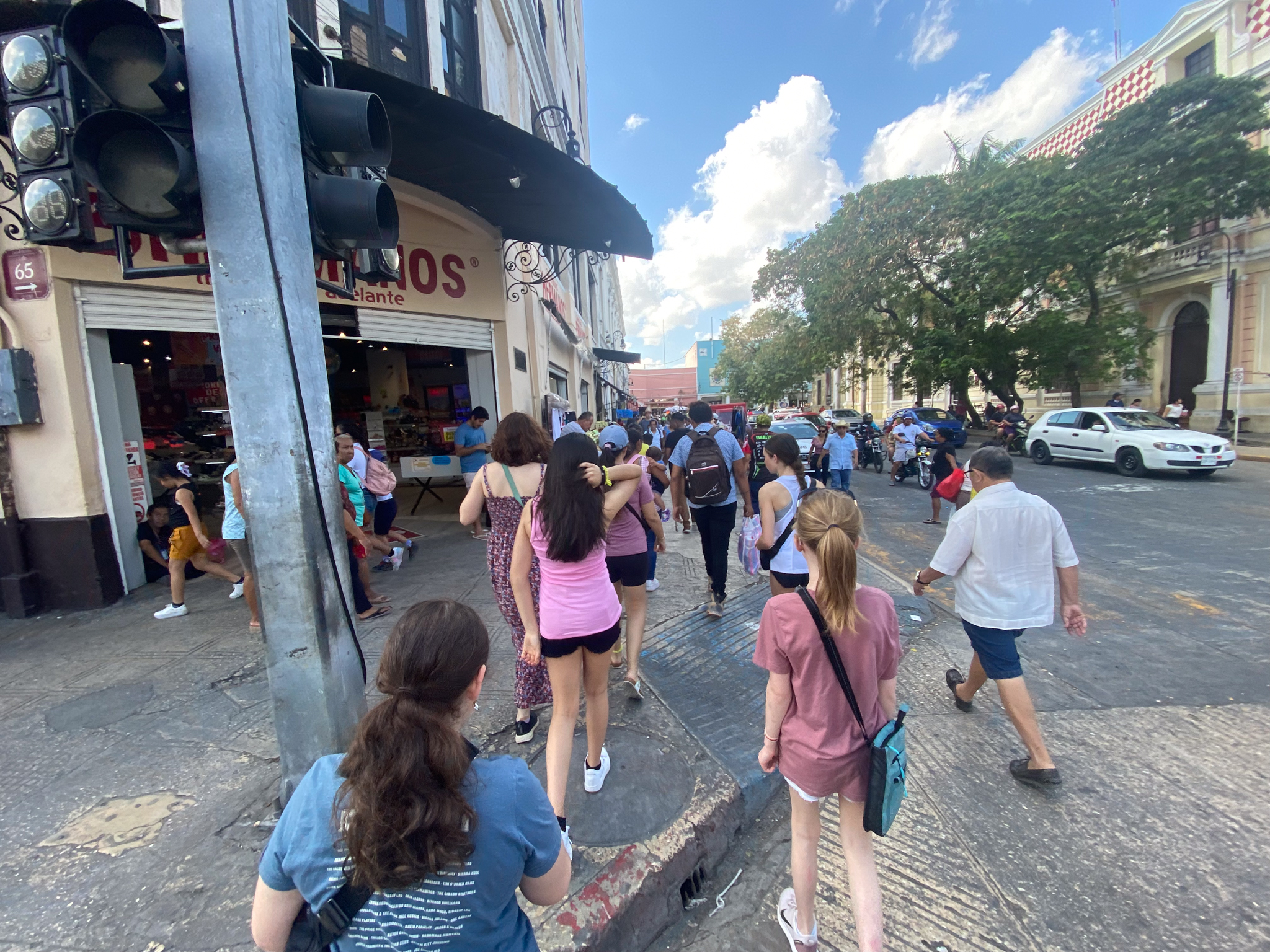
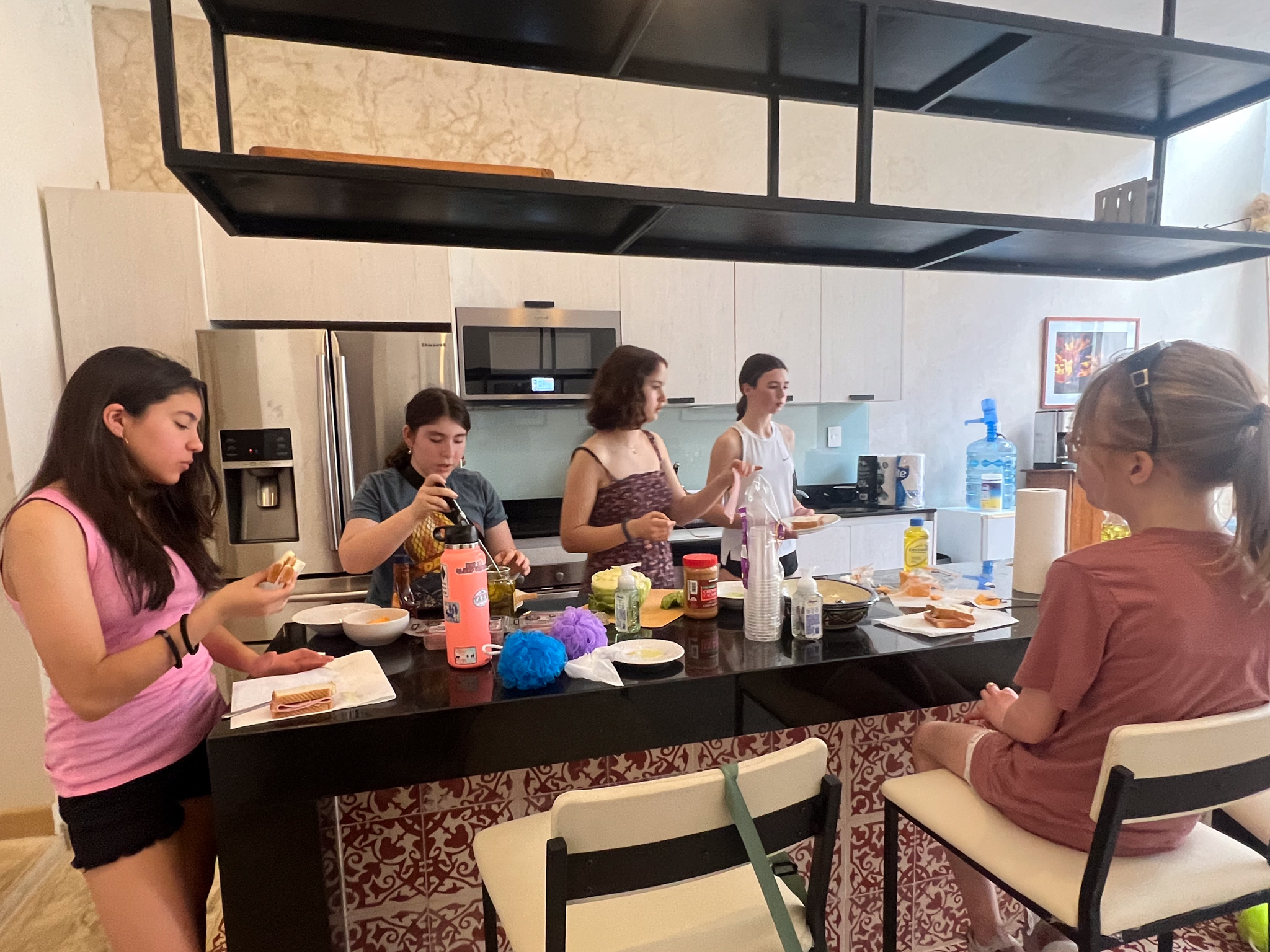
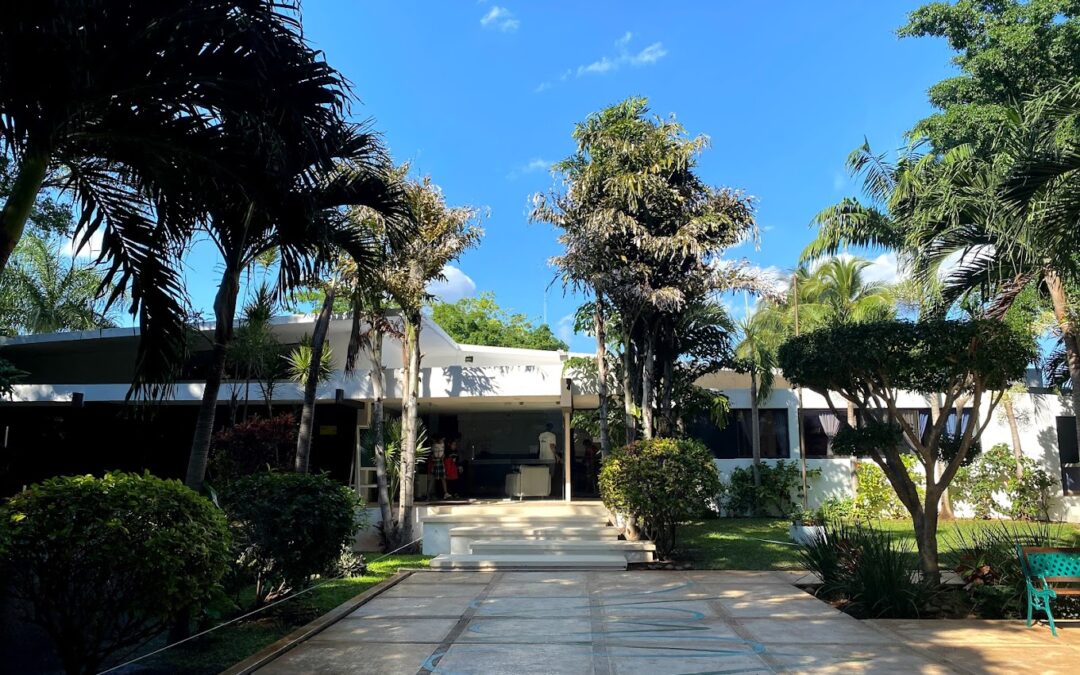
In March, our Adolescent students ventured to Mérida in the Yucatán region of Mexico for a seven day Spanish immersion trip. The goal of the capstone trip was for our Adolescents to connect with our sister school – Lancaster Montessori – while having a cultural immersion experience. Throughout the week, the adolescents were responsible for purchasing groceries and preparing meals together and they enjoyed many team-building activities and cultural experiences. Some of the highlights of the trip included:

Local Foods and Culture

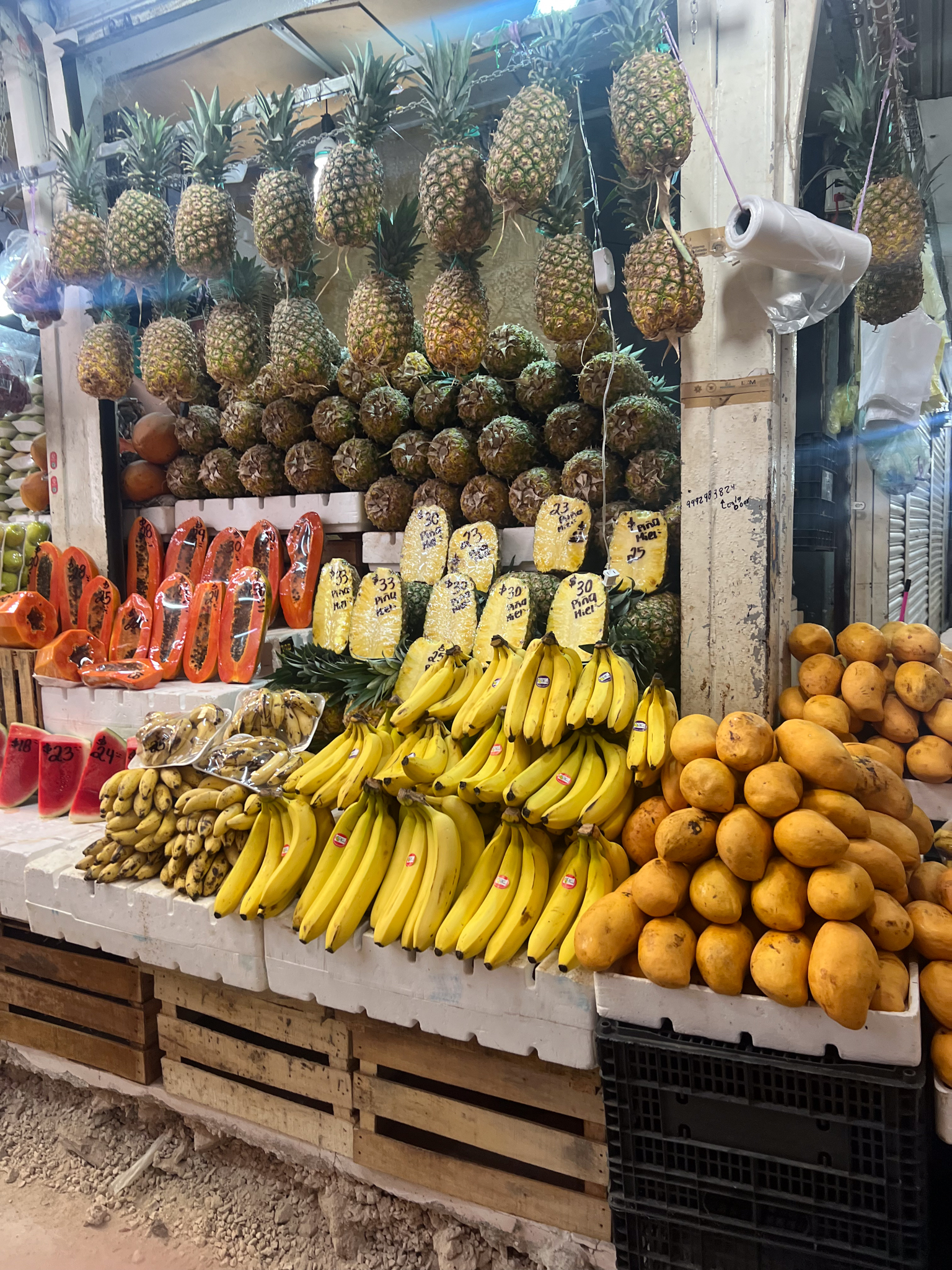
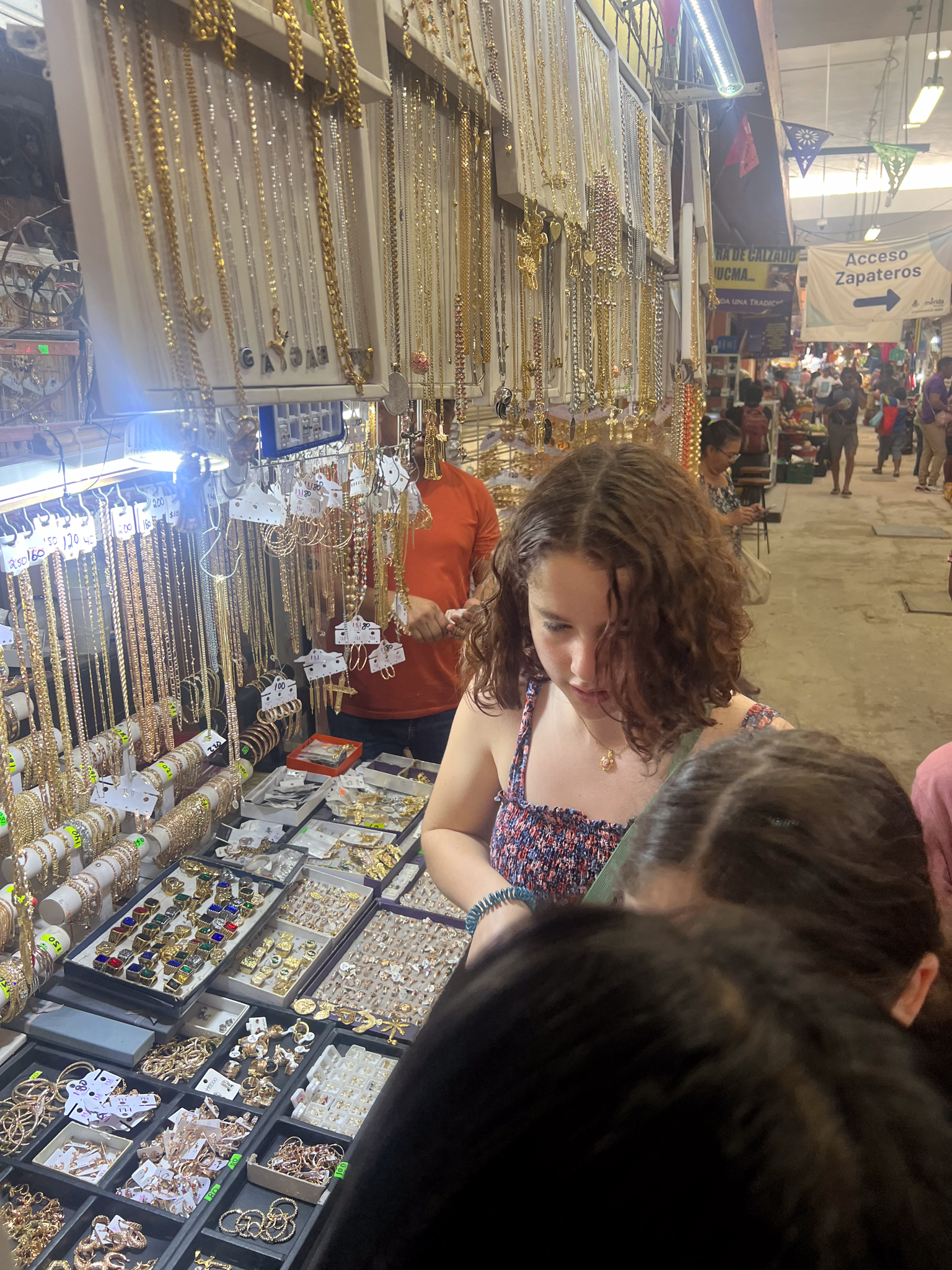
We had the chance to visit the local market in the heart of downtown Mérida for an opportunity to explore the city with all of our senses. We saw how vendors make fresh tortillas and the many different local fruits that Yucatán has to offer. During the week, the students tried marquesitas, a typical sweet treat from Yucatan that they loved. We also visited Dulceria y Sorbeteria Colon, an ice cream shop that has been open since 1907, where some of the students tried the mamey ice cream, made from a local fruit. They also enjoyed sampling fresh local mangoes and authentic Mexican tacos.

The Natural Environment

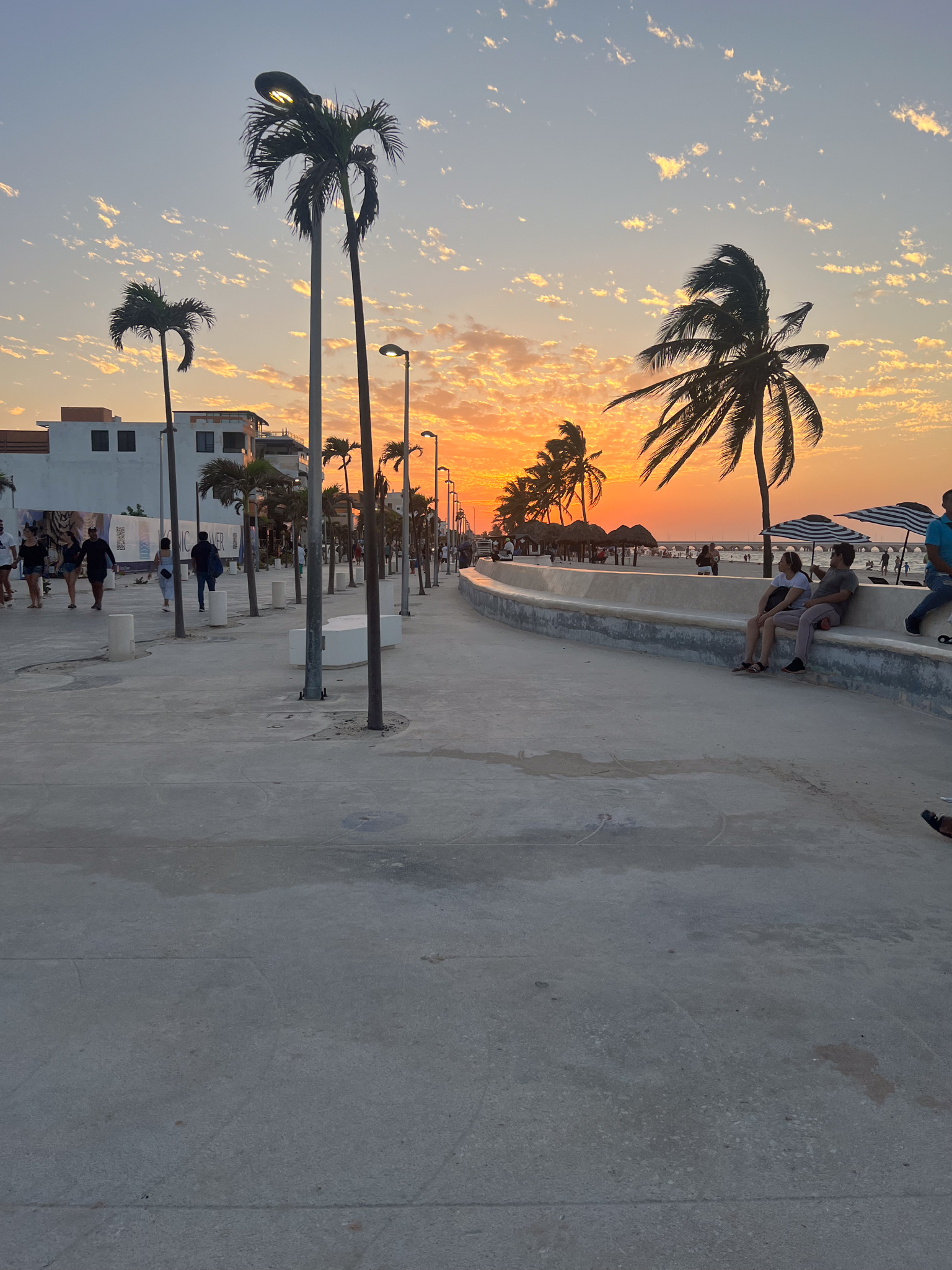
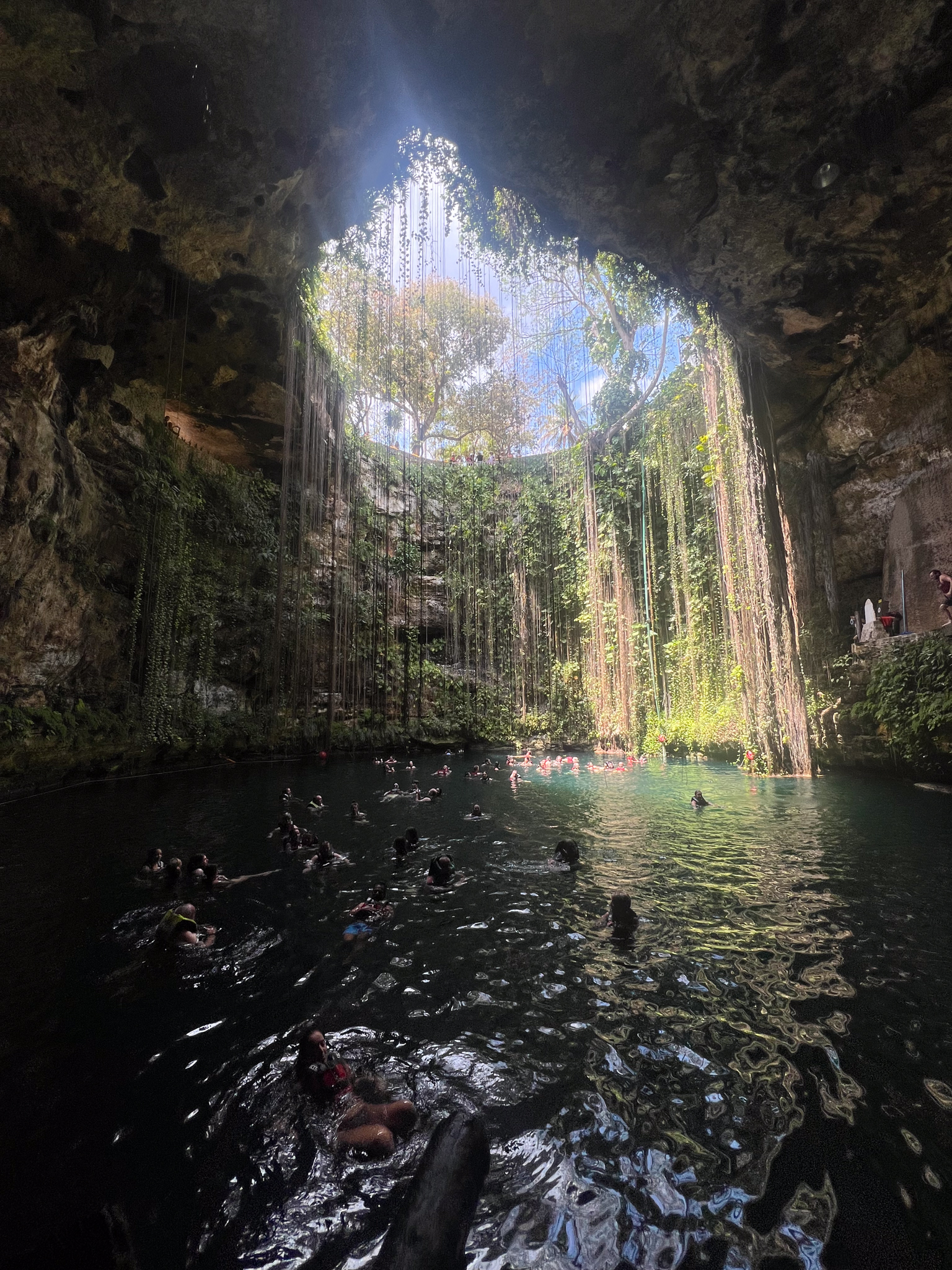
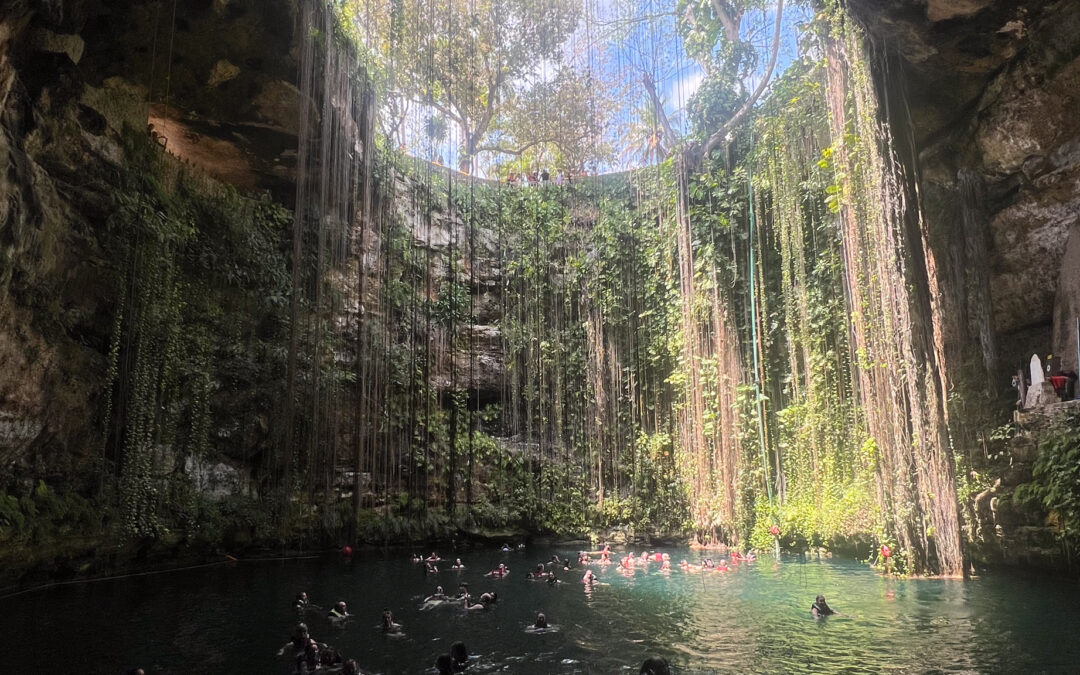
The adolescents visited Progreso Beach where they walked around the malecon (boardwalk) and they saw the longest pier in the world – it’s 26,309 ft long! They also visited several cenotes throughout the trip including cenote Ik Kil, one of the most beautiful cenotes in Yucatán. Some of the students were feeling adventurous and jumped 14ft high in the cenote!

Exploring the City

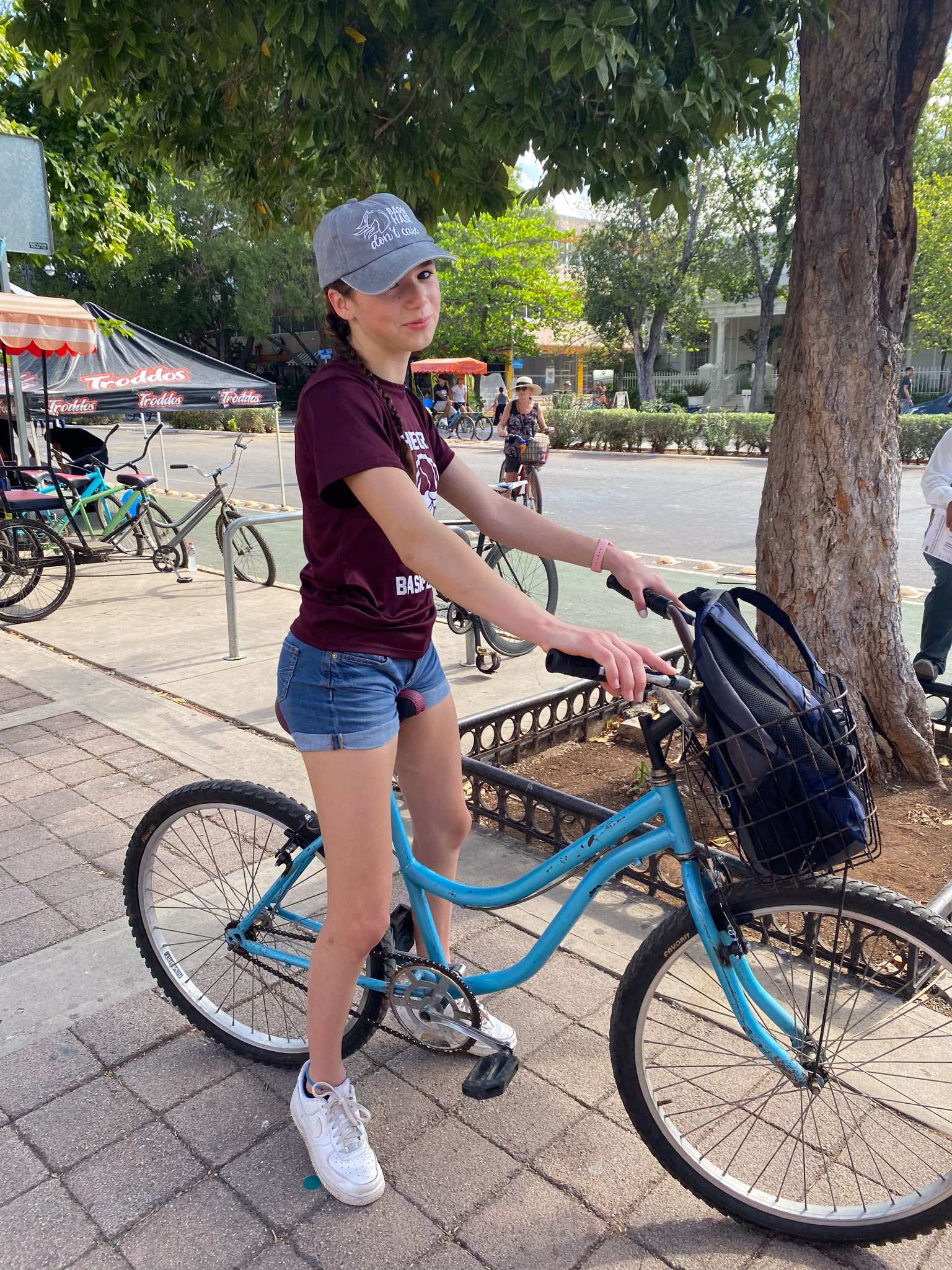
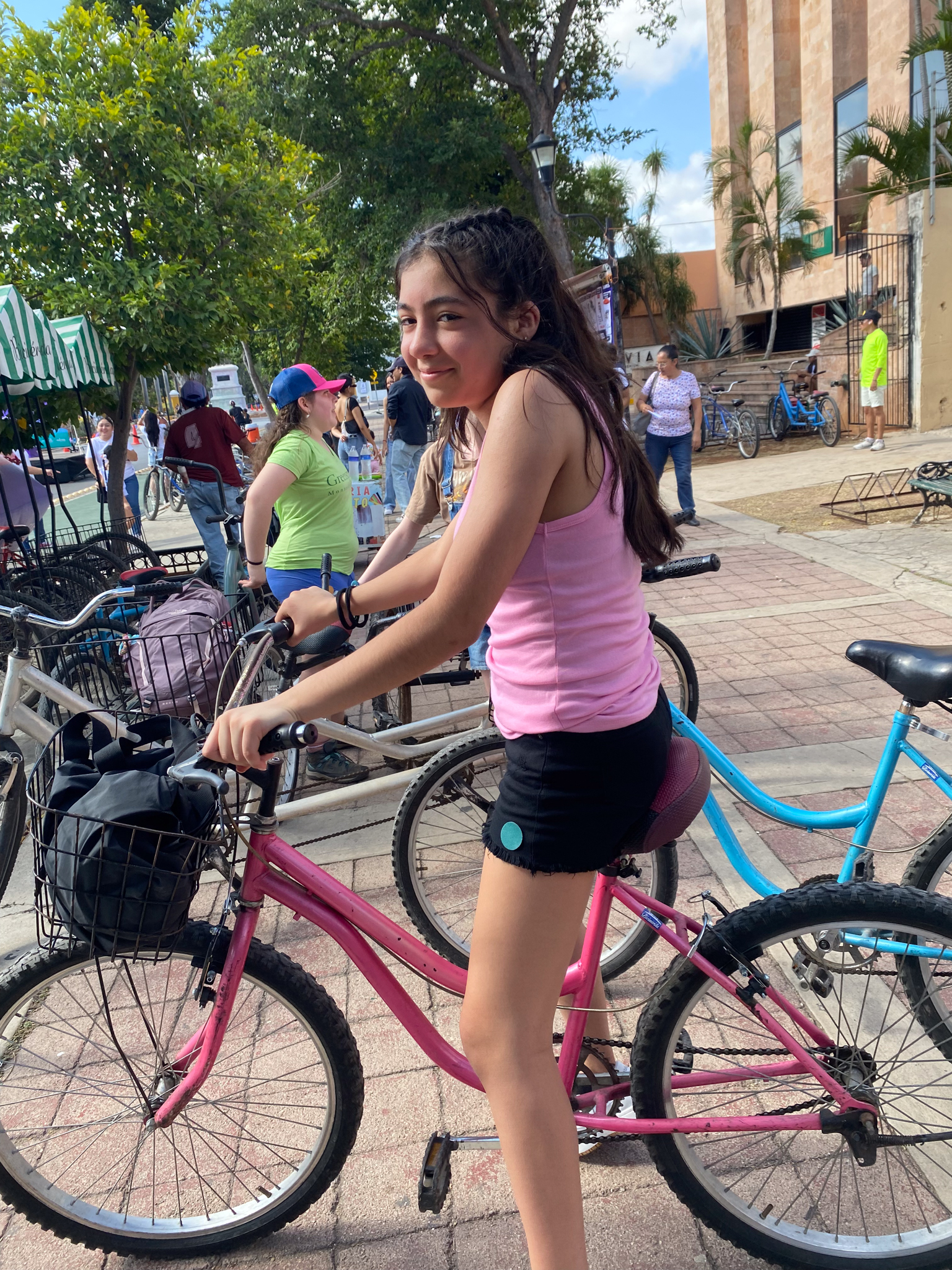
The students rented bicycles and ventured down Paseo de Montejo – the main avenue. It was so beautiful to get to know the city while biking!

History

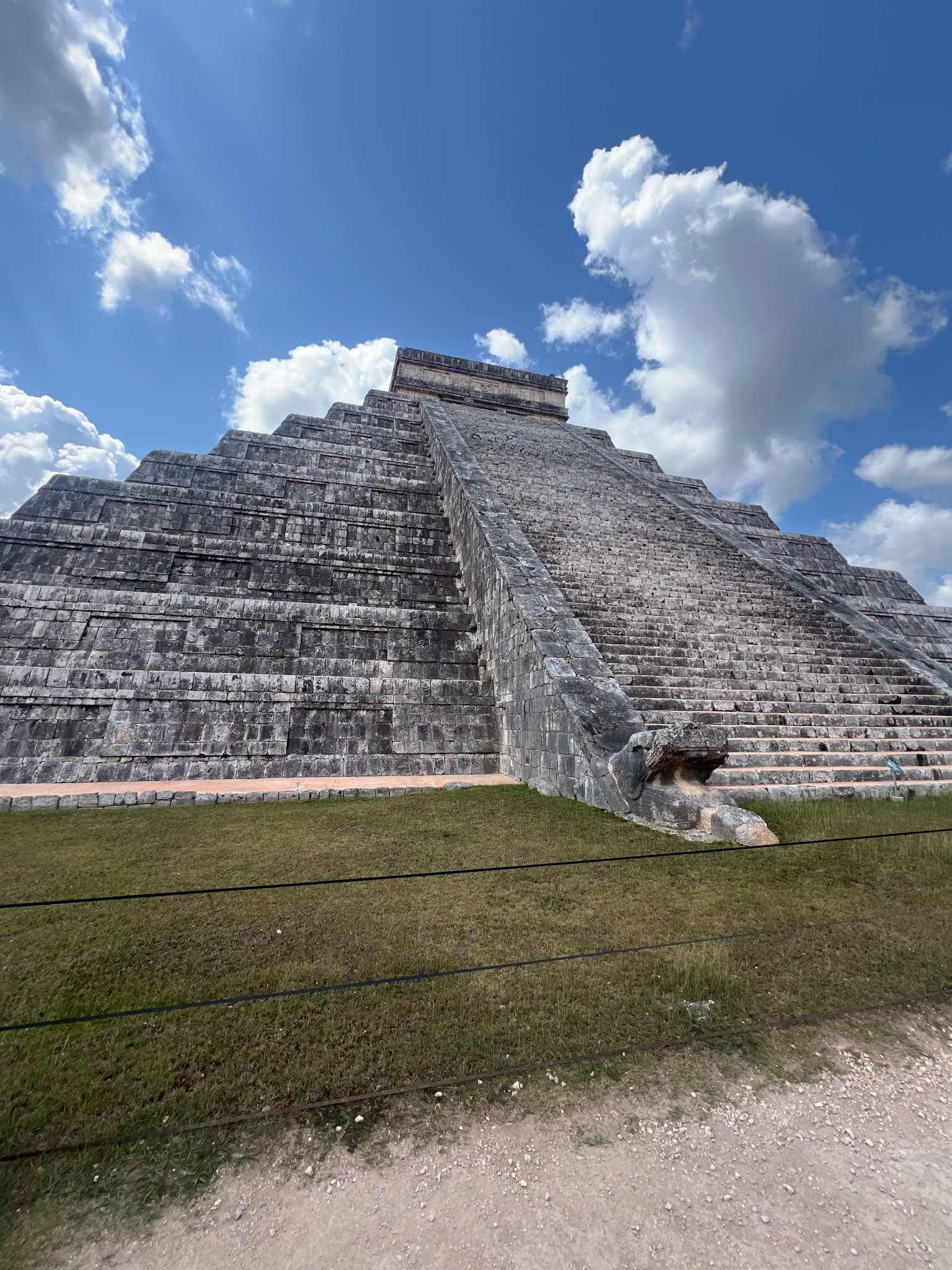
We visited Chichen Itza, deemed one of the new seven wonders of the world. In the Mayan language, Chichen Itza means, “At the brim of the well where the Wise Men of the Water Live”. While there, we saw El Castillo – the most astonishing Mayan Ruin. I got to be their private guide and students got souvenirs for family members. 
We also went to Dondé Cookie Factory for a tour and to learn more about how it started in 1905. The students got to go inside the factory and see the full process of how to make the different cookies. We had a wonderful time getting to see how cookies were made and we all left with many treats.

Visiting Lancaster Montessori School

The Adolescents were eager to meet their peers from our Sister School in Mérida at Lancaster Montessori. The Lancaster students greeted us right from the door and made sure our students were feeling comfortable. Some of the students took private English lessons to prepare for our visit, a lot of students spoke conversational English and had the chance to connect with us. The adolescents worked to immerse themselves in conversation, moving back and forth between both Spanish and English.  We all cooked chilaquiles together to get to know one another.

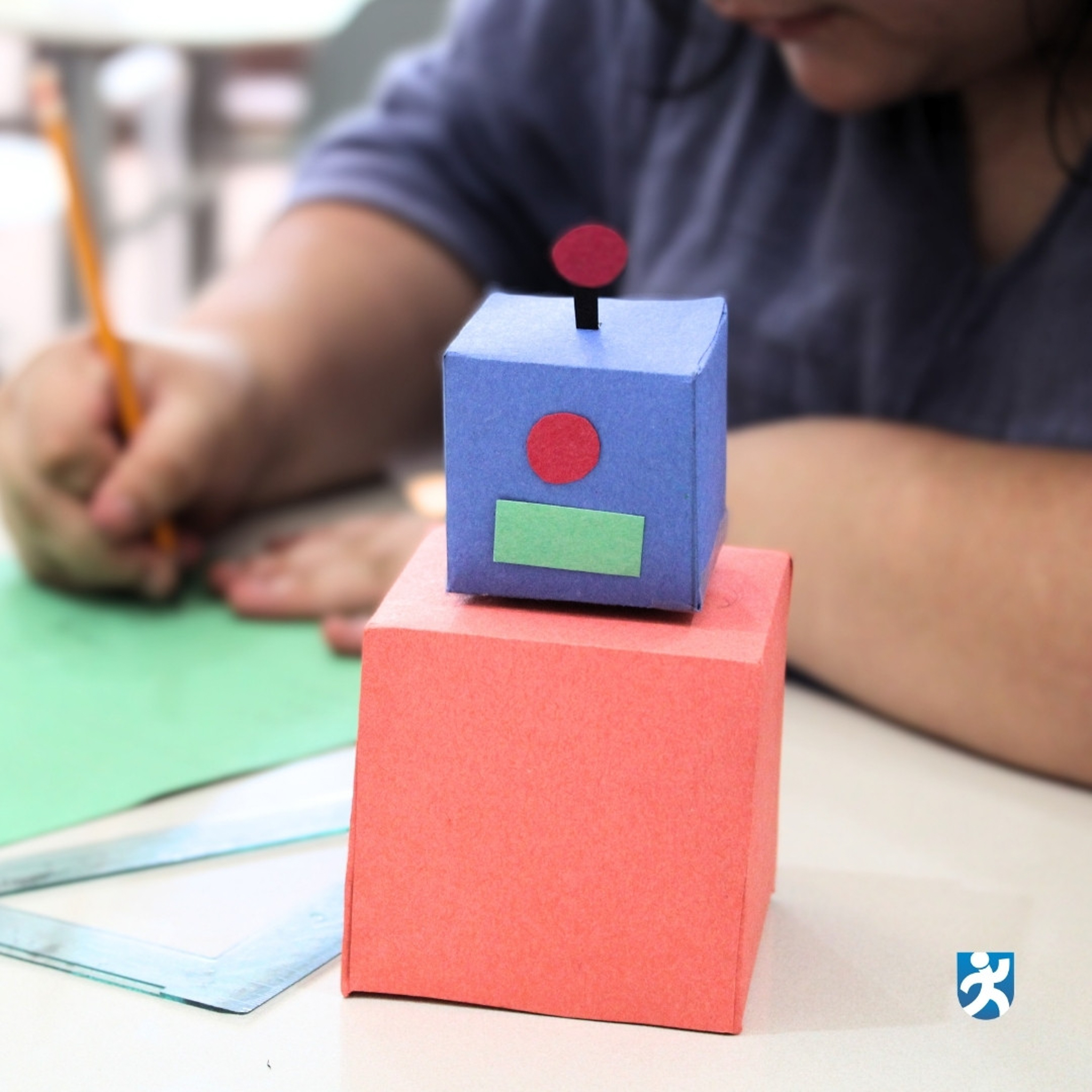
After cooking, the students joined together for a creative math lesson. They were tasked with making a robot that had specific measurements, a name, and a purpose in life. They had very creative ideas! At the end of the day, they presented their robots and their goals to the whole Adolescent Community at Lancaster Montessori. 

The trip to Merida was a very wonderful experience – the bond that our adolescents have is extremely special and it was so wonderful to see how they were supporting each other in every step of the trip.

School Partnership with Montessori Lancaster in Mérida, Yucatán

School Partnership with Montessori Lancaster in Mérida, Yucatán

We are happy to announce an exciting new partnership with Montessori Lancaster in Mérida, Yucatán in Mexico. We have been diligently working for two years to identify and partner with an established Montessori school in Latin America to provide children and adolescents at both schools an opportunity to connect with peers across cultures.

As part of our capstone experience, our Adolescent students will be traveling to Mérida this spring to meet students at our sister school for the first time. Throughout the school year, our Adolescents have been diving into a deeper understanding of the Spanish language and cultures in Latin America. 

Our Sister School Committee is led by Sra. Ale Equivel Castillo, our Dual Language Guide, and comprised of staff members committed to establishing a global partnership where our children and adolescents can establish lasting relationships across cultures. We thank all members of our Committee including Natalia Torres (Toddler Dual Langauge Assistant), Fernanda White (Lower Elementary Dual Langauge Assistant), Sylvia Glassco (Dual Language Director and Director of the Adolescent Program), and GiGi Gould (Advancement Assistant). 

Ale has worked to establish a partnership with Lancaster Montessori in her own hometown of Mérida. She visited the school during a recent trip to Yucatán and I felt in love with the staff and the school. Lancaster has a large Adolescent Program and we are looking forward to visiting their class in the spring for a seven day trip. Our students will have an opportunity to get to know the Adolescents at Lancaster. They will also be visiting Chichén Itzá, an ancient Mayan city named one of the new seven wonders of the world, and venturing into the local community for several cultural experiences!

Fall Adolescent Odyssey to East Hill Farm

Fall Adolescent Odyssey to East Hill Farm

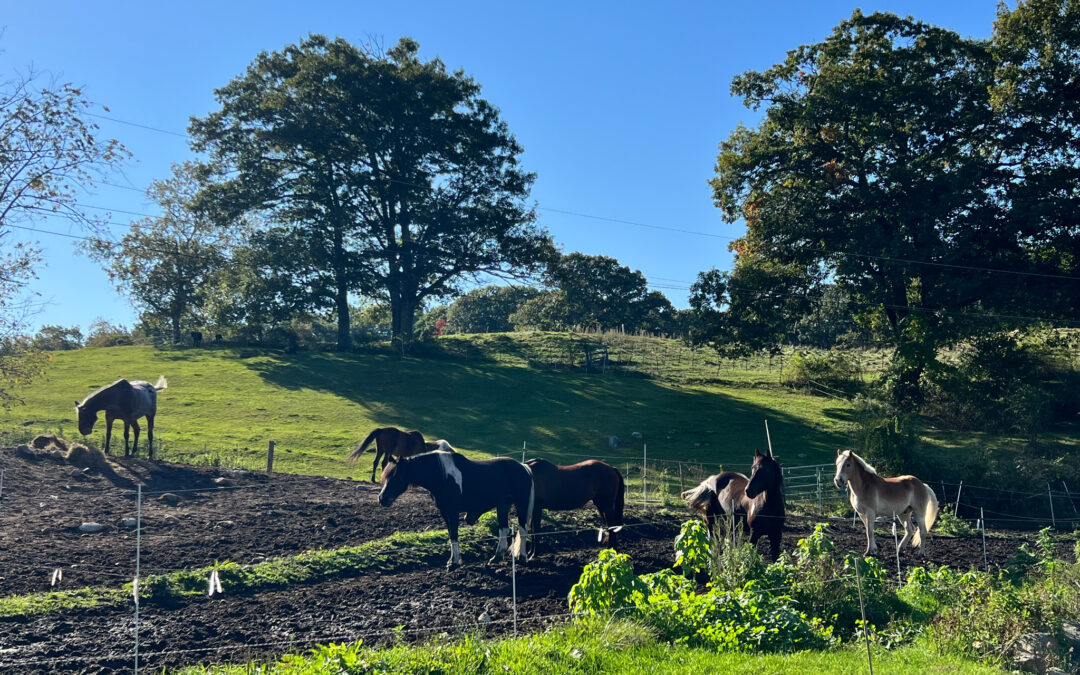
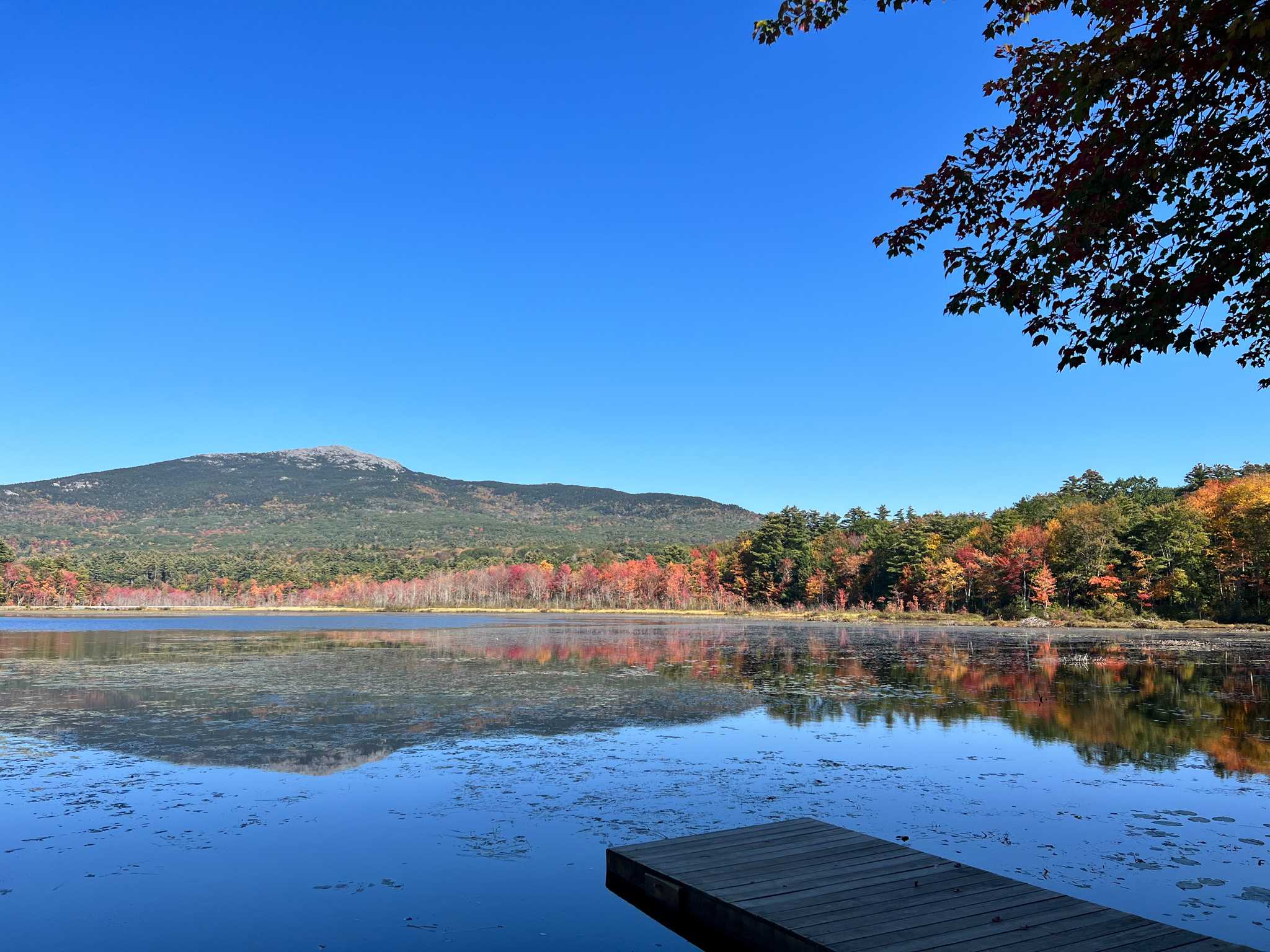
In early October, our Adolescents ventured to East Hill Farm in New Hampshire for an immersive Fall Odyssey trip. The Farm is located at the base of Mount Monadnock on 150 acres where they raise heritage breed cows, goats, and pigs along with horses, sheep, chickens, and other farm animals.

Our students worked with the farm staff to accomplish morning and afternoon chores including goat milking, collecting eggs, cleaning stalls, grooming, and feeding the animals, along with preparing their own meals. They also attended workshops on cheesemaking, mycology, and candle making as well as classes in caring for each of the types of animals. The mycology workshop was a favorite – the students searched the woods to identify, dissect, and explore various types of mushrooms. They learned about the benefits of fungi in our natural environment and how to incorporate them into meals. The Adolescents were eager to learn about animal husbandry, sustainability, and farm-to-table concepts.

Odyssey travel offers many benefits to our students. It invites them to step out of their comfort zones by spending time away from their families and stretching their independence. In a new environment, students learn to care for and rely on each other. They bond through new experiences, such as caring for farm animals and learning how to make cheese. Finally, Odyssey offers lots of unstructured time to be together and build community, which will strengthen our connection for the rest of the year and beyond.

Our Adolescents’ Visit to the Mexican Cultural Institute

Our Adolescents’ Visit to the Mexican Cultural Institute

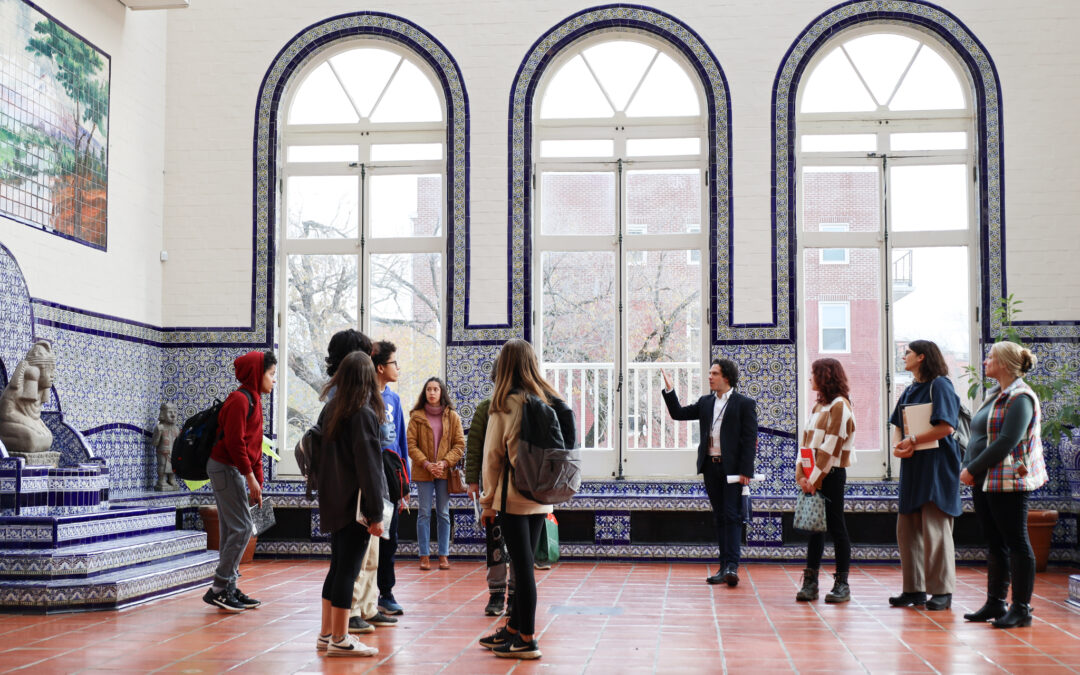
For Spanish enrichment, the Adolescent Community visited the Mexican Cultural Institute of Washington, DC this month. We have been studying the murals and researching the themes and iconography chosen by the artist Roberto Cueva del Río. Our tour of the Institute was completely in Spanish, a fact that certainly challenged our students’ linguistic abilities. Students composed two questions in Spanish about their sections of the mural that depicts the history of Mexico from the pre-Columbian through the early twentieth century. In the next month, we will review video taken from the tour and work to translate and understand their experiences.

The Adolescents’ Microeconomy Work

The Adolescents’ Microeconomy Work

In the third plane of development, the task of the Adolescent is to prepare for economic independence. Just as children in the first plane of development ask, “Help me to do it by myself” and children in the second plane ask, “Help me to think by myself,” Adolescents ask, “Help me live by myself.”

To meet this need, Dr. Montessori envisioned Adolescents participating in and managing small businesses (called “Microeconomies”) in order to experience economic activity in their community. This work provides “an opportunity to learn both academically and through actual experience what are the elements of social life.” (Maria Montessori, From Childhood to Adolescence, Appendix A). Thus, the Microeconomy functions not only as a way for students to generate funds for their projects and trips, but as an integrated curriculum that provides the opportunities for real-world, experiential learning.

At Greenspring, our Adolescents learn that economies can be based on production and exchange, capital, services, or even reciprocal relationship and community. They explore different economic models and consider the full life-cycle impacts of an activity before selecting it. What are the impacts on affected populations of people? The environment? What systems does the activity reinforce or work to break down? Microeconomy projects are large, and require both collaboration and division of labor. This is another way that the adolescents practice working together. As Michael Waski notes, “teamwork is the superpower of the adolescent.”
This year, the Adolescents began the year engaged in a compost microeconomy, where they began providing a service to their community and the environment. They created lessons to teach the other classrooms how and what to compost, which provided moments of growth for many of our students. They enjoyed collecting pumpkins to compost in early November, which led to both cooking and preserving pumpkins to eat, as well as ideas for a possible pumpkin patch in the spring.

Next, the Adolescents researched deer-free fencing to enable more ambitious gardening projects. Their hard work paid off! They have successfully grown seedlings of tomatoes, basil, kale (and more). 

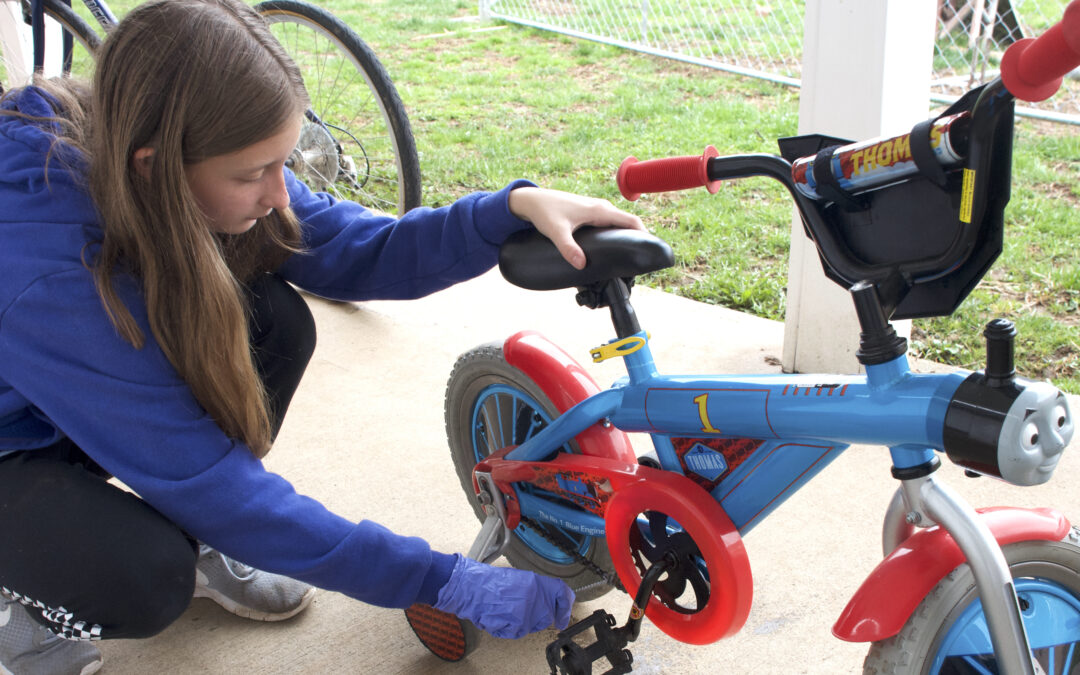
The Adolescents recently collected donations of bicycles in need of repair. They refurbished the bicycles and held a bike sale. The profits from the bike and seedlings sales will go towards the Adolescents’ upcoming Odyssey trip.
One of the key outcomes of Microeconomy work is what Dr. Montessori referred to as “valorization of the personality.”  This is her term for an Adolescents’ process of realizing they are useful and capable of great effort. Participating in real economic activity also serves a first step towards economic independence and allows them to measure the worth of their activity against an external standard.
Adolescents “…derive great personal benefit from being initiated in economic independence. For this would result in a “valorization” of his personality, in making him feel himself capable of succeeding in life by his own efforts and on his own merits, and at the same time it would put him in direct contact with the supreme reality of social life.” (From Childhood to Adolescence, p. 65)

Montessori observed that there is more than the intellect that requires nourishment during Adolescence. She saw the importance of adolescents having opportunities to be useful to their peers, to be valorized through their own labor, and to join in the actions of society.