
Starting 2023 with New Titles in Our Library!

Starting 2023 with New Titles in Our Library!

Thank you to everyone who contributed to the Birthday Book Club! Because of your generous donations, the school library has purchased many exciting new picture books to add to our collection. These books are a wonderful addition to our library and we are so grateful for your generosity and your commitment to our mission. Thank you for your support!

Every Little Kindness, Marta Bartolj

When one act of kindness sparks another, anything is possible! As a girl searches for her lost dog, a simple act of generosity ripples into a wave of good deeds. In the course of a single day, each considerate action weaves lives together and transforms a neighborhood for the better.

Heart String, Brooke Boynton-Hughes

Through backyards and neighborhoods, over mountains, and across oceans, this colorful heart string ties us all together. Out of sight yet undeniable, it joins our hearts so that we are never truly alone. Follow the thread of this reassuring story to see how, even in a world as vast as ours, there is always a bond that connects us to the ones we love—and to the world we share.

Papa, Daddy, & Riley, Seamus Kirst

Riley is Papa’s princess and Daddy’s dragon. She loves her two fathers! When Riley’s classmate asks her which dad is her real one, Riley is confused. She doesn’t want to have to pick one or the other. Families are made of love in this heartwarming story that shows there are lots of ways to be part of one.

Over and Under the Waves, Kate Messner

Over the waves, the sea lions bark and seagulls wheel and call. The bay is smooth and bright in the sun. But under the waves, there’s a whole hidden forest, full of whales and wolf eels, sardines and sea bass, leopard sharks and luminous jellies, as well as the waving kelp that shelters them all. Discover the magical depths of the kelp forest, and all the fascinating creatures living just a paddle’s length away—over and under the waves.

A Sweet New Year for Ren, Michelle Sterling

Little Ren looks forward to the preparation for and festivities of Lunar New Year, but she is always too little to help make the delicious pineapple cakes that are her favorite. She watches family members rolling out the dough and loves the mouth-watering smell. Watching and waiting, when will Ren be old enough?

A Tree is a Home, Pamela Hickman

A large old oak tree stands near an empty house. Like the house, the tree provides shelter and a place to raise a family. From its branches to its roots, six animals share the tree as a home. Readers follow along as the tree and the animals – a raccoon, opossum, acorn weevil, gray squirrel, blue jay and chipmunk – change and adapt through all four seasons, from one autumn to the next. Meanwhile, a human family moves into the empty house nearby, and we see their story unfold, and grow, at the same time as their animal neighbors.

The Kindest Red: A Story of Hijab and Friendship, Ibtihaj Muhammad

It’s picture day and Faizah can’t wait to wear her special red dress with matching hair ribbons, passed down from her mother and sister. Faizah’s teacher starts the day by asking her students to envision the kind of world they want, inspiring Faizah and her friends to spend the day helping one another in ways large and small. But when it’s time for sibling pictures, Faizah realizes that she and her older sister, Asiya, don’t match like her classmates do with their siblings. With help from her classmates inspired by Asiya’s hijab, Faizah finds that acts of kindness can come back to you in unexpected ways.
Lunar New Year Presentations

Lunar New Year Presentations

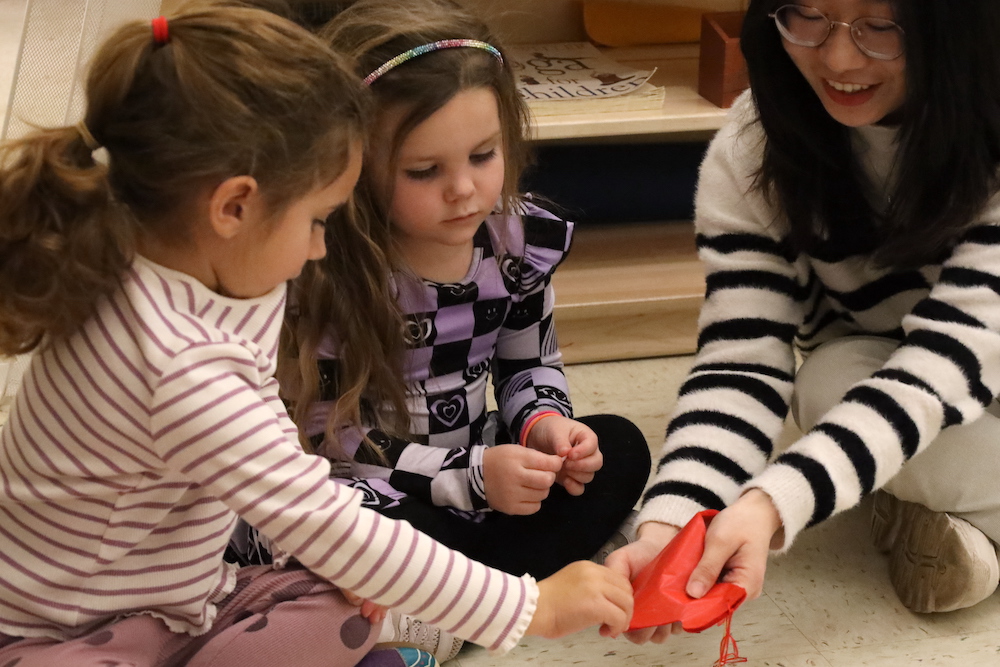
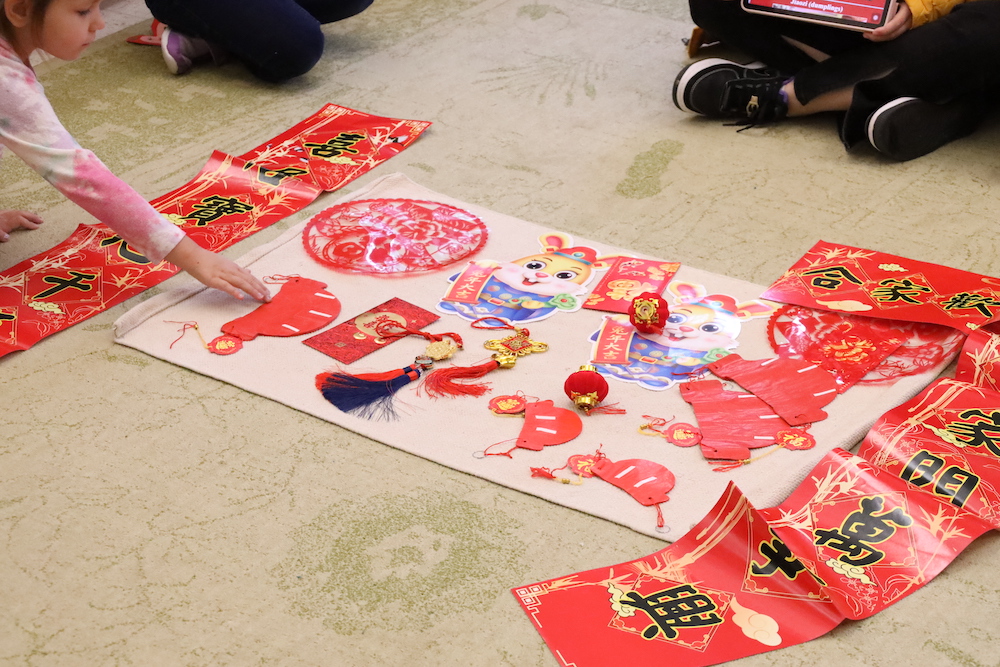
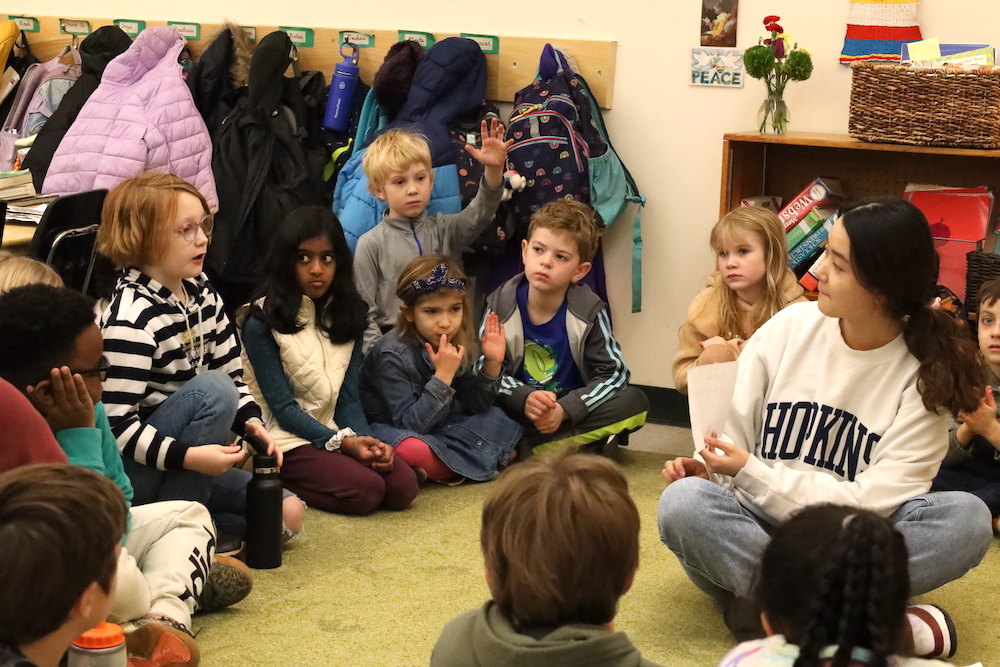
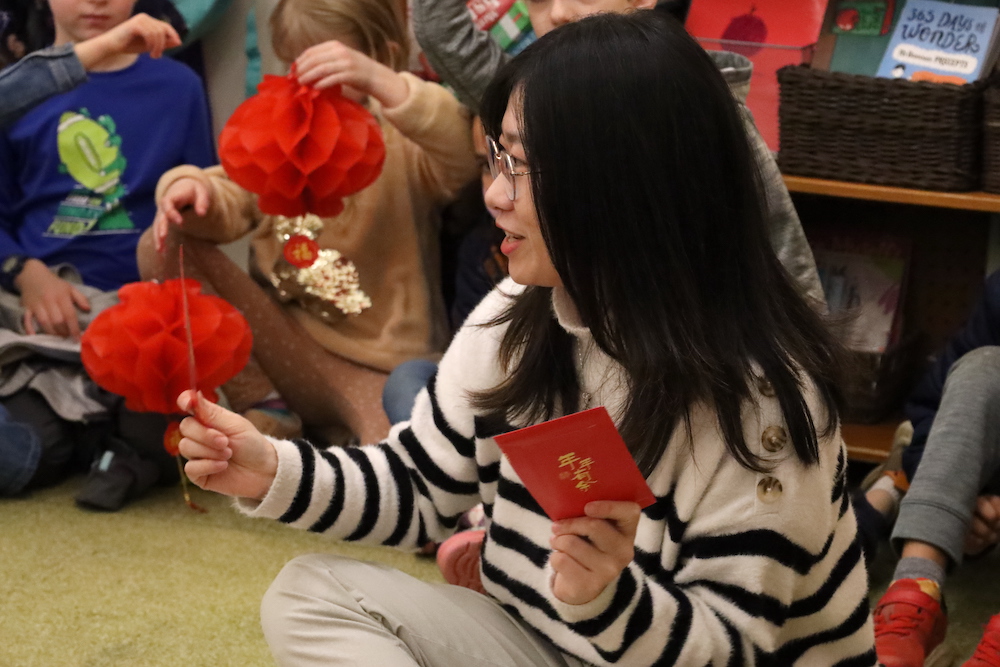
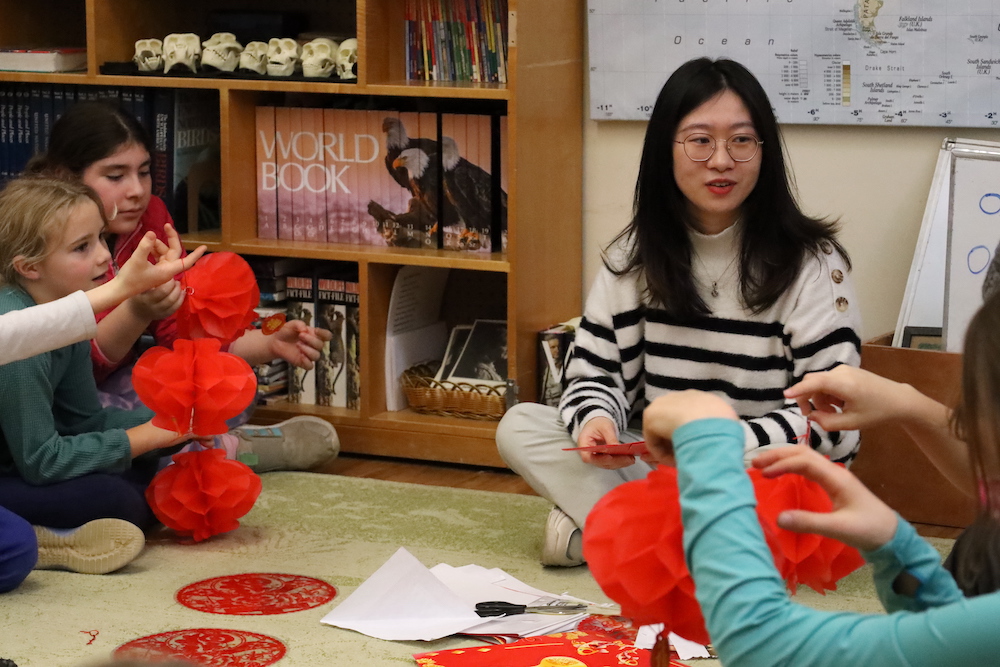
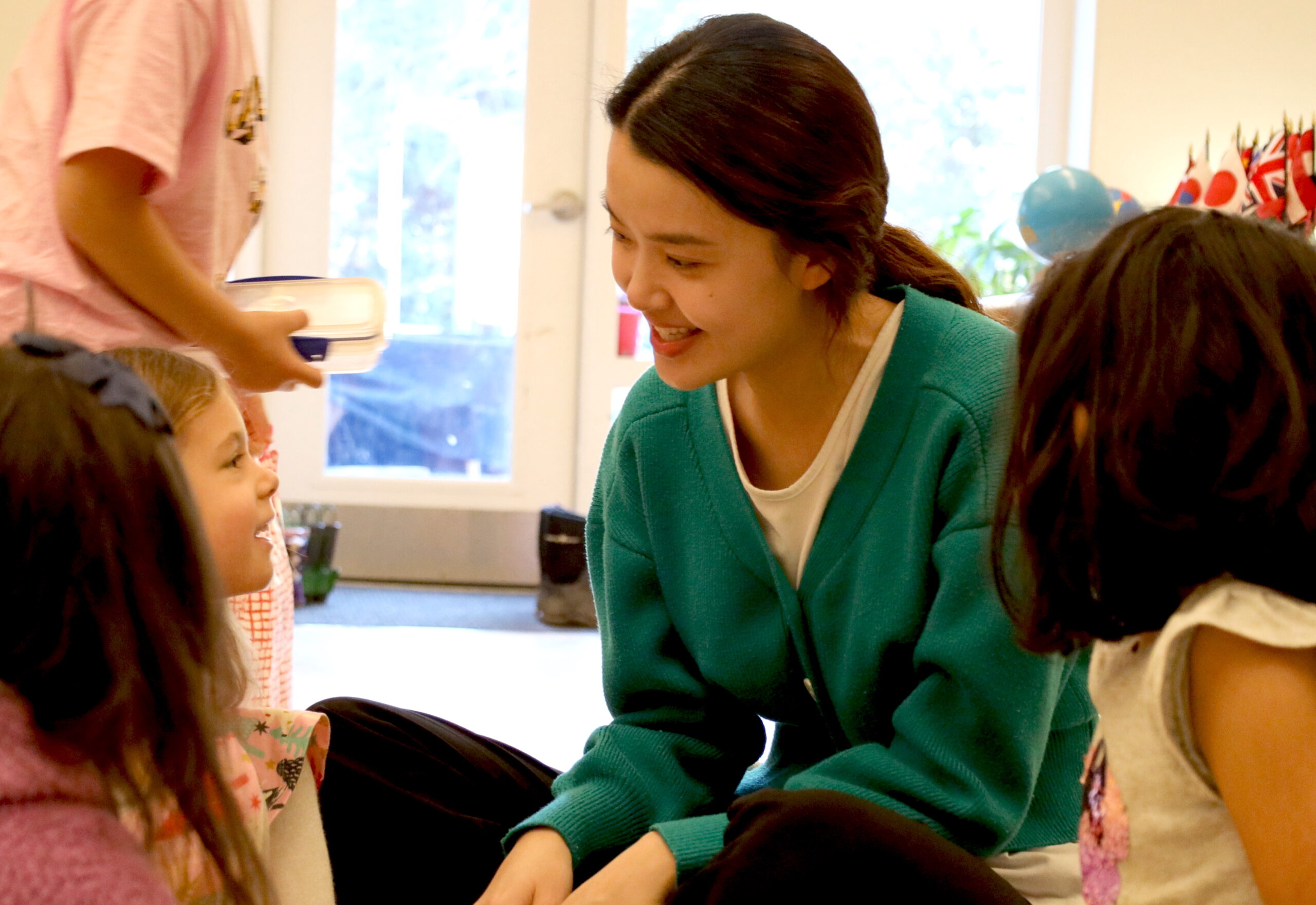
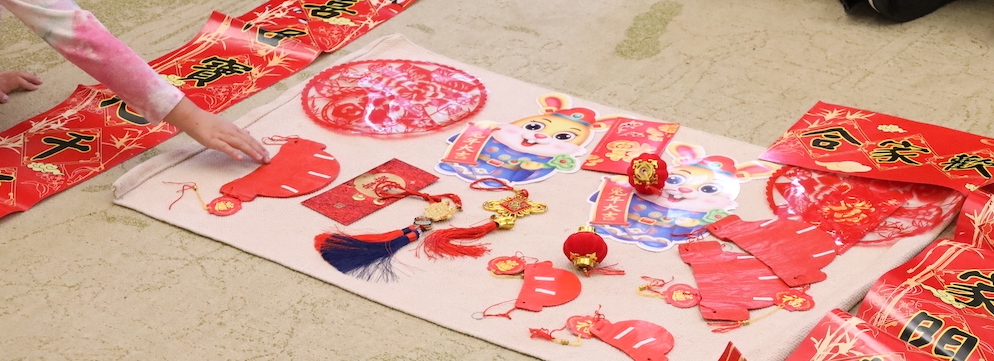
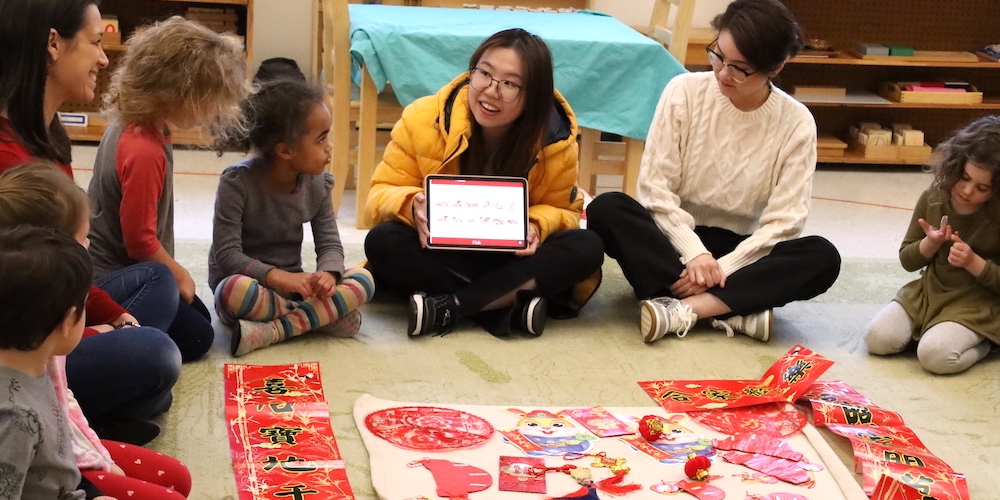
Several of our volunteers from the Johns Hopkins International Teaching and Global Leadership program presented their Lunar New Year traditions to our Children’s House and Elementary students.
Lunar New Year celebrates the first days of spring on the lunar calendar. Instead of tracking the Earth’s orbit around the sun, which is slightly over 365 days, the lunar calendar tracks the cycles of the moon. The holiday begins with the first new moon of the lunar calendar and ends on the first full moon of the lunar calendar, 15 days later.

Lunar New Year is celebrated around the world, though it goes by different names. China’s Lunar New Year is known as the Spring Festival or Chūnjié in Mandarin, while Koreans call it Seollal, and the Vietnamese refer to it as Tết

Each year in the Lunar calendar is represented by one of 12 zodiac animals included in the cycle of 12 stations or “signs” along the apparent path of the sun through the cosmos. 2023 is the year of the Rabbit!

Regional customs and traditions vary widely but share the same theme: seeing out the old year and welcoming in the luck and prosperity of a new year. Some people give their houses a thorough cleaning before the spring festival, which symbolizes sweeping away the bad luck of the preceding year and making their homes ready to receive good luck. Red is the main color for the festival, symbolizing prosperity and energy, so many people put up red lanterns and other decorations. Another Lunar New Year tradition is giving red envelopes, which have money in them, to children and seniors. Those who receive a red envelope are wished another safe and peaceful year. The Lunar New Year is often celebrated with parades that include lion and dragon dances, firecrackers, and fireworks.

Thank you, Brittany, Coco, Sharon, and Chelsea for sharing your traditions with us! We are grateful to all of the families and staff members who have shared your cultural traditions with our children this year!

Partnering with Johns Hopkins School of Education

Partnering with Johns Hopkins School of Education

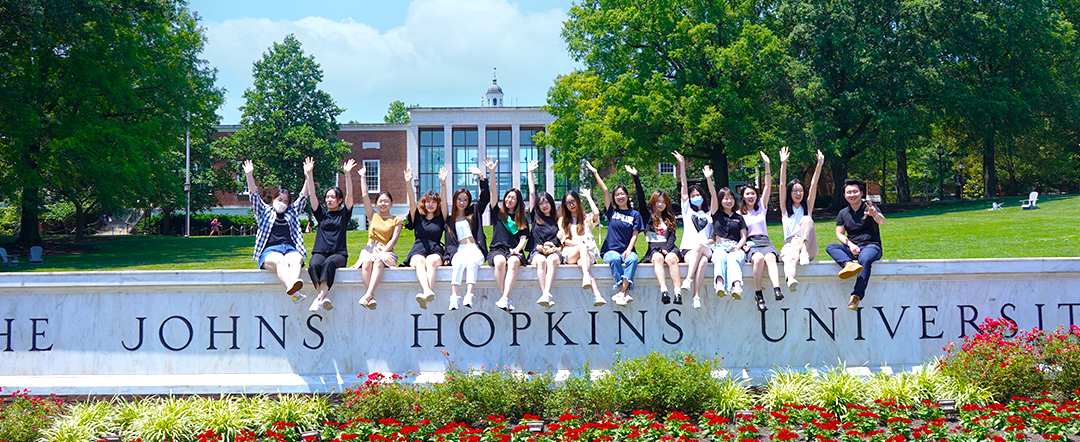
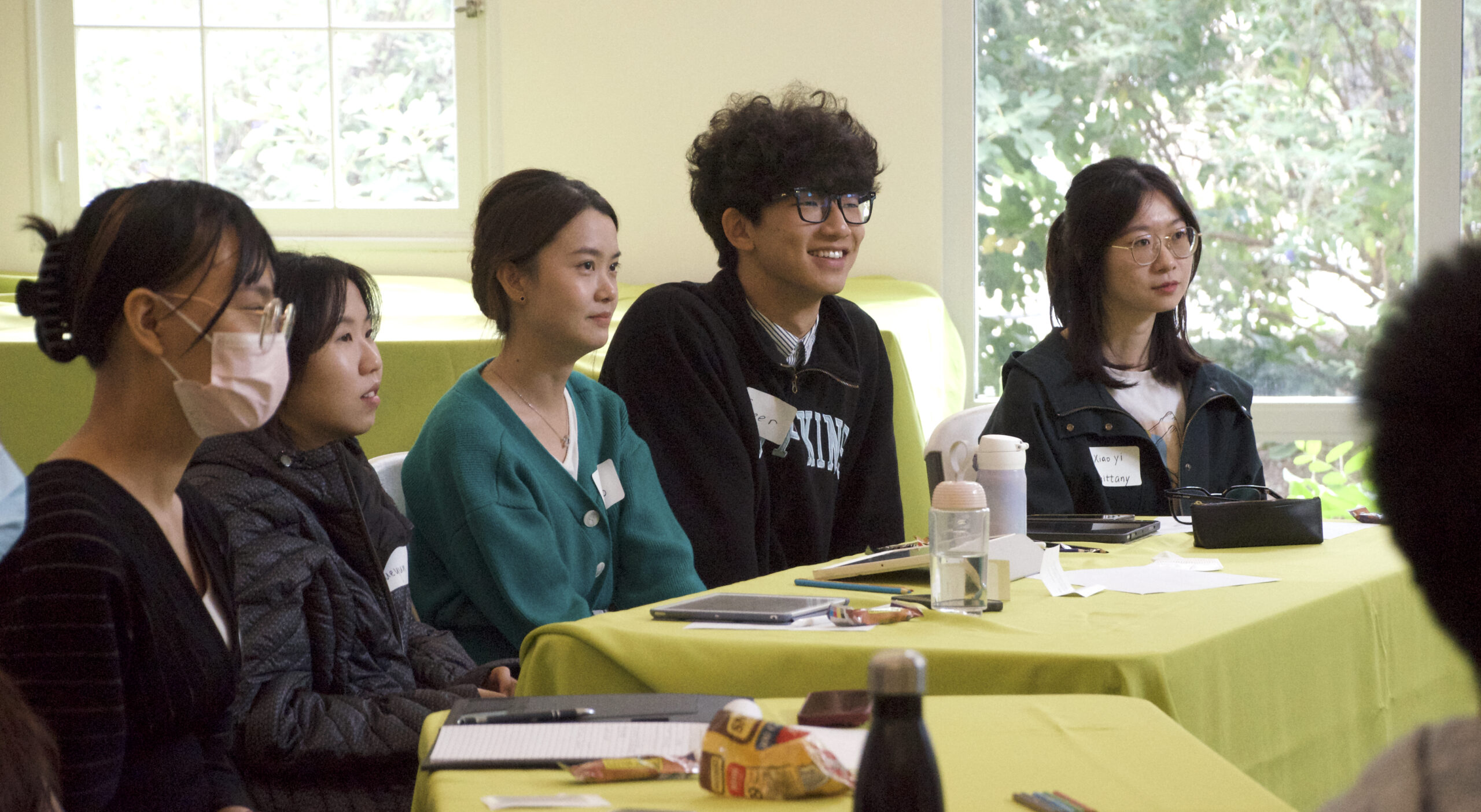
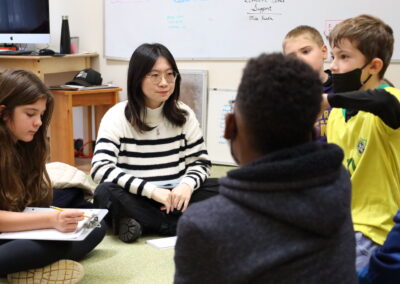
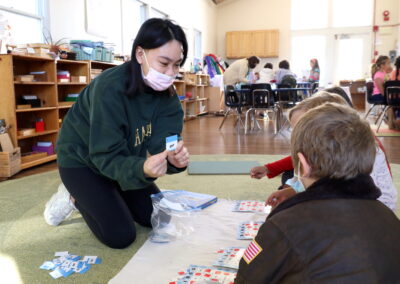
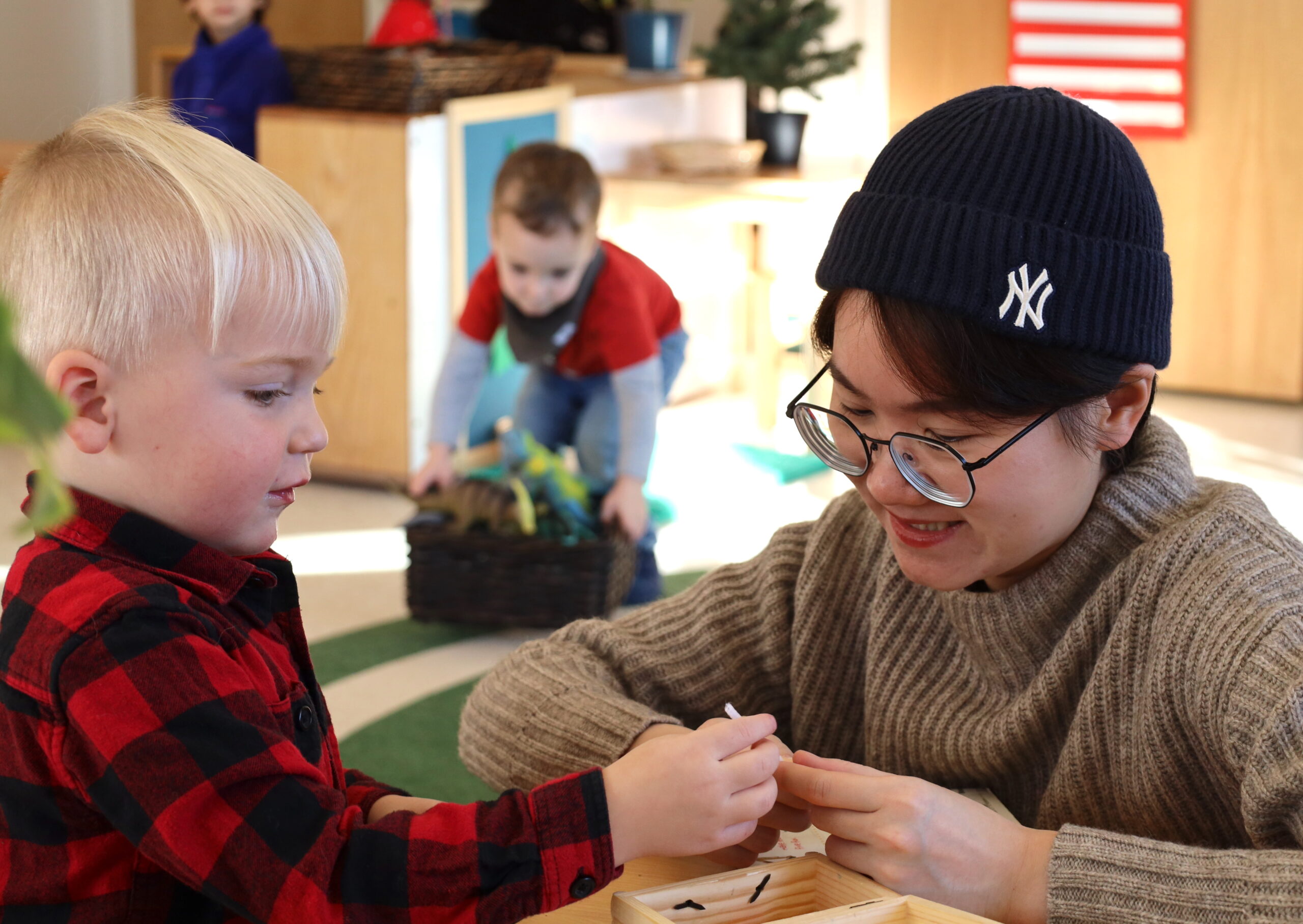
We are proud to welcome 10 extended learning students from the Johns Hopkins University School of Education Master of Science in Education International Teaching and Global Leadership (ITGL) cohort to our Greenspring community.

During Extended Learning, ITGL students volunteer at a variety of educational institutions in the Baltimore area to gain experience in their focus areas and help prepare them to become Global Education Leaders. Ten ITGL students in the current cohort were matched with opportunities at Greenspring Montessori School.

The Greenspring Center for Lifelong Learning prepared three trainings for our ITGL extended learning students. They were first given a full day workshop titled An Introduction to Montessori Education. This was followed by a half-day workshop on No Drama Discipline and a half-day New Employee Orientation. The Extended Learning Students met with their mentor Guides to set goals and schedules. And our first students started volunteering in classrooms at the end of October.

Learning is hands-on for our adult learners too!

We are grateful that all of these young, aspiring educators are choosing to spend time in our classrooms as they explore the Montessori model of education. We appreciate the hard work of Dr. Mark Trexler from the Johns Hopkins School of Education for coordinating this program and partnering with us. We look forward to sharing more updates on our ITGL learners throughout the year!

“I am amazed at how fantastic these students are at such a young age! They not only have a wide range of knowledge, but also have the ability to do their own research. They are able to participate and even lead the community management. They know themselves well and are able to articulate. I enjoy learning from the children. In addition, I am very grateful for the guidance I received from Mr. Beven. He asked me about my ideas after each lesson and taught me a lot.”

Xuxiaoyi

Every School Year Begins with the Process of Normalization

Every School Year Begins with the Process of Normalization

Dr. Montessori coined the term “normalization” to describe children who are demonstrating independence, self-discipline, concentration, and joyful engagement. E. M. Standing, in his book Maria Montessori: Her Life and Work writes: “The crowning characteristic of a group of normalized children is joy. It pervades the little community like a perfume; and is as hard to describe as it is easy to perceive.”

At this time of the school year, students are working towards normalization. The multi-age classroom, the prepared environment, meaningful work, an uninterrupted work cycle, Grace and Courtesy activities, and adult observation all support the development of normalization in Montessori classrooms.

Montessori classrooms are multi-age, which means that in any given year, two thirds of the children are returning to the community. These “elders” in the community serve role models for their younger peers, easily folding them into the existing routines and culture of the classroom. Dr. Montessori, in The Absorbent Mind reminds us that children of varying ages work well together: “Our schools show that children of different ages help one another. The younger one sees what the older ones are doing and asks for explanations. There is a communication and harmony between the two that one seldom finds between the adult and the small child.”
The prepared environment is designed to call the children into work they find meaningful and engaging. The areas of the classroom are organized by subject area and hands-on manipulatives are arranged sequentially on the shelves. Offering many materials of interest at varying levels means that each student has work that calls to them. Guides invite children to lessons just as they are ready for them, ensuring that every child has work that is at a “just right” level of challenge. Practical Life activities in particular help the children build toward and prepare for work in other areas. These activities help children increase concentration, coordination, order, and independence, while also teaching care of self and care of the environment. A child carefully rolling a mat, carrying a tray, or scrubbing a table is building all of the skills needed for work in every other area of the curriculum.

A stretch of protected work time, called the uninterrupted work cycle, allows children to dive deeply into work that interests them. Dr. Montessori observed, “An interesting piece of work, freely chosen, which has the virtue of inducing concentration rather than fatigue, adds to the child’s energies and mental capacities, and leads him to self-mastery.” Dr. Montessori also observed that children work because they enjoy the experience, not the product. When a child finishes a painting, she may hang it on the drying rack and forget about it. After completing the Pink Tower, a child may choose to repeat the exercise many times, each time finding the work as thrilling as the time before. Children use these experiences to construct themselves. 

We also support the process of normalization through Grace and Courtesy lessons and activities. These activities can help the child become oriented to the prepared environment and serve as tools for functioning in the classroom, using the materials, and interacting with others. Some common Grace and Courtesy lessons at the beginning of the school year include greeting one another, rolling a rug, tucking in a chair, and asking to observe or participate. Grace and Courtesy activities are important for establishing respect for self and others, an important aspect of the path to normalization.
Guides use their observation skills to notice which materials the children are drawn to, what new lessons they are ready for, and what supports would help them to be more independent. Guides then make modifications to the environment and plan accordingly, so that each child is being met where they are.  

At this time of the school year students are working towards normalization. They are beginning to find focus and joyful work. For some children this occurs quickly, and for others it may take time to find their rhythm. The classroom itself also seeks normalization, not just individual children. Dr. Montessori wrote, “The greatest sign of success for a teacher… is to be able to say ‘The children are now working as if I did not exist.’” Students who work independently, are courteous towards each other, focus on their work, and enjoy the work they are doing are all signs of normalization. These characteristics that are developed in the early years don’t just benefit them in school, but for life!

International Day of Peace in our Dual Language Classrooms

International Day of Peace in our Dual Language Classrooms

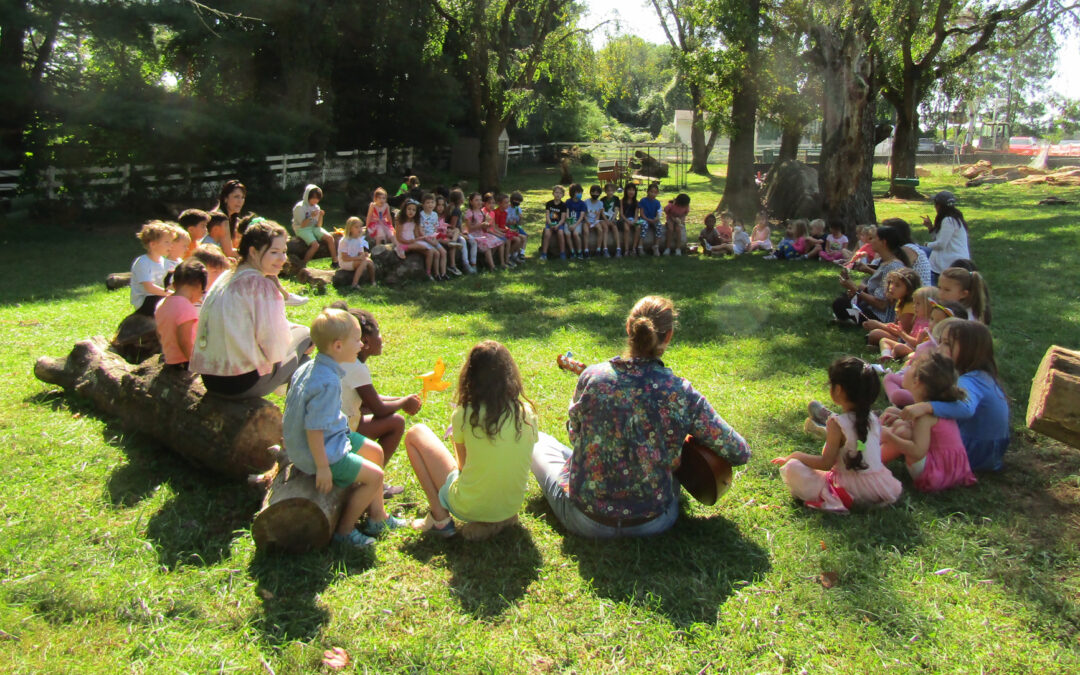
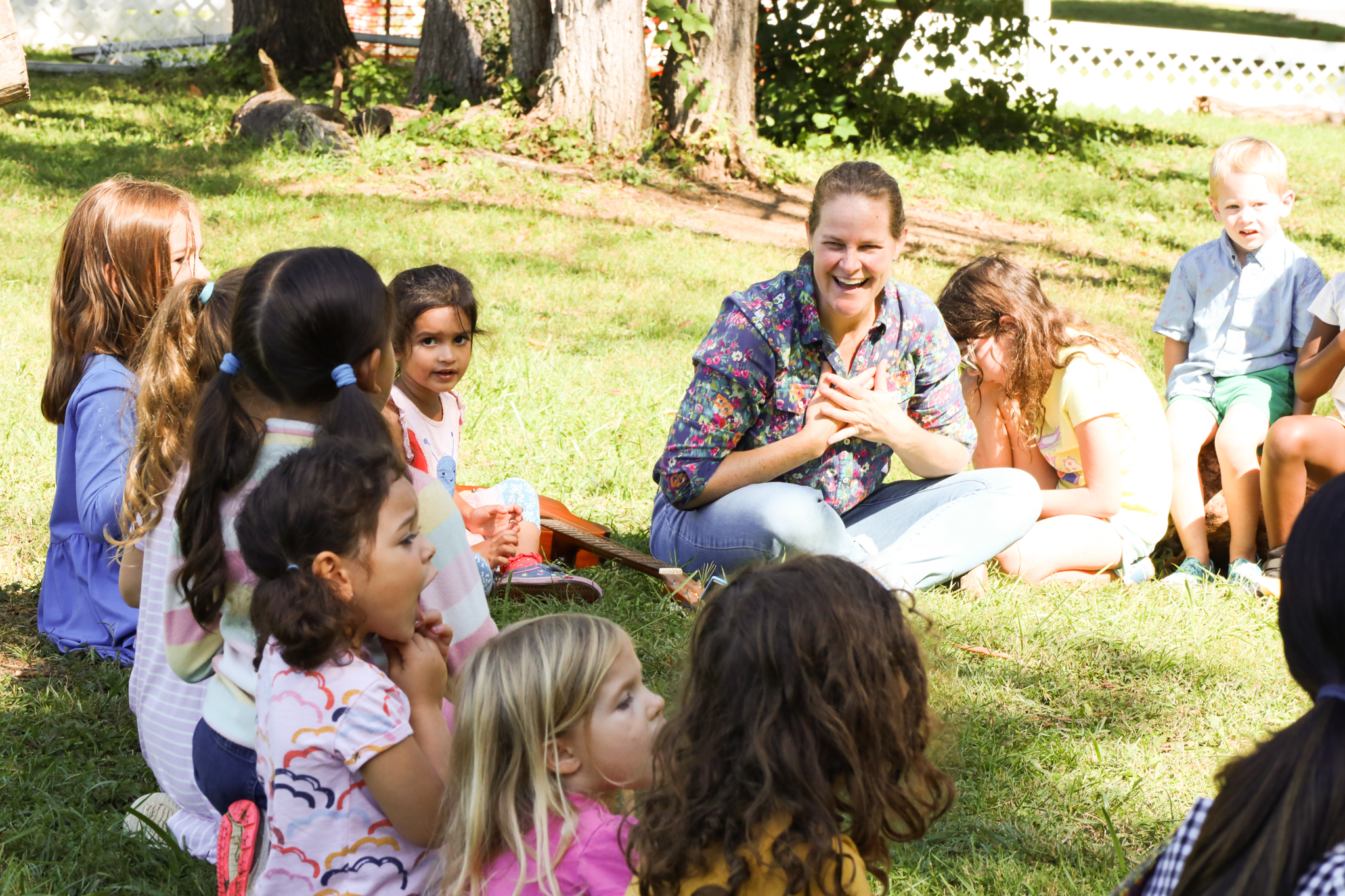
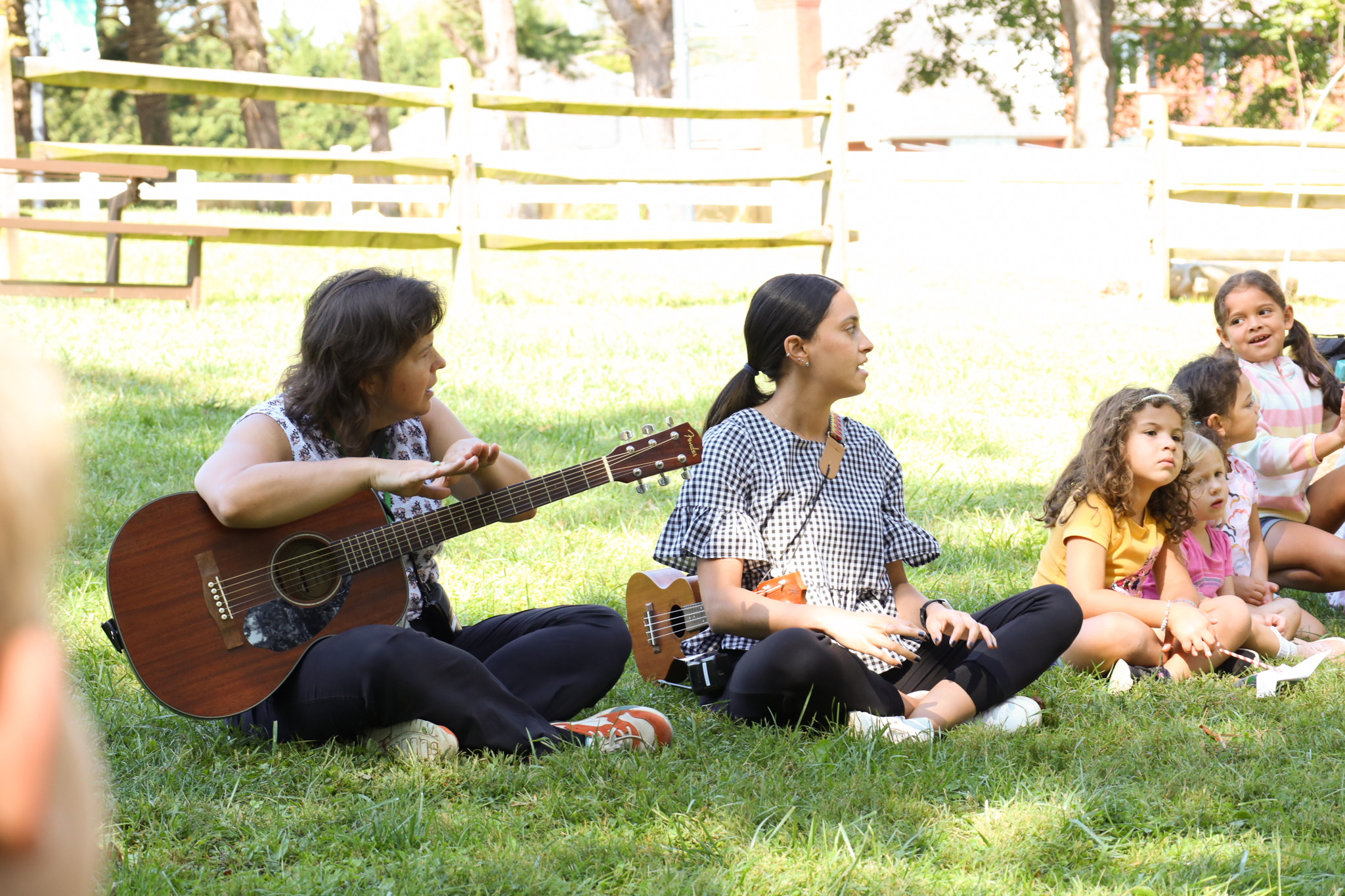
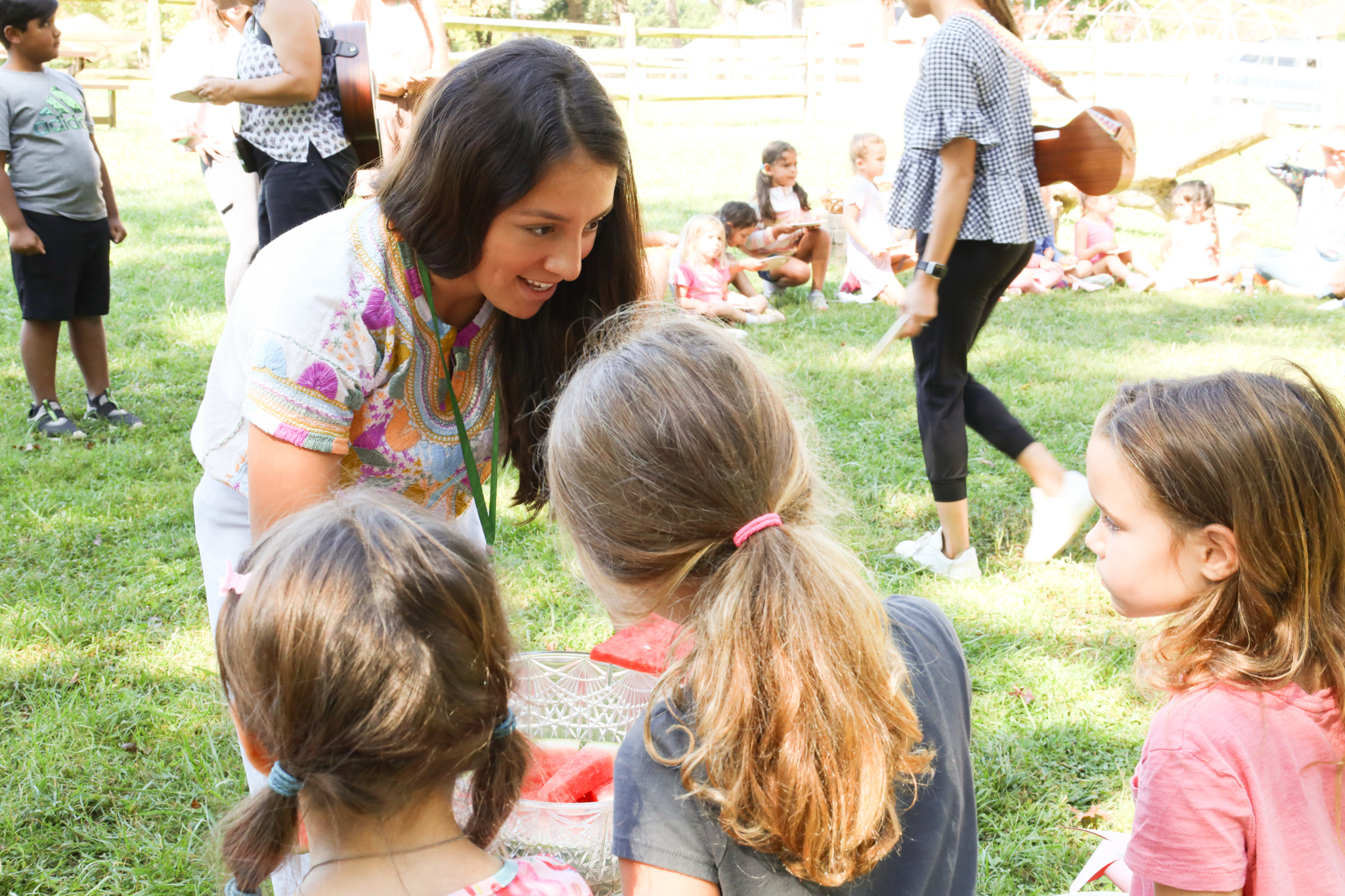
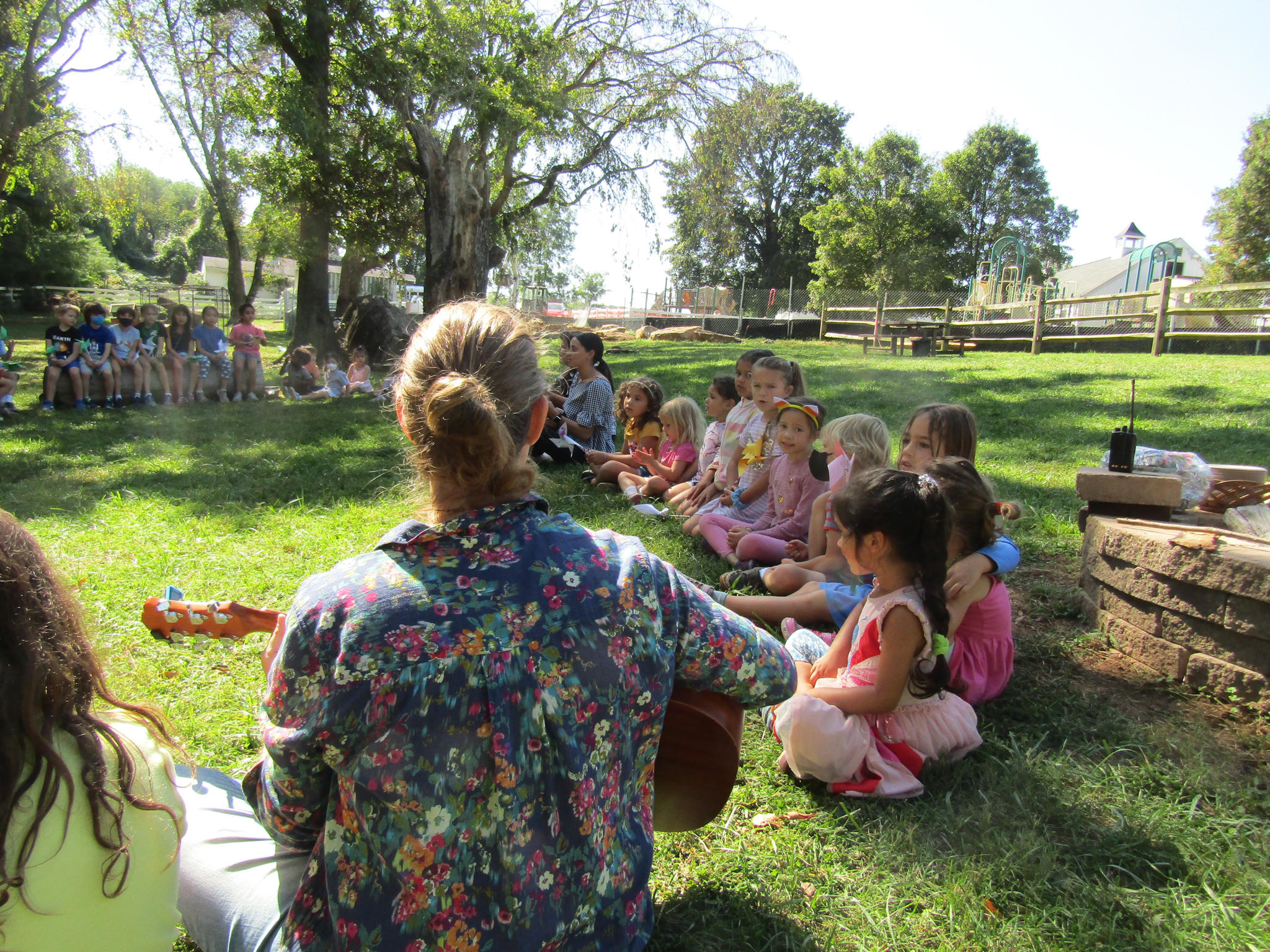
September 21 is known as the International Day of Peace. Declared by the United Nations General Assembly, it is a day devoted to strengthening the ideals of peace around the world. At Greenspring Montessori School, students in our Dual Language classrooms joined together to celebrate this special day with music and wishes for peace. Together they sang “Paz Como Río/Peace Like a River” and “Paz y Libertad/Peace and Liberty”. Lower Elementary students also shared some remarks about the meaning of peace.
 
Sra. Ale has been giving lessons to the Dual Language classrooms about paz/peace and helping the children make Pinwheels for Peace.
 
See photos of this special day below.
 

“We shall walk together on this path of life, for all things are a part of the universe, and are connected with each other to form one whole unity.” 

— Maria Montessori

Shofar Demonstration in Observance of Rosh Hashanah

Shofar Demonstration in Observance of Rosh Hashanah

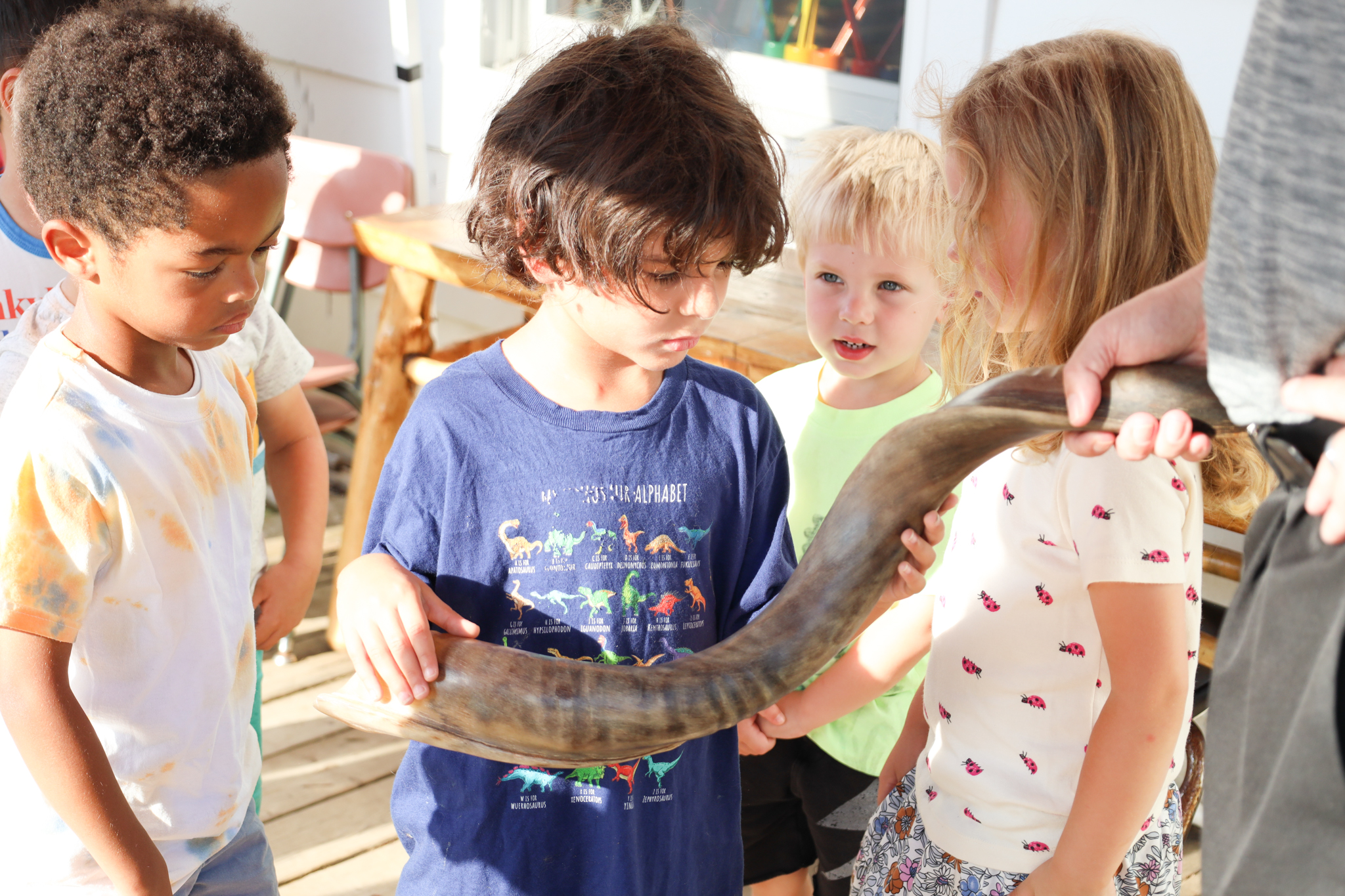
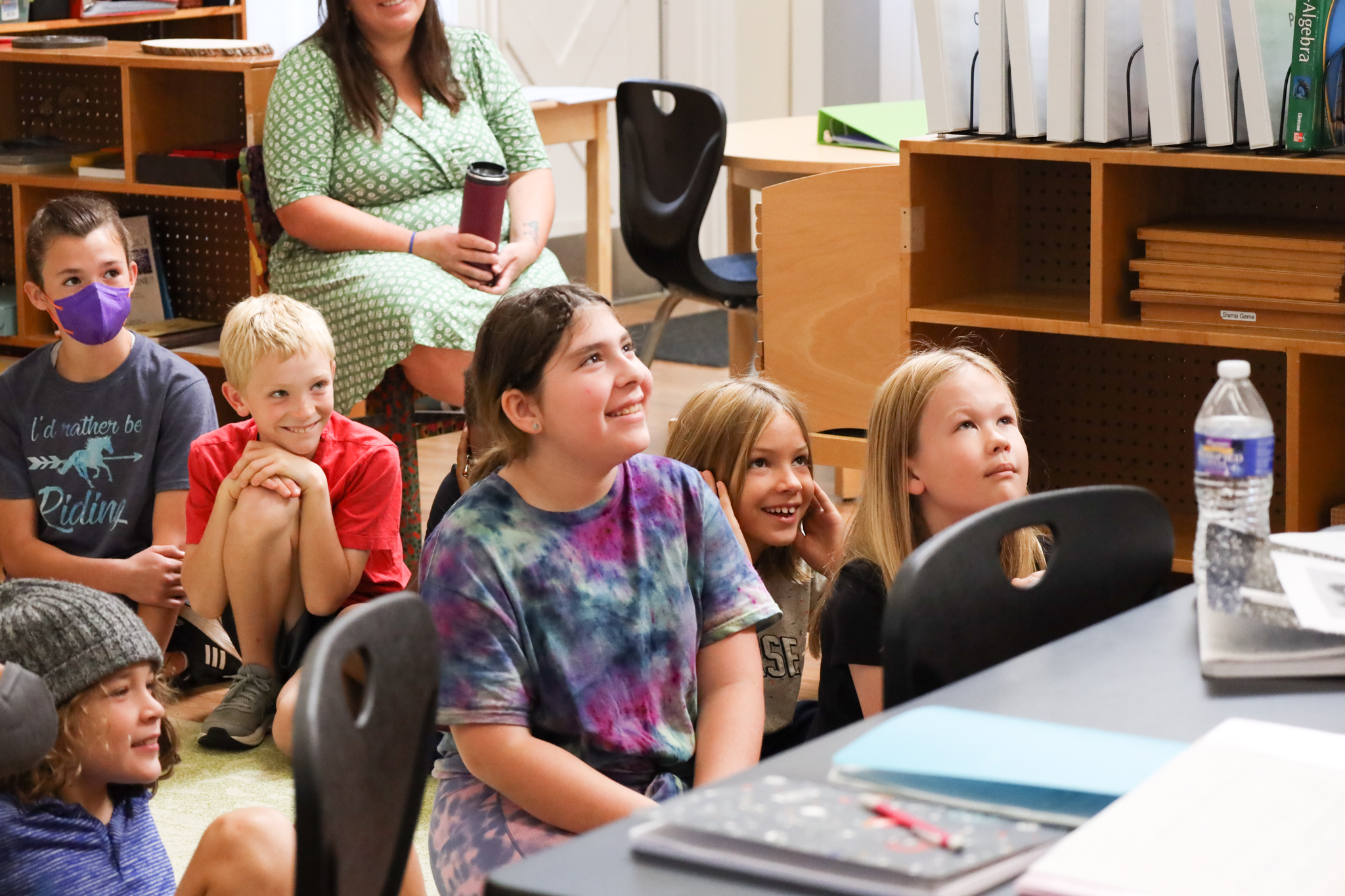
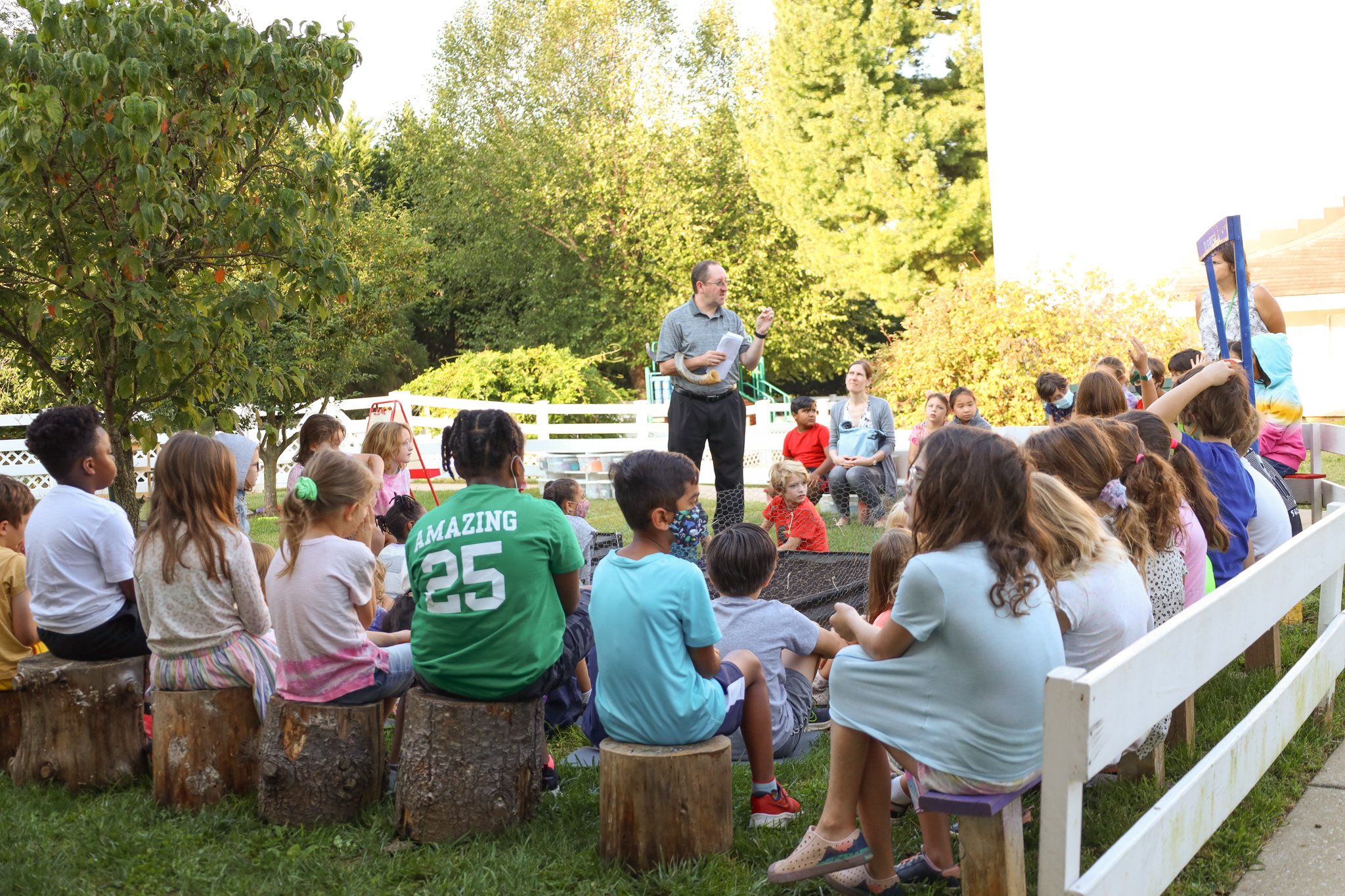
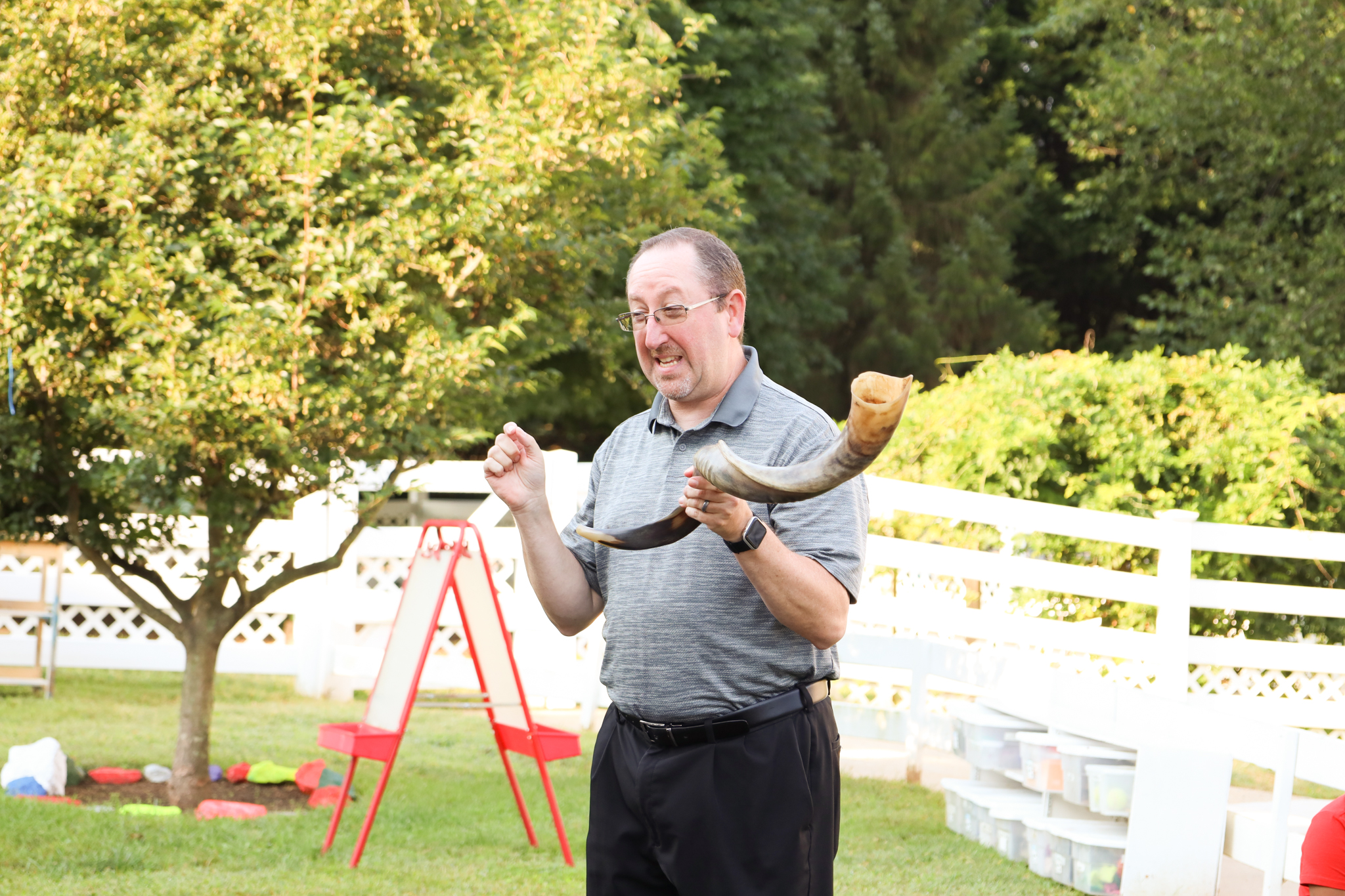
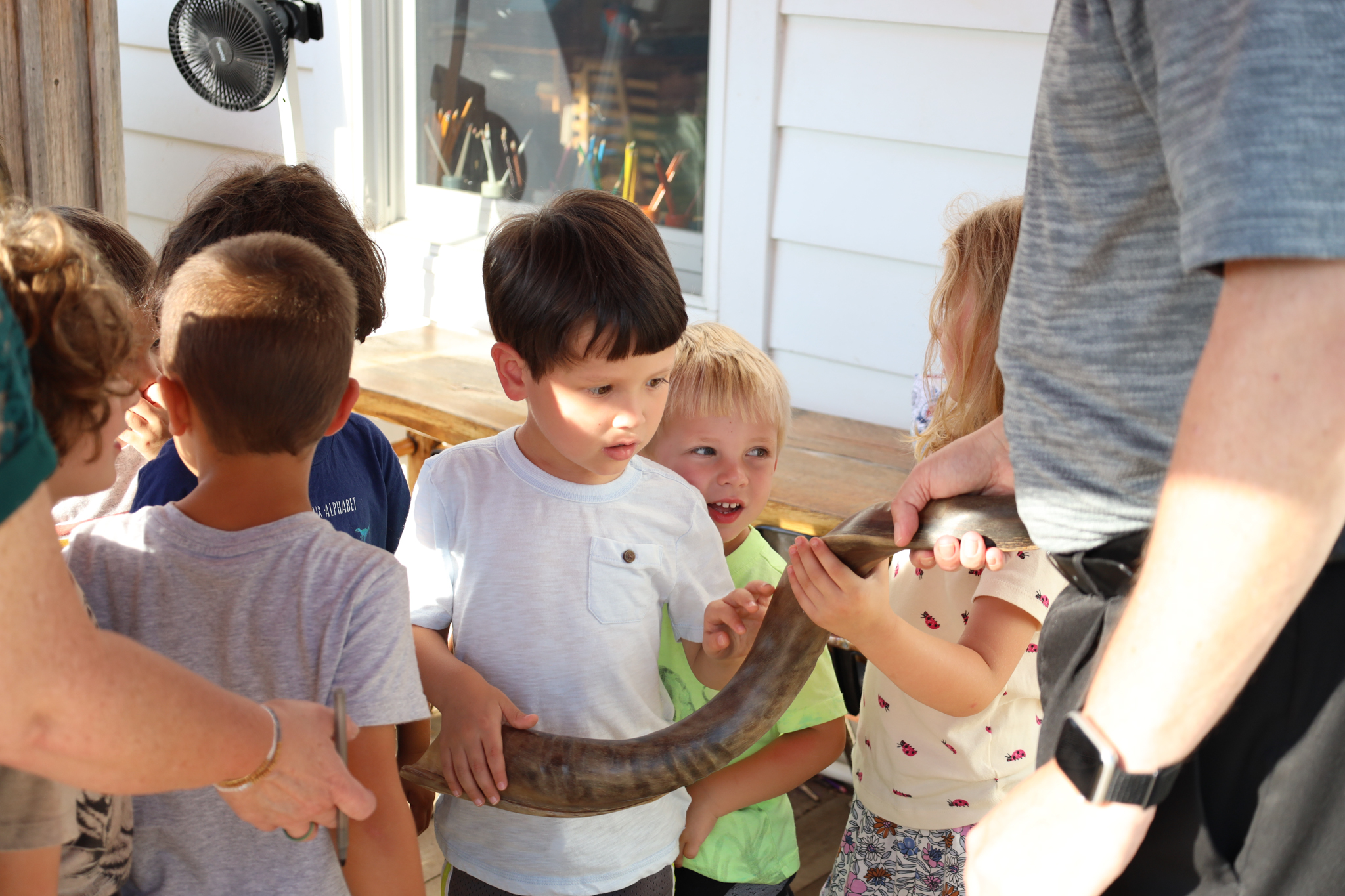
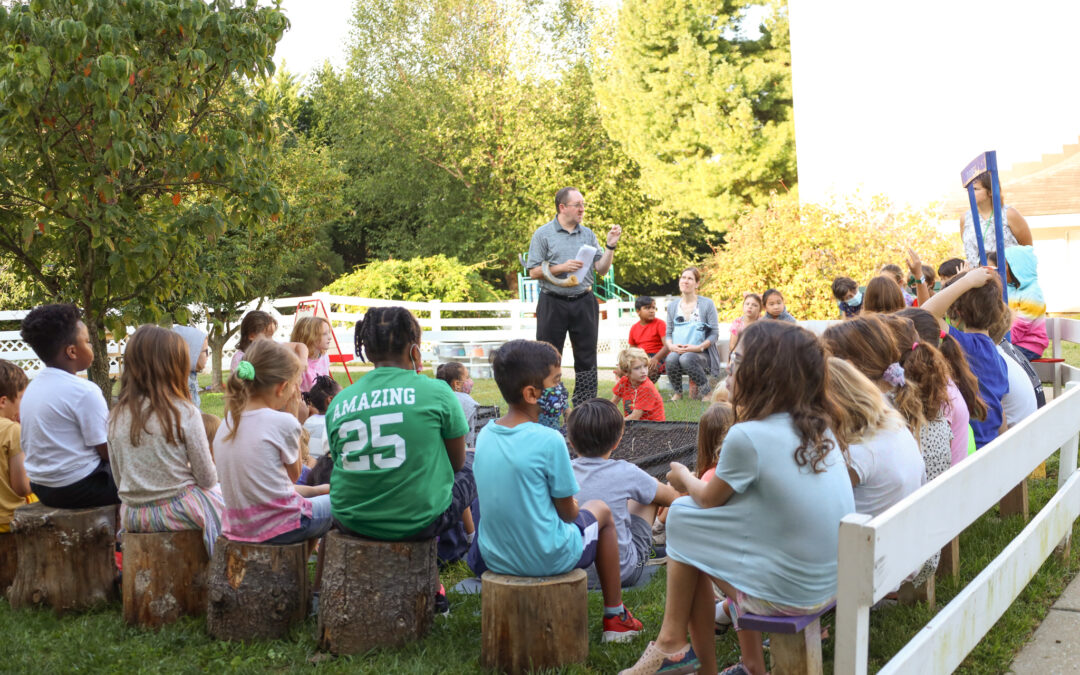
Ezra Buchdahl visited our classrooms in September to demonstrate blowing the shofar and talking about the Jewish holiday of Rosh Hashanah. Ezra is a member of the Baltimore Hebrew Congregation and every year for Rosh Hashanah he blows the Shofar during Rosh Hashanah services. He loves sharing his traditions with children of all ages in the Baltimore area. Thank you, Ezra, for sharing your talent and traditions!

Rosh Hashanah and Yom Kippur are High Holy Days in the Jewish faith. Rosh Hashanah is the Jewish New Year. It is a day of celebration. Yom Kippur is the holiest day of the year in Judaism. Its central themes are atonement and repentance. Some Jewish people observe this holy day with a day-long fast, confession, and intensive prayer, often spending most of the day in synagogue services. (Wikipedia)

This demonstration was a part of our Diversity, Equity, Inclusion, and Belonging focus on holidays and celebrations. To learn more about our DEIB initiatives, please click here.