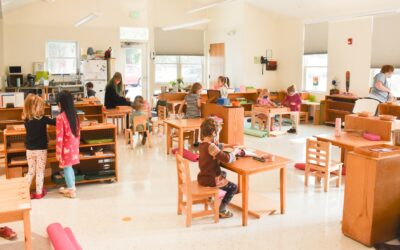
Dr. Montessori coined the term “normalization” to describe children who are demonstrating independence, self-discipline, concentration, and joyful engagement. E. M. Standing, in his book Maria Montessori: Her Life and Work writes: “The crowning characteristic of a group of normalized children is joy. It pervades the little community like a perfume; and is as hard to describe as it is easy to perceive.”
At this time of the school year, students are working towards normalization. The multi-age classroom, the prepared environment, meaningful work, an uninterrupted work cycle, Grace and Courtesy activities, and adult observation all support the development of normalization in Montessori classrooms.

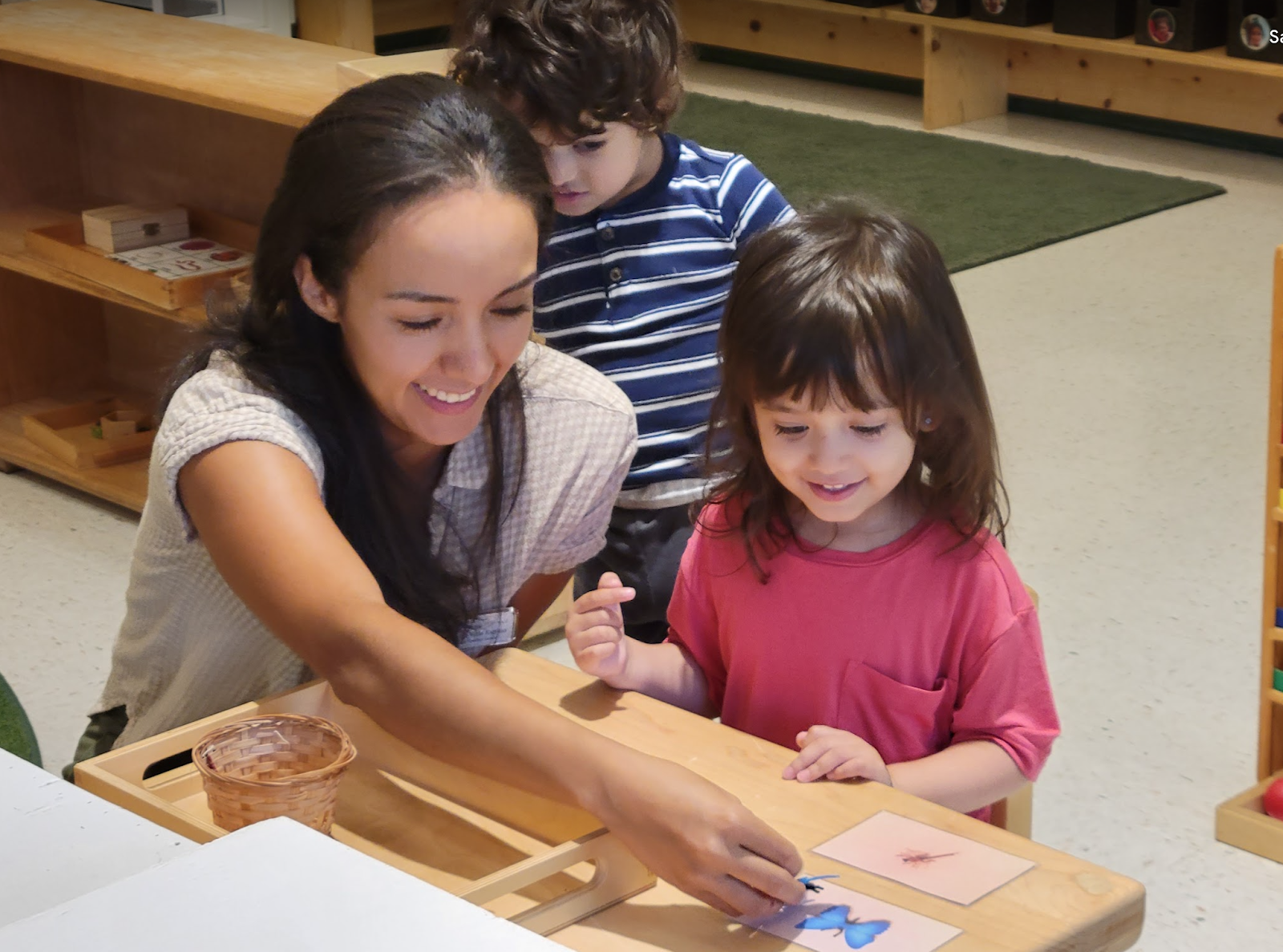
Sra. Karla gives a lesson to a Toddler
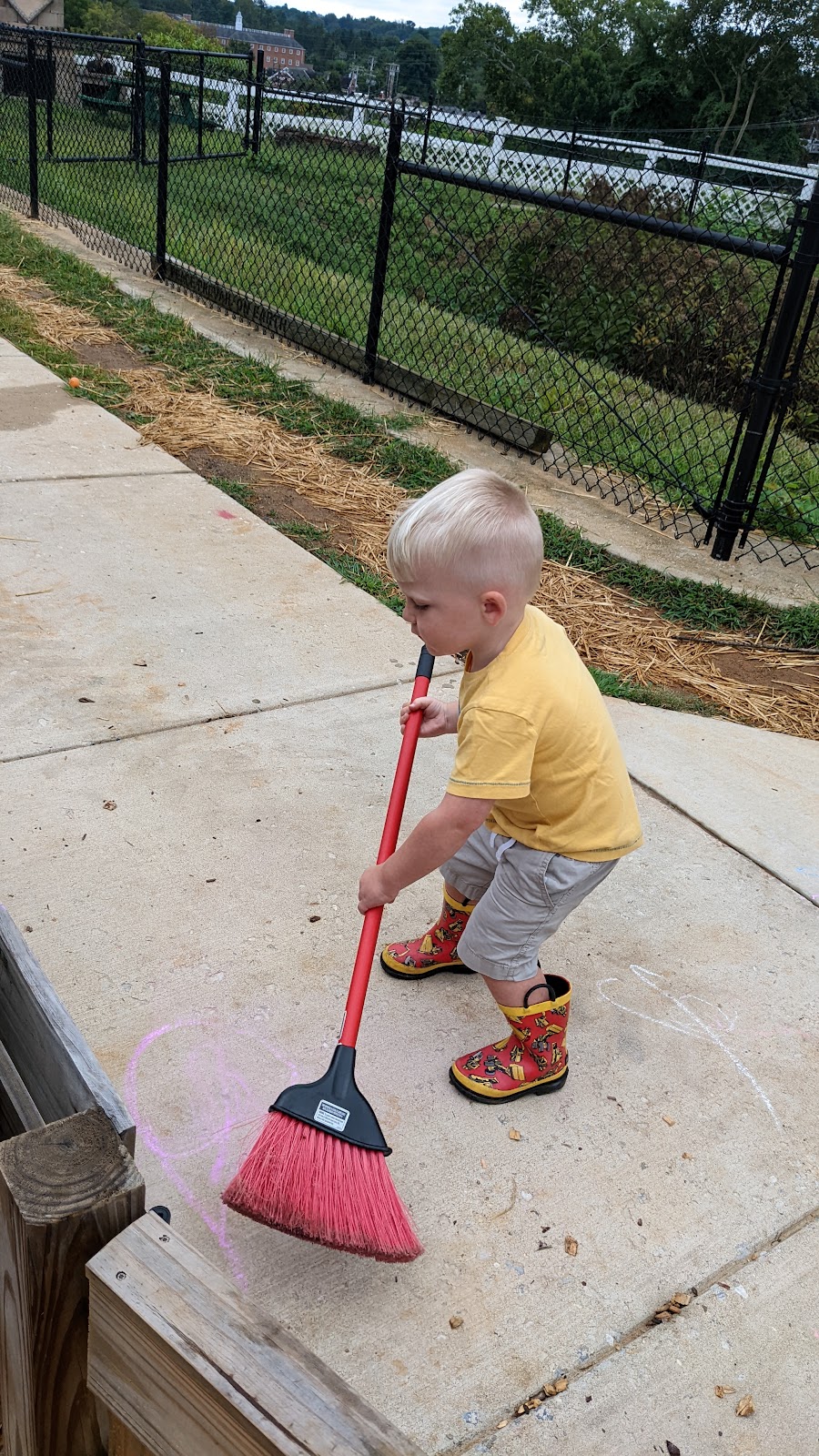
A toddler sweeps the Outdoor Environment

Children’s House students gather together for a Beautiful Meal
A stretch of protected work time, called the uninterrupted work cycle, allows children to dive deeply into work that interests them. Dr. Montessori observed, “An interesting piece of work, freely chosen, which has the virtue of inducing concentration rather than fatigue, adds to the child’s energies and mental capacities, and leads him to self-mastery.” Dr. Montessori also observed that children work because they enjoy the experience, not the product. When a child finishes a painting, she may hang it on the drying rack and forget about it. After completing the Pink Tower, a child may choose to repeat the exercise many times, each time finding the work as thrilling as the time before. Children use these experiences to construct themselves.
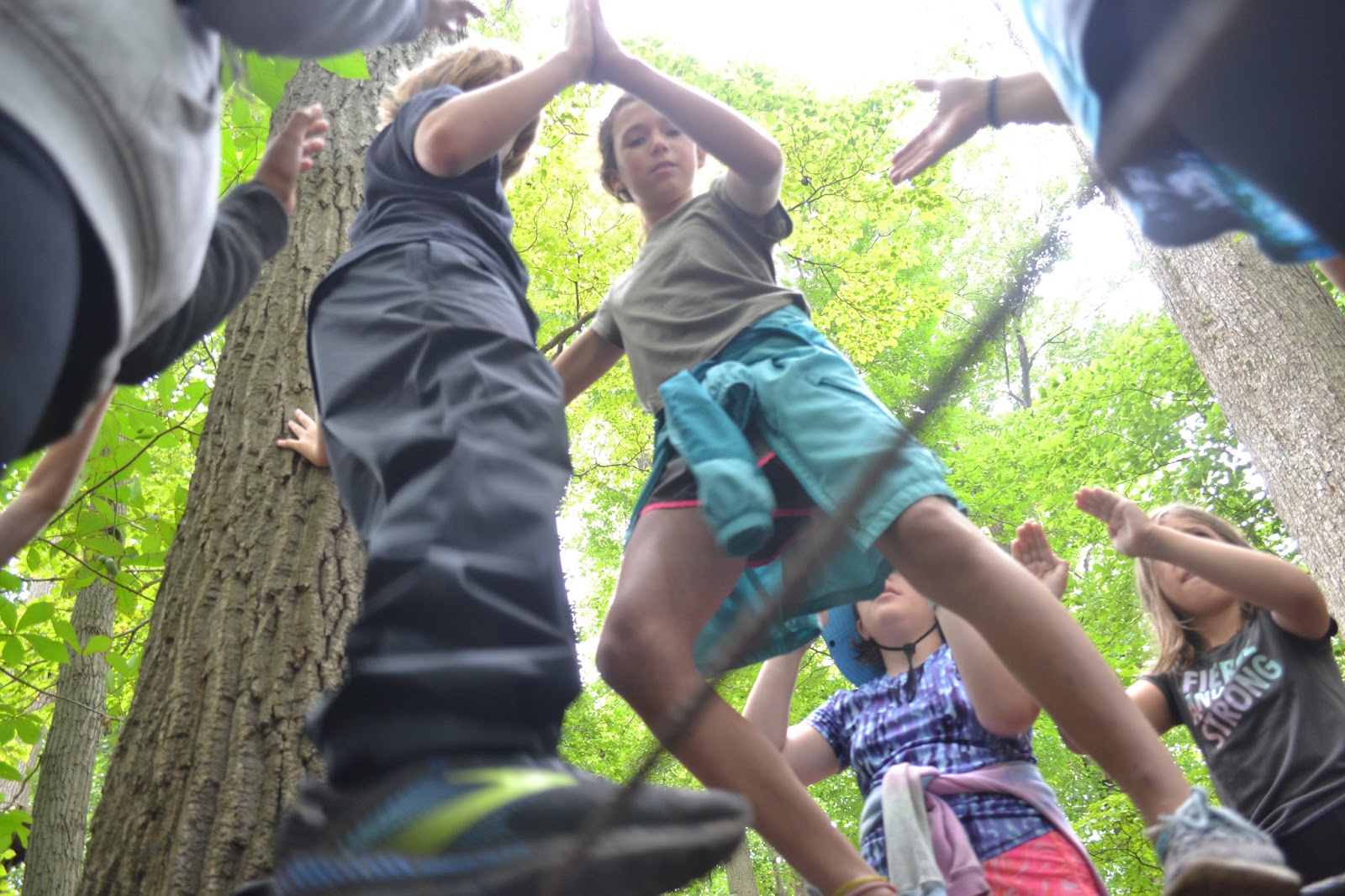
Upper Elementary teambuilding activity at Echo Hill Outdoor School

Upper Elementary students doing safety patrol
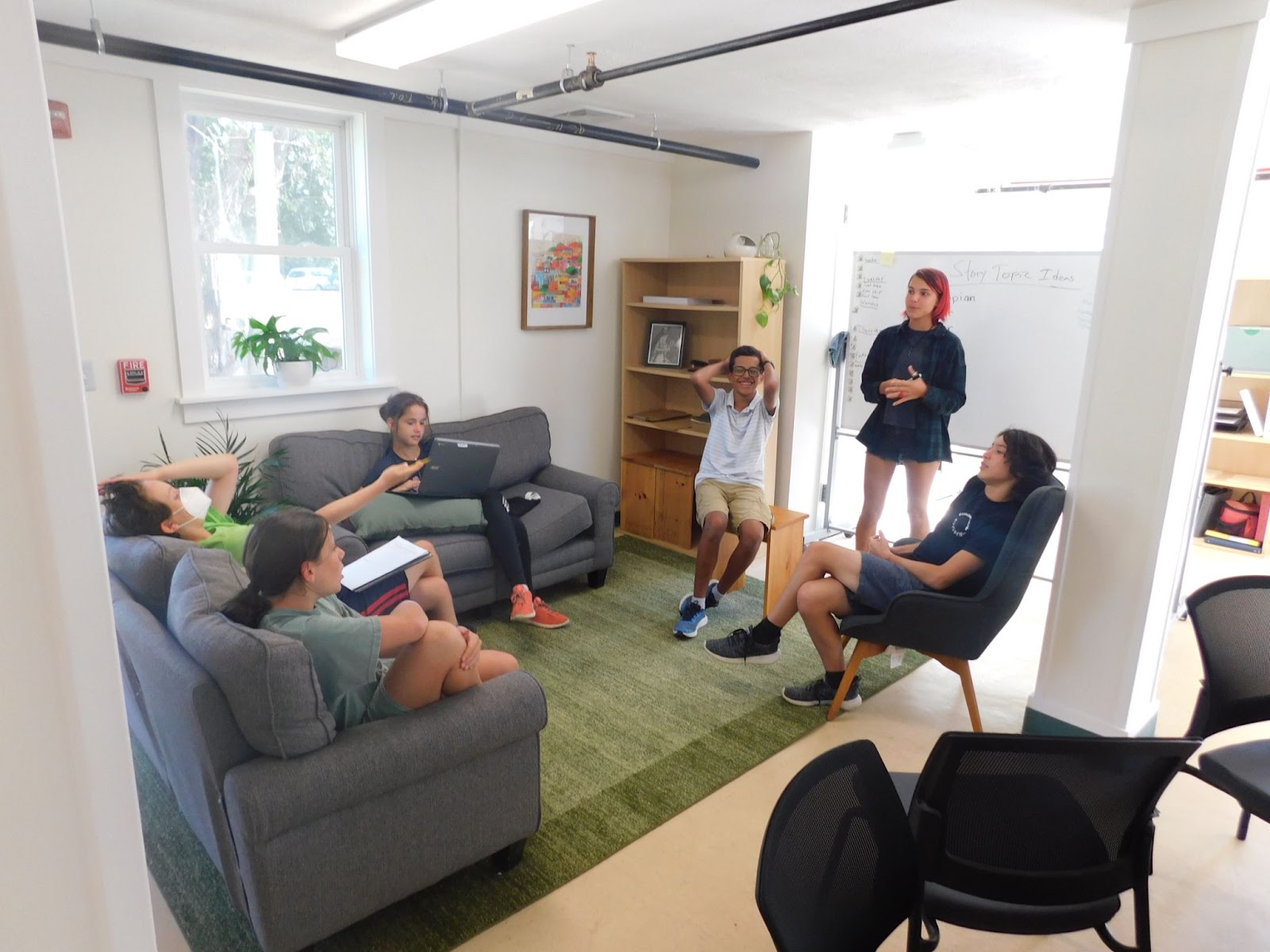
Adolescents during a Community Meeting
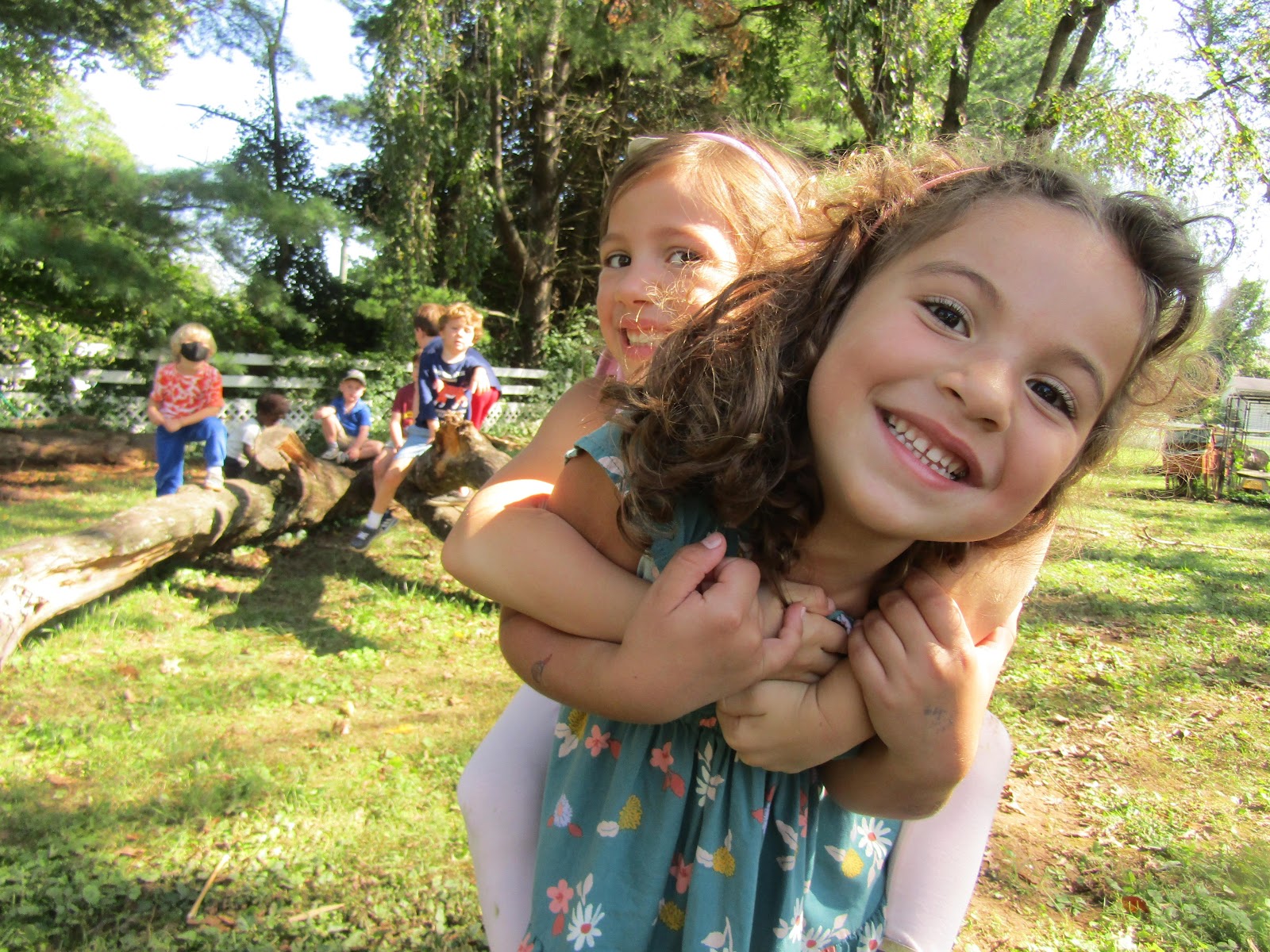
At this time of the school year students are working towards normalization. They are beginning to find focus and joyful work. For some children this occurs quickly, and for others it may take time to find their rhythm. The classroom itself also seeks normalization, not just individual children. Dr. Montessori wrote, “The greatest sign of success for a teacher… is to be able to say ‘The children are now working as if I did not exist.’” Students who work independently, are courteous towards each other, focus on their work, and enjoy the work they are doing are all signs of normalization. These characteristics that are developed in the early years don’t just benefit them in school, but for life!