Preparing Your Child for the New School Year at Greenspring

Preparing Your Child for the New School Year at Greenspring

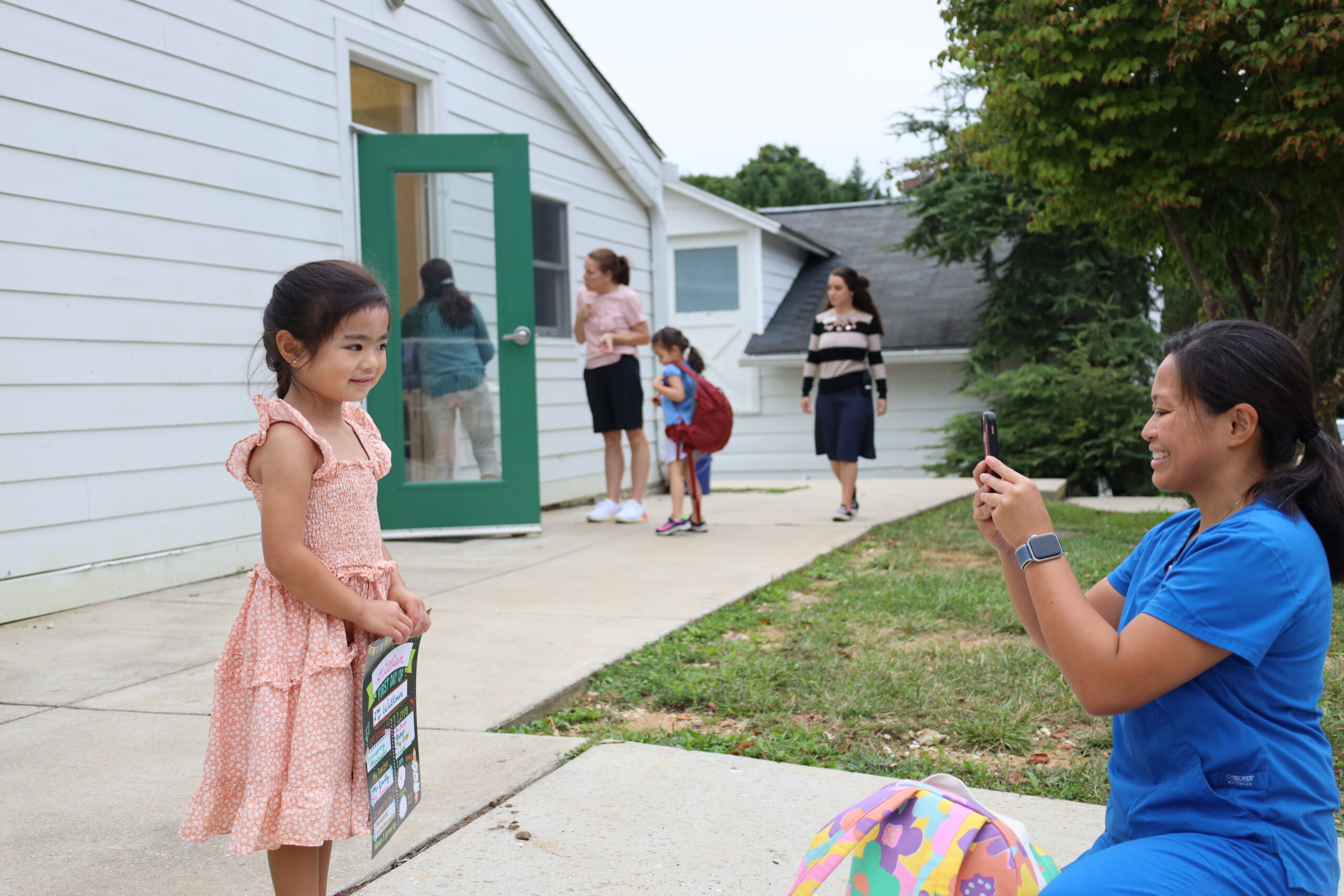
Whether your child is starting school for the first time, changing schools, getting a new Guide, or simply switching from a summer routine to a school year routine, the start of a new school year can bring up a lot of emotions for both of you. Here are some ways you can help your child prepare for these big changes.

1. Validate Your Child’s Feelings
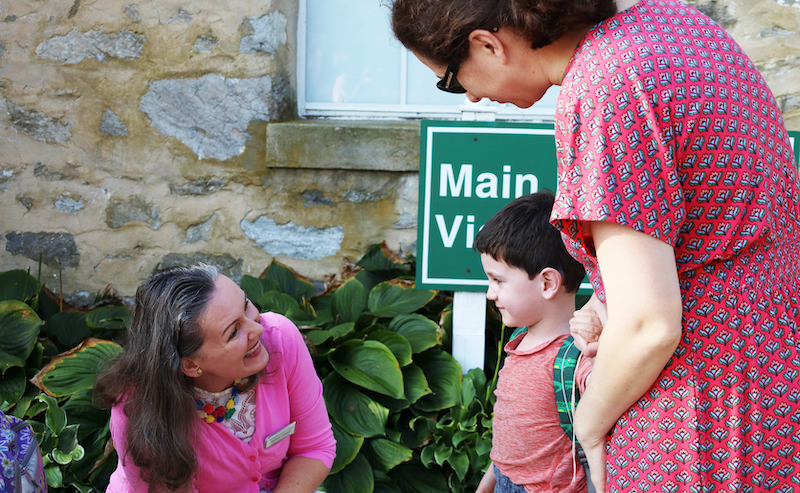
Allow your child to express their feelings about school. You can use validating phrases such as, “I understand that.” “I’ve felt that way before.” “That’s hard.” You can also encourage them to keep talking with phrases like, “Tell me more.” or “Help me understand more about that.”

Take a look at this list of validating phrases.

2. Practice Ahead of Time

Familiarity

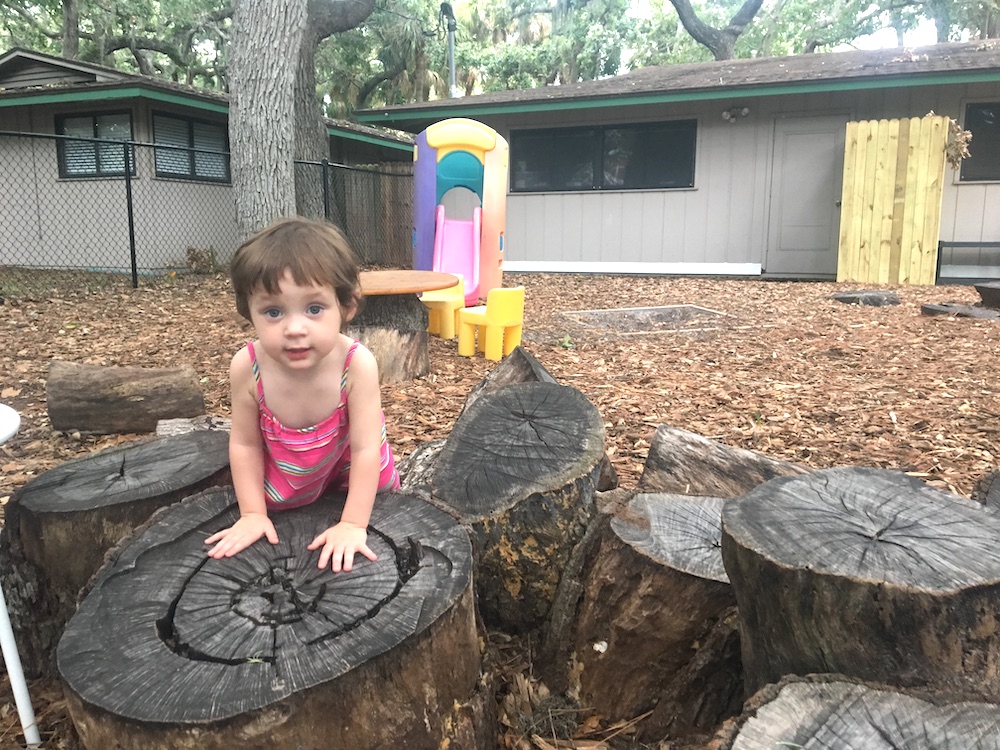
Consider visiting the Greenspring campus ahead of time to walk around the grounds and play on the playground. (It would be great to do this several times if possible.) You might also use our Family Directory to reach out to the families in your child’s class so you can set up playdates over the summer. 

We also invite children to a classroom visit day, giving them one-on-one time with the Guide. When you visit, consider taking pictures of your child in the classroom and ask the Guide/Assistant to take a picture with your child. These can be used later to spark conversations about school. You might print them out so that your child can look at them often during the days leading up to school to help them establish familiarity with the adults in their classroom. All of these experiences will help your child feel more comfortable on the first day.
Excitement

You can offer a sense of autonomy by involving your child in picking out school supplies from the supply list. By looking through the list and talking about some of the items such as a new lunchbox or rain boots, your child will likely get excited about the things they will be able to do at school. 


Separation
If this is your child’s first school experience, it’s important to practice separation. Use the childcare room at the gym or have your child spend some time at a friend’s house to practice saying goodbye and coming back. If your child is struggling, start with just five minutes and build up from there.


New Routines

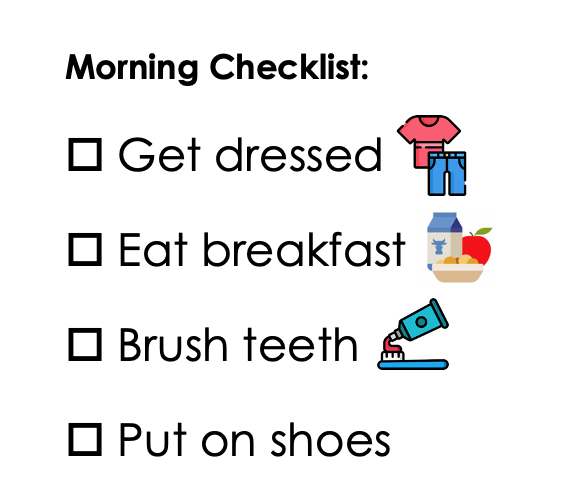
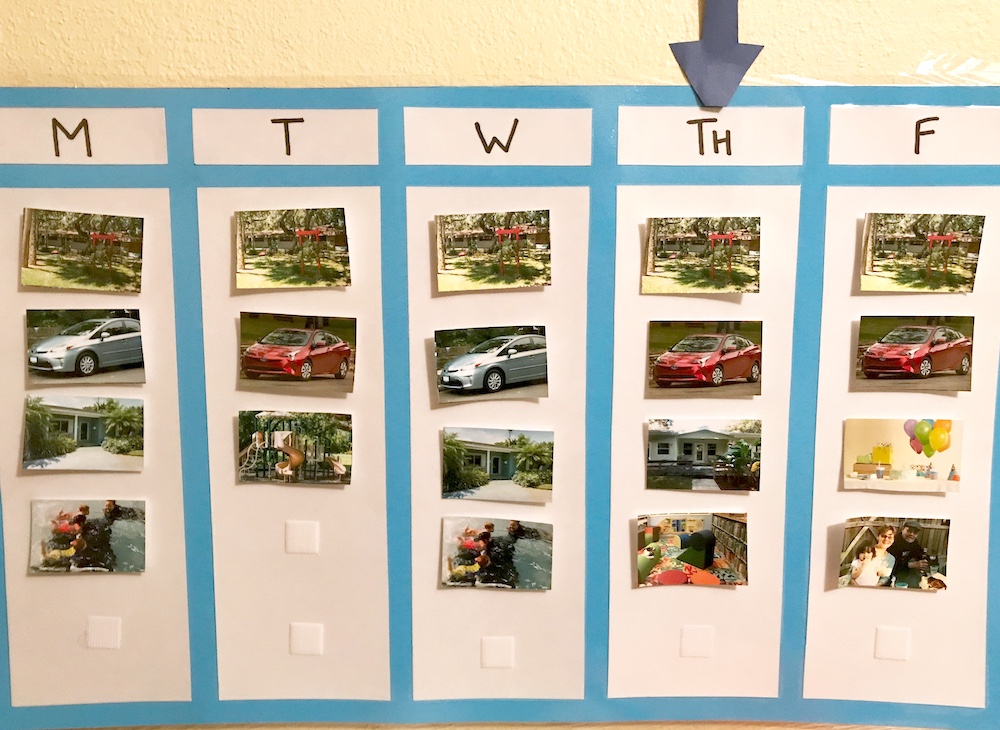
Start implementing the school morning routine well before school starts. Set an alarm for the new wake up time, and practice all the steps that you will do on a regular school day. Visual cues can be very helpful. Consider using a picture checklist for morning tasks or a picture calendar so your child can visualize the week.
Recommended Reading with Children

It can also be helpful for your child to see their situation reflected in stories. Here are a few book recommendations to read through with your child in preparation for the big day.

  • Bye Bye Time by Elizabeth Verdick
  • The Invisible String by Patrice Karst and Joanne Lew-Vriethoff 
  • The Day You Begin by Jacqueline Woodson and Rafael López
  • First Day Jitters by Julie Danneberg and Judy Love
  • School’s First Day of School by Adam Rex and Christian Robinson 
  • Ruby Finds a Worry by Tom Percival

3. Lead by Example

Your child will pick up on your emotions. If you are nervous about the new school year (which is normal), make sure you have a place to share those that is not in front of your child. When talking about the new school year around your child, focus on positivity and model excitement. For example, “I can’t wait to hear all about your first day!”

It may take some time for your child to get settled. Be in partnership with your child’s teacher and the school to talk through ways to ease the transition for your child. The most important piece is for you to stay consistent with your child.


Have a safe and happy school year!
Children Raise and Observe Wood Frogs

Children Raise and Observe Wood Frogs

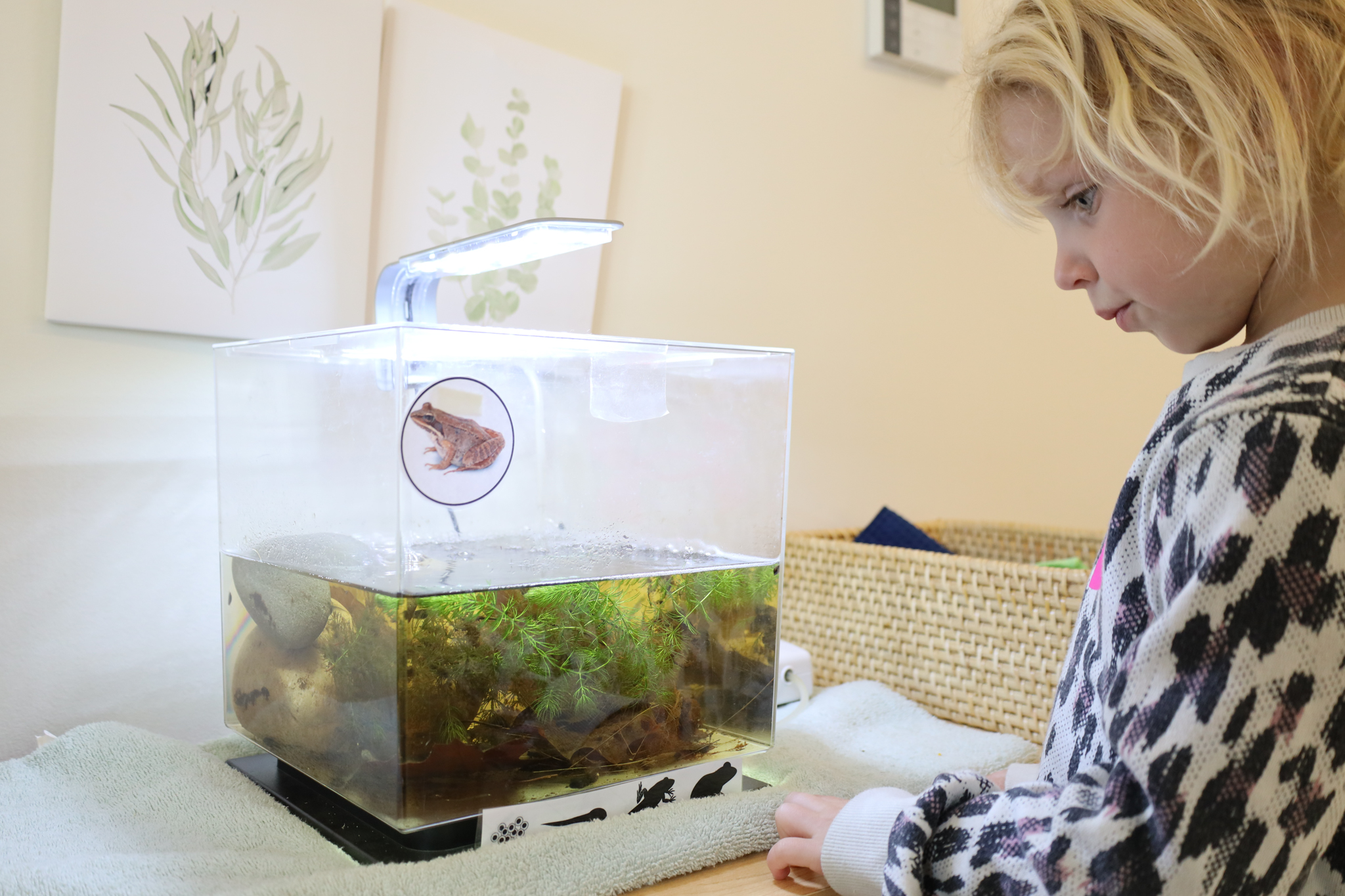
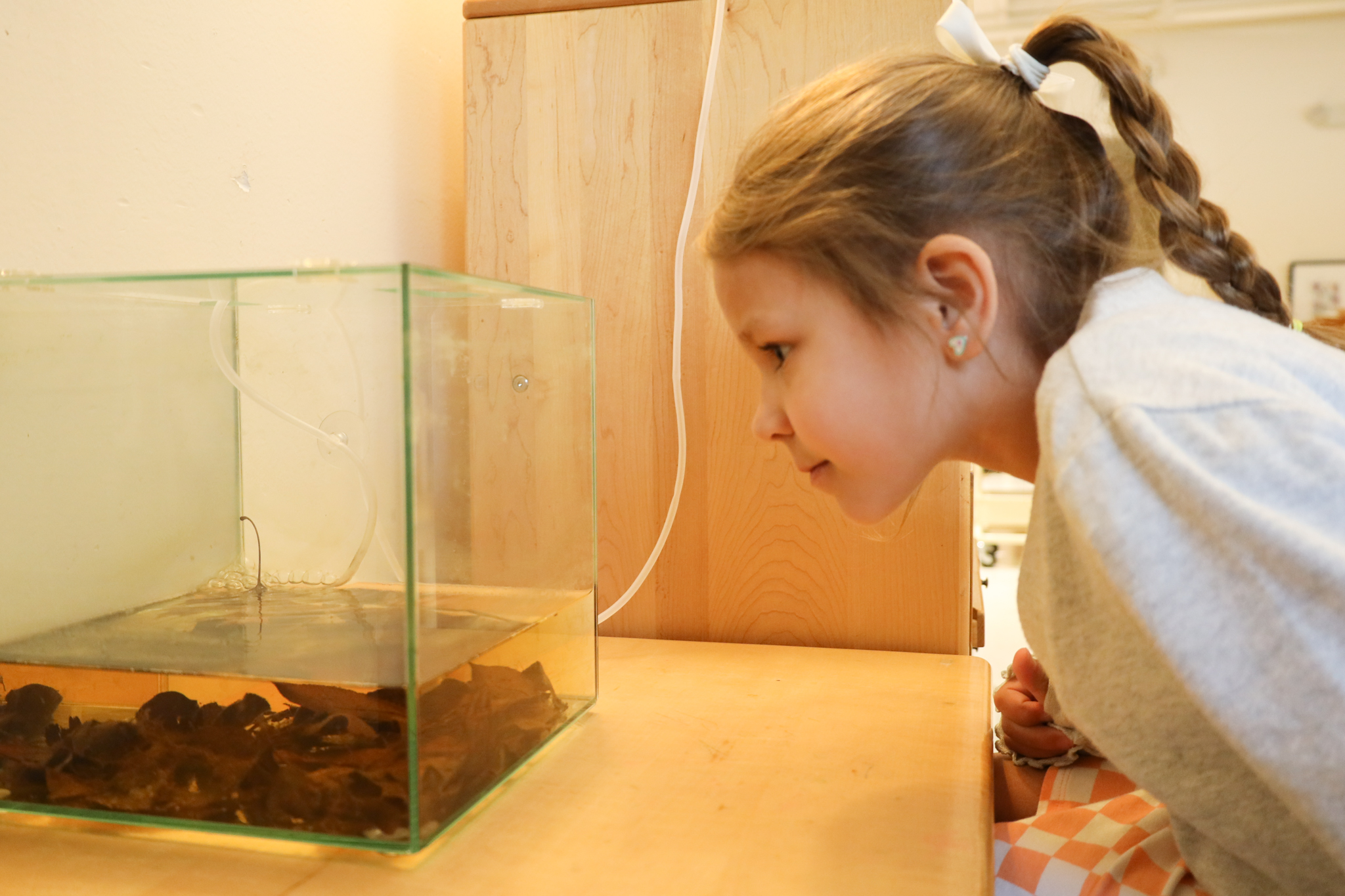
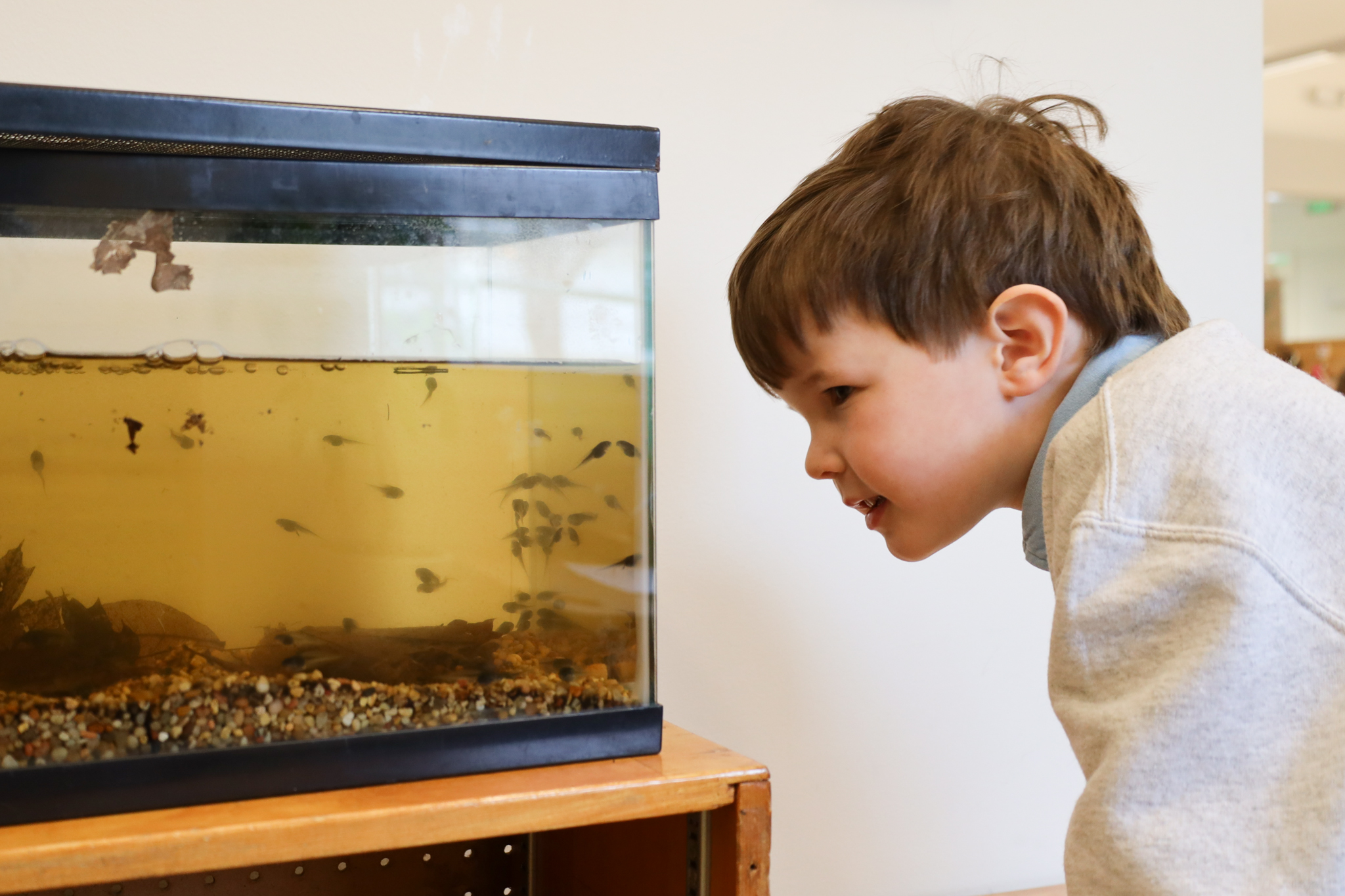
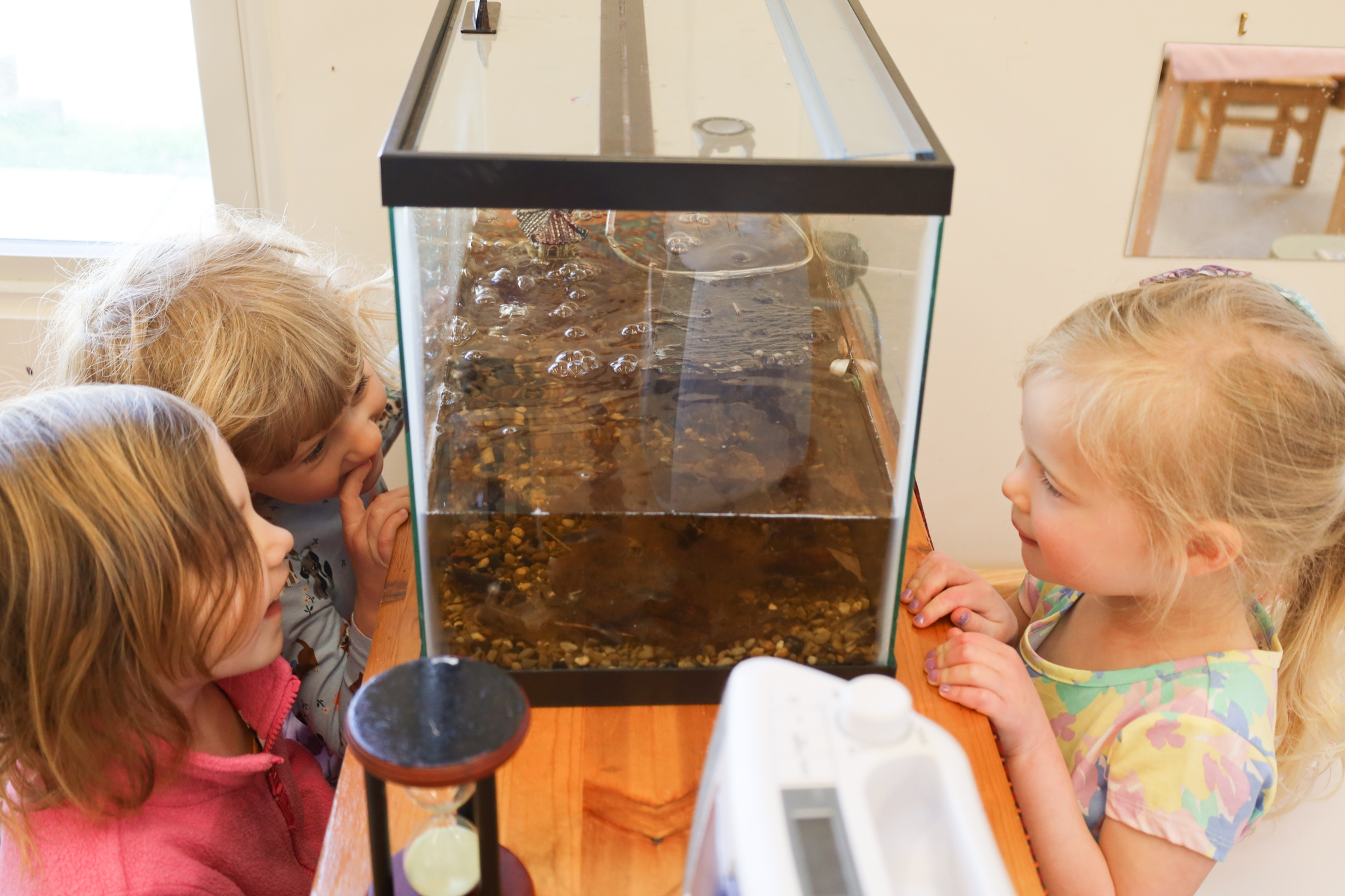
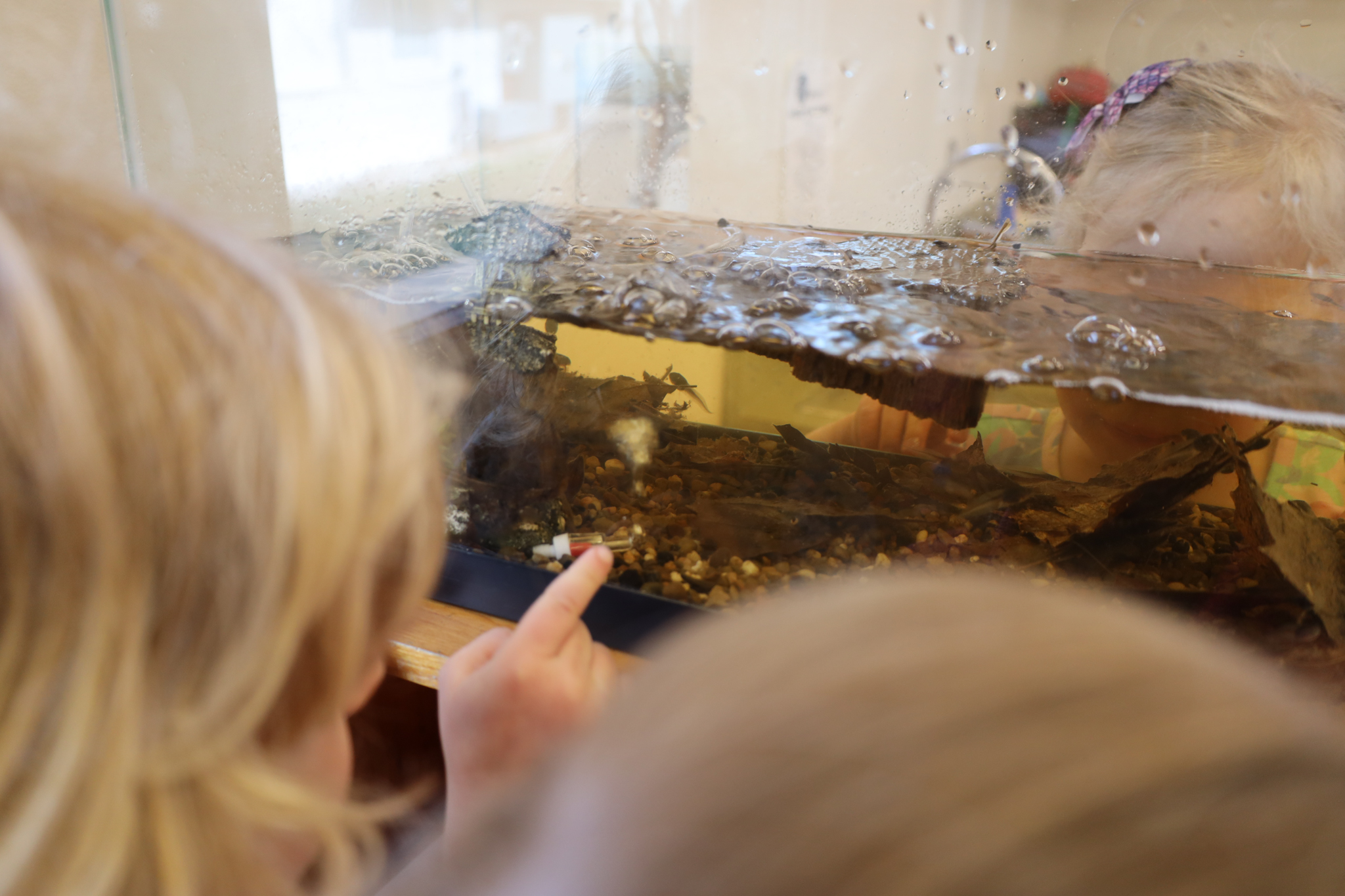
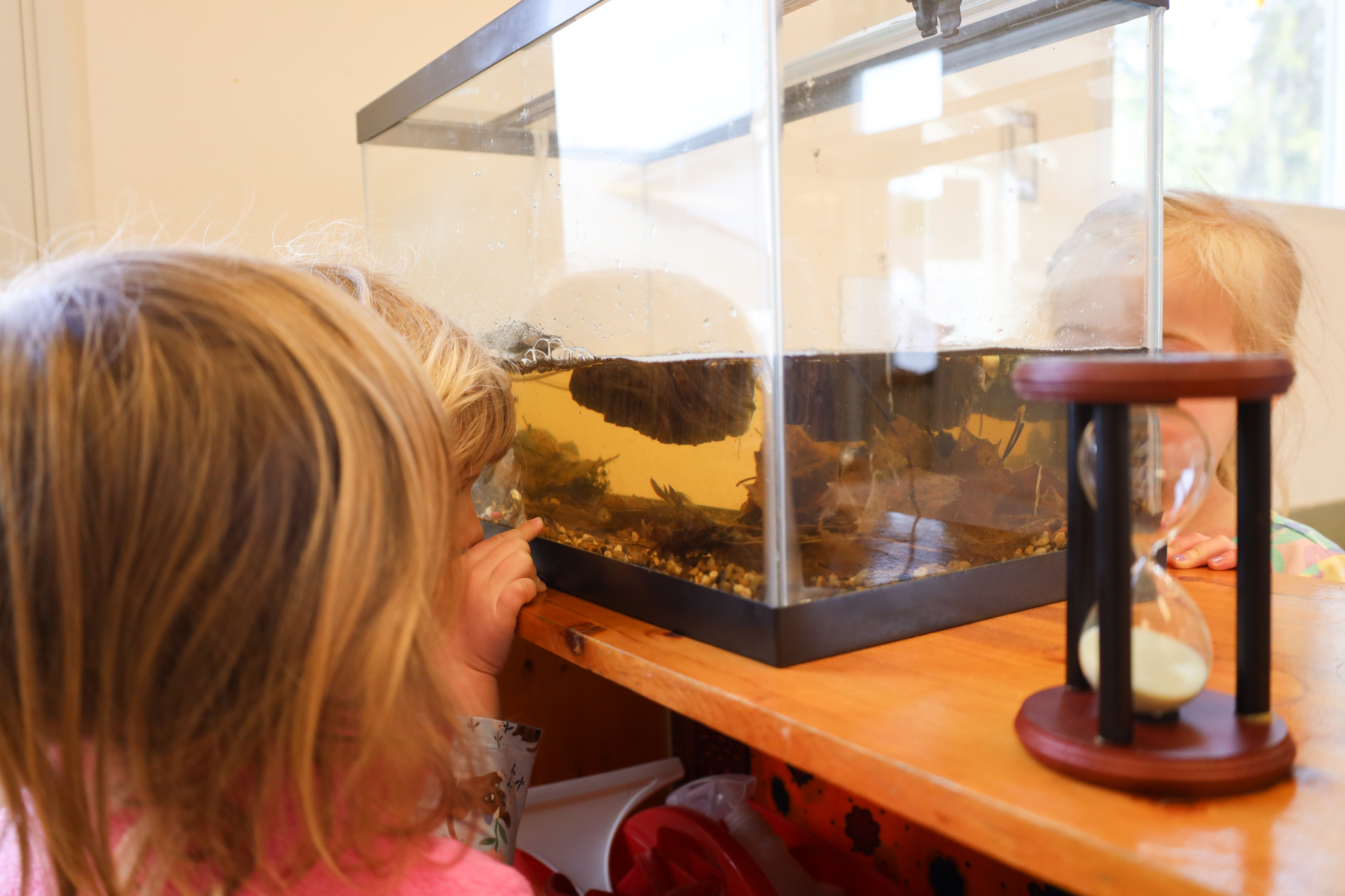
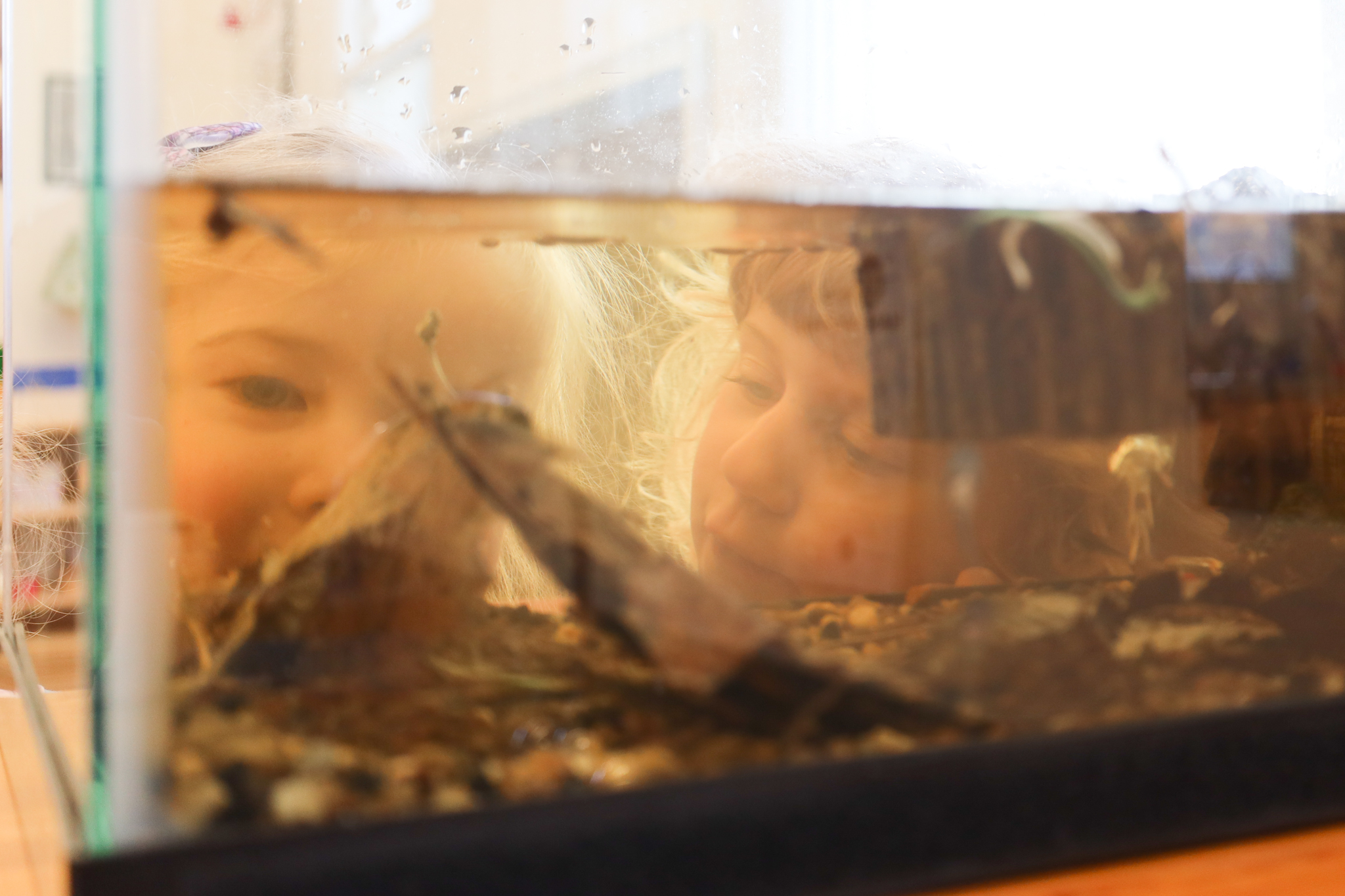
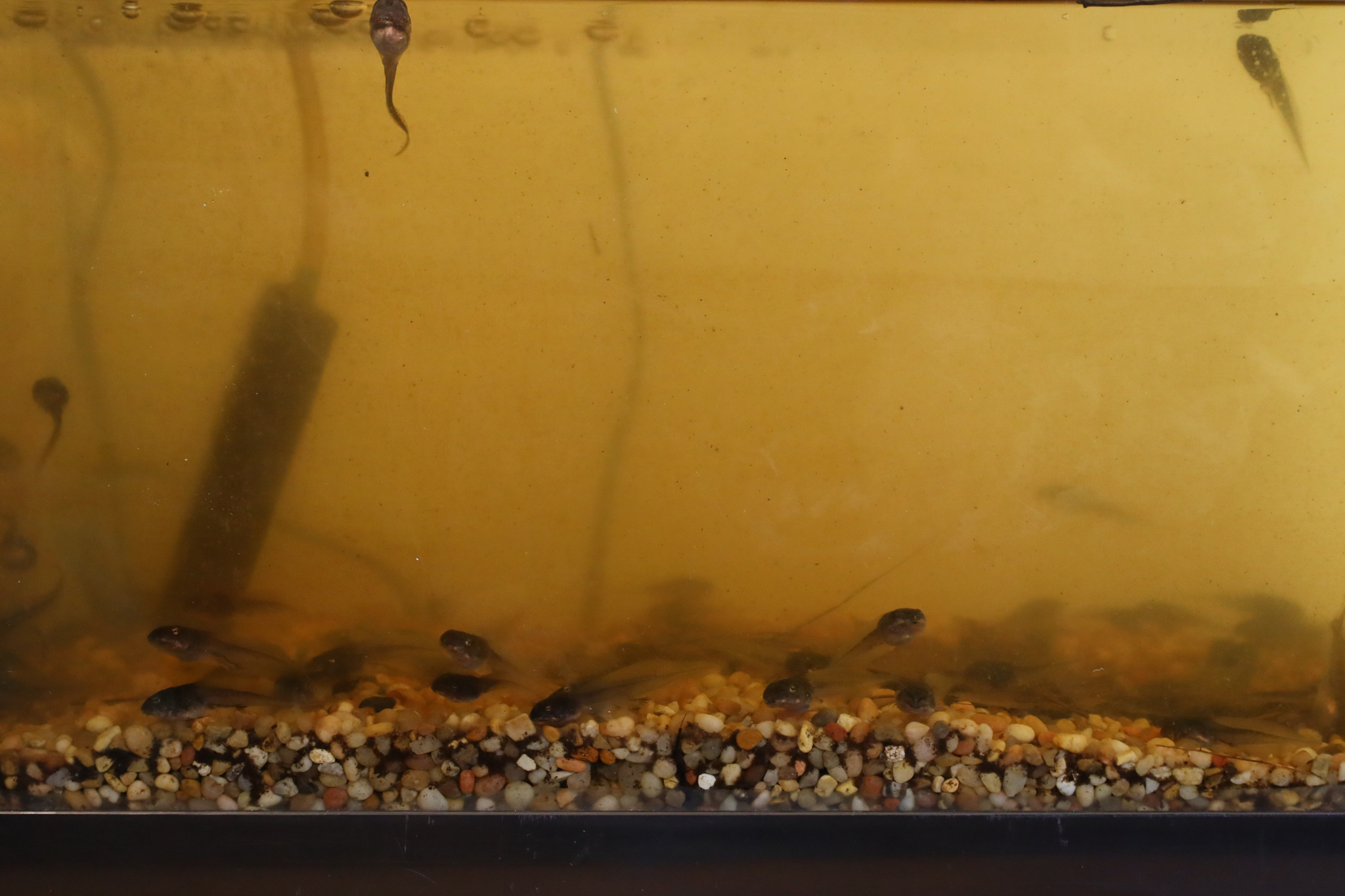
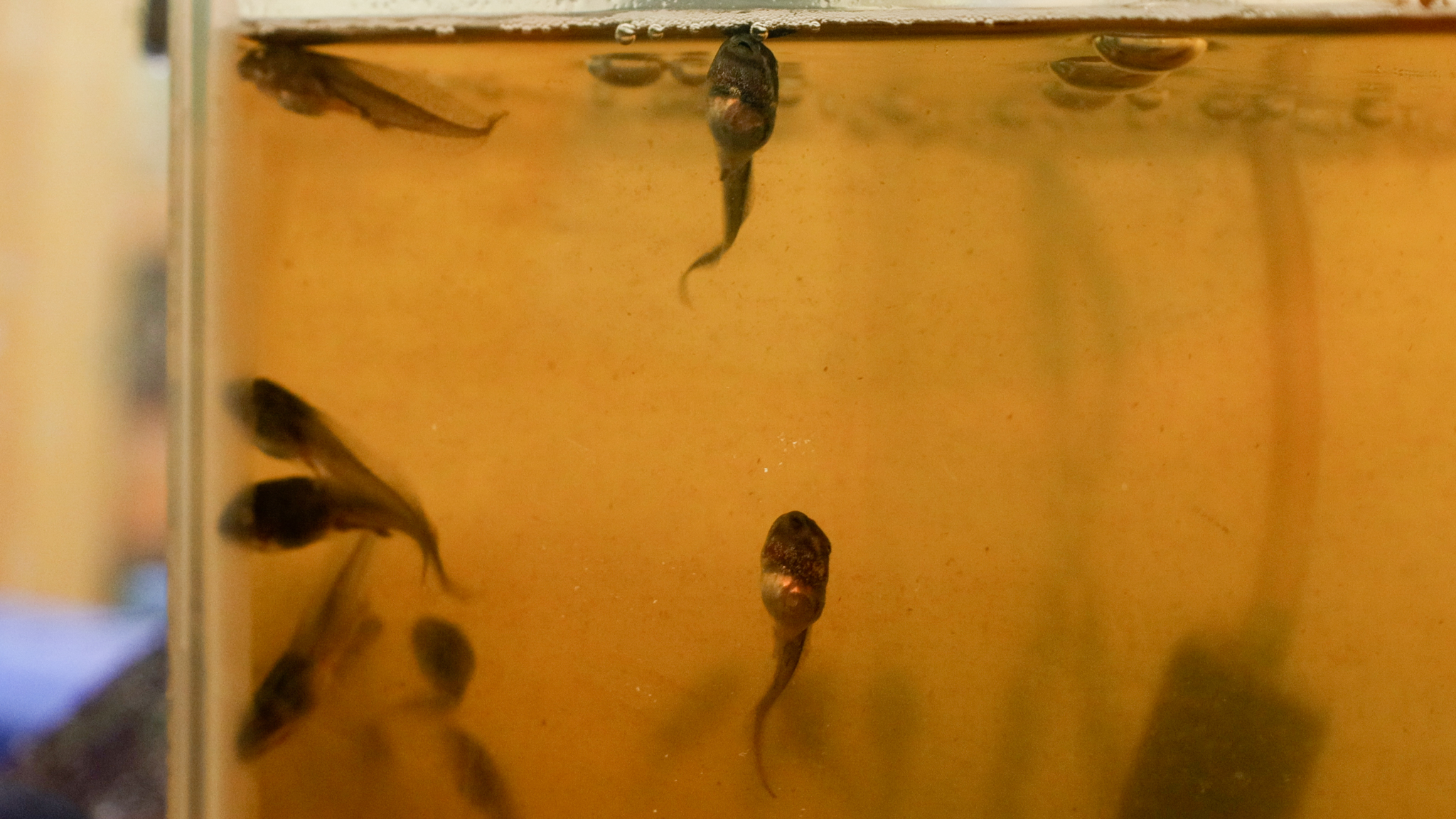
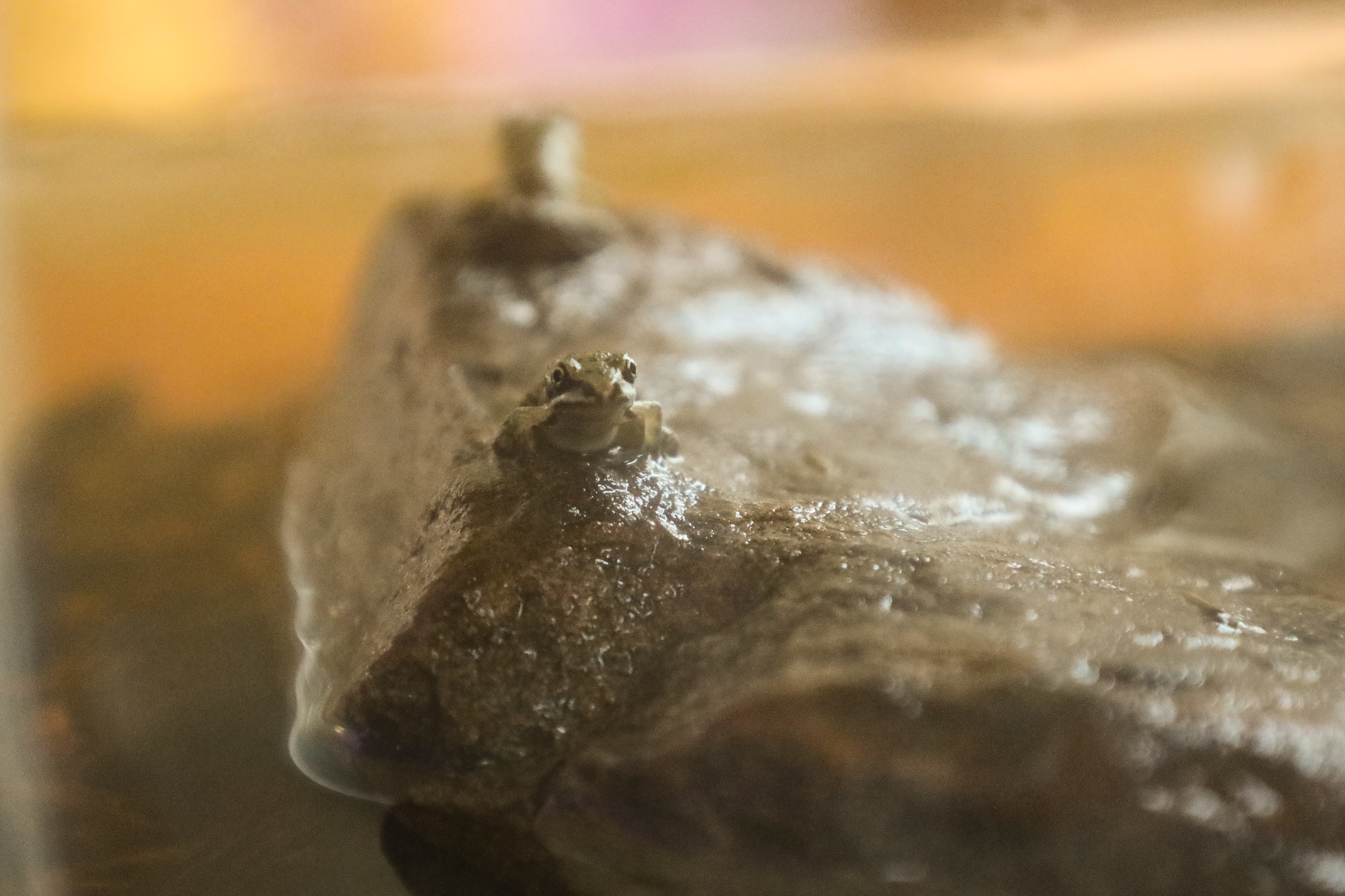
Several of our classrooms have been raising wood frog eggs into tadpoles and frogs. In early March, Adolescent Guide and naturalist Sylvia Glassco generously brought in wood frog eggs from her property. The frogs were carefully cared for in tanks for the children to learn and observe.

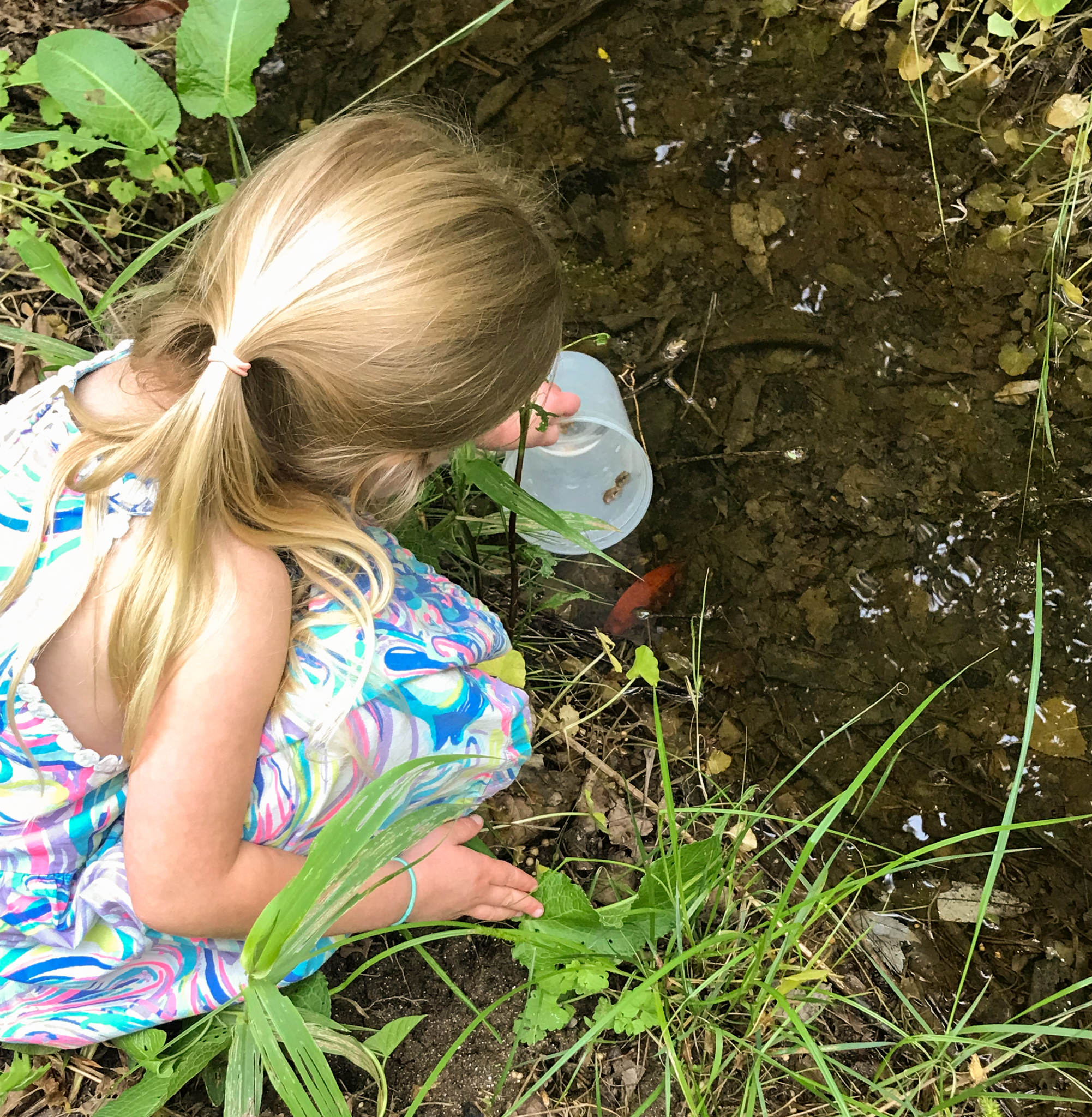
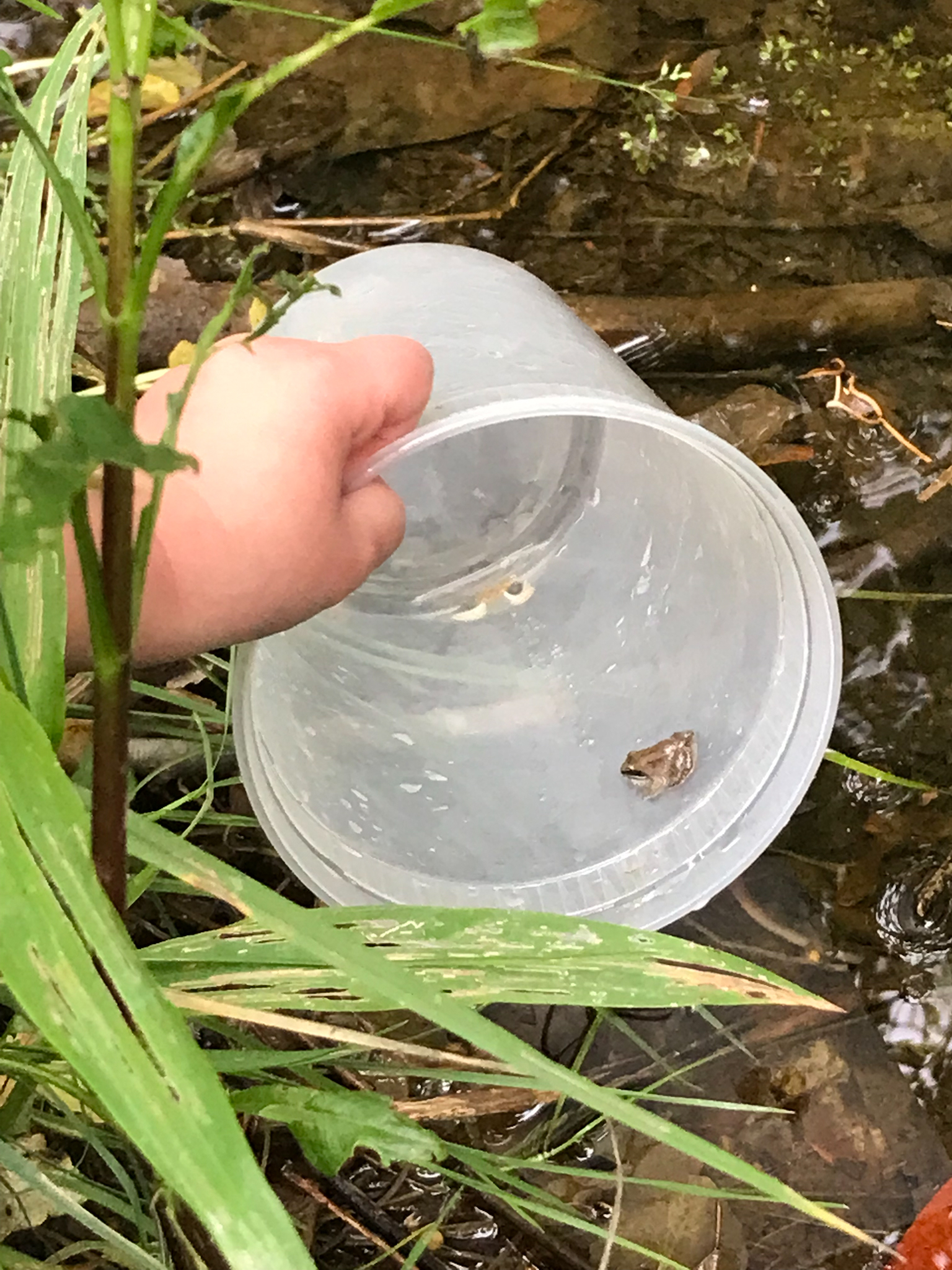
Throughout the months, the children carefully observed the growth and metamorphosis of the tadpoles, with some children keeping a written journal. When the frogs were fully grown in May, they were safely released back into the ecosystem where they were initially found.

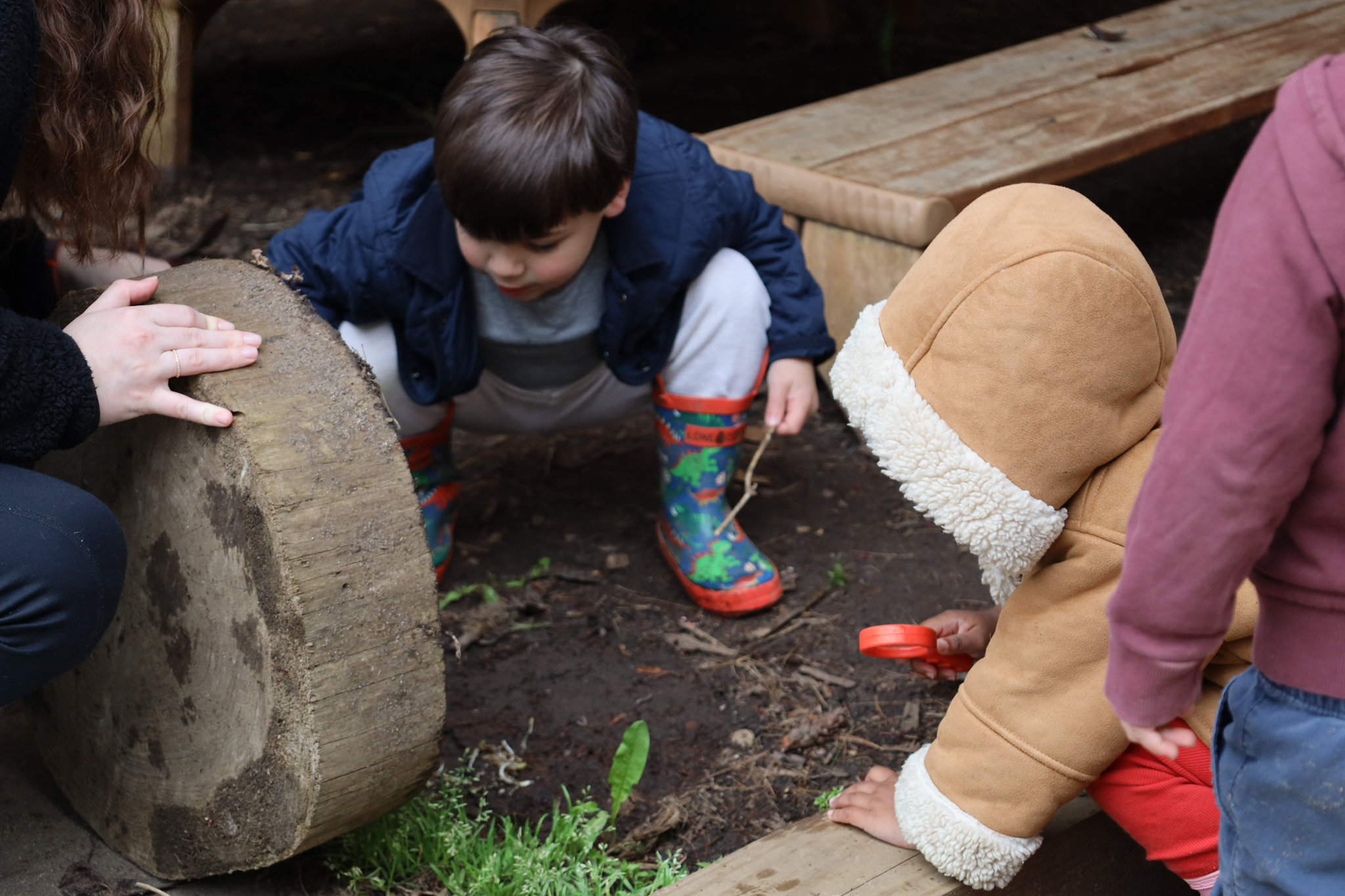
We love this opportunity for up close observation of our natural world.


Earth Day Celebrations at Greenspring

Earth Day Celebrations at Greenspring

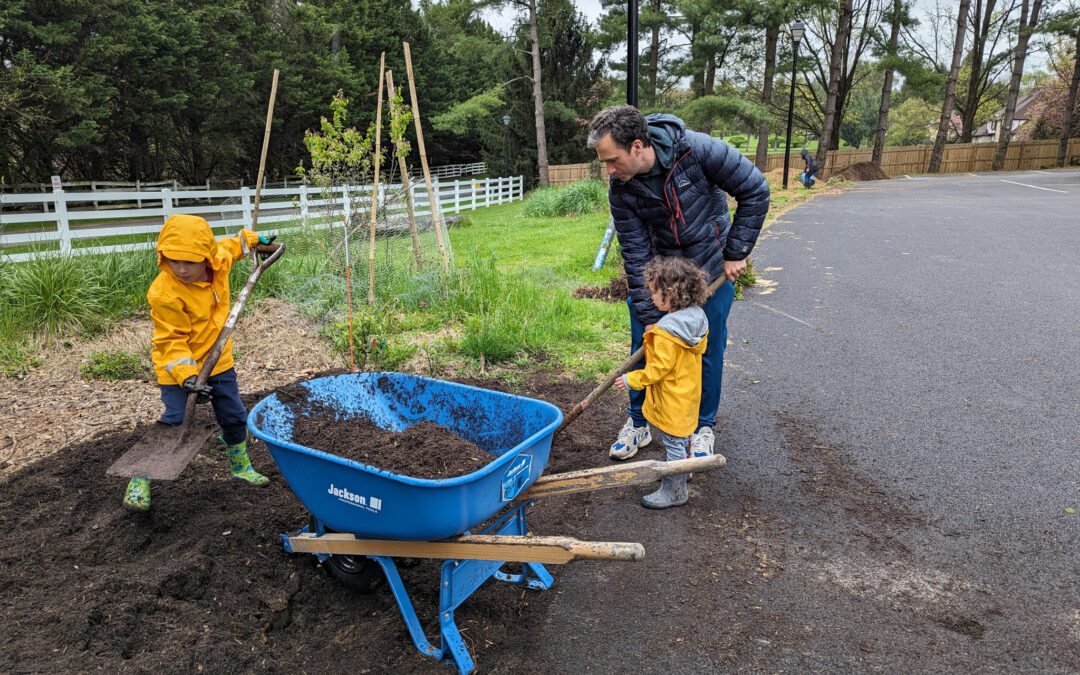
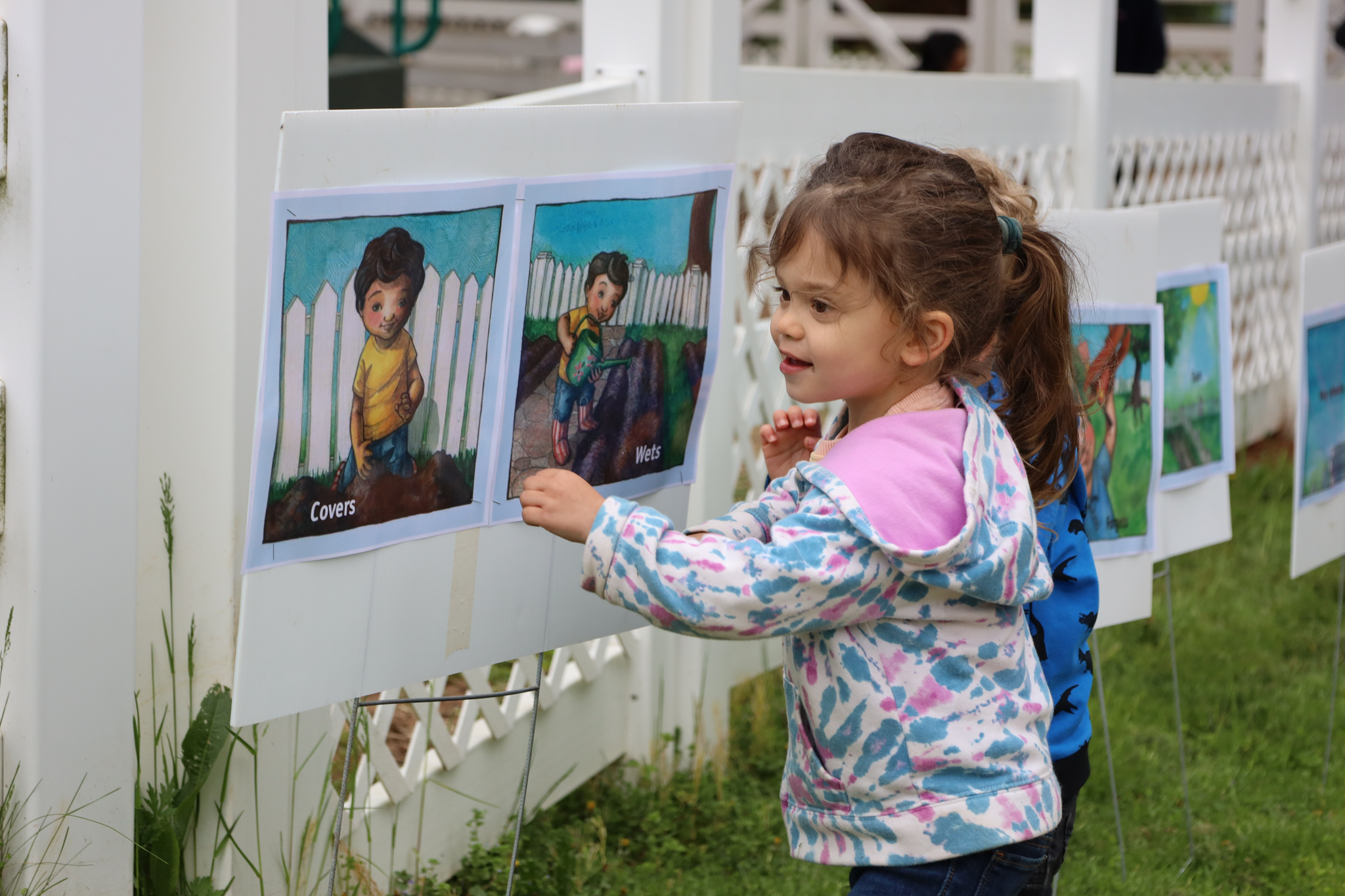
As part of our Allegiance to Nature at Greenspring Montessori School, our faculty and staff organized a special Earth Day event for our children and families. Our Toddler, Children’s House, Elementary, and Adolescent classes took on various projects around our campus including planting stations, nature-based story walks, and nature scavenger hunts. Many classes also worked to restore natural spaces on campus and make improvements to their outdoor environments. In addition, there are many beautiful books on display in the library on Earth Day, Spring, Gardening, and more! 

After school it began to rain, but many families still joined in to help spruce up the campus grounds. We would like to extend a special thanks to all of our families who volunteered to help make this event a success! If you would like to support any of our current outdoor projects by volunteering or donating supplies, please reach out to us here

It was beautiful to see everyone coming together for this purposeful community event! Take a look below to see photos and more details about the projects at each level.

Toddlers

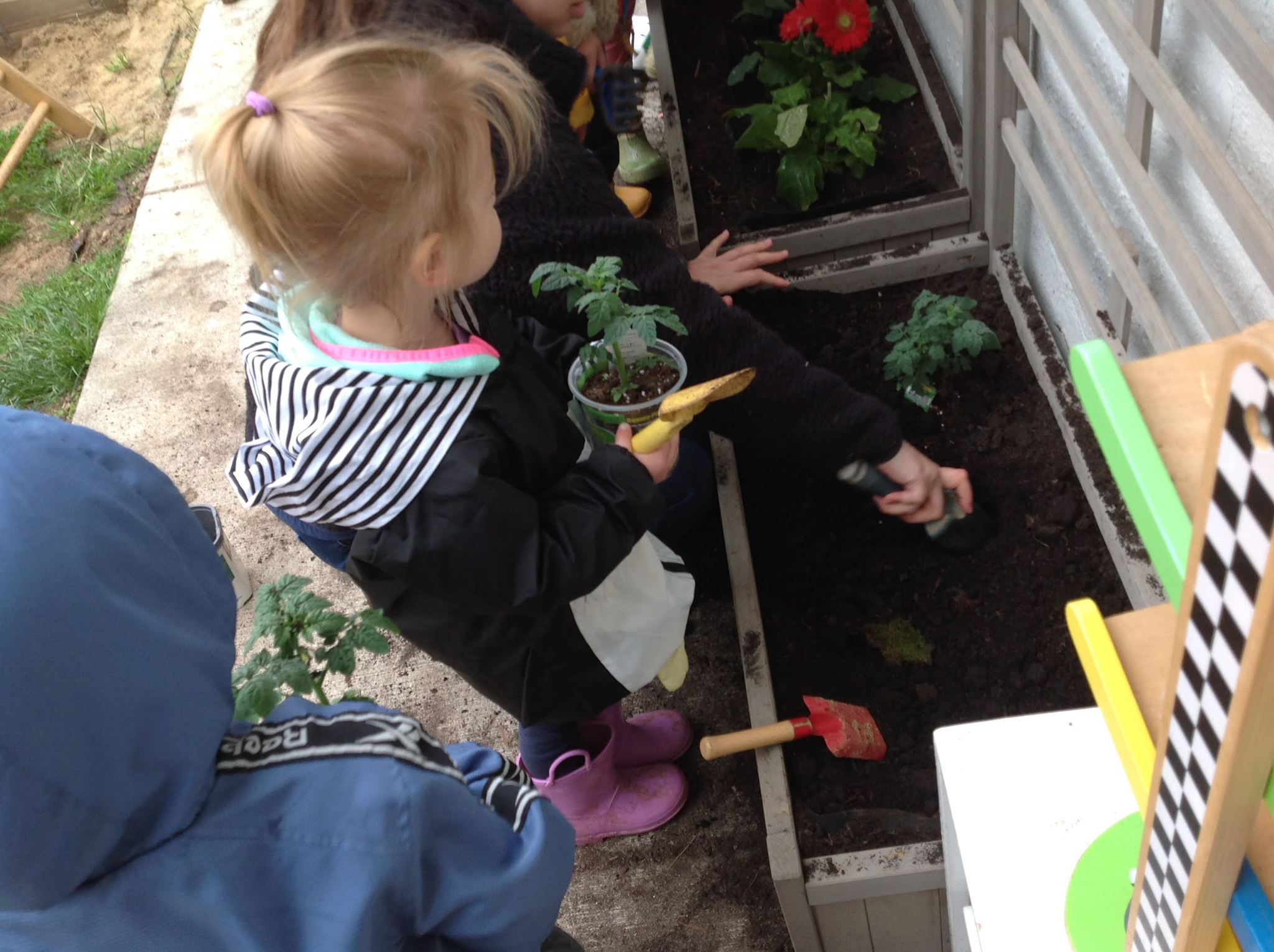
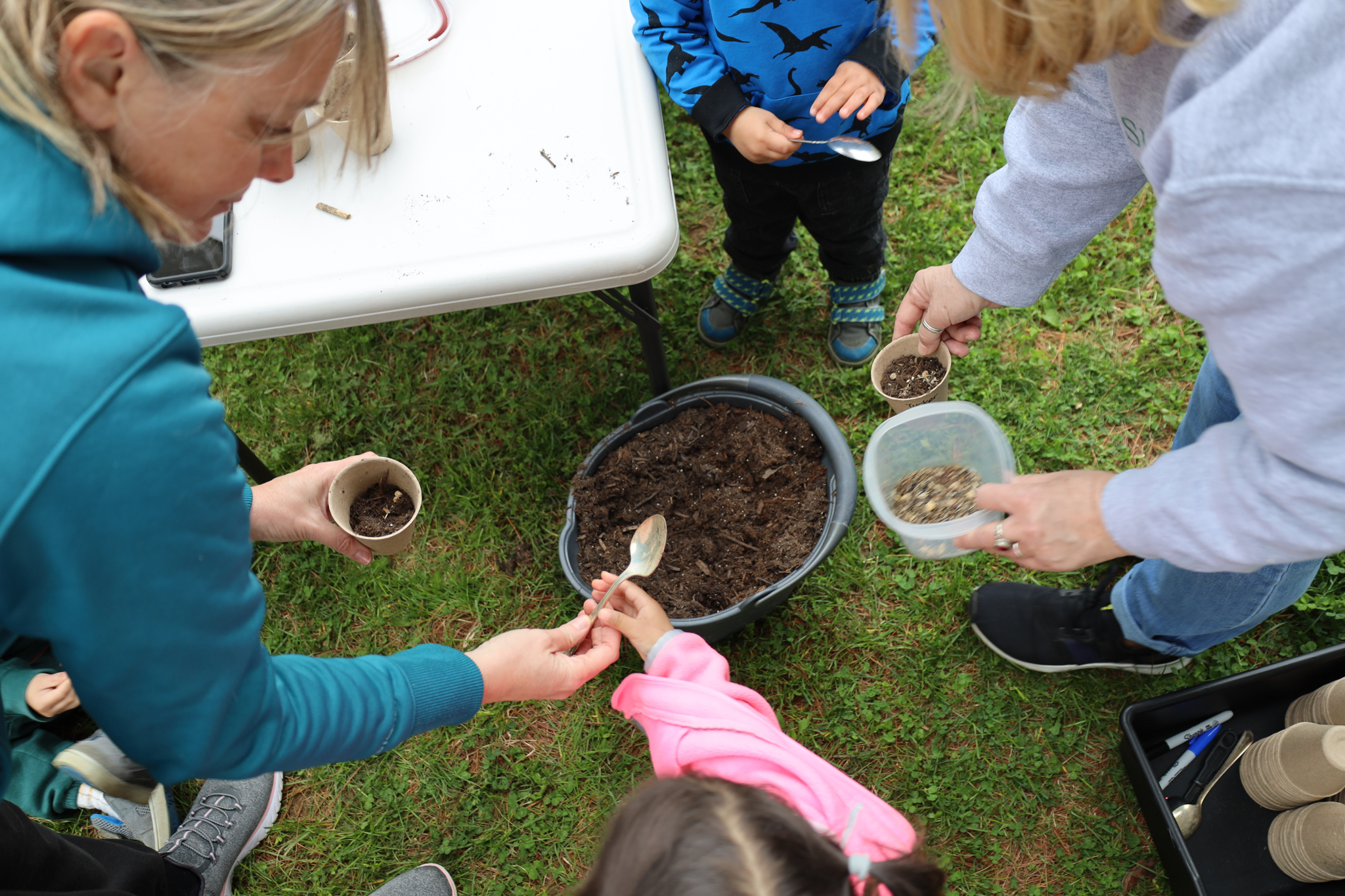
Our Toddlers visited the planting station in the morning to prepare small seedlings to bring home. They also worked together to spruce up their outdoor environments and plant zinnias in the garden bed outside of Monocacy House.

Children’s House

In preparation for Earth Day, our Children’s House classrooms hosted a week of waste-free lunches. The Children’s House Guides read stories about how waste impacts the environment and what we can do to help. The students then took a closer look at the waste the classes generated during a typical lunch. Together they talked about how waste impacts people, animals, and our environment. In addition to their waste-free lunch efforts, the children also weighed their compost collectively to see how they are helping to remove waste from landfills just by the small step we each take when we compost our food scraps.

Our Children’s House team was inspired to take on this initiative after learning more about the Roots & Shoots Program by Jane Goodall. To learn more about our Children’s House Roots & Shoots lessons, please click here.

“People are so overwhelmed by the magnitude of our folly that they feel helpless. They sink into apathy and despair, lose hope, and so do nothing. We must find ways to help people understand that each one of us has a role to play, no matter how small. Every day we make some impact on the planet.  And the cumulative effect of millions of small ethical actions will truly make a difference.”

– Jane Goodall, The Book of Hope

Elementary & Adolescents

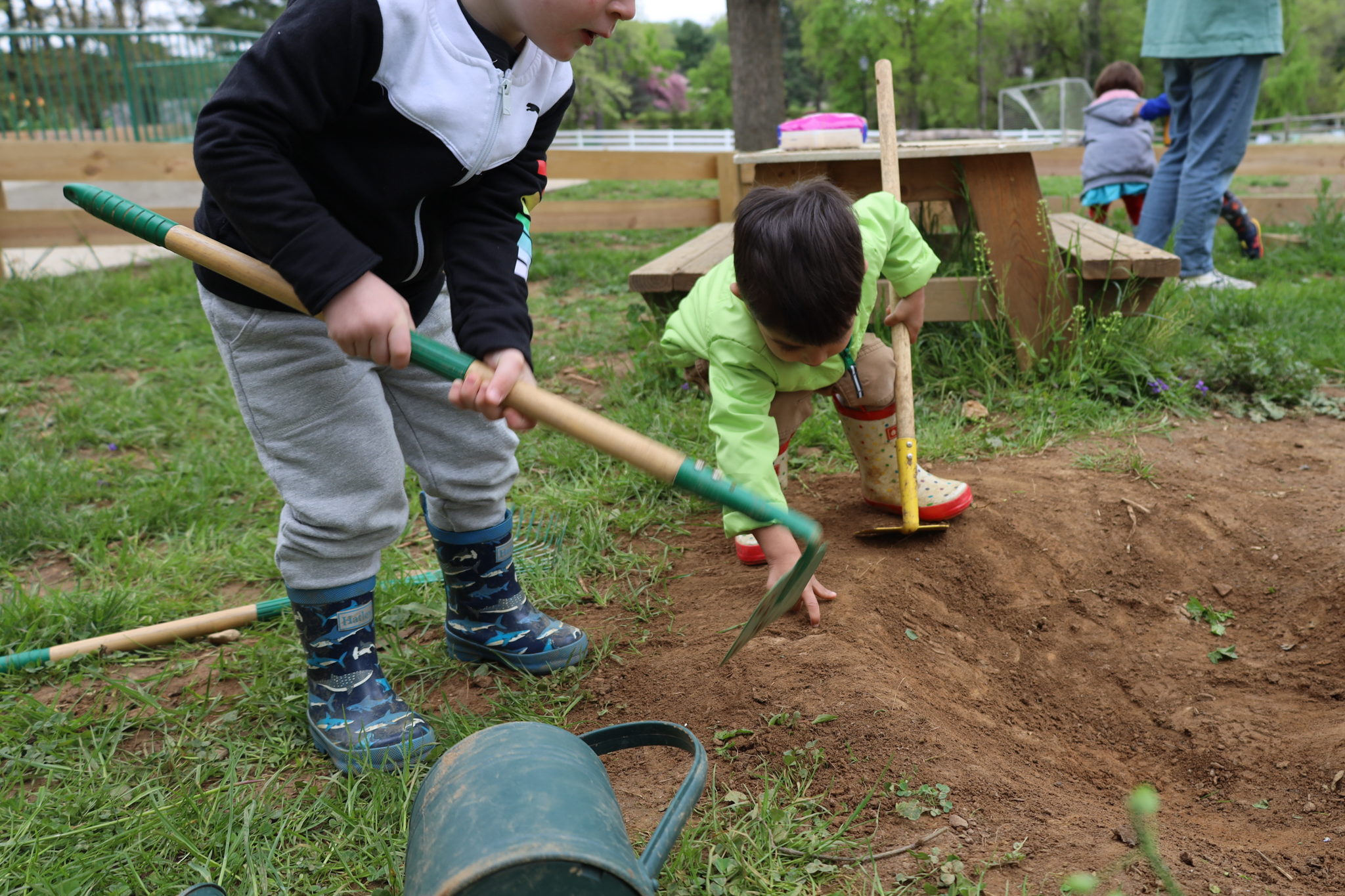
Our Elementary children sowed vegetable and flower seeds in their outdoor gardens.They are also preparing to extend their garden area in order to grow wine plants including gourds, pumpkins, squash, and watermelon.

Our Adolescents tended to the rain garden they designed and planted on campus last spring, mending the deer fencing, wedding, and adding new plants.

Families

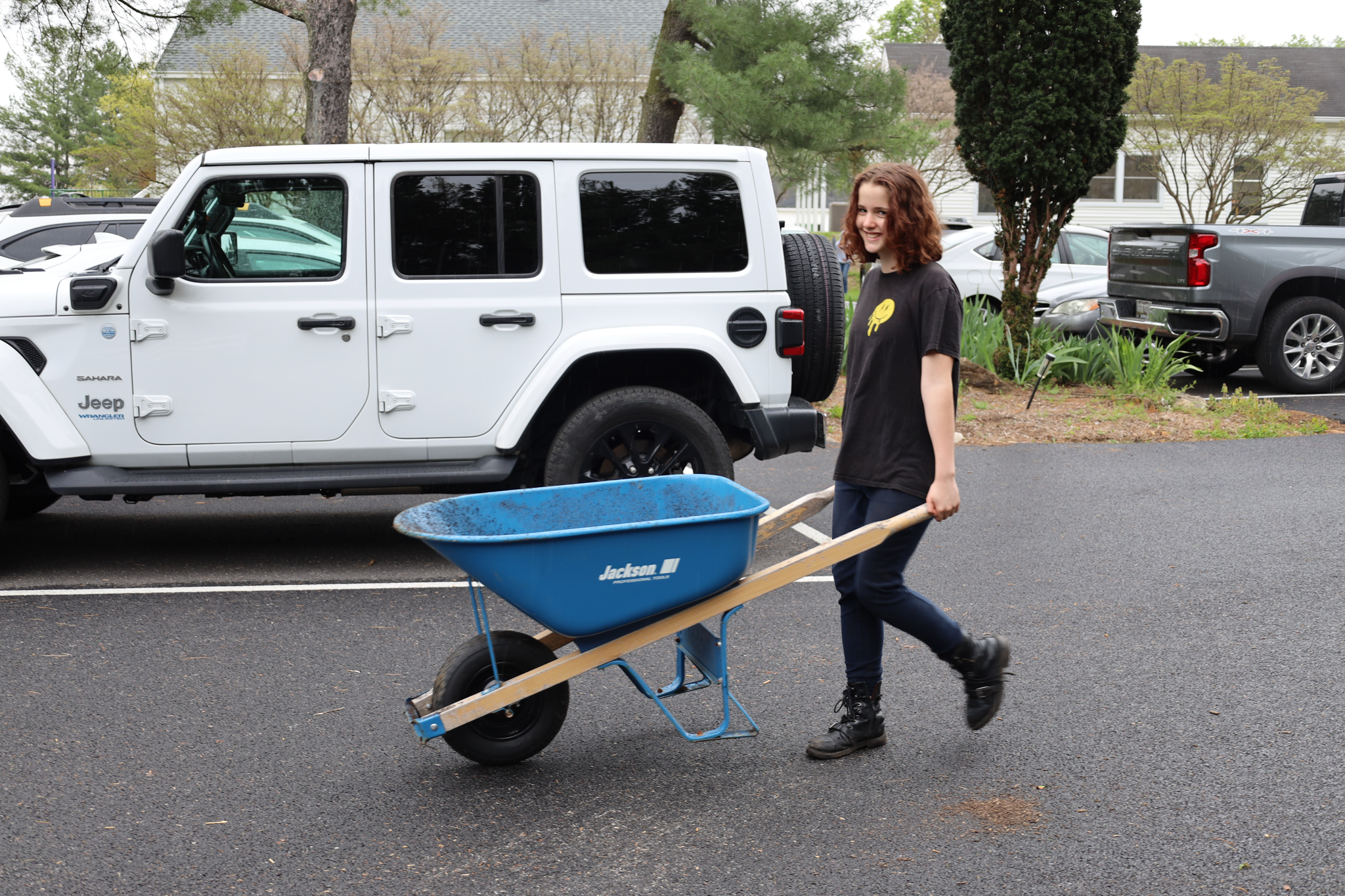
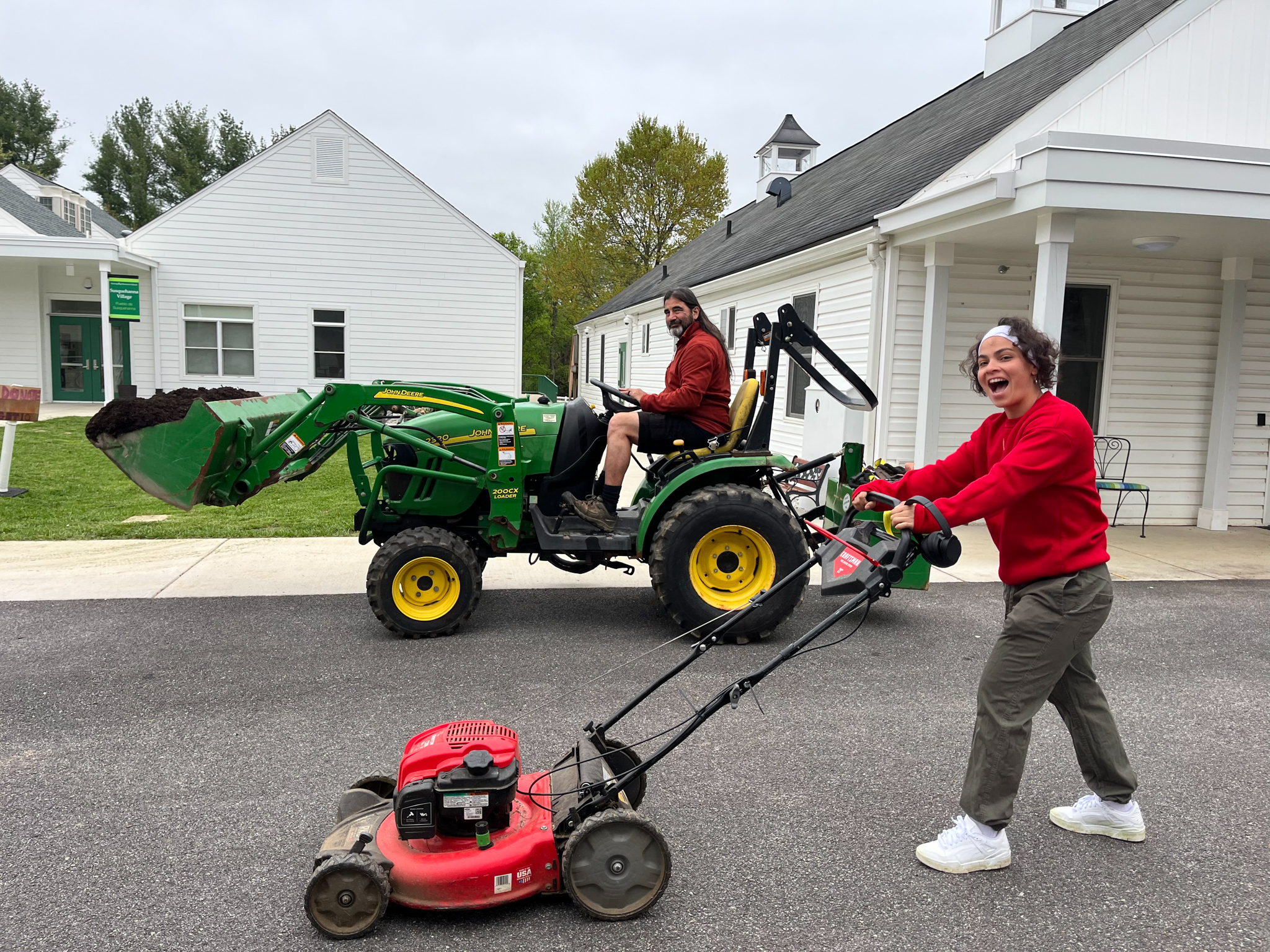
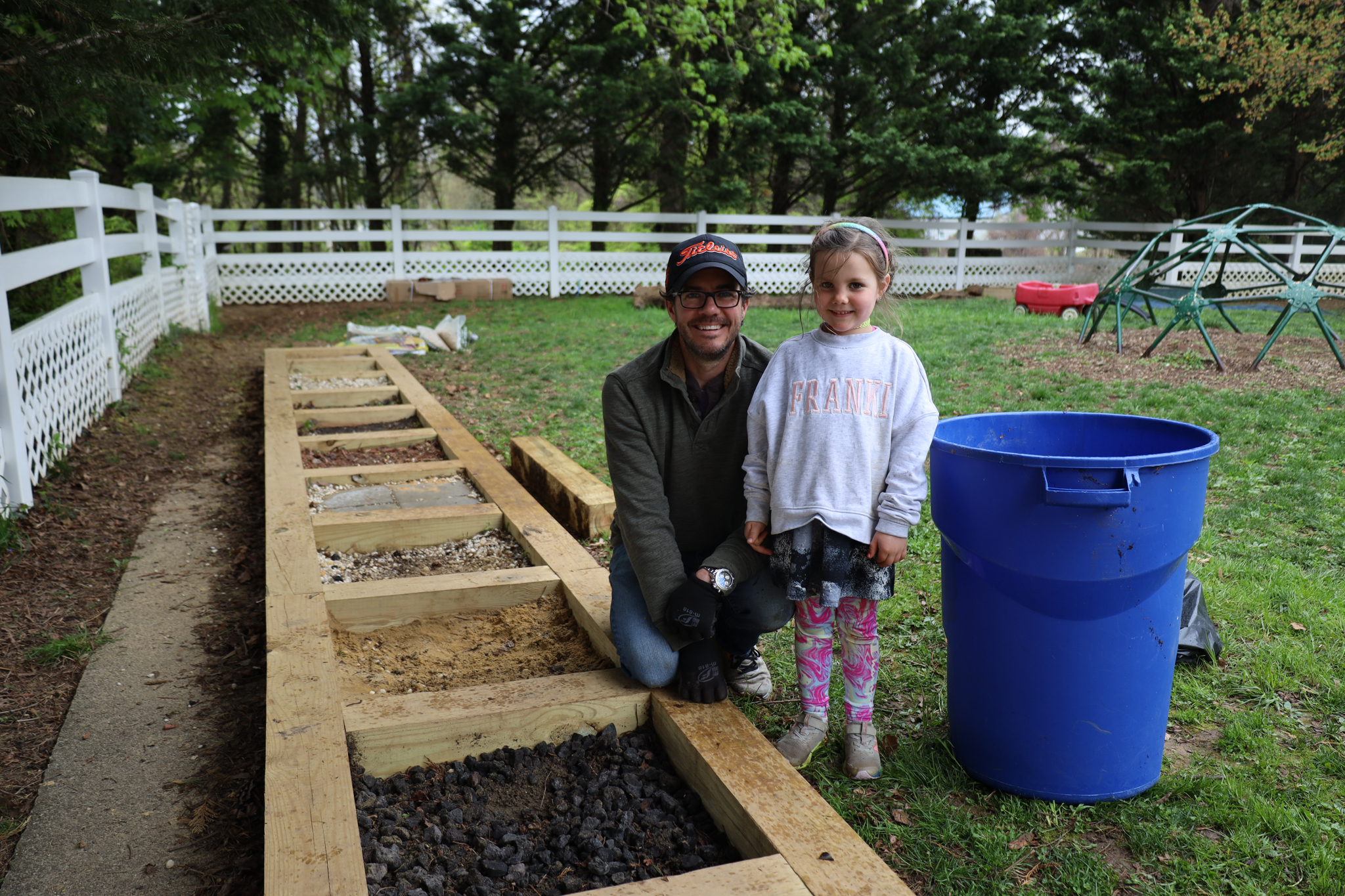
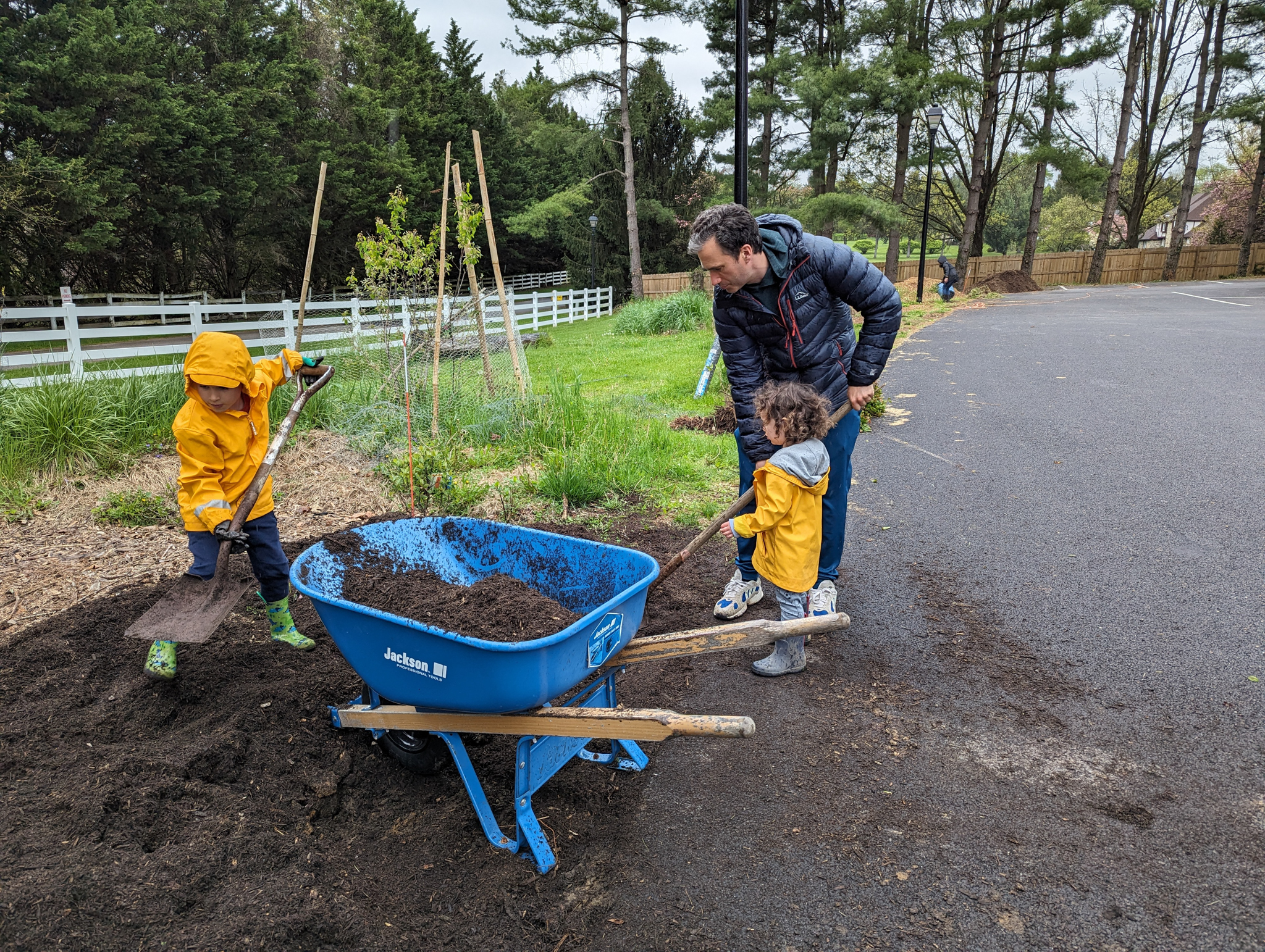
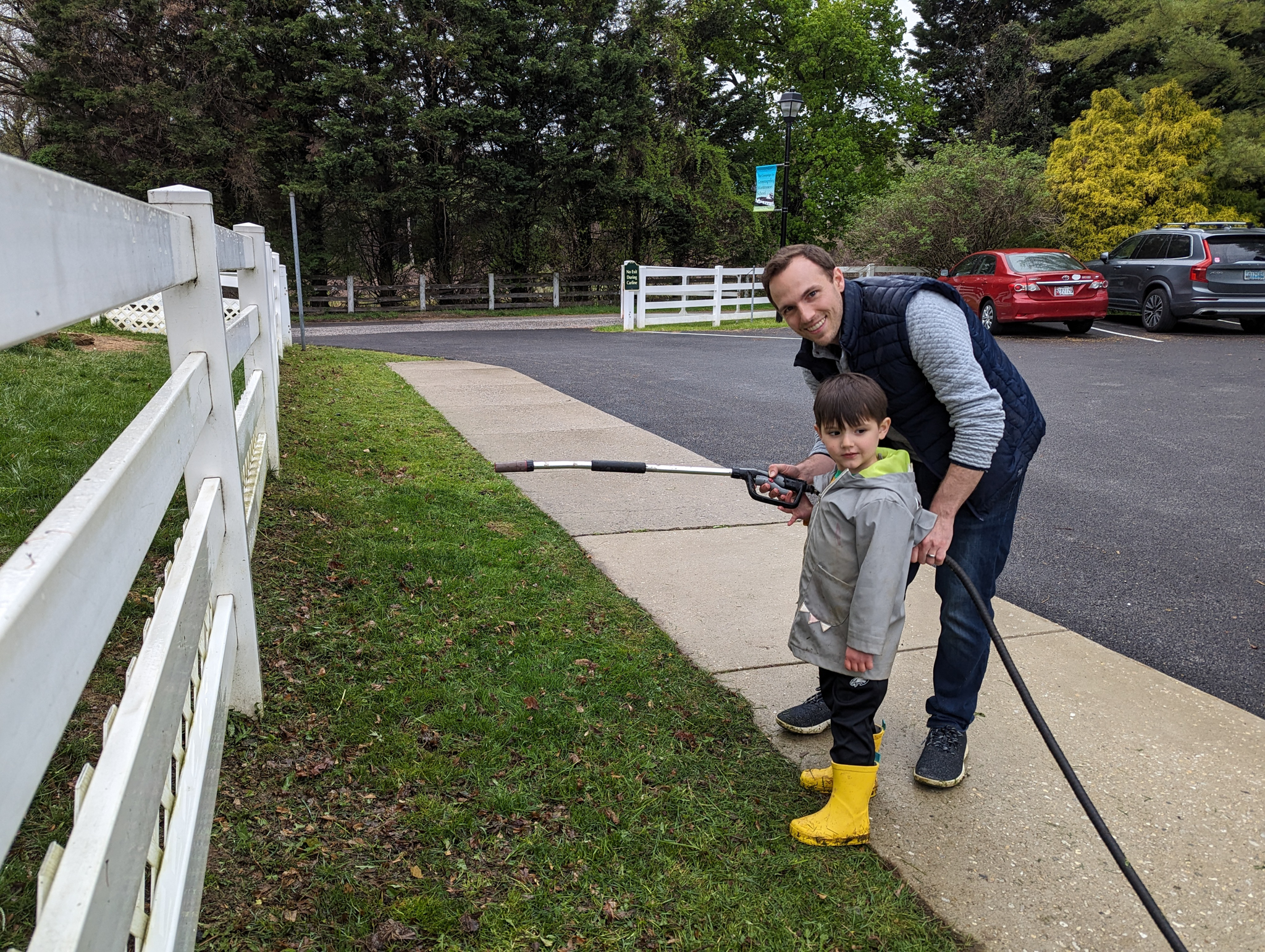
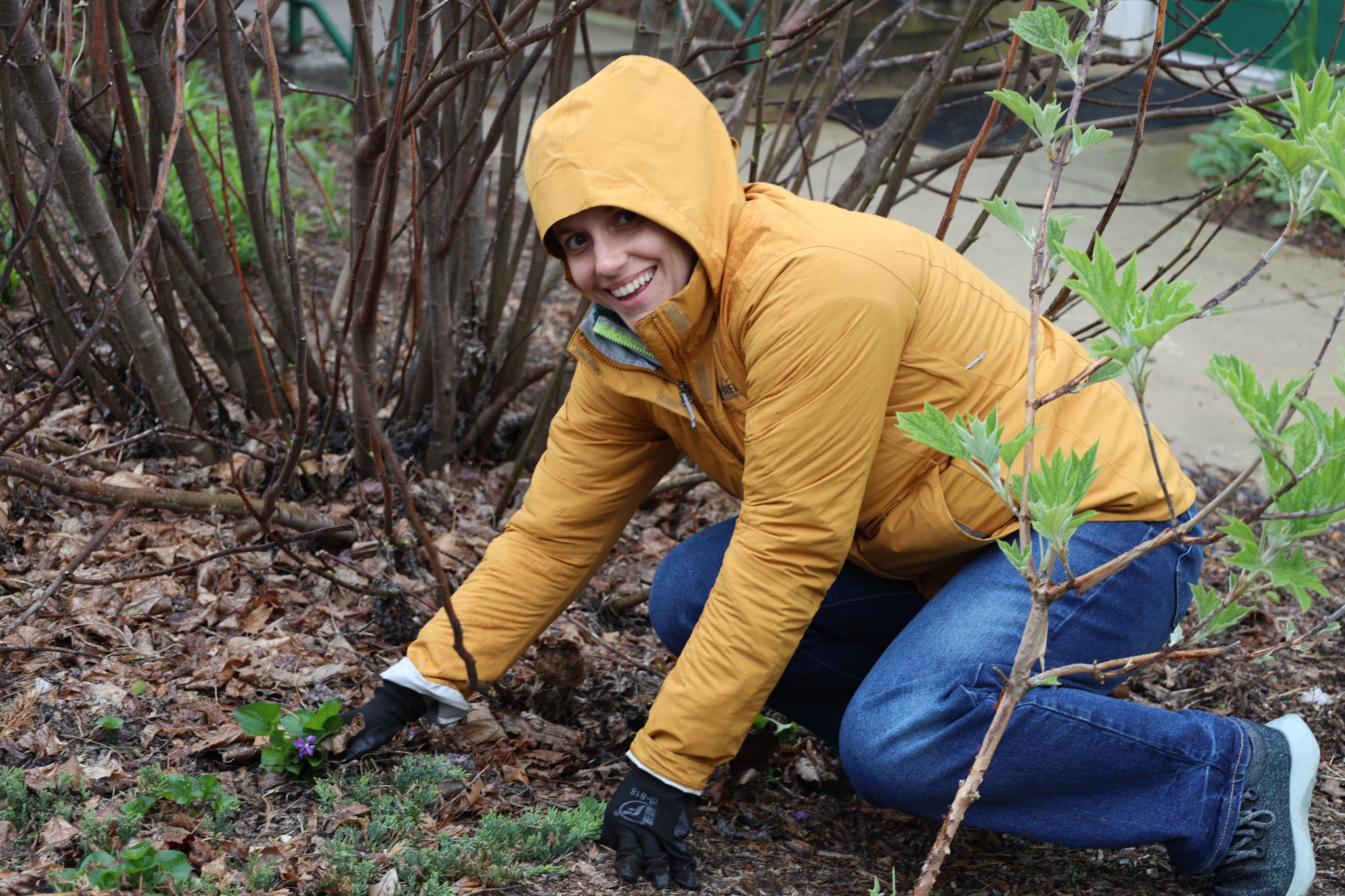
We also celebrated Earth Day with our families at our Spring Grounds Day. 37 volunteers came out to give back to our school by helping to beautify and maintain the Greenspring campus. Parents, grandparents, and children helped with everything from weeding and planting to window washing and fence staining. Thank you to everyone who came out to join us!

Thank you for your support as we celebrate Earth Day and help inspire the future generation of stewards for our planet. 

“Hope is contagious Your actions inspire others.”

– Jane Goodall

How Toddlers Become Contributing Members of their Community

How Toddlers Become Contributing Members of their Community

Dr. Montessori believed that the life-giving purpose of work is to develop oneself as a competent, unique person living with other competent, unique people. Our work to support one another connects us with life’s meaning.

One of the cornerstones of the Montessori curriculum is the area of Practical Life. As the name suggests, these lessons are designed to develop skills that aid the child throughout life. The skills go far beyond learning to scoop and clean. Through these activities, children build and increase their ability to focus for longer amounts of time, hone their fine motor skills in preparation for writing, and learn grace and courtesy skills that will become the foundation for all future social interactions.

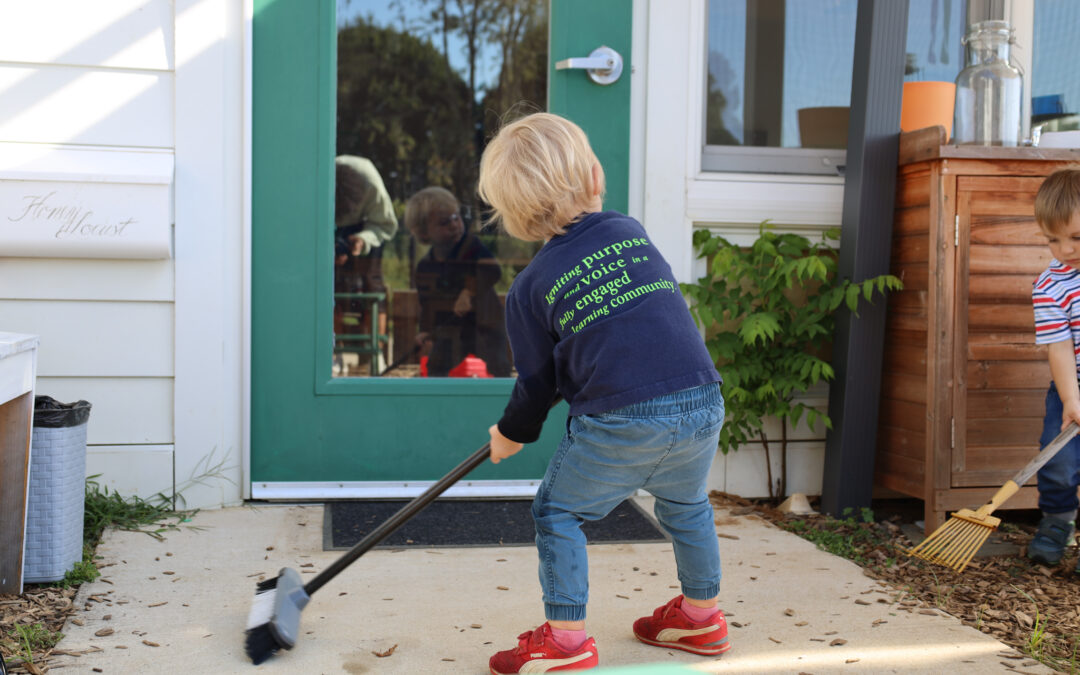
Dr. Montessori divided her Practical Life exercises for children into two stages of development. The first stage, the personal, is one in which the child has an inner urge to control their movements. At this time, the child has a strong will to do things for themselves, to take care of their own person. The second stage is the social, in which a child can act consciously to help maintain the environment, work together with others, and assist others in their community. These activities turn one’s attention outward to address the needs of the group and learn how each person plays a role in the community. At home and at school, you can provide opportunities for children to:

  • Take responsibility for cleaning up after themselves
  • Keep communal areas tidy, clean, and in good repair
  • Care for plants and animals in the environment who rely on us for food, water, and clean habitats
  • Make areas beautiful with the planting and maintenance of gardens
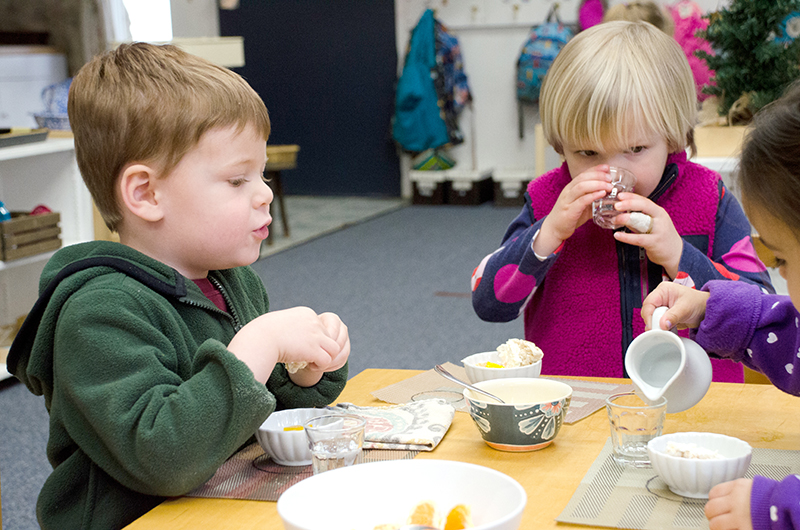
  • Prepare food for snacks and meals
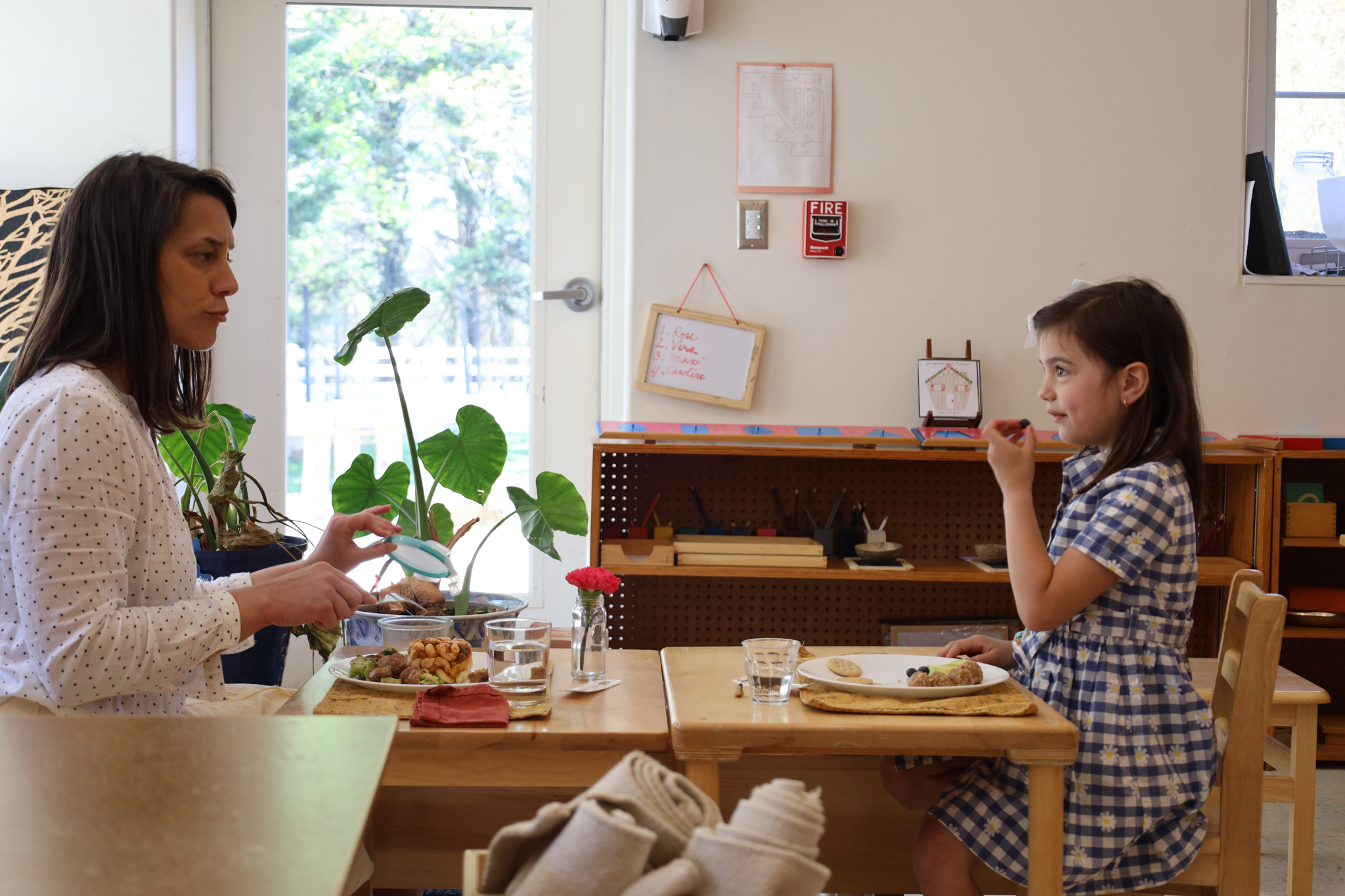
  • Set the table for a Beautiful Meal
  • Arrange flowers and create artwork

These lessons give the children investment in their environment, making it truly their own. They form the basis for how a child will connect to their surroundings not just in a classroom, but in life. They impart and hone the skills necessary to become a contributing member of one’s community.

Developing Rich Language with our Toddlers

Developing Rich Language with our Toddlers

Developing Oral Language - Greenspring Montessori School

Rich oral language is a building block for strong literacy

Learning to be – this is every toddler’s goal. It is both simple and richly complex. Between the ages of 2 and 3, the child is newly aware of possessing their own identity separate from their family, and they are ready to truly be that person, with full independence.

A critical element of this self-realization is the ability to communicate. The toddler is beginning to understand conversational language and they are working to express their own thoughts, experiences, and feelings. They are yearning to label every object in their environment and know every detail of the work they find in the classroom. They are reaching for the words to seek help effectively in moments of struggle. In the Montessori method, we approach the toddler’s sensitive period for learning oral language strategically to help ignite their understanding of language and the world.


Developing Skills in the Toddler Classrooms:

  • Attention
  • Auditory memory
  • Indirect preparation for written language
  • Self-confidence with increased vocabulary
Developing Oral Language - Greenspring Montessori School

Early conversation is essential for child development

One of the most crucial elements of a toddler’s journey in language is conversation. In Montessori, we believe that the most powerful way to learn a skill is through practice, and conversations provide the ultimate “learning by doing” experience. The conversations that toddlers have with adults in the classroom provide them with richness – the knowledge that they are respected and seen, they feel valued for their opinions and feelings, and an opportunity to practice articulation with someone who can echo words back to them with exact pronunciation. These conversations provide them with a model of conversational etiquette and flow. It is through conversation that the young child learns the confidence to express their heart. Through this process, toddlers learn the functions of conversation—conflict resolution, self-expression, storytelling, clarification, and so on. In the Montessori classroom, we aim to converse with children throughout the morning—upon arrival, between a child’s tasks in the work cycle, and especially at the snack table. Any item in the room, event in our day, or thought from a child becomes a worthy and captivating topic.

Directive vs Expressive Language

Conversations between adults and children are spontaneous and natural in our Toddler classrooms, with the adults focusing on receptive and expressive language. Receptive language refers to what children can understand, such as following directions. Expressive language refers to what they can communicate with words and/or gestures. Adults minimize directive language (e.g., “Put your shoes here. Sit down. Wipe your nose.”) to provide space for meaningful, rich conversation.

Toddler Language Development - Greenspring Montessori School

The gift of music

We also use poems and songs to introduce new language to children. Rhythm and cadence can help children hear words more clearly. Poetry and music can also bring concepts to the child’s mind in a manner that connects them with his heart. We often give toddlers the option to sing or review poetry as a group, and these activities are available in the classroom for individual work or lessons.

With all these language tools in his belt, the toddler is ready to take on the world and build himself into the world citizen that he was meant to be. He will take with him all his accurate knowledge, confident self-expression, and the songs in his heart, and will approach the world with compassion and curiosity.

Developing Oral Language - Greenspring Montessori School

Speak clearly and truthfully to the child

Accurate language is another crucial tool for building a toddler into an effective communicator. Children create themselves from the tools they are given, so it is fundamentally important to communicate with children clearly and accurately. As we model speech, we enunciate as precisely as possible, and echo back correct pronunciation of the child’s mispronounced words in natural conversation. Beyond enunciation, we strive to give the child exact names for the elements of his environment and a detailed understanding of his world. In our Montessori environments, we provide children with exact names for every item in our environment, and for each of its parts. Baskets on the shelfs contain unique pictures and objects, exposing the children to new and interesting things.

Additionally, true stories give toddlers a unique learning opportunity. They provide details about the world the child would not otherwise have, as well as an understanding of the concepts of beginning, middle, and end. These stories help children understand how life happens in the real world – an understanding that they desperately crave. We also gift children with the opportunity to tell their own stories. Nothing is more beautiful than hearing the story about his baby sister that he is bouncing in to tell us. Storytelling is a daily part of our community life, and anything can serve as inspiration, from our family and friends to our breakfast.

Toddlers have a need to understand the world, and part of that is learning to differentiate between facts and opinions. In our classroom, we introduce both concepts on a daily basis. We let the child know that the details provided in lessons are facts, and ask them what they think of pictures in books. We help them understand the difference between those true details learned in lessons and the opinions that are expressed.

Developing Oral Language - Greenspring Montessori School

Learn more about our Toddler Program

Our Toddler Montessori Program serves children ages 18 months to 3 years at Greenspring Montessori School. Click here to learn more.

Celebrating the International Day of Peace with our Dual Language Community

Celebrating the International Day of Peace with our Dual Language Community

On September 21, 2023 children and staff at Greenspring Montessori School celebrated the International Day of Peace. Established in 1981 by a unanimous United Nations resolution, Peace Day provides a globally shared date for all humanity to commit to Peace above all differences and to contribute to building a Culture of Peace.

Peace is what every human being is craving for, and it can be brought about by humanity through the child.”

– Dr. Maria Montessori

Together we celebrate the International Day of Peace, or el Día Internacional de la Paz as we refer to it in our Spanish Dual Language classes. Children joined together to celebrate this special day with music and wishes for peace. They sang songs including “Paz Como Río/Peace Like a River” and “Paz y Libertad/Peace and Liberty”. Our Toddler, Children’s House, and Lower Elementary classrooms made peace doves and pinwheels that they displayed on a parade around campus. Lower Elementary students also reflected about the meaning of peace. Enjoy photos of this special day below.

As Dr. Montessori so eloquently wrote, “…an education capable of saving humanity is no small undertaking.” Needless to say, this undertaking requires an unwavering commitment to children and their development into their full potential and self-understanding. Thank you to each and every one of you for your deep dedication to our children, our families, each other, and our school community – and to the creation of a better world. YOU are making the world a better place!