Preparing a Beautiful Meal in the Montessori Classroom

Preparing a Beautiful Meal in the Montessori Classroom

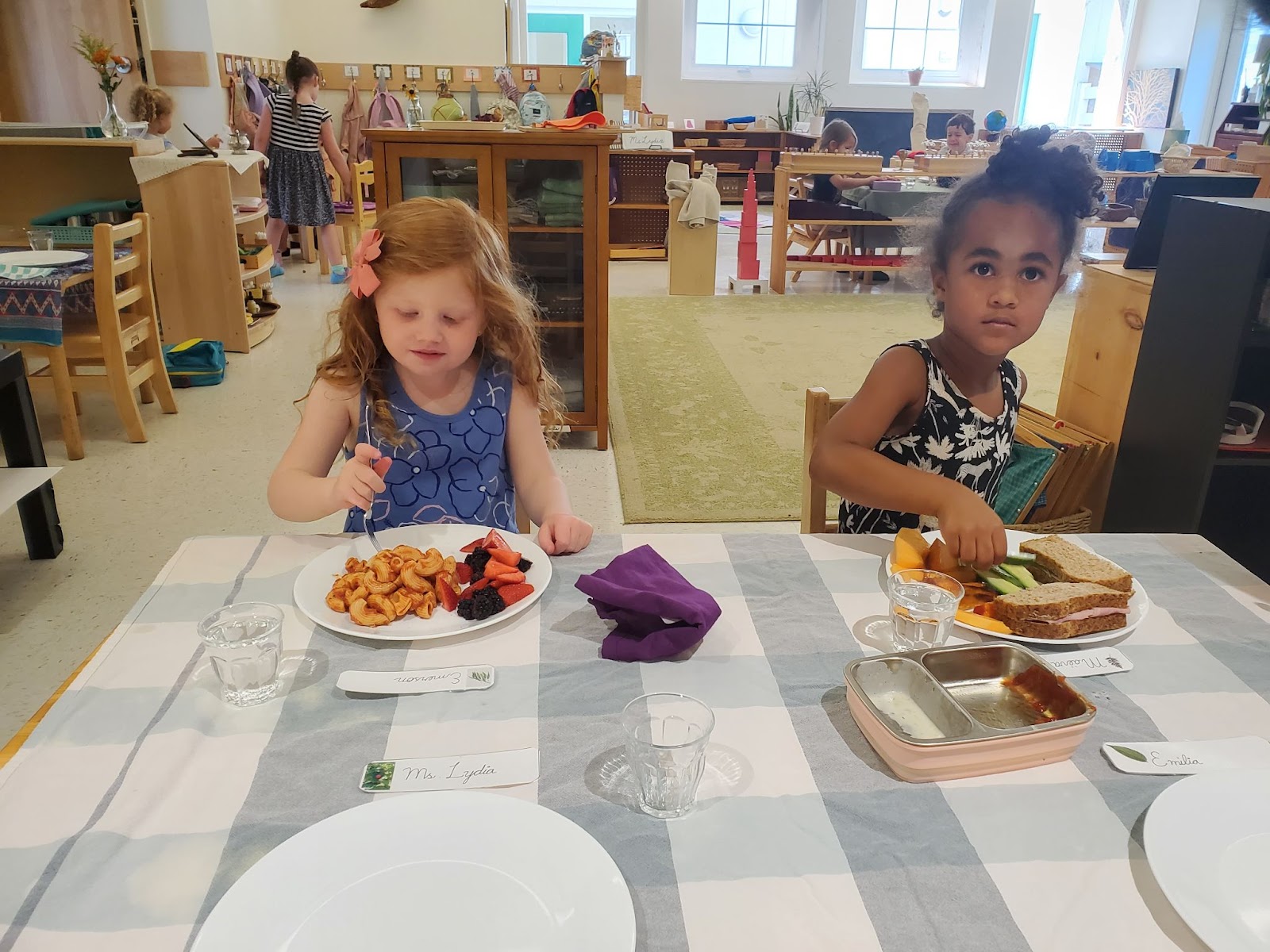
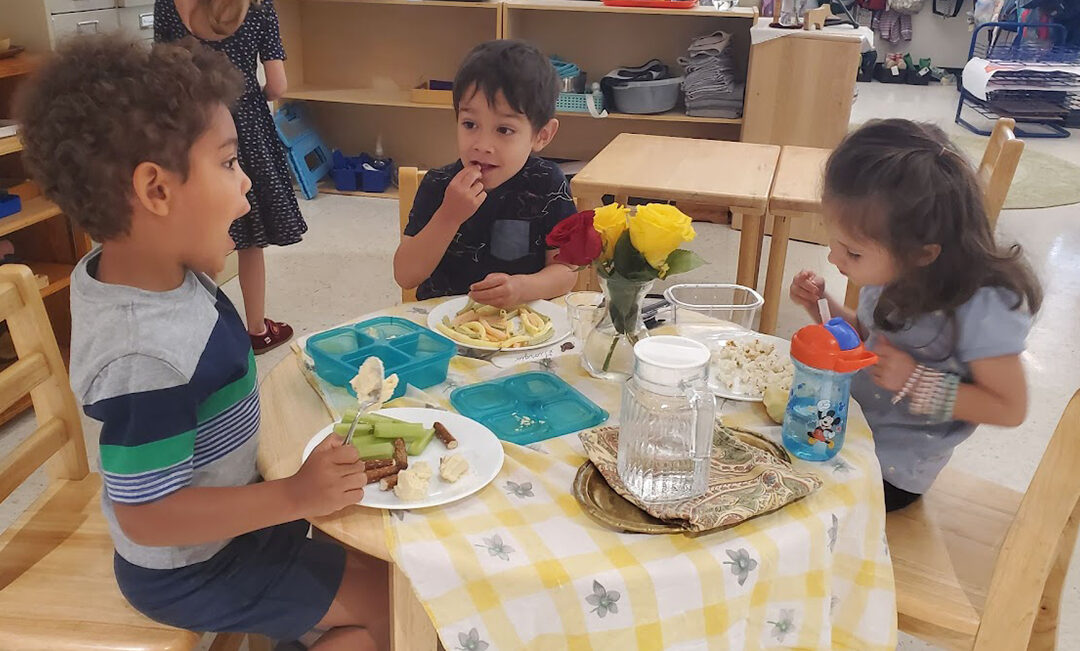
Preparing a Beautiful Meal is a daily Montessori practice in which children take ownership of creating a beautiful space for eating together. Beginning with our youngest children in the Toddler classrooms, these practices are instilled daily. The children are responsible for the setup each day, including laying a tablecloth or placemats, folding cloth napkins, and carefully carrying glasses, utensils, and glass or ceramic dishes. You will often see flowers on the tables that the children have arranged and placed to make the table more beautiful.

Children also participate in the clean-up process, including clearing the table, washing dishes, wiping down tables, and sweeping the floor. You see children collaborating and problem-solving during the process of setting up and cleaning up. Even cleaning up a spill or a broken dish is part of the learning! 

Above: Toddlers prepare snack and sit together for a beautiful meal.

During the meal, students have the opportunity to practice the Grace and Courtesy skills they have learned. For example, the children practice table manners, such as starting the meal together once everyone is seated, putting napkins on their laps, using utensils properly, chewing with their mouths closed, and excusing themselves from the table. They also practice conversational skills, such as taking turns speaking and asking each other questions.


We intentionally create these spaces for the children to engage with one another. For some, this may be the only meal of the day when they are able to sit down with others and engage in conversation. The children are in a sensitive period for developing these close bonds and sitting at a table together is an opportunity to meet those essential developmental needs.

How can families support in this initiative?

The case for real plates
You may have seen many adorable plastic bento boxes in your back-to-school shopping, however, we find that these can be challenging for children to open and scoop their food onto their plates. The same is true for squeeze yogurts and foods in plastic packaging. These are excellent for families when you are on the go, but they are often difficult for the children to enjoy in the classroom.

With a Montessori beautiful meal, children empty the contents of their lunch onto a plate and/or bowl for a few reasons. First, it helps to create an atmosphere of a sit-down meal at home. And second, it gives them the opportunity to practice very precise fine motor skills of scooping with a spoon or fork. We are finding that more convenient items, such as squeeze yogurts and perfectly portioned bento boxes delay the child’s precision with some of those table skills.

If you have more questions about how our Beautiful Meal will work in your child’s classroom, please reach out to your child’s Guide. We are so excited to be able to move back to this beautiful and important structure!

Grand Opening of our new Montessori Nature Center

Grand Opening of our new Montessori Nature Center

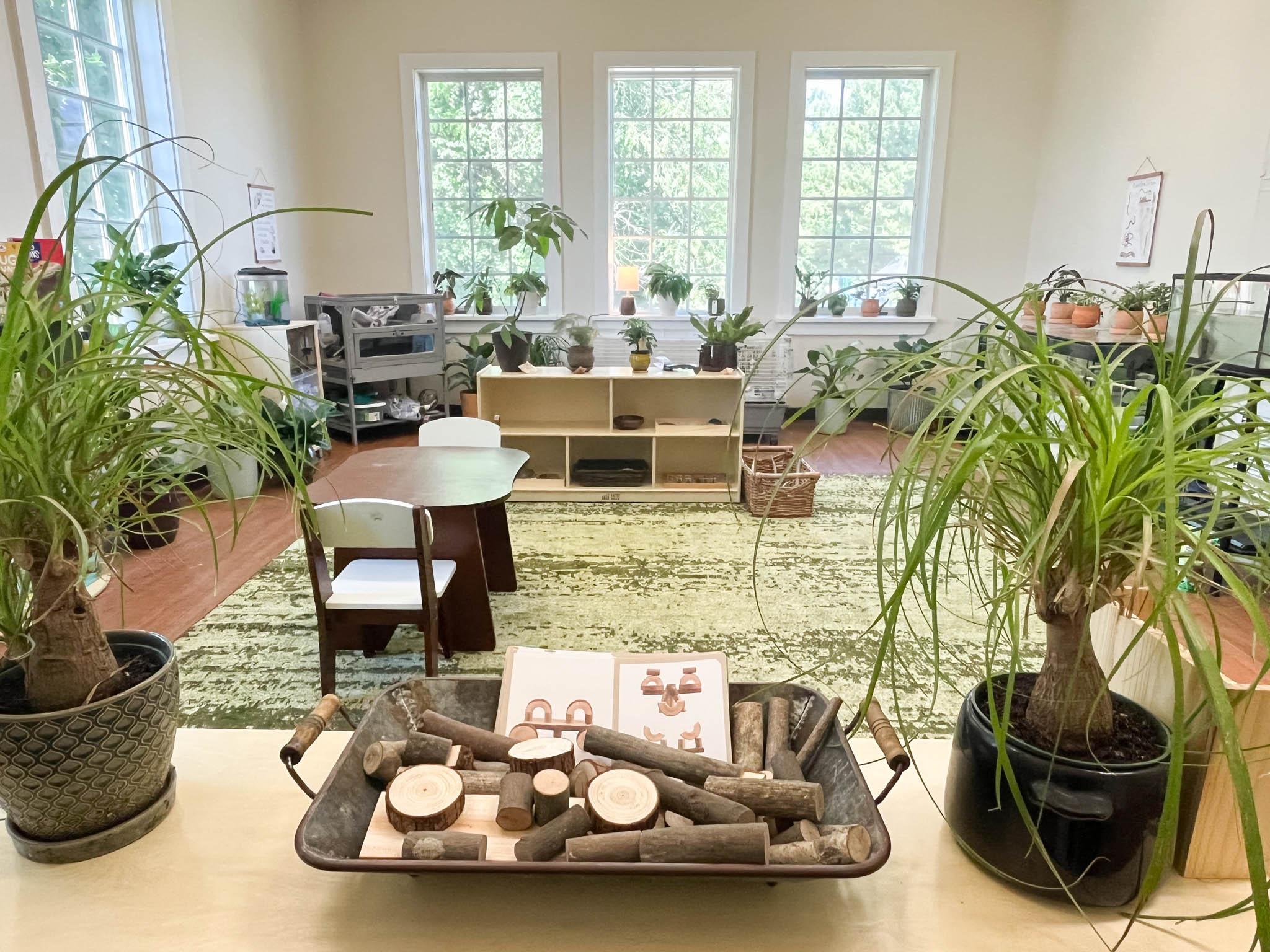
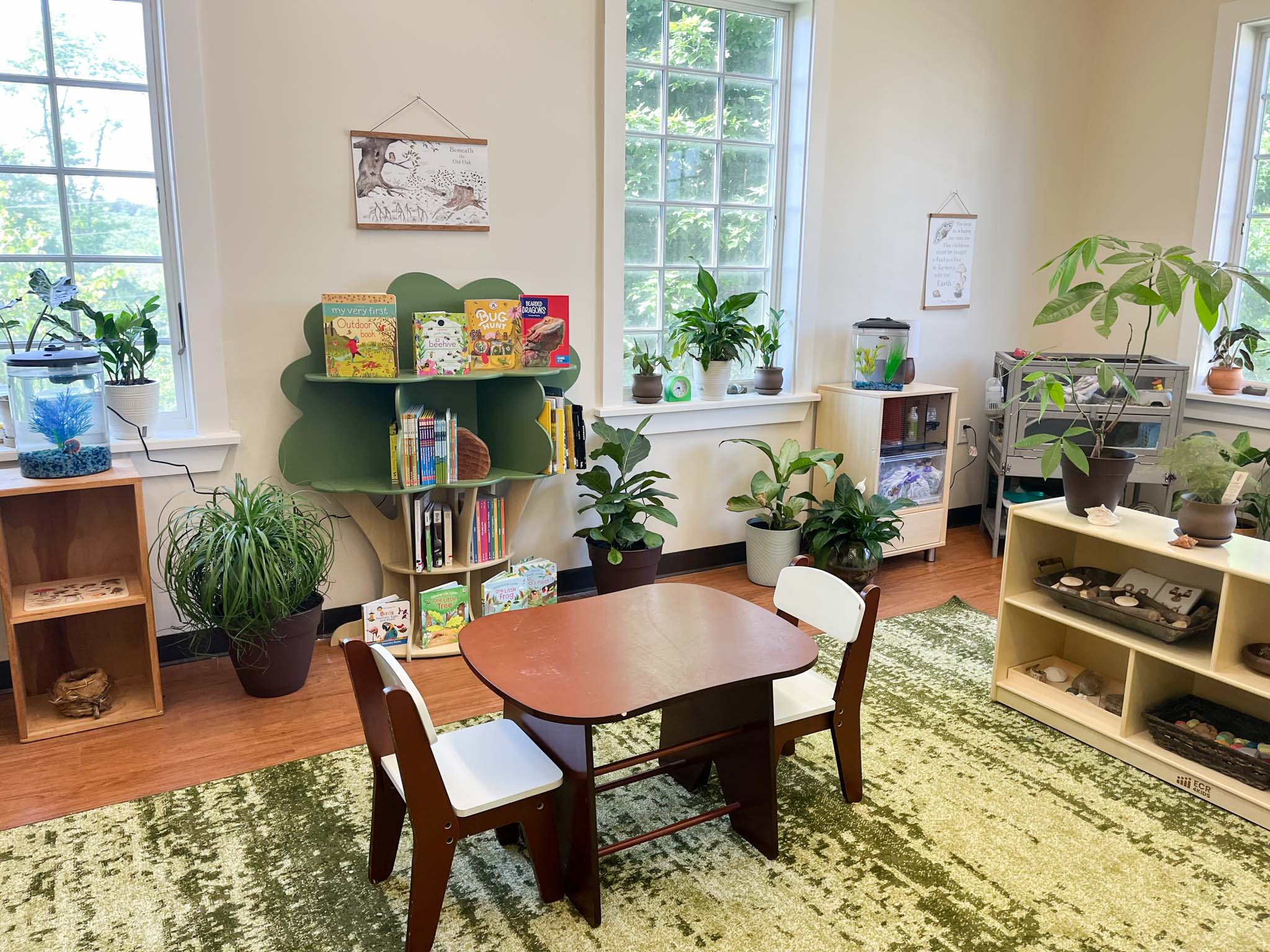
We are excited to announce the grand opening of our Greenspring Nature Center! Come take a peek and meet some of our critters during our Spring Showcase on Friday, June 2nd from 3:00-5:00pm.

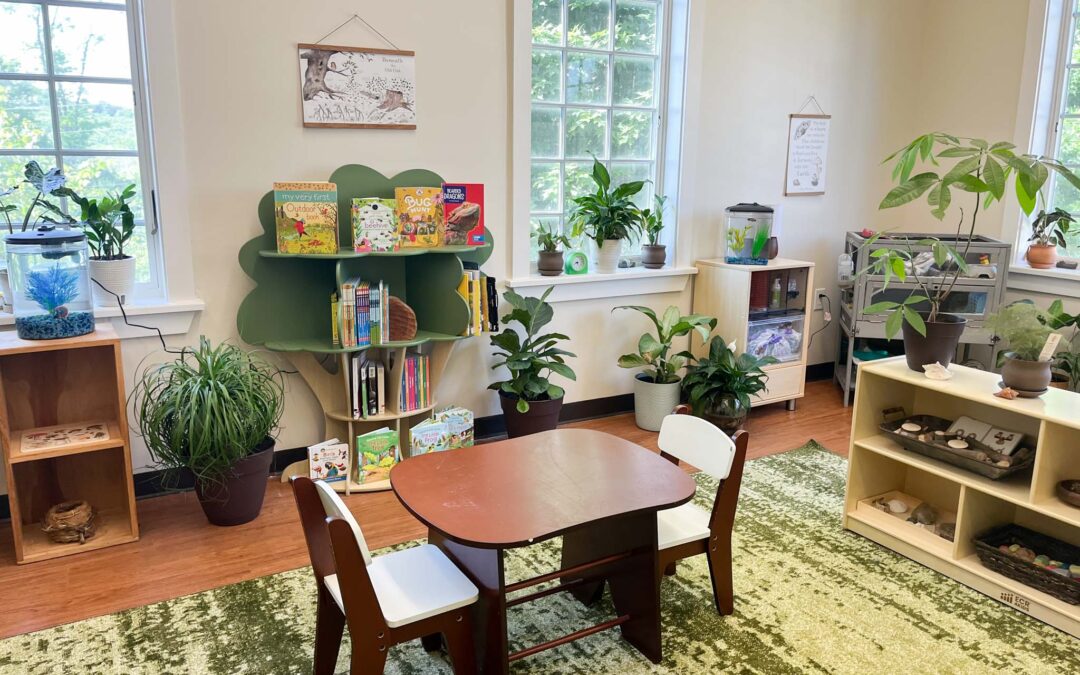
We created the Nature Center as an extension of our outdoor learning environments. The Nature Center will allow students to develop a broad understanding of nature, encourage a sense of respect and stewardship for the natural world, and care for all the inhabitants of the center. This nature-based space will offer a dynamic learning space for our students to meaningfully engage with life and the natural world.

“The land is where our roots are. The children must be taught to feel and live in harmony with the Earth.”

– Dr. Maria Montessori

Meet a few of our residents in the Nature Center

Daisy

Daisy is a lionhead rabbit from the Carroll County Humane Society.

Barry & Lola

Barry and Lola are parakeets who came from a private owner who could no longer care for them.

Ivan

Ivan is a Russian Tortoise from a private owner who could no longer care for him.

Some of our other animals include Khalessi, a bearded dragon, and Oreo, a Guinea pig, as well as oscar fish, guppies, and beta fish. 

Stop by and visit the Nature Center soon!

Setting Up a Montessori Playroom in your Home

Setting Up a Montessori Playroom in your Home

For children birth – age 10

Whether you have a one year old or an eight year old, you might be familiar with an explosion of toys in your home. If you are dreaming of ways to streamline your living spaces, keep your children engaged, and encourage a sense of order, take a look at these recommendations for setting up a Montessori-inspired play space. 

Setting up a Montessori-inspired playroom does not require a great deal of time or expense. The goal is simply to create a space that encourages independence and concentration in your child. As your child grows, the space will need to evolve to fit their needs, but the guiding principles remain the same. Here are some key components to keep in mind:

Provide varied workspaces

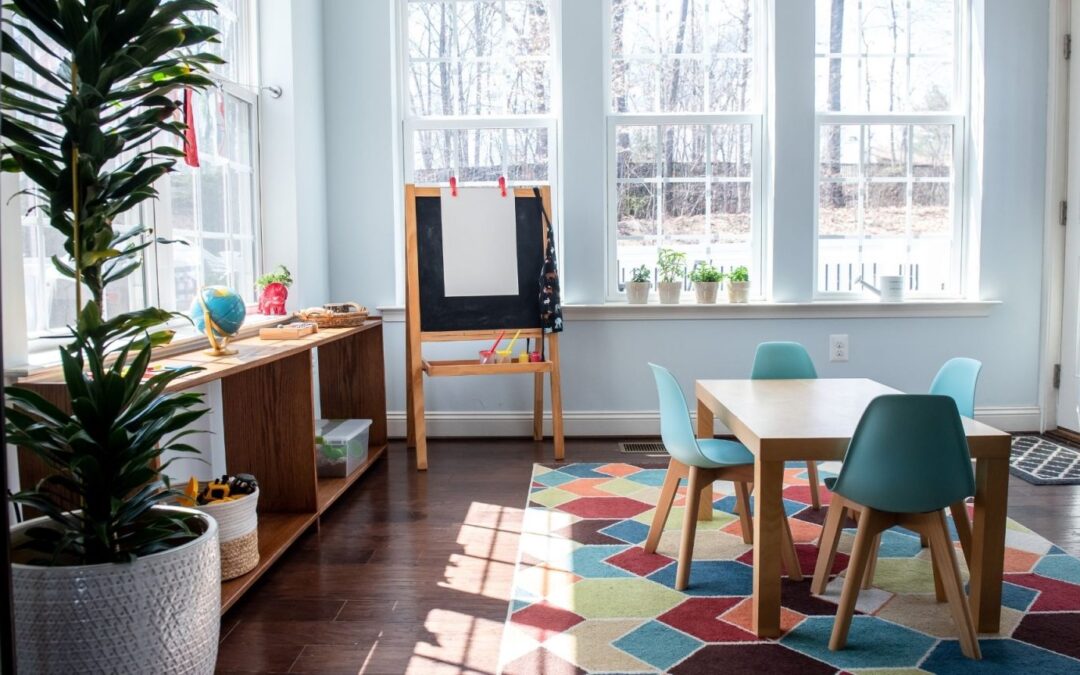
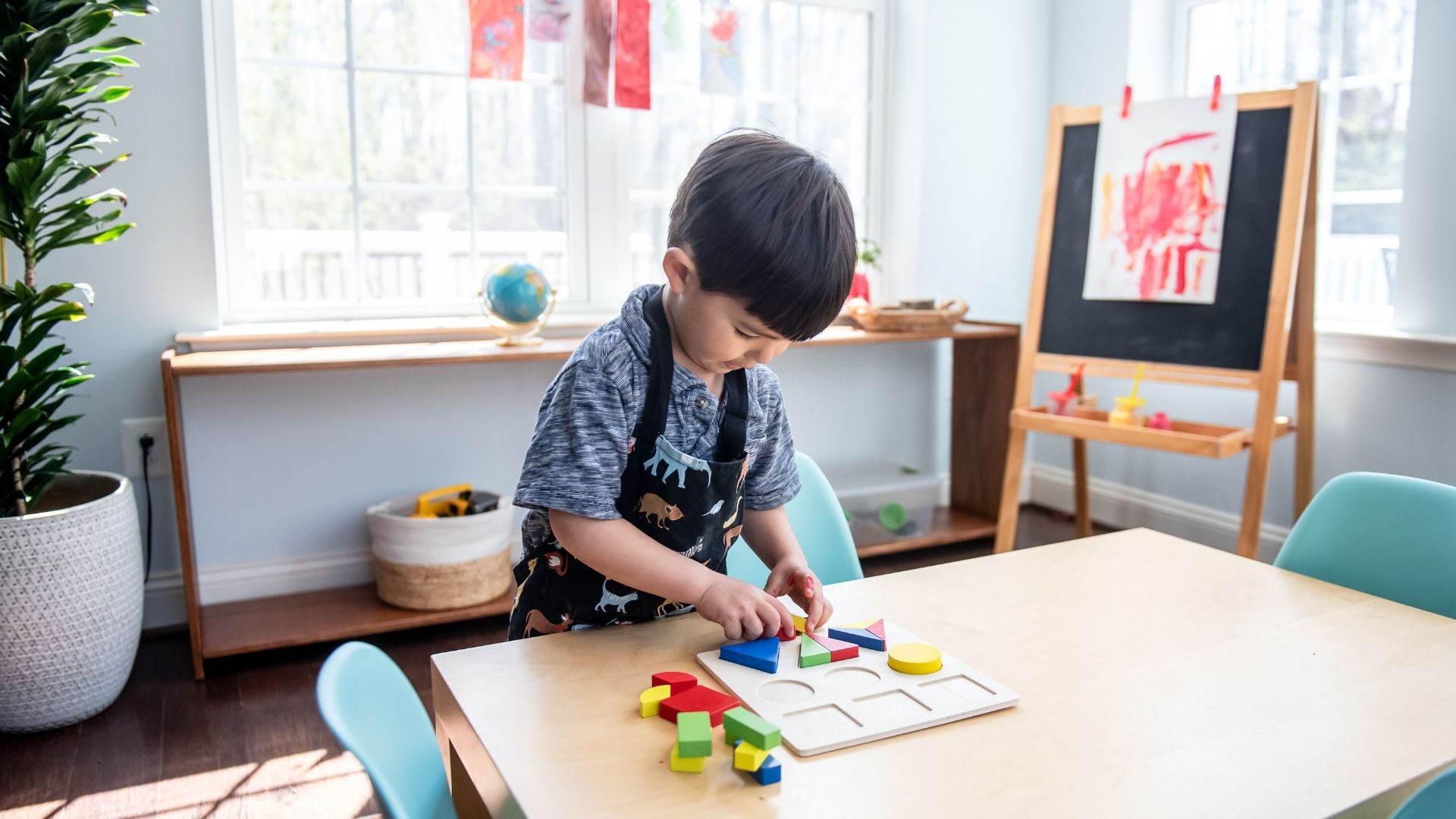
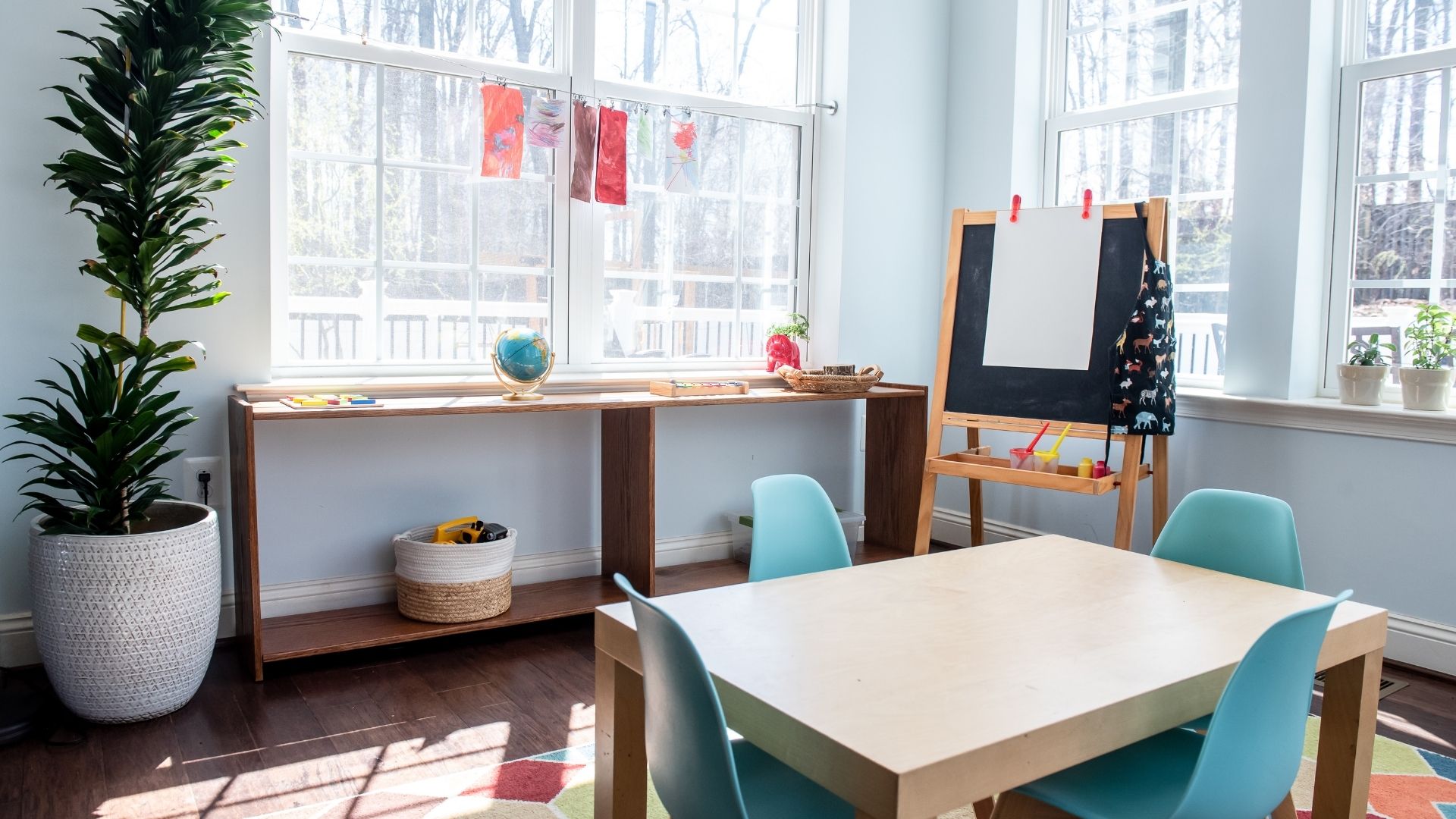
The furniture in Montessori spaces is child-sized and the materials are kept on low shelves so that the child can access them independently. If you have the space at home, it’s ideal to include a child-size table and chairs, an open space allowing for movement and large floor work, and a safe cozy spot for resting or recovering from an upsetting moment. Providing your child with a space that they can navigate independently allows for them to feel empowered without the intervention of adults.

Limit choices (and rotate toys)

To help your child be successful in the space, consider reducing the number of toys available. If your child is having trouble cleaning up their toys, it could be a good sign that they are overwhelmed by the number of toys that are available. You may use a small shelving unit with two or three shelves and just a few items on each shelf. Putting out just a few toys at once, and rotating them regularly, allows your child to focus on what’s available. Also, rotating toys will rekindle your child’s interest in older toys that they haven’t seen for a while. When a toy has remained on the shelf for a whole week untouched, you know it’s time to put it away and put out something different. 

This is as true for toddlers as it is for elementary-aged children! Older children may be interested in choosing what should go on the shelf and what can be stored for the time being. Older children can also help decide how many toys should be out at once and when it’s time to rotate. 

Choose toys that invite purposeful play

While there is no need to fill your playroom with “academic” work, you can select toys that help your child develop in different ways. 

You might think about including a variety of toys that focus on the following:

  • Developing fine motor (small muscles) skills – such as Playdough, stacking toys, or a screwdriver set
  • Developing gross motor (big muscles) skills – such as a balance board or Pikler triangle
  • Art and music – xylophone or bells, paper and crayons
  • Books – take a look at our Bookshop page for recommendations by age!

  • Open-ended toys for creative play – blocks, legos, or magnetiles

It’s also important to include toys that offer a varying degree of difficulty. You want a mix of challenging toys and things that are easy and familiar for your child to play with when they need a mental break. Studies suggest that battery operated toys that light up and make noises are designed to entertain and do not foster a child’s development of concentration. Open-ended toys that engage rather than entertain will encourage creativity and concentration in your child. 

Include nature

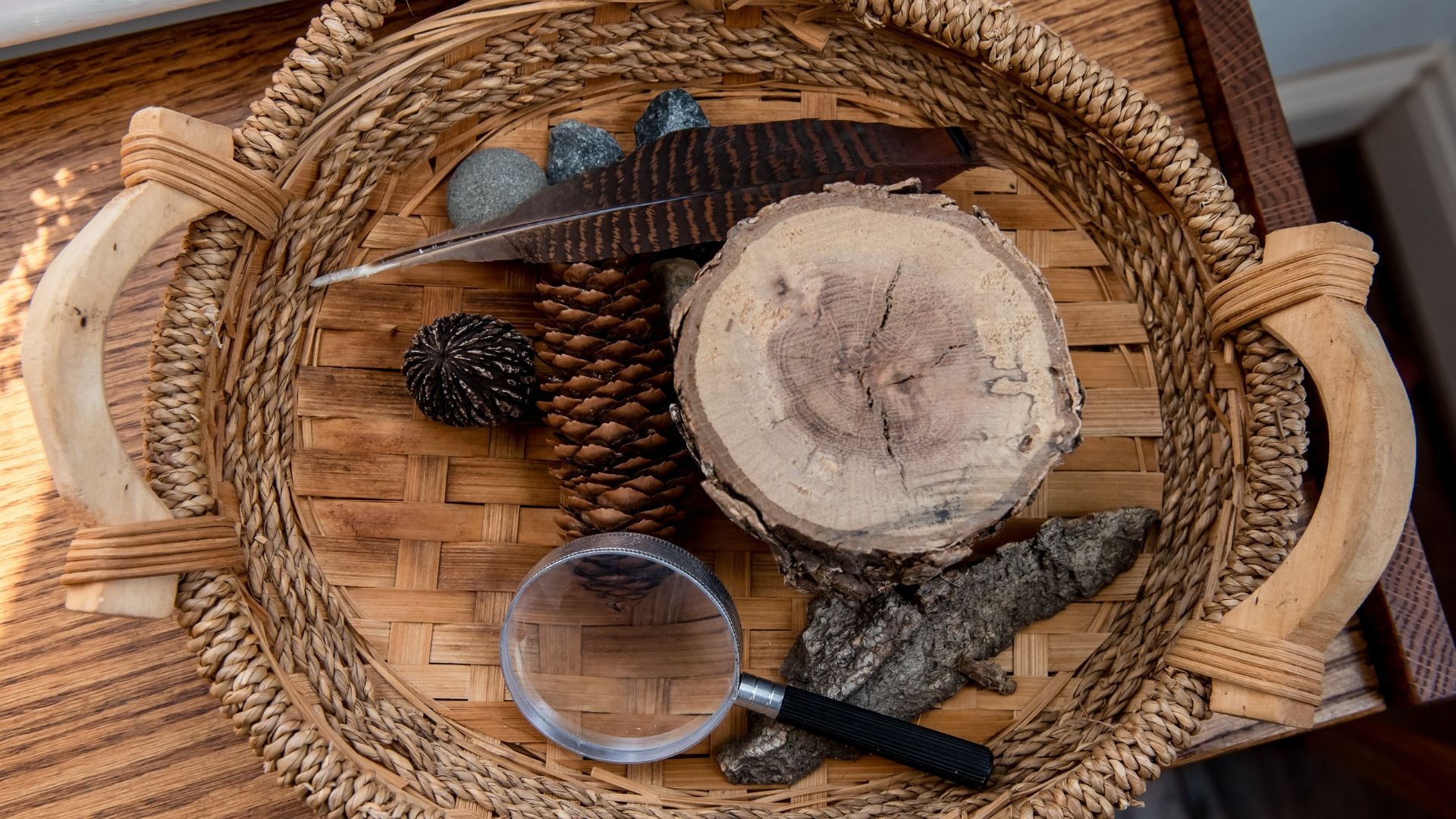
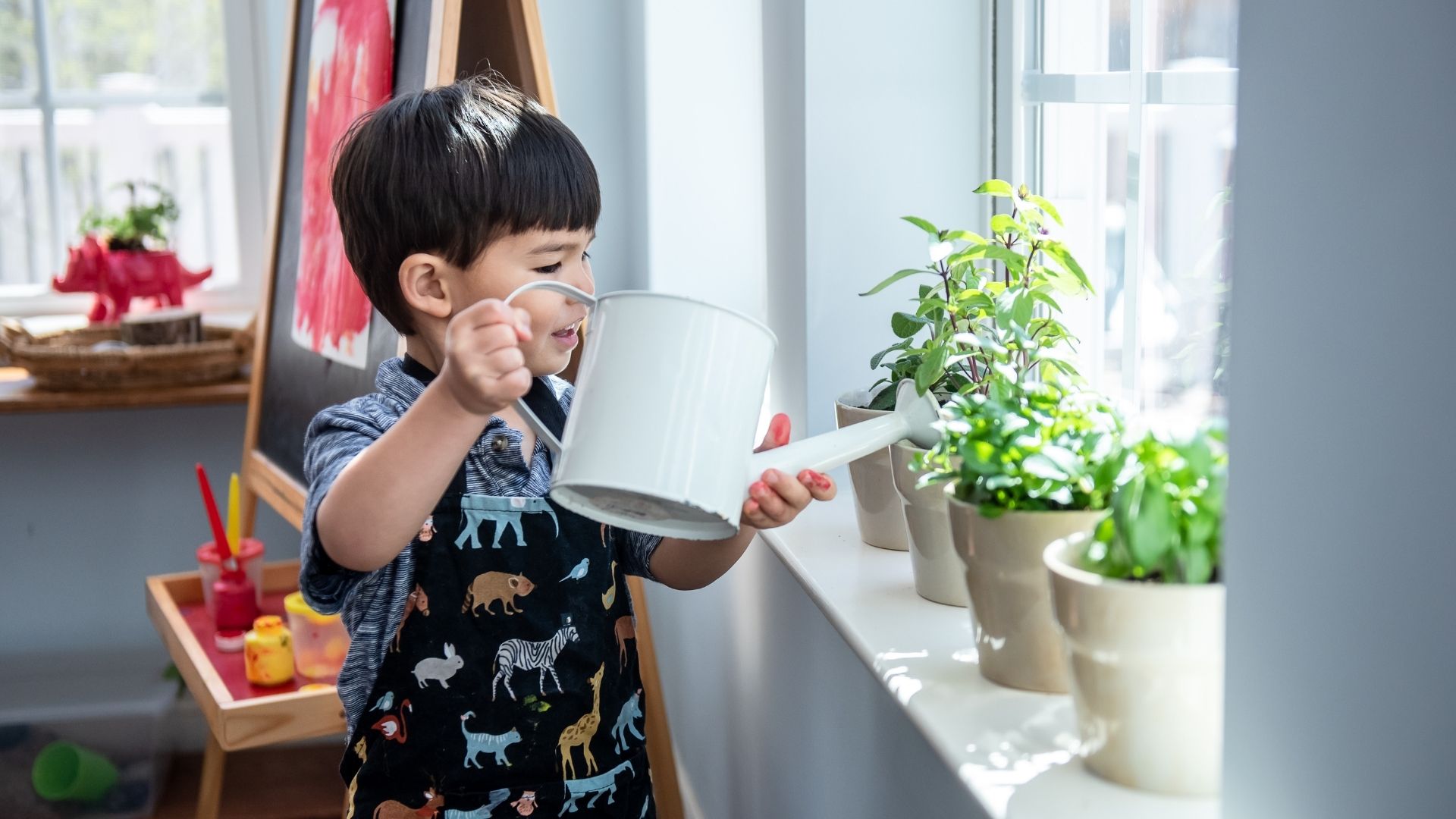
If possible, choose a room with natural light. House plants offer children a chance to take care of something, as well as add natural beauty to the room. Young children also love watching fish or other pets and they can learn to help feed and care for them as well. You might also consider setting up an outdoor play area where your child can dig in the dirt, water plants, enjoy sand and water play, and do messy art projects.

Every item has its place

Children have a sensitive period for order from birth through age five, peaking in early toddlerhood. You can see this through young children’s love for routine and repetition. Montessori environments support this desire for order by designating a specific spot for each material. In a play area, instead of a big toy bin full of many things, each toy has a space where it belongs on a shelf. Toys with multiple pieces, like blocks or play animals, can be organized in small baskets or trays on the shelf. You can even attach photos to each bin or shelf so that the child knows exactly where each toy belongs.

Provide a simple and beautiful space

Montessori spaces use more neutral colors and have very little hanging on the walls. What is displayed on the walls is carefully chosen and hanging at the child’s eye level. When choosing decor, choose artwork that is simple and thought-provoking for the child. Framed art hung at the child’s level can offer a peaceful feel to the space. Natural materials such as wood or wicker also offer a warmth and sensorial experience for the child. The goal is to reduce the visual stimulation of the environment so that the child will be attracted to the materials and be able to concentrate on their play and development.

Give it a try! 

This might seem like a lot to think about, but you can pick and choose what works for your child and your home. You can experiment over time to see what works best. One of the most important pieces of Montessori philosophy is to take time to step back and observe. What do you notice your child is drawn to? Are there any spaces in the room that they are not able to access on their own? Feel free to “break the rules” and try new things in your space!

Photographs by Jen Snyder

Spring in Our Outdoor Environments

Spring in Our Outdoor Environments

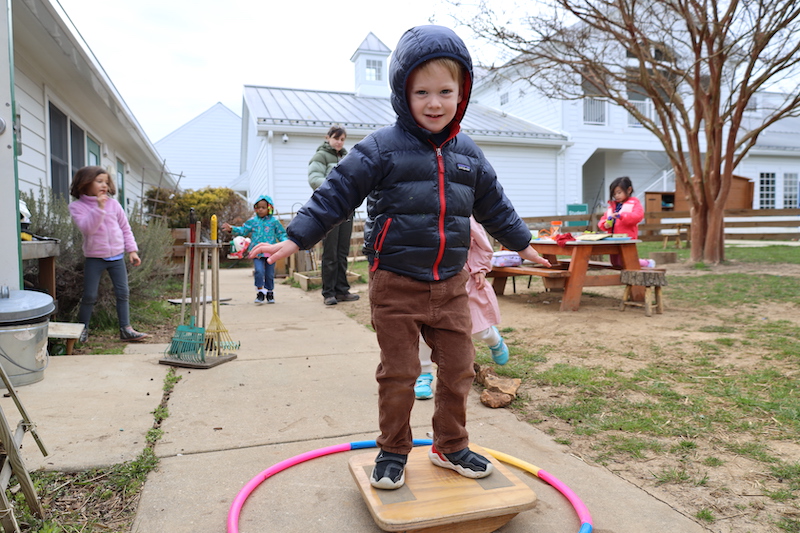
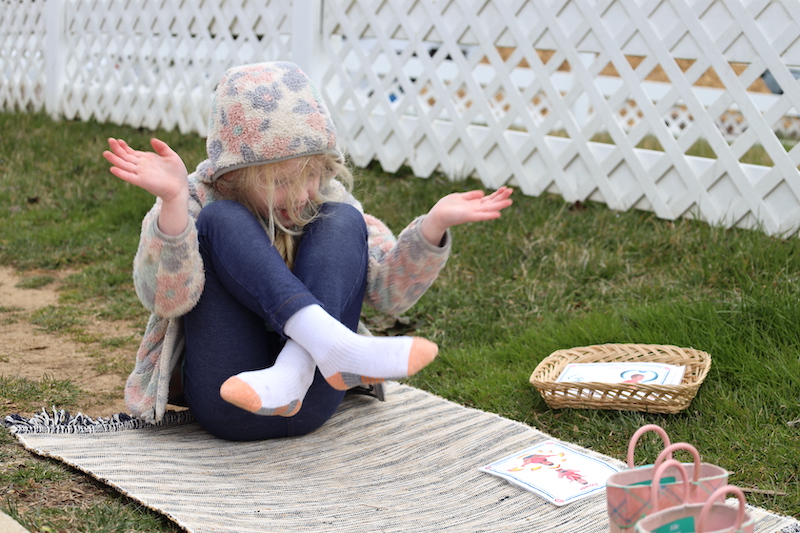
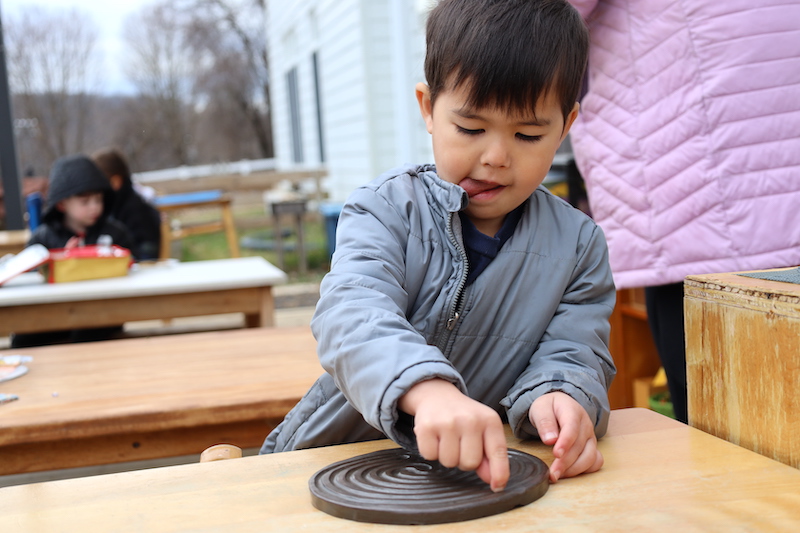
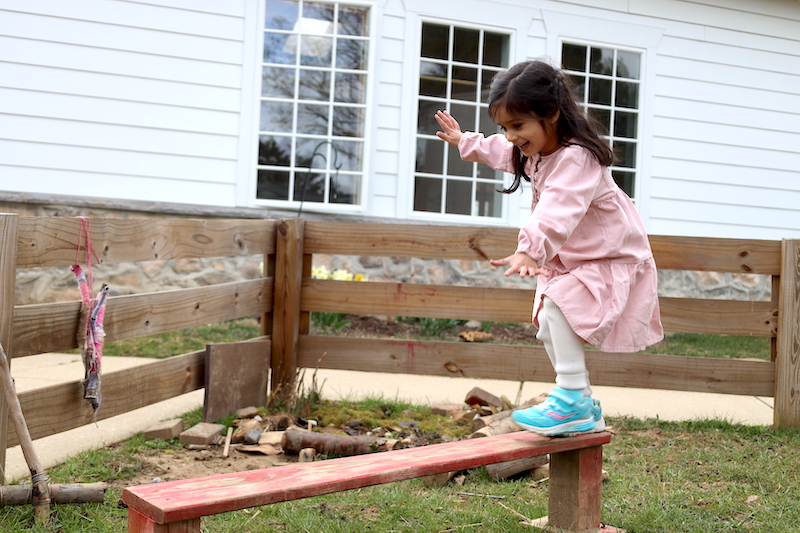
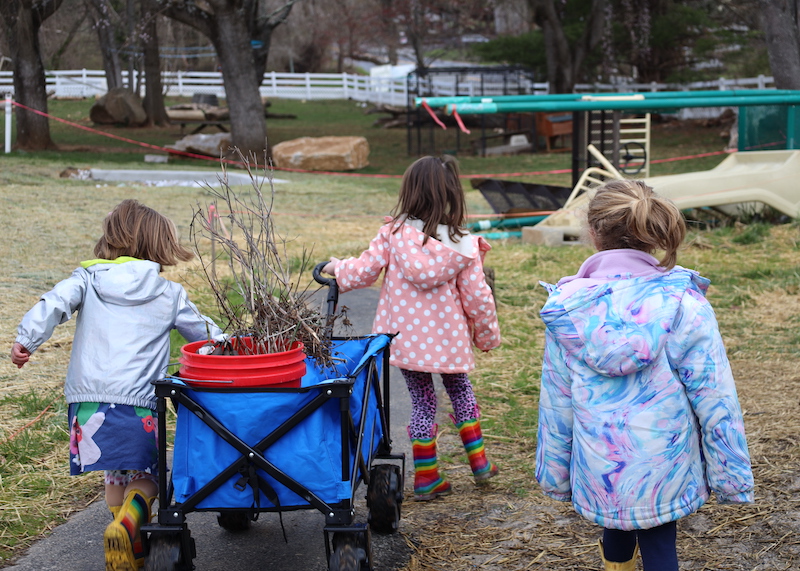
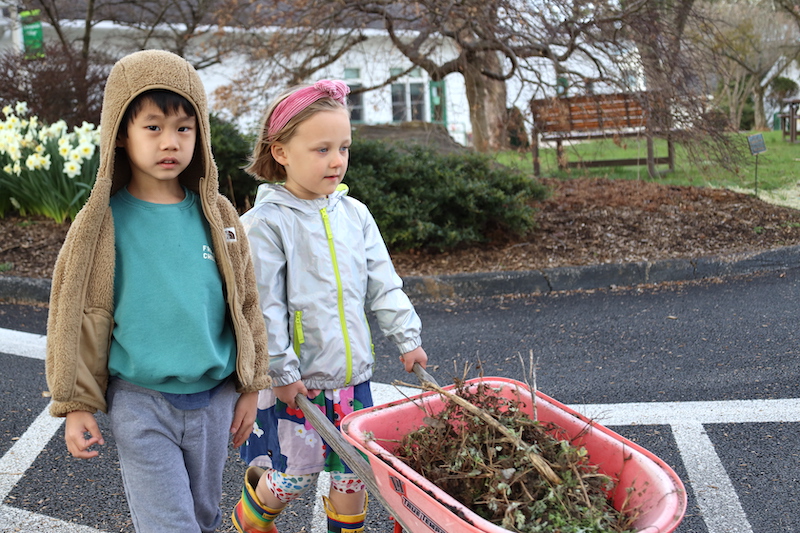
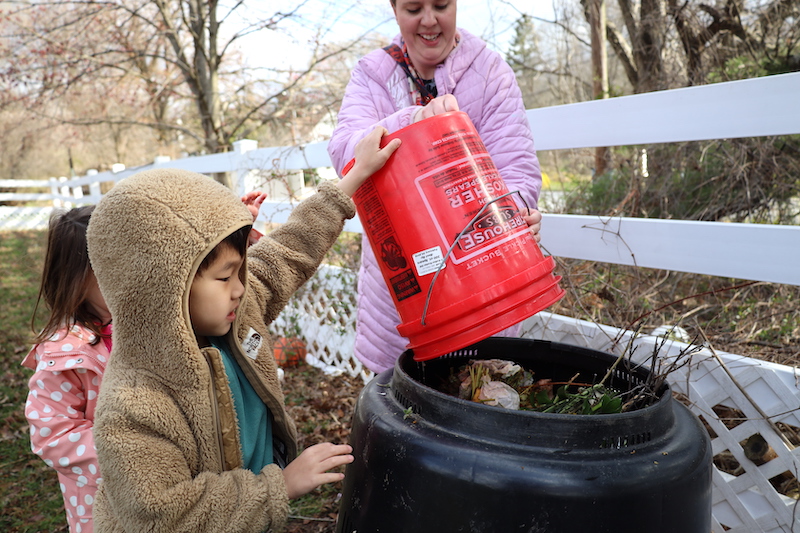
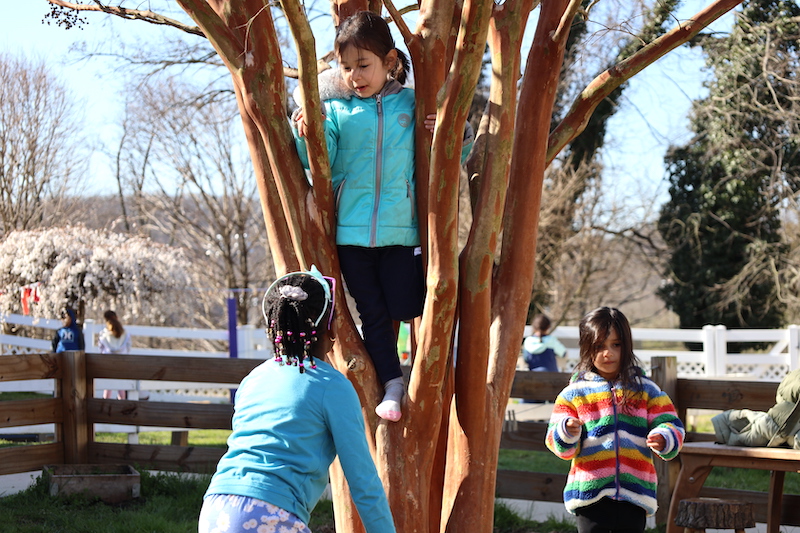
Monday, March 20th was the first day of spring and our students are celebrating in their outdoor learning enironments!

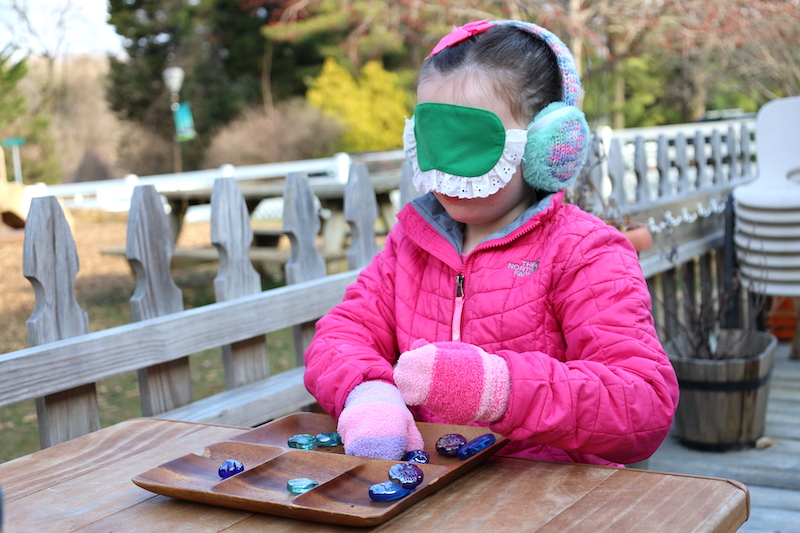
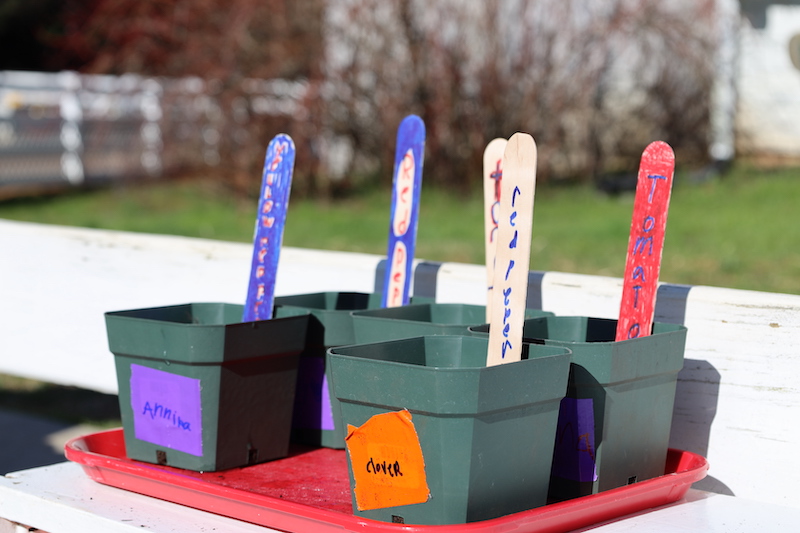
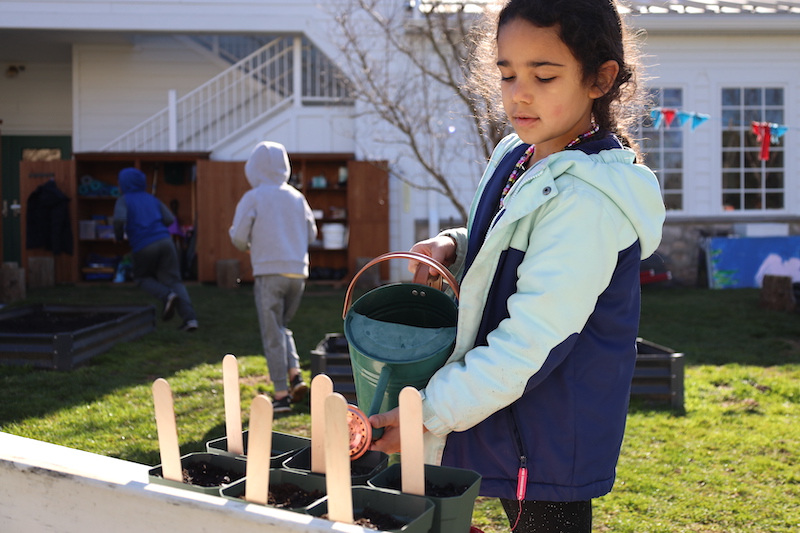
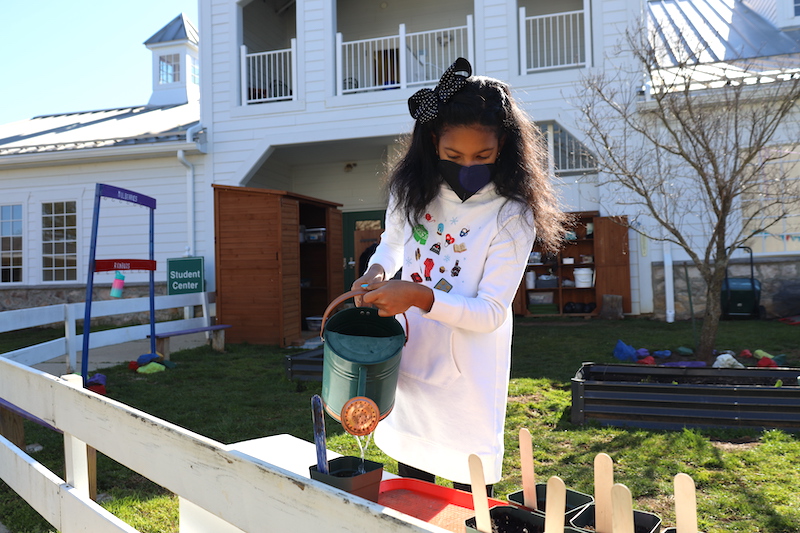
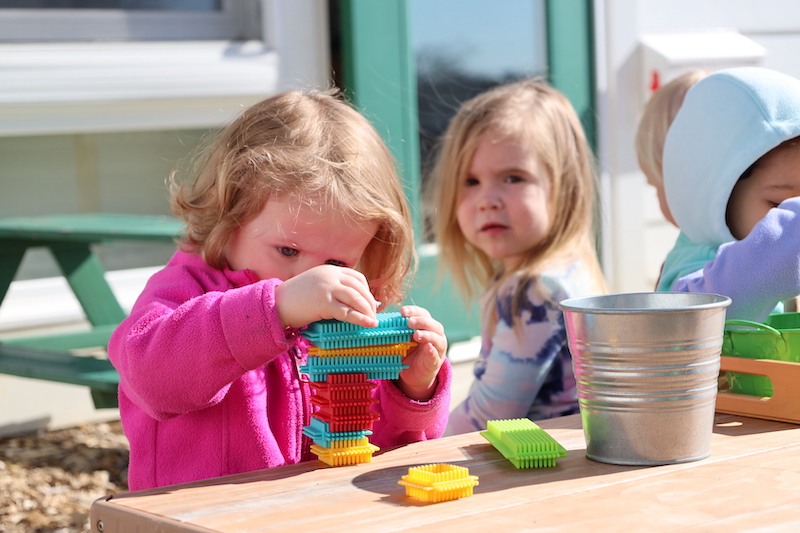
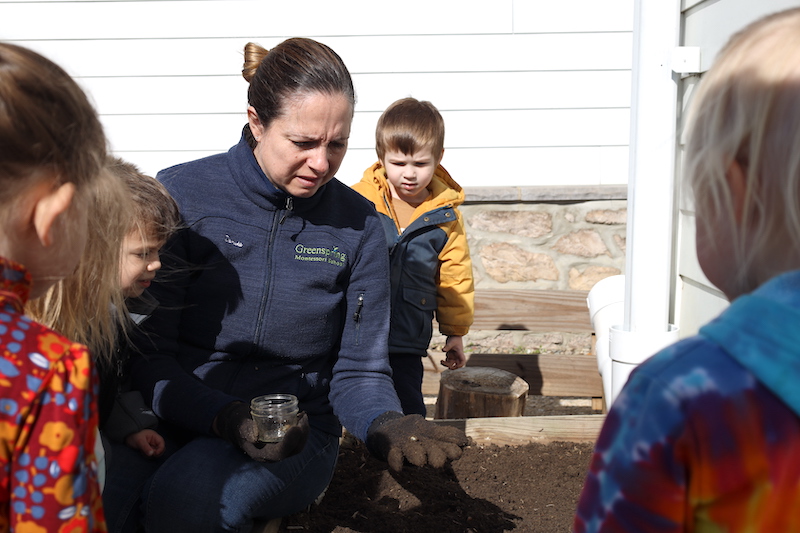
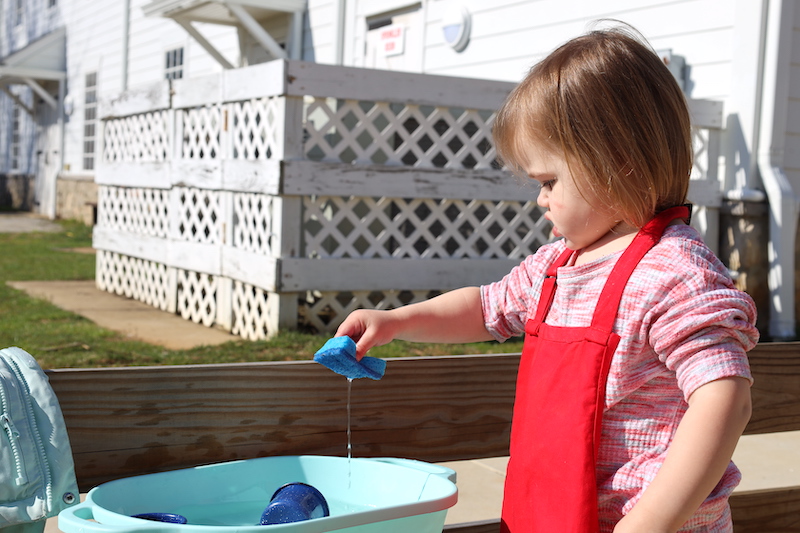
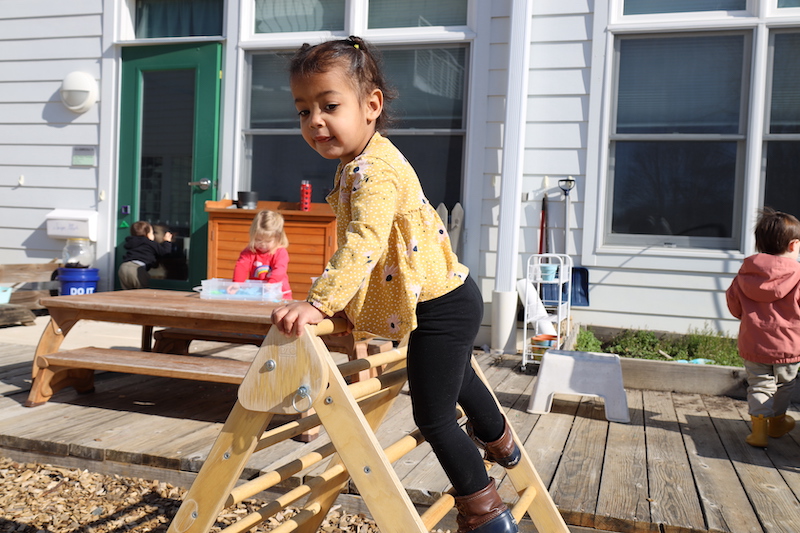
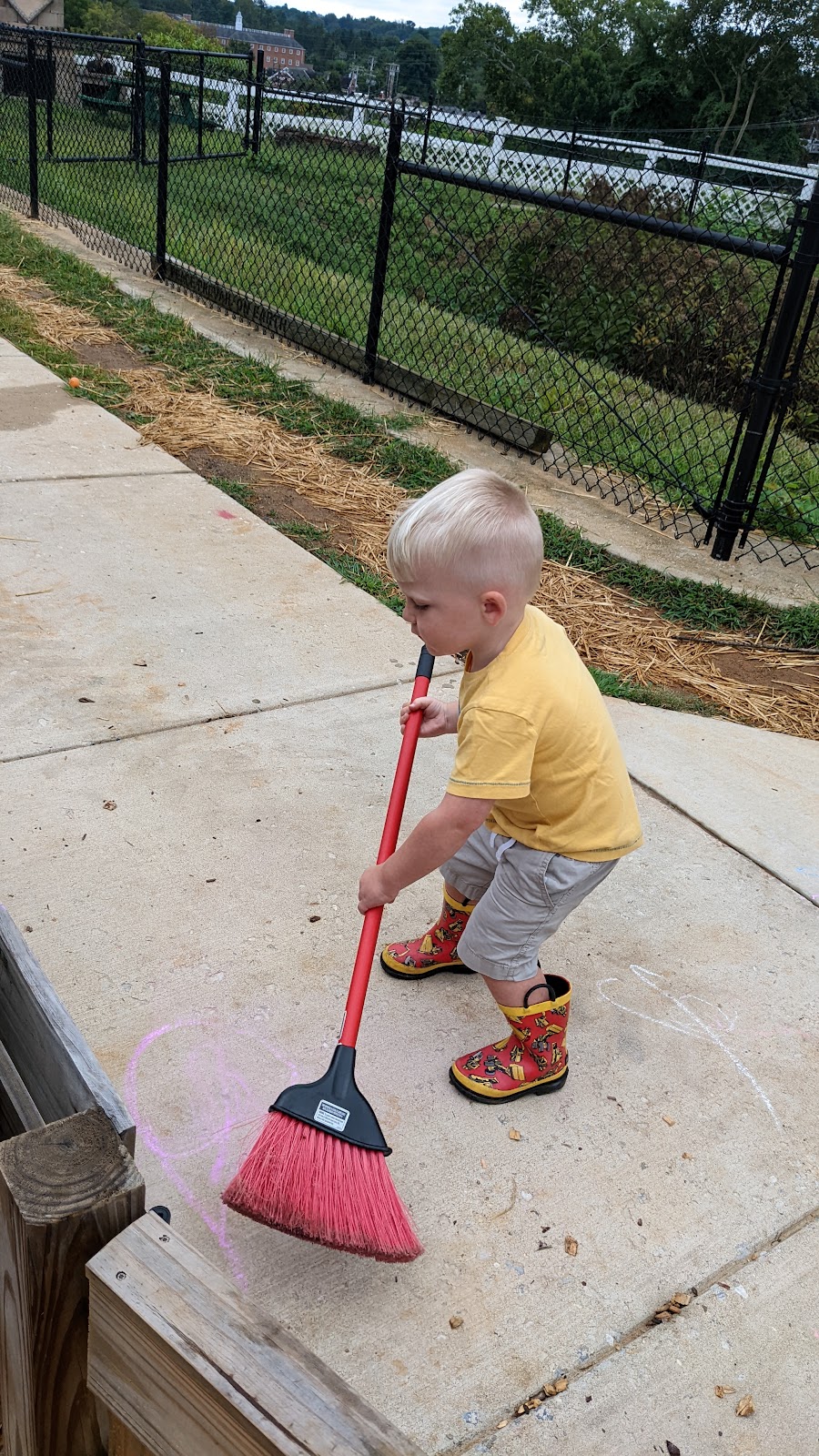
Students at Greenspring learn how to care for their outdoor environments from our youngest ages. Outdoor work includes watering and weeding the garden, sweeping, and planting seeds and new plants. Older children scrub fences and even build raised beds. These practical activities build a sense of connection and ownership as children care for the natural spaces around them. 

The Willows Children House Class maintains a pollinator garden which has been certified as a Monarch Waystation through the Monarch Watch program.  This garden provides crucial nectar to pollinators from Spring to late Fall and includes perennials such as two varieties of milkweed, purple coneflowers, goldenrod, and asters, and annual plantings from seed including zinnias, sunflowers, and lantana. Children help water, plant, weed, and care for the garden throughout the school year.

Enjoy some recent photos from our outdoor learning spaces!

Starting 2023 with New Titles in Our Library!

Starting 2023 with New Titles in Our Library!

Thank you to everyone who contributed to the Birthday Book Club! Because of your generous donations, the school library has purchased many exciting new picture books to add to our collection. These books are a wonderful addition to our library and we are so grateful for your generosity and your commitment to our mission. Thank you for your support!

Every Little Kindness, Marta Bartolj

When one act of kindness sparks another, anything is possible! As a girl searches for her lost dog, a simple act of generosity ripples into a wave of good deeds. In the course of a single day, each considerate action weaves lives together and transforms a neighborhood for the better.

Heart String, Brooke Boynton-Hughes

Through backyards and neighborhoods, over mountains, and across oceans, this colorful heart string ties us all together. Out of sight yet undeniable, it joins our hearts so that we are never truly alone. Follow the thread of this reassuring story to see how, even in a world as vast as ours, there is always a bond that connects us to the ones we love—and to the world we share.

Papa, Daddy, & Riley, Seamus Kirst

Riley is Papa’s princess and Daddy’s dragon. She loves her two fathers! When Riley’s classmate asks her which dad is her real one, Riley is confused. She doesn’t want to have to pick one or the other. Families are made of love in this heartwarming story that shows there are lots of ways to be part of one.

Over and Under the Waves, Kate Messner

Over the waves, the sea lions bark and seagulls wheel and call. The bay is smooth and bright in the sun. But under the waves, there’s a whole hidden forest, full of whales and wolf eels, sardines and sea bass, leopard sharks and luminous jellies, as well as the waving kelp that shelters them all. Discover the magical depths of the kelp forest, and all the fascinating creatures living just a paddle’s length away—over and under the waves.

A Sweet New Year for Ren, Michelle Sterling

Little Ren looks forward to the preparation for and festivities of Lunar New Year, but she is always too little to help make the delicious pineapple cakes that are her favorite. She watches family members rolling out the dough and loves the mouth-watering smell. Watching and waiting, when will Ren be old enough?

A Tree is a Home, Pamela Hickman

A large old oak tree stands near an empty house. Like the house, the tree provides shelter and a place to raise a family. From its branches to its roots, six animals share the tree as a home. Readers follow along as the tree and the animals – a raccoon, opossum, acorn weevil, gray squirrel, blue jay and chipmunk – change and adapt through all four seasons, from one autumn to the next. Meanwhile, a human family moves into the empty house nearby, and we see their story unfold, and grow, at the same time as their animal neighbors.

The Kindest Red: A Story of Hijab and Friendship, Ibtihaj Muhammad

It’s picture day and Faizah can’t wait to wear her special red dress with matching hair ribbons, passed down from her mother and sister. Faizah’s teacher starts the day by asking her students to envision the kind of world they want, inspiring Faizah and her friends to spend the day helping one another in ways large and small. But when it’s time for sibling pictures, Faizah realizes that she and her older sister, Asiya, don’t match like her classmates do with their siblings. With help from her classmates inspired by Asiya’s hijab, Faizah finds that acts of kindness can come back to you in unexpected ways.

Every School Year Begins with the Process of Normalization

Every School Year Begins with the Process of Normalization

Dr. Montessori coined the term “normalization” to describe children who are demonstrating independence, self-discipline, concentration, and joyful engagement. E. M. Standing, in his book Maria Montessori: Her Life and Work writes: “The crowning characteristic of a group of normalized children is joy. It pervades the little community like a perfume; and is as hard to describe as it is easy to perceive.”

At this time of the school year, students are working towards normalization. The multi-age classroom, the prepared environment, meaningful work, an uninterrupted work cycle, Grace and Courtesy activities, and adult observation all support the development of normalization in Montessori classrooms.

Montessori classrooms are multi-age, which means that in any given year, two thirds of the children are returning to the community. These “elders” in the community serve role models for their younger peers, easily folding them into the existing routines and culture of the classroom. Dr. Montessori, in The Absorbent Mind reminds us that children of varying ages work well together: “Our schools show that children of different ages help one another. The younger one sees what the older ones are doing and asks for explanations. There is a communication and harmony between the two that one seldom finds between the adult and the small child.”
The prepared environment is designed to call the children into work they find meaningful and engaging. The areas of the classroom are organized by subject area and hands-on manipulatives are arranged sequentially on the shelves. Offering many materials of interest at varying levels means that each student has work that calls to them. Guides invite children to lessons just as they are ready for them, ensuring that every child has work that is at a “just right” level of challenge. Practical Life activities in particular help the children build toward and prepare for work in other areas. These activities help children increase concentration, coordination, order, and independence, while also teaching care of self and care of the environment. A child carefully rolling a mat, carrying a tray, or scrubbing a table is building all of the skills needed for work in every other area of the curriculum.

A stretch of protected work time, called the uninterrupted work cycle, allows children to dive deeply into work that interests them. Dr. Montessori observed, “An interesting piece of work, freely chosen, which has the virtue of inducing concentration rather than fatigue, adds to the child’s energies and mental capacities, and leads him to self-mastery.” Dr. Montessori also observed that children work because they enjoy the experience, not the product. When a child finishes a painting, she may hang it on the drying rack and forget about it. After completing the Pink Tower, a child may choose to repeat the exercise many times, each time finding the work as thrilling as the time before. Children use these experiences to construct themselves. 

We also support the process of normalization through Grace and Courtesy lessons and activities. These activities can help the child become oriented to the prepared environment and serve as tools for functioning in the classroom, using the materials, and interacting with others. Some common Grace and Courtesy lessons at the beginning of the school year include greeting one another, rolling a rug, tucking in a chair, and asking to observe or participate. Grace and Courtesy activities are important for establishing respect for self and others, an important aspect of the path to normalization.
Guides use their observation skills to notice which materials the children are drawn to, what new lessons they are ready for, and what supports would help them to be more independent. Guides then make modifications to the environment and plan accordingly, so that each child is being met where they are.  

At this time of the school year students are working towards normalization. They are beginning to find focus and joyful work. For some children this occurs quickly, and for others it may take time to find their rhythm. The classroom itself also seeks normalization, not just individual children. Dr. Montessori wrote, “The greatest sign of success for a teacher… is to be able to say ‘The children are now working as if I did not exist.’” Students who work independently, are courteous towards each other, focus on their work, and enjoy the work they are doing are all signs of normalization. These characteristics that are developed in the early years don’t just benefit them in school, but for life!