Winter in the Outdoor Environments

Winter in the Outdoor Environments

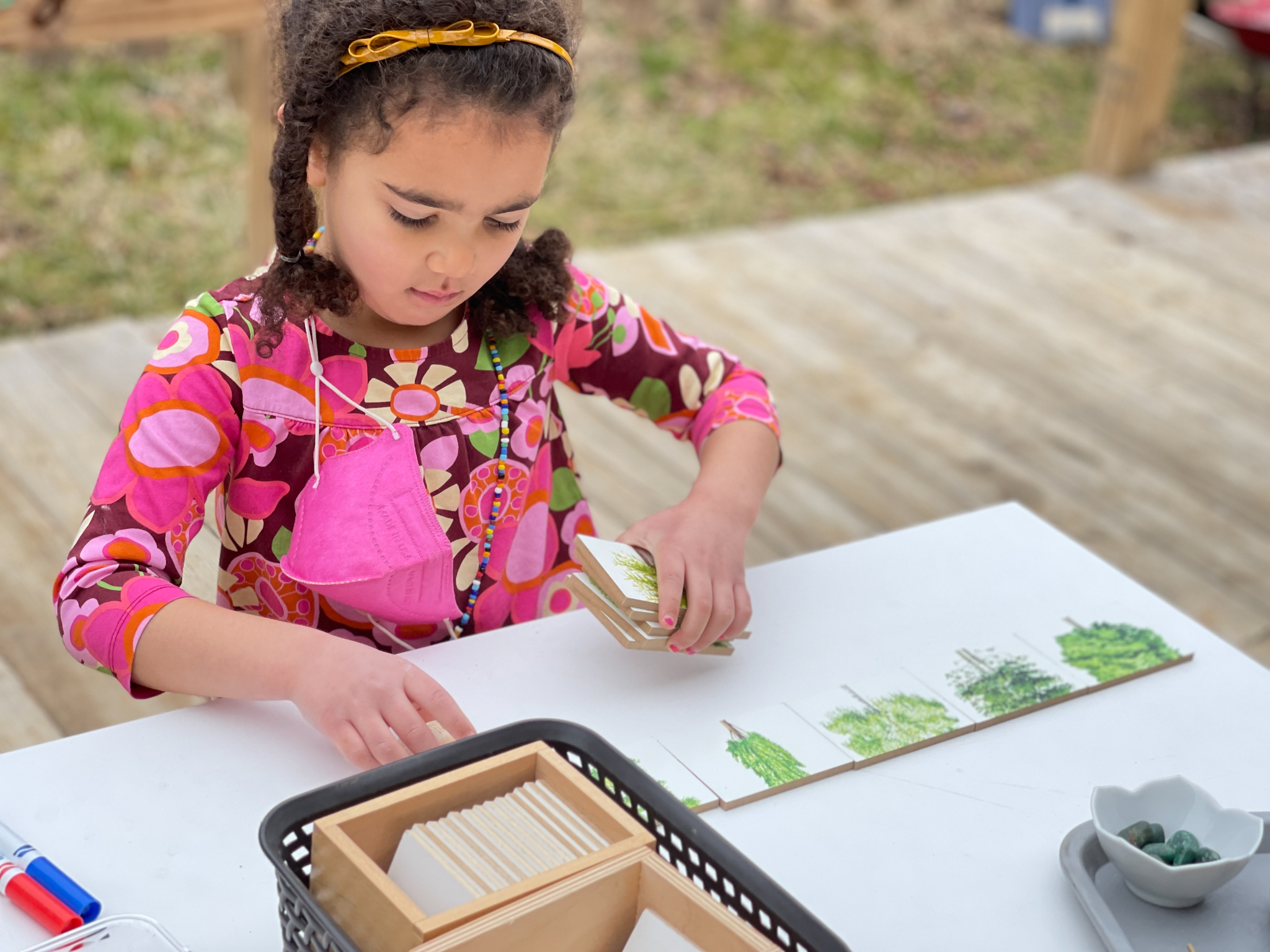
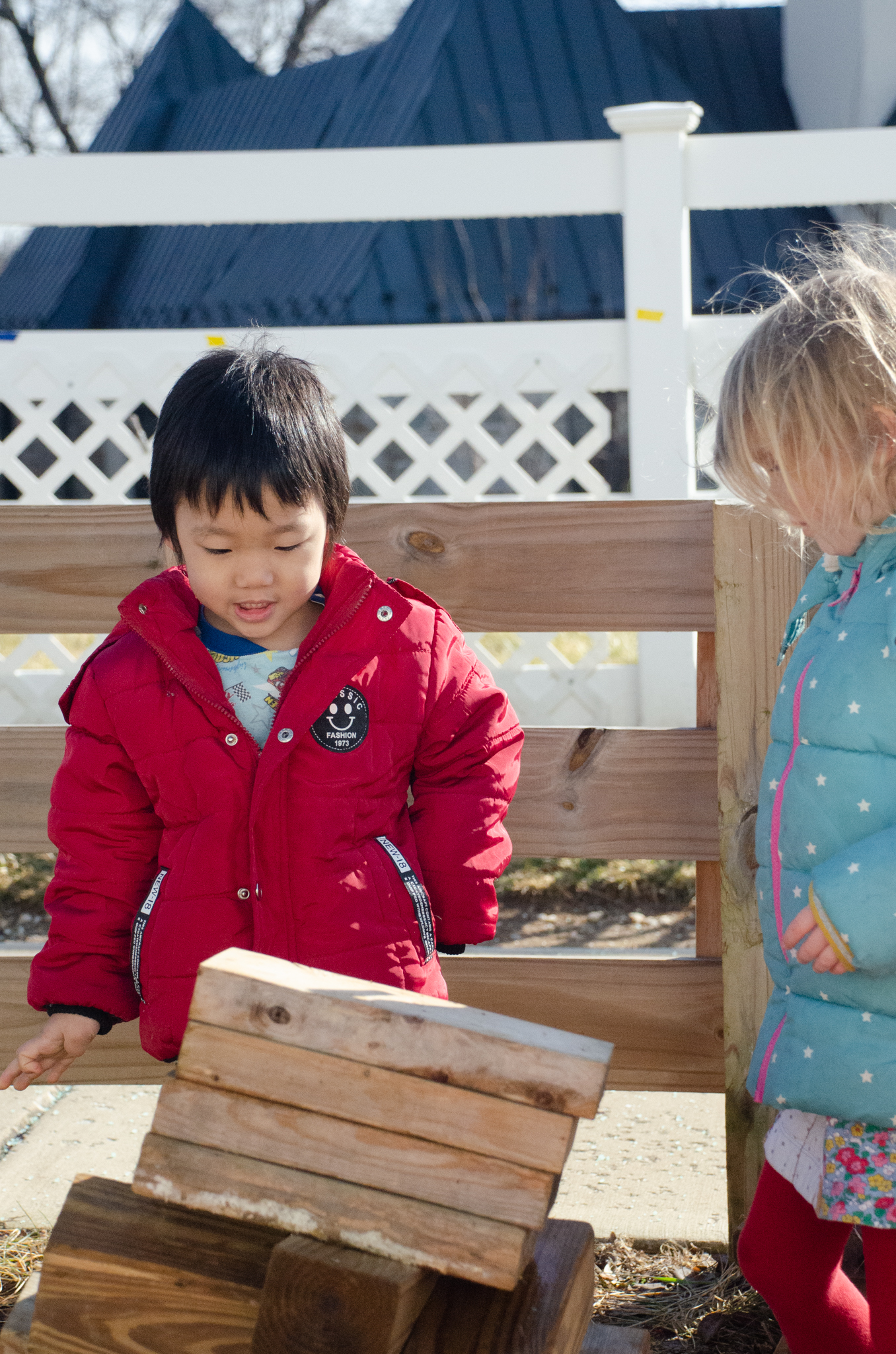
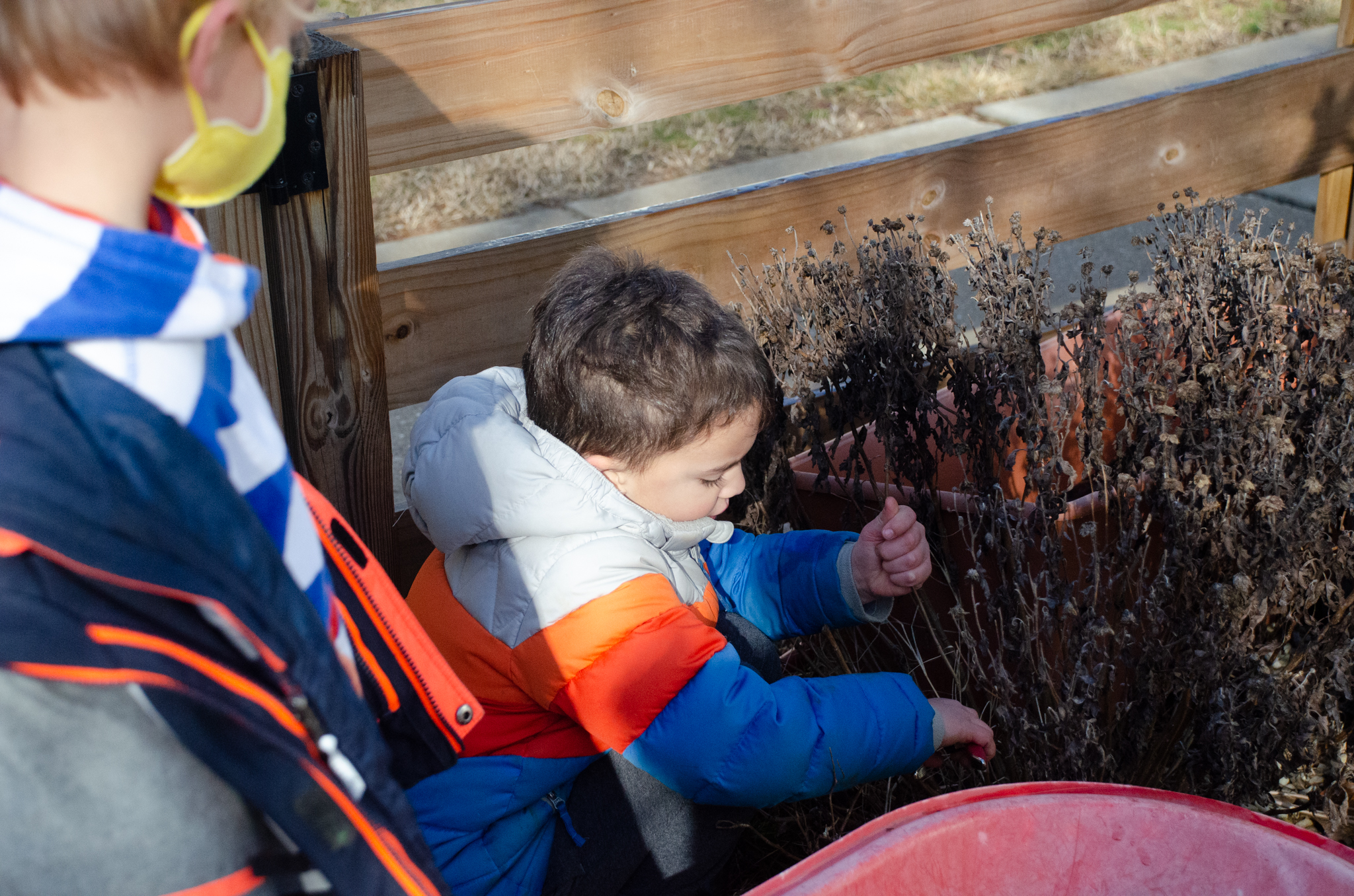
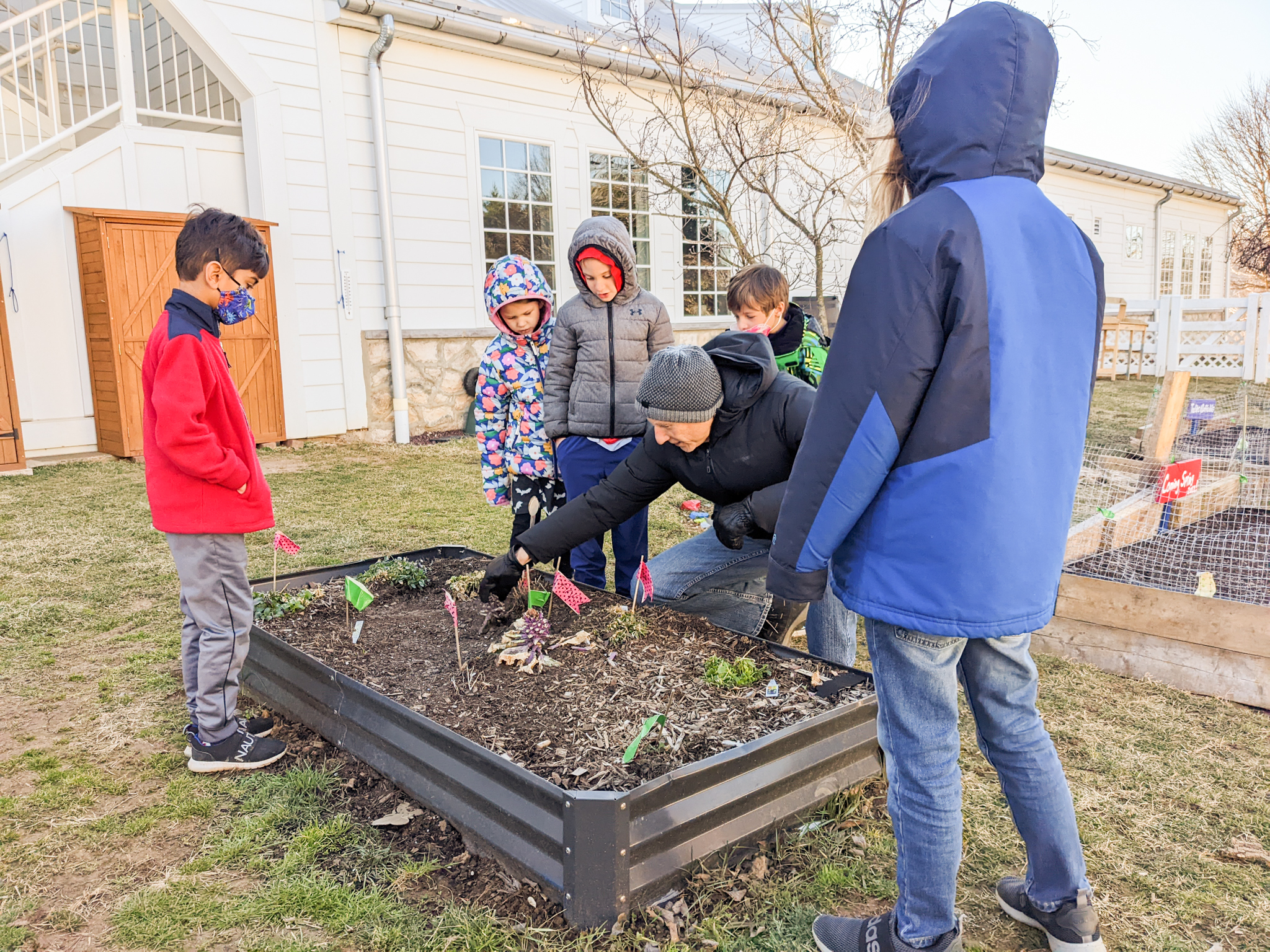
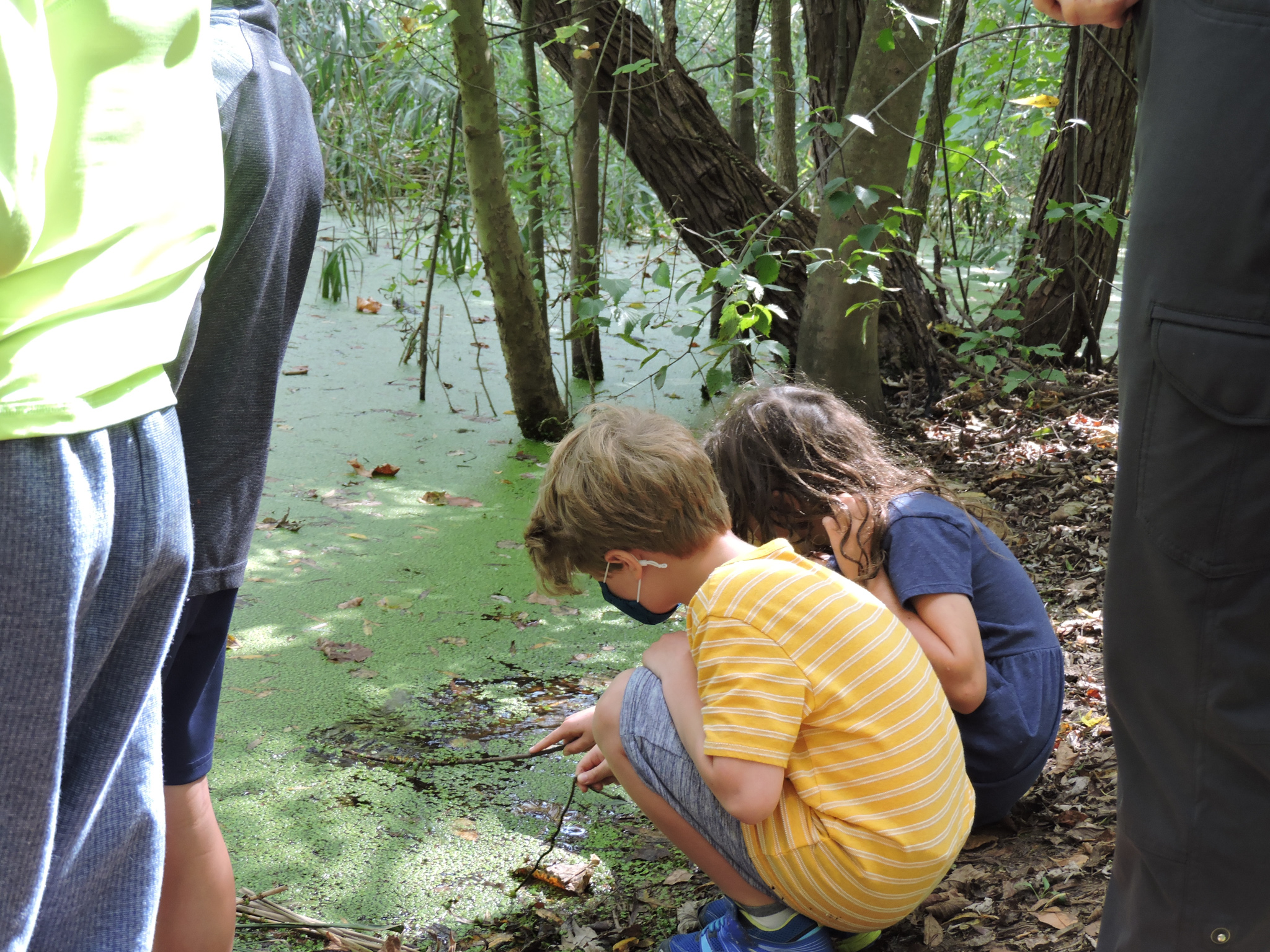
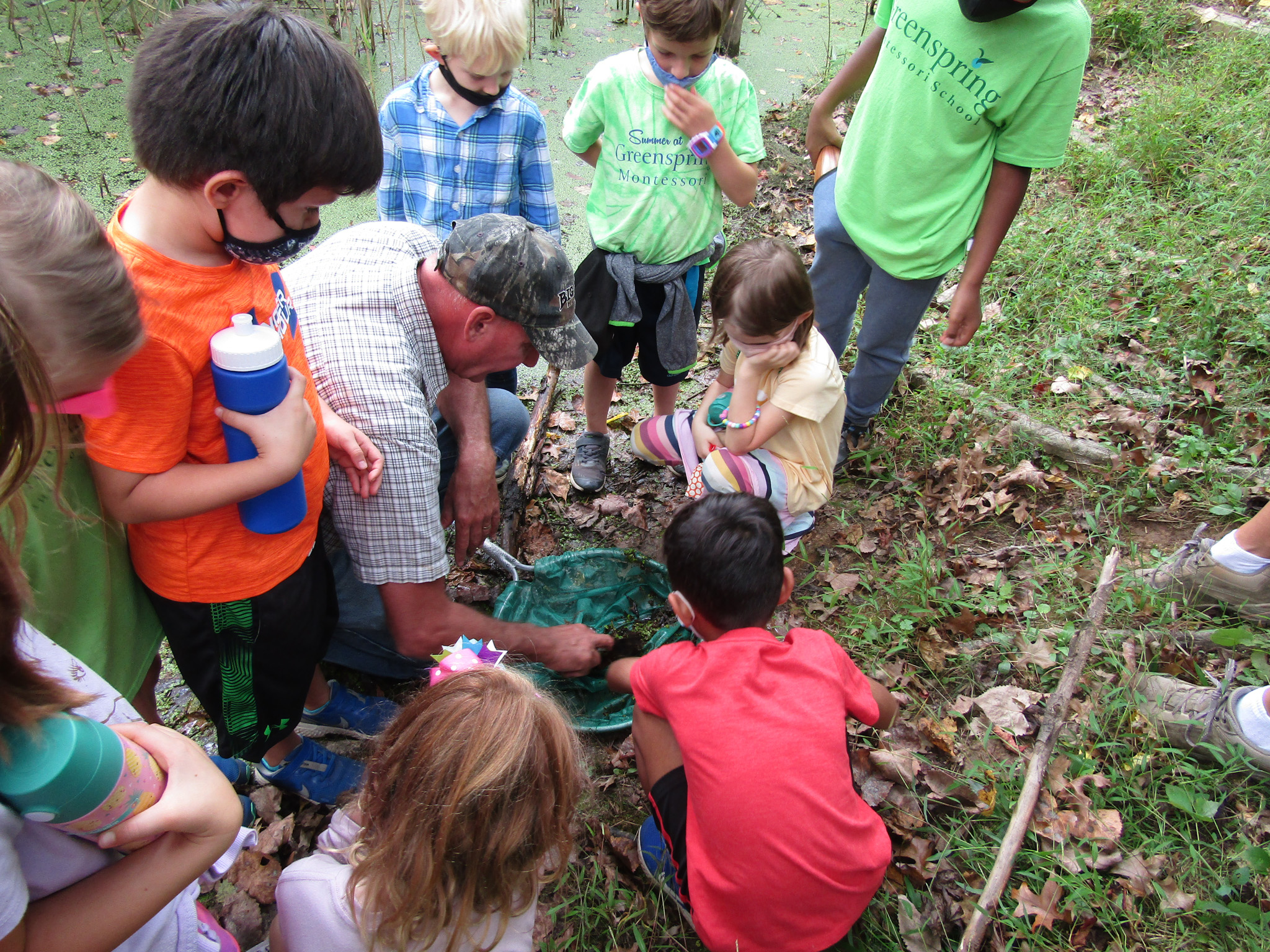
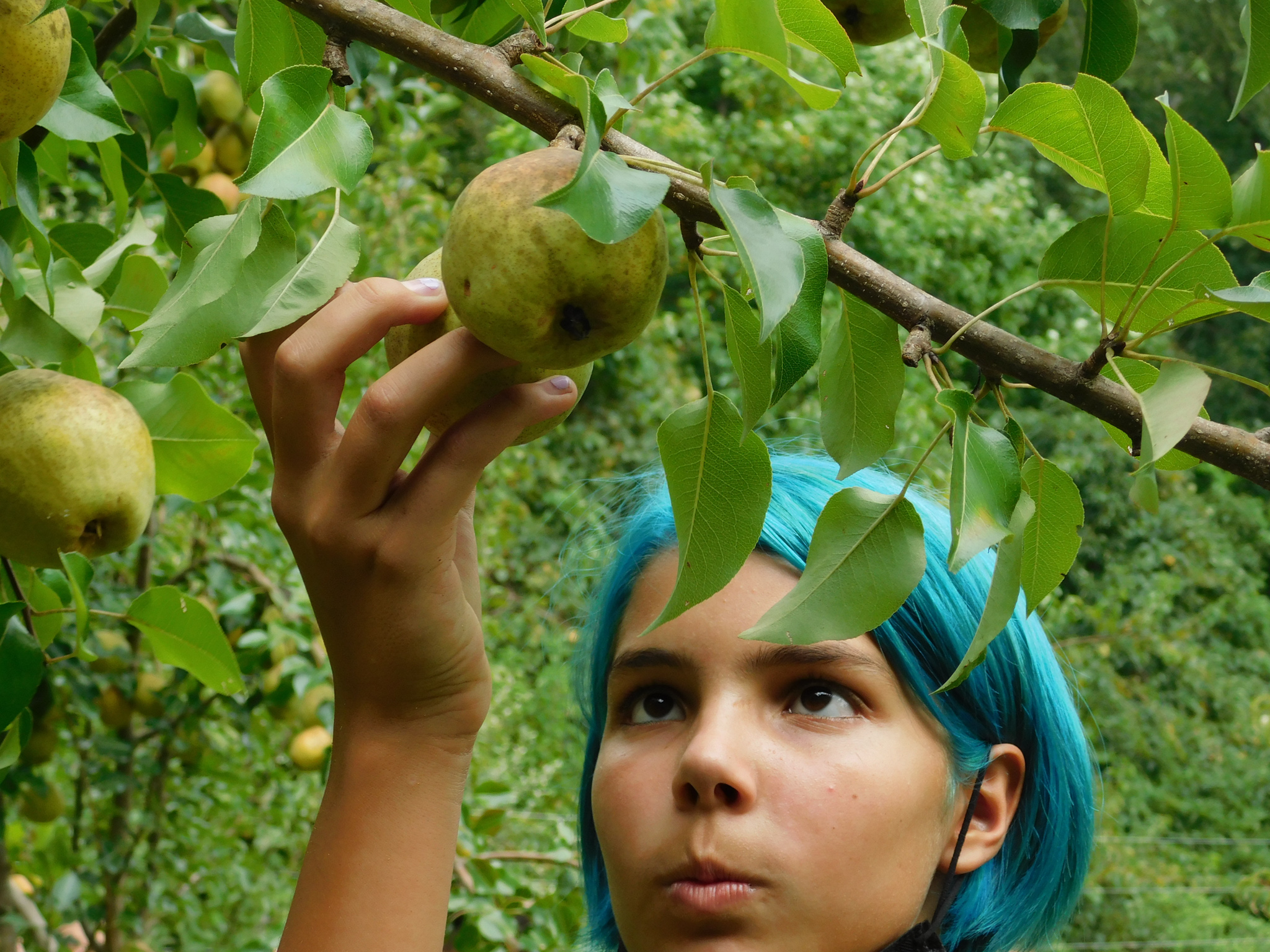
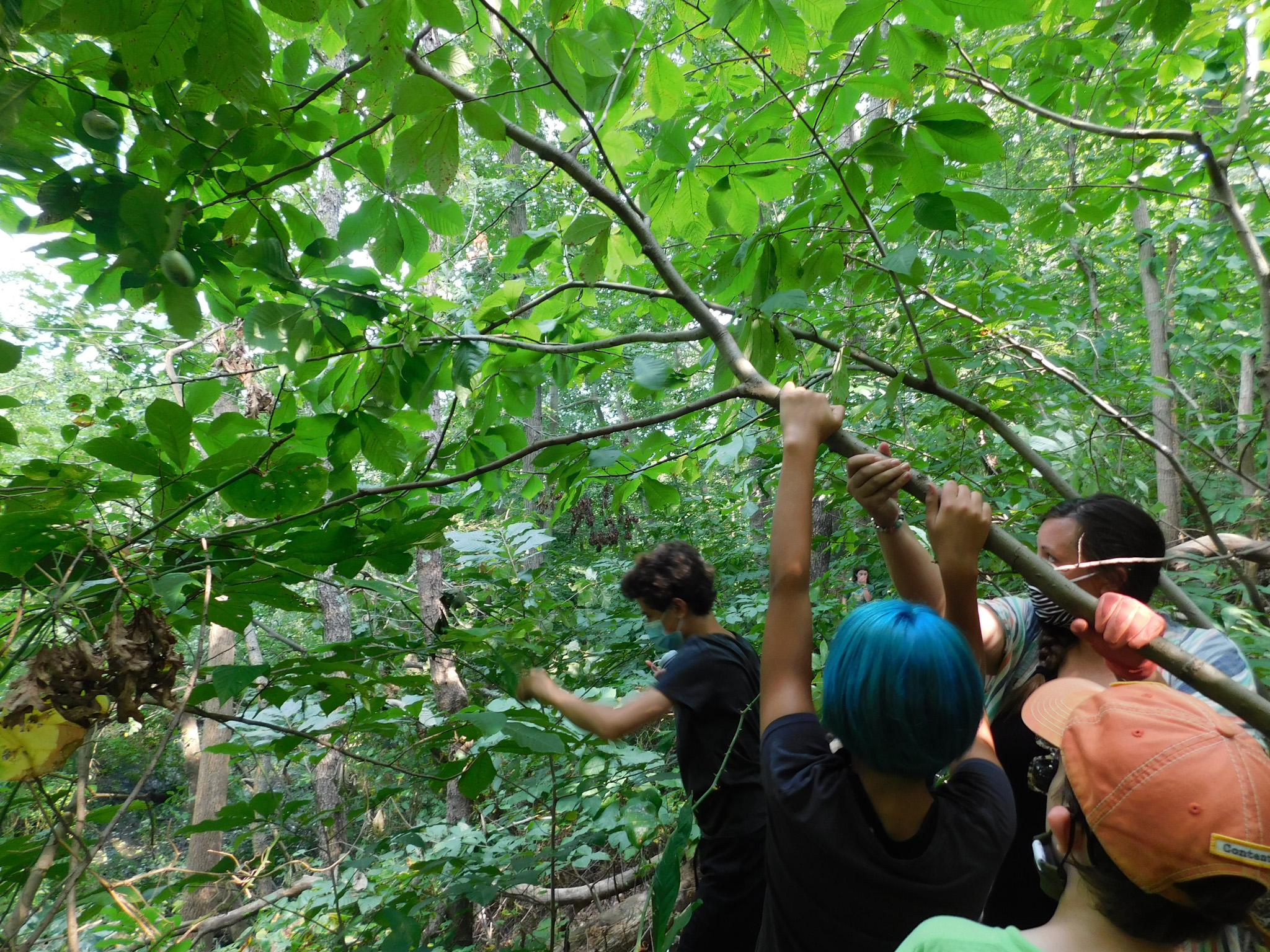
Our Outdoor Environments are a special extension of our classrooms and we love to be outside as much as possible. During the winter months, the Outdoor Environments are still a very important part of our classrooms. Read on to learn more about what is happening outside at Greenspring.
Toddler Outdoor Environment

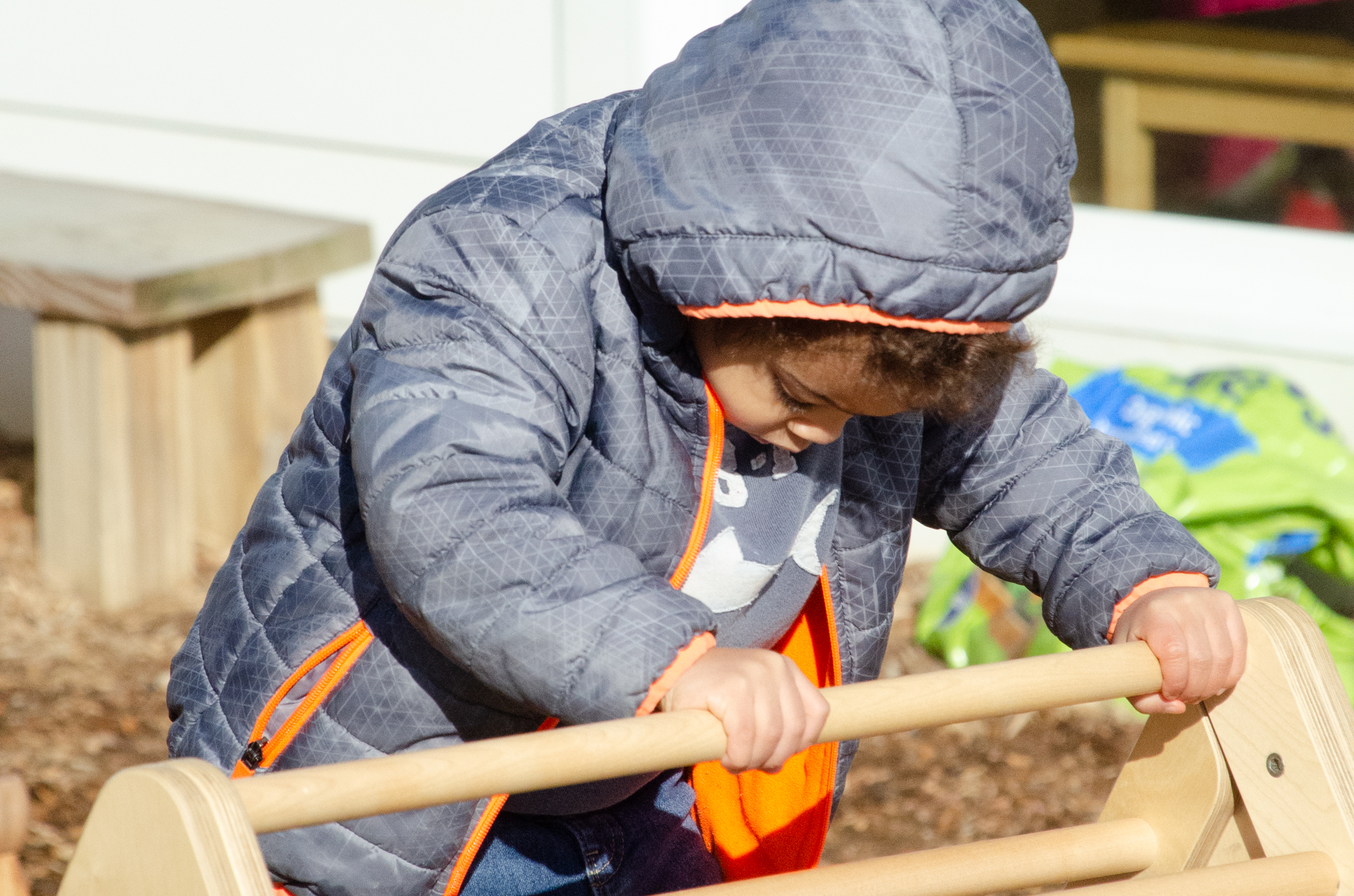
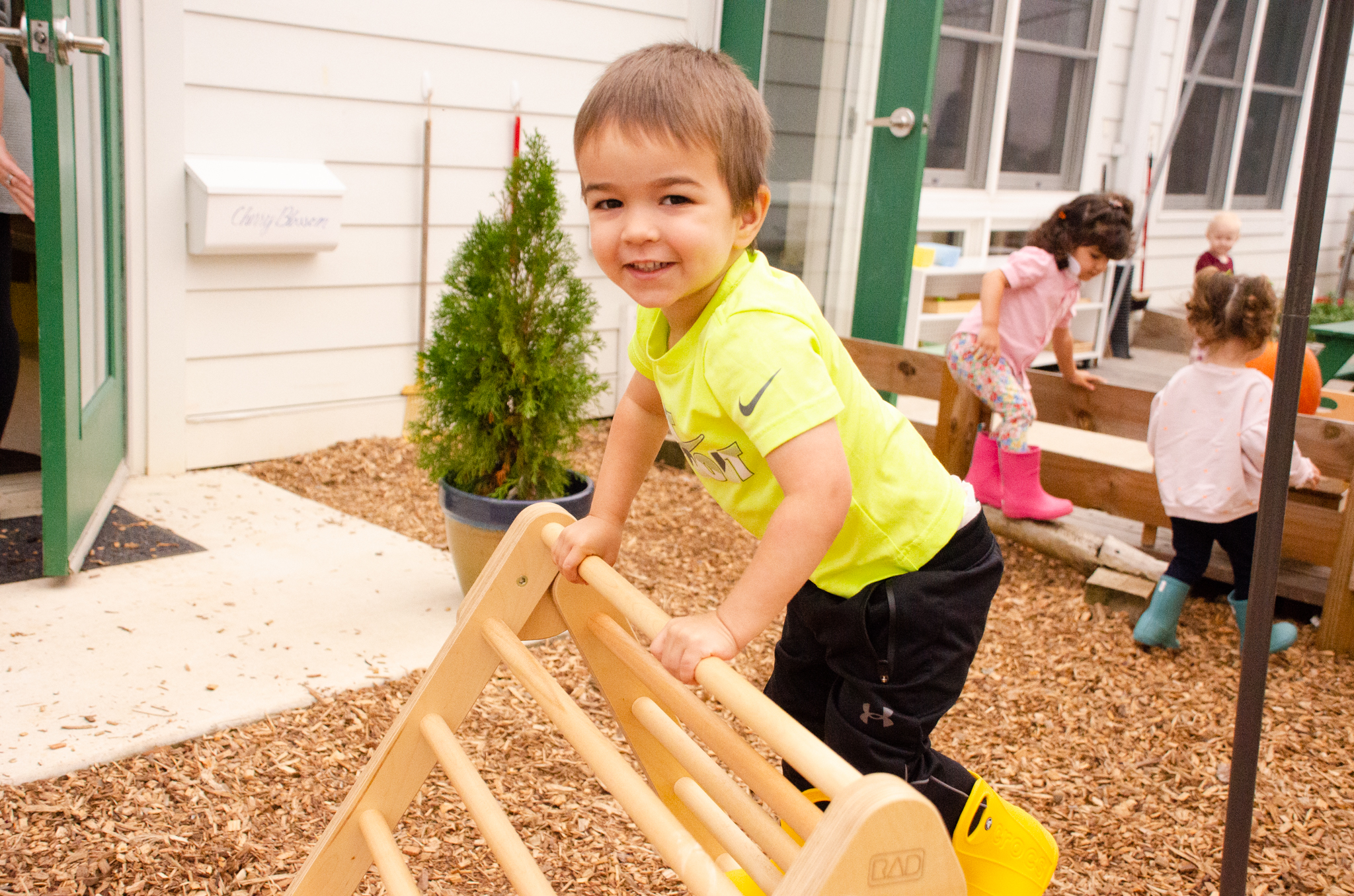
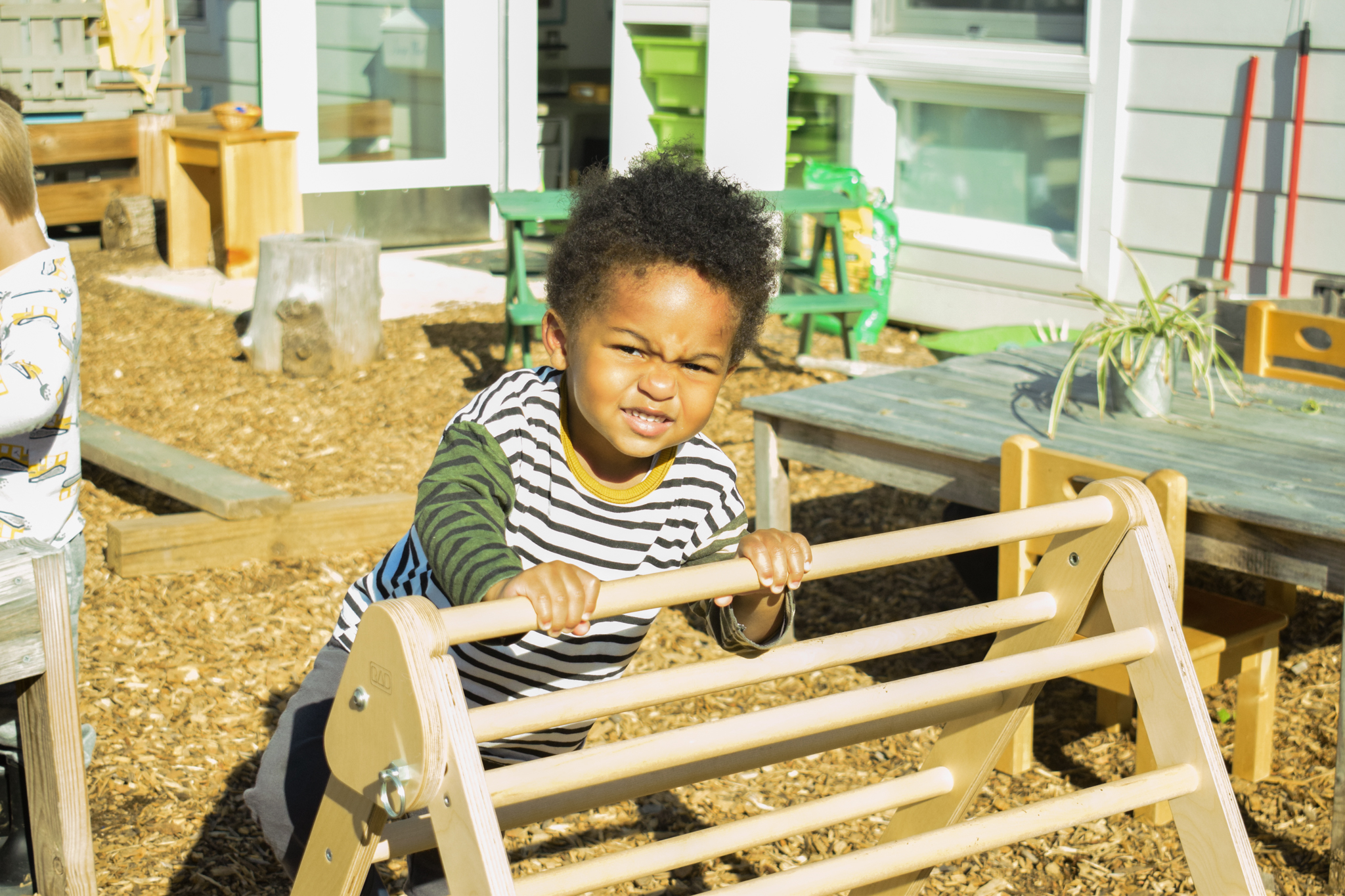
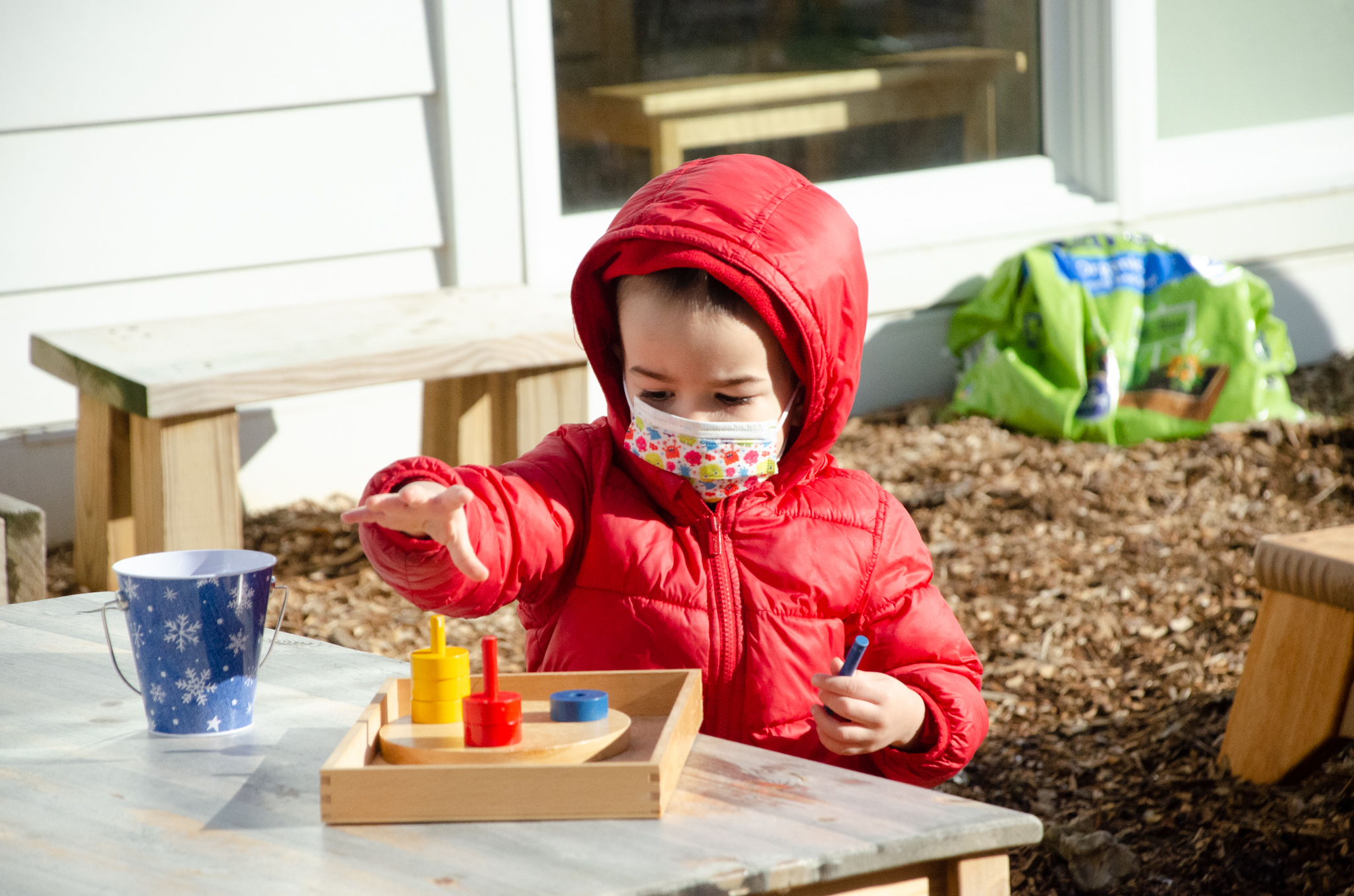
Our Toddler Outdoor Environments are beautifully prepared for the children to explore with materials that promote gross motor activities and care of the environment, such as wheelbarrows, sweeping, pikler triangles, and balance beams. Additionally, works are put out for fine motor skills and concentration, similar to what would be found inside the Toddler classroom.

Children’s House Outdoor Environment
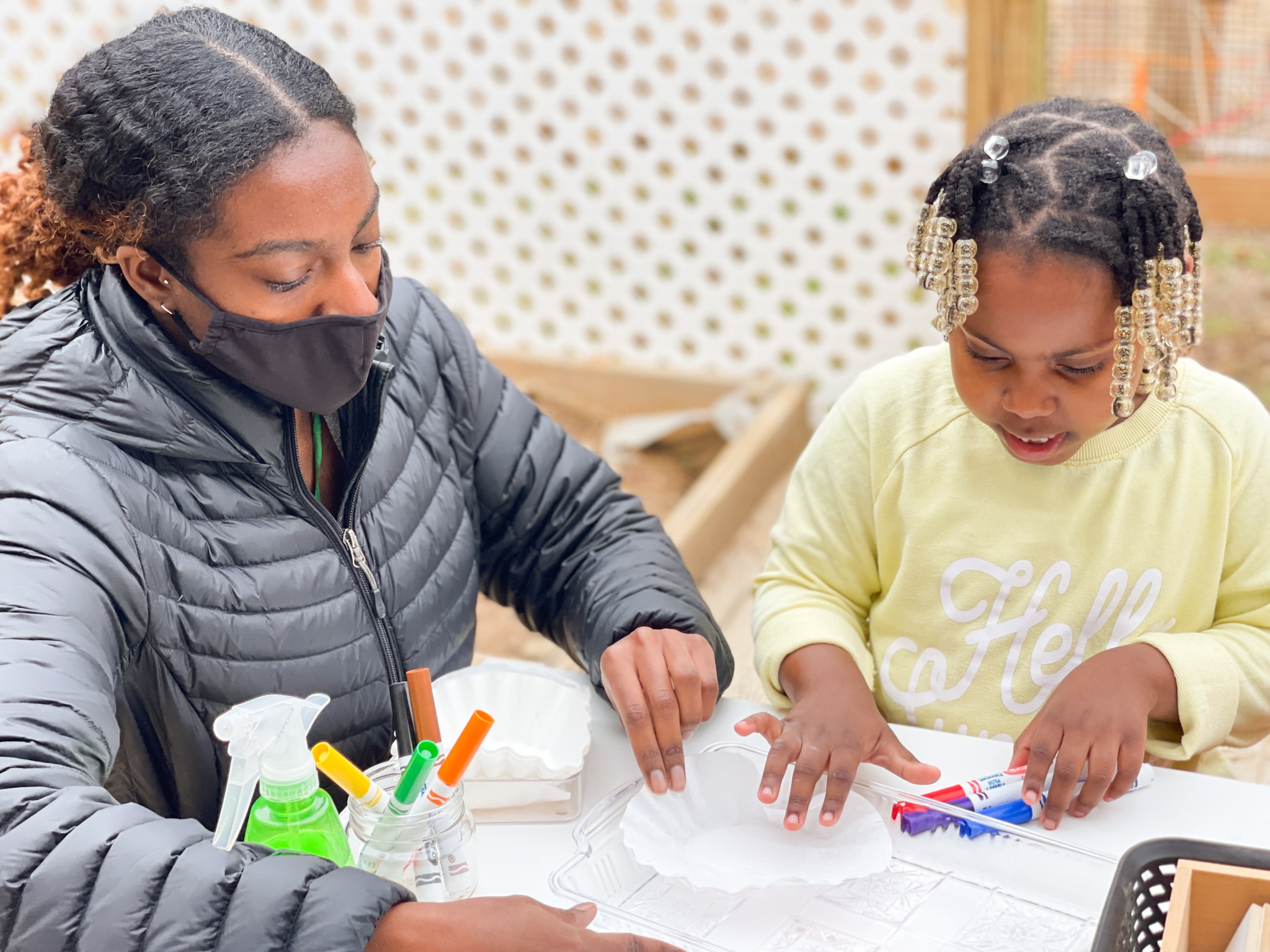
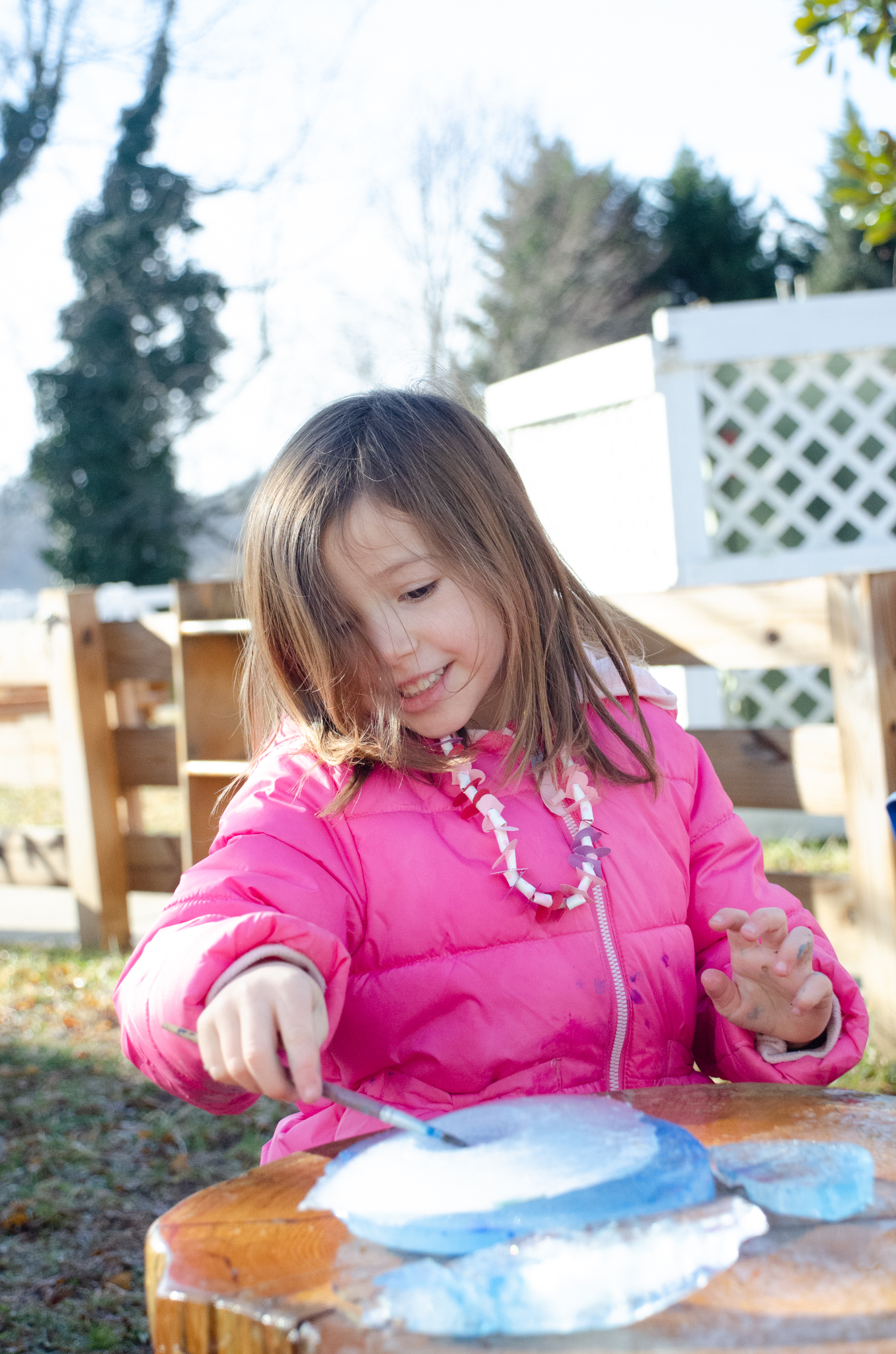
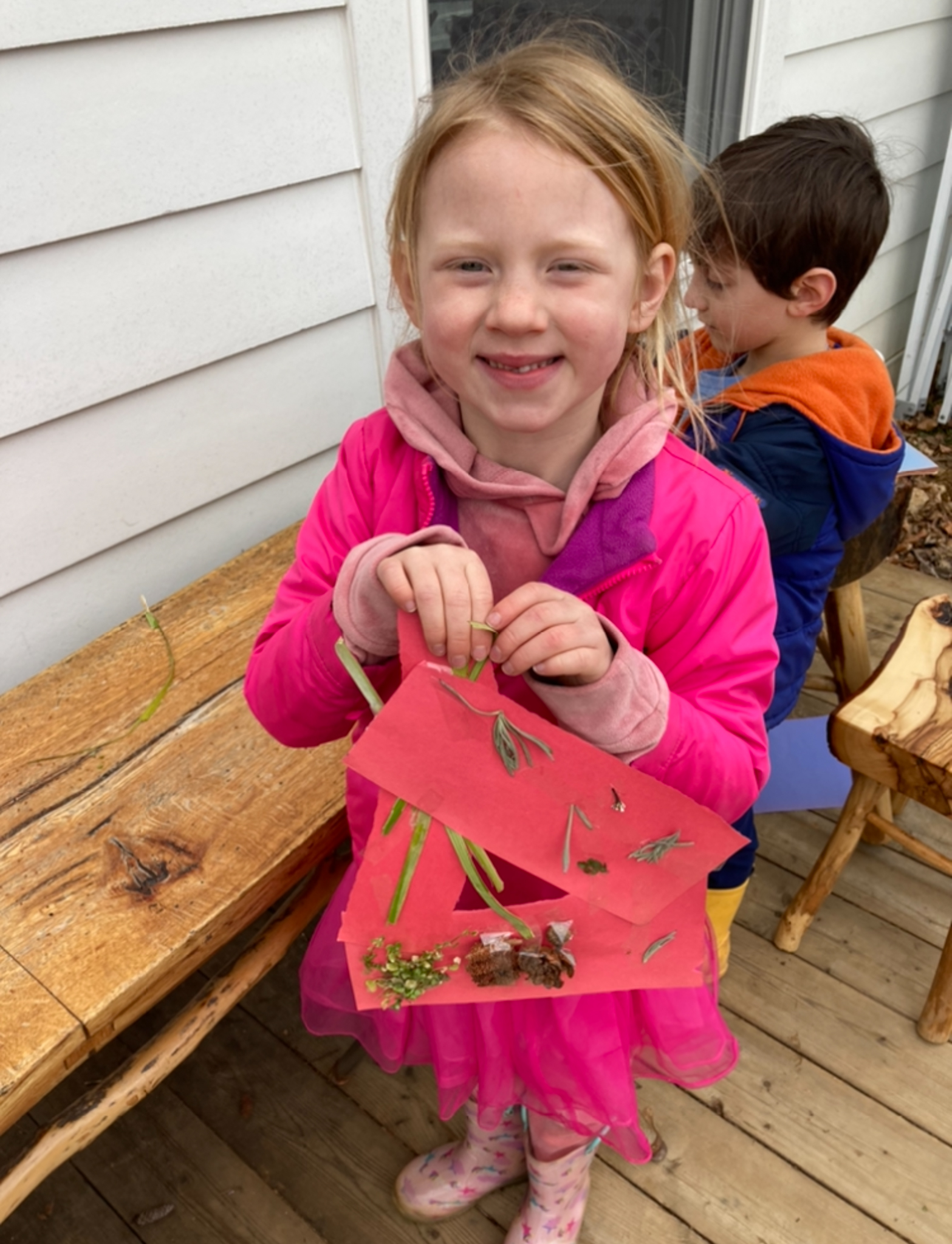
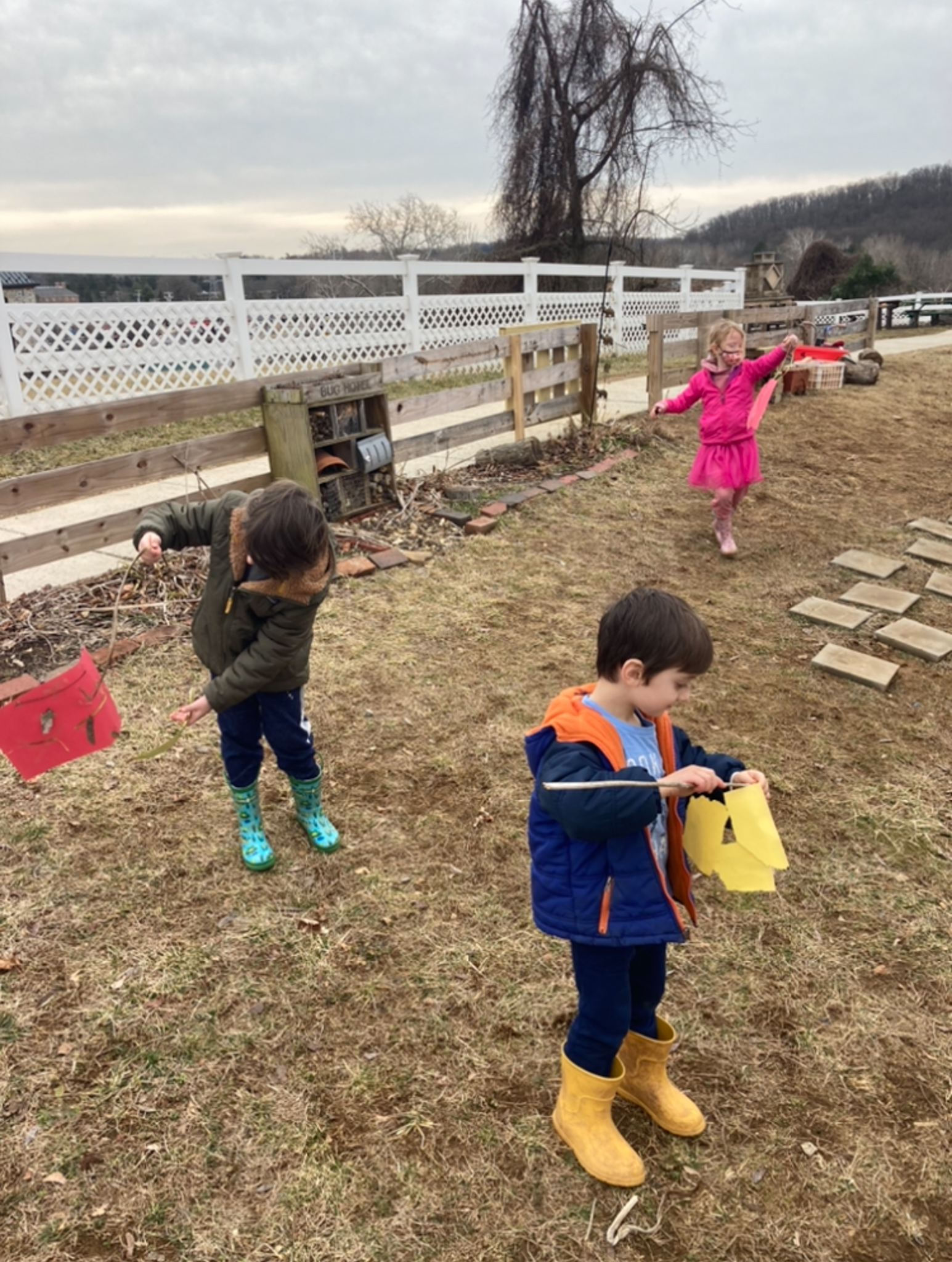
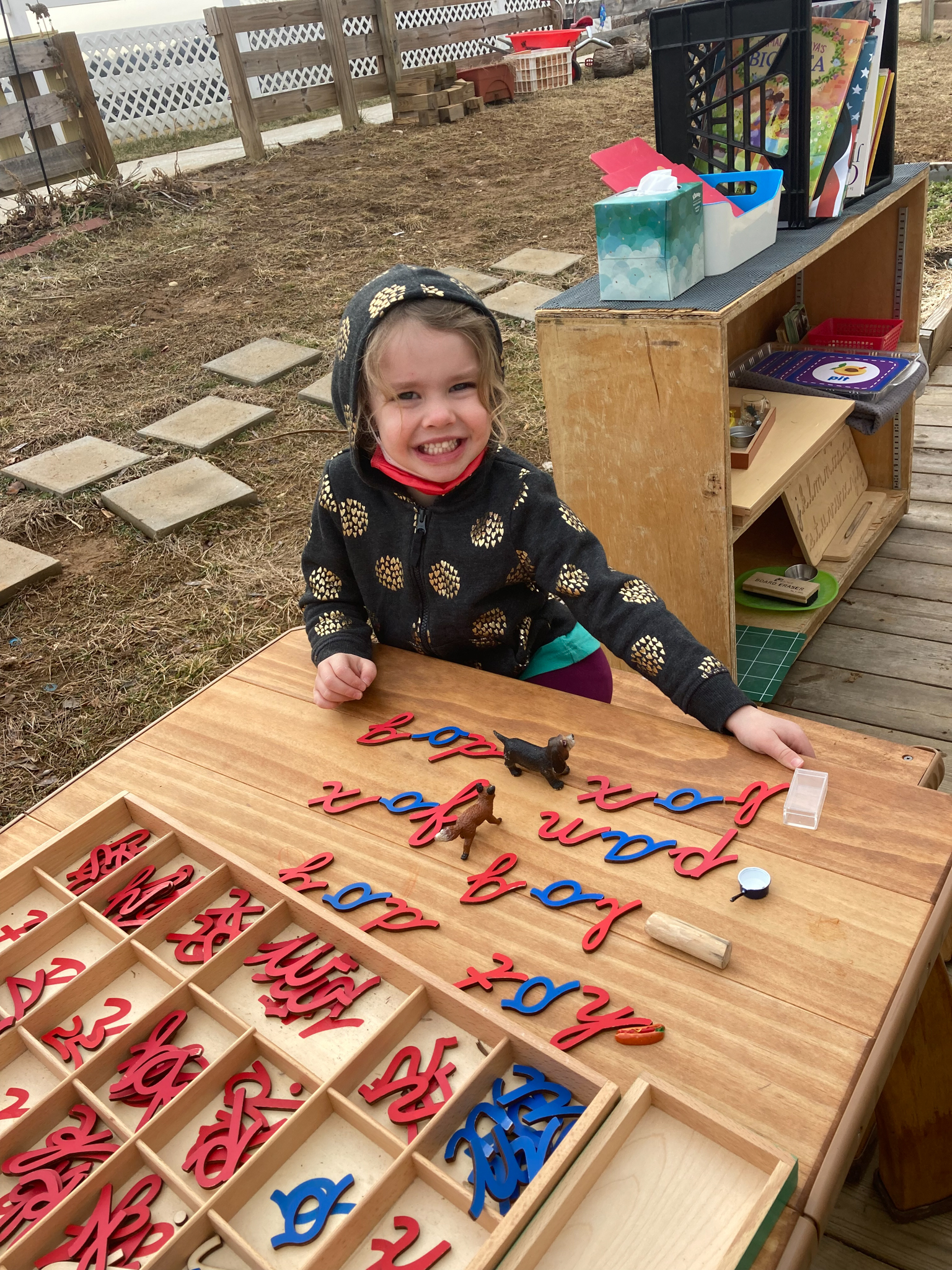
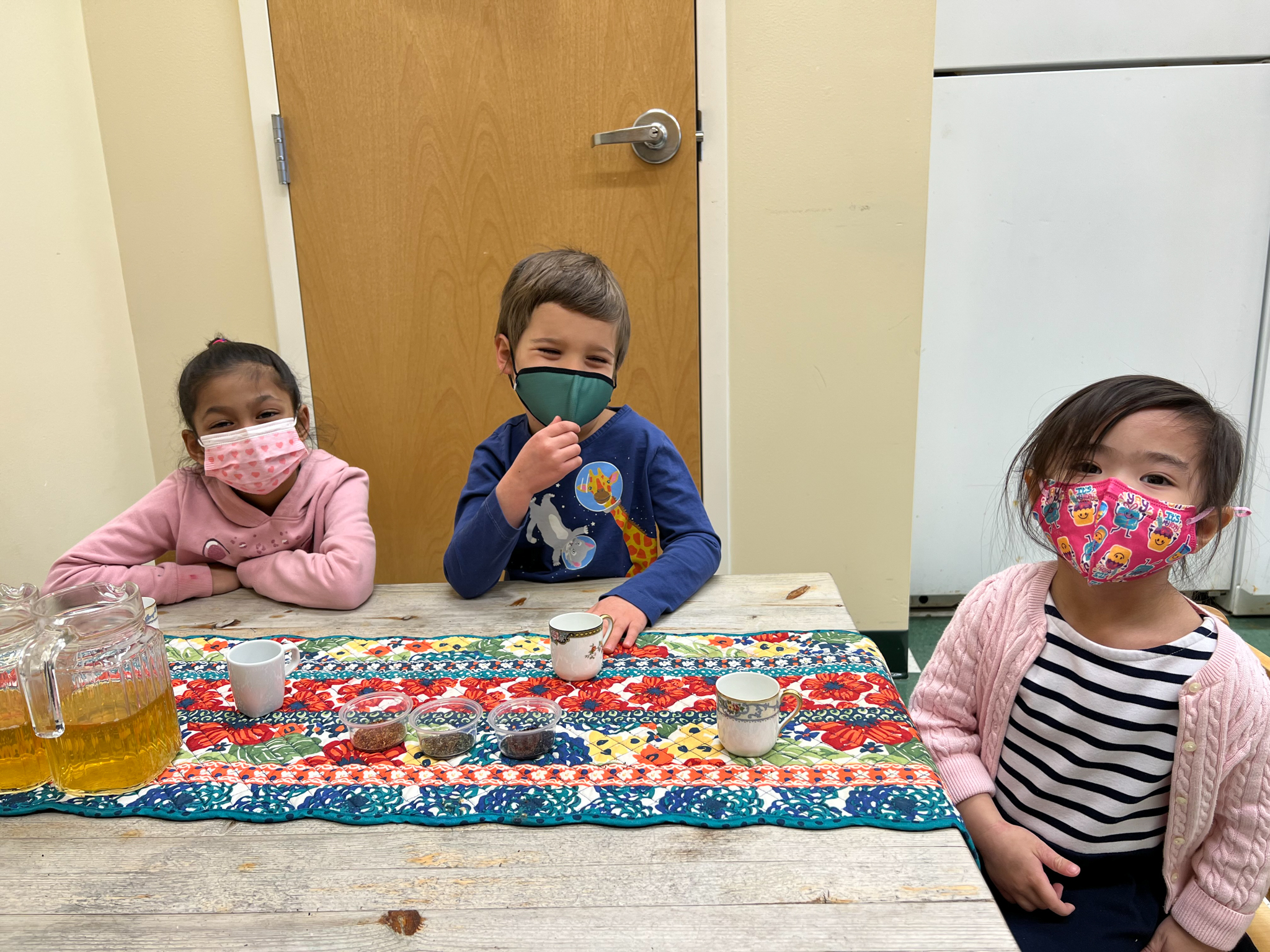
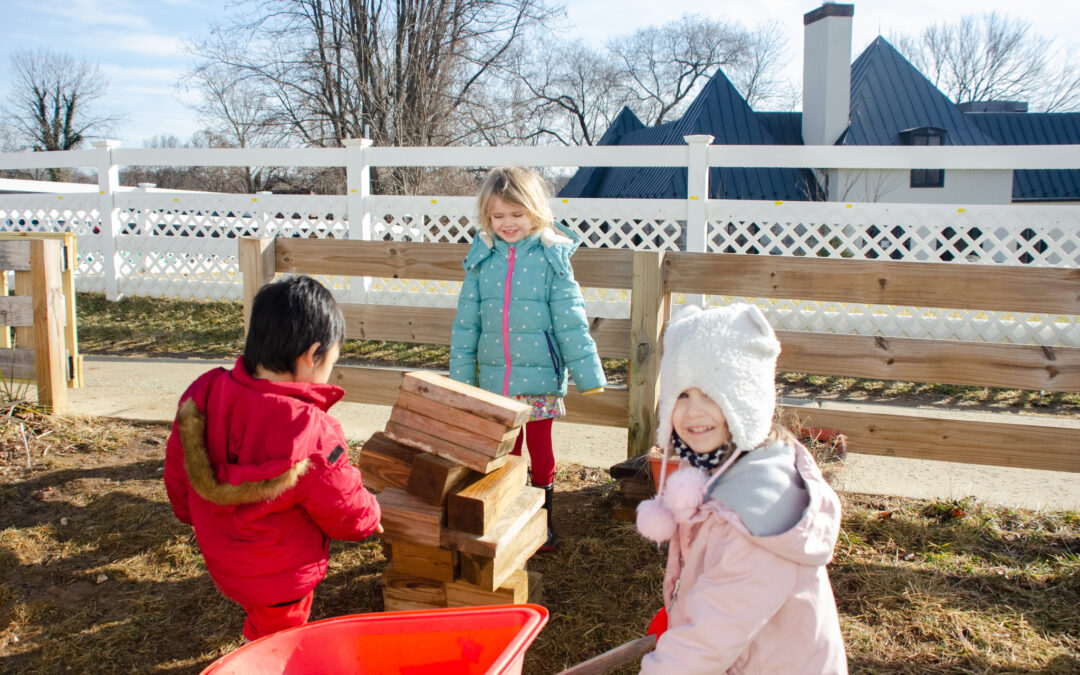
Our Children’s House Outdoor Environments have a variety of winter work based on the ages of the students. Children at this level enjoy incorporating art and creativity into their Outdoor Environment. Recently children made and labeled nature collages and tried to fly nature kites in wind. Younger children practiced mixing watercolor paints on ice. On the colder days when children are not able to go outdoors, they sometimes visit the kitchen for lessons. One group learned about black tea, green tea, and rooibos tea. They learned that rooibos tea comes from South Africa and means “Red Bush”.

Lower Elementary Outdoor Environment

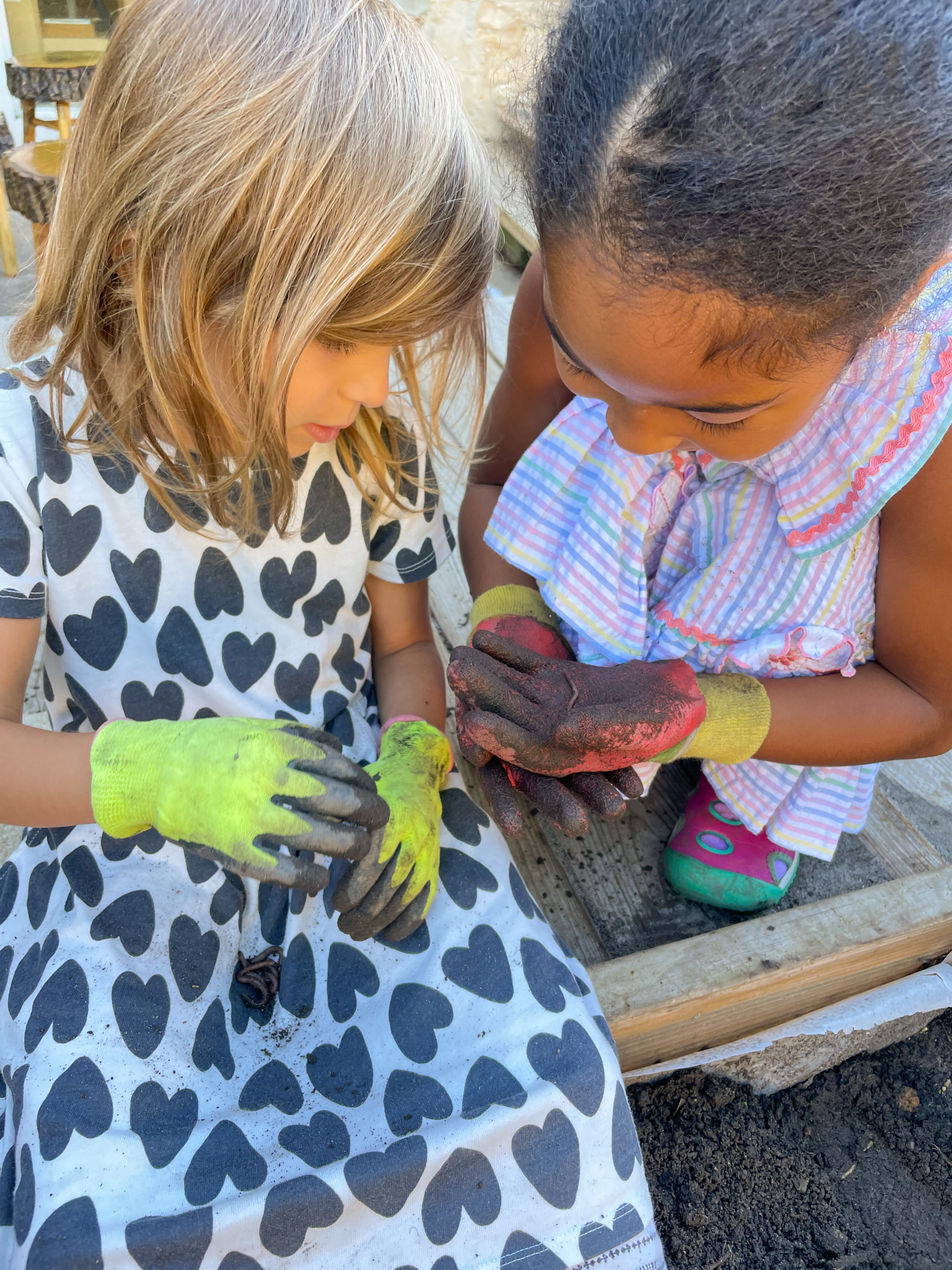
In the fall, each Lower Elementary child planted cold-hardy vegetables including kale, cabbage, cauliflower, and lettuce. The children are excited to see which of the plants have made it through the cold months and they enjoy exploring ways to fortify their gardens from rabbits on campus. 

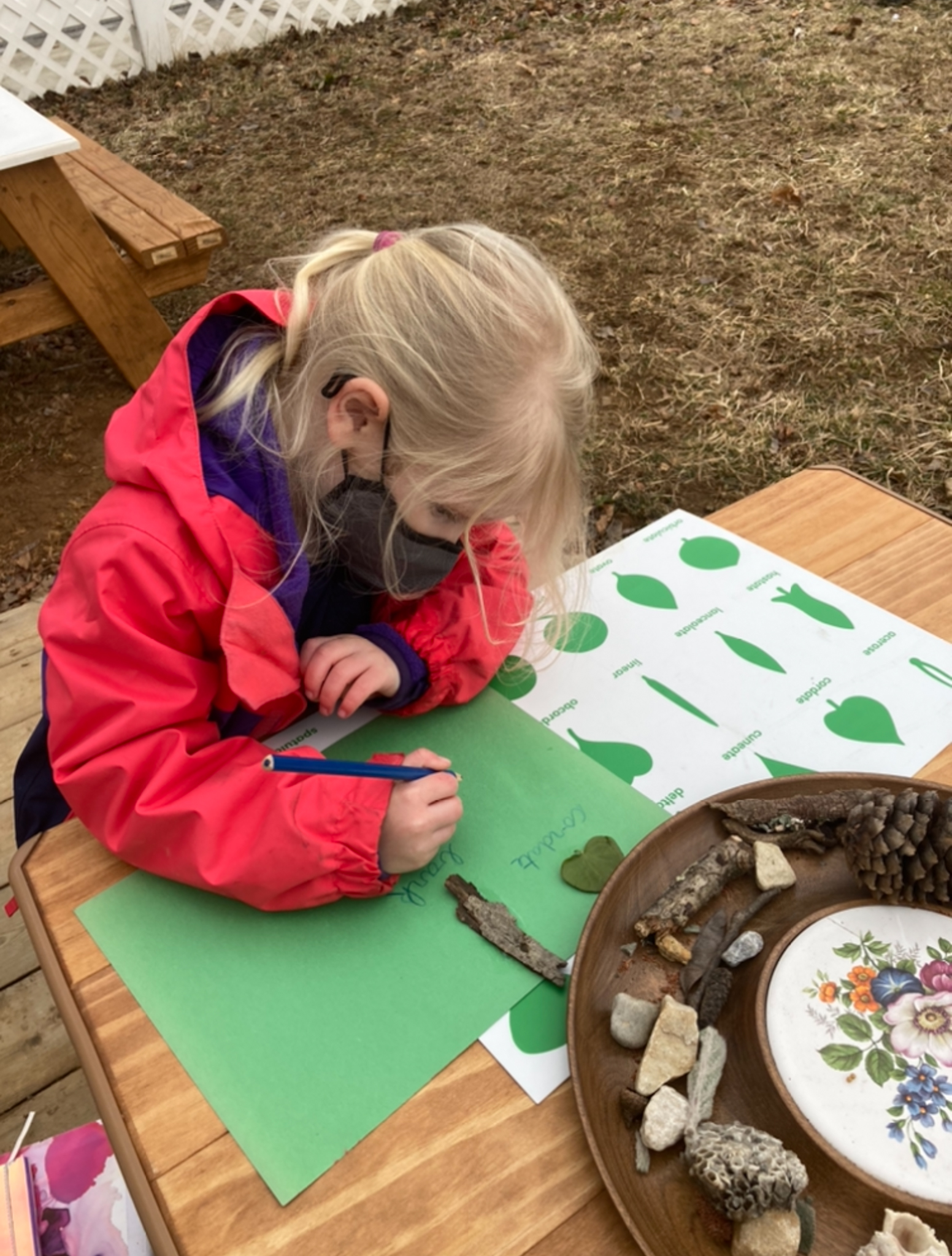
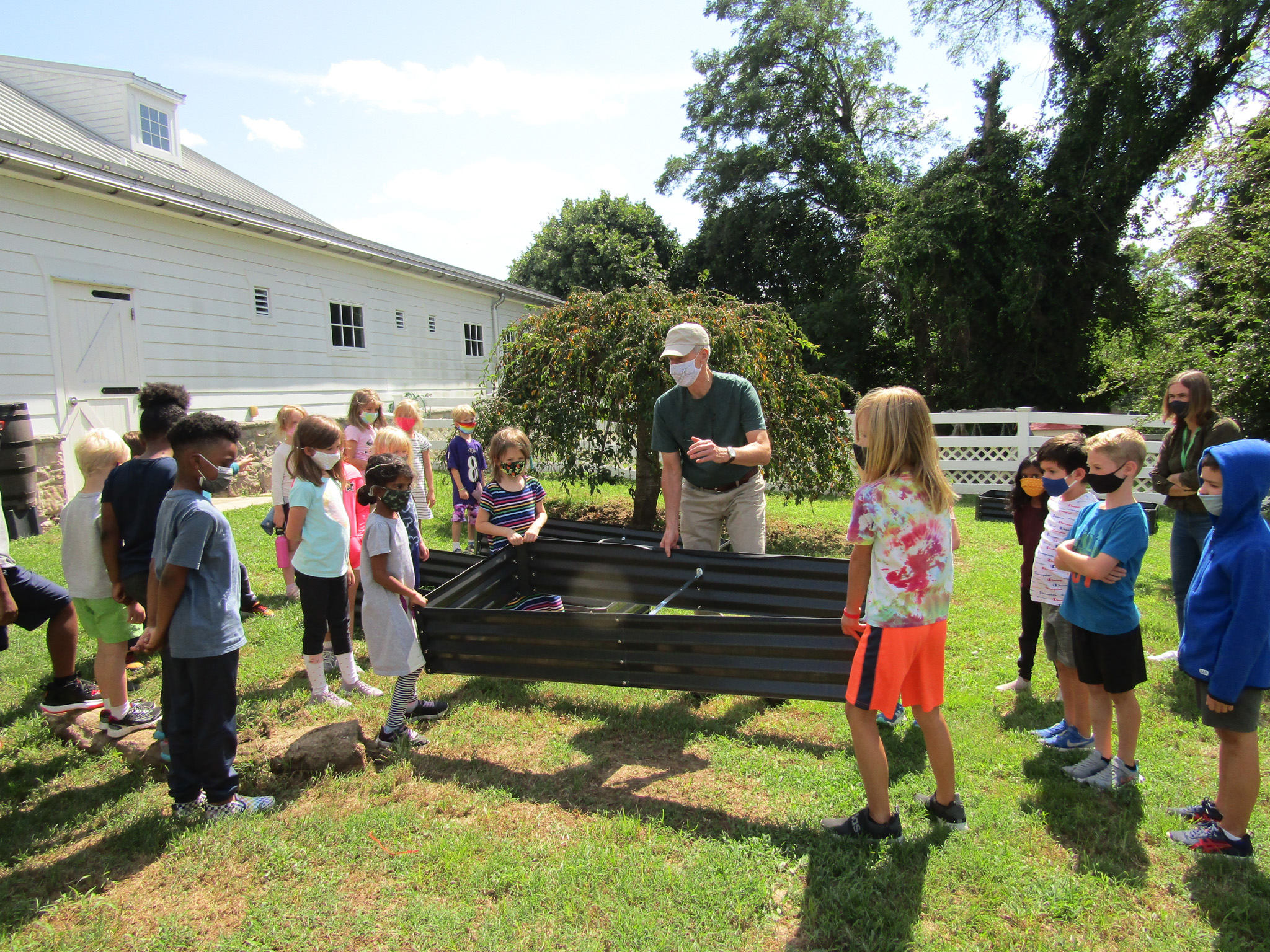
This winter, small groups of Lower Elementary students toured the campus with Mr. John and had lessons on campus trees, such as the eastern white pine and magnolia, and learned about foliose, fruticose, and crustose lichen. They also had the opportunity to collaborate on baking gluten-free cornbread in the Emerson kitchen.

Ahead, the students are looking forward to lessons on botany, electricity, and morse code!
Honoring Cultural Celebrations Supports Children’s Sense of Belonging

Honoring Cultural Celebrations Supports Children’s Sense of Belonging

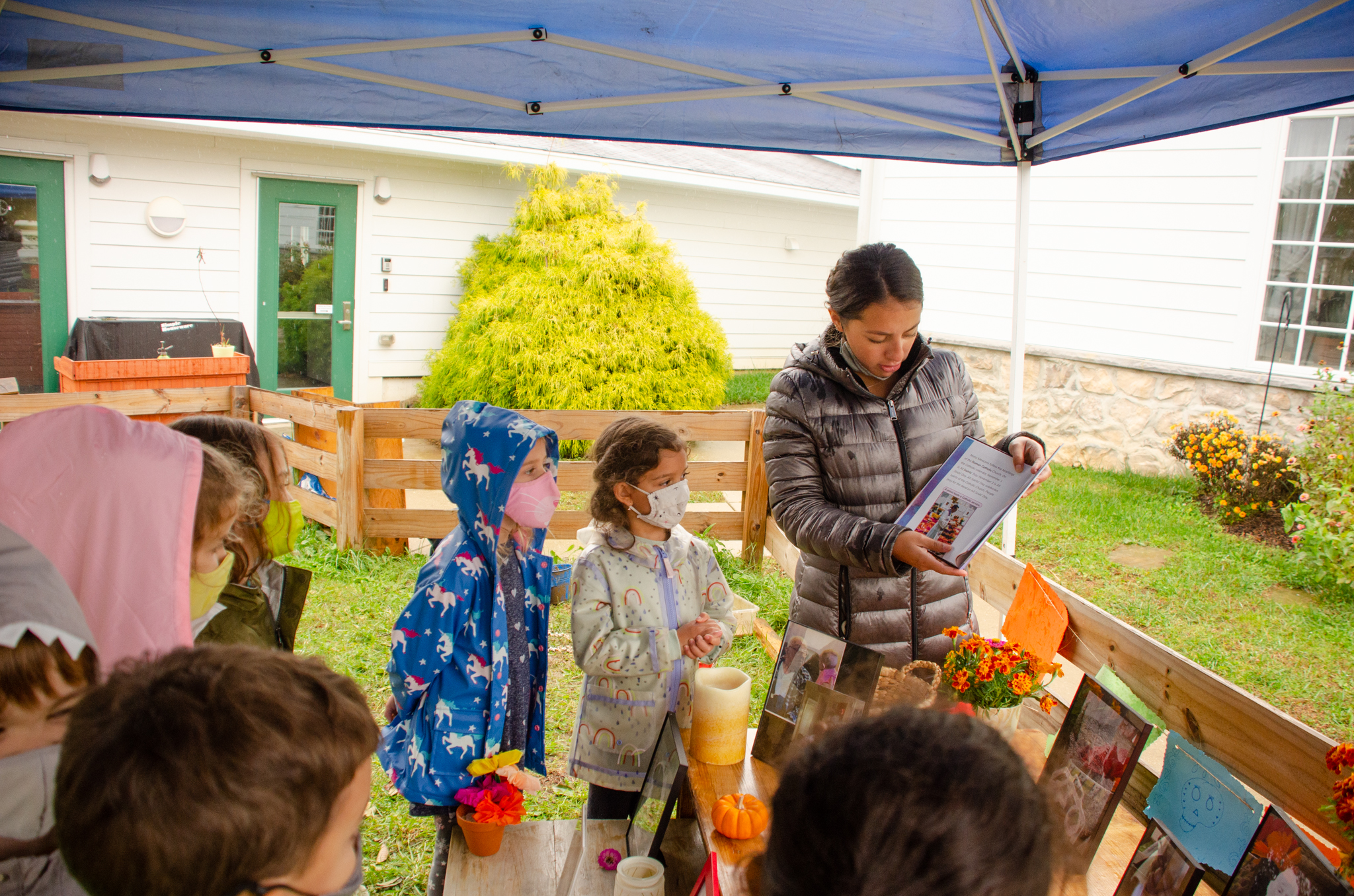
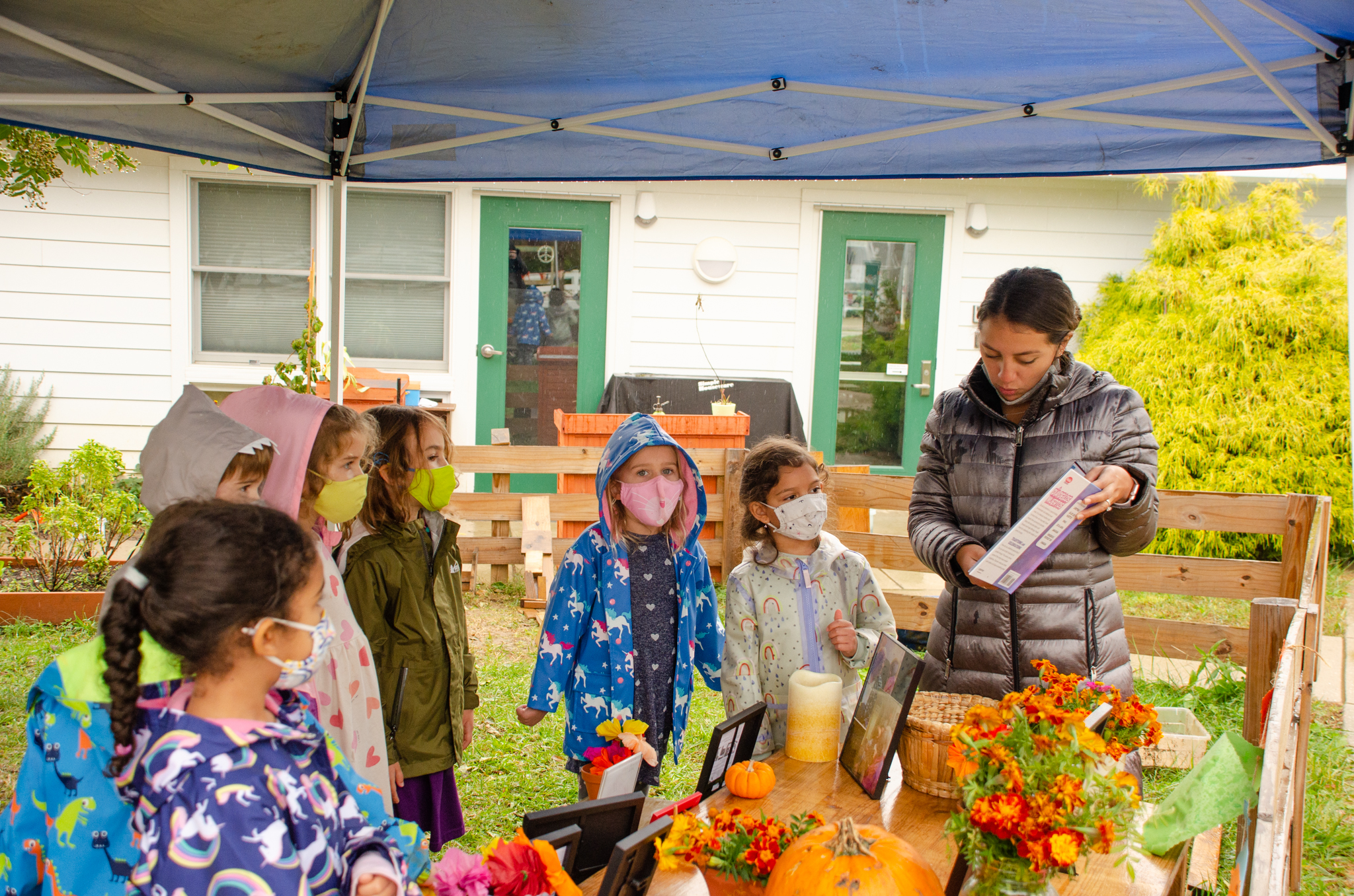
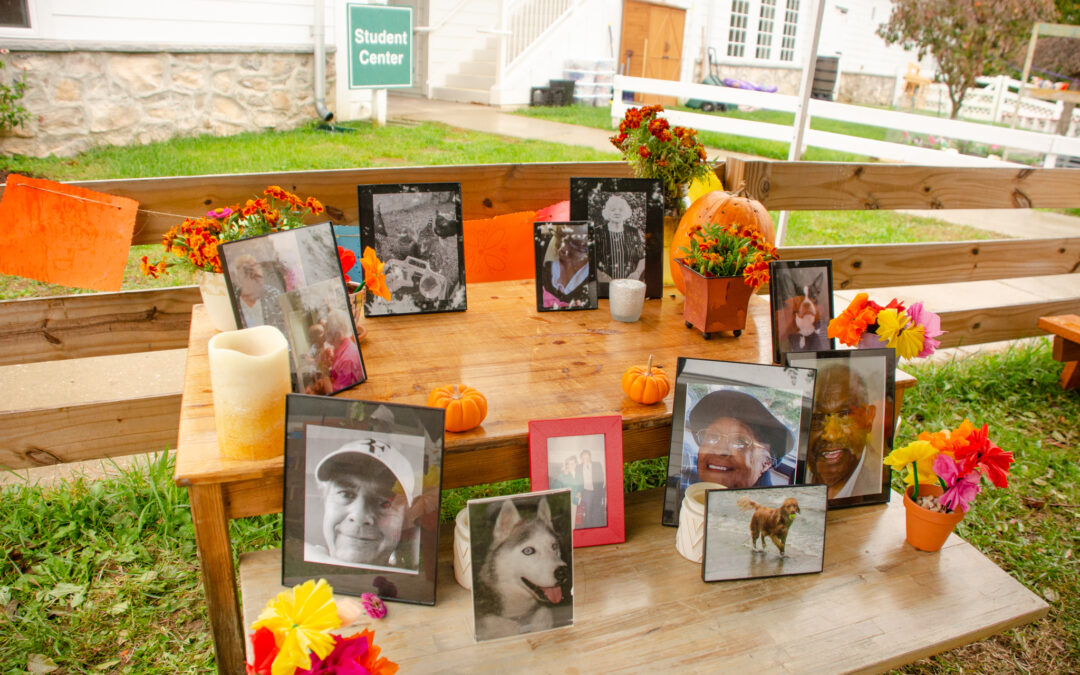
This year we as a School community are talking through ways to bring cultural celebrations and holidays into the classroom in an authentic and meaningful way. Celebrations and traditions are an important part of personal identity, and as a School, we find this to be a joyous way to learn about people in our community and around the world.

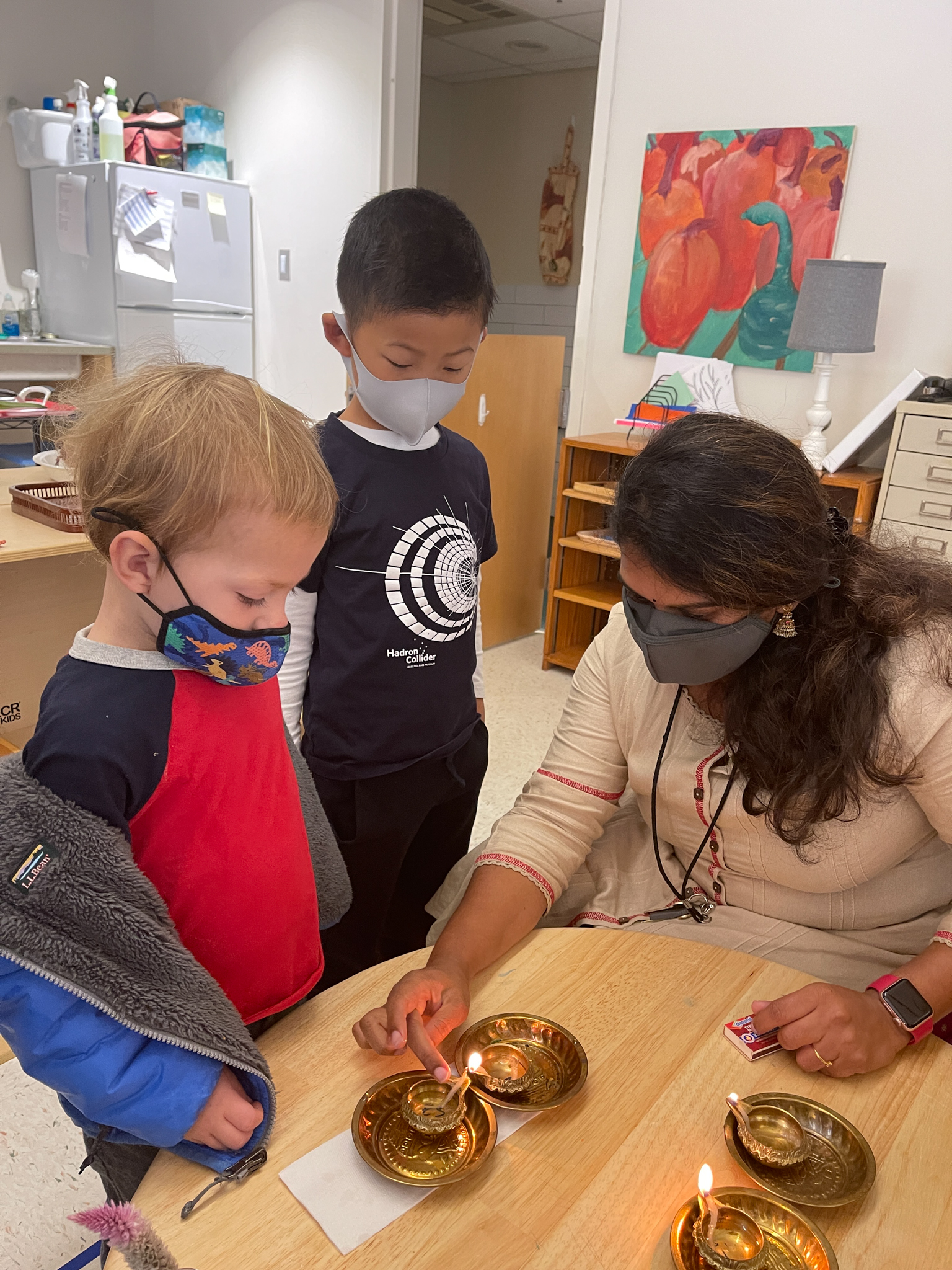
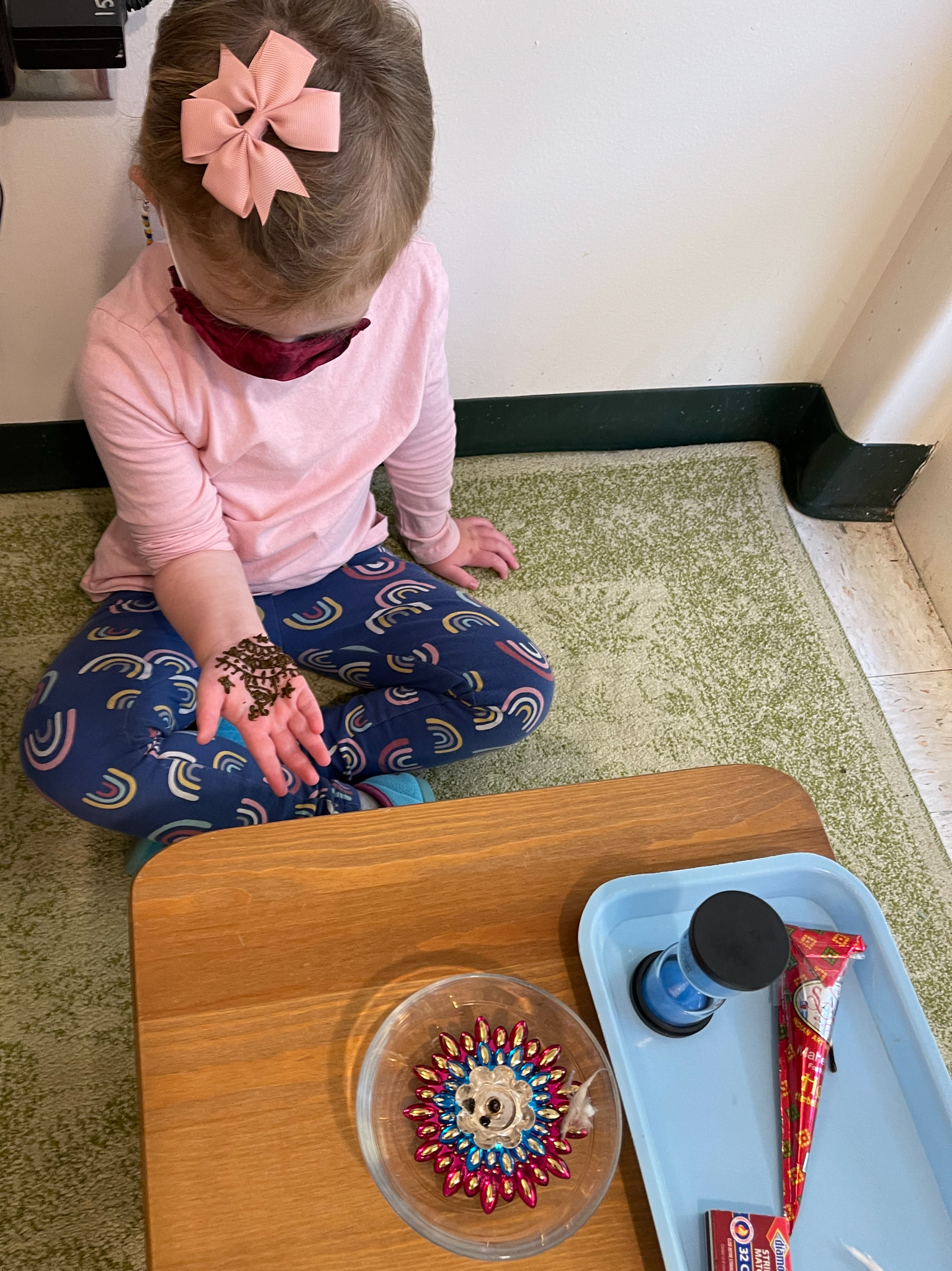
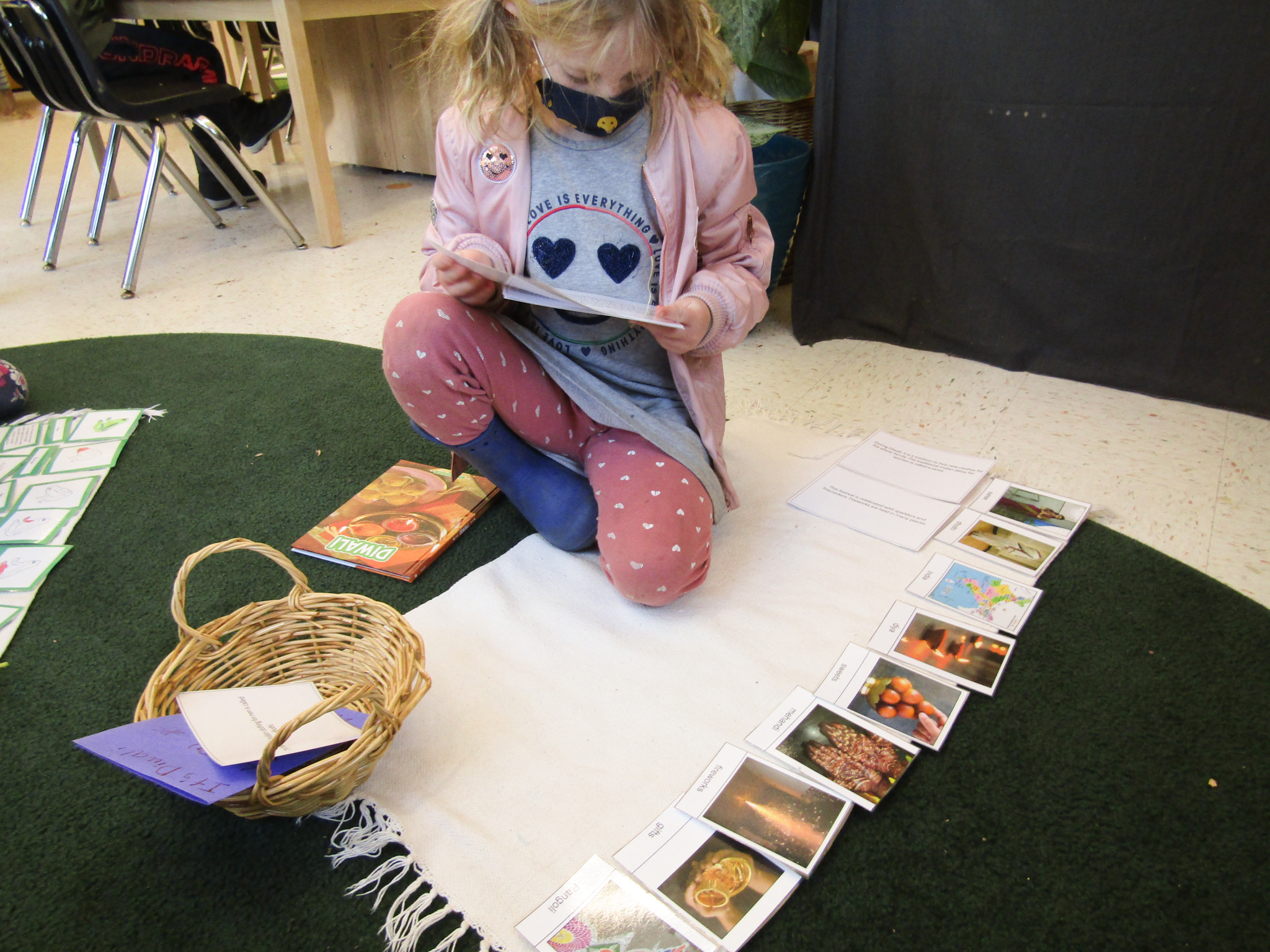
We began this work by asking our faculty and staff about the holidays they celebrate. Many were eager to share their traditions from all over the world. We’ve learned together about Navratri, Sukkot, Indigenous Peoples’ Day, Hanal Pixan and Dia de los Muertos, Diwali, and Hanukkah.

This work has also woven its way into our classrooms through true stories, cultural items and artifacts, nomenclature cards, children’s books, and more. It has been beautiful to see the ways our staff and children light up when they feel seen and acknowledged.

We will continue this work throughout the year with holidays including Kwanzaa, Dr. Martin Luther King, Jr. Day, Lunar New Year, Eid al-Fitr, Pride Month, and more. If you would like to share a celebration or tradition from your family with our classrooms, please reach out to us at community@greenspringmontessori.org.

Our DEIB work is guided by the four goals outlined in Anti-Bias Education:

Goal 1: Identity

  •  Teachers will nurture each child’s construction of knowledgeable, confident, individual personal and social identities.
  •  Children will demonstrate self-awareness, confidence, family pride, and positive social identities.

Goal 2: Diversity

  •  Teachers will promote each child’s comfortable, empathetic interaction with people from diverse backgrounds.
  •  Children will express comfort and joy with human diversity, use accurate language for human differences, and form deep, caring connections across all dimensions of human diversity.

Goal 3: Justice

  •  Teachers will foster each child’s capacity to critically identify bias and will nurture each child’s empathy for the hurt bias causes.
  •  Children will increasingly recognize unfairness (injustice), have language to describe unfairness, and understand that unfairness hurts.

Goal 4: Activism

  •  Teachers will cultivate each child’s ability and confidence to stand up for oneself and for others in the face of bias.
  •  Children will demonstrate a sense of empowerment and the skills to act, with others or alone, against prejudice and/or discriminatory actions.


To learn more about our commitment to Diversity, Equity, Inclusion, and Belonging, please click here.

Vestibular System and Proprioception: The Two Unknown Senses

Vestibular System and Proprioception: The Two Unknown Senses

Written by Margaret Jarrell

“Movement, or physical activity, is an essential factor in intellectual growth, which depends upon the impressions received from outside. Through movement we come in contact with external reality, and it is through these contacts that we eventually acquire even abstract ideas.” – Dr Maria Montessori, The Secret of Childhood

We use our senses to perceive and understand the world around us. Our brain then processes that information to tell our body how to respond. Sight, hearing, smell, taste and touch are the five senses most commonly identified. But did you know that there are two more senses that affect our ability to interact with the environment?

The vestibular system, also known as our balance center, is responsible for receiving information regarding our body’s movement in space. The vestibular sense helps us balance while we walk and run and stay upright when we sit and stand. The receptors in this system are located in the inner ear and are stimulated by changes in head position. The inner ear communicates with the brain to help keep us maintain our balance as we move through space.

Balance boards (also known as wobble boards) are curved wooden boards that allow children to receive vestibular input. As children stand on them, they will naturally shift their body weight and respond in the right way as the stimuli change. This tool helps children with their balance, posture, and coordination. It also helps children develop core strength because of the tiny adjustments a person needs to make in balancing.

The proprioceptive sense informs us of our body position in space. The receptors for this system are found in our skin, muscles, and joints and they send information to our brain about where our different body parts are, how they move, and how much strength our muscles need to use. Proprioception is important in building body awareness, coordination, and posture. Playing the piano, handwriting, and playing sports are all activities that require a lot of proprioceptive input.

Believe it or not, proprioception also plays a large role in self-regulation, the ability to focus, and even speech. When receptors known as proprioceptors are stimulated, the arousal centre of the brain (the cortex, limbic system, and cerebellum) is activated, which impacts a child’s level of alertness. Therefore, by providing children with proprioceptive input throughout the day, they can be assisted to maintain an optimal state for learning and focused attention.

The ​​Pikler triangle is a climbing tool that provides many benefits for young children, including proprioceptive input. It also helps children with gross motor development, grasping, balance, and confidence.

Other proprioception activities include heavy muscle work activities or activities that apply deep pressure to the muscle and joints. Heavy work activities involve pushing, pulling, carrying heavy objects and weight-bearing, such as, carrying a pile of heavy books, or doing a wheelbarrow walk.

Montessori classrooms include equipment and activities that provide children opportunities to stimulate and develop their vestibular and proprioceptive senses. Dr. Montessori wrote, “The senses, being explorers of the world, open the way to knowledge.”

Learning in the Outdoor Montessori Classroom

Learning in the Outdoor Montessori Classroom

The child has a different relation to his environment from ours… the child absorbs it. The things he sees are not just remembered; they form part of his soul.” – Dr. Maria Montessori

Dr. Montessori saw the outdoor environment as a natural extension of the classroom. Working outside allows children to explore with all their senses, fosters scientific inquiry, and inspires creativity. Over the past several years, the Greenspring community has come together to create truly beautiful outdoor spaces on campus for this growth to take place. They have become a deeply beloved extension to the classroom. Now more than ever, these environments are an essential part of our Montessori approach to education. Below we have outlined what has been happening this year in our Outdoor Environments at each level. 

Toddlers

Toddlers are still in the developmental phase that Dr. Montessori said could be characterized by an “absorbent mind,” in which they soak up information through their senses. So we offer rich opportunities in the outdoor environment to see, touch, hear, smell, and taste. Depending on the day, you will see toddlers watering plants, sweeping the sidewalk, washing windows, filling the bird feeder, digging in sand, sorting pinecones and acorns, pouring water through funnels, and more. The toddlers enjoy tasting the herbs and vegetables that grow in their garden!
Children’s House

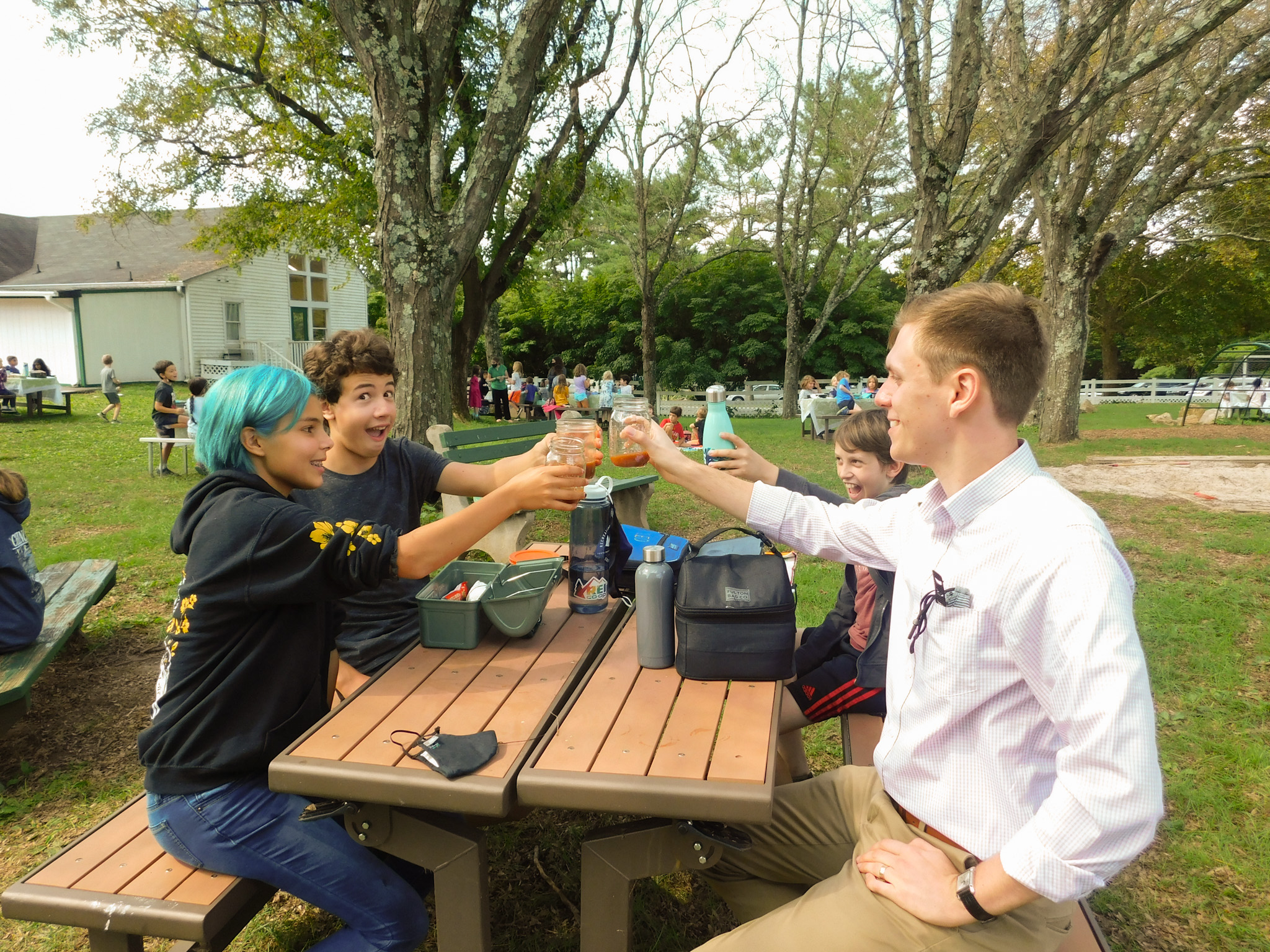
Students in our Children’s House classrooms also tend to the garden – planting, watering, weeding, and harvesting. Children also enjoy additional practical life, sensorial, art, and science activities, such as hammering nails into a tree stump, pumpkin scrubbing, creating geometric shapes from twigs, making collages from seeds, cutting zinnias for flower arranging, and experimenting with scientific concepts such as “sink and float.” On rainy days you might see students in the kitchen making apple sauce or baking pumpkin bread.

A Note on “Bad” Weather

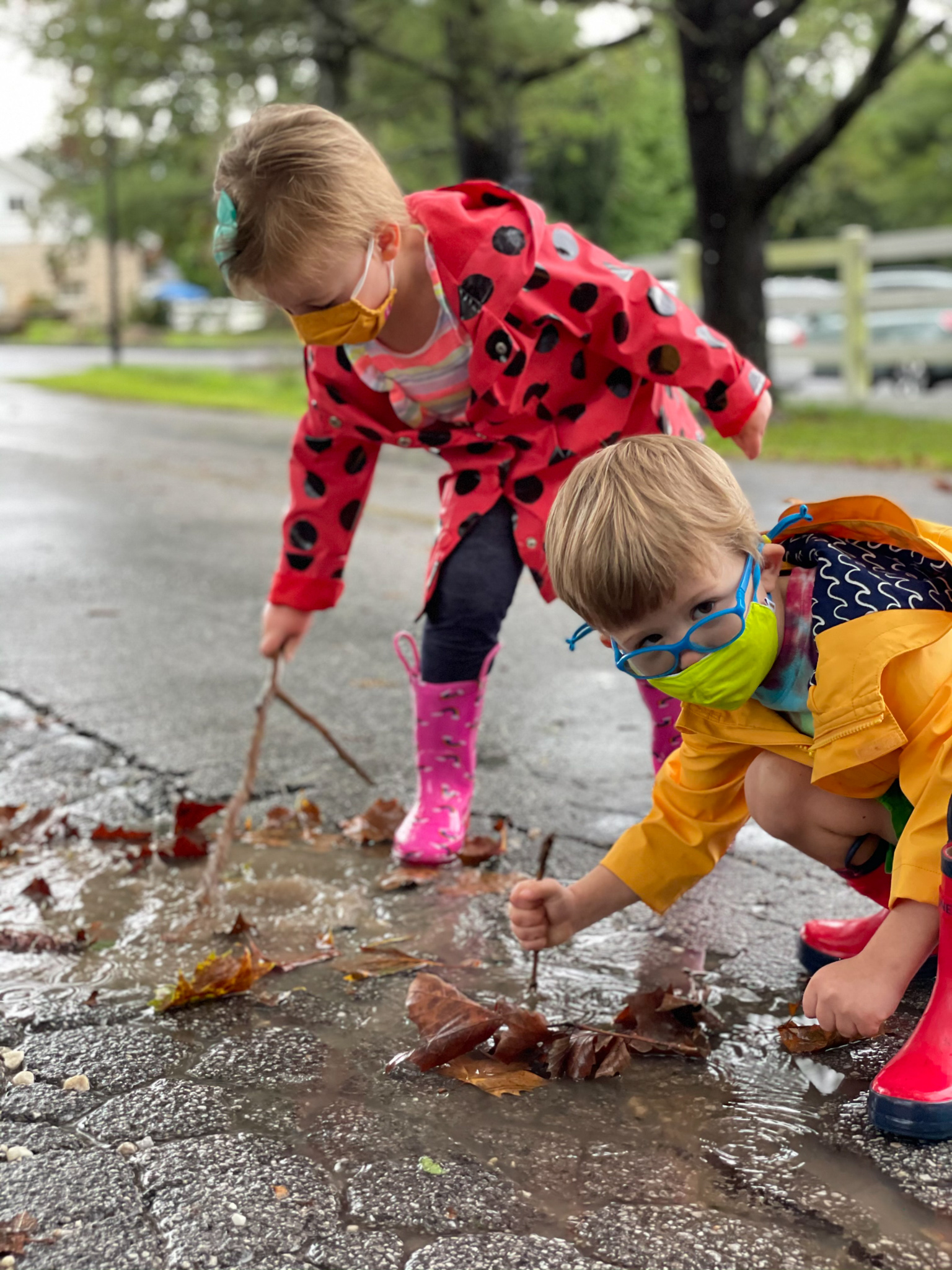
Our Outdoor Environments are open year-round, meaning that rain and snow simply become part of the prepared environment! Children have rain boots, rain jackets, and outdoor gear for all seasons so that the weather becomes another sensory experience. Guides and Assistants in Montessori classrooms are also particularly mindful not to instill learned feelings toward particular weather, keeping language neutral and descriptive.

Elementary

The Elementary outdoor environment includes all this and also complements the science lessons happening in the classroom. Students learn to identify the bird calls they hear in nature, identify different animal tracks, and identify the parts of a plant by dissecting a specimen from the garden. Students conduct science experiments in their garden to learn about plant respiration, soil composition, and photosynthesis. The values of environmentalism, service, and scientific exploration are nurtured through these experiences.

Children are also ready for more exploration into the greater community. Field trips and Going-Outs offer valuable opportunities for children to experience the natural world in a new way. Recently, Lower Elementary students went on a field trip to Oregon Ridge Nature Center, sparking new research of local wildlife. 

Adolescents

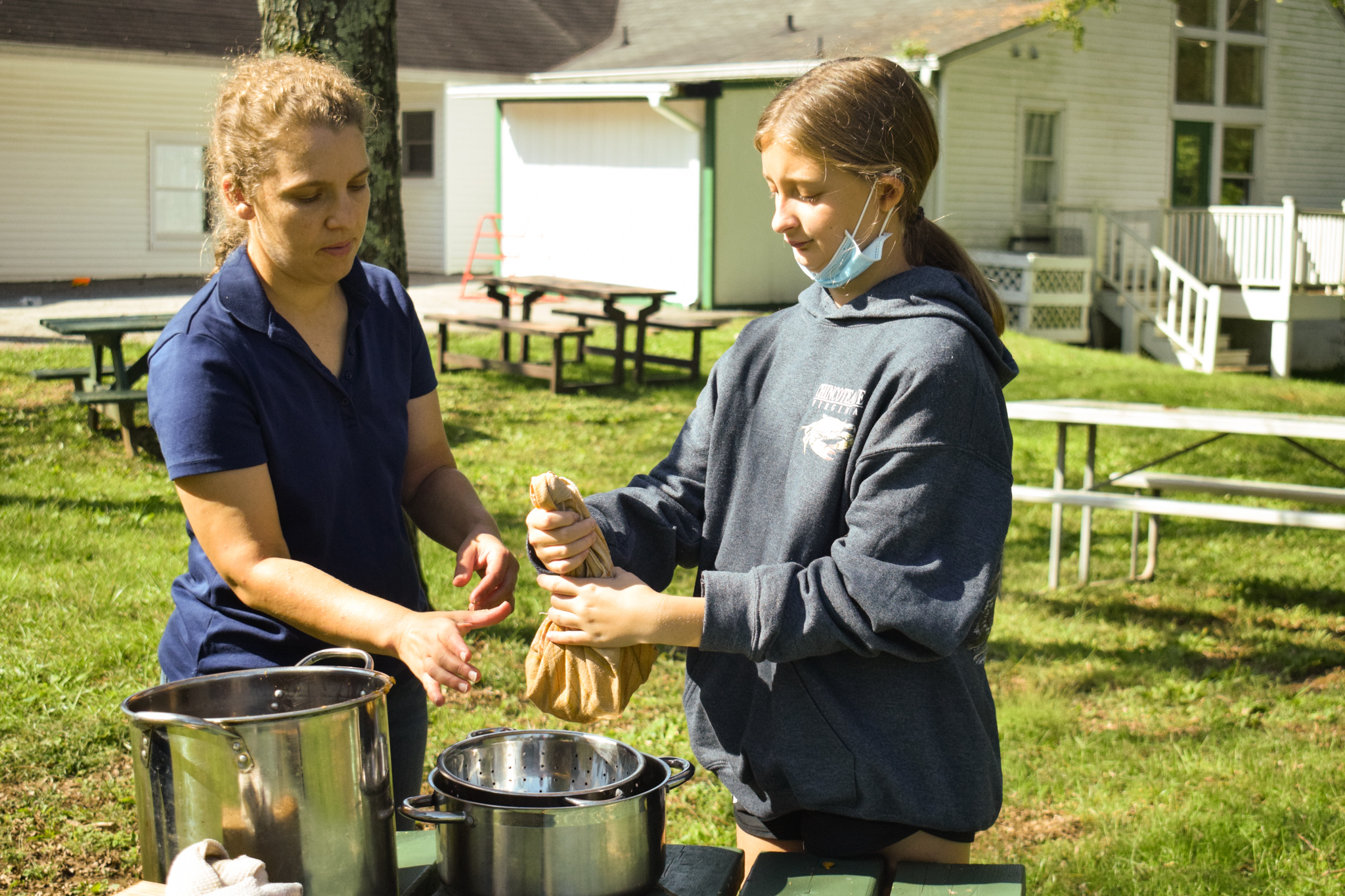
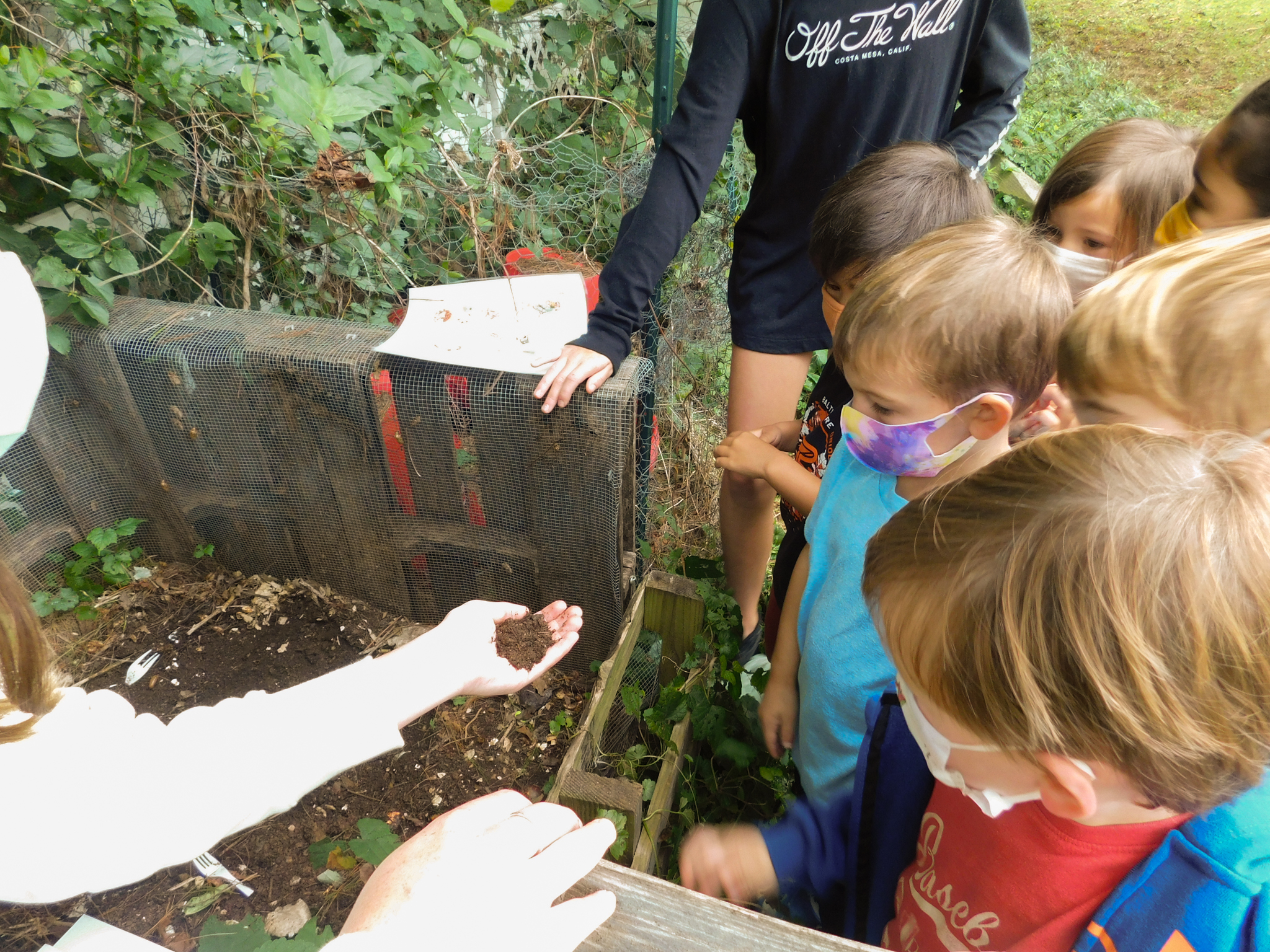
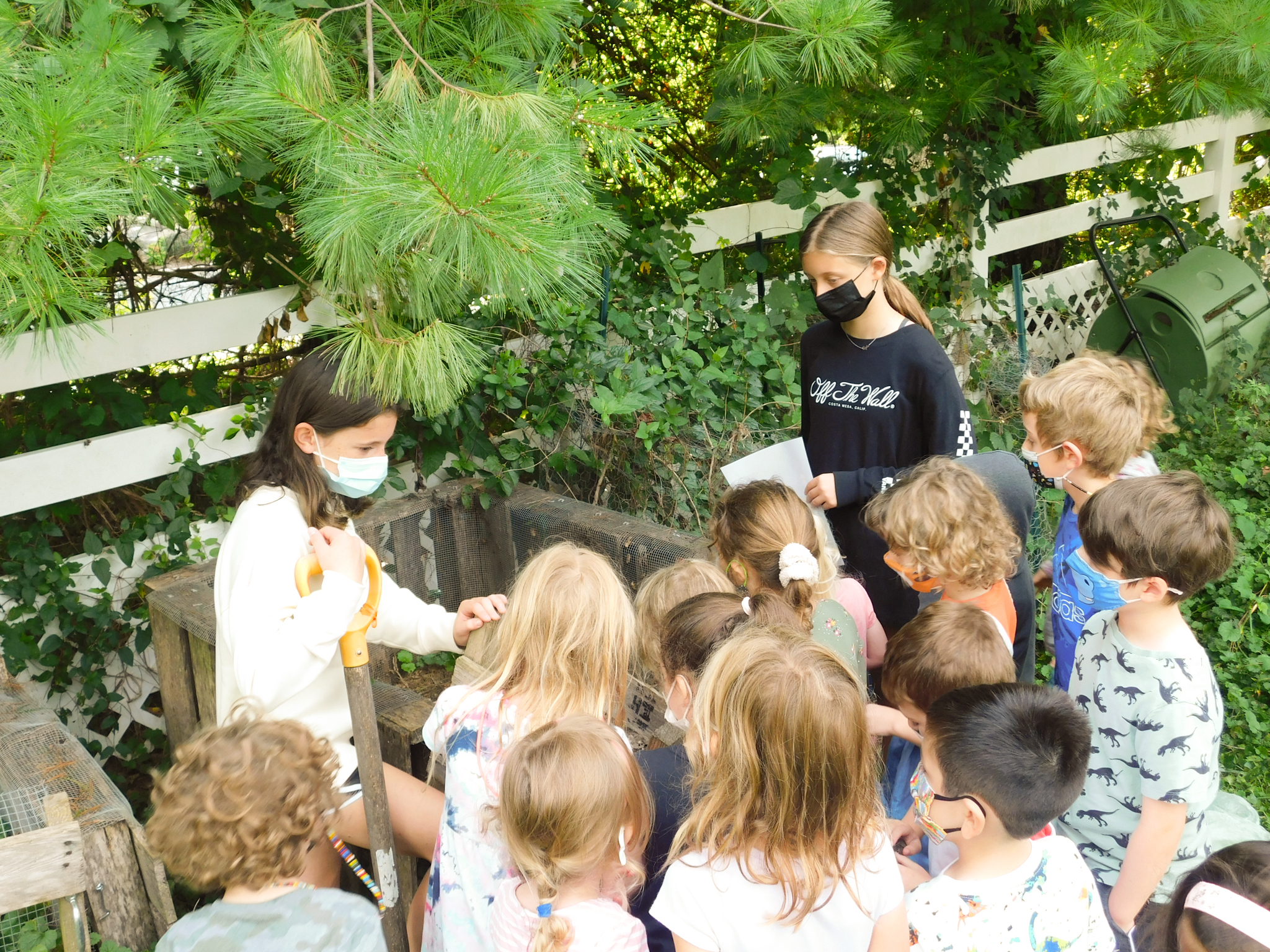
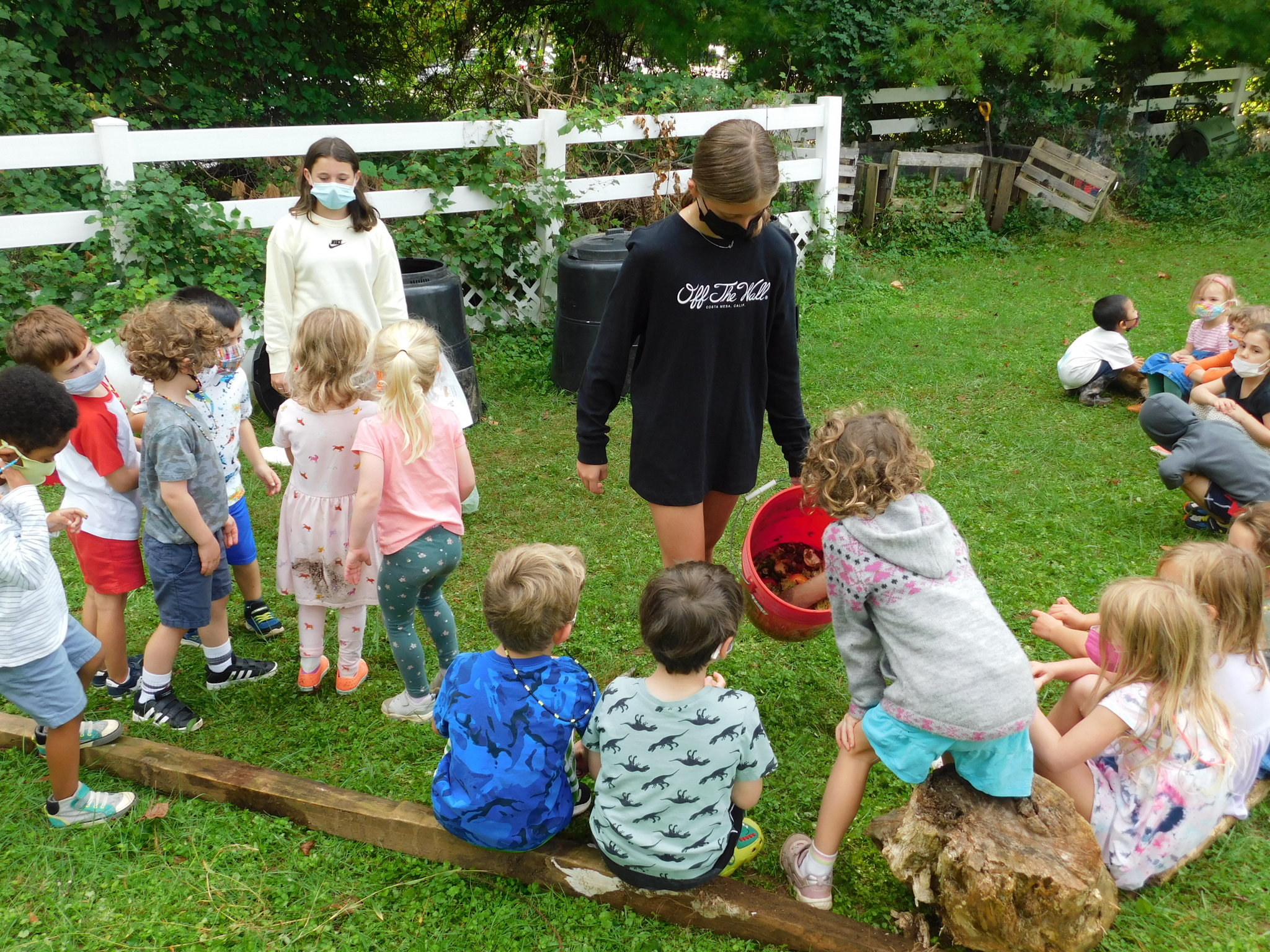
Dr. Montessori envisioned her Adolescent program as a working farm. So in addition to their classroom lessons and studies, our Adolescents honor Dr. Montessori’s vision by tending to a piece of our property called “The Land” – planting, tending to, and harvesting their gardens. The Adolescents also run a campus-wide composting program and give classes to younger students about how composting works and why it’s important. Over the years, we have seen our Adolescents caring for chickens, building a greenhouse, running a CSA, clearing invasive plants, and more. You can learn more about our Adolescents and their work on The Land here.

In September, Adolescents also went on a week-long Odyssey trip to Echo Hill Outdoor School on the eastern shore. This was an immersive community-building experience where the students looked closely at how our food is grown, a great introduction to their first science unit on the biochemistry of food. After returning to campus, students also created apple cider from local apples. They will be studying the process of fermentation and making vinegar. 

The more children are outside, the stronger their connection with nature will become. As Dr. Montessori said, “When children come into contact with nature, they reveal their true strength.”

Toddler Lessons in Independence: Meal Prep

Toddler Lessons in Independence: Meal Prep

If you have a toddler, you know they desire opportunities to be independent and explore something new. In the Montessori classroom, meal preparation lessons are a large part of how the toddler learns to care for themselves and others in their community. 

Below, we go over four meal prep lessons – washing strawberries, cutting cheese slices, cutting apple slices, and cutting cucumber slices. Each one uses different kitchen utensils that are age-appropriate for young children.

After watching the lessons, you may wish to present them to your child in a similar way. By having the materials laid out neatly and inviting your child to participate, the lesson can become a fascinating new sensory experience for them. Plus, if you have a picky eater, they are more inclined to eat foods that they have prepared themselves.

Initial Lessons

Before beginning with meal prep, your child will need an introduction to work in the kitchen. This would begin with a lesson on how to wash their hands (and a reminder that we wash our hands before working with food every time), as well as a lesson on how to put on their apron. In the classrooms, these lessons build upon each other, teaching children how to complete a sequence of tasks. 

Washing Strawberries

Washing strawberries is an easy activity to start with in the kitchen. Children love the opportunity to turn on the sink and use the water. We recommend having a learning tower or sturdy step stool to make it easier for the child to be independent in this work. 

Apple Slicing

Apple slicing is another great meal preparation activity for young children. Using an apple slicer is easy for small hands as they are able to grasp it and put their weight onto the handles. Cutting the apples into smaller slices first makes this task easier for young children. 

Cheese Slicing

Cheese offers a harder surface to cut into for the child. By using a chopping tool, the children are able to put their weight onto the top of the utensil. This is a great tool to begin to transition into using knives. 

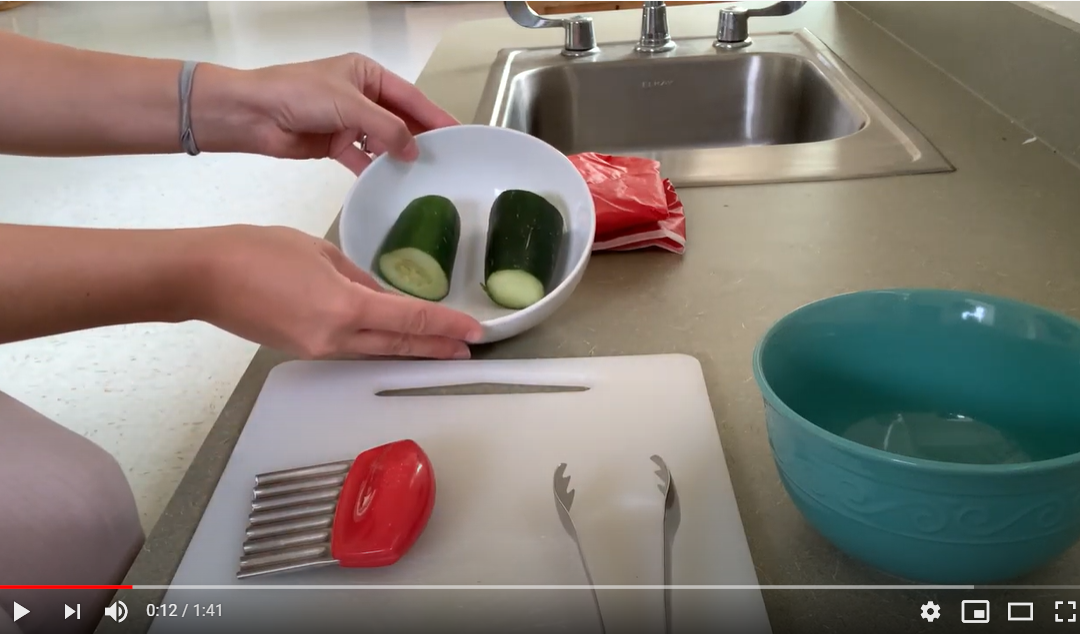
Cutting Cucumber Slices

Using a wavy slicer can create visual interest for the child. This type of slicer can be used for most soft fruits and vegetables, as well as cheeses. 

A few items of note:

Before giving these lessons to your child, think about your kitchen space from your child’s perspective. Are there surfaces that are easy for your child to reach? Do you have a way for them to access necessities, such as the sink and the tools they will be using? If you are interested in setting up your kitchen to be accessible, we encourage you to read our blog post A Montessori Kitchen.

If you would like to learn more about kitchen utensils that are safe for your child, we suggest reading the Montessori Toddler Knives and Montessori Knives blog posts from How We Montessori. This blog also shows the progression of knives from one to three years old. These posts provide a good overview of different types of knives that are appropriate for young children and why it is important to expose children early to kitchen safety.

Try it out!

Take some time this week to try one or more of these meal prep activities with your child. If they love a certain fruit or vegetable, you may want to try preparing that in a similar way. Let us know how it goes!

Raising Toddlers with Montessori Discipline

Raising Toddlers with Montessori Discipline

Watch on YouTube | Subscribe on YouTube

Greenspring Montessori School Toddler Guides, Danuta Wilson and Kim McCaslin, discuss strategies to encourage your child to self-regulate their behaviors and emotions at home. They provide simple strategies that can be implemented at home today, all based off of their Montessori training, 15+ years combined classroom experience, and their own experiences as parents.

If you have questions or would like to suggest topics for future events, please contact us at learn@greenspringmontessori.org.