What is Montessori Model United Nations?

What is Montessori Model United Nations?

Upper Elementary students in fifth and sixth grade participate in the Montessori Model United Nations (MMUN) as an After-School Program at Greenspring Montessori School. MMUN is an international group that seeks to empower young leaders through research, cultural studies, critical thinking, and problem-solving. MMUN works directly with the United Nations and implements elements of the Montessori Method to create an enriching experience for students and faculty.

In the past, Greenspring students have represented the countries of Ukraine, Bolivia, Guyana, Central African Republic, Vatican City, Kenya, and Congo-Brazzaville speaking about topics such as reliable energy, women and development, people’s right to self-determination, racial discrimination and xenophobia, and conflict in the Middle East.

Elementary students meet after school for months in preparation for the annual MMUN conference in New York City. This year, our students will be representing United Arab Emirates, Uruguay, and Croatia. The topics they are researching range from food security and water scarcity to gender equity and disarmament.

The MMUN program provides students in Upper Elementary the opportunity to learn about cultures, governments, and peoples of nations throughout the world. They put their research skills to the test, preparing a detailed speech and many written components. They discuss and debate as a group and develop critical thinking skills, trying to think from the perspective of representatives in their respective countries.

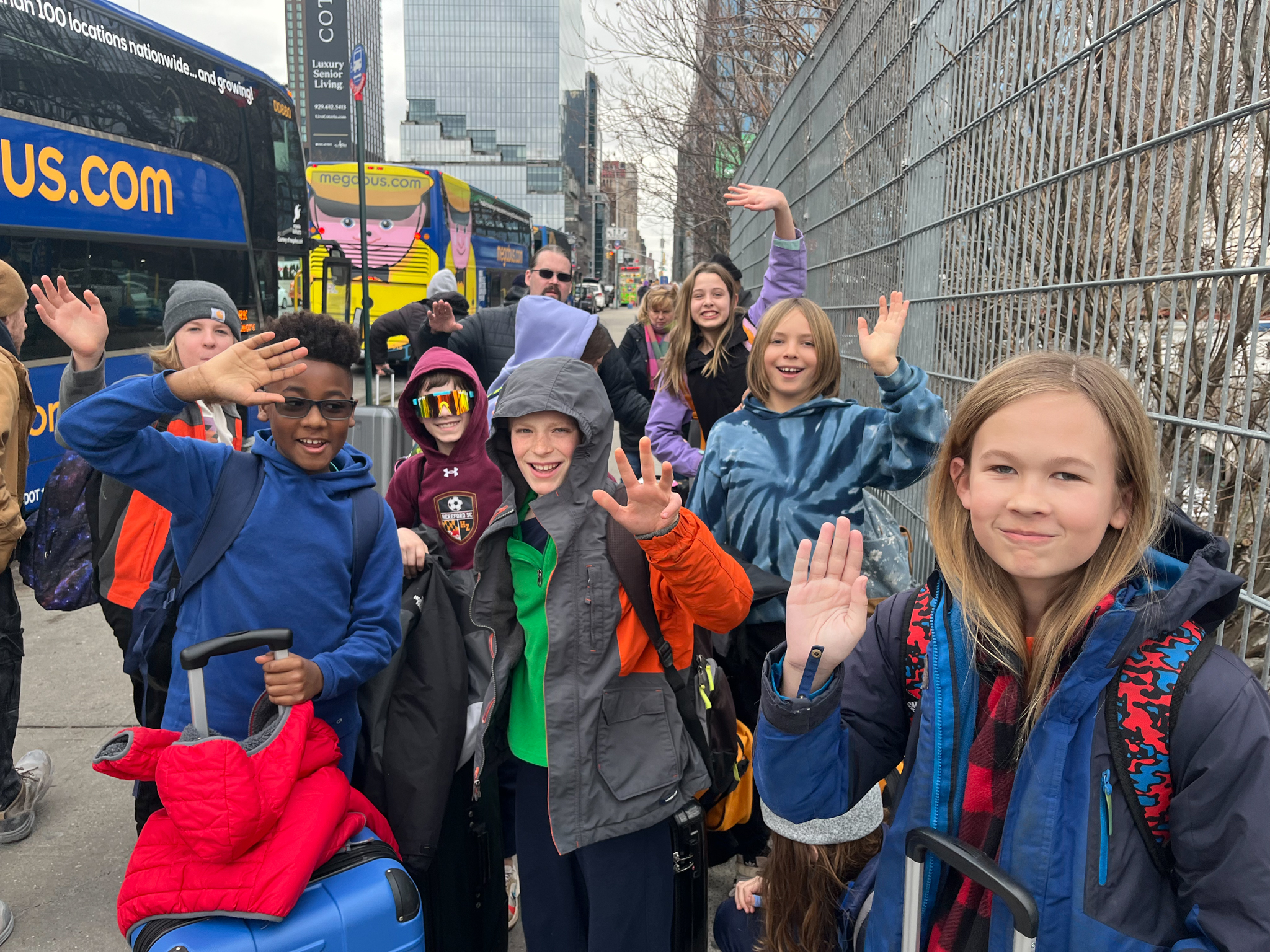
This experience culminates in a week-long trip to New York to visit the United Nations Headquarters and engage in dialog with other Montessori students from around the world. They learn together the need for peace and lasting conflict resolution, skills that will follow them through life.

Click here to learn more about our Elementary Program and here to learn more about Montessori Model United Nations.

Celebrating Latin and Hispanic Heritage Month

Celebrating Latin and Hispanic Heritage Month

Latin and Hispanic Heritage Month is observed from September 15 to October 15 each year in the United States, and celebrates the histories, cultures, and contributions of people of Hispanic and Latin American descent. The month recognizes the rich cultural heritage, traditions, and achievements of Hispanic and Latin communities, who have significantly influenced U.S. history, arts, politics, and society. It also serves as an opportunity to honor the diversity within these communities, which include people from various nations in Latin America, the Caribbean, Africa, and Spain.

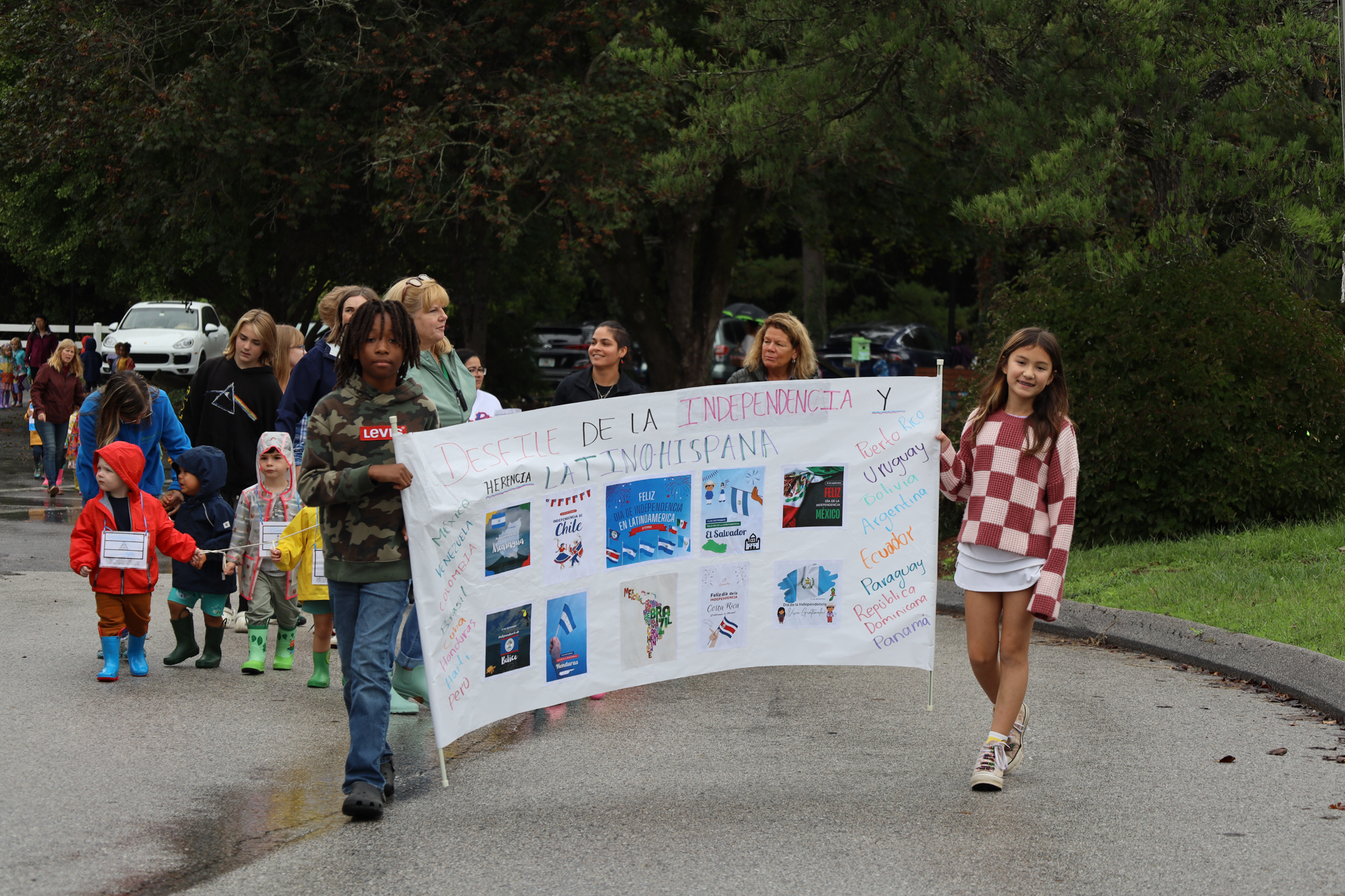
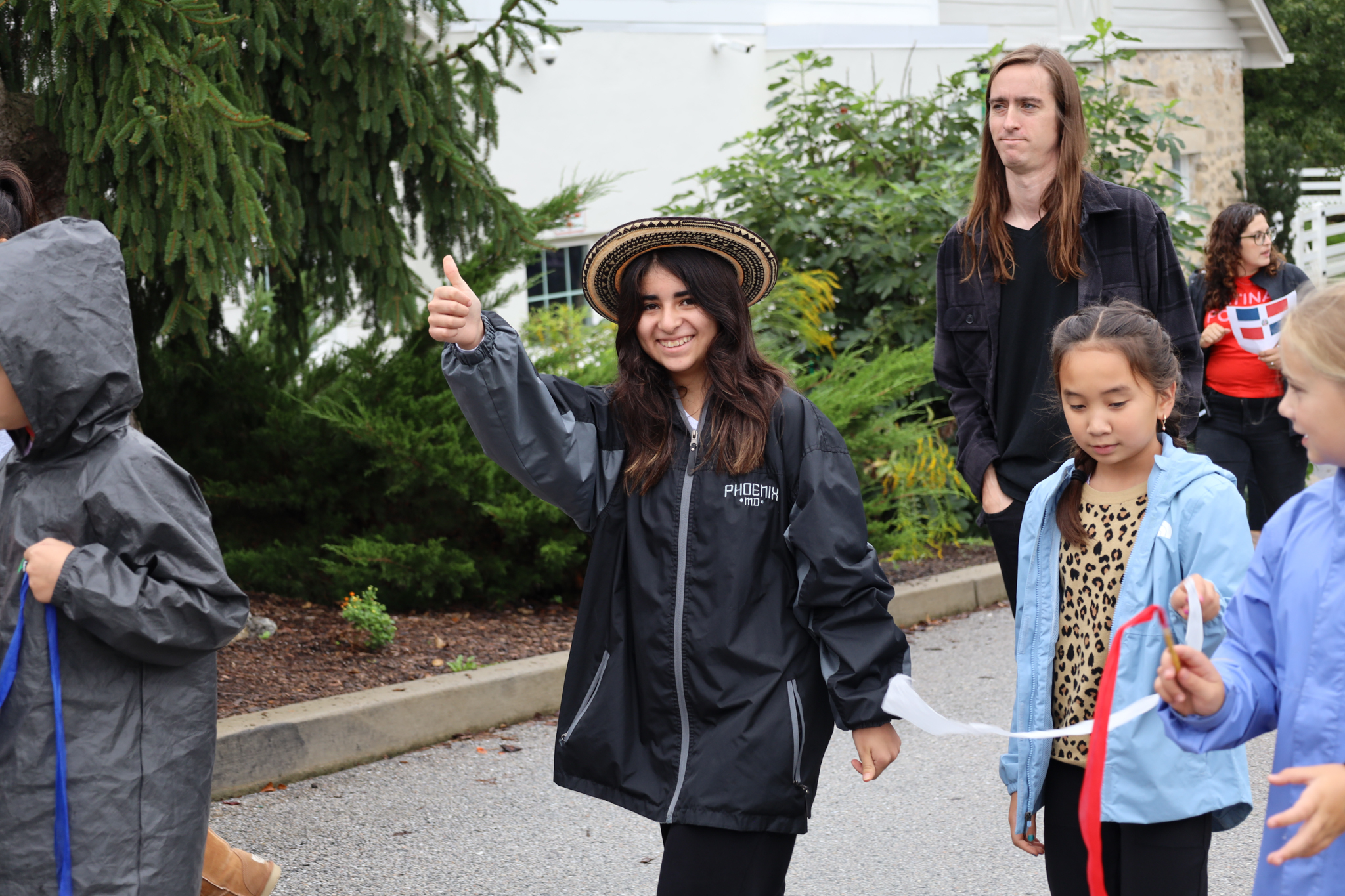
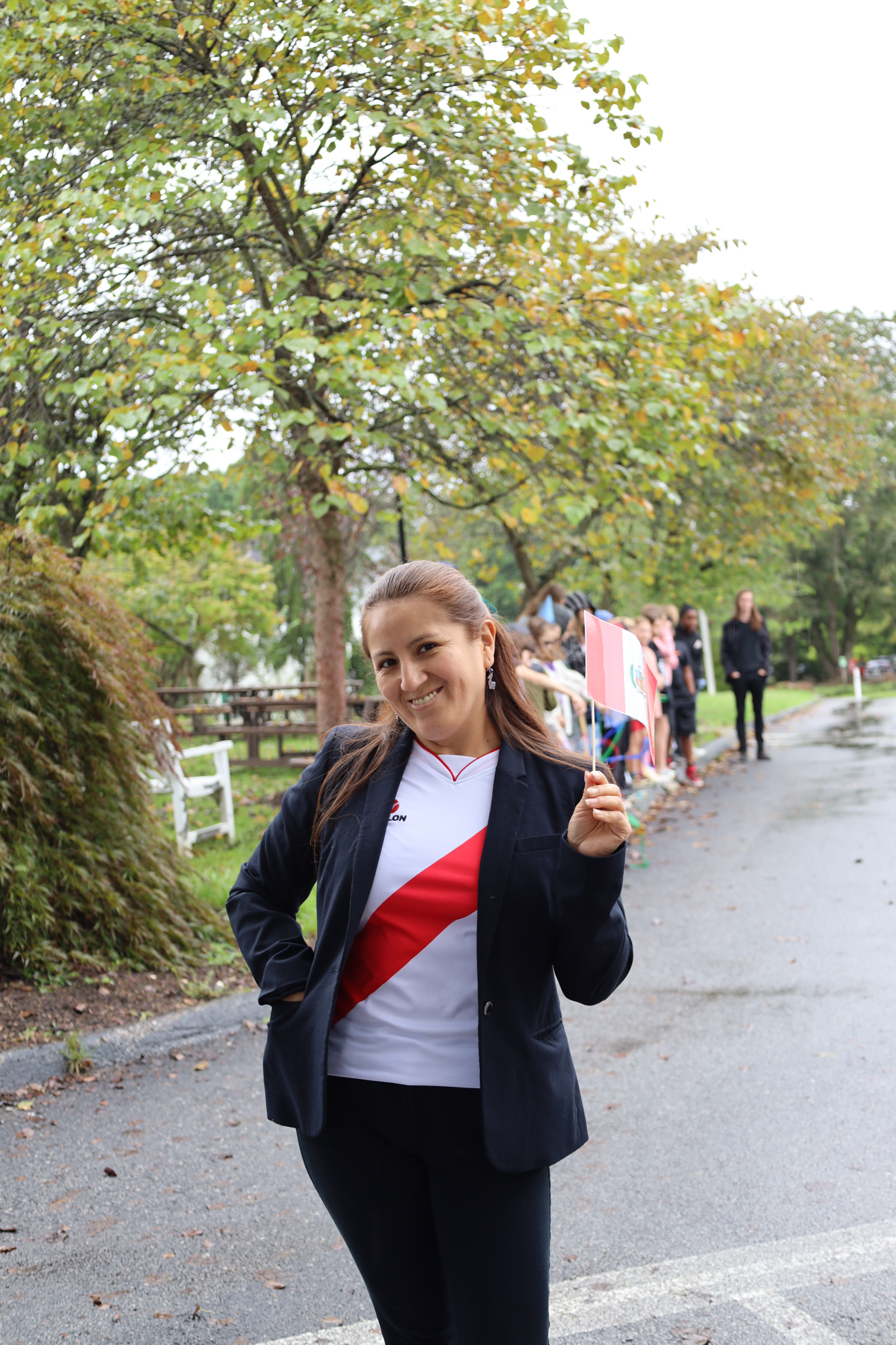
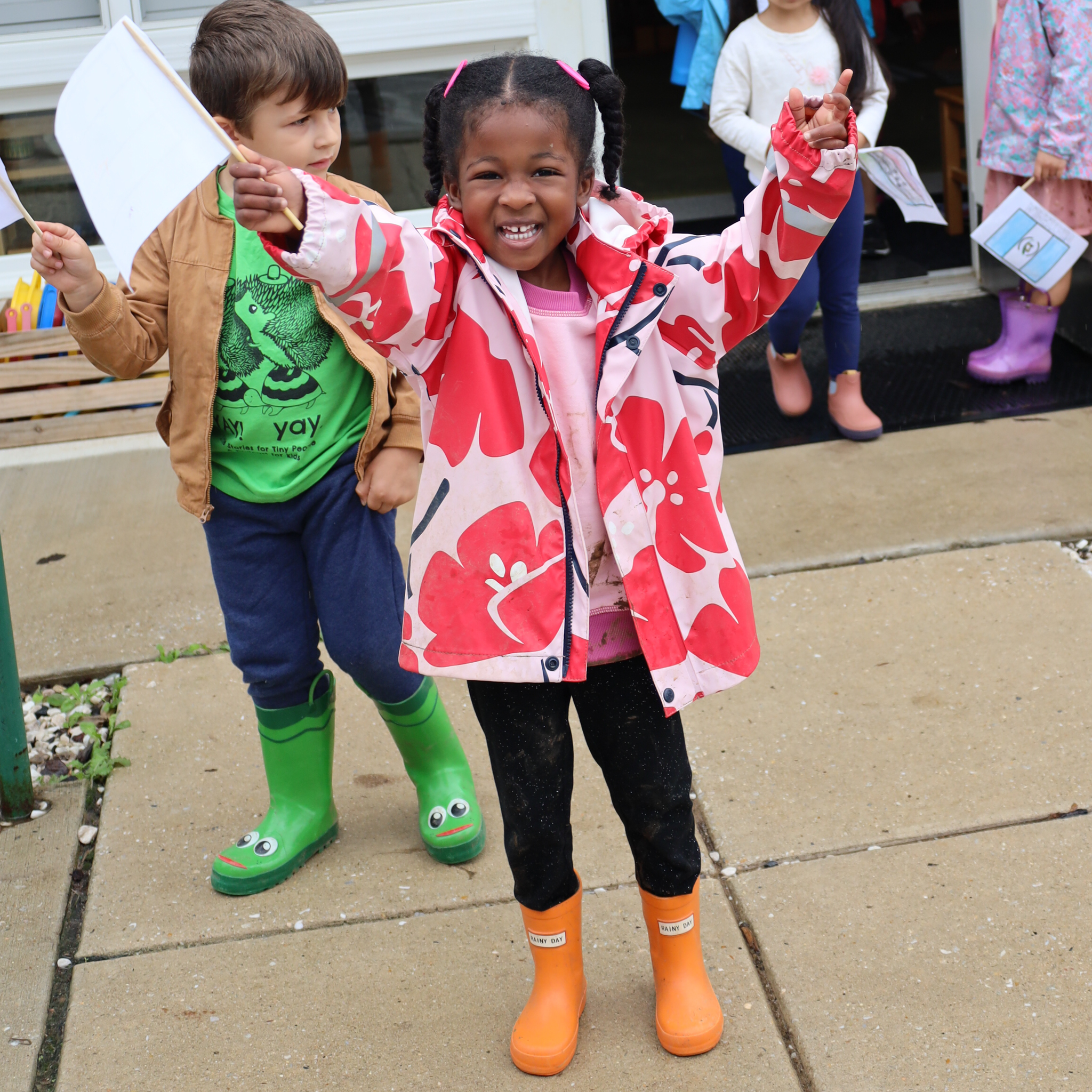
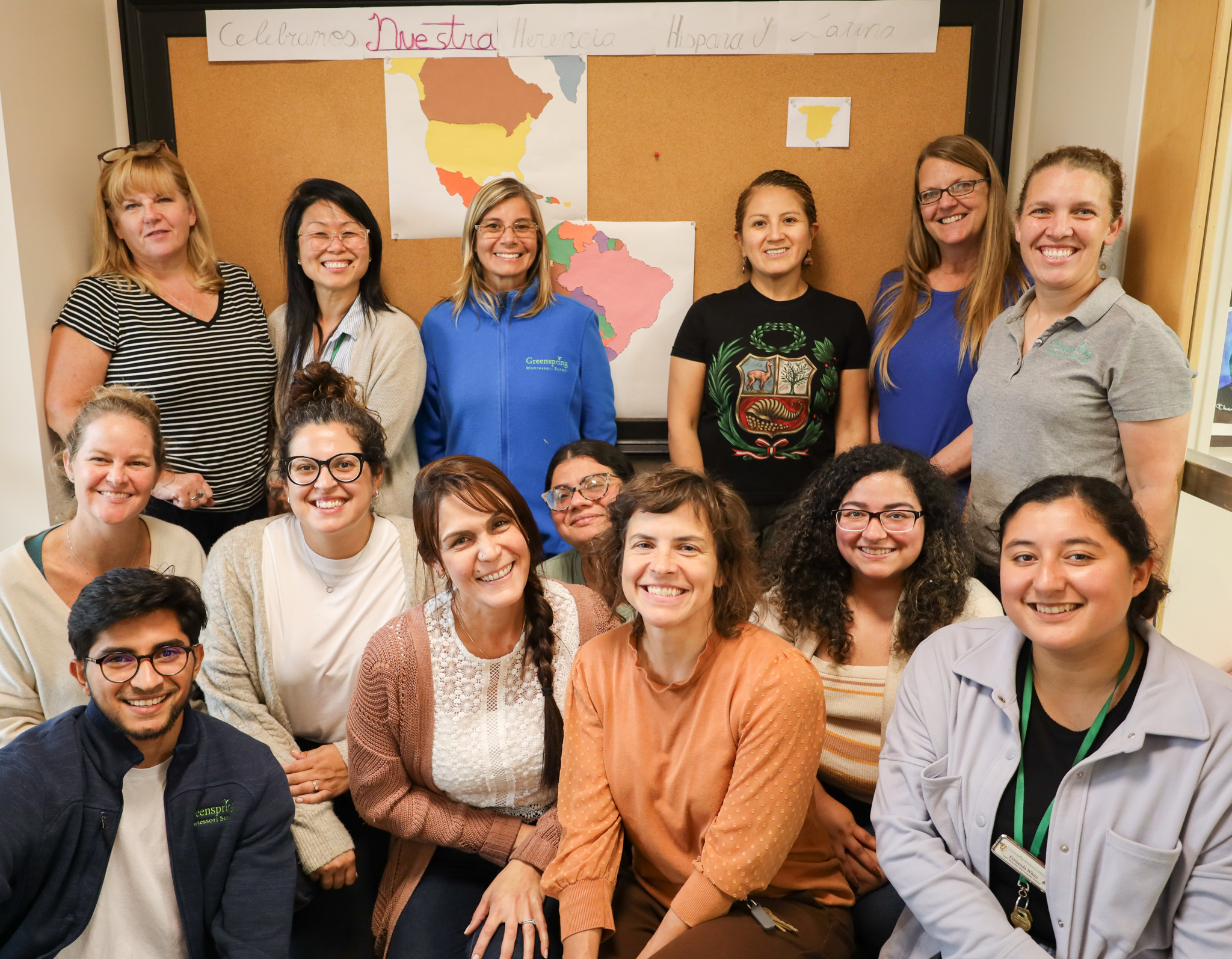
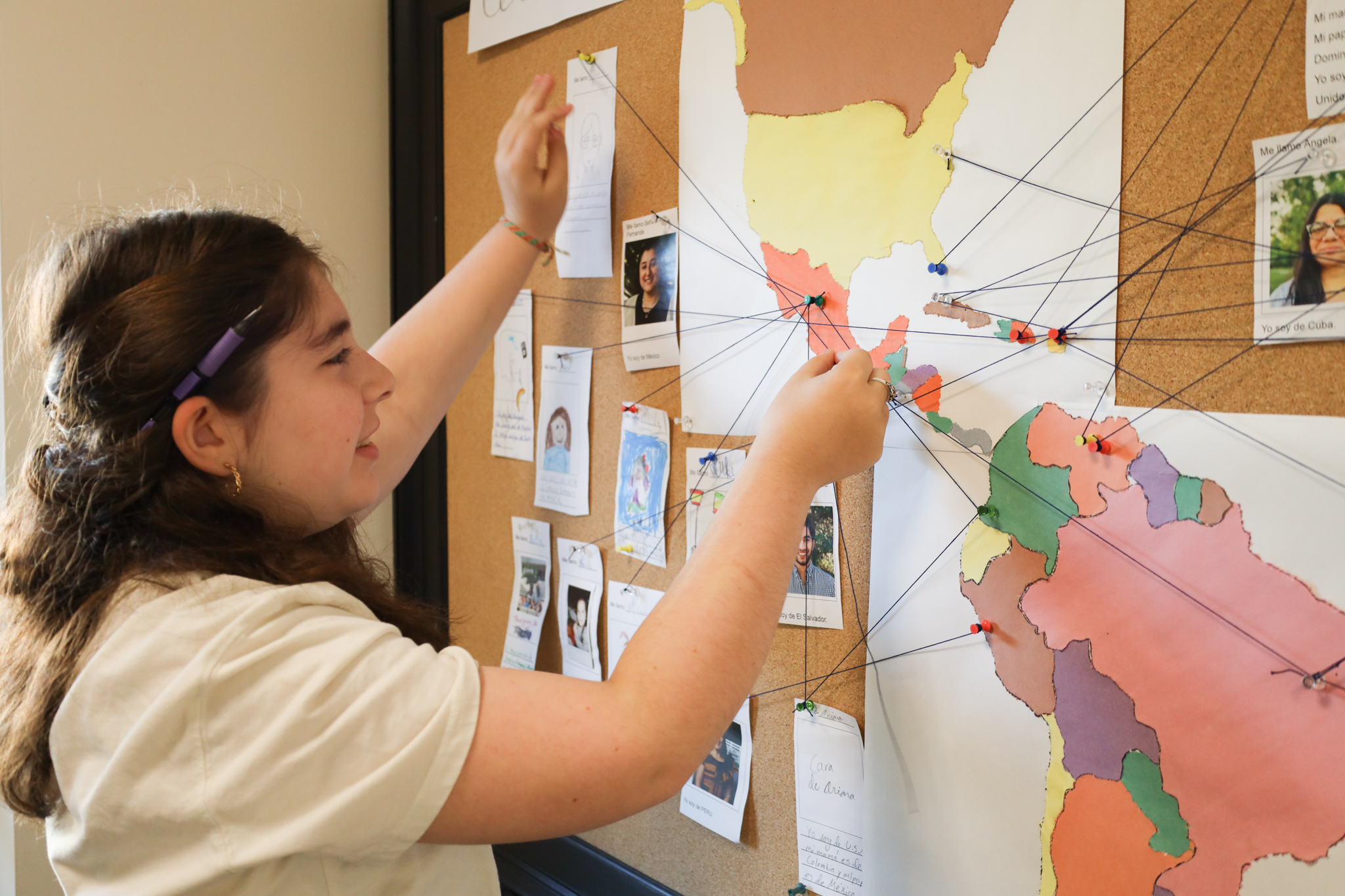
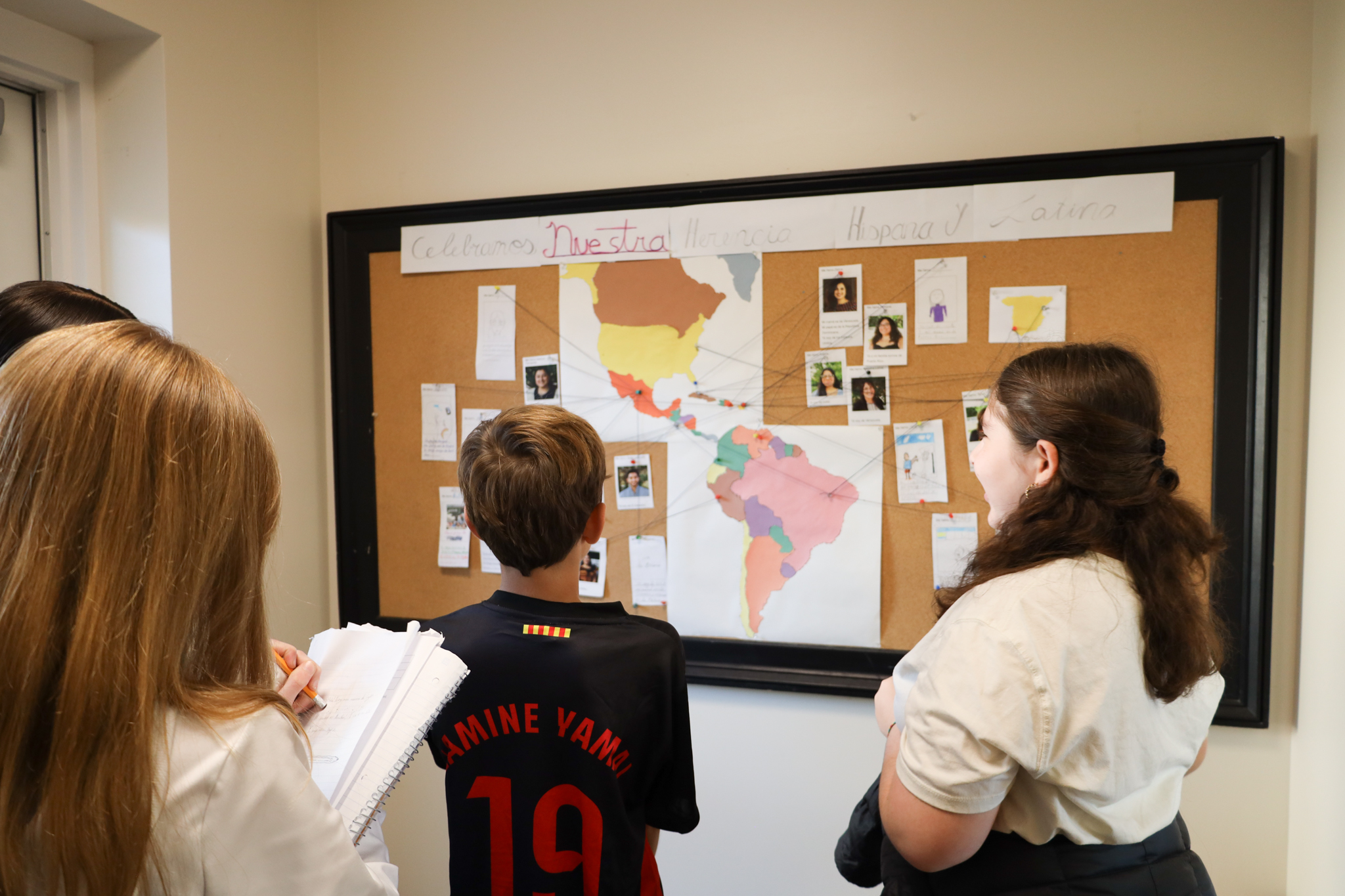
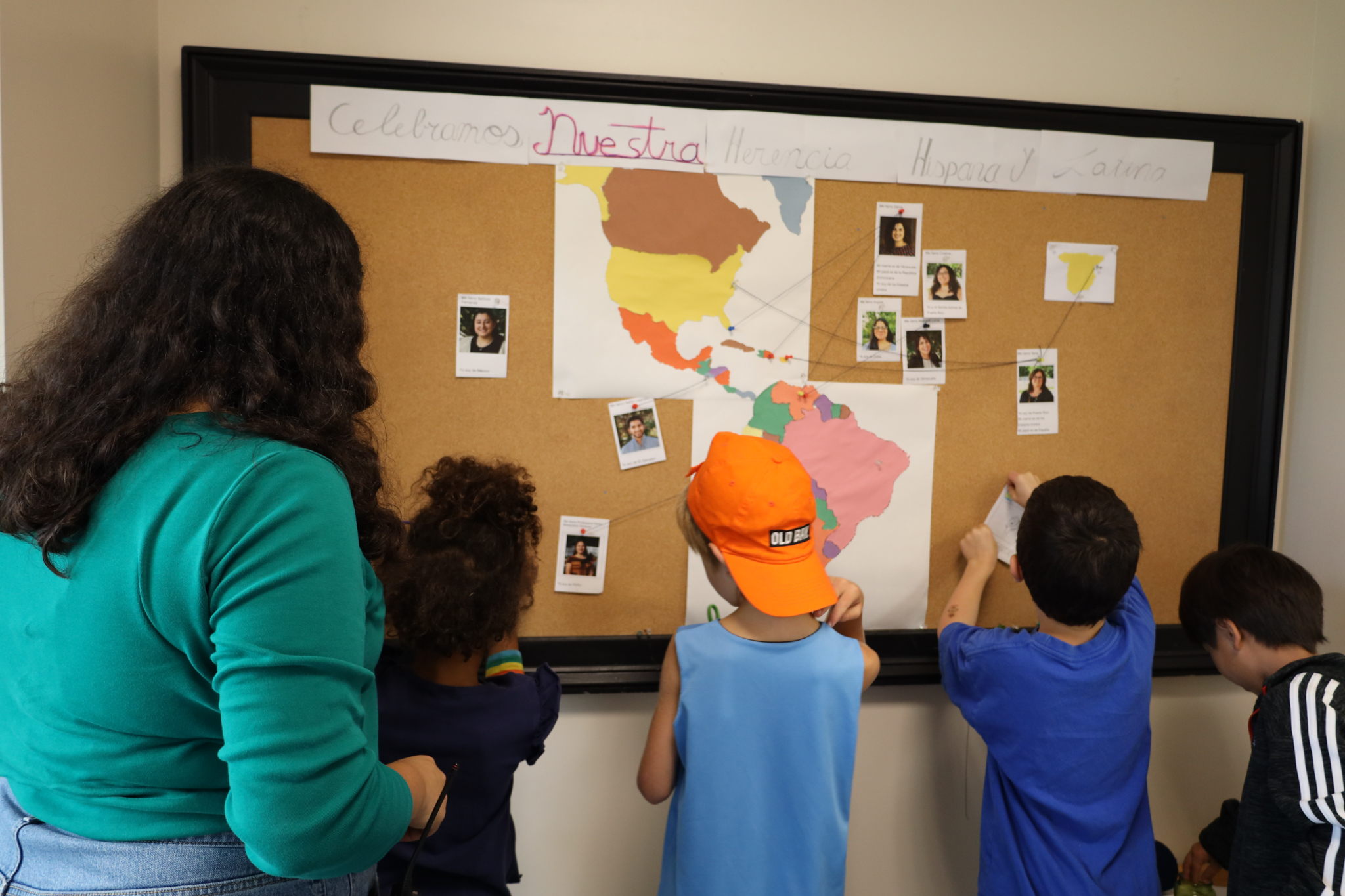
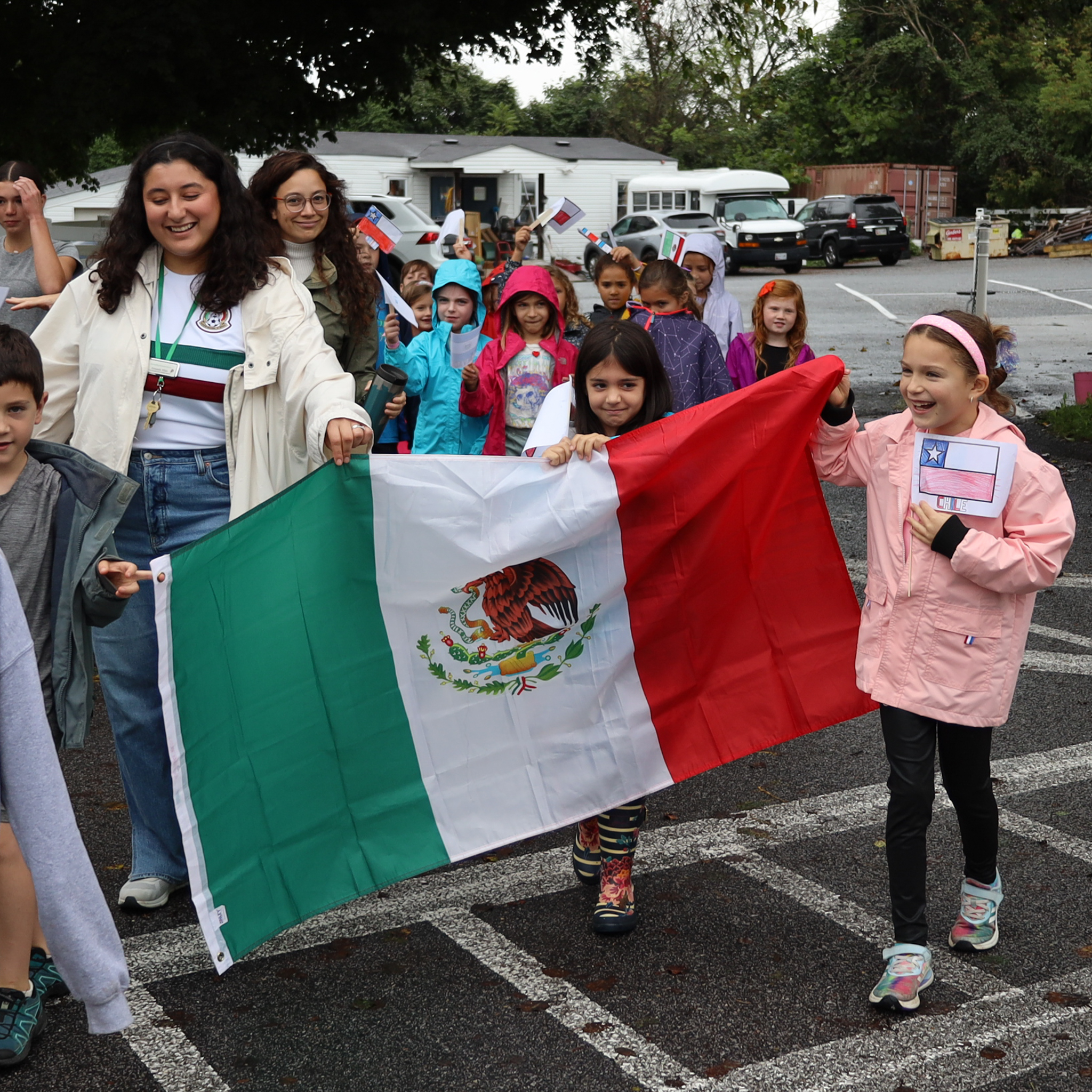
During September and October, our Spanish Dual Language team created many meaningful ways to engage our community, including a special map for students and staff to document their own Latin and Hispanic heritage, a whole school Independence parade celebrating the independence of seven Latin American countries, and many lessons on the rich histories of the many communities that make up the Spanish-speaking regions of the world. Click on the link below to see photos and learn more about this amazing work.

Latin Independence Parade

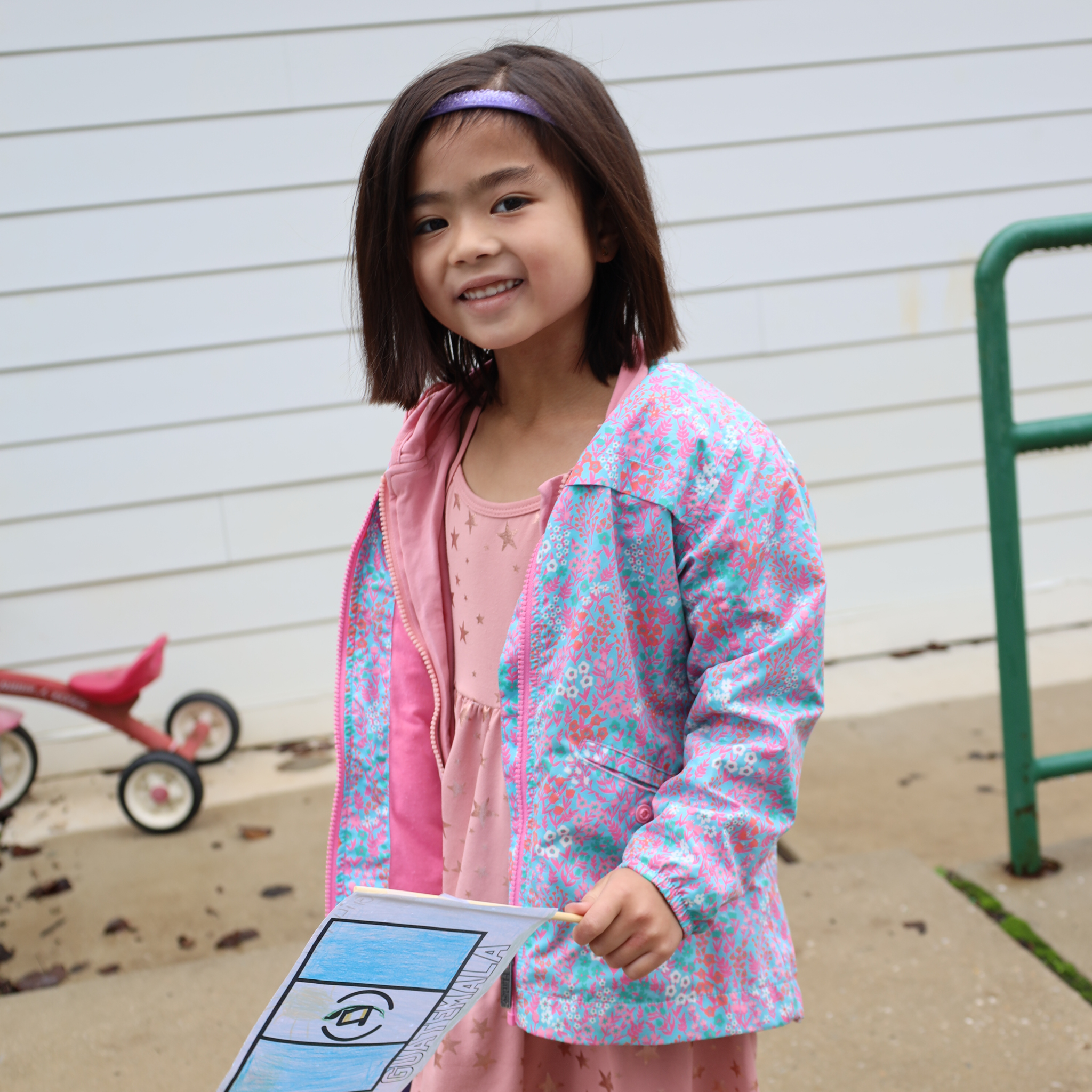
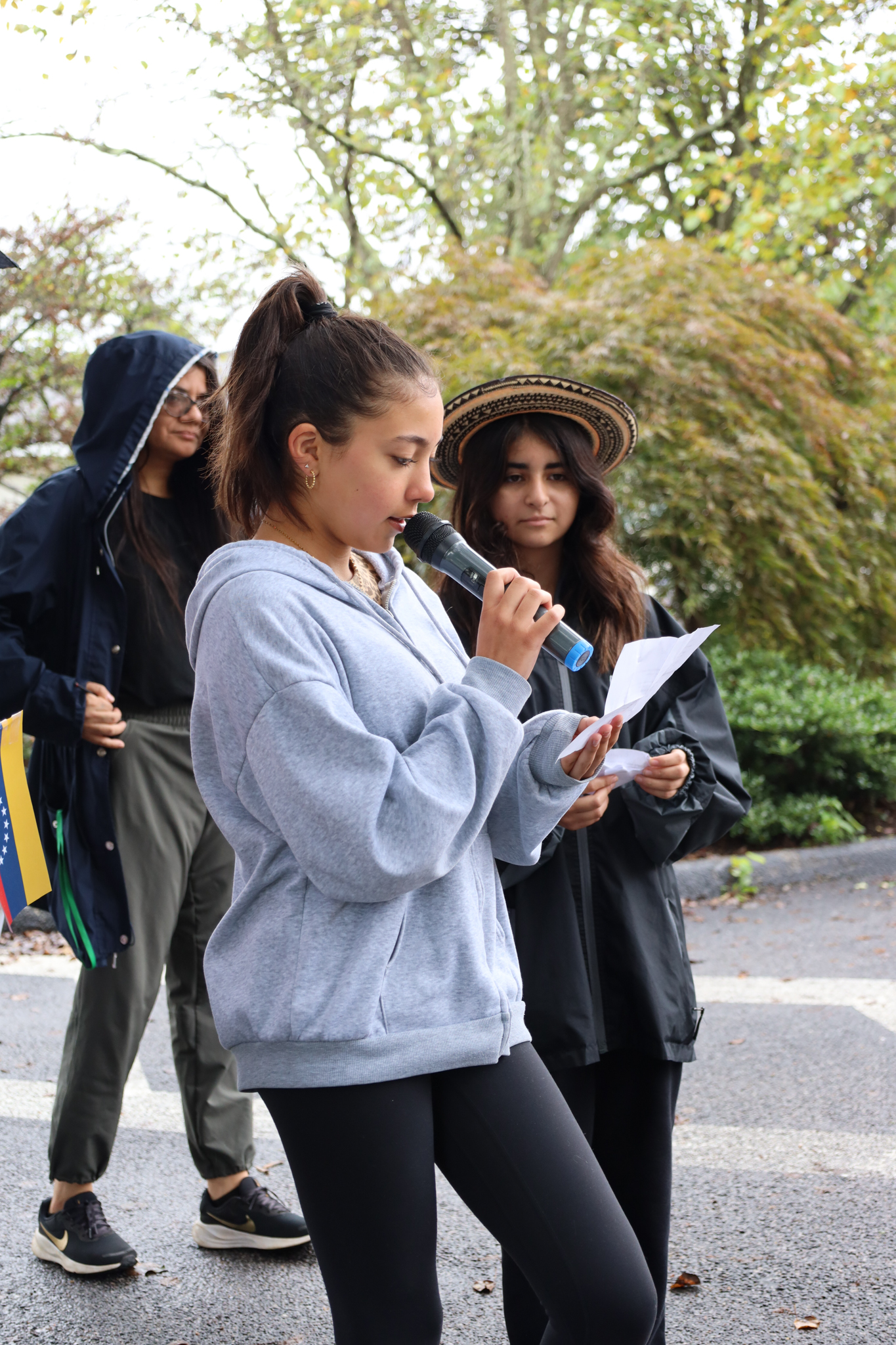
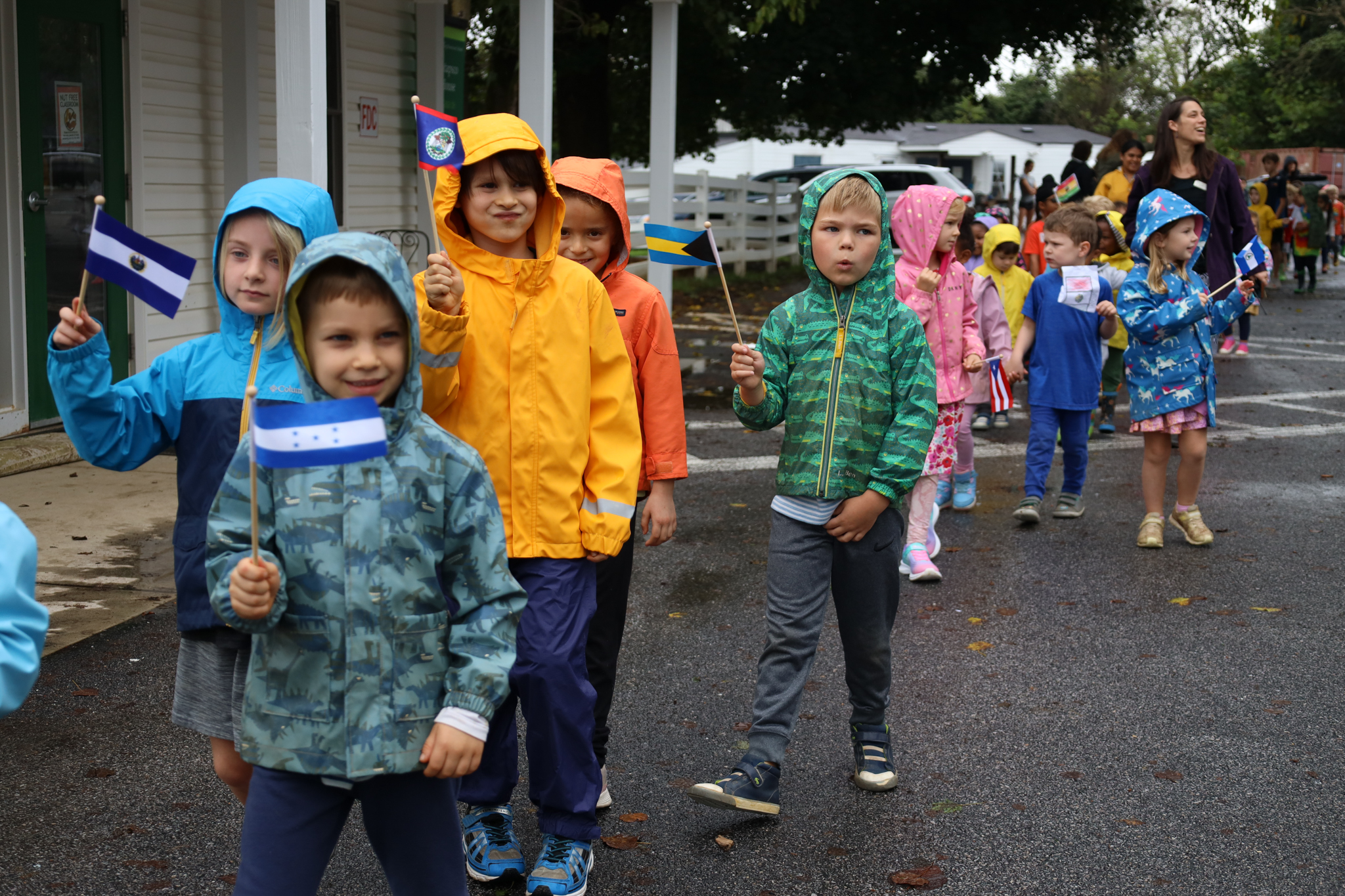
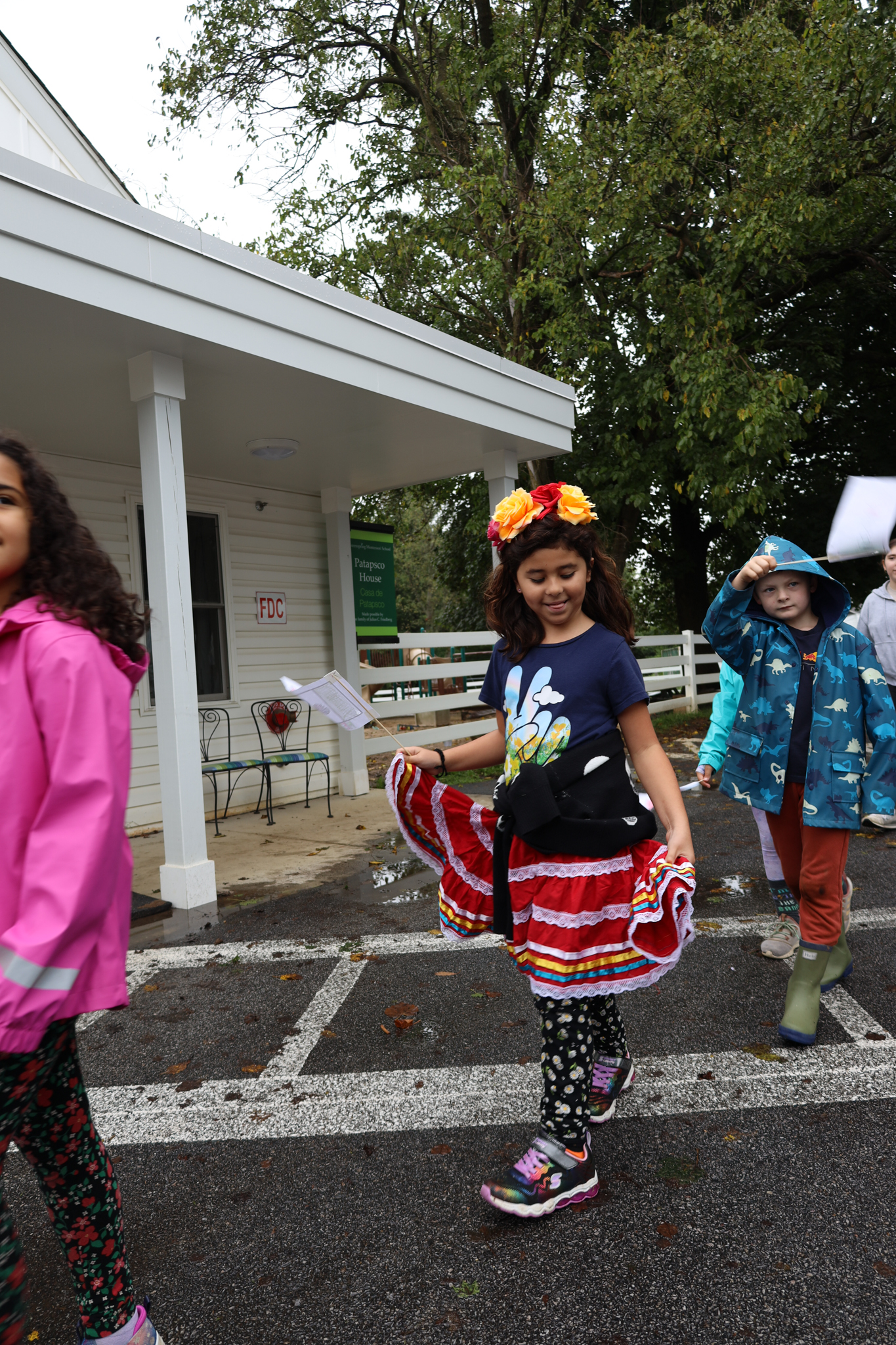
Latin and Hispanic Heritage Month begins on September 15 to coincide with the Independence Days of several Latin American countries, including Costa Rica, El Salvador, Guatemala, Honduras, and Nicaragua, followed by Mexico’s Independence Day on September 16, and Chile’s on September 18. Our Spanish language Guides and Partners led a celebration of the seven Latin American countries commemorating their independence in September – Costa Rica, El Salvador, Guatemala, Honduras, Nicaragua, Mexico, and Chile.

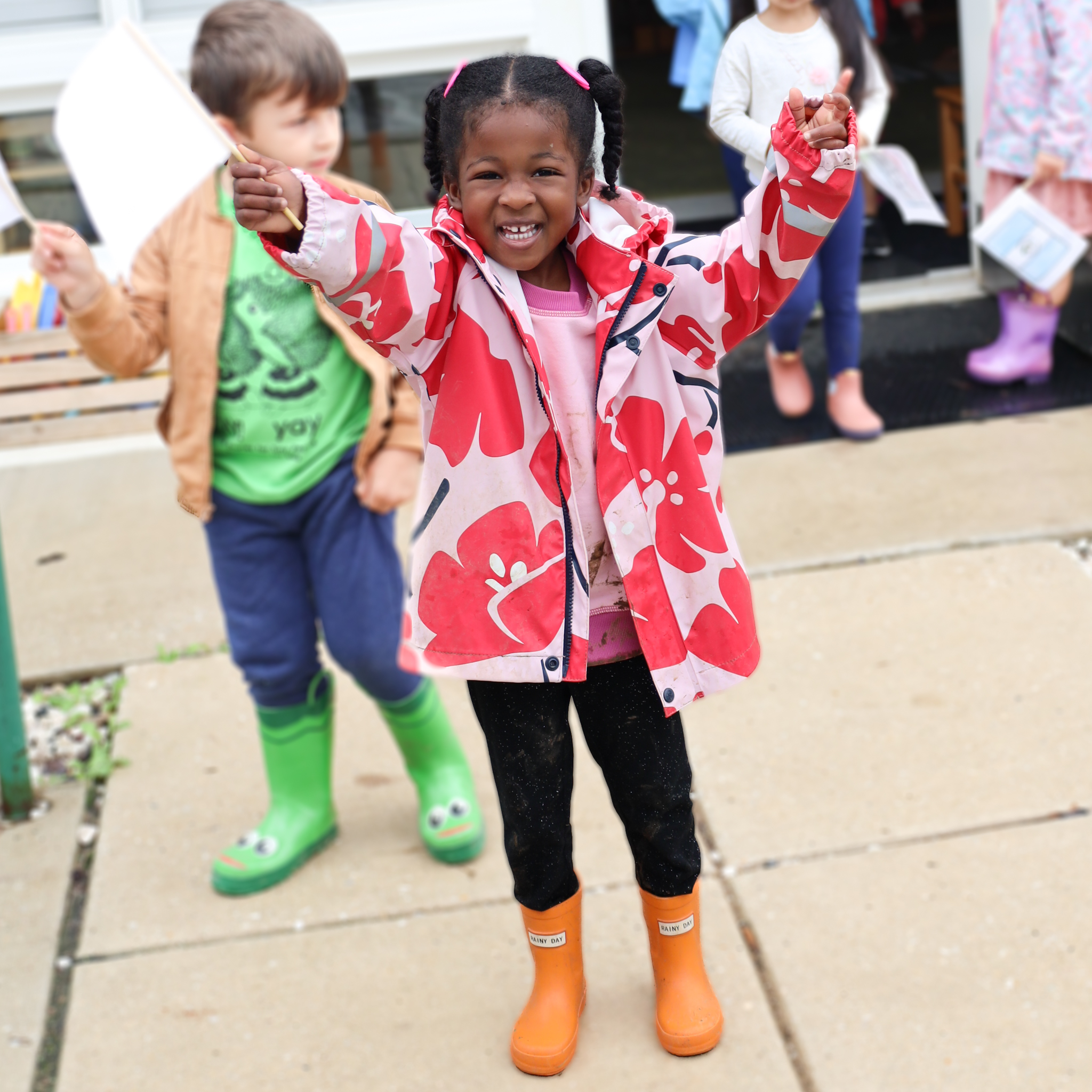
We enjoyed music from each country as our children paraded the campus with the flags they created. Children loved learning the meaning behind many of the flags of Latin America and creating their own to share. ⁠This was a beautiful way to commemorate Latin and Hispanic Heritage Month with our community!


Latin and Hispanic Heritage Wall

Additionally, during Latin and Hispanic Heritage Month our Dual Language team created a map of all of the Spanish-speaking countries. Children’s House students researched the countries and cut them out for the map. Then students and staff were invited to create a personal bio to pin to the countries where they share heritage and history. It has been a joy to learn more about others in our community and celebrate the beautiful diversity of our Spanish-speaking community. 

Thank you to the Dual Language staff for coordinating these efforts. You have helped to create a beautiful and meaningful celebration for our children, families, and staff. 

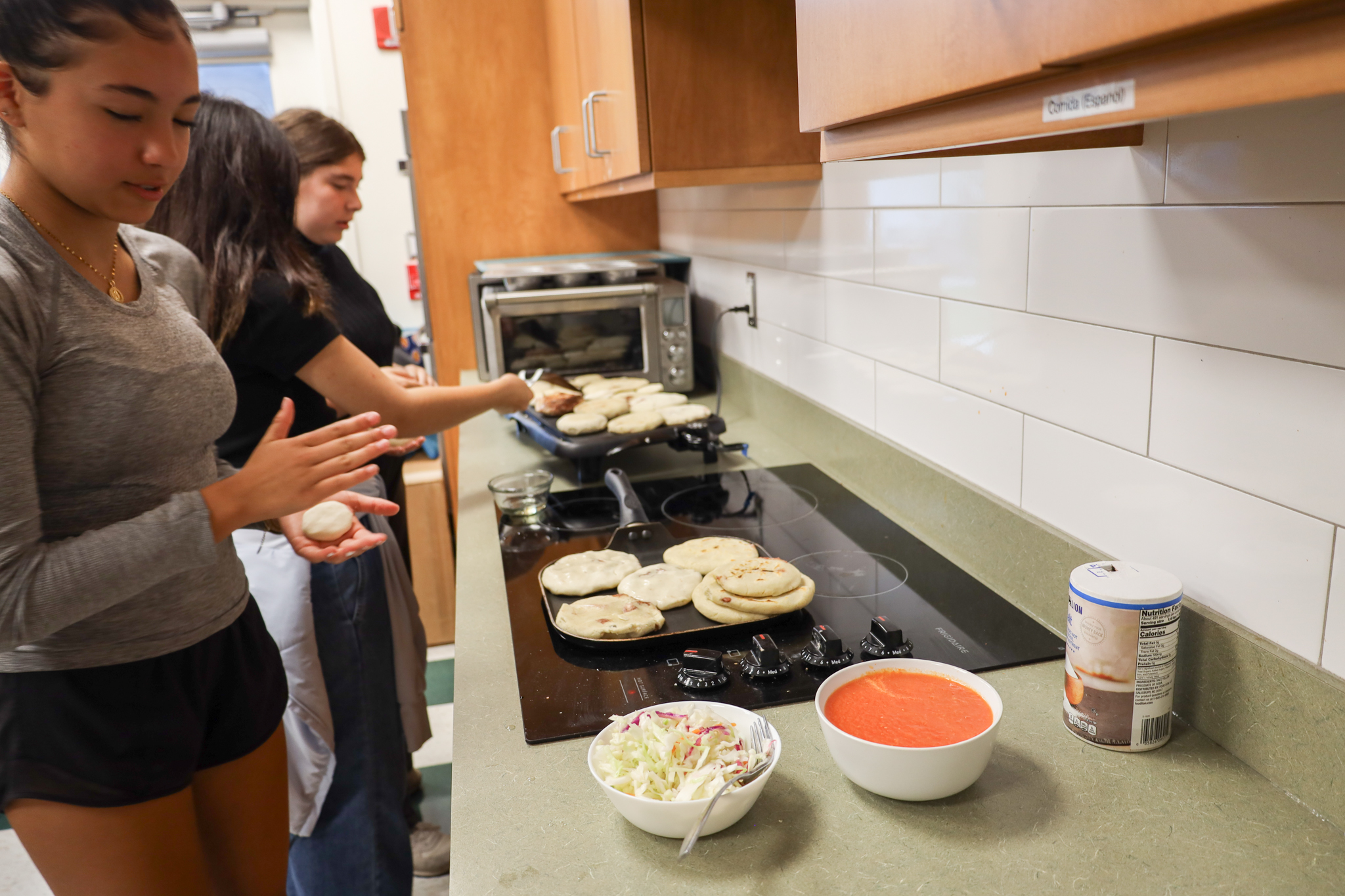
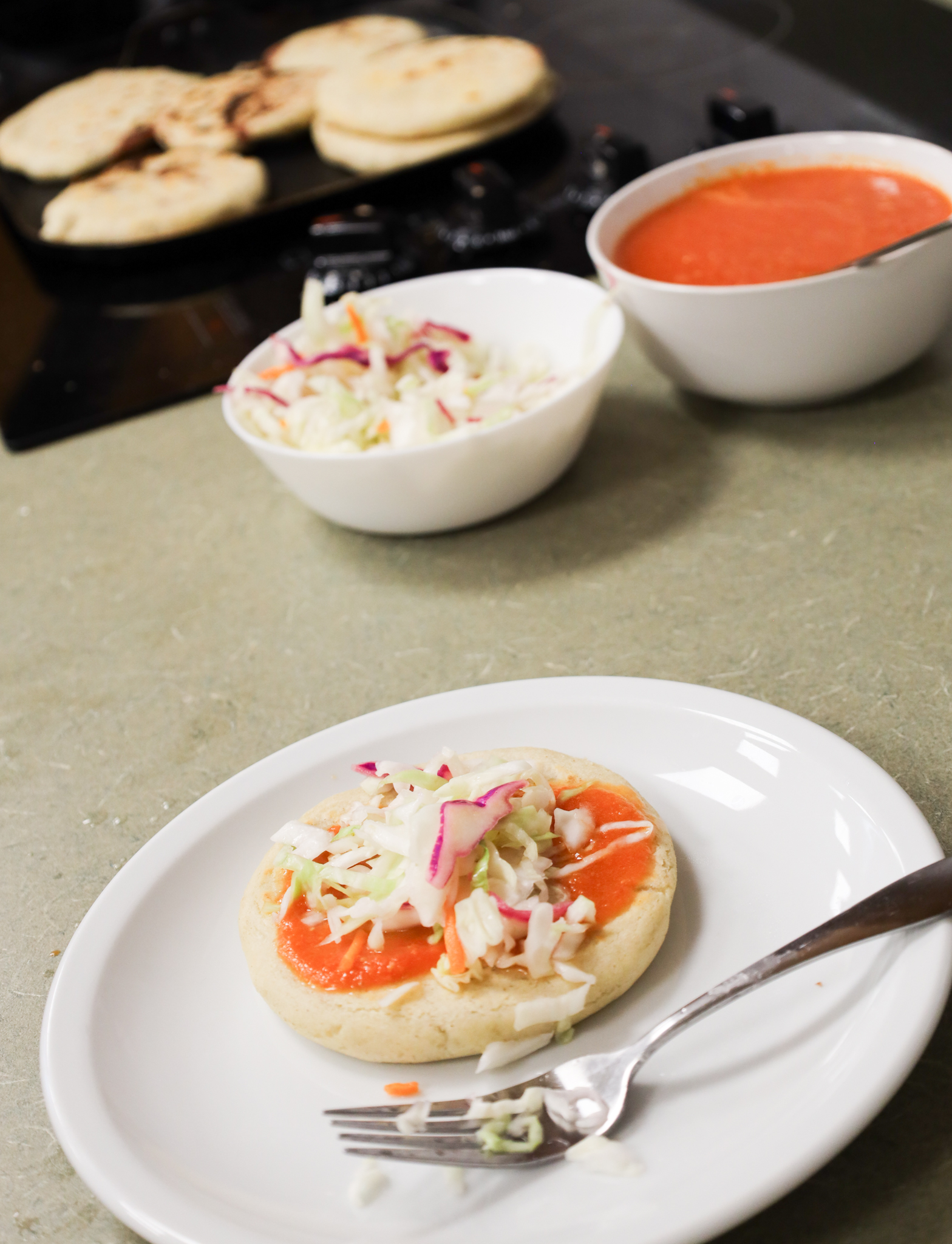
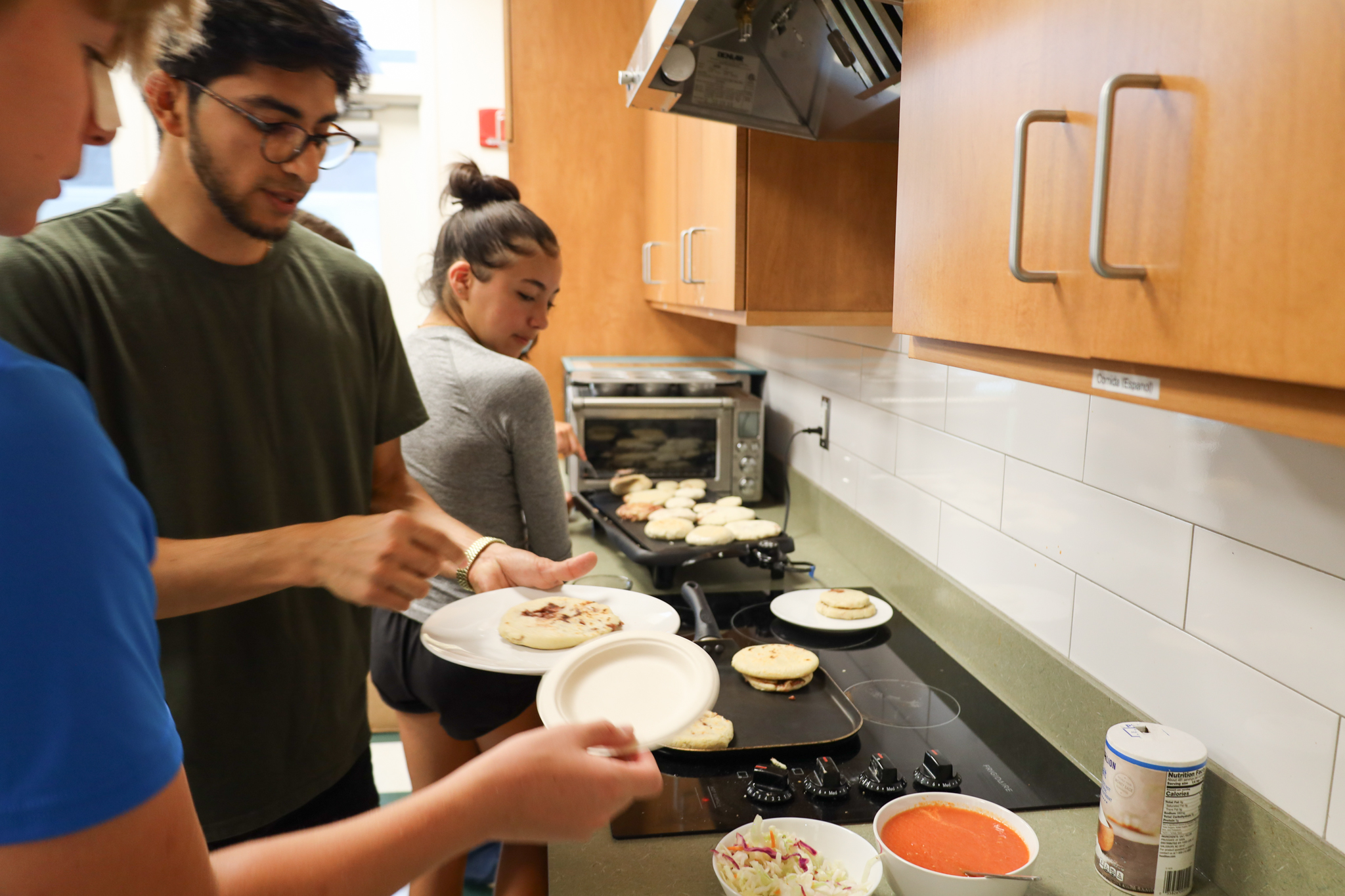
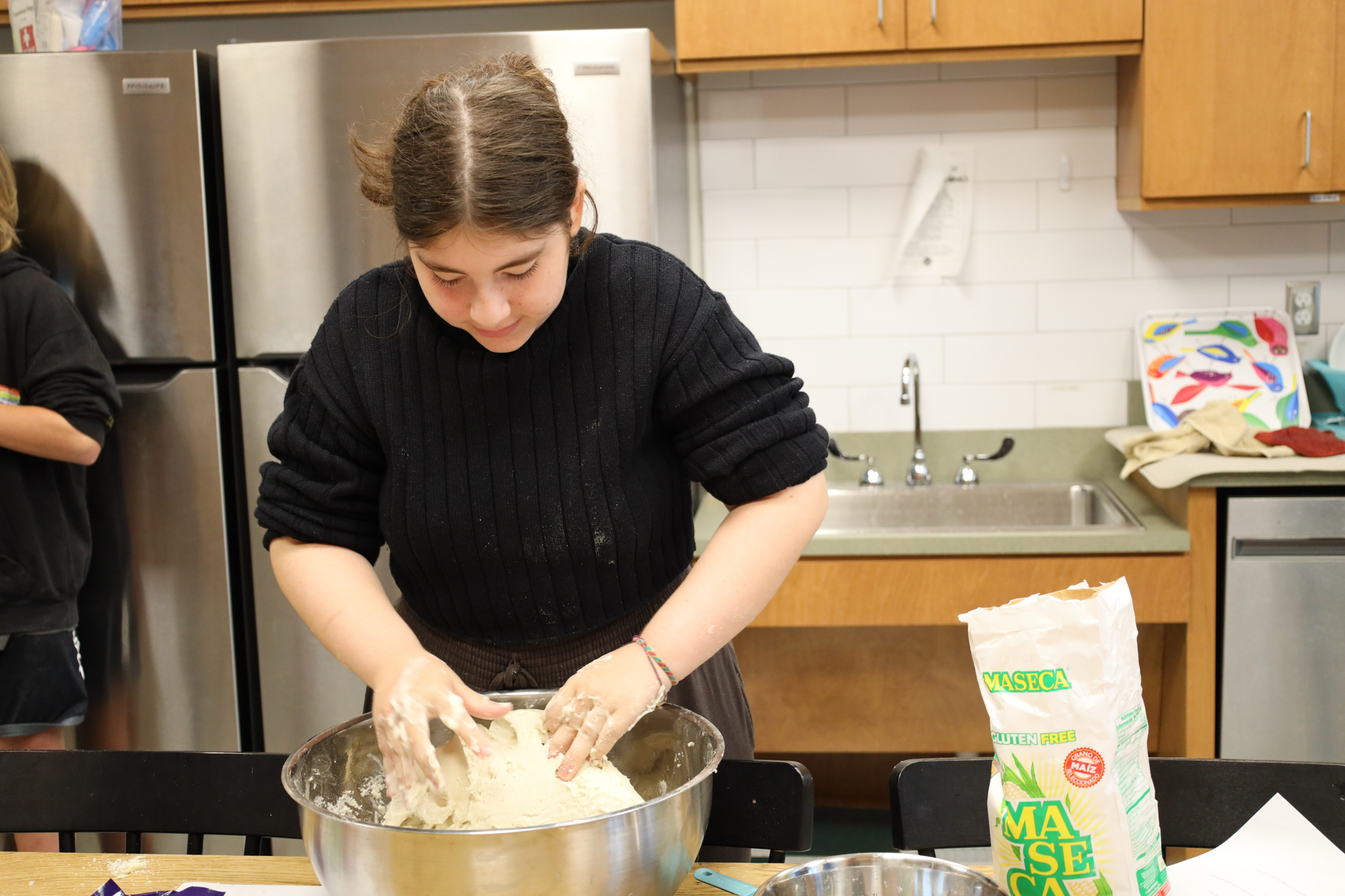
In addition to the planned celebrations, students also made Salvadorian papusas during their Spanish enrichment class – yet another beautiful way that our Spanish team brings culture alive in the classrooms!

Great Lessons in Montessori Elementary

Great Lessons in Montessori Elementary

The Five Great Lessons of Montessori

Above, Montessori Guide, Brad Choate, discusses the Great Lessons in a Montessori classroom.

In Montessori Elementary classrooms, we begin the first few weeks of the year with the five Great Lessons. Dr. Maria Montessori created a curriculum that focused on helping each child discover the joy of learning. The crux of this learning is contained in the Five Great Lessons—a way of introducing enormous topics, such as the big bang, the evolution of life on earth, and the origin of writing and mathematics, to children as young as six through storytelling.  These stories are a cornerstone of the Montessori Elementary curriculum and they spark students’ research in topics from the solar system to dinosaurs to the invention of the internet. Learn more about these stories on our blog.

Below is a breakdown of the five lessons.


The First Great Lesson: Coming of the Universe and Earth

The first story that the children receive is the Coming of the Universe, where Elementary Guides factually demonstrate how the universe and earth were formed. Guides and older students create experiments that help transform one big lesson into many smaller lessons.

Via 80 large visual charts and corresponding lessons, the Guide focuses on each child’s curiosity and enthusiasm to present new topics like astronomy, chemistry, physics, geology, and geography. As students thumb through each chart, they see what they want to learn more about.

Then, they proceed at their own pace to learn more about that topic while watching what other kids do.

It’s this process of building curiosity, enthusiasm, and inspiration that gives students a better understanding of the universe, the earth, and its interlocking scientific components. And when your child discovers something on his or her own, it stays with them and becomes imprinted into a more thorough understanding.

It’s this sense of self-discovery that is the most important part of the Montessori Method’s lifelong learning strategy. When knowledge becomes imprinted or embedded, it has more impact.

The Second Great Lesson: Coming of Life

Every living thing has a job to do to contribute to life on Earth. From a visual timeline of life that breaks down eras, evolution, and extinction, we learn about dinosaurs, animals, plants, and microorganisms—and how they all connect via topics and experiments. The goal of the Second Great Lesson: teaching the diversity of life via biology, botany, and habitats.

The key to The Montessori Method is the individual child—a child who can work at his or her chosen speed under a highly experienced teacher who knows a little bit about everything and a lot of ways to inspire a child.

The Third Great Lesson: Humans Come to Earth

What makes man special? How did we evolve from living in caves and creating fire to fashioning tools and machines? What does man possess that animals don’t and what makes us different? Montessori Guides focus on these age-old questions as a way to unlock the creativity in each child’s mind.

It is our minds, hands, and emotions that have helped separate us from all others. Through discovery and invention, human beings have become the dominant species on the planet. Man has built a vibrant history from tools, farming and food preparation/storage to shelter, transportation, medicine, art, and spirituality. Most importantly, children learn to understand their existence, their place in the world, and their personal responsibility in bettering society and the universe.

The Fourth Great Lesson: Communication and Writing

Human beings have long used language, pictures, and symbols to communicate with each other. From grunts and hand gestures to the advent of the written alphabet and ultimately, the printing press, man has always sought ways to communicate what he sees and how he feels.

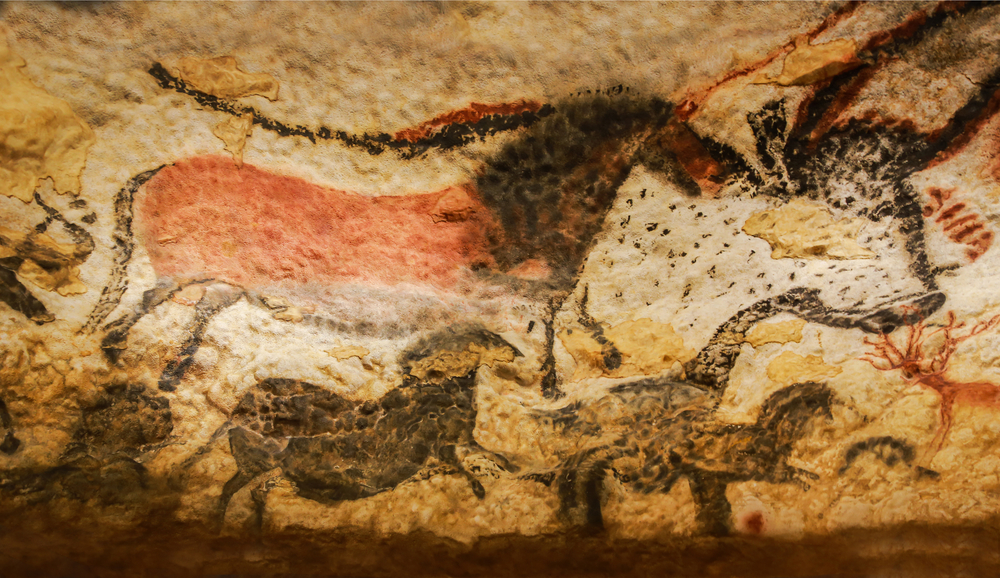
It is here in the Fourth Lesson that Montessori Guides begin to discuss the study of folk stories, mythology, language, alphabets, grammar, sentence structure and word study. From cave paintings to Egyptian hieroglyphics to Greek and Latin letters, the lesson allows children to focus on reading, writing, and language. The extended lesson: we can understand the similarities and differences of human beings by our history, stories, literature, poetry, and music.

Watch the video below to see the Story of Language, presented by Brad Choate, Upper Elementary Guide at Greenspring Montessori School.

The Fifth Great Lesson: Numbers

The common language of the human race is mathematics. Over our 30,000-year history, man has built a system of numbers that has evolved from concepts of zero and one to arithmetic to geometry and ‘to infinity and beyond.’

The story of numbers helps students branch out to learning about the applications of these numbers in such arenas as the invention of the calendar, systems, and units of measurement and economic geography.

Summary of the Five Great Lessons

In the Montessori setting, lessons arouse enthusiasm. Via demonstrative overviews, our Guides seek to engage excitement and curiosity so children can explore on their own. This is the foundation of the Montessori elementary school philosophy—children working at their own speed with highly experienced, specialized Guides who give them the freedom to succeed at their own level. These lessons seek to inspire children to be curious about the world around them and to grow into life-long learners with an understanding of the interconnectedness of the world.

The information above is adapted from Lifetime Montessori School in San Diego, California.

Alternatives to Saying Good Job

Alternatives to Saying Good Job

You may have heard your child’s Guide talk about the importance of offering children encouragement rather than praise. But why is that important? And what does that look like in real life?

Why It’s Important

For the past ten years, psychologist Carol Dweck and her team at Columbia (she’s now at Stanford) studied the effect of praise on students (preschool to graduate school) and found that praise has these negative outcomes:

  • Children become more cautious, more likely to avoid challenges
  • Causes them to lose interest
  • Encourages competition among children
  • Motivation shifts from internal to external (creating “praise junkies”)
  • Children more likely to think that intelligence or talent is something you either have or don’t have (fixed mindset)
  • Reduced their achievement

While well-intentioned, it is clear that praise can have some unintended negative consequences.

What You Can Do Instead

In his article, Five Reasons to Stop Saying “Good Job!”, Alfie Kohn suggests:

Say nothing. Some people insist a helpful act must be “reinforced” because, secretly or unconsciously, they believe it was a fluke. If children are basically evil, then they have to be given an artificial reason for being nice (namely, to get a verbal reward). But if that cynicism is unfounded – and a lot of research suggests that it is – then praise may not be necessary.

Say what you saw. A simple, evaluation-free statement (“You put your shoes on by yourself” or even just “You did it”) tells your child that you noticed. It also lets her take pride in what she did. In other cases, a more elaborate description may make sense. If your child draws a picture, you might provide feedback – not judgment – about what you noticed: “This mountain is huge!” “Boy, you sure used a lot of purple today!”

If a child does something caring or generous, you might gently draw his attention to the effect of his action on the other person: “Look at Abigail’s face! She seems pretty happy now that you gave her some of your snack.” This is completely different from praise, where the emphasis is on how you feel about her sharing

Talk less, ask more. Even better than descriptions are questions. Why tell him what part of his drawing impressed you when you can ask him what he likes best about it? Asking “What was the hardest part to draw?” or “How did you figure out how to make the feet the right size?” is likely to nourish his interest in drawing. Saying “Good job!”, may have exactly the opposite effect. 

What is Encouragement?

While praise includes value judgements that can make children dependent on external validation, encouragment focuses on the child’s efforts and contributions, fostering motivation that comes from within.

In their book Positive Discipline in the Montessori Classroom, Jane Nelson and Chip DeLorenzo write about encouragement that it:

Focuses on the process. “I notice that you sketched first and then painted. Tell me more about that.”

Focuses on effort. “You must have worked really hard on this.”

Connects a child’s effort with the result. “You have been spending a lot of time on memorizing your math facts. I notice that your long division is taking much less time now.”

Focuses on the deed, not the doer. “You reached your goal. Congratulations!”

Focuses on improvement. “Look how far you’ve come!”

Focuses on trust. “I trust your judgement.”

The long term effect of encouragement is that children become more independent, motivated, and self-evaluative.

Examples

Instead of saying, “I’m so proud of you.” Try, “This was hard for you, but you stuck with it.” or “You must be so proud of yourself.”

Instead of saying, “You are so smart.” Try, “You figured it out.”

Instead of saying, “Good job!” Try, “You reached your goal!” or “You did it!”

Instead of saying, “This is a great report.” Try, “You must have worked really hard on this.”

Instead of saying, “I love it!” Try asking, “What do you think about it?” or “Tell me about your picture.”

You May Be Thinking…

This feels strange! These comments are cheesy! Will my child respond to encouragement?

Alfie Kohn writes, “It can seem strange, at least at first, to stop praising; it can feel as though you’re being chilly or withholding something. But that, it soon becomes clear, suggests that we praise more because we need to say it than because children need to hear it. Whenever that’s true, it’s time to rethink what we’re doing.

What kids do need is unconditional support, love with no strings attached. That’s not just different from praise – it’s the opposite of praise. “Good job!” is conditional. It means we’re offering attention and acknowledgement and approval for jumping through our hoops, for doing things that please us.”

Encouragement is powerful! It’s all in your tone and level of interest. If you are fully present, make eye contact, smile, and show genuine interest, this is much more powerful than a simple compliment.

Are all compliments harmful?

No! This doesn’t mean that all compliments are harmful. Just be mindful of your long-term goals and notice the effects of what you say.

Where do I start?

Just changing the words “I like” to “I notice” is one easy shift from praise to encouragement. 

Want to Learn More?

Articles:
Five Reasons to Stop Saying Good Job, Alfie Kohn, 2001
How Not to Talk to Your Kids by Po Bronson, New York Magazine, 2007
The Difference between Praise and Encouragement by Vicki Hoefle, PBS Kids, 2015

Books:
Punished by Rewards by Alfie Kohn, 2018
The Perils and Promises of Praise by Carol Dweck (Chapter 7 of On Formative Assessment: Readings from Educational Leadership), 2016

Children’s Books:
Your Fantastic Elastic Brain: A Growth Mindset Book for Kids to Stretch and Shape Their Brains
by JoAnn Deak Ph.D. & Sarah Ackerley
Good Night to Your Fantastic Elastic Brain: A Growth Mindset Bedtime Book for Kids by JoAnn Deak & Terrence Deak
The Owner’s Manual for Driving Your Adolescent Brain: A Growth Mindset and Brain Development Book for Young Teens and Their Parents by JoAnn Deak & Terrence Deak

Websites for Parents:
Growth Mindset Institute https://www.growthmindsetinstitute.org
Positive Discipline https://www.positivediscipline.com

Websites for Teachers:
Mindset Works https://www.mindsetworks.com
Positive Discipline for the Montessori Classrsoom https://chipdelorenzo.com


What is Going Out?

What is Going Out?

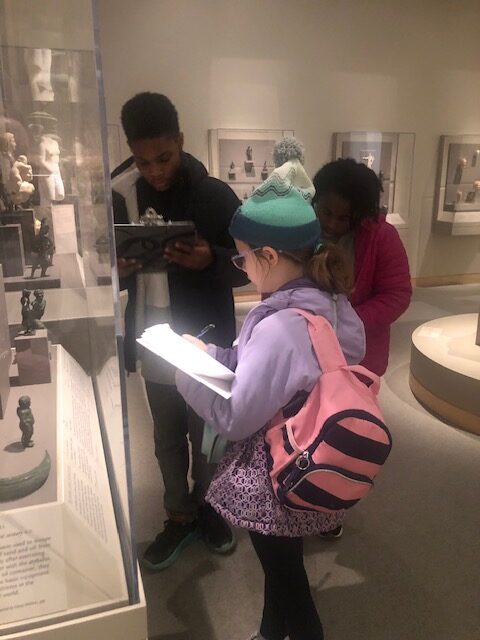
The Montessori practice of Going Out begins during the Elementary years and continues through the Adolescent Community. In Montessori classrooms, students are empowered to find the answers to their own questions with the materials and resources provided in a prepared environment. But what happens when students exhaust the resources of the classroom and still want to learn more? This is a golden opportunity to deepen their study in the form of a Going Out trip.

“Instruction becomes a living thing. Instead of being illustrated, it is brought to life. In a word, the outing is a new key for the intensification of instruction ordinarily given in the school.”

– Dr. Maria Montessori

Going Out for Elementary Students

When an individual or small group of students has been studying a topic in depth for several weeks, they may decide they have exhausted the resources of the classroom and school library, but still with to learn more. The group can propose a Going Out trip to deepen their study. If approved by their Guide, the students are responsible for planning and arranging every aspect of the outing—from researching the location, hours, and cost of the visit to arranging for their own transportation and supervision by staff or parent volunteers.

This work requires that students practice the executive functioning skills necessary to plan and carry out projects:

  • Delegation and division of labor
  • Sharing resources
  • Making group decisions
  • Taking responsibility for their actions
  • Celebrating the success of peers

Conflict is not uncommon; it is a necessary and important part of the child’s work. The Montessori Guide models and supports constructive and respectful problem solving. Going Out allows students to apply these skills outside of the classroom.

The Grace and Courtesy lessons that Montessori students have enjoyed since their youngest days are now given real-world applications. For example, students learn how to schedule an appointment over the phone, the acceptable protocol and attire for visiting legislators in the State House, the etiquette for conducting an interview, or proper behavior when dining at a fancy restaurant. These are significant life lessons!

During the outing, adult chaperones are trained to allow the students to take the lead. One Montessori parent described following a group of students as they walked in the wrong direction, away from the museum they wished to visit. Finally, one of the children realized they were lost and the entire group mobilized to read the map, ask for directions, and solve the problem. Even though they lost a few minutes in the museum, who’s to say that wasn’t the biggest learning experience of the day? Each Going Out is an entire course of study on independence, responsibility, and good citizenship. This is what Practical Life looks like at the Elementary level.

Going Out for Adolescents

Going Out may look different depending on the age of the students. For Elementary students, outings may be focused more on the social learning experiences and developing leadership skills, while Adolescents are actively seeking to determine their role in the larger society and bring about meaningful change in the world around them. Adolescents also feel great desire to make improvements in their communities. They may develop their own community service projects, fundraising efforts, and opportunities to mentor younger children. “What will I use this for?” is an oftenasked question of the adolescent, as he is determined to use knowledge to do something in the world. Projects such as monitoring the neighborhood watershed, building and maintaining a large garden, or baking bread, are real world opportunities for many lessons in science, language arts, and practical life skills. Students work as a group to find ways of making money, their first direct experiences of the economic connections in a society.

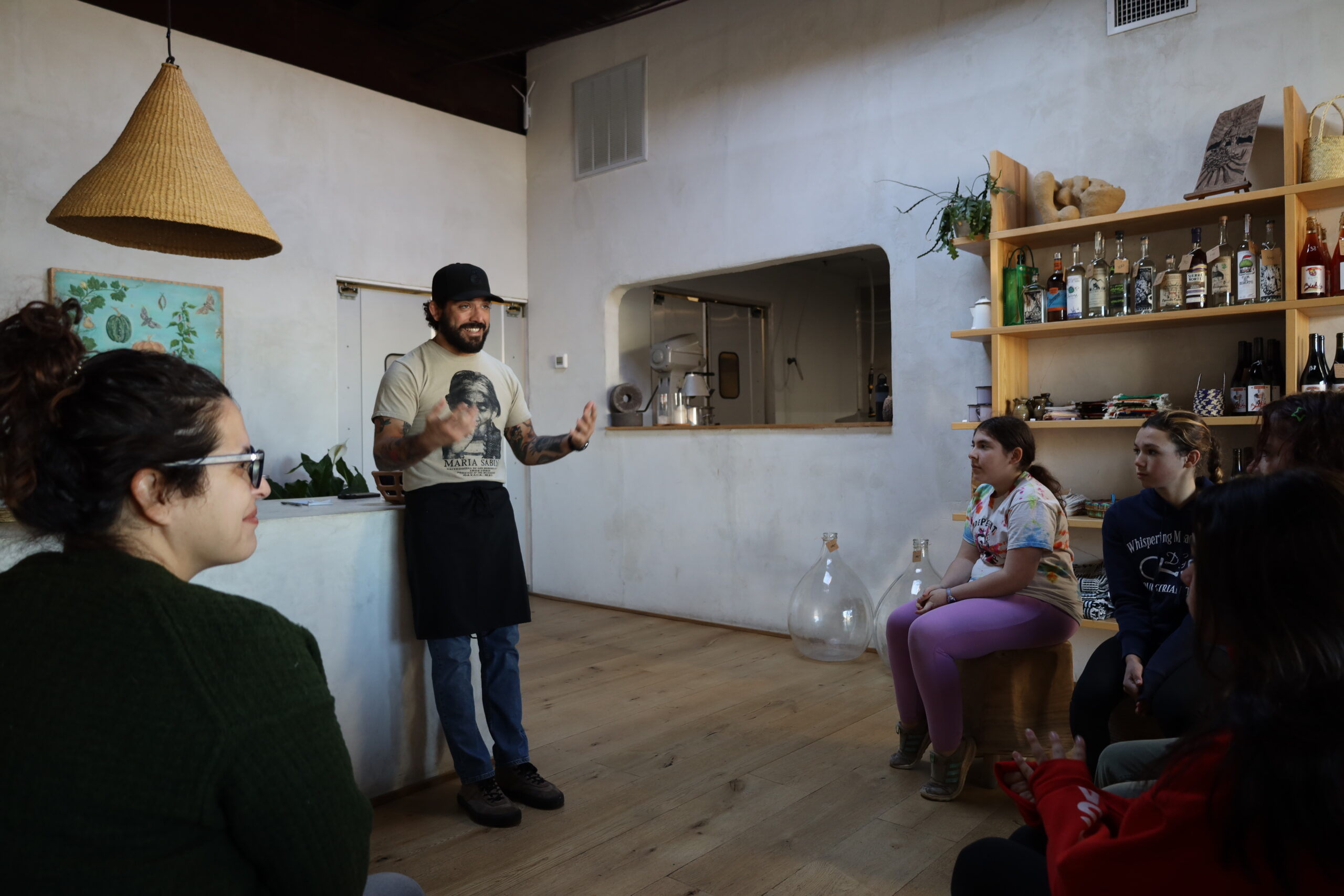
In the Adolescent Community, Going Out trips are also used as field research to complement various studies. For example, Greenspring adolescents have visited places of worship as they study World Religions, preparing questions for their hosts to more deeply understand each world religion. Adolescents have presented their engineering projects to seniors at JHU Mechanical Engineering School and collaborated with college seniors in the design lab.
When students return from these trips, they share their experiences with the rest of the class. The culture of the classroom is now changed. New experiences breathe fresh life into the group and inspire others; new levels of independence have arisen; and new appreciation for the larger world has been brought to the group. Clearly, Going Out is not just an extended walk or a field trip. Going Out is a process of fanning the spark of imagination, allowing students to develop leadership skills and make meaningful contributions to the community.

A Parent’s Perspective on Going Outs

Amy Scott shared that one of her favorite experiences as a Greenspring Montessori parent was taking Lower Elementary students on Going Out trips.

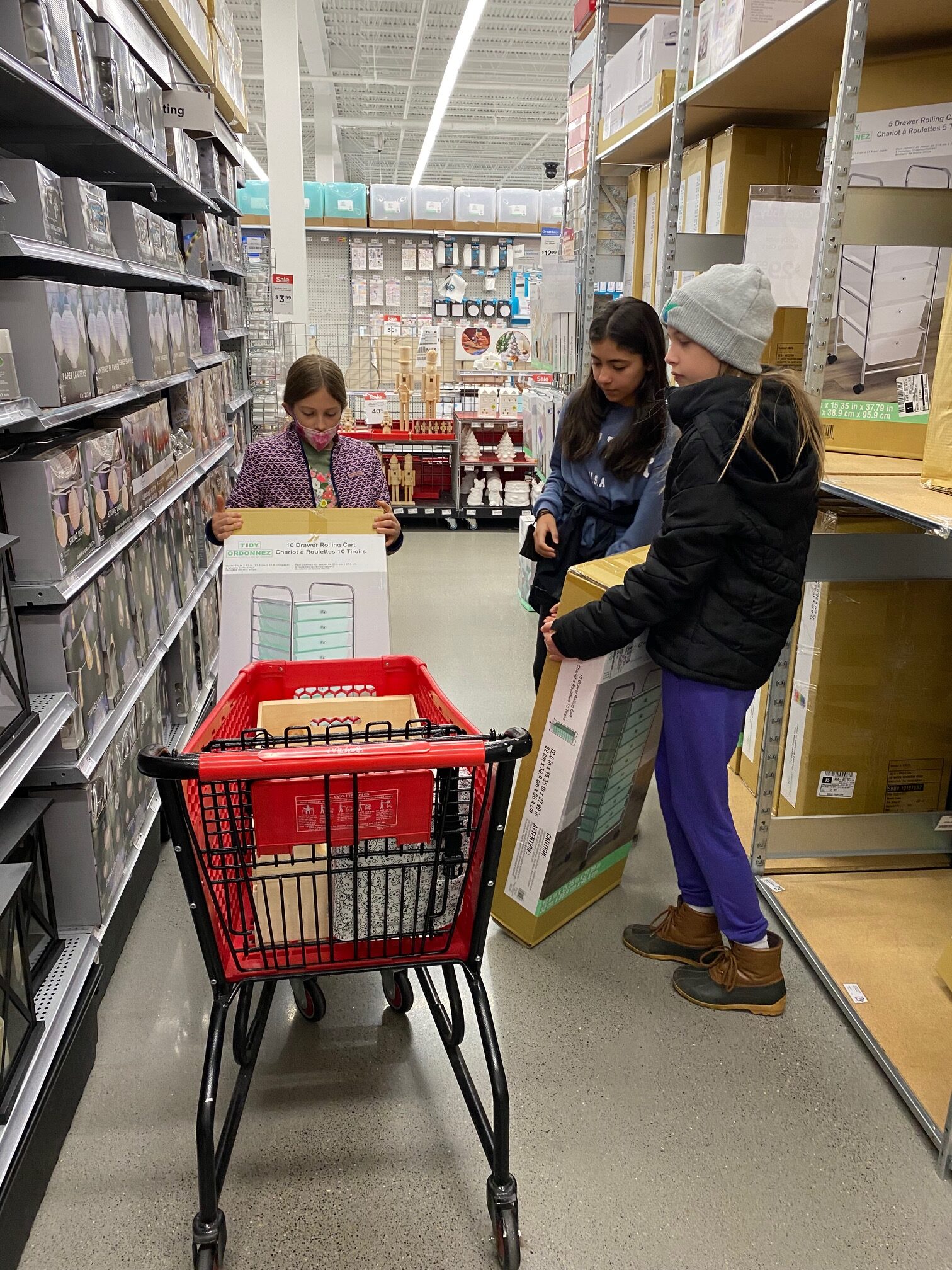
Amy described the challenges of accompanying a group: “Keep quiet. No problem, I thought. I’ve got this. It proved way more challenging than I had anticipated. We went to Pet Smart and wandered. They needed to buy crickets. They looked for 30 minutes before one of the kids thought to ask a staff member for help. They almost bought the wrong number of crickets. Certainly, I could correct that mistake? It would save time. Wait, I’m not here to save time! I had to remind myself of that repeatedly.”

“As a busy mom, I am hard wired to save time. I had to stop myself from stepping in SO many times. Was this a lesson for them or for me?”

Amy also told us of a challenging trip to the grocery store: “The students needed ten items. Who knew there were so many kinds of tomato sauce products?!?! The right one was just in front of them! No, not that kind. No, not that size! Oh boy, I was getting triggered. I took a deep breath and turned back to the students. They were focused. They had learned that I wasn’t going to step in so they weren’t even asking. They were figuring it out. And so what if they bought the wrong kind of tomato sauce or ground beef?!”

“Would we as parents rather have a perfectly cooked lasagna or kids who have learned to navigate an enormous grocery store by themselves? Kids that feel a crazy awesome sense of empowerment for picking out the ingredients and paying for them on their own?”

Learn more about Montessori Going Outs

Overnight Trips are a Pivotal Experience for Montessori Elementary and Adolescent Students

Overnight Trips are a Pivotal Experience for Montessori Elementary and Adolescent Students

Overnight trips are an important component of our Montessori Elementary and Adolescent Programs, offering an immersive learning experience that transcends the boundaries of traditional classroom settings. For Elementary and Adolescent students, these excursions are transformative journeys that foster independence, help to build practical outdoor and cultural skills, and nurturing a sense of community.

Third Year Overnight Trip

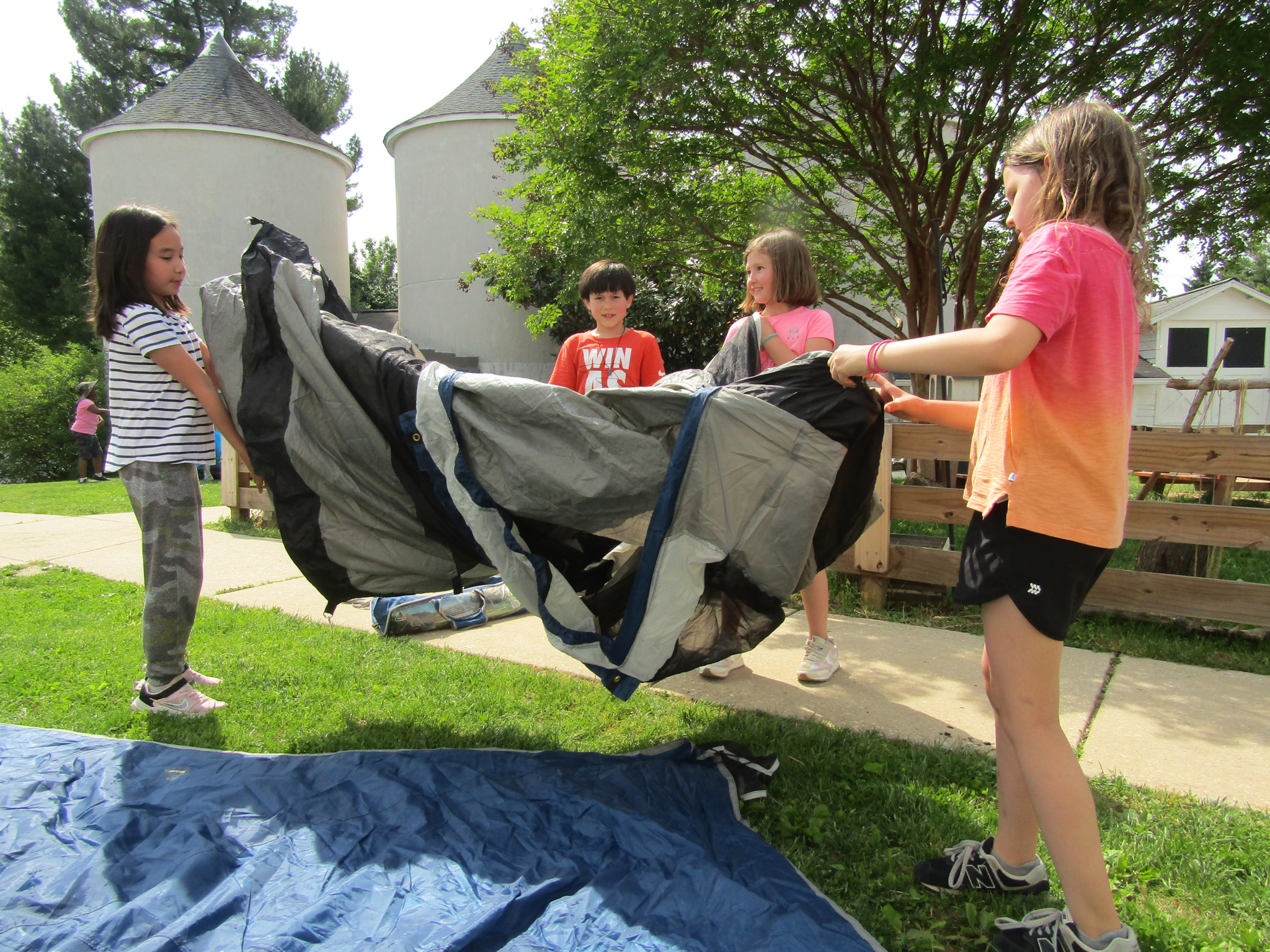
Overnight trips begin in Lower Elementary for the Third Year Overnight. Third grade students participate in an overnight campout on our campus as part of their work to build independence and bond with their community.

Away from the familiar surroundings of home and school, children learn to rely on themselves and each other. They take responsibility for packing their bags, setting up camp, and contributing to group activities. Every task empowers them to develop self-reliance and problem-solving skills. As they conquer challenges outside their comfort zone, their confidence soars, laying the foundation for the autonomy and independence they will continue to utilize throughout their Montessori experience and beyond.

Upper Elementary Camping Trips

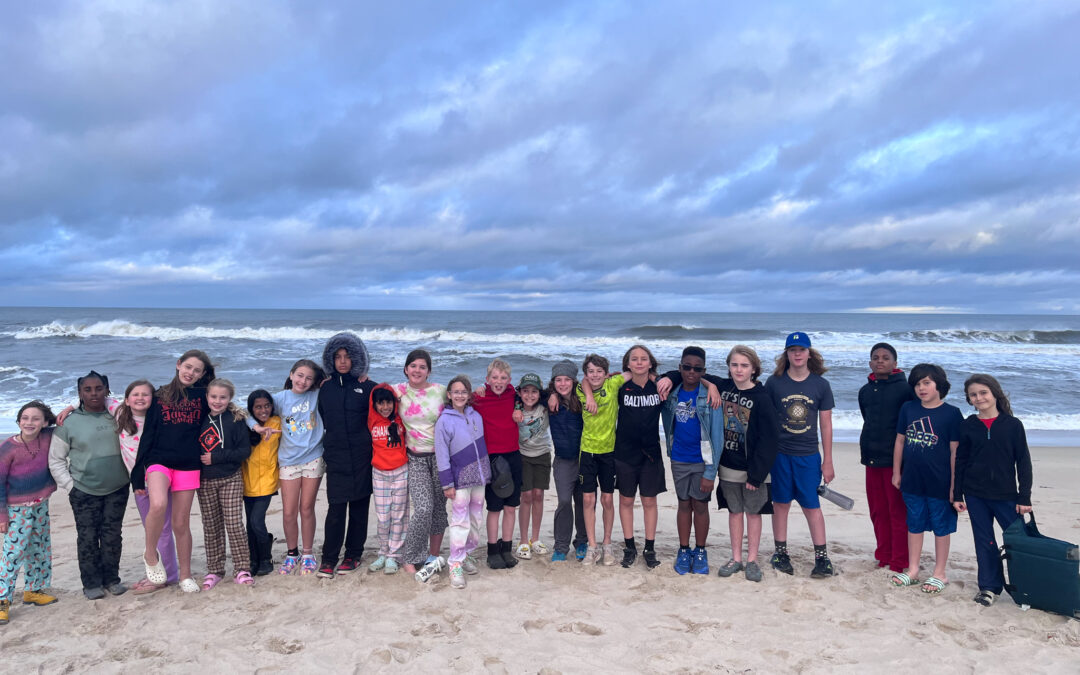
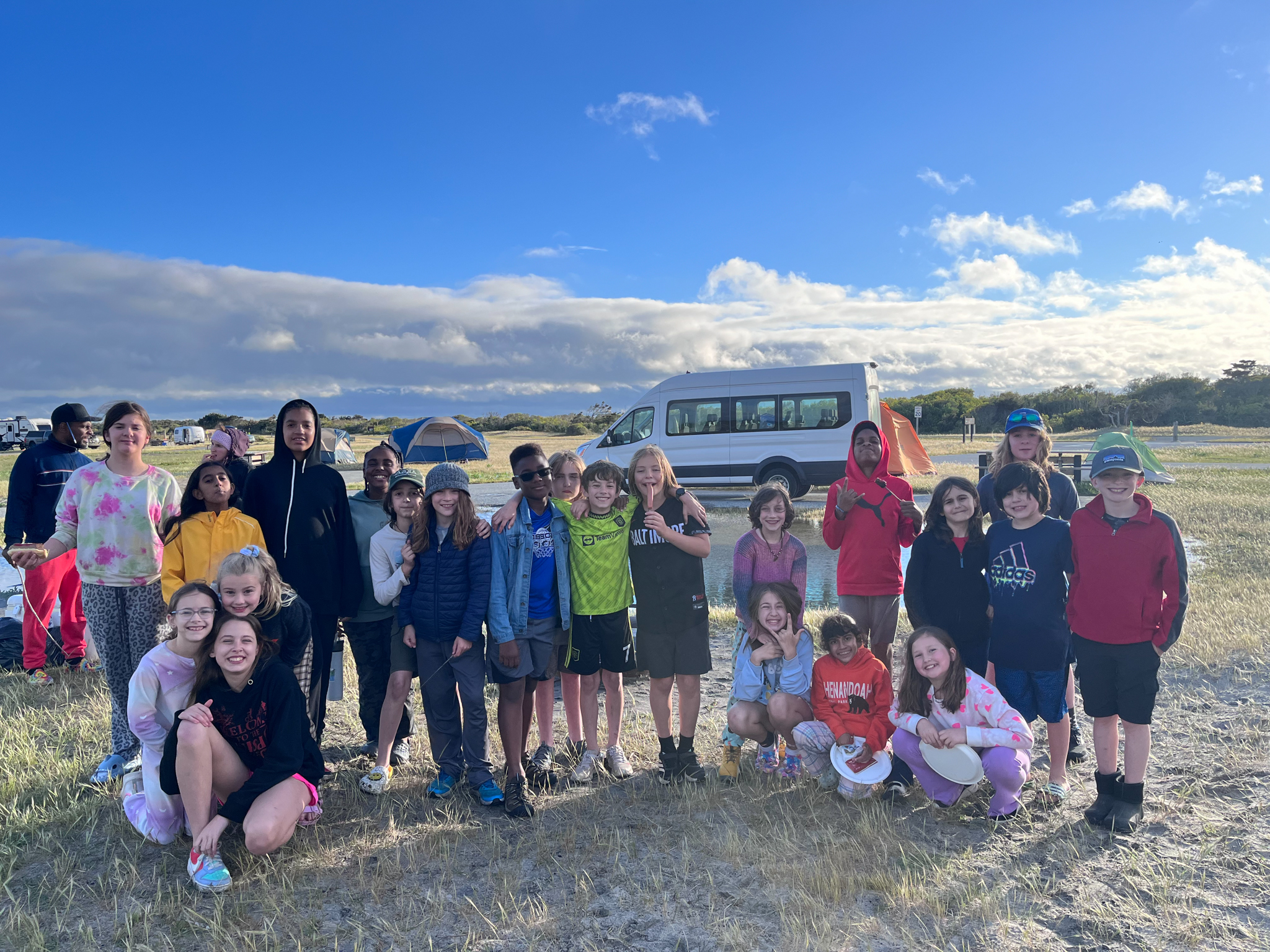
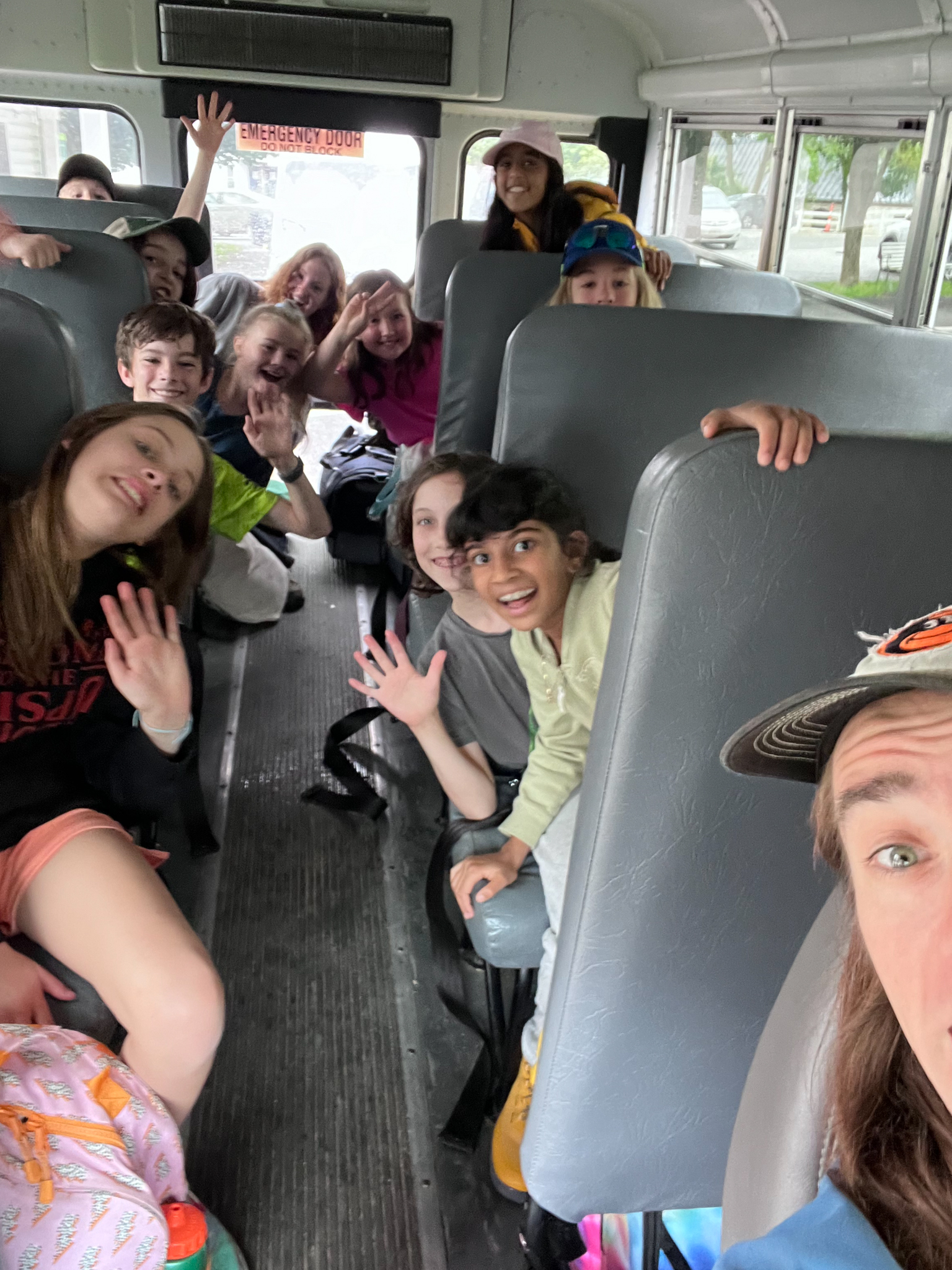
Upper Elementary students go on two trips throughout the year. This year, the students went to Echo Hill Outdoor School in the fall and Assateague Island in the spring. Students also have the opportunity to participate in Montessori Model UN (MMUN), culminating with a four day trip to the MMUN Conference in New York

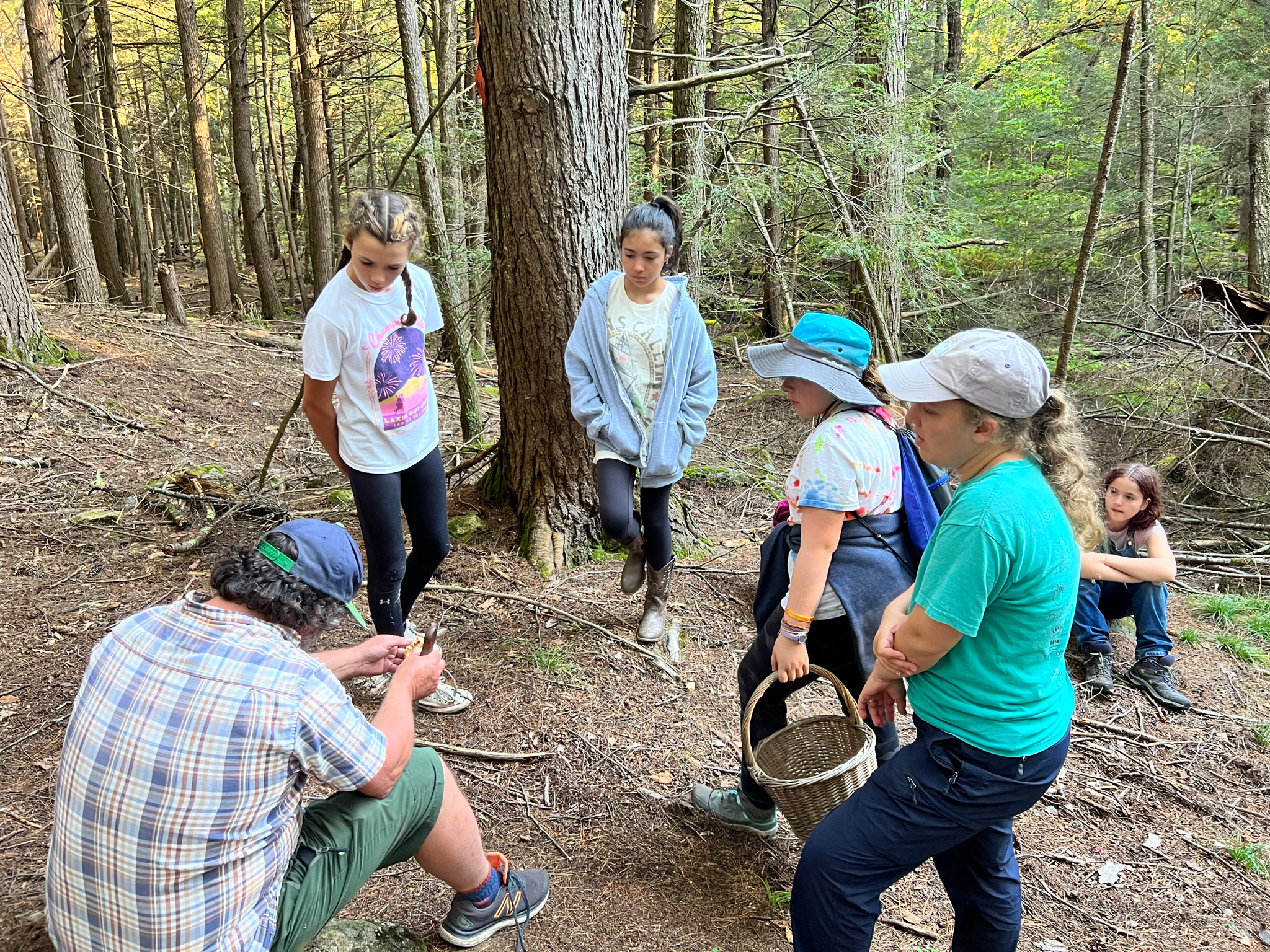
These trips are opportunities for the students to get to know one another and build strong relationships with their peers and with the adults in their classroom. During these trips, the students practice their Practical Life skills including planning meals, packing outdoor equipment, and working together to plan activities. They also learn and implement important outdoor skills such as building fires and reading maps.

These skills deepen their connection to the natural world and have the potential to instill a profound sense of stewardship towards the environment. Through experiential learning, students understand the importance of sustainability and conservation, becoming responsible global citizens in the process.

Adolescent Odyssey Trips

Our Adolescents take two multi-night trips called Odysseys at the beginning and end of the school year. In addition, they go on+ a biennial Dual Language Capstone Trip to a Spanish-speaking country.

These trips place the adolescents in direct contact with the workings of the world in a holistic experience away from home and familiar communities. The adolescents live together, plan and cook meals together, and explore places connected to our science, humanities, and Spanish studies.

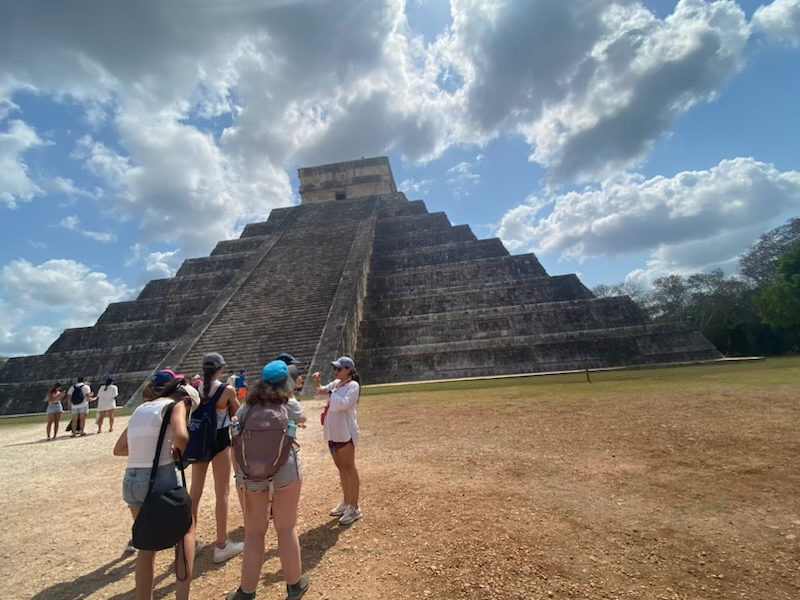
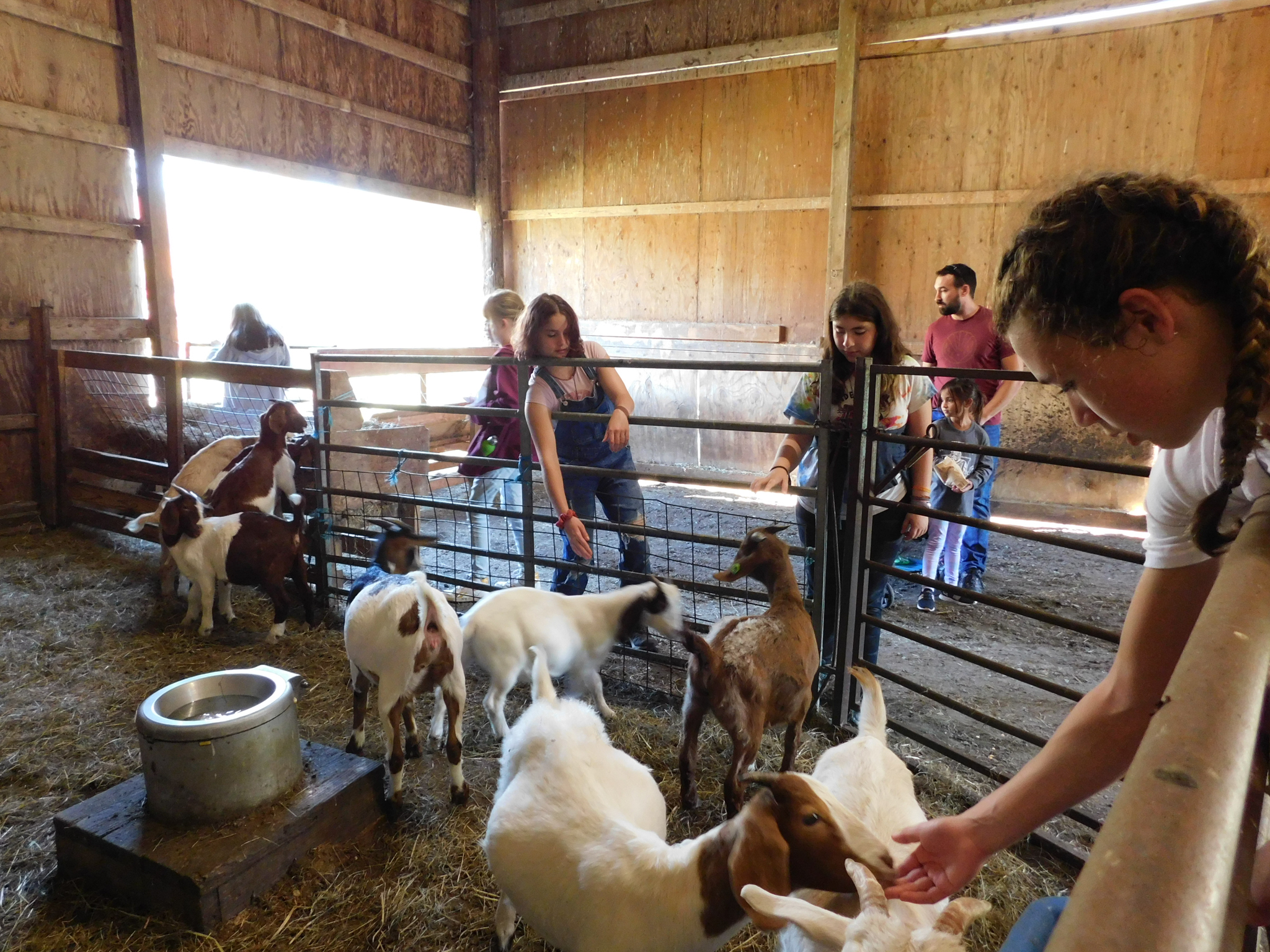
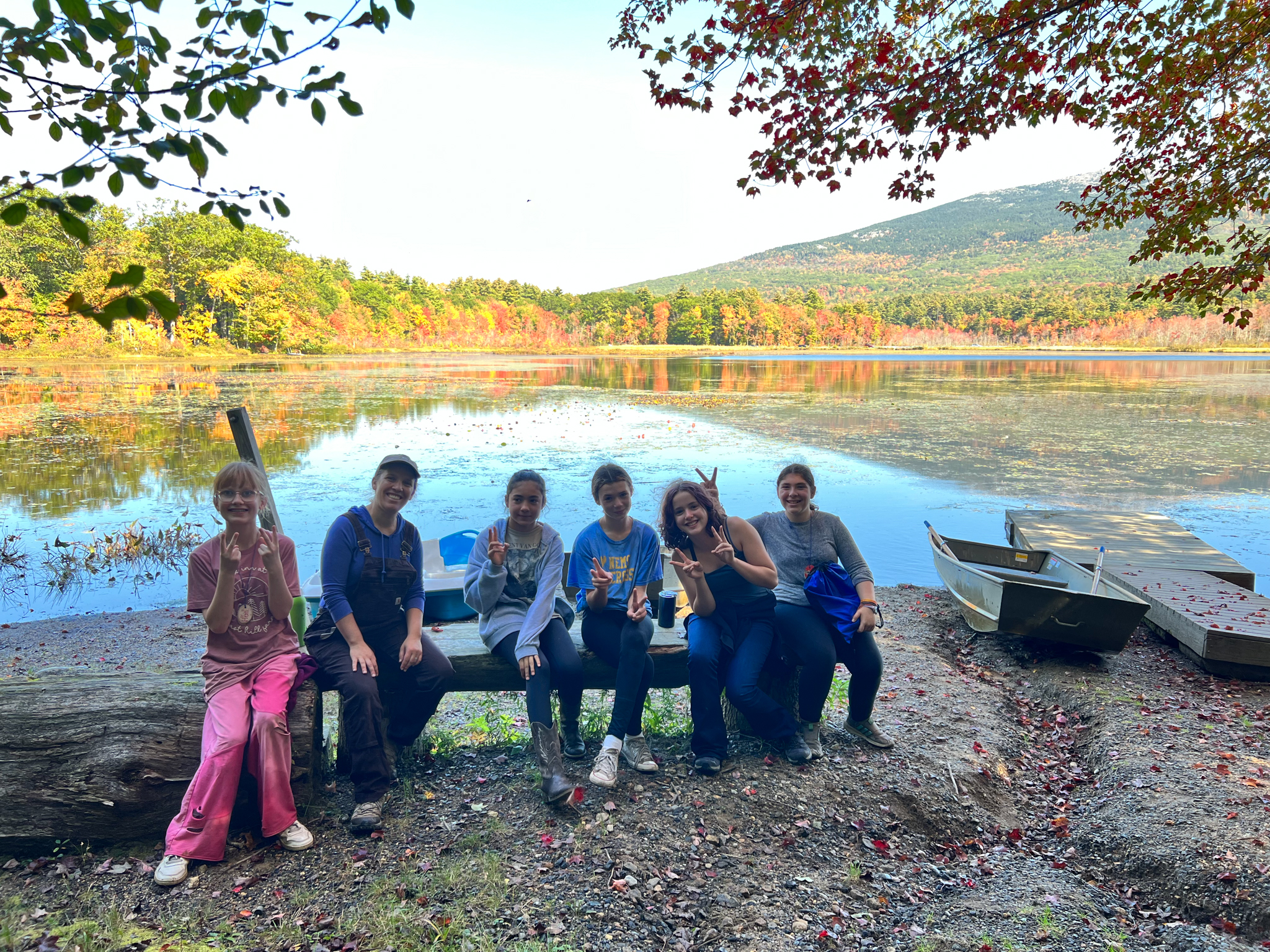
In the fall, the Adolescents traveled to East Hill Farm in New Hampshire , they ventured to Merida, Mexico for their Dual Language trip in February, and now they are on Odyssey at New Germany State Park in Western Maryland. The specific Odyssey destinations change from year to year depending on the needs and interests of the community.

These overnight trips foster a sense of camaraderie among students, strengthening the bonds of their community. Living in close quarters, they learn to communicate effectively, resolve conflicts, and appreciate diverse perspectives.


Through these immersive overnight experiences, we hope to offer our students dynamic views of cultures, the natural environment, and the greater world.