Earth Day Celebrations at Greenspring

Earth Day Celebrations at Greenspring

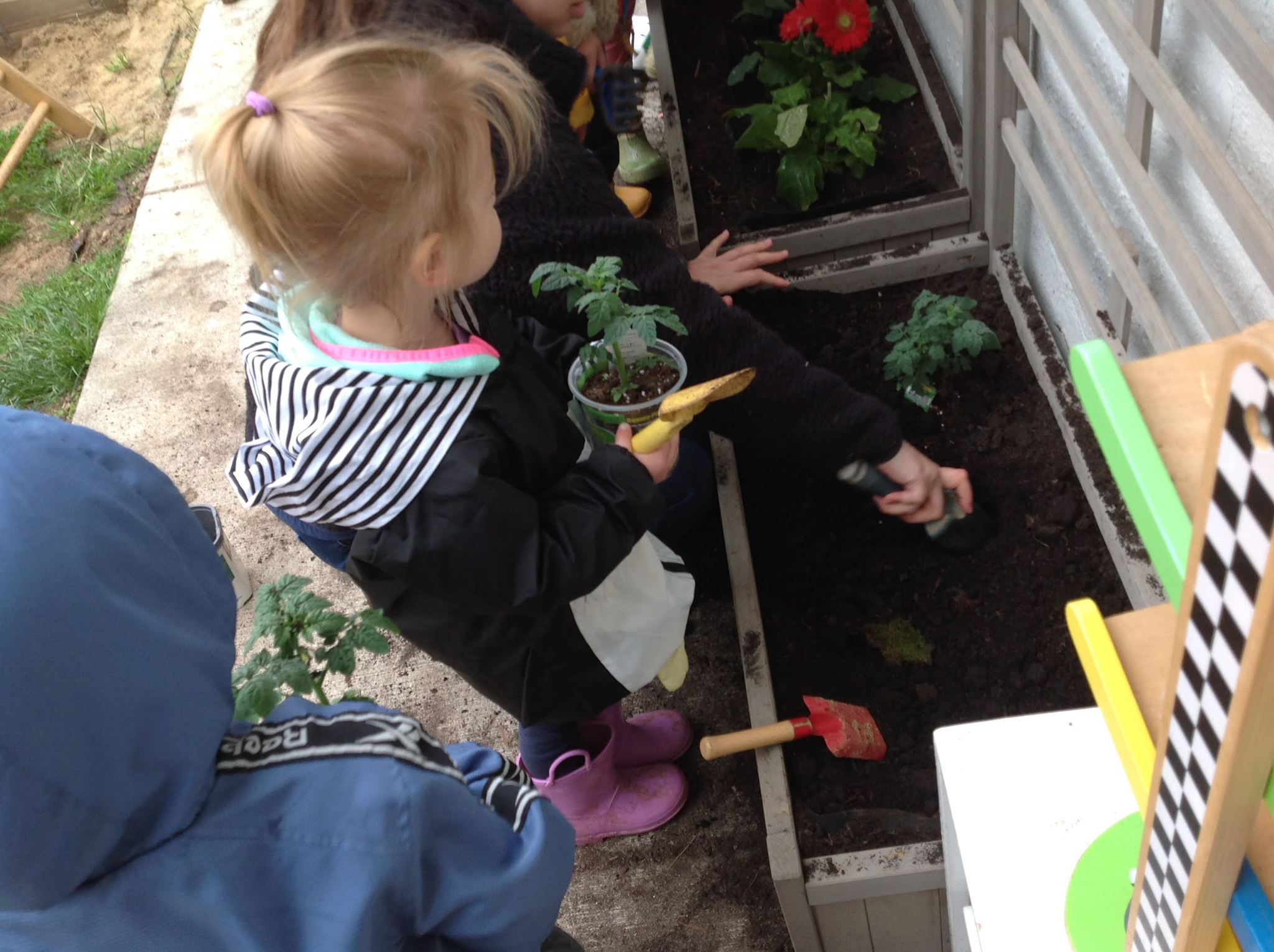
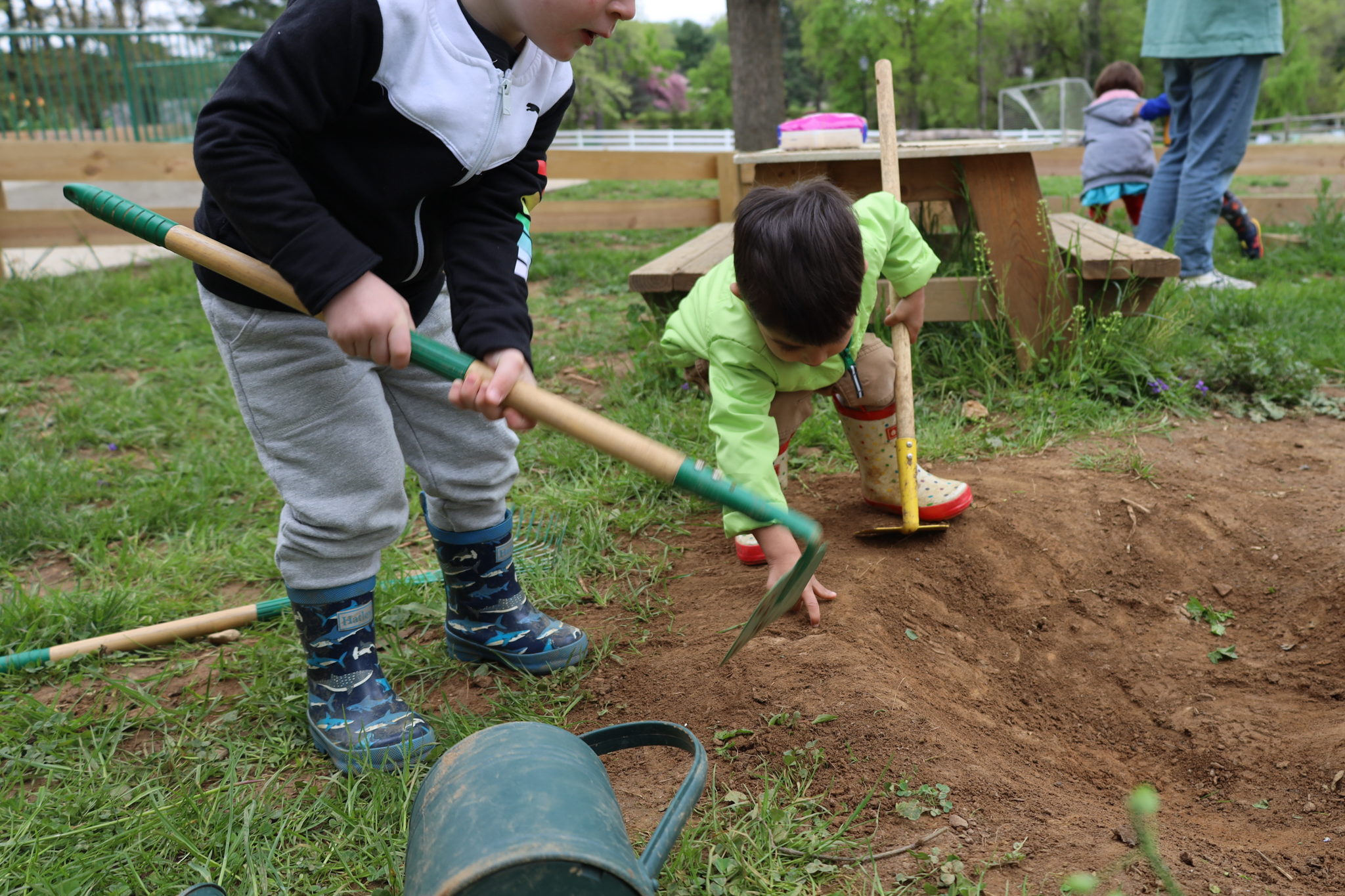
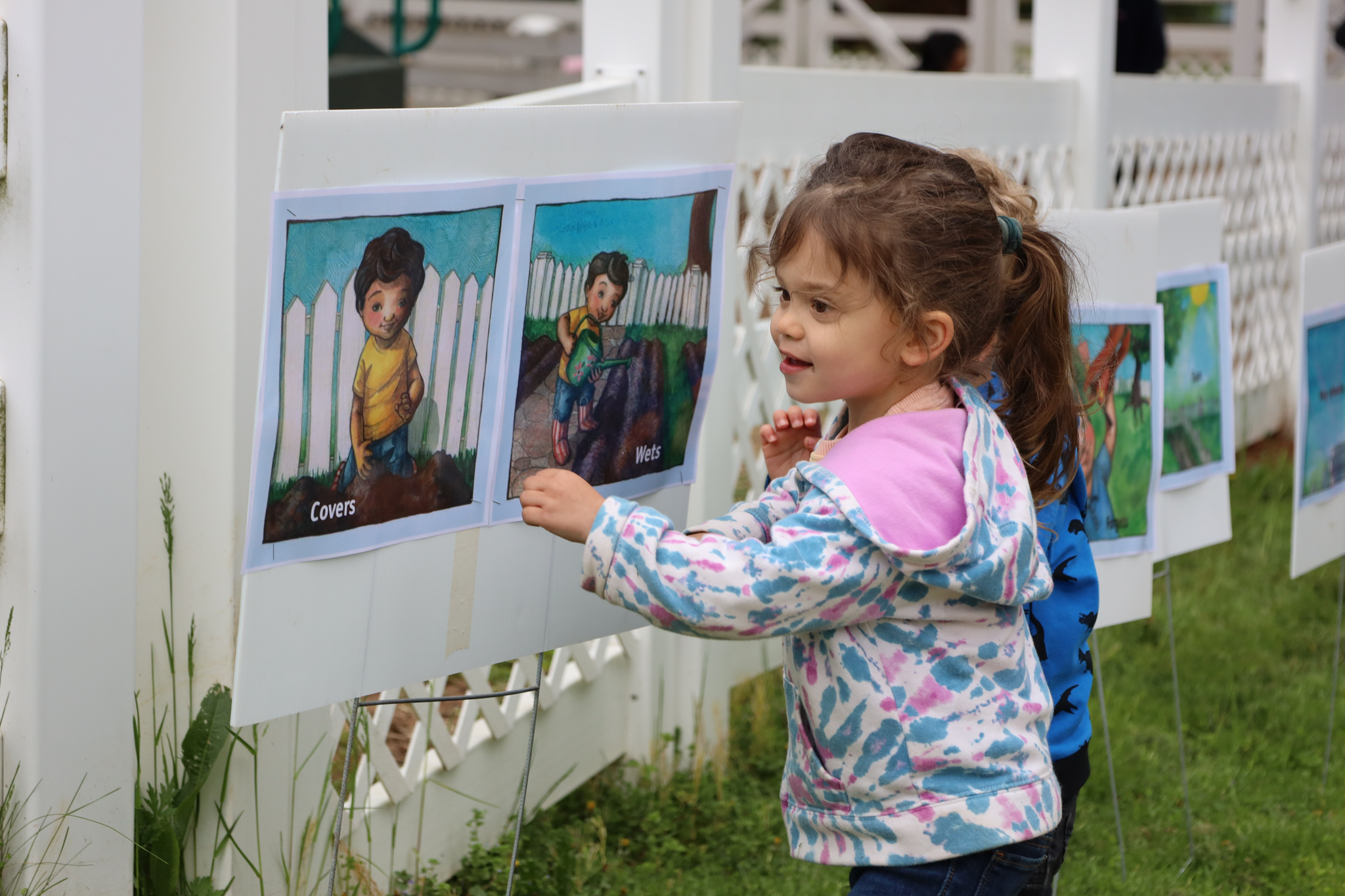
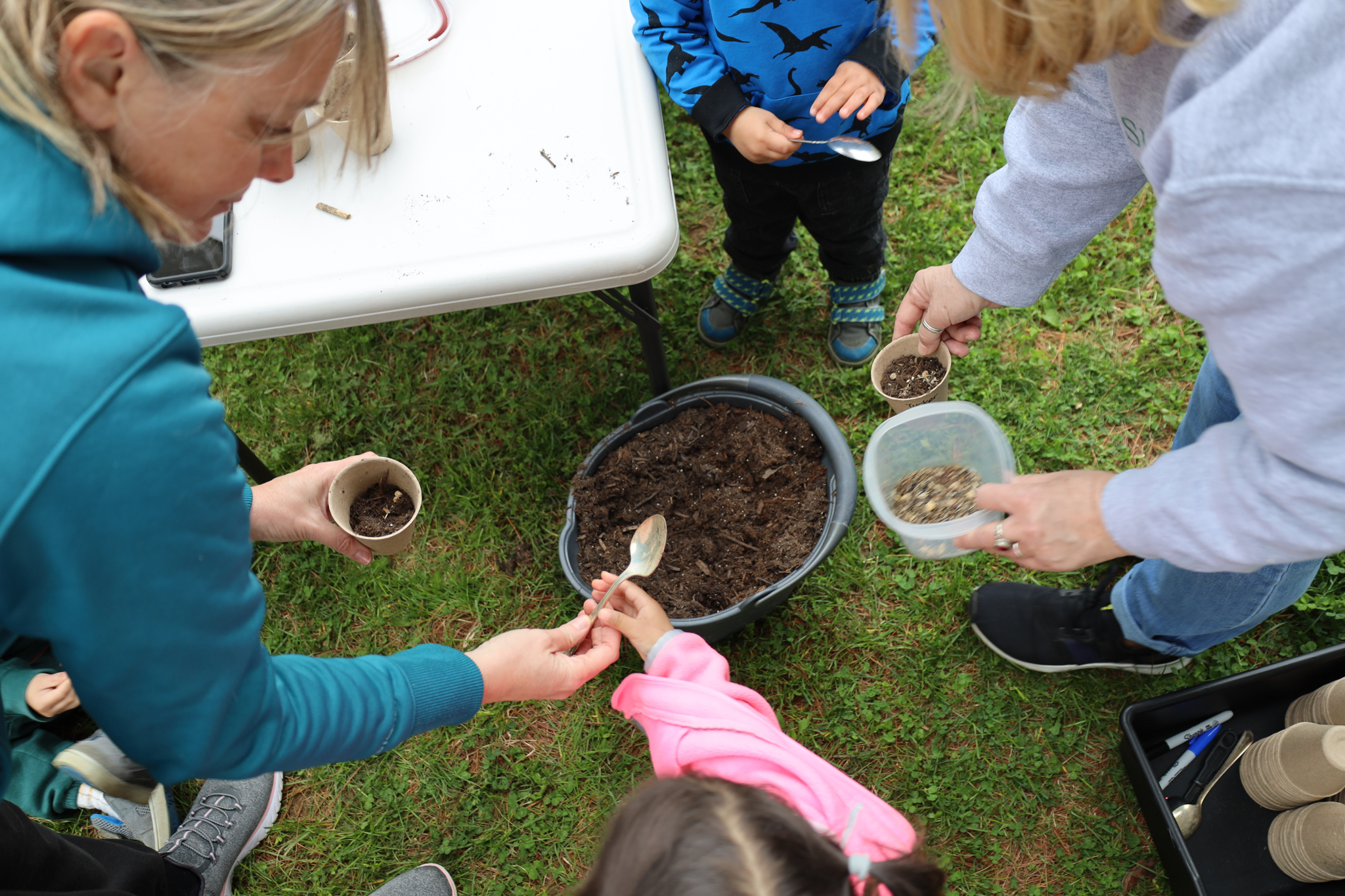
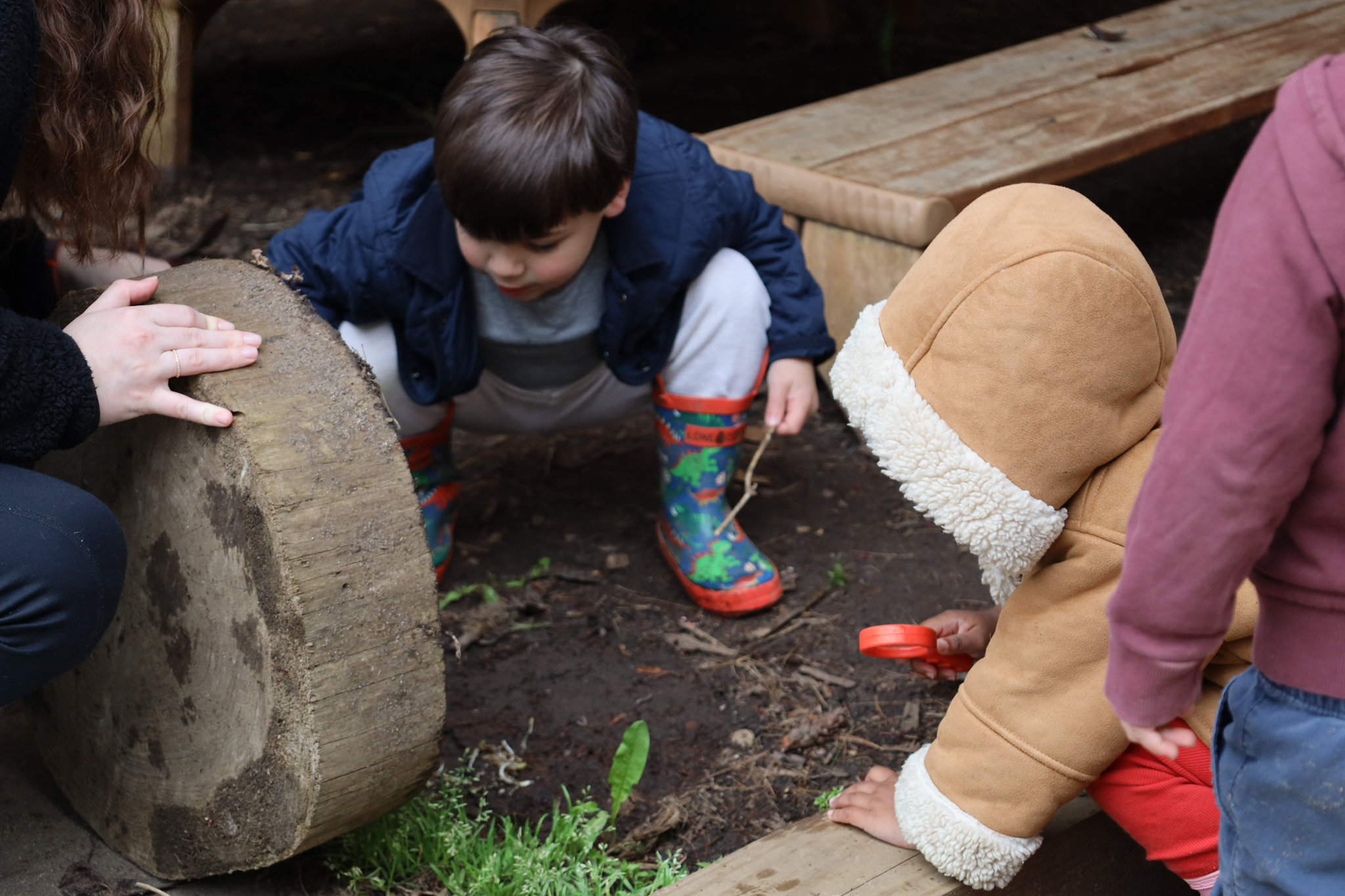
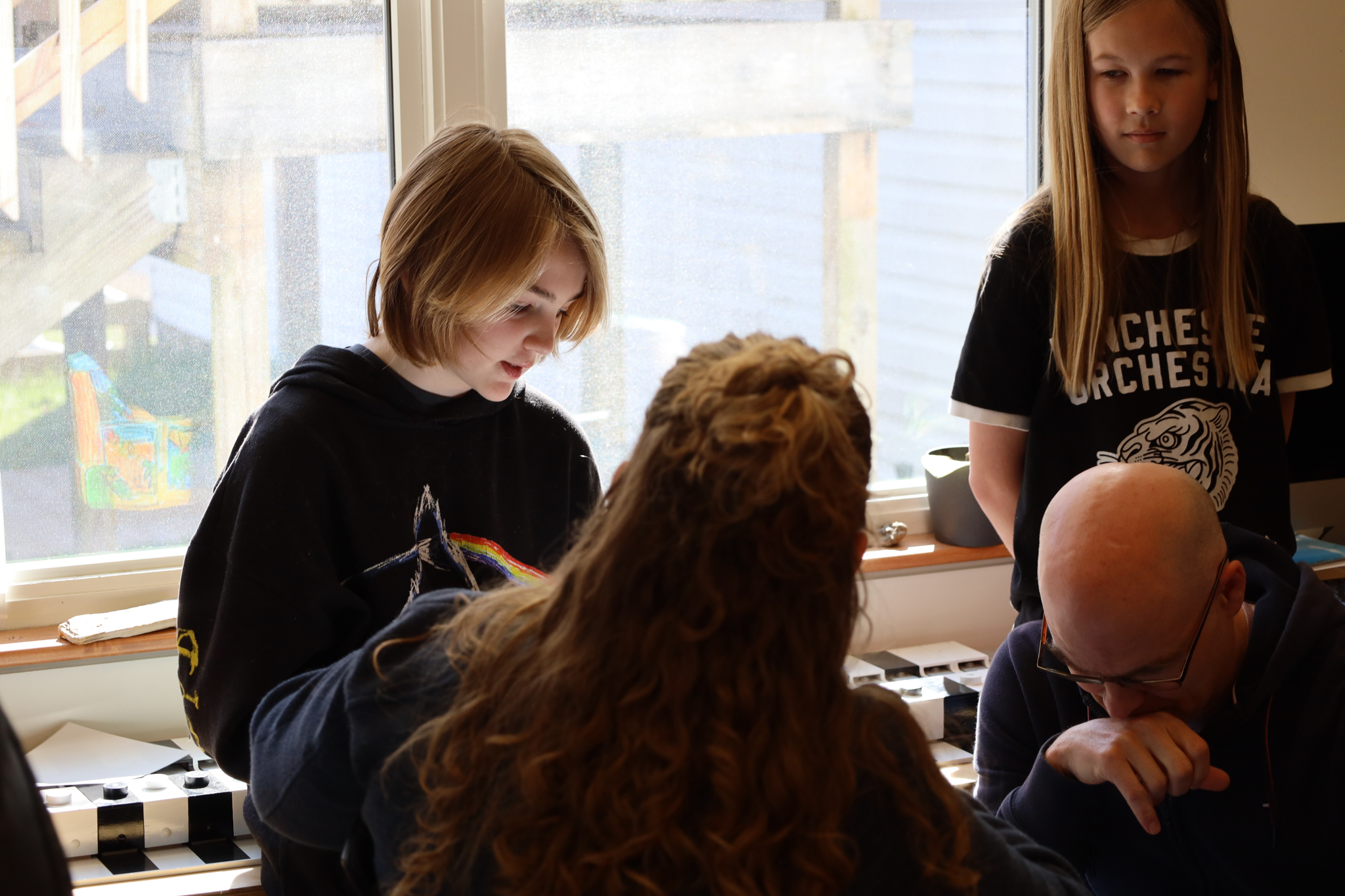
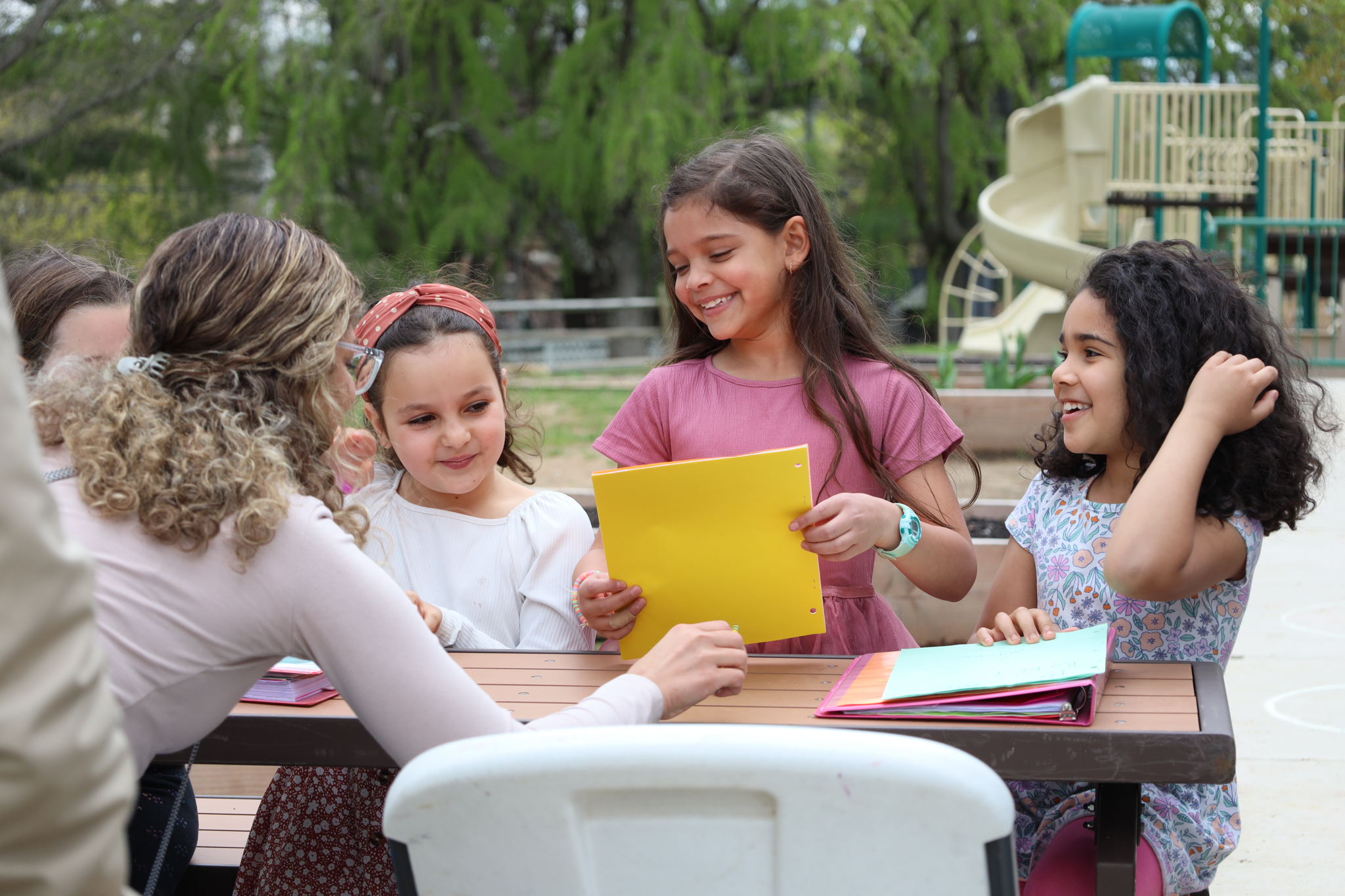
As part of our Allegiance to Nature at Greenspring Montessori School, our faculty and staff organized a special Earth Day event for our children and families. Our Toddler, Children’s House, Elementary, and Adolescent classes took on various projects around our campus including planting stations, nature-based story walks, and nature scavenger hunts. Many classes also worked to restore natural spaces on campus and make improvements to their outdoor environments. In addition, there are many beautiful books on display in the library on Earth Day, Spring, Gardening, and more! 

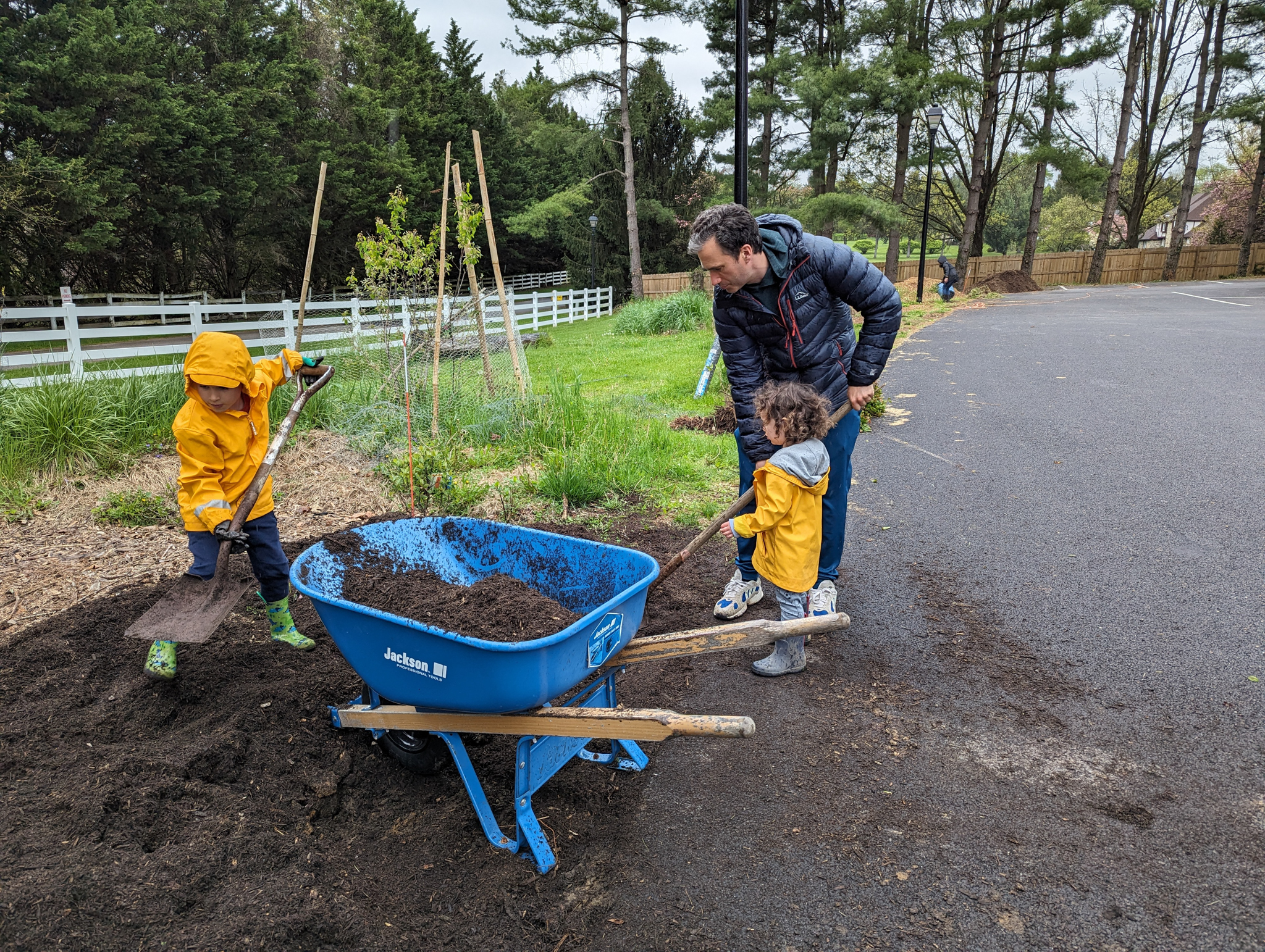
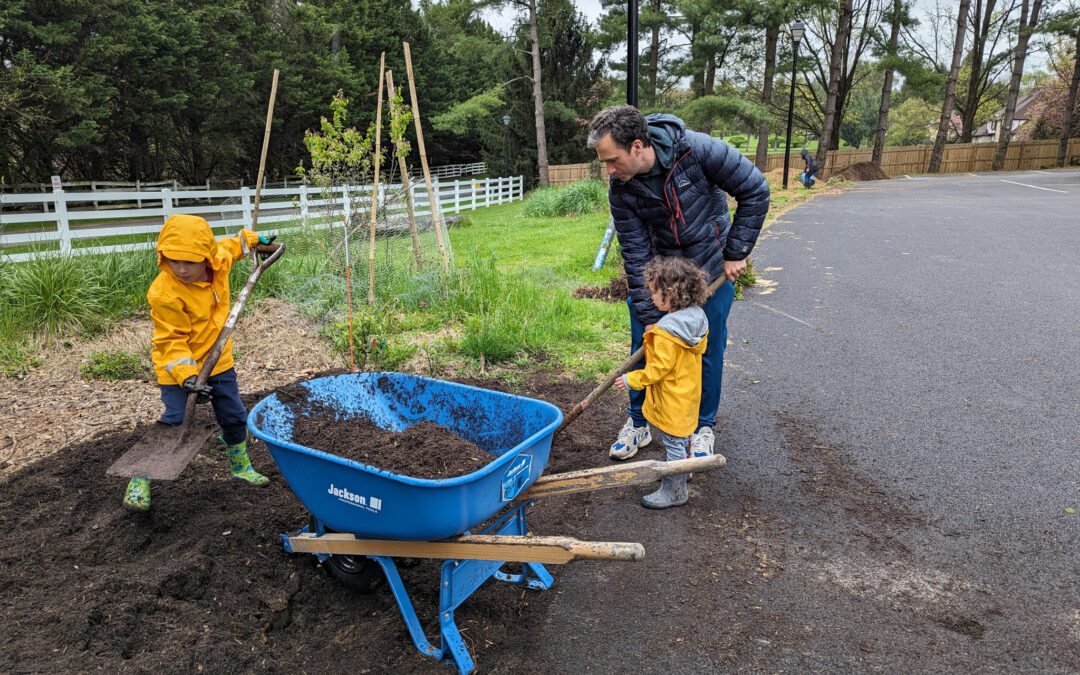
After school it began to rain, but many families still joined in to help spruce up the campus grounds. We would like to extend a special thanks to all of our families who volunteered to help make this event a success! If you would like to support any of our current outdoor projects by volunteering or donating supplies, please reach out to us here

It was beautiful to see everyone coming together for this purposeful community event! Take a look below to see photos and more details about the projects at each level.

Toddlers

Our Toddlers visited the planting station in the morning to prepare small seedlings to bring home. They also worked together to spruce up their outdoor environments and plant zinnias in the garden bed outside of Monocacy House.

Children’s House

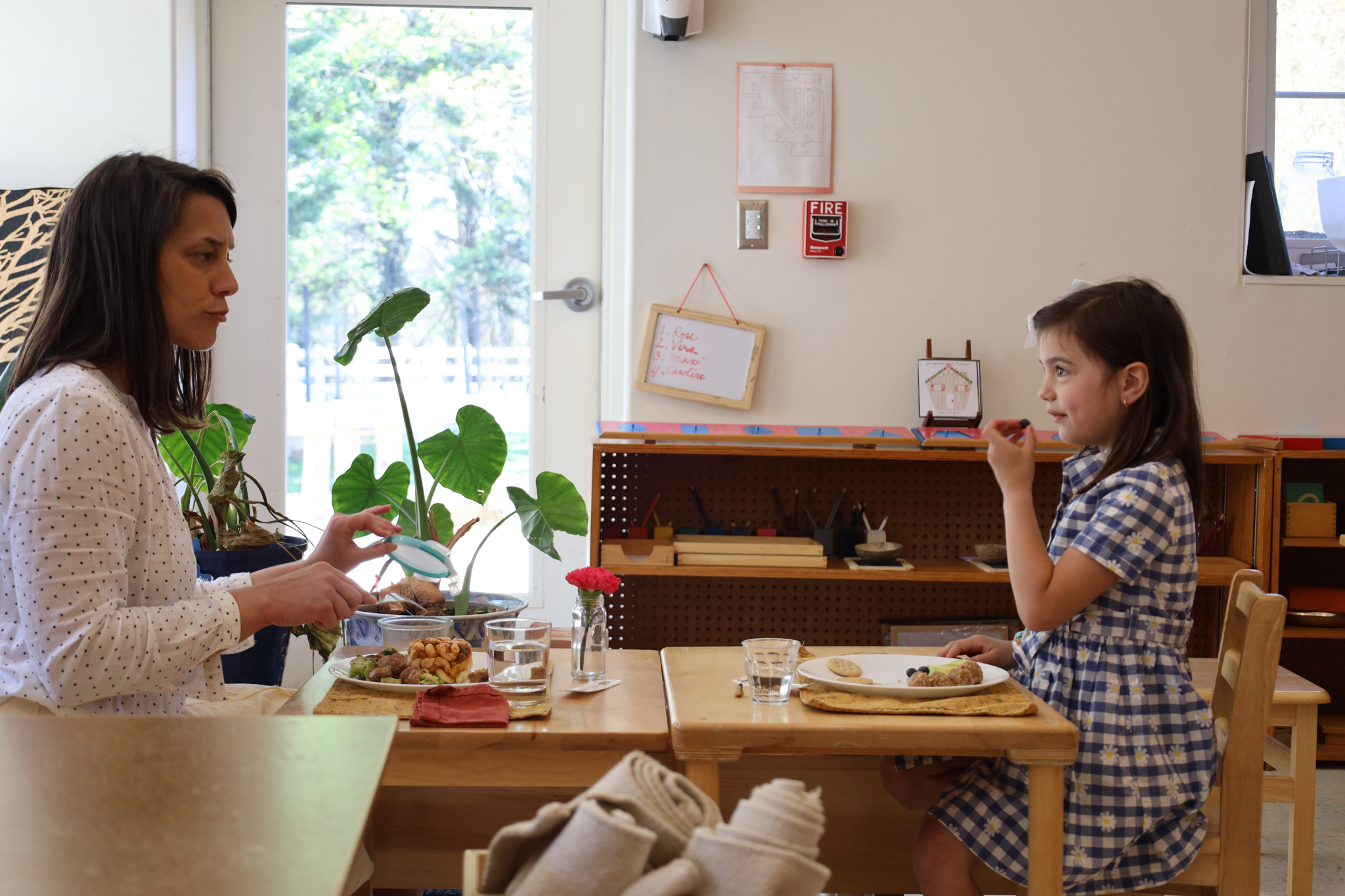
In preparation for Earth Day, our Children’s House classrooms hosted a week of waste-free lunches. The Children’s House Guides read stories about how waste impacts the environment and what we can do to help. The students then took a closer look at the waste the classes generated during a typical lunch. Together they talked about how waste impacts people, animals, and our environment. In addition to their waste-free lunch efforts, the children also weighed their compost collectively to see how they are helping to remove waste from landfills just by the small step we each take when we compost our food scraps.

Our Children’s House team was inspired to take on this initiative after learning more about the Roots & Shoots Program by Jane Goodall. To learn more about our Children’s House Roots & Shoots lessons, please click here.
“People are so overwhelmed by the magnitude of our folly that they feel helpless. They sink into apathy and despair, lose hope, and so do nothing. We must find ways to help people understand that each one of us has a role to play, no matter how small. Every day we make some impact on the planet.  And the cumulative effect of millions of small ethical actions will truly make a difference.”

– Jane Goodall, The Book of Hope

Elementary & Adolescents

Our Elementary children sowed vegetable and flower seeds in their outdoor gardens.They are also preparing to extend their garden area in order to grow wine plants including gourds, pumpkins, squash, and watermelon.

Our Adolescents tended to the rain garden they designed and planted on campus last spring, mending the deer fencing, wedding, and adding new plants.

Families

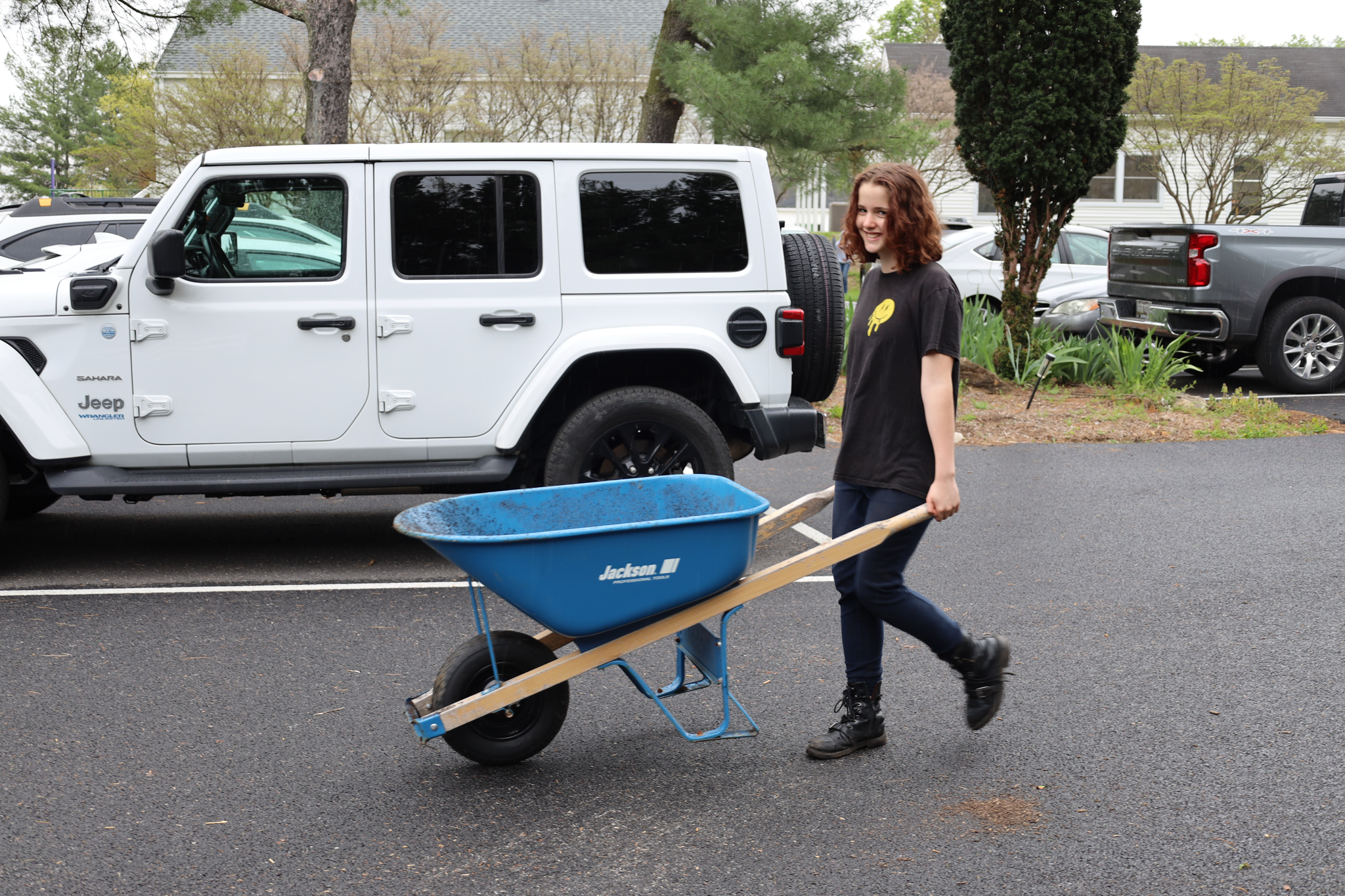
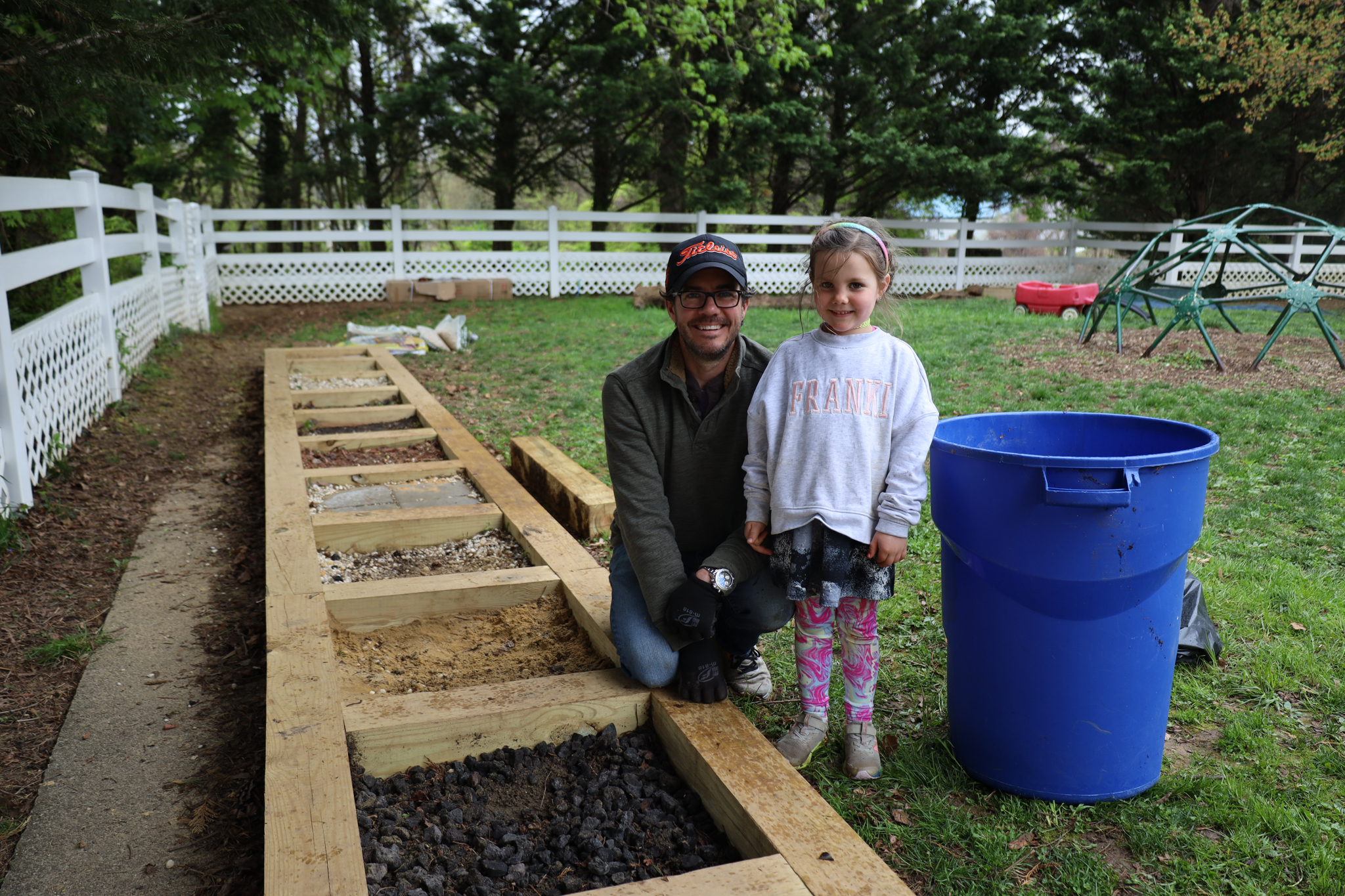
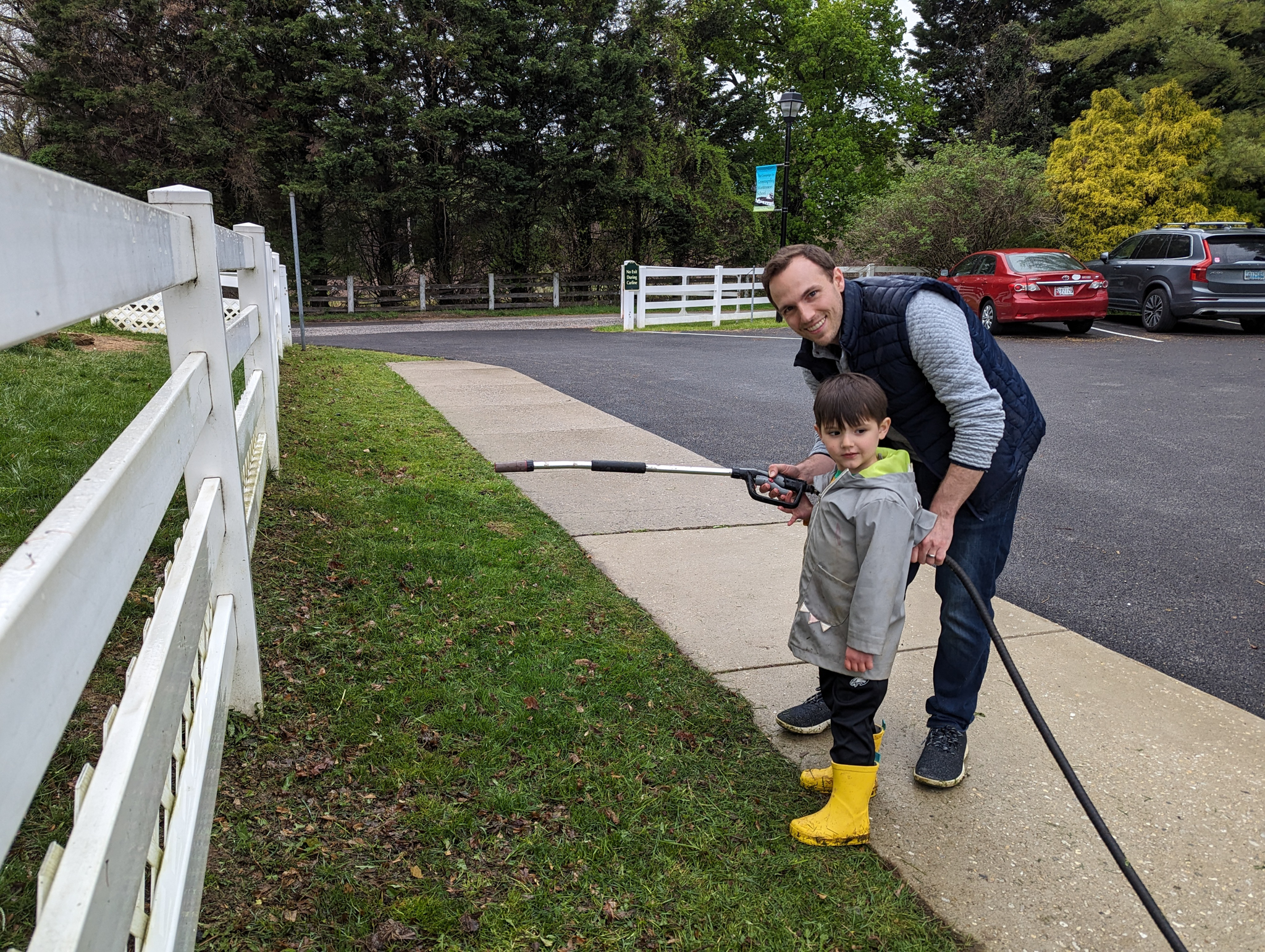
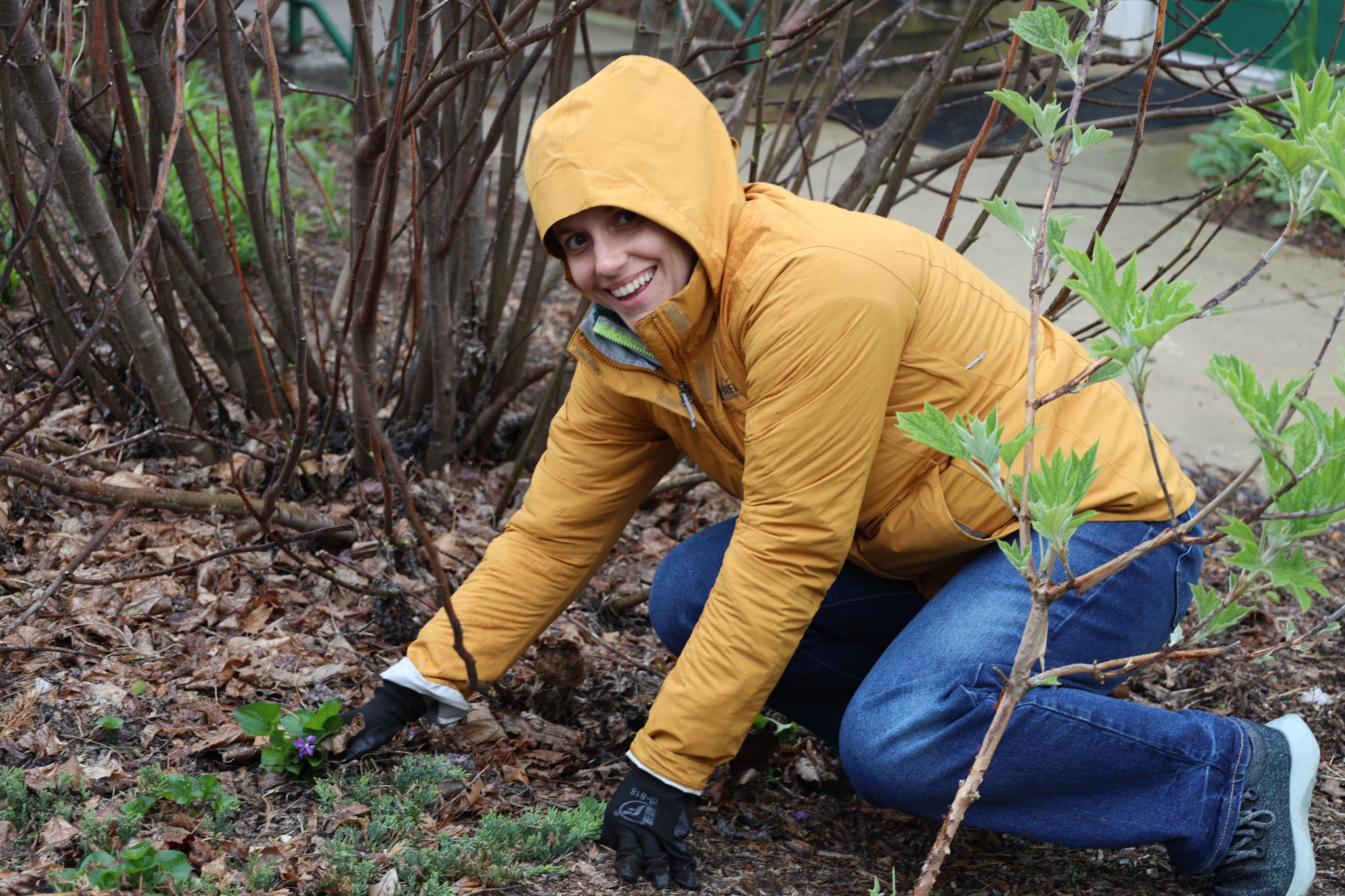
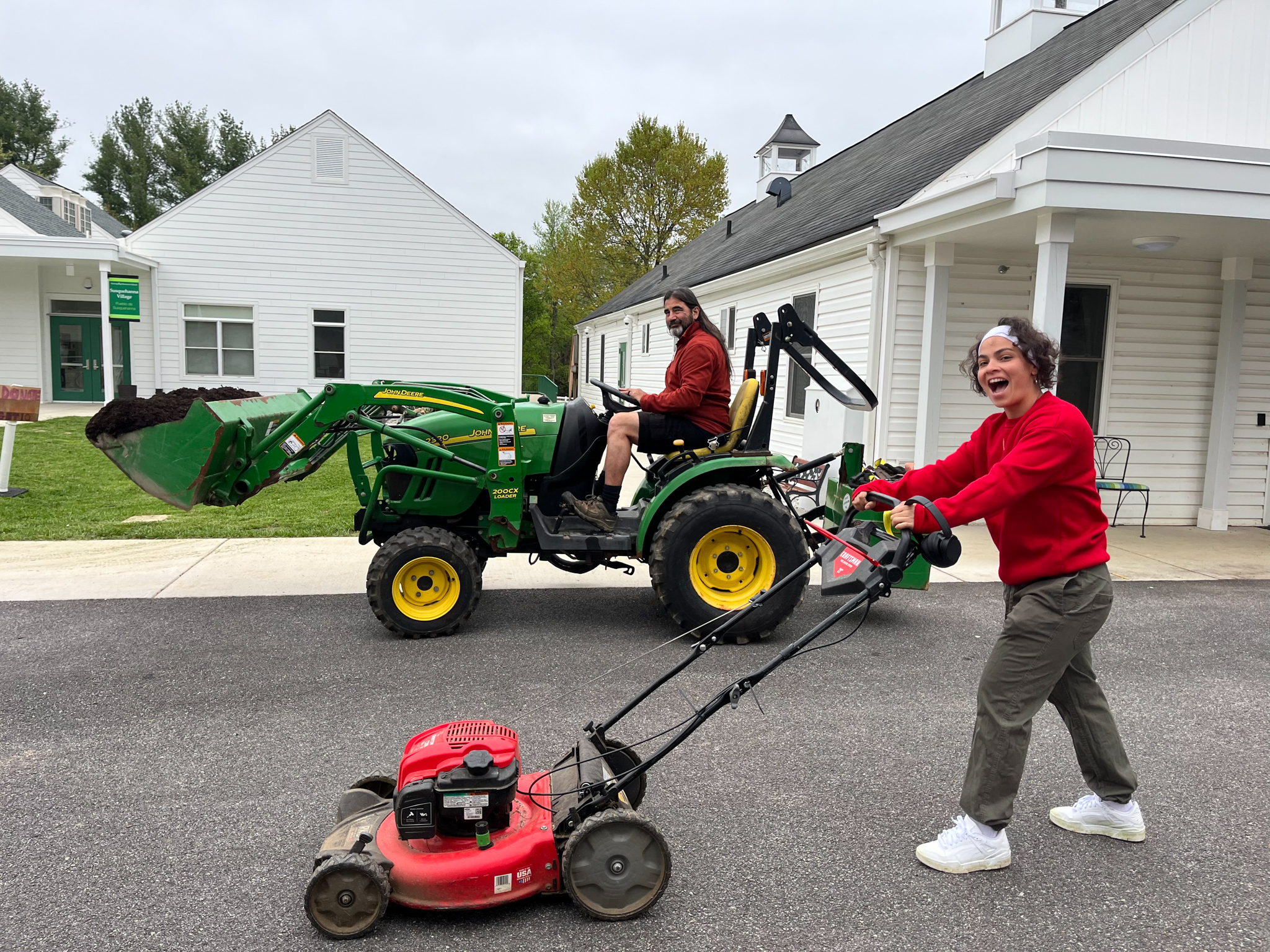
We also celebrated Earth Day with our families at our Spring Grounds Day. 37 volunteers came out to give back to our school by helping to beautify and maintain the Greenspring campus. Parents, grandparents, and children helped with everything from weeding and planting to window washing and fence staining. Thank you to everyone who came out to join us!

Thank you for your support as we celebrate Earth Day and help inspire the future generation of stewards for our planet. 

“Hope is contagious Your actions inspire others.”

– Jane Goodall
Celebration of Writers in our Elementary Program

Celebration of Writers in our Elementary Program

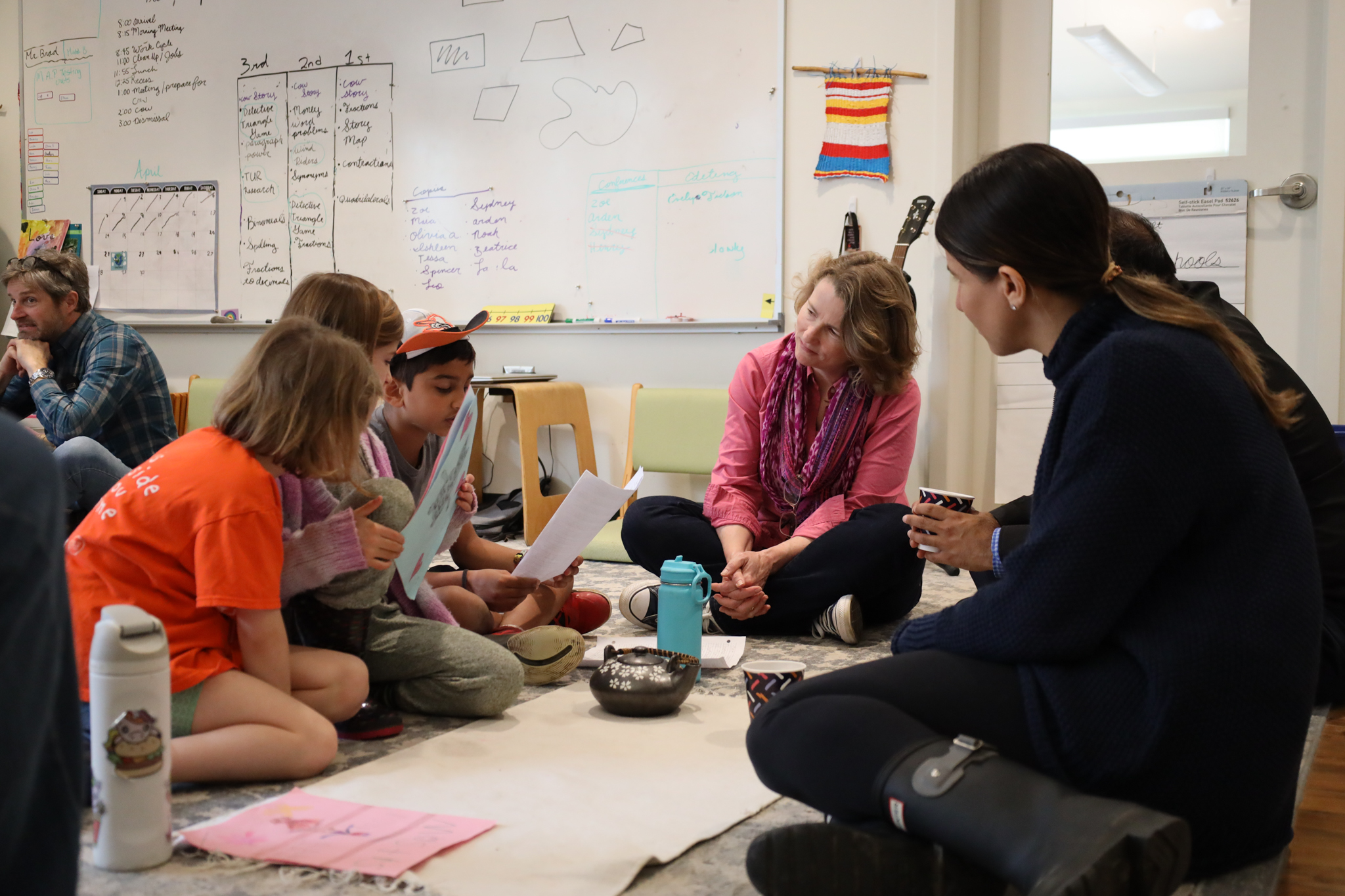
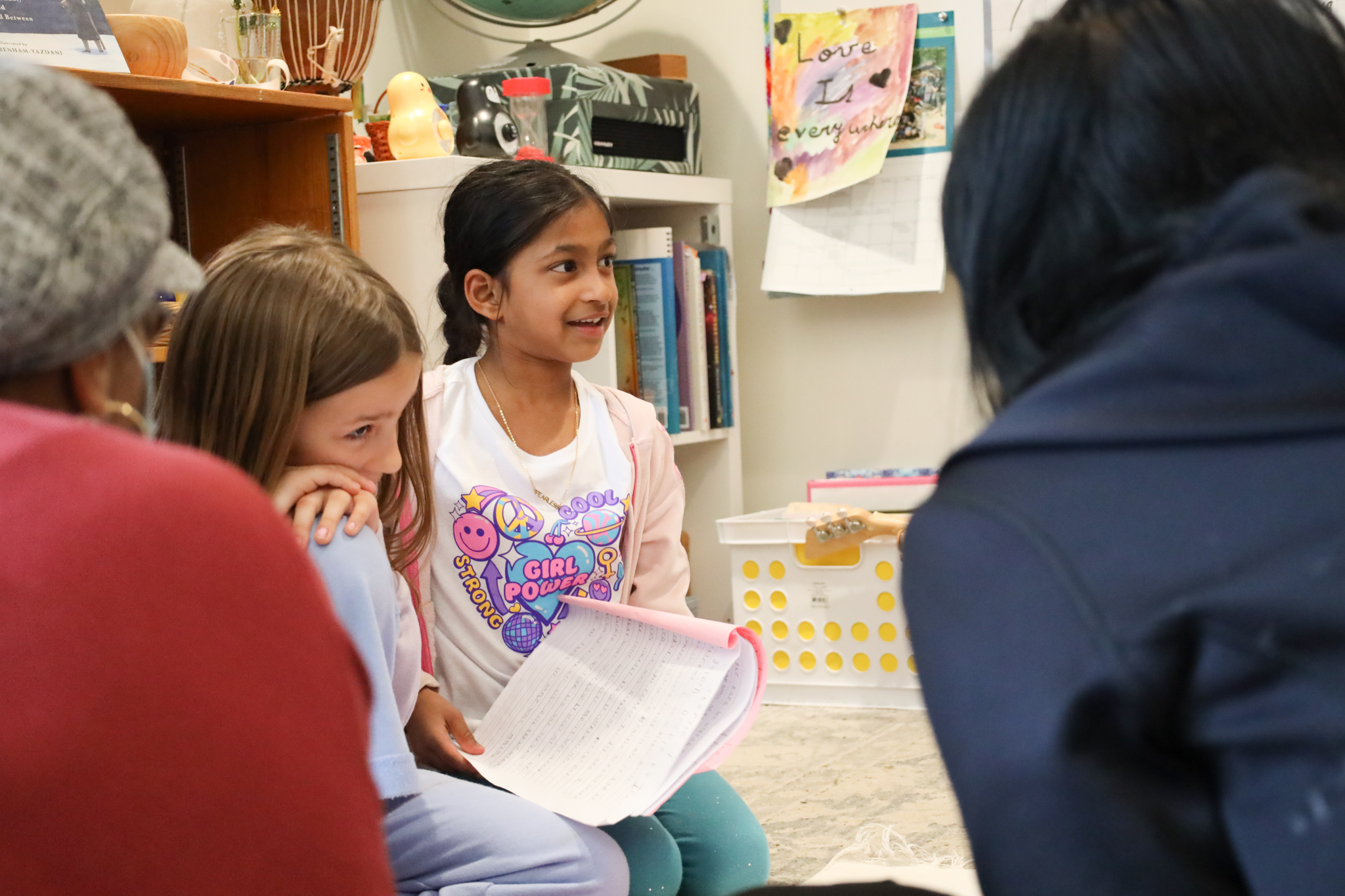
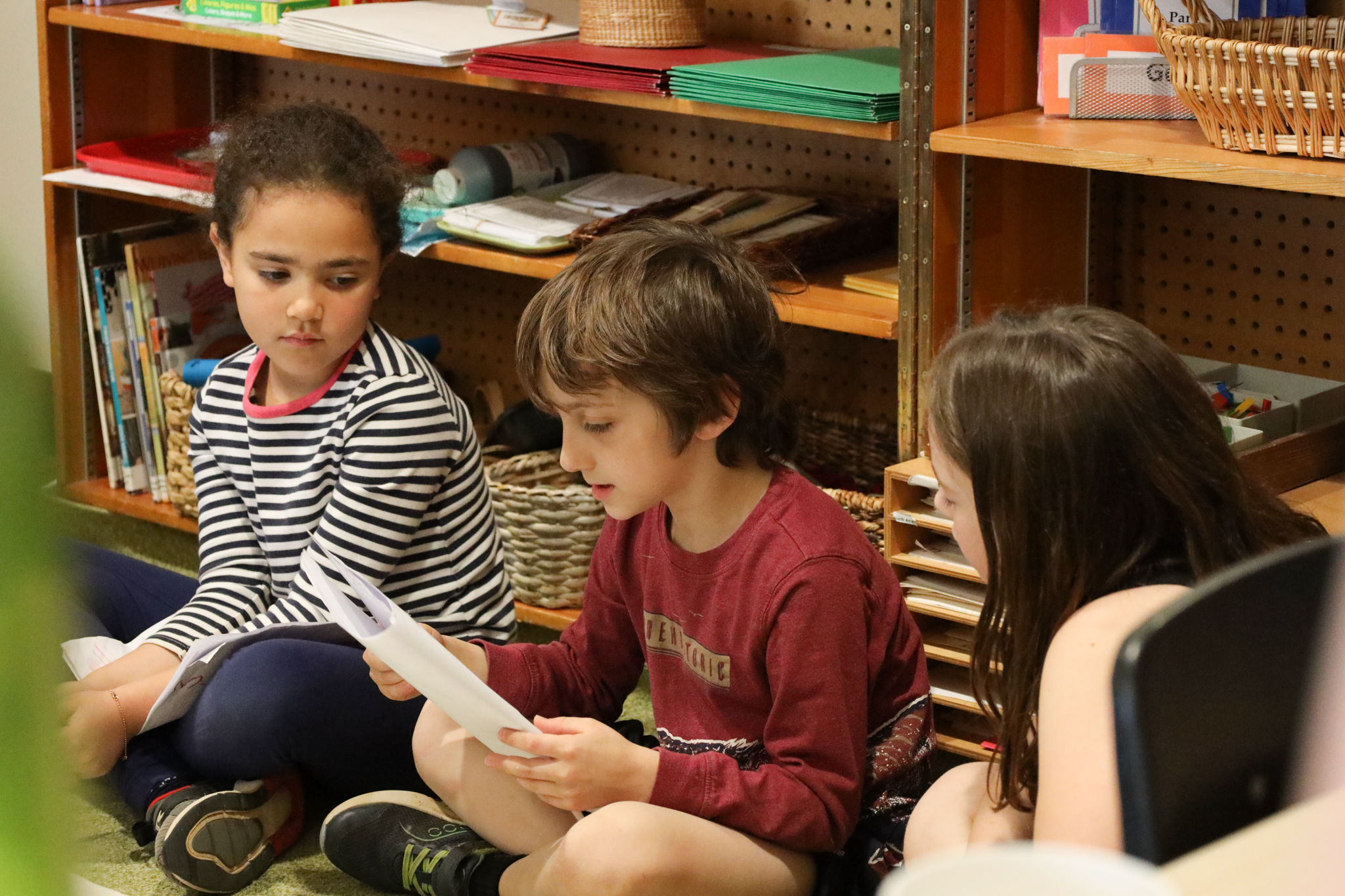
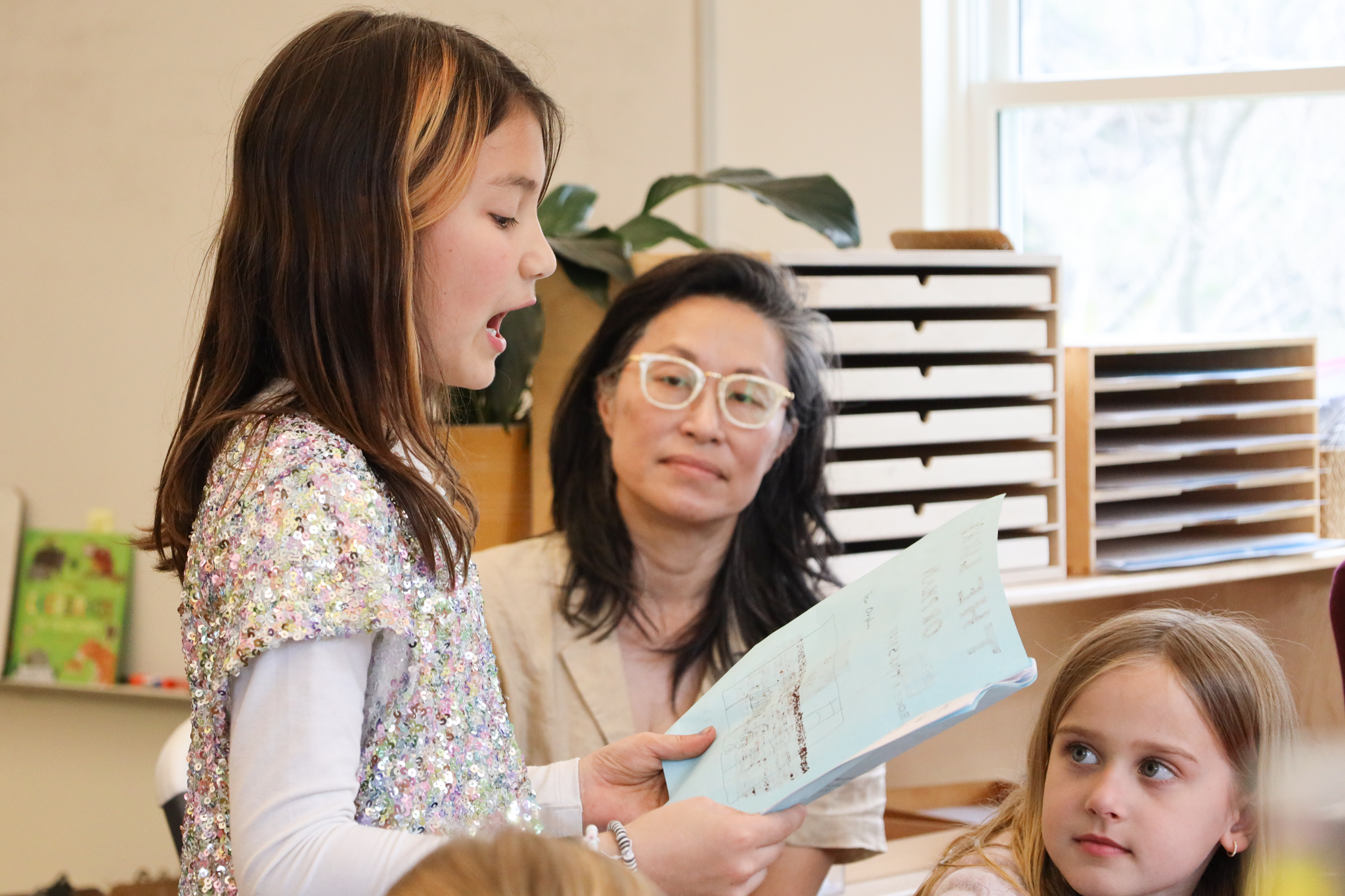
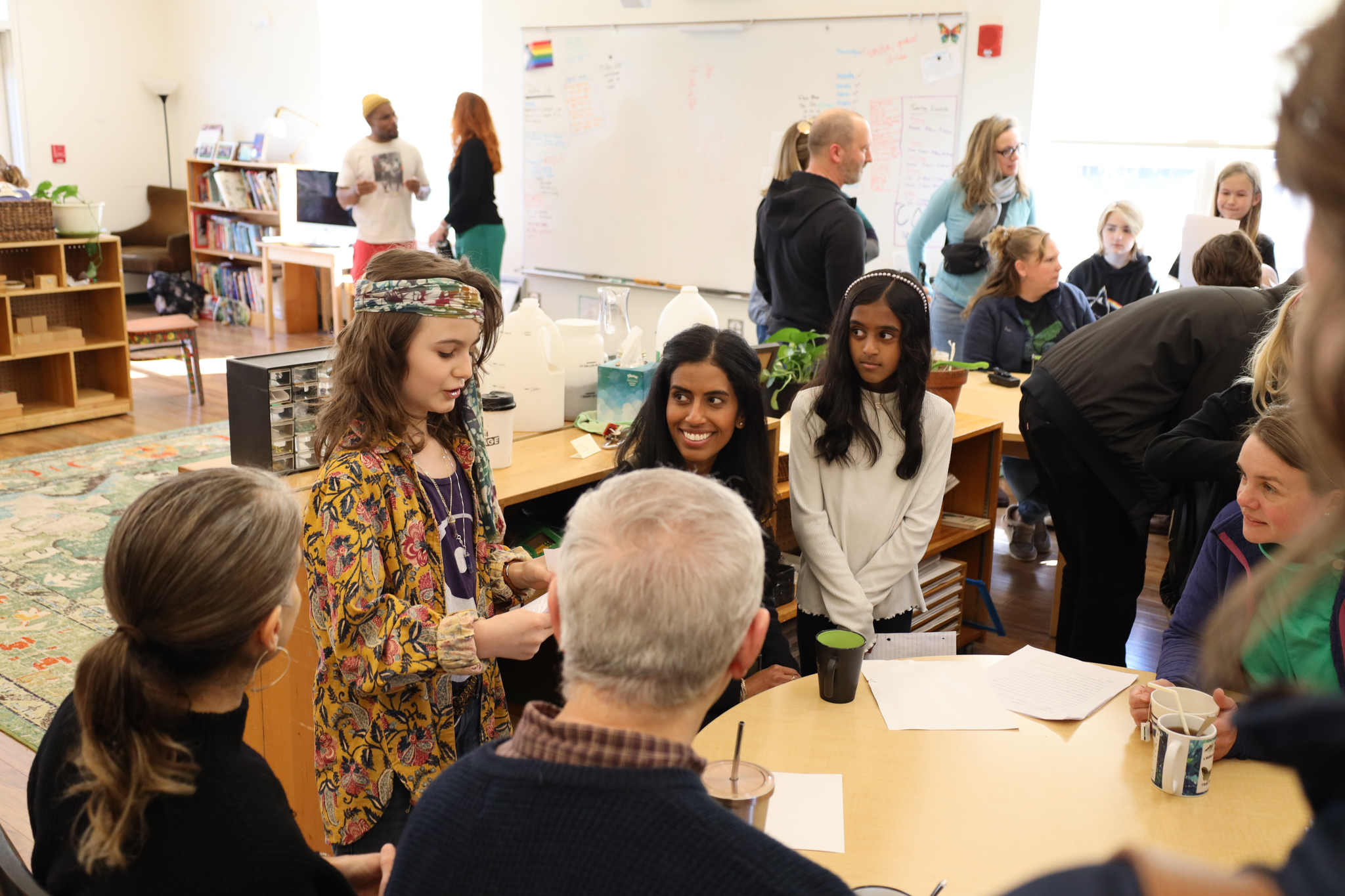
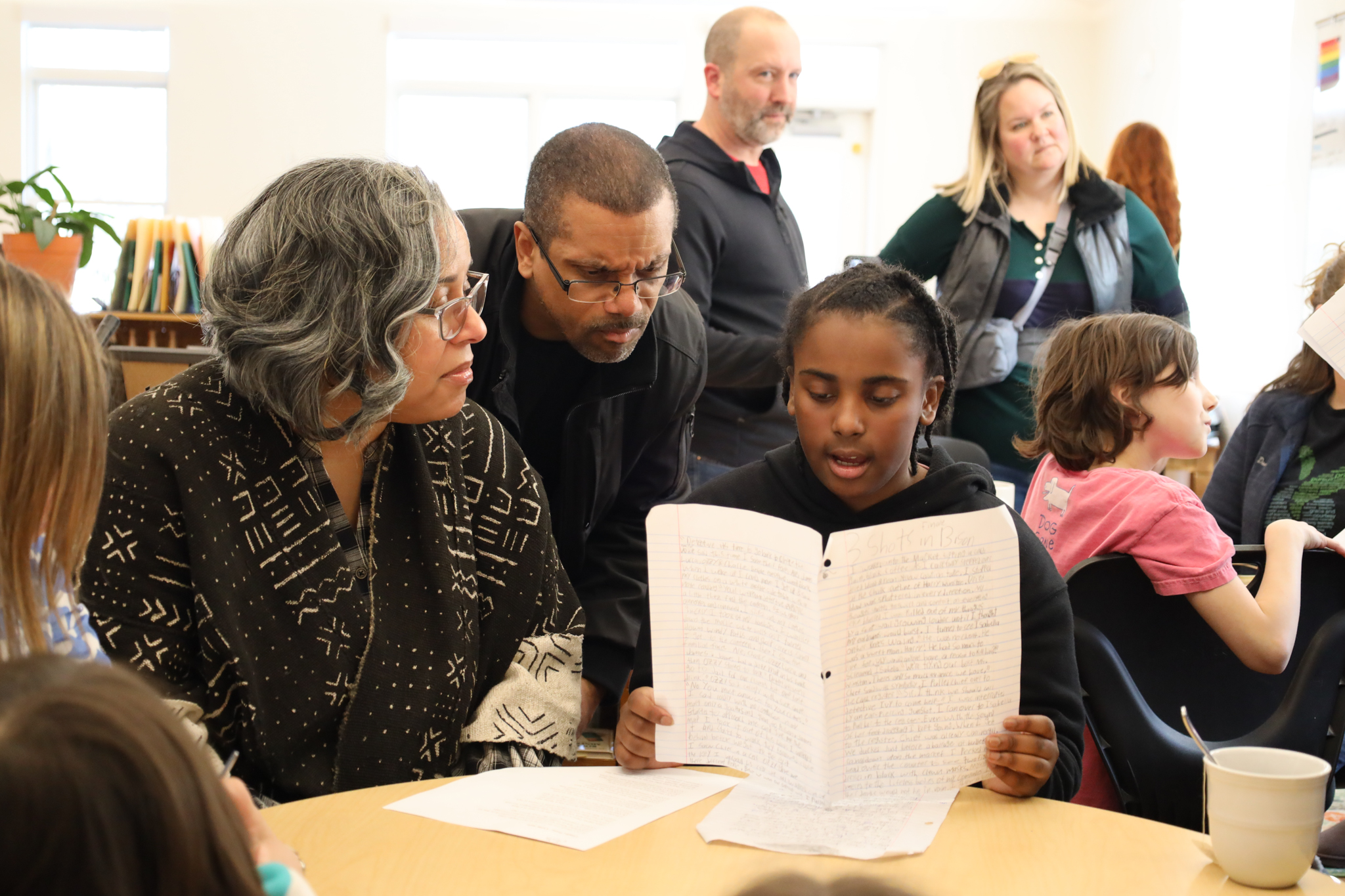
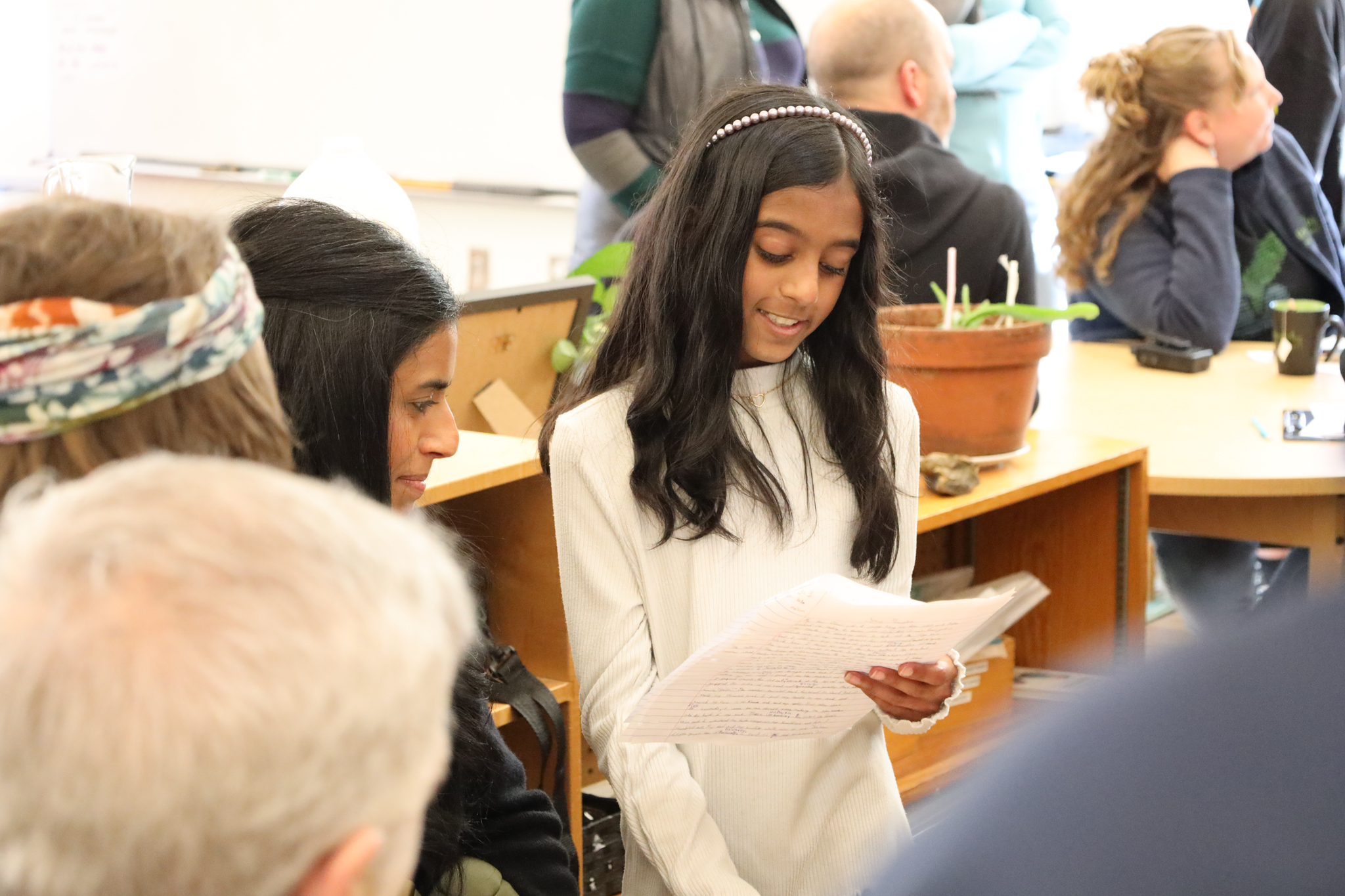
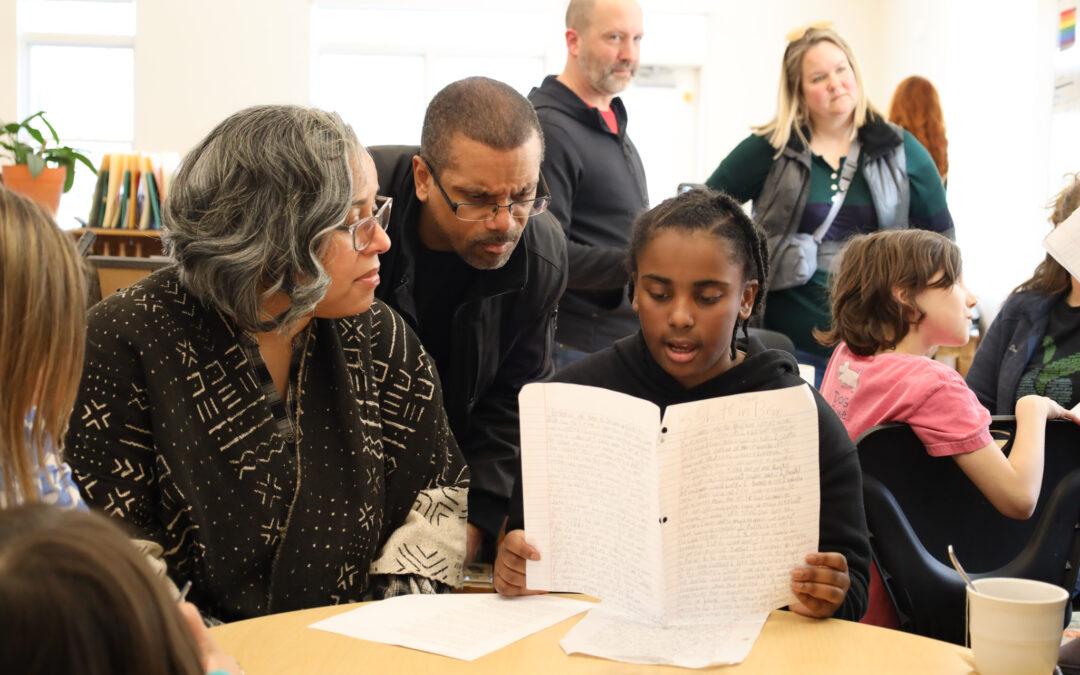
This spring our Elementary classrooms each hosted a Celebration of Writers where students read their original works to family and friends. This year we had works of fiction, non-fiction, poetry, and more!  The students worked very diligently to generate, revise, and complete their own original works of writing that they were eager to share with family and friends. Our Elementary students have worked diligently on their public speaking skills as well, practicing reading their original works to several classmates. 

Our Celebration of Writers is an opportunity for the Elementary students to feel a sense of valorization – that they are capable of creating compelling stories and they have unique gifts to offer their community. Valorization is an important piece of the Montessori philosophy that can support the child’s confidence, initiative, and love of learning.

Celebration of Writers Update
By Harelle, 3rd grade Greenspring writer

Our Celebration of Writers began at 2 o’clock on the 12th of April, 2024. We had been writing and editing with Writers’ Workshop Guide John Pierce since October 2023. Mr. John is an amazing Outdoor Environment teacher and we all love him (he’s a really good teacher).  

A Celebration of Writers is when each Elementary class chooses a date, invites the parents, and presents to the parents. The event is held in honor of Writers’ Workshop and our writing skills getting better (including spelling and handwriting), and starting to write longer, more juicy detailed stories. We can impress you with our skills. For example, if you went to your child’s Celebration of Writers expecting to hear your child read a story about cats that isn’t very long and they surprise you by reading a story that is 5 pages long and about detectives! Last but not least, each class ends with a special song or poem made with Mr. John with the tune to a song. We hope you enjoyed this update!

Thank you to all who joined us in celebrating the works and accomplishments of our Elementary writers!

Upper Elementary Students Represent Kenya and Congo-Brazzaville at Model United Nations

Upper Elementary Students Represent Kenya and Congo-Brazzaville at Model United Nations

Upper Elementary students at Greenspring Montessori School traveled to New York in February to represent Kenya and Congo-Brazzaville at the Montessori Model United Nations Conference. The students have been researching and preparing speeches throughout the school year on topics such as promoting international cooperation on peaceful uses of international security, disaster risk reduction, combating desertification, empowering youth in inclusive and sustainable food systems, and the rights of indigenous peoples.
 
 
The students did extensive research on their topic and wrote position papers outlining suggestions to address these issues from the viewpoint of their country. From there they used key points of the paper to draft speeches. These speeches were delivered at the MMUN Conference to delegates from other schools who were researching the same topics. Suggestions were debated and discussed in the committees until they were able to draft resolutions to gain consensus.
Two members of our group were elected by their committee to speak at the closing ceremony. The entire group consisted of more than 1,600 people: delegates, coordinators, chaperones, and Bureau members, so it was quite a large crowd to address.
 
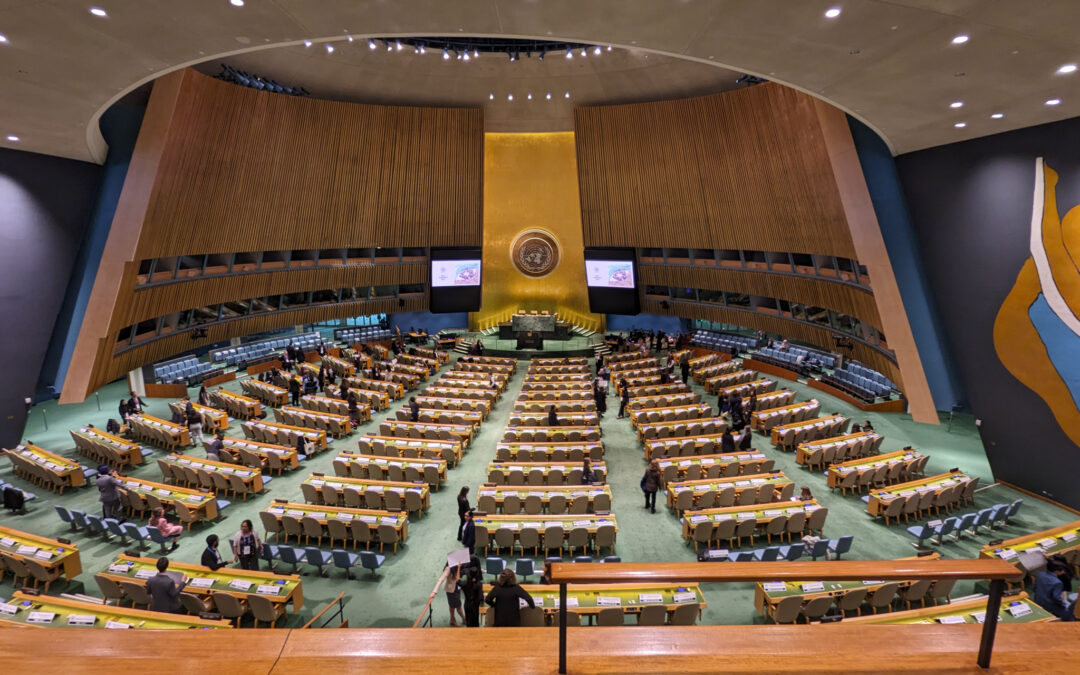
The students also had an opportunity to visit the United Nations building, where they got to sit in the General Assembly room in the very place where UN Ambassadors listen to speeches, debate, and ultimately vote on resolutions impacting our entire world.

We are so grateful that our Upper Elementary students have the opportunity to engage in this meaningful work learning conflict resolution and problem-solving skills with children around the globe.

Elementary Field Day

Elementary Field Day

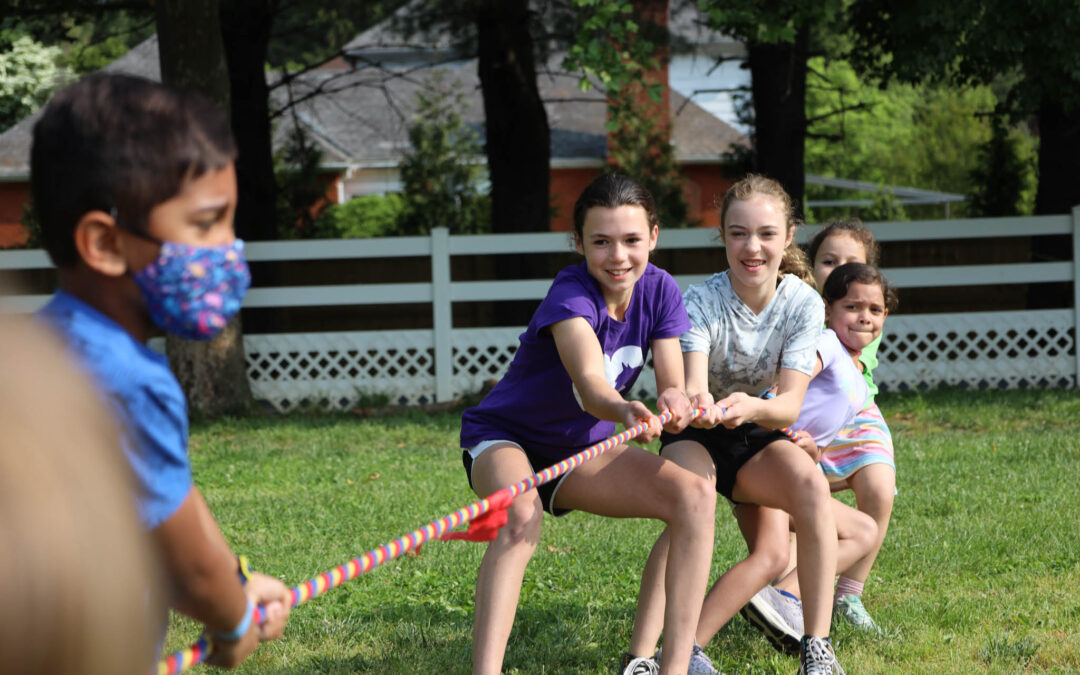
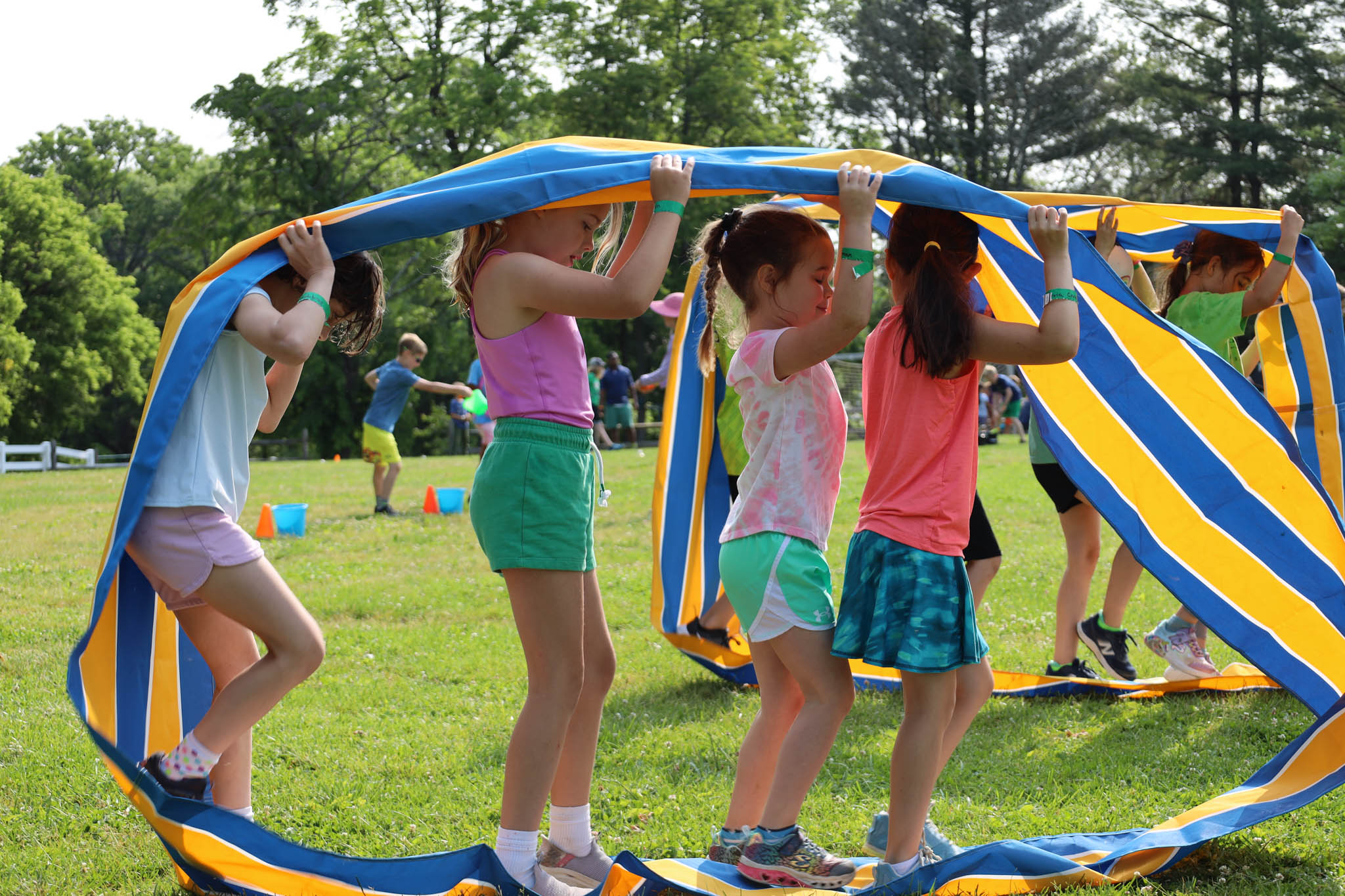
Last week, our Elementary students participated in an end of the year Field Day! They enjoyed cooperative and team-oriented games with eggs, hula hoops, water balloons, bubbles, and more! The children had a blast. Take a look below to see more photos from the day.

Social Emotional Learning for Elementary Students

Social emotional learning (SEL) is how children and adults learn, acquire, and apply the skills and attitudes needed to develop groundedness, empathy, and healthy identities throughout life. SEL is arguably the foundation for all other forms of learning to take place. 

Through SEL we practice managing our emotions in order to achieve personal and communal goals, and to learn the art of self-regulation. Through SEL we build our capacity for emotional intelligence, as we learn to show empathy for others while establishing and maintaining supportive relationships. Effective SEL helps us to make caring and responsible decisions when needed. SEL is best taught through language that is used regularly. For students, staff, parents, and all community stakeholders to use it effectively, it must be incorporated into everyday interactions, opportunities for conflict resolution, and as part of everyday culture. 

Greenspring Elementary students have been weaving the language of SEL into their everyday experiences and when it comes time to problem solve or resolve conflicts. Through Character Education lessons, students have learned about social emotional topics, such as tattling versus reporting, personal space, taking a walk in the shoes of another (empathy), digital citizenship, friendship building skills, bucket filling, among other topics. With each lesson comes valuable social emotional language that is referenced even well after the lessons are given, thus making lessons learned part of the culture. (The goal is to then create SEL work that will be displayed on the shelves for children to further practice their skills with.)

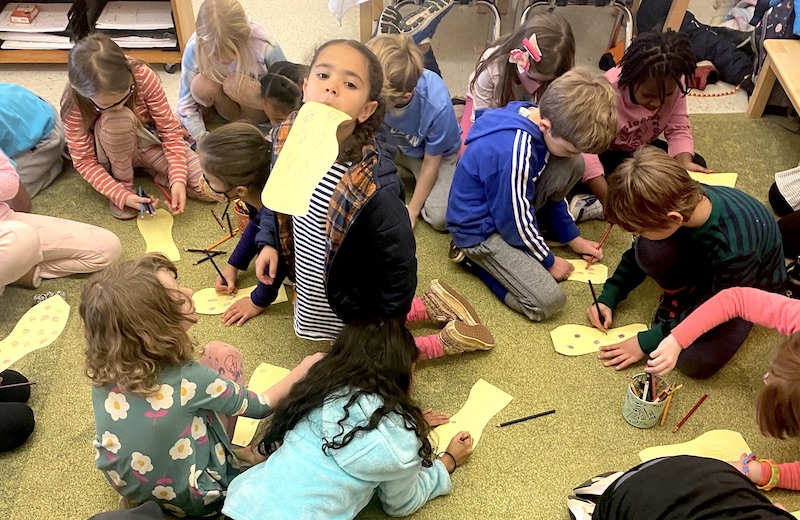
For example, Lower Elementary students enjoyed a Character Education lesson about the differences between Tattling and Reporting. Students learned that tattling occurs when one “tells” on another for doing something that may be annoying, but does not hurt anyone else. They also learned that reporting is something that we are expected to do, when one’s body or heart could get hurt. Reporting is very important and necessary when someone could be in danger. Tattling is something we can avoid, when no one is in danger physically or emotionally. We also talked about what else we could do instead of tattling when something “annoying,” but nothing dangerous is happening. We could be  problem solvers, for example, and ask the person who is doing something annoying to stop directly, or maybe we could move our own selves away. Focusing on what we CAN do versus what we CAN’T do is a big step in knowing how to problem solve in any situation. Students read the book “A Bad Case of Tattle Tongue” by Julia Cook, and discussed what they could do instead of tattling, and how they should always report a dangerous or scary situation, when necessary! During the final part of the lesson, as students were discussing and role playing different scenarios and trying to decipher which would be cases for “tattling” or “reporting,” everyone made their own “tattle tongues” as a reminder try to not tattle, when they could solve the problem independently!

Lower El also learned about the four different types of “Personal Space” this year, and how they can respect the personal space of others. Students learned that personal space can be broken down into four different categories. Those categories are body space, seeing space, hearing space, and property space. Body space refers to when someone is getting physically too close to another’s body, and how can make someone feel uncomfortable. Students learned that they can tell if they are invading someone’s body space because that person might take a step back or arch their back away. If they see someone doing this, they will know that they need to take a step back so that they do not invade the body space of another. Students also used a hula hoop to determine how close or far away someone could get from them without invading their body space “bubble.” Seeing space invasion is when an object is being held too close or too far away from someone’s eyes. Hearing space invasion is when others are being too loud or too quiet. Property space invasion is when someone’s property is being touched without permission. For each type of personal space students role-played, how to both invade and respect someone else’s different types of personal space. By role-playing different scenarios students practiced what they would do in real life should either they be invading someone else’s personal space or if somebody else is invading their personal space. The specific breakdown of language: Body space seeing space hearing space and property space allows students to give greater meaning to what type of space feels invaded or respected to them. It also gave them a chance to practice advocating for themselves by saying something like “Please back up a bit. My body space is feeling invaded.” As we know, specific language is such a valuable tool in communicating our thoughts and feelings, so giving students the language for what it means to both respect and invade someone’s personal space can be really helpful to them, their friends, and their community in the future. 

Upper Elementary students learned about gossip language versus considerate language when interacting with peers. During this lesson students squeezed toothpaste out of a tube, imagining that the toothpaste was gossip. They quickly realized that they could not get the toothpaste all the way back in the tube. This signified that hurtful words/gossip cannot ever really be taken back fully, so we need to think before we speak, and take responsibility for hurtful words. We need to imagine the word THINK. (An acronym for,  “Is it True, Helpful, Inspiring, Necessary, and Kind?) If they are not THINK words, we should try to replace them with more considerate words that are. Students focused on the power of positive words we speak to and about one another. The considerate language spreads just as fast as gossip language— so it is important to choose considerate language! (And the impact is much better for all!) Students also talked about how reporting hurtful words someone else said to a parent or trusted adult, is NOT gossip, and it is absolutely necessary. 

In a Upper El  digital citizenship lesson, students took gossip language versus considerate language a step further. They learned what it meant to leave a digital footprint, and how they must THINK (acronym) before posting online. Students discussed how the internet, apps, and social media can be wonderful tools when used right, just like our spoken words—- AND we need to do our best to be responsible in what we say/what we post, so that the words and images we put out to the world portray consideration and kindness, and not gossip or hurt. We read the book “Technology Tail” by Julia Cook. This book gave us some language and good examples of what it meant to leave a digital footprint, for better or worse. 

We are so grateful to be incorporating more SEL lessons and language at Greenspring! 

Lunar New Year Presentations

Lunar New Year Presentations

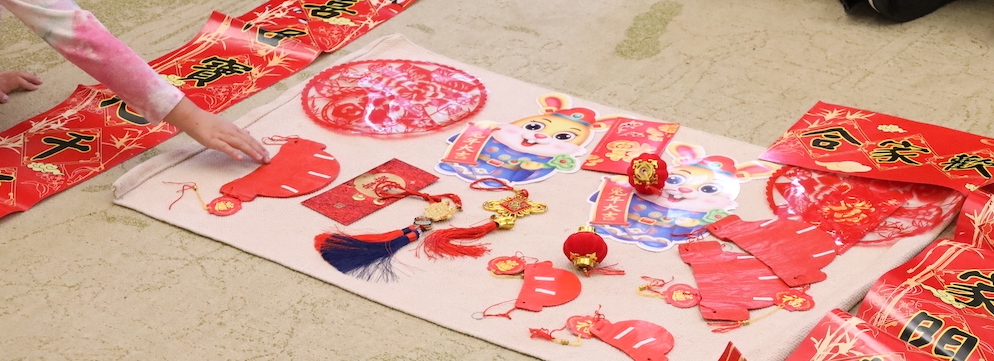
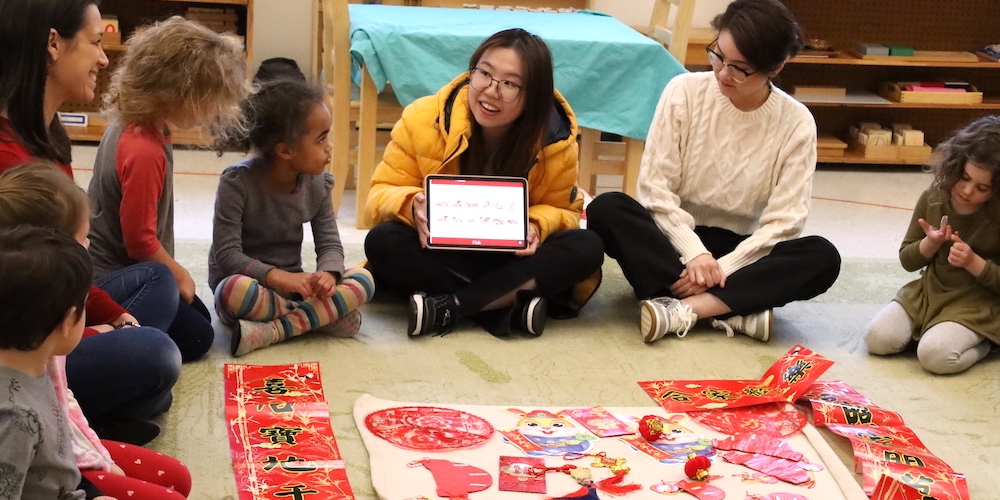
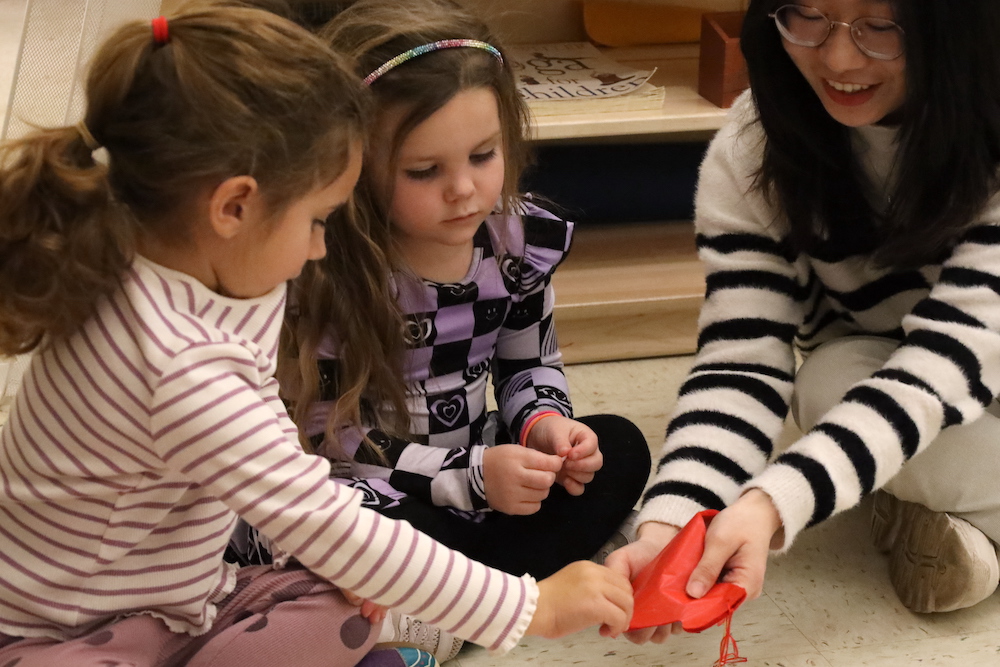
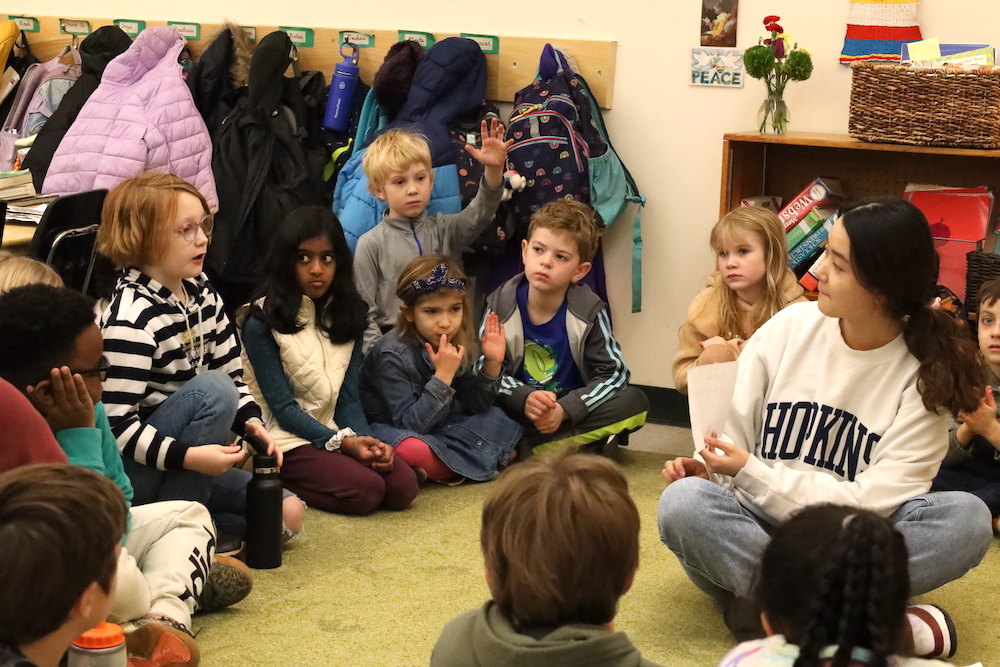
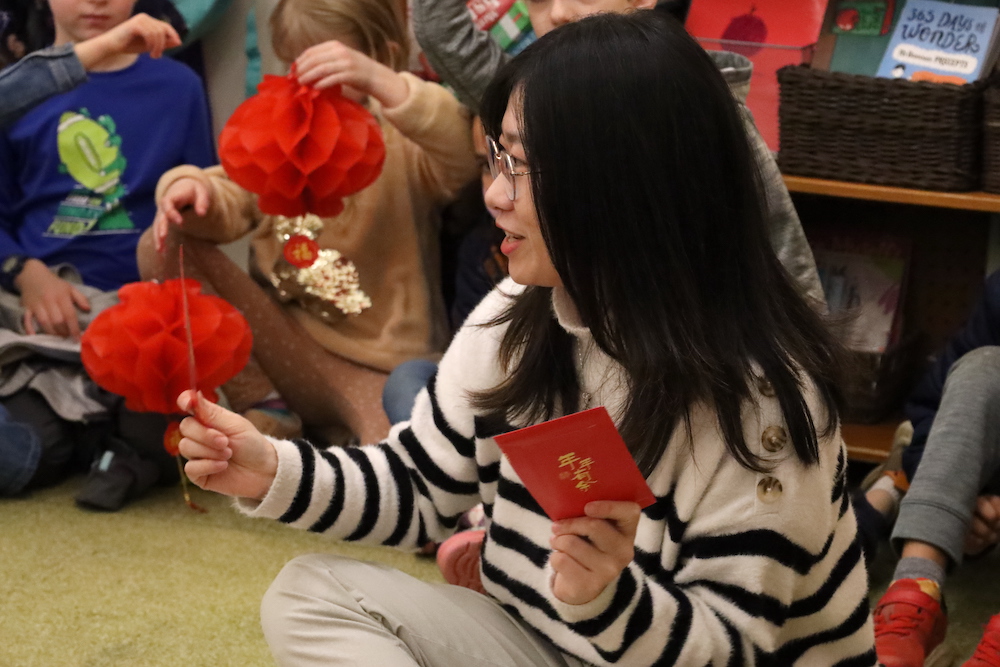
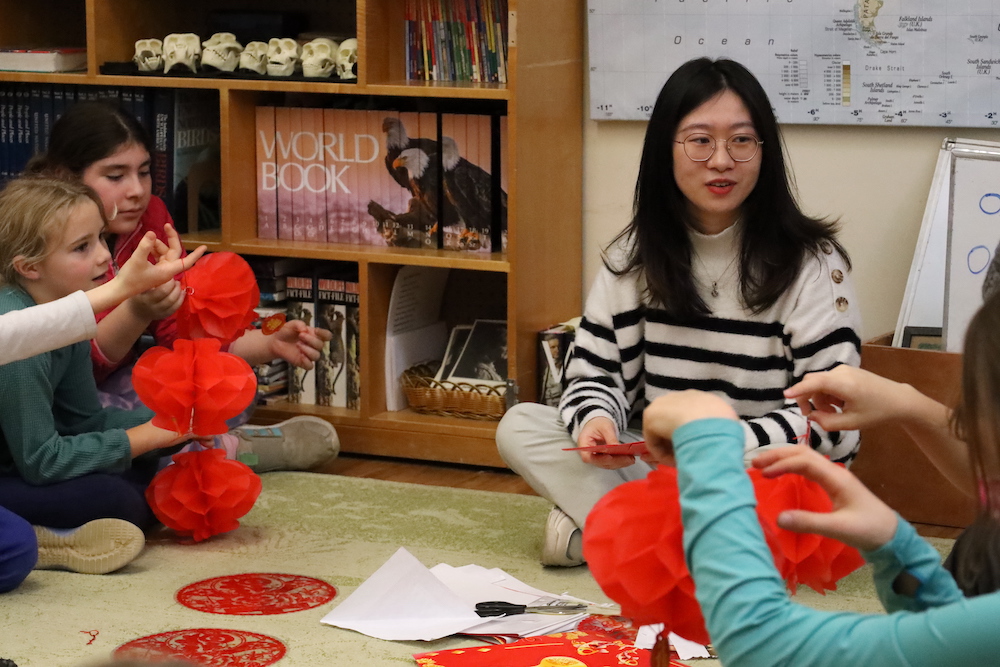
Several of our volunteers from the Johns Hopkins International Teaching and Global Leadership program presented their Lunar New Year traditions to our Children’s House and Elementary students.

Lunar New Year celebrates the first days of spring on the lunar calendar. Instead of tracking the Earth’s orbit around the sun, which is slightly over 365 days, the lunar calendar tracks the cycles of the moon. The holiday begins with the first new moon of the lunar calendar and ends on the first full moon of the lunar calendar, 15 days later.

Lunar New Year is celebrated around the world, though it goes by different names. China’s Lunar New Year is known as the Spring Festival or Chūnjié in Mandarin, while Koreans call it Seollal, and the Vietnamese refer to it as Tết

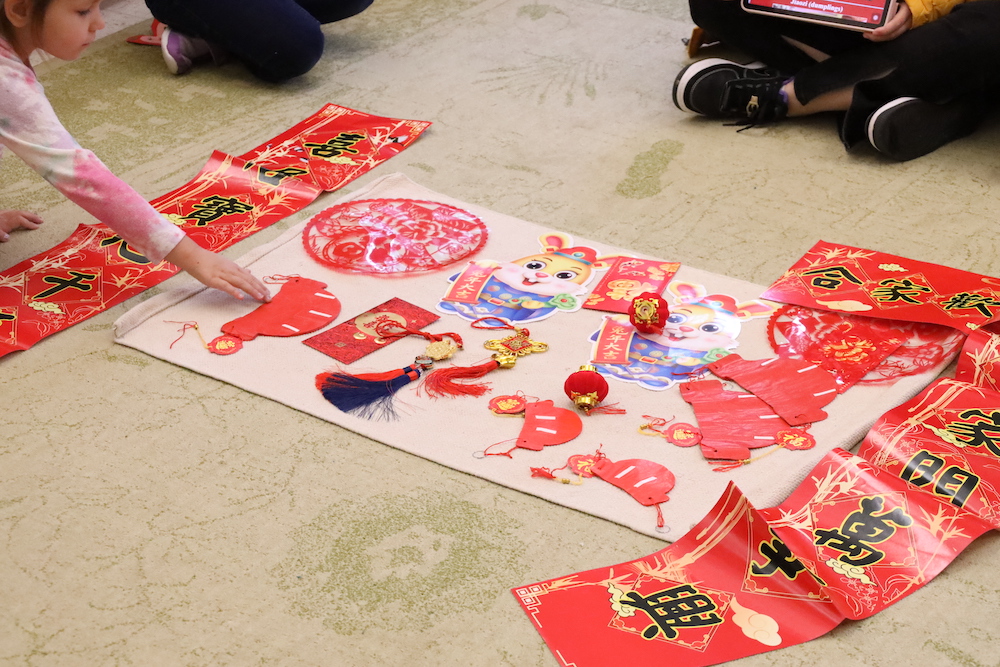
Each year in the Lunar calendar is represented by one of 12 zodiac animals included in the cycle of 12 stations or “signs” along the apparent path of the sun through the cosmos. 2023 is the year of the Rabbit!

Regional customs and traditions vary widely but share the same theme: seeing out the old year and welcoming in the luck and prosperity of a new year. Some people give their houses a thorough cleaning before the spring festival, which symbolizes sweeping away the bad luck of the preceding year and making their homes ready to receive good luck. Red is the main color for the festival, symbolizing prosperity and energy, so many people put up red lanterns and other decorations. Another Lunar New Year tradition is giving red envelopes, which have money in them, to children and seniors. Those who receive a red envelope are wished another safe and peaceful year. The Lunar New Year is often celebrated with parades that include lion and dragon dances, firecrackers, and fireworks.

Thank you, Brittany, Coco, Sharon, and Chelsea for sharing your traditions with us! We are grateful to all of the families and staff members who have shared your cultural traditions with our children this year!