Montessori classrooms are designed as a three-year cycle; the mixed-age grouping is very intentional. Dr. Montessori studied how children move through cycles of development, building upon that which came before.
The Children’s House years can be broken down into the following structure for many children:
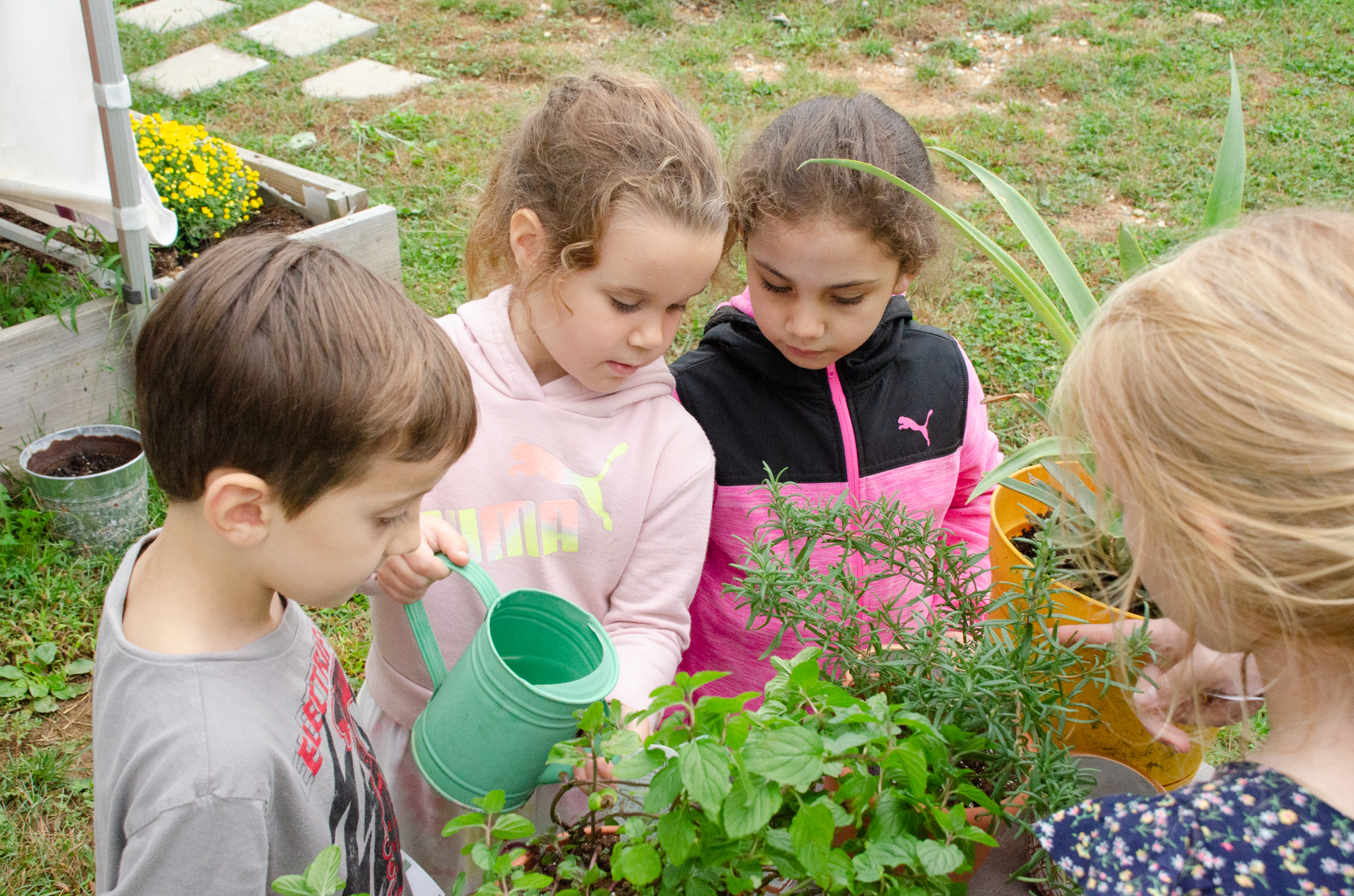


First Year of Children’s House – from age 3 to 4
- Learning routines; learning to be part of a community
- Building a work cycle; growing in concentration; increasing in independence
- Attention is largely inward; self-focused
- Looking up to older peers, as one would an older sibling
- Learning through hands-on experiences and observation


Second Year of Children’s House – from age 4 to 5
- Building foundational skills; period of academic rigor
- Learning to organize and create order
- Strengthening bonds with peers; can both serve as a mentor and receive guidance
- Learning through experimentation and observation
- Building confidence


Third Year of Children’s House (kindergarten) – from age 5 to 6
- Practicing, refining, and mastering; skills are put to use with “big work”
- Leading in the classroom and among peers
- Managing work choices and self-reflecting
- Developing strong peer bonds, relating comfortably to teachers and adults
- Turning outwards, confidence soars!
- Developing interest in and begins to understand larger matters relating to our world
- Learning through teaching, experiencing, reflecting, and talking — lots of talking!
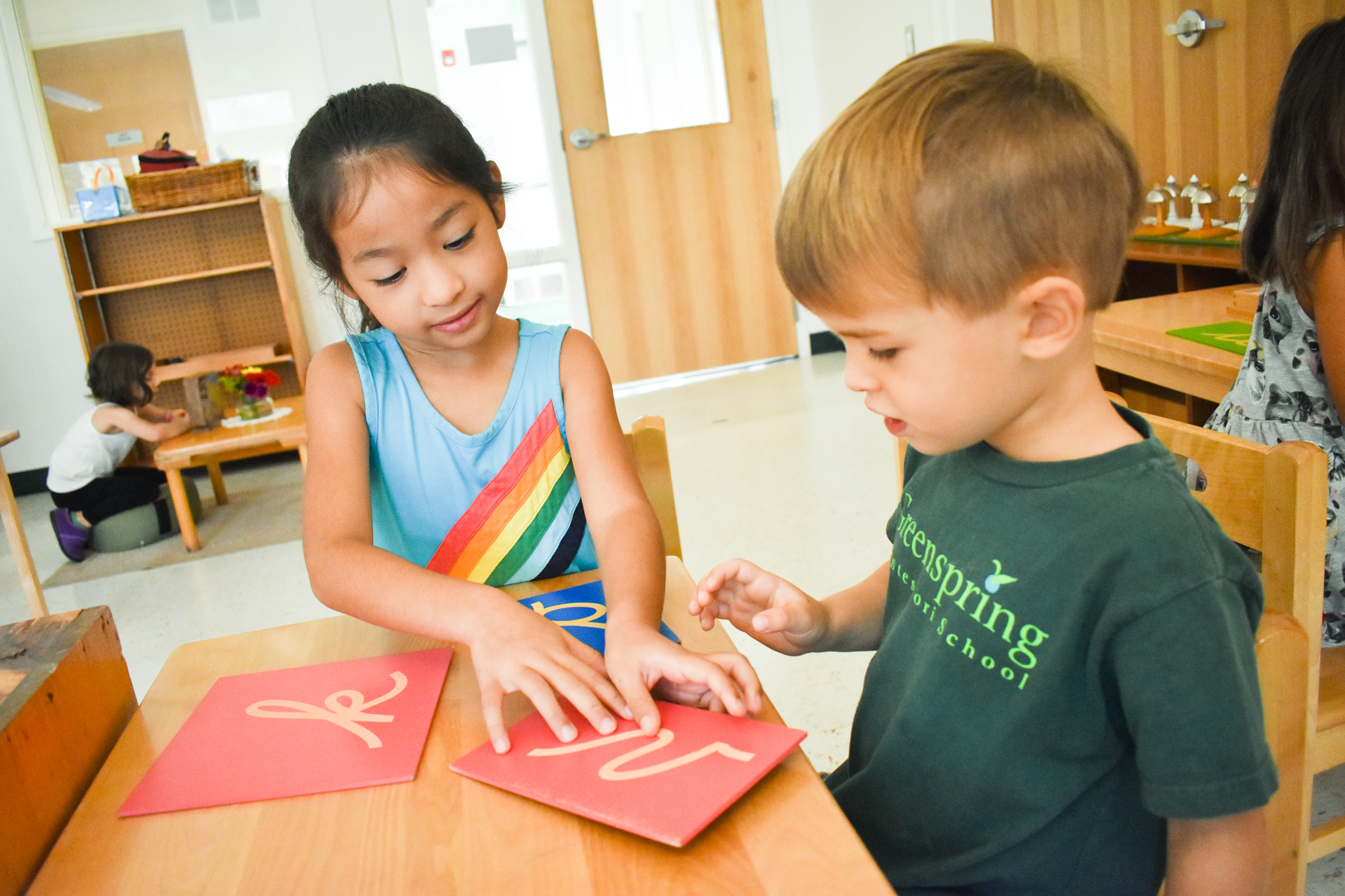
Strong Foundations
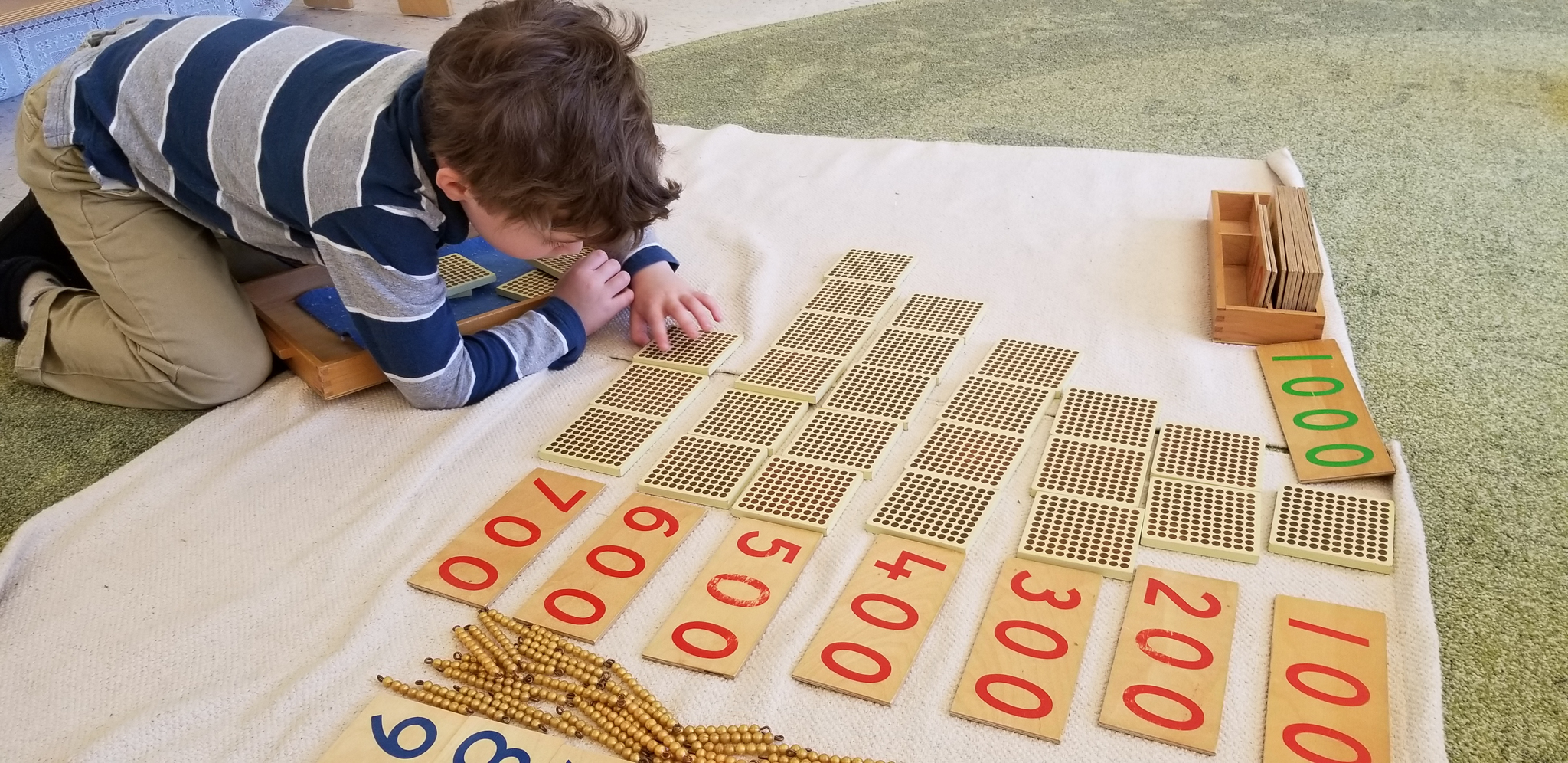
Much of the exercises in the beginning not only help the child achieve a direct, immediate goal, but also serve an indirect purpose of laying the foundation for future work and learning. For example, the math material is a series of exercises that guides the child starting with the most concrete and basic introduction to numbers and quantity. Over the following three years, the lessons build upon themselves, adding layers and moving toward abstraction. This concrete understanding of mathematical concepts builds until the child is eventually able to add, subtract, multiply, and divide — with a deeply ingrained understanding of what those operations mean — using only pencil, paper, and their internal processing.
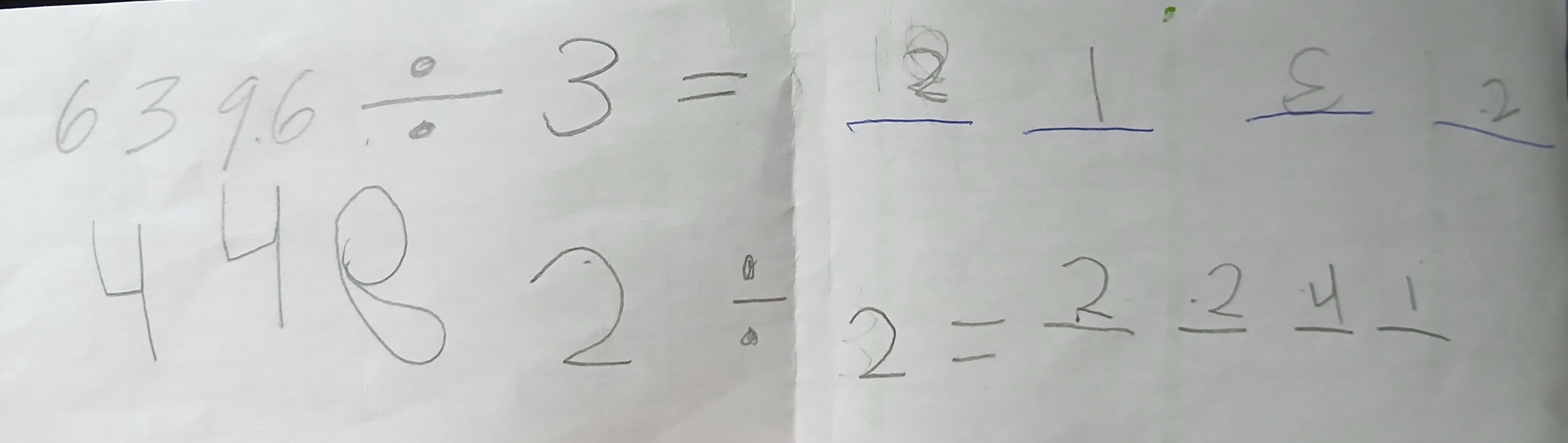
Social Development
Each child benefits from being exposed to those who are older, and younger, than they are. Younger children quickly learn how to behave from watching the older children as role models. They also see the older children working on the more advanced material, which piques their interest and curiosity. The older children, in turn, benefit from being mentors to the younger ones. One of the best ways to internalize knowledge is to explain it to others, and often an older child will help teach certain concepts to a younger child. These opportunities help the child build confidence and self-esteem.

It All Comes Together
Montessori is a sequential program that moves from concrete to abstract; from simple to complex. This can most easily be seen in the math and language materials, where a foundation is rst laid and then built upon, but it exists throughout the classroom. By the end of the third year of Children’s House (Kindergarten), it is not uncommon for children to be reading and doing complex math operations. They laid the foundation for this development with two years of counting, sorting, and hands-on experience with math: numerals, quantities, thousands, hundreds, tens, units, and more! Not to mention two years of sounds, letters, tracking from left to right (the entire classroom and all lessons are organized this way), and a language-rich environment. Practical Life activities (scrubbing, polishing, pouring, sewing) have instilled the importance of organization, completing multi-step activities, and attention to detail. And the Sensorial materials that have trained their eyes to discern slight variances in shape, color, size, texture, and even smell and sound. Science and Geography lessons and materials that provided a foundational understanding of our Earth and our natural world. Kindergarteners are enthusiastic writers, readers, animal lovers, passionate recyclers, math lovers, and budding scientists! They are ready to launch into the Elementary years with confidence and drive.