For our students Learning from Home, the connection to the natural world around them is still alive and well. An understanding of the natural world plays a major role in all Montessori classroom, and it has been our big work to bring this curriculum to our students in a digital classroom as well.
“There must be provision for the child to have contact with nature, to understand and appreciate the order, the harmony and the beauty in nature… so that the child may better understand and participate in the marvellous things which civilization creates.”
– Dr. Maria Montessori
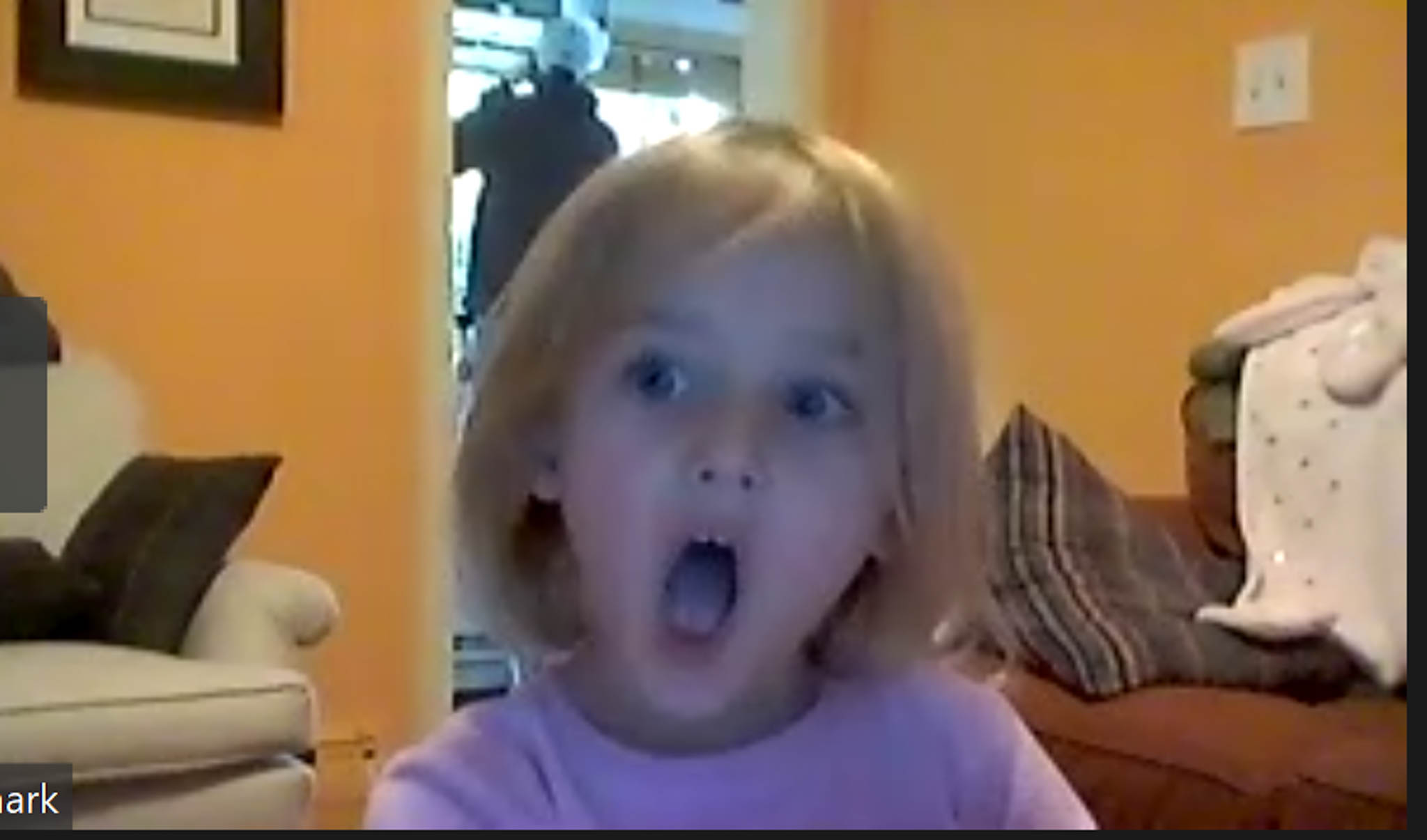
Children’s House
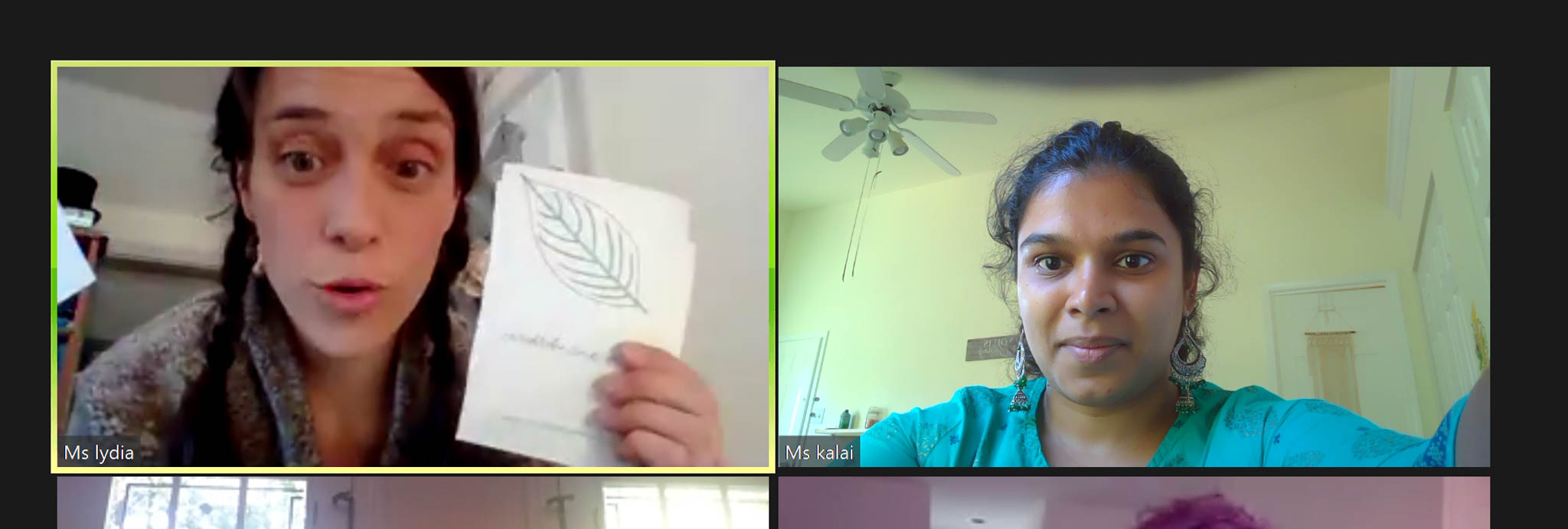
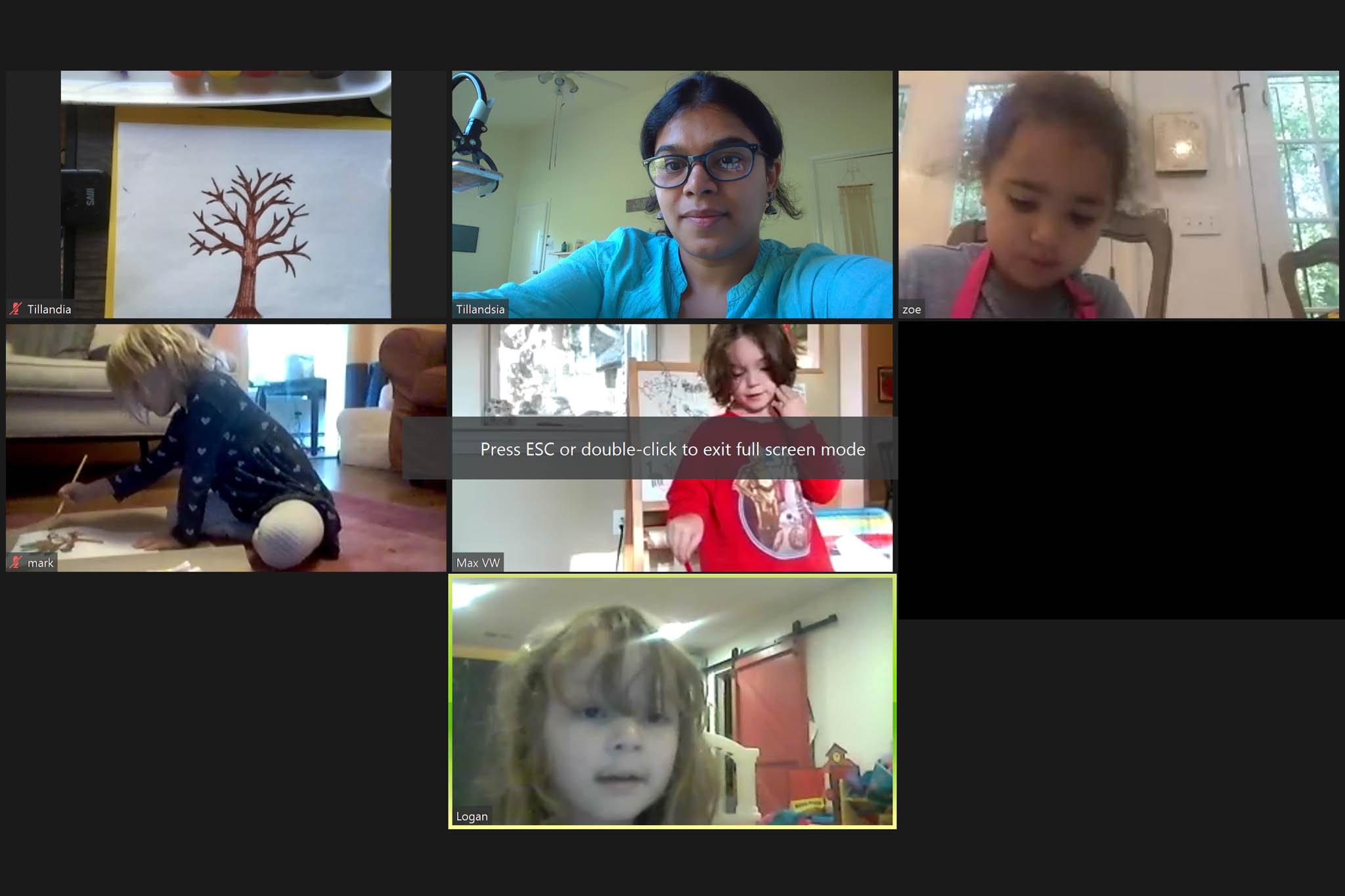
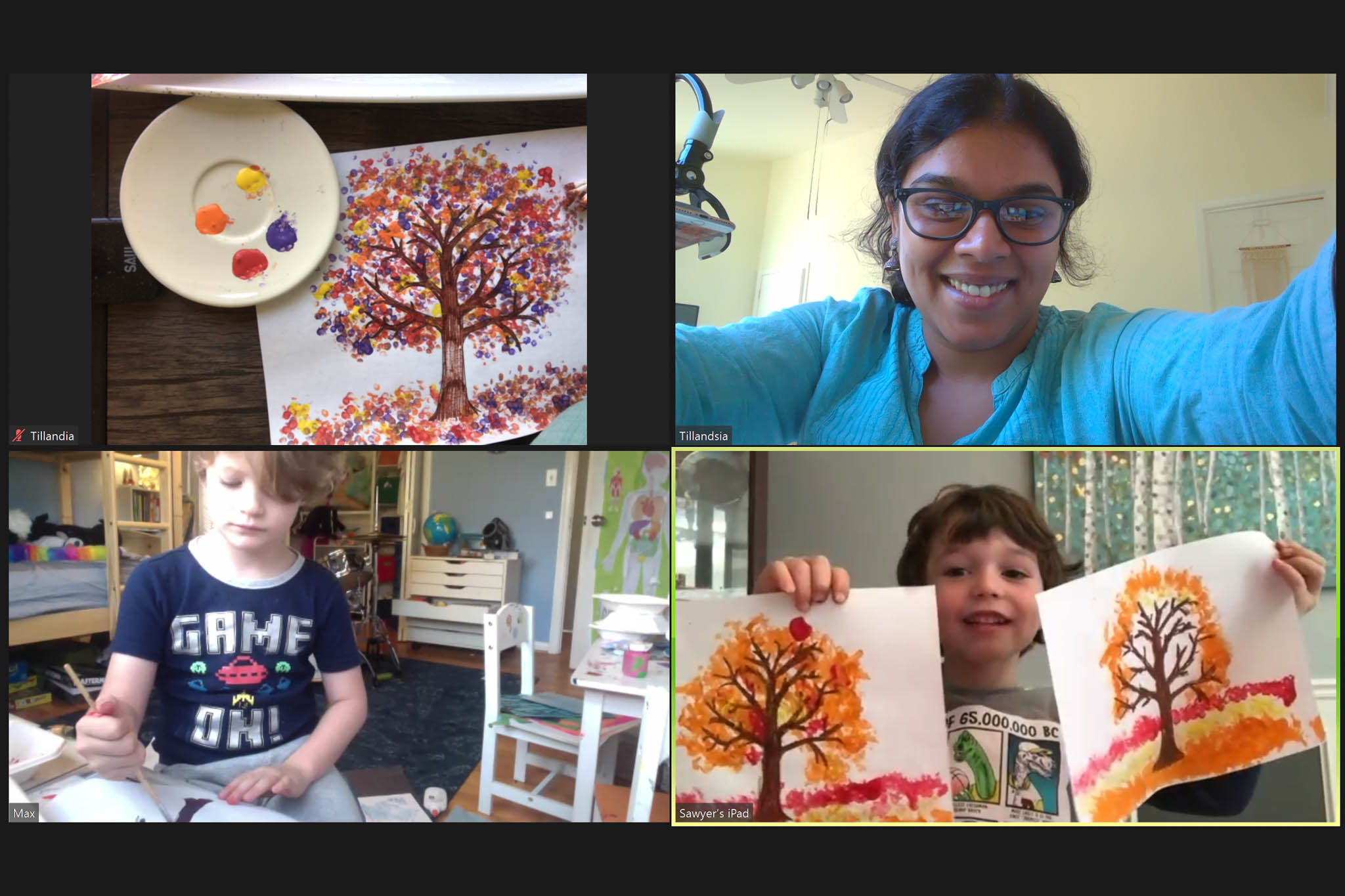
In our Tillandsia class, the children were introduced to the parts of a plant, which led to many questions about plants, botany, and our earth. As we learned about the parts of the leaf, we looked at some real plants to understand how the leaf is connected to the whole plant. Why do we care about the midrib and veins? Because they carry water up to the leaf all the way from the roots! Why do we care about the blade? Because its flat shape acts like a solar panel to absorb sunlight! Why do we care about the petiole? Because it can TWIST the blade to face the sun! Why do we care about the stipules? Because they STOP the flow of water through the plant when it starts getting cold outside. What would happen if a plant tried to drink up frozen water? Why is the leaf green? Why does it lose its green color? We have been exploring all these questions in our ongoing study of leaves.
The children have also been making so many globes and maps of the world. Some are creating these maps from memory, and some have chosen to label every country on our continent. We just started exploring the flags of North America, and learned about the United States flag first. Some children chose to create a flag to celebrate their favorite animal, their family, a group of friends they are missing, their neighborhood, or their bedroom! They chose what colors would represent what, and what shapes could be included. Some children added chopstick or popsicle stick flagpoles so they could wave their newly created masterpiece.
Lower Elementary
As always happens at the beginning of the year in the Elementary classrooms, we have begun telling many of our Great Stories. These are stories meant to capture the imagination of the children at the beginning of the year, in addition to opening their eyes to the different disciplines we offer in the Elementary classroom.
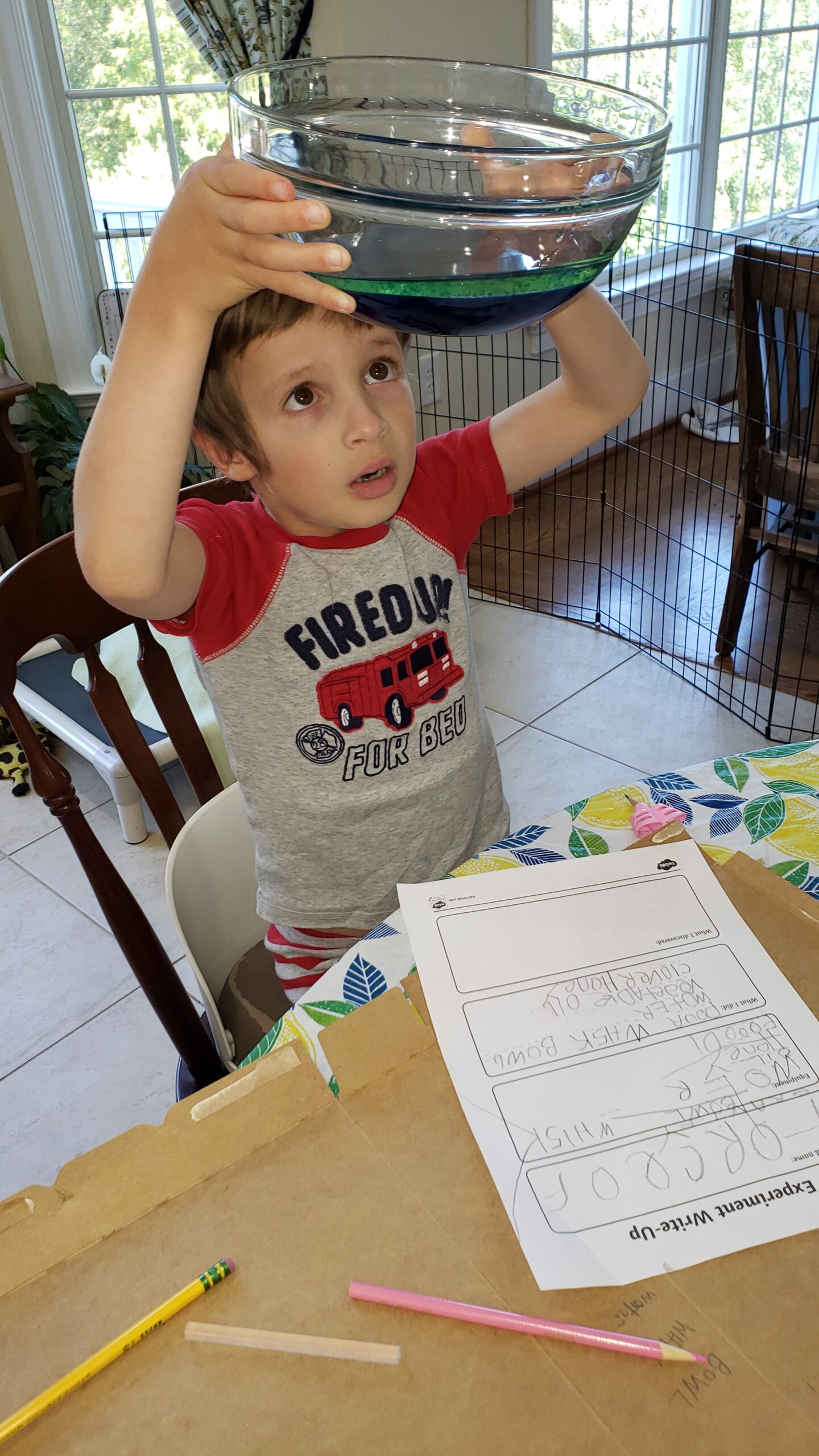
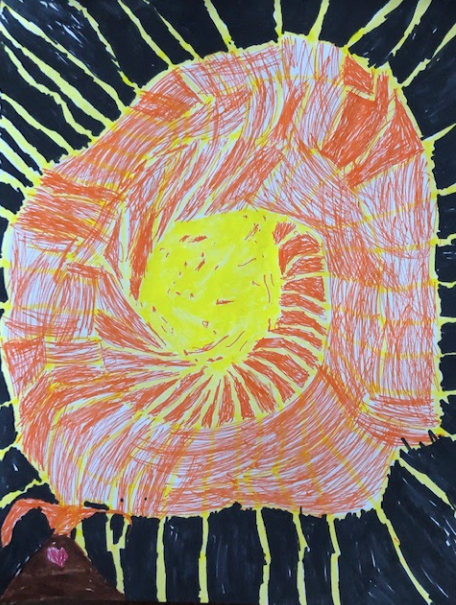
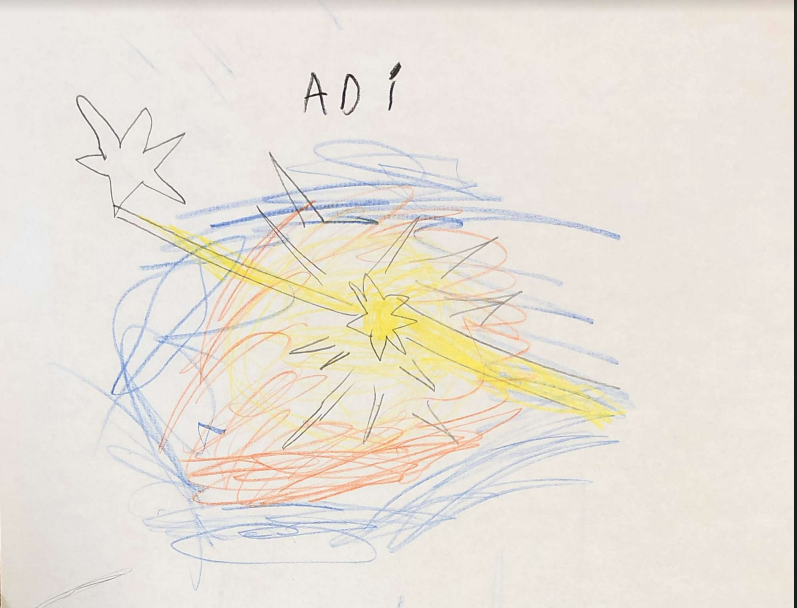
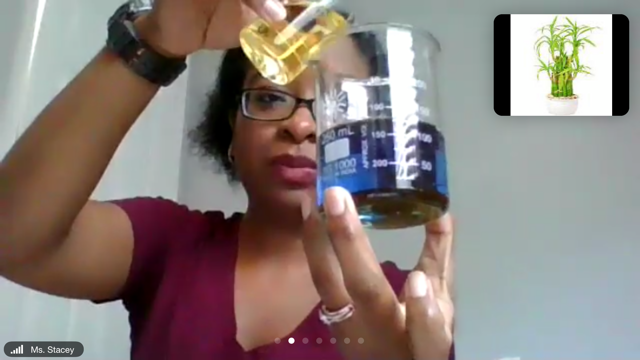
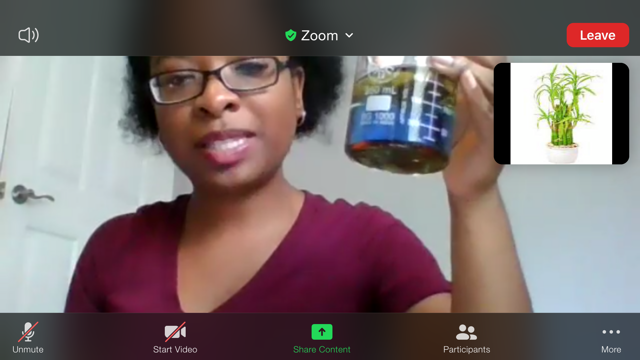
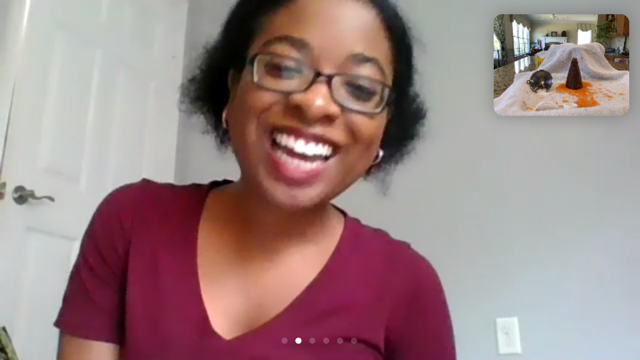
Recently, we told the story of The Coming of Life. We spoke about how all the elements in the universe were following their laws, including the elements on earth. The Sun, the Rocks, the Water, and the Wind play as characters in this story, and in order for these four characters to continue following their laws in harmony, life was created. We talk about the first life form probably looking like a microscopic jelly, through the evolution of life in water, to out of water, to dinosaurs, all the way to humans and life as we know it now. Stemming from these Great Lessons, there are many opportunities to learn about chemistry, physics, biology, history, and so much more. There was an interesting hands-on lesson for the children on density and particles that involved water, oil, and honey. These early lessons have sparked an interest among the students to study space and volcanos.
Upper Elementary Elementary
Our Upper Elementary students are in a hybrid class with some students Learning from Home and others on campus in the classroom. This group also began the year with our Great Stories. Each year, as the children get older, they discover new details in the Great Stories that spark their interests in a variety of fields. One of the lessons stemming from these Great Stories was the parts of a river. Outside on campus, Mr. Brad demonstrated to the students how water travels through a valley, carving a river.
Learn More About Our Programs!
If you are interested in learning more about the Montessori curriculum and whether Greenspring Montessori School is the right fit for your child, please schedule your virtual or in person visit.