This year we as a School community are talking through ways to bring cultural celebrations and holidays into the classroom in an authentic and meaningful way. Celebrations and traditions are an important part of personal identity, and as a School, we find this to be a joyous way to learn about people in our community and around the world.
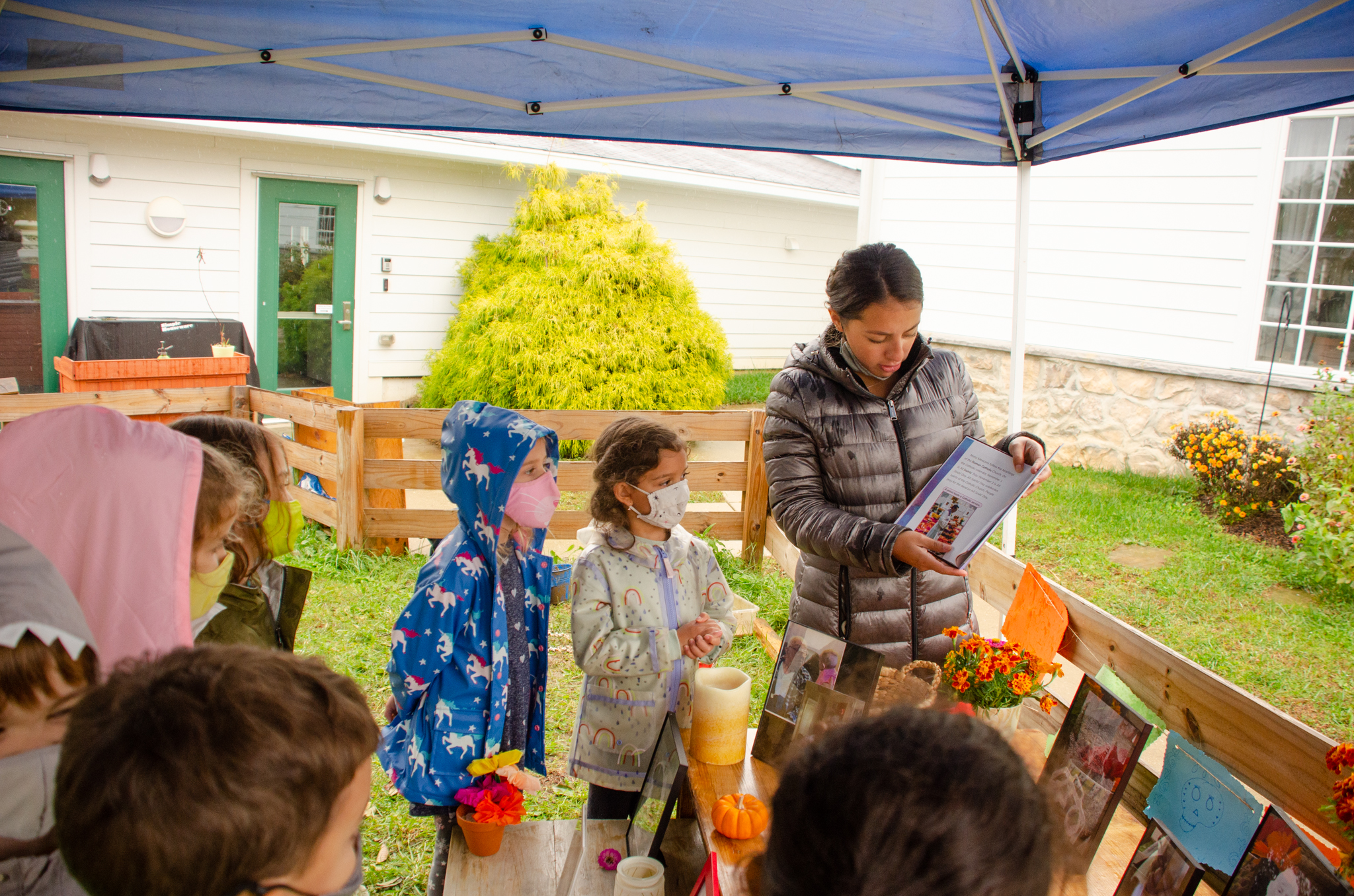
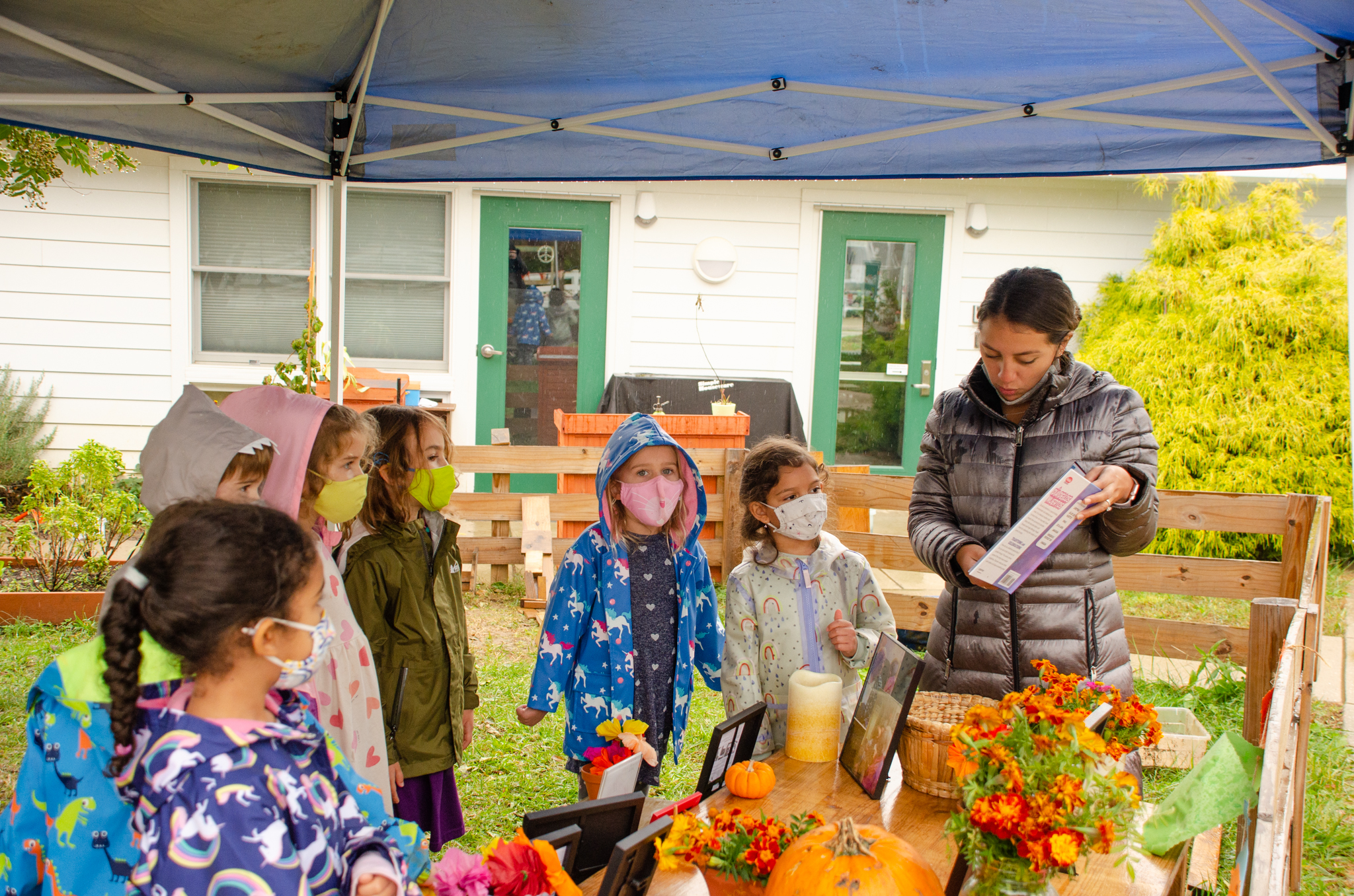
We began this work by asking our faculty and staff about the holidays they celebrate. Many were eager to share their traditions from all over the world. We’ve learned together about Navratri, Sukkot, Indigenous Peoples’ Day, Hanal Pixan and Dia de los Muertos, Diwali, and Hanukkah.
This work has also woven its way into our classrooms through true stories, cultural items and artifacts, nomenclature cards, children’s books, and more. It has been beautiful to see the ways our staff and children light up when they feel seen and acknowledged.

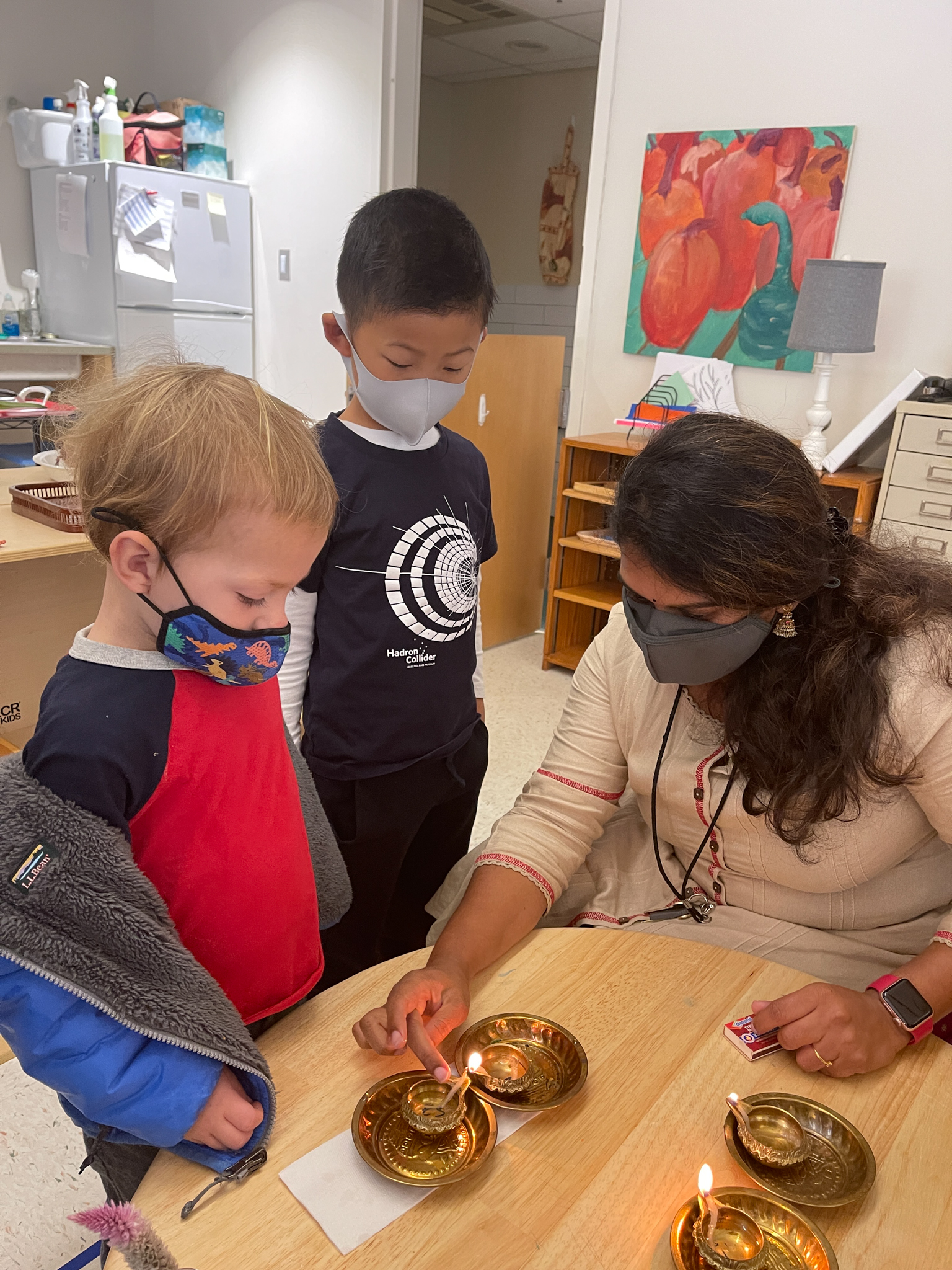
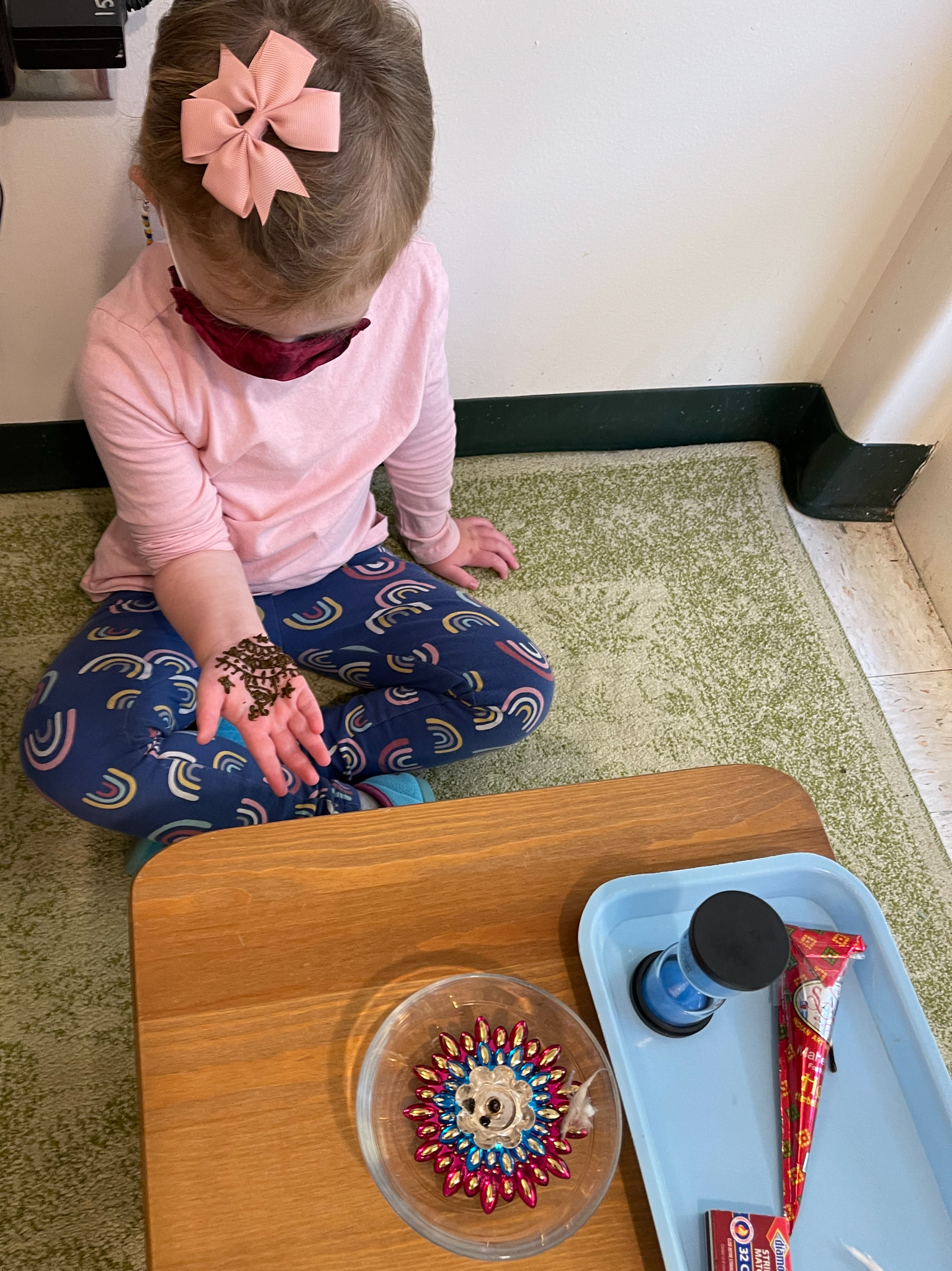
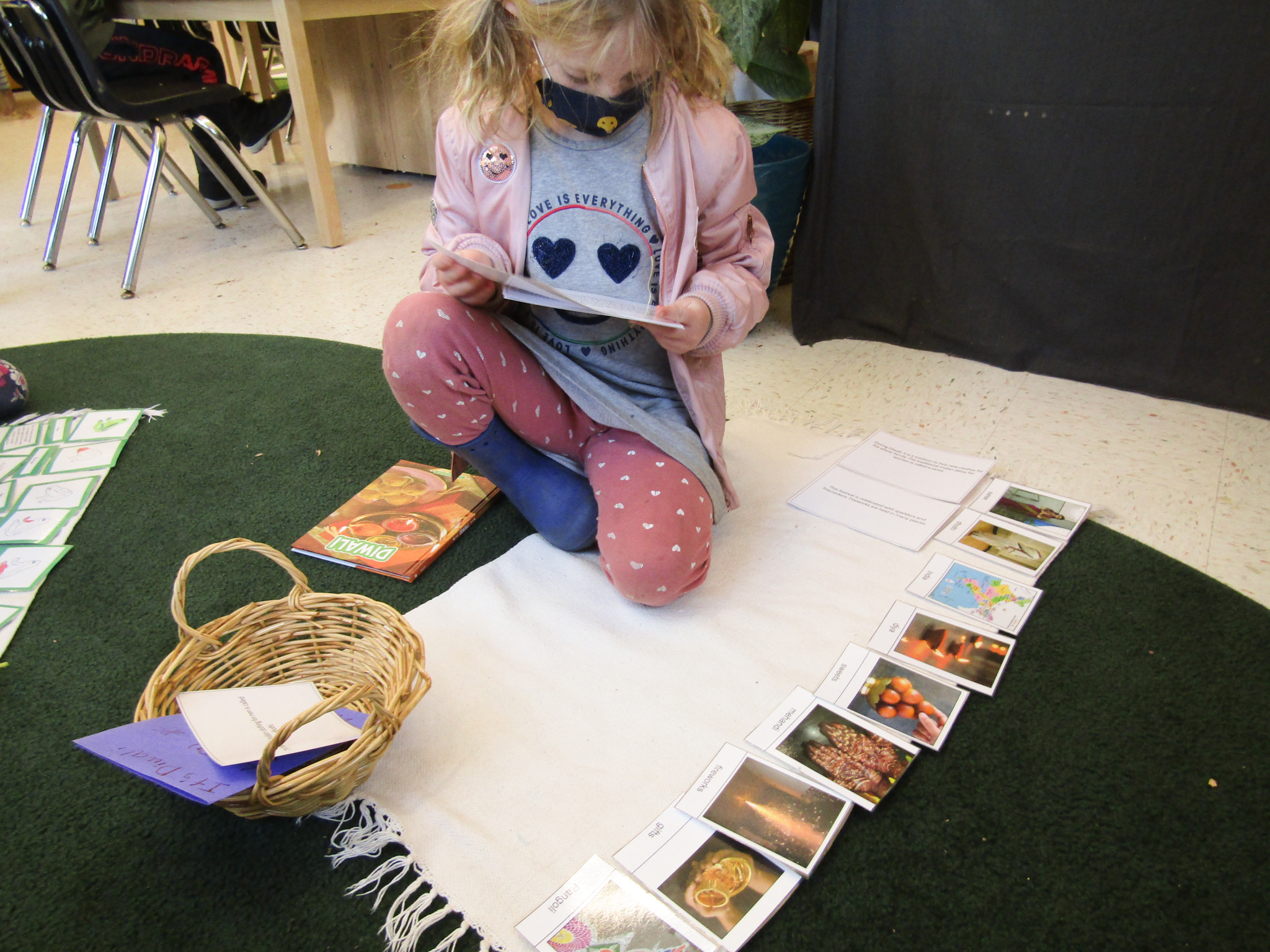
We will continue this work throughout the year with holidays including Kwanzaa, Dr. Martin Luther King, Jr. Day, Lunar New Year, Eid al-Fitr, Pride Month, and more. If you would like to share a celebration or tradition from your family with our classrooms, please reach out to us at community@greenspringmontessori.org.
Our DEIB work is guided by the four goals outlined in Anti-Bias Education:
Goal 1: Identity
- Teachers will nurture each child’s construction of knowledgeable, confident, individual personal and social identities.
- Children will demonstrate self-awareness, confidence, family pride, and positive social identities.
Goal 2: Diversity
- Teachers will promote each child’s comfortable, empathetic interaction with people from diverse backgrounds.
- Children will express comfort and joy with human diversity, use accurate language for human differences, and form deep, caring connections across all dimensions of human diversity.
Goal 3: Justice
- Teachers will foster each child’s capacity to critically identify bias and will nurture each child’s empathy for the hurt bias causes.
- Children will increasingly recognize unfairness (injustice), have language to describe unfairness, and understand that unfairness hurts.
Goal 4: Activism
- Teachers will cultivate each child’s ability and confidence to stand up for oneself and for others in the face of bias.
- Children will demonstrate a sense of empowerment and the skills to act, with others or alone, against prejudice and/or discriminatory actions.
To learn more about our commitment to Diversity, Equity, Inclusion, and Belonging, please click here.