“Instruction becomes a living thing. Instead of being illustrated, it is brought to life. In a word, the outing is a new key for the intensification of instruction ordinarily given in the school.”
– Dr. Maria Montessori
Going Out for Elementary Students
When an individual or small group of students has been studying a topic in depth for several weeks, they may decide they have exhausted the resources of the classroom and school library, but still with to learn more. The group can propose a Going Out trip to deepen their study. If approved by their Guide, the students are responsible for planning and arranging every aspect of the outing—from researching the location, hours, and cost of the visit to arranging for their own transportation and supervision by staff or parent volunteers.
This work requires that students practice the executive functioning skills necessary to plan and carry out projects:
- Delegation and division of labor
- Sharing resources
- Making group decisions
- Taking responsibility for their actions
- Celebrating the success of peers
Conflict is not uncommon; it is a necessary and important part of the child’s work. The Montessori Guide models and supports constructive and respectful problem solving. Going Out allows students to apply these skills outside of the classroom.
The Grace and Courtesy lessons that Montessori students have enjoyed since their youngest days are now given real-world applications. For example, students learn how to schedule an appointment over the phone, the acceptable protocol and attire for visiting legislators in the State House, the etiquette for conducting an interview, or proper behavior when dining at a fancy restaurant. These are significant life lessons!
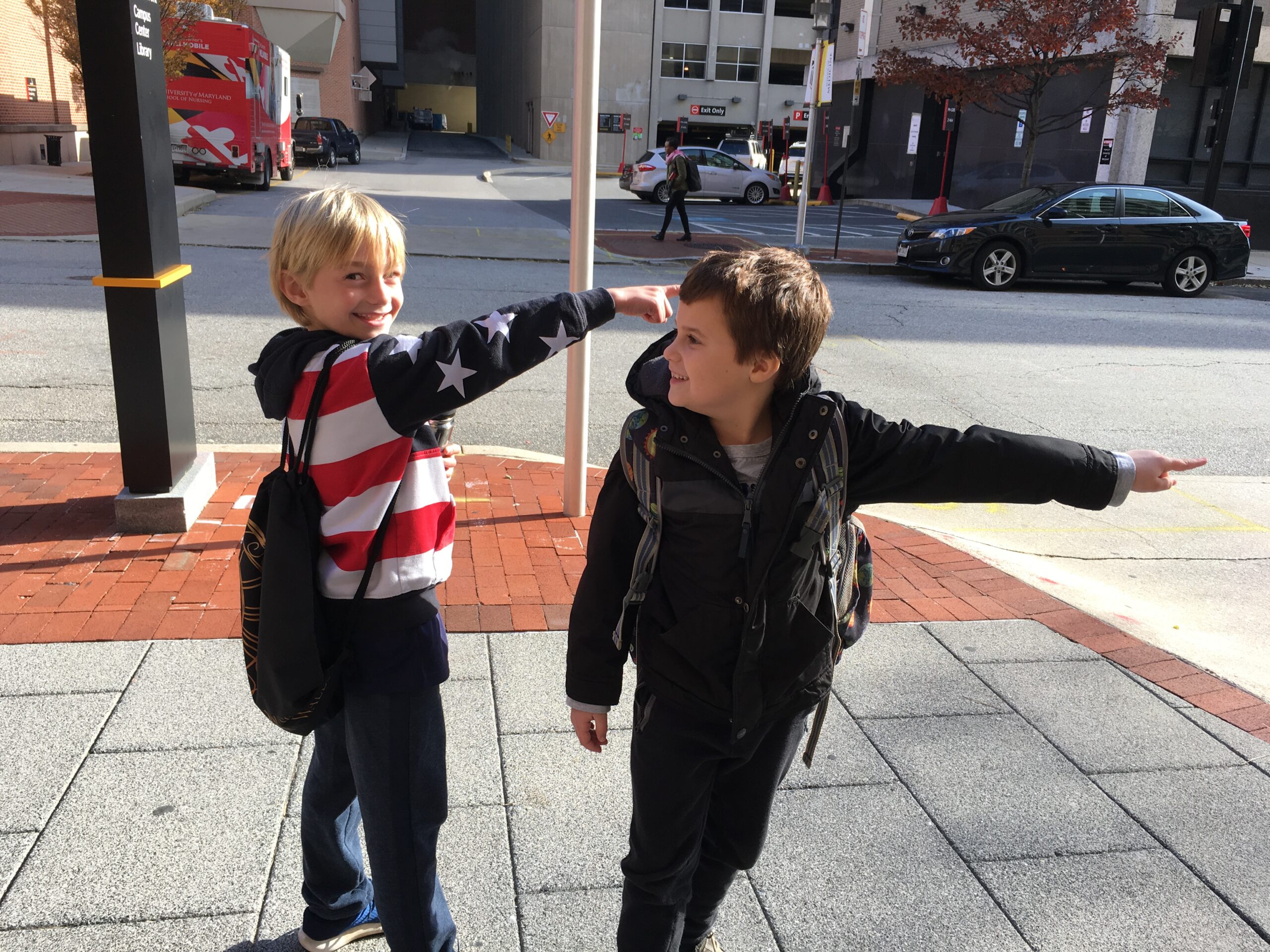
During the outing, adult chaperones are trained to allow the students to take the lead. One Montessori parent described following a group of students as they walked in the wrong direction, away from the museum they wished to visit. Finally, one of the children realized they were lost and the entire group mobilized to read the map, ask for directions, and solve the problem. Even though they lost a few minutes in the museum, who’s to say that wasn’t the biggest learning experience of the day? Each Going Out is an entire course of study on independence, responsibility, and good citizenship. This is what Practical Life looks like at the Elementary level.
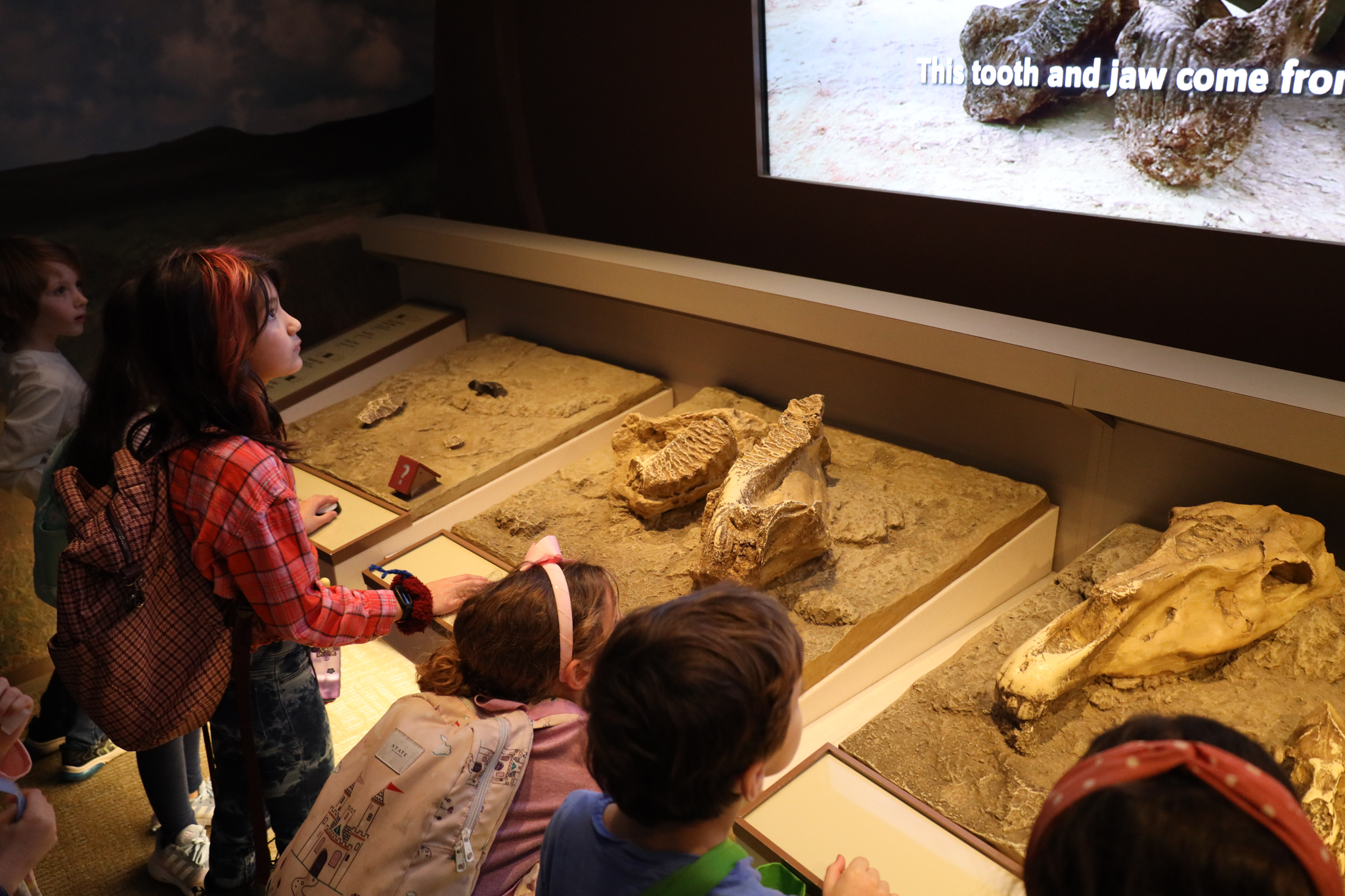
Babe Ruth Museum
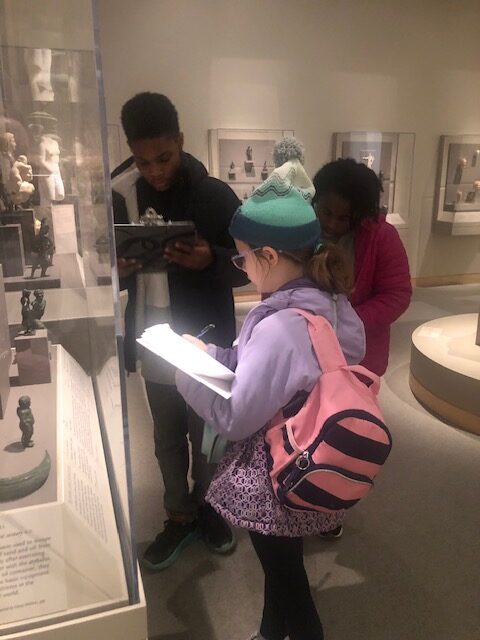
Walters Art Gallery
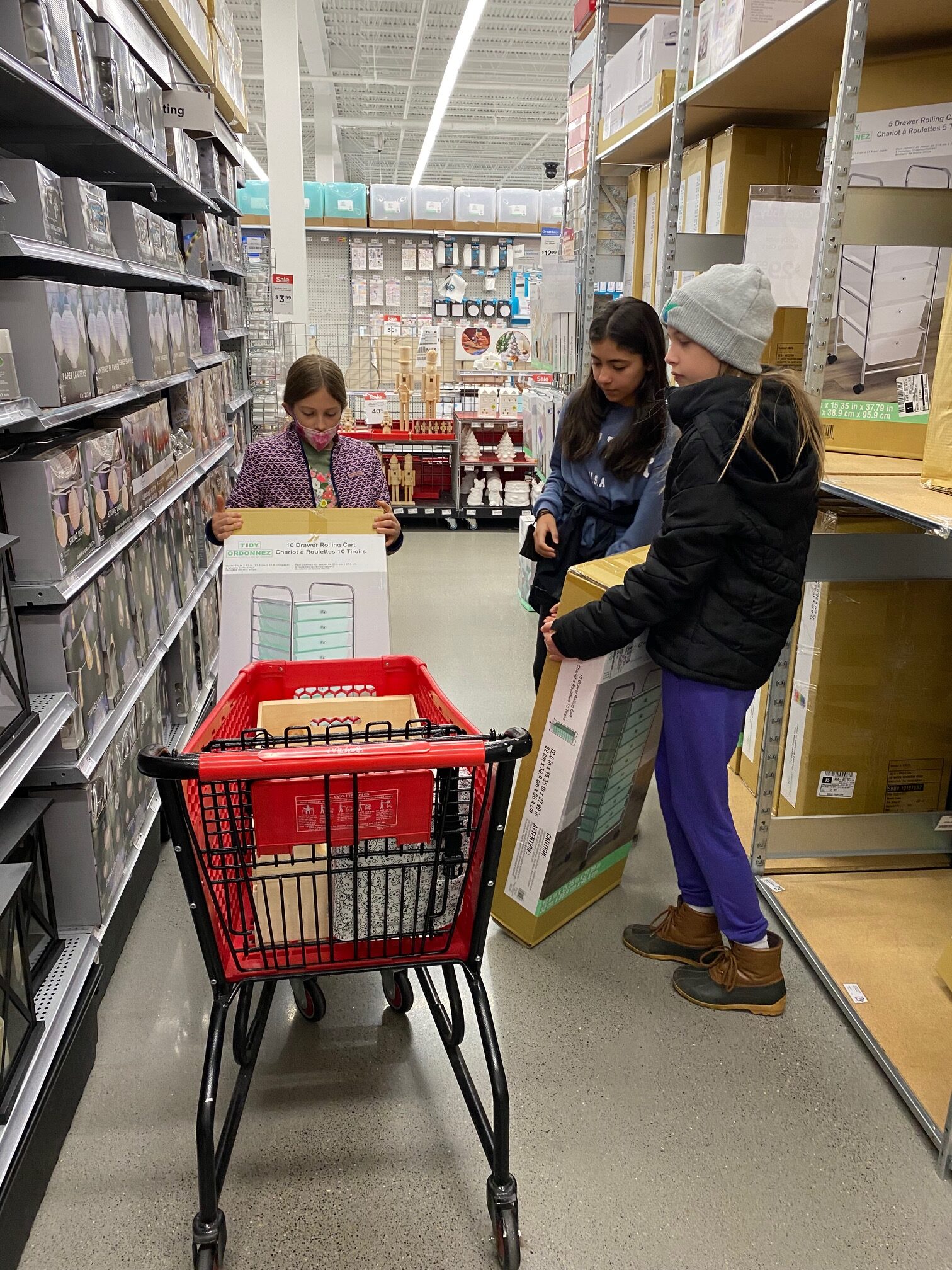
Michaels
Going Out may look different depending on the age of the students. For Elementary students, outings may be focused more on the social learning experiences and developing leadership skills, while Adolescents are actively seeking to determine their role in the larger society and bring about meaningful change in the world around them. Adolescents also feel great desire to make improvements in their communities. They may develop their own community service projects, fundraising efforts, and opportunities to mentor younger children. “What will I use this for?” is an oftenasked question of the adolescent, as he is determined to use knowledge to do something in the world. Projects such as monitoring the neighborhood watershed, building and maintaining a large garden, or baking bread, are real world opportunities for many lessons in science, language arts, and practical life skills. Students work as a group to find ways of making money, their first direct experiences of the economic connections in a society.
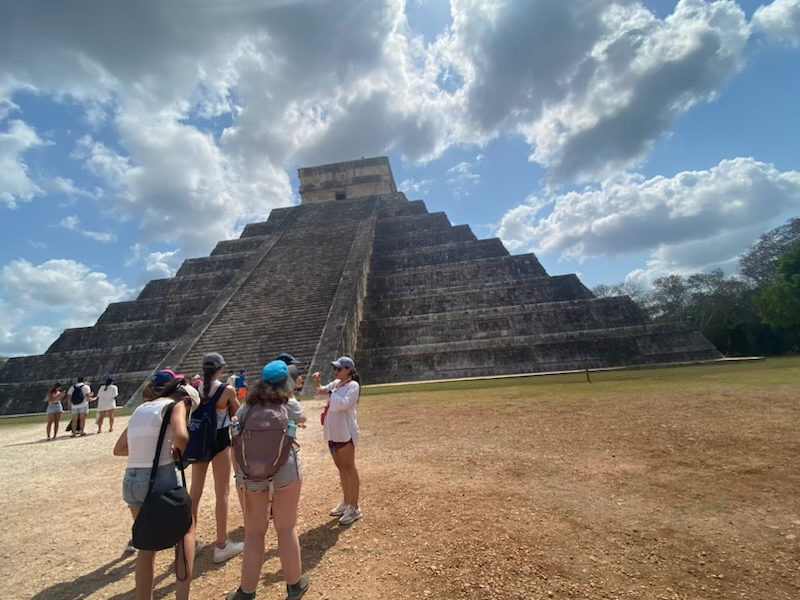

Farm

Green Schools Summit
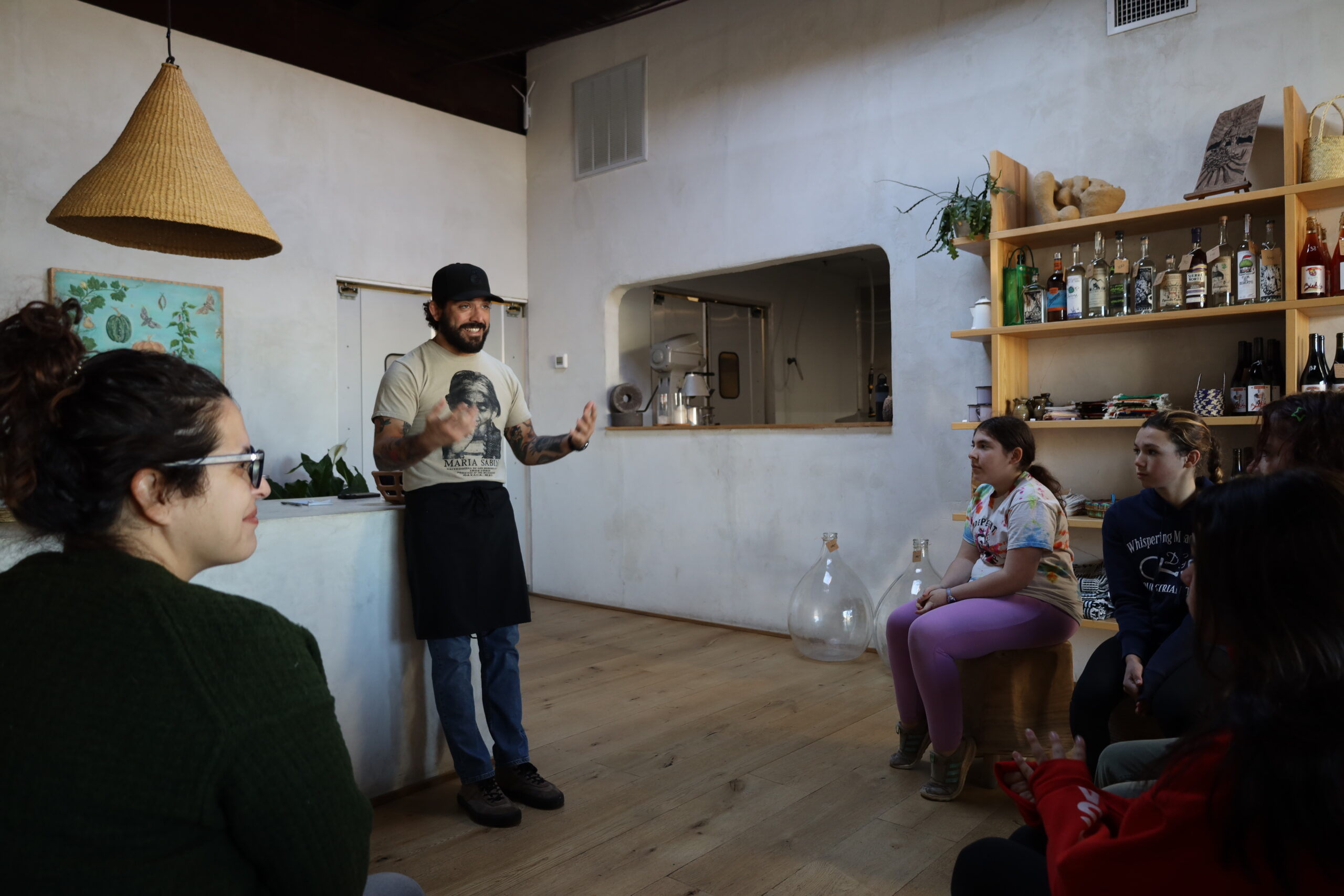
Restaurant

A Parent’s Perspective on Going Outs
Amy Scott shared that one of her favorite experiences as a Greenspring Montessori parent was taking Lower Elementary students on Going Out trips.
Amy described the challenges of accompanying a group: “Keep quiet. No problem, I thought. I’ve got this. It proved way more challenging than I had anticipated. We went to Pet Smart and wandered. They needed to buy crickets. They looked for 30 minutes before one of the kids thought to ask a staff member for help. They almost bought the wrong number of crickets. Certainly, I could correct that mistake? It would save time. Wait, I’m not here to save time! I had to remind myself of that repeatedly.”
“As a busy mom, I am hard wired to save time. I had to stop myself from stepping in SO many times. Was this a lesson for them or for me?”
Amy also told us of a challenging trip to the grocery store: “The students needed ten items. Who knew there were so many kinds of tomato sauce products?!?! The right one was just in front of them! No, not that kind. No, not that size! Oh boy, I was getting triggered. I took a deep breath and turned back to the students. They were focused. They had learned that I wasn’t going to step in so they weren’t even asking. They were figuring it out. And so what if they bought the wrong kind of tomato sauce or ground beef?!”
“Would we as parents rather have a perfectly cooked lasagna or kids who have learned to navigate an enormous grocery store by themselves? Kids that feel a crazy awesome sense of empowerment for picking out the ingredients and paying for them on their own?”