Montessori education centers around the concept of freedom with responsibility, which allows students to take control of their learning journey. By offering a structured environment with freedom to select work that challenges and interests them, children learn to make decisions that align with their interests and goals. An Upper Elementary student may choose to research Ancient Egypt, while another student might focus on a science experiment involving ecosystems. This kind of self-directed learning fosters intrinsic motivation, encouraging students to dive deeply into subjects they are passionate about.
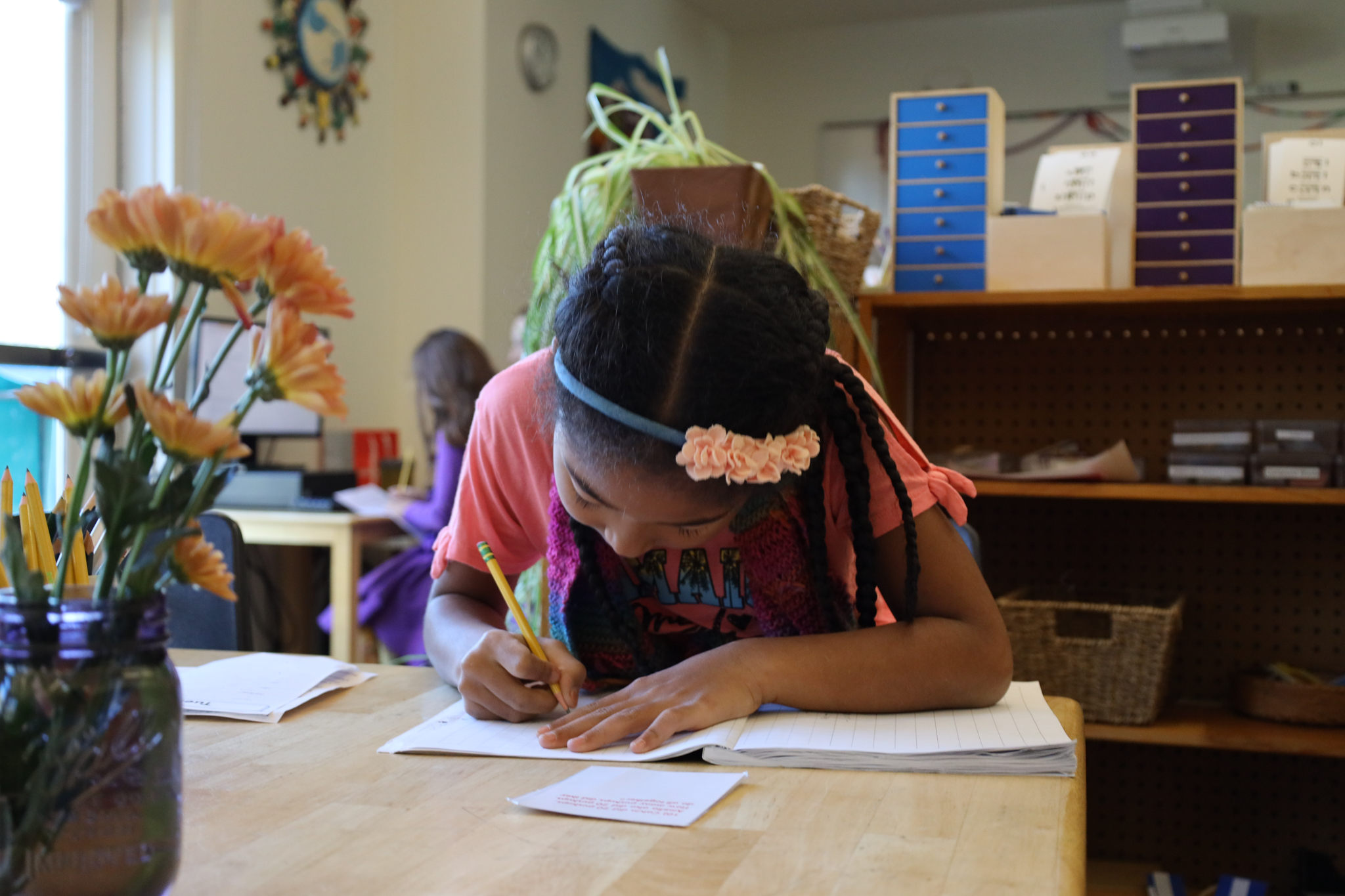
When students choose their work, they experience a sense of ownership, which builds confidence and responsibility. They’re not just completing assignments; they’re developing skills for life by learning to manage their time and tasks independently.
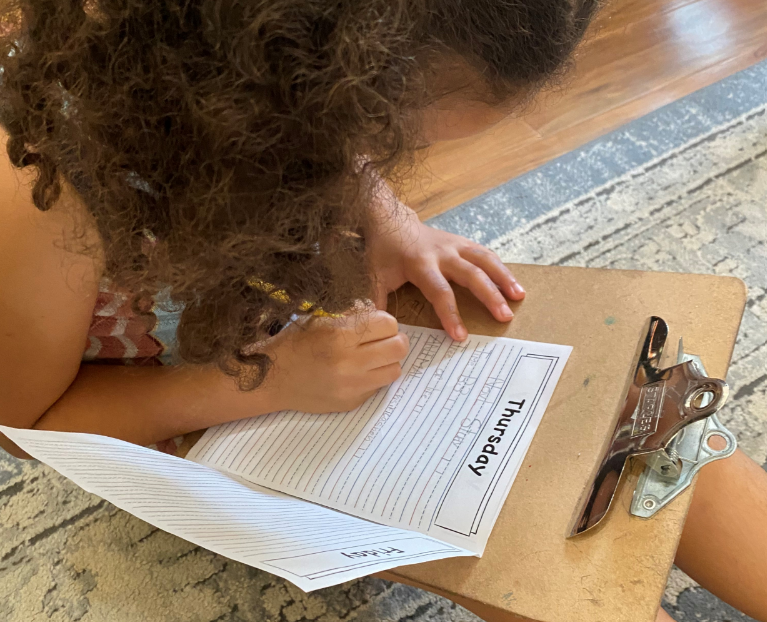
Executive functioning—the ability to organize, prioritize, and manage time—is critical for success in both school and life. Montessori students practice these skills daily, planning and monitoring their work, often with the help of work journals. These tools encourage children to map out their week, allocate time for various tasks, and self-assess their progress.
For instance, an elementary student might outline the steps needed to finish a long-term geography project, from initial research to final presentation. As they move from one stage to the next, they learn to adjust their plans, handle setbacks, and see their project through to completion. This kind of planning and organization doesn’t just help with academics—it equips children with the executive functioning skills they’ll use for a lifetime.
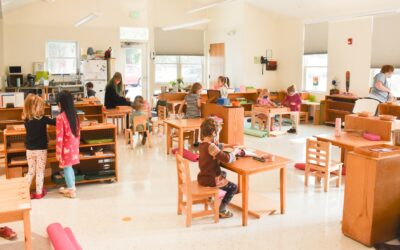
Students won’t develop executive functioning skills unless they have opportunities to practice! Montessori Elementary classrooms are rich with opportunities for students to practice – from keeping their binders and lockers organized, to choosing and recording their work, to planning long-term projects, and more. Students learn by doing – and will make mistakes. Montessori Guides frame these moments as opportunities for growth, and by persevering through challenges, students develop a growth mindset about their learning.
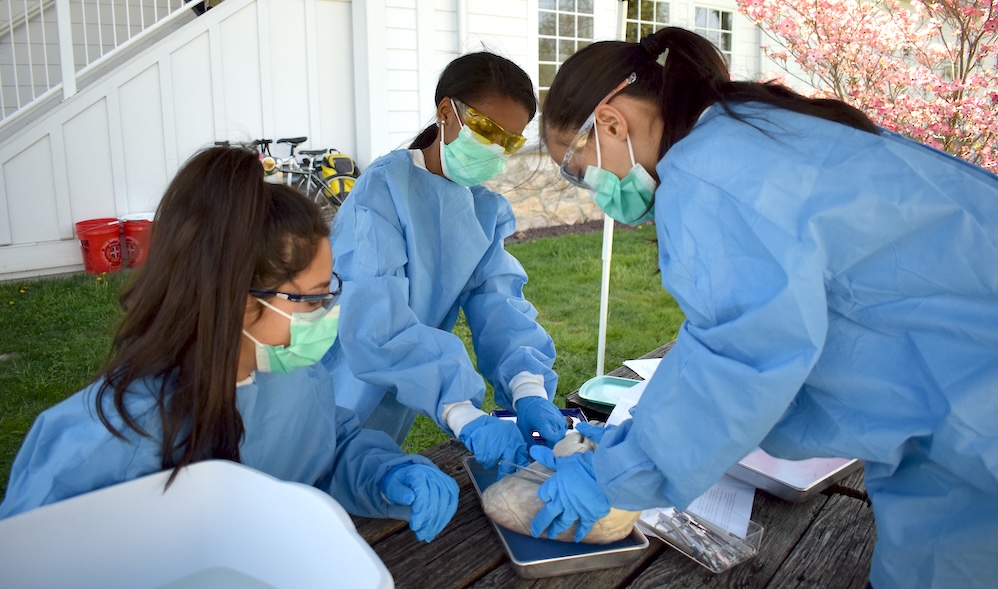
Montessori students engage with learning that connects to the world around them. Instead of isolated academic exercises, they explore practical applications through field studies, community service projects, and hands-on activities that bring their lessons to life. A nature walk might turn into a science lesson on local ecosystems or a Going Out to a local business could tie into an economics study.
Real-world learning gives students context for what they’re studying, making subjects more relevant and engaging. This process not only builds practical skills but also reinforces the importance of community, cooperation, and responsibility. Montessori children often collaborate on group projects, sharing ideas, making joint decisions, and learning to appreciate diverse perspectives—all essential parts of working in any community.

Although Montessori classrooms encourage autonomy, Guides still play a crucial role in guiding students. They observe each child’s interests and progress, offering support and gentle redirection when necessary. This approach allows children to feel empowered while knowing there’s always a trusted adult available to help them navigate challenges.
Through this support, students learn to ask for help when needed and develop the confidence to solve problems independently. By middle elementary grades, Montessori students are well on their way to mastering not only academic skills but also independence, agency, and resilience.
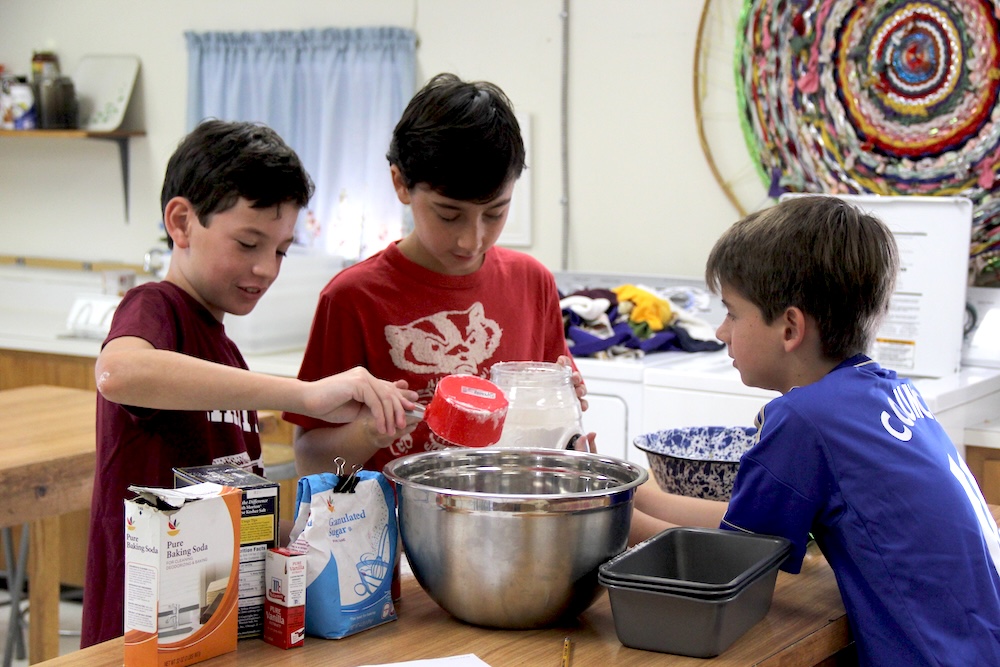
In a Montessori elementary classroom, children experience a unique blend of freedom and structure, one that fosters independence, builds executive functioning skills, and connects learning to the real world. By empowering students to become active participants in their own education, we lay the foundation for capable, curious, and compassionate individuals who are ready to navigate the world with confidence.
Our goal is to support each student on their journey to becoming a self-directed, engaged, and responsible learner—and we see the impact of this every day. Montessori truly prepares children for life.