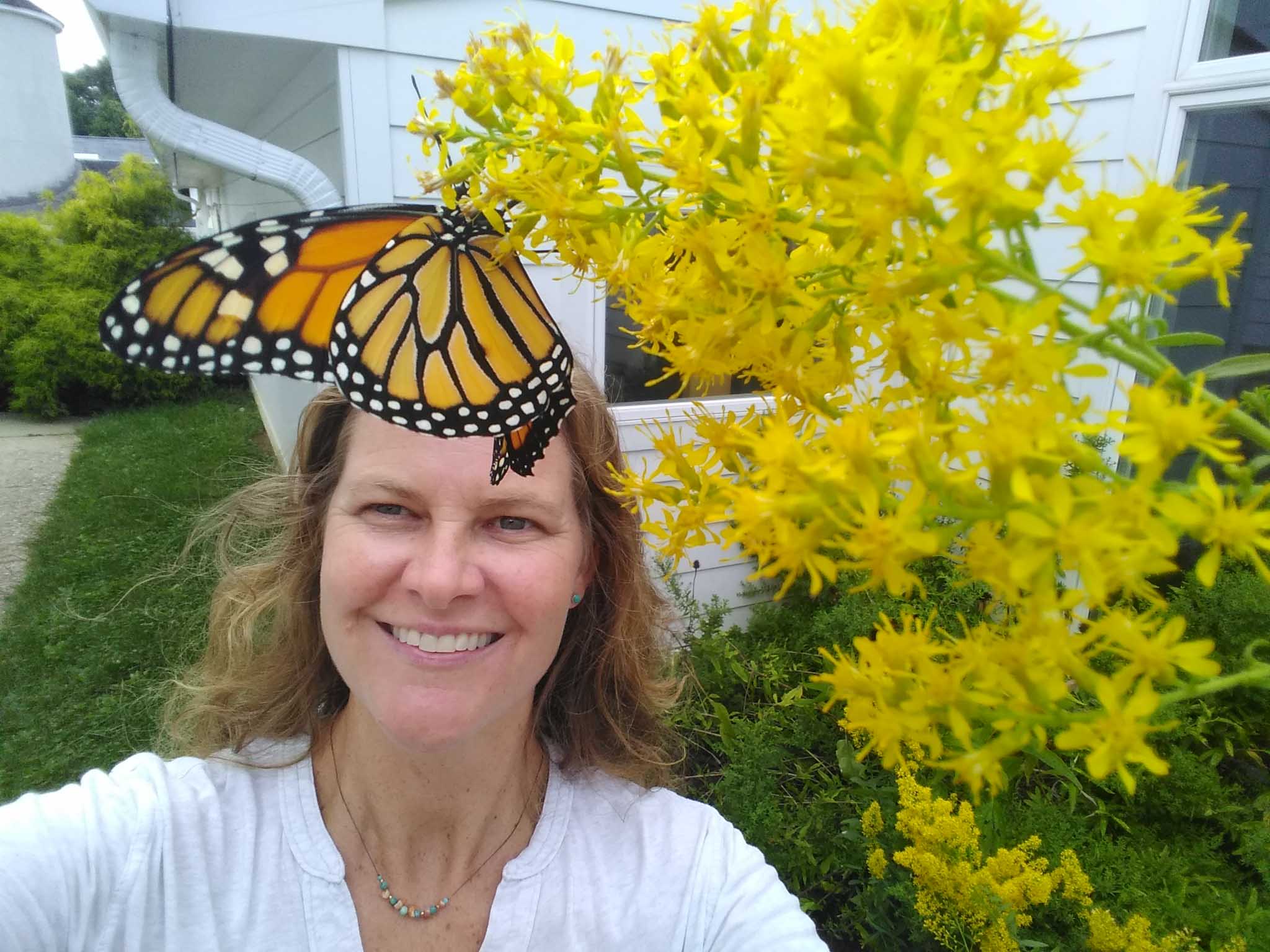
Throughout the 2021-22 school year, our Spanish Dual Language Children’s House and Lower Elementary students joined students and scientists across North America to track the monarch butterfly’s migration to Mexico with Journey North.
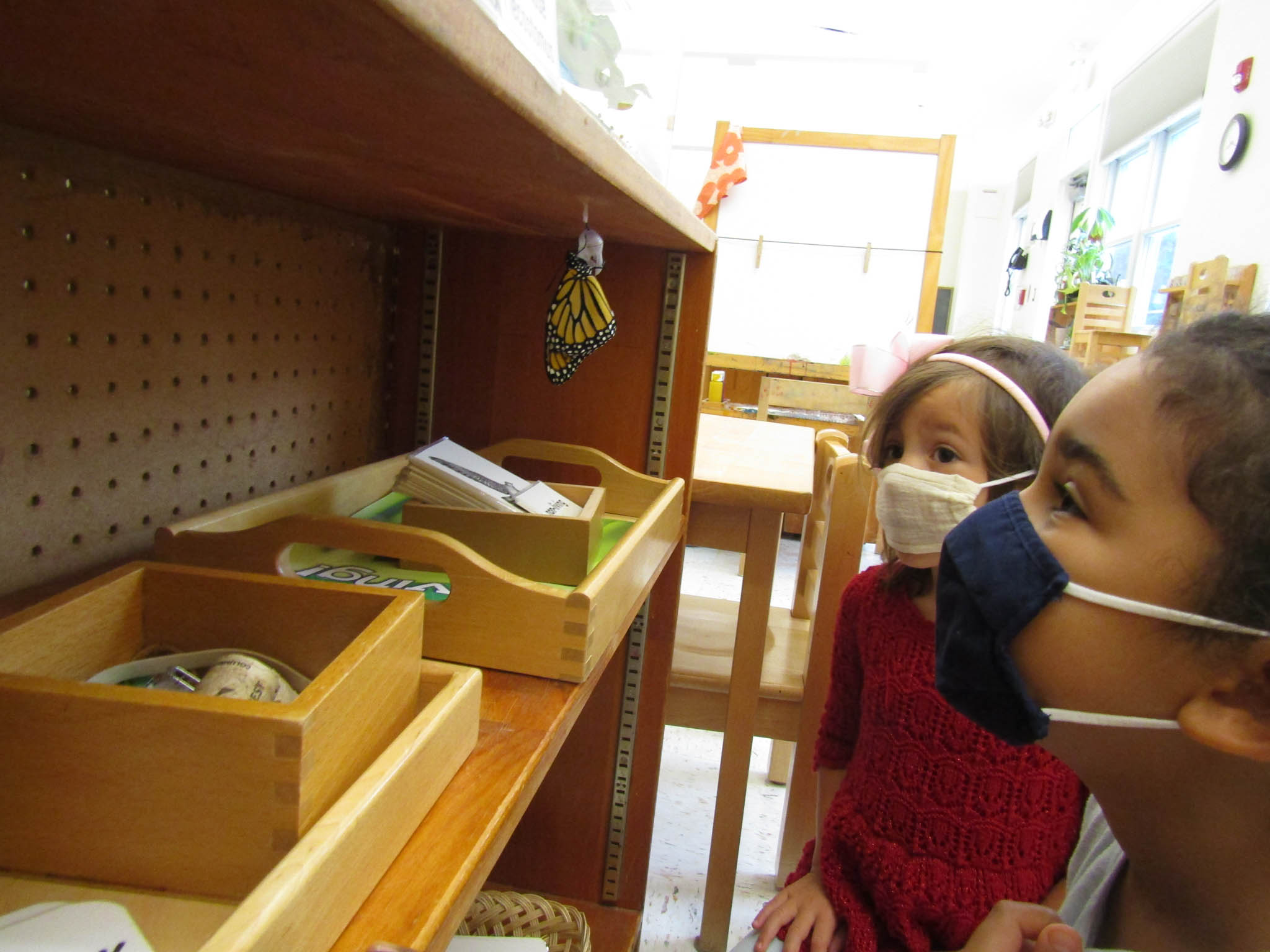
In October, the children learned about the monarch butterfly’s lifecycle and migration, then sent butterflies to other schools and wrote about what they’ve learned in English and Spanish. Many of our classrooms were home to monarch caterpillars. Children learned about what the caterpillars eat, bringing them fresh milkweed. It was a wonder to observe the amazing life cycle of the monarch! One crafty caterpillar managed to escape the enclosure and decided to attach itself to a shelf and enter the chrysalid phase. The children were so careful not to disturb the chrysalid, which hung precariously suspended on the shelf. They later watched the caterpillars form chrysalises and later emerge as butterflies.
As the butterfly migration progressed from September to November, students began learning about the migration. They discovered that a fragile butterfly can travel hundreds of miles to find its winter home deep in central Mexico. Students learned how monarchs connect people across North America as they migrate across international borders.
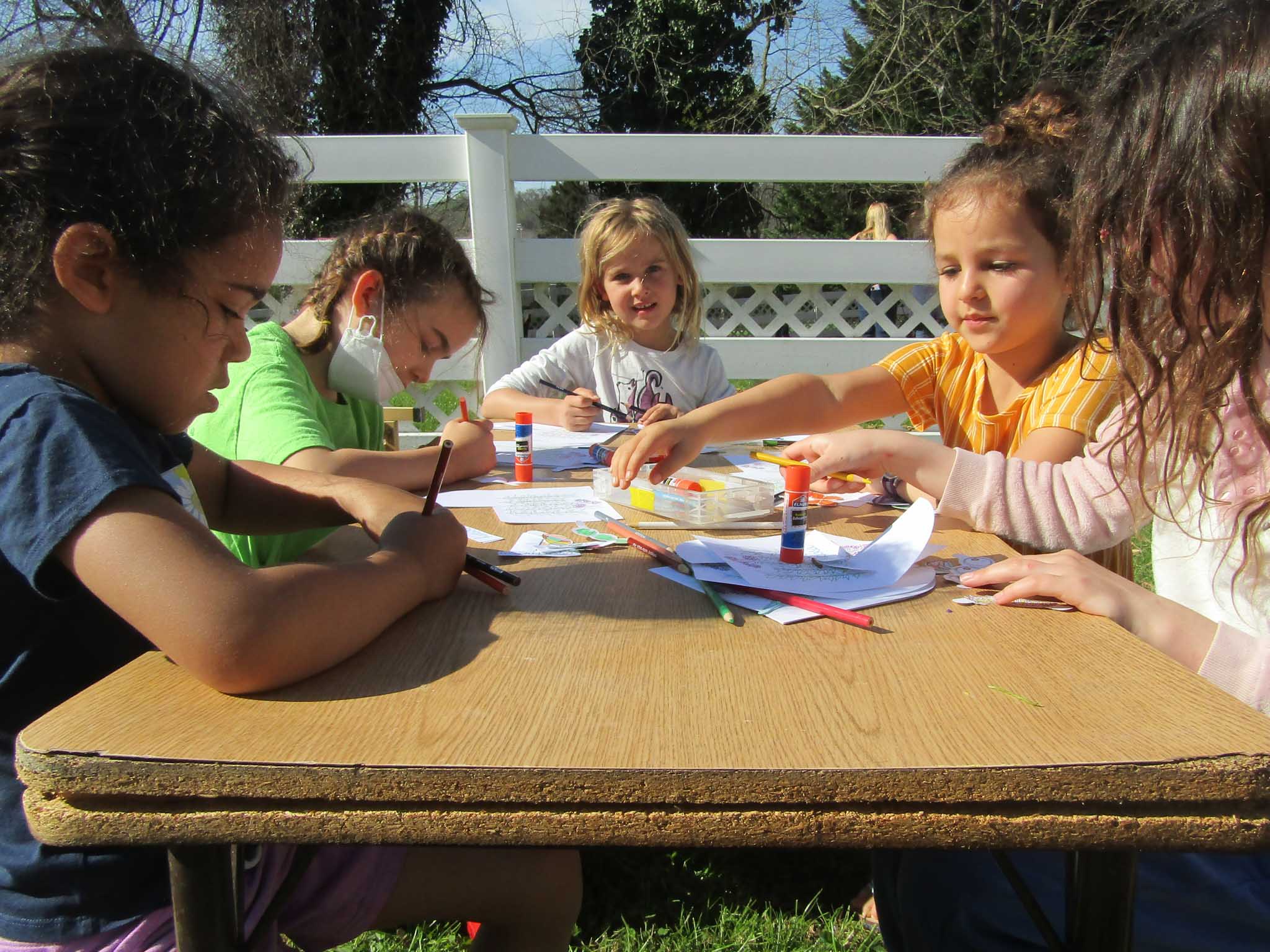
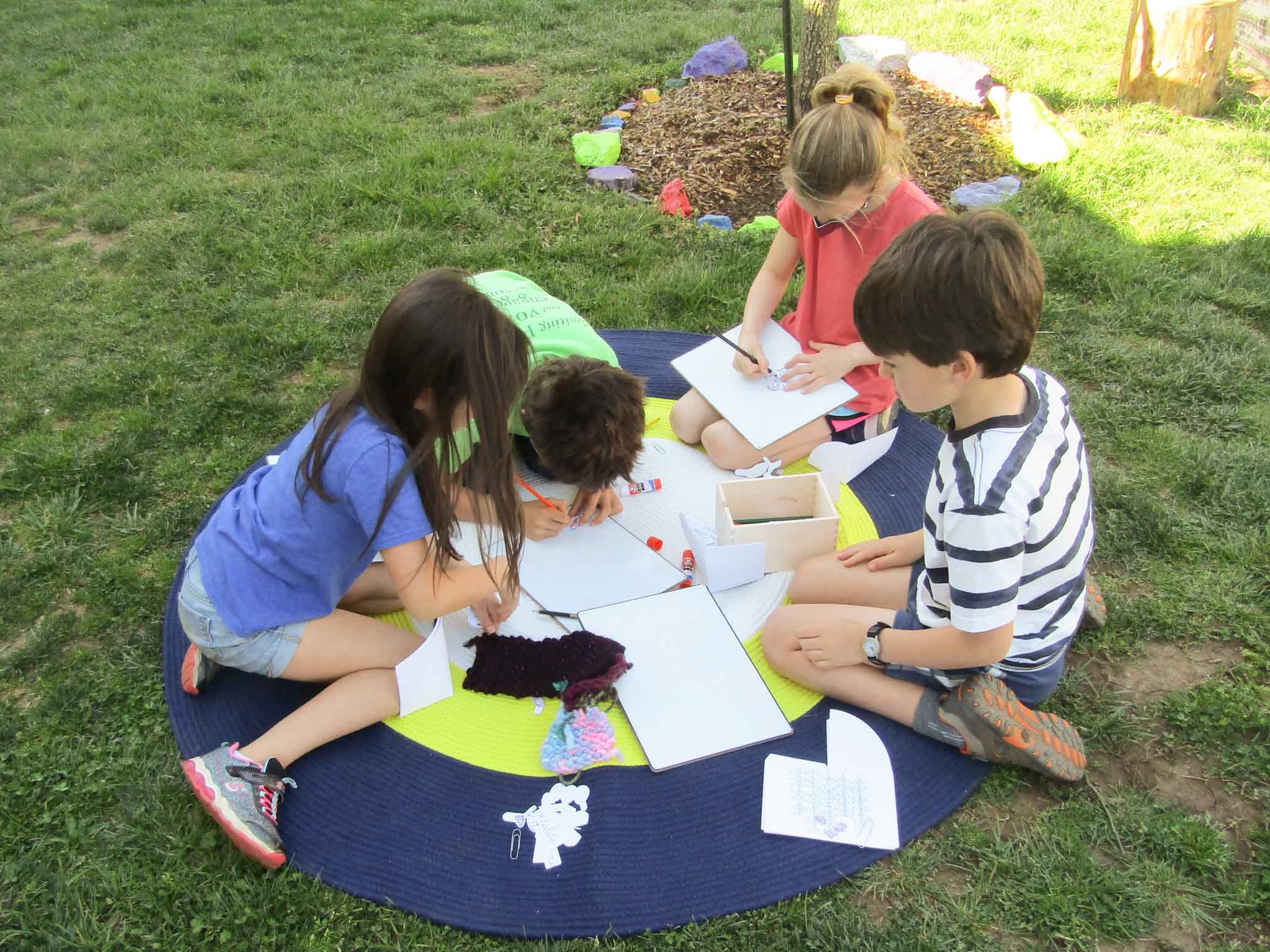
As a culmination of their work with the monarchs, the children celebrated Mariposa Day in April! They recently received butterflies from children from different places around the US. To celebrate, they made 3D butterfly cards!
This is just one example of the interconnected curriculum in Montessori classrooms, uniting language, art, and science together in a tangible way for our children.