The Gifts of Summer
The summer break provides unique challenges but also unique opportunities for unstructured time, including the freedom to explore outdoors, as well as building independence, and meaningful contributions.

Unstructured Time
While it’s tempting to schedule the summer with back-to-back camps, lessons, and playdates, children benefit from free time as well. When we over-schedule activities, we actually rob the brain of essential downtime and opportunities for creative thinking associated with the wandering mind. Try allowing for some blocks of unscheduled time this summer.
Here are just a few of the brain benefits of boredom:
- Recharge. Downtime allows our children to recover from “cognitive overload” and to recharge executive functioning skills.
- Imagination and creativity. The latest research shows that our brain doesn’t go into a lower gear when we aren’t focused on something. Instead, the activity shifts to the imagination and creativity parts of the brain.
- Problem solving skills. When children engage in open ended projects, they encounter unforeseen challenges and must develop their problem solving skills.
- Confidence and grit. Confidence and grit aren’t developed by things coming easily. They come from children overcoming worthy challenges.
“Children need to sit in their own boredom for the world to become quiet enough that they can hear themselves.” – Dr. Vanessa Lapointe
When your child proclaims, “I’m bored!” try to avoid rushing in with an organized activity. Instead, create space and time for children to come up with their own ideas for what to do next. This may mean having some materials around to prime the creative pump. For young children these materials can be as simple as sticks, paint, and cardboard! What they do next is up to them. Consider setting aside some time with your child to create a list of activities they enjoy and some fun-sounding challenges or longer-term projects. Then when they need something to do, you can suggest they choose something from the list you brainstormed together. Remember, building any new skills takes practice. Allowing time for free play throughout the year will help your child learn how to make their own fun. Think of it as creating “boredomtunity” for your child.
Freedom to Explore Outdoors
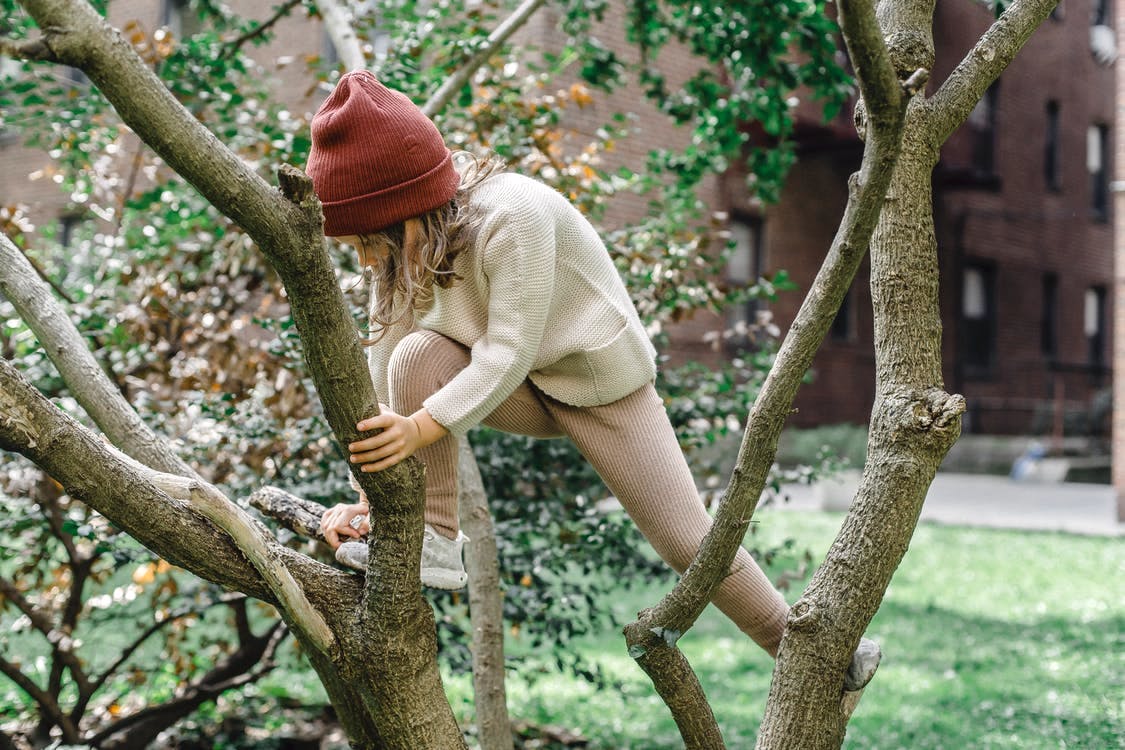
Encourage your child to spend unstructured time outside. Not only does “green time” promote better physical health (immune function, heart health, Vitamin D production, better sleep), it promotes better mental health (reduced stress levels and lower levels of stress hormones). There are also cognitive benefits, including improvements to short-term memory, attention, and learning. Finally, “green time” invites exploration and curiosity about the natural world and gives children the opportunity to take healthy risks that build problem solving skills and perseverance.
Sarah Milligan-Toffler and Richard Louv of the Children & Nature Network write, “In a brief integrative review of the research [researchers] found that time in nature produces positive shifts occur in perseverance, problem-solving, critical thinking, leadership, teamwork, and resilience—skills that are essential in overcoming the unprecedented challenges we face today.”
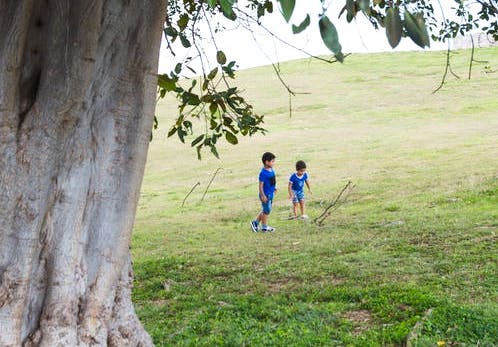
time to wander

time to explore

time to think
Whether it’s digging in the dirt, taking a walk in the park, or having a picnic in the backyard, time outside is a gift to your child.
Building Independence
For some of us, our instinct is to try to make life “easier” for our child. But by removing obstacles, we are actually taking away opportunities for children to learning new skills and overcome worthy challenges. For example, it may take much longer for a young child to zip up her own coat, but when time allows, give her the opportunity to try. If she begins to get frustrated, provide the minimal amount of help needed (such as holding the bottom of the coat to create tension, while the child pulls up the zipper). Children build self-confidence by accomplishing difficult tasks. Your child’s mantra can become, “I can do hard things!”
Allowing a child to do things for herself may require some support. Consider providing a stool at the bathroom sink so the child can reach the faucet to wash her hands. Consider putting out a small pitcher of water and a small glass so she can help herself when she is thirsty. If dishes, napkins, and silverware are placed in a lower cabinet, the child can help set the table for a meal. You can revisit our blog post titled The Montessori Home for more ideas on how to set up each area of your home (kitchen, playroom, bathroom, and bedroom) to support your child’s independence.
As you observe your child, you may notice that he or she needs a new skill. This is an opportunity for you to give your child a lesson! Here’s how you can do it:
- Invite your child to see something new & name the lesson: “I am going to show you how to wash your hands. I’ll have a turn and then you’ll have a turn.”)
- Demonstrate slowly and precisely
- Follow a clear sequence
- Do not talk while you are demonstrating
- Use eye contact and a smile between steps
- “Now it’s your turn! And anytime you want to have clean hands, you can practice!”
“The only way to build self-esteem is through overcoming worthy challenges.” – Joanne Deak, PhD
Making Meaningful Contributions
Not every free day needs to involve a trip to the zoo. Many times, children want to do what you are doing! You can invite your child to work with you in the garden, prepare a meal, or wash the car. You may need to provide child-size tools for some of these activities, such as a small watering can or acrylic knife, so that your child can participate fully.
Research indicates that those children who do have a set of chores have higher self-esteem, are more responsible, and are better able to deal with frustration and delay gratification, all of which contribute to greater success in school. (Center for Parenting Education) Check out our blog post titled Children as Contributing Members of the Home for a list of age-appropriate chores your child can do. And please don’t swoop in as soon as the work is hard. Let your child experience challenges and overcome them!
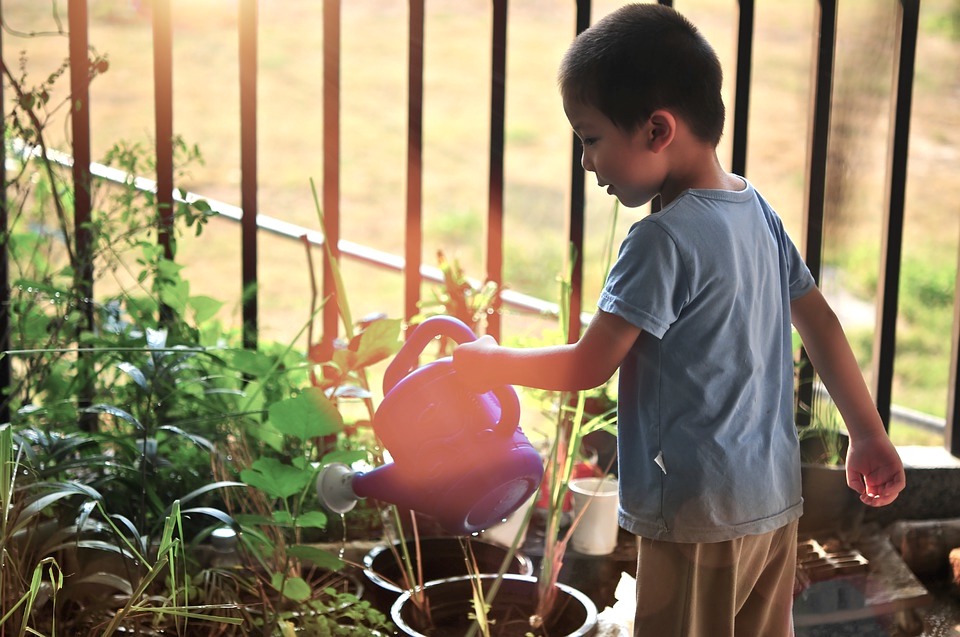
watering plants
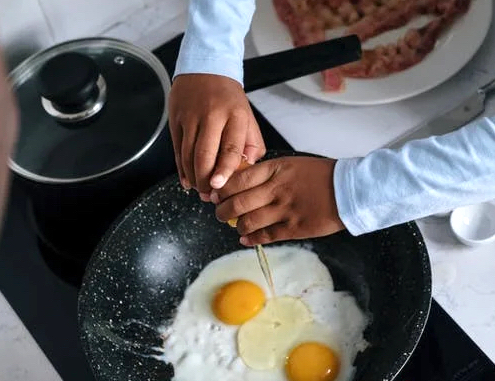
cooking

walking the dog
When we allow children opportunities to make meaningful contributions to the family and the greater community, we help build their resilience, perseverance, grit, and self-esteem. What greater gifts are there?
All of these pieces – unstructured time, enjoying the outdoors, building independence, and making meaningful contributions – are the ingredients for an exciting and fulfilling summer!