Preparing a Beautiful Meal in the Montessori Classroom

Preparing a Beautiful Meal in the Montessori Classroom

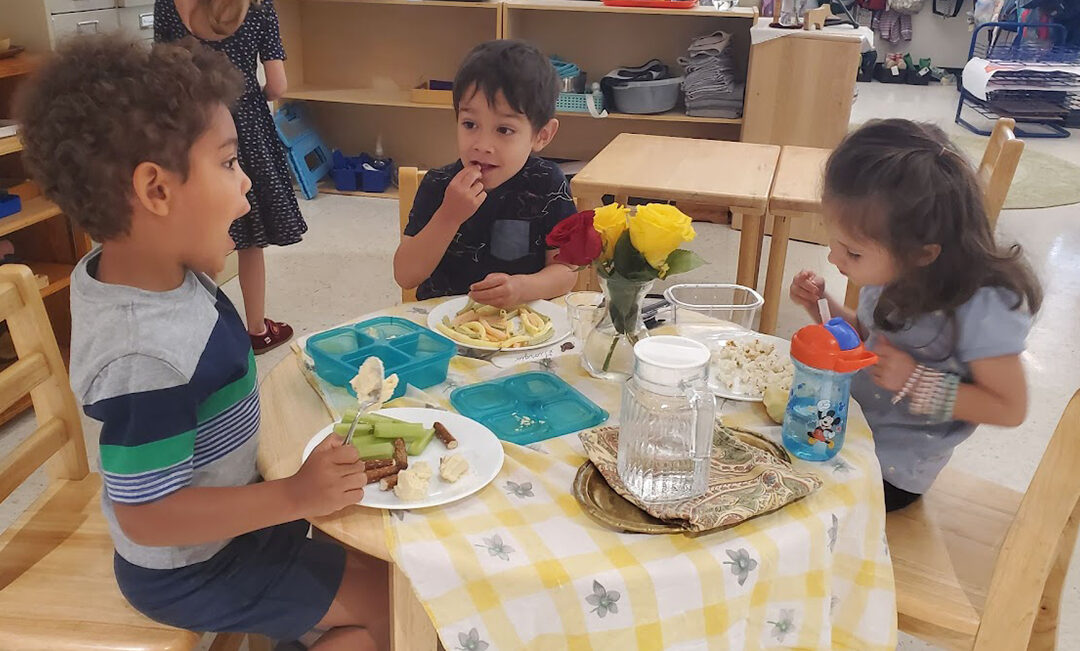
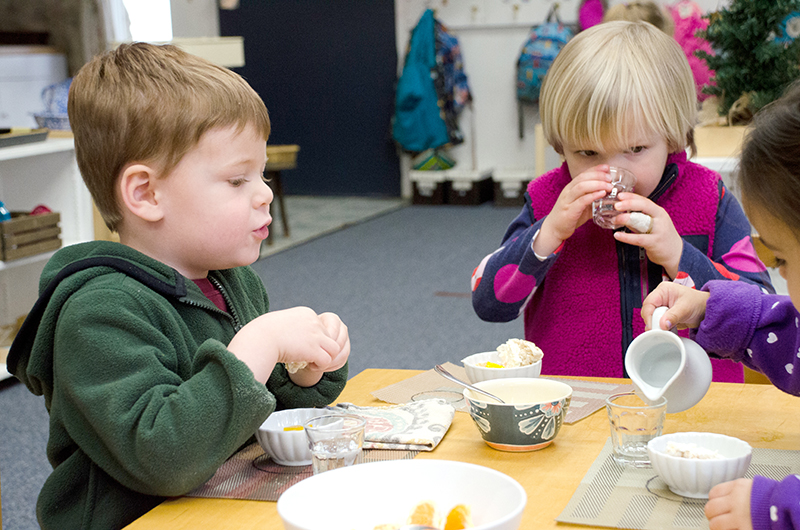
Preparing a Beautiful Meal is a daily Montessori practice in which children take ownership of creating a beautiful space for eating together. Beginning with our youngest children in the Toddler classrooms, these practices are instilled daily. The children are responsible for the setup each day, including laying a tablecloth or placemats, folding cloth napkins, and carefully carrying glasses, utensils, and glass or ceramic dishes. You will often see flowers on the tables that the children have arranged and placed to make the table more beautiful.

Children also participate in the clean-up process, including clearing the table, washing dishes, wiping down tables, and sweeping the floor. You see children collaborating and problem-solving during the process of setting up and cleaning up. Even cleaning up a spill or a broken dish is part of the learning! 

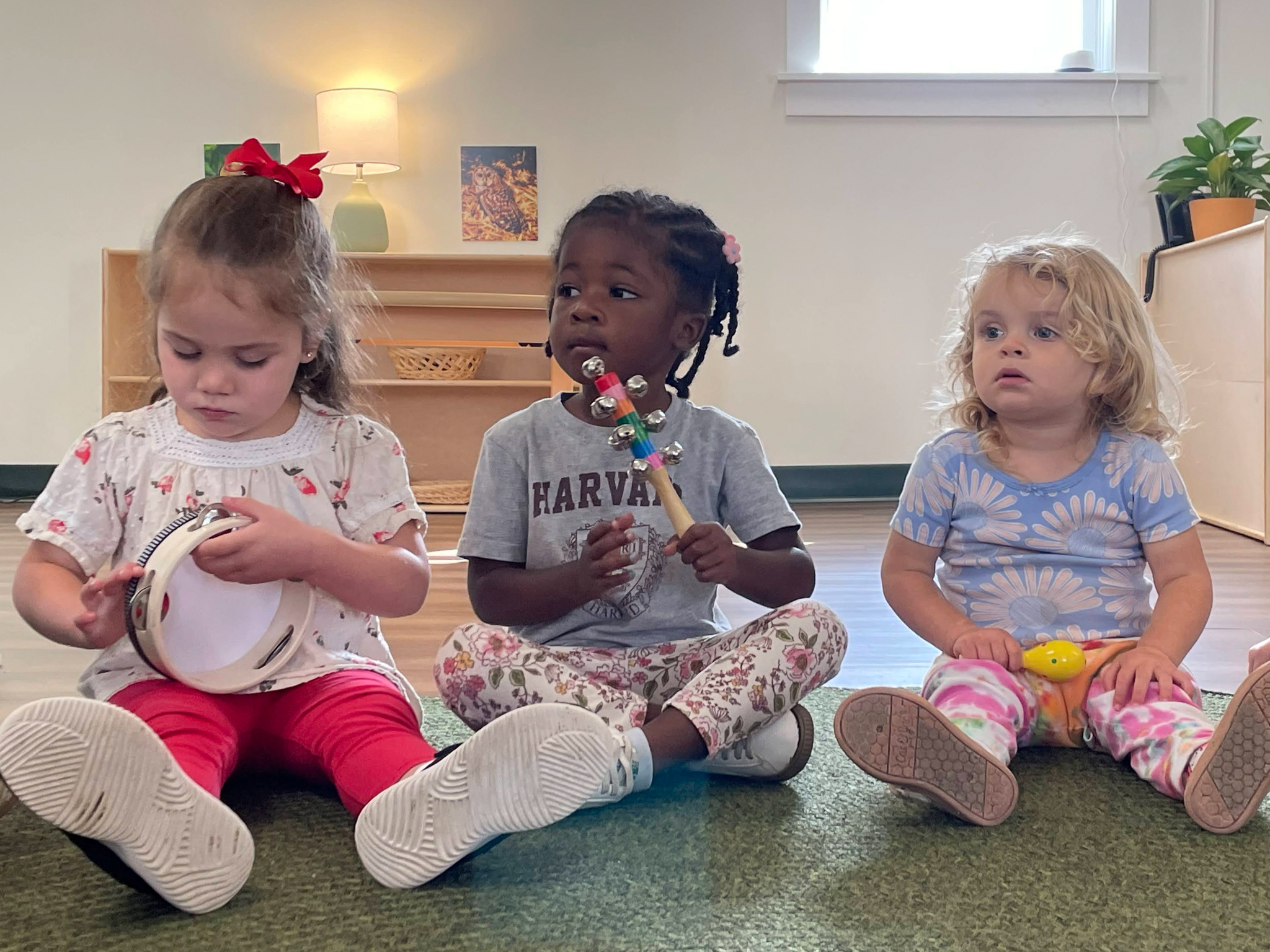
Above: Toddlers prepare snack and sit together for a beautiful meal.

During the meal, students have the opportunity to practice the Grace and Courtesy skills they have learned. For example, the children practice table manners, such as starting the meal together once everyone is seated, putting napkins on their laps, using utensils properly, chewing with their mouths closed, and excusing themselves from the table. They also practice conversational skills, such as taking turns speaking and asking each other questions.


We intentionally create these spaces for the children to engage with one another. For some, this may be the only meal of the day when they are able to sit down with others and engage in conversation. The children are in a sensitive period for developing these close bonds and sitting at a table together is an opportunity to meet those essential developmental needs.

How can families support in this initiative?

The case for real plates
You may have seen many adorable plastic bento boxes in your back-to-school shopping, however, we find that these can be challenging for children to open and scoop their food onto their plates. The same is true for squeeze yogurts and foods in plastic packaging. These are excellent for families when you are on the go, but they are often difficult for the children to enjoy in the classroom.

With a Montessori beautiful meal, children empty the contents of their lunch onto a plate and/or bowl for a few reasons. First, it helps to create an atmosphere of a sit-down meal at home. And second, it gives them the opportunity to practice very precise fine motor skills of scooping with a spoon or fork. We are finding that more convenient items, such as squeeze yogurts and perfectly portioned bento boxes delay the child’s precision with some of those table skills.

If you have more questions about how our Beautiful Meal will work in your child’s classroom, please reach out to your child’s Guide. We are so excited to be able to move back to this beautiful and important structure!

Spring in Our Outdoor Environments

Spring in Our Outdoor Environments

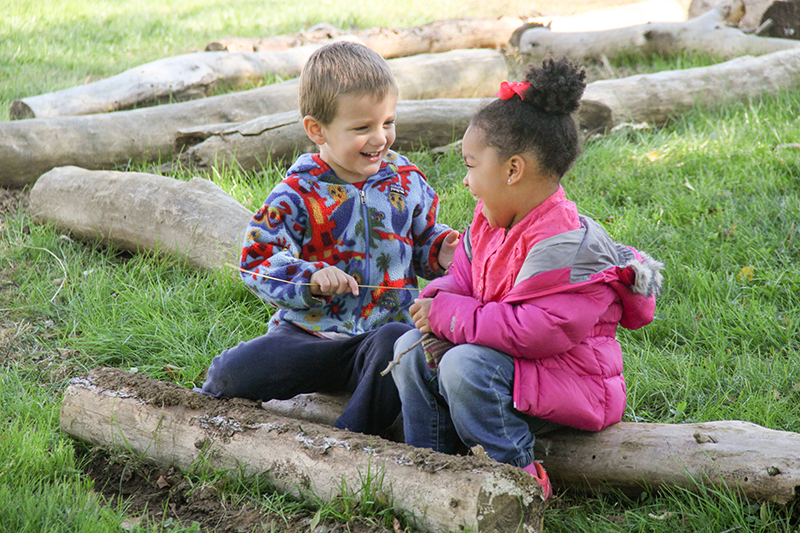
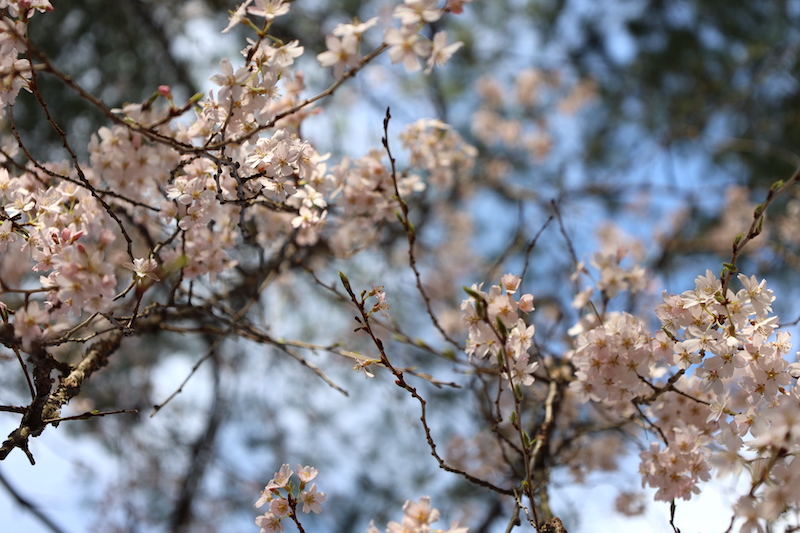
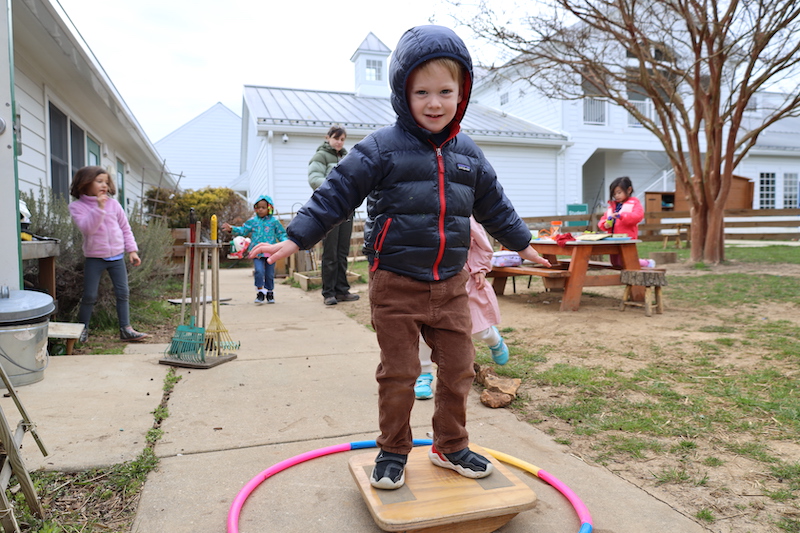
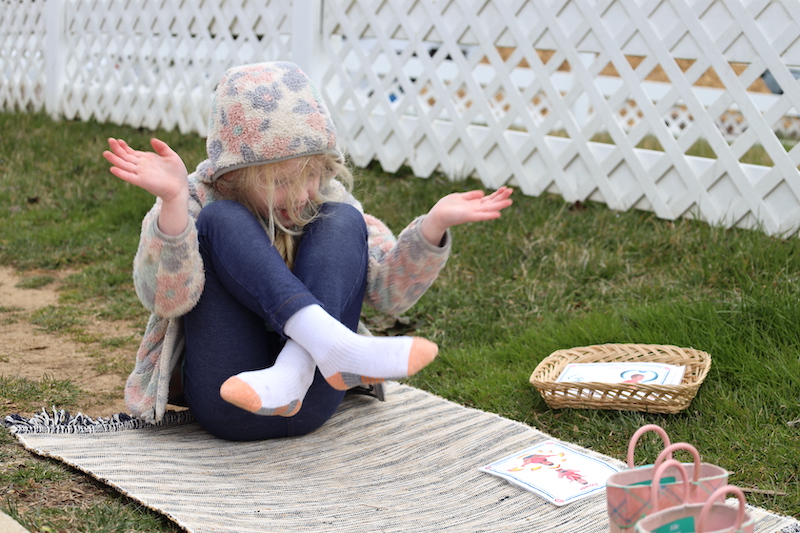
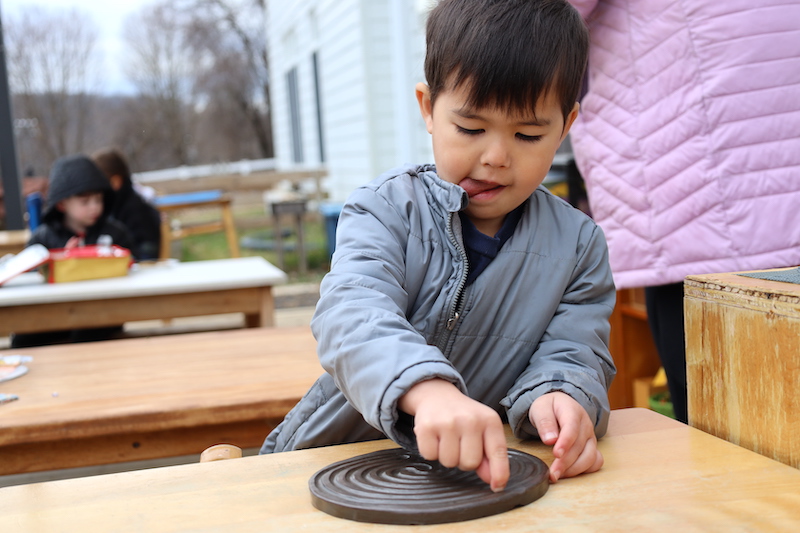
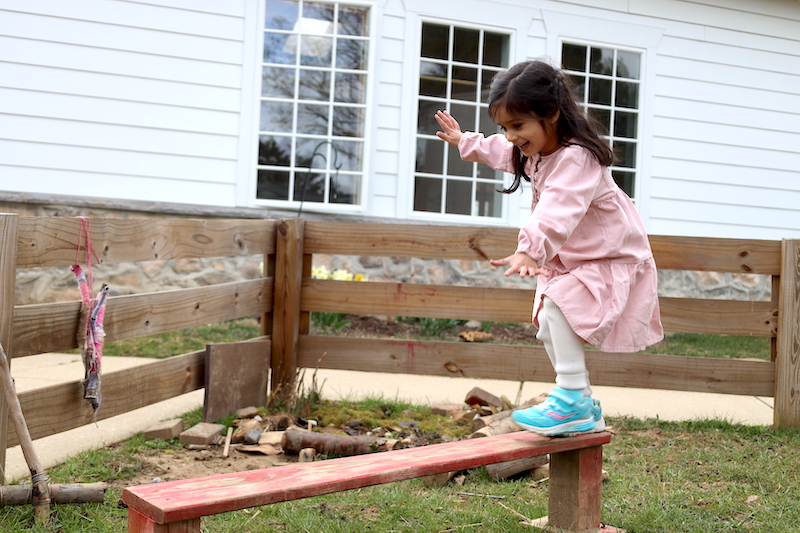
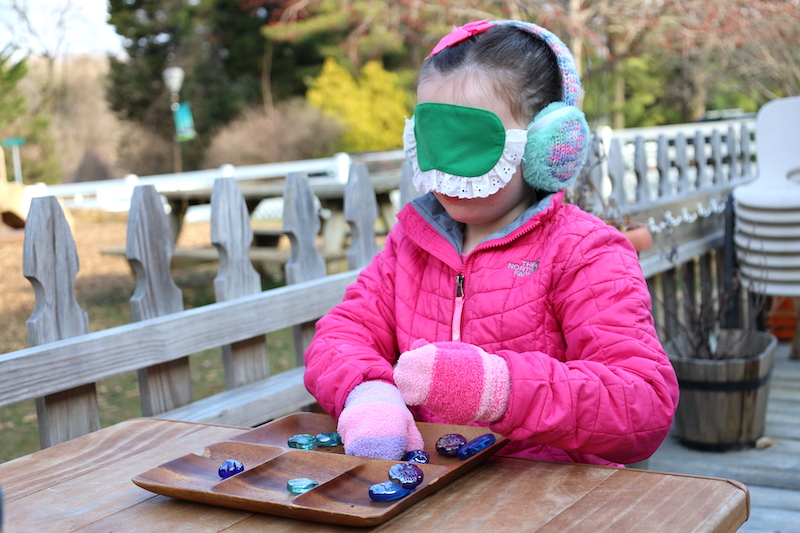
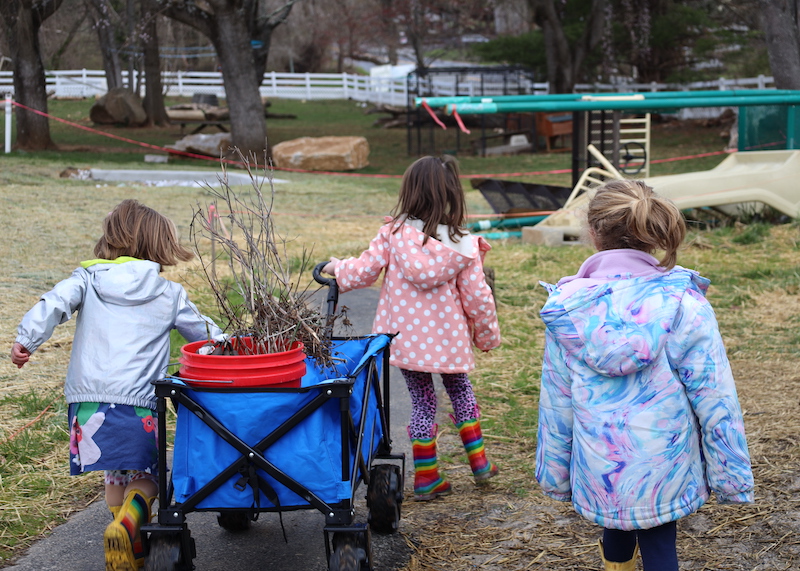
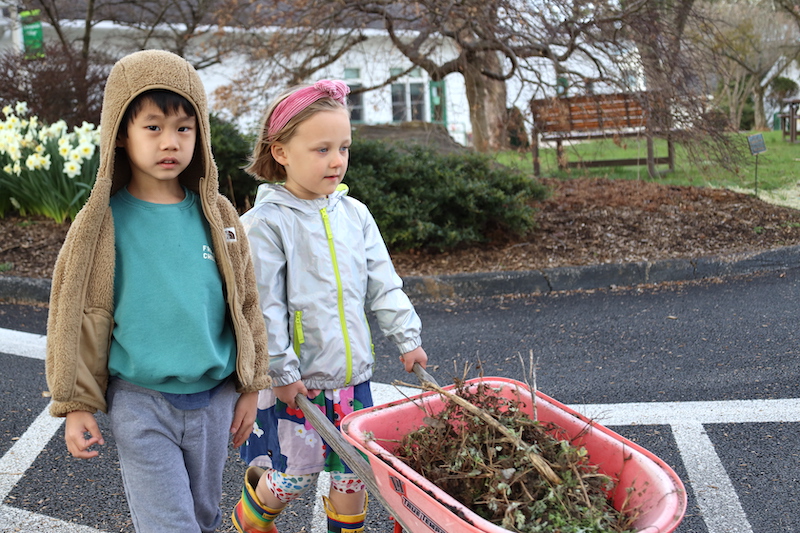
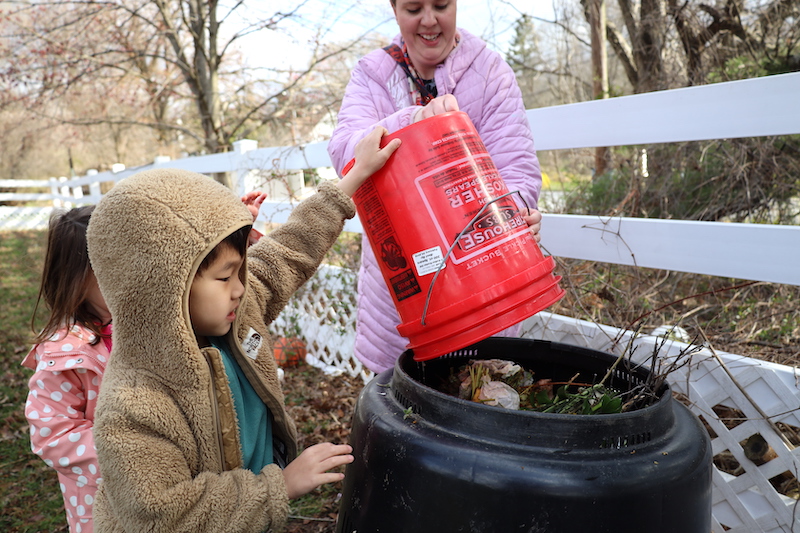
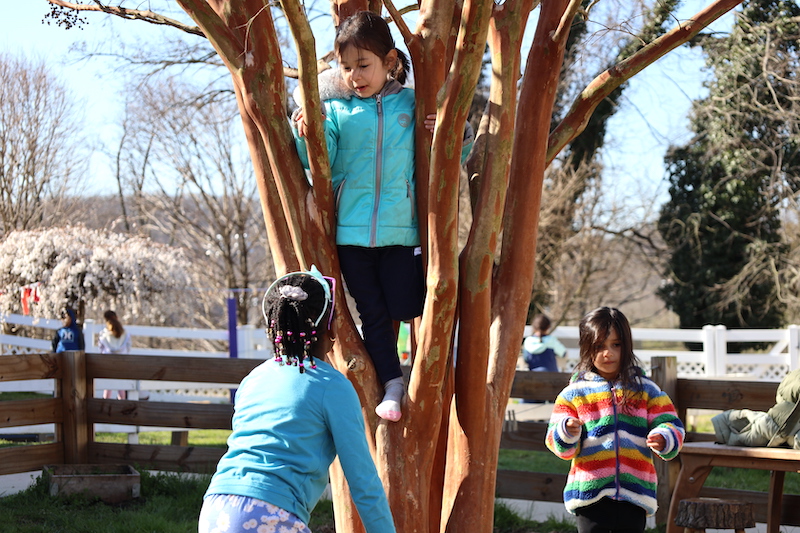
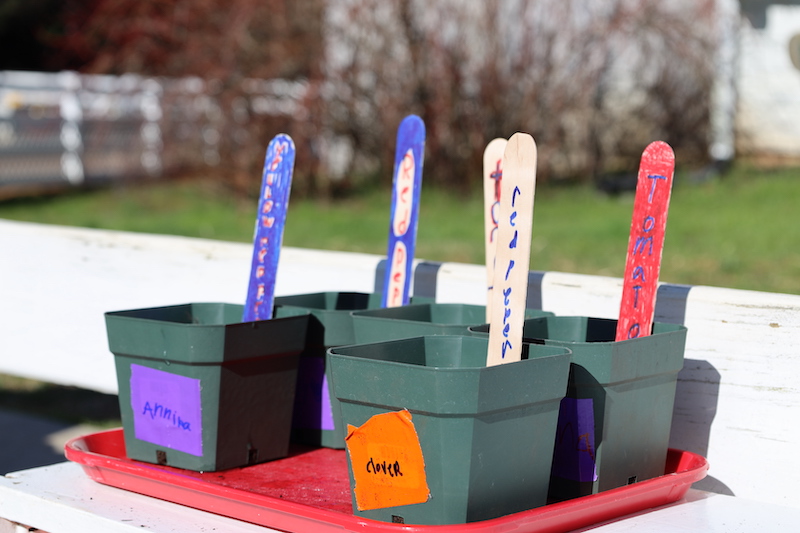
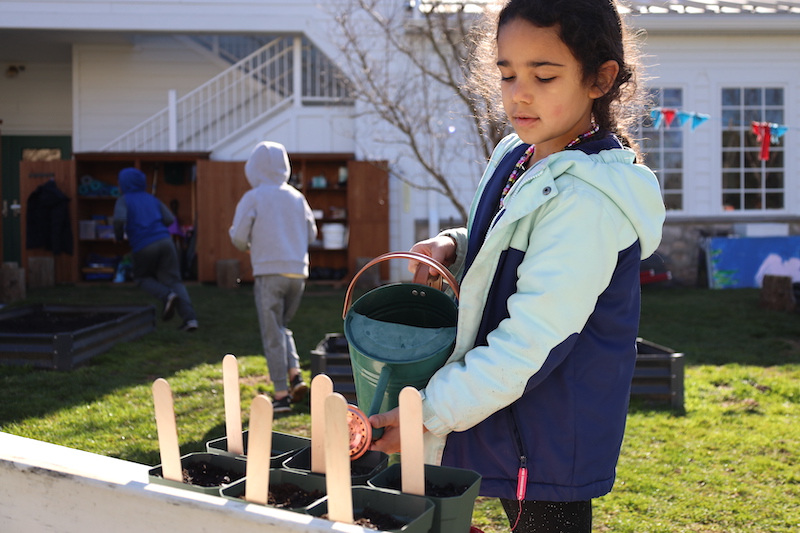
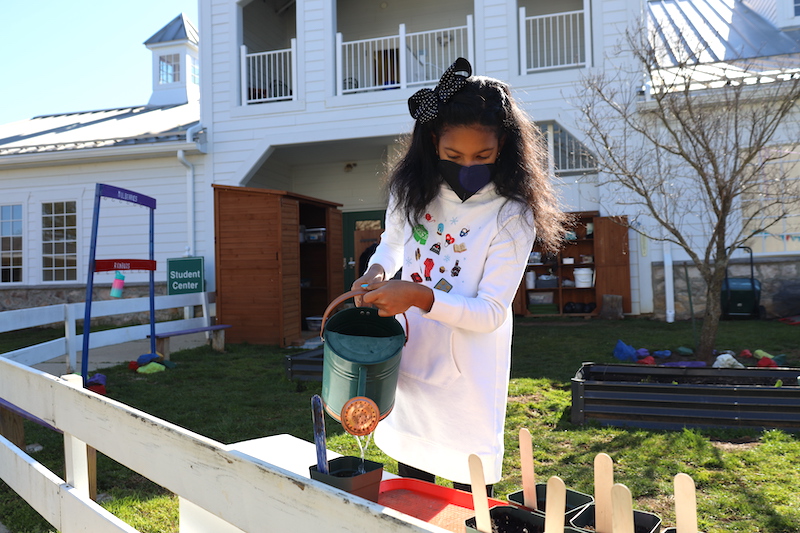
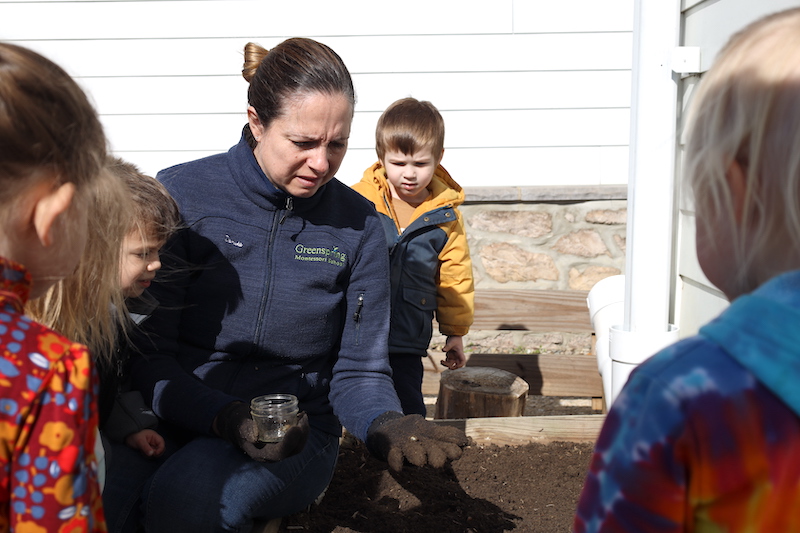
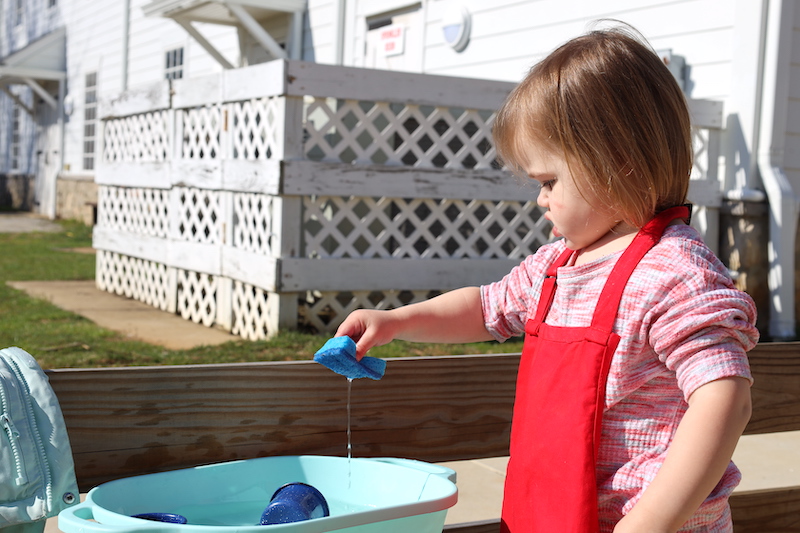
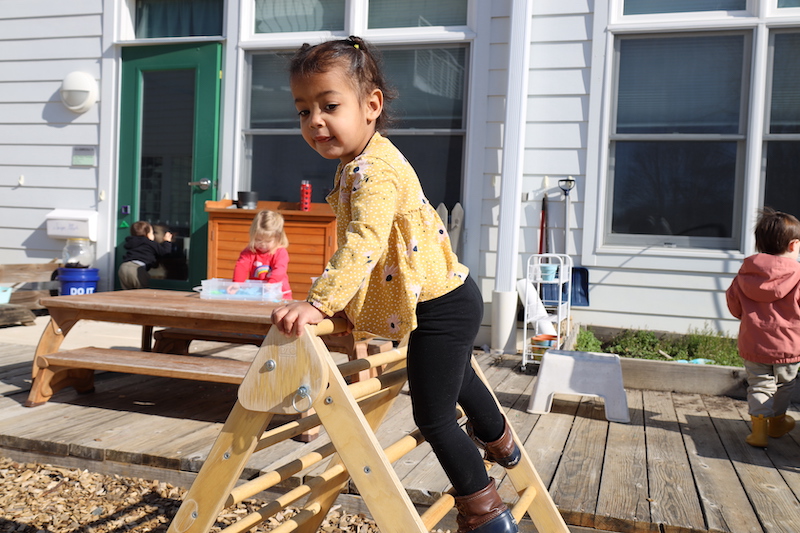
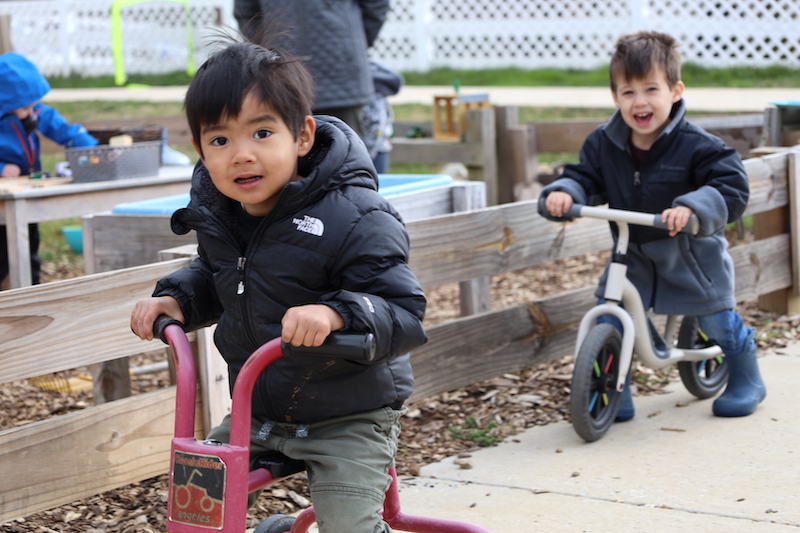
Monday, March 20th was the first day of spring and our students are celebrating in their outdoor learning enironments!

Students at Greenspring learn how to care for their outdoor environments from our youngest ages. Outdoor work includes watering and weeding the garden, sweeping, and planting seeds and new plants. Older children scrub fences and even build raised beds. These practical activities build a sense of connection and ownership as children care for the natural spaces around them. 

The Willows Children House Class maintains a pollinator garden which has been certified as a Monarch Waystation through the Monarch Watch program.  This garden provides crucial nectar to pollinators from Spring to late Fall and includes perennials such as two varieties of milkweed, purple coneflowers, goldenrod, and asters, and annual plantings from seed including zinnias, sunflowers, and lantana. Children help water, plant, weed, and care for the garden throughout the school year.

Enjoy some recent photos from our outdoor learning spaces!

Social Emotional Learning for Elementary Students

Social emotional learning (SEL) is how children and adults learn, acquire, and apply the skills and attitudes needed to develop groundedness, empathy, and healthy identities throughout life. SEL is arguably the foundation for all other forms of learning to take place. 

Through SEL we practice managing our emotions in order to achieve personal and communal goals, and to learn the art of self-regulation. Through SEL we build our capacity for emotional intelligence, as we learn to show empathy for others while establishing and maintaining supportive relationships. Effective SEL helps us to make caring and responsible decisions when needed. SEL is best taught through language that is used regularly. For students, staff, parents, and all community stakeholders to use it effectively, it must be incorporated into everyday interactions, opportunities for conflict resolution, and as part of everyday culture. 

Greenspring Elementary students have been weaving the language of SEL into their everyday experiences and when it comes time to problem solve or resolve conflicts. Through Character Education lessons, students have learned about social emotional topics, such as tattling versus reporting, personal space, taking a walk in the shoes of another (empathy), digital citizenship, friendship building skills, bucket filling, among other topics. With each lesson comes valuable social emotional language that is referenced even well after the lessons are given, thus making lessons learned part of the culture. (The goal is to then create SEL work that will be displayed on the shelves for children to further practice their skills with.)

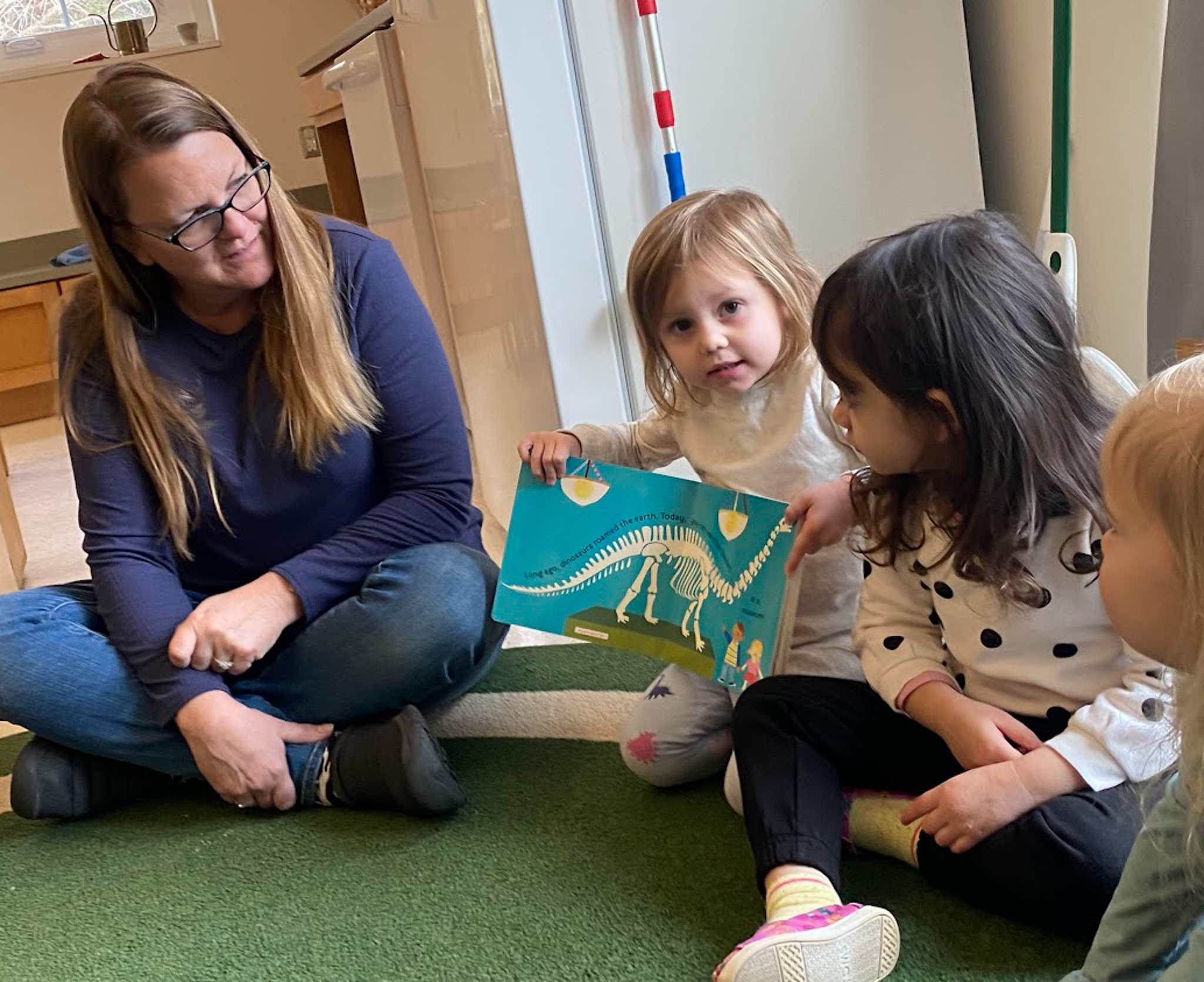
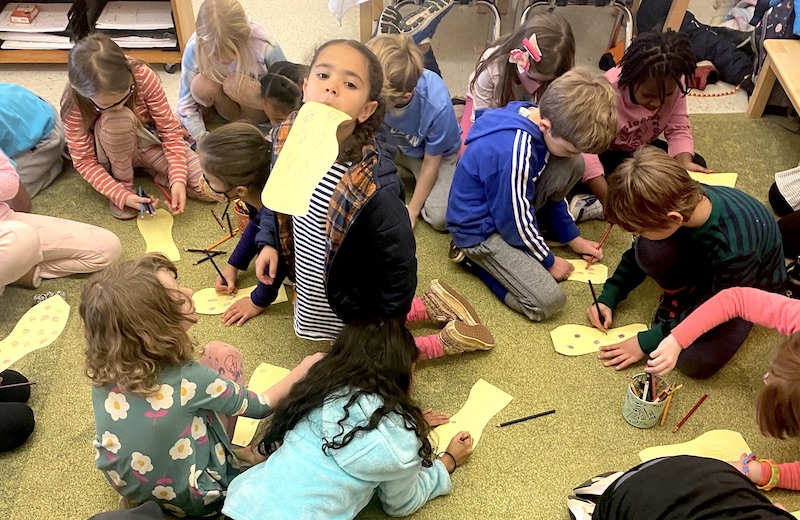
For example, Lower Elementary students enjoyed a Character Education lesson about the differences between Tattling and Reporting. Students learned that tattling occurs when one “tells” on another for doing something that may be annoying, but does not hurt anyone else. They also learned that reporting is something that we are expected to do, when one’s body or heart could get hurt. Reporting is very important and necessary when someone could be in danger. Tattling is something we can avoid, when no one is in danger physically or emotionally. We also talked about what else we could do instead of tattling when something “annoying,” but nothing dangerous is happening. We could be  problem solvers, for example, and ask the person who is doing something annoying to stop directly, or maybe we could move our own selves away. Focusing on what we CAN do versus what we CAN’T do is a big step in knowing how to problem solve in any situation. Students read the book “A Bad Case of Tattle Tongue” by Julia Cook, and discussed what they could do instead of tattling, and how they should always report a dangerous or scary situation, when necessary! During the final part of the lesson, as students were discussing and role playing different scenarios and trying to decipher which would be cases for “tattling” or “reporting,” everyone made their own “tattle tongues” as a reminder try to not tattle, when they could solve the problem independently!

Lower El also learned about the four different types of “Personal Space” this year, and how they can respect the personal space of others. Students learned that personal space can be broken down into four different categories. Those categories are body space, seeing space, hearing space, and property space. Body space refers to when someone is getting physically too close to another’s body, and how can make someone feel uncomfortable. Students learned that they can tell if they are invading someone’s body space because that person might take a step back or arch their back away. If they see someone doing this, they will know that they need to take a step back so that they do not invade the body space of another. Students also used a hula hoop to determine how close or far away someone could get from them without invading their body space “bubble.” Seeing space invasion is when an object is being held too close or too far away from someone’s eyes. Hearing space invasion is when others are being too loud or too quiet. Property space invasion is when someone’s property is being touched without permission. For each type of personal space students role-played, how to both invade and respect someone else’s different types of personal space. By role-playing different scenarios students practiced what they would do in real life should either they be invading someone else’s personal space or if somebody else is invading their personal space. The specific breakdown of language: Body space seeing space hearing space and property space allows students to give greater meaning to what type of space feels invaded or respected to them. It also gave them a chance to practice advocating for themselves by saying something like “Please back up a bit. My body space is feeling invaded.” As we know, specific language is such a valuable tool in communicating our thoughts and feelings, so giving students the language for what it means to both respect and invade someone’s personal space can be really helpful to them, their friends, and their community in the future. 

Upper Elementary students learned about gossip language versus considerate language when interacting with peers. During this lesson students squeezed toothpaste out of a tube, imagining that the toothpaste was gossip. They quickly realized that they could not get the toothpaste all the way back in the tube. This signified that hurtful words/gossip cannot ever really be taken back fully, so we need to think before we speak, and take responsibility for hurtful words. We need to imagine the word THINK. (An acronym for,  “Is it True, Helpful, Inspiring, Necessary, and Kind?) If they are not THINK words, we should try to replace them with more considerate words that are. Students focused on the power of positive words we speak to and about one another. The considerate language spreads just as fast as gossip language— so it is important to choose considerate language! (And the impact is much better for all!) Students also talked about how reporting hurtful words someone else said to a parent or trusted adult, is NOT gossip, and it is absolutely necessary. 

In a Upper El  digital citizenship lesson, students took gossip language versus considerate language a step further. They learned what it meant to leave a digital footprint, and how they must THINK (acronym) before posting online. Students discussed how the internet, apps, and social media can be wonderful tools when used right, just like our spoken words—- AND we need to do our best to be responsible in what we say/what we post, so that the words and images we put out to the world portray consideration and kindness, and not gossip or hurt. We read the book “Technology Tail” by Julia Cook. This book gave us some language and good examples of what it meant to leave a digital footprint, for better or worse. 

We are so grateful to be incorporating more SEL lessons and language at Greenspring! 

Lunar New Year Presentations

Lunar New Year Presentations

Several of our volunteers from the Johns Hopkins International Teaching and Global Leadership program presented their Lunar New Year traditions to our Children’s House and Elementary students.

Lunar New Year celebrates the first days of spring on the lunar calendar. Instead of tracking the Earth’s orbit around the sun, which is slightly over 365 days, the lunar calendar tracks the cycles of the moon. The holiday begins with the first new moon of the lunar calendar and ends on the first full moon of the lunar calendar, 15 days later.

Lunar New Year is celebrated around the world, though it goes by different names. China’s Lunar New Year is known as the Spring Festival or Chūnjié in Mandarin, while Koreans call it Seollal, and the Vietnamese refer to it as Tết

Each year in the Lunar calendar is represented by one of 12 zodiac animals included in the cycle of 12 stations or “signs” along the apparent path of the sun through the cosmos. 2023 is the year of the Rabbit!

Regional customs and traditions vary widely but share the same theme: seeing out the old year and welcoming in the luck and prosperity of a new year. Some people give their houses a thorough cleaning before the spring festival, which symbolizes sweeping away the bad luck of the preceding year and making their homes ready to receive good luck. Red is the main color for the festival, symbolizing prosperity and energy, so many people put up red lanterns and other decorations. Another Lunar New Year tradition is giving red envelopes, which have money in them, to children and seniors. Those who receive a red envelope are wished another safe and peaceful year. The Lunar New Year is often celebrated with parades that include lion and dragon dances, firecrackers, and fireworks.

Thank you, Brittany, Coco, Sharon, and Chelsea for sharing your traditions with us! We are grateful to all of the families and staff members who have shared your cultural traditions with our children this year!

Partnering with Johns Hopkins School of Education

Partnering with Johns Hopkins School of Education

We are proud to welcome 10 extended learning students from the Johns Hopkins University School of Education Master of Science in Education International Teaching and Global Leadership (ITGL) cohort to our Greenspring community.

During Extended Learning, ITGL students volunteer at a variety of educational institutions in the Baltimore area to gain experience in their focus areas and help prepare them to become Global Education Leaders. Ten ITGL students in the current cohort were matched with opportunities at Greenspring Montessori School.

The Greenspring Center for Lifelong Learning prepared three trainings for our ITGL extended learning students. They were first given a full day workshop titled An Introduction to Montessori Education. This was followed by a half-day workshop on No Drama Discipline and a half-day New Employee Orientation. The Extended Learning Students met with their mentor Guides to set goals and schedules. And our first students started volunteering in classrooms at the end of October.

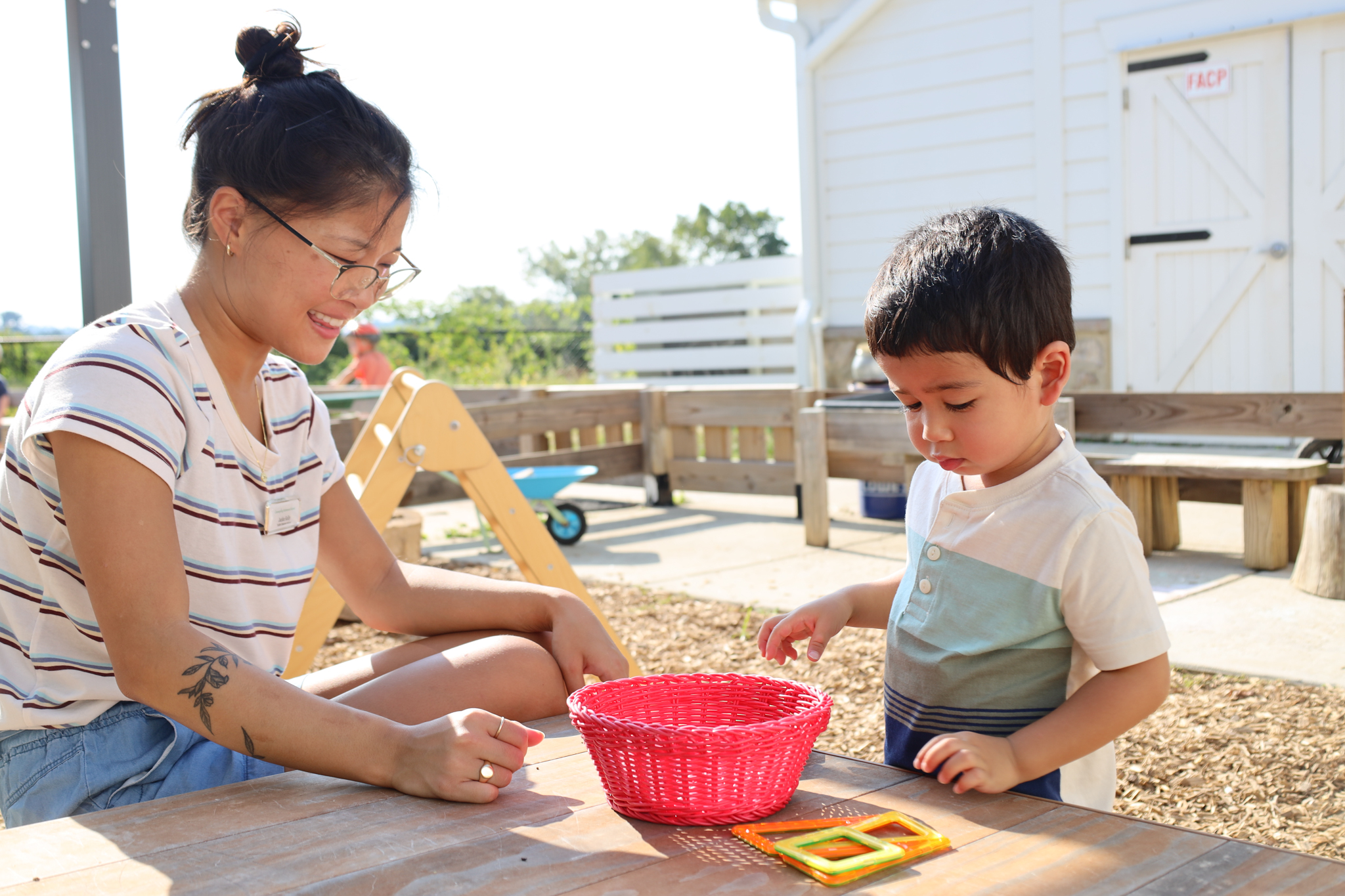
Learning is hands-on for our adult learners too!

We are grateful that all of these young, aspiring educators are choosing to spend time in our classrooms as they explore the Montessori model of education. We appreciate the hard work of Dr. Mark Trexler from the Johns Hopkins School of Education for coordinating this program and partnering with us. We look forward to sharing more updates on our ITGL learners throughout the year!

“I am amazed at how fantastic these students are at such a young age! They not only have a wide range of knowledge, but also have the ability to do their own research. They are able to participate and even lead the community management. They know themselves well and are able to articulate. I enjoy learning from the children. In addition, I am very grateful for the guidance I received from Mr. Beven. He asked me about my ideas after each lesson and taught me a lot.”

Xuxiaoyi