Elementary-age students are naturally curious and have a strong internal drive to discover how our world works. Montessori’s Great Lessons, presented every year, are impressionistic stories that introduce enormous topics, such as the Big Bang, the evolution of life on earth, and the origin of writing and mathematics. They are designed to spark the child’s imagination and to provide a context for all further study. The Elementary Guide is a storyteller, sharing just enough information to spark students’ interest in learning more on their own.
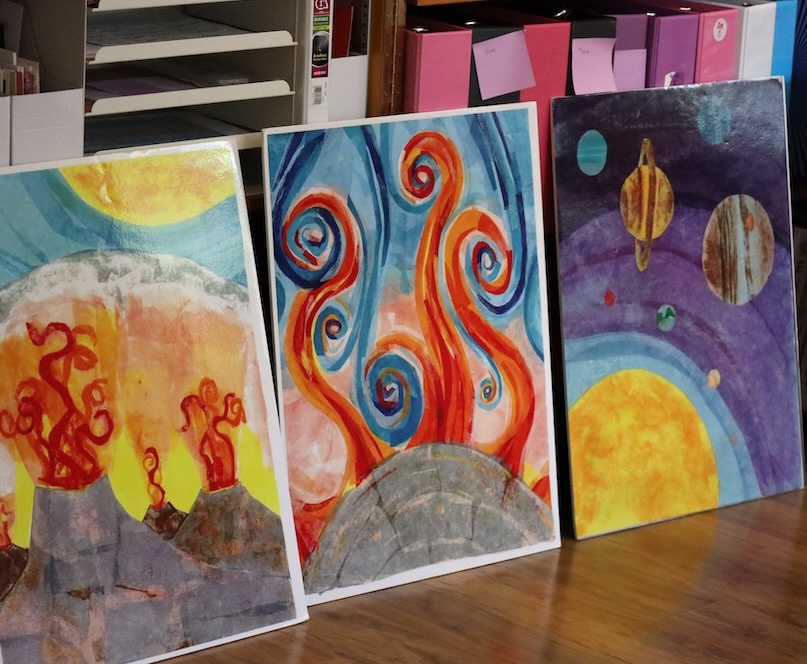
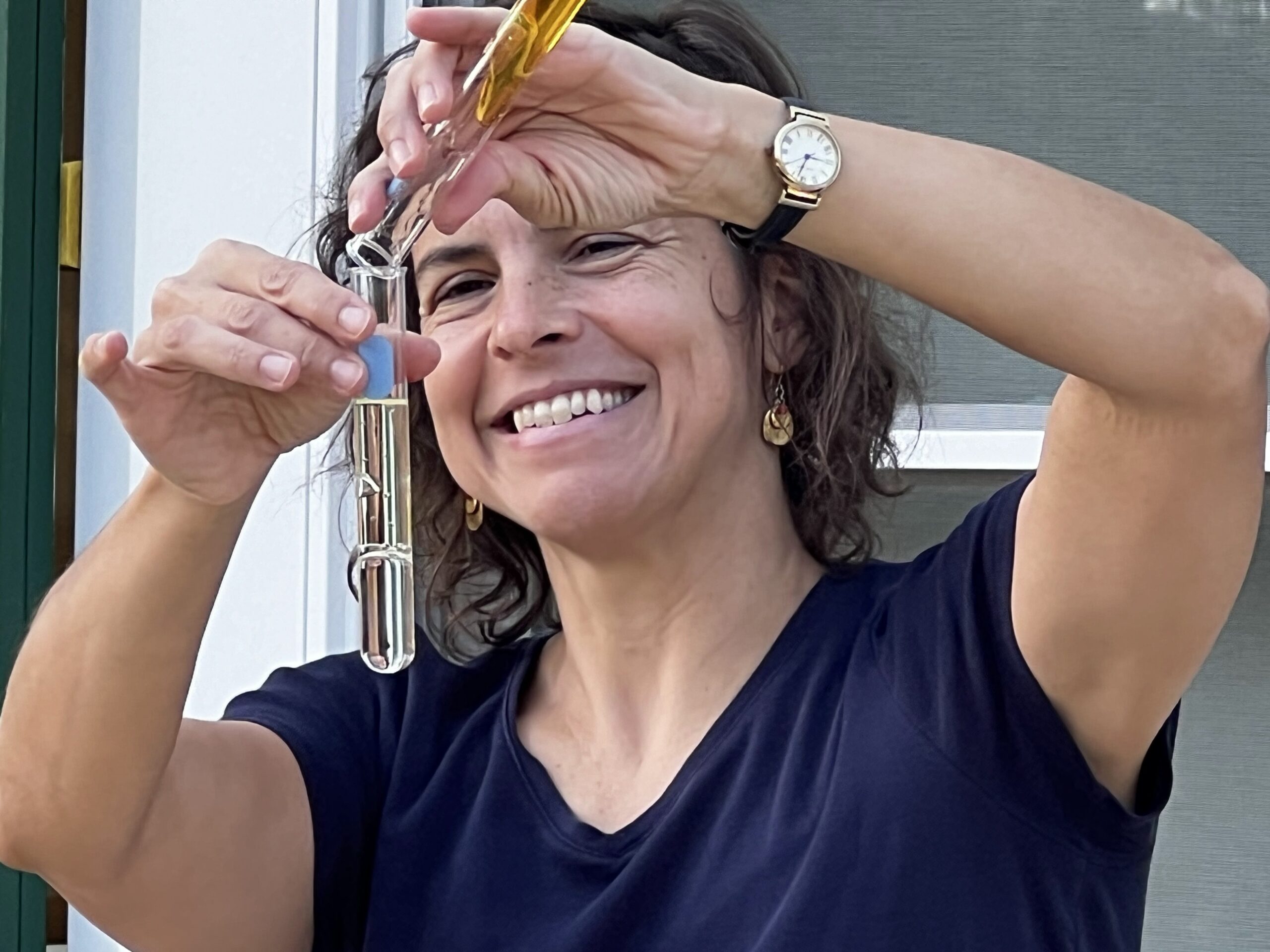
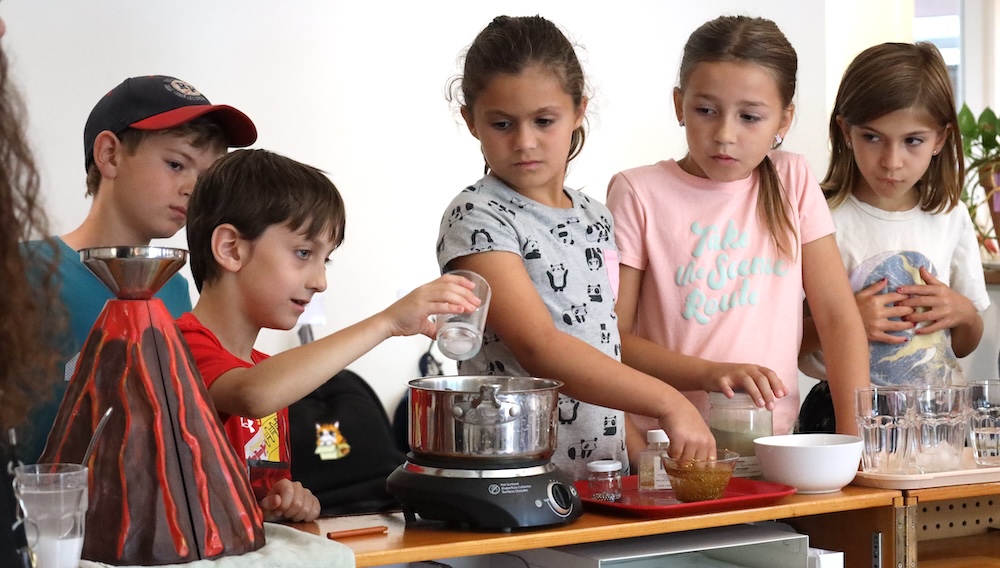
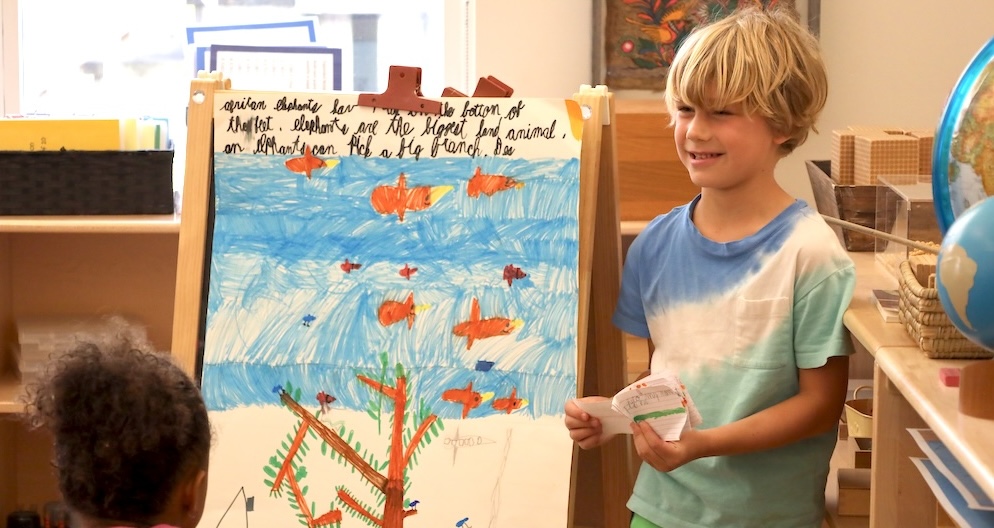
When students pursue topics that pique their interest, they are not only building their research skills, they are taking ownership of their learning, building self-motivation, exploring their passions, and furthering their independence.

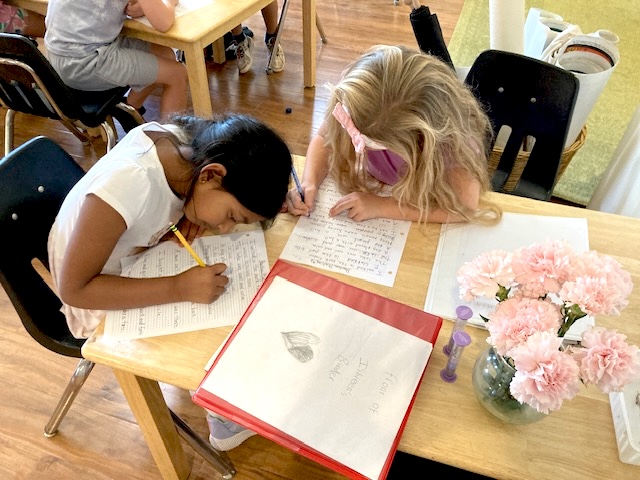
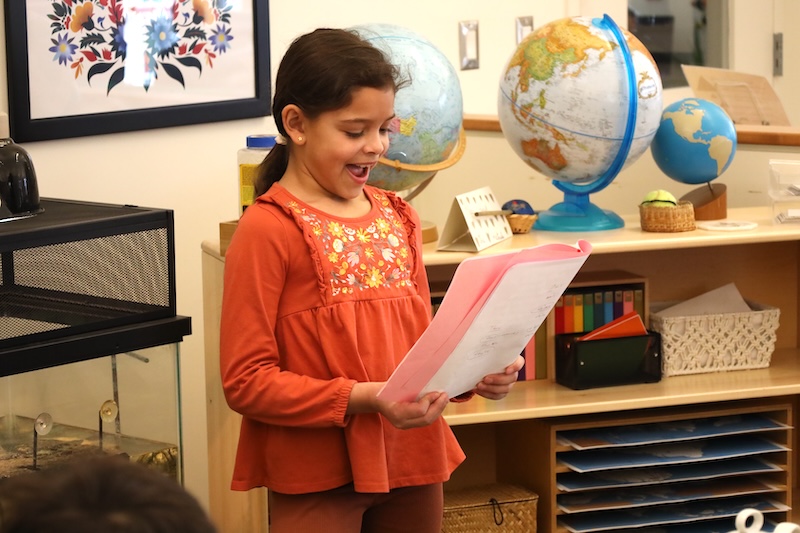
How do we teach research skills?
Students are first given lessons in each of these skills and opportunities to practice in isolation. They can then apply these skills and processes to any subject that interests them!
Choose a Topic:
- Brainstorm: Students think about topics they are interested in learning more about. [Lesson: brainstorming]
- Narrow the Focus: Students refine their topic to something manageable and specific.
- Identify Clear Questions: Students identify what they are trying to find out.
Gather Information:
- Explore Sources: Students explore various sources like books, magazines, websites, and even interviews with experts (if appropriate). Going Outs and the process of planning and engaging with a Going Out can also be part of this process.
[Lessons: evaluating sources, using a table of contents, using an index] - Take Notes: Students learn to put key ideas into their own words.
[Lessons: paraphrasing, identifying the main idea, summarizing information]
Organize Information:
- Sort and Categorize: Students organize their notes by topic or question.
[Lessons: structure of a paragraph, structure of a report] - Use Graphic Organizers: Students can use simple graphic organizers to help them structure their notes and identify main points. [Lesson: how to use a graphic organizer]
Share Findings:
Students share their research through a variety of models, including presentations, posters, or reports.
- Written report [Lessons: how to cite sources, use evidence to support findings,using domain-specific vocabulary, how to write a clear conclusion]
- Oral presentation [Lessons: Sequence ideas logically, use appropriate facts and details, public speaking skills-pacing, poise, how to field questions, voice projection]
- Artistic presentation (model, diorama, skit, song, etc.)
- Digital presentation (Google Slides, word processing, integrating images and audio)
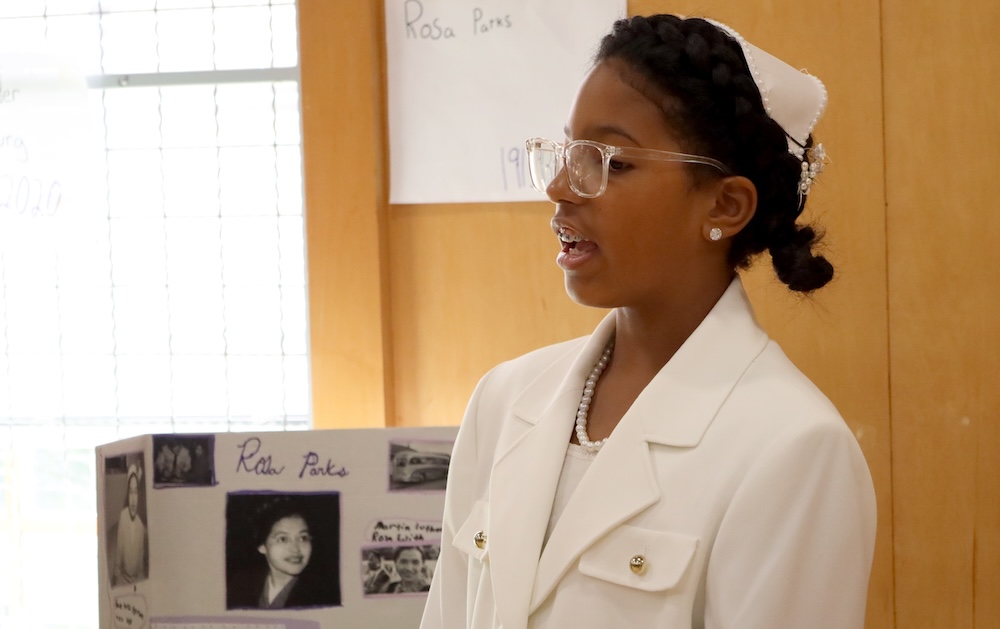
What are the benefits?
Critical Thinking:
Students develop critical thinking skills, evaluating information, and identifying biases.
Information Literacy:
Students learn to locate, evaluate, and use information effectively.
Time Management:
Students practice managing their time, setting deadlines, and prioritizing tasks.
Collaboration:
Students often work in pairs or small groups, developing teamwork and communication skills.
Problem-Solving:
Students encounter and overcome obstacles, developing resilience and resourcefulness.
Autonomy/independence:
Students take ownership of their own learning, develop intrinsic motivation, explore their academic passions.
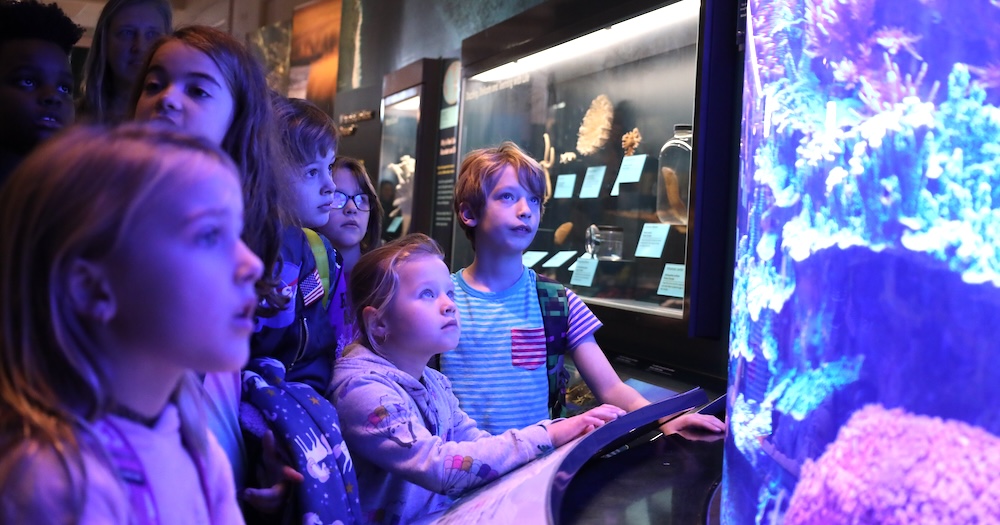
Montessori students are empowered to find the answers to their own questions with the materials and resources in a prepared environment. Children enjoy learning that is driven by their passions.
Learn more about Greenspring Montessori’s Elementary program.